
Nature-Inspired Earthy Bedroom Inspirations
Craving a bedroom that feels grounded, serene, and effortlessly stylish? Earthy design taps into nature’s palette—think warm wood, soft stone, woven textures, and sun-baked hues—to create a space that soothes the senses and supports deep rest. With biophilic design principles and organic materials, an earthy bedroom becomes a sanctuary that looks beautiful and truly feels better to live in.
In this list, you’ll find inspiration across styles—Japandi calm, desert modern, rustic artisan, coastal natural, and moody forest greens—paired with practical tips you can use today. We’ll explore harmonious color palettes (sand, clay, taupe, olive, mushroom), tactile layers (linen, wool, jute, rattan), and mindful accents (ceramics, botanicals, soft lighting) to add depth without clutter. Expect ideas that work for both small spaces and larger rooms, renters and homeowners, and every budget.
Get the Fail-Safe Paint Color Playbook (Free PDF)
36 proven colors • 8 ready palettes • trim & sheen guide • printable testing cards.
From sustainable decor swaps to layering techniques that add warmth and texture, each inspiration shows how to balance minimalism with coziness, natural materials with modern function. Ready to root your space in nature and wake up calmer every day? Let’s begin.
Earthy Bedroom Decor Ideas: Warm Neutrals, Natural Materials, and Organic Textures
An earthy bedroom begins with a grounded color palette that echoes the landscape. Think clay, terracotta, sand, taupe, and olive, balanced by chalky whites for clarity. Layer tactile materials such as linen, wool, jute, rattan, and raw wood to add dimension without visual noise. Use low-sheen finishes and matte textures to diffuse light and create a soft, restful glow. Warm, dimmable lighting—amber glass, woven pendants, or paper lanterns—reinforces the cozy mood. Keep silhouettes simple and timeless to let organic textures take the spotlight.
- Clay-Toned Walls: Brush walls with clay or terracotta paint for enveloping warmth, pairing with chalky whites on trim to balance depth and maintain a serene, sunbaked atmosphere.
- Linen Layering: Stack breathable linen sheets, a textured coverlet, and a heavier linen duvet, mixing oat, mushroom, and ivory for quiet contrast and effortless, rumpled elegance.
- Rattan Headboard: Anchor the room with a curved rattan headboard that introduces airy pattern, complementing solid bedding while keeping the overall composition light and breezy.
- Reclaimed Wood Nightstands: Choose reclaimed wood tables with visible grain and knots, celebrating imperfections that add story, patina, and subtle rustic contrast against refined textiles and lighting.
- Jute and Wool Rug: Ground the space with a flatweave jute base layered under a smaller wool rug, combining durability, comfort, and inviting texture beneath bare feet.
- Stoneware Accents: Style the nightstand with handmade ceramic vessels, a stone tray, and a clay lamp base, reinforcing earth tones through sturdy, tactile, artisanal forms.
- Matte Black Details: Introduce matte black pulls or sconces to sharpen the palette, adding slim lines that frame softer textures without overwhelming the room’s tranquil character.
- Olive Green Bedding: Add olive pillow shams or a throw to echo foliage tones, creating a subtle biophilic cue that harmonizes with wood furniture and woven fibers.
- Woven Storage Baskets: Corral blankets and books in seagrass baskets, gaining functional storage while layering natural texture that keeps corners tidy and visually cohesive.
- Amber Glass Lamps: Use amber or smoked glass lamps for warm diffusion, softening LED light into a candlelike glow that complements earthy paint and natural textiles.
Balance negative space by editing decor, letting a few honest materials speak clearly. Hang art with natural subjects—ink botanicals, landscape sketches, or textural reliefs—framed in raw oak or walnut. Opt for breathable window treatments like linen pinch-pleat curtains that filter daylight without sacrificing softness. Keep metal finishes consistent—aged brass or blackened steel—to avoid visual clutter and maintain cohesion. Introduce subtle scent through cedar blocks, palo santo, or vetiver oil to deepen sensory warmth. Finish with a tactile throw at the foot of the bed to invite lingering and relaxation.
Sand-to-Clay Palette: The Foundation of an Earthy Bedroom
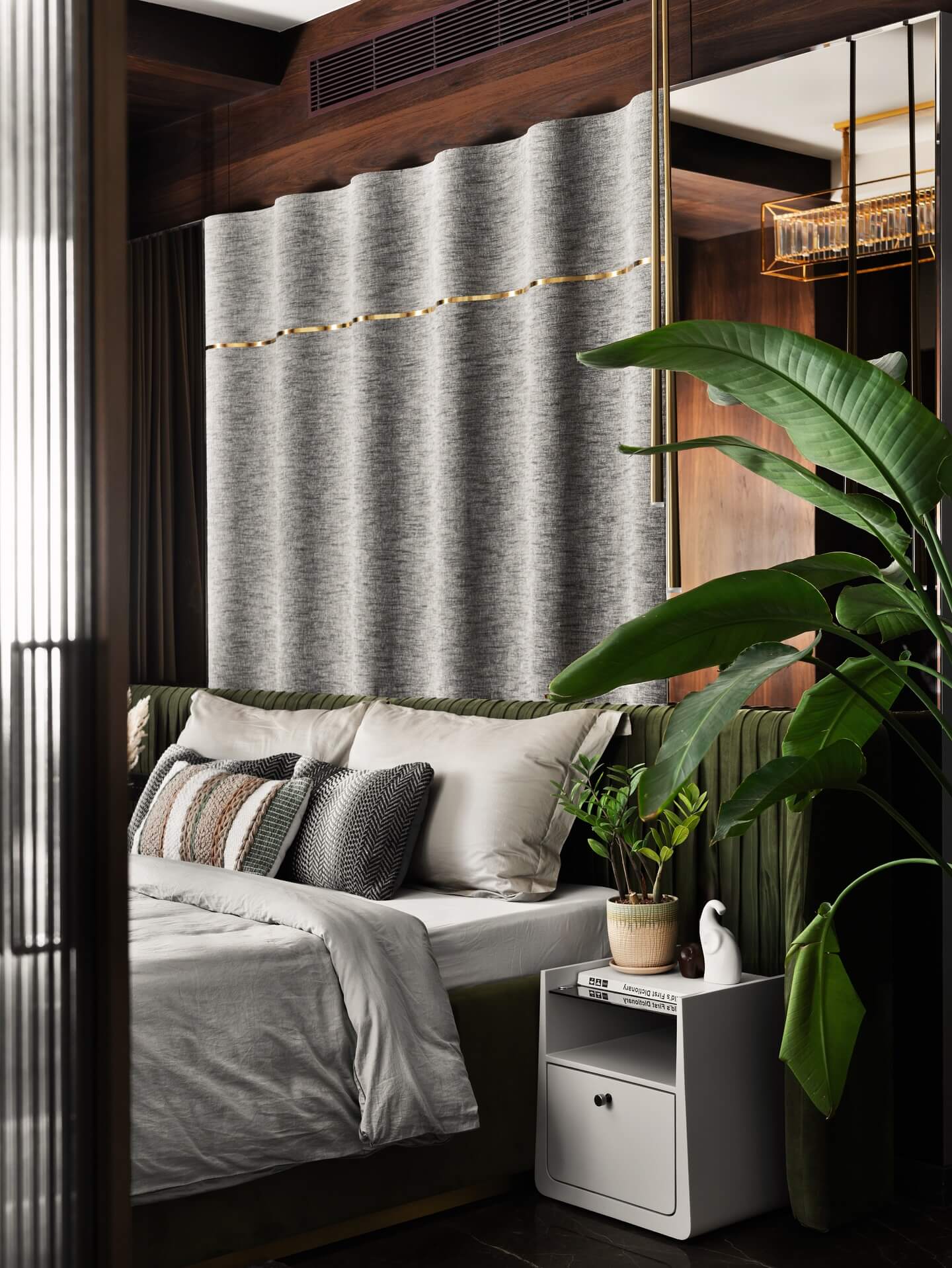
Start with color, and the rest flows. An earthy bedroom sings when you layer sun-warmed neutrals—sand, beige, mushroom, and soft clay—with a touch of contrast. Choose a dominant wall color with warm undertones (think oatmeal or putty) and echo it in textiles: a flax linen duvet, a taupe quilt, and mushroom-toned shams. Introduce depth with darker accents—walnut side tables, bronze hardware, or a charcoal lumbar pillow—so the palette doesn’t feel flat. Keep metals subdued (aged brass, blackened steel) and let natural materials take center stage: wood, stone, rattan, jute. If you’re painting, sample three shades on the wall and observe them morning to night; earthy hues shift with natural light. For cohesion, repeat one tone in at least three places (e.g., terracotta in a planter, a ceramics tray, and a throw). This restrained approach creates visual harmony and a calming, grounded sanctuary. Bonus: a tonal palette is renter-friendly—swap textiles seasonally to freshen the space without repainting. The result is timeless, elevated, and soothing, setting the stage for every other layer that follows in your cozy, nature-inspired retreat.
Low-Profile Bed and Japandi Lines for Visual Calm
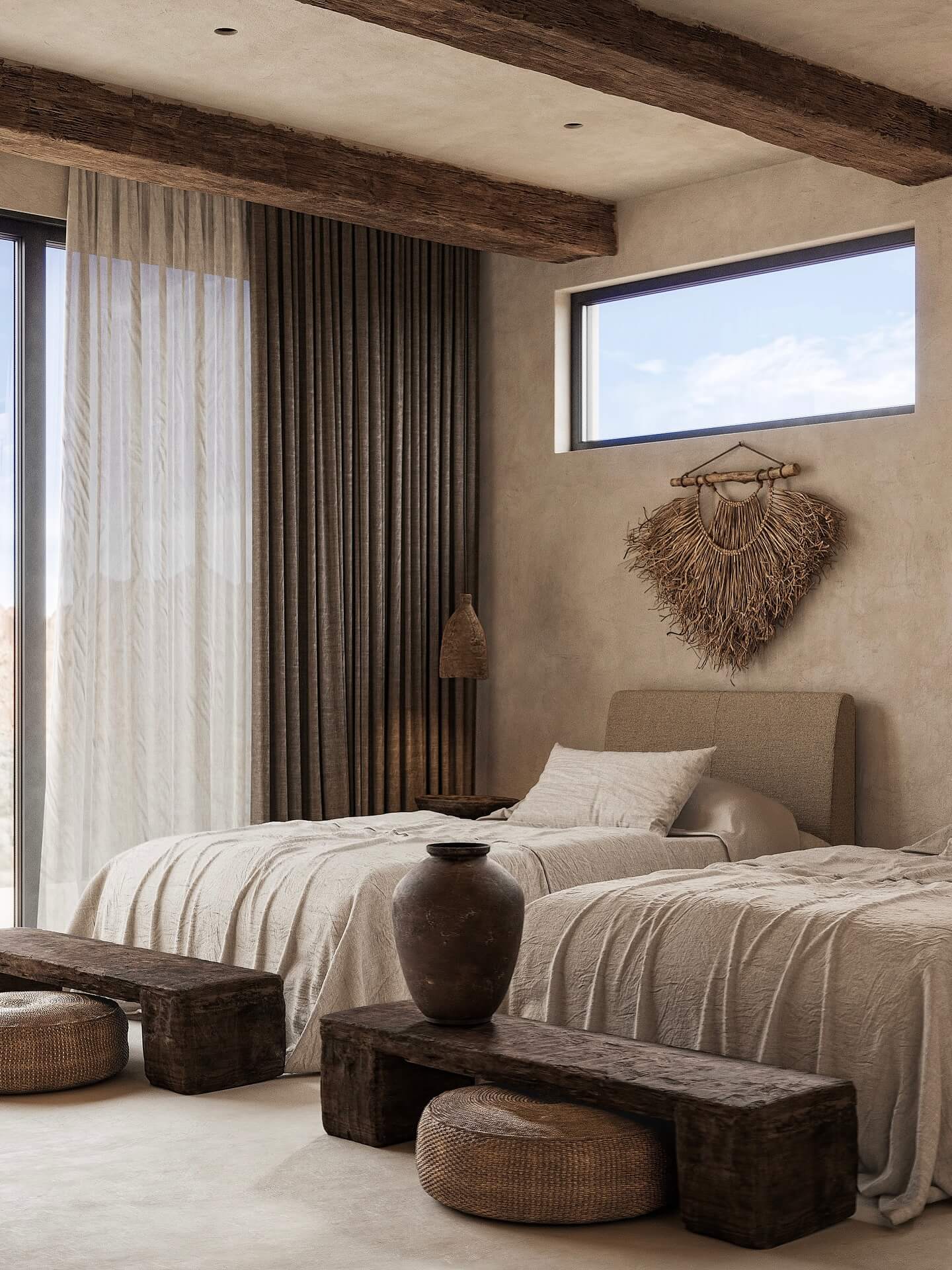
A low-profile bed immediately makes an earthy bedroom feel grounded—literally and visually. Opt for a solid-wood frame with rounded corners or clean Japandi lines to reduce visual noise and let textures star. Keeping the mattress height modest increases the perception of ceiling height and creates generous “negative space” around the bed, which reads as calm. Pair with simple nightstands that align with the mattress top for a cohesive horizon line, then add curved details (a dome lamp, an arched mirror) to soften the geometry. To maintain flow, limit the number of furniture finishes—ideally one wood tone plus one accent (like rattan or cane). If storage is tight, use under-bed bins in natural fibers or add a ledge-style headboard to keep surfaces clear. Dress the bed in breathable linens and a layered, tonal stack of pillows that supports the serene color story. This minimalist approach doesn’t skimp on comfort; it amplifies it, letting light, air, and tactile materials do the talking while preserving the organic tranquility you crave.
Linen Layers That Breathe: Bedding You’ll Love Year-Round
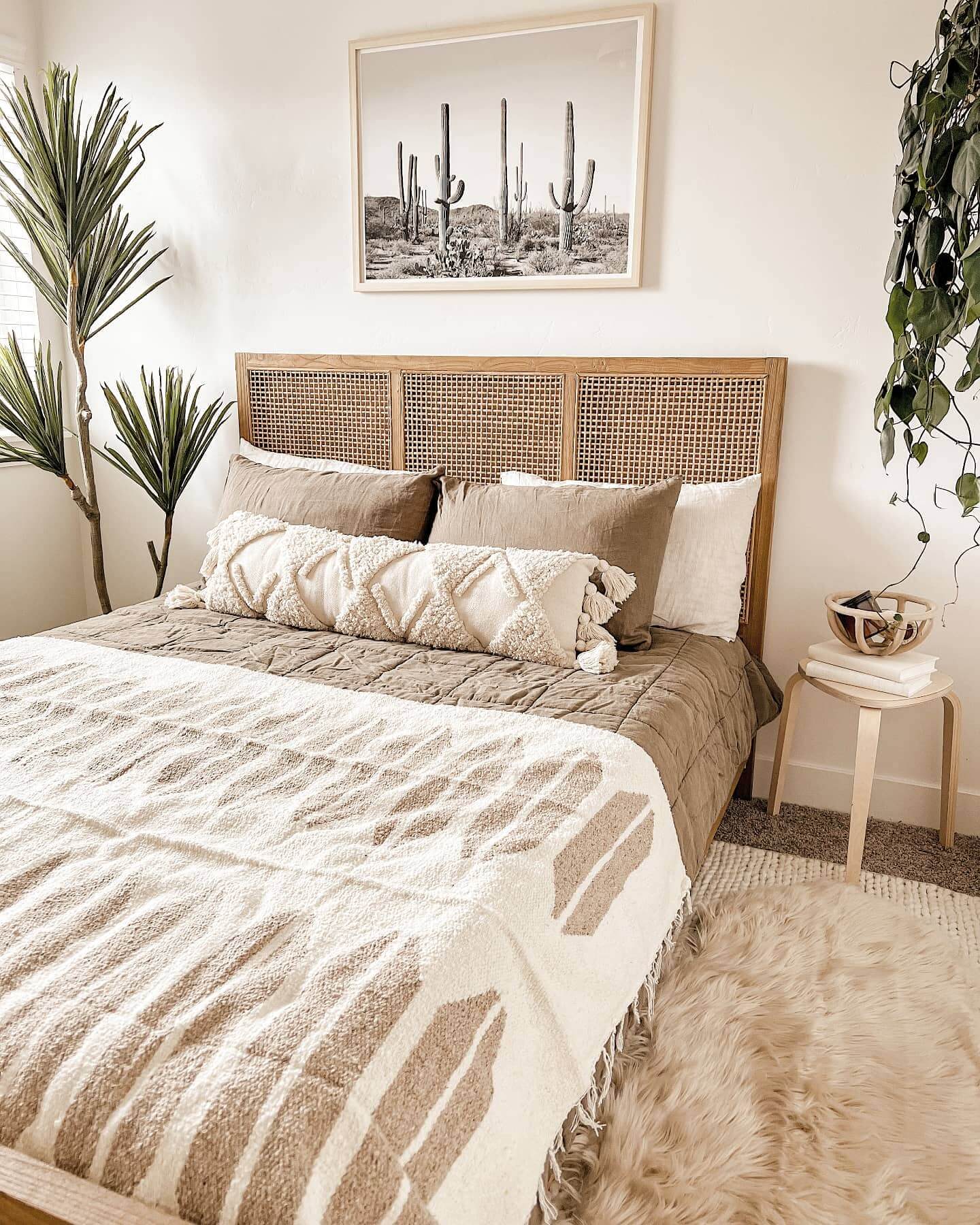
Textile choice can make or break an earthy bedroom. Lean into breathable, tactile layers: start with a crisp cotton percale or soft washed-linen sheet set, add a linen duvet for drape, and top with a lightweight wool or waffle-knit blanket for texture. Keep hues tonal—ecru, stone, oat, greige—then introduce a single accent like olive or rust in a lumbar pillow for a subtle nod to nature. The secret to an inviting bed is balanced weight: combine an airy quilt with a denser throw so the bed looks plush without feeling heavy. Prioritize natural, non-toxic materials (OEKO-TEX or GOTS certifications) and natural fills like wool or down-alternative made from recycled fibers. For effortless styling, use two euro pillows to “frame” the headboard, standard pillows for function, and one statement cushion for personality. Rotate textiles seasonally—swap wool for cotton in summer, layer sheepskin or boucle in winter—to maintain comfort while keeping your earthy palette consistent. The result is a breathable, sensory-rich sleep setup that quietly supports deeper rest.
Wabi-Sabi Nightstand: Rituals, Not Clutter
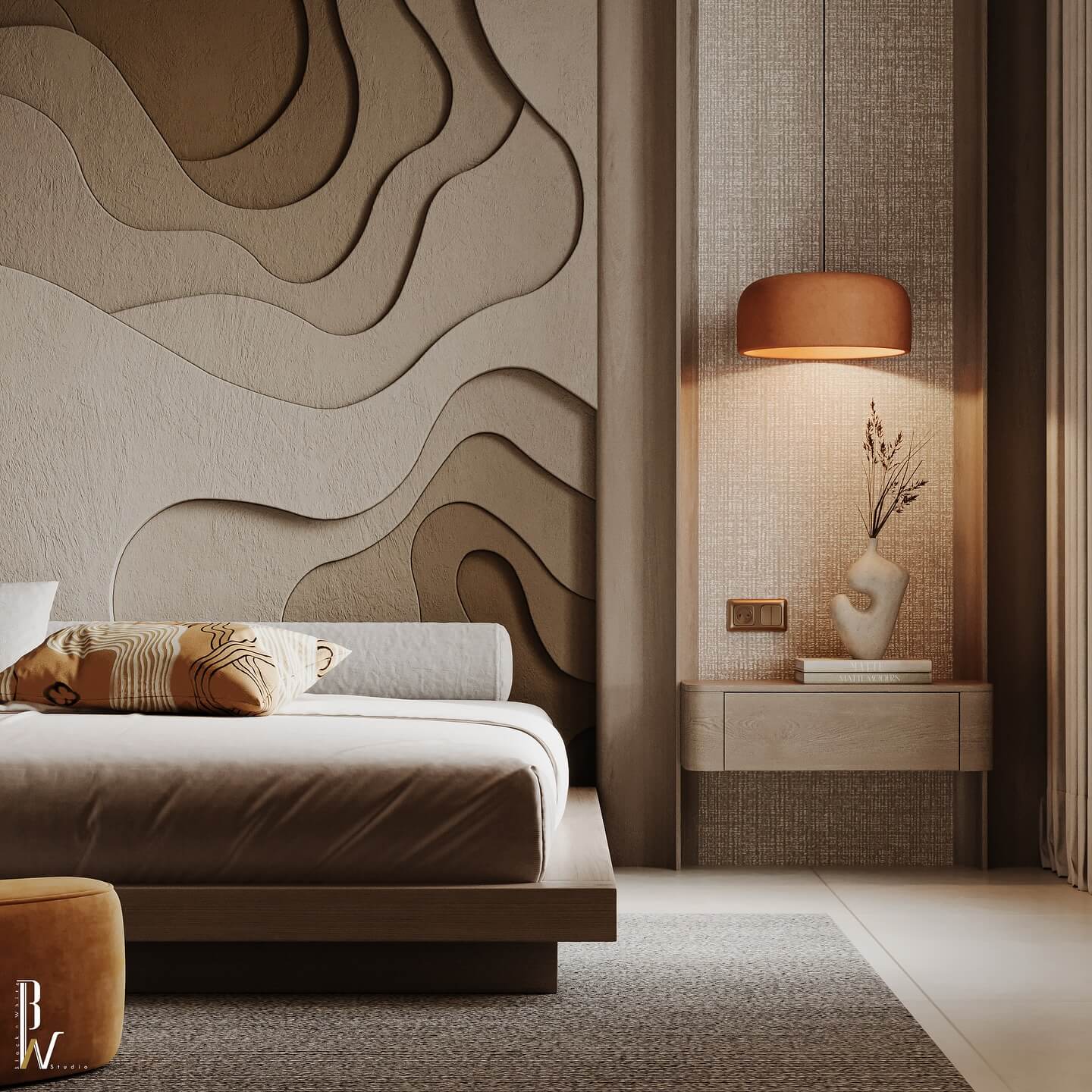
Nightstands in an earthy bedroom should serve daily rituals, not store chaos. Curate a small vignette with functional beauty: a ceramic catchall for rings, a carafe and cup, a well-loved book, and a small botanical element (a sprig in a bud vase or a stone from a favorite hike). Choose lamps with warm-dimming bulbs (2200–2700K) to encourage melatonin production, and keep cords tamed with a linen cable sleeve. Prioritize natural finishes—solid wood, cane, or travertine—and let the texture do the decorating so you need fewer objects. Drawer inserts or a lidded basket below keep essentials tidy, while a linen coaster protects surfaces. Consider scent as part of the ritual: a few drops of lavender or cedarwood in a stone diffuser can cue calm without overpowering. Edit weekly so surfaces stay light and breathing room remains. This wabi-sabi approach—simple, imperfect, authentic—anchors your space in mindful living and reinforces the grounded serenity of an earthy, minimalist bedroom.
Get the Fail-Safe Paint Color Playbook (Free PDF)
36 proven colors • 8 ready palettes • trim & sheen guide • printable testing cards.
Limewash Walls and Plaster Depth for a Sun-Washed Look
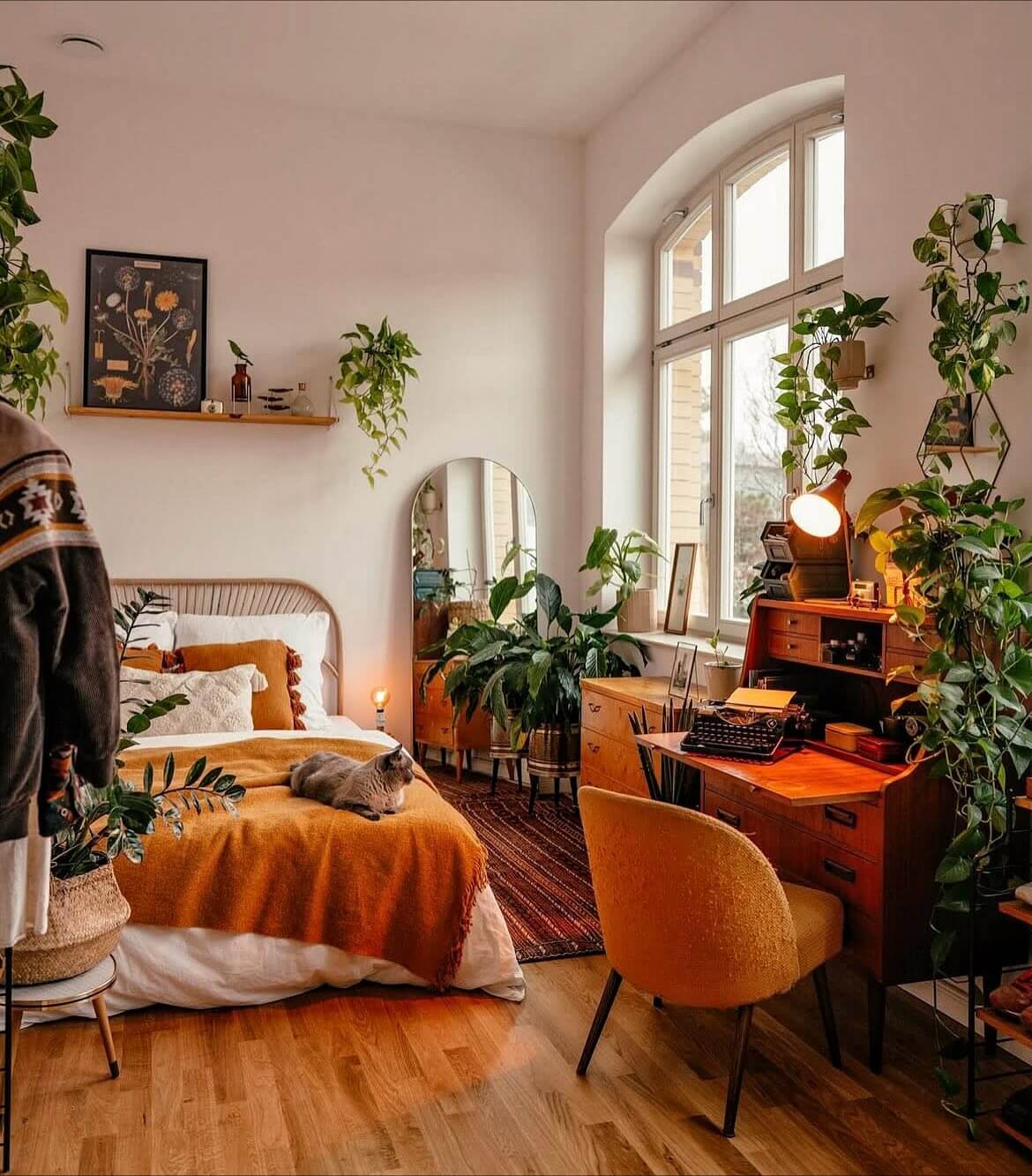
If you crave that sun-washed, organic depth, limewash is the shortcut. Its mineral matte finish introduces movement and shadow that flat paint can’t replicate, instantly elevating an earthy bedroom. Choose a warm neutral—beige-gray, clay, or mushroom—and test on multiple walls to read undertones. For subtle texture without a full wall treatment, consider a limewash headboard “panel” or a micro-plaster accent behind the bed; it frames the focal point and pairs beautifully with raw wood. Renters can mimic the look with mineral-style paints, textured rollers, or even fabric wall panels in nubby linen. Keep trim and ceiling slightly lighter in the same family or go tone-on-tone for a cocoon effect. Complement with natural stone accents—travertine side table, ceramic lamp—to echo the finish. The play of light across textured walls creates calm, a sense of age, and the feeling that your space has been carved from nature itself—hallmarks of an elevated earthy sanctuary.
Underfoot Warmth: Jute Base, Wool Layer, Curves on Top
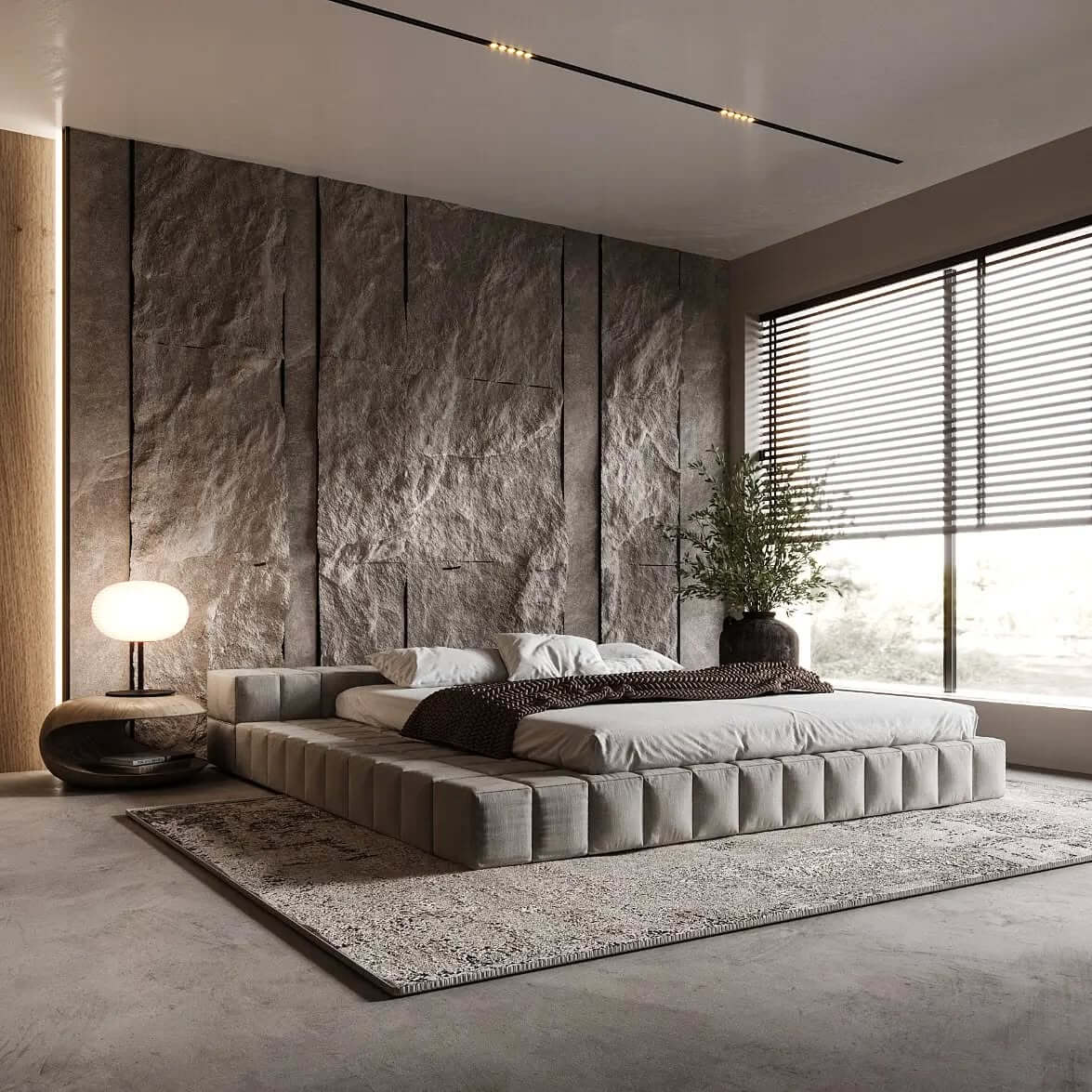
Ground your retreat—literally—with a natural rug strategy. Start with a sturdy jute or sisal rug sized to extend at least 18–24 inches beyond the bed so every step meets texture. Then layer a softer wool or cotton flatweave at an angle or at the foot for comfort and visual interest. This mixed-pile approach brings organic depth while keeping the palette cohesive. To soften the architecture of a boxy room, introduce curves: a round bedside table, a scalloped linen bed skirt, or an arched mirror that bounces light. Choose a natural rubber rug pad for grip without off-gassing, and spot-clean with plant-based solutions. Keep colors in the sand-to-taupe family to tie flooring to textiles, and repeat the rug’s weave in smaller accents like a jute basket or rattan tray. The result is a room that feels anchored, tactile, and welcoming from the ground up—core to any cozy, earthy bedroom design.
Olive Accents and Botanicals for Biophilic Balance
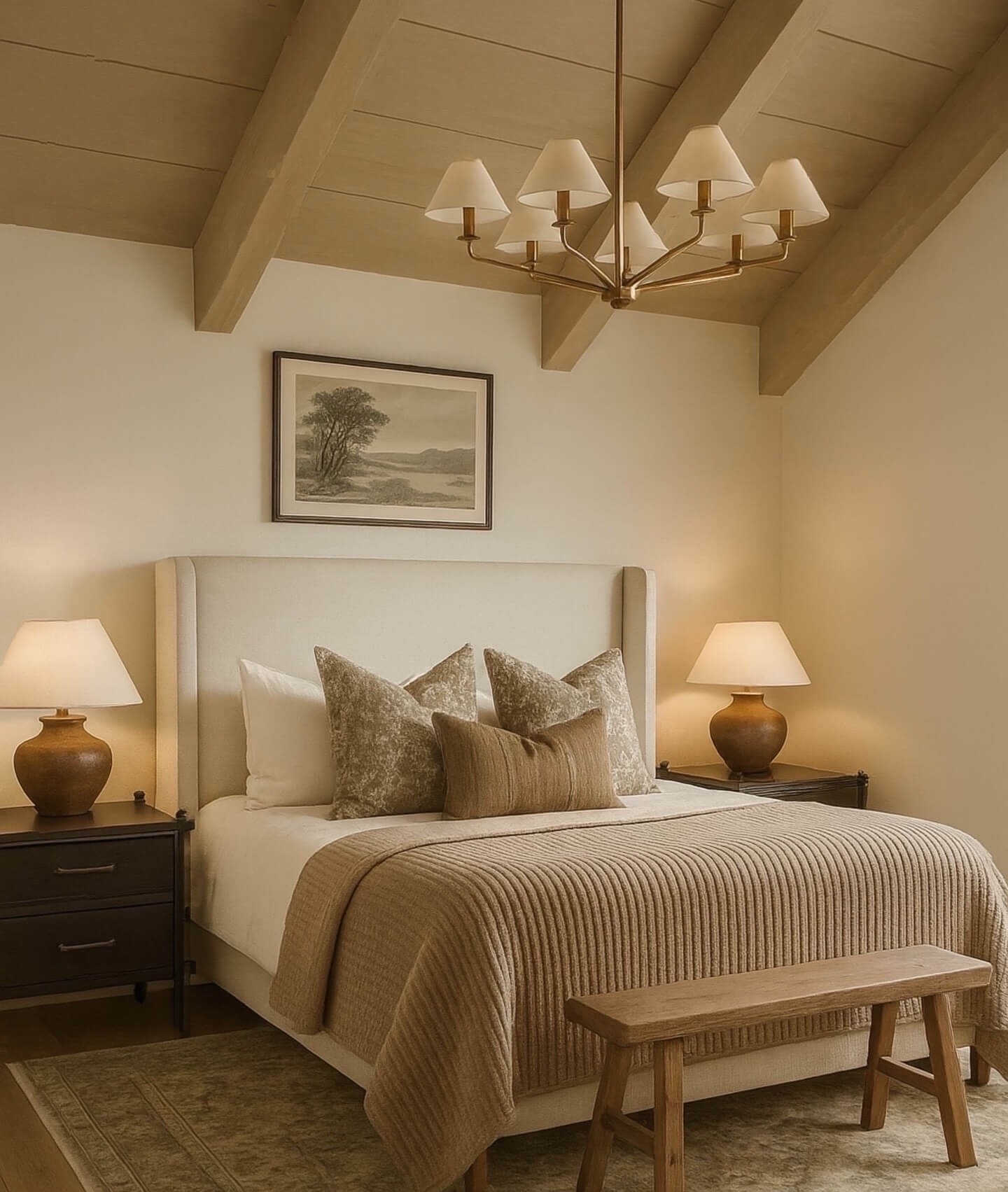
A restrained touch of green brings an earthy bedroom to life. Instead of painting walls, layer olive through textiles—a throw, a lumbar pillow, or a striped blanket—so the room remains neutral yet enlivened. Echo the hue with botanicals: a potted olive tree, a sculptural snake plant, or a trailing pothos on a high shelf. Use terracotta or sand-colored planters to reinforce the palette and add patina. If floor space is tight, try a wall-mounted ledge for small plants, botanical prints in sepia or charcoal, or a moss-toned rug. Keep the number of species limited for visual calm; repeating one plant in different sizes creates harmony. Ensure good light and drainage, and group plants to boost humidity naturally. This measured approach to biophilic design softens edges, improves the room’s rhythm, and connects your sleep space to nature—without clutter. Olive’s quiet sophistication also pairs effortlessly with wood grains, woven textures, and plaster tones for a truly grounded sanctuary.
Renter-Friendly Earthy Upgrades with Maximum Payoff
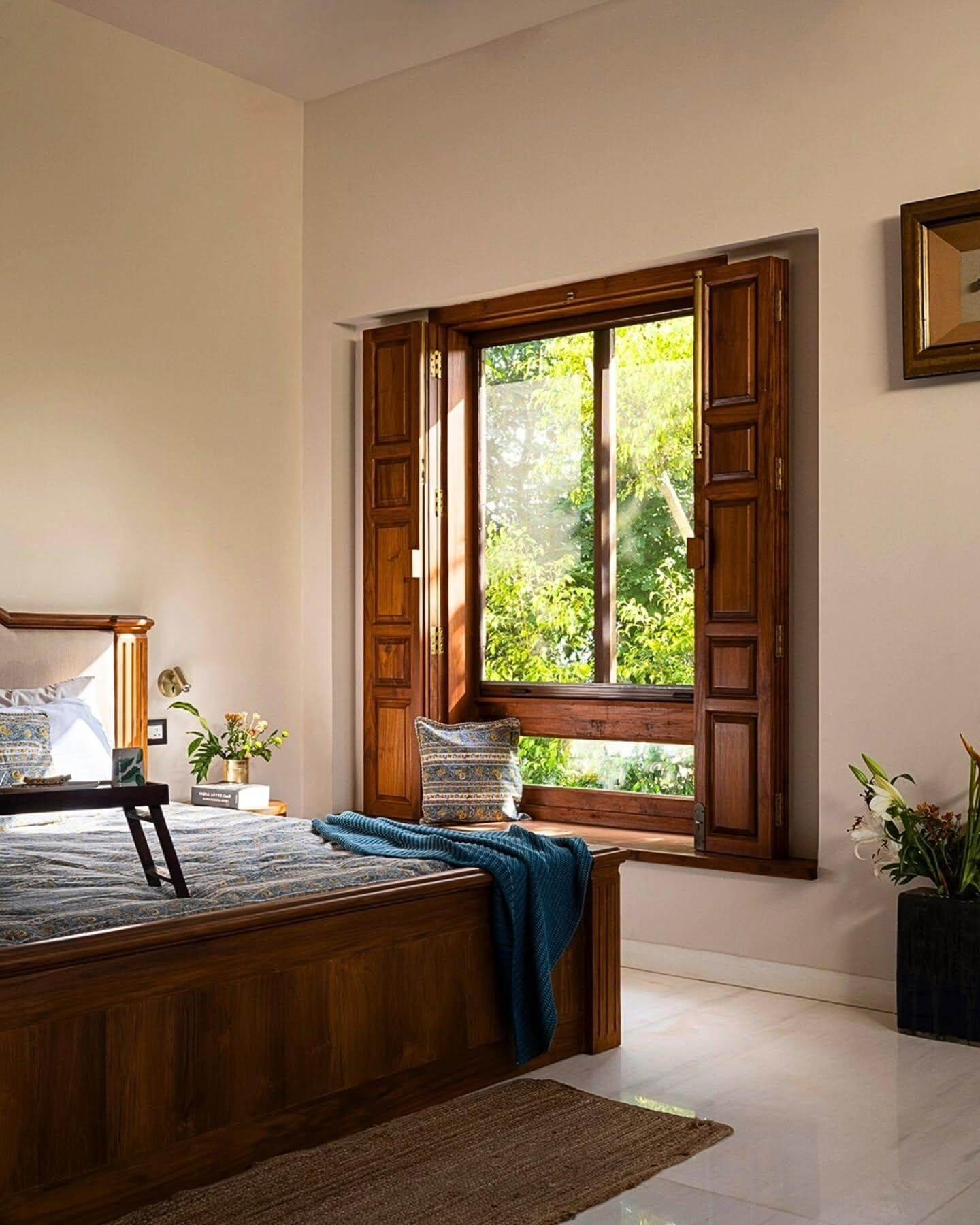
Transform a bedroom without a single paint stroke. Start with removable textiles: hang linen drapery on tension rods, add a neutral canopy rail, or drape a woven throw as an artful headboard. Swap bright bulbs for warm (2700K) dimmables, and add plug-in sconces with fabric cords to free up nightstand space. Peel-and-stick options go beyond wallpaper—think grasscloth-look panels, cork squares for a soft pinboard, or faux-limewash decals to add texture. Underfoot, a large jute rug hides flooring and defines the zone; layer a washable wool-look runner for softness. Bring in natural accents—ceramic lamps, rattan trays, raw-edge wood shelves—with felt pads to protect walls and floors. Curate a cohesive palette using bedding and art so the room feels designed, not temporary. Every change is reversible, but the mood shift is major: calmer, cozier, and beautifully earthy on a renter’s timeline and budget.
Statement Wood Headboard: Slats, Caning, and Craft Texture
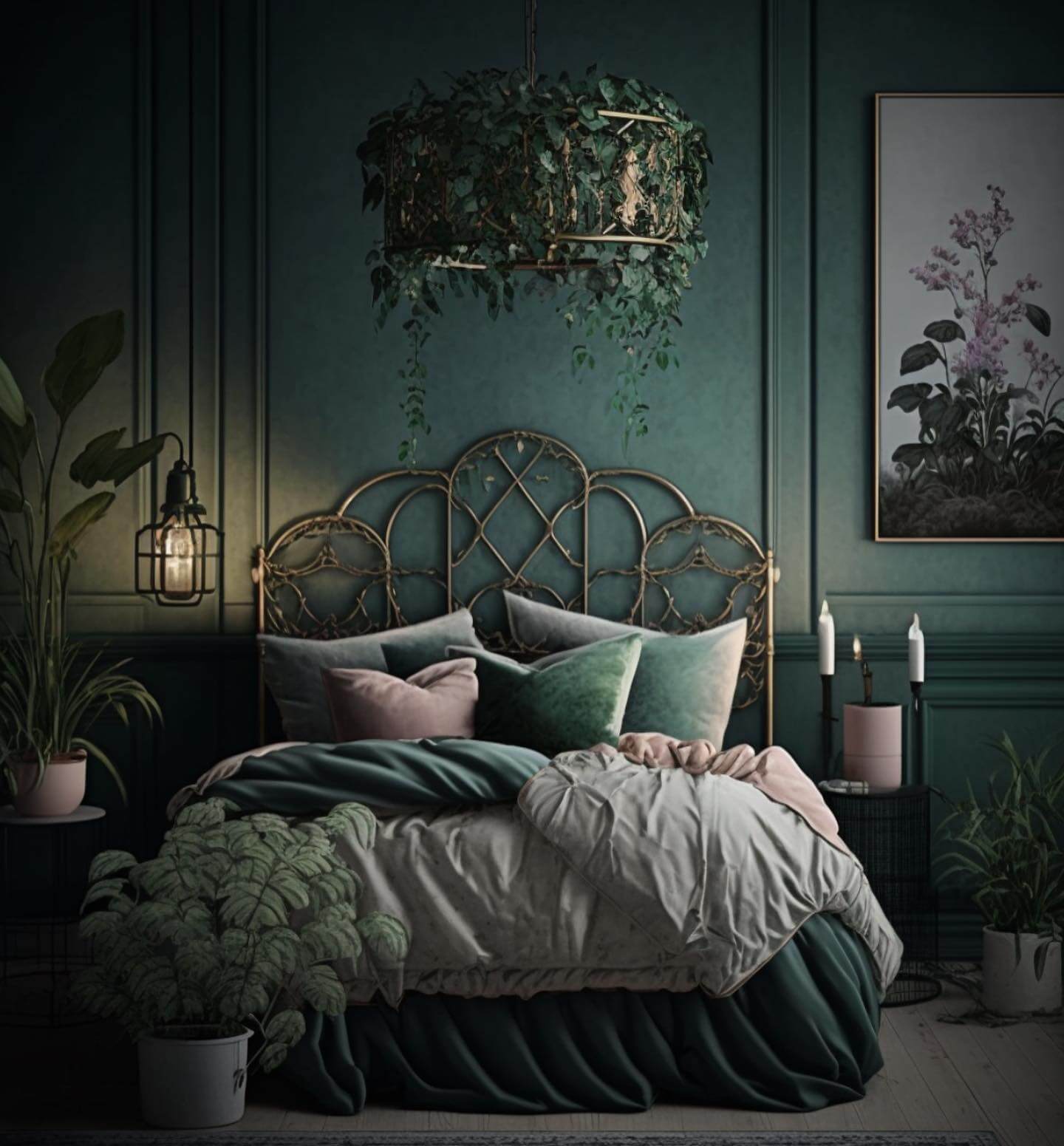
A thoughtfully designed headboard becomes the sculptural heart of an earthy bedroom. Consider vertical wood slats for height and rhythm, a caned panel for airy texture, or a wide plank headboard that doubles as a shallow ledge for books and ceramics. Keep finishes natural—oak, ash, or walnut—oiled rather than glossy to showcase grain. For a DIY approach, mount evenly spaced pine slats on a plywood backer and finish with a water-based stain in a warm tone; attach to the wall for stability and a clean look. Pair with neutral linens so the texture shines, and complement with simple side tables and rounded lamps. Acoustically, a padded or slatted headboard softens echo and makes the room feel quieter. This single move delivers huge impact, anchoring the bed, reinforcing your organic palette, and adding bespoke character that feels crafted, not mass-produced—exactly the vibe of a grounded, nature-forward retreat.
Layered Lighting: Sunset Tones for Deeper Rest
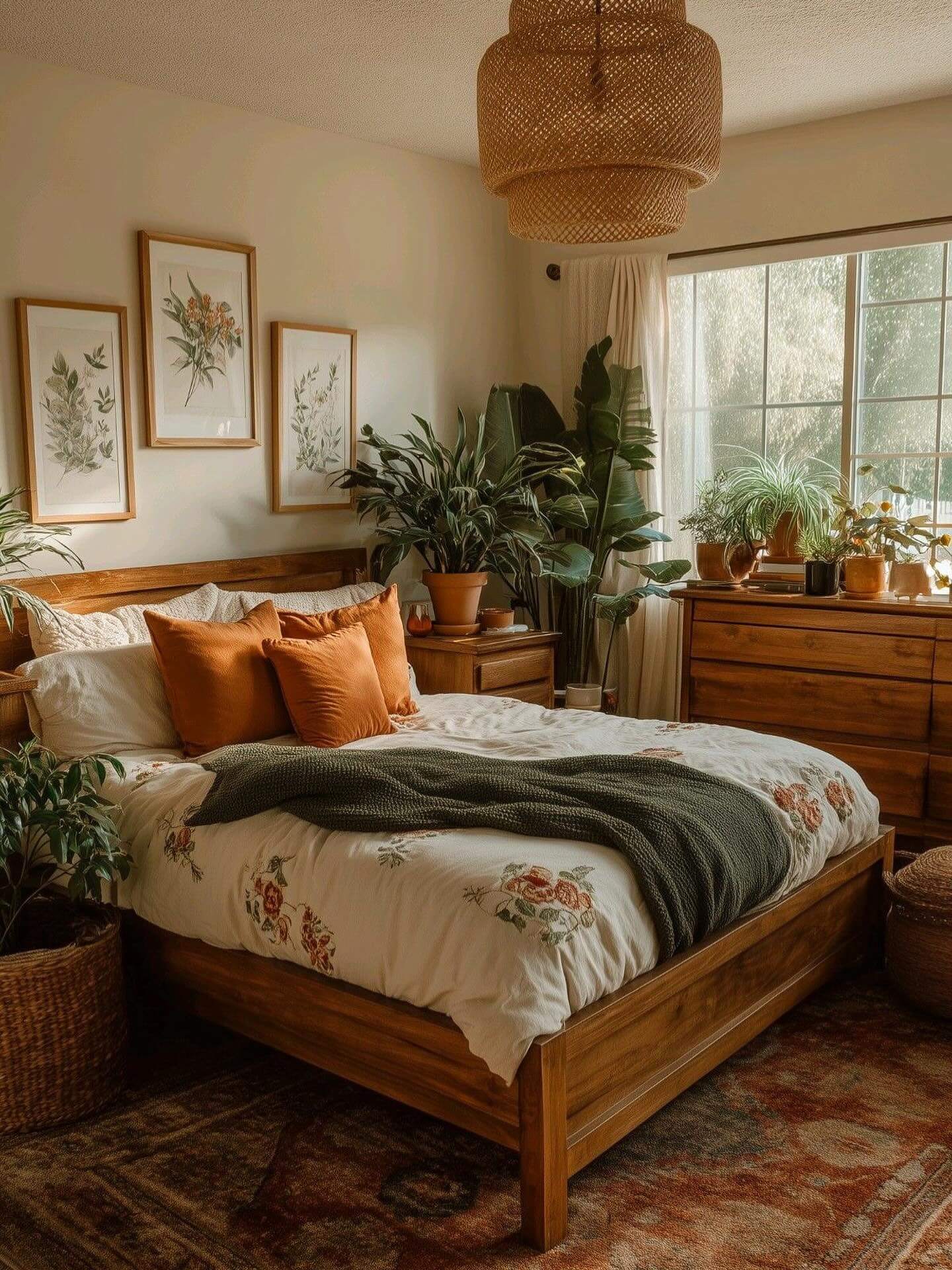
Lighting sets the nervous system’s tone. In an earthy bedroom, layer three types: ambient (a paper lantern or shaded ceiling light), task (bedside sconces or table lamps), and accent (a picture light, small uplight, or candle-style LED). Choose warm color temperatures—2700K for general use, 2200K for pre-sleep—and connect lamps to dimmers or smart plugs to create a wind-down scene. Materials matter: linen shades, ceramic bases, wood details, and aged brass or matte black finishes echo the natural palette. Place lighting to wash walls and highlight texture (limewash, wood slats) rather than glare. Add a soft glow near the floor with a plug-in toe-kick strip under the bed for nighttime navigation. Keep the bedroom screen-light minimal after dusk and let your lighting ritual cue calm. The result is a sunset-inspired cocoon—cozy, grounding, and aligned with your circadian rhythm—perfect for the serene, earthy sanctuary you’ve been building.
Get the Fail-Safe Paint Color Playbook (Free PDF)
36 proven colors • 8 ready palettes • trim & sheen guide • printable testing cards.
Terracotta Touches: Pottery, Clay Lamps, and Sun‑Warmed Accents
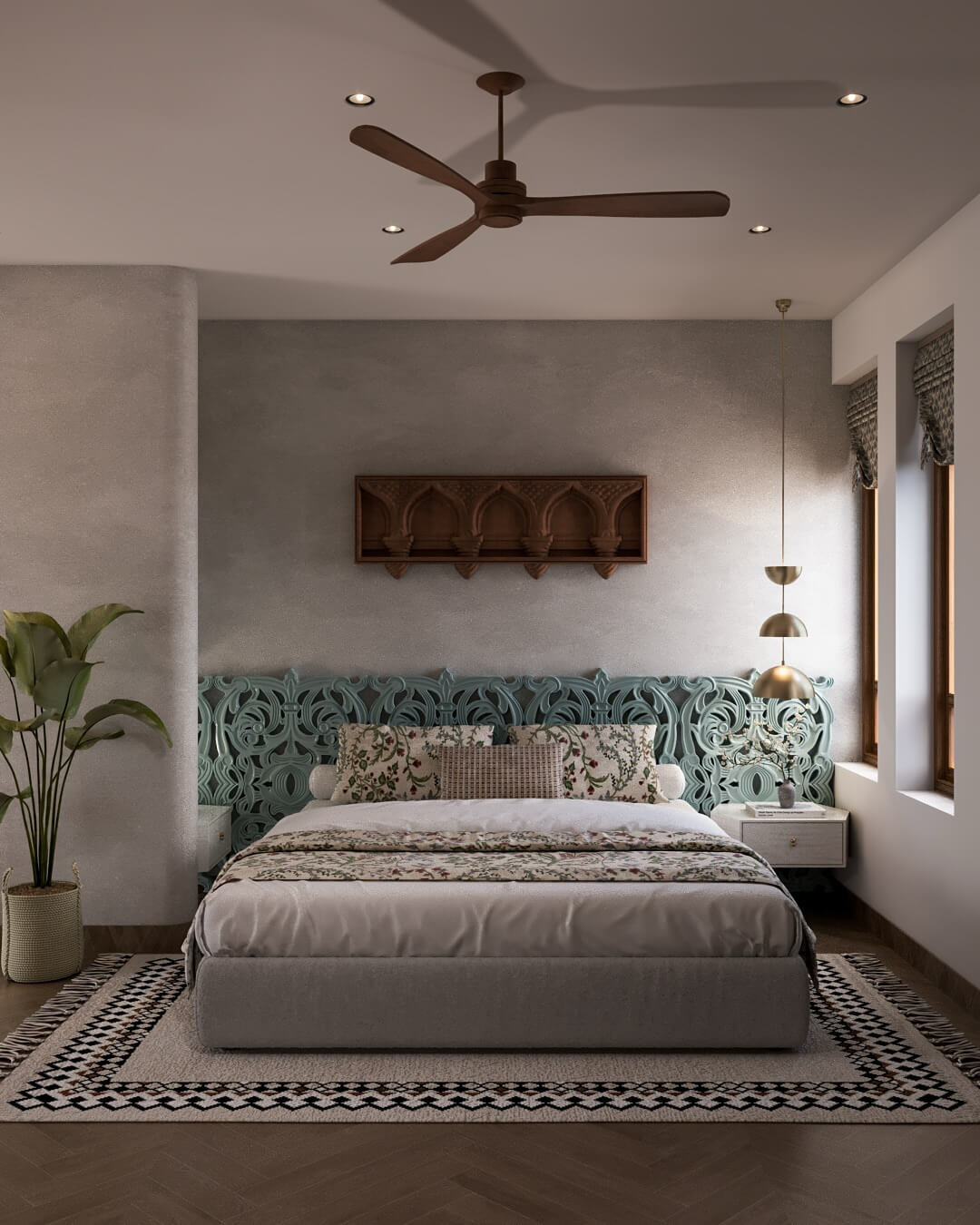
Lean into the earthen heart of an earthy bedroom with terracotta and clay details that feel hand-formed and timeless. A clay table lamp with a linen shade casts gentle, diffused light; terra-cotta planters or a low bowl add weight to a nightstand vignette; and a simple pottery catchall keeps jewelry and bedtime rituals grounded. These sun-warmed tones—burnt sienna, adobe, russet—bridge pale neutrals and deeper wood grains, adding an organic glow without visual noise. To keep it cohesive, repeat the material in three places: a lamp, a vessel, and one artful piece (like a rustic vase with olive branches). Pair with sand or mushroom bedding to let the warm clay sing, and introduce a micro-contrast in texture—nubby linen, slub cotton, raw-edge wool—to dial up tactile calm. If you rent, swap metal hardware for ceramic knobs and use removable hooks for hanging terracotta bells or beads for quiet movement. It’s a small, budget-friendly way to bring the earth in, soften hard lines, and establish that slow, grounded rhythm every restful sanctuary deserves.
Travertine and Stone Moments: Cool Minerals Balance Cozy Textiles
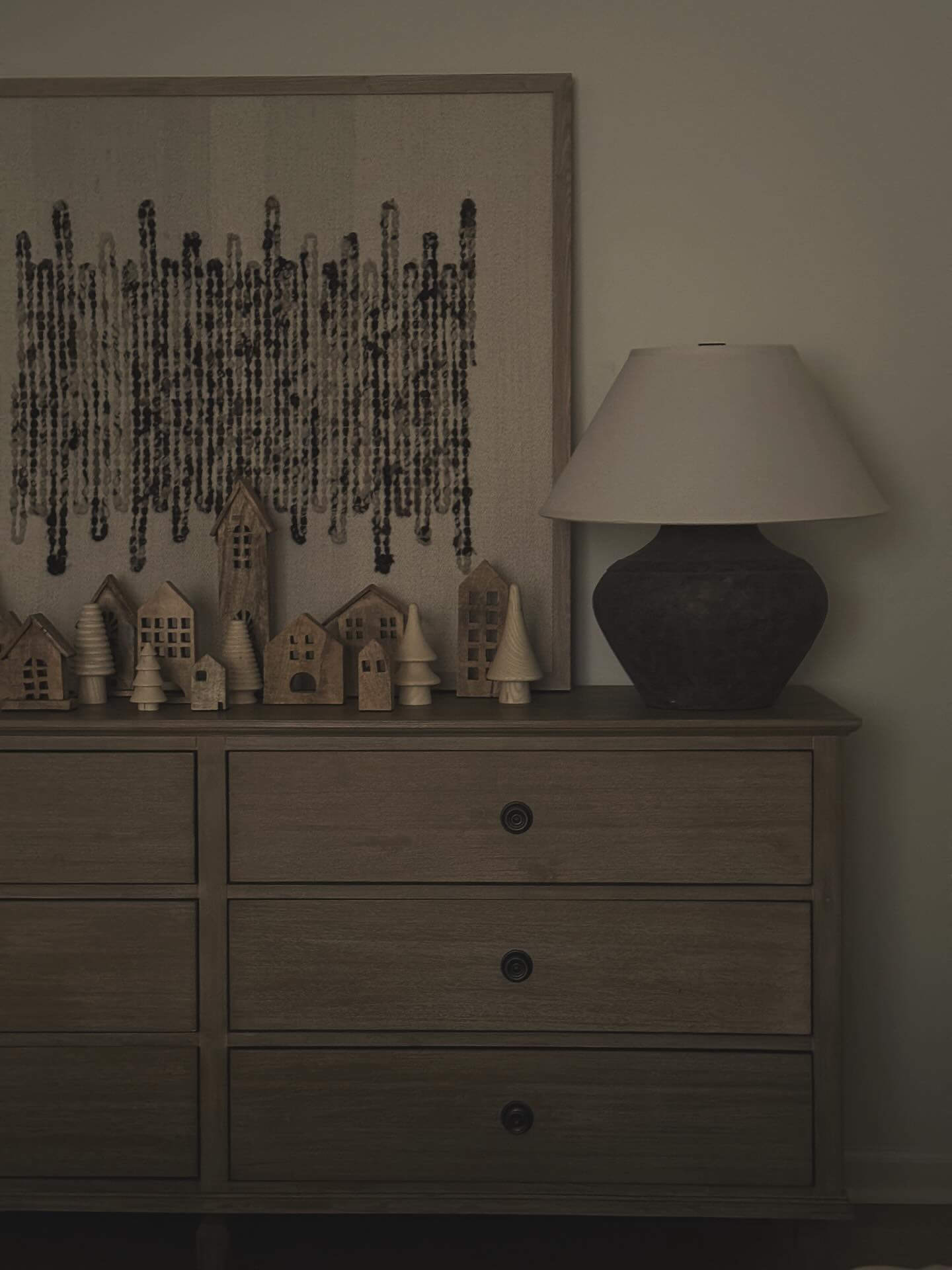
Balance the cozy softness of linen and wool with the serene weight of stone. A travertine pedestal, soapstone side table, or marble tray adds a cool mineral counterpoint to warm woods and woven textures, keeping an earthy bedroom sophisticated, not sleepy. Stone’s subtle veining introduces natural pattern without busyness, while chamfered edges and honed finishes read softer than high-gloss marble. Anchor the bedside with a small travertine cube; corral essentials on a limestone tray; or lean a sliver of leftover stone as a mini shelf for incense and matches. Keep the palette cohesive by echoing the stone’s undertones—taupe, cream, mushroom—in your bedding and curtains. For renters, try faux-stone plinths or stoneware trays to get the look without weight or cost. The design principle here: tension. Plush textiles invite touch; mineral surfaces quiet the eye. Together, they create a calm, grounded equilibrium that elevates your sanctuary and nods to nature’s own layering of earth and rock.
Mixed Wood Tones, Unified: Layer Oak, Walnut, and Ash with Ease
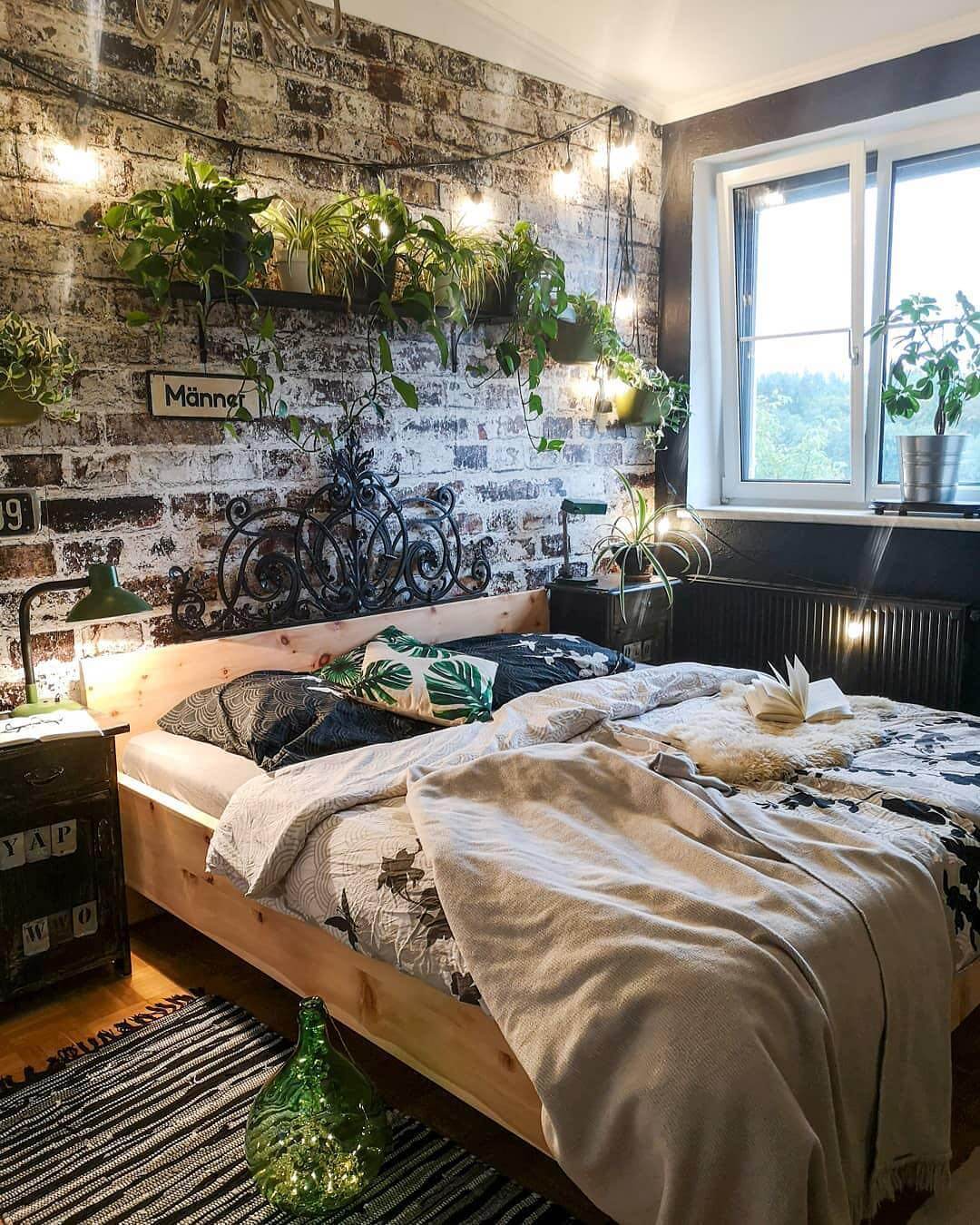
An earthy bedroom thrives on natural materials—but mixing wood tones can feel tricky. The key is undertone harmony and repetition. Choose one dominant wood (say, honey oak for floors or a dresser), one darker anchor (walnut in the headboard or accent chair), and one pale relief (ash or birch in a side table). Repeat each at least twice so nothing feels accidental. Tie disparate species together with shared finishes—oiled, matte, or waxed—and consistent grain scale. Then bridge the tones with textural neutrals: a mushroom linen duvet, oat-colored curtains, and a jute-wool rug blur transitions and keep the eye moving calmly. Hardware matters too: aged brass or bronze warms cool woods and echoes the earthy palette. If you’re starting from a single piece, sample strips or veneer swatches help plot a cohesive mix before you buy. The result is layered and lived-in—a subtly curated landscape of woods that reads organic, never chaotic, and deepens the sanctuary feel.
Sheer Canopies and Bed Curtains for a Cocooned Retreat
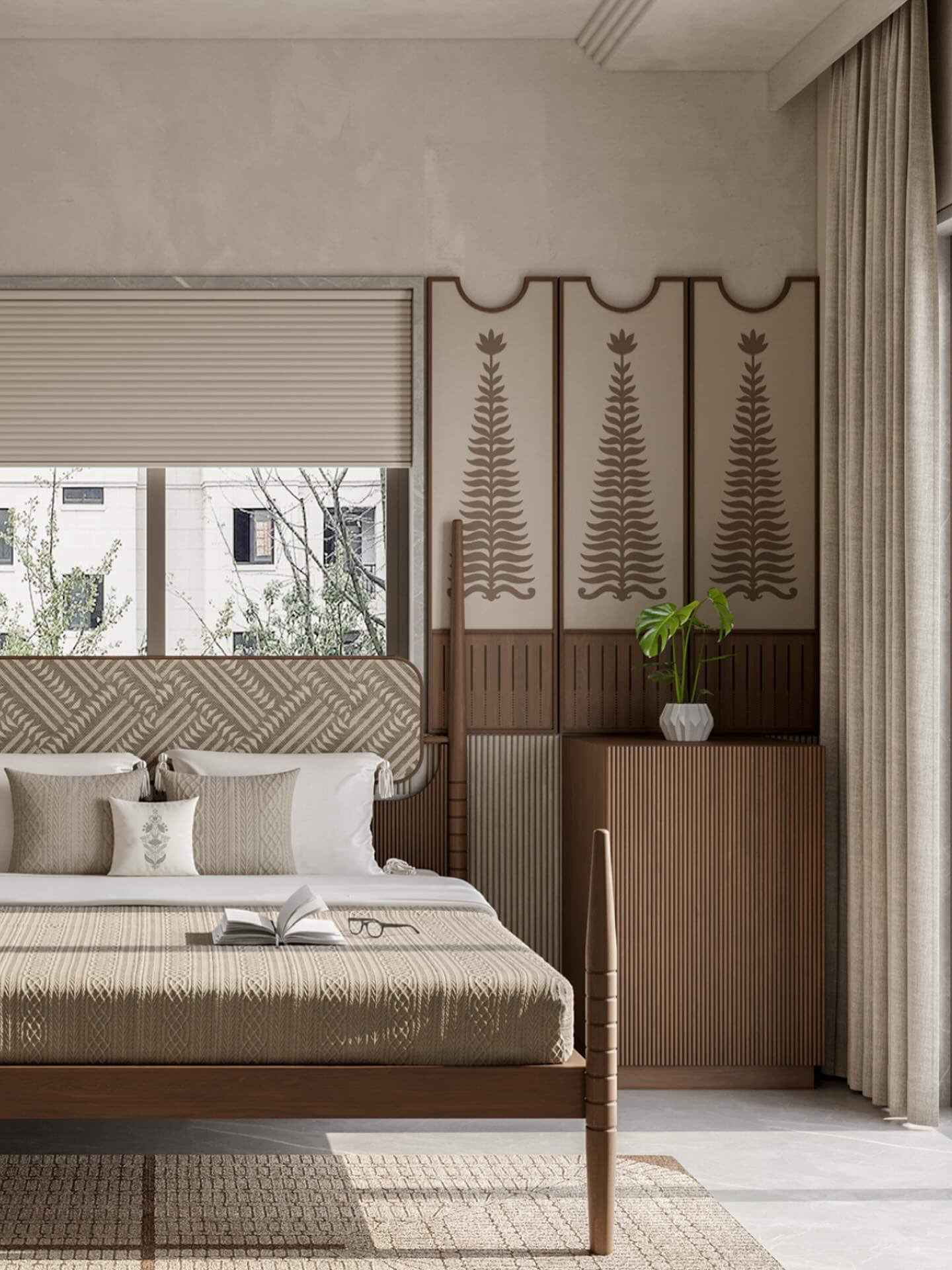
Create a cocoon without closing in the room. A simple ceiling track or slim canopy frame with sheer linen panels softens edges, filters light, and adds vertical texture—transforming even a small bedroom into a restful, retreat-like nook. Choose undyed or bone-colored linen that puddles lightly for organic drape, and keep the weave open enough to breathe. Beyond romance, bed curtains regulate light for deeper sleep, quiet visual clutter, and double as a subtle room divider in studio spaces. Pair with a low-profile bed and a monochrome sand-to-clay palette for calm continuity. To avoid heaviness, limit pattern here and let the fabric’s natural slub be the story; add a single tonal stripe or hand-stitched edge for interest. Renter-friendly tip: use tension rods inside niches or ceiling-safe adhesive hooks with corded wire to hang panels without drilling. This airy layer adds a new dimension—literally—that feels both grounded and gently ethereal.
Woven Storage: Baskets, Benches, and Clutter‑Free Calm
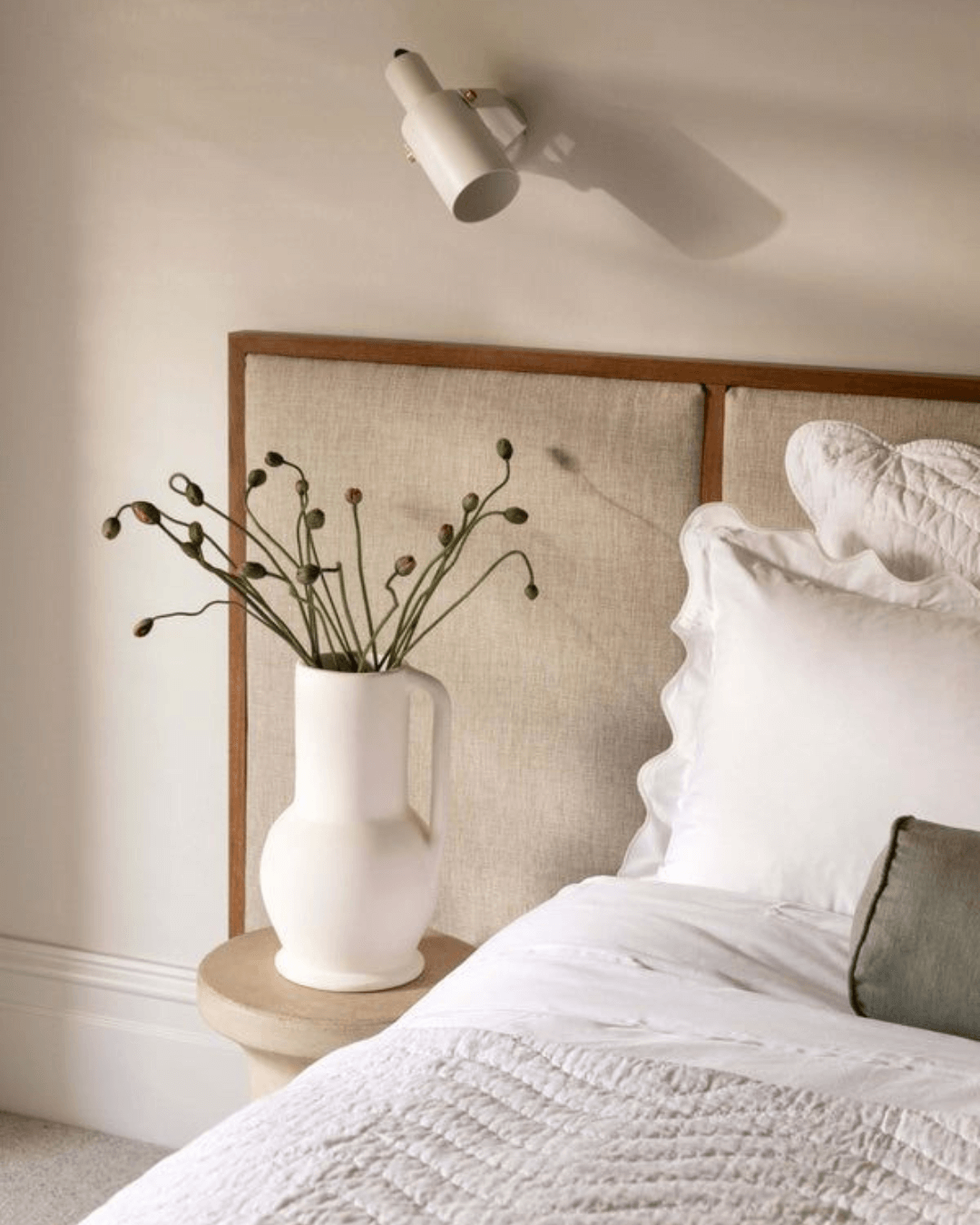
Clutter kills calm; woven storage restores it. Integrate rattan trunks at the foot of the bed for extra quilts, lidded seagrass baskets for pillows, and cane-front nightstands that hide chargers and remotes behind breathable texture. The fibers themselves—jute, water hyacinth, abaca—introduce organic rhythm that fits seamlessly in an earthy bedroom, while rounded forms soften straight architectural lines. Keep finishes warm and matte, and echo basket tones in your rug border or lampshade to pull the room together. Think zones: a low bench with a woven shelf for slippers and books; a tall basket for throws; a narrow tray for nightly essentials. For visual ease, stick to two fiber colors (e.g., natural and honey) and repeat them. Label discreetly with leather tags for function that still feels crafted. The result is practical serenity—storage that looks like decor, keeps surfaces clear, and supports the daily rituals that make a bedroom truly restorative.
Earth-Forward Art: Botanicals, Linework, and Handbuilt Ceramics

In an earthy bedroom, art should echo the landscape and materials you live with. Curate a quiet gallery of botanical drawings, charcoal linework, and small ceramic wall pieces to add meaning without overwhelming the senses. Choose a cohesive palette—ink, umber, olive, and clay—and mix formats: a large-scale botanica above the dresser, a small grid of pressed ferns, and a single textured ceramic disc near the bedside. Float frames in oak or walnut keep it organic; linen mats add tactile depth. Avoid busy color stories; let negative space breathe. For a sculptural moment, rest a handbuilt vase on a stone plinth or stack of books, and keep stems minimal—olive, eucalyptus, or dried grasses. Renter tip: use picture ledges for easy swapping and Command strips for stress-free hanging. Art becomes less about trend and more about sense of place—a gentle nod to nature that harmonizes with wood, linen, and light.
A Reading Nook in Natural Materials: Slow Evenings, Softer Lines
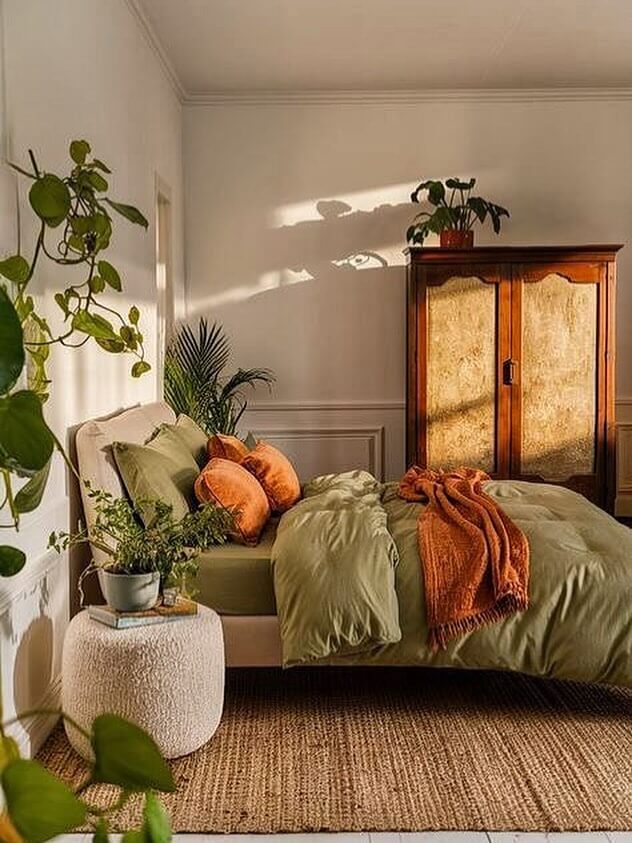
Even the calmest bedrooms benefit from a dedicated slow-down corner. Anchor a reading nook with an armless linen chair or low lounge in wool-bouclé, then layer a kilim or wool rug underfoot for warmth. Add a small wood or stone side table for tea and a ceramic sconce or warm-tone floor lamp to keep light below eye level. Keep the palette grounded—sand, olive, and mushroom—with one accent in rust or ochre for life. A woven ottoman doubles as extra seating and footrest; a throw in undyed wool invites touch. If space is tight, float the chair at a diagonal to soften corners and use a wall-mounted shelf to store current reads. This micro-zone quietly reinforces your earthy bedroom’s purpose: to restore. Natural textures, warm light, and a simple ritual chair signal your nervous system to downshift at day’s end.
Vintage + Handcrafted: Soulful Layers that Ground a New Space
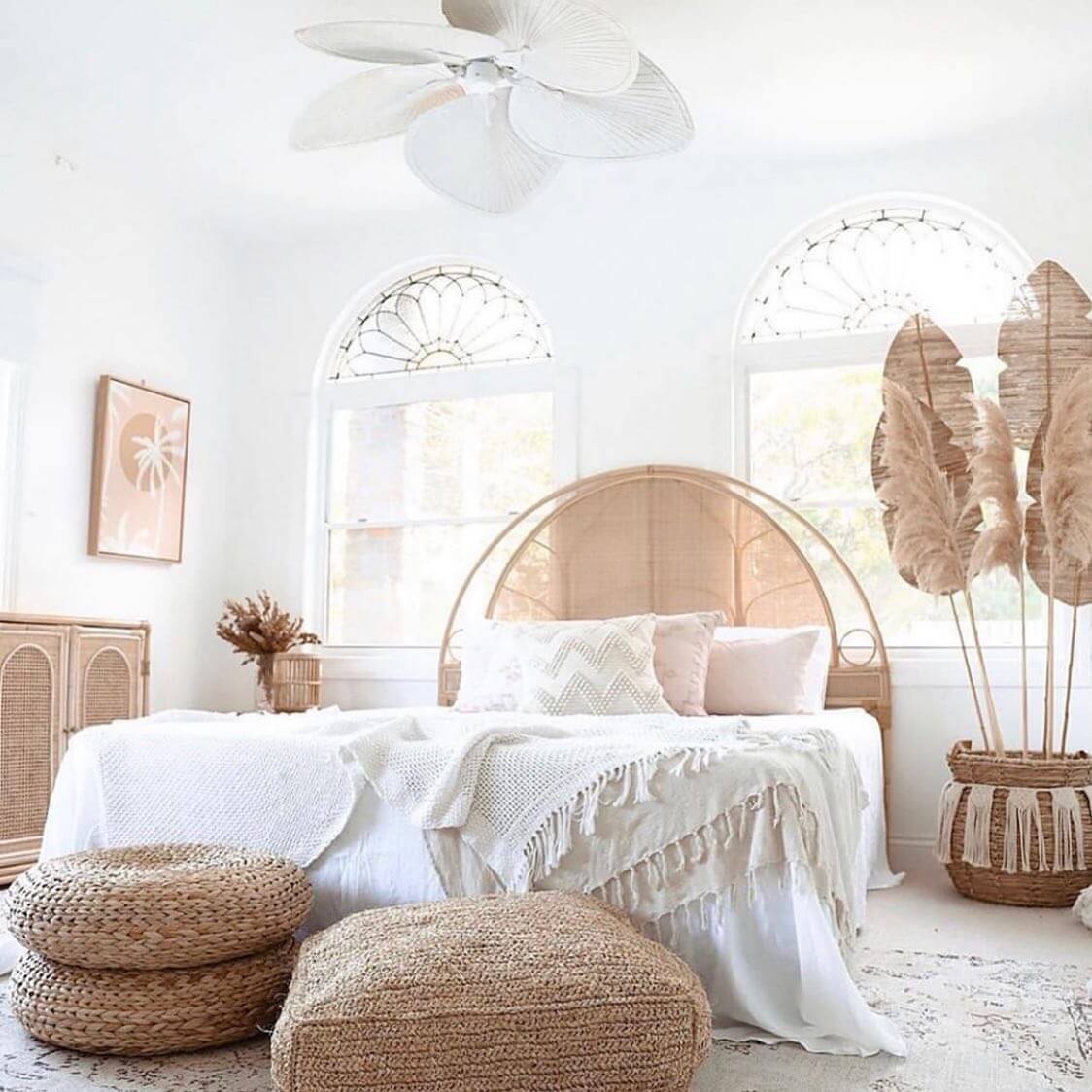
Layering vintage and handcrafted pieces gives an earthy bedroom instant patina and story. Think a mid-century walnut dresser with dovetail joints, an antique kilim runner as bedside rug, or studio pottery lamps with imperfect glaze. These timeworn textures sit beautifully with fresh limewash walls and new linen bedding, preventing the space from feeling staged. Aim for balance: one or two hero vintage items, then support them with handmade accents—block-printed pillows, carved wood bowls, a stitched throw. Look for honest wear (softened edges, sun-faded textiles) and prioritize solid materials over veneers. The sustainability bonus aligns with an earth-forward ethos, and the craftsmanship aligns with wabi-sabi calm. Practical tip: unify mixed eras with a restrained palette and consistent finishes—oiled wood, matte ceramics, and antiqued brass. The room breathes easier when pieces feel collected, not cluttered, and your sanctuary gains the quiet authority only age and handwork can bring.
Linen Drapery and Soft Shades: Natural Light, On Your Terms
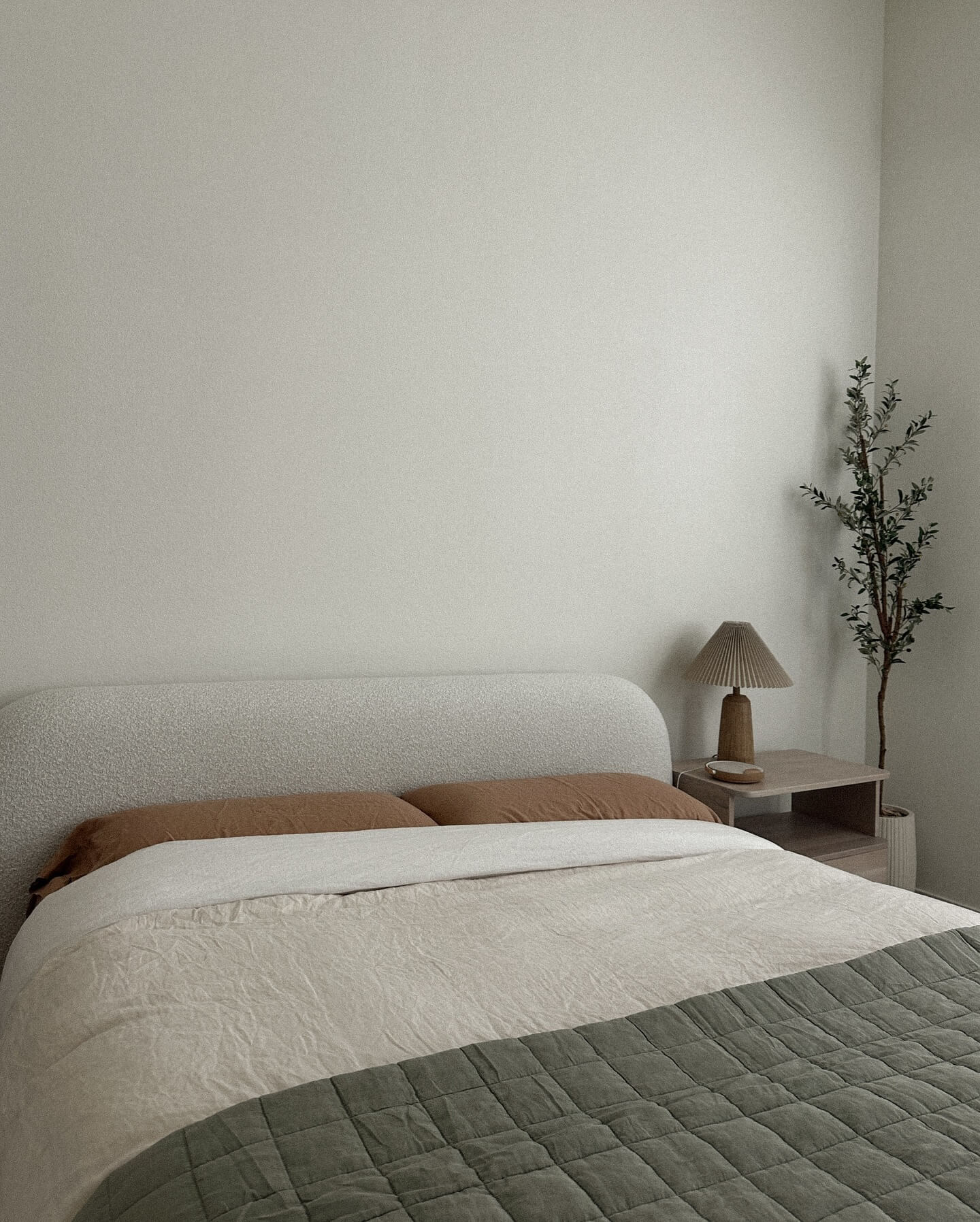
Control daylight with materials that feel as good as they look. Floor-skimming linen curtains in oatmeal or mushroom filter morning sun into a soft, sandy glow; Roman shades in textured flax offer privacy without heaviness. Layer both for flexibility—sheers by day, lined shades by night—and repeat the fabric tone somewhere else (a pillow edge, a bed skirt) for cohesion. Choose rods and hardware in aged brass or blackened steel to dignify the softness, and mount high and wide to elongate the room. For renters, opt for clip rings and tension rods or no-drill brackets. If your palette leans warm, select undyed or warm flax; for cooler schemes, a pale greige keeps things neutral. This light management does more than look good—it protects natural fiber rugs and wood finishes, regulates sleep, and reinforces the rhythm of a truly restful, earthy bedroom.
Burnt Umber Patterns: Block Prints, Mudcloth, and Kilim for Subtle Energy
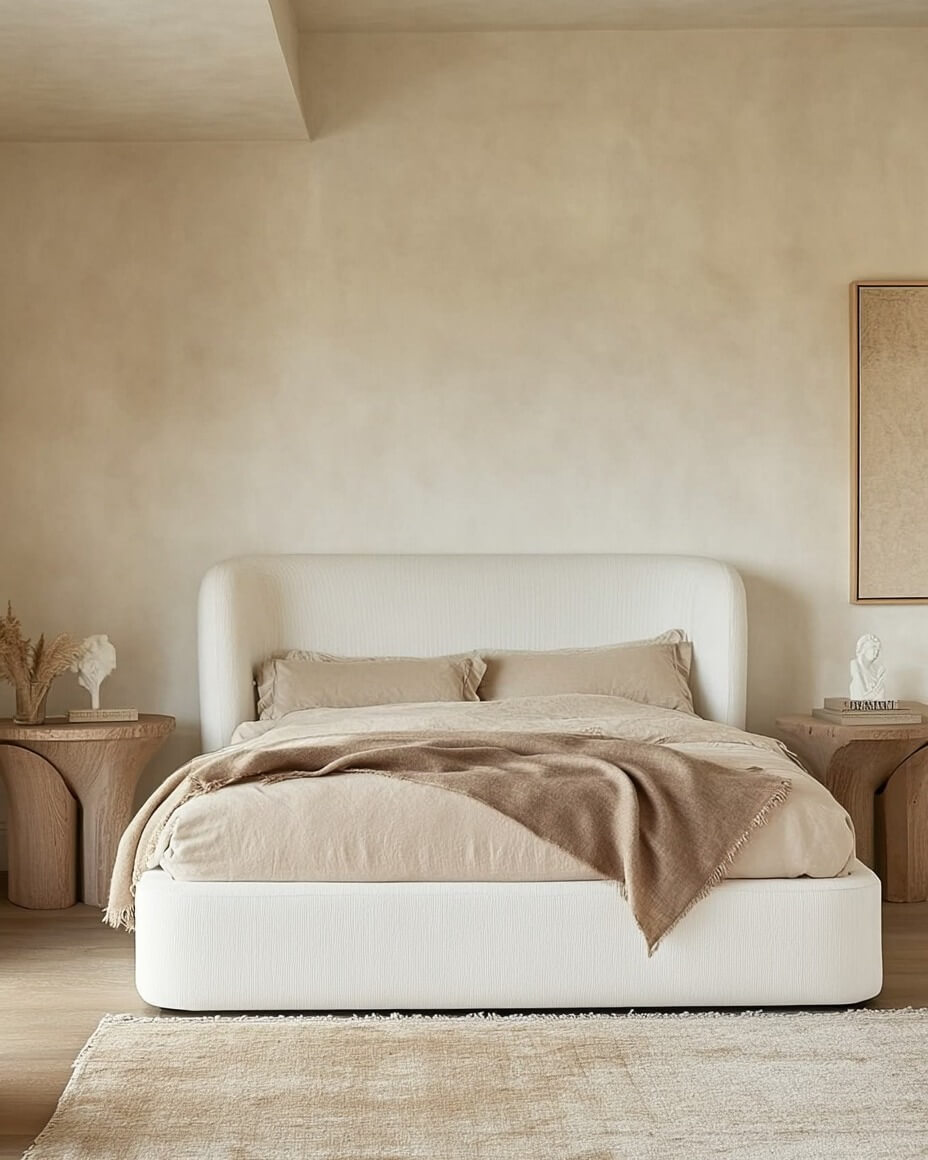
A calm room doesn’t have to be flat. Introduce gentle pattern through earthborn textiles: block-printed quilts in clay and sand, mudcloth pillows with hand-dyed motifs, or a vintage kilim with time-softened rust and olive. Keep scale varied—one larger motif on the bed, smaller repeats in pillows—so the eye moves without feeling busy. Limit the palette to two or three hues pulled from your existing scheme (e.g., taupe, umber, sage) and ground it with plenty of solids in linen and wool. Place pattern where it’s easy to switch with seasons: a throw at the foot of the bed, a duo of shams, or a runner under a bench. This approach preserves the bedroom’s peaceful foundation while adding cultural richness and craft. It’s a simple way to energize neutrals and deepen the earthy story—rooted, storied, and always soothing.
Biophilic Bedroom Design Ideas: Plants, Sustainable Furniture, and Calming Color Palettes
Biophilic bedroom design connects your senses to nature through light, materials, and gentle color. Start with a calming palette of moss, sage, putty, and sand, grounded by natural wood furniture. Favor sustainable choices like FSC-certified oak, bamboo, or rattan, plus low-VOC paints and natural oil finishes for cleaner air. Choose organic cotton or linen bedding and wool throws to regulate temperature and enhance comfort. Frame daylight with bamboo shades and light-filtering drapery to support circadian rhythms. Add living greenery to boost humidity, soften acoustics, and foster visual calm.
Get the Fail-Safe Paint Color Playbook (Free PDF)
36 proven colors • 8 ready palettes • trim & sheen guide • printable testing cards.
- Hang cascading pothos or philodendron in corner planters to introduce gentle movement, soften architectural lines, and draw the eye upward without crowding bedside surfaces or blocking natural light.
- Place a live-edge wooden shelf as a minimal display ledge, creating a continuous organic line while holding incense, a ceramic catchall, and a small trailing plant for layered biophilic interest.
- Swap synthetic rugs for undyed wool or jute, improving breathability, grounding the palette, and adding cushioned texture that supports bare-foot comfort and acoustic softness.
- Install bamboo Roman shades with blackout liners, preserving clean lines by day and deep rest at night, while adding subtle linear texture and warm, honeyed tones.
- Use mineral-inspired paint finishes, like limewash or clay paint, for velvety depth that gently diffuses light, highlighting wall movement and pairing beautifully with matte woods and stoneware.
- Cluster terracotta pots of snake plants and ZZ plants for low-maintenance greenery that tolerates lower light, purifies air, and adds sculptural silhouettes beside the dresser.
- Choose a latex or hybrid mattress with organic certifications, pairing it with a slatted wood base for airflow, longevity, and a quieter, healthier sleep environment.
- Mount dimmable, natural-fiber sconces to free nightstand space, casting a warm, directional glow that supports reading while preserving a tranquil, cocooned atmosphere.
- Tuck woven seagrass baskets under a bench for concealed storage, maintaining a tidy floorline and layering texture that seamlessly echoes rugs, shades, and planters.
- Introduce a pebble-inspired stool or stone side table, adding cool, grounding contrast against textiles while offering sturdy, compact utility for books, tea, or a plant.
Zone the room for rest first, keeping tech minimal and placing a soft chair or bench for reading or reflection. Organize the nightstand with a tray, small plant, and one book to avoid visual chatter. Prioritize maintenance: wipe leaves weekly, open windows when possible, and rotate planters to balance growth. Keep a restrained material palette—two woods, one metal, one fiber—to ensure harmony as pieces accumulate. For budget-friendly upgrades, refinish existing furniture with plant-based oils and swap plastic planters for terracotta. Over time, edit rather than add, letting patina and purposeful choices deepen the room’s natural soul.
Your Questions, Rooted in Earthy Elegance
How many colors should an earthy bedroom palette include?
Aim for three to five core hues: one dominant neutral, one secondary neutral, and one to two nature-inspired accents. Repeat them across textiles, walls, and accessories for cohesion.
Get the Fail-Safe Paint Color Playbook (Free PDF)
36 proven colors • 8 ready palettes • trim & sheen guide • printable testing cards.
Which plants work best in low-light earthy bedrooms?
Snake plants, ZZ plants, and pothos thrive with minimal light and irregular watering. Use terracotta pots and airy soil mixes, and rotate plants monthly to encourage even growth.
How can I create an earthy bedroom on a budget?
Focus on paint, textiles, and lighting first. Layer affordable linen blends, add a jute rug, refinish existing wood with natural oils, and thrift ceramic vessels for authentic texture.
Are earthy bedrooms suitable for small spaces?
Absolutely—earth tones recede visually, creating calming depth. Use low-profile furniture, light-filtering curtains, and vertical planters to preserve floor space while maintaining warmth and texture.
Final Verdict: Root Your Rest in Nature
An earthy bedroom isn’t a theme—it’s a sensory experience that anchors your day in calm. From sand-to-clay palettes and breathable linen layers to crafted wood, travertine moments, and clay-warm accents, these ideas show how natural materials and thoughtful lighting can transform a room without overwhelming it. Embrace wabi-sabi ease, unify mixed woods, weave in botanicals and olive notes for biophilic balance, and lean on renter-friendly upgrades—plug-in sconces, woven storage, limewash finishes—to dial up warmth while keeping life low-maintenance.
Start with a grounded color story, choose one hero texture (linen, jute, rattan, or wool), then build depth: a low-profile bed, a statement headboard, layered rugs underfoot, and sunset-tone lamps that invite deeper rest. Finish with soulful touches—block prints, ceramics, vintage finds—that tell your story and outlast trends. The result is a sanctuary that looks collected, breathes easily, and helps you wake restored and wind down with intention—nature’s calm, right where you sleep.