
Boys Bedroom Ideas for All Ages | Timeless Room Inspiration
Designing a boy’s room that grows with him—from nursery days to teen years—doesn’t have to be complicated. The key is balancing personality with practicality so the space feels fresh now and flexible later. This guide brings together boys’ bedroom ideas that blend style, storage, and smart layouts for every stage.
From color palettes that age gracefully to multifunctional furniture, we’ve got small room solutions, shared bedroom tips, and budget-friendly upgrades that make an impact. Whether you’re starting from scratch or refreshing a tween or teen bedroom, you’ll find inspiration that fits your timeline and lifestyle.
Get the Fail-Safe Paint Color Playbook (Free PDF)
36 proven colors • 8 ready palettes • trim & sheen guide • printable testing cards.
Each idea focuses on what matters most: durable materials, kid-safe design, and room to play, study, and sleep. You’ll discover adaptable themes (think adventure, sports, space) and clever organization that keeps clutter in check. Ready to create a room he’ll love now—and won’t outgrow tomorrow? Let’s dive in.
Space-Savvy Boys Bedroom Ideas for Small Rooms and Shared Spaces
Smart planning transforms even the tiniest boys’ rooms into hard-working sanctuaries that feel open, organized, and fun. Start by mapping essential zones—sleep, study, play, and storage—then stack or slide functions vertically. Choose scaled furniture with slim profiles, rounded corners, and raised legs to show more floor and improve flow. Prioritize built-ins and modular systems that adapt as kids grow and interests evolve. Keep walls light and cohesive to visually expand, then layer bold accents strategically for energy without clutter.
- Loft Bed with Desk: Elevate sleeping to free floor space, pairing a sturdy loft with a built-in desk and shelves to create a compact, homework-friendly workstation.
- Deep Underbed Drawers: Replace dust-collecting gaps with full-extension drawers that swallow seasonal clothes, sports gear, and extra bedding while keeping everything accessible to kids without moving mattresses.
- Pegboard Wall System: Install a floor-to-ceiling pegboard over the desk to hang bins, hooks, and shelves, reconfiguring storage as hobbies change without drilling new holes.
- Angled Corner Wardrobe: Tuck a shallow, angled wardrobe into a corner to capture dead space, add hanging storage, and keep traffic paths clear in narrow rooms or shared spaces.
- Pop-Up Trundle Sleepover: Choose a low-profile trundle that slides out for guests, rises to mattress height, and disappears by morning, preserving floor space for playtime and weekday routines.
- Floating Nightstand Shelf: Swap bulky nightstands for wall-mounted shelves that hold books, glasses, and chargers, leaving room for a hamper or basket beneath and simplifying vacuuming.
- Curtained Bunk Nooks: Add blackout curtains and individual sconces to bunks, giving each child privacy, darkness for earlier bedtimes, and a cozy reading cave without building permanent walls.
- Fold-Down Study Table: Mount a fold-down desk with concealed supports that locks flat against the wall when not in use, reserving precious floor area for active play or workout equipment.
- Over-the-Door Catchalls: Hang fabric organizers behind the door to corral socks, art supplies, controllers, and figurines, turning forgotten vertical space into labeled, grab-and-go cubbies for mornings.
- Slim Book Ledge Rails: Use wall-length picture ledges as book rails, displaying covers like art, encouraging reading, and preventing heavy bookcases from consuming limited square footage.
- Rolling Toy Totes: Choose low rolling bins that glide beneath beds or benches, simplifying cleanup routines and letting younger kids handle storage independently without awkward lifting or stacking.
- Track Lighting Bar: Run a ceiling or wall track with adjustable heads to spotlight homework, display shelves, and play areas, reducing lamp clutter and brightening every activity zone precisely.
- Magnetic Paint Wall Stripe: Brush on magnetic primer and paint a stripe to display artwork, schedules, and achievements with strong magnets instead of nails, preserving walls and revising displays effortlessly.
To keep compact rooms serene, stick to two main colors and one accent, repeating tones across bedding, art, and storage for clarity. Choose woven baskets in matching materials to hide miscellany and encourage quick tidying. Opt for blackout roller shades instead of bulky drapes, and use mirrors opposite windows to bounce light deeper into the space. If closets crowd swing paths, retrofit sliding doors or fabric panels to reclaim floor area. Finally, group chargers on a single surge strip and mount cable clips to prevent tech tangles from creeping across surfaces.
Grow-With-Me Nursery: Neutral Base, Swappable Accents
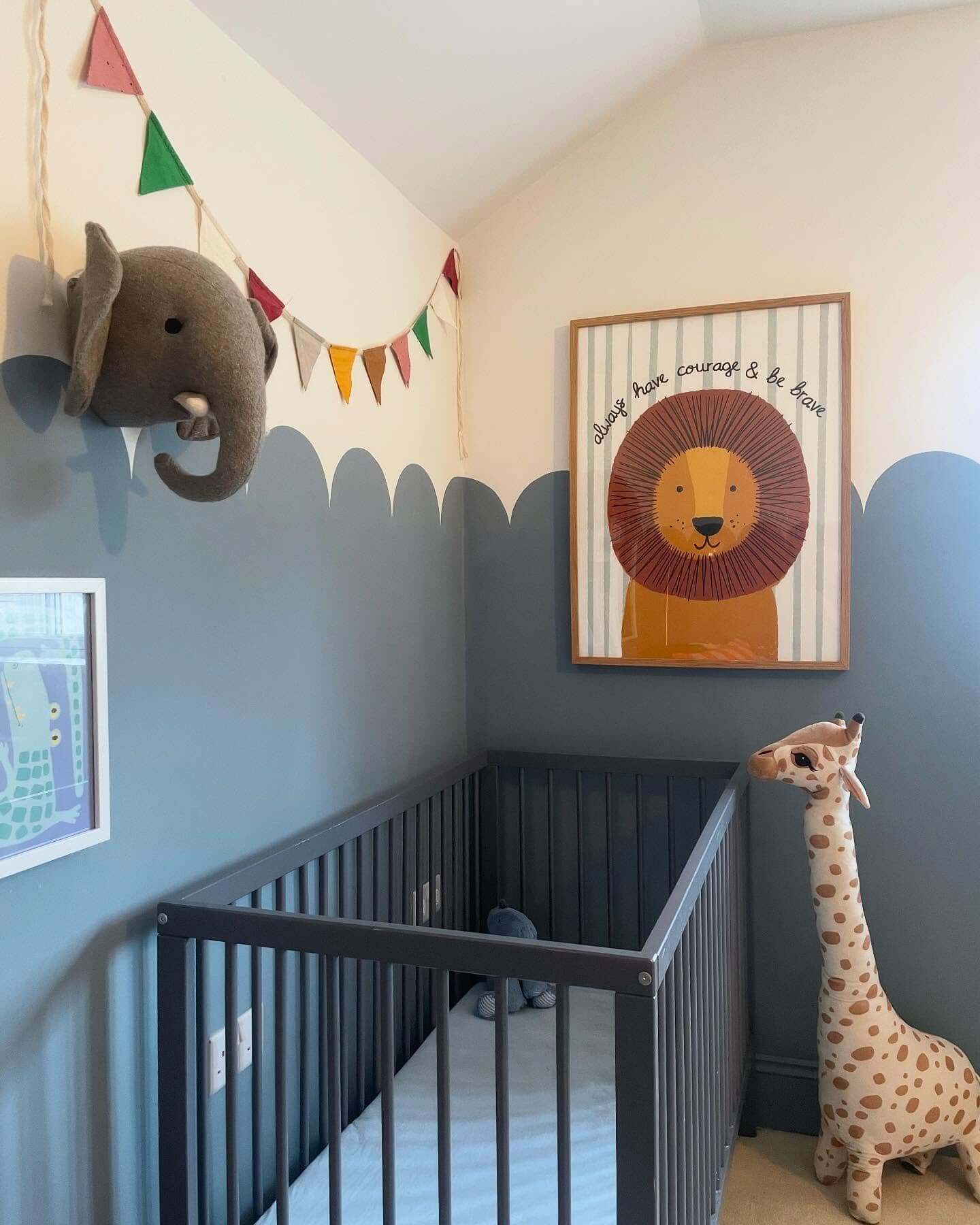
Start with a calm, neutral foundation that can evolve from baby to big kid without constant overhauls. A warm greige or soft clay on the walls pairs with natural wood tones and durable, low-pile rugs that hide wear. Choose core furniture that converts: a crib that becomes a toddler bed, a dresser with a removable changing topper, and a rocker that later anchors a reading nook. Layer in personality with accents you can swap—pillows, art, and a statement lamp—so the boys’ bedroom can mature with minimal cost. Opt for washable paint, machine-washable slipcovers, and rounded-edge pieces for safety. Add blackout curtains and a dimmer for nap-friendly lighting now and homework-friendly lighting later. Keep clutter in check with labeled baskets, under-crib rolling bins, and a toy rotation system. Hang simple, framed prints that can transition from sweet nursery motifs to adventure or sports themes as interests grow. This adaptable approach sets the tone for boys’ bedroom ideas that feel stylish, practical, and future-proof from day one.
Montessori Toddler Room: Low Bed, Open Storage, Independence
A Montessori-inspired toddler room builds confidence and calm. Swap the crib for a low bed or floor bed to encourage safe, independent sleep. Keep storage open and reachable—front-facing book racks, low shelves, and a few curated toys—so cleanup becomes part of the daily rhythm. Mount wall hooks at child height for backpacks and dress-up; add a small mirror and a soft rug to support self-care and sensory play. Stick to a simple, soothing color palette with one accent tone to prevent overstimulation. Anchor furniture, secure cords, and use outlet covers to keep the space kid-safe. As he grows, the low shelf can evolve into a homework station, and the floor bed can transition to a twin with drawers. Choose washable bedding, durable mats, and a nightlight on a dimmer to support bedtime routines. This independence-first layout balances function and freedom, delivering a boys’ bedroom that develops essential skills while remaining beautiful and easy to maintain.
Loft Bed with Study Nook: Maximize Small Boys’ Rooms
When square footage is tight, go vertical. A loft bed instantly doubles usable space by carving out a dedicated study nook beneath the sleep zone. Add a compact desk, a task lamp on a dimmer, and an ergonomic chair sized for growing bodies. Use wall real estate wisely: a pegboard for supplies, a magnetic bar for tools, and floating shelves for books. Tuck a rolling cart under the desk for flexible storage and easy cleaning. Choose a cohesive color story—neutrals plus one bold accent—to keep the small boys’ room feeling airy, not busy. Under-bed LED strips or a plug-in sconce create focused light for homework; install a cable tray and surge protector to tame cords. Keep bedding streamlined and durable—quilted coverlets, zipper duvets, and layered blankets for seasonal shifts. Loft rails and a non-slip ladder keep safety in check. This compact layout creates distinct zones to sleep, study, and relax, proving small rooms can still feel spacious and stylish.
Subtle Sports Theme That Won’t Be Outgrown
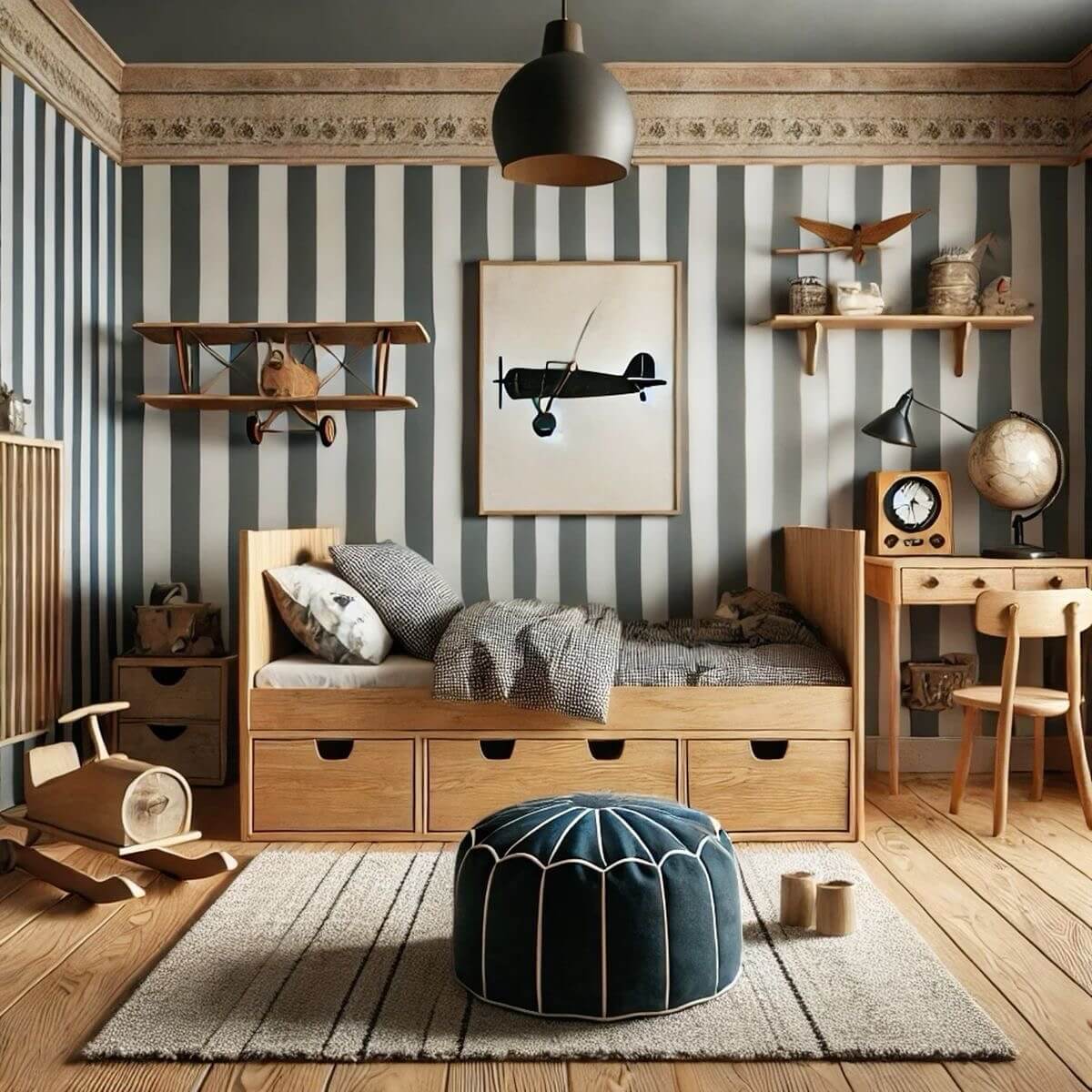
Channel team spirit without locking the room into a single season or logo. Start with a timeless palette—navy, charcoal, and white—then layer subtle sports cues: a single stripe across the wall, framed vintage pennants, or a perforated metal nightstand that nods to lockers. Opt for removable decals or a pinboard “scoreboard” instead of permanent murals, so interests can shift from soccer to basketball to track. Corral equipment with labeled bins, a ball rack, and wall hooks near the door to keep floors clear. Choose performance fabrics for bedding and blackout curtains to protect sleep on late practice nights. A simple desk with a corkboard or grid organizer supports homework and schedules. When it’s time for a new chapter, swap textiles and art, keep the core furniture, and update the accent color. This refined approach to a sports-themed boys’ bedroom keeps it cohesive, calm, and cool from grade school through the teenage years.
Stylish Shared Room: Bunks, Zones, and Privacy
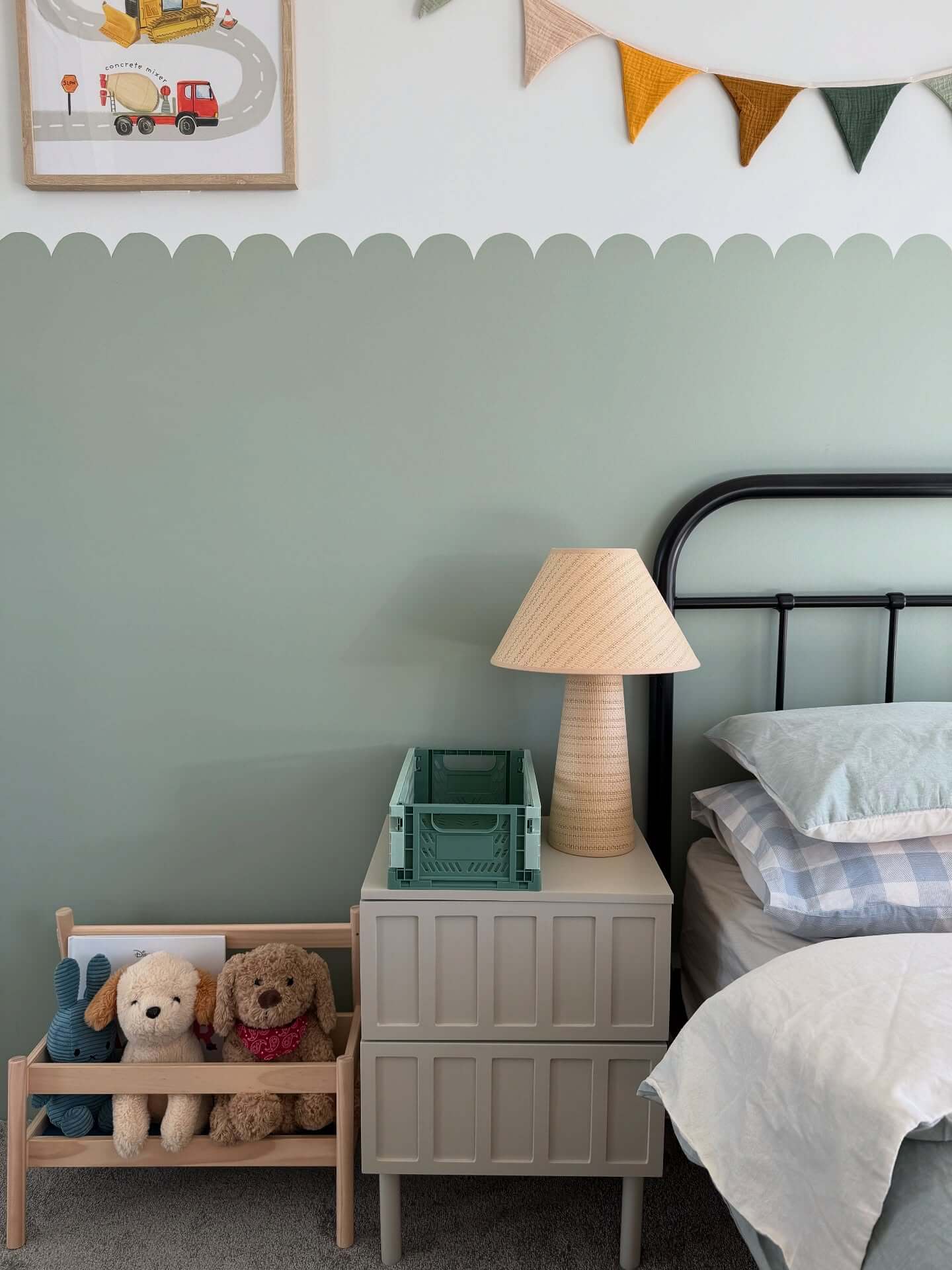
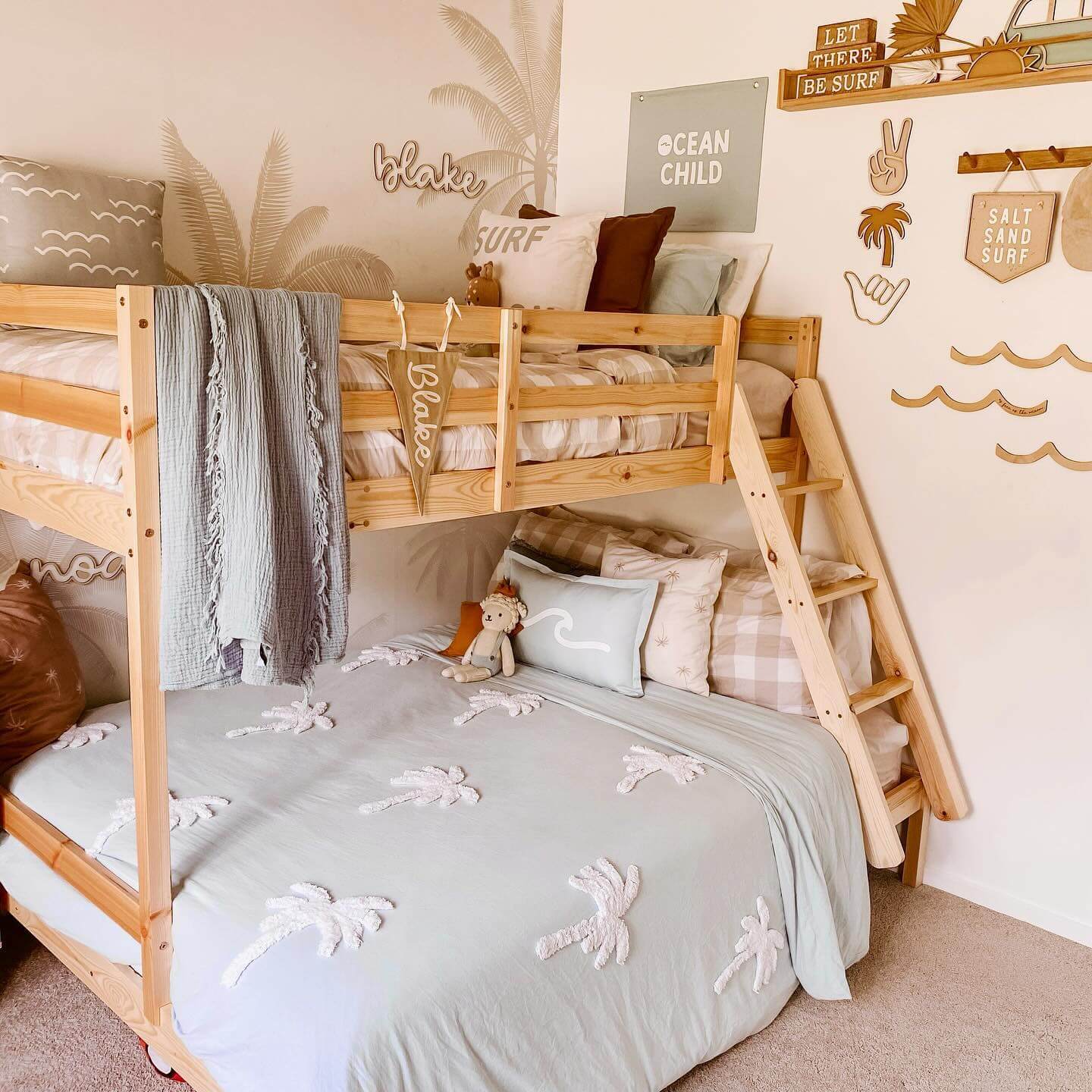
For siblings, design the room like a tiny apartment with smart zoning. Bunk beds save floor space; add clip-on reading lights, privacy curtains, and individual shelves so each child controls their own nook. Color-code textiles and storage to reduce mix-ups and give each kid a sense of ownership. Under-bed drawers and a tall dresser maximize vertical storage; a trundle handles sleepovers or growth spurts. Define zones with rugs: a soft area for play, a clear path for traffic, and a desk corner for focused work. Use a split accent wall—two tones or patterns—to subtly divide the room without building barriers. Quiet-close bins, felt pads, and soft textiles reduce noise at bedtime. Establish a shared command center with a family calendar and labels that make cleanup automatic. With flexible furniture and thoughtful layout, a shared boys’ bedroom can feel peaceful, equitable, and ready to adapt as ages and needs change.
Calm Coastal Blues for Tweens: Restful and Refined
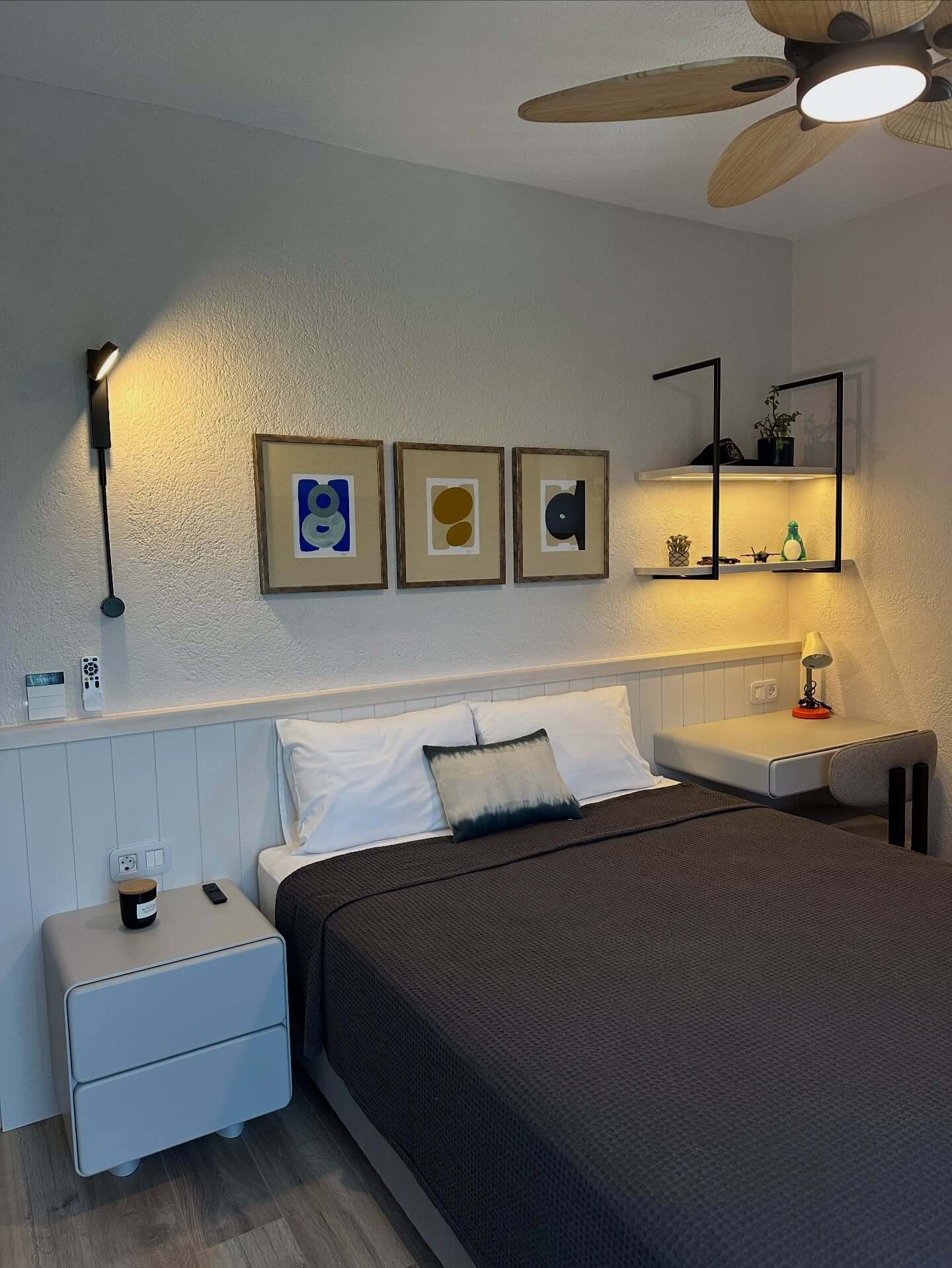
For the tween years, aim for calm energy and clean lines. A coastal-inspired palette—dusty blues, navy, and sand—creates a restful base that pairs well with natural wood and woven textures. Keep patterns simple and grown-up: ticking stripes on the duvet, a textured throw, and a durable flatweave rug. Swap out primary colors for deeper tones and upgrade kid art to minimalist ocean prints or photography for a sophisticated vibe. Add a scaled desk with a pinboard for assignments and goals, plus a bedside sconce for reading. Choose washable bedding and a mattress protector to extend longevity. Use a narrow nightstand with drawers to hide gadgets at bedtime and promote healthier sleep. If your walls need character without commitment, try paintable beadboard or a half-height color block. This tween bedroom idea balances style and function, creating a sanctuary that feels cool now and glides easily into the teen years with just a few accessory swaps.
Monochrome Modern with Warm Wood: Preteen to Teen
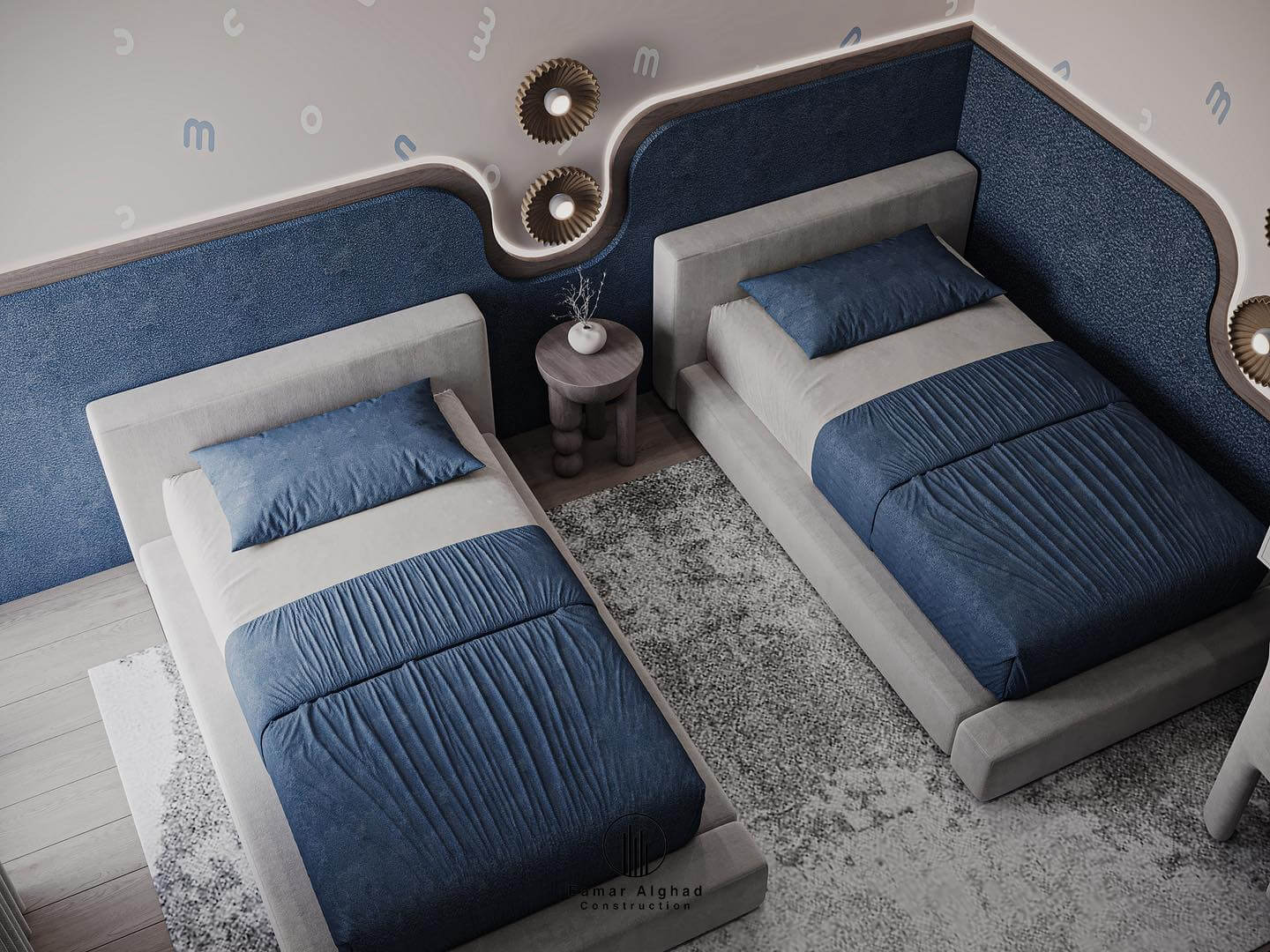
Monochrome doesn’t mean cold. Pair black, white, and charcoal with warm oak or walnut to keep a boys’ bedroom grounded and timeless. Stick to clean-lined furniture, then layer texture—woven baskets, a chunky knit throw, a geometric rug—to add depth without visual clutter. Matte black hardware, simple drum shades, and framed graphic prints keep the look cohesive. Floating shelves styled with books, a plant, and personal mementos make it his, not generic. Use an accent wall or color-blocked headboard to anchor the bed and streamline the layout. Smart LEDs allow customizable mood lighting for gaming or reading while preserving a calm nighttime scene. A closet system with double hang, a hamper, and a shoe rack helps teens manage their own wardrobe. This modern palette is budget-friendly to refresh: swap a poster, change a pillow, or add a new lamp, and the room instantly evolves without expensive furniture changes.
Wall-to-Wall Storage That Still Looks Cool
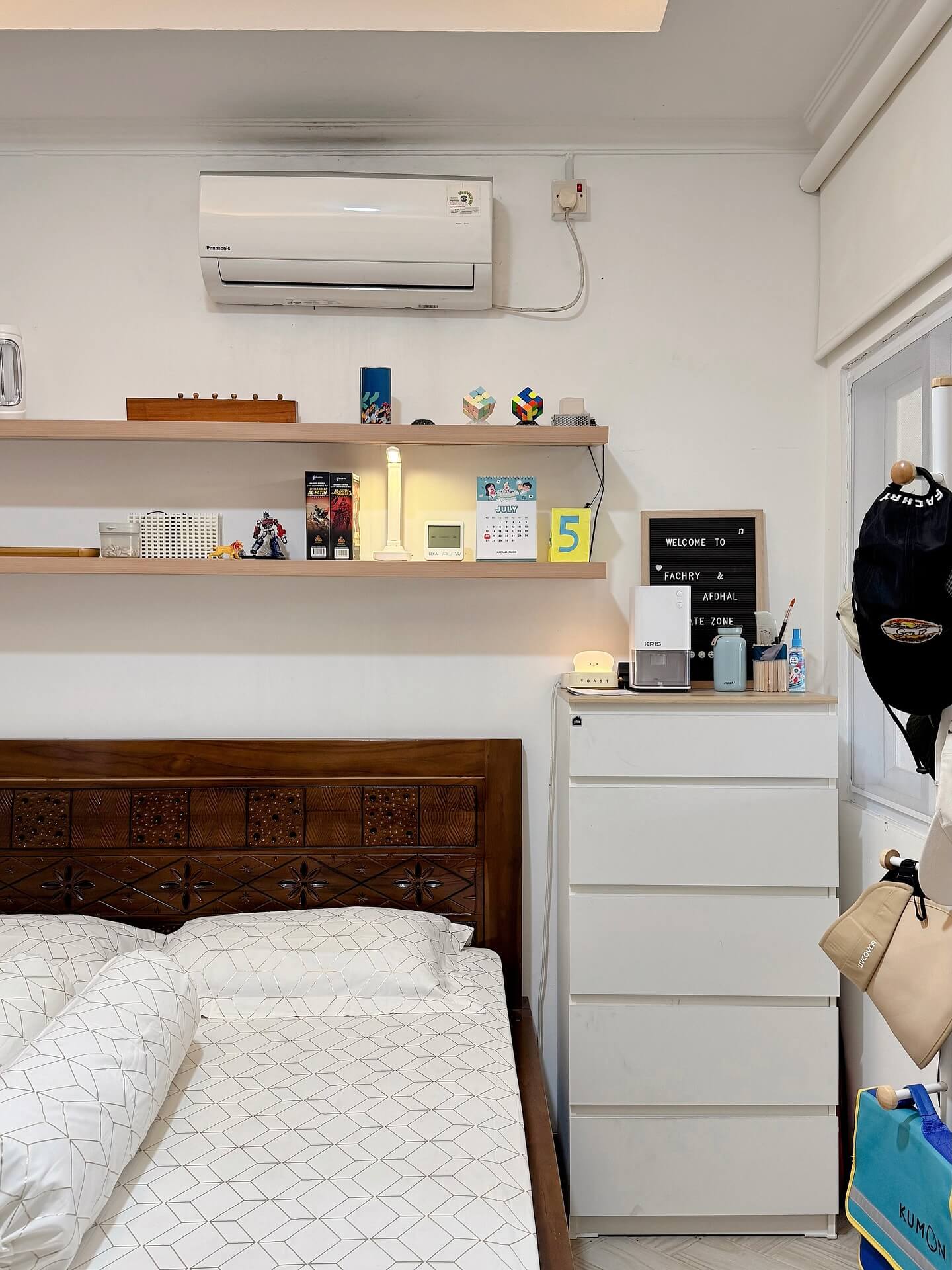
The secret to a tidy kids’ room is storage that’s both generous and good-looking. Combine closed cabinets for visual calm with open cubbies to display favorite books and builds. Consider an IKEA-hack wall unit or simple built-ins with adjustable shelves, a laddered peg rail, and a bench with drawers to tuck away shoes and toys. Label bins by category—LEGO, art, science kits—so cleanup takes minutes, not negotiations. Add a high shelf for off-season gear and memory boxes; dedicate a shallow drawer for charging devices out of sight. Over the desk, a pegboard keeps supplies within reach and off the work surface. Anchor tall pieces to studs and choose soft-close hardware to withstand daily use. Stick to a tight color scheme so even a lot of storage reads like design, not clutter. With the right system, this boys’ bedroom stays organized year-round and adapts as interests shift from blocks to books to hobbies.
Reading Nook and Lighting Layers for Wind-Down
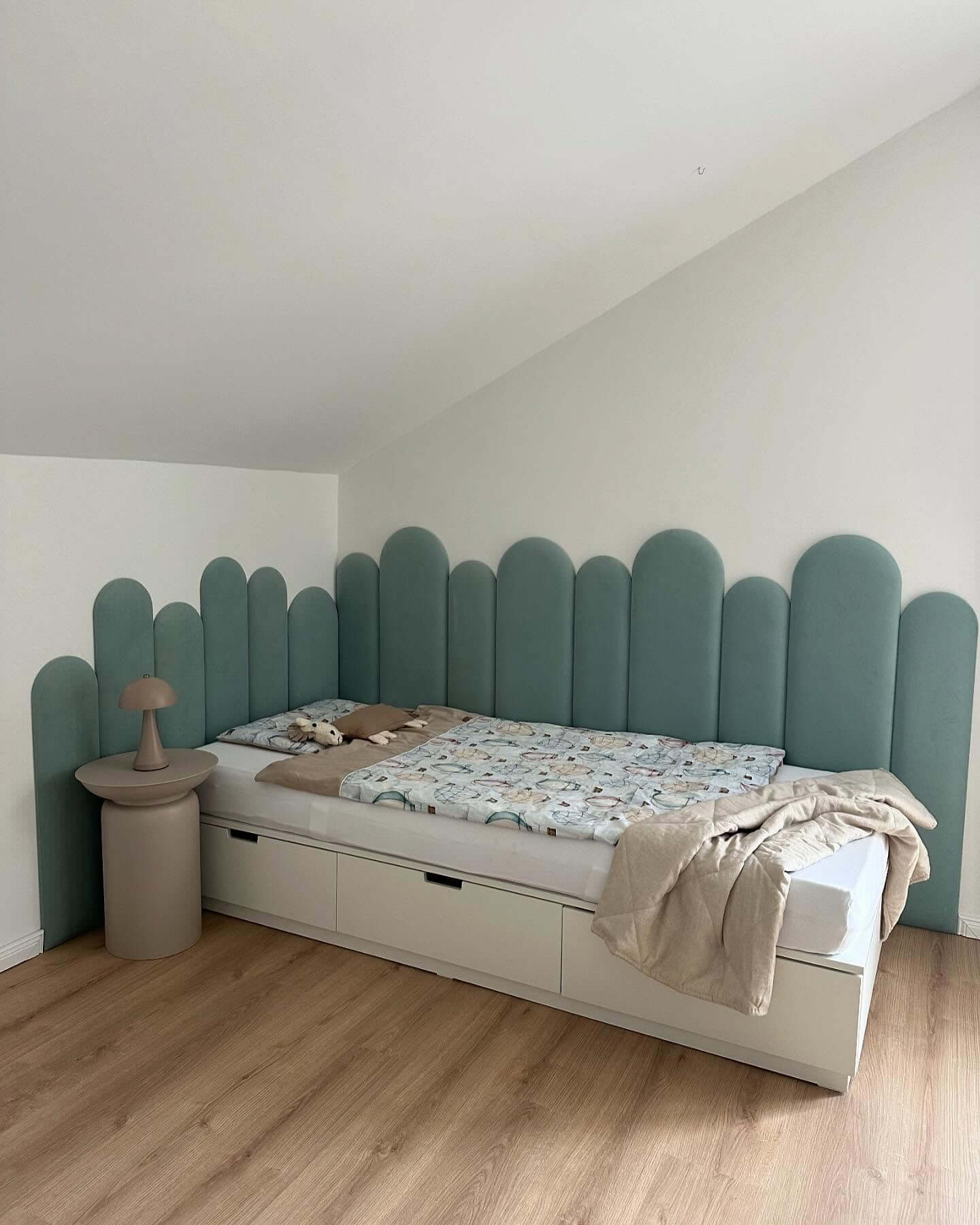
Build a wind-down ritual into the room with a dedicated reading nook and thoughtful lighting. A window seat, corner chair, or cushioned bench paired with front-facing book ledges invites daily reading. Layer three types of light: ambient (ceiling or flush mount), task (clip light or sconce at the bed and desk), and accent (a small lamp or LED strip behind shelves). Use warm, dimmable bulbs around 2700K for bedtime and a cooler 4000K task light for homework to protect circadian rhythms. Blackout shades plus breezy curtains deliver both function and softness. Add a small side table for water and a basket for current reads so surfaces stay clear. As kids become teens, the nook morphs into a study break zone or a place to journal. Lighting is one of the fastest, budget-friendly upgrades in any boys’ bedroom—boosting coziness, focus, and sleep quality with just a few well-placed fixtures.
Get the Fail-Safe Paint Color Playbook (Free PDF)
36 proven colors • 8 ready palettes • trim & sheen guide • printable testing cards.
Teen Retreat: Tech-Savvy, Sleep-Smart, and Personal
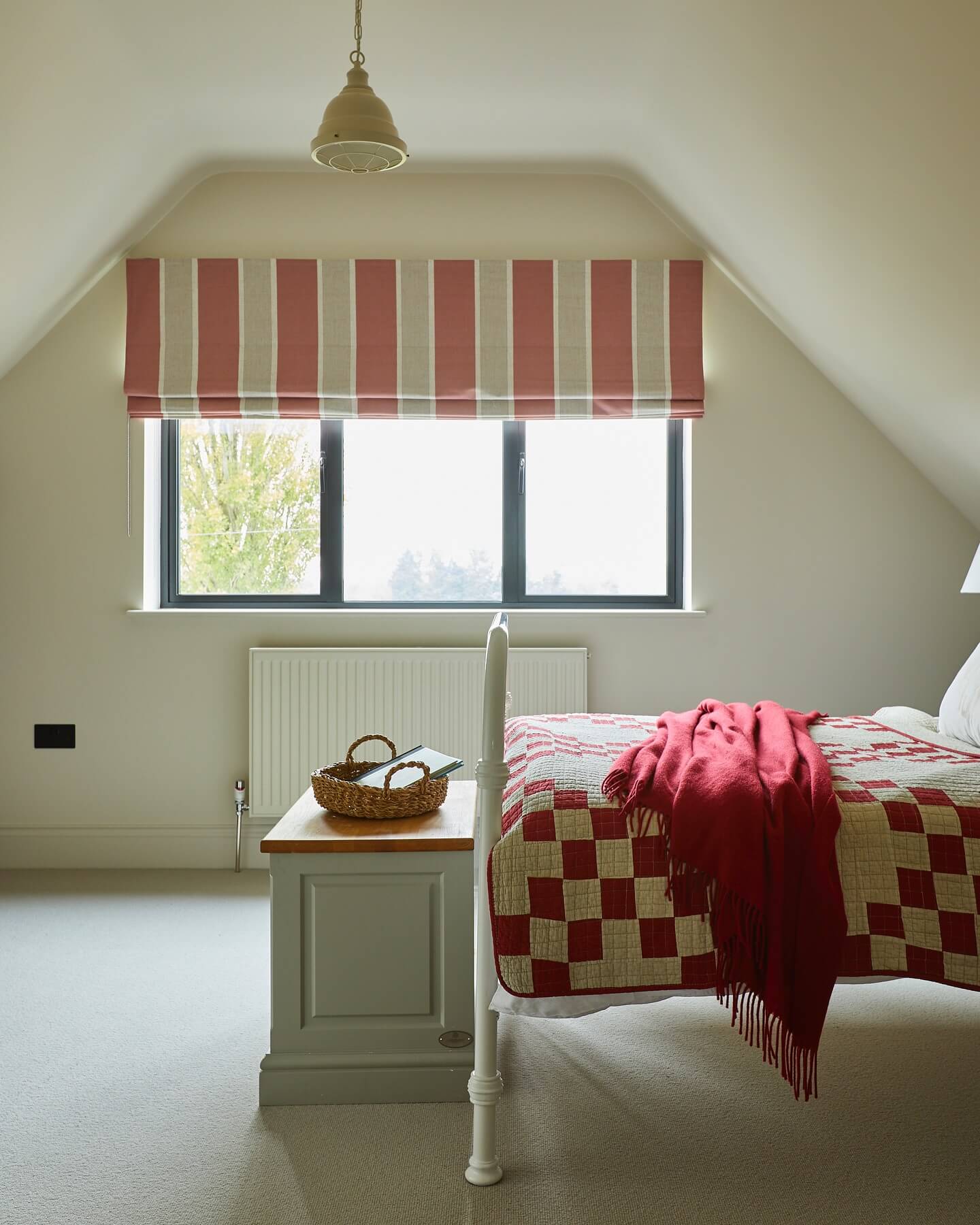
For teens, design around the three essentials: study, sleep, and hangout. A desk with adequate depth, a monitor arm, and a cable tray keeps tech ergonomic and tidy. Add a surge protector and a wall-mounted grid for headphones and controllers. Choose a supportive mattress, breathable bedding, and blackout shades to protect sleep; keep devices off the nightstand and add an analog alarm. Layer LED bias lighting behind the headboard or desk to reduce eye strain and add a custom vibe. Create a pinboard or rail system for photos, medals, and reminders—easy to update as interests evolve. Leave floor space for a compact workout mat or instrument stand. A laundry hamper, valet hooks, and a small trash can make maintenance effortless. With a tight color palette and a few high-impact upgrades, this teen boys’ bedroom feels grown yet grounded—ready for late-night study sessions, weekend hangs, and restful sleep in equal measure.
Get the Fail-Safe Paint Color Playbook (Free PDF)
36 proven colors • 8 ready palettes • trim & sheen guide • printable testing cards.
Color-Block Walls + Bold Rug: Instant Personality on a Budget

If you want big impact without committing to a full theme, try color-blocked walls paired with a statement rug. Painting the lower two-thirds of the wall in a saturated shade (navy, forest green, terracotta) grounds the room and hides scuffs, while a crisp white or pale neutral up top keeps things bright and airy. Layer in a bold, patterned rug—stripes, geometrics, or checkerboard—to anchor the layout and add energy underfoot. This combo works from toddler to teen because the palette—not characters—sets the tone. Echo your wall color in small doses across bedding, art frames, and storage bins for cohesion. Use washable paint finishes and a rug pad for durability. Add an art ledge or rail so you can swap prints as interests evolve, and keep furniture simple—think a wood bed, a clean-lined dresser, and a task lamp—to let the color and pattern do the heavy lifting. It’s one of the most affordable boys’ bedroom ideas to refresh a space fast, and it scales beautifully in small rooms. Bonus: color blocking can visually raise the ceiling and make the room feel larger.
Pegboard + Hook Wall: Tame Sports Gear and Everyday Clutter
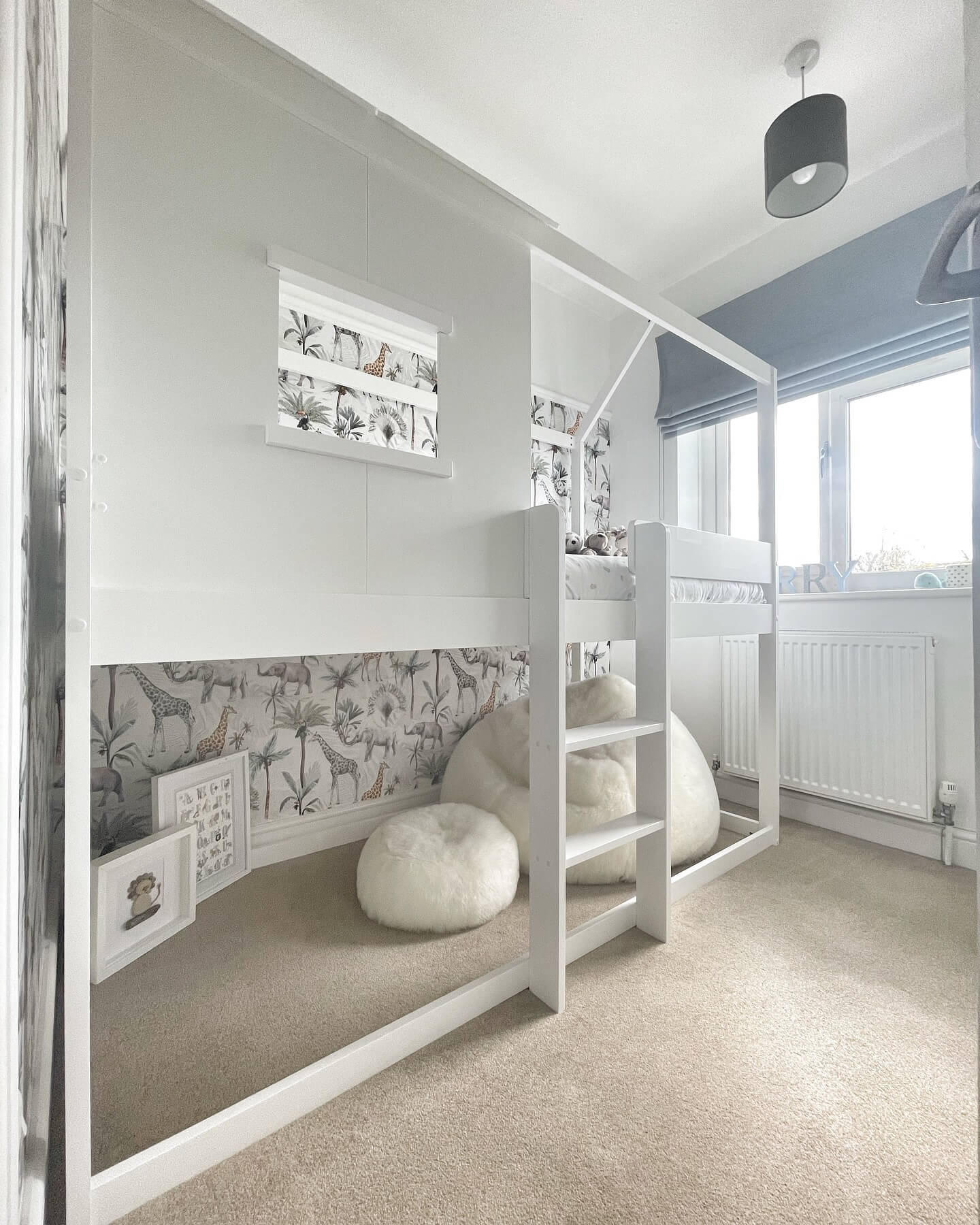
For boys’ rooms that juggle soccer balls, skateboards, backpacks, and hats, a vertical gear wall is a game changer. Mount a sturdy pegboard or slatwall with a mix of hooks, baskets, and shelves to store bulky items up off the floor. Add a bench with cubbies beneath for cleats and sliders, plus a small tray for keys and pocket treasures. Label everything so kids can reset the room in minutes. This mudroom-meets-bedroom approach keeps daily essentials visible and accessible, which supports independence in younger kids and speeds up morning routines for tweens. Choose powder-coated metal hardware and wood accents for a look that suits any style—modern, sporty, or industrial. Keep safety in mind: anchor the system into studs and avoid placing heavy items over the bed. To maintain visual calm, stick to a tight color palette—black, white, and one bold accent—and corral smaller gear in lidded bins. It’s an organizational backbone that pairs well with any theme and grows as hobbies change.
Wall-Mounted Desk Wall: Focused Study Space in Any Size Room

As schoolwork ramps up, carve out a dedicated homework zone that doesn’t eat precious floor space. A wall-mounted desk or shelf-desk paired with a slim drawer unit creates a streamlined workstation; float shelves above for books and project bins. Add a cork or felt pinboard for schedules and inspiration, and use a clamp-on task light to direct illumination where it’s needed. Keep cables in check with a mounted power strip and cord clips, and tuck a charging drawer or desktop grommet into the plan so devices have a home. For small boys’ rooms, this linear setup along one wall keeps circulation clear; for shared rooms, mirror the layout on both sides to create balance. Choose a durable top—laminate, engineered wood, or sealed plywood—and an adjustable chair that supports growing bodies. Finish with neutral basics and swap out desk accessories by season. This study nook complements a loft bed, but it also stands alone—making it a versatile upgrade from elementary through teen years.
LEGO + Maker Zone: Sort, Display, and Build Without the Mess
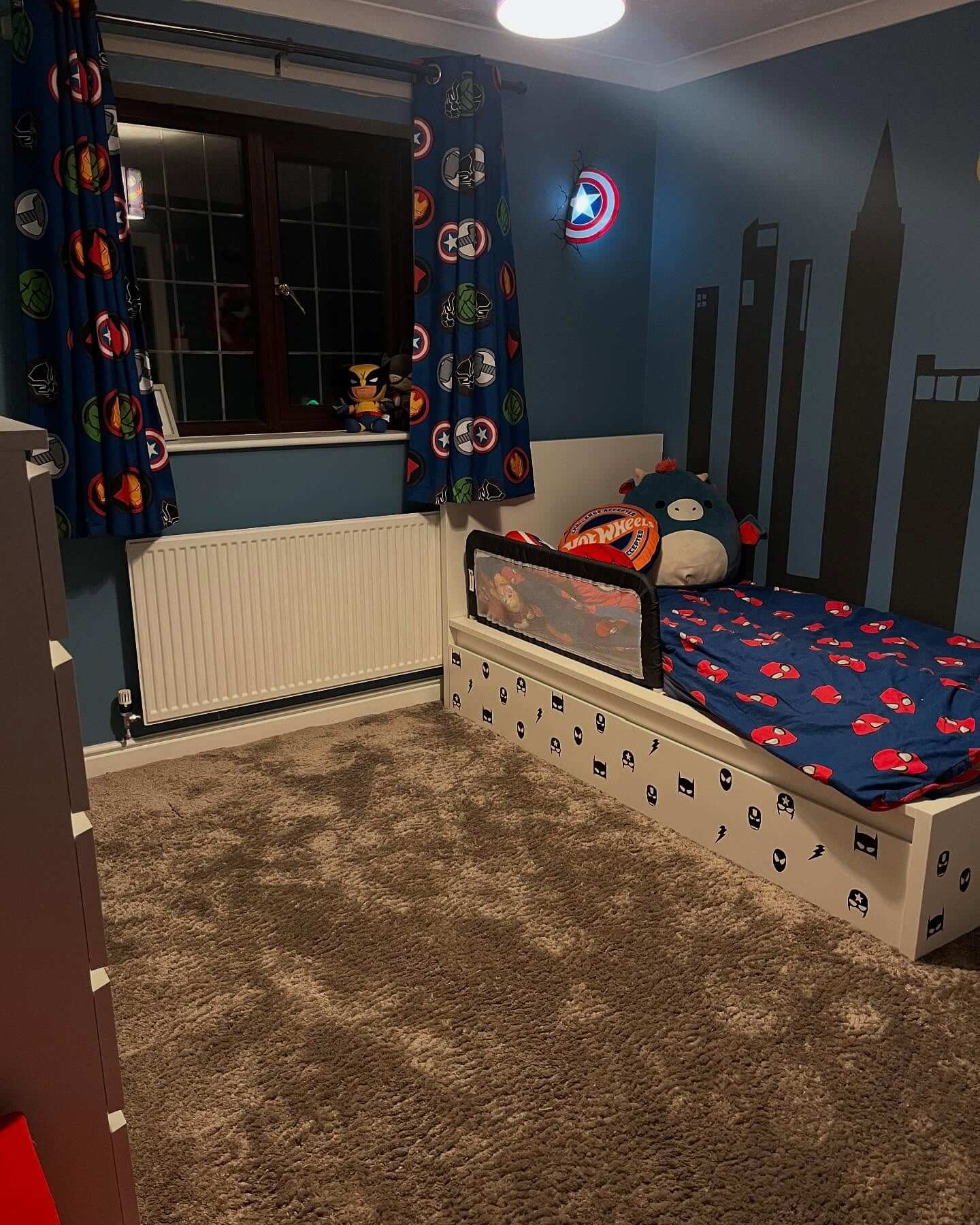
Encourage creativity while keeping tiny pieces under control with a dedicated LEGO and maker zone. Start with a counter-height table or low cabinet topped with baseplates to define a building surface. Below, use shallow drawers or clear bins to sort by color or type; label with icons for pre-readers. Add wall-mounted display ledges or cube shelves to showcase finished builds, rotating projects on a “gallery” schedule to celebrate effort and free up space. Integrate a magnetic strip or pegboard for tools, scissors, and tape, and stash a roll-out mat nearby to capture spillover builds that can slide under the bed when not in use. Good lighting matters: combine an overhead fixture with a focused task lamp to reduce eye strain. Choose washable, hardwearing materials and set simple reset rules so clean-up is quick. This creative corner evolves easily into a model-building or art studio as kids age, making it one of the most flexible boys’ bedroom ideas for long-term use.
Vintage-Industrial Tween Vibe: Metal, Wood, and Texture
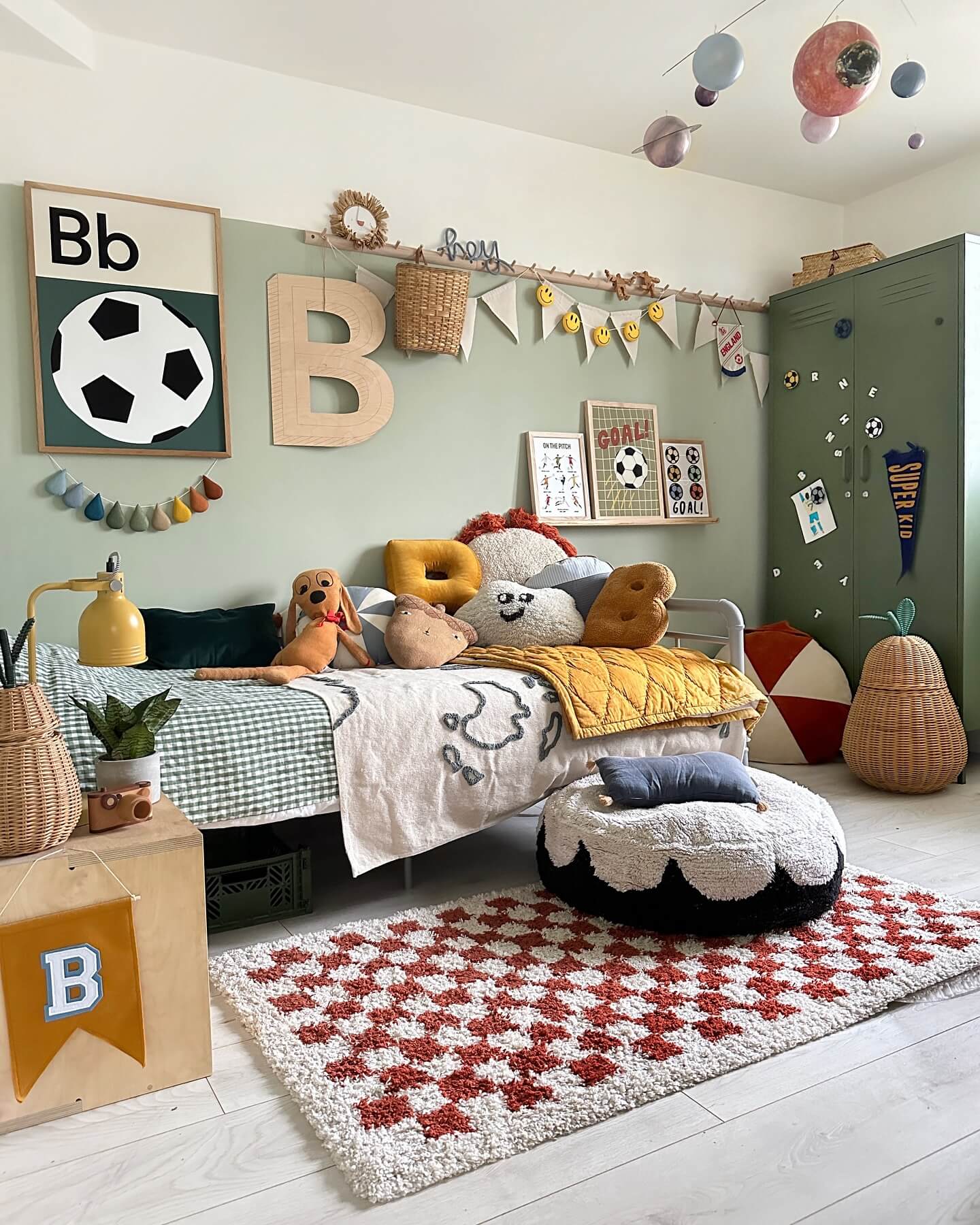
When your child is ready for a room that feels more “grown,” lean into a vintage-industrial mix that still reads warm and comfortable. Combine a wood bed with metal accents—think iron-look lamps, wire baskets, and a locker-style nightstand. Layer textures like denim, canvas, and flannel in bedding and window treatments for depth without busy patterns. Keep the palette restrained: charcoal, tobacco, and cream, punctuated by one accent color (rust, olive, or deep blue). Frame posters in simple black frames to upgrade the look, and use leather pulls or strap details to add subtle craftsmanship. A woven rug softens the space, while a swing-arm sconce creates targeted reading light. The result is a boys’ bedroom that can handle middle school to high school with minor tweaks—swap the art, change the accent color, and refresh the pillows. Durable finishes and timeless materials mean the room wears well and ages with him gracefully.
Trundle or Pop-Up Guest Bed: Sleepover-Ready Without Losing Space

If sleepovers are on the horizon, plan for guests without sacrificing floor area. A daybed with a trundle or a pop-up underbed frame gives you a full second bed on demand, then tucks away to keep the room open for play or workouts. Choose a low-profile mattress for the lower unit and store flat pillows and a duvet in a zippered underbed bag so setup takes two minutes. For small rooms, opt for a daybed backed by a long bolster; it doubles as a sofa for reading and gaming. Keep the palette consistent across both beds so the room feels cohesive when the trundle is in use. If storage is tight, select a captain’s bed with deep drawers on the other side to make up for lost underbed space. Add blackout shades and a dimmable lamp so late-night chats don’t derail sleep. This layout is equally useful for siblings who occasionally share a room or for relatives visiting during holidays.
Nature-Inspired Calm: Greens, Wood Tones, and Tactile Layers
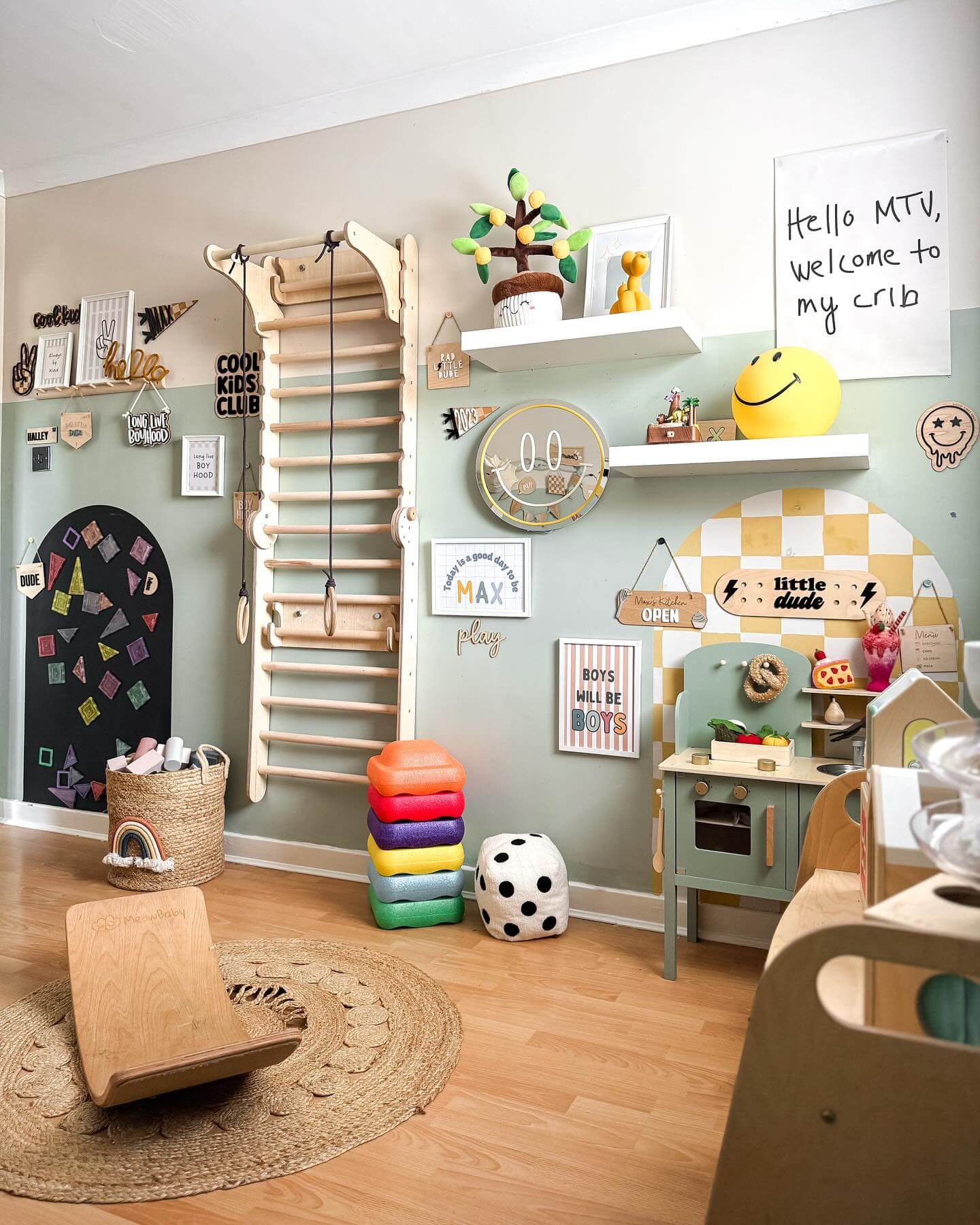
For a soothing boys’ bedroom that supports sleep and focus, look to the outdoors. A palette of soft greens, warm wood tones, and creamy neutrals sets a restful foundation that works from early childhood through the teen years. Introduce texture with woven baskets, a jute or wool rug, and linen-blend curtains. Botanical prints, topographic maps, or subtle woodland motifs on one wall add interest without tipping into a theme he’ll outgrow. Choose solid-wood furniture with rounded edges for durability and safety, and mix in nature-forward lighting—rattan pendants or matte metal sconces—for a grounded feel. Keep accessories minimal: a few favorite treasures on an open shelf and a plant or two (real or faux) for life. This organic look pairs beautifully with Montessori principles for younger kids and transitions easily into a study-first space as school demands increase. It’s an easy, timeless route to a calming boys’ bedroom that still has character.
Gamer-Ready, Parent-Approved: Ergonomics, Lighting, and Cable Control
A game-friendly boys’ room doesn’t have to scream RGB. Start with ergonomics: position the monitor at eye level, keep screen distance at arm’s length, and use an adjustable chair with lumbar support. Add a compact sit-stand desk or a footrest to promote movement during long sessions. For lighting, bias backlighting behind the screen reduces eye strain, while warm-white ambient fixtures prevent the cave effect. Keep LEDs subtle and dimmable. Route cables with a raceway and velcro ties, label each power cord, and park controllers on a charging dock to prevent clutter. Acoustic panels or heavy curtains dampen sound, and a small tray manages remotes and accessories. Establish a “shutdown shelf” where devices live overnight to support healthy sleep. Round it out with shelves for collectibles and a pinboard for badges or tickets—personal but tidy. This balanced setup respects his hobbies while preserving a calm, functional bedroom for study and rest.
Patterned Wallpaper + Wainscoting: Durable Style That Ages Well
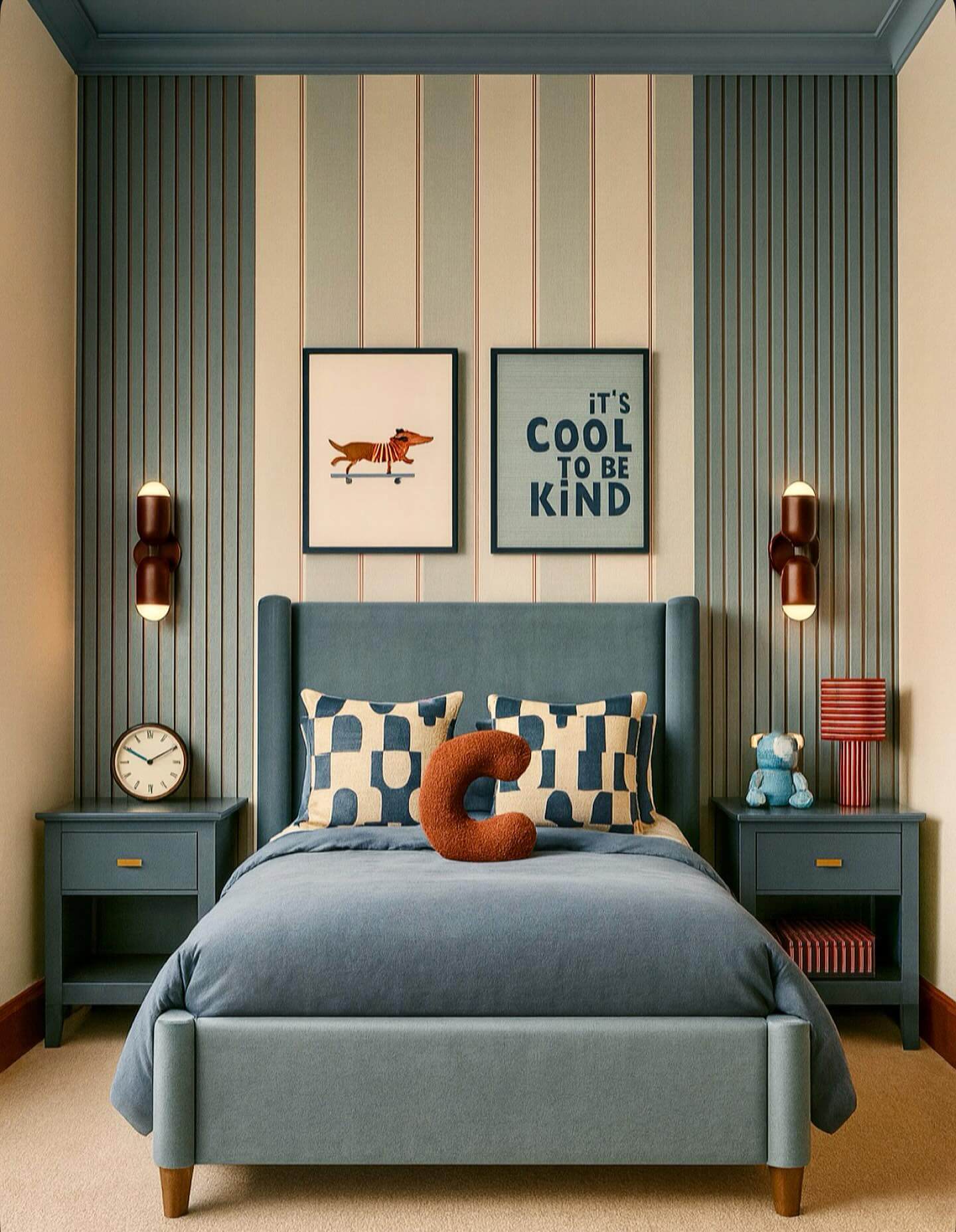
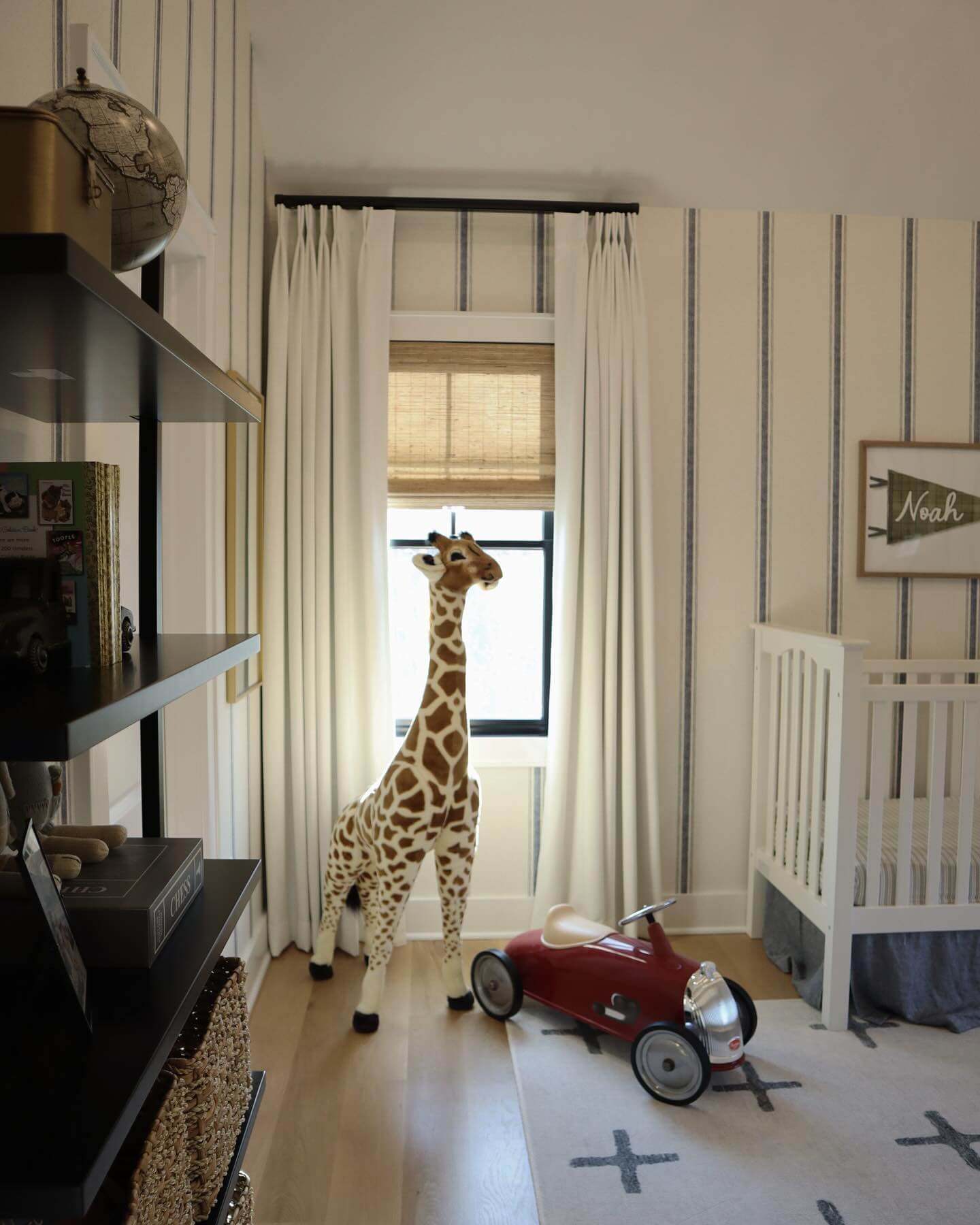
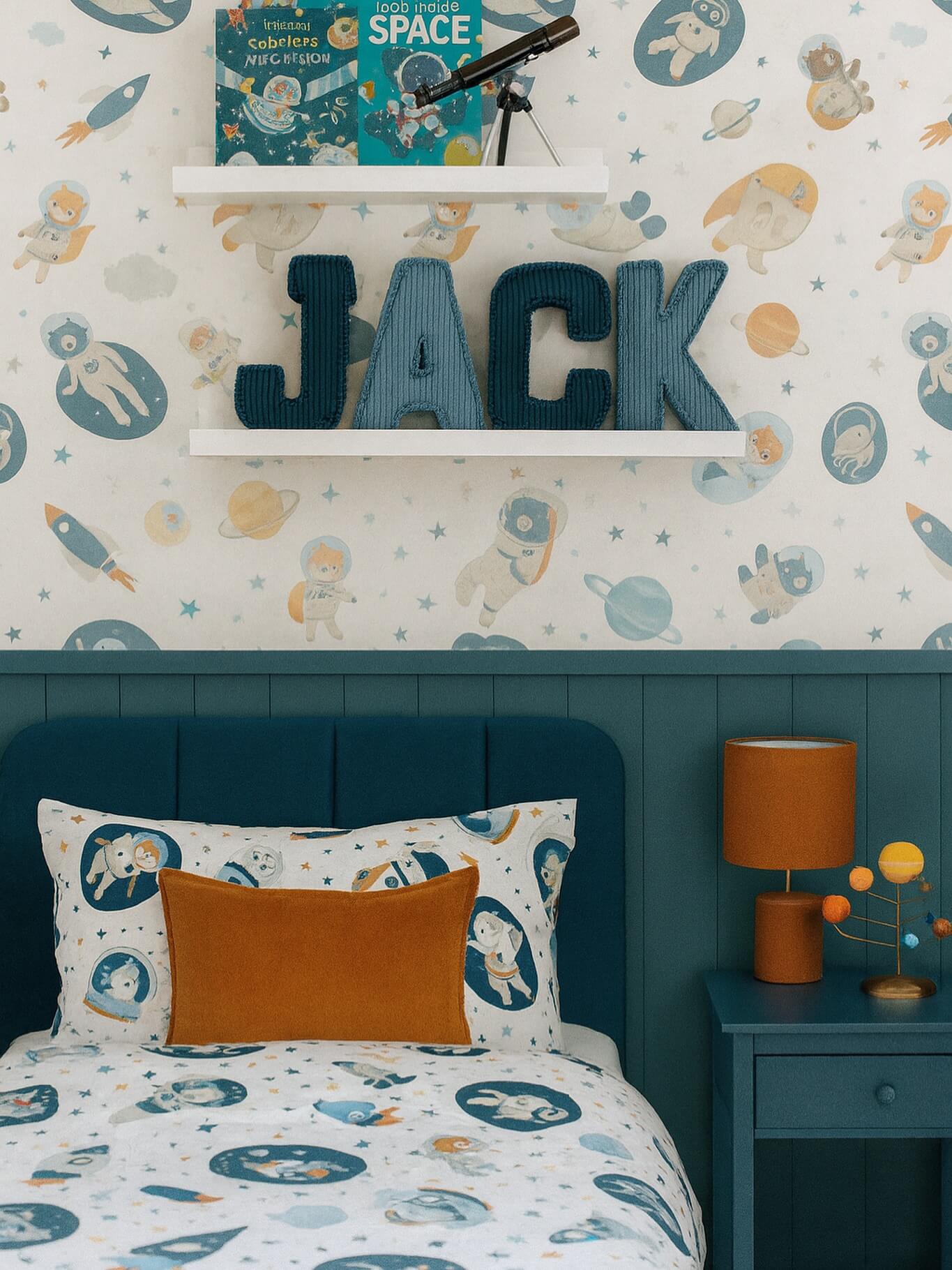
Want pattern without overwhelm? Pair a half-height wainscot (beadboard or simple trim) with patterned wallpaper above. The lower portion takes the bumps and bruises of kid life, and the upper delivers personality—checks, stripes, or subtle geometrics that won’t date quickly. Keep colors tight to your palette so swapping bedding is easy, and repeat one hue in the rug or curtains for cohesion. For renters or commitment-shy parents, use high-quality peel-and-stick paper and paint the trim in a satin finish for wipeability. In small boys’ rooms, vertical patterns visually lift the ceiling; in larger spaces, a bolder motif adds character. Add coordinating hooks along the wainscot rail for everyday backpacks and hats, and finish with framed art that can evolve over time. This classic-meets-modern combo brings texture, protection, and timeless style—ideal for rooms that need to bridge the gap from elementary to early teen years.
Grow-With-Him Closet System: Double Hang, Drawers, and Clear Bins

A smart closet can double the usable space in a boys’ bedroom. Install a modular system with adjustable rails so you can run double hang for shirts and pants now, then convert to single hang for longer items as he grows. Add a bank of drawers or baskets for socks and sportswear, and use clear bins up high for out-of-season clothing and labeled “too big” hand-me-downs. A slide-out hamper encourages easy laundry habits, while a shallow shelf near eye level holds school uniforms or next-day outfits. Hooks on the inside of doors manage belts and caps; LED motion lights make everything visible. Keep categories simple and teach a weekly reset routine so the system sticks. This approach streamlines busy mornings, opens up floor space you might otherwise dedicate to a dresser, and keeps the room looking tidy—key to any stylish, functional boys’ bedroom from early grade school through the teen years.
Loft Bed Lift: Free the Floor for Play, Study, or Storage
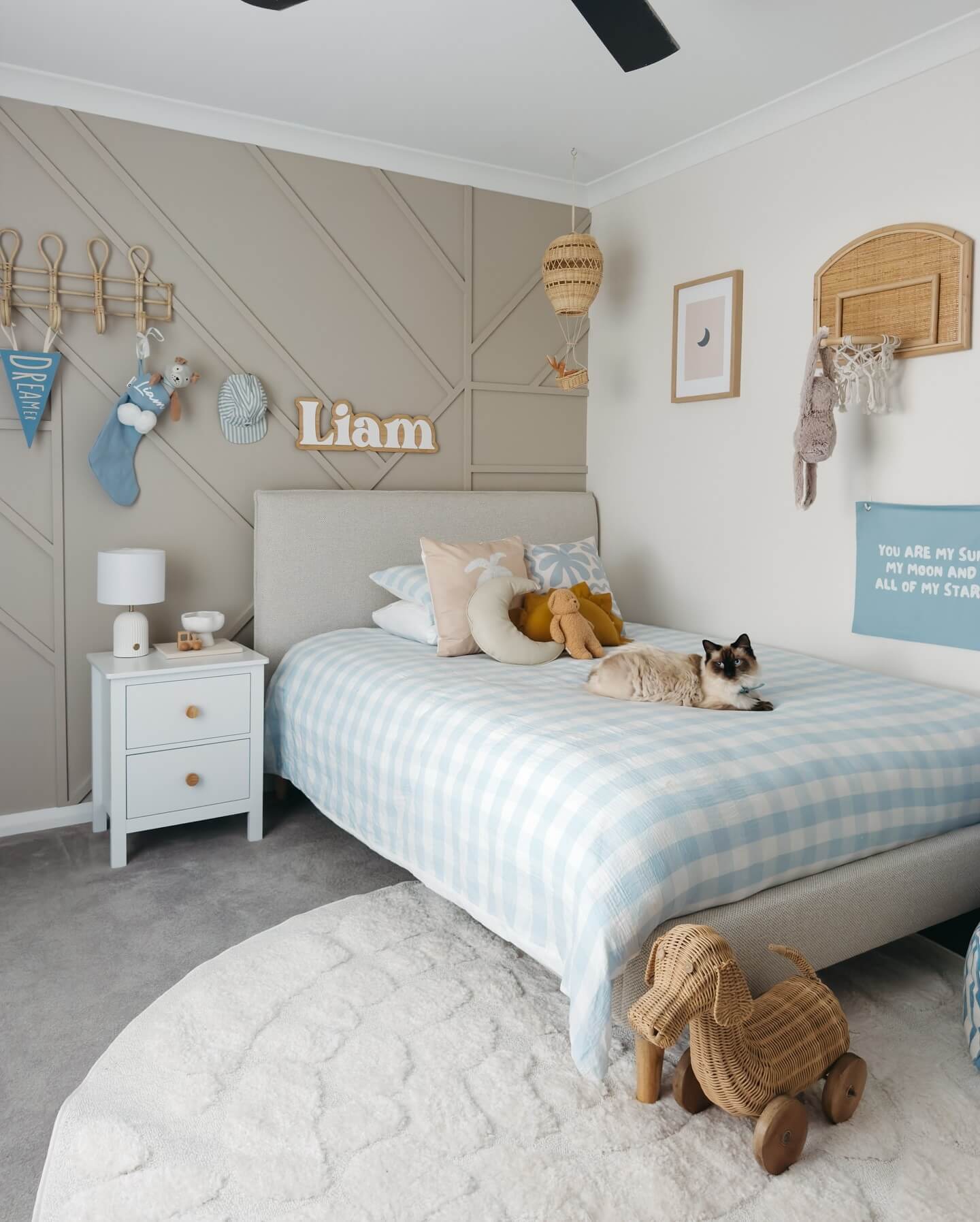
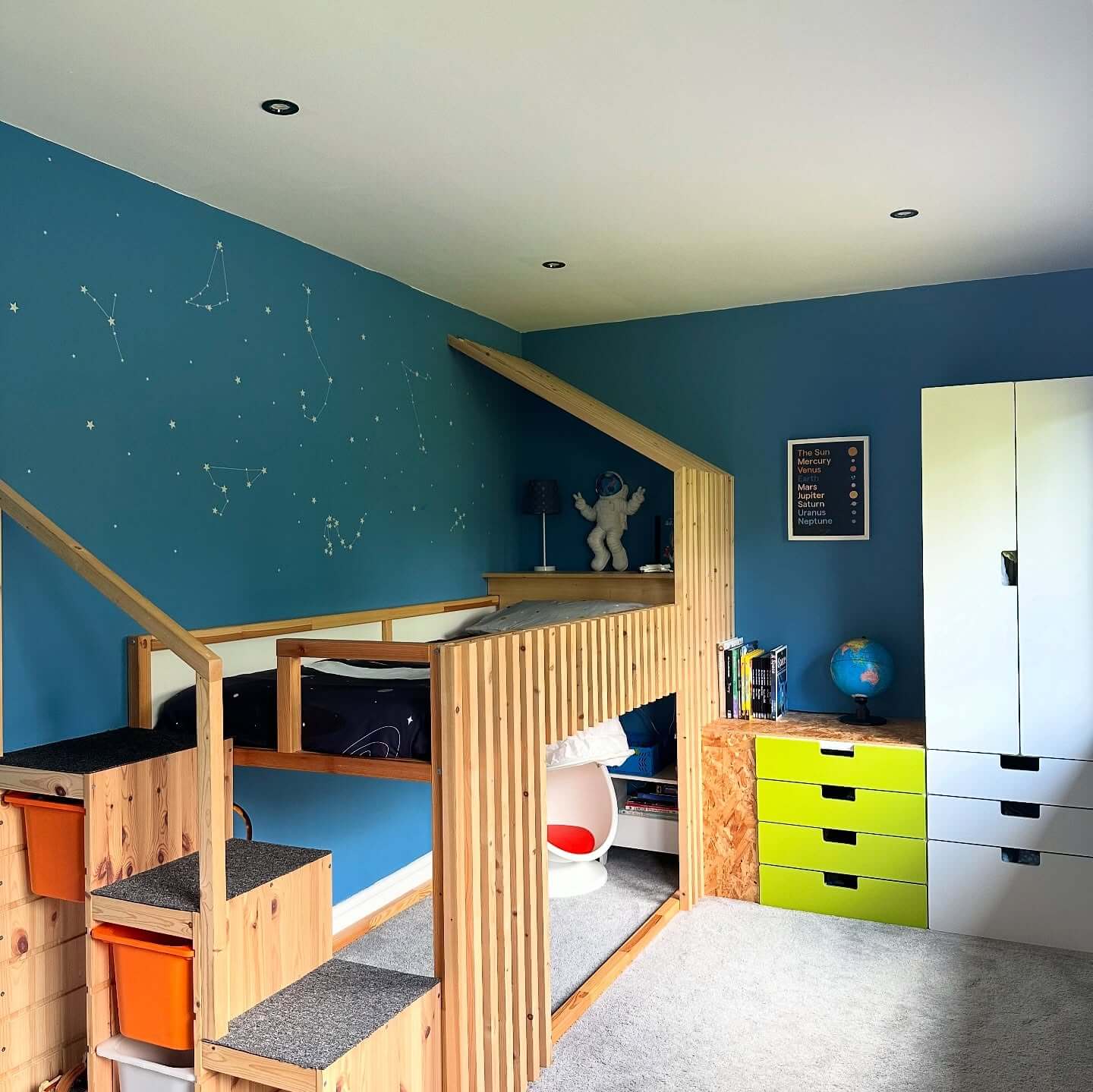
Small boys’ bedrooms gain instant square footage with a loft bed that turns vertical space into usable zones. Start with safety: confirm ceiling height allows 30–36 inches of head clearance above the mattress, choose a model with full-length guardrails, and anchor to studs if the frame permits. The magic lives underneath. For early grade-schoolers, add a cushy rug, book ledges, and a low table for building and imaginative play. As homework ramps up, swap in a compact desk, rolling cart, and task lighting for a tidy, focused study nook. Teens can convert the under-zone again with a dresser, lounge chair, and charging station. Keep cables contained with stick-on raceways and mount dimmable sconces to avoid glare. A shallow shelf at the loft rail makes a perfect perch for a water bottle and bedtime book. Choose durable, washable textiles and a restrained palette so the structure feels timeless even as accessories evolve. If siblings share, pair a loft with a standard twin or trundle to create distinct “my side” zones without crowding. With one smart move, you’ve created room to sleep, play, and study—without expanding the footprint.
Get the Fail-Safe Paint Color Playbook (Free PDF)
36 proven colors • 8 ready palettes • trim & sheen guide • printable testing cards.
Montessori Start: Floor Bed, Low Shelves, and Calm Colors
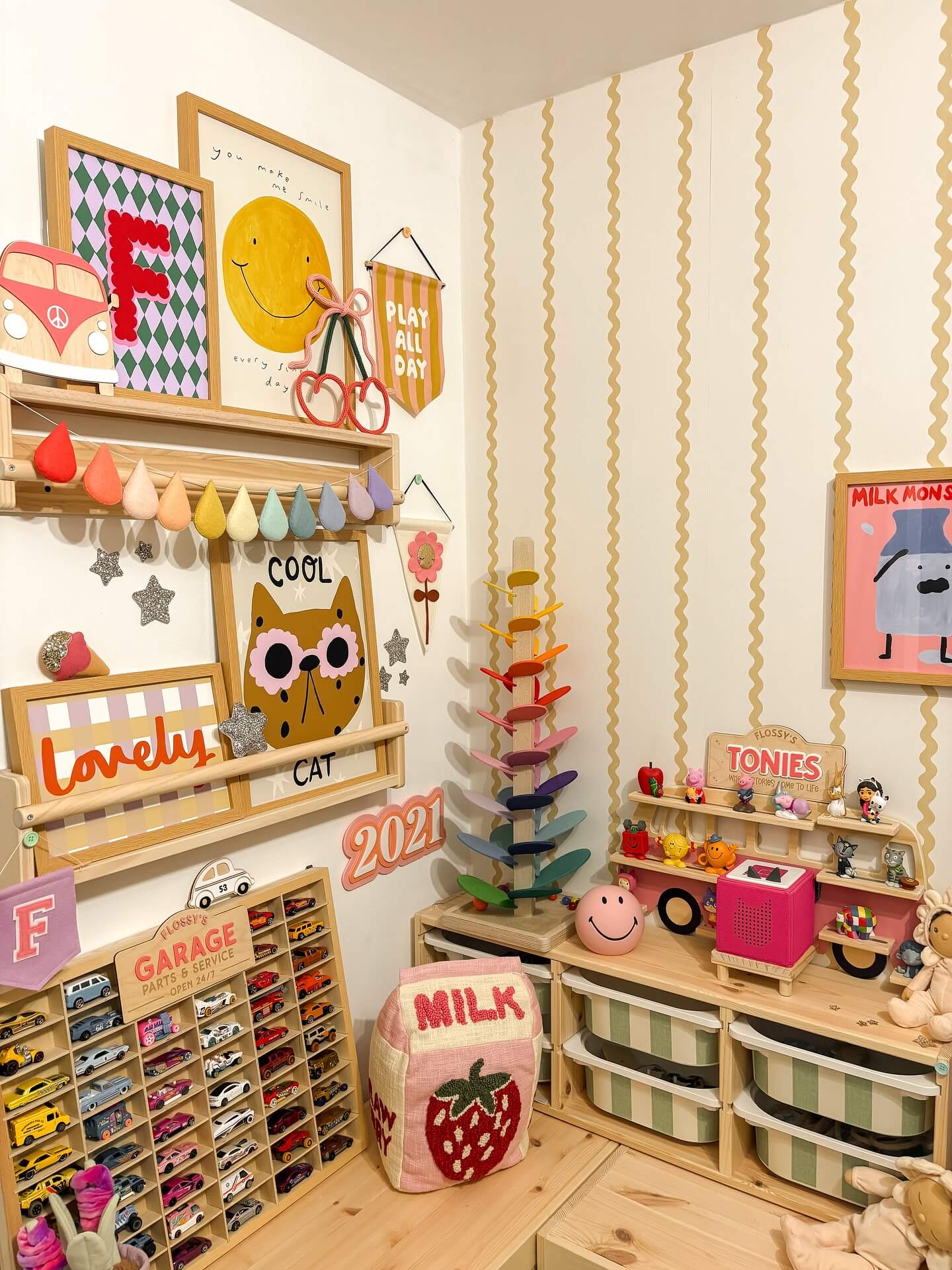
For nursery-to-toddler years, a Montessori-inspired boys’ room encourages independence and calm. A floor bed (or low-profile frame) allows little ones to get in and out safely while keeping the sleep area grounded and cozy. Surround it with low, open shelves for toy rotation—just a few baskets of developmentally appropriate activities at a time reduces overwhelm and visual clutter. Add a soft, machine-washable rug, blackout shades for better naps, and a dimmable wall sconce with a covered cord for bedtime stories. A shatterproof wall mirror near the play zone supports motor development, while securely anchored art hung at child height makes the space feel his. Prioritize rounded edges, anti-tip straps on any case goods, and outlet covers. As he grows, the floor bed can transition to a standard twin, and those low shelves become book storage or display for collections. Keep the color palette soothing—warm whites, oat, sage—then layer in personality with tactile textiles and a single accent color you can update effortlessly. It’s a room that supports autonomy, safety, and order from day one—and evolves gracefully into preschool and beyond.
Sporty but Sophisticated: Neutral Base, Team Swaps, and Durable Textiles
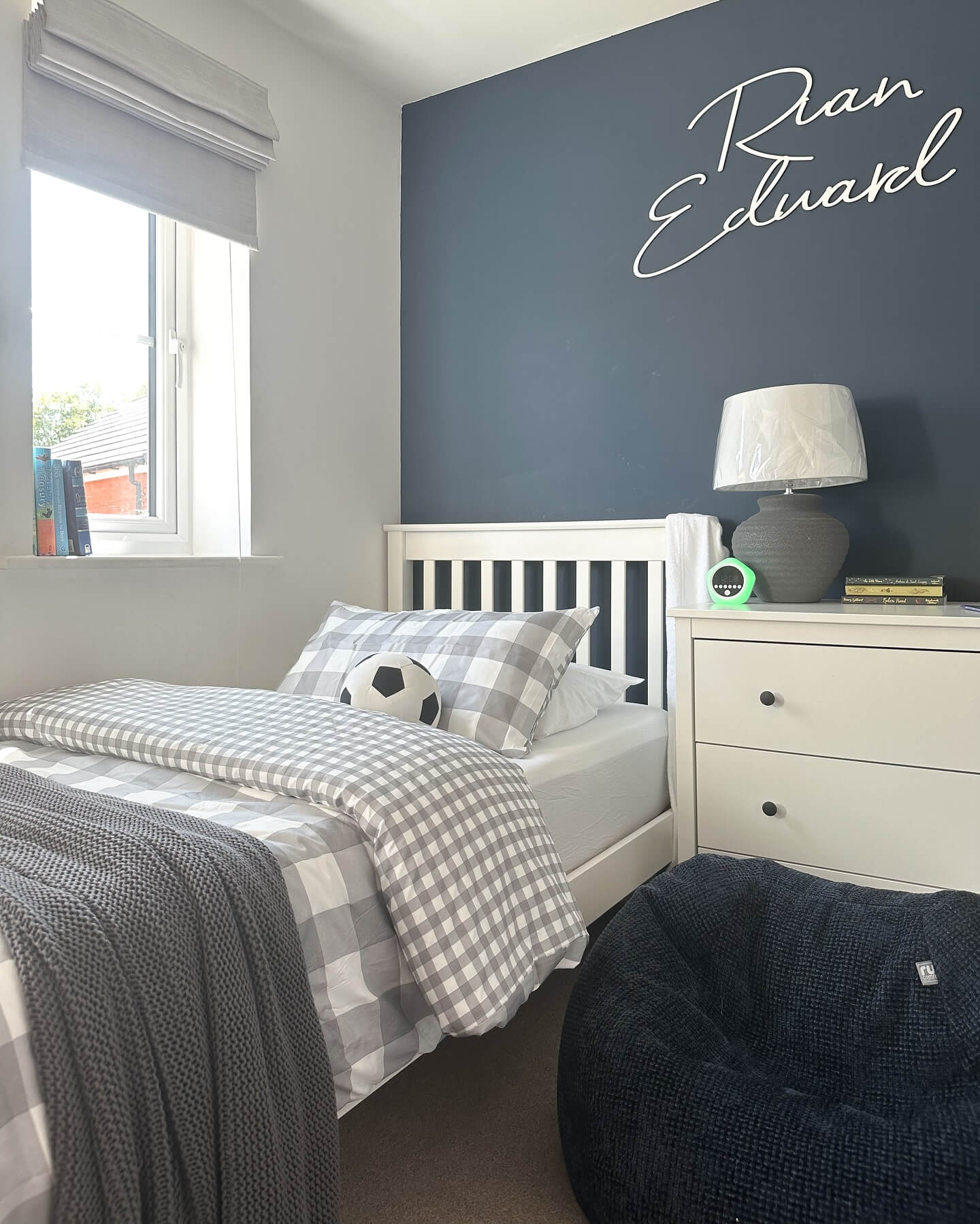
Love sports without locking the room to one team or season. Build a boys’ bedroom on a neutral base—think warm gray walls, natural wood, navy or forest green accents—then layer in athletic energy with easily swappable pieces. Use acrylic frames or jersey rails to display a current favorite without damaging fabrics. Add numbered pillows, stripe tapes on the bed wall, and a compact “ball corral” (deep bin or wire basket) to keep gear contained. A small-scale, low-pile rug nodding to turf texture reads sporty but still refined, and performance fabrics on duvets and beanbags handle sweat, snacks, and sleepovers. For desk zones, a magnetic strip or cork runner corrals brackets, medals, and race bibs while keeping the wall clean. When interests change—from soccer to skate to track—swap art, bedding, and shelf accessories while the room’s core stays timeless. This approach works for toddlers through teens, letting you dial up color for younger kids and pull it back to a minimalist, collegiate vibe later. Functional, flexible, and crowd-pleasing—that’s a win on any scoreboard.
Climb, Swing, Repeat: Indoor Movement Wall with Soft Landing
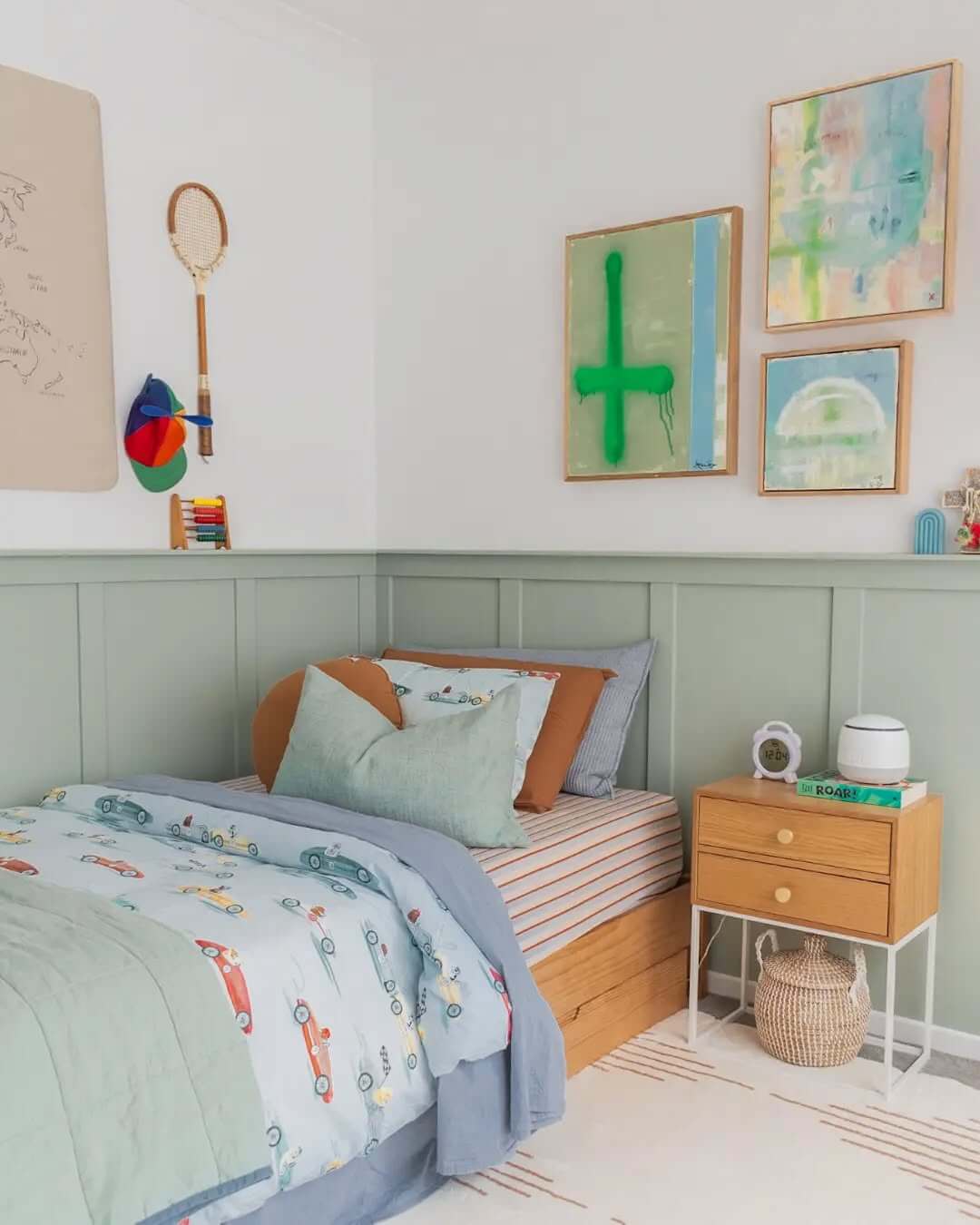
Bring the playground inside with a safe, energy-busting movement zone that suits every stage. For littles, start with low-mounted climbing holds and a gentle angle board; as confidence builds, raise the route and add a rope, Swedish ladder, or doorway bar with gymnastic rings. Teens can use the same setup for grip work and core strength. The nonnegotiables: anchor into studs or use a rated mounting system, choose hardware with published load limits, and finish the floor with 2–3-inch crash mats or layered foam tiles covered by a washable rug. Keep clearances around the wall (and away from windows) and install a dimmable ceiling fixture to avoid glare while climbing. Color-coordinate holds to the room’s palette so the setup feels intentional, not chaotic. A nearby cubby or peg rail can house chalk bags, wraps, and resistance bands. The best part? When playtime is over, the zone stays neat and contained—no giant toys to trip over. In a shared room, movement walls also serve as natural dividers, giving each child a “side” and an outlet for wiggles before wind-down.
Gallery Ledges + Award Rail: Easy-Change Display for Art, Books, and Builds
Give collections the spotlight without making 100 nail holes. Shallow picture ledges create a flexible gallery for books, small framed prints, trophies, and even LEGO builds. Stagger lengths to fit the wall, mount into studs, and choose ledges with a front lip to prevent slides. For toddlers, keep the lowest row at eye level and fill with forward-facing books to promote independent reading. As interests evolve, swap in travel photos, team schedules, and model cars; a simple “one in, one out” rule keeps visual clutter in check. Add a slim award rail—wood strip with discreet hooks—under the lowest ledge for medals and lanyards. Warm LED strip lighting under the top shelf turns the display into an ambient feature at night without harsh hotspots. To maintain cohesion, use two or three consistent frame finishes and a restrained color story that echoes bedding or the rug. This rotating system teaches curation, celebrates achievements, and works in any boys’ bedroom—nursery to teen—while keeping walls intact and cleanup quick.
Age-Appropriate Boys Bedroom Ideas: Toddler, Kid, and Teen Decor Themes
Design choices should mature gracefully from toddler to teen without constant overhauls or costly repaints. Anchor the room with timeless pieces—neutral walls, a durable rug, and quality bed—then swap themed layers through art, bedding, and accessories. Prioritize safety for little ones by anchoring furniture, rounding edges, and using washable finishes, then shift toward ergonomic study setups in grade school. For teens, carve out zones for sleep, study, friends, and fitness, balancing privacy with display space for achievements. Color psychology helps: restful blues and greens promote calm, while energetic orange or red works best in small doses as accents.
- Create a safari-to-explorer theme with neutral walls, animal art, and framed maps that transition from toddler curiosity to school-age geography projects without repainting or replacing major furniture pieces.
- Build a construction corner using a road rug, caution decals, and dump-truck bins that later evolve into an engineering maker station with pegboard, labeled drawers, and safe beginner tools.
- Launch a space-themed room with constellation decals, glow stars, and a navy accent wall, then upgrade to a telescope stand, NASA posters, and metal shelves for a sleek adolescent vibe.
- Lean into sports style via removable wall decals, numbered hooks, and a scoreboard corkboard, evolving toward framed jerseys, modular dumbbell storage, and a compact under-desk cardio stepper.
- Design a LEGO zone with baseplate table, rainbow bins, and display ledges, later converting the surface to a drafting desk and the bins to art, coding, or robotics components.
- Create a reading nook with a canopy tent, floor cushions, and LED clip light that later becomes a music corner with wall-mounted guitar hooks and a slim amp cart.
- Try a coastal surfer look using pale blues, slatted wood, and rope accents, transitioning into minimalist beach-modern with striped bedding, matte black hardware, and framed surf photography.
- Use color-block walls to define zones—sleep, study, and play—then refresh blocks with updated hues as tastes change while leaving trim, doors, and furniture finishes consistent.
- Install a gamer-ready setup with a compact desk, ergonomic chair, and bias lighting, later refining cable management, adding acoustic panels, and swapping neon accents for mature monochrome.
- Go for a nature camp theme with plaid bedding, canvas storage, and lantern lamps, then elevate with olive paint, botanical prints, and a foldaway wall-mount desk for homework.
- Introduce an industrial loft mood using metal shelves, wire baskets, and concrete-look wallpaper, softening later with textured linens, plants, and dimmable warm lighting for a balanced retreat.
- Celebrate creativity through a cork-and-whiteboard wall for art, schedules, and goals, later layering framed sketches, achievement ribbons, and a slim calendar strip for time management.
- Keep a monochrome base—gray, white, black—then rotate accent colors through pillows, posters, and throws each season, maintaining cohesion while satisfying evolving interests and trends.
Invest in washable, high-thread-count bedding and performance rugs that survive spills, crafts, and teen snacks without stress. Add dimmable lighting and bedside task lamps to shift from bedtime stories to late-night study. Use removable wallpaper on one feature wall to refresh style cheaply while protecting resale appeal. Encourage ownership by letting kids curate a gallery rail that updates without damaging paint. Finally, schedule seasonal edits—donate outgrown items, rotate displays, and recalibrate zones—so the room stays purposeful, inspiring, and clutter-free.
Your Biggest Boys’ Room Design Questions, Answered
How do I choose a color palette that grows with my child?
Start with a neutral foundation—soft whites, grays, or muted earth tones—then layer one or two accent colors. As interests change, swap textiles and art while keeping the base consistent and timeless.
Get the Fail-Safe Paint Color Playbook (Free PDF)
36 proven colors • 8 ready palettes • trim & sheen guide • printable testing cards.
What bed size should I buy to avoid replacements?
A twin works for most kids and preserves floor space in small rooms. If you have the room, a twin XL or full offers extra length and comfort for growth spurts and teen lounging.
How can I make a small boys’ room feel bigger?
Use leggy furniture, wall-mounted storage, and mirrors to reveal more floor and bounce light. Keep patterns large scale, limit color variations, and choose multifunction pieces that condense tasks vertically.
Get the Fail-Safe Paint Color Playbook (Free PDF)
36 proven colors • 8 ready palettes • trim & sheen guide • printable testing cards.
Which items are worth splurging on versus saving?
Splurge on the mattress, ergonomic chair, and durable rug—they impact sleep, posture, and longevity. Save with removable wallpaper, DIY art, modular bins, and repainting hardware for quick, inexpensive refreshes.
Final Verdict: Build a Room That Evolves With Him
A boys’ bedroom that stands the test of time isn’t about a single theme—it’s about smart foundations and flexible layers. Start with a durable base (neutral walls, hardworking flooring, streamlined furniture) and add personality through changeable elements like bedding, rugs, art, and lighting. Zones for sleep, study, play, and storage keep small rooms efficient and shared rooms harmonious; loft beds, bunks, wall-mounted desks, and pegboards are space-savers that look intentional. Choose materials that can handle real life—washable textiles, wipeable paint, and sturdy hardware—then layer in texture with wood, woven baskets, and soft rugs for comfort and calm. Whether you lean sporty, coastal, modern, or vintage-industrial, the goal is the same: a cohesive, clutter-controlled space that adapts from nursery to tween to teen without a costly overhaul.
To put it into action, map the room and define zones, pick a cohesive color palette, and invest in modular storage and a grow-with-him closet system. Add lighting in layers (ceiling, task, and night) to support reading, homework, and wind-down, and use gallery ledges, award rails, and display shelves to rotate art, builds, and collections without drilling new holes. Keep tech thoughtful—ergonomic seating, cable control, and dimmable lighting make gamer or study setups parent-approved. Finally, invite your child into the process: swap team accents, update wall art, or refresh a rug as interests change. With timeless anchors and easy-to-update details, you’ll create a stylish, functional boys’ bedroom that feels personal today and still works brilliantly tomorrow.