
Corner Fence Ideas: Clever Ways to Maximize Privacy, Define Space, and Boost Curb Appeal
Got an awkward backyard corner that never quite looks finished? The right corner fence ideas can turn dead space into a standout feature—adding privacy, structure, and style in one smart move. From tight urban patios to sprawling gardens, a well-planned corner fence anchors the layout and helps every inch work harder.
Whether you want a cozy reading nook, a discreet storage hideaway, or a lush green backdrop, there’s a solution for every budget and aesthetic. Think slatted privacy screens, trellised plant walls, L-shaped panels, or even curved and diagonal designs that soften harsh angles while guiding the eye.
Get the Fail-Safe Paint Color Playbook (Free PDF)
36 proven colors • 8 ready palettes • trim & sheen guide • printable testing cards.
In this guide, we’ll explore corner-friendly fence options that boost curb appeal, improve function, and flow with your landscape. Expect ideas that blend materials (wood, metal, vinyl, living walls), play with height and texture, and meet common yard needs—privacy, wind protection, and defined zones—without overwhelming small spaces.
Corner Fence Ideas for Small Yards and Patio Nooks
Smart Corner Fence Ideas can unlock cramped yards and patio nooks by redirecting sightlines, compressing storage, and defining micro-zones. Start by measuring the corner angle; many aren’t perfectly square, so plan custom panel widths. A shallow diagonal run often frees up usable space while visually simplifying the footprint. Prioritize clearance for gates, trash bins, and outdoor utilities that frequently occupy corners. Confirm setback rules, easements, and HOA guidelines before finalizing placement to avoid costly relocations.
Map how you actually use the space—seating, grill, potting bench—then tailor the corner treatment to serve those routines. Low, open designs expand perceived area, while targeted opaque sections hide clutter. Mixing heights within the corner can maintain openness yet protect privacy where you sit. Add multifunction elements like built-in planters, narrow benches, or shelves that turn dead space vertical. Choose fasteners and finishes resistant to moisture and shade, since corners often see less sun and slower drying.
- Use a diagonal privacy panel across the corner to square off unusable space, creating a tidy triangle for bins, tools, or a compact herb planter.
- Install a hinged, louvered corner screen that folds flat against one fence run, opening circulation for gatherings and closing to hide condensers, meters, or clutter.
- Mount a slim trellis in the corner and train vertical vines upward, preserving floor space while softening hard angles and adding seasonal texture, fragrance, and pollinator interest.
- Combine narrow cedar slats with translucent polycarbonate panels to borrow light from adjacent areas while providing targeted privacy where seating or grills concentrate activity.
Elevate the look with cohesive details—matching caps, hidden brackets, and consistent slat spacing—to avoid a “patched-on” corner. Select a stain or paint color that links the corner to adjacent architecture or furnishings. Vertical slats visually lift low spaces, while horizontal boards elongate short runs. Integrate low-voltage or solar cap lighting to illuminate edges without glare. If storage is needed, consider vented doors and breathable panels to prevent mustiness in shaded, tight corners.
Horizontal Slat L-Shape: Airy Privacy in a Tight Corner
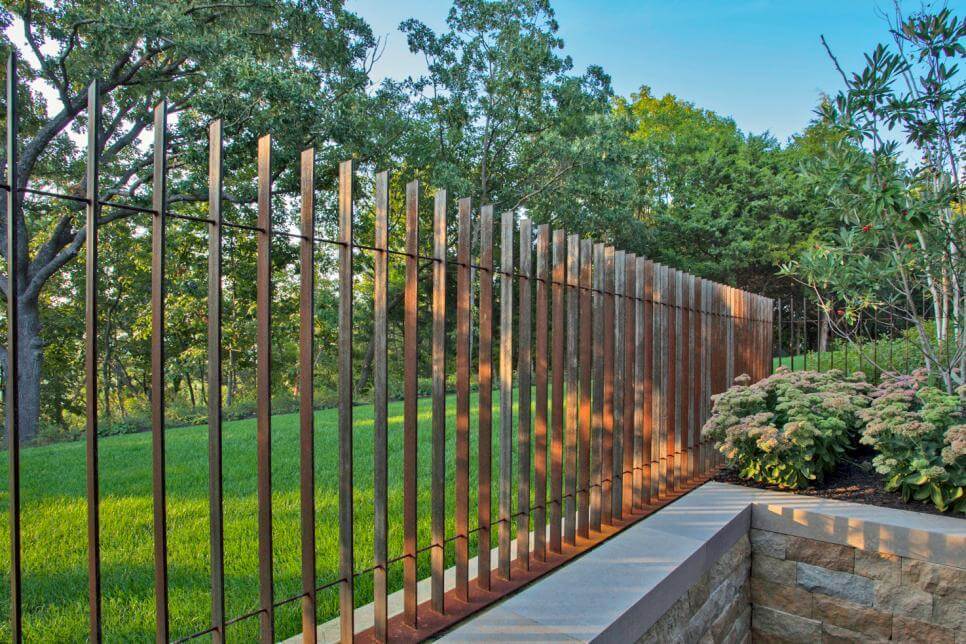
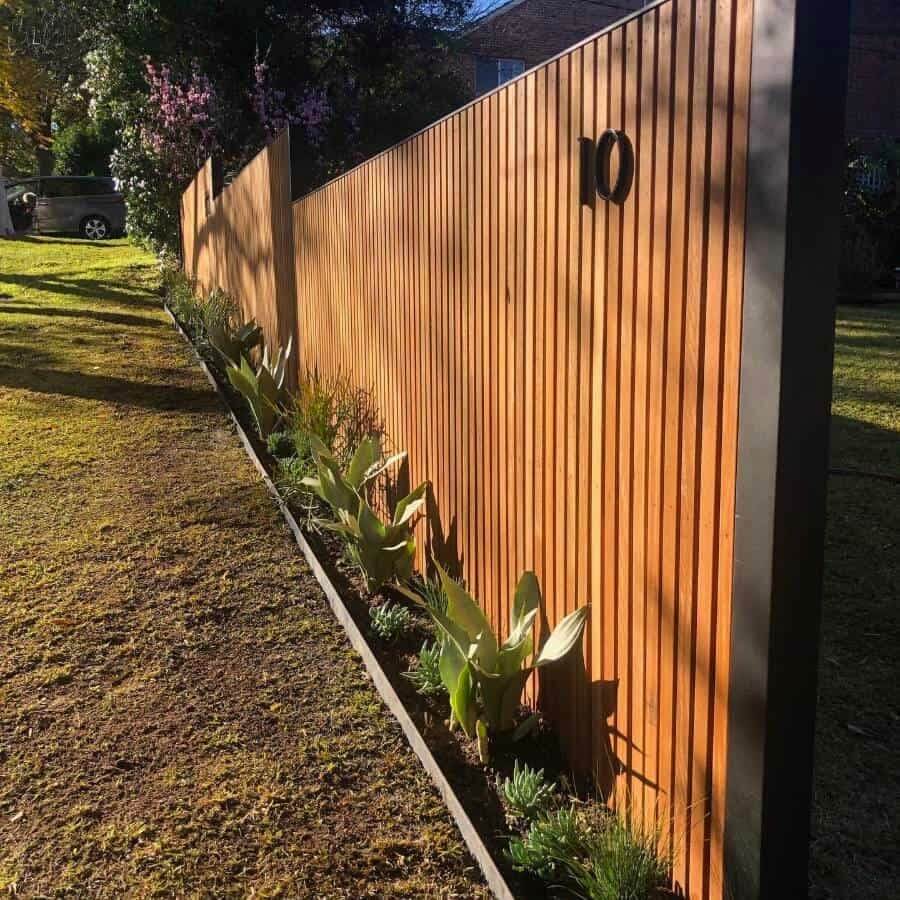
If you want instant privacy without the bulk, a horizontal slat L-shaped fence is one of the smartest corner fence ideas. Skinny, evenly spaced boards create a light, modern screen that defines the space and filters views instead of blocking them completely. In small patios, that balance matters—air gaps invite breezes, reduce wind load, and keep a cozy nook from feeling boxed in. Choose rot-resistant cedar or composite for low maintenance and stain the wood a warm tone to contrast with matte-black posts or brackets for curb appeal.
Design tips: mix board widths (for example, 1x2s and 1x4s) to add subtle texture, cap the top for a crisp finish, and step the height up as you reach the deepest point of the corner to focus privacy where you need it. Set posts 24–36 inches from each wall to frame a usable footprint for a café table or lounge chair. For durability, anchor posts with galvanized bases or into concrete footings, and keep a consistent gap (about 1/2 inch) for clean sightlines. The result is a corner fence that looks custom, feels intentional, and works hard without visually shrinking your yard.
Grow a Living Wall: Trellis Fence That Turns the Corner Green
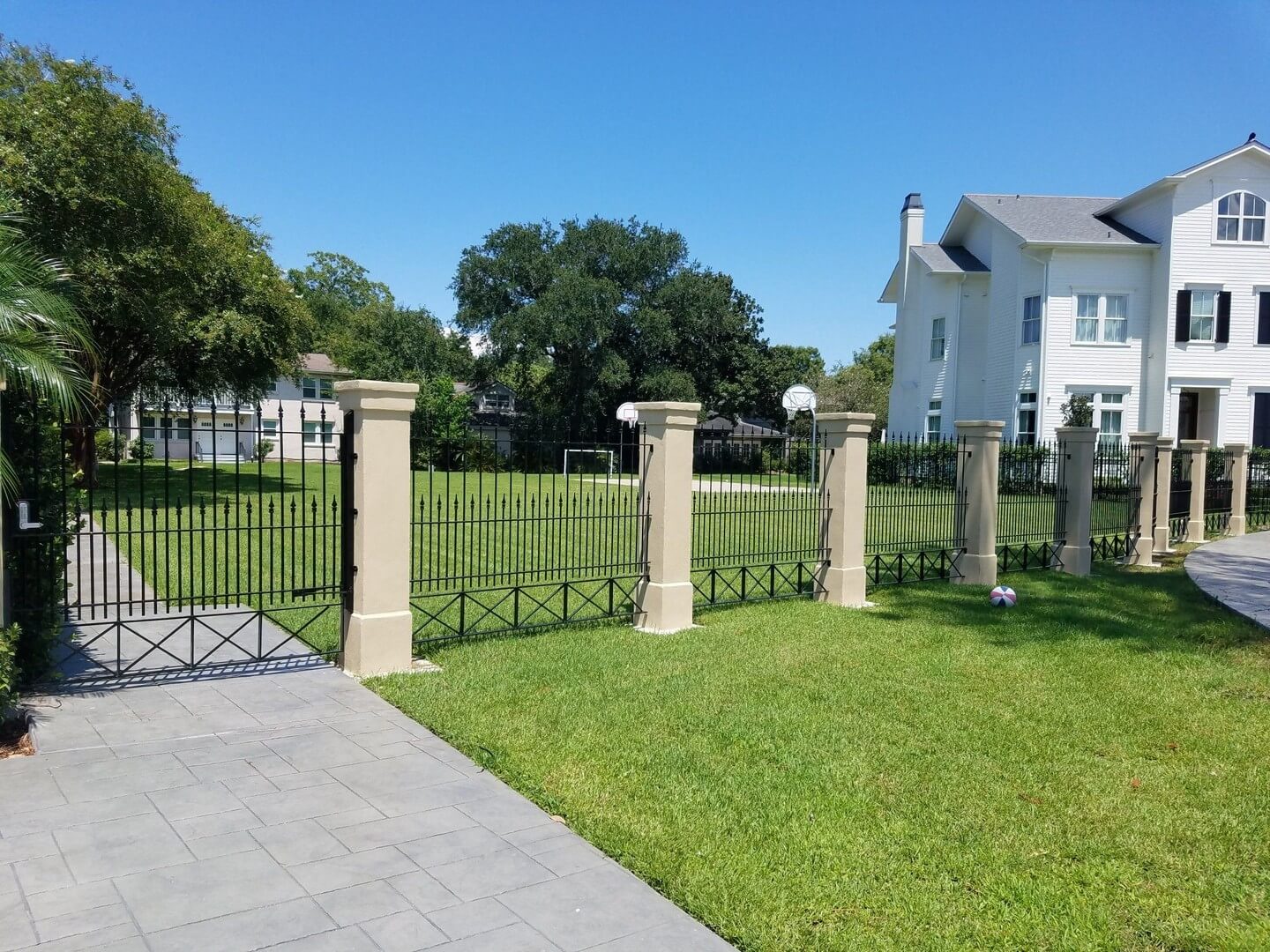
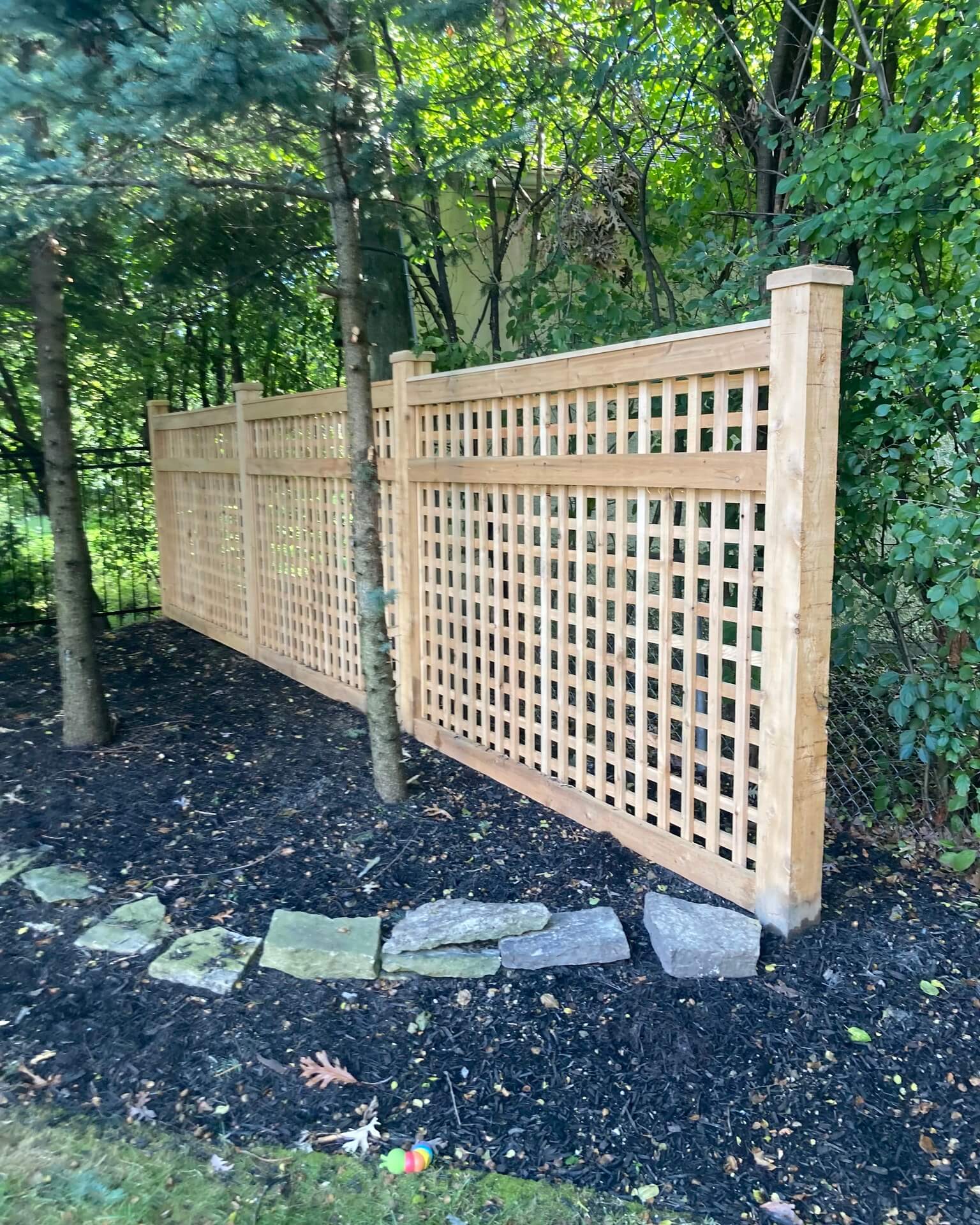
A trellis-clad corner fence pulls double duty as a vertical garden and privacy screen. Instead of a solid wall, use cedar lattice, welded wire mesh, or powder-coated metal panels mounted to a wood frame. The open pattern invites climbers—jasmine, star clematis, passionflower, or thornless blackberries—to weave a lush, seasonal veil that softens hard angles and absorbs sound. In tight lots, greenery at the perimeter frees up ground space while giving you the feel of a garden room.
To make it thrive, keep the trellis 1–2 inches off the fence frame for airflow, place planters or an irrigated bed along the base, and add a discrete drip line so plants establish quickly. Aim for a 40–60% open area so vines can grab yet still provide coverage. If you’re screening a neighbor’s window, stagger trellis panels on the two sides of the corner to overlap sightlines. Nighttime ambiance? Thread low-voltage string lights through the grid and uplight the foliage for depth. This living-wall approach elevates corner fence ideas from purely functional to resort-worthy—cooler, quieter, and far more biodiverse.
Micro-Pergola Corner Nook: Posts, Beam, and Instant Room
When a corner needs both structure and shade, convert your L-shaped fence into a micro-pergola. Two sturdy posts on each leg and a simple header across the corner create a ceiling line that visually “rooms in” the space. Add slim rafters or tensioned wires to support vines, café lights, or a retractable shade cloth. The result: a compact retreat for a daybed, bistro set, or meditation cushion that still feels open to the garden.
Material mix matters—pair 6×6 posts with horizontal slats for a grounded yet modern look, or go sleek with black metal posts and warm wood infill. Keep proportions lean so small yards don’t feel heavy: a 7–8 foot clear height, 3–4 foot projection on each side, and rafters no deeper than 2×4. If you’re maximizing privacy, run taller slats on the back panels and shorter ones on the outer faces to pull the eye inward. Finish with a corner shelf for plants or lanterns, and a weatherproof rug to define the footprint. This pergola-fence hybrid elevates corner fence ideas from screen to sanctuary—inviting you to linger longer.
Chamfer the Corner: A 45° Fence Cut That Frees Up Space
Not every corner wants a right angle. By “chamfering” the corner—cutting across it at 45 degrees—you improve flow, expand usable square footage, and open sightlines near paths, driveways, or play areas. This diagonal panel acts like a hinge in your layout, guiding movement while still giving you privacy where it counts. It’s a go-to in front-yard fencing where visibility and curb appeal matter, but it’s equally effective in backyards to carve a safer, softer transition.
Build it like a small feature wall: set two posts equidistant from the corner, then span with a panel that echoes your main fence (horizontal slats, shadowbox, or lattice-top). For a polished look, frame the diagonal with thicker trim and add a cap rail. Need access? Make the chamfered panel a gate for mower, bin, or bike entry—double-swing hardware keeps it compact. Plant low, drought-tolerant greens in the triangular beds you create at each side; they accent the angle and protect the fence base. This simple geometry tweak turns corner fence ideas into space-saving design moves that feel intentional and upscale.
Built-In Bench + Planter: Turn the Corner into Seating
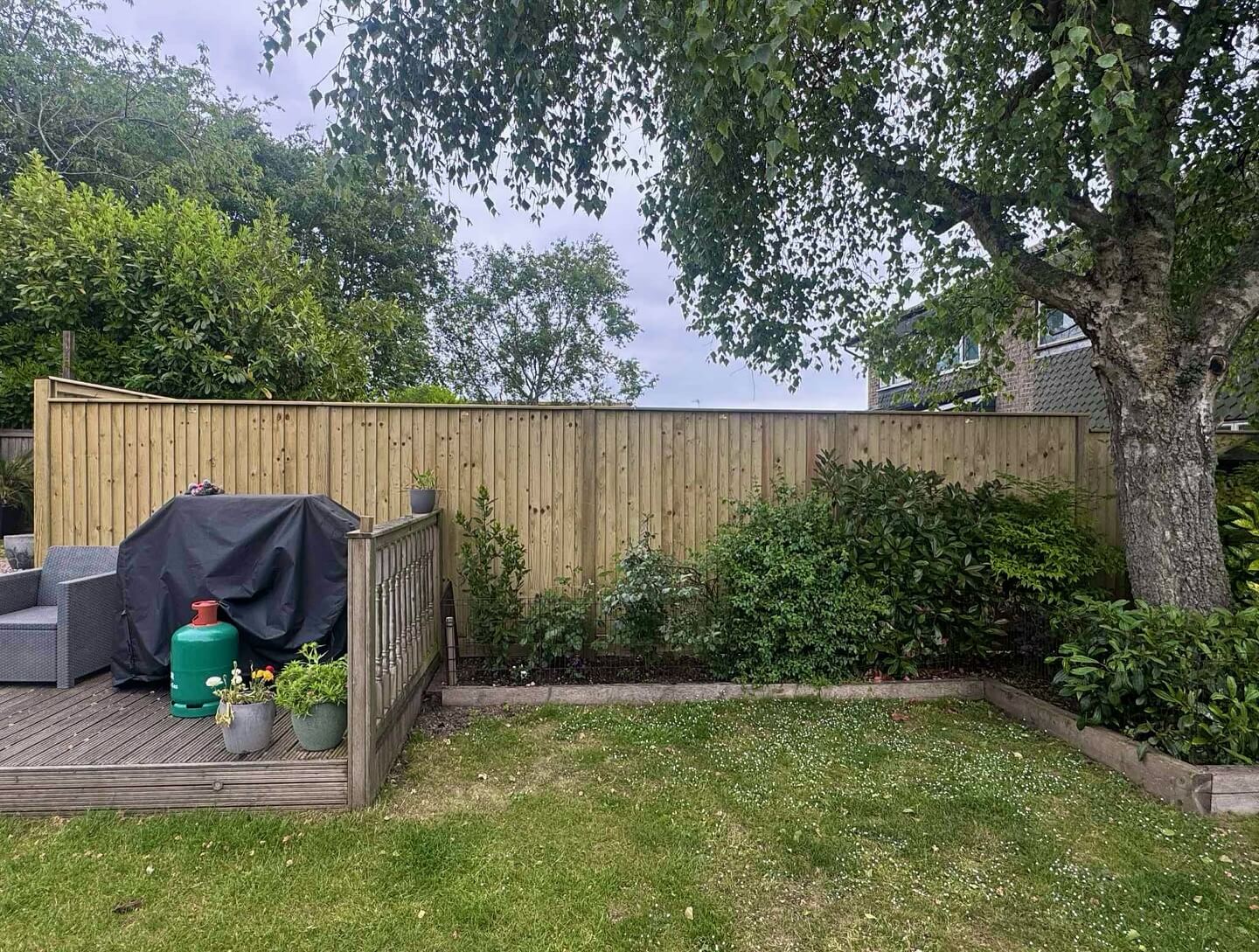
Transform wasted corner footage into a destination with a fence-integrated bench and planters. By wrapping a seat along both legs of the corner, you get lounge-worthy comfort, hidden storage, and a strong focal point. The fence provides the backdrop; the bench sets the function. Size the seat at 17–19 inches high and 16–18 inches deep, then tilt a slatted backrest a few degrees for long-haul comfort. Add hinged lids to stash cushions and small tools.
Get the Fail-Safe Paint Color Playbook (Free PDF)
36 proven colors • 8 ready palettes • trim & sheen guide • printable testing cards.
Flank the seat with tall planters that match your fence cladding—cedar or composite boxes that echo the slat pattern. Fill with grasses or structural evergreens to create a living privacy screen at eye level without adding fence height. For drainage, line planters with landscape fabric and a gravel layer; protect the bench with exterior-grade finish and rust-proof fasteners. Lighting elevates everything: a low-voltage strip under the bench front adds a soft float effect, while a sconce or two on the fence warms the corner after dark. Among corner fence ideas, this one pays you back daily—more seating, more storage, more style.
Warm Wood, Black Steel: Mixed-Material Corner Fence
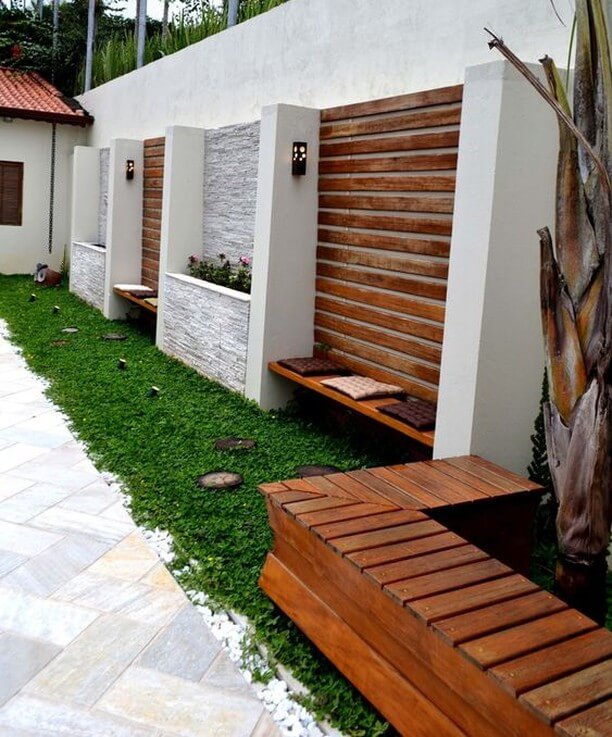
Blending materials is a high-impact way to modernize a corner fence without overwhelming a small space. Pair warm wood infill with slim black steel or aluminum posts and channels for clean lines and long-term durability. Metal prevents twisting at the corner, resists rot at ground contact, and visually recedes so the wood’s tone and grain stand out. It’s an ideal upgrade if you want the luxe look of custom work with the practicality of modular components.
Design moves that matter: run boards horizontally for a spacious feel, use hidden fasteners for a furniture-grade finish, and cap the corner post in metal for a tailored edge. If your climate is windy, choose narrower slats or alternate slat and gap spacing to reduce pressure. For a bolder statement, insert a single Corten or perforated metal accent panel at the corner to catch light and add texture. Keep maintenance simple—UV-rated oil on the wood, and a rinse on the metal to remove debris. This mixed-material approach elevates corner fence ideas with contrast, precision, and curb appeal that reads modern but welcoming.
Solid-Base, Slatted-Top: Height Where You Need It
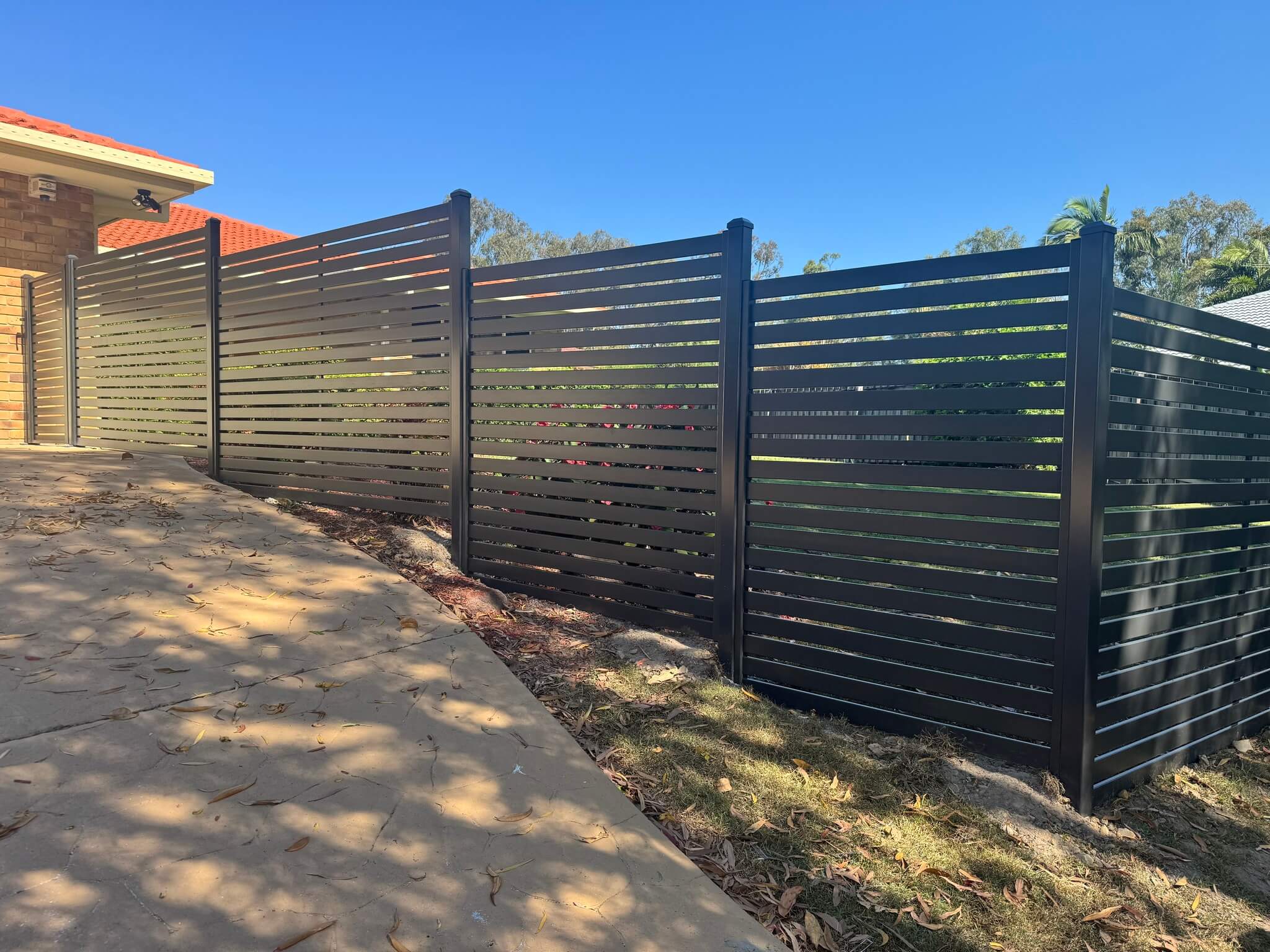
If you need privacy and wind protection without making the yard feel boxed in, combine a solid lower section with a lighter, open top. Build the bottom 4–5 feet in board-on-board or tongue-and-groove for a tight seal, then finish with 1–2 feet of horizontal slats or lattice to filter light. At a corner, this stepped transparency draws the eye up and out, taming gusts and blocking close views while preserving sky and sun for plants.
Keep the slatted topper consistent across both legs for cohesion, and consider a neighbor-friendly “good-neighbor” pattern that alternates pickets for a finished look on both sides. If the corner faces a patio, angle the top slats slightly downward to improve privacy from second-story windows. Tie the whole assembly together with a continuous cap rail for a custom feel, and use stainless fasteners to avoid rust streaks. Planting a row of airy grasses or bamboo (in root barriers) behind the solid base softens the line and boosts sound absorption. Among practical corner fence ideas, this hybrid hits the sweet spot between function and lightness.
Hide the Clutter: Corner Screen for Bins, AC, and Gear
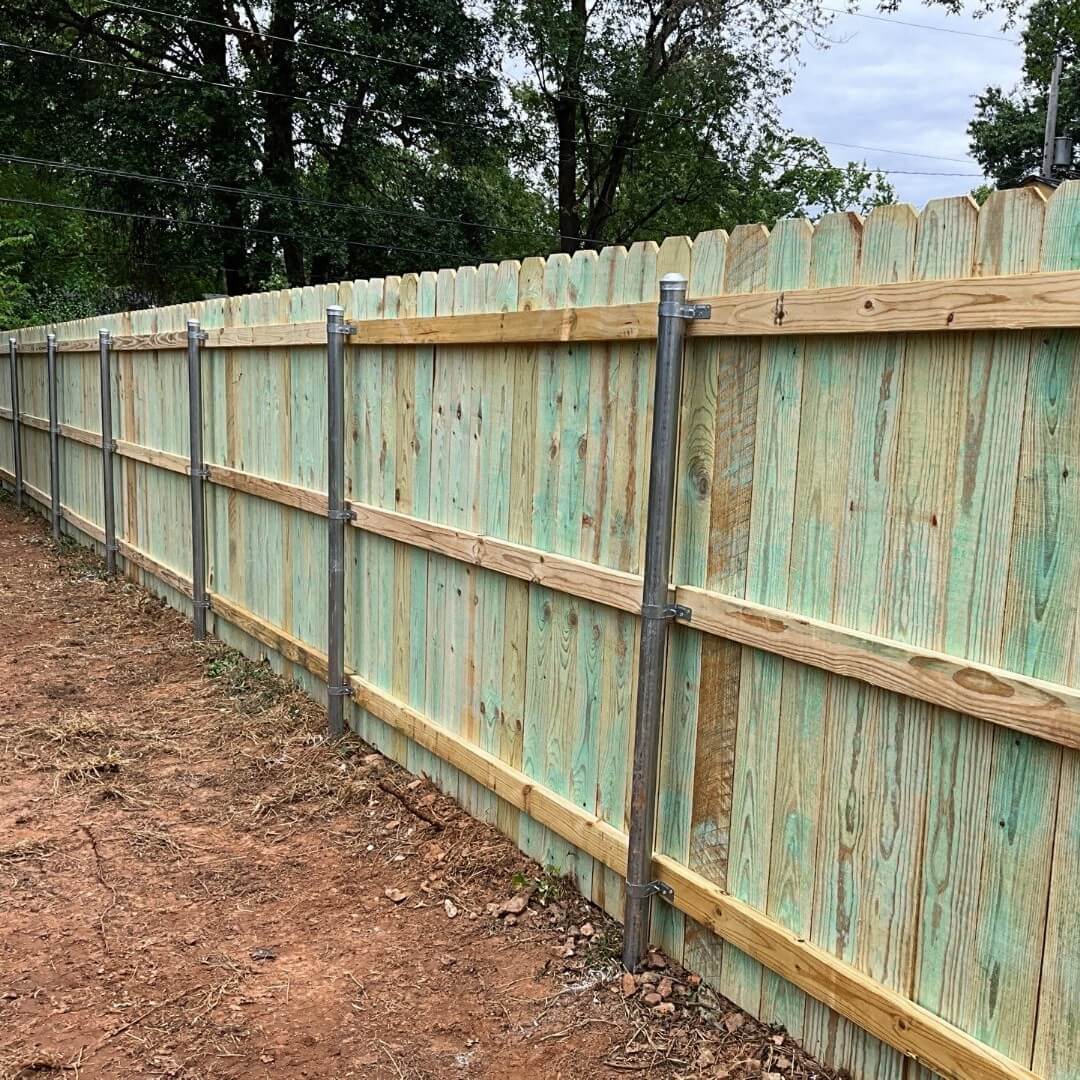
Every yard has utility must-haves—trash bins, pool pumps, condensers, composters. A tidy corner screen corrals them out of sight while keeping service access effortless. Build an L-shaped fence with a short return to create a shallow U; add a full-height gate or split doors sized to your largest item. Use vertical louvers or spaced slats to ventilate equipment and dissipate heat—especially critical around HVAC units. Leave manufacturer-recommended clearance on all sides and keep the base gravel for drainage.
Match the cladding to your main fence for a unified look, but consider darker stains to visually recess the enclosure. Magnetic catches, soft-close gate hardware, and rubber bump stops prevent rattles on windy days. For bins, include a low ramp and interior hooks so lids stay open while you work. Label discreetly on the inside of doors to keep the exterior clean. A simple planter along the public face or a trellis panel above the screen turns utility into a green moment. This is one of those corner fence ideas that quietly upgrades daily life—tidier, calmer, and far more photogenic.
Go Curved: Radius Corner Fence That Softens Sightlines
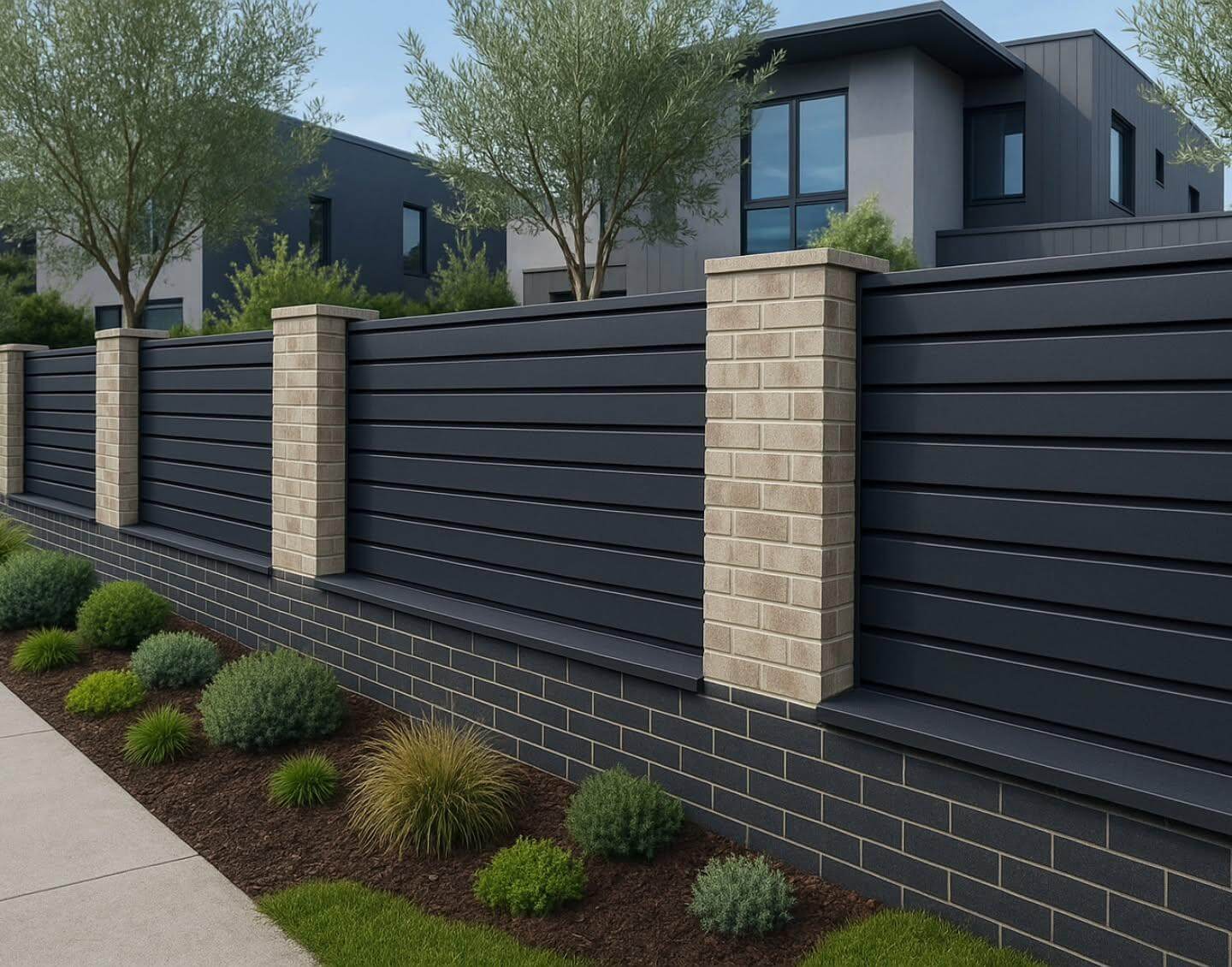
Straight lines can make a small yard feel rigid. A curved or faceted “radius” corner fence softens the geometry and lends a custom, high-end look. Instead of a tight 90-degree turn, run a gentle arc using flexible composite boards, kerf-cut wood slats, or a series of short, angled panels that read as a curve. The payoff is big: better circulation, calmer sightlines, and a perfect crescent bed for grasses, hydrangeas, or a specimen tree.
Lay out the arc with a garden hose, mark with paint, and set posts on the chord or at each facet. Keep panel widths consistent to avoid visual hiccups, and cap the top rail so the curve presents as a single gesture. In windy zones, a curved fence can also diffuse gusts compared to a hard corner. Lighting along the curve accentuates the form—think low path lights or ground spots grazing the fence. While it takes a bit more planning, a radius turn transforms standard corner fence ideas into landscape architecture: softer, smarter, and tailored to how people actually move through space.
Get the Fail-Safe Paint Color Playbook (Free PDF)
36 proven colors • 8 ready palettes • trim & sheen guide • printable testing cards.
Fast-Track Finish: Modular Panels and Maintenance Musts
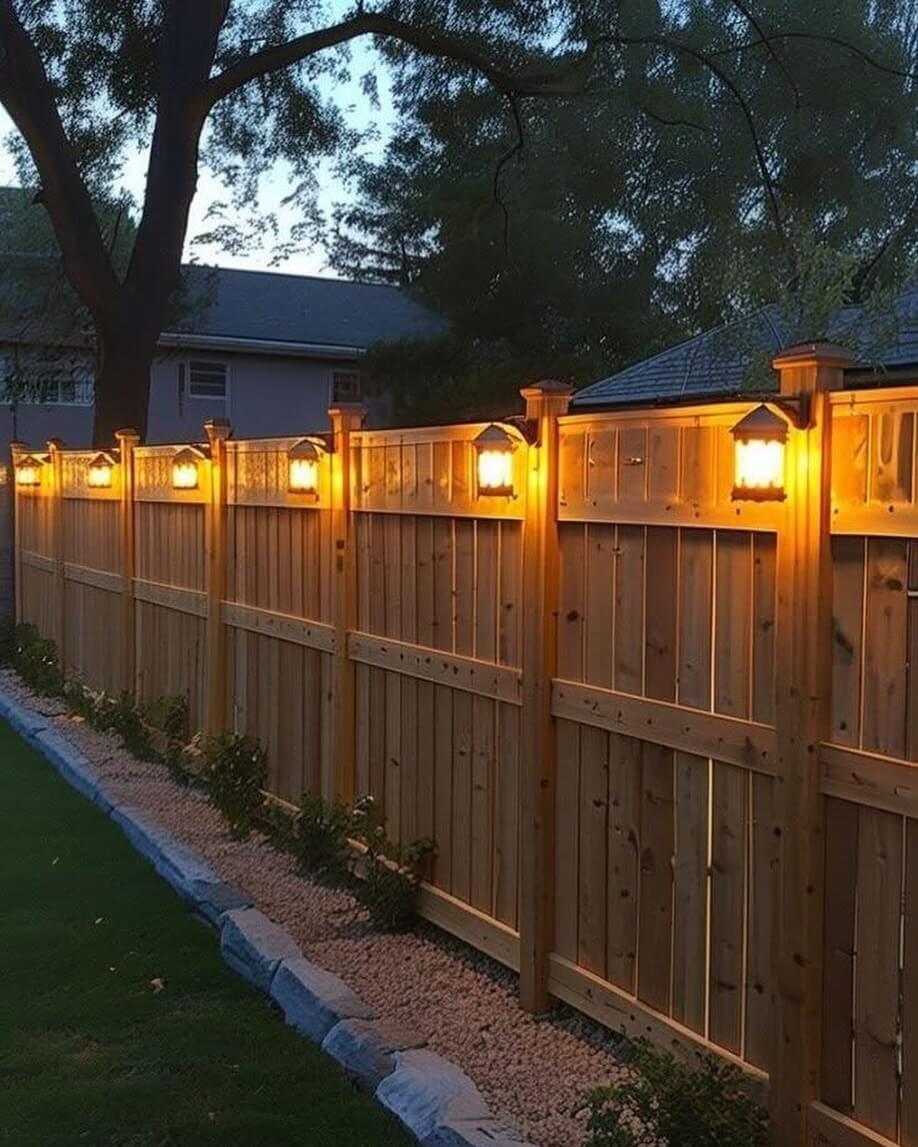
If time and upkeep are top of mind, modular corner fence systems make quick work of a pro-looking install. Pre-framed wood, vinyl, or metal screens slide into post channels, so you can stand an L-shape in a weekend with consistent gaps and clean edges. Use a corner-specific post or back-to-back line posts set tight for rigidity. In small spaces, lighter-toned panels brighten shadows, while black or dark bronze reads sleek and recedes.
Before digging, call for utility locates, confirm setbacks, and check height limits—especially for front-yard corners near sidewalks and driveways. Set footings below frost line, crown concrete away from posts, and add gravel at the base for drainage. Seal wood with UV-protective oil within 30 days and recoat annually; rinse vinyl and metal seasonally to prevent grime build-up. Finish details make it feel custom: post caps, a continuous cap rail, color-matched screws, and a planted corner (or a slim bistro set) to claim the space. As a capstone to your corner fence ideas, these smart choices ensure the look lasts—and the maintenance doesn’t.
Get the Fail-Safe Paint Color Playbook (Free PDF)
36 proven colors • 8 ready palettes • trim & sheen guide • printable testing cards.
Espaliered Orchard Corner: Fruit Fence That Saves Space
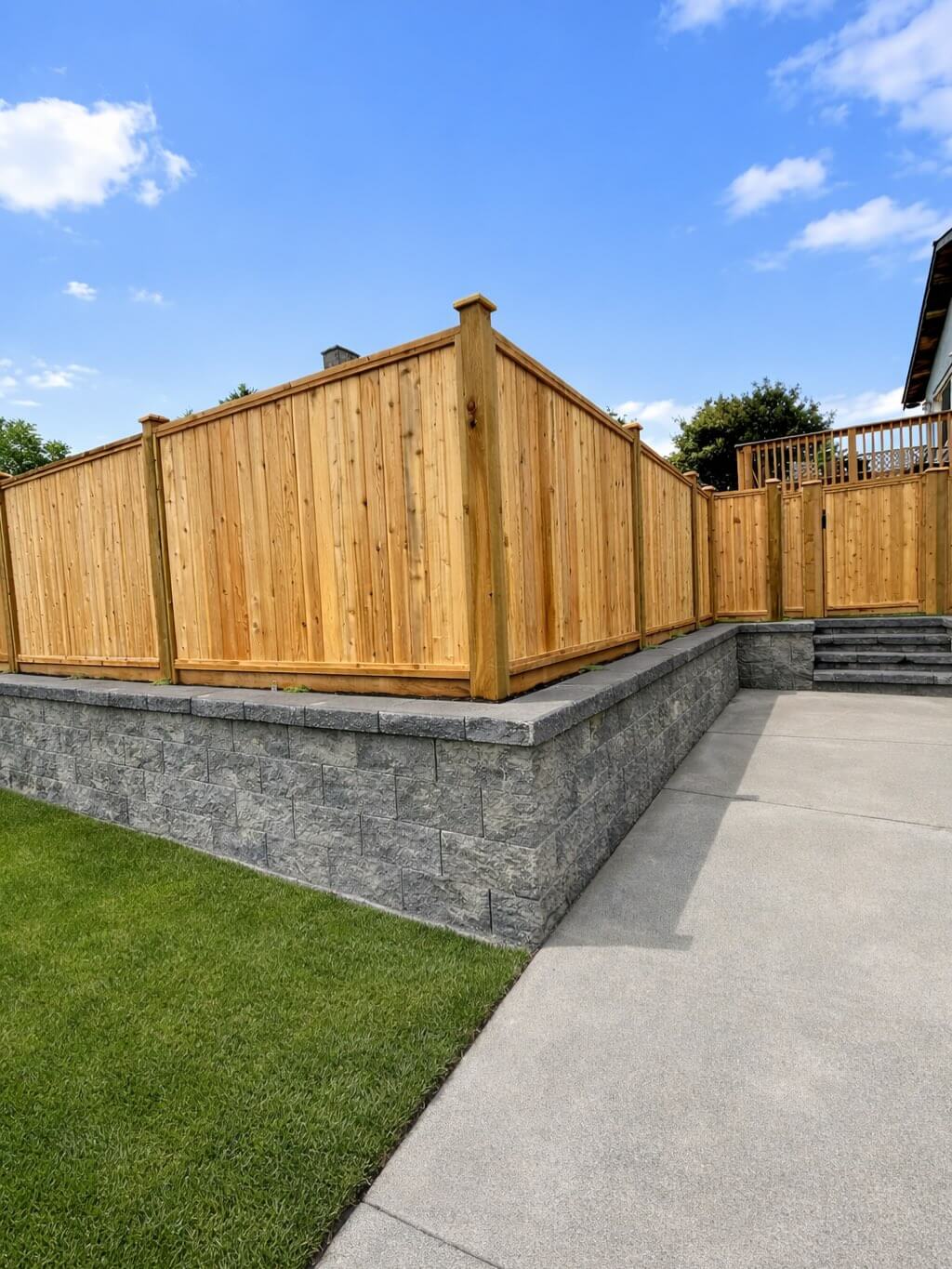
If you love the look of green privacy but want more function than a standard trellis, train an espaliered fruit “fence” across your corner. Run stainless eye-bolts and tensioned wire in an L-shape between sturdy posts, then guide dwarf apples, pears, or figs into horizontal tiers. The slim profile hugs the boundary, freeing up square footage while delivering a leafy screen, spring blossoms, and late-season harvests. For best results, set posts in concrete, space wires 12–18 inches apart, and choose spur-bearing varieties on dwarf rootstock. Prune in late winter to keep tiers flat and productive, and underplant with herbs or strawberries to turn the corner into a mini orchard. This corner fence idea brings structure and rhythm without feeling heavy—perfect for small yards that need privacy, beauty, and yield. It also softens hard angles and draws the eye diagonally, making tight spaces feel wider. Add drip irrigation on the lower wire, mulch to regulate moisture, and a simple top cap to visually tie the two legs together. The result is a living, edible screen that boosts curb appeal and makes an awkward corner earn its keep.
Gabion Corner Anchor: Stone + Slat Strength
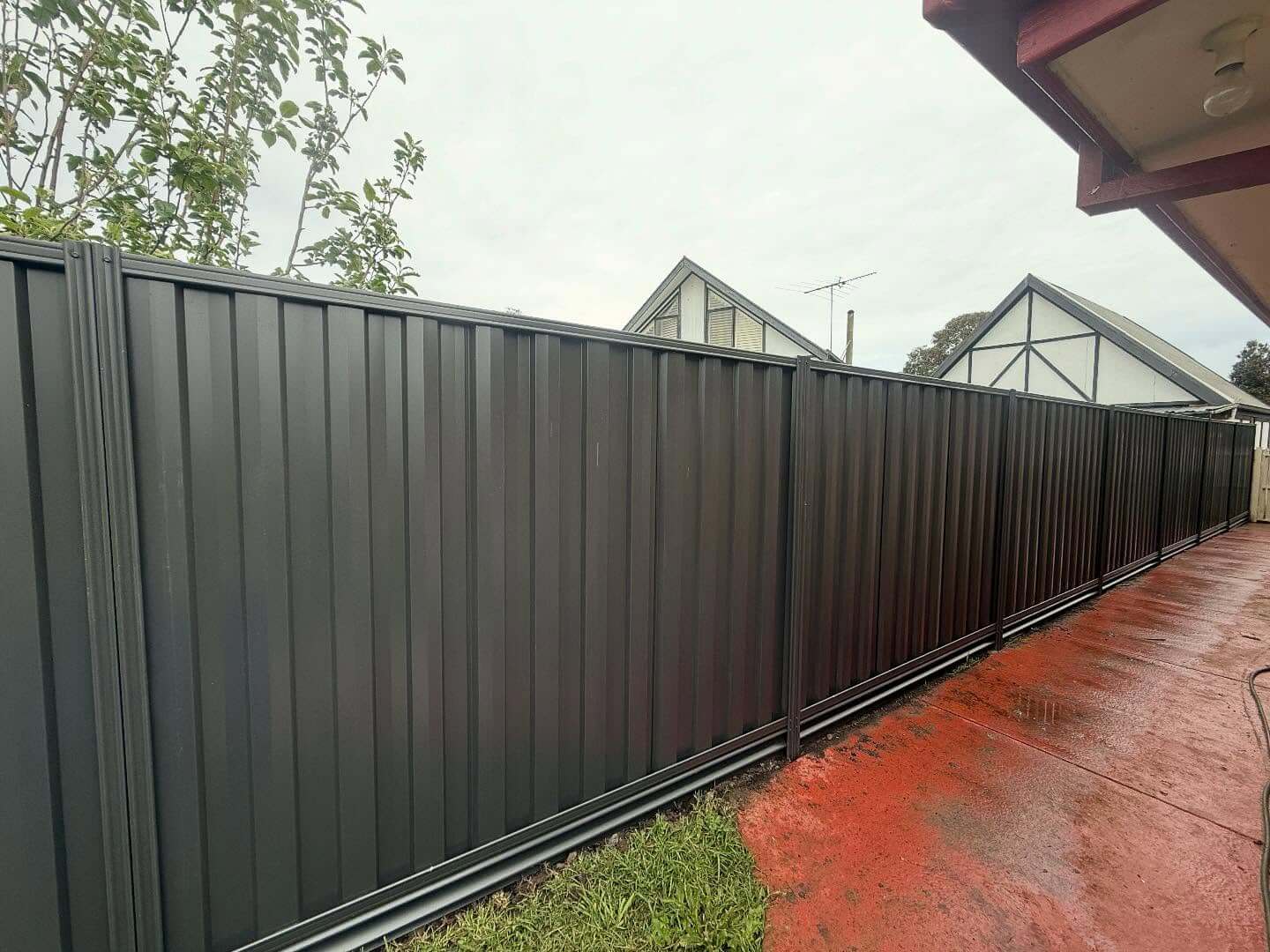
For a corner that battles wind, grade changes, or soggy soil, a gabion-and-slat fence adds mass where you need it and warm texture where you want it. Stack stone-filled wire baskets to form a stout L-shaped base or corner pillar, then span cedar or thermally modified wood slats between steel posts. The rock core handles drainage and stabilizes the turn, while the timber softens the look and provides adjustable privacy. Choose 3–6 inch angular stone for a tight fit, line baskets with geotextile to prevent silt, and consider a smooth cap that doubles as a perch or plant shelf. Black powder-coated posts and concealed fasteners keep the profile clean and modern. This mixed-material corner fence idea excels on slopes and near driveways where a solid anchor helps define space. It’s durable, low-maintenance, and acoustically effective, too—stone absorbs and scatters sound better than a hollow panel. Keep the base slightly off grade to avoid wicking, seal the wood for UV protection, and echo the gabion stone in nearby paths or beds to unify the landscape. Industrial, elegant, and practical—all in one corner.
Frosted Glow: Translucent Polycarbonate Corner Screen
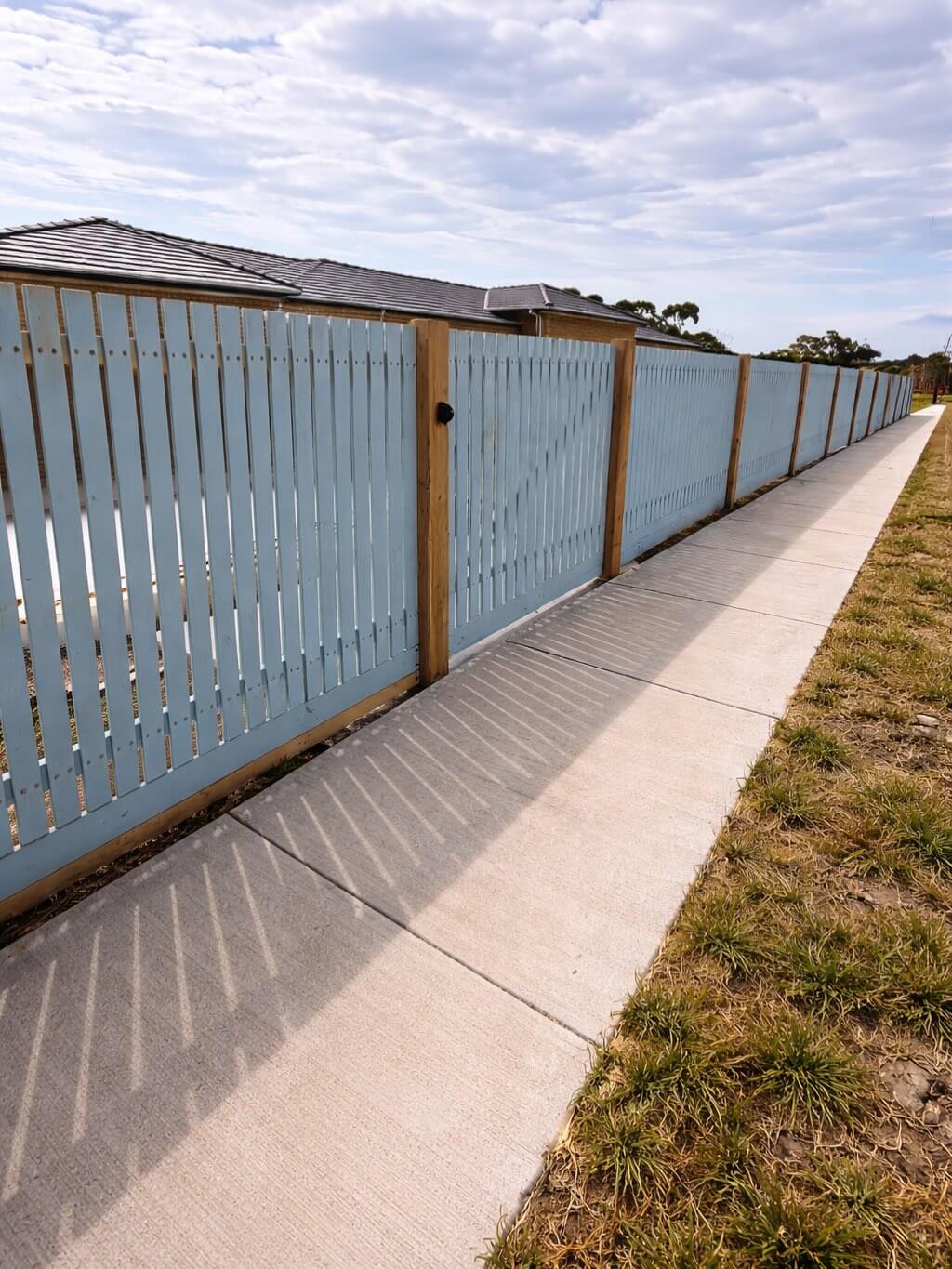
When you want privacy without losing daylight, a frosted polycarbonate corner screen is the luminous fix. Multiwall panels (8–16 mm) set in slim aluminum channels blur views while flooding a patio or side yard with soft, even light. Framed in warm wood or black steel, the L-shaped screen reads modern and airy, keeping small corners from feeling boxed in. It’s an ideal choice beside kitchen windows, hot tubs, or compact lounge nooks where shadowy bulk would overwhelm. Install panels vertically for extra stiffness, add UV-protected edges and breather tape to manage condensation, and seal with EPDM gaskets to stay watertight. For a custom touch, vary heights—solid in the sightline, stepped down at the edges—to tune privacy and wind protection. Evening backlighting turns the corner into a gentle glow box that anchors the yard after dark. Pair with planters in contrasting textures (matte ceramics, grasses, or ferns) to keep the look tactile. This corner fence idea is fast to install, easy to clean, and a smart upgrade for tight urban lots craving both privacy and brightness.
Bamboo Wrap Corner: Zen Privacy with a Light Footprint
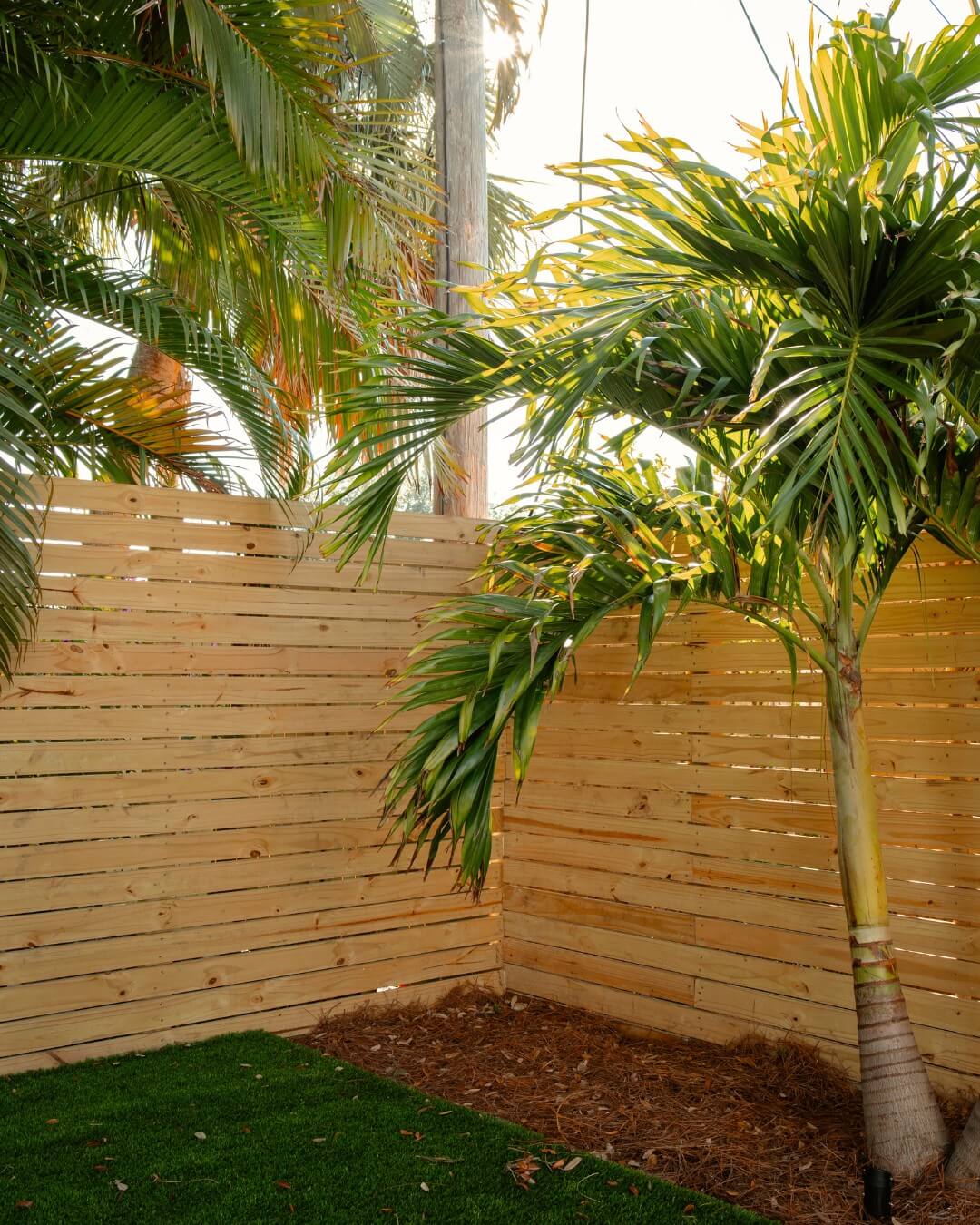
Bring calm to a busy boundary with a bamboo-wrapped corner that filters wind and frames greenery. Use a hardwood or powder-coated steel frame and infill with bamboo poles or heavy-duty rolled bamboo panels for a spa-like screen that reads warm and organic. Keep the base off the soil with a gravel trench and rot board, add a sloped top cap to shed water, and secure panels with stainless fasteners to resist corrosion. The result is a soothing, semi-opaque corner that pairs beautifully with water features, gravel paths, and shade-loving plants. For longevity, choose Moso bamboo rated for exterior use and seal annually with a UV protectant; in four-season climates, ventilate the backside to prevent moisture buildup. This corner fence idea shines where you need quick privacy without visual heaviness, especially in narrow side yards or compact courtyards. Layer in a simple stone bench or a low lantern to complete the retreat. Sustainable, affordable, and flexible to cut around utilities, bamboo wraps turn an awkward angle into a curated moment that feels intentional—without the maintenance load of a living hedge.
Corten Statement: Sculptural Steel Corner Panels
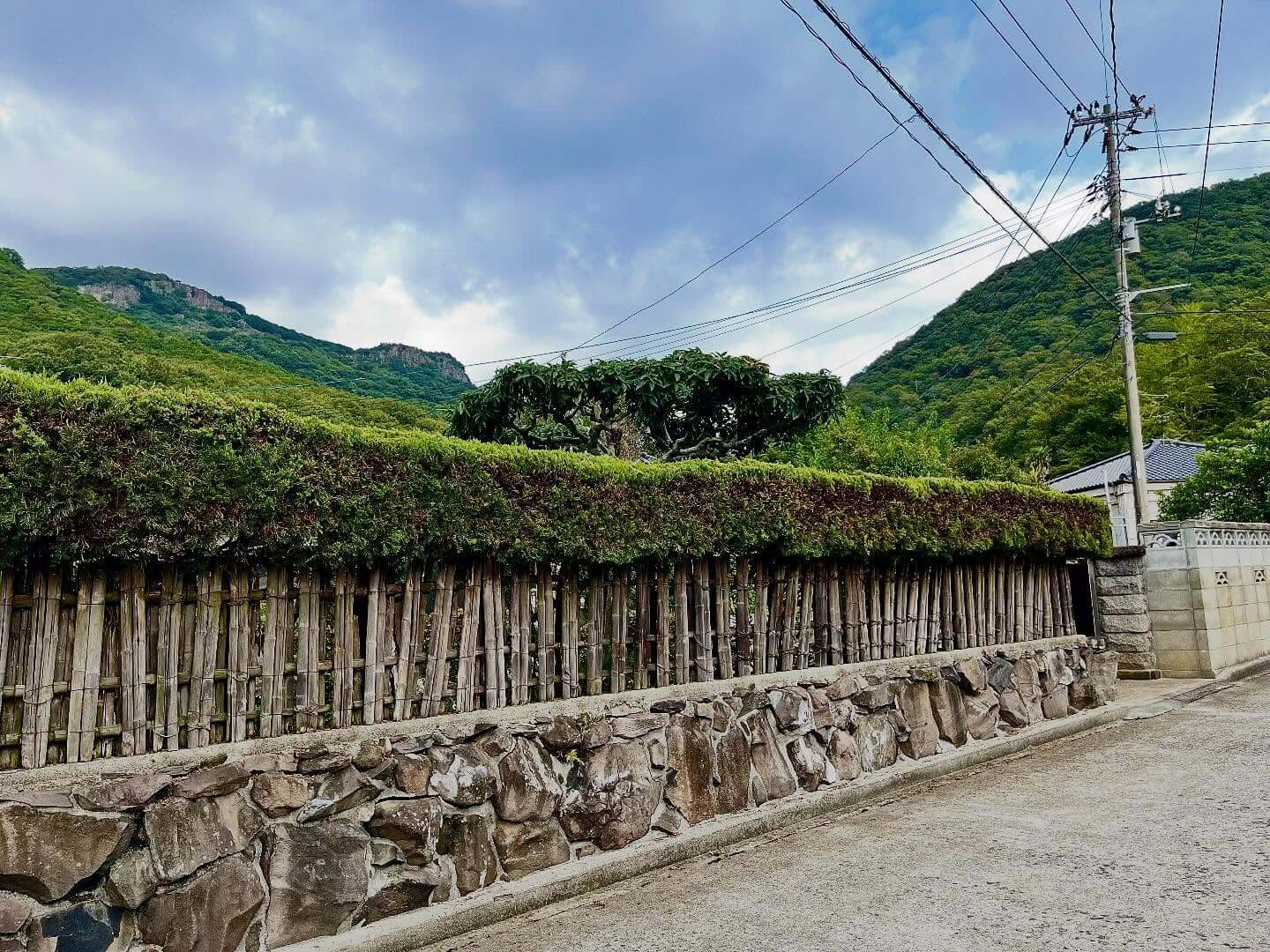
If curb appeal is the goal, few materials make a stronger corner statement than Corten steel. Pre-weathered panels develop a rich, protective patina that plays beautifully with grasses, gravel, and dark-stained wood. Use solid sheets for bold privacy or laser-cut patterns to cast shifting shadows across the patio as the sun moves. Set the panels in steel channels with concealed anchors and concrete footings, leaving a slight ground gap and drip edge to control runoff and prevent staining hardscape. A staggered, stepped height along the L softens the turn and guides the eye into the yard. This is a durable, fire-resistant corner fence idea that excels near fire features and in drought-tolerant landscapes. At night, discrete up-lighting turns the corner into artwork; by day, the warm tone reads inviting, not industrial. Be mindful of nearby stucco or light pavers—add a gravel band to catch patina wash—and consider a wood bench or planter to bring in tactile contrast. The result is a sculptural anchor that defines space with minimal bulk and maximum style.
Corner Gate Hub: Diagonal Entry That Clears the Path
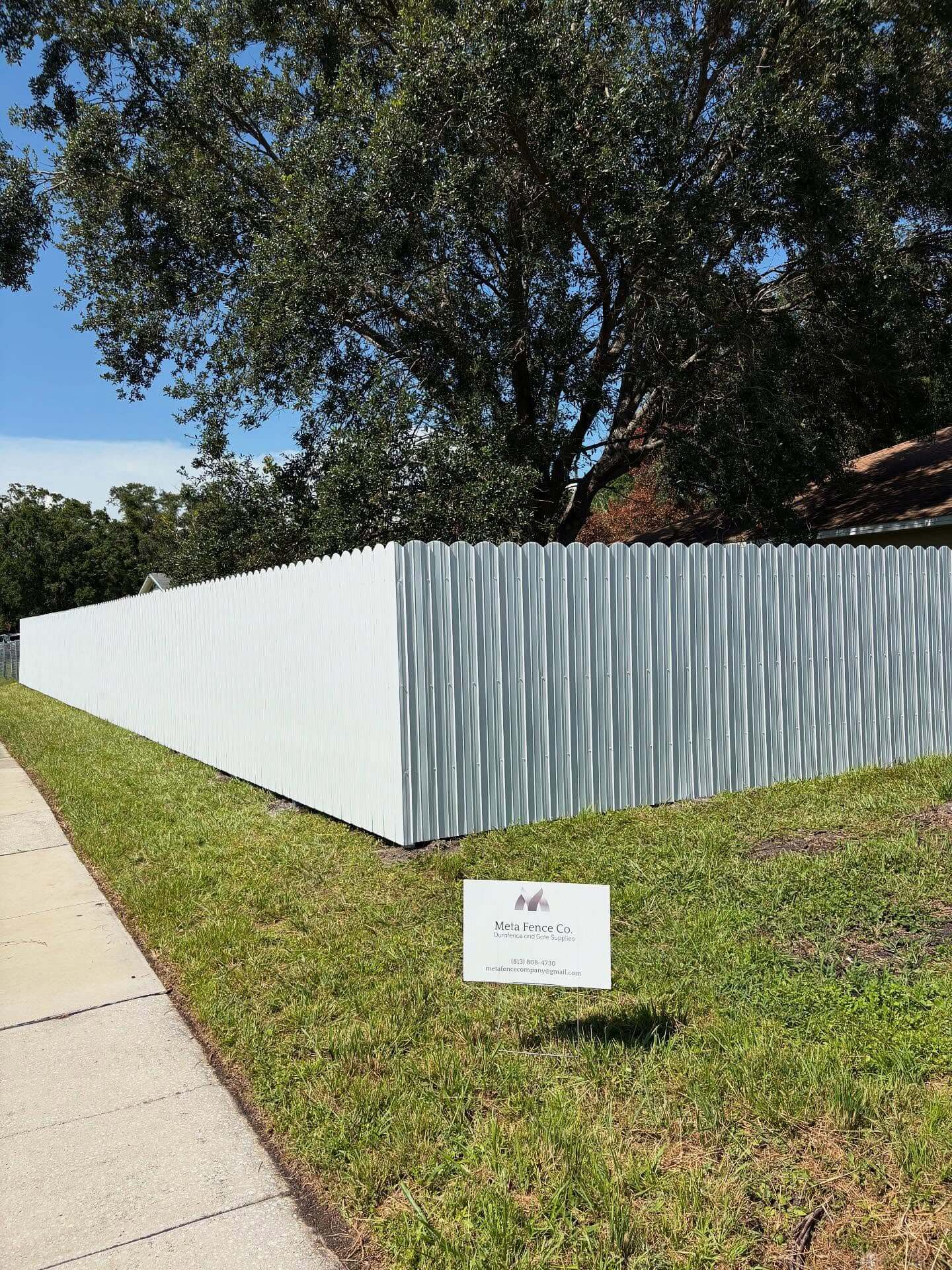
Rethink the turn with a gate that spans the corner at 45 degrees. A diagonal entry opens up circulation, shortens routes between zones, and frees precious square footage that right angles usually waste. Build a rigid gate frame with a compression brace to prevent sag, hang it on heavy-duty, adjustable hinges, and mirror the rail pattern from the adjoining fence for a seamless look. Swing direction matters—choose the leaf that keeps the path clear and sightlines open toward the house. For families and pets, add a self-closing hinge, a two-action latch at 54 inches (pool code varies by region), and a threshold that sheds water without creating a trip point. Flank the entry with low planting or lighting to cue the turn after dark. This corner fence idea is especially useful in narrow side yards, alley-access gardens, or where a wheelbarrow needs an easy line through. The diagonal gate acts like a chamfer for people—easing movement, improving flow, and quietly increasing usable space.
Acoustic Corner Shield: Build for Quiet and Privacy
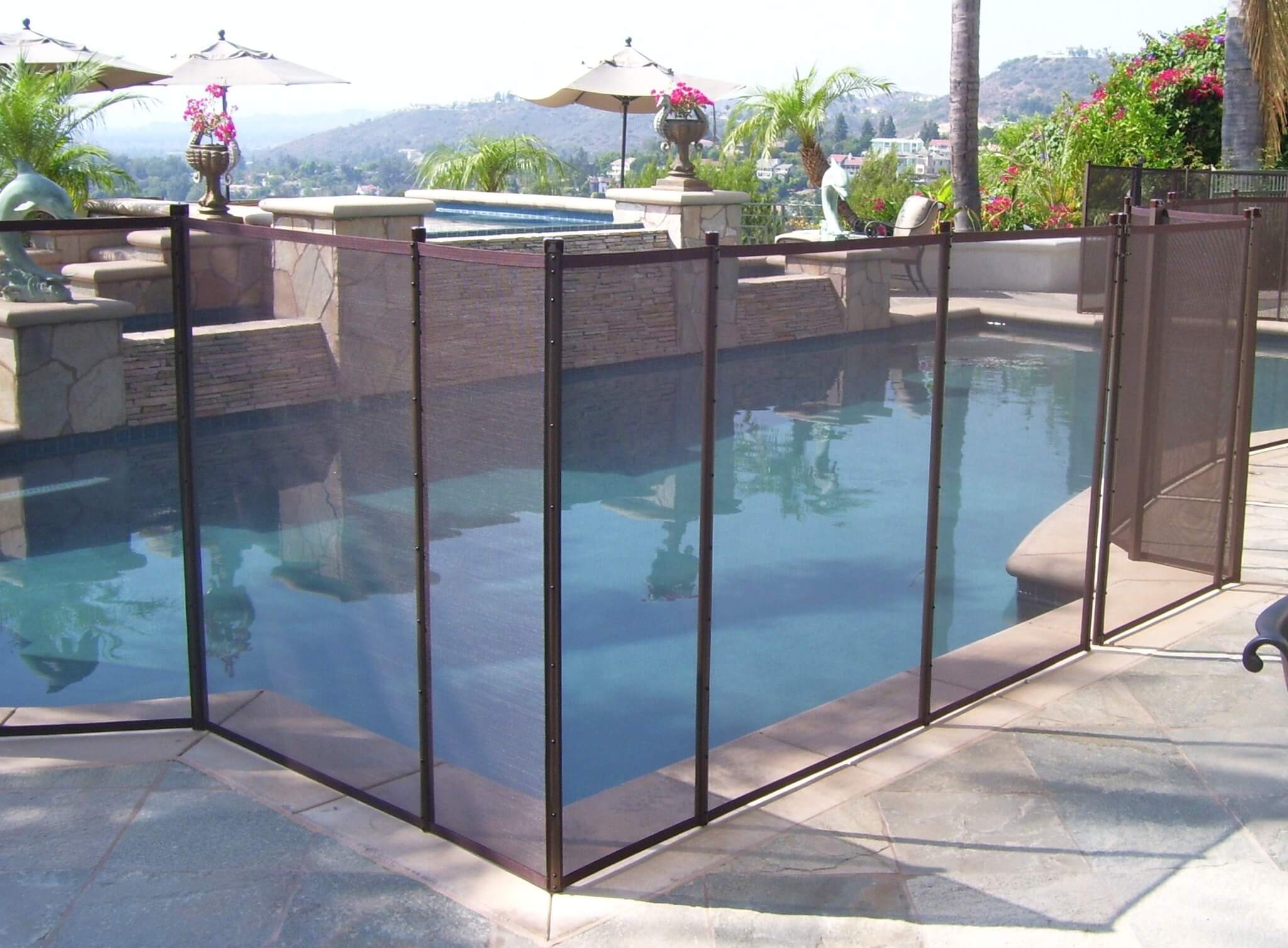
If your corner borders a street or noisy neighbor, build for sound as much as sight. An acoustic corner fence relies on mass, airtightness, and height. Start with stout posts and a rot board, then layer a no-gap board-on-board skin on both sides, decoupled with horizontal battens. Sandwich a sheet of mass-loaded vinyl inside and, where feasible, add mineral wool in the cavity. Cap the top, seal seams, and extend panels past the noise source to block line-of-sight. Eight feet is a common target where codes allow; if not, use a stepped trellis extension with dense evergreens behind it to lift the acoustic profile. Seal the bottom with gravel and a kick plate to prevent leaks that let sound slip through. This corner fence idea won’t create silence, but it can take the edge off traffic hiss and weekend chatter while upgrading privacy. Finish the street-facing side cleanly—neighbors appreciate a friendly facade—and soften your side with climbers or tall grasses. The payoff is a calmer patio, stronger wind break, and a corner that finally feels like a refuge.
Entertainer’s Corner: Bar-Top Fence with Pass-Through
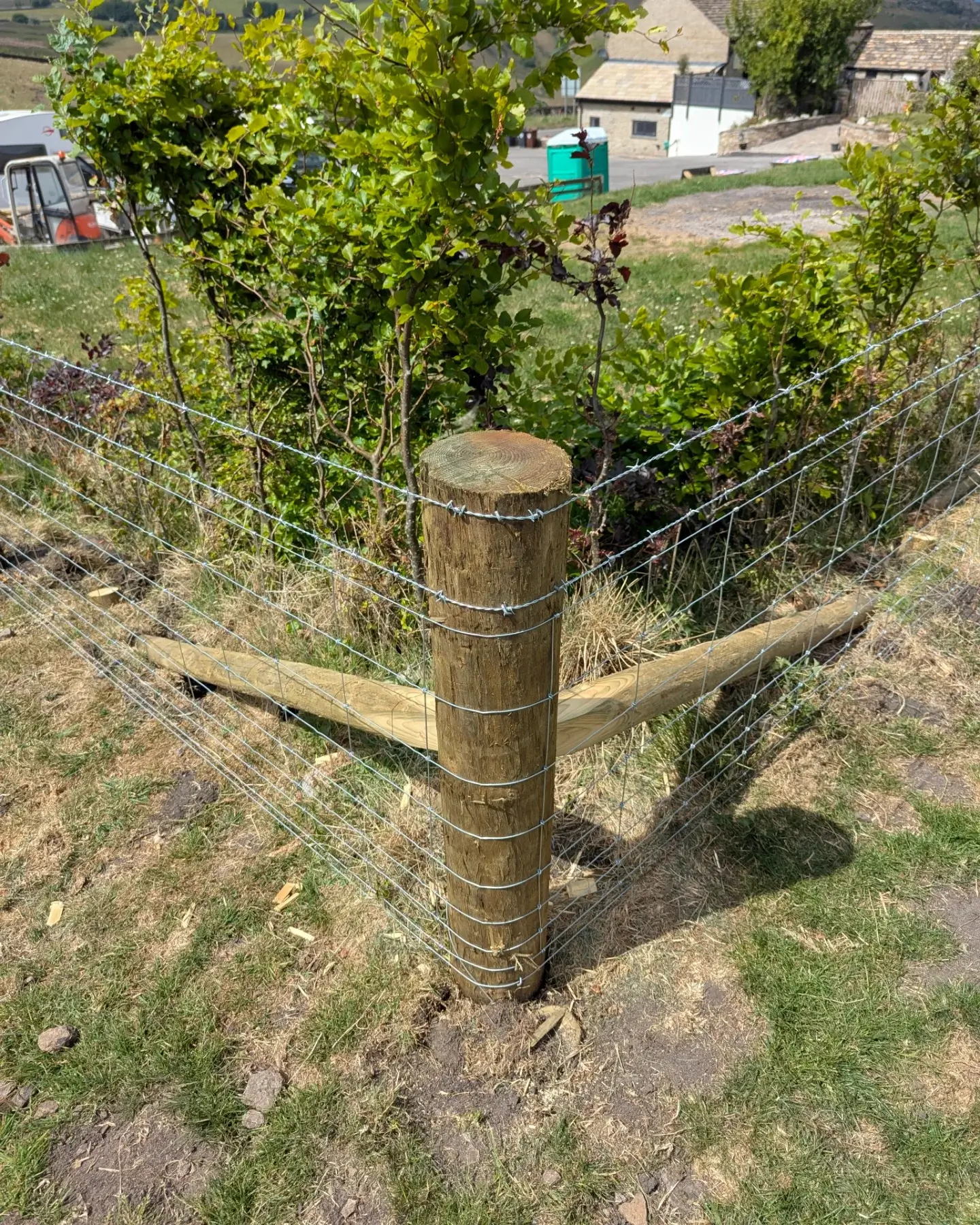
Turn a dead-end angle into the life of the party with a fence that doubles as a bar. Run a continuous ledger along both legs of the corner and add a 10–12 inch-deep counter from composite decking or sealed hardwood. Bracket it to posts with concealed steel supports, tie the two runs with a mitered corner, and add a slim backsplash to protect the fence face. Below, integrate narrow shelves for glassware or a tucked-away cooler; above, add sconce lights or a stringer for pendants. The elevated counter defines space and keeps traffic flowing outside the seating zone—ideal for tiny patios where every inch counts. Finish edges cleanly, keep the top at 40–42 inches for standing comfort, and leave legroom clear of hardware. This corner fence idea balances function and style, providing privacy while hosting guests comfortably. In day-to-day use, it’s a morning coffee perch; by evening, a server station that makes entertaining effortless. Seal wood annually, keep outlets GFCI-protected if you add power, and carry the countertop material to a nearby grill cart for a pulled-together look.
Split-Rail + Black Wire: Rustic-Modern Corner on a Budget
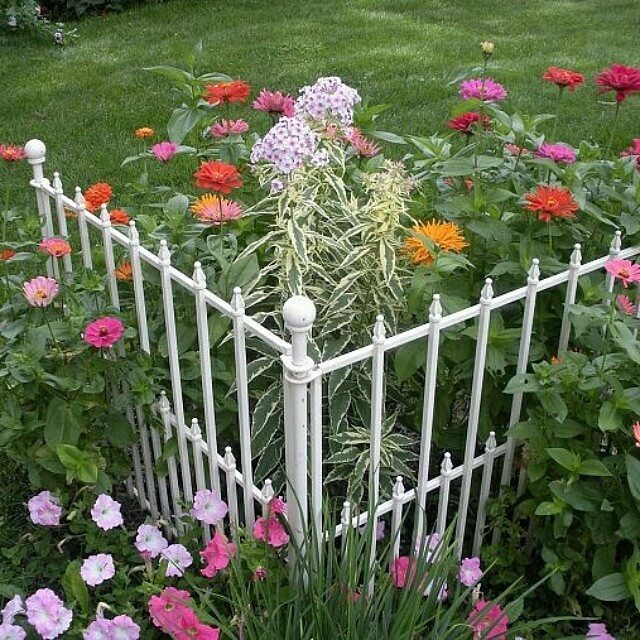
When you want to define property lines, corral pets, and keep views open, a split-rail-and-wire corner delivers charm and function at a friendly price. Use 2- or 3-rail cedar with a black vinyl-coated 2×4 welded wire attached to the inside face for a clean, modern contrast. Anchor the turn with a braced corner assembly—posts set deep and triangulated with a diagonal brace—to resist tension. The open structure preserves sightlines to gardens and woods, while the dark mesh virtually disappears against planting. Add a native hedge or ornamental grasses just inside the L if you need seasonal screening without closing things in. This corner fence idea shines along drive entrances, vegetable plots, or where deer pressure demands a taller, easy-to-see boundary. It’s fast to install, easy to repair, and plays nicely with crushed stone paths and farm-style gates. Keep the bottom course tight to grade to deter small pets, use galvanized staples, and trim mesh neatly to avoid snags. The result is a tidy, timeless corner that balances rural character with contemporary curb appeal.
Get the Fail-Safe Paint Color Playbook (Free PDF)
36 proven colors • 8 ready palettes • trim & sheen guide • printable testing cards.
Firewood Wall Corner: Seasonal Screen with Warm Texture
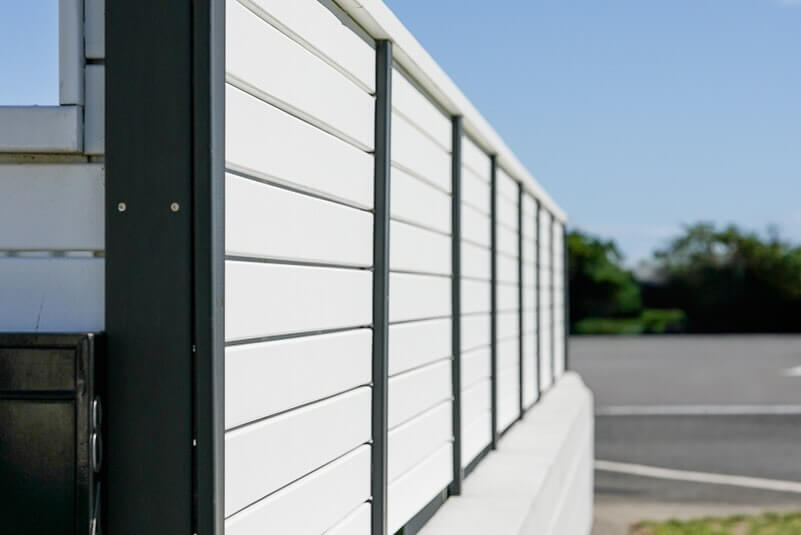
Put storage to work as design by stacking a firewood “wall” that doubles as a corner screen. Build a rigid rack or slim gabion-style cage along each leg, lift the base on pavers or a gravel trench for airflow, and stack split logs bark-side out for a rich, patterned facade. In fall and winter, the mass reads cozy and blocks wind around a fire pit; in summer, you can rotate the stockpile or backfill with planters to keep the look fresh. A steel frame with cross-bracing prevents racking, while a shallow roof or top cap keeps rain off the end grain. Leave a few intentional niches for lanterns or herbs in pots, and add a heat-safe clearance from any burners. This corner fence idea is budget-friendly, tactile, and endlessly adaptable—perfect for cabins, modern cottages, or urban patios craving natural texture. Just keep stacks under shoulder height for safety, treat nearby surfaces for pests, and maintain a clear gap from the house. Practical, beautiful, and unmistakably inviting, it turns an awkward angle into a seasonal focal point.
Planter-Bench Corner: Built-In Seating + Green Privacy
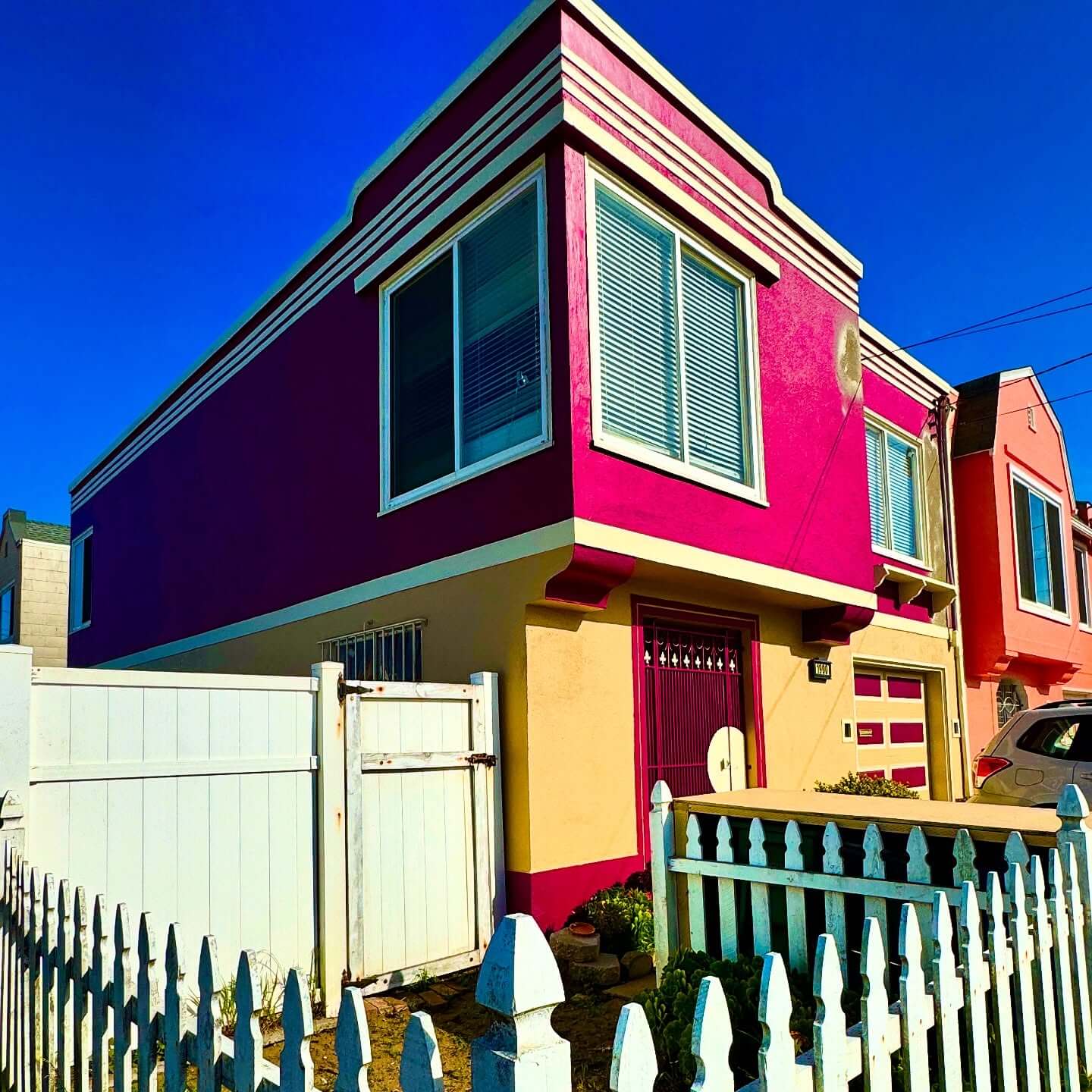
Turn an unused corner into the most coveted seat in the yard with an L-shaped planter-bench fence. The concept is simple and space-smart: deep planters anchor the base, a slim vertical screen rises behind them, and a bench cap bridges the two sides to create an intimate nook. Choose rot-resistant materials (cedar, thermally modified wood, or composite) and line planters with a waterproof membrane plus gravel and weep holes for drainage. A 17–19 inch seat height, 12–16 inch seat depth, and a 36–48 inch screen hit a sweet spot for comfort and privacy without overwhelming small patios. For screening, trellis a vine (star jasmine, clematis, hops) or plant upright evergreens (podocarpus, arborvitae) to soften lines and muffle street noise. Paint or powder-coat a black metal frame to disappear behind warm wood slats, and add low-voltage strip lighting under the bench lip for evening glow. This hybrid solution checks multiple boxes in one move—privacy, storage (under-seat), and seating—while delivering a tailored, built-in look that elevates curb appeal. Among corner fence ideas, it’s a standout for renters and owners alike because panels can be modular, replaceable, and easy to refresh seasonally.
Chevron Slat Corner: Diagonal Lines That Sharpen the Edge
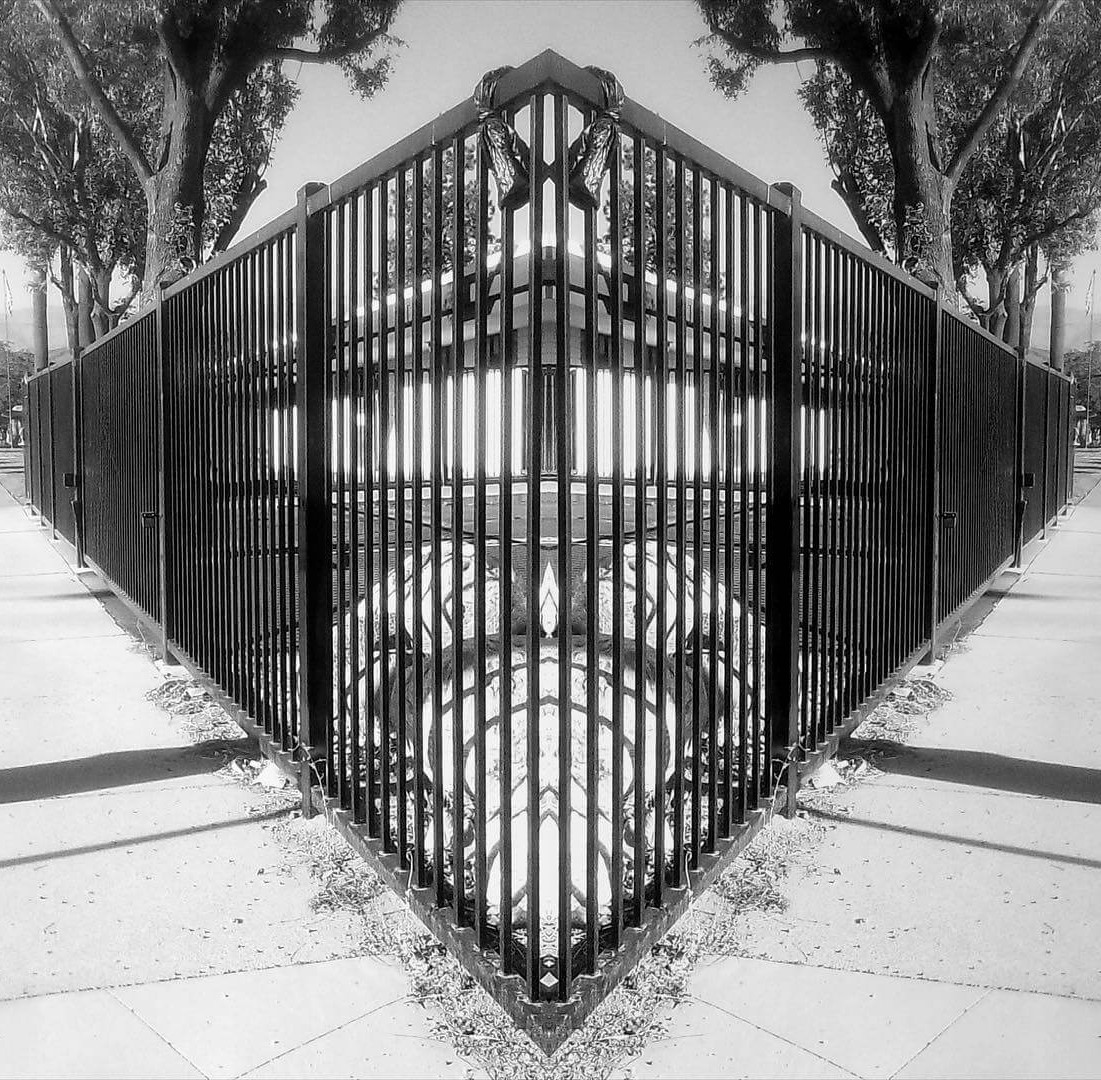
If straight boards feel flat, lean into diagonals. A chevron slat corner fence pulls the eye into the angle and makes the seam a feature, not a flaw. Run one side’s slats down-left and the other down-right so they meet in a sharp V, mitering a crisp stainless or powder-coated steel trim at the corner. Keep slat spacing tight (1/8–1/4 inch) for privacy or open it up to 1/2 inch for airflow; either way, a rainscreen gap helps wood breathe. Cedar or thermally modified ash warms the palette, while a black frame reads modern and recedes. For durability, mount slats to hidden steel or aluminum stringers, not just posts, so the pattern stays laser-straight over time. On slopes, step the bottom edge cleanly and let the diagonals ride continuous for a custom look. LED channel at the corner seam adds a subtle night-time highlight without glare. This design works brilliantly at drive entries and patio corners where you want movement, texture, and a premium finish within a simple footprint—proof that corner fence ideas can be graphic and architectural without blowing the budget.
Pergola-Screen Corner: Overhead Shade, Side Privacy, One Cohesive Frame
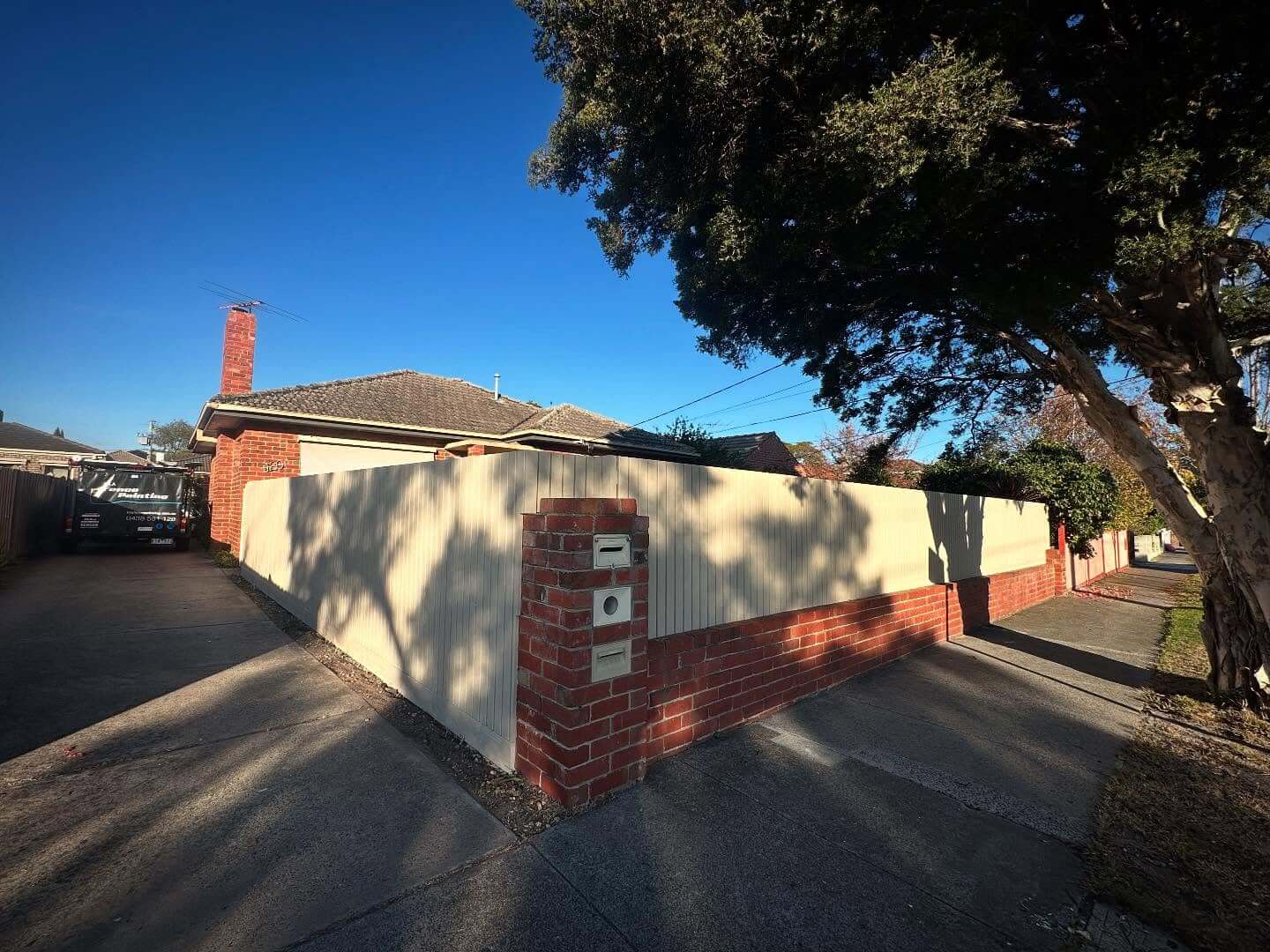
When a corner needs more than a fence but less than a full pavilion, a 90-degree pergola with integrated screens delivers structure, shade, and seclusion in one tidy footprint. Set 6×6 posts just inside the property line, tie them with beams, and infill the two sides facing neighbors with slatted or louvered panels for adjustable privacy. Keep roof rafters shallow to prevent the space from feeling boxed in; a 10–20 percent open-to-solid ratio balances shade with sky. Add outdoor curtains or removable polycarbonate inserts for seasonal wind protection, and run a dimmable light strip along the interior beam to extend evening use. Built-in corner shelves or a slim bar ledge on the fence side make the nook functional without crowding seating. Choose finishes that echo your home—painted rafters with natural wood screens, or a full matte-black frame for a minimalist statement. The pergola acts as a visual “cap,” turning the fence into part of a room, which is especially helpful in small backyards where corners read busy. Among corner fence ideas, this hybrid elevates both privacy and purpose while keeping the footprint efficient.
Corner Privacy Fence Ideas: Materials, Layouts, and Budget-Savvy Builds
Effective corner privacy starts with sightline mapping from neighboring windows, decks, and streets, then tailoring opacity only where necessary. Step panel heights strategically to screen seating zones while preserving garden views and sunlight elsewhere. Louvered or batten-on-batten designs angle privacy without feeling fortress-like. Where wind funnels through corners, consider permeable patterns that reduce pressure and rattling. Always verify maximum allowable fence heights and forward-of-house rules to stay compliant.
Materials significantly shape performance and upkeep in corners, which endure shade, moisture, and eddies of wind. Cedar or redwood slats offer warmth, with stainless fasteners to resist staining; thermally modified wood improves stability. Composites and PVC reduce maintenance, though require sturdy framing and expansion gaps. Powder-coated steel or aluminum frames stiffen corners and pair well with wood or composite infill. For adjustable privacy, choose operable louvers or slatted screens with rot-proof frames and corrosion-resistant pivots.
Design Tips:
- Stagger fence heights along each run, stepping taller near seating and lower near garden views, shaping privacy without creating a monolithic wall that dominates compact corners.
- Face the finished side toward neighbors and the street, reserving structural posts inward, to meet good-neighbor standards and keep the corner’s presentation clean and intentional.
- Anchor posts with gravel and concrete footings staggered away from utilities, and elevate bottom rails slightly to prevent moisture wicking, soil rot, and pest harborage in shaded corners.
- Blend materials—composite slats over metal frames—to reduce maintenance while retaining structure, crucial where wind loads swirl unpredictably and privacy panels behave like sails in exposed corners.
Installation details make or break long-term performance in privacy-heavy corners. Use corner brackets or blocking to triangulate loads where two runs meet, minimizing sway and hinge misalignment. Maintain a small ground clearance to shed splashback and allow airflow, especially behind closed panels. Where drainage concentrates, add river rock or perforated edging to move water away from posts. Finish with UV-stable coatings and schedule seasonal rinses to reduce mildew common in shaded, enclosed corners.
Quick Answers for Smarter Corner Fences
How tall should a corner fence be for privacy without overpowering a small yard?
Most residential privacy sweet spots are 5–6 feet, stepping down near garden views or windows. Confirm local codes and front yard restrictions, then tailor heights only where sightlines require screening.
Get the Fail-Safe Paint Color Playbook (Free PDF)
36 proven colors • 8 ready palettes • trim & sheen guide • printable testing cards.
What’s the best low-maintenance material for a tight, shady corner?
Composites or PVC resist moisture and mildew, while powder-coated aluminum frames prevent sagging. Pair them with stainless or coated fasteners to avoid streaking and corrosion in damp microclimates.
How do I handle an uneven or sloped corner when installing panels?
Use stepped panels for dramatic slopes or racked panels for subtle grades, keeping consistent bottom gaps. Confirm post plumb and set deeper footings on the downhill side to counter soil movement.
Do I need permits or neighbor approvals for corner fence changes?
Many municipalities require permits for height or location, especially near front setbacks and easements. Good-neighbor policies may dictate finished sides and shared boundaries, so discuss plans early to prevent disputes.
Final Verdict: Smart Corners, Bigger Impact
Corner fences are leverage points—small footprints with outsized returns in privacy, structure, and style. Whether you favor slatted L-shapes, living trellises, sculptural steel, or curved profiles, the best design starts with intent: Do you need screening, wind control, a seating nook, or a storage hideaway? Map sightlines, note sun and wind, and decide on the mood—warm, modern, rustic, or zen—so materials and details feel cohesive with the rest of your landscape and architecture.
From there, plan like a pro: verify property lines and utilities, check codes/HOA rules, choose heights that step down gracefully, and upgrade the hardware you can’t see (posts, footings, drainage) so the fence looks great and lasts. Mix textures (wood + metal, solid + slatted, plants + panels), layer function (benches, planters, gates, lighting), and think maintenance—cedar or composite for low upkeep, powder-coated or Corten steel for durability, bamboo or polycarbonate for lightweight privacy. Mock up with strings or cardboard, start with modular panels if timeline is tight, and finish with color and lighting to unify the space. Nail these details, and that forgotten corner becomes the feature that ties your yard together—practical, beautiful, and built to endure.