
Creative Garden Design Ideas to Transform Any Space into an Outdoor Sanctuary
Craving a backyard makeover that feels personal, peaceful, and incredibly beautiful? These creative garden design ideas blend style with function—so whether you’re working with a tiny balcony, a modest courtyard, or a sprawling yard, you can craft a landscape that looks lush and lives well.
We’ll tap timeless design principles—layering, focal points, repetition, and texture—while weaving in sustainable landscaping, drought-tolerant plants, and pollinator-friendly choices. Expect ideas that elevate curb appeal, maximize small garden spaces, and make maintenance easier without sacrificing character.
Get the Fail-Safe Paint Color Playbook (Free PDF)
36 proven colors • 8 ready palettes • trim & sheen guide • printable testing cards.
From vertical gardens and edible borders to gravel pathways, outdoor lighting, and water features, each idea helps you plan a cohesive, climate-resilient garden. Get ready to mix native plants with statement containers, upcycle materials creatively, and turn your outdoor space into a living work of art.
Creative Garden Design Ideas for Small Spaces and Urban Balconies
Designing for small spaces and urban balconies demands precision planning and layered functions. Start by mapping sun patterns, privacy lines, and views you want to highlight or hide. Vertical gardening, rail planters, and slim containers carve growing room without crowding feet. Opt for lightweight materials—aluminum, resin, and coco liners—to respect structural load limits. Cohesive finishes and repeatable textures make compact layouts feel intentional rather than cluttered. Measure clearances for doors, grills, and drainage, ensuring movement stays comfortable even when plants mature.
- Vertical Planters: Stack modular trellises, pocket planters, and cable systems to lift foliage upward, maximizing square footage while creating textured green walls that double as windbreaks and subtle privacy screens.
- Foldable Furniture: Choose fold-flat bistro sets and storage benches so seating disappears after use, preserving clear circulation, easier sweeping, and flexible layouts that adapt to morning sun or evening gatherings.
- Mirror Illusions: Mount outdoor-rated mirrors to bounce light deeper into shadowed corners, visually widening tight balconies; frame edges with climbers to soften reflections while minimizing bird strikes and glare.
- Tiered Containers: Arrange stepped stands and nested pots to vary canopy heights, pairing shallow-rooted herbs above deeper shrubs; add saucers, lightweight mixes, and rolling caddies for drainage, mobility, and weight limits.
- Rail Planters: Secure balcony-railing planters with clamp brackets and safety cables, planting trailing thyme, bacopa, or strawberries; maintain facade clearances, drip trays, and watering routines to protect neighbors and siding.
- Color Zones: Use cool-toned foliage to visually recede and expand space, then punctuate with warm blooms and cushions; repeat metals or woods to unify surfaces and create cohesive, intentional, camera-ready compositions.
Healthy growth in containers hinges on right-sized pots, breathable potting mixes, and consistent moisture. Self-watering planters and discreet drip lines stabilize watering while keeping surfaces clean and neighbors happy. Wind can desiccate foliage, so integrate lattices, tall grasses, or acrylic screens that shield without blocking light. Blend ornamentals with edibles—chard, strawberries, rosemary—to maximize yield and seasonal texture. Layer task and ambient lighting with solar spikes and low-voltage strings to extend evenings. Set a simple weekly routine: deadhead, sweep, check irrigation, and rotate containers for even sun.
Frame a Focal Point with a Pergola or Garden Arch
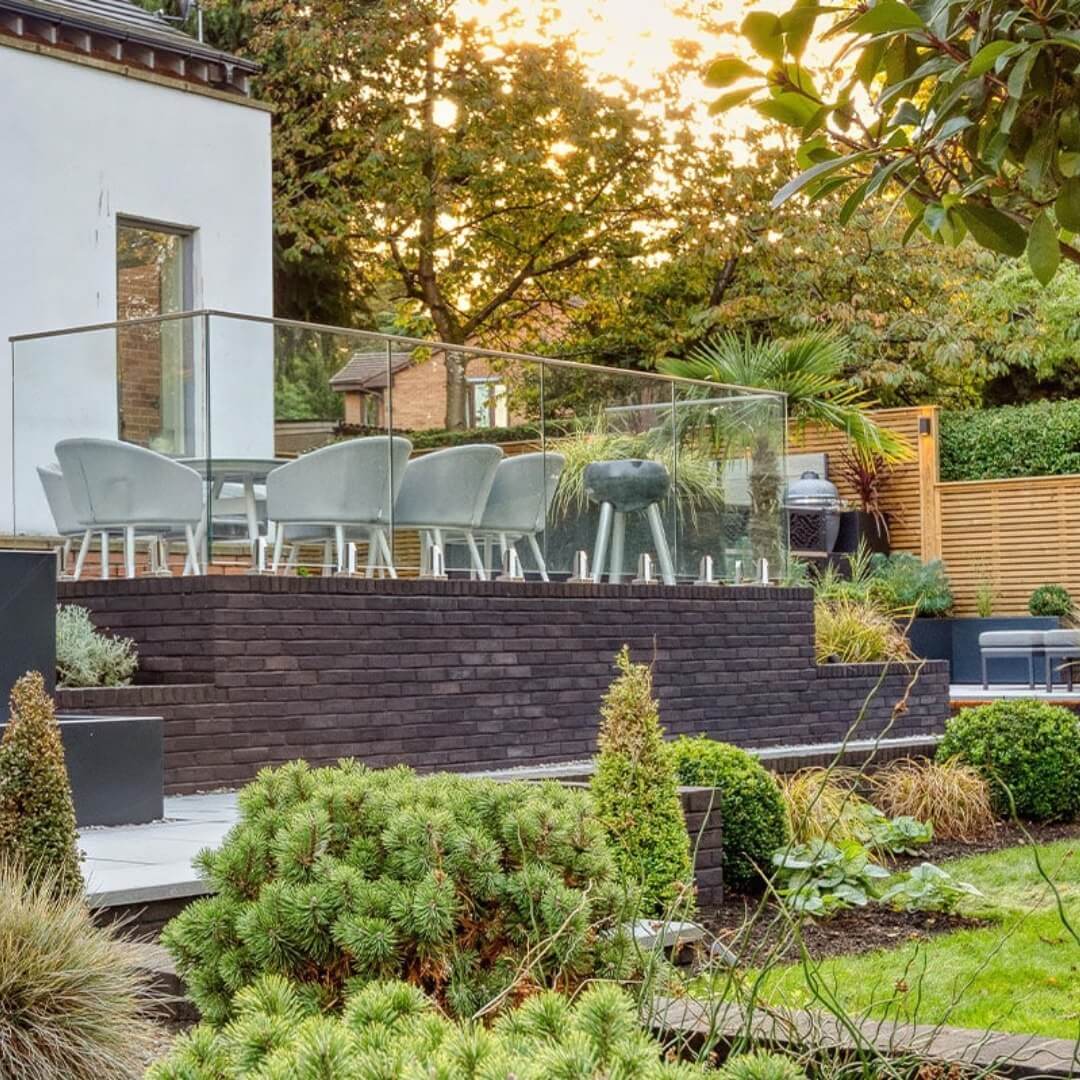
Every successful garden design begins with a compelling focal point. A pergola or arch instantly frames views, defines “rooms,” and creates an inviting threshold that guides movement through the landscape. Train climbers like jasmine, roses, or clematis for dappled shade and seasonal fragrance, and echo the structure’s material—cedar, powder-coated steel, or reclaimed beams—in other details for visual rhythm. In small gardens, vertical frames draw the eye up, maximizing perceived space while adding privacy without building a wall. Tuck a bench, bistro set, or daybed beneath for an outdoor living nook that’s usable morning to moonlight. Integrate low-voltage or solar lighting along rafters for ambiance and safe passage after dark. For sustainability, choose FSC-certified wood, weather-durable finishes, and drip irrigation for vines. Most importantly, align the pergola with an axial view—front door to backyard or kitchen to herb plot—so the entire layout feels intentional. A strong focal point clarifies circulation, anchors plant layering, and elevates curb appeal instantly.
Layer Planting for Depth, Texture, and Four-Season Interest
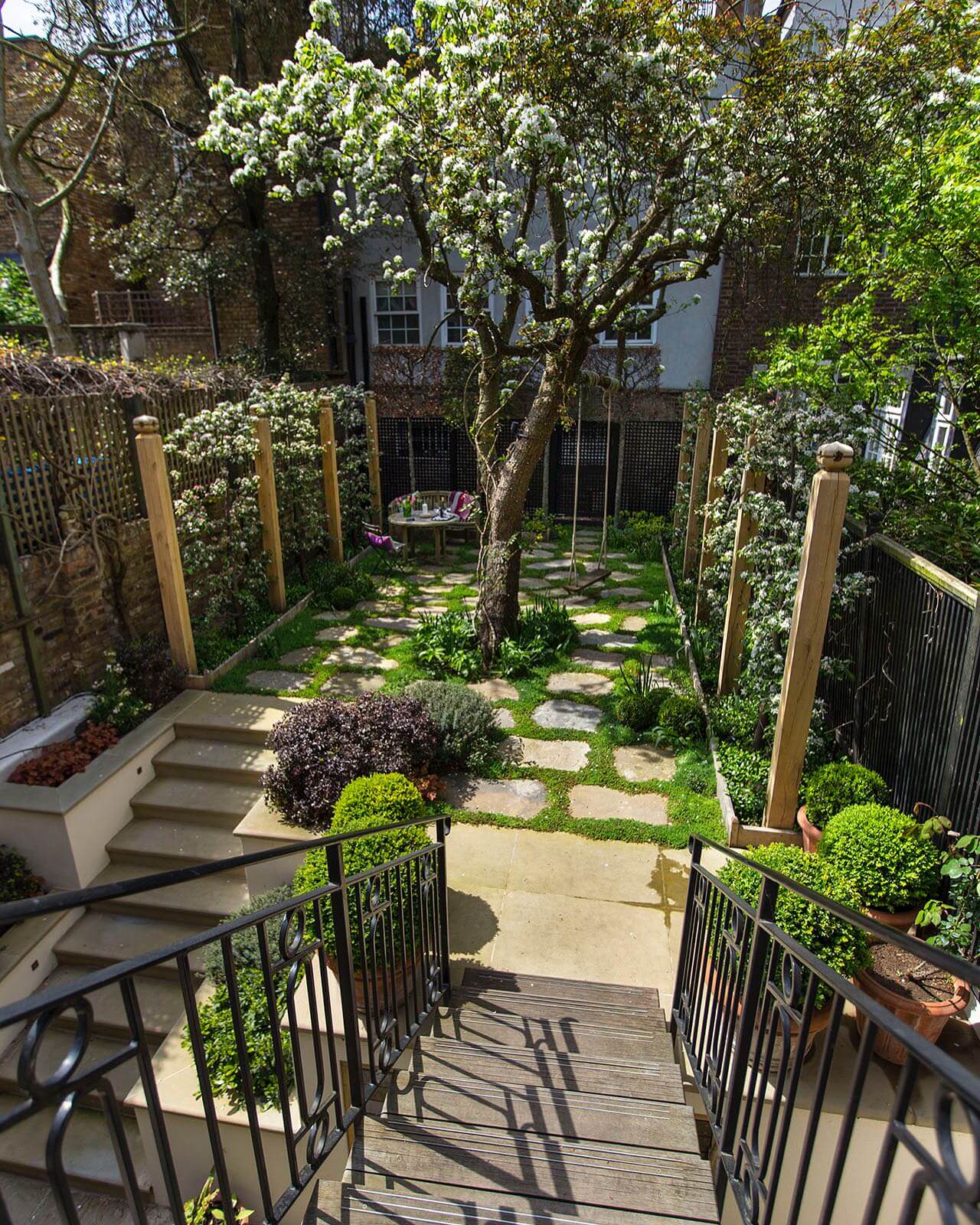
Once your focal point is set, build depth with layered planting that reads beautifully year-round. Think in tiers: canopy (small trees), understory (multi-stem shrubs), perennials, and groundcovers. Contrast textures—fine ferny foliage against bold hostas, strappy grasses beside round-leaved heuchera—to add dimension even when blooms fade. In modest courtyards or narrow side yards, terraced beds or staggered containers create vertical layers without eating footprint. Blend evergreen structure with deciduous color: spring bulbs, summer perennials, fall foliage, and winter silhouettes of ornamental grasses. Repeat a limited palette across the garden to create cohesion and calm. Mulch to retain moisture, suppress weeds, and highlight foliage textures; then finish with edging that keeps lines crisp along paths and patios. Right plant, right place is non-negotiable—sun lovers up front, shade-tolerant species under trees, drought-tolerant groupings on the driest edges. This layered strategy delivers a lush, low-maintenance landscape that feels immersive from every angle.
Grow Up: Vertical Gardens and Living Walls for Small Spaces
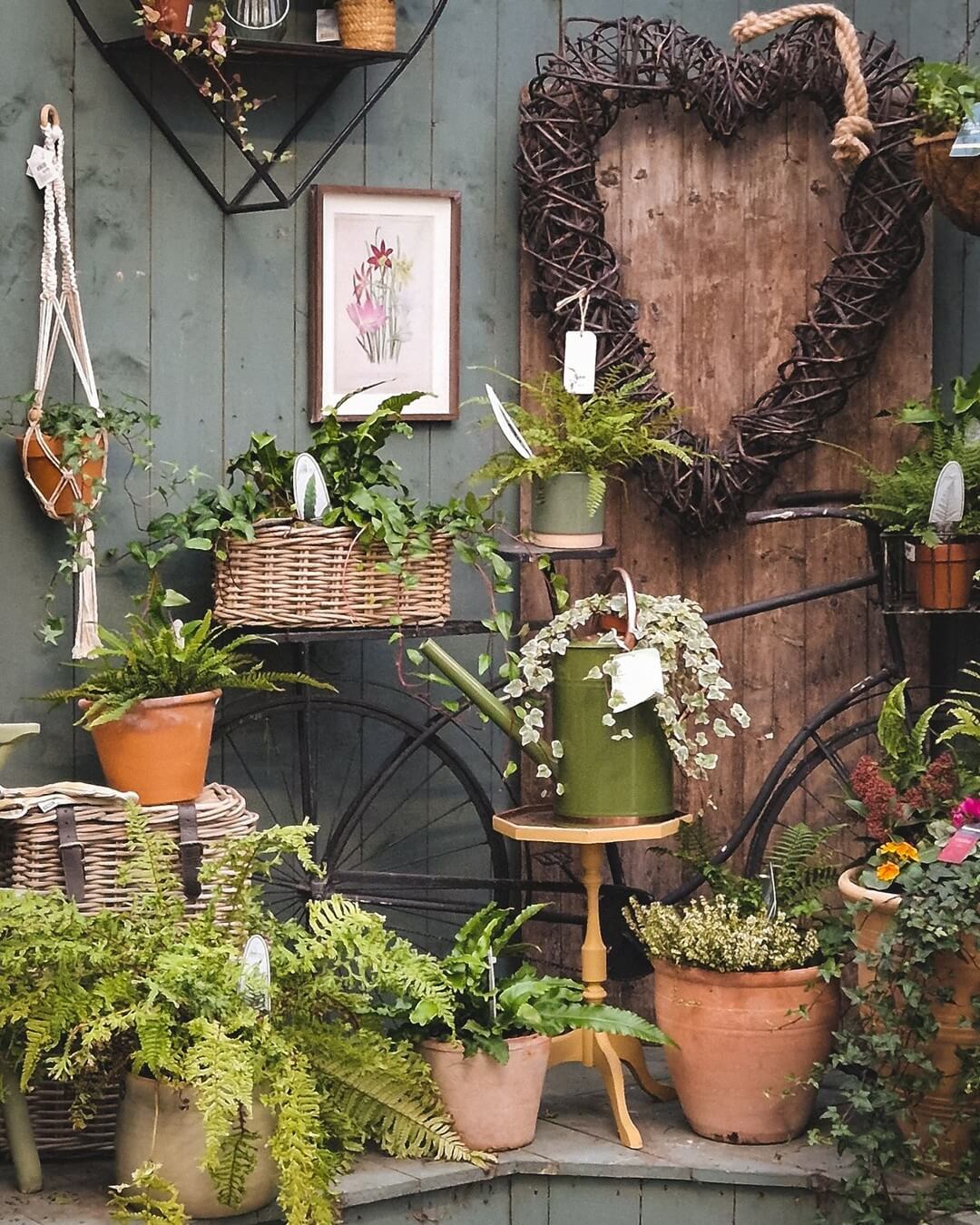
When square footage is scarce, go vertical. Trellises, cable systems, and modular living walls turn blank fences and balcony railings into productive, green backdrops. Combine herbs, trailing strawberries, and compact greens in pocket planters near the kitchen for edible convenience, and reserve shadier panels for ferns, philodendron, or pothos in mild climates. Drip lines or integrated reservoirs simplify watering; add a timer for consistency. Use repeating materials—black steel trellis, cedar slats, or limewash masonry—to connect vertical elements with ground-level beds for a cohesive design language. Living walls double as privacy screens, soften hard boundaries, and boost biodiversity in urban gardens. To keep maintenance manageable, design in swappable panels for seasonal refreshes and select plants with similar light and water needs per module. Vertical gardens expand planting space, capture attention from indoors, and transform tight footprints into lush, functional outdoor sanctuaries.
Guide the Journey with Gravel Paths and Stepping Stones

Great gardens choreograph how you move. Gravel paths and stepping-stone walkways create a sensory “crunch,” improve drainage, and elegantly connect destinations—gate to pergola, potting bench to seating. Curved routes slow the pace and reveal layered plantings gradually; straight axes emphasize formality and sightlines. Choose locally sourced gravel or decomposed granite for sustainability, and stabilize with compacted base and steel or stone edging to keep lines clean. Interplant joints with creeping thyme or mazus for living seams that invite pollinators and soften hardscape. In tiny spaces, a single stepping-stone ribbon across gravel suggests depth while preserving more planting area. Consider accessibility with wider paths (36–48 inches) and firm surfaces where needed. Repeating stone tones in planters or seating caps pulls the whole design together. A well-planned path system is more than circulation—it’s the narrative thread that ties your garden’s rooms into one harmonious experience.
Add Calm with Compact Water Features and Reflecting Bowls
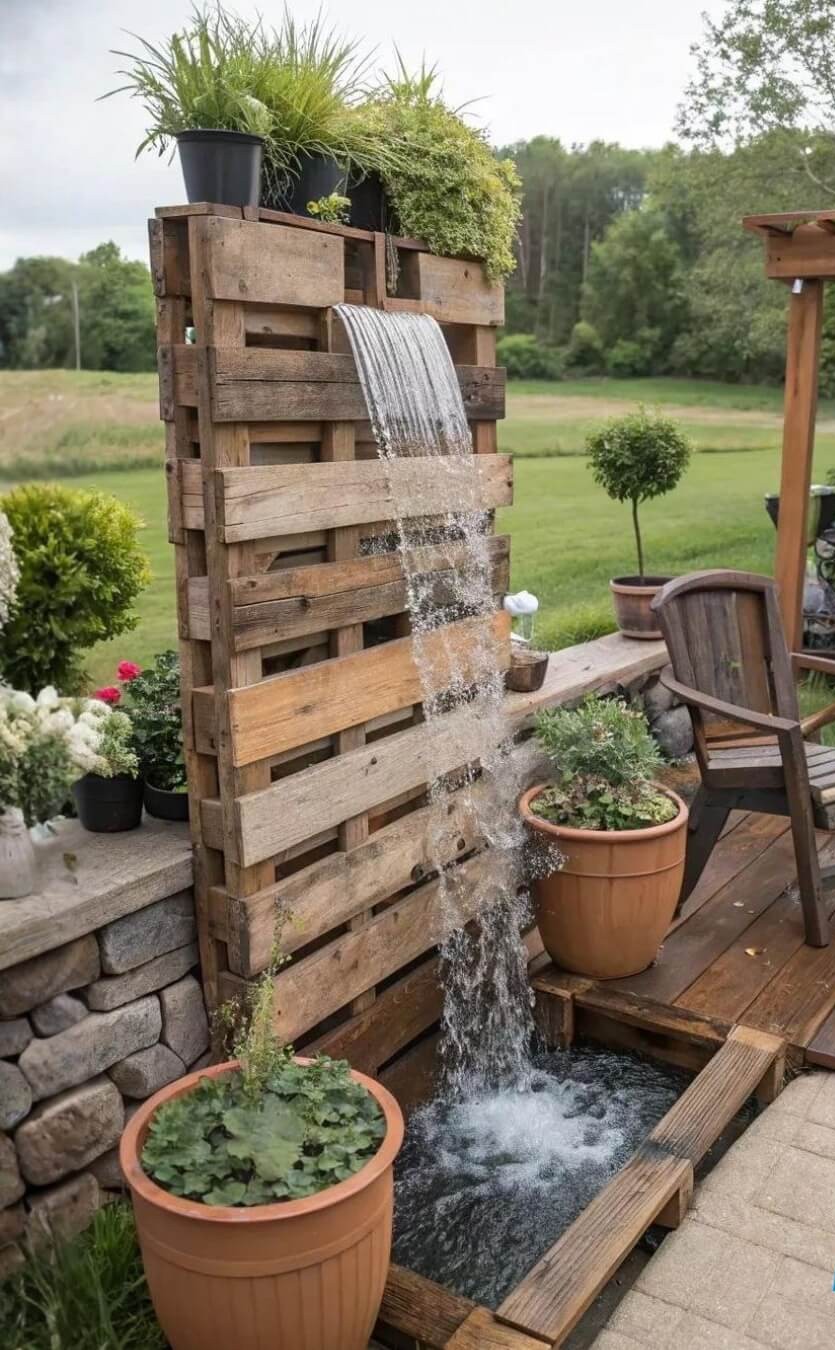
Water introduces movement, sound, and sparkle—without requiring a sprawling pond. A recirculating fountain, urn, or shallow reflecting bowl brings instant serenity to patios and courtyards, masking street noise and attracting birds and beneficial insects. Position a feature where you’ll experience it most—near a seating nook or viewed from a favorite window—and light it from below for evening shimmer. Choose dark, reflective finishes for mirror-like surfaces or natural stone for an organic feel. In drought-prone regions, opt for small basins with smart pumps, capture rainwater in barrels to top off levels, and plant drought-tolerant species around the splash zone. Layer textural companions—iris, sedge, or low grasses—so the feature reads as part of the garden, not a standalone object. The gentle burble of water helps define a restorative outdoor sanctuary and complements the rhythm of paths, pergolas, and plant layers.
Edible Edges: Blend Beauty and Harvest in the Front Yard
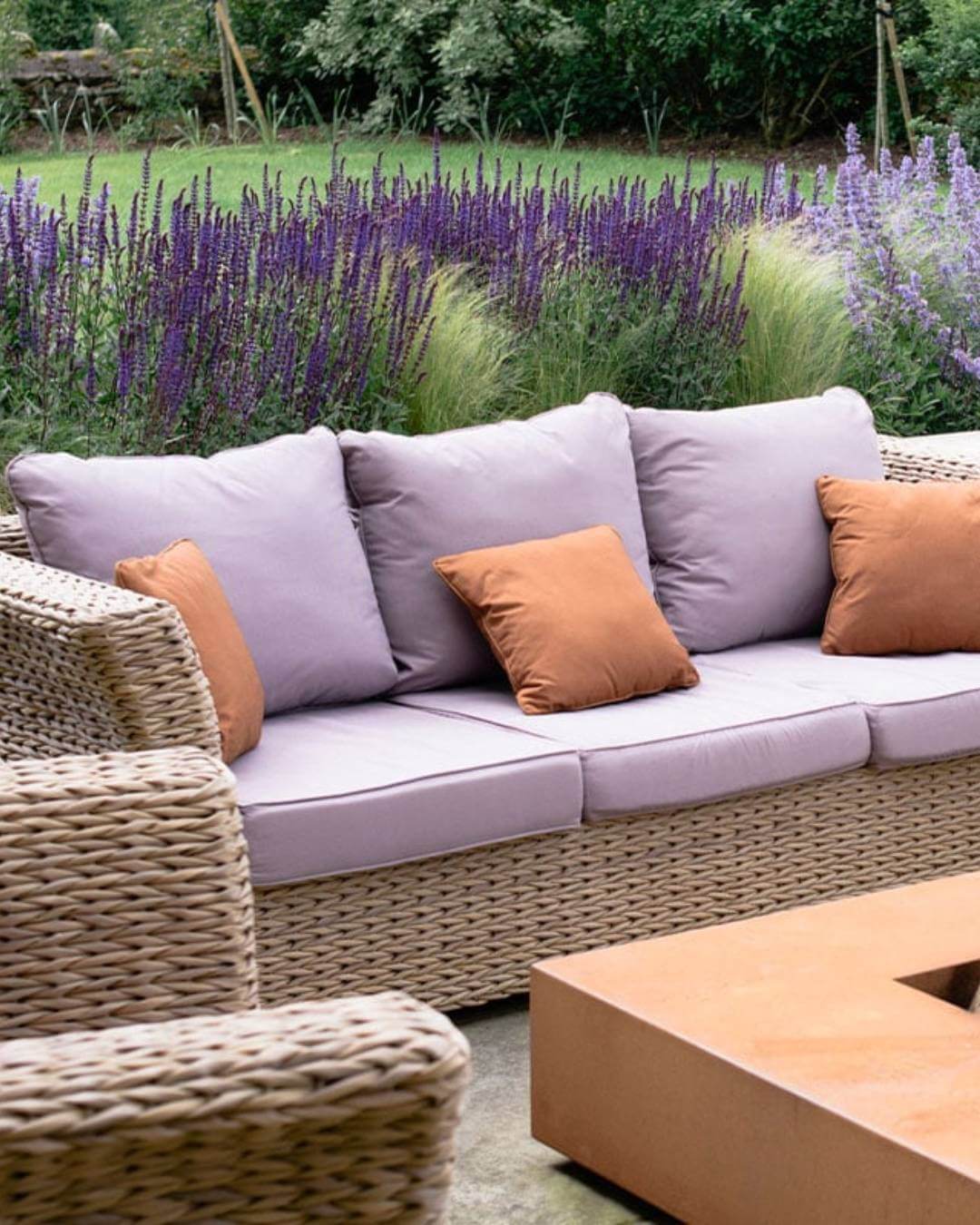
Transform borders into productive showpieces by weaving edibles into ornamental beds. Think rainbow chard as a foliage focal point, strawberries as a groundcover, and dwarf blueberries as seasonal structure with blazing fall color. Edge paths with thyme and chives for fragrance underfoot, and tuck compact tomatoes or peppers into sunny pockets. Raised beds with clean, rectilinear lines keep the look tidy; repeat materials from your pergola or path edging for cohesion. Companion plant wisely—marigolds with tomatoes, basil with peppers—to boost resilience and pollinator activity. Drip irrigation and generous mulch reduce maintenance and conserve water. In small gardens, a potager layout—geometric beds with gravel joints—delivers formal beauty and easy access for harvesting. By mixing culinary plants with perennials and annuals, you enrich habitat, diversify textures, and elevate curb appeal while bringing the kitchen garden closer to the door.
Get the Fail-Safe Paint Color Playbook (Free PDF)
36 proven colors • 8 ready palettes • trim & sheen guide • printable testing cards.
Container Vignettes that Move with the Seasons
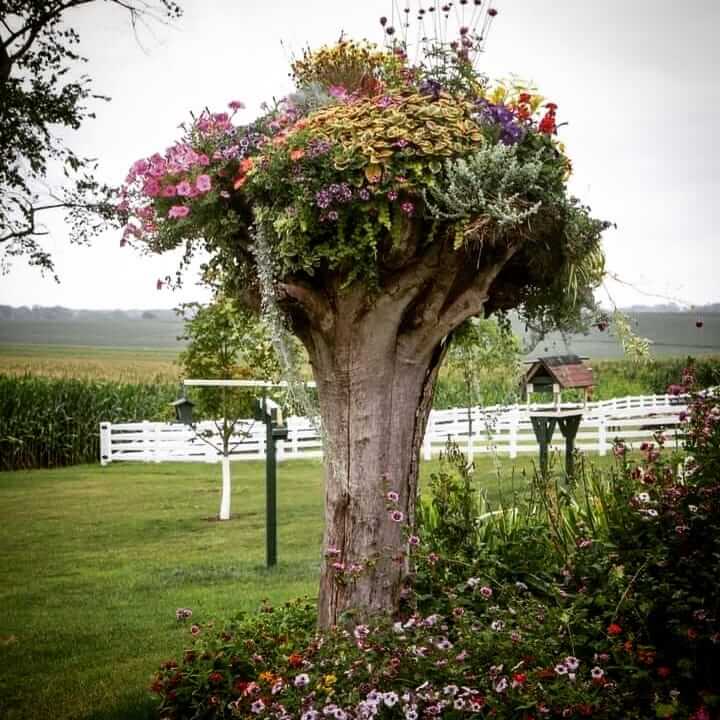
Containers are the chameleons of garden design—perfect for renters, patios, rooftops, and entrances. Build high-impact vignettes using the classic thriller-filler-spiller formula, repeating a restrained color palette for elegance. Use lightweight, frost-resistant planters on casters to rearrange with the seasons or reconfigure for gatherings. Group vessels in odd numbers and varied heights to create rhythm; echo materials from your hardscape (stone, concrete, corten, or glazed clay) for cohesion. Self-watering inserts streamline care, while mulch or living moss tops conserve moisture. For drought-smart style, combine sculptural succulents, Mediterranean herbs, and fine-textured grasses that read beautifully year-round. In micro-gardens, containers define “rooms,” mark thresholds, and provide instant focal points where in-ground planting isn’t possible. Swap in bulbs for spring, tropicals for summer, and ornamental kale or pansies for cool-season interest. Container design adds flexibility, heightens texture, and keeps your outdoor sanctuary fresh and intentional.
Native Meadow Moments and Pollinator Pathways
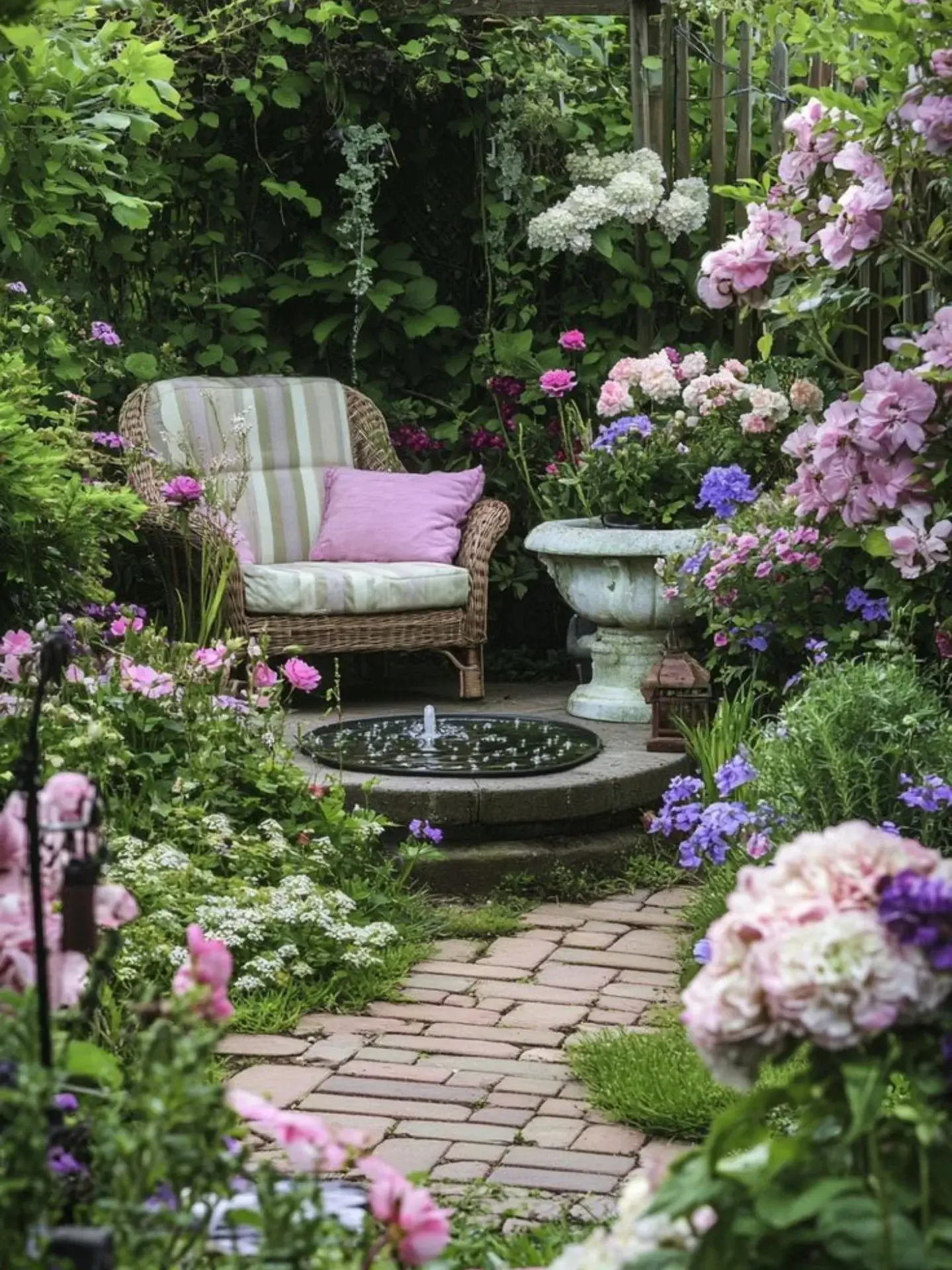
Replace thirsty lawn patches with meadow-style planting that supports wildlife and sings with seasonal movement. Blend regionally native grasses with long-blooming perennials—coneflower, black-eyed Susan, yarrow, asters—for a resilient, low-mow tapestry. Design a clear framework so it feels intentional: a crisp mown edge, a sinuous gravel path, or a simple split-rail border instantly elevates the look. Plan bloom succession from early spring to late fall, and cluster repeats for strong color blocks that read from a distance. Add habitat elements—bee hotels, shallow water dishes, and seed heads left standing over winter—to support beneficial insects and birds. In small gardens, a single “meadow island” or border strip creates a pollinator corridor between neighboring landscapes. The result is a climate-conscious garden design with texture, movement, and ecological value—beauty with purpose that thrives with less water and fewer inputs.
Light the Night: Layered Outdoor Lighting for Drama and Safety
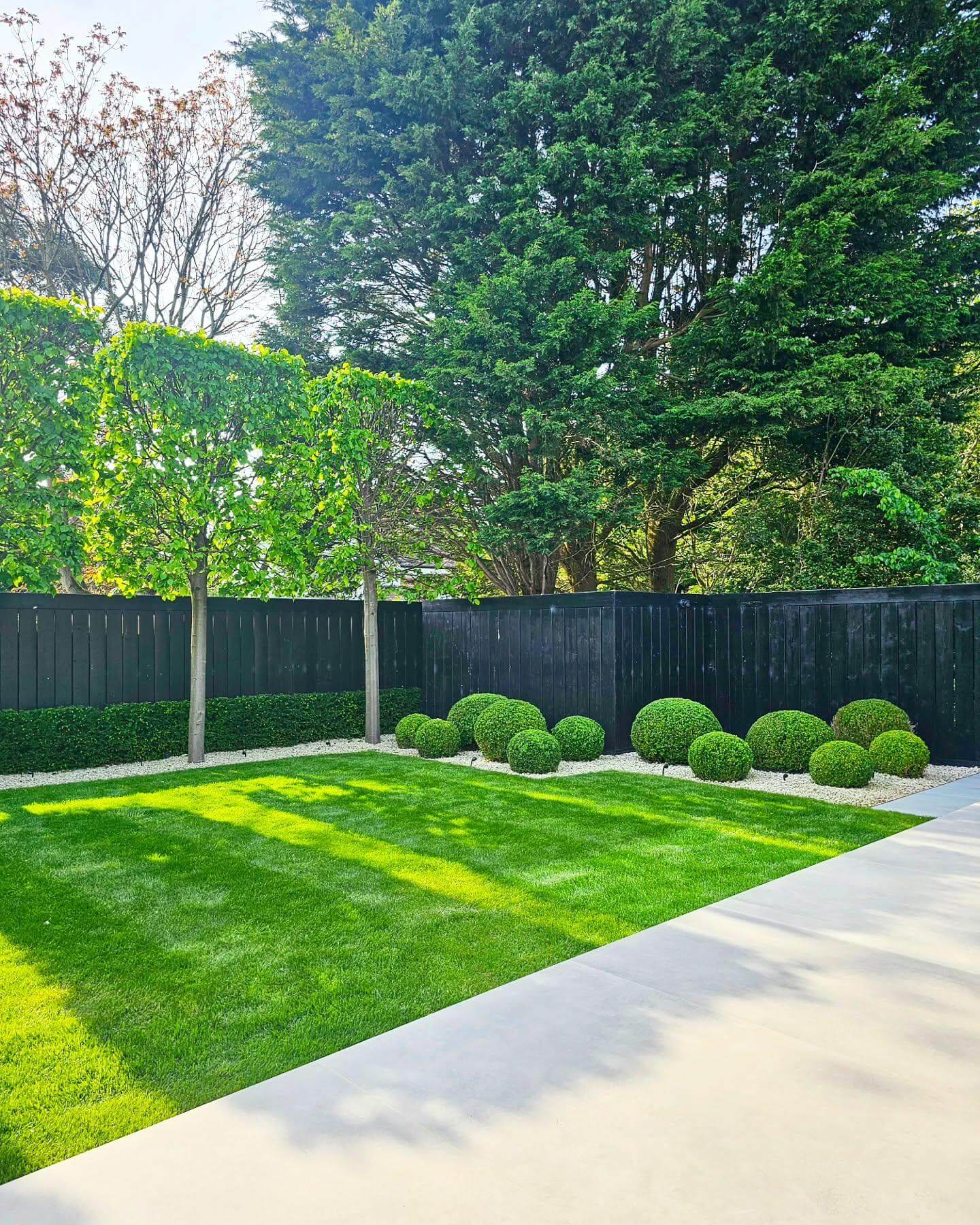
Your garden should glow after sunset. Layer ambient, task, and accent lighting to extend use and reveal texture at night. Downlight from pergolas for soft dining illumination, add low path lights for safe circulation, and use subtle uplights to graze tree trunks or sculptural grasses. Warm color temperatures (2700–3000K) flatter foliage and skin tones, while shielded, dark-sky-compliant fixtures reduce glare and protect nocturnal wildlife. Solar options are great for quick installs; low-voltage systems offer reliability and dimming control. Aim lights across surfaces, not into eyes, and prioritize reflectivity—pale stone, water bowls, or limewashed walls bounce light effectively. In tight courtyards, a single statement lantern or string lights can define the room and visually lift the ceiling. Thoughtful lighting turns pathways into invitations, highlights focal points, and completes your outdoor sanctuary’s day-to-night experience.
Low-Water, High-Style: Drought-Tolerant Design with Bold Texture
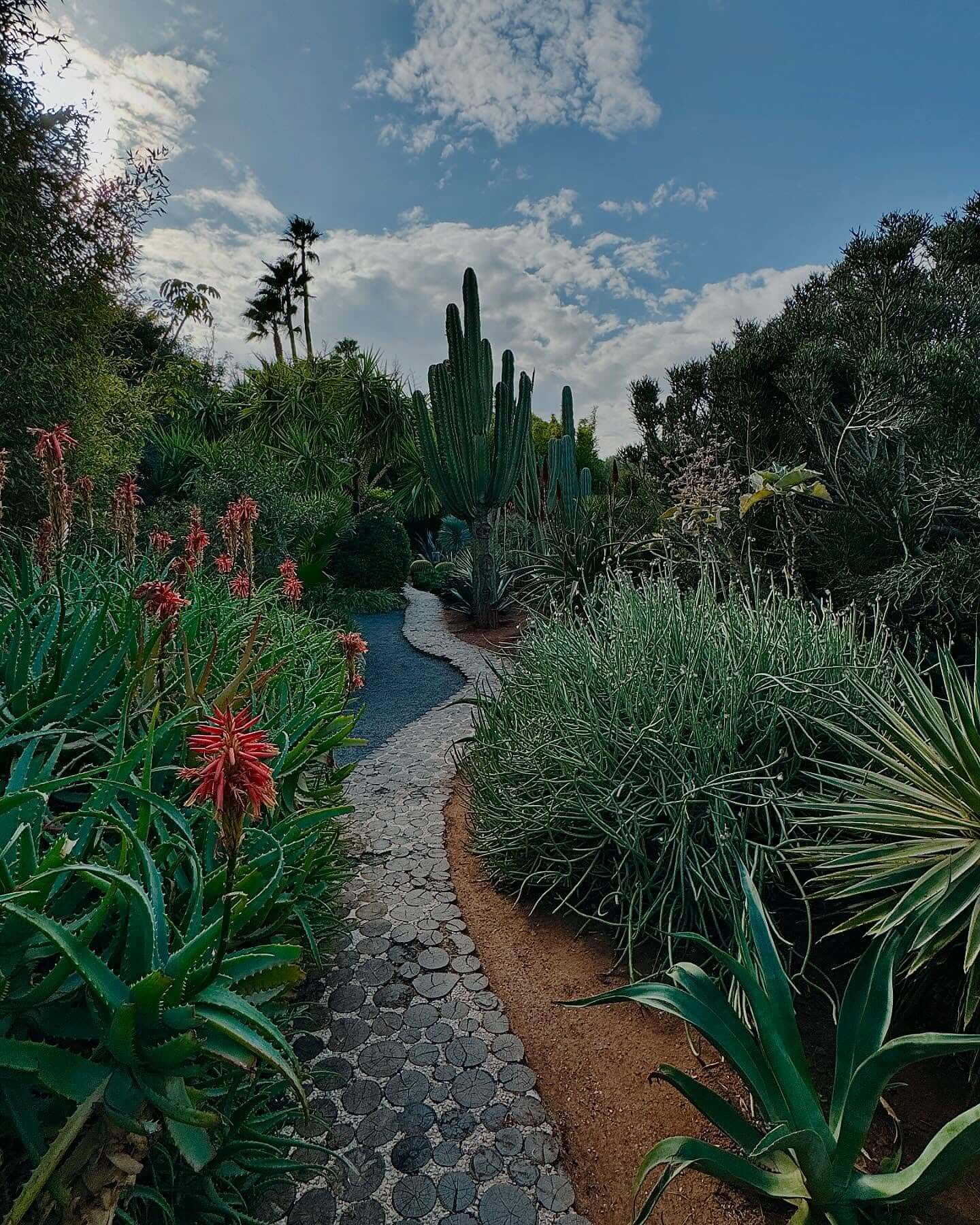
Finish with a climate-resilient palette that doesn’t skimp on style. Group plants by water needs (hydrozoning), and lean into texture: architectural agaves and yuccas, silver-leaved sages and lavenders, and fine-textured grasses like muhly or feather reed. Gravel mulch or decomposed granite reduces evaporation, suppresses weeds, and spotlights sculptural forms; nestle boulders to ground the composition. In small gardens, a matrix of groundcovers—dymondia, sedum, thyme—creates a low, living carpet around focal specimens. Drip irrigation on a timer delivers water efficiently right to roots; wide, infrequent cycles encourage deep drought tolerance. Echo hardscape colors for cohesion and add seasonal punches via containers so the backbone planting remains consistent. This xeric-inspired approach embodies modern garden design: low-maintenance, pollinator-friendly, and beautiful 365 days a year—proof that sustainability and high design can thrive together.
Get the Fail-Safe Paint Color Playbook (Free PDF)
36 proven colors • 8 ready palettes • trim & sheen guide • printable testing cards.
Carve a Secret Seating Nook with Built-In Benches
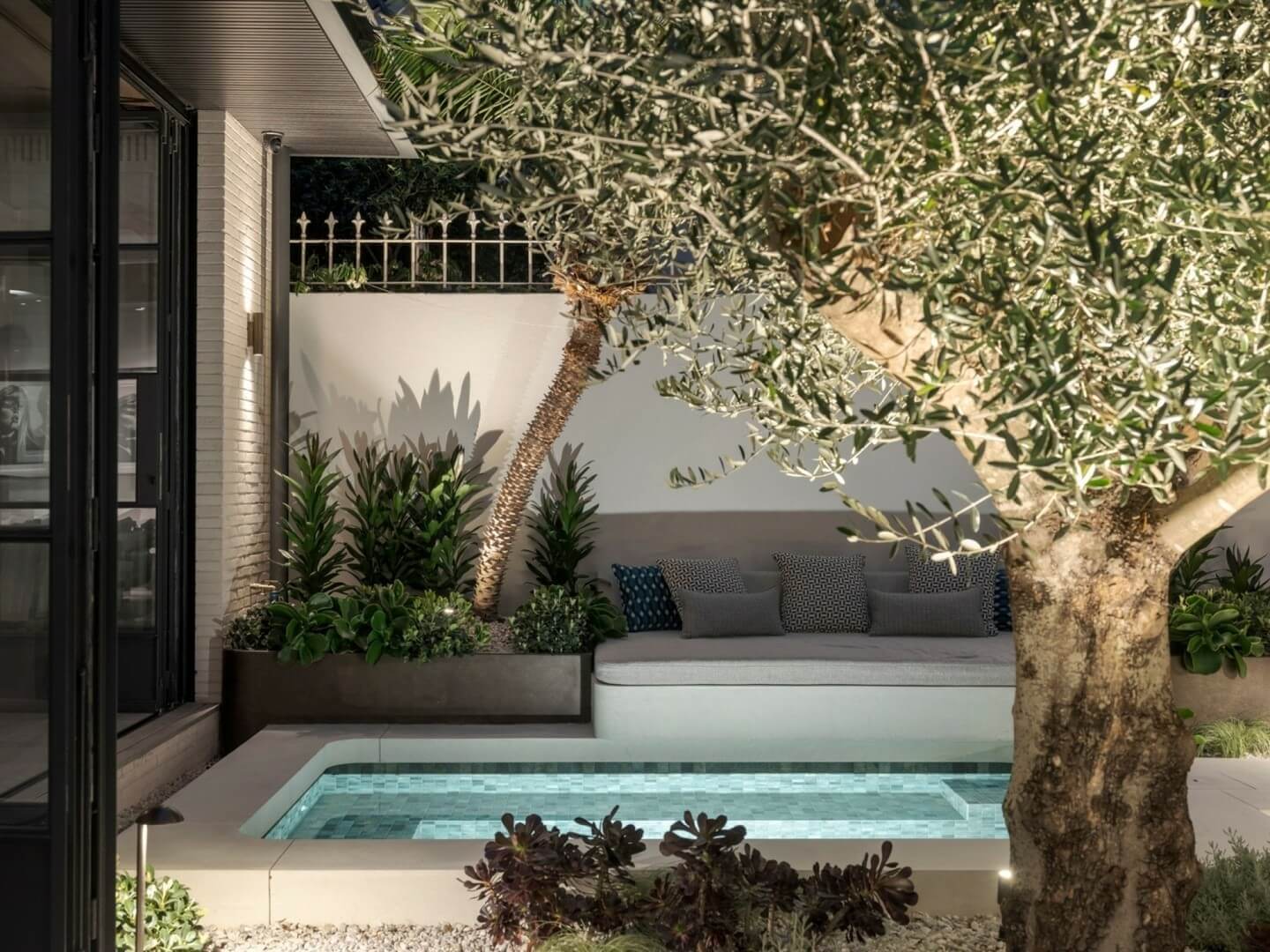
Every great garden deserves a quiet corner—a place to pause, sip something cool, and take in the view. Create a secret seating nook by building low, L-shaped benches into a planted alcove, then wrap the space with green texture for intimacy. Use screening shrubs, tall ornamental grasses, or a trellised vine wall to soften hard edges and buffer wind and noise. Keep the footprint compact with a gravel or decking pad, layered with an outdoor rug to warm the mood. Add storage beneath bench lids for cushions and tools, and tuck in a small side table or narrow console for serving. Surround the seat with scent at nose height—think rosemary, lavender, or regionally appropriate natives that perfume evenings. Anchor the alcove with a statement container or sculptural urn to double as a focal point. The result is a micro “outdoor room” that works in small gardens and balconies alike, offering privacy without heavy fencing. It’s a subtle way to guide circulation, create a destination, and extend usable square footage—from morning coffee to stargazing.
Living Privacy Screens with Hedges, Espaliers, and Climbing Vines
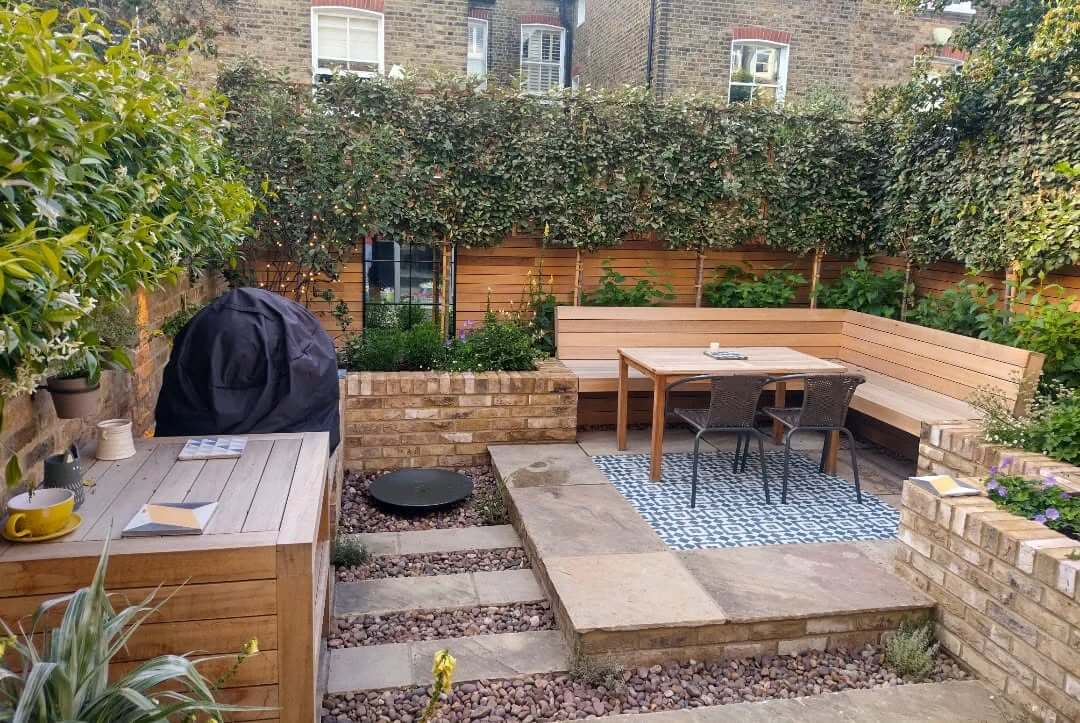
Trade fortress fences for layered green privacy that looks good year-round. Start by mapping sightlines from neighboring windows and busy streets, then build a three-tier screen: a slim evergreen backbone (choose region-appropriate species), a mid-height shrub layer for density, and a vertical tapestry of climbers on trellis or wire. Espalier fruit trees along a wall to add four-season structure, spring blossom, and edible charm in tight spaces. For balconies or narrow side yards, combine tall planters with bamboo (clumping types), star jasmine, or other climate-suited vines to create instant height without stealing floor space. Keep maintenance realistic: select plants with compatible growth rates to avoid patchy hedges, and opt for naturalistic shaping over rigid shearing if you prefer a softer look. Add drip irrigation at the base to encourage deep roots and reduce overspray on paving. Bonus: layered screens also act as windbreaks, urban noise buffers, and bird habitat, giving your garden both privacy and life.
Terrace the Slope: Retaining Planter Rises that Add Usable Space
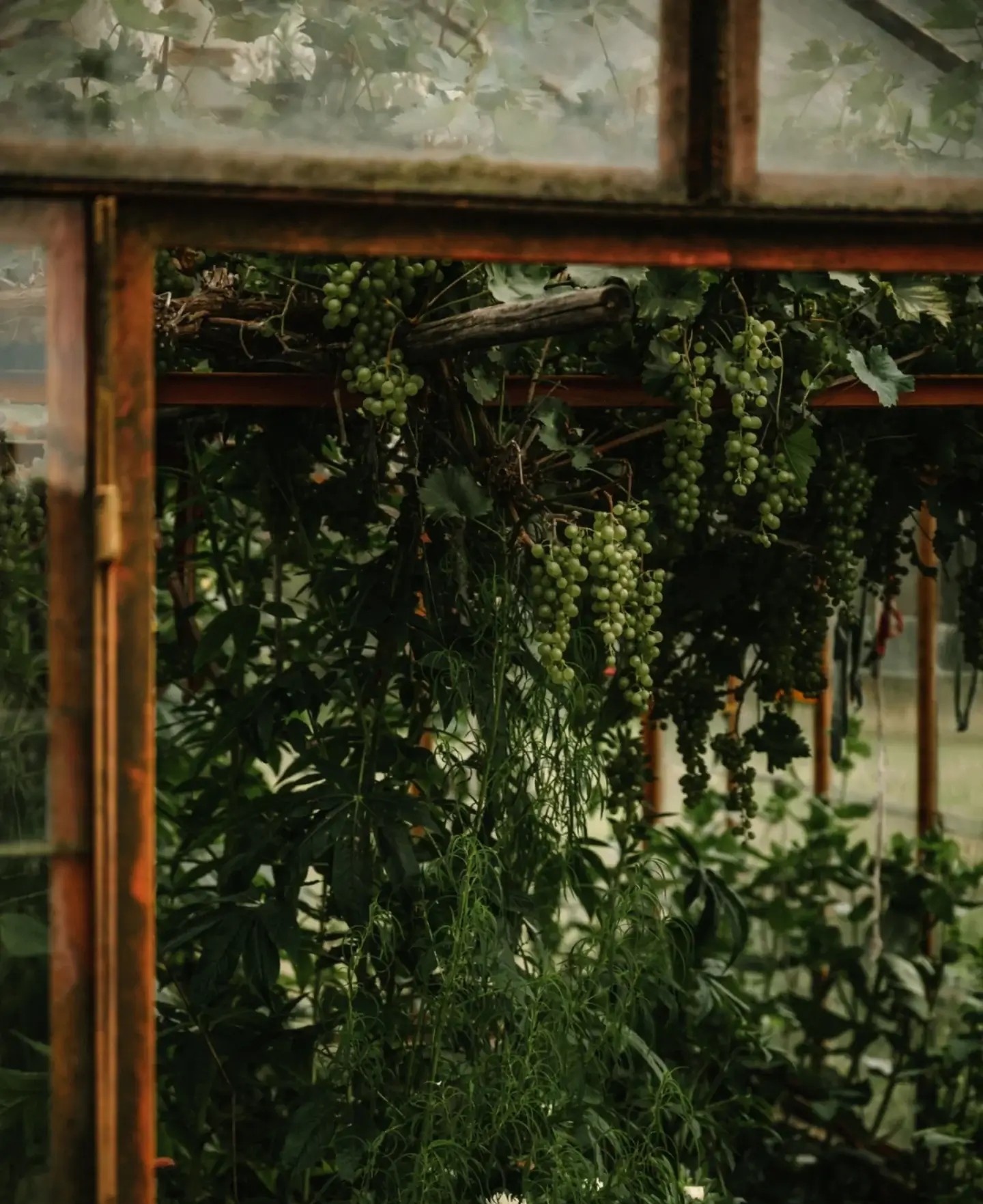
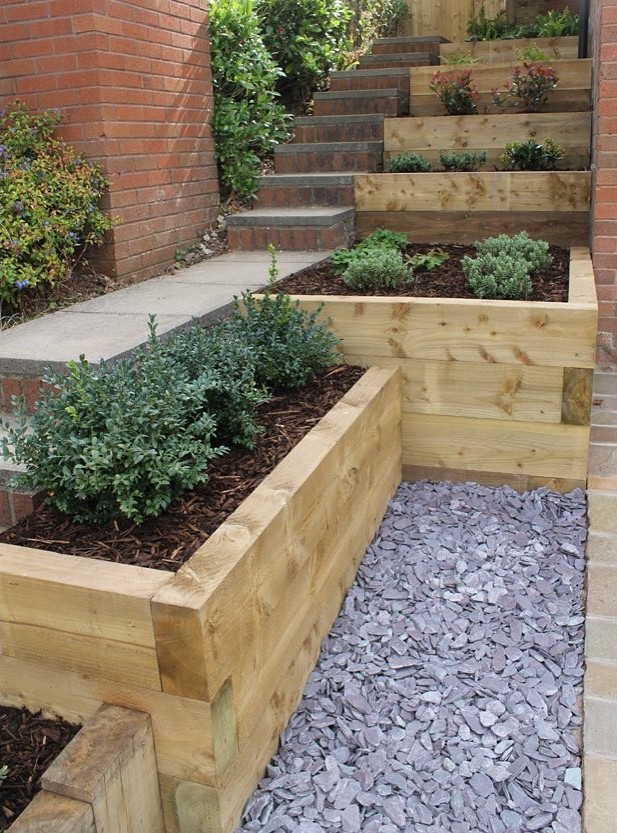
If your yard pitches, don’t fight gravity—shape it. Low, stepped retaining planters turn steep ground into elegant, functional tiers for planting, lounging, and play. Use materials that match your home’s vibe—dry-stack stone for cottage charm, corten steel for modern warmth, or gabions for a rugged, contemporary edge. Keep walls modest in height and increase the number of tiers; this looks friendlier and typically needs less engineering than a single tall wall. Integrate broad steps or a gentle ramp to connect levels, and alternate planted terraces with “landing pads” for a bistro set, fire bowl, or container collection. Plant upper tiers with drought-tolerant, deep-rooting species to stabilize soil; let cascaders like thyme or climate-suited groundcovers spill over edges to soften lines. Direct runoff with perforated drainpipe and gravel backfill so stormwater percolates instead of puddles. At night, tuck low-voltage step lights into risers for safety and drama. Terracing transforms an awkward slope into a layered garden that feels curated and, importantly, easy to maintain.
Shade-Garden Serenity: Foliage-First Design for Cool Corners
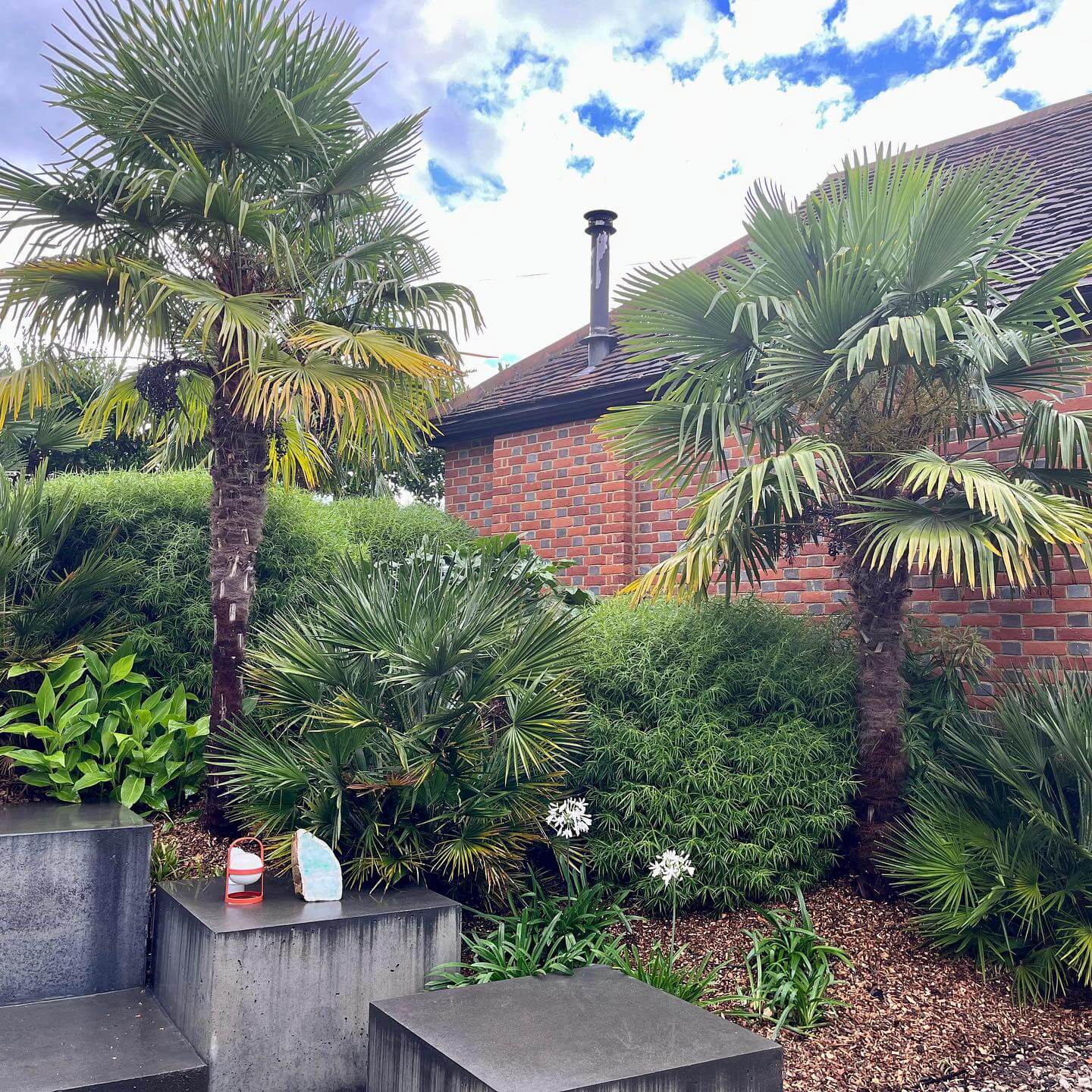
Shady spots are design gold when you lean into texture and contrast. Build a calm, cooling palette with tiered foliage: broad leaves against fine blades, glossy next to matte, and variegated accents to lift dim corners. Think fern fronds and strappy sedges, punctuated by bold-leafed anchors and seasonal white blooms that glow at dusk. Improve soil with compost and leaf mold to mimic woodland duff, then mulch to lock in moisture and suppress weeds—key for low-maintenance gardening. Drip irrigation beneath mulch delivers water efficiently without spotting leaves. If tree roots compete, use raised planters at the drip line and choose adaptable, region-appropriate understory plants. Add a stone or timber edge to define beds crisply, and place a bench where filtered light catches textured foliage; a single reflective surface—like a glazed pot—amplifies brightness without glare. By focusing on form and feel, your shade garden becomes a restorative retreat that stays interesting long after peak bloom.
Make Rain Work for You: Beautiful Rain Gardens and Bioswales
Sustainable drainage can be striking. Position a rain garden downslope of roofs, driveways, or patios to capture runoff, slow it down, and let it soak into the soil. Shape a shallow basin (not a pond) with a level bottom, gentle berms, and an overflow route for big storms. Line inlets with river rock or reclaimed brick to prevent erosion, then plant in zones: moisture-tolerant natives in the center, adaptable perennials on the shoulders, and tough grasses at the edges. For long, narrow sites, a bioswale—essentially a planted channel—threads water through the landscape while adding movement and texture. Pair with permeable paving or gravel paths nearby to further reduce runoff. Beyond function, rain gardens invite butterflies and songbirds, add four-season structure, and cool the microclimate. They also scale beautifully: from a curb-cut strip that sips street water to a backyard basin linked to a decorative rill. The key is right plant, right place—choose regionally appropriate species to ensure thriving, low-maintenance performance.
Plant-Framed Alfresco Dining that Invites Long Meals
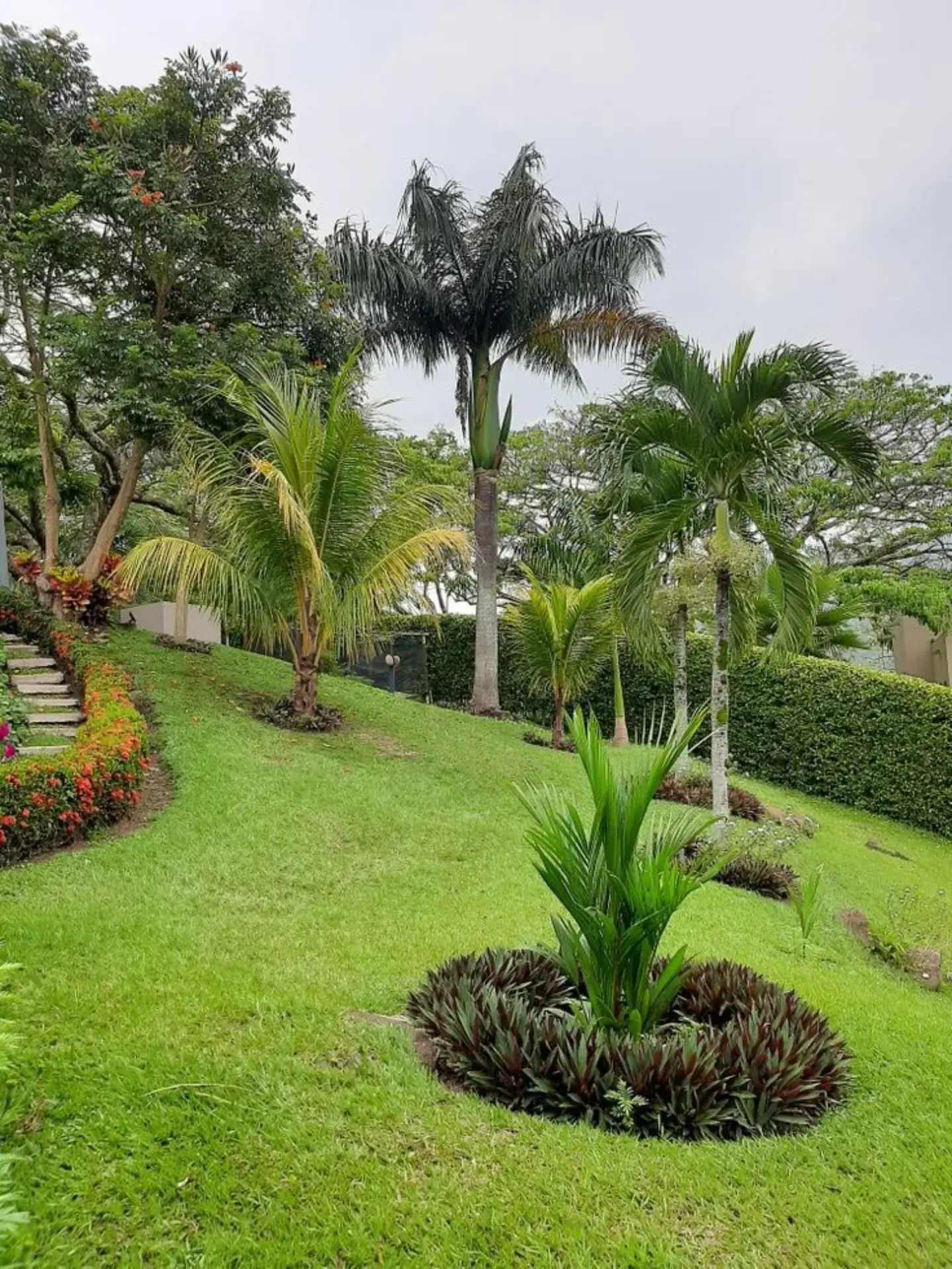
Design your outdoor dining zone as a garden “room” with plants as the walls. Begin with a stable surface—pavers, brick, or compacted gravel—that drains well and won’t wobble under chairs. Size the pad generously: about 10 by 12 feet accommodates a table for six with pull-back space, while round tables soften tight footprints. Frame the perimeter with evergreen structure for year-round enclosure, then weave in seasonal color and fragrance near seated height—herbs, night-scented blooms, or citrus in containers. Overhead, a shade sail or umbrella cools summer meals and defines the ceiling line; if you have trees, string café lights between trunks for a soft canopy effect. Keep the route to the kitchen direct and illuminated. Place a slim console or potting bench as a buffet, and consider a portable fire bowl or patio heater to extend shoulder seasons. Thoughtful planting reduces wind, adds privacy, and turns everyday dinners into mini getaways without leaving home.
Color Stories: Monochrome and Analogous Planting Palettes
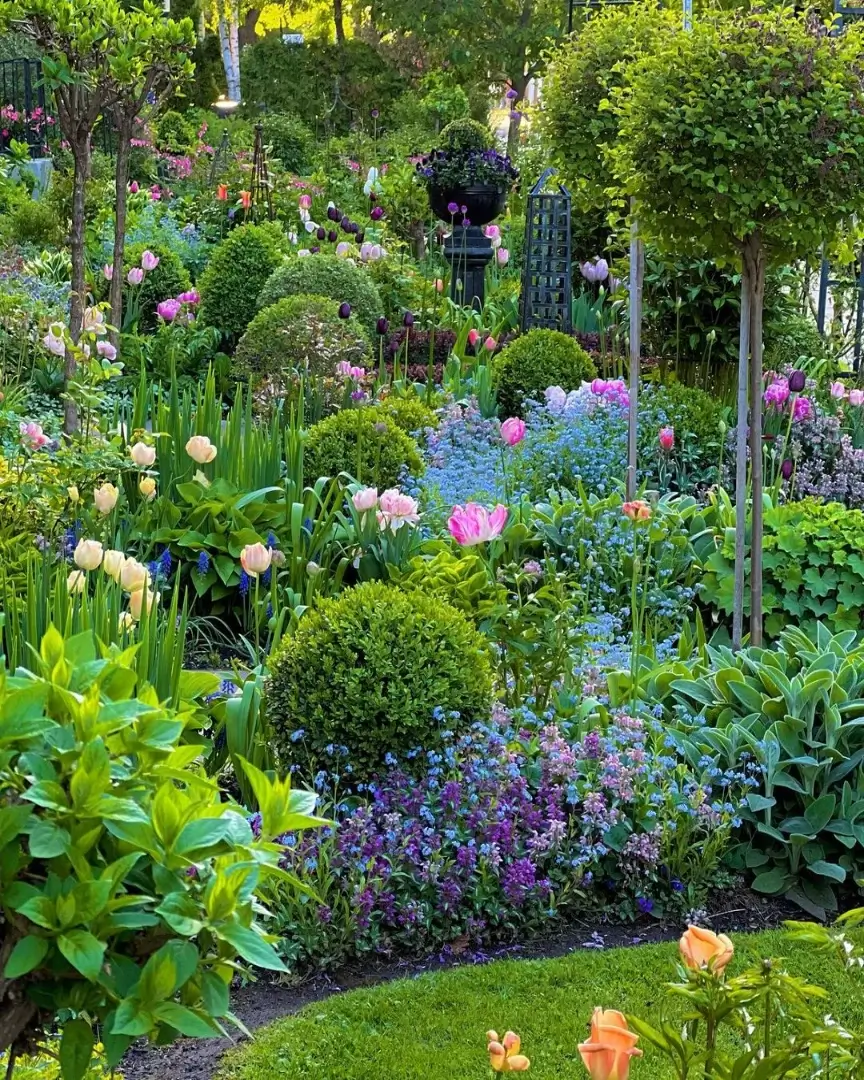
Cohesive color makes a garden feel intentional. For calm sophistication, try a monochrome palette—silvers, blues, and cool greens—layered through foliage, flowers, and even hardscape. Variegated leaves, glaucous succulents, and steel or zinc accents reinforce the mood without shouting. For more energy, build an analogous scheme (neighbors on the color wheel) like magenta–purple–blue or apricot–peach–gold; repeat hues across beds and containers to knit the space together. Use dark foliage or evergreen domes as visual commas between color bursts, and let one “hero” plant or pot carry the boldest tone. Color also steers temperature and perception: cool palettes visually expand small gardens, while warm tones advance and add coziness to open patios. Don’t forget seasonal handoffs—early bulbs echo container hues, summer perennials take the baton, and fall foliage or grasses close the show. With a clear palette, your garden photographs beautifully and feels curated from any angle.
Mirrors and Reflections to Enlarge Small Gardens
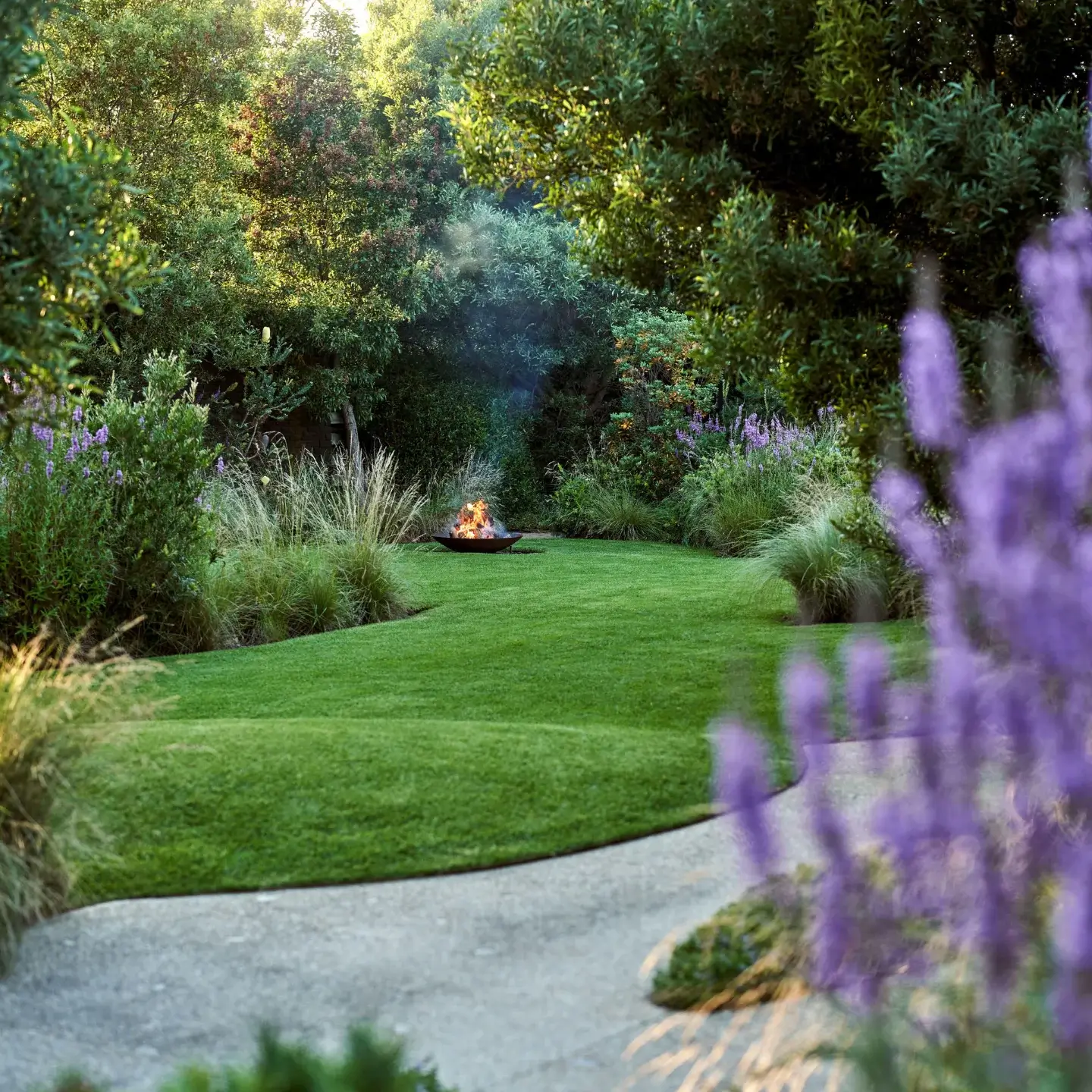
Thoughtful reflectivity can double the perceived size of a courtyard or balcony. Hang a weatherproof garden mirror on a shaded wall and frame it with climbers so it reads like a “window” into more greenery—angling it slightly downward avoids glare and protects birds. Polished steel panels, mirrored planters, or a glossy ceramic urn add subtle shimmer without feeling gimmicky. Position reflective surfaces to catch textured foliage or dappled shade rather than direct sun, and never reflect indoor windows for privacy’s sake. In narrow side yards, a sequence of smaller mirrors set between vertical plantings creates rhythmic depth. Pair reflections with a restrained material palette—repeat the same paver, gravel, or timber tone—so the illusion remains believable. Even a still, shallow reflecting bowl amplifies light under eaves or in covered entries. Used sparingly, mirrors become design tools that brighten, widen, and invite exploration—perfect for small garden design where every visual trick earns its place.
Courtyard Comfort: Fire Bowl Focus on a Gravel Carpet
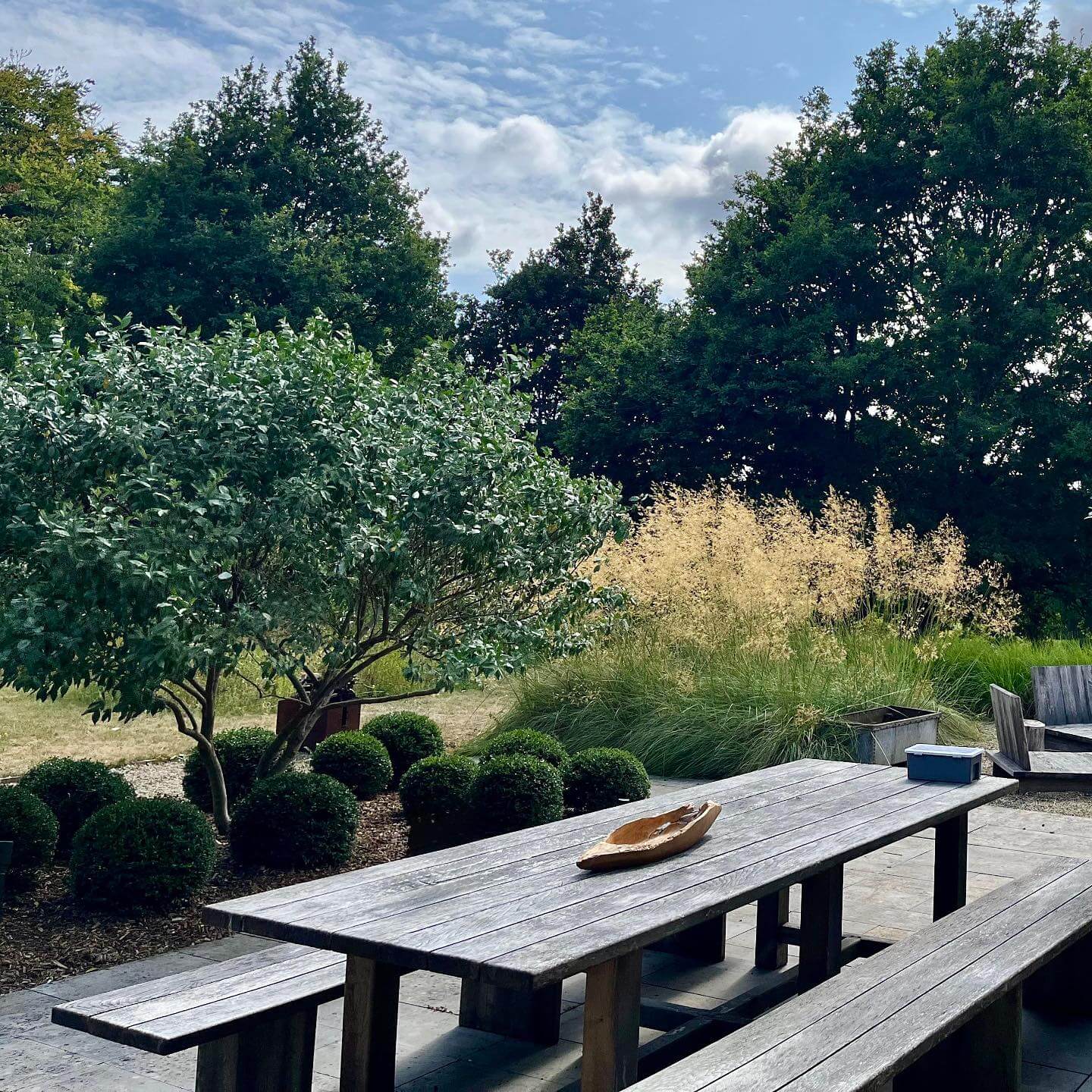
A fire bowl transforms a compact patio into a four-season lounge. Start with a noncombustible surface—decomposed granite or pea gravel—bounded by steel or stone edging for a crisp, modern frame that also drains well. Set the bowl slightly off-center to create dynamic sightlines, then arc seating around it with a mix of built-in benches and movable chairs for flexibility. Choose gas for instant ambiance and cleaner air, or a wood model where local codes permit; always maintain clearances from structures and low branches. Plant heat-tolerant, low-fuel species nearby and keep combustible mulches at a safe distance; use river rock or pavers in a safety halo. Surround the zone with evergreen structure and a few sculptural perennials for year-round interest, and add a side table cluster for mugs and small plates. With layered textures, warm light, and a tactile gravel underfoot, the courtyard becomes an evening magnet that pairs beautifully with your dining or lounge areas.
Low-Mow Lawn Alternatives for Soft, Walkable Green
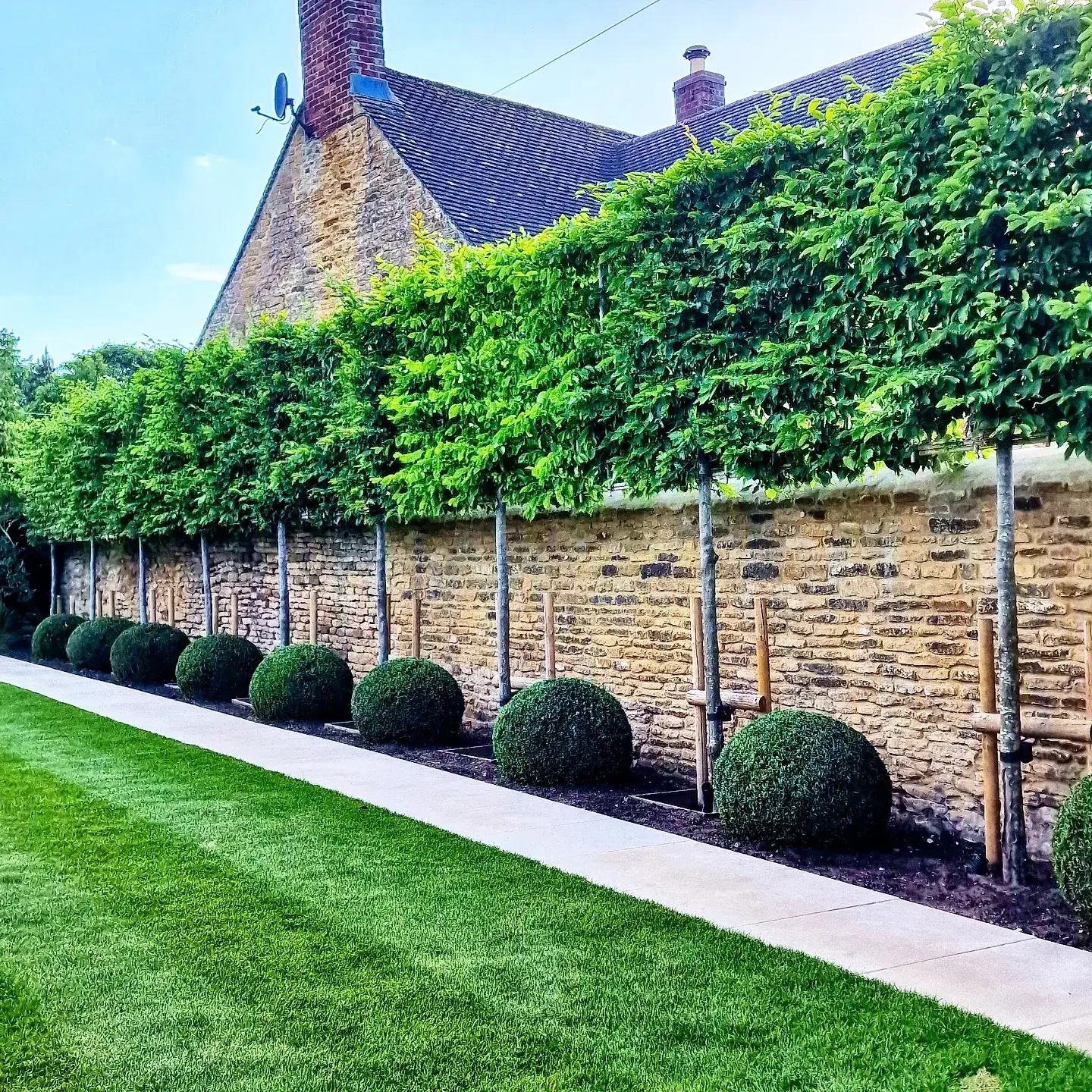
Swap thirsty turf for resilient, beautiful groundcovers that earn their keep. Microclover blends stay green with less water and fertilizer, while no-mow fescue waves softly and needs just a few trims per year. In sunny, low-traffic zones, creeping thyme or climate-suited native groundcovers form fragrant, pollinator-friendly carpets that shrug off heat. Prep is everything: remove weeds, improve soil with compost, and grade for drainage before seeding or plugging. Define edges crisply with steel or brick to signal intention and keep spreads in check. Use stepping pads where foot traffic concentrates, and mix textures—tufts of ornamental grass, spring bulbs, or a boulder or two—to avoid the “flat mat” look. Lawn alternatives reduce irrigation, chemicals, and noise, while boosting biodiversity and seasonal interest. They also integrate seamlessly with meadows, rain gardens, and gravel patios, helping your outdoor space read as one cohesive, sustainable design.
Sculptural Containers: Portable Focal Points for Patios and Entries
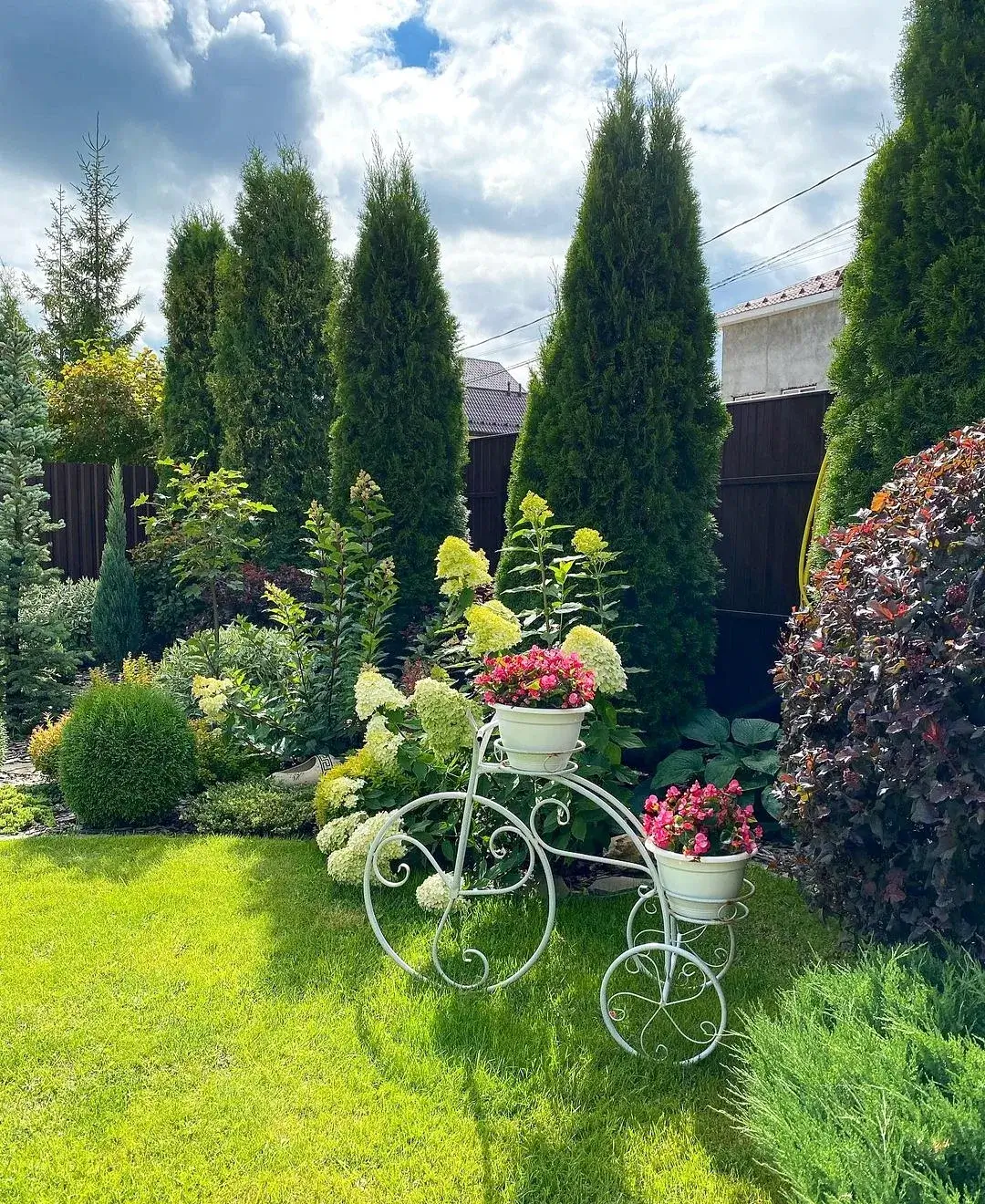
If your beds are doing the heavy lifting, let containers handle the drama. Thoughtfully placed planters act as movable architecture—defining thresholds, flanking steps, punctuating pathways, and anchoring seating areas. Start with scale: one oversize container often reads cleaner (and more modern) than a scatter of small pots. Repeat a pot material—terracotta, Corten, or glazed ceramic—to create cohesion, then vary heights for rhythm. For planting, build layered interest the listicle way: a structural “thriller” (dwarf olive, bay, Japanese maple), a textural “filler” (heuchera, dwarf grasses, coleus), and a soft “spiller” (trailing rosemary, dichondra, ivy). Choose drought-tolerant, pollinator-friendly species to align with your low-water design and rain-smart ethos.
Get the Fail-Safe Paint Color Playbook (Free PDF)
36 proven colors • 8 ready palettes • trim & sheen guide • printable testing cards.
On balconies and compact courtyards, containers deliver instant garden impact without digging—ideal for renters and small garden ideas. Use color stories from your beds to keep the palette tight, or go monochrome for calm. Elevate pots on risers for drainage, add water-holding granules or self-watering inserts, and run micro-drip to simplify maintenance. Seasonal switches keep the display fresh: evergreen bones for winter, bulbs for spring, heat-lovers for summer, and ornamental kale or pansies for fall. With good potting mix, a top-dress of compost, and a thin mulch, your portable focal points will look curated year-round—and guide the eye exactly where you want it.
Creative Garden Design Ideas with Sustainable Landscaping and Water-Wise Planting
Water-wise, sustainable landscaping begins with the site’s story—soil type, slope, microclimates, and existing wildlife corridors. Choose the right plant for the right place, prioritizing climate-adapted natives that thrive on rainfall alone. Build soil health with compost and mulch, which feed microbes, suppress weeds, and moderate temperature swings. Embrace xeriscape principles, grouping plants by water needs and minimizing thirsty lawn areas. Design for year-round interest using structural grasses, evergreen anchors, and sequential bloomers for continuous habitat. The result is a resilient garden that spends less, drinks less, and supports more life.
- Capture roof runoff in sculpted rain gardens, guide overflow through shallow swales, and replace solid paths with permeable pavers or gravel to recharge groundwater, prevent erosion, and reduce irrigation.
- Install zoned drip lines on timers, matching emitter flow to plant needs; bury tubing under mulch to cut evaporation, discourage weeds, and deliver water precisely to roots.
- Design plant palettes around drought-tolerant natives, succulents, and ornamental grasses, staggering bloom times for pollinators while contrasting textures, leaf shapes, and heights for four-season structure and movement.
- Layer habitat with nectar plants, seed heads, and evergreen cover; add a shallow birdbath with recirculating pump, bee hotel, and logs to shelter beneficial insects, amphibians, and overwintering pollinators.
- Start a compact compost system—worm bin, tumbler, or leaf-mold crate—to recycle kitchen scraps and prunings, build soil fertility naturally, and cut waste hauling while improving moisture retention.
- Source reclaimed brick, urbanite, or weathered timber for edging and seating; combine with gravel bases to promote drainage, lower embodied carbon, and add patina that matures beautifully over time.
Smart irrigation completes the picture: drip lines on timers, rain sensors, and moisture probes prevent waste while keeping roots consistently supplied. Replace vast turf with meadow mixes, groundcovers, or permeable patios that cool surfaces and invite pollinators. Capture and reuse water with rain barrels or cisterns sized to roof area, connecting overflow to bioswales. Plant shade trees strategically to lower summer heat and protect understory plantings, reducing evaporation. Practice integrated pest management—monitor, encourage predators, and spot-treat with least-toxic solutions instead of blanket chemicals. Schedule seasonal tasks—mulch top-ups, selective pruning, and compost applications—to lock in long-term performance.
Quick Answers for Visionary Gardeners
What’s the fastest way to refresh a small balcony garden?
Swap in bold container groups, add a vertical trellis, and update textiles for instant color. A timed drip kit and fresh mulch tighten care and visual polish within hours.
Get the Fail-Safe Paint Color Playbook (Free PDF)
36 proven colors • 8 ready palettes • trim & sheen guide • printable testing cards.
How can I make my garden low-maintenance without losing style?
Group plants by water needs, automate irrigation, and mulch generously to cut weeding and watering. Choose structural evergreens and long-bloom perennials for architecture and color with fewer seasonal swaps.
Do native plants really save water compared to exotics?
In most regions, climate-adapted natives establish faster and require less supplemental irrigation once rooted. They also support local pollinators and birds, strengthening ecological resilience with minimal inputs.
What budget-friendly materials add character sustainably?
Seek reclaimed brick, salvaged pavers, and weathered timber from habitat stores or demolition yards. Combine with gravel and decomposed granite for permeable, durable paths that look timeless and reduce runoff.
Final Verdict: Designing a Living, Lasting Outdoor Sanctuary
A garden that feels effortless starts with intention: define a focal point, layer textures for four-season interest, and repeat materials, colors, and forms to create a cohesive flow. Whether you’re weaving in vertical gardens, drought-tolerant plantings, edible borders, or a compact water feature, prioritize soil health, smart irrigation, and climate-appropriate species for long-term success. Thoughtful touches—gravel paths that guide movement, layered outdoor lighting, living privacy screens, and mirrors to visually expand space—turn any footprint into a personal retreat that’s beautiful, functional, and sustainable.
Start small and strategic: anchor one zone with a pergola, fire bowl, or sculptural container, then build outward with native meadow moments, shade-garden pockets, and low-mow lawn alternatives. Let your garden evolve through the seasons—observe sun, wind, and water, edit what underperforms, and refresh with container vignettes that pivot your palette on demand. With rain gardens to steward stormwater, pollinator-friendly planting to boost biodiversity, and materials you can upcycle or source locally, you’ll cultivate a landscape that restores you daily and stands resilient for years to come.
Get the Fail-Safe Paint Color Playbook (Free PDF)
36 proven colors • 8 ready palettes • trim & sheen guide • printable testing cards.