
Creative Planter Ideas That Instantly Elevate Your Home & Garden (No Green Thumb Required)
Plants don’t just live in your space—they style it. With the right planter, a humble pothos becomes a statement, a balcony feels curated, and a front porch gains instant curb appeal. This guide gathers clever, creative planter ideas that work indoors and out, from sleek modern moments to rustic, boho charm.
Whether you’re working with a sunny windowsill, a compact balcony, or a sprawling patio, you’ll find DIY-friendly, small-space solutions that blend beauty with plant health. Think upcycled containers, vertical displays, self-watering hacks, and budget-savvy materials that still look designer.
Get the Fail-Safe Paint Color Playbook (Free PDF)
36 proven colors • 8 ready palettes • trim & sheen guide • printable testing cards.
We’ll balance form and function—choosing vessels that suit your light, drainage, and watering habits—while showing you how to mix heights, textures, and colors for layered, living decor. Get ready to transform everyday corners into lush vignettes, sustainably and in style.
Upcycled DIY Planters for Sustainable Style and Standout Container Gardening
Upcycled planters transform everyday castoffs into character-rich vessels that reduce waste while stretching your decor budget. Start by assessing candidate containers—colanders, enamel teapots, paint cans, drawers, and toolboxes—for volume, stability, and weight when saturated. Drill or punch drainage holes where safe, then add mesh or coffee-filter liners to prevent soil loss without clogging. For metal or wood, apply a rust-inhibiting primer or penetrating sealer, prioritizing food-safe products if you’ll harvest edibles. Match potting mix to plant needs: gritty blends for succulents, moisture-retentive mixes for annuals and herbs, and orchid bark for epiphytes. Finally, coordinate the container’s patina with plant texture and bloom color so the ensemble reads intentional, not accidental.
- Vintage Colander Herb Pot: Perforations become perfect drainage; line with mesh, add compost-rich mix, and grow basil, parsley, and thyme for a kitchen vignette with rustic, functional charm.
- Tin Can Succulent Tower: Stack painted cans on a dowel, drill tiny drain holes, fill gritty mix, and stagger rosette succulents for a compact, sculptural statement that loves bright windowsills.
- Boot Planter Porch Pair: Waterproof old rain boots, add pebble layer, plant marigolds or petunias, and weight toes with stones to prevent tipping during wind, creating whimsical curb appeal instantly.
- Wine Crate Salad Box: Reinforce corners, staple landscape fabric, fill with rich potting blend, and sow cut-and-come-again lettuce, radishes, and chives for a portable, rustic micro-kitchen garden.
- Terra-Cotta Shard Mosaic: Repair a cracked pot using exterior adhesive, add mosaic shards around fractures, then seal; the artful patchwork spotlights trailing ivy or calibrachoa while preserving beloved containers.
Mind safety and provenance: avoid vessels that stored chemicals, and line galvanized or copper containers to prevent leaching and root burn. Prep surfaces meticulously—sand, prime, and finish with exterior enamel or marine varnish to survive rain and UV. Compose plantings using the thriller–filler–spiller formula, pairing upright grasses, mounding begonias, and trailing bacopa for balanced silhouettes. Use color echoes—repeat a glaze fleck in foliage veining—or contrast matte, neutral containers with neon calibrachoa for high-energy porches. Put saucers or risers under heavy pieces to protect decks, and schedule deep, infrequent waterings that soak the root zone without pooling. Refresh seasonally, swapping cool-weather pansies and kale for heat-loving zinnias and sweet potato vine as conditions shift.
Layer Up: Tiered Planter Stacks for Instant Vertical Interest
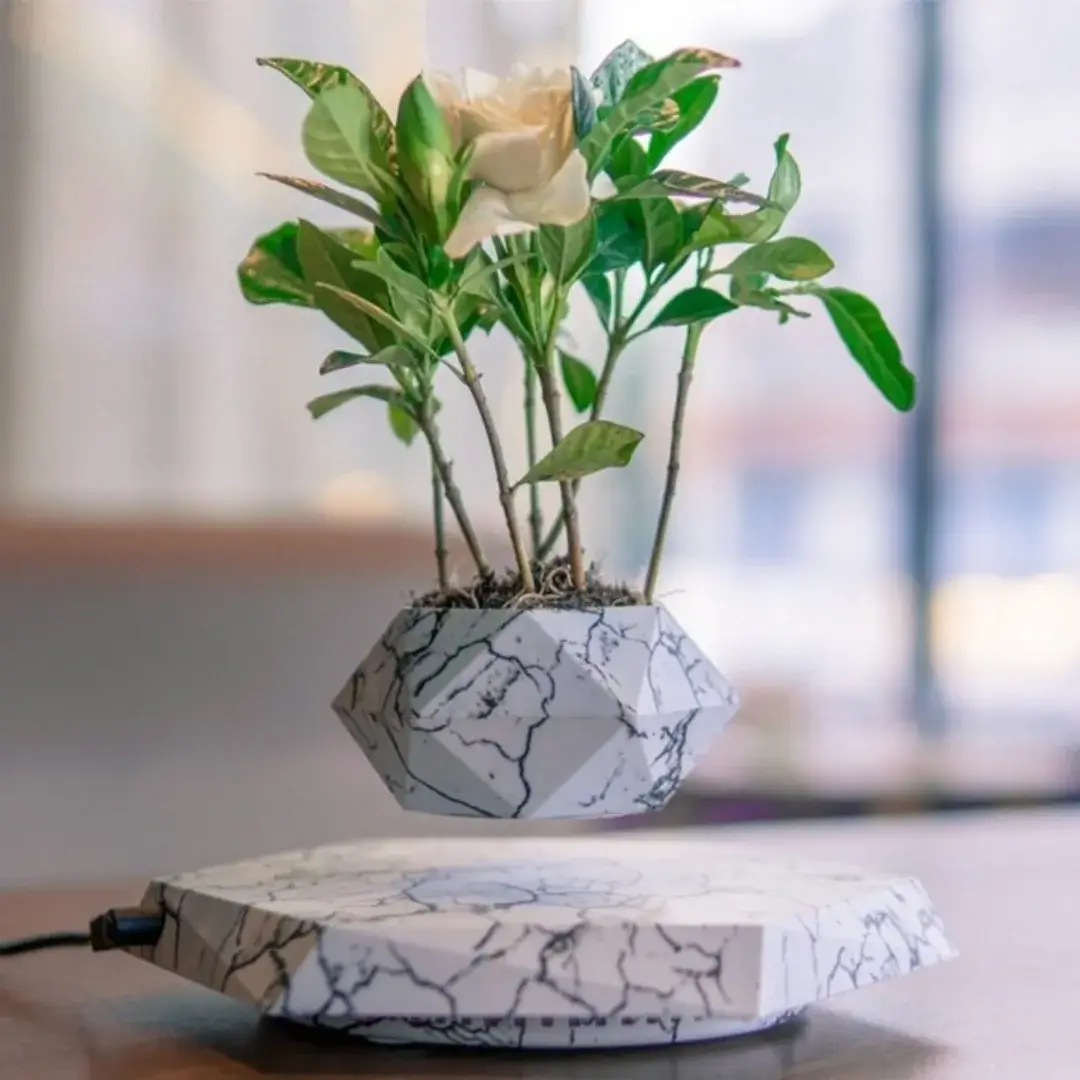
When floor space is limited, think vertical. A tiered planter stack (using nesting stools, step ladders, or a multi-level plant stand) multiplies your greenery without crowding walkways. Vary pot sizes and heights so each plant catches light, and arrange by the classic thriller–filler–spiller formula: a structural “thriller” up top (dracaena, snake plant), full “fillers” mid-tier (pothos, peperomia), and trailing “spillers” low (string of pearls, ivy). Indoors, nest nursery pots inside cachepots with saucers to protect floors; outdoors, elevate pots on risers to keep drainage flowing and avoid stains. Stick to a cohesive palette—terracotta for warmth, matte black for modern, or a mix of natural textures like wood and rattan—to keep the vignette intentional, not cluttered. For low-light corners, choose ZZ plants and philodendrons; sun-drenched patios suit herbs and succulents. Rotate the entire stack seasonally so each plant gets its best seat in the house. The result is a sculptural, small-footprint garden that feels curated from every angle—proof that smart height play is one of the most creative planter ideas for both apartments and patios.
Charming Upcycles: Colanders, Teapots & Tins as Planters
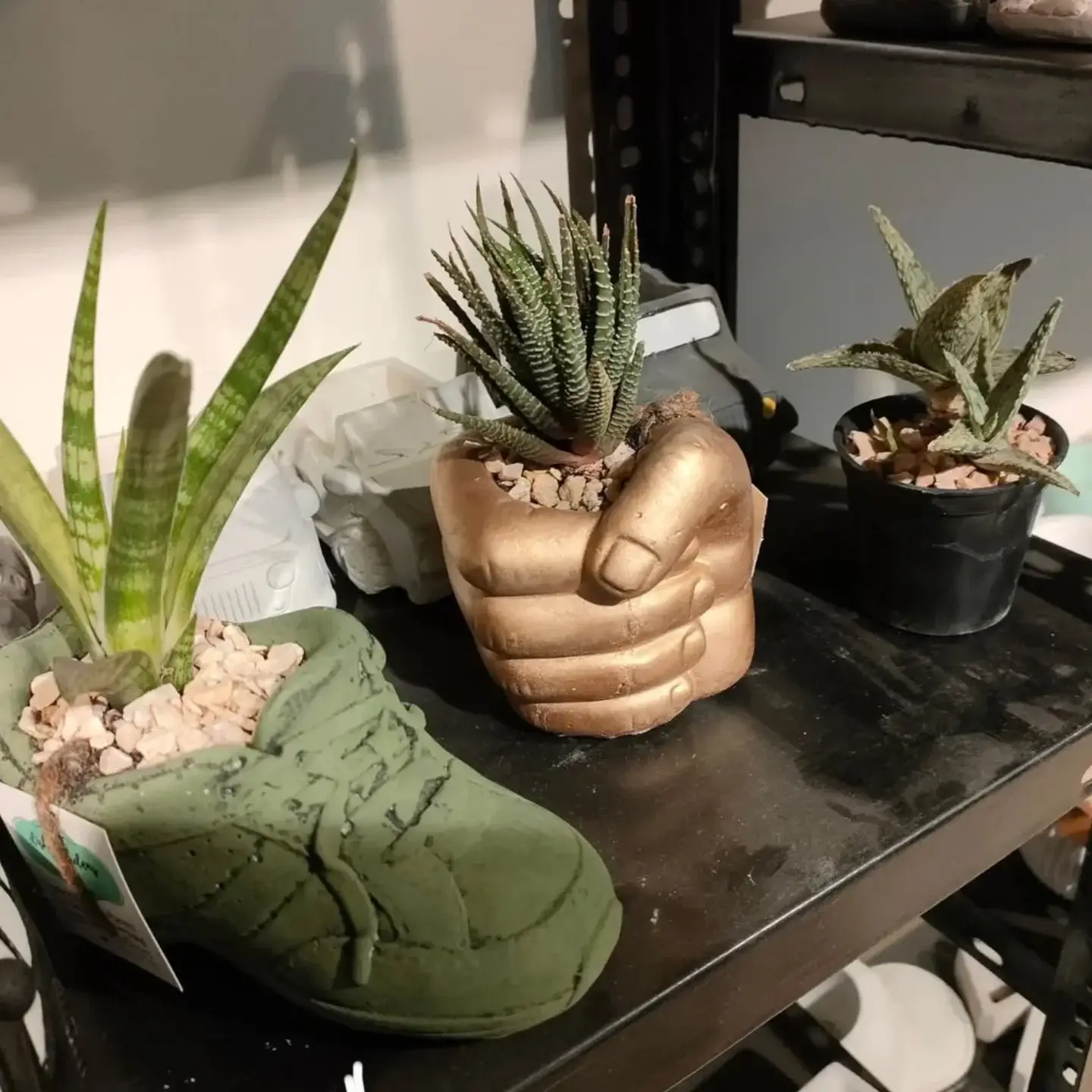
Upcycled planters add personality and keep waste out of landfills—win-win. Colanders come pre-perforated for perfect drainage (just line with mesh or coffee filters to hold soil), while vintage teapots, cookie tins, and enamelware make whimsical cachepots for nursery pots. If using a vessel without holes, drill 3–5 small ones and add a thin gravel layer; for no-drill antiques, keep the plant in a plastic grow pot and drop it inside, removing to water. Choose herbs, trailing pothos, or compact succulents for smaller containers, and balance eclectic pieces with a consistent color story (all brass, all white enamel, or pastel pops) so the display reads cohesive. Prevent rust with a clear sealant and protect shelves with cork pads. Upcycled kitchenware shines on windowsills, open shelving, or a breakfast nook, bringing cottage charm to everyday corners. It’s budget-savvy, conversation-starting, and endlessly customizable—precisely the kind of creative planter idea that turns ordinary objects into living decor. Bonus: swap plants seasonally without replanting by keeping the “cachepot” concept, which simplifies care and keeps patinaed pieces pristine.
Set-and-Forget Hydration: Simple Self-Watering Planters
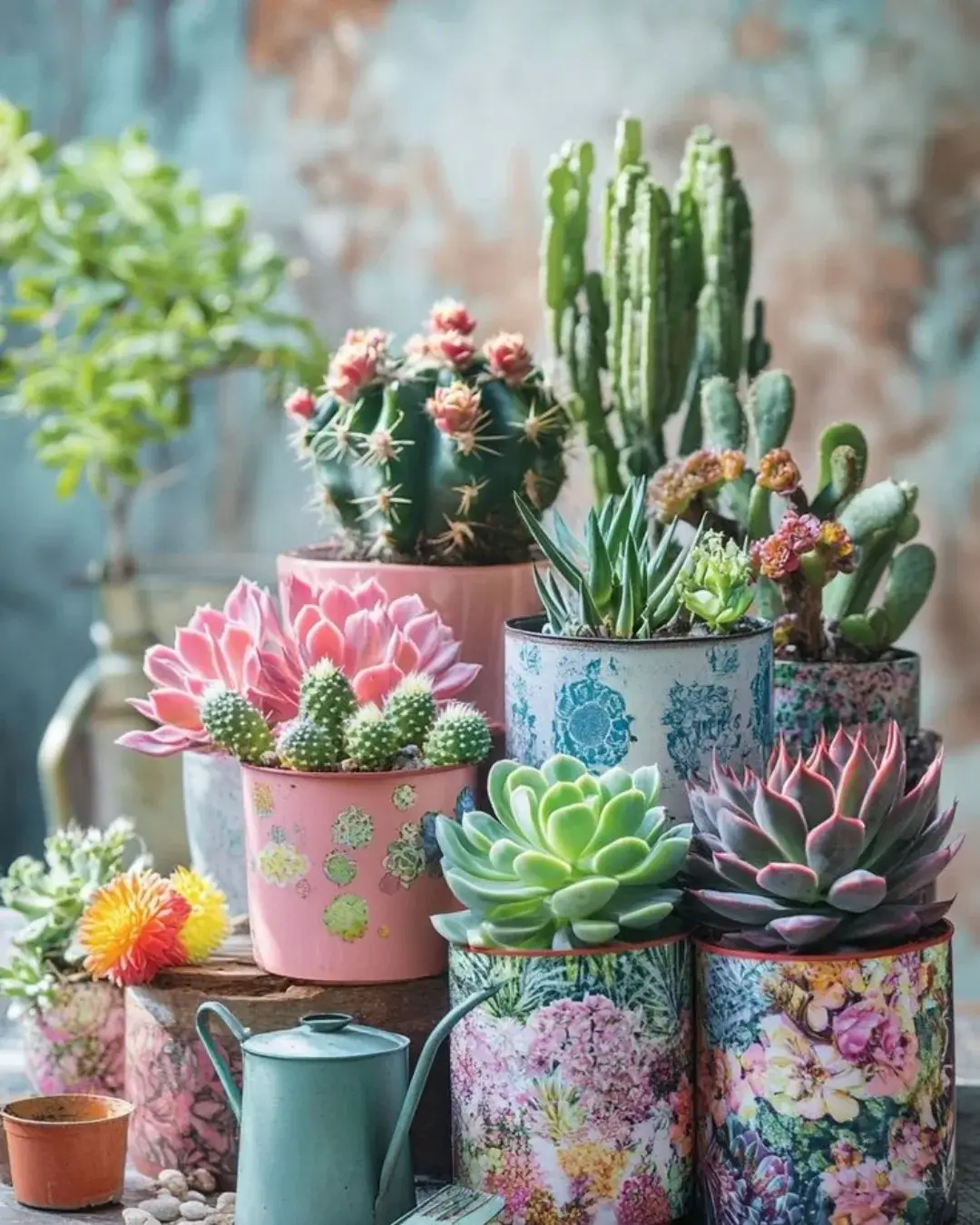
If inconsistent watering is your plant’s nemesis, build in a buffer. Self-watering planters use capillary action—via a wick, LECA, or a reservoir—to deliver steady moisture to roots. Easiest hack: place a nursery pot over a hidden water reservoir (a second pot or jar) with a cotton wick threaded up through the drainage holes. For larger containers, install a sub-irrigated planter (SIP) insert or create one with perforated cups and a fill tube; a water-level indicator takes out the guesswork. Pair thirsty species like peace lilies, calatheas, and herbs with this setup, and use an airy mix (potting soil + perlite) so oxygen still reaches roots. Indoors, this reduces overwatering and fungus gnats; outdoors, it buys you extra days between refills on hot patios. It’s a sleek, low-maintenance upgrade that preserves design freedom—use any outer planter you love as the cachepot while the hidden system does the work. Sustainable, stress-free, and ideal for busy schedules, self-watering planters keep foliage plump and vibrant so your creative planter ideas look lush with minimal effort.
Textured Warmth: Woven Basket Planters (That Don’t Mold)
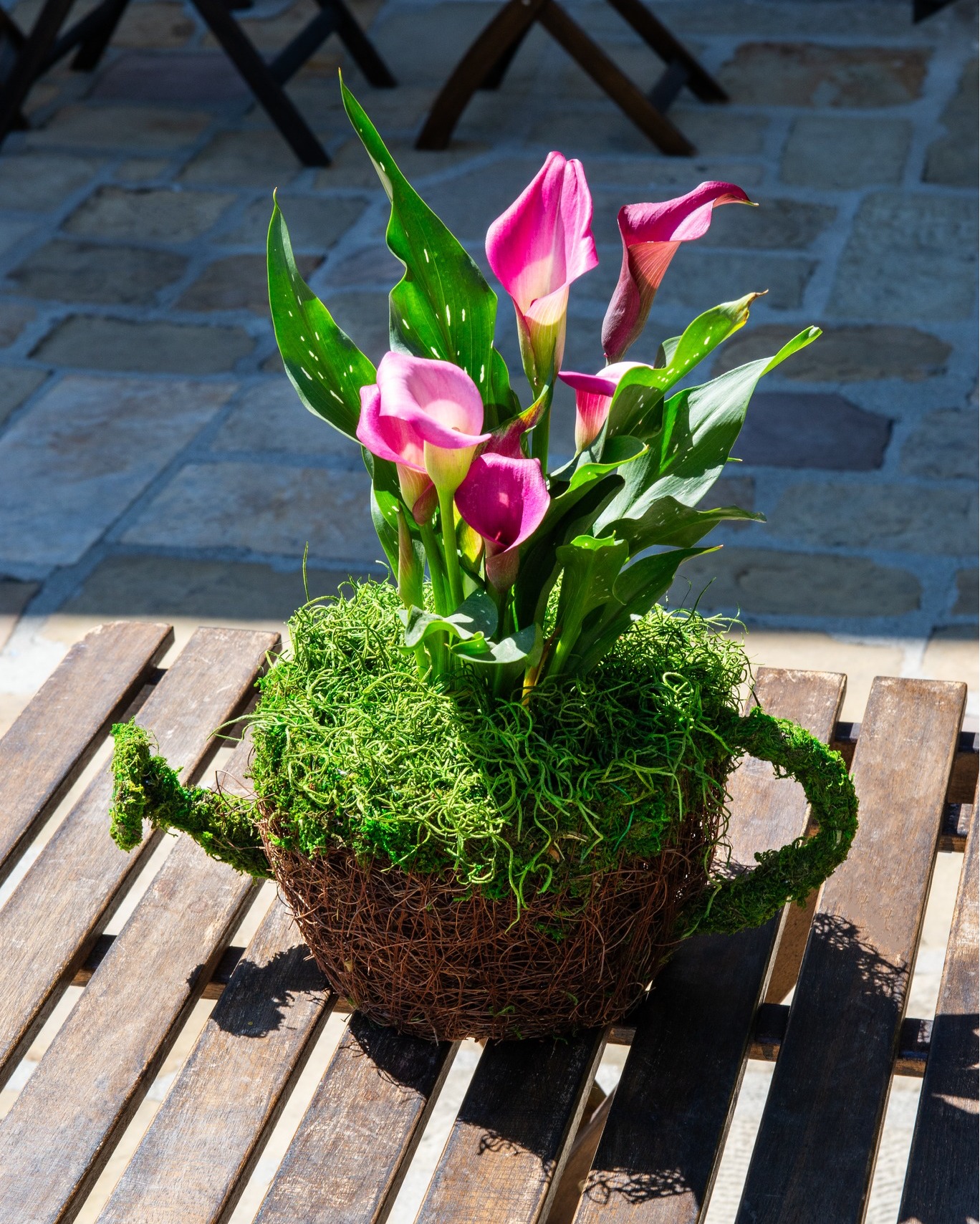
Woven baskets bring instant warmth and boho texture to a room—but they need smart lining to last. Treat baskets as decorative cachepots: keep plants in plastic nursery pots with proper drainage, then drop them inside. Add a waterproof liner or thick plastic saucer, and lift the inner pot on small risers so any excess water doesn’t sit against the fiber and cause mildew. For larger statement plants (parlor palm, monstera, rubber tree), choose baskets with sturdy handles and a flat base. Layer tactile contrasts—jute, rattan, seagrass—next to smooth ceramics and leafy greens for a designer mix. Outdoors on a covered porch, use coco liners or sphagnum moss to protect baskets and allow airflow; bring them in during heavy rain. Stick to an earthy palette so foliage stays the hero, and group in odd numbers to create a cozy vignette by a sofa, bed, or entry. This approach nails form and function: all the organic charm of baskets, none of the mess—making it a go-to creative planter idea for renters and homeowners alike.
Small-Balcony Hero: Rail & Window-Box Planters for Herbs
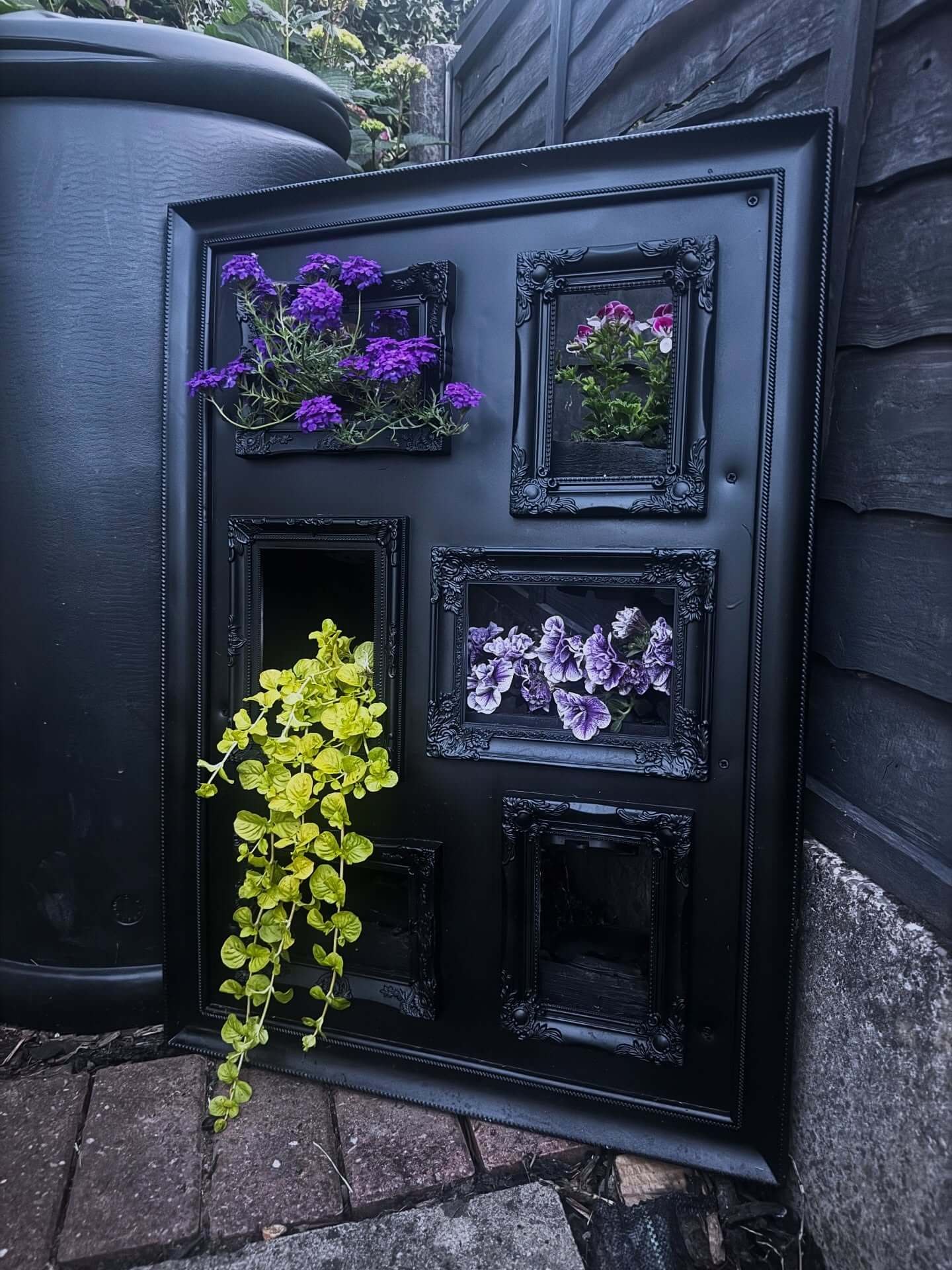
Maximize micro spaces with clamp-on rail planters and slim window boxes. These containers free up floor area while keeping culinary herbs right where you cook. Choose sun lovers like basil, thyme, and rosemary for south-facing exposures; mint and parsley prefer partial shade. Ensure stability with brackets rated for your railing type and use lightweight potting mix amended with perlite for drainage. Add a water reservoir insert or line the bottom with a thin layer of LECA to reduce daily watering in summer. Stagger heights by pairing a narrow window box with a hanging herb basket to create depth without crowding. For privacy and pollinators, mix in compact flowers like calendula or nasturtiums—edible, cheerful, and bee-friendly. Indoors, a narrow sill planter under a bright window mimics the same effect. Keep shears handy and harvest often to encourage bushy growth. The result is a space-saving, fragrant garden that turns a simple railing into hard-working square footage—exactly the kind of creative planter idea that elevates city balconies and cottage windows alike.
Designer on a Dime: DIY Faux-Concrete Planters
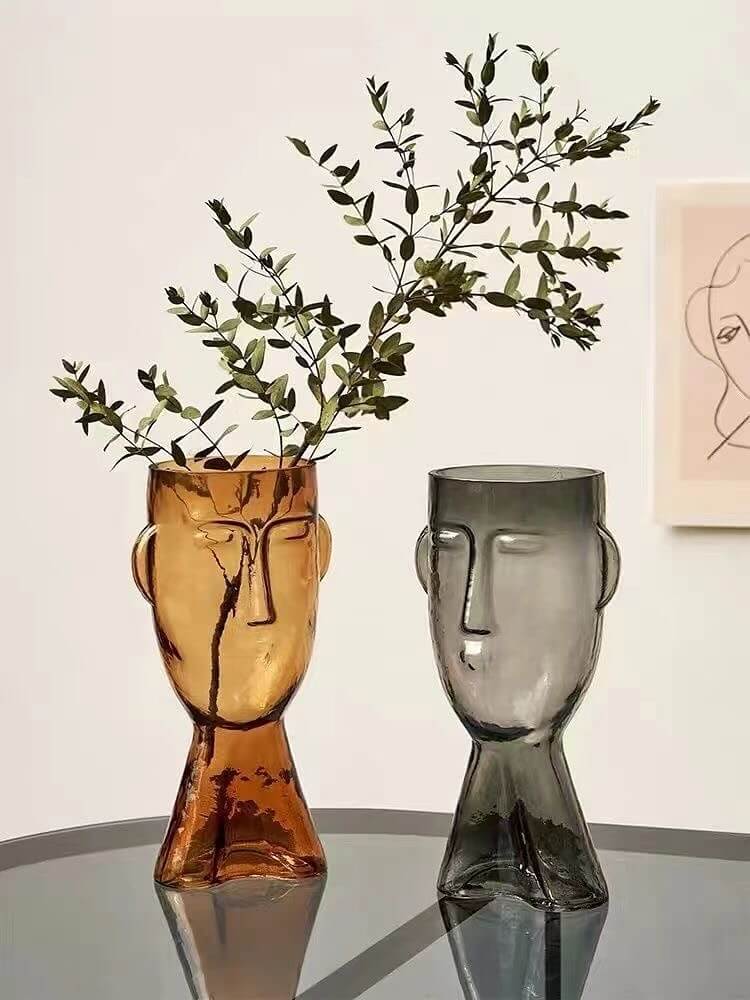
Crave the sculptural look of concrete without the cost or weight? Fake it. Transform basic plastic, terracotta, or thrifted vessels with a faux-concrete finish using baking-soda paint, cement slurry, or limewash. Start with a matte base coat in warm gray, stipple on texture with a sponge, then dry-brush lighter tones to mimic aggregate. Seal with a breathable topcoat so planters remain plant-safe. Pair these “concrete” pots with architectural foliage—sansevieria, bird of paradise, or cacti—for a gallery-like vibe, or soften the look with airy ferns and trailing philodendron. Group varying cylinder heights for a modern tableau by a sofa or on a patio. Outdoors, elevate on feet to prevent moisture rings; indoors, use felt pads and saucers. This DIY stretches your budget, keeps plastic out of landfills, and aligns with a neutral, minimalist palette that highlights green textures. It’s a high-impact, low-cost creative planter idea that reads custom and designer—no heavy lifting required.
Shelf Styling 101: The Plant Shelfie That Grows
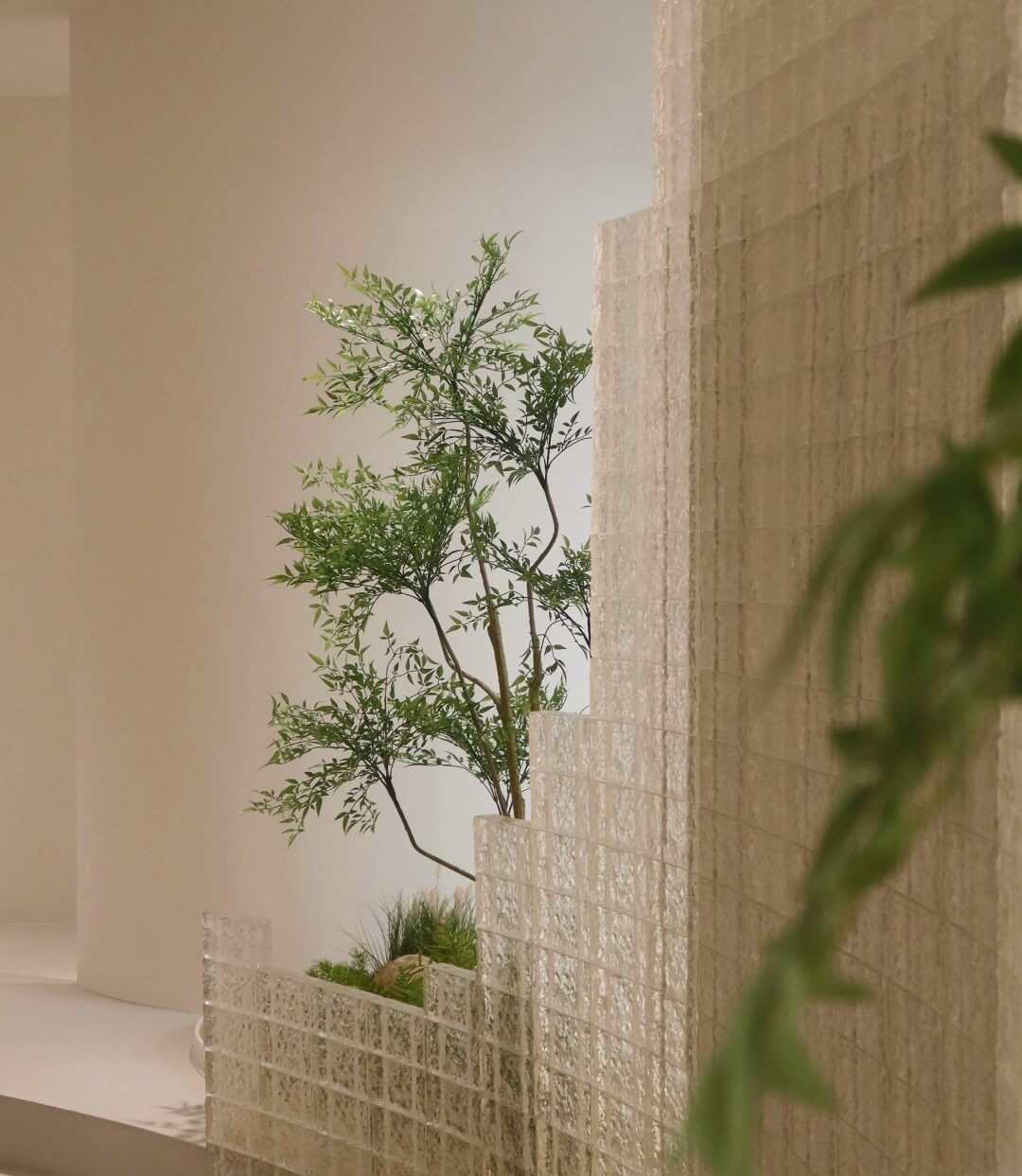
A well-edited plant shelf turns a blank wall into living art. Anchor the composition with one or two upright plants (rubber plant, ZZ) in medium planters, then weave in trailing varieties (scindapsus, string of hearts) to cascade over edges. Mix materials—glazed ceramic, raw terracotta, matte metal—for visual rhythm, and repeat colors or shapes for cohesion. Leave negative space so foliage can expand; future-proof by choosing adjustable brackets or modular shelves. Light is key: place the shelf near a bright window or add discreet grow bars under each tier. Rotate plants monthly and dust leaves for healthy shine. For drainage, keep plants in nursery pots and use decorative covers; add pebble trays to boost humidity without wet shelves. A few non-plant objects—books, a sculptural candle, a framed print—keep it styled, not jungle-chaotic. This approach balances form and function, creating a scalable, low-maintenance vignette that matures beautifully. As creative planter ideas go, a curated shelfie is both design-forward and deeply practical for renters and small spaces.
Welcome Home: Statement Entryway Planters You Can Swap Seasonally
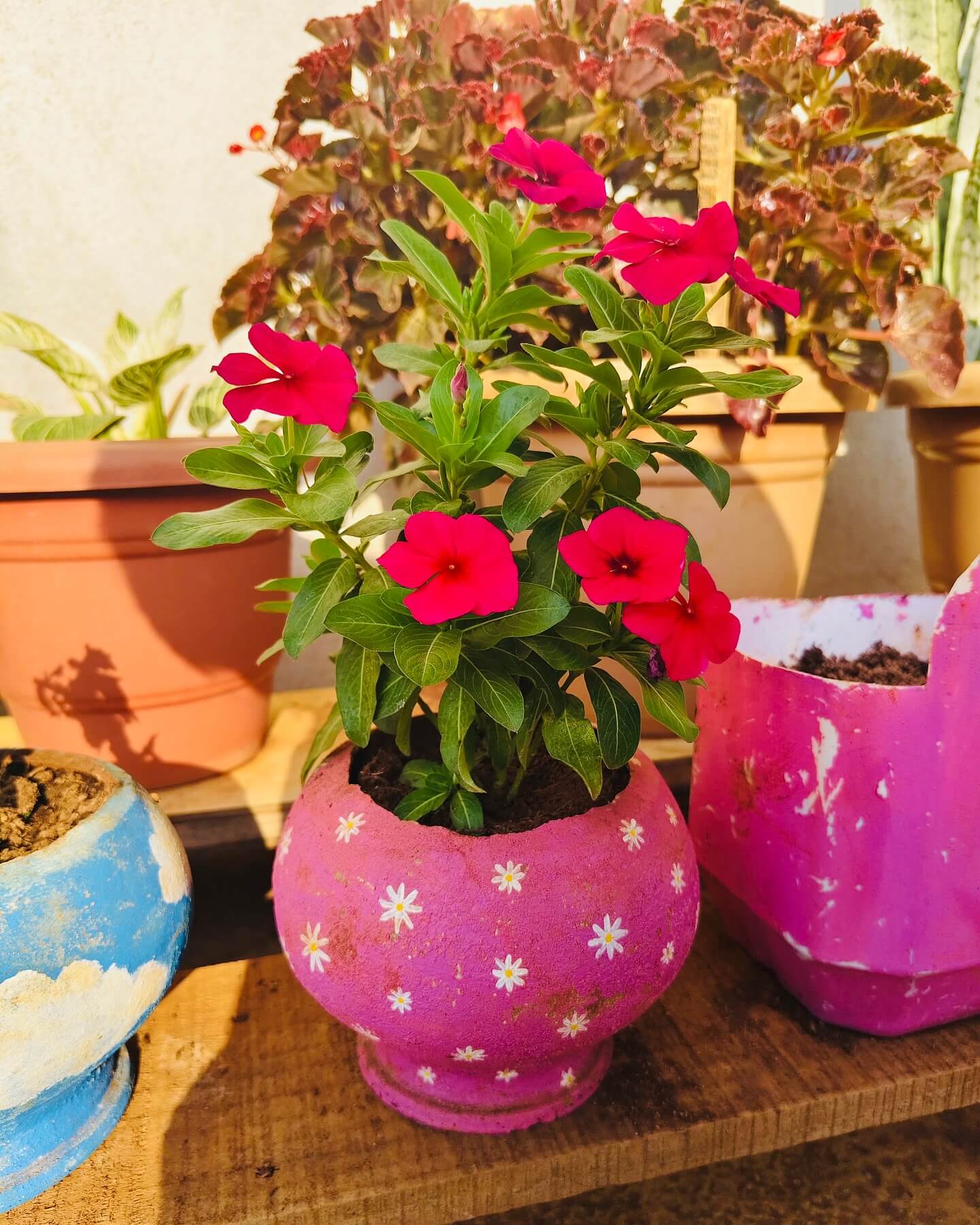
Flank your front door with tall, sculptural planters for instant curb appeal. Choose weatherproof fiberstone or resin to keep weight manageable, and insert inner nursery pots so swaps are easy. Use the thriller–filler–spiller formula: an evergreen thriller (boxwood, dwarf arborvitae) for year-round structure; fillers like heuchera or pansies for color; and spillers (creeping jenny, ivy) to soften edges. In summer, switch to sun-loving annuals; in winter, tuck in cut branches, pinecones, and LED stakes for glow. Elevate each planter slightly on risers to prevent staining and ensure drainage. Color-coordinate with your door hardware—charcoal, sand, or soft white feel timeless—or go bold to make a statement. Keep a watering can with a long spout by the entry and use slow-release fertilizer for steady growth. This flexible setup keeps your porch fresh every season while protecting your investment pieces. It’s a polished, practical creative planter idea that greets guests with style before they’ve even knocked.
Propagate & Play: Mini Planters and Bud Vases as Living Accents
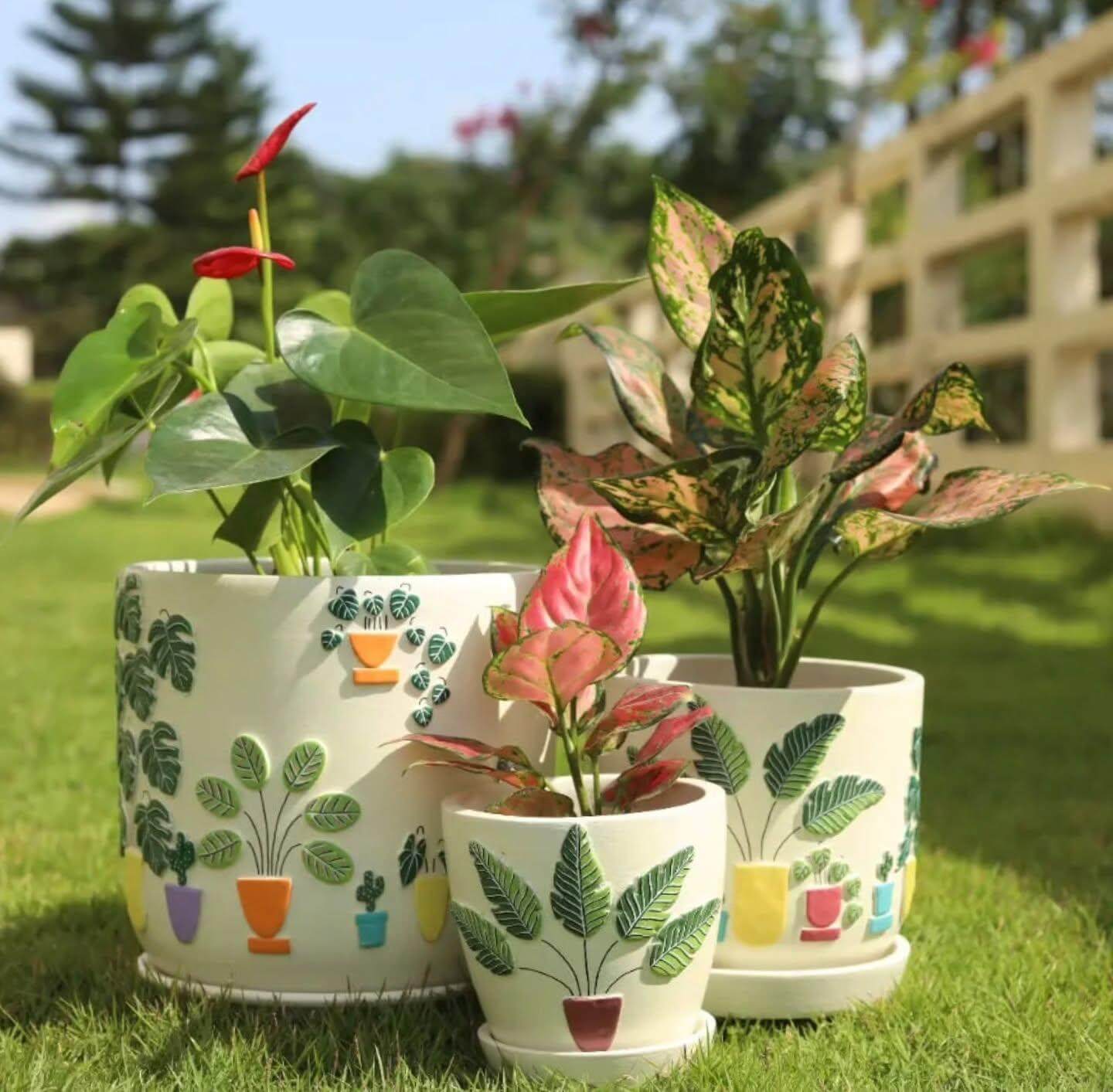
Small-scale planters are the secret to styling tight corners, mantels, and desks. Use propagation stations and bud vases to root pothos, monstera, or tradescantia cuttings—instant greenery that doubles as decor. Cluster mini ceramics, thrifted tea cups, or tiny terracotta pots in odd numbers, mixing matte and glossy finishes for texture. Keep care simple: change water weekly for cuttings, add a drop of liquid fertilizer monthly, and pot up once roots are 2–3 inches long. For soil-planted minis, choose slow growers (haworthia, baby rubber plant) and an airy mix to avoid soggy roots. Scatter these accents on book stacks, bathroom ledges, or a kitchen tray for organic movement through your home. The micro scale invites experimentation—swap vessels seasonally, test new varieties, and propagate gifts for friends. As creative planter ideas go, minis are low-risk, high-reward, and incredibly adaptable to your evolving style.
Go Mobile: Rolling Planter Caddies for Sun-Chasing Greenery
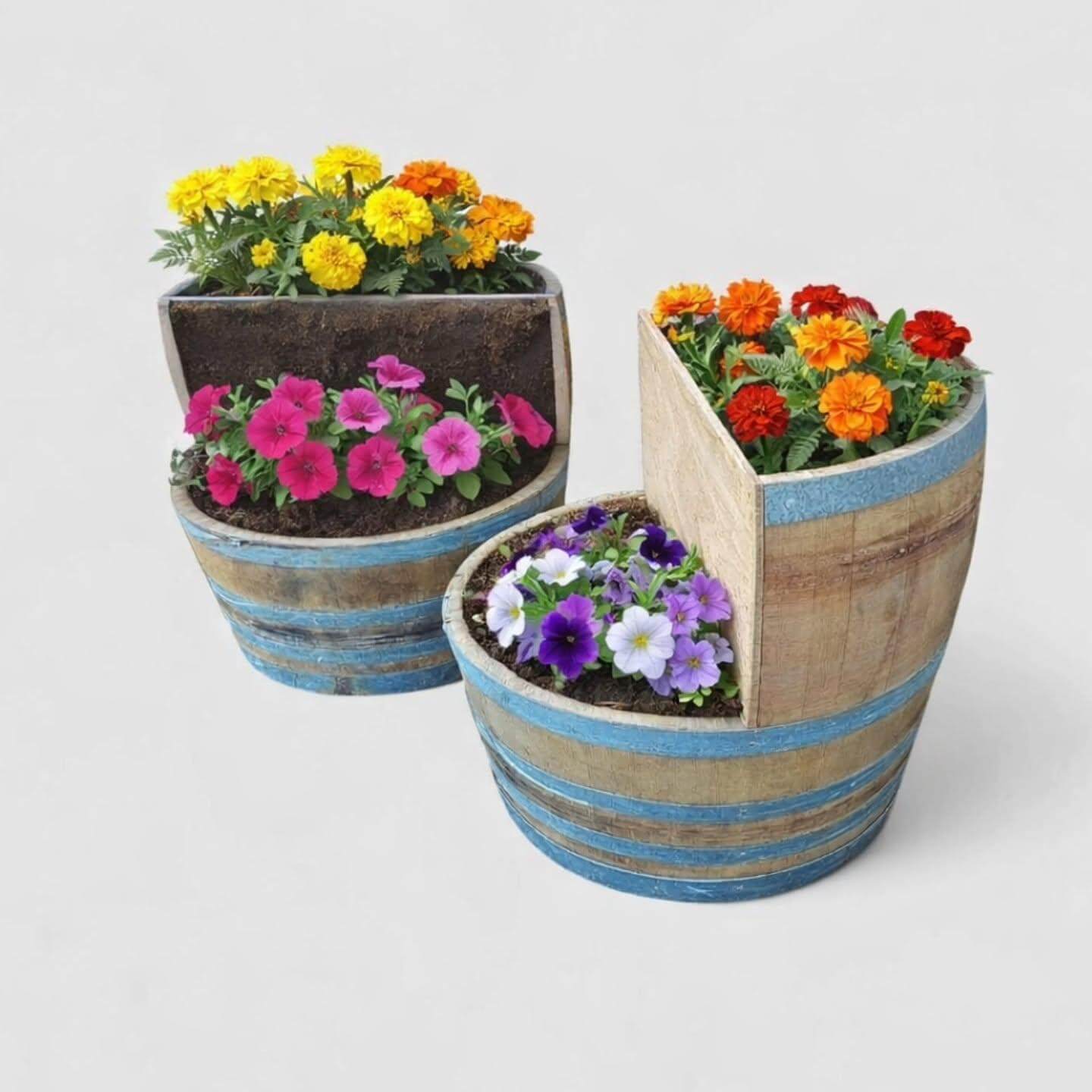
Make your garden flexible with wheeled caddies and lightweight containers. Rolling bases under large planters let you chase sunlight indoors, rearrange patio layouts for gatherings, and whisk tender plants inside before a cold snap. Choose lockable casters, rust-proof hardware, and a diameter that matches your pot base; for heavyweights, pick steel-frame dollies or add two caddies per trough planter. Pair with self-watering inserts to cut down on manual labor, and use saucers or drip trays to protect floors. In small spaces, mobility equals versatility—slide a fiddle leaf to brighter winter windows, roll herbs toward the grill at dinnertime, or rezone your balcony for morning yoga. Stick to a cohesive container palette so frequent moves still look intentional. This smart, lifestyle-first upgrade is a quietly brilliant creative planter idea: same plants, more options, better growth.
Get the Fail-Safe Paint Color Playbook (Free PDF)
36 proven colors • 8 ready palettes • trim & sheen guide • printable testing cards.
Hang High: Ceiling & Wall Planters That Free Your Floors
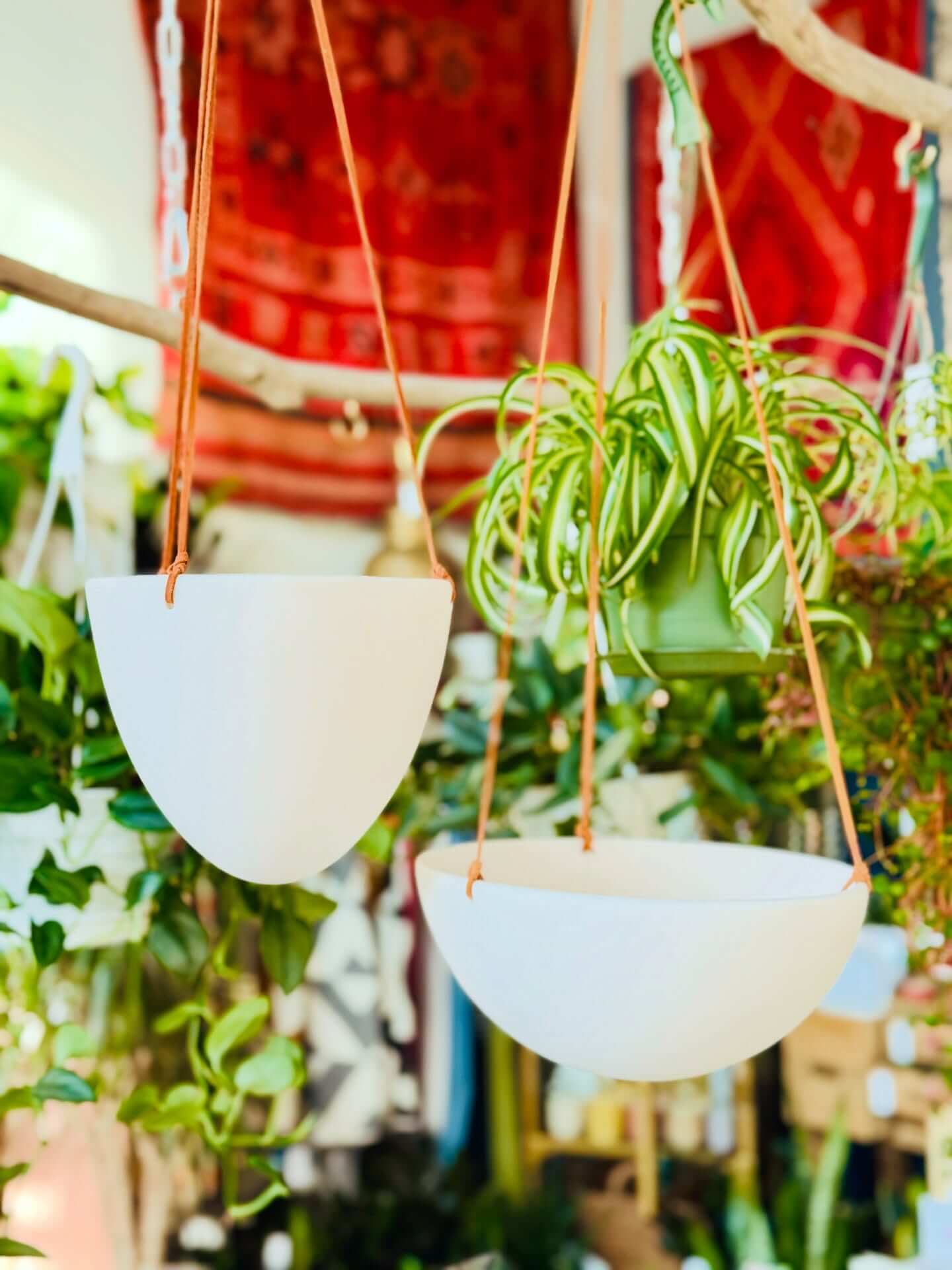
If you’re short on square footage, go vertical—ceiling and wall planters add lush layers without sacrificing living space. Macramé slings, sleek metal rings, and modular wall pockets all create airy movement that trailing plants love. For renter-friendly installs, look for tension rods in window frames or wall grids that hang from two studs; always check weight ratings and use proper anchors. Keep watering tidy with inner grow pots and catch trays, or choose coco liners that allow quick drainage. Styling tip: repeat the same planter finish (brass, matte black, or natural cotton) in varied sizes to feel intentional, not busy. Mix textures—feathery ferns, structured hoya, string-of-pearls—for depth and a soft “curtain” effect. In bright windows, shift thirstier plants outward and drought-tolerant varieties closer to the glass to prevent scorch. A narrow squeeze bottle or pump mister makes maintenance simple. This is one of those creative planter ideas that doubles as living art, adding rhythm and height where your room needs it most. Outdoors, a trio of wall planters flanking a door frames the view and boosts curb appeal without crowding the stoop.
Soft Geometry: Oversized Sphere & Egg Planters for Modern Calm
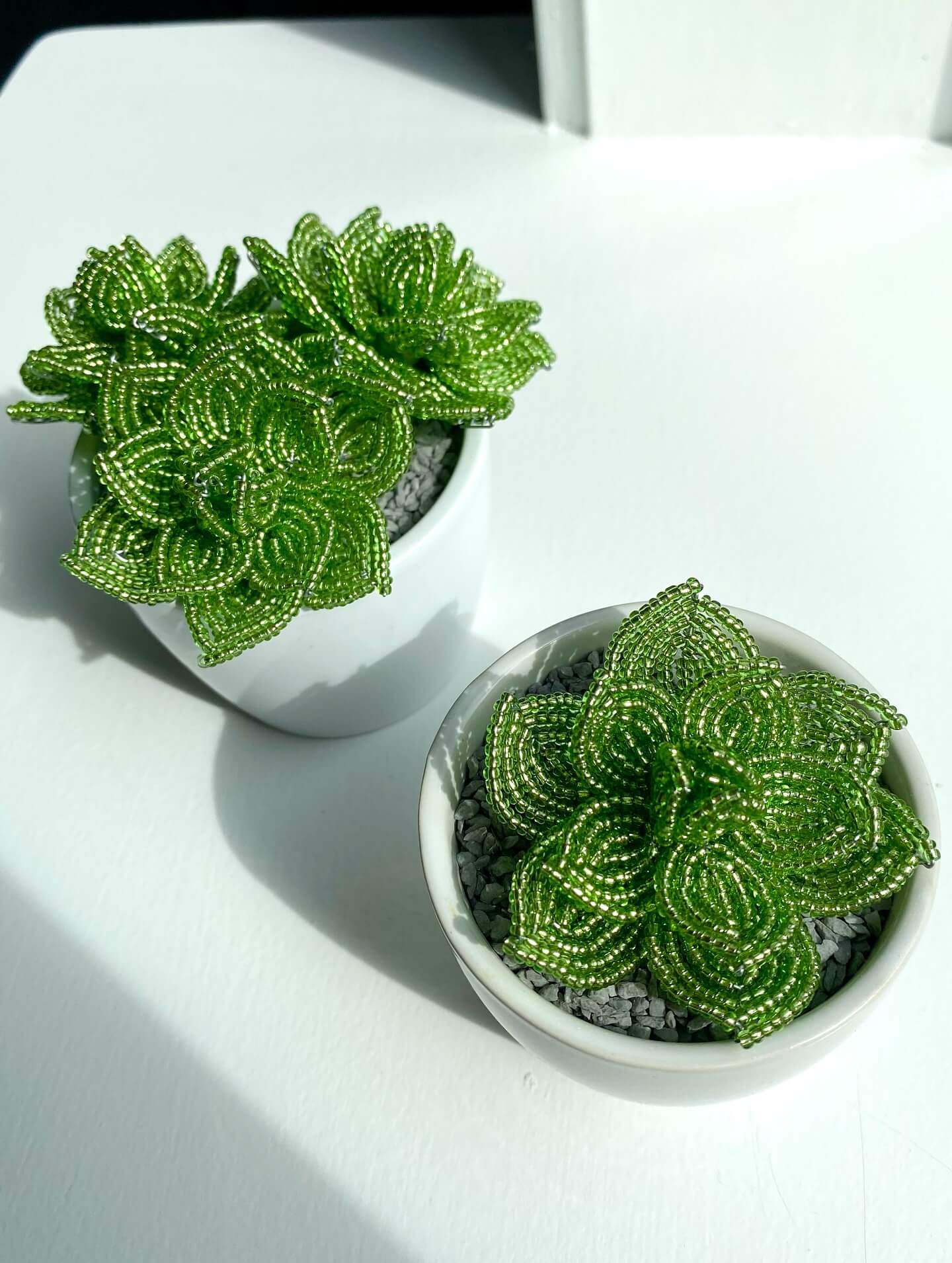
Round, sculptural planters instantly soften hard lines and introduce gallery-worthy calm to porches and living rooms alike. Egg and sphere silhouettes in fiberstone or lightweight concrete offer the look of stone without the backache. Scale is key: choose one large focal pot, then echo it with two smaller companions for a cohesive cluster. Use the pot-in-pot method—place your plant in a nursery liner inside the decorative vessel—so you can rotate, upsize, and manage drainage easily. To reduce soil volume and weight in extra-large planters, fill the bottom third with inverted nursery pots or foam blocks, then add a gritty, well-draining mix (pumice + compost + bark). Neutral finishes (bone, clay, charcoal) act like a timeless base for seasonal swaps—swap a sculptural sansevieria for winter, then a tropical bird-of-paradise for summer. Outside, elevate spheres on discreet pot feet to prevent staining and improve airflow. Indoors, pair the rounded forms with linear furniture for balanced contrast. This modern planter idea reads designer but remains practical, spotlighting the plant’s architecture and leaving visual breathing room around it.
Color-Dipped Terracotta: Limewash & Paint Tricks That Look Designer
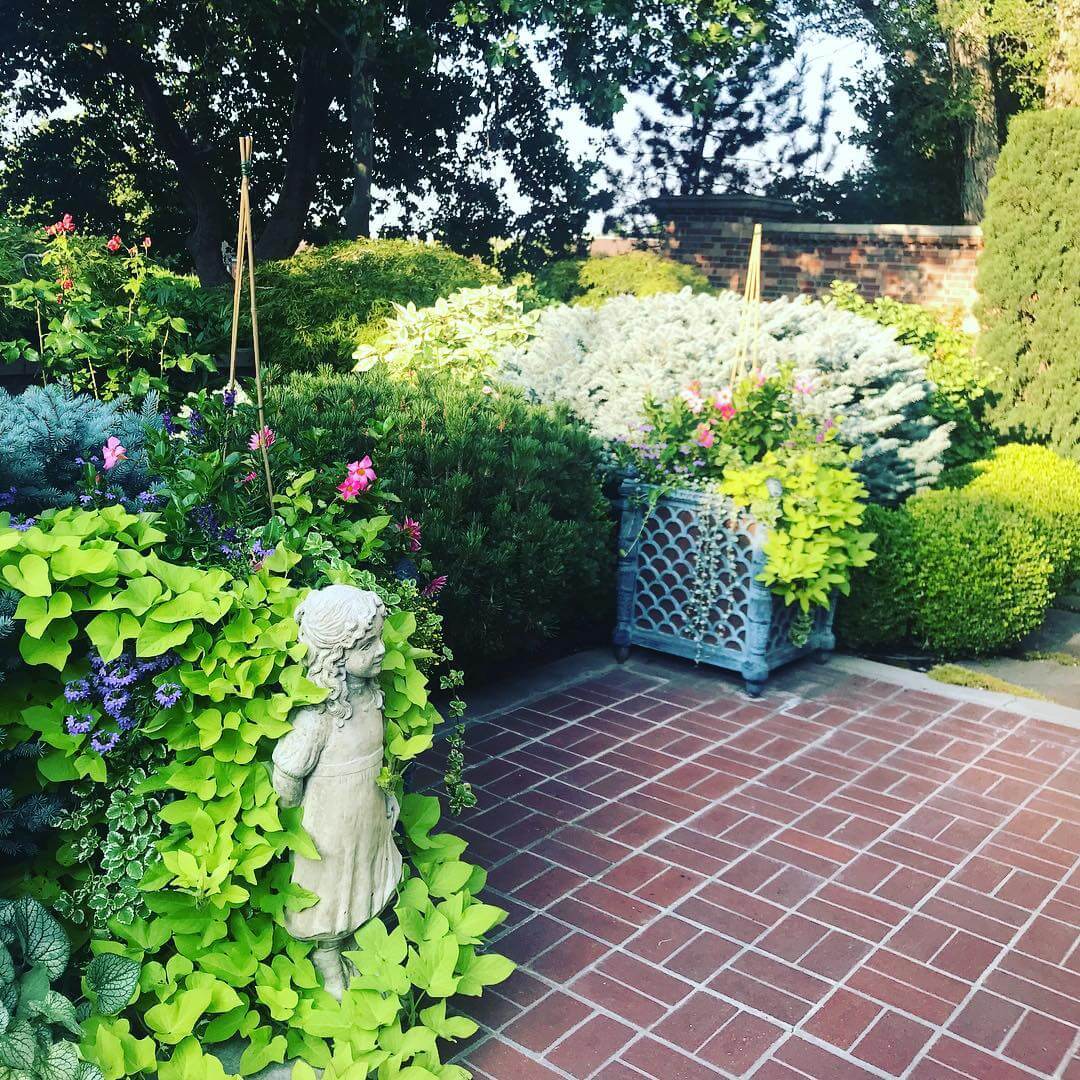
Terracotta is a classic, but a little finish goes a long way toward a custom, collected look. Try a color-dip effect: mask the top third and brush the lower section with masonry-safe exterior paint for outdoor use, or chalky mineral paint indoors. For a soft, sun-washed vibe, limewash over terracotta creates natural variation and patina—apply in thin, crisscross strokes and seal only the rim to preserve breathability. Want cohesion on a budget? Unite a mixed batch of thrifted pots with a single palette: clay, sand, olive, and inky charcoal are versatile and plant-friendly. Functional tweaks matter too: seal only the interior halfway up to slow evaporation while preventing full-on moisture lock that can cause root rot. Add side-drain holes to cachepots by drilling with a masonry bit, or drop in a nursery liner with a saucer. Group three color-blocked pots with contrasting foliage—chartreuse, deep green, and burgundy—for instant depth. This DIY planter idea hides mismatched containers, supports plant health, and delivers high-impact style that plays well with rustic, boho, or modern decor.
Living Wall Lite: Modular Pockets You Can Rearrange by Season
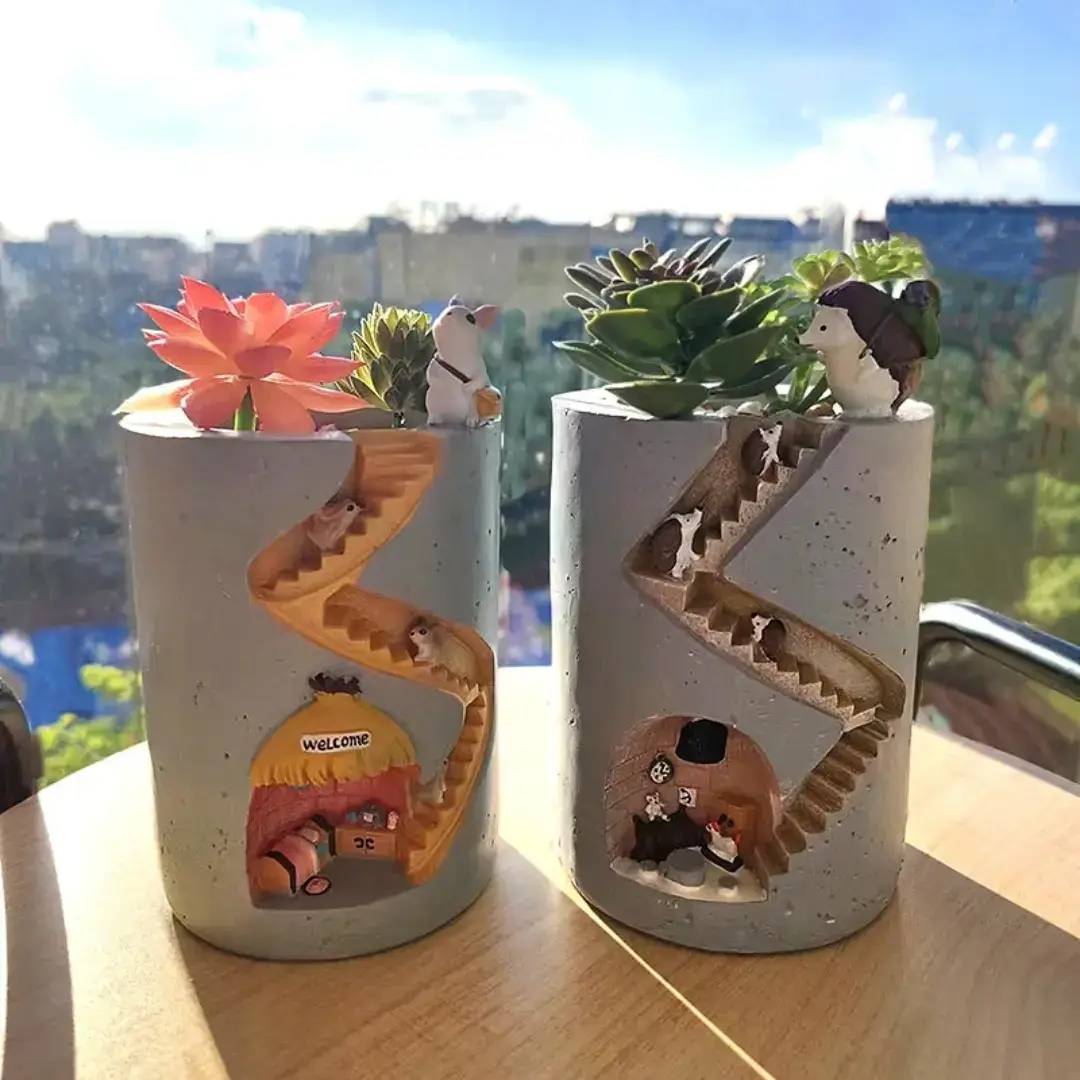
Dreaming of a vertical garden without the contractor bill? Start with modular wall pockets or clip-on planter boxes mounted to a simple grid panel. This setup lets you rotate herbs to the kitchen in spring, swap to pollinator flowers in summer, and tuck in hardy evergreens through fall. Protect siding with spacers so air circulates behind the system; line felt pockets with breathable plastic or coco liners to extend lifespan and keep walls dry. Irrigation can be as simple as watering from the top row and letting gravity trickle down—just ensure each pocket has a drainage path. Create a living color story by repeating three plants across rows (think thyme, trailing lobelia, and compact coleus) for rhythm that reads curated, not chaotic. Indoors, place a wall garden near bright indirect light and pair it with a discreet drip tray. Outdoors, anchor the grid into studs or masonry with corrosion-resistant hardware. This flexible planter idea delivers the lush look of a living wall, with the freedom to refresh, prune, and replant on your schedule.
On a Pedestal: Plinths, Stools & Stands That Elevate Greenery
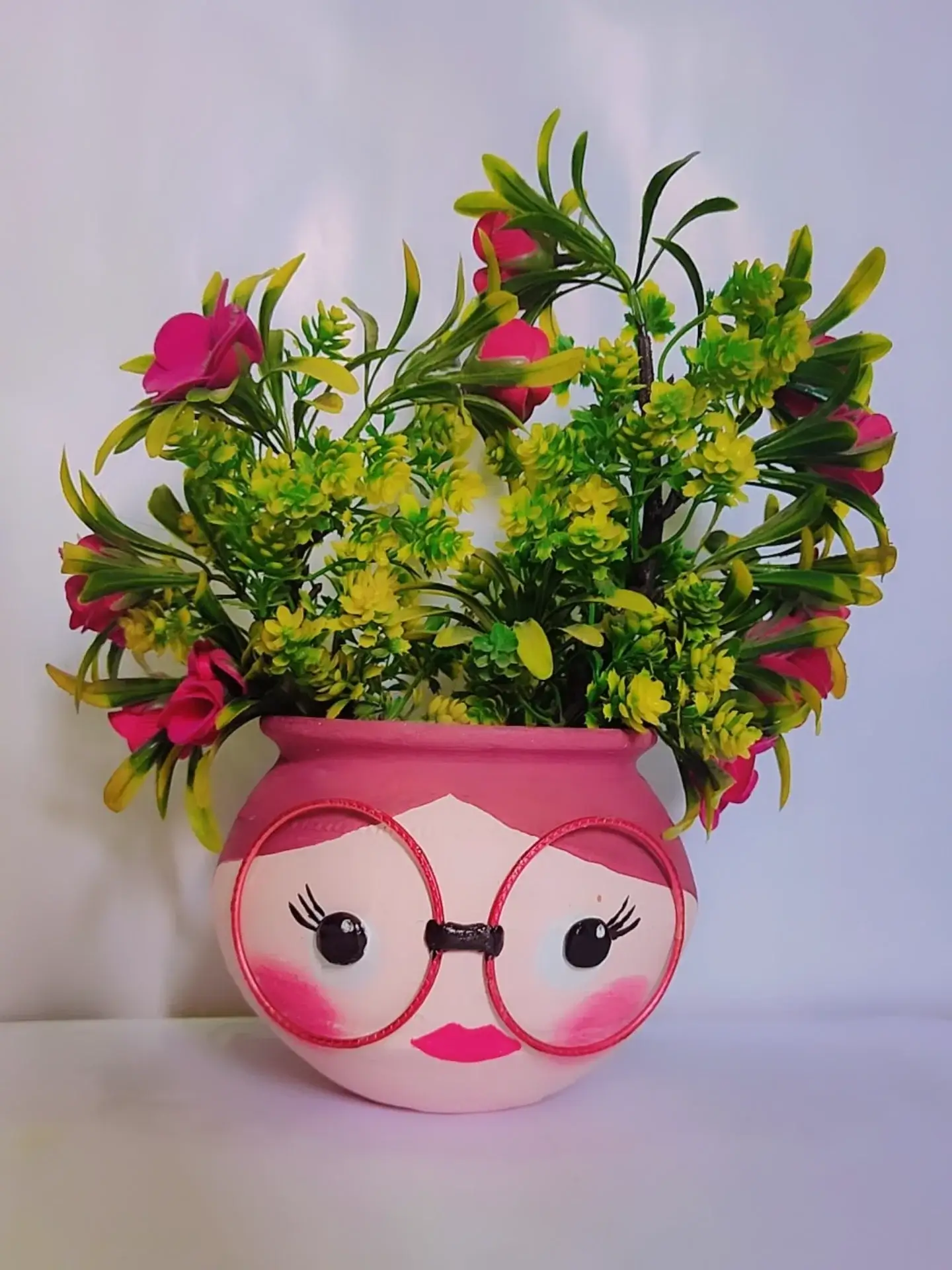
Sometimes the planter isn’t the only star—the base matters. Pedestals, side stools, and slender stands add height, protect floors, and create sculptural vignettes. Use a simple cube plinth or stacked crates to raise low, spreading plants so foliage clears furniture edges. For visual balance, pair tall, narrow stands with trailing plants and place compact statement foliage (rubber plant, ZZ, aglaonema) on wider stools. Outdoors, concrete pavers or teak blocks handle weather and keep planters off wet decks; add anti-slip pads and pot feet to promote drainage. Indoors, choose stands that echo your decor—mid-century wood for warmth, powder-coated steel for modern minimalism. Maintain a consistent finish across stands so your varied pots still feel unified. This height play is a smart small-space planter idea, letting you layer levels without overfilling surfaces. Bonus: raising pots improves airflow around leaves and reduces pest pressure, while making watering access easier. Style with intentional negative space—plant, pedestal, and wall—and you’ll get a gallery effect that feels calm and elevated.
Mirror-Backed Greenery: Use Reflections to Multiply Your Plants
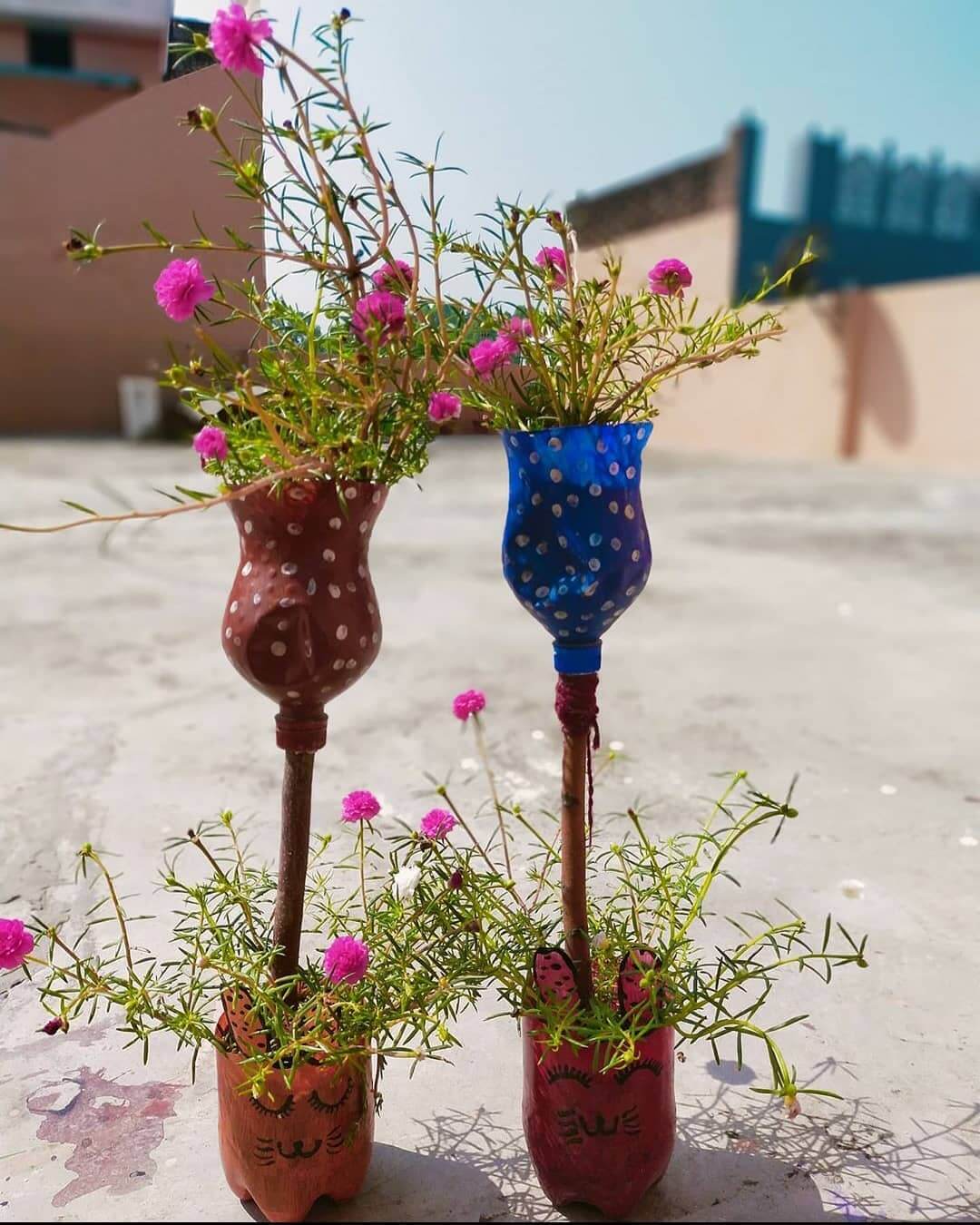
Strategically placed mirrors are a stylist’s secret for amplifying light and doubling the impact of your planters. In a dim corner, a mirror behind a textured pot bounces ambient light back to foliage, brightening the vignette without adding clutter. For safety, avoid direct, harsh sun that can overheat leaves—east or north exposures are ideal. Choose frames that tie to your planter finishes (antique brass with warm terracotta, black steel with concrete) for cohesion. Outdoors, weatherproof acrylic mirrors tucked behind container groupings extend the view of a small patio garden; leave a gap for airflow and to prevent moisture buildup. Plant picks that shine with reflection include glossy-leafed philodendron, rubber plant, and ferns that add feathery contrast. Keep the base neat with matching topdress (pea gravel or moss) so the doubled view feels tidy. This creative planter idea is low-cost, renter-friendly, and high-impact, adding depth, sparkle, and the illusion of more plants—no extra pots required. Clean glass regularly for crisp reflections, and angle slightly to avoid unwanted glare.
Built-In Bench Planters: Seating That Grows With You
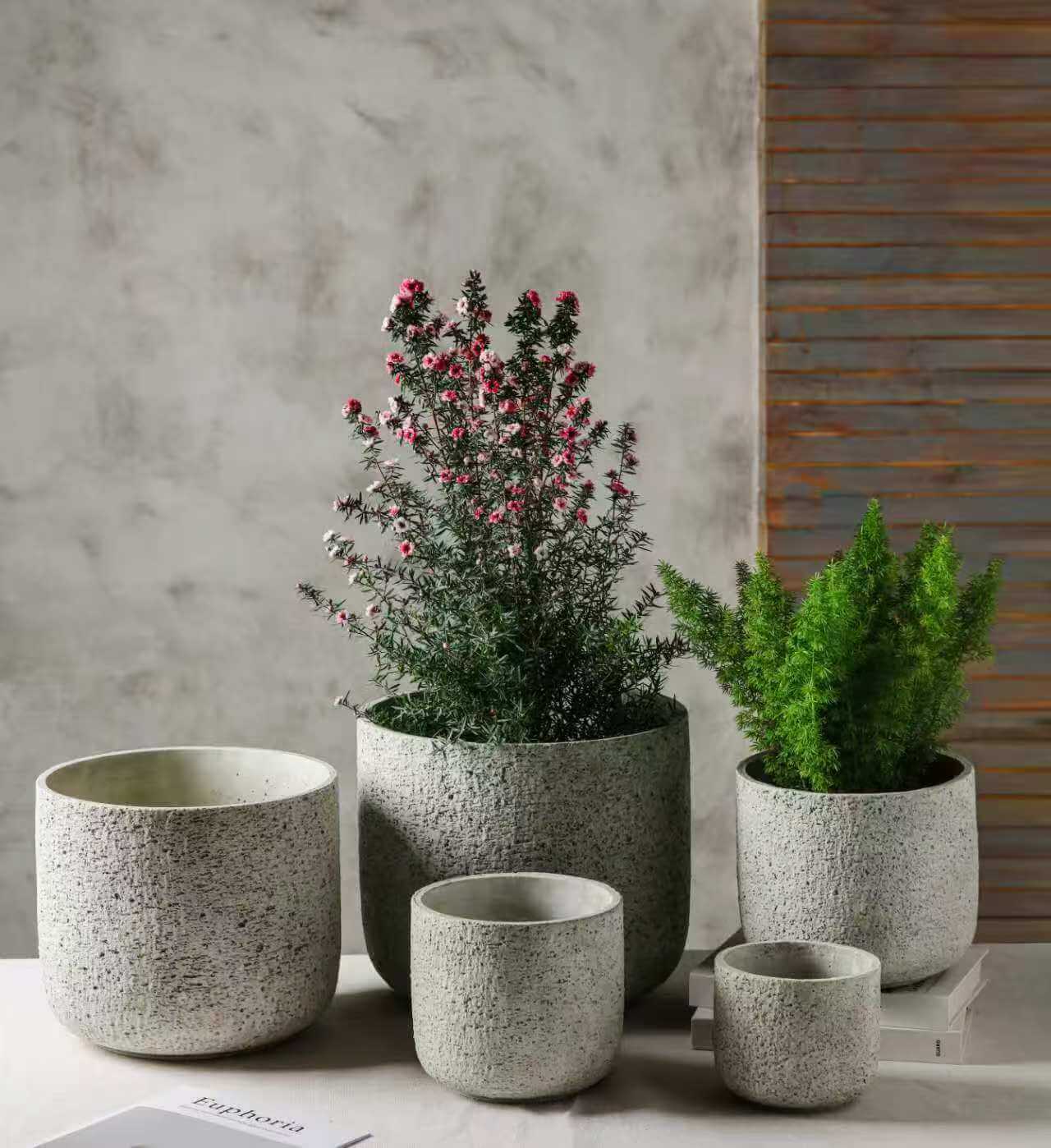
Combine storage, seating, and greenery with a bench that integrates planters at the ends or along the back. It’s a space-saving win for balconies and small patios, turning a single footprint into a multifunctional zone. Build with rot-resistant wood (cedar, ipe) and line planter cavities with pond liner or marine-grade plywood plus a drain outlet to a hidden tray. For indoor versions, use a removable fiberglass trough inside the bench to simplify watering and repotting. Plant tall grasses or bamboo for privacy screens, culinary herbs along a dining banquette, or low-maintenance succulents for a sunny lounge. Keep soil light with a cactus mix plus pumice, and elevate troughs on shims for airflow. Design-wise, match the bench finish to your planter palette so the whole piece reads as one tailored unit. Add cushions and outdoor textiles for comfort, and integrate soft, low-voltage strip lighting under the seat to highlight foliage at night. This clever planter idea makes small spaces feel custom, cozy, and green—without giving up precious floor area.
Get the Fail-Safe Paint Color Playbook (Free PDF)
36 proven colors • 8 ready palettes • trim & sheen guide • printable testing cards.
Climb in Style: Trellis + Planter Combos for Instant Architecture
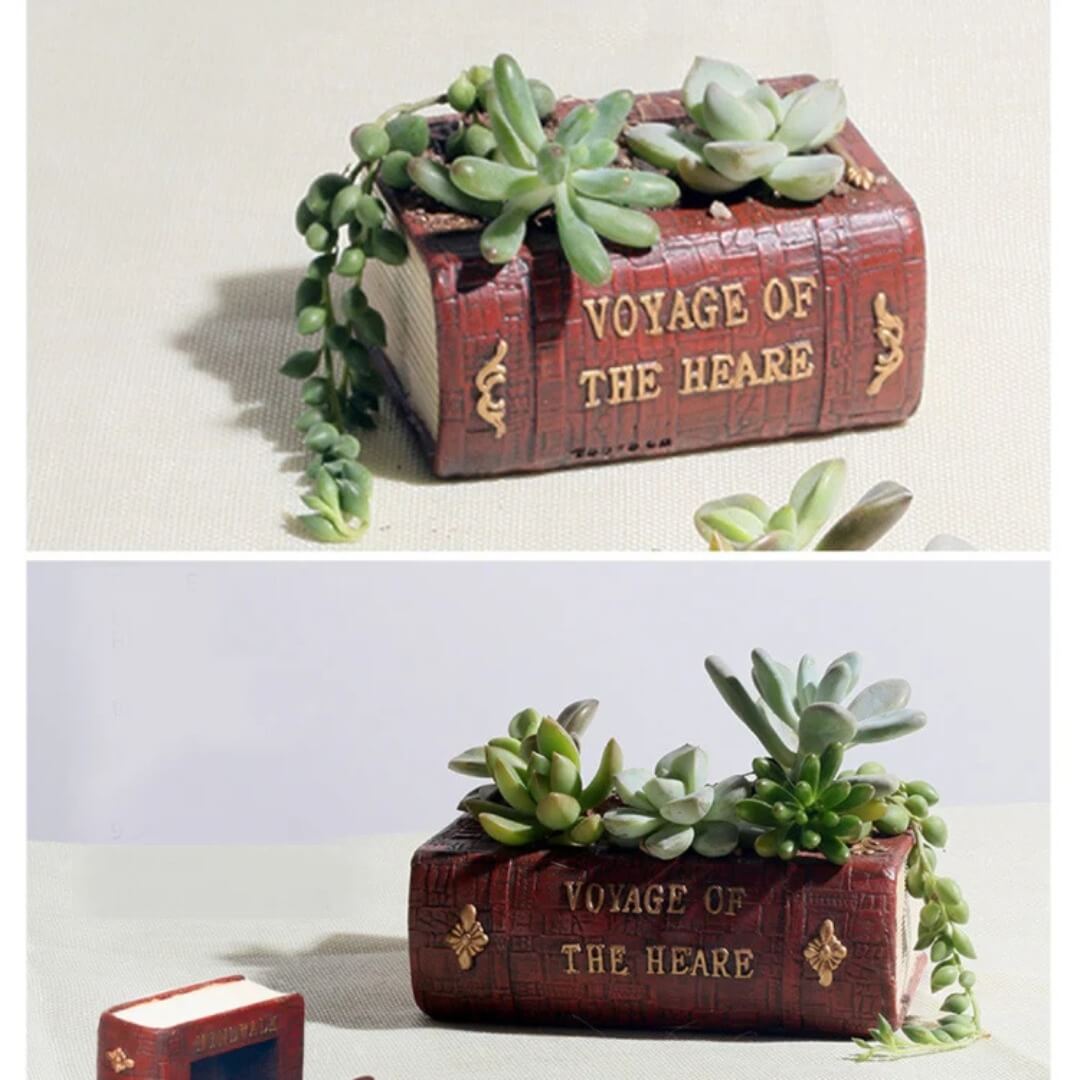
A planter with an integrated trellis turns empty walls into living architecture—no digging required. Choose an obelisk for classic form, a flat grid for modern lines, or a fan trellis to frame doorways. Anchor trellises to the planter and, if outdoors, discreetly secure to the wall for wind stability. Plant picks: jasmine and mandevilla for fragrant blooms, clematis for color, or dwarf tomatoes and cucumbers for edible vertical gardens. Use a rich, well-draining mix and install a slow-release fertilizer; water deeply so roots chase downward and anchor the vine. Train gently with soft ties, guiding new growth to fill negative space. For a lush look fast, plant two vines per large planter and prune for even coverage. Indoors, pair a matte black trellis with a sculptural monstera or hoya for an artful silhouette. This creative planter idea adds height, privacy, and seasonal interest while staying portable—perfect for renters and patio gardeners alike. Rotate planters seasonally and replant with twinkle lights for a magical winter structure.
Clean & Modern: Semi-Hydro Planters with LECA for Low-Mess Care
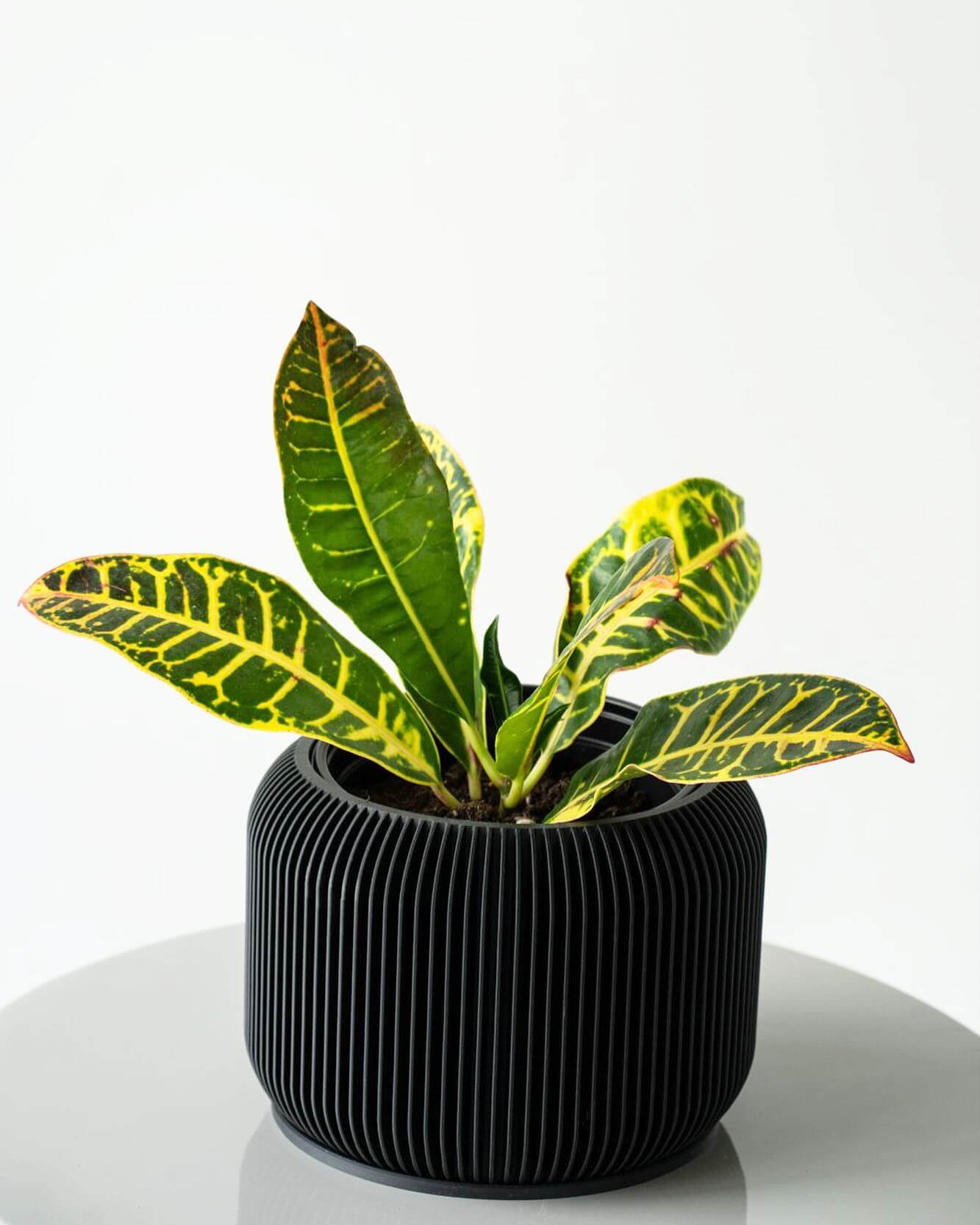
If you love sleek vessels and consistent care, semi-hydroponic planters using LECA (lightweight expanded clay aggregate) are a game changer. Plants sit in LECA pebbles with a water reservoir below, wicking moisture to roots as needed—great for busy schedules and root health. Use an inner grow pot with side slits inside a watertight cachepot; mark a fill line so you don’t flood the system. Pair with clear cylinders for monitoring roots (shield from direct sun to prevent algae), or opaque ceramic for a cleaner look. Nutrients are added to the water, so schedules are predictable; flush monthly to prevent salt buildup. Ideal candidates include philodendron, pothos, monstera adansonii, and hoya. Style-wise, a row of identical semi-hydro planters on a shelf creates a minimalist, high-design vibe with serious plant performance. This planter idea reduces fungus gnats, keeps potting mix off surfaces, and makes propagation a breeze—just move cuttings from water to LECA once roots form. It’s modern, tidy, and surprisingly forgiving.
The Finishing Layer: Topdressings That Instantly Elevate Pots
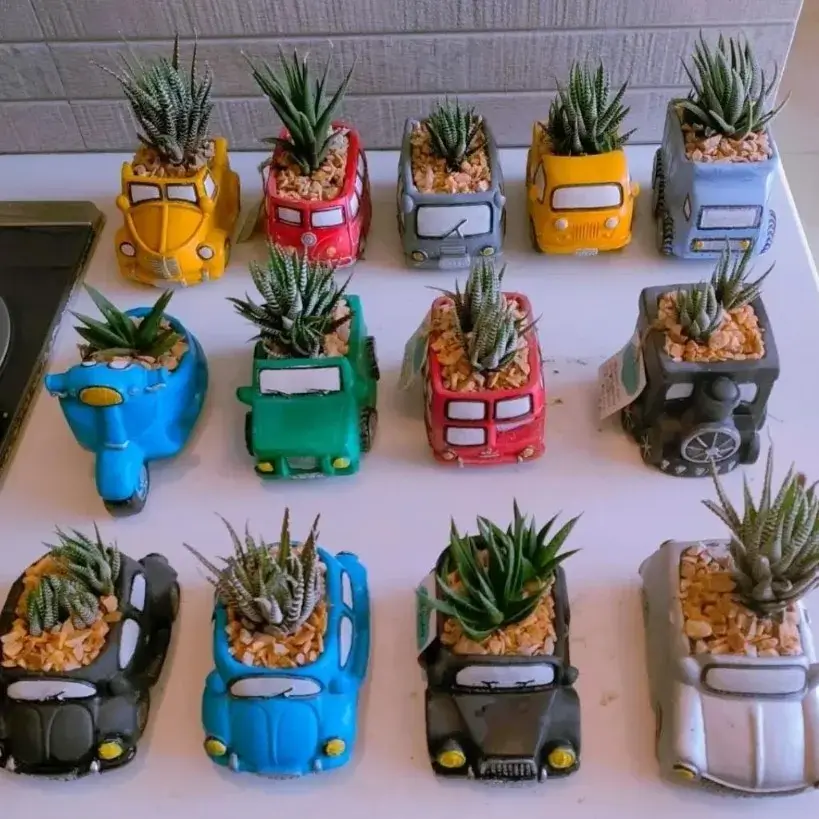
Topdressings are the unsung heroes of polished planters. A simple layer of pea gravel, tumbled lava, crushed shell, or preserved moss hides soil, deters fungus gnats, slows evaporation, and makes arrangements look intentionally styled. Match materials to mood: pale gravel for Scandinavian calm, black lava for modern drama, soft moss for cottage charm, or bark chips for a natural woodland vibe. Keep the layer thin (about 1–1.5 inches) so water can penetrate; pull back around stems to prevent rot. For outdoor containers, heavier stone resists wind scatter and helps stabilize tall planters. Indoors, unify a mixed planter collection by repeating the same topdress color across different pots for a designer-throughline. Bonus trick: use contrasting topdress under similar plants to define zones on a large bench or shelf. Paired with pot feet and proper drainage, this finishing touch supports plant health and ties your creative planter ideas together—proof that small details make a big visual impact.
Balcony Rail Planters That Double as Privacy (Without Annoying Your Downstairs Neighbor)
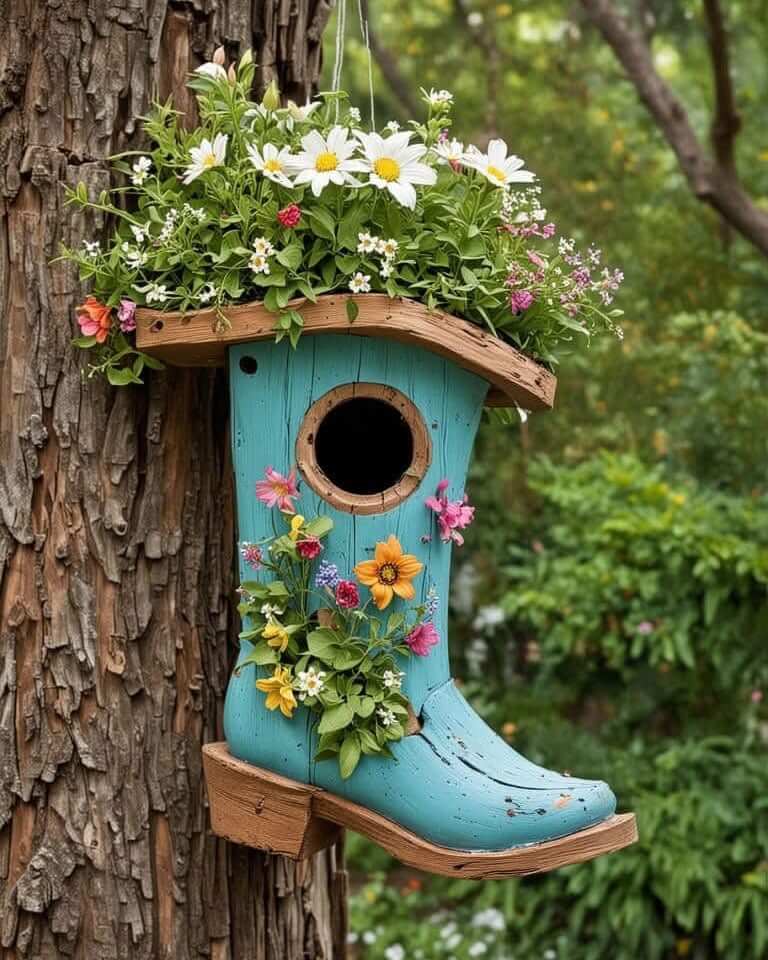
Rail planters are small-space superheroes: they deliver color, herbs, and screening right where you need it—at eye level. Choose adjustable brackets that clamp securely to your balcony or deck rail (round, square, or flat), and opt for UV-resistant troughs with built-in reservoirs so watering is forgiving. For drainage that doesn’t drip onto neighbors, tuck a slim saucer inside the box or line with coco coir to wick evenly; a layer of lightweight gravel lifts roots above runoff. Plant a privacy mix: upright grasses (carex, fountain grass) as the “thrillers,” trailing ivy geranium or nasturtium as “spillers,” and flavorful “fillers” like basil, thyme, and chives. Keep light needs consistent, and feed with a slow-release fertilizer so growth stays steady in breezy, sun-soaked spots. Style tip: repeat the same planter in a row for a cohesive facade, then vary plant palettes by season for instant refreshes. Bonus: a couple of mirrored tiles behind your rail planters nod to the mirror-backed greenery trick and visually double lushness without taking more space. It’s balcony landscaping, simplified—and it makes every coffee break feel like a tiny garden escape.
Get the Fail-Safe Paint Color Playbook (Free PDF)
36 proven colors • 8 ready palettes • trim & sheen guide • printable testing cards.
Lightweight Fiberstone Statements for Modern Patios
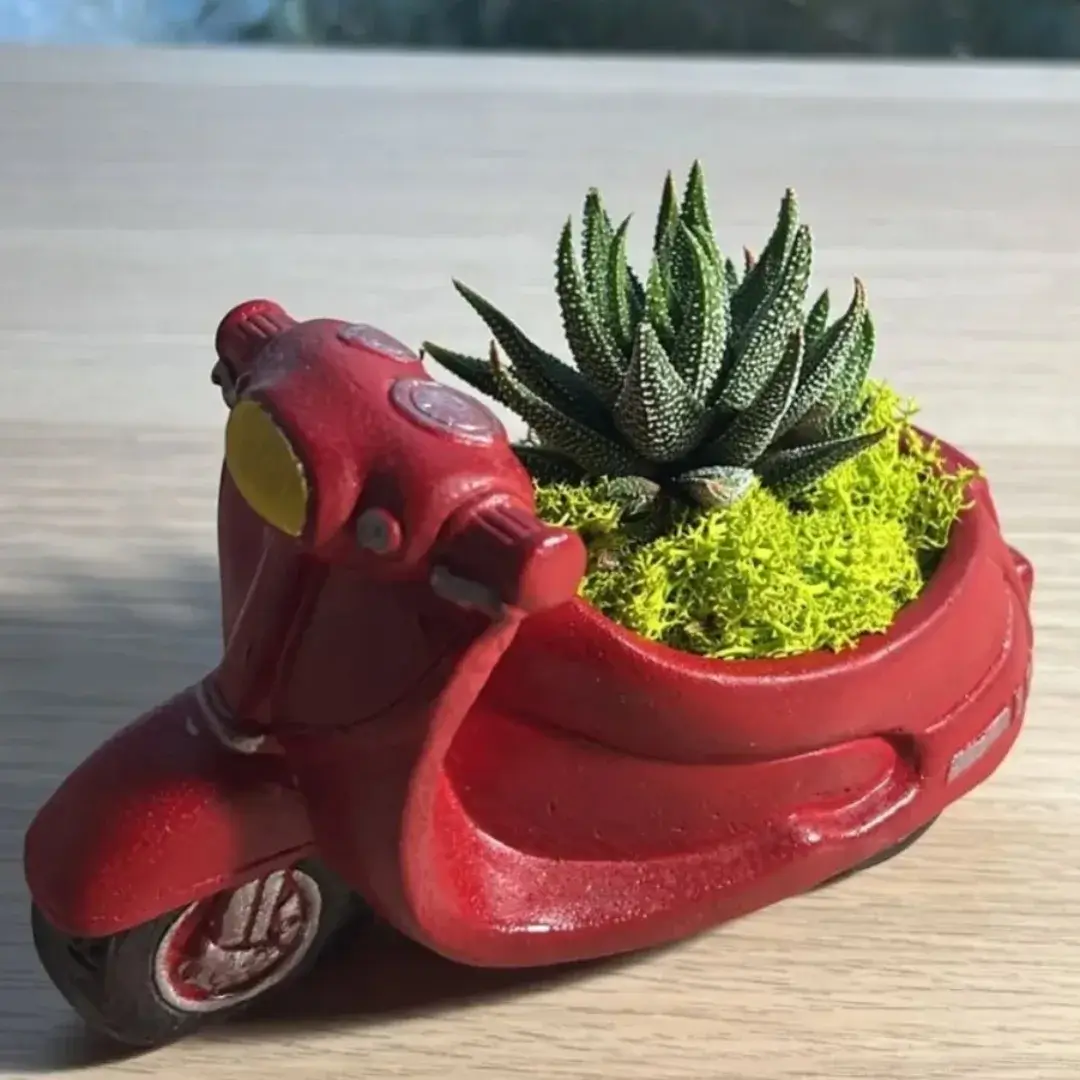
Crave the look of sculptural concrete without the weight? Fiberstone and fiberglass planters deliver monolithic presence—and they’re kinder to your floors and back. Go for tall rectangles, clean cylinders, or faceted forms to echo modern architecture; just ensure real drainage holes and elevate each planter on discreet risers so water clears freely. Outdoors, these materials are weather-tough and frost-resistant; indoors, pair them with hidden saucers for a gallery-clean finish. For planting, match scale to foliage: olives, rubber plants, or large sansevieria read architectural, while clustered cacti or columnar euphorbia turn a narrow zone into a design moment. Group in odd numbers and repeat one shape for rhythm, then shift heights for that layered “soft geometry” you’re already using elsewhere. Keep finishes matte and topdress with neutral gravel for a museum-calm look that spotlights texture and silhouette. Pro move: if sun shifts, set big pots on low-profile caddies (our mobility tip, evolved) to chase light without scuffing surfaces. The result: a minimalist planter palette that feels custom, photographs beautifully, and thrives with straightforward care.
Woven Basket Cachepots with Hidden Liners (Texture Without the Mess)
Baskets bring instant warmth to sterile corners—and with the right liner, they become fuss-free cachepots. Instead of potting directly into a basket, keep plants in their nursery or decorative pot and drop them inside. Create a moisture barrier using a fitted plastic liner or a cut-to-size pond/plant saucer; raise the inner pot on feet so runoff never wicks into the weave. This keeps floors safe and the basket crisp. Style larger palms (Kentia, Areca), rubber plants, or trailing pothos for a relaxed, coastal-boho vibe, then layer in a color-dipped terracotta accent nearby for contrast. Vary basket tones—honey, espresso, ash—to echo other textiles in the room and soften hard lines from shelving or tile. In low-light rooms, pick resilient species (ZZ, snake plant) and rotate the inner pot quarterly for even growth. Maintenance is simple: water at the sink, let excess drain, then return the plant to its cozy sleeve. Swap baskets seasonally to refresh the palette and add a jute or wool rug underfoot to complete the natural-fiber story. Texture, warmth, and zero panic watering—this is everyday-livable design.
Ladder Shelves & Tiered Stands for Vertical Greenery
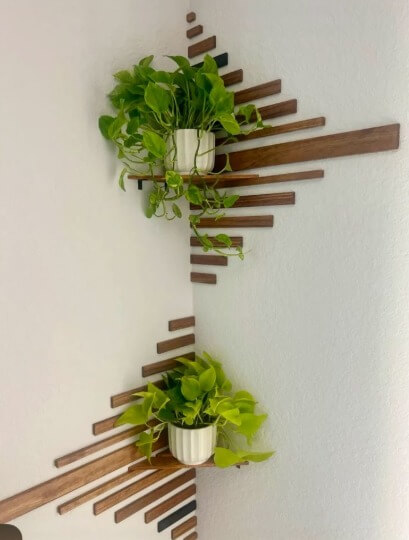
Think of a ladder shelf as a living totem: it pulls the eye up, layers microclimates, and lets you curate a plant story from floor to ceiling. Place light-hungry species (string-of-pearls, succulents, herbs) on the top tiers near sun, and tuck ferns, calatheas, or snake plants lower where light softens. Keep spill-proof trays under each pot, and stagger pot sizes so leaves don’t shade neighbors. Safety matters—secure the unit to the wall with a discreet bracket, especially if you have pets or kids. To maintain rhythm, repeat planter materials—matte ceramic, color-dipped terracotta, or limewashed pots—so the eye reads unity as foliage varies. Slide in a few semi-hydro planters on a middle shelf to simplify winter care and reduce soil mess, and anchor the base with a sculptural, oversized planter to ground the composition. Finish with topdressings that echo shelf tones: black lava rock for drama, pea gravel for calm. It’s a high-impact, small-footprint solution that turns a blank wall into a vertical garden without committing to permanent hardware.
Low Trough Centerpieces for Coffee Tables & Consoles
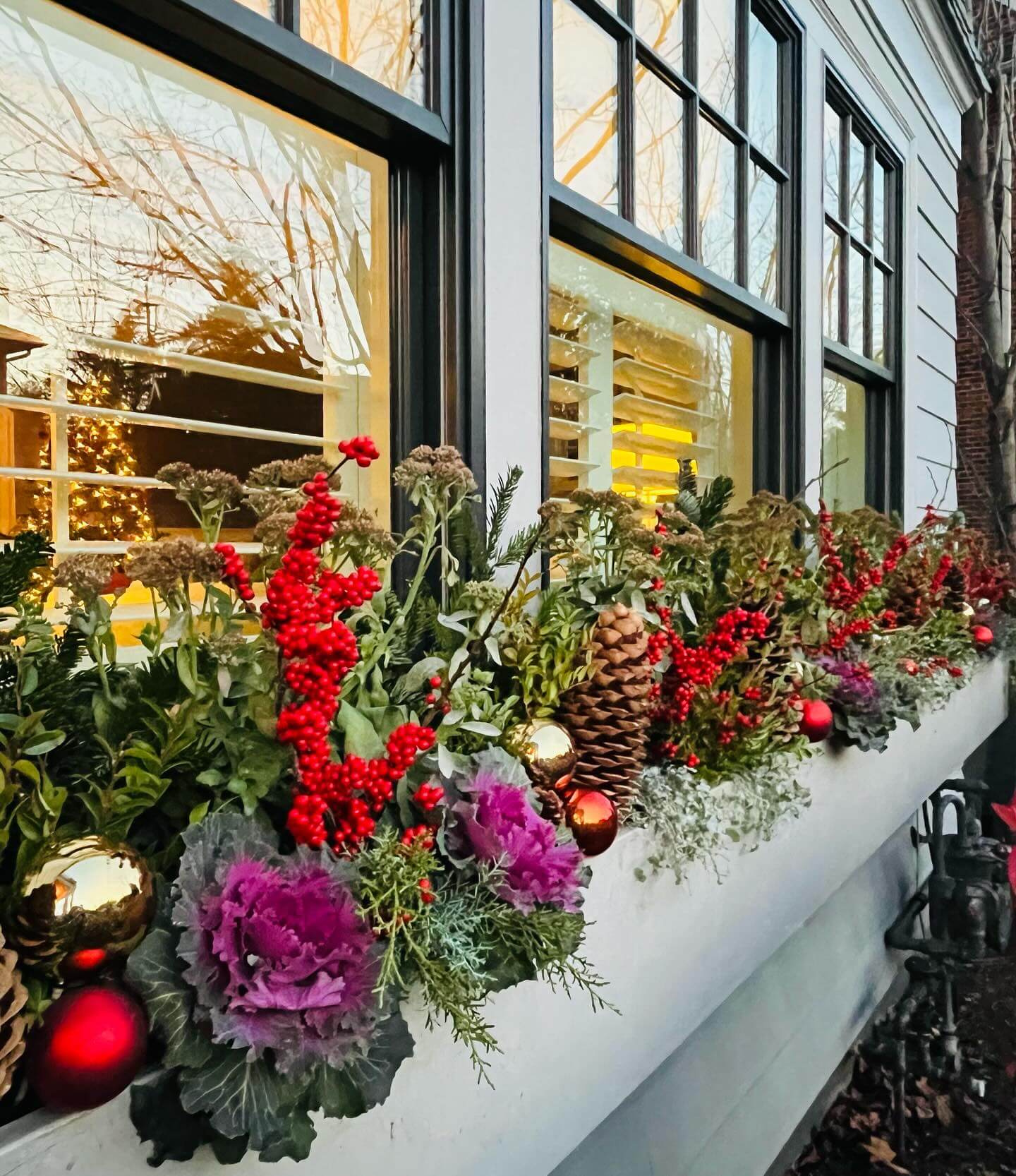
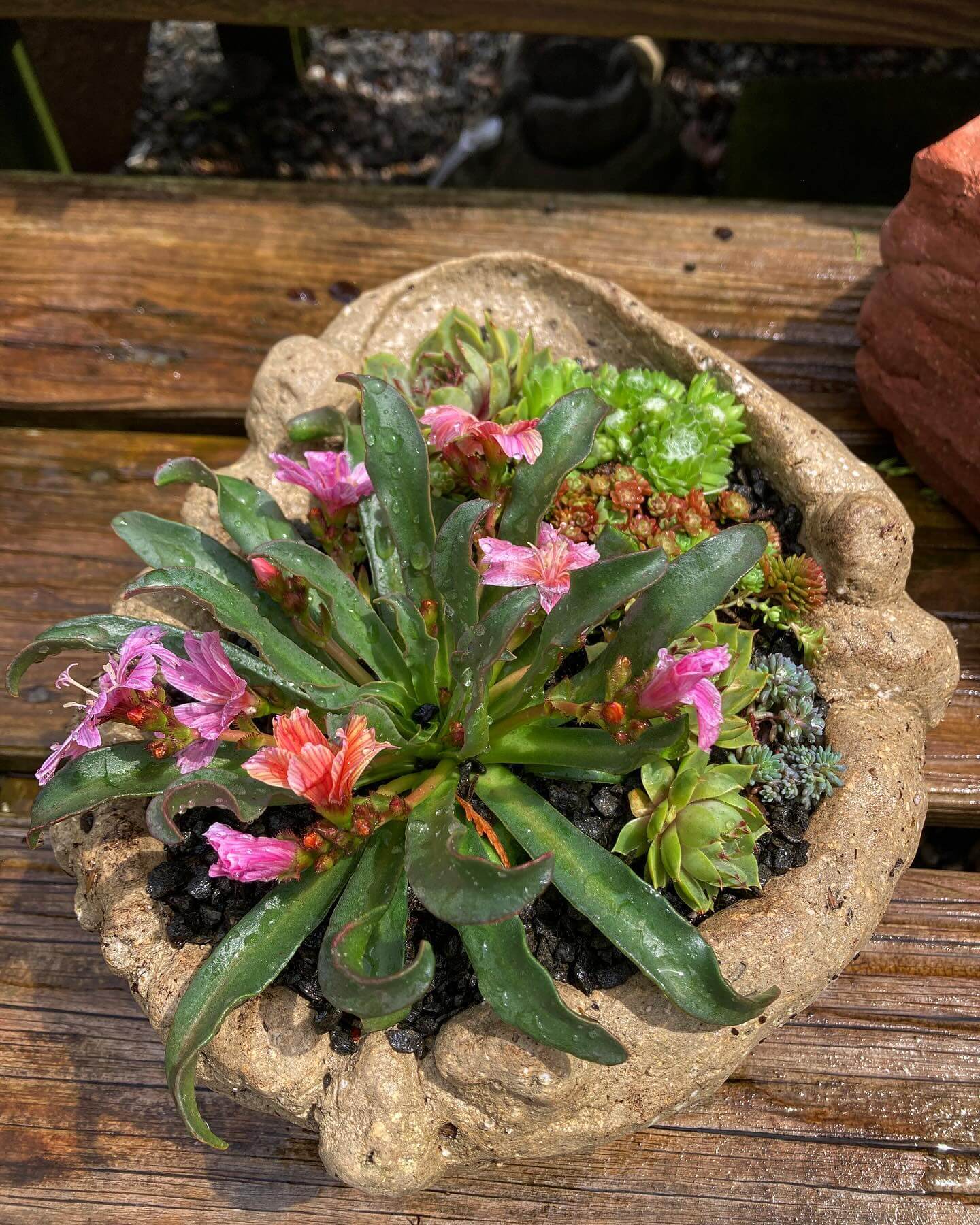
A shallow trough planter instantly turns any surface into a curated landscape. Look for low, elongated vessels—cement, stoneware, or reclaimed wood with a waterproof liner—that won’t block conversation across a table. Plant low-light succulents (haworthia, gasteria), petite sansevieria, or a moss-and-fern mix if your space is humid. Keep species with similar water needs together, and topdress with gravel or crushed oyster shell for a designer finish that controls soil splash. On narrow consoles, a trio of mini troughs reads like a rhythm line; on dining tables, one long piece acts as a living runner. Because these planters dry quickly, a hidden reservoir insert or self-watering mat can stretch time between waterings without inviting rot. If kids or pets roam, skip spiky varieties and opt for soft textures and preserved moss accents. To tie it all together, echo colors from your room—the glaze of the trough, the stone topdressing, and your textiles—so the vignette looks custom-made. It’s centerpiece-as-landscape: serene, sculptural, and refreshingly low-maintenance.
Grand Entry Urns with the Thriller–Filler–Spiller Formula
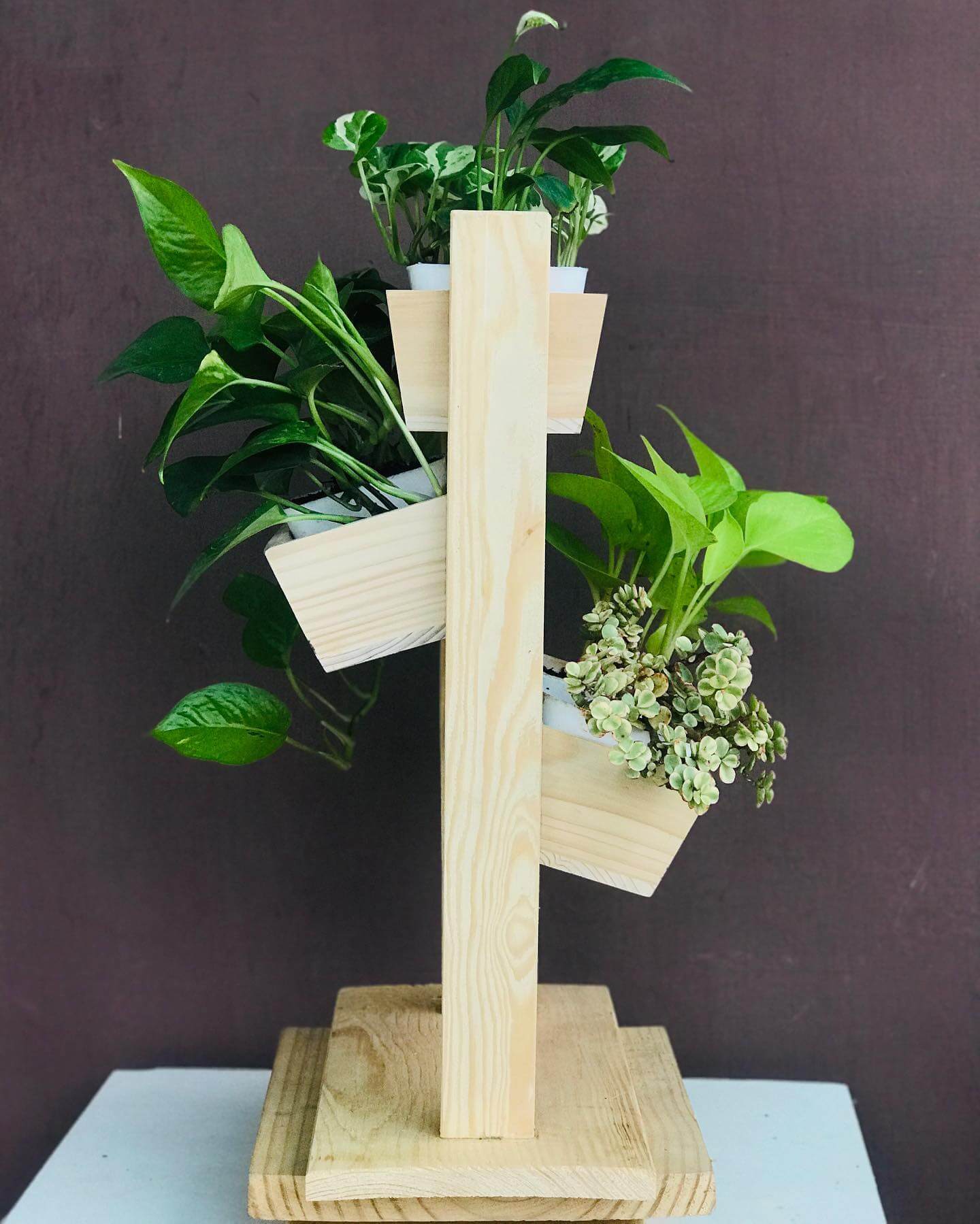
If curb appeal had a fast-forward button, it would be a pair of statement urns. Choose fiberglass or resin for classic lines without the heft; confirm true drainage and add a riser for airflow. Weight the base with gravel for wind resistance, then build your planting like a floral architect: a tall “thriller” (dwarf conifer, cordyline, or canna) for height, “fillers” (coleus, heuchera, or dwarf grasses) for body, and “spillers” (sweet potato vine, bacopa) to soften edges. Keep palettes tight—two to three hues—and mirror or intentionally offset the pair depending on how formal your entry feels. In cold climates, swap seasonal plantings onto a compatible nursery pot you can lift in and out, while the urn stays styled year-round with evergreen topdress or birch sticks. Insert a discreet drip line or use self-watering inserts to keep weekends free. For nighttime drama, uplight from within the urn lip using an outdoor-safe puck. The result: a welcoming, high-impact vignette that frames your door and says, “Yes, someone designed this.”
Upcycled Kitchenware Planters That Actually Drain
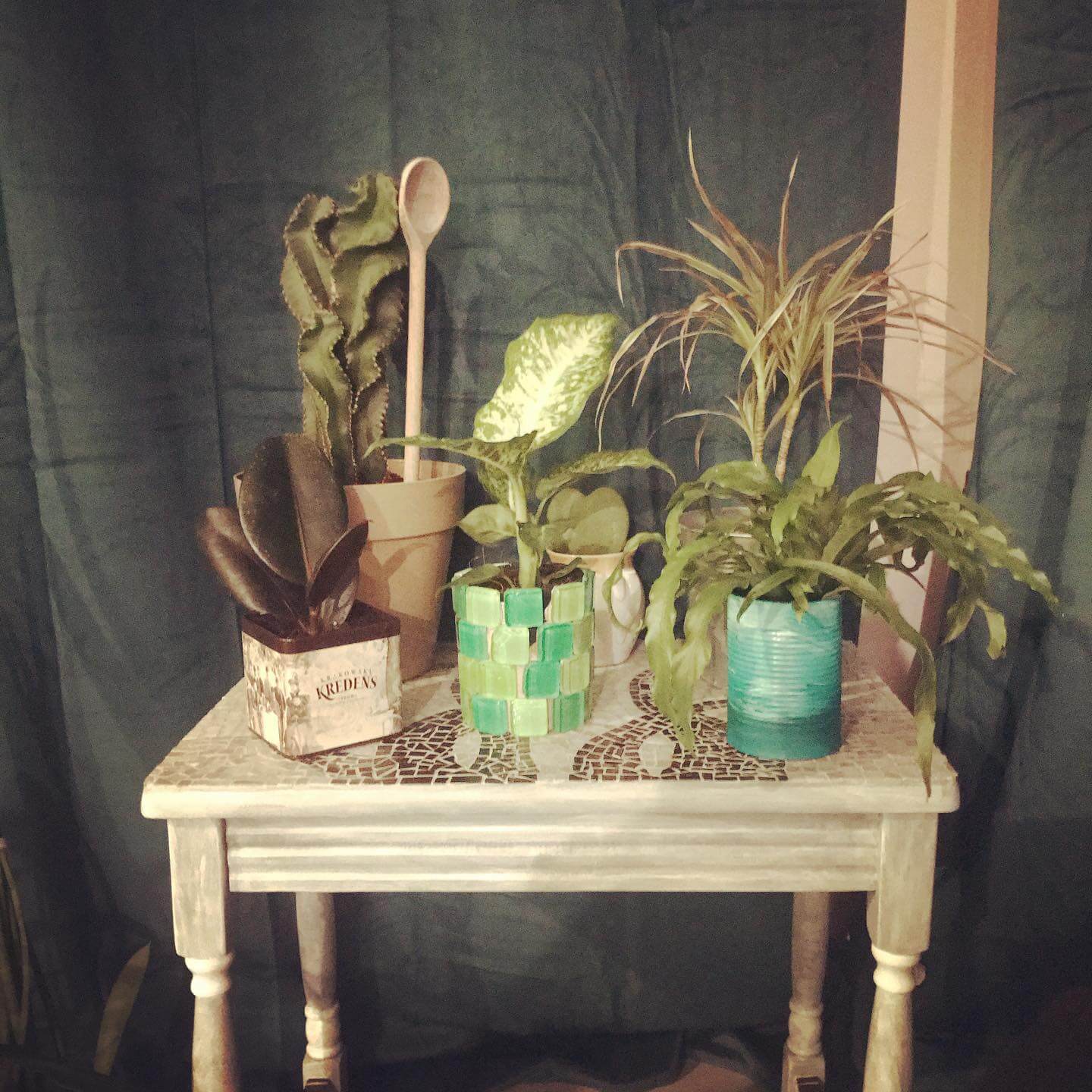
The most charming planters might already be in your cabinets. Colanders come pre-perforated (hello, drainage!), enamel stockpots drill cleanly with a step bit, and vintage tea tins make perfect cachepots for 4–6 inch nursery plants. For vessels you convert, add 3–5 drainage holes, lay a mesh square over each to keep soil in place, and cushion the base with felt pads to protect shelves. If you’re using tins as cachepots, keep plants in their grow pots and water at the sink; slip a saucer or cut-to-fit plastic inside to guard against drips. Lean into whimsy by styling herbs in enamel by the kitchen window or trailing philodendron in a retro percolator on an open shelf. Keep finishes food-safe and rust in check: line steel pieces with a thin, removable plastic insert if you live in a humid climate. Topdress with pea gravel for a tidy look that nods to our finishing-layer tip, and repeat metal tones across hardware for cohesion. It’s sustainable, budget-friendly, and delightfully personal.
Tabletop Water Gardens: Bowls, Pebbles, and Easy Cuttings
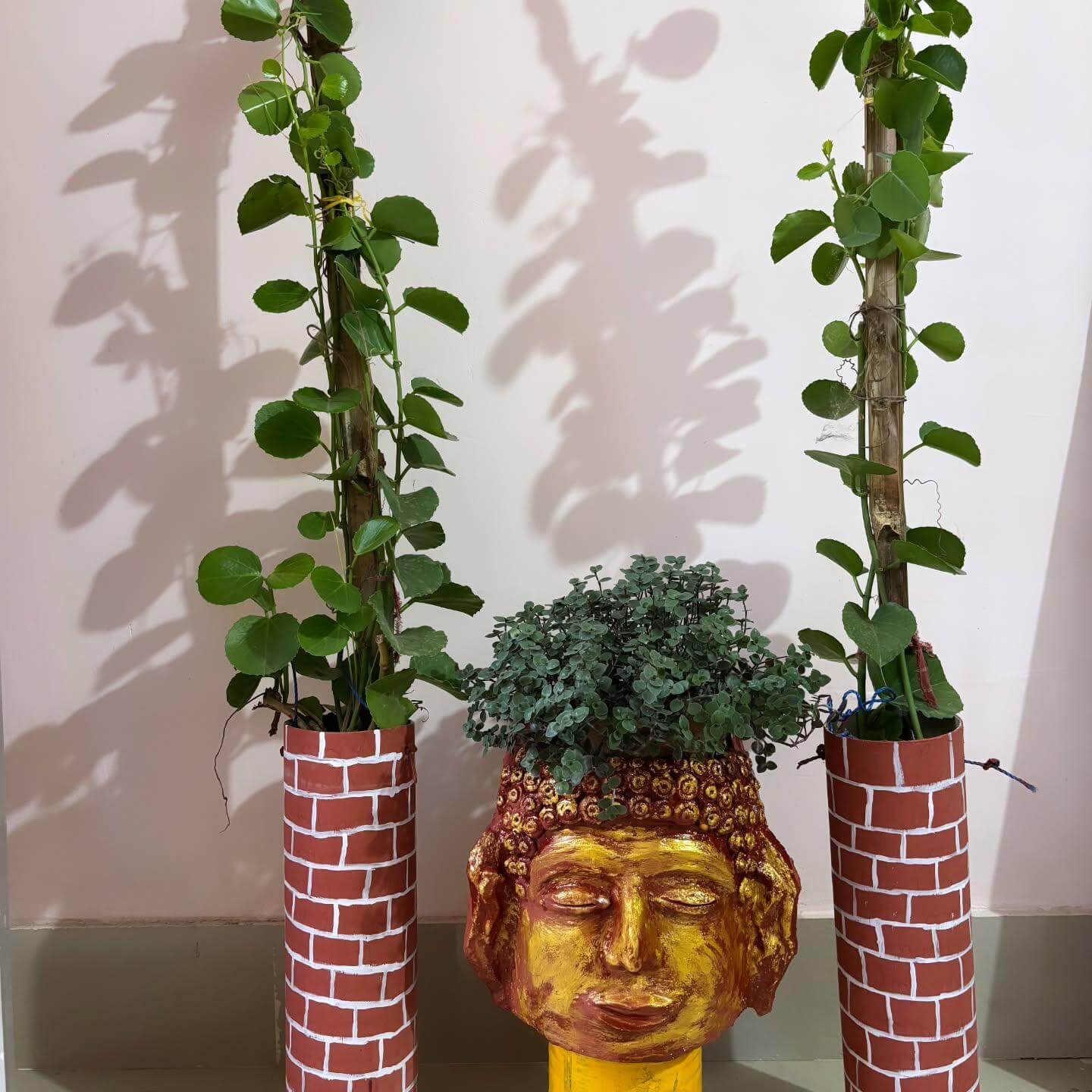
For instant calm, create a mini water garden in a low bowl. Use a watertight vessel (ceramic, glass, or stone) and rinse river pebbles before arranging them to anchor plant stems. Pothos, monstera and philodendron cuttings root beautifully in water, while lucky bamboo or dwarf papyrus adds vertical interest. Set the bowl in bright, indirect light and refresh water weekly; a tiny pinch of activated charcoal keeps things clear. If outdoors in warm weather, prevent mosquitoes with a sliver of BT dunk (safe for pets and pollinators when used as directed). Layer in a few sculptural stones or a small driftwood piece for a wabi-sabi moment that pairs with our mirror-backed greenery idea—reflections make water features feel twice as lush. Because there’s no soil to splatter, this is a great centerpiece for desks, nightstands, or shelves you dust often. Come winter, transition sensitive cuttings to semi-hydro or pot them up. It’s low-commitment greenery with high sensory payoff, and it brings motion and light play to any vignette.
Design-Forward Grow-Light Planters for Low-Light Rooms
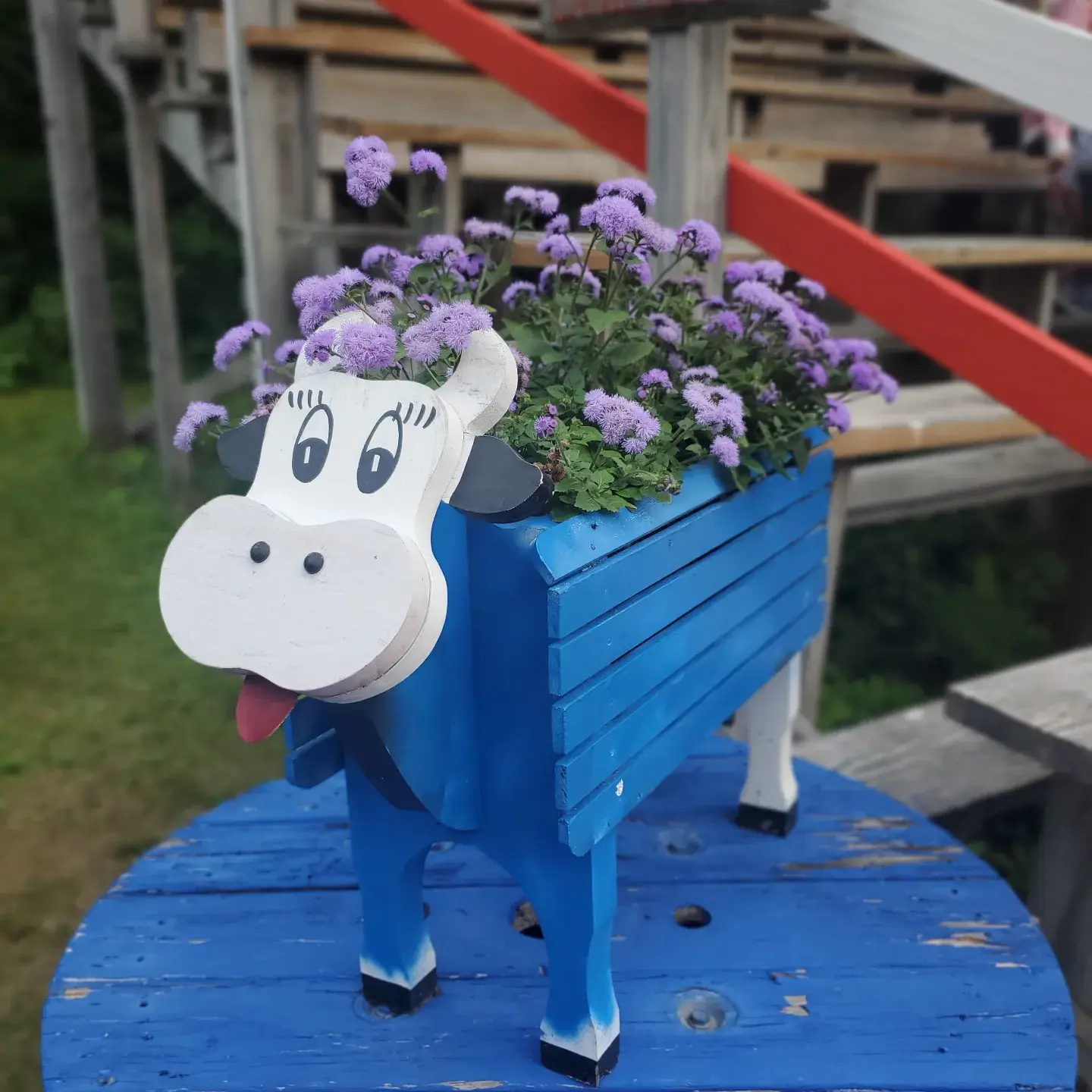
No south window? No problem. Planters with integrated grow lights merge form and function so your foliage thrives where design needs it most—hallways, offices, or moody living rooms. Look for full-spectrum LEDs (4000–6500K) with 90+ CRI so leaves look true-to-color, and position lights 6–12 inches above the canopy. A built-in timer (12–14 hours/day for most houseplants; 14–16 for herbs) automates care. Choose silhouettes that echo your decor—arched brass, matte black, or minimalist oak—so the light reads as sculpture, not utility. Plant groups with similar needs in a single vessel to simplify schedules: herbs in the kitchen, begonias or calatheas in living spaces. Use breathable potting mixes and keep foliage slightly dust-free to maximize photosynthesis under LEDs. Tie in previous ideas by using a clean topdressing that bounces light upward, and place the unit on a low caddy if you occasionally chase natural sun. With thoughtful styling, grow lights become part of the aesthetic—proof that plant health and interior design can share the spotlight.
Planter Room Dividers that Define Space (and Soften Sound)
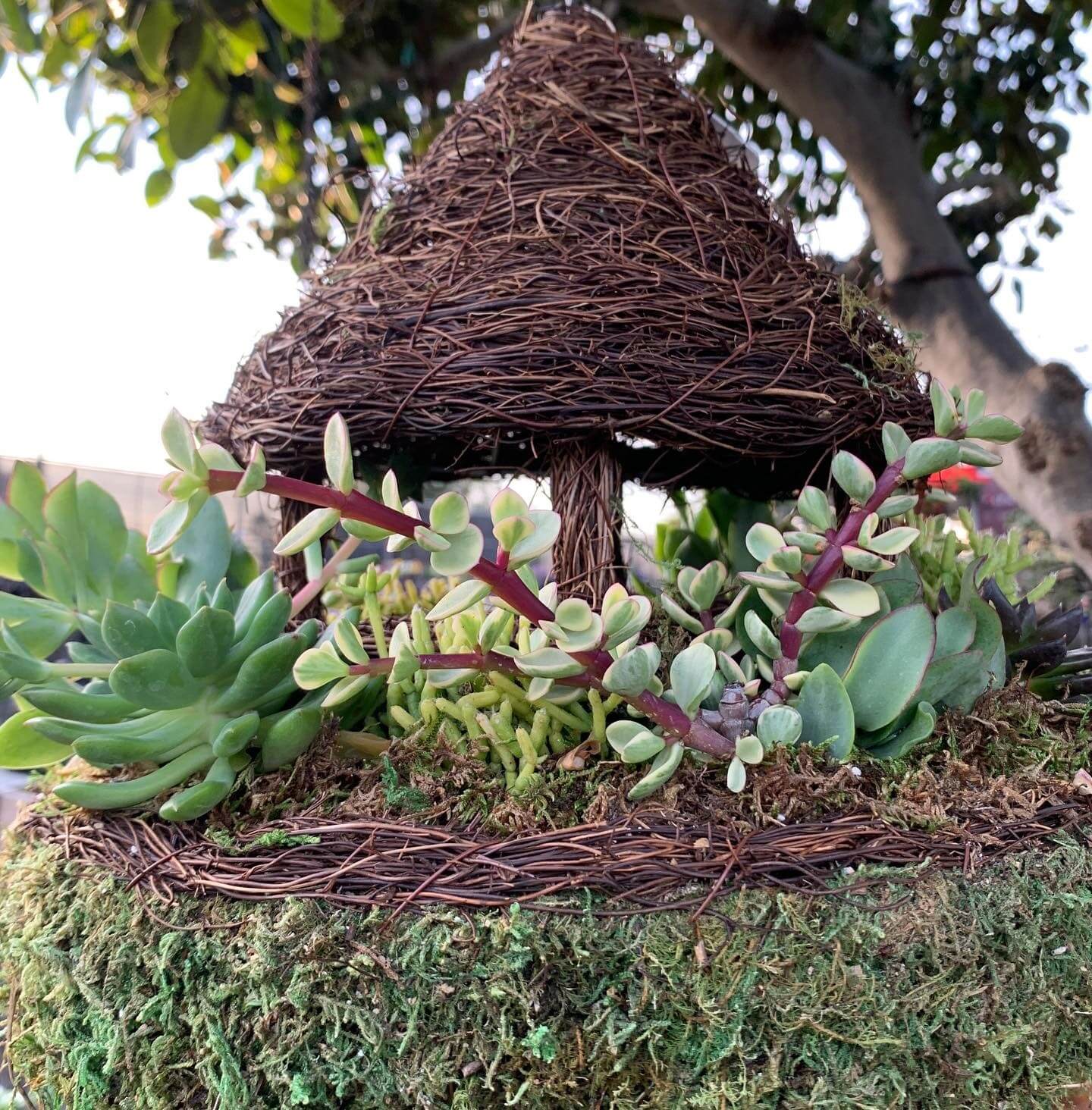
Create zones without building walls using long trough planters or modular screens filled with greenery. Position a series of waist-high planters on casters to separate entry from living room, or use a lattice-backed planter to form a semi-private work nook. Choose upright, dense species—bamboo palm, areca, tall snake plant, or ficus audrey—and mix in a few climbers on slim trellises for vertical rhythm. For rentals, line planters with lightweight inserts to reduce weight and make seasonal swaps easy. Add a drip tray channel or hidden saucers so floors stay pristine, and consider coco coir poles to encourage climbing plants to become natural “panels.” Bonus benefits: foliage absorbs sound and glare, making open spaces feel calmer. Keep palettes cohesive with repeated planter finishes (charcoal, sand, or warm white) and echo metals from lighting for a designer throughline. Pair with mirror-backed accents across the room to amplify depth. It’s a flexible, biophilic fix that shapes flow, boosts privacy, and still lets light pass through.
Get the Fail-Safe Paint Color Playbook (Free PDF)
36 proven colors • 8 ready palettes • trim & sheen guide • printable testing cards.
Color-Blocked Terracotta Planters for a Custom Palette
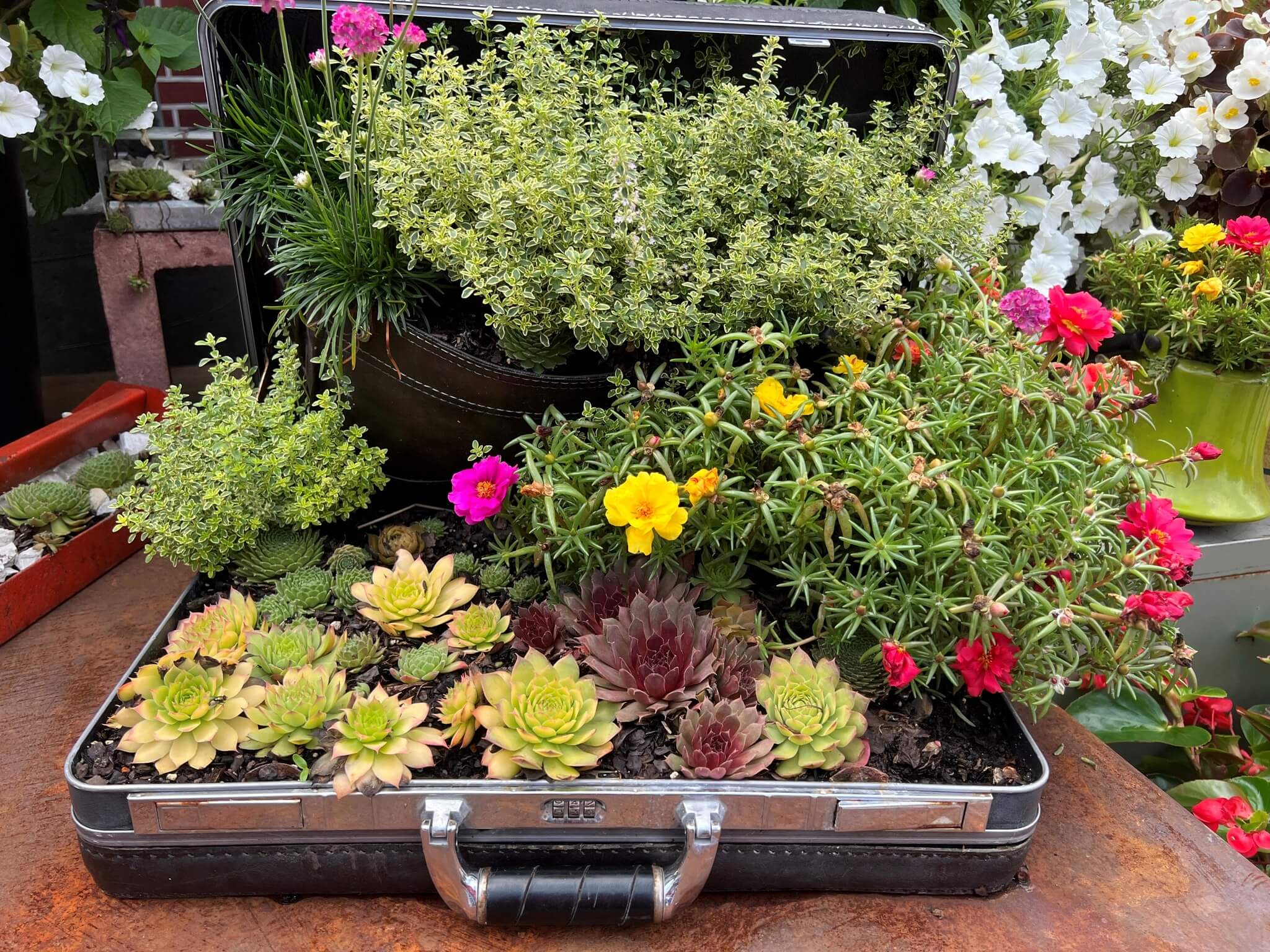
If you want a fast, affordable way to make your greenery look designer, color-blocked terracotta planters are a high-impact, low-skill DIY. Start with classic clay pots (great breathability for roots), then map bold bands, arches, or diagonal slashes using painter’s tape. Prime with a masonry or multipurpose primer, paint with outdoor-rated acrylics, and finish with a matte clear sealer if they’ll live on a balcony or porch. Keep drainage uncompromised and pair with saucers or a hidden liner to protect shelves and floors.
Curate a palette that echoes your room: tone-on-tone neutrals for a minimalist living room, sun-faded pastels for a boho bedroom, or saturated primaries for a playful kitchen herb garden. Mix pot diameters and heights to create a layered vignette and repeat one accent color across three pieces to unify the grouping. For extra polish, add topdressings—fine gravel, tumbled pebbles, or moss—to hide soil and finish the look. Terracotta’s warmth pairs beautifully with glossy foliage (think pothos, philodendron, rubber plant) and aromatic herbs outdoors.
Pro tip: leave a slim raw rim at the top to disguise water lines and reduce chipping at the lip. This simple upgrade turns everyday pots into custom, modern planters that tie your space—and your plants—together.
Vertical and Small-Space Indoor Planters: Hanging, Wall-Mounted, and Modular Displays
Vertical and small-space indoor planters concentrate greenery upward, freeing floors while multiplying light exposure along walls and windows. Anchor hardware into studs or ceiling joists, verifying load ratings for wet soil and ceramic to prevent dangerous failures. Choose modular systems—grid panels, pegboards, or rail racks—that let you reposition pots as plants outgrow spots or light angles change. Where natural light underperforms, supplement with full-spectrum grow bars on timers to standardize photoperiods and reduce legginess. Integrate hidden drip trays or capillary mats to capture runoff neatly, especially above electronics or bookshelves. Keep a lightweight watering can and microfiber cloth nearby so maintenance is quick, consistent, and mess-free.
- Mount a powder-coated grid panel to studs, clip lightweight cachepots, and rotate pothos, philodendron, and ferns seasonally to maintain lush coverage without overloading walls or dimming adjacent windows.
- Suspend a tiered hanging rail from the ceiling joist, spacing macramé slings vertically to showcase trailing hoya, string-of-pearls, and spider plants while conserving counter space and encouraging cascading silhouettes.
- Use magnetic planters on refrigerator sides for microgreens; mist daily, harvest with scissors, and sanitize surfaces weekly to keep kitchens productive without sacrificing airflow or attracting gnats.
- Layer a windowsill: narrow trough for herbs, suction-cup test tubes for cuttings, and a clamp-on grow light set to 12–14 hours, ensuring year-round growth in light-challenged apartments.
- Combine a ladder shelf with self-watering inserts; place thirstiest species on top where warmth accelerates evaporation, and drought-tolerant plants below, building a maintenance-friendly microclimate gradient.
Water top-down until slight runoff, then empty catchments within fifteen minutes to deter fungus gnats and mineral stains. Map light by observing sun patches hourly for one week, then assign sun-tolerant herbs high and shade-lovers lower or deeper indoors. Train vines along discreet adhesive hooks or clear fishing line to sculpt living arches without piercing delicate stems. Inspect weekly for mites, mealybugs, and scale; isolate affected pots and treat with alcohol swabs or horticultural soap, repeating per label. Feed modestly with a balanced, dilute fertilizer during active growth, tapering in winter dormancy to prevent salt buildup. Rotate containers quarterly to equalize light exposure and keep compositions symmetrical, polished, and photogenic.
Quick Fixes and Smart Moves for Show-Stopping Planters
How can I add drainage to a container I can’t drill?
Create a false bottom with lightweight leca or pebbles, then add a mesh barrier and pot in a nursery pot nested inside. Tip and empty excess water after irrigating.
Get the Fail-Safe Paint Color Playbook (Free PDF)
36 proven colors • 8 ready palettes • trim & sheen guide • printable testing cards.
What potting mix suits herbs planted alongside flowers?
Use a high-quality, peat-free mix amended with compost and perlite for balanced drainage and nutrition. Keep fertilizer light and consistent to support herbs’ flavor without pushing leggy growth.
How do I prevent rust or root scorch in metal planters?
Seal interiors with a water-based, food-safe barrier and insert a plastic liner with drainage. Shade metal surfaces from direct afternoon sun to reduce heat transfer to roots.
Which plants thrive on low-light vertical walls indoors?
Choose adaptable species like pothos, heartleaf philodendron, zz plant, and bird’s-nest fern. Supplement with full-spectrum bars on timers and avoid direct drafts from vents for steady growth.
Final Verdict: Bring Your Greenery to Life with Smart, Stylish Planters
The right planter strategy turns ordinary plants into design features that frame doors, define rooms, and lift small spaces. From vertical stacks and ladder shelves to rail boxes, wall pockets, and rolling caddies, you can add height, flow, and flexibility without crowding your floors. Mix materials and silhouettes—fiberstone spheres, color-dipped terracotta, woven cachepots with liners, and DIY faux-concrete—to layer texture while keeping drainage and plant health in check. Build in easy-care solutions like self-watering inserts or semi-hydro setups, then polish every vignette with thoughtful topdressings for a crisp, finished look.
Start by mapping light and watering habits, then set a cohesive palette that repeats across your home and patio. Choose a few anchors—an oversized entry urn, a low trough centerpiece, a mirror-backed console arrangement—and support them with functional heroes such as herb rail planters for privacy, trellis combos for height, modular pockets you can shuffle by season, and design-forward grow-light planters where sun is scarce. Sprinkle in small joys—mini propagation vessels, tabletop water gardens, and seasonal swaps—and let your display evolve. With a plan that balances beauty, practicality, and budget-savvy decisions, your indoor and outdoor spaces will feel curated, calm, and unmistakably yours.