
Daylily Landscaping Ideas That Instantly Elevate Your Garden (Low-Maintenance, High-Impact)
Craving bold, long-lasting color without a high-maintenance routine? Daylilies (Hemerocallis) deliver effortless curb appeal with drought tolerance, pest resistance, and a bloom show that thrives in beds, borders, slopes, and even containers.
These low-maintenance perennials excel in mixed borders, mass plantings, and pathway edges, pairing beautifully with ornamental grasses, coneflowers, salvias, and sedums. Choose early, mid, and late-season bloomers—or reblooming varieties like ‘Stella de Oro’—to stretch color for months while feeding pollinators.
Get the Fail-Safe Paint Color Playbook (Free PDF)
36 proven colors • 8 ready palettes • trim & sheen guide • printable testing cards.
Ahead, discover creative, design-forward daylily landscaping ideas for every style and space—from mailbox gardens and foundation plantings to poolside drifts and modern monochrome palettes. You’ll also pick up quick pro tips on spacing, color pairing, and dividing clumps so your garden looks lush season after season.
Color-Driven Daylily Garden Design for Borders and Beds
Daylilies deliver saturated color and reliable performance, making them ideal anchors for mixed borders and dedicated beds. Group by color temperature to control mood and visual depth, from cool lemon to smoldering burgundy. Sequence bloom times—early, mid, late, and rebloomers—to stretch flower shows across the entire summer. Mix flower forms—spider, ruffled, and miniature—to add graphic variety without overwhelming the palette. Amend soil with compost for drainage, then mulch to preserve moisture and keep scapes spotless.
Color Combinations and Layering Techniques
- Sunset Gradient Mix: Blend coral, tangerine, and burgundy daylilies from shortest to tallest, letting warm hues ripple across the border for cohesive movement and daylong visual rhythm.
- Monochrome Impact: Mass plant a single color family—lemon to chartreuse—then punctuate with variegated foliage, creating bold simplicity, easy maintenance, and amplified perceived scale along long pathways.
- Pollinator-Friendly Palette: Pair nectar-rich daylilies with purple salvia and airy verbena; contrast complementary colors to magnetize bees and butterflies while ensuring continuous bloom from spring to frost.
Placement, Spacing, and Companion Plants
- Staggered Heights: Layer dwarf, mid, and tall varieties at ratios of 3:2:1, keeping tallest at back, ensuring every bloom reads clearly without shading neighbors or overcrowding maintenance access.
- Weaving with Ornamental Grasses: Thread in fountain grass or prairie dropseed to introduce movement, fine texture, and winter silhouettes that keep daylily clumps visually dynamic after flowering subsides.
- Four-Season Structure: Anchor beds with evergreen boxwood, dwarf conifers, or burgundy shrubs; daylilies supply summer fireworks, while anchors maintain form, contrast, and curb appeal during dormant months.
Define edges with steel or brick so foliage fountains read tidy against lawn or gravel, reinforcing professional polish. Repeat key cultivars every six to eight feet to establish rhythm visitors subconsciously follow. Place bold focal clumps at path bends, gateways, and seating nodes to orient movement. In hot zones, situate darker flowers with afternoon shade to preserve saturation; reserve sunniest exposures for yellows and oranges. Install drip lines beneath mulch and deadhead spent blooms to maintain crispness without constant fuss.
Front Walkway Wow: Layered Daylilies for Instant Curb Appeal
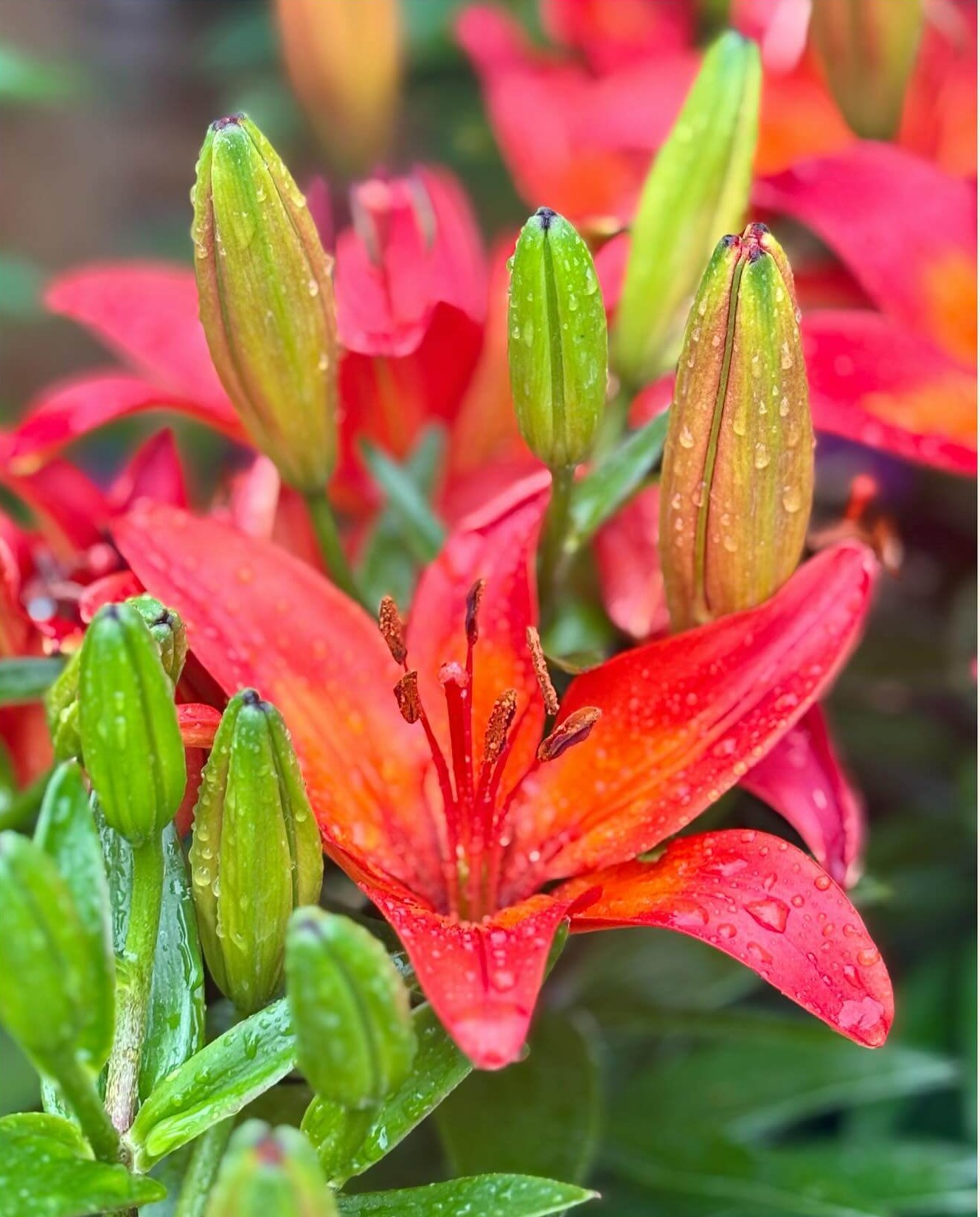
Turn your entry into a color-forward welcome by flanking the front walk with layered daylilies. Start with a reliable, repeat-blooming edge like ‘Stella de Oro’ or ‘Happy Returns’ at 12–18 inches tall to define the path crisply. Behind them, add mid-height stars—think ‘Pardon Me’ or ‘Frans Hals’—for a second tier of saturated color. Anchor the backdrop with fine-textured companions such as dwarf fountain grass, lavender, or nepeta; their airy silhouettes highlight daylily fans and blooms without competing. Space clumps 18–24 inches apart and plant in groups of 3–5 for cohesive drifts that read from the street. Choose a palette that echoes your front door or house trim to tie the landscape to the architecture. Mulch with a 2–3 inch layer of shredded bark, keeping it off the crowns, to conserve moisture and reduce weeding. In high-traffic entries, prioritize early and mid-season varieties, then tuck in a few rebloomers to carry color for months. Snip spent scapes for a neat look and top-dress with compost each spring. The result: a low-maintenance, high-impact border that looks polished from April through frost—and leads guests right to your door.
Naturalized Slope Drift: Daylilies That Tame and Color
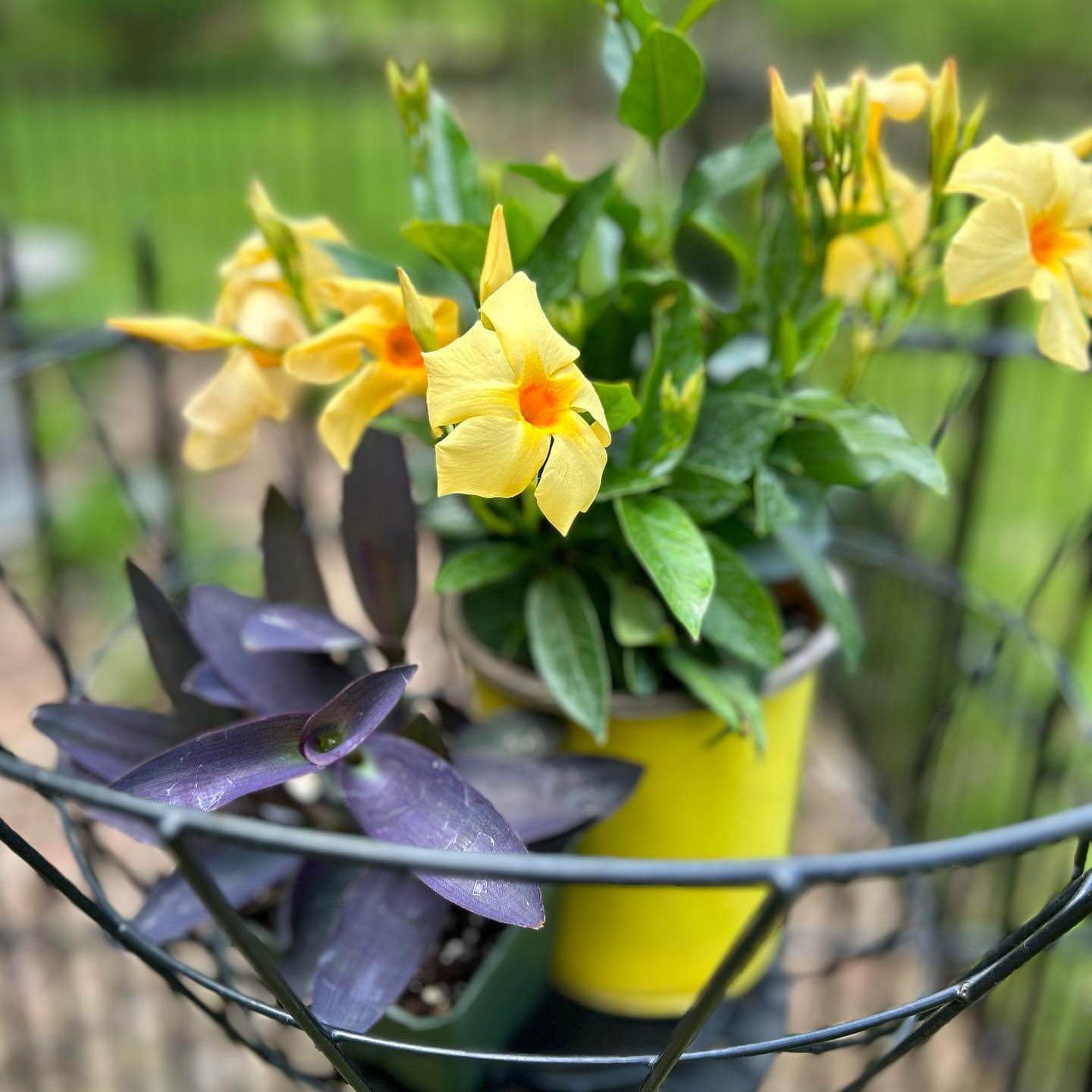
If your site slopes, let daylilies do double duty: stabilize soil and paint the hillside with long-lasting color. Their fibrous roots help hold banks, while arching foliage softens grade changes. Plant in broad, repeated sweeps—early, mid, and late-season cultivars—to create waves of bloom that roll all summer. Mix in taprooted perennials like coneflower and prairie dropseed for deeper anchoring and four-season texture. Choose vigorous, taller cultivars (24–36 inches) so flowers float above grasses and groundcovers; ‘Hyperion’ and ‘Autumn Red’ excel on banks. Space generously—24 inches on center—to allow clumps to bulk up, and water well the first season to establish. Gravel or shredded wood mulch between groups limits erosion without smothering crowns. Keep maintenance minimal: shear back browned foliage in late winter, divide every 3–5 years, and spot-weed. For wildlife value, let seedheads from companions stand into winter and interplant nectar-heavy salvias to feed pollinators in the shoulder seasons. The effect is painterly yet practical—an easy, drought-tolerant tapestry that trades mowing for movement, and transforms a problem area into a signature view.
Modern Monochrome: Graphic Impact with One Hue
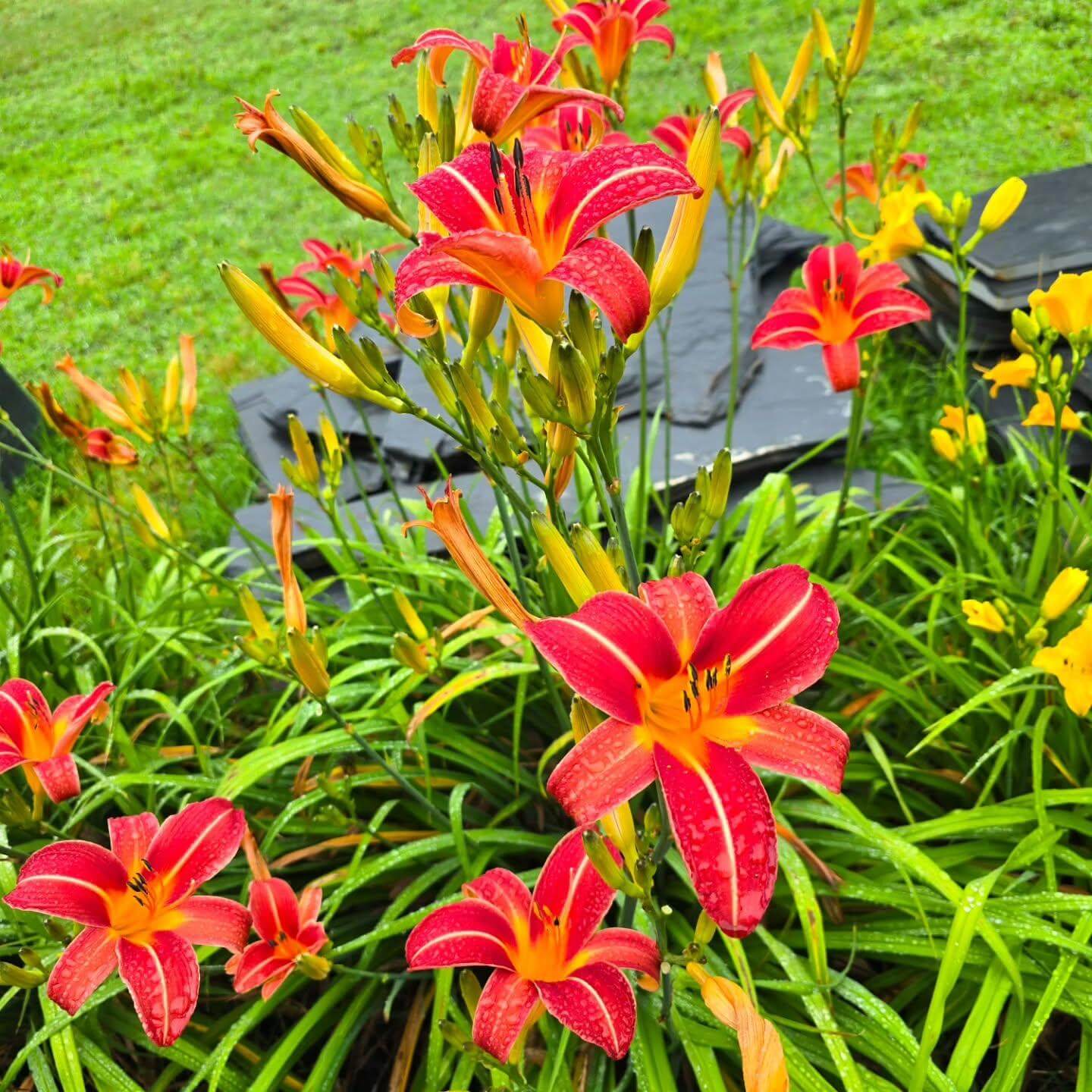
For a contemporary garden, lean into a single color family and mass daylilies for bold geometry. Pick a defined palette—copper-apricot, lemon-lime, or deep burgundy—and stick to it across cultivars for tonal depth without visual noise. Plant in clean bands or blocks along rectilinear hardscape to echo modern lines; repeat the same cultivar in at least three separate areas to create rhythm. Pair with minimalist companions like blue fescue, dwarf miscanthus, or evergreen spheres; their form and texture provide contrast that makes blooms feel intentional, not busy. Use dark gravel or steel edging to sharpen the outline, and keep foliage crisp by cutting back spent scapes promptly. Choose rebloomers or a staggered trio (early, mid, late) within your hue so color persists from early summer through fall. For a refined finish, color-match containers, cushions, or a gate to your chosen bloom tone. This restrained approach spotlights the sculptural fans and starry flowers of daylilies while delivering high-impact curb appeal that reads chic, not cottage—proof that daylilies thrive in modern design.
Patio Power Pots: Repeat-Blooming Daylilies in Containers
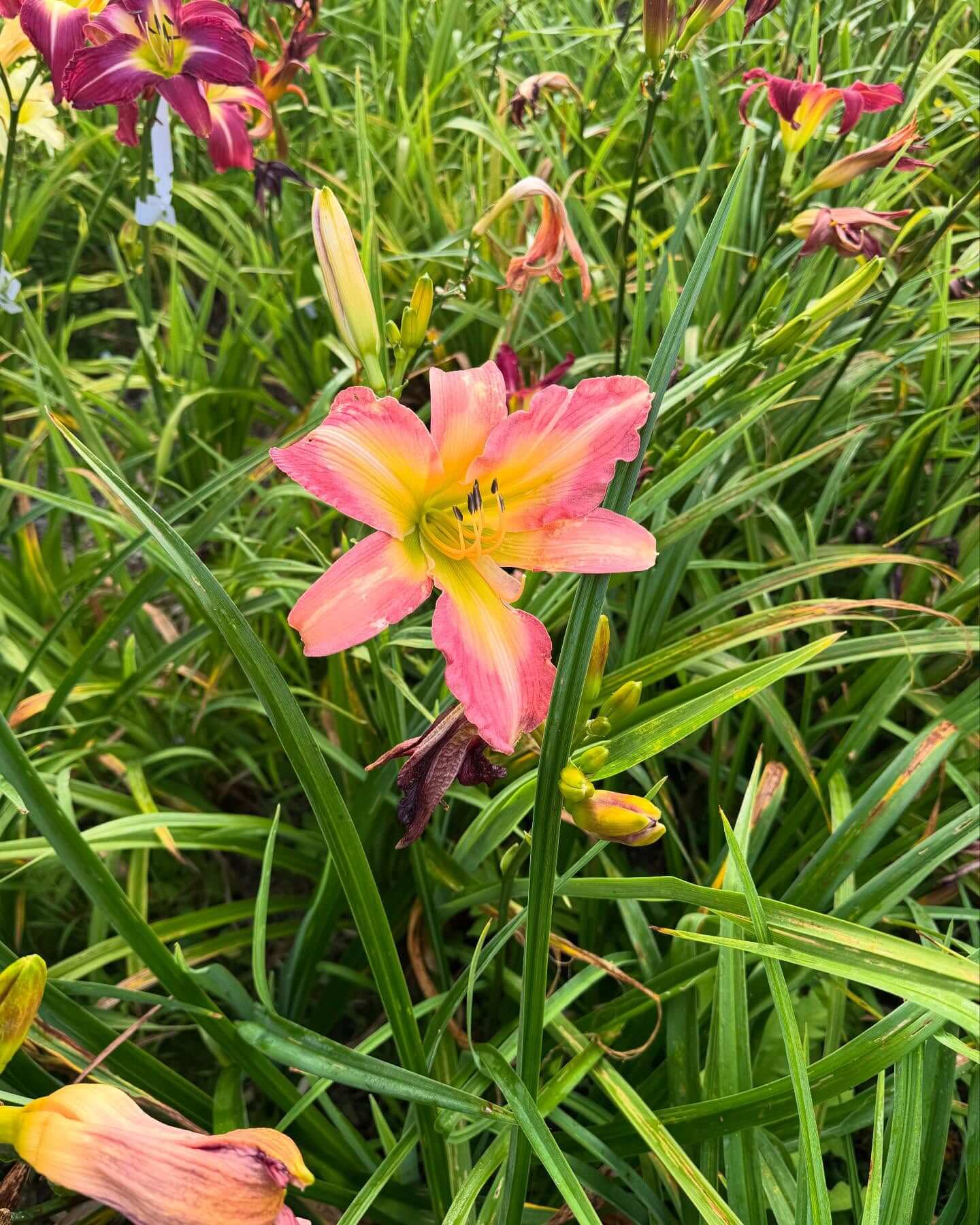
Daylilies aren’t just for beds—use them in oversized containers for movable color on patios and decks. Choose compact or reblooming varieties (‘Stella de Oro’, ‘Little Grapette’, ‘When My Sweetheart Returns’) and pair with trailing accents like dichondra, sweet potato vine, or creeping jenny to soften rims. A 16–20 inch wide pot with drainage is ideal; fill with a high-quality, peat-free mix amended with slow-release fertilizer. Position where they’ll receive 6+ hours of sun, and group three containers for a lush, collected look. Water deeply when the top inch of soil is dry; containers dry faster than beds, so a drip line or self-watering insert helps in heat waves. After each bloom flush, clip spent scapes and feed with a liquid seaweed or balanced fertilizer to encourage the next round. In cold climates, overwinter pots in a sheltered spot, or heel them into the ground to protect crowns. Containers let you test color palettes, pull blooms close to seating, and refresh tired corners instantly—with the bonus of easy rearranging as the season evolves.
Mailbox Mini-Garden: A Bright Beacon at the Curb
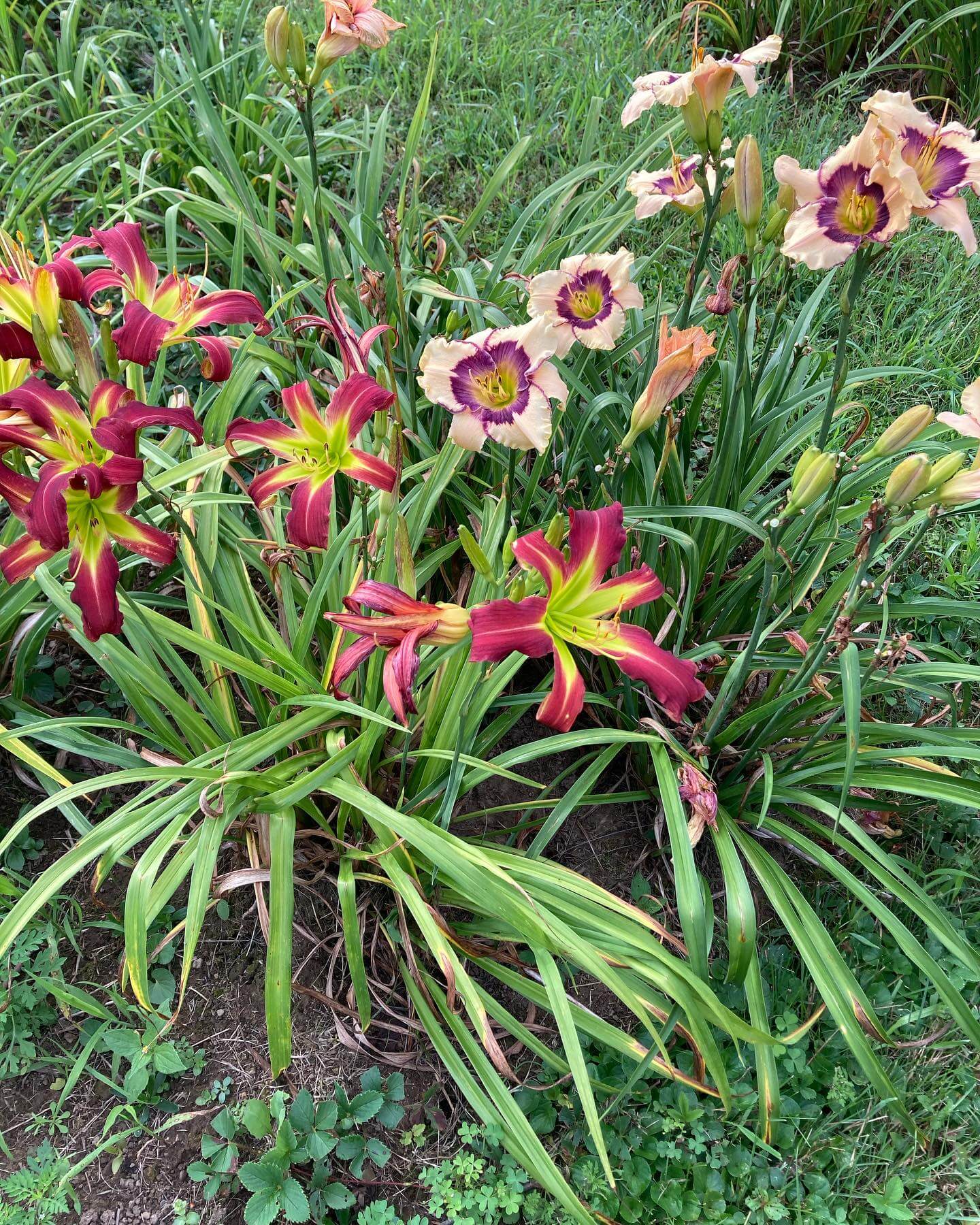
A mailbox island is the perfect petite canvas for daylily color. Go 360 degrees: place a compact rebloomer at the post’s base, then ring with mid-height varieties for layered interest that reads well from passing cars. Choose tough companions that handle reflected heat—salvia, yarrow, sedum—and a fine-textured grass to frame the display. Use a bold, contrasting mulch or gravel to outline the bed and keep it tidy. Because mailboxes see salt, splash, and drought, favor resilient cultivars and amend soil with compost for drainage. A drip ring or quick weekly soak during dry spells keeps blooms coming. For cohesive curb appeal, color-coordinate flowers with the box or house numbers; even a painted post collar that echoes bloom tones can make the vignette feel designed. Edge with stone or steel to deter turf creep, and keep plants 6–8 inches off the post for mail access. With just a few square feet, you’ll get months of low-maintenance color that turns a utility spot into a cheerful landmark.
Dappled Shade Done Right: Daylilies at Woodland Edges
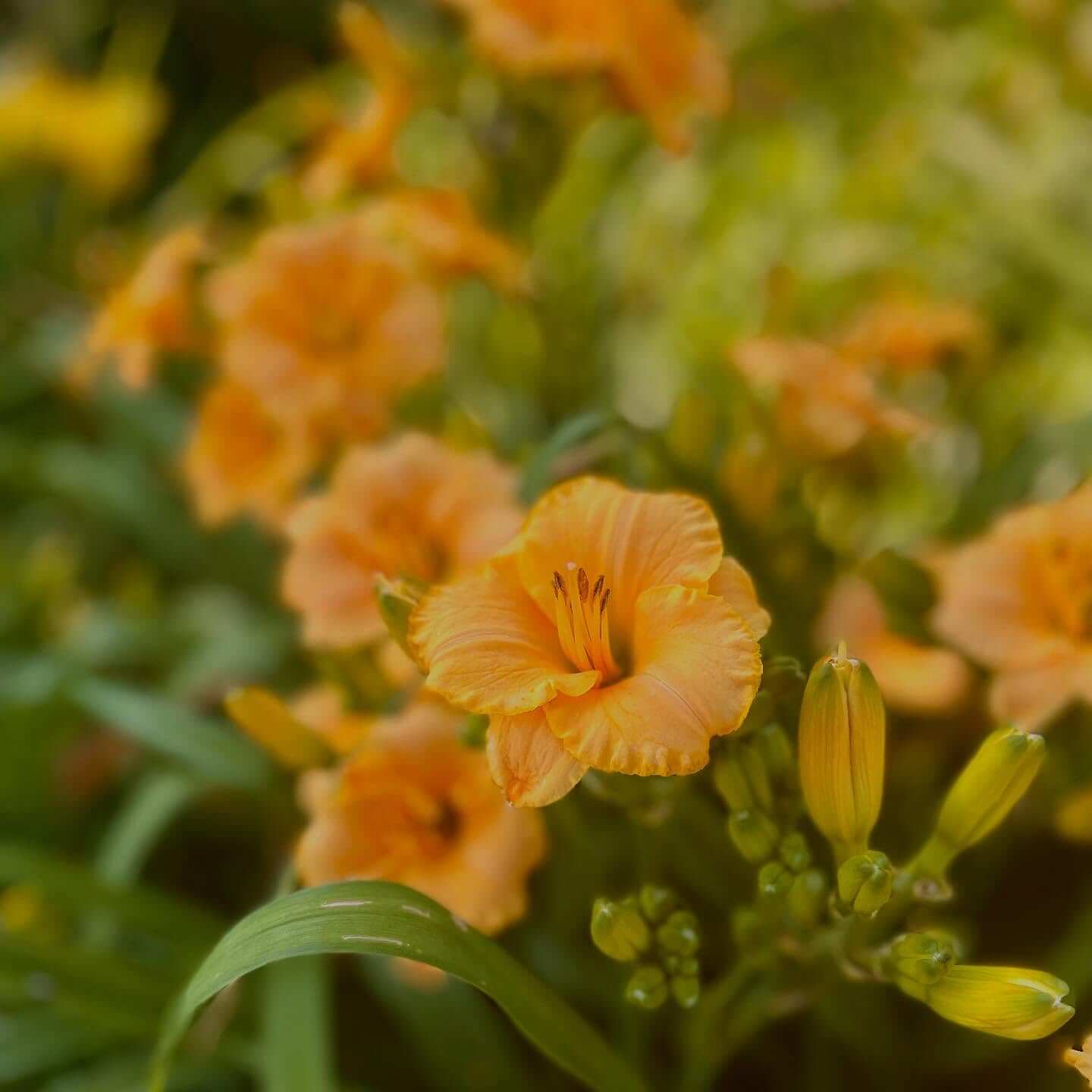
Daylilies prefer sun, but they’ll still shine at woodland edges with morning light and afternoon shade. In part-sun, choose lighter-colored cultivars—pale yellow, peach, or cream—which often glow under trees; ‘Catherine Woodbury’ and ‘Joan Senior’ are reliable. Pair with hosta, Japanese forest grass, and ferns for layered texture that stays fresh after peak bloom. Site plants where they receive at least 4–6 hours of light to maintain flowering, and avoid dense root competition by mulching with leaf mold and watering deeply during dry spells. The arching fans provide a graceful transition from lawn to understory, while their tidy clumps define paths and clearings. In these microclimates, prioritize disease-resistant selections and good airflow to minimize rust; space 24 inches apart and thin as needed. Add spring bulbs (daffodils, camassia) for early color before trees leaf out, and late-season companions (anemone, toad lily) to bridge fall. This approach delivers a soft, naturalistic edge that feels cool and composed—even on hot days—without sacrificing the easy care that makes daylilies a landscaping staple.
Season-Long Show: Build a Daylily Bloom Calendar
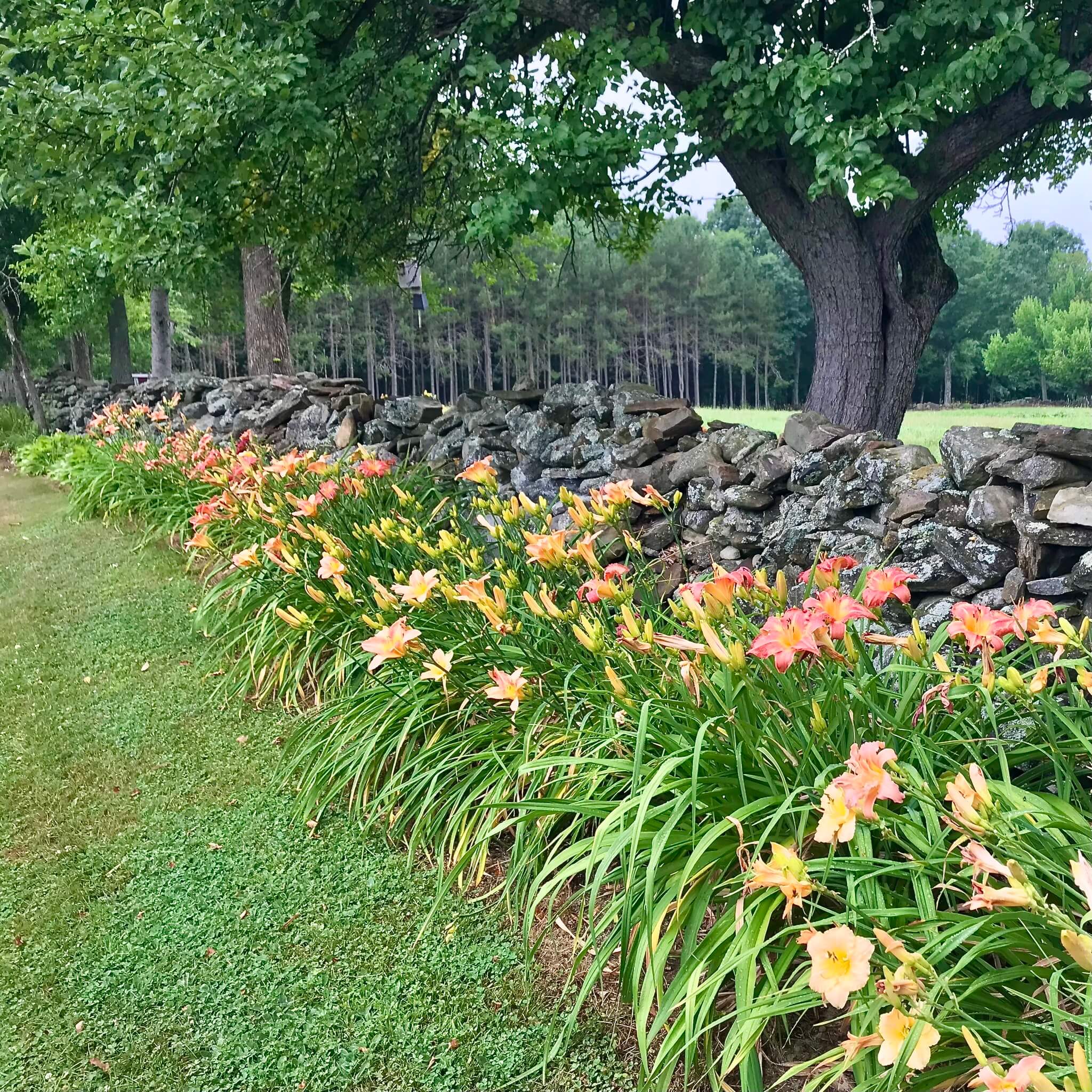
Designing a calendar of color is the secret to daylily landscapes that never fade. Start by selecting cultivars across bloom windows: early (late spring), mid (midsummer), late (late summer), plus a few rebloomers to fill gaps. Example trio: ‘Bitsy’ (early), ‘Ruby Spider’ (mid), ‘Autumn Minaret’ (late), anchored by ‘Stella de Oro’ rebloom. Plant in repeating groups so each time slot is represented in multiple beds—front walk, foundation, and patio—ensuring color is always in view. Mix flower forms (spider, ruffled, classic) for added dimension, and coordinate hues that transition gracefully: citrus tones into hot reds, then duskier purples as days shorten. Feed lightly in spring, water deeply during bud set, and remove spent scapes to cue reflush. Keep notes the first year: tag bloom times and vigor, then edit next season by adding or shifting clumps to tighten the sequence. The payoff is an effortless, nearly continuous display that carries from June to frost—proof that a little planning turns daylilies into a four-month marquee.
Heat Strip Heroes: Daylilies Along Drives and Pool Decks
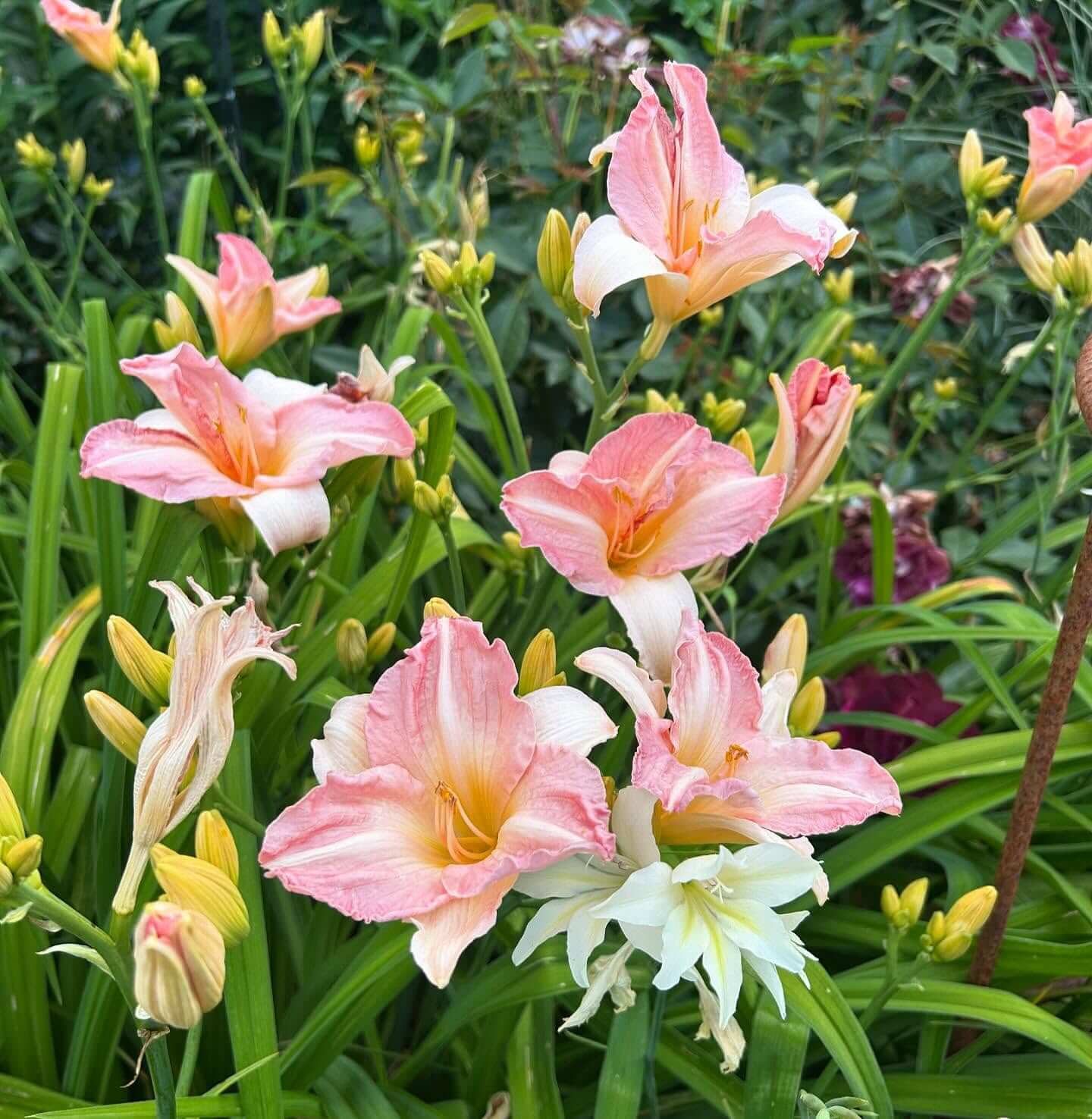
Reflective heat from pavement and stone can fry fussy plants, but daylilies handle the sizzle once established. Use them to green up driveway borders, medians, and pool decks where irrigation is sparse and traffic is high. Choose sun-loving, heat-tolerant cultivars in bright, photogenic tones for poolside pop; pair with low, evergreen structure (dwarf juniper, liriope) for year-round form. In narrow strips, repeat a single variety every 18 inches for a clean, rhythmic edge that looks maintained with minimal effort. Swap traditional bark for a light-colored gravel mulch to reflect heat off crowns and keep splash down around pools. Install drip lines under mulch to deliver water efficiently without wetting foliage. Near hardscape, prioritize tidy habit and quick clean-up: shear yellowing fans in late fall and clip scapes as they finish to maintain a resort-ready look. Bonus: daylily clumps help catch dust and soften the glare of big paved surfaces, turning harsh edges into welcoming, color-rich corridors.
Cottage Layers That Don’t Flop: Daylilies as the Middle Act
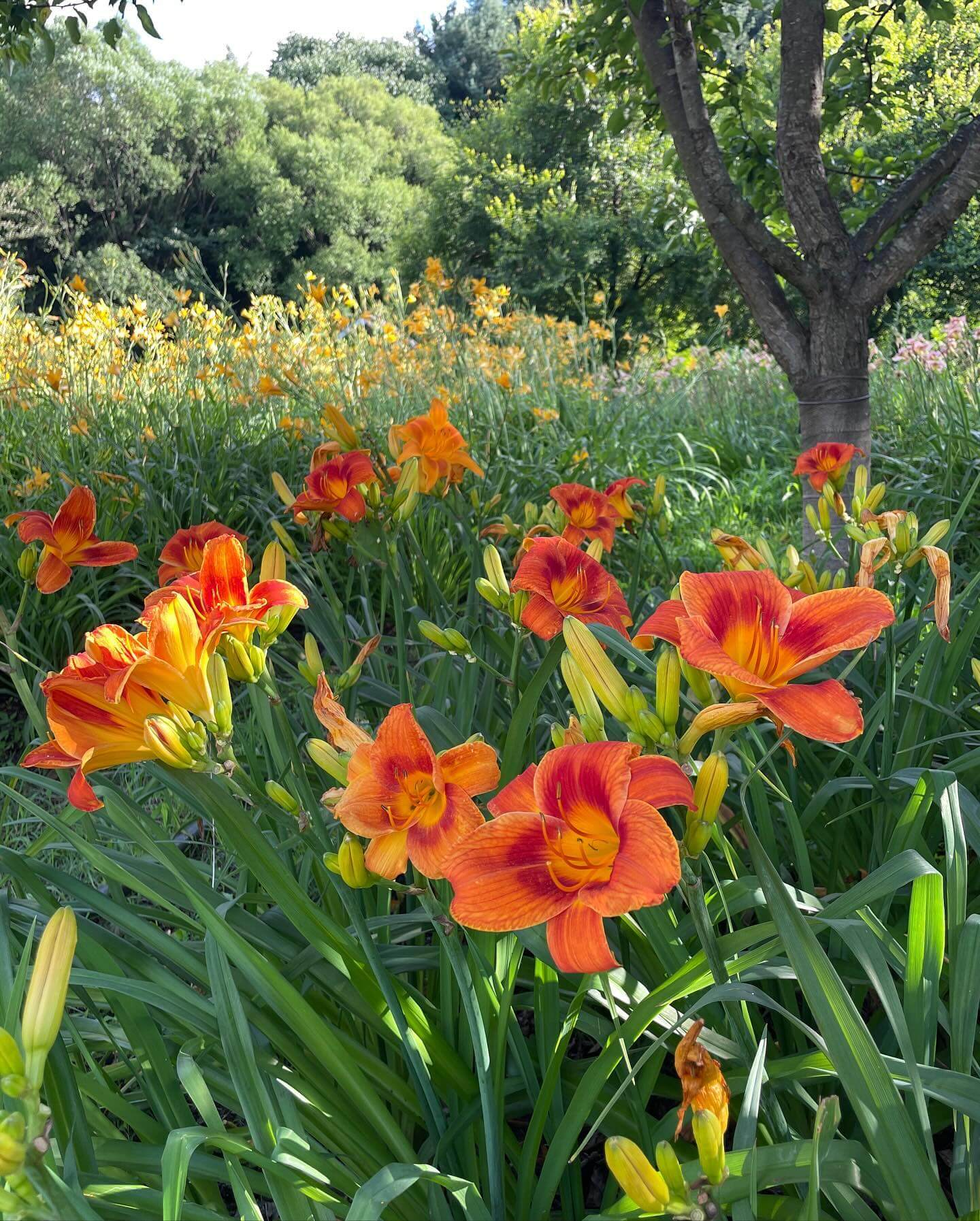
In cottage-style borders, daylilies are the dependable middle layer that keeps the show cohesive. Position them between taller anchors—shrub roses, hollyhocks, Joe Pye weed—and front-edge pollinator magnets like salvia and catmint. Their fountain foliage hides bare rose canes and the legs of taller perennials, while starburst blooms knit eclectic plantings together. Blend classic tones—apricot, coral, lemon—with coneflower and yarrow for a sun-washed palette that photographs beautifully in golden hour. Stagger heights (18–36 inches) so flowers step forward without blocking views, and repeat key colors every 4–6 feet to lead the eye down the bed. Cottage gardens can be exuberant; maintain breathing room by spacing daylily clumps 20–24 inches and editing seedlings. A midseason haircut for flopping companions keeps everything upright without staking. The result is luscious, wildlife-friendly abundance with structure built in—flowers for bouquets, nectar for pollinators, and a border that still looks tidy when the cottage chaos kicks in.
Get the Fail-Safe Paint Color Playbook (Free PDF)
36 proven colors • 8 ready palettes • trim & sheen guide • printable testing cards.
Crisp Edges, Easy Care: Divide, Mulch, and Repeat
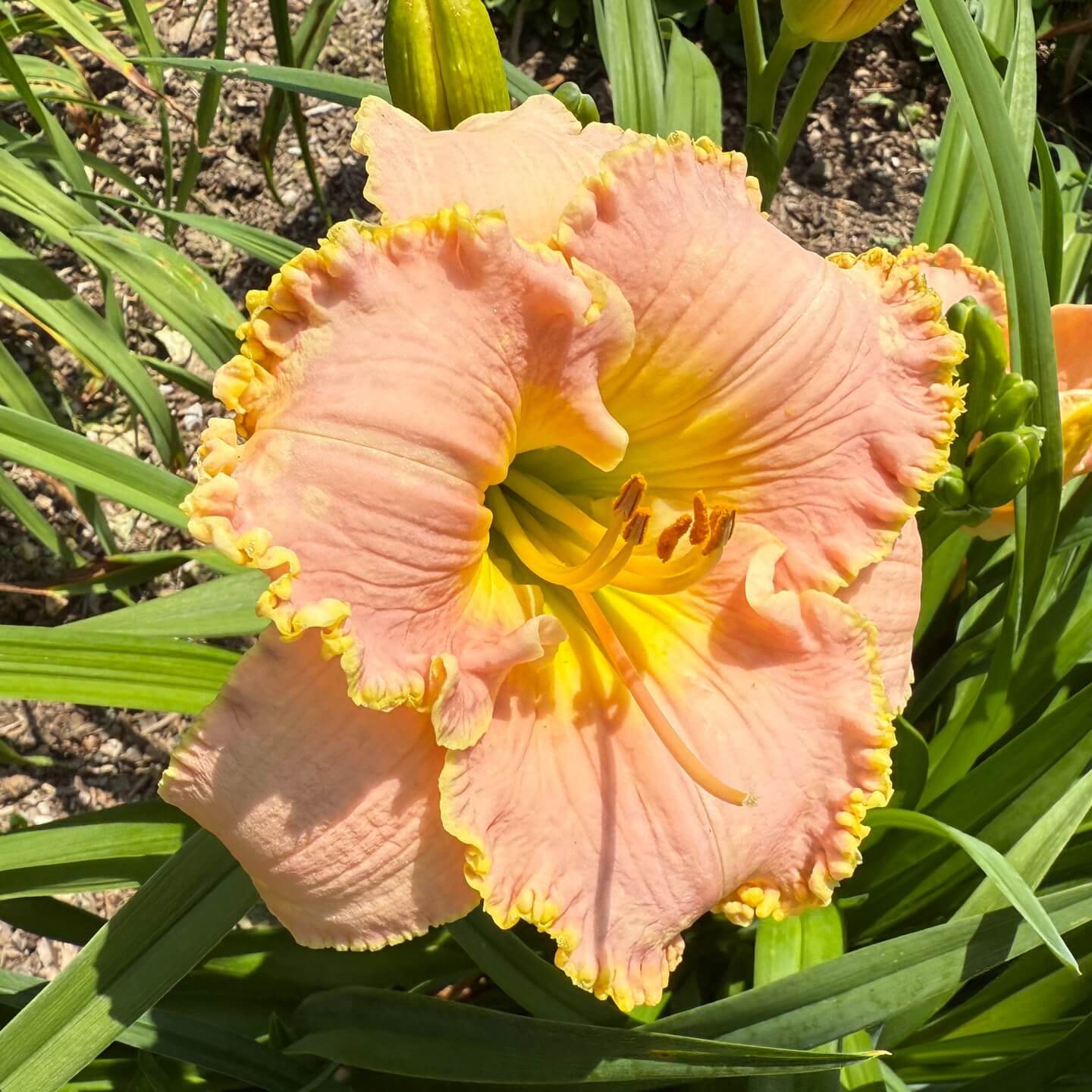
Clean lines elevate any daylily landscape, and simple maintenance keeps them blooming hard. Define paths and beds with a continuous ribbon of compact daylilies or steel edging for a sharp transition from lawn to planting. Every 3–5 years, divide crowded clumps in early spring or late summer: lift, split into 3–5 fan divisions with healthy roots, and replant at crown level 18–24 inches apart. This resets vigor, increases flower count, and lets you repeat successful cultivars elsewhere for design cohesion. Top-dress with 1–2 inches of compost in spring and renew mulch to a 2–3 inch depth to suppress weeds and conserve moisture, keeping mulch off crowns to prevent rot. Water deeply but infrequently to encourage robust roots; most established daylilies handle dry spells well. Monitor for rust in humid climates—good spacing and morning sun improve airflow—and remove any infected foliage promptly. With these habits, your borders stay crisp, colorful, and low-fuss, season after season—exactly why daylilies earn a top spot in smart, high-impact landscape design.
Get the Fail-Safe Paint Color Playbook (Free PDF)
36 proven colors • 8 ready palettes • trim & sheen guide • printable testing cards.
Foundation Facelift: Daylilies Under Windows with Evergreen Backbone
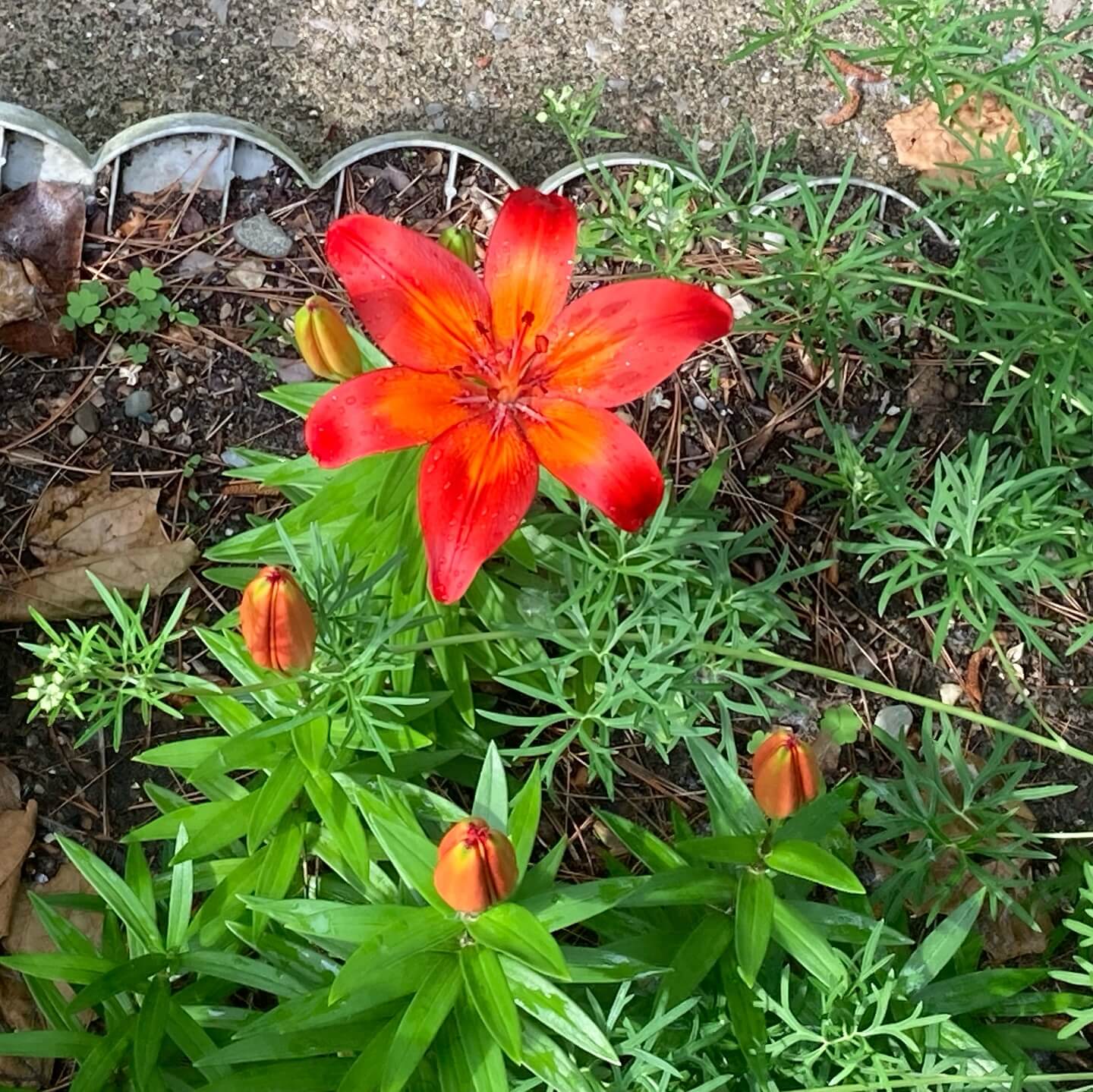
Give your home’s facade a lift with a foundation planting that mixes daylilies’ seasonal color with year-round structure. Start with a simple backbone—compact evergreens like boxwood, inkberry holly, or dwarf arborvitae—to anchor the line. In front, weave 18–24 inch-tall daylilies (Hemerocallis) in repeating groups of three to five for rhythm and easy maintenance. Choose a tight palette that complements your siding—soft apricots against brick, sunny golds for gray paint, or rich reds near white trim—so your daylily landscaping reads as intentional design, not a color jumble. Tuck in spring bulbs for early interest, then layer summer companions that won’t crowd the clumps: catmint, dwarf salvia, or low sedums deliver pollinator appeal and a clean finish. Keep foliage from touching the foundation to promote airflow; space daylilies 18 inches on center and mulch 2–3 inches to conserve moisture and suppress weeds. In hot climates, favor morning sun with light afternoon shade to extend bloom and leaf quality. Deadhead spent flowers weekly for a tidy apron beneath windows, and shear scapes when they finish. Divide every 3–4 years to maintain vigor—your front elevation will stay crisp, colorful, and camera-ready all season.
Rain-Garden Ribbons: Daylilies Along Swales and Downspouts
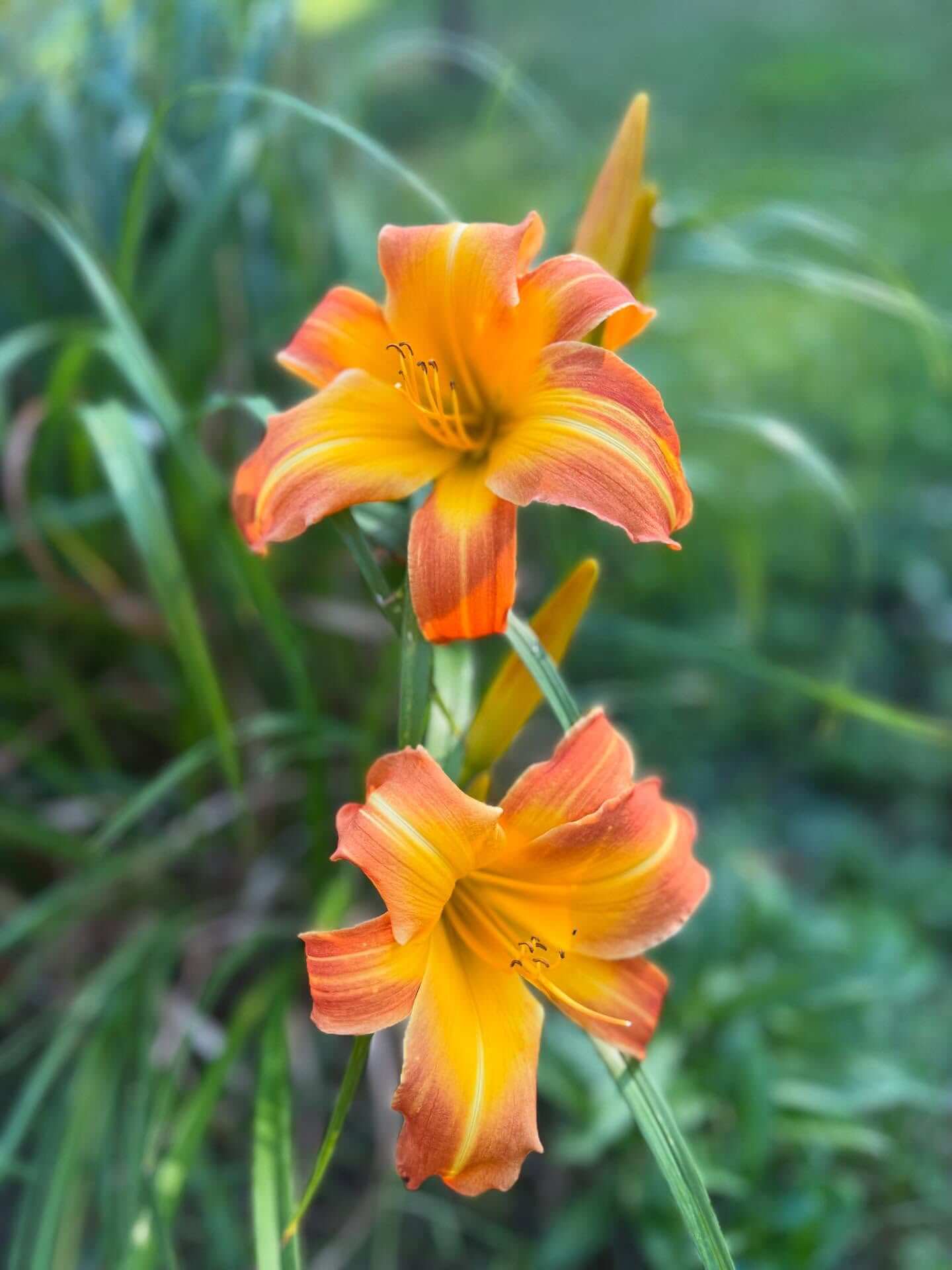
For low spots, swales, or the arc below a downspout, daylilies thrive as resilient, deep-rooted perennials that tolerate periodic wet followed by dry spells. Curve a broad “ribbon” of clumps along the water’s path to slow runoff and stitch the grade together with color. Choose sturdy mid-size cultivars and interplant moisture-adaptive companions—blue flag iris at the wettest point, then move to echinacea, little bluestem, and joe-pye weed as the soil drains. Repeat two to three daylily hues along the curve to visually guide the eye while keeping the palette cohesive. Elevate the edges with 2–3 inches of shredded bark for infiltration, and build a shallow berm on the downhill side to catch more water. Full sun (6+ hours) powers the longest bloom, but light afternoon shade works in hotter zones. Avoid fertilizers high in nitrogen, which spur foliage at the expense of flowers; compost top-dressing in spring is plenty. Cut back spent scapes and seed pods to prevent self-sowing where you want clean drifts. This storm-smart planting adds habitat, manages water gracefully, and turns a problem area into a pollinator corridor that hums through midsummer.
Color Echo Carry-Through: Repeat Daylily Hues Across the Property
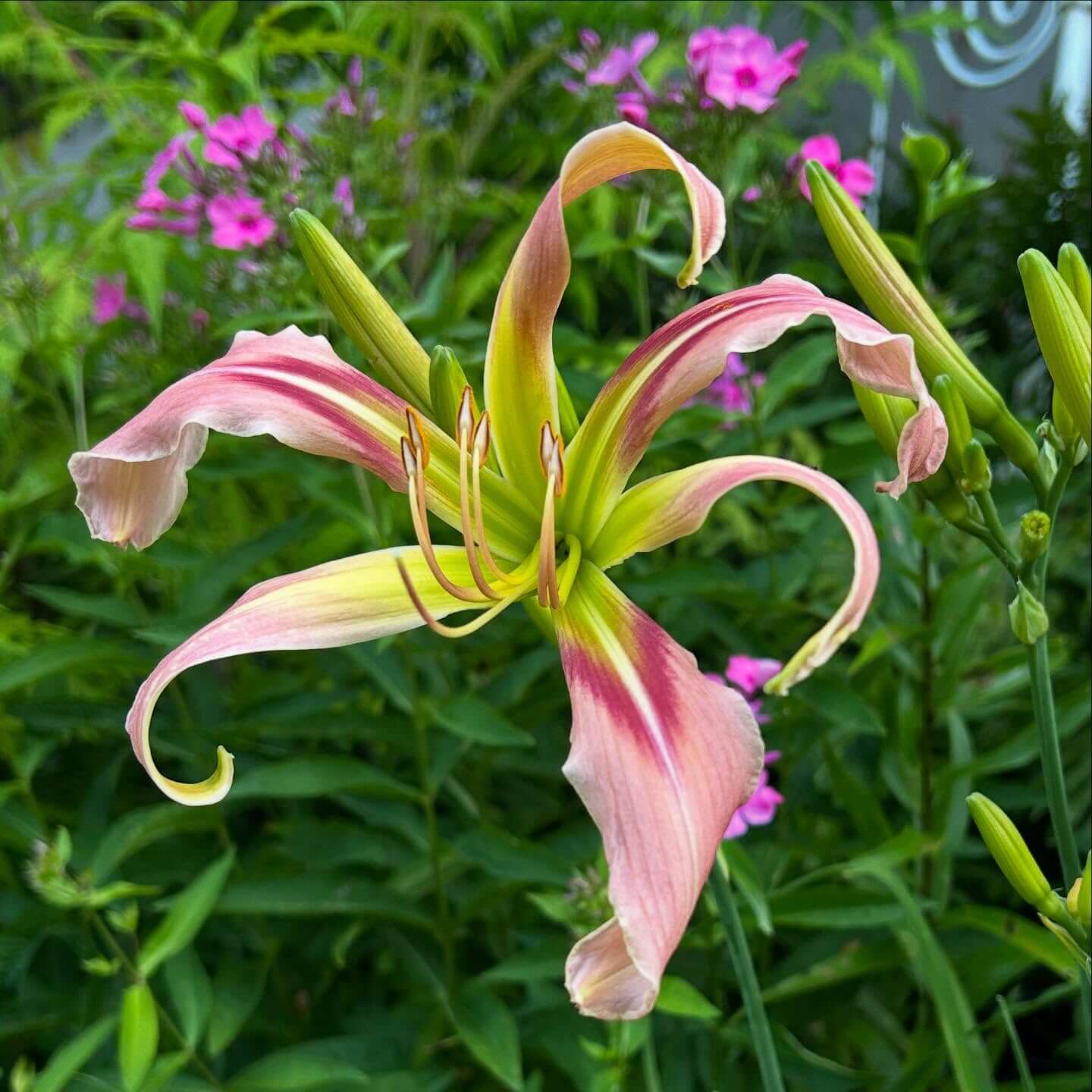
Create a designer look by echoing daylily colors from curb to backyard. Pick a dominant hue family—citrus golds, coral-pinks, or burgundy-reds—and repeat it in strategic touchpoints: mailbox pocket, front foundation, side-yard pass-through, then the patio view. Use similar-toned daylilies of different heights to scale each space: dwarfs (12–16 inches) for tight beds, standards (24–30 inches) where you need volume. Reinforce the echo with supporting players in the same family—yarrow, agastache, or rudbeckia—so the eye connects the dots without feeling monochrome. Break up the scheme with foliage contrast: blue fescue, silver artemisia, and glossy evergreen mounds keep the palette sophisticated. Plant in odd-numbered groups and repeat each group at least three times across the property for cohesion. If you love variety, keep it within your chosen lane—choose early, mid, and late-blooming daylilies in your palette to extend the show. Finish with consistent edging and mulch for a continuous, crisp line. The result reads as one connected landscape, where every bed “talks” to the next—and your daylilies become the chorus that carries the melody all season.
Gravel & Stone Harmony: Compact Daylilies in Rock and Dry Gardens
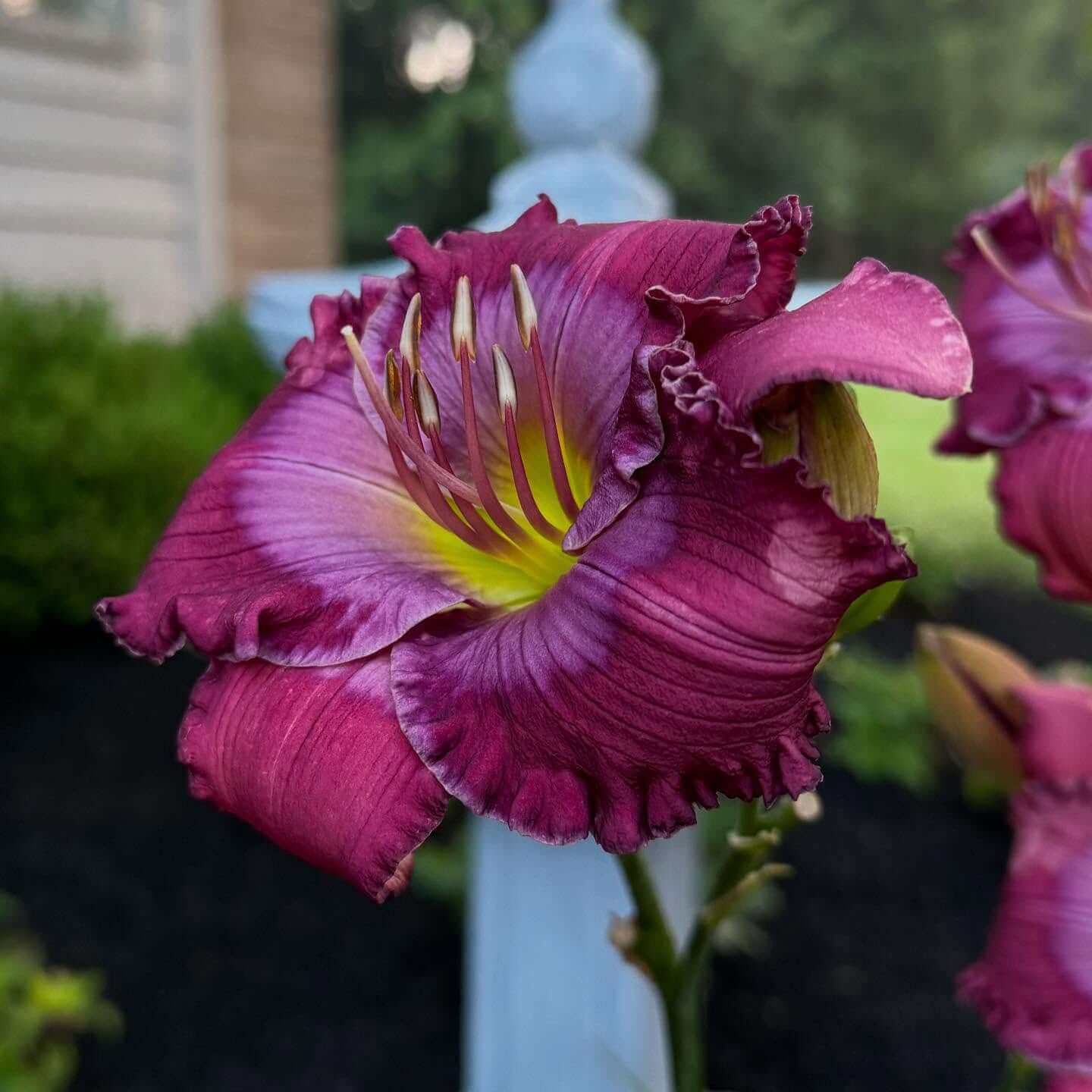
Lean into a water-wise look by setting compact daylilies into gravel or stone-mulched beds. The clean backdrop amplifies bloom color and keeps foliage dry, boosting disease resistance and reducing weeding. Create mounded “islands” of amended soil (8–10 inches high) for sharp drainage, then plant dwarf and low-mounding cultivars in drifts, stitching spaces with thyme, ice plant, or blue fescue for fine texture. Use boulders or standing stones as anchors, placing clumps where their arching leaves can soften rock edges. Warm-toned daylilies glow against pale gravel; cooler purples and reds pop near charcoal chips. In hot sites, orient plantings for morning sun and give a touch of afternoon shade if leaves scorch. Water deeply but infrequently to encourage resilient roots; once established, daylilies handle drought with ease. Top off the gravel annually to keep a tidy, modern finish. For four-season structure, add a dwarf conifer or architectural yucca, then thread in sedums for fall interest. This rock-garden approach proves you can have exuberant color and low maintenance—no thirsty lawn required—and it’s a standout daylily landscaping idea for sloped, sunny properties.
Side Yard Streamline: Daylilies for Slim, Heat-Reflective Corridors
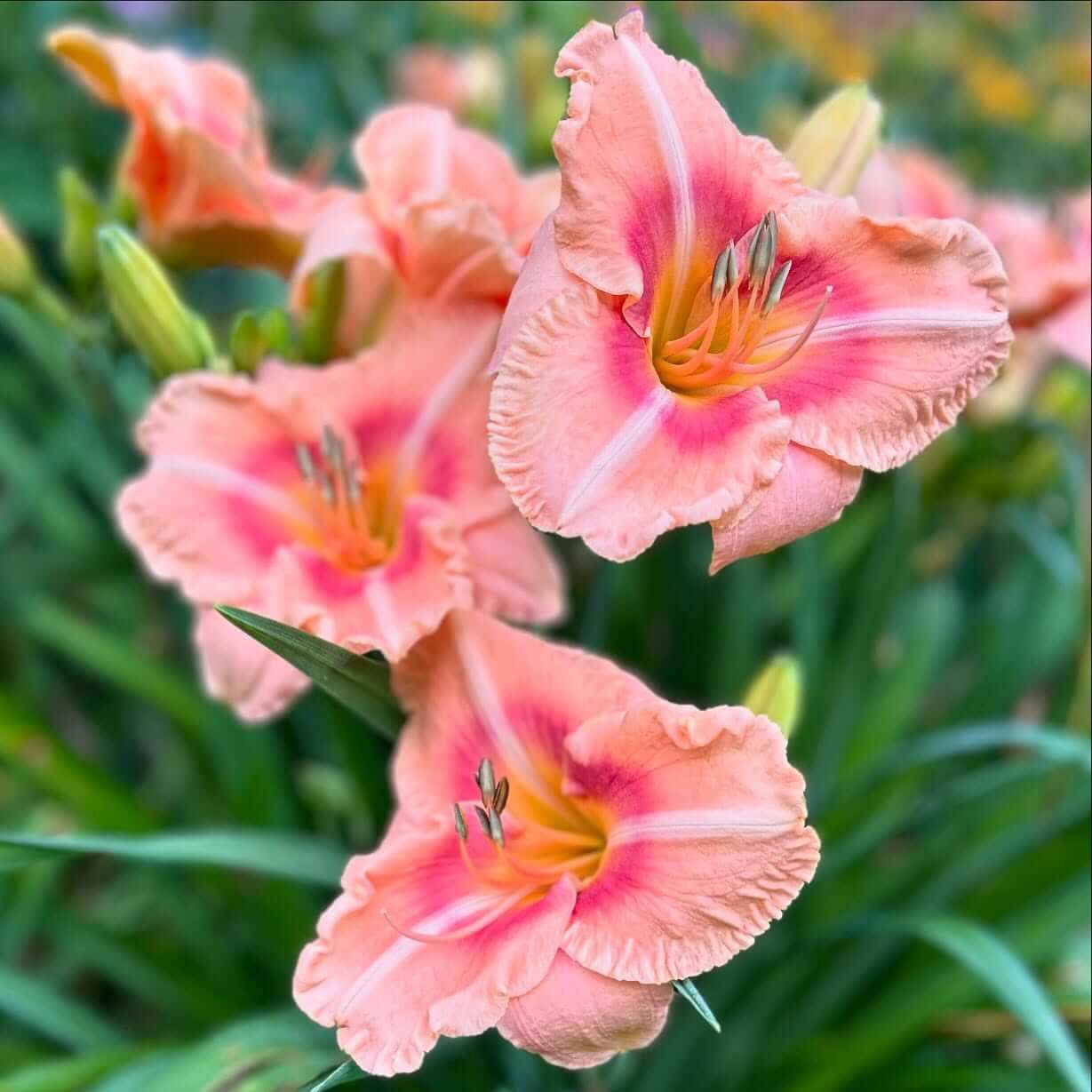
Turn a narrow side yard into a purposeful pass-through with a linear daylily border that loves reflected heat from fences and walls. Choose upright, narrow clumps (18–24 inches wide) to keep pathways clear, spacing plants 16–18 inches on center for a lush ribbon that won’t flop. Repeat just two bloom colors to elongate the space visually—think lemon yellow with soft apricot for an airy feel, or ruby with wine-purple for drama. Underplant with low groundcovers (creeping thyme, drought-tolerant mazus) to knit the soil and reduce mulch spill on pavers. Thread in vertical accents every 8–10 feet—ornamental grasses or compact shrubs—to break the corridor into welcoming “rooms.” Install dripline along the base of the border to deliver water efficiently and keep foliage dry; daylilies reward this with cleaner leaves and more flowers. If the corridor gets only 4–5 hours of sun, opt for lighter-colored cultivars, which often bloom better in part sun. Add solar path lights to highlight evening flowers and guide footing. With clean edges and repetition, your once-forgotten strip becomes a streamlined showcase that’s easy to maintain and delightful to walk.
Island Bed Showpiece: Layered Daylilies with Four-Season Bones
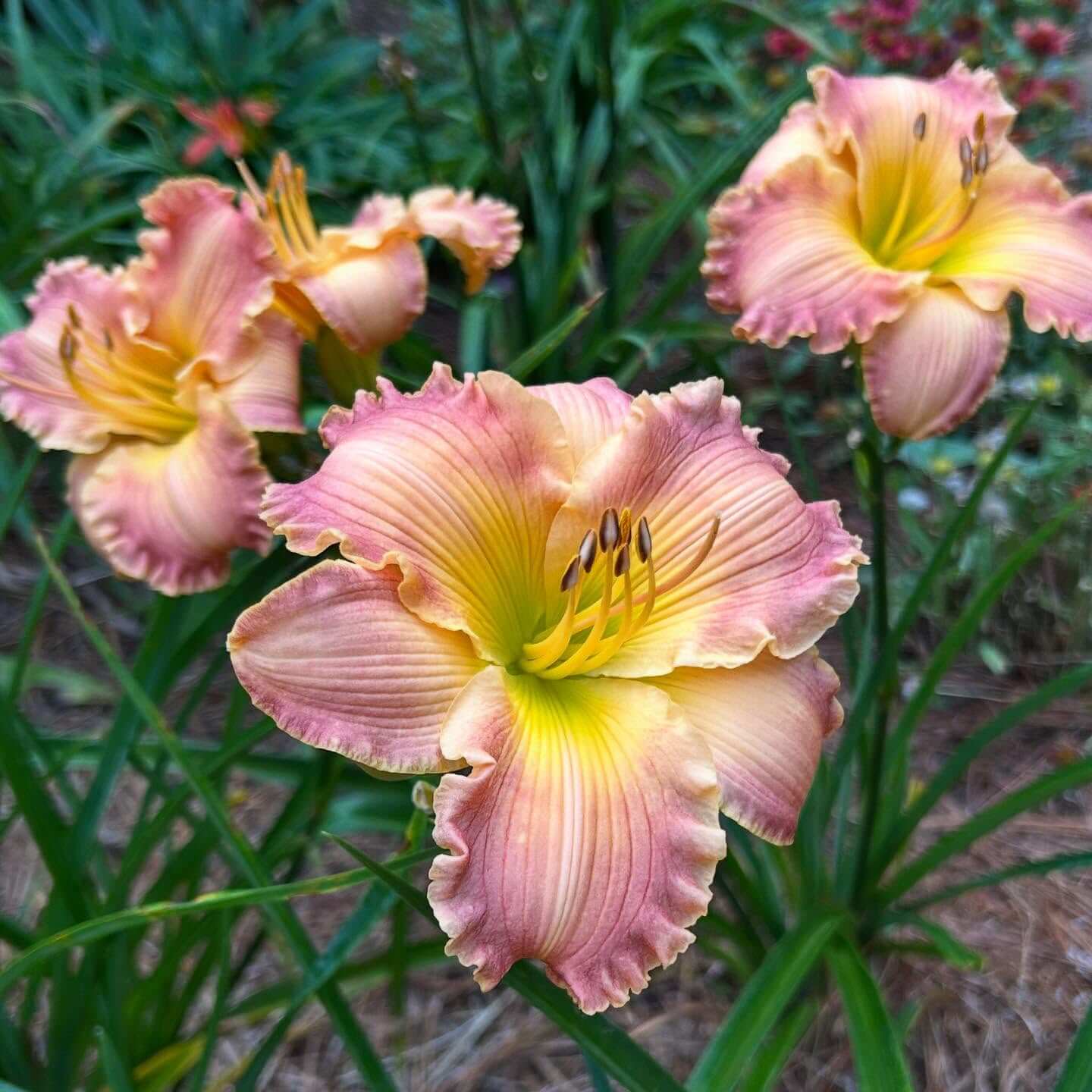
In lawn or larger gravel expanses, an island bed offers 360-degree views—perfect for daylilies layered around strong, all-season structure. Start with a central anchor: a small ornamental tree (serviceberry, Japanese maple) or a cluster of three upright shrubs. Ring the anchor with mid-height daylilies for peak summer color, then add a second ring of lower growers to create a cascading profile that looks full from every angle. Thread in four-season companions—dwarf conifers, evergreen boulders (yes, they count as structure!), and spring bulbs for early pop. To keep the island cohesive, repeat two to three daylily cultivars rather than sprinkling many singles; massing reads best from a distance. Mulch with fine pine bark for a finished look and easier division in future years. Edge the bed cleanly—steel, stone, or a deep spade cut—to separate lawn and preserve shape. Water deeply during the first season, then taper; island beds can dry faster, but daylilies are forgiving once established. Finish with a color “echo” plant—coneflower, gaura, or salvia—that mirrors your primary daylily hue and extends bloom beyond their peak.
Pollinator Ribbon: Daylilies Woven with Native Perennials
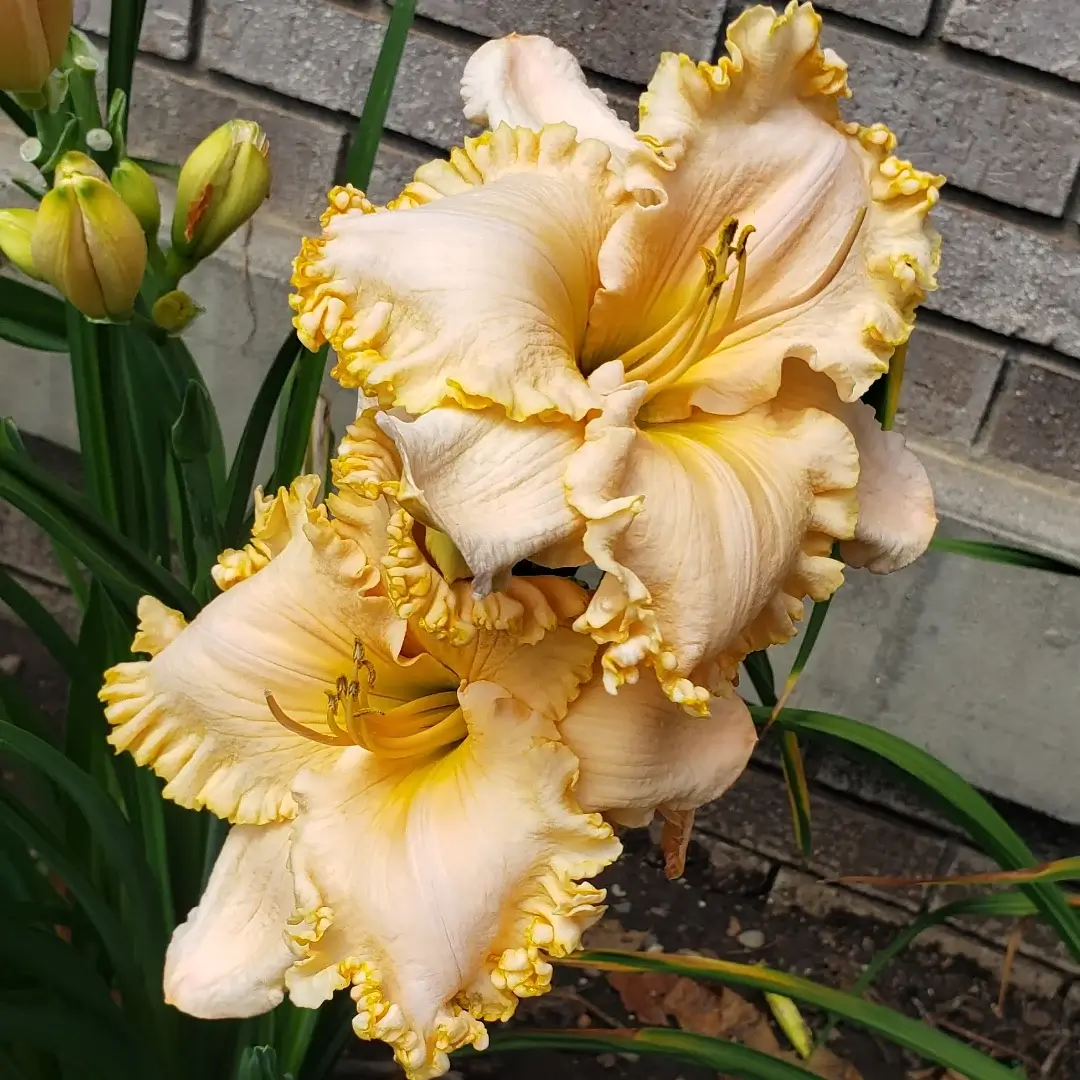
While daylilies are not the absolute top nectar plants, they still draw bees and the occasional butterfly—especially when teamed with nectar-rich natives. Build a long, low-maintenance border that braids daylilies with coneflower, bee balm, black-eyed Susan, mountain mint, and little bluestem. Stagger heights from back to front so daylily fans create a graceful mid-layer, with airy bloomers floating above. Choose early, mid, and late-blooming daylilies to bridge gaps between native waves; rebloomers keep color pulsing. Keep the palette tight—think sunrise (gold, coral, pink) or prairie jewel (magenta, orange, purple)—for visual unity. Skip pesticides; spot-treat weeds and let dense planting do the work. Leave some seedheads for birds, then shear daylily scapes after flowering to tidy. In fall, a light chop-and-drop adds organic matter and habitat. This pollinator ribbon doubles as a low-water, high-impact screen along fences or property lines, providing motion, habitat, and a long season of interest with minimal fuss. It’s a biodiversity-forward daylily landscaping idea that looks good and does good.
Terrace Tiers That Hold: Daylilies on Steps and Retaining Ledges
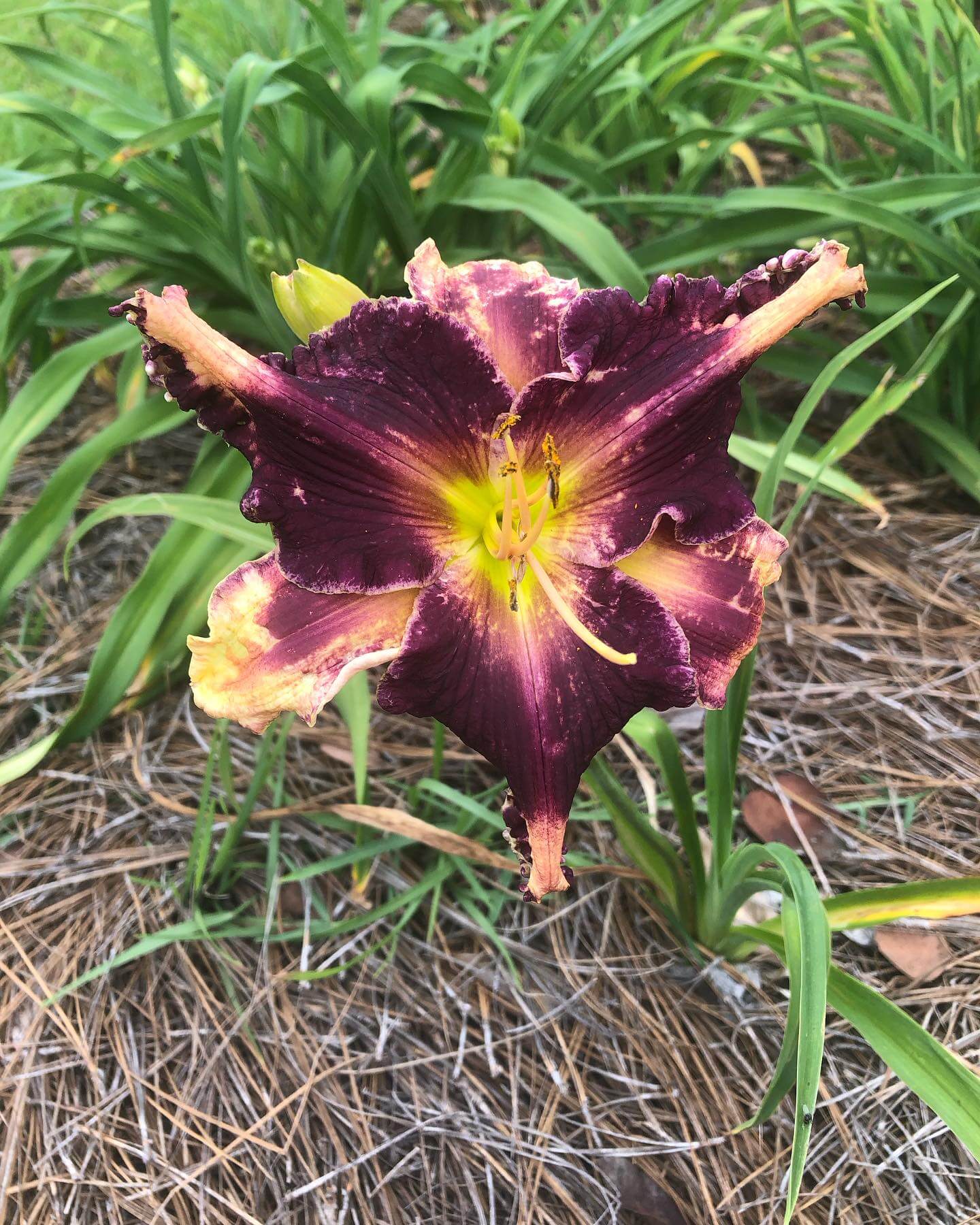
Where grades change, daylilies excel at softening hard edges and knitting soil on terraces and retaining walls. Plant clumps midway on the slope and along the terrace lip so arching foliage drapes the edge, blurring stone-to-soil transitions. Combine with fibrous-rooted stabilizers—switchgrass, prairie dropseed, and creeping juniper—to diversify root zones and resist erosion. Use a single daylily color per tier to keep the geometry calm; alternate hues on successive levels for subtle progression up the slope. Install soaker hose or dripline on each terrace for targeted watering, and mulch with shredded bark (not pebbles) to lock in moisture on inclines. In narrow ledges, choose compact daylilies that stay under 18 inches tall to avoid crowding stairs. Remove spent scapes promptly near walkways for safety and polish. Every 3–5 years, lift and divide clumps to prevent die-out centers, replanting the youngest fans. This tiered approach turns utilitarian structures into a layered garden scene—strong bones, flowing lines, and seasonal color that guides the eye from the lower path to the upper patio.
Mood by Color Block: Warm vs. Cool Daylily Groupings
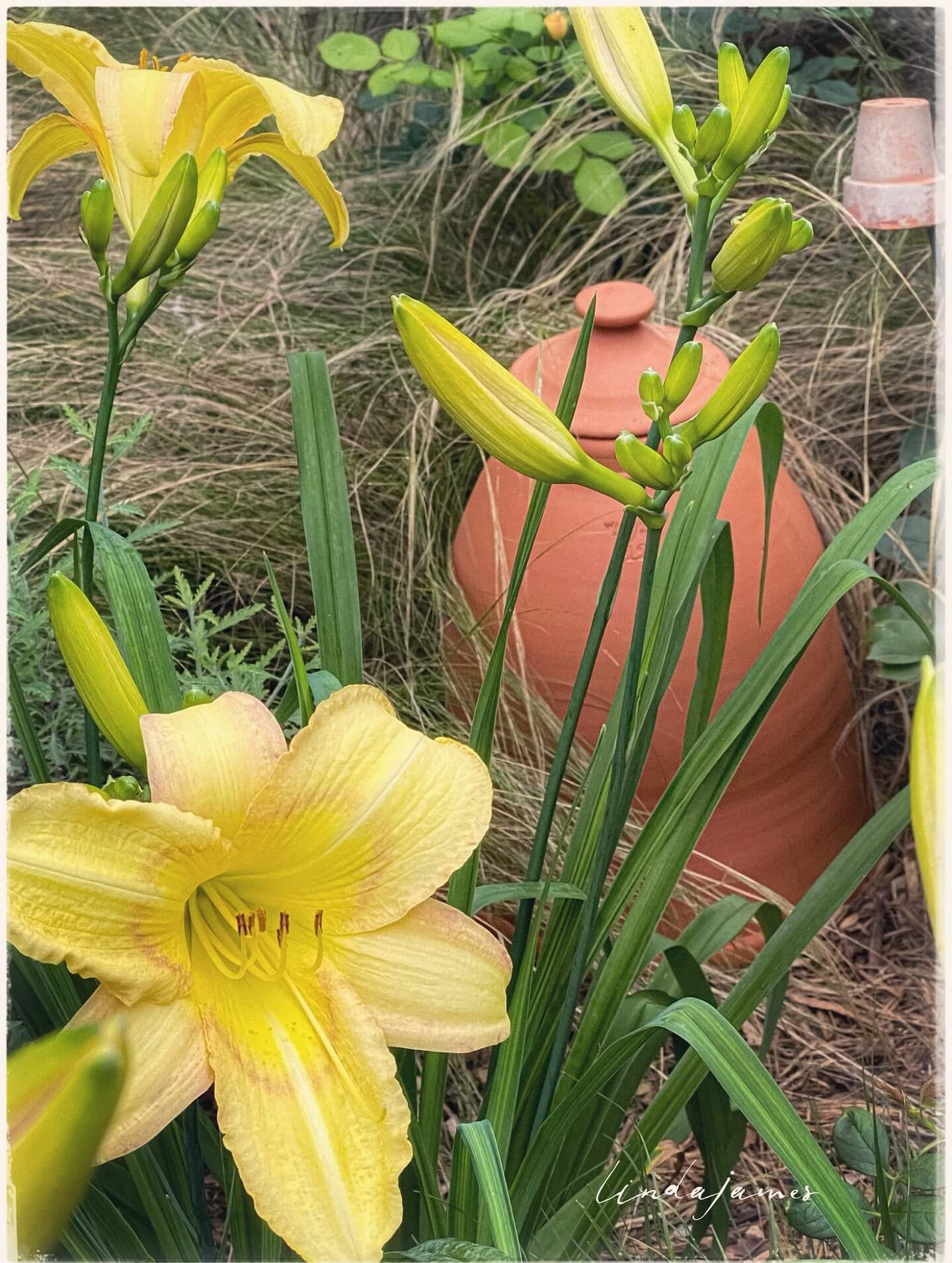
Set the tone of a space by planting daylilies in bold color blocks rather than mixed sprinkles. Use warm palettes (gold, orange, coral, red) to energize entertaining zones and sunny drives; reserve cool palettes (lemon, cream, pink, lavender) for restful seating areas and bedroom views. Mass three to five cultivars per block and repeat each block at least twice to unify the design. Separate adjacent warm and cool zones with neutral foliage—blue grasses, evergreen mounds, or silver perennials—to keep transitions smooth. In small gardens, a single large block can define the mood without visual clutter. If you love complexity, add a thin “bridge” band of a shared hue (soft yellow works for both families) to link areas. Maintain consistent heights within each block for a clean read from across the yard. This strategy streamlines plant shopping, simplifies maintenance, and delivers instant design confidence—one of the most effective daylily landscaping ideas for high-impact, low-effort color.
Twilight Glow: Pale Daylilies for Evening and Entertaining
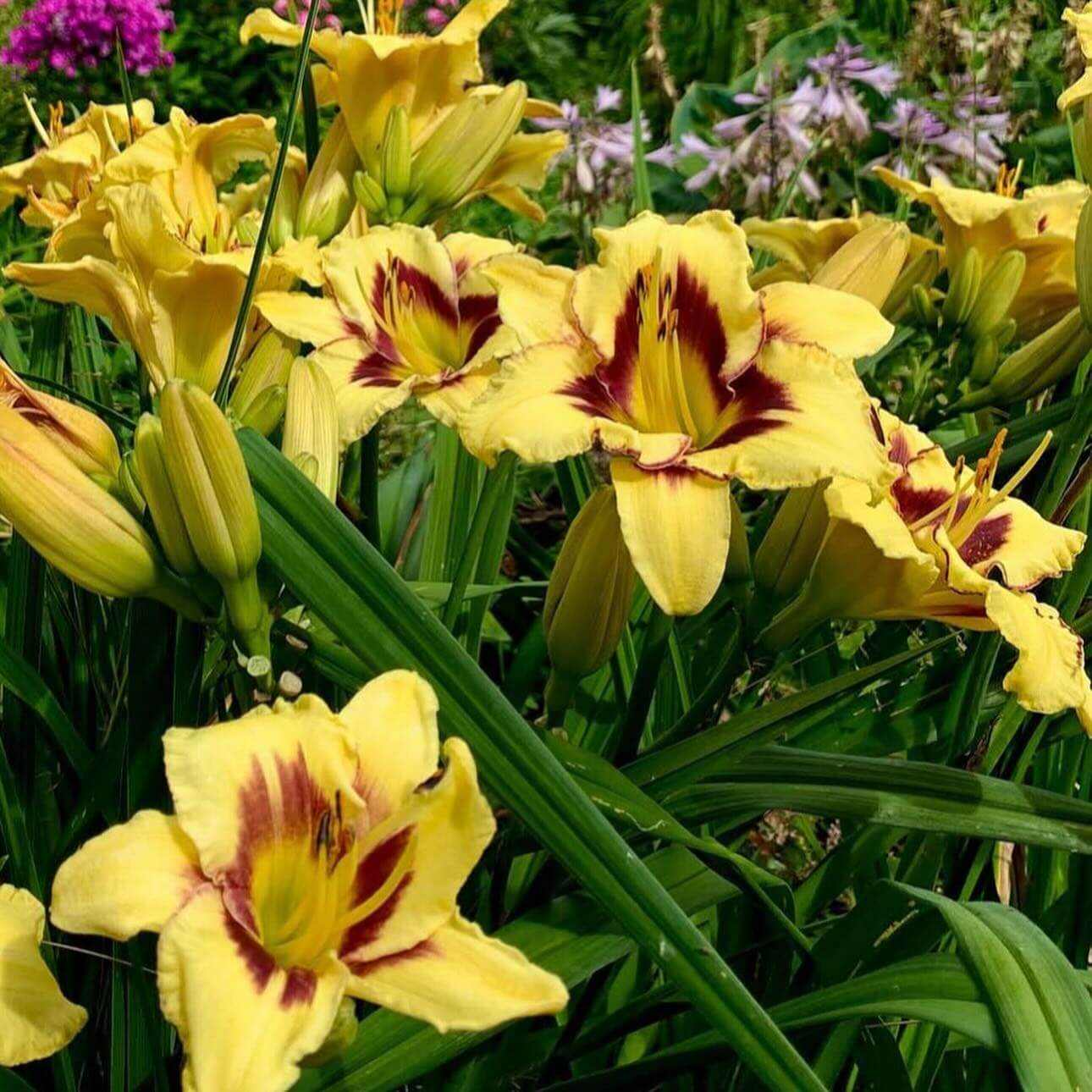
Design for dusk with a moon-garden palette that makes your patio or dining nook shimmer after sunset. Choose pale, reflective daylilies—creams, near-whites, soft yellows, and blush pinks—that catch ambient light and read from across the space. Back them with dark foliage (smoke bush, purple basil, black mondo grass) to intensify the glow. Add plants with silver or variegated leaves—lamb’s ear, artemisia, variegated hosta at edges—to magnify luminance. Fragrance heightens the evening experience: thread in night phlox, nicotiana, or evening-scented stock to complement the fleeting sweetness of some daylily blooms. Position clumps where they’re visible from seating, and install warm-temperature string lights or low bollards that graze the flowers rather than spotlighting them harshly. Keep the palette tight for a serene vibe; repeating only two to three cultivars is enough. Deadhead regularly to keep petals fresh-looking, and irrigate in the morning so foliage dries before night. This twilight-forward plan turns daylilies into luminous hosts, extending garden enjoyment long after the sun goes down.
Mailbox Micro-Garden: Compact Daylilies for Instant Curb Appeal
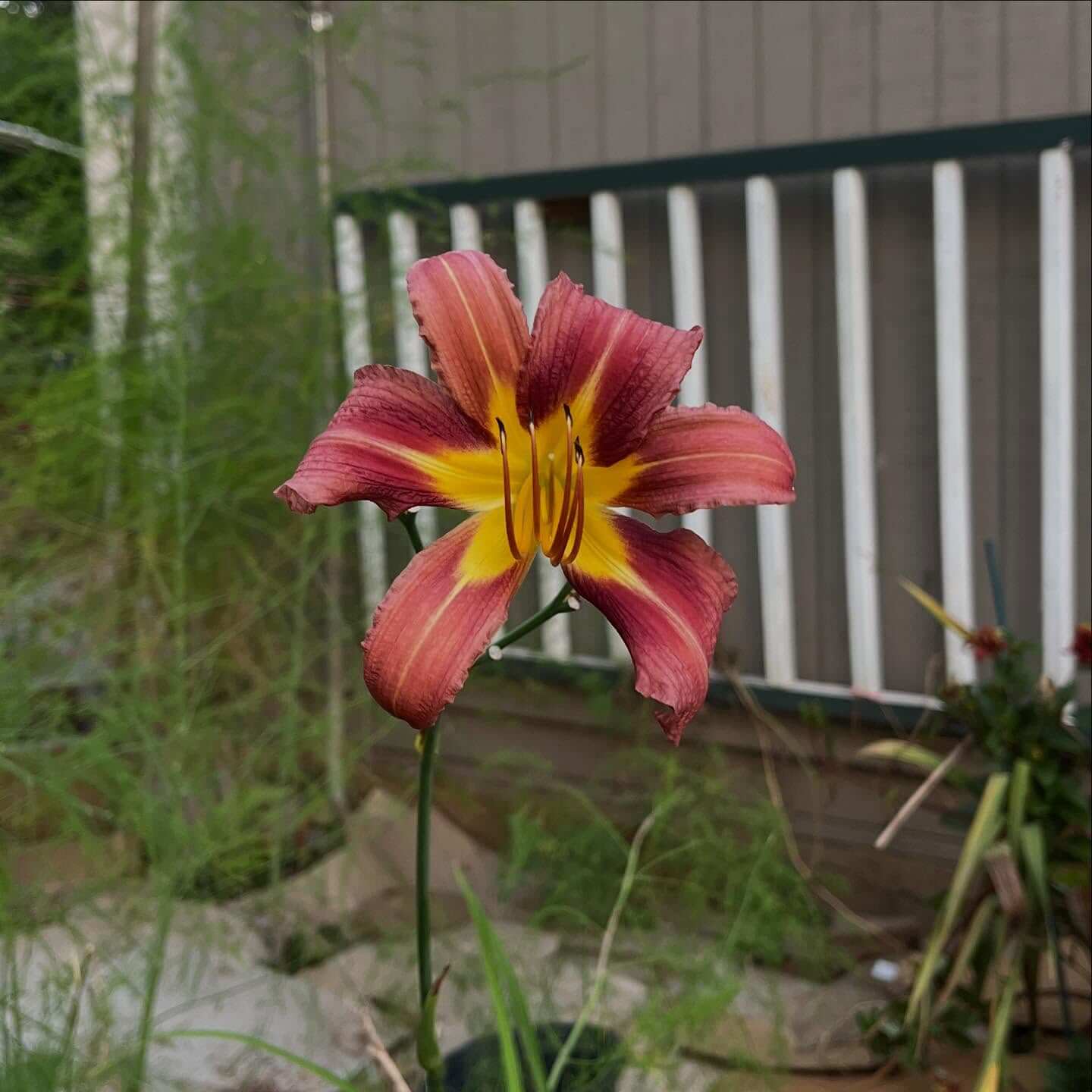
Turn an overlooked post into a mini showpiece with a tight ring of compact, reblooming daylilies and a few hardworking companions. Choose tidy cultivars that stay under 18 inches so the planting looks crisp from all sides—think ‘Stella de Oro’, ‘Happy Returns’, ‘Little Business’, or ‘Little Grapette’. Plant 5–7 in a loose circle at 16–18 inches apart, then weave in living mulch like creeping thyme or low sedum to knit the soil and reduce weeding. A slim steel or stone edging keeps mulch tidy and foot traffic off the crown. Aim for 6+ hours of sun, add a slow-release fertilizer in spring, and water deeply the first season; after that, these perennials shrug off heat and short dry spells. For all-season interest, tuck early bulbs (crocus, mini daffodils) beneath and anchor the vignette with a small boulder or a pair of dwarf grasses for texture. Echo your house numbers or front-door color with coordinating daylily hues to tie the curb to the architecture. Deadhead spent blooms and clip finished scapes to keep the ring fresh; divide clumps every 3–4 years to maintain vigor and nonstop curb appeal.
Get the Fail-Safe Paint Color Playbook (Free PDF)
36 proven colors • 8 ready palettes • trim & sheen guide • printable testing cards.
Poolside Drifts: Heat-Hardy Daylilies that Play with Water and Stone

For sun-baked patios and pool decks, mass daylilies in broad, repeating drifts that can handle reflected heat while softening hard lines. Site plants 2–3 feet back from the waterline to minimize petal drop into the pool; daily deadheading near seating areas keeps things pristine. Build your palette with sturdy, sunfast varieties—try ‘Chicago Apache’ (red), ‘Fooled Me’ (gold with a red eye), ‘Fragrant Returns’ (lemon, reblooming), or ‘Siloam Double Classic’ (soft peach). Pair with tactile, low-litter companions that love the same conditions: blue fescue, dwarf fountain grass (‘Hameln’), Russian sage, agastache, and prostrate rosemary. Use gravel or decomposed granite as mulch to reflect light, dry quickly, and spotlight foliage texture. Repeat 5–7 plants per drift for designer cohesion, staggering heights so scapes never block sightlines. Favor sunset tones (apricot, coral, gold) to glow against blue water, or punch up contrast with plums and reds near pale stone. Run drip irrigation on a loop to keep leaves dry and conserve water. With bloom succession from early to late season, this low-maintenance mix brings resort-level polish without fussy upkeep.
Patio Pots that Perform: Dwarf Daylilies in Containers
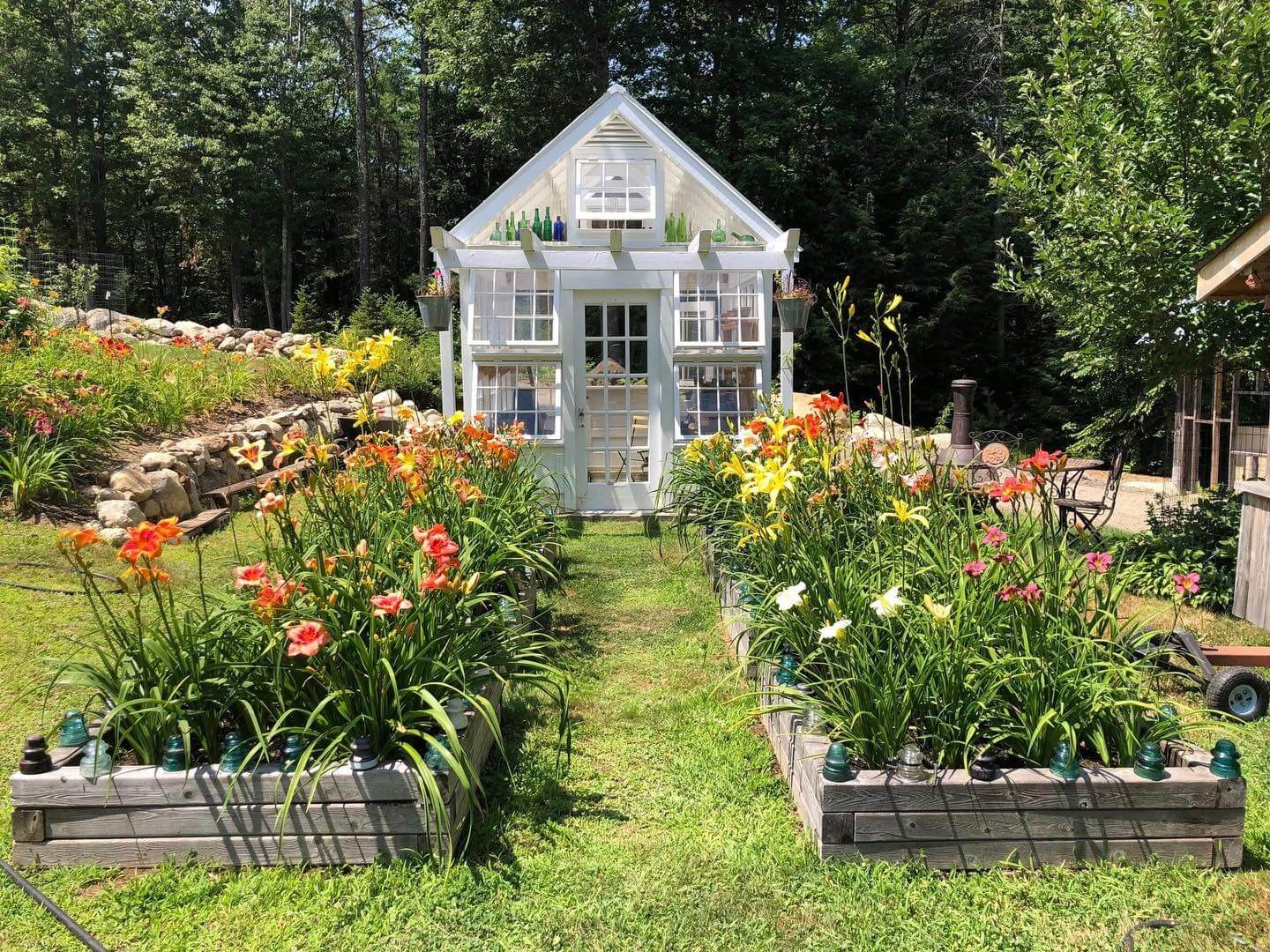
You don’t need a border to enjoy daylilies—dwarf and reblooming selections thrive in containers on porches, decks, and balconies. Choose a 16–20 inch wide pot with large drainage holes and fill with a high-quality, peat-free potting mix. Blend in slow-release fertilizer at planting, then top-dress with compost midsummer. Compact stars like ‘Pardon Me’ (red), ‘Little Grapette’ (plum), ‘Mini Pearl’ (peach), and ‘Stella Supreme’ (buttery yellow) deliver months of color with minimal care. Design each pot with the classic thriller-filler-spiller formula: a small upright grass (Carex ‘Blue Zinger’ or dwarf Pennisetum) for height, a cluster of daylilies for the main show, and spillers like golden creeping jenny or silver helichrysum to soften the rim. Give containers 6+ hours of sun, water deeply when the top inch is dry, and rotate pots every couple of weeks for even growth. In cold climates, overwinter by moving pots to an unheated garage or by heeling containers into soil to protect roots. Group two or three coordinated pots by an entry or along steps to create a polished, movable ribbon of color that refreshes the whole facade.
Front Walk Welcome: Repeating Daylilies that Guide the Approach
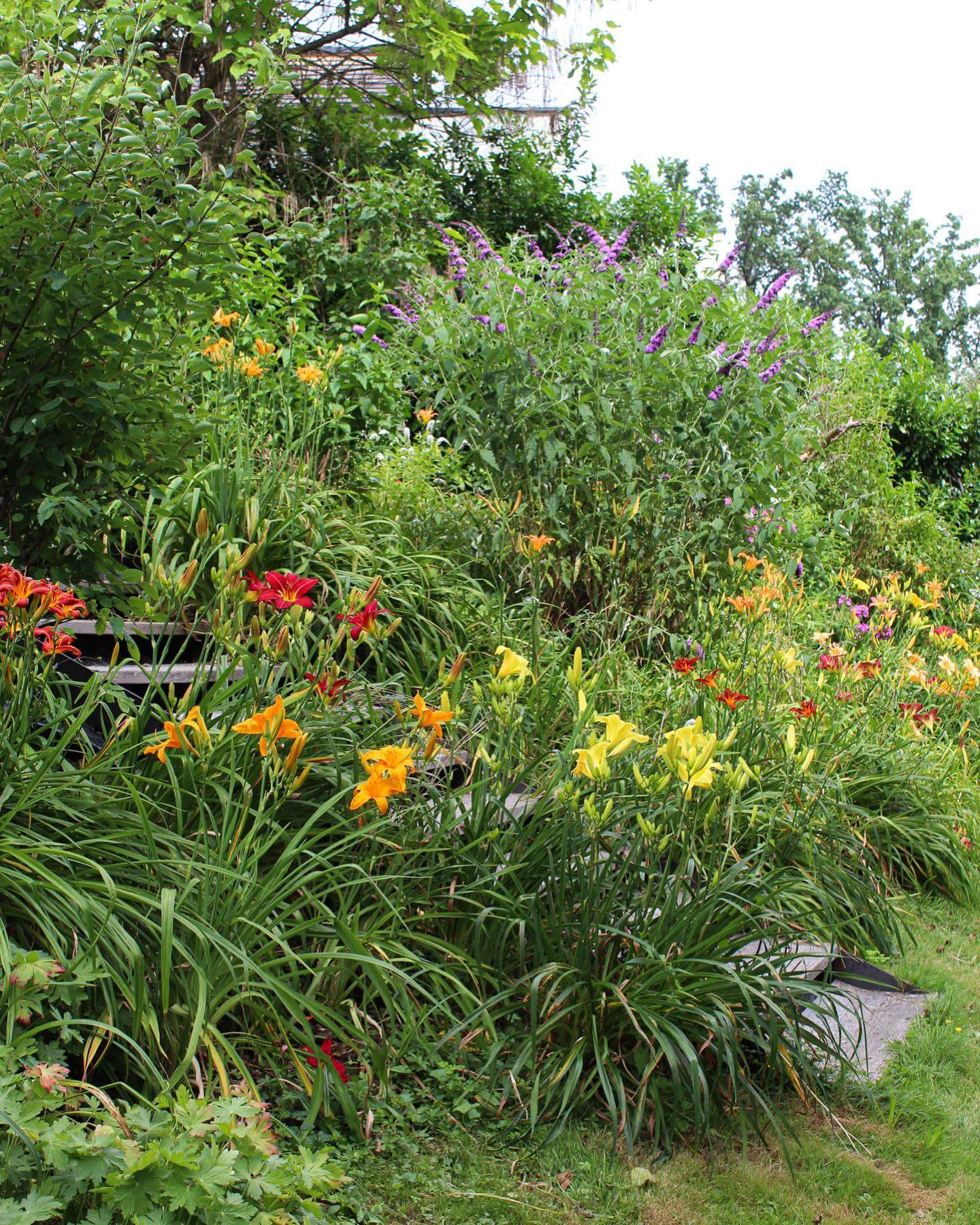
Flank your entry path with rhythmic daylily groupings to lead the eye to the door and make every arrival feel intentional. Start with a clean 12–18 inch setback from the paving to prevent flop and keep edges crisp. Use a two- or three-layer scheme: dwarf rebloomers like ‘Happy Returns’ or ‘Rosy Returns’ as the front edging, mid-heights such as ‘Strawberry Candy’, ‘Moonlit Masquerade’, or ‘Pandora’s Box’ for the main color band, and airy accents—Nepeta, Allium ‘Millenium’, or compact grasses—for movement. Repeat the same trio every 5–7 feet to create cadence without visual clutter. Mix early, mid, and late-season daylily varieties so the border performs from late spring through summer; add a few pale selections near steps to glow at dusk under path lights. For four-season structure, intersperse small evergreens (boxwood, dwarf inkberry) that anchor the space when perennials are cut back. Mulch 2–3 inches, keeping crowns exposed, and run a simple drip line for even moisture and clean foliage. Deadhead spent blooms and remove finished scapes to keep the walkway looking buttoned-up, then divide clumps every 3–5 years to preserve that tailored welcome.
Low-Maintenance Daylily Landscaping Ideas for Slopes, Containers, and Curb Appeal
Low-maintenance daylily landscapes excel where time and water are limited, especially on slopes, parkways, and curbside strips. Choose hardy, rust-resistant cultivars and prioritize foliage quality, since leaves frame the display between bursts. Space clumps generously to reduce division frequency and to throttle weeds with dense canopies. In compact sites, rely on dwarf cultivars and containers to concentrate color near doors and mailboxes. Favor organic mulches and simple irrigation schedules over intensive fertilizing regimes, emphasizing resilience over pampering.
- Plant in flowing drifts across slopes, alternating early, mid, and late daylilies, stabilizing soil with fibrous roots while maintaining color succession and erosion resistance through seasonal storms.
- Choose drought-tough cultivars like ‘Stella de Oro’ and ‘Happy Returns,’ pairing with yarrow and sedum to create xeric compositions that shrug off heatwaves and reduce supplemental watering demands.
- Edge driveways with compact varieties, spacing clumps eighteen inches apart, so foliage arches cleanly without flopping into traffic, improving sightlines and minimizing trimming throughout peak growth spurts.
- For containers, select dwarf daylilies in fourteen-inch pots with gritty, fast-draining mix; underplant with creeping thyme to suppress weeds, conserve moisture, and perfume entrances when brushed.
- Install drip irrigation with one-gallon emitters per clump, automating deep, infrequent watering cycles that encourage resilient roots and cut evaporation compared with overhead sprinklers.
- Sheet mulch new beds with cardboard and compost, then plant through openings; this smothers weeds, builds soil tilth, and reduces maintenance dramatically during establishment years.
Maintenance is refreshingly simple: remove spent scapes weekly, top up mulch annually, and divide every three to five years when centers hollow. Avoid high-nitrogen fertilizers, which promote floppy foliage at the expense of flowers. In winter, leave tidy fans for protection or trim to a few inches after hard frost, depending on climate. Where deer pressure exists, interplant with aromatic herbs and textural grasses to reduce browsing temptation. These practical touches keep plantings handsome, resource-smart, and HOA-friendly all year.
Bloom Smarts: Quick Answers for Standout Daylily Landscapes
How do I keep daylilies blooming from spring into fall?
Combine early, midseason, late, and reliable rebloomers across beds. Deadhead spent flowers, remove scapes after bloom, and feed lightly in spring to support continual performance without excessive foliage growth.
What colors pair best with bold orange or red daylilies?
Cool blues and purples—like salvia, catmint, and veronica—temper heat while amplifying contrast. Silver foliage from artemisia or lamb’s ear also calms fiery tones and sharpens outlines.
Get the Fail-Safe Paint Color Playbook (Free PDF)
36 proven colors • 8 ready palettes • trim & sheen guide • printable testing cards.
Can daylilies handle poor soil or drought?
They’re adaptable but thrive in well-drained soil amended with compost. Mulch deeply and water infrequently but thoroughly; choose drought-ready cultivars for hotter sites to minimize supplemental irrigation.
How far apart should I plant daylilies in borders?
Space compact varieties 18–24 inches apart and larger clumps 24–36 inches apart. Allow airflow for disease prevention and plan access paths for easy division and grooming.
Get the Fail-Safe Paint Color Playbook (Free PDF)
36 proven colors • 8 ready palettes • trim & sheen guide • printable testing cards.
Final Verdict: Low-Maintenance Color, High-Design Payoff
Daylilies deliver the rare blend of ease and impact that makes every corner of your landscape work harder—from front-walk welcomes and mailbox micro-gardens to poolside drifts, gravel borders, and island beds with year-round structure. By leaning into color echoes, warm vs. cool blocks, and twilight-friendly pastels, you can turn Hemerocallis into a coherent design language that guides the eye and extends bloom windows. Pairing early, mid, late, and reblooming varieties ensures a long, pollinator-friendly show with minimal upkeep and maximum curb appeal.
Set yourself up for success with a simple plan: map sun and sightlines, then choose cultivars by height and hue for layered borders and edges that don’t flop. Mass in threes and fives, repeat clusters down paths, and space clumps 18–24 inches for airflow. Plant in well-drained soil, water consistently the first season, mulch 2–3 inches, and top-dress with compost in spring. Deadhead spent scapes, divide every 3–5 years, and weave in stalwart companions—ornamental grasses, coneflowers, salvias, sedums, and evergreen anchors—for four-season structure and a clean, modern finish.
Whether you start with patio pots of compact, repeat-blooming daylilies or tackle a slope, side yard corridor, or foundation facelift, the formula holds: repeat color, vary texture, stagger bloom time, and keep edges crisp. With a few strategic choices, these resilient perennials become the easiest design upgrade you’ll make—high-impact, budget-friendly, and beautiful from the first warm days to dusky summer evenings.