
DIY Backyard Pond Ideas That Turn Any Yard into a Serene Water Oasis (On Any Budget)
Craving the calming sound of trickling water and a backyard focal point that boosts curb appeal? These DIY backyard pond ideas deliver serene vibes, wildlife-friendly habitats, and showpiece style—without a pro-level budget.
From compact container and stock tank ponds to dig-and-line natural pools with waterfalls, there’s a project for every space and skill level. You’ll find smart ways to use preformed liners, solar pumps, and bog filters for low-maintenance clarity and year-round beauty.
Get the Fail-Safe Paint Color Playbook (Free PDF)
36 proven colors • 8 ready palettes • trim & sheen guide • printable testing cards.
We’ll cover siting and safety, pumps and filtration, edging and planting—plus plant picks like lilies, rushes, and oxygenators to keep water clear. Whether you want a weekend build or a statement water feature, these ideas will help you plan, build, and enjoy your own backyard oasis.
Small-Space DIY Backyard Pond Ideas: Container Ponds, Preformed Liners, and Compact Water Features
If you’re short on space, DIY backyard pond ideas shine in containers like glazed bowls, whiskey barrels, or stock tanks that transform patios into tranquil water features. Aim for 12–24 inches depth to support dwarf lilies, marginal plants, and perhaps hardy goldfish; avoid koi, which outgrow compact builds and overload filtration. Position for 4–6 hours of morning sun for blooms, with afternoon shade in hot zones to limit overheating and algae surges. A compact 200–400 GPH fountain pump with a foam prefilter keeps water circulating, powering a bubbler, spillway, or small spitter. Layer pea gravel over plant baskets, add floating cover like water lettuce, and top off weekly with dechlorinated water to maintain clarity.
For ground installations, compare preformed liners (50–125 gallons) for quick, foolproof shaping against flexible EPDM sheets that unlock custom kidney curves and wildlife shelves. Dig shelves at 6–8 inches for marginals and 18–24 inches for the lily zone, compact subsoil, and add non-woven underlayment to prevent punctures. Dry-fit rock edging tightly, overhanging the liner slightly to hide edges and create a clean, splash-resistant perimeter. Choose a visual style—sleek steel edging for modern courtyards or weathered flagstone for cottage gardens—to harmonize with architecture and planting. Budget-minded builds often land under $250 using a stock tank, small pump, and native plants, while premium ceramics and lighting raise costs but boost longevity and impact.
- Mosquito control: Use Bacillus thuringiensis israelensis dunks, top-off water movement, and fish like white cloud minnows for container ponds where goldfish aren’t practical.
- Choose dark interior finishes to mask algae film, and add barley straw extract or zeolite bags in pump baskets to bind nutrients and reduce green-water blooms.
- Set pumps on a rubber mat and keep tubing diameter generous to cut vibration and splashing noise, perfect for small backyards with close neighbors.
- If sunlight is intense, prioritize floating cover and shade sails; partial shade keeps container ponds cooler, stabilizes oxygen, and discourages string algae from overtaking surfaces.
To assemble, wash the vessel, place it level on pavers, and conceal a weatherproof, GFCI-protected outlet behind planters for safe pump power. Pot marginals in aquatic soil topped with gravel, set the pump centrally with a short riser, and adjust the nozzle for gentle circulation without splashing. Start with light fish stocking—two small goldfish per 50 gallons—or choose snails and shrimp if you prefer a plant-only ecosystem. Fertilize lilies with pond tabs monthly during growth, prune yellowing leaves, and rinse the prefilter weekly to maintain steady flow. In freezing climates, remove pumps before ice, sink plant baskets to deeper zones, and cover compact ponds to block debris until spring.
Start Small with a Container or Whiskey-Barrel Patio Pond
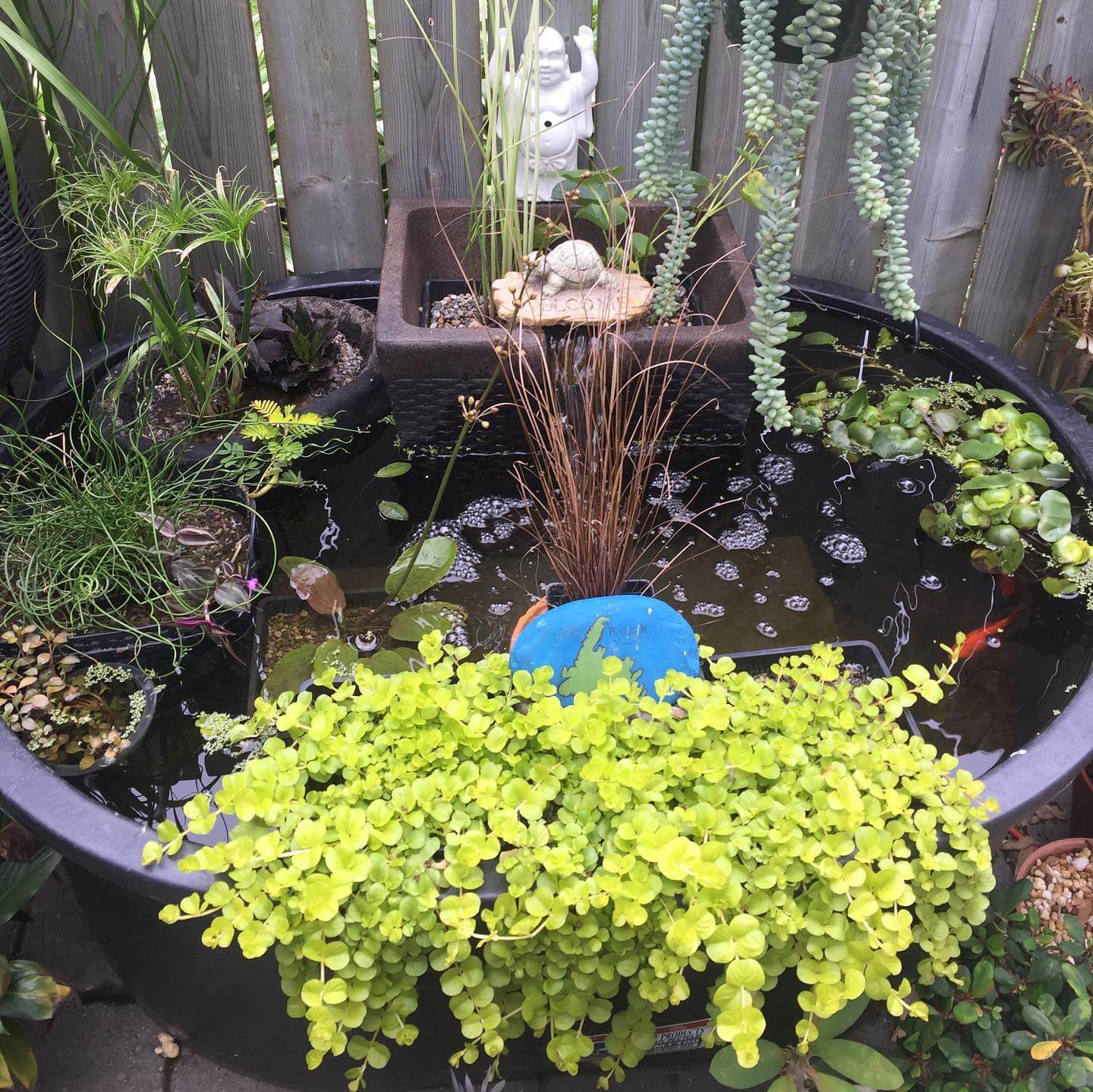
If you’re dipping a toe into DIY backyard ponds, a container or half-whiskey barrel is the fastest win. Choose a watertight vessel (15–30 gallons), add a preformed liner or pond-safe sealant if needed, and position it where it gets 4–6 hours of sun for blooms without fueling algae. Layer rinsed pea gravel, place a couple of bricks to create planting heights, and add a compact pump with a simple fountain head or solar bubbler for movement and oxygen. Plant a dwarf water lily for shade, slip in oxygenators like hornwort, and accent with marginal plants—dwarf papyrus, sweet flag, or marsh marigold—in mesh baskets. For mosquito control, stock a few rosy red minnows or use BTI mosquito dunks (fish-free, wildlife-safe). Drill a discreet overflow hole just below the rim to manage heavy rain. Top with river rock to hide hardware and soften edges. In an evening, you’ll have reflective water, soft sound, and instant habitat for dragonflies—plus a low-cost way to learn pump basics, plant care, and water clarity before you scale up to a dug pond.
Rustic Stock Tank Pond That Runs Quiet and Clean
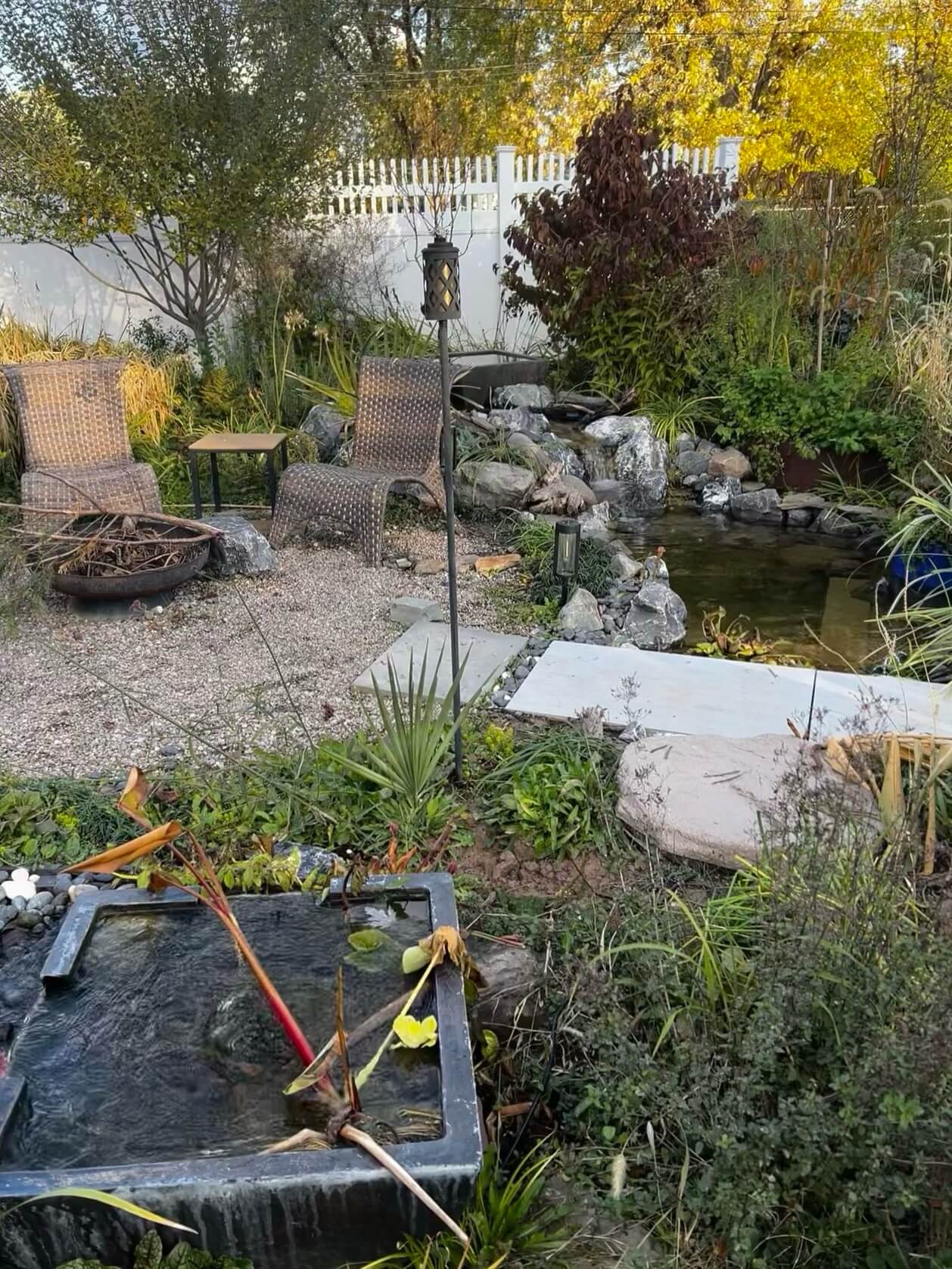
Level a pad and set a galvanized or black poly stock tank (100–300 gallons) for a durable, movable pond on patios or gravel pads. Rinse the tank well, then add a submersible pump that returns through a small fountain or a stainless spillway for modern lines. Create a simple filtration core by tucking filter foam and bio-media inside a milk crate, and route the pump intake through it for mechanical and biological cleaning. Group plants in mesh baskets: a dwarf lily for shade, pickerel rush for height, and anacharis to oxygenate. Keep at least 40–60% of the surface shaded to starve algae. If you add fish, use a floating feeding ring and avoid overfeeding to maintain water quality. In hot climates, add a pergola slat or reed screen for midday shade; in cold zones, a trough de-icer or small aerator keeps a hole open in ice. A discreet bulkhead near the top can serve as an overflow to a gravel swale. It’s a budget-friendly, nearly indestructible pond that looks intentional with a ring of flagstone and a bench nearby.
Preformed Liner Pond with Natural Rock Edging
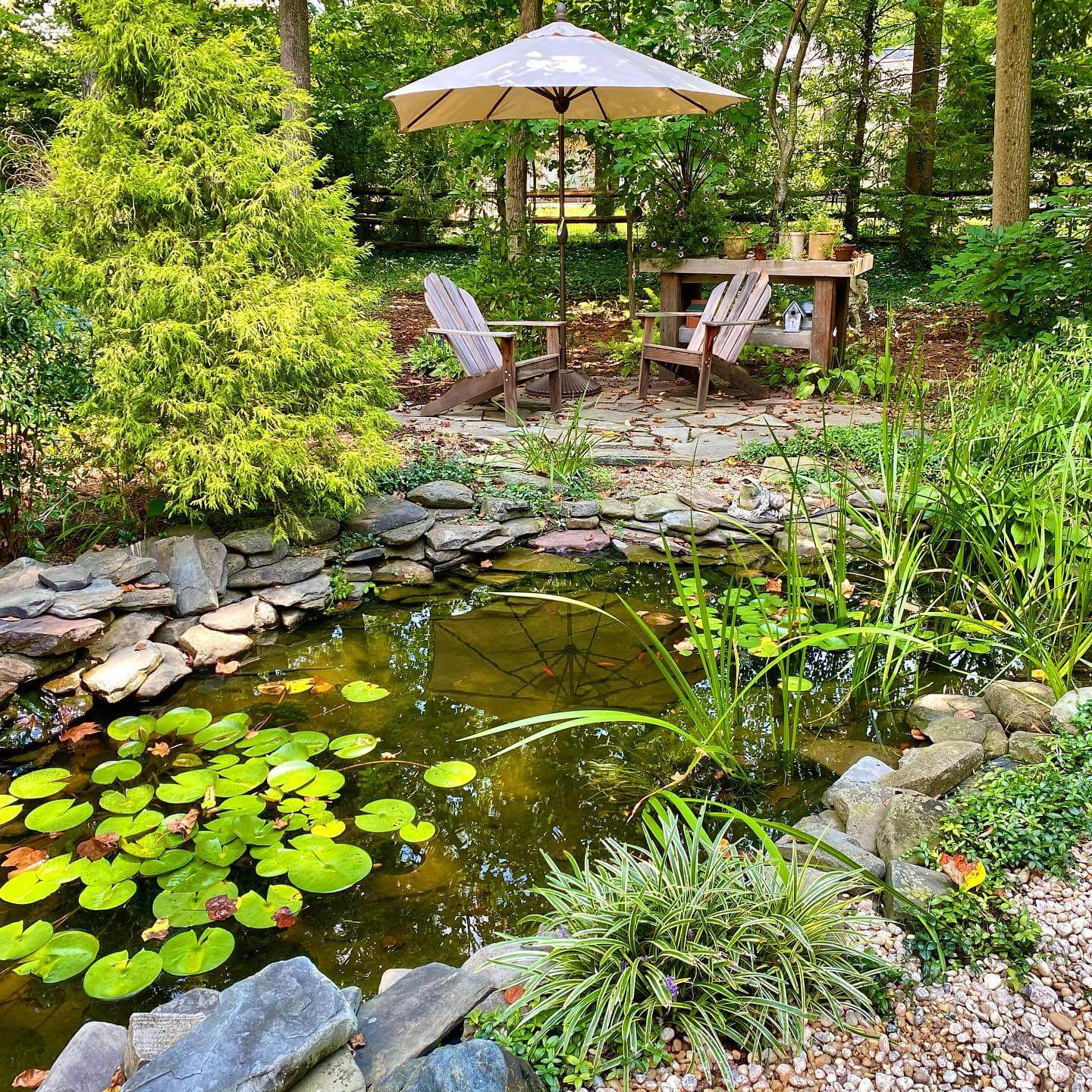
Ready to dig? A preformed liner makes layout and planting shelves foolproof. Trace the shell, excavate with stepped shelves (8–12 inches for marginals, 18–24 inches in the center), and bed the form in 1–2 inches of sand over underlayment. Level the rim meticulously; a level pond looks high-end and prevents exposed edges. Backfill voids with damp sand as you test-fill. Hide the rim with flat capstones and a gravel beach section where wildlife can safely enter. Size your pump to turn the pond volume 1–2 times per hour; use flexible PVC (not corrugated) for fewer clogs and add a ball valve to tune flow. A small in-pond skimmer or DIY prefilter on the intake keeps leaves at bay, while a foam/wool pad plus bio-media handles clarity. Plant shelves with sweet flag, dwarf cattail, and iris; set a compact lily in the deep zone for shade. Finish with a stepping-stone path, low-voltage outlet on a GFCI, and a mulch-free buffer to keep soil out of the water. You’ll get clear water, easy maintenance, and a natural focal point.
Add a Stream and Spillway for Movement, Oxygen, and Music
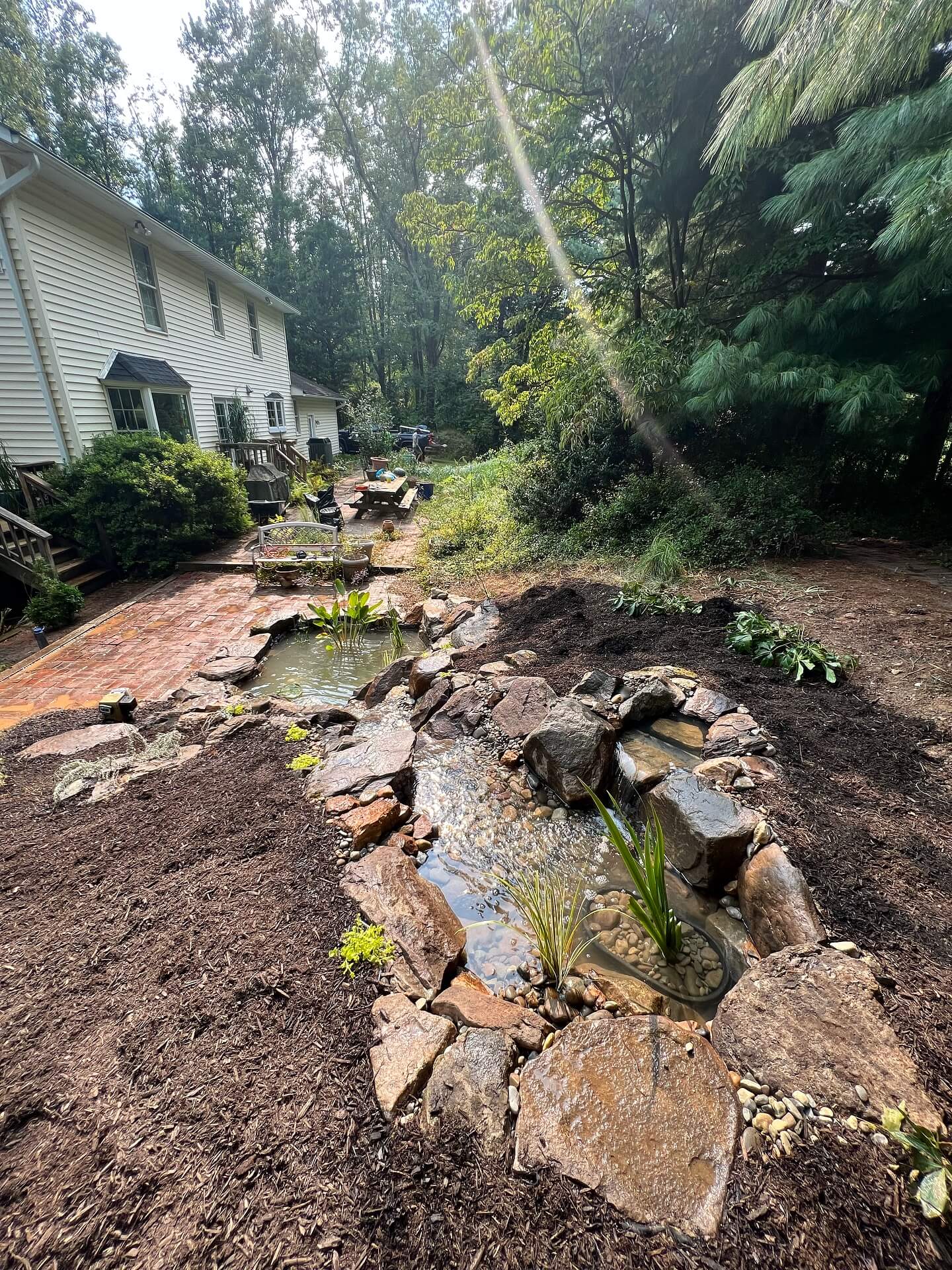
A small cascade elevates any backyard pond from pretty to mesmerizing. Build a biofalls box or spillway at the head, then create a 10–15 foot recirculating stream with a gentle 1–2% slope that returns to the pond. Use underlayment and EPDM liner, folding generous edges for future tweaks. Dry-stack varied rocks and use black waterfall foam to lock them, shaping pockets for creeping jenny, sedges, and moss to naturalize the banks. Size the pump for your desired sound: more drop height and a wider weir yields a deeper note; shallower riffles make a soft burble. Account for head height and plumbing friction—choose 1.5–2 inch flex PVC and minimize sharp bends. Add a check valve, a union for easy service, and a ball valve to bypass flow in heavy rain or winter. The moving water improves aeration, discourages mosquitoes, and keeps lilies happier without overwhelming them. Nighttime? Aim a warm-white spotlight across the falls for sparkle. A spillway-and-stream combo maximizes sensory appeal while expanding planting space for filtration and wildlife.
Clear Water, Low Work: Build an Upflow Bog Filter
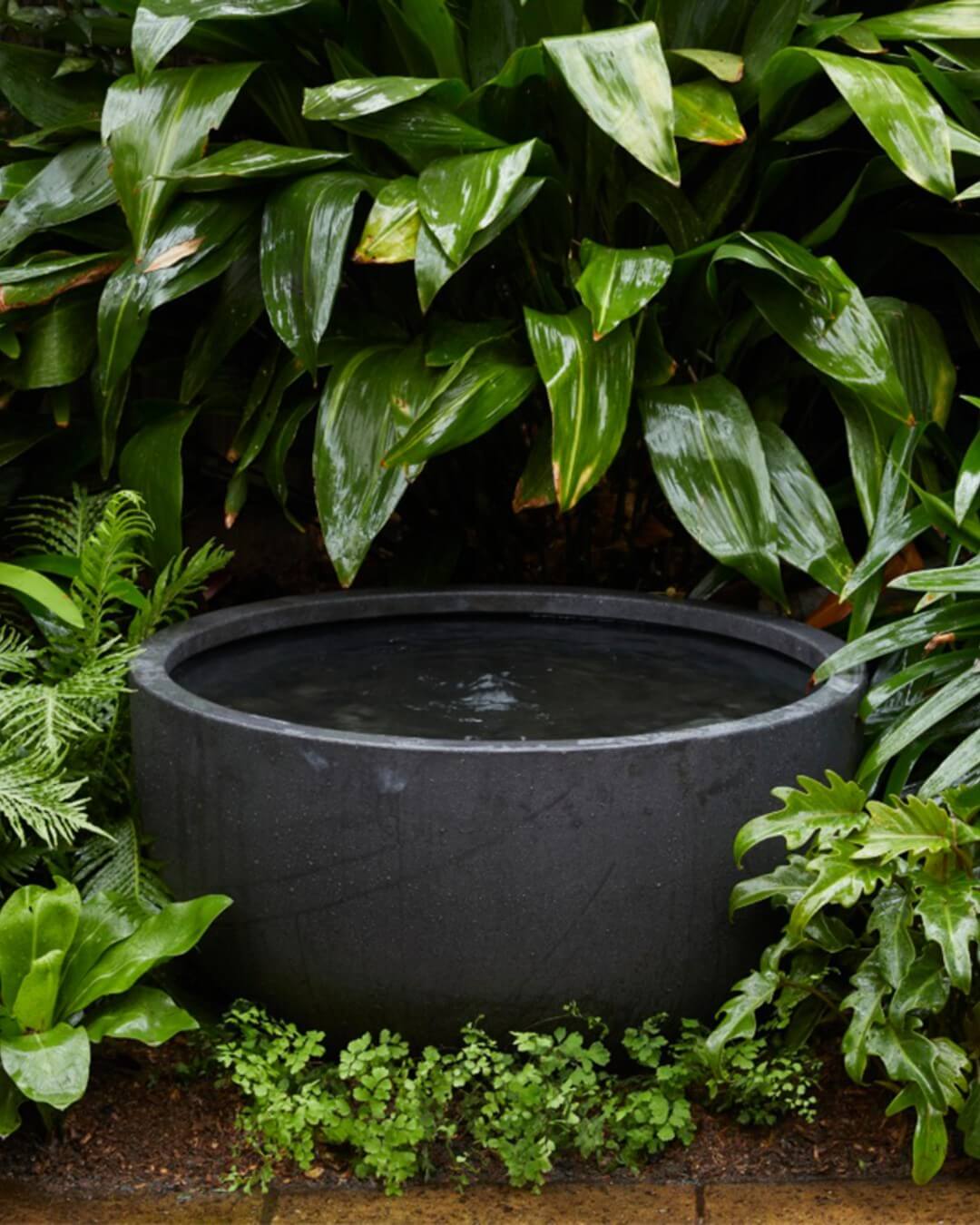
For crystal water with minimal maintenance, dedicate 10–30% of your pond’s surface to an upflow bog filter. Line a shallow adjoining cell, lay a grid of perforated PVC, cover with 10–12 inches of 3/8–5/8 inch river rock, and feed it with your main pump. Water rises through the stone—trapping fines and fueling beneficial bacteria—before spilling as a rill back to the pond. Plant the bog thickly with nutrient-hungry marginals: iris, pickerel rush, marsh marigold, water mint, and dwarf umbrella sedge. In a month or two, the bog outcompetes algae naturally by locking up dissolved nutrients. Maintenance is simple: thin plants seasonally, vacuum a corner if needed, and occasionally purge via a clean-out tee on the manifold. Combine with a small skimmer or intake bay to catch leaves upfront. This biological powerhouse keeps koi and goldfish happy, supports pollinators, and delivers a lush, architectural planting bed that looks like part of the landscape. Done right, you’ll retire the clarifier and spend weekends enjoying the water—not scrubbing filters.
Modern Rectilinear Pond with Sleek Edges and a Blade Weir
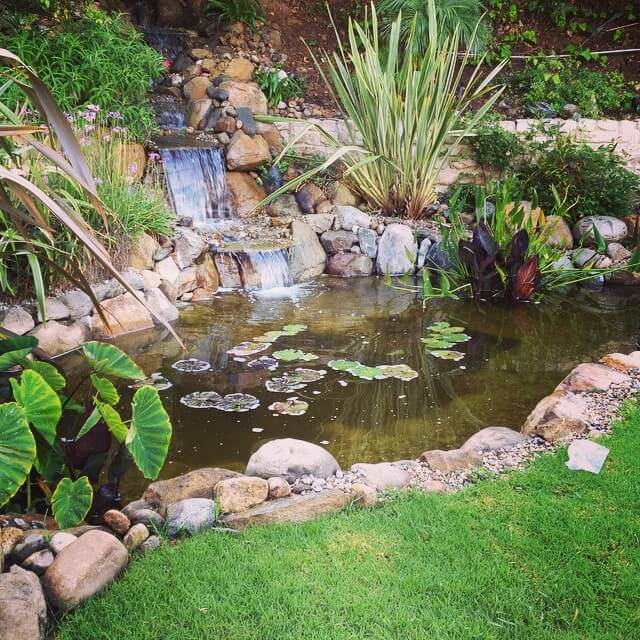
Prefer clean lines over cottage style? Frame a rectilinear pond using masonry blocks or treated timbers, then line with underlayment and EPDM for a crisp, contemporary profile. Cap with smooth stone or porcelain pavers for a furniture-grade finish. A stainless steel blade weir or slot spillway creates a sheet of water that’s quiet yet dramatic—perfect near patios or dining areas. Keep planting minimal: a single dwarf lily for shade, equisetum (horsetail) in a trough, and a few submerged oxygenators. Hide the pump and bio-media in an integrated bench bay or small skimmer for easy access. Add dimmable warm-white strip lighting under the capstones and a pair of submersible spots grazing the water wall for nighttime theater. Aim for 18–24 inches of depth for thermal stability; if you keep fish, include an aeration stone for backup oxygen during heat waves. Use automation with a smart plug, photocell, and weekly timer so flow and lights align with your routine. The result is gallery-clean, low-clutter, and surprisingly low maintenance.
Wildlife-Friendly Shelves, Beach Entry, and Native Plantings
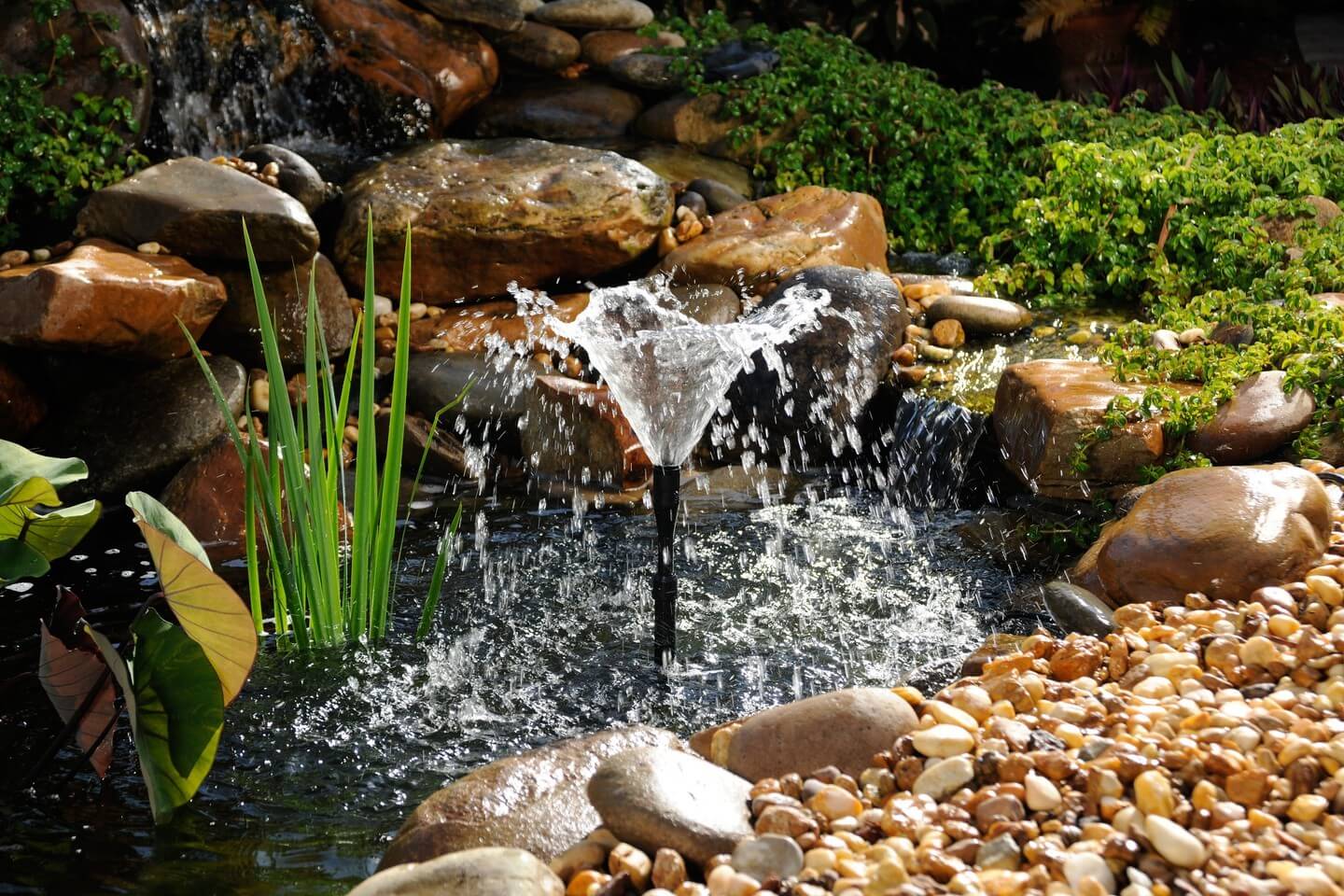
Design for life and your pond rewards you back. Carve gentle shelves and include a small gravel “beach” ramp so frogs, toads, and beneficial insects can easily access and exit. Add a flat basking rock and a partially submerged log to invite dragonflies and pollinators. Choose native marginal plants that feed ecosystems and filter water: blue flag iris, soft rush, cardinal flower, swamp milkweed, and pickerelweed. Let 60–70% of the surface be shaded in summer with lilies or floating planters to cool water and suppress algae. If your goal is a true wildlife pond, go fish-free or keep just a few small goldfish so amphibians can thrive. Avoid fertilizers and use a mulch-free buffer around the edge so soil doesn’t wash in. Direct roof or patio runoff to a small rain-garden overflow planted with sedges to handle storm surges. A shallow pebble zone aerated by a small bubbler boosts oxygen and discourages mosquitoes. With thoughtful grading and plants, you’ll create a balanced microhabitat that looks natural, stays clearer, and hums with life day and night.
Light It Right: Safe Power, Solar Options, and Nighttime Glow
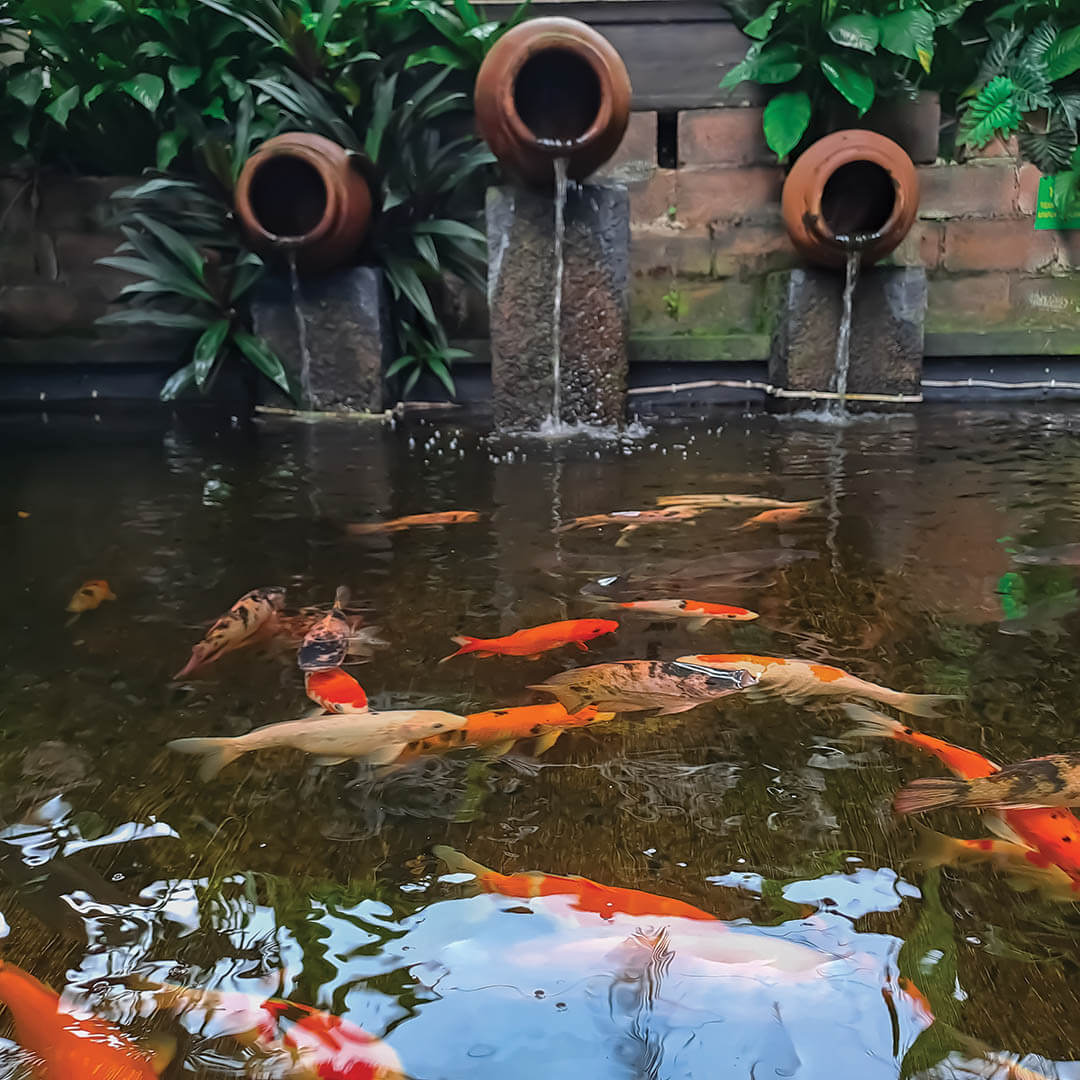
The right lighting turns a pond into an evening showpiece. Plan a dedicated GFCI outlet and a 12V low-voltage transformer in a weatherproof housing. Run landscape cable in conduit where it crosses paths and leave drip loops on all connections. Mix underwater spotlights aimed across, not into, the waterfall, plus small puck lights grazing rock texture. Warm white (2700–3000K) flatters stone and plants; a single blue accent can suggest moonlight. For off-grid corners, use a solar pump-and-fountain kit or solar path lights to softly trace the edge. Put pumps and lights on separate smart plugs or a photocell/timer combo so aeration continues while lights shut off automatically. Hide fixtures behind grasses or capstones to avoid glare. As a safety note, never splice cords underwater; choose submersibles with molded connections and keep all mains power above the waterline. Thoughtful illumination extends entertaining hours, highlights moving water for sparkle, and makes maintenance easier after dark—without spiking your energy bill.
Four-Season Pond Care: Clear, Balanced, and Protected All Year
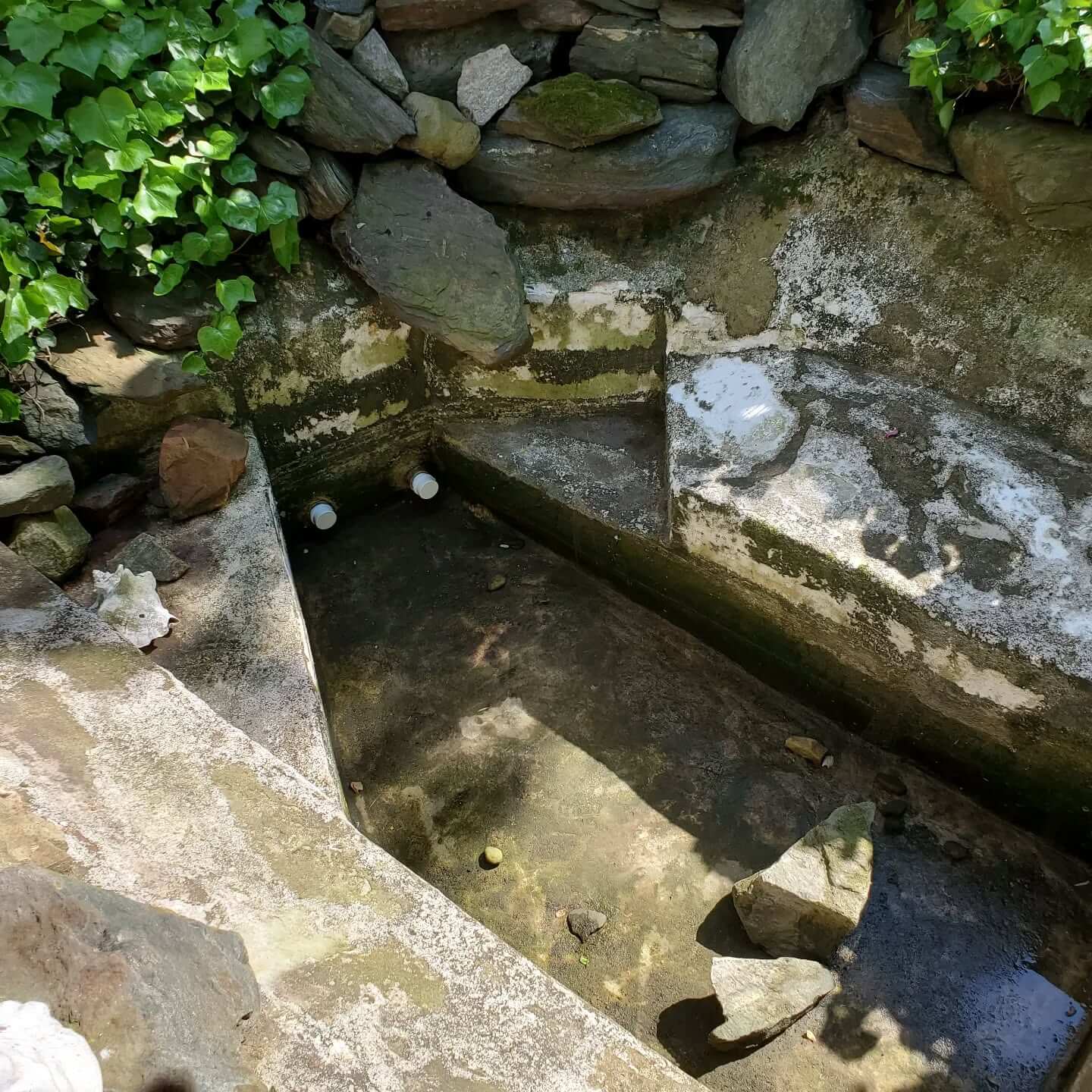
Seasonal rhythms keep DIY ponds thriving. Spring: net out leaves, rinse filter pads in pond water (not tap), restart pumps, and dose beneficial bacteria. Divide and repot lilies, trim dead growth, and check for liner exposure after frost heave. Summer: manage nutrients—feed fish lightly, top off with dechlorinated water, and keep 40–60% surface shade. If green water persists, confirm turnover rate, clean prefilters, and consider a UV clarifier as a last resort. Fall: net the pond before leaf drop, thin bog plants, and purge your intake bay. In freezing climates, pull waterfall pumps, store indoors, and run a small aerator and/or de-icer to keep a gas-exchange hole open; move air stones to a shelf, not the deepest zone, to protect fish. Winter: stop feeding fish under 50°F/10°C and brush snow off netting to admit light. Year-round: test ammonia, nitrite, pH, and KH monthly, and log readings. With a simple checklist, your backyard pond remains clear, healthy, and ready for that first spring lily bloom.
Get the Fail-Safe Paint Color Playbook (Free PDF)
36 proven colors • 8 ready palettes • trim & sheen guide • printable testing cards.
Finishing Touches: Edging, Paths, Seating, and Smart Budget Upgrades
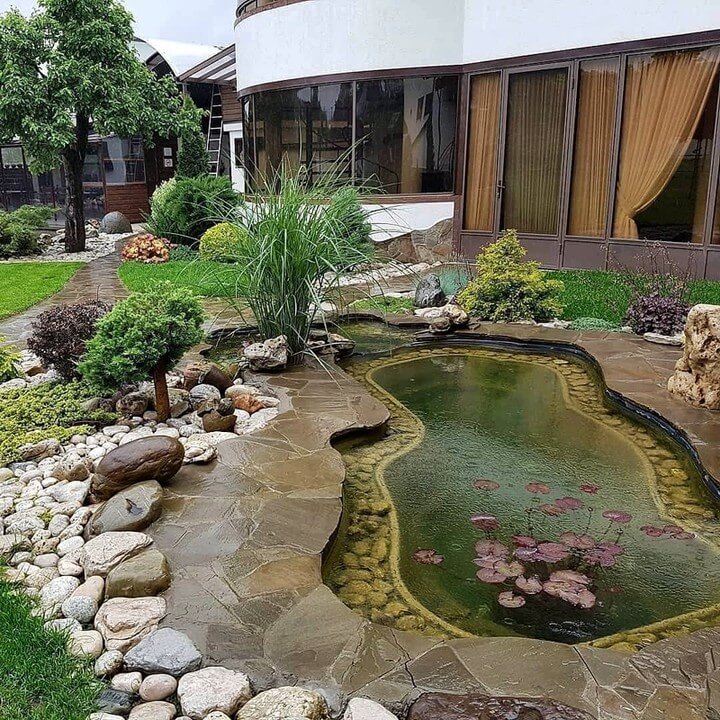
Small upgrades deliver a custom look without blowing the budget. Mix edges: use chunky flagstone caps on the formal side and a natural gravel beach elsewhere for wildlife. Tuck creeping thyme or Irish moss between stepping stones and add a simple gravel path to invite visits. Build a bench or place Adirondack chairs at the “sweet spot” where waterfall sound is best. Add a rain chain or discreet overflow to a dry well to handle storms. Automate top-offs with a float valve tied to a rain barrel (include a backflow preventer). Corral cables and hoses in a narrow conduit trench and disguise access lids with flat stones. For clarity on the cheap: a DIY milk-crate prefilter, a plant-packed upflow bog, and routine skimmer cleaning beat pricey gadgets. Safety matters—install a childproof gate or low fence where needed and a pet ramp for easy exits. These details knit the pond into your landscape, boost everyday usability, and stretch every dollar while delivering that serene, finished-water-feature feel.
Get the Fail-Safe Paint Color Playbook (Free PDF)
36 proven colors • 8 ready palettes • trim & sheen guide • printable testing cards.
No-Dig Above-Ground Pond with Retaining Blocks and EPDM Liner
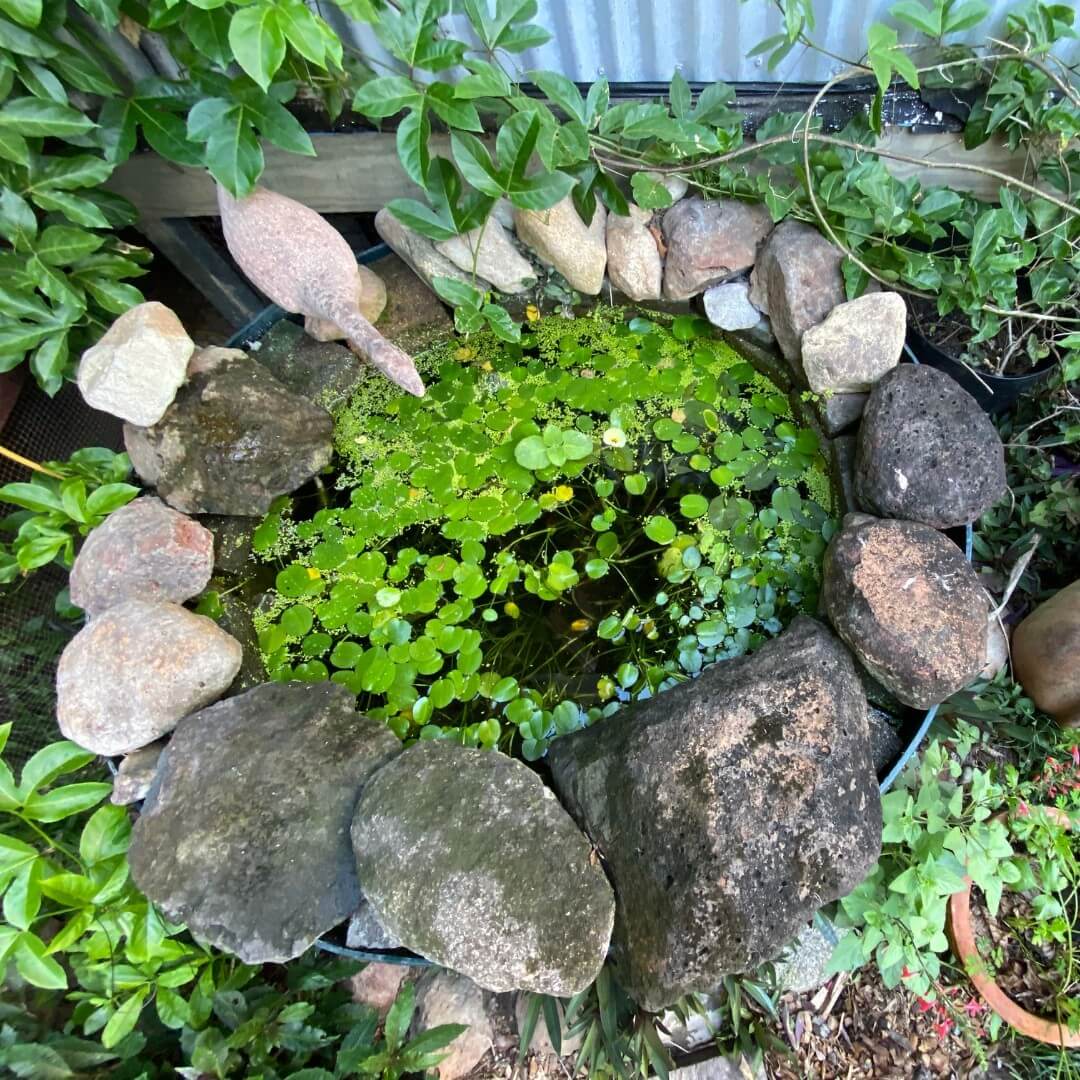
If digging is tricky (tree roots, clay, utilities) or you’re renting, build up instead of down. A no-dig, above-ground backyard pond uses a compacted gravel pad, stacked retaining wall blocks, and a single piece of EPDM liner to create instant water garden serenity. Dry-lay a level ring of blocks on tamped base rock, add foam underlayment, then drape the liner with generous slack. Cap with smooth coping stones that fold the liner safely out of UV and foot traffic. Inside, set DIY planting shelves with upside-down milk crates wrapped in geotextile for marginals; add a small pump protected in a crate prefilter and return water via a discreet side outlet or a mini spillway. The raised edge works as built‑in seating, keeps mulch out, and deters pets. Finish the look with vertical grasses, dwarf lilies, and a pea‑gravel beach on one side for wildlife access. This modular approach scales from whiskey‑barrel footprints to statement rectangles and pairs perfectly with a bog filter box for low‑maintenance clarity. It’s one of the most budget‑friendly DIY backyard pond ideas that still looks custom and lasts through freeze‑thaw cycles thanks to flexible liner and dry‑stacked stone.
Harvest the Rain: Downspout-Fed Pond with Barrel Overflow and Dry Creek

Turn stormwater into soundtrack. Tie a roof downspout into a screened rain barrel with a first‑flush diverter, then feed your garden pond through a simple sediment filter. During heavy rain, route overflow to a dry creek swale lined with river rock and planted with moisture‑loving natives—think blue flag iris, sedges, and marsh marigold. This slow‑the‑flow setup tops off your water feature for free, oxygenates as it enters, and recharges soil instead of sending water to the street. Design tips: elevate the barrel so gravity can deliver a gentle trickle via 1/2–3/4 inch tubing; include a shutoff and bypass for maintenance; and add a leaf basket where the line meets the pond. If you keep fish, avoid copper/zinc roofs and asphalt shingle grit—use carbon polishing before the pond. Size your swale to carry big storms away from foundations, and plant a “rain garden” basin to capture the last surge. This sustainable backyard water feature strategy reduces hose refills, tempers temperature swings, and supports pollinators with seasonal bloom. It dovetails beautifully with a bog filter, which happily “eats” the nutrients delivered by rain events.
Small-Space Mirror Pond: Dark Liner, Minimalist Planting, Maximum Reflection
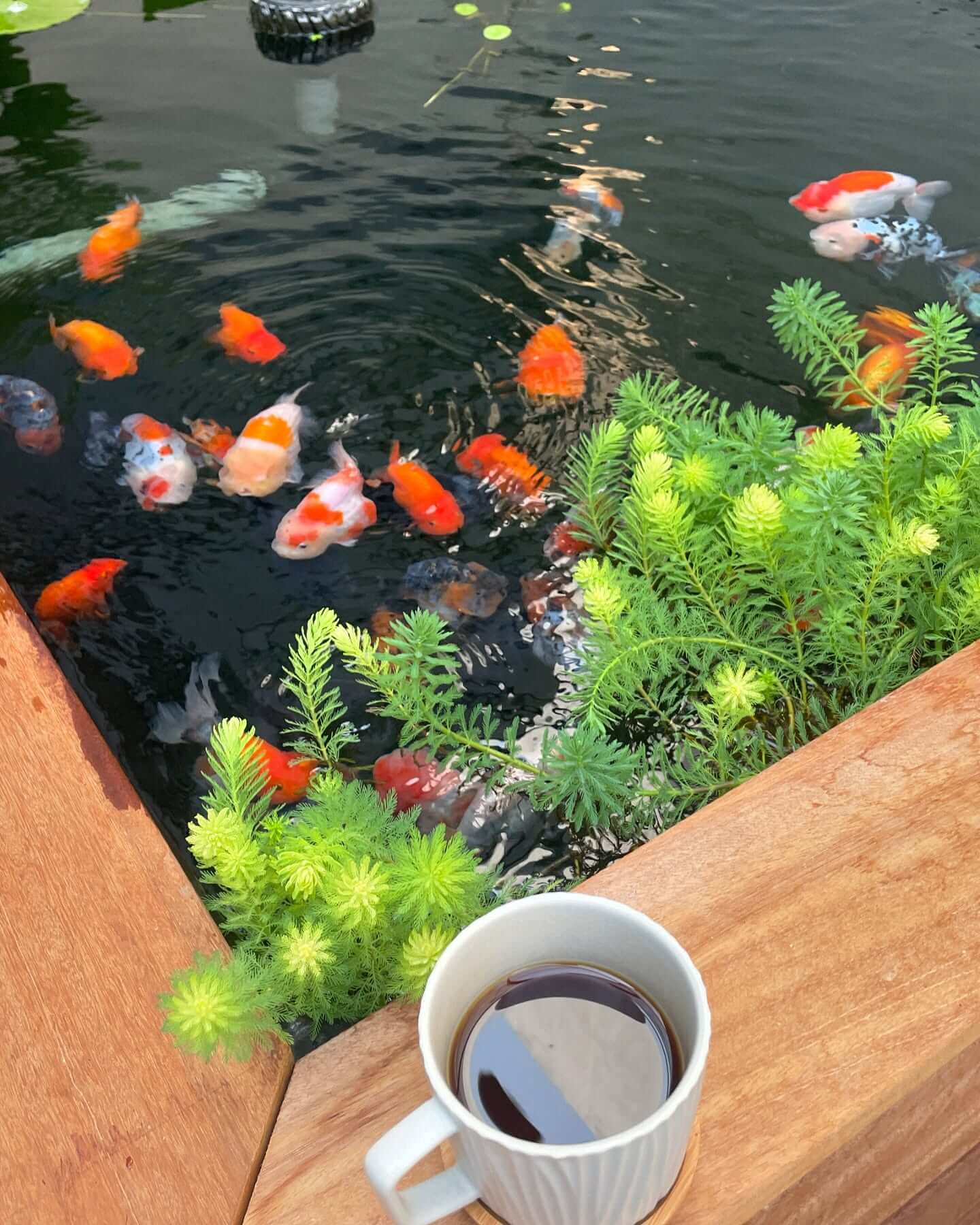
In tight courtyards or patios, a shallow mirror pond brings big drama with small footprint. The trick is calm, inky water and clean edges. Use black EPDM (or add pond dye) and a rectilinear shell with crisp coping stones to create a liquid “floor” that reflects sky, grasses, and architecture. Return water below the surface with side jets or a low‑profile blade weir to keep the sheet unbroken—aim for gentle circulation, not splash. Plant sparingly: one dwarf lily, a few architectural clumps (dwarf papyrus, corkscrew rush), and a single vertical accent like a bamboo clump or sculpture. Hide the pump in a corner crate prefilter; add a discreet skimmer or intake bay opposite the return to sweep the surface. At night, a warm LED graze along the edge and a soft underwater accent turns the pond into a glowing mirror. Because there’s less turbulence, fines settle; pair with an upflow bog filter for crystal clarity without frequent cleaning. This modern water feature echoes the sleek vibe of a rectilinear pond but trades movement for meditative stillness—ideal where sound needs to be subtle.
Leaf Control Made Simple: DIY Skimmer and Intake Bay
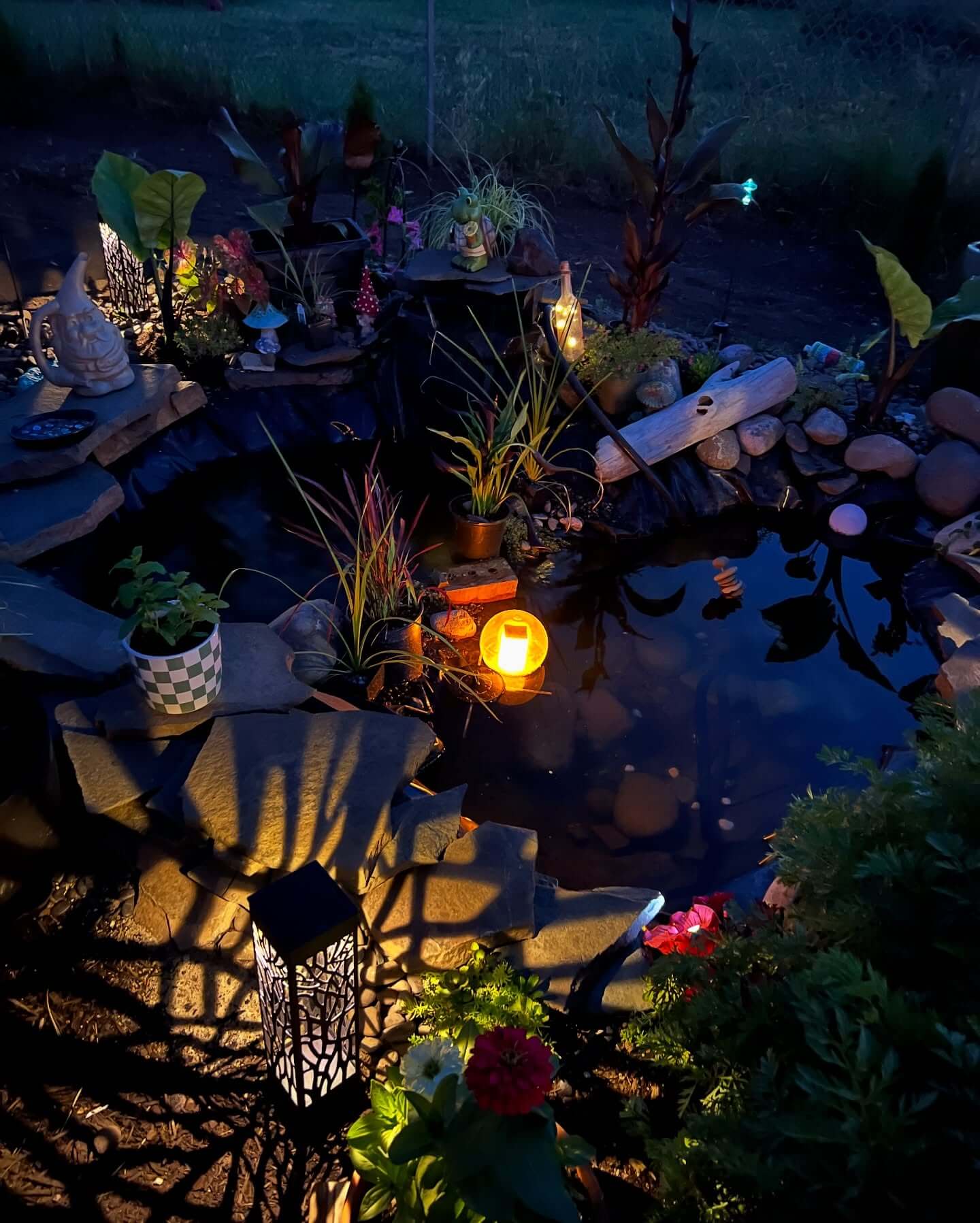
Leaves and pollen are the fastest path to green water. Add a DIY skimmer or natural intake bay to your pond and let flow do the cleaning. Place the intake opposite your waterfall or return to create a slow, steady “river” across the surface. For a natural look, build a shallow pocket walled by boulders and filled with graduated river rock. Nest a pump vault or milk‑crate well beneath a removable leaf basket and a mat of coarse filter foam. Water is drawn through the stone (which traps debris), into the vault, and on to your bog filter or spillway—no plastic skimmer faceplate required. Maintenance is a breeze: lift the basket, dump, rinse the mat, done. Fine‑tune pull with adjustable gates or by narrowing the intake throat. In leafy yards, this single addition can cut vacuuming to near zero, protect pumps, and boost dissolved oxygen by keeping the water’s skin moving. Pair with a floating skimmer ring in peak fall to corral stubborn leaves, and add a surface “current jet” to sweep debris out of back corners.
Right-Size Your Pump, Pipe, and Weir—Without the Math Headache
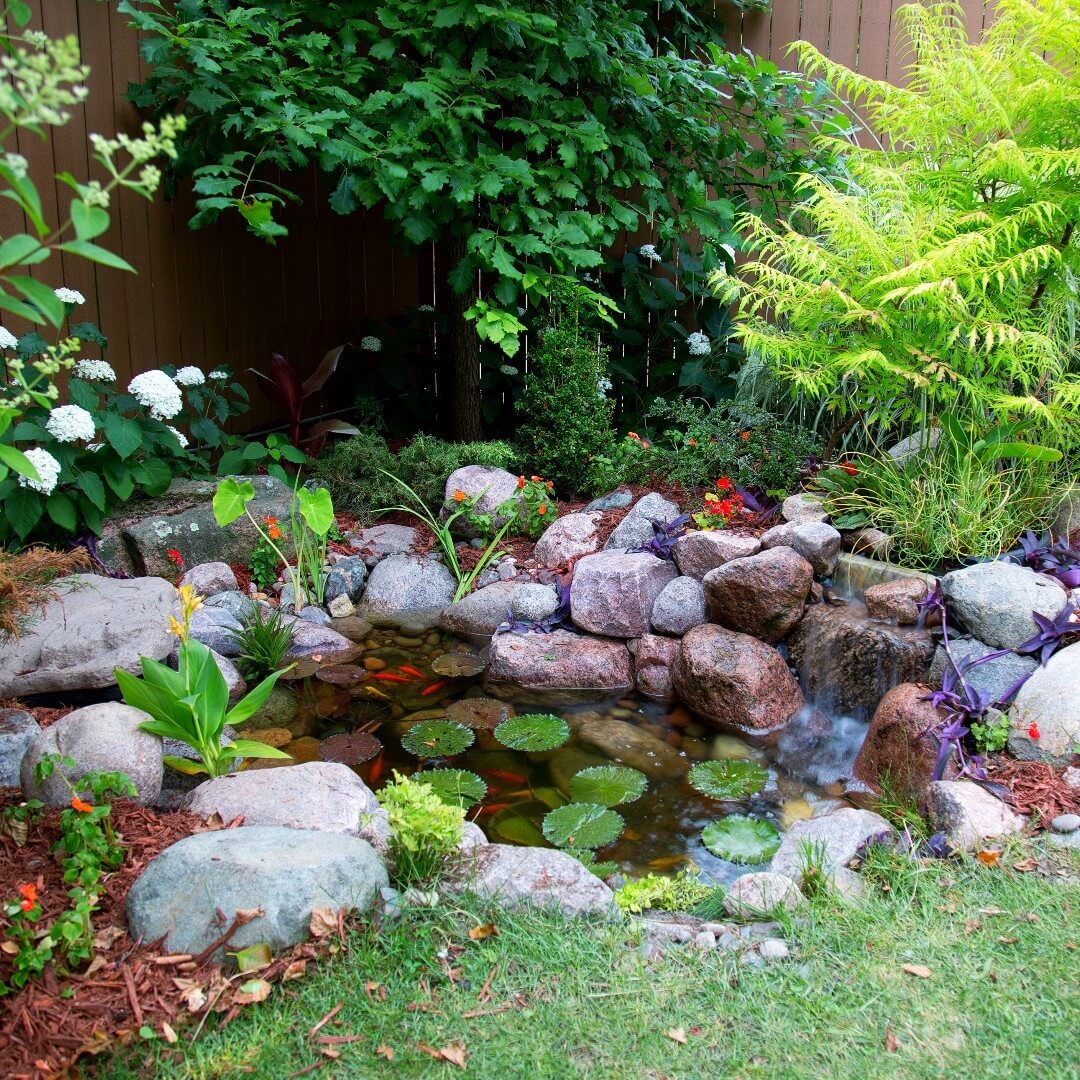
Crystal water starts with correct flow. Use these quick DIY rules for backyard pond sizing: aim to turn the full pond volume about once per hour (twice for koi or heavy fish loads). For streams, budget 50–100 gph per inch of width; for a clean sheet over a blade weir, plan 150+ gph per inch. Head height = vertical rise from waterline to spillway plus friction. A simple shortcut: add roughly 1 foot of “head penalty” for every 10 feet of tubing and each tight 90° elbow. Upsize pipe at least one step beyond the pump’s outlet (e.g., 1.25–1.5 inch pipe on a 1‑inch outlet) to cut friction and power use. Include a union check valve near the pump, a ball valve on each line to balance flow, and a tee with a purge cap for easy winter draining. If you’re going solar, pick a brushless DC pump, oversize the panel, and add a battery/controller so circulation doesn’t stop at dusk. Finally, put your pump in a crate prefilter and pair it with an upflow bog filter or pressure filter/UV when fish are central.
Floating Plant Islands for Filtration, Shade, and Wildlife
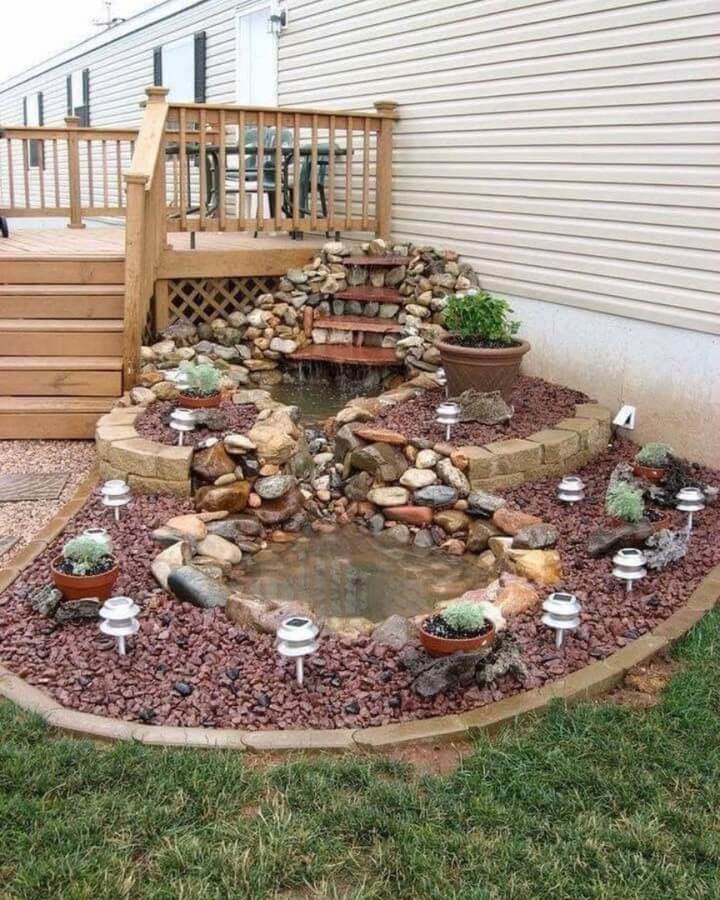
Boost water quality and biodiversity with floating wetlands—lightweight planter rafts that sip nutrients right at the surface where algae steals them first. Build your own with recycled plastic mesh, pool noodles, or cork frames lined in coconut coir. Plant vigorous nutrient-hogs: pickerel rush, water mint, dwarf cattail, lobelia, and sedges. As roots dangle, they create a living biofilter and a shaded refuge for fry and dragonfly nymphs. Anchor islands with fishing line to eye bolts or a central “spider line” so winds gently reposition them without piling into one corner. In hot climates, a few square feet of moving shade can drop temps and calm fish. Maintenance is simple: thin roots, top up coir, and swap fast growers seasonally to export nutrients physically. Floating islands play beautifully with bog filters, giving you both deep and surface‑level polishing. They’re also a stealth mosquito control—predators lurk in the root curtain, and constant surface motion discourages larvae. For sleek designs, tuck islands under a deck overhang so plants appear to emerge from the pond’s edge.
Kid- and Pet-Safe Ponds: Beach Entries, Safety Grids, and Subtle Barriers
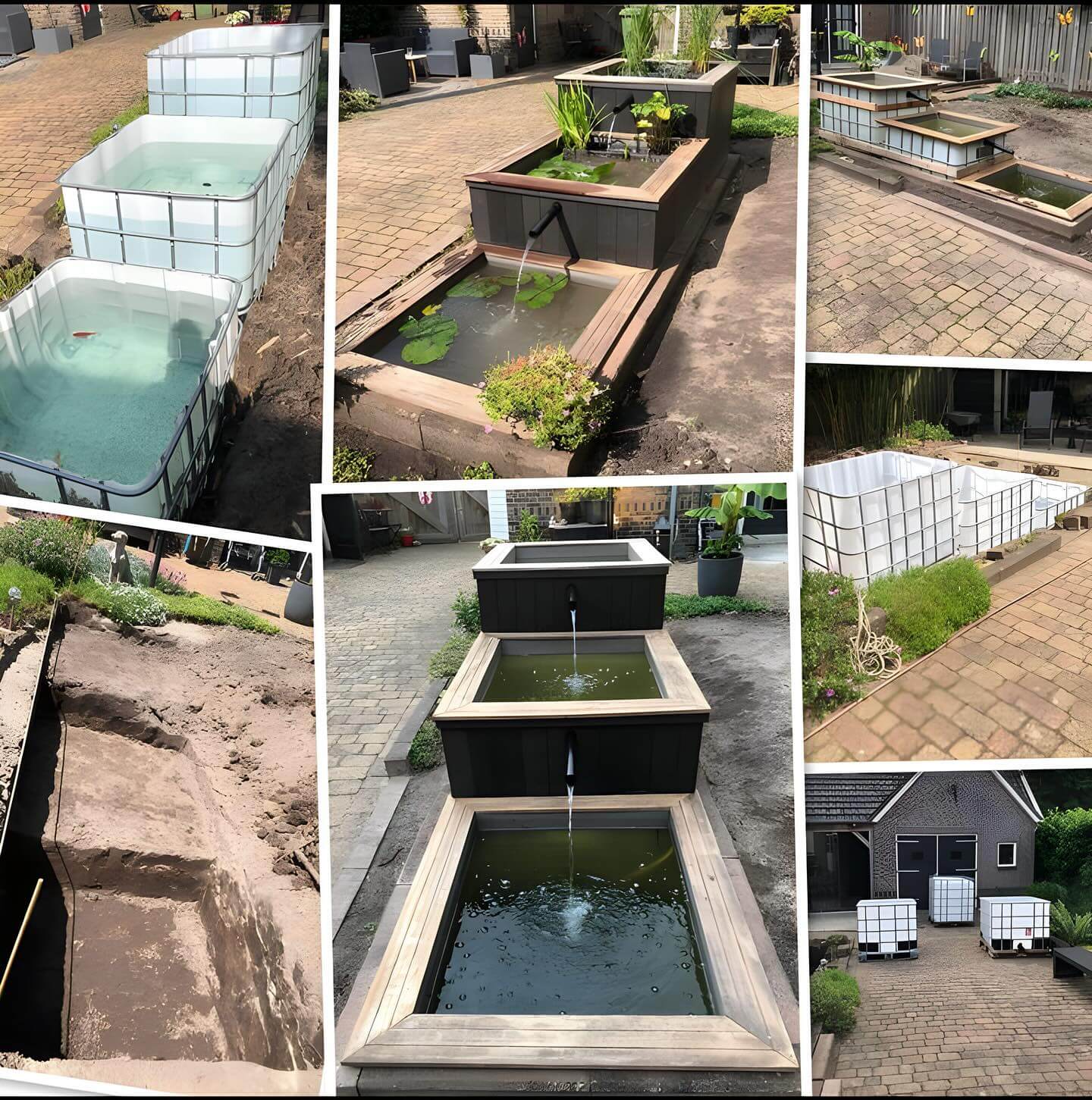
Design safety in from day one without sacrificing style. Start with a broad marginal shelf and a beach entry at a gentle 3:1 slope using compacted base rock topped with rounded pea gravel—great for birds, butterflies, and supervised splash play. In tighter yards, span hidden safety grating (fiberglass or galvanized steel) just below the surface at the edge zone, then dress with river stones; it supports weight if someone steps in and still looks natural. Add a low, see‑through barrier where needed: a trimmed hedge, a steel rod “ghost” fence, or removable mesh panels that meet local codes while preserving views. Keep pump intakes screened, avoid exposed suction in shallow water, and route cords through conduit to a GFCI outlet with in‑use cover. Light paths and edges for nighttime visibility. Post simple rules (no running, always supervise), and stash a reaching pole near the pond. With thoughtful grading, subtle barriers, and grippy paving, a DIY backyard pond becomes a safe, wildlife‑friendly destination for the whole family.
Blend Water and Wood: Deck-Over Edges, Boardwalks, and Viewing Platforms
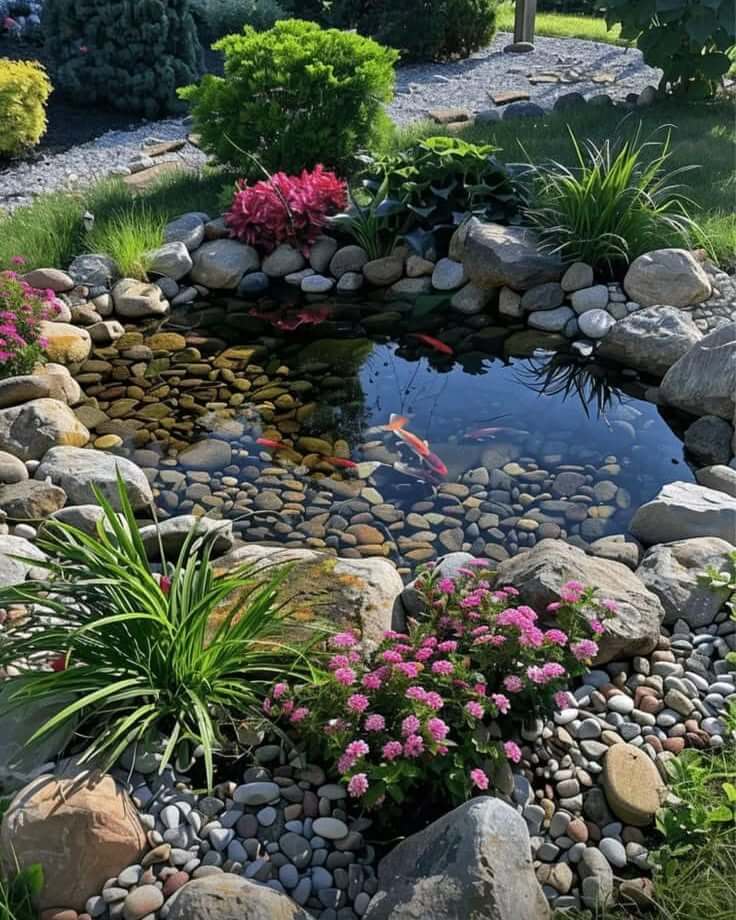
Marry your water feature to living space by extending decking over the pond’s edge. A cantilevered boardwalk or step‑down platform turns fish feeding into a front‑row experience and makes small ponds feel expansive. Keep structure independent of the liner: set helical piers or footings outside the basin, then bridge across with beams that never penetrate waterproofing. Clamp the liner to a recessed ledger with a compression strip and flashing, then cap with decking for a seamless finish. Leave a service hatch over the skimmer or intake bay, and ventilate the cavity to prevent moisture buildup. For modern builds, a razor‑thin shadow gap and a blade weir set into the fascia deliver that high‑end, rectilinear vibe; for rustic spaces, add a simple timber bridge between banks of a meandering stream. Low‑glare, warm‑white LED step lights and a single underwater accent complete the mood. This integration improves access for maintenance, creates instant seating, and frames reflections—turning your DIY backyard pond into the heart of the patio.
Mosquito-Proof by Design: Aeration, Fish, and Natural Controls
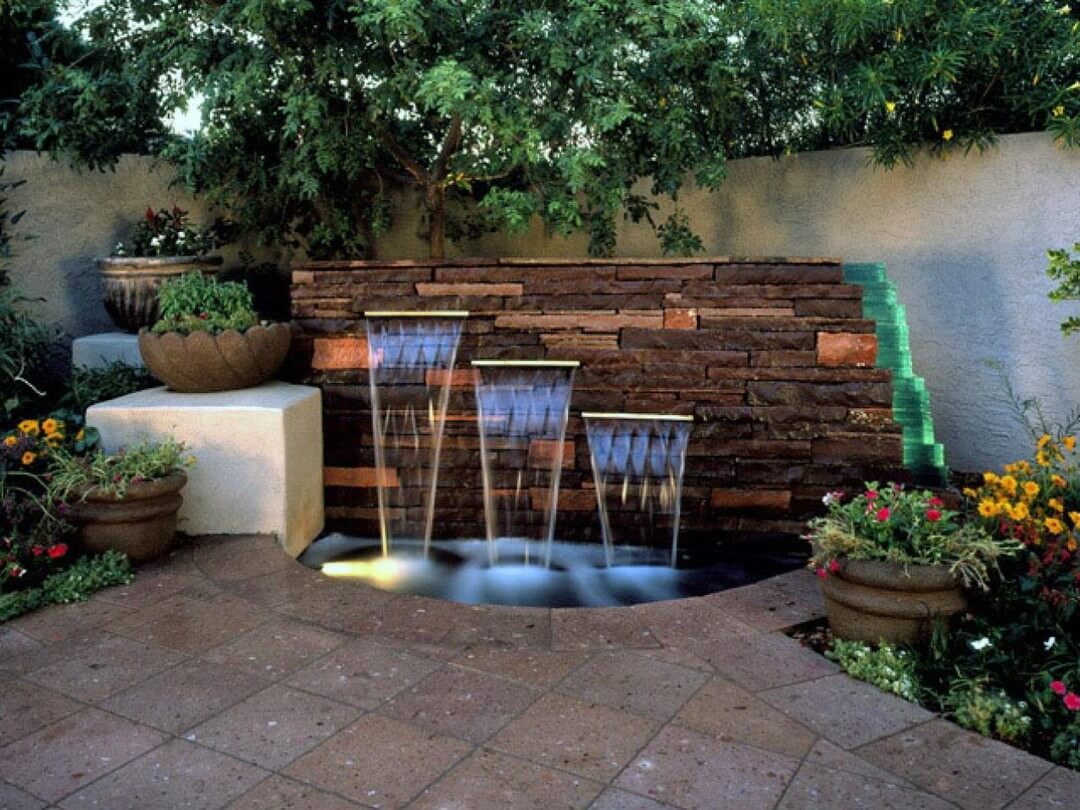
A well‑designed pond won’t breed mosquitoes. Keep water moving with continuous circulation—aim returns to ruffle quiet corners, and add a discreet air stone on a timer for night aeration. Stock hardy, legal mosquito predators where appropriate (rosy red minnows, white cloud mountain minnows, or mosquito fish where permitted). Encourage dragonflies with emergent plants and a sunny perch. Manage excess floaters so at least 60% of the surface is open; dense mats are mosquito nurseries. If needed, use BTI dunks (Bacillus thuringiensis israelensis)—a biological larvicide safe for fish, pets, birds, and pollinators. Prevent stagnant side pools by grading edges toward the main basin and tying any decorative urns or side barrels back into the circulation loop. Clean skimmer baskets weekly in peak season, thin plants regularly to export nutrients, and avoid overfeeding fish (uneaten food fuels algae and scum). With movement, predators, and a touch of biology, your DIY backyard pond stays clear, lively, and bite‑free—so you can enjoy dusk by the water, not run from it.
Cold-Climate Design: Freeze‑Proof Edges, De‑Icers, and Winter Flow
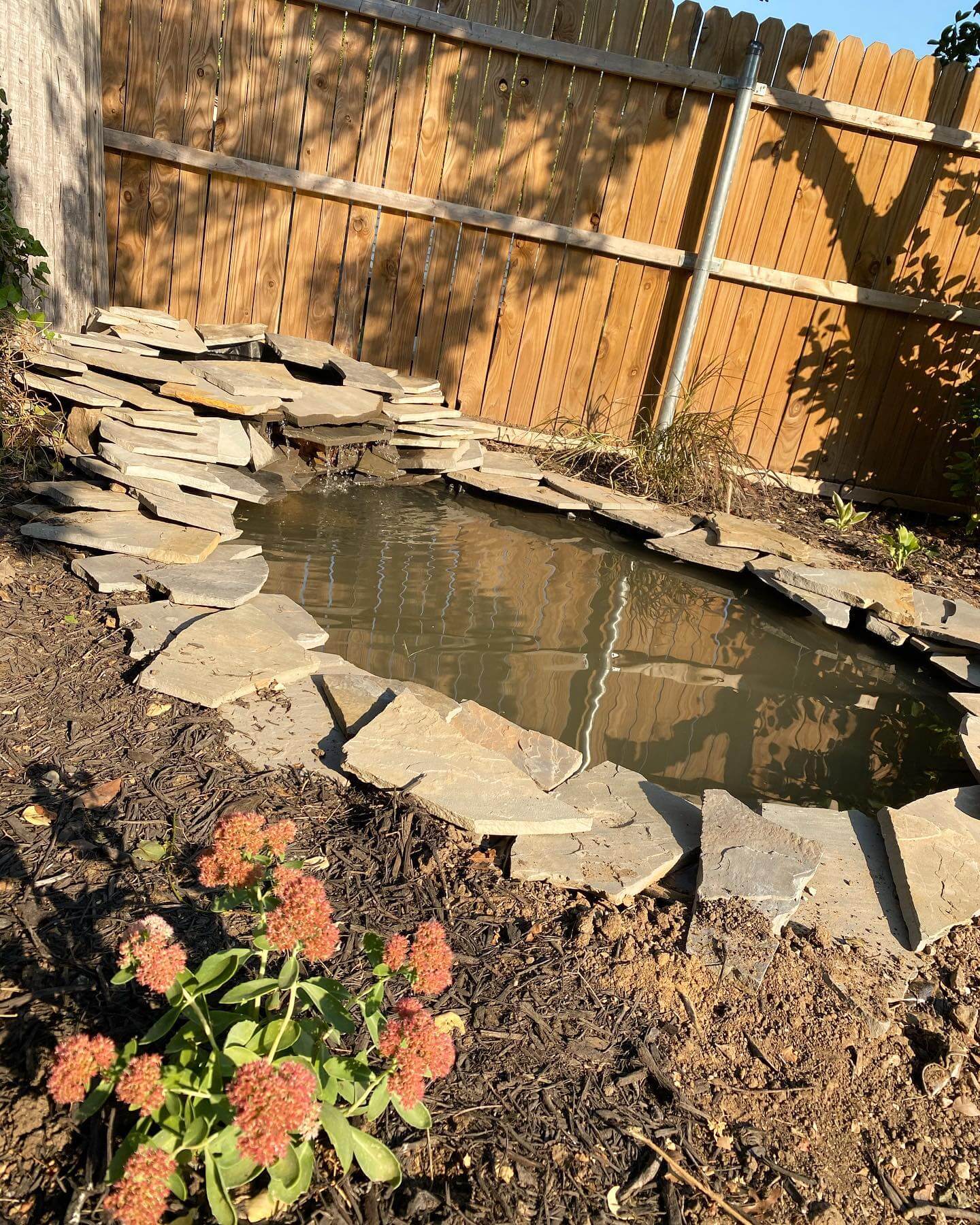
If winters bite, build your pond to shrug off ice. Favor flexible EPDM liner with generous slack and dry‑laid stone over rigid mortar caps—freeze‑thaw can jack solid edges. Round over coping and use smooth river rock on shelves so expanding ice glides rather than grabs. Place an airstone 12–18 inches below the surface (not at the deepest point) to keep a gas exchange hole open without supercooling fish. In severe cold, add a thermostatic de‑icer near the bubbler. Consider raising the pump onto a shelf for winter so the warmest bottom layer stays put; or shut down the waterfall and bypass flow to a submerged return to avoid ice dams. Use flexible kink‑free tubing buried or routed below snow load, and add unions so you can drain lines easily. Net leaves before freeze, trim marginals low, and leave hardy lilies until spring. Design overflows to shed meltwater away from paths, and choose fixtures and hardware rated for freeze. With the right details, your serene water oasis looks magical under snow and wakes crystal‑clear in spring.
Get the Fail-Safe Paint Color Playbook (Free PDF)
36 proven colors • 8 ready palettes • trim & sheen guide • printable testing cards.
Plant-Powered Bog Waterfall: Hidden Filtration That Makes Water Sparkle
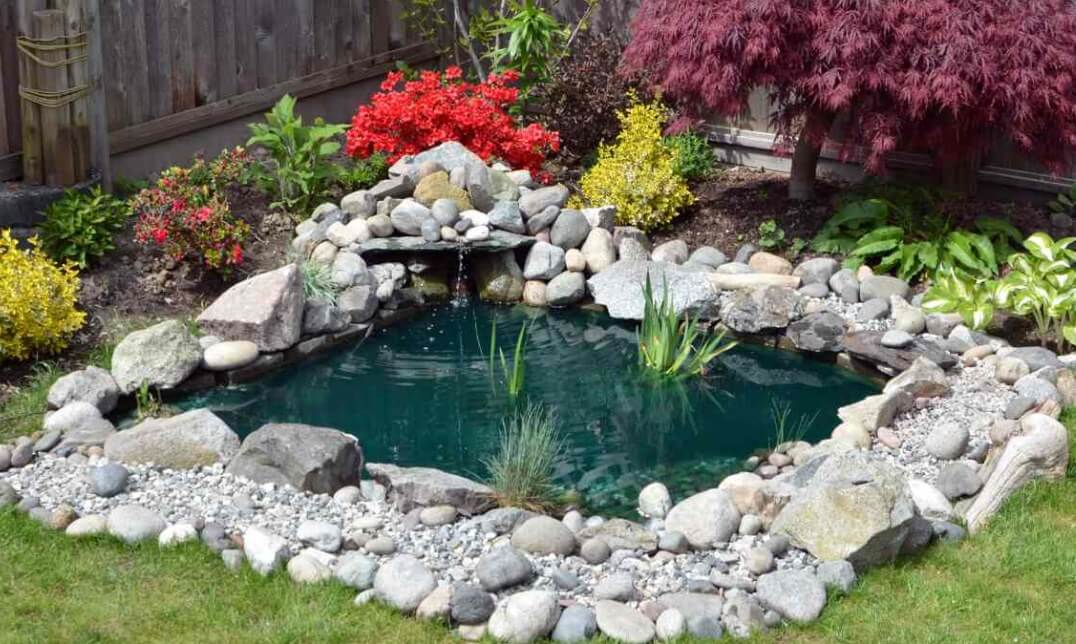
Want crystal-clear water without constant chemicals? Add an upflow bog at the head of your DIY backyard pond and let it spill back as a gentle waterfall. This “plant-powered filter” strips nutrients, traps fines, and oxygenates water while looking completely natural. Size the bog to roughly 10–30% of the pond’s surface area. Build a shallow cell (12–18 inches deep) lined with EPDM, lay a slotted PVC underdrain manifold on the bottom, and cover it with 10–12 inches of washed pea gravel. Pump water evenly into the manifold so it rises through the gravel and plant roots, then exits via a stone weir or mini cascade into the pond.
Choose vigorous marginal plants that love wet feet: pickerel rush, sweet flag, iris, dwarf cattail, marsh marigold, water mint, and sedges. They gobble up dissolved nutrients that cause algae, stabilize edges, and attract pollinators. For easy maintenance, include a flush port to backwash the manifold a couple of times per season and pair the bog with a simple skimmer or intake bay to catch leaves before they reach the pump. Right-sized flow creates that perfect sheet of water: calming sound, polished clarity, and low-maintenance, natural filtration that runs itself.
Galvanized Stock Tank Pond: A Stylish, Low-Maintenance Patio Oasis
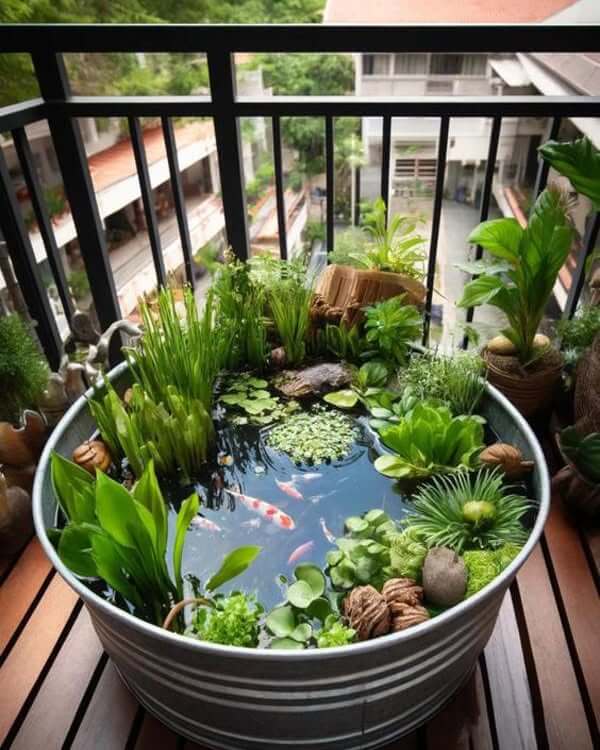
Turn a galvanized trough into an instant water garden that fits patios, decks, and small yards—no digging required. Choose a 100–300 gallon stock tank, set it on a compacted, dead-level base (pavers or gravel with underlayment or foam to protect the bottom), and plan an overflow near the rim with a bulkhead fitting that routes excess water to a rain garden or gravel dry well. A compact submersible pump with a sponge prefilter powers a bubbler or mini fountain for aeration and soothing sound; hide cords behind planters or conduit.
Plant for balance and clarity: a dwarf lily for shade, submerged oxygenators (hornwort, anacharis), and marginals in rim baskets (sweet flag, dwarf papyrus, water celery). For fish, choose hardy options like rosy red minnows or small goldfish—avoid koi in tight quarters. In soft or acidic water, consider lining the tank with a thin EPDM liner or sealant if you plan to keep fish; otherwise, thoroughly rinse and cycle before stocking. This modern container pond is mosquito-proof by design with aeration and fish, budget-friendly, and easy to winterize—run a small de-icer in cold climates or drain and store. Instant serenity, minimal footprint, maximum style.
Natural-Looking DIY Backyard Pond Ideas: EPDM Liner Builds, Waterfalls, and Bog Filtration
For a naturalistic backyard pond, flexible EPDM liner builds let you sculpt meanders, inlets, and planting shelves that blend seamlessly with existing beds and hardscape. Choose a footprint visible from key sightlines—kitchen windows, patio seating, or firepit—so waterfalls and wildlife activity enrich daily routines. Map sun arcs and trees; aim for mixed sun and dappled shade to balance lily blooms with cooler temperatures and reduced evaporation. Set final volume goals of 600–1,500 gallons for stable water chemistry, quieter pump operation, and enough surface for lilies, iris, rushes, and marginal habitat. Incorporate a shallow beach or ramped shelf to welcome birds and pollinators while ensuring safe egress for pets and amphibians.
Excavate stepped shelves, remove sharp roots, and lay heavy non-woven underlayment under 45-mil EPDM, then accordion-fold liner into curves to reduce visible creases. Install a surface skimmer at the widest edge, a biofalls box or spillway at the highest grade, and route flex PVC beneath edging to hide plumbing. Size the pump for one turnover per hour—e.g., 1,000 GPH after head loss on a 1,000-gallon pond—and include a check valve, ball valves, and unions for service. Build a gravel bog filter: a sealed cell fed from the bottom up through perforated pipe, planted densely with reeds and iris for passive, low-maintenance nutrient uptake. Backfill rock edges with soil and capstones, then tuck the liner securely behind to create watertight, natural-looking margins that resist UV and shifting.
Essential build checklist:
- Power pumps from a dedicated, outdoor GFCI circuit with in-use covers; bury conduit or rated cable, and create a drip loop below connections to prevent water tracking into receptacles.
- Select flat, lipped capstones and stackers you can lift safely; mix sizes, interlock joints, and shim with small wedges to stabilize edges without stressing the liner.
- Size waterfalls by width and desired look: 100–150 GPH per inch creates a lively sheet, while 50–75 GPH per inch yields a gentle, conversational trickle.
- Plan storm overflow with a hidden notch or pipe to a gravel drywell; integrate an auto-fill or drip line to maintain level through evaporation and vacations.
For ongoing care, empty skimmer baskets weekly, backflush bog in spring, and thin fast growers so roots continue filtering rather than clogging flows. Stock conservatively—roughly one small koi or three goldfish per 100 gallons—or skip fish to favor frogs, dragonflies, and a more self-willed, wildlife-friendly ecosystem. Dose beneficial bacteria only after deep cleanings; well-established bogs and plants usually keep ammonia and nitrate in check without constant additives. Before freezes, pull the pump if your waterfall forms dangerous ice dams, maintain a de-icer opening, or run an aerator to protect overwintering fish. Refresh 10–20 percent of water monthly during heat waves, matching temperature and dechlorinating to minimize shock while exporting dissolved wastes.
Your Pond-Building Questions, Answered Clearly
How big should my first backyard pond be?
Beginners thrive with 600–1,000 gallons, which stabilizes temperature and water chemistry and keeps maintenance predictable. It’s large enough for lilies, a modest waterfall, and a few fish without crowding.
Do I need a filter for a small container pond?
Yes, a small pump with a foam prefilter improves clarity and circulation. If you prefer near-zero maintenance, skip fish and rely on plants plus occasional water changes.
Get the Fail-Safe Paint Color Playbook (Free PDF)
36 proven colors • 8 ready palettes • trim & sheen guide • printable testing cards.
What plants are best for beginner ponds?
Start with hardy, fast-establishing options: dwarf water lilies, pickerel rush, iris, hornwort, and water lettuce. They balance nutrients, provide habitat, and deliver blooms without fussy care.
How do I control algae without harsh chemicals?
Limit full-sun exposure, add floating cover, and maintain steady circulation with proper turnover. Use barley extract, zeolite, and a densely planted bog filter to naturally bind nutrients.
Final Verdict: Build a Calming, Low-Maintenance Water Feature That Fits Your Space and Budget
With a clear plan and the right components, any yard can host a beautiful, balanced pond—no contractor required. Start by matching the concept to your space and skill level: a container or galvanized stock tank for fast wins, a preformed liner for reliable shape control, or a dig-and-line build for organic curves and a natural look. Prioritize siting, safety, and structure—include planting shelves, a gentle beach entry, and subtle barriers where needed—then right-size your pump, pipe, and weir to keep water moving efficiently without noise or energy waste.
For crystal clarity and minimal upkeep, lean on plant-forward filtration. An upflow bog filter, paired with a skimmer or intake bay, quietly strips nutrients while lilies, rushes, and oxygenators add shade and oxygen. Design for movement and music with a stream, blade weir, or small waterfall; add floating plant islands for extra filtration and habitat; and plan for easy leaf control. Finish with natural stone or sleek edging, deck-over viewing spots, and safe power or solar lighting to extend the magic into the evening.
Think beyond summer. In cold climates, protect edges, keep a winter flow path, and use a de-icer to vent gases. For drought-prone areas, harvest roof runoff with a downspout-fed basin and overflow. Build smart for mosquitoes with aeration, fish, and circulation, and set a simple seasonal care routine. Whether you tackle a weekend patio pond or a statement water feature with a bog waterfall, these DIY backyard pond ideas will help you create a serene, wildlife-friendly oasis that stays clear, quiet, and captivating all year.