
19 Fence on Slope Ideas for Any Budget: Stepped, Racked, and Terraced Solutions
Sloped yards are beautiful—but tricky to fence. You want privacy, pet safety, and a clean property line without awkward gaps or leaning panels. The right approach can also boost curb appeal and help manage erosion.
In this guide, we’ll explore the best fence on slope ideas—stepped, racked/contoured, and terraced—plus smart hybrids that pair retaining walls with fencing. You’ll see materials from cedar and composite to metal, cable, and hog wire, with tips for wind, views, maintenance, and longevity. We’ll also cover drainage, footing depth, and stability on grades.
Get the Fail-Safe Paint Color Playbook (Free PDF)
36 proven colors • 8 ready palettes • trim & sheen guide • printable testing cards.
Whether you’re DIY-ing or hiring a pro, use these ideas to match your hill, budget, and style while staying code-compliant. As we move through the sections, each example will show how to follow the grade cleanly, direct runoff, and keep lines visually consistent. Turn a tricky hillside into a standout feature.
Stepped Fence for Sloped Yards: Layout, Materials, and Code
Stepped fences turn a steep grade into tidy, level panels that rise in increments, creating a crisp, architectural profile across a hillside. This approach excels for wood privacy designs, where racking would leave triangular gaps. It also pairs beautifully with terracing and retaining walls, giving flat visual reference lines that complement landscaping. Because each bay changes elevation, careful layout ensures compliance with pool height codes, neighborhood covenants, and visibility rules on corner lots. Use these Fence on Slope Ideas to plan safely, drain properly, and avoid awkward dog-legs along property lines.
Planning and Layout Essentials
- Site Survey: Walk the slope with a level and stakes, mark grade breaks, and note obstacles, utilities, and drainage paths to prevent conflict between fence lines, roots, and water flow.
- Step Calculations: Measure total rise over run, divide by intended panel width, and compute step increment so each bay climbs evenly without awkward mini-steps or code-busting top-rail jumps.
- Post Height Strategy: Order extra-long posts to accommodate taller uphill steps, trim post tops to a clean line, and maintain minimum embedment and frost depth despite changing grade exposure.
- Property Lines and Setbacks: Confirm surveyed boundaries, easements, and setback rules, then offset steps consistently to avoid encroachment claims, drainage disputes, and awkward jogs around neighboring features or future retaining projects.
- Gate Placement on Slopes: Plan gates at landings or flatter zones, build stepped thresholds, or use adjustable hinges so clearances, latches, and swing arcs work reliably across seasonal heave and settlement.
Materials, Hardware, and Build Details
- Adjustable Step Brackets: Choose step brackets or segmented rails that lock each elevation change securely, minimizing onsite notching while keeping picket spacing consistent and the top profile crisp across the hillside.
- Longer Posts and Footings: Increase post diameter, depth, and concrete collars on steeper runs to resist lateral soil pressure, freeze-thaw cycles, and racking forces concentrated at larger step transitions.
- Gravel and Drainage: Backfill with compacted gravel around posts, add weep paths under bottom gaps, and deflect runoff away from footings to prevent rot, uplift, and muddy troughs beneath steps.
- Stain and Gap Strategy: Align picket gaps and stagger joints to disguise risers, and prefinish all faces with high-solids stain so color reads uniform despite varying sun exposure along the grade.
- Retaining Wall Integration: When pairing with a retaining wall, anchor posts behind the surcharge zone or use surface-mount flanges rated for topple loads, respecting engineer guidance and waterproofing membranes.
Expect stepped wood builds to run slightly higher in labor than flat runs, but material costs stay predictable with standard panels and lumber lengths. Many homeowners choose shadowbox, board-on-board, or horizontal slats to maintain privacy while softening the stair-step silhouette. For durability, specify pressure-treated posts, decay-resistant species like cedar, and exterior-rated fasteners to handle splash zones on risers. Plan seasonal maintenance—washing, sealing, and hardware checks—to keep steps tight and rails aligned as soil settles. With precise measurements and stout footings, a stepped fence looks intentional, controls views, and feels solid under changing weather.
Stepped Board-on-Board Privacy Fence for Steeper Grades
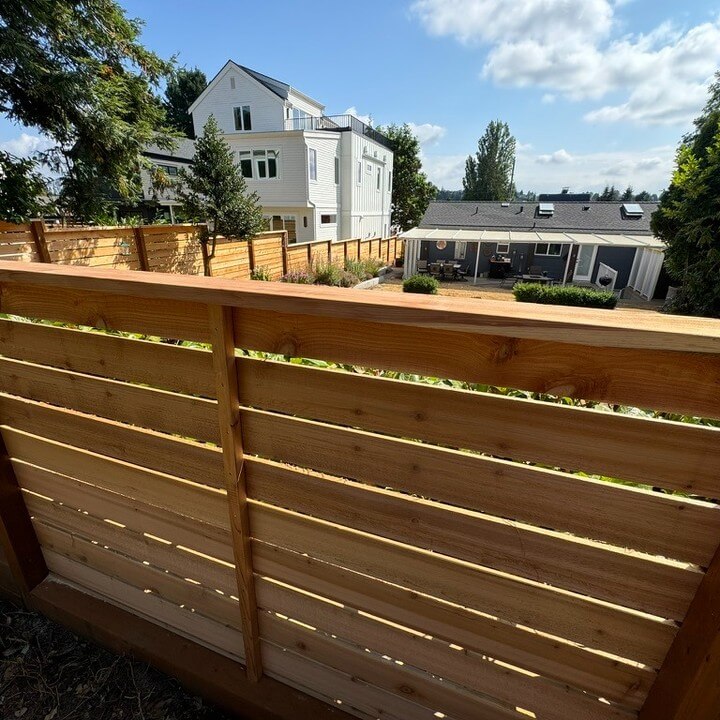
For slopes with noticeable elevation changes, a stepped board-on-board fence delivers full privacy without awkward triangular gaps. Each panel is kept level and “steps” down the hill, while posts are set to consistent heights relative to grade. Use string lines to establish a clean top line, then backfill under low ends with compacted gravel to close gaps and prevent pet escapes. Board-on-board (or shadowbox) construction minimizes sightlines at angles and handles minor undulations gracefully. To prevent rot, set posts below frost depth with bell-shaped footings for uplift resistance and add 6–8 inches of drainage gravel at the base of every hole. On longer runs, break the stepping rhythm at corners with taller “anchor” posts to keep the visual line intentional. Painting or staining darker tones helps the steps read as a single plane. Where runoff concentrates, install a shallow swale or perforated drain behind the low edge to move water away from posts. This is a budget-friendly fence-on-slope idea in cedar or treated pine, and it’s easy to repair panel by panel. Pro tip: cap rails and metal post sleeves elevate longevity on weather-exposed hillsides.
Rackable Aluminum Panels That Flow With the Grade
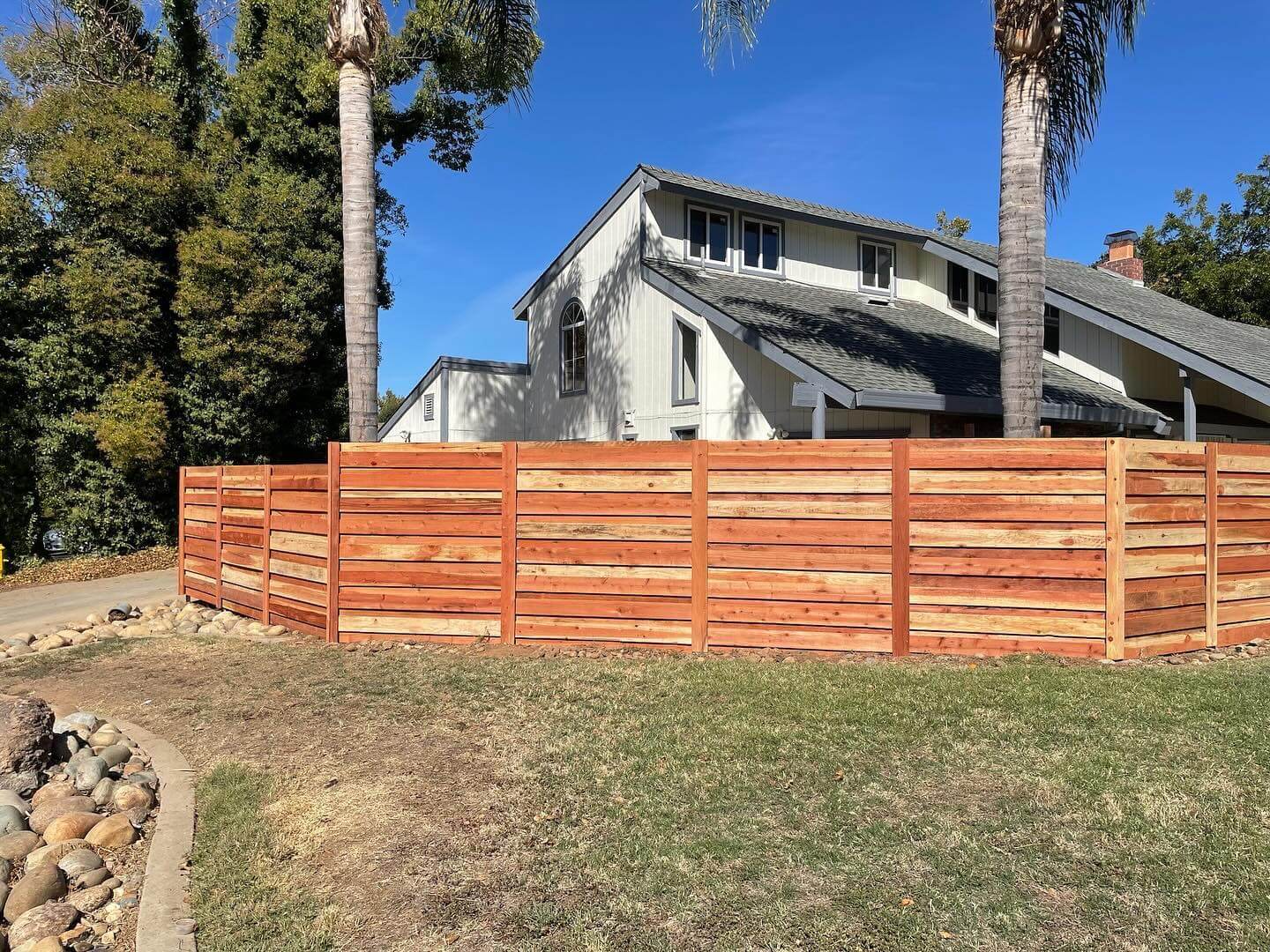
When you want a continuous top line with minimal stepping, choose rackable aluminum or steel panels designed to “rake” with the terrain. The pickets pivot within the rails, allowing each section to follow the slope seamlessly—ideal for moderate, consistent grades. This racked fence-on-slope approach reduces ground gaps, preserves sightlines, and speeds installation. Use longer posts on the downhill side to maintain bury depth, and keep a consistent reveal from the bottom rail to grade for a pro finish. Powder-coated aluminum resists corrosion on damp slopes and near irrigation. For pets, add a short welded wire skirt at the base where the slope dips. At driveway crossings or walkways, order matching stair/angle brackets for a crisp transition. To handle runoff, set panels slightly off grade and back the line with rock mulch; it prevents soil splash and keeps the base clean. Combine with a gate that can be field-racked or use adjustable hinges to match the slope. This style meets many pool codes (check spacing), offers lower maintenance than wood, and works well where wind and weather are harsh.
Terraced Planter Beds with Horizontal Slat Screens
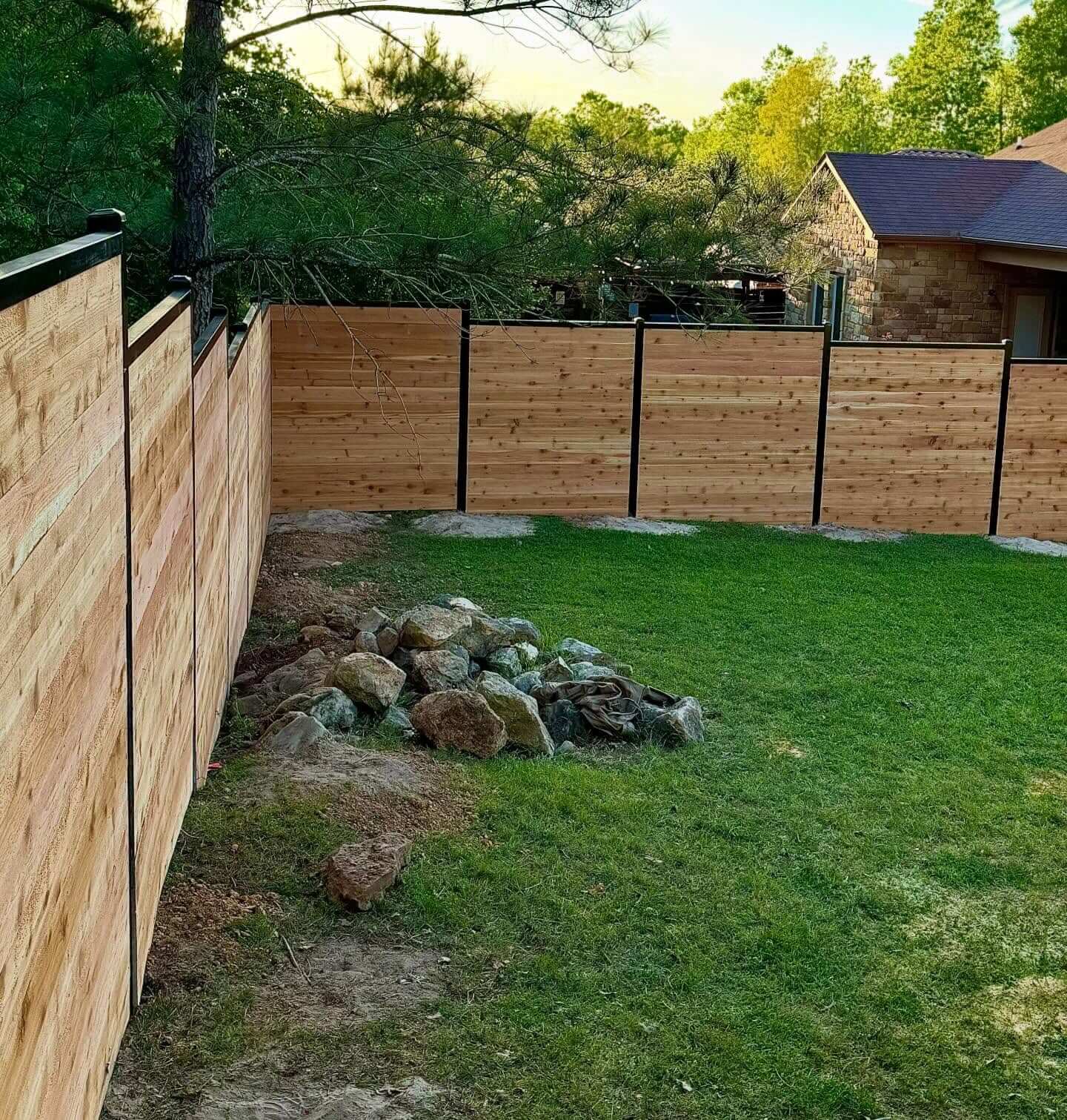
Pairing low terraces with horizontal slat fencing turns a tricky hillside into layered outdoor rooms. Build shallow retaining tiers (timber, block, or concrete) to “flatten” the run into manageable benches. Mount slat screens—cedar, redwood, or composite—on each terrace, keeping posts anchored behind the wall with proper deadmen or core-drilled sleeves. This breaks a big height change into smaller, human-scale moments and eliminates awkward gaps at the base. Horizontal lines emphasize width and calm the eye on busy slopes. Use a 1/2-inch slat spacing where privacy is needed and widen to 3/4–1 inch for airflow. Drainage is critical: include perforated pipe, gravel backfill, and weep holes every few feet so hydrostatic pressure doesn’t push walls. For consistency, align slat reveals across terraces using a laser level. In planting pockets, choose deep-rooted groundcovers to stabilize soil. This terraced fence idea costs more than simple stepping but pays off in usability, erosion control, and modern curb appeal—especially beside decks and hillside patios.
Retaining Wall + Fence Combo for Big Elevation Swings
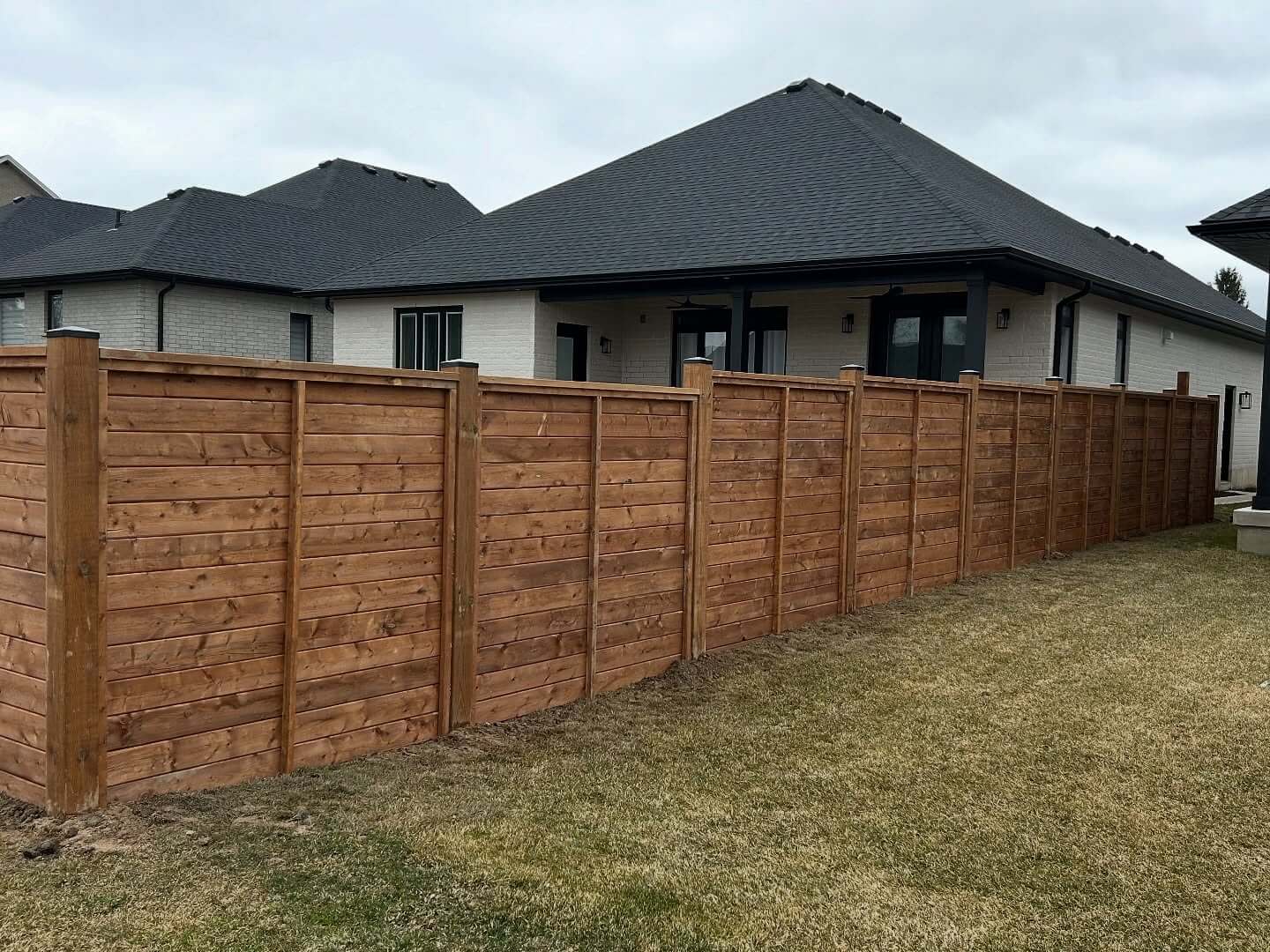
On steep grades, start with structure: a retaining wall to hold the hill, then a fence for privacy and safety. This hybrid solution delivers straight, code-compliant lines and long-term stability. Use engineered block, poured concrete, or gabions for the wall; set a continuous drain behind with fabric-wrapped gravel. Place the fence either top-mounted (core drill and set posts with epoxy) or setback a foot on independent footings to decouple it from wall movement. Top-mounting saves space, while setback posts simplify future fence replacement. For a clean look, keep the fence line level even if the path still slopes; add a bottom fascia board or metal skirt to hide small grade changes. Materials like composite slats or powder-coated steel excel here for low maintenance. Don’t forget guardrail rules if drops exceed local thresholds—many jurisdictions require 42-inch guard height with specific picket spacing. The result: a fence on slope that reads straight and strong, manages water responsibly, and adds clear structure to the landscape.
Split-Rail + Welded Wire: Rustic, Budget, and Pet-Safe
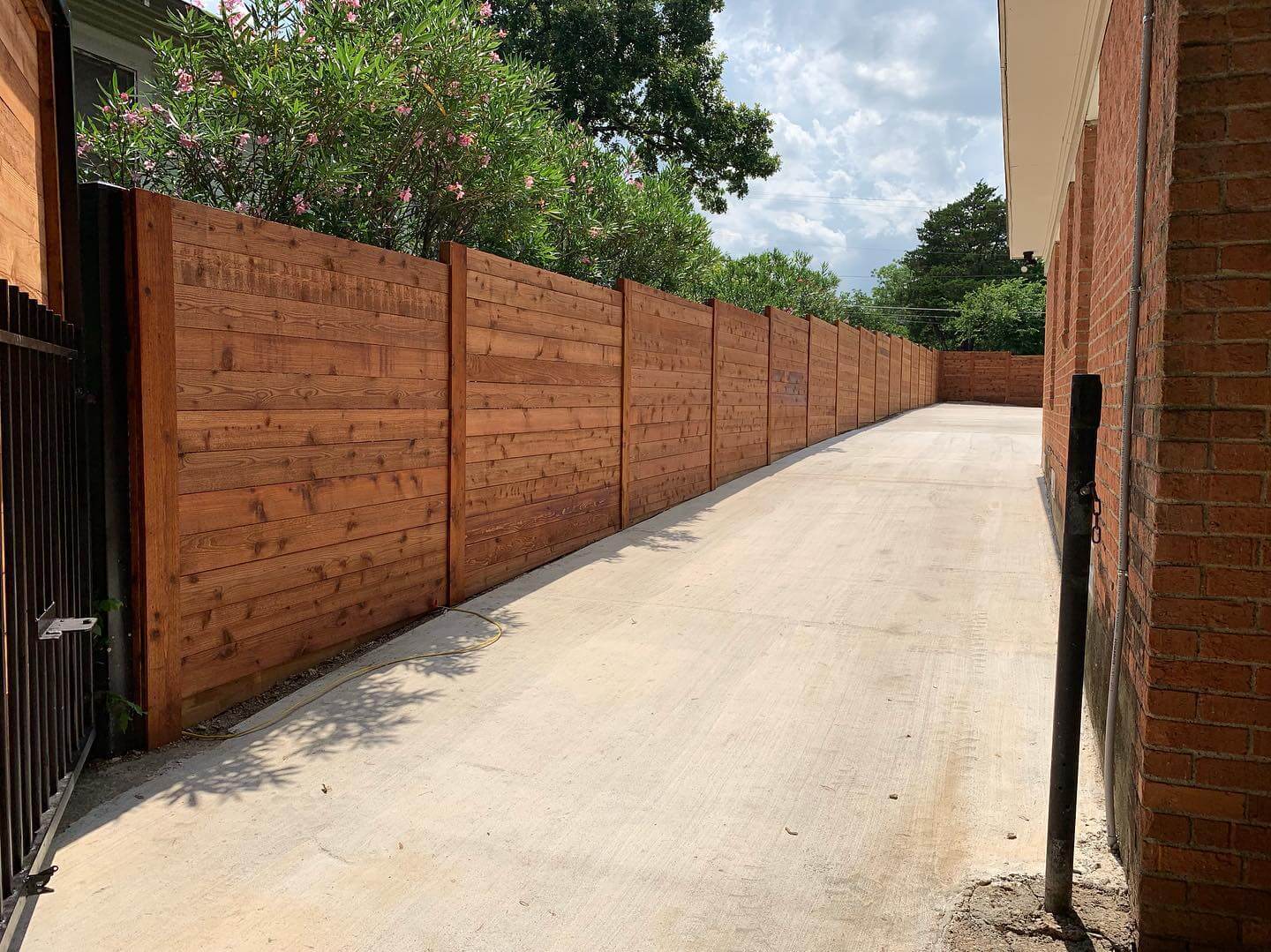
If your hillside needs containment more than complete privacy, a split-rail fence with welded wire backing is a cost-effective winner. The open rails ride naturally with the terrain, while the wire mesh is stapled taut to follow the slope without big gaps. This fence-on-slope idea is forgiving on uneven ground and blends beautifully into woodland edges, orchards, and rural lots. Choose black-coated 2×4 welded wire for a cleaner look and long-term rust resistance. Set posts deeper on downhill runs and tamp gravel around the base for drainage. For wildlife control or small pets, add a ground-hugging apron of wire that flares outward 6–12 inches and is pinned with landscape staples. Where the grade pitches quickly, keep rail joints near posts for strength and use shorter spans to avoid sag. Vegetation can grow through the mesh to soften lines, while the open design preserves breezes and views. It’s a friendly neighbor fence that solves function, fights erosion with minimal earthwork, and stays easy on the budget.
Modern Cable Railing Down a Slope to Save the View
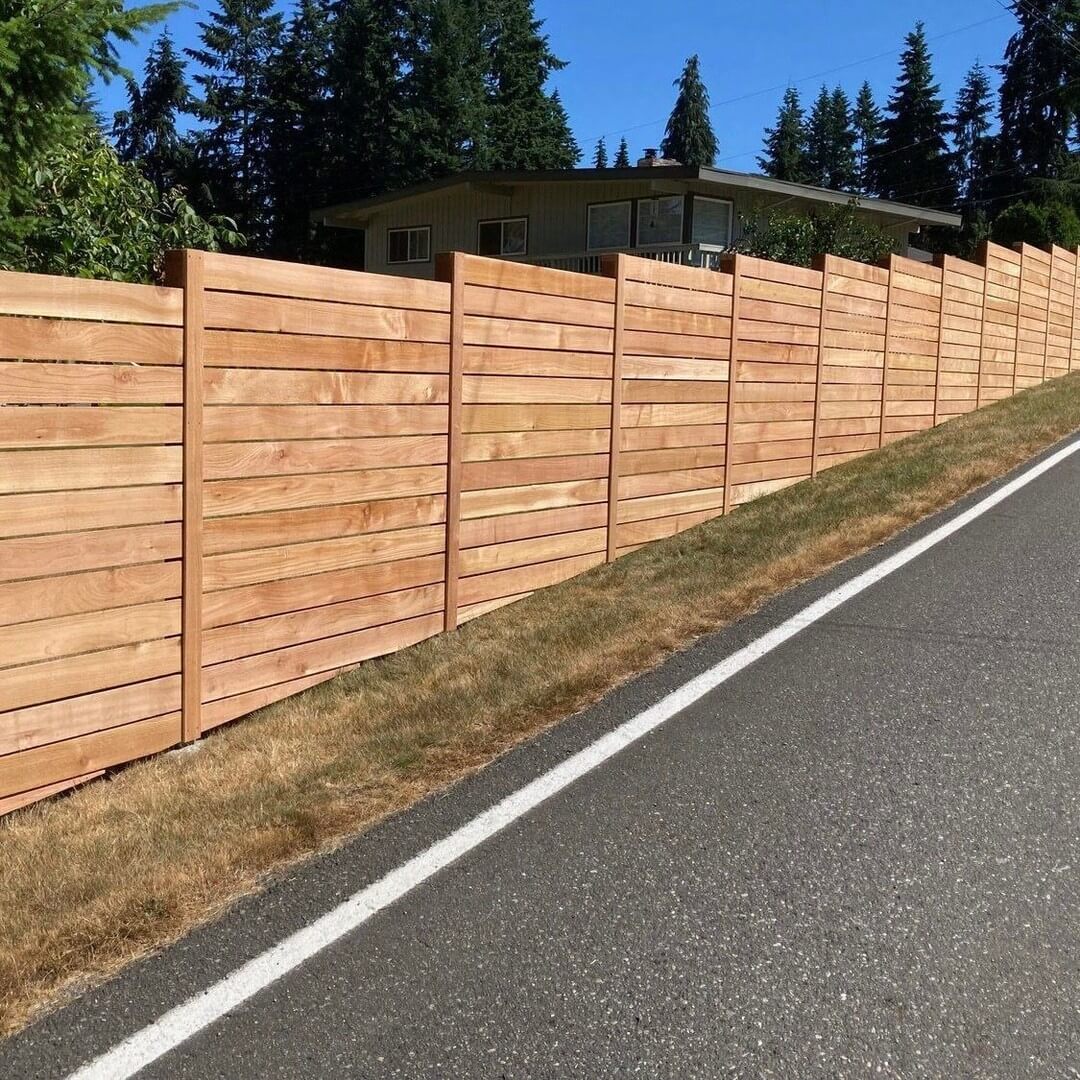
Cable railing excels on sloped sites where scenery matters more than privacy—think hillside decks, stair runs, and view corridors. Stainless cables pass through angle fittings and intermediate posts, allowing the guard to “rake” with stairways and follow terrain gracefully. The result is a safe, code-ready barrier that almost disappears. Use 2×2 or 2×4 metal posts with stout end posts designed for cable tension; on wood frames, add hidden steel stiffeners at corners. Keep cable spacing tight (typically ≤3 inches) to meet the 4-inch sphere rule, and plan for seasonal retensioning. For a hillside path, alternate taller anchor posts at landings to reset angle and keep lines clean. Mount over a low retaining curb to separate mulch and prevent soil splash. While cable is premium-priced, it’s low-maintenance and perfect where wind loads or corrosion are concerns—choose 316 stainless near coasts. Combine with a privacy screen uphill and cable downhill to balance seclusion and views in a mixed-solution fence on slope.
Hog Wire Panels in a Cedar Frame Across Uneven Ground
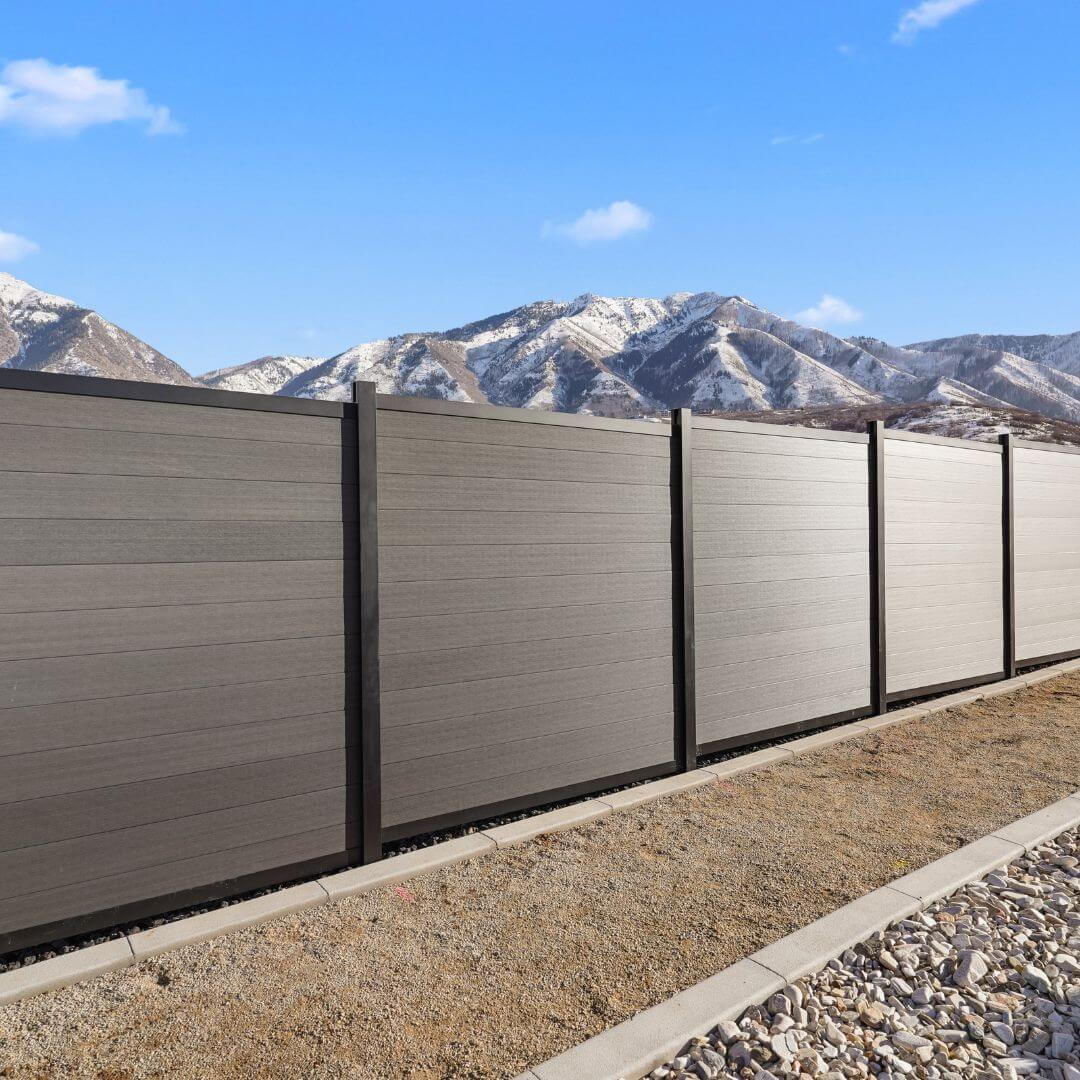
Hog wire (4×4 or 6×6 grid) framed in cedar or redwood offers a sturdy, semi-open fence that handles slopes with ease. Panels can be stepped in framed sections or slightly racked when grids allow minor angle. Keep top rails level for a tailored look, and let the bottom follow grade with a shallow trim board to hide micro-gaps. Black-coated livestock panels elevate the look and resist corrosion. Set posts at consistent centers (6–8 feet), and use panel clips or through-bolts for strength on hillsides. Where the slope drops quickly, shorten bay widths to avoid racking stress. This fence style is pet-friendly with a discrete base skirt, and it pairs nicely with edible gardens and vineyard vibes. For drainage, trench a narrow strip of gravel along the downhill side to channel runoff. Finish cedar with penetrating oil to combat sun exposure, and add metal post bases or sleeves if termites and rot are a risk. It’s a stylish, mid-budget fence-on-slope solution with great airflow and durability.
Composite Slats on a Low Stem Wall for Clean Lines
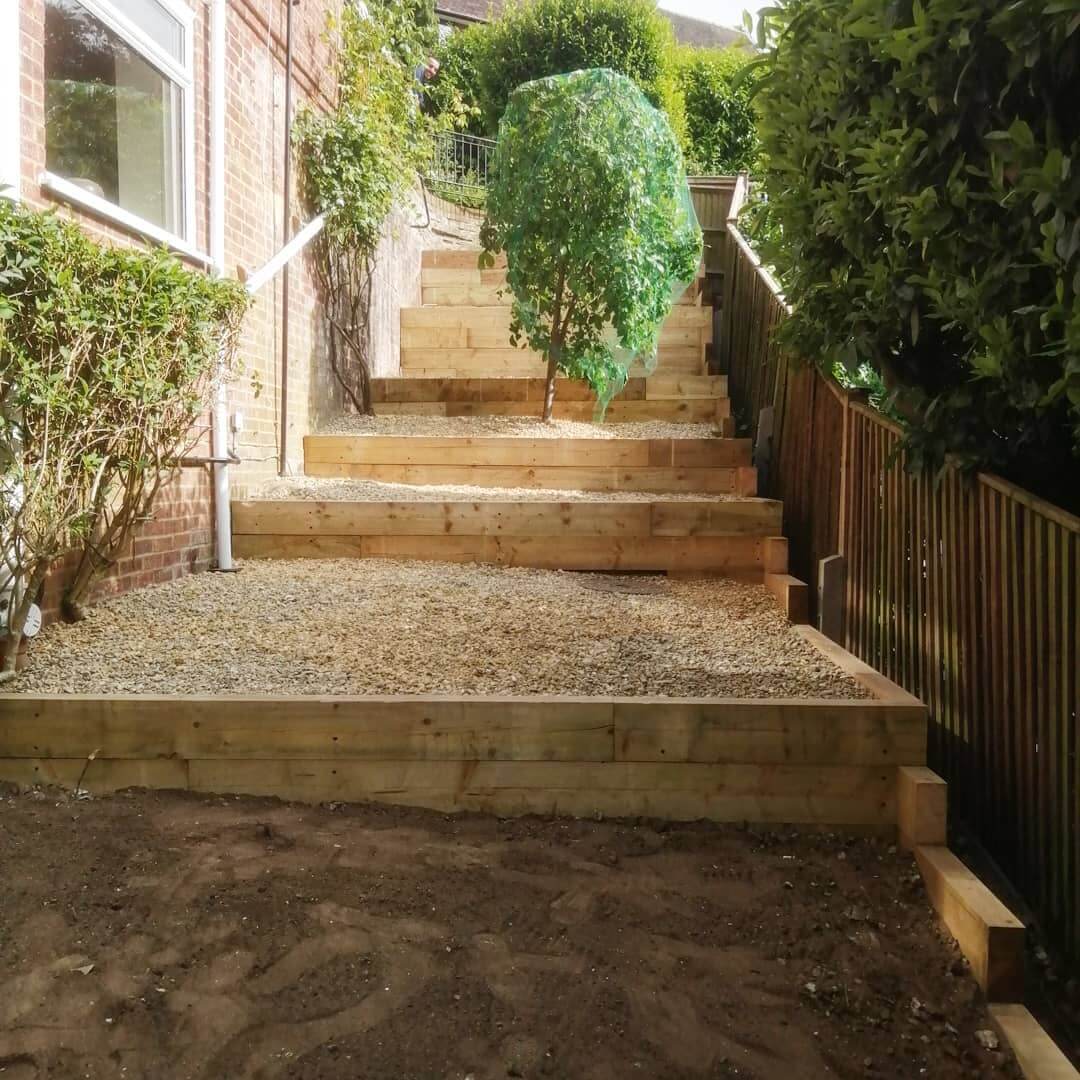
A small concrete stem wall can do big work on a slope: it levels the base, keeps soil off the fence, and sets a crisp datum for composite slat panels. Pour an 8–12-inch-high curb with rebar and weep holes, then mount steel posts via embedded sleeves or post bases set before the pour. Composite boards deliver consistent color, no warping, and low upkeep—ideal where sun and irrigation are constant. Keep reveals tight (3/8–1/2 inch) for privacy, and add a steel cap channel for straight, modern tops. This hybrid “retaining-lite” approach minimizes stepping, reduces weed intrusion, and makes trimming easier. Maintain drainage with gravel backfill on the uphill side so water never pools at the wall-fence joint. For corners on compound slopes, use taller columns to visually anchor height transitions. Expect higher upfront cost than wood, but a flatter lifecycle curve: fewer repairs, no repainting, and stable lines year after year on a changing hillside.
Gabion Base with Metal Pickets for Erosion and Wind
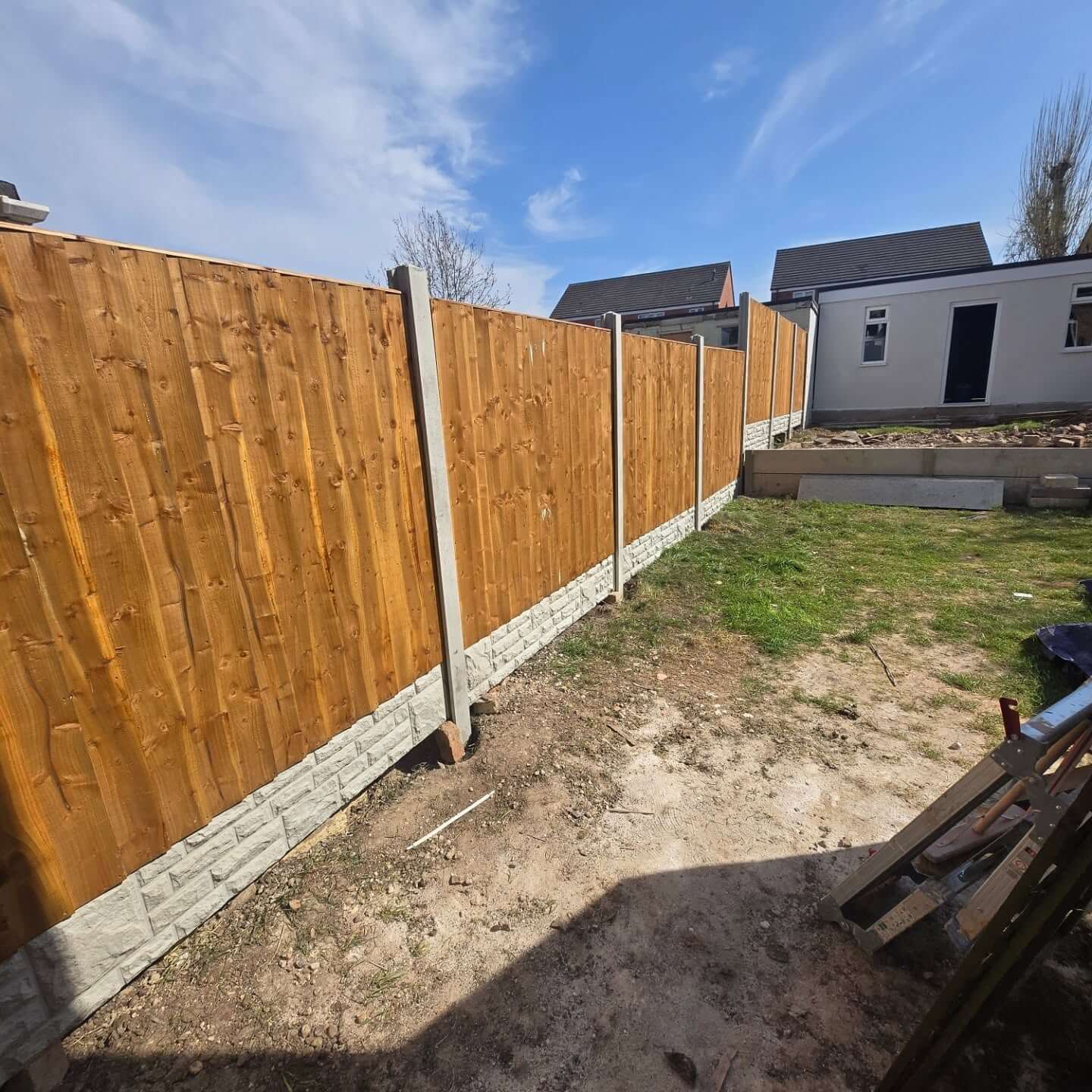
Where erosion, wind, and drainage are the enemies, a gabion base topped with a metal picket or slat fence is a powerhouse. The rock-filled baskets act as both retaining and energy-dissipating mass, stepping down the hill in modular tiers. Set a continuous geotextile behind the uphill face and tie gabions tightly to prevent bulge. Mount fence posts to concealed plates embedded between basket courses, or set posts just behind the gabions on independent footings. Choose rackable aluminum/steel pickets to follow grade, or slatted infill for partial privacy. Leave a narrow gravel trough along the base to channel runoff and keep organics from clogging the rock. This system shines on exposed lots, firewise zones, or drainage swales—a fence on slope that doubles as storm armor. It’s not the cheapest, but maintenance is low, and the raw texture pairs well with modern architecture and native plantings.
Wind-Permeable Privacy: Alternating Pickets on a Grade
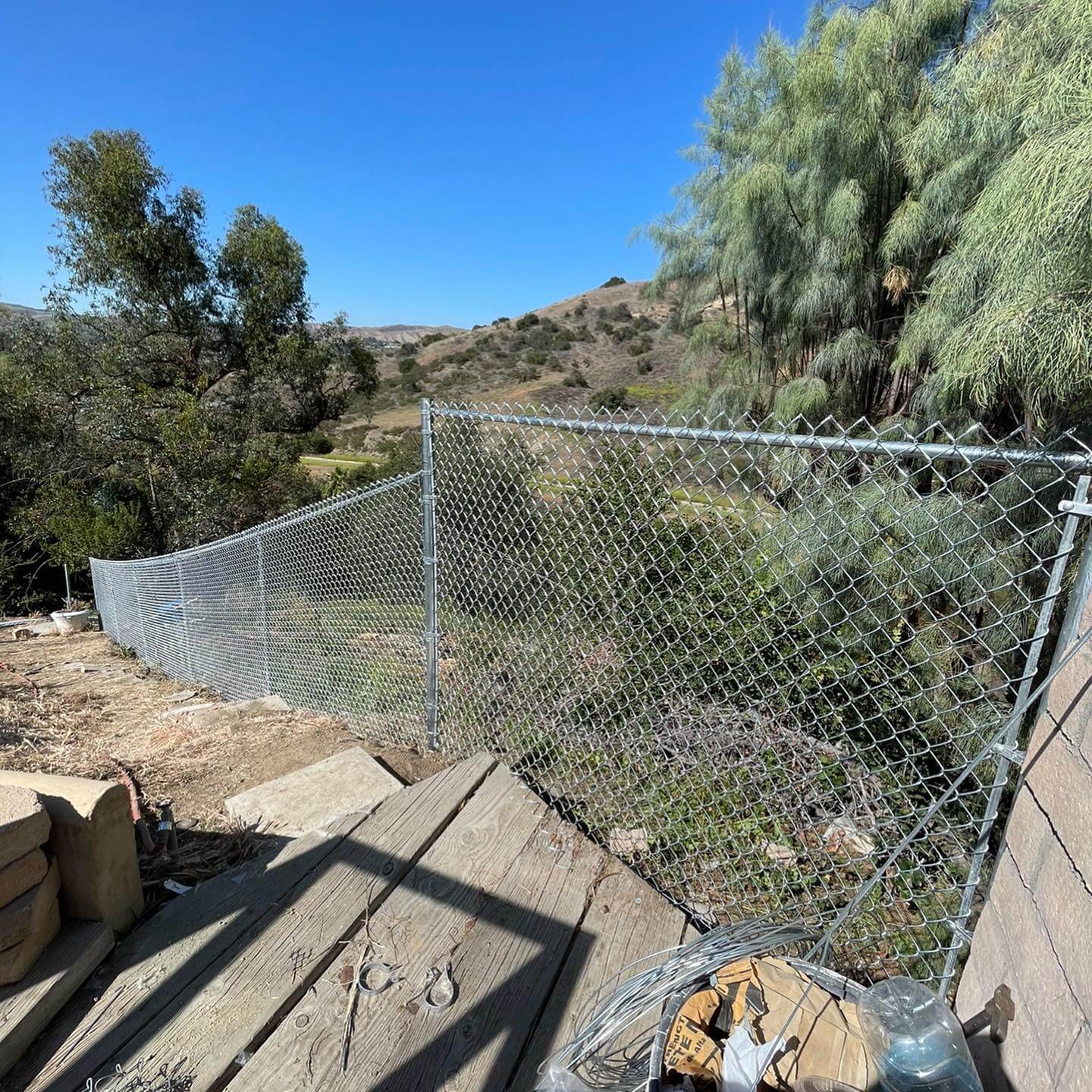
When you need privacy on a hillside that catches gusts, opt for an alternating picket (shadowbox) or louvered fence. The staggered pattern blocks direct sightlines but allows air to slip through, reducing sail effect on sloped runs. For a polished look, keep the top rail level and step panels, then run a beveled kick board at the base to meet grade neatly. Use stainless fasteners and hidden brackets at posts to resist racking. In high-rain zones, leave a 1-inch ground clearance and add a perforated drain behind the uphill face to protect posts. Stain or oil darker to unify the stepped silhouette, or choose prefinished composite louvers for ultimate low maintenance. This is a sweet spot between solid privacy and storm-ready performance—and it scales from small side yards to long property lines. As with all fence-on-slope builds, confirm local height limits measured from finished grade at each step to avoid surprise code issues.
Get the Fail-Safe Paint Color Playbook (Free PDF)
36 proven colors • 8 ready palettes • trim & sheen guide • printable testing cards.
Stepped Horizontal Slats for a Modern Hillside Look
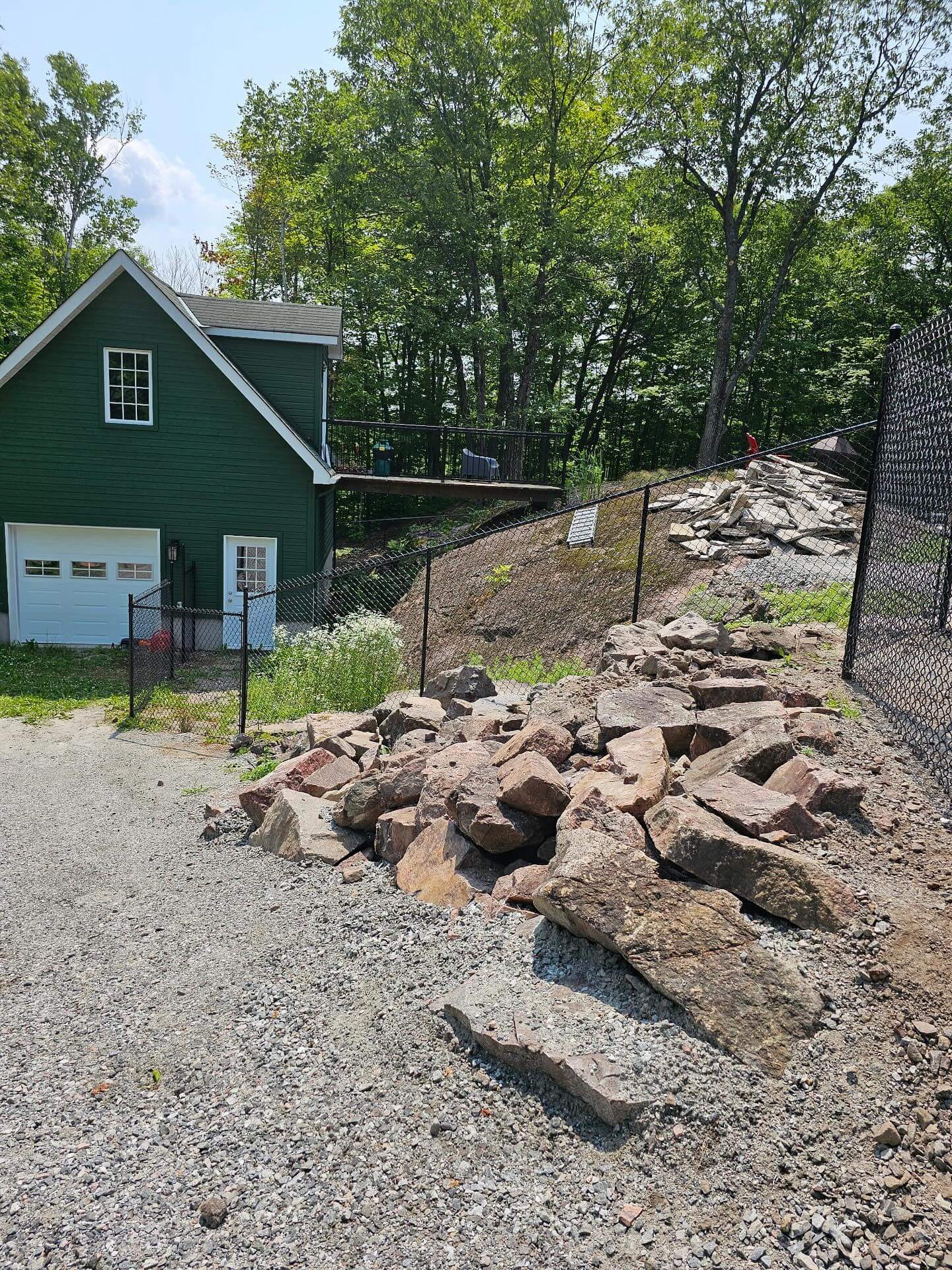
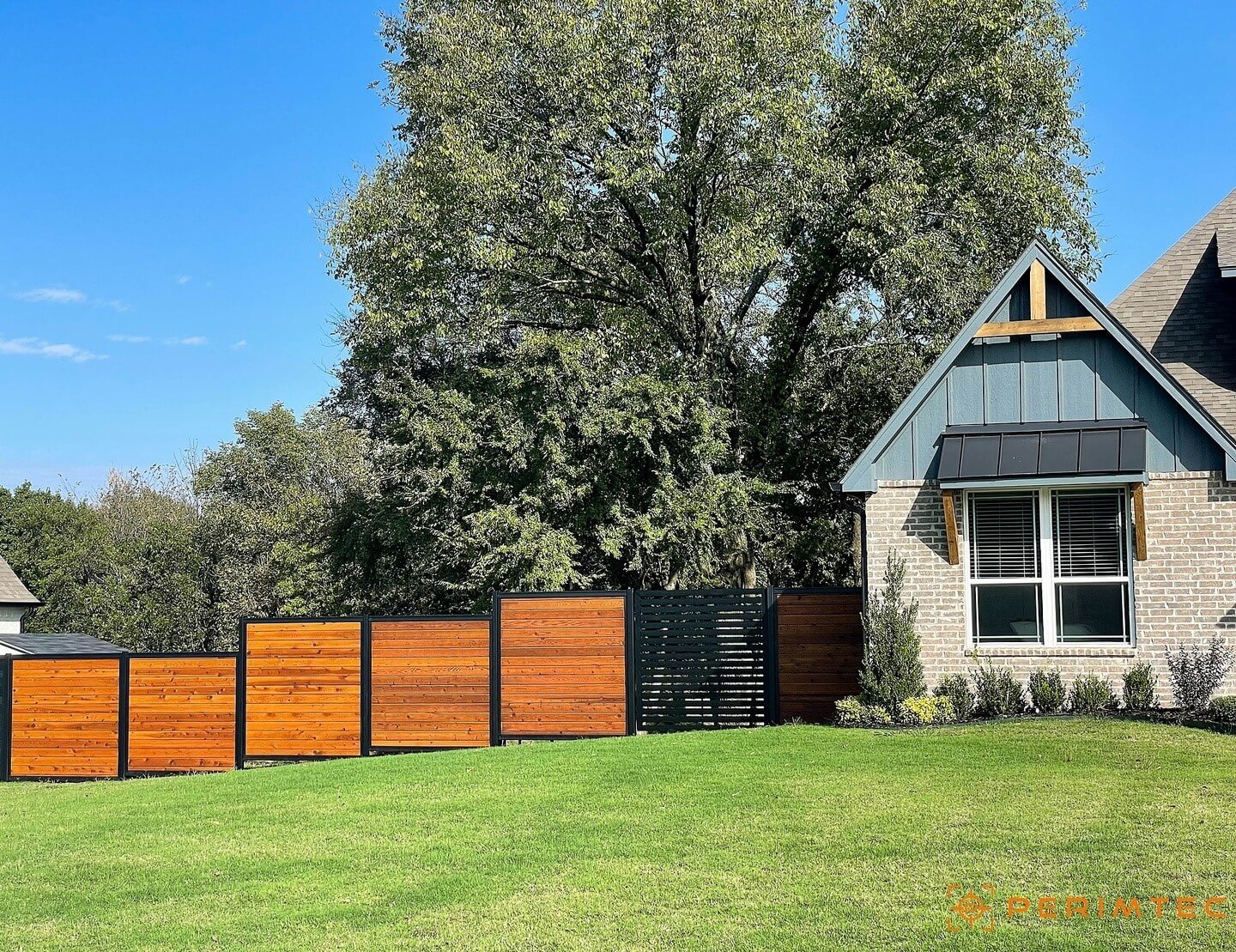
If you love the clean lines of horizontal fencing but have a challenging grade, a stepped horizontal design delivers both polish and privacy. Instead of trying to “rake” the boards, keep each panel perfectly level and step the posts and rails to follow the rise. Start by measuring the total elevation change and choose a consistent step height—typically 4–8 inches—to keep rhythm across the slope. Maintain a 1–2 inch ground reveal for airflow and to prevent wicking, and use stainless fasteners to avoid streaking on cedar or composite slats.
For crisp alignment, string-line the top of each bay and trim post heights after setting. Pre-seal end grain and stagger joints to avoid telegraphing seams down the hill. If vegetation or mulch meets the fence, add a narrow gravel strip for drainage and to deter pests. Horizontal slats pair well with a low curb or mow strip that manages runoff and keeps the step increments visually tidy. This fence on slope idea reads modern from the street, hides grade changes gracefully, and is easy to maintain—just recoat the slats and rinse the gravel apron to keep everything sharp.
Stone Columns with Racked Steel Infill: Timeless Meets Terrain
When you want upscale presence on a hillside, combine masonry columns with racked metal panels that contour to grade. Set the stone or brick piers on stepped footings so each cap remains level, then span the gaps with powder-coated steel or aluminum infill that “racks”—pivoting to match the slope without leaving ground gaps. Use adjustable brackets at the columns to fine-tune panel angles bay by bay, and align rail reveals so the sightline stays consistent as the grade changes.
On a slope, water management is as important as aesthetics: include weep holes in the masonry, backfill with gravel, and flash caps to shed water forward, not into the cores. Expansion joints between long runs prevent cracking, and concealed conduit inside columns makes it easy to add post lights for evening drama. This hybrid fence on slope idea delivers curb appeal, durability, and security, while the open steel pickets keep views and wind flow. For privacy, add climbing plants between piers or choose tighter picket spacing downhill where sightlines are more exposed.
Stepped Lattice-Top Privacy: Light, Airy, and Grade-Savvy
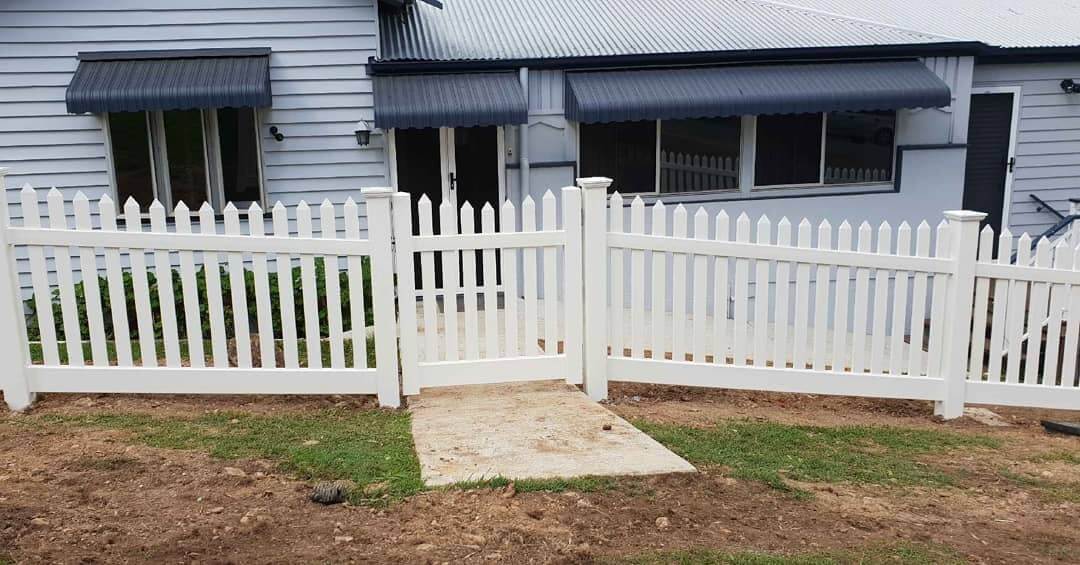
A lattice-top privacy fence is a smart compromise on sloped lots: solid where you need screening, open where you want sky and air. Build each privacy bay level and step the elevation as the hill rises, keeping lattice panels aligned across the run so the light band looks continuous. The solid lower section blocks views, muffles street noise, and contains pets, while the lattice alleviates wind load—especially useful on exposed slopes.
Plan your step height to finish under local height codes; many municipalities measure at the higher side of grade on a slope. Opt for thicker lattice (or framed lattice) to resist racking forces and reinforce the transition between solid and open sections with a beefier mid-rail. To keep moisture off the base, maintain a small ground reveal and add a gravel drip edge. A warm stain or two-tone scheme emphasizes the stepped rhythm without making the grade change obvious. This fence on slope idea offers privacy without feeling heavy—and the dappled light across terraces or paths is a bonus.
Glass Panels on a Terrace: Preserve Views, Tame the Wind
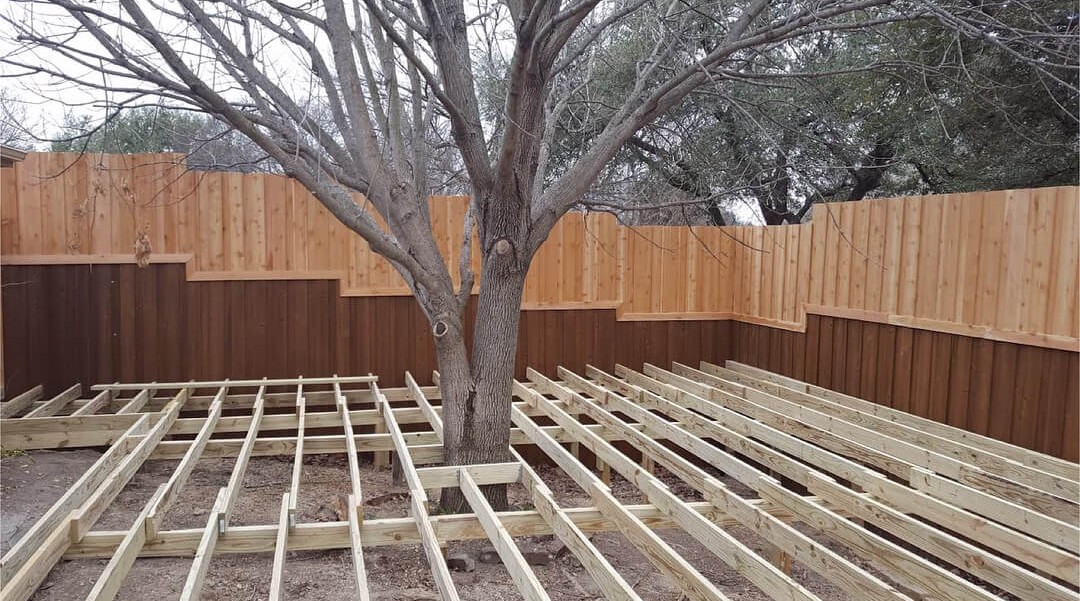
Where vistas matter, tempered or laminated glass panels mounted to sturdy posts deliver safety and wind control without sacrificing the panorama. On multi-level terraces, keep posts plumb and step the panel bottoms at each landing so the top edges read as a gentle cascade down the slope. Use a bottom shoe or surface-mount base plates anchored into concrete or a low stem wall; on soil, pour widened footings and include a drainage layer to relieve hydrostatic pressure behind the run.
Specify marine-grade hardware and ensure edge clearances so panels can “float” with thermal movement. For coastal or high-wind sites, add handrail caps or standoff clamps rated for your design pressure. Consider bird-friendly, low-reflectance glass or subtle dot patterns—especially near tree canopies. A narrow gravel or paver strip beneath the glass keeps runoff clean and prevents splashback. This view-friendly fence on slope idea is perfect for decks, pool perimeters, and overlooks where you want safety, wind mitigation, and a minimalist aesthetic that lets the landscape be the star.
Helical Piers and Deep Footings: Foundations That Hold on Hills
On challenging grades or soft soils, the success of any fence on slope idea starts below ground. Helical piers (screw piles) or micro-piles transfer loads to stable strata, minimizing settlement and tilt—especially on fill, expansive clays, or wet hillsides. They install with minimal excavation, reduce spoil on a slope, and provide immediate load-bearing capacity. For traditional concrete, bell the footing and orient forms so the top remains level while the shaft follows grade; embed at least 1/3 of the post height or below frost depth (often 30–36 inches), whichever is greater.
Always daylight water away from posts: add a gravel collar, slope the concrete crown, and separate wood from soil with standoff bases. On steep runs, alternate upslope/downslope braces at corners and gates to resist thrust. Before digging, call utility locates and consider a soil test—an engineer is wise for big elevation changes, retaining-wall combos, or wind-exposed sites. Strong foundations keep panels aligned, gates swinging true, and your investment stable for decades, turning slope from a liability into a lasting feature.
Bamboo-Composite Slats with Steel Posts: Low-Maintenance on Grade
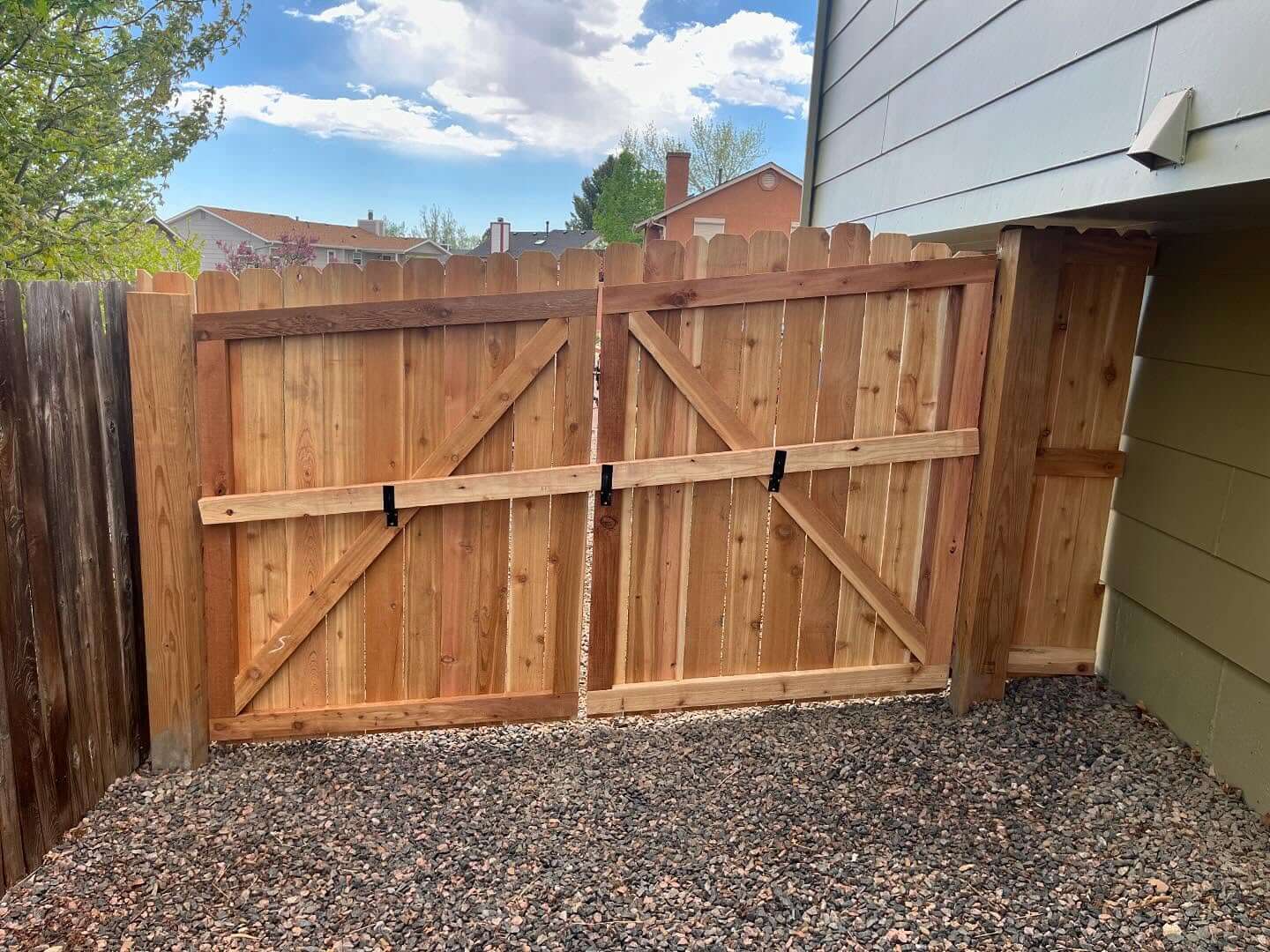
If you want the warmth of wood without the upkeep, pair bamboo-composite or wood-plastic slats with galvanized or powder-coated steel posts. The rigid posts handle racking forces on a slope, while the composite slats deliver uniform color and weather resistance. For moderate grades, use rackable rails or build level panels and step them—choose based on how much you need to hide the slope. Keep a 1–2 inch gap at the base for drainage and to prevent stains from mulch splash.
Get the Fail-Safe Paint Color Playbook (Free PDF)
36 proven colors • 8 ready palettes • trim & sheen guide • printable testing cards.
Hidden fastener systems create clean lines; if face-screwing, use color-matched stainless screws and predrill to avoid mushrooming. A narrow concrete or paver mow strip controls weeds and gives the fence a crisp, modern plinth down the hill. Where privacy matters most (like the lower, visible side of a slope), tighten spacing or add a secondary screen with shrubs. This fence on slope idea is durable, elegant, and budget-predictable over time—no sanding or re-staining, just an occasional rinse to remove pollen and hillside dust.
Black Chain-Link That Tracks the Hill, With Slats for Privacy
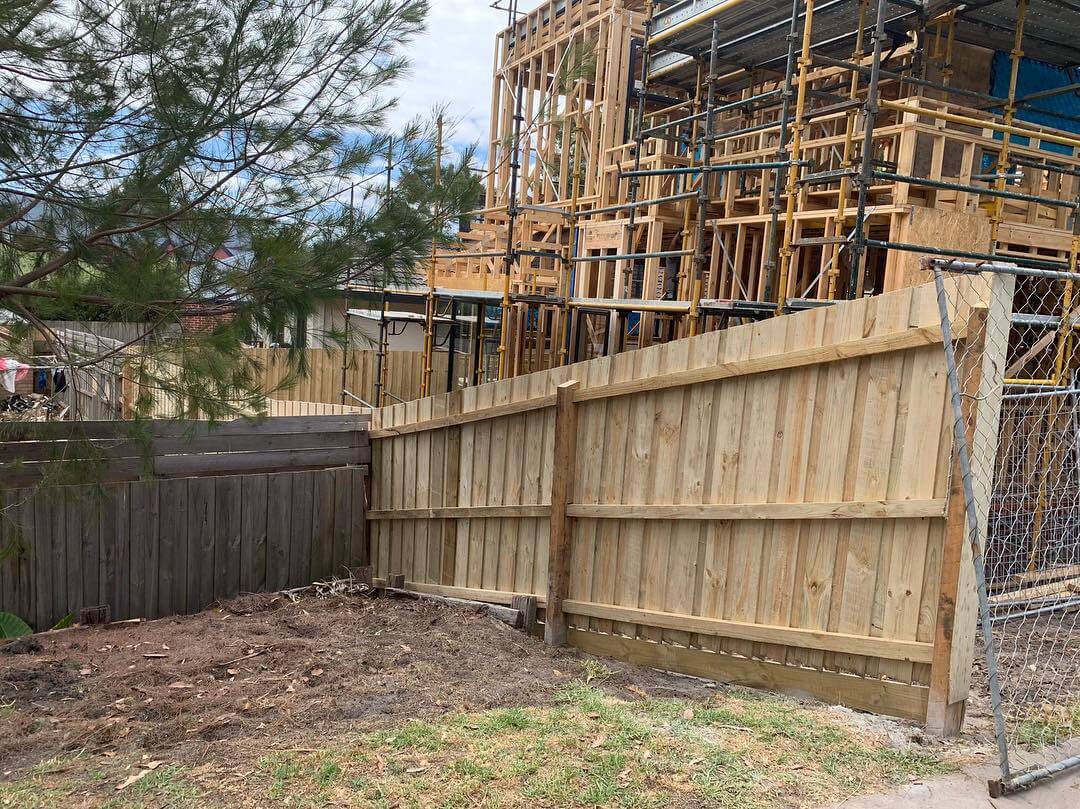
For a cost-effective, pet-safe solution that handles big elevation changes, black vinyl-coated chain-link is hard to beat. Install the fabric so it rakes with the grade, keeping the top rail level and letting the mesh follow the slope without bunching. Add a bottom tension wire or rail to prevent push-out on the downhill side, and bury a short skirt or install dig-guard where pets or wildlife test the perimeter. Privacy slats or mesh screens can be added selectively—use them near patios while leaving open runs where wind and views matter.
Step terminal posts at significant grade breaks and brace corners with proper tension bands so the fence stays tight. On long slopes, include intermediate braces to resist downhill pull. The black finish disappears into landscaping far better than silver galvanized, especially when paired with dark mulch and evergreen plantings. This fence on slope idea is practical for backyards, play areas, and side setbacks—clean, quick to install, and easy on the budget while still controlling access and sightlines.
High Deer Fence on a Slope Without the Visual Bulk
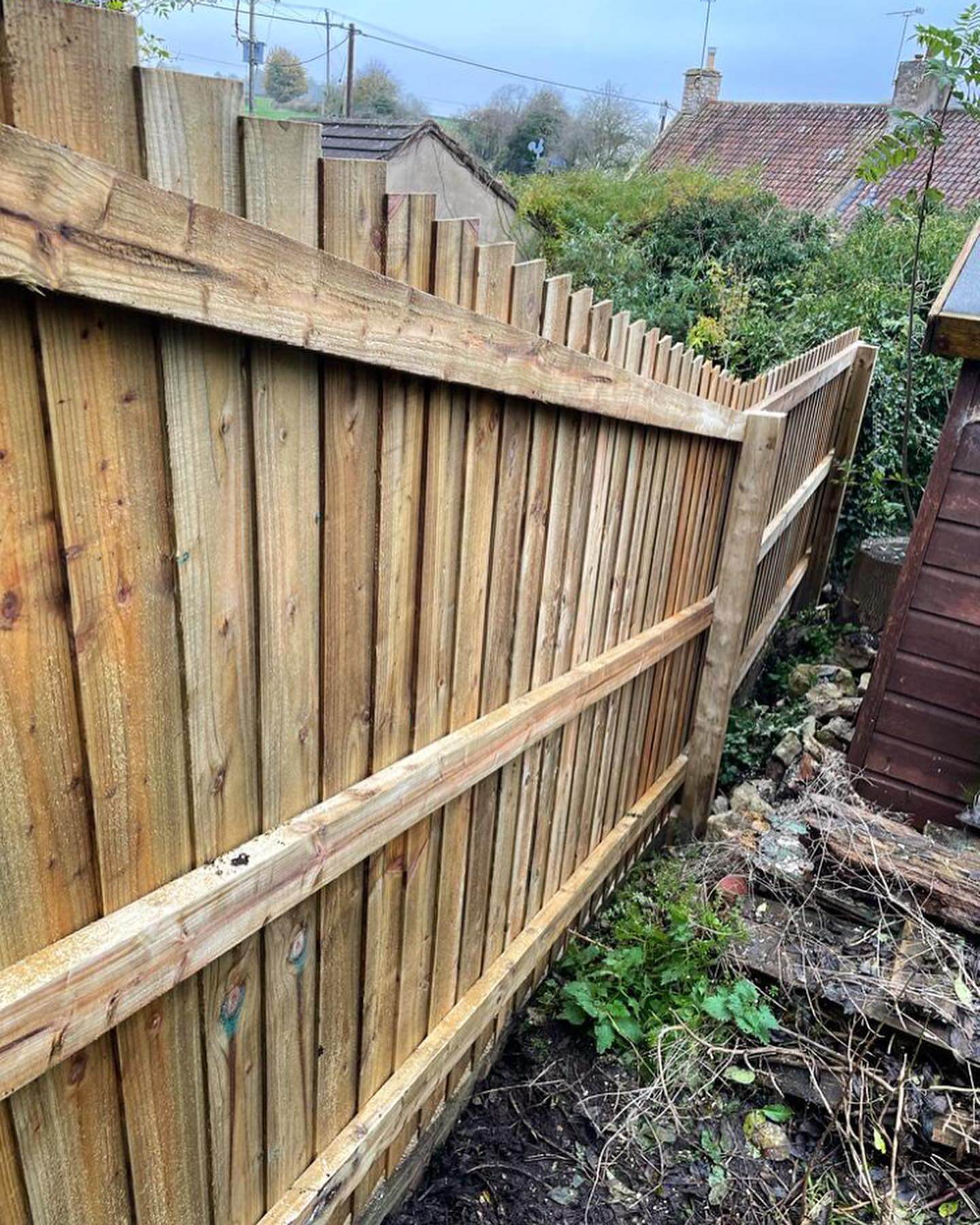
If browse pressure is heavy, a tall deer fence can protect hillside gardens without feeling fortress-like. Use 7.5–8 foot black polypropylene mesh or woven wire supported by stout line posts, stepping the elevation at corners and transitions while keeping the top line visually consistent. Angle braces at ends and grade breaks resist tension loads on a slope; add a top monofilament or cable to keep the run straight and taut. Where the hill is steep, shorten post spacing to reduce deflection.
To keep it subtle, choose black materials that recede into the tree line and plant a screening hedge inside the fence for layered depth. Gates should be full height and either swing level on a stepped pad or use a rising-hinge kit to clear grade. For wildlife safety, mark the top line with flags during the first season and consider small reflector tabs. This is a humane, effective fence on slope idea that safeguards orchards, vineyards, and terraced beds without heavy materials or major earthwork.
Terraced Beds + Fence Lighting: Night-Safe, Slope-Smart Design
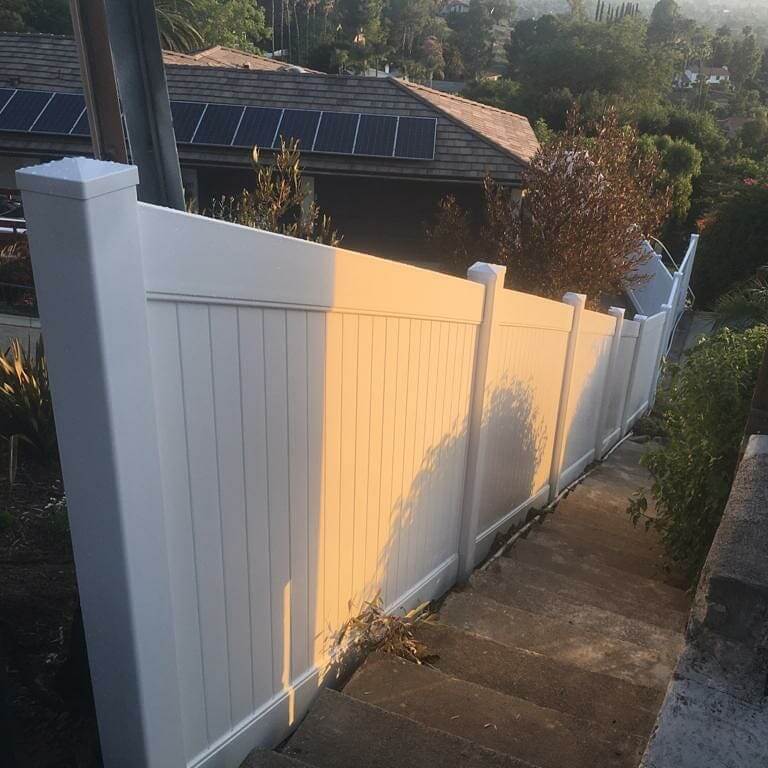
Good lighting turns a sloped fence line into a safe, inviting edge after dark. As you terrace a hillside, integrate low-voltage LED cap lights on fence posts, downlights on screens, and step lights on risers to guide foot traffic. Run conduit under paths and along retaining walls, leaving pull boxes at corners and grade transitions. A weatherproof transformer with a photocell/timer keeps circuits consistent; split zones so path lights, post caps, and accent lights can be tuned independently.
Warm 2700–3000K color temps flatter wood tones and plantings, while shielded fixtures limit glare across property lines. On slopes, mind runoff: set fixtures above splash zones and use gravel skirts to minimize mud on lenses. If you’ve combined a retaining wall with fencing, add weep holes and keep wiring out of saturated backfill. This fence on slope idea marries function and curb appeal—comfortable navigation for family and guests, plus dramatic layers that make terracing, textures, and the fence’s stepped rhythm glow at night.
Driveway Gates and Corners on Slopes: Clean, Workable Transitions
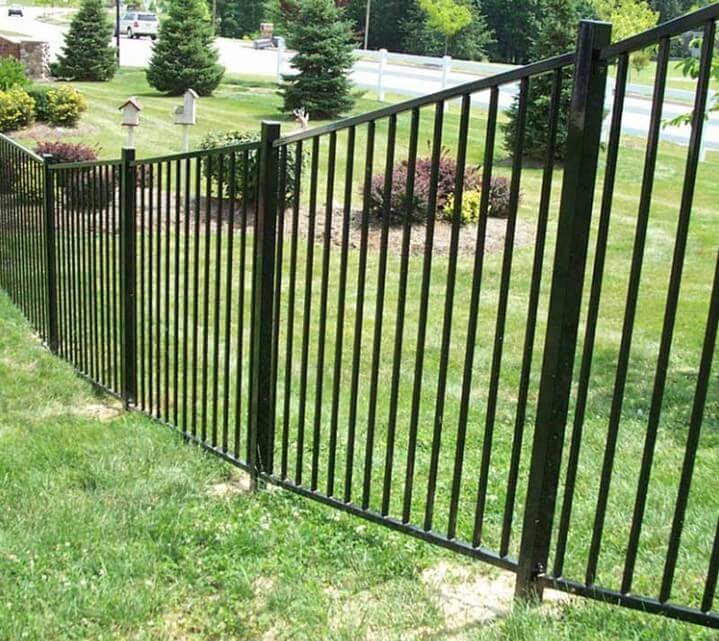
Gates and corners are where most fence on slope ideas succeed or fail. For driveways on a hill, decide whether the gate will swing uphill, downhill, or slide. A rising-hinge kit lets a swing gate clear a mild grade while keeping the closed height aligned with adjoining panels. On steeper sites, consider a cantilever or tracked sliding gate with a level apron to avoid bottom strikes. Keep hinge and latch posts overbuilt and perfectly plumb; add downhill braces to resist the gate’s weight.
Get the Fail-Safe Paint Color Playbook (Free PDF)
36 proven colors • 8 ready palettes • trim & sheen guide • printable testing cards.
At corners on a slope, use a short transition panel to shift elevation cleanly before turning 90 degrees. Maintain consistent reveals by stepping posts, not forcing rails to twist. Plan gate-to-ground clearance with winter heave and leaf buildup in mind, and add a drop rod or cane bolt for double gates on uneven pads. Don’t forget drainage: a small swale or channel at the driveway prevents water from funneling under the gate and eroding the approach. Thoughtful transitions protect hardware, improve daily use, and keep your lines looking intentional.
Get the Fail-Safe Paint Color Playbook (Free PDF)
36 proven colors • 8 ready palettes • trim & sheen guide • printable testing cards.
Adjustable Aluminum Panels That Rack Cleanly on Uneven Grades
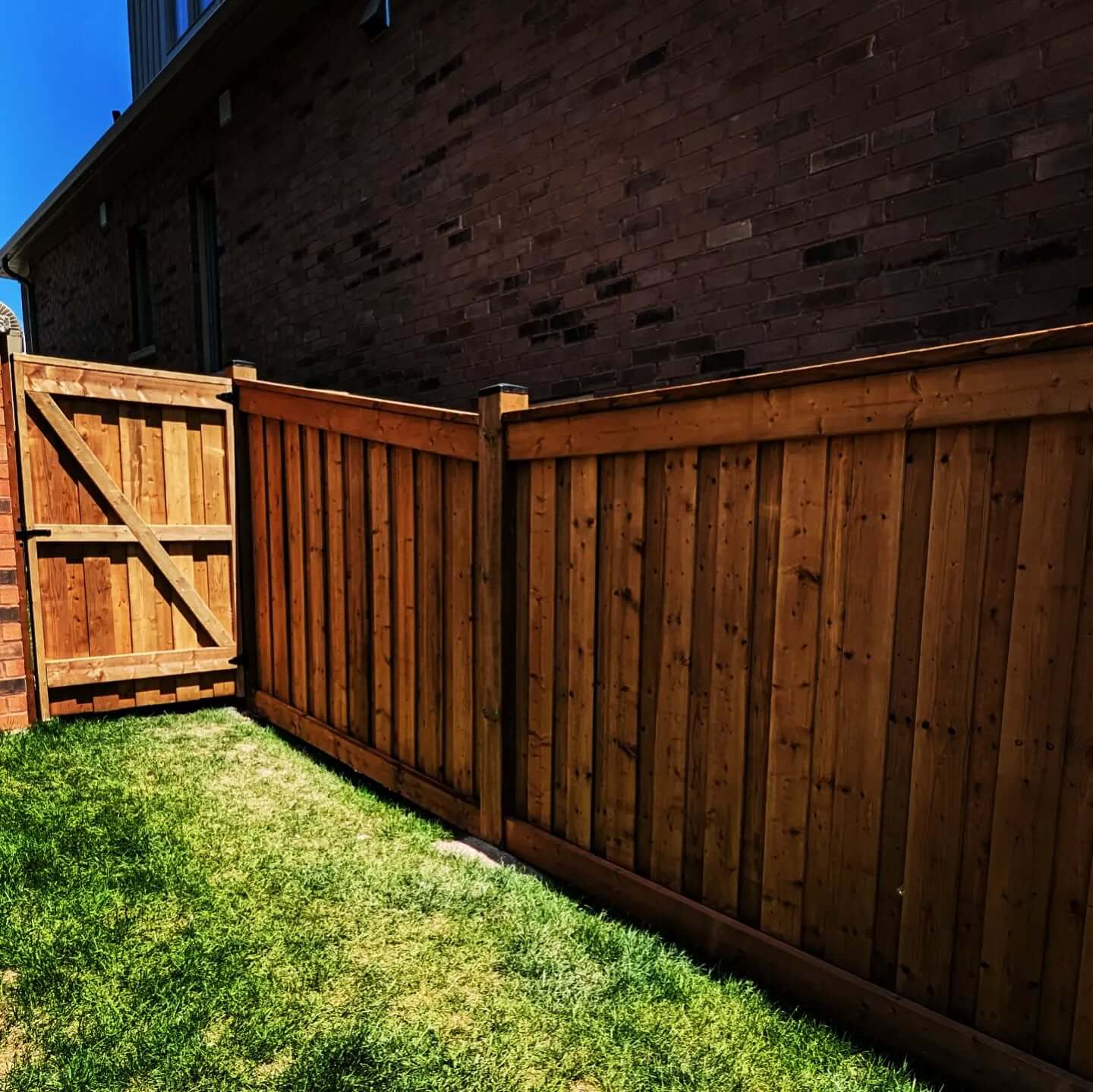
Want the look of a precision build without custom carpentry? Modular aluminum fence panels with adjustable brackets are made to rack smoothly across a slope. Each panel pivots at the rail-to-post connection, so you follow the grade without stair-stepping every section. On modest hills (often up to 24–36 degrees depending on the system), this keeps the top line visually consistent while closing ground gaps that pets or debris exploit. Aluminum is light, rustproof, and powder‑coated for low maintenance—great for wet slopes where wood weathers fast.
Plan for longer posts on downhill runs, set deeper footings, and tighten span lengths to reduce rail deflection. Leave a controlled clearance at the low side for drainage, then trim infill or add a slim gravel toe to prevent soil contact. When the pitch exceeds the panel’s rake limit, switch to a clean step at a post and resume racking—consistency over the whole run is what reads “pro.” Choose square posts and hidden fasteners for a crisp, modern silhouette, or a spear‑top profile for more traditional curb appeal. With wind‑permeable pickets and corrosion‑resistant hardware, this is a fast, DIY‑friendly way to fence a slope that still looks custom.
Cedar-Framed Hog Wire That Contours to the Hill
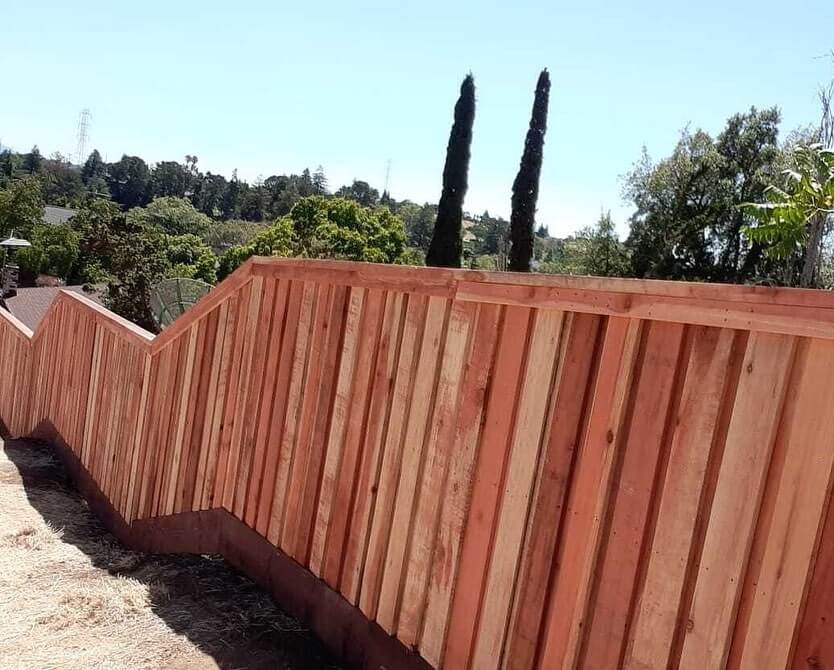
Cedar frames with hog wire (or 4×4 “no‑climb” welded mesh) are a smart slope solution when you want openness, strength, and a clean line that follows the grade. Build rectangular frames from rot‑resistant cedar or thermally modified lumber, sandwiching the mesh with trim for a finished look. Instead of forcing frames to step, use racking brackets or slightly angle the rails inside each frame so the mesh tracks the hill while the tops remain near‑level in shorter runs. On steeper grades, mix short racked frames with occasional steps at posts to keep the rhythm.
Mesh keeps pets in and views open, while the wood softens metal’s feel. For long hills, add mid‑span stiffeners to prevent sag, and choose galvanized or black‑vinyl‑coated mesh for longevity. Set posts deeper on the downhill side, and cap with a continuous board to visually unify subtle elevation changes. Where erosion is active, trench in a narrow gravel strip below the mesh to let water pass without undermining posts. This hybrid fence reads airy and modern‑rustic, blends with planting, and excels on tricky slopes where full‑privacy walls would feel bulky.
Cable Rail Along Steps and Decks: Views and Safety on a Slope
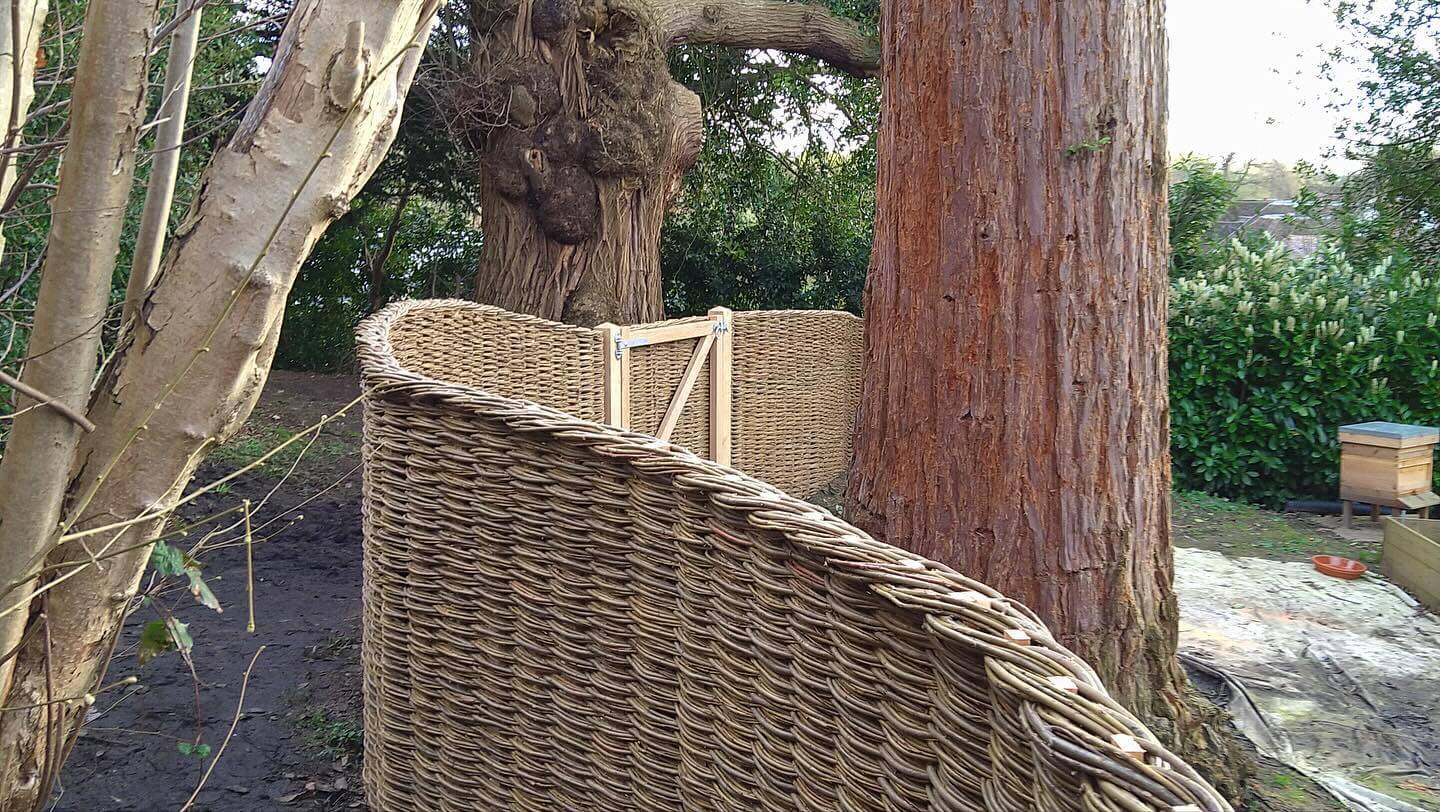
On hillside paths and decks, stainless cable rail delivers safety without sacrificing views. Unlike solid panels, cables visually disappear, and the system naturally rakes to meet changing elevations. Use tensioned 1/8–3/16 in. marine‑grade cable with robust end posts (steel or oversized wood) to resist line loads, and add intermediate posts or cable spacers so you maintain code‑compliant spacing (commonly a 3–4 in. sphere). At stair transitions, sloped washers and purpose‑built fittings keep cables aligned and tensioned.
Because slopes concentrate wind and water, choose corrosion‑resistant hardware and isolate dissimilar metals. Flash deck‑to‑post penetrations carefully on grade, and use deeper footings or standoff bases where soils are expansive. To keep a consistent top line, set a laser reference at eye level, then let the bottom clearance float slightly for drainage over the hill. Pair cable with cedar, composite, or powder‑coated steel frames depending on maintenance goals. The result is a sleek, code‑wise barrier that guides movement up or down a slope, preserves long views, and resists the “boxed‑in” feeling common to solid fencing on hillsides.
Stepped Laser-Cut Metal Screens for Patterned Privacy on Grade
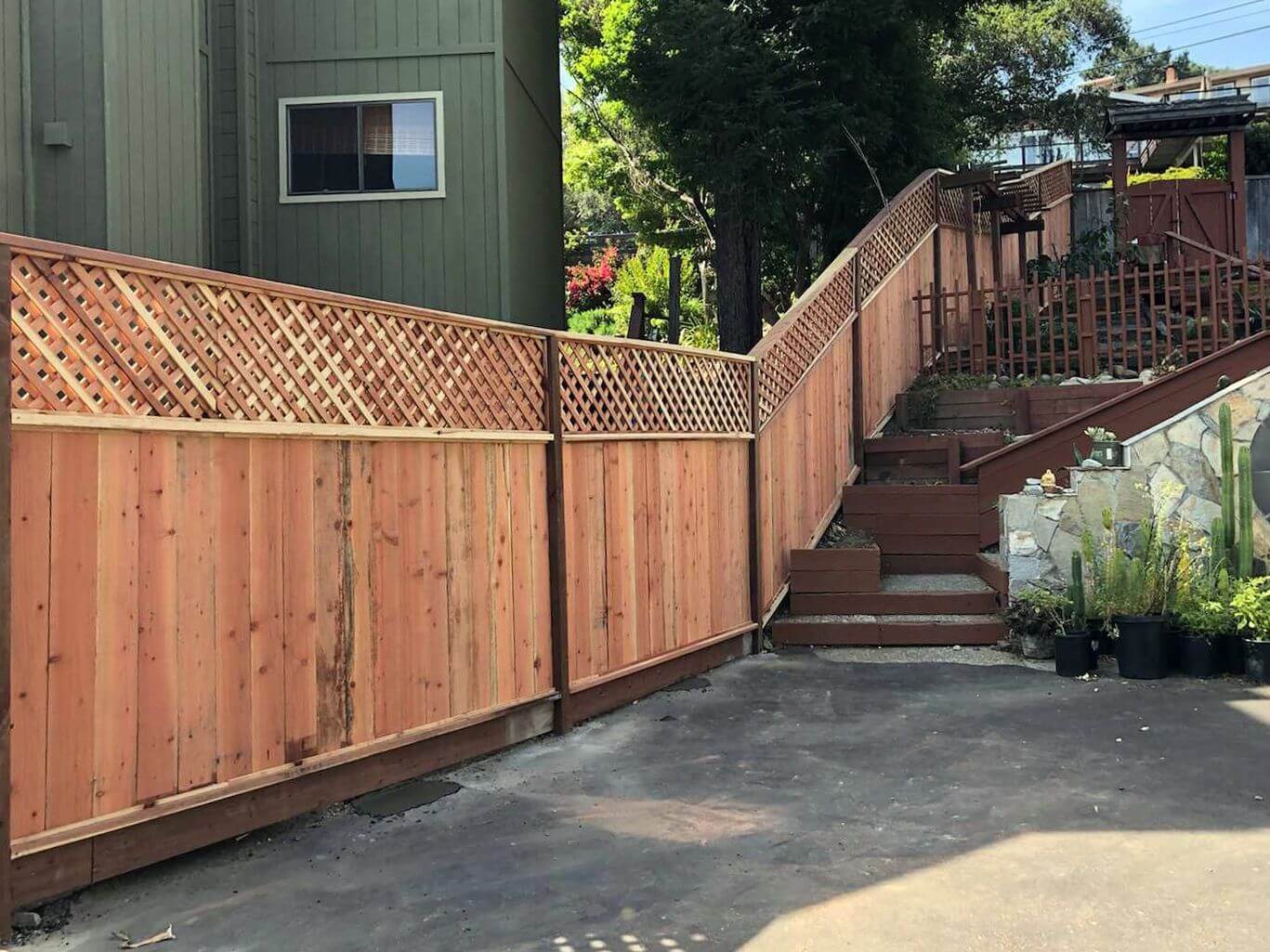
If your slope calls for privacy with design presence, stepped laser‑cut steel or aluminum screens create a repeating rhythm that flat panels can’t match. Mount patterned screens in welded frames at incremental heights so each module lands level while the bottoms step cleanly with the grade. The negative space in the pattern breaks wind, filters light, and keeps the run from feeling heavy—perfect along uphill patios or downslope neighbors where you want privacy without a monolith.
For durability on hillsides, specify powder‑coated aluminum or weathering steel (Corten) with a drainage‑friendly base: compacted gravel or a slim curb that sheds water away from posts. Use concealed brackets or through‑bolts into steel posts for rigidity; on steeper pitches, alternate short and tall modules to smooth transitions. Planting is your ally here: repeat a simple evergreen or ornamental grass in front of steps to visually “blend” height changes and soften hard lines. Screens double as art in daylight and take on new life with subtle backlighting after dark, delivering a high‑impact, low‑maintenance fence on slope that’s as functional as it is sculptural.
Rustic Split-Rail + Welded Wire: Budget-Friendly on Steep Slopes
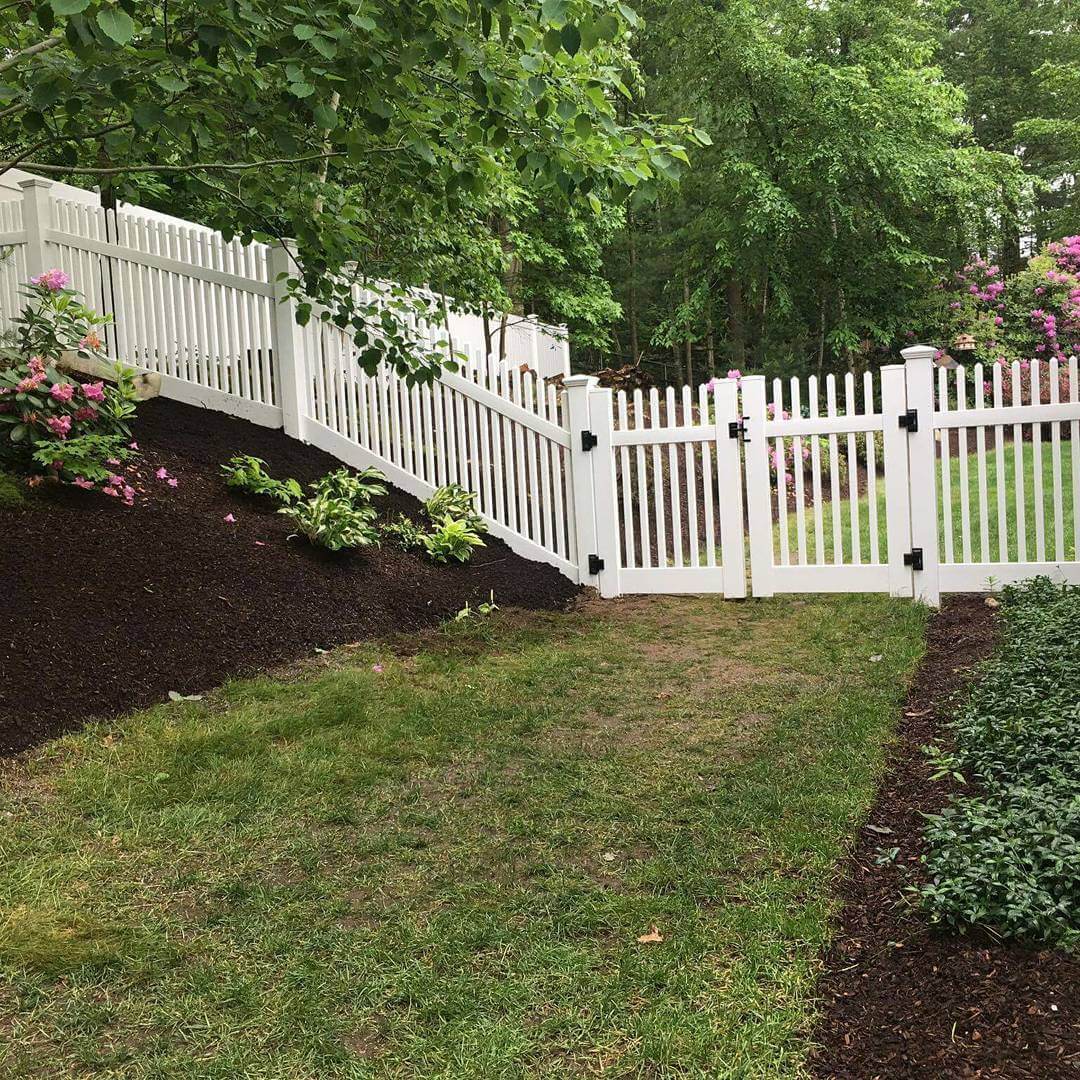
For acreage and woodland lots, split‑rail fences excel on uneven terrain—and adding welded wire makes them pet‑safe without losing the rustic vibe. Because rails pin between posts rather than forming rigid panels, the line can undulate with the hillside naturally. Stretch 2×4 no‑climb mesh or 14‑gauge welded wire along the inside of the rails, fastening with fencing staples or saddle strips. Where the pitch increases, let the mesh “rack” diagonally, then trim cleanly at posts for a tailored look.
Drive posts deeper on the downhill side and shorten spans on sharper grades to reduce sag. At the toe of the fence, fold the mesh under 4–6 inches and backfill with gravel to deter digging while letting runoff pass. This build is cost‑effective, quick to install, and highly permeable—ideal where drainage and wildlife movement matter. Stain posts and rails to slow checking, or leave them to weather to a silvery gray that blends into the landscape. Add simple farm gates with screw‑tight hinges at contour changes, and you have a durable, slope‑smart perimeter that protects pets and plantings without walling off your view.
Sloped Concrete Curb Under a Racked Fence: Drainage and Dig-Proofing
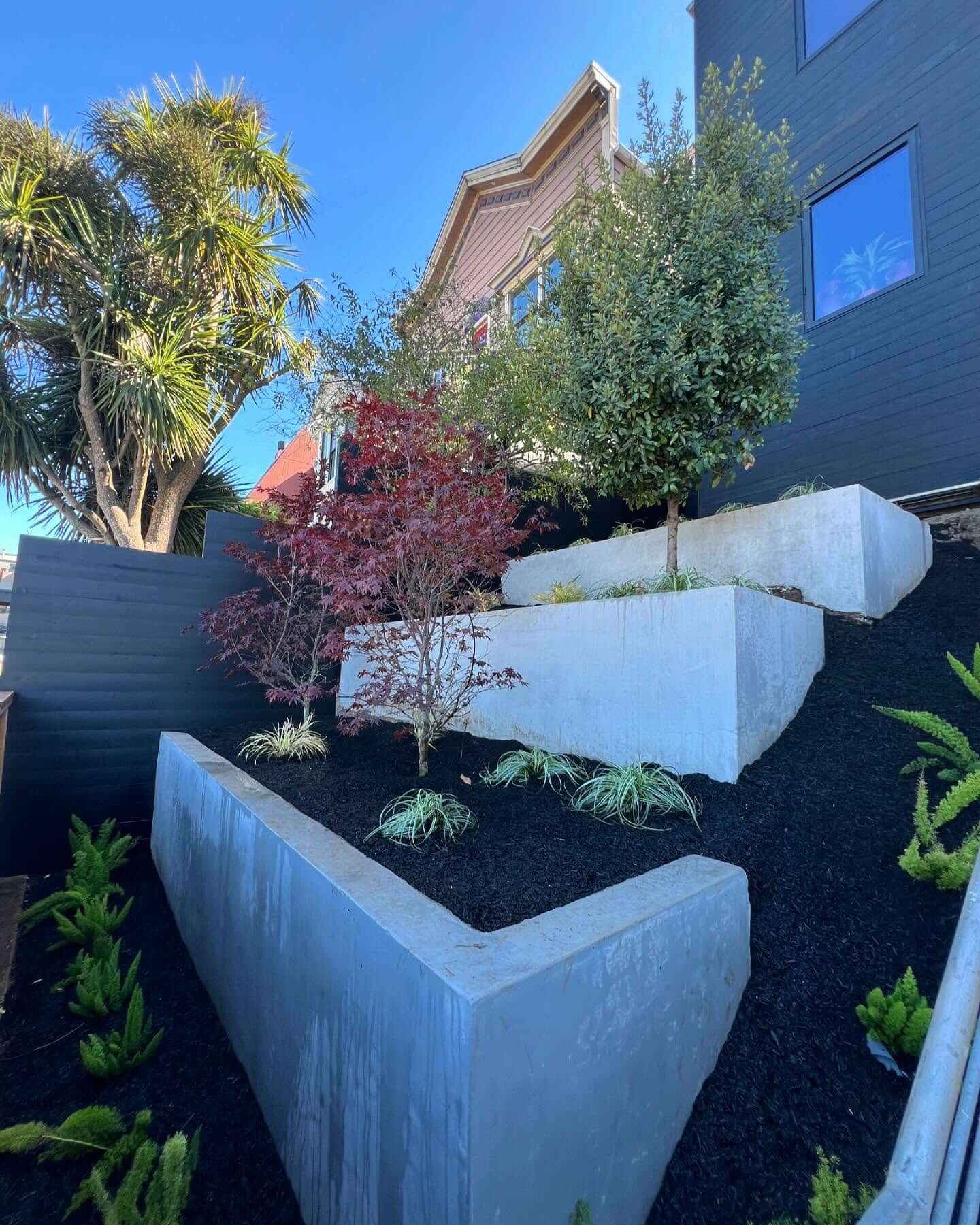
A low concrete curb (a.k.a. mow strip) cast to the hill’s pitch solves two slope headaches at once: ground gaps and runoff. By pouring a 4–8 inch‑tall curb along the fence line, you create a consistent plane for the fence to sit just above, even as the grade changes. That closes pet‑size openings, stops mulch migration, and makes trimming easy. For structure, either set posts first and form the curb around them, or anchor steel post bases into the cured curb with epoxy and wedge anchors—both approaches keep wood out of wet soil.
Pitch the curb to shed water outward, and saw‑cut expansion joints every 6–8 feet to handle movement. In wetter soils, trench a perforated drain or gravel swale on the uphill side so the curb doesn’t become a dam. The fence above can be wood, composite, or metal—racked for gentle slopes or stepped at posts for sharper pitches—while the curb visually ties the run together. Finish the concrete smooth or with a broom texture, and tint to match your hardscape. It’s a small upgrade that dramatically tidies a fence on slope and extends its life.
Core-Drilled Posts in Bedrock: Rock-Solid Fencing on Hillsides
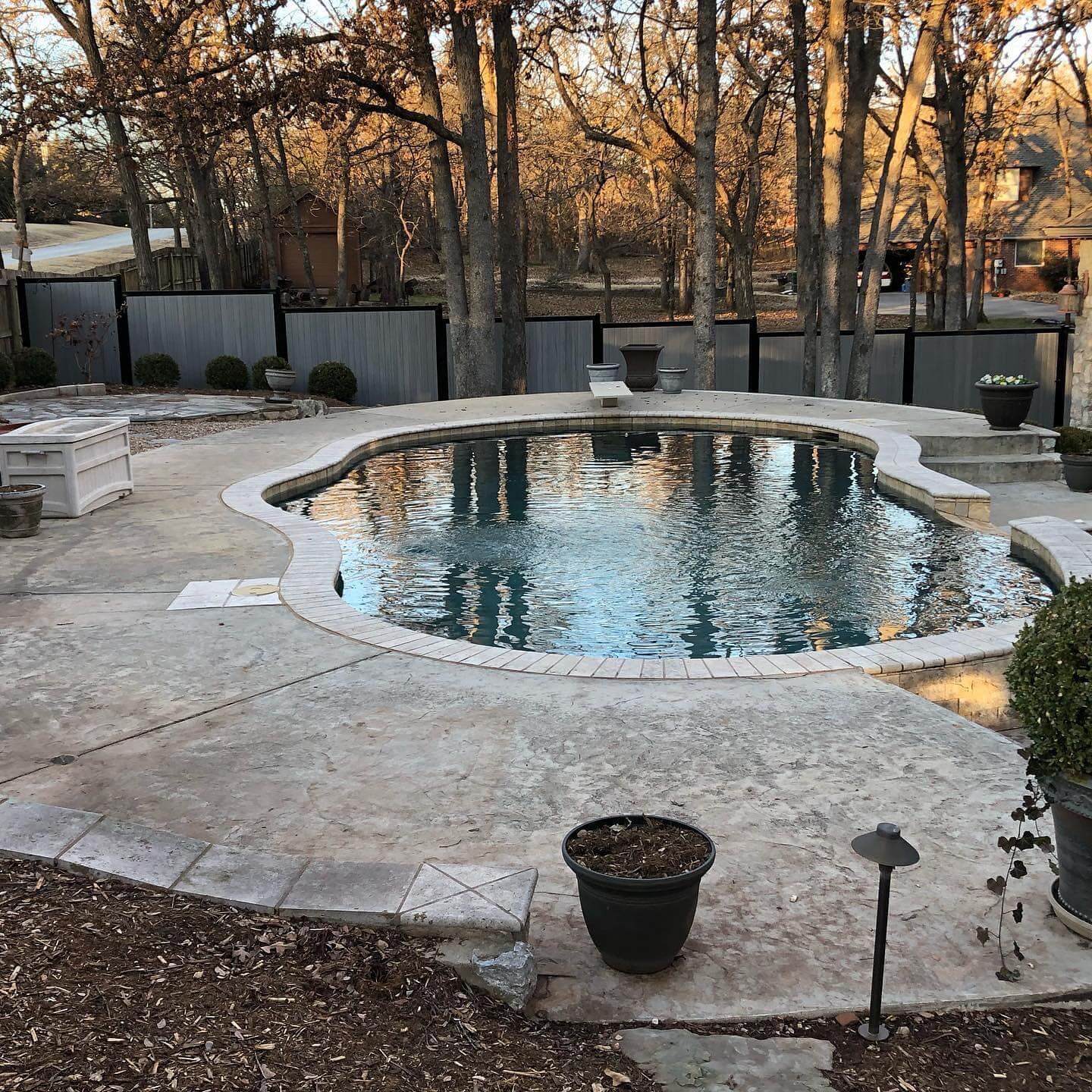
Rocky slopes can defeat standard augers, but they’re perfect for core‑drilled post installs that feel bombproof. Using a diamond core bit, drill 8–16 inches into competent rock at each post location, vacuum out slurry, then set galvanized steel or stainless posts with non‑shrink grout or structural epoxy. For wood aesthetics, sleeve the steel with cedar wraps or mount wood rails to steel posts using concealed brackets—your fence reads warm while the structure laughs at frost heave and erosion.
Layout is everything on a slope: snap a consistent top line, then vary hole depths to keep rail heights steady. Where you transition back to soil, step down to standard concrete footings or helical piers without breaking the visual rhythm. Add weep paths along the fence to route surface water and protect the rock‑set bases from pooling. Core‑drilling also shines for anchoring to boulders at corners and gates, eliminating awkward offsets around outcrops. The payoff is a clean, durable fence on slope that respects the terrain instead of fighting it—no leaning posts, no undermined bases, just long‑term stability.
Racked Fence on Slope Ideas: Continuous Grade-Hugging Designs
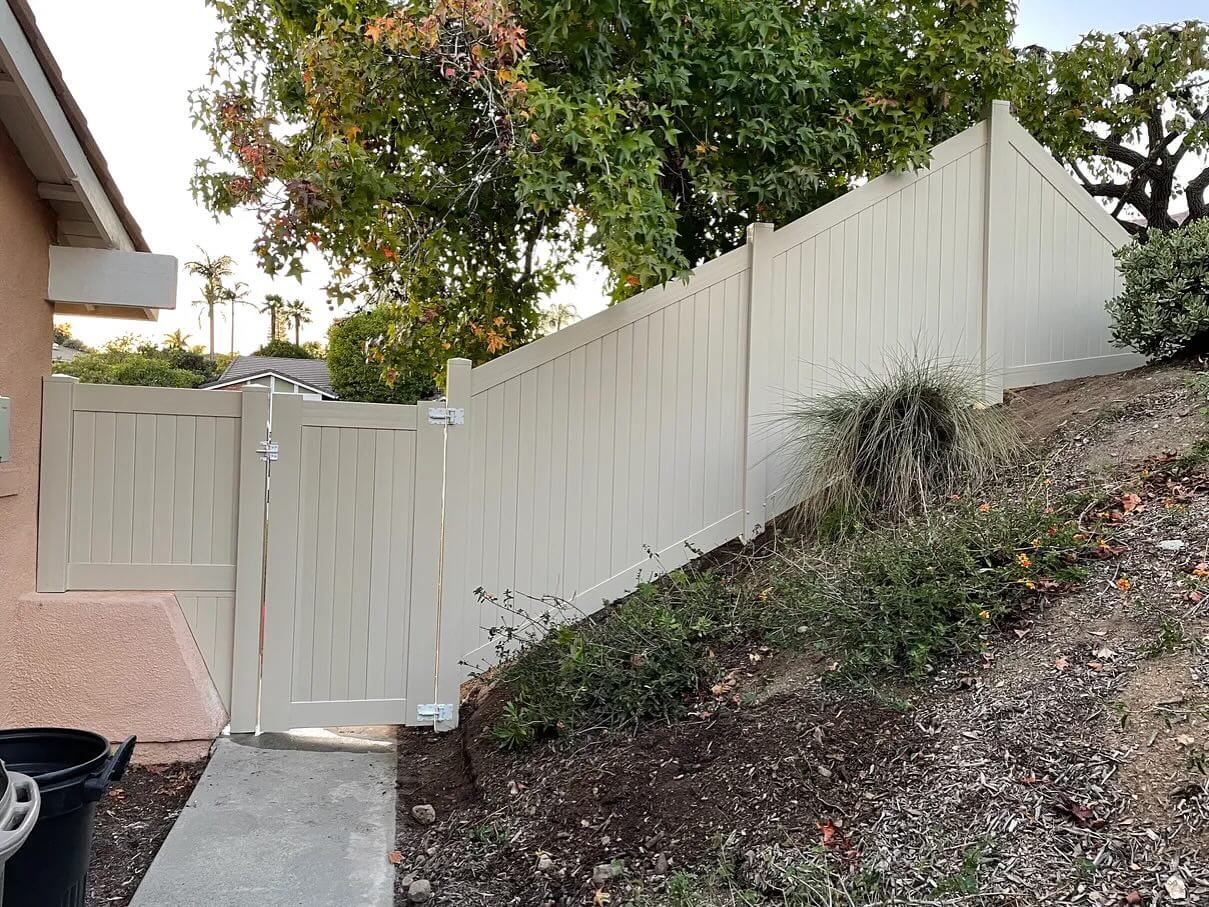
Racked, or contour-following, fences angle rails and pickets so panels hug the slope continuously without visible steps. The method shines with aluminum, chain link, and rackable vinyl systems designed to articulate along uneven terrain. Because tops and bottoms form clean diagonals, the result reads sleeker and less segmented than a stair-stepped line. It also reduces grade gaps that invite pets to slip through, especially on moderate hills where stepping would create tall triangular openings. Before ordering, confirm rackability limits and choose panels that match your measured rise over run for smooth, code-compliant transitions.
Structural planning is still critical on hillsides, where wind and gravity team up to stress rails and connections. Tighten post spacing slightly, upgrade line posts at turns, and use heavier wall thickness in gusty corridors. Open picket or ornamental profiles handle wind better than full-privacy racked panels, which may need additional bracing or stepped compromises. Consider pool-safety rules, view easements, and wildlife corridors to decide where to rack, step, or mix approaches. Finish selections—black powder-coated aluminum, textured vinyl, or galvanized chain link—deliver durable, low-maintenance options that visually recede into landscaping.
Best Practices for Racked Fence Installation:
- Verify manufacturer’s maximum rack angle per panel, and match it to your measured slope so rails follow grade cleanly without binding pickets, stressing fasteners, or opening unsafe gaps.
- Set posts deeper on downhill sides and increase concrete bell at toe-of-slope locations to resist downhill thrust, wind loading, and soil creep that can twist or loosen line posts.
- Use tension wire, bottom rails, or puppy panels to close grade gaps, preventing pet escapes while still allowing stormwater to pass and landscaping maintenance without trapping sediment against pickets.
- Stagger rail joints on alternating bays, predrill aluminum or vinyl to prevent cracking, and avoid over-tightening screws that can telegraph panel stress along the racked slope.
- At gates, keep frames square and level, even if adjacent panels rack, using adjustable hinges, ramped thresholds, or narrow filler bays to preserve latch engagement and clearances through seasons.
Racked installations often go faster than stepped carpentry because panels articulate without custom risers or complex cuts. Costs vary by material, with aluminum and vinyl commanding premiums but offering long warranties and minimal upkeep. Chain link remains budget-friendly and excels for pet containment on rolling backyards. Combine racked panels on long slopes with short stepped sections near gates or retaining walls for function and visual consistency. With careful specs and drainage planning, you’ll achieve a secure, graceful fence that tracks terrain cleanly and lasts for decades.
Hillside Fencing: Quick Answers to Common Challenges
Is it better to step or rack a fence on a slope?
Choose stepped for solid privacy and crisp, level lines, especially with wood. Pick racked for smoother grade follow, minimal gaps, and faster installs with aluminum, vinyl, or chain link.
Get the Fail-Safe Paint Color Playbook (Free PDF)
36 proven colors • 8 ready palettes • trim & sheen guide • printable testing cards.
How do I calculate slope for fence panels?
Measure total rise over the run using a level and tape, then convert to inches per panel width. Match that value to your step increment or the panel’s maximum rack angle.
Will a retaining wall make fence installation easier on hills?
It can, by creating flat benches and reducing grade gaps. Coordinate engineering, waterproofing, and post anchoring positions so the fence avoids surcharge zones and membrane penetrations.
How deep should fence posts be on a slope?
Meet or exceed local frost depth, then add depth at downhill posts to counter thrust. Wider holes, gravel backfill, and bell-shaped footings improve resistance to creep and wind.
Final Verdict: Smarter Slope Fencing That Fits Your Grade and Budget
From racked aluminum and stepped cedar to terraced walls with composite or steel infill, there’s a slope-savvy solution for every site and spend. Start by matching the system to your hill: racked panels for moderate, consistent grades; stepped sections for sharper pitch changes; and terraced or stem-wall hybrids for big elevation swings and erosion control. Then refine for goals—privacy versus views, wind exposure, pet or deer containment, and long-term upkeep—choosing materials that suit your climate and tolerance for maintenance, whether that’s rot-resistant wood, powder-coated metal, glass, cable, hog wire, or bamboo-composite.
Plan like a pro: confirm local codes and neighbor/HOA rules, mark utilities, establish drainage paths with gravel bases and weep gaps, and design consistent top lines and clean transitions at corners, gates, and driveways. On challenging soils or steep terrain, consider helical piers, deeper footings, gabion or curb bases, or core-drilled posts for rock. The best hillside fences don’t just follow the grade—they manage runoff, resist wind, and look intentional from every angle. With careful layout and the right build method, your sloped yard becomes secure, cohesive, and curb-appeal smart for years to come.