
Genius Fence Trellis Ideas for Privacy, Climbing Vines, and Instant Curb Appeal
Ready to turn a plain fence into a living feature wall? A well-placed trellis adds layered texture, softens hard lines, and creates a vertical garden that delivers privacy without feeling boxed in. Whether you’re working with a small side yard or a sprawling backyard, the right trellis system makes every square foot count.
From classic lattice panels and modern slatted screens to sleek metal grids and espalier frames, there’s a style for every home. Pair your framework with fragrant jasmine, showy clematis, climbing roses, or even edible vines like cucumbers and beans to blend beauty and function. The result: an evergreen backdrop that boosts curb appeal season after season.
Get the Fail-Safe Paint Color Playbook (Free PDF)
36 proven colors • 8 ready palettes • trim & sheen guide • printable testing cards.
In this guide, you’ll discover smart layouts, durable materials, and space-savvy ideas that suit cottage, modern, coastal, and drought-tolerant gardens alike. Expect tips on plant pairing, sun exposure, and low-maintenance hardware so your trellis thrives with minimal fuss. Let’s grow privacy, color, and character—straight up.
Modern Garden Fence Trellis Designs for Privacy and Vertical Gardening
Modern garden fence trellis designs transform tight footprints into lush, functional vertical gardens while preserving privacy and style. Choose weather-resistant materials like cedar, powder-coated steel, or composite lattice for long-term durability and clean lines. Modular panels fit between existing posts, allowing quick upgrades without replacing entire fence runs or disturbing plant roots. Slim profiles maximize usable patio or pathway space, yet provide generous climbing support for ornamental and edible vines. Integrated planters, drip lines, and hidden fasteners streamline maintenance and keep the look polished through all seasons. These fence trellis ideas also help mitigate wind and glare, creating calmer microclimates around seating areas.
- Slatted Cedar Screens: Warm-toned cedar slats spaced 1–2 inches apart create airflow, partial privacy, and sturdy climbing rungs, pairing beautifully with jasmine, honeysuckle, or climbing roses along compact urban boundaries.
- Metal Grid Panels: Powder-coated steel or aluminum grids deliver sleek lines, high strength, and longevity, ideal for windy sites, heavy vines, and minimalist landscapes needing durable, low-maintenance trellis structure.
- Composite Lattice Inserts: Fade-resistant composite lattice slots into existing fence bays, refreshing aging panels without rebuilds while offering consistent spacing for clematis, passionflower, or cucumbers in sunny microclimates.
- Living Wall Modules: Modular trellis planters with integrated drip lines support herbs and shallow-rooted edibles, turning blank fences into productive vertical gardens that soften hardscapes and reduce reflected heat.
- Planter-Box Trellises: Attach narrow planter boxes with built-in trellis arches for easy watering access, seasonal color swaps, and stable anchoring that prevents sail effect during storms or gusts.
Pair structures with vines that match sun, weight, and growth habit to avoid overwhelm or sagging. Star jasmine, evergreen clematis, and passionflower offer fragrance and year-round interest, while hops or cucumbers deliver quick seasonal coverage. Space panels 2–3 inches off the fence to promote airflow and prevent trapped moisture, extending paint and stain life. Use stainless or hot-dip galvanized hardware, plus training wires or clips, to guide tendrils and distribute loads evenly. Seal cedar annually or select pre-finished composites to reduce upkeep, especially in humid or coastal zones. With thoughtful spacing and plant choice, your vertical garden trellis remains orderly, productive, and beautiful.
Modern Slatted Fence Trellis for Airy Privacy
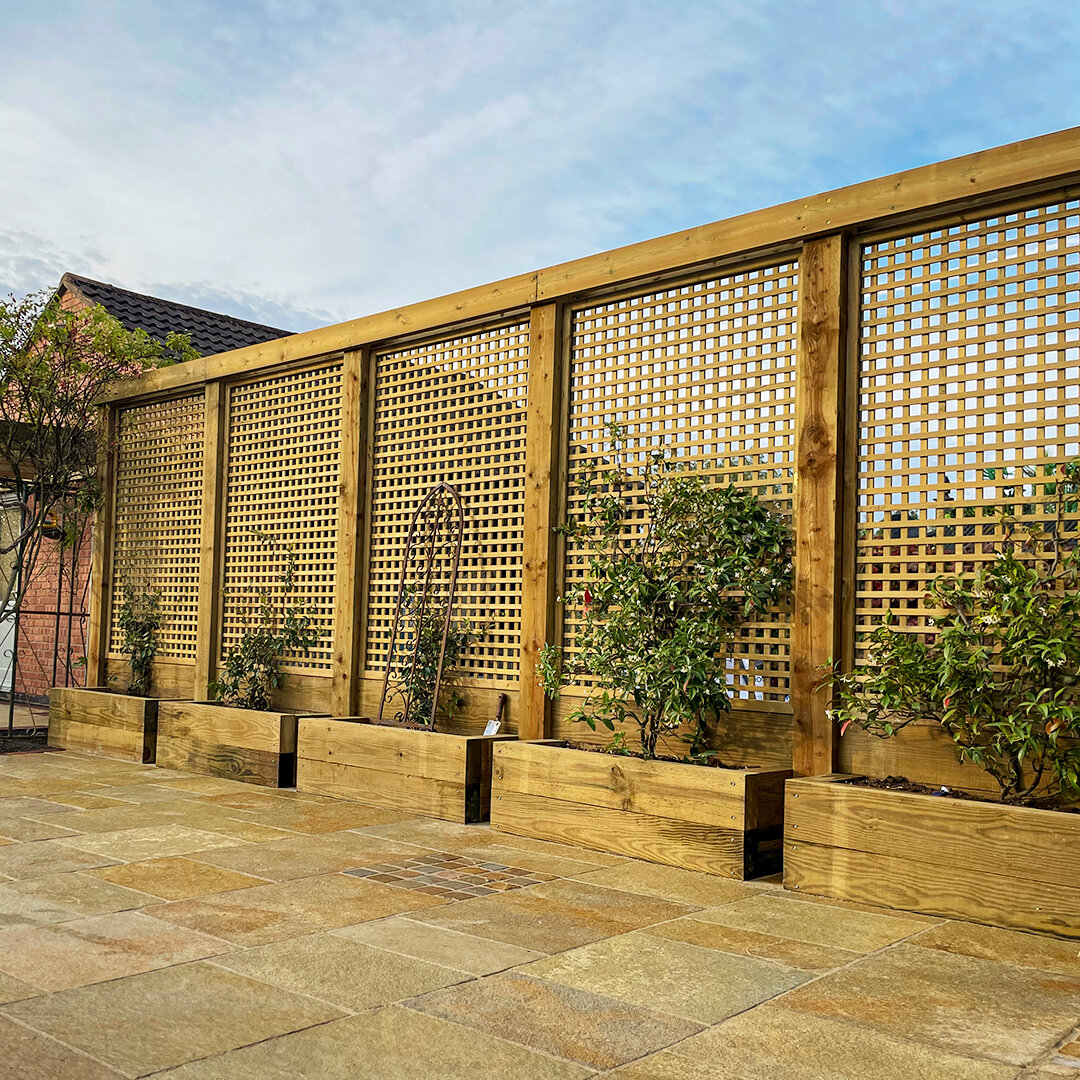
If you love clean lines, a horizontal slatted trellis is a modern way to soften a solid fence while preserving privacy. Rip cedar or thermally modified ash into 1×2 or 1×3 slats and space them 3/4–1 1/2 inches apart on sturdy posts. Mount the slats on vertical stringers, then add slim stand-offs to create a second “climbing plane” a couple inches in front—this pocket lets vines weave naturally without smothering the structure. Pair with evergreen climbers like star jasmine or potato vine for year-round screening, or mix in a spring-blooming clematis for seasonal color. Keep the base tidy with gravel mulch and a simple drip line to water roots, not foliage. For longevity, oil cedar annually or choose a factory-finished composite. This fence trellis idea balances airflow (reducing mildew), filtered views, and a crisp architectural profile that boosts curb appeal in contemporary and mid-century homes alike. It’s an easy upgrade if you already have sturdy fence posts—simply add trellis rails above or in front to elevate the look and function.
Modular Metal Grid Panels That Grow With Your Garden
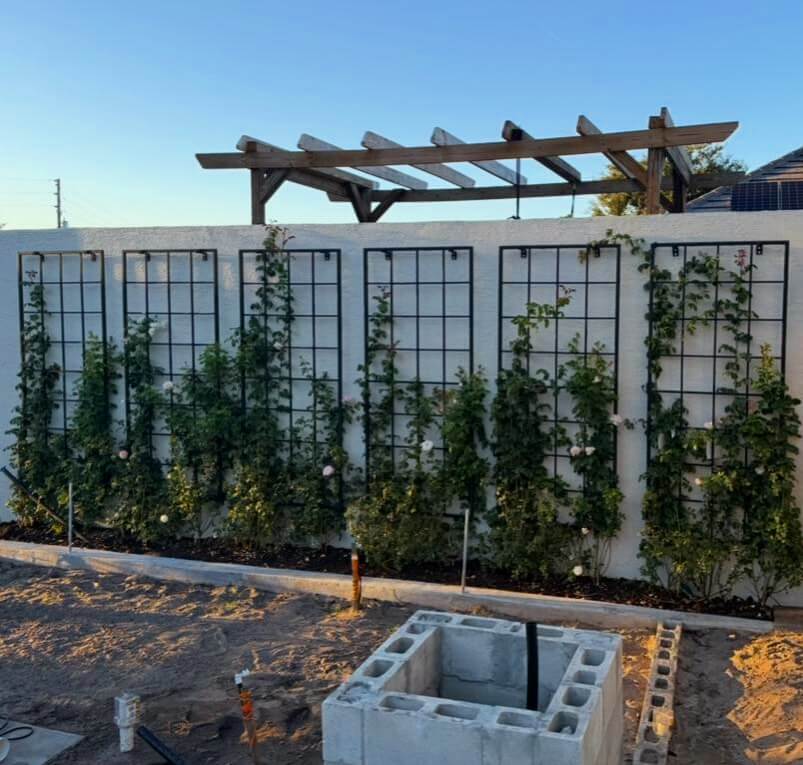
Powder-coated steel grids or cattle panels transform a plain boundary into a flexible vertical garden. Mount 3×6 or 4×8 modular panels with 1-inch stand-offs so vines can grip both sides and you can prune without scraping the fence. Start with a single bay and add more panels as your planting matures—ideal if you’re experimenting with climbers like passionflower, climbing roses, or honeysuckle. Use stainless screws and neoprene-backed washers to prevent rust stains and rattling in the wind. For a tidy finish, cap posts with matching metal post covers and add removable planter boxes at the base for annual fillers (sweet peas in spring, black-eyed Susan vine in summer). This modular approach lets you change patterns, swap plants, or move panels during renovations without tearing out the entire fence. It’s a durable, low-maintenance trellis system that suits modern, industrial, and urban gardens, delivering instant structure while your living screen grows in.
Espalier Fruit Fence: Edible Art with All-Season Interest
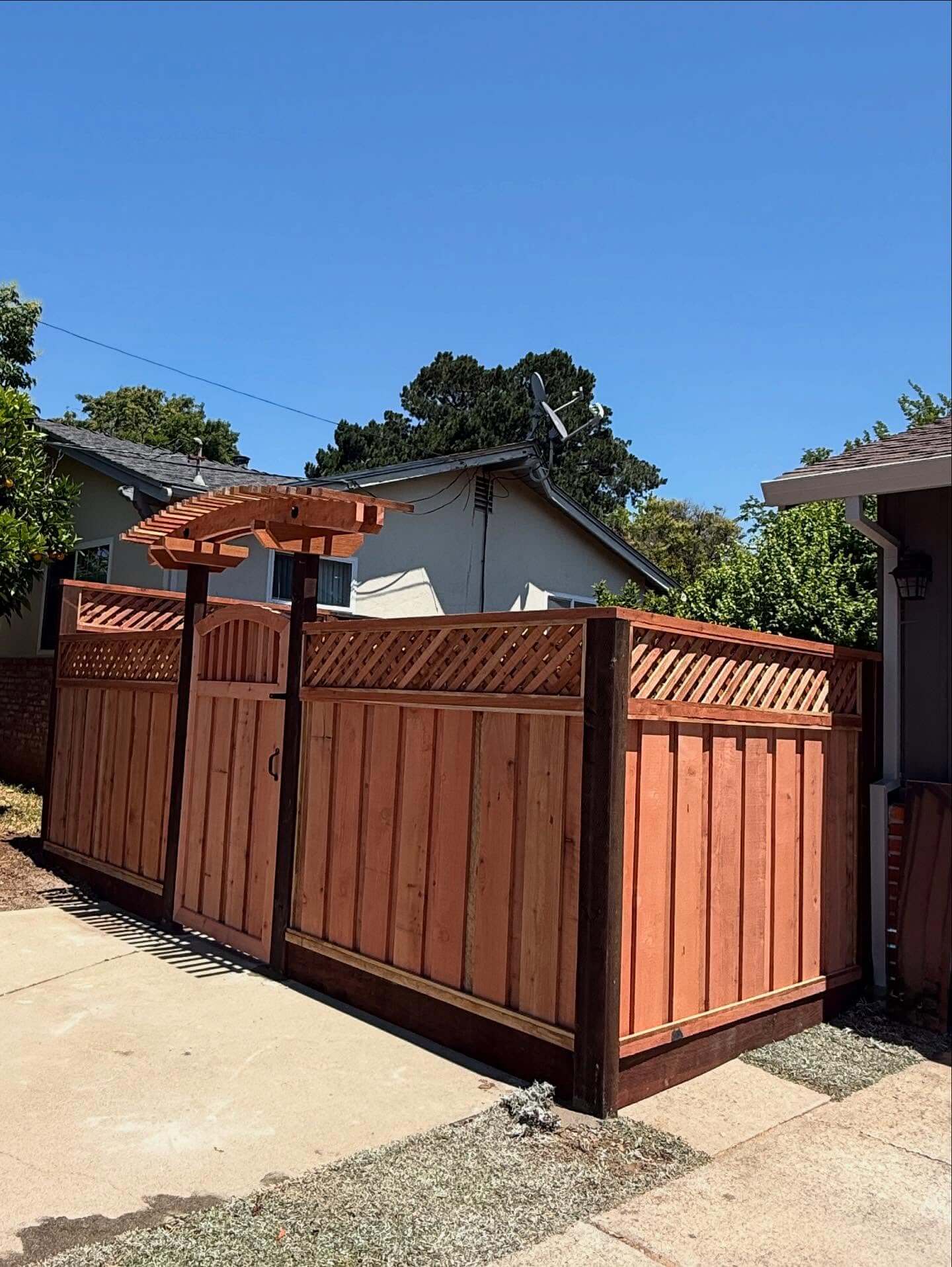
Turn your fence line into a living sculpture by training apples or pears flat against a wire trellis. Install galvanized eye bolts into posts and run tensioned wires at 12, 24, 36, and 48 inches. Choose dwarf or semi-dwarf trees on suitable rootstock and space them 6–8 feet apart. Train into horizontal cordons for a classic look, or a fan pattern if space is tight. Prune in late winter to shape, then tip-prune in summer to keep growth close to the fence. Underplant with herbs that attract pollinators—thyme, chives, and alyssum—to increase fruit set and suppress weeds. This fence trellis idea layers beauty, privacy, and productivity: spring blossoms, summer shade, fall harvest, and winter branch architecture. It’s also neighbor-friendly; fruit stays within your garden, and the flat profile preserves pathways. Bonus: the open wire grid maximizes airflow for healthier crops and reduces disease pressure compared to dense hedging.
Tension-Wire Trellis for Narrow Side Yards
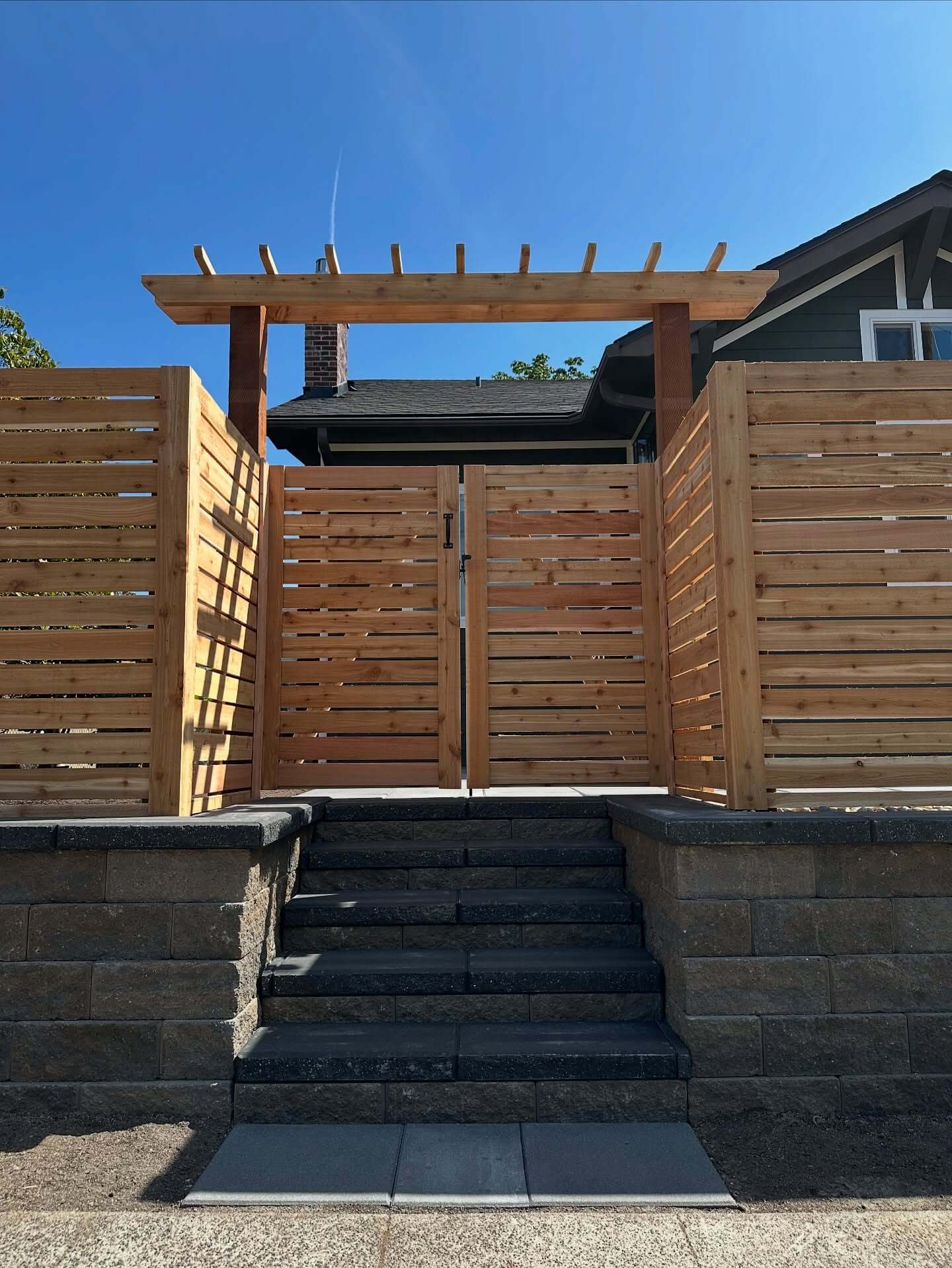
Side yards crave greenery but rarely have the width for bulky frames. A tension-wire trellis solves it with a slim profile that hugs the fence or wall. Use stainless-steel cable kits with turnbuckles and anchor plates; space vertical runs 12–18 inches apart and keep a 1–2 inch stand-off for circulation. This setup supports light-to-medium climbers like star jasmine, Carolina jessamine, clematis, or even hops for seasonal coverage. It’s a great fix for windows that need privacy without losing light: vines filter views while permitting breezes. If attaching to masonry, use sleeve anchors and avoid mortar joints; for wood, add blocking behind cladding for a secure bite. Set a drip emitter at each plant, mulch 2–3 inches, and guide young stems with soft ties until tendrils take over. The result is a sleek, low-visual-mass fence trellis that transforms a forgotten pass-through into a fragrant, green corridor that stays walkable.
Lattice-Top Fence Extension: Code-Friendly Height and Bloom
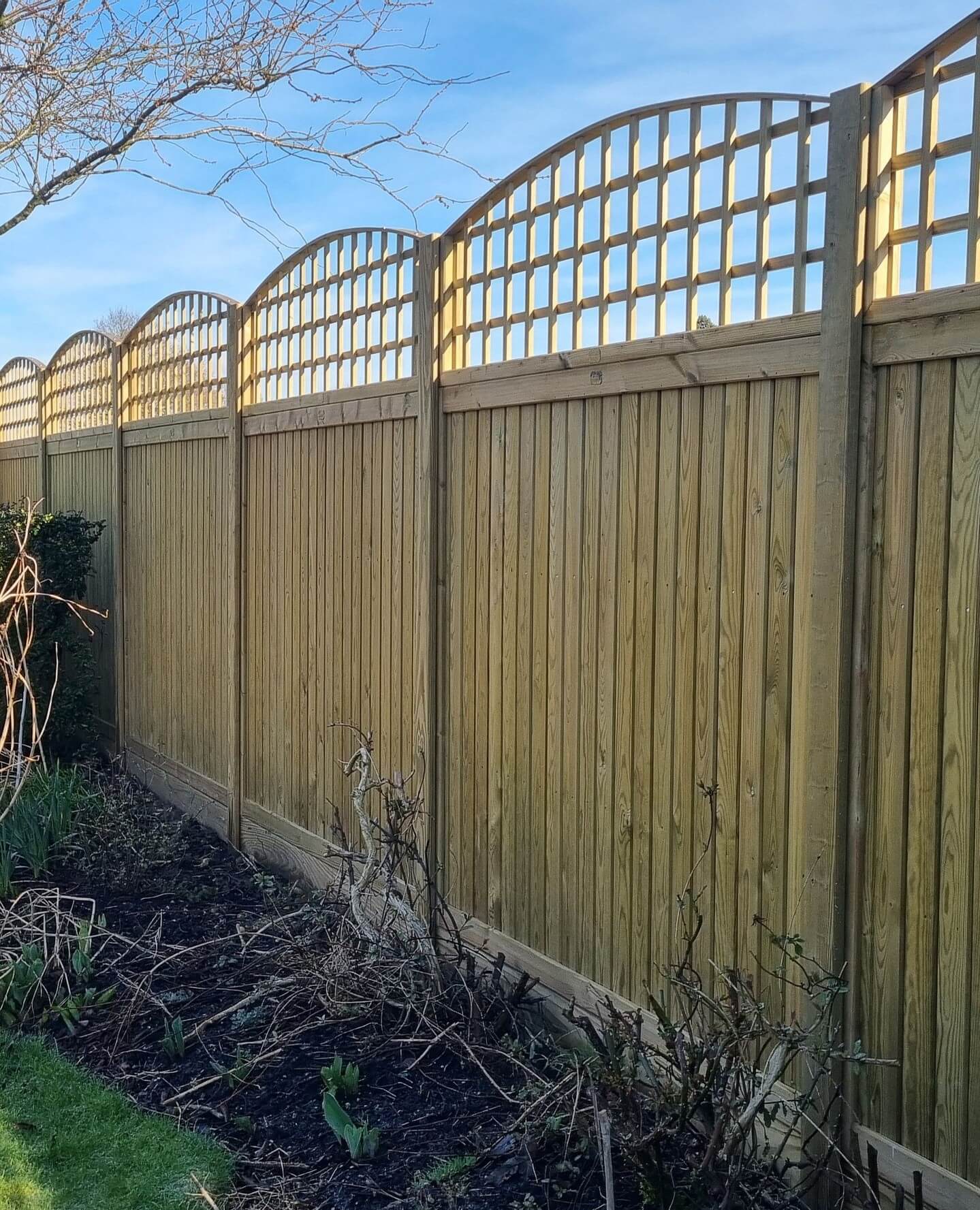
Want more privacy without rebuilding? Add a framed lattice-top trellis to extend an existing fence by 12–24 inches—often within residential height limits. Use square or diagonal lattice sandwiched in a sturdy 1×2 frame and attach with fence-post extenders or sleeve brackets for strength. The open pattern lightens the look while giving vines a generous grip zone. Pair spring-blooming clematis with an evergreen backbone like jasmine to keep the screen lush year-round. In windy zones, choose thicker lattice or metal lattice panels to resist racking, and cap the top rail to shed water. Stain or paint before installation for full coverage. This budget-friendly fence trellis idea instantly elevates curb appeal, adds perceived height, and encourages vertical planting—perfect for tight-lot gardens where every inch matters. Tip: keep plant mass lighter above the original fence to maintain stability and protect the base from excess moisture.
Pergola-Style Trellis Gate That Frames the Entry
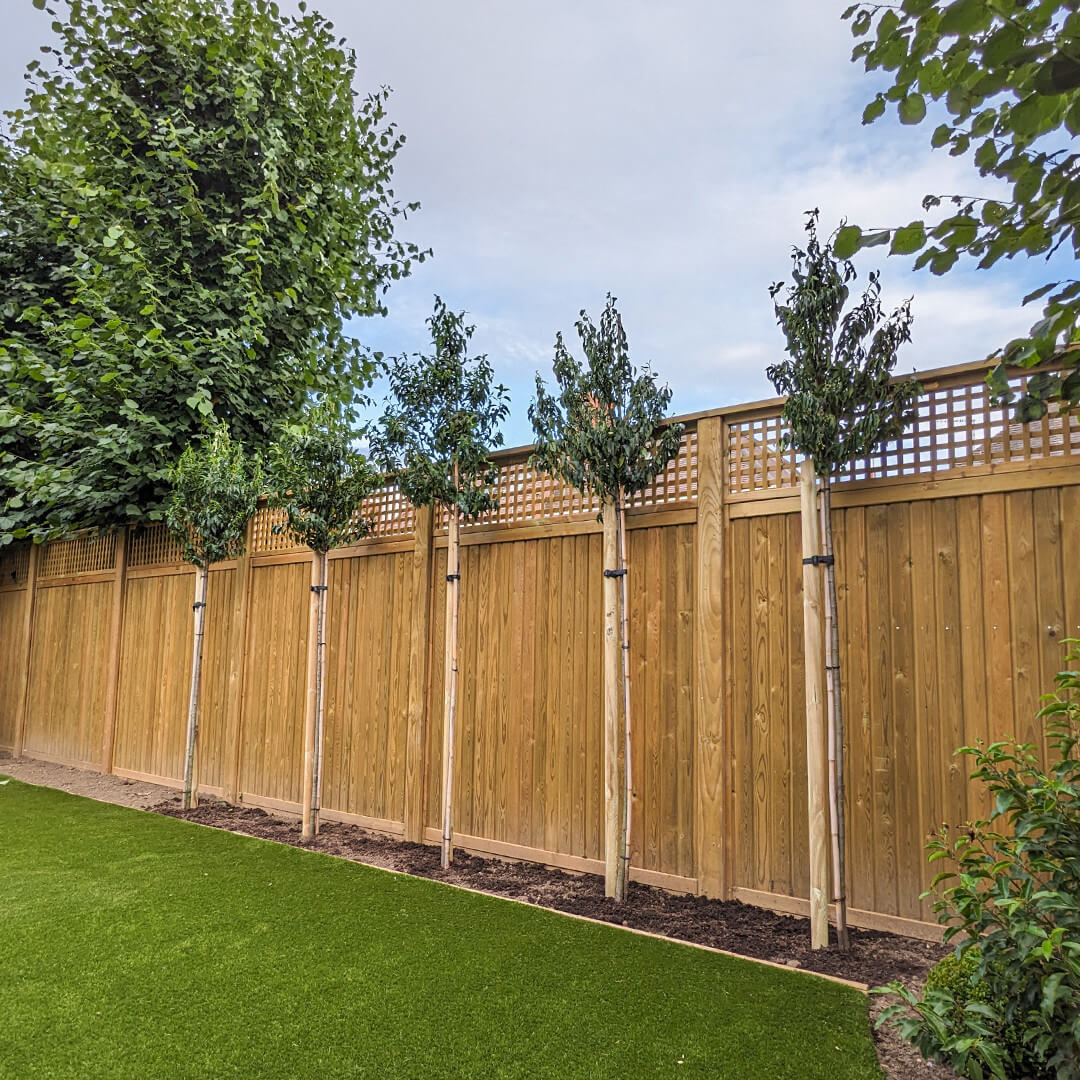
A pergola trellis spanning your gate turns a simple fence break into a grand entry. Set 4×4 or 6×6 posts, add a 2×6 header with decorative rafter tails, and brace with angled knee supports. The overhead beam invites vertical climbers to arch above the path—think climbing roses for romance, fragrant star jasmine for evening scent, or wisteria where structure is extra stout. Keep a 12–14 inch trellis overhang on each side to guide vines without snagging the gate swing. Choose heavy-duty hinges and a self-closing latch to handle added traffic. Lighting matters: tuck low-voltage downlights beneath the header to silhouette foliage at night. This fence trellis idea does triple duty—directing circulation, creating shade, and delivering a garden “moment” visible from the street. It’s the kind of detail that makes a landscape feel intentional and welcoming while linking the front and back yards with living architecture.
Gabion Base + Trellis Screen for Sound-Softening Style

Combine a rock-filled gabion base with a metal trellis screen for a sculptural fence that works hard. The gabion’s mass helps diffuse street noise and anchors the structure in windy sites; atop it, a corten or powder-coated grid invites vines to climb. Set the gabion 18–24 inches high for visual weight, then bolt steel posts through the basket footing into concealed concrete piers. Add panelized trellis sections with 1-inch stand-offs to promote airflow. Plant durable climbers like honeysuckle, akebia, or evergreen jasmine for year-round coverage without overwhelming the frame. Gravel mulch and drip irrigation keep maintenance low. This hybrid fence trellis idea blends modern materials with natural texture, suits sloped lots (gabions step beautifully), and is remarkably resilient. In tight urban gardens, the slim trellis keeps the footprint compact while the stone base doubles as a seating ledge along entertaining zones.
Planter-Box Trellis for Renters and Small Patios

No permission to touch the fence? Build privacy into your planters. Fasten a lightweight trellis frame—bamboo, cedar 2x2s, or aluminum—directly to a trough planter with concealed L-brackets. Fill with high-quality potting mix and slow-release fertilizer, then plant climbers suited to containers: black-eyed Susan vine, sweet peas (cool season), or compact jasmine cultivars. Add locking casters to reconfigure the screen for parties or sun shifts, and secure with discreet tie-downs if wind is a concern. A woven or grid pattern creates a strong visual rhythm that mimics a built-in fence trellis while staying completely removable. For apartment balconies, choose UV-stable trellis netting stretched in a cedar frame to keep weight down. This movable vertical garden dials up privacy, color, and fragrance without violating rental rules—and it’s the fastest way to test vine species before committing to permanent structures.
Shade-Loving Trellis Strategy Beneath Trees

Not all trellises bask in full sun. If your fence line sits under high canopy, pick vines that thrive in dappled light and build accordingly. Use rot-resistant materials (cedar, metal, or composite) and maintain a 1–2 inch stand-off for airflow—shade stays damp longer. Climbing hydrangea offers four-season bark and lacey blooms; evergreen clematis (C. armandii) adds glossy foliage and spring fragrance; akebia provides fast, semi-evergreen cover. Avoid aggressive clingers that can trap moisture against wood siding. Space trellis battens 4–6 inches to help broad leaves dry after rain, and run a low-flow drip line to offset root competition from trees. Mulch lightly to protect feeder roots. This fence trellis idea turns tricky shade into a cool, layered backdrop—perfect behind seating areas where sun-lovers might scorch. You’ll gain texture, depth, and privacy without battling mildew or leggy growth common when sun plants are forced into low light.
Edible Fence Trellis for Cucumbers, Beans, and Peas
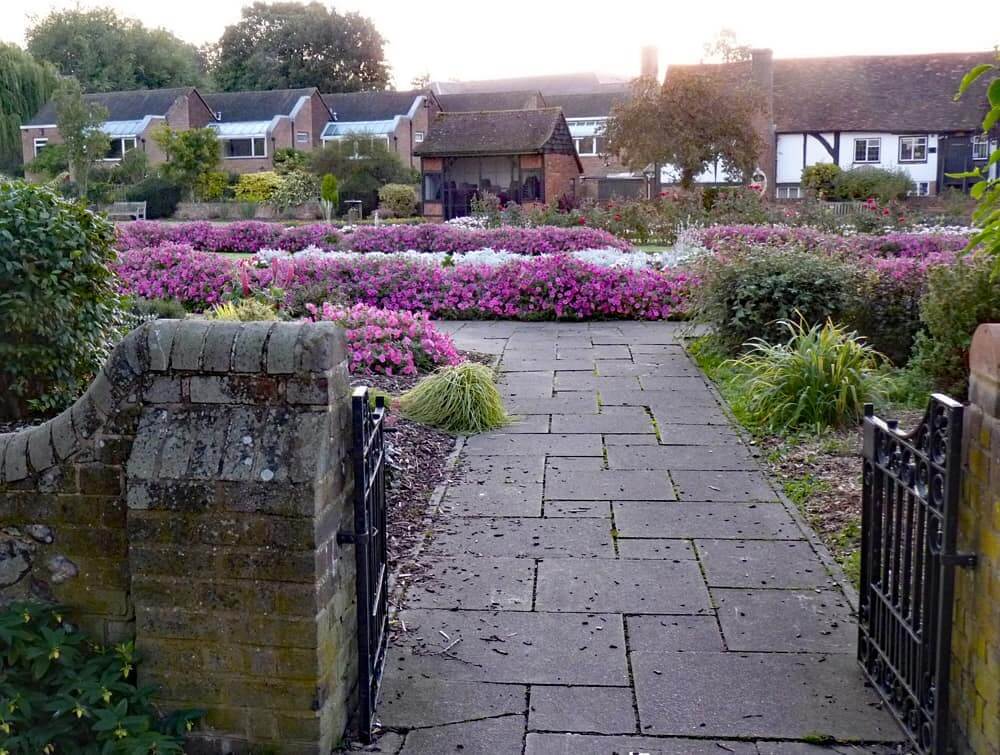
Grow groceries vertically with a fence-mounted mesh that doubles as a tidy privacy screen. Attach galvanized remesh or 4×4 welded wire to posts with U-clips and stand-offs so fruit hangs cleanly off the fence. Plant sugar snaps in early spring, swap to pole beans in summer, and follow with cool-season peas or vining squash on the shoulders—easy crop rotation in one strip. Train with soft clips, prune for airflow, and pair with marigolds and basil to attract pollinators and deter pests. A simple 1/2-inch drip line under mulch keeps leaves dry and disease down. If you share a boundary, keep the trellis inside your line and harvest from your side. This fence trellis idea is as practical as it is pretty: lush green walls, dangling produce at eye level, and far fewer slug issues than ground crops. It’s a family-friendly, budget-wise way to make a small backyard feel abundant.
Get the Fail-Safe Paint Color Playbook (Free PDF)
36 proven colors • 8 ready palettes • trim & sheen guide • printable testing cards.
Corner-Wrap Trellis Nook to Soften Hard Boundaries

Turn an awkward fence corner into a lush, private retreat with a corner-wrap trellis. By running two short trellis panels at 90 degrees, you soften hard lines, edit unwanted views, and create a vertical garden that feels intentionally designed. Set 4×4 posts 18–24 inches out from the corner on each side, then connect with top and mid rails. Infill with cedar lattice, welded wire, or a slim tension-wire kit to keep the profile airy while maximizing climbing support. This layout is ideal for disguising utilities or AC units without blocking airflow. For sun, plant star jasmine, pink jasmine, or clematis for fast coverage and fragrance; for part shade, try climbing hydrangea or evergreen clematis armandii. Add a simple drip line along the fence base and mulch to keep roots cool. Keep panels 2 inches off the ground to prevent rot and use stainless or hot-dipped galvanized hardware for longevity. A corner trellis also improves acoustics by diffusing sound—bonus near patios or grills. Finish with a gravel strip for drainage and a pivoting hose guide so vines aren’t snagged during watering. The result is a green pocket of privacy where two plain fences once met.
Night-Lit Trellis Screen with Integrated Low-Voltage Glow
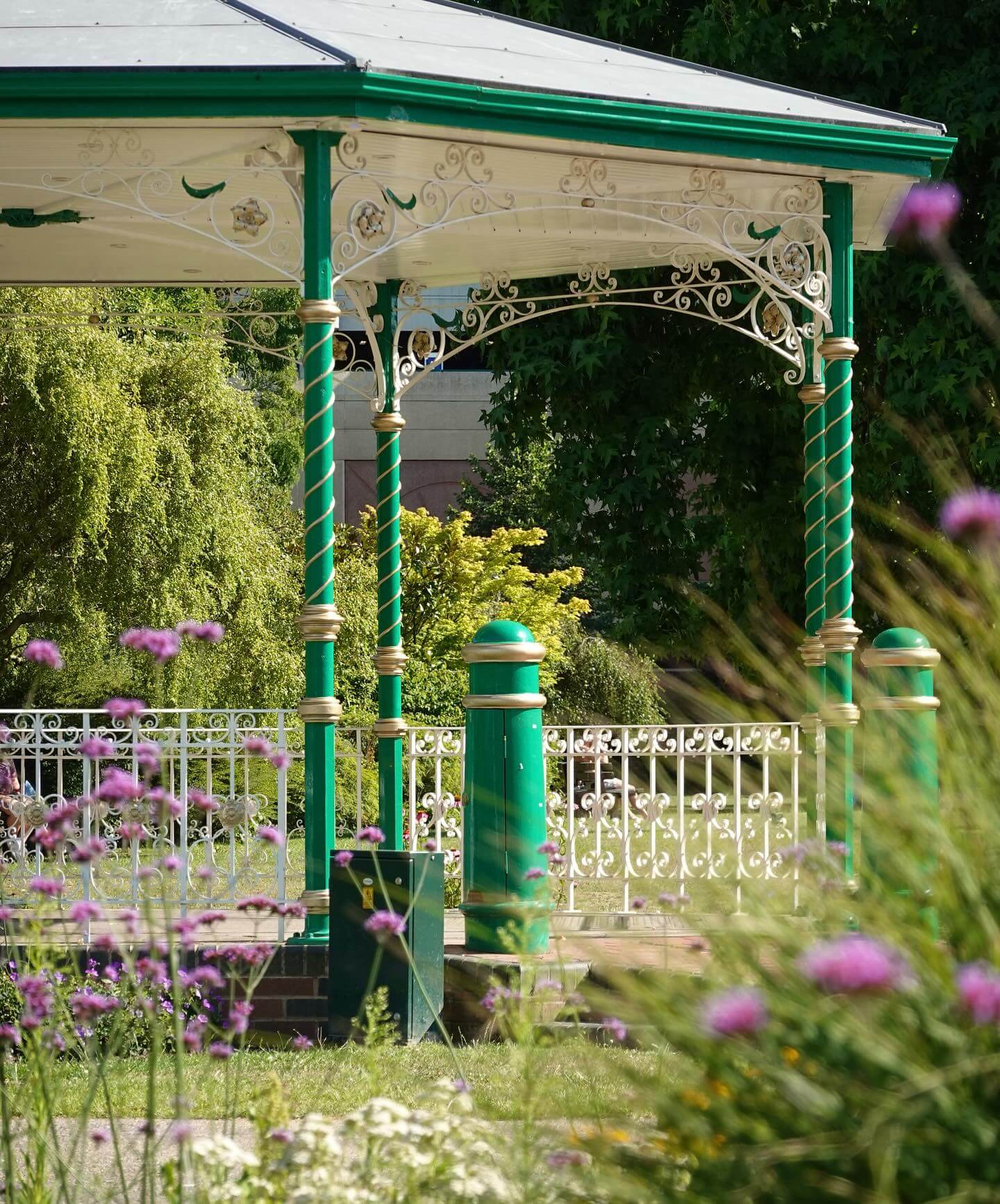
Extend your fence trellis into the evening with built-in lighting that highlights foliage and adds welcoming ambiance. Before vines fill in, run low-voltage cable along the fence rails inside a UV-resistant conduit, then mount warm (2700–3000K) LED puck or strip fixtures behind the trellis slats or wire grid. Aim for soft, indirect light that grazes leaves rather than glaring outward—about 1–2 watts per foot is plenty for a gentle wash. Use an outdoor-rated transformer on a GFCI outlet with a dusk-to-dawn sensor or smart timer, and keep connections in weatherproof junction boxes. Leave 4–6 inches of clearance between fixtures and foliage to prevent heat buildup and allow pruning access. Pair with night-performers like moonflower, evening primrose, or night-blooming jasmine to layer scent with light. In windy areas, choose flexible cable ties that won’t cut stems, and plan maintenance passes: wire snips, soft ties, and a microfiber cloth for lenses. The glow visually expands small patios, boosts curb appeal, and makes the trellis a focal point year-round—even when vines are dormant. This subtle, architectural lighting approach turns a daytime privacy screen into a cozy, safe, and photo-ready backdrop after dark.
Bamboo-Pole Trellis for Tropical Texture on a Budget
Want instant warmth and worldly character? A bamboo-pole trellis delivers tropical texture and budget-friendly privacy without the bulk of solid panels. Build a simple cedar or metal frame and lash vertical bamboo canes to horizontal stringers using black paracord, copper wire, or exterior-rated zip ties for a crafted, textural look. Stagger pole diameters for depth and leave 1/4–1/2 inch gaps to catch light and breeze. To extend life, elevate bamboo off soil with metal stand-offs, seal cut ends, and apply a UV-protective exterior oil annually. Pair with fast, floriferous climbers—passionflower, thunbergia (black-eyed Susan vine), mandevilla, or hardy trumpet honeysuckle—to weave greenery through the warm, matte canes. In coastal or humid climates, choose stainless hardware and ventilated spacing to prevent mildew. For renters, mount the bamboo panel to a freestanding planter base with locking casters for a movable screen. Note: skip planting running bamboo in-ground; if you crave the look, use clumping varieties in containers as a foreground layer. The result is a lightweight, resilient fence trellis that reads resort-chic, adds privacy without heaviness, and adapts to patios, pool surrounds, and narrow side yards alike.
Decorative Fence Trellis Ideas for Curb Appeal and Wildlife-Friendly Yards
Decorative trellis work can elevate curb appeal while doubling as habitat for pollinators and songbirds in wildlife-friendly yards. Mix slatted patterns, lattice inlays, and arched accents to echo architectural lines from your porch, eaves, or pergola. A contrasting stain or painted frame sharpens silhouettes, letting foliage textures and blooms read crisply from the street. Choose native, noninvasive climbers that provide nectar, berries, or shelter, supporting local ecosystems without maintenance headaches. Add cap rails, finials, or copper post caps to finish the composition and shed water away from end grain. These fence trellis ideas create welcoming entry sequences and engaging sightlines across front gardens.
- Combine a charcoal-stained frame with warm cedar lattice and chartreuse hops, creating dramatic contrast that highlights foliage, bright flowers, and seasonal shadows along driveways and front-yard seating areas.
- Alternate chevron and diamond lattice bays to animate long fence lines, then soften corners with circular trellis windows that frame views and entice butterflies toward nectar-rich waystations.
- Plant native trumpet honeysuckle, crossvine, or coral pea to feed hummingbirds and bees, while leaving small open weaves for safe perches and winter shelter within the trellis matrix.
- Incorporate low-voltage uplights and solar string lights to reveal textures at night, guiding guests along paths while extending patio use without glare spilling into neighboring properties.
- Blend evergreen star jasmine with spring-blooming clematis and fall-coloring Virginia creeper, ensuring year-round interest, nesting cover, and a dynamic façade that evolves gracefully through changing seasons.
Planning details protect both beauty and biodiversity over time. Keep the lowest lattice course 6 inches above grade to deter rot and allow leaf litter to decompose for ground-dwelling insects. Use wildlife-safe, matte finishes and avoid sticky pesticides; spot-treat pests with water jets or horticultural soap. Stainless staples, exterior screws, and rot-resistant backer rails prevent sagging while simplifying seasonal pruning or re-tensioning. Where privacy is needed, layer a perforated screen behind decorative trelliswork to obscure views while maintaining airflow and nectar access. With consistent light pruning and fresh mulch, the façade stays crisp, habitat-friendly, and neighborhood compliant.
Climbing Questions, Grounded Answers
What trellis material lasts longest in coastal or windy conditions?
Powder-coated aluminum or stainless steel handles salt air and gusts exceptionally well, resisting corrosion and flex. Use robust post anchoring, cross-bracing, and wider fastener spacing to manage wind loads.
Get the Fail-Safe Paint Color Playbook (Free PDF)
36 proven colors • 8 ready palettes • trim & sheen guide • printable testing cards.
How do I attach a new trellis to an existing fence safely?
Add rot-resistant backer rails to distribute weight, then use stainless screws through pre-drilled holes to prevent splitting. Maintain a 2–3 inch standoff for ventilation and easier cleaning.
Which climbing plants are best for low-maintenance privacy?
Evergreen star jasmine, fig ivy in warm zones, and thornless climbing roses offer dense cover with modest pruning. In edibles, try malabar spinach or scarlet runner beans for quick seasonal screening.
Can I add a trellis to an existing fence without rebuilding?
Yes—use modular panels fitted between posts or within bays, secured to blocking or backer rails. This approach refreshes appearance, adds vertical growing space, and avoids costly fence replacement.
Final Verdict: Growing Privacy, Beauty, and Function on the Fence Line
A fence trellis isn’t just a backdrop—it’s a living layer that solves real-world needs with style. Whether you favor modern slatted screens, clean metal grids, classic lattice, or sculptural espalier, the right framework turns boundaries into vertical gardens that screen views, soften noise, and add texture from season to season. Match materials to your climate and architecture—cedar or bamboo for warmth, powder-coated steel for longevity, tension-wire for tight passages—and pair them with climbers that suit your sun and water: jasmine and clematis for scent and bloom, roses for romance, edibles like beans and cucumbers for practical beauty, or shade-tolerant vines under trees. Lighting, corner wraps, pergola gates, and planter-box systems round out a cohesive look while staying friendly to renters and small spaces.
Set yourself up for easy care and long-term structure: use stainless hardware, plan for irrigation, give vines proper spacing, and prune with purpose to keep growth lush yet controlled. Start with one high-impact panel, then expand modularly as your garden fills in. With thoughtful plant pairing and durable components, your fence becomes an evergreen focal point—delivering privacy, curb appeal, and space-smart gardening that only gets better with time.
Get the Fail-Safe Paint Color Playbook (Free PDF)
36 proven colors • 8 ready palettes • trim & sheen guide • printable testing cards.