
Hawaiian Landscaping Ideas to Transform Your Yard into a Tropical Oasis
Dreaming of a backyard that feels like a Maui retreat or a Kauai hideaway? Hawaiian landscaping blends lush foliage, vibrant blooms, and natural stone to create irresistible, resort‑style ambiance—no plane ticket required. With the right plant palette and layout, you can bring island serenity to any space, from compact courtyards to sprawling suburban lawns.
This guide will share practical, design-forward ideas inspired by the islands: native and Polynesian-introduced plants for color and fragrance, lava rock and coral stone for texture, water features for movement, and smart lighting for sunset magic. We’ll also cover low-maintenance, drought‑aware choices that support pollinators and respect the ‘āina.
Get the Fail-Safe Paint Color Playbook (Free PDF)
36 proven colors • 8 ready palettes • trim & sheen guide • printable testing cards.
Whether you crave a dramatic palm canopy, a hibiscus-framed lanai, or a modern tropical look with clean lines and bold leaves, you’ll find inspiration to match your climate and style. Get ready to layer height, color, and scent—so every path, perch, and planting whispers “aloha.”
Tropical Planting Palettes with Native Hawaiian Plants for Low-Water Beauty
Start every planting plan by reading your microclimate: windward rain, leeward sun, salt spray, and elevation shape species choices and irrigation needs. Layer canopy, understory, and groundcovers to create shade, biodiversity, and year-round structure. Choose sturdy natives along coasts and broader-leafed, humidity-loving plants mauka where rainfall is higher. Improve drainage with amended volcanic soils and use organic mulches to moderate heat in black lava environments. Group plants by water needs so drip zones run efficiently and growth is even across beds. Prioritize wildlife-friendly species that feed pollinators, while avoiding invasive lookalikes that outcompete natives.
Native and Drought-Tolerant Stars
- ʻIlima papa (Sida fallax): A sun-loving, low mat of silvery foliage with golden blooms, exceptionally salt-tolerant and drought-resilient, perfect for seaside borders, curb strips, and erosion-prone slopes.
- ʻAʻaliʻi (Dodonaea viscosa): A tough, wind-shearing shrub with colorful seed capsules, thriving in lean soils and full sun, forming tidy hedges for privacy, habitat, and coastal resilience with minimal water.
- Naio (Myoporum sandwicense): An adaptable small tree or large shrub tolerating salt spray and wind, offering glossy evergreen foliage, light fragrance, and reliable screening without heavy irrigation or fertilization.
- Pohināhinā (Vitex rotundifolia): A fragrant, silver-leaved beach groundcover that knits sandy soils, shrugs off salt and heat, and highlights darker lava with cool-toned foliage and purple summer flowers.
- Alaheʻe (Psydrax odorata): Compact, glossy leaves and clusters of fragrant white blossoms attract pollinators; thrives in full sun to light shade, forming refined hedges needing modest pruning and little supplemental water.
- ʻUkiʻuki (Dianella sandwicensis): Strappy foliage and violet-blue berries provide fine texture under trees; survives drought once established and brightens pathways, rain gardens, and understory pockets with durable color.
Color, Fragrance, and Texture Combinations
- ʻŌhiʻa lehua + Hāpuʻu + ʻUkiʻuki: Fiery blossoms over fern fronds and blue berries create high-contrast drama; use disease-free, certified stock and generous mulch for cool roots and year-round woodland appeal.
- Ti (Lāʻī) + Plumeria + Pohināhinā: Bold red leaves frame fragrant summer blooms, grounded by silver foliage; combine with permeable lava gravel to spotlight color while draining heavy rains quickly.
- Kupukupu fern + ʻIlima + Beach pebble: Fine fern textures meet golden blooms and smooth, pale aggregate, bouncing light into shaded corners; ideal along lanai edges where guests appreciate gentle, foot-friendly surfaces.
- Alaheʻe + Dwarf heliconia (clumping) + Lava steps: Glossy hedging, upright tropical blooms, and dark stone form a rhythmic entry; choose clumping varieties and root barriers to keep lines clean without constant division.
- ʻAʻaliʻi hedge + Naio accents + Pili grass: Wind-tolerant backbone planting with airy textures; drought-resilient once established, offering habitat, movement, and subtle seasonal color for coastal or leeward lots.
- Dwarf coconut + Naupaka kahakai + ʻĀkulikuli: Layered coastal combo where palms lift shade, naupaka buffers salt, and native succulent carpets sand; great for beachfront foreyards needing erosion control and minimal irrigation.
Maintain plant vigor with deep, infrequent watering on drip, encouraging resilient roots and fewer weeds. Topdress annually with compost and renew organic mulch to regulate heat around black lava hardscape. Prune lightly to preserve natural forms, thinning rather than shearing, and deadhead flowering shrubs to extend bloom. Feed sparingly with low-phosphorus fertilizers, which better suit many island natives and protect coastal waters. Scout for pests and address early with cultural controls before resorting to targeted treatments. Source certified disease-free plants, especially when selecting ʻōhiʻa, to prevent spreading Rapid ʻŌhiʻa Death.
Welcome Pathways: Lava Rock Steps Framed with Lush Greenery
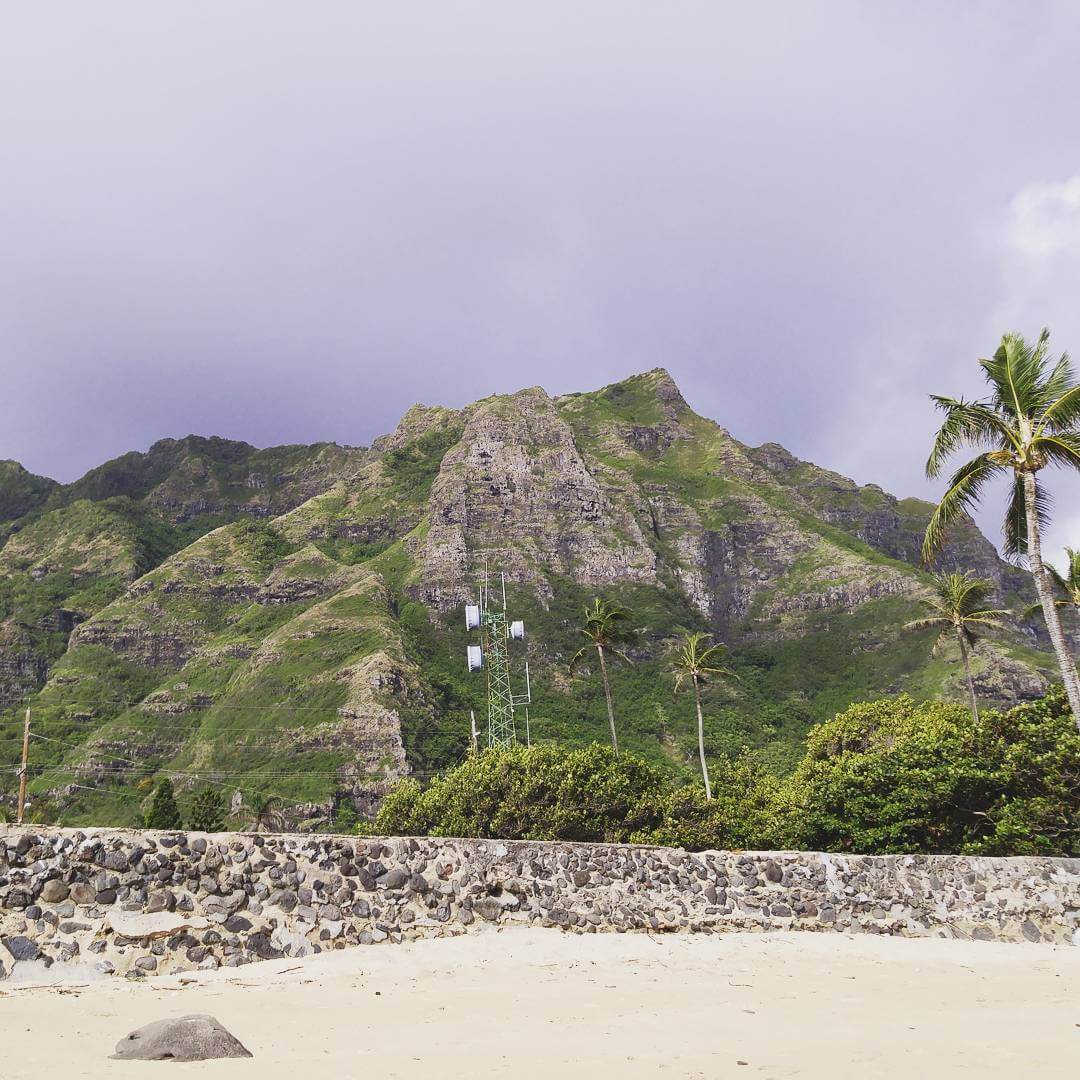
Your entry sets the tone for a Hawaiian landscaping experience. Trade straight, suburban walkways for sinuous paths made from lava stone or coral pavers that invite a slower, island pace. Curve the route to reveal plant vignettes progressively—ti (kī) for color, hapu‘u or bird’s nest ferns for texture, and scented anchors like plumeria or pikake near the door. Edge with black cinder mulch to make foliage pop and suppress weeds, then soften hard lines with low mounding groundcovers such as ʻākulikuli (sea purslane) or dwarf mondo grass. Layer height deliberately: knee-high foliage at the path edge, shoulder-high leaves a step back, and palms or hala for an overhead canopy. Finish with warm, low-voltage path lights or subtle tiki torches that glow like sunset. This welcoming composition blends native and Polynesian-introduced plants, celebrates lava rock texture, and creates a resort-style first impression that feels authentically island yet easy to maintain.
Layer a Palm Canopy for Instant Island Shade
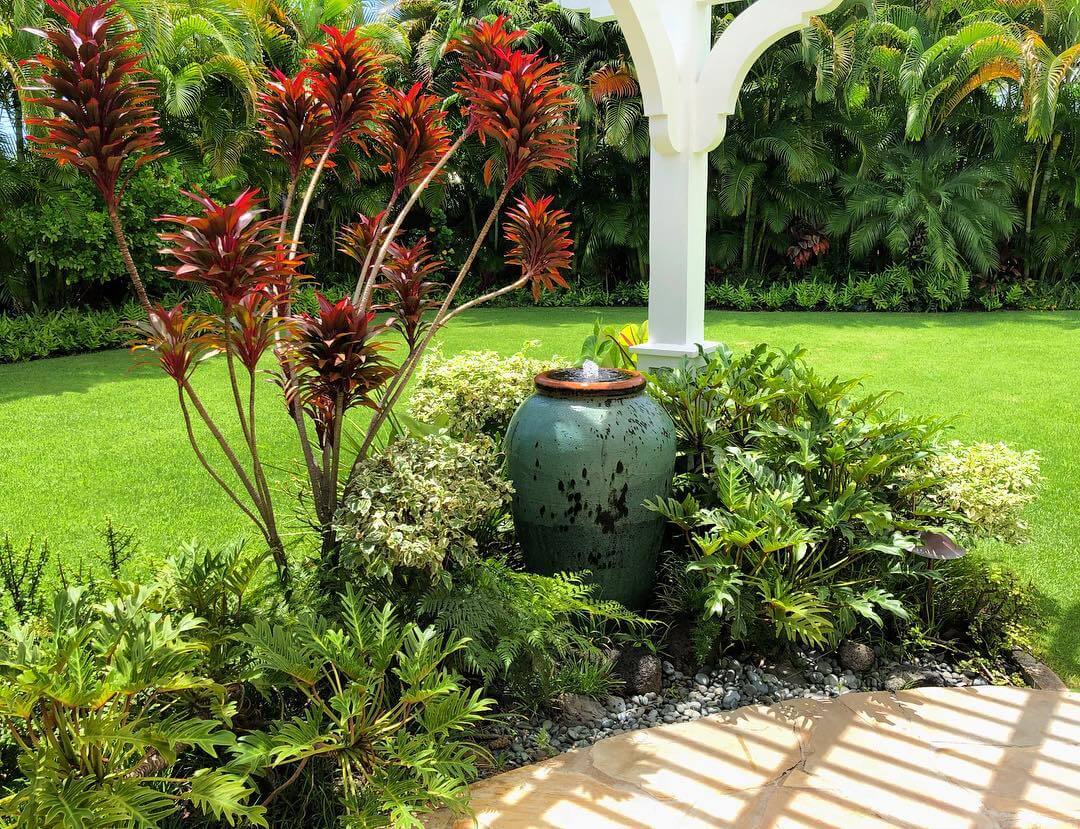
For that unmistakable tropical silhouette, build a multi-tiered palm story. Start with a native loulu (Pritchardia spp.) or a sculptural coconut palm where space and climate allow, then interplant medium layers like spindle or triangle palms, and finish with understory accents—pygmy date or areca for feathery movement. Palms channel tradewinds, filter light onto glossy leaves below, and create dappled shade that reduces irrigation needs. Use staggered spacing so fronds don’t compete, and underplant with shade-loving philodendron, calathea, and bromeliads to complete the jungle-like understory. In windy or exposed sites, mix in hala (Pandanus tectorius) or clumping, noninvasive bamboo for windbreaks and privacy. Mulch generously with black cinder or chipped green waste to retain moisture and mimic volcanic soils. The result is a layered canopy that stabilizes microclimate, frames views, and delivers that instant “aloha” feeling every time you step outside.
Bold Foliage Borders: Color, Contrast, and Movement
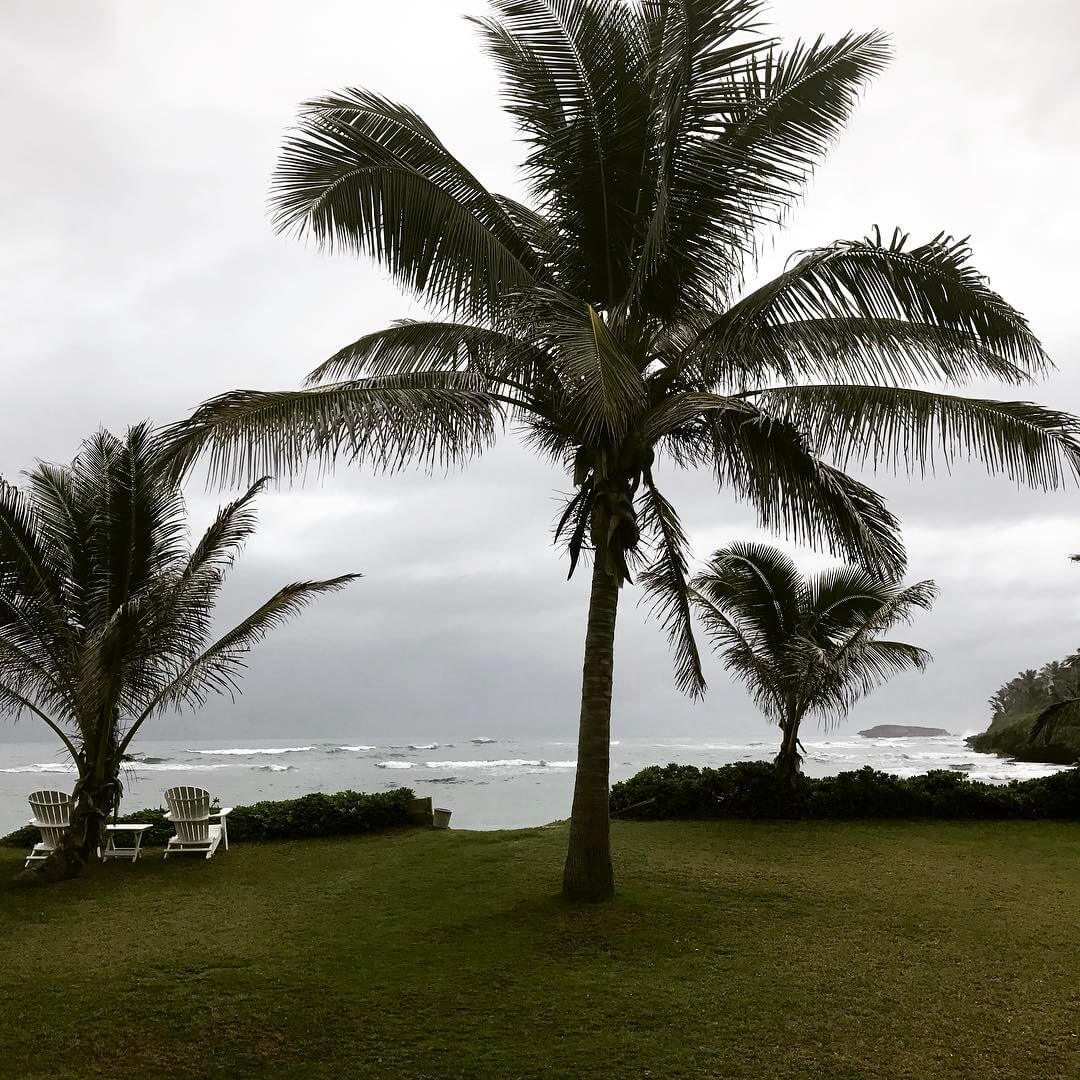
Hawaiian landscaping thrives on drama—think oversized leaves, saturated color, and rhythmic repetition. Craft borders that rely on foliage first, flowers second: ti for ruby or chartreuse spikes, monstera for split-leaf architecture, elephant ear (kalo/Colocasia) for lush, heart-shaped drama, and bromeliads to splice in neon rosettes. Weave croton or hibiscus to punctuate with warm hues and seasonal bloom. Repeat plant groupings in odd numbers down a bed to keep the eye moving; vary leaf shape (strappy, broad, lacy) and finish with a unifying mulch—black cinder or lava fines—for high contrast. Keep taller textures toward the back or curve them around seating to create an enveloping feel. A balanced soil rich in organic matter helps these tropicals thrive; feed lightly, prune for shape, and thin older leaves to showcase new color. The net effect is a modern tropical border that photographs beautifully yet reads cohesive and calm in real life.
Living Water: Basalt Fountains and Lava-Rock Streams
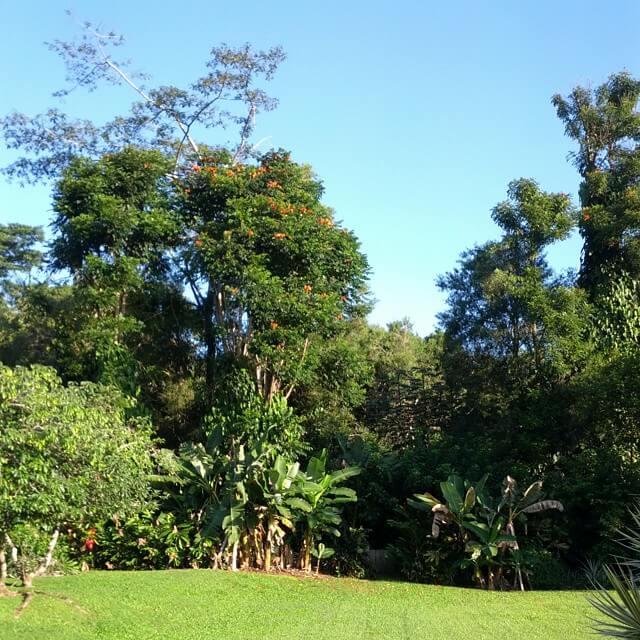
Water brings motion, reflection, and that soft soundtrack every island garden craves. A simple basalt column fountain or lava-rock rill can transform a courtyard into a tropical retreat while conserving water via a recirculating pump. Set the feature slightly off-center to feel organic, then nestle it in planting: taro around shallow edges, dwarf papyrus for vertical punctuation, and canna or heliconia for lush backdrop. Choose river stones or black lava gravel in the basin to hide mechanics and echo volcanic textures. Keep water moving to deter mosquitoes and consider a skimmer for leaves—no koi required. At night, add submersible warm LEDs to make ripples dance, and scent the air nearby with gardenia or night-blooming jasmine. The combination of natural stone, gentle sound, and layered foliage converts any corner into a micro-resort while supporting beneficial insects and birds that frequent fresh water.
Get the Fail-Safe Paint Color Playbook (Free PDF)
36 proven colors • 8 ready palettes • trim & sheen guide • printable testing cards.
Coastal Vibes: Salt-Tolerant Natives and Coral Stone
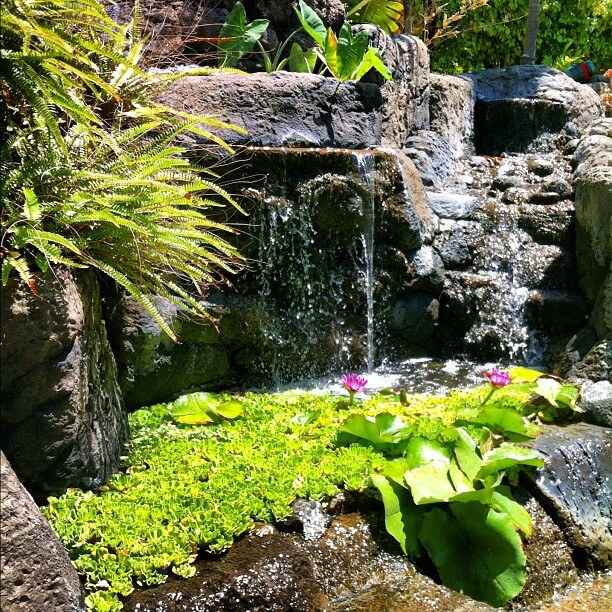
Channel the shoreline without importing beach sand. Build a permeable, beach-toned hardscape using coral stone or pale gravel, then plant a coastal palette that loves wind and salt: naupaka kahakai for the iconic half-flower look, ʻāweoweo and pohinahina for silver foliage, ʻakiʻaki grass to stitch slopes, and ʻākulikuli to carpet sunny edges. These natives are drought-aware, stabilize soil, and deliver authentic island character. Accent with driftwood or reclaimed ohia posts (responsibly sourced) and a low, backless bench to keep views open. Keep the palette light and airy—creamy pavers, silvery leaves, and pops of hibiscus—so the space reads breezy and bright. This coastal-inspired composition is ideal for front yards near the ocean or anywhere you want that sandy, barefoot mood while honoring the ʻāina with resilient, habitat-supporting plants.
Lanai Container Jungle: Moveable Color and Texture
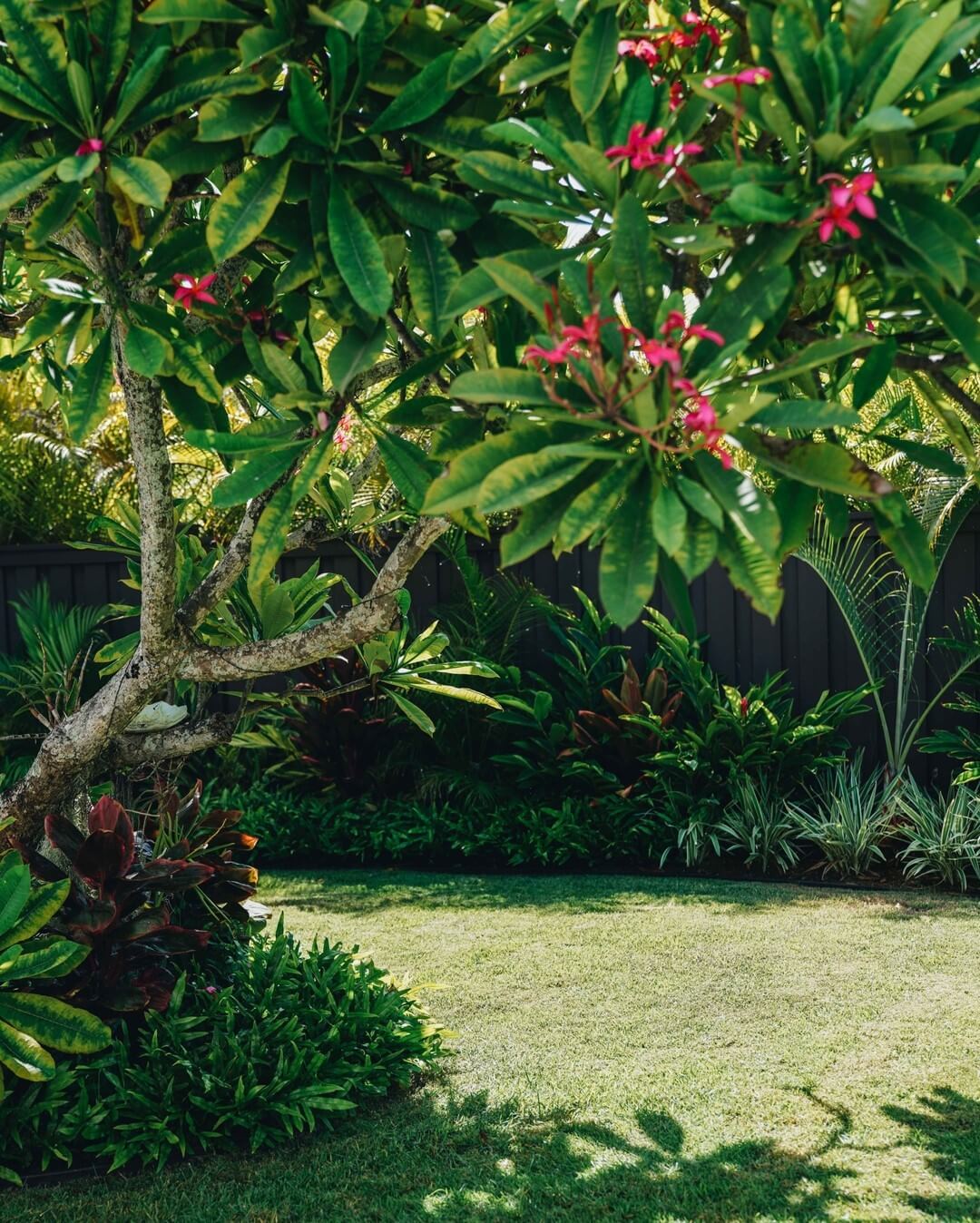
If you’re working with a patio or lanai, containers are your best tropical design tool. Cluster large, glazed pots and rustic lava-stone planters in odd numbers, mixing heights to create instant layers. Try a “thriller, filler, spiller” combo: a bird of paradise or dwarf plumeria as the vertical star; ti, caladium, or croton as mid-level color; and trailing ʻākulikuli, variegated pothos, or foxtail fern to soften edges. Slip in edibles—lemongrass, Hawaiian chili pepper, and basil—so the lanai doubles as a kitchen garden. Use a well-draining tropical mix amended with black cinder for airflow, and put irrigation on a single drip line with adjustable emitters. Group pots so leaves overlap to raise humidity and cut watering. Finish with a woven rug, rattan seating, and warm string lights for a resort-lounge mood. The container jungle offers seasonal flexibility: rotate blooms, refresh color, and evolve your island style without a shovel.
Edible Island Grove: Fruit, Herbs, and Groundcovers
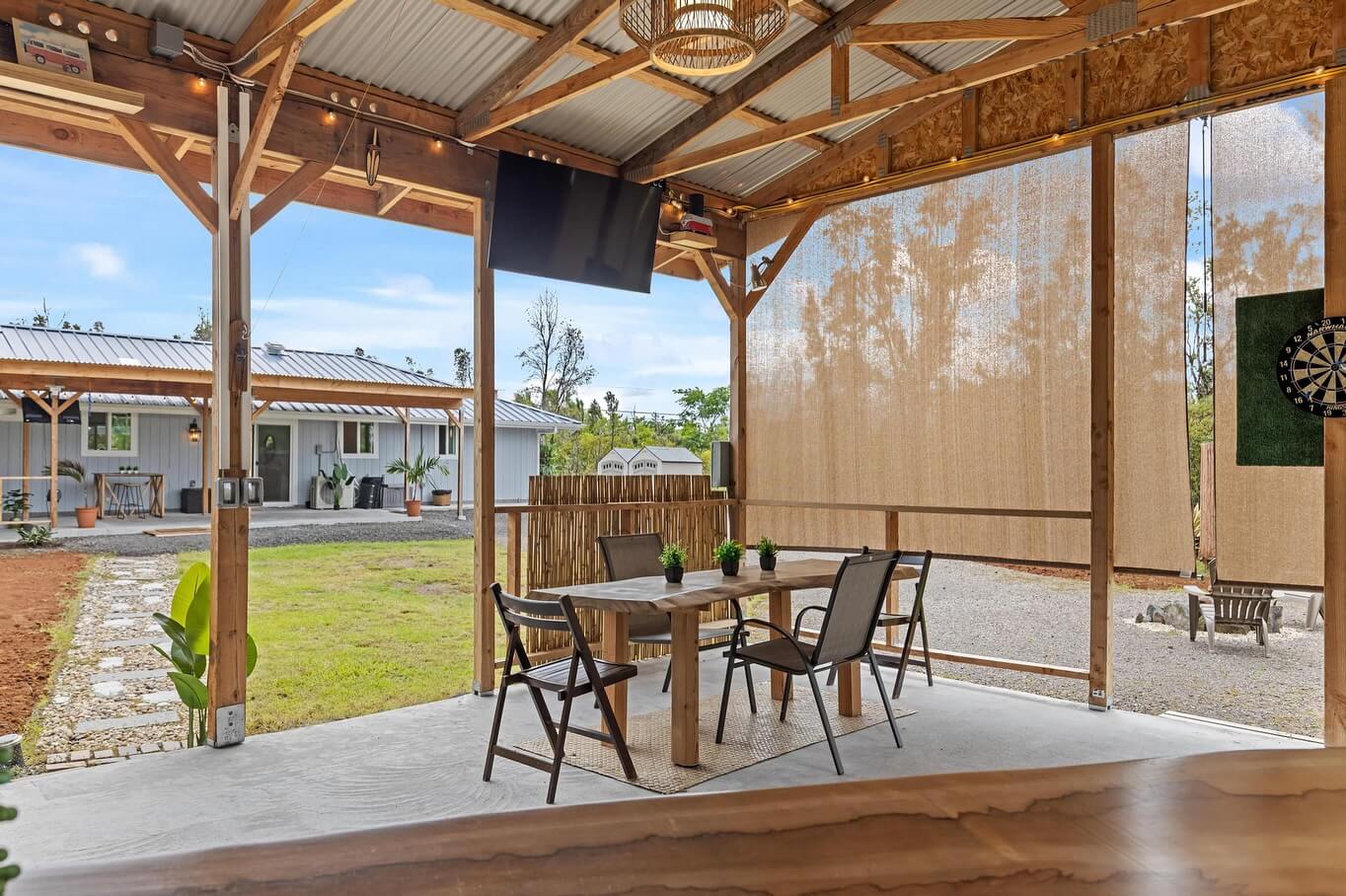
Blend beauty and bounty by tucking an edible grove into your Hawaiian landscape. Start with fast, vertical producers—bananas (maiʻa) and papaya—then add citrus, mango, or starfruit for staggered harvests. Understory plant with ʻuala (sweet potato) as a living mulch, plus kī (ti) for leaf wraps and visual drama. Train lilikoi (passionfruit) on a trellis to create fragrant shade, and edge beds with Hawaiian chili pepper, turmeric, and Okinawan spinach for daily use. Mulch deeply with chipped green waste or cinder to conserve moisture and feed the soil; install a simple drip grid to avoid wet foliage and reduce disease. Keep pathways mulched and slightly raised for clean access after rain. This food-forest approach supports pollinators, reduces grocery miles, and layers the same textures and colors you love in ornamental tropical gardens—only now your oasis feeds you back.
Lava Rock Terraces: Retain, Reveal, and Rewild Slopes
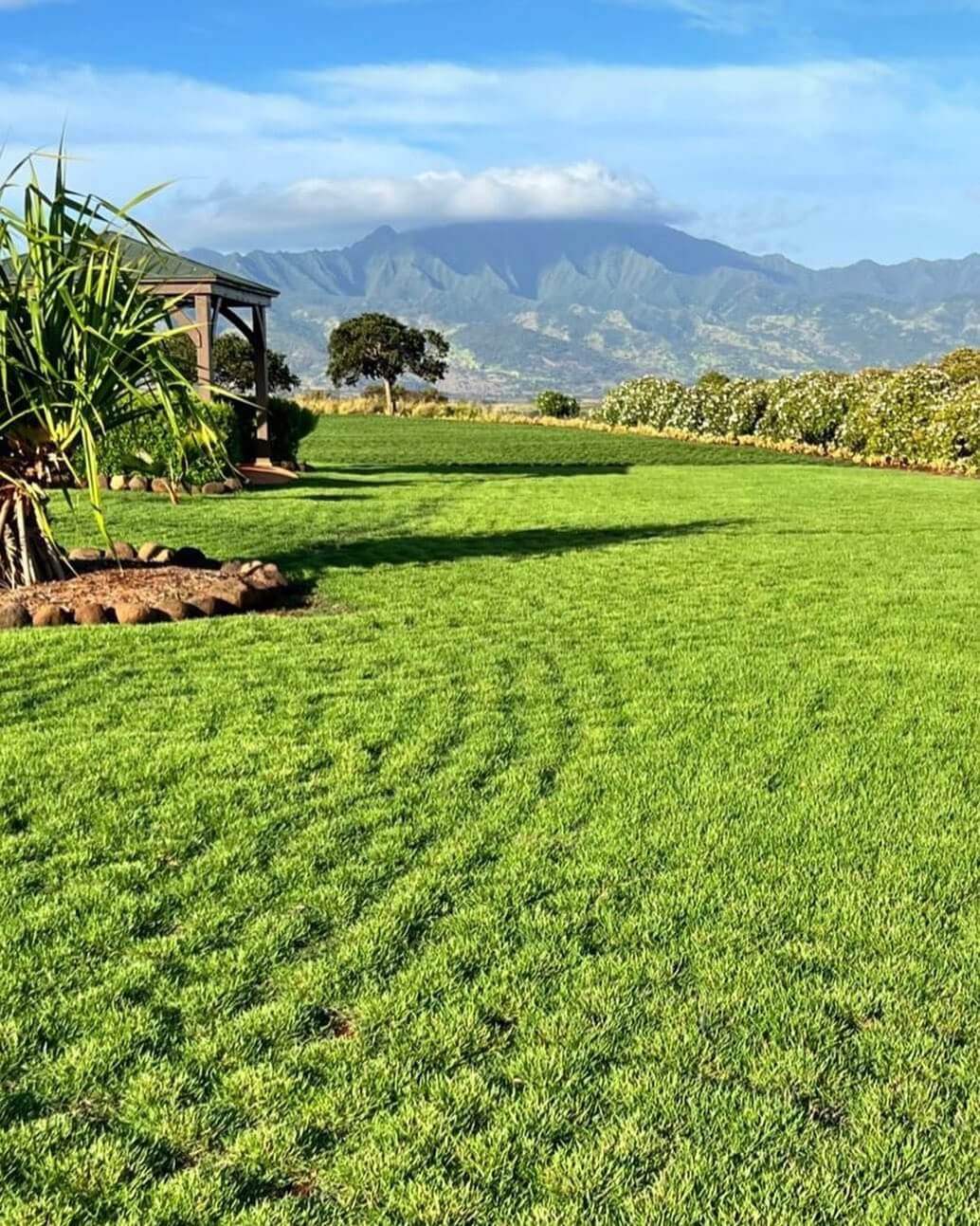
On sloped sites, dry-stack lava rock walls do triple duty: they retain soil, create level planting pockets, and showcase the volcanic character that defines Hawaiian landscaping. Step the grade in 18–24 inch lifts, batter walls slightly backward for strength, and backfill with well-draining soil amended with compost and cinder. Plant crevices with natives and tough coastal allies—ʻilima for golden blooms, ulei for delicate texture, dwarf naupaka for structure, and sedges to knit edges. Add a meandering stair of broad treads so the terrace feels like a rambling trail, not a staircase. Drip irrigation on separate zones prevents runoff and targets roots; finish with native grasses at the terrace crowns to hold the ridge. As the stone patinas and plants knit in, the terraces read ancient and permanent, transforming a tricky slope into a biodiverse, resort-worthy hillside.
Sunset Lighting: Uplight Palms, Warm the Walks
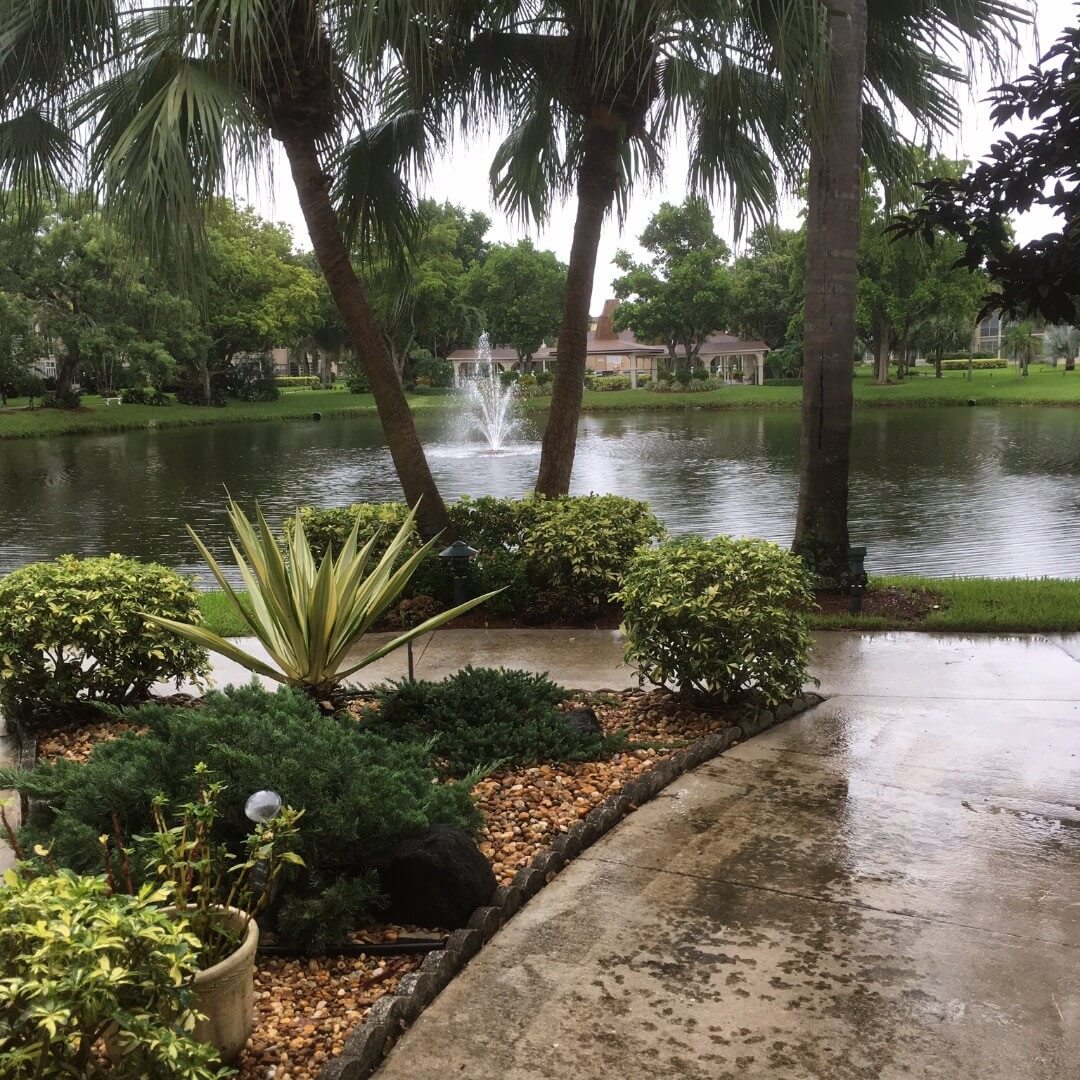
The right lighting turns a tropical garden into an evening sanctuary. Uplight a few key palms to sculpt fronds against the night sky, graze lava walls to reveal texture, and run low, shielded path lights at knee height for safe, romantic walks. Choose warm (2700–3000K) LEDs to mimic firelight and protect night skies; in coastal areas, consider amber tones to be wildlife-friendly. Tiki torches add instant island drama—use them sparingly as accents near seating or along an entry run. Hide tiny downlights in trees for “moonlight” that pools softly on foliage. Put everything on smart transformers and zones so you can dim for dining, brighten for parties, or shut off sections to save energy. When glow meets greenery, your Hawaiian landscaping carries its resort feel long after the sun slips into the Pacific.
Rain Gardens and Smart Irrigation for the ʻĀina
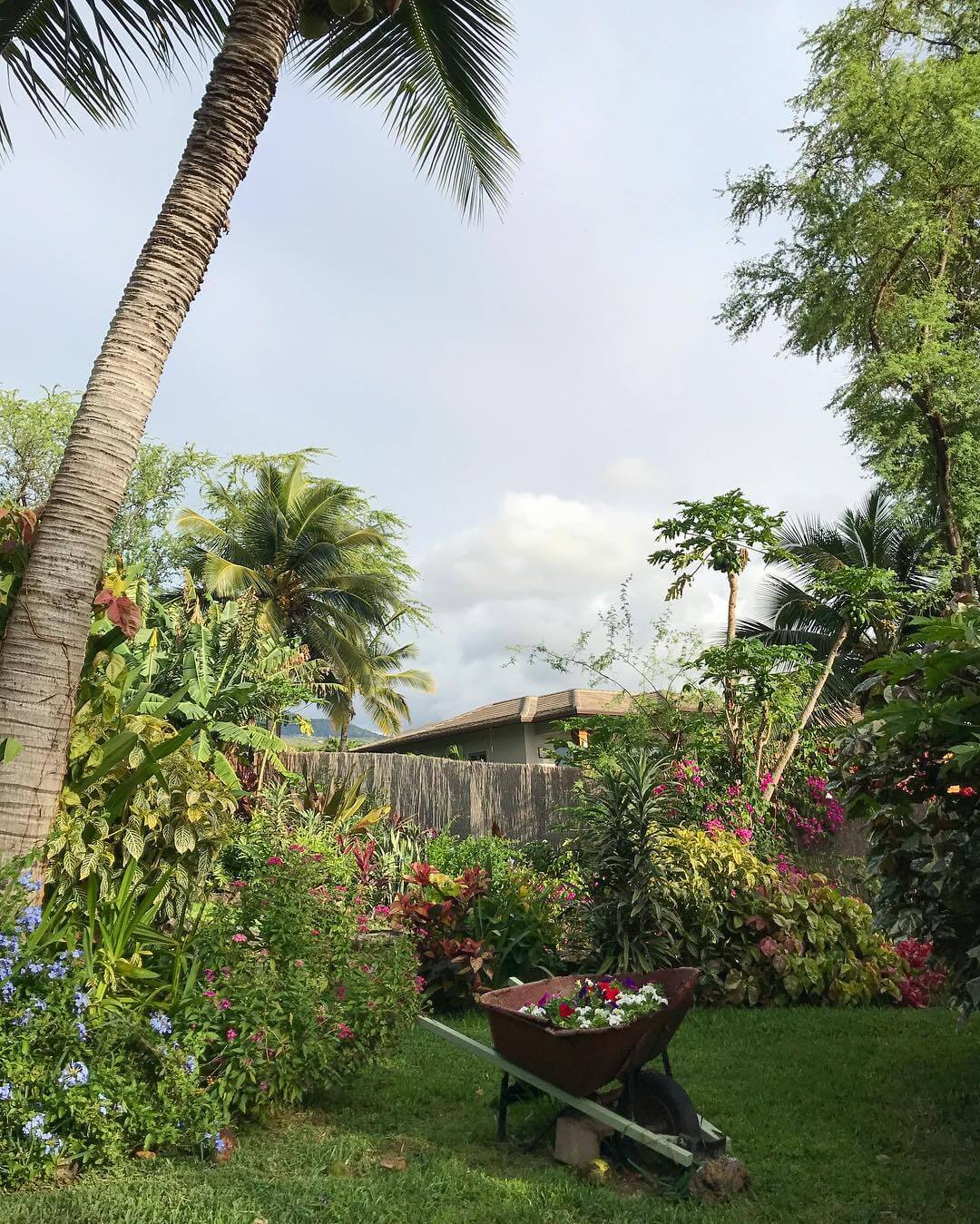
Close the loop with water-wise design. Capture roof runoff into a shallow rain garden planted with natives that handle pulses of moisture—ʻukiʻuki for strappy leaves and purple berries, sedges for filtration, and ʻākulikuli at the edges. Downstream, add a bioswale lined with river stone to slow and sink water into the soil, recharging groundwater while protecting hardscapes. Elsewhere, run drip irrigation with pressure-compensating emitters, group plants by water need, and connect to a smart controller that adjusts for rainfall and wind. Topdress beds with 2–3 inches of cinder or mulch to cut evaporation and keep roots cool. This hydrologic backbone saves time and resources while keeping your tropical oasis lush. It’s the final, essential layer that makes Hawaiian landscaping both beautiful and responsible—delivering that resort feel in a climate-savvy, pollinator-supporting way.
Get the Fail-Safe Paint Color Playbook (Free PDF)
36 proven colors • 8 ready palettes • trim & sheen guide • printable testing cards.
ʻŌhiʻa Lehua Grove with Native Understory for True Sense of Place
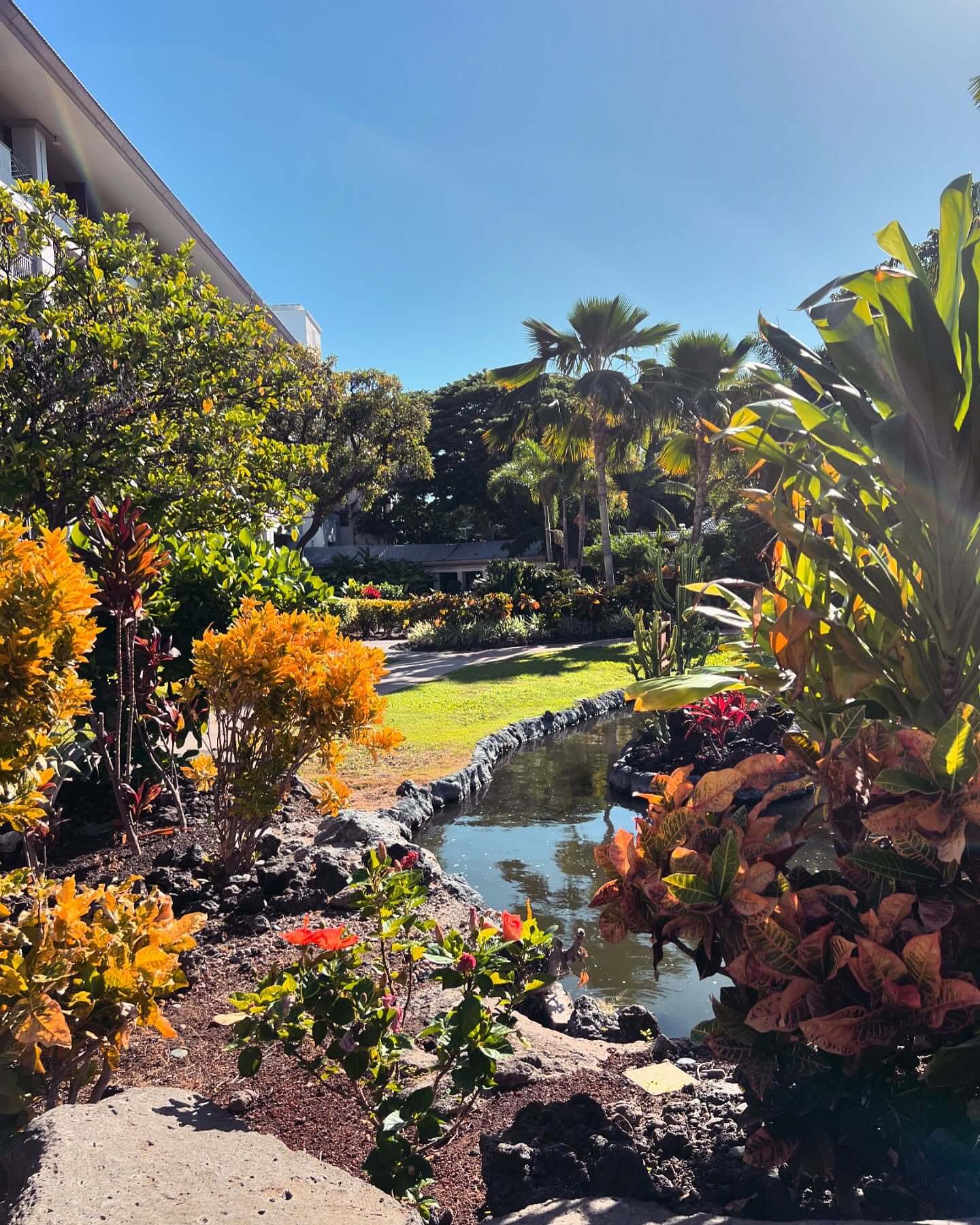
If your microclimate supports it, anchor the garden with an ʻōʻhiʻa lehua canopy (Metrosideros polymorpha) and a native understory to ground your design in Hawaiʻi’s ecology and culture. Beneath the sculptural trunks, layer palapalai fern (Microlepia strigosa), hāpuʻu tree fern (ethically sourced Cibotium spp.), maile (Alyxia oliviformis) for fragrance, and ‘ākia (Wikstroemia) for a tidy, wildlife‑friendly shrub. Cinder mulch mirrors volcanic soils, improves drainage, and visually ties into lava rock accents used elsewhere in the landscape. Keep irrigation low and deep once plants are established to encourage resilience. Source disease‑free stock and follow local guidance to prevent the spread of Rapid ʻŌhiʻa Death; in unsuitable zones, swap in kokiʻo (native hibiscus), kukui, or hala for canopy and structure. This place‑based plant palette instantly reads “Hawaiian,” supports native pollinators and birds, and offers year‑round texture without fussy maintenance. The result: a layered, living backdrop that makes every path, perch, and water feature feel like it belongs to the ‘āina.
Scented Lei Garden: Pikake, Puakenikeni, and Plumeria Paths
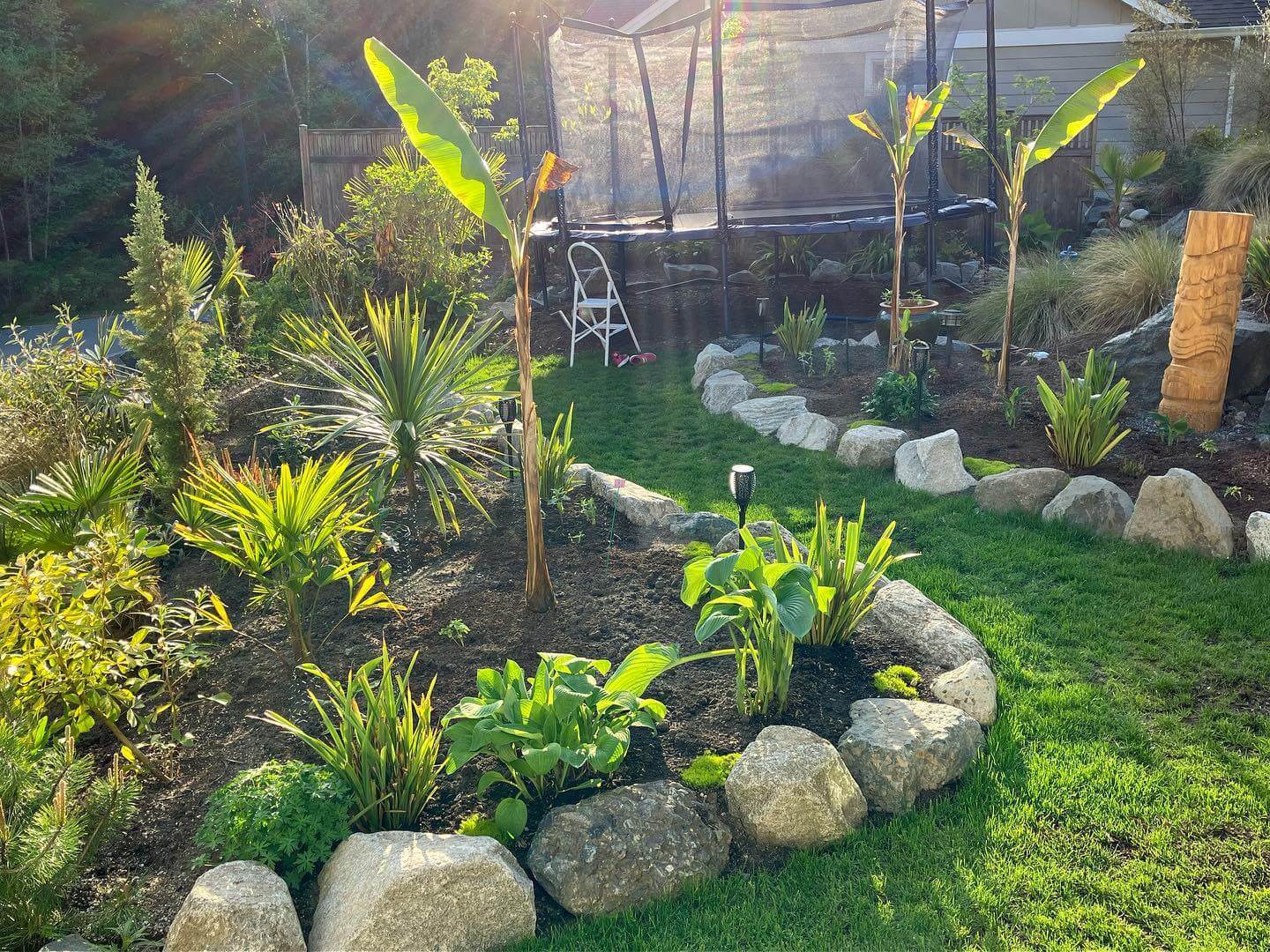
Bring resort‑style romance to your entry or lanai with a lei garden that perfumes the trade winds. Combine pikake (Jasminum sambac), puakenikeni (Fagraea berteroana), plumeria, and Tahitian gardenia (Gardenia taitensis) along a walkway so fragrance welcomes guests and drifts indoors through open windows at dusk. Interplant with ti (Cordyline fruticosa) and dwarf heliconia for saturated color that frames blooms and hides lower stems. Keep the canopy open for air flow—fragrant shrubs and vines perform best with good light and light, regular pruning. Use basalt or lava gravel as mulch to warm roots and echo the island palette. Drip irrigation on separate zones reduces mildew and keeps petals pristine; a quick morning rinse with a hose lifts salt and dust in coastal settings. Harvesting blooms for lei becomes part of your weekly rhythm, turning the garden into a living cultural practice. It’s a lush, low‑tech upgrade that blends sensory delight, Hawaiian tradition, and everyday usability.
Tropical Privacy Walls: Clumping Bamboo and Living Hedges
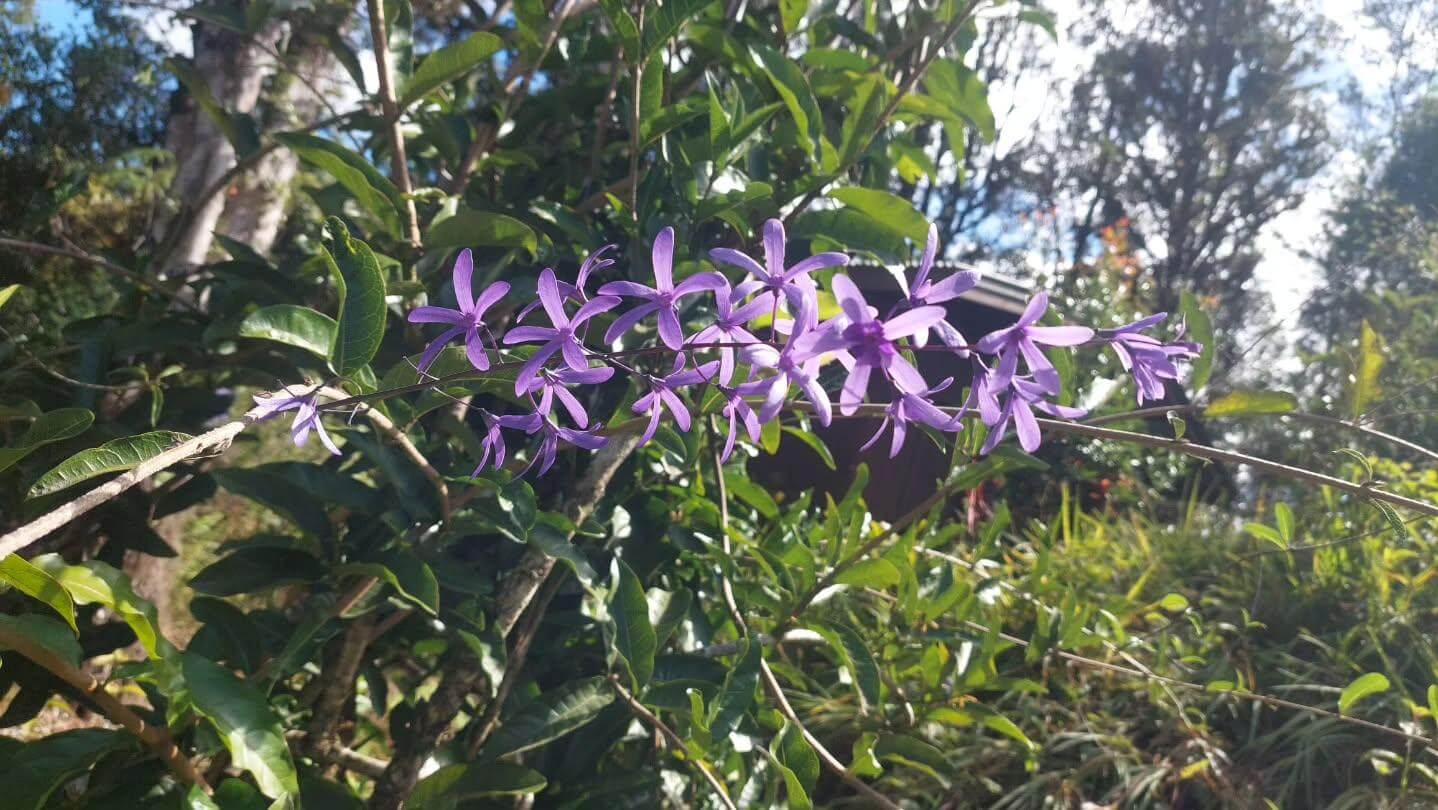
Trade stark fences for green architecture that tames wind, screens neighbors, and softens hardscape. Choose clumping bamboo—Bambusa textilis ‘Gracilis’ or B. oldhamii—for fast, upright privacy without invasive spread; stagger in a zigzag for depth, and set plants at least 3–4 feet from boundaries to allow maintenance access. In tighter lots, build a two‑tier hedge: a backbone of pitch apple (Clusia rosea) or mock orange (Murraya paniculata) with a front ribbon of red ti and native ‘ā‘ali‘i (Dodonaea viscosa) for color, seedpods, and habitat. Break up long runs with basalt pillars or a low lava rock wall to create rhythm and reduce wind tunneling. Mulch with cinder, run drip lines at the root zones, and top‑clip lightly for a tidy, modern edge that still feels wild. The result is a living windbreak that cools the lanai, frames views mauka‑to‑makai, and adds the soft rustle and shade that define Hawaiian landscaping—without sacrificing footprint.
Modern Tropical Hardscape: Basalt Pavers and Wood Slat Screens
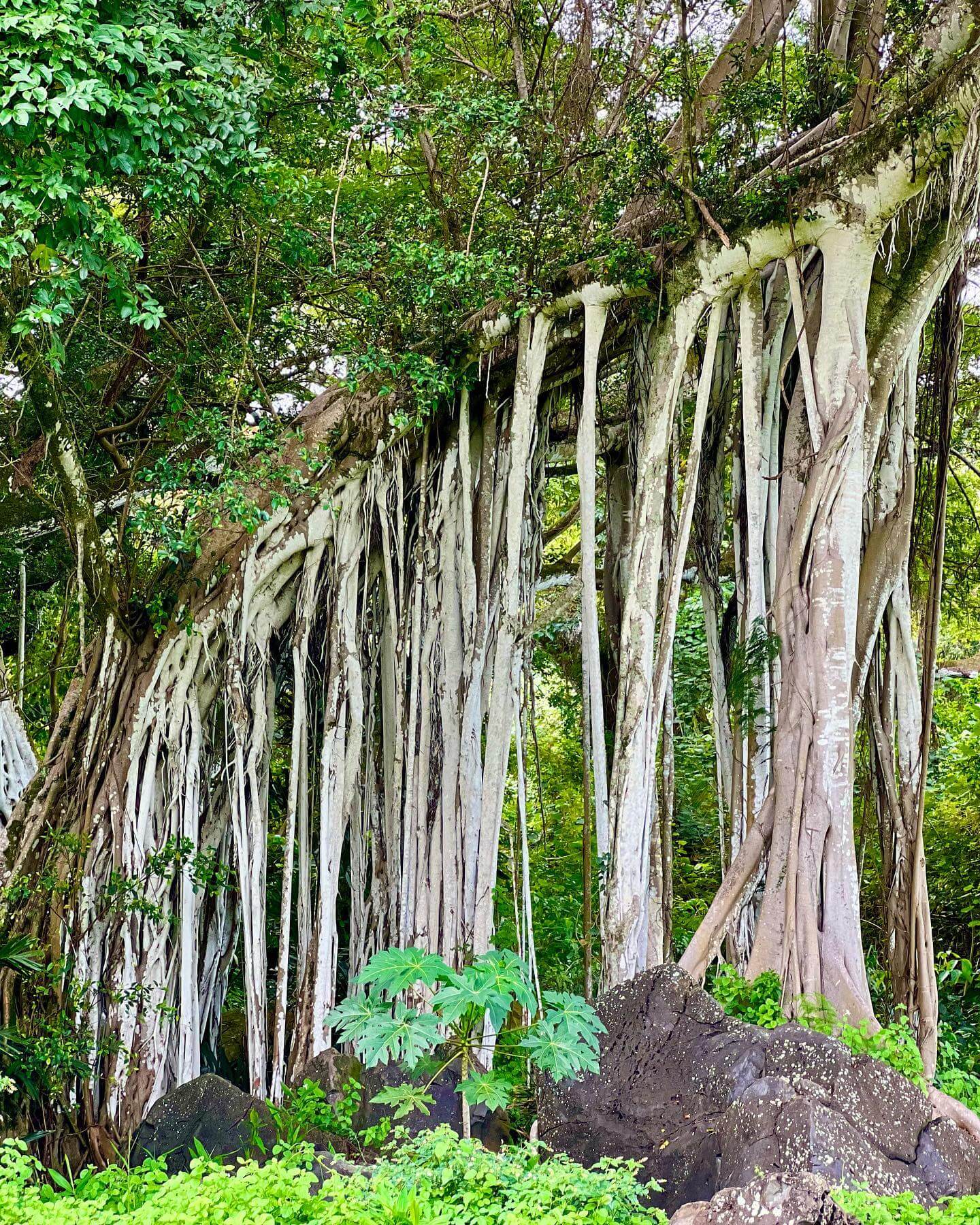
For a contemporary island look, balance lush foliage with crisp lines and honest materials. Lay sawn basalt or charcoal concrete pavers in wide modular bands, floating them in black cinder or beach pebble to drain stormwater and spotlight sculptural plants. Add a warm vertical counterpoint with horizontal wood screens—thermally modified ash or ipe—backed by giant leaves like monstera, philodendron ‘Rojo Congo,’ and Alocasia macrorrhizos for drama. Keep the plant palette restrained and repeated so the architecture leads: three grasses (liriope, dwarf sedge, or muhlenbergia), one bold foliage star per bed, and an accent boulder with pāhoehoe texture to nod to volcanic origins. Low‑glare, 2700K LEDs wash the screens and graze the stone, extending evenings without harshness. This “edited jungle” aesthetic delivers tropical ambiance that’s easy to maintain, drought‑smart, and photo‑ready—perfect for homeowners who want Hawaiian landscaping vibes with a minimalist, high‑design finish.
Outdoor Shower Nook: Bamboo Screens, Ti, and Fern Mist
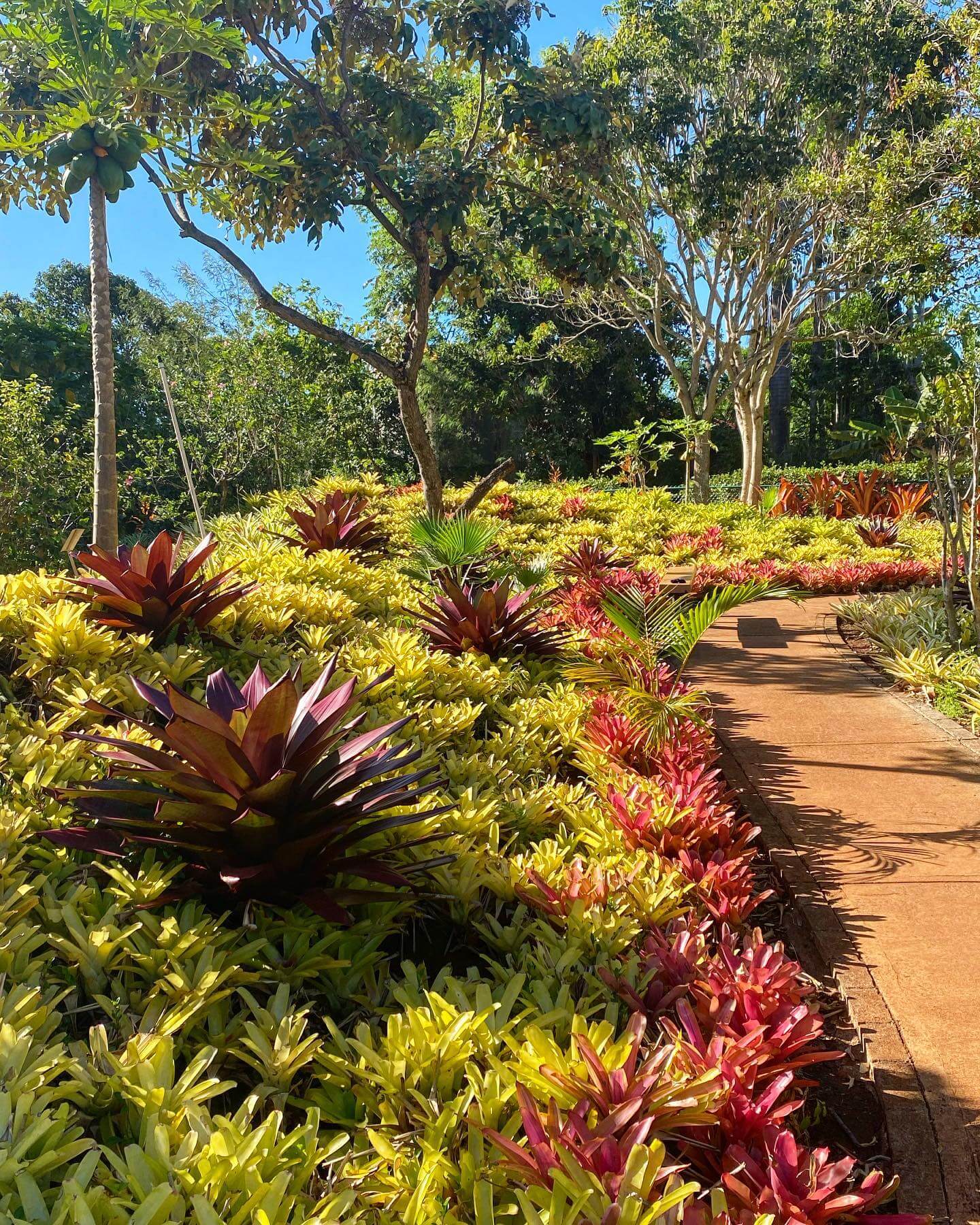
Turn a side yard into a retreat with a tropical outdoor shower framed by living privacy. Screen the space with clumping bamboo or slatted wood, then plant red ti, shell ginger (Alpinia zerumbet), and bird’s‑nest fern (Asplenium nidus) for instant enclosure and spa‑like texture. A simple basalt pad or river‑rock trough handles splash and keeps feet secure; slope for drainage and tie into a dry well or rain garden to recharge soil. Choose marine‑grade fixtures and a teak bench that weathers beautifully in salt air. Morning sun and afternoon shade keep foliage glossy, while a mist line set on a timer raises humidity during dry spells without overwatering. Tuck fragrant pikake near the entrance and a low bowl of smooth stones under the shower for a calming, barefoot massage. It’s a micro‑oasis that extends the lanai lifestyle, blurring indoor and outdoor living in a way that feels authentically Hawaiian.
Native Pollinator Haven: Māmaki, ‘Ilima, and the Kamehameha Butterfly
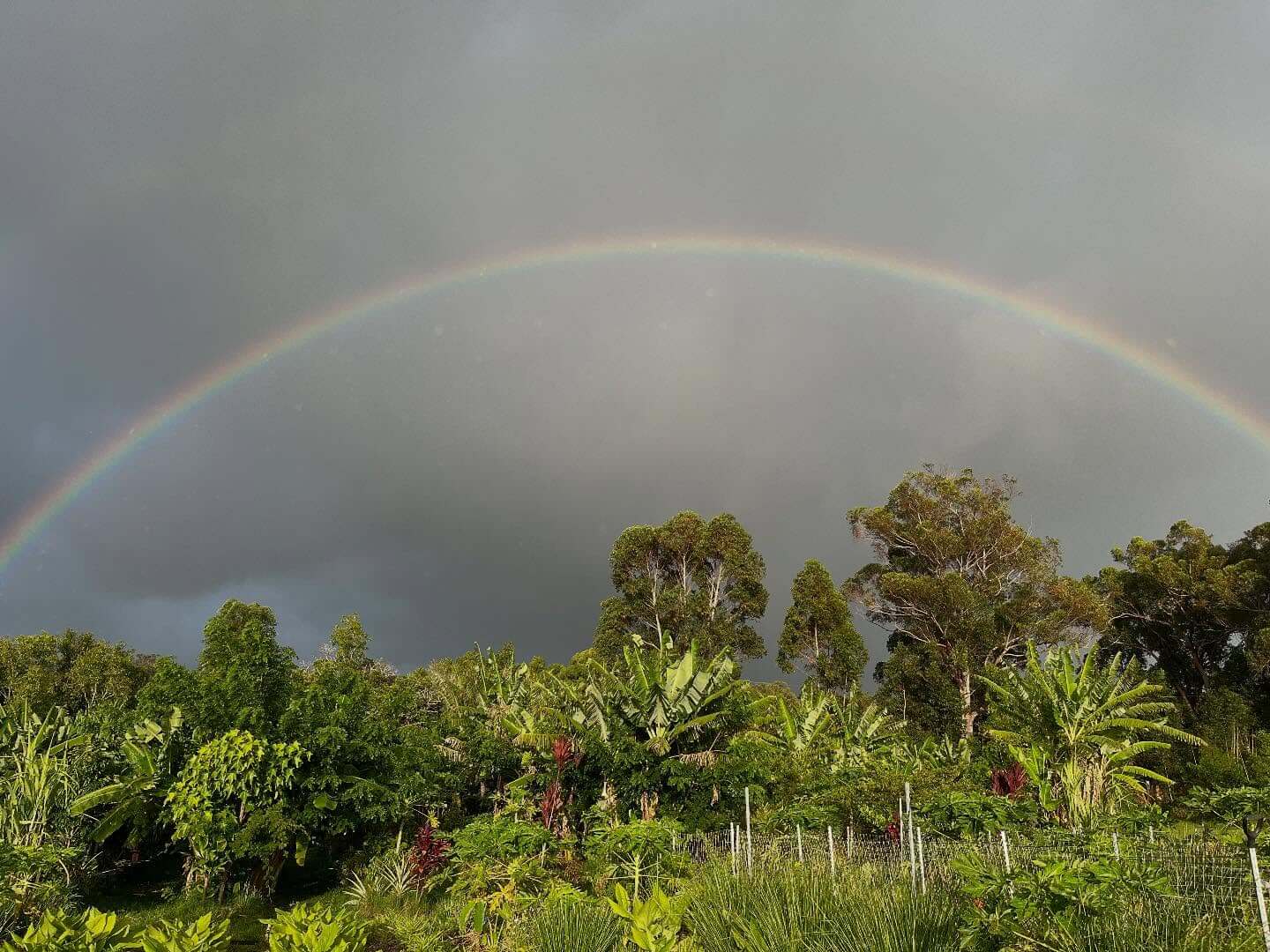
Design for biodiversity by dedicating a bed to native pollinators and birds. Start with māmaki (Pipturus albidus), the host plant for the Kamehameha butterfly, and weave in nectar sources like ‘ilima papa (Sida fallax), ko‘oko‘olau (Bidens), ‘a‘ali‘i (Dodonaea viscosa), and where appropriate, ʻōhiʻa lehua. Keep pesticides out; instead, use compost, mulch, and beneficial habitat (leaf litter, stones, shallow water dishes with landing pebbles). A sunny, wind‑sheltered spot near your rain garden maximizes activity and makes viewing easy from the lanai. Add interpretive touches—a small pāhoehoe boulder or wood marker with plant names—to celebrate place and spark conversation. This is landscaping that gives back: you’ll see more butterflies, honeybees, and native birds, plus enjoy a resilient, low‑input planting that thrives through dry spells. It’s an easy win for the ‘āina that layers beauty, education, and ecological function into your Hawaiian landscaping plan.
Drought‑Smart “Lawn”: Zoysia Ribbons and Native Groundcovers
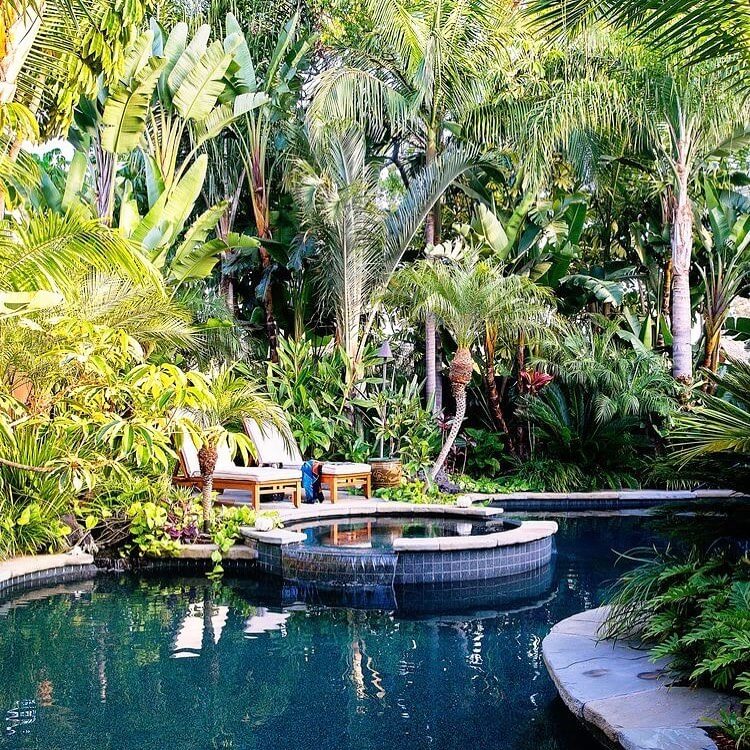
Swap thirsty turf for a mosaic that stays green with a fraction of the water. Use narrow ribbons of Zoysia matrella or seashore paspalum where you truly need soft footing—between pavers, at play zones, or under hammocks—and surround them with native or coastal‑tough groundcovers. Akulikuli (Sesuvium portulacastrum) shines in salty sun, ‘ae‘ae (Bacopa monnieri) loves wetter pockets, and ‘uala (sweet potato) fills edible swales with cheerful vines. Stitch the whole composition together with stepping stones in basalt or coral stone and mulch bands of black cinder for contrast and weed suppression. Set irrigation by hydrozone: minimal for zoysia, occasional deep soaks for groundcovers, and none for hardscape. You’ll cut mowing and water bills while gaining texture, color, and habitat—and the space still reads as a usable, modern yard. This waterwise strategy keeps the tropical vibe without the maintenance drag, a smart evolution of Hawaiian landscaping for today’s climate.
ʻOhana Grill Lanai: Basalt Counters and Kiawe Smoke
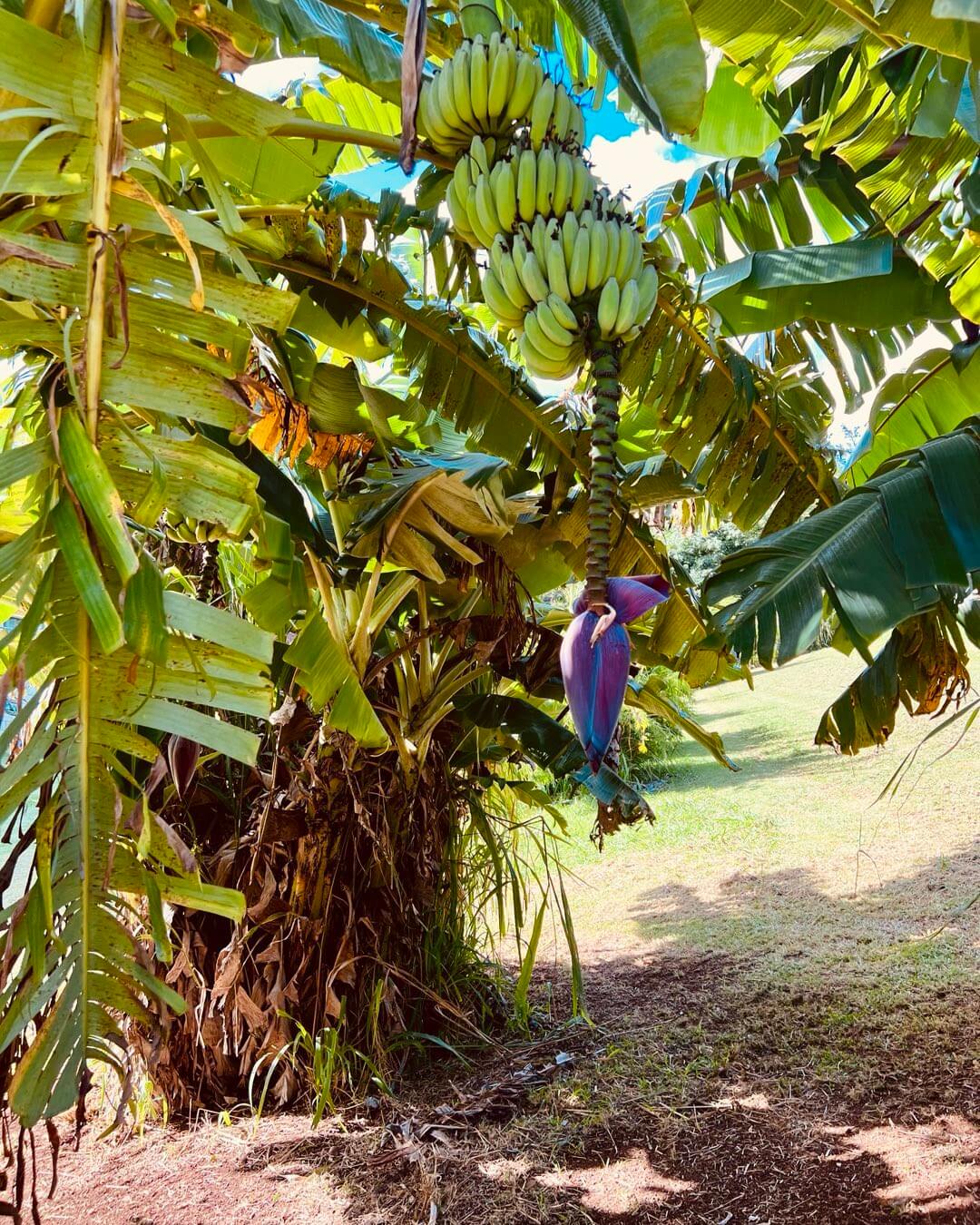
Create a culinary hub that brings people together and flavors the air with island nostalgia. Build a compact outdoor kitchen with split‑face basalt or lava stone cladding, a durable porcelain or concrete counter, and a built‑in grill or kiawe wood box for that signature smoke. Site it leeward of seating to keep fumes away from guests and downwind of the house to protect finishes. Flank the station with edible beds—Hawaiian chili pepper, Thai basil, lemongrass, and dwarf citrus—so garnishes are an arm’s reach away. Add a prep sink, under‑counter storage, and a shade trellis laced with passionfruit for seasonal snacks. Ground the zone in textured cinder or large pavers for easy cleanup, and accent with warm, shielded lighting to extend dinners past sunset. It’s an inviting, practical upgrade that pairs island materials with everyday function—and makes your Hawaiian landscaping not just beautiful, but delicious.
Ocean‑Friendly Mulch and Soil Building: Cinder, Compost, Biochar
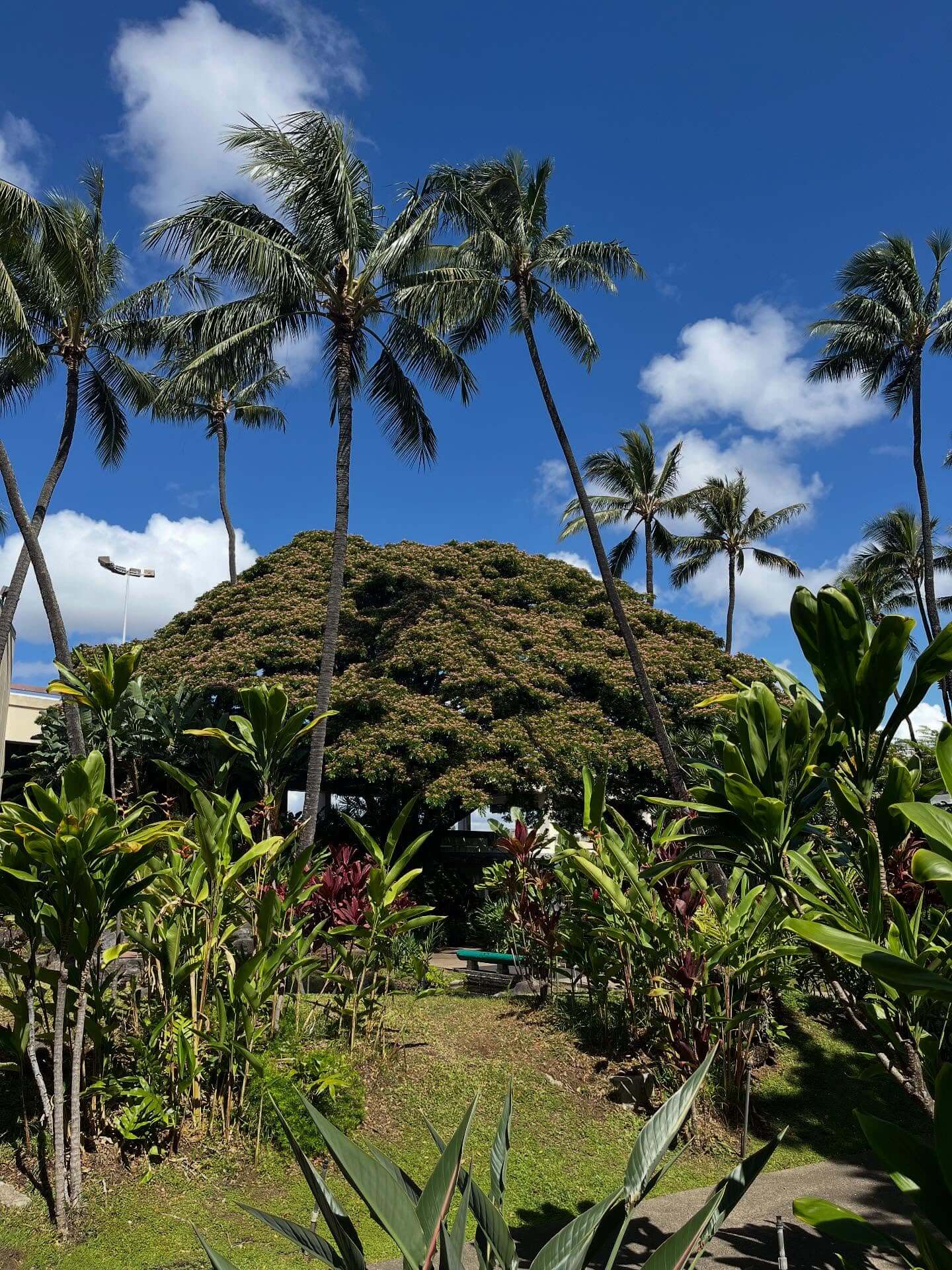
Healthy tropical gardens start below ground. In coastal and volcanic soils, a smart mulch and soil strategy reduces irrigation, buffers salt, and powers plant vigor. Use black or red cinder under palms, gingers, and succulents for drainage and heat retention; switch to chunky green‑waste compost around fruit trees and lei plants to feed microbes and retain moisture. Blend in biochar (charged with compost tea) in sandy beds to hold nutrients and increase water‑holding capacity—especially helpful for windy, sun‑blasted exposures. Keep mulch 2–3 inches deep, pulled back from stems to prevent rot, and refresh annually. Add slow, steady fertility with worm castings in containers and along high‑traffic beds. This ocean‑friendly approach curbs runoff, supports soil life, and makes every drop count—aligning your Hawaiian landscaping with the health of the ‘āina and the reef. The side benefit: darker mulch makes foliage pop and ties the whole palette to the islands’ lava heritage.
Tradewind Lounge Nooks: Hammocks, Hala, and Dappled Shade
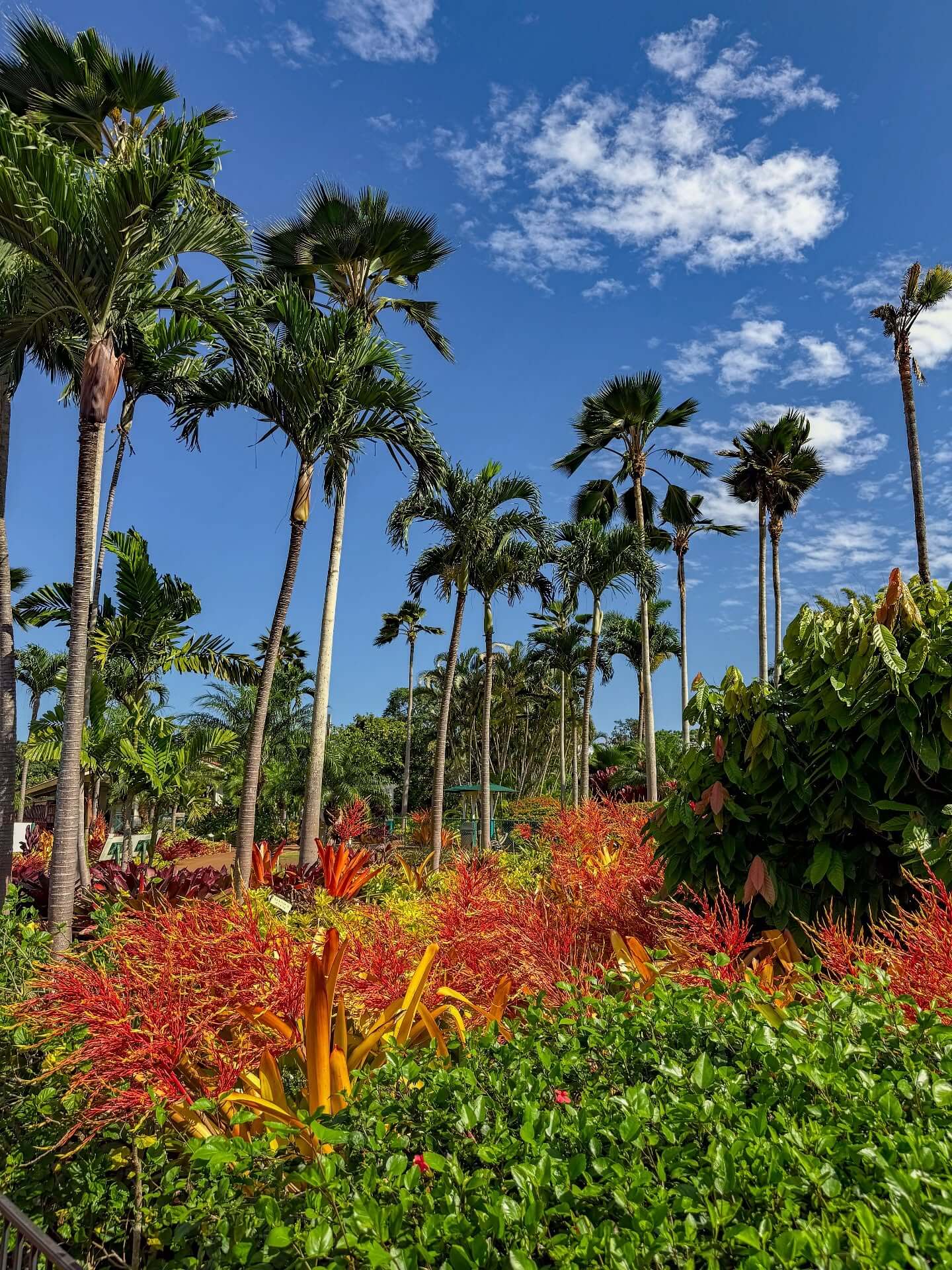
Harness the trades to craft restful microclimates. Map your site’s breezes—typically mauka‑to‑makai from the northeast—then tuck lounge nooks where air moves but doesn’t howl. Plant hala (Pandanus tectorius) and kukui upwind as a porous wind filter, with naupaka kahakai or clusia as lower baffles. Instead of tying hammocks to palms (which can damage trunks), set dedicated posts in concrete footings, underlaid with cinder and beach pebble for drainage and barefoot comfort. Layer low seating with teak or ipe platforms, scatter outdoor cushions in mildew‑resistant fabrics, and edge with ‘ilima and dwarf ti for sunny color. At night, add low, amber path lights and a single down‑light for reading without glare. This considered mix of plants, structure, and airflow turns leftover corners into everyday retreats—and reinforces the relaxed, breeze‑cooled spirit at the heart of Hawaiian landscaping.
Hawaiian Hardscaping Ideas for Outdoor Living and Water-Wise Design
Hardscape frames the garden’s mood, so choose materials that handle sun, salt, and rain while echoing island geology. Permeable pavers, lava gravel, and open joints reduce runoff and recharge soils during downpours. Curved basalt paths feel natural underfoot, guiding guests between lanais, grills, and outdoor showers shielded from trade winds. Use composite or sealed hardwoods for humid decks, and specify anti-slip finishes near pools or misty wind corridors. Low-voltage, warm LEDs extend evenings without glare, protecting night skies and wildlife. Anchor spaces with sitting boulders, low walls, or benches that double as planters, softening edges with cascading natives.
Get the Fail-Safe Paint Color Playbook (Free PDF)
36 proven colors • 8 ready palettes • trim & sheen guide • printable testing cards.
Hardscape Elements to Anchor Your Hawaiian Garden:
- Permeable lava cinder paths curve around beds, absorbing cloudbursts, cooling roots, and lending authentic texture while keeping maintenance low in coastal conditions with frequent spray and glare.
- Basalt stepping stones, set irregularly with groundcovers between joints, create a relaxed rhythm and excellent drainage, preventing puddles during squalls and easing transitions between planting zones.
- A cedar pergola with lauhala mat shade filters intense sun, aligns to trade winds, and frames dining areas, allowing climbing fragrance while keeping furniture cooler and colors vibrant.
- Dry-stacked lava retaining walls terrace slopes, add pockets for ferns and succulents, and drain freely, preventing hydrostatic pressure during flash rains and minimizing long-term structural maintenance.
- A basalt bubbler or rain chain feeds a small basin and adjacent rain garden, slowing roof runoff, polishing water through native sedges, and attracting birds without high-evaporation ponds.
- Outdoor showers on textured stone pavers with privacy screens and salt-tolerant hedges rinse beach sand quickly, protect interiors, and celebrate the climate without slippery grout lines.
- Composite decking for lanais resists humidity, termites, and salt air, staying splinter-free under bare feet; integrate hidden fasteners and expansion gaps to manage tropical temperature swings.
- Warm 2700–3000K LED path lights with shielded optics outline curves, reduce harsh contrasts on dark lava, and improve safety without blinding neighbors or confusing night-flying wildlife.
- Porcelain shellstone-look pavers deliver coral aesthetics without quarrying, stay cooler under sun, and resist staining from red soils, sunscreen, and plumeria sap on entertaining terraces.
- Drip irrigation header lines tucked along hardscape edges simplify maintenance, reduce overspray on stone, and zone plants accurately, cutting water bills while keeping foliage lush through dry spells.
- A propane fire bowl with ceramic media and a wind guard adds evening ambiance, avoids ember risk in breezes, and leaves surfaces cleaner than wood-burning pits near lanais.
- Partially buried lava boulders form casual seating and play perches, stabilizing visually and structurally while blending seamlessly with planting, lighting accents, and stepping sequences.
Keep hardscape beautiful by sweeping debris before tropical algae sets, and pressure-rinsing gently to preserve joint sand and permeability. Reseal pavers or decking as manufacturer schedules recommend, prioritizing anti-slip finishes around water. Top-up joint aggregates after heavy storms so infiltration rates remain high and weeds stay low. Coordinate edge heights with mulch thickness to prevent drift onto paths, especially around cindery substrates. Verify setbacks, drainage, and shoreline regulations before building lanais or walls, especially in flood or tsunami zones. Whenever possible, source locally and responsibly to reduce transport impacts while staying true to authentic island character.
Straight Answers for Thriving Tropical Yards
Which plants handle wind and salt best near the coast?
Choose sturdy natives like ʻAʻaliʻi, Pohināhinā, ʻIlima papa, and Naio, which evolved for spray, glare, and lean soils. Keep canopies low, stake young plants, and mulch generously to moderate heat.
Get the Fail-Safe Paint Color Playbook (Free PDF)
36 proven colors • 8 ready palettes • trim & sheen guide • printable testing cards.
How do I prevent lava rock and dark pavers from overheating my garden?
Balance dark textures with silver or light groundcovers, pale aggregate, and strategic shade from pergolas or palms. Deep organic mulch around roots and ample soil volume further buffers thermal swings.
Are lawns practical within Hawaiian Landscaping Ideas?
Traditional lawns demand water and mowing; consider smaller lawn pads with seashore paspalum where necessary. Elsewhere, swap to native groundcovers, permeable courtyards, or meadow-style plantings for beauty and efficiency.
How can I keep a lush look while staying drought-smart?
Group plants by water needs, run efficient drip, and mulch to conserve moisture. Choose glossy, thick-leaved species, add afternoon shade structures, and prioritize deep, infrequent watering to build resilience.
Final Verdict: Crafting Your Island Oasis with Purpose
A Hawaiian-inspired landscape thrives on thoughtful layers—welcoming lava rock paths that guide the eye, a cooling palm canopy above, and bold foliage borders that dance with color and texture. Blend sculptural hardscape like basalt pavers, coral stone, and lava rock terraces with living elements: an ʻŌhiʻa lehua grove, understory natives, salt‑tolerant coastal species, and a container‑rich lanai that can flex with the seasons. Weave in water—basalt fountains or a lava‑rock stream—for sound and movement, then frame intimate moments with clumping bamboo privacy walls, hammock‑ready hala shade, and an outdoor shower tucked among ti and ferns.
Implementation is where magic meets method. Read your site’s sun, wind, and soils; build healthy ground with compost, cinder, and biochar; and manage water with rain gardens and smart irrigation. Choose drought‑smart “lawn” ribbons, pollinator plants like māmaki and ‘ilima, and fragrant anchors—pikake, puakenikeni, plumeria—to enliven evenings with warm, subtle lighting. Phase projects to match budget and maintenance bandwidth, starting with structure (paths, canopy, terraces) and finishing with seasonal color. When every space respects the ‘āina and invites your ʻohana to gather—at the grill lanai, by the fountain, under dappled trade winds—you’ve created a true tropical oasis that feels and functions like home.