
Brilliant Home Ceiling Lights Ideas to Instantly Transform Every Room
The right ceiling lights don’t just brighten a space—they shape it. From the first impression in your entryway to cozy bedroom ambience and kitchen task zones, ceiling lighting can elevate mood, define function, and bring architectural interest to every corner of your home.
In this guide, you’ll find ideas for every style, ceiling height, and room: sleek flush mounts for low ceilings, sculptural chandeliers for drama, linear pendants over islands, and recessed lighting for a clean, modern look. We’ll layer ambient, task, and accent lighting, with smart dimmers and energy‑saving LEDs to fine‑tune brightness and color temperature.
Get the Fail-Safe Paint Color Playbook (Free PDF)
36 proven colors • 8 ready palettes • trim & sheen guide • printable testing cards.
Whether you lean modern, farmhouse, or mid‑century, you’ll discover budget‑friendly upgrades, rental‑safe swaps, and statement pieces that turn ceilings into centerpieces. Get ready to refresh your home with ceiling light ideas that are stylish, practical, and perfectly tailored to how you live.
Layered Home Ceiling Lights Ideas for Living Rooms and Open-Plan Spaces
Layered lighting is the backbone of inviting living rooms, blending ambient, task, and accent sources for balanced brightness and character. Start with a gentle ambient wash from a flush or semi‑flush ceiling fixture sized to the room’s proportions. Augment with recessed cans or surface-mounted rounds to fill corners and reduce harsh contrast on faces. Aim for 2700K–3000K warmth and CRI 90+ so skin tones and textiles look flattering, not flat. Add dimmers on separate zones to dial light for movie night, reading, or entertaining without moving furniture. Choose diffused shades or lensing to cut glare from glossy coffee tables and TV screens.
In open‑plan spaces, carve visual zones from the ceiling down. Over the seating area, a scaled chandelier or drum fixture defines the hub without overwhelming sightlines. Use the width‑sum rule—add room length and width in feet to estimate chandelier diameter in inches—then adjust for open pathways. Over dining, a linear fixture parallel to the table ensures even plate illumination while keeping edges shadow‑free. Complement with track heads or adjustable recessed to highlight bookcases and art nooks, creating depth. Keep finishes cohesive—brushed brass with matte black or nickel with opal glass—to connect fixtures across zones.
- Anchor the room with a dimmable semi-flush centerpiece, then add perimeter recessed lights to soften shadows, improve TV glare control, and keep sightlines clean in low ceilings.
- Float a linear chandelier above the coffee table, centered on seating, and pair it with wall washers to lift drapery texture and artwork without hot spots or harsh contrast.
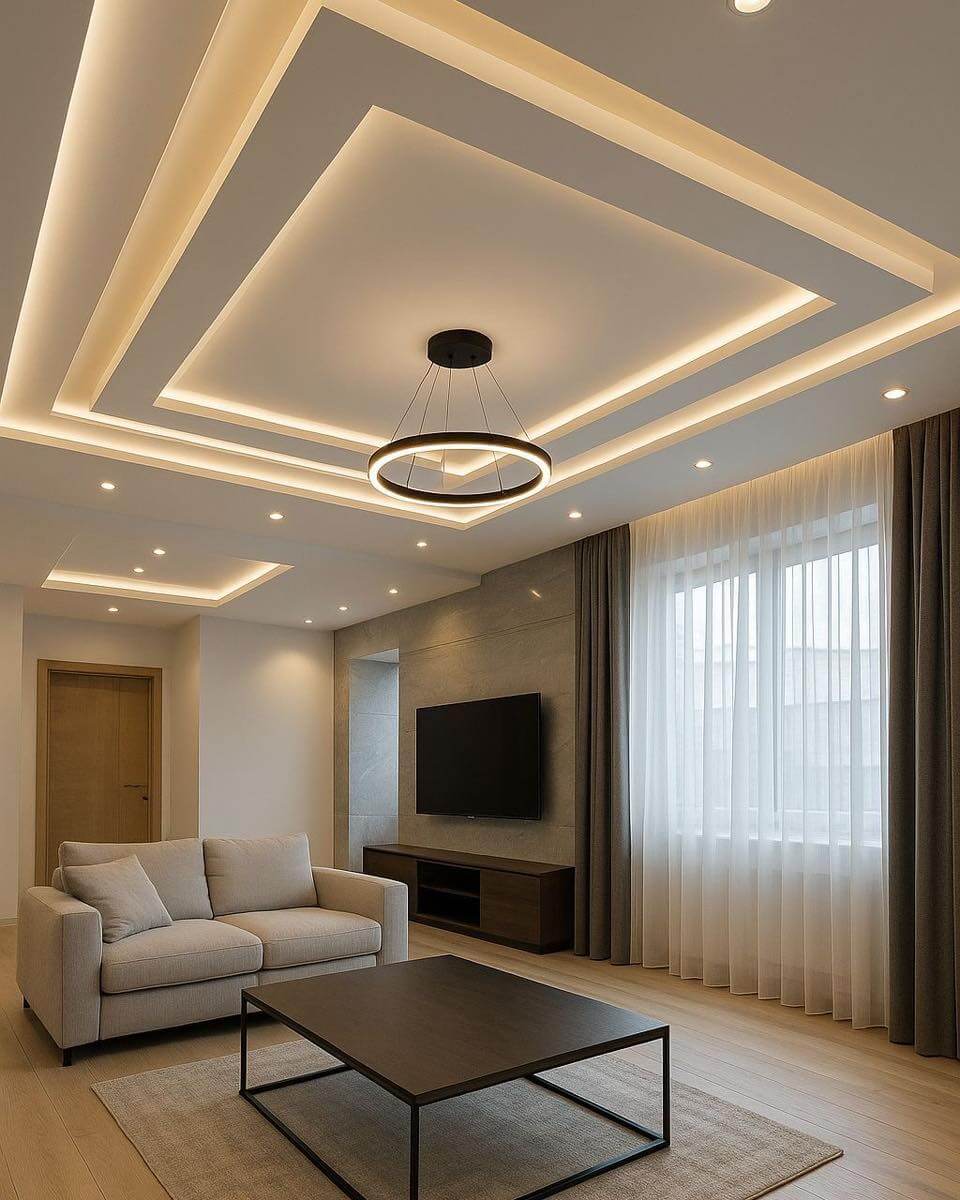
- Use cove or crown-integrated LED strips for gentle ceiling glow, setting them on a separate dimmer to frame architecture and subtly raise perceived ceiling height during evening gatherings.
- Define traffic paths with small-can recessed downlights spaced five to six feet, aimed slightly off-center to avoid glare while guiding movement between seating, dining, and outdoor doors.
Control elevates design, so specify dim-to-warm or high-quality LEDs with smooth low-end performance. Target about 10–20 foot-candles overall for conversation, with brighter pools at 30–40 foot-candles for reading chairs. If ceilings are low, semi-flush drums with shallow profiles preserve headroom while spreading light broadly. For lofty ceilings, hang fixtures lower to compress scale, and supplement with uplight for a pleasing glow. Quiet drivers and good optical diffusion prevent flicker and sparkle, keeping eyes comfortable over long evenings. Tie scenes to smart assistants for one-tap transitions from daylight hosting to cozy nightcap ambiance.
Make an Entrance with a Sculptural Foyer Chandelier
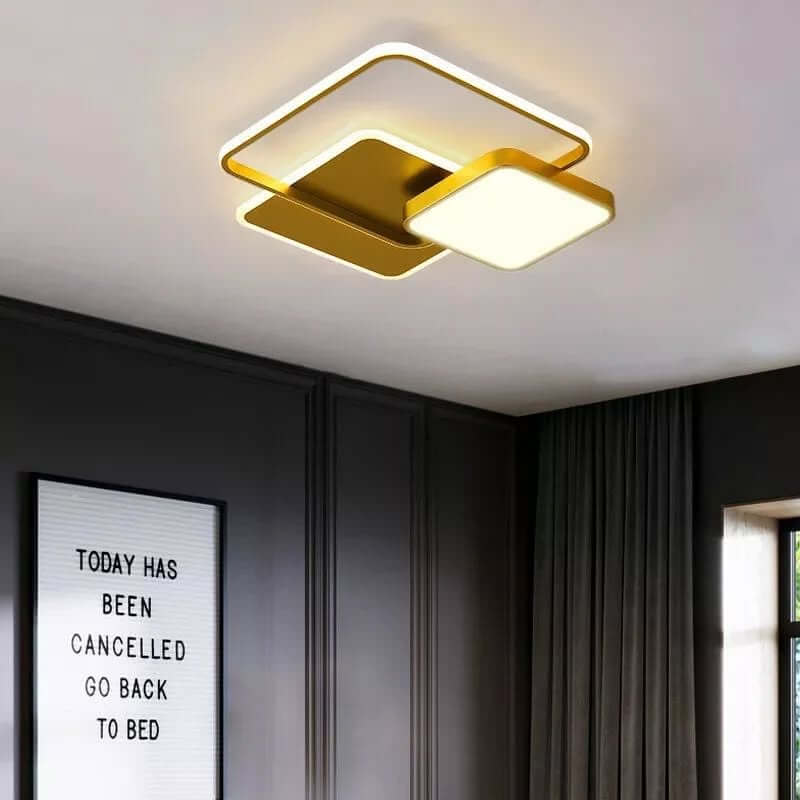
Your ceiling lights set the tone the second guests step inside. A sculptural foyer chandelier instantly adds architecture, throwing patterned light that makes millwork, stair rails, and console styling feel intentional. Size it right: add your entry’s length and width (in feet) to get an ideal chandelier diameter in inches. Keep at least 7 feet of clearance beneath; in two-story foyers, align the fixture near the second-floor railing for balanced sightlines. Finish matters—black or aged brass gives modern polish, while glass or linen softens shadows. Choose dimmable LEDs at 2700–3000K for a welcoming glow, and aim for CRI 90+ so natural wood tones and paint colors read true. If your foyer is long, pair the statement piece with small recessed downlights or a matching flush mount at the far end to pull the eye through. A smart dimmer by the door lets you bump brightness for package runs and drop to candlelit ambiance for evenings. The result is a purposeful, layered entry that feels both bright and beautifully edited.
Layered Living Room Lighting with Semi-Flush Fixtures
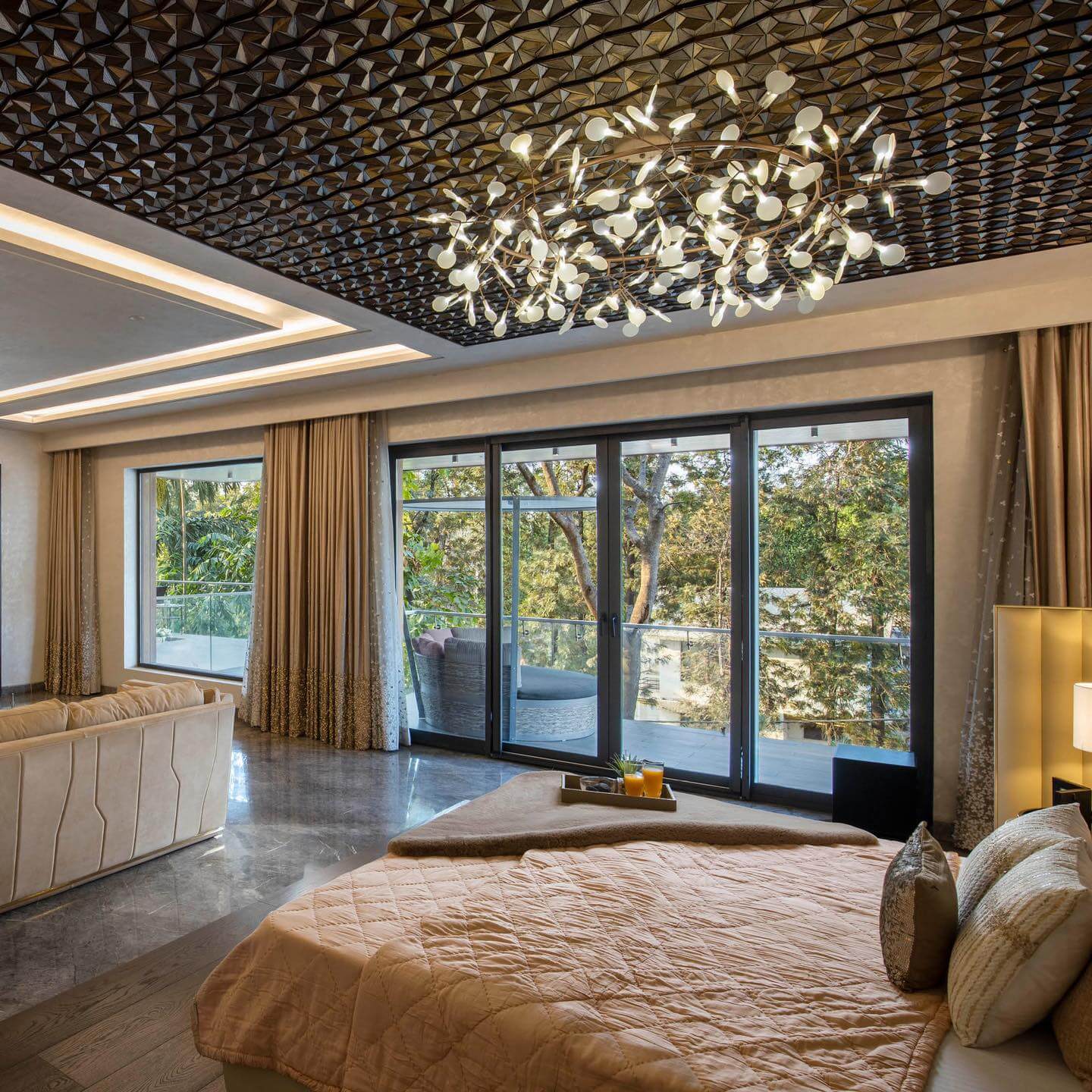
In living rooms, the best ceiling lighting feels effortless: bright enough for cleaning and game night, but soft and glare-free for streaming and conversation. A semi-flush ceiling light delivers ambient wash while keeping visual height—perfect for 8–9 foot ceilings. Choose a diffuser that hides hotspots and a diameter that’s roughly one-quarter to one-third the room’s smallest dimension. Then layer task and accent: picture lights for art, a floor lamp beside the sofa, and two wall washers aimed at drapery to expand the space. Use about 20 lumens per square foot for ambient, supplemented by lamps so you’re not over-relying on overheads. A warm 2700–3000K maintains cozy tone; if your palette skews cool and contemporary, 3000–3500K reads crisp without going clinical. Consider a ceiling medallion to anchor traditional rooms or a slim, drum silhouette for modern minimalism. Tie it together with a smart dimmer and scene presets—“Movie,” “Read,” and “Host”—so your living room lighting flexes from everyday to elevated without a dozen switches.
Slim Linear Pendants for the Kitchen Island
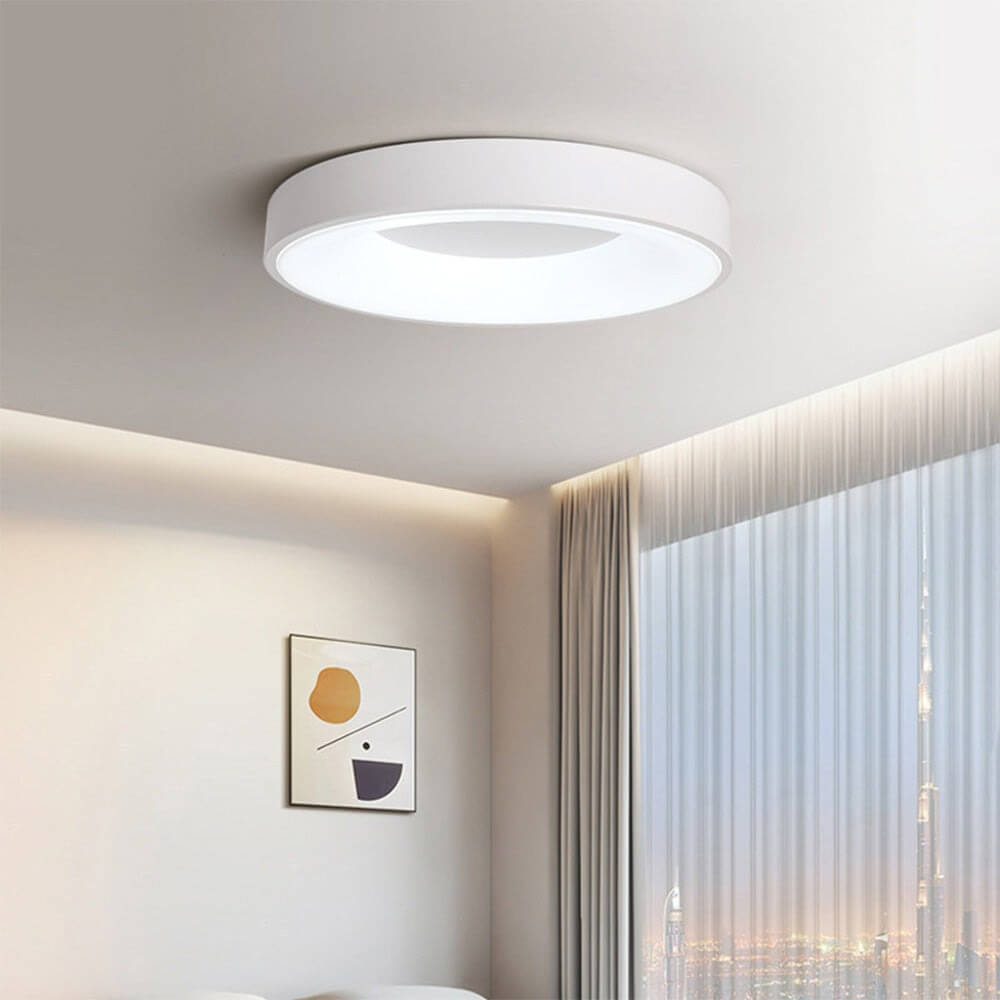
The island is your kitchen’s command center, so its ceiling lights should balance task precision with flattering ambient glow. Slim linear pendants or a minimalist bar fixture spread light evenly across prep zones, preventing scallops and shadowy corners. If using multiples, hang two or three pendants 24–30 inches apart and 30–36 inches above the countertop; for one linear bar, target two-thirds the island length for harmonious proportions. Choose 3000–3500K for color-accurate chopping and baking, and prioritize fixtures with glare control (baffles, prismatic lenses, or opal diffusers). Target 50 lumens per square foot over the island, with under-cabinet lighting to eliminate hand shadows at the perimeter. Tie pendants to a separate dimmer from recessed cans so you can dial up brightness for cooking and dim to dining-level warmth when the island becomes a serving station. Matte black or burnished brass punctuates shaker kitchens; brushed nickel or white-on-white disappears for a seamless, contemporary look. The right island pendants make everyday meals feel editorial—and the cleanup shine, too.
Dimmable Dining Room Chandelier for Mood and Meals
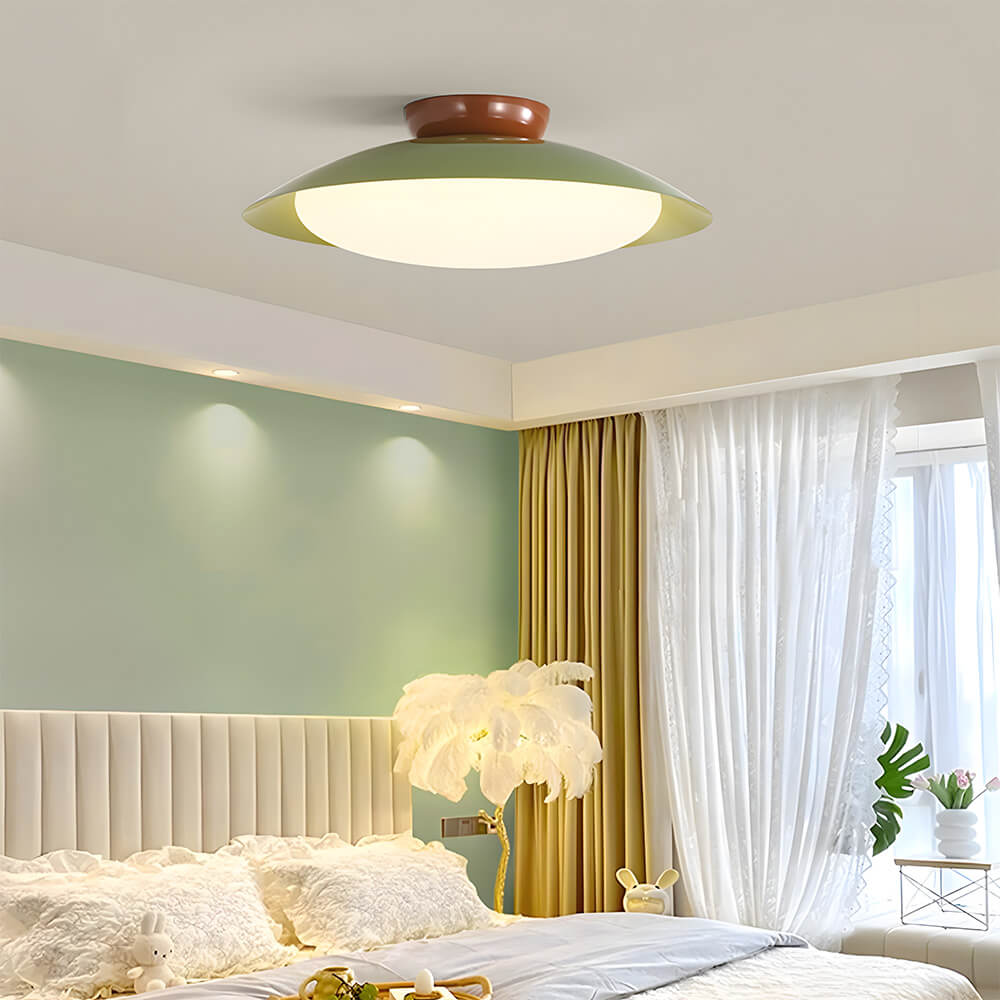
A dining chandelier is both jewelry and workhorse—setting scene and serving light that flatters faces and food. Start with scale: a fixture 1/2 to 2/3 the width of your table keeps proportions right. Hang it 30–36 inches above the tabletop for 8–9 foot ceilings, adding 3 inches for every extra foot of ceiling height. Opt for dimmable LED bulbs at 2700K for warm, candle-like color; clear glass shades sparkle, while fabric shades soften shadows and minimize glare. If your table is long, consider a linear chandelier or a pair of smaller pendants spaced evenly. Supplement with two recessed downlights aimed at the table ends to prevent the “bright center, dark corners” effect. For drama without dazzle, look for fixtures with layered tiers or mixed materials—wood and metal, linen and brass—so the chandelier reads as décor even when off. Program a “Dinner” scene around 20–30% output for intimate meals and a “Homework/Host” scene at 70% for cards, crafts, or casual gatherings.
Low-Profile Bedroom Flush Mounts that Still Feel Luxe
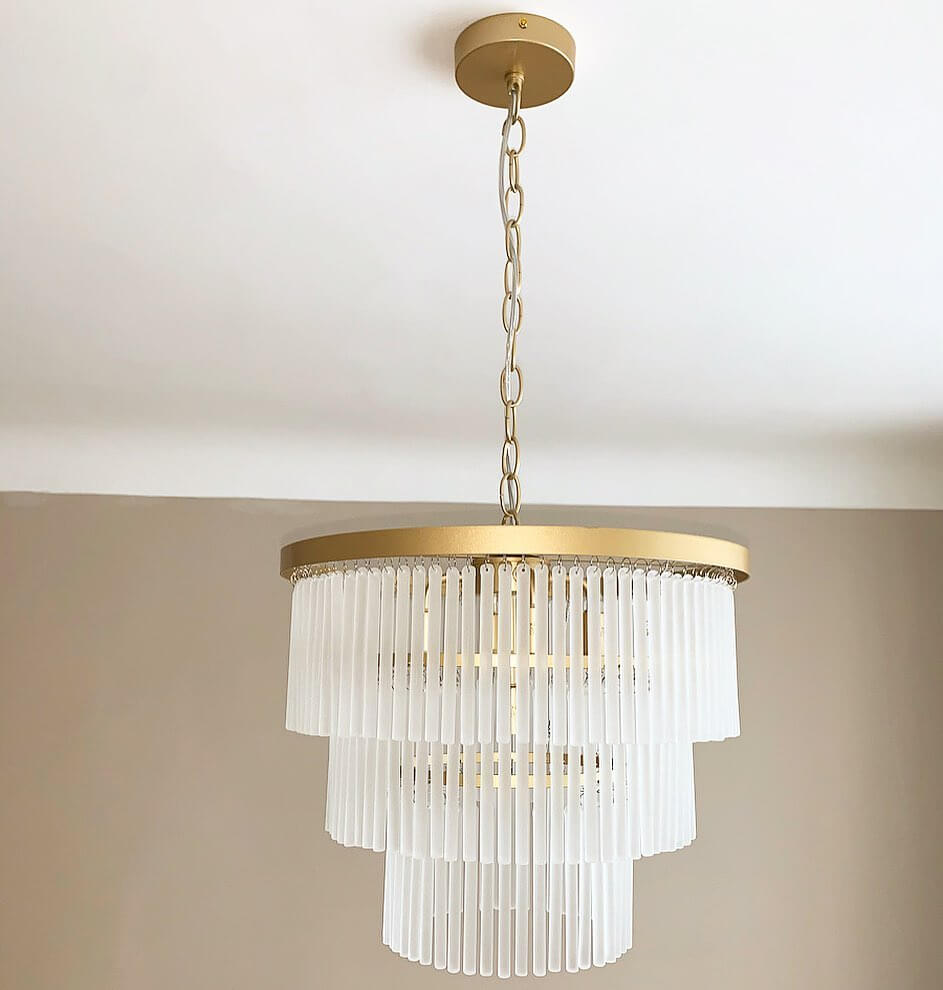
Bedrooms deserve ceiling lights that calm, not glare. A low-profile flush mount with an opal diffuser casts an even canopy of ambient light—ideal for low ceilings and serene style. Choose edge-lit or backlit LED designs to avoid pixelation and ensure shadow-free glow; CRI 90+ keeps textiles and wall colors true. Keep color temperature warm (2700K) and add a dimmer or tunable-white mode for wind-down routines. For an 11×14 bedroom, target 1,500–3,000 lumens ambient, then layer bedside sconces for reading and a small directional downlight toward the closet. Prefer a little jewelry? A semi-flush fixture with a sculptural silhouette can feel like a mini chandelier without sacrificing headroom; just maintain 7 feet of clearance. Consider nightlight features or motion-activated, ultra-low settings for late-night trips without waking your partner. Coordinate finishes with hardware for cohesion—matte brass or black for modern, milk glass for timeless appeal. The right flush mount makes the ceiling disappear and the room feel notably more restful.
Spa-Brighter: Damp-Rated Bathroom Ceiling Lights
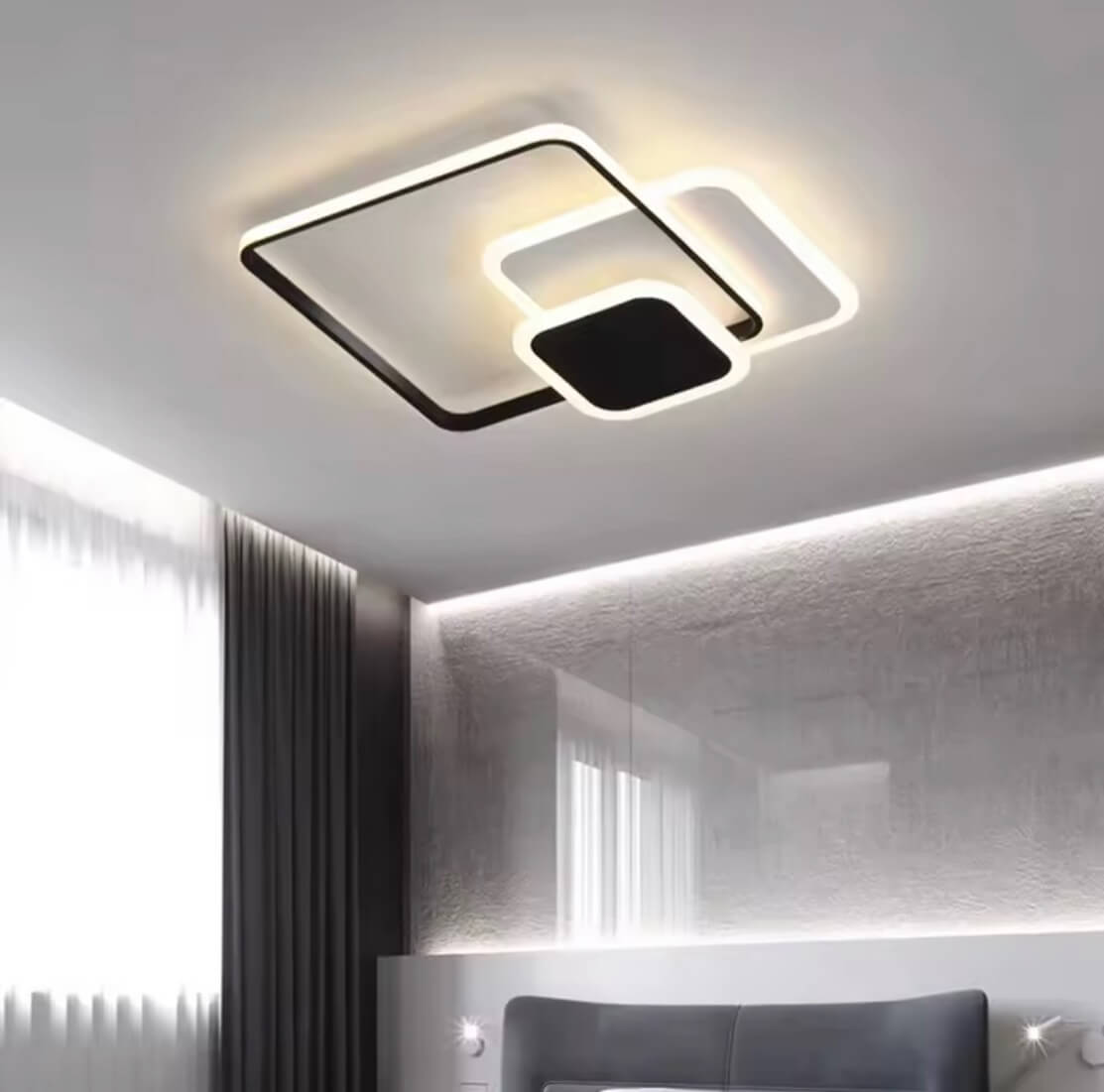
Bathrooms ask a lot of their ceiling lights: clarity for makeup, safety in steam, and a flattering glow in the mirror. Start with damp- or wet-rated fixtures (IP44+ above showers) and sealed trims to keep moisture out. Pair a central flush mount or low-profile semi-flush at 3000–3500K with vanity lights that light faces from the front, not just from above—think two sconces flanking the mirror or a wide bar at eye level. In larger baths, add recessed downlights near the tub or shower with wet-rated trims and wide beam angles to avoid harsh cones. Consider dim-to-warm LEDs so a late-night soak feels spa-soft at 2200–2400K, while morning routines stay bright and crisp. Anti-fog mirror heaters and high-CRI bulbs help with accurate skin tones. Put the shower, vanity, and ceiling lights on separate dimmers or a smart keypad to tailor light levels by task. The result is safer footing, cinematic steam, and a bathroom that multitasks as gracefully as you do.
Hallway Glow-Up with Repeating Ceiling Lights
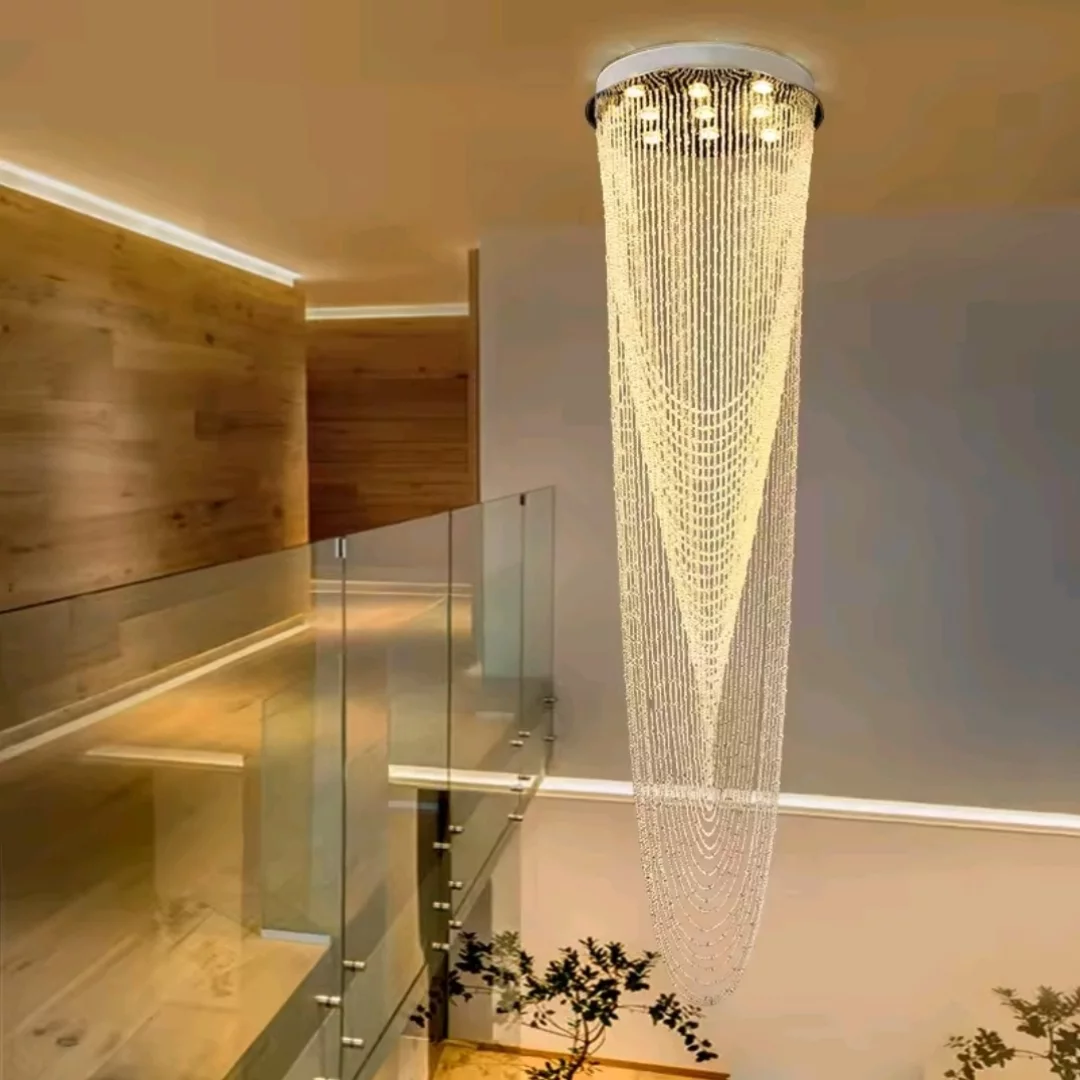
Long halls crave rhythm. Repeating ceiling lights—flush or small semi-flush fixtures—create a runway of glow that visually lengthens and unifies circulation spaces. As a rule of thumb, space fixtures roughly one ceiling height apart (e.g., 8–9 feet) and center them to the hall width for pleasing symmetry. Choose a compact silhouette with a closed diffuser to prevent glare from every angle; frosted glass, linen drums, or slim LED disks work well. For extra polish, align fixtures with doorways or artwork and add narrow-beam wall washers 18–24 inches from the wall to skim texture and wainscoting. Keep color temperature warm (2700–3000K) for a residential feel and use occupancy sensors or a smart schedule for hands-free nighttime navigation. If your hallway lacks natural light, aim for 15–20 lumens per square foot overall. Consistent finishes—black, bronze, or brass—tie disparate rooms together. With well-spaced ceiling lights, hallways stop being dark in-betweens and start acting like design moments.
Ceiling Fan Lights that Don’t Skimp on Style
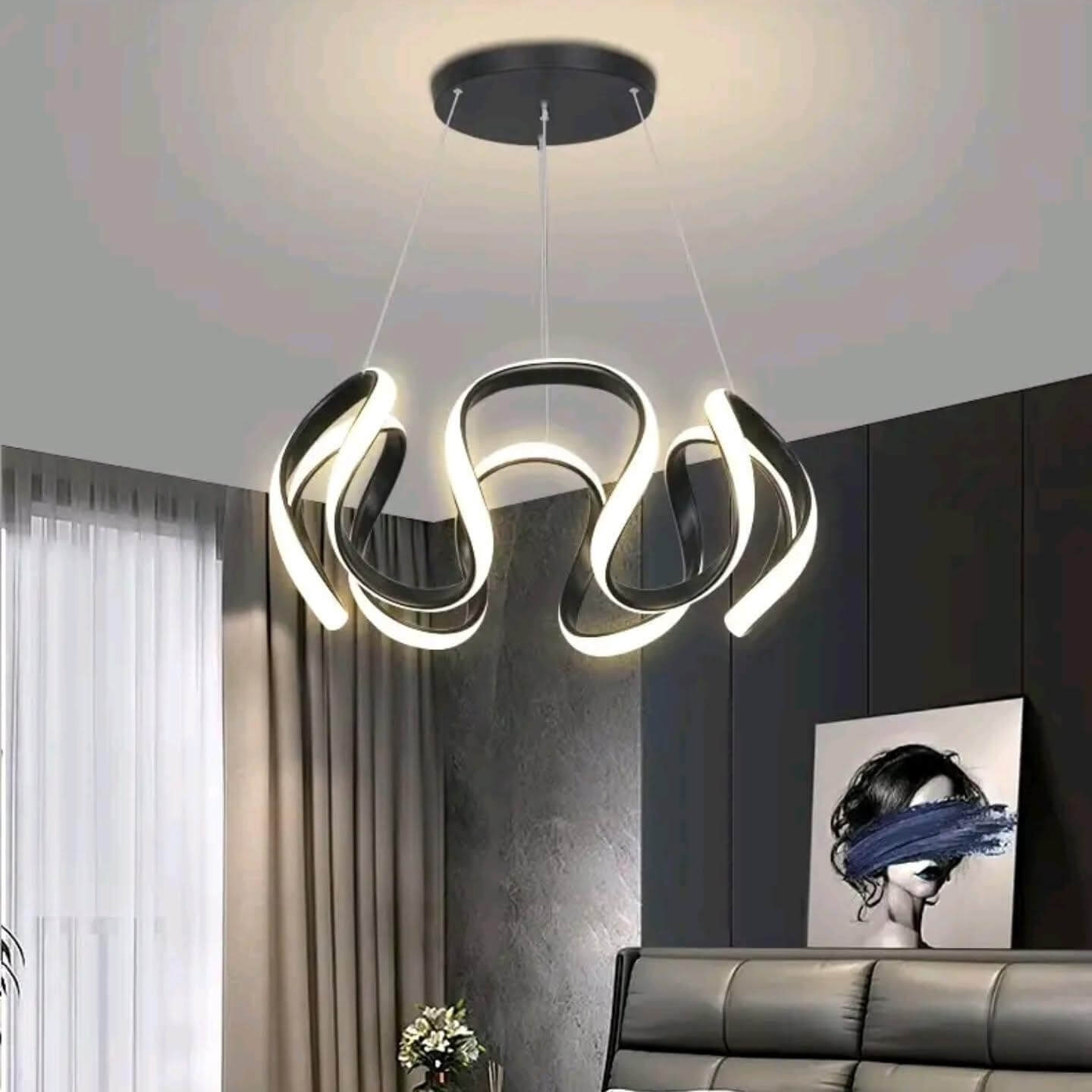
If airflow is non-negotiable, a ceiling fan with an integrated light can still deliver designer-level ceiling lighting. Look for DC-motor fans—they’re whisper-quiet, energy efficient, and offer more speed settings. Choose an LED module with a high CRI and a wide, opal diffuser for even room illumination; 1,500–3,000 lumens covers most bedrooms and living rooms. Keep to 2700–3000K for comfort, and add a reverse mode for winter to gently recirculate warm air. Low ceilings? Opt for a hugger/flush-mount fan; vaulted? Use a downrod and a sloped-ceiling adapter for proper blade clearance. For style, matte black blades suit modern spaces, woodgrain warms up farmhouse and Japandi, and slim three-blade profiles read contemporary. Prioritize remote or smart controls so you can set scenes: breeze-only for naps, light-only for cleaning, and both for daily living. With the right pick, you’ll get layered comfort—ambient light, gentle movement, and a cleaner ceiling line than a separate fan plus fixture.
Architectural Cove and Perimeter Ceiling Lighting
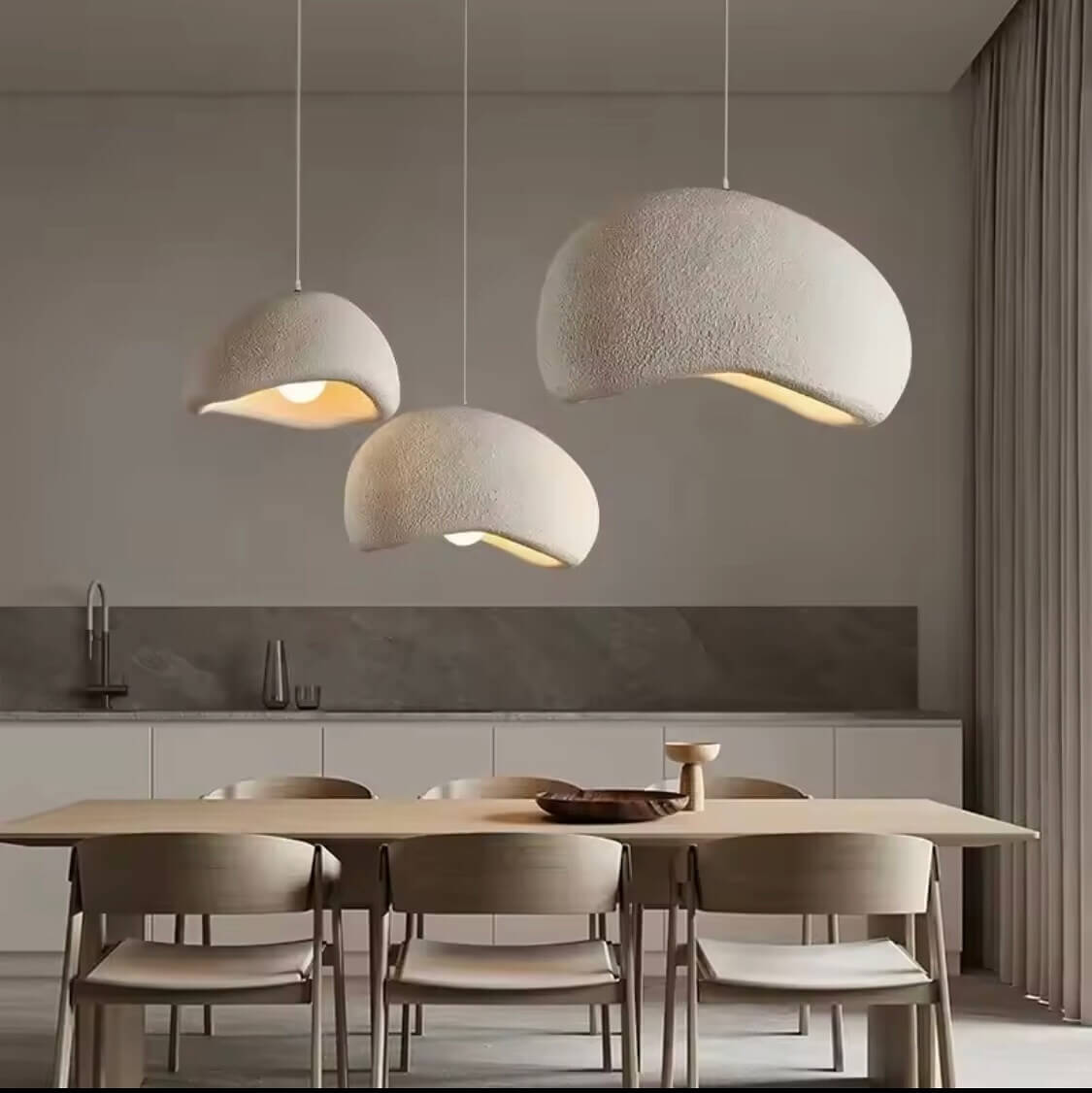
Want instant luxury? Add cove or perimeter ceiling lighting to float your ceiling and soften corners. An LED strip tucked in a crown or dropped perimeter channel bounces light off the ceiling, creating hotel-level ambience without visible hot spots. Choose high-quality, dotless tape with 90+ CRI and dim-to-warm capability so evening scenes melt to a candlelike 2200–2400K. Keep aluminum channels for heat dissipation and longevity, and specify a driver accessible via a nearby closet or soffit panel. In living rooms, combine cove light with a central flush or chandelier for layered scenes; in bedrooms, cove plus bedside sconces can replace cans entirely for a glare-free retreat. Add a small gap at corners for expansion and use a continuous run for the cleanest effect. For modern minimalism, pair cove lighting with trimless recessed fixtures; for traditional spaces, hide it behind millwork. The payoff is depth, drama, and a ceiling that visually lifts—even if your square footage doesn’t.
Get the Fail-Safe Paint Color Playbook (Free PDF)
36 proven colors • 8 ready palettes • trim & sheen guide • printable testing cards.
Smart Ceiling Lights: Scenes, Schedules, and Savings
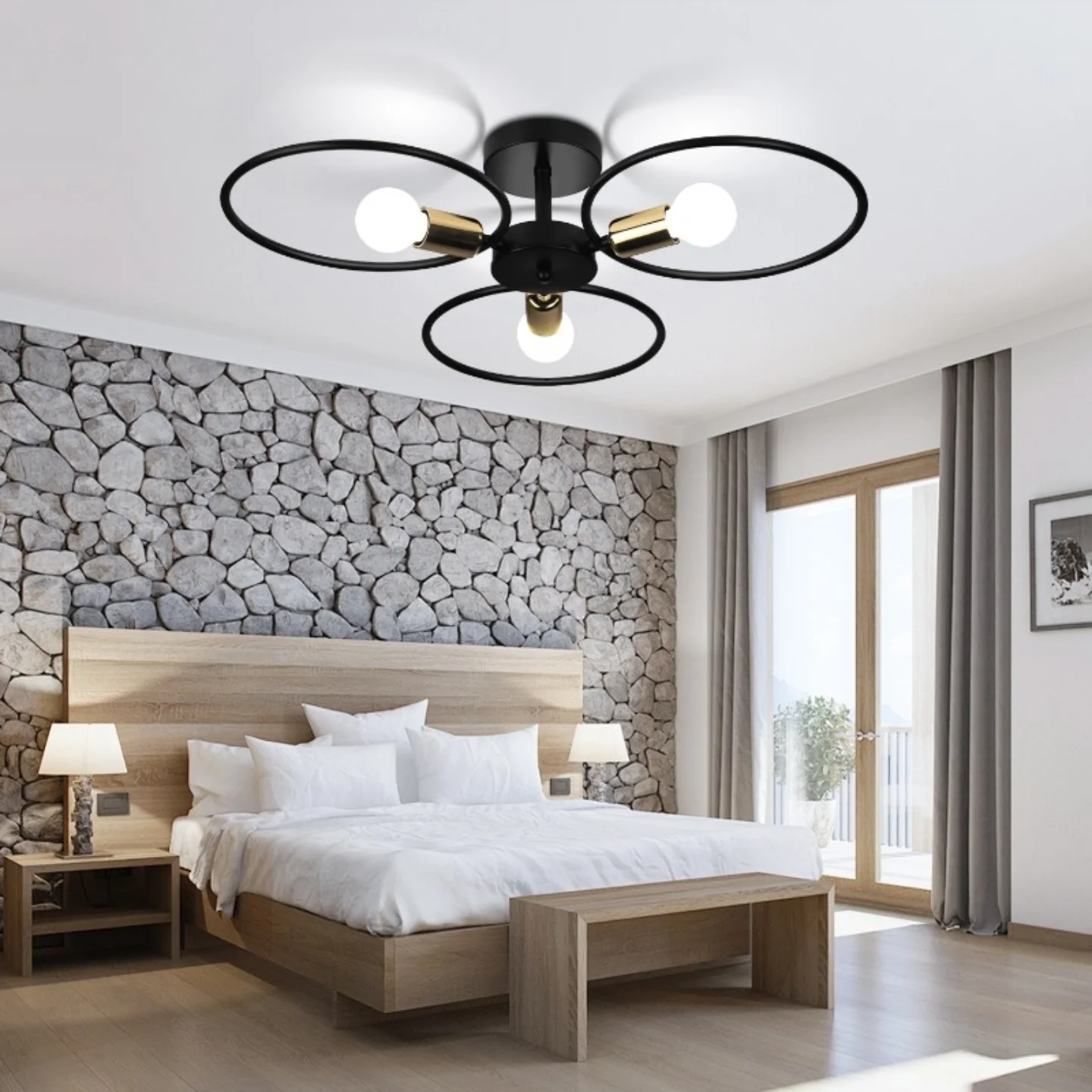
Smart controls turn good ceiling lights into great ones. Whether you retrofit with smart dimmers or install tunable fixtures, aim for a system that supports Matter, HomeKit, Alexa, or Google so scenes work across brands. Program daily rhythms: bright neutral-white in the kitchen for breakfast, warm dim in the dining room for dinner, ultra-low nightlights in halls and baths. Occupancy sensors keep utility spaces hands-free; sunrise/sunset schedules make foyers feel welcoming without wasting energy. For open-plan rooms, multi-button keypads or scene controllers beat a wall of switches—label presets like Entertain, Focus, Wind Down. Look for fixtures with 2200–6500K tunable white and 90+ CRI so color stays accurate as you shift temperature. Energy monitoring helps quantify savings from LEDs and right-sized brightness. And don’t forget failsafes: ensure lights still work from the switch if Wi‑Fi blips. With smart layering, your ceiling lighting adapts to tasks, moods, and seasons—effortlessly.
Sculptural LED Ring Chandeliers for Modern Minimalists
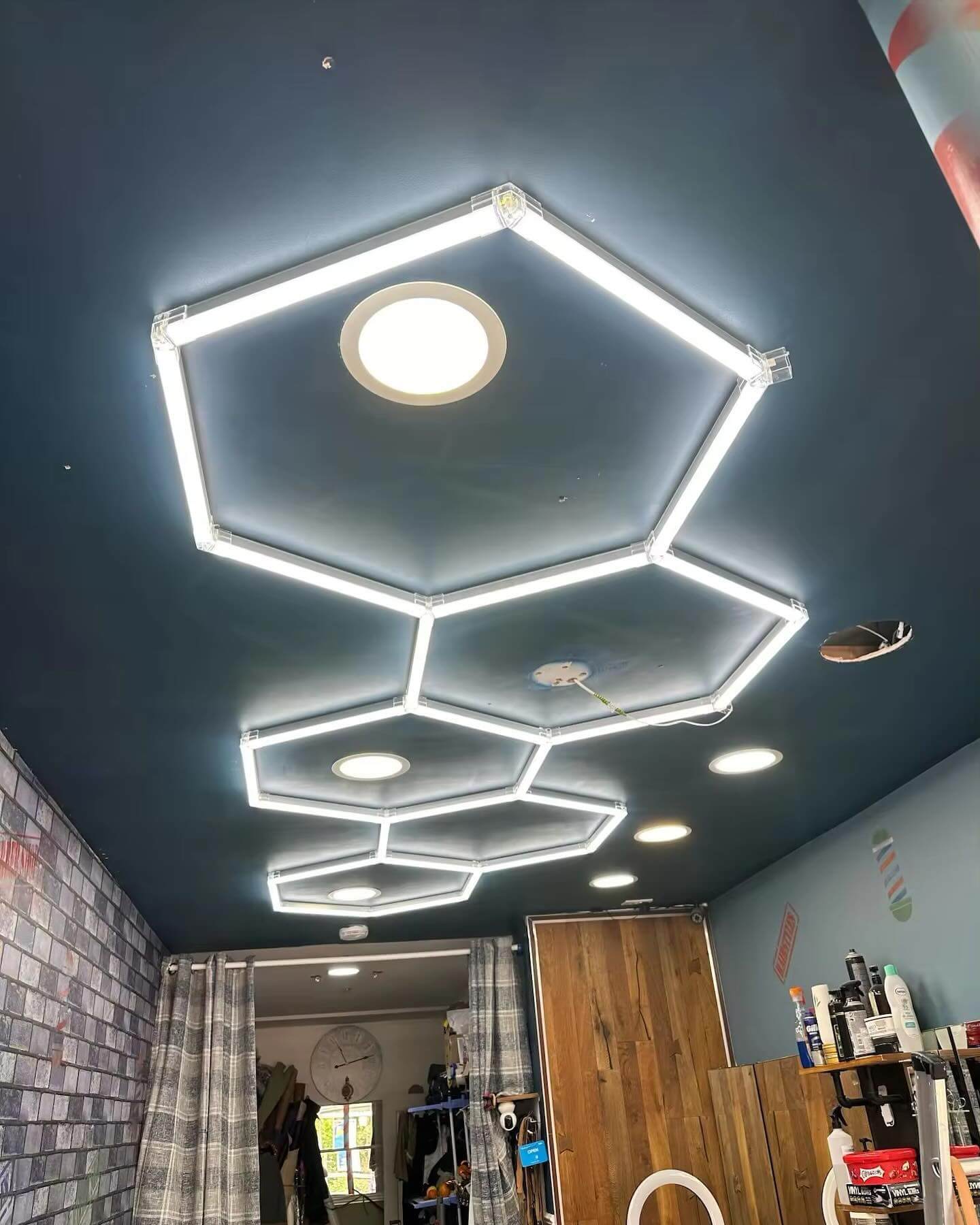
Want a statement without visual bulk? Sculptural LED ring chandeliers deliver big-room impact while keeping sightlines clean. Their airy geometry suits open-plan living, double-height spaces, and modern dining rooms where you want a floating focal point that won’t compete with views or art. Choose a matte black or brass finish to echo your hardware, and scale up—large, slender rings actually feel lighter than dense drum shades. Look for dim-to-warm LEDs (3000K down to 2200K) to shift from bright task light to candlelit ambience, and a high CRI (90+) so finishes and wood tones read true. If your ceiling is tall, stagger multiple rings at varying drops; in standard rooms, a single halo hung 30–36 inches above the table is elegant and practical. Pair the chandelier with discreet recessed downlights on a separate dimmer for balanced ambient lighting, and add a smart scene that sets rings to 40% for dinners and 80% for game nights. Pro tip: confirm driver location in the canopy so you can center the fixture on your junction box without opening drywall. The result is architectural, ultra-efficient overhead lighting that instantly modernizes your home.
Vaulted & Sloped Ceilings: Adjustable Pendants and Angled Downlights
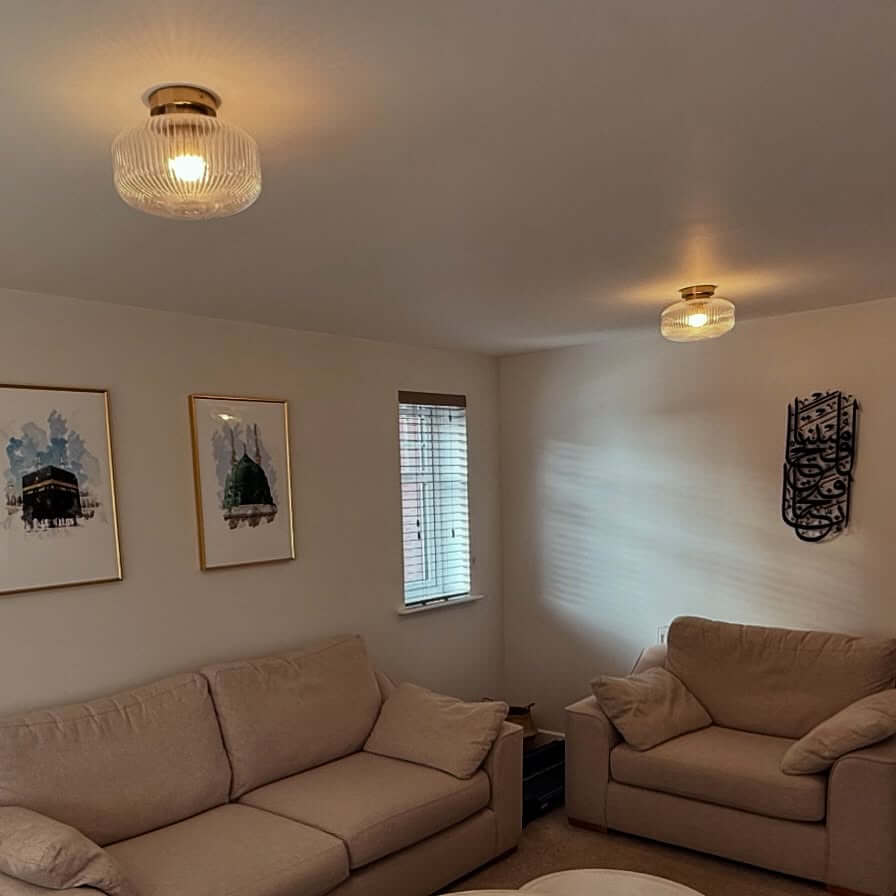
Sloped and vaulted ceilings can be stunning—but they’re notorious for dark apexes and uneven pools of light. Solve both with a combo approach: slope-adapter pendants for focus and adjustable downlights for even ambient illumination. Pendants on long stems create a vertical line that visually “grounds” lofty spaces; hang them at consistent eye level (not parallel to the angle) using swivel canopies or cable-suspension kits. Then add gimbal downlights, aiming some to wash walls and artwork instead of the floor—this lifts brightness to the edges and makes the room feel taller and calmer. If you already have beams, mount track or monorail lighting along them; the linear run becomes a design feature and keeps wiring tidy. Choose warm white (2700–3000K) to counteract cavernous coolness, and put everything on dimmers so you can tune brightness throughout the day. In great rooms, consider uplighting a ridge beam or truss to celebrate the architecture without glare. Finally, plan controls in zones: pendants, angled cans near the ridge, and perimeter lights separate. That flexibility lets you create cozy evening scenes and bright weekend-clean modes with a tap.
Recessed Lighting Layouts That Flatter, Not Flatten
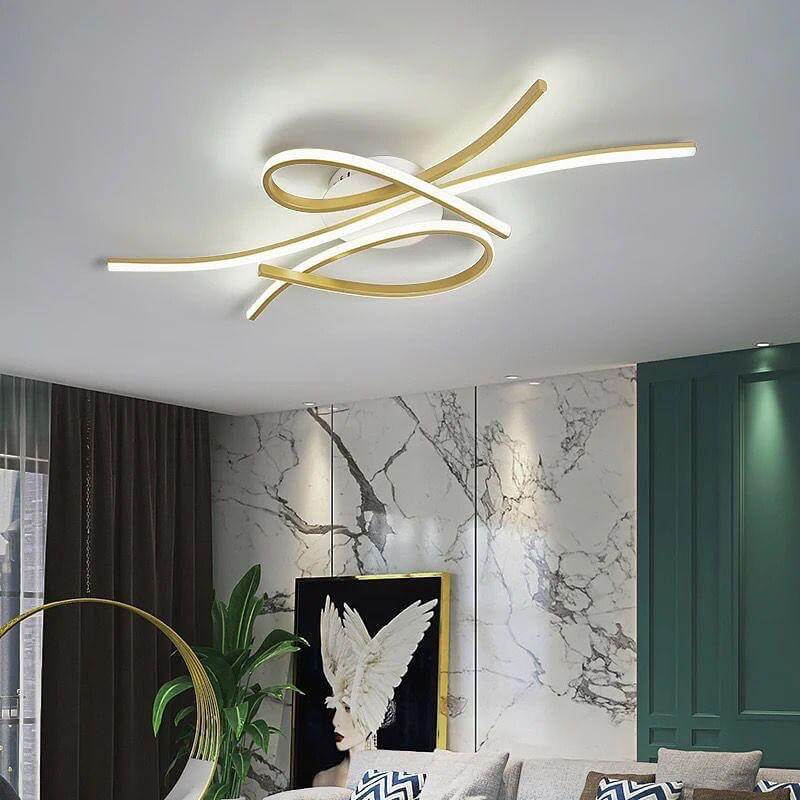
Recessed lights are the quiet foundation of great ceiling lighting—but only when they’re placed with intention. Start with spacing: a simple rule is 1/2 the ceiling height (e.g., 4 feet apart for 8-foot ceilings) as a baseline, then adjust to create even illumination without hot spots. Prioritize the perimeter first to wash walls and cabinets; this adds depth and makes rooms feel larger, especially in kitchens and living spaces. Mix fixed downlights for ambient light with a few adjustable gimbals to highlight art or a fireplace. Select 4-inch trims for a modern, less obtrusive look, 90+ CRI for accurate colors, and warm white 2700–3000K for most rooms. In baths, use damp-rated trims and keep cans outside shower footprints unless they’re wet-rated. Avoid “runway” rows; instead, mirror architectural lines like islands, soffits, or built-ins. Always place recessed on a separate dimmer from decorative fixtures so pendants and chandeliers can be the star without over-brightening the entire room. The result is layered light that removes shadows where you work, flatters skin tones at night, and quietly supports every statement ceiling light you add on top.
Plug-In Swag Pendants: Renter-Friendly Ceiling Light Upgrades
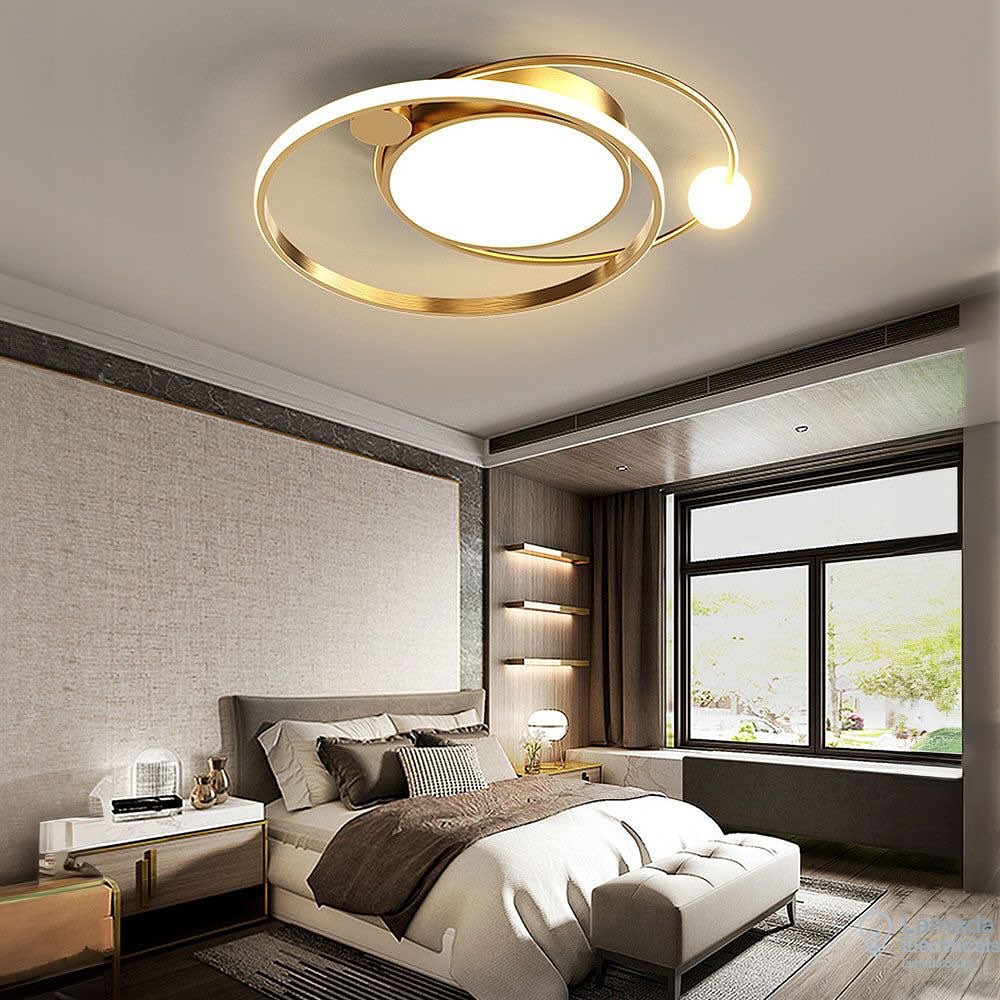
No hardwiring? No problem. Plug-in swag pendants let renters and DIYers add overhead lighting exactly where it’s needed—over a dining table, reading nook, or entry console—without opening a ceiling box. Choose a fabric cord or slim cable and route it cleanly with ceiling hooks and paintable adhesive cord channels; the drop becomes a deliberate design line. For dining, hang the pendant 30–36 inches above the table; for a reading corner, aim for eye level when seated to avoid glare. Use an LED bulb with 90+ CRI in 2700–3000K for cozy ambience, and pair the lamp with a smart plug or in-line dimmer to create scenes and schedules. Go sculptural with a dome, pleated shade, or globe to echo other fixtures in your home, and layer with a floor lamp to eliminate shadows. In studios, two swags at different heights can define “zones” without walls. When you move, the fixture moves with you—sustainability win. Tip: choose a shade with a diffuser to soften the light and keep it comfortable for long dinners or laptop sessions.
Woven Warmth: Rattan and Cane Pendants That Glow Softly
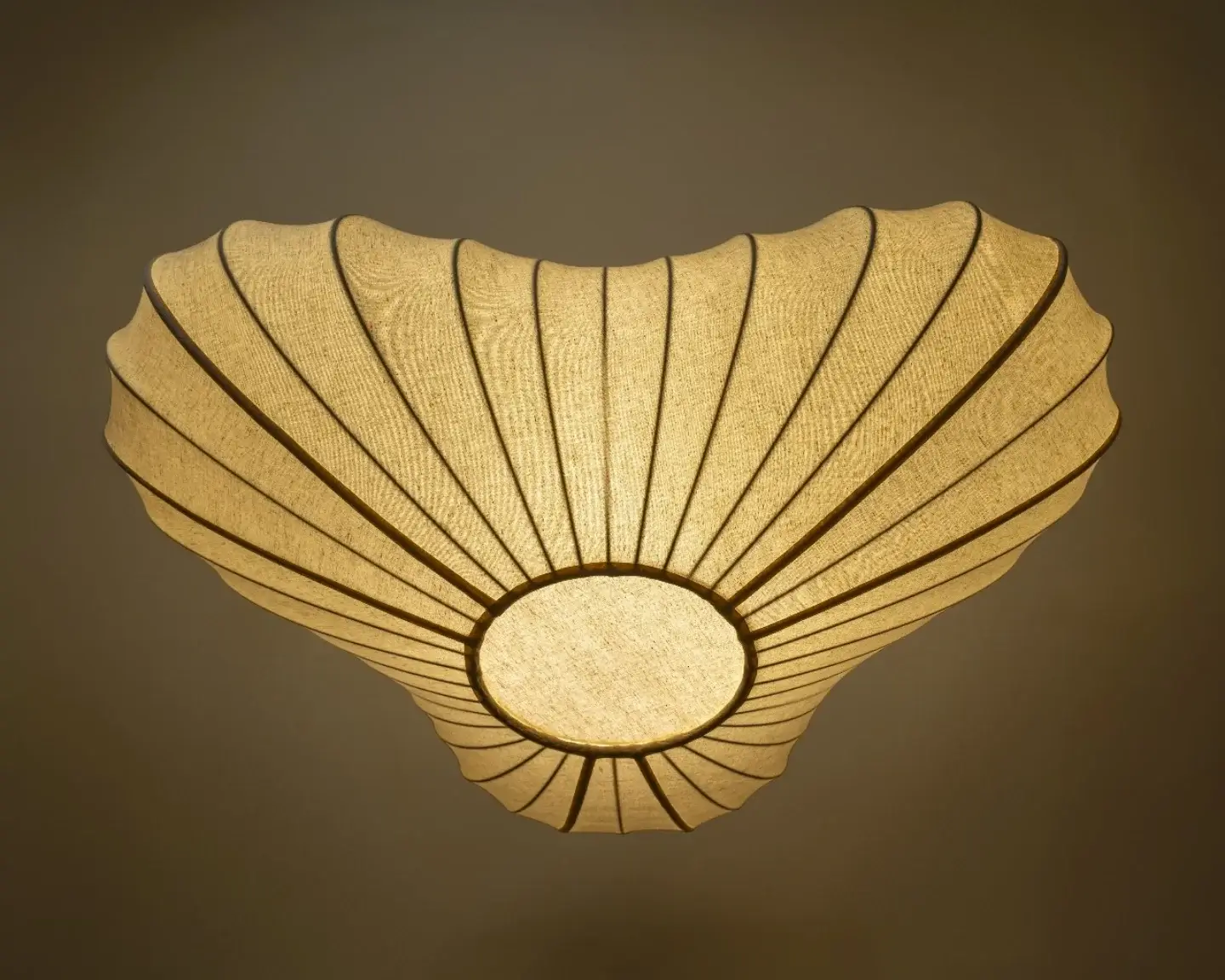
Natural-fiber pendants in rattan, cane, or seagrass bring organic texture to ceiling lighting, softening modern rooms and warming up cool palettes. Their woven shades diffuse light into a flattering, dappled glow that’s perfect for breakfast nooks, sunrooms, and relaxed dining spaces. To avoid moiré patterns, use a frosted globe or opal LED inside; this creates even illumination and highlights the weave. Choose a diameter that balances the table—about half to two-thirds its width—and consider pairs or trios over longer surfaces for rhythm. Keep color temperatures warm (2700K) to enhance the material’s honey tones and make evenings feel intimate. Layer with under-cabinet or wall lighting on separate dimmers so the pendant can be atmospheric while tasks remain bright. For coastal or boho interiors, a black cord and canopy add a crisp contrast; in rustic rooms, aged brass blends seamlessly. Maintain with a soft brush attachment on a vacuum to keep dust at bay. The net effect is nature-forward overhead lighting that reads airy by day and inviting by night—an easy way to add soul without sacrificing function.
Get the Fail-Safe Paint Color Playbook (Free PDF)
36 proven colors • 8 ready palettes • trim & sheen guide • printable testing cards.
Track and Monorail Lighting for Flexible, Future-Proof Rooms
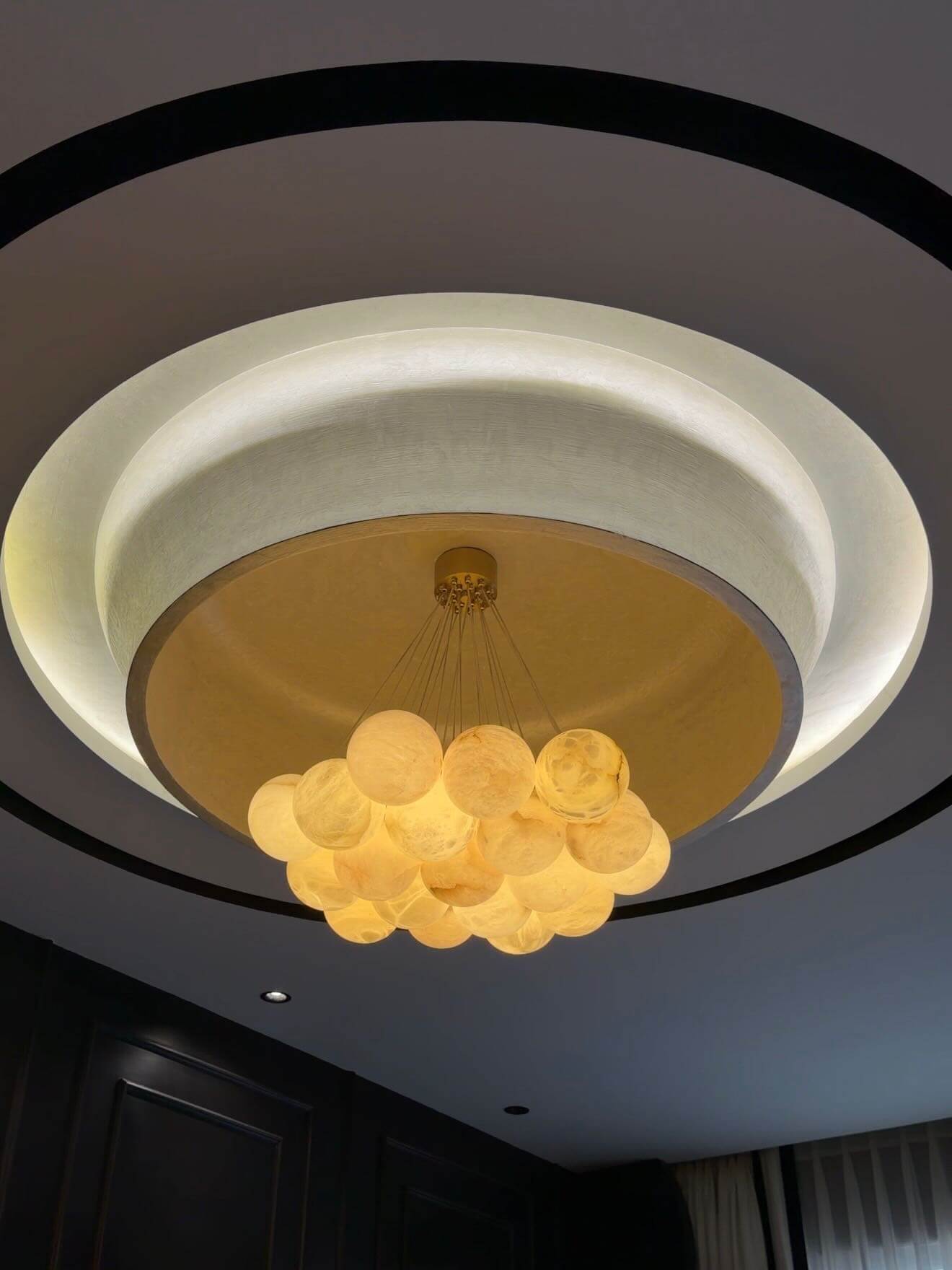
When layouts change, track and monorail lighting adapt without rewiring. This surface-mounted system is ideal for kitchens, studios, and gallery-like living spaces where you need both ambient illumination and aimable task or accent light. Run a sleek, low-profile track along a ceiling line, then position heads to spotlight art, wash a textured wall, or aim onto counters and islands. Choose a mix of flood and narrow-beam heads to avoid scalloping and to balance brightness across the room. Low-voltage monorail offers curving forms and refined finishes; line-voltage track is budget-friendly and easy to expand. Put the track on a dimmer and, if possible, select heads with warm-dim or tunable white (2700–3500K) for day-to-night flexibility. In low ceilings, track delivers layerable light without the depth of cans; in rentals, it can piggyback a single junction box while lighting an entire zone. Keep the finish consistent with door hardware or cabinet pulls for a cohesive look. With thoughtful placement, track lighting becomes a quiet backbone that lets your statement ceiling fixtures shine—and evolve as your home does.
Home Office Ceilings: Glare-Free Light That Looks Great on Camera
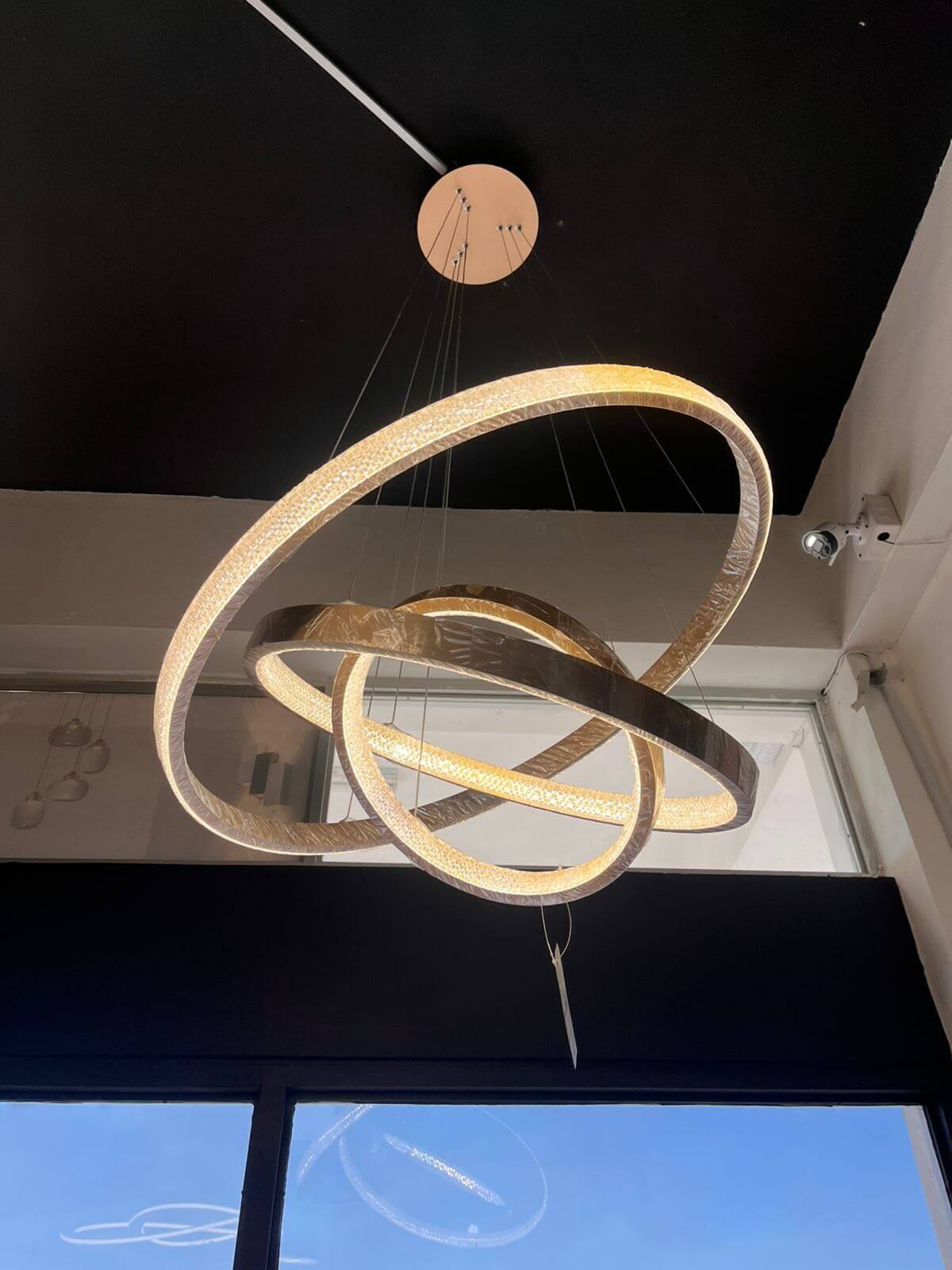
Productive work zones start at the ceiling. Aim for soft, even ambient light that won’t wash out your screen or your face on video calls. A low-profile, edge-lit flush mount or a shallow drum with a quality diffuser spreads light uniformly, reducing harsh shadows and eye strain. Pair it with a small, indirect uplight or cove strip that bounces light off the ceiling—this raises overall brightness without glare. Choose 3500–4000K if you prefer a crisp, daytime feel, or 3000K for a warmer home vibe; in both cases, prioritize 90+ CRI so documents and design materials read accurately. Add a desk task lamp on a separate control for targeted work, and set a smart scene that ramps up in the morning and dims toward evening to cue focus and wind-down. Position any pendants outside of your webcam’s line of sight to avoid hot spots behind you. Finally, include an occupancy sensor or adaptive dimmer so your home office lighting saves energy when you step away—and welcomes you back at the perfect level.
Stairwell Drama with Cascading Multi-Light Pendants
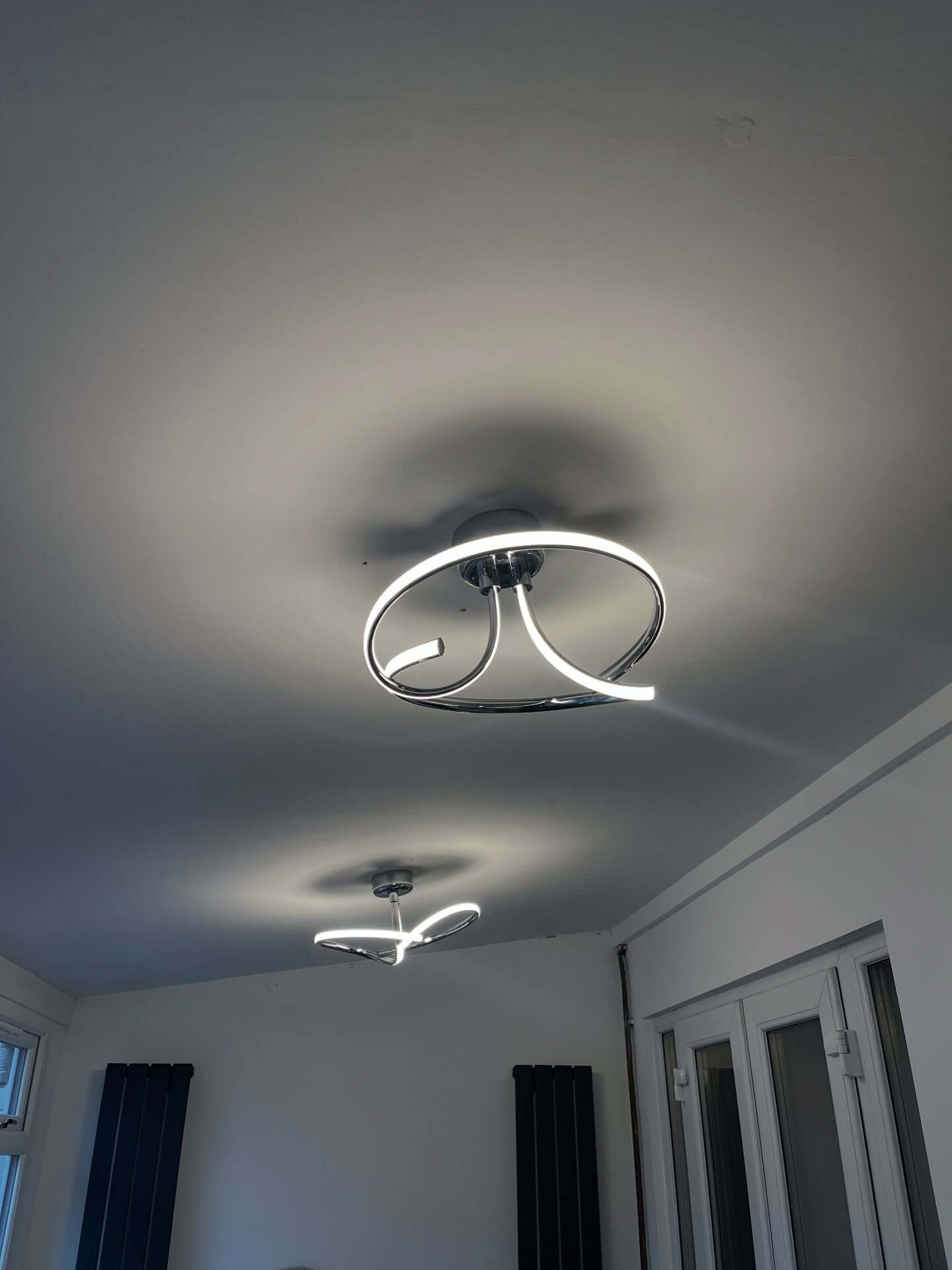
Stairwells are prime real estate for statement ceiling lighting. A cascading multi-light pendant brings vertical rhythm to tall voids, guiding the eye upward and pulling your home’s story together from floor to floor. Start with scale: for double-height spaces, cluster 5–9 small pendants or 3–5 medium ones at staggered drops, letting the lowest hang at least 7 feet above the highest tread. Clear glass maximizes brightness; opal or smoked shades limit glare for nighttime comfort. If your stairs have landings, mirror their geometry—denser clusters over landings, lighter drops in open runs. Put the chandelier on a dimmer and pair with low-level step lights for layered safety after dark. Warm white (2700K) flatters wood treads and handrails; higher CRI keeps paint and artwork vivid along the ascent. Ensure the junction box is securely braced—multi-light canopies carry weight—and consider an accessible canopy or modular system for easy bulb swaps. The result: an illuminated spine that feels sculptural by day, ambient and inviting at night, and perfectly in step with your home’s design.
Closet and Utility Room Ceilings: Bright, Accurate, Motion-Ready
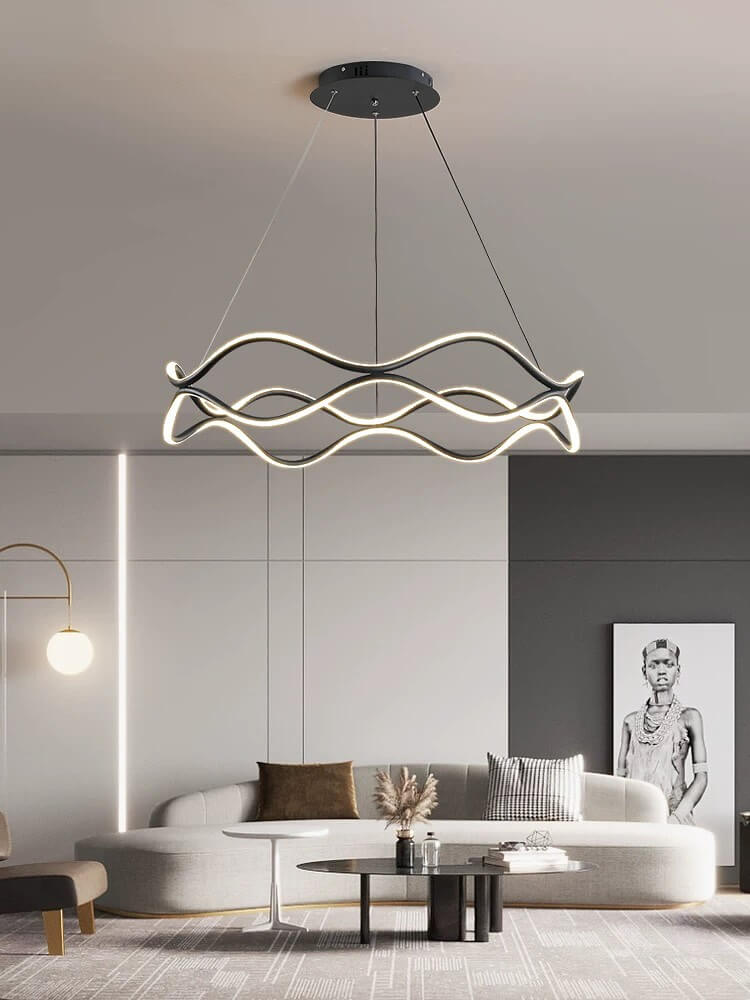
Small spaces deserve better than a bare bulb. Upgrade closets and utility rooms with low-profile LED flush mounts or slim surface panels that deliver bright, even light without shadows. Look for 90+ CRI so clothing colors render true, and choose a neutral 3000–3500K for clarity that won’t feel clinical. Add a motion sensor or integrated occupancy module so lights turn on hands-free and shut off automatically—perfect when your arms are full of laundry. In walk-ins, supplement the ceiling fixture with LED strip above closet rods or along shelves to eliminate dark corners; keep strips behind a diffuser lens to avoid pinpoint glare. Code-wise, avoid exposed incandescent bulbs near storage; cool-running LEDs are safer and energy efficient. If storage ceilings are low, round-edge fixtures and minimal drop keep the space feeling open. Tie these rooms into your smart lighting routines so they “wake” with morning scenes and dim during bedtime, saving energy without thought. It’s a simple, inexpensive ceiling light upgrade that dramatically improves daily function every time you reach for a favorite sweater or tool.
Outdoor Covered Porches and Patios: Damp/Wet-Rated Ceiling Lights
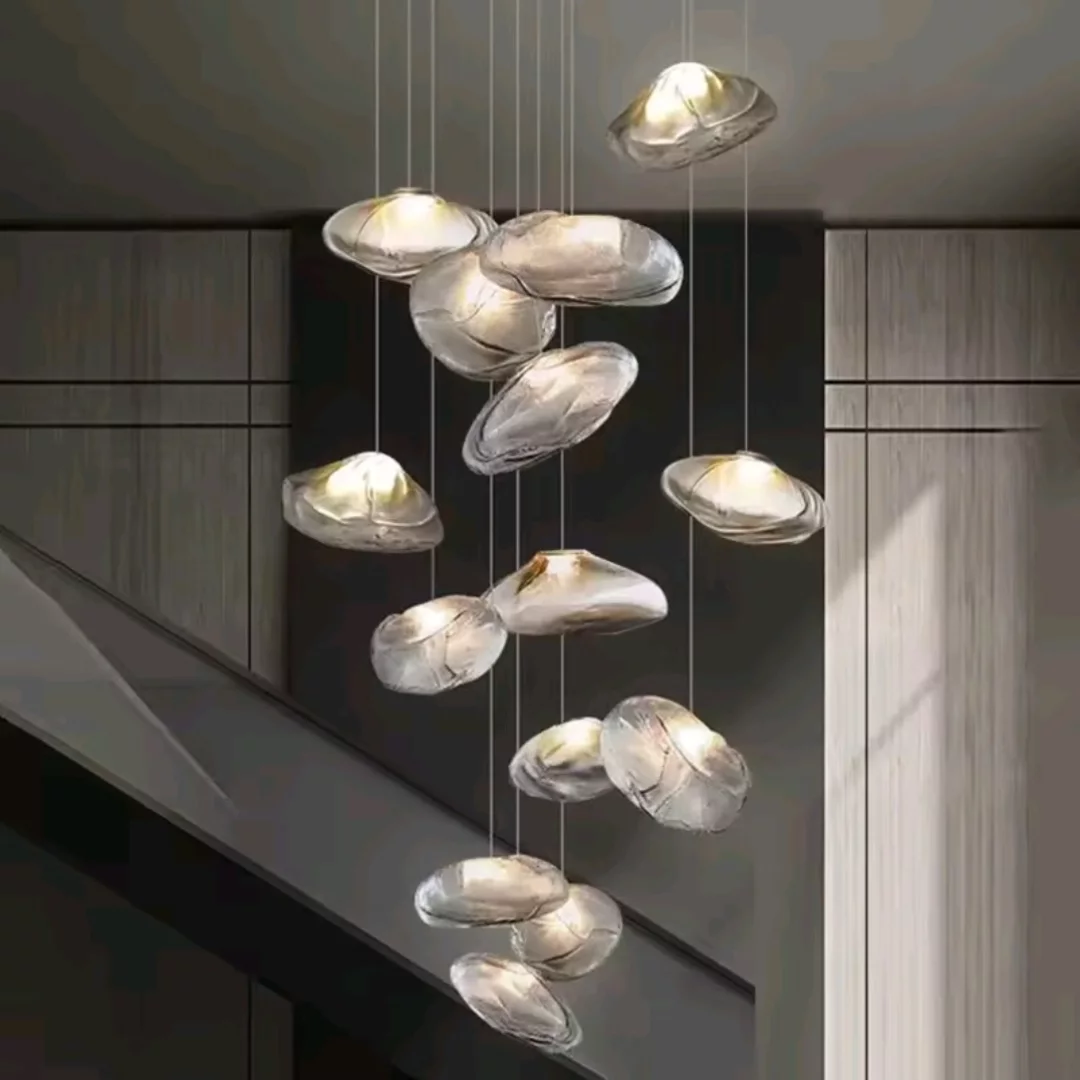
Extend your lighting plan outdoors with ceiling fixtures built for the elements. On covered porches and patios, choose damp- or wet-rated flush mounts, pendants, or fan lights that stand up to humidity and wind. Opt for sealed diffusers to keep bugs out and select coastal-rated finishes if you’re near salt air. For alfresco dining, hang a weatherproof pendant 30–36 inches above the table and layer with wall lanterns on a separate dimmer for flexible ambience. Warm color temperatures (2200–2700K) feel firelight-cozy and attract fewer insects; look for dim-to-warm LEDs to shift from lively gatherings to late-night unwinds. If airflow is a must, pick a wet-rated ceiling fan with an integrated light and reversible blades for year-round comfort. Tie outdoor circuits to your smart system for dusk-to-dawn scheduling and travel-away automation. Finally, match fixture scale to architecture—larger eaves and tall ceilings can handle bolder silhouettes without overpowering the facade. With the right ceiling lights, your porch becomes a true outdoor room that’s as welcoming at golden hour as it is after dark.
Get the Fail-Safe Paint Color Playbook (Free PDF)
36 proven colors • 8 ready palettes • trim & sheen guide • printable testing cards.
Matte Opal Flush Mounts: Low-Profile Ceiling Lights with High-Style Glow
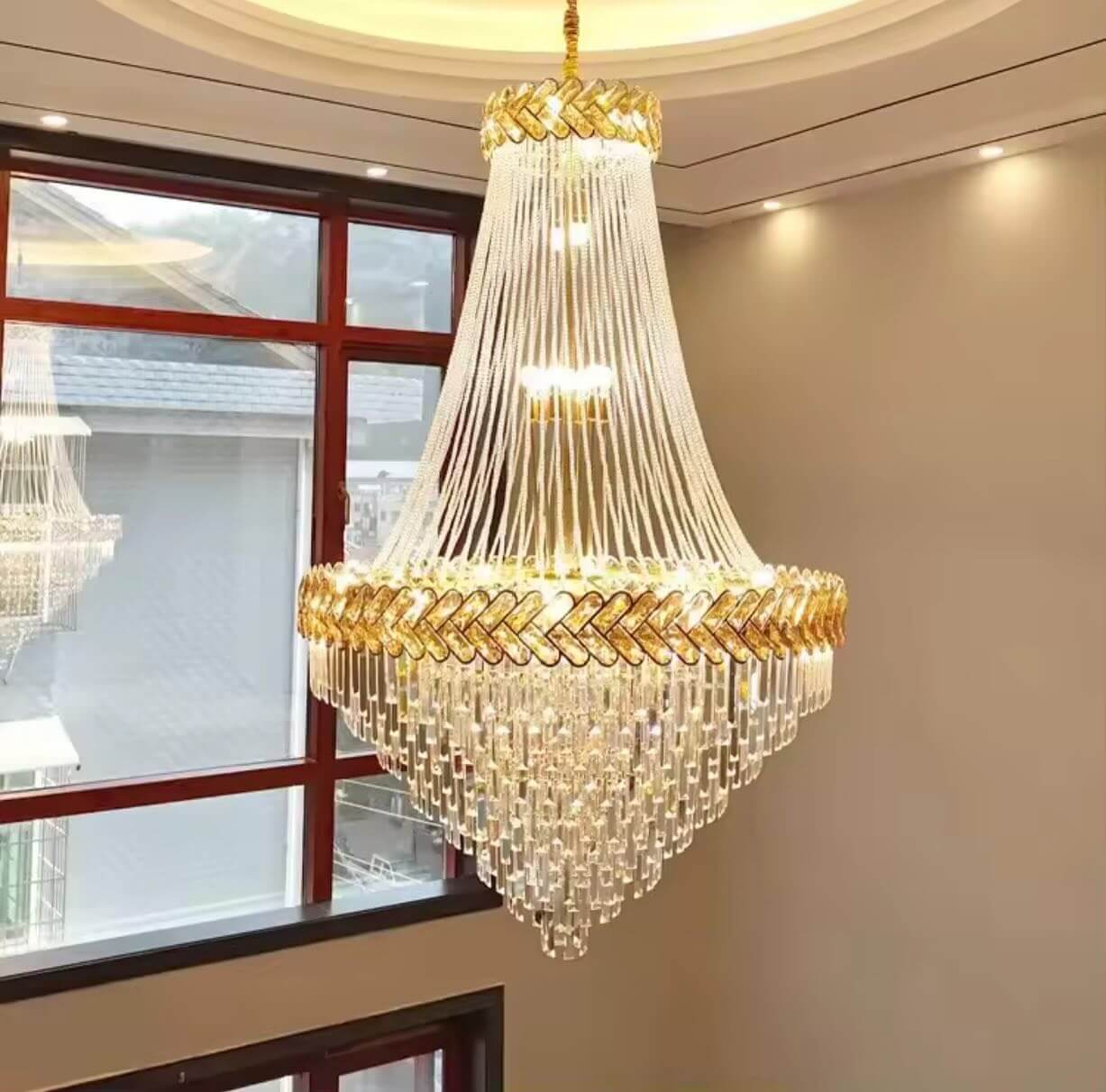
When ceilings are standard height, a flush mount ceiling light with opal glass is the unsung hero that makes rooms feel calm, bright, and cohesive. The matte diffuser softens hotspots and spreads ambient lighting evenly, so bedrooms, hallways, and family rooms get glare-free illumination that flatters paint colors and textures. Look for integrated LED or A19 LED bulbs at 2700–3000K with 90+ CRI for true-to-life color, and dimmable drivers to take the mood from lively to relaxed at night. As a sizing guide, 12–18 inches in diameter suits most 8–9 foot ceilings; in larger rooms, cluster two fixtures or step up to 20 inches for balanced coverage. Space fixtures roughly every 6–8 feet in long corridors to maintain an even light level without dark gaps. A shallow profile keeps sightlines clean, while finishes like soft brass, matte black, or brushed nickel let you match hardware and door levers for a pulled-together look. If you rent, choose a standard E26 base fixture for an easy swap you can take with you later. The result: a timeless, energy-efficient ceiling light idea that quietly elevates everyday spaces.
Linen Drum Shade Chandeliers: Soft, Even Dining Light That Flatters Every Meal
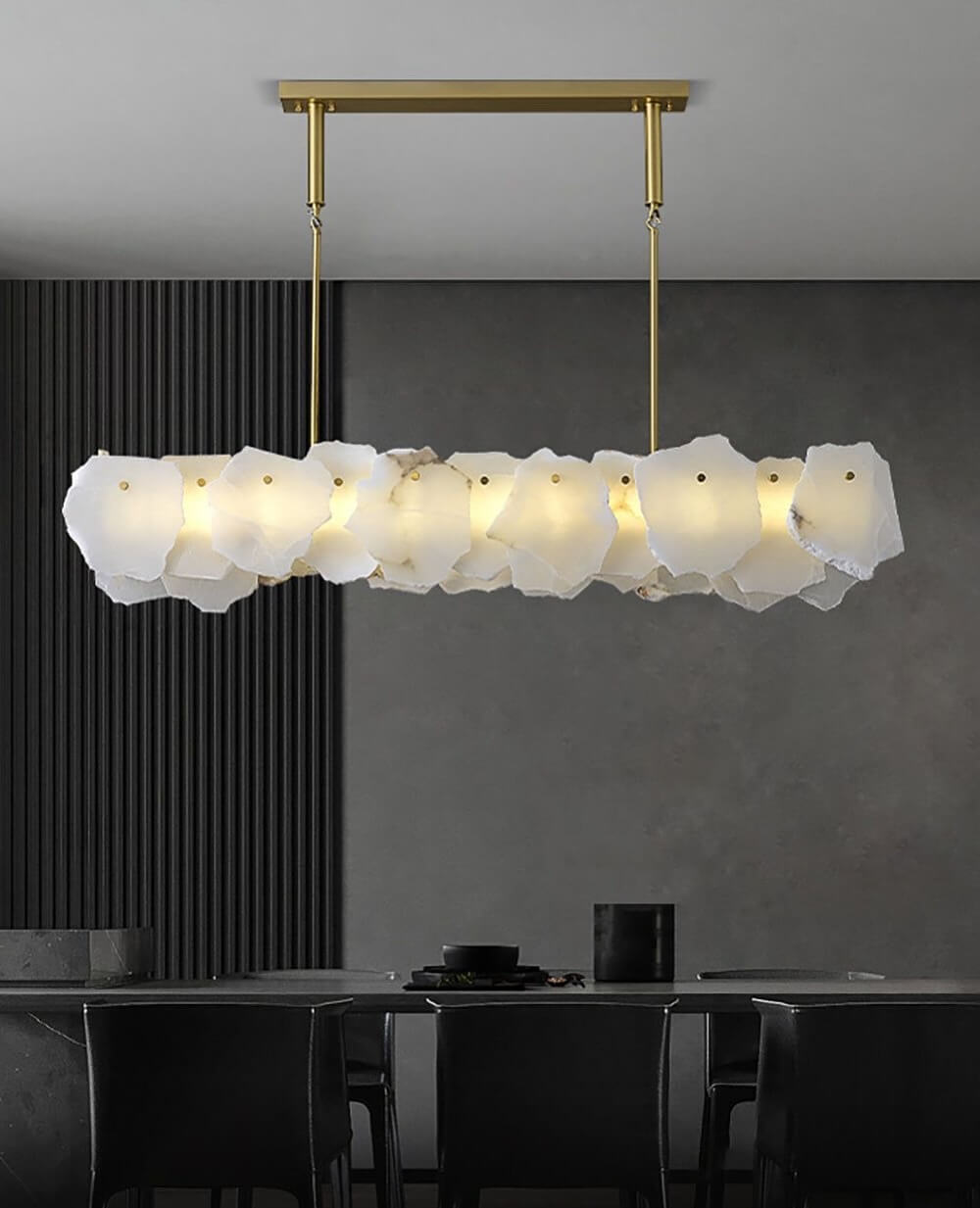
A linen drum shade chandelier turns harsh overhead light into a warm, inviting halo—perfect for dining rooms and breakfast nooks. The fabric diffuser hides bulbs and spreads illumination side-to-side and down onto the table, eliminating glare in faces while keeping dishes looking delicious. Size the shade at about one-half to two-thirds the table width, and hang the chandelier 30–34 inches above the tabletop (adjust up an inch for each foot beyond 8-foot ceilings). Choose warm white LEDs at 2700–3000K, dimmable to 10% for date-night glow, and aim for 1,500–3,000 lumens depending on room size. Double diffusers (top and bottom) help ceiling bounce and minimize hotspots; consider a sheer or blended linen weave for a soft profile that still delivers task-friendly light for homework or board games. Brass or black frames keep it modern; aged bronze leans traditional. For open concept spaces, echo the shade color in nearby pendants to tie zones together without being matchy. This ceiling light idea is especially forgiving in rooms that need ambience and task lighting in one graceful, unobtrusive form.
Schoolhouse Globe Ceiling Lights: Classic Opal Glass for Kitchens, Halls, and Mudrooms
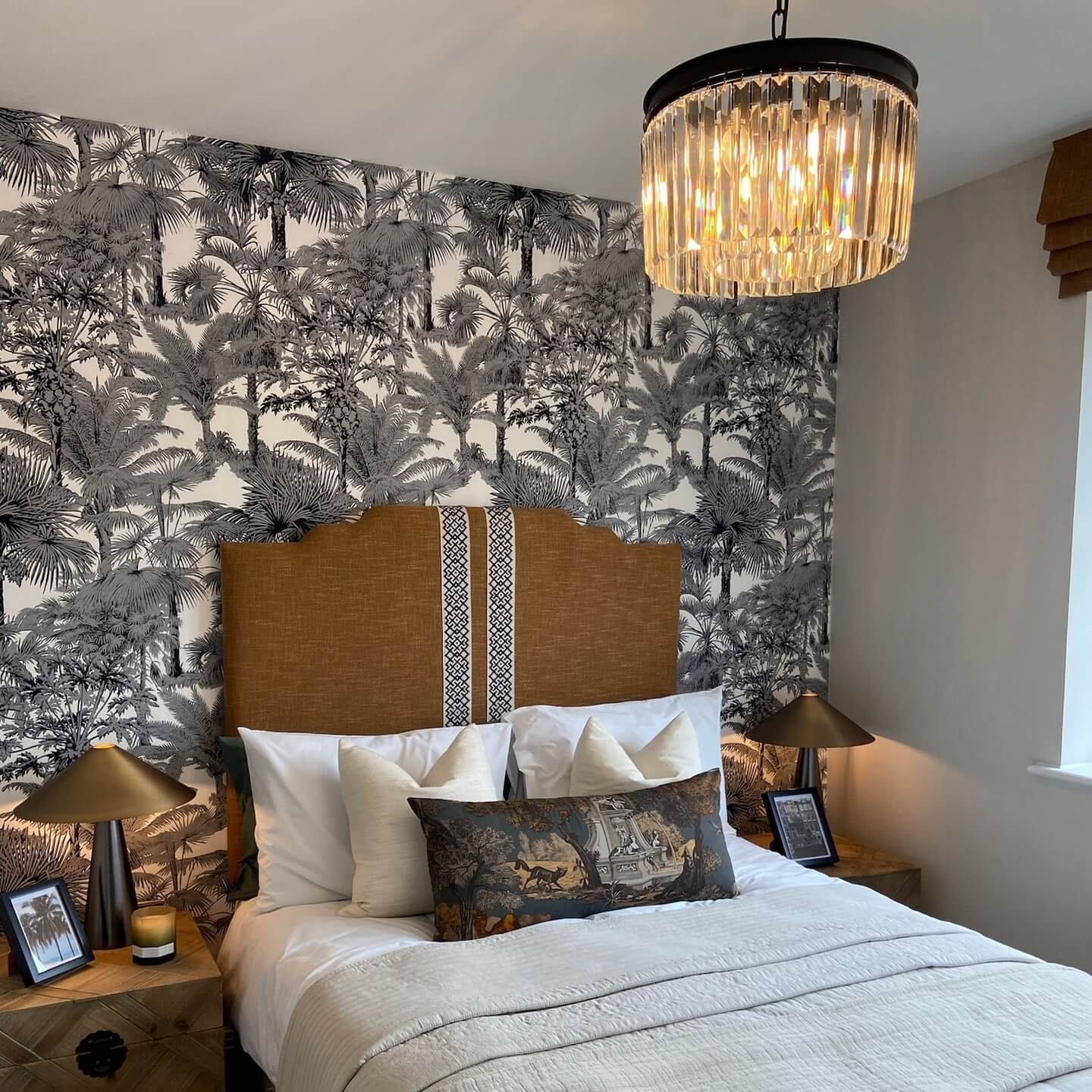
Schoolhouse globe ceiling lights are a timeless way to bridge vintage charm and modern practicality. Their signature opal glass delivers even, flattering ambient lighting while the simple silhouette suits everything from farmhouse to mid-century and transitional decor. Choose semi-flush for 8–9 foot ceilings and short-stem pendants for taller spaces; 10–12 inch globes work in compact rooms and hallways, while 12–16 inches feel right in kitchens and entries. Pair with high-CRI (90+) LED bulbs at 2700–3000K to make wood tones, tile, and textiles look their best. Repeating the same schoolhouse fixture down a corridor creates a rhythmic sightline that feels intentional and bright without requiring recessed cans. Finish the canopy and holder in polished nickel for a crisp, heritage vibe, matte black for modern contrast, or antique brass for warmth. If you love the look of vintage filaments, choose frosted LED “Edison” bulbs to keep the globe glow soft and glare-free. The result is a durable, easy-to-clean ceiling light idea that ages gracefully and unifies everyday spaces with cohesive style.
Ultra-Thin Surface-Mount LEDs: The Recessed Look Without Cutting Into Ceilings
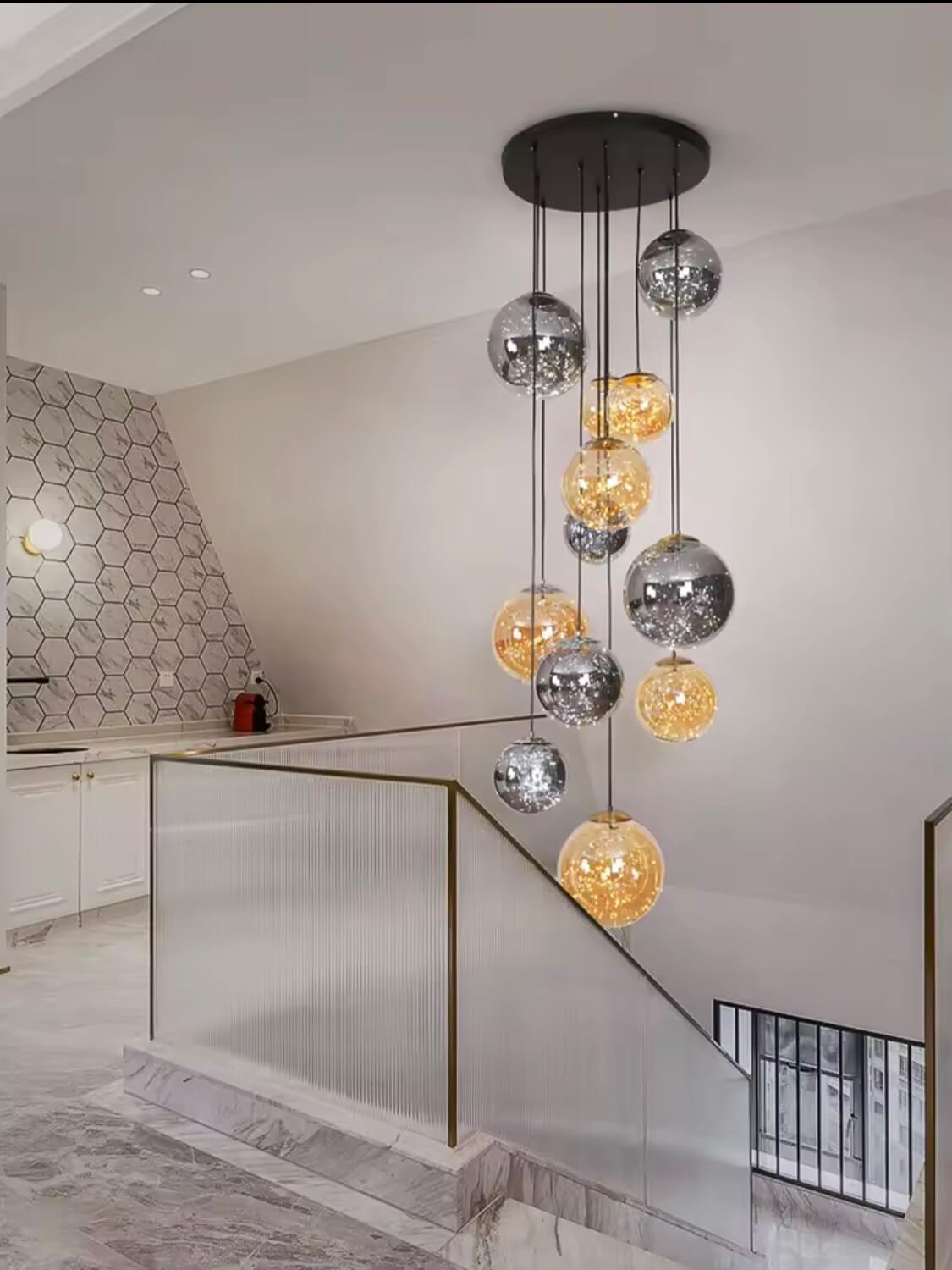
Want that clean, modern “can light” effect without opening drywall? Ultra-thin surface-mount LED disks deliver a recessed look while mounting to standard junction boxes—ideal for condos, plaster ceilings, or rooms with limited cavity depth. At under an inch thick, these ceiling lights nearly disappear, washing rooms with even, shadow-free ambient lighting. Use the simple spacing rule of thumb: distance between fixtures roughly equals ceiling height (e.g., 8-foot ceiling, place lights 7–8 feet apart), pulling the first row 2–3 feet off walls to avoid scallops. Choose selectable color temperature units if you’re tuning spaces (2700K for living areas; 3000–3500K for kitchens and laundry), and insist on 90+ CRI for accurate finishes and food. Pair with ELV or 0–10V dimmers for smooth, flicker-free control. In kitchens and offices, combine disks for general light with pendants for task and personality; in small spaces, they’re a minimalist replacement for multiple recessed cans that can make ceilings feel busy. This ceiling light idea is energy-efficient, code-friendly, and perfect when you need a streamlined solution that still layers beautifully with other fixtures.
Bedroom Ceilings: Dim-to-Warm Semi-Flush Lights and Quiet Fan Combos
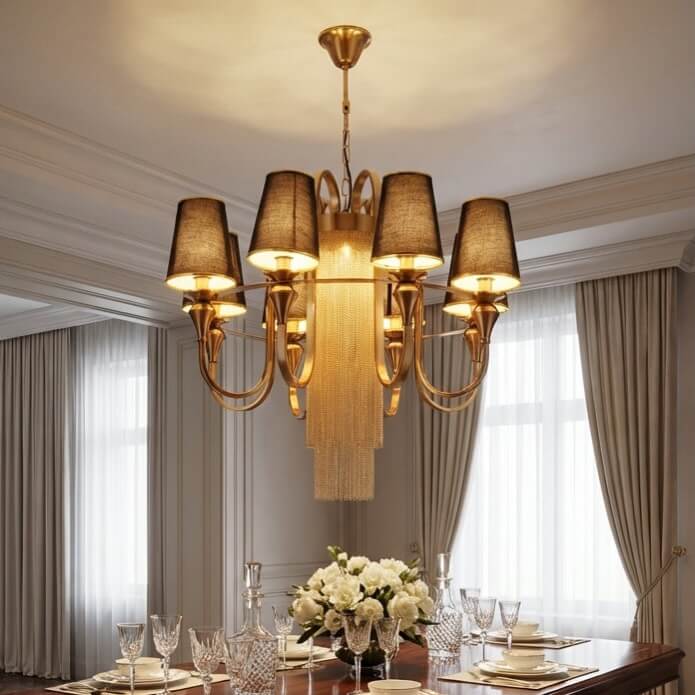
Restful bedrooms start with gentle, controllable ceiling light. A semi-flush mount with a fabric or acrylic diffuser spreads soft ambient lighting while keeping sightlines open in 8–9 foot ceilings. Choose dim-to-warm LED (3000K at full to ~2200K when dimmed) to mirror the glow of candlelight before sleep, and target about 1,500–2,500 lumens for most rooms. If you crave breeze and brightness, a quiet DC-motor ceiling fan with an integrated LED light kit pulls double duty—look for low-profile “hugger” designs for lower ceilings and aim for 48–60 inches in blade span for a standard bedroom. Put the fan and light on separate controls or smart scenes: bright task mode for making the bed, warm reading mode at night, and a low-output nightlight for late trips. A high-CRI (90+) spec keeps textiles and wall colors true; frosted bulbs prevent bare-source glare from above. Finish in soft brass, matte black, or white to blend or contrast with hardware. The net effect is a bedroom ceiling light plan that feels tranquil, tailored, and ready for real life.
Spa-Worthy Bathroom Ceiling Lights: Damp/Wet-Rated and Steam-Savvy
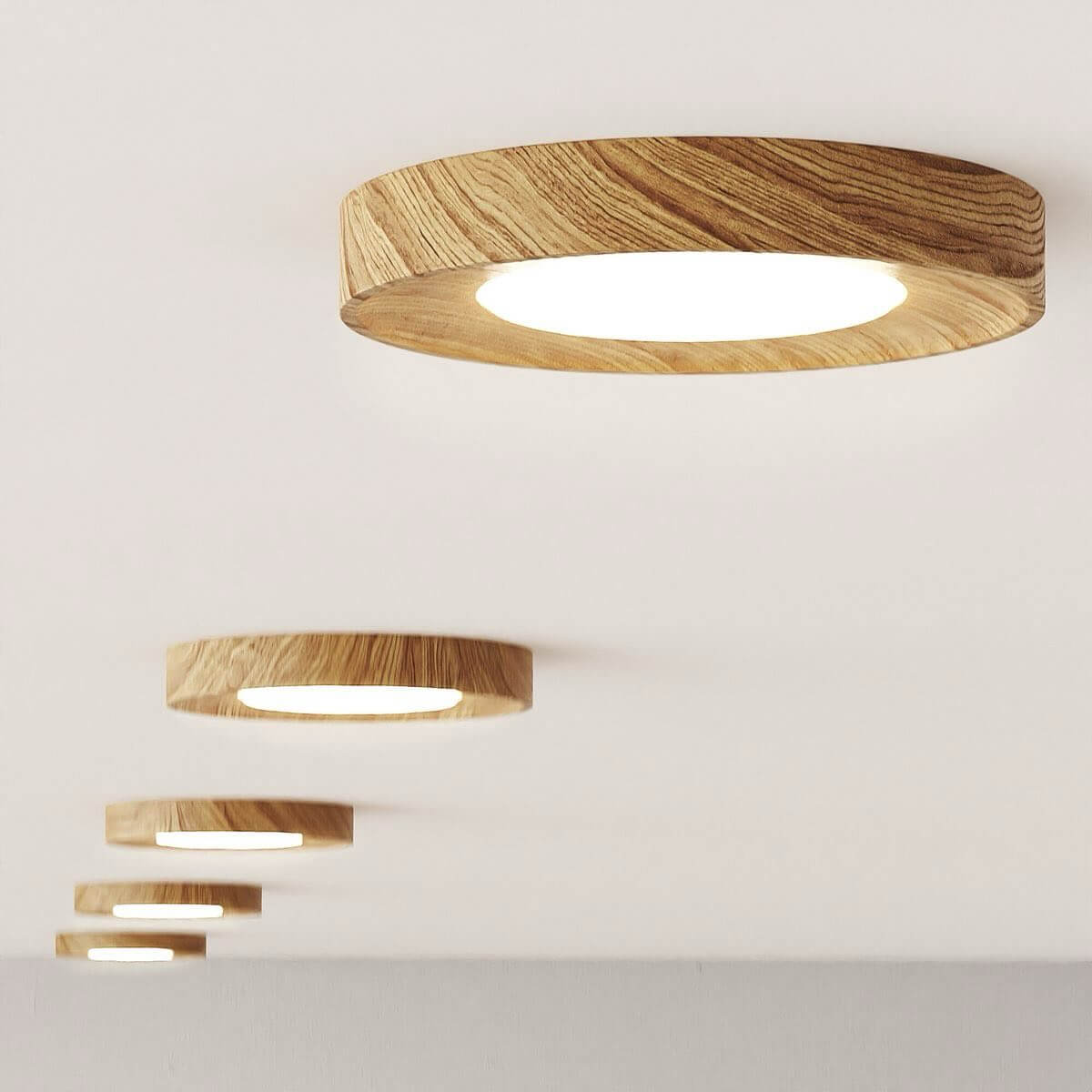
Bathrooms demand beautiful light and proper protection. Opt for damp- or wet-rated ceiling lights with sealed diffusers to handle humidity; over showers, use wet-rated fixtures specifically. A low-profile flush mount or compact surface-mount LED gives bright, even ambient lighting without harsh shadows, complementing vertical vanity lights at the mirror. Choose 3000–3500K LEDs for a crisp yet flattering tone and 90+ CRI so skin, tile, and grout read accurately. In larger baths, add a small damp-rated pendant over a freestanding tub for sculptural appeal—mind clearance and local code (generally 8 feet minimum above the rim). If you like a luxe look, prismatic or ribbed glass adds sparkle without exposing bare bulbs. Put all bathroom ceiling lights on a dimmer for soft, nighttime navigation and pair with an exhaust timer to protect finishes. For remodels where cutting new cans is tough, select ultra-thin surface-mount fixtures. These ceiling light ideas balance safety, performance, and serenity—giving you spa-level ambience that stands up to steam and splashes.
Hallways and Entries: Repeating Ceiling Fixtures for Sightline Rhythm
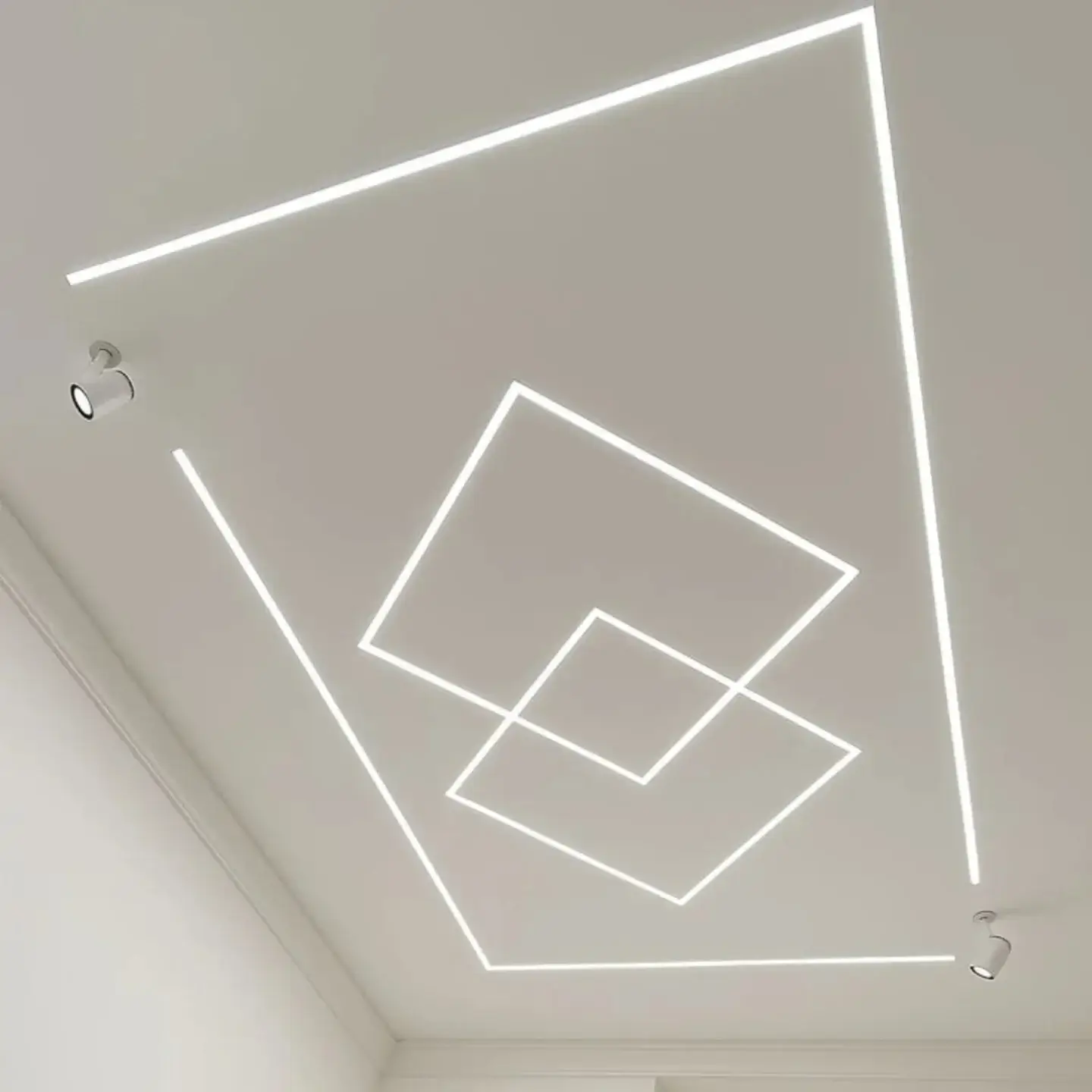
Corridors and foyers set the tone for your home, so give them a lighting plan that feels intentional. Repeating flush or semi-flush ceiling lights at regular intervals creates a visual cadence that guides the eye and erases dark pockets. As a rule of thumb, space fixtures every 6–8 feet depending on output, keeping at least 7 feet of head clearance. Choose 10–12 inch diameters for narrow halls and scale up in wider passages for stronger presence. In entries, a statement semi-flush or compact chandelier sets mood; size using the classic formula: add room length and width (in feet) to get the fixture diameter in inches, and hang for 7 feet minimum clearance (or 30–36 inches above a console table). Warm white LEDs (2700–3000K), 90+ CRI, and dimmers will carry you from bright welcome to evening glow. Unify finishes with door hardware and stair rails—brass for warmth, black for contrast, nickel for a clean, tailored look. These ceiling light ideas make circulation spaces feel curated, bright, and part of the design story—not just a path between rooms.
Sputnik and Multi-Arm Chandeliers: Adjustable Drama for Living and Dining
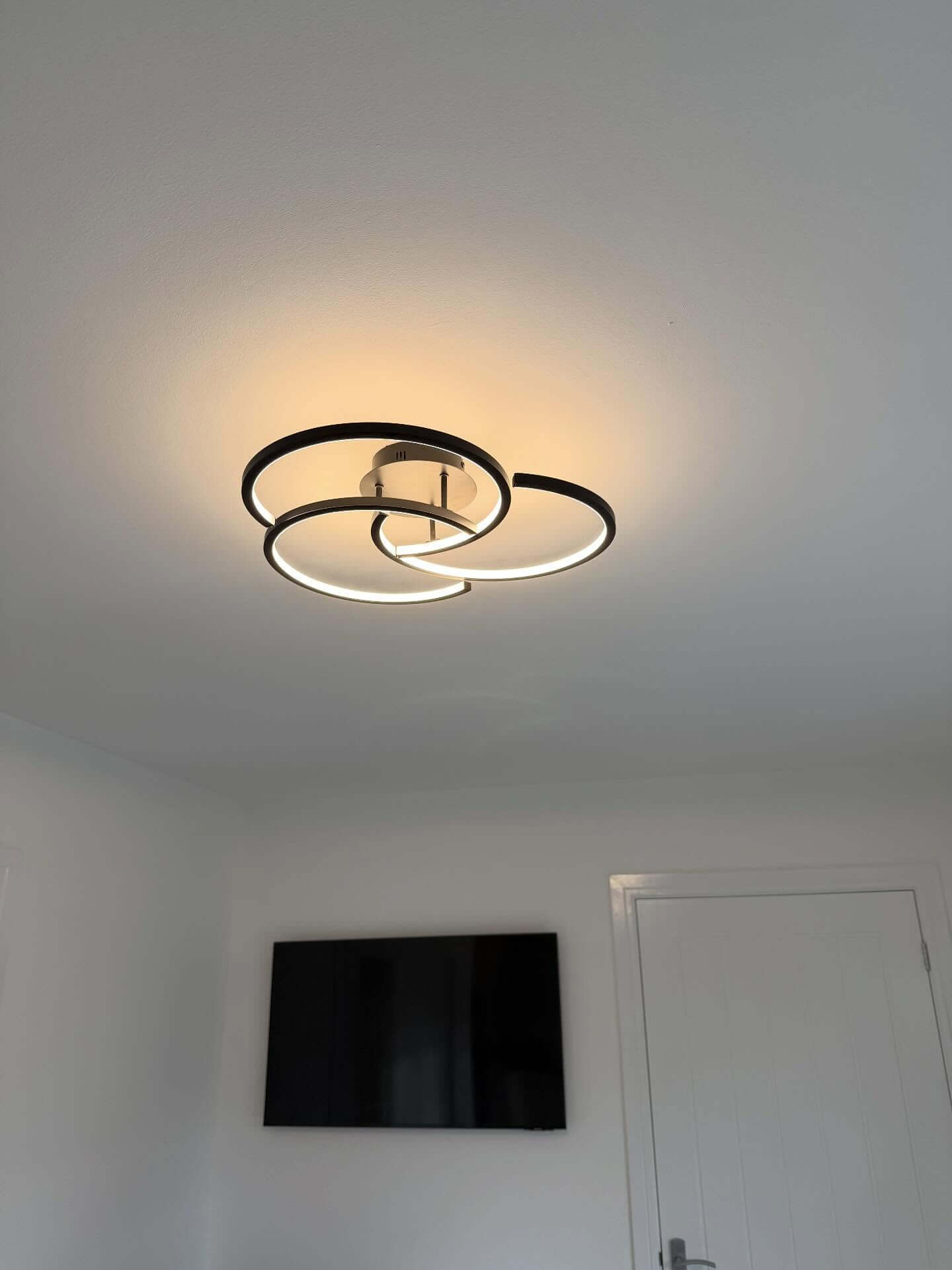
For bold rooms that still need versatile light, a sputnik or multi-arm chandelier delivers sculptural energy and excellent spread. Adjustable arms let you fine-tune reach and balance, pushing light into corners and across ceilings for dynamic ambient lighting. Use the quick sizing guide—add the room’s length and width in feet to estimate chandelier diameter in inches—and adjust visually for furniture and sightlines. In dining rooms, hang 30–34 inches above the table; in living rooms, aim for 7 feet of clearance or switch to a semi-flush sputnik for 8-foot ceilings. Choose frosted G16.5 or G25 bulbs for a comfortable, glare-free glow, dimmable to 10% for movie nights. Warm finishes like aged brass dial up mid-century vibes; matte black leans modern; mixed metals bridge styles. Pair with wall washers or a few discreet downlights to even out brightness without stealing the spotlight. As a ceiling light idea, multi-arm chandeliers are statement-makers that also solve coverage—form and function in one striking fixture.
Acoustic Felt Pendants: Brighten the Room, Quiet the Echo
Open-plan kitchens, lofty living rooms, and hard-surface dining areas often sound harsher than they look. Acoustic felt pendants solve two problems at once: they provide generous, diffused ceiling light and absorb reverberation for clearer conversation. Made from sound-dampening PET felt panels or shades, these fixtures can achieve NRC ratings around 0.5–0.8, softening clatter from islands, dishes, and high ceilings. Choose wide, shallow forms for broad, comfortable illumination and target 300–500 lux on task zones with high-CRI LEDs at 2700–3000K. Over an island or table, hang in a row or cluster and dim to taste; in offices or playrooms, their quieting effect boosts focus and comfort. Finishes span heathered grays to color accents that double as decor. If you rent or can’t recess lights, acoustic pendants offer a dramatic, practical upgrade that installs to a standard junction box. As a contemporary ceiling light idea, they bring hospitality-level ambience home—soft on the eyes, soft on the ears, and strong on style.
Get the Fail-Safe Paint Color Playbook (Free PDF)
36 proven colors • 8 ready palettes • trim & sheen guide • printable testing cards.
Modern LED Ceiling Light Designs and Smart Controls for Kitchens and Bedrooms
Kitchens thrive on bright, accurate ceiling light that flatters food and boosts focus. Use a grid of recessed downlights or sleek surface rounds to build the ambient layer, keeping cans symmetrical with major cabinets and walkways. Choose 3000K–3500K with CRI 90+ so greens look fresh and meats look natural, not gray. Add a linear island pendant or a trio of smaller pendants for task clarity without casting harsh shadows over cutting zones. Dimmable drivers let you pivot from prep to dining mood, while damp- or easy-clean lenses handle steam and splatter. Where ceilings are low, select low-profile fixtures with wide beam spreads to avoid cave-like corners.
Bedrooms benefit from softer, more directional control that avoids ceiling glare while supporting wind‑down routines. Pick warm 2700K or dim‑to‑warm fixtures, using a central flush mount for ambient and small recessed or micro‑spots for reading niches. If you love statement pieces, a compact chandelier or sculptural fan‑light provides drama without overpowering modest ceilings. Smart scenes that fade from 50% to 1% over ten minutes cue relaxation and reduce abrupt wake‑ups at night. Prioritize flicker‑free, quiet electronics so late‑night dimming feels seamless, not buzzy. Match metal finishes to hardware and textiles for a considered, restful palette.
Design and placement tips:
- Space island pendants 24–30 inches apart, hang 30–36 inches above the countertop, aim for 300–600 lumens each, and choose frosted diffusers to cut glare on polished stone.
- Lay out recessed downlights at half the ceiling height for spacing, keep 12–18 inches off walls, and use 60-degree beams or gimbals to wash upper cabinets evenly.
- Program tunable-white scenes: kitchens at 3500K for prep, 3000K for dining; bedrooms at 2700K for evening, 2200K nightlight, ensuring consistent dimming curves across fixtures to avoid jumps.
- Select fixtures with 90+ CRI and flicker-free drivers rated to 1% dimming, compatible with ELV or 0–10V systems, so circadian schedules and bedtime fades feel seamless and comfortable.
Consistency across fixtures matters; verify dimmer compatibility sheets so recessed cans, pendants, and flush mounts track together. Use beam control to solve problems—narrow beams punch to islands, wide beams smooth ceilings, and wall-wash trims expand small rooms. In compact kitchens, integrated linear ceiling bars can replace multiple cans for cleaner lines and faster installs. For bedrooms, select shades with opal or linen diffusers that mute bulb images and soften ceiling hotspots. Keep maintenance realistic with sealed, wipeable lenses and accessible driver compartments. When renovating, prewire for separate zones now; future pendants or fans will integrate without opening the drywall again.
Bright Answers to Common Ceiling-Light Questions
How many lumens do I need for a living room ceiling light?
Plan for roughly 10–20 lumens per square foot for ambient light, then layer task lighting where needed. A 200-square-foot room typically needs 2,000–4,000 lumens distributed across fixtures and zones.
What color temperature works best in kitchens and bedrooms?
Kitchens favor 3000K–3500K for crisp visibility and natural food tones. Bedrooms feel coziest at 2700K or dim‑to‑warm technology that shifts to 2200K during late-night winding down.
Get the Fail-Safe Paint Color Playbook (Free PDF)
36 proven colors • 8 ready palettes • trim & sheen guide • printable testing cards.
How high should I hang a chandelier above a dining table or island?
Generally, suspend the bottom 30–36 inches above the surface to prevent glare while lighting faces and tasks. For multiple pendants, keep 24–30 inches between shades for even coverage.
Can I mix metal finishes across ceiling fixtures?
Yes—limit the palette to two coordinated finishes and repeat each at least twice for cohesion. Glass diffusers or opal shades help unify mixed metals and reduce visual clutter.
Final Verdict: Illuminate Every Room with Purpose and Personality
Ceiling lighting is the backbone of a well-designed home: it sets tone, clarifies function, and elevates architecture in one stroke. From sculptural foyer statements to sleek, low-profile bedroom pieces, the best plans blend ambient, task, and accent layers so rooms feel welcoming and work beautifully. Think scale and proportion first—match fixture diameter and drop to the room and ceiling height—then refine with finishes, shade materials, and forms that echo your style, whether modern minimal, coastal natural, or vintage-inspired.
Make choices that perform as well as they look. Aim for warm, consistent color (2700–3000K for living spaces, 3000–3500K where tasks dominate), high color accuracy (CRI 90+), and dimmable, long-life LEDs. Use damp or wet ratings in baths and covered patios, angled canopies for sloped ceilings, and quiet fan-light combos where airflow matters. Smart controls, scenes, and schedules add flexibility and savings, while renter-friendly plug-in swag pendants and ultra-thin surface-mount LEDs deliver impact without renovation.
Curate a mix that feels intentional: repeat finishes across sightlines, vary silhouettes for interest, and layer in signature moments—schoolhouse globes in halls, linen drums over dining, rattan for warmth, ring LEDs for crisp modernity, or a bold Sputnik where you want drama. Treat the ceiling as your fifth wall, and your lighting will do more than brighten rooms—it will shape experiences, flatter every space, and make daily life shine.