
Long Driveway Ideas That Instantly Elevate Curb Appeal and Everyday Comfort
A long driveway isn’t just a path—it’s your property’s grand introduction. With the right layout, materials, and visual rhythm, it can frame your home beautifully, guide the eye, and make every arrival feel special while boosting curb appeal and value.
From graceful curves and layered landscaping to smart lighting, edging, and gates, small design choices add up to big impact. The best long driveway ideas balance beauty with function—think drainage, snow management, and low-maintenance surfaces that stand up to weather and wear.
Get the Fail-Safe Paint Color Playbook (Free PDF)
36 proven colors • 8 ready palettes • trim & sheen guide • printable testing cards.
Whether yours is narrow or wide, straight or winding, wooded or coastal, this guide will spark ideas for every style and budget. Expect practical tips on turning radiuses, parking pads, privacy screens, and textures—so your driveway looks stunning and works seamlessly for guests, deliveries, and daily life.
Long Driveway Ideas: Materials, Patterns, and Cost-Smart Design Tips
Choosing the right surface for a long driveway blends durability, climate fit, and budget control. Concrete offers longevity and clean lines, but needs expansion joints and sealing where freeze-thaw cycles are severe. Asphalt installs quickly and flexes with seasonal movement, yet softens in heat and requires periodic resealing. Gravel is cost-effective and permeable, though it tracks, ruts on slopes, and needs edging plus routine top-ups. Permeable pavers or resin-bound systems manage runoff elegantly, supporting stormwater goals and local codes while delivering high-end curb appeal. For heavy vehicles, verify base depth, geotextiles, and compaction specs to prevent settlement across extended runs.
- Permeable Paver Grid: Interlocking cells over a deep, well-graded base let water infiltrate, reduce runoff, and stabilize loads; vacuum or pressure-wash annually to maintain porosity and interlock.
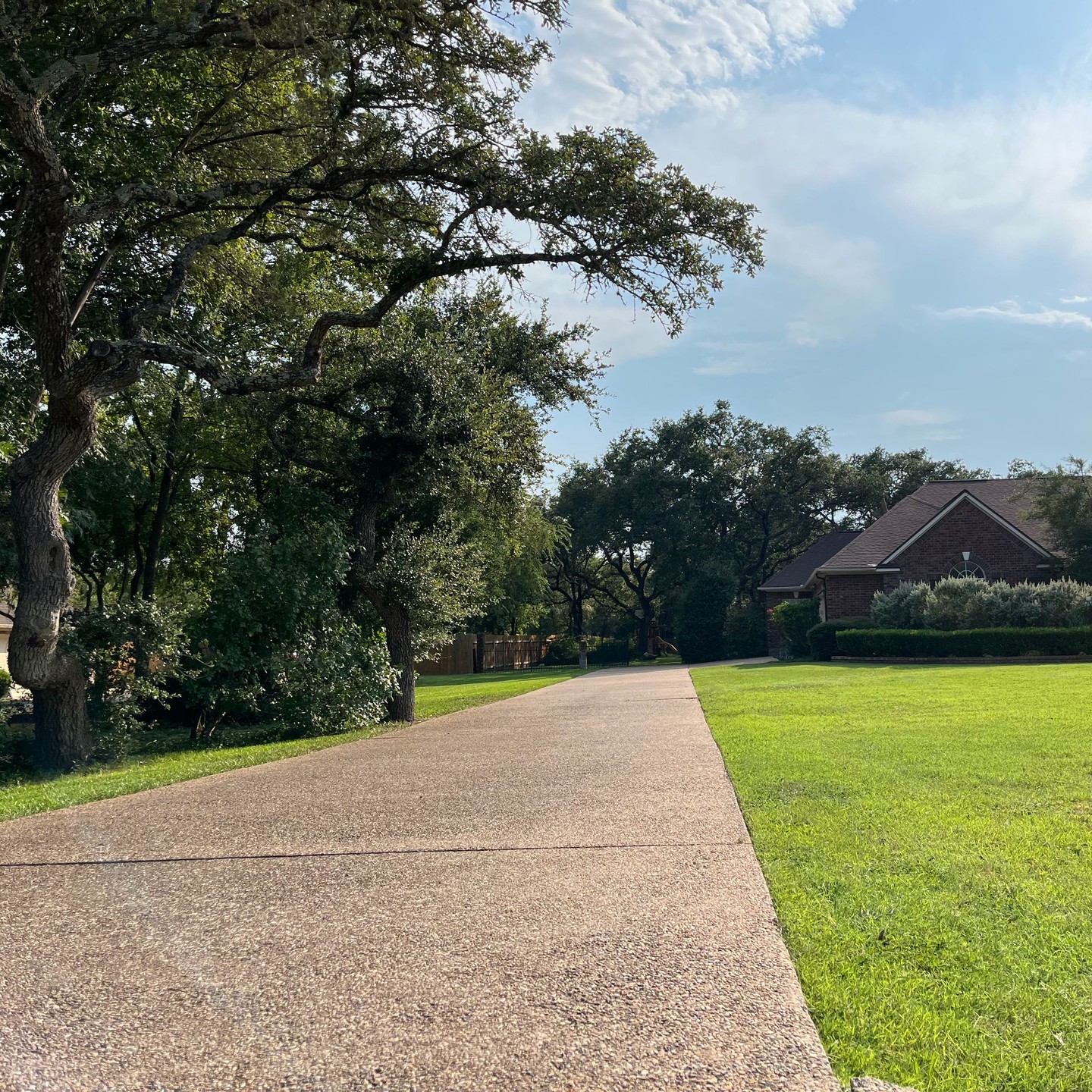
- Exposed Aggregate Concrete: Washed surface reveals decorative stone for texture and traction, hides minor stains, and sparkles in sunlight; seal every few years to guard against deicing salts and freeze-thaw.
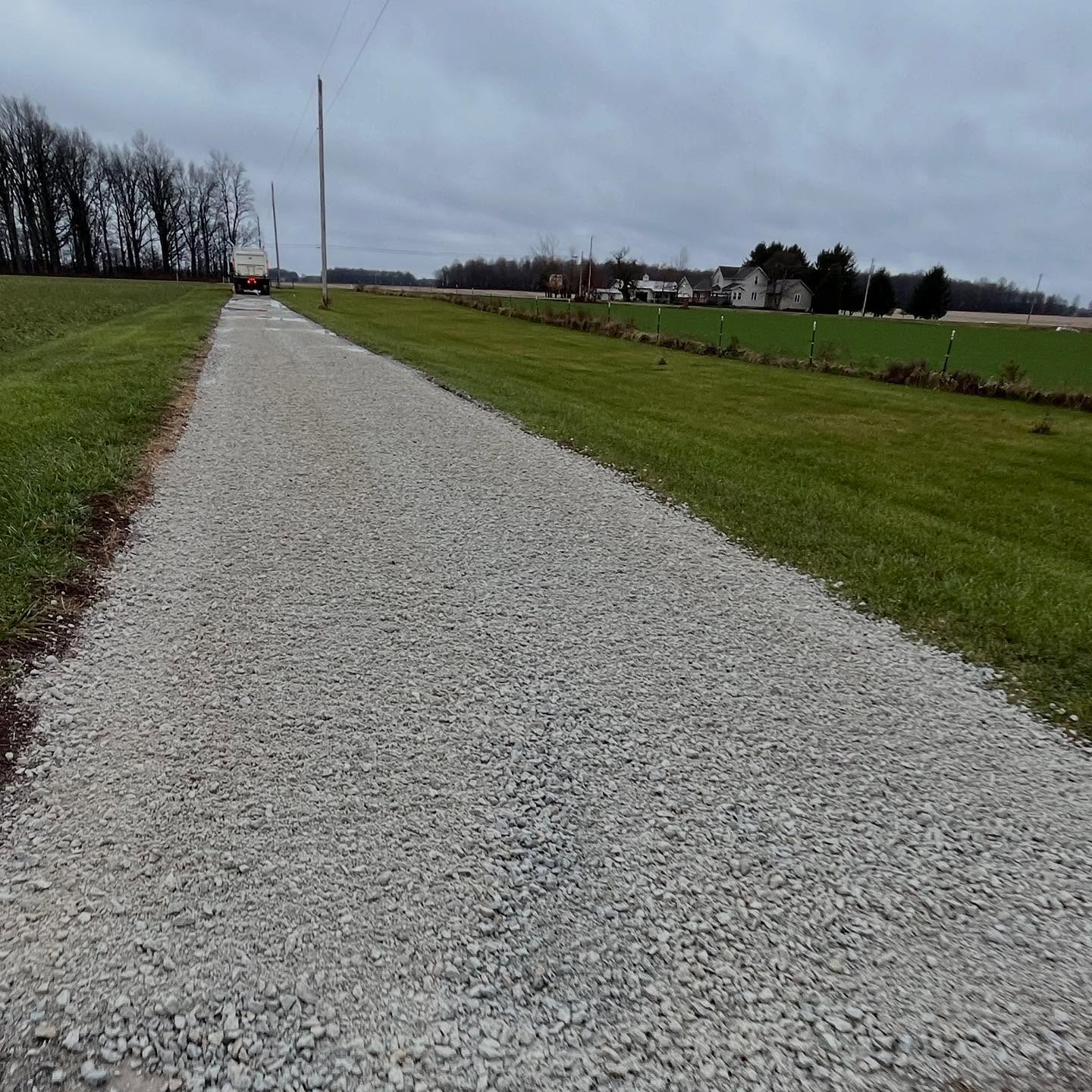
- Stabilized Gravel with Honeycomb: Resin-free polypropylene grids confine gravel, preventing washboarding and migration; combine with a compacted base and steel edging for crisp lines, easier plowing, and wheelchair-friendly surfaces.
- Recycled Asphalt Millings: Heat and compaction bind reclaimed millings into a semi-solid mat, delivering a dark, unified look; expect softening in extreme heat and plan re-rolling every few seasons.
- Brushed Concrete with Banding: Simple broom finish maximizes traction, while contrasting colored bands or saw-cut borders add architectural rhythm; align banding with control joints to minimize cracking visibility and maintenance.
- Stamped Asphalt Overlay: Heat-softened asphalt receives patterned stamping and specialty coatings to mimic brick or slate; faster to install than pavers, yet requires periodic sealcoat to preserve color and imprint.
Long approaches benefit from gentle S-curves that slow traffic, expose landscaping vignettes, and improve sightlines at the street. Aim for a 10–12 foot clear width for cars, expanding to 14–16 feet near curves, gates, or passing bays. Incorporate a hammerhead or circular turnaround within 30–50 feet of the residence to ease deliveries and emergency access. On grades, add crowned profiles or 2 percent cross-slope for drainage, and design aprons to avoid vehicle scraping at transitions. Integrate snow-storage pockets, mailbox pull-offs, and concealed trash-pad spurs so utilities stay functional without cluttering the main run. Mark edges with flush paver bands or reflective markers to guide night driving without creating plow-catching obstacles.
Curved Long Driveways That Slow Speed and Frame the First View
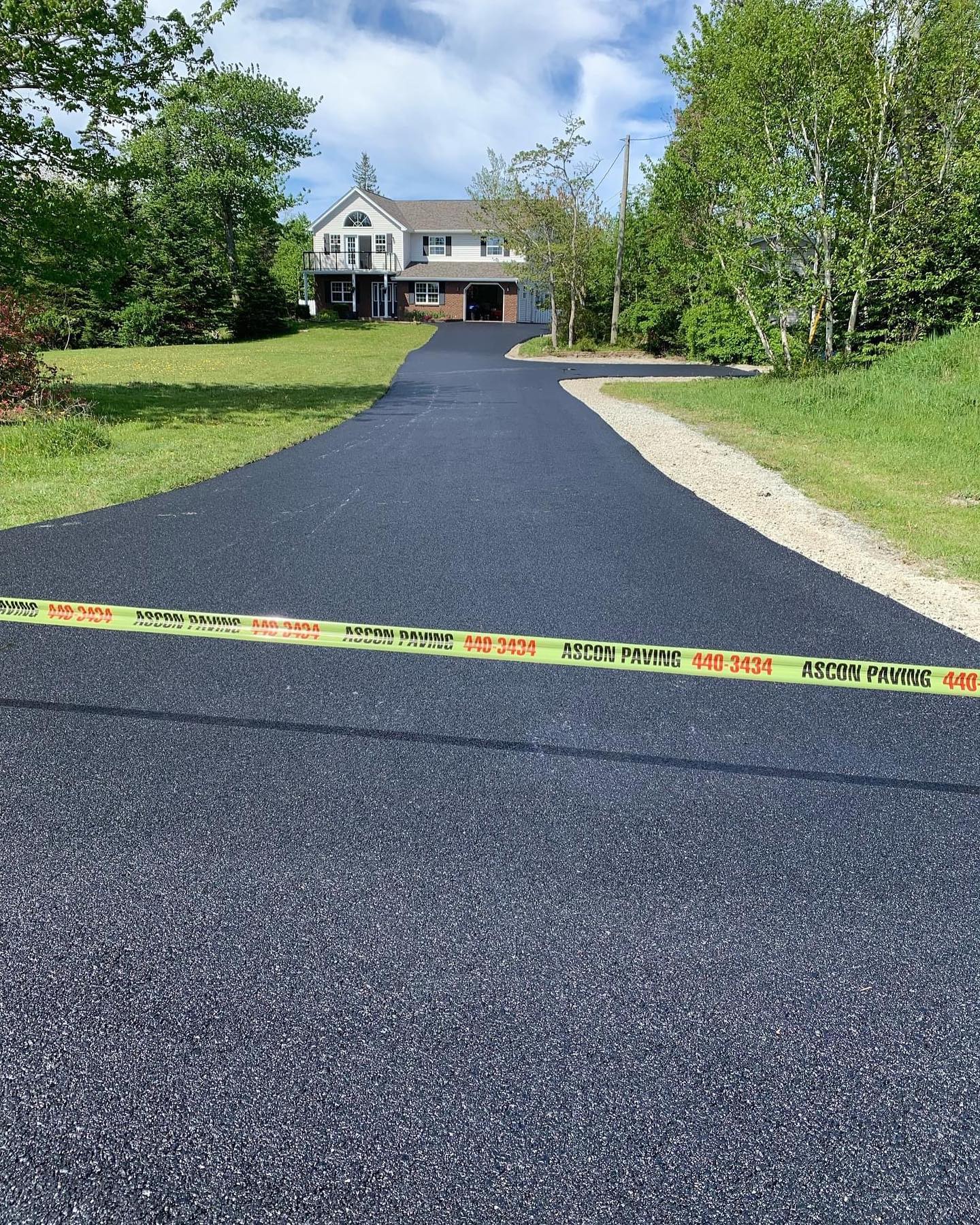
A long, gently curving driveway creates anticipation and instantly elevates curb appeal while making daily use safer. Aim for sweeping S-curves instead of tight bends; a 45–60 ft centerline radius feels natural for passenger vehicles and helps snowplows and delivery vans navigate without rutting shoulders. Keep the travel lane 10–12 ft wide with 1–2 ft reinforced edges and maintain a 1.5–2% cross-slope so water sheds off the surface rather than down the middle. On curves, add a subtle super-elevation and use contrasting edging or low bollards to visually guide drivers at night. Plant low, layered beds on the outside of curves to open sightlines and place focal elements—like a specimen tree or sculptural boulder—where the view naturally “lands.” If privacy is a goal, curve to obscure the home from the street; if grandeur is the brief, bend to reveal the facade in stages. Under the surface, specify 6–8 in of compacted base (more on expansive soils) and a geotextile separator to keep the structure stable over time. The result is a long driveway design that manages speed, drainage, and drama in one elegant move.
Stabilized Gravel for Rustic Elegance and Sustainable Drainage
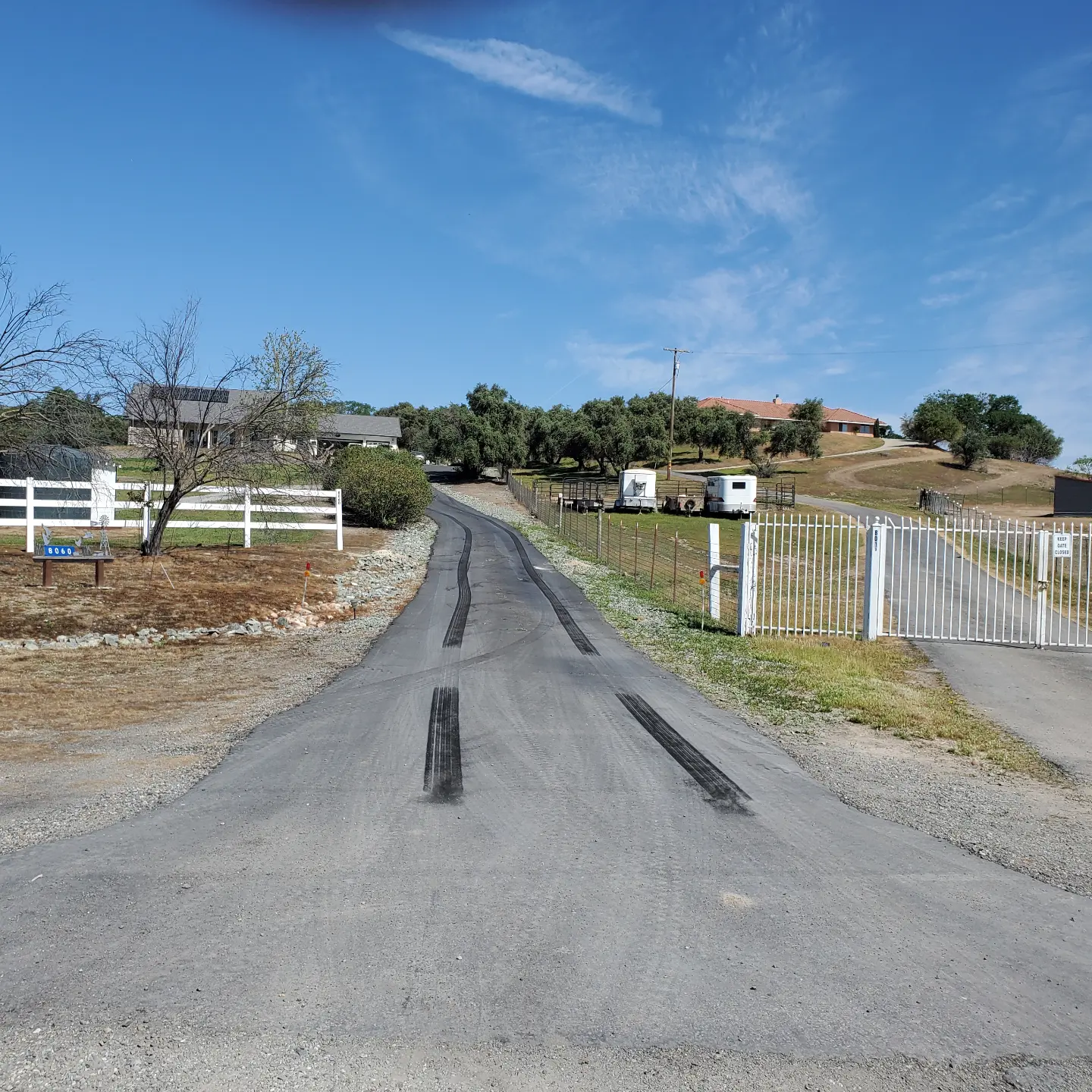
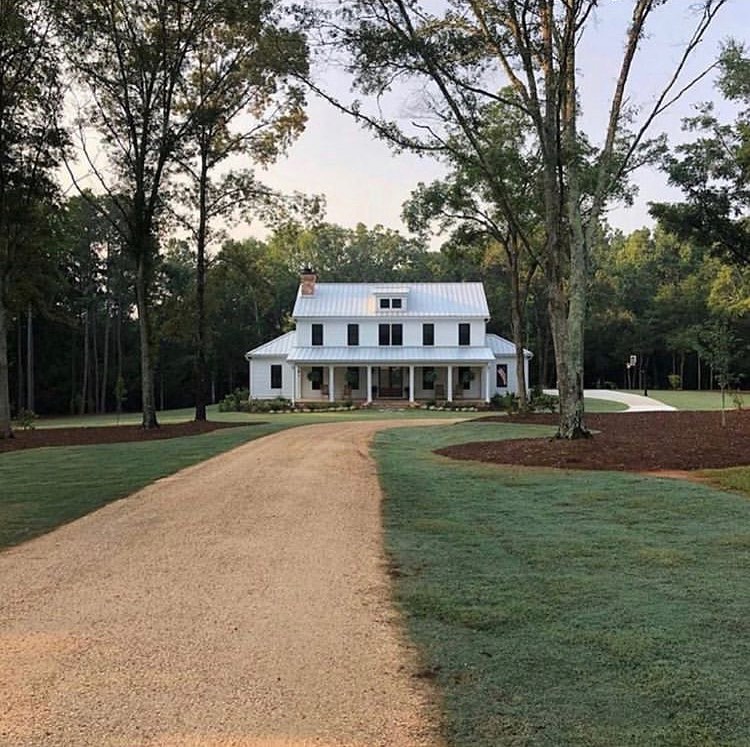
If you love the classic look and sound of gravel but want modern performance, stabilized systems are a smart long driveway idea. Cellular grids (HDPE honeycomb or rigid panels) lock angular #57 stone in place, preventing washboarding on slopes and reducing migration at turnouts. Resin-bound options create a seamless, ADA-friendly surface that still allows vapor exchange and cuts dust. Pair either with a proper base (4–6 in compacted aggregate over geotextile) and steel or aluminum edge restraints to keep lines crisp over the long run. Permeability is the unsung hero here: stabilized gravel lets stormwater infiltrate, relieving pressure on swales and culverts while protecting tree root zones along the drive. Choose locally quarried stone to harmonize with your region, and specify a deeper, darker color that visually anchors a long run. For snow country, set plow blades with shoes and use polymer-safe de-icers. Add wayfinding with contrasting fines at the apron, and reinforce high-wear areas—like the mailbox pull-off or delivery bay—with a hidden concrete apron beneath the same surface stone. You get low-maintenance curb appeal that’s quiet underfoot, kind to budgets, and better for your site’s hydrology.
Contrasting Edging That Protects Shoulders and Adds Architectural Detail
On a long driveway, edges do the heavy lifting for both function and style. A soldier course of cobbles, Belgian block, or thick pavers forms a containment curb that stops base migration and keeps asphalt or concrete from crumbling at the shoulders. Set edging on a concrete haunch and drop it 6–8 in into the base for longevity; miter corners cleanly and widen the band at curves for visual balance. For a refined look, bookend the run with an upgraded apron—think fan-laid pavers or a herringbone insert—that signals arrival without redoing the entire length. Color matters: echo roof, shutter, or stone hues to stitch the driveway into the architecture. If you’re updating an existing surface, edging is a fast, high-impact facelift that also improves safety by clarifying the drive path at dusk. Add subtle reflectors flush with the band in snowy regions. Bonus: those edges provide a crisp interface for planting strips or permeable shoulders that soak up runoff. The result is a framed, finished long drive that resists raveling, handles turning stress at entrances and parking pads, and reads as custom—even on practical surfaces like asphalt.
Tree‑Lined Allée With Layered Understory for Shade, Scale, and Drama
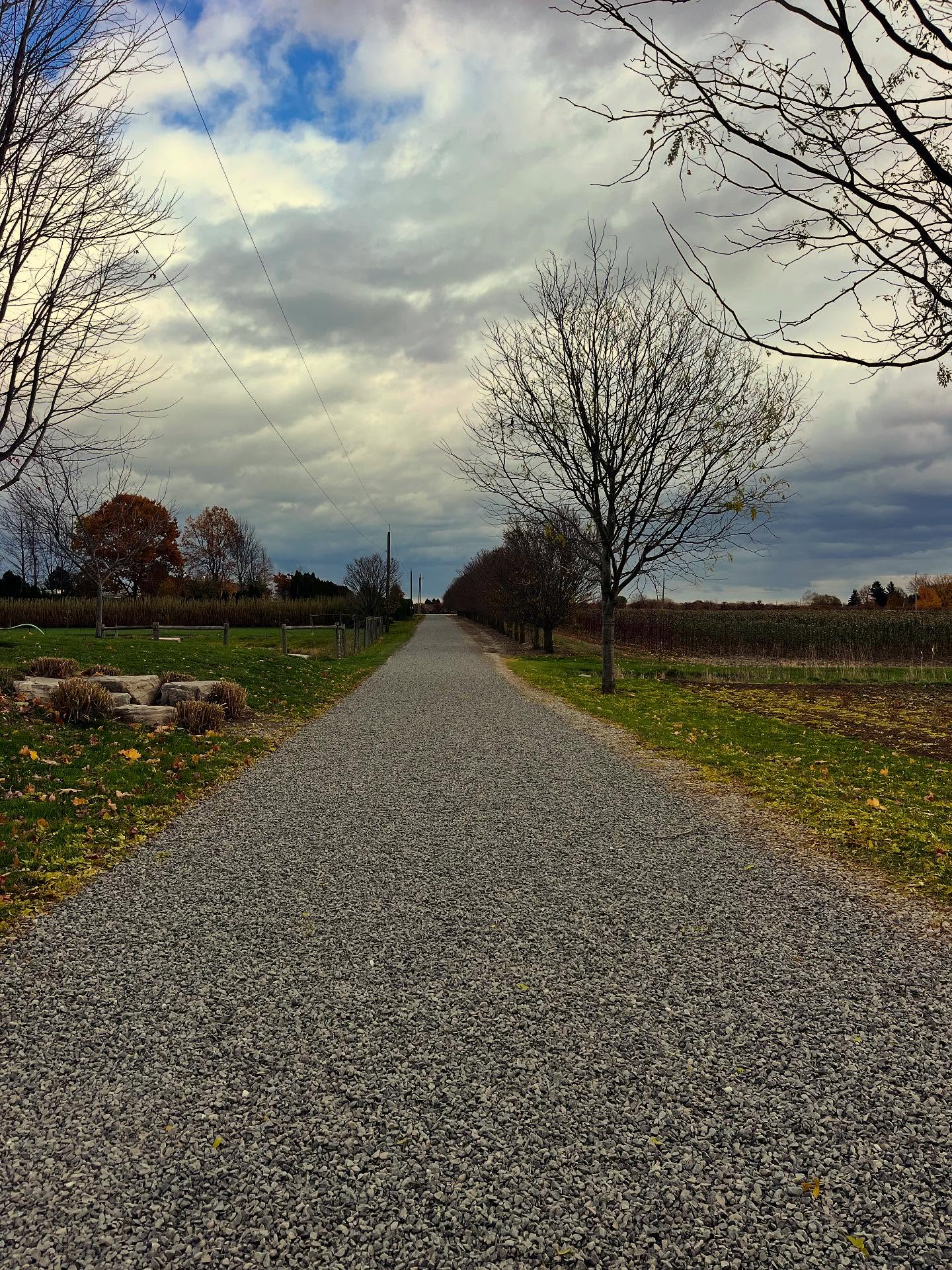
A tree-lined allée turns a long driveway into a destination. Spacing is key: set trees 20–30 ft on center and at least 6–8 ft from pavement edge to protect trunks from mirrors and snow shed. Choose species tolerant of compaction and road salt—oaks, lindens, elms, or disease-resistant pears in temperate zones; live oaks or olives in warmer climates. Use root barriers and structural soil beneath shoulders to steer growth downward and preserve the drive. Understory layers—grasses, groundcovers, and low shrubs—soften the base and suppress weeds without blocking sightlines; aim for plants that won’t encroach or require frequent shearing. Irrigate with drip lines outside the dripline to encourage deep roots, and up-light a few trunks for evening drama without glare. To prevent a wind tunnel effect on exposed sites, stagger the allée slightly or mix two complementary species for texture and resilience. Mulch rings and permeable shoulders protect soil biology while managing runoff. Over time, the canopy knits together, cooling the microclimate, reducing heat island effect, and delivering that cinematic approach that makes every arrival feel like an event.
Ribbon Driveway Treads With a Green Center for Classic Charm and Infiltration
Ribbon driveways—two tire treads with a planted or gravel center—bring heritage character and sustainability to long approaches. Each tread is typically 24–36 in wide, with a 24–48 in center strip. Pour concrete or lay permeable pavers on stabilized base for the treads, and reinforce the center using a geo-grid so turf or drought-tolerant groundcovers (kurapia, dwarf mondo, creeping thyme) stay level with the wheels. This format slashes impervious surface area, cuts glare, and cools the approach while still supporting daily traffic. It’s especially compelling on narrow lots or historic homes where a full-width slab would feel out of scale. Transition to full-width paving at the apron, curves, and the parking court for clean maneuvering. In snow zones, consider a heated mat beneath the treads only, or swap the center for decorative gravel to ease winter maintenance. Edge the treads with brick or stone bands for crisp definition and a subtle cue to stay centered. The result is a timeless, low-maintenance driveway idea that blends curb appeal with water-wise performance—proof that less pavement can deliver more presence.
Smart Snow and Ice Strategy: Heated Zones, Textures, and Melt Management
Long driveways in cold climates benefit from targeted snow-melt planning rather than heating every square foot. Prioritize the trouble spots: the apron, steep slopes, tight curves, and north-facing sections that refreeze. Hydronic systems (PEX in a slab) are efficient for new builds or major retrofits; electric mats excel for selective zones and paver overlays. Pair with slab insulation and slab sensors that trigger only when moisture and temperature align, minimizing energy use. Even without full heat, specify broom-finished concrete or textured pavers for traction, and design safe runoff paths so meltwater drains to swales—not across the travel lane where it can re-ice. Add gutter heat cables and a trench drain at the garage to capture roof shed. Store de-icers in a sealed bin near the entrance and choose chloride blends compatible with your surface. Plow-ready details matter on a long drive: generous turnouts, durable edge restraints, and a 2% cross-slope keep equipment moving and protect shoulders. With a smart mix of heated zones, good textures, and drainage, winter becomes predictable—and your driveway remains both beautiful and usable from first flurry to thaw.
Gate, Pillars, and Address Marker as a Thoughtful Arrival Sequence
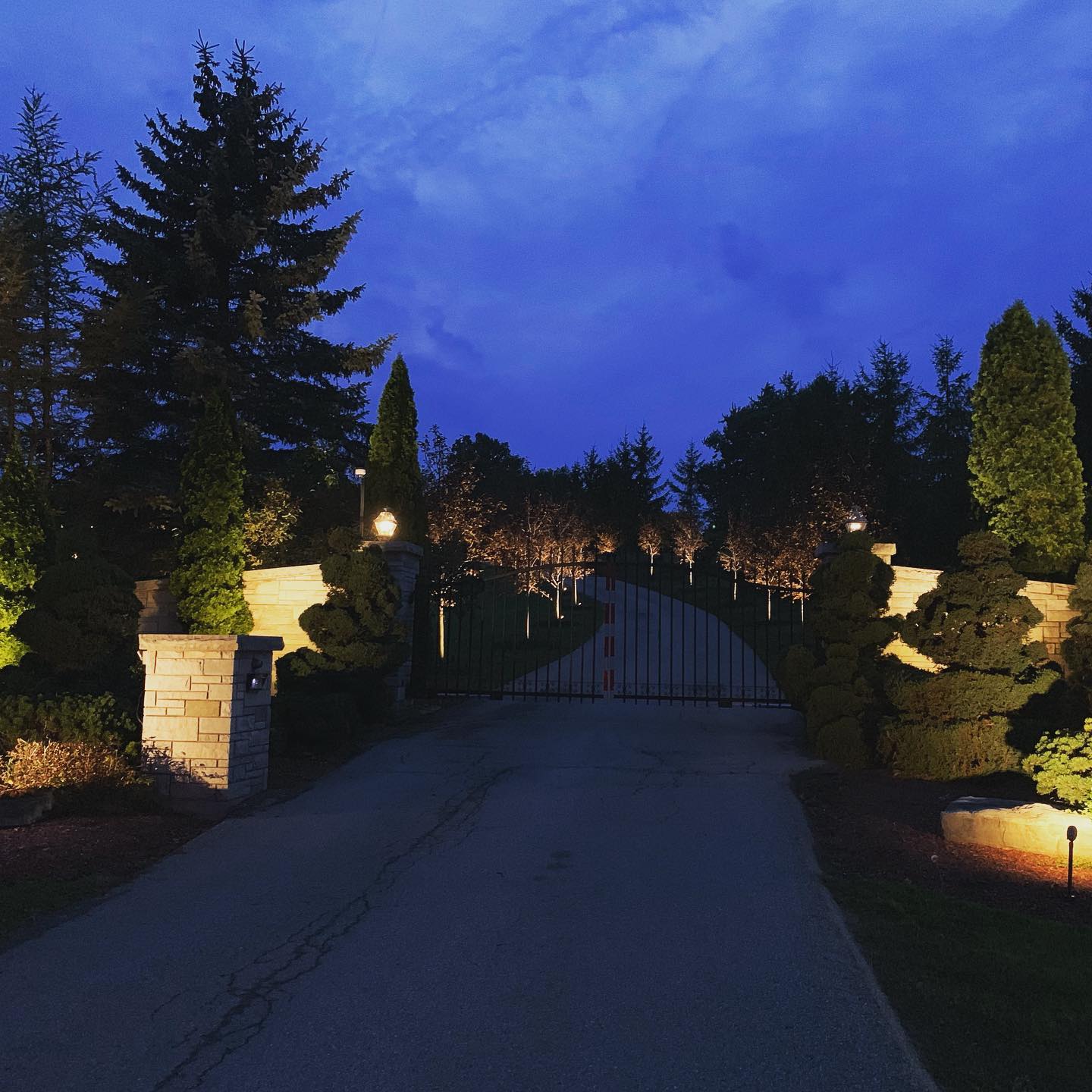
A long driveway deserves an entrance that works as well as it looks. Start with siting: set the gate back a full car length (20–25 ft) from the road so guests and deliveries can wait safely. Choose a 12–14 ft clear width for most residential drives; go wider if you routinely receive trailers or service trucks. Sliding gates save space on tight sites; swing gates feel traditional but need level ground and stop posts. Stone or brick pillars with integrated lanterns, house numbers, and a discreet camera intercom elevate security and wayfinding. Add a pull-off for mail and packages, and a keypad on both in- and out-bound sides to ease daily flow. Conduit for power and data should be installed with spare capacity for future tech. Plant low evergreens and seasonal perennials at the entry to soften hardscape while preserving sight triangles for safe egress. Finish with a contrasting apron and a subtle change in paving pattern inside the gate to signal “you’ve arrived.” This layered sequence sets tone, adds privacy, and streamlines access—turning the first 30 feet of your long driveway into a polished prologue.
Midway Turnouts and a Discreet Motor Court That Keep Traffic Flowing
On a long, narrow driveway, strategic places to pass and park are essential. Add a midway turnout every 200–300 ft on single-lane runs—an extra 8–10 ft of width over 20–30 ft of length lets two vehicles pass without chewing up the verge. Near the house, a compact motor court or hammerhead (10×20 ft arms) enables clean three-point turns, keeping cars from backing blindly into the street. Differentiate these areas with a shift in paving—permeable pavers or a subtle border—so guests intuitively slow and stop where you want them. If you entertain, tuck one or two guest spaces along a straight stretch screened by low hedging; if deliveries are frequent, include a short lay-by near the gate. Drainage still rules: pitch turnouts and the court to perimeter swales, and specify open-joint or permeable surfaces to soak up roof and car wash runoff. Lighting ties it together—warm bollards at the passing bay and shielded sconces at the motor court reduce glare while clarifying circulation. The payoff is everyday ease and event-day capacity without turning your front yard into a parking lot.
Layered Driveway Lighting for Safety, Wayfinding, and Nighttime Curb Appeal
The best long driveway lighting works in layers. Start low with shielded bollards or in-grade markers at 20–30 ft intervals to define edges without blinding drivers. Add “moonlighting” from trees—downlights mounted high in canopies that softly wash curves and intersections, revealing grade changes and pedestrians. Accent only what helps with wayfinding: the gate, address marker, a key curve, and the parking court entrance. Keep color temperature warm (2700–3000K) to flatter architecture and preserve dark skies, and choose fixtures with proper cutoff to prevent glare. Smart controls matter on long runs; use astronomic timers and motion boosts so paths brighten as vehicles approach, saving energy the rest of the time. Run low-voltage cable in conduit along one shoulder with accessible junctions to simplify maintenance. In snowy regions, add discreet retroreflectors at the inside of curves and along culvert crossings to guide plows. Finally, coordinate lighting with planting—uplight a few sculptural trunks and let the rest recede. Thoughtful illumination transforms safety into style, turning your driveway into a welcoming ribbon after dark without over-lighting the landscape.
Get the Fail-Safe Paint Color Playbook (Free PDF)
36 proven colors • 8 ready palettes • trim & sheen guide • printable testing cards.
Drainage That Protects the Drive and the Landscape: Crowns, Swales, and Culverts

Great long driveway ideas start underfoot with water management. Build in a 1–2% cross-slope or a gentle crown so rain sheds quickly to vegetated swales, not down the driving line. Size swales to your watershed and line with turf or river rock to slow, filter, and infiltrate flow; on crossings, use properly sized culverts with headwalls to prevent washouts. At the garage, install a trench drain or slot drain to capture roof and vehicle runoff, and pitch the apron away from doors. Permeable shoulders and bands—open-graded gravel or permeable pavers—act as relief valves during storms and protect edges from raveling. Under the surface, a geotextile separator and 8–12 in of compacted, well-graded aggregate create a stable base that resists pumping and frost heave. On slopes, include check dams in swales and add water bars across gravel sections to interrupt velocity. Direct downspouts to rain gardens rather than onto the drive, and specify de-icers that won’t burn plantings. When drainage is baked into the layout and layers, your long driveway lasts longer, looks cleaner after every storm, and safeguards the rest of your landscape investment.
Get the Fail-Safe Paint Color Playbook (Free PDF)
36 proven colors • 8 ready palettes • trim & sheen guide • printable testing cards.
Stone Apron and Asphalt Transition That Signals Quality From the Street
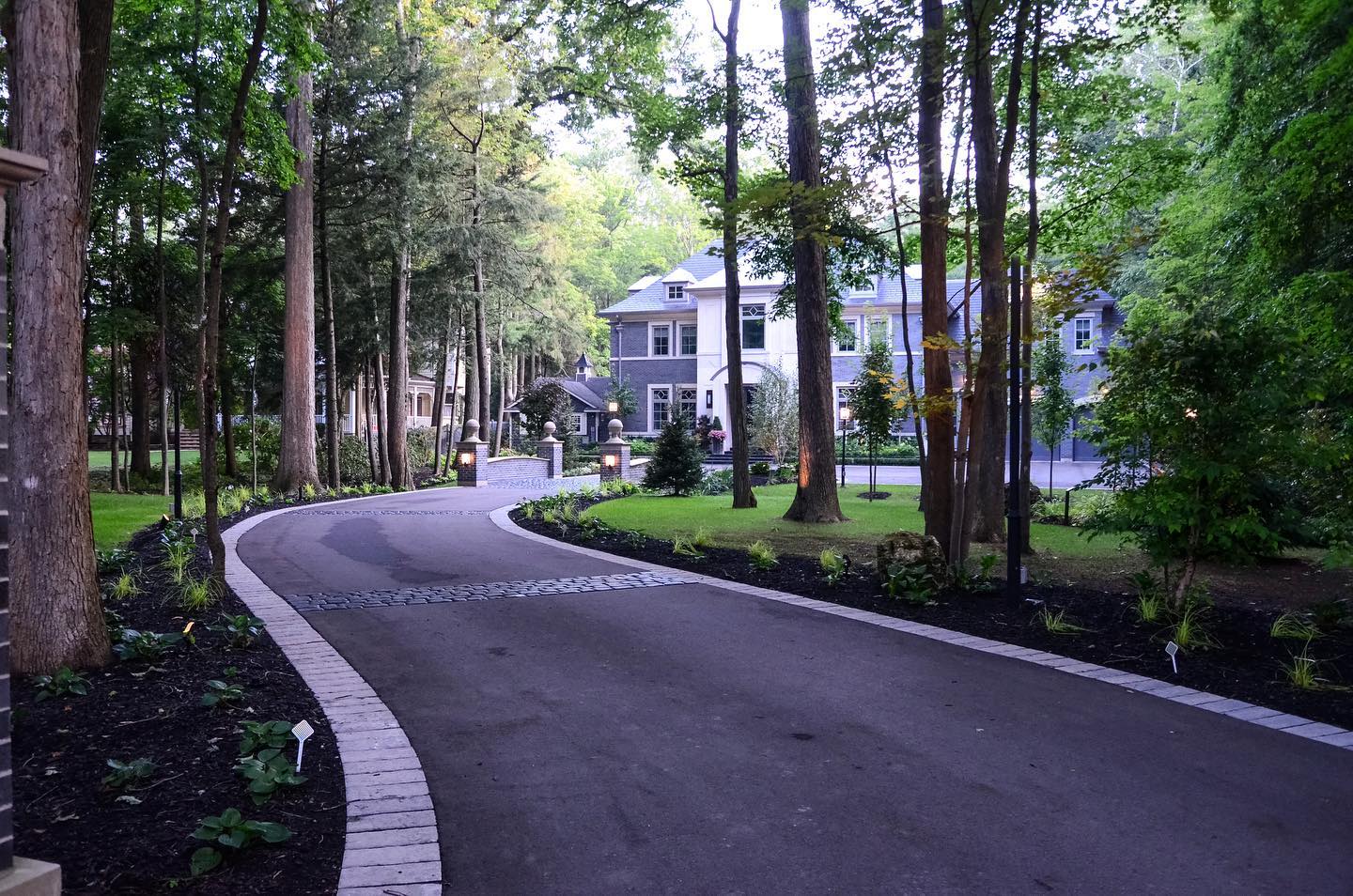
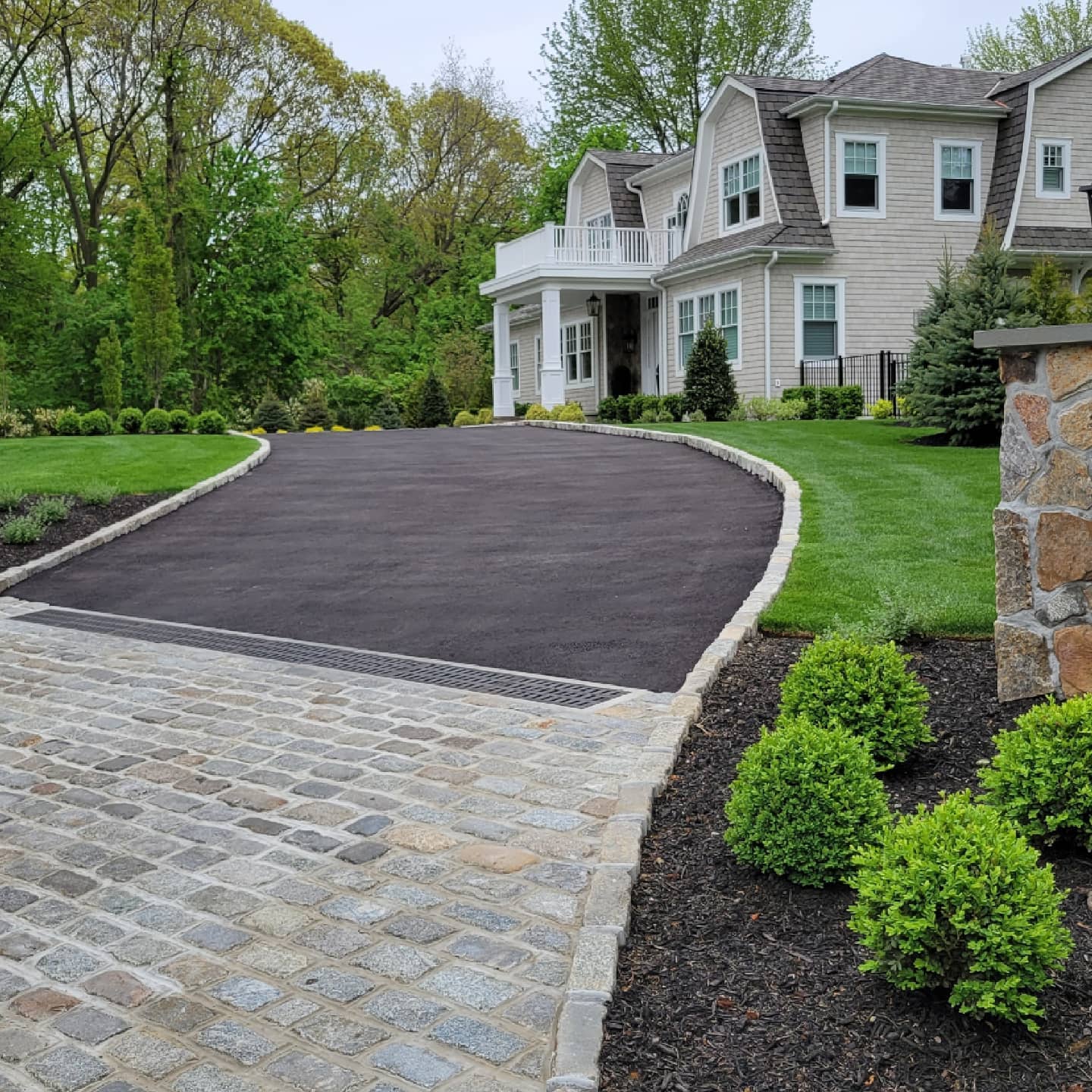
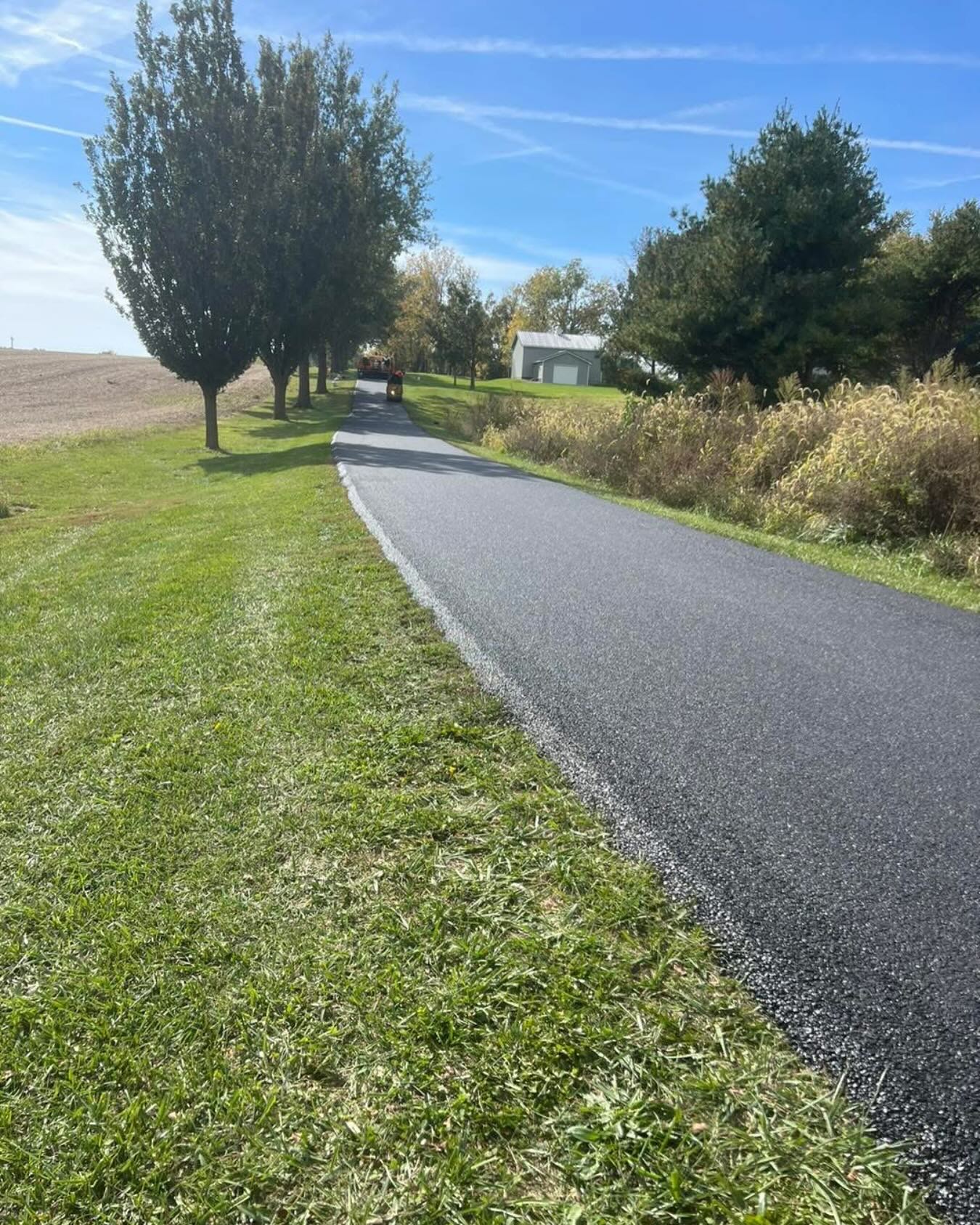
The first five feet set the tone. Adding a stone or brick apron where your long driveway meets the road delivers instant polish, protects edges from turning vehicles, and creates a subtle threshold that says “welcome.” Pair a dense, quiet asphalt or tar-and-chip surface with a granite, clay brick, or concrete paver apron for a durable, high-contrast transition. Slightly flaring the apron at the street improves entry angles and reduces curb clipping for delivery trucks and guests. For safety and longevity, deepen the base here, thicken the edge course, and use a concrete haunch or hidden steel edge to resist snowplow and tire shear. If drainage is a concern, specify permeable pavers or a linear trench at the apron to intercept runoff before it reaches the public way. Add a gentle texture shift or color change to cue drivers to slow as they enter, and align the apron’s joint pattern with any banding you plan further up the drive to establish rhythm. Small, code‑compliant reflectors or a widened shoulder at the throat can further boost nighttime wayfinding without visual clutter, setting up a refined arrival from the very first turn-in.
Permeable Paver Bands That Break Up the Run and Manage Runoff
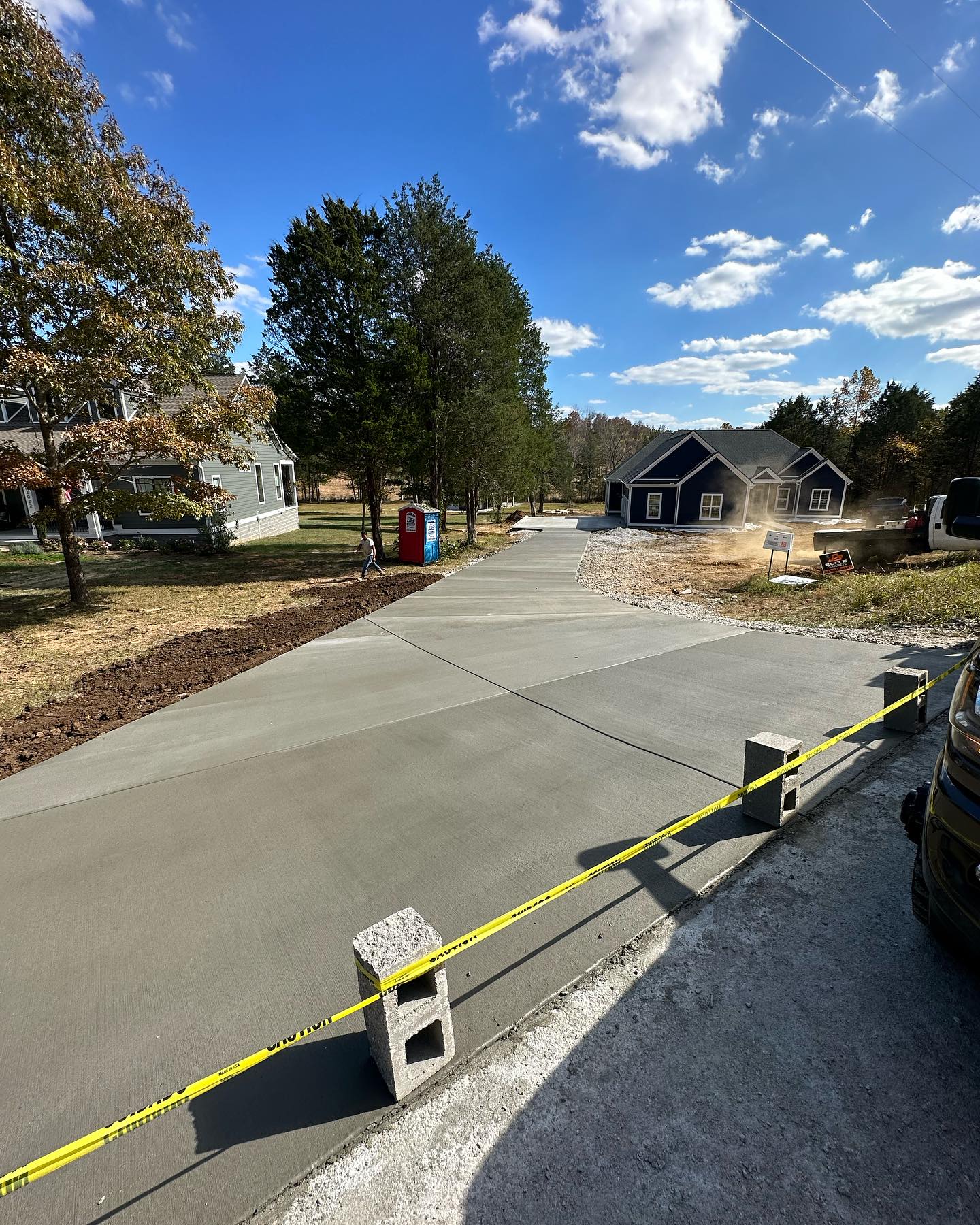
Long, uninterrupted surfacing can look and feel like a runway. Introduce periodic paver bands—permeable if possible—across the drive to add visual cadence, quiet speed, and handle water where it falls. These 18–36 inch inlays act like elegant speed tables: they create micro-grip underfoot, reduce glare, and double as expansion “relief” zones on hot days. Use a stone that ties to your home’s palette—charcoal, buff, or clay tones—and repeat at consistent intervals or at key moments: near curves, grade changes, or pedestrian crossings. Under the bands, specify an open-graded base and drain rock to infiltrate stormwater, easing pressure on swales and culverts downstream. In snowy regions, a textured, saw-cut concrete band can substitute, offering traction without snagging plows. To keep maintenance low, edge each band with a soldier course and sweep polymeric sand into joints. The result is a long driveway that performs better in all weather, reads more bespoke, and feels calmer to drive—while subtly guiding the eye toward your home. Bonus: paver accents make it easy to hide future utility trenches, since bands provide a natural place to lift and reset material without visible patches.
Switchbacks and Landings for Comfortable Grades on Steep Sites
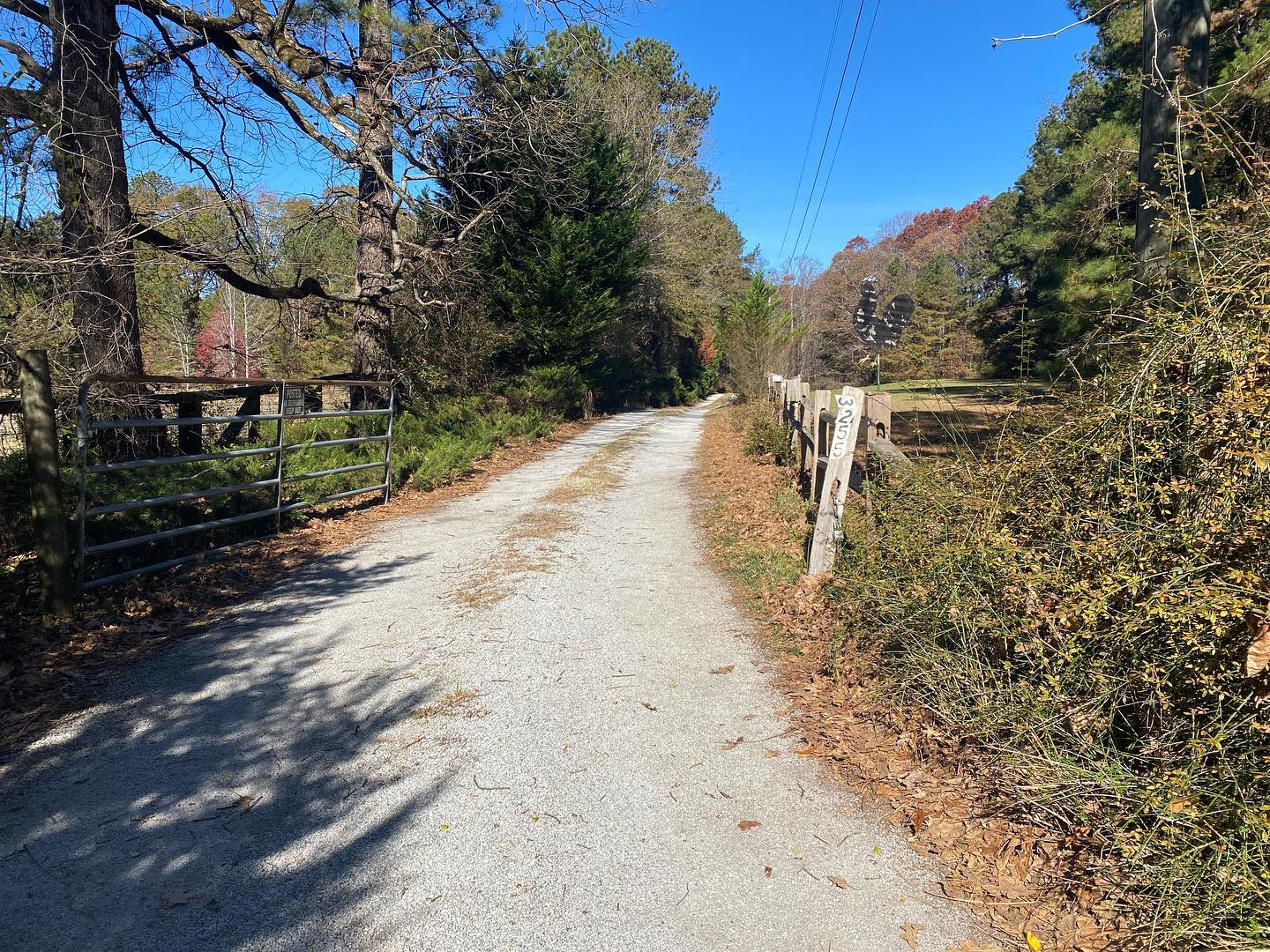
If your property drops fast from the street, design the long driveway like a mountain road: gentle grades, consistent cross-slope, and widened curves. Aim for 5–8% where you can; cap sustained runs at 10–12% and add a level landing every 80–120 feet to offer a pause, manage stormwater, and set views. On curves, build in extra width—2–4 feet on the inside radius—and use low retaining or hillside cuts to stabilize slopes and protect shoulders from raveling. Textured concrete, exposed aggregate, or chip seal boosts traction on climbs, while broomed or tined finishes help in wet or icy conditions. Keep crossfall at 1–2% so water sheets to a curb, swale, or perforated edge drain rather than running straight down the wheel tracks. At switchbacks, plant low, bank-hugging groundcovers and boulders to prevent scuff damage and to visually anchor the turn; place bollard lights outside the travel path for night clarity. A well-engineered steep-site driveway does more than connect point A to B—it calms the ascent, preserves the hillside, and frames dramatic “reveal” moments as you approach the home.
Native Meadow Borders for Low-Mow Beauty and Biodiversity
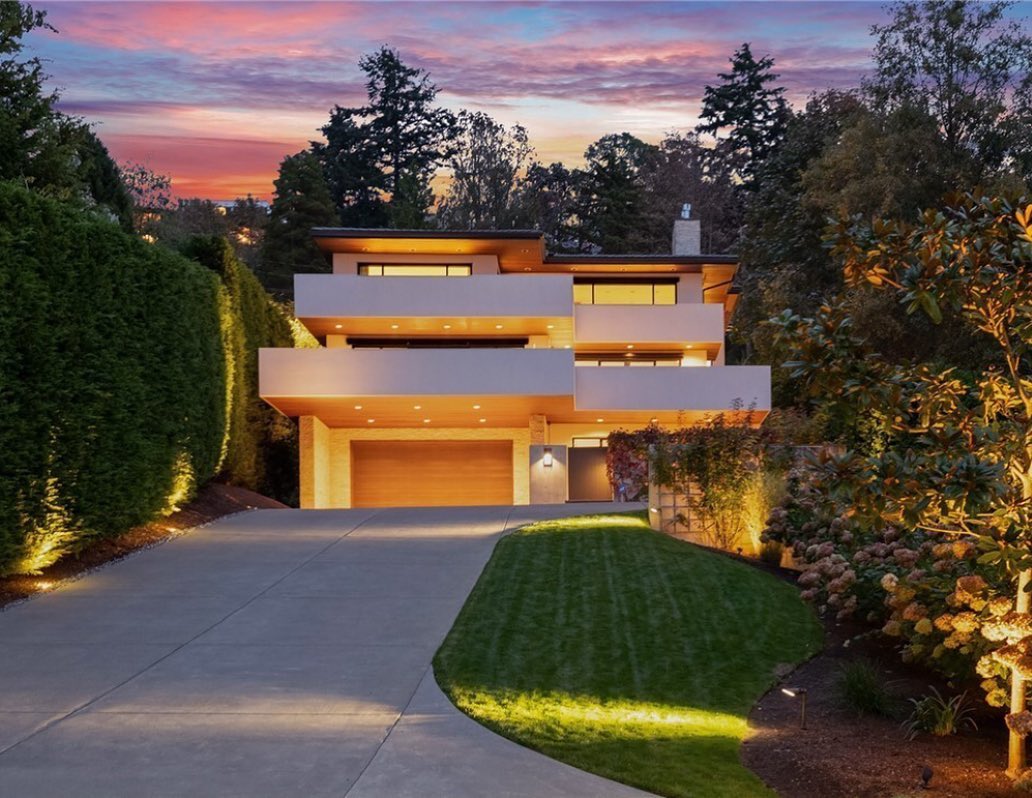
Trade the endless mow strip for a native meadow palette that celebrates the seasons and reduces upkeep along a long driveway. Think warm-season grasses, regionally adapted perennials, and staggered bloom times that invite pollinators while softening the drive’s edges. To keep things tidy and safe, maintain a crisp 2–5 foot gravel or mown buffer at the pavement—this controls encroachment, creates a firewise break, and provides snow storage without crushing plants. Drifts of species, not singletons, read best at driving speed: pair structural grasses (little bluestem, Sesleria, Pennisetum where appropriate) with resilient flowers (Echinacea, Salvia, Achillea) and evergreen anchors (juniper, inkberry) for winter backbone. On slopes, use deep-rooted selections to stabilize soils and reduce erosion. Irrigate only for establishment, then wean to rainfall; one or two annual mow-downs—late winter and selective summer editing—keep the matrix fresh. Add a few sculptural boulders or weathered corten accents to punctuate long runs and tie into any stone apron or entry pillars. The effect: a driveway that looks curated, not neglected—blending ecological function with elevated curb appeal.
Discreet Lay‑Bys for Deliveries, Mail, and Safe Passing
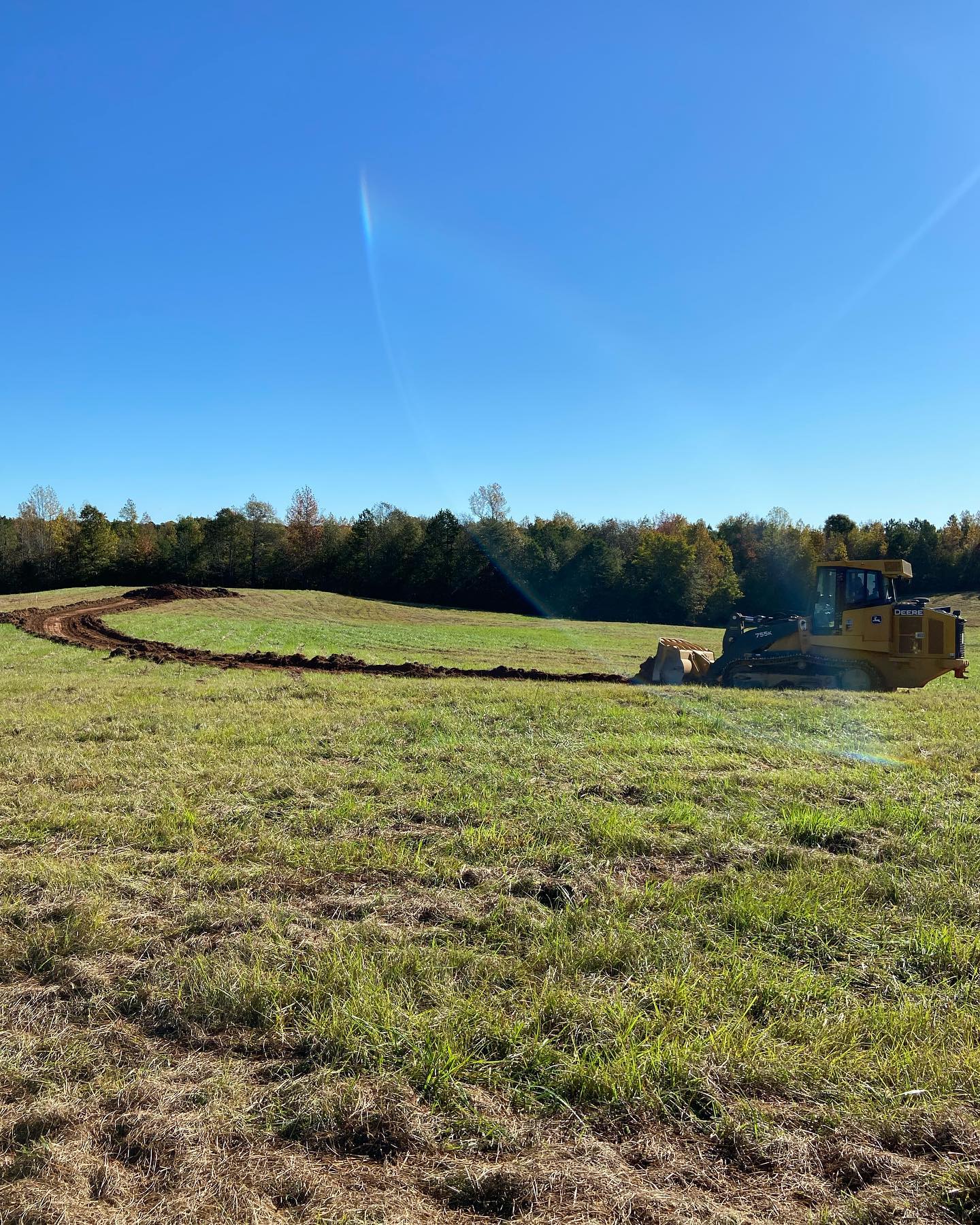
Beyond mid‑drive turnouts, build small, strategically placed lay‑bys to handle everyday stops without blocking the lane. Near the street, a reinforced pull‑off by the mailbox gives carriers a safe spot off the road and keeps tires off turf. Midway, a compact 8×20‑foot bay—paved or stabilized gravel—serves rideshares, contractors, and drop‑offs, preventing ruts and awkward reversing. Match materials to your main surface and protect shoulders with hidden curb or steel edging; a low hedge or boulder grouping screens parked vehicles while preserving sightlines. Where winter piles up, size bays to double as snow storage, using permeable bases so meltwater drains cleanly. Add a discreet address plaque, low bollard light on a photocell, and conduit for a future parcel locker or camera. On estate‑length drives, pair lay‑bys with gentle widening at curves so two cars can pass comfortably without the stop‑start dance. Thoughtful lay‑by design keeps your long driveway flowing, safer, and cleaner—small squares of function that make daily life feel seamless.
A Calm Arrival Moment: Fountain, Specimen Tree, or Sculpture at the Court
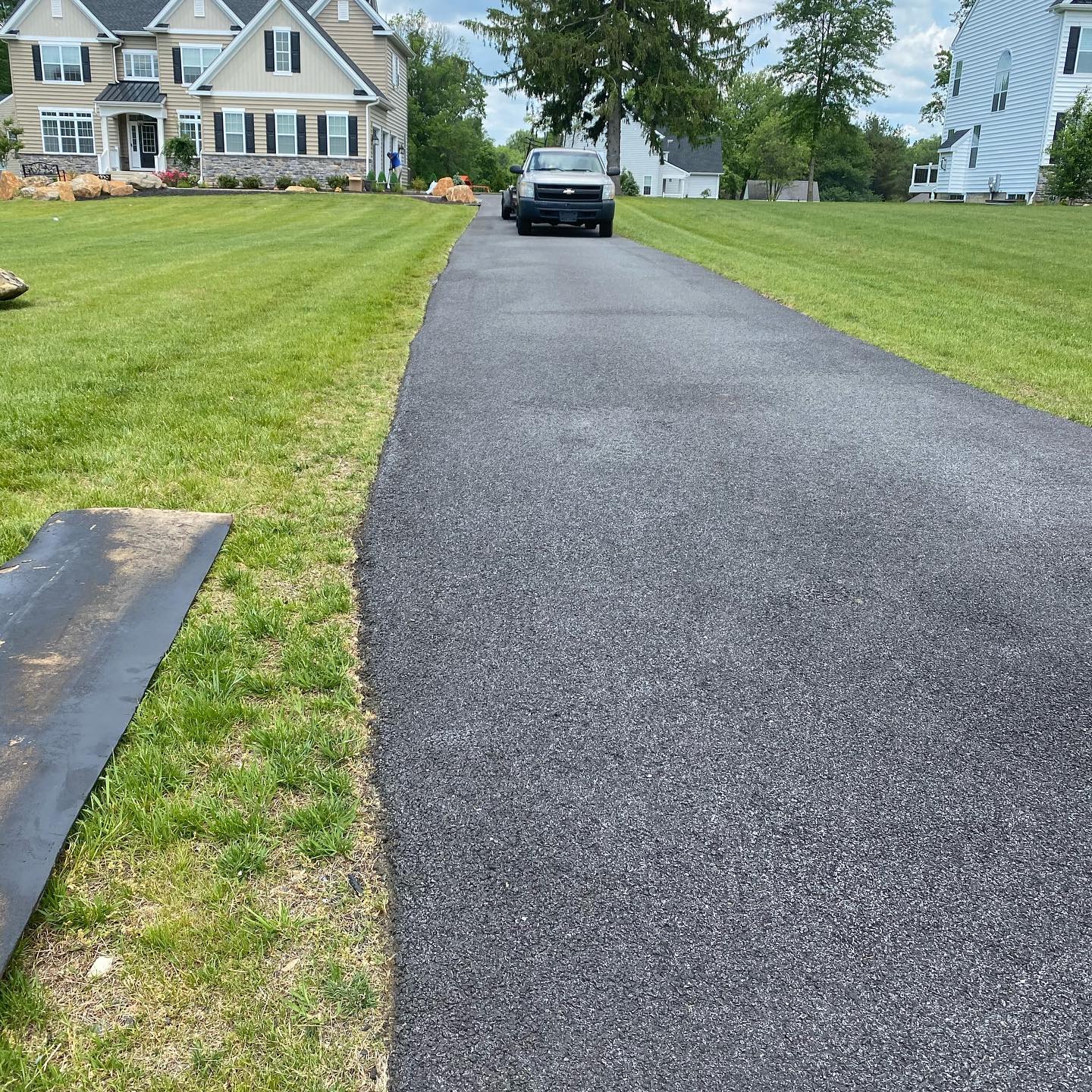
At the end of a long approach, give arrivals a graceful pause. A centered fountain, specimen tree, or sculptural piece in the motor court creates a visual anchor, slows vehicles naturally, and turns routine parking into an experience. Scale the feature to sight distance: large enough to read at 15–20 mph, low enough to preserve visibility when backing. If using water, choose a recirculating, low‑splash design to prevent icing and staining; in cold climates, a dry basin with river rock or a plinth‑mounted urn provides winter structure without maintenance. For a tree, pick a long‑lived, clean species with liftable canopy—trident maple, olive (where suitable), or a multi‑stem birch—underplanted with tough, evergreen groundcovers. Keep drive radii generous around the island and pave its perimeter with a contrasting band so drivers read the geometry instantly. Night lighting should be soft and layered: an uplight or two on the feature and low glare path lights for circulation. A composed focal point turns your driveway terminus into a destination, reinforcing the home’s architecture and the story set in motion at the street.
Smart Driveway Tech: Sensors, Cameras, and Geofenced Lighting
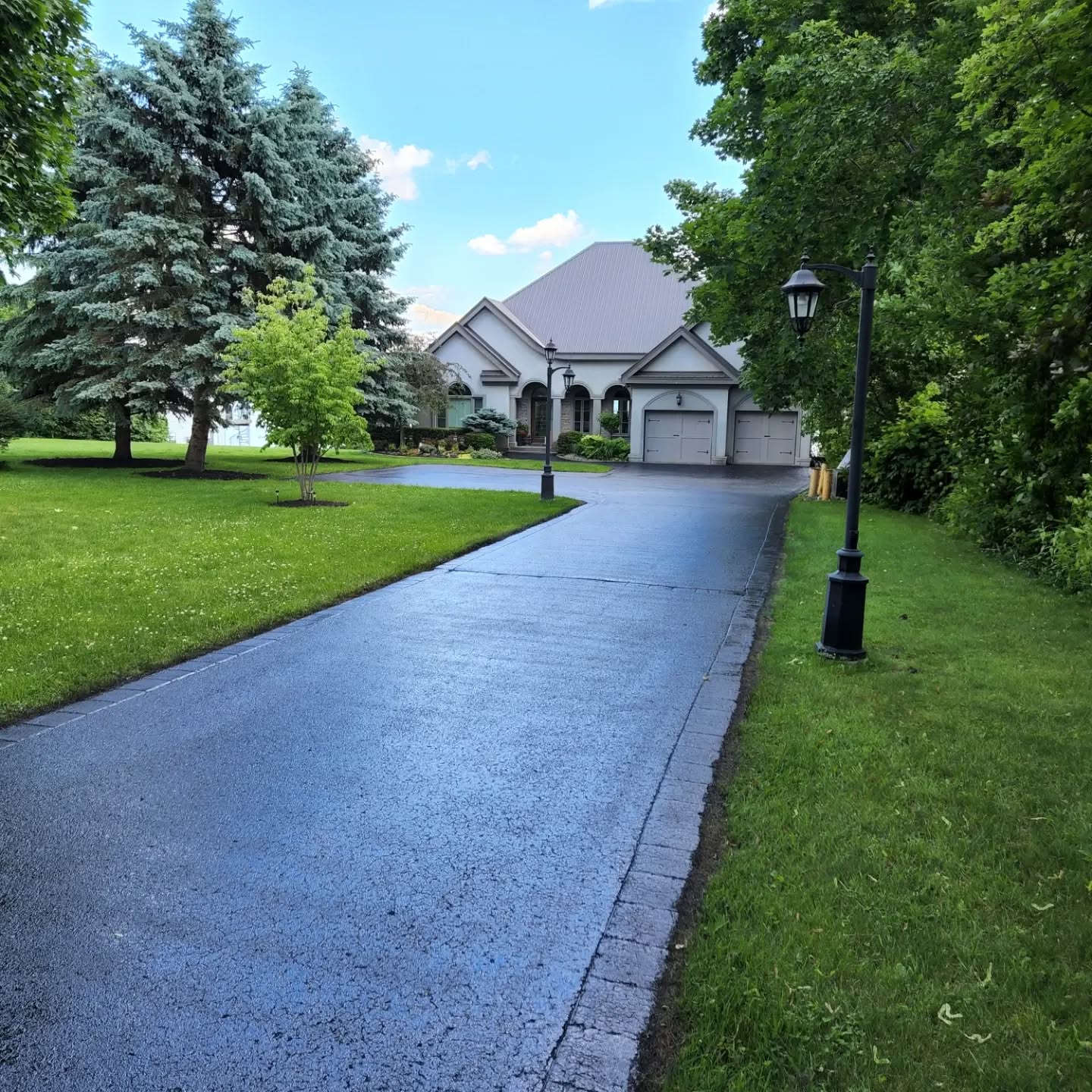
Make a long driveway feel effortless with discreet technology. Combine a wide‑angle entry camera and license plate reader with a two‑way intercom at the gate or pillars for secure, contactless arrivals. Add an in‑ground magnetic sensor or beam at the throat to trigger geofenced lighting scenes: bollards glow to guide the lane, house soffits warm up, and the motor court brightens as you approach. If you’ve added heated zones for ice management, tie them to a smart snow sensor and weather API to pre‑activate before storms and shut off after melt. A parcel locker or smart drop at a delivery lay‑by keeps packages dry and deters theft without inviting vans deep onto the property. Run spare conduit with pull strings along the drive during construction for future upgrades—fiber, power to gate arms, additional fixtures—so you’re not trenching a finished surface later. The best tech disappears into the background, elevating safety, wayfinding, and everyday comfort while preserving the clean lines and natural beauty of your driveway design.
Coastal and Desert Driveways: Materials That Beat Salt, Sand, and Heat
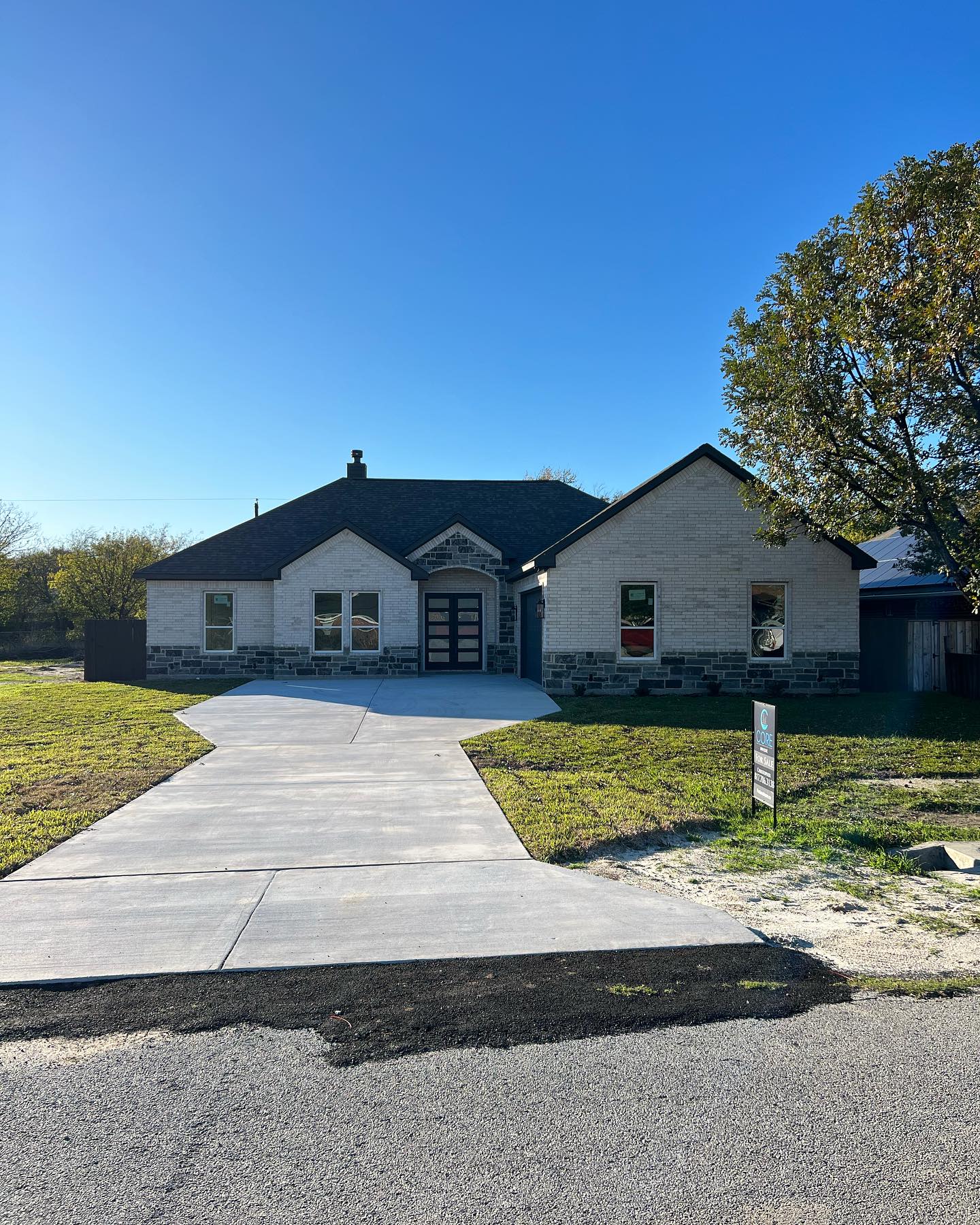
Climate should steer material choices for long driveway ideas. On the coast, salt air and blown sand demand resilient finishes: dense concrete with a silane/siloxane sealer, resin‑bonded aggregates, or natural stone with low porosity. Specify stainless hardware, non‑ferrous edging, and avoid soft limestones that pit. Design generous sweeping turns so sand doesn’t bead up in tight corners, and add capture trenches to keep grit out of garages. In desert heat, select UV‑stable pavers, chip seal with light aggregates to reduce surface temps, or broom‑finish concrete in a warm, reflective tone. Expand joints generously and include relief bands to handle thermal movement over long runs. Xeric plantings—agaves, desert ruellia, muhly grasses—set back from the shoulder reduce heat load and maintenance; drip irrigation in gravel mulch keeps dust down without overspray staining. In both climates, permeable edges and shade strategies matter: deciduous canopy where water allows, or trellis shade at the motor court, to cool arrivals. Build for your environment and your driveway will look fresh longer, drive safer, and require fewer fixes season after season.
EV‑Ready Long Driveways: Power, Conduit, and Charging Etiquette
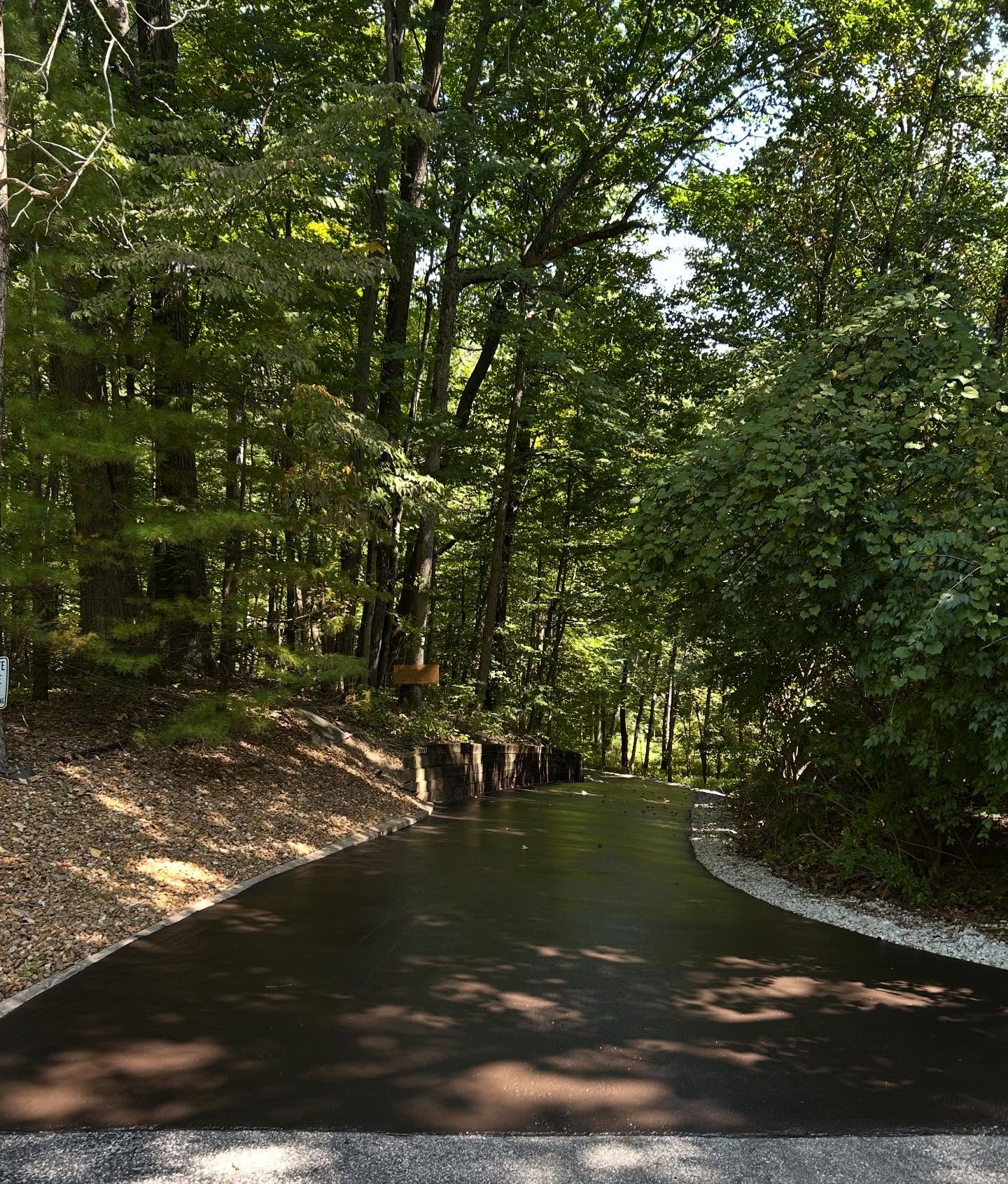
Future‑proof the approach by planning EV charging from the street to the garage. When trenching for lighting or irrigation sleeves, add a dedicated conduit run sized for a 60–100A circuit to support Level 2 or future faster charging. If the drive is especially long, consider a pedestal charger or 120V/240V outlet at a midway turnout or arrival court so guests can top up without jockeying cars. Mark pull‑up areas with a subtle paver band and mount the pedestal on a low plinth to protect from snow and splash. Tie chargers into your load center with a smart panel or load‑sharing device to avoid service upgrades; solar‑ready conduit and a stubbed line to a future battery wall help flatten peak demand. Clear signage—tasteful, not shouty—sets expectations about parking and charging time. At the curb, provide an accessible outlet for yard equipment and holiday lighting to keep cords out of the travel lane. Thoughtful EV planning turns a long driveway into an energy‑savvy asset, not a daily logistics puzzle.
Four‑Season Planting That Preserves Sightlines and Year‑Round Appeal
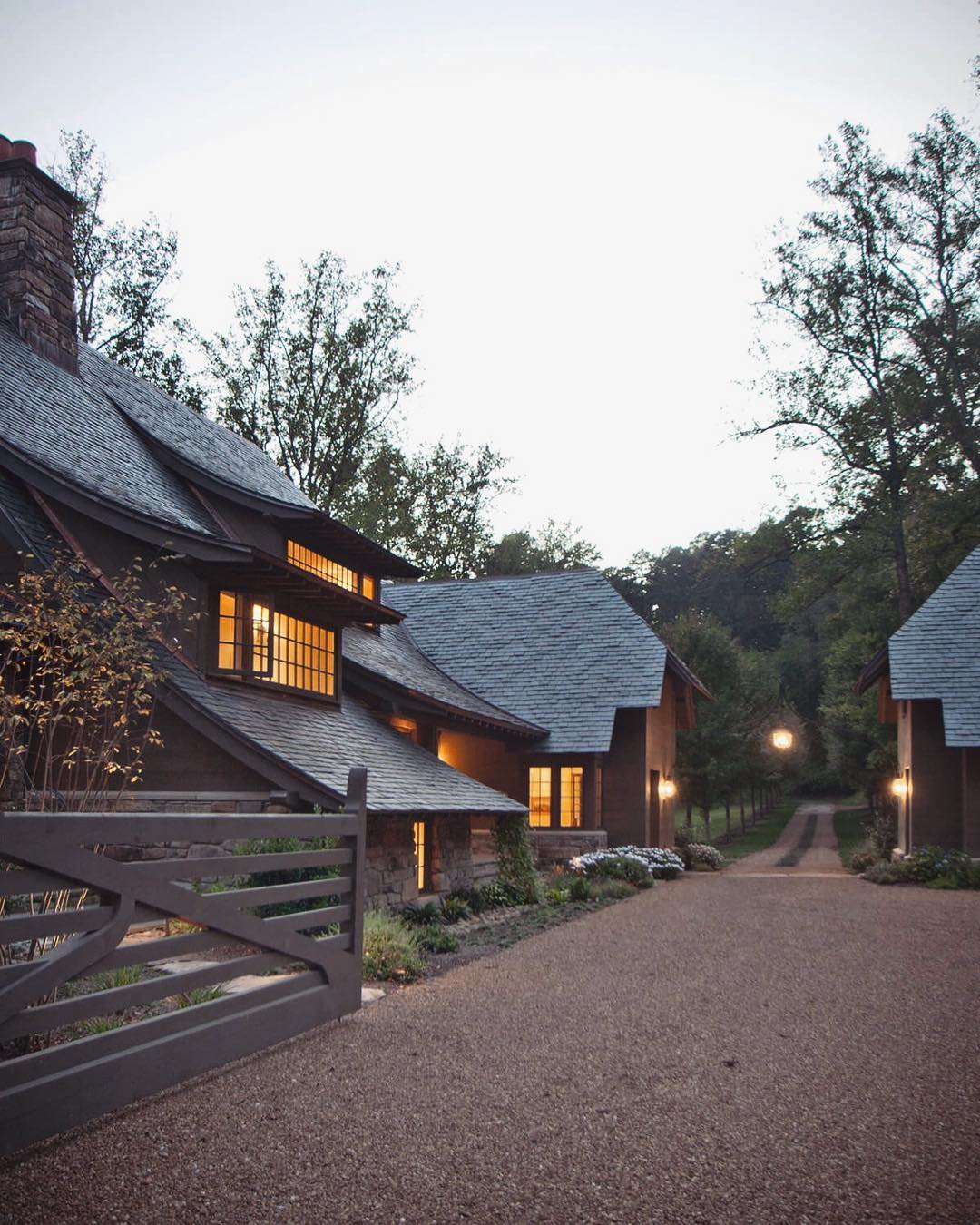
A long driveway shines when plant structure carries through all four seasons. Layer evergreen bones—holly, boxwood, pine, or manzanita—behind lower, see‑over shrubs so drivers maintain clear views at curves and crossings. In spring and summer, weave in flowering drifts (spirea, nepeta, daylilies) sized to read at 20–30 feet; in fall, lean on maples, serviceberry, or tupelo for color that telegraphs arrival. Keep canopies limbed up to 7–8 feet within 10–20 feet of the pavement and step plant heights down toward the shoulder to avoid tunnel vision. Where snowbanks form, choose flexible, salt‑tolerant species and leave generous mulch zones for plow splash. Add winter interest with bark and silhouette—paperbark maple, river birch, red‑twig dogwood—and tuck in ornamental grasses for motion when the garden rests. Repeat species rhythmically to guide the eye and echo any banding, edging, or lighting patterns you’ve established. The goal is a driveway landscape that feels alive in January and June alike—welcoming, safe, and visually coherent from the street to the door.
A Tree‑Lined Approach: Allée Planting for Scale, Shade, and Story
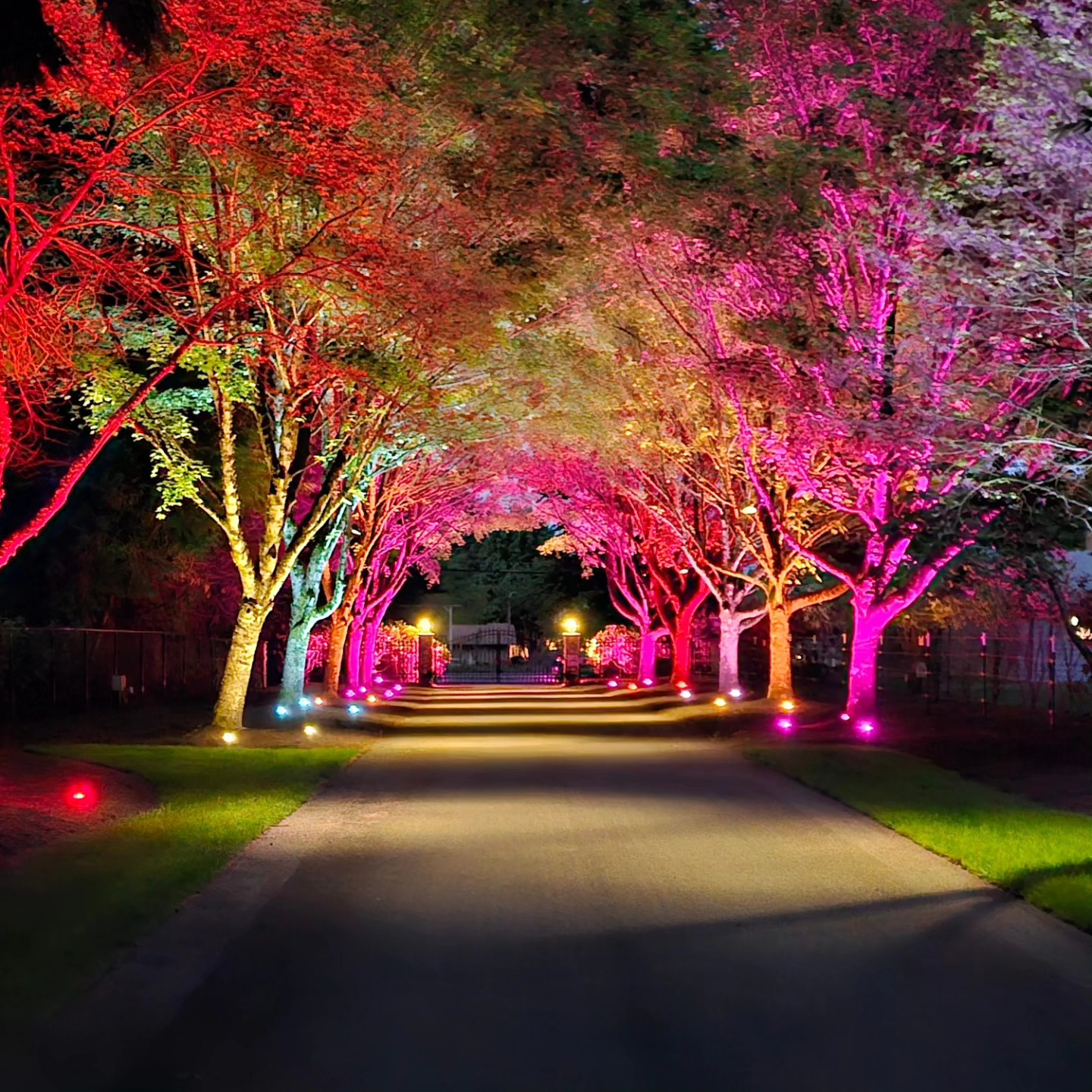
A long driveway feels intentional when it’s framed by a tree allée that sets rhythm, shade, and a sense of arrival. Space trees consistently—often 20–30 feet on center depending on species—to create a canopy that cools pavement, calms traffic, and visually compresses distance so the approach feels composed rather than endless. Choose region‑appropriate, disease‑resistant species with compatible root habits: columnar oaks or hornbeams for narrow rights‑of‑way; lindens, zelkova, or elms for broader corridors; crape myrtles or olives in warm climates. Install root barriers near hardscape, run drip irrigation outside the wheel path, and maintain clear sight triangles at bends and intersections. Underplant with low, mow‑through groundcovers or native grasses to simplify maintenance and boost biodiversity without blocking headlights. For four‑season appeal, mix evergreen structure with deciduous color, and consider staggered maturity—plant larger specimens at the entry to heighten that first impression. An allée doesn’t just elevate curb appeal; it creates microclimate comfort, reduces glare, and helps the long driveway read as a curated garden room that leads naturally to your home’s architecture.
Get the Fail-Safe Paint Color Playbook (Free PDF)
36 proven colors • 8 ready palettes • trim & sheen guide • printable testing cards.
Ribbon Drive Lanes: Grass or Gravel Infill That Softens the Stretch
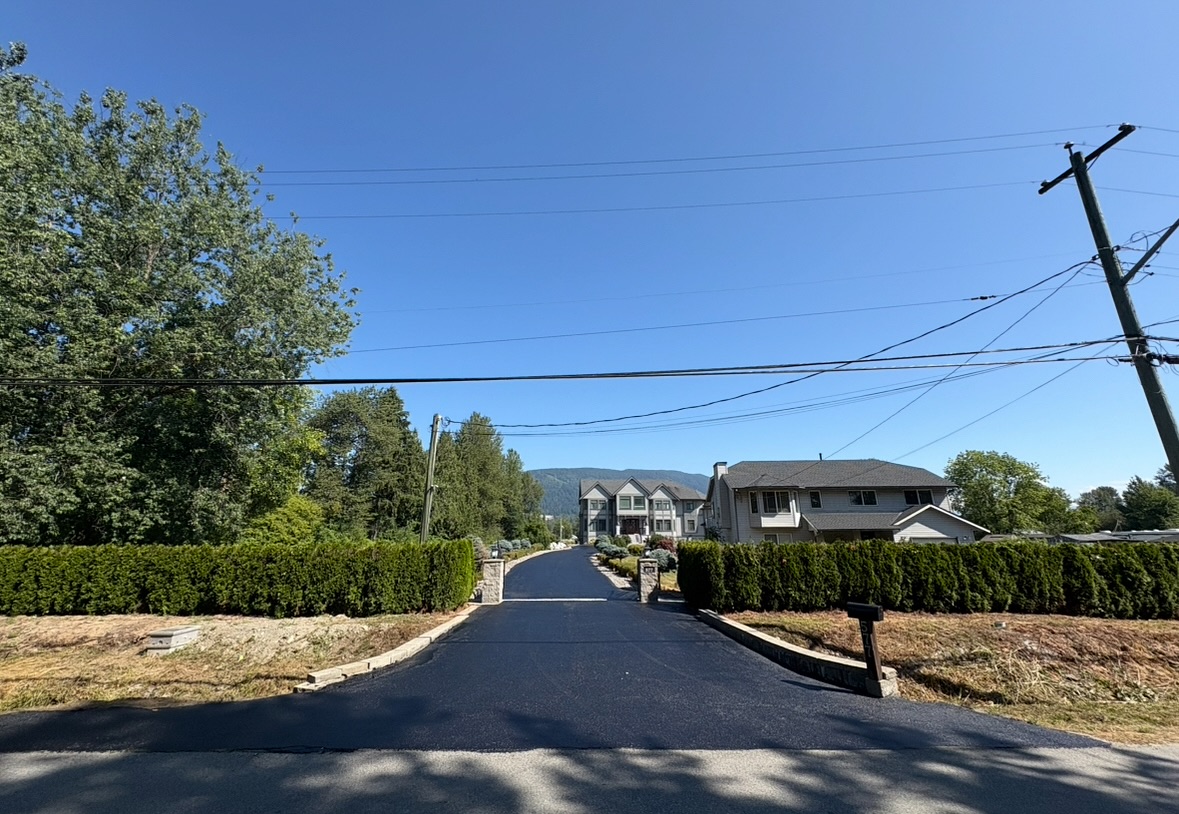
Ribbon drives—two stabilized wheel tracks flanking a permeable center—are a timeless way to make a long driveway look lighter, greener, and less costly to maintain. Use concrete, clay brick, stone setts, or permeable pavers for the tracks over a properly compacted base; fill the middle strip with turf, no‑mow fescue, or fine gravel bound with a resin or grid. The result reduces impervious area, improves stormwater infiltration, and visually breaks up the run so it feels tailored, not tarmac‑heavy. Add a discrete soldier‑course edge or Belgian block to hold lines crisp and keep aggregates from raveling. In snowy regions, mark track edges for plow drivers or specify a heated track zone; in arid climates, choose drought‑tolerant groundcovers. Ribbon lanes pair beautifully with meadow borders and permeable paver bands, and they’re perfect for secondary approaches, guest loops, or estates seeking a softer, garden‑forward aesthetic. You’ll get better drainage, quieter arrivals, and a material palette that blends with landscape rather than dominating it—smart, sustainable curb appeal for any long driveway.
Discreet Hammerhead Turnaround and Guest Court That Don’t Read Like a Lot
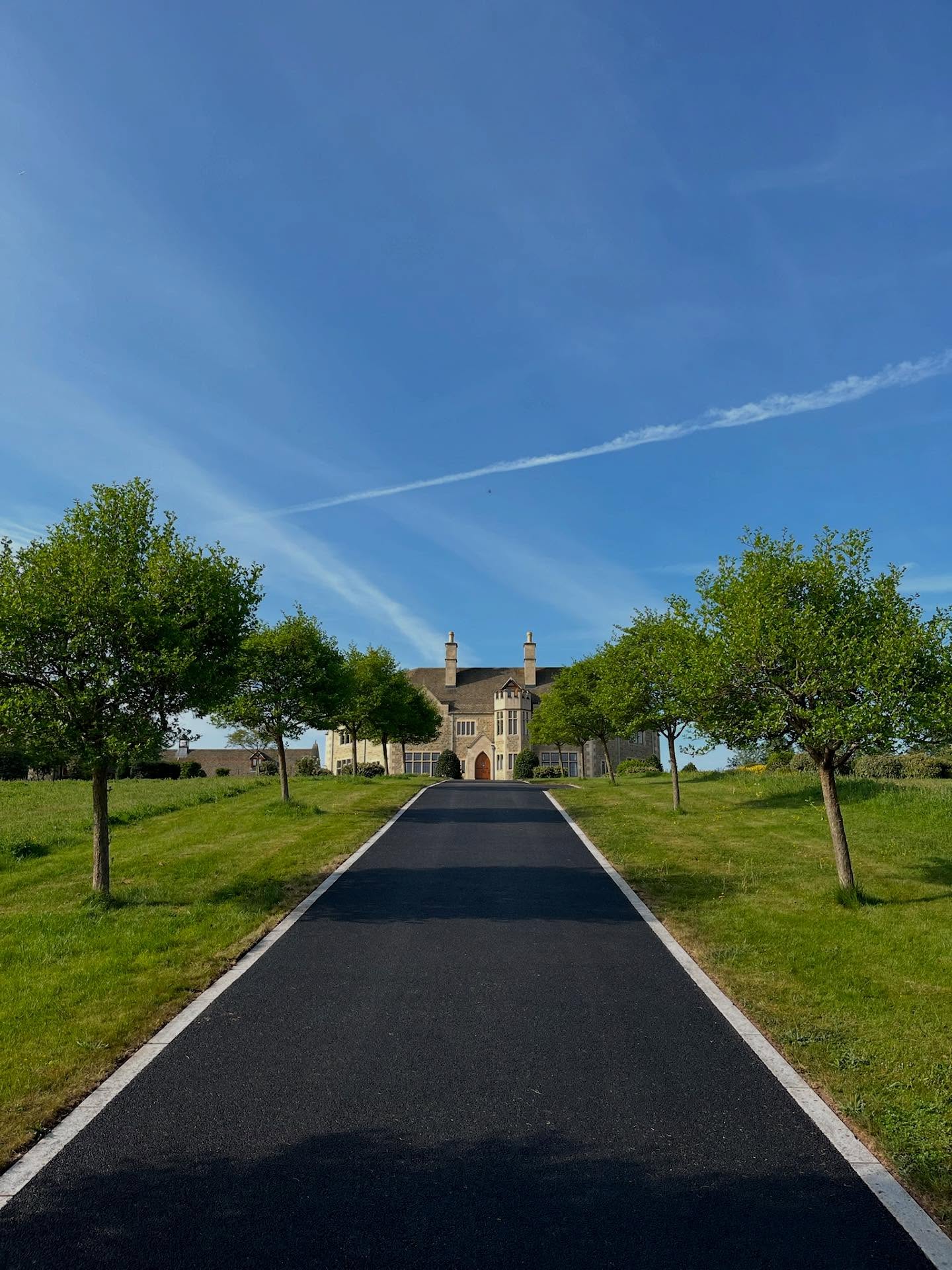
Long driveway ideas that prioritize everyday ease should include a compact turnaround that doubles as overflow parking without feeling like a parking lot. A hammerhead—essentially a T‑shaped spur—lets cars, service vehicles, and trailers reverse direction safely, improving circulation for deliveries and events. Size the spur arms 10–12 feet wide and 20–30 feet long to accommodate typical vehicles, and orient it near the house, garage, or a mid‑run lay‑by to break up long stretches. Surface the court in a subtly different material—permeable pavers, chip seal, or stone screenings—to signal function while managing runoff. Use a low planting island or specimen tree to anchor the space, maintain clear sightlines, and conceal parked cars from key views. Where codes require emergency access, verify turning radii and load ratings. Thoughtful grading, a shallow crown, and inlets that feed adjacent swales keep the area dry and durable. The effect is a civilized “moment” in the approach sequence: a place to pause, park, and pivot that elevates curb appeal and daily convenience.
Stone Curbing and Crisp Edges: Belgian Block That Protects, Drains, and Defines
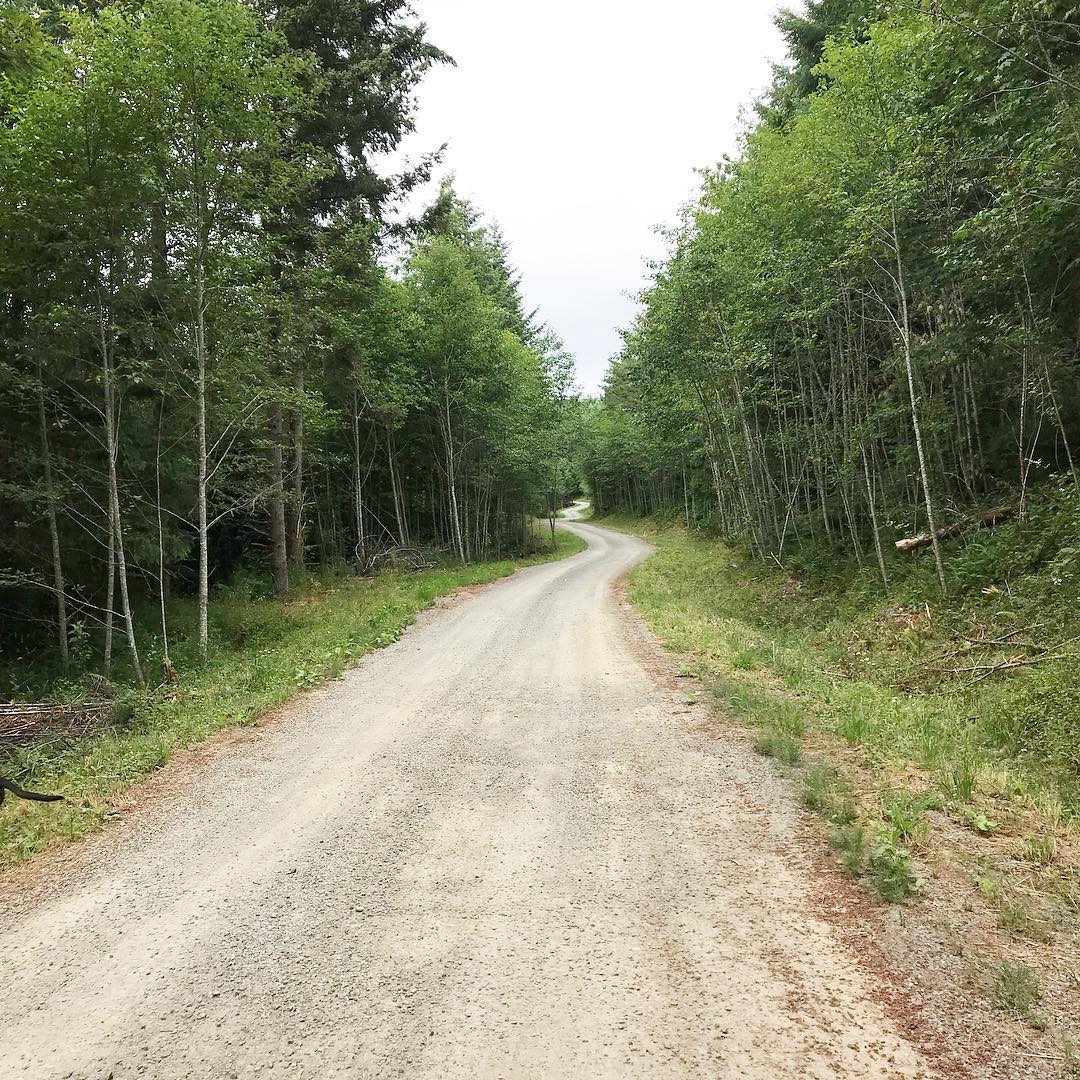
Crisp edges make long driveways look finished and keep maintenance in check. Granite or Belgian block curbing set on concrete with a compacted base holds asphalt, chip seal, or gravel in place, preventing shoulder breakdown and aggregate migration. Beyond durability, a contrasting edge acts as a visual guide at night and in rain or snow, enhancing wayfinding and safety. For a refined look, run a soldier course flush with the surface; for more definition and water control, set the curb proud by an inch to subtly channel runoff into swales or permeable beds. In freeze‑thaw zones, install below frost depth and provide expansion joints at regular intervals; on curves, use smaller blocks to maintain tight radii. Pair curbing with a stone apron at the road and permeable bands along long runs to manage drainage holistically. The result is a cleaner mow line, sharper geometry, and a driveway that reads premium from the street—small detail, big curb appeal dividend.
Entry Gate, Piers, and Address Marker: Privacy with a Polished Welcome
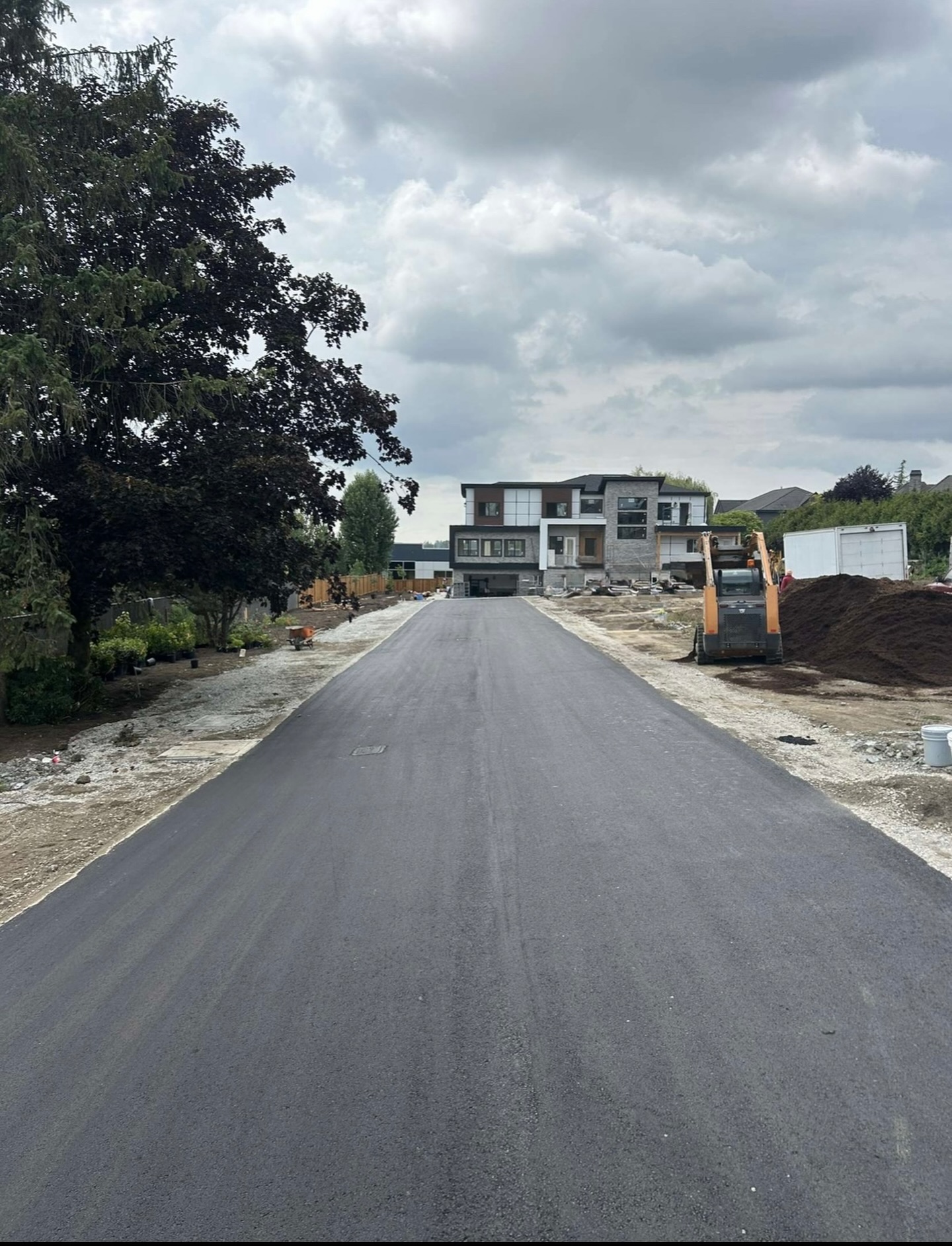
The first 20 feet of a long driveway set expectations. A well‑proportioned gate and masonry piers deliver privacy and presence without feeling fortress‑like. Set the gate back far enough—at least one car length from the road—so visitors can pull off safely; size the clear opening 14–16 feet for comfortable access and emergency vehicles. Choose swing or slide mechanics based on slope, snow, and wind exposure; match materials to your architecture (painted steel for modern, cedar or oak for traditional, Corten for rustic). Integrate a lit address marker, keypad/intercom, and a secure parcel box to streamline deliveries without blocking the drive. Low‑glare sconces or cap lights on piers aid nighttime wayfinding, while uplighting a specimen tree beyond the gate hints at the landscape sequence ahead. Planting flanks should stay below 30 inches within sightlines. This composed threshold blends security, convenience, and curb appeal—an elevated starting note that makes every arrival down your long driveway feel intentional and welcoming.
Long Driveway Ideas for Landscaping, Lighting, and Drainage Upgrades
Effective drainage starts with subgrade preparation, using a compacted, well-draining base and a consistent 1–2 percent fall away from the centerline. French drains and perforated pipes collect water at low points, channeling it to daylight or a dry well sized for local storm intensity. On steep stretches, install water bars or check dams every 30–60 feet to slow flow and capture sediment before it erodes surface material. Culverts at driveway-road intersections need headwalls, debris screens, and upsized diameters if upstream catchments include roofs or paved areas. Where soils are clay-heavy, consider permeable shoulders and vegetated swales that detain water while protecting the edge from undermining. Confirm outfalls do not impact neighbors or protected areas, and secure permits for any crossings or alterations to existing drainage ways.
- Space low-voltage LED bollards 20–30 feet apart, 2700–3000K for warm visibility; use photocells and astronomic timers to balance security, operating cost, and dark-sky compliance.
- Mount shielded fixtures high in mature trees to create moonlighting that washes the drive softly, avoids glare, and preserves star views; service annually to protect bark and wiring.
- Plant drought-tolerant natives in layered beds—groundcovers, grasses, shrubs—to reduce irrigation, block drifting snow, and frame views; mulch deeply and keep roots clear of edges and utilities.
- Stake edges before the first storm, choose rubber cutting edges for plows, and store piles downstream of wind; hydronic or electric melt strips in tire tracks add targeted safety.
- Pair a swinging or sliding gate with keypad, intercom, and camera tied to Wi‑Fi and UPS; include emergency override, manual release, and vehicle-loop sensor to prevent lock-ins.
- Add reflective address numbers at the road, contrasting edge bands at curves, and clear house-side parking delineation; these cues aid deliveries, night guests, and first responders year-round.
Plan a maintenance calendar that pairs seasonal sweeping with timely sealing or top-dressing, preventing small defects from propagating along lengthy runs. Choose de-icers carefully: calcium magnesium acetate protects concrete and nearby plants better than rock salt, while sand improves traction but clogs permeable joints without diligent cleanup. If noise is a concern near bedrooms, favor finer aggregate mixes or resin-bound stone that dampens tire roar compared with coarse gravel. For remote drives, add pullouts every 300–500 feet to simplify two-way passing and provide safe breakdown zones. Annual vegetation trimming keeps sight triangles open at intersections and curves, reducing wildlife surprises and fender-benders. Document all subsurface utilities, sleeves, and drainage with as-builts so future repairs or upgrades don’t involve costly exploratory digging.
Before You Break Ground: Smart Answers for Long Driveways
What driveway material lasts the longest on extended runs?
Properly installed, reinforced concrete or high-quality pavers typically outlast asphalt and gravel. Longevity relies on subbase depth, drainage, jointing, and routine sealing where freeze-thaw and de-icers are common.
Get the Fail-Safe Paint Color Playbook (Free PDF)
36 proven colors • 8 ready palettes • trim & sheen guide • printable testing cards.
How wide should a long driveway be for safe two-way passage?
Standard residential drives run 10–12 feet wide, with 2–3 foot shoulders. For two-way segments or frequent deliveries, plan 16–20 feet or add periodic pullouts every 300–500 feet.
How do I prevent ruts, potholes, and washouts over time?
Start with a well-compacted, layered base and reliable drainage that moves water off and away quickly. Maintain edges, seal timely, and address small cracks before water and freeze-thaw enlarge defects.
Get the Fail-Safe Paint Color Playbook (Free PDF)
36 proven colors • 8 ready palettes • trim & sheen guide • printable testing cards.
Are heated driveways practical for long lengths in snowy regions?
Full-width systems can be costly to install and operate on long runs. Many owners heat only tire tracks, aprons, or slopes, combining melt strips with strategic plowing and anti-icing treatments.
Final Verdict: Designing a Long Driveway That Welcomes, Works, and Wows
Treat your long driveway as an experience, not just a stretch of pavement. When geometry, grading, and materials work in concert—think gentle curves, clear turnouts, discreet motor courts, and a well-built base crowned for drainage—you get beauty that lasts. Layer in stabilized gravel or asphalt with a stone apron, permeable paver bands to break up the run, and crisp Belgian block edges for protection and polish. Guide arrivals with low‑glare lighting, a thoughtful gate and address marker, and plantings that add scale and rhythm—an allée where it fits, meadow borders where they thrive, and a focal moment at the court—to elevate curb appeal and everyday ease.
Start with the site: soil, slope, and stormwater dictate success. Prioritize structure, subgrade, and water management first, then refine with textures, edging, and lighting. Choose climate‑smart materials for coastal salt, desert heat, or freeze‑thaw zones; plan for snow and ice with heated zones, grippy textures, and melt paths; and future‑proof with conduit for EV charging, sensors, and geofenced lights. Keep sightlines clear, use native, four‑season planting for color and habitat, and phase upgrades so your budget goes furthest—investing early in drainage, base, and edges pays dividends long after the surface sheen fades.