
Outdoor Living Space Ideas for Relaxation & Style
Your outdoor area can be more than a spot for a grill—it can be a true extension of your home. With smart zoning, layered lighting, and a few budget-friendly upgrades, even a small balcony or narrow patio can feel cozy, functional, and styled.
Think in “rooms”: a lounge for relaxing, a dining nook for alfresco meals, and a corner for an outdoor kitchen or fire pit. Weatherproof materials, multi-functional furniture, and vertical gardening help you save space while adding comfort, privacy, and personality.
Get the Fail-Safe Paint Color Playbook (Free PDF)
36 proven colors • 8 ready palettes • trim & sheen guide • printable testing cards.
From pergolas and shade sails to planters, rugs, and string lights, the right mix of textures and lighting creates ambiance in every season. Whether you’re working with a compact deck or a sprawling backyard, these outdoor living space ideas will help you entertain, unwind, and enjoy the outdoors year-round.
Patio Outdoor Living Space Ideas: Zoning, Furniture Layouts, and Patio Design Tips
Start by mapping distinct zones for dining, lounging, cooking, and play, using outdoor rugs, planters, and pergolas to define edges without building permanent walls. Plan circulation lanes that keep guests from cutting through conversations, maintaining 36–48 inch walkways for comfortable movement. Align focal points—fire features, water elements, or outdoor TVs—so sightlines feel intentional from both indoors and out. Choose conversation-friendly seating shapes, like a U or L, and keep 24–30 inches between pieces to prevent crowding. Account for door swings, grill clearances, and access to storage, ensuring daily tasks are easy and unobstructed.
- Conversation zones: Angle a sectional toward a fire pit, keep 24–30 inches between chairs, and leave a 36–48 inch walkway so traffic naturally flows around, not through, conversations.
- Dining nook: Place a 36–42 inch round table near the kitchen door, add a dimmable pendant or lantern, and ensure 36 inches clearance around chairs for comfortable pull-back.
- Flexible seating: Mix modular sofas, poufs, and stackable chairs, stashing extras under benches; lightweight pieces pivot for movie nights, game tables, or sunbathing without heavy lifting.
- Shade strategy: Combine a pergola with adjustable louvers, offset umbrellas over seating, and outdoor curtains; balance sun protection with breezes to maintain comfort on hot, still afternoons.
- Texture layering: Pair composite decking with stone pavers, woven chairs, and kiln-dried wood accents; varied textures add depth, reduce visual monotony, and improve traction under wet feet.
- Fire feature: Choose a CSA-certified gas fire table with wind guard, position 3 feet from combustibles, and orient seating to avoid prevailing winds blowing smoke or heat into faces.
Select durable surfaces that fit your climate: porcelain pavers resist staining, composite decking fights splinters, and sealed concrete offers budget-friendly continuity. Opt for solution-dyed acrylic fabrics and quick-dry foam to withstand UV, rain, and daily use without fading or mildew. Add low-voltage lighting, GFCI-protected outlets, and a gas or electrical stub during planning so you avoid disruptive trenching later. Choose modular furniture with hidden storage for cushions, games, and covers, keeping the patio tidy and flexible for changing needs. Use planters to scale the perimeter, placing herbs near the grill and taller evergreens to soften fences while maintaining airflow.
Start With Smart Zoning and a Clear Floor Plan
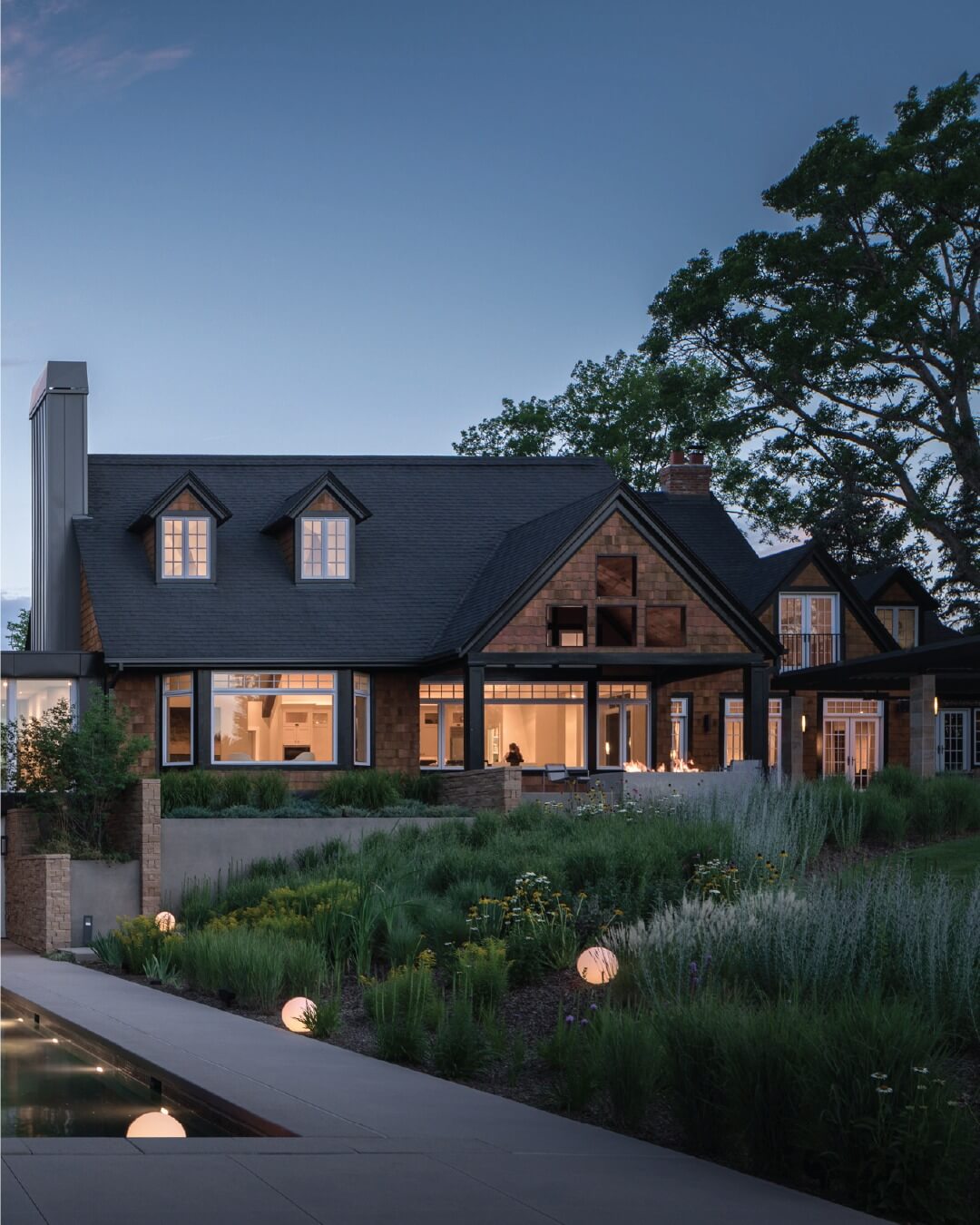
Before you buy furniture, map how you’ll actually live outside. Divide your yard, patio, or balcony into simple “rooms”: a lounge for lazy mornings, a dining area for weeknight grilling, and a flexible zone that can swing between play, gardening, or a portable fire pit. Use outdoor rugs, planters, and low-profile benches to anchor each zone and guide circulation so people naturally flow from the house to seating, then to the grill or garden without bottlenecks. Aim for at least 36 inches of walkway and keep dining chairs 24 inches from walls or railings for comfortable push-back space.
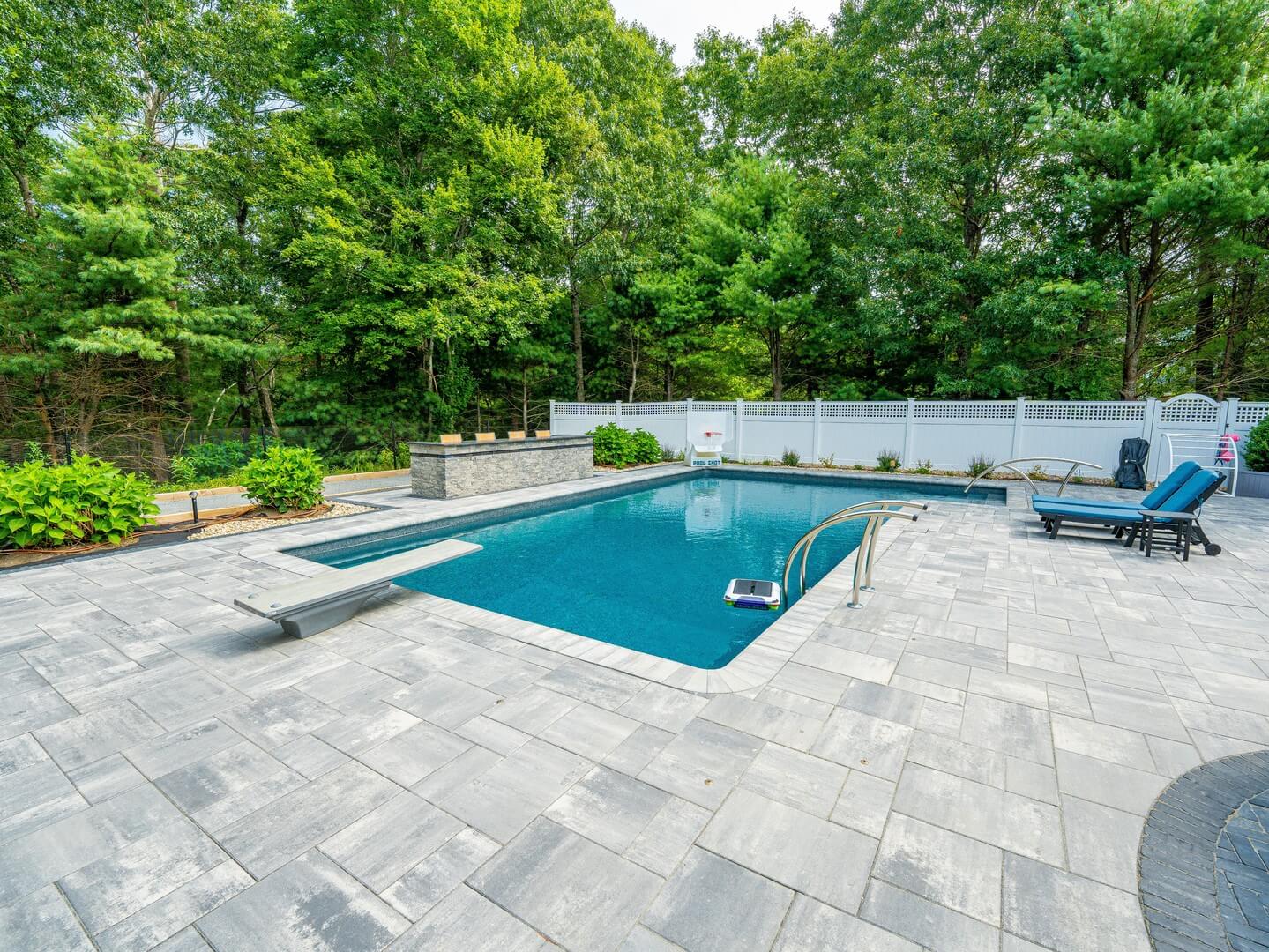
Hardscaping does the heavy lifting for function. Porcelain pavers, composite decking, and pea gravel define space, improve drainage, and feel finished with minimal upkeep. Layer levels if you can: a raised deck for lounging, a slightly sunken fire pit circle for evening gatherings. The key is scale—opt for a compact 72–84 inch table on a small terrace, or a modular sectional that can reconfigure for parties. With smart zoning, even a narrow side yard becomes a purposeful outdoor room, and your entire layout feels intentional, welcoming, and easy to use day and night.
Build Shade You Can Control: Pergolas, Sails, and Louvered Roofs
Year-round comfort starts with controllable shade. A simple pergola frames an outdoor room, but adding a retractable canopy, shade sail, or motorized louvered roof lets you modulate sun, UV, and rain with a button or a pull. Position shade structures based on your home’s orientation: block harsh western sun with adjustable louvers set to 45 degrees, or add a sail angled high-to-low for airflow and water runoff. Choose UV-stable fabrics, stainless or powder-coated hardware, and tensioned corners to prevent sagging and wind flap.
Under that structure, integrate ceiling fans, dimmable lights, and even roll-down screens for bug control. Privacy slats or climbing plants on the pergola add filtered shade and soften sightlines without closing the space. If you’re renting or on a budget, a taut shade sail and a freestanding umbrella with a weighted base deliver flexible coverage that moves with the seasons. The result is a defined, comfortable “ceiling” that extends your usable hours outdoors—cooler at midday, cozier at dusk, and protected during light showers—so your patio truly behaves like an open-air living room.
Layer Light for Evenings That Glow
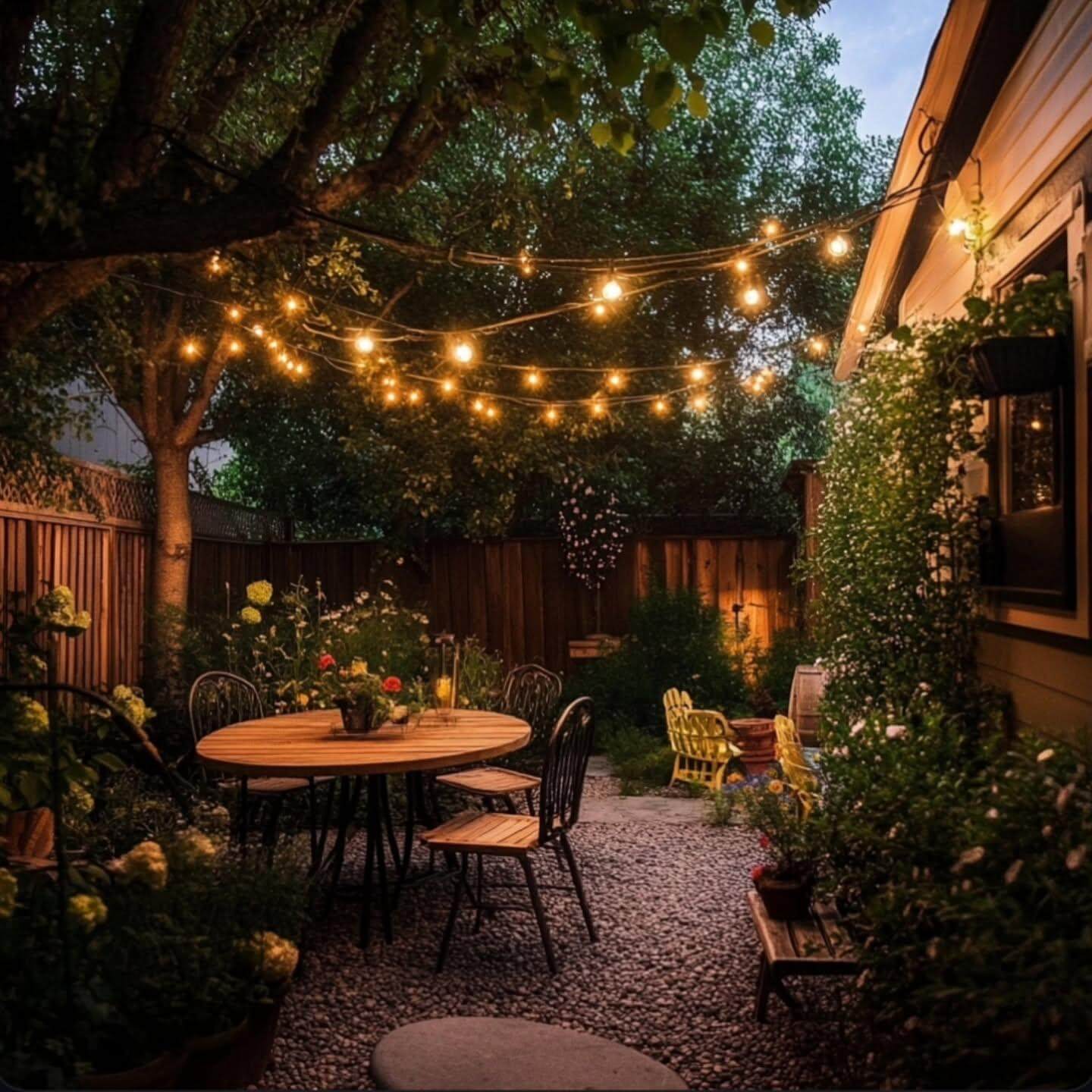
A great lighting plan transforms a backyard after dark. Think like a theater set: ambient, task, and accent. For ambient light, string lights or dimmable sconces at 2700K create a warm canopy over dining and lounge zones. For task light, add focused, shielded fixtures near the grill, bar, and steps—low-voltage LEDs are efficient and safer outdoors. Accent lighting finishes the mood: downlighting from a pergola mimics moonlight, path lights guide guests without glare, and small spotlights graze feature plants or a textured fence for depth.
Keep it subtle. Use more fixtures at lower output to avoid hotspots, and aim lights away from neighbors. Solar options are great for paths, but hardwired or low-voltage systems deliver consistent brightness and longevity. Smart plugs, timers, and motion sensors automate routines—lights fade up at sunset, dim for movie night, and brighten on arrival. Choose outdoor-rated (IP65+) fixtures and weatherproof connections on GFCI circuits. The payoff is a layered, energy-smart glow that makes your outdoor living space feel intimate and safe, encouraging longer dinners, relaxed conversations, and spontaneous weeknight escapes under the lights.
Add Four-Season Comfort with Heat and Fire
To make your yard a year-round retreat, plan for temperature swings. A fire feature—wood-burning pit, gas fire table, or chiminea—adds instant ambiance and a focal point that draws people in. Follow clearances and local codes, calculate seating radius (ideally 6–8 feet across), and consider wind direction so smoke or heat isn’t trapped under a roof. Gas fire tables offer clean convenience, adjustable flames, and tabletop functionality; wood pits deliver that nostalgic crackle and campfire aroma.
Supplement flames with patio heaters or radiant panels under pergolas for chill nights, and have lightweight throws stored in a deck box for grab-and-go warmth. In summer, ceiling fans, misters, and breathable shade fabrics cool things down without shutting out light. If space is tight, tabletop ethanol burners or portable propane heaters warm a balcony without permanent installation. By layering heat and airflow, you widen your comfort band by 10–15 degrees—so your outdoor living space works for cozy fall brunches, crisp winter stargazing, and late-spring dinners long before and after prime season.
Design an Alfresco Dining Zone and Outdoor Kitchen
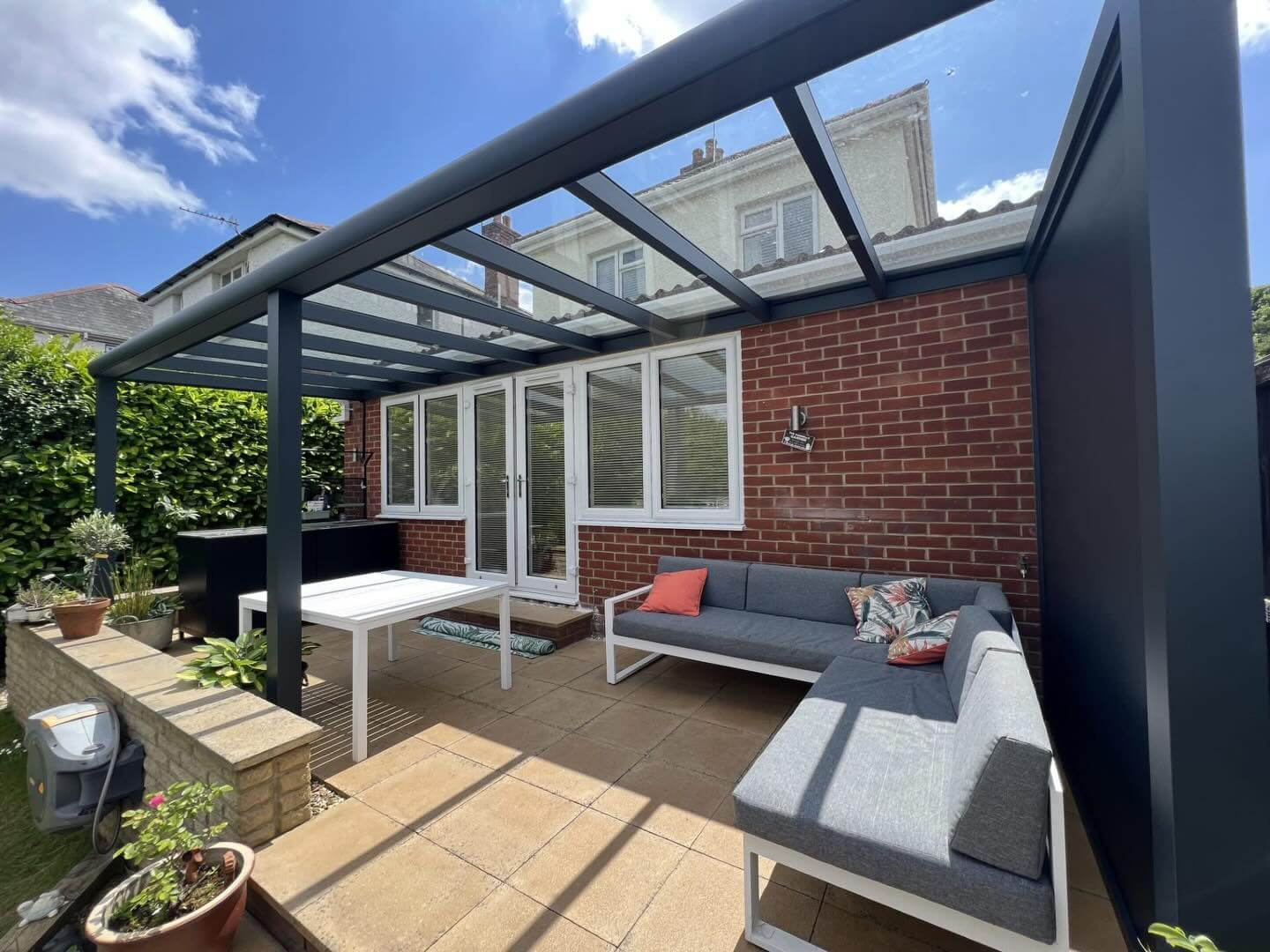
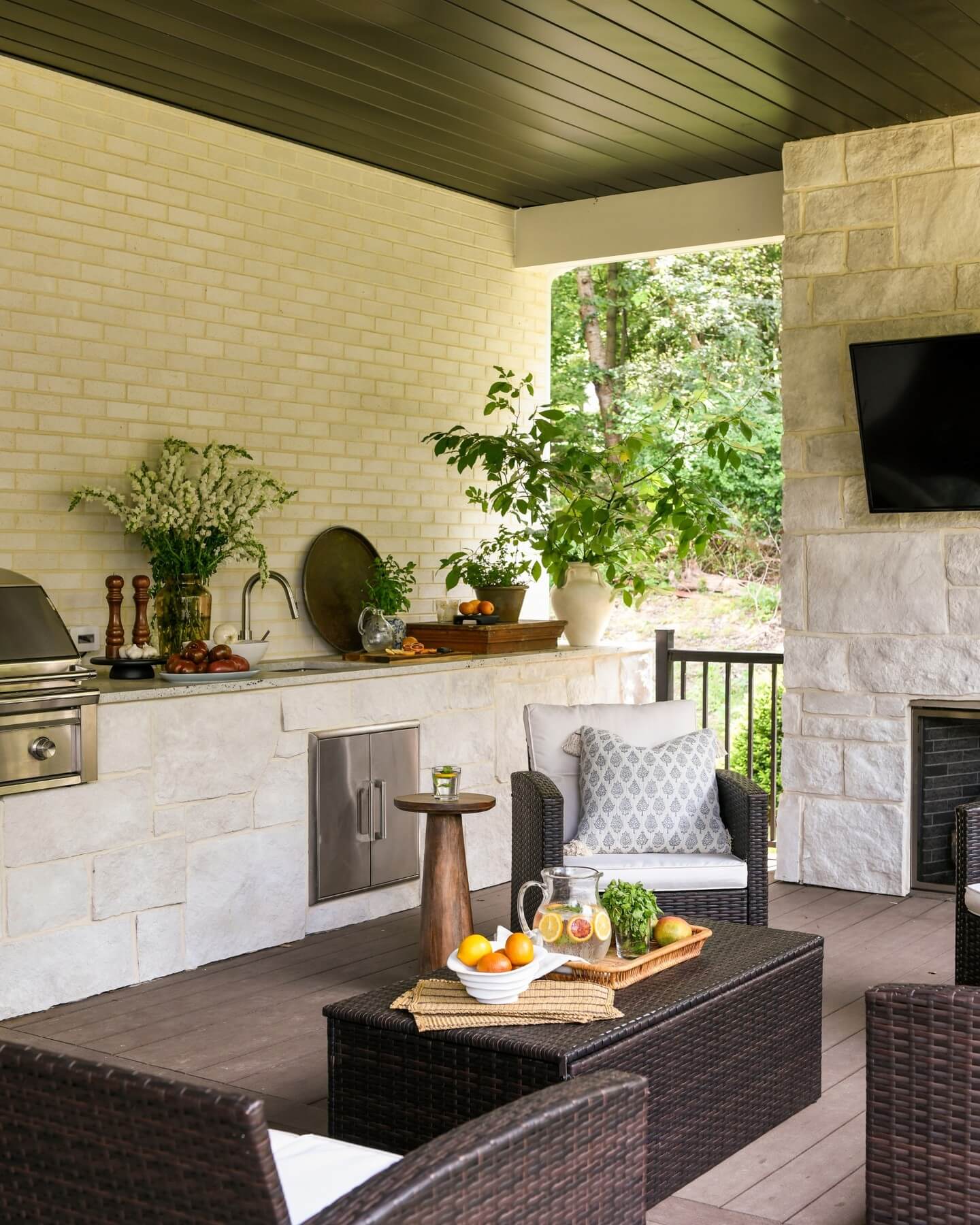
Create a dining experience that rivals indoors by pairing a proportionate table with a compact, efficient cook zone. Start with the essentials: a grill, a prep surface, and hidden storage for tools. If you have room, add a small sink and a drawer fridge for chilled beverages and marinating. Use heat- and stain-resistant materials—porcelain, Dekton, or sealed concrete counters; powder-coated cabinetry; marine-grade hardware—and keep at least 12 inches of noncombustible landing space beside the grill.
Place dining within easy reach but out of the heat plume; 8–10 feet is a comfortable buffer. Overhead, a pergola or umbrella provides shade, while a dimmable pendant creates restaurant-worthy ambiance. Choose dining chairs with performance cushions and stackability for quick reconfiguration. For tiny patios, a foldable bistro set and a rolling prep cart stand in for a full kitchen and stow neatly. Add herb planters along the edge for snip-as-you-cook freshness. With thoughtful adjacency and hardwearing finishes, your alfresco dining area becomes the weeknight default—less carry-in/carry-out, more effortless meals under open skies.
Get the Fail-Safe Paint Color Playbook (Free PDF)
36 proven colors • 8 ready palettes • trim & sheen guide • printable testing cards.
Choose Weatherproof Seating and Textiles That Last
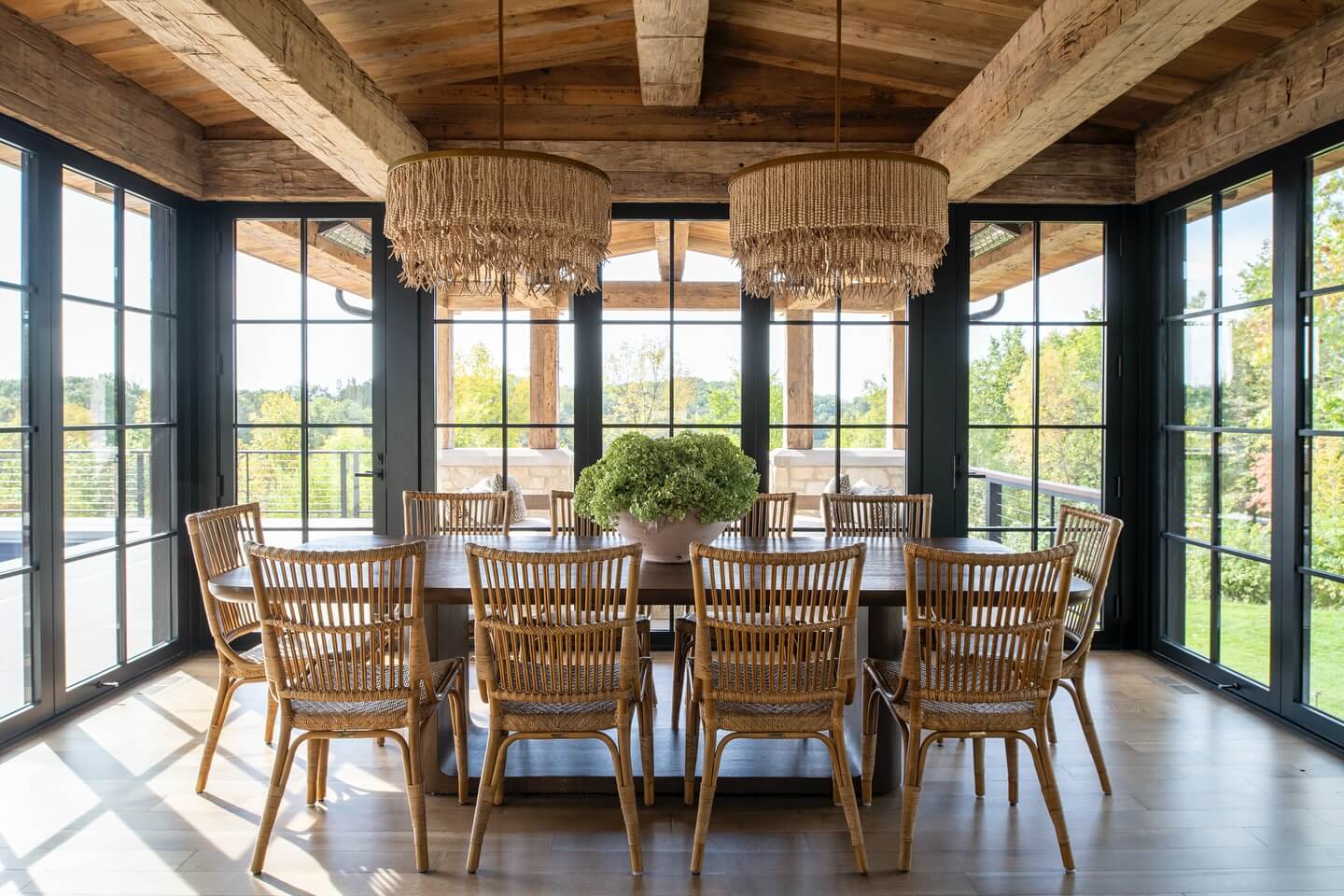
Comfort is nonnegotiable outdoors, but durability drives value. Look for frames in powder-coated aluminum, teak, or HDPE resin that shrug off weather. Cushions made with solution-dyed acrylic (like Sunbrella) and quick-dry foam resist fading, mildew, and sudden showers; zip-off covers make cleaning easy. Modular sectionals let you adapt layouts for lounging, napping, or hosting, while storage ottomans corral throws and games. Anchor the setting with a rug rated for outdoor use—polypropylene or PET—and add layered pillows in a cohesive palette to tie zones together.
Think ergonomics and maintenance. Rounded arms are nap-friendly, sling chairs dry fast, and low tables invite board games and snacks. Keep a minimalist color base—charcoal, sand, driftwood—and refresh seasonally with smaller accents. Use furniture glides, cover pieces when not in use, and cluster items under a shade structure to extend lifespan. Even on a small balcony, a loveseat plus a slim side table can read as a true lounge. The right materials and silhouettes deliver indoor-level comfort with outdoor resilience, so your living area looks styled—not soggy—all season long.
Create Privacy Without Losing Light
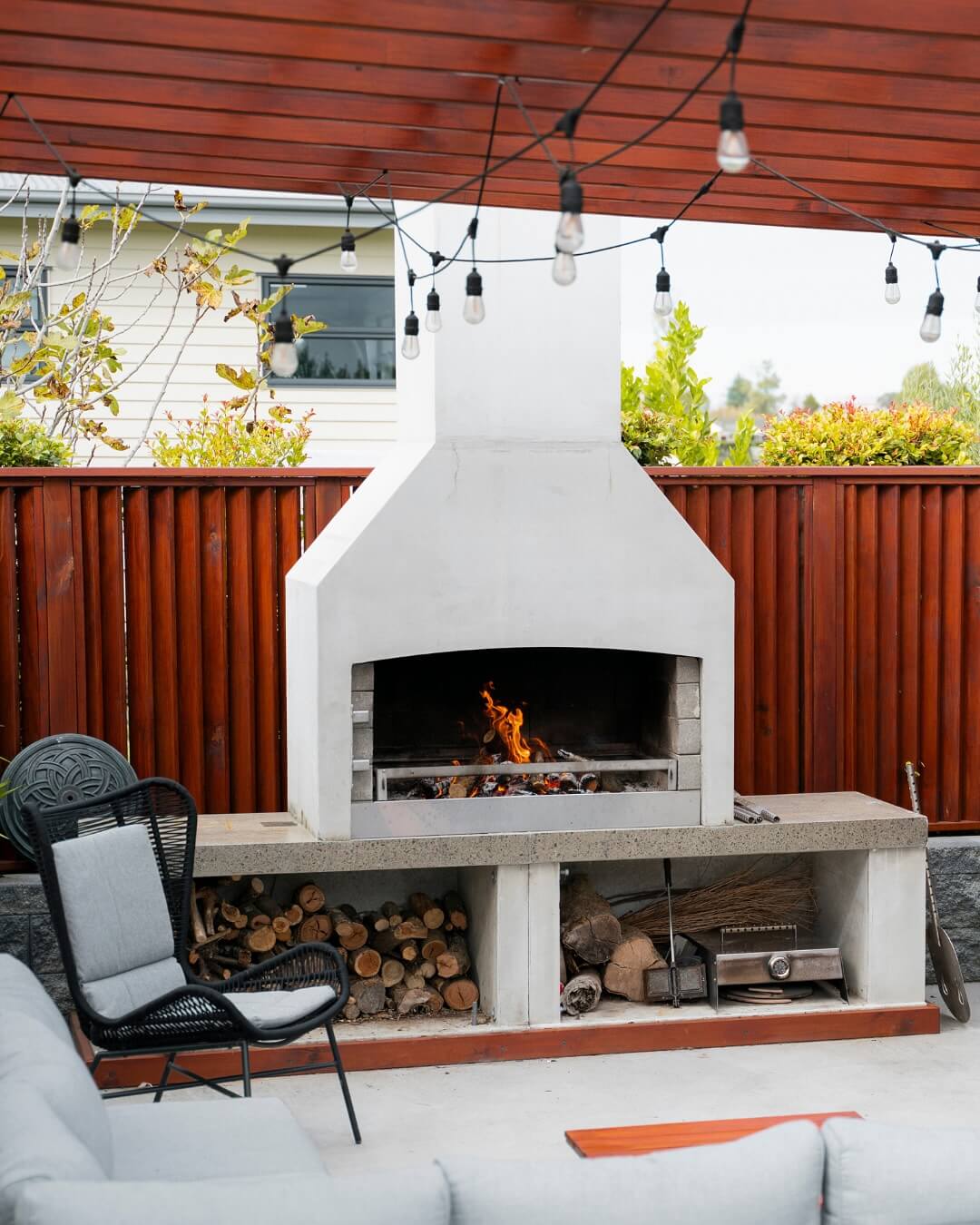
Privacy turns a patio into a sanctuary, but solid walls can feel heavy. Instead, layer semi-opaque solutions that filter views and soften sound while maintaining airflow and sunshine. Slatted wood or aluminum screens, laser-cut metal panels, and tensioned outdoor curtains offer adjustable coverage with architectural polish. Green options—bamboo in planters, evergreen hedges, espaliered fruit trees, or a vine-clad trellis—add biophilic comfort and seasonal interest. Mix heights: a 42–48 inch planter hedge at seating level plus a 7–8 foot screen along a boundary creates a cocoon without boxing you in.
Design for neighbors and codes. Keep taller elements inside property lines and choose materials that complement your home’s facade. For city terraces, combine frosted glass with a top band of open slats to block direct sightlines while preserving sky views. Sound matters, too: water features and rustling grasses mask street noise. With smart screening, you’ll relax into your space, linger longer, and enjoy the feeling of a private garden room—even in a dense neighborhood.
Make Small Spaces Feel Big: Vertical Gardens and Foldaway Furniture
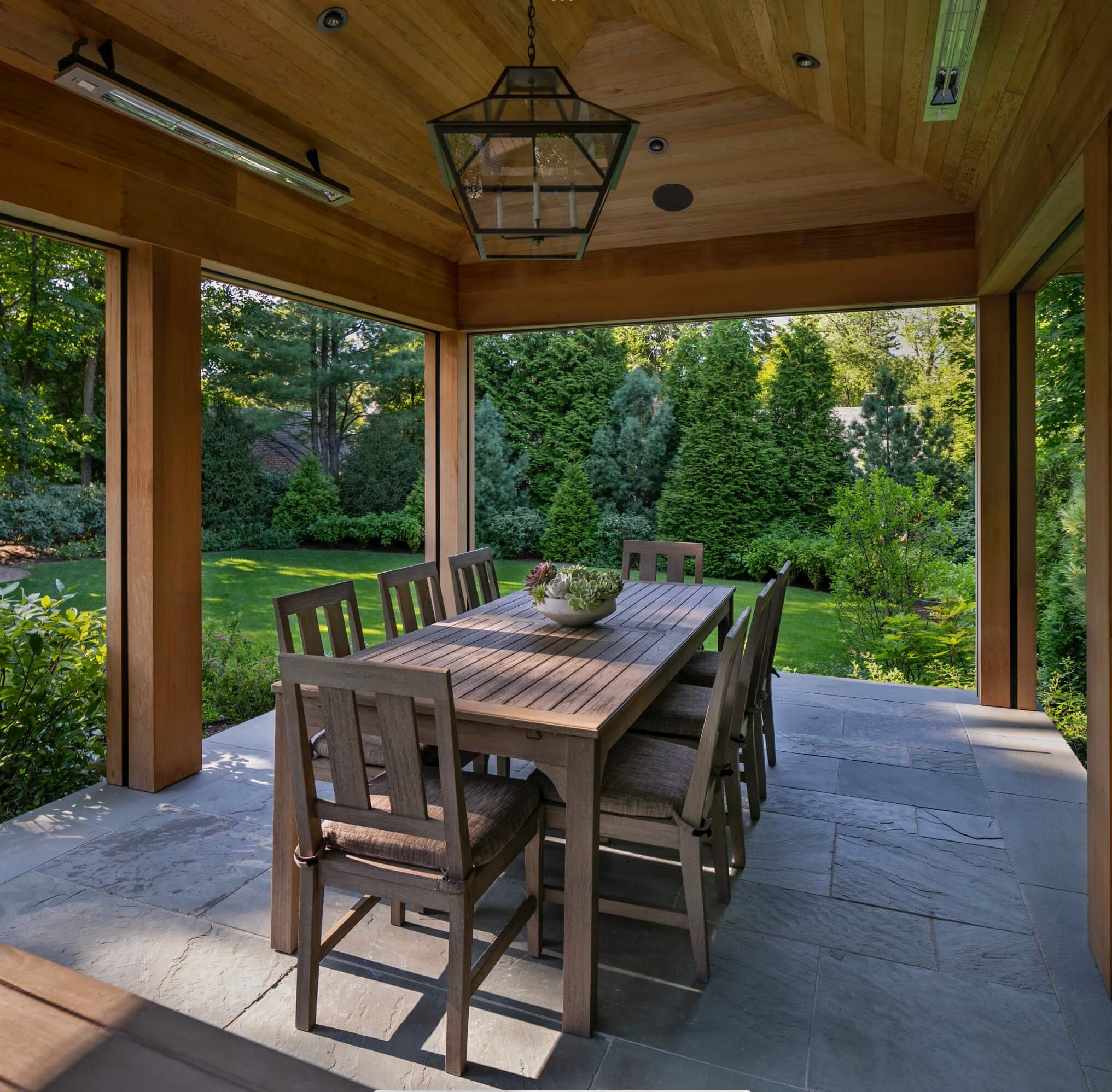
Compact patios and balconies can still live large with vertical design and transformable pieces. Start by lifting greenery off the floor: mount modular pocket planters, rail planters, or trellis panels to grow herbs, ferns, and trailing blooms up the wall. This frees square footage for seating while surrounding you with calming foliage. Add a narrow console that doubles as a bar or potting ledge, and choose a drop-leaf or foldable bistro table that disappears when you need yoga or stretching space.
Furniture should earn its footprint: nesting side tables, a storage bench, or a cube ottoman that flips to a tray keeps the zone clutter-free. Use mirrors rated for outdoors to bounce light, and choose a tight, cohesive color palette to avoid visual noise. Soft, solar-powered lanterns and a small outdoor rug define the “room” without crowding. Even a 4-by-8-foot balcony can host coffee for two, a vertical herb garden, and a sunset reading nook. With these space-savvy outdoor living space ideas, small becomes serene—and every inch works hard.
Elevate Entertainment with Outdoor Tech and Sound
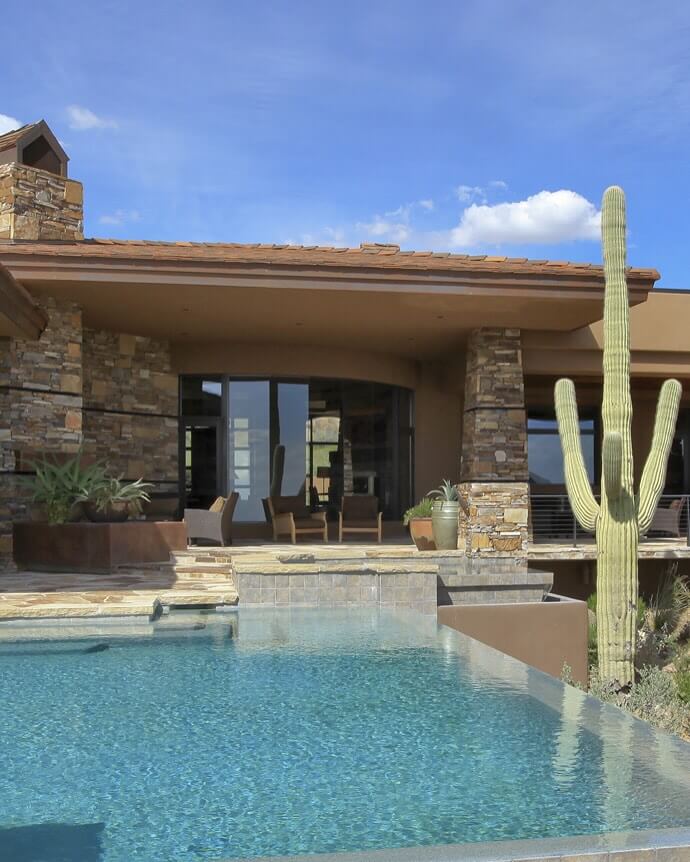
Turn your yard into an open-air media room with discreet, durable tech. Start with strong Wi‑Fi—add a weatherproof access point or mesh booster to banish dead zones. For music, landscape speakers and an in-ground sub blend into plantings, or choose portable, waterproof Bluetooth speakers for flexibility. If you love movie nights, pair a short-throw projector with a retractable screen or a matte wall; aim for ambient light control with dimmers and downlighting. Outdoor-rated TVs (IP55+) resist glare and moisture on covered walls.
Power safely with GFCI outlets, cord covers, and surge protection. Smart plugs and voice control automate scenes: lights to 30%, heaters to low, playlist on. Consider a slim console for board games and blankets, and include a dedicated charging drawer to keep devices out of sight. Most importantly, design tech to disappear when not in use—hidden wiring, neutral finishes, and plant screens preserve the garden vibe. Done right, entertainment enhances the atmosphere rather than competing with the stars.
Low-Maintenance Planting, Drainage, and Durable Surfaces
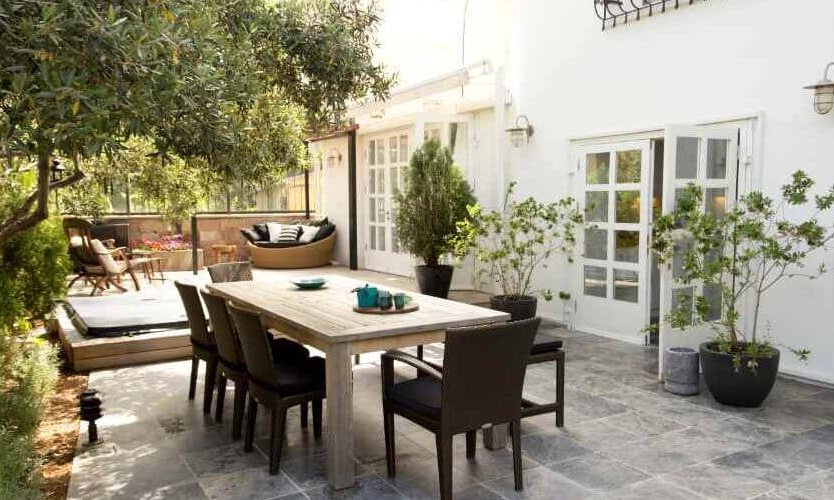
Sustainability and ease keep outdoor living joyful. Choose climate-appropriate, mostly native plants that thrive with less water and care—think ornamental grasses, salvias, lavender, and evergreen structure in many regions. Group by water needs and install drip irrigation with a smart controller to reduce waste. Mulch beds to lock in moisture and suppress weeds, and pick containers with drainage plus saucers to protect decking. Add a rain chain or channel drain where runoff collects; porcelain pavers on adjustable pedestals allow water to move while creating a level, elegant surface.
Get the Fail-Safe Paint Color Playbook (Free PDF)
36 proven colors • 8 ready palettes • trim & sheen guide • printable testing cards.
For finishes, select materials that weather well: composite decking, fiber-cement cladding, and galvanized planters resist rot and rust. Keep a seasonal checklist—spring clean and seal, midsummer prune and deadhead, fall leaf sweep and cover cushions. The payoff is a space that looks polished with minimal effort, so you spend time enjoying your patio rather than maintaining it. Pairing resilient plants, smart water management, and long-lasting hardscape closes the loop on a truly year-round outdoor retreat.
Design Pathways and Edges to Guide the Outdoor Experience
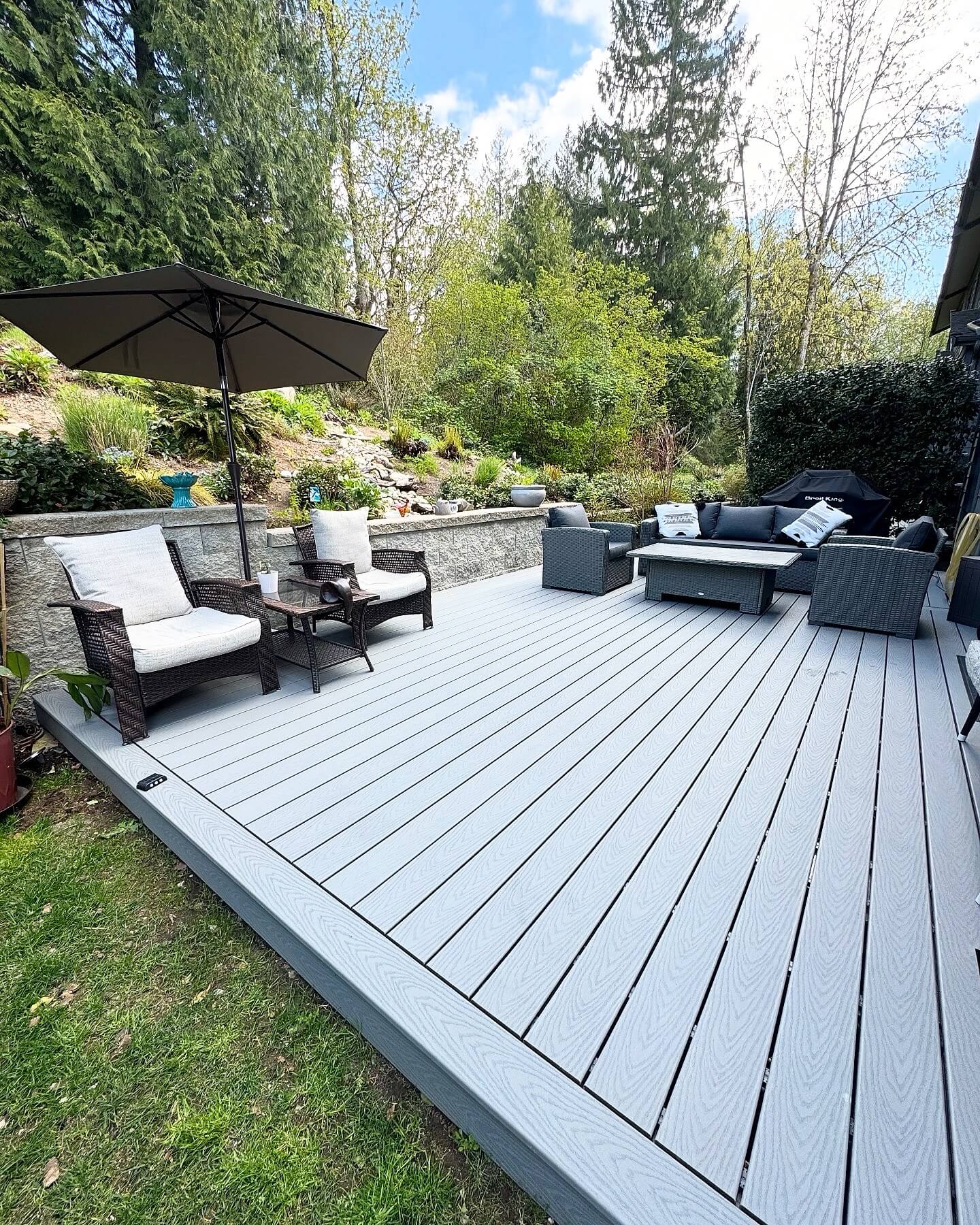
With your zones set, use pathways and crisp edges to connect them and create a natural circulation through your backyard retreat. Pavers, decomposed granite, or stepping stones signal where to walk and keep feet clean, while edging—steel, brick soldier courses, or low groundcovers—visually tidies planting beds. A curved path can slow the pace toward a lounge or fire pit; straighter lines feel modern and direct guests to a dining terrace or outdoor kitchen. Layer path lighting at ankle height for safety and ambiance, and repeat materials from your patio or deck for cohesion. Where lawns meet hardscape, consider a low mowing strip so grass doesn’t creep. On small patios or balconies, a runner-style outdoor rug paired with planters “reads” as a path and subtly divides functions. Add threshold moments—an arbor over a gate, a change in stone size, or a timber step—to cue transitions between zones. Thoughtful wayfinding doesn’t just look polished; it reduces wear on turf, protects plantings, and supports the flow you designed in your floor plan, making your outdoor living space feel intentional, welcoming, and easy to navigate day and night.
Get the Fail-Safe Paint Color Playbook (Free PDF)
36 proven colors • 8 ready palettes • trim & sheen guide • printable testing cards.
Use Multi‑Level Decks and Terraces to Tame Slopes
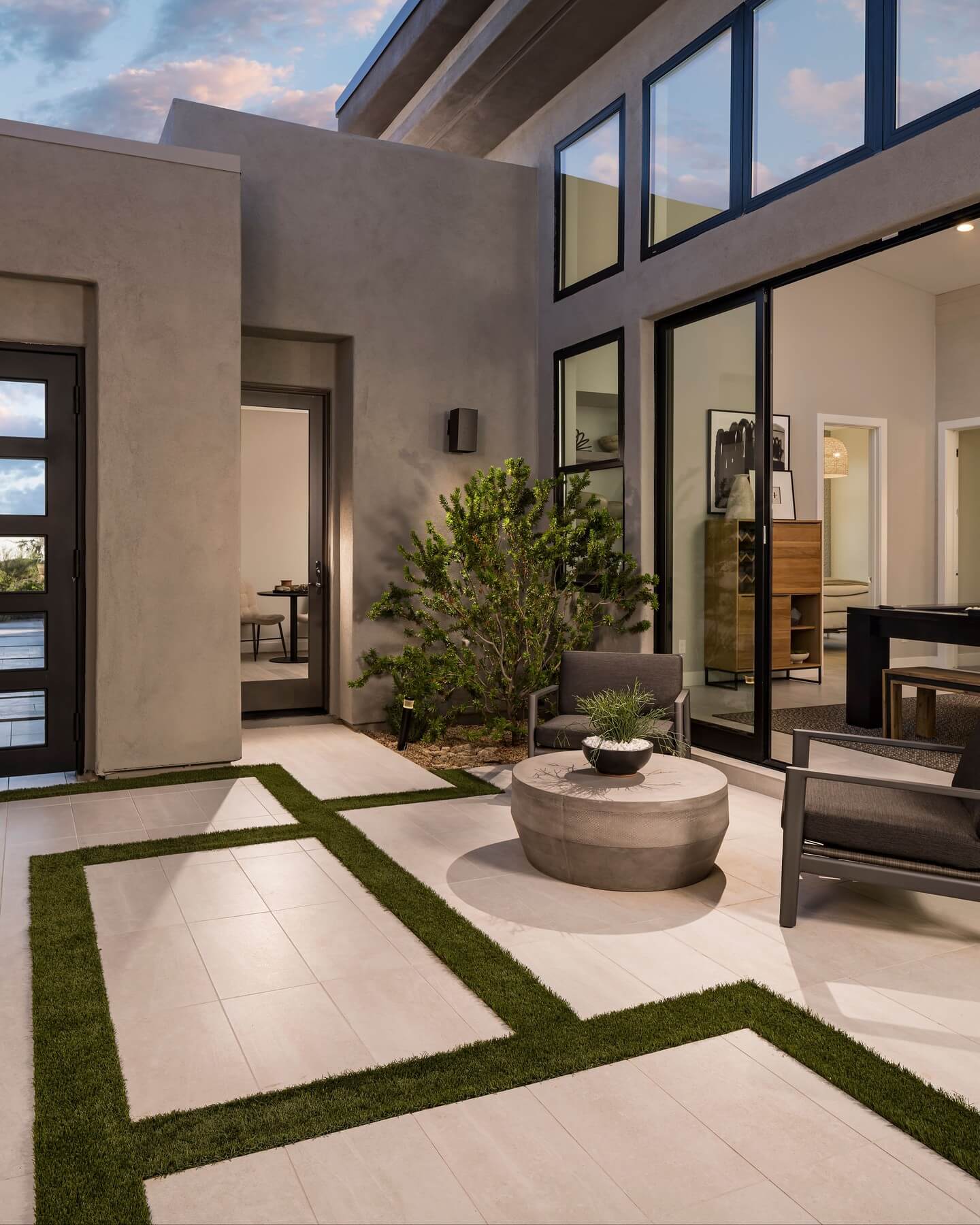
If your yard has grade changes, lean into them. Multi-level decks and terraced patios turn challenging slopes into usable square footage, creating natural “rooms” for lounging, dining, and play. A raised ipe or composite deck steps down to a gravel fire pit, then to a lawn or veggie beds—each level with a clear purpose. Incorporate wide, deep steps that double as casual seating during parties, and add built-in planters to soften edges. On sun-baked exposures, a louvered pergola can cover the upper terrace while a shade sail cools the mid-level dining zone. For cohesion, repeat one material—like cedar cladding or blackened steel—in railings, fascia, and screens. Prioritize drainage: perforated pipe, weep holes, and permeable pavers prevent hydrostatic pressure behind retaining walls and help surfaces dry fast. Low, dimmable riser lights and handrails make transitions safe after dark. Even on small footprints, a two-step elevation change adds drama and helps define zones without walls. The result is a layered outdoor living space that captures views, buffers wind, and feels custom-fitted to your site—functional every season and ready for gatherings of any size.
Set Up an Outdoor Bar and Beverage Hub
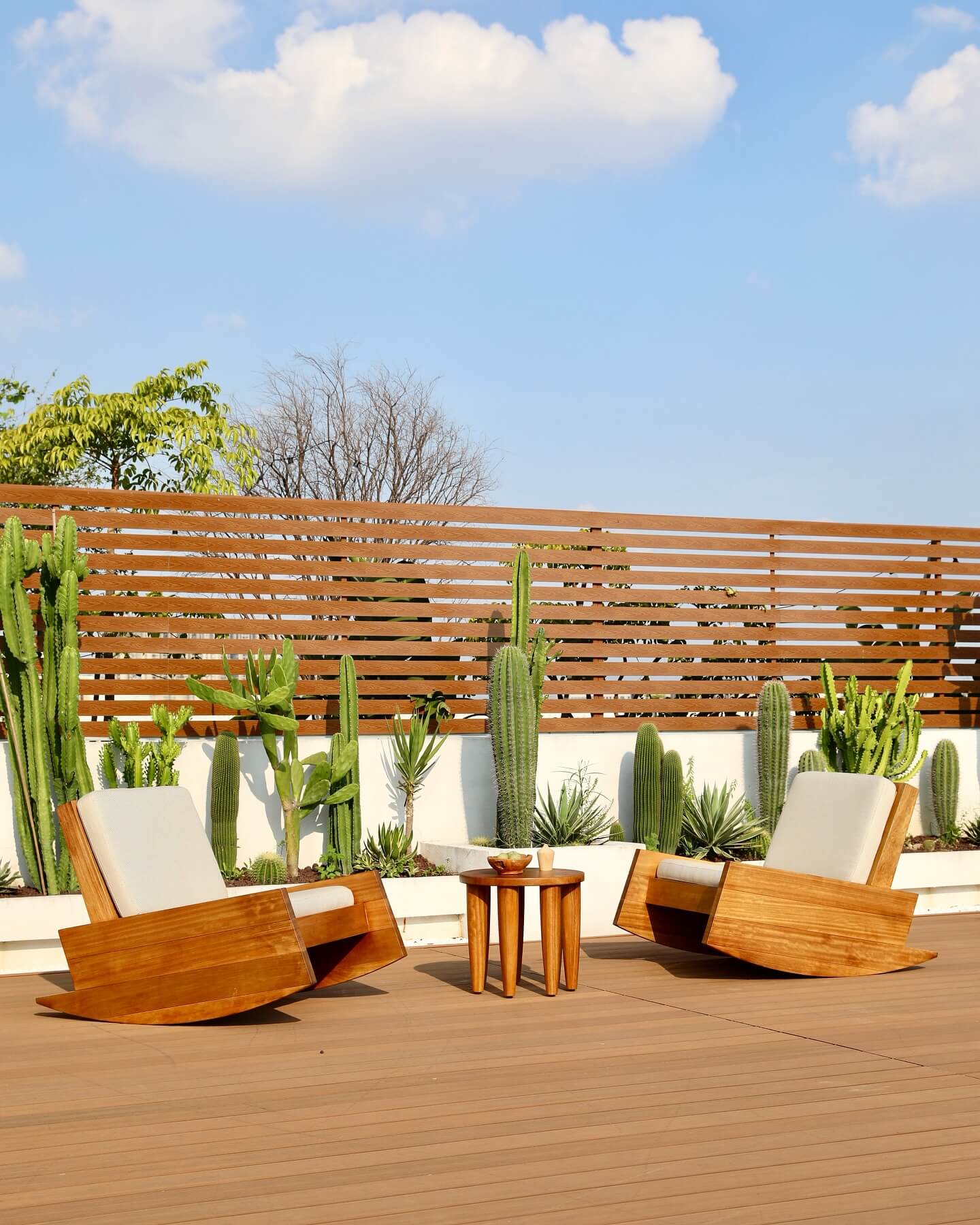
Elevate entertaining with a dedicated beverage station so guests can self-serve while you finish the grill. A narrow console or built-in counter against a privacy screen becomes an outdoor bar with space for a slim fridge, ice bin, and glass storage. Use weatherproof cabinetry, stone or porcelain countertops, and a simple wall shelf for syrups and garnishes. If you already planned an outdoor kitchen, position the bar at the edge of its workflow to reduce congestion; otherwise, place it between lounge and dining zones for natural flow. Add task lighting under shelves, a dimmable lantern overhead, and a power outlet for a blender or hot drink dispenser. On small balconies, a fold-down murphy bar or rail-hung caddy saves space and stows away after use. Style with trays, a cutting board, and a planter of mint or rosemary for fresh cocktails. Consider a beverage cart on casters that migrates with the party—from sunny brunch mimosas to fireside nightcaps. This simple upgrade turns your patio into a resort-like outdoor living space while keeping spills contained and countertops clear.
Carve Out Relaxation Nooks: Daybeds, Swing Chairs, and Hammocks

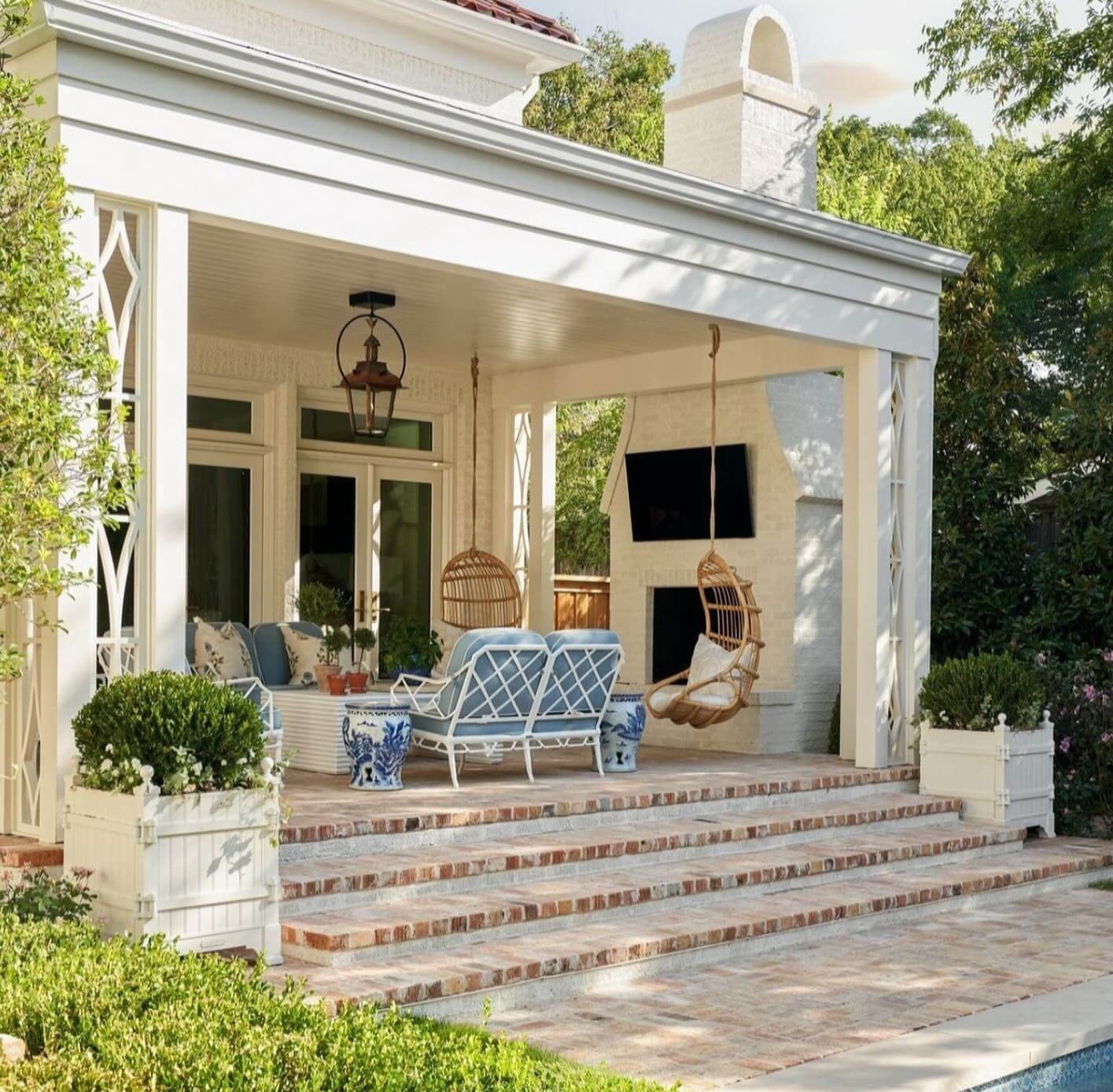
Every high-function outdoor living space needs a spot that invites you to linger. Create a relaxation nook with a shaded daybed, swing chair, or hammock layered in performance cushions and throws. Position it away from the highest-traffic paths—tucked near aromatic plantings like lavender or jasmine—and orient the view toward a garden vignette or water feature. If you’re short on space, a wall-mounted swing or a hammock chair uses vertical real estate without crowding the floor. Add a small side table for books and drinks, an outdoor rug to define the footprint, and a dimmable sconce or lantern for evening reading. Breezy privacy curtains or a slatted trellis block glare and frame the nook without closing it in. On balconies, opt for a compact chaise with hidden storage underneath. To transition this corner through seasons, swap textiles by color story—cool blues and stripes for summer, earthy tones and wool throws for fall—so the nook stays fresh while your core pieces endure. A dedicated chill zone balances the energy of your dining and kitchen areas, rounding out the sensory experience outdoors.
Add Screens, Curtains, and Bug Control for Three‑Season Use
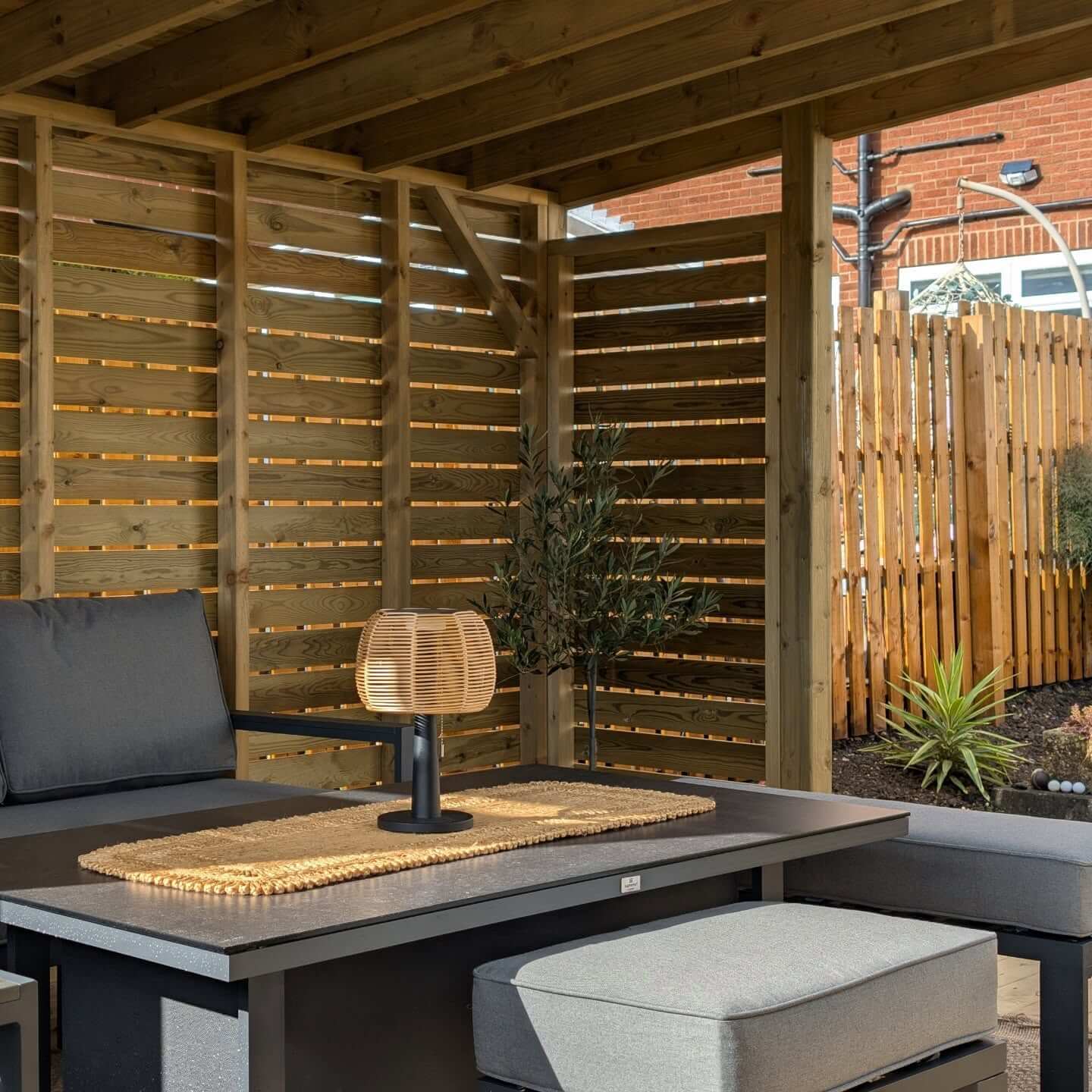
Make your yard livable from spring through late fall by layering wind, sun, and insect control. Retractable screens on a pergola, outdoor curtains on ceiling tracks, or sliding slat panels let you dial privacy and breeze in seconds—perfect beside a fire feature or lounge. Pair with smart fans to deter mosquitoes (air movement is more effective than citronella alone), and add discreet floor plugs for plug-in heaters or a pedestal fan. On porches, consider magnetic or zipper bug screens that preserve sightlines but keep evenings bite-free. If you love a minimalist look, integrate operable louvers and clear polycarbonate windscreens that disappear when open. Choose mildew-resistant fabrics and hardware rated for coastal or high-humidity environments, and echo finishes from your furniture or railing for a cohesive palette. Thoughtful enclosure doesn’t mean closed-in; aim for adjustable layers that handle glare at noon and chill at dusk. This approach complements your shade and lighting plans, extends the calendar for alfresco meals, and protects textiles—so your outdoor living space stays comfortable and polished no matter the forecast.
Introduce Water: Fountains, Rills, and Reflecting Bowls
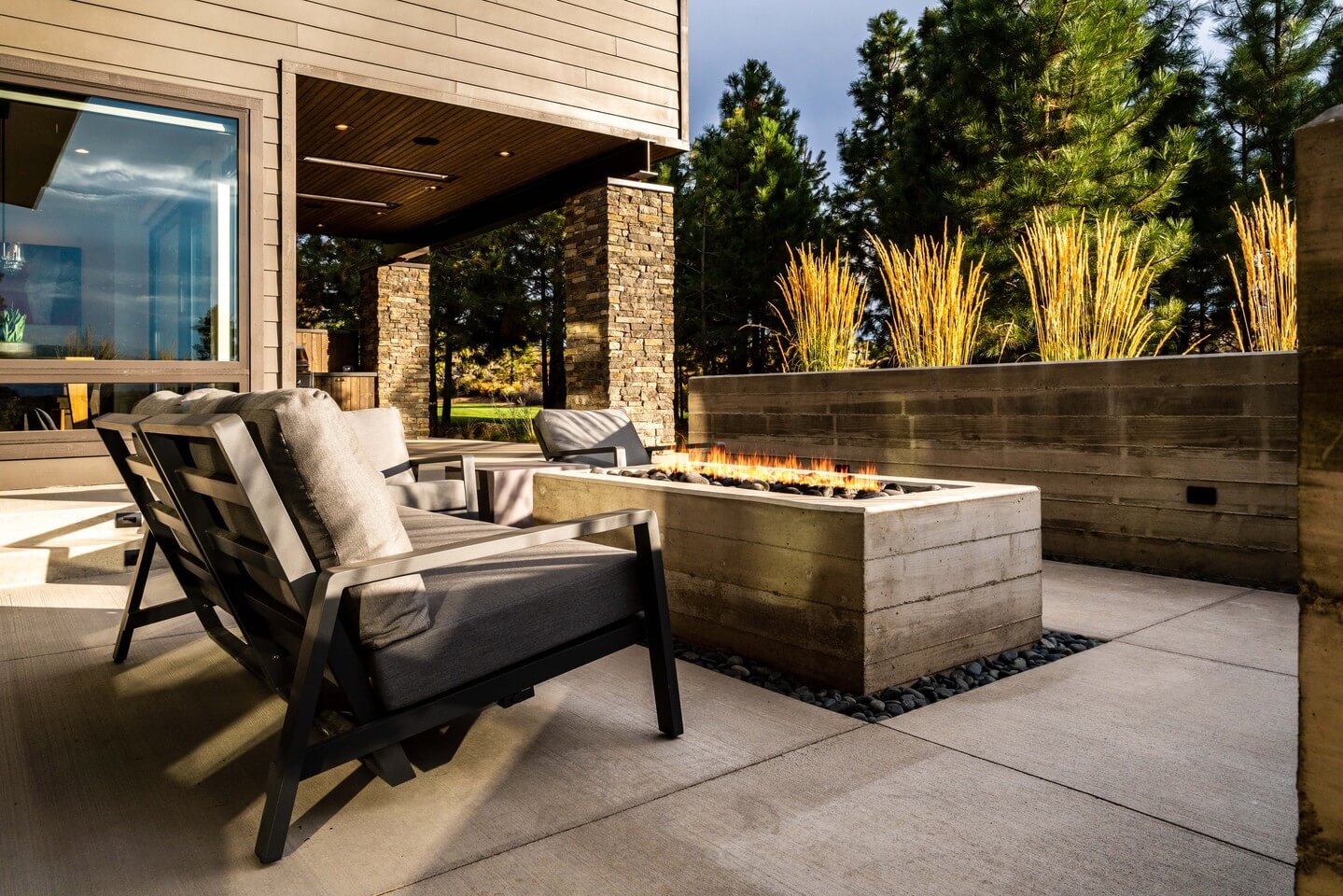
A small water feature transforms the mood of a patio by masking street noise and adding movement and light. Choose a recirculating fountain, narrow rill, or ceramic bowl with a bubbler for low maintenance and high impact. Place it where you’ll hear it most—near the lounge or dining zone—and light it from below for sparkle during evening gatherings. In compact spaces, a wall-mounted spout over a basin saves square footage; in larger yards, a simple trough fountain becomes a focal line that guides the eye. Combine water with pollinator-friendly planting—salvia, echinacea, and grasses—for habitat and a contemporary, natural look. Ensure a GFCI outlet and plan winterizing: a quick-drain valve or easy-to-remove pump prevents freeze damage. If you’re designing a family yard, keep basins shallow or use grates for safety. Finish with stone that echoes your paving or fire surround so the feature feels integrated, not tacked on. The gentle soundscape helps your outdoor living space feel like a spa retreat, encouraging longer conversations and deeper relaxation without competing with your audio system.
Design for Kids and Pets Without Sacrificing Style
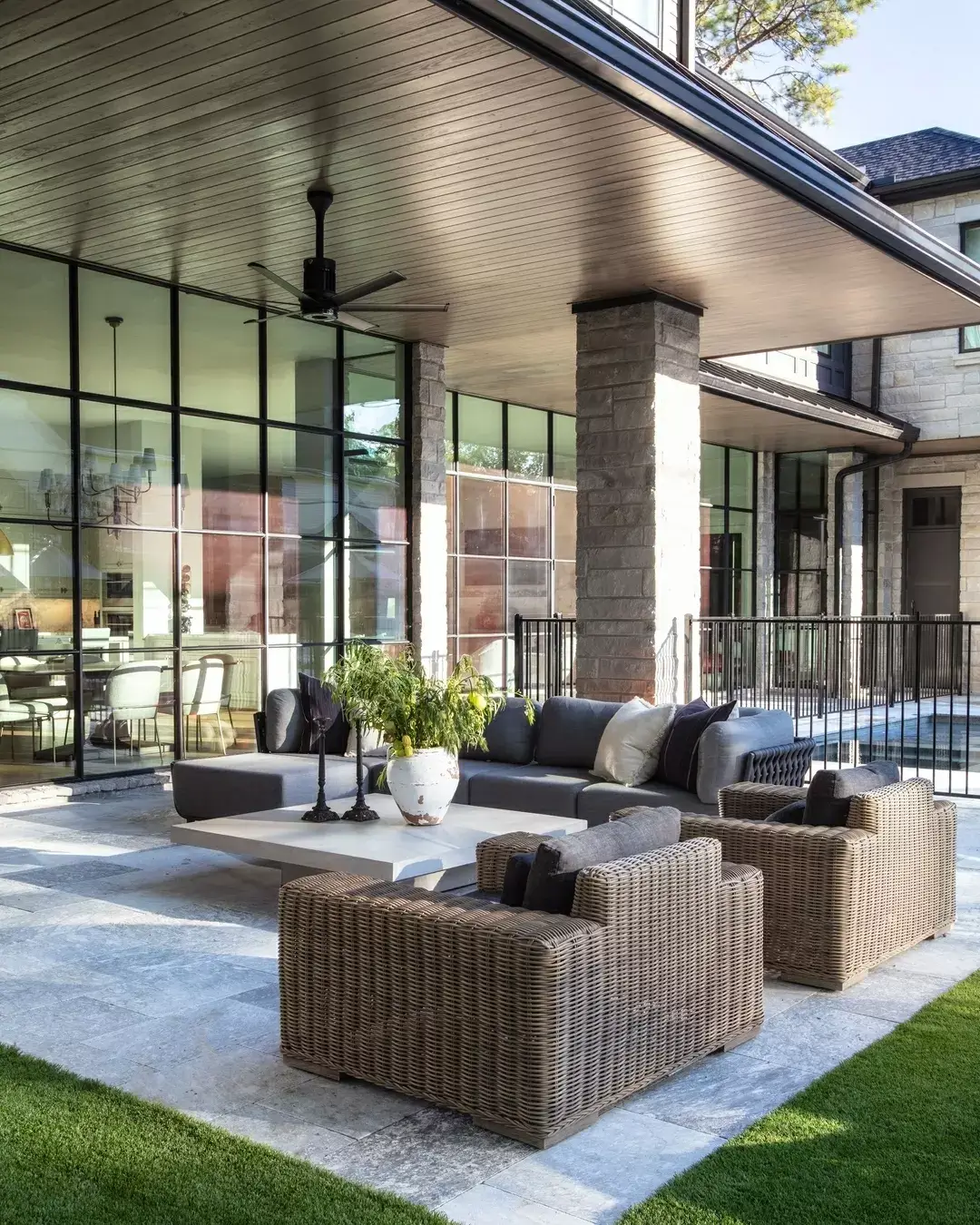
Family-friendly doesn’t have to mean plastic everywhere. Zone play and pet areas with durable surfaces—synthetic turf with proper base and drainage, rubber pavers under swings, or a pea gravel dig pit—so mess stays contained. Build in storage for toys and leashes, and choose performance fabrics that wipe clean and resist claws. A low fence or cedar slat screen keeps balls off planting beds and defines boundaries without feeling heavy. For multi-use yards, integrate a chalkboard panel, a balance beam edging a garden bed, or a water table that converts to a bar when the kids are in bed. Pet stations with hose bibs, a floor drain, and a bin for waste bags make routines easy; add shade and a raised bed to keep pups cool. Plant non-toxic, hardy species and protect trunks with simple guards. Thoughtful lighting—shielded and glare-free—keeps sightlines clear for evening play, while gates and self-closing latches maintain safety. With a few smart choices, your backyard looks design-forward, functions for everyday life, and transitions seamlessly from playdate to cocktail hour.
Create an Outdoor Work‑From‑Home Nook
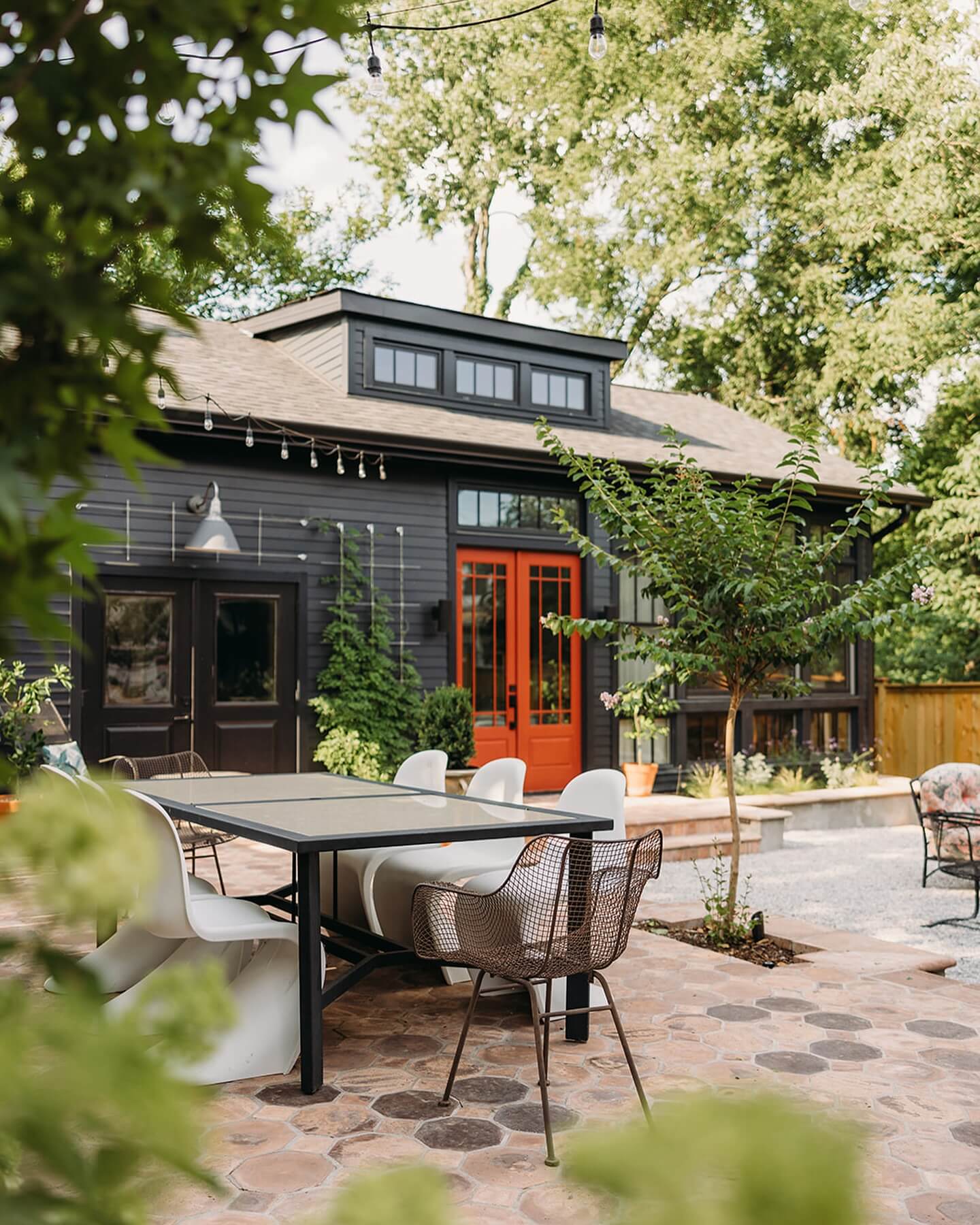
Carve out a quiet, connected workspace that lets you take calls with birdsong instead of background noise. Place a small table or bar-height ledge against a privacy screen or railing for ergonomics and focus; a comfortable, supportive chair in performance fabric makes longer sessions doable. Add overhead shade—umbrella, retractable canopy, or a louvered pergola set to diffuse glare—and position the camera facing greenery for a flattering backdrop. Run weatherproof power with GFCI outlets and a hidden cable channel, and mount a dimmable, 3000K task light for early mornings. Noise control matters: a gentle fountain or rustling grasses can mask neighborhood sounds on video. If space is tight, a fold-down wall desk or storage bench with a lift-up top doubles as a laptop perch. Keep essentials in a dedicated caddy and stash them in a deck box when the workday ends. The goal is frictionless setup and teardown so the area converts back to a lounge in seconds—another smart, multi-functional layer in your outdoor living space plan.
Hide the Clutter: Built‑In Storage and Utility Screens
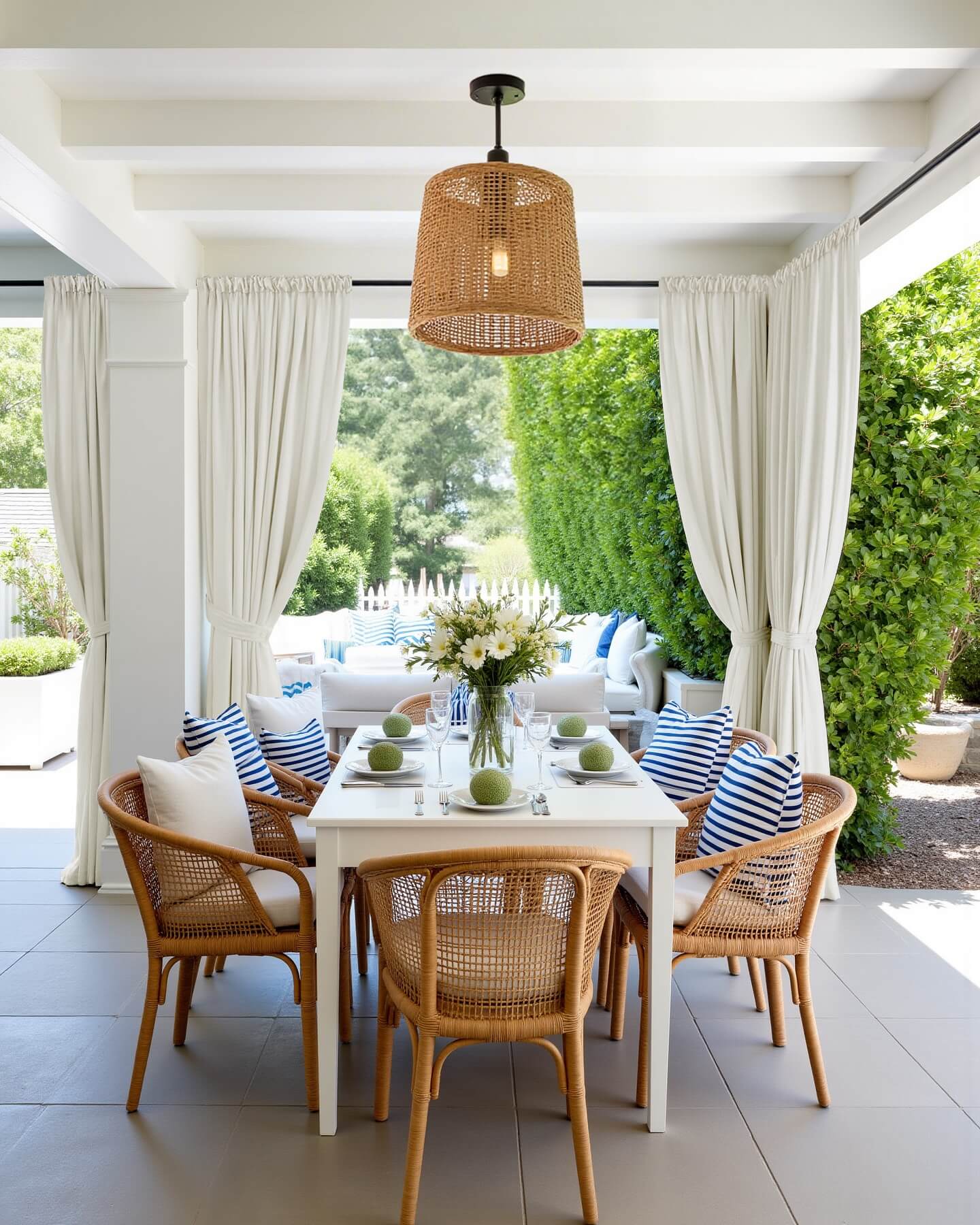
A polished outdoor living space hides the unglamorous bits. Design storage early: built-in benches with vented lids for cushions, tall cabinets for heaters and games, and narrow deck boxes that double as side tables. Create an “utility lane” screened with slatted panels or evergreen hedging to conceal AC condensers, bins, and pool equipment while maintaining airflow and service access. Choose marine-grade hardware and composite or hardwoods that won’t warp; add drip edges and rubber gaskets to keep contents dry. On small patios, vertical cabinets or a rail-hung system organize tools without stealing floor area. Inside the outdoor kitchen, opt for drawer stacks over doors so utensils and linens stay clean and reachable. Label zones and use trays so setup for dining and movie nights is grab-and-go. Color-match storage to your decking or trim so elements recede, and repeat the slat rhythm from privacy screens for continuity. When clutter is contained, your surfaces stay clear, your textiles last longer, and your space reads calm—ready for spontaneous gatherings any day of the week.
Go Greener with Solar, Reclaimed Materials, and Smart Water
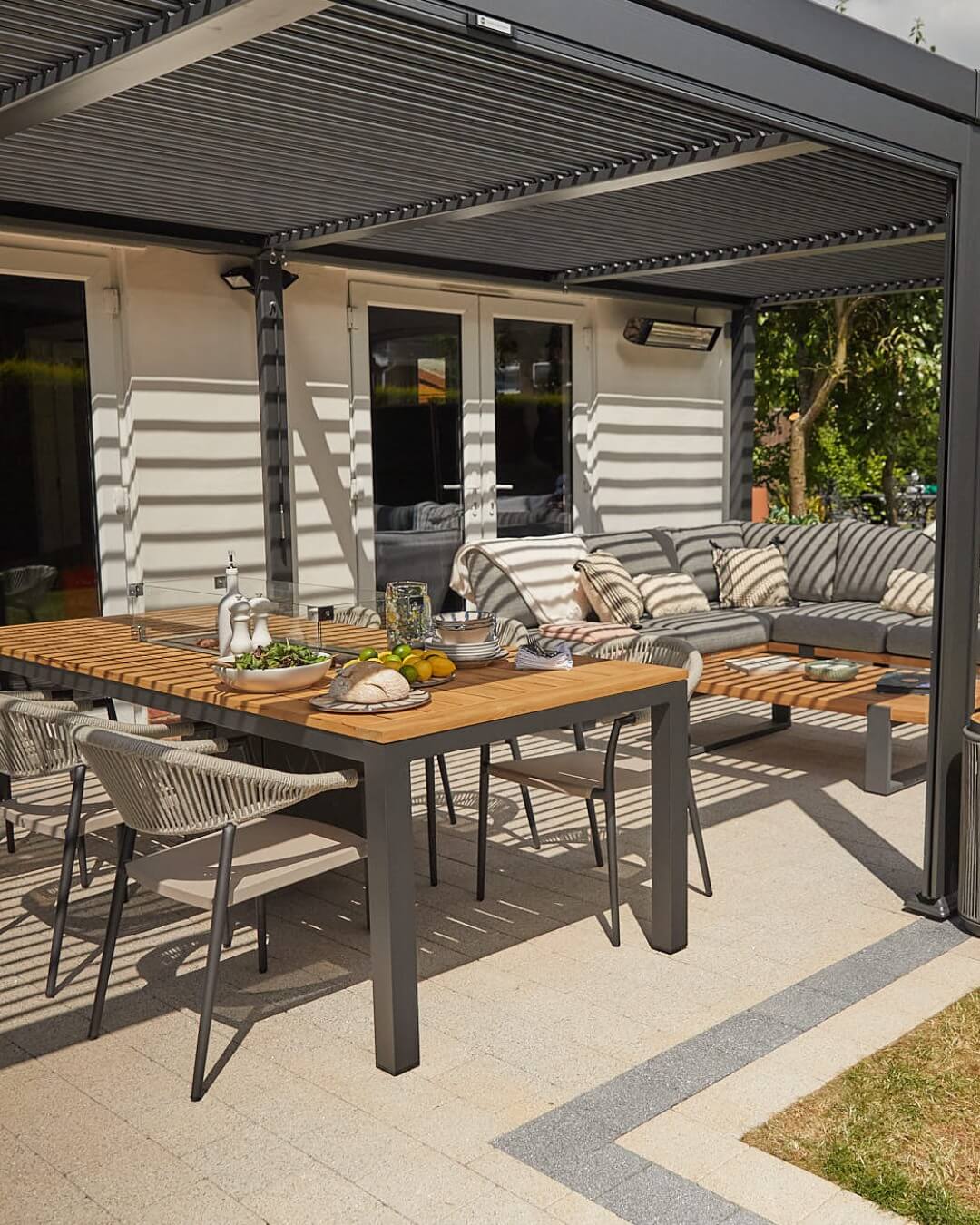
Sustainable choices make your outdoor living space more resilient and affordable to run. Power path lights, fence lanterns, and string lights with quality solar fixtures and warm LEDs; pair with smart plugs and dusk-to-dawn settings for low effort, low energy use. Choose reclaimed brick, locally quarried stone, or FSC-certified woods to shrink the project’s footprint and add character. Permeable pavers, rain gardens, and a discreet cistern capture stormwater for planters, reducing runoff and watering costs. Drip irrigation with a weather-based controller keeps plants healthy without waste, and mulch locks in moisture while polishing beds. Consider heat-reducing finishes—lighter pavers, shade trees, and breathable rugs—for cooler microclimates in summer. When upgrading grills or heaters, look for efficient burners, induction cooktops in covered kitchens, or bioethanol fire features for clean burns. Composting stations and a hidden “recycling bar” near the dining zone simplify cleanup. Sustainable doesn’t mean spartan; it means smarter systems and durable materials that age well, so your backyard looks beautiful now and better with time—season after season.
Get the Fail-Safe Paint Color Playbook (Free PDF)
36 proven colors • 8 ready palettes • trim & sheen guide • printable testing cards.
Frame the Room with a Pergola and Retractable Shade
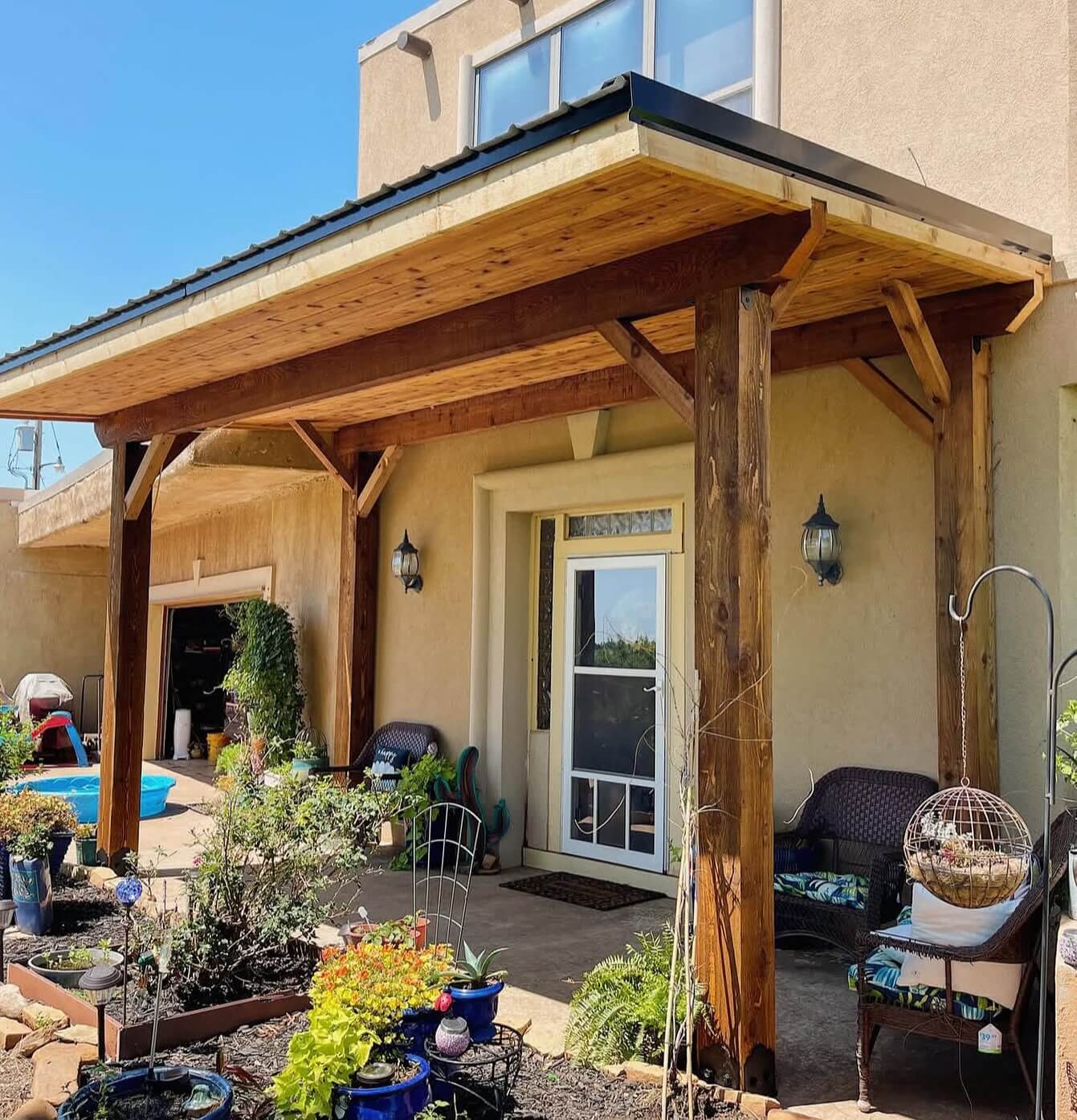
A pergola instantly turns a patio or deck into a defined “outdoor room,” adding structure, shade, and a place to layer comforts. Opt for a louvered roof or a retractable canopy so you can modulate sun, glare, and light rain, making the space usable from spring through fall. Set the posts to align with the edges of your seating or dining zone, aim for an 8–9 foot clear height for an airy feel, and anchor footings properly for wind and snow loads. Materials matter outdoors: powder‑coated aluminum and cedar weather beautifully, and a finish that echoes your door trim or decking ties the look to your home. Integrate privacy with slatted screens or climbing vines on one side, then add a ceiling fan or radiant heaters to extend shoulder seasons. For ambiance, run low‑voltage LED strips along rafters and swag dimmable string lights across the span—warm 2700K light flatters evening gatherings. If you choose a solid roof panel, add a discreet gutter for clean drainage. Ground the zone with a weatherproof rug, planters, and moveable stools, and you’ve created a flexible, year‑round outdoor living space that feels intentional and inviting.
Plan a Modular Outdoor Kitchen That Works for Any Patio
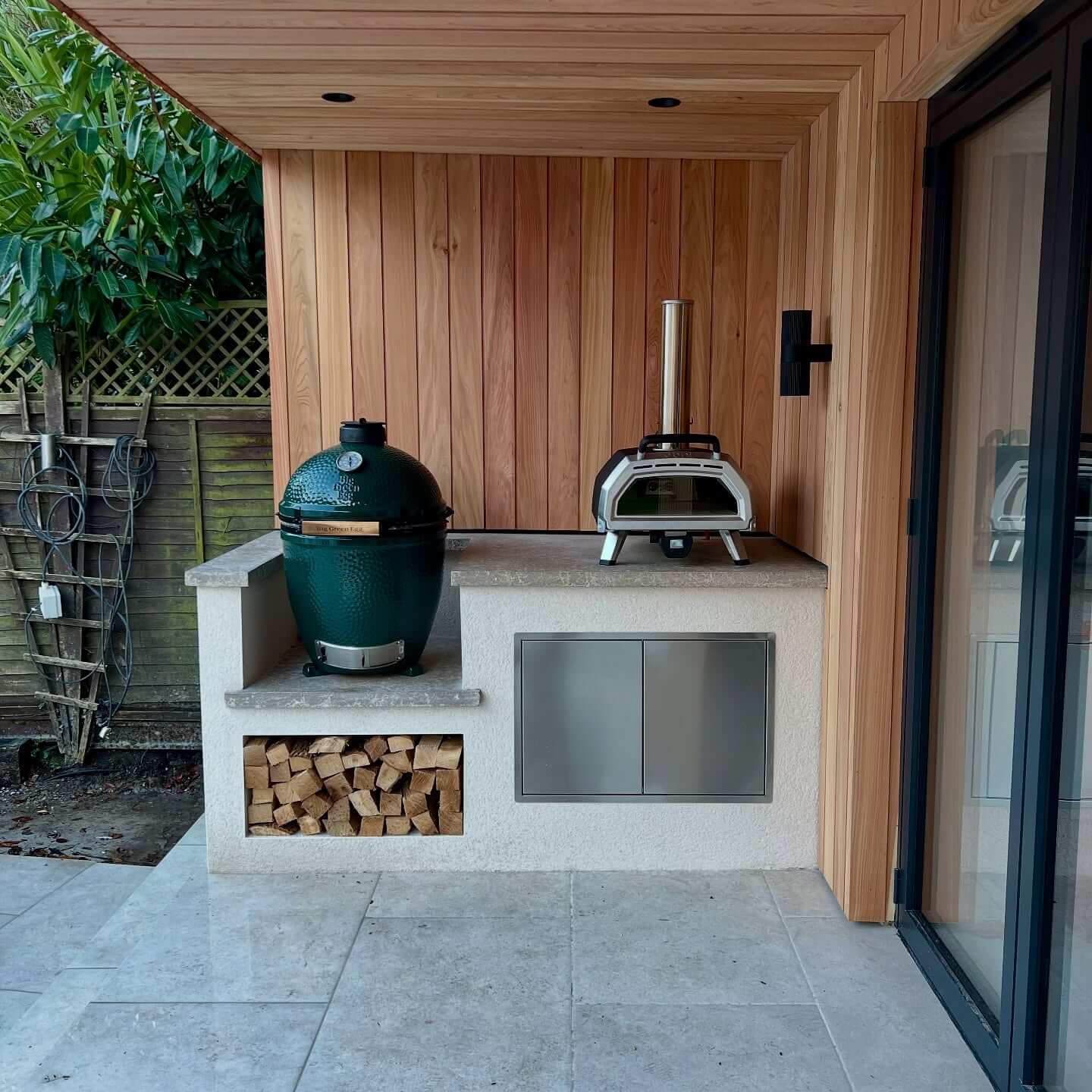
A well‑planned outdoor kitchen elevates alfresco cooking from occasional grilling to true outdoor living. Start with the essentials—your primary heat source (grill or pizza oven), 24–36 inches of uninterrupted prep space, and a drop zone for platters. Then add modular components that suit your footprint: a compact galley along a wall for small patios, an L‑shape to hug a corner, or a freestanding island to serve both cook and guests. Weatherproof cabinetry in stainless, marine‑grade polymer, or masonry keeps tools tidy, while a durable countertop in porcelain, Dekton, or sealed concrete resists heat and UV. Think through utilities early: gas lines and electric for ignition and lighting, and a cold‑water line with proper drainage if you’re adding a sink. Vent hoods are essential under any cover, and local clearances keep structures safe. Position the kitchen near the indoor one for easy restocking, but rotate the cook station away from prevailing winds and traffic flow. Layer task lighting over the grill, toe‑kick LEDs for safety, and a pendant over the bar for mood. A snug pergola, roll‑down cover, and winterizing routine will keep the setup looking sharp for years.
Layer Ambient, Task, and Accent Lighting for Nighttime Magic
Great outdoor lighting is more than string lights—it’s a plan. Combine three types to make your patio or backyard glow. Ambient light sets the mood: dimmable pendants under a pergola, café strands across a courtyard, or recessed soffit fixtures wash the area in warm 2700K light. Task lighting ensures usability: discreet fixtures over the grill, a reading lamp by the lounge, and step and riser lights for safe circulation. Accent lighting sculpts the landscape: uplights to graze a tree or stone wall, wall‑washers to expand visual width, and tiny in‑ground markers to outline edges. Keep brightness low but layered; aim for contrast and shadow rather than floodlit glare. Use low‑voltage systems outdoors for safety and efficiency, and add smart plugs or a photocell timer so lights transition automatically from day to dusk. Shield bulbs to reduce skyglow and place fixtures to avoid hot spots in sightlines. On tabletops, rechargeable lanterns and hurricane candles add flicker without cords. The result is a cohesive lighting scheme that invites lingering, highlights textures and plants, and makes your outdoor living space as welcoming at night as it is by day.
Soften Hardscapes with Weatherproof Textiles and Color
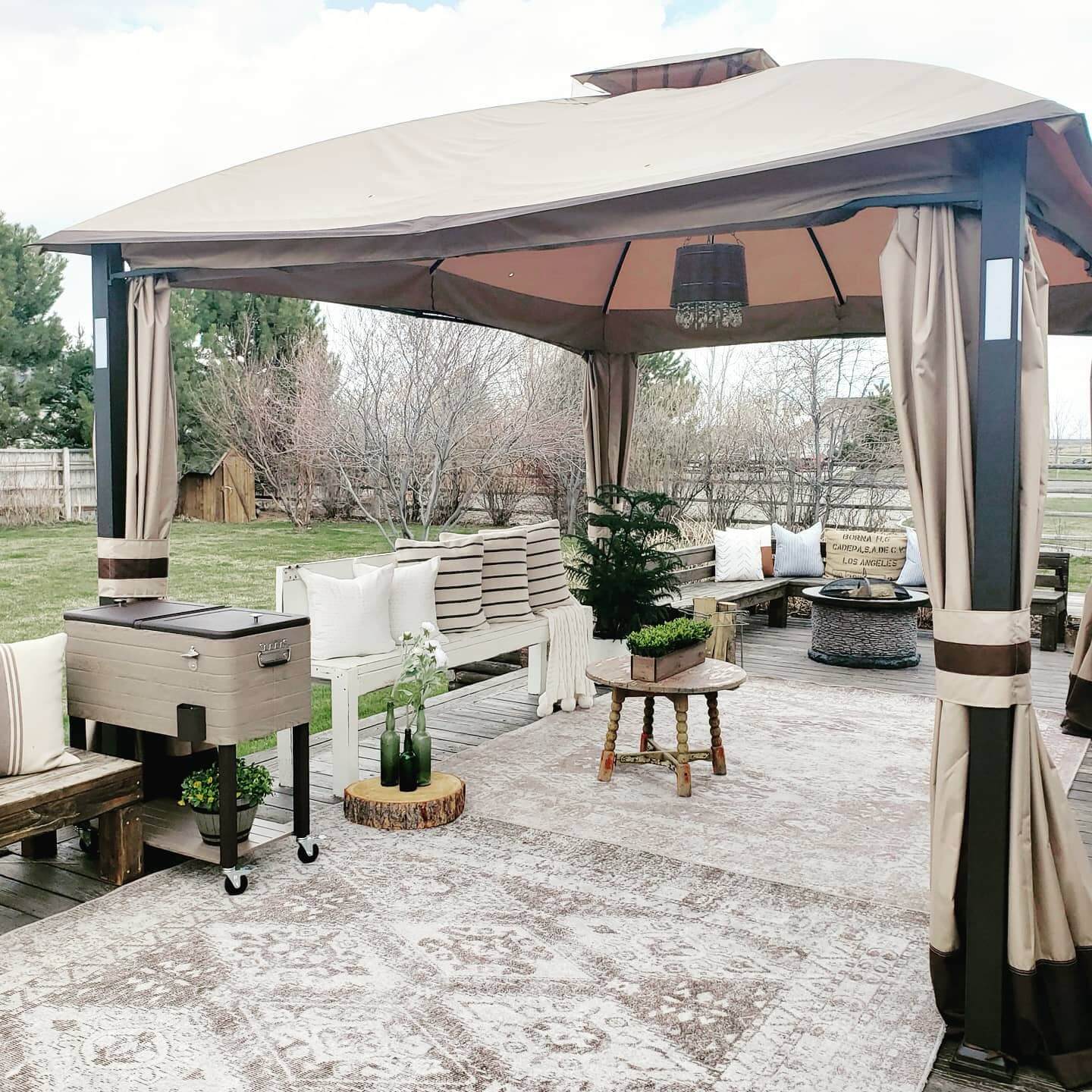
Textiles are the secret to turning a stone or composite deck into a cozy, lounge‑worthy retreat. Start with an outdoor rug scaled to your furniture—front legs of sofas and chairs should rest on it for a cohesive zone. Choose solution‑dyed acrylic or olefin fabrics for cushions and pillows; they resist UV fading, repel water, and dry quickly with performance foams. Build a palette that echoes your interior for seamless indoor‑outdoor flow: anchor with timeless neutrals, then layer in two or three accent hues pulled from planters, pottery, or a nearby door color. Mix textures—canvas, nubby weaves, and sleek slub stripes—to add depth without visual clutter. In cooler months, stash a basket of washable, weather‑resistant throws and swap in richer tones for seasonal refresh. Protect your investment with breathable covers and a storage bench to tuck away cushions during storms. Spot‑clean regularly and give rugs a quick hose‑off to keep fibers fresh. The result is a patio that feels styled, comfortable, and ready for everyday lounging or last‑minute entertaining—proof that fabric and color can transform hardscape into a true outdoor living room.
Gather Around a Safe, Code‑Compliant Fire Feature
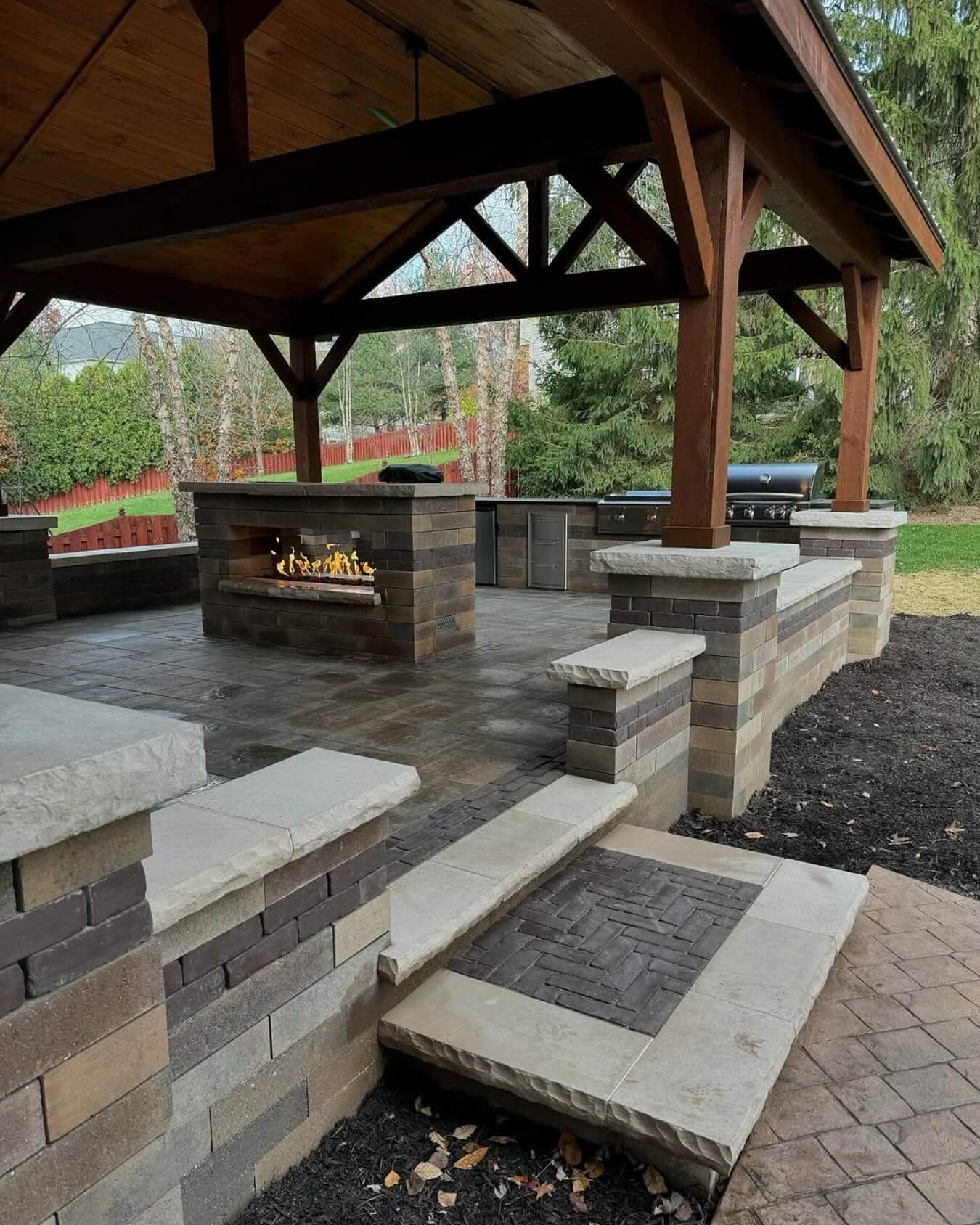
A fire feature becomes the heart of an outdoor living space, extending your season and creating a natural conversation hub. Decide between gas and wood: gas fire tables offer instant ambiance and clean burn; wood fire pits deliver crackle and aroma if local ordinances allow. Size for comfort—36–48 inches across for compact patios, up to 60 inches for larger seating circles—and maintain safe clearances from structures, overhangs, and plantings. Place the flame on a non‑combustible surface, mind prevailing winds, and add a wind guard if you entertain often. For gas setups, conceal the propane tank in a matching side table or route a hard line with a shutoff valve; wood pits benefit from a spark screen and a metal lid to keep out rain. Arrange chairs 24–36 inches from the edge for knee room, and choose mixed seating—deep lounge chairs plus a movable stool—so guests can fine‑tune distance from the heat. Layer in a side table for mugs, stash a couple of outdoor throws, and dim surrounding lights to let the glow shine. Safety first, cozy always—and your backyard becomes a year‑round retreat.
Backyard Outdoor Living Space Ideas: Landscaping, Privacy, Lighting, and Small Yard Solutions
Anchor your backyard with a primary gathering node—deck, gravel patio, or paver terrace—and connect secondary moments like a reading bench or grill station with clear, well-lit paths. Favor native and climate-appropriate plants that deliver multi-season interest, from spring blooms to winter structure, while reducing water and maintenance. Create privacy with layered solutions like trellises, evergreen hedging, and decorative panels that block views without feeling fortress-like. Use permeable hardscape to control runoff, pairing it with subtle grading and French drains to protect foundations. Keep layouts right-sized; in compact yards, a few generous features feel calmer than many tiny elements competing for attention.
Lighting, privacy, and small-space upgrades:
- Use 2700K path lights, shielded step lights, and dimmable string lights; spotlight a specimen tree sparingly, avoid glare at eye level, and automate scenes with smart timers.
- Combine lattice screens with climbing vines, clumping bamboo in planters, and offset panels that block sightlines while allowing airflow; verify local codes on height, setbacks, and wind loads.
- Mount modular wall planters with integrated drip irrigation, choose drought-tolerant herbs and strawberries, and keep total soil weight within manufacturer limits to protect fences or masonry.
- Use storage benches to hide cushions, fold-down balcony tables for serving, and raised planters doubling as seating; add locking casters so components roll aside for workouts.
- Channel roof runoff to rain chains, gravel swales, or a dry creek bed; choose permeable pavers to reduce puddles and direct overflow to thirsty trees or rain barrels.
- Plant staggered-bloom natives for pollinators, add a shallow water source, and switch to fully shielded, downward lighting to preserve dark skies and keep insects from swarming seating.
Prioritize budget by tackling structure and utilities first—grading, drainage, lighting conduits—before decor; these foundational moves protect everything that follows. Phase projects seasonally, installing shade in spring, heat in fall, and planting in cooler months for higher survival rates. Simplify watering with grouped irrigation zones, matching sun exposure and plant needs to avoid waste. Plan off-season storage for cushions and accessories, and choose covers that vent to deter condensation. Maintain annually with a pressure-wash, light resealing, pruning, and fixture checks so the space looks fresh and performs reliably year after year.
Smart Fixes for Common Outdoor Space Dilemmas
How do I choose the right size patio furniture for a small space?
Measure the footprint, then subtract 36–48 inches for circulation around and between pieces. Favor armless chairs, round tables, and modular sets that reconfigure for dining, lounging, and stretching out.
Get the Fail-Safe Paint Color Playbook (Free PDF)
36 proven colors • 8 ready palettes • trim & sheen guide • printable testing cards.
What outdoor lighting color temperature works best?
Warm 2700K LEDs create cozy ambiance and flatter skin tones, while 3000K suits task zones like grills. Use shielded fixtures, low glare angles, and dimmers to adapt light levels through the evening.
How can I get privacy without building a tall fence?
Layer shorter elements—planters, lattice screens, and trellised vines—to block key sightlines selectively. Offset panels at angles to interrupt views while preserving airflow and daylight in small yards.
Which materials are lowest maintenance for decks and patios?
Composite decking and porcelain pavers resist staining, warping, and fading better than many woods and natural stones. Pair them with stainless fasteners and polymeric sand to minimize weeds and shifting joints.
Final Verdict: Turning Any Yard into a Year‑Round Retreat
A great outdoor living space starts with intention: define zones, map the flow, and build comfort into the plan. Prioritize the essentials—the shade you can adjust, layered lighting that shifts from tasks to ambiance, and seating that stands up to weather. Then add four-season touches like a code-compliant fire feature, strategic heating, and durable textiles for cozy, low-stress living. Even compact patios benefit from vertical gardens, foldaway pieces, and slimline privacy screens that soften edges without blocking light.
Sustainability and upkeep seal the deal. Choose surfaces and plantings that manage water well, lean on solar and smart controls, and integrate hidden storage and utility screens so the space stays calm and clutter-free. Start with a realistic budget and a weekend plan—measure, prioritize shade + lighting + seating, then layer in a focal element such as a pergola, fountain, or modular kitchen. With color, sound, and subtle tech to round it out, your yard becomes a cohesive alfresco room that flexes for dining, relaxing, working, and play—through every season.