
Genius Repurposed Garden Ideas to Upcycle Everyday Finds Into Blooming Outdoor Style
Why buy new when your attic, curbside finds, and thrift-store treasures can bloom into garden gold? Repurposed garden ideas let you transform cast-offs into character-rich planters, vertical displays, paths, and focal points—stretching your budget while shrinking waste. It’s sustainable gardening with serious curb appeal.
In this guide, you’ll discover clever ways to turn ladders, crates, colanders, pallets, and more into functional, beautiful features. We’ll touch on practical tips—like drainage, weatherproofing, and plant pairing—so your recycled containers and structures thrive in all seasons, from balconies to backyards.
Get the Fail-Safe Paint Color Playbook (Free PDF)
36 proven colors • 8 ready palettes • trim & sheen guide • printable testing cards.
Ready to reimagine what’s possible with what you already have? Gather those forgotten pieces, roll up your sleeves, and let’s upcycle your outdoor space into a uniquely lush, eco-friendly haven that tells your story—one creative salvage at a time.
Upcycled Planters and Containers for Small-Space Gardens
Upcycled planters turn everyday castoffs into character-filled containers that save money and space. Tin cans, enamel teapots, and colanders become durable homes for herbs, succulents, and trailing blooms. Drill drainage holes, smooth sharp edges, and coat metals with rust-inhibiting, outdoor-safe paint for longevity. Line porous or splinter-prone pieces with landscape fabric to retain soil while still allowing airflow and drainage. Match container depth to root systems so thirsty tomatoes, compact lettuces, or shallow-rooted thyme thrive without stress.
Repurposed Garden Ideas shine in small-space gardens through clever verticality and modularity. Ladder shelves, stacked drawers, and pallet pockets lift plants into sunshine while freeing floor space for seating or storage. Use lightweight potting mixes and distribute weight evenly to protect balconies and railings. Group plants by sun and water needs to streamline care, and place heat-lovers in warmer microclimates near walls. Add saucers or catch trays to protect surfaces, then route overflow into a bucket for graywater reuse.
- Transform vintage colanders into hanging herb baskets by adding coco liners and chains, ensuring excellent drainage while creating airy, perforated planters that deter root rot and overwatering.
- Stack salvaged wooden crates as modular planter towers, lining interiors with landscape fabric, then anchoring with screws for stability, maximizing vertical yield on patios, balconies, and compact courtyards.
- Repurpose galvanized buckets into rustic container gardens by drilling drainage holes, sealing seams with silicone, and pairing heat-loving peppers, basil, and marigolds for pest suppression and cohesive aesthetics.
- Convert rain gutters into salad rails along fences, capping ends, adding gravel for drainage, and spacing mounting brackets to prevent bowing under moisture-heavy potting mixes and maturing greens.
Maintenance keeps repurposed containers beautiful and productive across seasons. Seal wood annually, refresh paint on metal pieces, and tighten hardware before heavy winds. In hot zones, install capillary wicks or microdrip lines to maintain even moisture without runoff. Switch soil annually for edibles, and top-dress ornamentals with finished compost to replenish nutrients. Before winter, empty and store crack-prone ceramics, and elevate metal planters to prevent freezing water from buckling seams.
Step Up Your Vertical Garden With a Repurposed Ladder Plant Stand
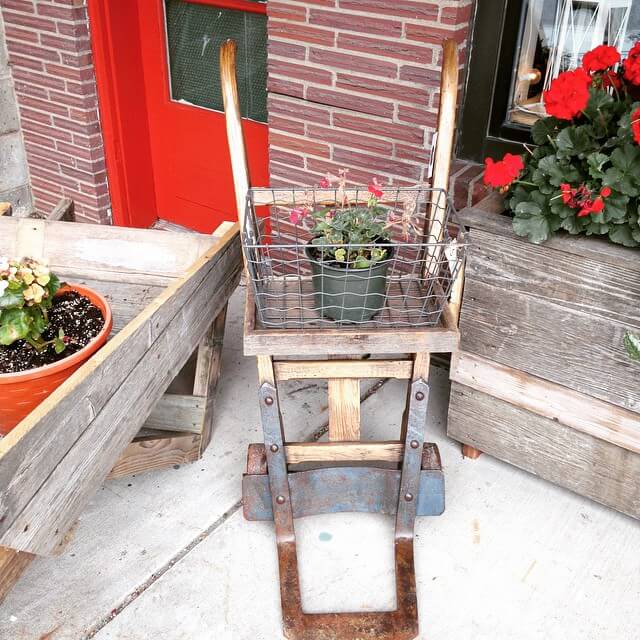
Turn an old step ladder into a living sculpture that lifts color and texture right to eye level. This upcycled plant stand is a space-savvy way to add layers to a patio, porch, or balcony and one of the easiest repurposed garden ideas to start with. Use the widest rungs for heftier pots and reserve the top tiers for lightweight herbs or succulents. To protect the wood, sand, prime, and seal—or embrace the weathered patina for cottage charm. Add shallow trays or saucers under pots for tidy drainage, and anchor the ladder with discreet brackets if you’re in a windy spot. For planting, think thriller-filler-spiller: a bold grass or dahlia for height, mounding basil or coleus to fill, and trailing ivy, lobelia, or sweet potato vine to spill. A micro drip line zip-tied along a back leg makes watering effortless. Style tip: echo the ladder’s color with matching containers for a cohesive look, or mix terra-cotta, enamelware, and galvanized finds for eclectic appeal. At night, weave solar fairy lights along the rails to transform your ladder into a softly glowing vertical garden feature with serious curb appeal.
Pallet Herb Wall for Fresh Flavor in Small Spaces
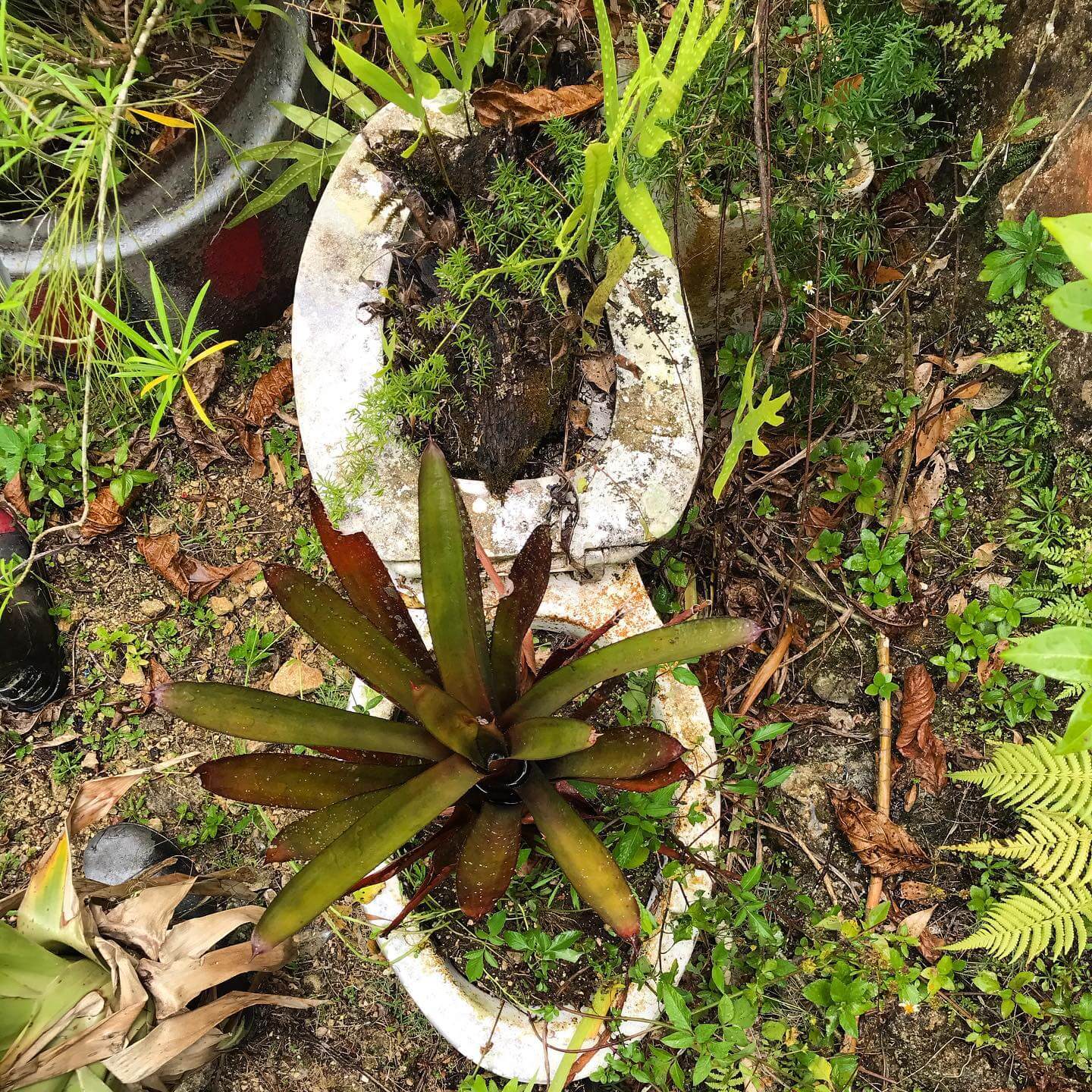
When floor space is precious, go vertical with a repurposed pallet herb wall. It’s budget-friendly, high on function, and perfect for renters or balcony gardeners. Choose a heat-treated pallet stamped “HT” (avoid “MB”), sand rough edges, and back it with landscape fabric or burlap to create pockets. Staple securely, then fill with a light potting mix enriched with compost. Mediterranean herbs like rosemary, thyme, and oregano adore the sharp drainage; tuck in parsley, mint (in its own pocket), and trailing strawberries for everyday snips. Mount the pallet to studs or a fence using heavy-duty lag screws, or lean it against a wall with hidden L-brackets for stability. For a neat finish, label slats with chalk paint and add a slim drip line across each row to keep moisture steady through hot spells. This DIY vertical garden idea adds green texture to blank walls, perfumes the air, and turns meal prep into a few steps outside. Refresh annually, top-dress with worm castings, and rotate sun lovers to the top tier. The result: a living pantry that doubles as an eye-catching backdrop for outdoor dining.
Stacked Crate Planters That Flex With Your Layout
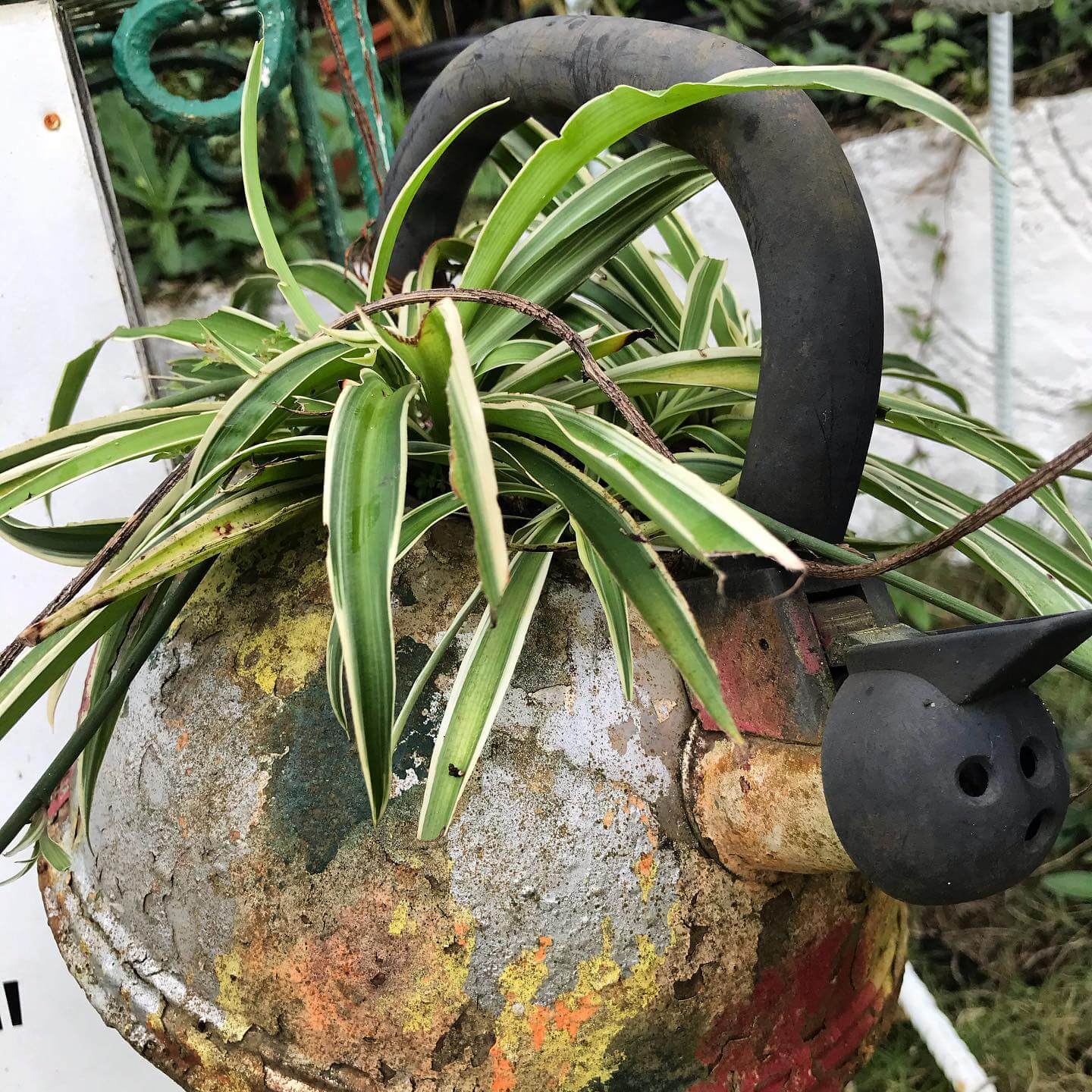
Vintage fruit crates or thrifted wooden boxes become modular planters that morph with your garden’s needs. Stack them in an L-shape to edge a patio, tier them for height near a fence, or line them up as a movable border for a seasonal cut-flower bed. Reinforce corners with small angle brackets, seal the wood with exterior polyurethane, and drill drainage holes. Staple in landscape fabric to protect the wood and keep soil in place. For a mixed ornamental-edible look, pair dwarf tomatoes with basil, tuck in marigolds for pest resistance, and spill nasturtiums over the edges. Add casters to one or two crates to create a mobile potting bench or a rolling micro bar for garden gatherings. A hidden soaker hose looped through the stack keeps watering simple—thread it through notches at the crate bases before filling with soil. In autumn, flip the script and use a few crates for bulb lasagnas, then restack into a rustic screen. This repurposed garden idea is endlessly reconfigurable, making it ideal for renters, small spaces, and design tinkerers who love to refresh their outdoor style on a whim.
Colanders and Sieves as Breezy Hanging Planters
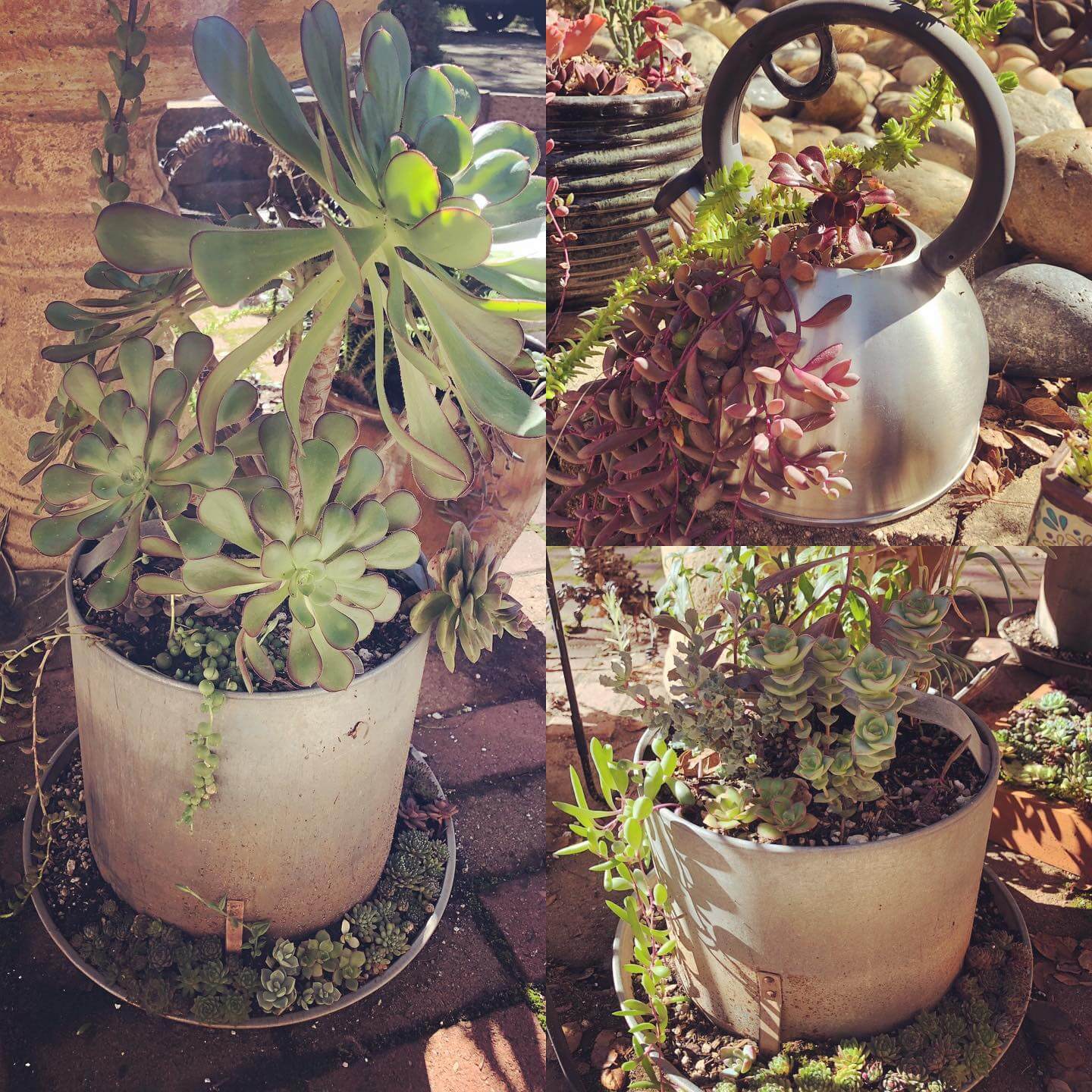
Kitchen castoffs like metal colanders, enamel strainers, and vintage sieves are secret superstars for hanging planters—the drainage is built in, and the look is effortlessly charming. Line the bowl with coir or moss to hold soil, then mix in water-retaining crystals to counteract wind and sun exposure. For plant pairings, try drought-tolerant combos that thrive in airy containers: calibrachoa with trailing verbena, thyme with lemon balm, or a succulent medley for hot balconies. Add three equidistant chain hangers attached with S-hooks through existing holes, and suspend from sturdy ceiling hooks or a pergola beam. Worried about rust? Embrace the patina for farmhouse flair, or prime with a rust-inhibiting spray and finish in a pop color that echoes your garden palette. Water slowly to avoid runoff and rotate baskets weekly so all sides get balanced light. These upcycled hanging baskets add vertical interest where floor space is thin and create gentle movement that catches the eye. Cluster them at varying heights over a bistro set for an instant garden room vibe with edible herbs and flowers close at hand.
Dresser Drawers Turned Into a Cascading Planter

An old dresser becomes a dramatic, stair-step planter that reads like a mini terrace garden. Remove the drawers, reinforce any wobbly joints, and drill generous drainage holes. Line each drawer with burlap or landscape fabric, then fill with a lightweight potting mix to reduce stress on the frame. Slightly tilt the drawers outward and support with discreet blocks so water flows forward—not into the dresser body. Plant with a high-impact mix: a vertical “thriller” like purple fountain grass in the top drawer, mounding fillers such as begonias or lettuces in the middle, and spillers like trailing bacopa or strawberries in the bottom. For a modern twist, paint the exterior in a weatherproof matte black and leave the drawer fronts natural for contrast. Add copper tape along edges as a stylish slug barrier. Position the piece as a focal point near an entry or potting area, and underplant around the base with creeping thyme to soften lines. This repurposed garden idea blends function and theater, turning forgotten furniture into a living, layered display that draws guests deeper into your outdoor story.
Vintage Wheelbarrow or Washtub as a Mobile Pollinator Bar
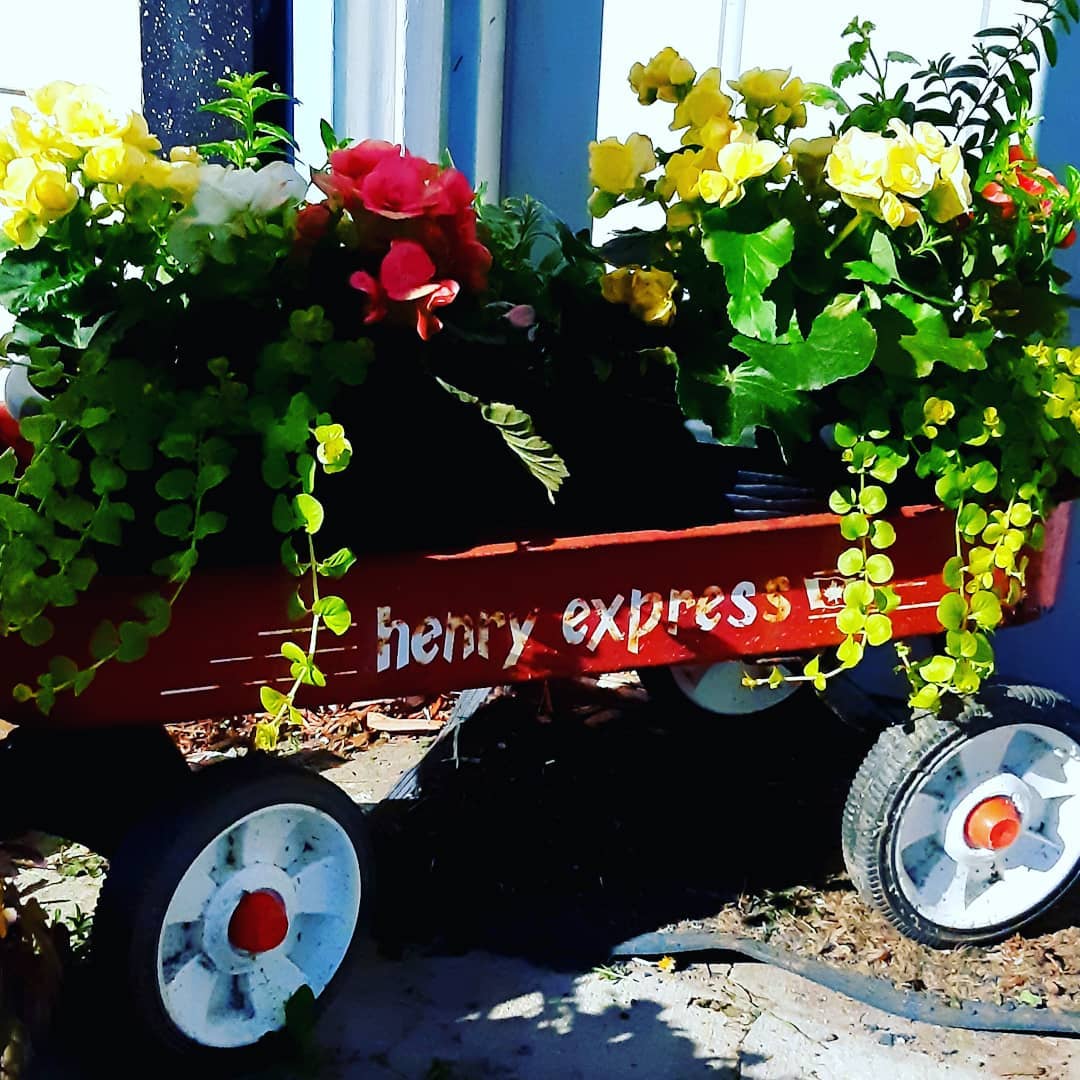
Give a retired wheelbarrow or galvanized washtub a second life as a movable pollinator garden. Because you can chase the sun, it’s perfect for patios, rooftops, or yards with shifting light. Drill drainage holes and add a layer of gravel or broken terra-cotta to keep roots happy. Use a lightweight, peat-free mix with compost and perlite to reduce weight, then plant in nectar-rich layers: spring bulbs tucked deep, summer bloomers like zinnia and salvia up top, and fall asters to extend the season. Mix in fragrant herbs—oregano, lavender, and mint (contained)—to feed bees and your kitchen. Set a shallow saucer with pebbles for a safe pollinator water station. If you love patina, leave the metal as-is; otherwise, coat with a clear rust sealer. For mobility, ensure the wheel turns freely and add a brick under the stand for stability when parked. This upcycled container creates instant cottage charm, supports local wildlife, and lets you refresh your garden layout with a simple roll—ideal for seasonal displays or quick party-ready curb appeal.
Tin Can Fence Garden for Bold, Budget-Friendly Color
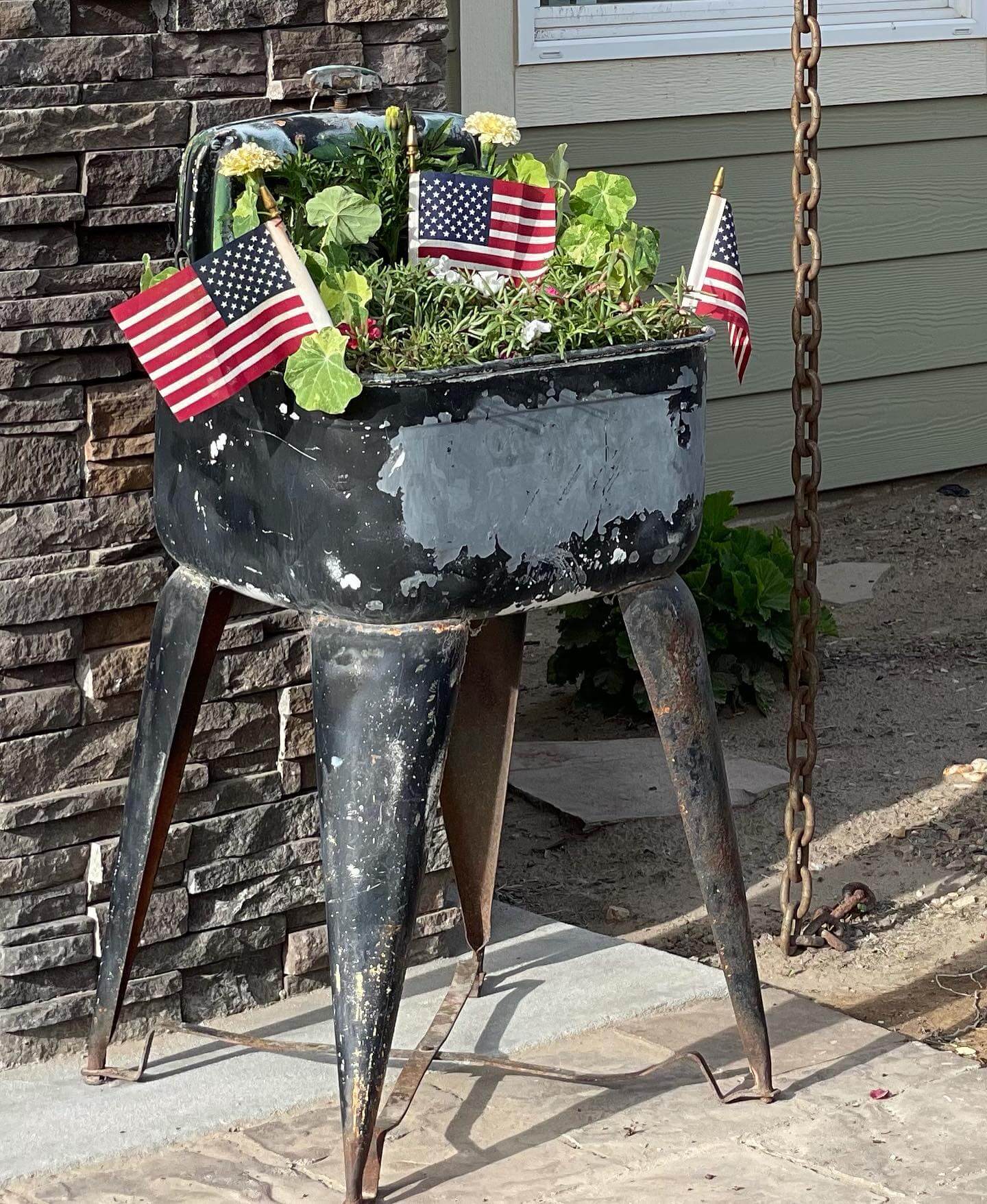
Don’t toss those cans—turn them into a rhythmic fence garden that adds texture, color, and herbs at eye level. Remove sharp edges with a safety can opener, punch drainage holes, and seal interiors with a food-safe coating if desired. Paint exteriors in a cohesive palette or leave labels for quirky vintage style. Attach cans to a fence or railing using stainless hose clamps or exterior screws through a reinforced tab. Fill with a gritty mix and pop in drought-tolerant picks: trailing sedums, dwarf marigolds, thyme, and violas. Stagger cans in a grid or stripe pattern to create a living mural that guides the eye along paths or frames a seating nook. For low-maintenance watering, run a slim drip line along the row and set a timer. Rotate plantings seasonally—pansies in spring, chili peppers in summer, ornamental kale in fall—to keep the display fresh. This repurposed garden idea delivers high-impact curb appeal on a shoestring, turns recycling into art, and makes great use of vertical surfaces where ground planting is limited.
Gutter Salad Garden Along a Balcony or Fence
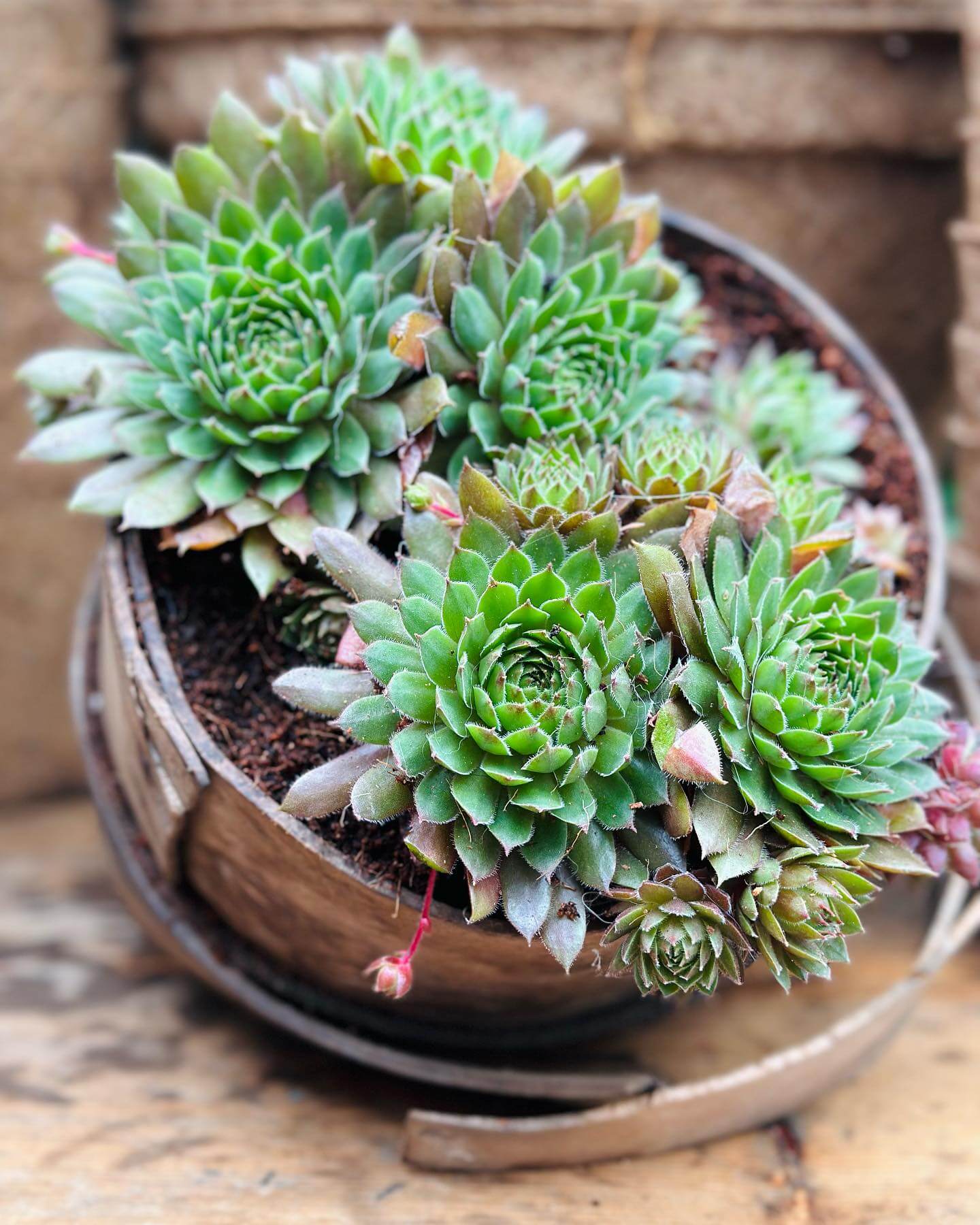
Upcycle leftover guttering into a sleek, linear planter that’s tailor-made for shallow-rooted edibles. Cap the ends, drill drainage holes every 6–8 inches, and mount with sturdy brackets to a fence, wall, or balcony railing. Slightly pitch the run toward one end and add a small catch bucket or rain chain for tidy overflow. Fill with a fluffy, moisture-retentive mix and sow cut-and-come-again greens, baby spinach, arugula, and nasturtiums for edible flowers. Tuck in green onions and radishes between successions to maximize harvests. Sun exposure is key; in hot climates, give afternoon shade or install a simple shade cloth. In cooler months, clip on a strip of clear poly to create a micro cold frame. For a cohesive upcycled look, pair your gutter garden with a pallet herb wall or tin can planters nearby, echoing finishes and colors. This DIY vertical gardening solution keeps salads within arm’s reach, saves ground space for larger crops, and adds clean modern lines that balance the rustic charm of other repurposed elements.
Mason Jars and Bottles Reimagined as Solar Garden Lanterns
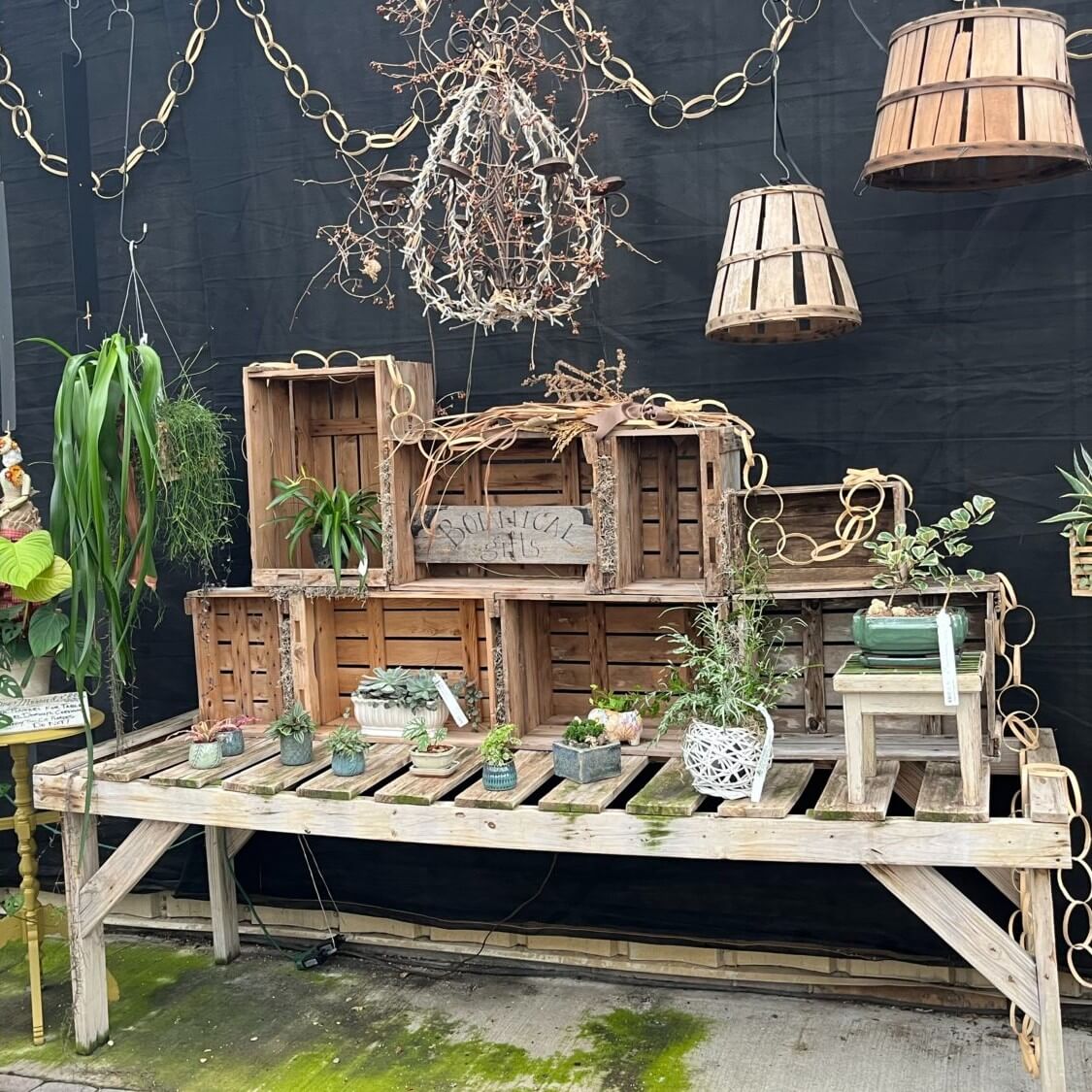
Lighting ties your repurposed garden ideas together after dusk, and jars are the easiest entry point. Rescue mason jars, vintage jam jars, or amber bottles and pair them with solar lids or micro LED strings. For hanging versions, wrap necks with soft wire and create stable handles; for tabletop, add a base layer of sand, pea gravel, or sea glass to diffuse light and weight the vessel. Warm white tones flatter foliage and flowers, while amber glass adds moody, boho ambience. Cluster lanterns along a path, suspend them from a trellis, or nestle them within a ladder plant stand to highlight vertical layers. Safety tip: use only low-heat LEDs, keep cords dry, and avoid sealing moisture inside. Style bonus: stencil subtle botanical motifs on a few jars to echo plant shapes nearby. This simple upcycle extends your garden’s enjoyment window, creates welcoming glow for gatherings, and costs pennies compared to hardwired fixtures—proof that atmosphere can be as sustainable as it is beautiful.
Get the Fail-Safe Paint Color Playbook (Free PDF)
36 proven colors • 8 ready palettes • trim & sheen guide • printable testing cards.
Galvanized Sink or Tub Mini Pond for Wildlife-Friendly Calm
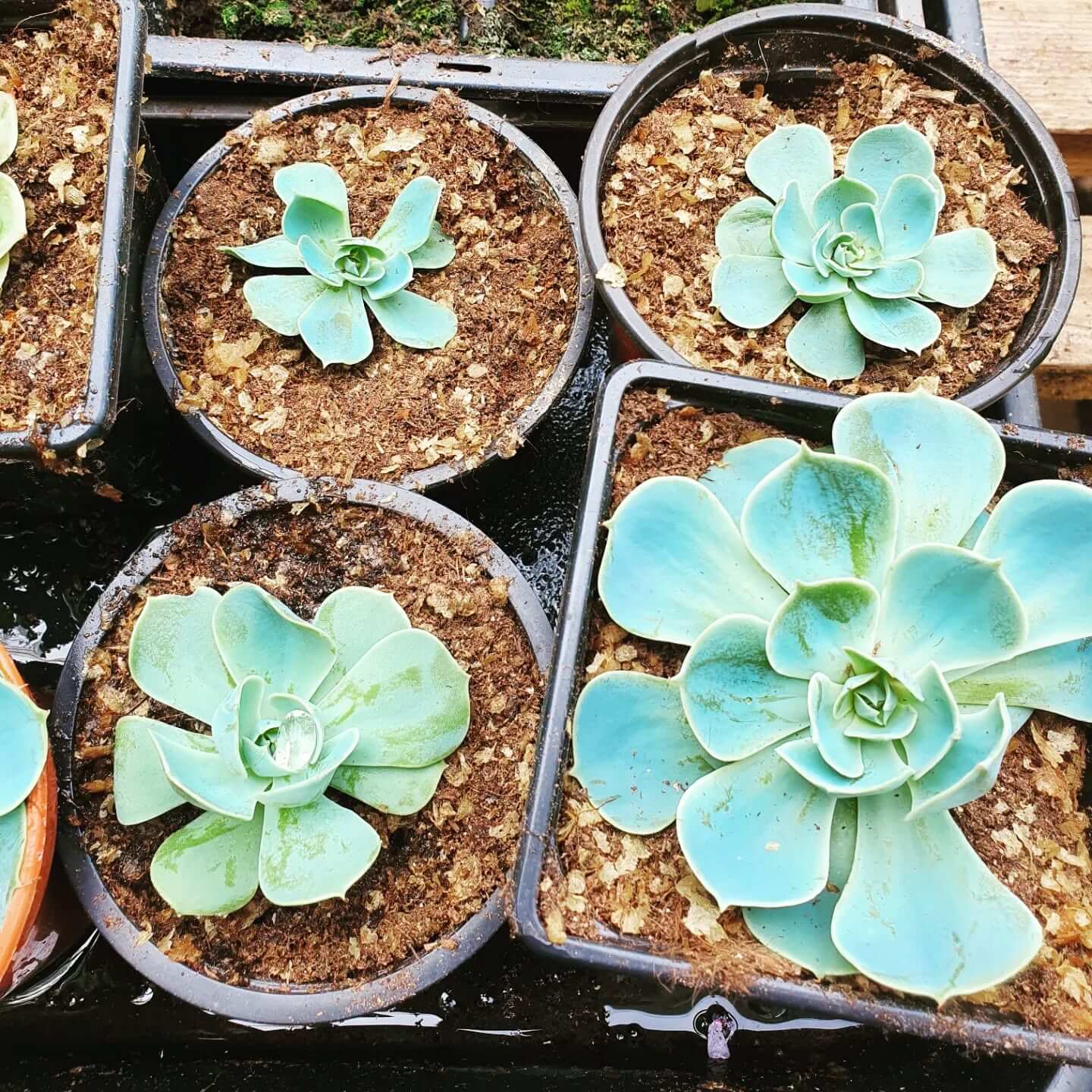
Round out your upcycled garden with a small water feature made from a galvanized sink or tub. Nestle it level on bricks, add a flexible pond liner if you want to protect the metal, and edge with stones or reclaimed tiles. Fill with dechlorinated water, then plant oxygenators (hornwort), floaters (water lettuce), and marginals (dwarf papyrus, iris) in upcycled mesh baskets lined with burlap. A tiny solar pump adds gentle movement that deters mosquitos; supplement with BTi dunks if needed. Create wildlife ramps with stacked stones so bees, butterflies, and birds can sip safely. For year-round interest, place the mini pond where it catches reflections from your jar lanterns and the vertical greenery of your ladder or pallet wall. In freezing climates, drain for winter or move to a frost-sheltered spot. This repurposed feature introduces sound, sparkle, and biodiversity, proving that even the most utilitarian salvage can become the soulful centerpiece of a small-space sanctuary.
Reclaimed Shutter Trellis for Climbing Blooms
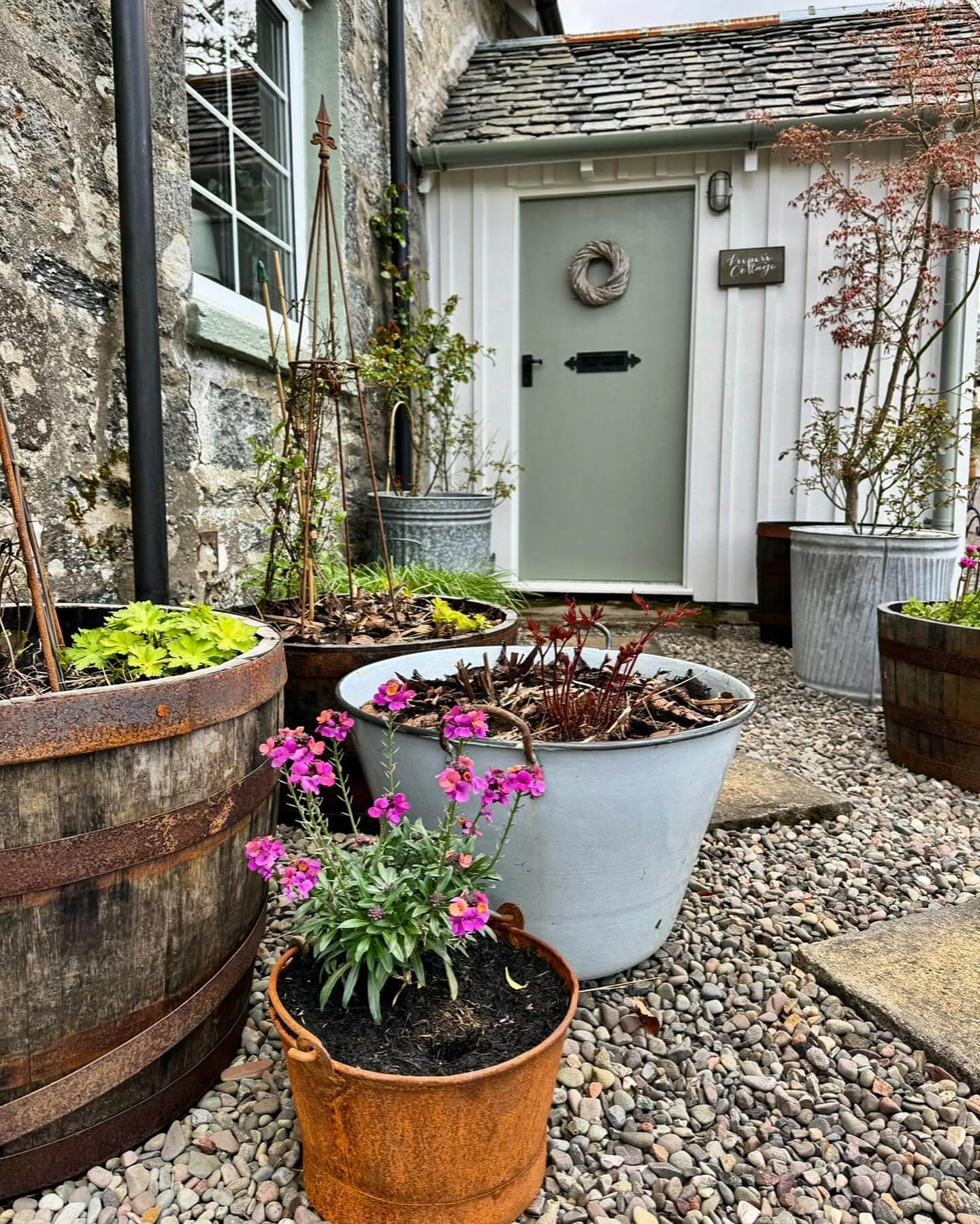
Give tired shutters a second life as a breezy vertical trellis that layers texture, color, and privacy into your garden. Stand them upright along a fence or hinge two together to create a folding screen, then train clematis, sweet peas, or cucumbers up the slats. A quick sand and exterior paint or sealant will weatherproof the wood while adding a pop of cottage-garden charm. For extra functionality, screw in small L-brackets or S-hooks to hang lightweight pots or herb snips. Anchor the base with rebar stakes or set the shutters in planters filled with gravel for stability, and add a drip line to keep vines happy. This repurposed garden idea shines in small spaces where vertical gardening matters most—balconies, patios, and narrow side yards—turning a thrifted find into a living wall. Bonus: stagger two or three panels to soften wind and create a microclimate that helps pollinator-friendly flowers flourish. It’s affordable, scalable, and an easy weekend upcycle that instantly elevates curb appeal.
Filing Cabinet Vertical Planter With Drawer Boxes

Old metal filing cabinets make surprisingly sleek vertical planters that pack a lot of greenery into a tiny footprint. Stand a cabinet upright, remove the drawers, and use the empty shell as a tall planter: drill drainage holes in the bottom, add a layer of gravel, then fill with a light potting mix and drought-tolerant plants. Or flip the concept—repurpose the drawers themselves as modular boxes you can mount to a fence or stack on a sturdy frame. Rusty surfaces can be wire-brushed and sealed, or sprayed with exterior paint for a modern look; line interiors with landscape fabric to slow corrosion and keep soil in place. Combine trailing vines on top, herbs in the middle, and flowers near eye level for a layered, pollinator-friendly display. This upcycled garden idea is budget-smart, renter-friendly, and ideal for edible and ornamental gardening where ground space is scarce. Just remember to elevate containers on pavers for airflow and to prevent standing water near metal.
Bicycle Basket Planter to Charm the Front Path
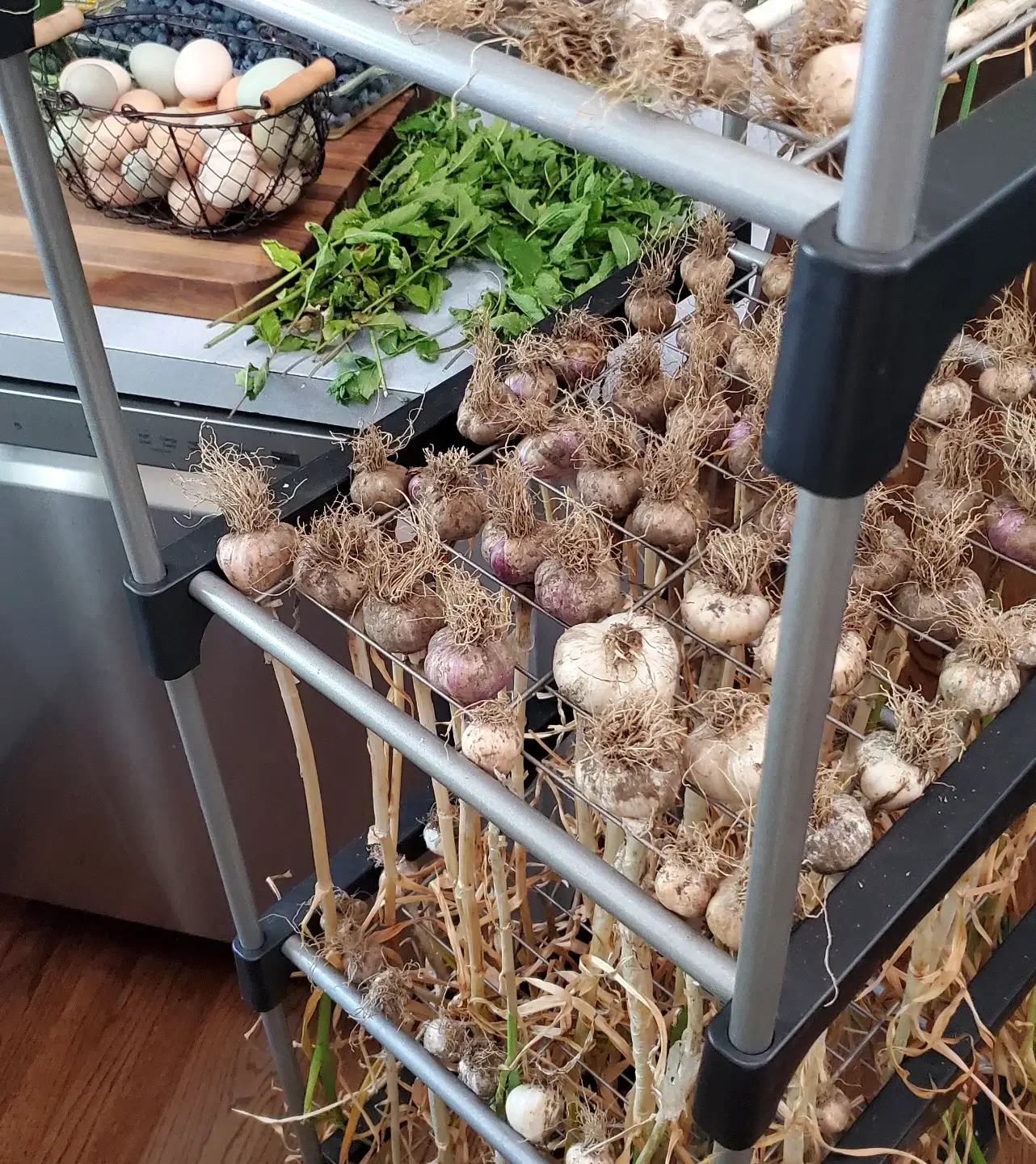
A retired bicycle can become a storybook focal point and planter combo that signals “garden ahead.” Secure the frame to rebar stakes or a short post to keep it steady, then line the front basket (and rear rack, if you have one) with coco coir or burlap for drainage. Fill with spillers like lobelia or trailing thyme, plus upright color from geraniums, calendula, or dwarf peppers. Tuck a small solar light in the basket to glow after dark and guide guests along the path. For a cohesive, eco-chic look, echo the bike’s color with painted terracotta pots nearby and let a low groundcover “pool” around the tires. This repurposed planter is perfect at an entry, along a picket fence, or beside a mailbox where passersby can enjoy it. Seasonal swaps—spring bulbs, summer annuals, fall mums, winter greens—keep the display fresh year-round, proving that curbside finds can deliver lasting curb appeal.
Headboard Garden Gate and Climbing Arch
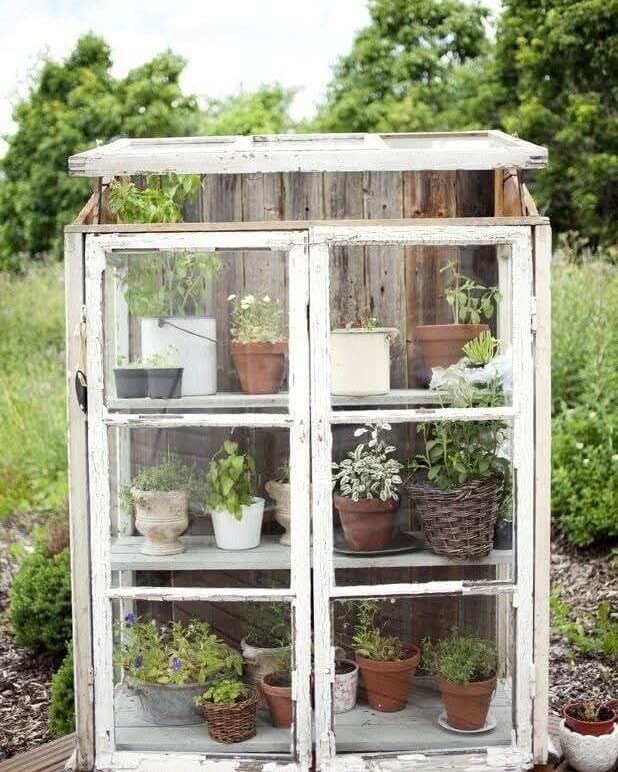
Turn a vintage headboard or footboard into a charming garden gate or entry arch that frames your beds like a pro. Metal frames bring instant character and durability, while wooden ones offer a rustic, paintable canvas. Mount the headboard between two posts set in concrete, add exterior-grade hinges and a latch, and you’ve got a welcoming gate that invites exploration. For extra height and plant support, pair a headboard gate with its matching footboard overhead to create a petite arch—ideal for training morning glories, beans, or black-eyed Susan vine. Seal wood with marine varnish or outdoor paint; treat metal with rust converter and a clear coat. This upcycle adds vertical interest, defines zones (kitchen garden vs. cut-flower patch), and supports climbers without buying a pricey arbor. Finish the scene with salvaged brick edging or mosaic stepping stones made from broken tile to carry the upcycled theme right through the threshold.
Teacup Tower Bird Feeder and Bee Sipper
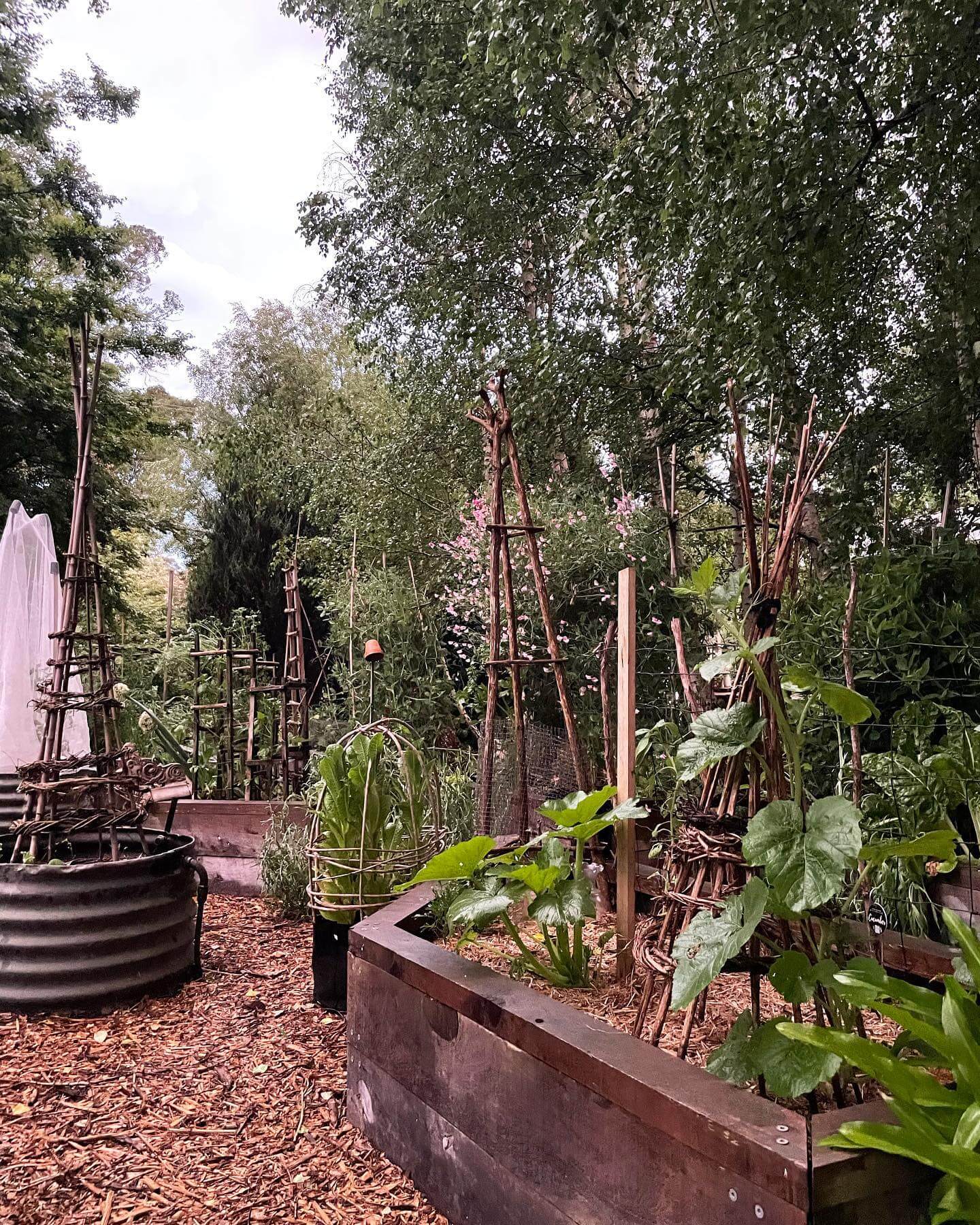
Stacked teacups and saucers can be transformed into a whimsical bird-feeding and pollinator-watering station that looks like garden jewelry. Thread a copper or steel rod through saucers (drill small holes with a tile bit), epoxy cups at playful angles, and anchor the rod in the soil or a heavy pot. Fill a top saucer with native birdseed and reserve another for a bee-friendly “sipper”: water mixed with a few pebbles or marbles so pollinators can land safely. Place the tower near nectar-rich blooms and away from heavy foot traffic. This repurposed garden idea brings function and delight, supports local wildlife, and adds vertical sparkle to patios or courtyards. Refresh water frequently, clean seed stations to prevent mold, and rotate cup colors to match the seasons. It’s an afternoon DIY that proves fine china doesn’t have to live in a cabinet to shine.
Cinder Block Bench Planter for Modern Edges
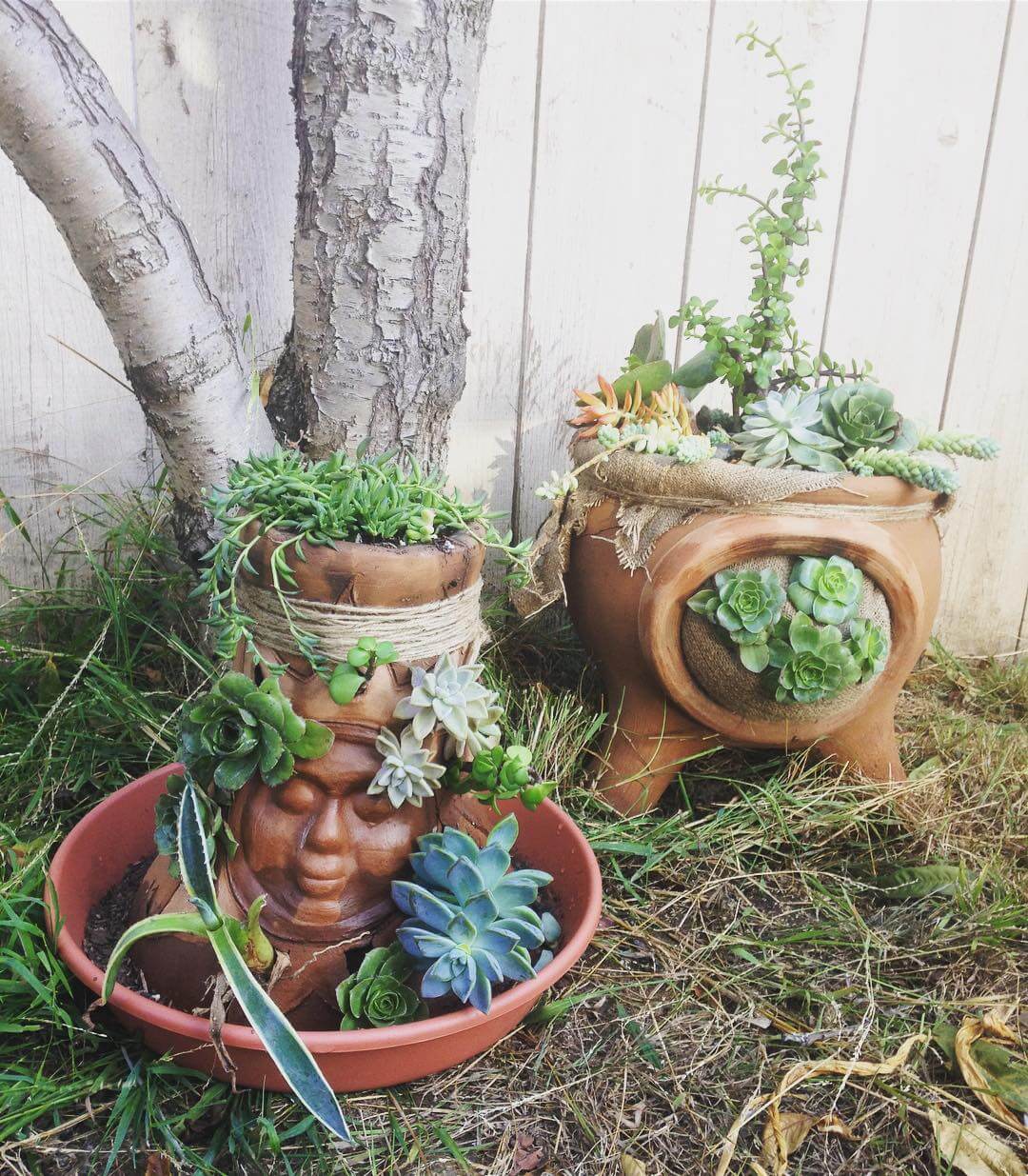
Blend seating and planting with a graphic bench made from reclaimed cinder blocks and timber—perfect for patios that need structure and greenery without clutter. Dry-stack blocks in a U or L shape, slide pressure-treated or sealed 4x4s through the voids for the seat, and use the open cells as built-in planters. Fill them with drought-tolerant succulents, thyme, or ornamental grasses, adding pea gravel at the base for drainage. This minimalist, modular setup doubles as a retaining edge and instant raised bed, and it withstands weather with minimal upkeep. Soft cushions and an outdoor throw warm the look; a coat of limewash or masonry paint can shift the vibe from industrial to Mediterranean. Level the base, check for wobble, and consider construction adhesive for extra stability. The result is a clean-lined, upcycled garden feature that invites lingering while acting as a living border buzzing with pollinator-friendly blooms.
Vintage Door Potting Bench and Tool Hub
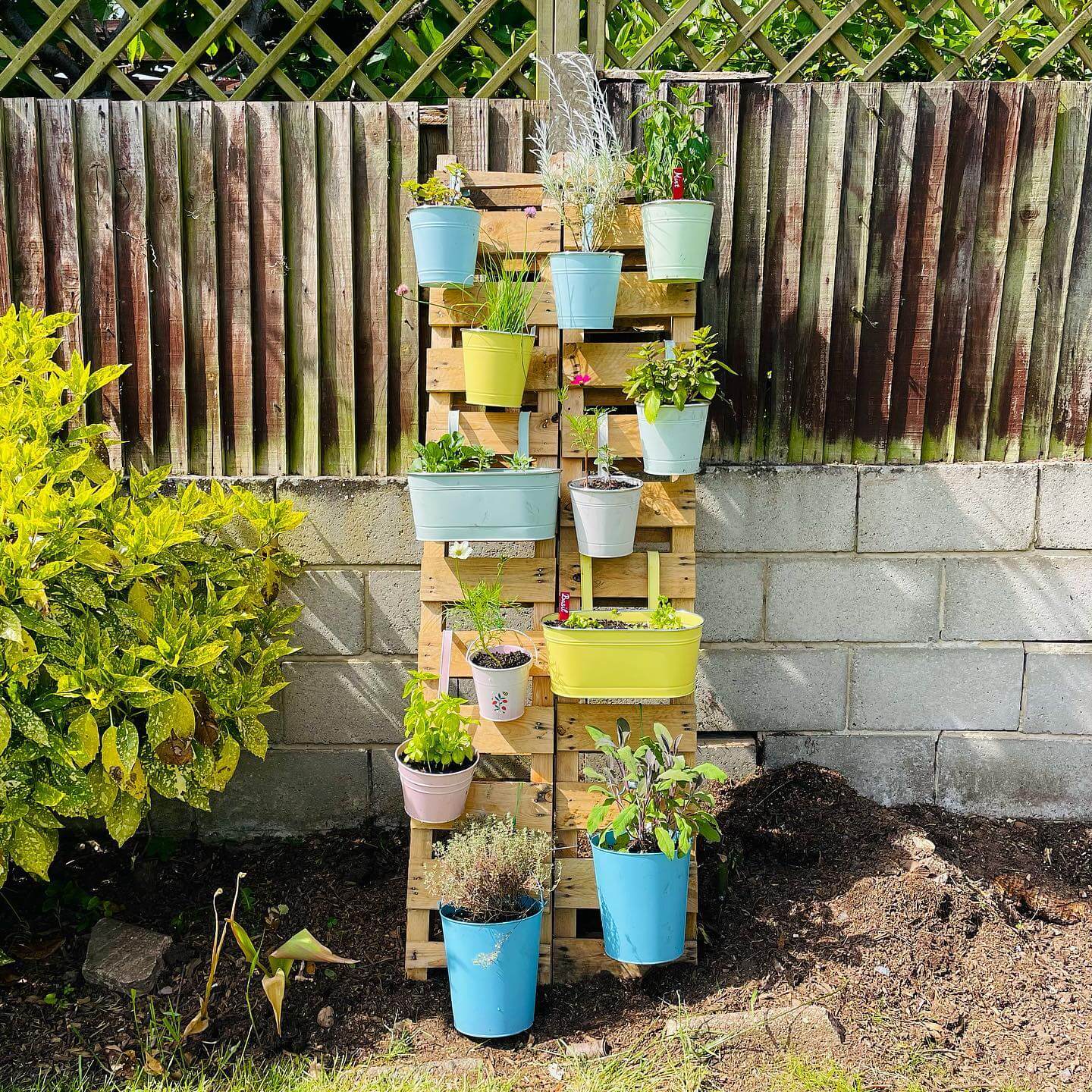
A salvaged door can anchor a hardworking potting bench that corrals tools, soil, and starter trays in one stylish station. Attach the door vertically to a simple base built from reclaimed pallets or a thrifted console, add a deep work surface, and mount hooks or a rail to hang trowels and snips. Old drawers or crates become slide-in storage for seed packets and gloves; a small enamel basin or sink insert plus a hose splitter turns it into a splash-friendly wash-up zone. Chalkboard paint on a panel lets you track sowing dates and watering schedules at a glance. Seal wood with exterior poly or tung oil, and shield the bench with a scrap-metal roof or clear corrugated panel if it lives outdoors. This repurposed bench improves gardening ergonomics, speeds up container planting, and keeps your upcycled oasis tidy—form and function, sustainably aligned.
Suitcase Planters Lined for Lush, Portable Color
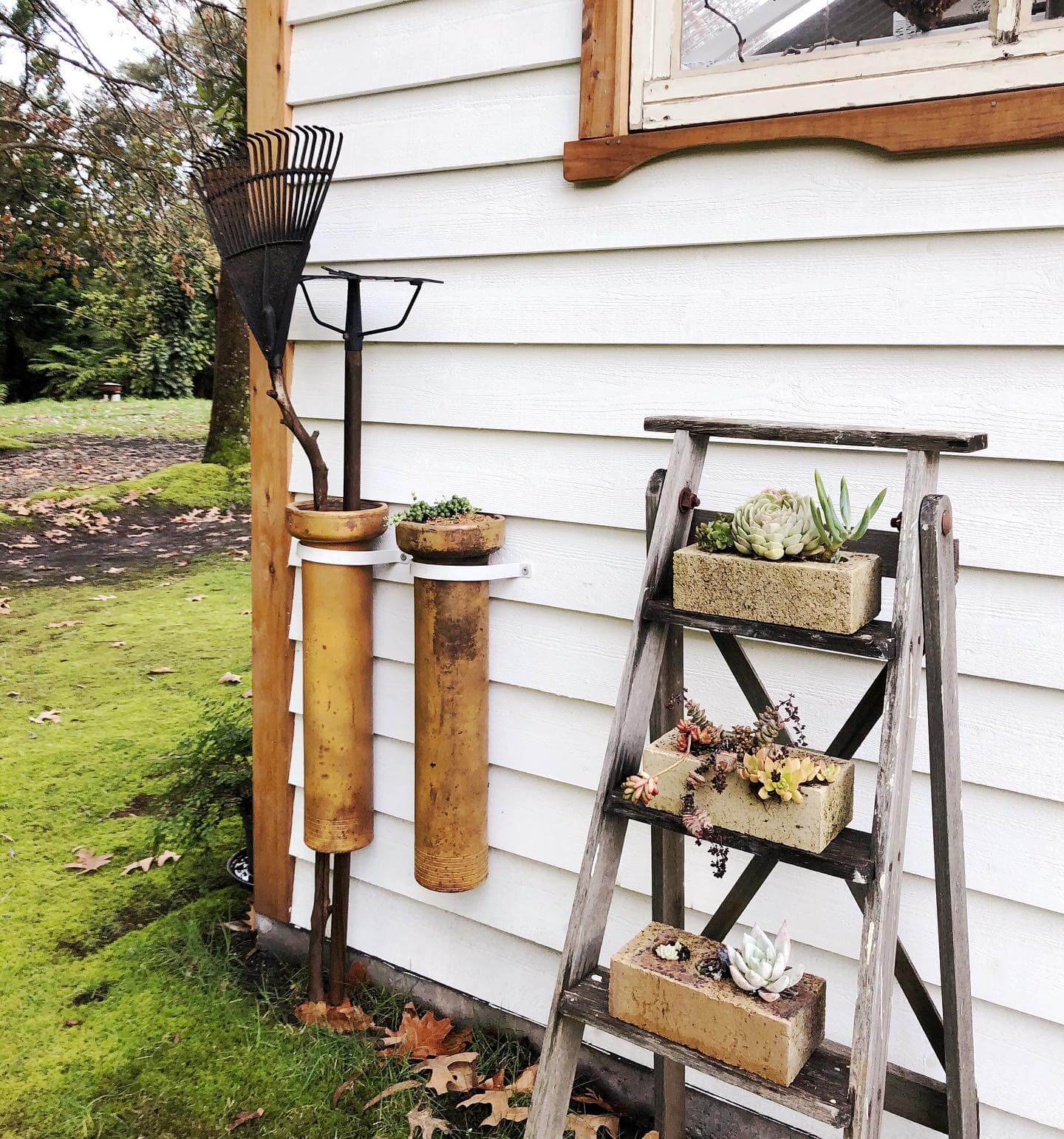
Hard-sided vintage suitcases transform into portable planters that bring boutique-hotel charm to stoops and balconies. Drill discreet drainage holes, line with plastic sheeting plus landscape fabric, and fill with a lightweight, moisture-retentive mix. Plant shade-tolerant combos for covered porches—think ferns, coleus, and trailing ivy—or sun lovers like marigolds, basil, and cascading verbena for bright spots. Elevate on bricks or a low stand to protect the case and improve airflow. Labels tied to the handles double as plant tags, and a coat of clear exterior sealer helps preserve patina. When frost threatens, simply close the lid partway and move the planter to shelter—ideal for renters and small-space gardeners. This clever upcycle adds instant personality, seasonal flexibility, and a conversation-starting focal point that proves travel-worn pieces still have places to go—right into your garden style story.
Wine Barrel Rain Garden and Planter Combo
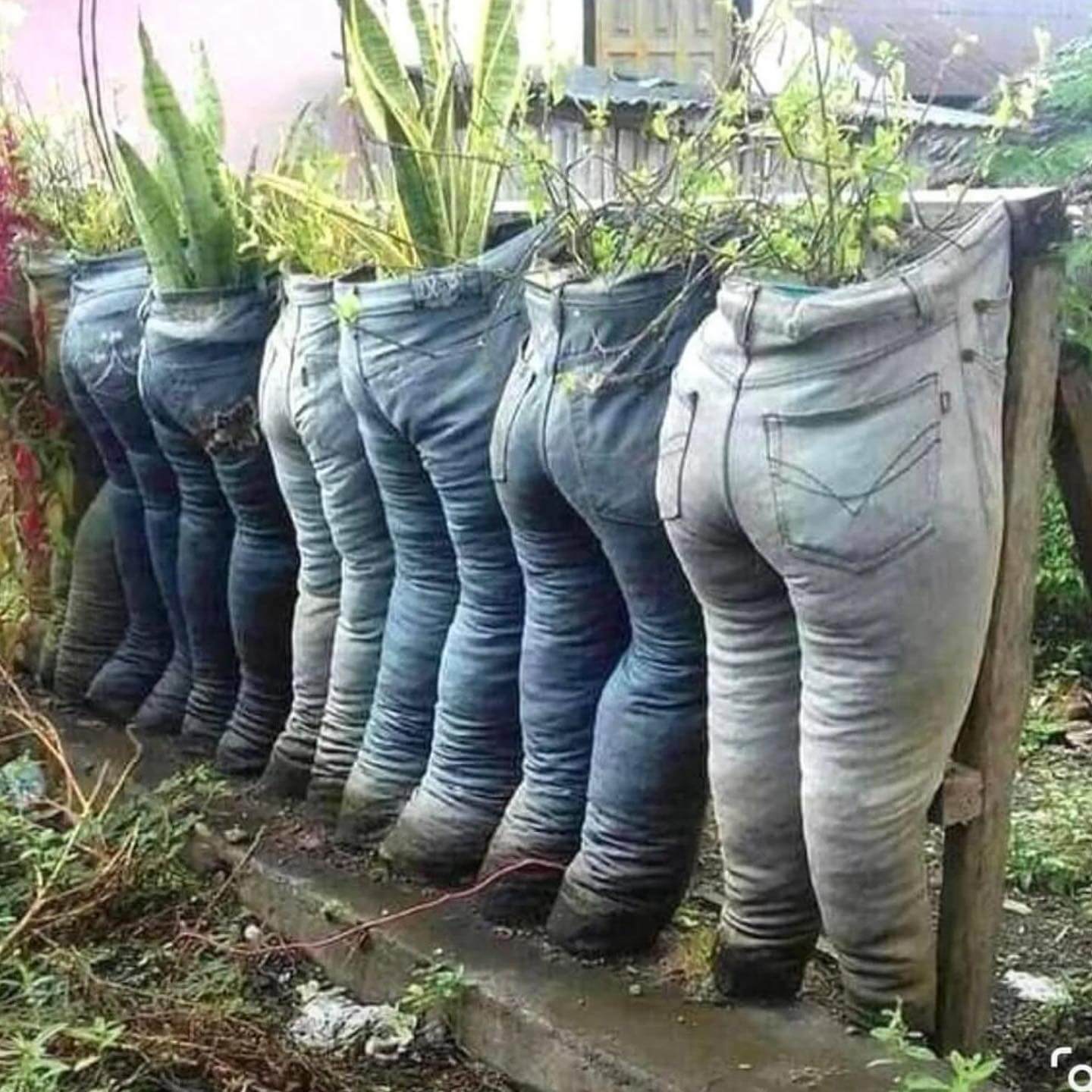
Make a whiskey or wine barrel do double duty: conserve water and grow lush plants with a rain-barrel-and-planter hybrid. Fit a diverter to your downspout and feed a sealed barrel below; add a brass spigot for watering cans and a screened lid to block debris and mosquitoes. Then top the barrel with a shallow planter ring or half-barrel filled with pollinator plants that don’t mind periodic moisture—calendula, dwarf asters, mint (contained!), or ornamental grasses. Place the system on pavers for stability and route overflow to a small swale or bed mulched with wood chips. If you’d rather go ground-level, convert a half-barrel into a mini rain garden near a shed roof, layering gravel, sandy loam, and moisture-loving natives like sedges and blue-eyed grass. Either way, you’re harvesting rain, cutting utility costs, and showcasing character-rich wood that weathers beautifully—a sustainable centerpiece for any repurposed garden.
Toolbox Succulent Bar for Low-Maintenance Style
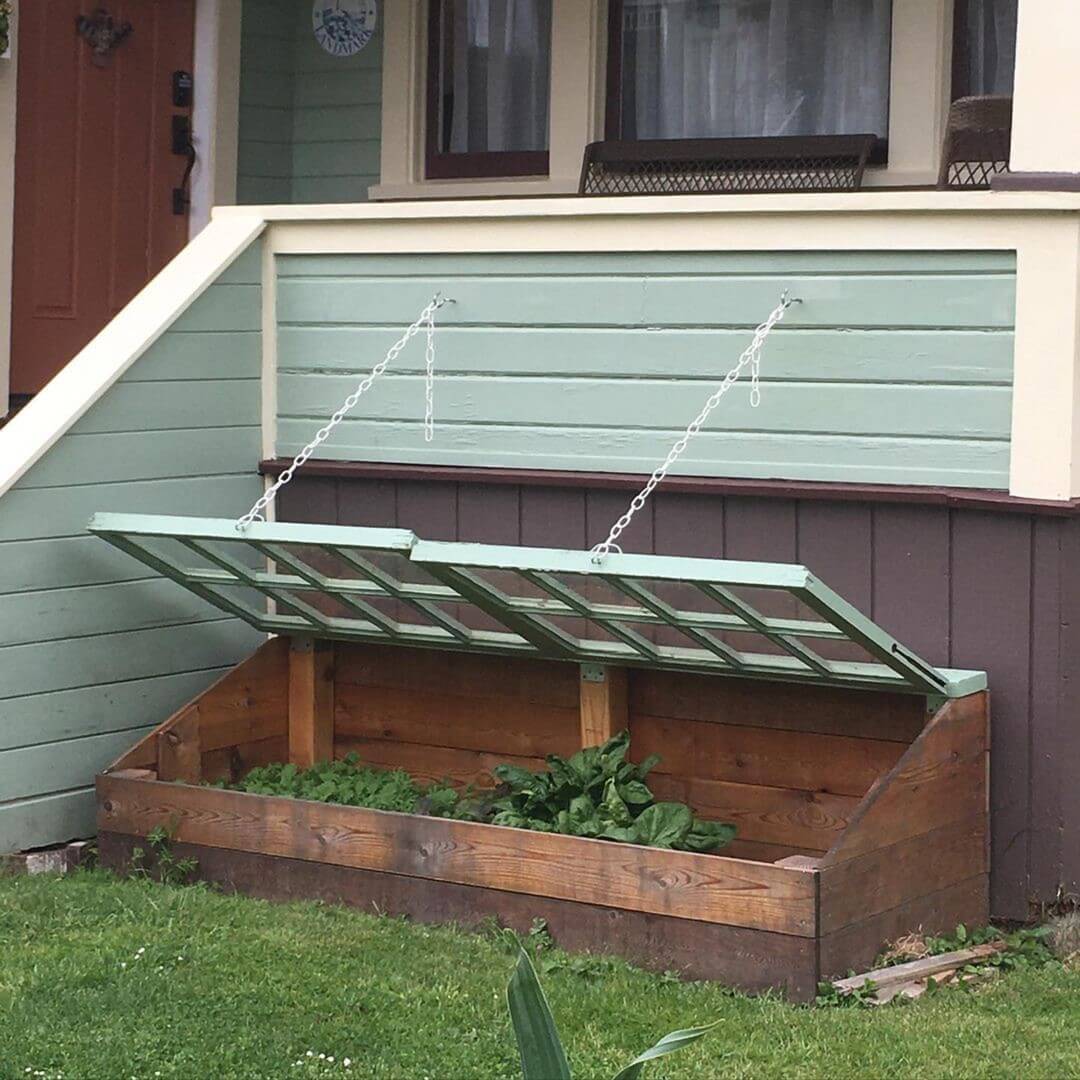
A vintage metal toolbox becomes an instant succulent bar—compact, sculptural, and nearly foolproof. Drill drainage holes, brush and seal any rust, and add a shallow layer of gritty cactus mix. Nestle in echeveria, haworthia, and sedum, topping with decorative gravel for a clean finish. The handle makes it easy to shift into brighter light or under cover before a storm; bricks or hairpin legs can elevate it into a chic tabletop centerpiece. For a color story, echo the toolbox’s paint with bloom tones or choose silvery blues and burgundies for contrast. This repurposed planter thrives on neglect: water sparingly, rotate monthly for even growth, and refresh cuttings as the display evolves. It’s the perfect small-space upcycle for balconies, windowsills, or potting benches—and a stellar gift for plant-curious friends who love practical, portable garden style.
Get the Fail-Safe Paint Color Playbook (Free PDF)
36 proven colors • 8 ready palettes • trim & sheen guide • printable testing cards.
Leaning Ladder Shelf Planter for Vertical Herbs and Blooms
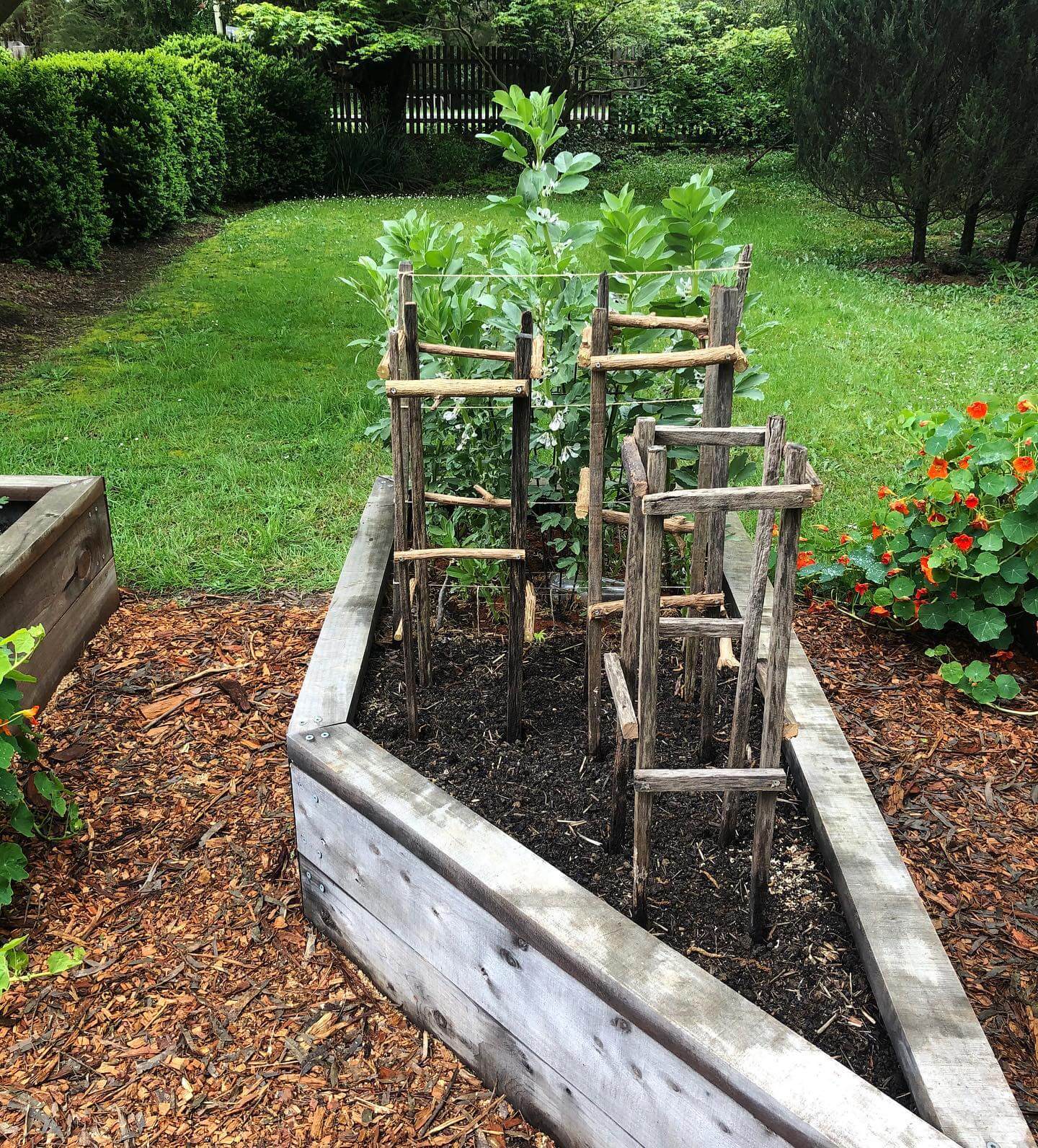
A weathered wooden ladder becomes instant vertical garden real estate—no power tools marathon required. Stand it against a fence or wall, then span each rung with reclaimed boards to create sturdy shelves. Mix clay pots, thrifted tins, and shallow trays for a layered look that turns a slim footprint into a lush, space-saving herb and flower display. Seal the wood to withstand the elements, and secure the ladder with brackets or ground anchors for safety.
Plant with intention: sun-loving Mediterranean herbs (rosemary, thyme, oregano) up top; partial-shade friends (mint in its own pot, parsley, chives) lower down. Tuck in pollinator magnets—calendula, alyssum, and dwarf zinnias—to bring beneficial insects close to your kitchen garden. The vertical lift boosts air circulation, while staggered shelves help each container catch light.
Drainage is nonnegotiable: drill holes in any repurposed vessels and line with mesh or landscape fabric to keep soil in place. Use a high-quality, peat-free potting mix and mulch the surface with fine gravel to reduce splash and evaporation. For easy care, snake a micro-drip line up one side and set it on a timer. Your once-forgotten ladder now daily earns its keep as a productive, beautiful green wall.
Pallet Herb Wall With Built-In Drip for Small Spaces
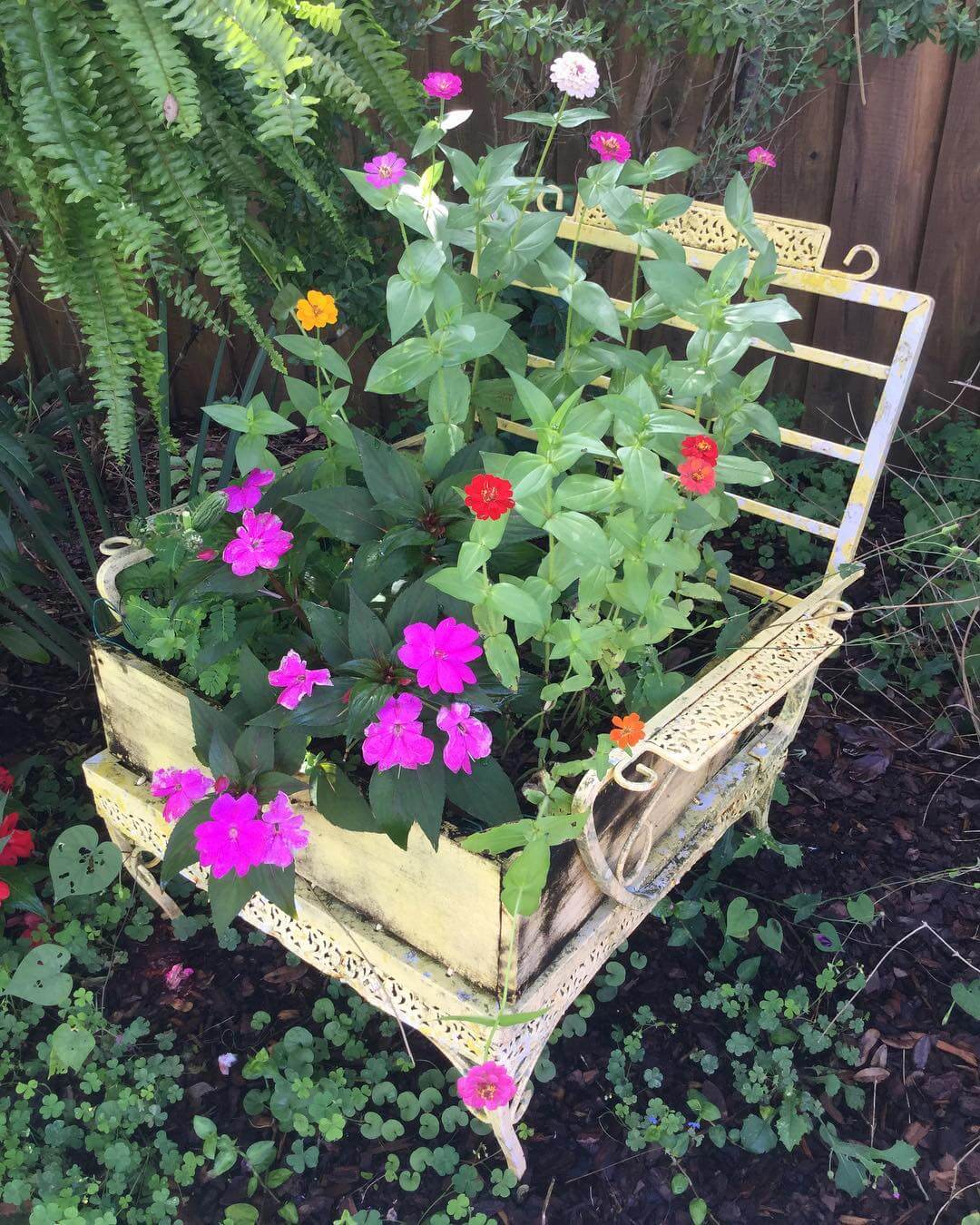
A single pallet can become a compact herb wall that perfumes the patio and trims your grocery bill. Choose a heat-treated (HT-stamped) pallet, sand rough edges, and seal with exterior-grade, plant-safe finish. Attach pallet slats horizontally to form pockets, or staple landscape fabric to the back and underside of each row to create planting sleeves. Mount the pallet with a ledger board and spacers so air flows behind it and the wall can dry after rain.
Slide in compost-rich, peat-free mix and stagger herbs to match their growth habits—bushy thyme and oregano along edges, upright sage and basil toward the center, trailing strawberries or nasturtiums cascading for color. Keep mint contained in a lined pocket to prevent takeover. Because vertical planters dry quickly, run a 1/4-inch drip line across each pocket and connect to a rain barrel or timer.
This upcycled vertical garden shines on balconies, alongside a potting bench, or as a living privacy screen. In winter, swap herbs for hardy evergreens and cold-tolerant pansies to keep texture alive. Label slats with chalk or paint pens for a charming, functional touch. With minimal lumber and maximum payoff, your pallet proves vertical gardening can be both budget-wise and beautiful.
Colander Hanging Baskets With Ready-Made Drainage
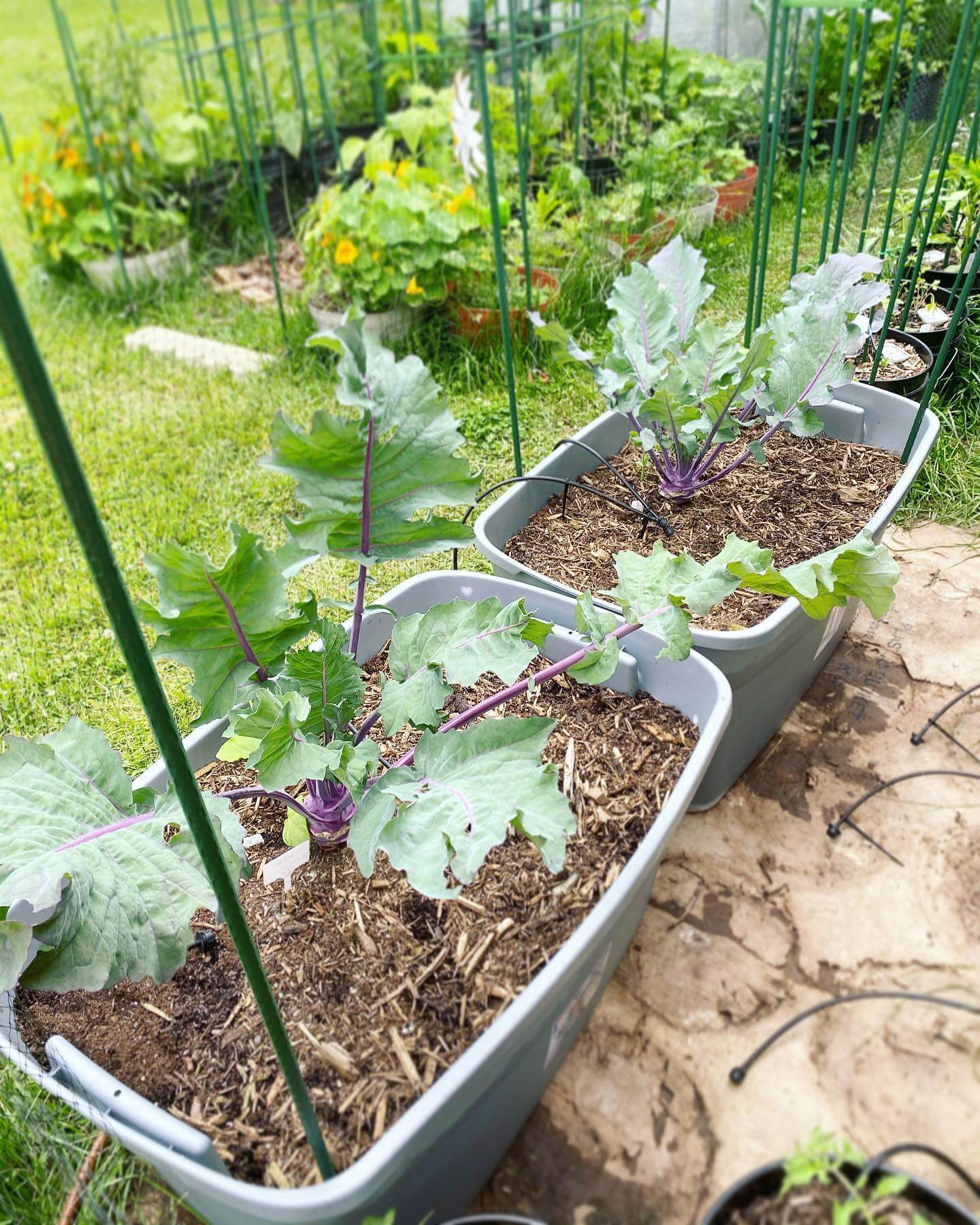
Colanders come pre-engineered for plant health: those little holes are perfect for drainage and airflow. Turn enamel or metal thrift-store finds into breezy hanging baskets that thrive where traditional pots struggle. Thread chain or macramé cord through existing handles, line the bowl with coconut coir or moss, then fill with a lightweight, moisture-retentive potting blend amended with compost.
Plant for spill and thrill—strawberries, trailing thyme, nasturtiums, bacopa, or lobelia—paired with upright herbs or compact flowers for structure. Hang several at different heights to create a vertical vignette near a seating area or kitchen door. Because baskets dry fast, add a thin layer of pine bark fines or fine gravel as mulch and water deeply when the top inch is dry. A discreet saucer or coir disc beneath can slow drip without clogging airflow.
To keep your upcycle long-lived outdoors, spritz metal colanders with a clear rust-inhibiting sealer; for enamel, check for chips and touch up as needed. Rotate hooks seasonally to chase ideal light and protect from harsh winds. The result is a light, playful container garden that celebrates kitchen castoffs while feeding you and your pollinators in equal measure.
Get the Fail-Safe Paint Color Playbook (Free PDF)
36 proven colors • 8 ready palettes • trim & sheen guide • printable testing cards.
Vintage Chair Planter With a Basket Seat
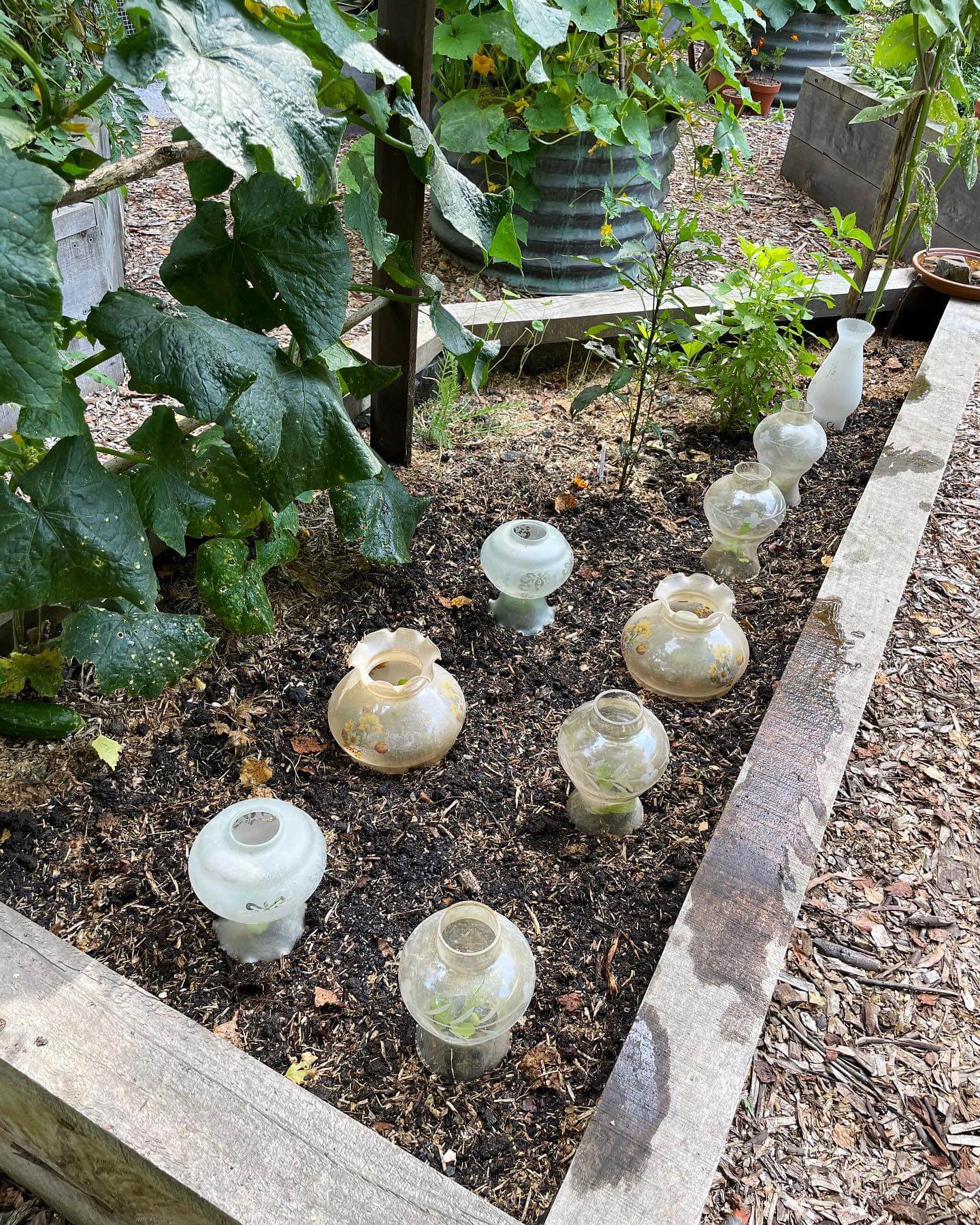
A wobbly dining chair is one repair away from becoming a charming focal planter. Remove the seat, then secure a wire basket, thrifted colander, or chicken-wire “nest” in the opening, lined with moss or burlap. Paint or limewash the frame to echo your garden palette—or embrace aged patina for cottage charm. Drive the chair legs a few inches into soil or add discreet stakes to keep everything steady in wind.
This repurpose works hard along paths, at a gate, or as a surprise vignette near a potting bench. Choose plants with contrasting habits and textures: a thriller (salvia or dwarf grass), a filler (petunias, marigolds, or herbs), and a spiller (sweet potato vine, ivy geranium, or creeping jenny). If shade rules your spot, swap in ferns, heuchera, and trailing lamium for lush, easy color.
Drainage remains key—poke a few extra holes in the liner and add a layer of pea gravel. To protect wood, seal chair feet with exterior polyurethane or slip on copper caps. Refresh seasonally with bulbs in spring and mini conifers in winter. Your once-unusable chair now greets visitors with instant personality and pollinator-friendly planting.
Fence-Mounted Gutter Garden for Cut-and-Come-Again Greens
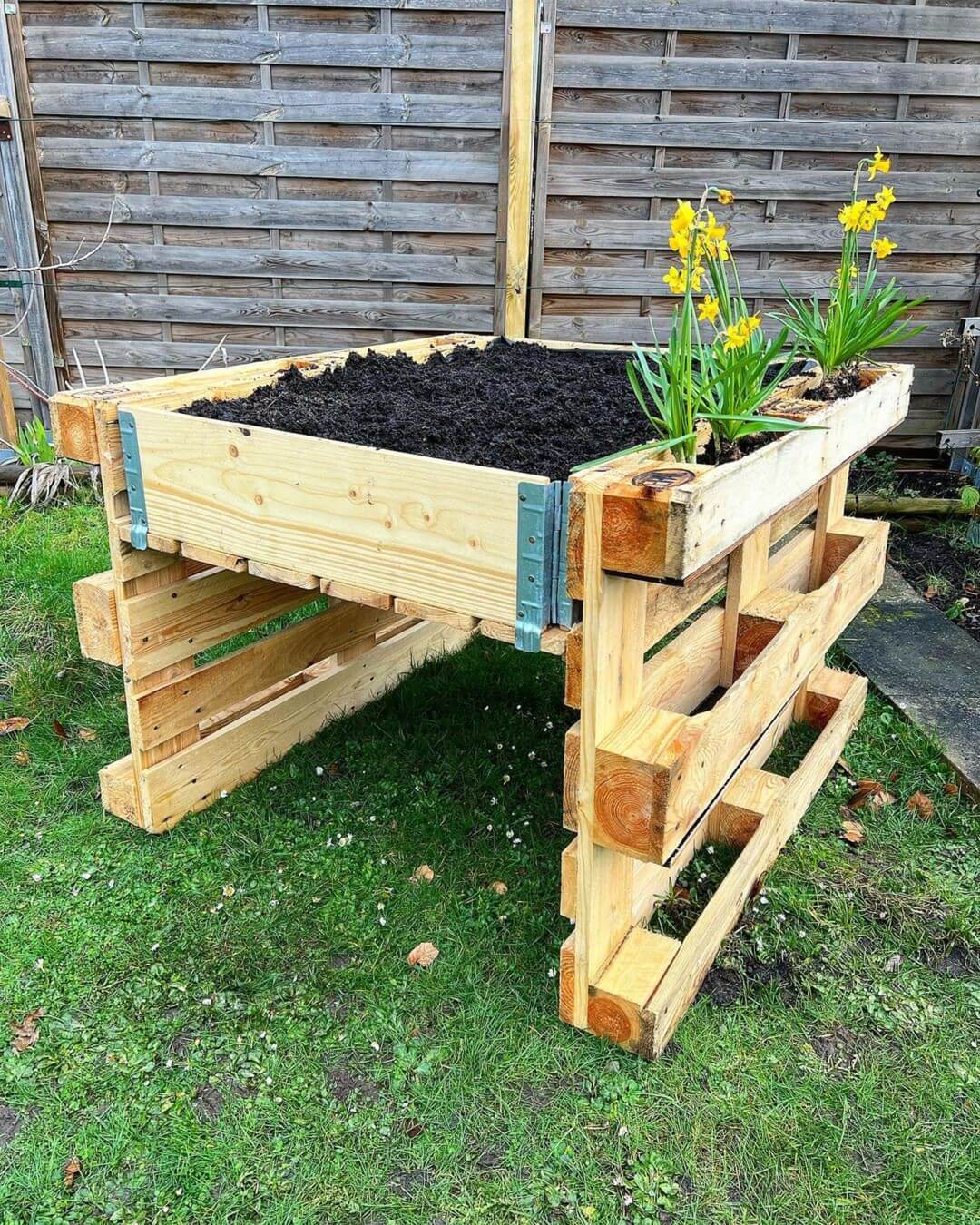
Salvaged gutters transform bare fence lines into sleek salad bars. Opt for aluminum or vinyl lengths with end caps; if you’re growing edibles, use food-safe materials or add a barrier liner. Drill 1/4-inch drainage holes every 6–8 inches, add a thin layer of gravel, then fill with a fluffy potting blend rich in compost. Mount in gentle stair-steps on cleats so each row gets good light and drip doesn’t drown the one below.
What to grow? Think shallow-rooted stars: leaf lettuce, spinach, arugula, baby chard, radishes, and compact strawberries. Interplant edible flowers like nasturtiums and calendula to attract pollinators and beneficial insects. Because gutters can dry quickly, install a micro-drip line along each run and set to brief, frequent cycles—or connect to a rain barrel for sustainable irrigation.
Refresh soil between plantings, and rotate crops to prevent nutrient depletion. In colder months, snap on clear plastic or pop in flexible mini hoops to extend the season. The look is modern and tidy, the harvest abundant, and the footprint minimal—ideal for renters, balconies, and anyone turning vertical space into fresh food and curb appeal.
Wheelbarrow Cut-Flower Cart You Can Chase the Sun With
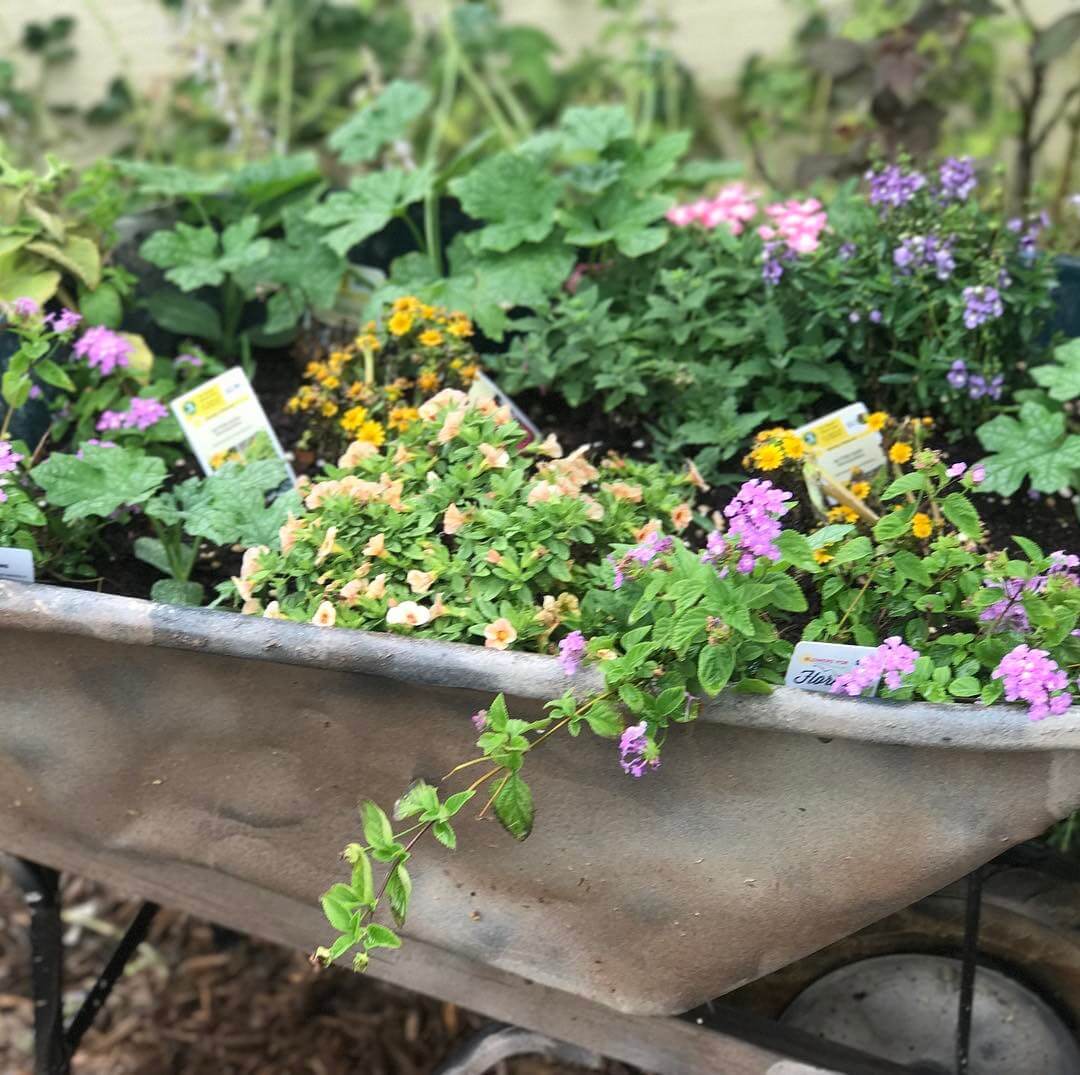
An old wheelbarrow, even with a squeaky wheel, is a mobile micro-garden waiting to happen. Drill generous drainage holes through the basin, add a mesh layer to keep soil in, and fill with a lightweight, compost-amended potting mix. The magic is mobility—roll your planter to catch morning sun, shelter from heat waves, or stage it as a seasonal centerpiece near an entry.
Plant for waves of color: start spring with bulbs under cool-season annuals, then swap to heat lovers like zinnias, cosmos, and basil for cutting. Trailing accents (verbena, calibrachoa) soften the rim, while an upright “thriller” (dwarf dahlia or grass) adds height. If edibles are your aim, tuck in cherry tomatoes with basil and nasturtiums for a portable pizza garden.
Protect the barrow: treat rust with a wire brush and seal with exterior paint; add wooden blocks as wheel chocks to keep it level. Water deeply—container depth is shallow—and top with mulch to reduce evaporation. This rolling upcycle delivers flexible, high-impact color, supports pollinators, and makes garden refreshes as easy as a gentle push.
Dresser Drawer Stair-Step Planter for Layered Texture
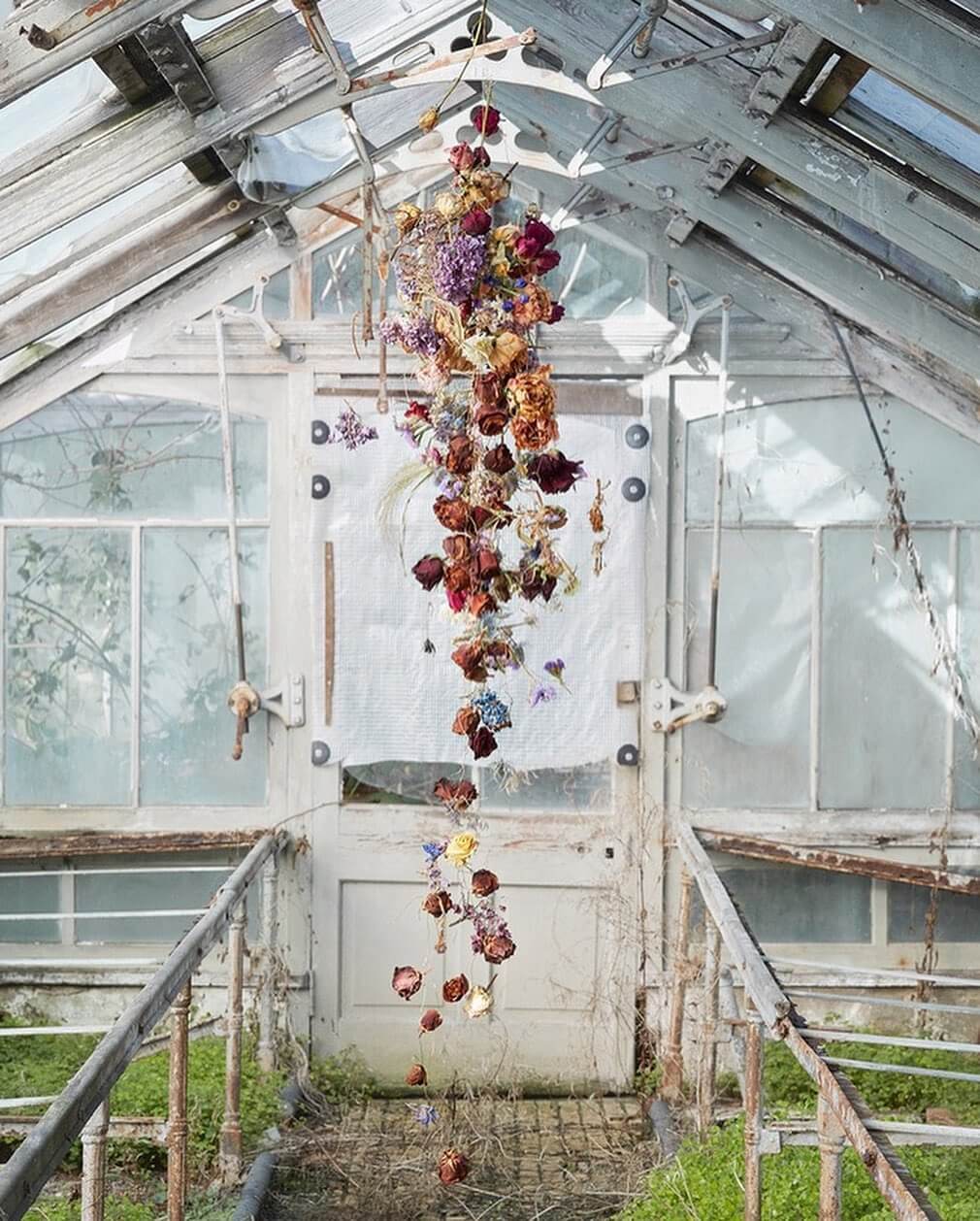
Before you curb that broken dresser, harvest its drawers for a tiered planter that doubles as sculpture. Stagger drawers in a gentle staircase—largest at the base, smallest at the top—and secure with screws or hidden stakes. Line each with plastic or pond liner, poke drainage holes, and add a thin gravel layer to protect wood. A coat of exterior paint or stain unifies mismatched pieces while defending against weather.
Get the Fail-Safe Paint Color Playbook (Free PDF)
36 proven colors • 8 ready palettes • trim & sheen guide • printable testing cards.
Design your plant palette to flow downward: upright anchors (dwarf conifers, grasses, or rosemary) in top drawers; mid-height fillers (marigolds, coleus, dwarf peppers); and cascaders (lobelia, ivy, sweet alyssum) spilling from lower edges. For edibles, dedicate one drawer to strawberries, one to leafy greens, and one to compact herbs—mint insulated in its own liner to curb spread.
Place the stack where it feels intentional: flanking steps, in a gravel bed, or as a backdrop to a seating nook. Refresh soil annually and rotate plant families to keep the micro-ecosystem healthy. The result is a budget-friendly, photogenic planter with depth, movement, and year-round styling options.
Antique Window Cold Frame for Shoulder-Season Starts
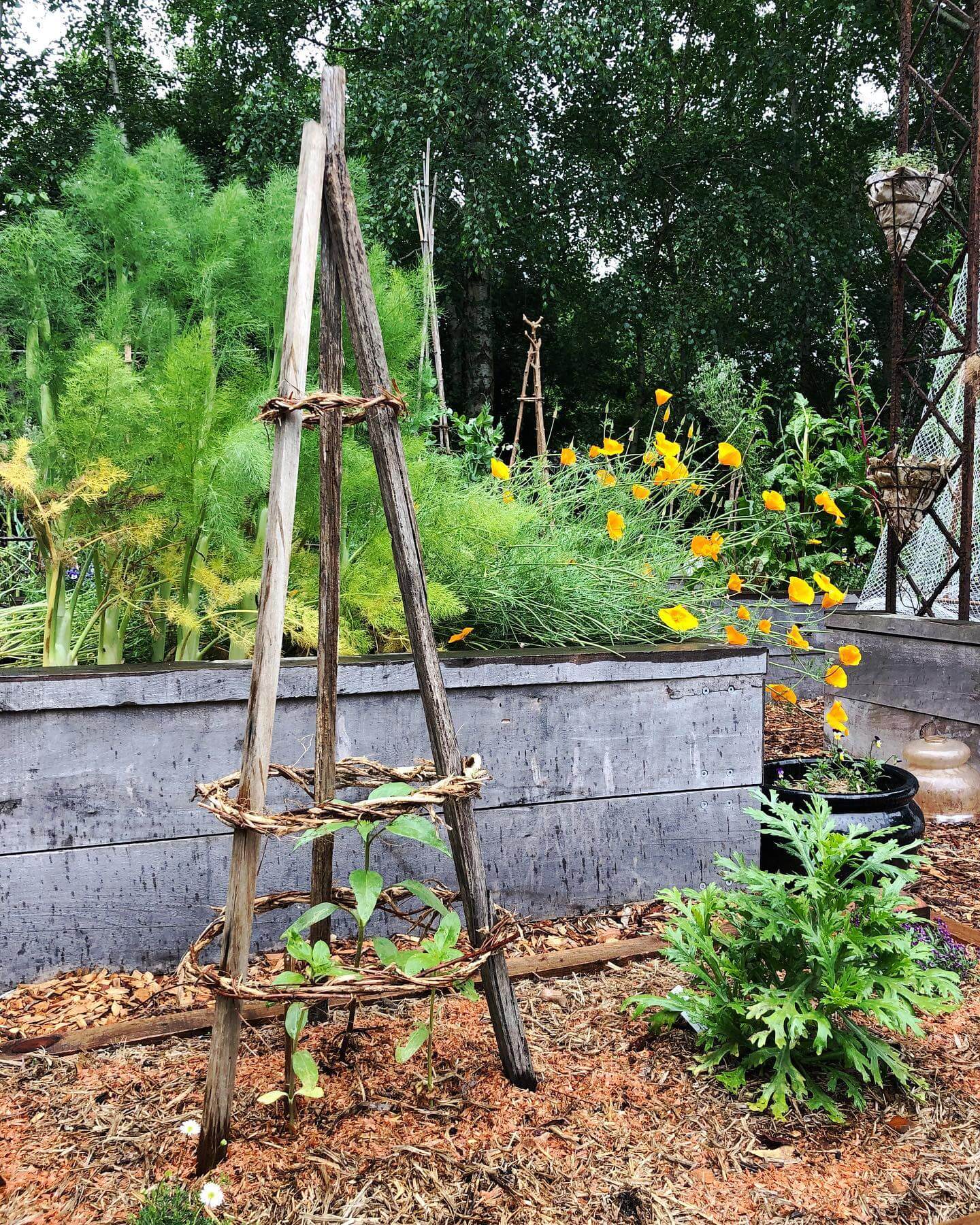
Old window sashes can extend your harvest without the footprint of a full greenhouse. Build a low, rectangular box from reclaimed lumber, slope it slightly south, and hinge the sash on top for a simple cold frame. Add weatherstripping for a snug seal and install prop sticks to vent on sunny days. Place the frame over a soil bed or fill with trays for seed starting and hardening off.
This repurpose shines in spring and fall—think leafy greens, radishes, Asian greens, and early herbs. The glazed lid traps heat and shields tender seedlings from wind, while venting prevents overheating and damping off. For frost protection, toss a row cover or old blanket over the frame on bitter nights.
Safety matters: test for lead paint on older sashes; encapsulate with a clear sealer or choose non-leaded windows for edible production. Elevate with bricks for drainage, and add a thermometer inside to learn your microclimate. When summer arrives, swap to heat-loving basil starts or remove the lid to convert into a low raised bed. Elegant and efficient, this vintage window keeps your garden on a delicious head start.
Thrifted Chandelier Planter for Cascading Color Overhead
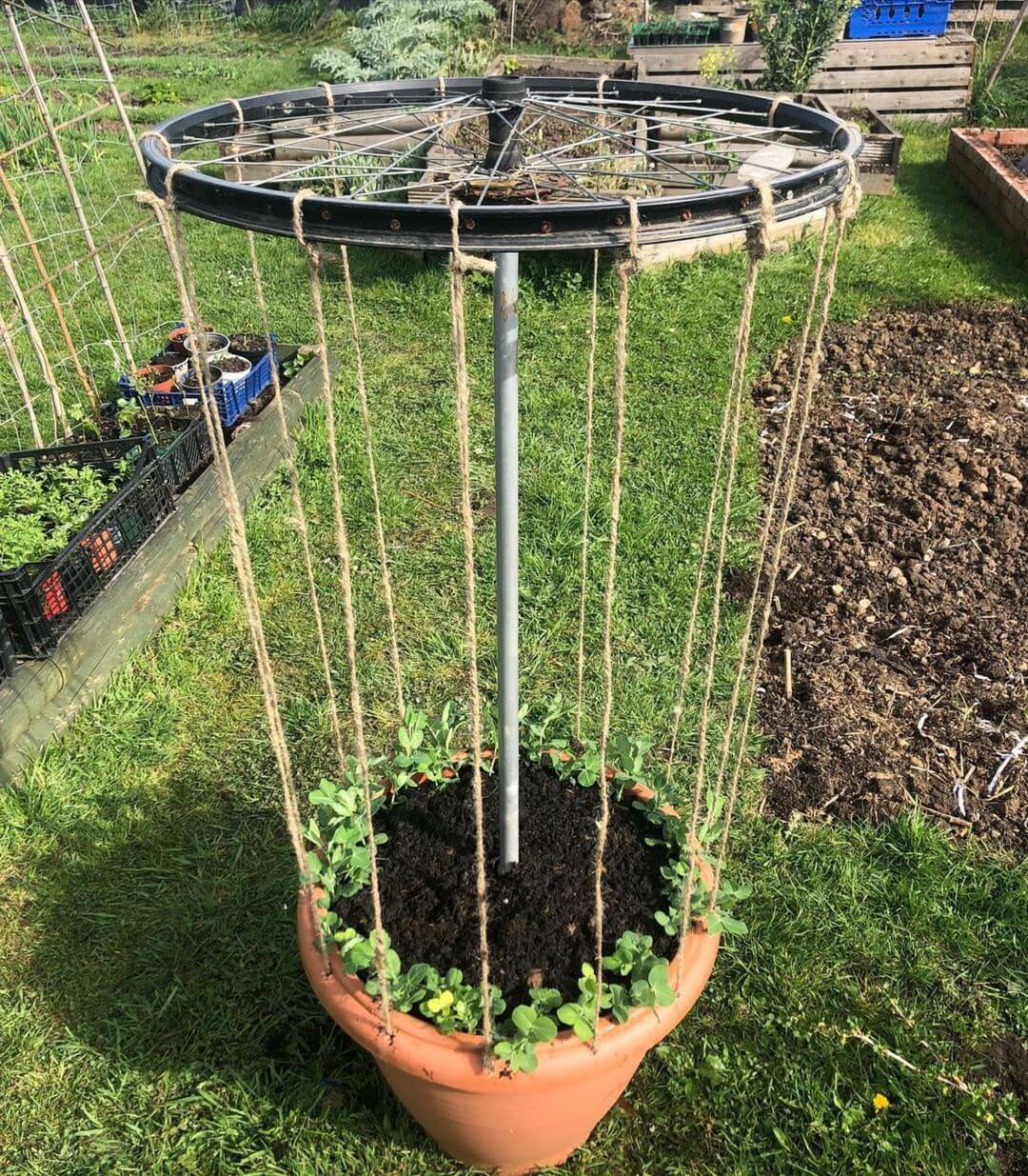
Retire a dated chandelier by turning it into a whimsical hanging planter that draws the eye up. Strip wiring, cap any sharp edges, and repaint the frame in a weather-hardy finish. Replace candle sleeves with small terracotta pots, metal cups, or teacups (with drainage holes) secured to the arms. Suspend from a sturdy beam, pergola, or tree branch with rated chain and a swivel hook to prevent wind twist.
Because weight adds up, plant drought-tolerant, shallow-rooted varieties—succulents, sedums, trailing thyme, or portulaca—using a gritty, fast-draining mix. For shade installations, go with ivy, ferns, and trailing pilea. Tuck in a bit of sphagnum moss to hide soil and retain moisture between waterings.
This overhead planter frees ground space, layers interest above seating areas, and creates a magical focal point for evening gatherings—especially when paired with solar fairy lights wrapped around the frame. Inspect hardware seasonally, and bring the piece inside during extreme storms or ice. It’s an elegant, circular showcase of repurposed charm that complements vertical trellises and container groupings below.
Upcycled Spoon-and-Teapot Rain Chain to Feed Your Rain Garden
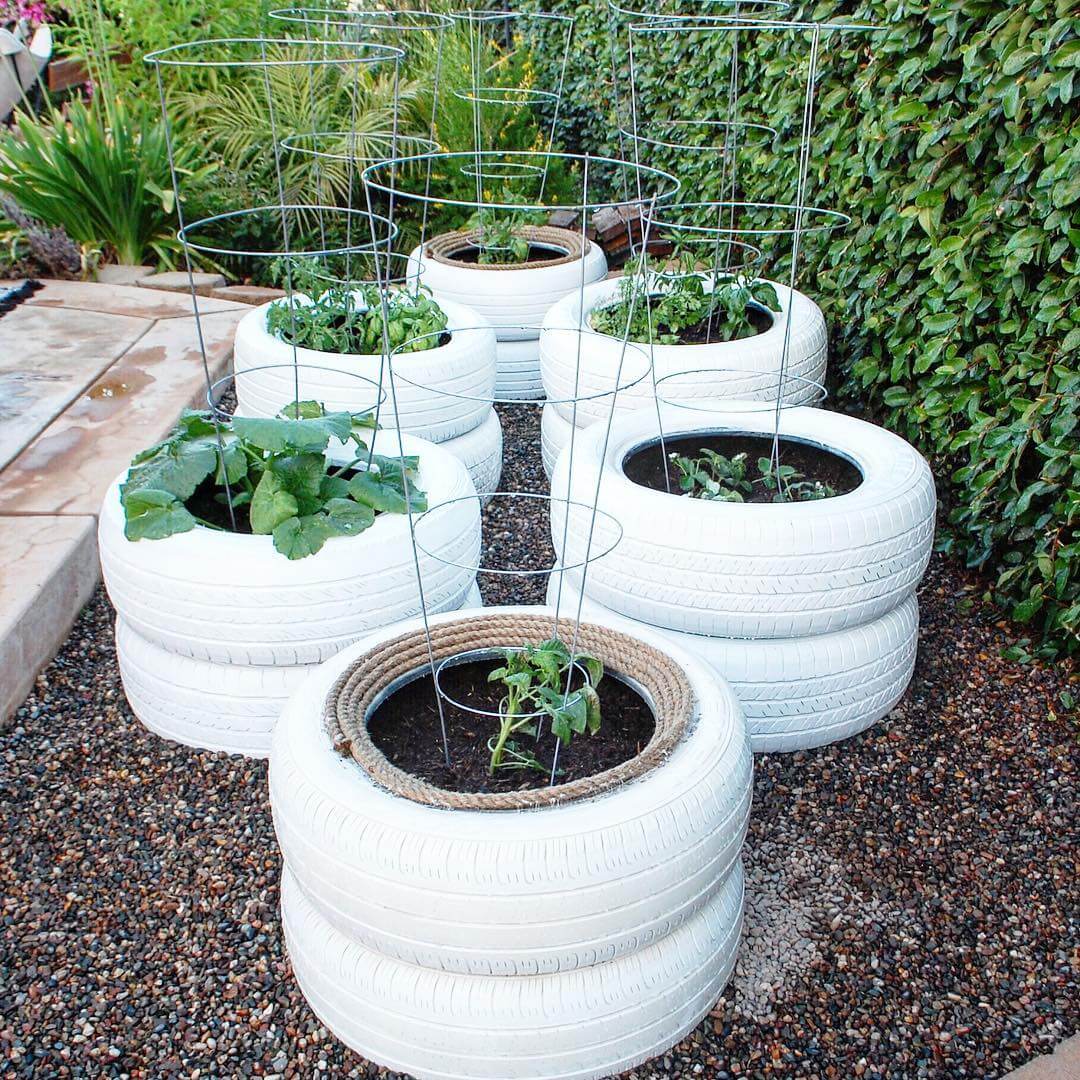
Guide stormwater with style by crafting a rain chain from mismatched spoons, small funnels, and a vintage teapot or colander as the final cup. Attach elements with stainless jump rings and hang from a gutter adapter, then direct the gentle cascade into a barrel, basin, or existing rain garden. The waterfall reduces splash erosion, slows runoff, and adds a soothing soundtrack on wet days.
For best performance, position the chain where overflows can soak into permeable ground—gravel, mulch, or a planted swale. Anchor the bottom with a hidden stake to tame wind sway. If you’re harvesting water, choose food-safe metals and keep catchments covered to deter mosquitoes. In winter, ensure free drainage and consider taking the chain down during heavy freeze-thaw cycles.
Pair this water feature with moisture-loving natives—iris, joe-pye weed, sedges—and edge with repurposed brick or stone. The look nods to cottage charm while delivering real sustainability perks: erosion control, pollinator habitat, and reduced dependence on municipal water. It’s a poetic, practical upcycle that ties together your other reclaimed garden elements.
Vintage Bicycle Planter as a Whimsical Pollinator Stop
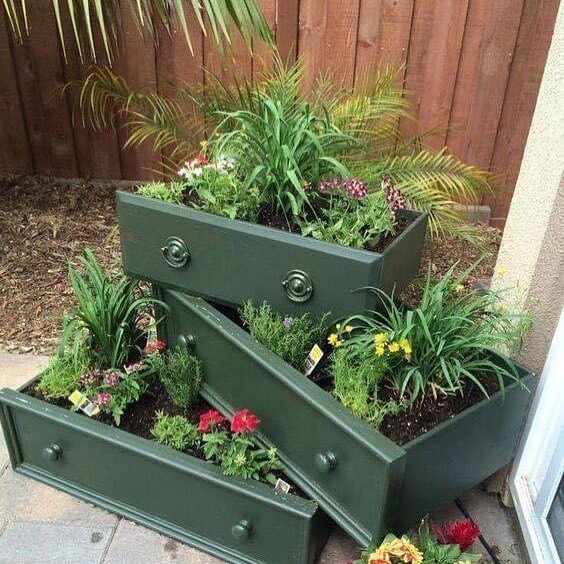
Roll a thrifted bicycle into your landscape and let it bloom. As a repurposed garden idea, a vintage bike instantly adds height, movement, and storybook charm while taking up minimal ground space—perfect along a path or fence. Prep the frame with a clear, rust-inhibiting sealer and secure it with rebar stakes or U-brackets so gusts don’t topple your display. Line baskets with coir or burlap, punch a few drainage holes, and fill with a lightweight potting mix to keep weight manageable. Trailing annuals like calibrachoa, bacopa, or nasturtiums spill beautifully, while drought-tough sedums and thyme thrive in shallower front baskets. Use the handlebars or a small side trellis to support twining sweet peas for vertical color. Coordinate hues with nearby features—your pallet herb wall or colander baskets—to keep the flow cohesive. Water deeply but infrequently; coir liners dry fast, so a discreet drip line is a smart, low-maintenance add. In winter, swap blooms for cut evergreens and pinecones so the vignette still earns curb appeal. It’s a sustainable, small-space-friendly focal point that doubles as a pollinator pit stop.
Upcycled Filing Cabinet Vertical Planter for Compact Spaces
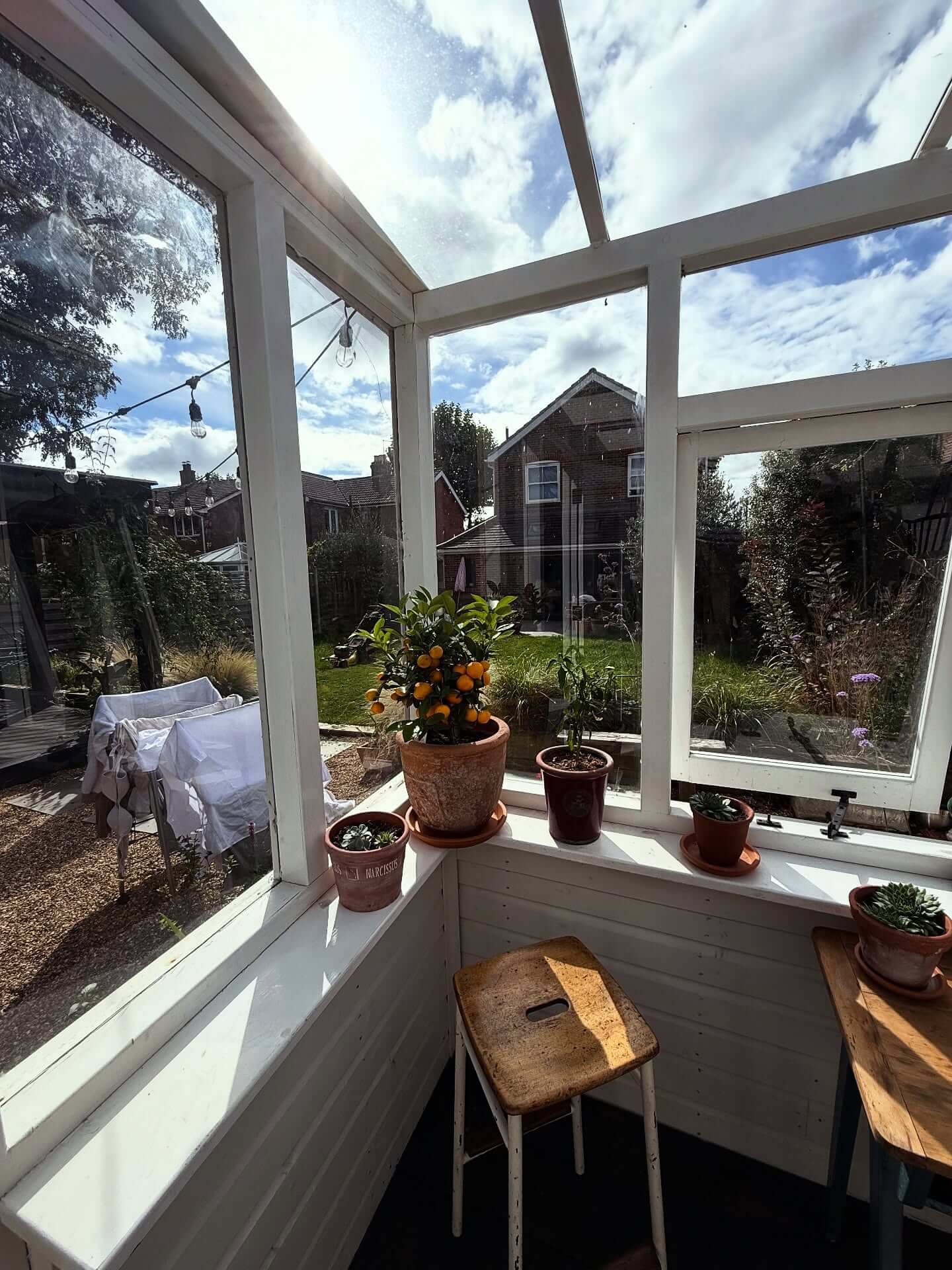
Turn a cast-off metal filing cabinet into a hardworking vertical garden that thrives where square footage is tight. Two easy builds: stand it upright and remove the drawers to create deep planting cubbies, or lay it on its back so each drawer becomes a roomy container. Either way, drill generous drainage holes, prime with exterior metal primer, and finish with weatherproof paint to resist rust. Line cavities with landscape fabric, then layer in a light potting mix. Trailing strawberries, thyme, and cascading cherry tomatoes soften the edges; upright herbs, leaf lettuces, and dwarf peppers add structure and nonstop harvest. For true set-it-and-forget-it ease, feed a slim drip line from your existing pallet herb wall system down the cabinet, tucking emitters into each pocket. A salvaged wood top transforms the surface into a mini potting perch or display ledge for seed starts. Place this unit where it gets 6+ hours of sun and use the cabinet’s shadow to shield greens during peak summer heat. It’s tidy, productive, and wildly affordable—classic repurposed garden design that organizes chaos into edible order.
Clawfoot Bathtub Pond and Bog Planter for Wildlife
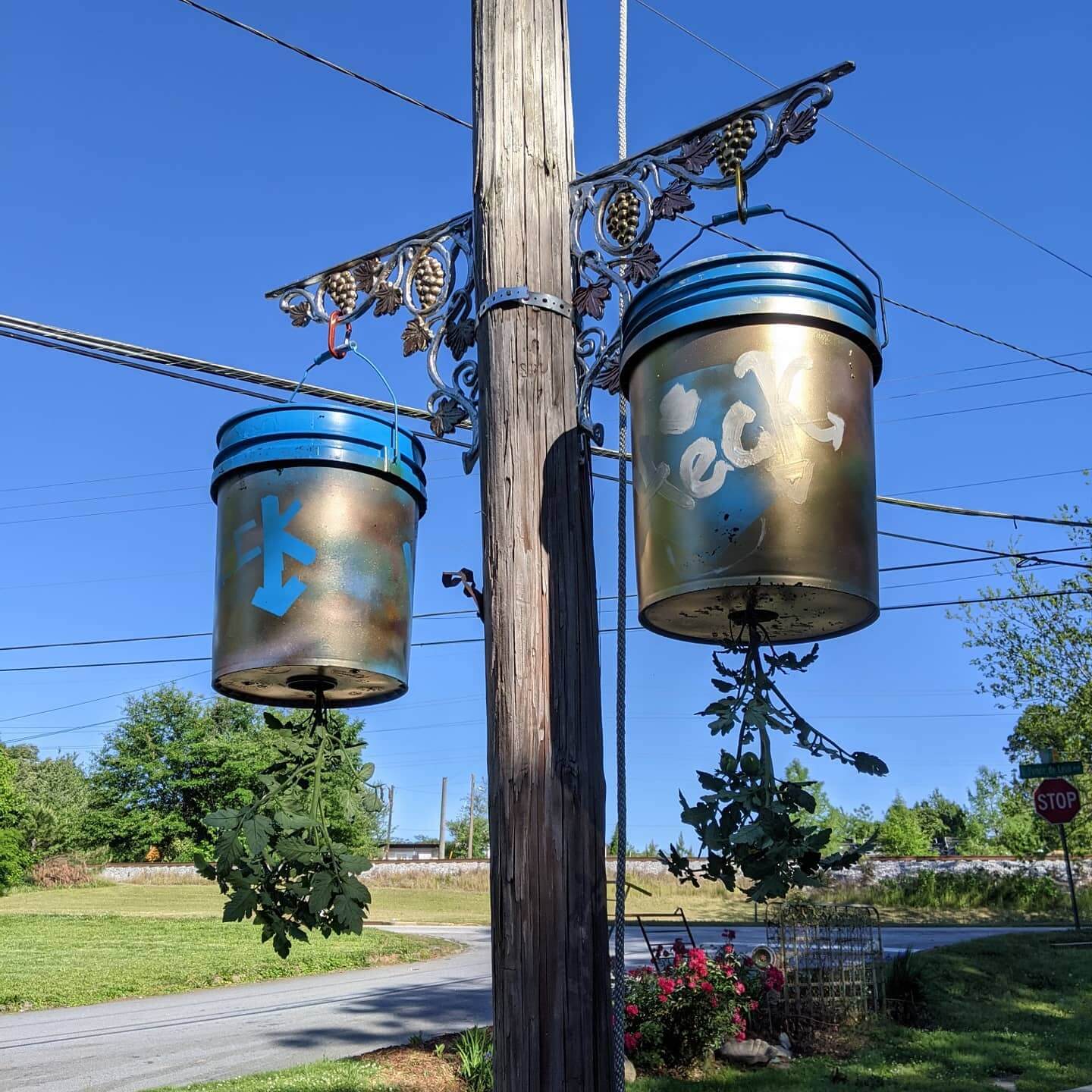
When a clawfoot tub outlives the bathroom, let it anchor a wildlife-friendly water feature. This repurposed garden centerpiece invites dragonflies, songbirds, and beneficial insects while adding serene reflection to your space. Level the tub on a compacted gravel pad, protect the finish with an exterior sealer, and verify the drain plug is watertight (or add a bulkhead fitting to direct overflow into your rain garden). Rinse thoroughly to remove residues, then fill with dechlorinated or rain-barrel water. Stack bricks to create a shallow beach and a gentle “critter ramp” so toads and bees can enter and exit safely. Plant a mix of oxygenators and marginals: dwarf water lilies for shade, pickerel rush for height, and sedges or marsh marigold in a boggy edge planter. Control mosquitoes with BTI dunks and good surface movement rather than fish, which can disrupt native visitors. Tuck moisture-loving thyme or creeping jenny along the rim to visually merge metal with green. Positioned near your spoon-and-teapot rain chain, the tub becomes both sculpture and habitat—sustainable, low-maintenance, and season-spanning.
DIY Recycled Garden Decor and Sustainable Landscaping Tips
Recycled garden decor adds storytelling and sustainability while anchoring focal points that guide the eye. Old windows become mini cold frames or vertical trellises that frame vines like living stained glass. Bicycle wheels, bed springs, and rake heads morph into sculptural trellises, tool hooks, and kinetic art that patinas gracefully. Choose weatherproof finishes, like marine varnish or exterior polyurethane, to protect wood and artful accents from swelling, UV bleaching, and mold. Position features to balance sightlines, ensuring paths remain accessible for wheelbarrows and irrigation maintenance.
Lighting and pathways elevate atmosphere while improving safety and water efficiency. Solar lids on mason jars create soft beacons without wiring, while repurposed wine bottles edge beds and reflect light. Crushed concrete or brick fines form permeable walkways that reduce runoff and replenish groundwater. Integrate rain chains into barrels, directing roof water toward mulched basins feeding fruit trees and pollinator beds. Label plant groupings with stamped spoons or slate offcuts for charming, durable markers that survive sprinklers and sun.
Creative sustainability playbook:
- Design a low-waste seating nook using reclaimed pallets, sanded smooth, sealed, and topped with outdoor cushions, situating beneath deciduous shade for summer cooling and winter solar gain.
- Build a mosaic stepping-stone path from broken tiles and dishes set in sand, choosing rounded edges and contrasting colors for traction, visual pop, and safe barefoot navigation.
- Create wildlife-friendly habitats by bundling hollow stems into bee hotels, suspending them under eaves near nectar plants, and leaving leaf litter pockets for overwintering beneficial insects.
- Upcycle rain boots and kettles into whimsical birdbaths and feeders, elevating them on stump pedestals, then refreshing water daily to deter mosquitoes and keep pollinators hydrated.
Plan installations with longevity in mind to minimize replacement waste. Use stainless screws, UV-stable zip ties, and removable anchors so pieces can be serviced, repainted, or repurposed again. Favor drought-tolerant natives beneath decor to reduce irrigation and attract pollinators. Mulch generously around features to regulate soil temperature, suppress weeds, and frame vignettes cleanly. Document materials and finishes in a garden journal to simplify touch-ups and share replicable projects with neighbors or community gardens.
Quick Fixes and Pro Tips for Upcycled Gardens
How do I safely prepare old metal containers for plants?
Wash thoroughly with mild soap, rinse, and dry completely. Drill drainage holes, file any sharp edges, then coat interiors with rust-inhibiting primer and exterior-safe paint to extend life.
Get the Fail-Safe Paint Color Playbook (Free PDF)
36 proven colors • 8 ready palettes • trim & sheen guide • printable testing cards.
What repurposed ideas work best for renters or balconies?
Favor lightweight materials like plastic buckets, fabric grow bags, and stacked crates. Choose vertical solutions with removable anchors, and use trays to catch runoff so surfaces and lease terms stay protected.
How can I make recycled garden decor withstand weather year-round?
Select durable finishes—marine varnish for wood, clear coat for metal—and reapply annually. Elevate pieces off soil, and secure with stainless hardware to resist rust, swelling, and frost heave.
Which plants thrive in shallow, repurposed containers?
Opt for leaf lettuces, radishes, strawberries, thyme, and sedums. These shallow-rooted varieties perform well with frequent watering, quality potting mix, and at least four to six hours of sun.
Final Verdict: Turn Cast-Offs Into a Cohesive, Climate-Savvy Garden
Repurposed garden ideas prove that style, function, and stewardship can live in the same planter. From ladders and pallets to wheelbarrows, gutters, and vintage tubs, these upcycled features stretch your budget, reduce waste, and unlock new ways to grow—vertical, mobile, and space-smart. Start with one anchor piece, layer in complementary textures (wood, metal, glass), and let color-coordinated plantings tie everything together. The result is a garden that feels curated, personal, and wonderfully alive.
Keep performance in focus: add drainage, line porous containers, seal wood with non-toxic finishes, and secure heavy pieces against wind. Pair the right plants to the right vessels—herbs in shallow gutters, succulents in toolboxes, trailing blooms in chandeliers, pollinator mixes in wheelbarrows—so each element thrives. Fold in water-wise choices and wildlife helpers like a mini pond or bee sipper, and refresh seasonal plantings to keep momentum. Shop your home and thrift aisle first, rescue curbside finds, and design with intention. Your outdoor space becomes greener and more distinctive with every clever reuse.