
Sky-High Serenity: Rooftop Garden Ideas to Turn Your Urban Space into a Lush Oasis
You don’t need a backyard to build a green escape—just a bit of elevation and the right plan. From tiny terraces to sprawling penthouses, rooftop gardens can become havens for relaxation, dining, and even homegrown harvests. The key is blending style with smart solutions for sun, wind, and privacy.
This guide spotlights ideas that work in real-world spaces: modular containers, vertical trellises, movable furniture, and plant palettes that thrive in rooftop microclimates. We’ll cover essentials like load limits, drainage, and irrigation, plus ways to introduce texture, color, and year-round interest. Expect inspiration that’s as practical as it is beautiful.
Get the Fail-Safe Paint Color Playbook (Free PDF)
36 proven colors • 8 ready palettes • trim & sheen guide • printable testing cards.
Whether you’re after a sleek modern lounge, a Mediterranean herb haven, or a cozy boho nook, you’ll find ideas tailored to renters and owners alike. Think layered greenery, edible planters, pollinator pockets, and ambient lighting that extends the evening. Ready to elevate your outdoor life—literally?
Compact Rooftop Garden Ideas for Small Spaces and Container Gardening
Rooftop garden ideas can turn compact terraces into lush, livable rooms by prioritizing layout, weight, and climate. Begin by mapping sun, shade, and wind so each container thrives without stress. Choose lightweight planters, engineered soils, and pedestal pavers to respect structural limits while improving drainage. Use vertical space with trellises, arbors, and rails to free floor area for dining or yoga zones. Plan simple irrigation and power access early to support lighting, timers, and small water features without tripping hazards.
- Modular lightweight planters: Use fiberglass or HDPE cubes with hidden casters to reconfigure layouts seasonally, maintain drainage pathways, and spread weight evenly across joists for safety.
- Vertical trellis walls: Install powder-coated modular trellises with cable guides to train climbers, create privacy, break wind, and frame views without sacrificing valuable floor area.
- Rail planters and troughs: Clip-on, adjustable-depth rail planters maximize edges for herbs and flowers, preserve circulation, and keep center space open for dining, yoga, or container trees.
- Foldable, dual-purpose furniture: Choose drop-leaf tables, stackable chairs, and storage ottomans that tuck away fast, resist UV, and won’t exceed roof load calculations when grouped.
- Integrated storage benches: Build cedar benches on pedestals with hinged lids for tools, cushions, and soil, doubling as windbreaks while maintaining continuous airflow below for drainage.
- Micro-drip irrigation: Run pressure-compensating drip lines on timers, grouping sun, shade, and edible zones separately to conserve water, reduce disease on foliage, and simplify away-week maintenance.
For comfort and privacy, combine lattice screens, planters, and pergola beams to filter views without creating wind tunnels. Counter reflected heat from nearby walls with pale finishes, shade sails, and drought-tough Mediterranean herbs. Blend evergreen structure with seasonal color so the roof looks intentional in every month. Add low-glare, low-voltage lighting to highlight pathways, cook stations, and specimen containers after dark. Finally, label zones and maintenance tasks, keeping tools, soil, and cushions tucked safely inside weatherproof storage.
Plan the Bones: Structure, Sun, and Wind Mapping
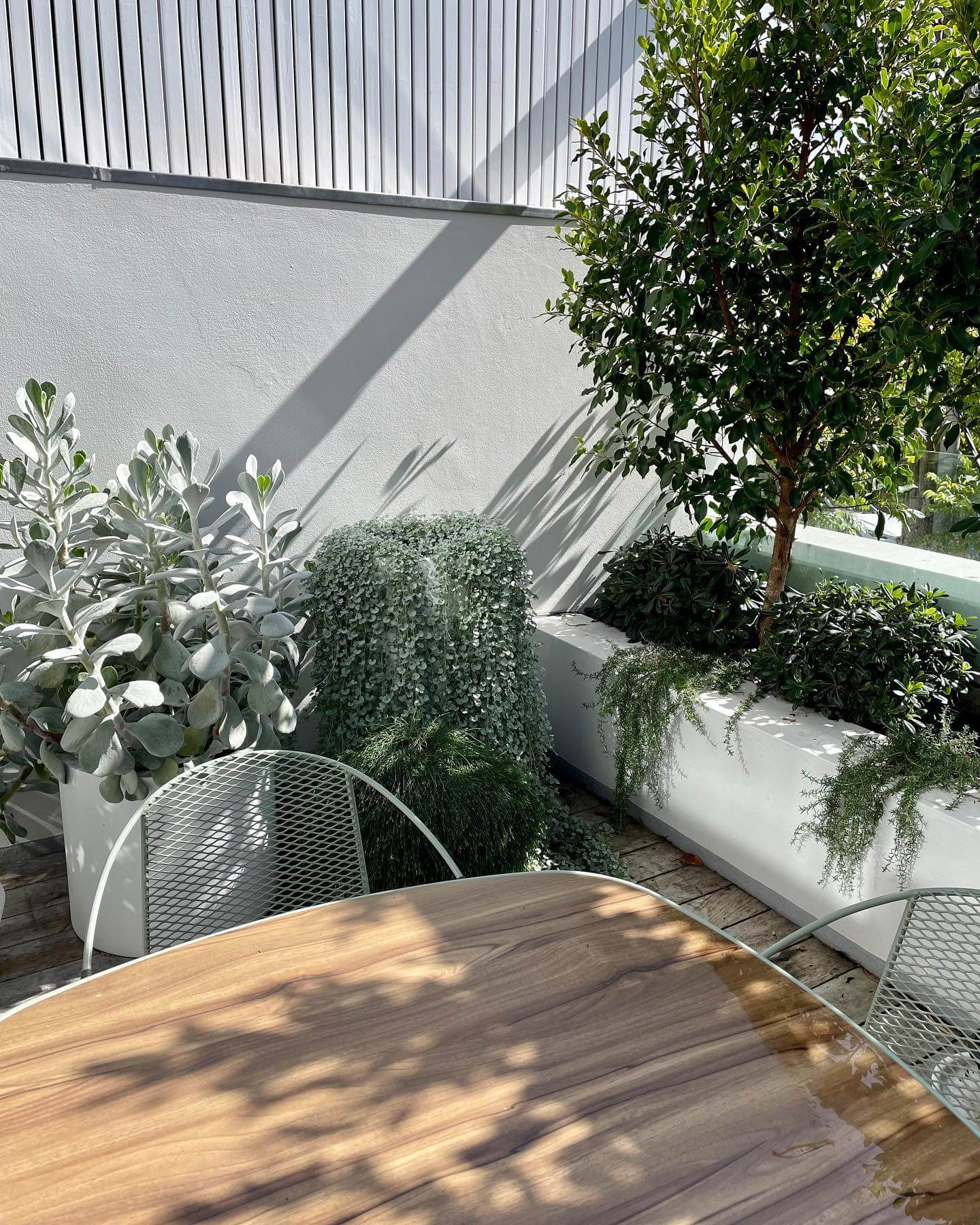
Before you buy a single planter, map your rooftop garden like a pro. Start with structure: confirm load limits with your building manager or engineer, note parapet/railing height, and protect the waterproof membrane with a proper protection layer. Then observe the microclimate. Track sun exposure across the day and seasonal shifts created by neighboring buildings; note wind corridors that can desiccate plants and flip furniture. This informs your zoning: a lounge tucked behind a windbreak, a dining nook where evening sun is soft, and an edible container garden in the brightest pocket. Mark utilities too—outdoor outlet, water access (or where a hose can safely reach), and potential storage. Finally, choose lightweight, roof-safe materials: fiberglass or resin planters, aluminum furniture, and soil mixes amended with pumice/perlite to reduce weight. Think in layers—hardscape pathways for circulation, tall elements along edges for privacy, and mid/low plantings to keep sightlines open. A simple scaled sketch helps you balance green with functional space and ensures your rooftop oasis feels intentional, cozy, and code-compliant from day one.
Level, Safe Footing: Pedestal Pavers and Modular Decking
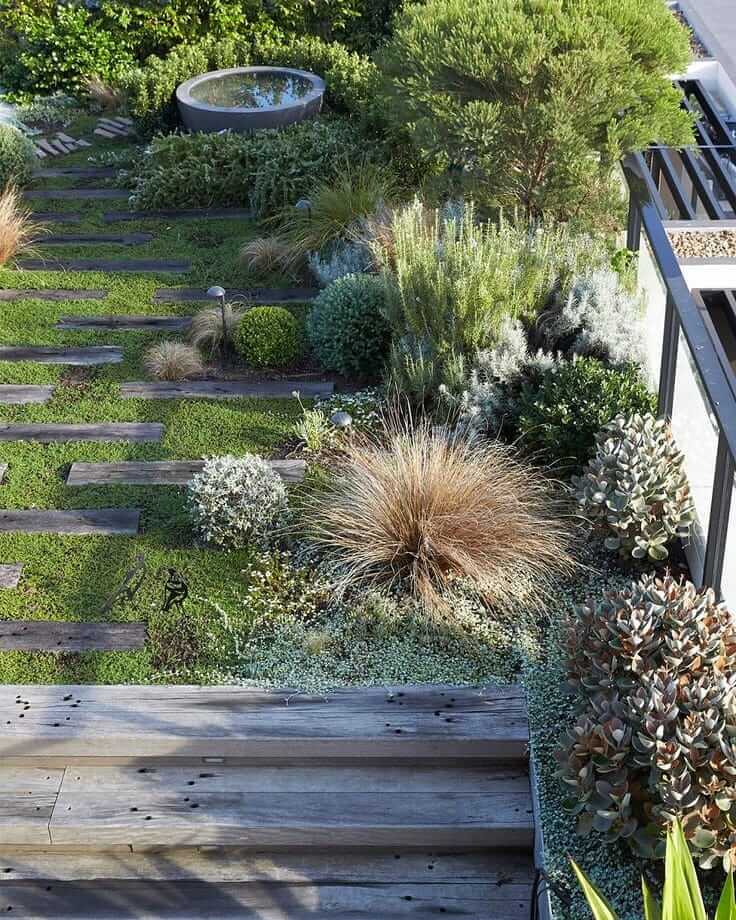
Great rooftop gardens start from the ground up. A level, drain-friendly surface keeps the space safe, comfortable, and kind to your roof. Porcelain or concrete pavers on adjustable pedestals create a floating deck that preserves drainage slope and protects the membrane. Composite deck tiles snap together fast, letting renters or DIYers reconfigure zones without penetrations. Choose lighter colors to curb heat buildup and specify non-slip textures for all-weather traction. Plan a clear primary path (36 inches is the sweet spot) that guides guests from the door to seating, then to planters and a view stop. Use an outdoor rug to define the lounge and a different paver pattern to cue the dining area—subtle visual zoning that keeps the layout intuitive. Where planters sit, cluster them on risers or trays to allow runoff and prevent staining. If you’d like step or under-bench lighting later, run low-voltage conduit beneath pavers now. The payoff is a cooler, quieter, and longer-lasting roof terrace that feels like a real room—without compromising drainage or waterproofing.
Privacy That Breathes: Tall Planters, Screens, and Windbreaks
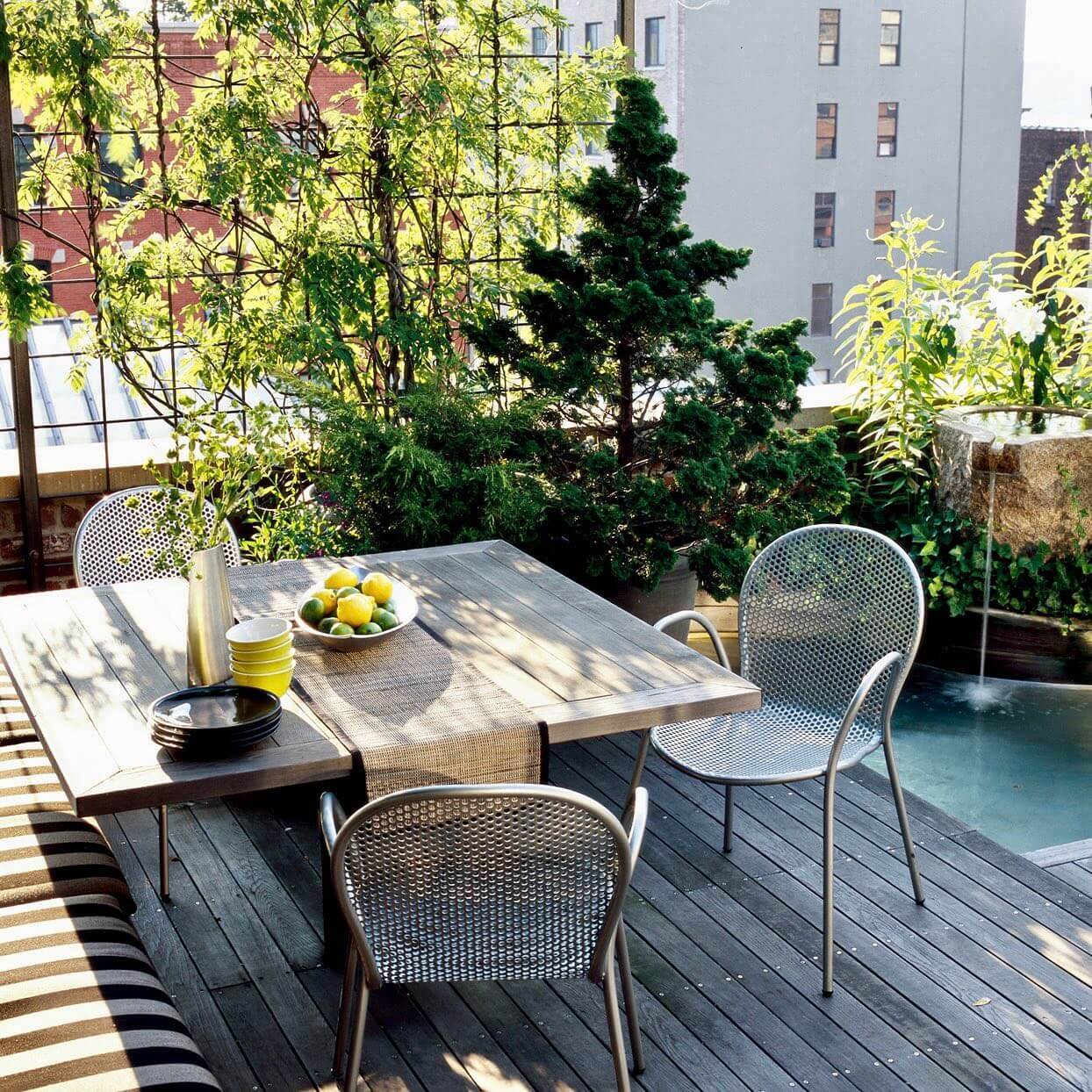
On exposed rooftops, you want seclusion without a boxed-in feel. Design privacy that breathes by combining permeable screens with layered planting. Slatted wood or powder-coated metal panels break gusts while allowing airflow; pair them with tall, lightweight planters to anchor the line. Go for clumping bamboo (e.g., Fargesia), upright grasses (switchgrass, feather reed), or evergreen hollies/junipers chosen for wind tolerance. Stagger heights—tall screens at eye level, mid-height shrubs, then soft spillers—to avoid a monolithic “wall.” In blustery zones, form L-shaped windbreaks that diffuse rather than block; solid barriers create turbulence. Place cozy seating alcoves just downwind of these corners for a microclimate that actually invites lingering. If code limits height, raise planters on low plinths and lean into trellised climbers that extend vertically within regulations. Add casters to a few planters for seasonal repositioning and quick flexibility when entertaining. The result: a private rooftop garden that shields sightlines, softens noise, and tames wind—while preserving light, views, and that open-sky feeling that makes roof terraces irresistible.
Space-Savvy Lounge: Built-In Benches, Foldables, and Zoning
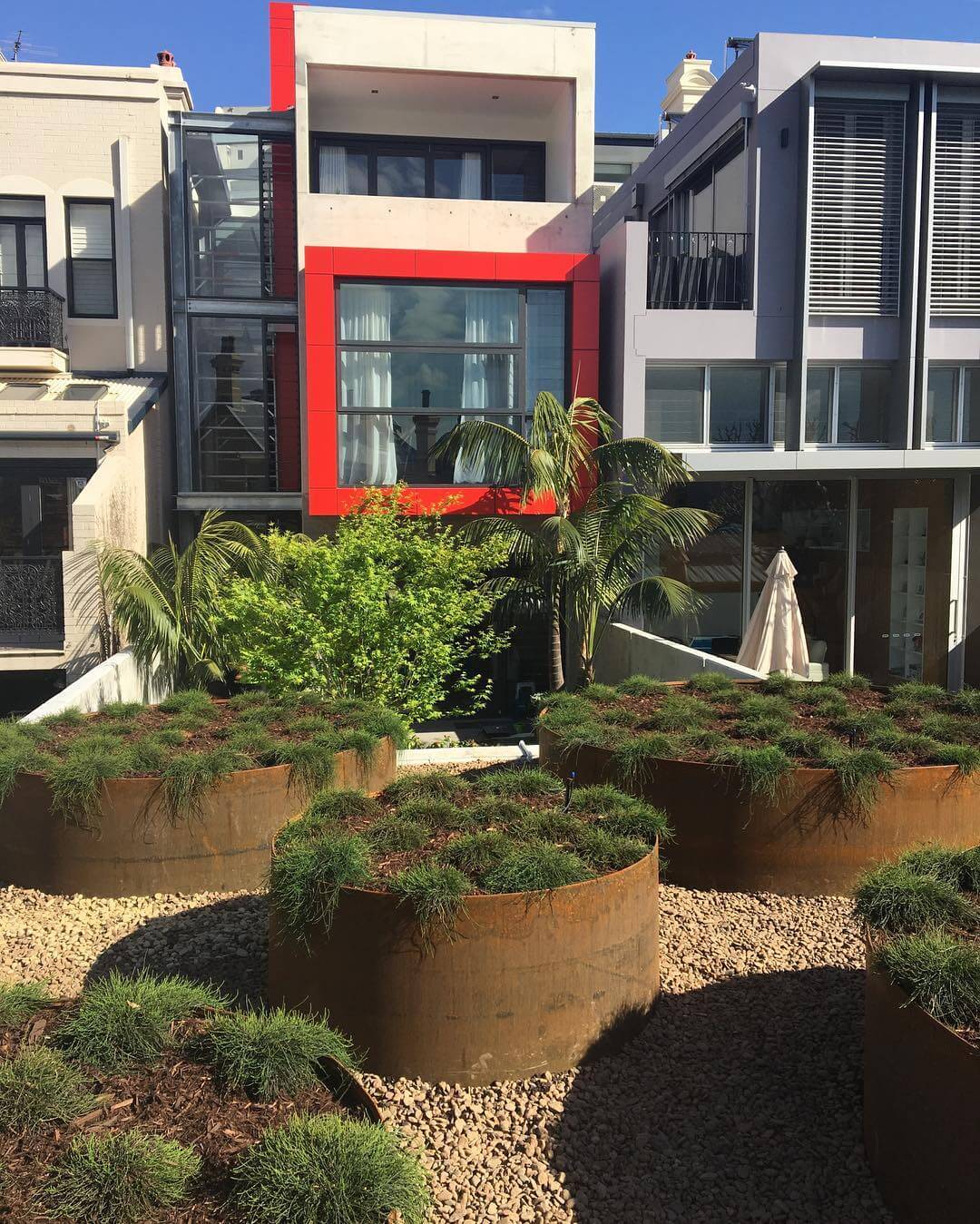
Maximize every square foot with furniture that earns its keep. Built-in benches along parapets or planters create continuous seating, double as storage for cushions and tools, and keep circulation open. In tight corners, an L-shaped bench defines a lounge without clutter; add a slim bar ledge to convert a view rail into a standing cocktail spot. Layer in compact, movable pieces—nesting side tables, stackable stools, and a foldable bistro set that pivots between morning coffee and extra dinner seating. Use an outdoor rug to visually “float” the lounge, then orient the dining table perpendicular so the zones feel distinct yet connected. Choose aluminum or teak for durability and light weight, and secure cushions with ties in windy sites. If grilling is permitted, place the grill where crosswinds won’t backdraft—usually tucked behind a screen with a safe clearance. The goal is a fluid layout that flexes from solo reading nook to party-ready terrace, letting your rooftop garden function like a well-designed studio apartment under the sky.
Grow Upward: Trellises, Espaliers, and Living Walls
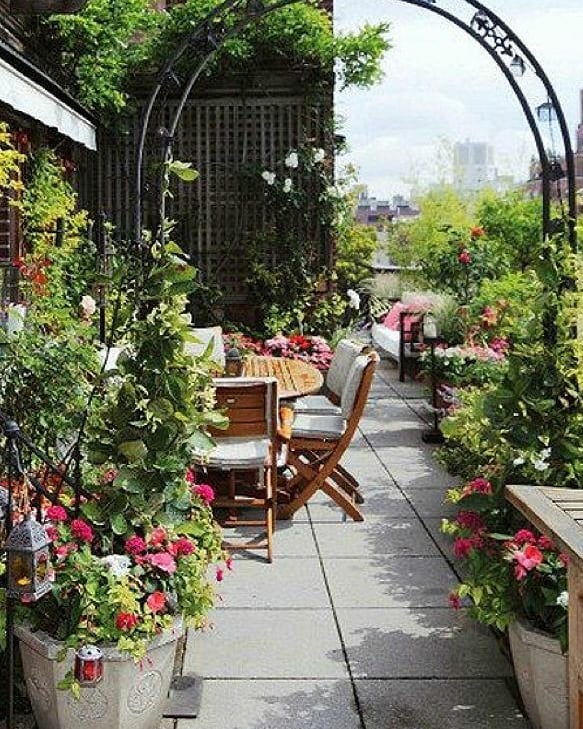
Vertical gardening is the rooftop’s secret superpower—more green, same footprint. Install freestanding trellises weighted by planters (no membrane penetrations) to train climbers like star jasmine, clematis, honeysuckle, or climbing roses in large containers. For edible flair, espalier dwarf apple, pear, or fig along tension cables; the flat profiles create a leafy backdrop without crowding floor space. Where you want a lush screen, consider modular living-wall panels with integrated irrigation—great for herbs, ferns, and pollinator plants if your sun is dappled. Keep structures permeable so wind slips through, and prune regularly to avoid sail effect. Choose corrosion-resistant hardware and UV-stable ties; route drip lines neatly along frames for low-maintenance growth. Even a simple A-frame trellis can double as an art piece when paired with seasonal vines. By pulling your planting palette vertical, you gain privacy, shade, and drama—turning blank air into green architecture that frames views and gives your rooftop garden an unmistakable sense of place.
Shade You Can Adjust: Pergolas, Sails, and Climbing Canopies
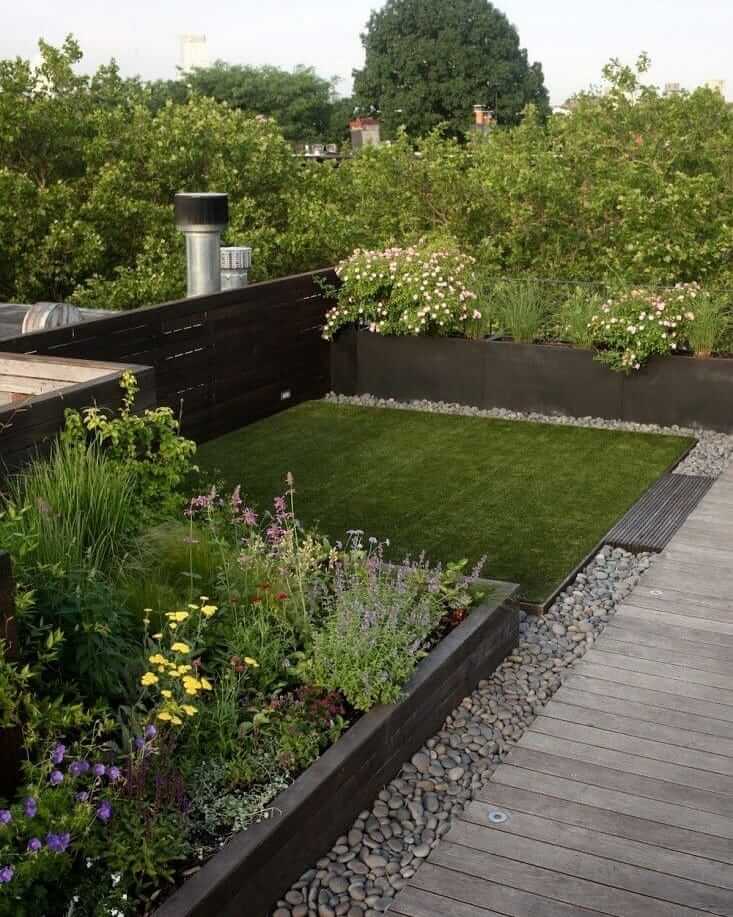
Sun can turn a roof terrace into a skillet. Build adaptive shade that cools without killing daylight. A freestanding pergola, ballasted by integrated planters or weights, adds structure and a place to mount string lights or retractable canopy panels. Retractable awnings or louvered roofs let you chase comfort hour by hour—open for morning rays, closed at high noon, tilted to block low west sun. Shade sails are sleek and renter-friendly; choose UV-rated fabric and mount to engineered posts or parapet brackets rated for wind. For living shade, train vigorous climbers—grapes, wisteria (with stout support), or hops—over a pergola to create a dappled canopy that drops temperatures and vibes simultaneously. Prioritize airflow beneath any shade to avoid heat buildup, and pick lighter fabrics to reflect rather than absorb. The right mix turns harsh exposure into a cool retreat, extending your rooftop garden’s usable hours and protecting delicate plants from scorch and stress.
Water-Wise Systems: Drip Lines, Sub-Irrigated Pots, and Drainage
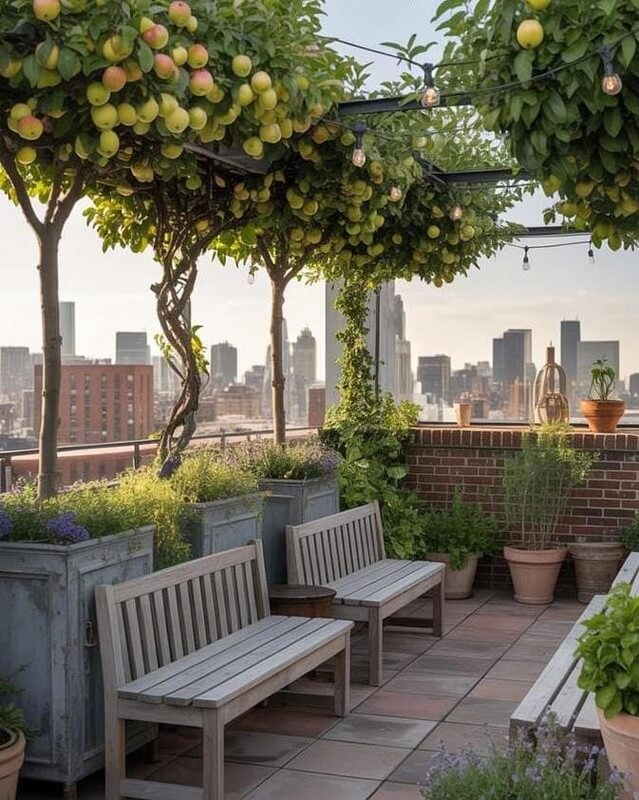
Rooftop gardens thrive on consistency, not heroic hand-watering. Install a pressure-compensating drip system with inline emitters, run on a smart or battery/solar timer. Hide supply lines beneath pavers and up the backs of planters for a clean look. In windy, high-evaporation sites, sub-irrigated planters (built-in reservoirs) and wicking systems keep roots evenly moist and cut water waste. Lighten your potting mix with pumice or perlite; add compost for biology, then top with mulch—gravel in modern schemes or shredded bark in boho nooks—to slow evaporation and suppress weeds. Group plants by thirst (hydrozoning) so herbs and succulents aren’t drenched like tomatoes. Always provide overflow routes: risers under pots, saucers with drain holes, and clear scuppers so water doesn’t pond or leak to neighbors below. If allowed, add a small rain barrel to capture gentle irrigation water for hand-watering. Winterize by blowing out lines before freezes. With smart irrigation and honest drainage, your rooftop oasis stays lush, low-fuss, and leak-free.
Edible Abundance: Herbs, Salad Greens, and Compact Fruit
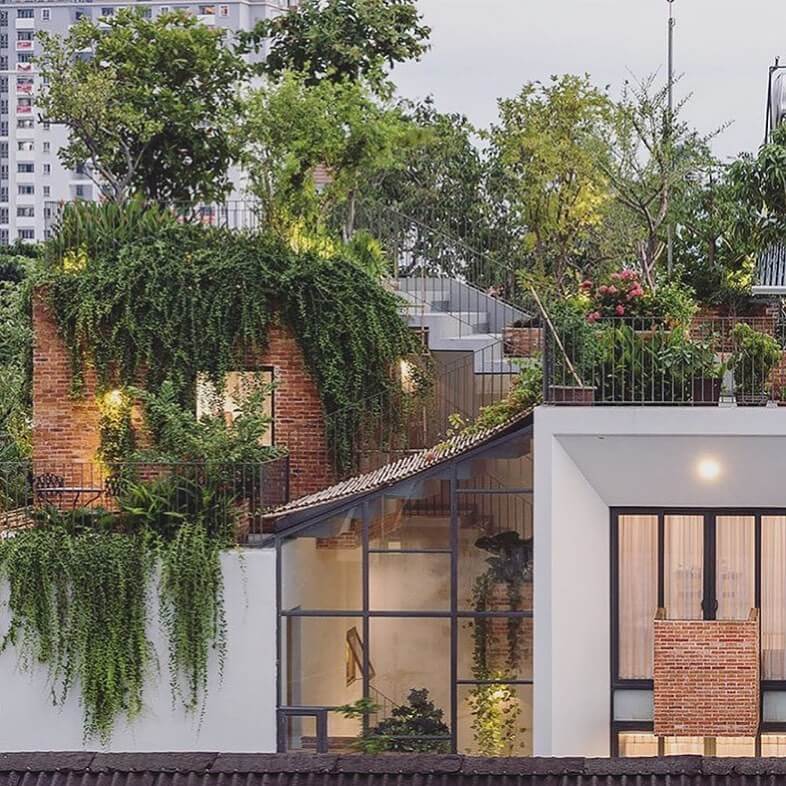
Turn your roof into a kitchen garden with containers tailored to crops. Herbs love the exposure—rosemary, thyme, sage, chives, and basil in sunny, well-drained mixes. For quick wins, sow cut-and-come-again lettuces, arugula, and Asian greens in trough planters; stagger plantings every two weeks for a steady harvest. Choose patio-friendly varieties of tomatoes, peppers, and eggplants in 14–18 inch pots with sturdy stakes or cages. Vertical space? Trellis cucumbers and pole beans; train dwarf citrus or figs as espaliers for edible screens. Fabric grow bags are light, breathable, and easy to shift with the seasons, while self-watering planters rescue weekend travelers. Feed lightly but regularly with organic slow-release fertilizer, then supplement with compost tea during peak growth. Interplant marigolds, nasturtiums, and chives to deter pests and draw pollinators. Place the edibles zone near the kitchen door for easy harvests and near your brightest, least-windy pocket. The result is a beautiful, productive rooftop garden that shortens the distance from soil to skillet.
Pollinator Pockets: Natives, Blooms, and Habitat on High
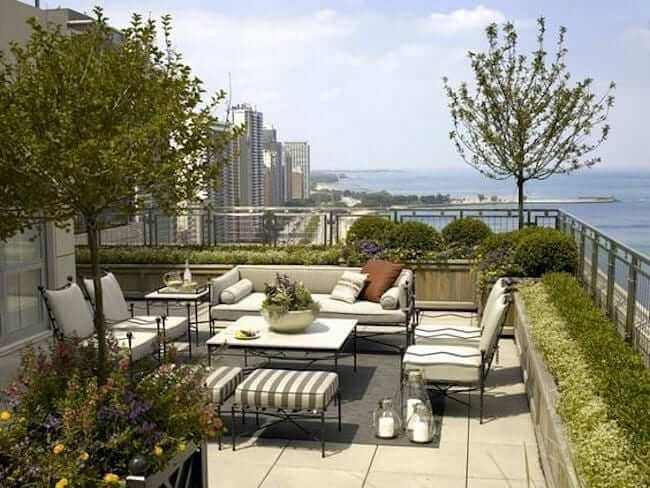
Even a small roof can buzz with life. Plant nectar-rich, wind-tough species that bloom from spring through fall: early alliums and salvias, summer echinacea and agastache, and fall asters and sedums. Mix in drought-tolerant herbs like lavender and oregano for fragrance and forage. Prioritize regional natives where possible; they’re adapted to local conditions and support more wildlife. Create mini “meadows” in a few large, shallow planters—grasses like little bluestem or prairie dropseed paired with compact perennials—then let seedheads stand through winter for food and texture. Add a shallow water dish with pebbles for safe sipping, and tuck a small bee hotel under an eave (clean annually to prevent disease). Skip pesticides; target issues with hand-picking or insecticidal soap. To help pollinators find you at altitude, cluster blooms in color blocks rather than sprinkling singles. These lively pockets fold seamlessly into your rooftop design, boosting biodiversity while softening hard edges with motion, color, and gentle hum.
After-Dark Atmosphere & Four-Season Appeal
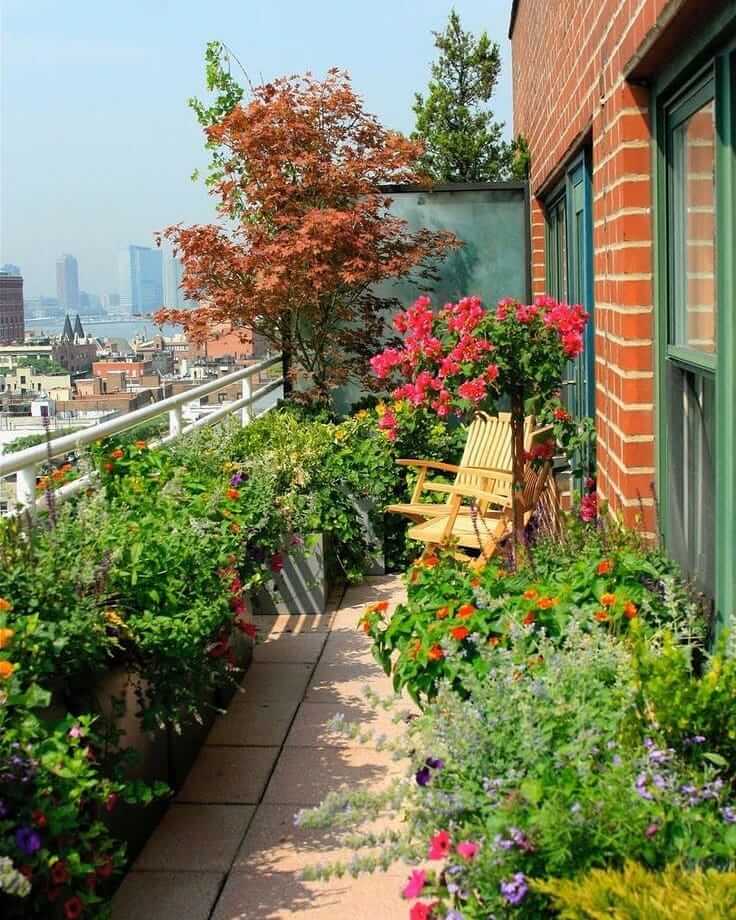
Keep your rooftop garden welcoming long after sunset and all year long. Layer lighting at three levels: low-voltage step and path lights for safety, warm string or festoon lights for ambiance, and a few focused uplights to graze a trellis or hero plant. Aim for warm white (2700–3000K) and shielded fixtures to reduce glare and light pollution. Smart plugs or solar options simplify control and spare wiring. For four-season structure, anchor the planting plan with evergreens (dwarf conifers, hollies, or boxwood in large insulated containers), architectural grasses, and winter-interest shrubs like red twig dogwood or witch hazel. In autumn, refresh containers with cold-hardy kale, heuchera, and pansies; in winter, add cut branches, cones, and LED candles to keep containers alive with texture. Choose frost-resistant planters, elevate feet for drainage, and secure furniture and pots against storms. With thoughtful light and resilient planting bones, your rooftop terrace becomes a year-round urban oasis—glowing softly in summer and quietly sculptural in winter.
Get the Fail-Safe Paint Color Playbook (Free PDF)
36 proven colors • 8 ready palettes • trim & sheen guide • printable testing cards.
Color-Blocking with Containers: A Cohesive Palette That Pops
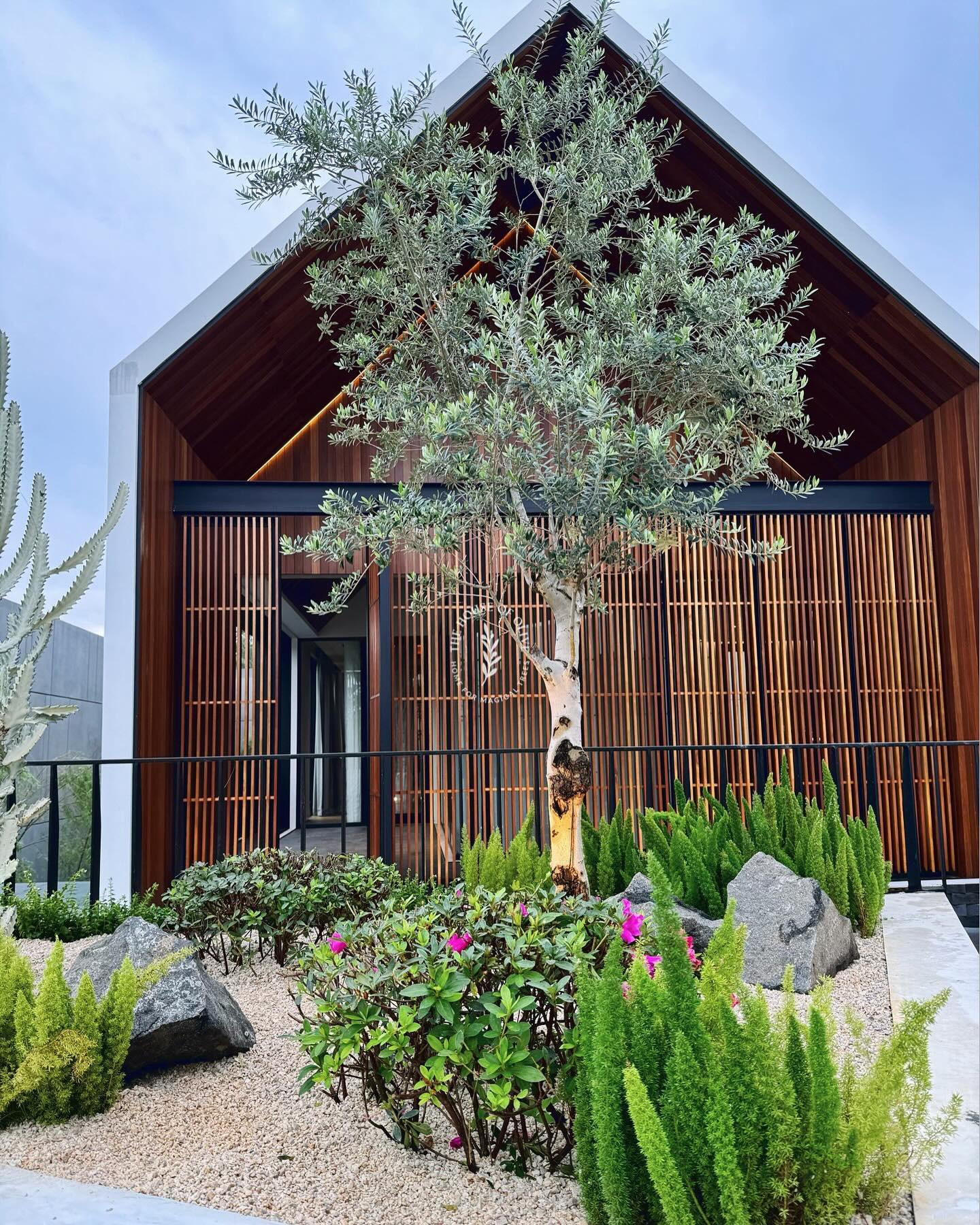
Tie your rooftop garden together with a tight color story. Choose a base tone for hardscaping and planters—charcoal, sand, terracotta, or matte white—then layer one or two accent hues you’ll repeat in cushions, lanterns, and blooms. A 60-30-10 rule keeps it polished: 60% neutral containers and decking, 30% foliage interest (silver sages, moody burgundies, glossy greens), and 10% seasonal flower color. Use foliage to do the heavy lifting so the space feels lush even when flowers fade: chartreuse hakone grass, blue fescue, variegated myrtle, and bronzed flax read beautifully against city skylines. Echo color across heights—low bowls, mid-height cubes, tall cylinders—so the eye reads a rhythm, not clutter. Metal accents (corten, brushed aluminum) add texture without introducing new colors. For compact balconies, stick to two planter finishes max and repeat them to make the footprint feel larger. Finish with textiles that can handle sun and wind; swap accent covers seasonally to refresh the look without replanting. This restrained approach makes small urban terraces feel intentional, photographs well, and simplifies plant shopping—smart, stylish rooftop garden design in one move.
Lightweight Planters, Lighter Mixes: Big Impact Without the Weight
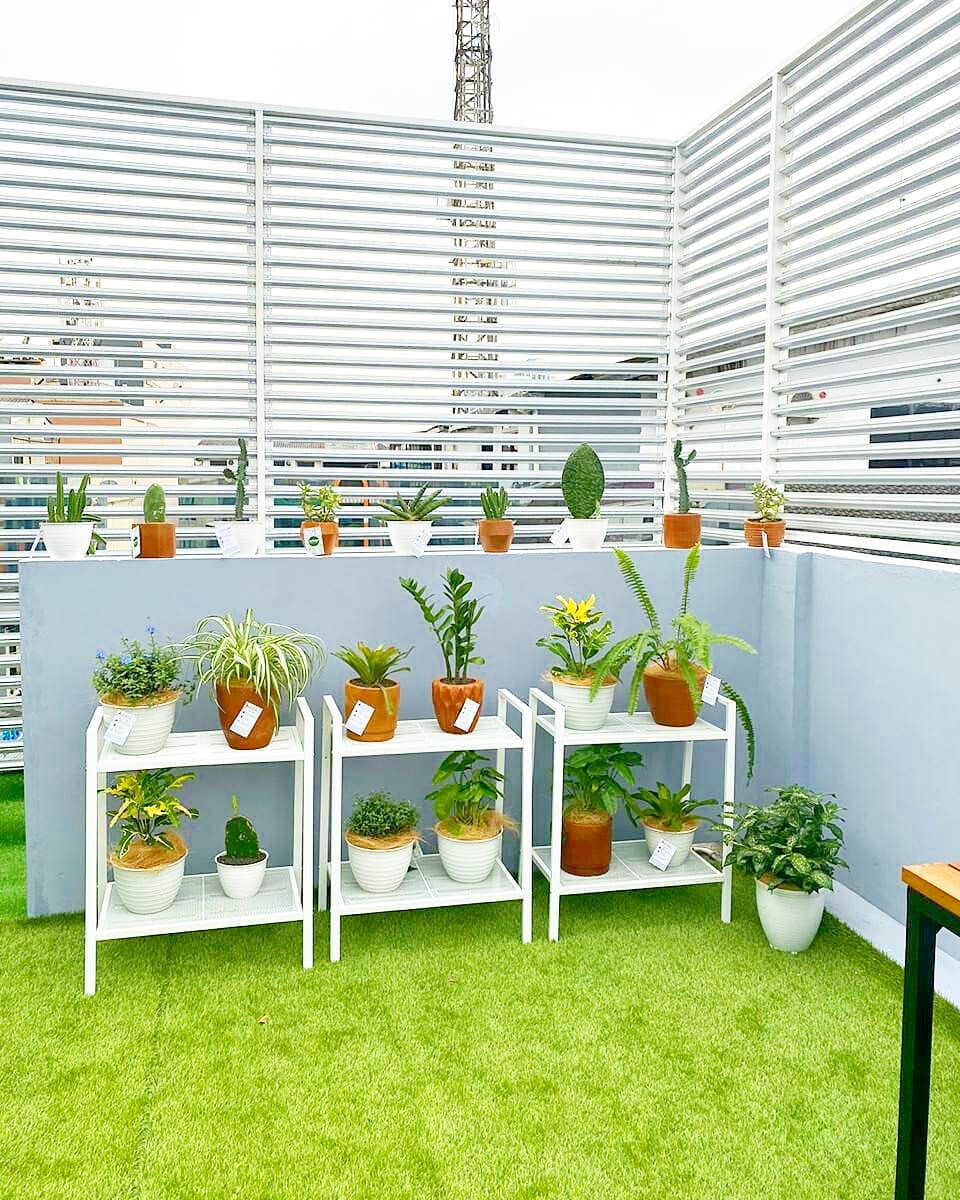
On rooftops, every pound counts. Opt for fiberglass, resin, recycled plastic, or aluminum planters—durable, UV-stable, and dramatically lighter than concrete or clay. Size up for root health, then reduce weight with smart fill: create a false bottom using inverted nursery pots or purpose-made planter inserts, top with a breathable barrier, then add a rooftop-ready soil blend (coco coir + compost + pumice/perlite + a pinch of biochar). Skip dense garden soil; it compacts and stresses roots. Sub-irrigated planters or wicking reservoirs cut watering frequency and keep foliage resilient through heat spikes. Place the heaviest pieces over load-bearing walls; lighter groupings can float at perimeters. Add plant caddies with locking casters for flexible layouts and storm-readiness. Mulch with lightweight options—shredded cedar, cocoa hulls, or gravel-lite—to reduce evaporation. Choose plants with high impact-to-weight ratios: grasses for volume, artemisia for silver tone, dwarf conifers for structure, scented herbs for utility. You’ll achieve lush, architectural planting while protecting membranes, drainage, and structural limits—core rooftop garden best practice.
The Sky-Dining Nook: Bistro to Banquette in a Few Smart Moves

Turn a sliver of rooftop into a memorable dining zone with scale-savvy furniture and green “walls.” Start with a compact, round bistro table (it circulates better than rectangles) or a space-saving, built-in banquette that tucks tight to parapets. Flank the area with tall planters or trellised climbers to soften wind, buffer views, and create an intimate room-within-a-room. Keep the palette cohesive—warm wood, powder-coated metal, or stone-look tops—and add seat cushions in fade-resistant fabrics. Herb planters earn their keep beside the table: thyme, mint (contained), chives, and compact basil varieties bring fragrance and cut-and-come-again convenience. Layer lighting for evening suppers: low-glare lanterns at table height, overhead festoons on tensioned cables, and a dimmable sconce or two on privacy screens. Consider a rollout rug rated for exterior use to anchor the zone and warm underfoot. If wind is a factor, choose weighty bases, tether light decor, and keep tall glassware to a minimum. The result is a cozy, functional rooftop dining experience that blends garden-to-table freshness with urban skyline drama.
Sound, Scent, and Motion: Sensory Layers That Calm the City

Great rooftop garden ideas go beyond looks—they choreograph how the space feels. Use plants that move in the breeze to soften hard lines and city noise: foxtail and feather reed grasses, bamboo-in-clump form, and salvias add sway and hush. Introduce a low-bubble water feature for white noise that won’t overwhelm neighbors; recirculating bowls and rills are compact, soothing, and code-friendly. Build a scent calendar so there’s always something aromatic: spring—daphne and citrus; summer—lavender, thyme, and jasmine (in pots with trellis); autumn—sweet autumn clematis and scented pelargoniums; winter—rosemary and witch hazel near seating. Place fragrance at nose-height along paths and lounge edges, not in windy corners where scent disperses. Add tactile plants where hands will brush them—lamb’s ear, fennel fronds, rosemary—so the garden invites touch. Soft furnishings matter too: canvas sling chairs, woven throws, and wood armrests temper metal and stone. Layer these senses thoughtfully and your terrace shifts from outdoor room to restorative retreat, a micro-escape that steadies pulse and extends your time outside.
Mirrors, Murals, and Screens: Make Small Roofs Feel Spacious
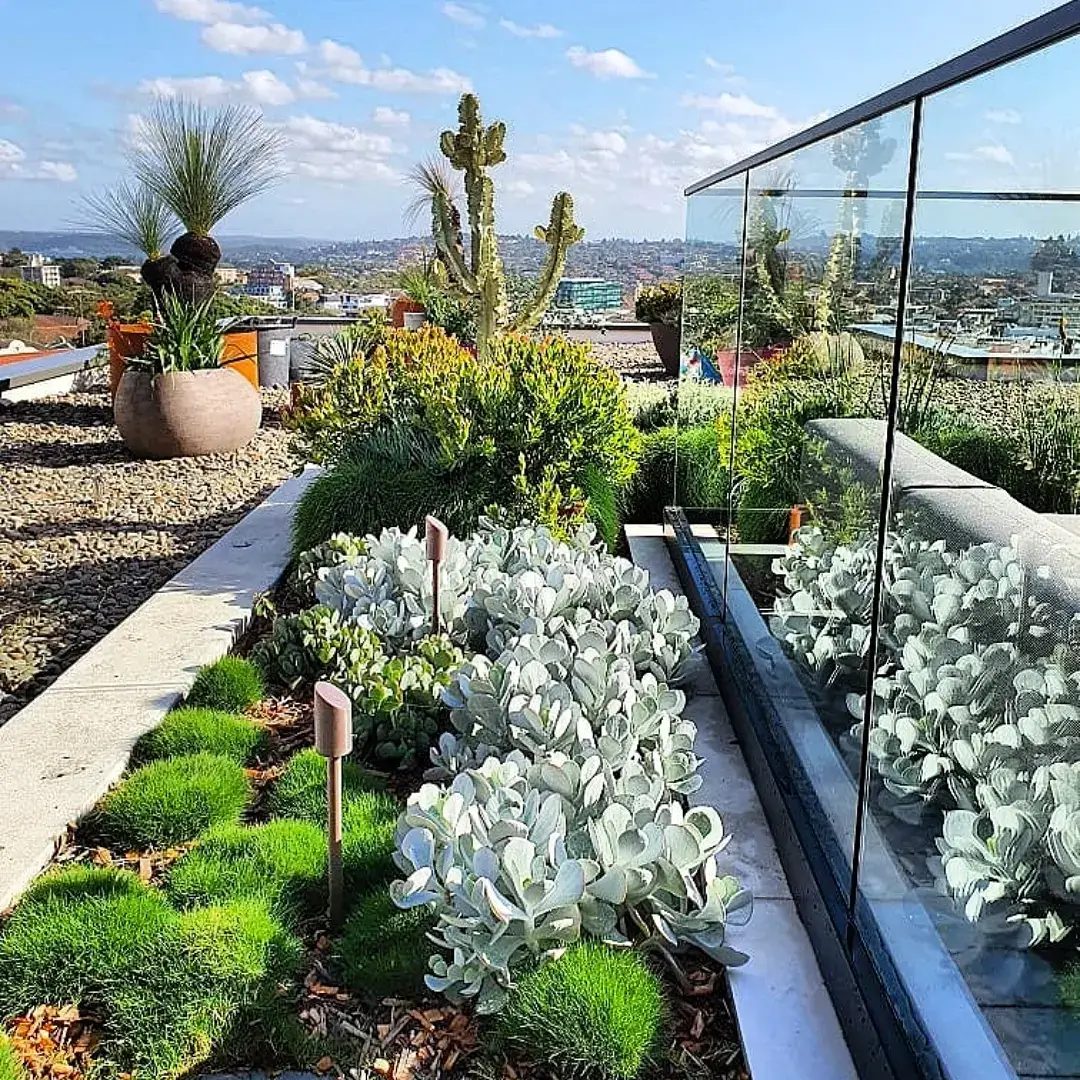
When square footage is tight, borrow space with vertical design. A weatherproof mirror (antiqued or smoked to reduce glare) doubles greenery and light—angle it slightly downward and use decals or a fretwork overlay to prevent bird strikes. Painted or tiled murals extend the horizon and set a mood: Mediterranean blue behind citrus, earthy terracotta behind grasses, or a forest-green panel to make foliage glow. Laser-cut metal or slatted-wood screens add privacy while admitting airflow; paint them to match planters for cohesion. Use the same color on doors, rails, and select pots to visually “melt” boundaries. Plant narrow-footprint climbers—star jasmine, clematis on cables, or espaliered fruit—to green the walls without sacrificing floor area. Keep the middle of the deck open and push taller elements to edges for generous sightlines. Strategic reflections, consistent hues, and airy partitions create the perception of depth, turn awkward corners into vignettes, and keep your rooftop garden feeling calm, curated, and larger than its measurements suggest.
Modular Raised Beds: Deep Roots, Clean Lines, Easy Harvests
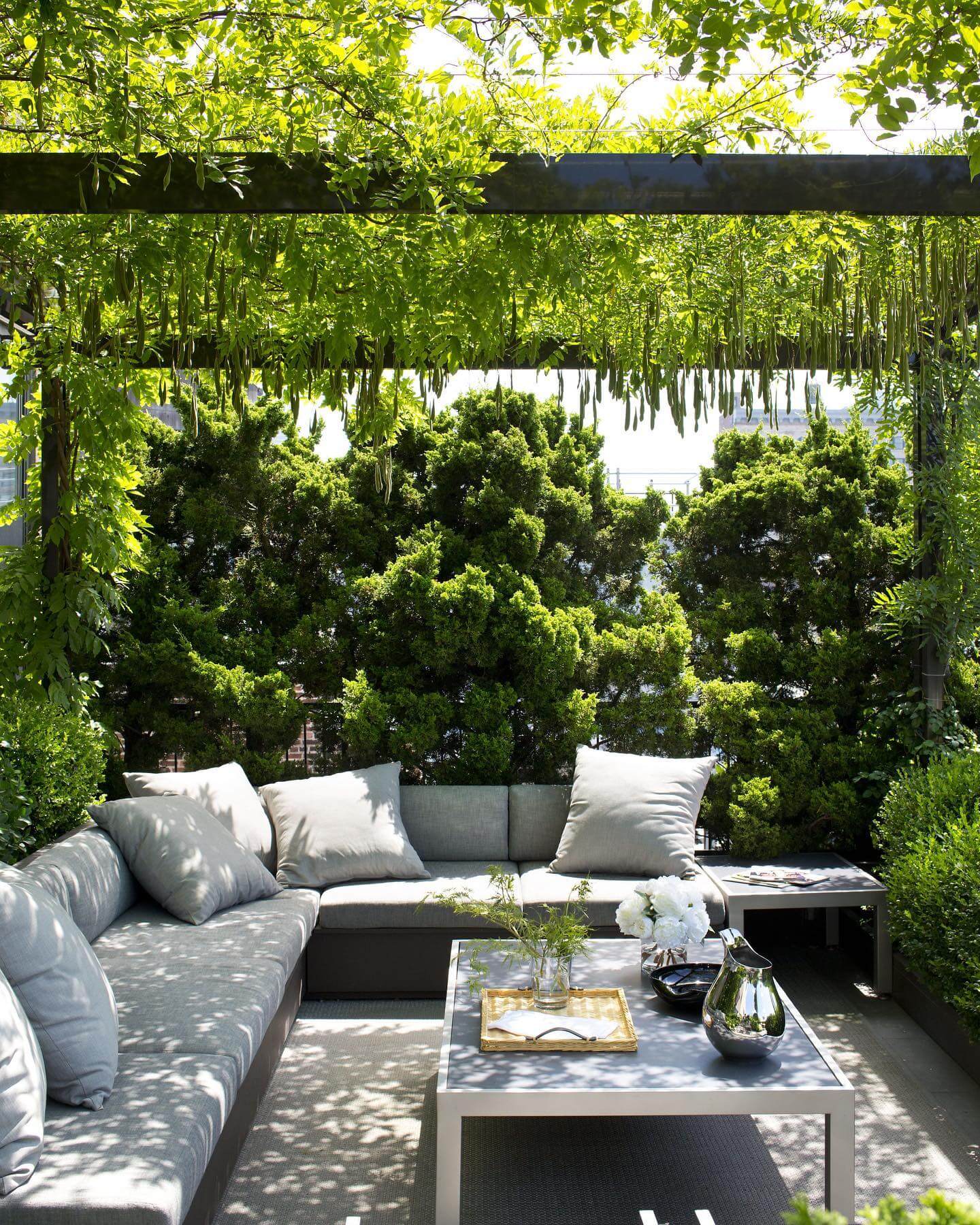
If you crave structure and produce on a rooftop, modular raised beds deliver. Choose lightweight systems—aluminum, recycled composite, or thin-gauge steel—with geotextile liners to protect membranes. Aim for 12–18 inches of planting depth for greens and herbs; reserve 18–24 inches for tomatoes, peppers, and dwarf shrubs. Fill with a rooftop mix (coco coir, screened compost, pumice/perlite) to keep oxygen high and weight low. Add a sub-irrigated layer or wicking mat to buffer heat and reduce watering. Integrate low-profile trellises on the bed ends for cucumbers and beans, and use hoop anchors to support insect mesh or frost cloth shoulder seasons. Drip lines under mulch keep foliage dry and disease down. Rotate crops, interplant flowers like calendula and alyssum for pollinators, and tuck quick cuts—radishes, baby lettuce—between slower crops. Edge paths with pedestal pavers for level footing. The look is tailored and contemporary, while the function is unbeatable: tidy maintenance, generous yields, and a strong architectural backbone for your terrace design.
Renter-Friendly Upgrades: No-Drill, High-Style Solutions
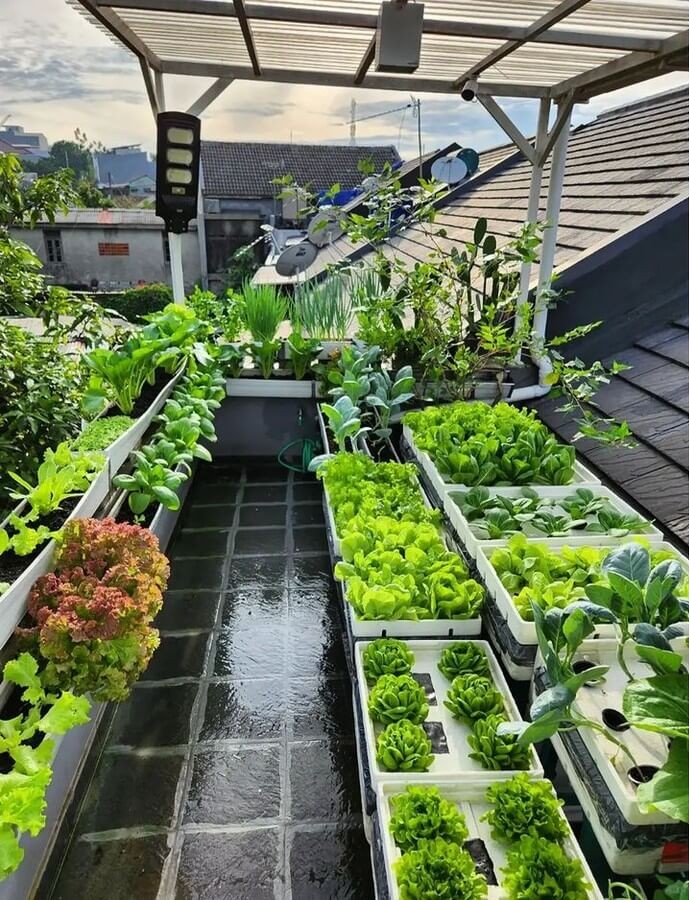
Transform a leased rooftop without a single screw. Start with clip-together deck tiles over a protective underlayment for instant flooring and drainage. Use freestanding privacy screens stabilized by planter boxes or weight plates; tensioned cables between planters can train climbers without touching walls. Choose strap-on or lean-to trellises for vertical gardening, and opt for umbrellas or shade sails on ballast bases rather than fixed posts. Lighting? Go cordless and solar: rechargeable lanterns, stake lights in planters, and magnetic sconces on metal screens. For storage, deploy benches with hidden bins and a slim cabinet tethered to heavy planters for stability. Rolling planters and bar carts on locking casters let you rezone for parties or storms fast. Protect surfaces with rubber feet and breathable mats, and document layouts to share with your landlord. When it’s time to move, everything disassembles cleanly—yet while you’re there, your rooftop garden reads as custom, cohesive, and comfortable.
Climate-Smart Planting: Thrive in Wind, Heat, and Coastal Sun
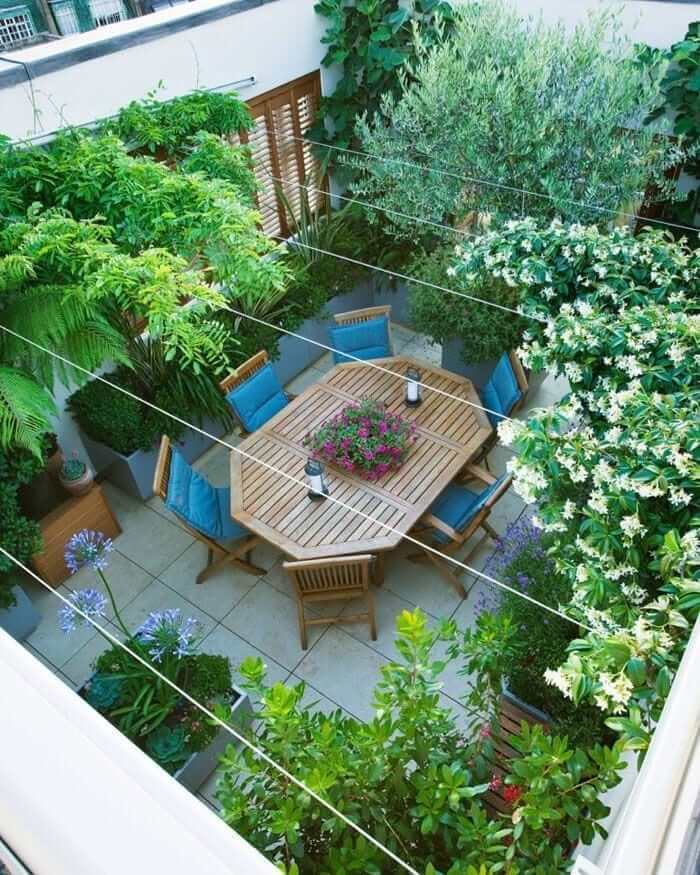
Rooftops skew hotter, drier, and windier—choose plants that love those conditions. For full-sun, heat-reflective decks, lean on Mediterranean performers: rosemary, lavender, thyme, santolina, euphorbia, and olives in large, light-colored pots. In windy exposures, use flexible, fine-textured plants (grasses, artemisia) and sturdy, low-center-of-gravity shrubs (dwarf pines, hebes); set planters slightly back from edges and cluster for mutual shelter. Coastal air? Pick salt-tolerant heroes: sea thrift, ice plant, olearia, cordyline. For frost pockets, black pots warm roots but can overheat in summer; switch to pale finishes or add wrap-around shade screens. Group plants by water needs and run separate drip zones so drought-tough pots aren’t overwatered. Mulch generously to buffer temperature swings and reduce evaporation. Trial a few candidates before buying en masse—your microclimate is unique. With right-plant, right-place discipline, your terrace stays healthy, water-wise, and visually strong across seasons.
Entertaining Essentials: Compact Kitchenette and Mobile Bar
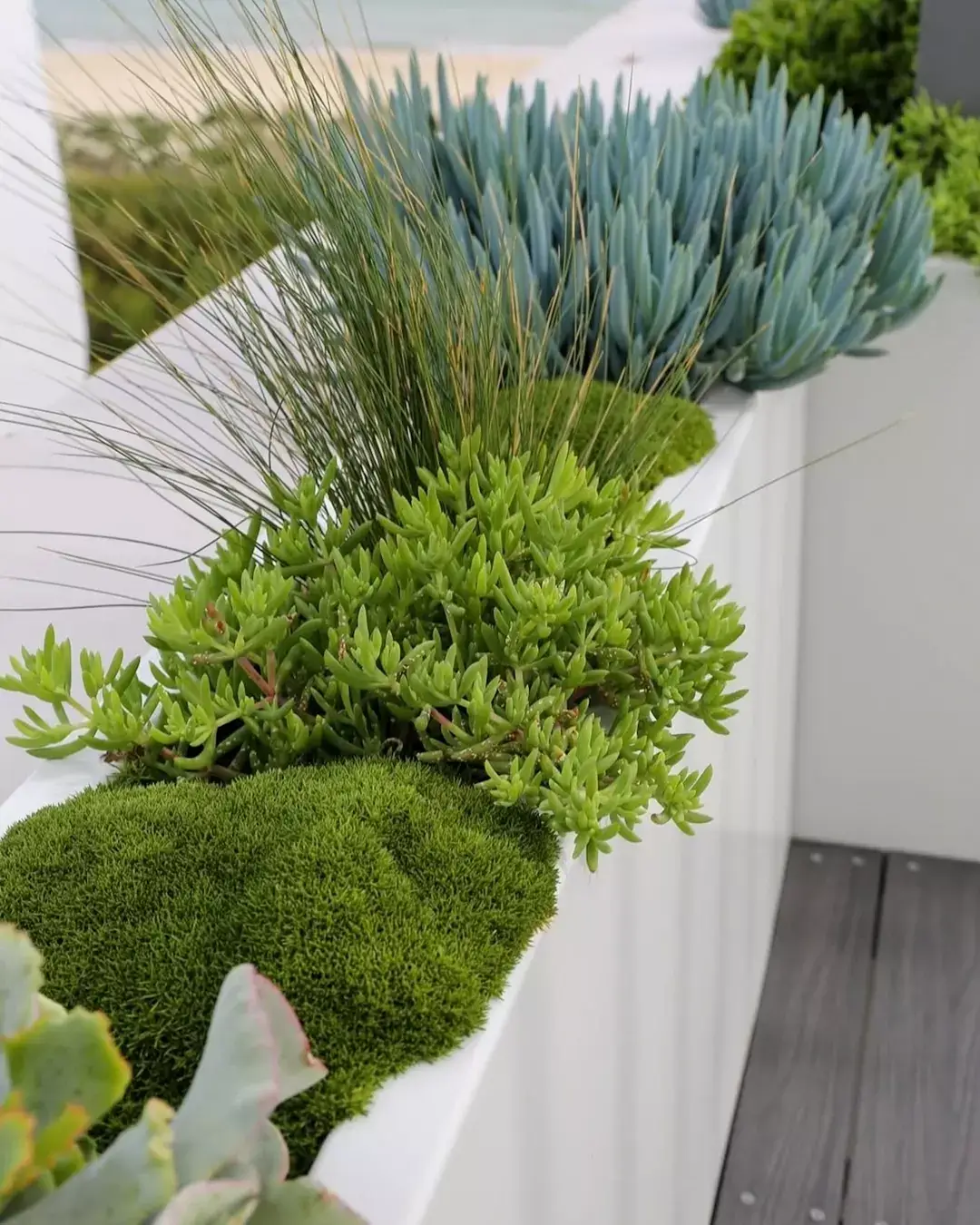
Entertain above the skyline with a footprint-savvy setup. A slim prep console with a durable top (porcelain or stainless) anchors the zone; add a compact electric grill or induction burner where codes restrict open flame. Tuck a mini fridge into a ventilated cabinet and stash tools on a wall rail beneath a shade sail. Protect decking with a fire-resistant mat and confirm clearances for heat sources. Keep service flexible with a bar cart on locking casters—stock with glassware, a small ice bin, herbs for garnishes, and citrus grown in lightweight planters. Use lidded bins for compost and recycling to keep breezes from scattering. Layer task lighting under shelves, warm-white string lights overhead, and a dimmer for mood. Nearby planters can hold cut flowers, edible blooms, and fast herbs (basil, mint, chervil) for last-minute flavor. The result: a streamlined, code-conscious outdoor kitchen that supports weeknight dinners and weekend gatherings without overwhelming your garden layout.
Care Calendar: Quick Routines for a Lush, Low-Stress Roof
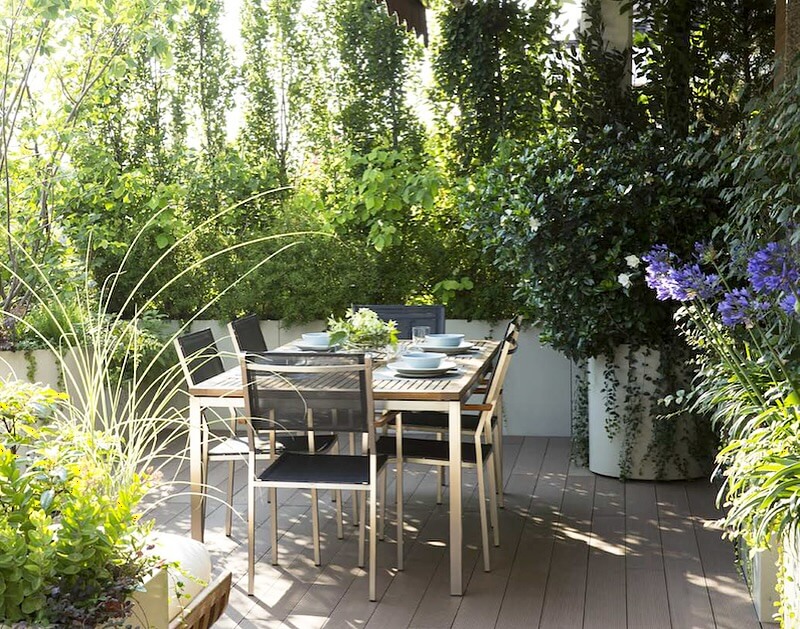
Consistency keeps rooftop gardens thriving. Weekly: a 10-minute walk-through to deadhead blooms, check soil moisture (finger test beats guesswork), and scan for pests under leaves. Tug-test trellises and ties after windy days and coil loose cables. Biweekly: top up mulch where sun thins it, wipe dust from leaves, and feed containers with diluted liquid fertilizer during peak growth. Monthly: flush drip lines, clean pump filters on water features, and re-level any planter feet that settled. Seasonal: spring—refresh potting mix top layers and reset slow-release fertilizer; summer—add shade cloth for tender edibles; autumn—prune, store cushions, and cluster pots for wind protection; winter—wrap vulnerable containers with insulating sleeves, lift saucers to prevent freeze-lock, and secure loose decor. After big storms, inspect drainage outlets and membranes for debris. Keep a small, weatherproof caddy of tools on-site—hand pruners, tie wire, gloves, moisture meter—so upkeep is easy. Short, regular check-ins beat marathon rescues and keep your elevated oasis photo-ready year-round.
Micro-Zones with Planter Trios: Shape Rooms in the Sky
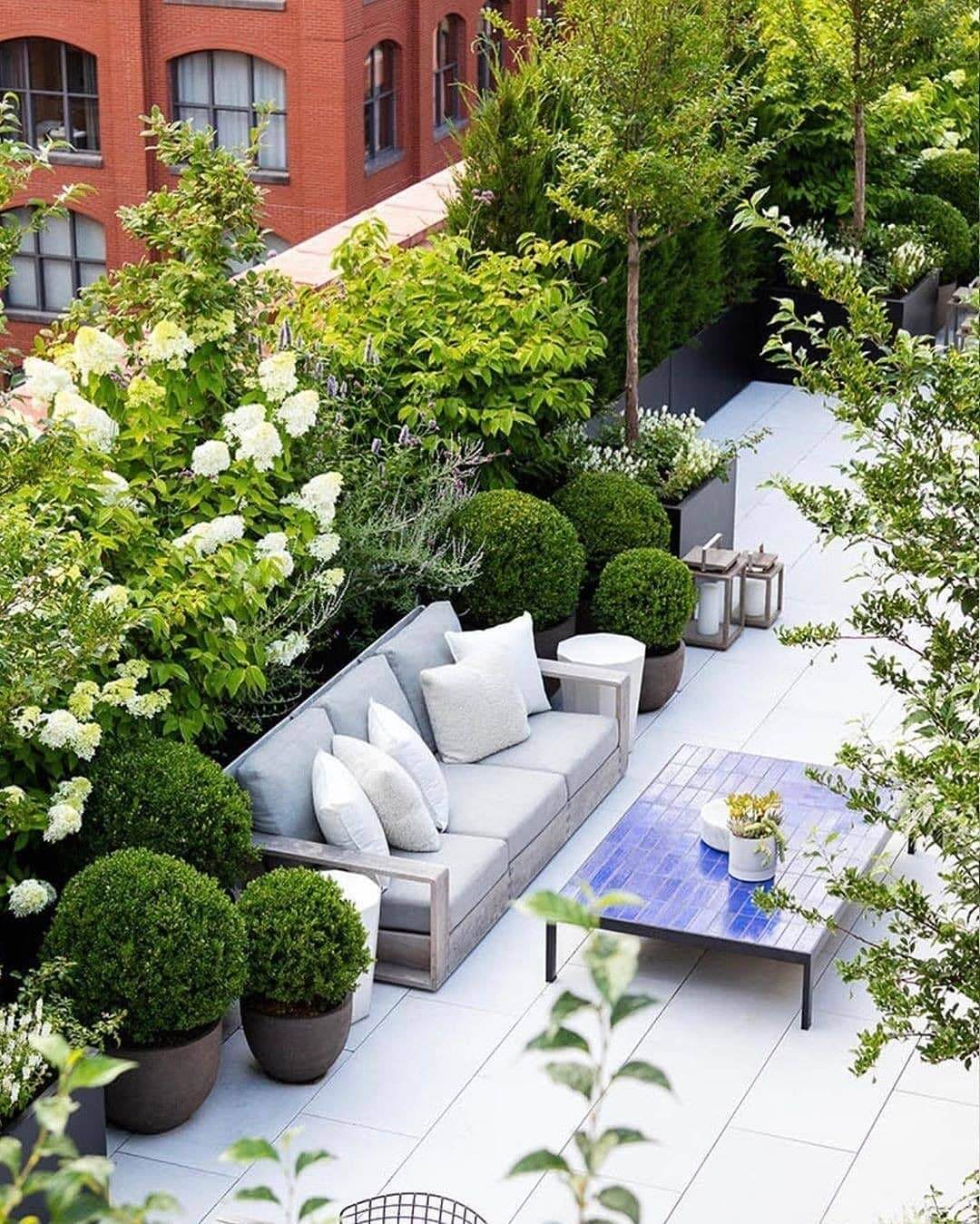
Create distinct “rooms” on your rooftop garden without building a single wall. Group planters in trios—tall, mid, and low—to frame a lounge, edge a dining nook, or guide a walkway. Think evergreen “thrillers” (bay laurel, dwarf olive, clumping bamboo) to anchor a corner, mid-height perennials (lavender, salvia, rosemary) for volume, and trailing spillers (thyme, dichondra, ivy geranium) to soften edges. Triangular clustering subtly directs movement, buffers wind, and screens neighboring views while keeping the skyline open. For lightweight ease, choose fiberglass or resin planters on locking casters and fill with an aerated mix (potting soil + pumice/perlite + compost). Elevate pots on risers to protect the roof membrane and ensure free drainage. Install drip lines as you set groups so irrigation stays tidy and efficient. Repeat one planter color and two foliage tones across zones for cohesion; echo those hues in cushions or an outdoor rug to pull it all together. Start with sun mapping: mark the breezy corner for tall screens, keep heat-lovers at the sunniest edge, and park shade-tolerant plants in the lee of a parapet. With a few smart clusters, your terrace reads as intentional, comfortable, and gorgeously green.
Get the Fail-Safe Paint Color Playbook (Free PDF)
36 proven colors • 8 ready palettes • trim & sheen guide • printable testing cards.
Breathable Shade: Sails, Pergolas & Retractable Awnings
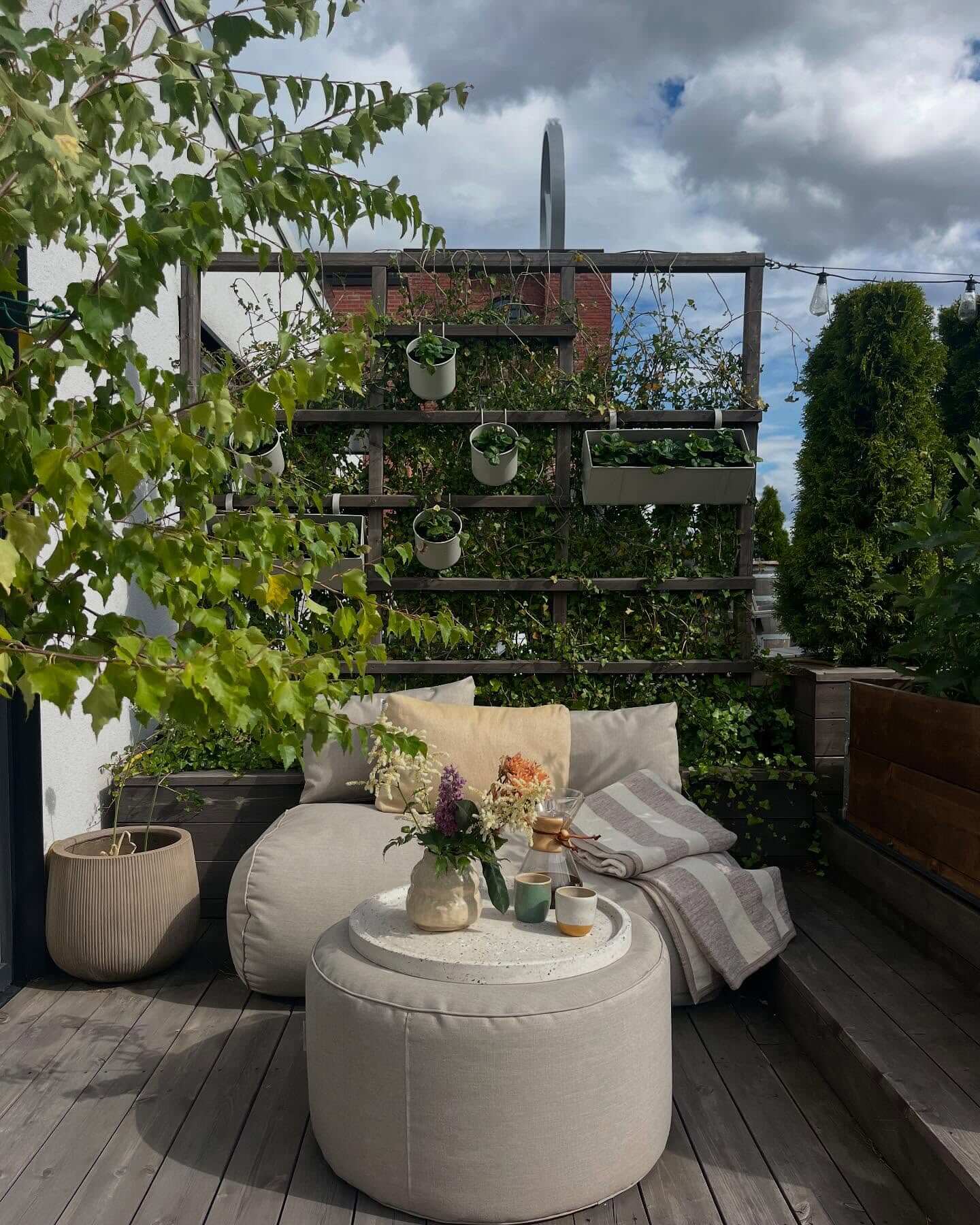
On rooftops, shade must cool without boxing in precious light or trapping wind. Enter breathable solutions: UV-stable shade sails, open-slat pergolas, and retractable awnings that temper heat while preserving sky views. Choose fire-rated HDPE shade cloth or solution-dyed acrylics that resist fading and mildew. For no-drill installs, use parapet clamps, cable kits, and planter ballast posts engineered for rooftop loads—always verify with your building manager and avoid penetrating the waterproofing membrane. Angle sails high-to-low to shed wind and rain; keep clearances above grills or fire features; and add quick-release hardware so you can drop fabric ahead of storms. A slim pergola doubles as a framework for string lights and climbing vines like jasmine, hardy kiwi, or grape on stainless cables. For layered privacy, pair a light-toned canopy (which reflects heat) with breezy outdoor curtains on a track—close them for sunset glare or neighbor sightlines, open them to invite airflow. Shade that flexes with the weather transforms midday slabs into all-day lounges, extends plant palettes that would otherwise fry, and makes your rooftop garden feel like a true outdoor room.
Smart, Sipping Irrigation: Drip Lines & Sub‑Irrigated Planters
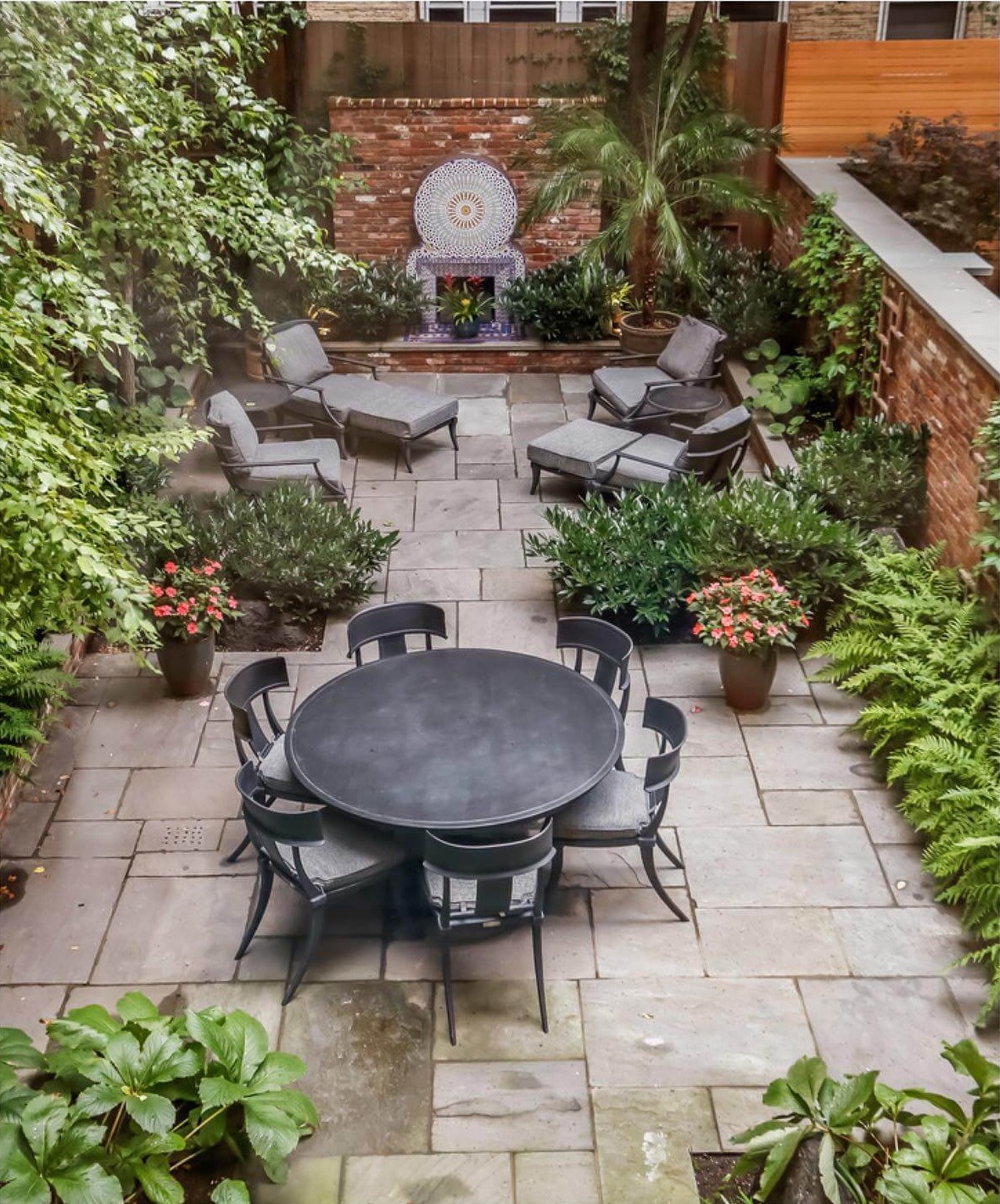
Rooftop gardens thrive on consistency, not abundance. Marry drip irrigation with sub‑irrigated planters (SIPs) to keep soil moisture steady and waste low. Run a 1/2-inch poly mainline around your perimeter, teeing into 1/4-inch drip to each pot; add a filter and pressure regulator (25–30 psi) so emitters deliver evenly. Zone by exposure—full-sun planters on one line, shade-tolerant groupings on another—so basil doesn’t get the same drink as sedum. In large containers, SIP inserts or wicking reservoirs store water below the root zone; top off less often and cut runoff on hot, windy days. Capillary mats under trays help renters keep rail planters hydrated without plumbing. Layer 1–2 inches of gravel or bark mulch to reduce evaporation, and set a Wi‑Fi smart timer to water early morning with a rain/freeze skip. Where allowed, a slim rain barrel feeds a soaker loop for edibles; route overflows to drains to protect the roof. Before winter, blow out lines and coil hoses in a vented deck box. With a sipping system in place, you’ll spend summer nights clinking glasses—not hauling watering cans.
Privacy Without Walls: Trellis Screens & Tall Grasses
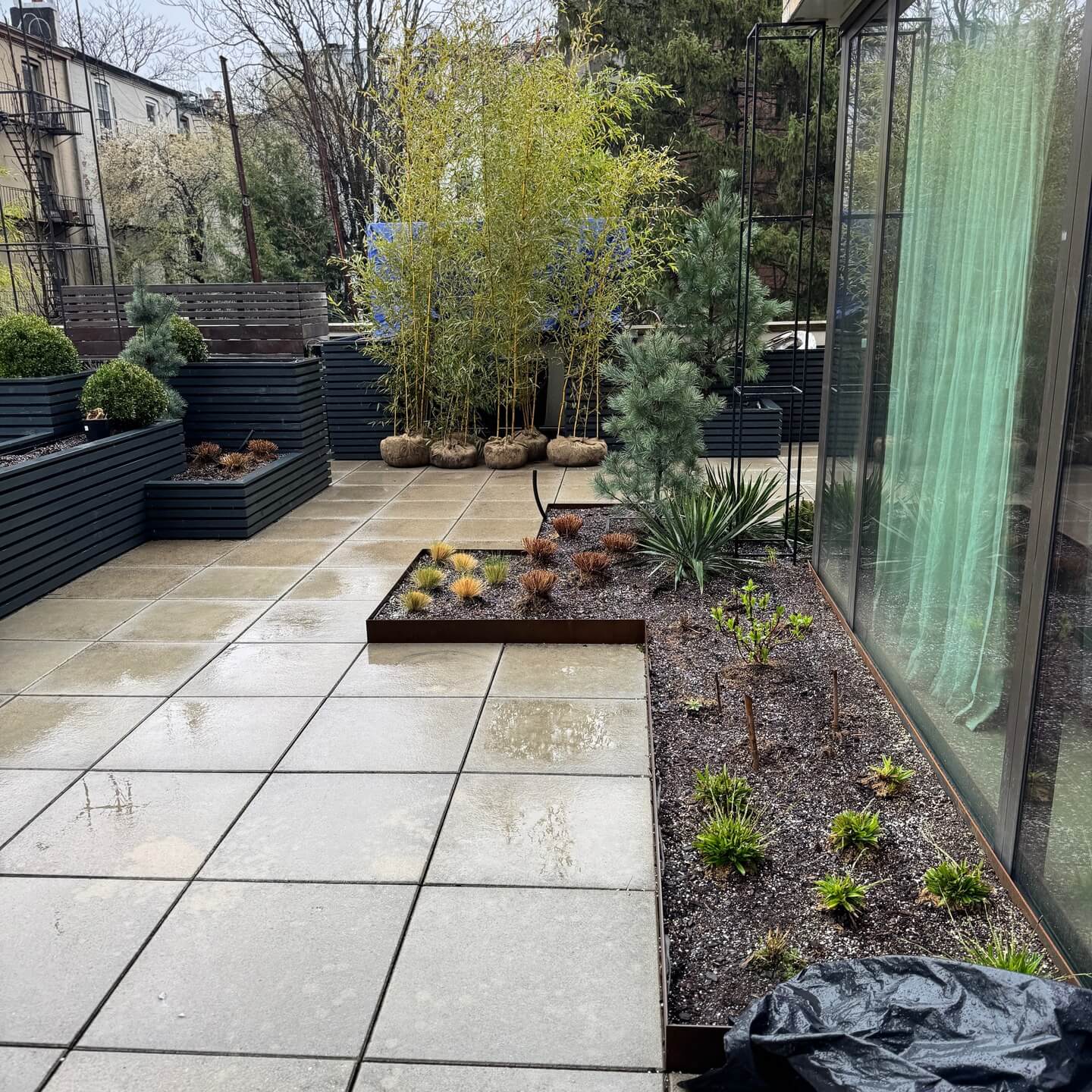
You can soften city views without losing light or breeze. Build semi-opaque privacy using planter-backed trellis panels, slatted screens, and statuesque grasses that sway rather than stand solid. Powder-coated steel frames or cedar slats mounted to balcony posts create height; cable trellises keep things airy while training vines like star jasmine, clematis, or hardy honeysuckle. In windy sites, foliage filters gusts better than blank walls—line planters with clumping bamboo (Fargesia for cooler climates), upright switchgrass (Panicum ‘Northwind’), or feather reed grass (Calamagrostis) to add motion and sound-dampening. Mix evergreens (podocarpus, yew, dwarf olive) for year-round screening with seasonal bloomers for color. Keep screens a few inches inside the parapet to preserve maintenance access and distribute weight; use deep, long planters with bracing and an aerated soil blend. Angle slats or louvers to block direct sightlines while preserving skyline views from your seating height. Weave LED uplights at the base to turn the green edge into an evening backdrop. The result: a cocooned lounge that still breathes, looks lush in winter, and meets neighborly norms.
Get the Fail-Safe Paint Color Playbook (Free PDF)
36 proven colors • 8 ready palettes • trim & sheen guide • printable testing cards.
Elevated Flooring: Pedestal Pavers, Deck Tiles & Soft Greens

Flooring finishes your rooftop like trim on a tailored suit. Use pedestal pavers to level slopes and create a dry, even surface that protects the membrane and channels water to drains. Porcelain or concrete pavers on adjustable pedestals handle freeze–thaw, offer high slip resistance, and feel cool underfoot in summer. For swift style, click-in composite deck tiles lay right over firm substrates—mix plank directions to define zones: parallel for dining, herringbone for the lounge. Want a barefoot “lawn”? Install perforated turf over a drainage mat with antimicrobial infill, or, if structure and waterproofing are designed for it, add low-profile sedum mats for a true green-roof edge. Always float systems—no fasteners through the roof—and use edge trims and ramps for tidy transitions. Layer outdoor rugs to soften acoustics and tie container palettes together. Light-colored finishes reflect heat and brighten shady corners; darker hues ground sunbaked terraces. With a smart, modular base, you can reconfigure layouts seasonally, swap worn tiles without starting over, and keep rain moving where it should: off your oasis.
Small-Scale Fire & Heat: Cozy, Code‑Conscious Warmth
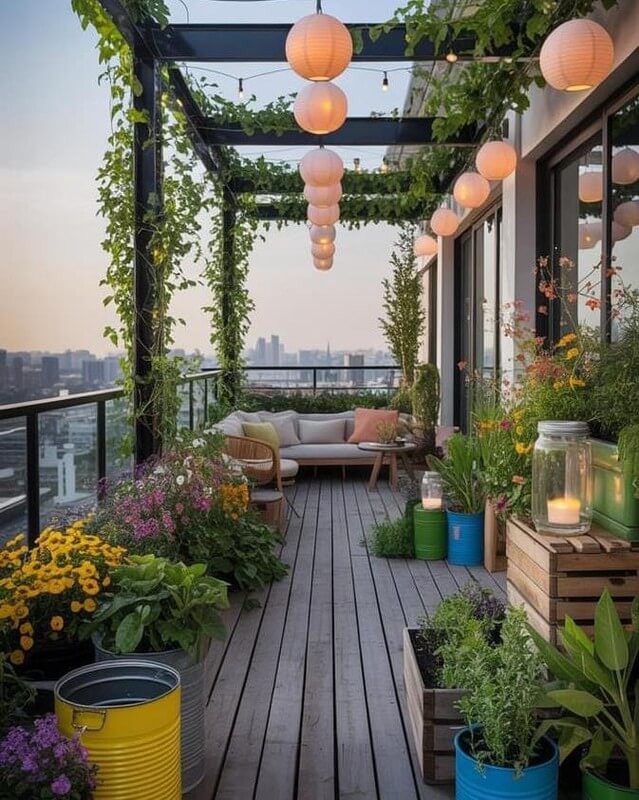
Extend rooftop season with compact, compliant heat. Tabletop ethanol burners and small propane fire tables add ambiance without ash—place on a noncombustible pad (porcelain paver or steel plate), keep to manufacturer clearances, and shield from gusts with tempered glass. Verify building and city codes, HOA rules, and rooftop insurance; keep a Class B/C extinguisher handy and never store fuel against warm surfaces. Where open flame isn’t allowed, slim infrared electric heaters mounted to a pergola beam or wall bracket warm people, not air; run on GFCI-protected circuits and use timers for safety. For a low-tech glow, cluster hurricane lanterns and outdoor candles in varying heights; pair with wool throws stashed in a vented, weatherproof bench. Arrange seating in a U-shape to trap warmth and orient the “hearth” to block prevailing wind. Choose heat-hardy, non-resin furniture and keep plant foliage a safe distance. The goal is layered comfort—gentle radiant heat, flicker, and wind management—so your sky lounge stays welcoming from crisp spring evenings through late autumn.
Cocktail Garden Planters: Herbs, Citrus & Edible Blooms
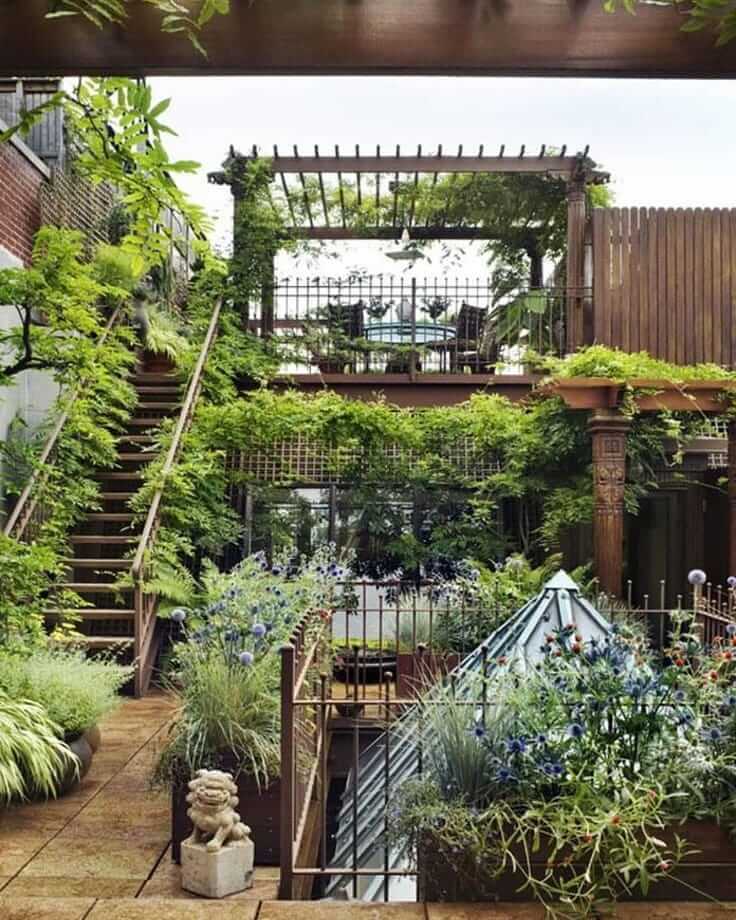
Design edible containers that look as good as they taste. Start with a statement tub on casters for a dwarf citrus (Meyer lemon or calamondin in warm zones; wheel indoors to a bright window in winter elsewhere). Flank it with tiered planters of cocktail herbs: spearmint (in its own pot), pineapple sage, basil, rosemary, and thyme. Tuck in edible flowers—nasturtium, violas, borage—for color and garnishes. On a sunny rail, espalier a columnar apple or pear against a trellis to maximize vertical yield in minimal soil volume. Use a rich, well-drained mix and aim for 10–15 gallons per fruiting plant; feed with organic slow-release and supplement with a weekly seaweed/fish emulsion during peak growth. Drip irrigation with separate zones keeps thirsty herbs happy while preventing soggy citrus roots. Add a compact cucumber or strawberry tower near the bar cart for snacking. Label with slate tags, and keep a small harvest basket by the door. This vignette delivers fragrance, texture, and fresh ingredients—turning sundown on the terrace into happy hour from your own rooftop garden.
The Water Corner: Fountains, Basins & Quiet Rills
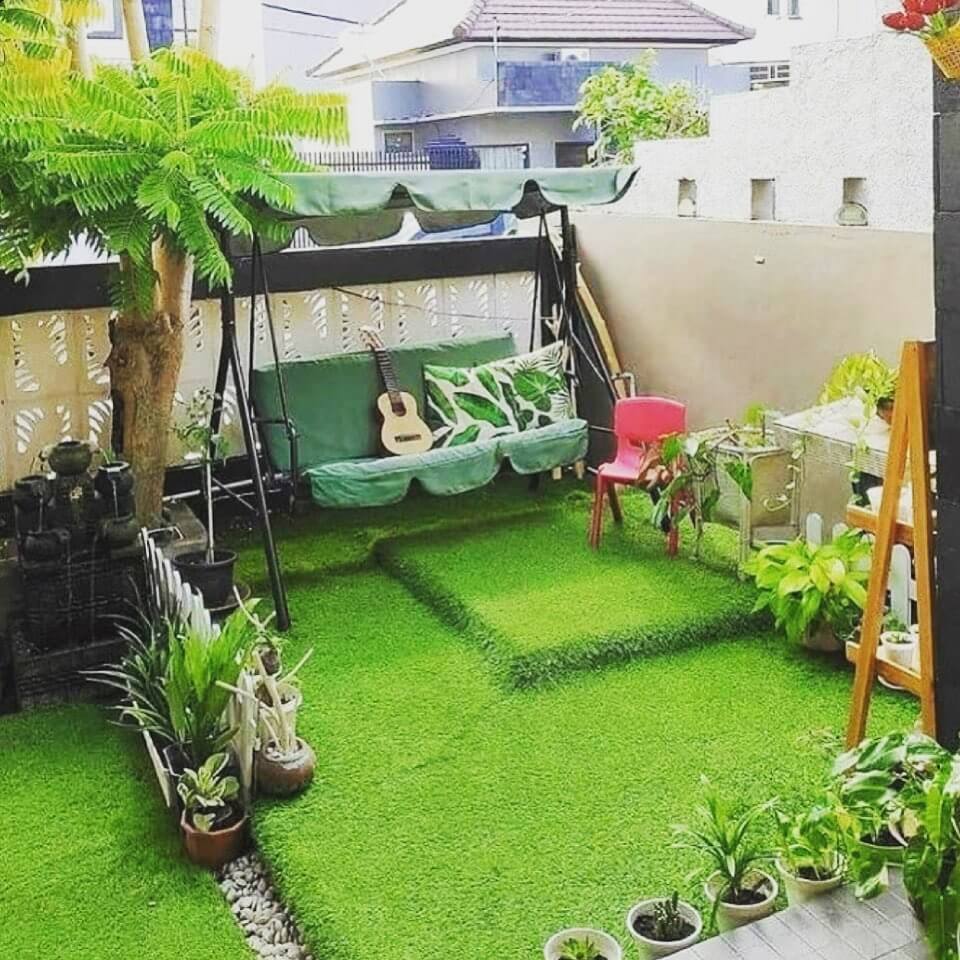
A little water goes a long way in the city. A self-contained fountain, reflective bowl, or narrow rill adds movement, sparkle, and white noise that masks traffic. Choose recirculating pumps sized for head height and flow; place reservoirs inside planters or under river rock so splash returns to the system, not the roof. Position features where you’ll hear them most—near seating or a bedroom door—and wire to an outdoor-rated, GFCI-protected outlet with a smart plug for easy on/off. Plant moisture-lovers nearby in separate, well-drained pots: dwarf papyrus, sweet flag, and mint (potted alone) love the microclimate. Prevent mosquitoes with wildlife-safe dunks and keep water clear with barley extract; in freezing climates, drain and store pumps before hard frost. Matte finishes reduce glare; dark basins turn the sky into an evening mirror when paired with a discreet uplight. Water brings calm, reflects foliage and string lights, and cools the vibe—making a compact rooftop feel like a courtyard retreat.
Storage that Disappears: Benches, Boxes & Vertical Hooks
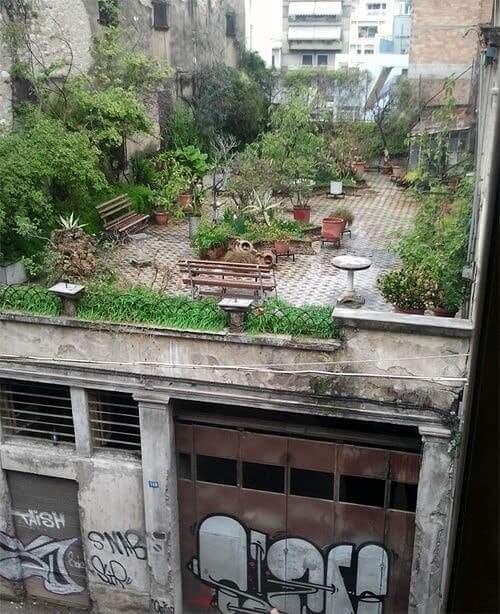
Clutter kills calm—hide the helpers in plain sight. Build a perimeter bench with lift-up lids for cushions, throws, and lanterns; line cavities with marine-grade liner and add vent panels to prevent must. Pair with a slim, lockable deck box for potting mix and tools—look for gas struts, weather seals, and feet that elevate the base off wet surfaces. Mount a shallow cabinet or galvanized pegboard inside a screen panel for hand tools and gloves; add a magnetic strip for pruners. A low-profile hose reel or coiled hose tucks behind planters for quick cleanup. Choose finishes that match your planters or decking so storage reads as architecture, not afterthought. Put everything on locking casters for flexible layouts and easy membrane access. Slip silica packs into boxes to absorb moisture, and corral small items in labeled, lidded bins. With smart, integrated storage, set-up and shut-down take minutes—and your rooftop garden stays photo-ready through grilling, gardening, and golden hour.
Pet‑Friendly Rooftops: Paw‑Safe Plants & Durable Surfaces
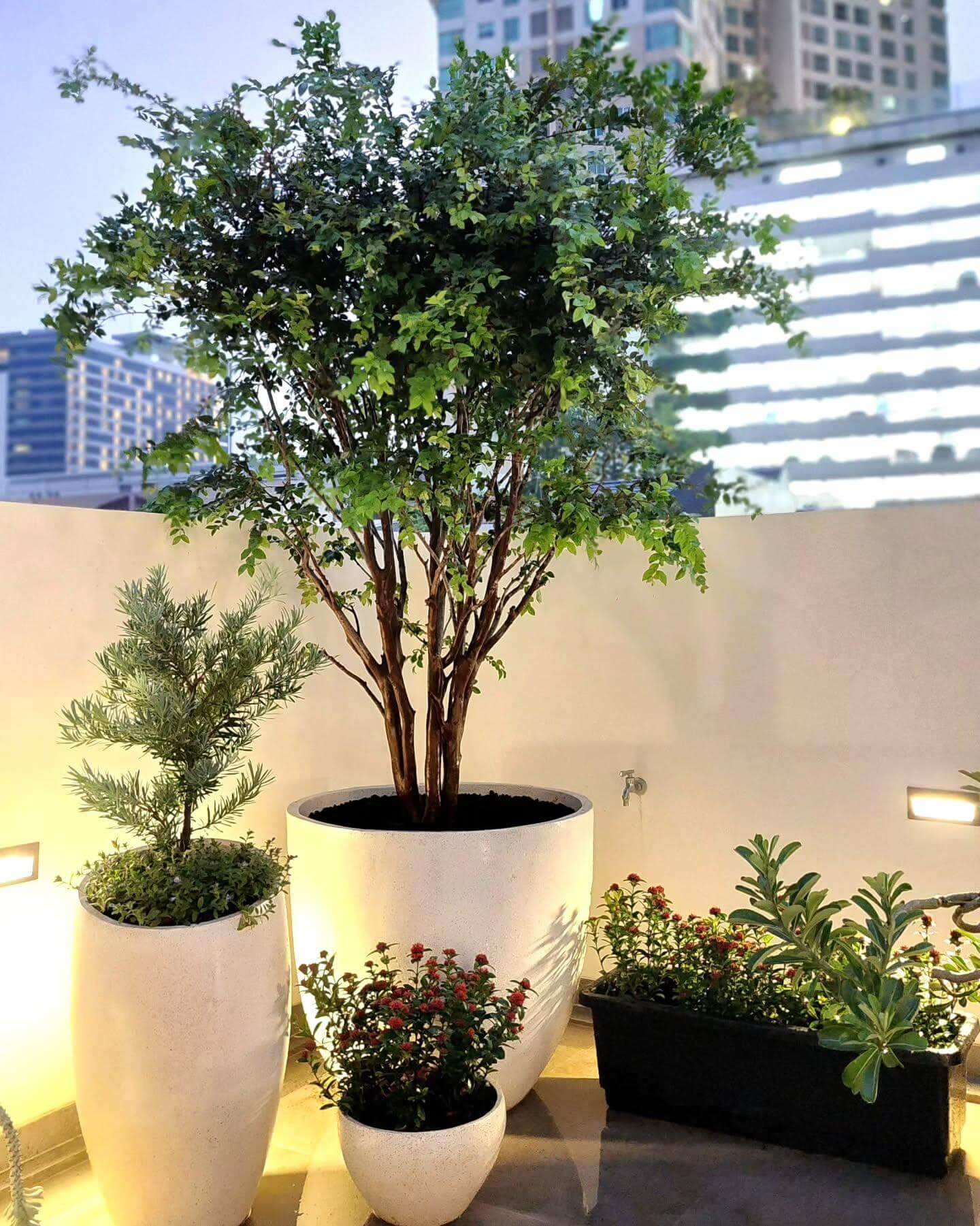
Share the skyline with four-legged friends by designing for safety and easy cleaning. Start with railing guards or clear mesh panels to close wide gaps, and add shade with a sail or pergola corner so pets aren’t sunbaked on summer days. Choose paw-cool surfaces—porcelain pavers, composite decking, or turf with drainage mat and pet-friendly infill—and create a rinsing station with a quick-connect hose. Plant non-toxic winners: catmint (Nepeta), thyme, rosemary, blueberry, snapdragon, and violas. Avoid sago palm, oleander, azalea, and lily. Ditch cocoa mulch; use arbor mulch or pea gravel instead. Designate a “dig zone” in a sand or mulch box to save your planters, and edge it with low grasses for a playful buffer. Keep water bowls on a tray to catch splashes and stash wipes, bags, and a small broom in a vented bench. Train with pathways—pets follow circulation just like people—so delicate containers stay upright. With a few species-smart choices, your rooftop garden becomes a safe, low-maintenance hangout for the whole pack.
Get the Fail-Safe Paint Color Playbook (Free PDF)
36 proven colors • 8 ready palettes • trim & sheen guide • printable testing cards.
After-Dusk Glow: Layered Lighting for Rooftop Evenings
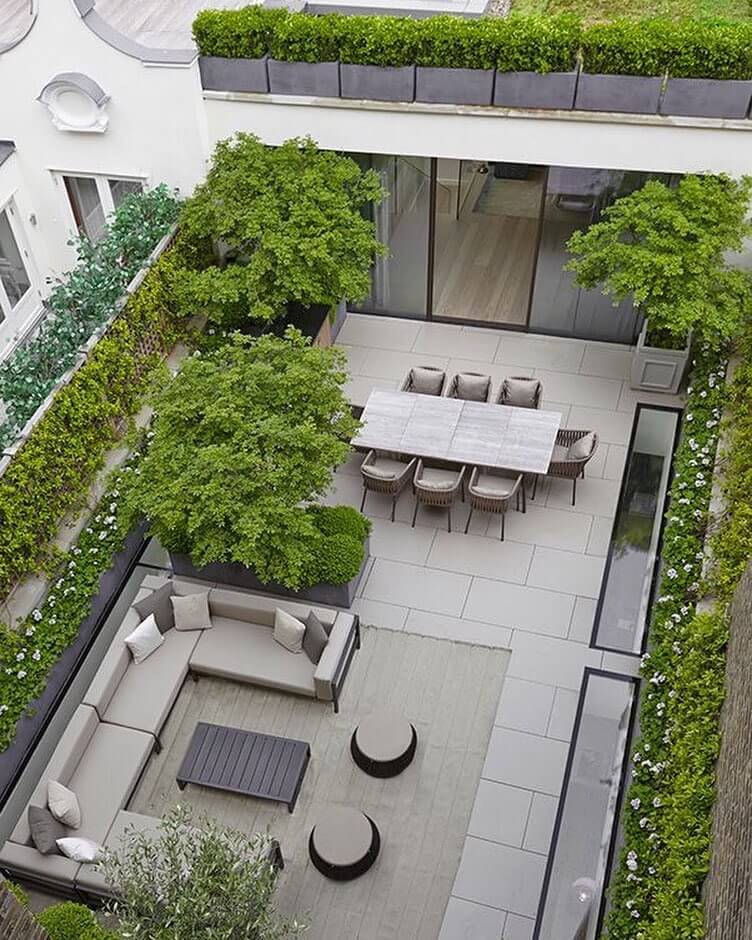
Extend the party—or a quiet read—well past sunset with a lighting plan that feels warm, safe, and neighbor-friendly. Start with ambient light: café strands zigzagging beneath a pergola, solar lanterns tucked among planters, or rechargeable table lamps that shrug off wind. Add task lighting where you cook, mix drinks, or tend herbs—low‑glare sconces and under‑shelf LEDs keep sightlines clean. Finally, accent your best textures: uplight feathery grasses, silhouette a statement tree, and graze a brick or slat wall for depth without brightness overload.
Aim for warm color temps (2200–3000K) and shielded, Dark‑Sky‑friendly fixtures to reduce glare on nearby windows and help pollinators and birds. On rental roofs, choose clip-on string lights, magnetic or weighted bases, and solar path stakes to avoid drilling. Smart plugs and dusk timers automate the glow; motion sensors softly cue stairs and thresholds. Prioritize IP65-rated fixtures, covered cords, and wind‑rated anchors, and keep everything on dedicated outdoor GFCI outlets.
Pro tip: layer small pools of light rather than one bright source. It flatters faces, defines zones you created with planters and pavers, and pairs beautifully with your water feature’s shimmer and the soft heat of a tabletop fire bowl.
Tame the Wind: Porous Screens, Grasses & Anchored Planters
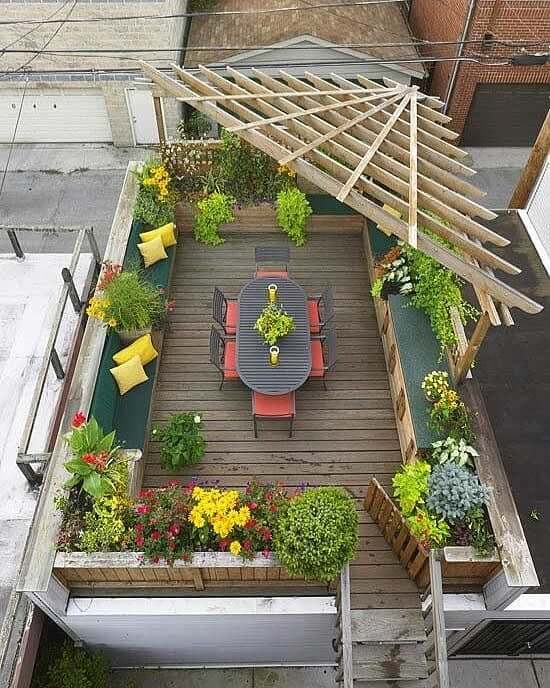
Rooftops invite big sky—and big gusts. Instead of solid barriers that create turbulence, use porous wind baffles that are 30–50% open: slatted trellis panels, cable grids woven with evergreen vines, or staggered reed screens. Arrange them to “step down” wind, not stop it, and you’ll calm drafts while keeping skyline views. Anchor these elements with large, frost‑proof planters that double as ballast; add concealed casters if you need seasonal flexibility.
Plant choices matter. Flexible, upright grasses like Calamagrostis, Panicum, and Sesleria bend without breaking and whisper instead of whip. Tough evergreens—like bay laurel, Ilex crenata (a boxwood look‑alike), or Elaeagnus—hold structure year‑round for privacy. Tuck in aromatic wind‑tolerant herbs (rosemary prostratus, thyme) along edges to scent breezes. Use soft ties and guy wires on taller trellises; choose low, stable furniture with perforations so air passes through, and secure umbrellas with weighted bases or swap them for tensioned shade sails from your shade plan.
Wind increases evaporation, so pair this strategy with your drip lines and sub‑irrigated planters to reduce stress. The payoff: calmer micro‑zones that make dining, reading, and tending your cocktail garden comfortable, even on blustery afternoons.
Urban Habitat: Pollinator Pathways & Bird-Friendly Perches
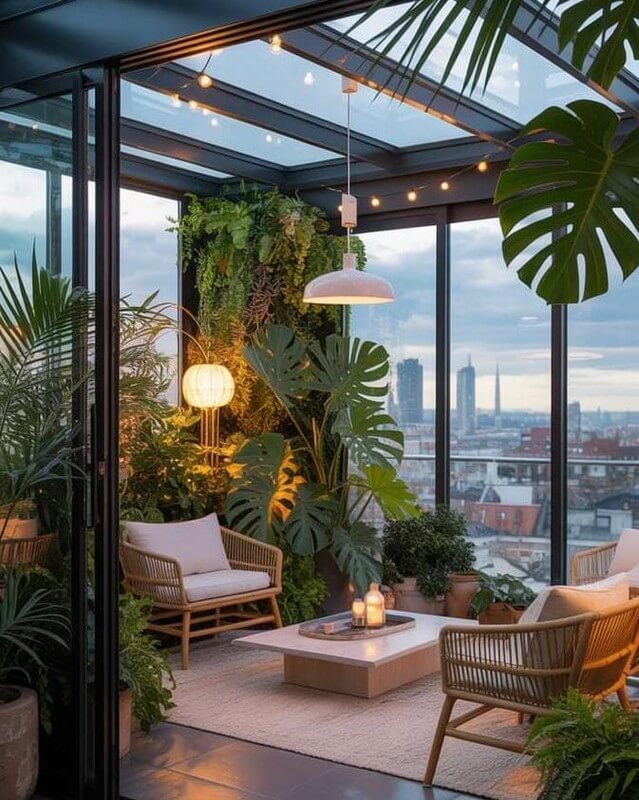
Turn your roof into a living corridor that feeds bees, butterflies, and birds—without sacrificing style. Build a layered plant palette that blooms from early spring to frost: spring bulbs beneath compact shrubs, summer salvias, lavender, and agastache, then late sedums, asters, and ornamental grasses for seedheads. Mix natives suited to your region with culinary workhorses like thyme, mint, dill, and fennel—edible for you, nectar‑rich for pollinators. If space allows, add a host plant or two (milkweed for monarchs, parsley for swallowtails) to support full life cycles.
Water is a magnet. A shallow basin with pebbles (refreshed frequently) offers safe sips for bees and birds and ties into your “Water Corner.” Skip pesticides; rely on healthy soil, companion planting, and manual pest checks from your Care Calendar. Leave a few stems and seedheads over winter—finches will thank you, and beneficial insects will overwinter. An “insect hotel” or a bundle of hollow canes tucked behind a planter adds nesting sites without visual clutter.
Soften glass with bird‑safe decals near flyways, dim lights after dusk, and choose warm, shielded fixtures to protect nocturnal insects. The result is a rooftop that hums with life and feels richer, more resilient, and beautifully alive.
Sustainable Rooftop Garden Ideas: Water, Soil, and Eco-Friendly Design
Sustainable rooftop garden ideas start with water, soil, and energy choices that lighten environmental and structural loads. Harvest rain where permitted, then move it efficiently through sub-irrigated containers, drip lines, and permeable hardscape. Select lightweight green roof media and right-sized containers to hit root depth targets without overloading joists. Favor native and climate-adapted plants that tolerate wind, heat, and limited soil, supporting pollinators while reducing inputs. Add compost gradually and test regularly to sustain fertility without exceeding weight budgets or leaching nutrients.
- Capture roof runoff in slimline rain barrels feeding soaker hoses; add first-flush diverters and overflow routes to drains or planters to prevent pooling during storms.
- Use sub-irrigated planters with wicking reservoirs to stabilize moisture, slash evaporation, and reduce watering frequency while keeping foliage dry in windy, sun-exposed urban conditions.
- Switch to lightweight green roof media blends with expanded shale, pumice, and compost; verify saturated weights match structural allowances and maintain 6-8 inches for vegetables or dwarf shrubs.
- Layer wind baffles, lattice screens, and evergreen hedging to diffuse gusts, protecting blooms and reducing transpiration without blocking essential airflow that prevents mildew and heat buildup.
- Combine solar panels with low-profile plantings, spacing arrays to avoid shading; reflective undersides can increase light for crops while vegetation cools panels and improves output efficiency.
- Pave access paths with pedestal-supported pavers over drainage mats, ensuring level walking surfaces, rapid drying after storms, and tool-friendly mobility without compromising roof membranes.
Manage pests with integrated strategies: sanitation, beneficial insects, selective traps, and precise identification before treating. Use moisture sensors and smart timers to prevent overwatering, then winterize lines and containers to avoid freeze damage. Secure tall pots and trellises with discreet anchors rated for rooftop winds. Confirm fire pits, barbecues, and green roof layers meet local codes and building warranties. Track costs, yields, and hours so future seasons optimize plant choices, layouts, and maintenance schedules.
Your Rooftop, Solved: Smart Answers for Sky-High Gardens
How do I know if my roof can support planters and furniture?
Request a structural assessment to confirm live-load capacity and membrane condition. Your engineer can recommend allowable saturated soil depths, container weights, and safe placement over beams or joists.
Which plants handle rooftop wind and heat best?
Choose climate-adapted natives, dwarf conifers, grasses, succulents, and Mediterranean herbs like rosemary and lavender. Prioritize flexible stems, waxy foliage, and deep roots for resilience with minimal watering.
Get the Fail-Safe Paint Color Playbook (Free PDF)
36 proven colors • 8 ready palettes • trim & sheen guide • printable testing cards.
What irrigation works best on rooftops?
Pressure-compensating drip or sub-irrigated containers deliver water efficiently with minimal overspray. Pair with timers and moisture sensors, and group plants by exposure to simplify scheduling and conserve water.
Can I grow vegetables on a shallow roof deck?
Yes, select compact varieties and leafy greens in 8–12-inch containers or raised beds with lightweight media. Use wind protection, regular feeding, and consistent moisture for reliable, flavorful harvests.
Final Verdict: Elevate Everyday Life with a Resilient Rooftop Oasis
The most successful rooftop garden ideas start with a strong foundation: map sun and wind, respect load limits, and plan drainage and irrigation before a single planter lands on the deck. From there, build comfort and flow with safe footing—pedestal pavers, deck tiles, or turf—then carve out micro-zones for lounging, dining, and growing. Choose privacy that breathes via trellis screens, tall grasses, and porous windbreaks, and stretch green space skyward with vertical gardening—espaliers, trellises, and living walls. Keep it water-wise and low-maintenance with drip lines, sub‑irrigated planters, and lightweight mixes that protect your structure.
Layer in planting that earns its keep: compact fruit, herbs, and salad greens for an edible container garden; native blooms for pollinators; and climate-smart, wind- and heat-tolerant species that thrive in rooftop microclimates. Use planter trios to define rooms, modular raised beds for deeper roots, and color-blocked containers for a cohesive palette. Add sensory calm with rustling grasses, aromatic herbs, and a small fountain; expand small footprints with mirrors or murals; and extend evenings with layered, dimmable lighting. Code-conscious heat sources, stashable storage, and pet-friendly surfaces round out an urban sanctuary that’s beautiful and practical.
Commit to simple weekly care and a seasonal refresh to keep four-season interest humming with minimal effort. Renters can lean on no-drill upgrades—clip-on shade sails, freestanding screens, and mobile planters—to get high style without leaving a trace. Start with one privacy screen, three planters, and a drip kit, then iterate. With smart structure and thoughtful layers, your rooftop becomes a green retreat that cools, calms, and feeds—welcoming birds and bees by day and hosting effortless al fresco nights as the city fades below.