
Rustic Fence Ideas That Deliver Farmhouse Charm, Privacy, and Curb Appeal on Any Budget
Craving a fence that looks timeless, feels handcrafted, and works hard? Rustic fence ideas blend weathered wood, rugged textures, and natural stone or metal accents to frame your yard with warmth and character—while boosting privacy, safety, and curb appeal.
In this guide, we’ll explore classic split-rail and cedar pickets, modern rustic combos like wood-and-hog wire or corrugated metal, and creative touches such as live-edge boards, lattice, and gabion bases. You’ll find options for small backyards, sloped lots, garden borders, and acreage—plus tips on rot-resistant species, reclaimed materials, and low-maintenance finishes.
Get the Fail-Safe Paint Color Playbook (Free PDF)
36 proven colors • 8 ready palettes • trim & sheen guide • printable testing cards.
As we move through the inspiration, each section will pair a scroll-stopping look with practical advice: best-use cases, cost-savvy swaps, durability notes, and plant pairings like climbing roses, jasmine, or ivy. Whether your vibe is farmhouse, cottagecore, or mountain cabin, you’ll learn how to choose the right materials, hardware, gates, and lighting to make your rustic fence feel cohesive and built to last.
Rustic Fence Ideas for Backyard Privacy and Curb Appeal
Rustic fence ideas can deliver full privacy and character without feeling heavy or overbuilt. Start by deciding your priority: view-friendly screening, total seclusion, or a layered mix of both. Materials like rough-sawn cedar, black locust, and weathered barn boards bring warm texture that ages gracefully outdoors. Think in elevations: align top lines with house trim, terrace with grade, and use taller sections to shield seating areas. Pair the fence with native plantings and crushed stone edges to blur boundaries and enhance curb appeal. Always confirm local codes, setbacks, and neighbor rules before finalizing height and style.
- Board-on-Board Cedar: Overlapping pickets eliminate sightlines, create handsome shadow play, and mute street noise; rough-sawn boards and a cap rail add artisan texture and long-term water protection.
- Split-Rail with Wire Mesh: Classic split rails preserve views and airflow while black-coated welded wire keeps pets in; pair with prairie grasses for open character and cost-effective perimeter definition.
- Woven Branch Hurdles: Handwoven willow or hazel panels offer semi-opaque screening, soft curves, and rapid installation; they’re sustainable, movable, and perfect for informal gardens and cottage-style patios.
- Corrugated Metal + Wood Frame: Weathered corrugated steel captured by stained timbers gives industrial-rustic contrast, quick coverage, and wind resistance; align ribs vertically to shed water and emphasize height.
- Oversized Rustic Pickets: Use 1×4 or 2×2 pickets with wider spacing, a scalloped or straight top, and earthy stains; layer shrubs inside to improve privacy and seasonal texture.
Focus on durability without losing patina by elevating boards off grade and choosing rot-resistant posts set in compacted gravel. A penetrating oil in a warm brown or clear tone protects fibers while letting grain breathe. Black powder-coated hardware, hefty strap hinges, and a Z-braced gate add farmhouse charm and day-to-day reliability. Where wind is severe, alternate solid and open bays to relieve pressure while maintaining enclosure. Expect cedar to cost more than pine upfront but repay with decreased maintenance and longer service life. If sustainability matters, source FSC-certified lumber or reclaimed panels and document provenance for future buyers.
Classic Split-Rail + Welded Wire: Acreage-Friendly Charm
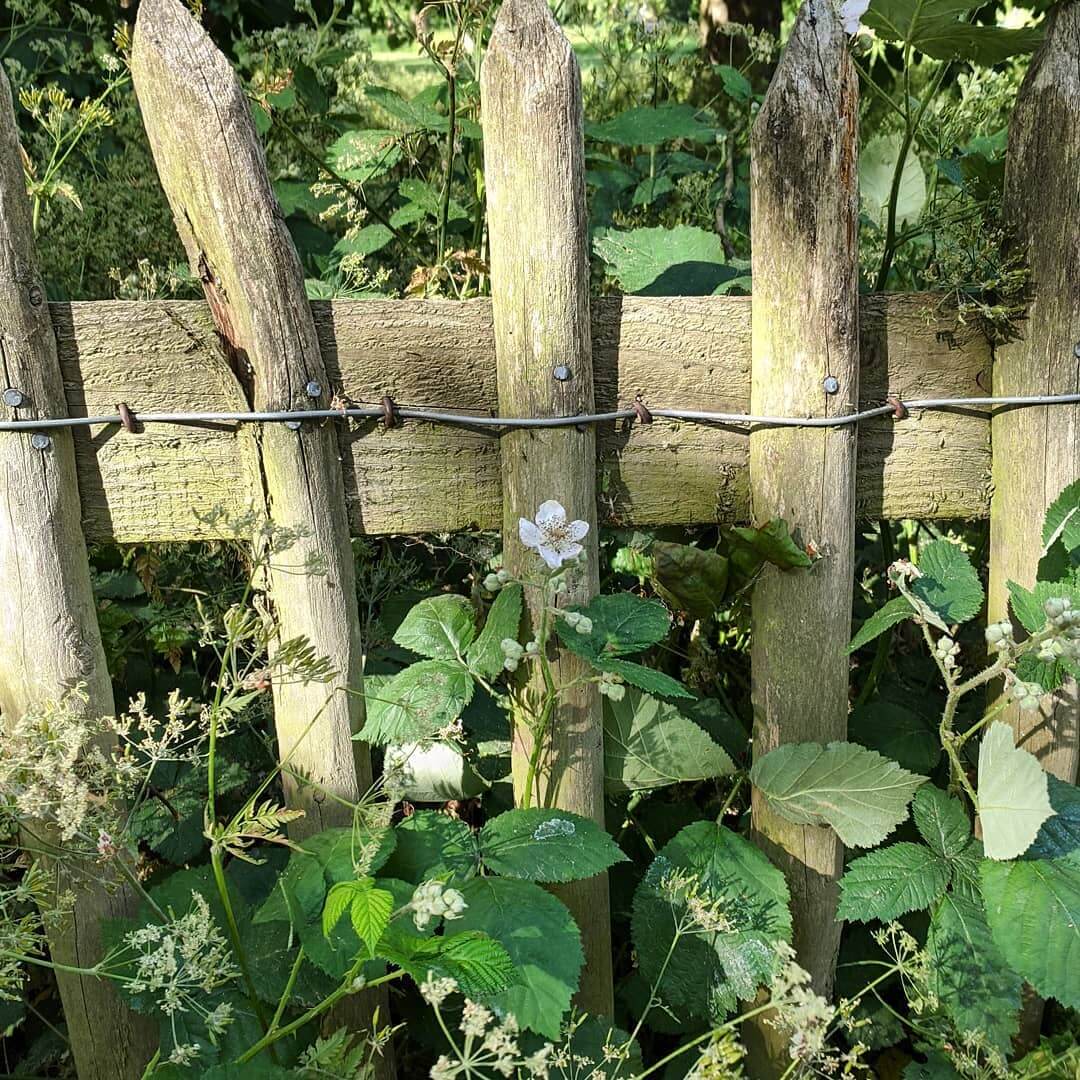
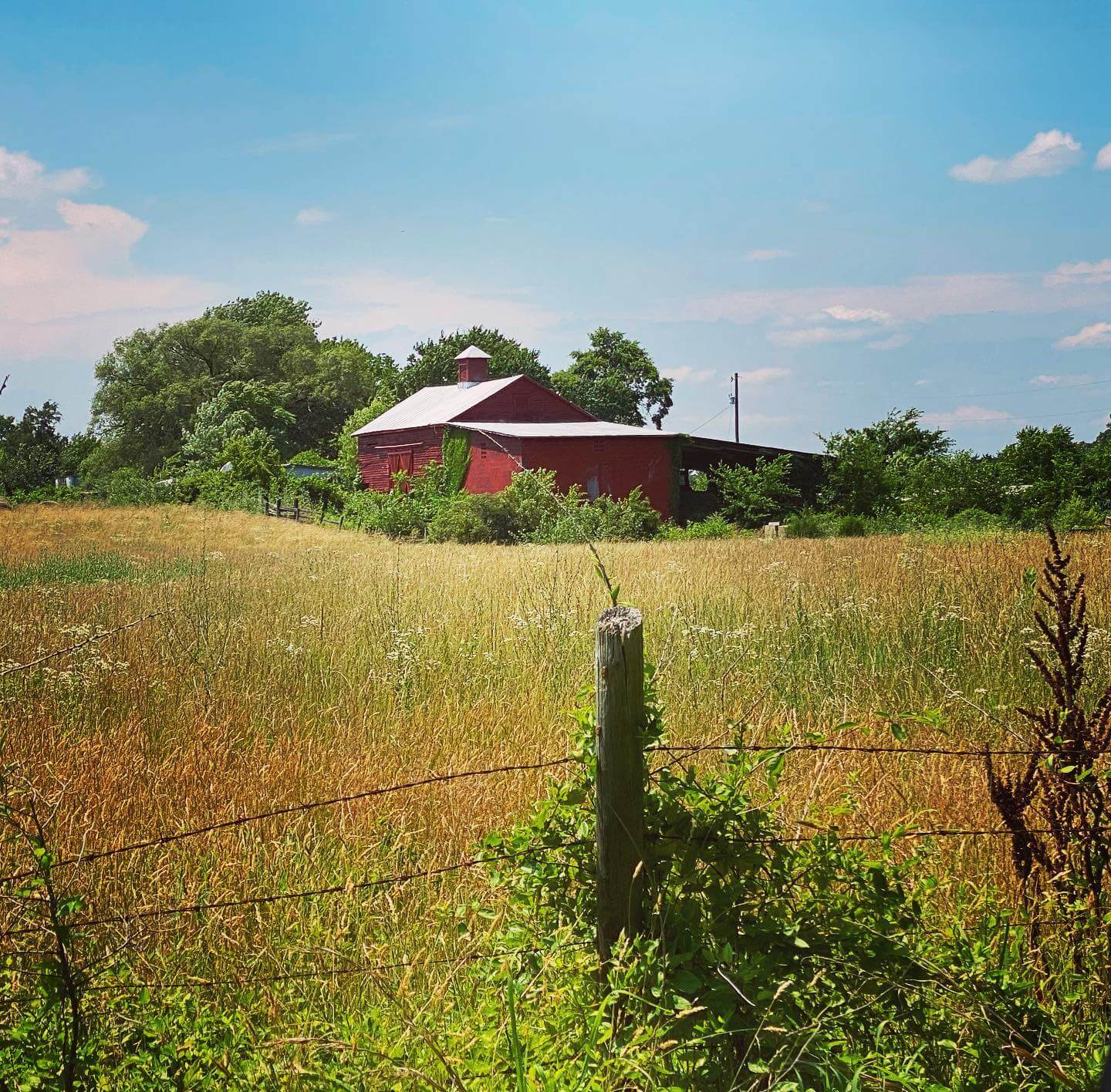
If you love the open, pastoral look but need real function, a split-rail fence backed with welded wire delivers rustic character and everyday practicality. The rough-hewn rails read farmhouse from the street, while the nearly invisible 2×4 or 2×3 wire mesh keeps pets in and deer out without blocking breezes. Choose rot-resistant rails like black locust, cedar, or pressure-treated pine; set posts in compacted gravel for drainage, and let rails silver naturally or oil them to deepen tone. This rustic fence idea excels along long driveways, orchard borders, and sloped lots because it follows grade gracefully and installs quickly in long runs. Cost-savvy swap: mix premium corner/end posts with more affordable line posts. To soften the perimeter, plant native grasses, catmint, or yarrow just inside the fence; vines like jasmine or clematis can thread through select bays for seasonal bloom. For livestock zones or dog-heavy yards, step up to 14-gauge welded wire or add a bottom rail to deter digging. Simple black-coated staples and low-profile gate latches keep the look quiet, cohesive, and built to last.
Cedar Board-on-Board Privacy with Cap-and-Trim

When you want farmhouse warmth and true seclusion, a board-on-board cedar fence is the time-tested upgrade. Overlapping pickets eliminate sightline gaps as wood seasons, while a finished cap-and-trim detail elevates curb appeal. Use 4×4 or 6×6 posts, pressure-treated bases, and stainless or coated screws to resist corrosion. A 6–8 ft height quiets patios and hot tubs, and stepping the panels handles mild slopes without awkward triangles. Keep the tone rustic by choosing knotty cedar and letting it weather to a soft silver; for richer color and longevity, apply a penetrating oil or semi-transparent stain within 4–6 weeks of install. Add a lattice or trellis topper where you crave daylight without sacrificing privacy—perfect for training climbing roses, star jasmine, or evergreen clematis. Cost-savvy tip: alternate cedar pickets on pressure-treated framing you’ll never see. For longevity, keep bottoms 2 in off grade and run a gravel drip line to reduce splashback. Black strap hinges, thumb latches, and a farmhouse gate pull finish the look with subtle, sturdy hardware.
Wood-and-Hog Wire Panels for Airy, Dog-Safe Views
For rustic-meets-modern style that still feels handcrafted, wood frames with hog wire (cattle panel) infill strike a perfect balance. Thick 4×4 posts and chunky top/bottom rails read farmhouse, while 4- or 6-gauge welded panels keep pets safe and sightlines open to gardens or mountain views. Stain the timber warm cedar and leave the wire raw galvanized—or powder-coat the mesh black for a refined contrast that blends into landscaping. This is a great rustic fence idea for small backyards that risk feeling boxed in; airflow and transparency make patios cooler and visually larger. Panels can stair-step cleanly across slopes, and prebuilt frames speed DIY. Plant pairings shine here: grapevines, jasmine, or climbing beans will naturally twine through the grid, adding privacy where you want it. Budget play: buy full 16-ft cattle panels and cut to size to minimize waste. For durability, use exterior pocket screws, galvanized staples, and post bases that lift wood off concrete. Solar cap lights on the posts create a welcoming glow without spoiling the simple, utilitarian vibe.
Live-Edge Slab Fence for Artisan Texture
If you’re chasing statement-making texture, a live-edge slab fence turns raw timber into functional art. Vertical or horizontal slabs showcase natural curves and bark lines, giving you a one-of-a-kind rustic fence that feels both wild and refined. Pair black steel channels or simple cedar battens with irregular boards to celebrate the organic edges; vary board widths to avoid a too-perfect rhythm. This look excels as a courtyard screen, hot-tub surround, or feature wall behind an outdoor dining zone. Choose durable species like cedar, cypress, or white oak; seal cut ends and oil annually to preserve depth while allowing a soft patina. To ground the design, run a gravel or river-rock base, and plant woodland companions—ferns, hostas, and heuchera—at the foot for a lush understory. Cost-savvy angle: source slabs from local mills or windfall salvagers. Keep gaps intentional: tighter spacing in seating areas for privacy, looser near garden beds to let pollinators pass. Heavy strap hinges, a minimalist gate latch, and warm string lights complete the handcrafted, cabin-meets-farmhouse mood.
Reclaimed Barnwood Patchwork on a Budget

Want rustic charm without a premium price tag? A reclaimed barnwood or pallet-board fence delivers weathered soul and sustainable cred. Mix board widths and tones for a patchwork effect that looks collected, not contrived; keep the framing consistent so the design reads intentional. When using pallets, choose HT-stamped (heat-treated) boards, de-nail carefully, and sand lightly to tame splinters while preserving patina. A board-and-batten layout increases privacy and sheds water, while alternating heights along the top adds a cottage feel. This is a forgiving rustic fence idea for garden borders, chicken runs, or side-yard screens—perfect with herbs, echinacea, and sunflowers tucked along the base. Seal with a breathable exterior oil to lock in color and protect against rot, or let the wood silver naturally for low maintenance. Hide modern hardware with rustic touches: black T-hinges, a reclaimed gate handle, and house numbers cut from steel. Budget tip: combine reclaimed faces with pressure-treated posts and rails so structure outlasts the siding.
Corrugated Metal + Timber for Privacy and Wind
For a rugged, low-maintenance privacy fence, combine corrugated metal panels with stout timber framing. The metal shrugs off weather, adds industrial texture, and blocks wind—ideal for exposed lots—while cedar or redwood rails keep the look firmly in farmhouse territory. Choose galvanized or weathering steel (Corten) depending on whether you want bright contrast or a rusted patina. Break up long runs with wood “bays,” a cap rail, and evenly spaced posts to avoid a monolithic wall. Acoustically, the panels deflect street noise; plant a softening buffer of feather reed grass, lavender, or clumping bamboo for movement and scent. For slope-friendly installs, step the panels neatly and continue the cap line for a clean horizon. Maintenance is minimal: rinse seasonally and clear leaf debris from bases. Cost-savvy move: use panels horizontally to hit 6-ft height with fewer frames. Black fasteners, exposed carriage bolts, and a sliding barn-door gate reinforce the utilitarian, hardworking feel that complements modern rustic landscapes.
Gabion Base with Cedar Screens: Rustic and Structural
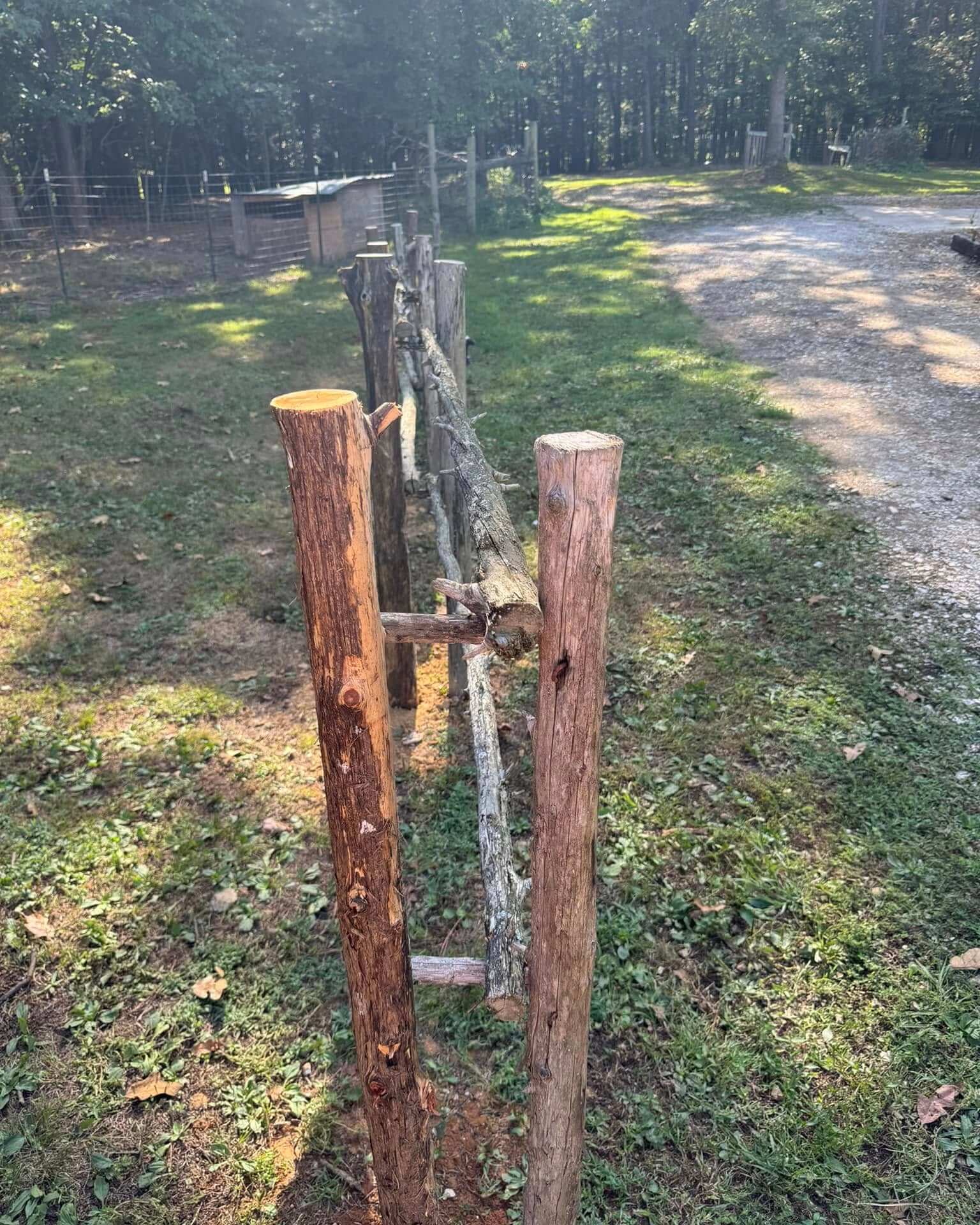
Blending stone heft with warm wood, a gabion-base fence offers privacy, sound dampening, and built-in drainage—a smart choice for sloped sites or areas with runoff. Wire baskets filled with river rock or local stone create a stable plinth; cedar or thermally modified ash screens stack above for softness and height. The look is mountain cabin meets farmhouse, equally at home beside gravel drives and native meadows. Functionally, the rock base resists rot and splashback while the wood panels handle sightlines. Add a thick cap to unify sections and integrate low-voltage LED strip lighting for a subtle evening glow. Plant pairings: creeping thyme and sedum to spill over stones, with vertical accents like Russian sage or juniper behind. Cost-savvy tip: fill baskets with construction offcuts in the core and face with better-looking stone. Ensure geotextile and level footings under baskets, then use stainless hog rings for long-term durability. Blackened steel gates and simple lever latches keep hardware consistent and quietly handsome.
Wattle Weave Garden Fence with Roundwood Posts
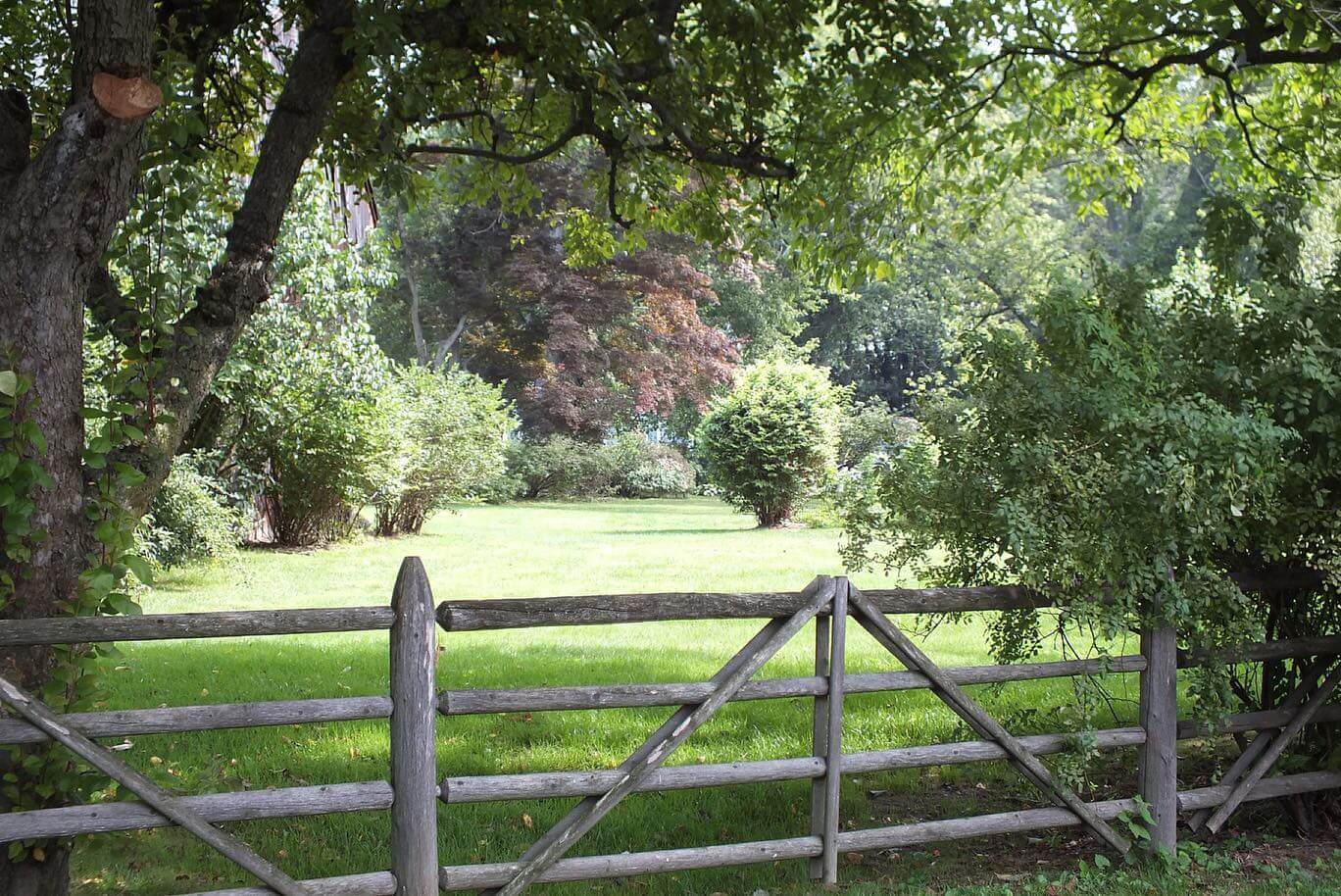
For cottagecore charm that still works hard, try a wattle weave fence: supple branches woven between roundwood posts for a living-texture border. It’s a beautiful rustic fence idea for kitchen gardens, herb plots, or play areas where full privacy isn’t required. Use hazel, willow, or grape prunings; soak dry rods to increase flexibility. Set rot-resistant posts—cedar, locust, or black-painted steel—in compacted gravel, then weave on-site for a custom fit around beds and curves. The result filters wind, shelters pollinators, and keeps dogs from trampling seedlings, all while aging gracefully to silver. Pair with classic potager plantings—boxwood, strawberries, calendula—and add a simple arched gate to create a welcoming threshold. Budget-friendly and DIY-able, wattle is also easy to repair: replace a few withes seasonally as needed. For longevity, keep the weave off soil with a low brick or stone edging, and cap posts to shed water. Lantern-style path lights finish the storybook vibe without feeling fussy.
Black-Stained Horizontal Slats for Modern Rustic Edge

If your vibe leans modern farmhouse, black-stained horizontal slats bring moody sophistication while staying warm and natural. Tight, kiln-dried cedar or thermally modified boards minimize warping; a 1/2–3/4 in gap keeps airflow and light. The dark finish makes greenery pop—pair with gravel, corten planters, and string lights for an evening-ready courtyard. This rustic fence idea maximizes privacy on compact lots without feeling heavy, and the clean lines balance rougher elements like reclaimed beams, stone, or split-rail elsewhere on the property. For hardware, choose matte-black strap hinges and a minimalist latch; integrate a package shelf or keypad discreetly at the gate. Maintenance is straightforward: a quality exterior stain or oil every 2–3 years preserves color; keep boards off grade and include a drip edge. On slopes, box-stepping maintains the graphic lines. Consider a trellis add-on near dining zones for climbing jasmine or hops to scent summer nights and soften the silhouette.
Farmhouse Gate and Entry Moment with Lighting
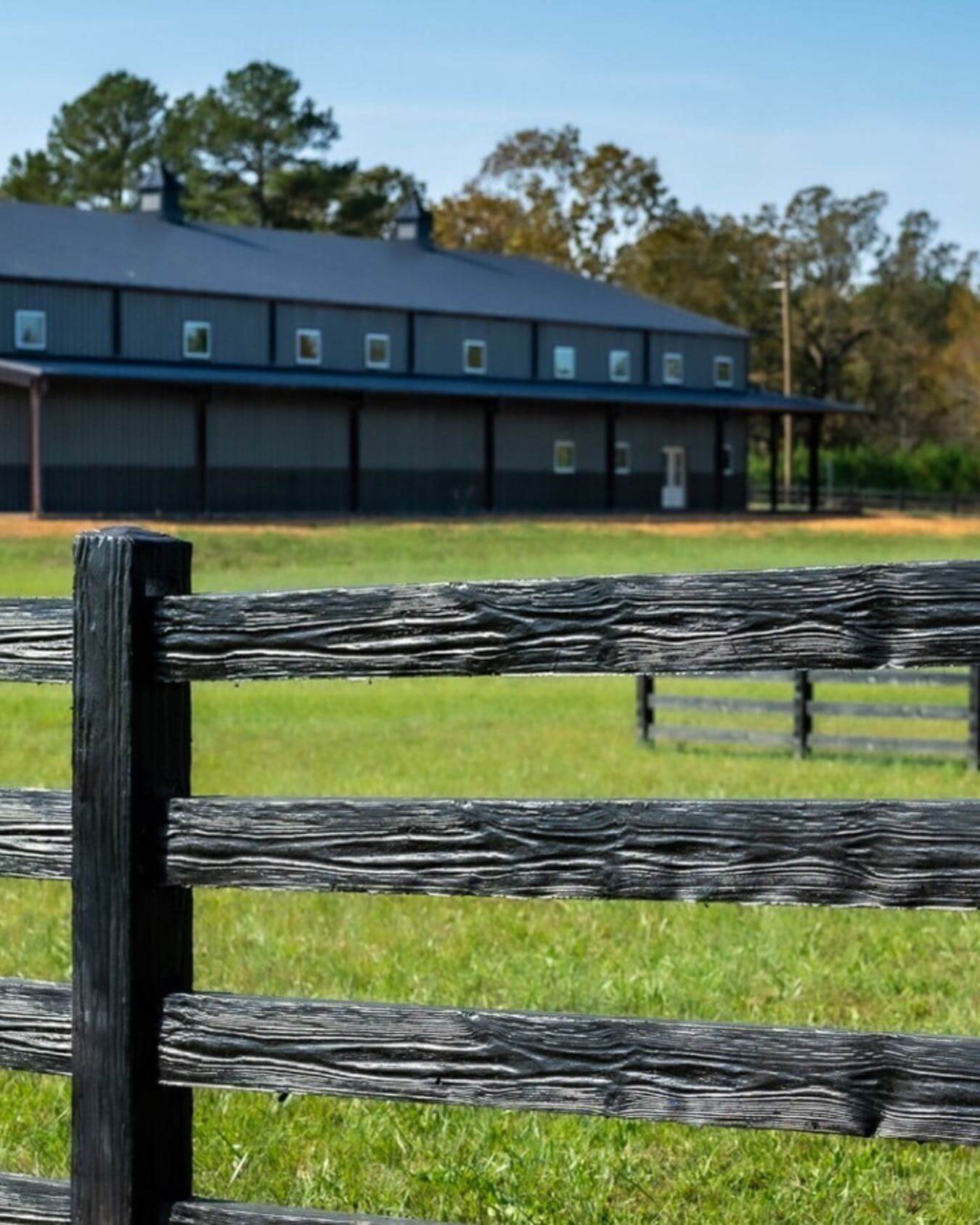
Finish strong with a welcoming gate that turns your rustic fence into an intentional entry. Flank a wider gate with 6×6 hinge posts, add an arched arbor or simple timber header, and mount lanterns or downlights to guide guests after dark. A gentle gravel apron underfoot drains well and sets a country tone; step stones or a brick ribbon walk lead the eye home. Mix privacy and transparency: solid lower boards for heft, open upper lattice to frame views. For deer-prone areas, plan an 8-ft overall height with a decorative trellis that doubles as support for climbing roses or evergreen clematis. Hardware matters here—oversized strap hinges, a thumb latch, and a magnetic catch feel tactile and timeless. Layer in house numbers, a mailbox, and a gate bell in blackened steel for cohesion. Seal gate edges thoroughly and specify self-closing hinges if pets are escape artists. The result is curb appeal, security, and everyday joy in one thoughtful threshold.
Get the Fail-Safe Paint Color Playbook (Free PDF)
36 proven colors • 8 ready palettes • trim & sheen guide • printable testing cards.
Fieldstone Columns with Cedar Infill: Heirloom Strength, Modern Function
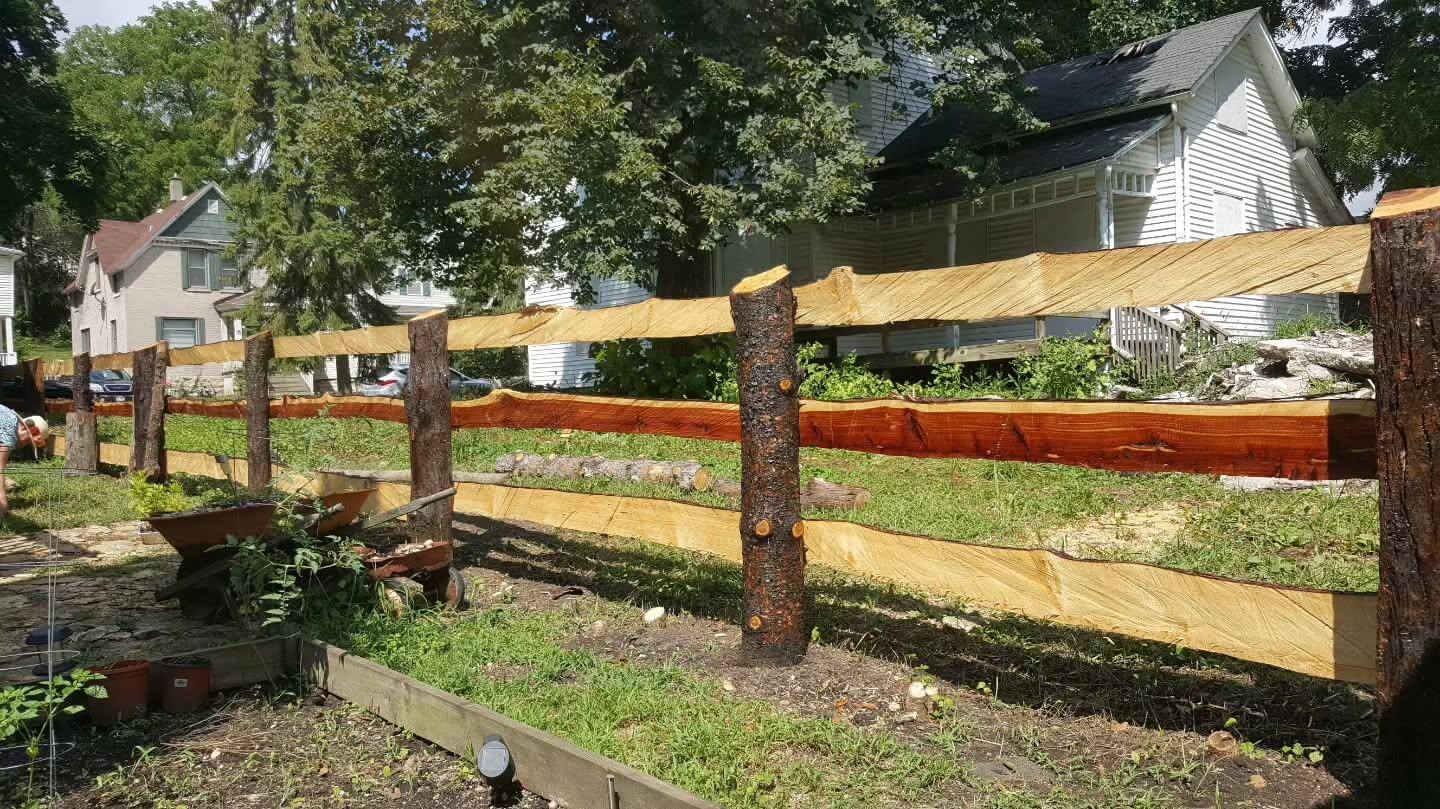
If you love the rugged honesty of natural materials, pairing fieldstone columns with cedar infill panels delivers a rustic fence that reads timeless and upscale. Compared with the corrugated metal + timber privacy idea above, this combo softens edges with texture and tone—ideal along a driveway or as a street-facing enclosure where curb appeal matters. Build stout masonry piers on frost-depth footings (rebar and weep holes are key), then span bays with 1×6 or 1×8 cedar boards set in simple 2×4 frames. A continuous cap rail ties the rhythm together, while black, hot-dip galvanized hardware lends farmhouse character. For privacy, go board-on-board; for airflow, leave 1/4-inch shadow gaps. Expect higher upfront cost but rock-solid durability and low wind rattle. Add climbing roses or jasmine at column bases and uplight the stone for evening drama. Cost-savvy swap: use stone-veneer sleeves over CMU cores, saving on full-depth rock without losing that mountain-lodge vibe. Finish cedar with a breathable oil to preserve grain or let it silver to match weathered stone.
Scalloped Cedar Picket with Carriage-Style Details
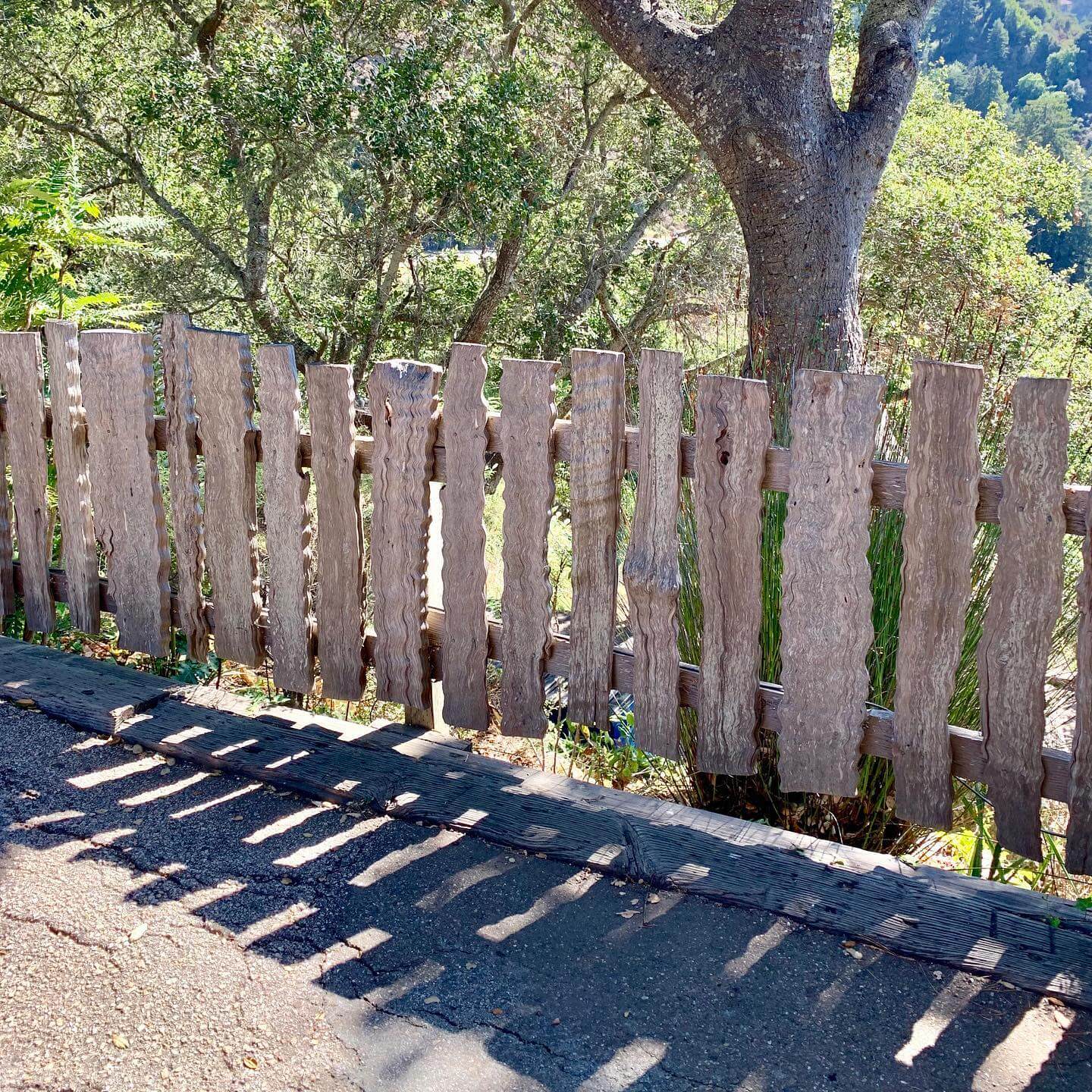
For cottage-friendly charm that still looks intentional, a scalloped cedar picket fence arcs gently between posts, creating a handcrafted silhouette along the sidewalk. It’s a lighter, more neighborly alternative to full privacy—perfect for front yards, herb gardens, or play areas where you want visibility without feeling exposed. Use 1×4 or 1×6 pickets, template the scallop with a flexible batten, and keep gaps at 1 to 1.5 inches to breathe. A 36–42 inch overall height feels classic and keeps the line elegant. Dress posts with simple caps, and echo carriage-house vibes with black strap hinges on the gate. For durability, choose rot-resistant cedar or cypress, set posts in compacted gravel (not just concrete) for drainage, and run a gravel board to keep soil splash off the picket tips. Plant pairings like lavender, catmint, and dwarf roses tuck right against the fence, softening edges. Budget tip: alternate picket widths (3.5 and 5.5 inches) to add texture without extra board feet. A clear or light-tinted oil maintains the honey tone; left unfinished, it weathers to a soft gray that screams farmhouse charm.
Get the Fail-Safe Paint Color Playbook (Free PDF)
36 proven colors • 8 ready palettes • trim & sheen guide • printable testing cards.
Three-Rail Ranch with No-Climb Mesh: Pasture Looks, Pet-Safe Performance

Craving open views but need a fence that actually contains dogs or backyard chickens? A classic three-rail ranch fence backed with no-climb wire (2×4-inch grid) gives you pastoral lines with practical containment. Compared with our split-rail + welded wire idea, the square rails and tight grid present cleaner geometry that suits modern farmhouse exteriors. Set 5–6 inch round or 4×6 posts 8 feet on center (deeper on corners/gates), then attach 2×6 rails and stretch 12.5-gauge galvanized no-climb mesh with staples or fencing clips. On slopes, rack the mesh and step the rails, or keep rails level for a traditional terrace effect. For horses, face staples to the pasture side and add a top sight board; for dogs, run a gravel board to deter digging and add a tension wire along the bottom. Black locust or pressure-treated pine posts deliver longevity; stain rails a warm brown to echo barn doors and coordinate with hog-wire panels elsewhere on the property. Native meadow grass or low juniper plantings along the fence base sharpen the line and cut mowing time.
Lattice-Top Privacy with Trellis Posts: Breezy Screening for Small Yards
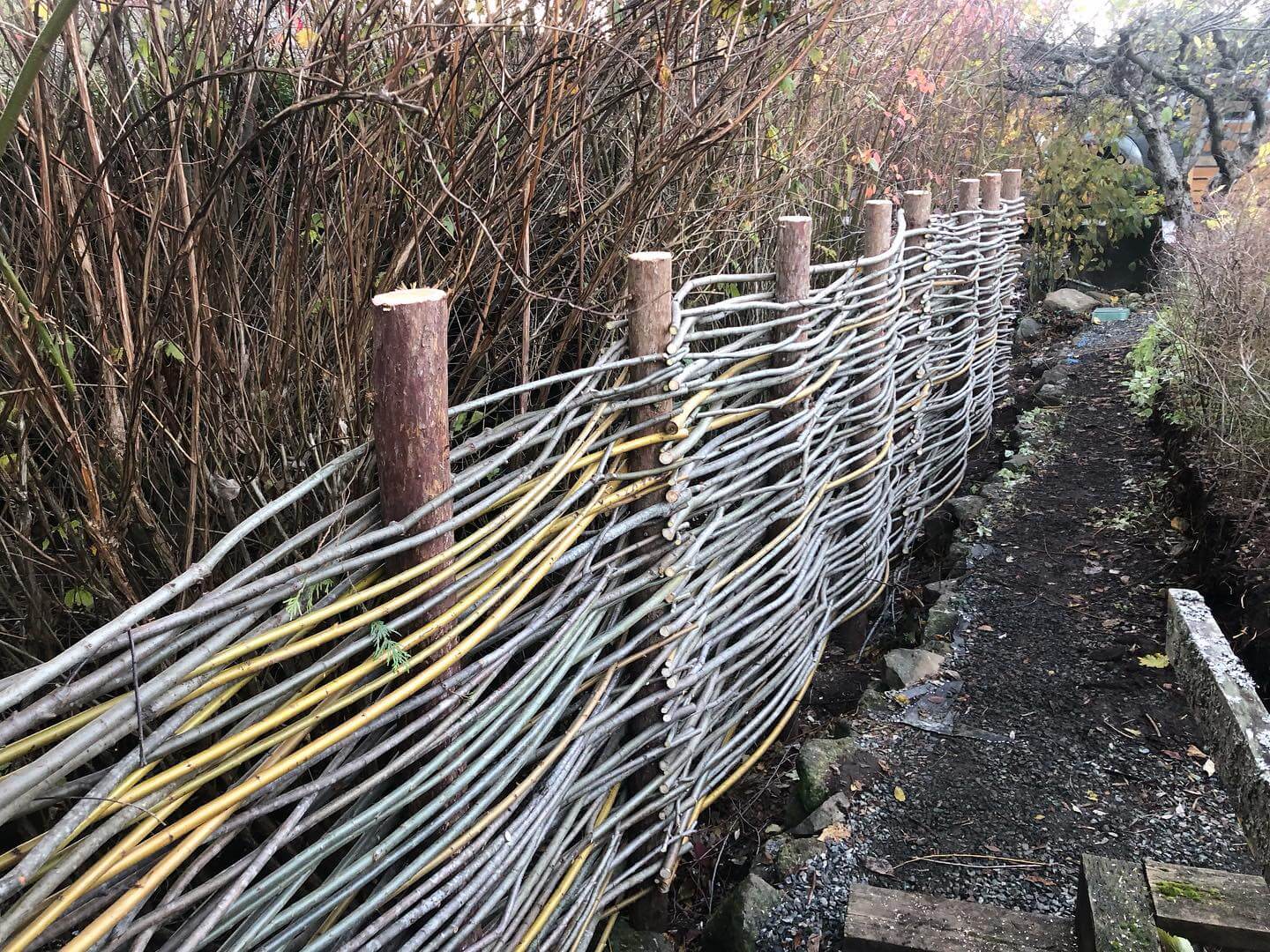
When you want backyard seclusion without a visual wall, a lattice-top privacy fence strikes the right balance. Build a solid 5–6 foot base in cedar or redwood, then add a 12–18 inch lattice or hog-lattice trellis band for daylight and vine training. It softens the mass of a board fence and feels lighter than full-height panels—great for tight urban lots. Keep structure stout: 4×4 or 6×6 posts, 2×4 rails, and a continuous cap-and-trim detail to shield end grain. Use stainless or hot-dip galvanized fasteners to resist tannin bleed. Climbing jasmine, clematis, or star potato vine can fill the trellis for seasonal fragrance, while the solid lower section remains dog-proof. If you liked the cedar board-on-board privacy earlier, this is its airier cousin. Cost-savvy swap: build square lattice from 1×2 cedar strips rather than buying prefabricated panels; spacing at 1.5 inches looks tailored and sturdier. On windy sites, orient lattice openings smaller and add hidden blocking in the trellis band. Finish with a natural oil or semi-transparent stain to highlight grain and keep the cottagecore vibe authentic.
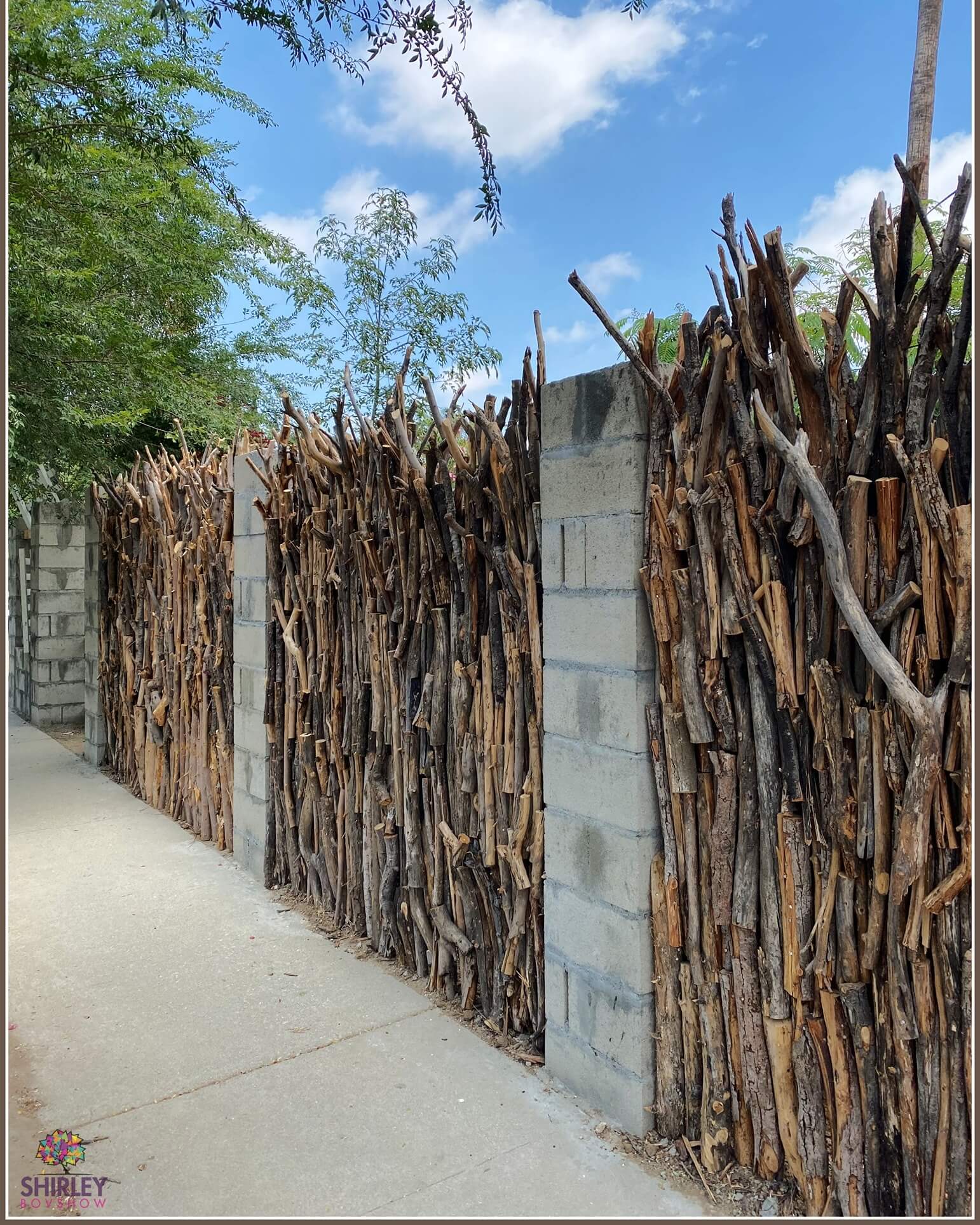
Hand-Peeled Log and Branch Rail: Raw Texture, Refined Lines
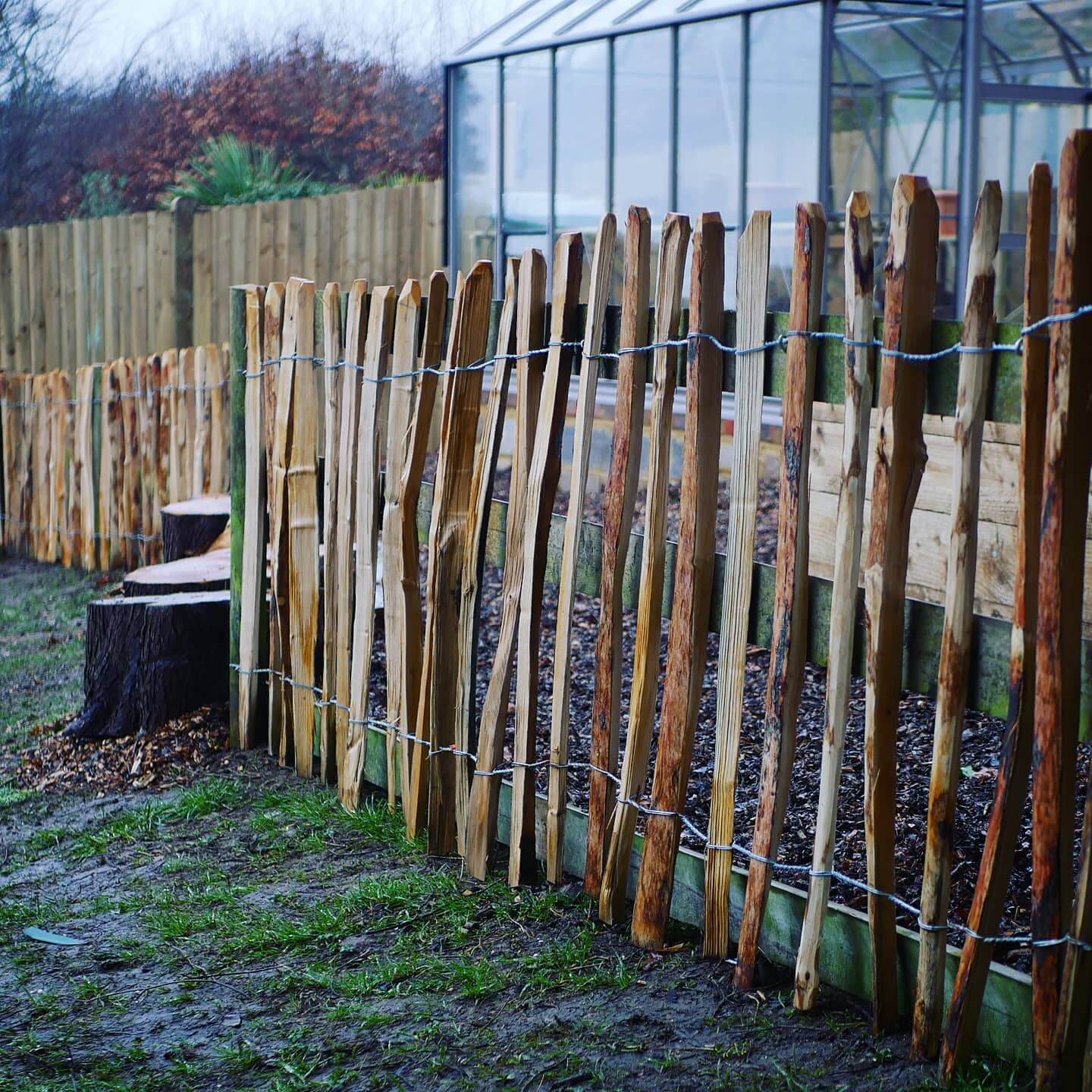
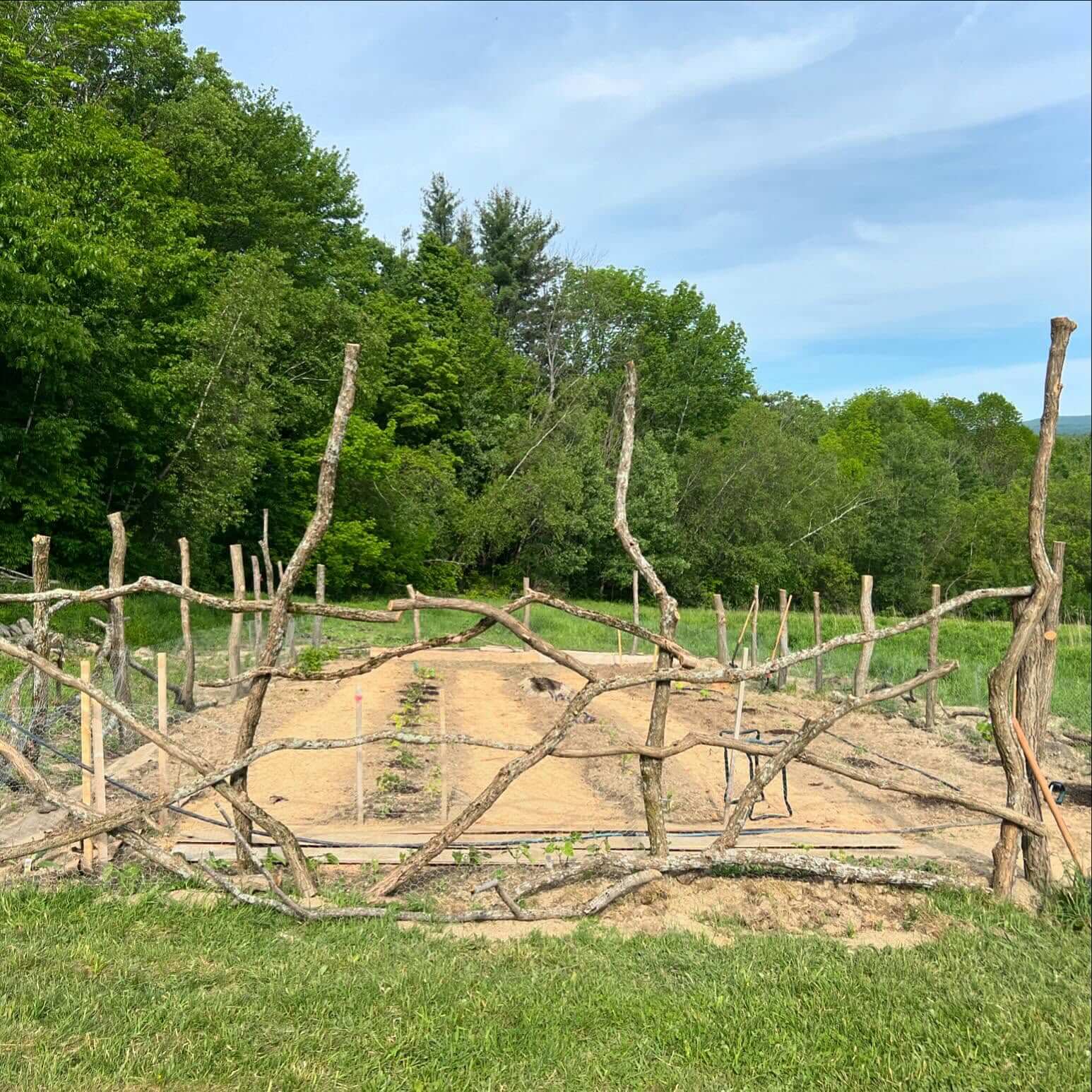
Bring mountain-cabin soul into the suburbs with a hand-peeled log and branch-rail fence. Think straight, properly set posts paired with rails that keep their natural taper and knots—rustic without reading messy. Compared with a traditional split-rail, this look adds artisan presence and works beautifully along woodland edges, fire pits, or gravel drives. Use rot-resistant species like cedar, black locust, or juniper; scribe-fit rails into posts, or use lag screws and concealed brackets for cleaner installs. Keep rails 8–10 feet long and set posts at least 30–36 inches deep with compacted gravel for drainage. Add welded wire on the yard side if you need kid or pet containment without changing the aesthetic. To finish, brush on a breathable oil or leave wood bare to silver naturally; avoid film-forming coatings that can flake on irregular surfaces. Underplant with ferns, salvia, or ornamental grasses to blur the base and frame pathways. Pro tip: mix consistent rail heights with slightly varied rail diameters to feel handmade yet intentional—rustic texture with modern discipline.
Corten Steel Screens in Timber Frames: Weathered Metal, Warm Wood
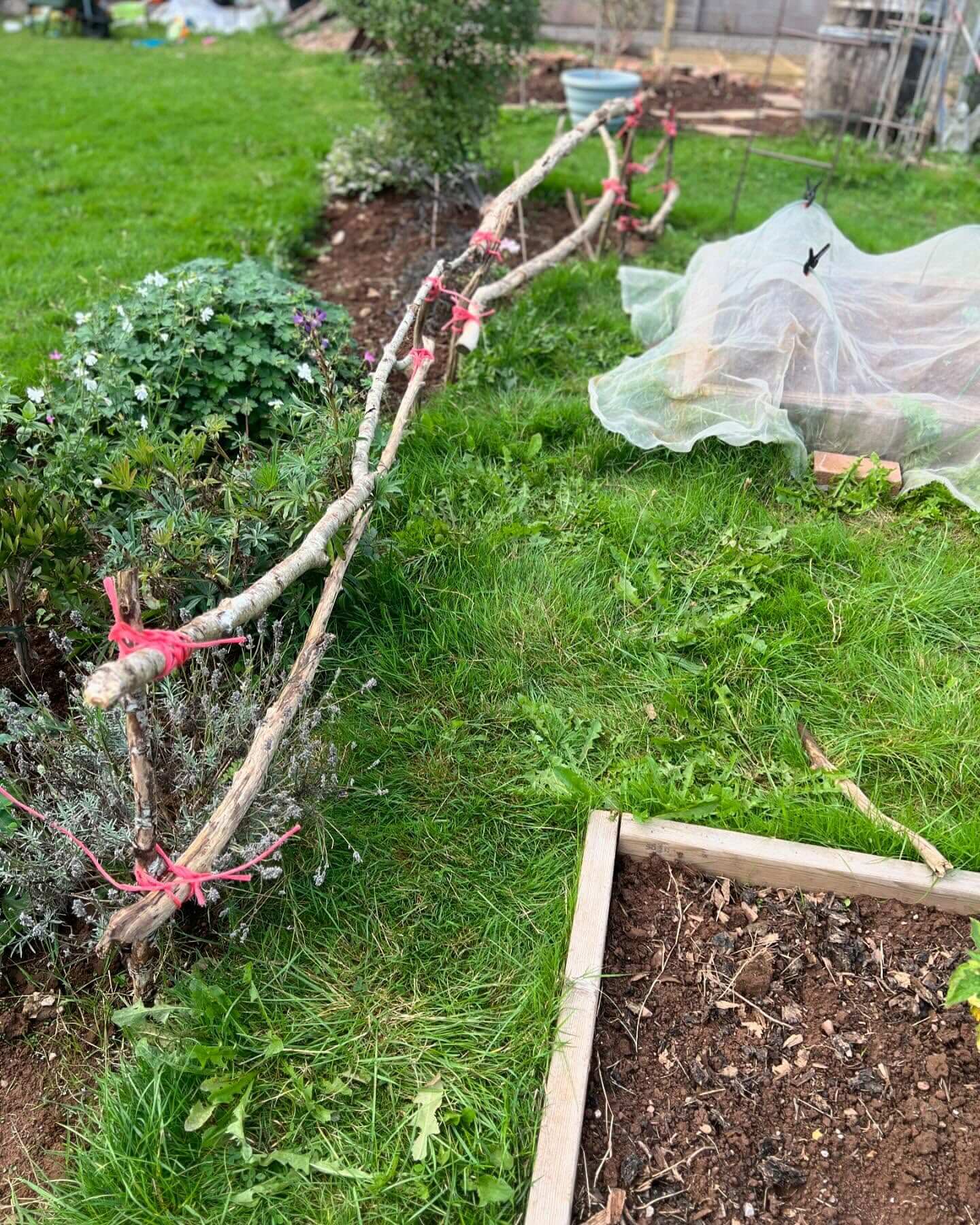
If you’re drawn to the moody edge of our black-stained horizontal slats but want even more contrast and zero warping, consider Corten steel panels framed in timber. The pre-weathering patina brings a rich, rusty hue that plays gorgeously with cedar or oak frames and gravel mulch. Use 1/8-inch Corten sheets or laser-cut panels for airflow, float them in 2x framing with stand-off spacers, and fasten with stainless hardware to prevent reactions. This is a wind-taming, low-maintenance choice for side yards, patios, or hot, dry climates where wood dries out quickly. Mind runoff: patina can stain concrete early on; include drip edges or rock beds at the base. For privacy, select solid panels; for garden borders, choose perforations that cast patterned shadows at golden hour. Cost-savvy swap: powder-coated steel in a corten-like tone if true weathering steel isn’t available. Tie into the rest of your rustic palette with timber gates, hog-wire accents, or a farmhouse mailbox in the same wood species for cohesion.
Railroad-Tie Retaining + Cedar Screen: Tame Slopes with Rustic Layers
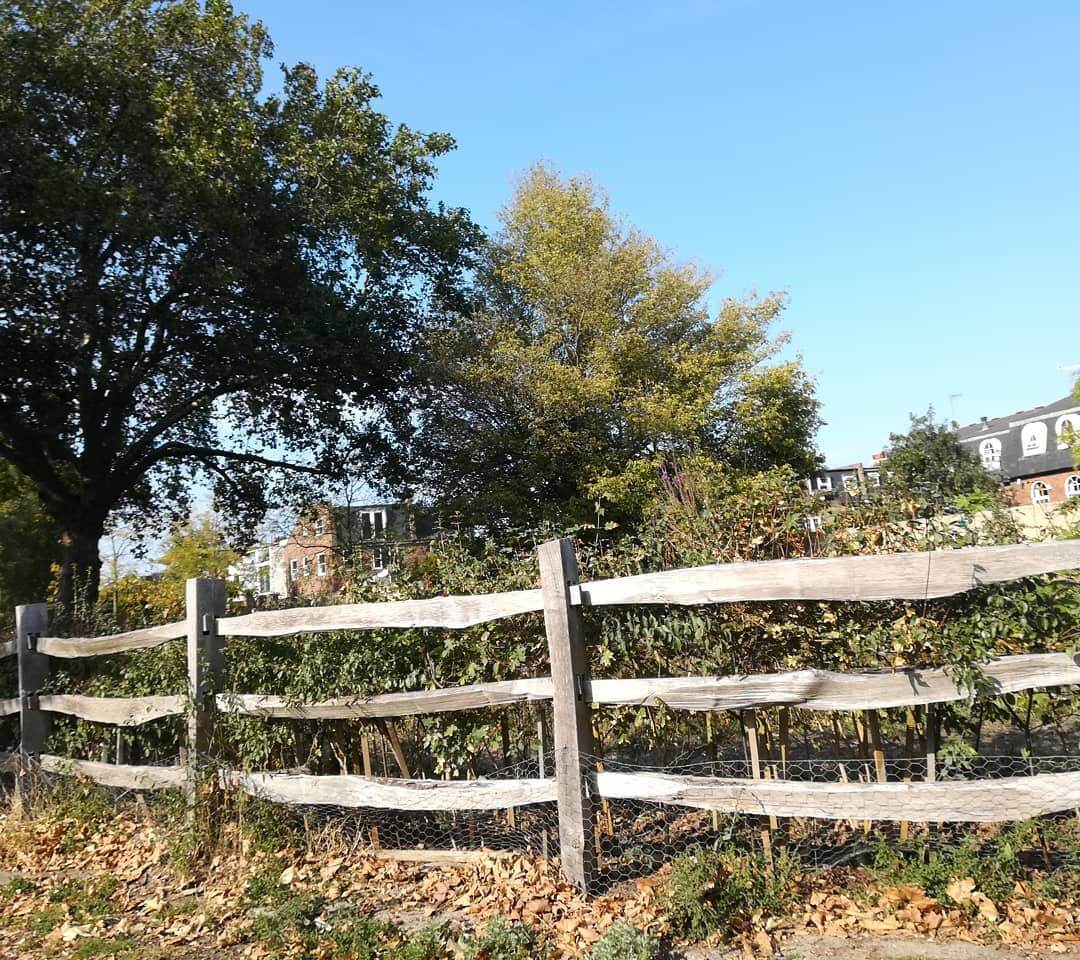
On sloped lots, a short retaining wall paired with a lightweight cedar screen above solves grade, privacy, and style at once. While true railroad ties contain creosote (not ideal near edibles), you can get the same rugged look using new, ground-contact timbers or large-format, weathered modular blocks. Step the wall to create planting terraces, then anchor a 4–5 foot cedar screen behind the top course using post brackets set below soil grade. The layered effect feels grounded and farmhouse-authentic, and it reduces the sail area of a full-height fence in wind. Add drain rock and perforated pipe behind the wall with geogrid reinforcement as needed; weep holes prevent hydrostatic pressure. For cohesion with other sections (like gabion + cedar), keep cedar in the same tone across the property. Plant drought-tough grasses, creeping thyme, or prostrate rosemary to spill over edges. Budget tip: char (Shou Sugi Ban) the bottom 12 inches of cedar boards for added moisture and insect resistance and a handsome contrast line where fence meets soil.
Fence-Top Pergola Band with Lanterns and Vines
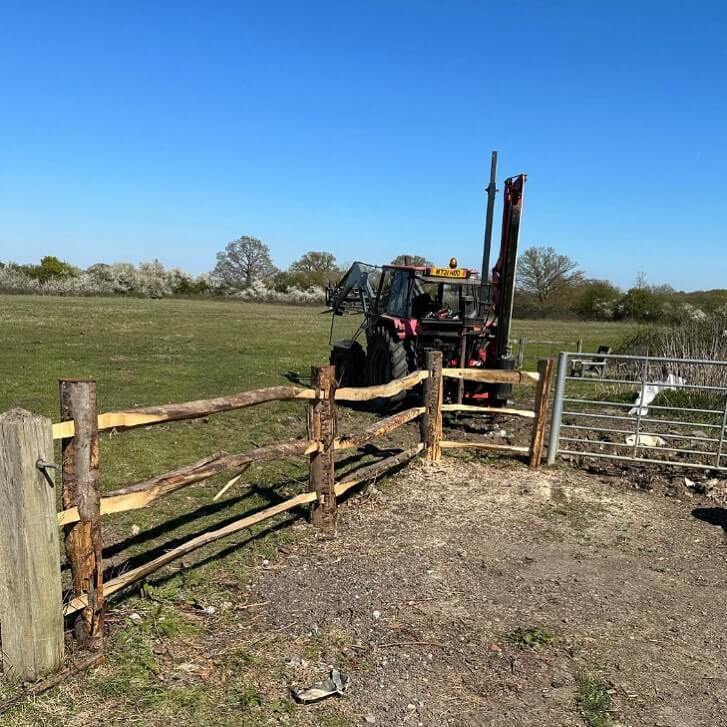
Turn a privacy run into an outdoor room by adding a pergola-style top band over key spans—especially at dining patios or a grill zone. Extend select posts and run 2×6 rafters perpendicular to the fence with simple notches and blocking; keep projections modest (12–18 inches) to avoid top-heaviness. This creates a trellis canopy for jasmine, wisteria, or grape, filters harsh sun, and gives you a clean place to mount café lights or lantern-style sconces that echo the farmhouse gate lighting elsewhere in the guide. Structurally, use 6×6 posts at pergola bays, Simpson-type hardware, and lag shields where needed; in snow or high-wind areas, tighten rafter spacing and add hurricane ties. To maintain flow, carry the same cap-and-trim profile from adjacent cedar panels. A natural oil on wood and warm 2700–3000K lighting keep the ambiance rustic and inviting. Cost-savvy move: confine the pergola band to entertaining zones and transition to standard privacy panels along property lines to save materials while preserving the design language.
Mixed-Width Vertical Planks with Shadow Gaps: Texture Without Clutter
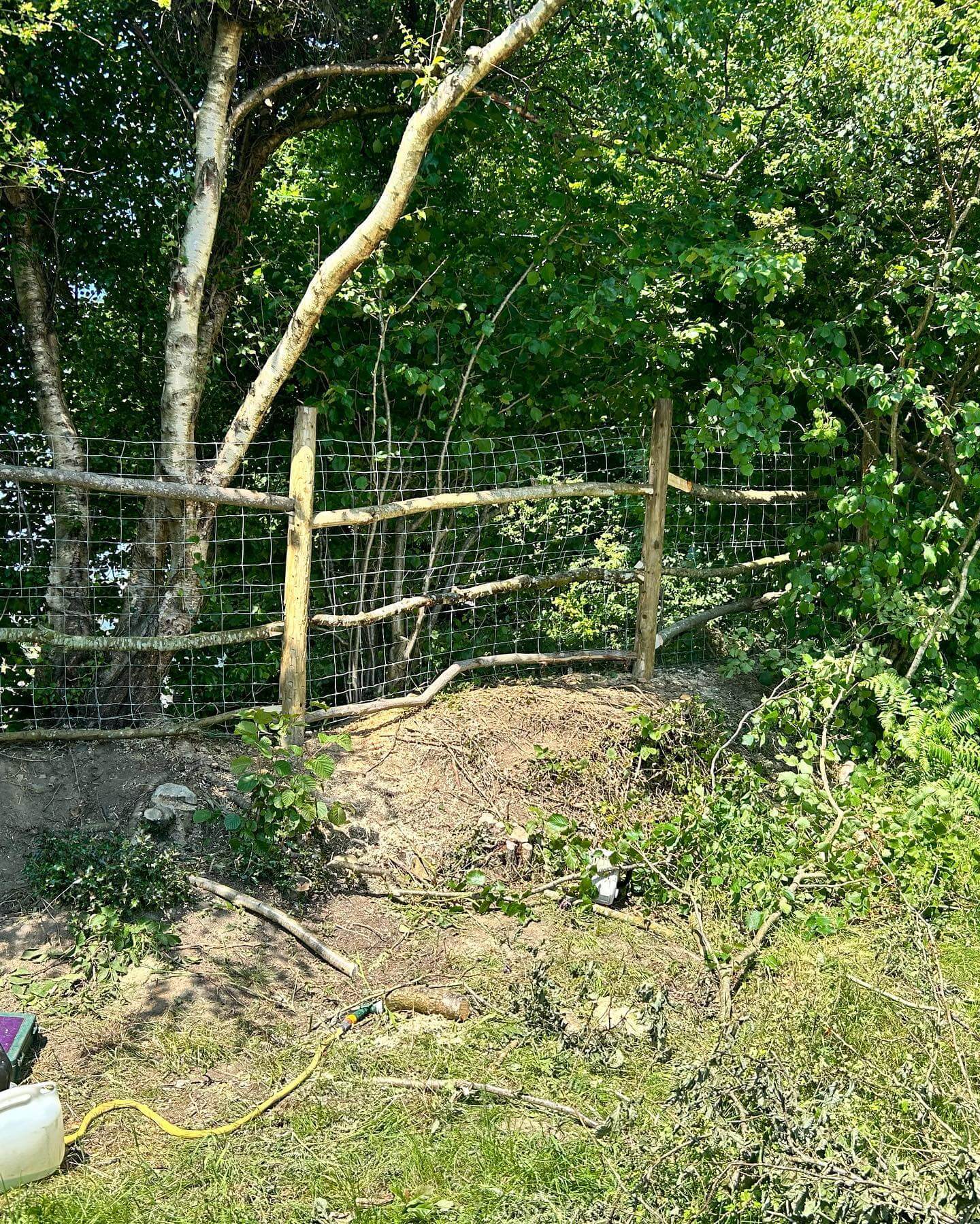
If the black-stained horizontal slats feel too sleek, swap orientation and celebrate grain with mixed-width vertical planks. Alternate 3.5, 5.5, and 7.25 inch cedar boards with consistent 1/4-inch shadow gaps for a refined yet rustic cadence. A cap-and-trim detail cleans up edges; hidden stainless screws or nailers keep faces pristine. This style delivers privacy, movement, and better water-shedding than flat-stacked horizontals. On long runs, break the rhythm with occasional 4×4 “buttress” posts or a subtle lattice window above select bays. Stain strategy: choose a semi-transparent nutmeg or driftwood tone for farmhouse warmth; or let it weather to silver and rely on plant color for contrast. Underplant with hydrangea, viburnum, or evergreen laurels to soften the base line. For slopes, rack the boards to the grade to avoid stair-stepping. Budget tip: use #2 grade cedar where character knots are welcome and reserve clear boards for eye-level areas like the patio. It’s a high-impact, mid-budget solution that reads custom without fussy millwork.
Living Fence Hybrid: Hedge + Post-and-Wire for Green Privacy
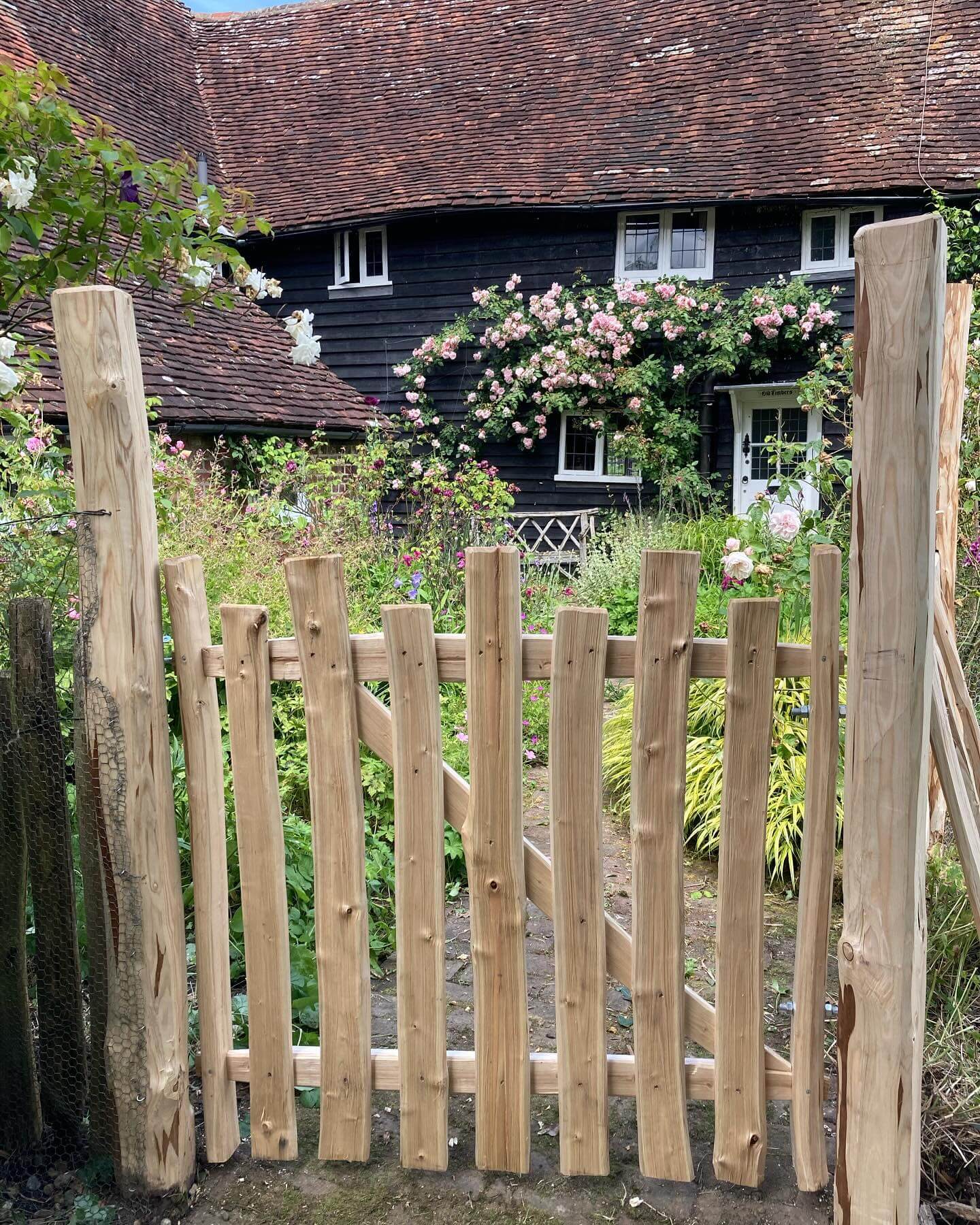
To make your rustic fence feel truly rooted in place, blend structure with a living screen. A simple post-and-wire frame (4×4 posts, top and mid rails, and 2×2 welded wire) becomes the armature for a tight hedge—think privet, hornbeam, pittosporum, or native hawthorn. In year one, you have an instant enclosure; by year two or three, the hedge takes over, delivering sound softening, bird habitat, and four-season texture. This hybrid suits side yards and pool equipment screens where solid walls feel heavy. Space shrubs 18–24 inches on center, run drip irrigation, and hedge twice yearly for a tidy, tailored edge. If deer pressure is high, keep the wire through maturity; otherwise, remove the inner mesh once plants knit. Tie the frame’s stain color to nearby cedar or barnwood elements for continuity. For blooms, thread in climbing roses or jasmine along the wire, echoing the lattice-top trellis look discussed earlier. It’s sustainable, climate-friendly privacy that reads cottage garden rather than fortress—perfect for farmhouse curb appeal on a reasonable budget.
Board-on-Board Cedar Privacy with Cap and Kickboard: Warm, Quiet, Durable
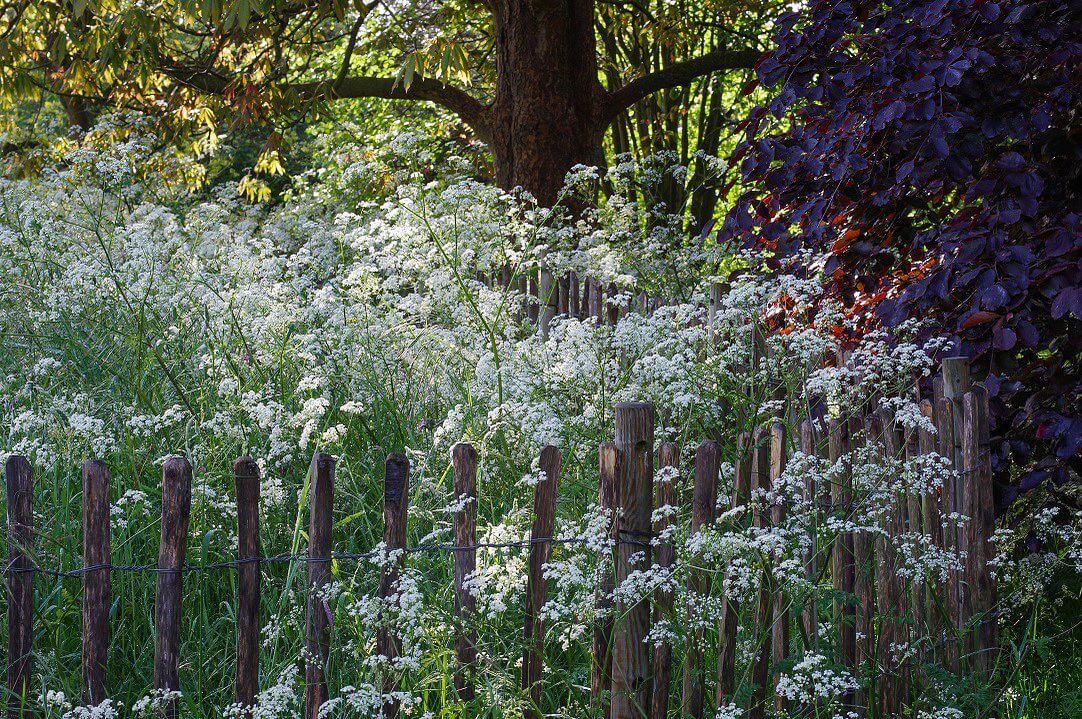
If you love the character of wood but need true backyard privacy, a board-on-board cedar fence is a rustic staple that delivers. Overlapping pickets eliminate peek-through gaps as seasons change, while a pressure-treated kickboard (rot board) shields the cedar from soil splash and string-trimmer damage. Finish with a simple cap rail to create a tailored farmhouse profile that feels handcrafted, not cookie-cutter. For longevity, set 4×4 or 6×6 posts in gravel-backfilled concrete, use hot-dipped galvanized or stainless fasteners, and pre-seal cut ends. Cost-savvy swap: use treated pine for the frame and rot board, reserving cedar for the visible pickets; or stain budget dog-ear pickets in a warm brown for instant patina. On slopes, step panels for a tidy rhythm or “rack” pickets to follow grade for a seamless line. Layer plants to soften the plane—sweet jasmine, clematis, and evergreen viburnum add fragrance and year-round texture—then weave in downlighting on the cap for subtle evening glow. A Z-braced gate with strap hinges and a gravity latch keeps the look cohesive. Let cedar silver naturally for a weathered ranch feel, or apply a penetrating oil in light oak or rustic umber to enhance grain and curb appeal.
Get the Fail-Safe Paint Color Playbook (Free PDF)
36 proven colors • 8 ready palettes • trim & sheen guide • printable testing cards.
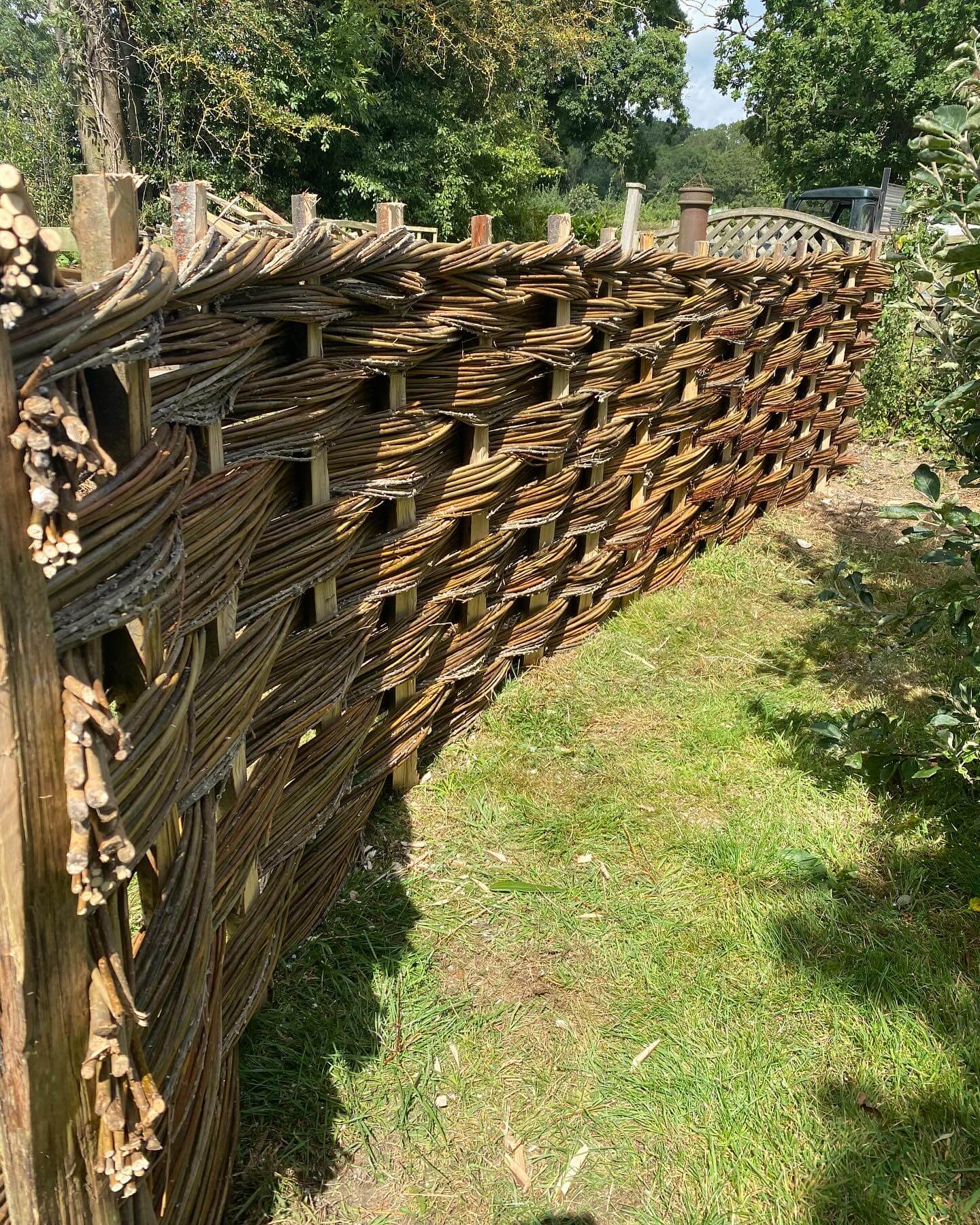
Woven Willow Hurdle Panels: Cottage Texture, Flexible Layout

For cottagecore charm with serious texture, woven willow (or hazel) hurdle panels bring centuries-old craft to modern gardens. The organic weave reads soft and storied, breaking wind and sightlines without feeling bulky—a perfect rustic fence idea for kitchen gardens, patio screens, and meandering borders. Set rot-resistant posts (oak, cedar, or black locust) in gravel, then mount pre-made panels a few inches off grade to reduce wicking and extend life. Durability is 5–10 years depending on climate; a light plant oil once a season helps. Want pet containment? Line the back with discreet black garden mesh. Cost-savvy approach: DIY short runs using pruned branches from fruit trees and willow whips, or mix a couple of hurdles with standard wood sections for a curated, collected look. Because the panels curve gracefully, they’re ideal for odd-shaped yards and informal paths. Pair with scented climbers—old roses, sweet pea, and honeysuckle—plus thyme and chives at the base for a productive potager vibe. Pea gravel or brick edging completes the farmhouse palette and keeps maintenance low. When you need to reconfigure beds, hurdles lift and relocate easily, making this one of the most flexible rustic fencing solutions.
Live-Edge Plank Privacy Wall with Black Hardware: Organic Lines, Modern Contrast
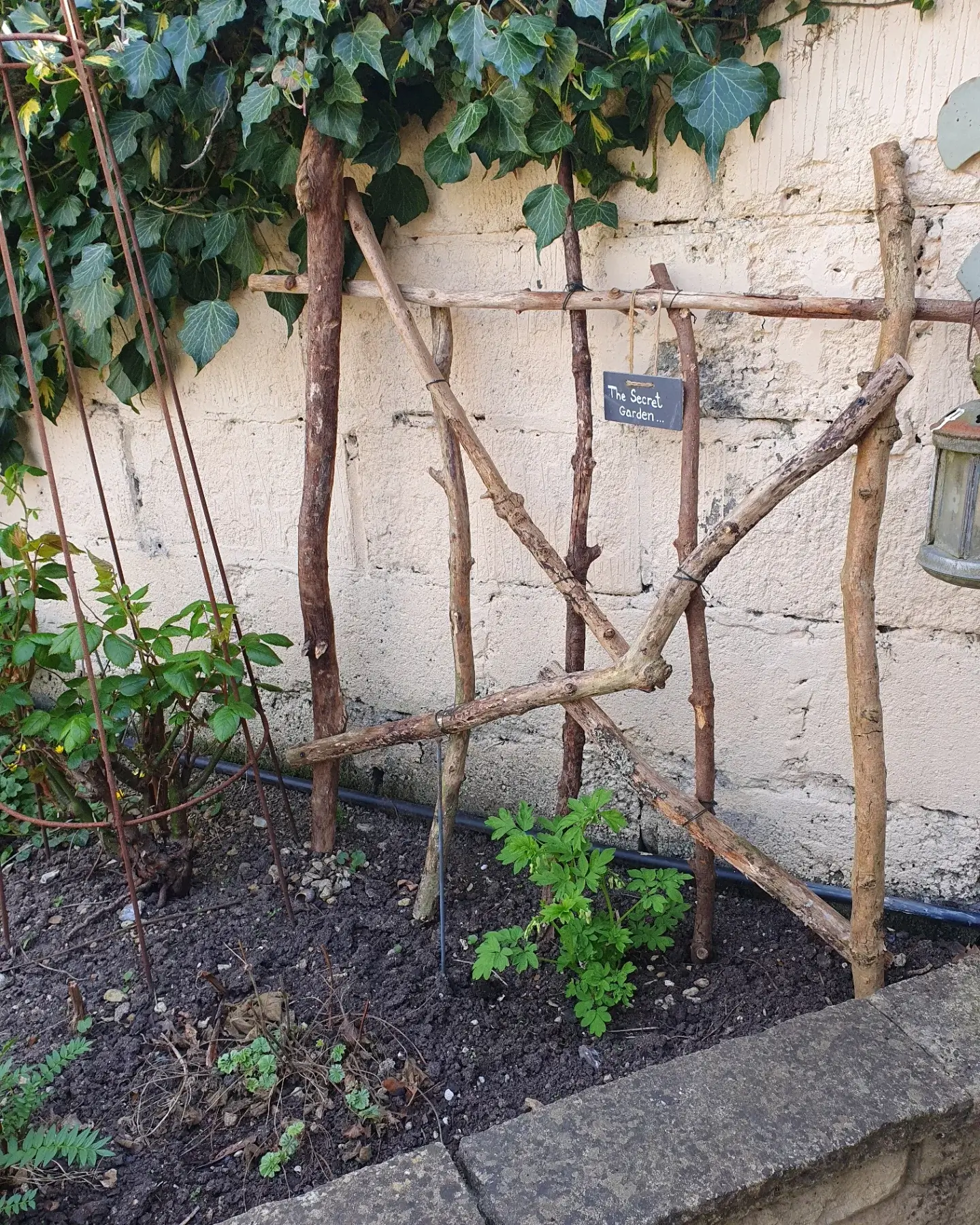
A live-edge fence turns your boundary into bespoke landscape art. Instead of milled edges, slabs keep their natural contours, creating a flowing, one-of-a-kind silhouette that feels luxe and deeply rustic. Mount vertical or horizontal live-edge boards to a stout frame with black powder-coated hardware for crisp contrast and a modern-ranch finish. Best-use cases include feature sections behind a seating nook, hot tub screening, or a focal stretch along a patio—places where texture earns attention. For longevity, choose rot-resistant species like cedar, cypress, or black locust; pre-seal all faces (especially end grain) with a UV-protective oil, and maintain yearly for color depth. Cost-savvy move: alternate a few live-edge boards with standard 1x6s, or use live-edge pickets at eye level only. Keep drainage gaps consistent to prevent cupping; stand-off spacers help boards dry evenly. Because the silhouette is already dynamic, plant simply: Japanese forest grass, ferns, and climbing hydrangea layer softness without visual clutter. Low, warm uplights graze the curves at night for dramatic shadow play. This approach transforms privacy from a compromise into a statement—craftsman-quality enclosure with farmhouse soul.
Corrugated Metal in Cedar Frames: Tough Rustic Screen for Harsh Climates
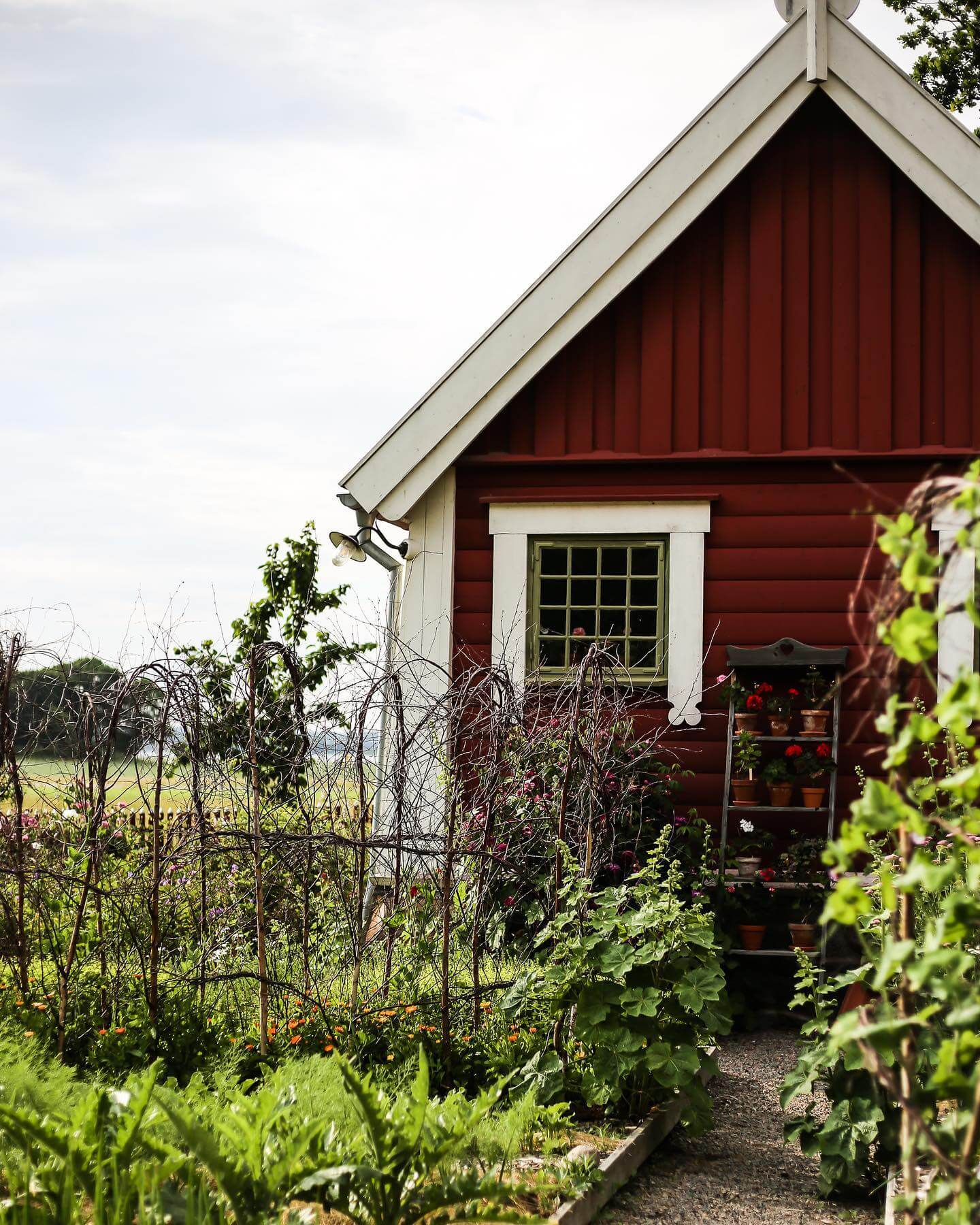
When you need a hardworking, low-maintenance fence that still reads warm and rustic, combine cedar frames with galvanized corrugated metal infill. The timber softens the sheen of the panels, while the ribbed profile adds texture and rigidity—excellent for snow loads, coastal wind, and rainy climates. Build stout 4×4 or 6×6 posts, then float metal sheets within routed frames or face-screw using self-tapping fasteners with neoprene washers. Add closure strips at the top and bottom to quiet rattle and shed water. Cost-savvy strategy: source reclaimed roofing panels for authentic patina, or mix shorter metal bays with solid wood sections to stretch budget. To avoid staining and splash-back, keep panels an inch off a gravel strip and slope cap rails slightly. The look skews modern-rustic but layers beautifully with prairie grasses, Russian sage, and agastache for movement and pollinator appeal. A cedar Z-braced gate with a single horizontal metal bay ties it together, and dark oil on the frames balances the galvanized silver. Compared with full-wood privacy, this setup installs fast, won’t warp, and needs only a rinse—ideal when you want durable screening with farmhouse grit.
Dry-Stack Stone Knee Wall + Cedar Posts: Grounded Base, Elevated Privacy
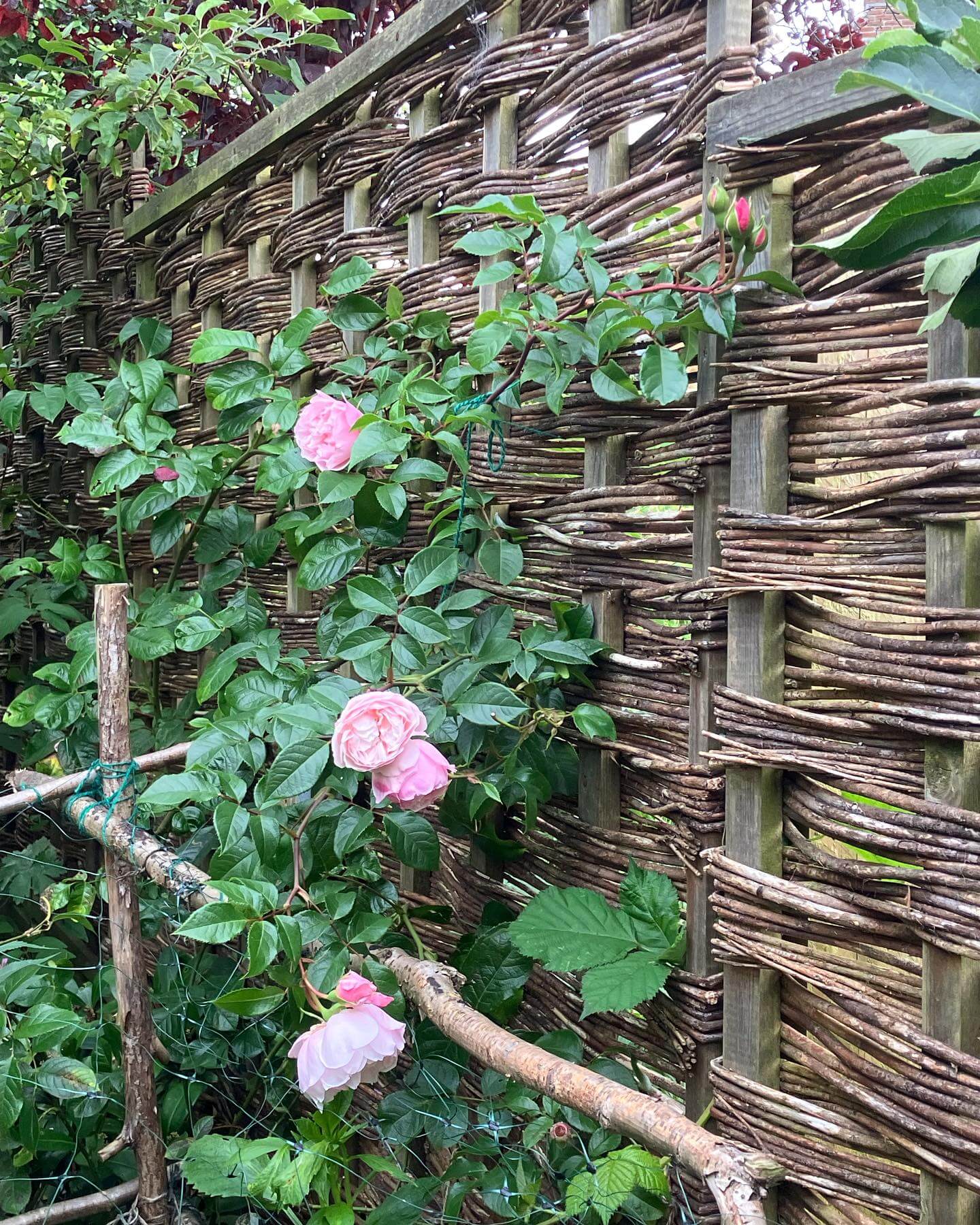
Anchor your fence with a dry-stack stone knee wall, then rise into warm cedar infill for a boundary that feels permanent without overpowering the landscape. The 18–30 inch masonry base acts as a water and pest break, protects wood from lawn tools, and instantly reads “heirloom”—a rustic fence idea that flatters cottage bungalows and mountain cabins alike. For structure, set posts in hidden sleeves behind the stone or core-drill and sleeve through the wall; use gravel backfill, filter fabric, and through-wall weeps to manage drainage. Above, choose vertical boards, simple rails with mesh, or board-on-board panels depending on privacy needs. Cost-savvy swap: build the base with local fieldstone or use gabion baskets filled with on-site rock; cap with a flat stone for seating. On sloped lots, the knee wall can step subtly to manage grade while keeping the wood line consistent. Plant low and drapey—creeping thyme, sedum, and catmint spill over stone—then train climbing roses or jasmine into the cedar bays for seasonal romance. Soft wall-wash lighting skims the stone after dusk, boosting curb appeal and safety with very little maintenance.
Redwood Basketweave Panels with Post Caps: Breezy Privacy, Big Texture
Basketweave fences deliver full, neighborly privacy without the flatness of a solid wall. By weaving 1×6 cedar or redwood boards between horizontal rails, you create a deep, rhythmic texture that breathes—perfect for patios, side yards, and pool screens where airflow matters. Use rot-resistant posts at 6–8 foot centers, set dead plumb; kiln-dried boards minimize warping. Pre-finish all faces before assembly, then add a simple cap rail and copper or black post caps for a polished farmhouse finish. Cost-savvy option: treated pine boards stained a warm chestnut evoke redwood at a friendlier price; upgrade just the cap and posts to cedar for longevity where it counts. Leave minimal expansion gaps and alternate board overlaps consistently to maintain the weave’s tension over time. Because the pattern is bold, keep plantings graceful—star jasmine, evergreen clematis, or a row of clumping bamboo (non-invasive varieties) make a lush, sound-softening backdrop. Integrated downlights under the cap wash the texture in the evening, turning a privacy need into a design feature. Expect lower upkeep than typical vertical panel fences and a uniquely rustic-meets-refined vibe from every angle.
Rope-and-Post Coastal Rustic Border: Beachy Farmhouse Accent for Paths and Drives
For areas that need guidance more than security, a rope-and-post fence adds instant character with minimal materials. Thick manila or marine-grade rope threaded through chunky timber posts creates a coastal-meets-farmhouse look that suits lake cabins, beach cottages, and country drives. It’s ideal for front-yard edges, garden paths, and parking pads where you want visual separation, curb appeal, and a welcoming vibe. Use 6×6 posts set in gravel for drainage; if you’re near water, consider black locust or pressure-treated posts and synthetic rope that resists rot and UV. Cost-savvy alternative: landscape timbers and polypropylene “manila-look” rope deliver the style on a budget. Add low bollard lights or solar cap lights for safe nighttime navigation without harsh glare. Because this style is visually light, pair it with textural plantings—blue fescue, switchgrass, lavender, and bayberry echo dunes and meadows while staying drought-tough. Mulch with crushed shell or gravel to reinforce the rustic coastal palette and reduce maintenance. While not a privacy solution, this border layers beautifully with hedges or split-rail beyond, rounding out a compound of rustic fence ideas that feel cohesive and timeless.
DIY Rustic Fence Ideas with Reclaimed Wood and Natural Materials
Reclaimed wood delivers instant soul, but success starts with smart sourcing and prep. Hunt barn boards, pallet stringers, and retired fence panels at salvage yards, farm auctions, and deconstruction crews. De-nail thoroughly, stack to dry, and brush clean, preserving gray silvers while removing grime. Respect local codes, utility locates, and property lines before any digging or post placement. Plan layouts on paper, then snap string lines to visualize rhythm, grade changes, and gate swings. Gather essential tools early—auger, level, circular saw, driver bits, and clamps—to accelerate build days.
- Establish straight runs with taut string and set reference stakes, marking six- to eight-foot post spacing for structural efficiency, fewer cuts, and a pleasing, repeatable cadence along the boundary.
- Choose rot-resistant posts—cedar, black locust, or pressure-treated—and set them in compacted gravel, not concrete, for drainage, frost movement tolerance, and simpler future replacements or repairs.
- Blend board widths and stagger top edges slightly to disguise sloping grades, minimize waste, and create a hand-built silhouette that reads organic, intentional, and comfortably imperfect from the street.
- Try a burn–brush–oil finish: lightly torch softwood faces, wire-brush to reveal grain, then apply penetrating oil for UV resistance, richer contrast, and a breathable, low-maintenance protective layer.
- Weave coppiced willow between rails, add espalier anchors for fruiting branches, or train climbing roses to soften planes, attract pollinators, and deliver evolving privacy through seasonal foliage and blooms.
Fasteners and details elevate results: use exterior-rated coated screws or ring-shank nails, and predrill reclaimed hardwoods to prevent splits. Black patina hardware, bolt heads, and rustic latches create cohesive accents that echo farmhouse tools. Brace gates with a Z or diagonal compression member to prevent sagging, and hang latches at comfortable, gloved-hand height. Expect DIY reclaimed builds to range widely—materials may be nearly free, but time, tools, and finishing can equal $18–$42 per linear foot. Schedule annual checks for loose pickets, oil refreshes, and ground clearance as mulch levels change. Finally, share the plan with neighbors early to avoid surprises and to coordinate shared boundaries or plantings.
Your Most Pressing Rustic Fencing Questions, Answered
How do I prevent rot while keeping the fence’s weathered look?
Elevate boards off soil, set posts in compacted gravel, and choose rot-resistant species like cedar or locust. Use penetrating oil rather than film-forming sealers to protect while preserving patina.
Get the Fail-Safe Paint Color Playbook (Free PDF)
36 proven colors • 8 ready palettes • trim & sheen guide • printable testing cards.
What height gives privacy without overwhelming a small yard?
Six feet offers solid privacy in most areas, but step down near patios or transitions to five feet to ease scale. Consider lattice tops or trellis panels to soften height visually.
Get the Fail-Safe Paint Color Playbook (Free PDF)
36 proven colors • 8 ready palettes • trim & sheen guide • printable testing cards.
Are reclaimed pallets safe and durable for fencing?
Only use HT-stamped (heat-treated) pallets, avoiding MB (methyl bromide) chemical treatments. De-nail thoroughly, select thicker stringers, and reinforce frames; many builders mix pallet boards with new rails for strength.
What budget should I plan per linear foot for rustic fence materials and labor?
DIY costs vary: split-rail with wire can be $12–$35, while board-on-board cedar often runs $28–$60. Pro-installed projects range roughly $45–$110 depending on region, terrain, gate count, and metal infill.
Final Verdict: Rustic Fences That Marry Soul, Function, and Budget
Rustic fence ideas earn their keep when they deliver character you can see and performance you can feel. Whether you lean toward split-rail openness, cedar board-on-board quiet, wood-and-hog wire for sightlines, or corrugated metal for weather-beating privacy, the right choice comes from aligning style with site realities—lot size, wind and sun exposure, pets and kids, HOA rules, and the views you want to frame or filter. Mix natural textures—timber, stone, woven willow, or weathered steel—to layer farmhouse charm with curb appeal that reads timeless, not trendy.
Plan with purpose and you’ll build once, enjoy for years. Establish priorities (privacy vs airflow, security vs scenery), then match materials: rot-resistant cedar, redwood, black locust, or thoughtfully sourced reclaimed boards; galvanized or stainless hardware; kickboards and caps for longevity; mesh where pets need containment. Add cohesion with a handsome gate, warm lighting, and plant partners—climbing roses, jasmine, ivy, or native vines—to soften lines and invite seasonal color, while stains or penetrating oils keep wood protected with low maintenance.
Next steps are straightforward: measure the site, call utility locates, confirm property lines and codes, and choose construction details that suit your grade—stepped or racked panels, solid footings with drainage gravel, and properly spaced posts. Price materials, request a few bids (or plan a phased DIY), and don’t be afraid to combine elements—stone knee walls, cedar screens, Corten accents—to craft a boundary that feels handcrafted and endures. Done right, your rustic fence becomes more than a perimeter; it’s the framework that makes your landscape feel like home.