
Small Backyard Ideas to Maximize Every Inch
Short on square footage but big on outdoor dreams? With the right small backyard ideas, even the tiniest plot can feel open, inviting, and surprisingly functional. Think strategic layouts, smart storage, and design tricks that make every inch work harder.
From vertical gardens and space-saving seating to privacy screens and layered lighting, these ideas turn cramped corners into cozy retreats. You’ll learn how to create zones for dining, lounging, and play—without clutter or chaos—so your backyard feels like a true extension of your home.
Get the Fail-Safe Paint Color Playbook (Free PDF)
36 proven colors • 8 ready palettes • trim & sheen guide • printable testing cards.
Whether you’ve got a postage-stamp patio, narrow side yard, or compact courtyard, these renter-friendly, budget-conscious tips will help you craft a low-maintenance outdoor oasis. Ready to turn small into stunning? Let’s reimagine your backyard, one clever upgrade at a time.
Space-Saving Small Backyard Ideas for Patios, Decks, and Cozy Seating Zones
Designing a compact patio starts with mastering scale and circulation to prevent bottlenecks and awkward dead zones. Choose a primary function—dining, lounging, or grilling—then build the layout around that task using modular, lightweight pieces. Fold-flat chairs, nesting tables, and wall-hung consoles free up valuable floor area without sacrificing comfort or style. Anchor the space with an outdoor rug sized to your seating footprint, which visually expands square footage and clarifies zones. Add vertical interest with slim pergolas, trellises, or privacy screens that double as supports for planters and soft, dappled shade. Keep pathways at least 30–36 inches wide to ensure smooth movement from doorways to seating and grills.
- Fold-Flat Bistro Sets: Compact, stackable tables and chairs tuck against walls after meals, creating instant open space for yoga, kids’ play, or crafting without heavy lifting or storage hassles.
- Corner Bench with Storage: A built-in L-shaped bench maximizes underused corners, hides cushions and games, and seats more guests than individual chairs while keeping the footprint crisp, uncluttered, and efficient.
- Rail-Mounted Planters: Clamp planters to deck rails or fences to lift herbs and flowers off the floor, freeing circulation space while creating green privacy and easy harvests within arm’s reach.
- Slim Pergola with Retractable Shade: Use a narrow-profile pergola and washable fabric panels to temper midday sun, define the patio, and add height without casting heavy shadows or overwhelming small footprints.
- Multi-Level Deck Platforms: Stagger two shallow platforms to separate grilling and lounging zones, reduce railing needs, and subtly increase functional area by stacking surfaces instead of spreading wide.
When choosing materials, lean on light-toned pavers, composite decking, and slatted wood that reflect light and read visually lighter than dark, heavy stone. Repeat two or three finishes—such as teak, matte black metal, and galvanized planters—to keep the palette cohesive and the space feeling larger. Install layered lighting with low-glare sconces, solar step lights, and string lights on dimmers so the patio transitions from dinner to after-hours lounging without harsh hotspots. Privacy screens can multitask as vertical planters, hosting strawberries, trailing rosemary, or succulents while shielding sightlines from neighbors. Use wall hooks for folding chairs and grill tools, and choose a weatherproof bench to corral cushions, blankets, and citronella candles between uses. Finally, add a compact fire pit table or ceramic garden stool to double as heat source and side table, keeping the setup flexible year-round.
Map Out Micro-Zones with a Simple Layout Grid
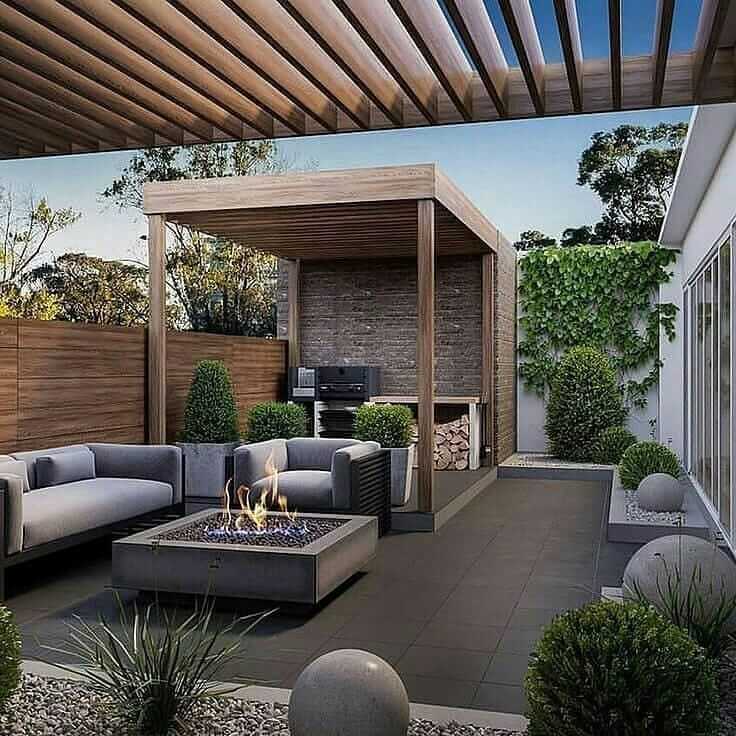
In a small backyard, clarity beats clutter. Start by sketching a simple layout grid that carves your footprint into two or three purposeful zones—typically a lounge, a dining perch, and a green strip. Use visual anchors to define each “room”: an outdoor rug under seating, a compact paver or deck tile pad for dining, and a border of planters to soften edges. Favor clean, rectilinear lines that run parallel to your property lines; this makes the space feel orderly and larger. If you’re unsure about proportions, try the 70/30 rule: devote about 70% to your primary activity (usually lounging) and 30% to secondary needs. Float furniture away from the wall by a few inches to avoid that “furniture pressed to the fence” look. Corner solutions—like an L-shaped bench or a café bistro set tucked diagonally—unlock dead space. Keep pathways at least 30 inches wide so the space moves. Finally, repeat materials for cohesion: gravel plus wood, or stone plus black metal. A tight palette and repeated textures are the fastest way to turn a tiny yard into a composed, high-function retreat.
Grow Up, Not Out: Vertical Gardens and Trellised Greens
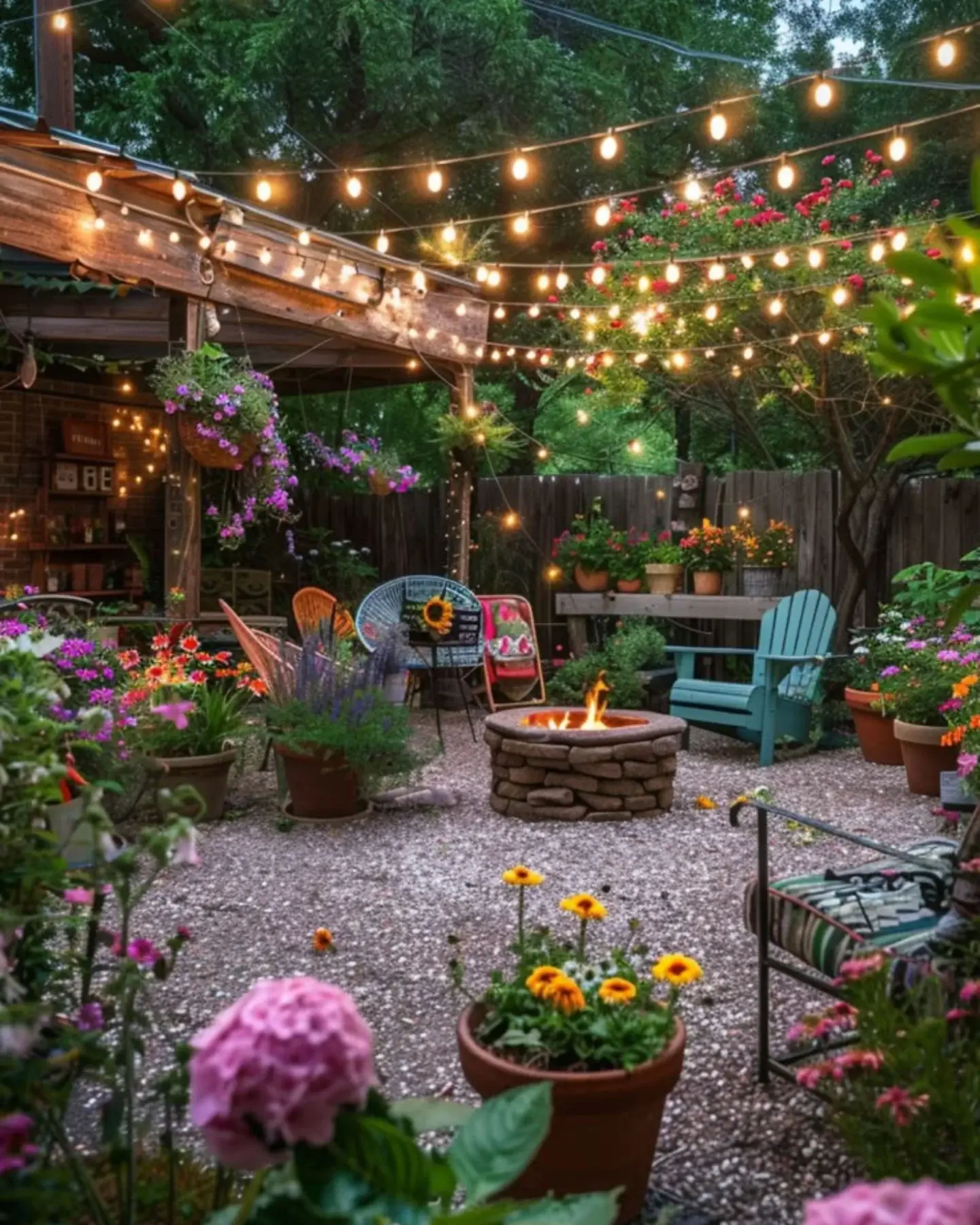
When square footage is scarce, walls become your best soil. Mount trellises, wire grids, or modular pocket planters to cultivate herbs, leafy greens, and flowering vines without sacrificing floor space. For edible impact, plant strawberries, thyme, and trailing cherry tomatoes in stacked planters; for privacy, train star jasmine, clematis, or hops up a slim trellis. Espalier a dwarf fruit tree against a fence for a living sculpture that yields produce and shade. If you’re renting, try freestanding ladder planters or rail-hung boxes to stay drill-free. Keep weight in mind—use lightweight potting mix, water-retaining crystals, and drip irrigation on a timer to reduce maintenance and mess. Mix textures (slatted wood with matte black grid) and stagger heights to create depth, which visually expands a narrow yard. A simple rule: leaves at eye level, blooms above, edibles within easy reach. The result is a lush, vertical “green wall” that cools the space, screens neighbors, and turns a blank fence into a productive, living backdrop.
Modular, Multifunctional Seating That Stashes and Adapts
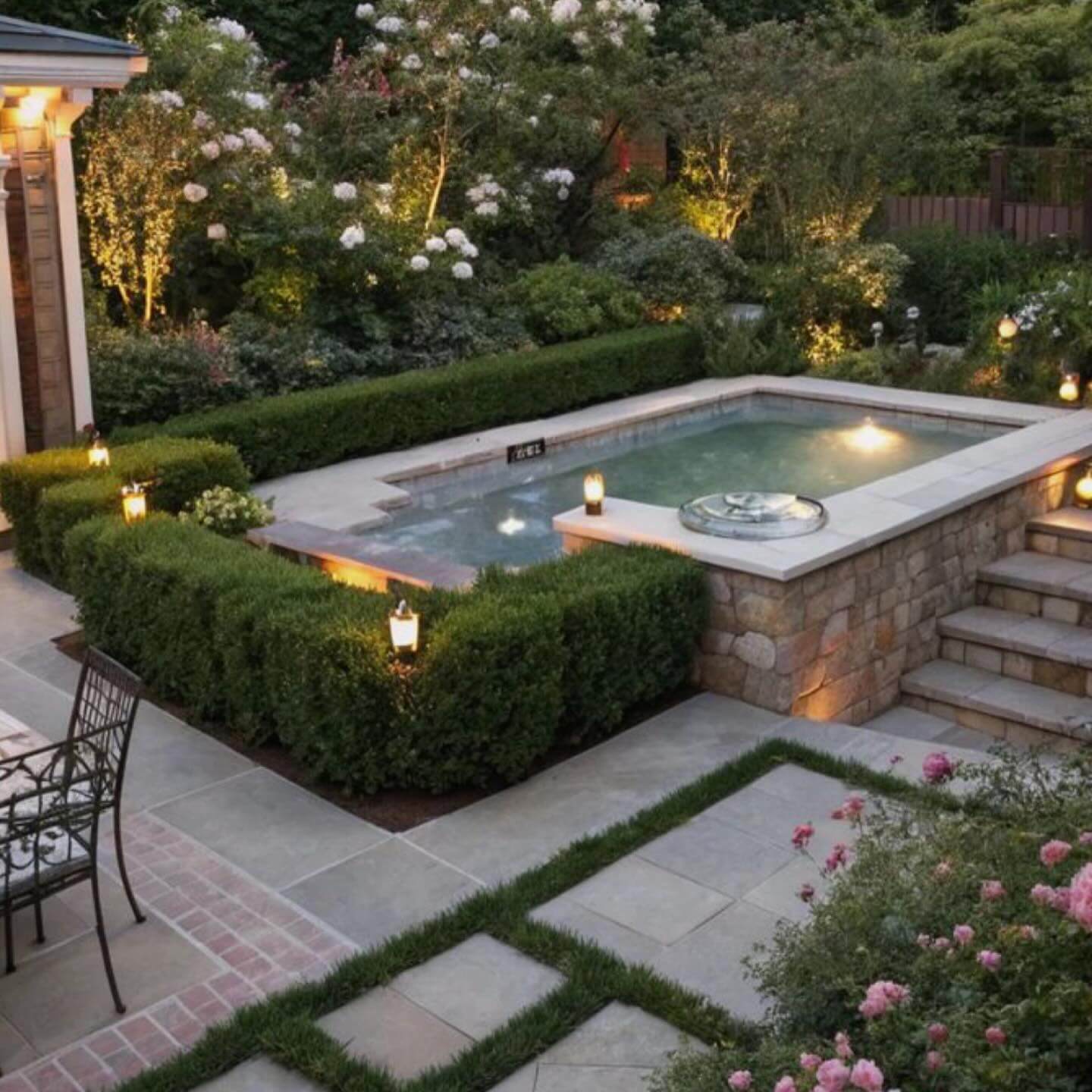
Once your verticals are thriving, turn to seating that works overtime. Modular cubes, nesting stools, and storage benches let a petite patio shapeshift from solo coffee to a four-friend hangout in minutes. Look for armless, low-profile pieces that won’t block sightlines, and choose leggy silhouettes (powder-coated metal, teak slats) to preserve an airy feel. A built-in corner bench with lift-up lids doubles as cushion storage and makes use of tight angles; add a narrow, movable table that can slide from “desk” to “dining.” Casters under a coffee table transform it into a serving cart when entertaining. If you love a sectional, pick one with independent modules so you can reconfigure seasonally—L-shape in winter sun, U-shape for summer gatherings. Keep fabrics unified in two tones max, and repeat those colors in planters or lanterns for cohesion. Pro tip: a bench-plank bridging two planters creates instant seating that’s sturdy, affordable, and green on both ends.
Fold-Down Dining: Rail Bars and Murphy Tables for Tiny Patios
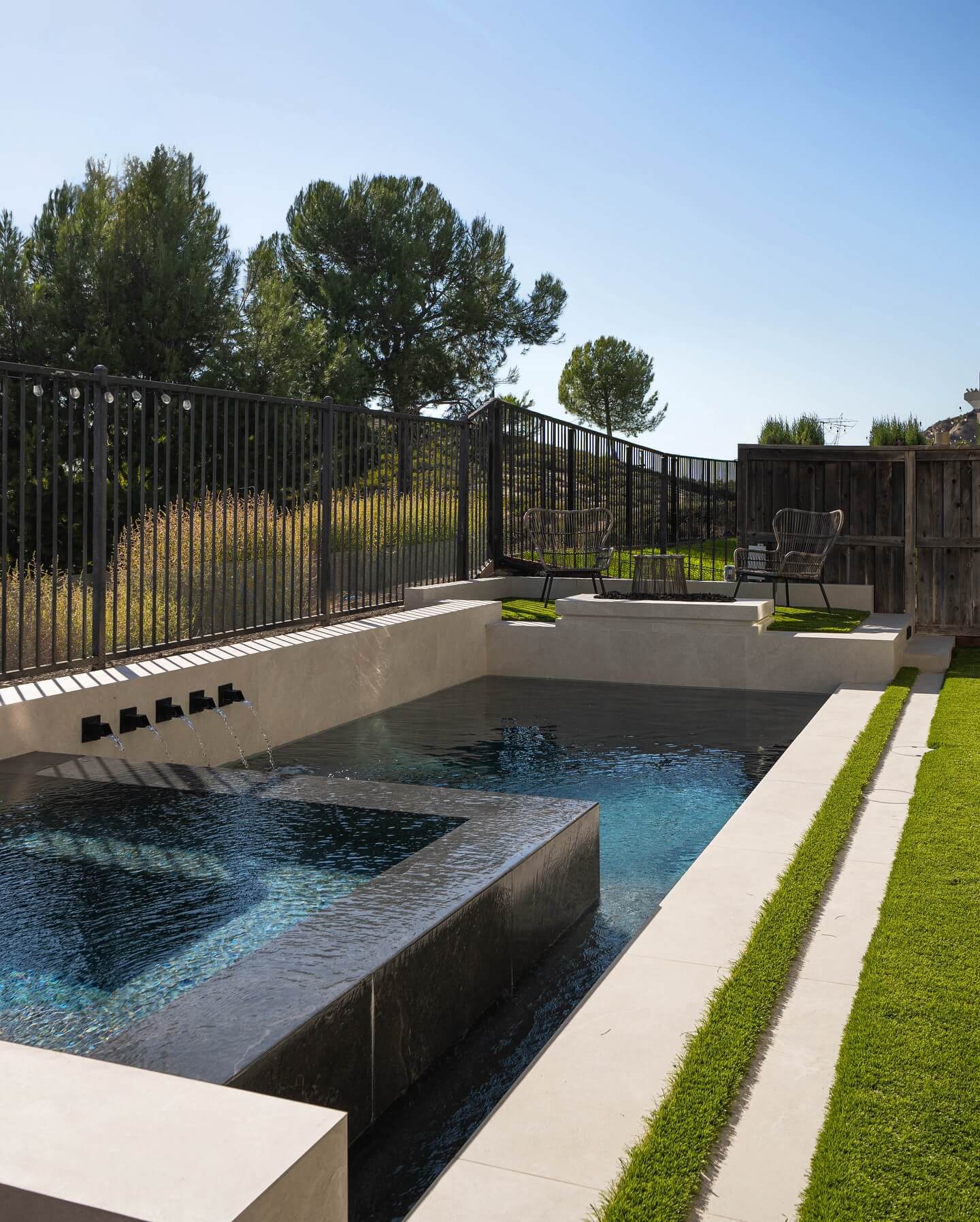
Dining al fresco shouldn’t devour your footprint. A wall-mounted, fold-down “Murphy” table or a slim rail bar along a fence delivers a full-function surface that disappears when you’re done. Mount a 10–14 inch deep tabletop on heavy-duty folding brackets at 30 inches high for dining, or 40–42 inches for a bar perch. Pair with stacking stools that tuck under or clip to a wall hook. Choose weatherproof materials—sealed cedar, composite decking offcuts, or exterior-grade plywood wrapped in laminate—for durability and easy wipe-downs. If you can’t drill, use a freestanding console with a weighted base that nests against a railing. Keep tabletop clutter minimal: one lantern, a planter, and modular placemats that store flat in a bench. Lighting above (string lights on a catenary cable) and a compact grill nearby turns the station into a full micro-kitchen zone. Bonus: this approach clears floor area instantly for yoga, kids’ play, or a folding sun lounger.
Layered Lighting to Make Small Spaces Feel Big at Night
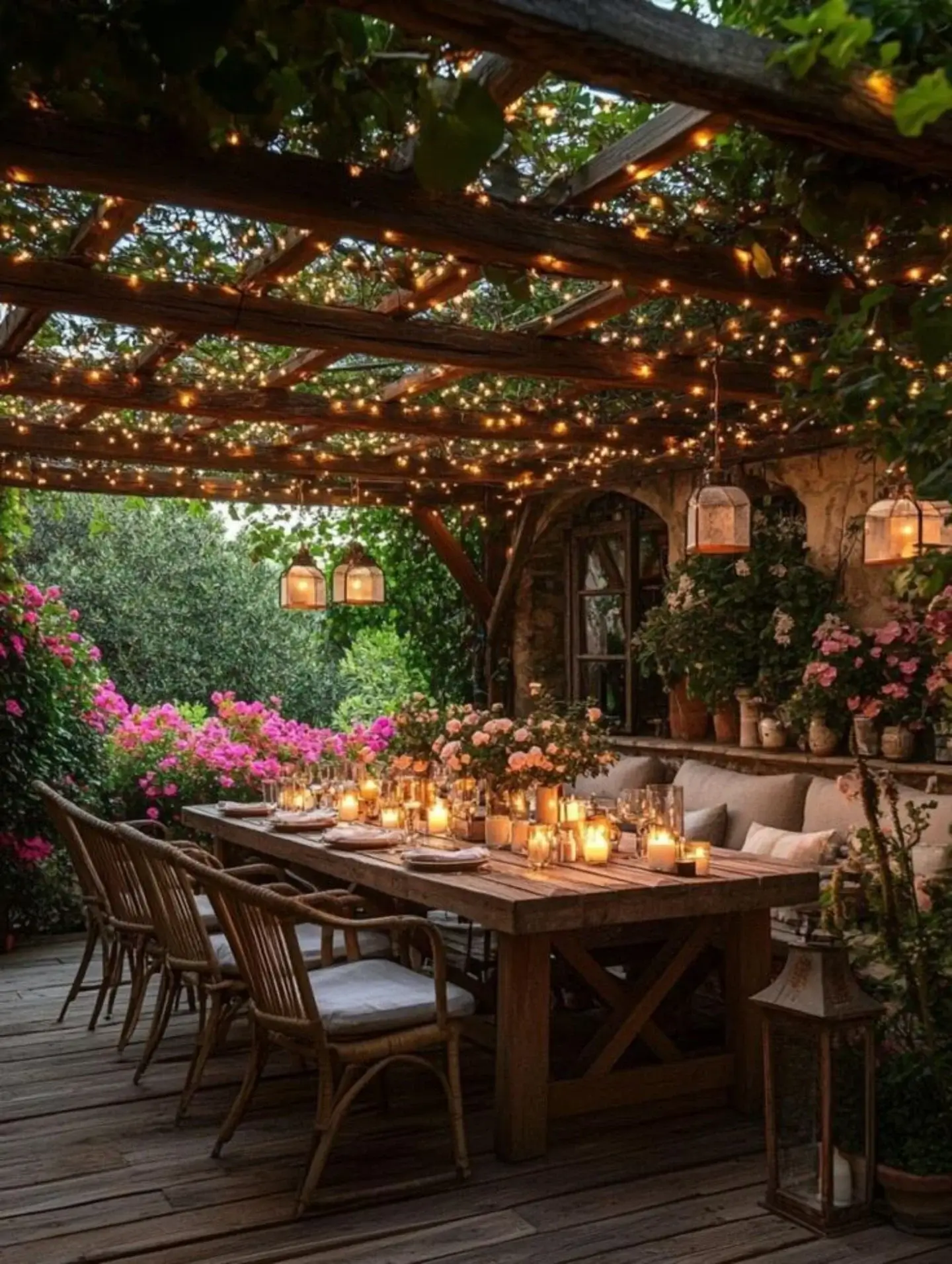
Even the tiniest yard can feel expansive after dark with thoughtful lighting layers. Start with ambient glow—warm white string lights (2700K) zigzagged overhead on tensioned cables to lift the ceiling visually. Add task lighting where you read, dine, or grill: a dimmable wall sconce, clip-on rail light, or rechargeable table lamps. Finally, sprinkle accent lights to build depth: low-voltage uplights grazing a screen, solar path markers along planters, and a candle cluster for flicker. Keep glare low and bulbs concealed to preserve a soft, inviting mood. Repeat fixtures in a consistent finish (black, brass, or galvanized) for a cohesive look, and use smart plugs or a dusk-to-dawn timer to automate the scene. If you have reflective surfaces—metal planters, light pavers—lean into them; they bounce light and visually widen the yard. The right mix not only extends usable hours but also highlights texture, creates privacy, and makes your small backyard feel layered, calm, and intentional.
Get the Fail-Safe Paint Color Playbook (Free PDF)
36 proven colors • 8 ready palettes • trim & sheen guide • printable testing cards.
Slimline Privacy: Slatted Screens and Living Curtains
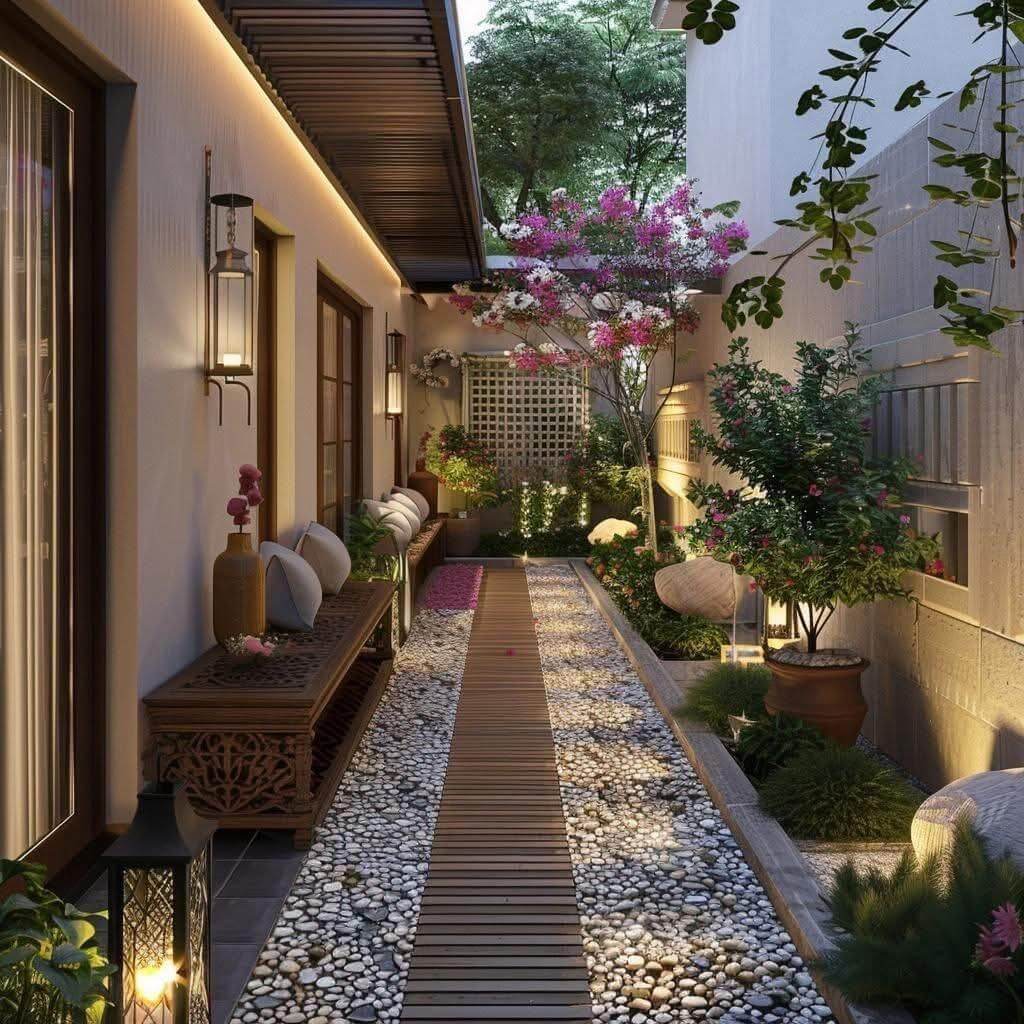
Privacy doesn’t have to mean heavy walls. Slatted screens with 1/2–3/4 inch gaps strike a sweet balance—enough cover to feel secluded, enough openness to keep breezes and light. Stain slats a warm wood tone or paint them charcoal to recede visually, then offset with soft, living “curtains”: climbing vines, tall ornamental grasses in trough planters, or clumping (not running) bamboo like Bambusa textilis ‘Gracilis’ in containers. For a renter-friendly approach, use freestanding planters with integrated posts or modular fence panels that weigh down with hidden pavers. Layer heights—seat-high planters, mid-height screens, vine-covered trellises—to create a graded edge instead of a hard boundary; this tricks the eye into reading depth. Add hooks for lanterns or a fold-out drying rack to maximize function. If noise is a concern, combine greenery with a small water feature to mask sound. The result is a breathable boundary that feels like a garden, not a barricade.
Cohesive Container Gardens for Color and Calm
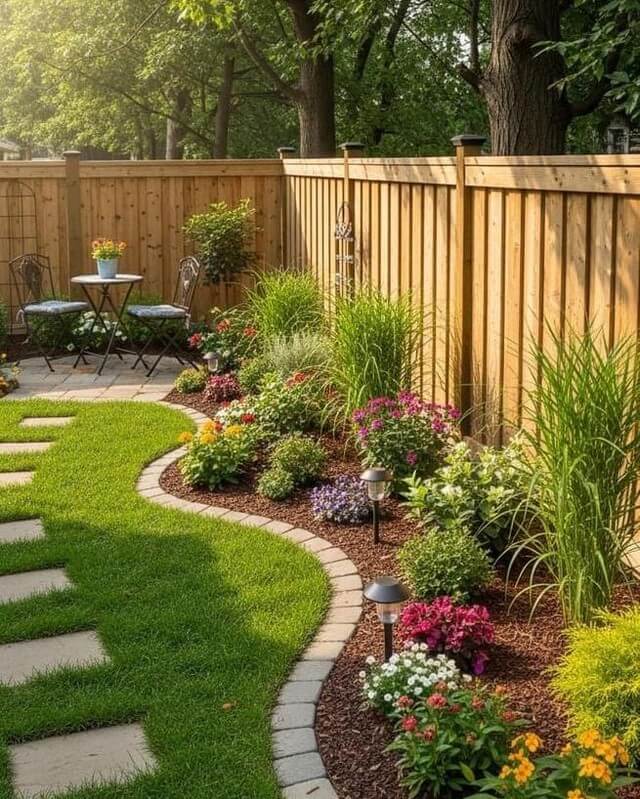
For most small backyards, containers are the garden. Go cohesive: pick one pot shape in two sizes and one finish (matte black, terracotta, or fiberstone) to avoid visual clutter. Group in odd numbers and stagger heights to frame seating or an entry. Plant with the time-tested thriller/filler/spiller formula—an upright focal plant (thriller), soft mounding companions (fillers), and a trailing edge (spillers). In sun, try dwarf olive, rosemary, and cascading verbena; in shade, choose fatsia, heuchera, and creeping Jenny. Work within a tight color palette—two foliage tones and one flower color—to keep the look calm and modern. Use high-quality potting mix, slow-release fertilizer, and saucers or risers to protect surfaces. Add a simple drip line on a smart timer and you’ve got a lush, low-maintenance display that thrives while you’re out. Best of all, containers are portable: re-stage them seasonally to refresh the view, screen a neighbor, or open space for a gathering.
Compact Fire Features for Cozy, Code-Friendly Evenings
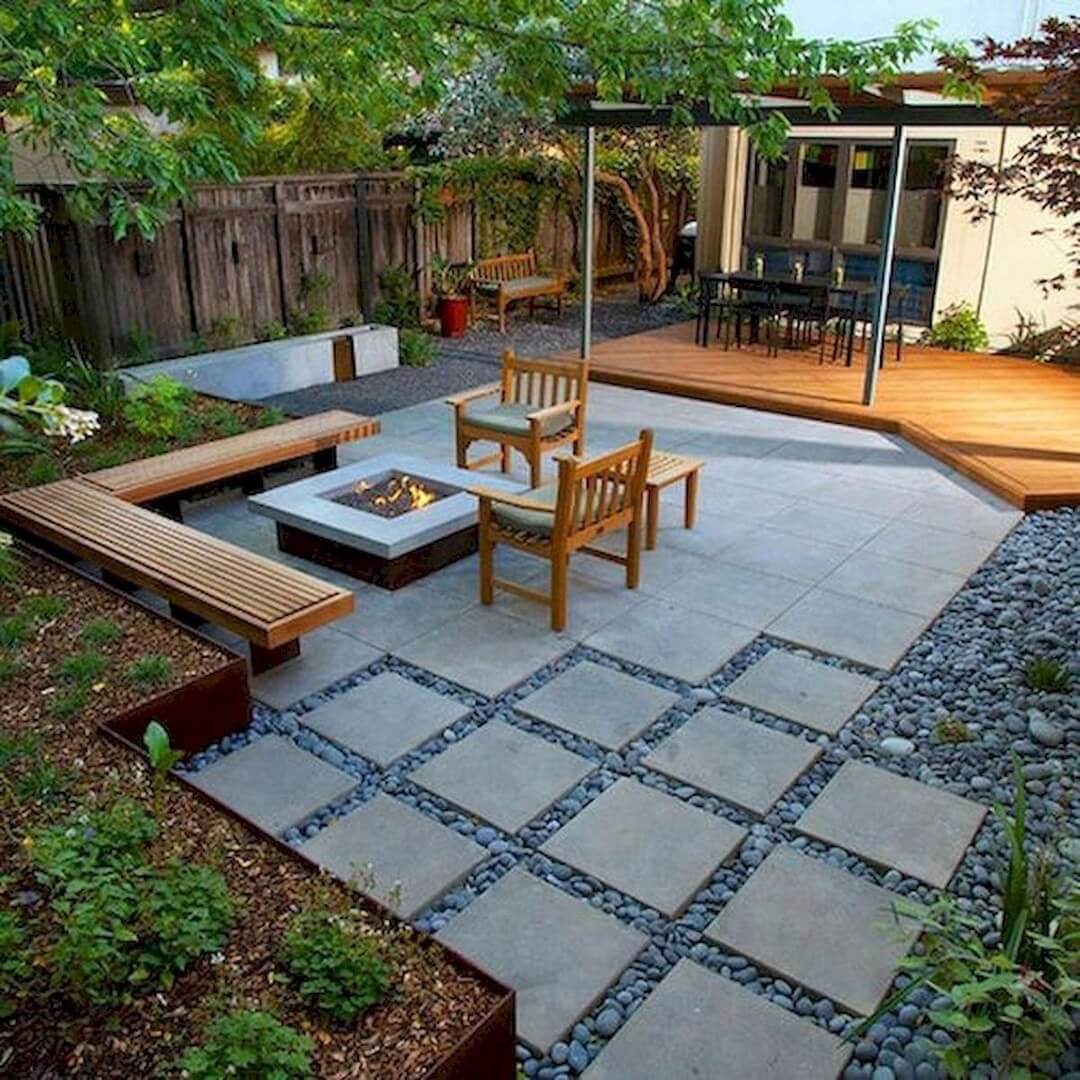
You don’t need a roaring pit to get that fireside magic. Tabletop propane fire bowls, bioethanol burners, or compact, smokeless units deliver ambiance and gentle warmth without overwhelming a pocket-sized patio. Check local codes and clearances, then place your feature on a noncombustible surface (stone, concrete, or a fire mat) with at least 3 feet around. Opt for a rectangular or oval shape that tucks along a bench or bar to preserve circulation. If flames aren’t an option, emulate the vibe with LED “flame” lanterns, a heat lamp, or a candle cluster in hurricane glass. Style a micro hearth: a gravel inset, two stools, a wool throw, and a hidden storage bin for fuel canisters. Keep finishes consistent with your palette—black metal with basalt pebbles feels modern; brass with amber glass reads cozy. The goal is intimacy: a flicker that anchors conversation without consuming your precious square footage.
A Thin Water Feature for Serenity and Sound Control
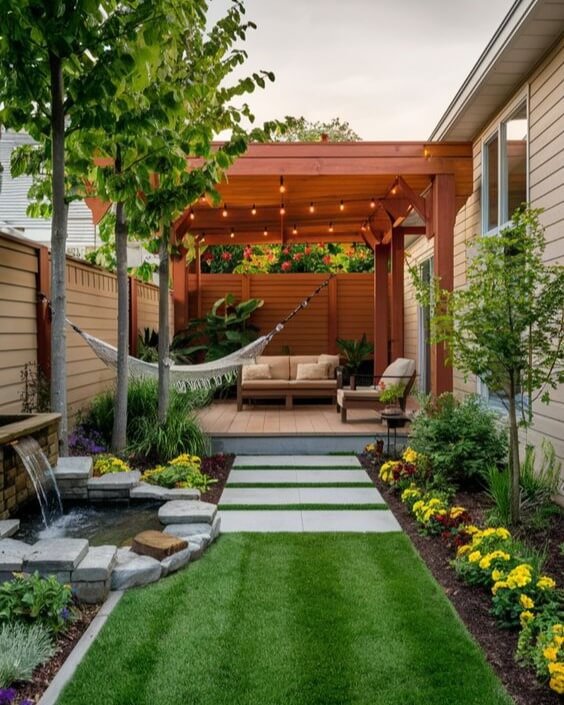
A narrow wall fountain, blade spillway, or slim trough with a recirculating pump brings calm to a compact yard and cleverly masks street noise. Aim for a footprint under 12 inches deep that nestles against a fence or wall, and choose darker materials (charcoal, slate, weathered steel) so the feature visually recedes. The gentle sound layer makes the space feel private without raising walls. Keep maintenance easy: a simple pump with an inline filter, a GFCI-protected outlet, and a weekly top-up to counter evaporation. Add marginal plants in adjacent containers—papyrus, sweet flag, or horsetail—for a soft, architectural edge. At night, a single submersible or grazing uplight turns ripples into a kinetic art piece. In cold climates, drain and store the pump in winter; in warm zones, add mosquito dunks as needed. The result is a micro-oasis that cools the air, attracts pollinators, and elevates the whole backyard experience.
Color, Textiles, and Mirrors to Visually Double the Yard
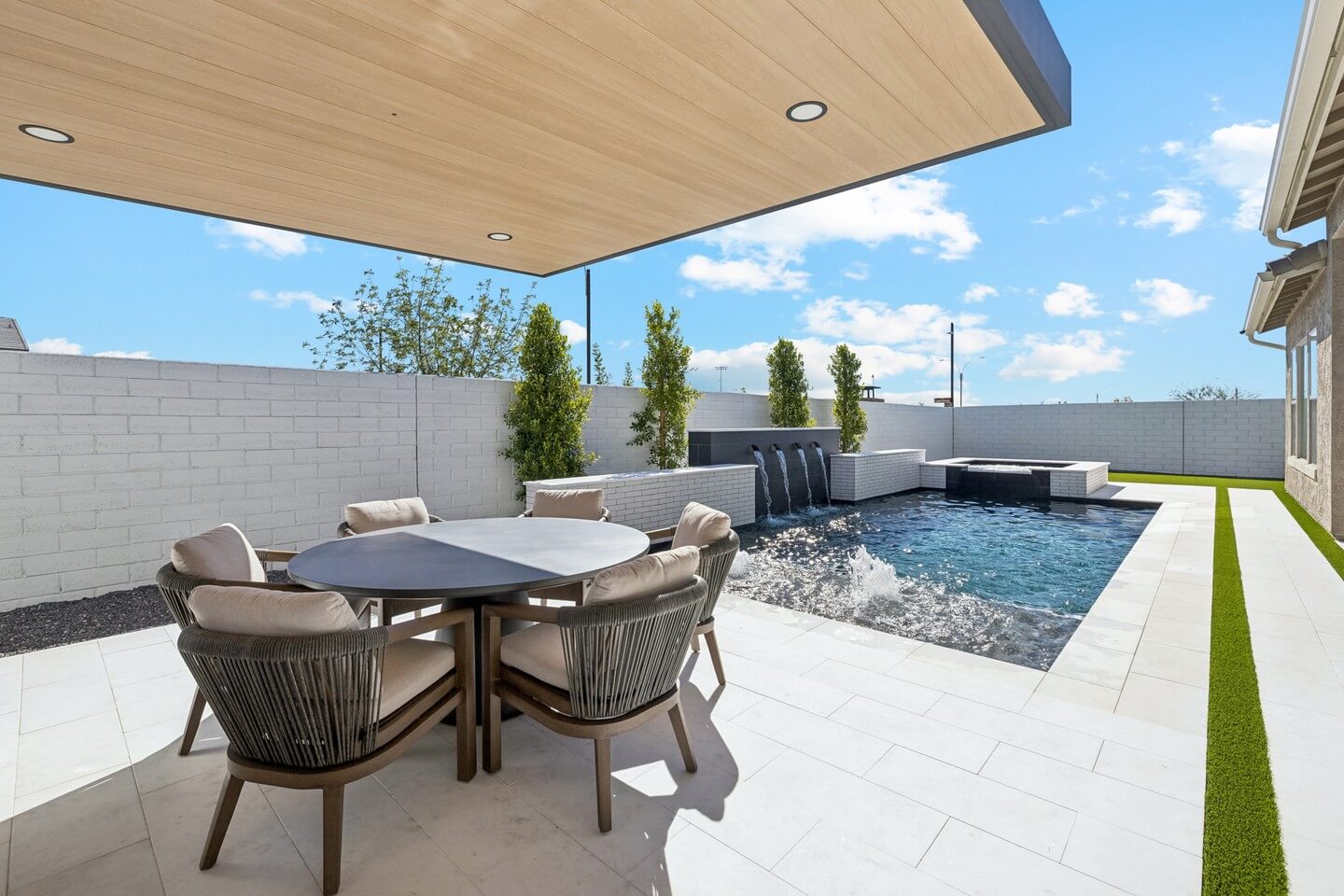
Finish with the styling that stretches a small space. Choose a restrained palette—two neutrals plus one accent—and repeat it across cushions, planters, and lanterns for a seamless, high-end feel. An outdoor rug with lengthwise stripes elongates a narrow patio; light, cool hues (sage, stone, sky) make boundaries recede. Layer textures—woven chairs, slatted wood, matte pottery—to add richness without weight. Consider a weatherproof acrylic “garden mirror” or mirrored steel panel to bounce light and reflect greenery, but angle it slightly downward to avoid bird strikes and neighbor reflections. Opt for breathable, quick-dry textiles and use a deck box or storage bench to keep everything crisp between uses. Tie indoors to out by echoing one color from your living room; continuity makes the backyard feel like an extra room. These simple styling moves amplify all your smart planning, making your small backyard read larger, calmer, and unmistakably yours.
Get the Fail-Safe Paint Color Playbook (Free PDF)
36 proven colors • 8 ready palettes • trim & sheen guide • printable testing cards.
Shade Without Bulk: Corner Pergolas and Shade Sails
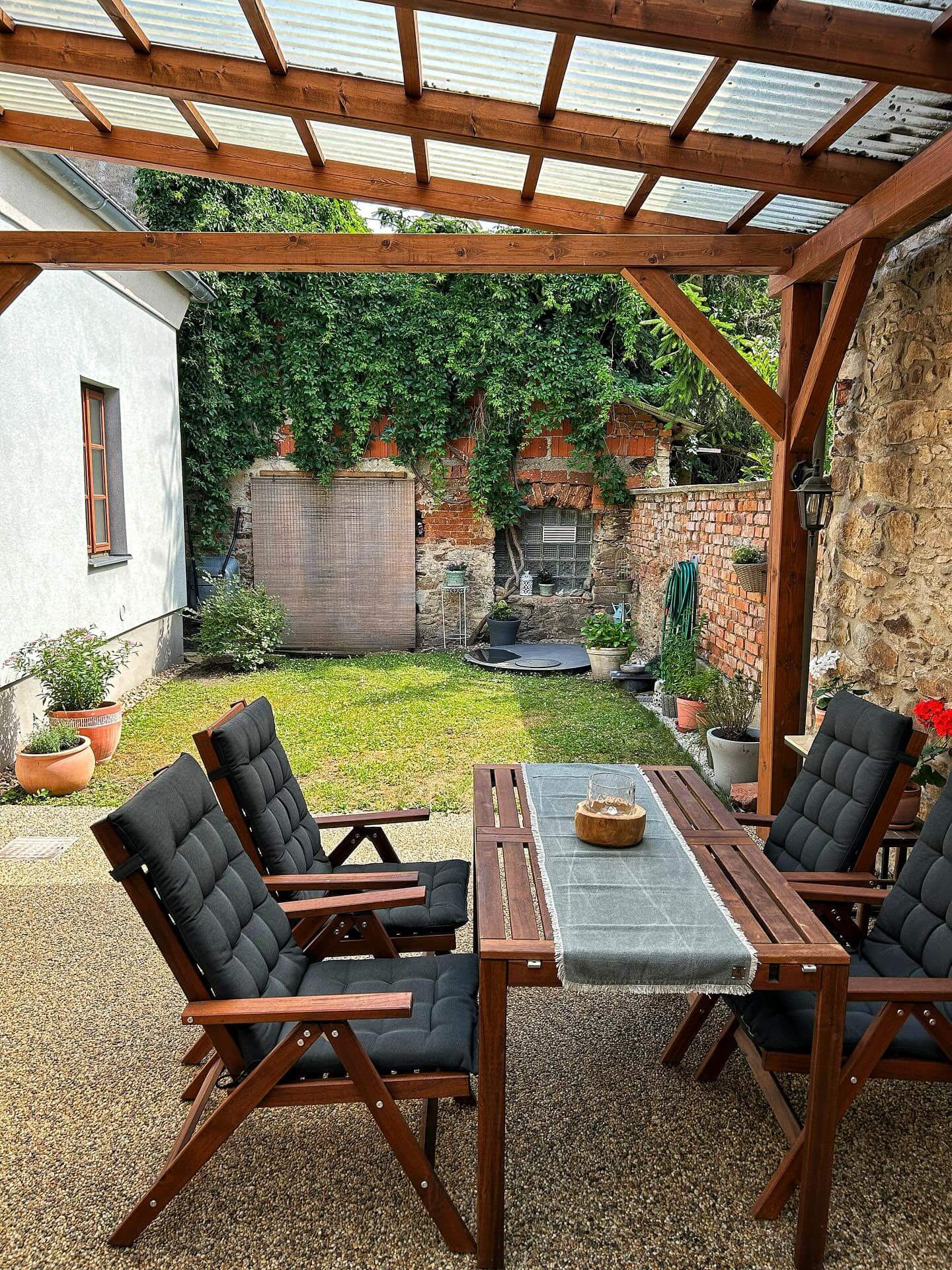
In a small backyard, the most powerful square footage is often above your head. A slim corner pergola or tensioned shade sail creates an “overhead ceiling” that defines your lounge or dining zone without stealing precious floor space. Mount a triangular sail to the house and two slender posts set on the perimeter so the center of your patio stays open and flexible. Pick breathable, UV-rated fabric in a light tone to bounce daylight and prevent the space from feeling heavy. If you prefer wood, a compact L-shaped pergola tucked into a corner delivers structure for vines, café lights, and privacy drape panels while keeping the footprint tight. Key details: pitch the sail 15–20 degrees for drainage, use marine-grade hardware in windy areas, and mirror your home’s trim color for cohesion. Shade makes tiny patios instantly more usable—morning coffee, midday laptop sessions, or sunset dinners—so it’s one of the smartest small backyard ideas to prioritize early. Bonus: the shade plane visually “widens” narrow side yards by drawing the eye outward, not just forward.
Build the Edges: Slim Planters That Do Double Duty
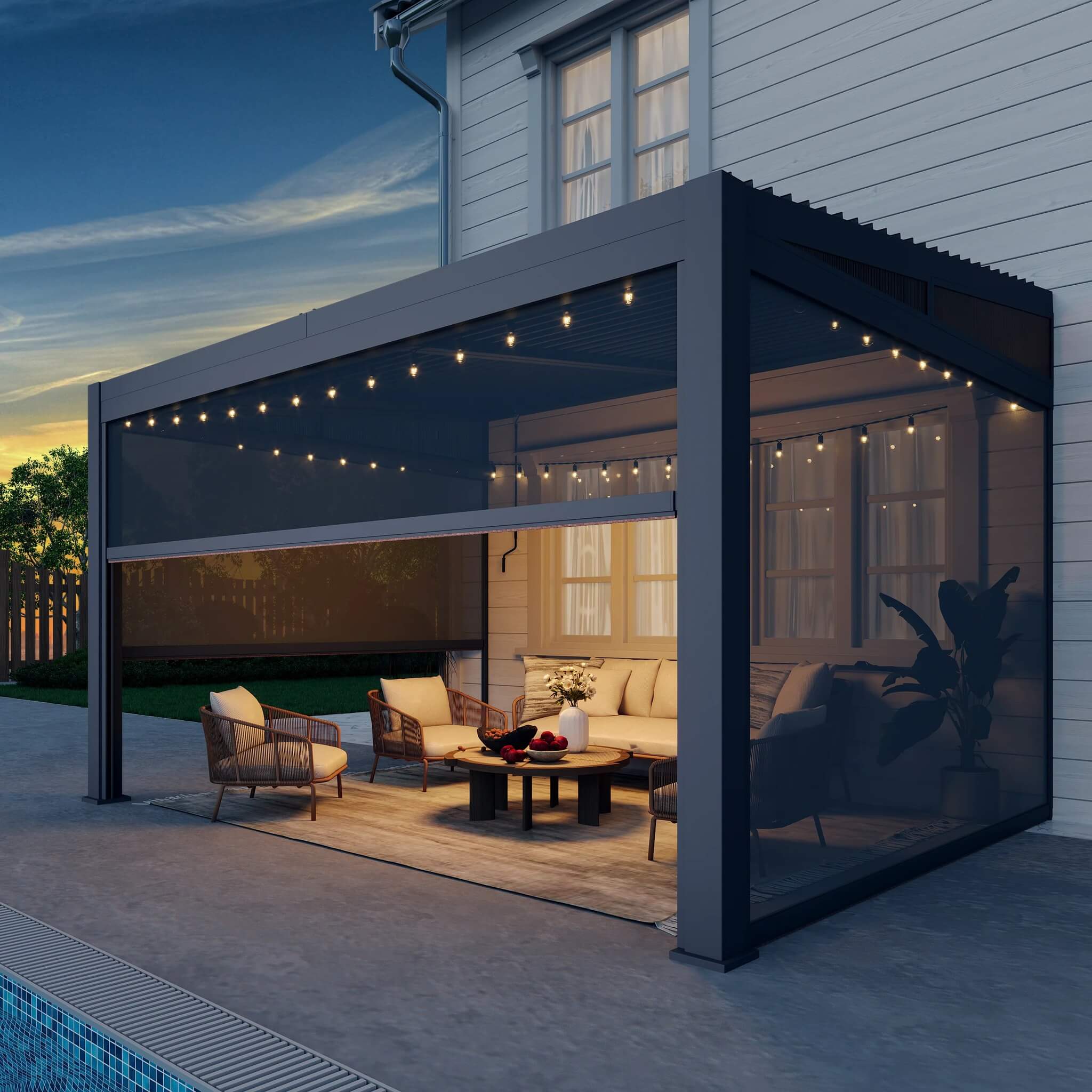
When space is tight, keep the center clear and put your hard workers on the edges. A run of slim, built-in planters or troughs along a fence line can act like a soft wall—framing your view, boosting privacy, and lending structure—all while freeing up the main floor for furniture. Cap those planters with a wide, smooth ledge so they double as extra perches during parties. Stick to a unified plant palette (evergreen backbone, seasonal color, and cascading spillers) to avoid visual clutter; repeating the same species every few feet reads calm and intentional. In a compact courtyard, a 10–14 inch-deep planter is often enough for herbs, dwarf grasses, and columnar shrubs, and the soil mass dampens street noise. Choose materials that match your home’s vibe—painted masonry, stained cedar, or fiber cement—then echo that finish in side tables or a storage box for cohesion. This perimeter-first strategy is a micro-zoning win: you get a living backdrop, subtle enclosure, and extra seating, all without crowding the footprint.
Add Dimension with Low, Two-Level Platforms
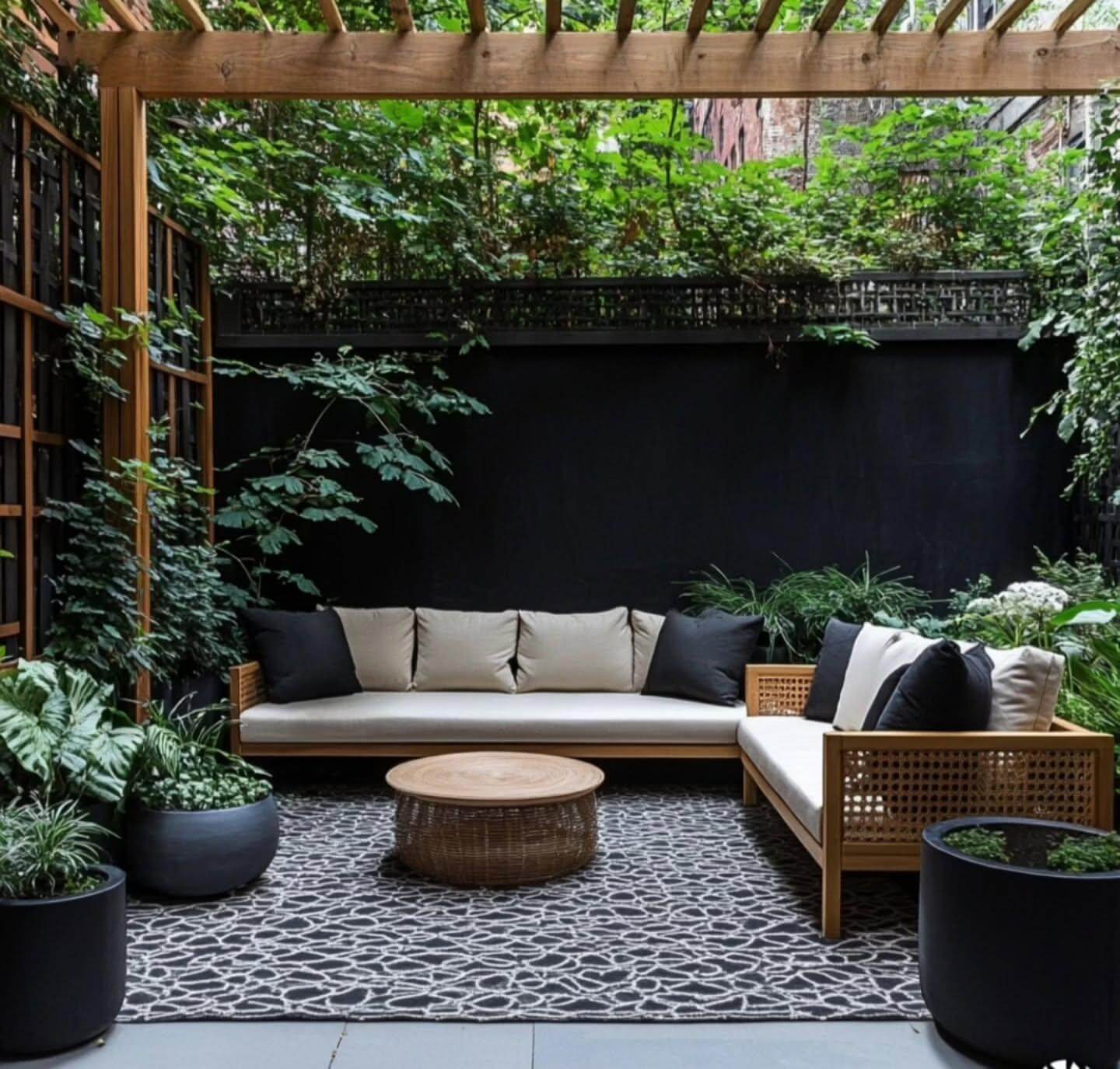
A subtle change in elevation can make a compact yard feel layered and expansive. Consider two shallow platforms—think a main deck pad paired with a six- to eight-inch step-down lounge—or a raised plinth for a bistro table. That shift creates natural “zones” without walls, and it turns edges into built-in seating opportunities. Use modular deck tiles or composite boards for speed and low maintenance, and keep risers uniform and code-conscious for safe movement. In narrow side yards, run boards across the short dimension to visually widen the space; in square patios, a diagonal or herringbone pattern adds energy without visual weight. Always plan for drainage: a gravel base, hidden feet, or adjustable pedestals keep wood off the ground and extend lifespan. Tie levels together with a single material palette—matching stain, repeated planter colors, or consistent metal accents—so the scene reads cohesive. This dimensional trick is one of those small backyard ideas that works hard: it adds depth, seating, and spatial clarity without expanding your footprint.
Permeable Gravel Courtyard for Charm and Drainage
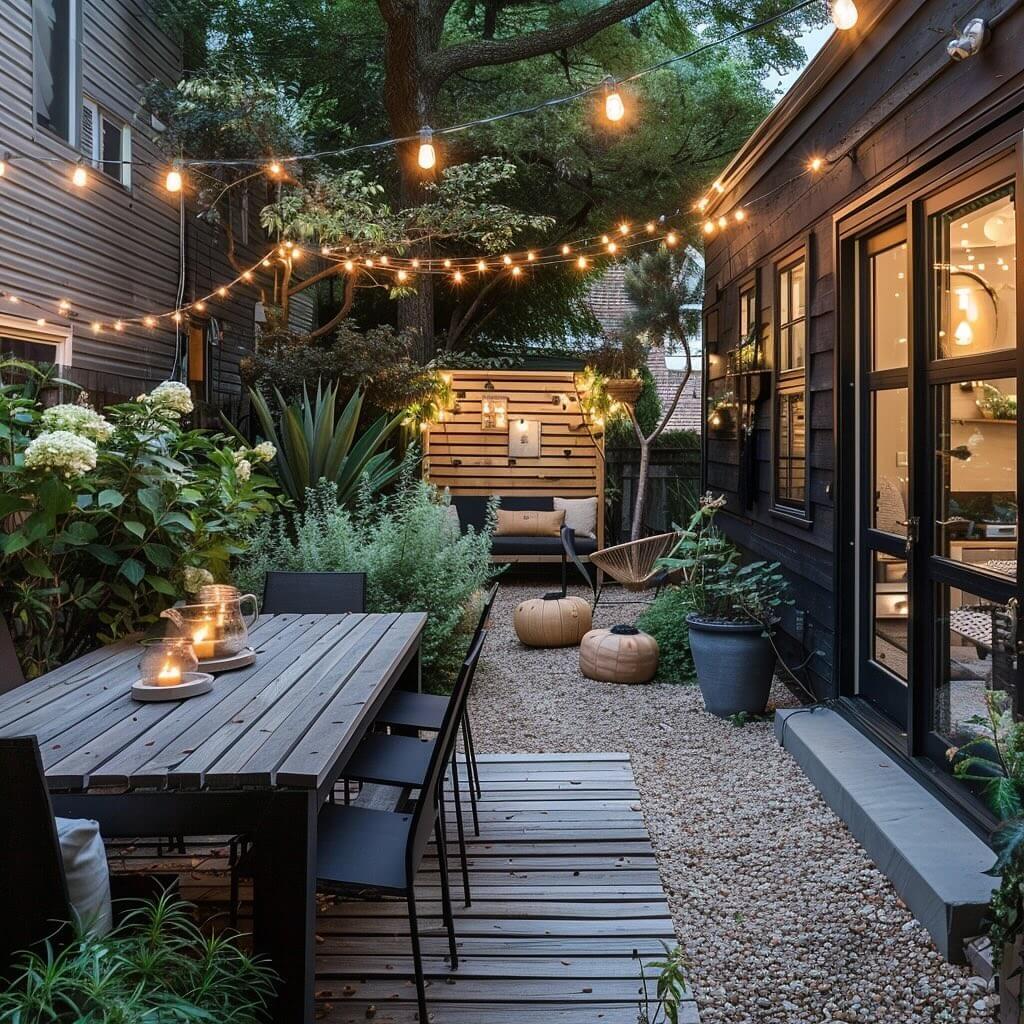
If you’re battling puddles or a patchy lawn, swap high-maintenance grass for a permeable gravel courtyard that looks boutique-hotel chic and solves runoff fast. A compact layer cake—compacted base, landscape fabric, and 1/4-inch crushed gravel or decomposed granite—creates a firm, walkable surface that’s budget-friendly and renter-approved. Frame the field with steel edging or pavers so the lines stay crisp, then “float” large-format stones or concrete pads within the gravel for a clean pathway and stable furniture footing. The look is airy and textural, which keeps a tiny patio from feeling crowded. Layer in low planters, a slim fire bowl, or a movable shade umbrella to finish the scene. Permeable hardscape is also heat- and drought-smart, making it a savvy small backyard idea for sun-baked courtyards. Keep maintenance simple: a quick rake refreshes the surface, and a leaf blower clears debris without fuss. Pro tip: echo gravel color in your cushions or planters for a pulled-together palette that feels intentionally designed, not improvised.
Micro Kitchen: Slim Prep Rail + Portable Grill
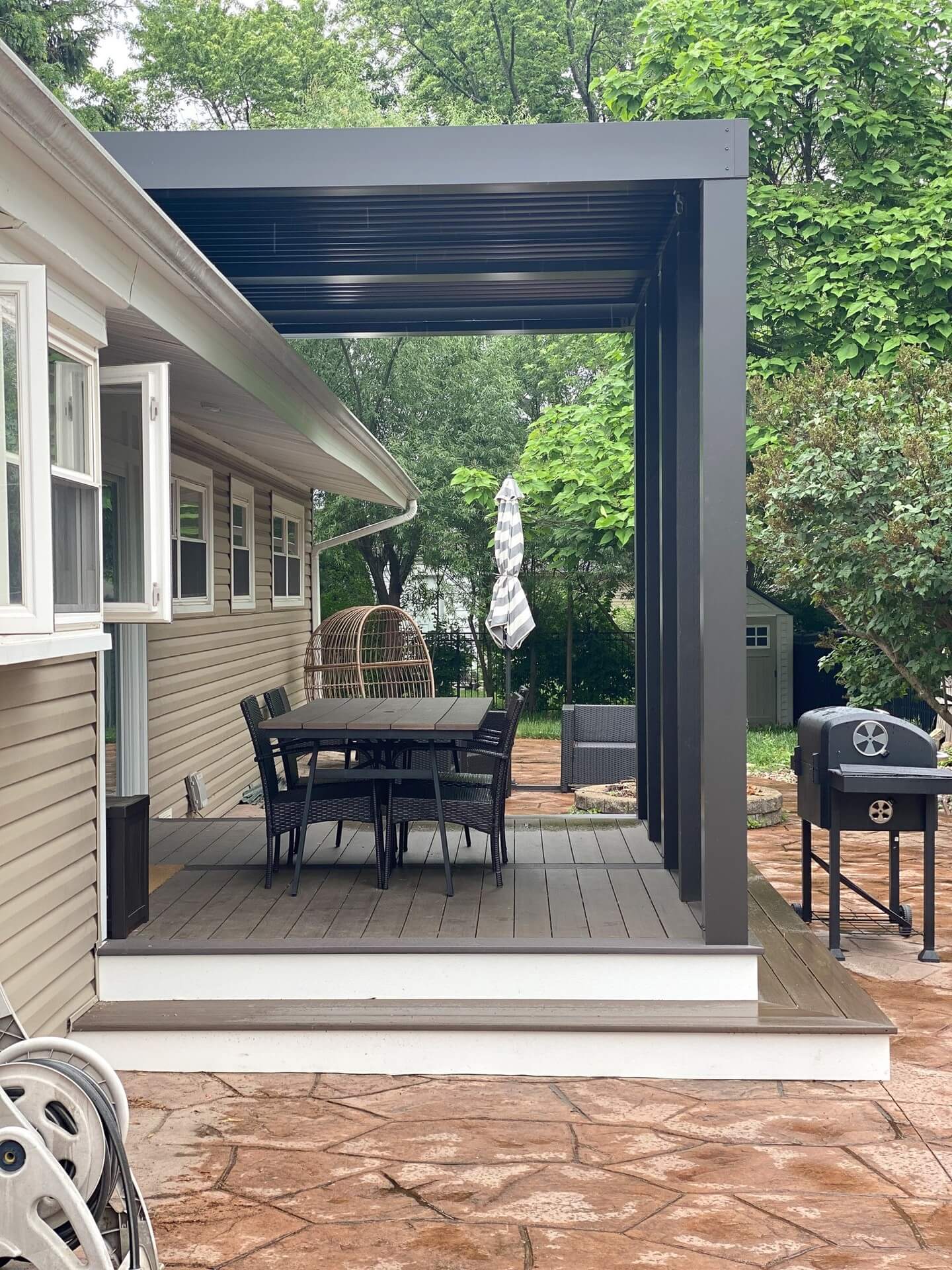
Love to cook outside but short on square footage? Create a micro kitchen that hugs the boundary. A narrow prep rail—just a sealed wood or stone shelf mounted along a fence or wall—provides chopping space, a landing zone for trays, and a spot for herbs within arm’s reach. Pair it with a compact, portable grill or pizza oven you can roll out on cook nights, then tuck away. Add magnetic strips for tools, hooks for towels, and a weatherproof bin for charcoal or pellets to keep clutter contained. This set-up avoids bulky cabinetry but still delivers the function you need for weeknight dinners. Think safety and airflow: keep heat sources clear of walls and foliage, and use a fire-resistant mat on decking. For style continuity, match the rail’s finish to nearby planters or your dining table top. This approach dovetails with fold-down dining and modular seating, turning a tiny patio into an eat-in, cook-out hub—without sacrificing lounge space the rest of the week.
Plant Tall, Grow Small: Columnar Trees and Dwarf Forms
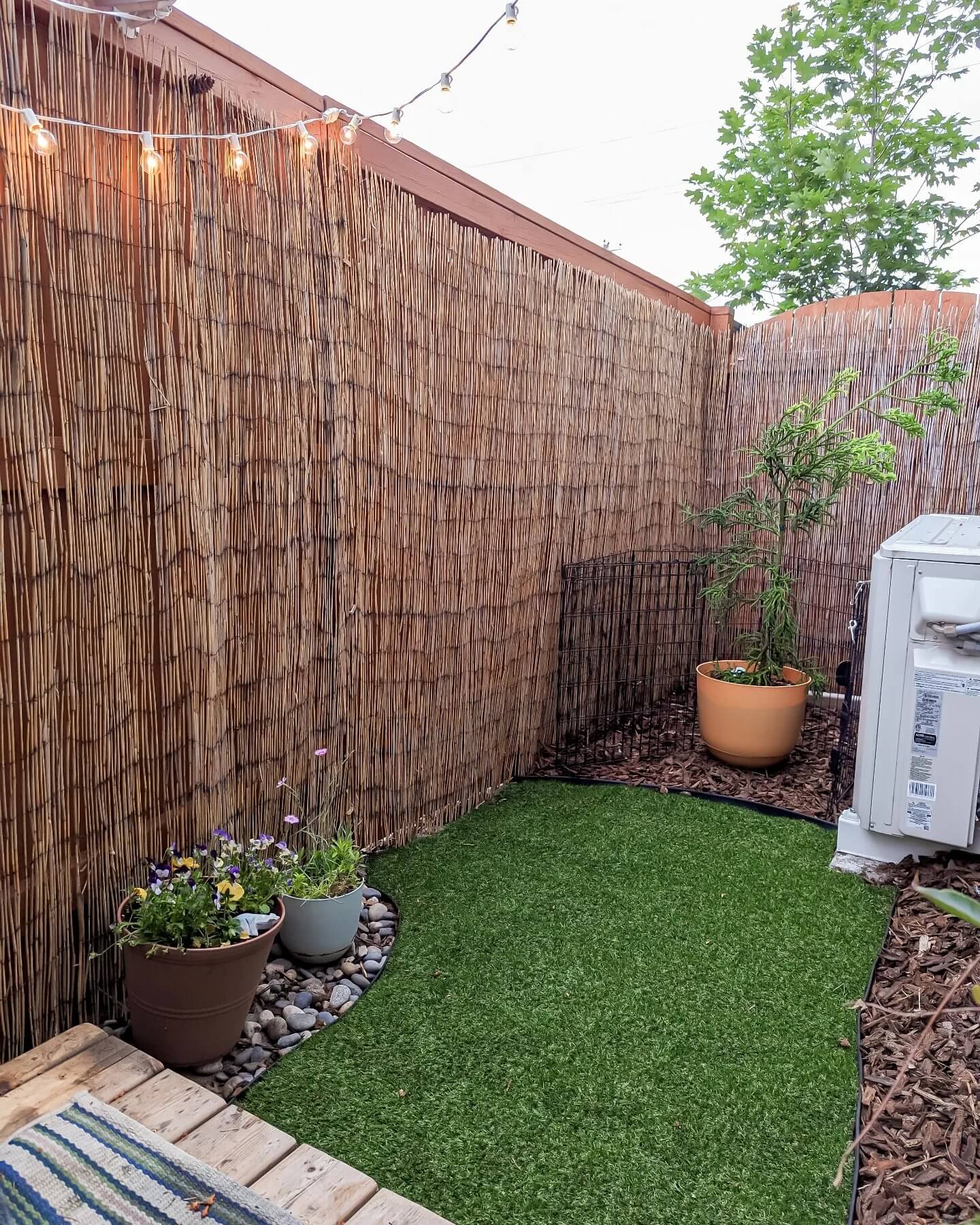
Scale is everything in a compact courtyard. Choose plants that climb skyward without gobbling floor space: columnar trees, slim bamboos in barriers, and dwarf shrubs with tight habits. These choices add architecture, privacy, and seasonal interest while keeping pathways wide. Look for varieties labeled “fastigiate” or “columnar,” and pot them in tall, narrow containers to exaggerate the vertical line. Pair with low mounding perennials and fine-textured grasses to create a pleasing contrast that reads lush, not busy. Evergreen anchors keep the view green year-round, while a couple of flowering moments—herbs, a dwarf hydrangea, or climbers on a trellis—provide rhythm without overload. Repeat species to maintain calm and make maintenance easy. In tiny patios, this vertical plant palette works with the earlier small backyard ideas—privacy screens, trellises, and container gardens—to form a layered backdrop that feels intentional. Bonus: columnar forms leave room for furniture circulation and help “lift” sightlines so the space seems taller and more generous.
Storage Wall Disguised as a Design Feature
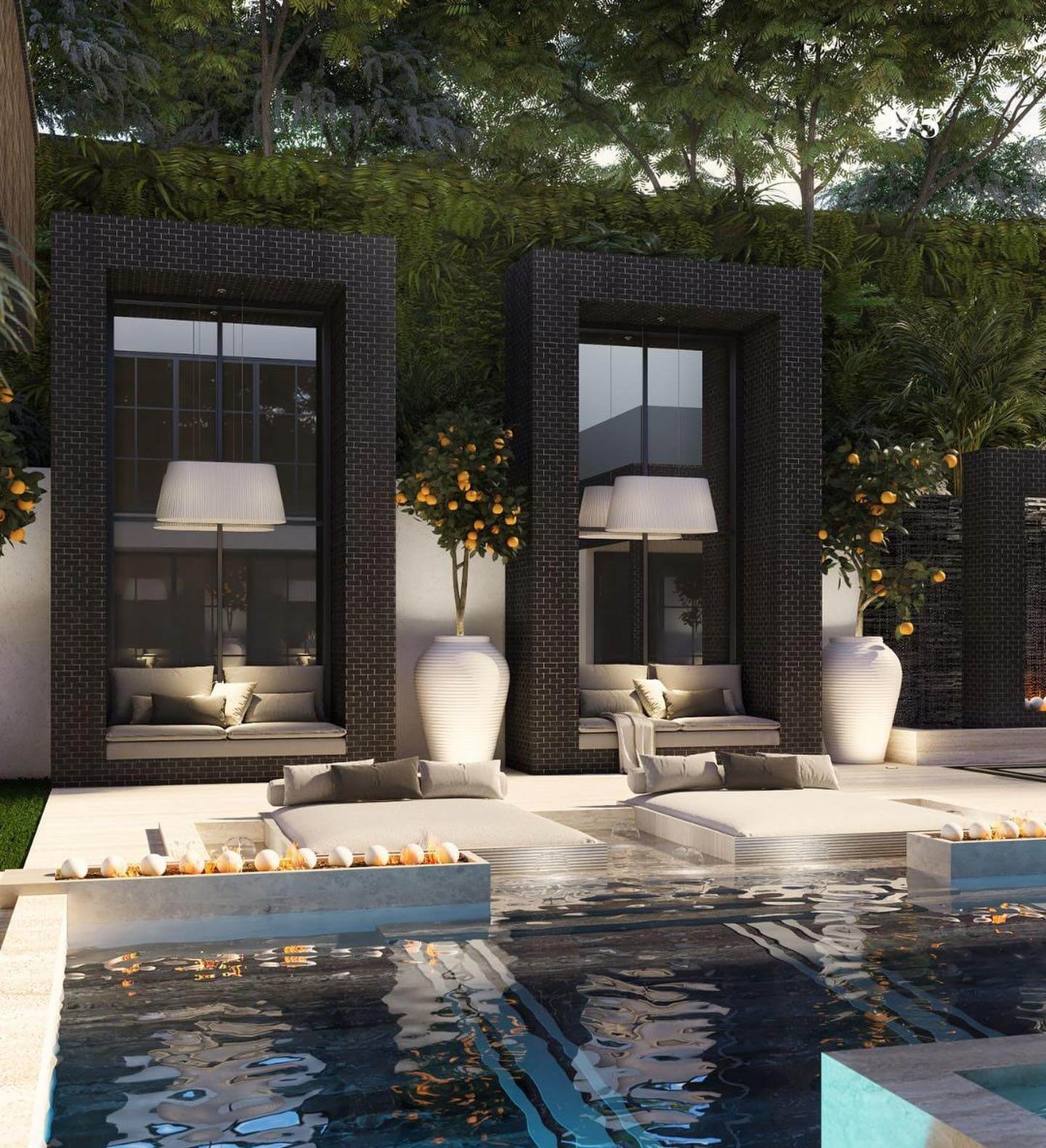
Clutter is the enemy of small spaces, so turn your fence into a handsome storage wall that doubles as decor. Install a slatted cladding or outdoor-rated pegboard between posts, then layer on shelves, hooks, and narrow cabinets sized for cushions, tools, and entertaining gear. Hide deeper compartments behind flush panels or artful battens to keep the facade clean. A consistent stain or paint color ties everything together and echoes your furniture frames for a cohesive look. For renters, modular rail systems let you reconfigure seasonally—garden in spring, games and lanterns in summer—without drilling a dozen holes. Keep the bottom 12 inches clear for easy sweeping and to prevent splash-back. This vertical organizing trick preserves valuable floor area so your tiny patio can shift roles from yoga studio to cocktail lounge in minutes. It’s a practical, good-looking upgrade that supports every other small backyard idea on your list by giving each item a dedicated home.
Pattern Smarts: Pavers and Outdoor Rugs to Zone
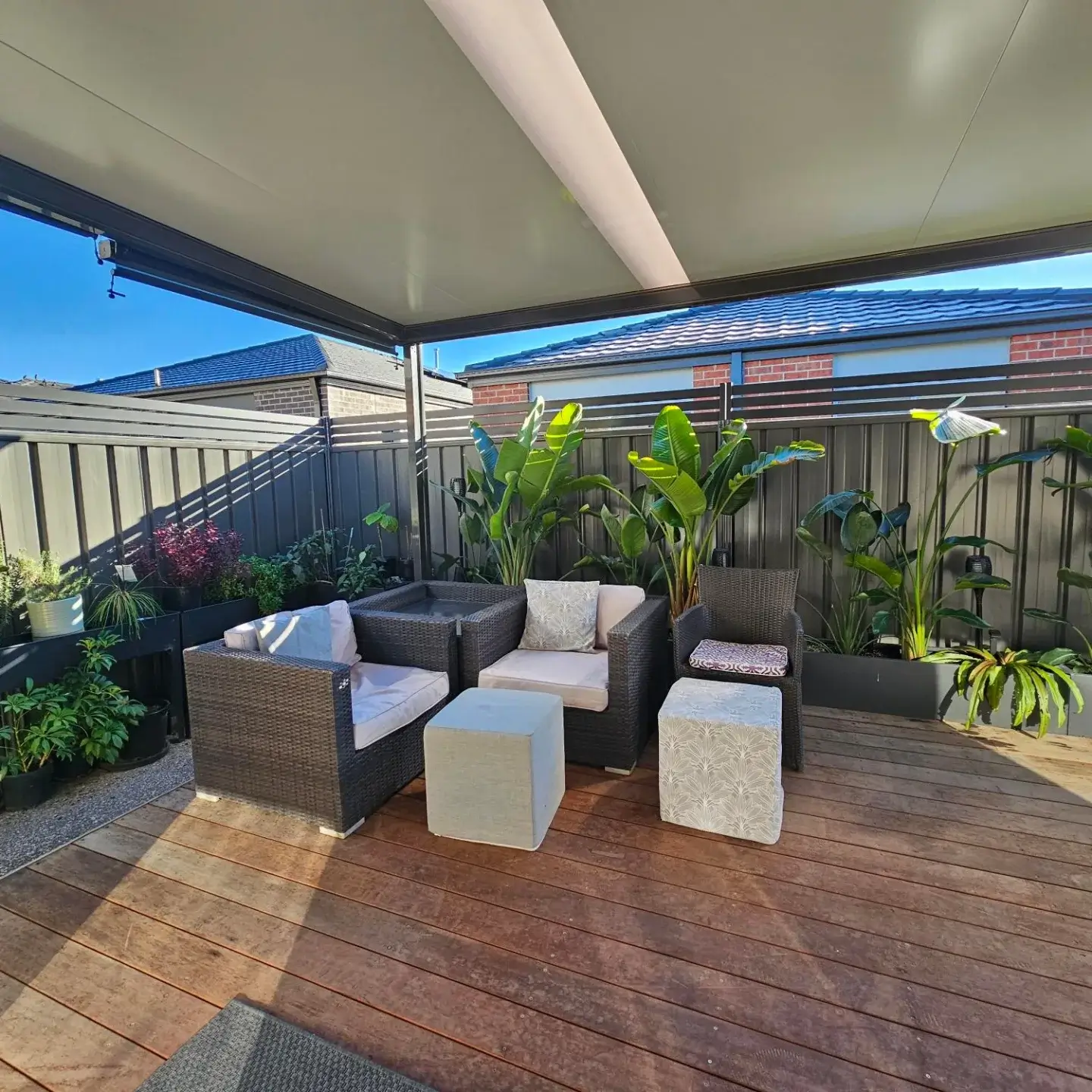
Clever patterning can visually expand a compact courtyard and clarify how to use it. Lay pavers in a herringbone or basketweave to energize a small footprint, or go with large-format slabs and gravel joints to calm a busy backdrop. Align patterns with your layout grid so pathways feel intuitive and furniture sits square. Top the lounge zone with an outdoor rug that fits fully under your seating—front legs at minimum—to anchor the arrangement without adding bulk. Keep the palette tight: two to three tones repeated across pavers, planters, and textiles read polished and make the space feel larger. In narrow side yards, run long paver lines across the short dimension to widen the visual field. Add low-profile furniture in materials that echo your hardscape—powder-coated metal, warm wood—to stitch the scene together. This design-led approach turns a small patio into a styled “room,” reinforcing flow between cooking, dining, and lounging without new walls or extra square footage.
Ribbon Path: Stepping Stones with Soft Green Infill
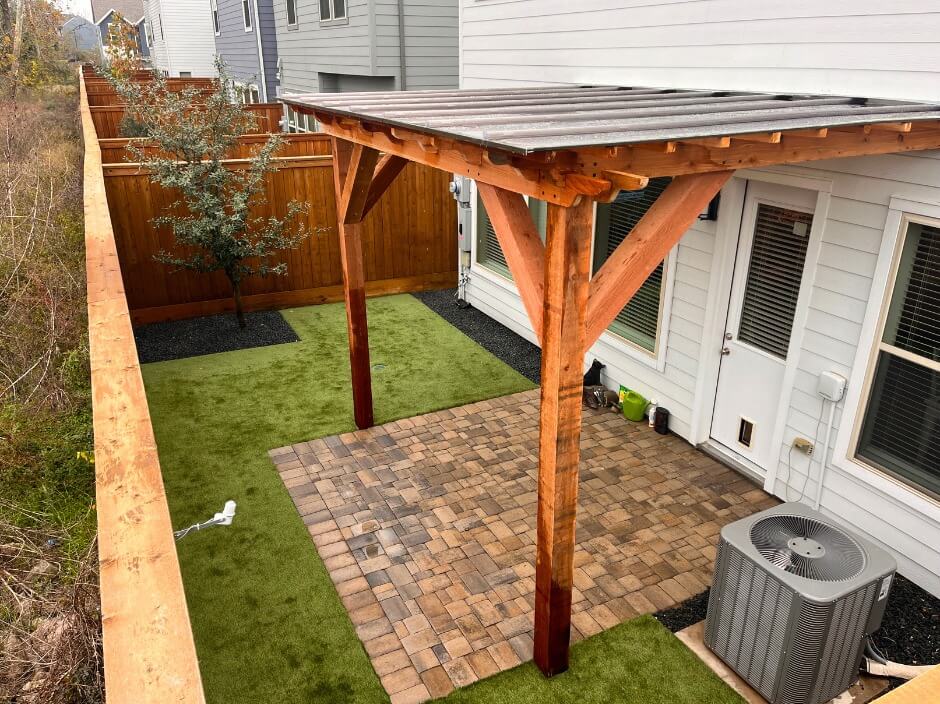
A ribbon path—widely spaced stepping stones with groundcover in between—guides movement and creates the illusion of depth in petite yards. Choose generous stone sizes so each step feels confident, then set a consistent stride to make circulation natural. Fill the joints with low, foot-tolerant plants like dwarf mondo grass, creeping thyme, or Irish moss for a lush, carpeted look that stays cooler than solid paving. In wetter climates, gravel or DG can stand in as a low-maintenance infill. Use gentle curves to slow the eye and reveal your micro-zones one at a time—lounge, bistro, herb nook—so the space unfolds like a garden walk instead of a single glance. Keep edges crisp with steel or paver borders, and echo the stone color in nearby planters for cohesion. This small backyard idea layers texture, manages runoff, and adds charm, all while preserving planting pockets that boost biodiversity and soften the hardscape.
Set-and-Forget: Drip Irrigation and Native Plant Layers
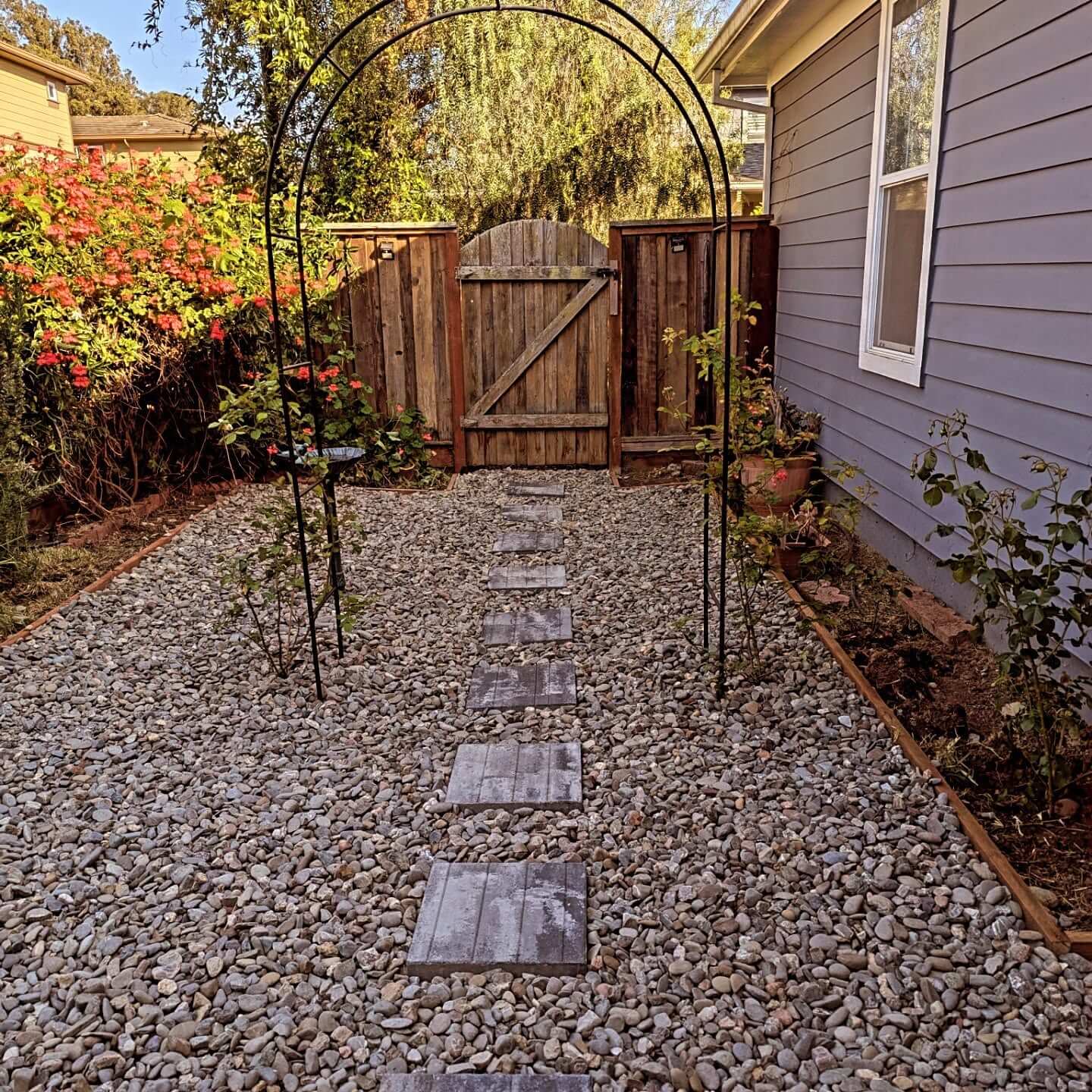
Low-maintenance landscaping is the secret to loving a tiny outdoor space all year. Install a simple drip irrigation system on a smart timer to deliver water right to plant roots—less waste, fewer weeds, and healthier growth in containers and slim beds. Group plants by water needs (hydrozoning) so you’re not overwatering drought-tolerant species, and mulch with fine gravel or shredded bark to retain moisture and keep soil temps even. Choose regionally native or climate-adapted plants in three layers: structural evergreens, seasonal fillers, and pollinator-friendly accents. This matrix looks full without constant pruning and supports birds and bees. For renters, quick-connect hoses and in-line emitters coil away when you move. Pair this plant strategy with the earlier small backyard ideas—vertical gardens, slim planters, and permeable courtyards—and your micro-oasis practically runs itself. The payoff: more time to actually enjoy your patio and less time fussing with hoses, so those cozy evenings by your compact fire pit happen more often.
Low-Maintenance Landscaping Small Backyard Ideas with Native Plants and Smart Irrigation
A low-maintenance landscape relies on right-plant, right-place choices that thrive in your microclimate and soil without constant intervention. Replace thirsty turf with native grasses, evergreen shrubs, and groundcovers that deliver texture, seasonal color, and erosion control. Permeable pavers and gravel patios manage runoff while creating clean, modern surfaces that suit compact footprints. Layer plants by height to frame views, conceal utilities, and guide the eye to focal points like a water bowl or sculpture. Add drip irrigation beneath mulch to target roots, reduce evaporation, and limit weeds triggered by overhead watering. Keep beds edged with steel or composite bender board to maintain crisp lines and simplify weekend upkeep.
Get the Fail-Safe Paint Color Playbook (Free PDF)
36 proven colors • 8 ready palettes • trim & sheen guide • printable testing cards.
- Swap traditional lawn for a thyme or microclover tapestry, which stays low, invites pollinators, tolerates foot traffic, and requires far less mowing, fertilizer, and irrigation than turf.
- Upgrade to a smart timer and pressure-regulated drip lines, scheduling early-morning cycles that match soil absorption, seasonal rainfall, and municipal restrictions while preventing fungal issues caused by evening watering.
- Create gravel pathways with steel edging and compacted base rock, which drains quickly, resists weeds when topped with fabric, and offers a tidy crunch that feels deliberate rather than unfinished.
- Group containers by height and color, mixing lightweight fiberglass planters with self-watering inserts so herbs, dwarf shrubs, and annuals flourish together while maintenance concentrates in one accessible hub.
- Install a compact rain garden below downspouts using rushes, sedges, and coneflowers, slowing stormwater, filtering pollutants, and attracting beneficial insects without stealing usable patio space.
For year-round interest, mix evergreen structure with flowering perennials and ornamental grasses that sway and catch light. Contrast fine and bold textures—like boxwood against yucca or ferns beside basalt—to keep small beds visually dynamic without clutter. Limit the palette to three dominant hues and repeat plants in drifts, which reads intentional and spacious. Mulch two to three inches deep to regulate soil temperature, suppress weeds, and reduce watering frequency. Refresh edges and top-dress with compost each spring, then prune lightly in late winter to maintain shape and vigor. Add subtle path lights and downlights to highlight foliage silhouettes, improving nighttime safety while protecting nocturnal wildlife with warm, shielded fixtures.
Quick Answers for Pocket-Sized Paradises
How can I make a small backyard feel larger without remodeling?
Use consistent materials, repeat colors, and define clear zones with rugs or decking changes to reduce visual clutter. Add vertical elements and mirrors strategically to draw the eye upward and extend sightlines.
What are the best low-maintenance plants for tiny spaces?
Choose regionally native shrubs, dwarf conifers, and tough groundcovers like thyme or carex that need minimal pruning and water. Repeat a few species in groups to look intentional and spacious.
Get the Fail-Safe Paint Color Playbook (Free PDF)
36 proven colors • 8 ready palettes • trim & sheen guide • printable testing cards.
How do I add privacy without making the yard feel boxed in?
Combine open-weave screens, trellises with airy vines, and staggered planters to filter views rather than fully block them. Use layered planting heights to soften edges and keep light moving through.
What upgrades deliver the biggest impact on a budget?
Prioritize lighting, a compact bench with storage, and rail-mounted planters for instant function and ambiance. Then refresh mulch, edge beds cleanly, and add a durable outdoor rug to anchor zones.
Final Verdict: Small Moves, Big Backyard Payoff
When space is tight, design discipline delivers. A simple layout, vertical planting, and space-saving features can turn a cramped yard into a calm, multiuse retreat. By carving out micro-zones, choosing modular seating, and layering light and privacy, you create an outdoor room that feels larger, functions better, and looks intentional—without overspending.
Start with a quick measure-and-sketch, then pick one high-impact upgrade per zone: a fold-down rail bar for dining, a cohesive trio of containers for color, slim slatted screens for privacy, or a thin water feature to add soothing sound. Keep your palette tight and materials consistent so the eye reads the yard as one unified space. Opt for native and dwarf plants, drip irrigation, permeable gravel, and columnar trees to stay low-maintenance while boosting texture, drainage, and vertical interest.
Whether you rent or own, choose reversible, budget-friendly moves—Murphy-style tables, portable grills, outdoor rugs, and storage that doubles as a design wall—to evolve your backyard in phases. With smart patterns underfoot and soft layers above, your tiny patio or courtyard becomes a polished extension of your home. Make one change this weekend, and let each success build toward a small backyard that lives big.