
Stone Fire Pit Ideas to Turn Your Backyard into a Cozy, All-Season Retreat
A well-placed stone fire pit instantly upgrades your outdoor living space—adding warmth, ambiance, and a natural focal point for gatherings. Whether you’re roasting s’mores or enjoying a quiet night under the stars, the right design can make your patio feel like a private lodge.
From rustic stacked fieldstone to sleek modern pavers, there’s a style to match every home and budget. Think circular or square layouts, sunken conversation pits, built-in seating walls, and accents like lava rock, river rock, or granite caps. Choose wood-burning for classic crackle or gas for instant, low-smoke convenience.
Get the Fail-Safe Paint Color Playbook (Free PDF)
36 proven colors • 8 ready palettes • trim & sheen guide • printable testing cards.
As you explore ideas, consider scale, wind direction, and local codes, plus safe clearances and heat-resistant materials. We’ll highlight inspiration that blends form and function—easy DIY builds, statement features, and timeless details—to help you craft a fire feature that looks incredible and works beautifully year-round.
Backyard Stone Fire Pit Ideas for Patios, Courtyards, and Small Spaces
Design your layout around how you gather, mapping clear paths from the kitchen door, seating, and views to position the fire where it anchors conversation without blocking circulation. Keep stone fire pits 10–25 feet from structures and overhanging branches, and check local codes for open-flame rules, spark screens, and fuel restrictions before finalizing a plan. Choose stones that match your patio palette—bluestone, limestone, or tumbled granite—so the fire feature feels integrated rather than an afterthought. Decide on wood or gas early, because ash management, ventilation, and burner access influence wall thickness, interior liners, and service clearances. In compact yards, favor round footprints and lower profiles, which seat more people comfortably and soften tight corners while preserving sightlines to gardens or water features.
- Compact Round Pit: Keep 24–36 inches internal diameter, circular layout suits tight patios, and encourages conversation while preserving safe clearance from fences, shrubs, and furniture.
- Square Modern Hearth: Crisp right angles pair with large-format pavers, offering streamlined seating edges and easy furniture placement, while stacked-stone or smooth block faces deliver contemporary curb appeal.
- Sunken Conversation Nook: Drop the pit 6–12 inches below grade with surrounding seat walls to cut wind, hide hardware, and create a cozy, lounge-like atmosphere without sacrificing sightlines.
- Raised Seat-Wall Combo: Cap a 12–18 inch seat wall in matching stone to double as back support, define zones, and shield landscaping from heat and errant embers.
- Gravel + Paver Mosaic: Blend compacted gravel with a paver ring or inlay, improving drainage, simplifying maintenance, and visually framing the fire feature with texture contrast and clear, ember-safe boundaries.
- Smokeless Insert Upgrade: Pair a double-wall smokeless insert with natural stone cladding to reduce smoke drift, boost combustion efficiency, and maintain the organic look homeowners love on rustic patios.
Plan a seating radius of 18–24 inches from the capstone edge, leaving room for cushions and side tables without crowding the flame. Blend materials for depth, such as a bluestone cap atop ledgestone veneer, or a poured-concrete bench paired with rugged fieldstone. Integrate lighting with low-voltage step lights, guiding feet safely while highlighting textures after dark. Add practical upgrades like hidden firewood niches, removable cooking grates, and weather covers that shed water and shield porous stone from freeze–thaw cycles. Finish with plantings that tolerate heat—sedum, ornamental grasses, and thyme—and keep mulches mineral near the rim to reduce ember ignition risk.
Classic Circular Fieldstone Ring for Effortless Gatherings
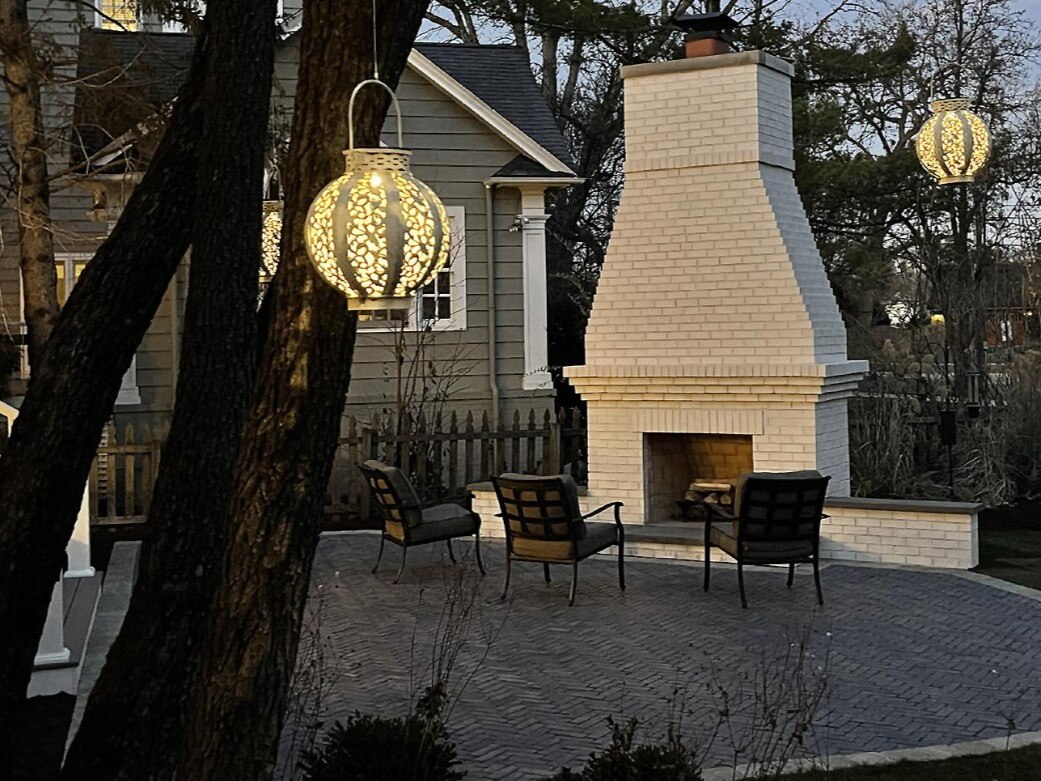
If you want that timeless campfire vibe, a circular stone fire pit built from stacked fieldstone or tumbled blocks is the most approachable upgrade. Keep the design clean: a 36–44 inch interior diameter suits most patios, with a gravel or decomposed granite pad that drains well and keeps embers off turf. Dry-stack the outer wall for a rustic look, and line the interior with fire brick or a steel insert to protect stone from direct flame. Pair the pit with a simple ring of Adirondack chairs, tree-stump side tables, and a low-profile log rack to reinforce the cozy, lodge-like mood. For stability, tamp a compacted base and glue capstones with high-heat adhesive. A circular layout promotes conversation and works equally well with flagstone, paver, or pea-gravel surfaces. Finish with lava rock for even heat distribution and a spark screen for safety on breezy nights. This straightforward build proves you don’t need complex masonry to create a durable, high-heat centerpiece that feels organic, welcoming, and ready for s’mores at a moment’s notice.
Sleek Square Gas Fire Pit with Contemporary Stone Cladding
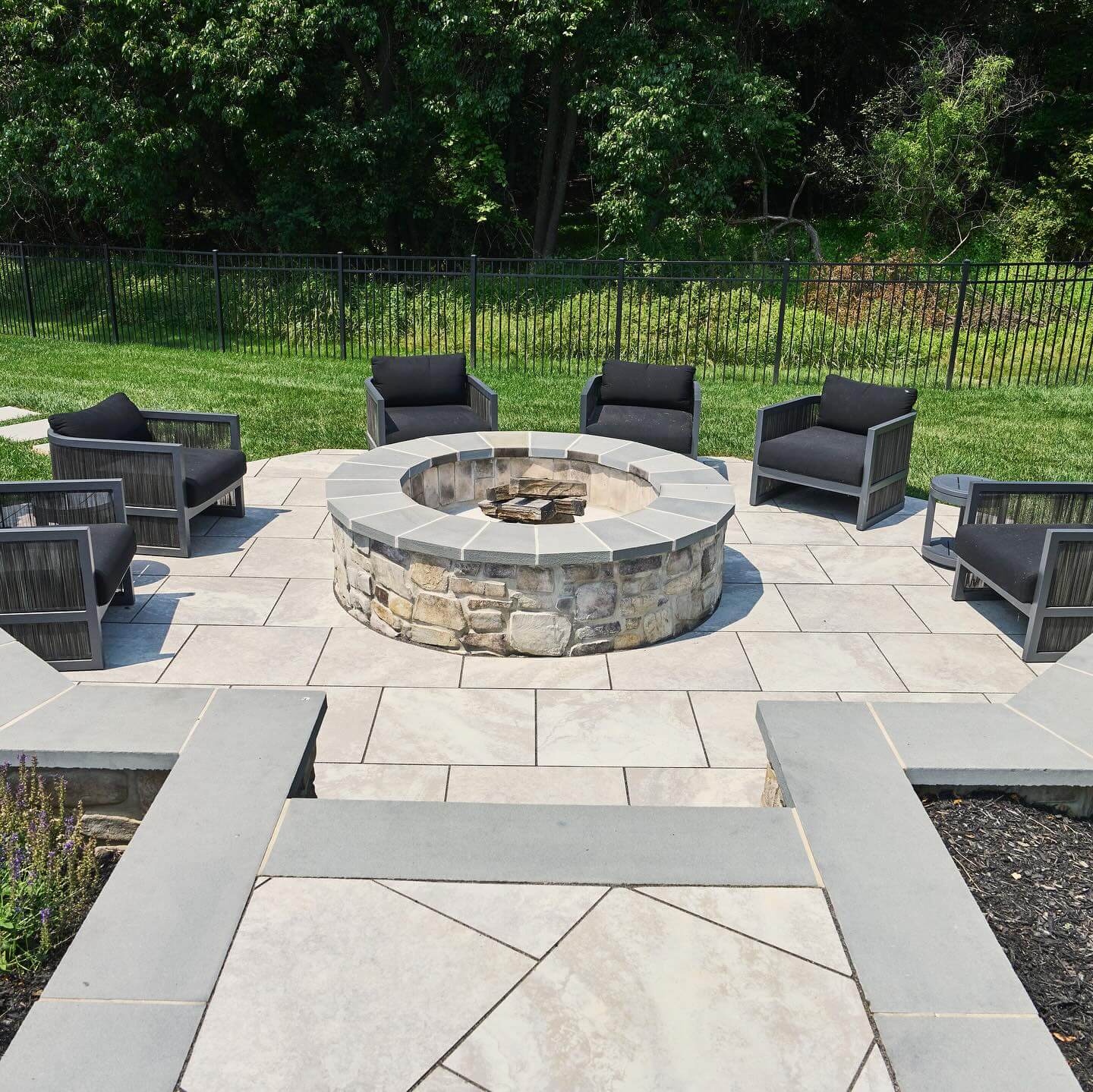
For a modern spin, frame a square gas fire pit with crisp stone veneer and a smooth concrete or granite cap. Straight lines complement large-format porcelain pavers, ipe decking, or minimalist gravel, and the clean geometry reads high-end without overpowering small patios. Choose a CSA-certified burner tray with a hidden match-lit or electronic ignition and a shutoff within reach. Top the tray with fire-rated media—black lava rock for drama or reflective glass for a glimmer—then add a low glass wind guard to steady the flame. Gas delivers instant ambiance with minimal smoke, making it ideal beneath open skies or near dining areas where airflow can be unpredictable. Extend the capstones to create perch-like ledges that double as cocktail rails, and echo the stone on nearby kitchen islands or planters for material continuity. With dimmable path lights and integrated uplighting on adjacent trees, this geometric hearth becomes the anchor of a refined, low-maintenance outdoor living room you’ll actually use on weeknights.
Sunken Stone Conversation Pit with Built-In Steps
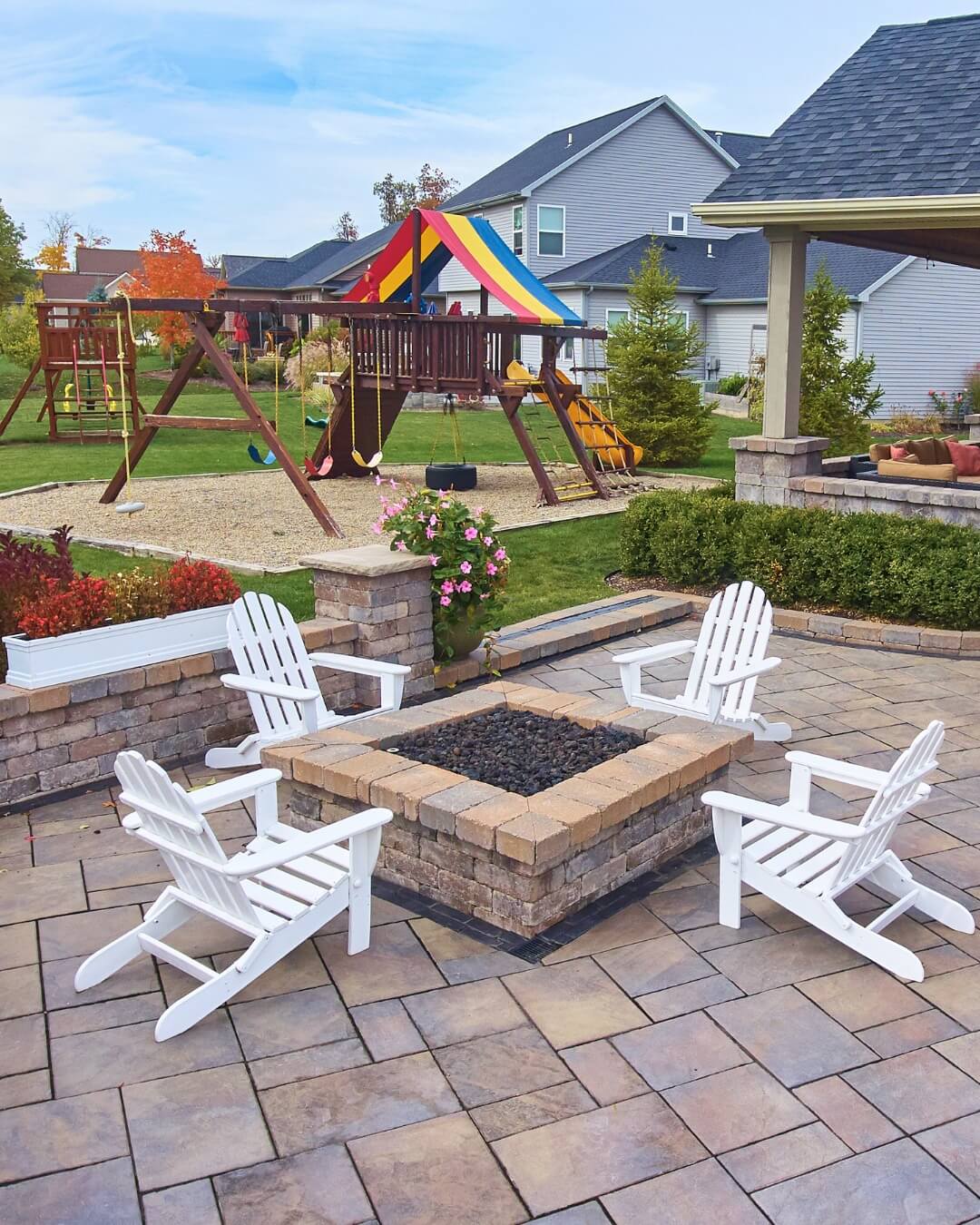
Dropping the fire feature one or two steps below grade creates instant drama and a cocooning feel. Construct low retaining walls from concrete block and stone veneer, and cap them with thermal bluestone or granite for a durable, comfortable seat edge. A sunken layout naturally blocks wind, amplifies warmth, and tucks nighttime light spill below sightlines—great for stargazing and privacy. Plan drainage from the start: slope the basin to a hidden channel drain or gravel sump so rain doesn’t pool around the burner or wood grate. Keep the interior diameter generous (at least 5–6 feet across) to allow safe clearances from flames, and incorporate wide treads for easy, barefoot-friendly access. Layer in weatherproof cushions, a wool throw stash, and a discreet storage nook for covers. Whether you choose a gas burner for on-demand glow or a steel inset ring for wood-fired crackle, a sunken stone pit transforms a yard into a true conversation lounge with cinema-like focus on the flame.
Curved Seating Wall and Granite-Capped Hearth
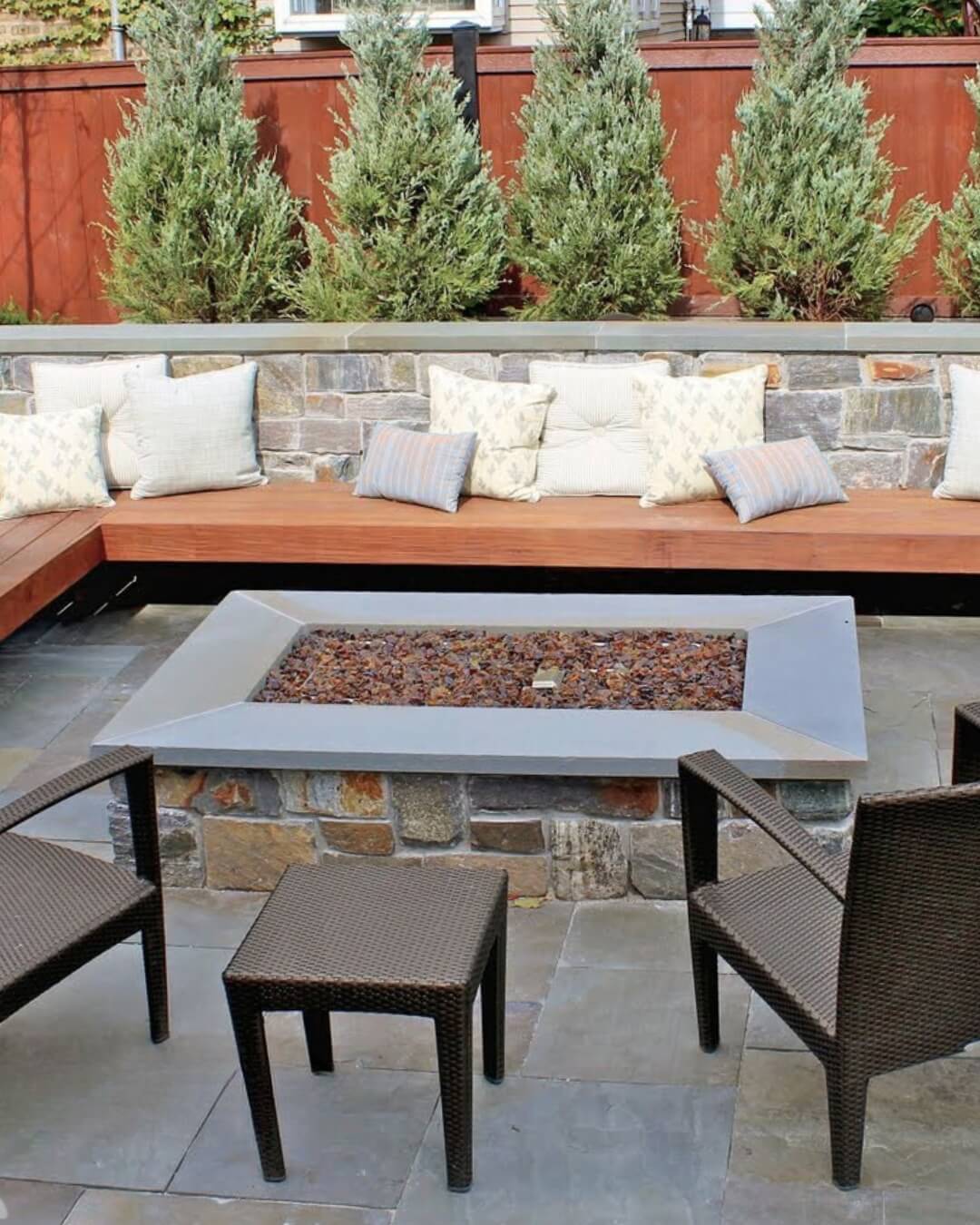
Integrating a semi-circular stone seating wall around the fire pit solves two challenges at once: it defines the room and guarantees enough, comfortable seating. Build the wall to roughly 18–20 inches high with a 12-inch-deep granite or bluestone cap so guests can perch or set down plates and mugs. A slightly flattened arc opposite the main view (mountains, garden, or pool) frames the sightline without blocking it. For the pit itself, match the wall’s veneer for cohesion and contrast it with a darker or lighter capstone so the hearth reads as a focal element. Underfoot, choose polymeric-sanded pavers or tight-jointed flagstone for easy maintenance and ember control. Tuck low-voltage lighting under the cap to wash the stone at night—subtle, resort-worthy, and safer for navigating after dark. This built-in approach eliminates chair clutter, encourages shoulder-to-shoulder conversations, and delivers a polished, custom hardscape that upgrades even a modest backyard.
Budget-Friendly Gravel Patio with a Smokeless Stone Pit
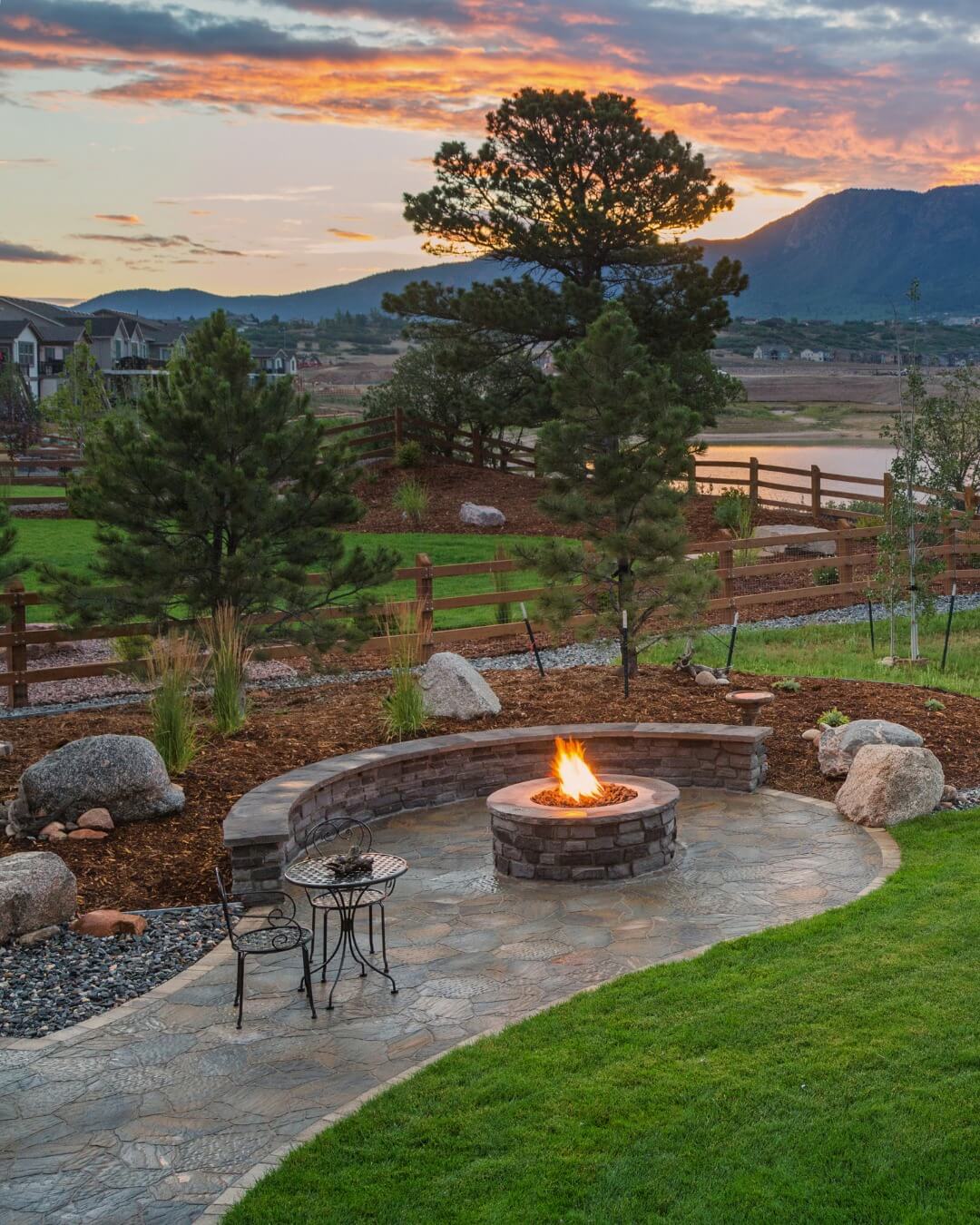
Want big atmosphere without pouring a slab? A compact pea-gravel patio paired with a smokeless fire pit insert wrapped in stone is a smart, DIY-forward combo. Start with a staked border and 4–6 inches of compacted crushed stone topped by 2 inches of pea gravel for drainage and comfort. Drop in a double-wall smokeless insert—its engineered airflow reduces visible smoke—then clad the exterior with stacked stone or block to get that custom look. Keep a 3-foot ember-safe buffer from plantings, and place paver steppers to define paths and keep shoes clean. Opt for dark lava rock in the bowl to hide soot and boost heat distribution. Add a simple cedar wood rack, a steel spark screen, and a lidded ash bucket for tidy end-of-night cleanup. With string lights, a wool rug designed for outdoors, and a couple of Adirondacks, you’ll have an affordable, heat-soaked retreat that reads polished on camera and feels great in person.
Natural Boulder Ring with Lava Rock and Low Lighting
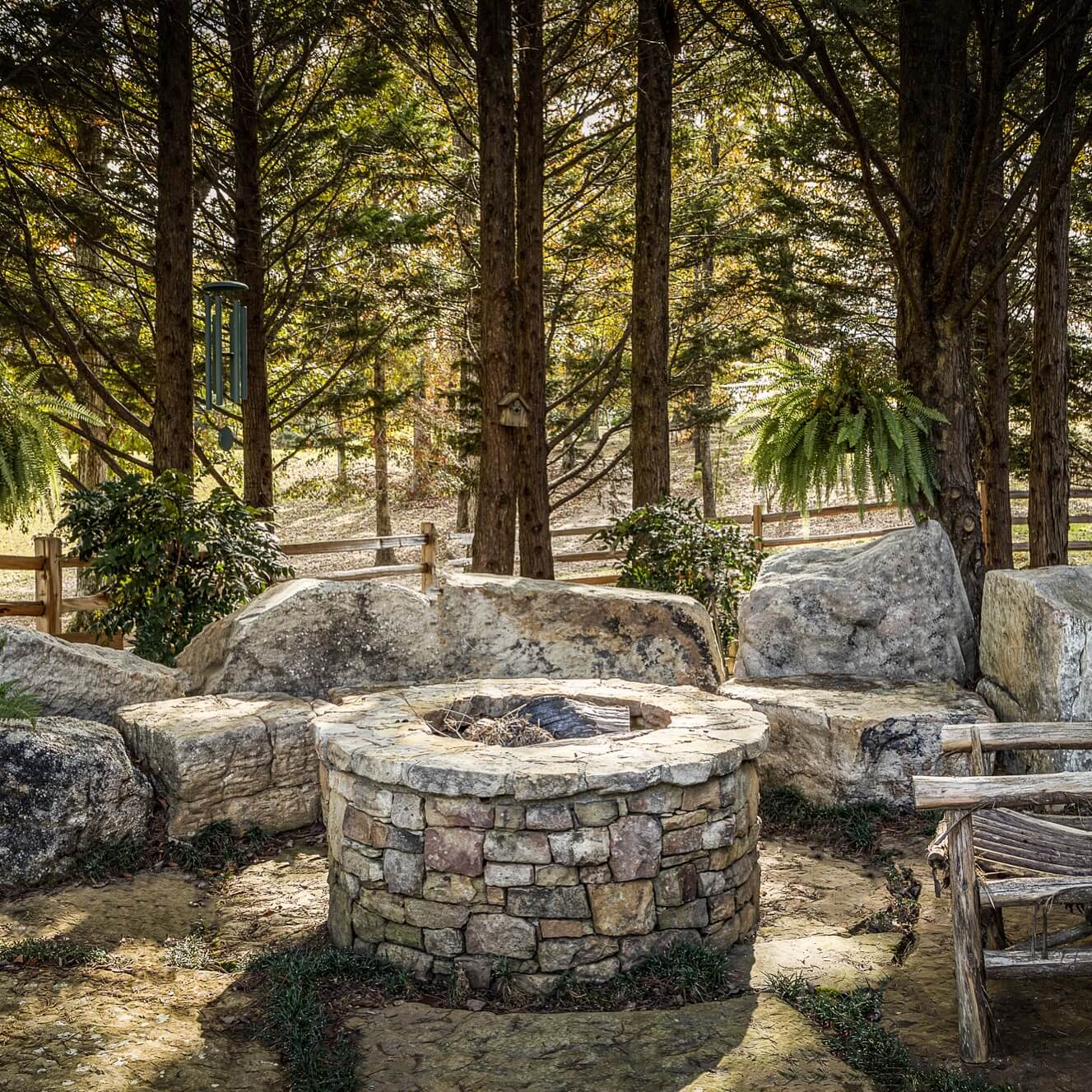
For a setting that feels pulled from the landscape, form the fire pit from weathered boulders and cobbles rather than cut block. Nestle the stones into the grade so they look embedded, then line the inner wall with fire brick to protect the boulders from direct heat. Fill the basin with lava rock or ceramic stones that echo the site’s palette. This organic geometry pairs beautifully with native grasses, river rock mulch, and timber accents, creating a seamless transition between hardscape and habitat. Carefully site the ring to capture a water or treetop view, and space movable log stools irregularly to keep the composition relaxed. Discreet, shielded path lights and amber uplights on nearby trunks add just enough glow without washing out the flame. It’s the perfect choice for lakeside cabins, woodland lots, or anyone craving a “found” feature that looks like it’s always been there—yet performs with modern safety and comfort.
Get the Fail-Safe Paint Color Playbook (Free PDF)
36 proven colors • 8 ready palettes • trim & sheen guide • printable testing cards.
Small-Space Courtyard Pit with Space-Savvy Stonework
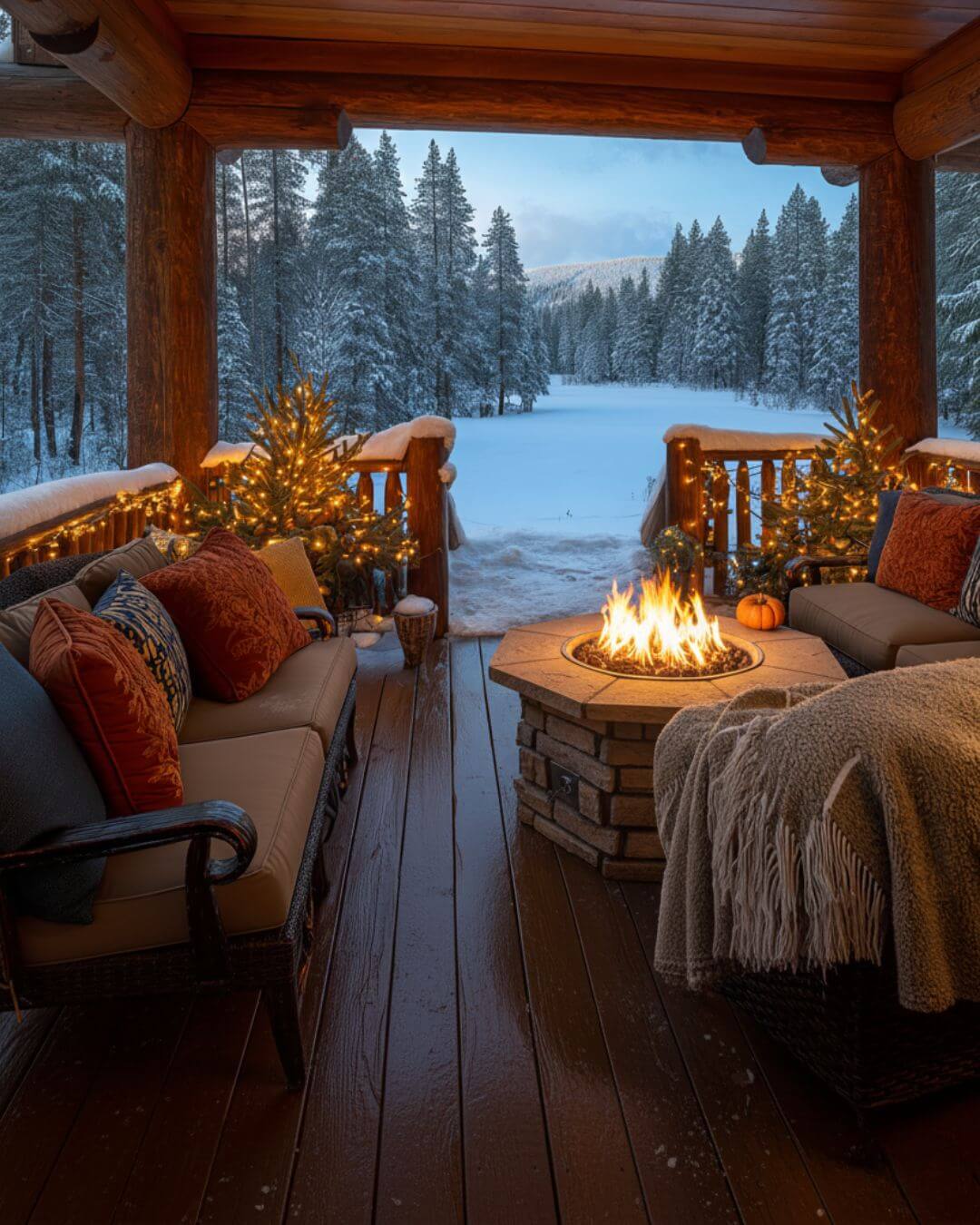
Even compact patios can host an inviting stone fire pit if you think vertically and edit materials. Choose a 28–32 inch diameter pit with a slim profile and cap it in a light-toned stone to keep the space airy. Wrap perimeter walls or privacy screens in the same veneer for a unified, upscale feel, and add built-in corner benches with storage to reduce furniture footprints. Large-format pavers laid on the diagonal visually widen the courtyard, while a slim gravel perimeter manages runoff and ash. If gas is an option, run a concealed stub with a manual shutoff; otherwise, specify a tight-fitting spark screen and heat-resistant mat under chairs for wood setups. Mirrors or reflective planters bounce candlelight and flame back into the space for extra glow. With layered textures—stone, wood slats, soft foliage—your small yard gains a multifunction lounge where morning coffee and late-night fires feel equally at home.
Elevated Fire Bowl on a Stacked-Stone Plinth
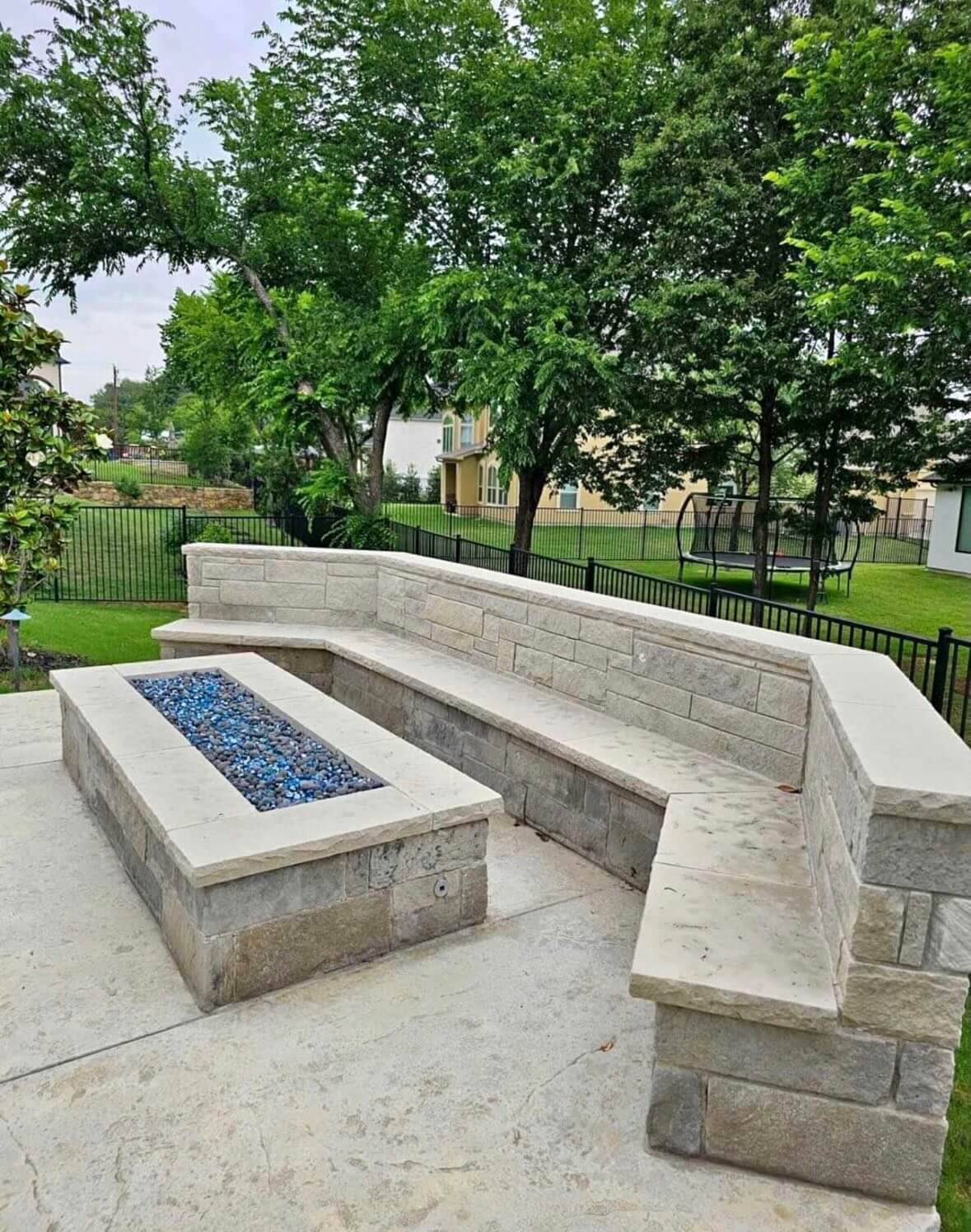
Swap the typical in-ground build for an elevated fire bowl poised on a stacked-stone pedestal. The plinth adds sculptural height, improving sightlines over plantings and keeping heat closer to seated guests. Choose a cast-concrete or steel bowl with a wide, flat rim; then clad the base in stone that matches nearby walls or steps for continuity. This format shines on terraces and decks where a lighter-looking profile is key. For wood-burning bowls, include a steel ember pan and a removable grate; for gas, hide the valve and media tray within the plinth with a discrete access panel. The pedestal doubles as a visual anchor in daylight—top it with a weatherproof cover and it reads like a garden urn. At night, the raised flame dances at eye level, flattering faces and table settings. It’s a chic, rustic-meets-modern move that instantly upgrades cocktail hour and makes modest patios feel curated.
Entertaining Hub: Stone Fire Pit Beside the Outdoor Kitchen
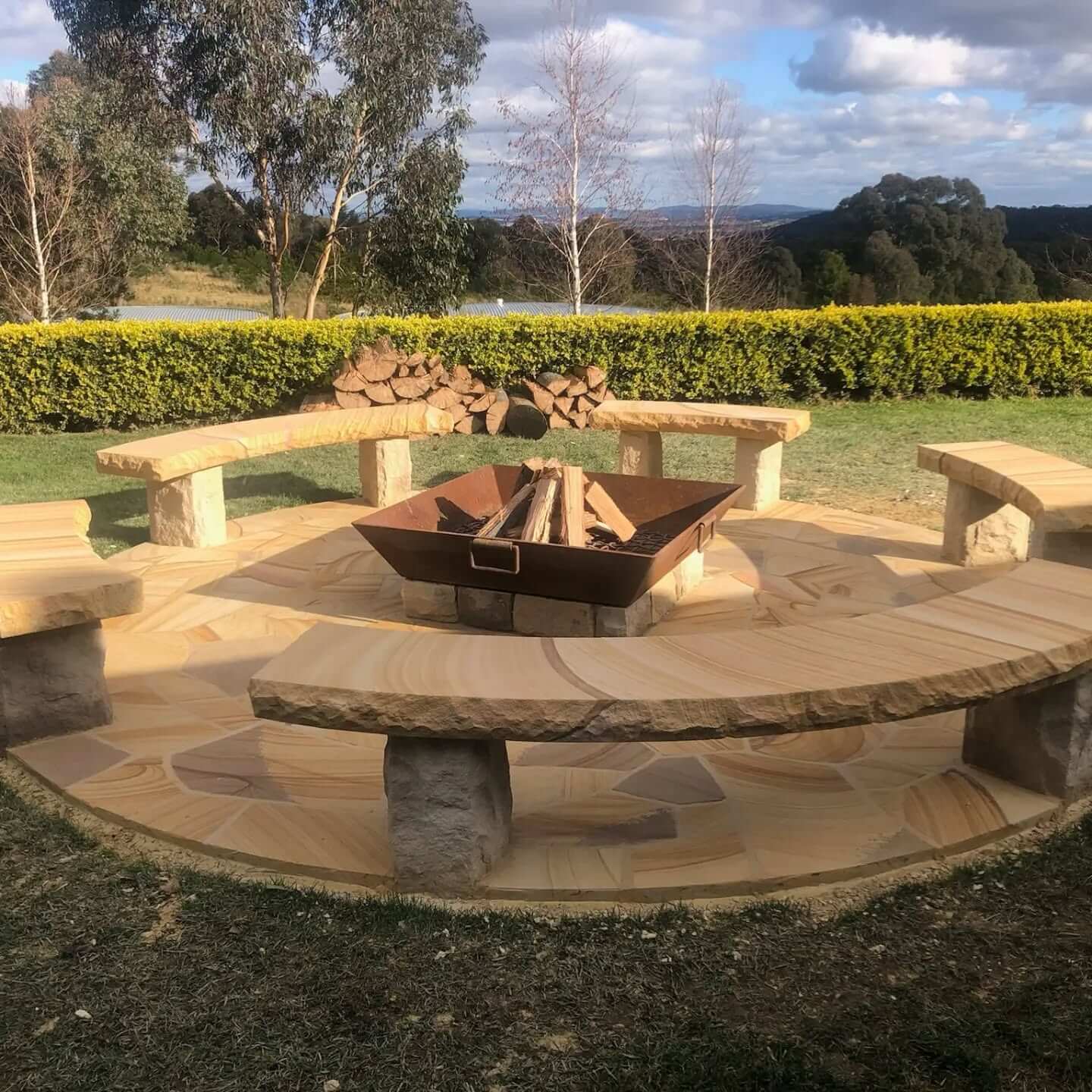
Link your cooking and lounging zones by echoing the kitchen’s stone on a nearby fire pit for a cohesive, destination-worthy setup. Keep circulation smooth: grill to prep counter to table to hearth, with at least 4 feet of walkway width. A rectangular pit parallel to the dining table acts like a linear hearth, encouraging guests to linger after the meal. Use the same veneer and capstone as the island to create a unified “built-in” effect, and consider a swivel grate or plancha attachment for toasting, warming, or post-dinner s’mores. If gas, tap the same line and add a keyed shutoff that’s easy to reach from the cook station. Dimmable task lights over the kitchen, soft under-cap lighting at the pit, and a single statement lantern tie it all together. The result is a multifunction patio where the fire extends the party, warms cool nights, and anchors the evening’s last conversation.
All-Season Stone Fire Pit with Windbreaks and Weatherproof Layers
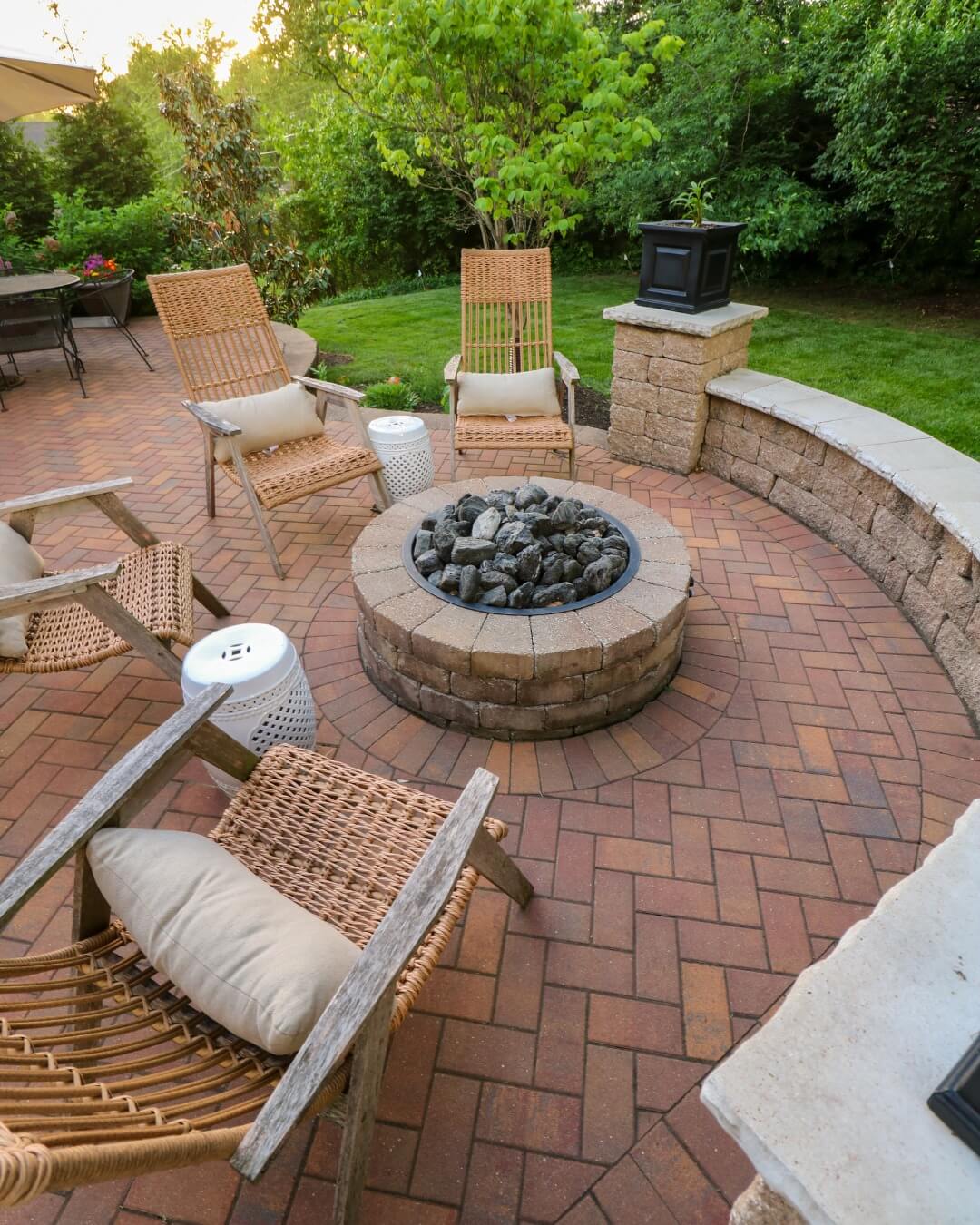
To turn your stone fire pit into a true four-season retreat, plan for comfort in shoulder seasons. Introduce a low masonry windbreak or tempered-glass screens on the prevailing-wind side to stabilize flames and hold warmth. A pergola set at safe clearances (check manufacturer specs and local codes) frames the room; hang outdoor-rated curtains for chilly nights and retract them in summer. Choose dense, thermal capstones like granite or bluestone that won’t flake under heat, and store cushions in a vented deck box so everything dries quickly after rain. Add radiant warmth with wool throws, a storage ottoman, and a weatherproof rug that defines the seating zone. Path lights and step markers boost safety when it’s dark by late afternoon, while smart plugs make lighting and gas ignition effortless from your phone. With a few strategic layers, your stone fire pit shifts from summer accessory to year-round living-room extension—cozy, resilient, and always ready.
Get the Fail-Safe Paint Color Playbook (Free PDF)
36 proven colors • 8 ready palettes • trim & sheen guide • printable testing cards.
Meandering Flagstone Terrace with a Centerpiece Stone Fire Pit
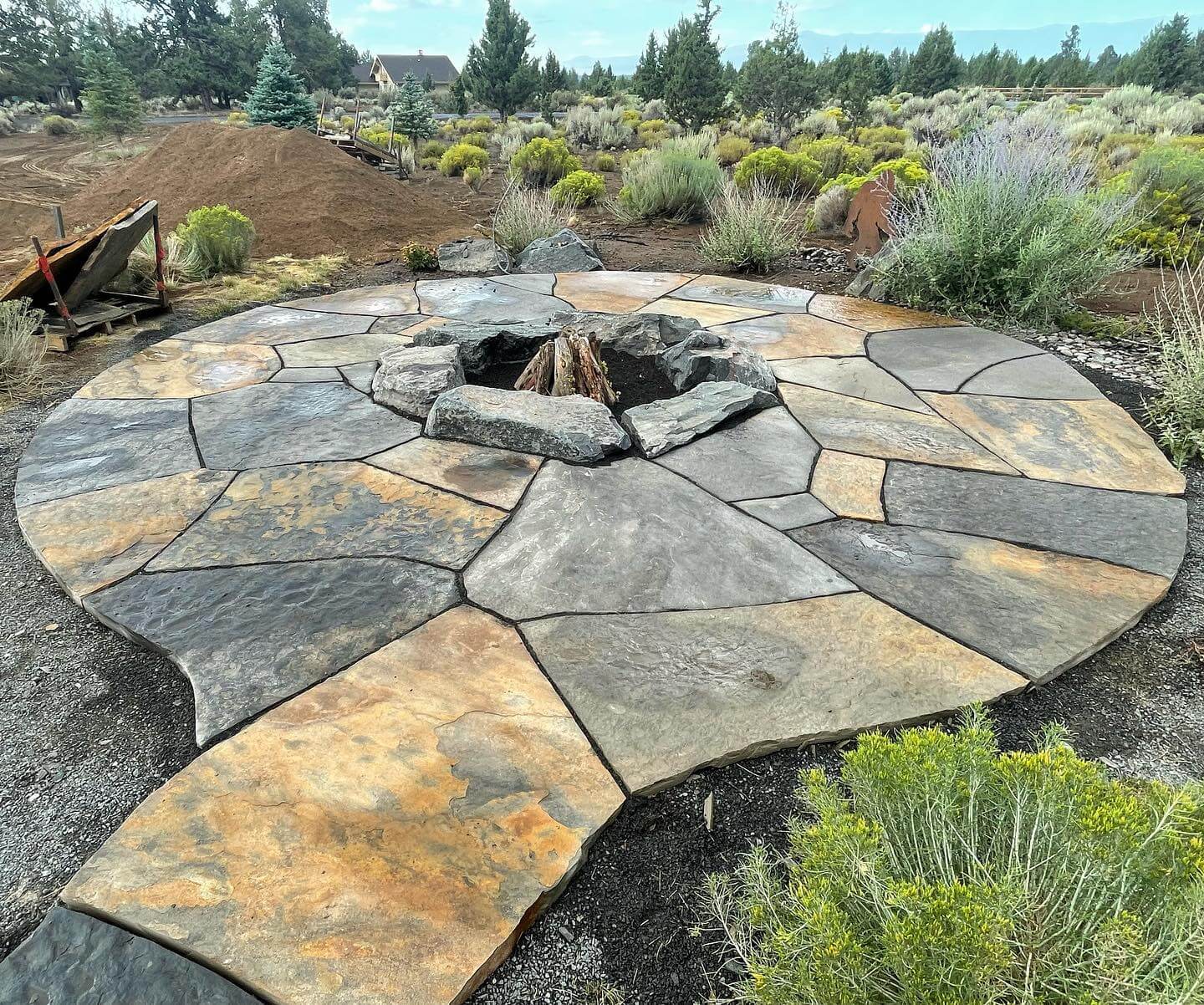
If you crave an organic look that still feels polished, a meandering flagstone terrace anchored by a stone fire pit delivers timeless charm and natural flow. Start with a compacted, well-drained base and dry-lay irregular flagstone in gentle curves that echo garden beds. A low, circular pit clad in fieldstone or ledgestone becomes the focal point, with a firebrick liner or steel insert to protect the veneer and improve longevity. Keep the seat height around 18–20 inches and the inner diameter 36–48 inches so conversations feel intimate, not cramped. Edge the terrace with thyme, sedum, or dwarf grasses to soften joints and scent the air as stones warm. Polymeric sand or fine granite screenings stabilize gaps, while hidden weep vents at the base of the pit promote drainage. For comfort and safety, allow 4–6 feet of clear space from pit edge to chairs and layer in low-voltage path lights to guide evening movement. The result is a casually elegant hardscape that invites lingering, couples beautifully with rustic or cottage architecture, and feels like it’s always been part of the landscape.
Linear Basalt Trough Fire Feature for Modern Patios
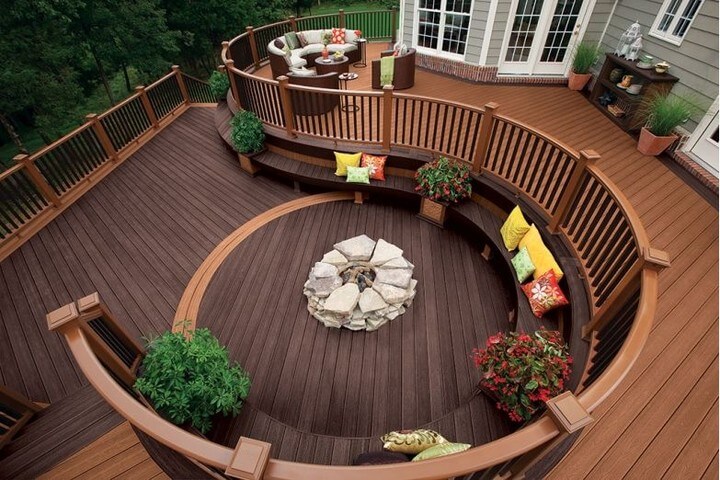
When space runs long but not wide, a linear gas fire trough wrapped in slim basalt or slate ledgestone offers high style with a small footprint. The elongated flame line warms more seats along a lounge or dining zone, making it ideal for narrow patios and terrace edges. Specify a stainless CSA-certified burner with proper ventilation and a wind guard to stabilize the flame; fill with lava rock for a natural look or tempered glass for a contemporary sparkle. Cap the surround in thermal bluestone or honed granite to create a comfortable perch for mugs and small plates. Because gas lines and ignition require planning, coordinate trenching, shut-off placement, and airflow with your installer and local codes early. Visually, a trough balances clean architecture—think right angles, smooth pavers, and streamlined furniture—while still feeling inviting. Pair with an L-shaped bench or sectional to emphasize the linear energy, add dimmable sconces or step lights, and let the stone cladding tie back to any existing retaining walls for a cohesive, gallery-like outdoor room.
Industrial-Chic Gabion Basket Fire Pit with River Rock
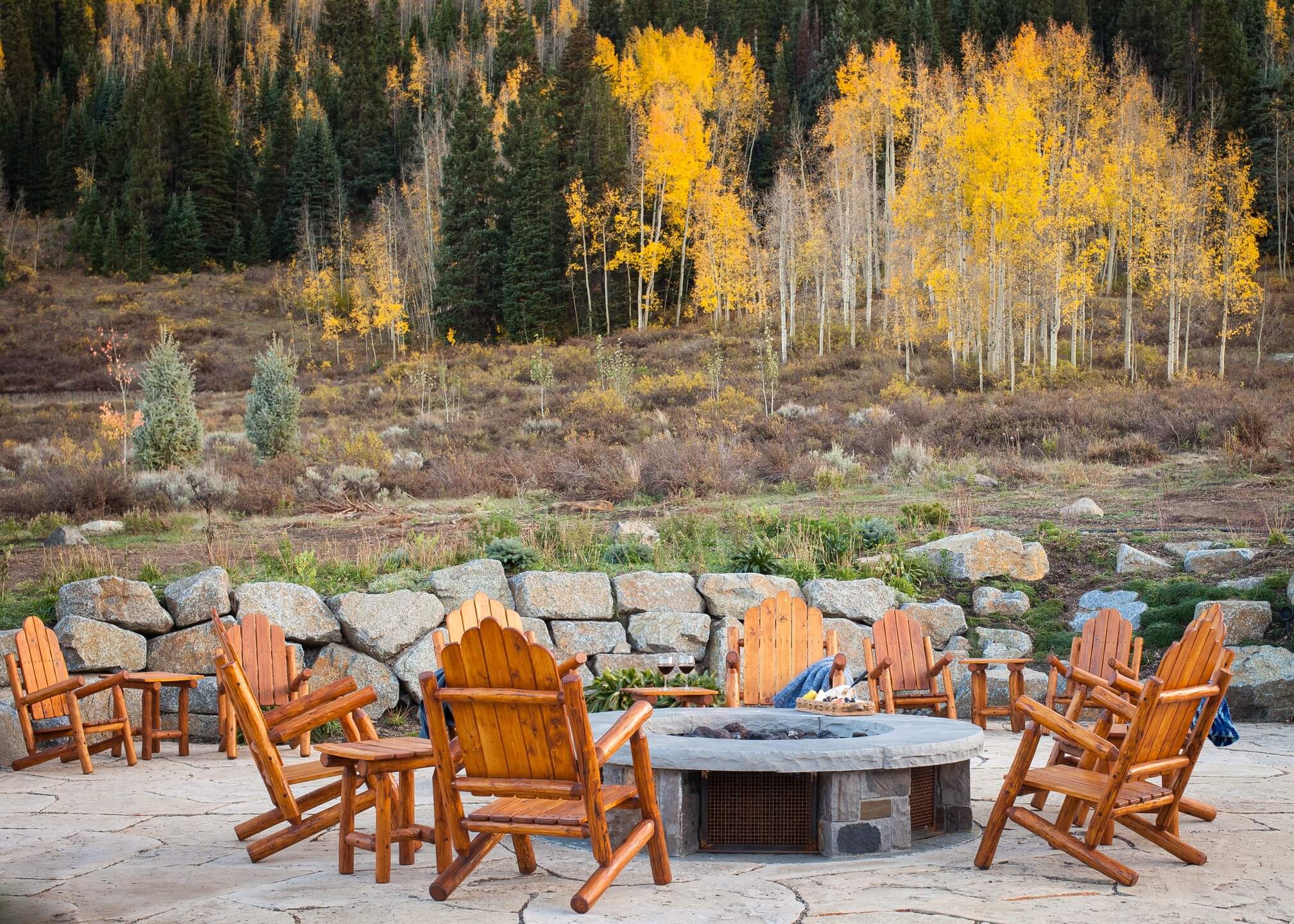
For a bold, budget-smart twist, use gabion baskets filled with local stone to craft an industrial-chic fire pit that doubles as sculptural art. The wire cages provide instant texture and mass, while river rock or crushed granite inside the baskets echoes surrounding pathways for visual continuity. To protect the metal and manage heat, line the burn zone with a steel insert or firebrick ring; leave discreet weep holes at the base so rain doesn’t pool. A flat stone or steel coping cap finishes the top neatly and offers a casual perch. This look thrives in modern rustic yards, farm-style acreages, or hillside gardens where drainage and durability matter. Set the pit on compacted gravel and pull the gabion aesthetic through low retaining edges or planter walls nearby for a cohesive hardscape language. At night, tuck low-voltage uplights under the baskets to graze the stone fill and create a lantern effect. It’s a fast, durable build with big personality—and a smart way to reuse local rock while keeping maintenance minimal.
Heritage Charm: Brick-and-Stone Hybrid Fire Pit That Matches the House
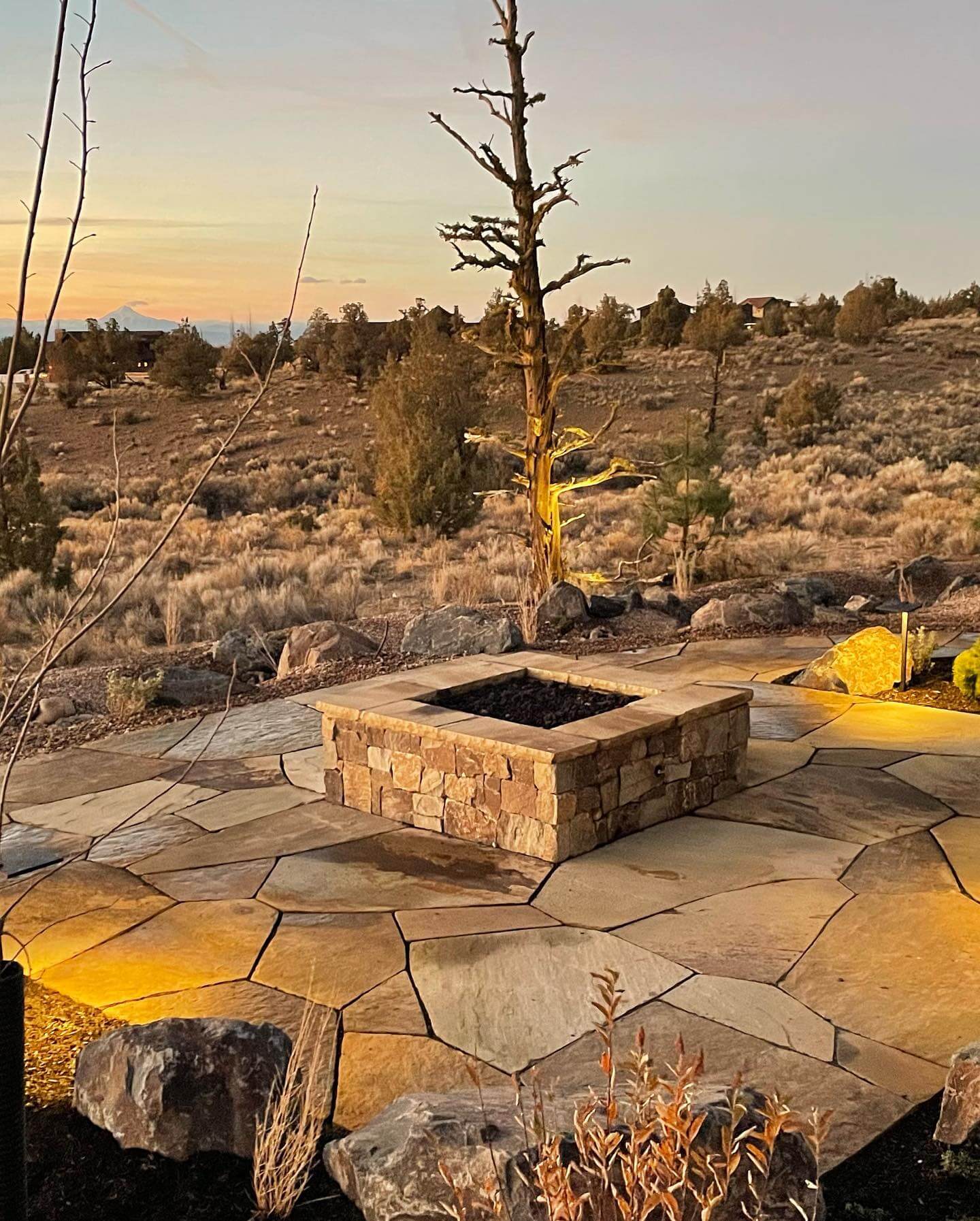
Blending brick and stone yields a fire feature with instant heritage—perfect for Craftsman, Colonial, or Tudor-inspired homes. Use a clay brick soldier course to line the inner ring for heat resistance and crisp geometry, then cloak the exterior in tumbled ledgestone or cobbled granite for depth and texture. On the ground plane, a herringbone or basketweave brick field framed by a stone border creates a tailored patio that nods to classic masonry patterns while staying slip-resistant. Color-match the brick to your home’s accents—lintels, stoops, or chimneys—so the fire pit reads like an original detail, not an add-on. Keep joints tight and consistent, and consider a granite or bluestone cap to unify the mixed materials and provide a comfortable handrest. The hybrid palette shines with wrought-iron seating, warm lantern lighting, and perennial borders of boxwood, lavender, or hydrangea. It’s a refined approach that brings old-world craftsmanship to modern outdoor living, balancing durability with a sense of place.
Coastal-Calm Limestone Fire Pit with Driftwood Hues
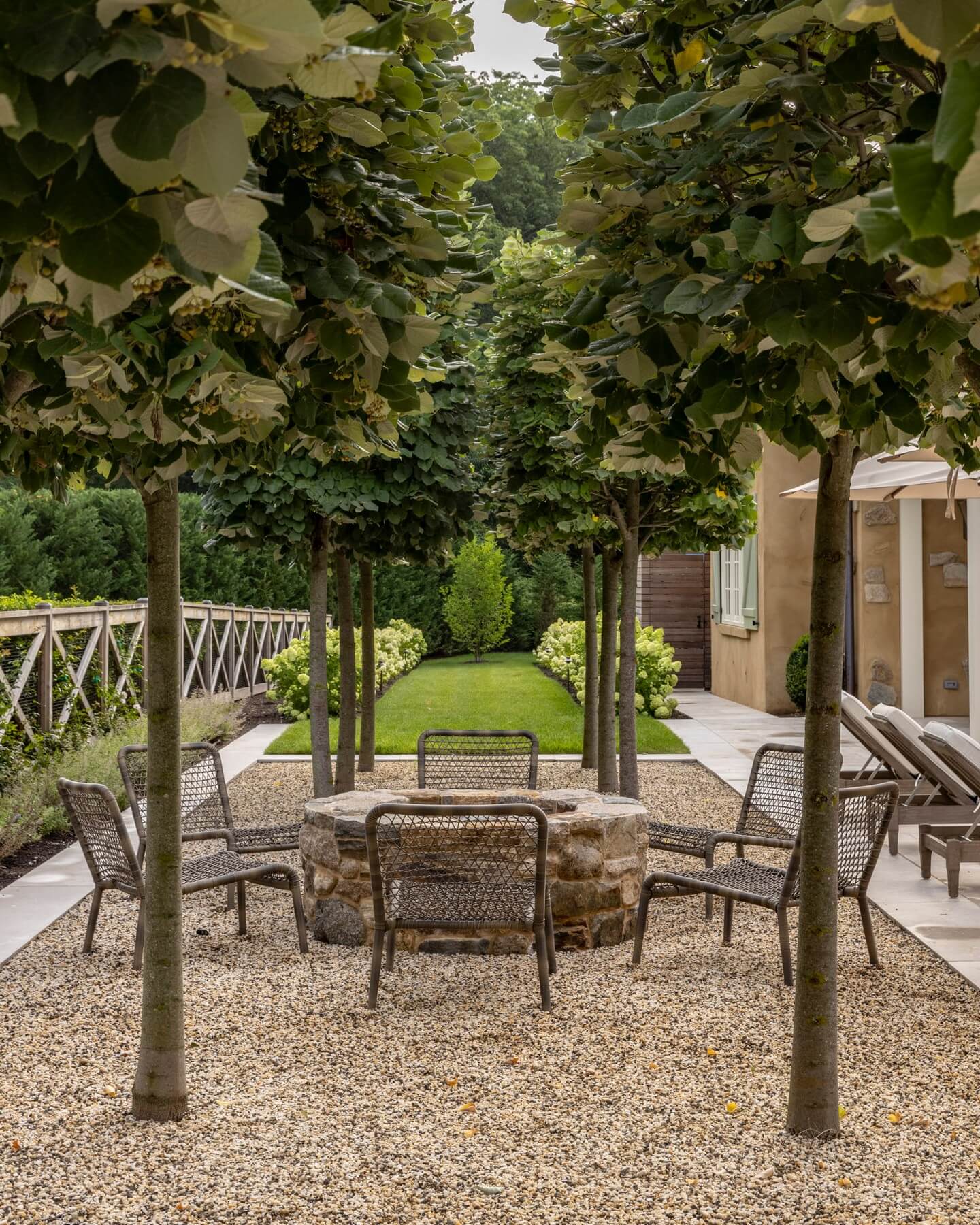
If your style leans breezy and beachy, a low limestone fire pit layered over a light pea-gravel terrace sets an effortless coastal mood. Choose creamy, sawn limestone blocks with clean edges, then finish with a honed cap for a soft, hand-smooth touch. To safeguard the stone against heat stress and spalling, line the interior with refractory firebrick or a steel insert; if you’re oceanside, specify marine-grade stainless components for burners and fasteners. Keep the profile low to preserve sightlines to water or horizon, and frame with teak or whitewashed lounge chairs in sand-and-sky textiles. Plantings of dune grass, rosemary, and sea lavender add movement and fragrance, while shell gravel or crushed oyster accents reinforce the shoreline palette. Gas ignition offers instant, low-smoke ambiance on breezy evenings; a tempered glass wind screen can help steady the flame without blocking views. The result is unfussy, sun-washed serenity—an inviting hearth that glows like embers in driftwood at dusk.
Rooftop-Ready Gas Fire Pit with Lightweight Stone Veneer
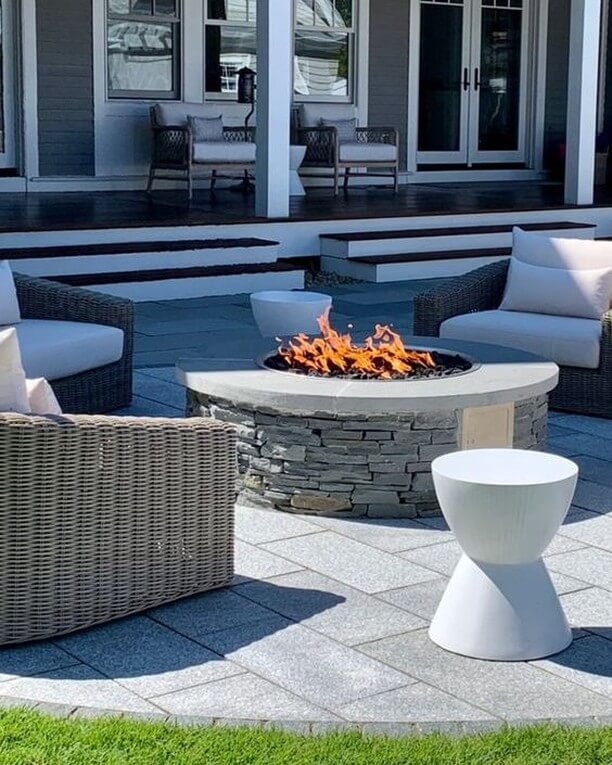
Bringing fire to a rooftop or balcony demands careful engineering—and a smart material mix. Opt for a framed enclosure (aluminum or steel) skinned in lightweight stone veneer or fiber-reinforced panels to keep loads within structural limits. Float porcelain pavers on adjustable pedestals for a level, drainable deck surface, and run a licensed gas line with code-compliant ventilation and clearances from parapets or railings. A linear or square stainless burner topped with lava rock or fire glass offers reliable, wind-tolerant warmth; add a tempered glass wind guard to protect the flame without sacrificing skyline views. Choose a cool-tone stone profile—light granite or soft gray ledgestone—to complement urban architecture, then integrate hidden storage for covers and cushions to keep the footprint tidy. Dimmable step lights, low-glare sconces, and a compact herb trough soften the scene. The payoff is a polished, city-proof lounge where the stone finish reads substantial while staying weight-savvy and weather-smart.
Built-In Wood Storage Cubbies Under a Stone Seating Wall
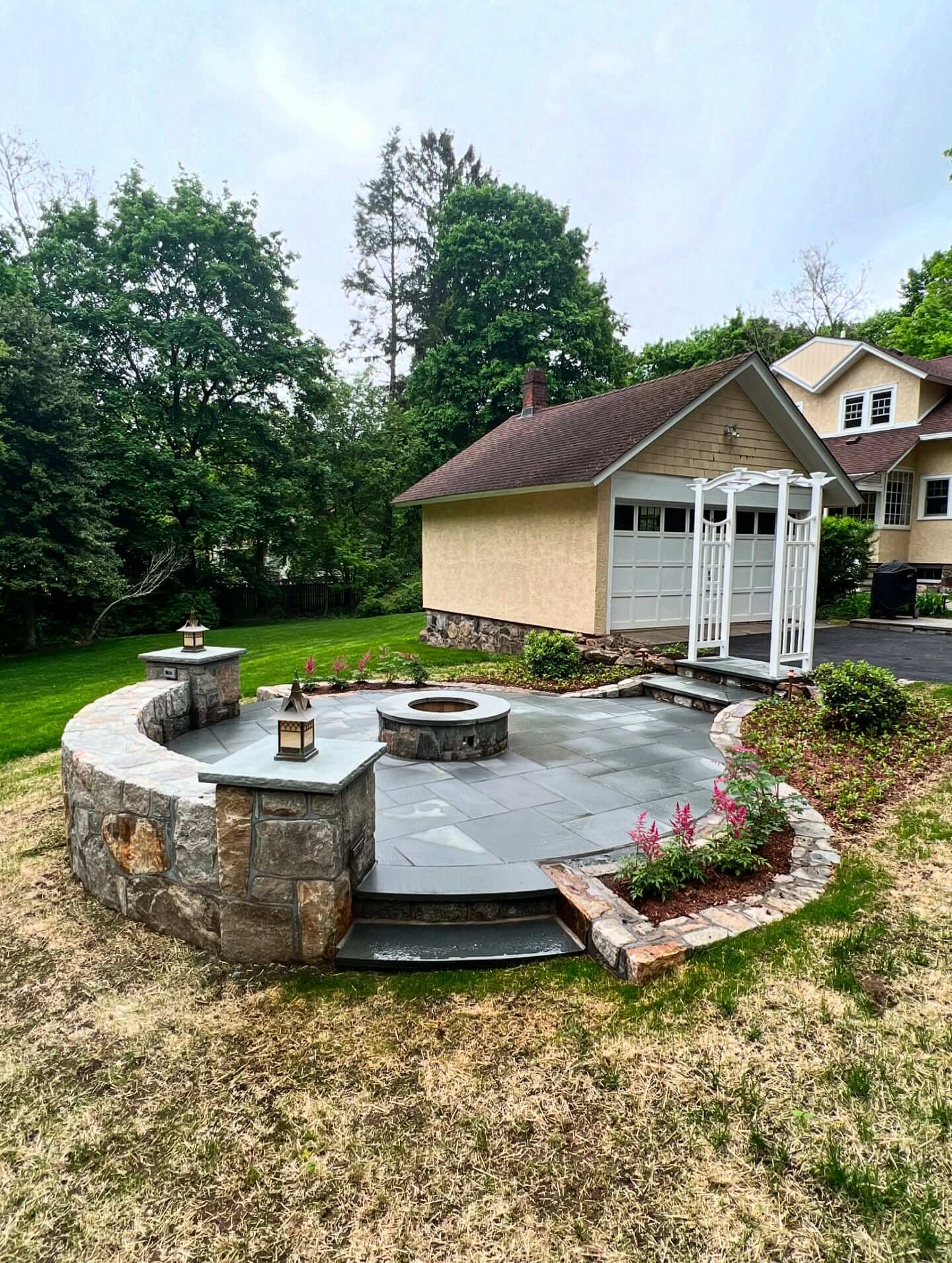
Level up form and function by tucking firewood storage directly into a stone seating wall. Flank a circular or square pit with a curved or U-shaped wall clad in ledgestone, and incorporate arched or boxed niches that keep logs elevated and dry. Beyond the visual rhythm, the cubbies streamline hosting—fuel at your fingertips, clutter off the patio. Line niches with brick or concrete for durability and consider a discreet drip edge or shallow overhang to shed rain. At the pit, use a refractory liner and leave subtle ventilation gaps near grade for healthy airflow. Top the wall with a thermal bluestone cap wide enough for casual seating and side tables in one. This integrated approach suits woodland edges and larger backyards where a hearth becomes the social anchor. Add path lighting to highlight the cubbies’ geometry at night, and store kindling in a smaller, dedicated bay. It’s thoughtful, hardworking design that looks custom—and keeps the fire going without a trek to the shed.
Fire-and-Water Harmony: Stone Fire Pit with a Reflecting Rill
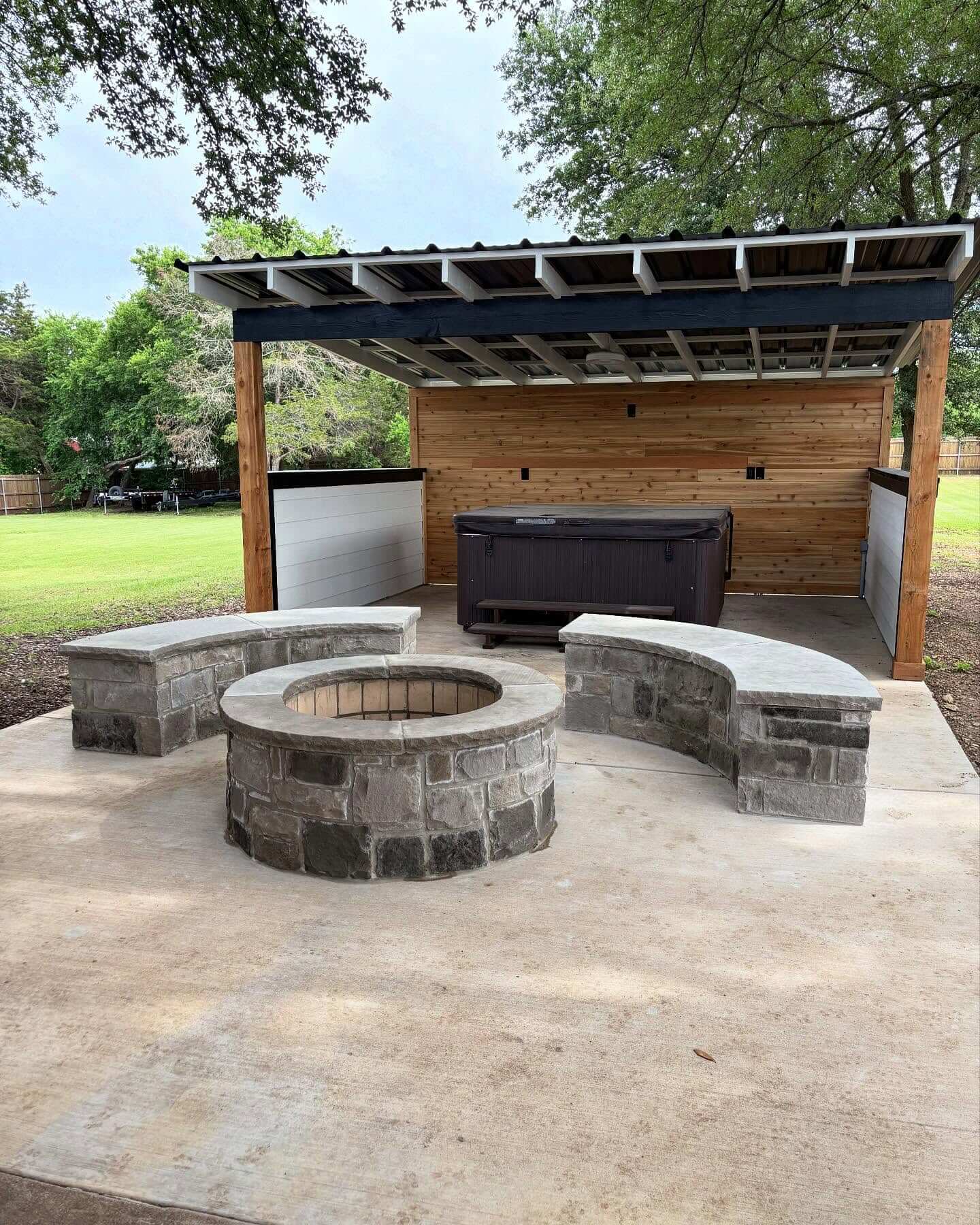
For high-impact ambiance, pair your stone fire pit with a slender water rill or reflecting basin—two primal elements in dynamic balance. Set the pit slightly above a linear channel faced in the same stone family (think basalt or dark granite) so the dancing flame reflects in the water’s surface. Gas ignition gives you instant control and safer proximity to water, while low-flow circulation and a simple skimmer keep maintenance light. Layer in submersible LEDs for a quiet shimmer and use flat coping around the rill as a foot-warming perch near, not over, the water. Maintain generous, noncombustible clearances and respect local codes for utilities and setbacks. On the ground, a grid of large-format pavers or fine gravel bridges the two features, with grasses or ferns softening edges. The composition feels architectural and serene—perfect for mindful evenings, gentle conversation, and photo-worthy moments that make the backyard feel like a boutique retreat.
Family-First Design: Spark Control and Safe Clearances in Stone
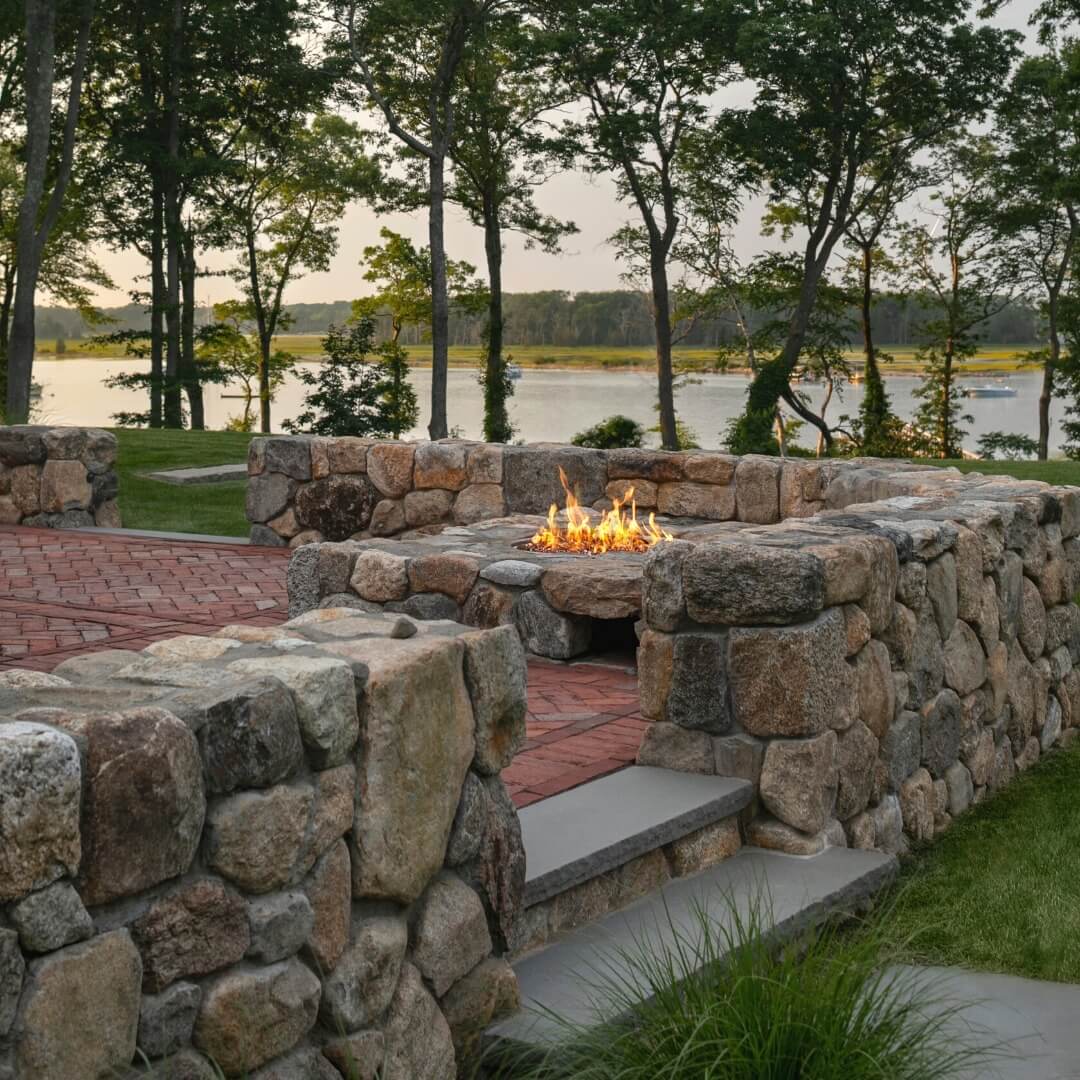
A welcoming fire zone starts with smart safety baked into the design. Choose a stone pit lined in firebrick with a fitted spark screen or mesh lid to catch embers on breezy nights. Establish a 6–10 foot noncombustible buffer—pavers, decomposed granite, or gravel—between the pit and planting beds, furniture, or fencing. If you entertain on composite decking, use a heat shield and ember mat rated for live-fire; gas is often the better choice on elevated surfaces. Keep seat walls or chairs 4–6 feet from the rim for comfortable heat without crowding, and route traffic with lit paths to avoid trip hazards after dark. Store pokers, tongs, and gloves in a weatherproof box, and choose low, rounded coping stones that are kinder to little knees. For smoke-sensitive households, a double-wall, smokeless design improves airflow and reduces stray ash. Done right, the space feels relaxed and beautiful—and you can focus on stories, not safety worries.
Weekend-Ready Stone Fire Pit Kit with Pro-Level Finishes
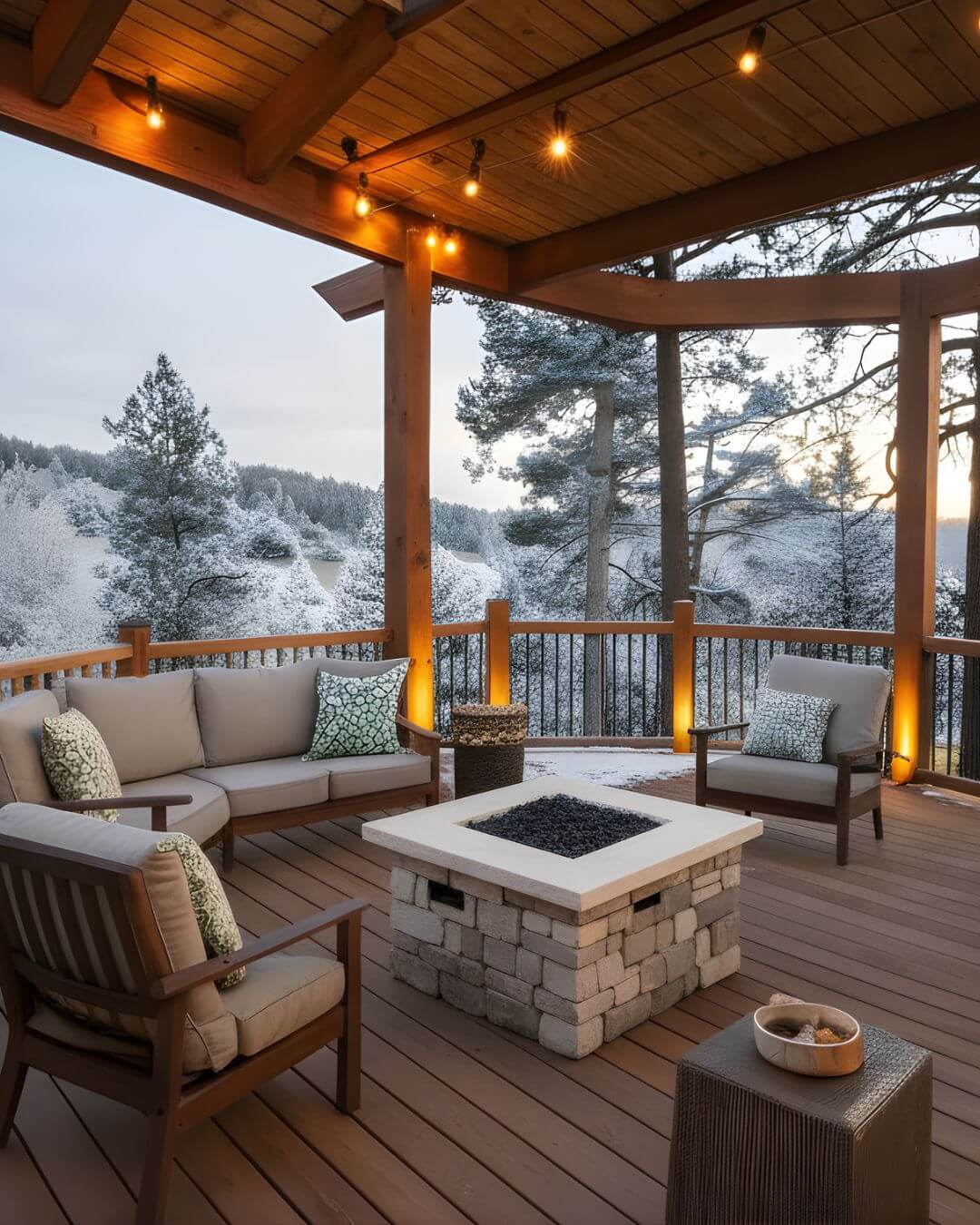
If you want results fast, start with a ready-made stone fire pit kit and elevate it with a few pro touches. Most kits include tumbled blocks and a steel ring; set yours on a compacted gravel pad, then add a circular paver apron to define the zone and keep chairs stable. Sweep polymeric sand to lock joints, and sneak in two or three discreet vent gaps at the base for airflow and drainage. Upgrade the look with a custom-cut granite or bluestone cap for a smooth handrest and a slightly wider seat edge. Surround the pit with a crushed granite or pea-gravel field to extend the safe zone, and finish with low-voltage lighting for evening usability. In a single weekend, you’ll go from bare lawn to a polished, code-smart gathering space. Budget-friendly doesn’t have to read basic—thoughtful details make the kit look custom while keeping the build approachable for DIYers.
Smokeless Stacked-Stone Fire Pit with Hidden Airflow
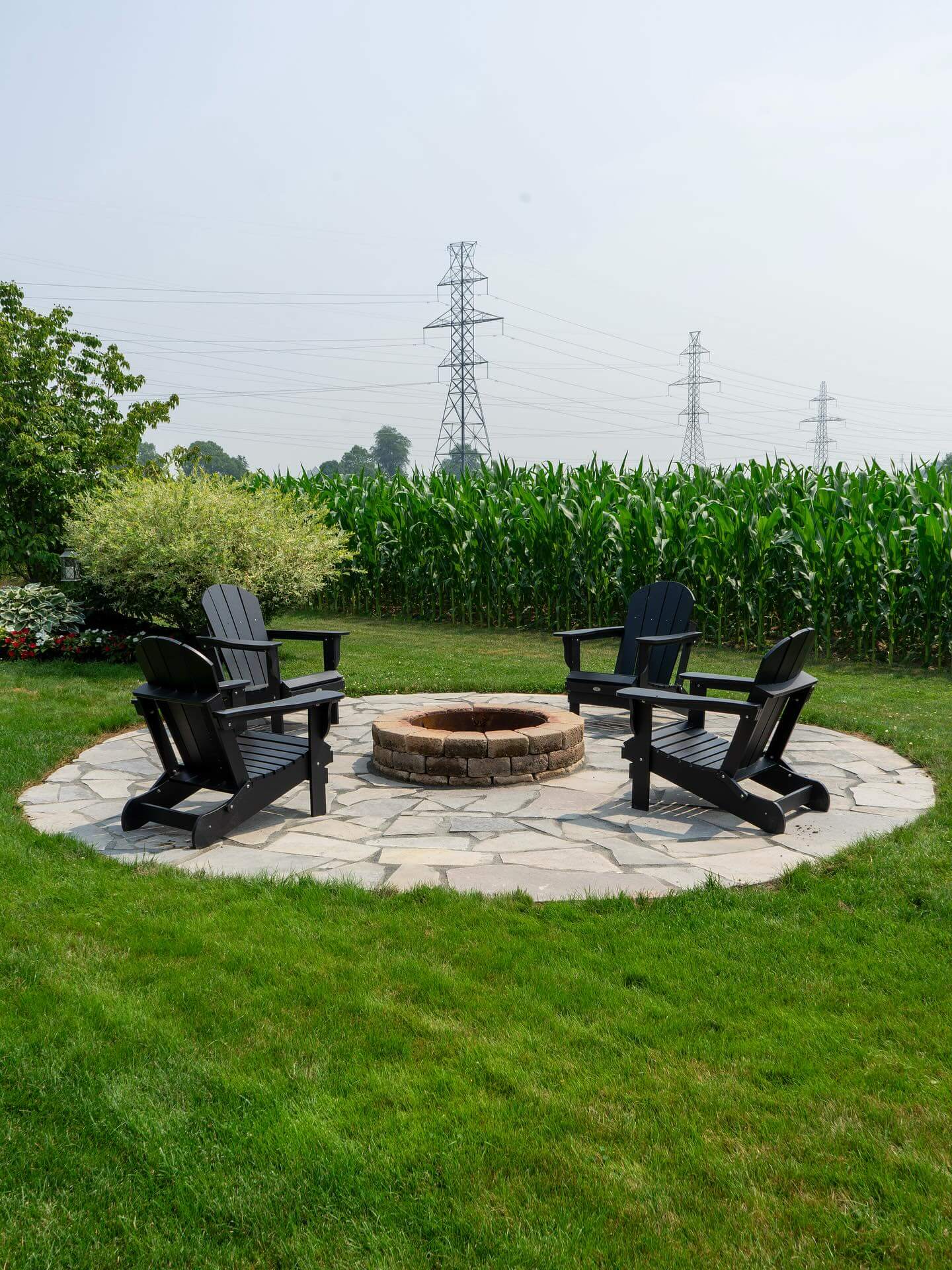
Love the crackle but not the campfire haze? A smokeless stacked-stone fire pit gives you the best of both worlds by pairing a double-wall stainless insert with a handsome stone surround. Build a circular or square enclosure from fire-rated block and face it in ledgestone or fieldstone, then cap with 10–12-inch granite or bluestone for a perch-worthy rim. Leave discreet intake gaps at the base (shadowed by the veneer) and a 1–2-inch air channel around the insert so the system can feed and reburn smoke. Set the pit on a compacted gravel pad with 3–4 inches of crushed stone for drainage, and aim for an 18–20-inch cap height that’s comfortable for sitting.
Get the Fail-Safe Paint Color Playbook (Free PDF)
36 proven colors • 8 ready palettes • trim & sheen guide • printable testing cards.
For layout, a 36–44-inch insert wrapped to a 60–72-inch overall diameter creates an intimate focal point without overwhelming the patio. Surround it with pea gravel or large-format pavers for ember safety and easy cleanup, and place seating 7–9 feet from the flame for knee room. Layer in low-voltage under-cap lights for a soft evening glow, and choose dense hardwoods to keep the burn clean. Maintain code clearances (typically 10 feet from structures), add a spark shield when needed, and you’ve got a low-smoke, high-style stone fire feature that plays nicely with both rustic and modern backyards.
DIY Stone Fire Pit Designs, Materials, and Safety Best Practices
Successful DIY stone fire pits start with durable materials that handle heat, like granite, basalt, concrete block rated for fire, and purpose-made firebrick liners. Avoid river rock inside the combustion zone, because trapped moisture can cause stones to crack or pop under high heat. Establish a stable, well-drained foundation using compacted gravel and leveling sand so the wall courses stay true through seasons. Confirm permits and utility locations before digging, and pick a diameter that suits your group—36 inches for intimate fires, 42–48 inches for larger gatherings. Sketch cross-sections to plan liner height, ventilation gaps, and cap thickness, ensuring every layer works together for longevity and easy maintenance.
- Lay out the pit with a mason’s string and stakes, confirming 10–25 feet from structures, prevailing wind direction, and at least 7 feet of clear seating circulation.
- Excavate 8–10 inches, compact subsoil, add 4–6 inches of crushed gravel, and top with leveling sand, creating a stable, well-drained base that prevents heaving and frost damage.
- Dry-lay the first course perfectly level before stacking, then bond subsequent courses with exterior-rated adhesive or mortar, ensuring tight joints inside the ring for maximum heat resistance.
- Line the interior with firebrick and refractory mortar, add a steel insert or ring if desired, and leave discreet weep gaps to relieve steam pressure and drain rainwater.
- For gas fire pits, hire a licensed pro to run lines, install shutoff valves, and size burners; combine lava rock with fire-rated glass for even flame distribution and heat shielding.
- Before first use, cure mortar per manufacturer guidance, add a couple small kindling fires to temper materials, and confirm spark screen, tongs, and extinguisher are accessible and functional.
Budget roughly $250–$600 for block kits with steel rings, or $700–$2,000 for custom natural stone with premium caps and smokeless inserts. Expect one weekend of excavation and assembly, plus a week for mortar curing, using basic tools like a tamper, torpedo level, masonry saw, and protective equipment. Maintain performance by clearing ash after every two or three burns, brushing soot from capstones, and checking joints for seasonal movement. Seal dense capstones yearly to resist stains, but leave interior firebrick unsealed so moisture can escape safely. In winter, keep the pit covered, avoid quenching roaring fires with water, and periodically re-level surrounding pavers to preserve drainage and comfort underfoot.
Your Backyard Blaze, Answered
What size should a backyard stone fire pit be?
For most patios, an interior diameter of 36–44 inches balances warmth, safety, and seating. Allow 18–24 inches of seating clearance from the pit’s outer edge to chairs or benches.
Get the Fail-Safe Paint Color Playbook (Free PDF)
36 proven colors • 8 ready palettes • trim & sheen guide • printable testing cards.
Which stones are best for high heat and durability?
Dense, non-porous materials like granite, basalt, and fire-rated concrete block perform reliably. Always line the combustion zone with firebrick and refractory mortar to manage heat and prolong the structure’s life.
Can I build a stone fire pit on a wood deck?
Generally, no—wood decks pose ignition and heat damage risks. If a fire feature is essential, consider a gas unit rated for decks with proper clearances, a heat barrier, and manufacturer-approved installation.
How do smokeless fire pits work with stone surrounds?
Double-wall smokeless inserts preheat air and inject it at the rim, reburning smoke for a cleaner flame. Clad the insert with stone for aesthetics, while preserving ventilation gaps and service access.
Final Verdict: Turning Stone Fire Pit Ideas into a Year-Round Retreat
From classic fieldstone rings to sleek linear troughs, the best stone fire pit is the one that fits your space, lifestyle, and climate. Prioritize scale, clearances, and wind direction, then choose durable, heat-safe materials that echo your home’s architecture—whether that’s brick-and-stone hybrids, coastal-calm limestone, or lightweight veneer for rooftops. Pair the fire feature with thoughtful add-ons like curved seating walls, gravel or flagstone terraces, subtle path lighting, and built-in wood storage to elevate comfort and style. Decide early on fuel type—wood for ritual and crackle, gas for convenience, or smokeless designs with hidden airflow—to match your maintenance preferences and local codes.
Next, map your layout and budget: measure zones, confirm permits, and choose DIY kits or a pro build for finishes like granite caps, lava rock fills, and weatherproof details. Safeguard the setup with spark control, drains, covers, and hardy fabrics so the area performs in all seasons. With a cohesive palette, smart ventilation, and layered textures, you’ll create an outdoor living space that invites conversation and makes every night feel like a getaway—just add good company and light the first flame.
Get the Fail-Safe Paint Color Playbook (Free PDF)
36 proven colors • 8 ready palettes • trim & sheen guide • printable testing cards.