
17 Teenage Study Area Ideas That Look Cool and Actually Boost Focus
Turning a teen bedroom into a study-friendly zone doesn’t have to kill the vibe. The right desk setup, lighting, and storage can transform any corner into a homework station they’ll actually use—without sacrificing style. This guide blends teen-approved aesthetics with smart design to boost focus, comfort, and motivation.
Inside, you’ll find layout tricks for small rooms, color palettes that calm, layered lighting for late-night study, and clutter-busting organization. We’ll cover ergonomic tweaks, cable and tech management, renter-friendly upgrades, and budget DIYs so every study nook—from minimalist to artsy—works harder.
Get the Fail-Safe Paint Color Playbook (Free PDF)
36 proven colors • 8 ready palettes • trim & sheen guide • printable testing cards.
As you scroll, each section connects to real-life inspiration and ideas you can copy fast. Whether your teen shares a room, is a gamer, an artist, or simply needs a sleek bedroom workspace, these study area ideas make learning feel personal, productive, and effortlessly cool.
Small Bedroom Teenage Study Area Ideas: Space-Saving Layouts
Designing a productive study nook in a small bedroom starts with a floor plan and ruthless measurements. Prioritize a dedicated desk between 40–48 inches wide and 20–24 inches deep for laptops and notebooks. Keep the study surface separate from vanity or gaming zones to minimize mental switching costs and cable chaos. Place the desk on a low-traffic wall that avoids wardrobe doors and minimizes bed proximity, improving posture and focus. Go vertical with shelves, rails, and wall files so supplies float off the floor while remaining within arm’s reach. Layer task lighting with ambient glow to prevent eye strain and keep the compact area feeling open.
- Fold-Down Wall Desk: Hinged desktop folds away after homework, freeing floor space; include shallow shelves above, cable grommet, and a wall-mounted task lamp to keep surfaces clear.
- Loft Bed With Desk: Elevate the bed to reclaim a full workstation beneath; choose 24-inch desk depth, clamp-on light, and vertical pegboard to concentrate tools without crowding.
- Corner L-Shaped Nook: L-configuration maximizes corners, allowing separate laptop and notebook zones; add floating corner shelves and under-desk drawers to reduce visual clutter and improve reach.
- Window-Sill Workspace: Extend a deep window ledge into a slim desk; orient chair sideways to traffic, harness daylight, and use roller shades for glare control during long study sessions.
- Rolling Supply Cart: A narrow, three-tier cart parks under or beside the desk; sort stationery by task, move it out when friends visit, and return instantly for homework.
- Pegboard Wall System: Mount modular hooks, cups, and mini-shelves above the desk; label zones for chargers, headphones, and markers to keep desktops blank and brains focused on assignments.
Plan clearances deliberately: allow 24 inches behind the chair and 30–36 inches for main walkways so movement never interrupts study flow. Hide cords using a slim under-desk tray, right‑angle plugs, and short charging cables labeled by device. Target 500–700 lux at the work surface with a 4000K task lamp and indirect ceiling light for balance. Choose a calm palette—soft neutrals with one energizing accent—to reduce visual noise without feeling dull. Carve micro‑zones for sketching, STEM kits, or journaling using stackable trays that slide out, get used, and stow quickly. End each session with a two‑minute reset so the small space is always ready for the next assignment.
Pegboard Power Wall: Flexible Storage That Grows With Your Teen
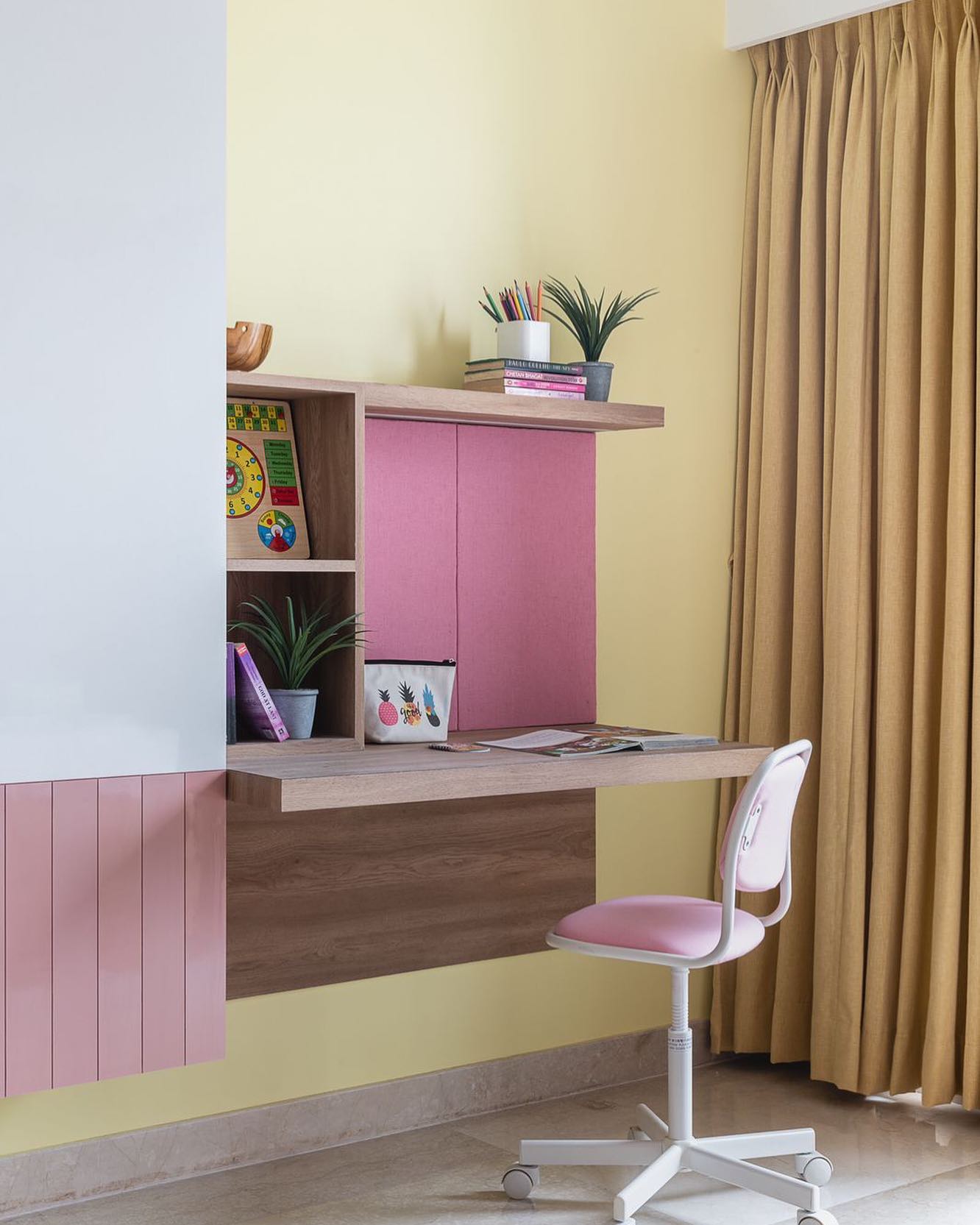
Create a study zone that adapts as classes, hobbies, and schedules change with a pegboard or grid-wall system above the desk. Modular panels let a teen rearrange shelves, pencil cups, hooks, and mini bins as subjects shift through the year—textbooks and calculators during finals, paints or camera gear during creative projects. This vertical approach clears the desktop, reduces visual clutter, and makes essentials obvious at a glance, which boosts focus. Aim for a neutral board (white, wood, or matte black) and layer in color through accessories so it still feels cool, not classroom. Zone the wall into three lanes: daily supplies at arm’s reach, a tech bay for headphones and chargers, and an inspiration strip for photos, schedules, and grade goals. Add an under-shelf LED bar for shadow-free task lighting and a small whiteboard for quick math or vocab drills. If you’re renting, use multiple small panels with heavy-duty adhesive anchors instead of one large slab. This simple upgrade turns a small bedroom corner into a hardworking teenage study area without eating floor space—and it can evolve with every new semester.
Layered LED Lighting That Feels Chill but Works Hard
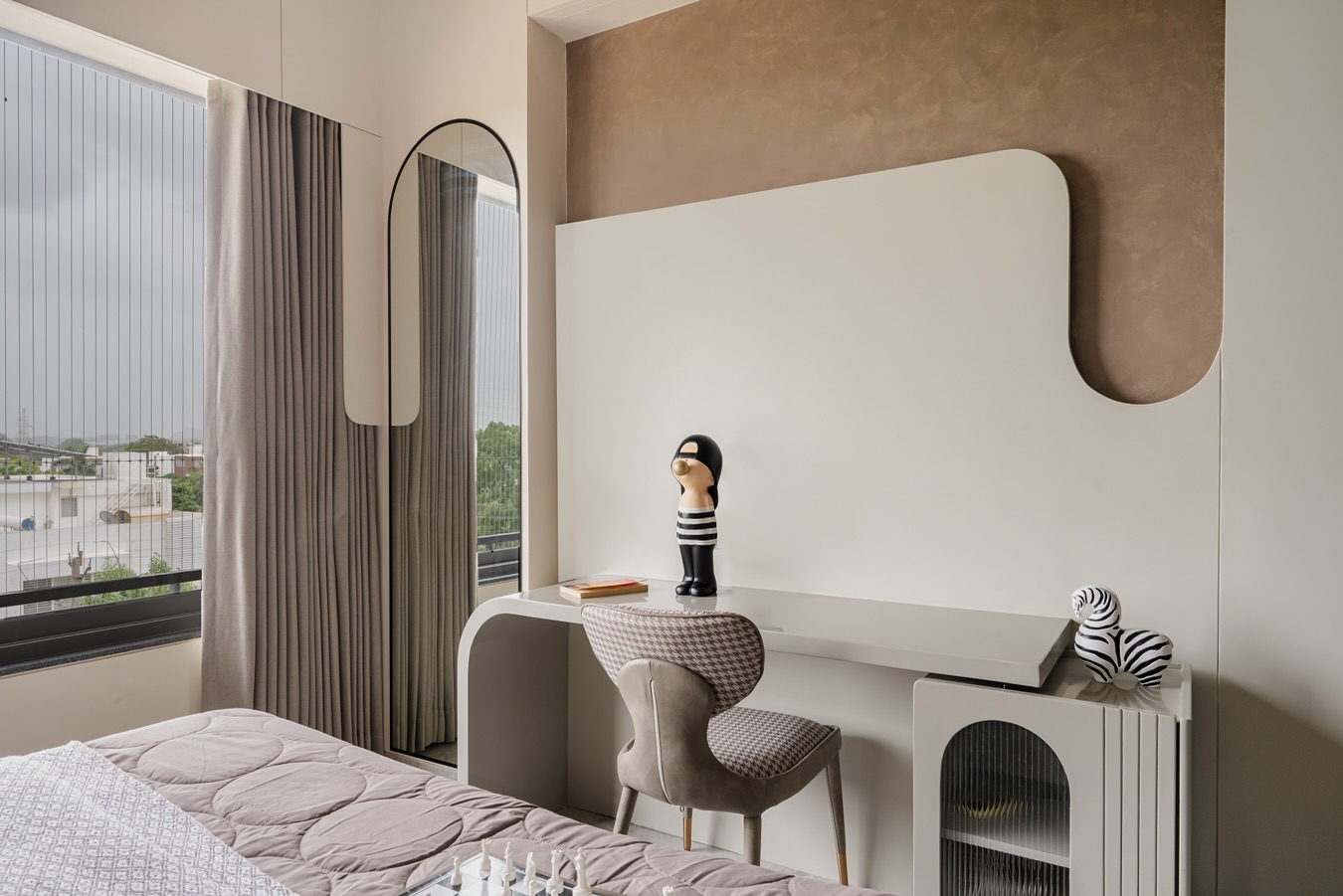
Great lighting is a performance hack. Build three layers: ambient (overhead), task (focused on the work surface), and accent (for vibe). Overhead, swap harsh bulbs for warm-to-neutral LEDs (2700–3500K) to set a calm base. For the desk, choose an adjustable arm lamp or under-shelf strip at 4000K; this crisper tone improves contrast for reading and note-taking. Then add subtle accent light—behind the monitor or along the back edge of shelving—to reduce eye strain and make late-night study feel cozy, not clinical. Smart bulbs or a simple dimmer let your teen set “Homework,” “Chill,” and “Wind-Down” scenes with one tap. Prioritize 90+ CRI bulbs to make textbook graphics and color-coded notes easier to read. Position lights to the opposite side of the writing hand to minimize shadows, and add a small, low-glare night light for early-morning cram sessions. With the right mix, the space looks cool for friends yet flips into a high-focus homework station in seconds—proof that teenage study area ideas can balance aesthetics and serious productivity.
Space-Saving Floating or Fold-Down Desk for Small Rooms
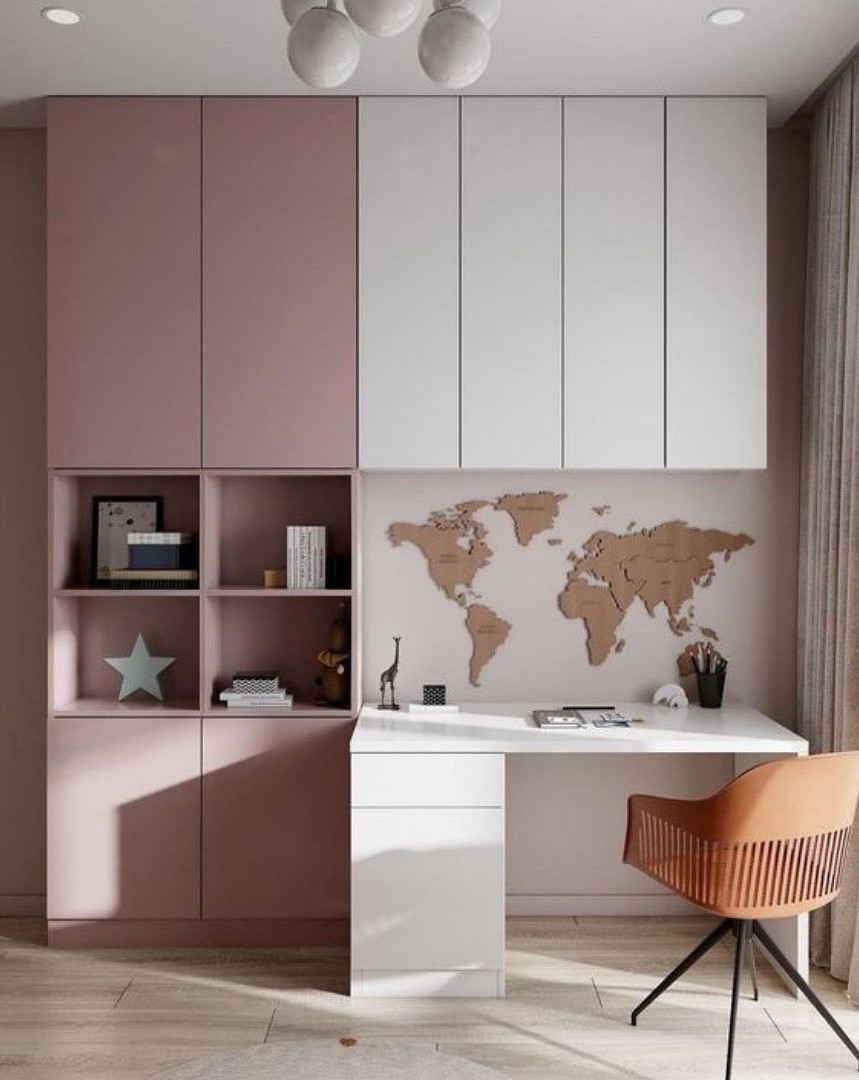
When square footage is tight, a floating desk or fold-down “Murphy” style workstation makes a tiny bedroom feel bigger while still delivering a real study surface. Mount a 16–20 inch deep desktop to studs and add a shallow wall cabinet above for notebooks and chargers. If you opt for a drop-front version, line the interior with cork or a magnetic panel so it doubles as a bulletin board when closed. Pair with a slim, stackable chair or a lightweight stool that tucks away. Keep the footprint clean with a recessed cable grommet, a wall-mounted power strip with USB-C, and a narrow rail to hold pens. The result: a clutter-free study nook that opens up for homework and disappears for weekend hangouts. Use a matte finish and rounded corners to feel soft and modern, then anchor the vignette with a runner rug to define the zone. Small-bedroom desk ideas like this prove you don’t need a giant setup to create a focused, comfortable homework station that a teen will actually use.
Gaming–Study Hybrid Desk That Keeps Distractions in Check
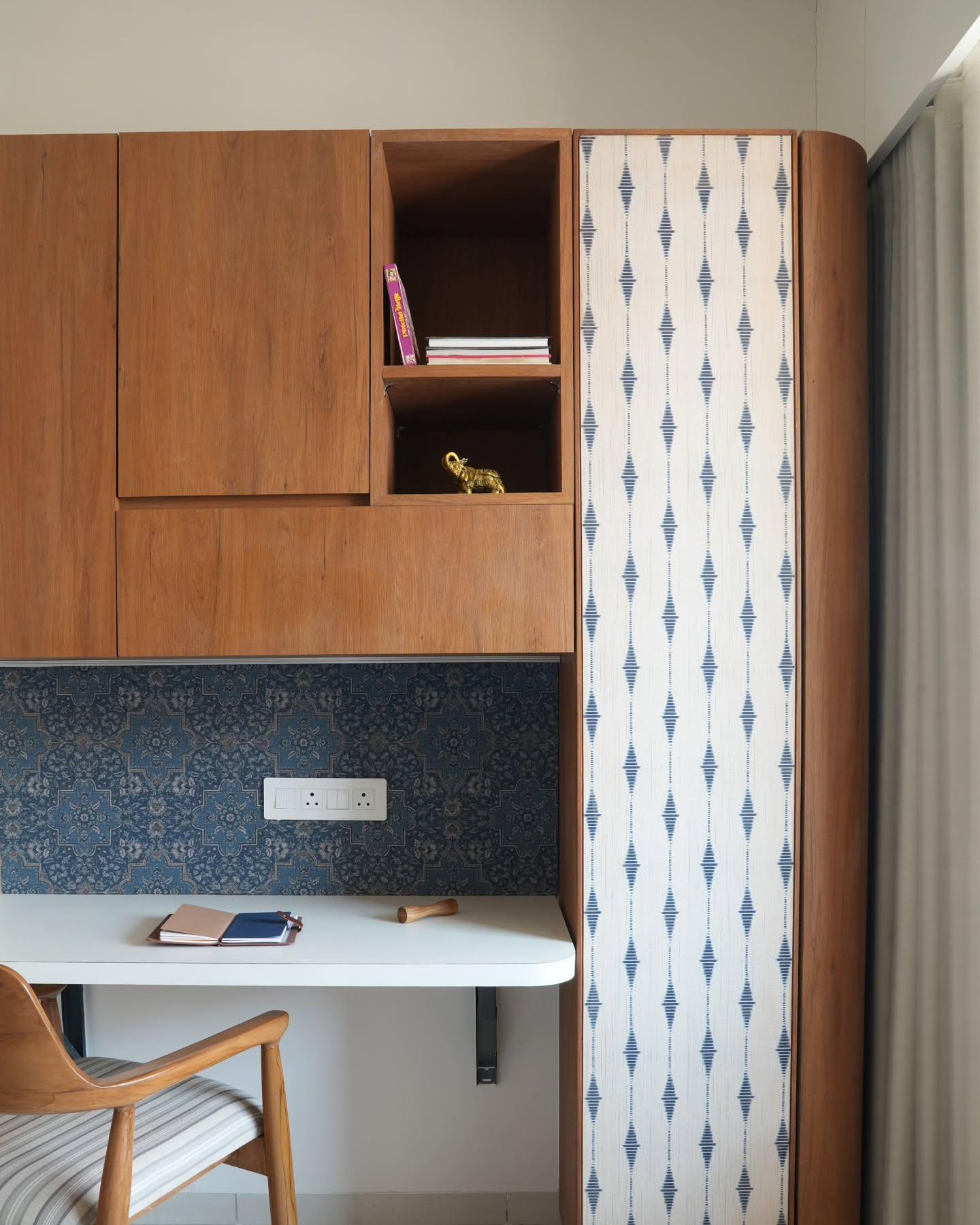
If your teen games and studies in the same room, design the desk to support both—without letting one derail the other. Start with a roomy surface and a monitor arm to free space for notebooks. Create “modes” using simple visual cues: a neutral desk mat, white lighting, and a charging drawer for consoles during homework; a textured mat, RGB accent light, and a headset stand for play. Stash controllers and remotes in a lidded box to eliminate visual temptation while studying. Add soft acoustic panels or a pinboard behind the desk to absorb echo during calls and reduce noise fatigue. Cable-manage aggressively with a mounted tray and labeled Velcro ties so the setup looks polished even with multiple devices. Finish with a timer cube and app blockers scheduled for school nights. This balanced approach respects their interests while promoting boundaries—turning a potential distraction into a teen-approved, high-performance workspace that boosts focus and looks seriously cool.
Color-Blocked Calm: A Palette That Energizes Without Overstimulation
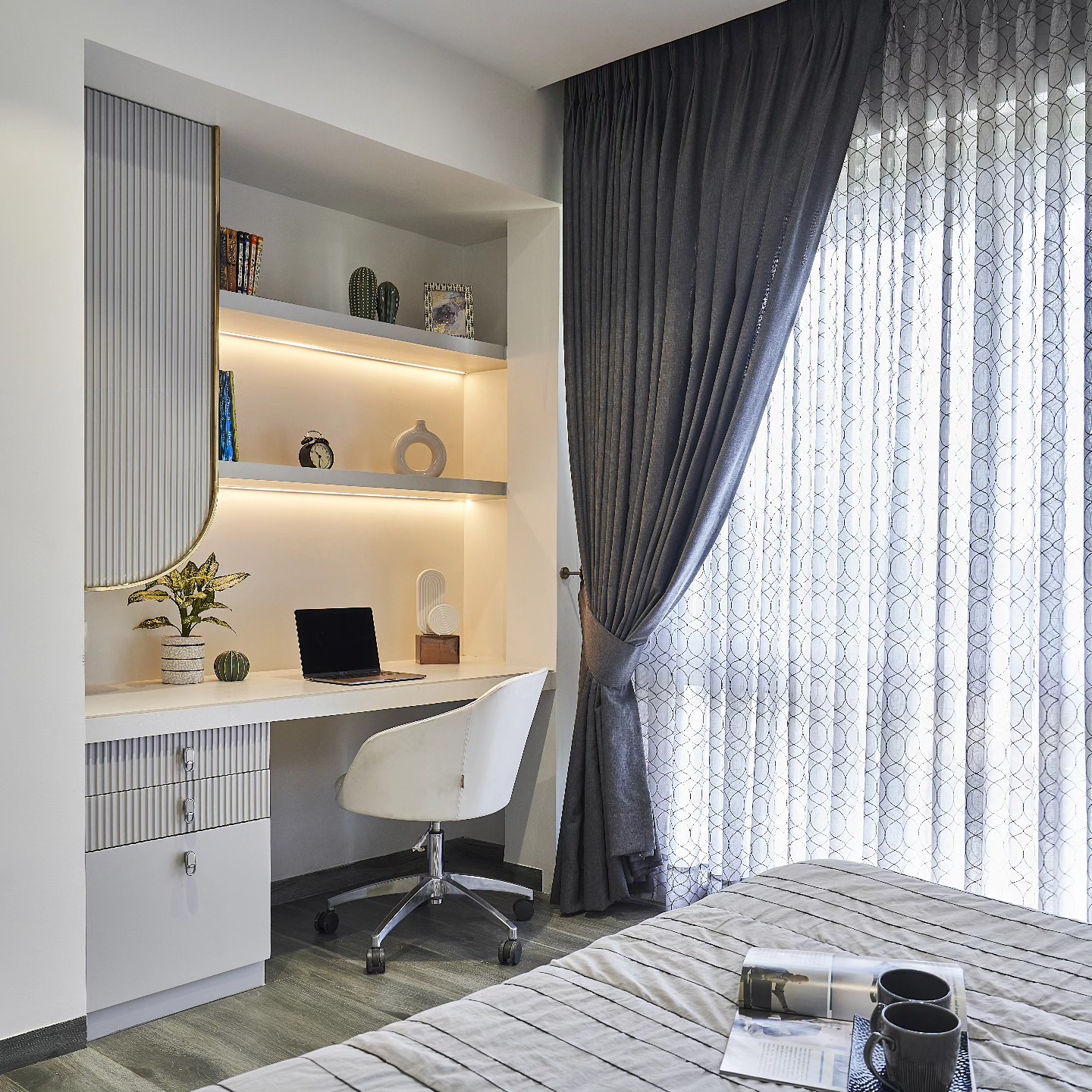
Color can steer mood and concentration. For a teen bedroom workspace, start with a calm base—soft sage, dusty blue, warm greige, or clay—and then color-block a stripe or panel behind the desk to visually “anchor” the study zone. Blues and greens support sustained focus; a small hit of coral, terracotta, or mustard adds motivation without the chaos of a full accent wall. Keep large surfaces (desk, shelves) light to bounce illumination, and bring depth with matte black or brushed metal hardware. Tie in the palette through a desk mat, file holders, and a textured rug so the room reads cohesive, not theme-y. Limit busy patterns to one element (curtains or cork tiles) to avoid visual noise. This palette strategy is a subtle, design-forward way to implement teenage study area ideas—cool enough for selfies, but soothing enough for deep work. Bonus: color-blocking also makes small rooms feel organized by clearly defining the homework station from the sleep and lounge zones.
Desk by the Window: Daylight Without the Glare
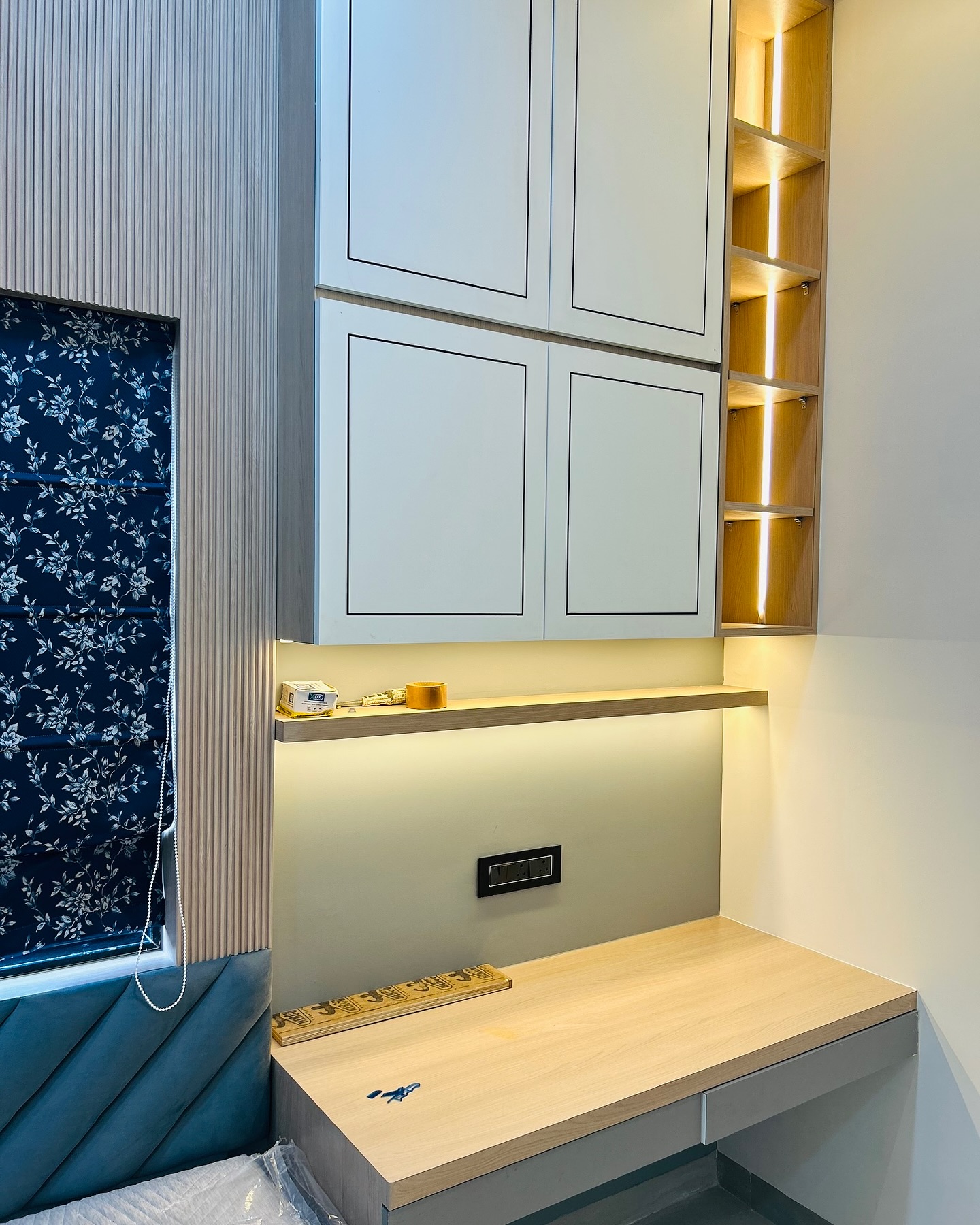
Natural light boosts alertness and mood, but glare can wreck concentration. Place the desk perpendicular to the window so daylight washes across the work surface without reflecting off screens. Add sheer roller shades or linen drapery to diffuse harsh sun during peak hours, and keep a 4000K task lamp within reach for cloudy days and after-dark sessions. A slim windowsill shelf can hold plants (pothos, snake plant, or a low-light fern) to add a biophilic hit that’s proven to reduce stress. If space allows, build a shallow window-seat desk with drawers—just 18 inches deep can still fit a laptop and notebook. Use an anti-glare screen filter and a matte desk finish to tame reflections. Mirrors should sit adjacent, not opposite, the window to bounce light deeper into the room without dazzling the user. Done right, a window-adjacent setup creates a bright, airy teen study nook that feels motivating in the morning and serene by evening.
Hidden Cable Command Center for a Clean, Tech-Ready Desk
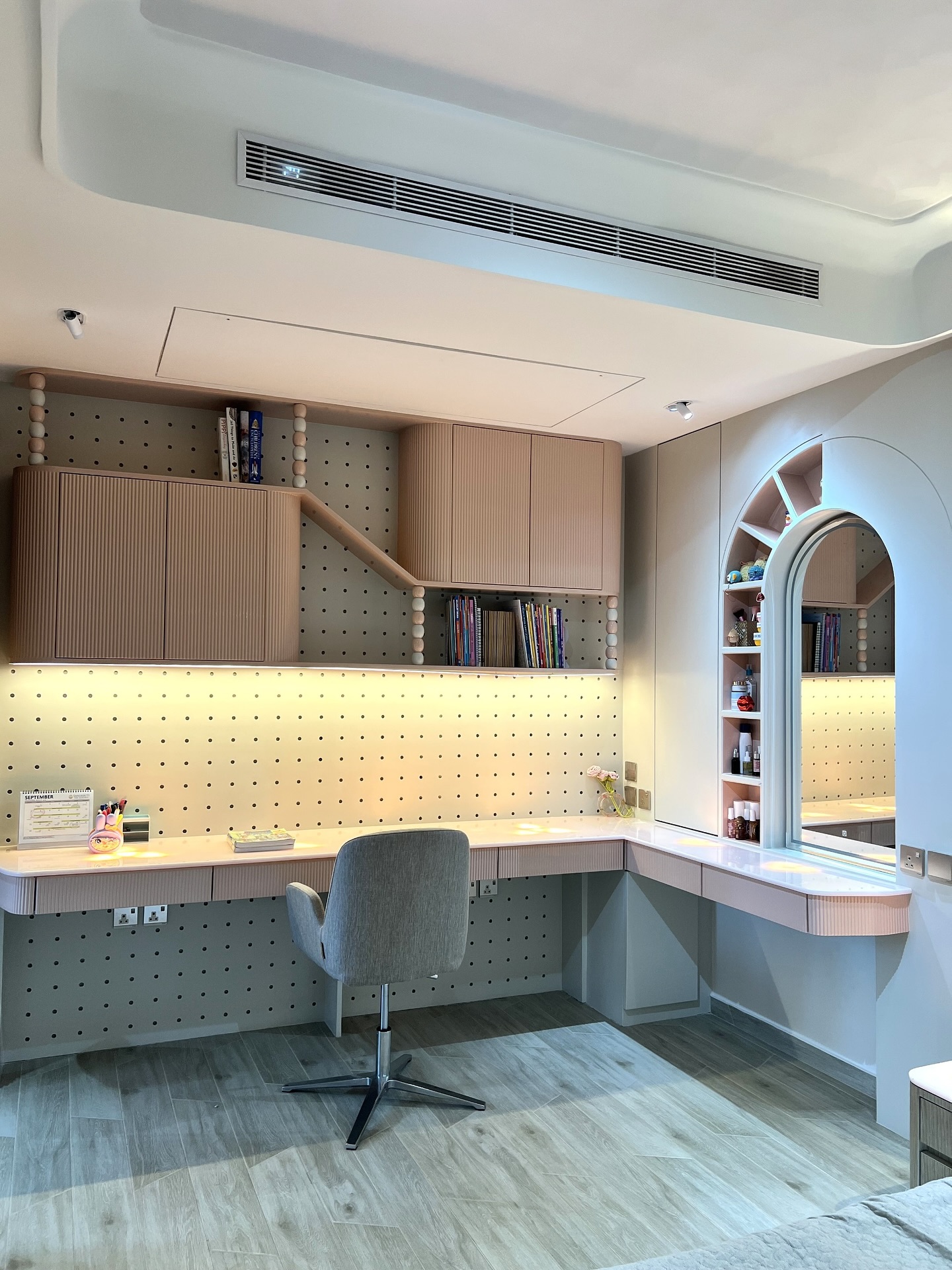
Visual clutter drains focus fast. Turn cable chaos into a stealth system that disappears. Mount a metal cable tray beneath the desk to corral power bricks, then run cords through adhesive raceways along the back leg or wall. Add a surge protector with USB-C PD for laptops and label each cable with tiny tags (charger, lamp, monitor) so resets take seconds. Create a charging drawer with a vented back and a short power strip inside—phones and tablets charge out of sight while your teen works. On the surface, stick to a single braided cable for the keyboard and a wireless mouse to keep movement free. A desktop grommet or clamp-on hub brings ports within reach without adding clutter. Schedule a weekly five-minute “desk reset” to coil slack with Velcro ties and empty the charging drawer. This small upgrade transforms any teenage study area into a sleek, distraction-free workstation that looks as sharp as it performs.
Ergonomic Essentials for Comfort Now and Healthy Habits Later
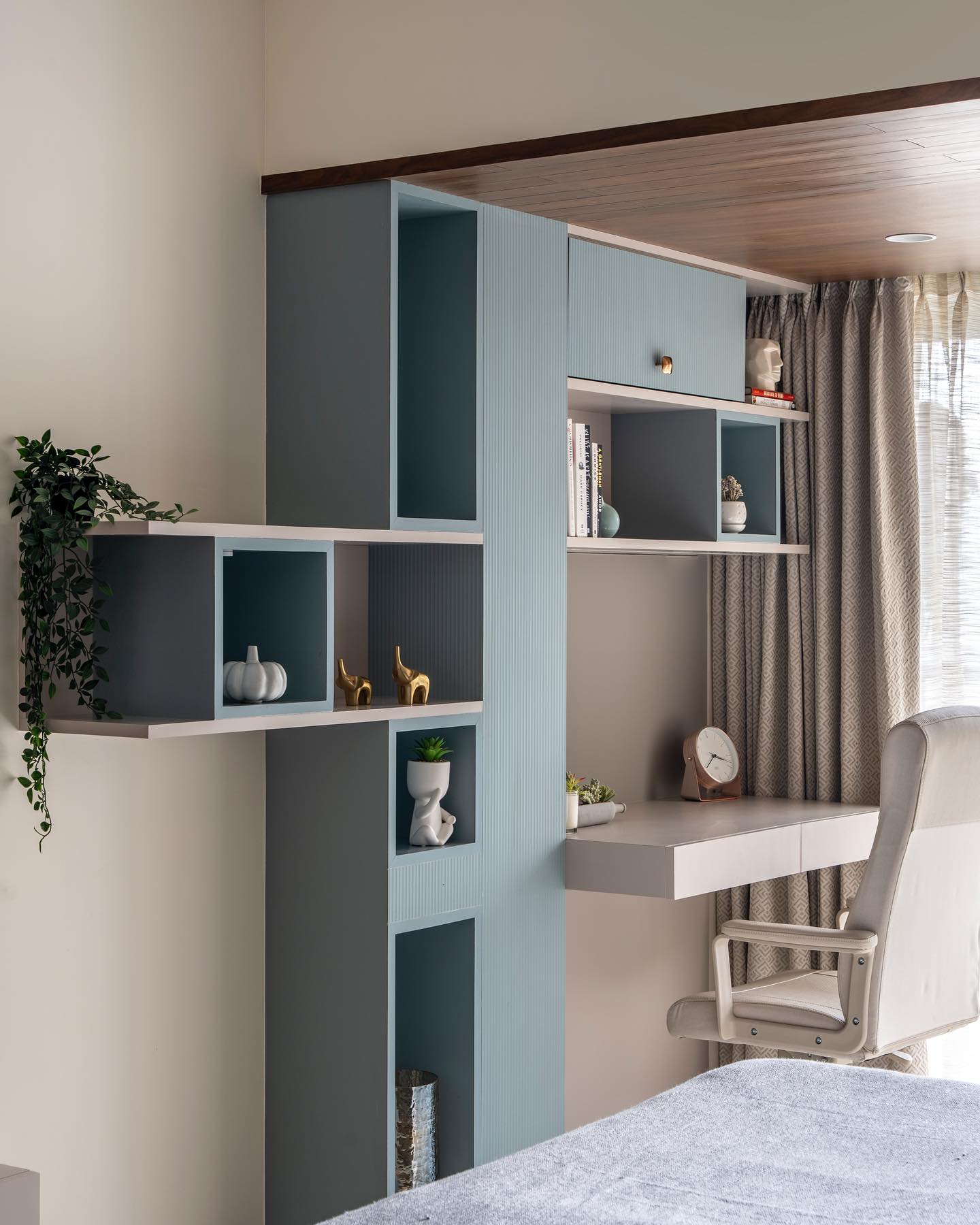
Better posture equals better focus. Choose an adjustable chair with real lumbar support; set seat height so knees and hips are level (the 90–90–90 rule) and feet rest flat—use a slim footrest or a stack of books if needed. Elevate laptops on a stand so eyes meet the top third of the screen, then add an external keyboard and mouse to keep wrists neutral. If space allows, a slim sit-stand converter encourages movement during long sessions; pair with a timer to prompt stretch breaks every 45–60 minutes. Keep frequently used items within the primary reach zone to prevent shoulder strain, and position lighting to reduce squinting. A soft desk edge or wrist rest helps during typing-heavy nights. These ergonomic tweaks aren’t just adult office tricks—they’re teen-friendly upgrades that prevent aches, build healthy study habits, and make the homework station feel as good as it looks.
Gallery Wall Planner: Motivation, Memory, and a System That Sticks
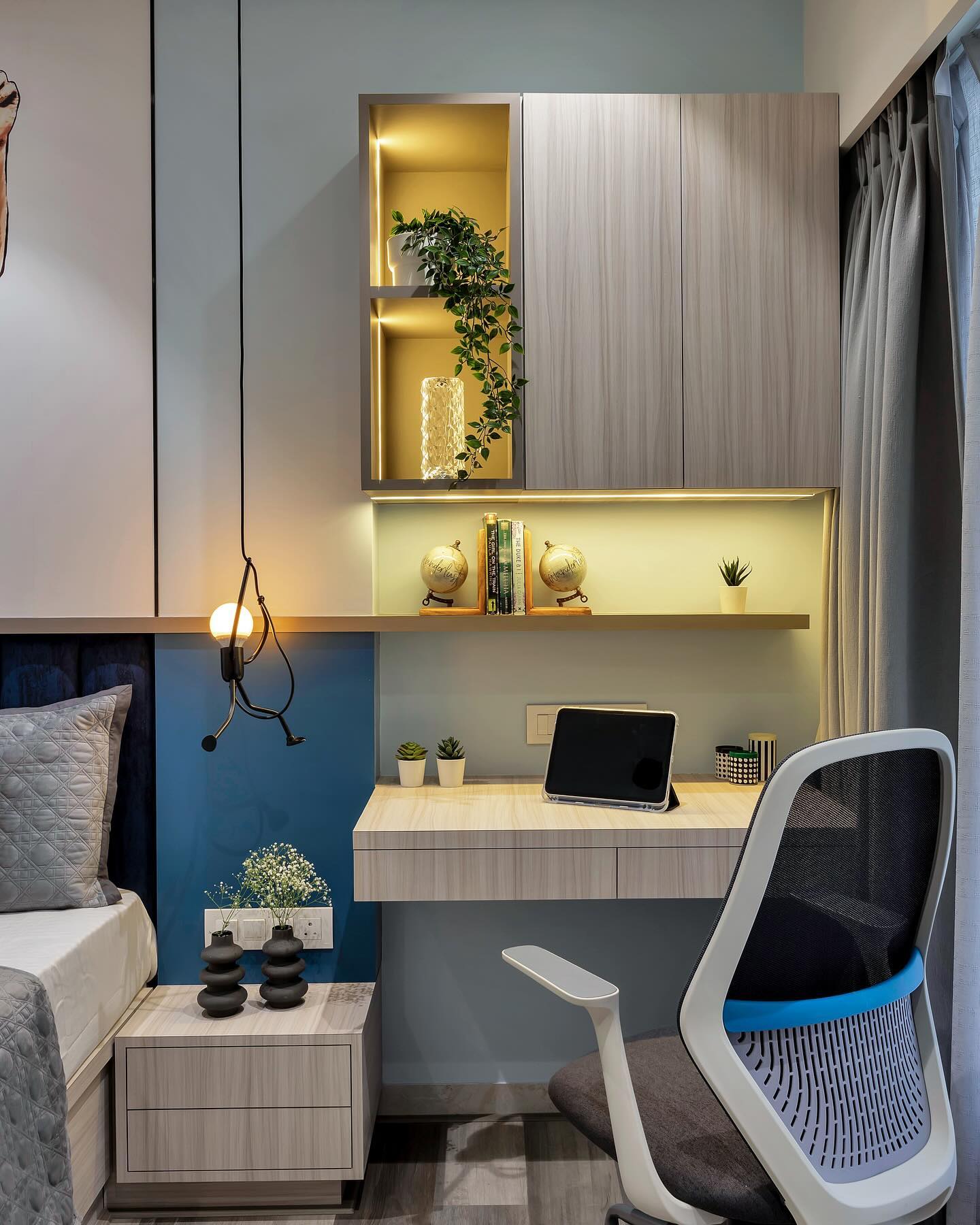
Turn the wall above the desk into a creative command center that’s equal parts mood and management. Combine a large monthly calendar, a cork strip for quick pin-ups, and a magnetic whiteboard for to-dos and formulas. Frame a few art prints or photos to personalize the grid so it feels intentional, not utilitarian. Color-code tasks by subject with sticky flags or markers, and add a slim shelf for highlighters and index cards. Keep a rotating “wins” section—quiz scores, team photos, or portfolio pieces—to reinforce progress and intrinsic motivation. The key is high-contrast visibility with minimal clutter, so your teen can glance up, get oriented, and get back to work. This hybrid gallery wall elevates a teenage study area idea into a system that’s stylish, trackable, and actually used.
Budget DIY and Renter-Friendly Upgrades That Look Custom
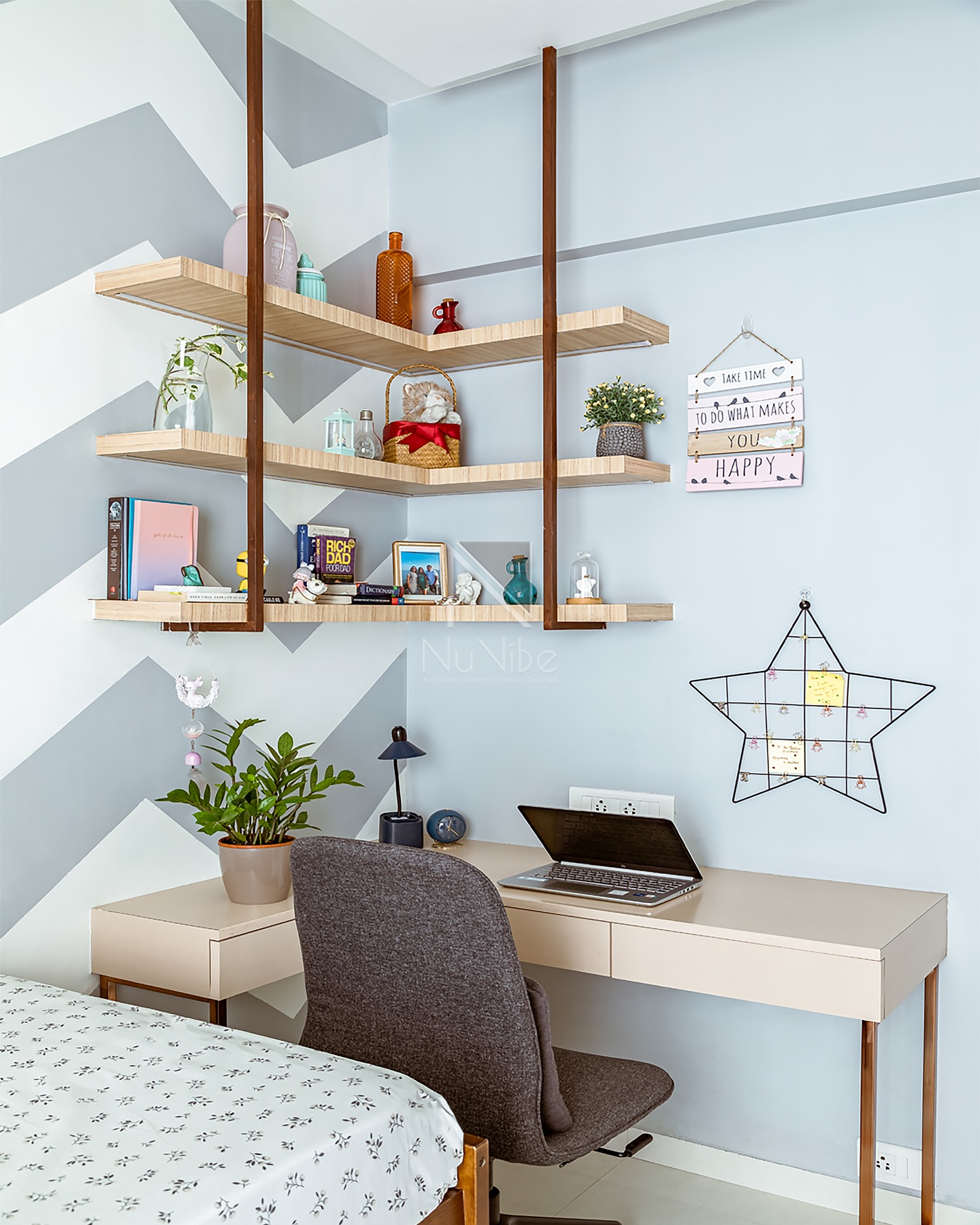
You don’t need a renovation to build a standout teen workspace. Try the classic hack: two drawer units with a finished countertop for a wide, custom-looking desk. Add removable wallpaper or paint a crisp color-block behind the setup to define the zone without risking your deposit. Wrap a scuffed desktop in durable contact paper (matte oak, concrete, or solid white) and swap basic knobs for matte black or brass pulls. Install a rail with S-hooks for headphones and pencil pouches using adhesive anchors. A $20 LED strip under the shelf provides pro-level task lighting; a thrifted chair refreshed with a new cushion brings character. Corral papers with magazine files and label spines for easy scanning. Spend where it matters—chair, lighting, and a reliable power strip—then DIY the rest. These renter-friendly, budget-smart moves deliver a cool, personalized teen homework station that’s organized, tech-ready, and totally Instagram-worthy.
Get the Fail-Safe Paint Color Playbook (Free PDF)
36 proven colors • 8 ready palettes • trim & sheen guide • printable testing cards.
Corner Command Center: L‑Shaped Layout That Separates Subjects
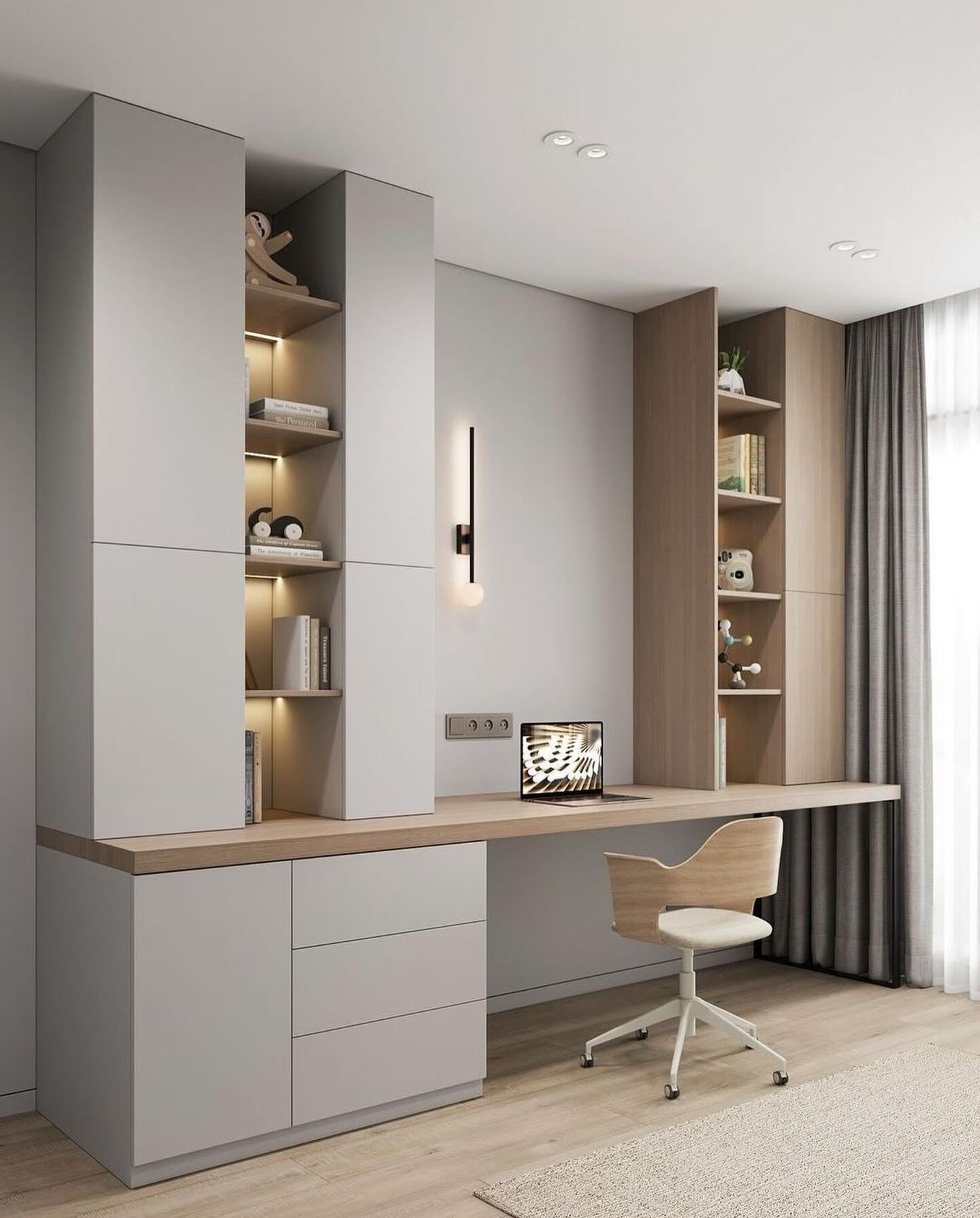
When a teen juggles math worksheets, laptop research, and a creative hobby, an L‑shaped desk quietly does the heavy lifting. One wing becomes the “deep work” lane—laptop, task lamp, and a simple notepad—while the return holds reference books, a pen cup, or a sketch pad. This physical separation reduces context switching and makes it easier to stay on task. Anchor the corner with a slim vertical shelf or a pegboard (see Pegboard Power Wall) to keep daily tools visible without flooding the desktop. Add a desk mat on the focus side to define space, and park a small rolling cart beneath the secondary arm for flexible storage. Route cables through the inside corner using a raceway to avoid a cord tangle underfoot. For lighting, pair a low‑glare task lamp on the focus wing with a soft LED strip under the return to prevent eye strain. If the room is small, opt for a floating L configuration with wall cleats, keeping floor space open. This layout scales easily from tiny bedrooms to shared spaces—just keep the monitor or laptop on the shorter run and reserve the longer run for reading and handwriting.
Closet-to-Study Conversion: A Quiet Nook You Can Close
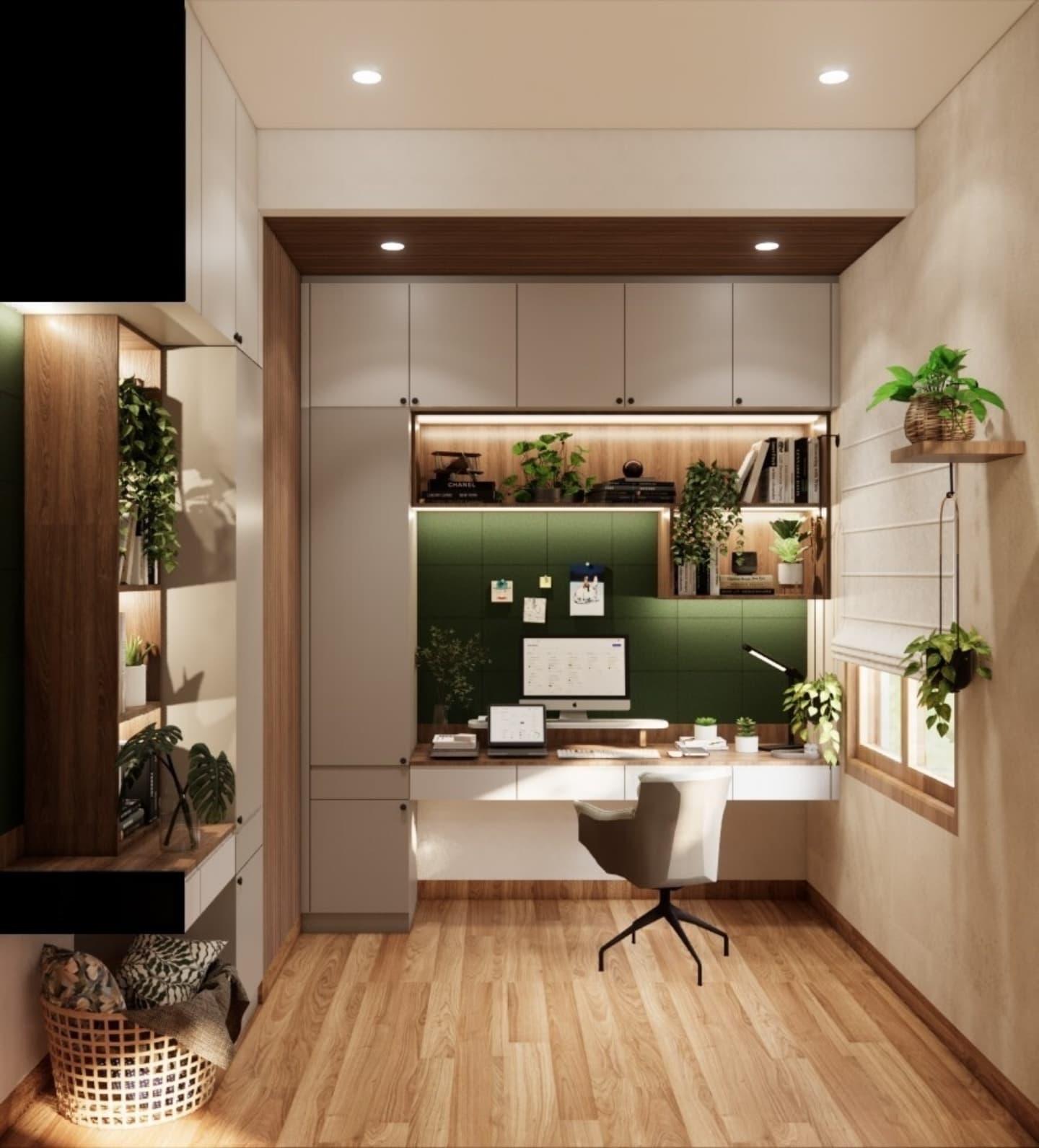
Turning a reach‑in closet into a micro study pod gives teens a distraction‑free zone that disappears behind doors when school’s out. Install a shallow desktop (12–18 inches deep) on sturdy brackets with a narrow task chair that tucks in fully. Use the side walls for vertical storage: slim cork tiles for reminders, small bins for supplies, and a calendar rail for deadlines (pairs well with the Gallery Wall Planner). Overhead, swap a single bulb for dimmable puck lights or a low‑profile LED bar so pages are evenly lit. Keep tech tidy with a surge‑protected power strip and adhesive cable clips mounted high at the back. Ventilation matters—remove the closet door stops or use slatted bi‑folds to keep airflow comfortable. If you rent, build the desktop as a removable plywood slab so the footprint stays reversible. Color is strategic here: paint the interior a calming neutral or color‑blocked accent to cue “focus mode,” while the bedroom stays expressive. Add a soft footrest and a small white noise machine if the hallway gets busy. Result: a teenage study area idea that delivers library‑level calm in a few square feet.
Open Shelving + Drawer Discipline: A System Teens Will Actually Use
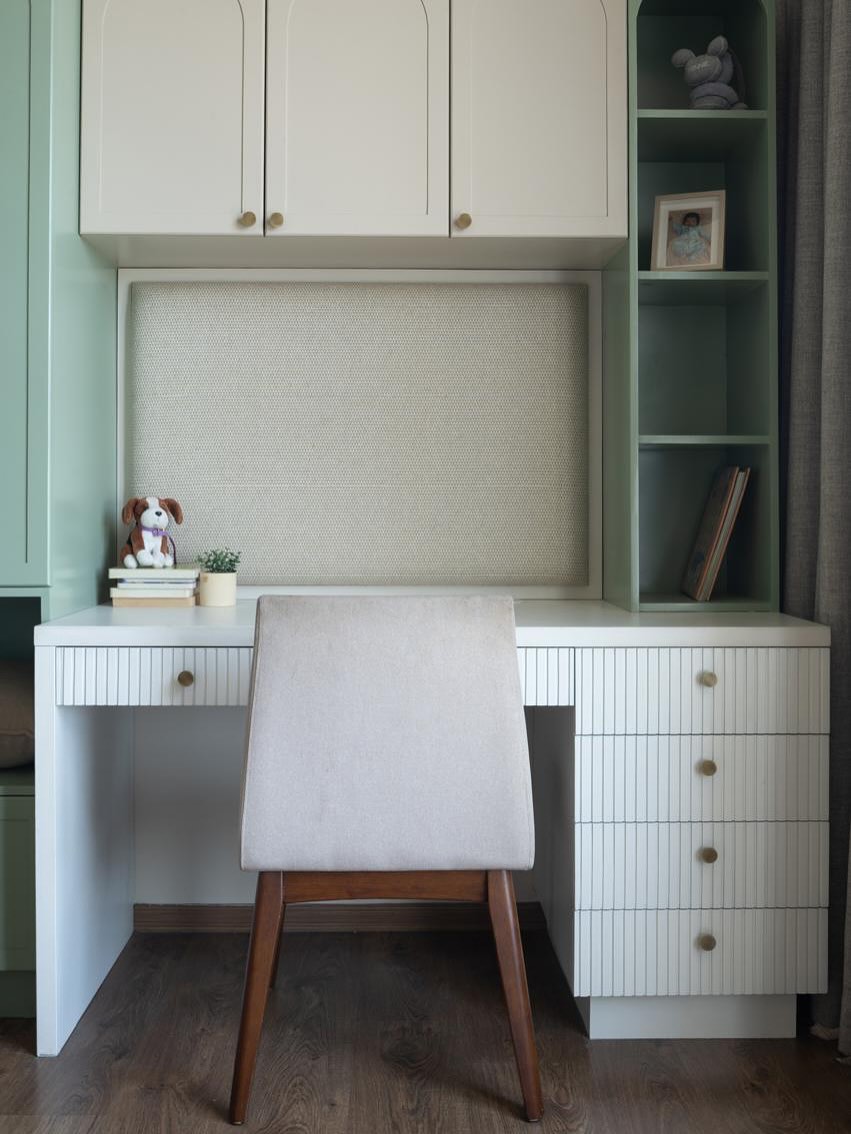
Visual clutter kills focus, but hiding everything can backfire if supplies become “out of sight, out of mind.” Blend open shelving with closed drawers to balance access and calm. Top shelves hold “display and grab” items: a timer, weekly planner, reference books, and a single bin labeled “In Progress.” Mid‑level drawers manage the mess—cords, calculators, flashcards—each with simple dividers. Color‑code by subject and label in plain language (Math Tools, Charging, Art Basics) for zero‑thinking retrieval. Reserve the desktop for today’s task only; overflow lands in a vertical sorter to the side. Establish a five‑minute “reset ritual” at day’s end: pens back in the top drawer, laptop into the charging slot, papers into the sorter by date. Add under‑shelf LED strips to light what you store, not just the desk surface, and use bookends to stop shelf sprawl. If space is tight, a narrow wall ladder shelf over a floating desk saves floorspace while keeping a clean line. This storage mix is sustainable because it meets teen behavior halfway—easy to put away, easy to find—so the homework station stays photo‑ready without constant policing.
Get the Fail-Safe Paint Color Playbook (Free PDF)
36 proven colors • 8 ready palettes • trim & sheen guide • printable testing cards.
Minimalist Monochrome Desk: Fewer Distractions, Faster Homework
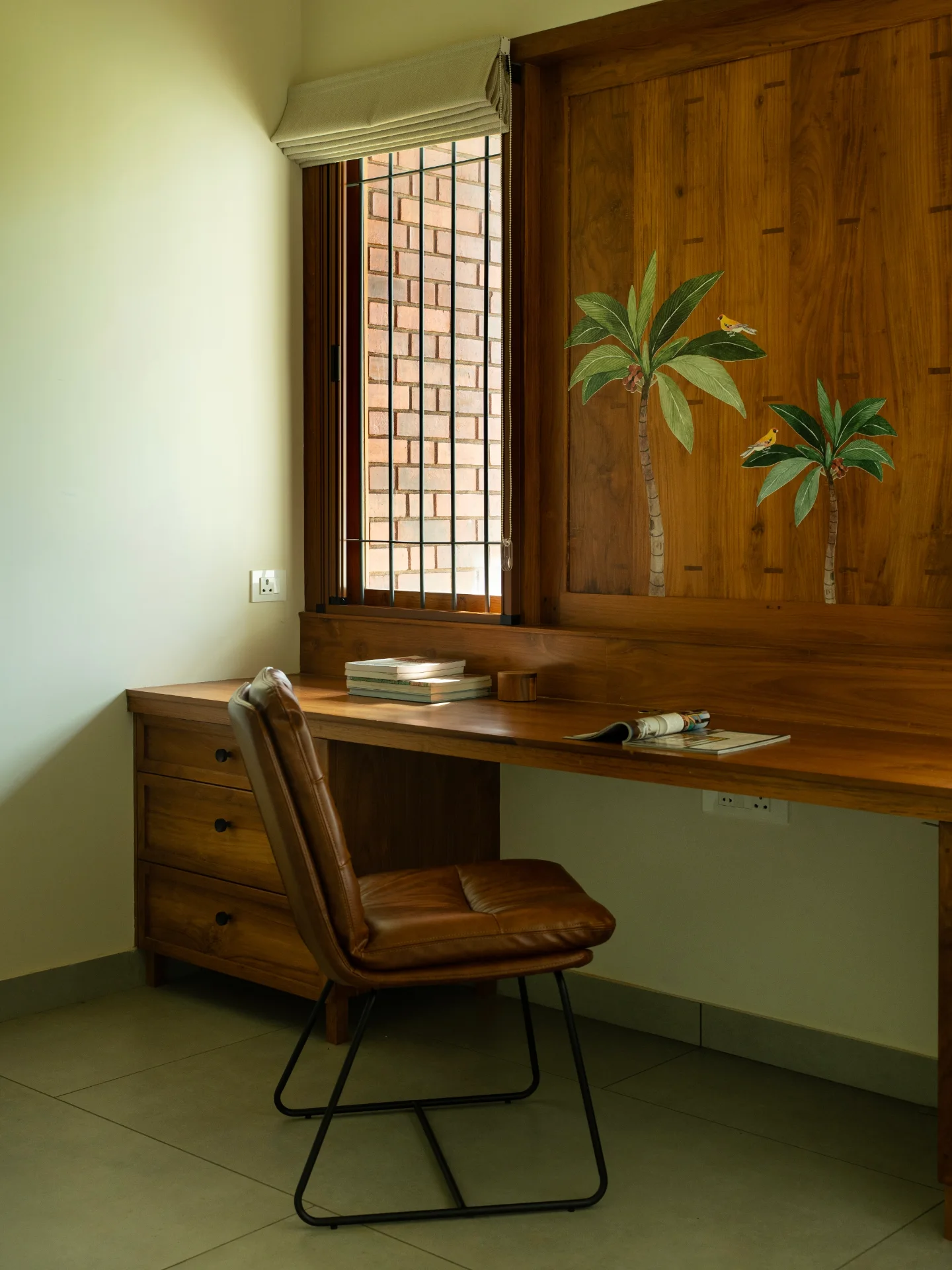
A restrained black‑white (or tone‑on‑tone) setup minimizes visual noise so the brain can lock in. Start with a light desktop and a dark mat or vice versa to clearly frame the work zone. Limit desk accessories to the essentials: a pen cup, a small tray, and a single notebook. Mount the monitor on a riser for ergonomic height (see Ergonomic Essentials) and slide the keyboard under when switching to handwritten work. Stash extras in a single concealed drawer or a slim pedestal to protect the minimalist look. Lighting should match the mood—crisp, neutral‑white task light for study; dimmable ambient LED for downtime (Layered LED Lighting). For style without clutter, add one graphic print or a monochrome pinboard; keep lines clean and cords hidden in a cable sleeve. The payoff: lower cognitive load, faster task initiation, and an aesthetic that still feels cool. This approach is ideal for small rooms where every object reads loud—by curating what lives on the surface, you turn a basic desk into a high‑performance teenage study area idea that quietly supports focus.
Plants and Natural Textures: Biophilic Boost for Focus
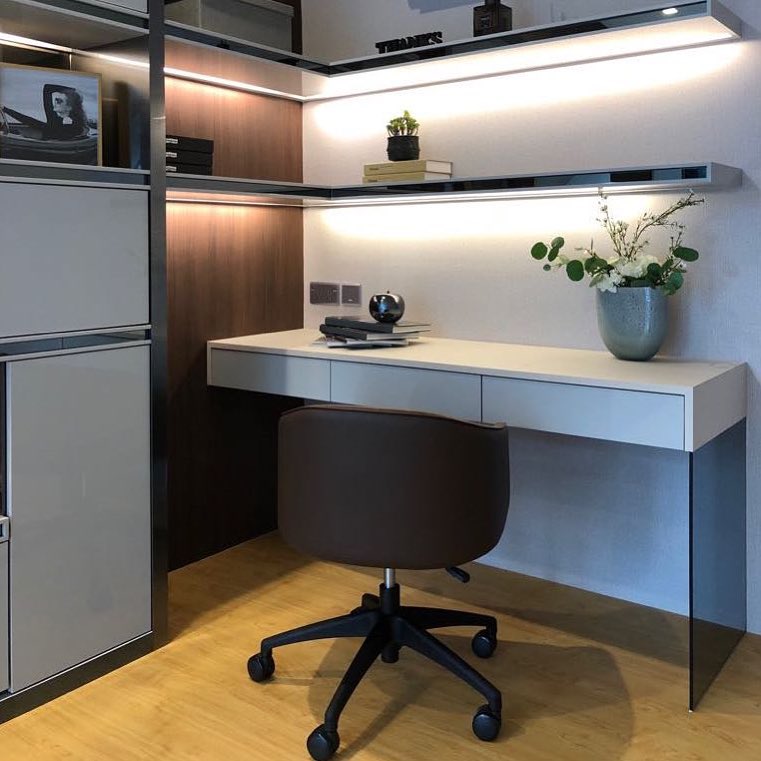
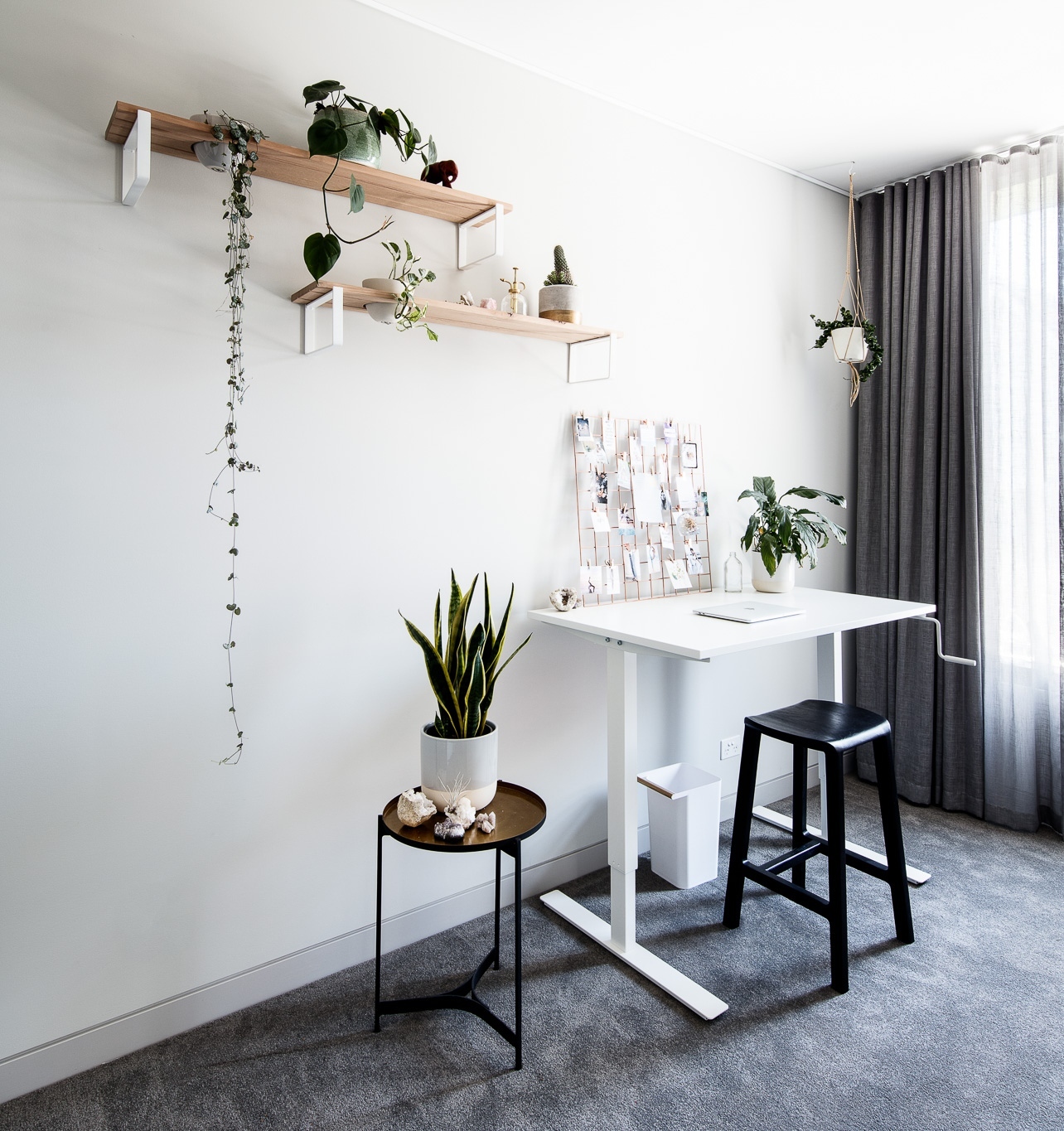
A little nature goes a long way in a teen’s study nook. Low‑maintenance plants (think pothos, snake plant, or a desktop fern) improve visual comfort and subtly reduce stress, while wood, cork, and linen add tactile calm. Start with a cork board strip for pinning schedules and inspiration—functional and warm. Use a bamboo monitor riser or wood‑grain desk shelf to lift screens to eye level and create hidden storage beneath. Keep one small plant within your peripheral vision, not dead‑center on the desk, so it soothes without stealing focus. If the space runs hot, choose a succulent; if it’s dim, go for a ZZ plant. Pair natural textures with daylight control: sheer curtains cut glare (Desk by the Window) while preserving brightness. Round it out with a neutral palette—sage, sand, charcoal—so textbooks and tech pop against a calm backdrop. Bonus: a tiny spray bottle and care card encourage responsibility without adding chores. This biophilic layer makes teenage study area ideas feel grounded and grown‑up, nudging longer, more comfortable study sessions.
Soft Seating Sidecar: Reading, Brain Breaks, and Study Stamina
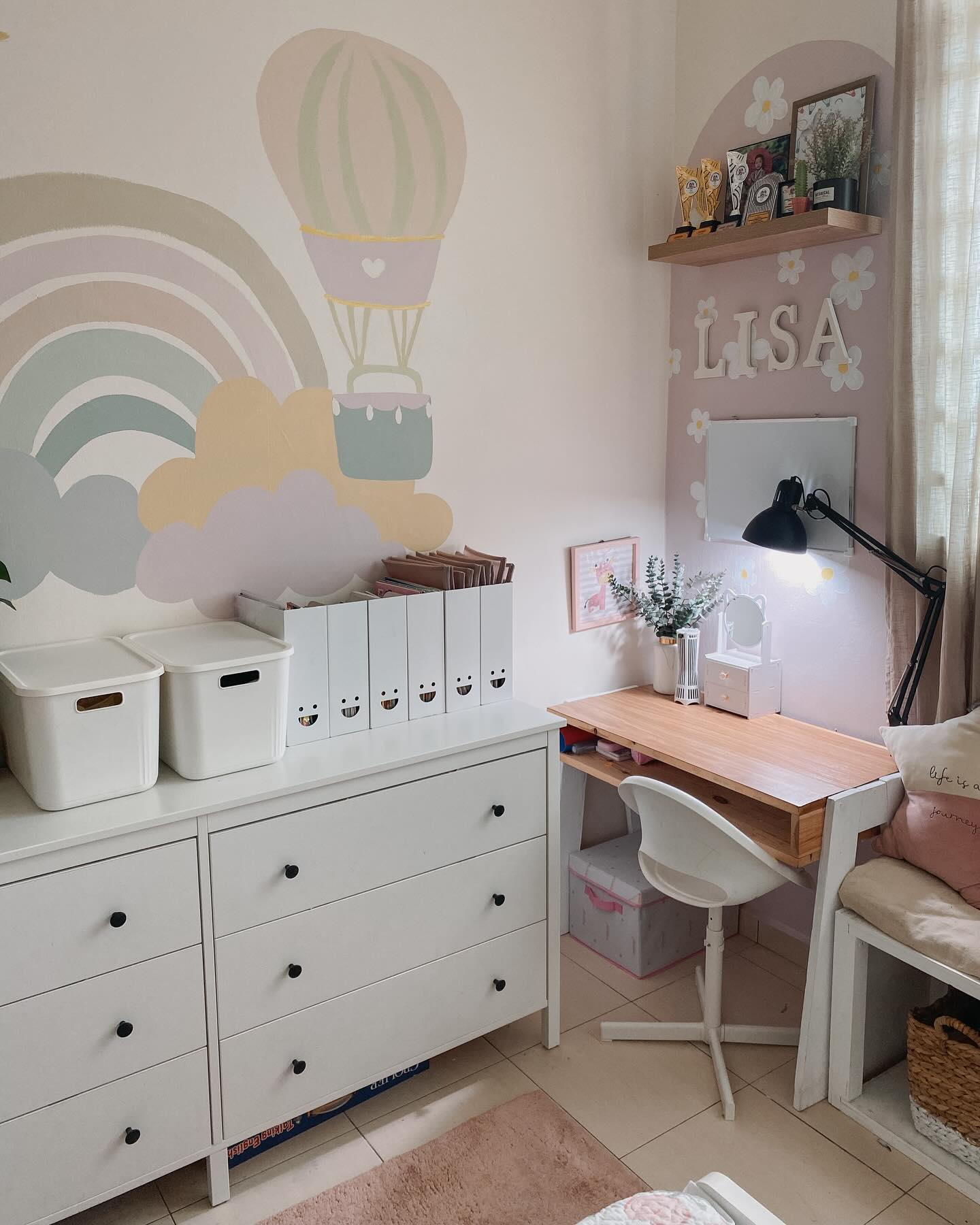
Homework isn’t 100% desk work. A compact lounge chair, window bench, or floor cushion next to the desk creates a “secondary zone” for reading, brainstorming, and phone‑free breaks. This shifts posture and reduces fatigue without leaving the study area entirely. Choose soft seating that doubles as storage—a bench with bins or an ottoman with a lift‑top—so throws, headphones, and sketchpads stay corralled. Add a plug‑in wall sconce or a small floor lamp with a warm bulb to separate the vibe from the task lamp’s crisp light. Park a tiny side table for water and a book, and use a tray to keep it reset‑ready. Establish rules that support focus: desk for writing and typing, seat for reading and review, five‑minute stretch every 45 minutes (Pomodoro wins here). If space is tight, a foldable floor lounger slides under the bed between uses. This two‑zone layout feels luxe but is fundamentally practical—teens can recharge without falling into the bed vortex, making the overall study area more sustainable on busy school nights.
Sound-Smart Study: Headphones, Panels, and Quiet Corners
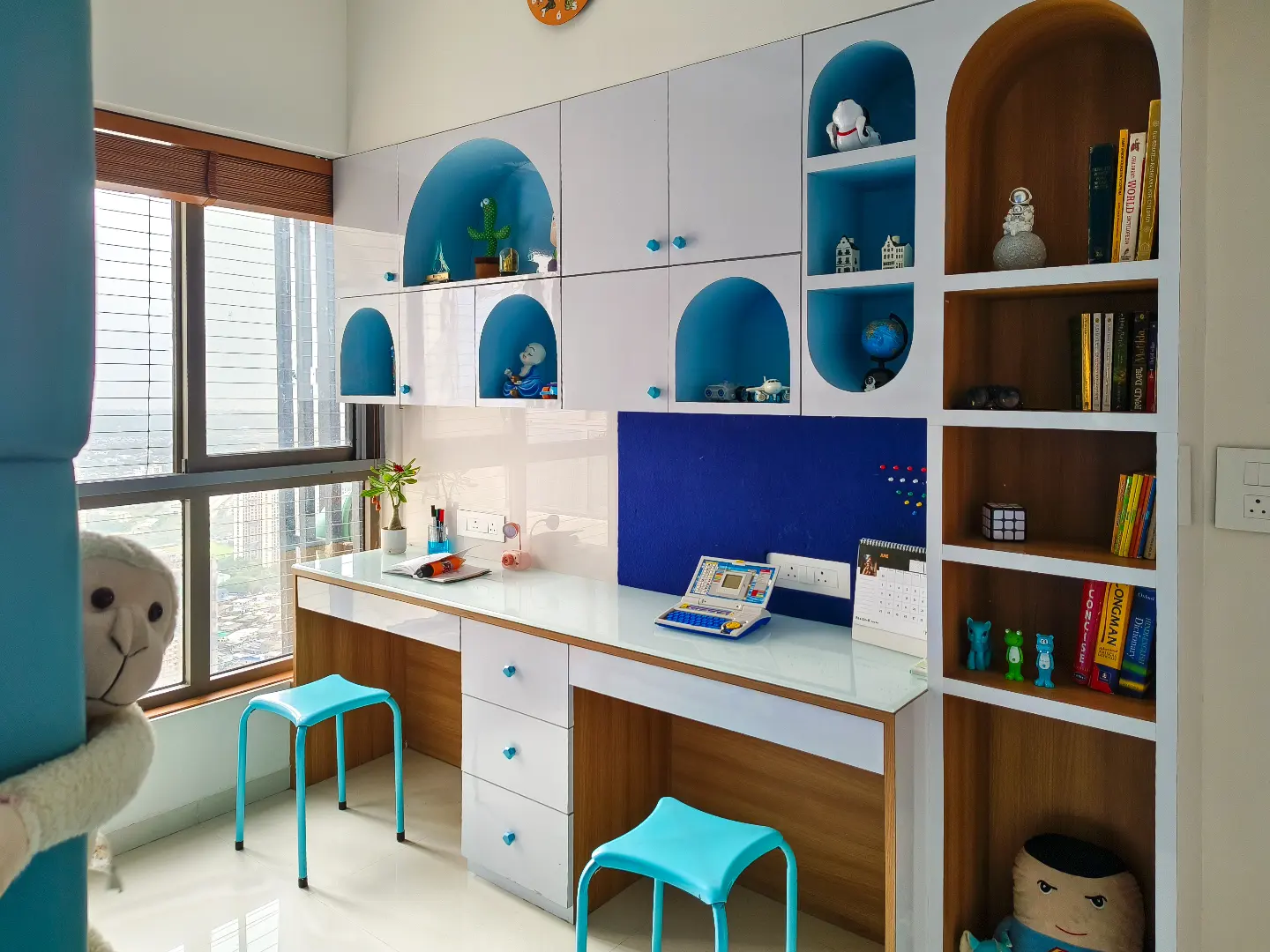
Acoustics are the stealth factor in productive teen workspaces. Start by softening the room: a rug under the chair, lined curtains, and a fabric pinboard cut echo and hallway noise. If the desk faces a wall, add a couple of peel‑and‑stick felt tiles at ear height—they’re renter‑friendly and double as a mood board. For shared homes, empower teens with two headphone modes: open‑back or low‑volume speakers for ambient focus playlists, and noise‑canceling for high‑distraction times. A simple desk‑mounted hook keeps headphones safe and visible. Seal sound leaks with a door sweep and adhesive weather strip; it’s a cheap upgrade with outsized returns. If calls or online classes are common, place the mic away from the keyboard and add a soft desk mat to dampen taps. Tie it together with a visual “quiet cue”—a small light or sign that signals study mode to the household. Combined with earlier cable management tips, a sound‑smart setup turns any teenage study area idea into a calm bubble where attention sticks.
Shared Sibling Setup: Two Desks, One Calm Color Story
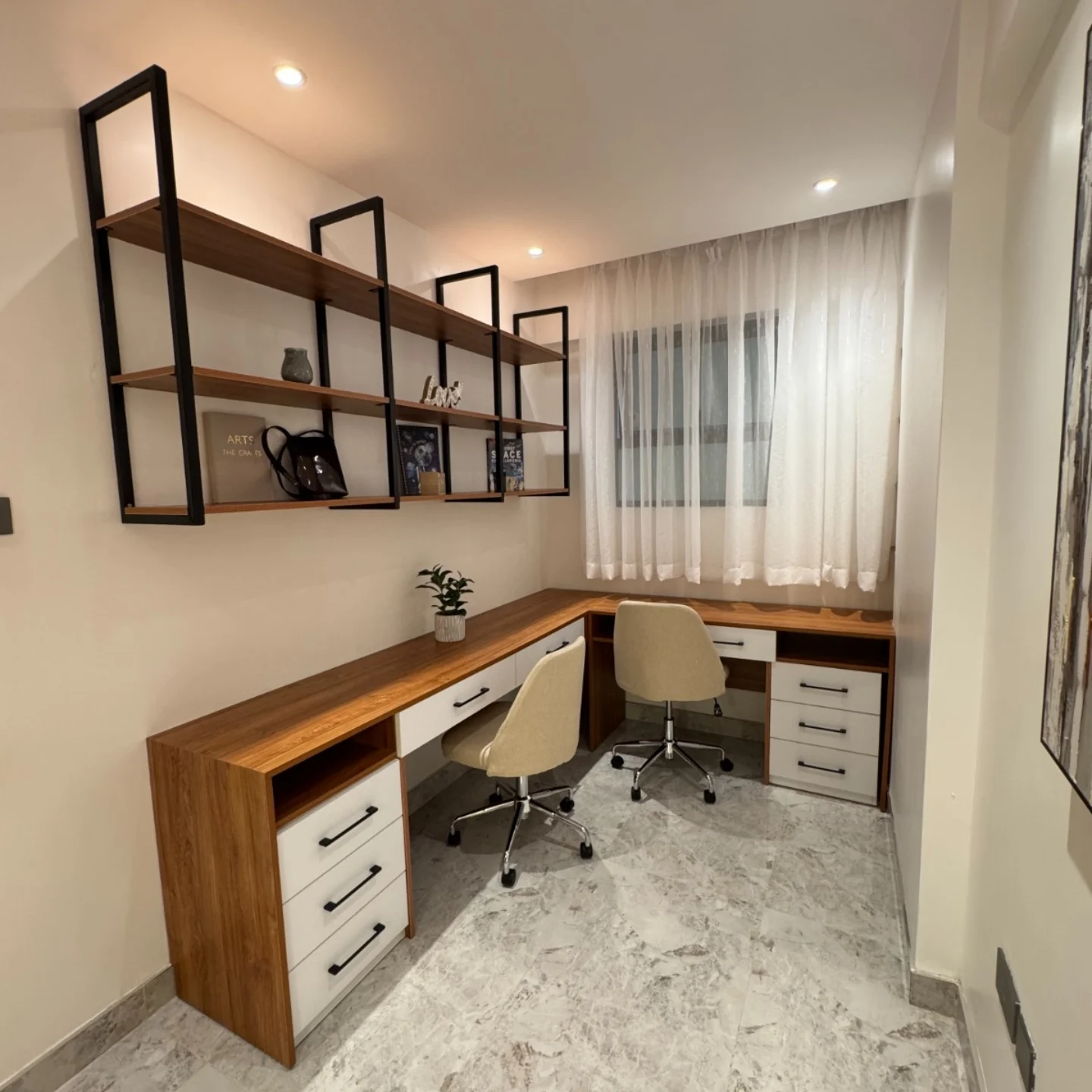
When two teens share a room, structure and symmetry keep the peace. Use matching desks and chairs to avoid “the good desk” debate, and stick to one calm color palette so the room reads cohesive. Place desks side‑by‑side with a slim divider (a pinboard, low shelf, or plant) to create personal lanes without stealing light. Alternatively, set them back‑to‑back in the center with a shared power spine—a surge strip mounted beneath and cable clips on both sides—so wires don’t cross territories (see Hidden Cable Command Center). Establish identical storage on each side: one drawer stack, one wall shelf, one rolling cart. Personalize within boundaries: each teen gets a 2×3 grid on the gallery wall for photos and goals. For noise, agree on headphone times and “quiet windows” before tests. A shared calendar shelf tracks due dates and activities that affect both. This balanced layout supports different study styles while maximizing floor space, turning a potential conflict zone into a functional, fair teenage study area idea.
Art & Maker Station: Contain the Mess, Keep the Flow
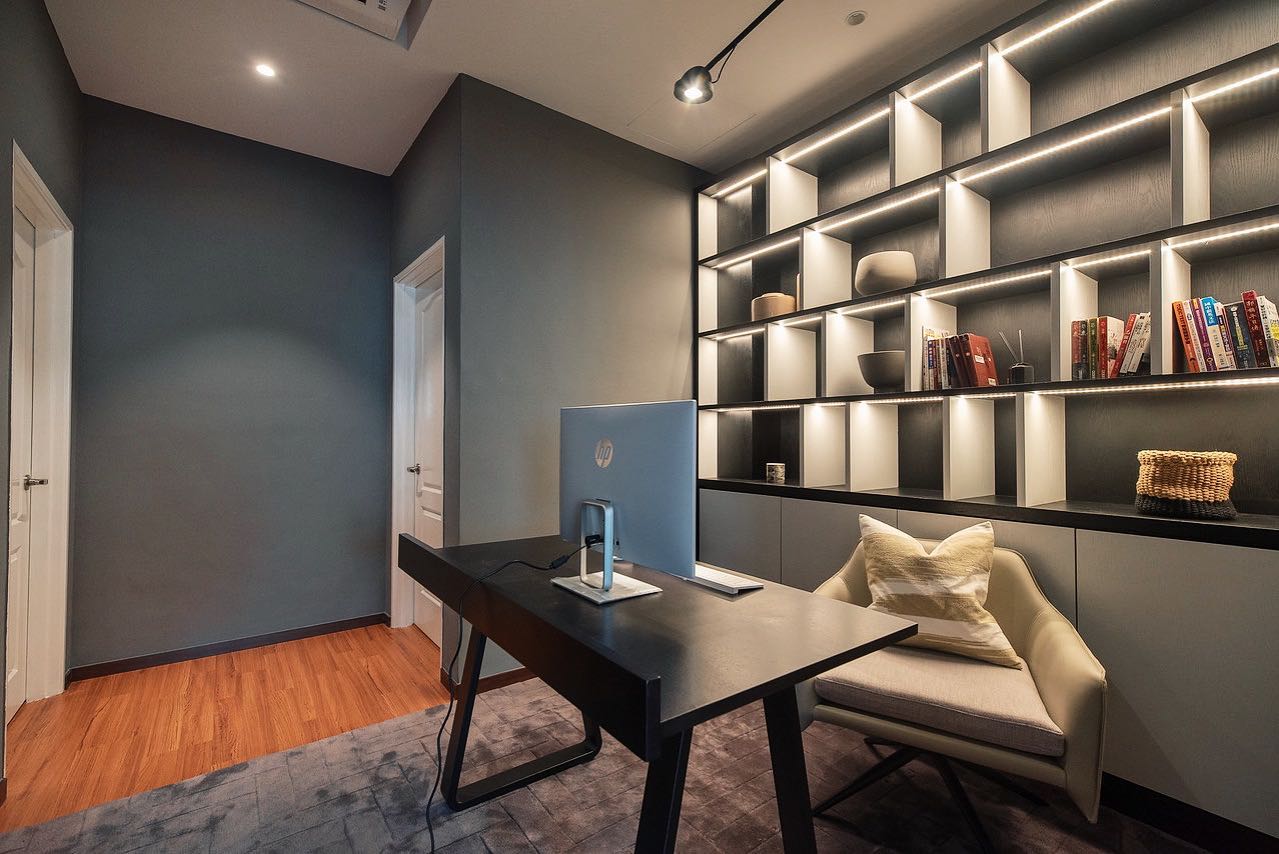
Creative teens need a desk that welcomes paint, clay, or design projects without consuming the bedroom. Protect the surface with a self‑healing cutting mat and choose wipeable finishes. Store supplies by activity, not item: Drawing, Paint, Build. Clear, shallow bins slide into a cubby or rolling cart, and a labeled “Project Box” holds in‑progress work so cleanup doesn’t kill momentum. Mount a magnetic strip for tools (rulers, scissors) and add a small drying rack or clip wire above the desk to free up space. Keep tech adjacent but safe: a laptop shelf or hutch one level up prevents splatter yet stays within reach for references. Lighting matters—bright task light with good color rendering (90+ CRI) keeps hues accurate. Finish with an inspiration rail that rotates monthly, so the zone feels fresh without permanent clutter. With containment and workflow in mind, this station becomes a high‑impact teenage study area idea that supports both school assignments and passion projects—no more art explosion across the floor.
Exam-Mode Reset: A Weekly Routine That Keeps the Desk Clear
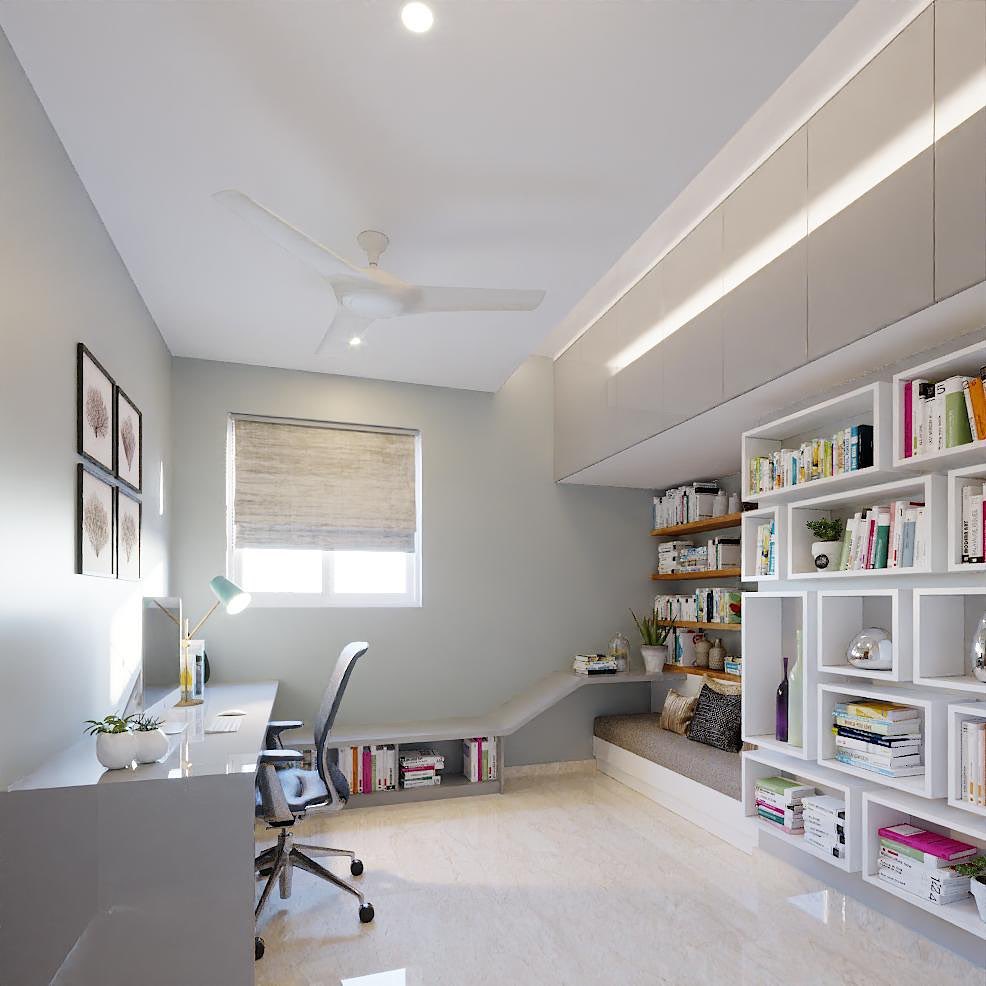
Design gets you 80% of the way; habits deliver the rest. Build a 20‑minute “exam‑mode reset” each Sunday to keep the study area camera‑ready and focus‑friendly. Step 1: Clear the desktop completely—only this week’s books and laptop return. Step 2: Empty the “In Progress” bin; file by class or archive what’s done. Step 3: Audit power—are chargers working, backup cables coiled, surge strip accessible? Step 4: Restock consumables (index cards, sticky notes, printer paper) in their labeled spots. Step 5: Wipe the desk and screen; dust reduces eye strain. Step 6: Set up the planner—block deadlines, then back‑plan study sessions. Step 7: Choose one motivation cue for the week (quote card, goal sheet) and pin it to the gallery wall without crowding. Finish by setting light scenes (Layered LED Lighting) for focus and wind‑down. This small ritual prevents clutter creep, calms Sunday scaries, and ensures every element—ergonomics, lighting, storage, and cable control—works as a system. It’s the simplest upgrade to any teenage study area idea and the one that pays off most at finals.
Daylight-First Window Desk: Sunlit Focus Without Glare
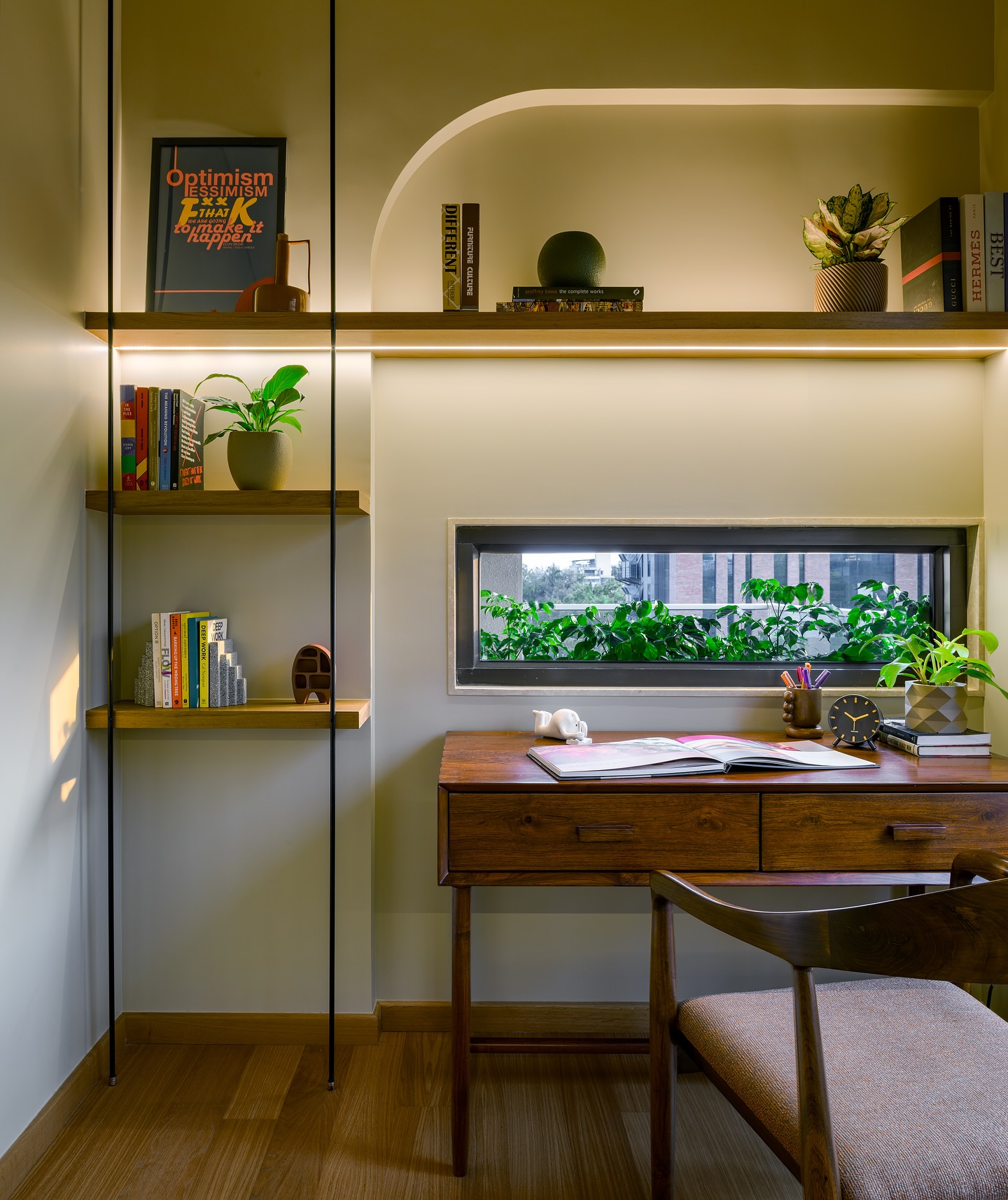
Natural light is a proven focus booster for teen study spaces, but placement matters. Park the desk perpendicular to the window so daylight washes the work surface without blasting the screen. Add sheer curtains for daytime diffusion and a roller blackout shade you can drop during online classes to control glare. If a monitor or laptop faces the glass, use a matte screen protector and shift the screen so the top third sits at eye level; eyes relax when they look slightly downward at a 10–15° angle. As the sun moves, task lighting keeps consistency: aim for a 4000–5000K LED desk lamp for crisp note-taking, then soften to 2700–3000K ambient light post-study to cue wind-down. A slim plant on the sill (snake plant, pothos) brings calm without hogging desk space, and a shallow windowsill shelf can hold a pencil cup or timer. Tie it together with a small rug to define the “study zone” and a cable grommet to route cords cleanly to a floor outlet strip. The result is a bright, distraction-light homework station that looks cool and feels good to use—morning to midnight.
Get the Fail-Safe Paint Color Playbook (Free PDF)
36 proven colors • 8 ready palettes • trim & sheen guide • printable testing cards.
Pegboard Productivity Wall: Vertical Storage That Adapts
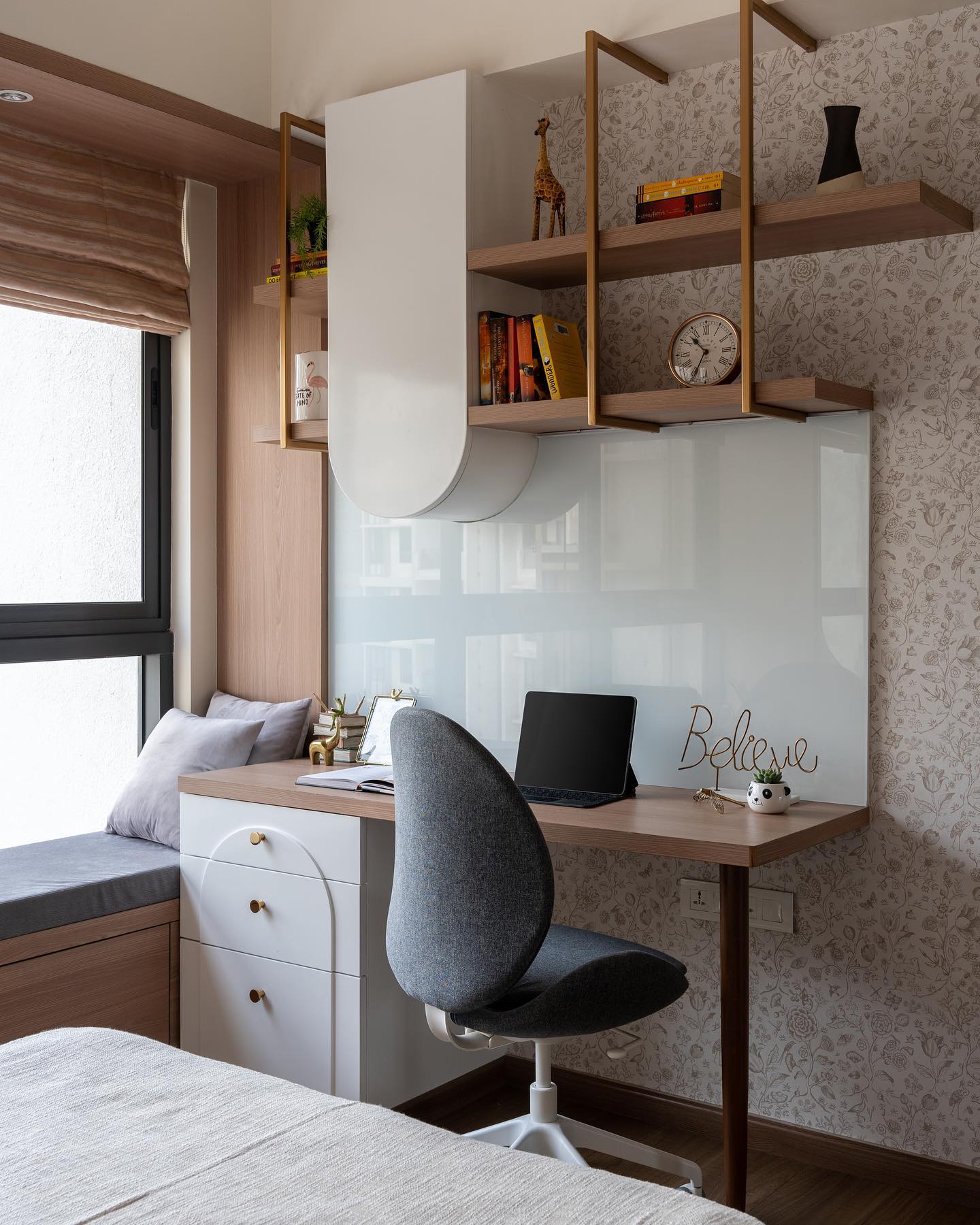
Turn the wall above the desk into a flexible command grid. A pegboard (or slotted rail system) corrals the small stuff that clutters teen desks: hooks for headphones, cups for pens, mini shelves for calculators, and clip-on bins for sticky notes and flashcards. Zone by subject—STEM tools to the left, humanities supplies to the right—and color-code bins for quick visual sorting. Keep the daily “inbox” at eye level and park a weekly priority list beside it; less-used materials ride higher. For renters, mount via a French cleat or a few well-placed anchors, then cover the board with a removable wallpaper panel for a custom look that peels cleanly. Build in growth: swap SAT flashcards for studio tools, art brushes for lab goggles, without redoing the whole setup. Add a small LED light bar under the lowest shelf to brighten the work surface and reduce shadows. This vertical system creates breathing room on the desktop, speeds cleanups, and turns a blank wall into an evolving productivity hub teens will actually maintain.
Charging Shelf + Cable Dock: Tame Wires, Boost Focus
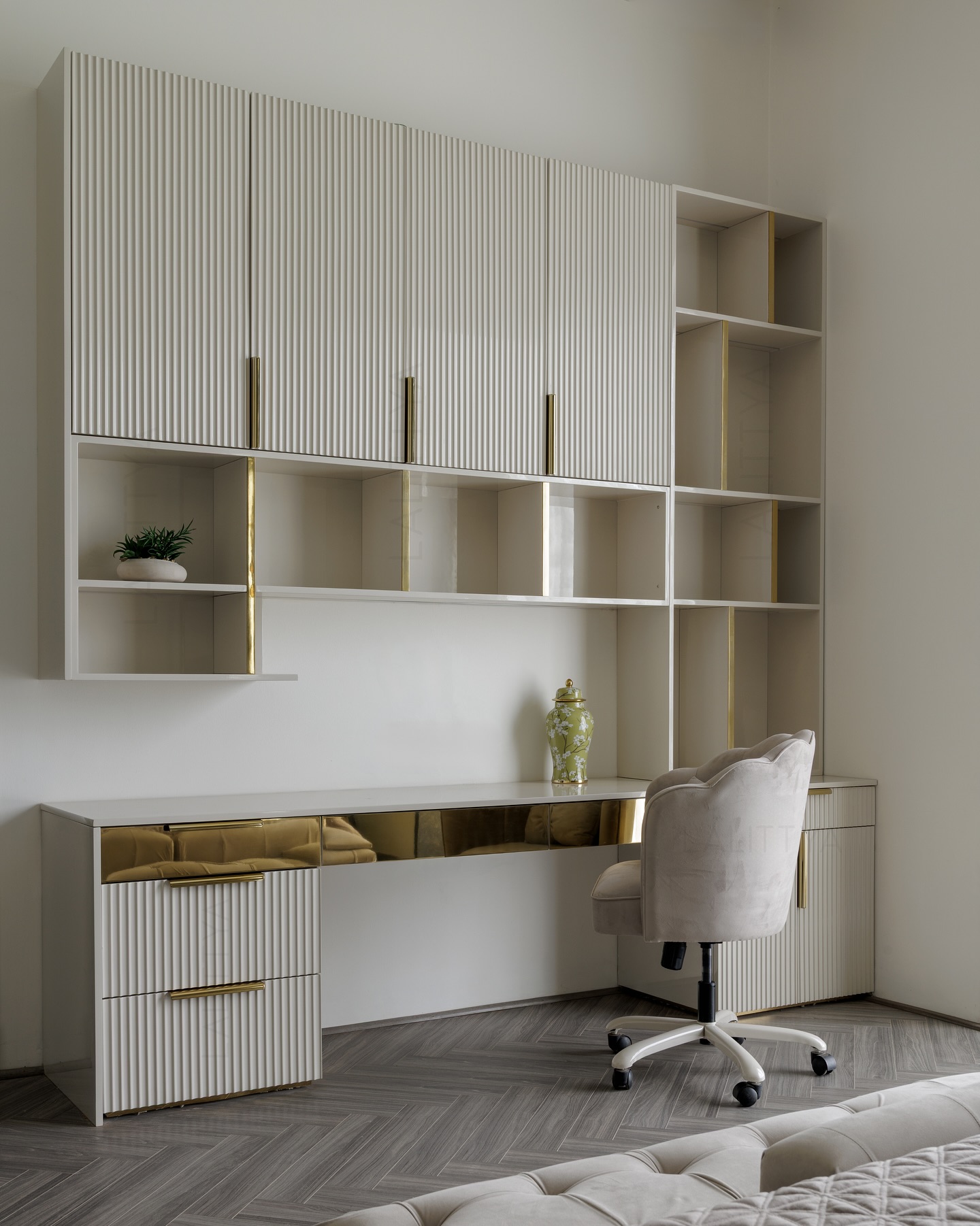
Visual clutter hurts concentration. A dedicated charging shelf and cable dock keeps tech tidy and the study zone calm. Mount a shallow floating shelf or under-desk rail with a surge-protected power strip (USB-C + AC) attached beneath. Thread cords through a grommet, then snap leads into magnetic cable anchors labeled for laptop, tablet, phone, and headphones. Stash excess slack in a cable box or raceway along the desk’s back edge; an under-desk tray handles bigger power bricks. Create two stations: “Study Power” on the desk (laptop, lamp) and “Night Dock” away from the bed to curb doomscrolling. Add a mini desktop stand for the phone—screen-down during focus blocks—and automate a “Study” scene: lamp on, Do Not Disturb active, timer set. Bonus ergonomics: a monitor arm frees space and lets you route cables invisibly through the arm. Finish with a small label maker (or washi tape) so cords don’t migrate. Cleaner desk, faster plug-ins, and fewer excuses to get distracted—exactly what a teen homework station needs.
Loft Bed Workstation: Small Room, Big Desk Energy
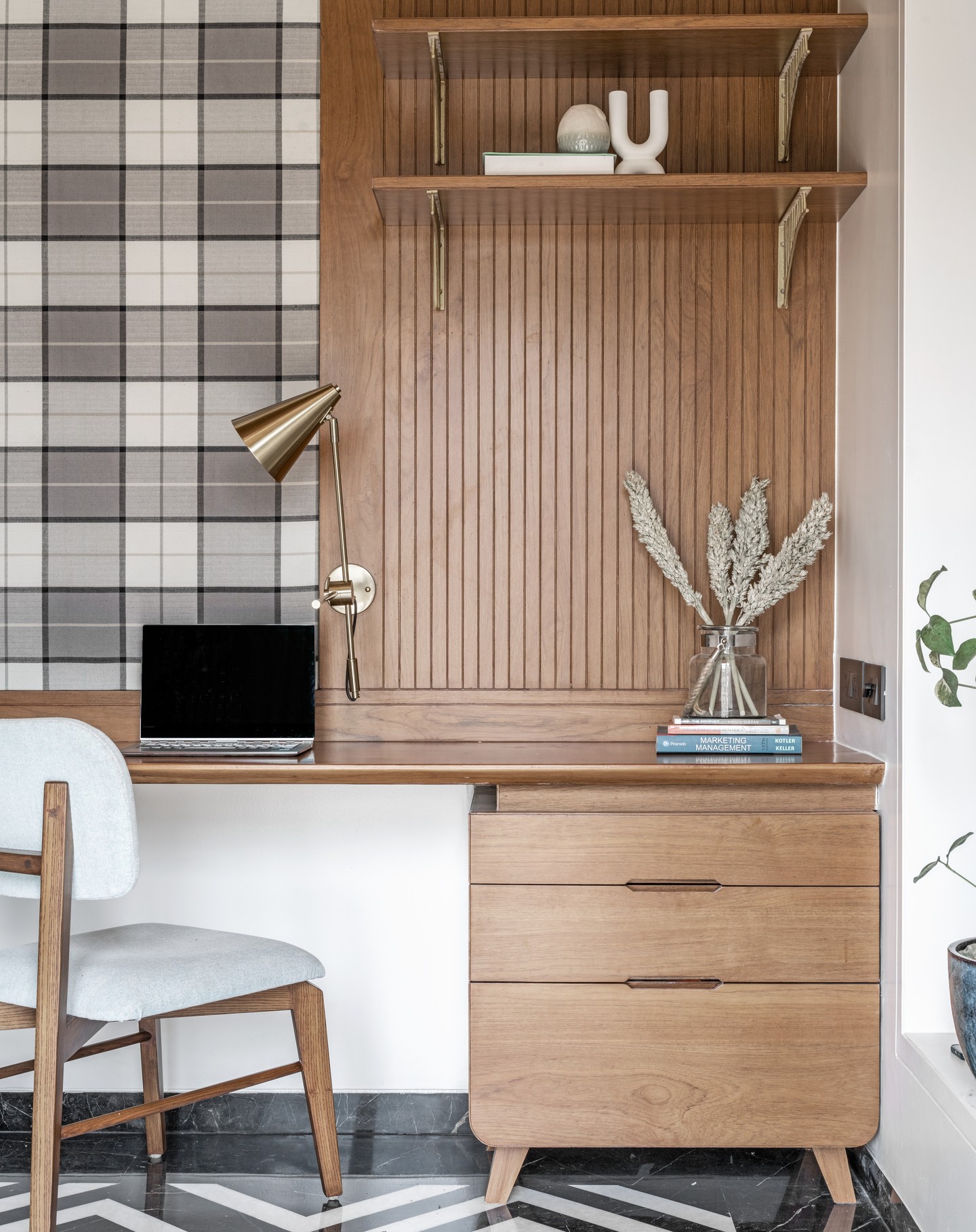
When square footage is tight, take the study area vertical. A loft bed unlocks a full workstation underneath—room for a generous desktop, side shelves, and even a rolling cart. Prioritize stability (metal or reinforced wood), a guardrail, and head clearance of at least 30 inches above the chair. Keep the desk depth 20–24 inches minimum; 48 inches wide fits a laptop plus textbook without crowding. Mount a clamp lamp or light bar to the underside of the loft for shadow-free task light, and run cable raceways up a post to keep cords invisible. Define the nook with a curtain or slatted panel you can close for focus and open for airflow; a small fan helps move air under the loft. Ergonomics still apply: top of screen at or slightly below eye level, feet flat on the floor or on a footrest, wrists neutral with an external keyboard if using a laptop stand. Add a cork strip on the back wall for quick pin-ups and a small plant shelf to keep it lively. Sleep up, study below, room still feels open.
Color-Block Focus Wall: Paint Zones That Train the Brain
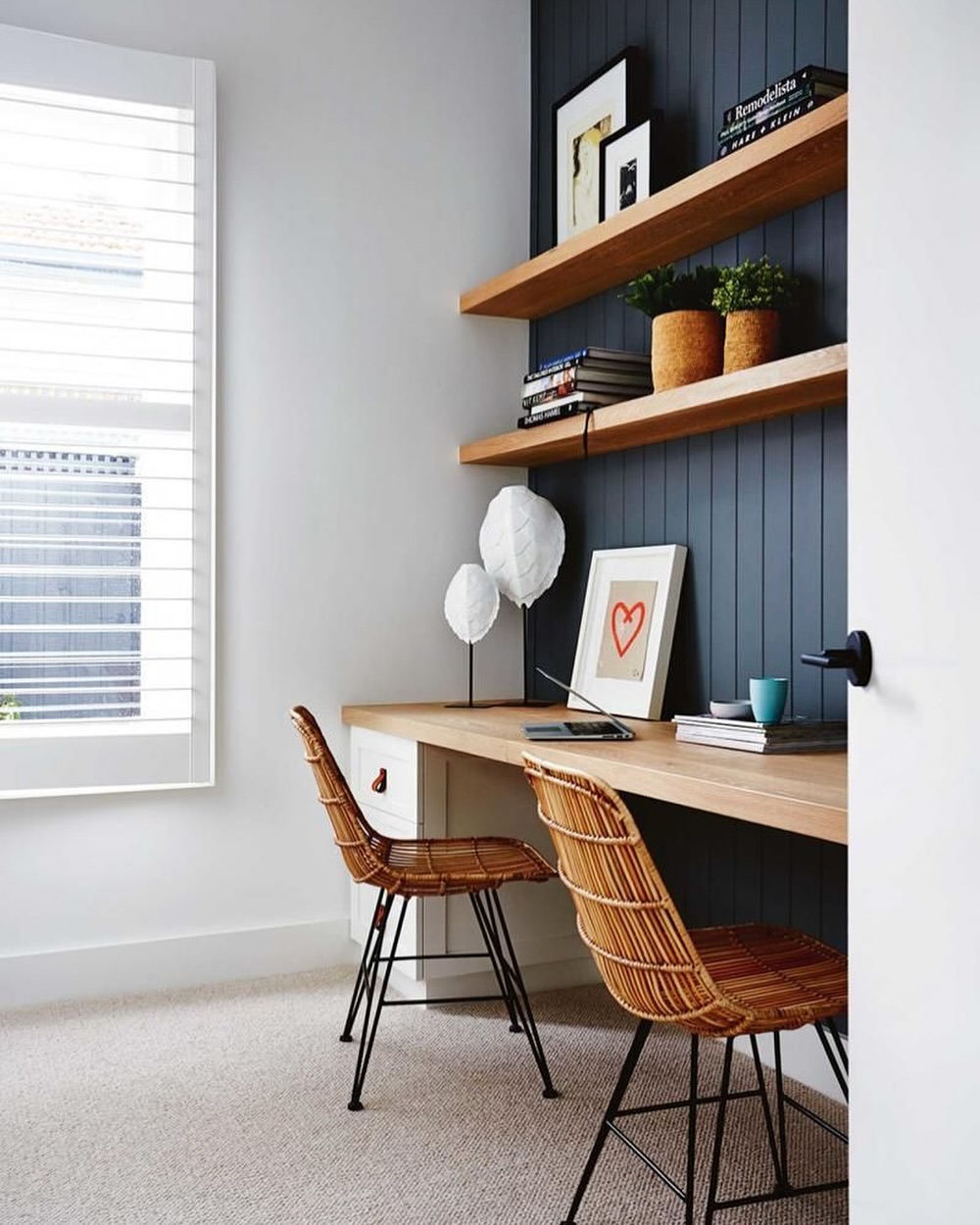
Color is a free productivity tool. Use paint to carve a study zone that feels intentional and helps teens shift into work mode. Behind the desk, a soft gray-blue or sage green calms visual noise and supports sustained attention; frame it with a crisp rectangle or arch to visually “contain” the workspace. Add a thin contrasting stripe (mustard, coral, or cobalt) along the edge for energy without chaos. Painter’s tape and a level keep lines clean; in rentals, swap for removable color-block decals. Take it further with a two-tone strategy: lower wall in a grounding neutral, upper wall in a light-reflective tint to bounce daylight. Tie accessories to the palette—binders, pencil cups, and a task lamp in the accent color—so the space looks styled, not random. If your teen shares a room, color blocks can divide zones without new furniture. The result: a simple, high-impact backdrop that photographs beautifully and, more importantly, cues the brain that the desk is for deep work.
Screen-Height Ergonomics: Raise, Angle, and Relax
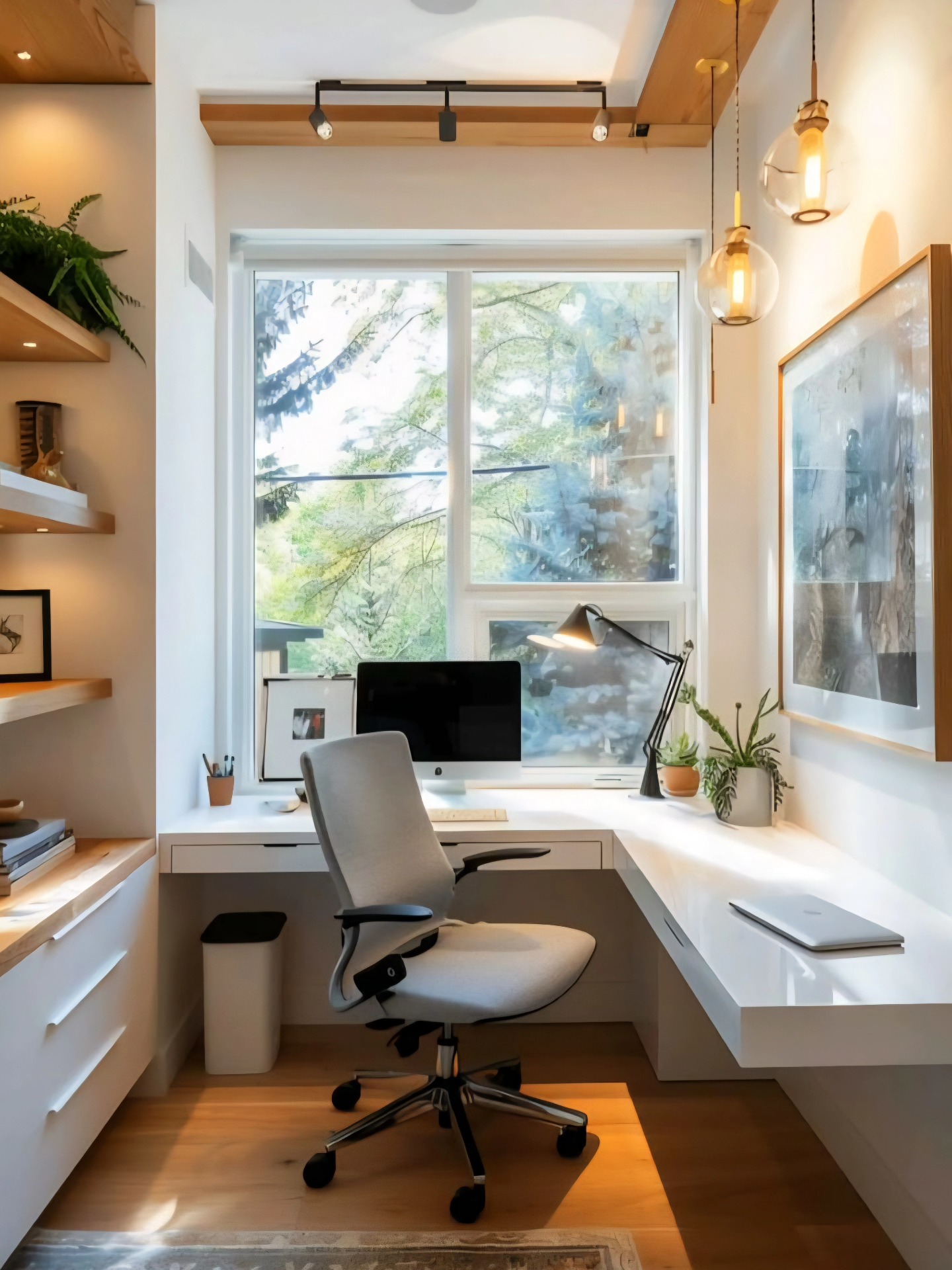
A cool-looking desk shouldn’t wreck a teen’s posture. Set screens so the top of the display sits at or just below eye level, about an arm’s length away (50–70 cm). For laptops, use a stand with 10–20° tilt and add an external keyboard and mouse to keep wrists neutral. A clamp-on monitor arm frees space and lets you fine-tune height and distance as your teen grows. Chair check: hips slightly above knees, back supported, feet flat (use a footrest if needed). Keep frequently used items within the primary reach zone, and angle the desk lamp opposite the writing hand to reduce shadows. Build in micro-breaks with the 20-20-20 rule: every 20 minutes, look 20 feet away for 20 seconds. If the desk is shallow, rotate the monitor to portrait for reading or park textbooks on a slanted book stand to reduce neck bend. These small tweaks cut strain, extend study stamina, and make the workspace feel as good as it looks—key for consistent homework habits.
Rolling Cart Sidekick: Mobile Supplies, Clear Desk
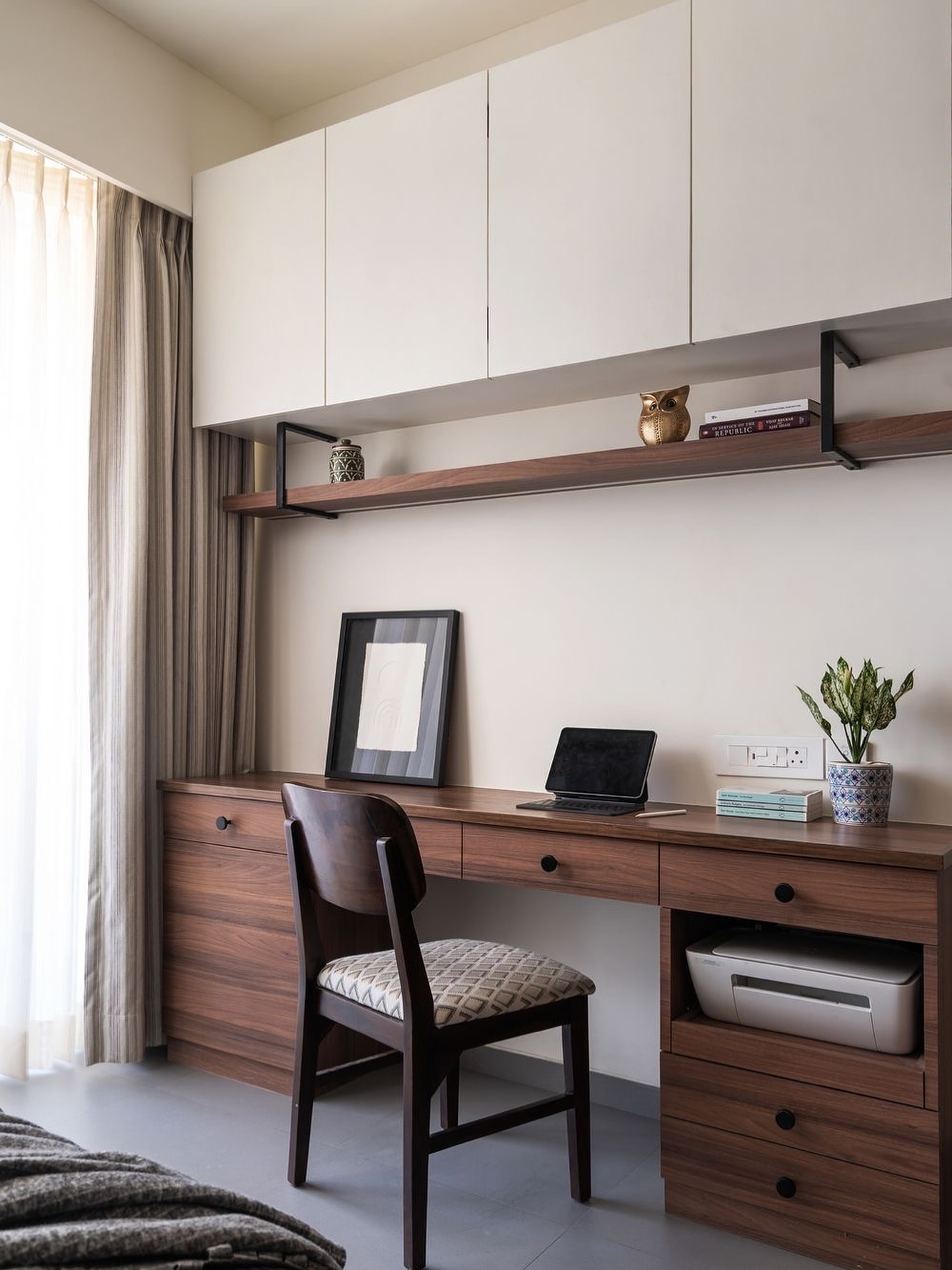
A 3-tier rolling cart is the unsung hero of teen study areas—storage that moves with the task. Stock the top tray with daily essentials (pencil cup, index cards, calculator, timer), the middle with subject caddies (math, science, ELA), and the bottom with bulky items (sketchbook, headset case, charging bank). Label each tier and add small bins so everything has a home. During homework, park the cart within arm’s reach; when it’s project time, roll it to the floor or art zone; for sleep, tuck it into a closet or under a loft. Clip a power strip to the side for a mobile charging dock and mount a cup for scissors and highlighters. This system complements open shelves by catching the “in-between” stuff that otherwise lands on the desktop. It also supports exam-mode resets—sweep supplies into the cart, wipe the desk, and start fresh. Portable, organized, and renter-friendly, the cart keeps momentum high and visual clutter low.
Layered LED Lighting Plan: Bright for Homework, Warm for Wind-Down
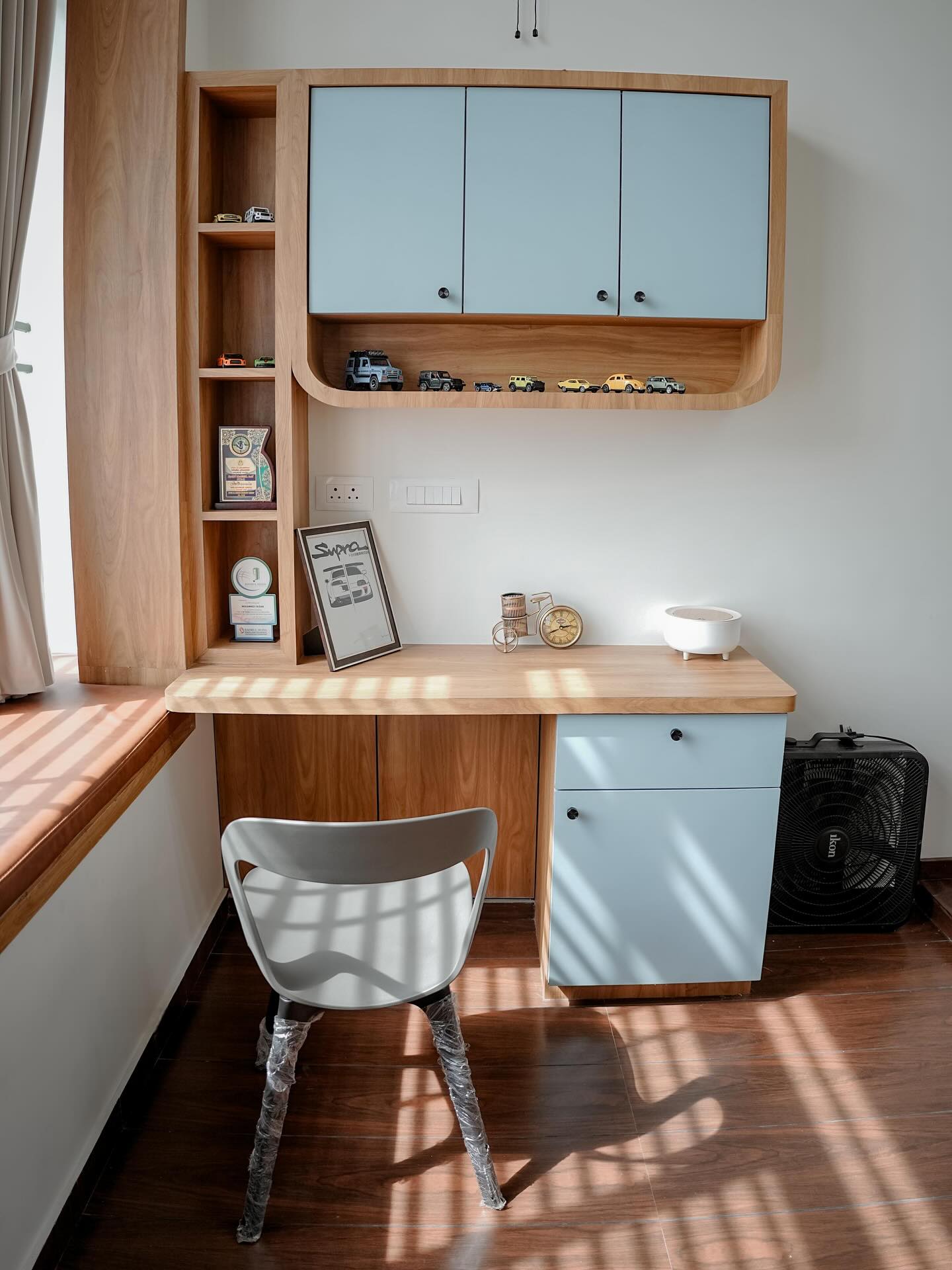
Great lighting is a study superpower. Layer three types: ambient, task, and accent. Start with a dimmable overhead or wall fixture for even ambient light. Add a focused task lamp at 4000–5000K for crisp notes and color-true diagrams; position it opposite the writing hand to avoid shadows. Then bring in accent light—an LED strip under a shelf or behind the monitor—to reduce contrast and eye strain, especially at night. Use smart bulbs or a plug-in dimmer to create scenes: “Homework” (bright task + neutral ambient), “Break” (softer ambient + accent), and “Chill” (warm ambient only). If the desk sits by a window, a sheer diffuses daytime glare; after dark, match screen brightness to room light so eyes aren’t fighting extremes. For personality without distraction, swap neon for matte-finish fixtures in your color palette or keep a small backlit sign on a timer. The right mix makes the workspace feel intentional, comfy, and ready for deep focus—or quick resets.
Paper Flow System: Wall Files, Binders, and an Inbox You’ll Use
Digital tools help, but teens still battle paper. Build a simple flow so nothing piles up: an “Inbox” tray on the desk, wall-mounted file pockets for Active Classes, and a single Archive bin under the bed. Each week, sort the inbox into class pockets, then transfer finished units to a slim binder or accordion file by subject. Use clear spine labels and a color code that matches desk accessories. For quick wins, hang a cork strip or magnetic rail above the desk for permission slips and due-date cards—items that must stay visible. Add a scanning habit: snap notes/tests with a phone app, save to a class folder in the cloud, and recycle duplicates. During exam-mode reset, empty the inbox, empty the backpack, and do a 10-minute purge of outdated handouts. Pair this with drawer dividers for tools and a pegboard for supplies, and your teen gets a clean surface, faster retrieval, and zero mystery stacks. Less hunting, more studying.
Teenage Study Area Ideas for Organization, Lighting, and Focus
Organization, lighting, and focus strategies transform a desk into a homework station that supports habits, not just storage. Start with shallow drawer dividers for pens, tech, and flashcards, plus a 12-by-12 bin for in-progress projects. Mount a weekly planner at eye level and color-code subjects so deadlines and materials visually align. Use time-boxing techniques like 25/5 intervals and a silent visual timer to reduce phone dependence. Keep only current textbooks within arm’s reach; archive finished units in labeled magazine files to lower cognitive load. Add a desk mat to define the work zone and stop supplies from drifting.
Get the Fail-Safe Paint Color Playbook (Free PDF)
36 proven colors • 8 ready palettes • trim & sheen guide • printable testing cards.
- Position the desk perpendicular to the window to reduce screen glare while preserving natural light, and supplement with a 4000K task lamp for accurate color rendering during art or science projects.
- Layer ambient lighting with a dimmable ceiling fixture and soft LED strip under shelves, avoiding shadows on the work surface and easing transitions from studying to relaxing.
- Choose an adjustable chair set so elbows align at 90 degrees and feet rest flat; pair with a footrest or stackable books if seat height is limited.
- Tame cables using adhesive clips, a slim under-desk tray, and short charging cords to prevent snags, free knee space, and simplify nightly device docking before bedtime.
- Reduce noise with a plush rug, felt pads on chair legs, and soft curtains; add a white-noise playlist or fan to mask hallway chatter during tests.
- Create motivation with a pinboard divided into goals, deadlines, and wins; rotate photos and badges seasonally to keep the board fresh without sprawling across the desk surface.
Personalize without clutter by displaying a tight edit of photos, pins, and trophies on a single shelf or grid, keeping the desktop clean. Position screens at eye level, 20–28 inches from eyes, with an external keyboard for neutral wrists. Build a nightly shutdown routine: dock devices, clear five items, note tomorrow’s top task, and dim lights to signal wind‑down. Use lavender or peppermint aromatherapy lightly and a small plant to freshen air and cue focus. Standardize labels and bin sizes so swapping subjects stays effortless during busy weeks. Schedule a ten‑minute weekend reset to file notes, replace supplies, and refresh the board.
Quick Fixes and Pro Tips for Teen Study Zones
How big should a teen’s desk be for daily homework?
Aim for 40–48 inches wide and 20–24 inches deep to fit a laptop, notebook, and lamp. If space is tight, consider a fold-down desk or shelf-mounted option.
Get the Fail-Safe Paint Color Playbook (Free PDF)
36 proven colors • 8 ready palettes • trim & sheen guide • printable testing cards.
What lighting color temperature helps teens stay alert?
Neutral white around 4000K supports focus without feeling harsh. Combine a focused task lamp delivering 500–700 lux with softer ambient light to reduce eye strain and evening glare.
How can we fit a study area in a shared bedroom?
Use vertical dividers, back-to-back desks, or a loft with a workstation underneath. Assign each teen a rolling cart and labeled wall organizer to keep materials separate and mobile.
What’s the fastest way to reset a messy desk?
Do a two-minute sweep: file papers into “in-progress” and “archive,” corral cables, and return tools to labeled trays. End by listing tomorrow’s top task to prime the next session.
Final Verdict: Style-Driven Study Spaces That Actually Work
The best teenage study areas balance personality with performance. Mix adaptable storage, layered lighting, and screen-smart ergonomics with calming color blocks and a dash of nature to create a workspace that feels personal yet purposeful. Whether you’re carving out a corner, converting a closet, or tucking a desk under a loft bed, the right layout plus tidy tech management turns any square footage into a focus-friendly zone.
Start with quick wins: raise the monitor to eye level, add a bright task lamp, tame cables with a charging shelf, and set a simple weekly reset so surfaces stay clear. Then layer in your teen’s vibe—pegboards, gallery planners, soft seating for breaks, and a rolling cart for mobile supplies—so the space evolves with their schedule. When style, comfort, and systems align, homework gets faster, creativity flows, and the room still looks effortlessly cool.