
Genius Bedroom Plant Ideas to Instantly Calm Your Space and Boost Better Sleep
Your bedroom should feel like a sanctuary, and the right plants can make it happen. From softening hard lines to muffling noise and improving air quality, leafy accents do more than decorate—they create a mood that supports relaxation and deeper rest.
The key is choosing plants that thrive in low to medium light, suit your room’s humidity, and align with your lifestyle. Think low-maintenance air-purifying heroes, subtle fragrance for nighttime calm, trailing greens for vertical interest, and pet-friendly picks where needed. Smart placement—bedside, windowsill, shelves, and hanging corners—turns small spaces into lush retreats.
Get the Fail-Safe Paint Color Playbook (Free PDF)
36 proven colors • 8 ready palettes • trim & sheen guide • printable testing cards.
In this guide, you’ll discover bedroom-ready plant ideas, styling tips, and care notes that blend design with wellness. We’ll show you how to layer textures, balance pots and planters, and zone light for thriving greenery—so your sleep space looks polished, feels restorative, and stays easy to maintain.
Low-Light Bedroom Plants Ideas for Better Sleep and Easy Care
Creating a restorative bedroom starts with choosing plants that thrive in low, indirect light and steady temperatures. Focus on forgiving species that handle irregular watering and compact layouts without sacrificing style. Many bedroom-friendly plants add soft texture, gentle movement, and a calming visual rhythm that supports winding down. While plants are not air purifiers in a clinical sense, hardy foliage can help freshen the atmosphere and manage dryness. Consider pet-safe options or elevate potentially toxic species out of reach, especially in small rooms. Match plant size to furniture scale so the room feels balanced, not crowded.
Best low-light plants to boost calm and consistency
- Snake Plant (Sansevieria): It tolerates neglect and low light, steadily releases oxygen at night, and features upright architectural leaves that suit narrow corners and minimal watering schedules.
- ZZ Plant (Zamioculcas): Glossy, drought-tolerant fronds thrive in dim bedrooms, handling erratic care while lending sculptural volume on dressers, shelves, or floor stands without demanding frequent repotting.
- Pothos (Epipremnum aureum): Trailing vines excel in low light, cascading from shelves or hangers, rooting easily in water, and forgiving missed waterings while softening hard furniture lines.
- Peace Lily (Spathiphyllum): Prefers shade, signals thirst with gentle droop, and offers white spathes that brighten moody palettes, while tolerating bathrooms or humid bedside nooks beautifully.
Care tips for healthier, longer-lived bedroom greenery
- Right-Light Positioning: Keep plants a few feet from windows with sheer curtains, rotating pots monthly to prevent leaning, and avoiding direct midday sun that can scorch tender foliage.
- Smart Watering: Use your finger to test top inch of soil, water thoroughly then drain, and reduce frequency in winter to avoid root rot from consistently soggy pots.
- Humidity Boosts: Cluster plants, set trays with pebbles and water beneath pots, or run a small ultrasonic humidifier on a timer to stabilize levels overnight in dry climates.
- Safe Styling: Check plant toxicity for pets and children, secure hanging planters firmly, and keep heavy pots off high shelves to prevent nighttime accidents in compact bedrooms.
Establish a simple weekly routine that aligns with your room’s conditions and schedule. Dust leaves with a damp cloth to maximize photosynthesis and maintain a clean, polished look. Refresh soil surfaces with decorative pebbles or moss to reduce evaporation and elevate design. Repot only when roots crowd the pot, stepping up one size to avoid waterlogged soil. Finally, observe seasonal shifts—slower winter growth usually means less water and fertilizer without sacrificing lush bedroom appeal.
Set-and-Forget Greenery for Low-Light Corners
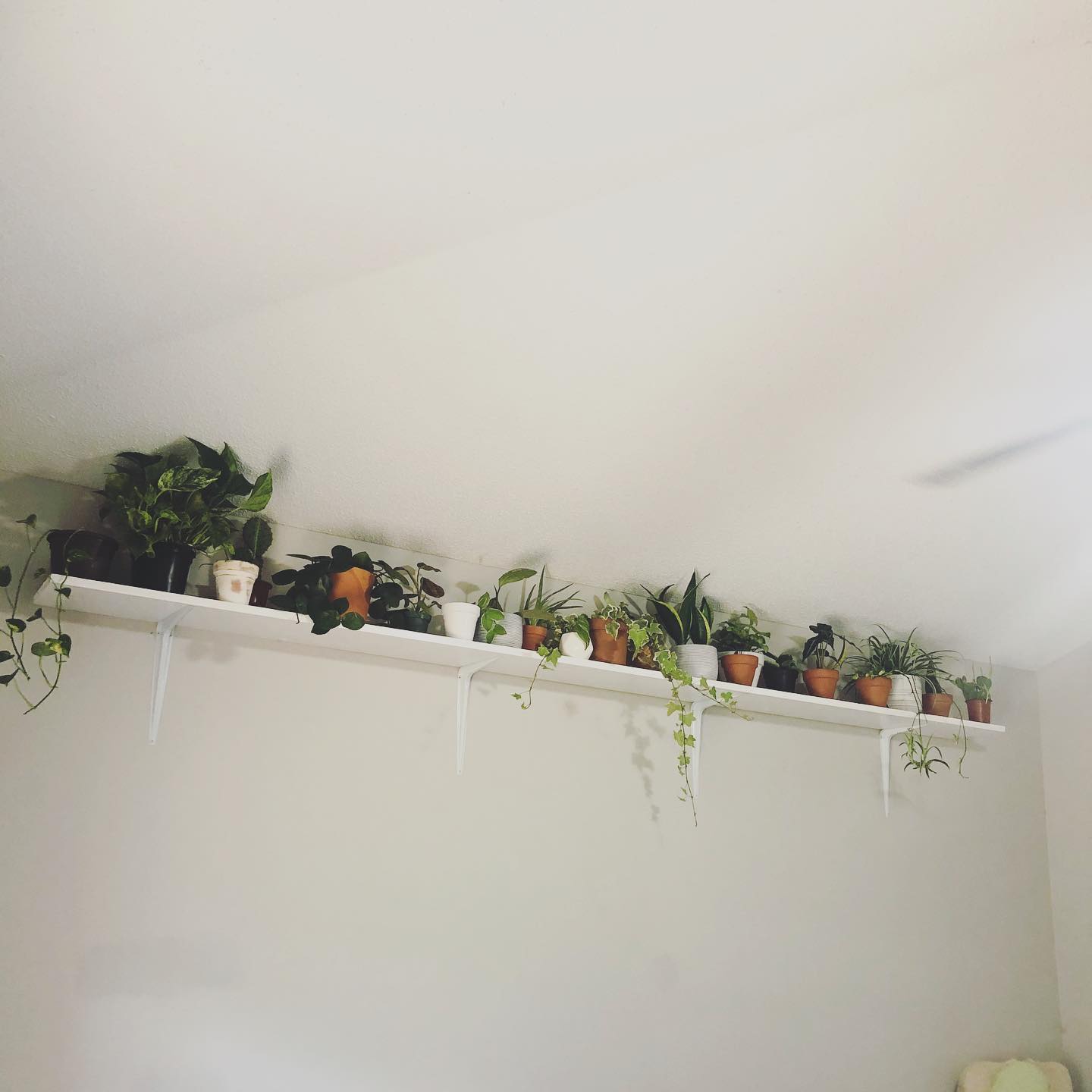
If your bedroom is more cozy cave than sunroom, lean on low-light champions that thrive with minimal fuss. Snake plant (Dracaena trifasciata) and ZZ plant (Zamioculcas zamiifolia) tolerate dim corners, irregular watering, and dry indoor air—perfect for rentals, shaded rooms, or winter light. Their upright, architectural leaves add calm structure that balances soft bedding and curtains, while their air-clearing reputation makes them popular for sleep spaces. Style them in matte or textured planters to echo your headboard and nightstand finishes, and cluster two heights for instant depth: one floor pot near a dresser, one smaller pot on a low stool. Care is simple: bright to low indirect light, water only when soil is fully dry (every 2–4 weeks, less in winter), and rotate monthly for even growth. For extra polish, dust leaves with a damp cloth so they catch soft morning light. These are the plants you can truly forget for a bit—yet they’ll still keep your bedroom looking intentionally green and blissfully calm.
Bedside Aromatics That Signal Sleep (Use Lightly)
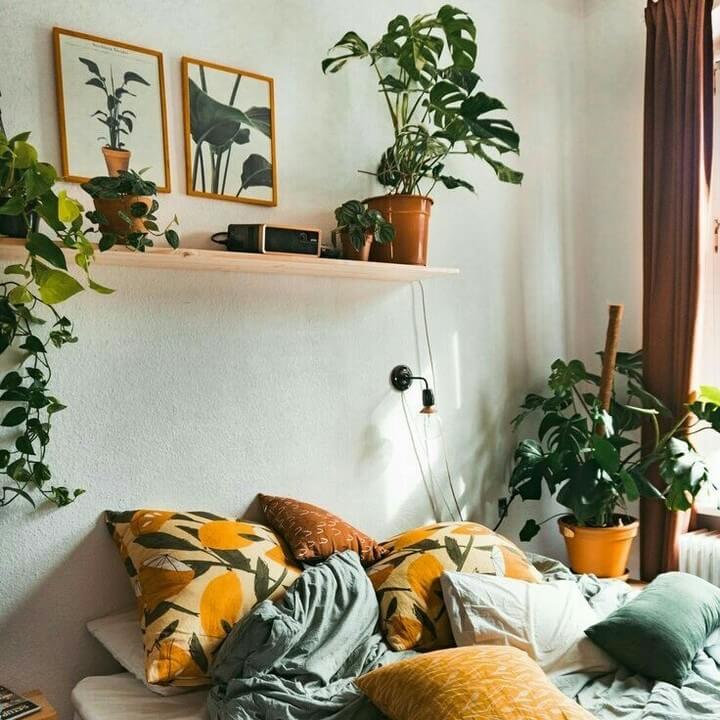
A gentle scent by the bed can cue your brain for rest—think ritual, not perfume cloud. Place a small pot of lavender on an east-facing sill or keep a jasmine near bright, indirect light so blooms develop without overpowering the room. If you’re scent-sensitive, try a peace lily or chamomile-adjacent herbs for a softer, green freshness. Keep fragrance subtle: one plant near the window, not directly on the nightstand. Pair with breathable linens, dimmable warm bulbs, and a 30-minute wind-down to link aroma with bedtime. Care-wise, give lavender strong light and a gritty, well-draining mix; water deeply, then let it dry. Jasmine appreciates bright light, regular moisture, and a cool evening temperature to encourage buds. Rotate plants so leaves don’t press glass panes in winter. Remember, fragrance should support—not dominate—your sanctuary. If pets share your space, confirm plant safety or place aromatic pots higher. Used thoughtfully, a whisper of natural scent sets a restorative tone without stealing the scene.
Trailing Greens to Soften Lines and Add Vertical Flow
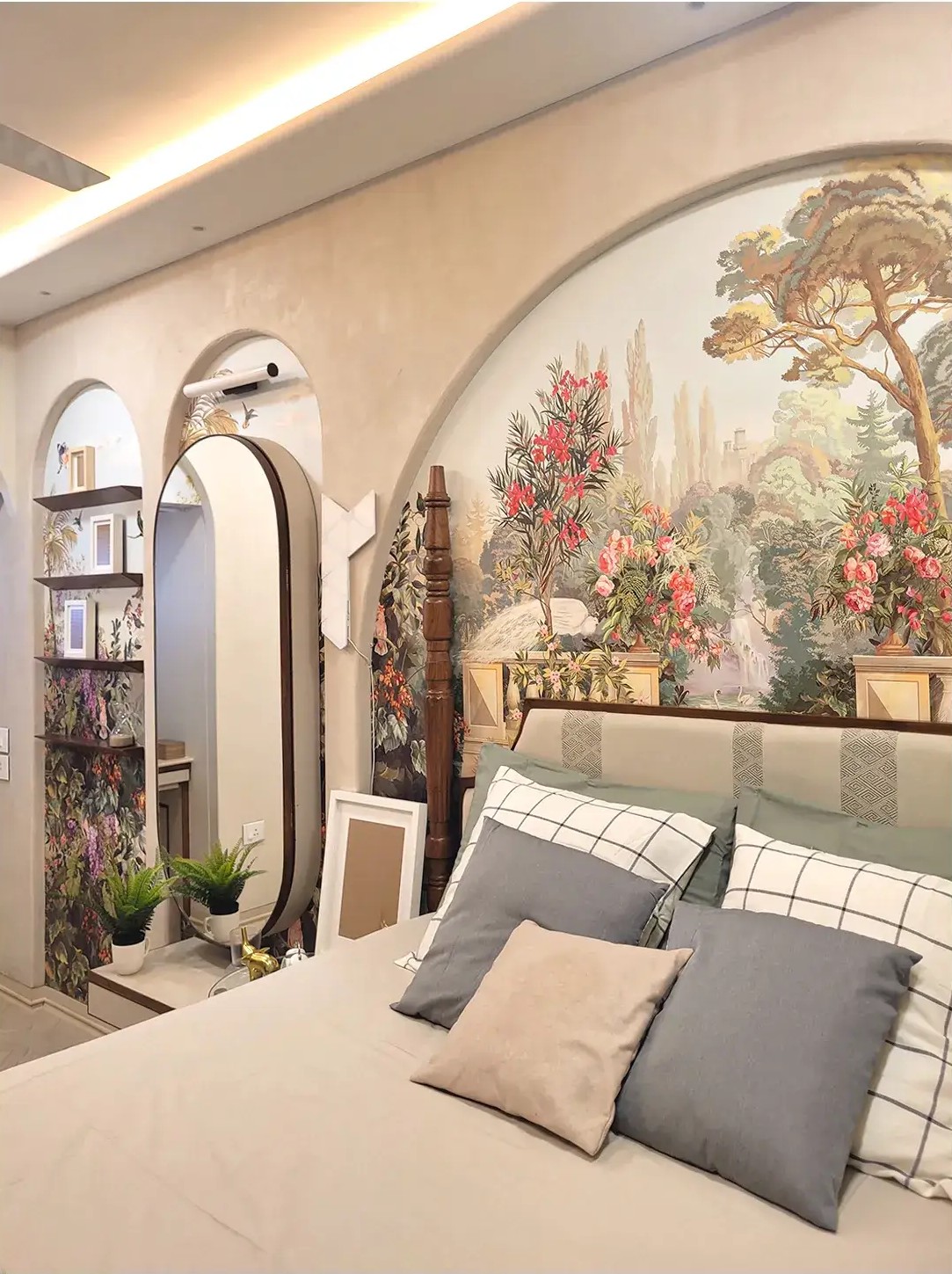
Trailing plants instantly relax hard edges and make small bedrooms feel layered. Pothos, heartleaf philodendron, and string of hearts spill from shelves or ceiling hooks, drawing the eye upward and creating that boutique-hotel drape of green. Use them to soften bookshelves, frame a mirror, or lead the gaze toward a window. Keep the palette cohesive: one trailing species in multiples looks curated; mixed textures (velvety philodendron + glossy pothos) add contrast if your bedding is neutral. Ensure bright, indirect light for full vines, and pinch tips to encourage bushier growth. Water when the top inch of soil is dry; let excess drain to protect wood furniture. For rental-friendly installs, try tension-rod hanging planters or command hooks above dressers. If you need pet-safe options, swap in peperomia hope or trailing hoya varieties placed out of reach. A single, generous cascade can transform a plain wall into a restful focal point—no paint required.
Lush Ferns to Quiet Acoustics and Add Gentle Movement
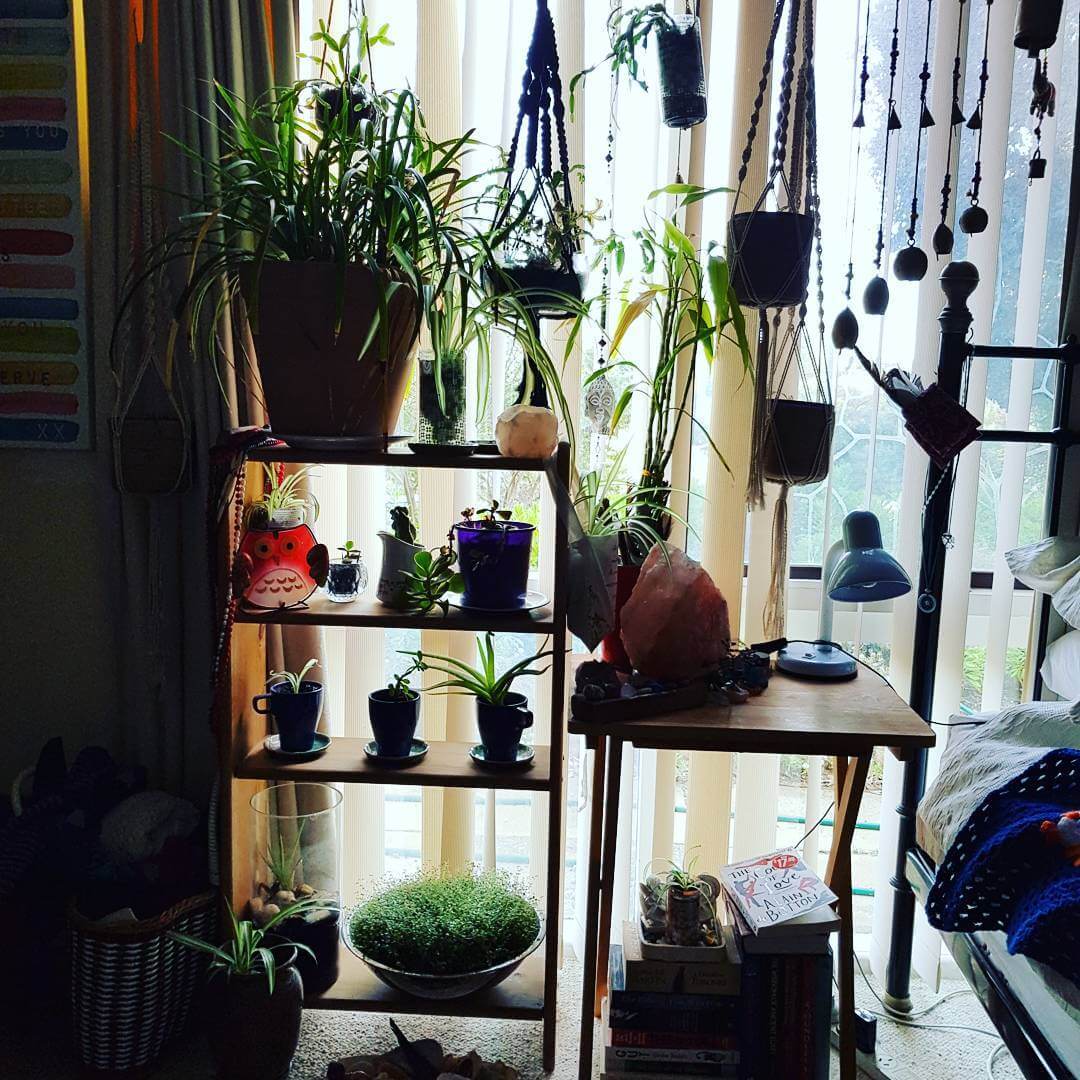
Want a softer, quieter feel? Ferns add feathery texture that subtly dampens sound and brings spa-like calm. Boston fern and maidenhair fern look cloud-light but deliver impact when perched on a pedestal or plant stand near a humidifier. They love consistent moisture, bright indirect light, and steady humidity—great for bedrooms with diffusers or those who hang laundry to dry inside. To keep fronds plush, water when the surface feels barely dry, mist lightly in the morning, and avoid heat vents. Use glazed or self-watering planters to stabilize moisture and protect floors. Styling tip: pair a fern with a solid, chunky nightstand or bench to contrast delicate foliage with grounded furniture. If your room runs dry, group ferns with a calathea or parlor palm to create a higher-humidity microclimate. The result is movement that’s visual white noise—gentle, rhythmic, and deeply relaxing before bed.
Make a Statement with a Bedroom Focal Plant
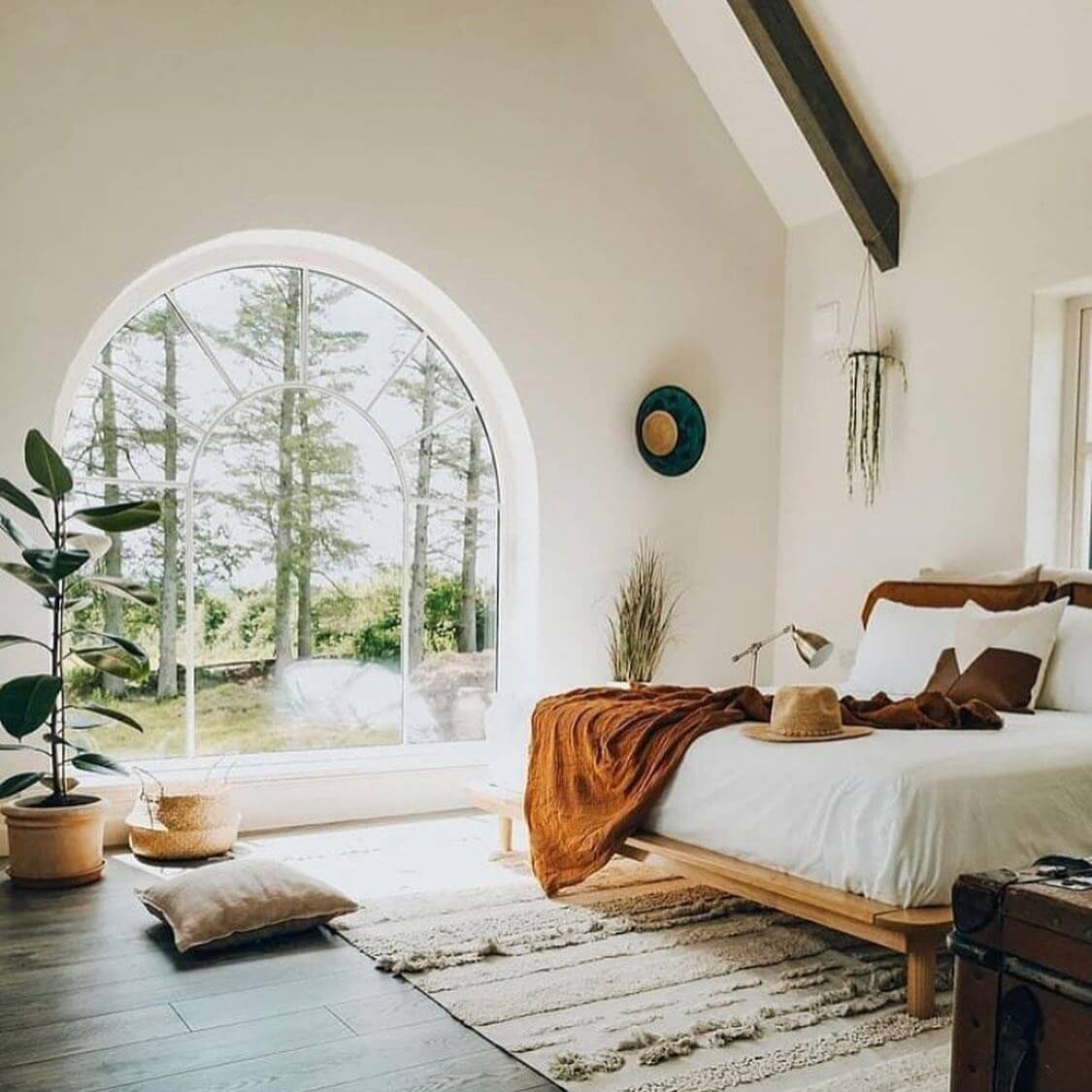
Anchor your layout with one sculptural plant that sets the mood the moment you walk in. A rubber plant, fiddle-leaf fig, or bird of paradise brings height, clean lines, and a subtle indoor-outdoor vibe. Place it where you’d normally use a floor lamp: the empty corner opposite your bed, beside a chair, or near a bright window (shield from harsh midday sun with sheer curtains). Choose a tall, minimal planter in a tone that matches your headboard or rug to feel intentional, not random. Care basics: bright, indirect light, water when the top 2 inches of soil are dry, and rotate weekly for straight growth. Wipe leaves to keep their sheen and help photosynthesis under low winter light. If you prefer low-light, try a tall Kentia or parlor palm for a gentler silhouette. A single statement plant reduces visual clutter while delivering maximum presence—calm, collected, and grown-up.
Nightstand Greens That Stay Compact and Calm
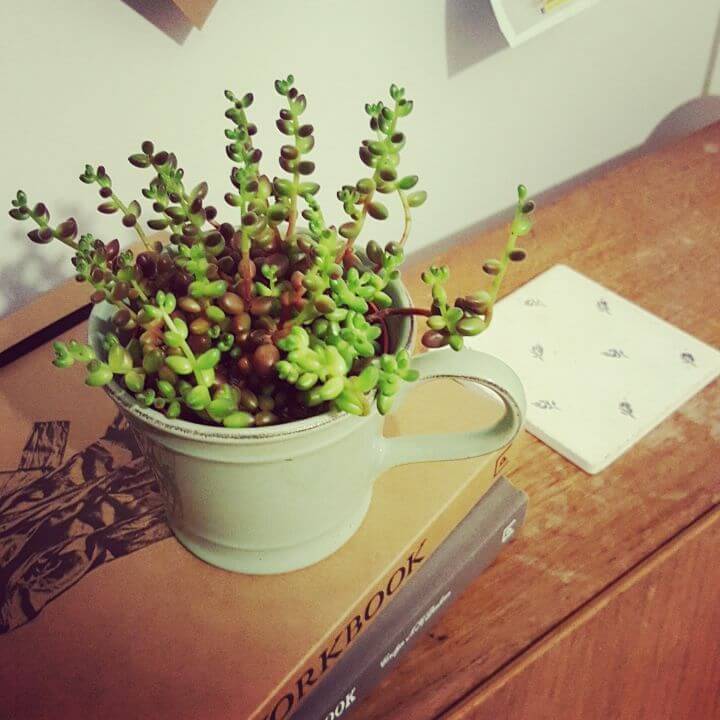
On a nightstand, you want quiet companions—small plants that won’t sprawl or shed. Peperomia, pilea, and miniature hoya bring interesting leaves without visual noise. If your sill gets morning light, a small aloe or haworthia in a sandy mix adds sculptural calm and needs water only monthly. Keep pots under 5 inches, choose trays that protect wood, and echo your lamp finish for cohesion. Place greenery opposite your clock or charging dock to balance the vignette. Water sparingly—wet soil next to pillows is a no-go—and dust leaves when you change sheets. Prefer pet-safe? Peperomia and pilea are good picks. Avoid strongly scented blooms right by the bed; instead, let any aromatics live on the window ledge. A tidy, low-maintenance plant here reinforces your sleep routine every time you switch off the light: simple, soothing, and effortlessly styled.
Windowsill Wellness: East-Facing Light for Restorative Greens
An east-facing windowsill is prime real estate for bedroom plants—soft morning sun, gentle warmth, and bright indirect light by midday. Use it as a mini wellness bar: a compact lavender for a faint evening aroma, a spider plant for fresh, arching foliage, and a petite herb like lemon balm for a hint of calm. Grouping creates a higher-humidity pocket that keeps leaves perkier without turning the whole room tropical. Elevate pots on risers so curtains move freely and air circulates; add a narrow trough saucer to catch runoff and keep sills pristine. Water thoroughly, then let the top layer dry; in winter, pull plants a few inches back from chilly panes. Keep heights staggered so the tallest doesn’t shade the rest. The result is a bright, living edge to your room that sets an uplifting tone at wake-up and a serene backdrop before sleep.
A Pet-Friendly Bedroom Jungle (No Worry, All Calm)
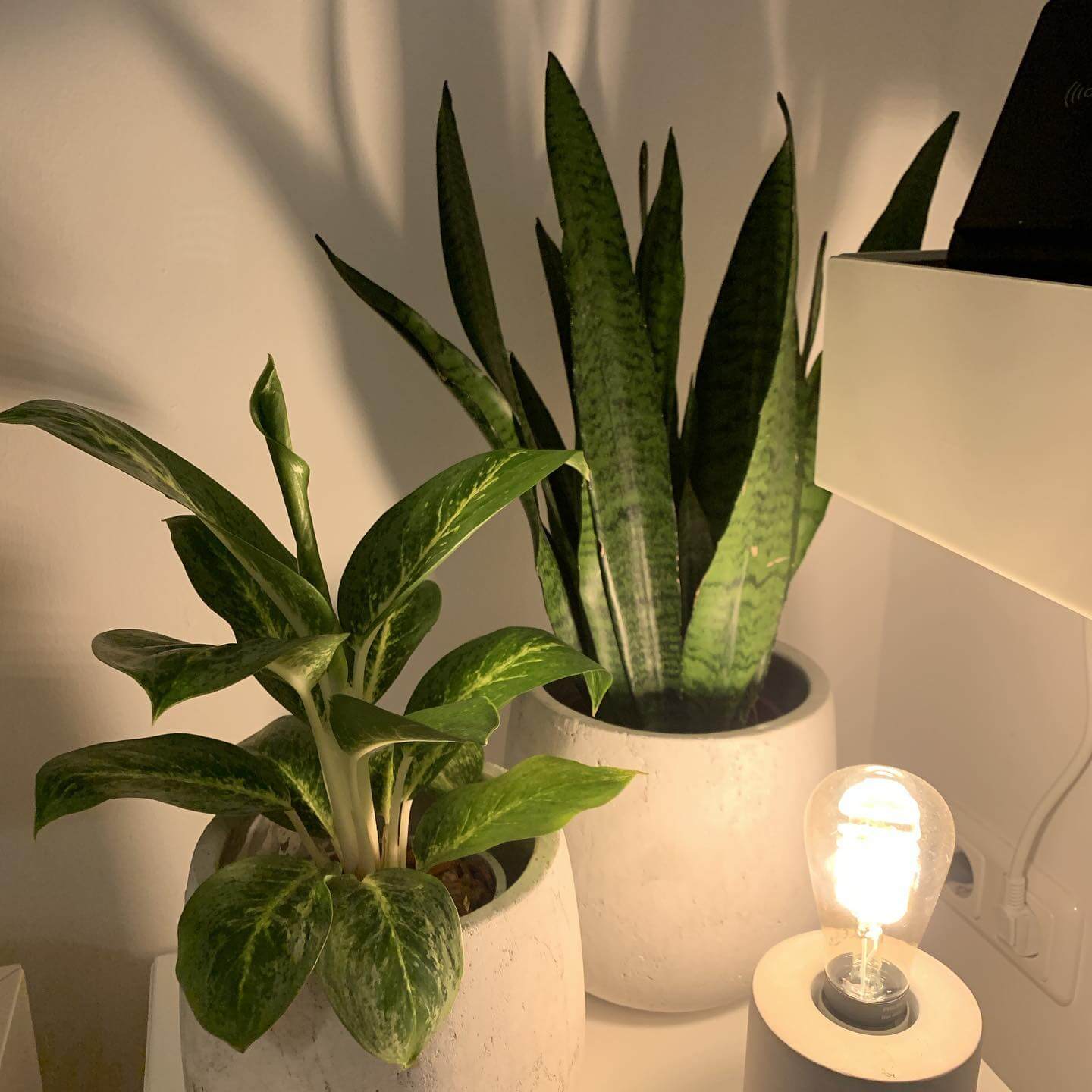
You can go lush and stay safe for curious paws. Build your bedroom jungle with non-toxic favorites: calathea and maranta for painterly leaves, parlor palm for soft fronds, peperomia for compact form, and the classic spider plant for bounce and vigor. Style them in layers—tall palm near a mirror, mid-height calathea on a dresser, small peperomia on the nightstand—to get depth without risk. Use sturdy, weighted planters or plant stands to prevent tipping, and tuck trailing varieties high on shelves. Care remains simple: bright, indirect light; evenly moist (not soggy) for calatheas; allow spider plant and peperomia to dry slightly between waterings. Note that even pet-safe plants can cause mild tummy upset if munched—placement still matters. With thoughtful selection and layout, you’ll achieve that lush, restorative look while keeping your companions comfortable and protected.
Watering, Soil, and Humidity: The Bedroom-Friendly Routine
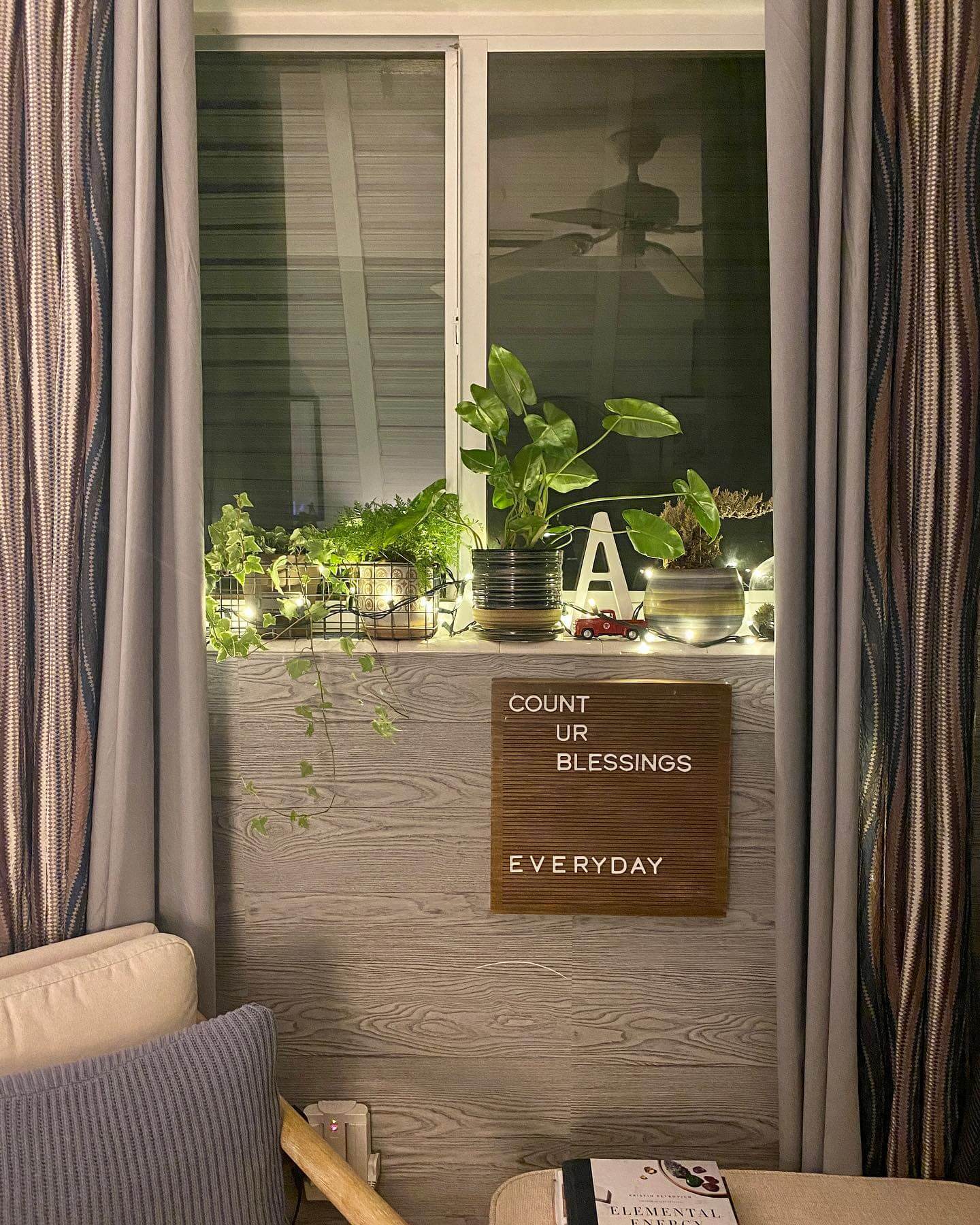
Great styling falls flat without smart care. For bedrooms, prioritize clean, low-mess routines. Choose well-draining soil tailored to the plant (add perlite for aeriation; a bit of bark for aroids), and use pots with drainage plus matching saucers. Water at the sink or with a spout can; let 10% runoff escape, then return plants to their spots—no soggy nightstands. Group humidity lovers (ferns, calatheas) with a small tray of pebbles and water, and keep desert plants (aloe, haworthia) apart to avoid overwatering habits. Terracotta helps curb heavy hands; glazed ceramic holds moisture longer. Create a simple cadence: quick leaf dust on laundry day, rotate pots each Sunday, check soil midweek with a finger test. This low-lift system keeps foliage glossy, reduces pests, and preserves furniture—so your bedroom stays serene and your plants quietly thrive.
Layer Heights and Textures for a Boutique-Hotel Finish
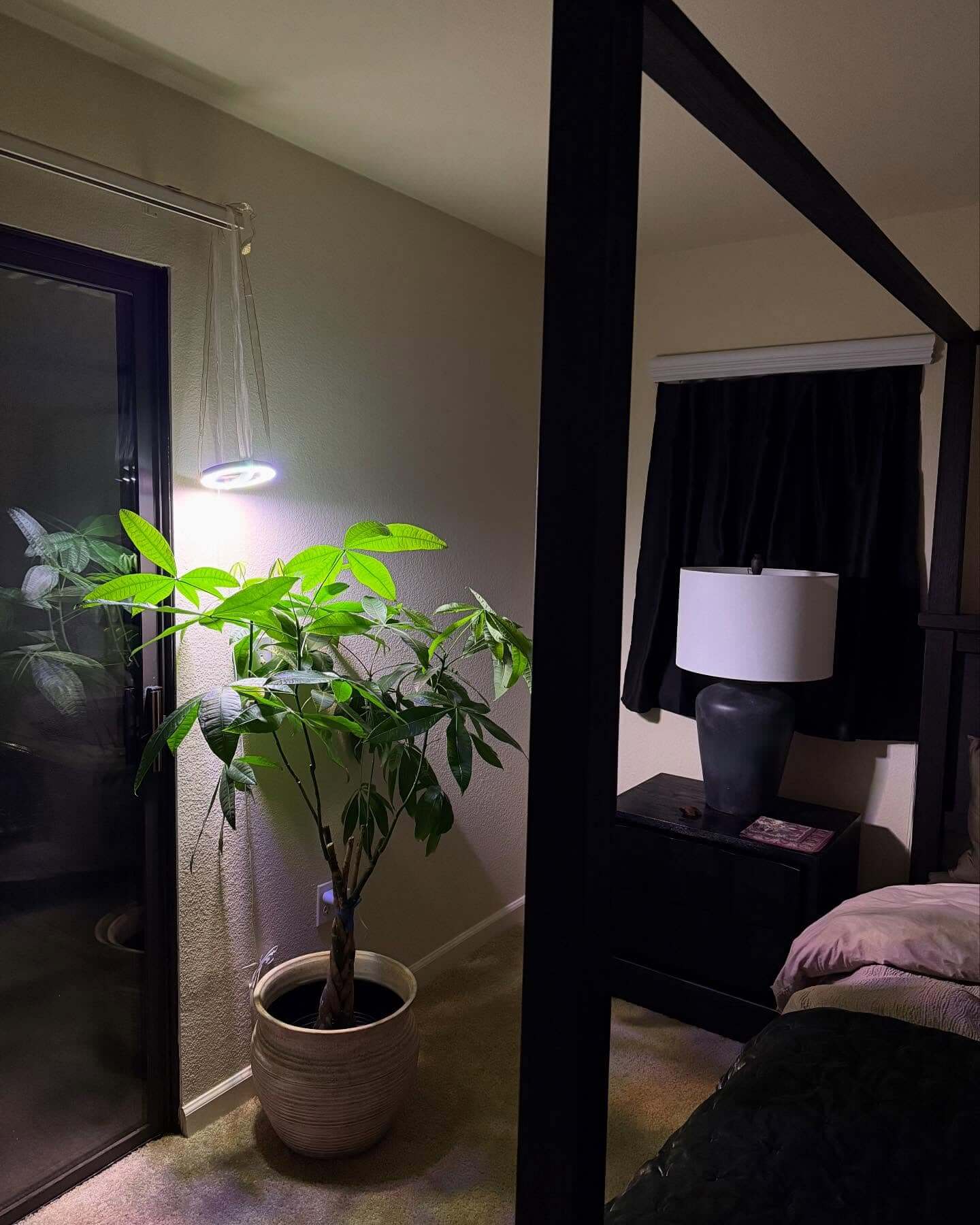
Bring it all together with intentional styling. Aim for a balanced triangle of heights: one tall focal plant, one mid plant on a dresser or stool, and a small accent on the nightstand. Mix textures—glossy leaves with ferny fronds, ribbed pots with smooth cylinders—to add depth without clutter. Keep a cohesive palette (two planter colors, one metal finish) so greenery remains the star. Use soft pools of warm light to backlight leaves and create evening ambiance. Edit regularly: remove yellowing foliage, rehome anything that feels busy, and keep surfaces 30% plant, 70% clear for visual calm. The final touch is scent-free airflow—crack a window when weather allows and let plants sway slightly. The effect is a polished, restorative bedroom that looks styled, not staged—and feels like an exhale every time you step inside.
Get the Fail-Safe Paint Color Playbook (Free PDF)
36 proven colors • 8 ready palettes • trim & sheen guide • printable testing cards.
Hanging Planters That Save Floor Space (Skip the Heavy Overhead)
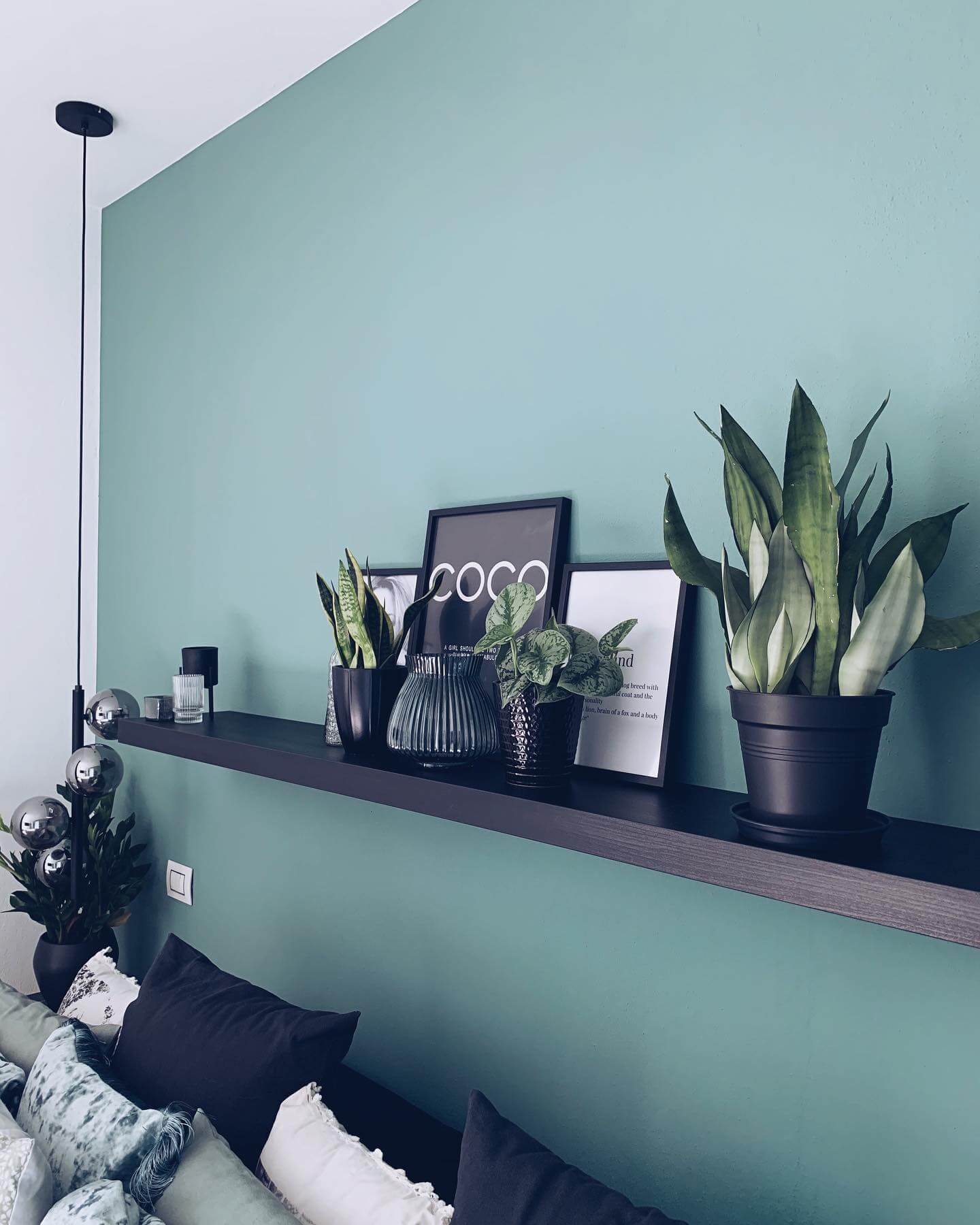
Hanging planters are the bedroom plant idea that instantly frees floors and nightstands while adding soothing movement at eye level. Prioritize lightweight pots (woven, resin, or thin-walled ceramic) and anchor into studs or use weight-rated toggle bolts—then hang plants in corners rather than directly over the bed. Trailing, low-maintenance choices like pothos, heartleaf philodendron, hoya, and string-of-hearts thrive in bright-indirect to medium light and need infrequent watering, perfect for low-fuss, sleep-friendly routines. Keep hang height just above door frames to elongate the room and soften hard angles. To protect floors, water at the sink or use a drip saucer insert; a monthly flush prevents salt buildup. For pet-safe options, try peperomia or calathea cultivars in brighter corners. A pair of staggered hangers creates calming vertical rhythm; three can frame a window like living curtains. This small-space biophilic design move adds greenery without visual clutter, improves perceived air freshness, and guides the eye upward—making compact bedrooms feel serene and styled. Tip: choose matte black or brass hardware to echo lamp finishes so the look reads cohesive, not crafty.
Mirror + Plant Pairings to Double Light and Lushness
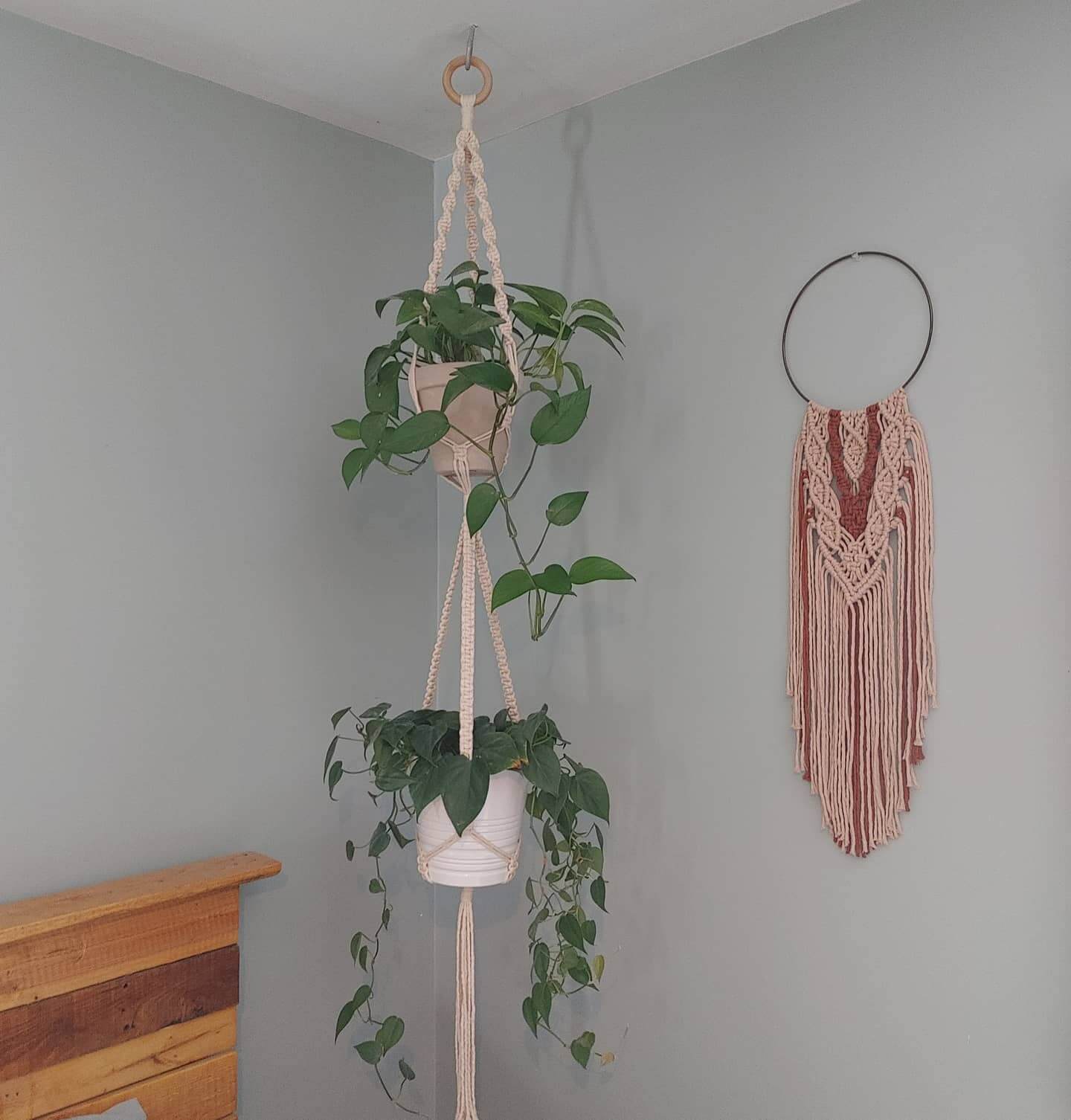
One of the smartest bedroom plant ideas is pairing greenery with a mirror to bounce morning light deeper into the room. Place a floor mirror adjacent to (not directly opposite) an east-facing window and set medium-light lovers—philodendron, rubber plant, or peace lily—within that reflected zone. The mirror doubles depth and brightness, encouraging fuller growth without a grow light while visually expanding small bedrooms. Keep the palette calm: one upright plant for structure, one trailing for softness, and one textured accent (like a ruffled calathea) for dimension. Choose matte frames over high-gloss to maintain a low-glare, sleep-forward environment. Style a narrow bench or low console in front of the mirror to corral pots and keep floors clear. Rotate plants a quarter turn weekly so growth stays balanced. For renters, a leaning mirror avoids drilling and is easy to reposition as seasons shift. Bonus wellness touch: add a small tray with pebble stones beneath a humidity-loving plant—subtle moisture near a sunny window offsets dry air without raising overall room humidity too high. The result is bright, lush, and calming—no extra fixtures needed.
Calm Color Palettes: Neutral Pots, Matte Finishes, and Soft Green Foliage
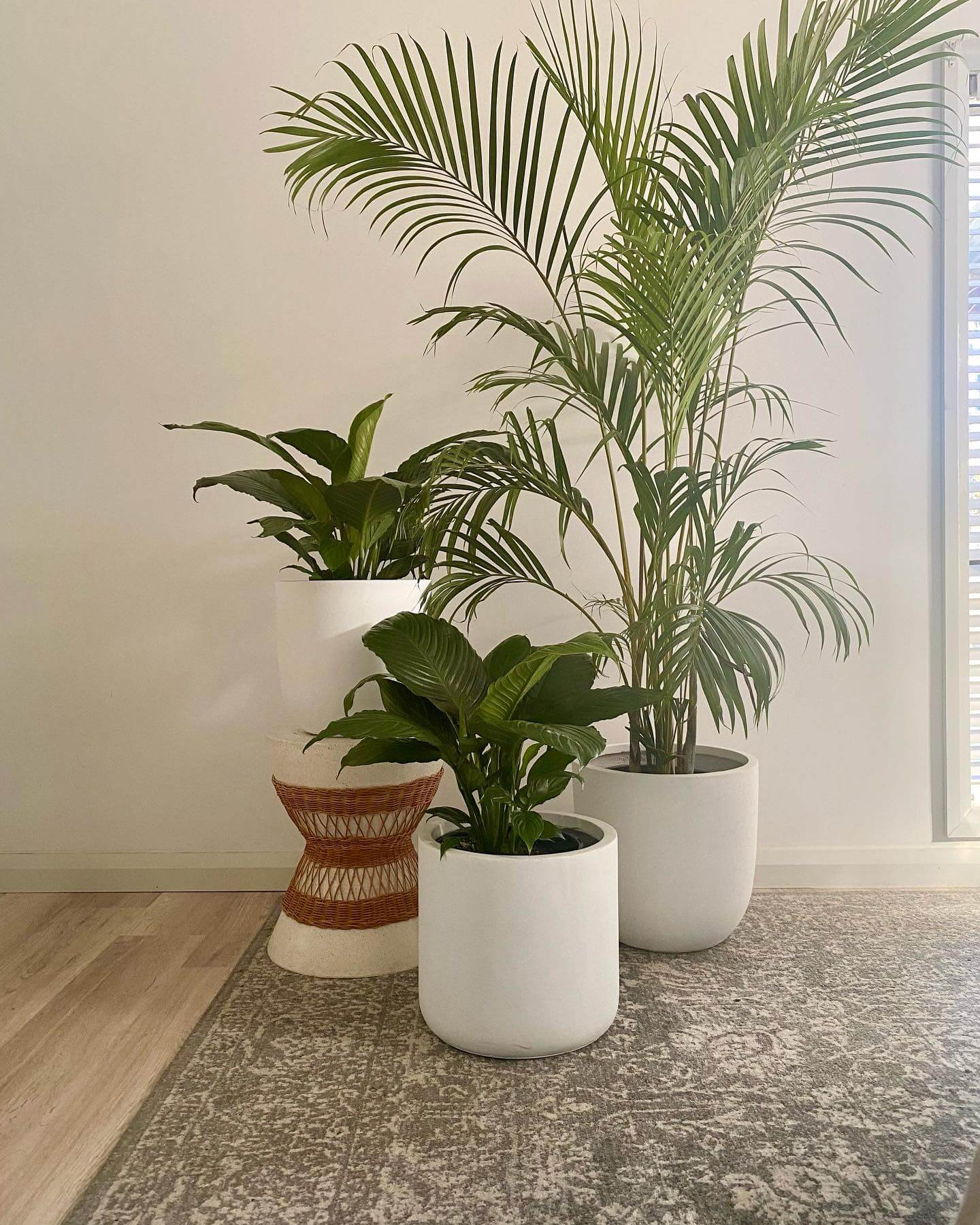
If your bedroom skews minimal, use plants to add life without visual noise. Commit to a calm color story: unglazed terracotta, sand-toned ceramic, or matte white planters with fine rims. These subdued finishes reduce reflections and let foliage shapes lead—especially soothing, blue-green leaves like sansevieria ‘Moonshine,’ peperomia ‘Frost,’ or eucalyptus-lookalikes such as silver philodendron (Scindapsus). Group in odd numbers and vary diameter by two-inch increments to create gentle stair-steps of height. Terracotta naturally breathes, helping prevent overwatering—ideal for low-light bedrooms where soil dries slowly. To avoid monotony, introduce one ribbed pot or pedestal stand for texture, and one basket cachepot to hide nursery liners and catch excess drips. Keep saucers consistent so the vignette reads intentional. A unified palette is more than aesthetic—it supports better sleep by minimizing contrast and micro-distractions. For semantic SEO-minded styling: layer “low-light houseplants,” “bedroom-safe planters,” and “air-purifying greens” that require minimal inputs. Finish with a soft linen runner under the grouping to protect furniture and ground the scene. The space will feel edited, restorative, and hotel-level polished.
The Slim Plant Ledge: One Rail, Three Species, Zero Clutter
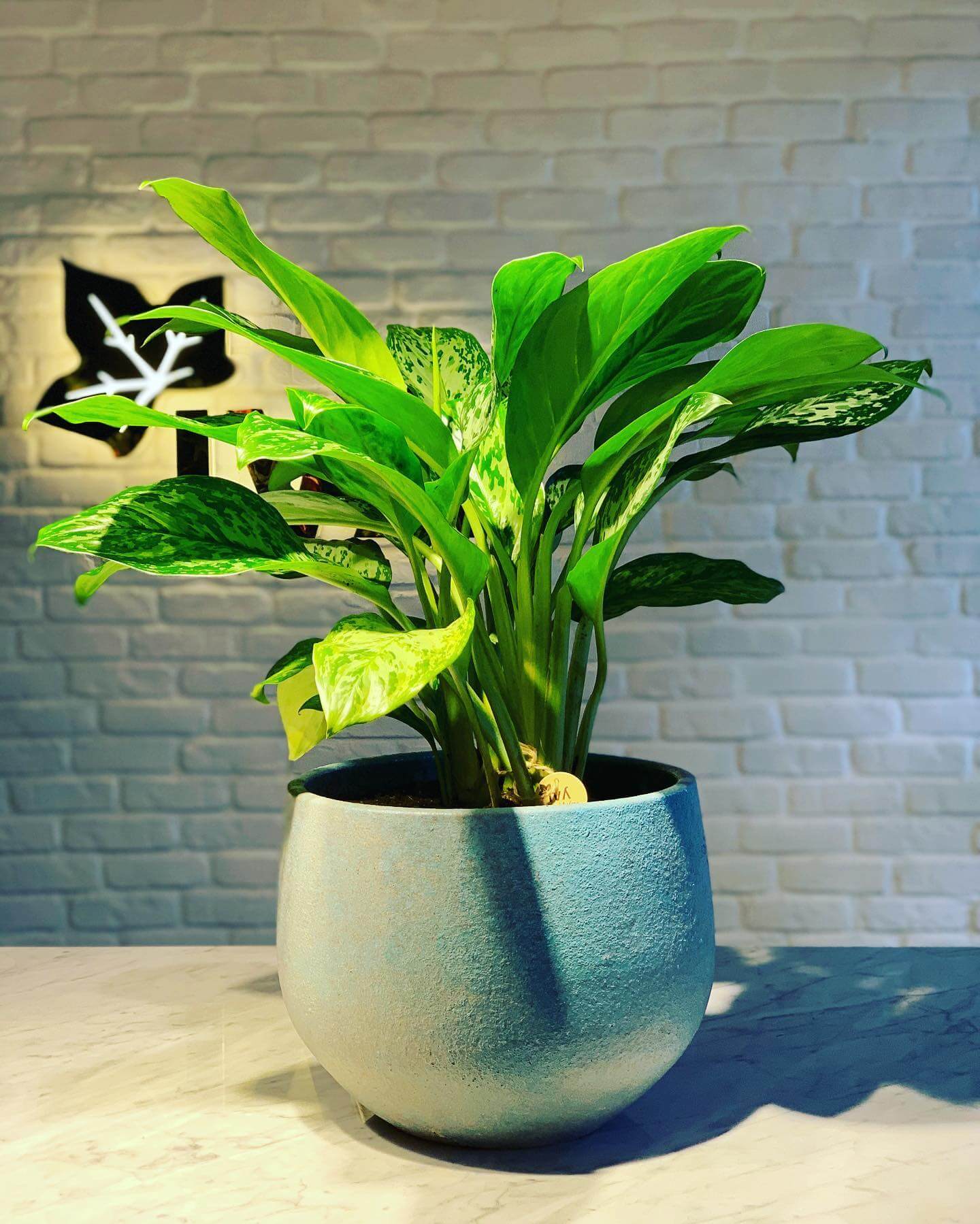
When floor space is tight, a slim plant ledge (4–6 inches deep) turns dead wall space into a calming green band. Mount it at eye level on a solid wall away from your pillow to reduce nighttime drafts and drips. Curate a trio that balances form and care needs: upright (ZZ plant or snake plant), mid-height leafy (philodendron ‘Brasil’), and a gentle trailer (pothos ‘Marble Queen’). Keep pot sizes small (4–6 inches) to avoid overload and use lightweight soil; add felt pads under saucers to protect the ledge. This linear display leads the eye horizontally, widening narrow rooms and softening hard lines—an efficient biophilic design cue. Install discreet LED strips under the shelf if the ledge sits in medium light; set a timer that shuts off two hours before bedtime to protect circadian rhythm. Rotate the lineup seasonally—swap in a fern during humid months or a drought-tolerant hoya in winter. The ledge reads like framed art but performs like a micro garden: low maintenance, high impact, and blissfully clutter-free.
Sleep-Smart Grow Lights: Gentle Support Without Blue Glare
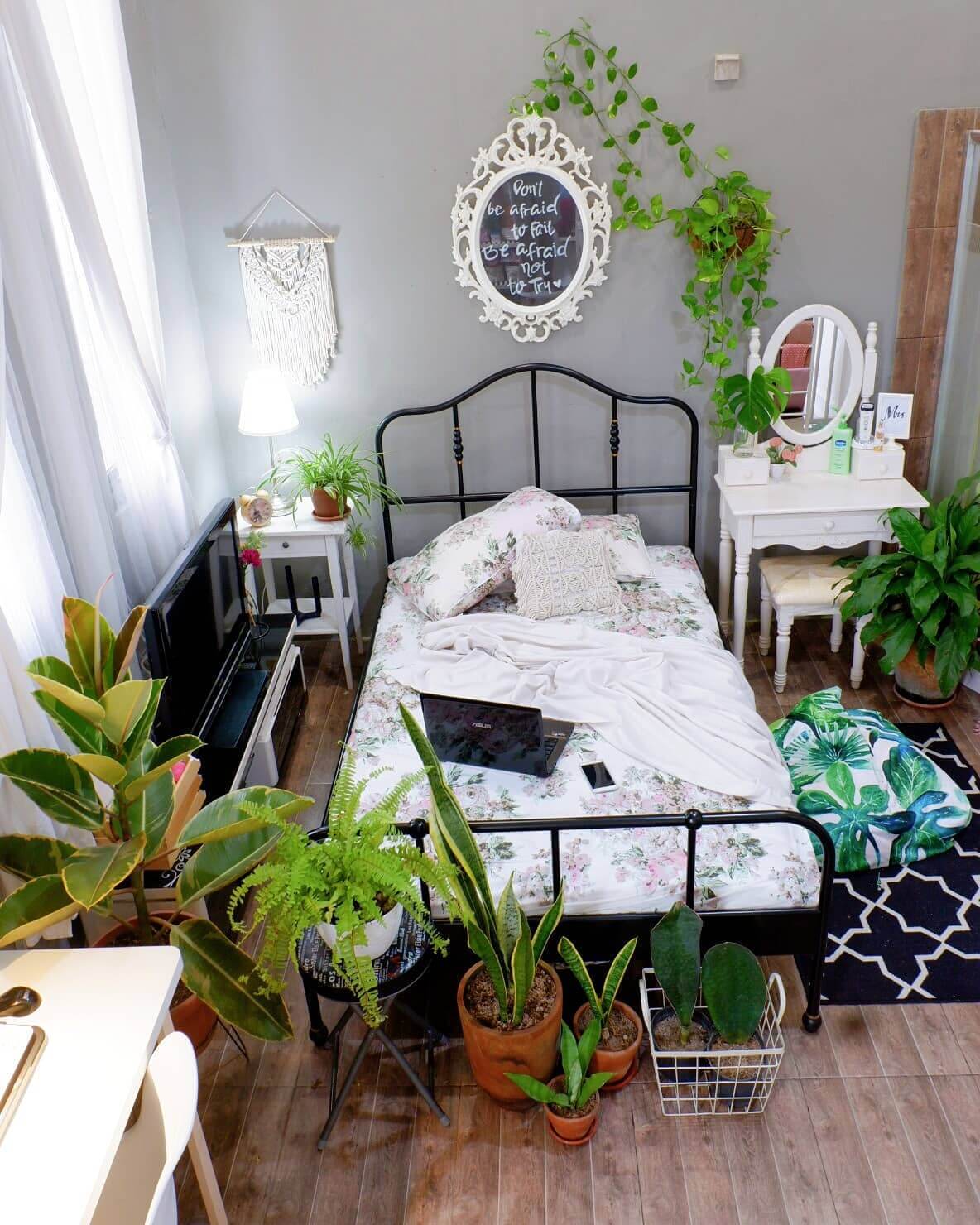
If your bedroom is truly low light, introduce grow lights designed for sleep-friendly spaces. Choose warm-white, full-spectrum fixtures (around 3000–3500K) or high-CRI bars that render foliage accurately without harsh blue cast. Mount them above dressers or shelves, angle away from the bed, and run on a timer for 8–10 hours, shutting off at least two hours before sleep. Target light to medium-demand plants—rubber plant, trailing philodendron, and hoya—while keeping true low-light champions like ZZ or snake plant farther from the beam. Clip-on gooseneck styles are renter-friendly; minimalist bars hide under shelves for a boutique finish. Manage heat with 6–8 inches of clearance and ensure airflow so leaves don’t scorch. This approach levels up growth and color without turning your sanctuary into a greenhouse. Pro tip: pair lights with matte planters to limit reflections and choose blackout curtains for nighttime to maintain darkness, deepening rest. With smart placement and timing, grow lights become a quiet backstage assistant—keeping bedroom plants thriving while your space stays calm and sleep-forward.
Self-Watering and Wick Planters for Fuss-Free Nights
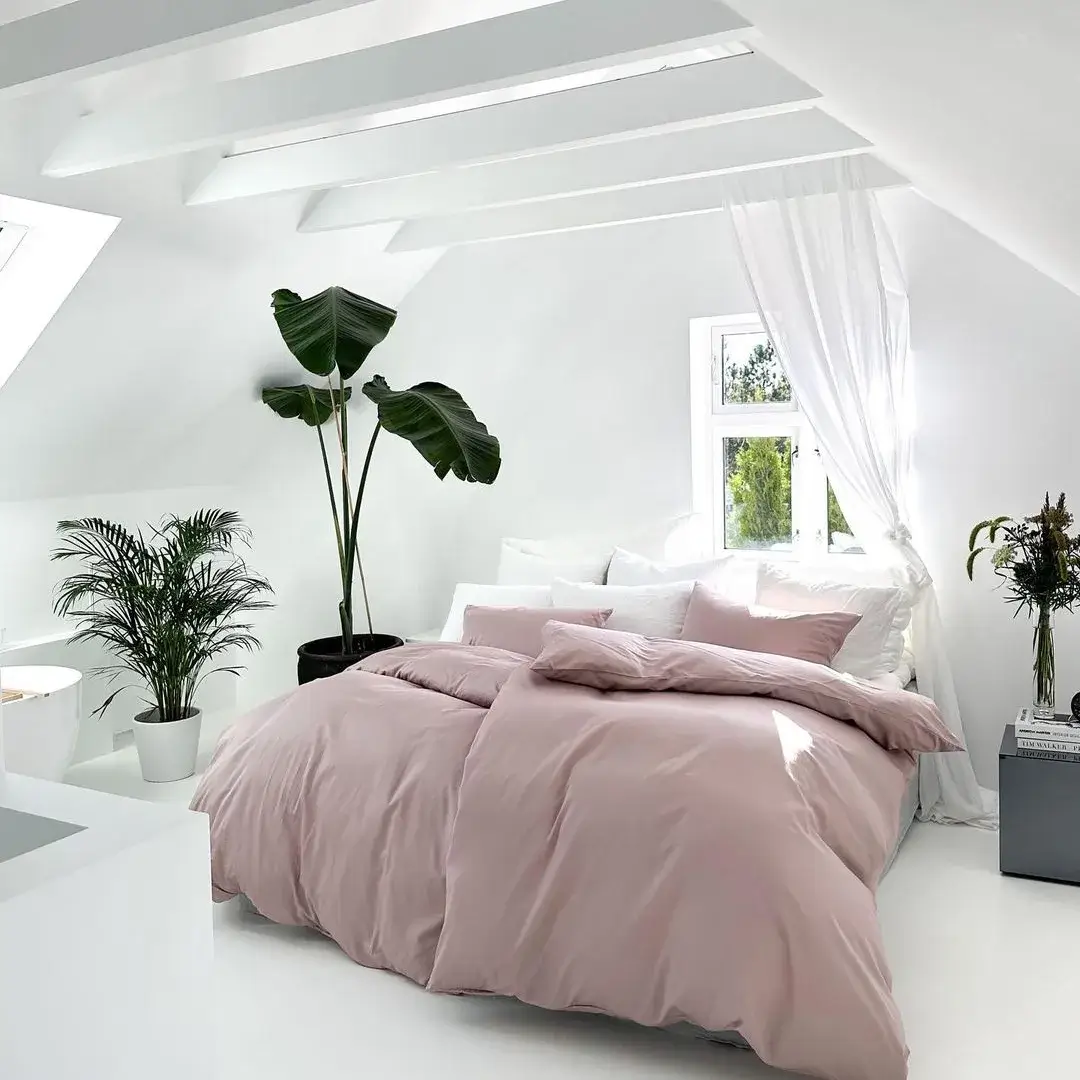
For effortless bedroom plant care, upgrade containers rather than your routine. Self-watering planters with reservoirs (or simple cotton wicks inserted into nursery pots) keep soil evenly moist—ideal for peace lilies, ferns, calatheas, and pilea that dislike drying out. In low to medium light, consistent moisture prevents dramatic droops and brown edges while reducing weekend watering marathons. Choose opaque reservoirs to prevent algae, and add a clear indicator or dipstick to check levels at a glance. For drought-tolerant plants like pothos or philodendron, set the wick shallower or water from above, letting the reservoir act as a buffer during busy weeks. LECA or semi-hydro setups also shine in bedrooms: cleaner watering, fewer fungus gnats, and stable moisture—all with minimal mess around textiles. Keep fertilizer dilute (quarter strength) to avoid salt buildup in closed systems, and flush monthly. The payoff? A calm, consistent routine that supports better sleep and healthier foliage, with planters that look as streamlined as your nightstand.
Propagation Stations as a Mindful Bedtime Ritual
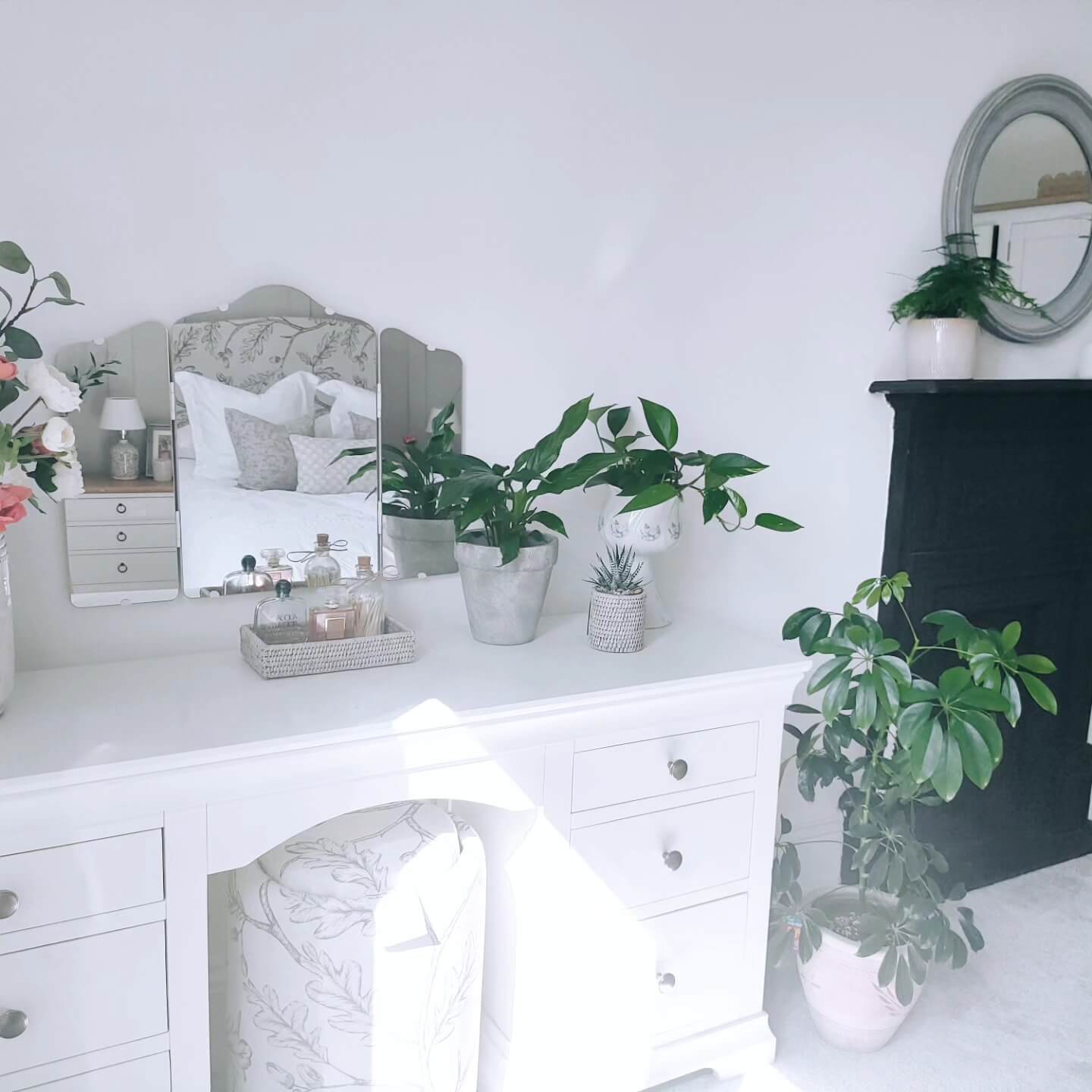
Turn plant care into a grounding wind-down with a slim propagation station on a dresser or windowsill. Clear tubes or bud vases hold cuttings of pothos, heartleaf philodendron, monstera adansonii, and tradescantia—fast rooters that reward patience with growth you can see. The look is airy, sculptural, and perfect for small bedrooms where bulky pots overwhelm. Change water weekly, snip below a node, and remove any leaves submerged to prevent rot. Because there’s no soil, cleanup is quick and gnat pressure is low—great near textiles. Style a few heights together for movement, add a pebble-filled tray for subtle humidity, and keep the palette restrained for a spa-like vibe. When roots reach 2–3 inches, pot into a small nursery pot and place on your plant shelf to refresh the display. This rotating, low-cost system gives you new plants for free, reinforces a mindful evening routine, and keeps your bedroom plant collection cohesive and edited—exactly the energy you want before lights out.
The Five-Minute Leaf-Care Reset (Weekly)
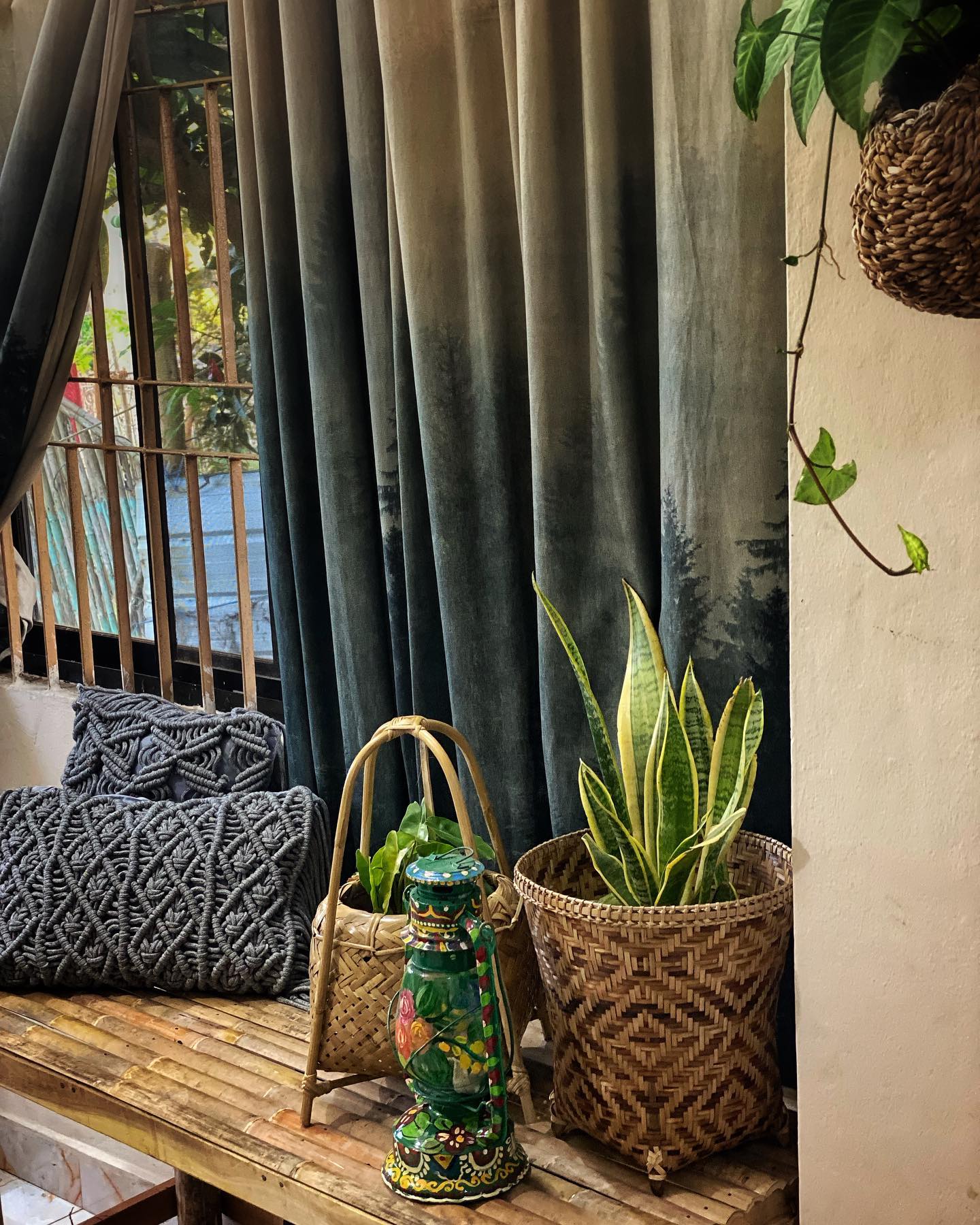
Healthy bedroom plants don’t need daily fussing—just a brief weekly reset. Set a five-minute timer and work left to right: dust leaves with a dry microfiber cloth (or a just-damp one for sturdier foliage) to improve light absorption and reduce allergens; pinch yellowing leaves to tidy silhouettes; rotate each pot a quarter turn for balanced growth; and do a quick moisture check by finger or meter before watering. Empty saucers after 10–15 minutes to prevent soggy roots. Wipe exterior pots for a boutique finish and align labels or stakes to the back for a clean look. Monthly, flush pots at the sink to clear mineral buildup and check for pests under leaves; a gentle shower also rehydrates ferns. This mini ritual sustains that “hotel calm” while keeping plants thriving in low to medium light. It’s simple, satisfying, and keeps your sanctuary looking intentional—no sprawling chore list required.
Microclimates That Work: Keep Greens Away from Vents and Radiators
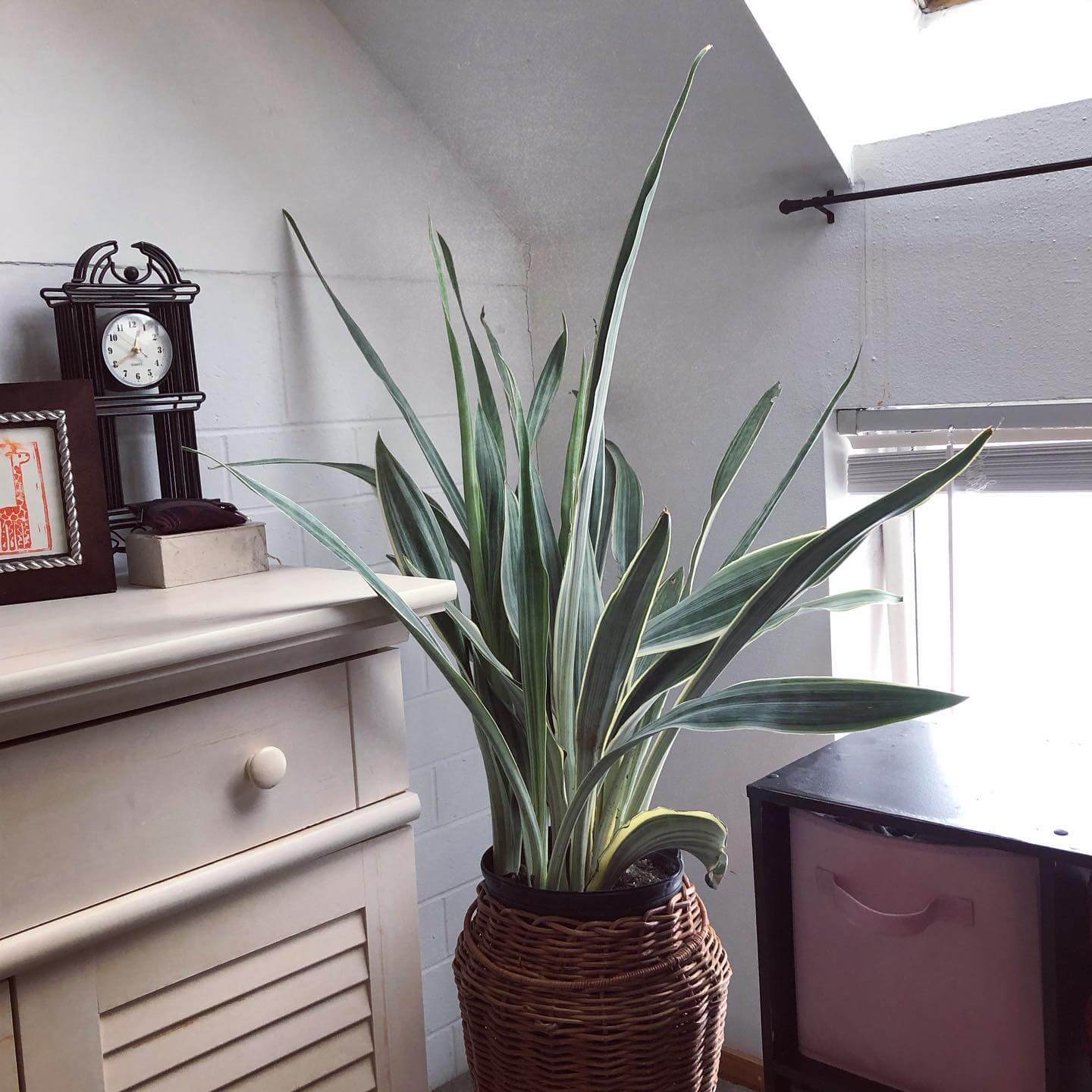
Even the best bedroom plants struggle if the microclimate is wrong. Map heat and airflow: keep foliage 2–3 feet from radiators, baseboard heaters, or active vents to prevent crisping leaves and rapid soil dry-out. Drafty windows in winter? Add an insulating curtain and shift plants slightly inward while maintaining bright-indirect exposure. For humidity lovers (ferns, calatheas), cluster near an ensuite doorway or use a discreet humidifier set to 45–50%—sleep-friendly and mold-safe. Skip constant misting; it raises humidity briefly and can spot leaves. Instead, use pebble trays or group plants to create a stable bubble of moisture. In summer, shield midday rays with sheer curtains to diffuse light without losing brightness. Keep taller plants slightly behind shorter ones so everyone shares the glow. These small placement tweaks mean fewer brown tips, steadier watering schedules, and lusher growth—exactly what you want from a calm, restorative bedroom retreat.
No-Fail Bedroom Trios for Any Light Level
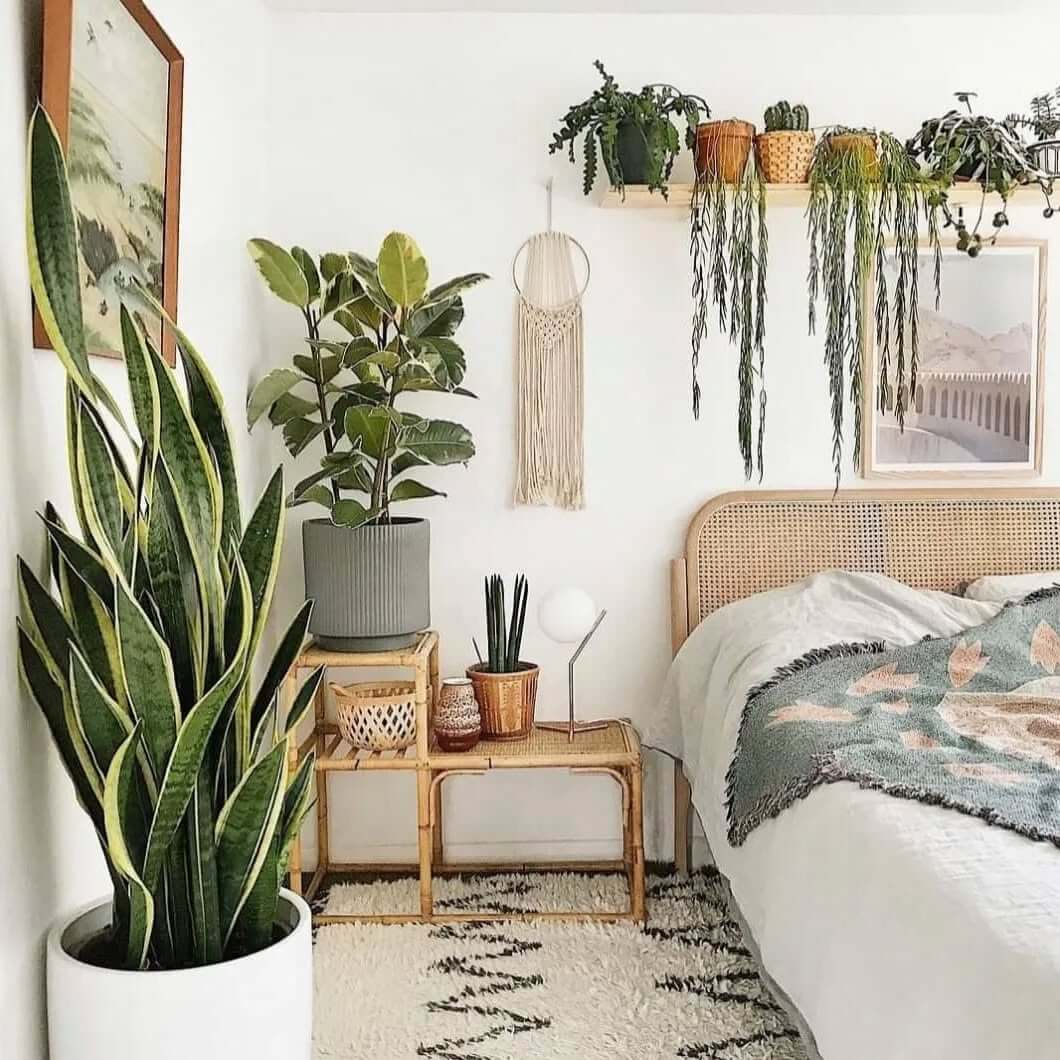
When in doubt, plant in threes. A cohesive trio looks designed and simplifies care. For low light: snake plant (vertical calm), ZZ plant (glossy structure), and pothos (soft trailing). They’re drought-tolerant, air-purifying standouts and thrive with minimal fuss. For medium, east-facing light: rubber plant (statement height), heartleaf philodendron (easy, full foliage), and peace lily (gentle blooms, humidity feedback). Place the tallest just off-center, with mid and trailing plants stepping down to create a relaxing visual slope. Keep pot finishes consistent to reduce visual noise, and vary height with a stand or stack of books. Water on a staggered schedule—upright plants typically need less frequent drinks than shallow-rooted trailers. Rotate the trio seasonally and refresh soil annually for steady growth. This plug-and-play approach delivers a styled, sleep-friendly bedroom with balanced texture, color, and care needs—no guesswork, only greenery that thrives.
The Nightstand Green Rule: Small-Scale Plants, Big Calm
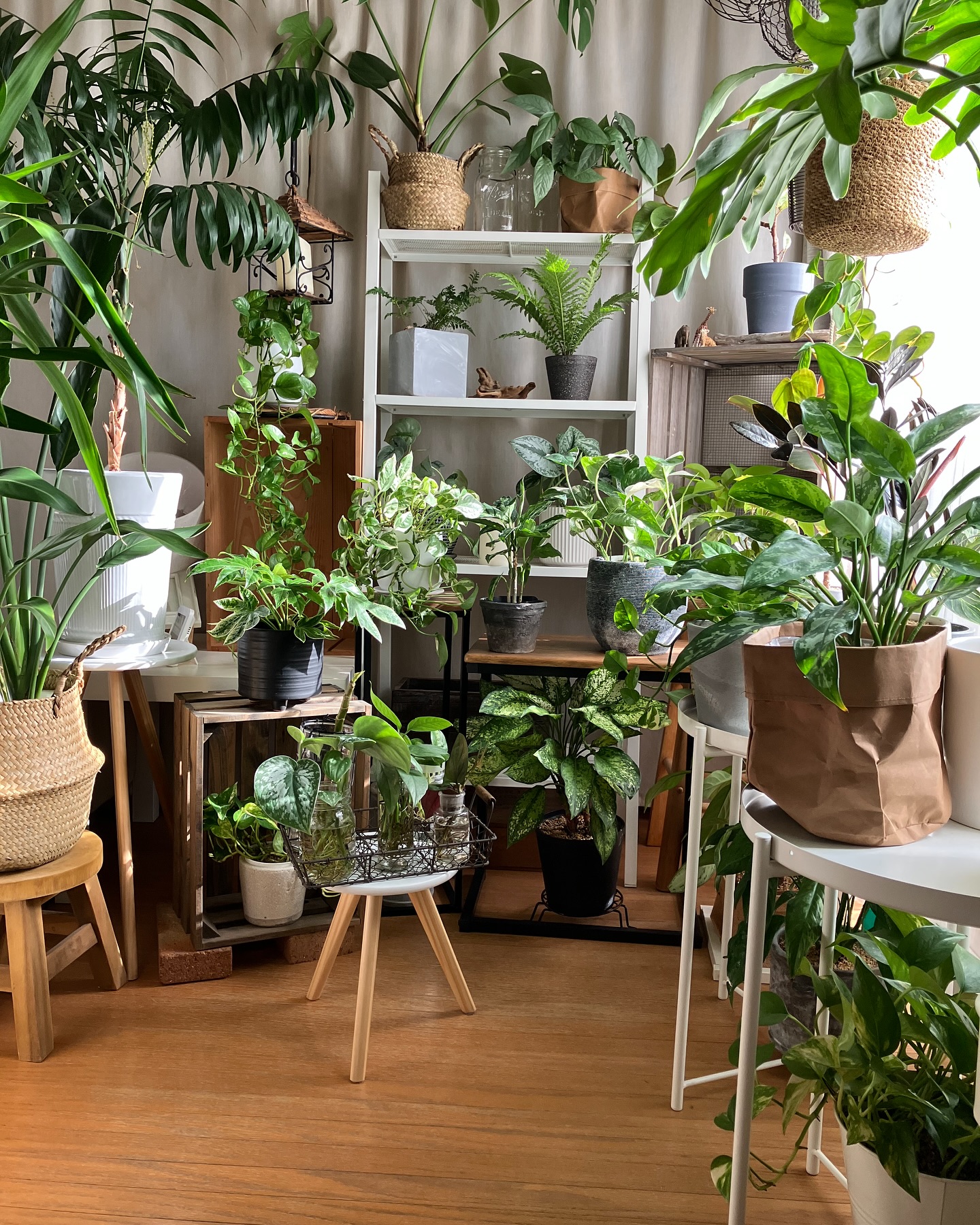
Bedside greenery works best when it’s compact, tidy, and low-fuss. Aim for a 4–6 inch nursery pot tucked into a simple cachepot so your bedroom plant adds serenity without crowding your lamp, book, and glass of water. Upright, sculptural options like dwarf snake plant cultivars, peperomia, or a petite prayer plant (maranta) keep a clean profile and won’t sprawl onto your nightstand. If you love a trailing look, choose a small pothos or philodendron and keep it lightly pruned so stems soften the edge of the table rather than taking it over.
Get the Fail-Safe Paint Color Playbook (Free PDF)
36 proven colors • 8 ready palettes • trim & sheen guide • printable testing cards.
Place plants 8–12 inches from warm bulbs and 12–18 inches from your pillow to preserve airflow and reduce the chance of accidental bumps at night. Protect wood furniture with a saucer or use an inner grow pot so you can water in the sink and drop it back dry. For extra ease, pair your bedside plant with a wick or self-watering insert and schedule a quick check during your Five-Minute Leaf-Care Reset. The result: a polished, hotel-level vignette that supports wind-down rituals and sleep hygiene while subtly improving your room’s biophilic feel.
North-Facing Bedroom Playbook: Low-Light Winners That Actually Thrive
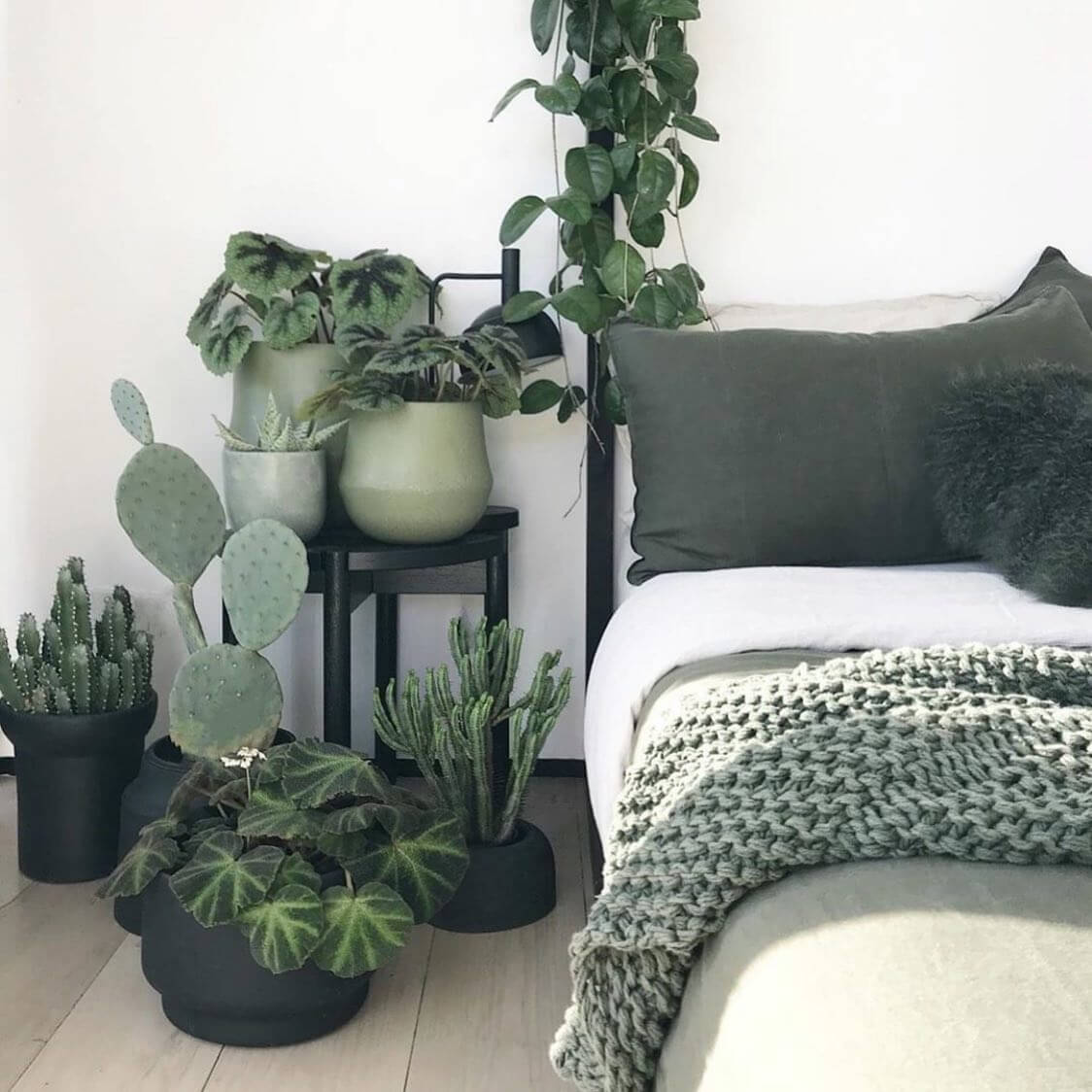
If your bedroom gets calm, indirect light most of the day, lean into species that excel in lower light. Cast iron plant (Aspidistra), snake plant, ZZ plant, pothos, and heartleaf philodendron are classic low-light indoor plants that keep their color and form without constant sun. Peace lily can also work if you’re consistent with moisture and don’t mind the occasional wilt cue. The strategy: maximize every lumen and reduce stressors.
– Keep leaves dust-free so they can use limited light efficiently. – Use your Mirror + Plant Pairings to bounce brightness deeper into the room. – Nudge plants 6–18 inches closer to the window in winter, then ease them back in summer. – Layer one sleep-smart grow light on a warm-white schedule for shorter days; avoid blue-heavy spectra late at night.
Water less frequently than you would in bright rooms—low light means slower drying. Choose breathable potting mixes with added perlite and adjust to your home’s humidity. With the right placement and a gentle routine, these air-purifying, low-maintenance heroes give your bedroom a lush, restful look year-round.
Offset Headboard Greenery: Safe, Soft Backdrop Without Overhead Weight
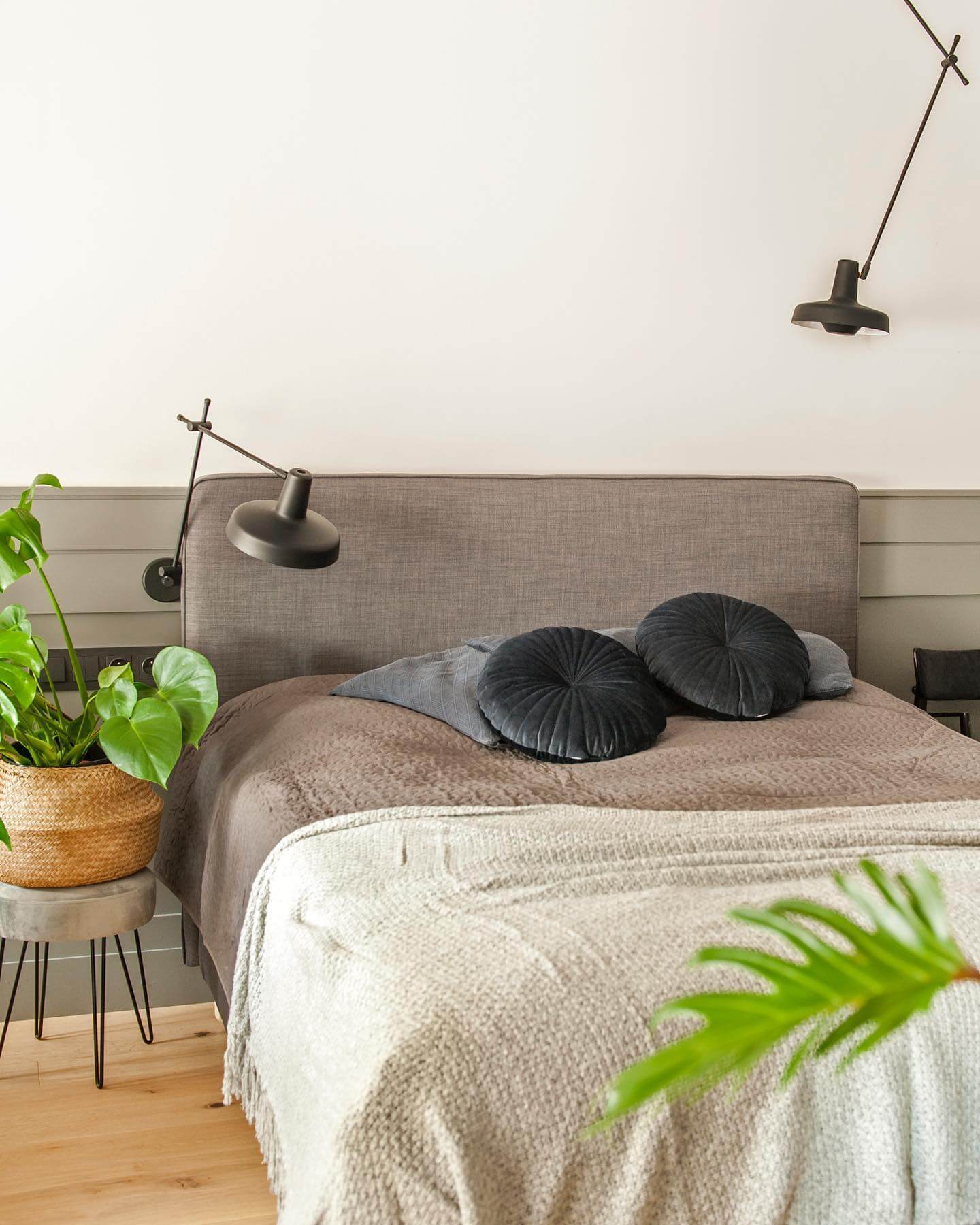
You can frame your bed in foliage without hanging anything directly above your head. Build an offset backdrop by flanking the headboard with two vertical moments: a tall floor plant on one side (parlor palm, rubber plant, or a slim snake plant) and a trailing plant trained along removable hooks or a side rail on the other (pothos, heartleaf philodendron, or satin scindapsus). This creates a gentle “living headboard” that reads cozy and intentional while respecting safety.
Keep any wall-mounted shelves to the sides, not centered over the pillow, and use lightweight planters. Water trailing plants in the sink, let them drip-dry, then return them to prevent moisture rings. If you have a narrow room, a tension pole plant stand in the corner provides vertical display tiers without drilling. Maintain 3–6 inches of clearance between plants and the wall for airflow, and clip or guide vines along a loose S-curve to soften straight lines. The effect is a calm, enveloping zone that diffuses visual noise and adds depth—exactly the kind of styling that supports better sleep in a small space.
Pet-Friendly Bedroom Greens That Still Look Luxe
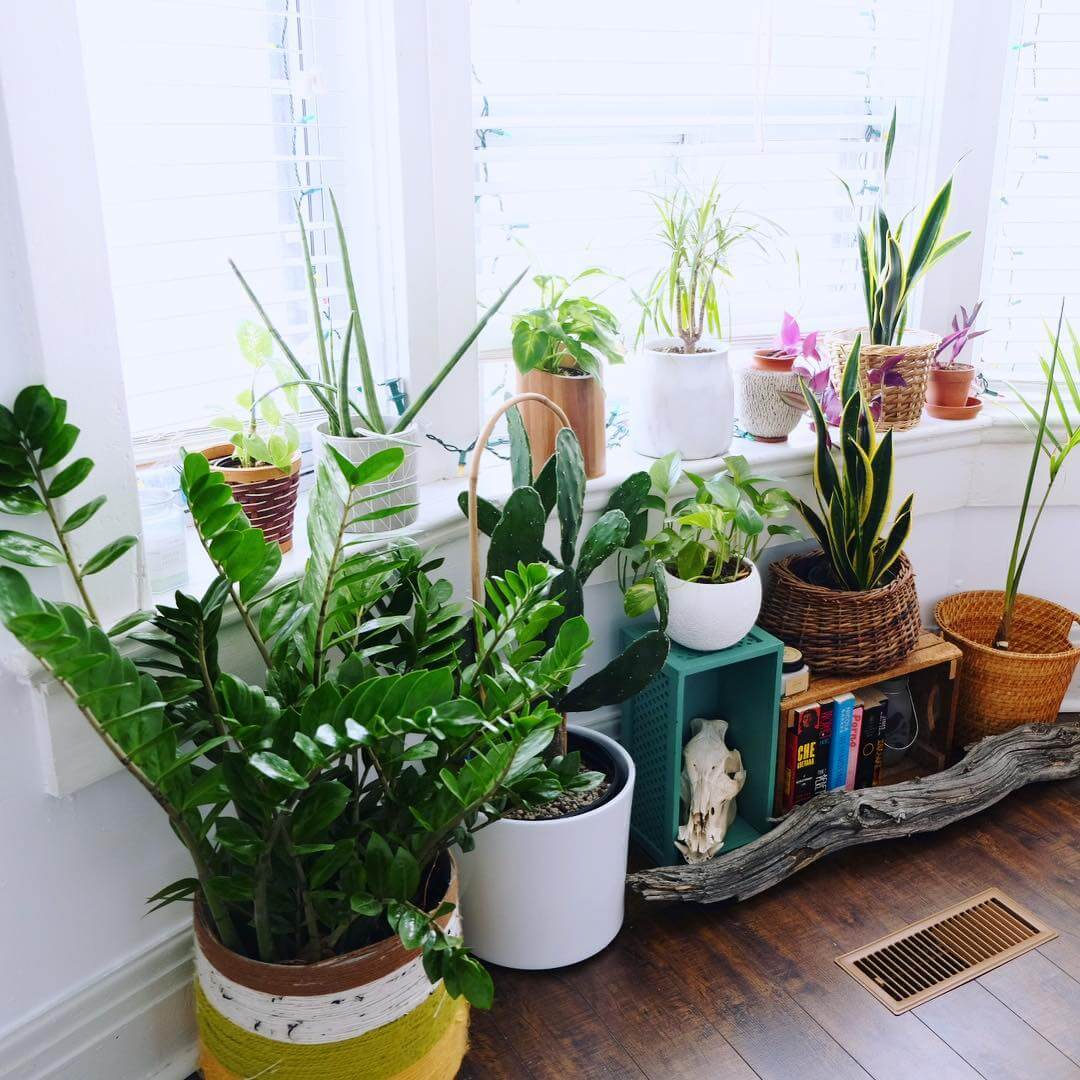
Sharing your sleep space with pets? Choose non-toxic indoor plants that deliver texture without worry. Great pet-safe options include calathea and maranta (patterned, movement-rich foliage), peperomia (upright and trailing types), pilea peperomioides, spider plant, Boston fern, parlor palm, and areca palm. These species create the same boutique-hotel softness as trendier but toxic picks, just with peace of mind.
Try this swap list: – Love pothos or philodendron trails? Choose trailing peperomia varieties or a full, arching spider plant. – Want an architectural statement like snake plant? Use parlor palm for a feathered, vertical silhouette. – Craving patterned leaves? Opt for calathea or maranta instead of aglaonema.
Get the Fail-Safe Paint Color Playbook (Free PDF)
36 proven colors • 8 ready palettes • trim & sheen guide • printable testing cards.
Style them in matte, neutral pots that echo your Calm Color Palettes and group two or three pet-safe plants near a window to boost ambient humidity. Place a pot of cat grass on a low shelf to satisfy curious nibblers and keep prized foliage safe. As always, water in the sink, let excess drain fully, and keep soil surfaces tidy. The result is a soothing, pet-friendly bedroom that stays chic and stress-free.
Get the Fail-Safe Paint Color Playbook (Free PDF)
36 proven colors • 8 ready palettes • trim & sheen guide • printable testing cards.
The Humid Corner: Leverage Ensuite Moisture for Plush, Dewy Foliage
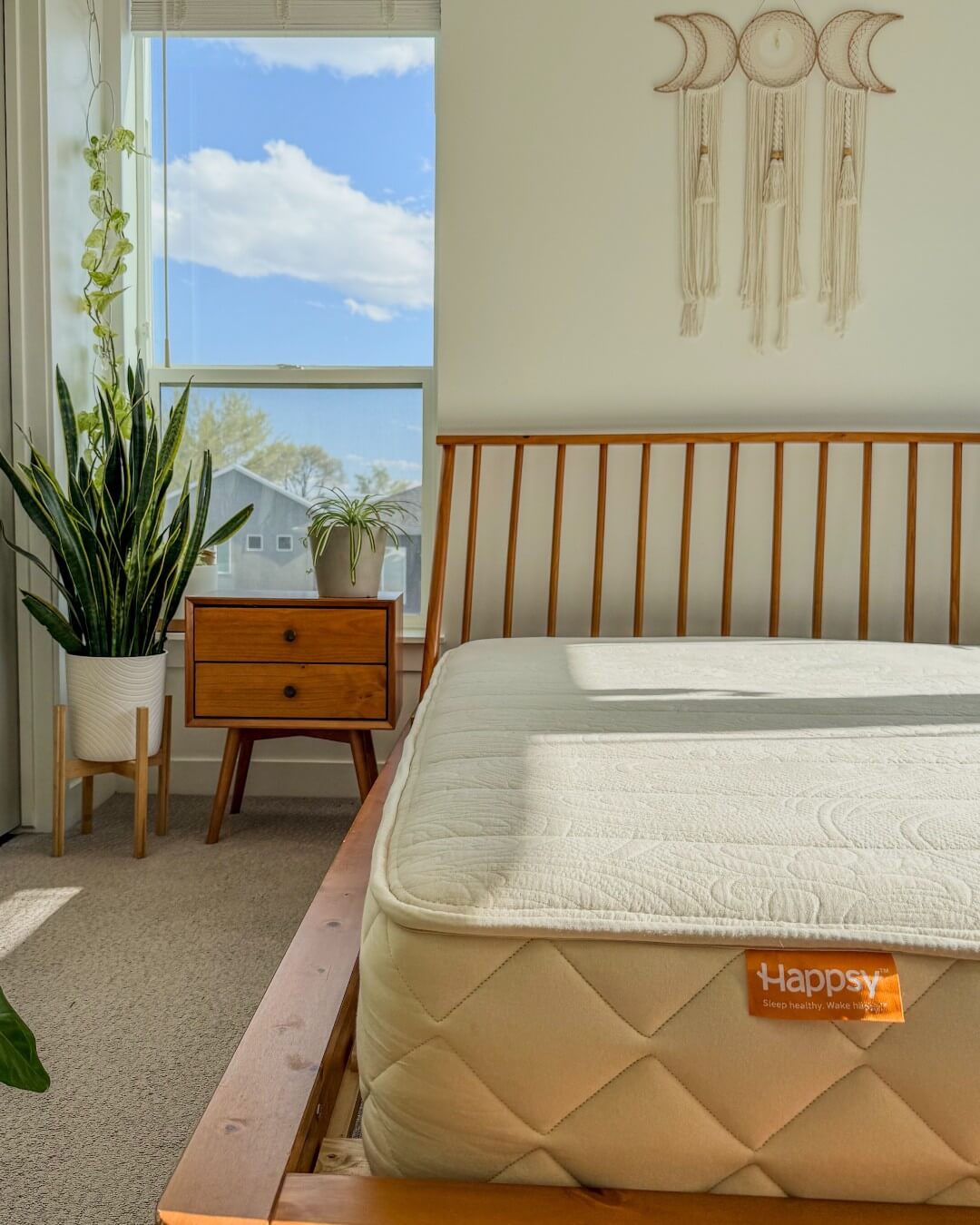
If your bedroom adjoins a bathroom or you run a nighttime humidifier, harness that gentle moisture gradient. Create a “humid corner” just outside the ensuite door with plants that love higher humidity: calathea, maranta, fittonia, ferns, and moss-pole philodendrons. The goal is balanced humidity with airflow—soft leaves, not soggy soil.
– Place plants where door steam dissipates into the bedroom, not in direct splashes. – Cluster species to create a shared microclimate and set pebble trays beneath to stabilize humidity. – Use airy, peat-free mixes with bark and perlite so roots breathe between waterings. – Aim a quiet fan across the room (not directly at leaves) to prevent fungal build-up.
Visually, this corner becomes a lush focal point that transitions from crisp bedding to living texture. A narrow bench or plant stand lifts foliage to eye level, while a trailing accent cascading down one side adds movement. Combined with your Watering, Soil, and Humidity routine, this zone stays vibrant with minimal fuss—and your bedroom gains that fresh, spa-adjacent feel without turning tropical everywhere.
Statement Floor Plant + Stool Combo: Height Without Floor Clutter
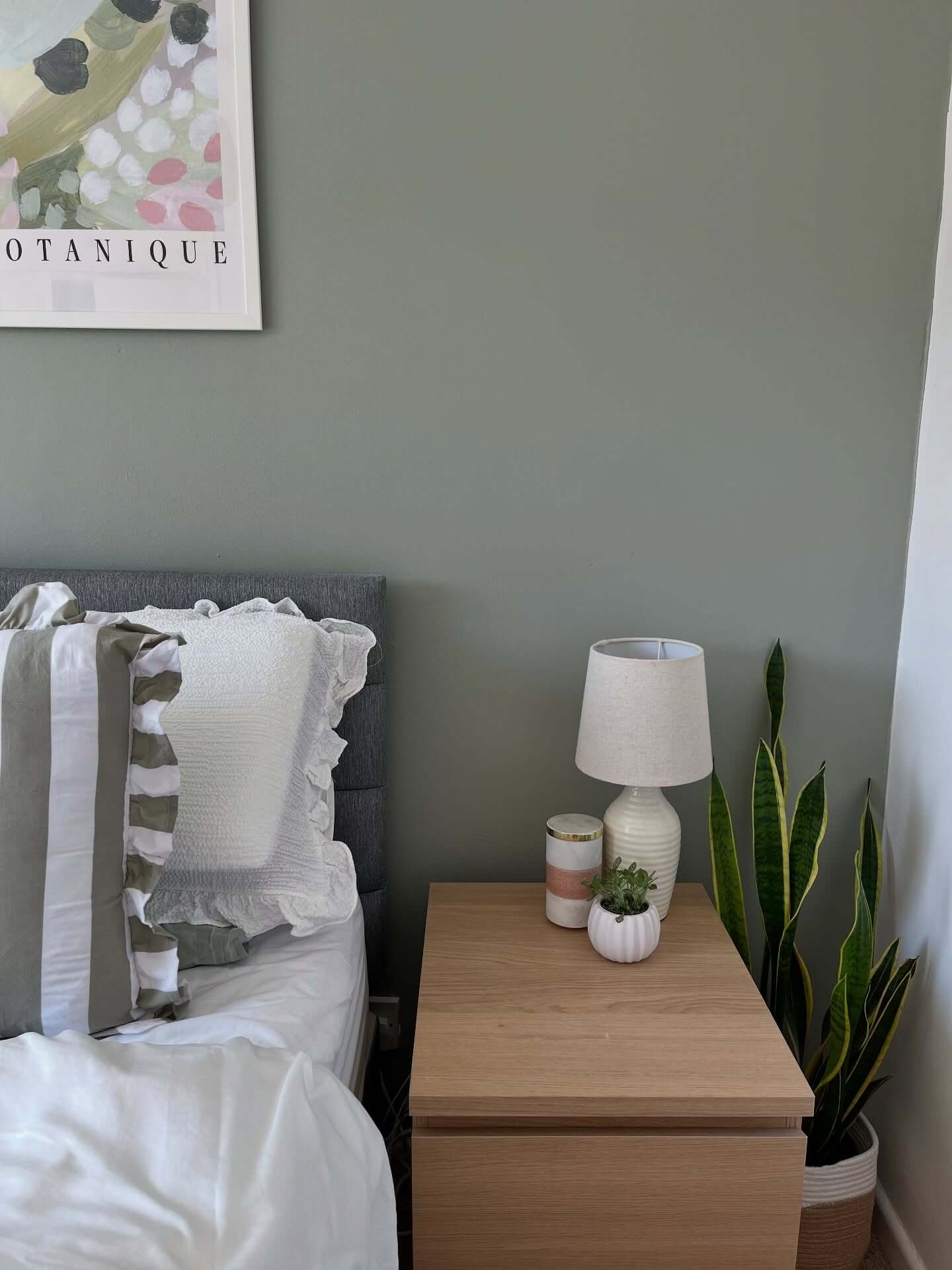
For instant boutique-bedroom polish, pair one tall floor plant with a medium plant elevated on a low stool. The asymmetry feels designed but relaxed, and it layers height without eating precious floor space. Anchor the corner with a vertical species—parlor palm, rubber plant, or a narrow olive-style tree in bright rooms—then offset it with a textured understory plant on a 10–14 inch stool, like a fern, peperomia, or compact monstera.
Choose vessels in your Calm Color Palette—matte stone, warm taupe, or soft charcoal—and line baskets with waterproof inserts to protect floors. Keep the tallest plant 6–12 inches from the wall to avoid cold drafts and give fronds room to arc. Slide a small uplight behind the grouping or angle a table lamp to wash leaves in warm, indirect glow for evening ambiance without blue glare.
This two-piece vignette frames a reading chair, mirrors the height of a wardrobe, or softens a blank corner near the foot of the bed. It’s a styling move that reads intentional, supports balance with layered textures, and stays easy to maintain with your weekly Leaf-Care Reset.
Sheer Curtains + Plants: Diffused Light That Expands Your “Bright Zone”
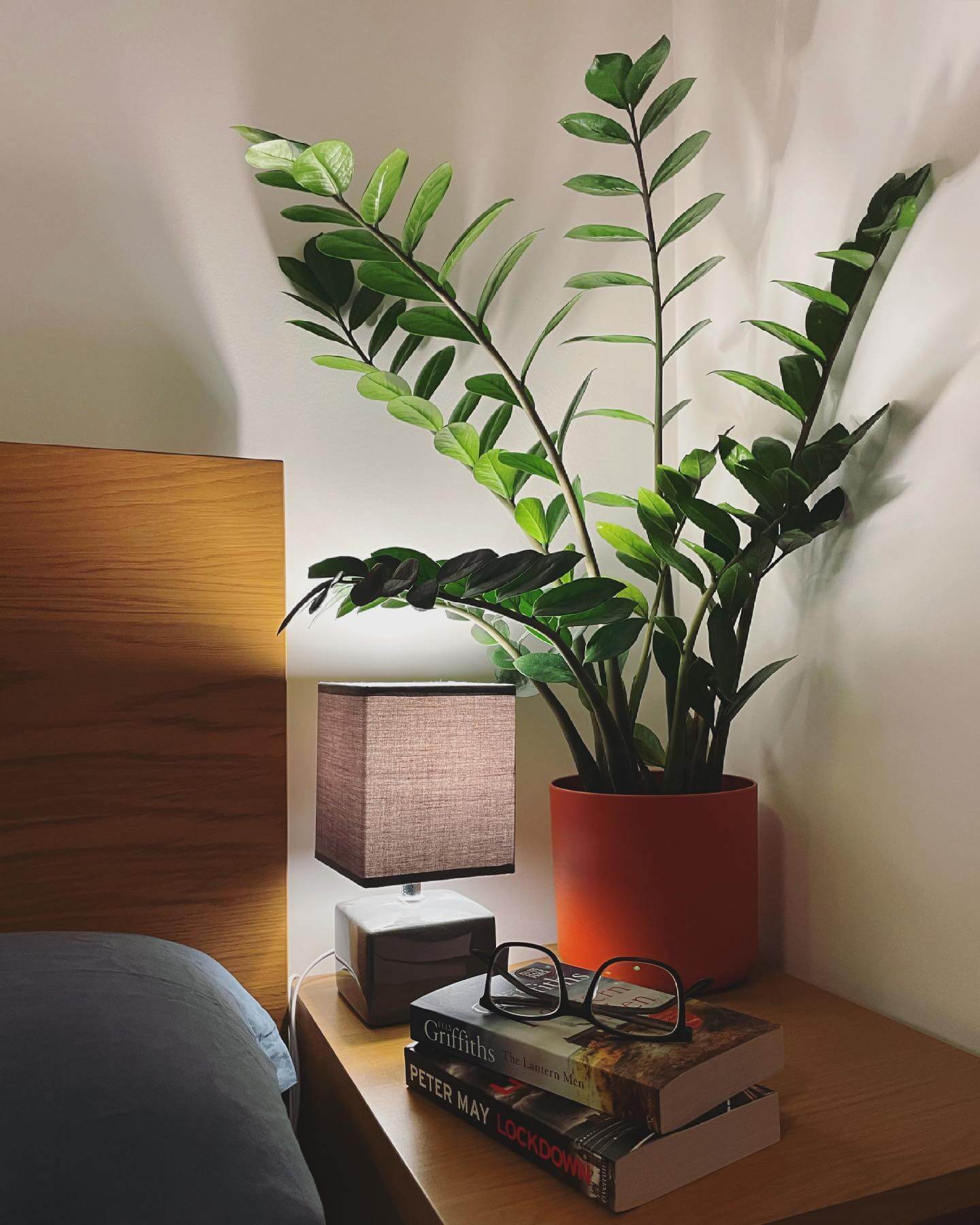
Sheer curtains are a quiet superpower for bedroom plants. By diffusing harsh rays, they expand the usable “bright, indirect” zone across more of the room, letting you pull foliage closer to the window without scorch. East- and south-facing bedrooms benefit most: keep sheers drawn through midday so plants like peace lily, peperomia, and philodendron enjoy steady light, then open them at dusk to maximize views and airflow.
Coordinate curtain color with your neutral pots for a cohesive palette; warm whites pair beautifully with soft green foliage. Mount rods a few inches above the window to lift the eye and leave a small return gap so leaves don’t press into fabric. If privacy is a concern, layer a lighter voile with a blackout panel you close only at night—your greens will appreciate the daytime brightness and your sleep will appreciate the dark.
Adjust plant distance seasonally: a hand-shadow test behind the sheer should show a soft, blurry outline for ideal intensity. This simple window treatment tweak makes your low-light indoor plants happier and your bedroom feel calmer and more curated.
Cachepot Strategy: Hide Nursery Pots, Control Water, Nail the Look
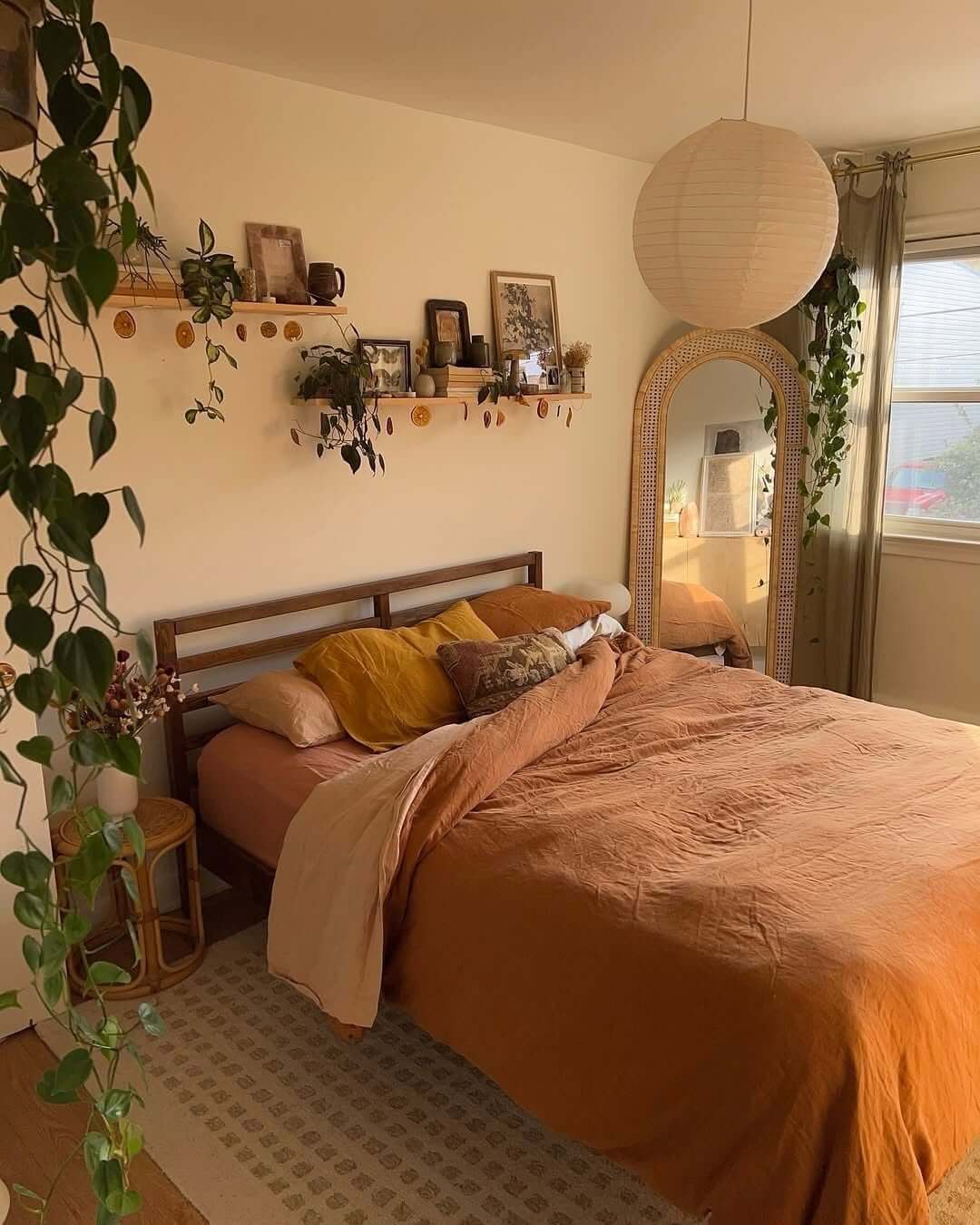
The easiest way to blend function and style in a bedroom? Keep plants in their breathable nursery pots and drop them into decorative cachepots. This two-pot method protects furniture, prevents overwatering, and lets you water in the sink—then return the plant when fully drained. Add a small riser or pot feet inside the cachepot so the grow pot doesn’t sit in residual water (root rot risk solved).
Choose finishes that align with your Calm Color Palettes—matte ceramic, stone, or lightweight fiberglass in soft neutrals. For shelves and ledges, go narrower and taller to save visual space; for floors, a wider base reads grounded and luxe. Felt pads underneath protect wood and dampen sound, reinforcing the bedroom’s quiet vibe.
This strategy also supports easy seasonal adjustments: you can rotate plants, change the mood with different outer pots, or tuck self-watering inserts inside without altering your overall styling. It’s a fuss-free, design-forward routine that keeps soil health top-tier and your sleep space cohesive.
Rotate, Refresh, Repeat: Your Monthly Bedroom Plant Reset
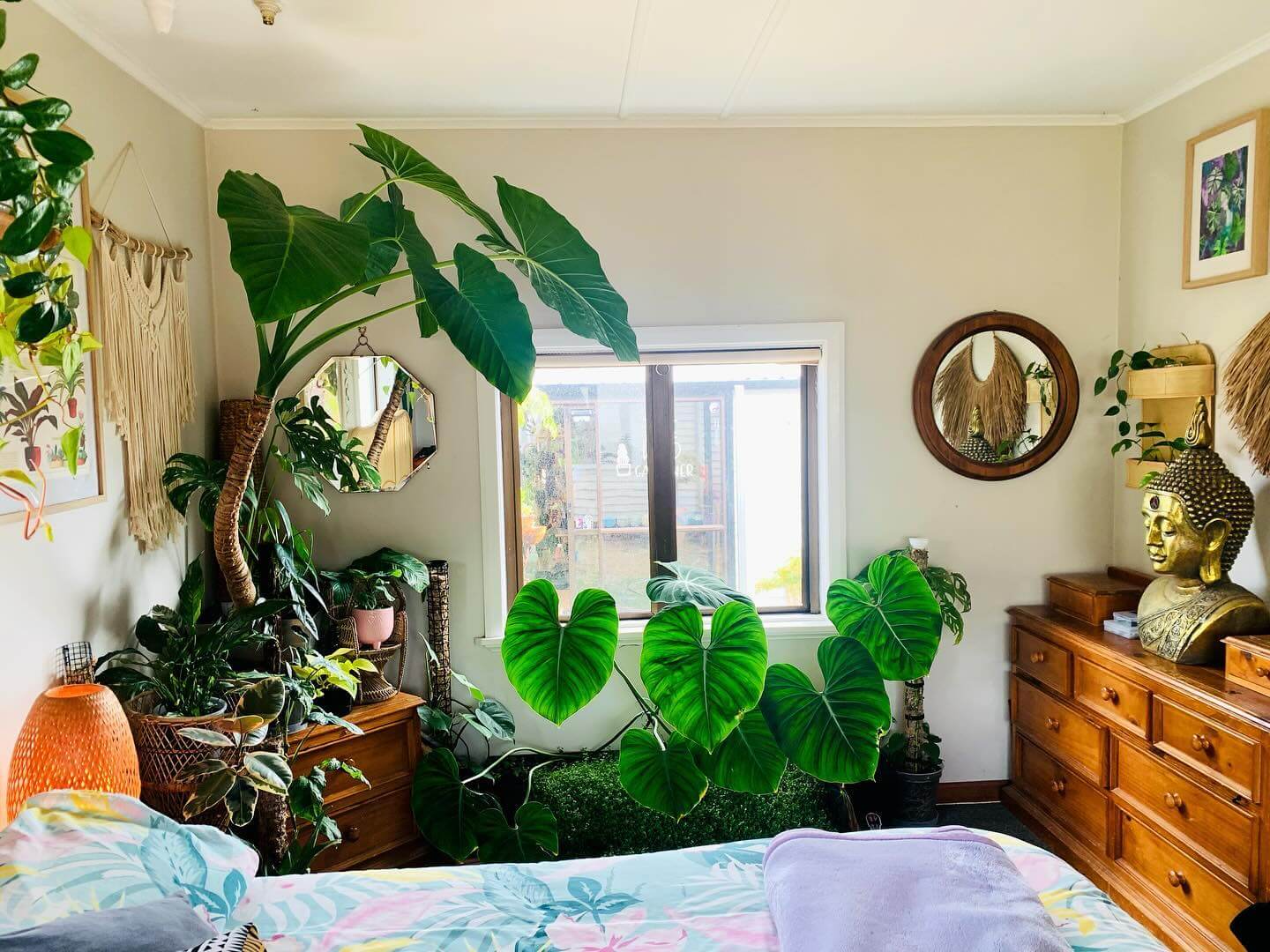
Beyond the weekly Five-Minute Leaf-Care Reset, a monthly tune-up keeps bedroom plants thriving and your styling sharp. Rotate each plant 90 degrees for even growth, wipe leaves with a damp microfiber, and snip any yellowing foliage. Refresh the top half-inch of soil if it’s compacted, and check roots through drainage holes to catch crowding early. During the growing season, apply a gentle, balanced fertilizer at label-diluted strength—skip during winter dormancy.
Audit placement: are low-light plants drifting too far from windows? Are trailing stems shading neighbors? Swap positions to maintain balanced light and texture. Inspect for pests with a quick underside leaf check and reset sticky traps if you use them. Rinse cachepots, clean saucers, and re-level wobbly planters so everything looks crisp and intentional.
This once-a-month ritual keeps your bedroom plant ideas sustainable: less guesswork, fewer emergencies, and a space that stays restorative. Paired with smart containers, microclimate awareness, and your existing watering routine, it’s the difference between “plants in a room” and a truly designed, sleep-forward sanctuary.
Small-Space Bedroom Plants Ideas and Decor Styling That Maximize Light and Flow
In tight bedrooms, treat plants like functional decor, using vertical lines, corners, and reflective surfaces to expand visual space. Vary heights—hangers, shelves, and slim stands—to create movement without cluttering pathways. Choose trailing, compact, or columnar forms that frame the bed, echo window lines, or anchor dressers with sculptural silhouettes. Stick to a focused palette of pots and foliage tones to keep the scene cohesive and soothing. Mirrors opposite greenery amplify daylight and texture, making a small retreat feel brighter and more open.
- Macramé Hanging Planters: Save floor space by suspending lightweight pots near windows, staggering heights to create depth while preserving sightlines and airflow above bedside tables or reading chairs.
- Ladder Shelf Garden: A leaning ladder shelf stacks multiple small plants vertically, offering easy watering access and a tidy footprint that tucks beside wardrobes or narrow walls.
- Floating Corner Shelves: Exploit dead corners with minimal shelves that hold petite plants, candles, and books, forming a calming vignette that draws the eye upward without crowding nightstands.
- Narrow Plant Stands: Tiered, slim stands showcase three to five plants at varied heights, balancing tall floor species with trailing companions while keeping outlets and drawers accessible.
- Bedside Terrariums: Compact glass terrariums add jewel-box sparkle on nightstands, housing humidity-loving minis like fittonia or moss, and containing soil neatly for easy dusting and cleanup.
- Propagation Wall Rail: Mount test tubes or slim jars on a rail to root pothos cuttings, creating a living art strip that doubles as a low-maintenance, constantly refreshing display.
- Color-Coordinated Pots: Choose planters that echo bedding or curtain hues, unifying the palette; matte neutrals reduce visual noise, while one accent color energizes shelves without overwhelming.
- Self-Watering Planters: Built-in reservoirs keep moisture consistent in busy routines, reducing weekend wilt and water spills, especially useful for hanging setups or shelves above electronics.
Layout matters as much as plant choice, so sketch placements before drilling hooks or buying stands. Keep aisles clear around the bed, and avoid blocking drawers, vents, or outlets with foliage. Pair bold statement plants with softer trailing varieties to balance weight and movement. If storage is limited, select multiuse pieces—nightstands with shelves or benches with racks—that host greenery and essentials together. Reevaluate every season, editing or rotating plants to suit changing light, humidity, and your evolving style.
Leafy Clarity for a Calmer Bedroom
Which bedroom plants are best for complete beginners?
Snake plant, pothos, and ZZ plant are extremely forgiving, tolerating low light and irregular watering. Start with small nursery pots, observe weekly, then adjust placements and care based on growth.
Get the Fail-Safe Paint Color Playbook (Free PDF)
36 proven colors • 8 ready palettes • trim & sheen guide • printable testing cards.
How can I stop pests from spreading on indoor bedroom plants?
Quarantine new plants for two weeks and inspect undersides of leaves regularly. Wipe foliage, improve airflow, and treat early with insecticidal soap or neem, repeating as product directions recommend.
Do bedroom plants actually improve sleep quality?
Plants create a calming environment, buffer dryness, and add gentle visual cues that promote relaxation. While they’re not a medical fix, thoughtful placement and species choice can support better wind-down routines.
How many plants should I keep in a small bedroom without clutter?
Aim for three to five thoughtfully placed plants using vertical space and coordinated pots. If the room feels crowded or cleaning becomes hard, edit down and prioritize your healthiest, most impactful specimens.
Final Verdict: Turn Your Bedroom into a Low-Effort, High-Calm Green Retreat
Building a sleep-first sanctuary doesn’t require a jungle—just smart choices. Select plants that match your light and lifestyle, lean on low-maintenance purifiers for dim corners, and layer texture with trailing vines, soft ferns, and one standout floor plant. Keep fragrance subtle at the bedside, favor compact greens for nightstands, and use east-facing windowsills for resilient wellness heroes. If you share your space with pets, choose non-toxic varieties so everyone rests easy.
From there, make care effortless. Use self-watering or wick planters, hide nursery pots in cachepots to control moisture, and run a quick weekly leaf reset to keep dust, pests, and droop at bay. Create gentle microclimates by steering clear of vents, add sheer curtains to diffuse light, and, if needed, support growth with sleep-smart, low-glare grow lights. Refresh monthly—rotate plants, trim, and swap positions—and treat propagation as a calming ritual. Start with a no-fail trio that fits your light level, then scale up with a mirror-and-plant pairing or a stool-elevated floor specimen. With small, consistent moves, your bedroom becomes quieter, softer, and genuinely restorative—night after night.