
Brick Fence Ideas: Timeless Designs to Elevate Curb Appeal, Privacy, and Security
A brick fence is one of the most reliable ways to add beauty, privacy, and value to your property—without sacrificing character. From classic red clay to sleek charcoal, limewashed, or reclaimed brick, the material pairs effortlessly with traditional cottages and modern builds alike while offering durability and low maintenance.
In this guide, you’ll discover brick fence ideas that range from low garden walls to full-height privacy enclosures, plus smart mixed-material looks with wood slats or wrought iron. We’ll touch on decorative bonds (herringbone, running, Flemish), striking mortar styles, piers and caps, and details like lighting, planters, address plaques, and mailbox integrations for curb appeal that works day and night.
Get the Fail-Safe Paint Color Playbook (Free PDF)
36 proven colors • 8 ready palettes • trim & sheen guide • printable testing cards.
You’ll also get practical tips on height and setbacks, drainage and footings, and budget-savvy approaches like brick veneer over CMU. Whether you want noise reduction, a secure boundary, or a sophisticated front entry, these brick wall designs will help you choose a look that suits your architecture and lifestyle.
Modern Brick Fence Ideas for Curb Appeal and Privacy
Modern brick fences balance sculptural form with everyday function, elevating façades while controlling views and light. Play with brick bonds—running, stack, or Flemish—to create rhythmic shadow lines that read contemporary. Contrast mortar colors, like charcoal joints on pale brick, to sharpen edges and emphasize geometry. Mix materials thoughtfully: pair slim steel slats, charred timber, or frosted glass with brick piers for a lighter, layered look. Consider perforated “hit-and-miss” screens that invite airflow and dappled light without sacrificing a sense of enclosure. Top everything with crisp precast caps for a tailored finish that sheds water cleanly.
- Use low brick plinth walls topped with vertical metal pickets to keep sightlines open, achieving security without heaviness, especially effective on narrow urban frontage lots.
- Create alternating recessed and projecting courses every third row, casting dynamic shadows that shift throughout the day and animate otherwise flat stretches along longer property lines.
- Combine brick piers with horizontal cedar infill for warmth; weather-sealed timber adds texture, while the masonry provides anchoring mass and long-term stability through seasonal changes.
- Specify oversized format bricks or thin linear units to stretch the horizontal proportion, visually widening the façade and complementing one-story ranch, mid-century, and minimalist contemporary homes.
- Integrate LED step lights at pier faces and low-voltage uplights at plantings to extend evening usability, enhance safety on walkways, and highlight textures after sunset.
Scale matters: keep solid wall segments under eye level at front yards, reserving full-height privacy walls for side yards or patios. Maintain balanced pier spacing—often eight to ten feet—to avoid bulky, fortress-like massing. Choose durable copings with drip grooves and include weep vents above grade to relieve moisture and preserve crisp joints. For gates, align materials with the fence vocabulary; powder-coated steel frames with wood slats echo mixed-media themes while resisting sag. If noise control is a goal, design double-wythe sections or add a sound-dampening core behind perforated panels. Coordinate landscaping—grasses, espaliered fruit trees, or scented climbers—to soften geometry without hiding the craftsmanship.
Curb Appeal Classic: Red Brick and Iron for a Timeless Street Presence
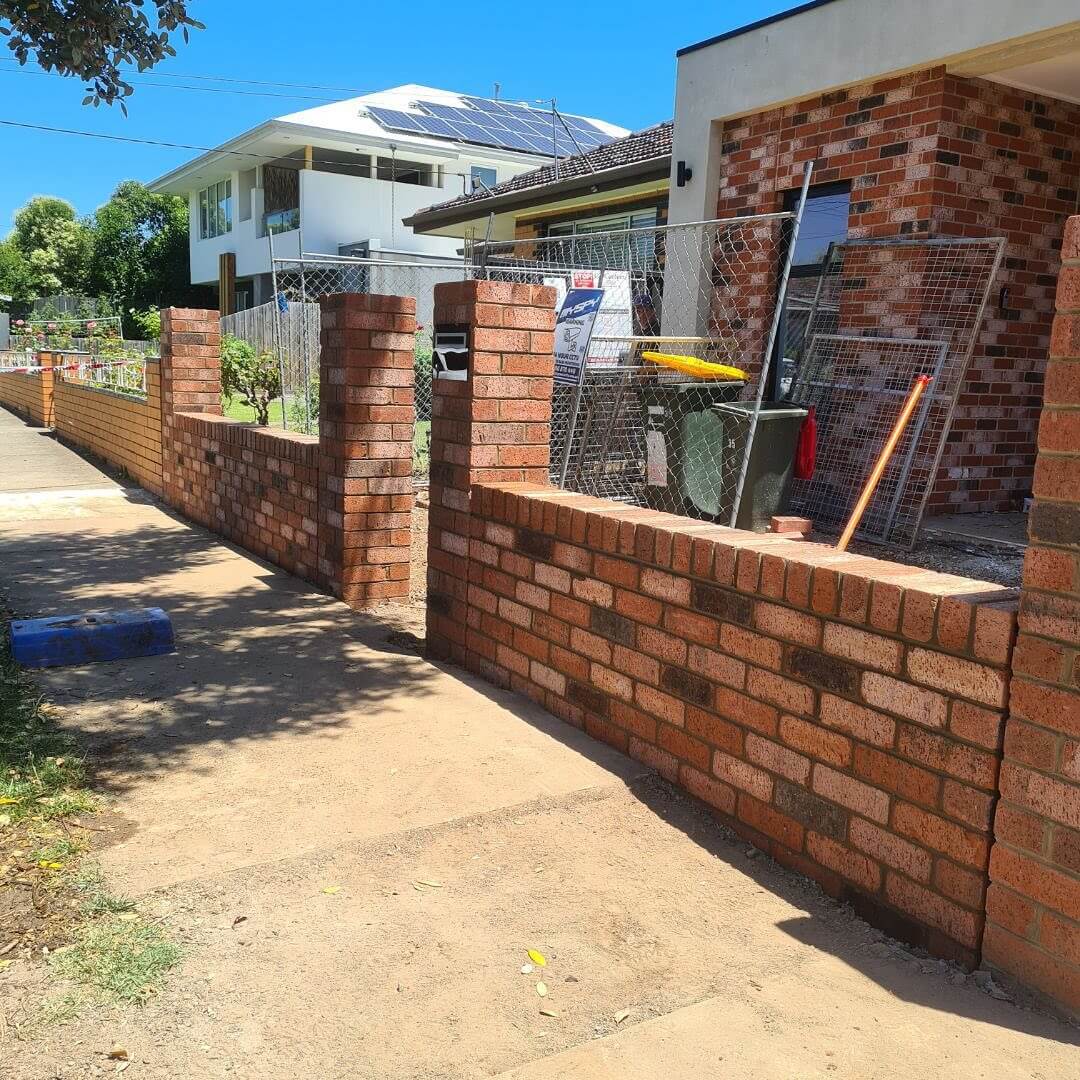
Start with a streetside statement that never dates: a low to mid-height brick fence punctuated by sturdy piers and finished with elegant iron infill. This combination balances security and friendly openness, delivering privacy from the street while preserving sightlines and light. Specify brick piers at regular intervals to control rhythm, then top with precast or cut-stone caps sloped for water shed. A soldier-course or bullnose coping along the wall adds polish and longevity. Choose a mortar profile intentionally—flush for a clean, modern read or slightly raked to sharpen brick shadow lines—and aim for a contrasting color if you want the bond to pop. Iron panels with a simple vertical bar pattern keep the look classic and code-compliant, and a matching pedestrian gate makes entry welcoming. For night appeal and safety, add low-voltage uplights at piers and a backlit address plaque. Plant a narrow hedge or seasonal strip just inside the fence to soften the base without inviting root pressure. This approach pairs with everything from traditional bungalows to transitional new builds and is a smart starting point before you explore bolder brick patterns later in the yard.
Warm-Modern Mix: Brick Base with Horizontal Wood Slats
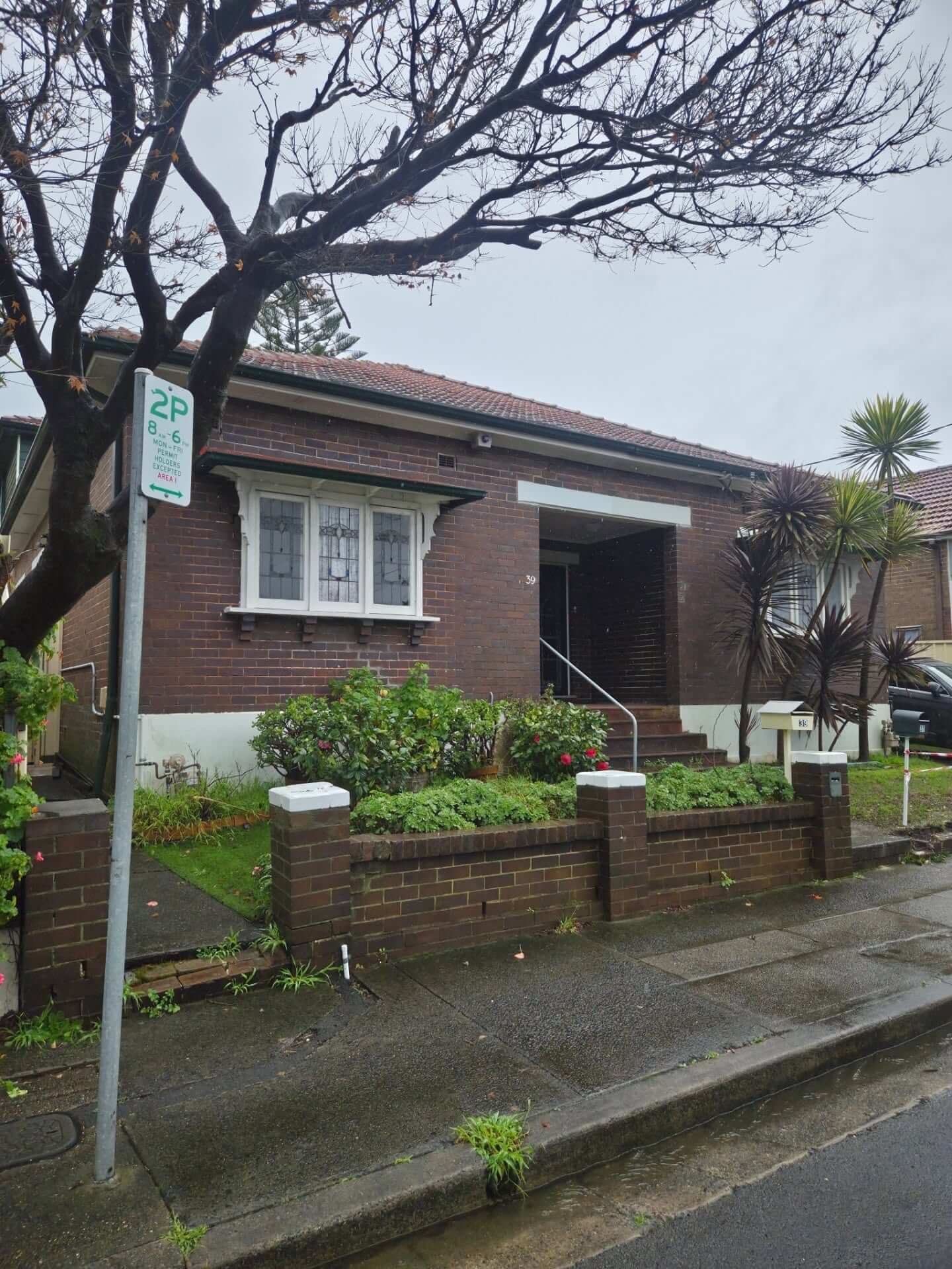
If you love modern lines but want material warmth, build a brick base with horizontal wood slats above. The masonry anchors the fence visually, resists impact and moisture at grade, and solves long-term maintenance at the base—while the timber provides adjustable privacy and a handcrafted feel. Keep the brick portion seat-height or slightly taller, then continue with 1x slats in durable species like cedar, ipe, or thermally modified ash. Set slat spacing to target your privacy goal (50–80%) and align it with window heights for pleasing sightlines from inside. Hide steel posts in brick piers for rigidity; fasten slats with stainless hardware and leave consistent gaps using spacers. A soldier-course or angled coping on the brick base helps shed water away from the wood, extending its life. For cohesion, echo your home’s trim color in the slat stain, and repeat the brick on steps or planters near the entry. Tech-friendly touches—an in-pier doorbell camera or keypad—integrate seamlessly. This hybrid fence is ideal for side yards and narrow lots where you want airflow and style without feeling boxed in.
Low Garden Wall with Planter Ledge and Flemish Bond
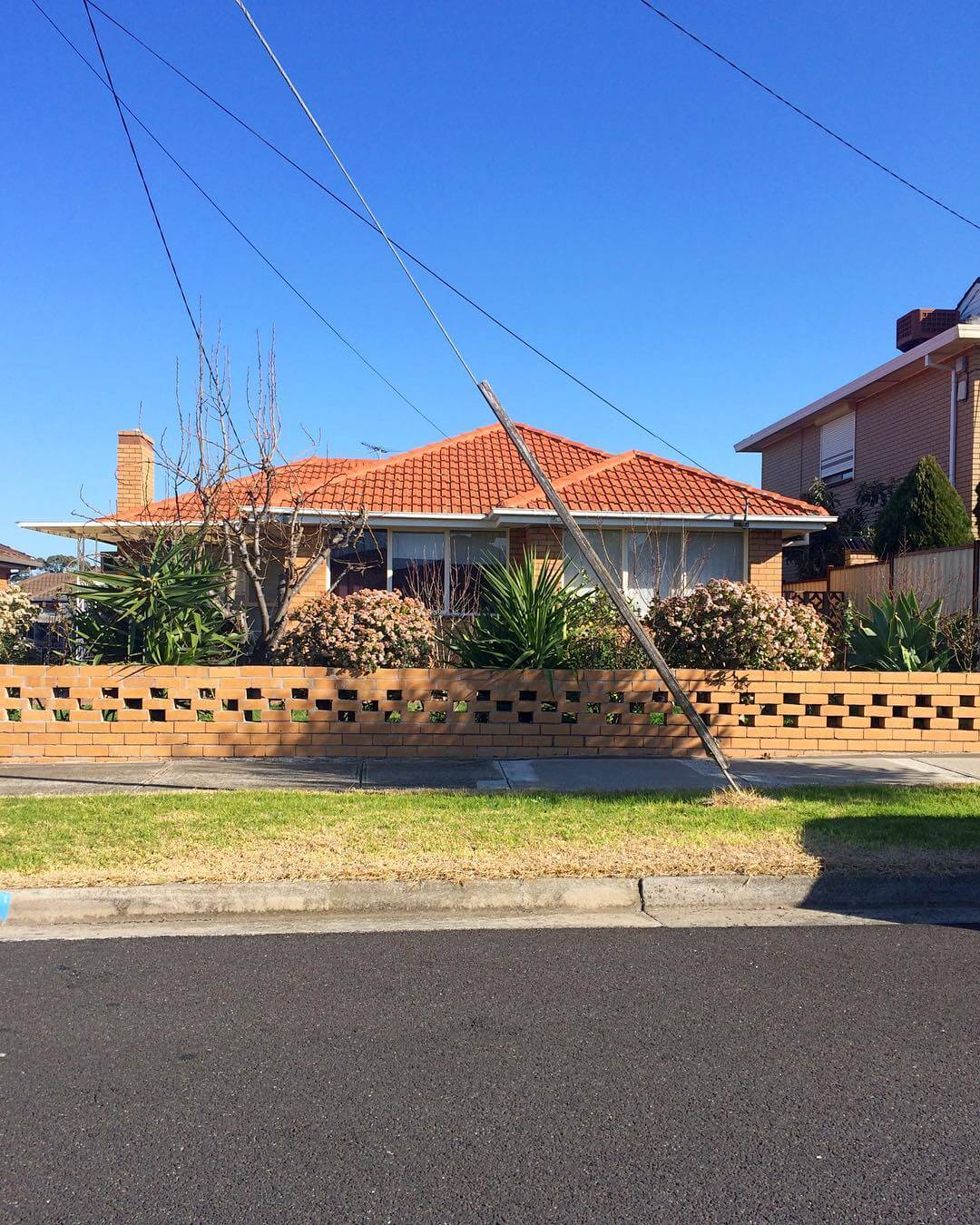
Once your perimeter reads strong, turn to the garden edge. A low brick wall—roughly seat height—multitasks as a planter ledge, casual seating, and subtle boundary that guides circulation without looming. Opt for a Flemish or English bond to introduce artisanal texture at close range; both play beautifully with herbs and perennials cascading over the coping. Widen the cap slightly to create a comfortable perch and route an irrigation sleeve beneath the footing so hoses and drip lines stay hidden. Run weep holes at intervals to prevent trapped moisture behind the wall, and choose a lime-rich, breathable mortar if you’re in a freeze-thaw climate or using reclaimed brick. Tie the wall to nearby stairs or a walkway by repeating a header course or herringbone panel in the paving for a cohesive, custom look. By keeping this wall lower than the main fence, you preserve views into the landscape from patios and interior rooms while framing beds cleanly. It’s a cost-savvy way to add craftsmanship and function where you’ll actually use it every day.
Charcoal Brick and Black Steel for a Clean Contemporary Edge
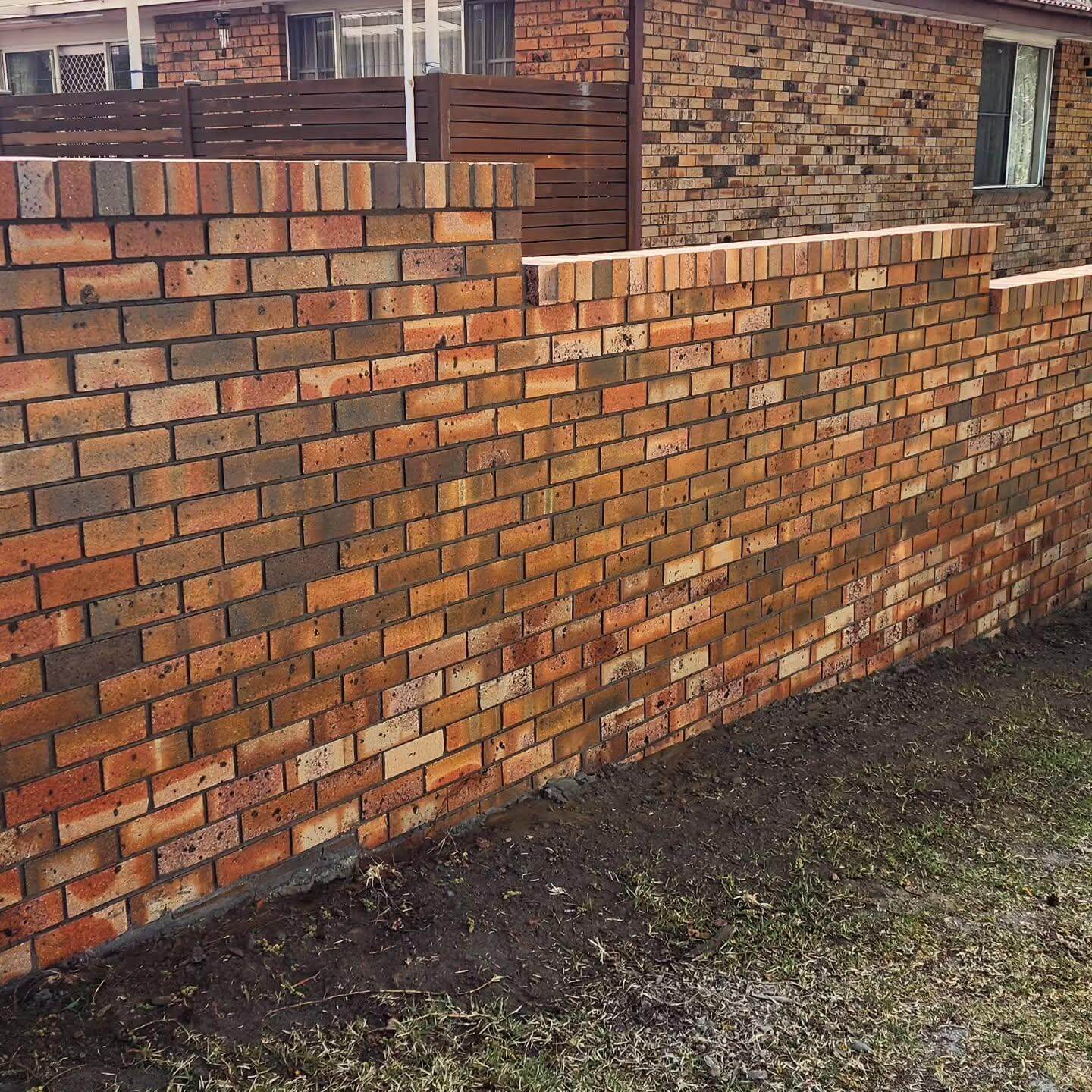
For a sharper, moodier take, charcoal or near-black brick with matching mortar creates a monolithic, sculptural fence that pairs perfectly with modern architecture. The trick is consistency: a flush or lightly brushed joint keeps the surface reading as one plane, while crisp precast caps and a matte black steel gate carry the line. Keep openings purposeful—one pedestrian gate and one driveway span—to let the geometry lead. Minimalism still needs detailing, so use a recessed course at eye level or a subtle reveal at the base to float the wall visually. Integrated linear lights set into piers or beneath caps deliver dramatic night presence without visible fixtures. If fully dark brick isn’t available locally, a mineral silicate finish or limewash tint can tone down red brick while preserving breathability. Pair with simple, architectural plantings—grasses, olives, or boxwood in disciplined rows—to underline the contemporary vibe. The result is a fence that signals privacy and sophistication without ornament, proving brick can feel as current as any metal or stucco system.
Arches, Soldier Courses, and Keystones for Heritage Charm
To add old-world character, introduce brick arches over gateways and windows in the fence, then highlight them with soldier courses and a proud keystone. True brick arches transfer loads gracefully and, when laid with tight, even joints, become focal points that read handcrafted rather than mass-produced. Use a radial template to keep the curve consistent, and choose a slightly lighter or darker brick for the arch ring if you want contrast. Framing arches with soldier courses and finishing piers with limestone or cast stone caps elevates the build without relying on ornate ironwork. Consider Flemish bond on straight runs to complement the curvature, or drop a herringbone panel framed in headers to create a “rug” effect beneath an arch. These details are especially at home on historic or European-inspired homes, but they also warm up newer builds craving depth and story. Lighting tucked into the intrados of the arch adds theatricality after dark and makes the entry feel ceremonial. It’s a masterclass in how pattern and proportion turn a simple wall into architecture.
Softened Privacy: Limewashed Brick with Layered Greenery
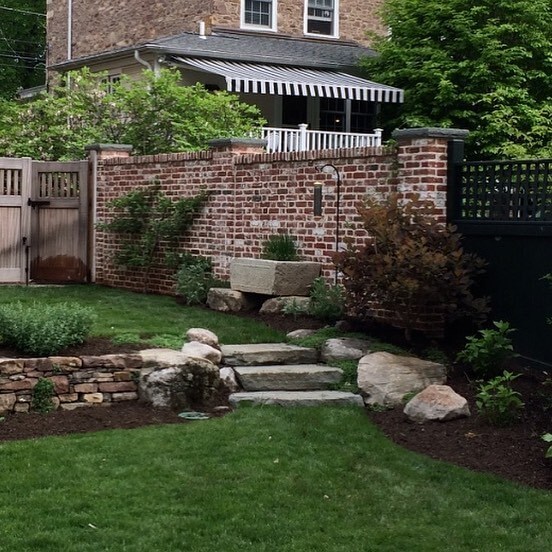
If a solid privacy wall risks feeling stern, a limewash finish softens the brick and sets the stage for layered plantings. Limewash creates a velvety, breathable coating that patinates naturally, ideal when you want the wall to recede and the landscape to star. Choose warm whites or putty tones to harmonize with roof and trim colors, and specify a gently sloped coping with a drip edge to protect the finish. Train climbers like star jasmine or espaliered fruit along discreet stainless wires between piers to blur the massing without inviting root pressure against the wall. At the base, mix structural evergreens with seasonal color to keep the fence lively year-round. For neighbor relations and code compliance, step the wall height or add an open lattice at the top to ease transitions. Inside, a narrow ledge or integrated niche can host lanterns or planters, bringing human scale back to a taller run. This approach proves you don’t have to choose between privacy and charm—brick can deliver both with a light touch.
Driveway Piers with Integrated Lighting, Address, and Mail
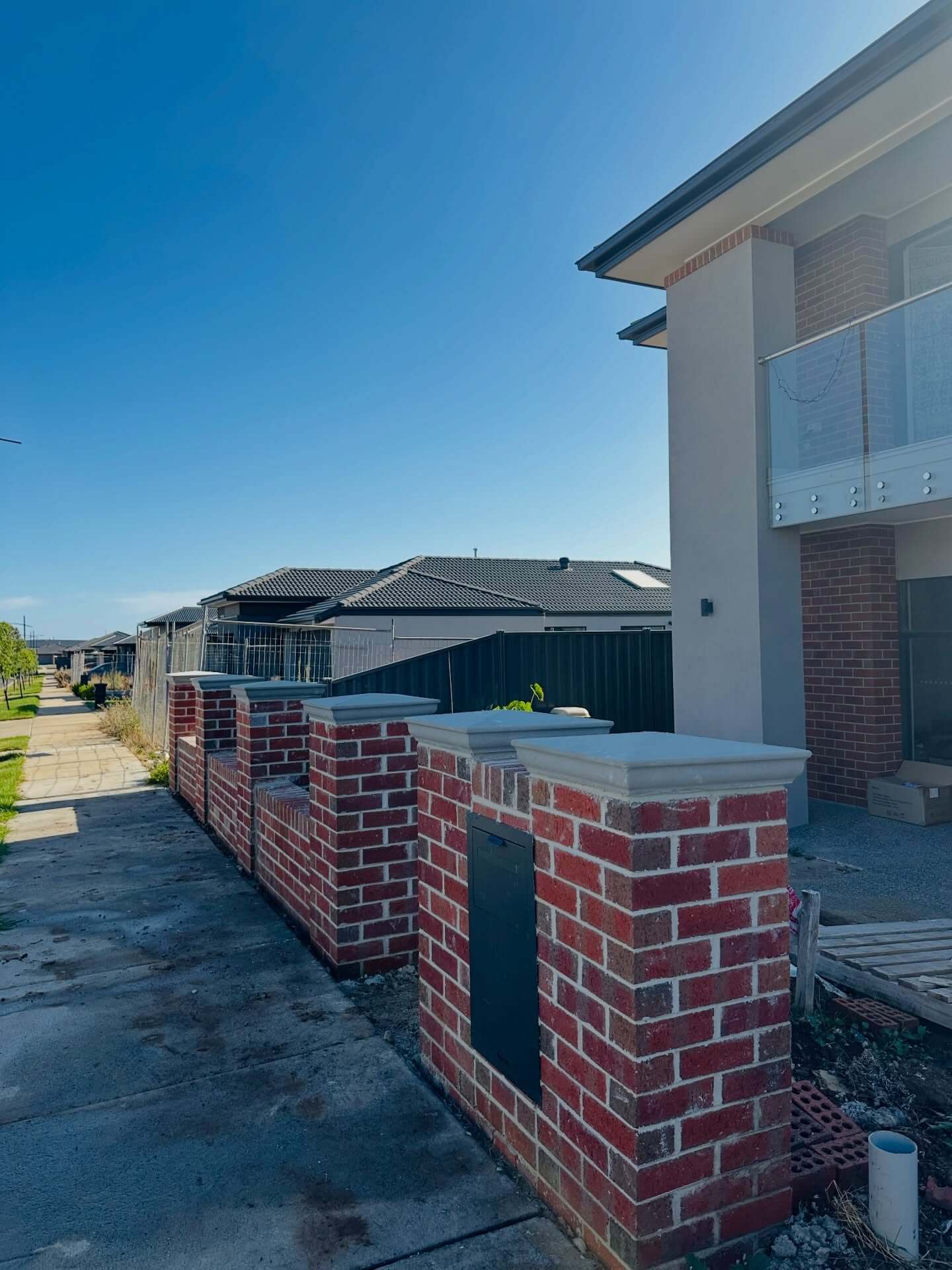
Your driveway is a natural place to concentrate function and flourish. Build generous brick piers to flank the entry, then integrate everything you touch daily: low-voltage sconces or cap lights for visibility, a backlit address plaque, a discreet mailbox slot with rear retrieval, and conduits for future tech. Plan wiring early—run spare conduits under the drive for gate automation, cameras, or an intercom so you’re not trenching later. If security drives your design, anchor a steel-framed gate to concealed posts within the piers and specify robust hinges and a magnetic lock. A contrasting stone or precast cap crowns each pier and visually “finishes” the assembly. Echo the pier brickwork in shorter wing walls or planter returns to make the entry feel intentional rather than tacked on. For cohesion with the home, match joint style and mortar color to other masonry on site. This concentrated investment pays off daily in ease, safety, and curb appeal—proof that practicality and polish can share the same square foot.
Reclaimed Brick for Texture, Patina, and Sustainability
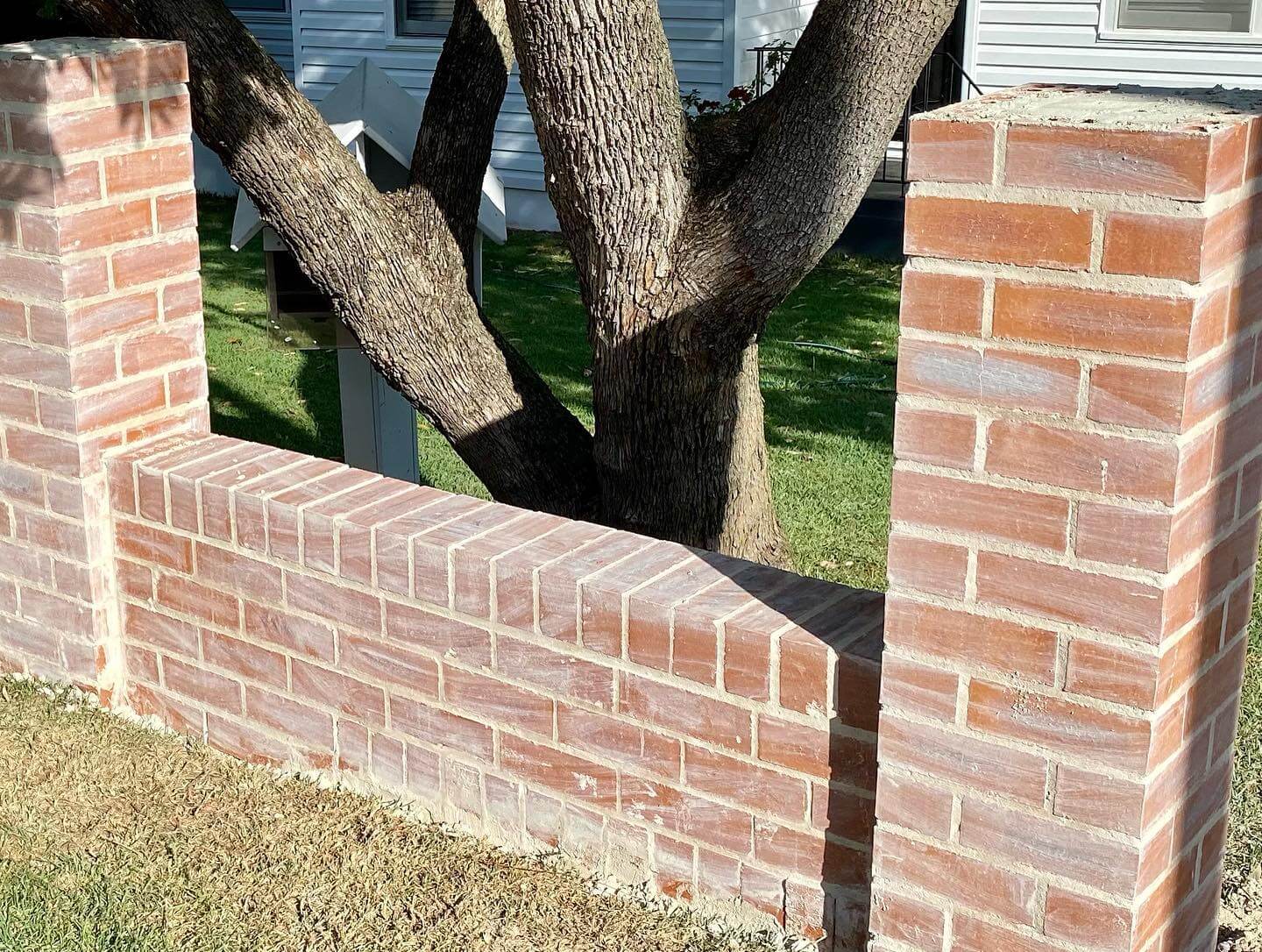
Nothing beats the soul of reclaimed brick. Its softened edges, kilning variations, and lime ghosts tell a story new materials can’t mimic—and that richness reads beautifully on a fence. Source from reputable yards, ask about compressive strength and frost history, and order 10–15% extra for sorting. Clean salvaged units carefully to preserve their patina; then bed them in a compatible mortar (often a lime or Type N mix) to avoid over-stiff assemblies that can spall historic brick. Lean into variation by blending lots and dry-stacking sample panels before committing to a bond—running bond keeps things calm, while Flemish or a herringbone panel spotlights color play. Pair with aged-look stone caps or reclaimed timbers at gates for a cohesive narrative. Because reclaimed dimensions can vary, skilled craftsmanship is critical; expect tighter control lines at piers and a looser, more rustic read in infill panels. The payoff is a fence that feels instantly settled, sustainable, and bespoke—an heirloom boundary that will only improve with time.
Noise, Security, and Strength: Brick Veneer over CMU Core
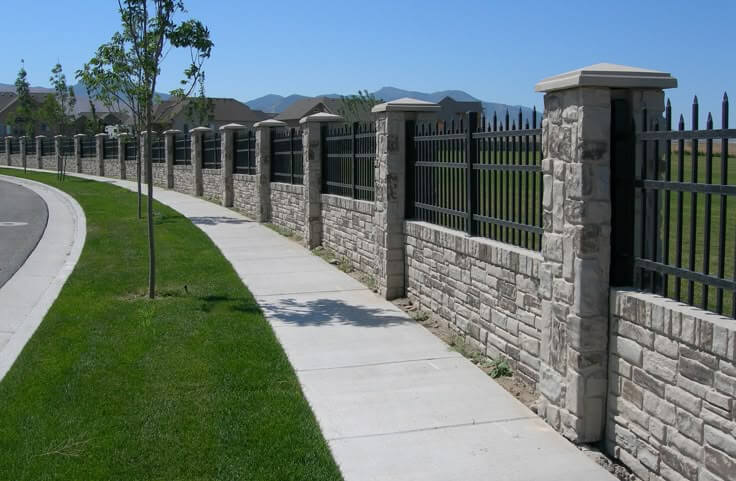
Where traffic or privacy demands more performance, upgrade the wall assembly rather than just the look. A reinforced CMU core with a brick veneer delivers mass for sound attenuation, robust anchoring for gates, and long-term durability. Grout and rebar the CMU per structural requirements, tie the brick veneer with corrosion-resistant anchors, and include expansion joints at planned intervals to manage movement. A properly sized footing below frost depth—and drainage gravel with weep holes at the base—keeps moisture from building up behind the veneer. For anti-climb security, top the wall with a smooth, slightly sloped coping and keep foothold joints tight near the top. Consider an acoustic planting strip inside the fence with tall grasses or dense hedging to boost sound absorption further. If budget is tight, use the CMU + brick veneer assembly only along the noisiest frontage and transition to lighter treatments elsewhere, maintaining visual unity with matching brick and caps. It’s a technical move that reads refined but works hard behind the scenes.
Sloped Lots, Corners, and Curves: Stepped Brick Fences that Drain
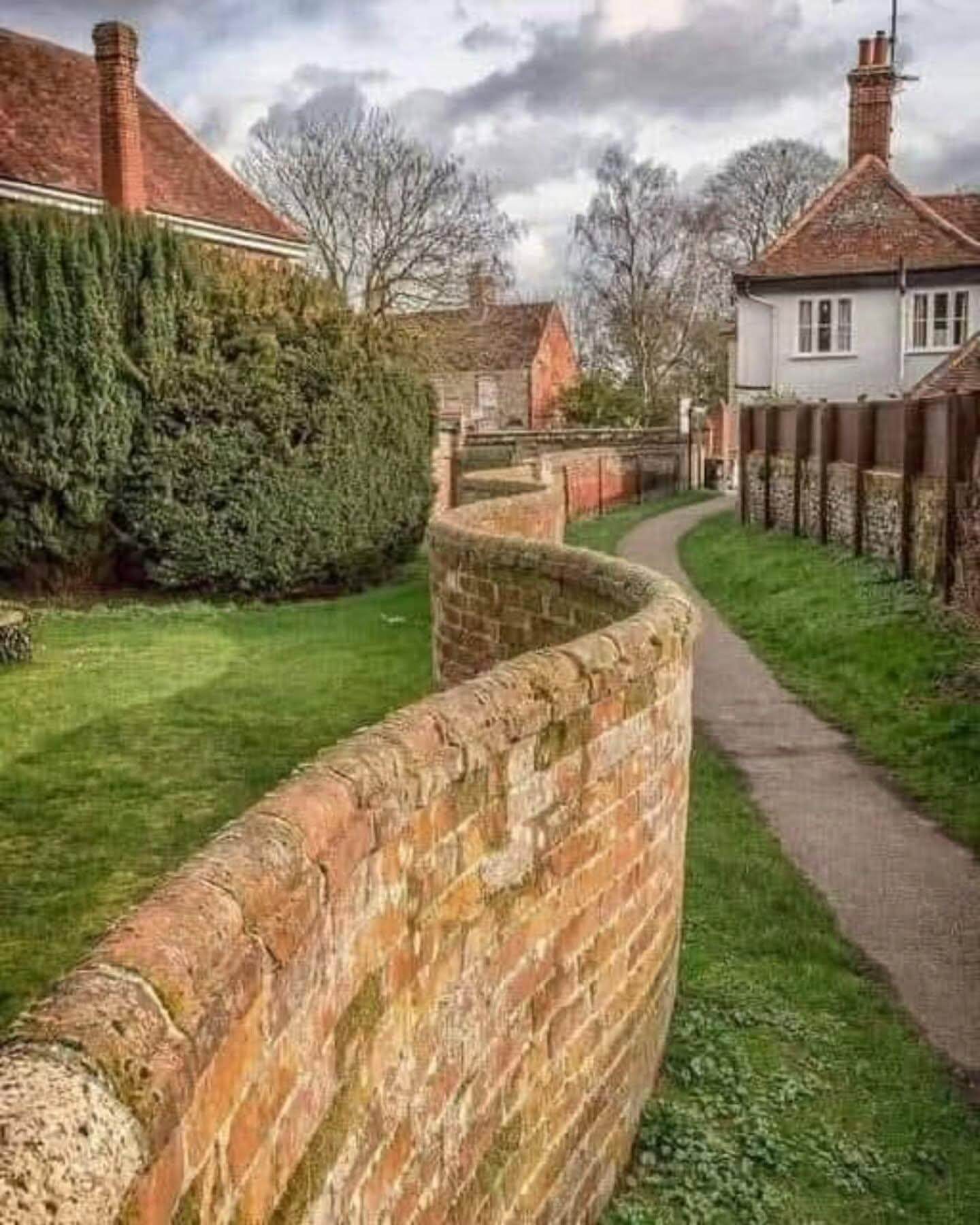
Challenging sites reward careful detailing. On slopes, choose stepped courses for classic formality or a raked top for a continuous line—either way, keep risers consistent and coordinate with adjacent grade to avoid awkward gaps. Where the wall also retains soil, treat it as a retaining structure with proper drainage: perforated pipe to daylight, free-draining backfill, filter fabric, and regular weep vents. Add control joints at logical breaks and plan pilasters on long runs to resist lateral loads. At corners and driveways, respect sight triangles for safety and step down heights gracefully toward the street. Curved walls are a brick showcase—use radial cuts or slender units to maintain tight joints and a smooth arc. In snowy or expansive clay regions, deepen footings and isolate the fence from paving with a flexible joint to accommodate movement. Finally, verify property lines and setbacks before you lay a single course. Thoughtful layout and drainage make the difference between a fence that fights your topography and one that completes it.
Get the Fail-Safe Paint Color Playbook (Free PDF)
36 proven colors • 8 ready palettes • trim & sheen guide • printable testing cards.
Hit-and-Miss Brick Screen Walls for Airflow and Soft Privacy
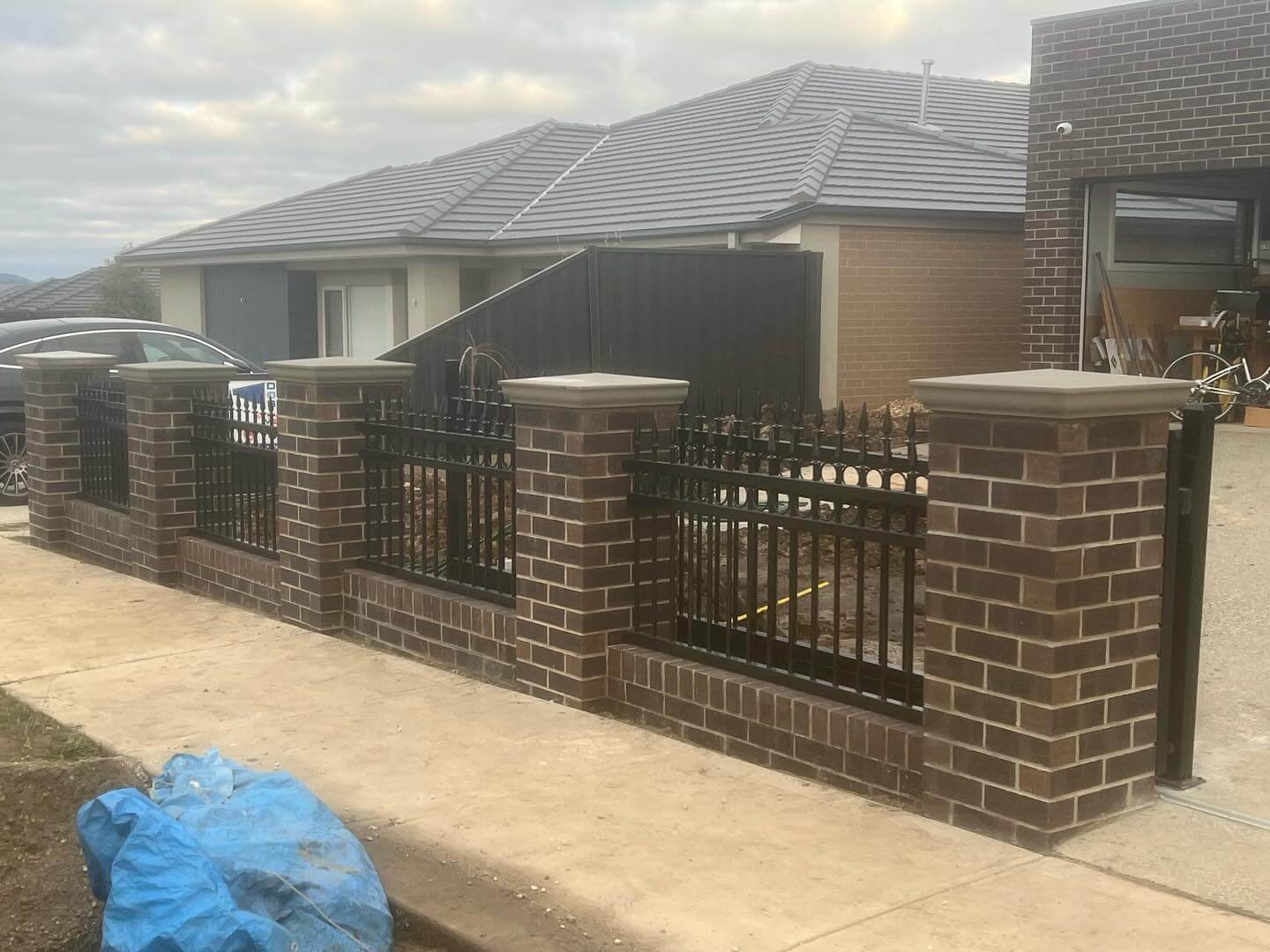
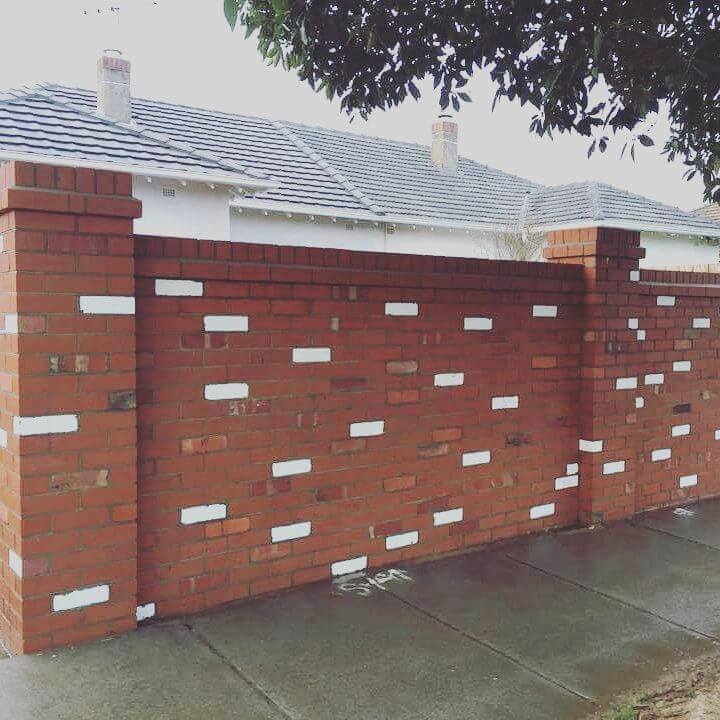
Want privacy without a monolithic feel? Consider a hit-and-miss brick screen wall. By alternating solids and gaps, this lattice-style brick fence filters sightlines, welcomes breezes, and throws beautiful light patterns—ideal along patios or side yards where airflow and neighbor-friendly transparency matter. Structurally, treat it as infill between reinforced brick or CMU piers set every 6–8 feet (closer in high-wind zones). Tie the screen courses into the piers with stainless-steel anchors, keep head joints full for strength, and cap the wall with a solid coping stone that includes a drip kerf. For security, reduce gap size toward street-facing elevations and layer low plantings inside the fence to disrupt direct views. A charcoal or flush mortar joint reads sleek and contemporary; a raked joint adds texture and shadow. At night, integrate low-voltage strip lighting under the coping to wash through the perforations—dramatic, efficient, and perfect for curb appeal. Bonus: this approach uses fewer bricks than a solid wall, trimming material costs while still delivering a purposeful, designed look.
Bluestone Coping and Drip Edges: The Water-Shedding Finish Your Brick Fence Needs
Coping is the unsung hero of a long-lasting brick fence. A dense bluestone or precast concrete cap protects the wall from saturation and freeze–thaw, elevating both durability and design. Aim for a minimum 1-inch overhang on each side with a routed drip groove underneath to break surface tension so water falls away from your brick and mortar joints. Pitch the coping 5–10 degrees toward the landscape or street to shed water quickly. On wider walls, a gentle center crown works well. Bed stones on a thin, full mortar layer; for large spans or in seismic zones, consider stainless pins/epoxy for added security and use flexible sealant at control joints. Color-wise, cool bluestone instantly modernizes red brick, while warm limestone flatters reclaimed or limewashed brick. Pair with a flush or slightly recessed mortar joint below to emphasize crisp coping lines. This one detail dramatically reduces efflorescence, spalling, and premature repointing—protecting your investment while delivering that finished, custom edge.
Serpentine Brick Walls: Strength and Style in a Graceful Curve
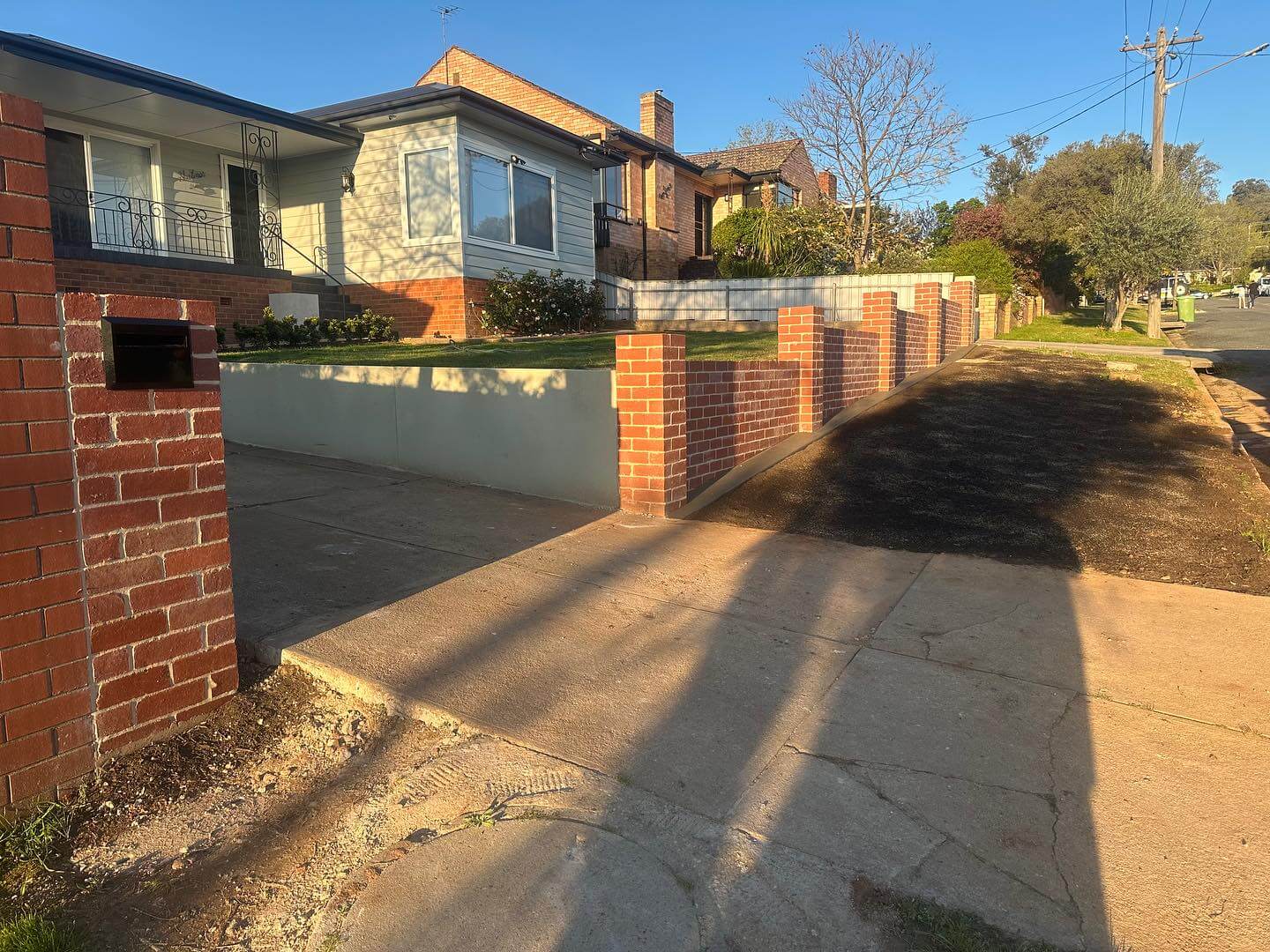
If you love organic lines and clever engineering, a serpentine brick wall is a standout brick fence idea. Instead of building thicker for stability, the wave-like plan adds stiffness, allowing a single-brick-thick wall to resist lateral loads surprisingly well. The result is sculptural, space-efficient, and visually softer than a straight barrier—perfect along garden paths or to define a side yard with movement and rhythm. Layout is critical: snap smooth S-curves, pour a continuous curved footing below frost depth, and include weep holes and a gravel trench on the low side for drainage. Keep course alignment true so the curve reads intentional, not wobbly. Serpentine walls also create micro “rooms”: plant tall grasses or clipped hedging along the convex side and shade-lovers or espalier on the concave, turning the fence itself into a landscape feature. With a simple soldier-course cap or bluestone coping, the undulating silhouette becomes a timeless focal point that balances privacy, artistry, and material efficiency.
Smart Brick Entry: Pedestrian Gate, Intercom, and Keyless Access
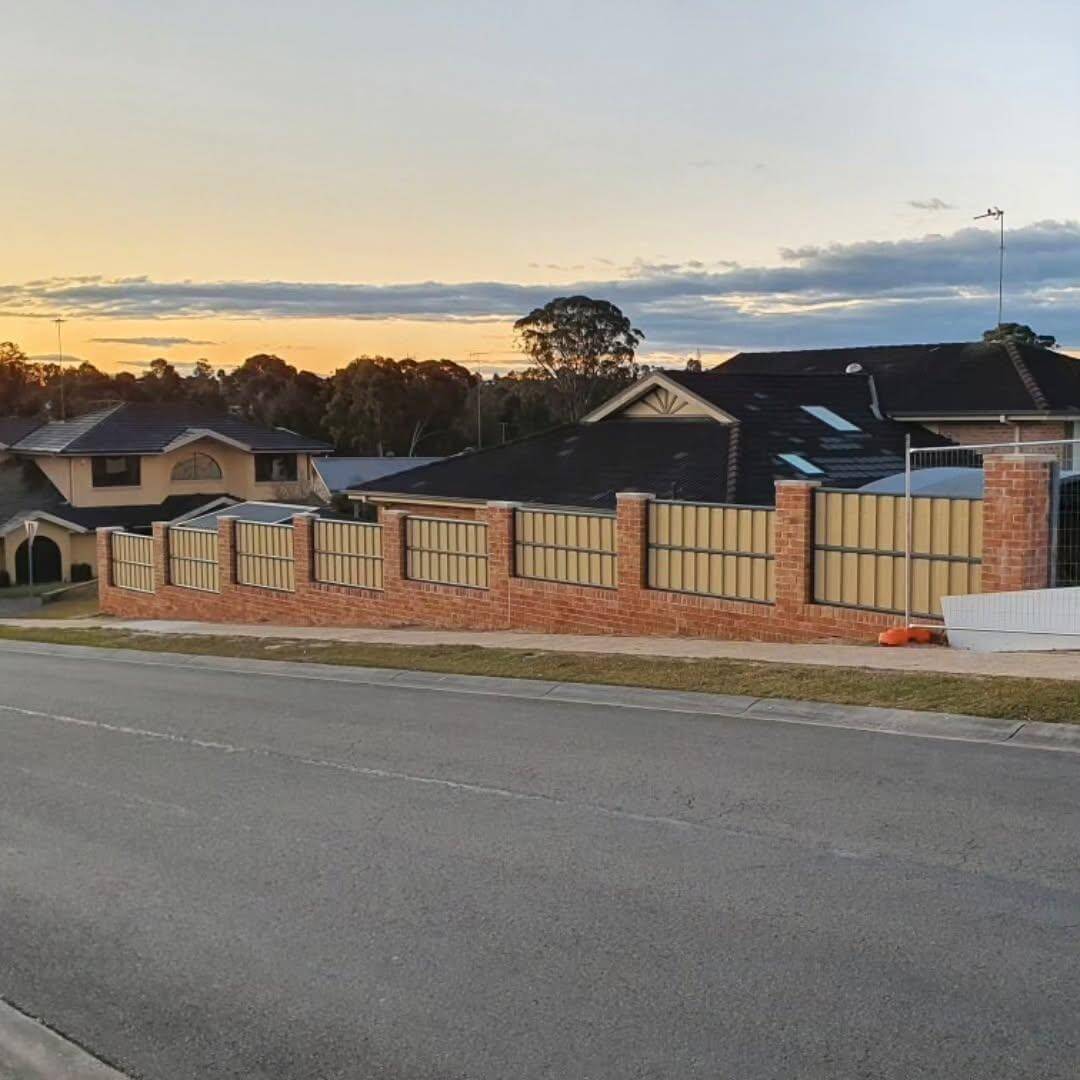
Elevate everyday use with a purpose-built brick entry: a pedestrian gate framed by robust piers, wired for an intercom and smart access. Embed stainless hinge plates or core-drill post shoes into the piers for a rigid, long-lasting gate installation—steel-framed wood or powder-coated aluminum both complement masonry beautifully. Before laying the first course, route conduits for power, low-voltage, and data to a recessed intercom box at comfortable height, plus a strike plate or magnetic latch for keyless entry. Add a canopy light or under-cap LED to illuminate the keypad and walkway for safety and convenience. If your brick fence borders a pool, specify self-closing hinges and a self-latching mechanism mounted at code height. For accessibility, target a 36-inch clear opening with level thresholds. This “quiet tech” approach keeps the facade classic while delivering modern security and delivery friendliness—pair with a matching parcel drop box elsewhere along the fence for a truly functional front boundary.
Old-World Texture: German Smear and Slurry Finishes on Brick Fences
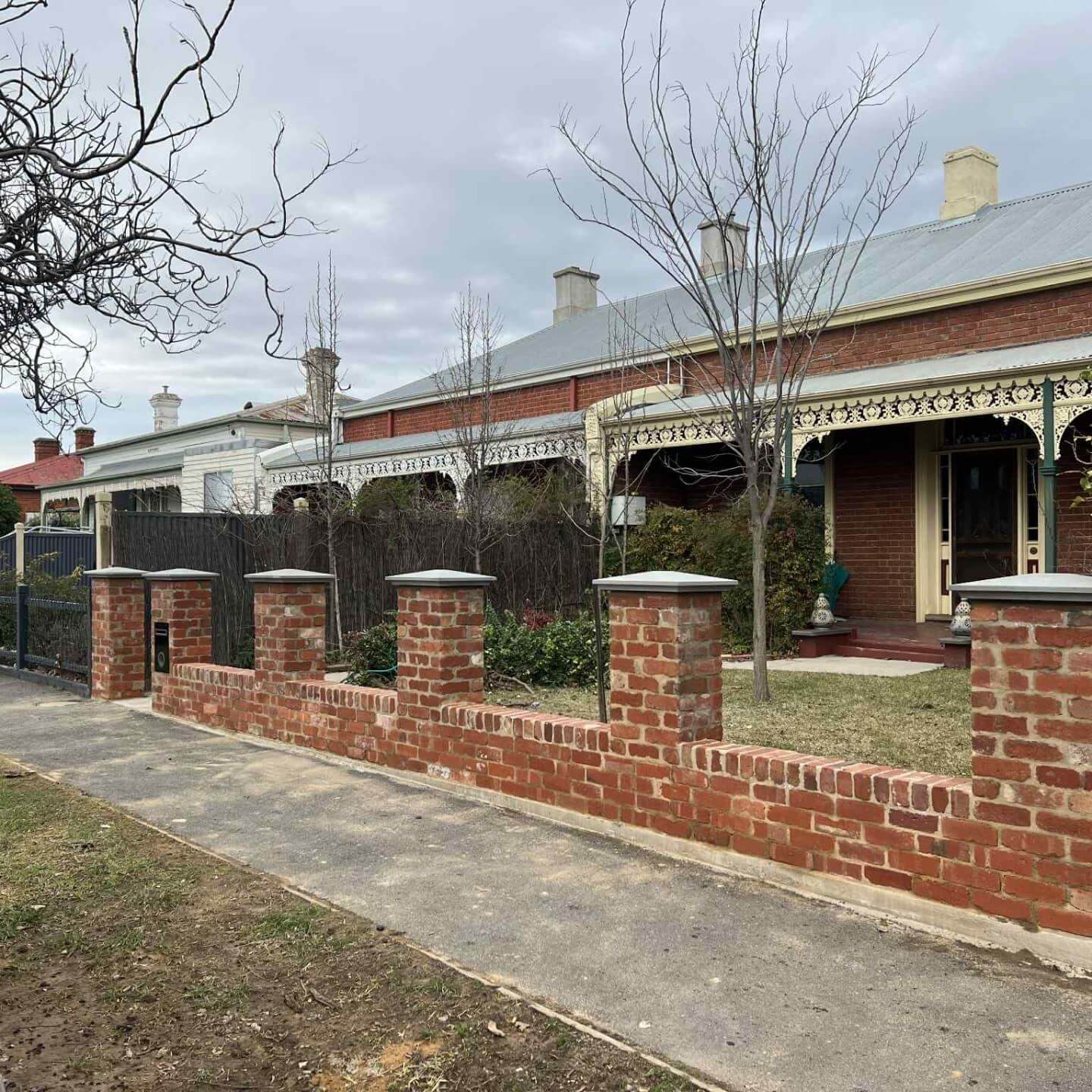
When you want character that reads established, a German smear (also called a slurry or mortar wash) gives a brick fence soft, timeworn texture. Instead of paint, a tinted mortar blend is troweled and rubbed across the face, partially covering brick while leaving edges and high spots proud. The effect unifies mixed batches of brick, downplays color variations, and introduces beautiful depth—especially with warm lighting at dusk. Use a lime-rich mortar (Type N with added lime) for breathability on older brick; test coverage on a sample panel to finalize color and thickness. Because the finish is mineral-based, it ages gracefully and can be renewed without stripping paint. Pair with honed limestone or bullnose brick coping for a heritage feel, or contrast with black steel gates for a modern/classic mash-up. Pro tip: allow the wall to dry thoroughly, address efflorescence first, and avoid non-breathable sealers that can trap moisture behind the smear. The result: instant patina, lasting appeal.
Espalier and Climbing Systems: Green Frameworks that Protect Your Brick
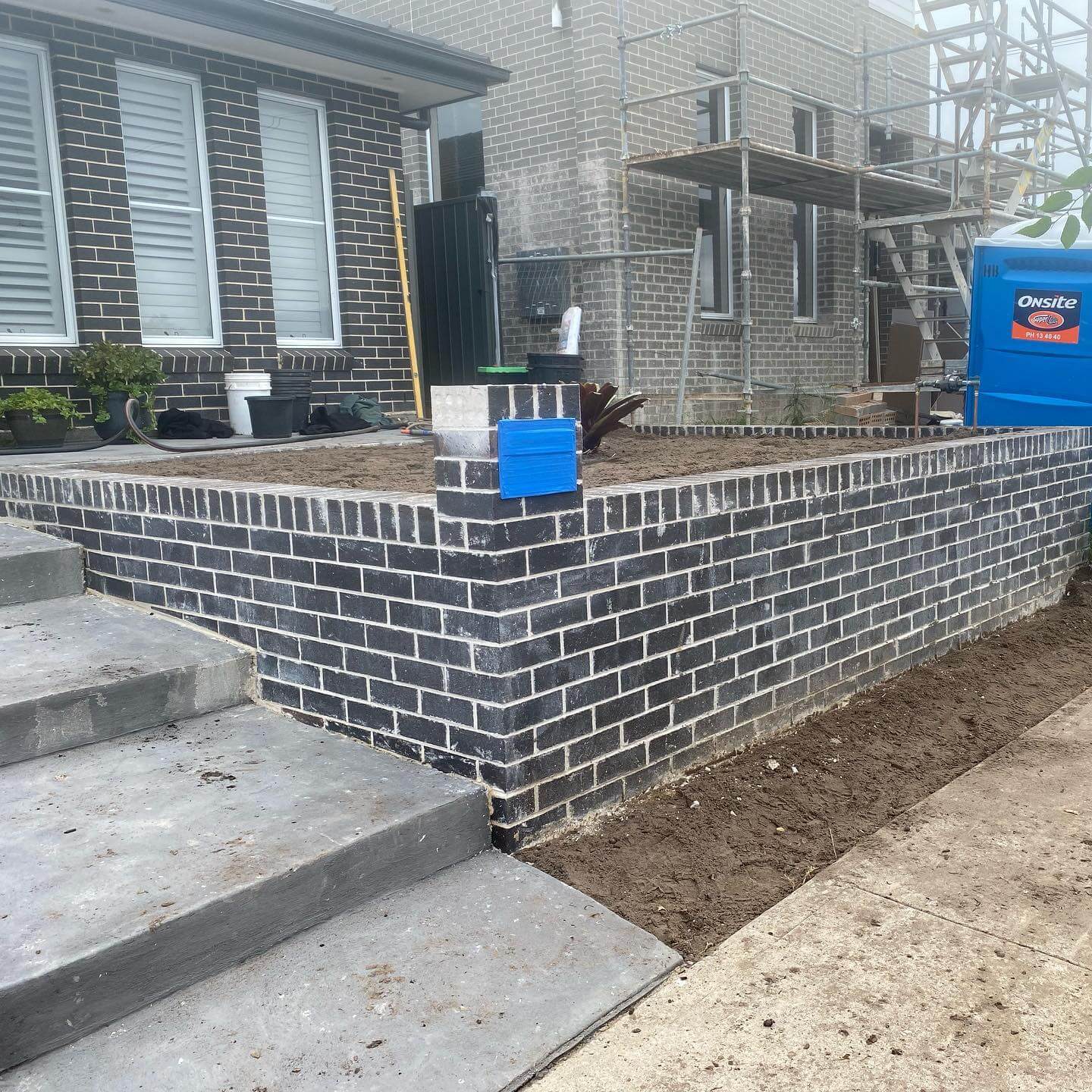
Vines can soften a brick fence beautifully—if you support them the right way. Instead of letting rootlets cling directly to masonry (which can damage mortar and trap moisture), create a stand-off trellis system. Stainless eyebolts with 1–2 inch spacers and tensioned wire grids give jasmine, climbing roses, or espaliered fruit trees a place to thrive while keeping airflow around the wall. Maintain a gravel strip at the base, slope grade away from the fence, and keep irrigation lines out from the footing to prevent saturation. In freeze–thaw zones, ensure weep holes remain clear of foliage and mulch. Choose plant varieties that fit your maintenance appetite: star jasmine and potato vine are tidy; wisteria needs a heavier structure and assertive pruning. For modern builds, align wires in crisp rectilinear patterns; for cottages, a looser espalier reads charming and traditional. This approach layers privacy, cooling shade, and seasonal interest—enhancing curb appeal without sacrificing the longevity of your brickwork.
Pool-Ready Brick Fences: Safety, Salt, and Style
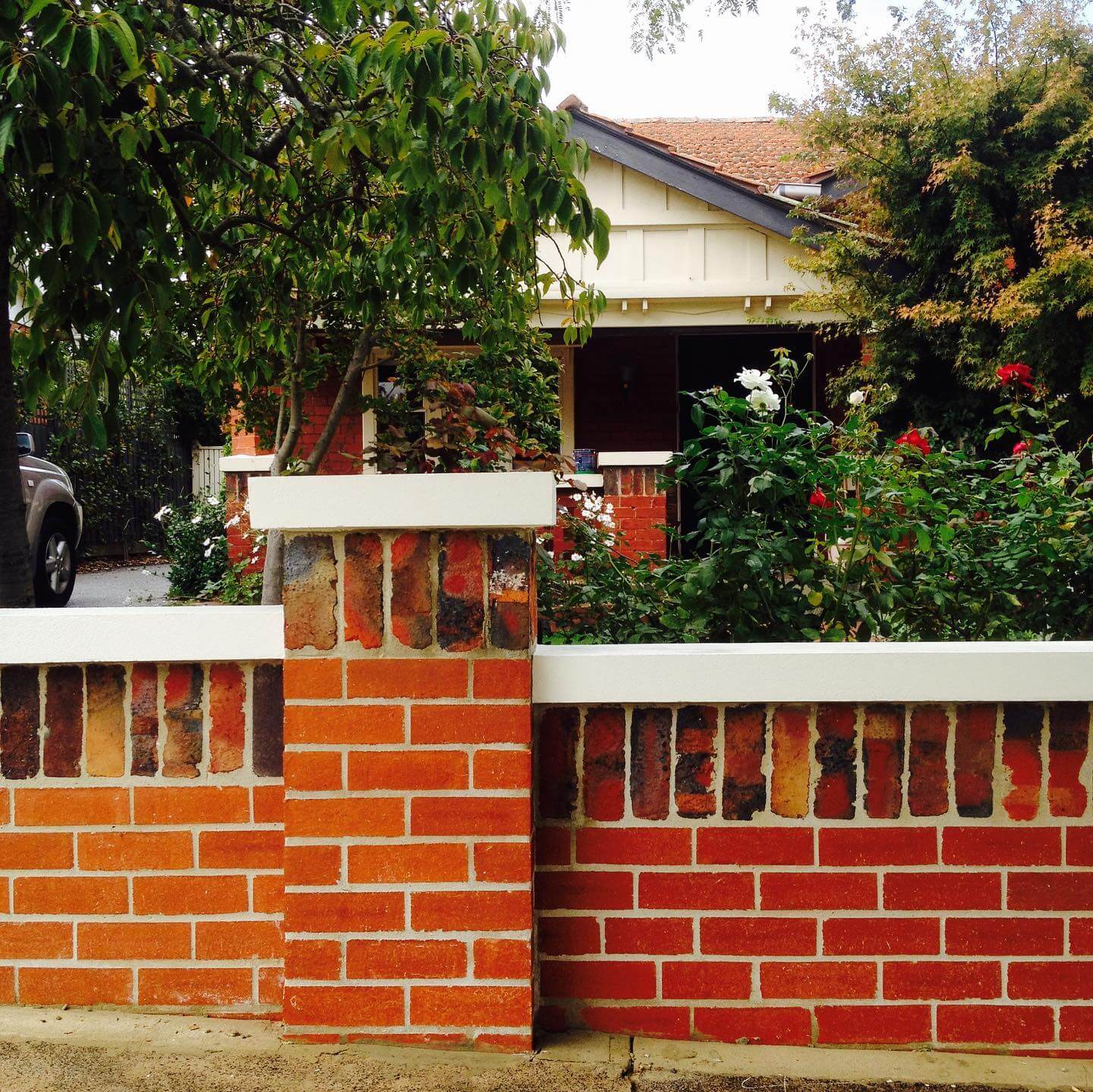
Designing a brick fence near a pool? Start with code: verify minimum height (often 48 inches), eliminate footholds within the climbable zone, and specify a self-closing, self-latching gate with the latch set at the required height. Solid brick excels here, offering privacy and wind buffering, but plan for drainage—weep holes, a cap with drip edges, and a slope away from the pool deck to prevent splashback staining. For saltwater environments (coastal or salt-chlorinated pools), select 316 stainless-steel ties, hinges, and fasteners, and consider a breathable silane/siloxane water repellent to reduce salt intrusion while letting the wall dry. Choose coping with a non-slip finish and a soft arris to be barefoot-friendly. Keep any horizontal accents above code’s climb zone, and integrate low-voltage lighting into pilasters for safe nighttime circulation. The result is a code-compliant, low-maintenance barrier that controls views, tames wind, and complements the pool’s architecture—without shouting “safety fence.”
Graphic Texture: Basketweave and Stack Bonds with a Reinforced Backbone
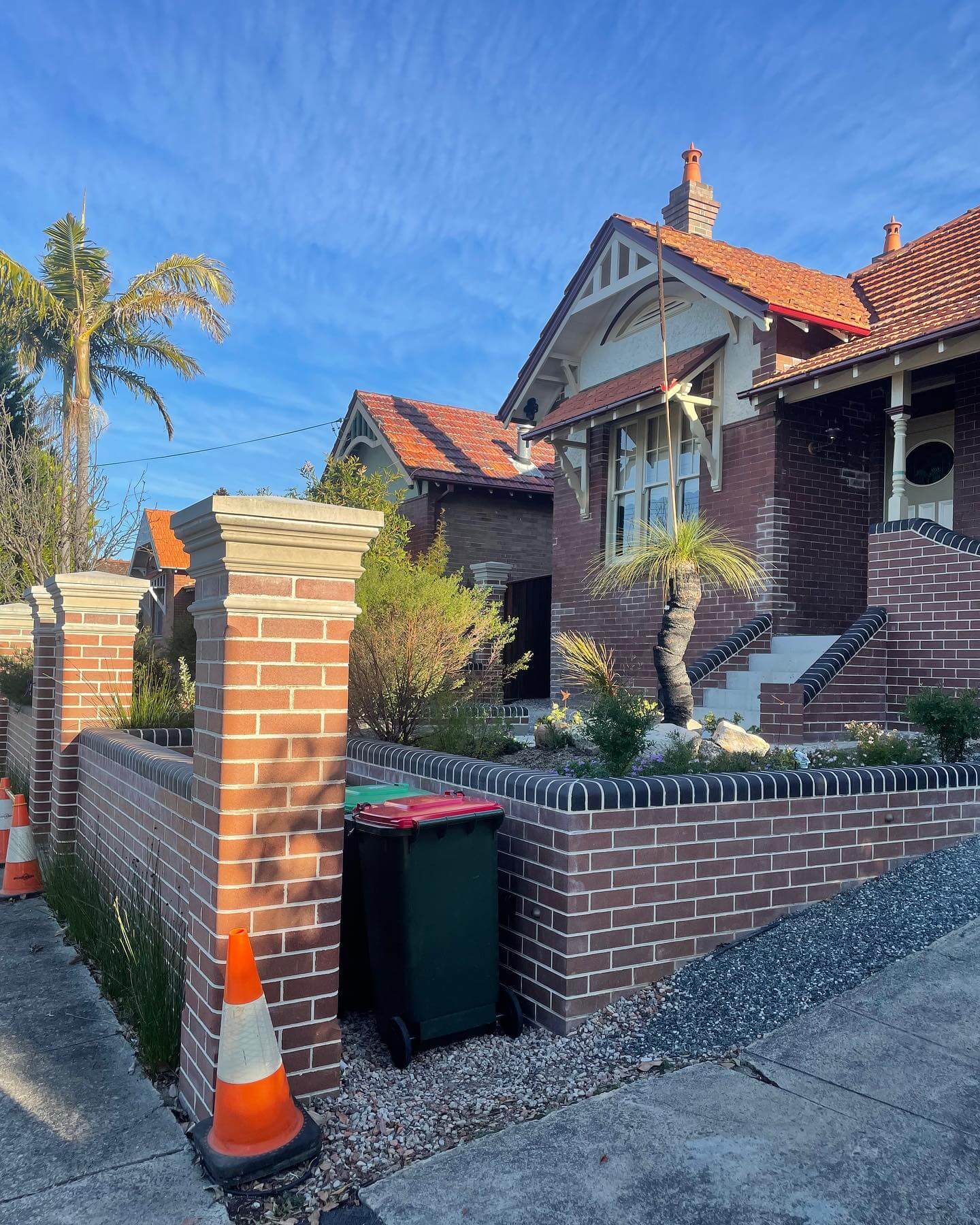
For a modern or transitional twist, use basketweave or stack bond patterns as the face of your brick fence. Basketweave alternates pairs of headers and stretchers to create a woven effect; stack bond aligns vertical joints for a clean grid. Both are visually striking but have lower inherent shear strength, so treat them as a veneer tied back to a structural backup—typically a reinforced CMU core or brick piers with bond beams. Keep panel lengths modest between piers to respect wind loads, specify stainless brick ties at proper spacing, and consider a raked or flush joint to emphasize the geometry. Contrasting mortar (charcoal with red brick, white with black brick) amplifies the graphic read. Finish with a simple coping to avoid visual clutter and let the pattern shine. This strategy marries curb-appeal artistry with real-world performance—ideal where you want statement-making texture that still meets durability and security goals.
Plan Ahead: Power, Water, and Storage Built Into the Brick
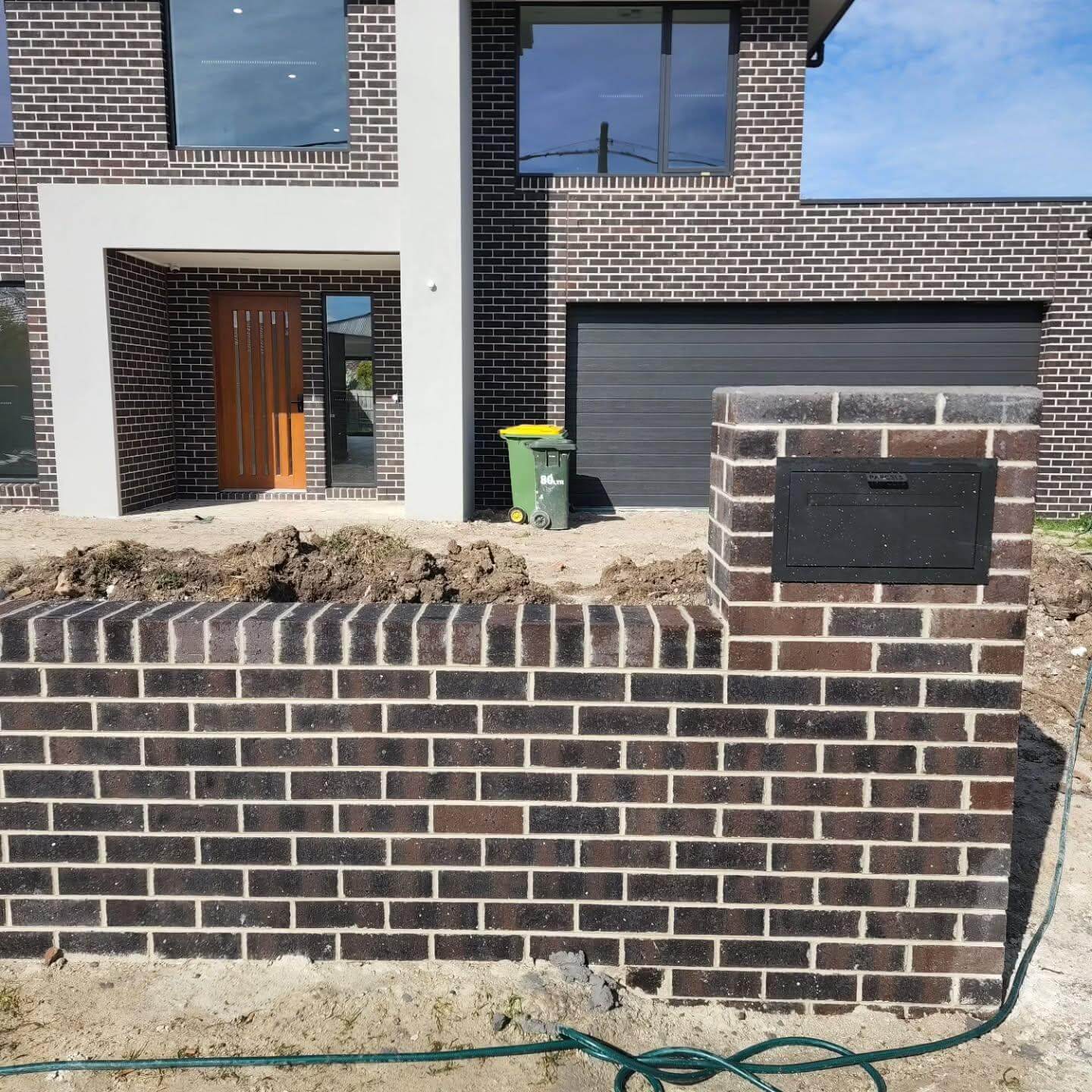
A polished brick fence does more than mark a boundary—it works for you. Run conduits before you lay the first course to add GFCI outlets for lawn tools and holiday lighting, junction boxes for landscape lighting, and CAT6 or low-voltage lines for cameras. Include hose bibs with freeze-proof sillcocks at garden zones, and sleeve irrigation lines under pathways to avoid future trenching. Consider a recessed niche for package delivery (rear-access from inside the yard), plus a discreet cabinet for bins or hose reels integrated between piers. If you’re adding an intercom or keypad at the pedestrian gate, provide a weather hood and pathway lighting tied to a photocell or smart timer. These utilities disappear into the masonry but pay dividends in daily convenience, safety, and resale value—proof that great curb appeal and real-life function belong in the same brick fence plan.
Longevity Checklist: Mortar, Movement Joints, and Seasonal Care
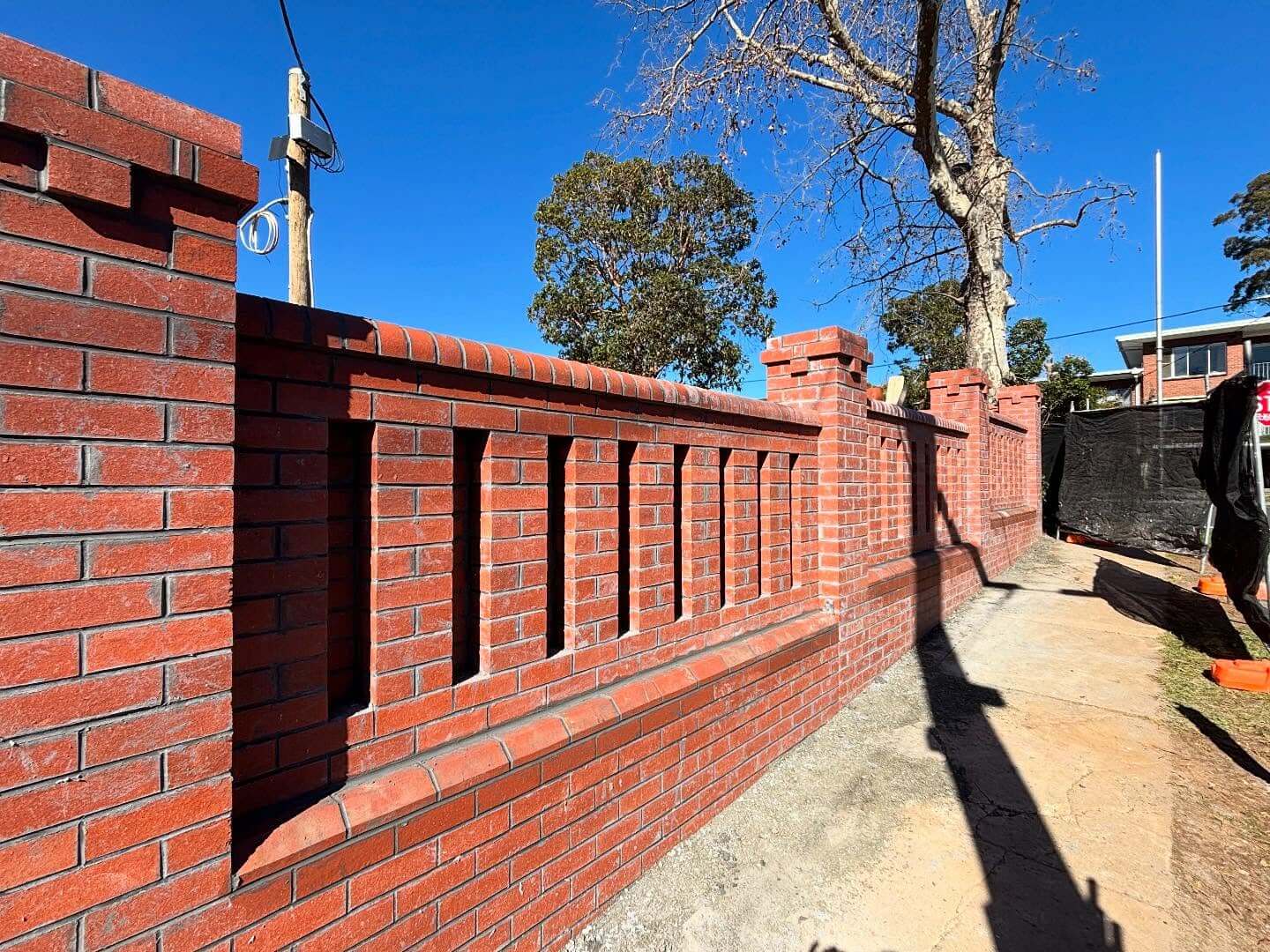
Protect your investment with a maintenance game plan tailored to brick fences. Inspect annually for hairline cracks and open joints; repoint with a compatible mortar—Type N for most residential and historic brick, Type S for newer, harder units. Avoid overly hard mixes on soft brick to prevent spalling. Confirm expansion/control joints are intact and flexible, especially on long runs and near corners. Keep coping sealed at joints (not the brick face) and ensure drip edges remain clear. For cleaning, start gentle: soft brushes and water; reserve mild detergents for stains and address efflorescence with dry brushing before considering specialty cleaners. In freeze–thaw regions, maintain grade sloping away from the wall and refresh the gravel strip to keep splashback and wicking in check. Don’t block weep holes with mulch or plantings. Every few years, evaluate whether a breathable silane/siloxane treatment makes sense for exposure conditions. These small, consistent steps keep your brick fence tight, true, and beautiful for decades.
Brick Piers + Horizontal Wood Slats: Warm, Modern Privacy
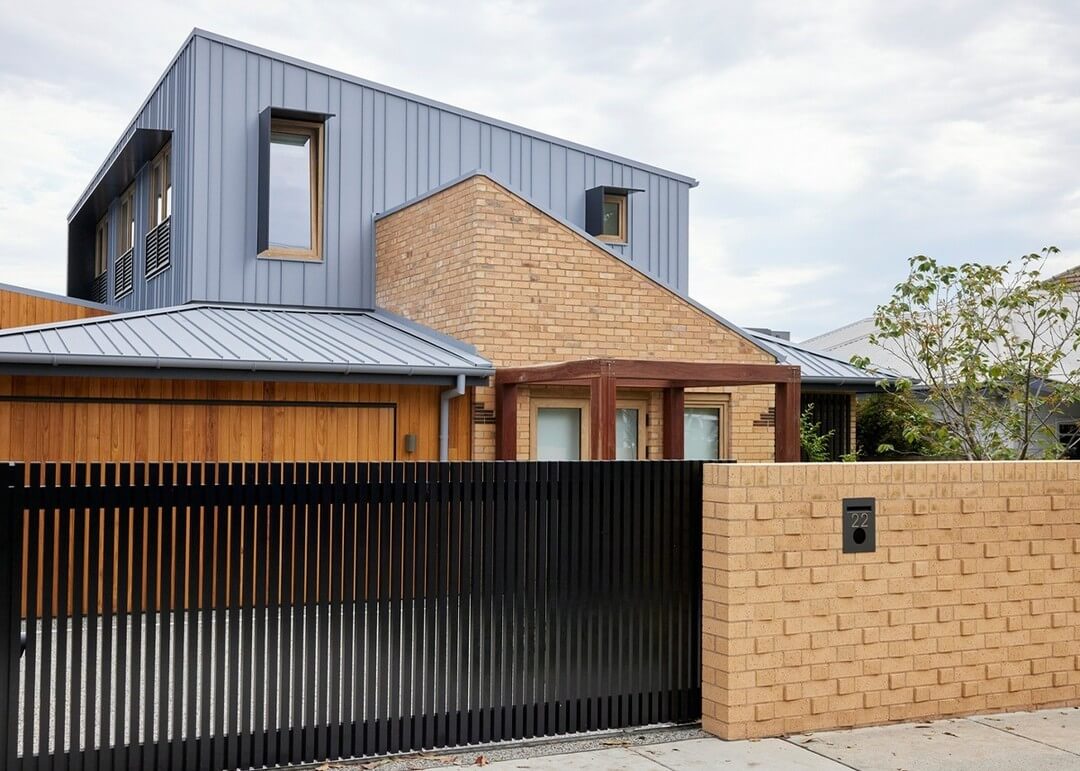
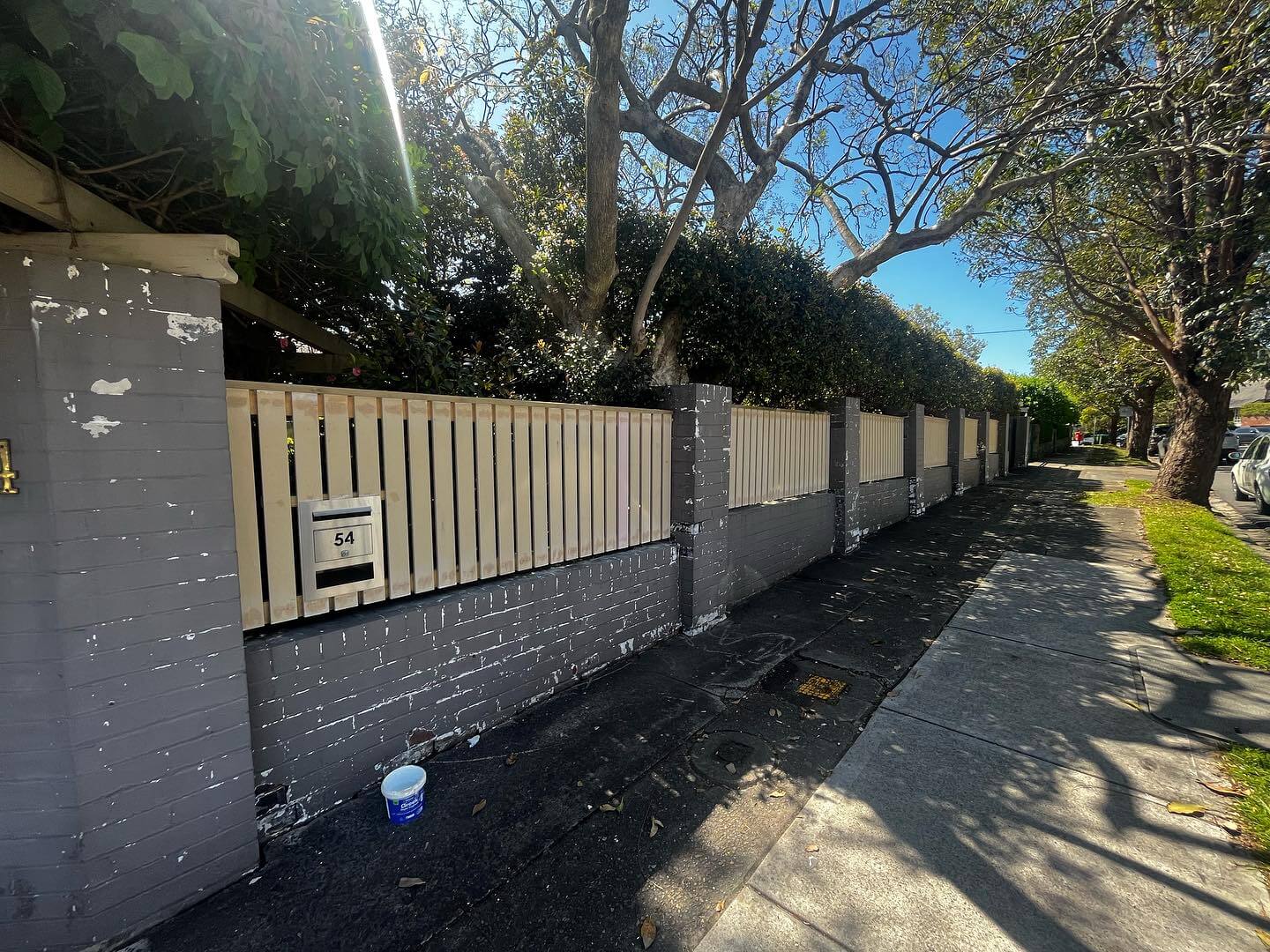
Mixed-material fences are having a moment, and for good reason: brick piers paired with horizontal wood slats deliver privacy with warmth and a crisp, modern profile. Use full-height brick piers and a low masonry base to anchor the design, then span the bays with cedar, thermally modified ash, or ipe slats set in powder‑coated steel channels. The result diffuses views and wind while keeping the boundary visually light.
Get the Fail-Safe Paint Color Playbook (Free PDF)
36 proven colors • 8 ready palettes • trim & sheen guide • printable testing cards.
For a tailored look, align the top of the slats with the pier caps and keep a consistent reveal between slats (tight at the street, looser in the garden). Protect the masonry with a stone or metal cap and add a slim drip edge over the wood-to-brick junction. Fasten slats with marine-grade stainless hardware, and leave a gravel strip plus weep holes in the base course for moisture management.
Color pairing matters: charcoal brick with natural cedar reads contemporary; limewashed brick with oiled ash leans coastal. If you need extra height without bulk, run slats 1–2 feet above the pier caps in a concealed steel frame. In high-wind zones, confirm post spacing, embed depth, and gate loads with your engineer—mixed-material fences must respect both wood movement and masonry expansion joints to last.
Brick Knee Wall with Wrought Iron: Security with Sight Lines
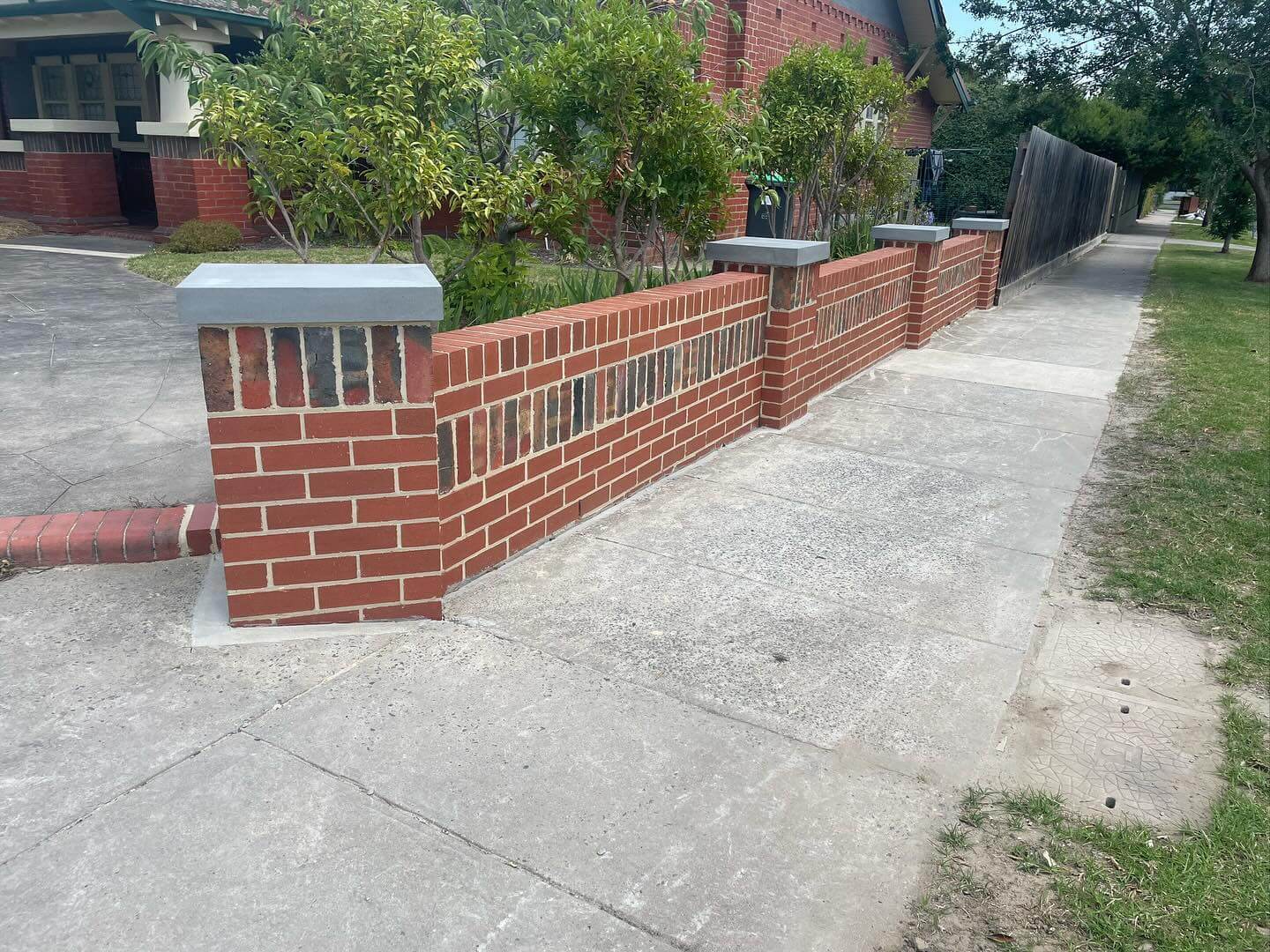
Prefer a boundary that feels open yet secure? A brick knee wall topped with a wrought-iron (or powder-coated steel) railing preserves vistas while defining the property line. The masonry base deters pets and provides a solid plinth for planting, while slender pickets maintain neighborly transparency and meet many front-yard height limits.
Design the wall at 24–36 inches with a durable coping—bluestone, cast stone, or brick-on-edge with a concealed flashing—and set the railing on core-drilled posts or embedded plates anchored into the masonry. Keep picket spacing within code (typically 4 inches max) and choose a profile that fits your architecture: square bars with flat caps for modern homes; hammered details or gentle scrolls for traditional streetscapes.
Finish the assembly with integrated brick piers at gates or corners to absorb loads and hide fasteners. Run conduit during construction for low-voltage uplights, a house number wash, or a discreet camera at the pedestrian gate. In historic districts, match mortar color and joint profile to the home, and step the wall cleanly on slopes with short returns to manage grade. The effect is classic and practical: curb appeal, containment, and a durable frame for plantings without creating a visual barrier.
Get the Fail-Safe Paint Color Playbook (Free PDF)
36 proven colors • 8 ready palettes • trim & sheen guide • printable testing cards.
Softened White: Limewashed Brick Fences with Lasting Patina
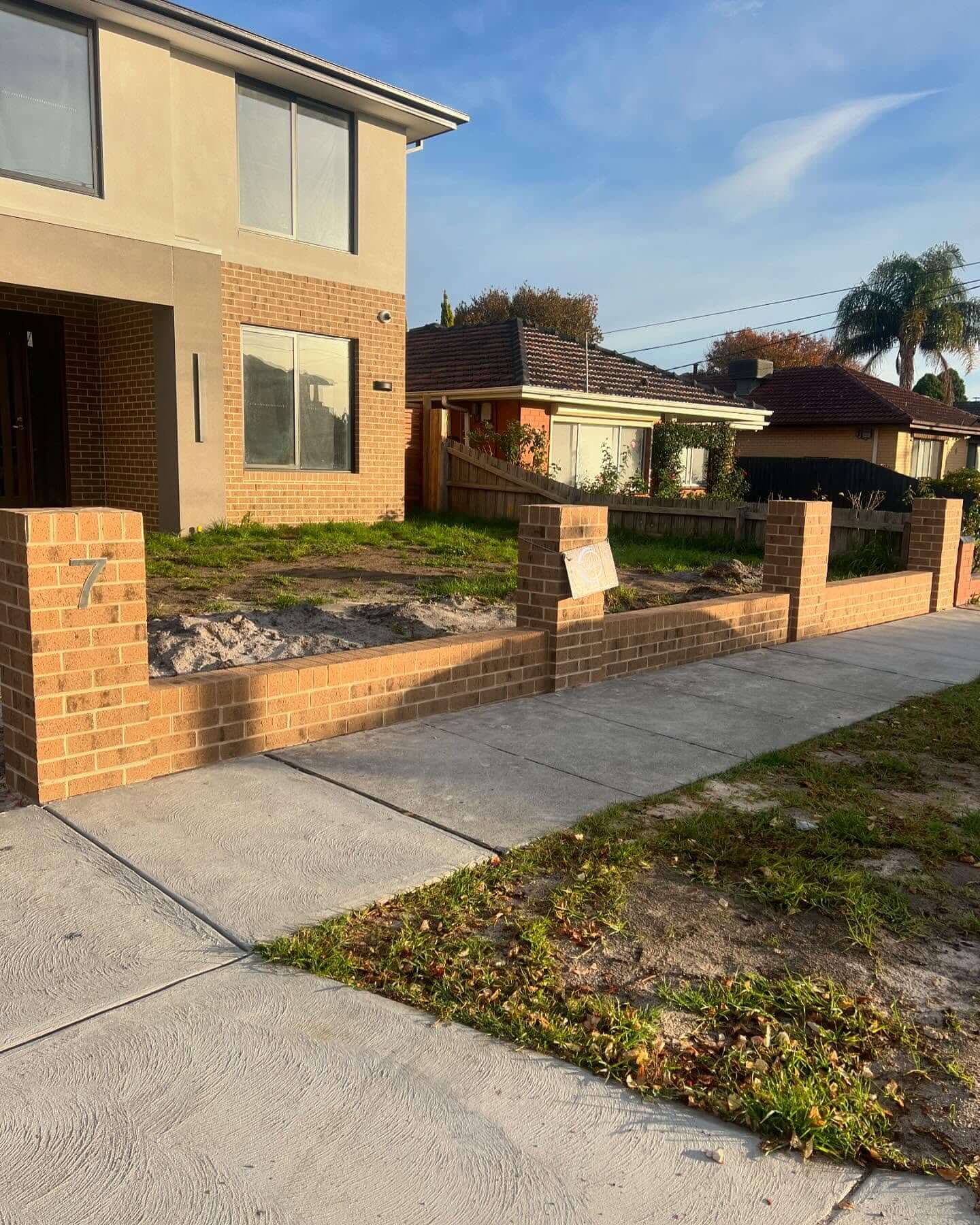
If you love the texture of brick but want a lighter, airier palette, consider limewash or mineral silicate finishes. Unlike acrylic paint, these breathable coatings bond chemically with masonry, allowing vapor to escape while lending a soft, chalky character that silvers gracefully with time. It’s a finish that flatters both cottage facades and crisp, coastal modern homes.
Start with a clean, sound wall; repair joints first and let new mortar cure. Brush on thin, buildable coats—full coverage for a uniform look or a “washed back” approach that lets hints of brick peek through. Choose warm off-whites, oatmeal, or pale greige to harmonize with landscape stone and roof tones. Pair with natural stone coping, patinated copper lighting, or black steel gates for high-contrast definition.
Plan for maintenance: limewash is sacrificial and touch-up friendly. Expect to refresh accents exposed to heavy irrigation or driving rain every few years. Avoid sealing over lime or trapping moisture behind non-breathable coatings. Always make a test panel to confirm color, absorption, and the desired level of distress. With the right prep and expectations, a limewashed brick fence delivers timeless curb appeal and texture without losing the honest soul of masonry.
Reclaimed Brick and Heritage Coursing: Character that Endures
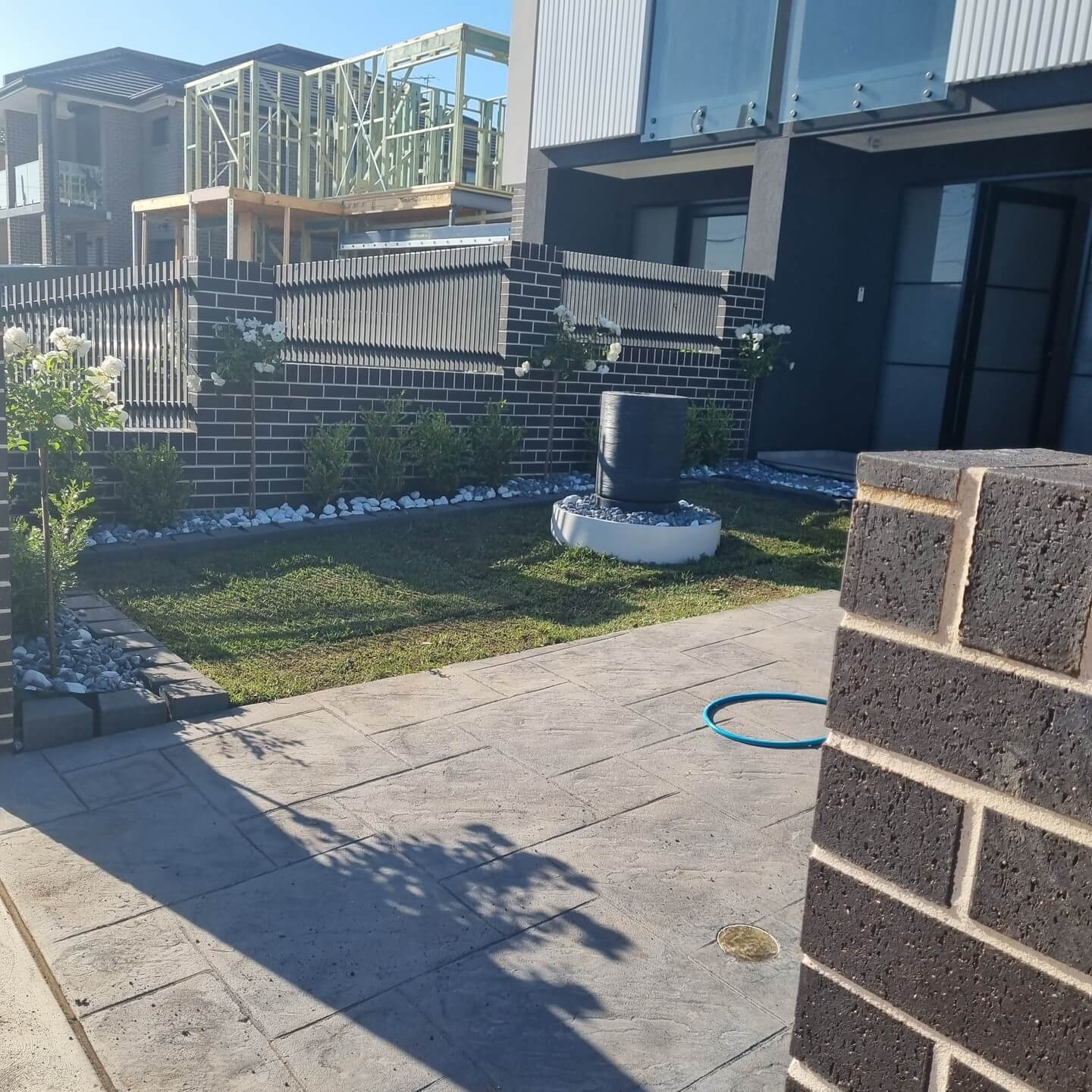
For depth and story you can’t fake, build with reclaimed brick and time-honored coursing. Weather-softened edges, kiln marks, and color variegation give a new fence instant heritage, while patterns—Flemish bond, English bond, or herringbone panels framed by soldier courses—turn each bay into a crafted façade.
Get the Fail-Safe Paint Color Playbook (Free PDF)
36 proven colors • 8 ready palettes • trim & sheen guide • printable testing cards.
Because reclaimed units can vary in size and absorption, set the structure with a reinforced CMU core, then apply the brick as veneer with stainless ties at proper spacing. Mock up a sample bay to balance color blends and finalize joint profiles—flush for modern, slightly recessed or grapevine for shadow and age. Use soldier or sailor courses to define caps and openings, and add a stretcher/soldier combo at grade for durability.
Top with stone coping or a brick-on-edge cap protected by a concealed metal flashing to shed water. Include vertical movement joints at long runs and around gates, and install through-wall flashing with weep vents above grade. Sourcing matters: reputable salvage yards offer palletized lots with provenance; verify frost resistance in cold climates. The payoff is a fence that looks like it’s always belonged—rich in texture, sustainable by design, and structurally sound for decades.
Mailbox, Address, and Parcel Niche Built Into the Brick
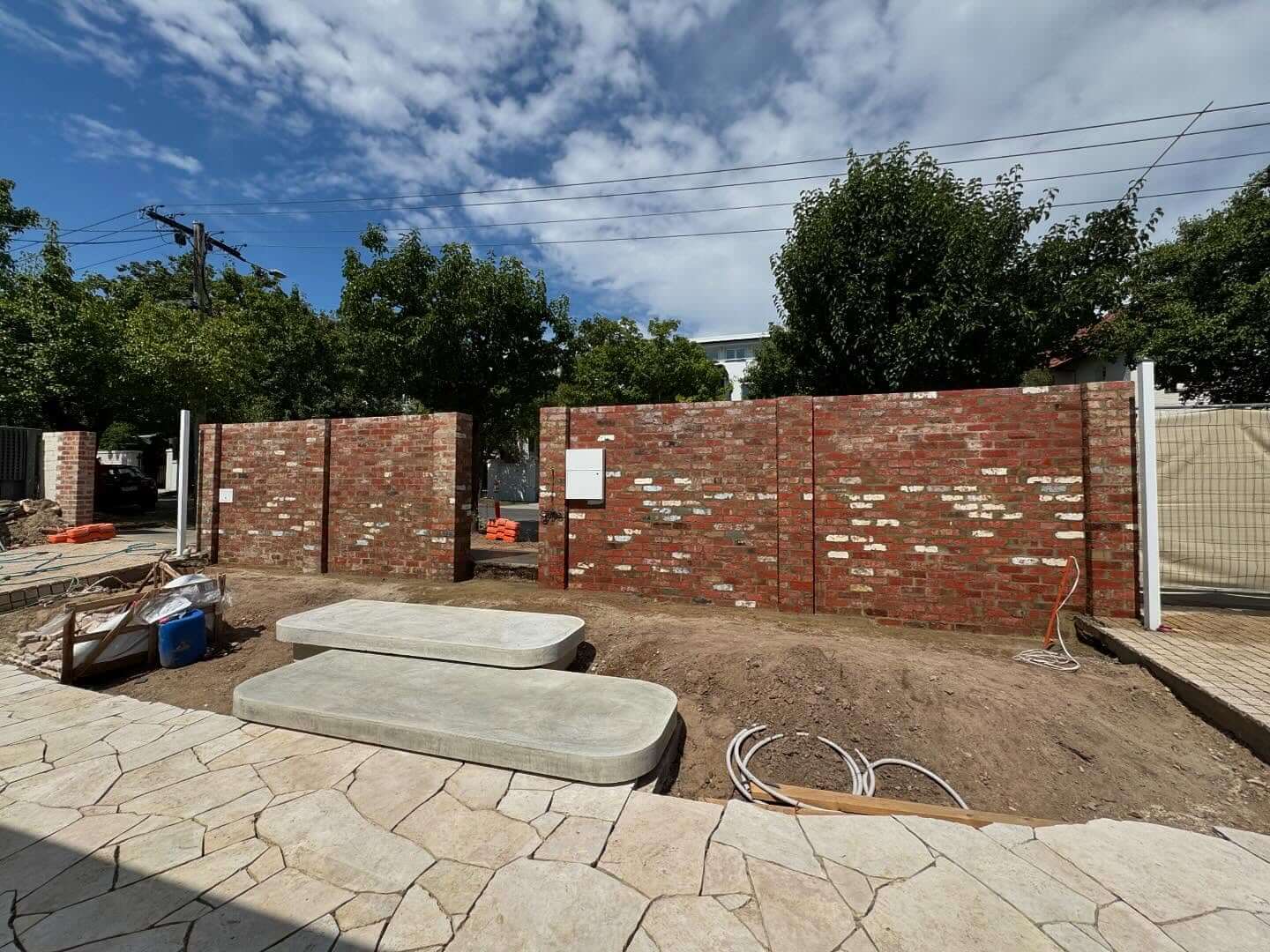
Function can be beautiful. A brick pier that consolidates your mailbox, illuminated address, and a lockable parcel niche streamlines deliveries and elevates the entry. Start with a pier wide enough to house a through-wall mailbox and a parcel box sized for typical packages. Line cavities with powder-coated steel sleeves, add drip edges, and slope shelves to drain.
Run power and low-voltage conduit to backlight house numbers and feed a doorbell plate or keypad nearby (keeping smart access at eye level and out of weather). Consider placement: set back from the sidewalk per local codes, and align with pedestrian or driveway gates for intuitive wayfinding. If you receive frequent deliveries, specify a hold-open door or soft-close hinges and anti-pry features.
Finish the pier with a stone cap, integrate a small planter recess on the public side for seasonal color, and use contrasting mortar or a thin metal escutcheon to crisply frame the numbers. For coastal or snowy regions, choose 316 stainless hardware and maintain ground clearance to avoid splashback. The result is tidy, secure, and brand-right for your home—no more leaning boxes, lost packages, or hard-to-spot addresses.
Seat-Wall Planters: Brick Fences that Double as Outdoor Rooms
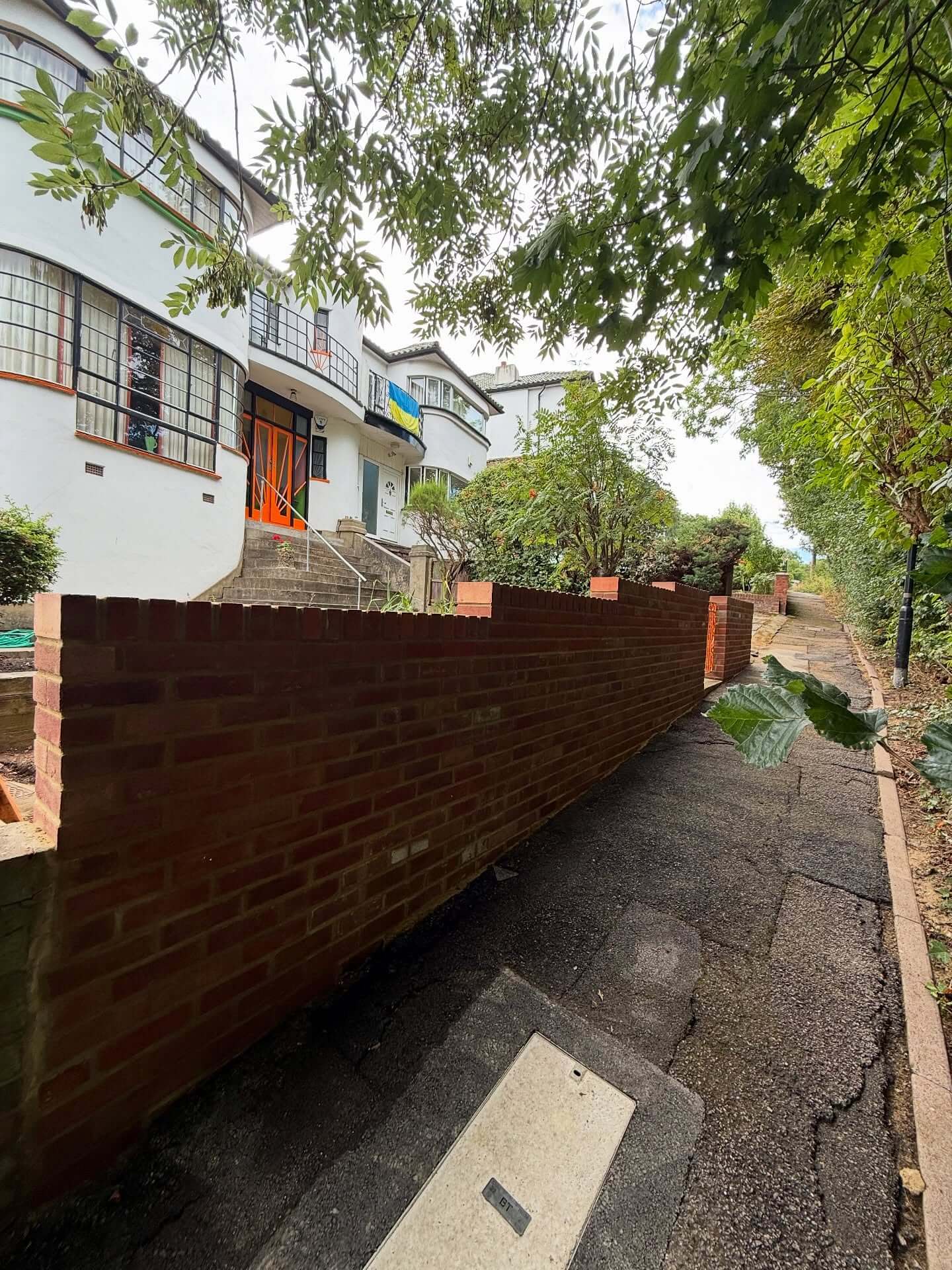
Turn your boundary into usable space by thickening select fence bays into seat-wall planters. At patios or along pathways, a 17–19 inch seat height with a 12–16 inch cap depth invites lingering, while integrated planters soften brick mass with herbs, grasses, or espaliered citrus. It’s privacy, structure, and seating—no extra furniture required.
Build the planter as a reinforced concrete box with waterproofing on the soil side, weep outlets, and free-draining, lightweight soil. Veneer with brick that matches your fence, then top with a smooth stone or brick cap eased at the edge for comfort. On slopes, terrace the seat walls in short runs that step with grade; at corners, wrap the seating to form cozy nooks.
Plumb in drip irrigation and low-voltage lighting during construction; cap-mounted LED strips create a gentle glow and safer nighttime circulation. Where the seat wall meets standard fence thickness, introduce a pilaster to manage loads and avoid awkward transitions. Keep plant selections scale-appropriate so root pressure and irrigation overspray don’t stress the masonry. Done well, these brick seat-wall planters turn a simple fence line into an outdoor room with real return on enjoyment.
Driveway Authority: Brick Wing Walls with an Automated Sliding Gate
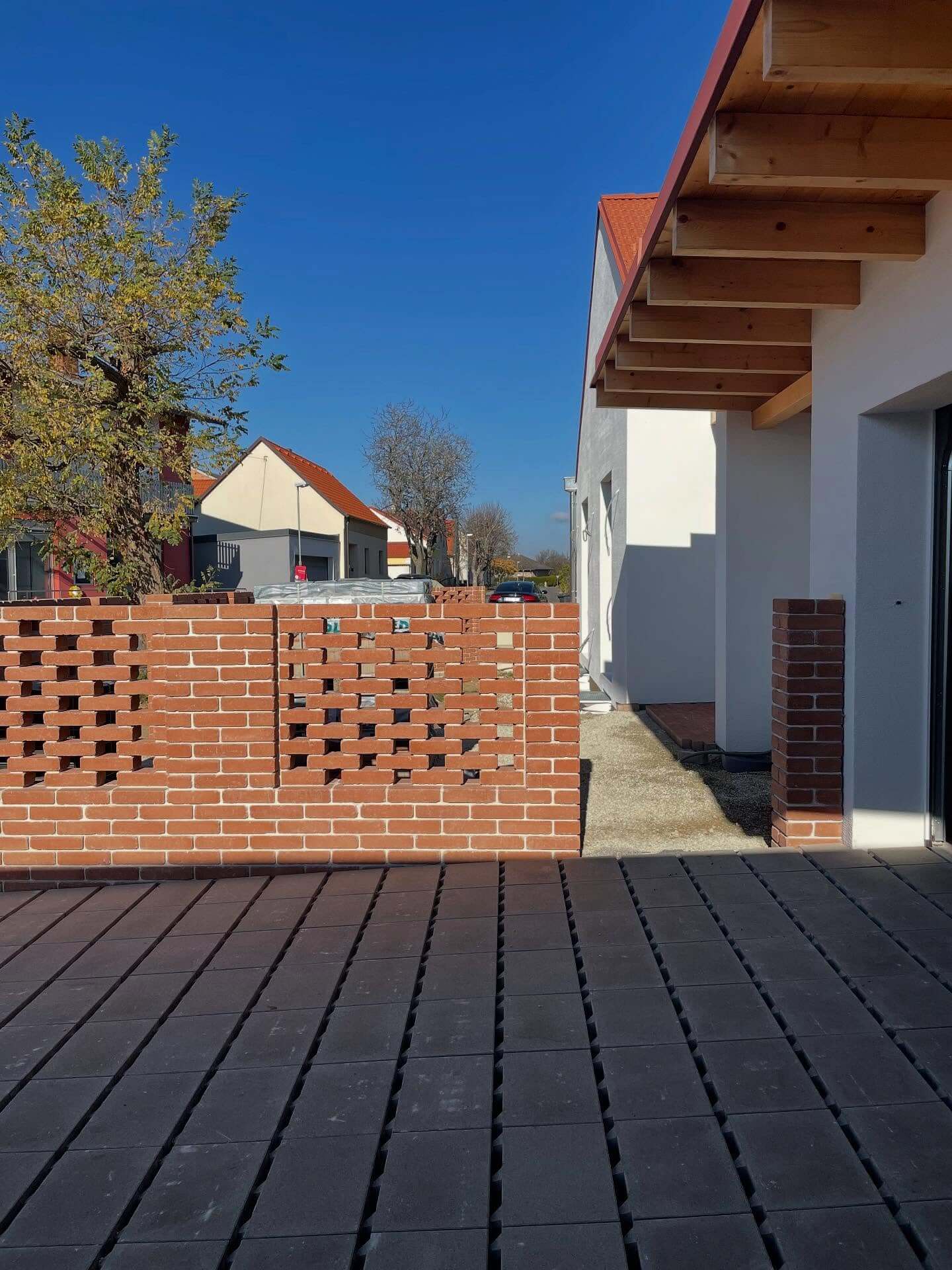
Don’t forget the driveway—your largest daily “entry moment.” Brick wing walls paired with an automated sliding gate deliver presence, security, and smooth traffic flow on tight lots. Wing walls flare subtly from the curb to frame the approach, hide the gate track or cantilever hardware, and provide mass for lighting, address plaques, and safety sensors.
Choose sliding over swing where apron space is limited or slopes upward. A cantilever design avoids a ground track (great for snow and debris), while a track-and-roller system works on level drives with proper drainage. Engineer deep footings at gate piers, specify galvanized or stainless hardware, and include conduit for power, photo eyes, keypads, and a manual release. Grade the paving to shed water away from the track and the base of the walls.
A steel or aluminum gate infill—solid for privacy or with narrow pickets for visibility—can echo your home’s lines; finish in a durable powder coat. Cap the brick with stone and integrate downlights for nighttime safety. Mind turning radii and fire-access clearances, and coordinate with utilities early. The result is an entry that feels effortless to use and undeniably upscale.
Budget-Friendly, Low-Maintenance Brick Fence Ideas and Materials
Great brick fence ideas do not have to strain budgets; instead, they prioritize smart assemblies and right-sized coverage. Use brick where it performs best—at piers, corners, and street-facing segments—then infill with cost-effective panels. Consider modular concrete blocks with brick veneer to achieve the look while reducing labor and material waste. Reclaimed brick brings character and sustainability, but confirm consistent dimensions and clean mortar beds before laying. Where privacy is needed, a half-height brick wall paired with dense hedging offers acoustics, texture, and seasonal interest at a lower price. Always include a proper concrete footing sized to frost depth to protect your investment.
- Reclaimed Brick Sourcing: Salvage from deconstruction yards or farm demolitions, then sort by size and hardness to minimize cutting, speed laying, and achieve a naturally varied, timeless appearance.
- Pier-and-Panel Strategy: Build sturdy brick piers on proper footings, then span steel or timber infill panels, reducing brick quantity while retaining structure, rhythm, and premium street-facing presence.
- Thin Brick Veneer: Apply thin brick over reinforced block or poured concrete, achieving real-brick texture with less weight, faster installation, and simpler detailing around utilities and tight corners.
- DIY-Friendly Bonds: Choose running bond with story-pole guides and pre-mixed mortar, simplifying layout for weekend builders while still reading clean, modern, and structurally capable on short spans.
- Low-Maintenance Finishes: Specify through-body colored brick, pigmented mortar, and breathable silane-siloxane sealers, resisting efflorescence, freeze-thaw cycling, and UV fading without frequent repainting or laborious cleaning routines.
Plan permitting and setbacks early; a right-of-way misstep can erase savings. Design for drainage with gravel backfill, weep holes, and slight slopes away from structures to curb moisture problems. Where soils shift, add vertical rebar at piers and horizontal joint reinforcement within courses to control cracking. To phase costs, complete footings and piers first, then install temporary panels and upgrade finishes later. Leverage local brickmakers’ overruns or end-of-line lots for discounts while keeping color families consistent. Finally, budget for quality hardware—hinges, latches, and locks—since cheap components undermine longevity and perceived value.
Brick Boundaries, Smart Choices: Quick Answers
How tall should a brick fence be for privacy without feeling imposing?
Front yards often feel welcoming at three to four feet with lighter infill above. For private patios or side yards, six to seven feet balances seclusion, proportion, and most local code limits.
Is reclaimed brick reliable for new fences?
Yes, when properly graded and cleaned. Test a few pieces for absorption and hardness, discard crumbling units, and ensure consistent sizing to keep courses level and mortar joints uniform.
Get the Fail-Safe Paint Color Playbook (Free PDF)
36 proven colors • 8 ready palettes • trim & sheen guide • printable testing cards.
Do perforated brick screens actually block views?
Hit-and-miss patterns obscure direct sightlines while allowing airflow and light. Pair with strategic planting or layered infill panels to enhance privacy near seating areas without building a solid wall.
What maintenance keeps brick fences looking new?
Rinse annually, spot-treat biological growth, and inspect copings and weep holes. Repoint failed mortar with compatible mix and apply breathable sealers in harsh climates to limit moisture intrusion and staining.
Final Verdict: Brick Fences That Balance Beauty, Privacy, and Longevity
From stately red brick with iron accents to limewashed privacy walls, hit‑and‑miss screens, and warm brick‑and‑wood pairings, the right brick fence can elevate curb appeal while dialing in the privacy and security you need. Choose a bond, color, and coping that echo your home’s architecture—think charcoal brick with black steel for modern lines, or reclaimed brick with Flemish or basketweave coursing for character-rich texture. Details like piers and caps, address plaques, lighting, planters, and an integrated mailbox or parcel niche turn a boundary into a feature you’ll appreciate daily.
Before you build, map the practicals: local height limits, corner sight lines, setbacks, drainage paths, and soil conditions that dictate footing depth and rebar. Budget-savvy approaches like a CMU core with brick veneer deliver strength and noise reduction without overspending; on slopes, step or terrace courses and add weep holes to keep moisture moving. Plan ahead for power and data to support a pedestrian gate, intercom, cameras, and an automated driveway entrance, and select pool‑safe hardware and salt‑tolerant finishes where required. Test mortar colors, review sample boards in daylight, and specify bluestone or similar coping with drip edges for long-term water management.
For longevity, schedule seasonal checks for movement joints and mortar, clean gently (skip harsh pressure washing), and use breathable treatments where needed. Train climbers on standoff systems to protect brickwork, and consider phased construction if you’re stretching the budget—start with piers, gates, and priority frontage, then extend runs later. With a solid plan, skilled masonry, and smart detailing, your brick fence will deliver lasting style, quieter outdoor spaces, and everyday functionality that adds real value to your property.