
Brilliant Container Garden Ideas to Transform Patios, Balconies, and Small Yards
No backyard? No problem. With the right containers and plant pairings, you can turn a tiny balcony, front stoop, or sunlit window into a lush, layered oasis. Container gardening delivers instant color, fresh herbs at your fingertips, and seasonal style—without digging a single hole.
From vertical towers and railing planters to window boxes and self-watering pots, the possibilities fit every space, budget, and climate. Mix thriller-filler-spiller combos, blend edibles with pollinator-friendly blooms, or lean into low-maintenance succulents for drought-smart impact and year-round texture.
Get the Fail-Safe Paint Color Playbook (Free PDF)
36 proven colors • 8 ready palettes • trim & sheen guide • printable testing cards.
In the ideas ahead, you’ll find renter-friendly setups, small-space hacks, and design tips that make pots feel purposeful—not random. Whether you’re a first-time planter or a green thumb craving a refresh, these container garden ideas will help you craft a beautiful, productive, and easy-to-maintain mini landscape.
Vertical Container Garden Ideas for Balconies and Small Patios
Vertical container garden ideas shine on compact balconies and small patios by stacking greenery upward instead of outward. Combine wall-mounted planters, ladder shelves, and slim trellises to create a layered backdrop that doubles as privacy screening. Choose materials suited to weather exposure, like powder-coated steel, cedar, or UV-stable resin, and anchor fixtures securely to handle gusts. Mind microclimates around railings and walls, placing sun-lovers high and heat-sensitive plants lower where reflected heat and wind are reduced. For carefree watering, thread drip lines behind structures or select self-watering planters, always checking combined container weight against balcony load limits.
Pair upright herbs such as rosemary and lemongrass with cascading thyme and sweet potato vine to soften edges and increase visual movement. For edibles, train compact cherry tomatoes, pole beans, or cucumbers up trellises while tucking lettuce, basil, and marigolds beneath for companion benefits. If shade dominates, mix ferns, heuchera, and trailing ivy with white-flowering impatiens to brighten dim corners without sacrificing lushness. Color-block pots by foliage tone—silver, chartreuse, and burgundy—to build graphic contrast that feels intentional in tight footprints. Rotate seasonal stars like pansies in spring and dwarf dahlias in summer, refreshing tired planters with quick switches that keep the vertical display thriving.
- Choose modular vertical planters with integrated reservoirs to streamline watering, reduce runoff, and keep balconies tidy, especially where neighboring units sit below your railing line.
- Use powder-coated steel grid panels as living walls, attaching hooks and pots, then weave drip tubing discreetly behind for timed irrigation that resists UV exposure and windy conditions.
- Balance weight by mixing lightweight resin containers with terracotta accents, and distribute loads across joists; confirm building codes and request landlord approval before drilling or anchoring hardware.
- Train climbers like jasmine, mandevilla, or cucumbers on trellises, pruning regularly to maintain airflow, reduce mildew, and encourage more blooms or fruit along sun-drenched vertical lines.
- Layer trailing plants in high baskets, mid-height herbs on shelves, and dwarf shrubs at floor level to create depth, improve wind buffering, and maximize light capture.
- Protect rail-mounted planters with discreet cable ties and rubber shims, preventing rattling, scraping, and sudden drops during storms while preserving drainage holes and structural integrity.
Maintain crisp forms by pinching tips, tying vines loosely to supports, and removing spent blooms to redirect energy. Apply slow-release fertilizer in spring, boosting with diluted liquid feed during peak growth for hungry annuals and fruiting vines. Mulch container surfaces with fine gravel or coco chips to reduce evaporation, damp soil splash, and fungus gnat attraction. Shield tall structures from storm damage with additional anchors and bring lightweight hanging baskets indoors during extreme winds. In winter, wrap planters with insulating fabric, elevate pots on feet for drainage, and consolidate specimens along the warmest wall to overwinter successfully.
Layered Heights for Instant Depth on Patios and Balconies
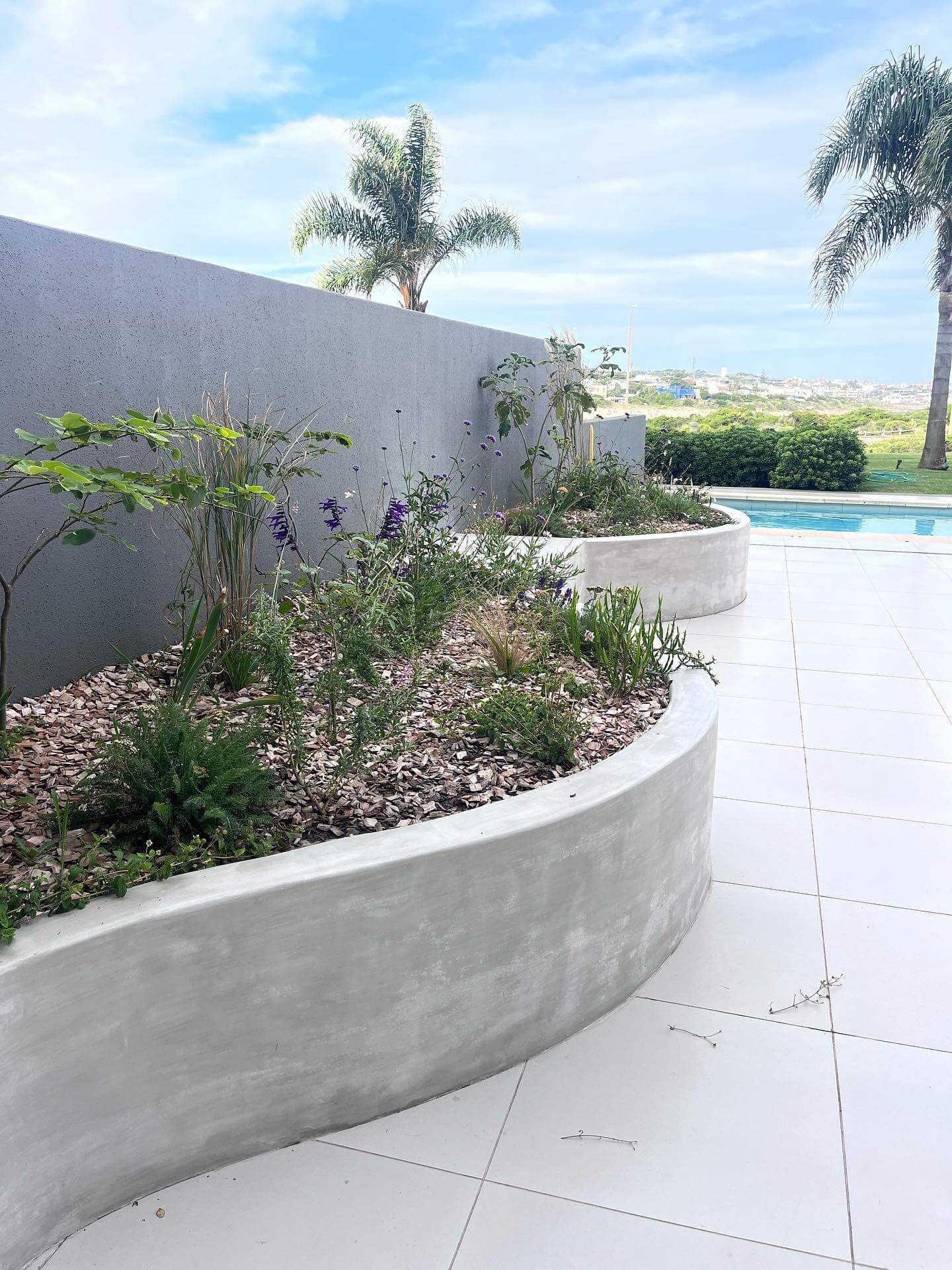
The quickest way to make container gardens feel like a designed landscape is to play with height. Cluster pots in odd numbers and vary diameters so your eye moves from a tall anchor to medium accents and low, trailing edges. If your space is flat, add visual tiers with plant stands, risers, or an outdoor etagere. Repeating two or three pot materials (terracotta, glazed ceramic, fiberstone) keeps the look cohesive while still allowing texture. Place the tallest container just off-center, then step down in size; this creates depth without blocking views or walkways.
Prioritize drainage—elevate pots on feet or caddies and use a high-quality, peat-free potting mix for aeration. In windy spots, choose heavier containers for the top tier and use wheeled saucers below for easy cleaning and reconfiguration. Leave “negative space” between clusters so each vignette reads as a mini garden room. For tight balconies, a triangle of heights tucked into a corner carves out a lush focal point without eating square footage. This layered approach sets the stage for any style—from Mediterranean to cottage—while making your container garden ideas look intentional, abundant, and camera-ready all season.
Thriller–Filler–Spiller Formulas You Can Swap by Season
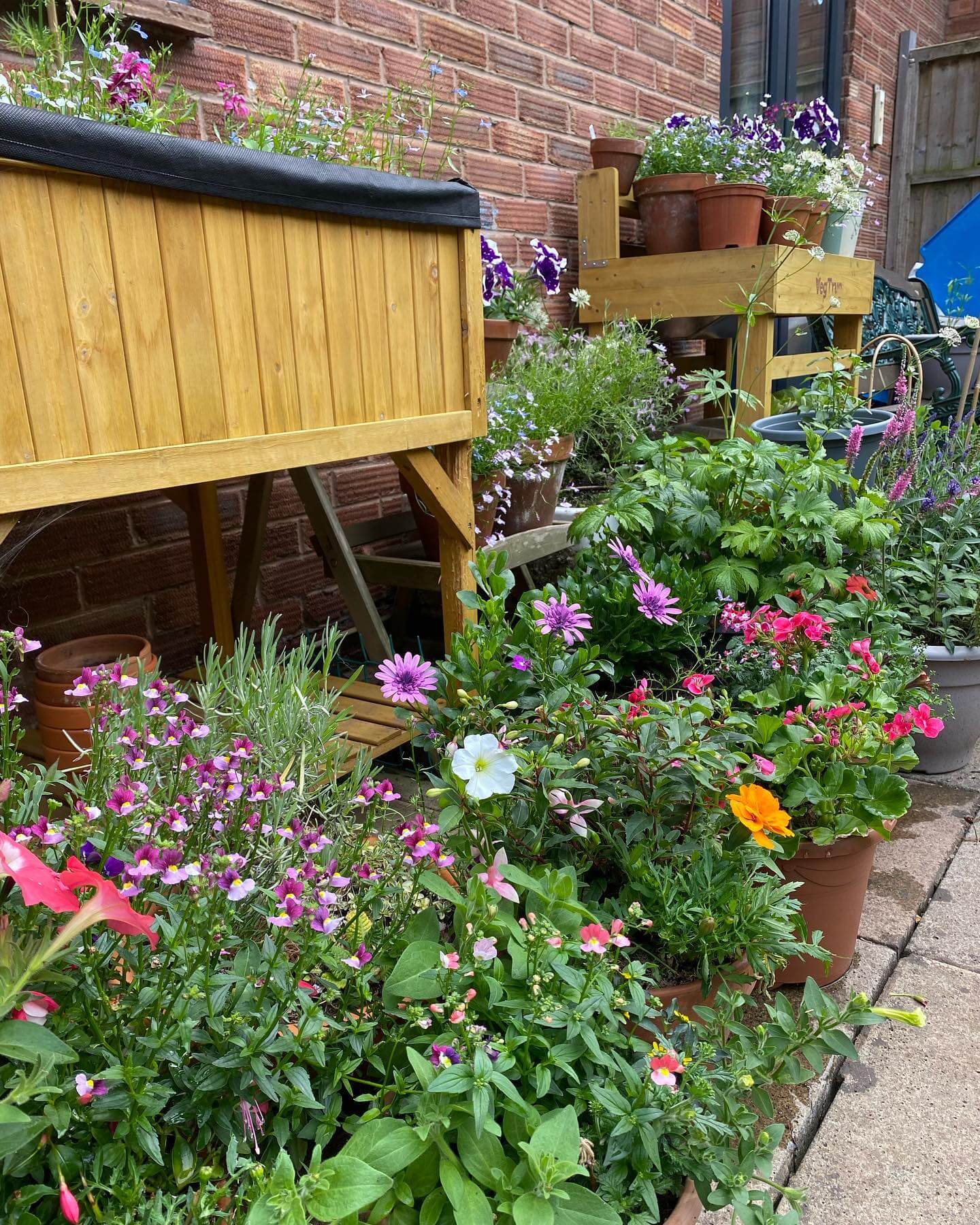
Once your tiers are set, dial in plant “recipes” that perform for months. The classic thriller–filler–spiller framework simplifies choices and boosts longevity. Pick one upright focal plant (thriller), surround it with mounding textures (fillers), and finish with cascading edges (spillers). Build combos by light level and climate: for full sun, try a compact grass or canna as the thriller, sun-loving calibrachoa and lantana as fillers, and sweet potato vine or trailing verbena to spill. In bright shade, swap in coleus or begonia for height, heuchera and impatiens for mounding color, and creeping jenny to trail.
Size matters—use proportionate plants so roots have room to thrive; the container should be at least 12–16 inches wide for mixed plantings. Feed with a slow-release fertilizer at planting and supplement with a balanced liquid feed every 2–3 weeks for nonstop blooms. Pinch back vigorous growers to keep forms tidy and encourage branching. As seasons change, refresh just one layer: pop in cold-tolerant fillers in fall or swap thrillers for dwarf evergreens in winter. This modular strategy delivers adaptable container garden ideas without replanting the entire pot.
Go Vertical: Railing Boxes, Trellised Pots, and Wall Planters
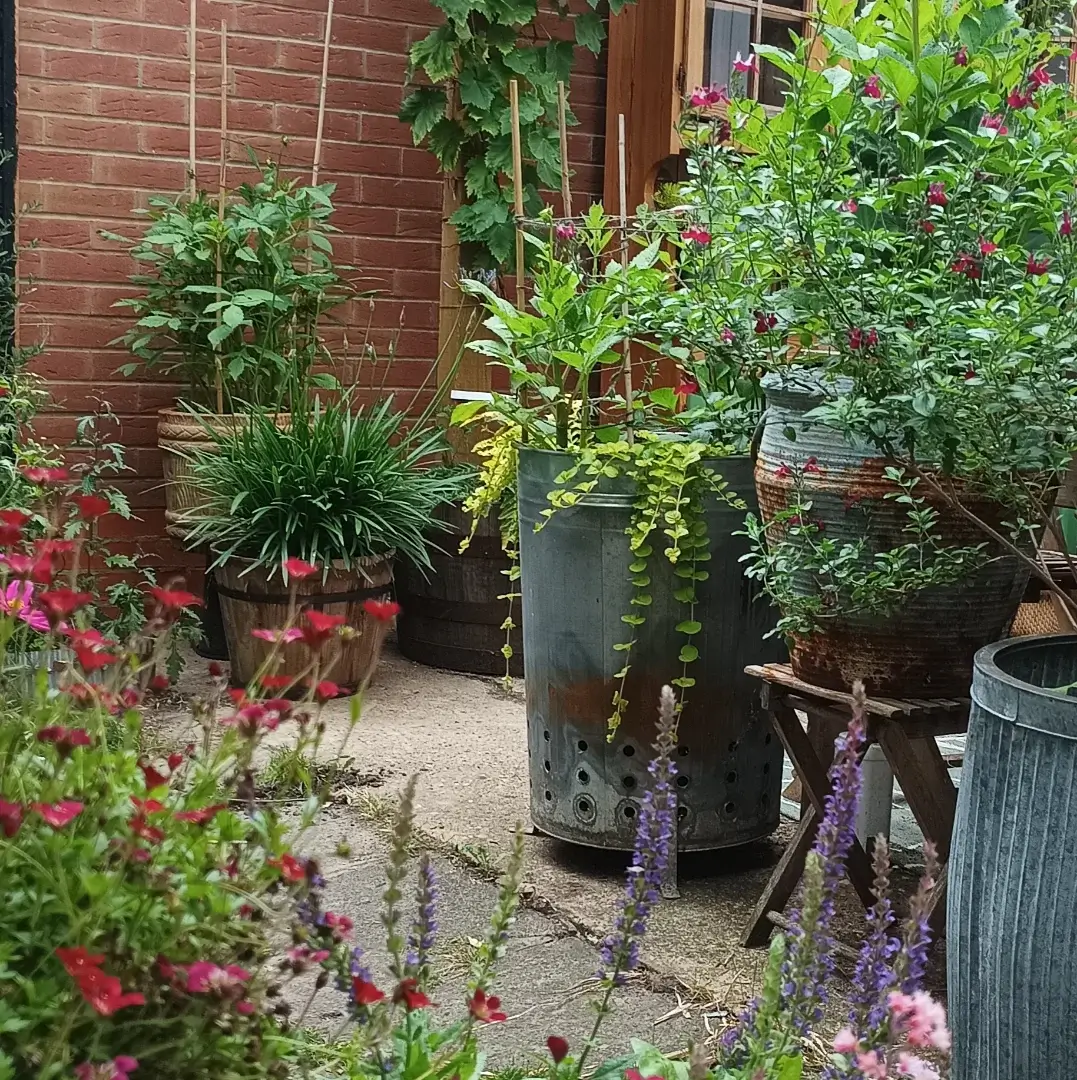
When square footage is tight, build upward. Railing planters and slim wall pockets pull color into sightlines while preserving floor space for seating. Use sturdy brackets rated for your railing type and mind weight; coir-lined boxes lighten the load and improve drainage. In sunny exposures, tuck compact climbers—like black-eyed Susan vine, jasmine, or dwarf cucumbers—into large containers with a slim trellis. They’ll draw the eye up and create a leafy backdrop without overwhelming a balcony.
Layer trailing plants beneath climbers to soften edges and add movement. Stagger wall planters in a brick pattern to avoid a flat “grid” effect and to give each pocket better airflow. If irrigation is a challenge, run a discreet drip line along the rail and set simple timers; otherwise, cluster vertical containers near a water source to encourage consistent care. Choose wind-tolerant, flexible stems for high-rise setups and secure trellises to prevent sway. Vertical container garden ideas double your planting area, frame views, and even add privacy—transforming blank rails and walls into living architecture.
Edible Oasis in Containers: Herbs, Greens, and Patio Veggies
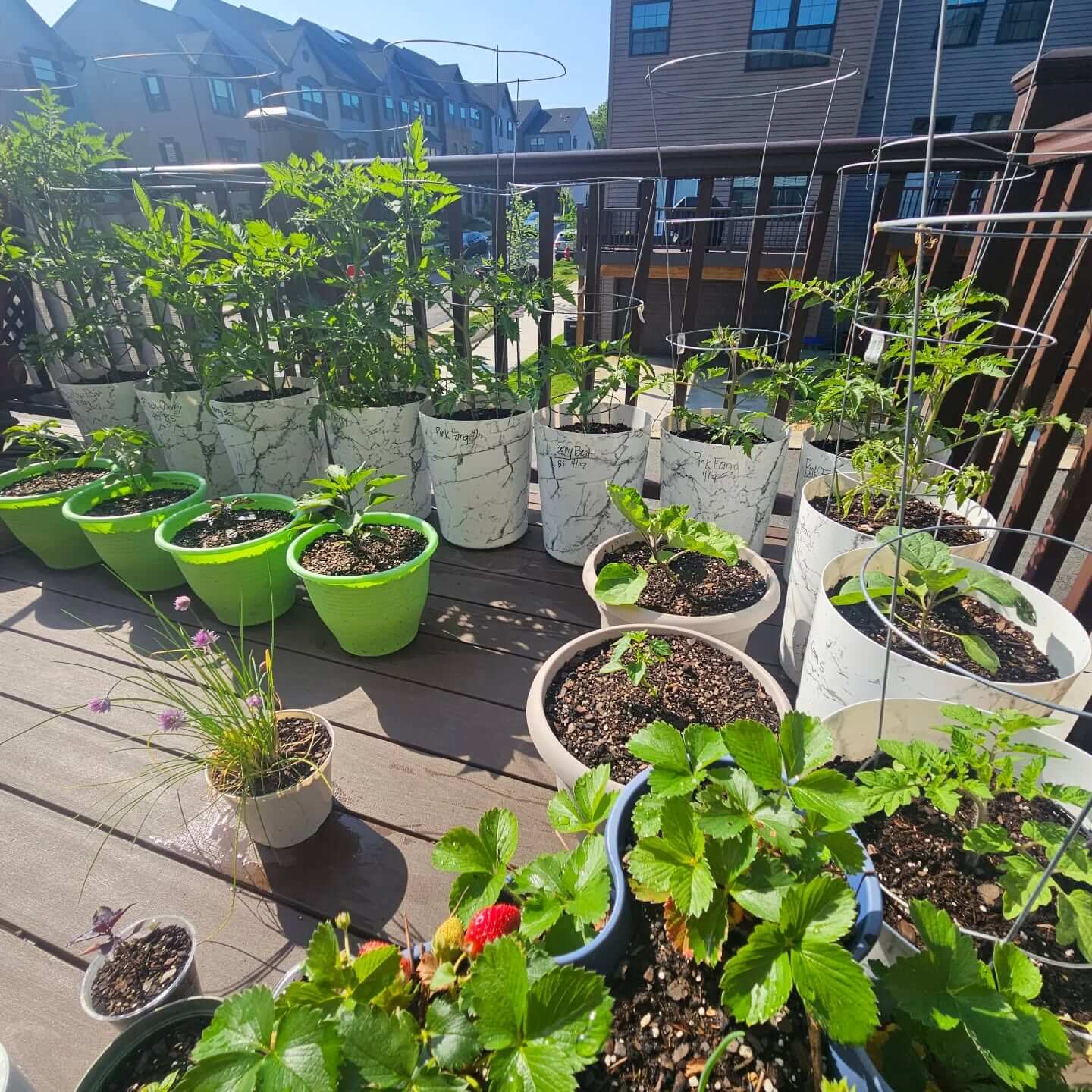
Fold flavor into your design with edible containers that look as good as they taste. Dedicate a sunny spot (6–8 hours) and start with herbs that thrive in pots: basil, thyme, chives, parsley, and rosemary. Corral mint separately to prevent takeover. For quick harvests, sow cut-and-come-again lettuces and arugula in wide, shallow bowls; succession plant every two weeks for a steady salad supply. Compact vegetable varieties shine in containers—think bush tomatoes, dwarf peppers, patio eggplant, and determinate cherry tomatoes in 5–10 gallon pots with sturdy cages.
Interplant with marigolds or nasturtiums to attract pollinators and deter pests naturally. Use a rich, well-draining potting mix and feed edibles more frequently than ornamentals: incorporate slow-release granules at planting and supplement with a fish/seaweed emulsion every 10–14 days once fruiting begins. Water deeply in the morning, aiming for even moisture; edibles are less forgiving of drought. Keep pots within arm’s reach of the kitchen to encourage daily harvesting—snipping herbs routinely promotes bushier growth. These edible container garden ideas turn balconies and stoops into productive, beautiful pantry extensions.
Pollinator-Friendly Pots That Buzz With Life
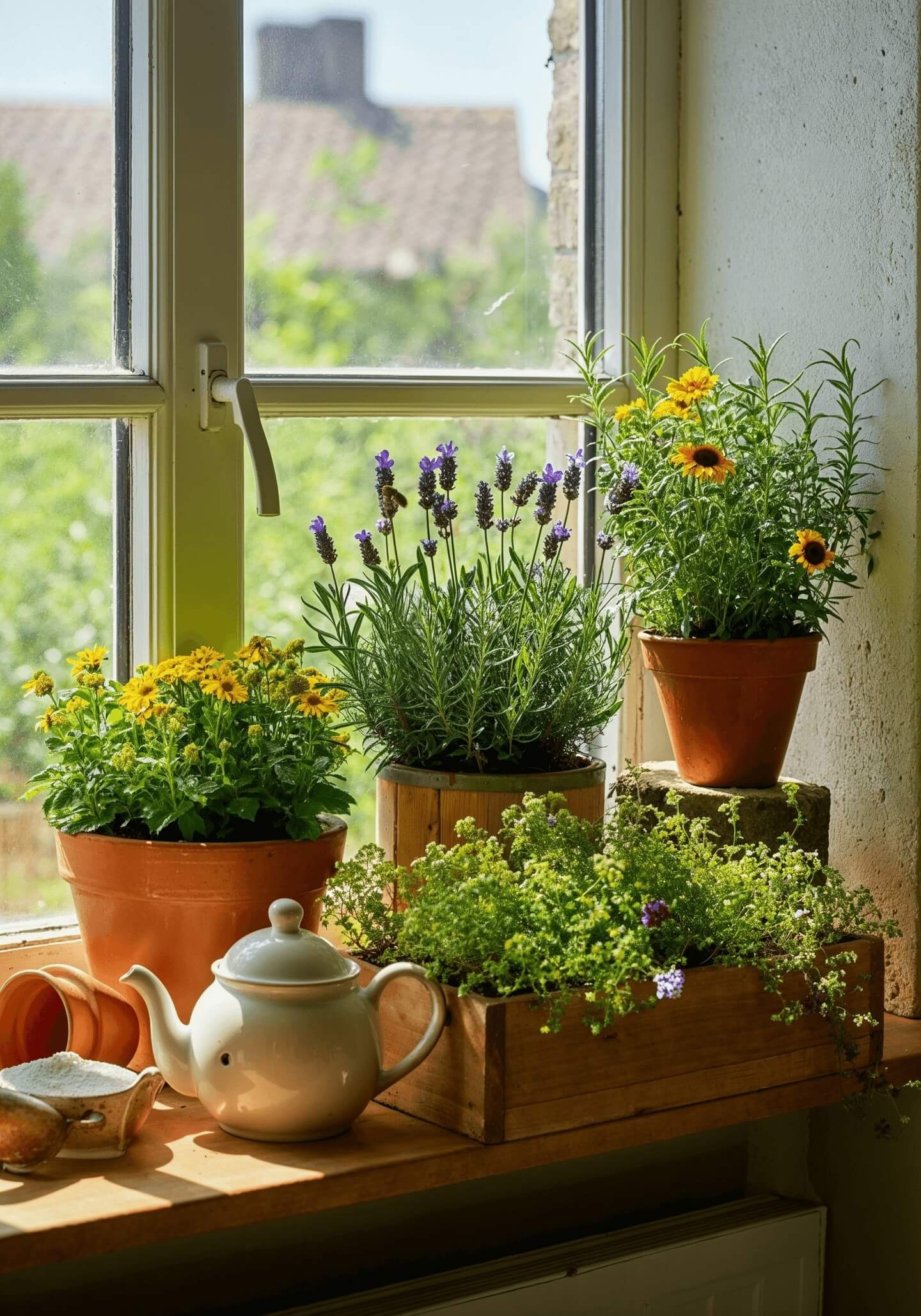
Invite beneficials with container recipes that offer nectar and pollen from spring to frost. Combine tubular, composite, and open-faced blooms to serve a range of pollinators: salvia, verbena, lantana, cosmos, zinnias, dwarf sunflowers, and lavender are all container naturals. Let a few herbs flower—chives, thyme, and oregano produce pollinator magnets without sacrificing kitchen utility. Stagger bloom times by mixing early, mid, and late-season varieties, and aim for drifts of the same plant to help bees forage efficiently.
Get the Fail-Safe Paint Color Playbook (Free PDF)
36 proven colors • 8 ready palettes • trim & sheen guide • printable testing cards.
Choose unsprayed starts and avoid neonicotinoid-treated plants. Skip broad-spectrum pesticides; spot-treat with insecticidal soap at dusk if needed. Provide shallow water with pebbles for safe landing, and deadhead regularly to keep nectar flowing. Sunny exposures are ideal, but many pollinator-friendly annuals also tolerate bright part sun—just ensure consistent moisture. Place these pots where you can see the action from indoors or a seating area; the movement and color will make your space feel alive. As a bonus, pollinator containers boost fruit set for nearby edibles, linking beauty and productivity in one smart container garden idea.
Shade-Smart Containers for North-Facing Porches
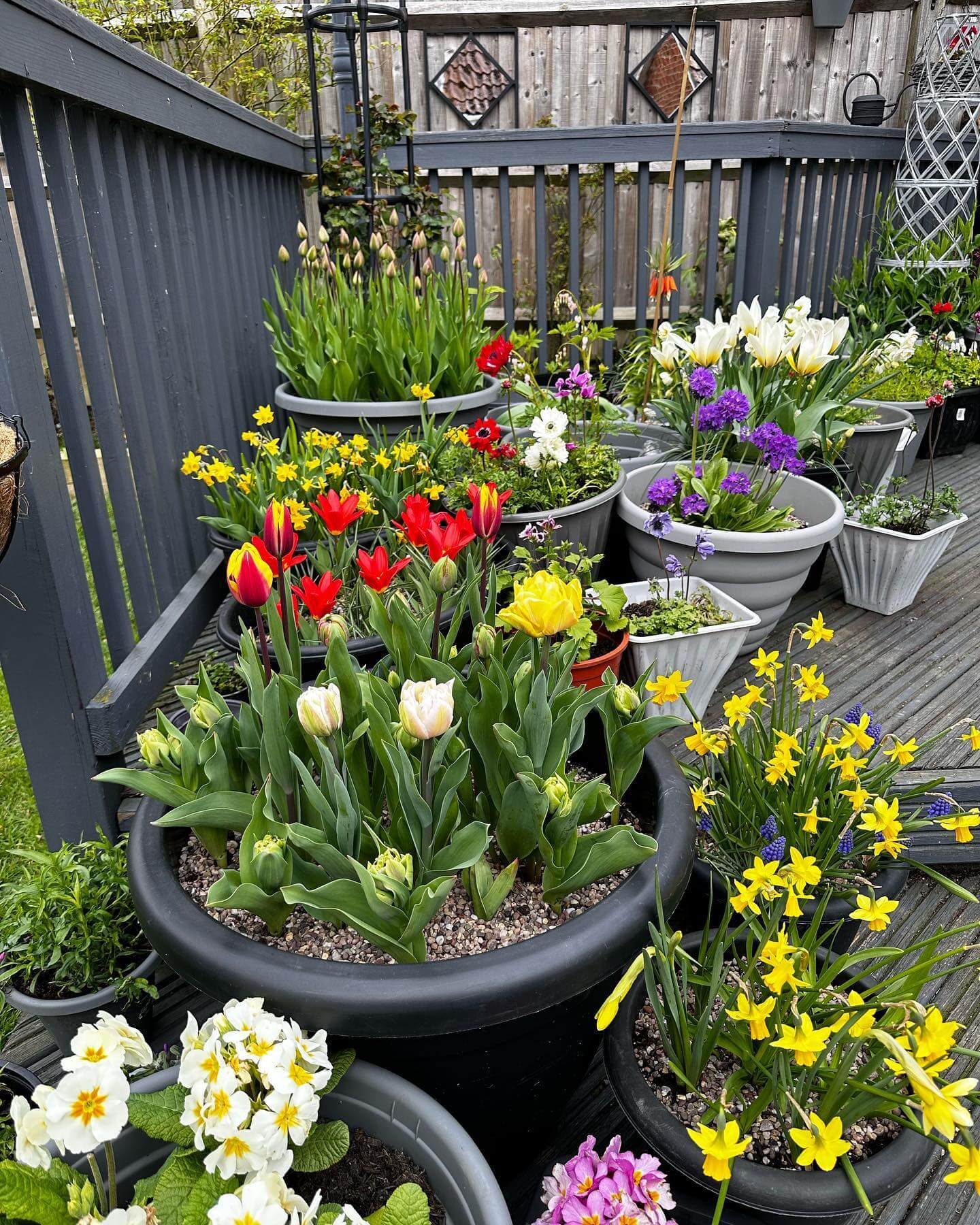
Not all patios bask in sun—and that’s a design advantage. Lean into foliage drama with shade containers that deliver color and texture without relying on blooms. Pair bold-leaf hostas or caladiums (thrillers) with mounding heuchera, impatiens, or torenia (fillers), then spill with creeping jenny, ivy, or trailing ferns. Coleus shines in bright shade; pick sun-tolerant cultivars if light shifts seasonally. Contrast leaf shapes and finishes—matte against glossy, frilly beside broad—to add depth even in low light.
Use moisture-retentive potting mix and larger containers; shade spots often stay cooler and wetter, so drainage is essential. Elevate pots to prevent waterlogging and check frequently after heavy rains. Light-colored or glazed containers brighten dim corners and reflect available light back onto foliage. If your porch is deep shade, focus on variegation and chartreuse tones to lift the mood. A small solar lantern or string lights can transform these plant vignettes into evening focal points. With the right palette, shade becomes a soothing, high-contrast canvas for refined container garden ideas.
Drought-Tolerant Designs: Succulents and Self-Watering Solutions
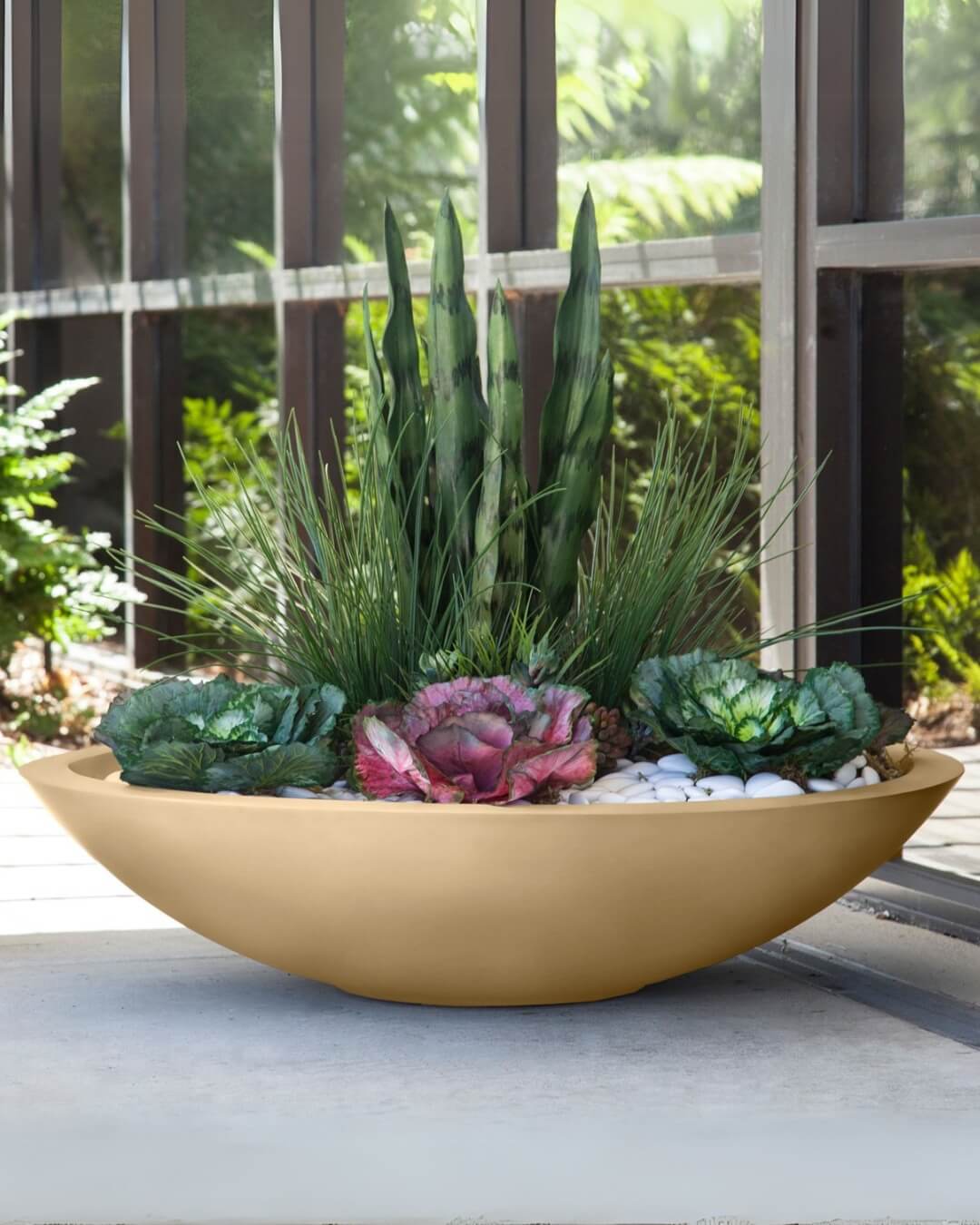
For hot exposures or busy schedules, build containers that thrive on less fuss. Create a sculptural succulent bowl with echeveria, haworthia, sedum, and a compact aloe or dwarf agave as the focal point. Use a gritty, fast-draining mix and top-dress with gravel to shed water and highlight rosette forms. Terracotta breathes, keeping roots drier; just water deeply but infrequently, allowing soil to dry between soakings. Group drought lovers together so their care aligns.
For thirstier annuals and edibles, lean on self-watering planters, ollas, or wick systems. These reservoirs reduce daily watering, buffer heat spikes, and help prevent blossom drop in tomatoes and peppers. Avoid pairing succulents with self-watering inserts—they prefer cycles of dry and wet. Add a layer of natural mulch (shredded bark or straw) to non-succulent containers to curb evaporation and regulate soil temps. If you travel, cluster pots in light afternoon shade and set a timer on a drip line. These resilient container garden ideas deliver longevity, texture, and peace of mind when summer sizzles.
Monochrome Magic: Color-Themed Containers That Cohere
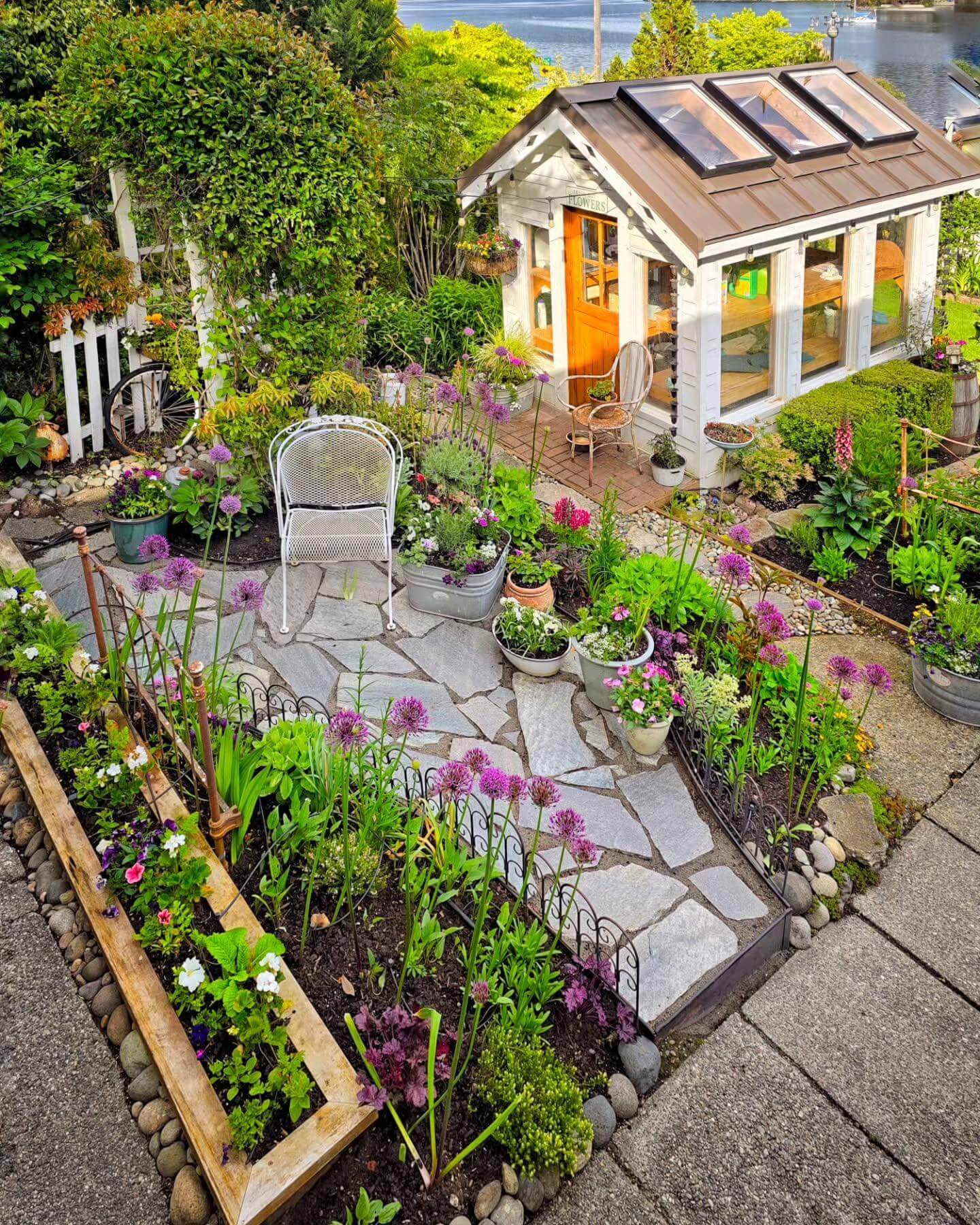
Tie your space together with a color story that echoes your exterior finishes or furniture. Monochrome doesn’t mean monotone—layer tints, tones, and textures within a single hue for sophistication. For a cool, coastal vibe, combine silvery foliage (dichondra, dusty miller) with blue blooms (lobelia, salvia, ageratum) and slate or white pots. Prefer heat and drama? Build a sunset palette with coral calibrachoa, red geraniums, orange marigolds, and bronzy coleus, anchored by charcoal planters.
Let foliage carry color between flower flushes: chartreuse sweet potato vine, variegated grass, or purple heart maintain impact even when blooms reset. Repeat the palette across multiple containers to create visual rhythm from entry to seating zone. Keep one “relief” neutral—like white blooms or matte black pots—to prevent overload and photograph beautifully. Seasonal swaps are easy: slide in cool-weather violas or ornamental kale in your chosen hue, then pivot back to summer annuals. Color-driven container garden ideas make small spaces feel intentional, polished, and instantly Instagrammable.
Upcycled, Lightweight, and Mobile: Renter-Friendly Planters
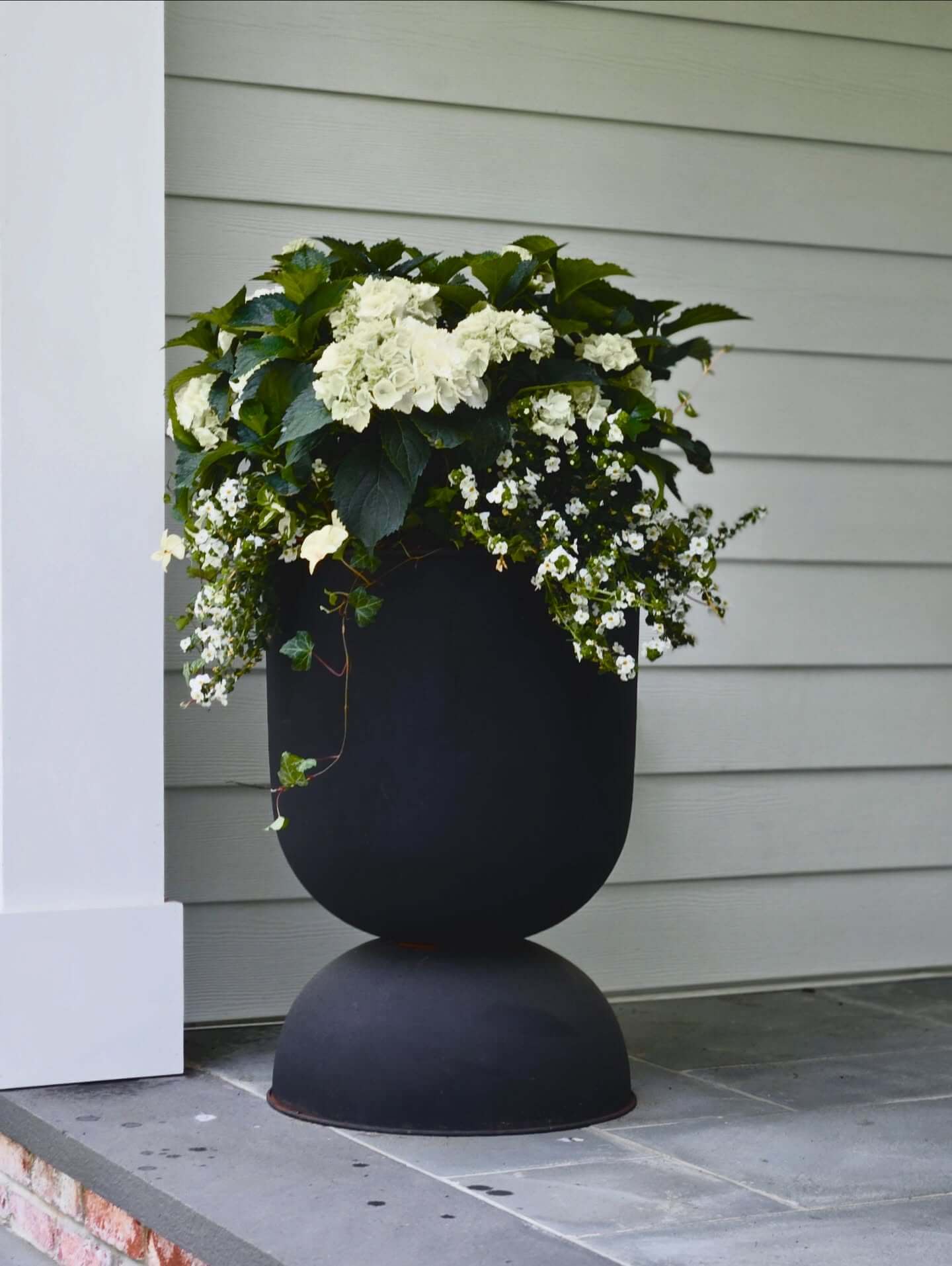
Design a high-impact garden that moves when you do. Lightweight materials—resin, fiberstone, and fabric grow bags—offer big-volume planting without the heft. Grow bags breathe, promote fibrous roots, and fold flat for storage; place on trays or caddies to protect decking. Upcycle crates, buckets, or vintage finds by drilling ample drainage holes and adding a liner; unify mismatched pieces with a consistent paint color or repeating hardware.
Mobility matters on balconies: set large pots on locking casters and use strap-style brackets for railing boxes so they can be removed for storms. Always check building guidelines for weight limits and water runoff; catch trays and self-watering inserts prevent drips onto neighbors below. To winterize, choose frost-proof containers or empty and store them dry. These renter-friendly container garden ideas balance style, budget, and practicality—delivering a curated look now, with the flexibility to reconfigure or relocate later without leaving a trace.
Care Calendar for Containers: Soil, Water, Feed, Refresh
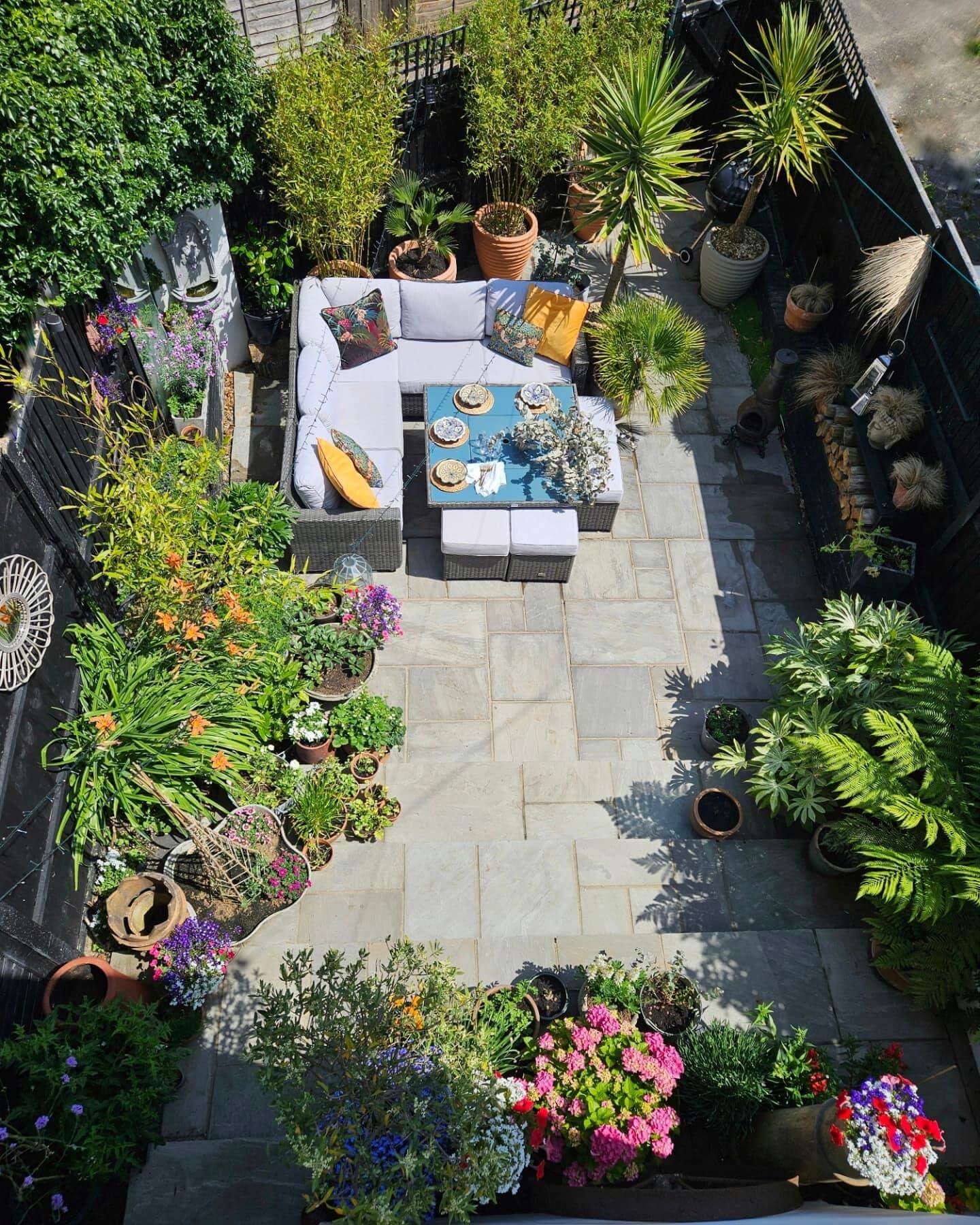
Keep pots thriving with a simple rhythm. At planting, use fresh, high-quality potting mix (not garden soil) and blend in slow-release fertilizer. Water deeply until liquid runs from drainage holes, then water again when the top inch of soil dries; in heat waves, check daily. Every 2–3 weeks, supplement with a diluted liquid feed—bloom booster for annuals, balanced fertilizer for edibles during growth, and calcium for tomatoes to deter blossom end rot.
Groom weekly: deadhead, remove yellowing leaves, and pinch leggy stems to maintain shape. Rotate containers a quarter turn for even light and stake taller thrillers before wind events. Monitor for pests—catch aphids and mites early with a strong water spray or insecticidal soap. Midseason, top up soil lost to settling and refresh tired fillers with fresh starts to extend the show. In fall, transition to cool-season plants or tuck bulbs under winter annuals for a spring surprise. With a lightweight, repeatable care plan, your container garden ideas won’t just look good on day one—they’ll stay vibrant from first frost to last bloom.
Get the Fail-Safe Paint Color Playbook (Free PDF)
36 proven colors • 8 ready palettes • trim & sheen guide • printable testing cards.
Mediterranean-Inspired Pots: Terra-Cotta, Citrus, and Sun-Loving Herbs
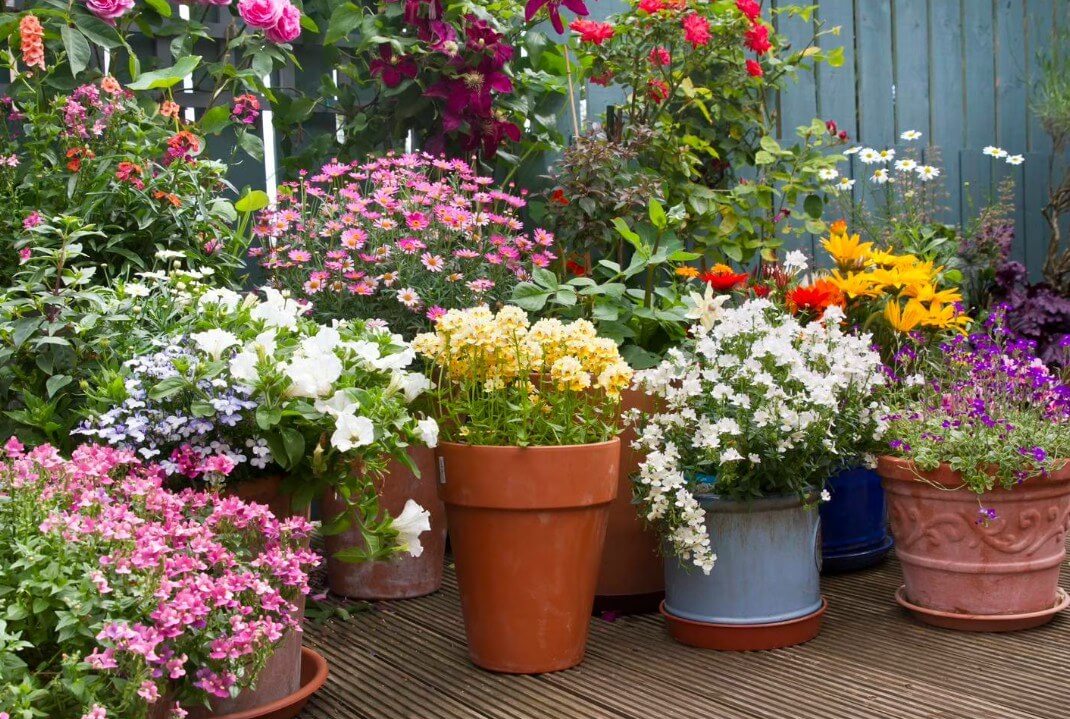
Lean into a sun-drenched palette that looks right at home on patios and balconies. Start with classic terra-cotta or warm-toned clay planters; they breathe, help prevent soggy roots, and visually tie a grouping together. Anchor the vignette with a dwarf olive, bay laurel, or patio citrus, then ring it with drought-savvy herbs like rosemary, thyme, oregano, and lavender for fragrance and effortless texture. To keep the look cohesive, repeat two or three container shapes in different sizes and tuck in silvery foliage (helichrysum, artemisia) for that coastal sparkle. Use a gritty, well-draining potting mix amended with coarse perlite or pumice, and top with pea gravel to curb evaporation and splash. Full sun is key; water deeply but infrequently and feed with a balanced, slow-release fertilizer, switching to a high-potash feed for fruiting citrus mid-season. Blue-and-white glazed accents or a striped outdoor rug can echo Mediterranean tiles without crowding the footprint. This container garden idea thrives in heat, shrugs off dry spells, and delivers year-round structure with seasonal blooms you can swap in—think trailing verbena or calibrachoa for color without breaking the theme.
Tropical Foliage Drama in Pots: Big Leaves, Bold Color, Instant Escape
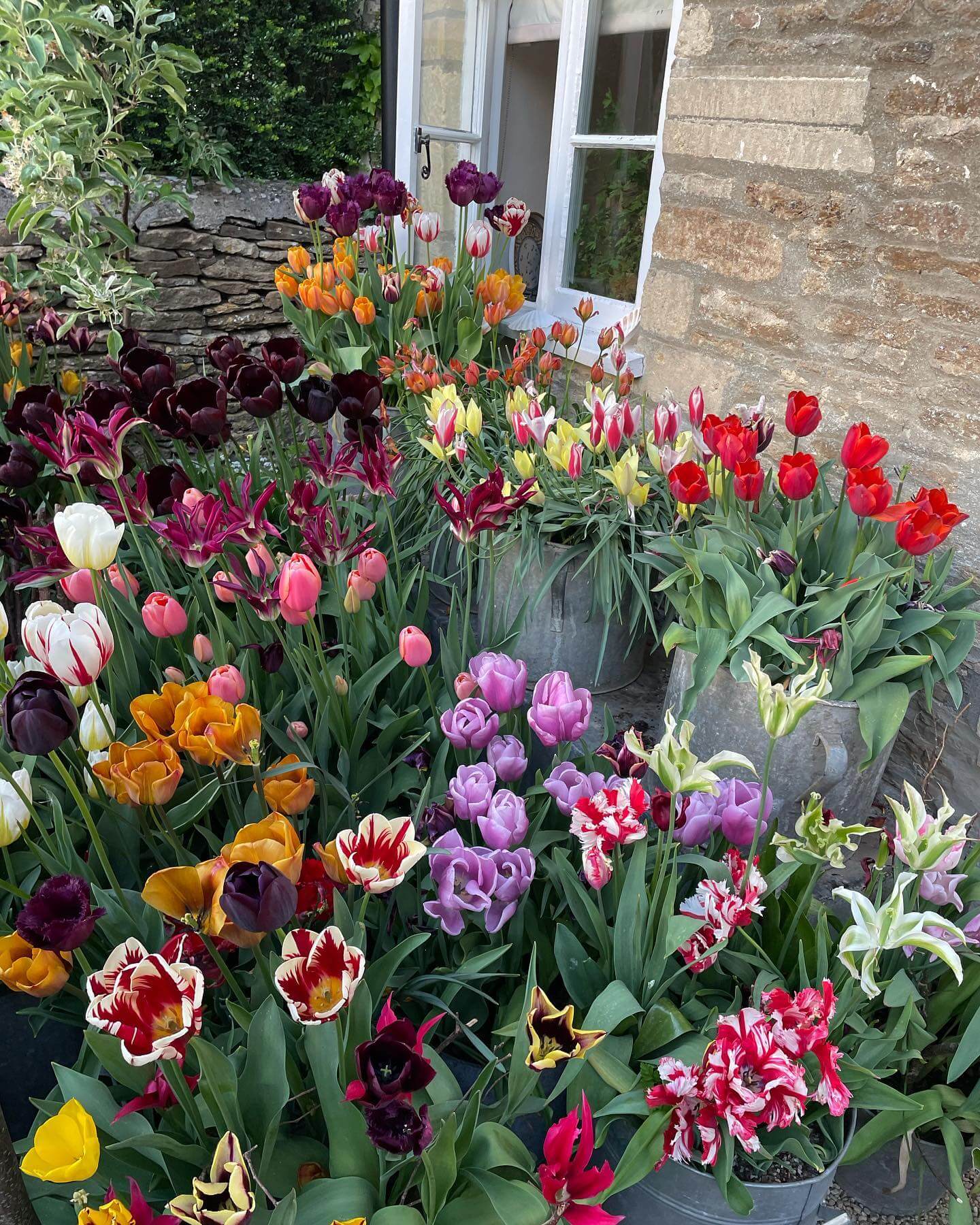
When square footage is tight but you crave a getaway vibe, build a container trio around oversized foliage. Think a tall “thriller” like canna, elephant ear, or an upright alocasia; a color-charged “filler” such as croton, coleus, or caladium; and a lush “spiller” like sweet potato vine or creeping jenny to soften edges. Large leaves read as luxe from a distance, so this approach transforms balconies and small patios fast. Use generous, well-draining containers (18–24 inches wide) to buffer heat and wind and to hold moisture—tropicals are thirsty. Enrich high-quality potting mix with compost and add a slow-release fertilizer; supplement with liquid feed every 2–3 weeks in peak growth. Group pots closely to raise ambient humidity and create a mini microclimate; a discreet self-watering reservoir or wicking system keeps maintenance manageable. For balance, mix matte planters with one glossy ceramic to catch light without visual clutter. As nights cool, move tender plants indoors, or save budget by lifting bulbs and rhizomes (canna, colocasia) to store for next year. The result is a season-long focal point that hums with color, movement, and texture.
Small-Space Privacy Screens: Tall Pots with Grasses, Bamboo, and Vines
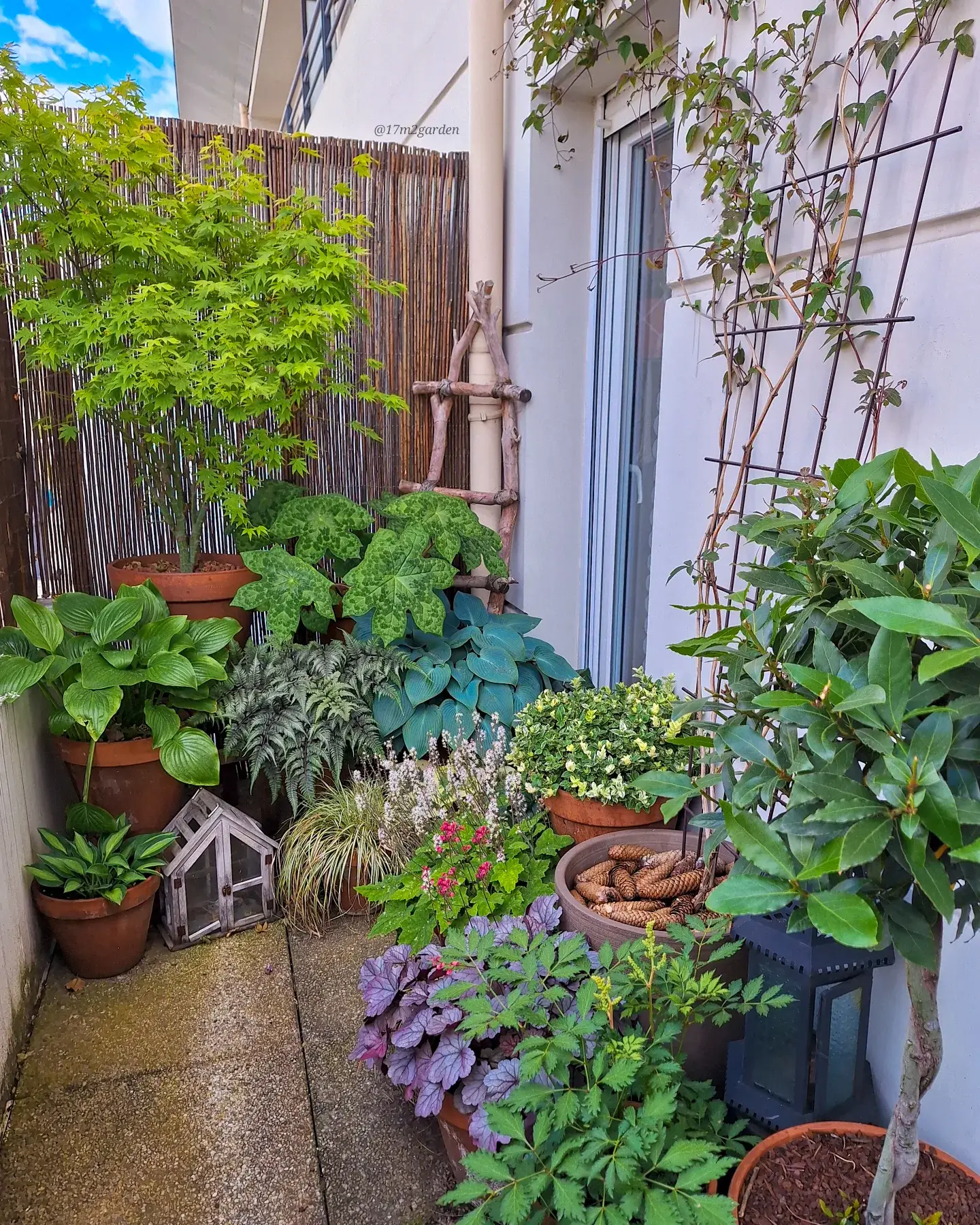
Create a green room on a balcony or patio with portable screens you can reconfigure. Start with tall, weighted planters (fibercement, ceramic, or double-potted inserts for extra heft) spaced like fence posts. Plant clumping, not running, bamboo (Fargesia spp.) or vertical grasses such as feather reed grass (Calamagrostis ‘Karl Foerster’) for fast height without takeover. Weave in trellised containers—think star jasmine, mandevilla, or clematis—to fill mid-level gaps and add fragrance. For tight footprints, opt for slim troughs and align them in a gentle zigzag to break wind and create depth. A high-quality potting mix with added compost supports vigorous growth; top with bark or gravel to reduce splash and conserve moisture. Secure trellises to pots or railings, and add locking casters if you need to move them for cleaning or seasonal light shifts. Water deeply and consistently, especially in wind-exposed spots, and feed monthly during active growth. With this setup, you’ll gain privacy, soften hard edges, and carve out a cozy, room-like nook—without violating lease rules or installing permanent fixtures.
Four-Season Porch Pots: Evergreen Anchors with Easy Seasonal Swap-Ins
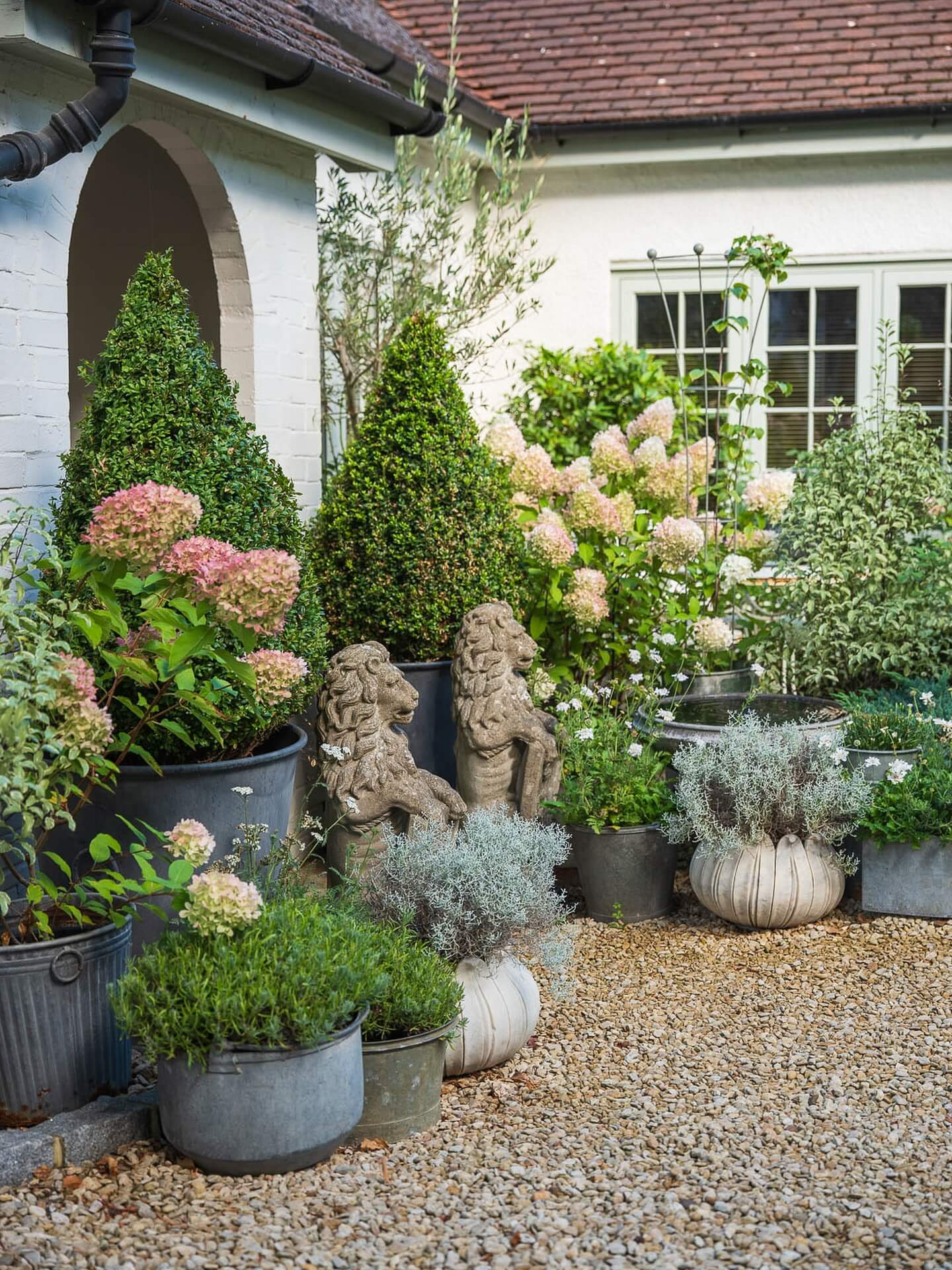
If you want curb appeal that never quits, build containers around evergreen structure and layer in seasonal highlights. A dwarf conifer, boxwood, or upright yew provides bones that carry your porch through winter. Underplant with year-round foliage like heuchera or carex, then reserve pockets for rotating color: spring bulbs tucked in nursery pots; summer annuals (petunias, begonias) for waves of bloom; fall textures like ornamental kale and pansies; winter interest with cut branches, holly, or twinkle lights. Nest smaller grower pots inside the main planter so swaps take minutes, not hours—no roots disturbed, no mess. Choose frost-resistant containers with drainage, elevate on pot feet, and use a premium, peat-free potting mix that stays airy. Feed evergreens in early spring and again midsummer; refresh the top few inches of soil each season. Repeat plant varieties or pot shapes across steps for cohesion, and mirror colors in your doormat or wreath. This strategy keeps maintenance low and impact high, ensuring your entry stays polished and purposeful 365 days a year.
Scent-First Containers by the Door: Fragrant Herbs and Night-Bloomers
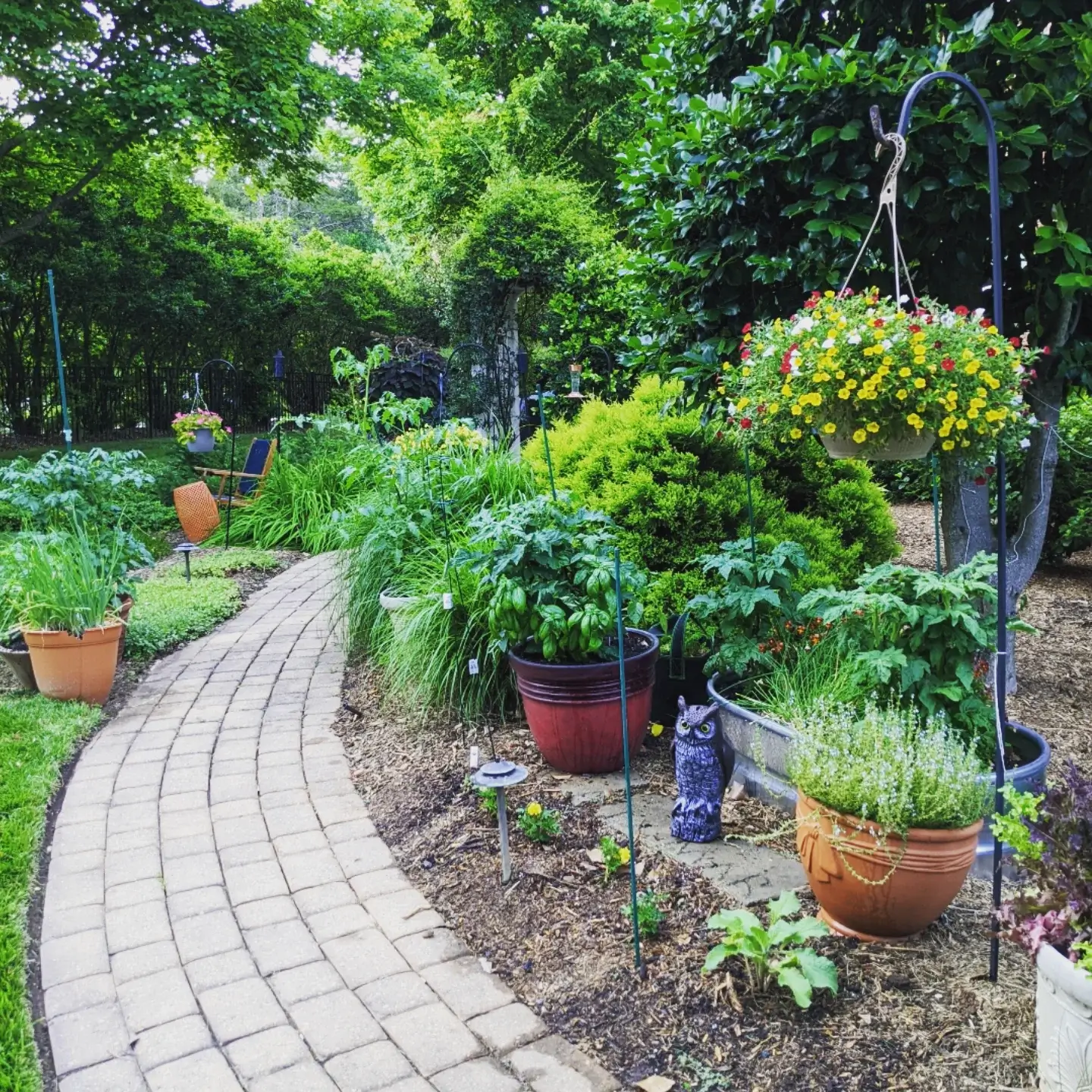
Design containers for the senses where you actually pass by—front steps, balcony railings, and seating nooks. Combine tactile herbs like rosemary, thyme, and lemon verbena with scented pelargoniums and basil for daytime aromatherapy you can brush with your hand. For evenings, add night-scented nicotiana or moonflower on a compact trellis; their perfume unfurls at dusk just as you unwind. Keep mint and lemon balm in their own pots to prevent takeover, and site the grouping in at least 4–6 hours of sun for robust oils and bloom. Use a loose, well-draining mix; water deeply when the top inch is dry and avoid wetting leaves to keep flavors intense. Harvest often to encourage bushiness, and feed lightly—too much nitrogen can mute fragrance. A gravel mulch warms quickly and releases aroma faster, while matte black or cream planters frame greenery without stealing the show. With this scent-driven container garden idea, your threshold becomes a ritual—clip a handful of herbs for dinner, catch a whiff at night, and let fragrance turn a pass-through into a destination.
Cottage-Core Containers: Soft Pastels, Spills, and Bee-Friendly Charm
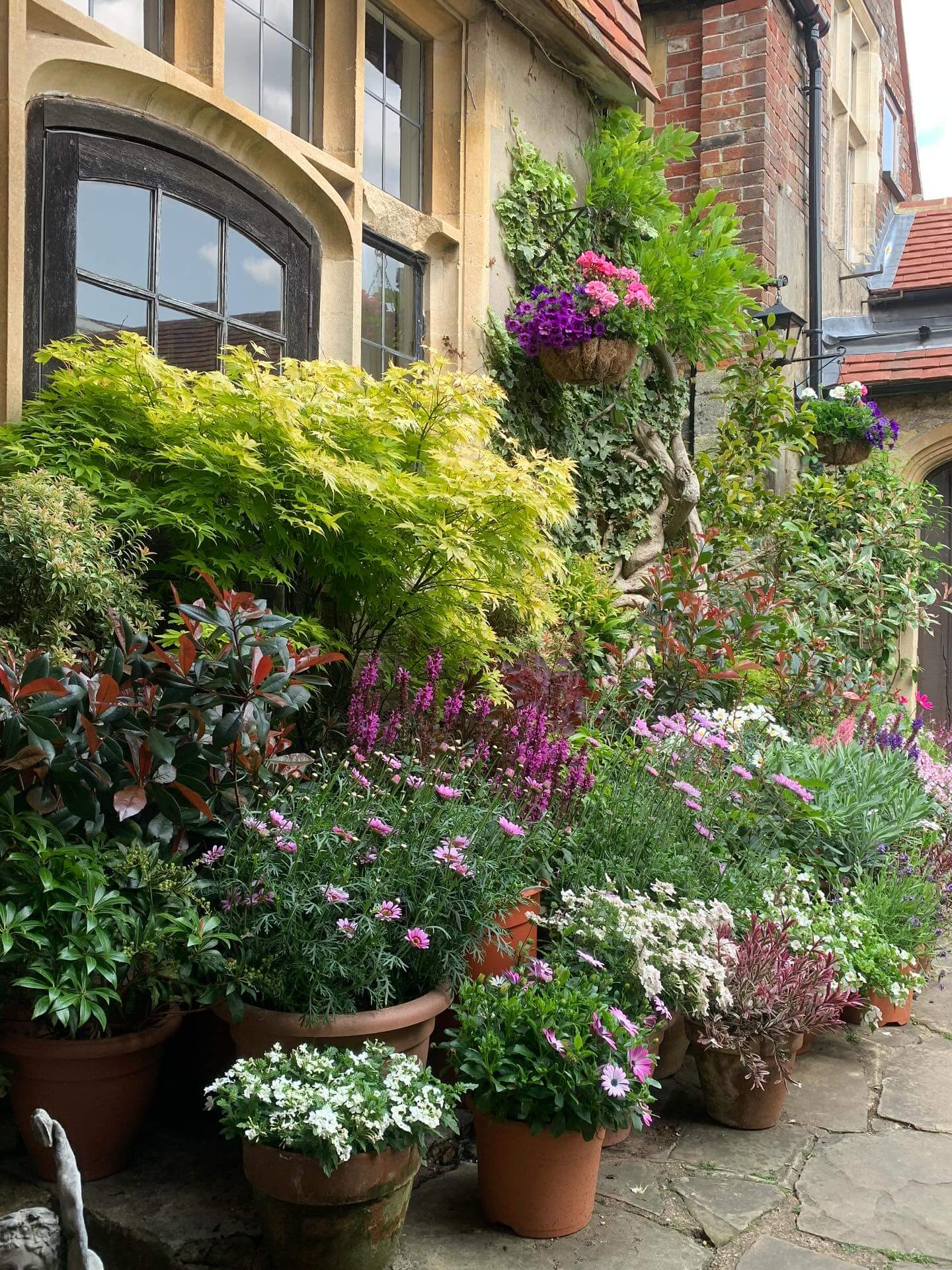
Channel that rambling, romantic feel—no acreage required. Start with a muted palette (blush, cream, powder blue) and gather a mix of textured planters: aged terra-cotta, limewash clay, or soft stone hues. Build airy height with larkspur or snapdragons in pots, then weave in pastel petunias, dianthus, nemesia, and trailing lobelia to spill and soften seams. Tuck in a dwarf shrub rose or lavender as a perennial anchor that returns each year. Let plants mingle; the magic is in the layers, not strict symmetry. To keep the look lively (and pollinator-friendly), include single-flowered choices like cosmos and scabiosa that offer easy nectar access. Deadhead weekly for waves of bloom, water consistently with a gentle shower setting, and feed with a bloom-boosting fertilizer every 2–3 weeks. Use repetition—three of the same plant across containers—to avoid chaos and tie the scene together. A vintage crate as a riser or a thrifted chair as a plant stand adds vertical charm while keeping your footprint compact. It’s a soft-focus, small-space cottage garden that hums with life.
Get the Fail-Safe Paint Color Playbook (Free PDF)
36 proven colors • 8 ready palettes • trim & sheen guide • printable testing cards.
Kid-Friendly Grow Boxes: Snackable, Success-Ready Container Crops
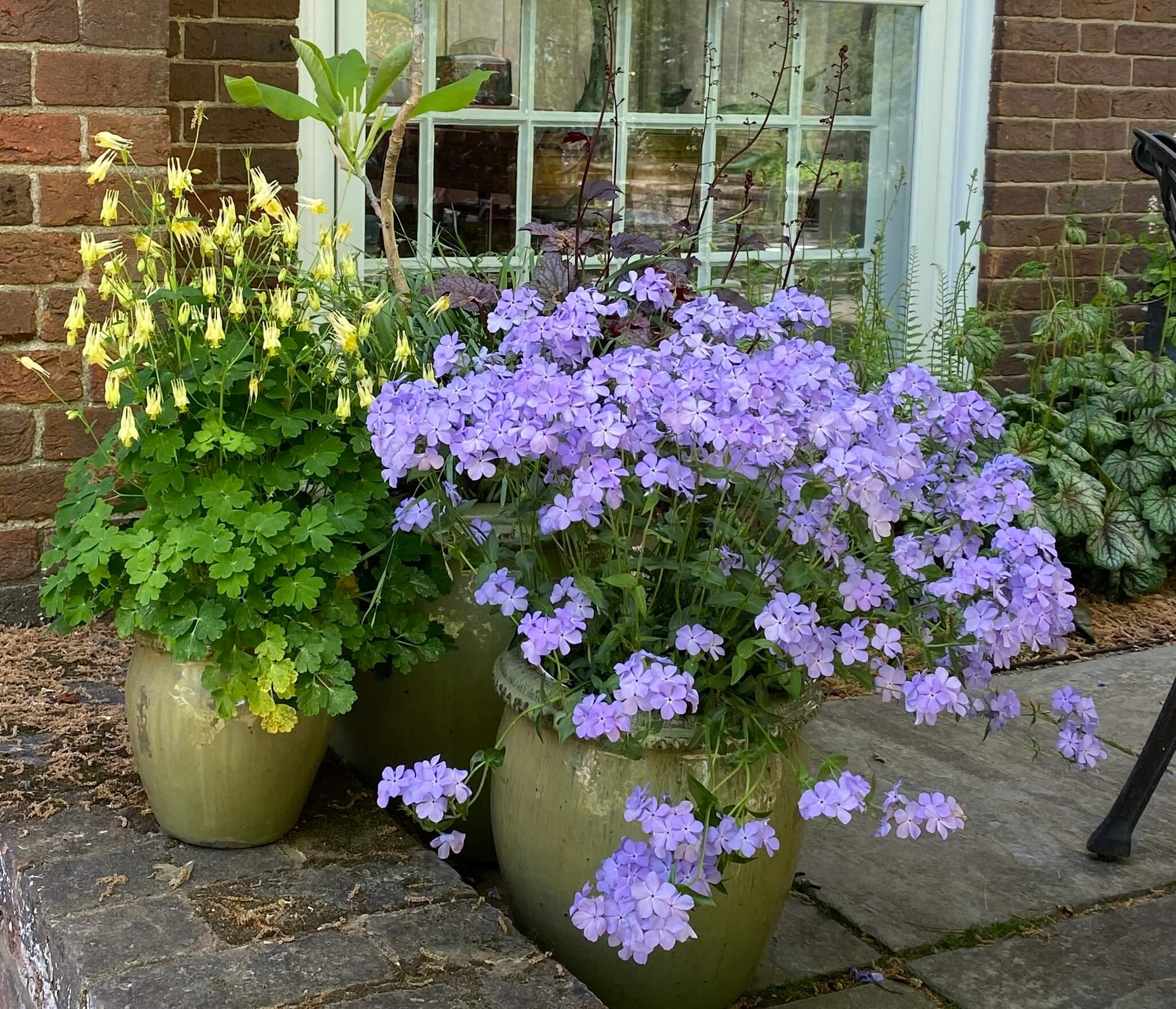
Make gardening irresistible (and easy) for kids with low, reachable planters packed with quick wins. Choose a lightweight trough or raised container on a bench-height stand and fill with a rich, peat-free mix plus compost. Plant sugar snap peas on a mini trellis, a compact cherry tomato, everbearing strawberries along the edge, and a sprinkle of radish or baby carrot seeds for fast gratification. Add a few edible flowers—nasturtiums or violas—for color and salad flair. Label everything with fun stakes, give each child a small watering can, and set a simple schedule: water when the top inch is dry, harvest together twice a week. Feed with an organic, kid- and pet-safe fertilizer as directed. Place the box in 6+ hours of sun, or choose shade-tolerant edibles (lettuces, chives, parsley) if light is limited. Involve kids in taste tests and counting harvests—it turns care into a game and builds garden confidence. This container garden idea packs learning, snacking, and color into a tidy footprint that thrives on curiosity.
Pet-Safe Pots: Beautiful, Non-Toxic Plant Lists and Smart Setups
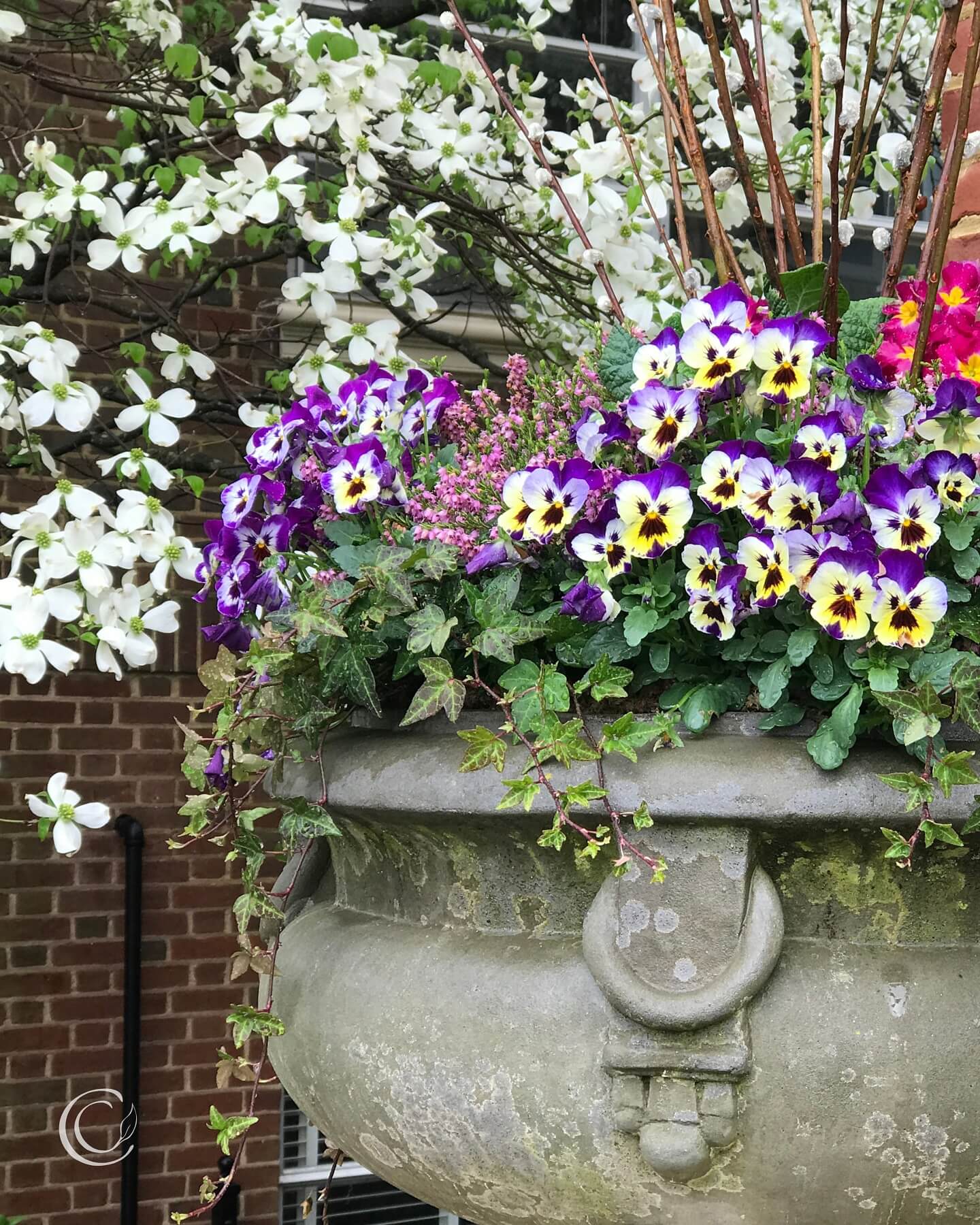
If furry friends share your patio, curate containers with beauty and peace of mind. Favor non-toxic choices such as herbs (basil, rosemary, thyme), catnip and cat grass, and safe blooms like pansies, violas, snapdragons, zinnias, and marigolds. For foliage, try calathea, pilea, or peperomia in shaded spots. Skip cocoa shell mulch (it contains theobromine) and opt for bark, gravel, or living mulches like thyme. Secure tall planters to walls or group pots to create stable clusters; select heavier containers or add stones to the base to prevent tipping during zoomies. Use organic pest controls—neem oil, insecticidal soap—and avoid systemic insecticides that can linger in pollen or leaves. Place any mildly irritating plants out of nibble range on shelves or risers, and keep a water bowl nearby so pets aren’t tempted to explore damp saucers. Always verify species safety with a trusted resource before planting. With smart plant picks and thoughtful placement, you’ll get a lush, stylish container garden that’s as safe as it is beautiful.
Wind- and Heat-Proof Balcony Containers: Weight, Wicking, and Resilient Picks
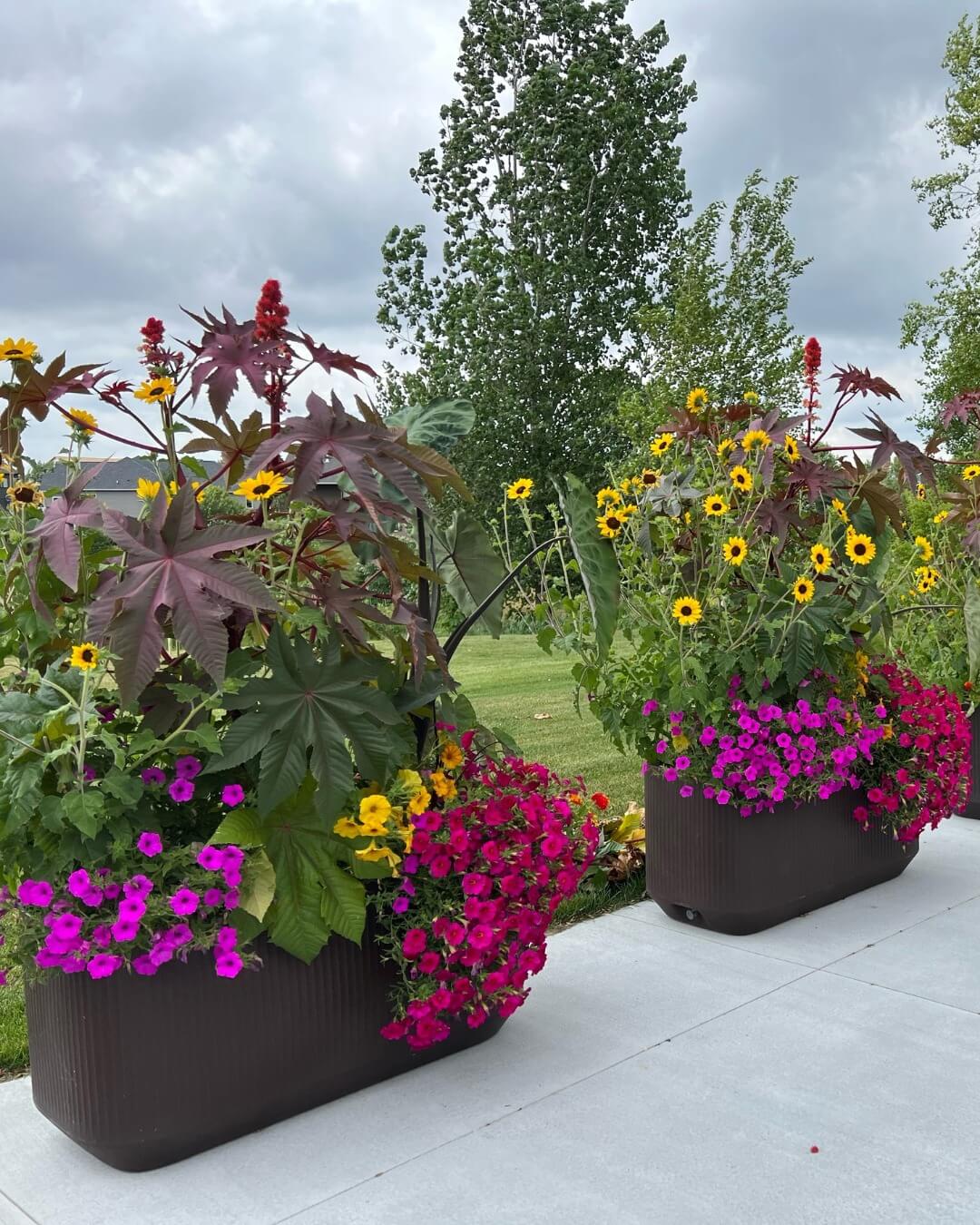
Tame tough balconies with planters built to handle gusts and glare. Choose low, wide containers or tall pots weighted with bricks in the base; cluster them to break wind and reduce topple risk. Add self-watering reservoirs or a wicking setup (cotton rope from a water-filled cachepot) to keep roots evenly moist between heat waves. Mix coir and pine bark into potting soil for structure, and blend in water-holding crystals sparingly for extended hydration. Mulch with gravel to reflect heat and minimize evaporation. Plant resilient, sun-loving choices: rosemary, lantana, portulaca, gaura, dwarf grasses, and trailing succulents at the edges for spill without wilt. In extreme exposures, a slim privacy screen or shade cloth panel can cut wind shear and lower leaf stress. Water in the cool of morning, and feed lightly; heat-stressed plants prefer consistent moisture over heavy fertilizer. This strategy turns a challenging balcony into a hardworking, good-looking container garden that stays upright, hydrated, and colorful when the mercury spikes.
Get the Fail-Safe Paint Color Playbook (Free PDF)
36 proven colors • 8 ready palettes • trim & sheen guide • printable testing cards.
Statement Specimens in Pots: Dwarf Trees and Shrubs for Architecture
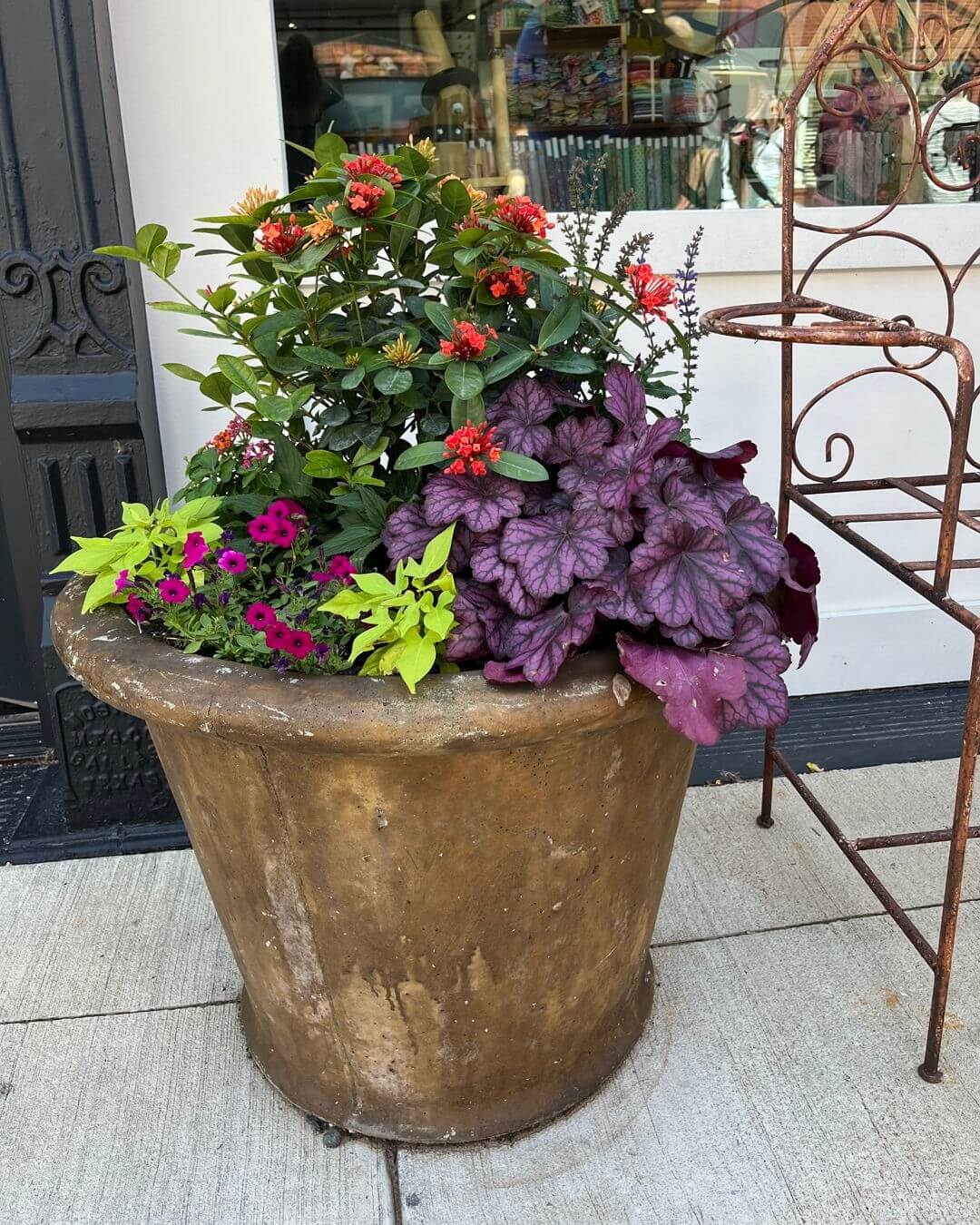
One dramatic plant in the right container can redefine a small space. Consider a dwarf Japanese maple, patio citrus, bay laurel, hydrangea on a standard, or a compact conifer as the architectural anchor. Size the planter generously—at least 2 inches wider than the current root ball—and ensure ample drainage. Use a premium, woody-plant potting blend with added pine bark for structure, and raise the pot on feet for airflow. Underplant with low, contrasting textures—heuchera, creeping thyme, or trailing bacopa—to finish the base without stealing the spotlight. Feed in spring with a slow-release, species-appropriate fertilizer; water deeply and less often to encourage resilient roots. Rotate the container monthly so growth stays even, and root-prune or up-pot every 2–3 years to maintain vigor. In cold regions, choose hardy specimens or wheel pots to sheltered spots for winter. Paired with simpler sidekicks, a single statement plant delivers year-round presence, clear sightlines, and an instant sense of design on any porch or patio.
Thrillers, Fillers, and Spillers: The Foolproof Formula for Lush Containers
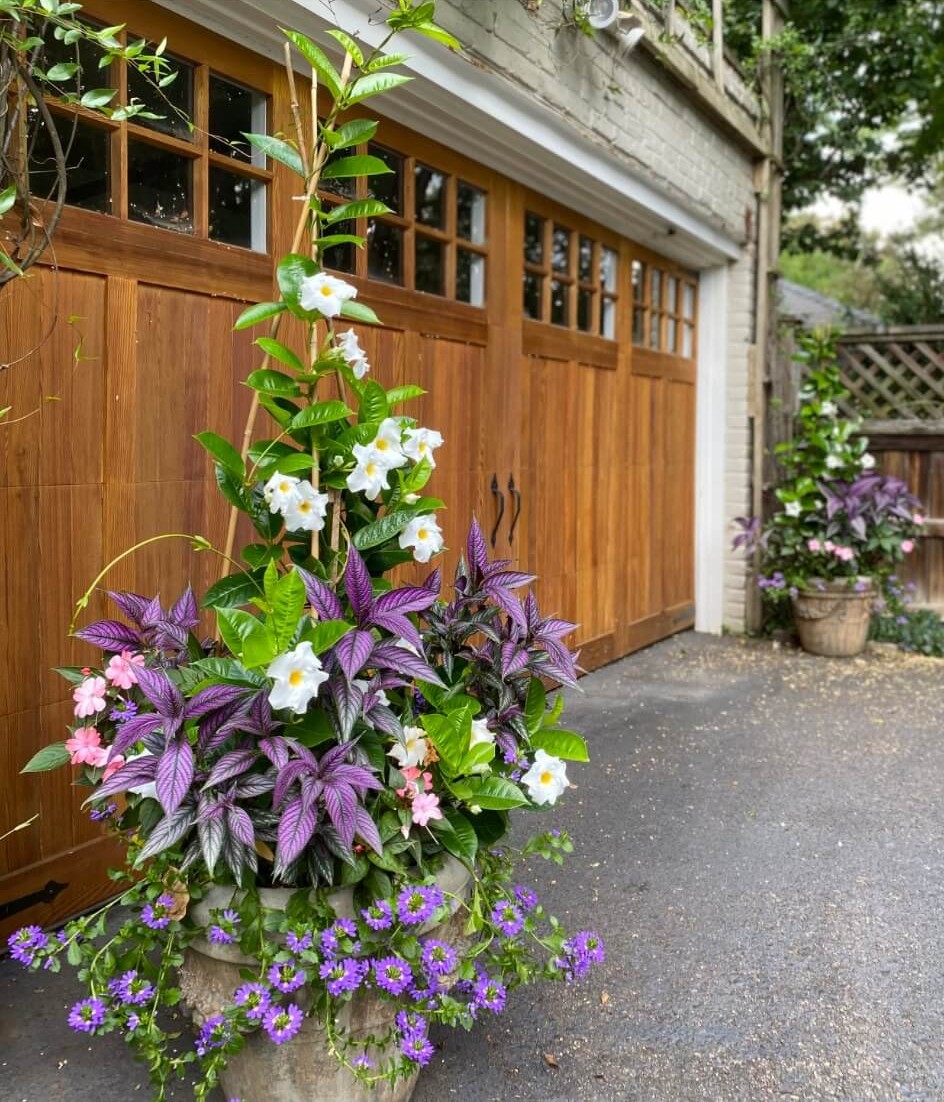
Want instant, designer-looking pots? Use the classic thriller–filler–spiller formula. Start with a thriller—your vertical focal point—to set scale and draw the eye. Think canna, cordyline, dwarf fountain grass, or even a compact tomato on a stake. Next, add fillers to knit the planting together with color and texture: coleus, calibrachoa, heuchera, compact basil, or mounding marigolds keep the container feeling full. Finally, let spillers soften edges and add movement: sweet potato vine, creeping Jenny, bacopa, ivy geranium, or ‘Silver Falls’ dichondra trail beautifully over rims.
Choose a pot at least 14–16 inches wide for adequate root room and balance, and use a high-quality, peat- or coir-based potting mix with added perlite for drainage. Repeat leaf colors (chartreuse, burgundy, silver) across multiple pots to create cohesion on patios and balconies. For sun, pair red canna (thriller), yellow lantana (filler), and lime ipomoea (spiller). For shade, try variegated fatsia (thriller), plum heuchera (filler), and golden creeping Jenny (spiller). Tuck in slow-release fertilizer at planting, then supplement blooms with a dilute liquid feed midseason. This simple structure delivers layered height, texture, and nonstop color—no design degree required.
Shade-Loving Container Combos: Color and Texture Without Full Sun
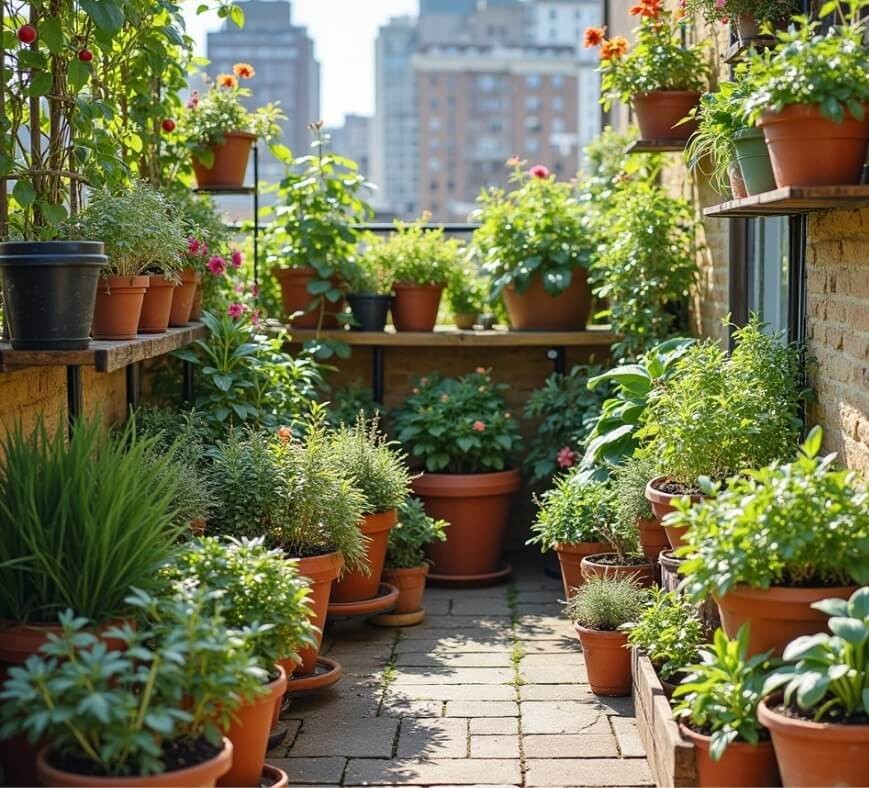
No direct sun? Lean into foliage and shade-tolerant bloomers that thrive on porches, under eaves, and north-facing balconies. Build contrast with broad leaves, frilly edges, and variegation. A foolproof mix: chartreuse hosta (structure), plum heuchera (color punch), maidenhair or autumn fern (delicate texture), and trailing ivy or lamium to spill. Add caladium or New Guinea impatiens for season-long color without scorch. For edible interest in part shade, mint, parsley, and chives tuck in nicely and stay lush.
Moisture is key in low-light containers. Use a chunky potting mix with bark fines for airflow, top with moss or fine gravel to slow evaporation, and consider self-watering inserts for consistent moisture. Light-colored or glossy pots bounce what light you do have back into the planting, making greens glow. Variegated leaves (white-edged hosta, ‘Snow and Ice’ vinca) brighten dim corners, while silver accents (brunnera, dichondra) add lift. Keep pots snug to walls to catch reflected light and protect from wind. Feed lightly—shade growers don’t gobble nutrients like sun annuals—and prune spent or tattered leaves to keep the display crisp. The result: a soothing, high-texture container vignette that stays fresh all summer.
Vertical Container Walls and Stackables: Grow Up, Save Floor Space
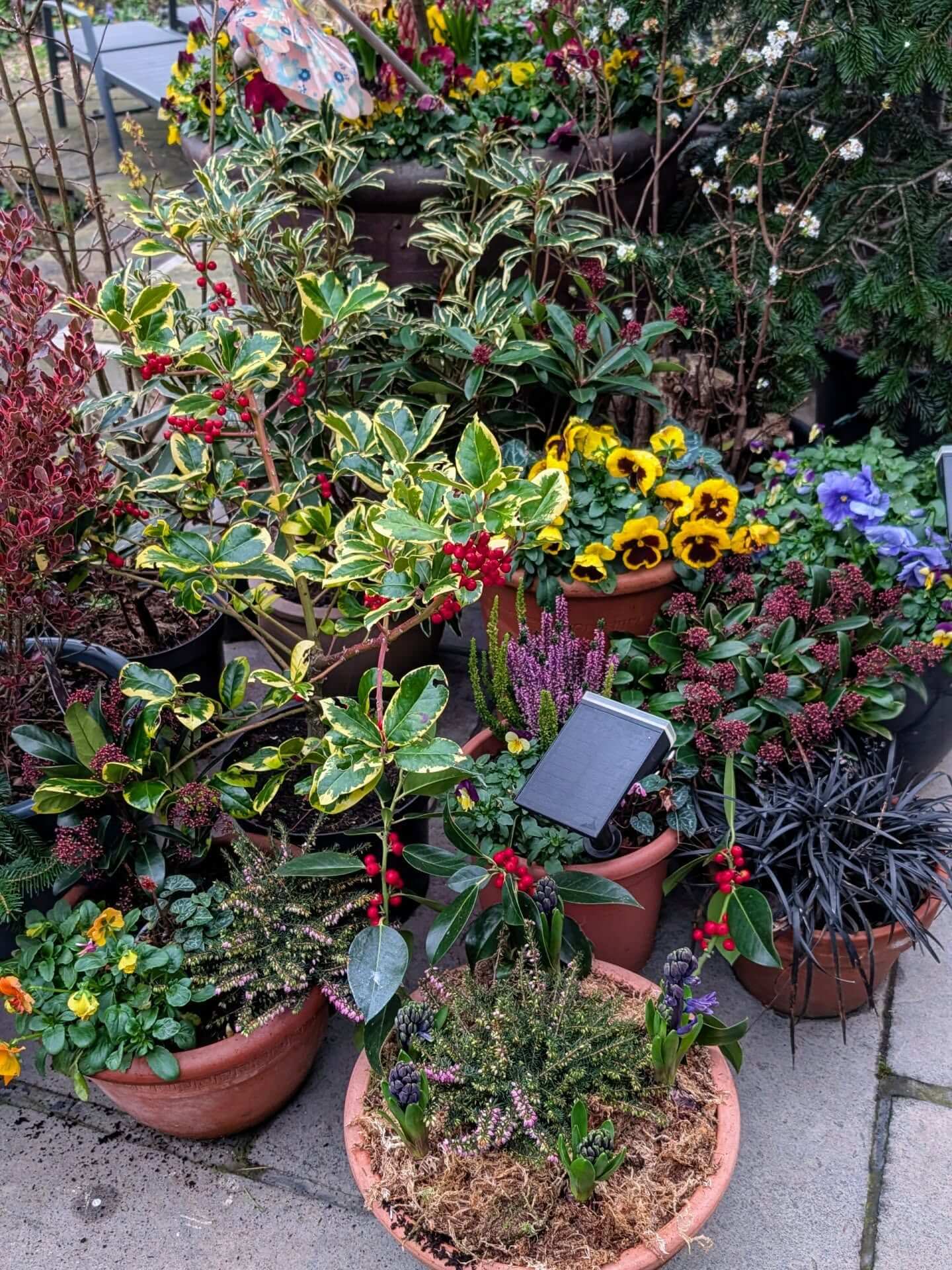
When square footage is tight, turn walls, railings, and corners into productive green space. Modular wall pockets, stackable planters, ladder shelves, and freestanding towers multiply planting sites while keeping walkways clear. Anchor heavy units securely, mind weight limits, and choose UV-stable materials for sunbaked balconies. Plant “layers” by light needs: sun lovers up top, shade-tolerant herbs and ferns lower down. For edibles, strawberries, cut-and-come-again lettuces, peas, and compact chilies excel in pockets; train dwarf cucumbers or jasmine on a trellis behind a large base pot to add vertical drama.
Watering is the make-or-break. Install a simple micro-drip line with a timer, or use capillary mats and wicking reservoirs so every level drinks. Blend coir into potting mix for even moisture without soggy roots, and add slow-release fertilizer to feed steadily. Repeat plant families or colors down the column for visual rhythm—silver foliage, for example, ties disparate pockets together. Tuck pollinator plants (alyssum, salvias, lantana) at intervals to invite beneficials, even on high-rise balconies. A vertical system turns a blank fence or rail into a living wall—lush, productive, and purposefully designed.
Smart Watering for Pots: Self-Watering, Ollas, and Simple Drip
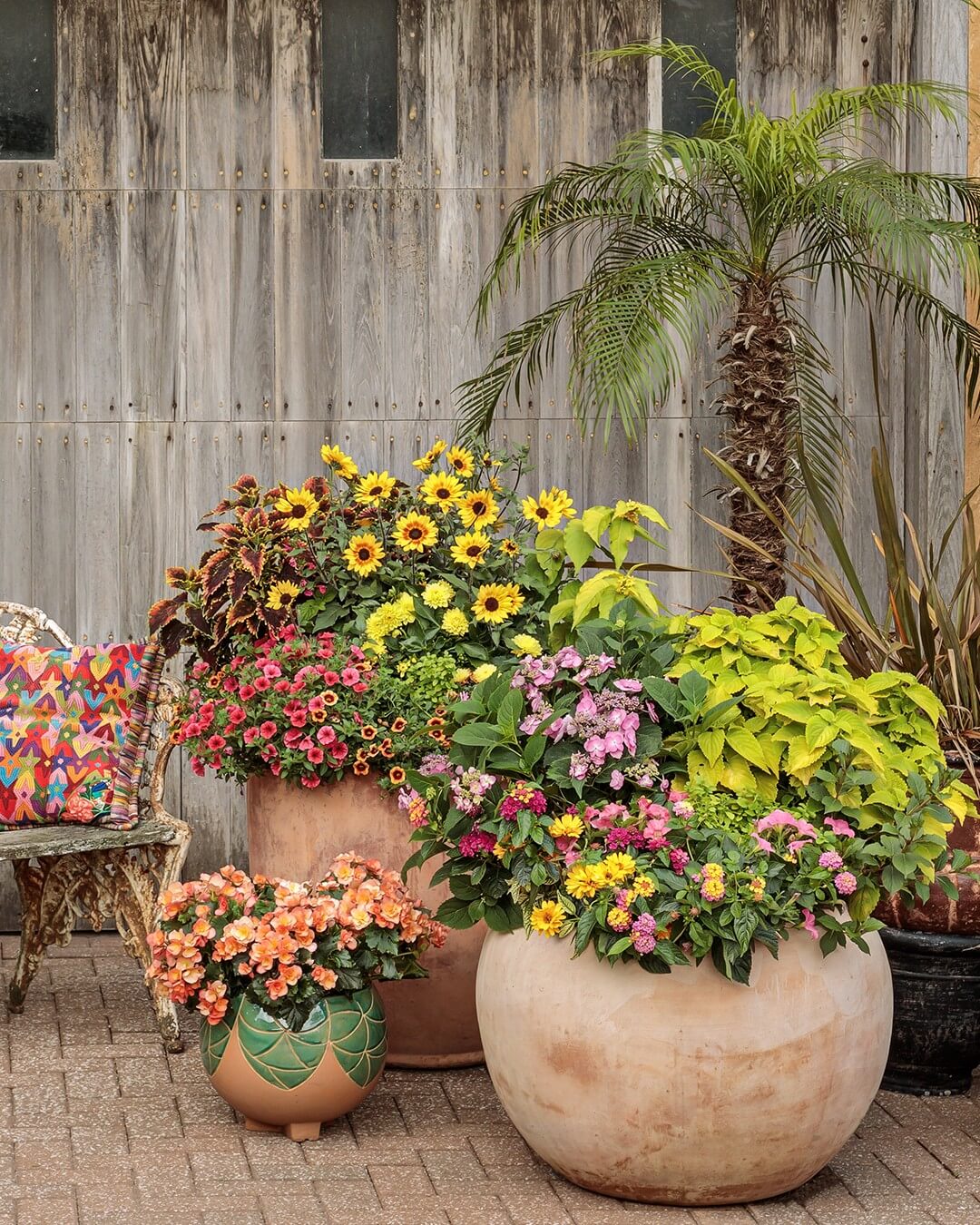
Consistent moisture is the secret to stress-free container gardens—especially in wind- and heat-prone spots. Build a watering system that works for you. Self-watering planters with built-in reservoirs keep roots evenly moist between fills; they’re ideal for thirsty annuals, veggies, and balcony gardeners who travel. For classic pots, bury a small olla (porous clay vessel) near the root zone; it releases water slowly, encouraging deep, resilient roots. On larger setups, a basic drip kit with a battery timer delivers precise, low-waste irrigation straight to each container.
Optimize your potting mix for water management: blend coir or peat with perlite and a bit of compost for structure, then mulch the surface with fine gravel or shredded bark to reduce evaporation. Group plants by thirst so you can dial output correctly, and water early in the morning to reduce midday stress. Elevate pots on feet to prevent soggy saucers, and check moisture with a finger or inexpensive meter—overwatering is as damaging as drought. Add a slow-release fertilizer at planting, then spoon-feed with a dilute liquid feed during heavy bloom or fruiting. Smart watering makes containers lower maintenance, more resilient, and far more forgiving in summer heat.
Color-Blocked Pots for Instant Cohesion: Curate a Palette and Repeat
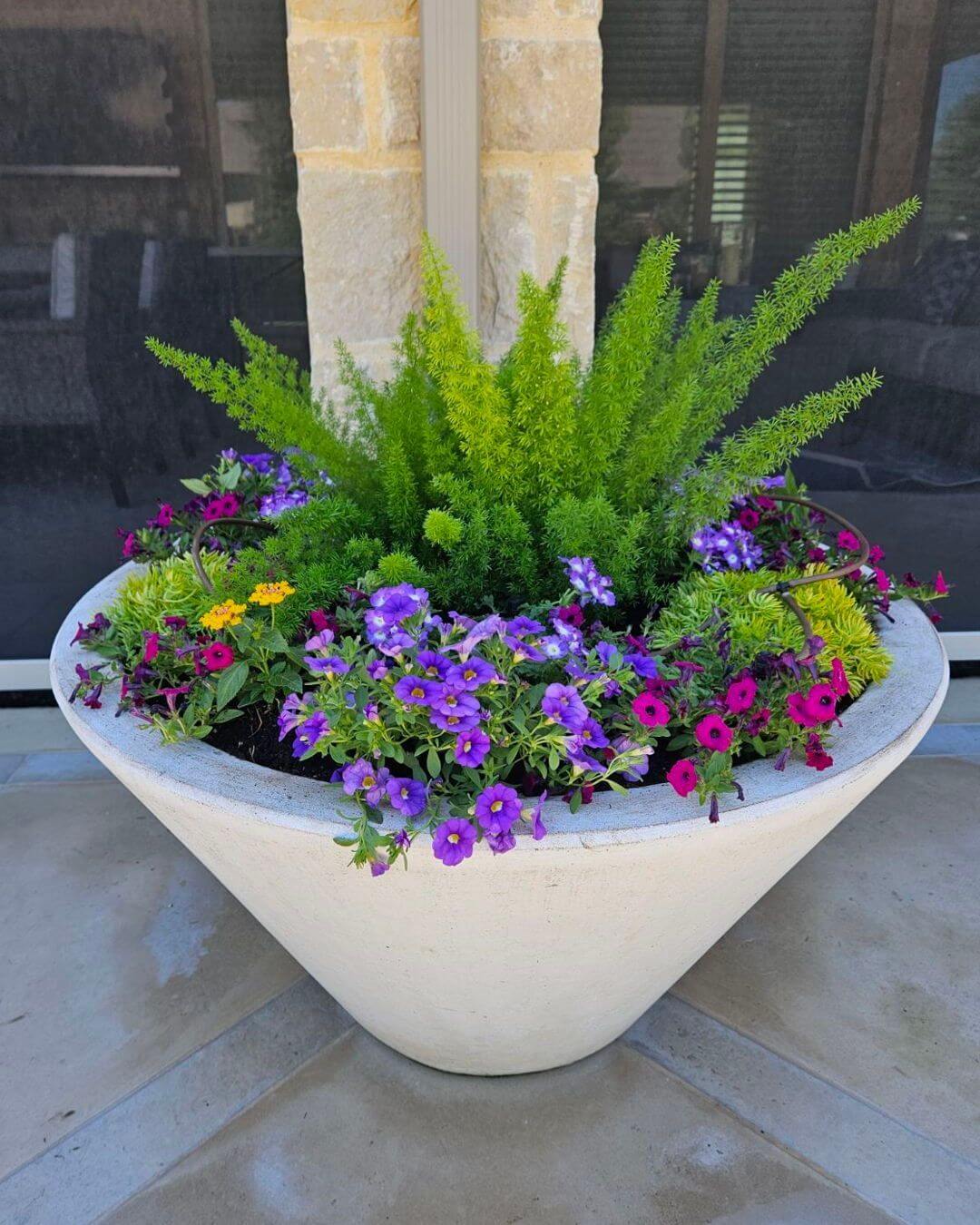
If your patio feels busy, unify it with a tight color palette repeated across containers. Choose two to three hues—think cobalt + citrus lime + white, or blush + burgundy + bronze—and let foliage do as much work as flowers. For a cobalt scheme, pair blue-glazed pots with silver foliage (dichondra, artemisia), violet salvia, and white bacopa. In a warm palette, combine bronze coleus (thriller), peach calibrachoa (filler), and chartreuse creeping Jenny (spiller). Repeat the same mix in different pot sizes to create rhythm from the door to the seating nook.
Keep pot finishes consistent—matte terracotta, glossy ceramic, or fiberstone—to avoid visual noise. Use dark foliage (cordyline, purple basil, black mondo grass) as anchors, then weave in seasonals that match the palette for easy refreshes: tulips and pansies in spring, zinnias and verbena in summer, asters and ornamental kale in fall. Even edible containers can play along—choose rainbow chard, purple peppers, or ‘Red Rubin’ basil to hit your color notes. The result is editorial-level cohesion that elevates small spaces, boosts curb appeal, and makes every container look intentional, not incidental.
Herb and Edible Container Garden Ideas for Year-Round Harvests
Productive edible container garden ideas begin with right-sized pots, ideally 12–20 inches wide for greens and herbs, and 18–24 inches for tomatoes, peppers, or dwarf trees. Use a high-quality peat-free potting mix with added compost, perlite, and slow-release organic fertilizer to sustain growth without compacting. Ensure generous drainage holes and elevate containers on risers, preventing waterlogging that invites root rot, aphids, and nutrient lockout. Self-watering planters stabilize moisture for thirsty crops, while fabric grow bags excel for aeration, vigorous roots, and portable patio orchards. Position sun-demanding edibles where they receive six to eight hours of direct light and shield tender greens during heat spikes with shade cloth.
Select compact or patio varieties—’Tiny Tim’ tomato, ‘Habanada’ pepper, ‘Patio Baby’ eggplant, and dwarf blueberries—to concentrate yields in modest volumes. Succession-sow cut-and-come-again greens like lettuce, arugula, and mizuna every two weeks to maintain a steady salad supply. Interplant flowers such as calendula, alyssum, or nasturtiums to attract beneficial insects, improve pollination, and offer edible garnish options. For apartment growers, move lightweight planters seasonally to chase sunlight across balconies or near south-facing windows. When nights cool, deploy cloches, frost fabric, or portable cold frames to stretch the harvest window without permanent infrastructure.
Essential edible planter recipes:
- 16-inch pizza pot: one compact determinate tomato centered, three basil plants spaced around, plus trailing oregano; stake early, prune lightly, and feed weekly once fruit sets.
- Stir-fry tub: dwarf bok choy, dwarf kale, and scallions in a 12-inch bowl; harvest outer leaves continuously, and reseed gaps to keep greens cycling through seasons.
- Taco planter: jalapeño, cilantro, and ‘Narrow Leaf’ chives in a deep 14-inch pot; use well-drained mix, full sun, and steady moisture for nonstop toppings.
- Smoothie trough: strawberry ‘Albion’ runners at edges, dwarf kale midline, and compact mint cornered; morning sun, slow-release fertilizer, and weekly liquid seaweed keep blends coming.
- Mediterranean bowl: rosemary as centerpiece with thyme, oregano, and dwarf lavender around; gritty mix, unglazed terracotta, and sparing water deliver fragrant, drought-tolerant harvests for roasts.
- Balcony orchard: dwarf Meyer lemon in a 16-inch container underplanted with thyme; acidic mix, monthly citrus feed, and winter shelter near a sunny window encourage year-round zest.
Maintain fertility with a monthly fish emulsion or kelp tea, supplementing heavy feeders like tomatoes with a balanced, water-soluble formula during flowering and fruiting. Water deeply until runoff, then allow the top inch to dry; inconsistent moisture splits fruit and turns lettuces bitter. Harvest strategically—pinch basil before flowering, snip outer lettuce leaves, and pick peppers when glossy—to keep plants productive longer. Monitor pests with sticky traps and inspect undersides of leaves, treating outbreaks early using insecticidal soap or neem. In cold snaps, roll mobile caddies indoors overnight, and add LED grow lights to extend daylength for winter herbs on kitchen countertops.
Tiny-Space Growing: Quick Answers for Container Success
What’s the best potting mix for container vegetables and herbs?
Choose a peat-free potting mix blended with compost and perlite for drainage and nutrition. Avoid garden soil because it compacts and harbors pathogens. Refresh the top third each spring.
How often should I water container gardens?
Check soil daily in summer and water when the top inch is dry. Self-watering planters reduce frequency and stress. Windy balconies and small pots dry faster than sheltered, larger containers.
Get the Fail-Safe Paint Color Playbook (Free PDF)
36 proven colors • 8 ready palettes • trim & sheen guide • printable testing cards.
Which containers are safest for balconies and high-rise patios?
Lightweight resin pots, fabric grow bags, and railing planters with certified brackets are safest. Distribute weight across joists and anchor tall pieces. Avoid overhanging heavy terracotta in windy zones.
How can I keep containers productive through winter?
Grow cold-hardy greens under cloches or frost cloth and cluster pots against south-facing walls. Move tender herbs indoors under LED grow lights. Insulate containers and elevate them for drainage.
Final Verdict: Grow More in Less Space
Container gardening proves that style, function, and flexibility can thrive even in the tightest footprint. With smart layering, thoughtful palettes, and right-plant/right-place choices, you can create a mini landscape that looks intentional and performs season after season. Start with a few anchors—an architectural specimen or evergreen, a vertical moment, and a couple of generous pots—then weave in thrillers, fillers, and spillers for movement, color, and texture.
From edible corners and pollinator pots to shade-savvy combos and drought-tolerant designs, the path to success is simple: measure your light, match your containers to your climate, use quality potting mix, and commit to a watering method you’ll actually maintain (self-watering, ollas, or a basic drip). Refresh by season with easy swap-ins, repeat a color story to pull it all together, and plan for wind, pets, and kids as part of the design—not afterthoughts.
Your final checklist: go vertical to save floor space, choose pots you can move or secure, feed lightly but consistently, and edit regularly. Do this, and your balcony, stoop, or patio becomes a living room of leaves—productive, beautiful, and entirely your own.