
Stylish Front Door Entryway Ideas to Impress
Your front door is the handshake of your home—the first impression that sets the tone for everything inside. Whether you’re working with a tiny stoop or a generous porch, the right entryway ideas can make your exterior feel welcoming, polished, and unforgettable.
From statement paint colors and upgraded hardware to layered lighting, house numbers, and planters that frame the threshold, there are countless ways to refresh your front door without a full renovation. These ideas work for homeowners and renters alike, with options that suit modern, farmhouse, cottage, and mid-century styles.
Get the Fail-Safe Paint Color Playbook (Free PDF)
36 proven colors • 8 ready palettes • trim & sheen guide • printable testing cards.
We’ll focus on smart, high-impact details—think cohesive color palettes, weatherproof textures, seasonal swaps, and simple styling formulas—that elevate both curb appeal and everyday function. Ready to open the door to a more beautiful welcome?
Curb Appeal Front Door Entryway Ideas: Color, Lighting, and Hardware Upgrades
Color sets the tone for your home’s welcome, so choose front door paint guided by architecture, neighborhood context, and sunlight exposure. Warm reds and sunny yellows project energy, while charcoal, navy, and black feel refined and grounding. Test large swatches at different times of day to judge undertones and sheen, especially on south-facing entries. Coordinate hardware metals with mailbox, house numbers, and lighting so finishes read intentional rather than mismatched. Finally, layer lighting to ensure safety, eliminate shadows, and highlight textures like brick, shiplap, or stone.
- Color Blocking: Paint the door a saturated hue and the trim a crisp contrast to highlight architecture, improve visibility from the street, and energize curb appeal without overwhelming historic details.
- Statement Hardware: Choose an oversized knocker, modern lever set, and kick plate in coordinating finishes to add weight, balance sightlines, and make the entry feel intentional and secure.
- Layered Lighting: Pair shielded sconces with a pendant or flush mount and low-voltage path lights to eliminate glare, reduce shadows, and guide guests safely to your front door.
- Smart Access: Integrate a low-profile video doorbell, smart deadbolt, and concealed wiring channels so technology blends with trimwork, maintains symmetry, and improves everyday convenience without visual clutter.
- Weatherwise Materials: Select fiberglass doors, marine-grade varnish, powder-coated metals, and UV-stable finishes tailored to your climate to minimize warping, peeling, and corrosion while preserving color depth.
- Mat and Runner Sizing: Use a coir scraper mat as wide as the doorway and a low-profile indoor-outdoor runner to define the threshold, capture grit, and protect floors.
Think about sightlines from the street and driveway to ensure guests instantly recognize your door and address. Mount house numbers at eye level with high contrast and add soft uplighting for nighttime readability. Ensure door swing clears planters, railings, and rugs, and consider lever handles for accessibility and gloved hands. Add a covered landing or awning if rain and snow routinely blow in, protecting finishes and preventing slippery thresholds. Plan a maintenance calendar for cleaning glass, oiling hinges, and refreshing varnish so the entry remains crisp year-round.
Lead With a Confident Front Door Color
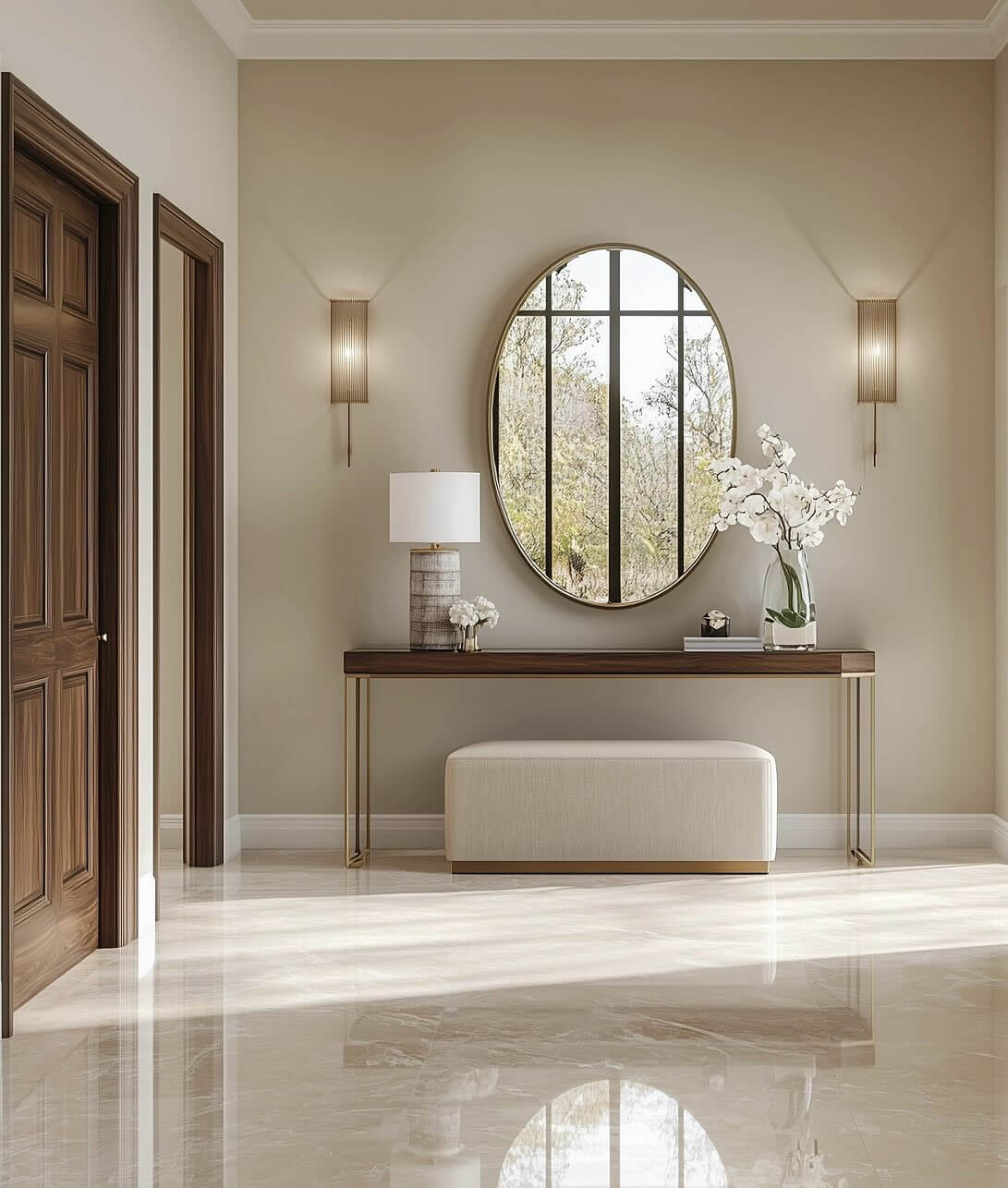
A standout door color is the fastest way to signal personality and boost curb appeal. Start by reading the fixed elements you can’t change—brick, stone, siding, roof—and pull a hue that harmonizes with their undertones. If your exterior leans warm, think saturated clay, olive, or inky navy; cooler facades shine with charcoal, peacock, or deep teal. Test big swatches outside and watch them at different times of day; sunlight shifts undertones dramatically. For sheen, satin or semi-gloss gives that crisp, scrub-friendly finish without showing every imperfection. Pair your paint with a purposeful hardware finish—aged brass warms, matte black modernizes, nickel cools—and repeat that metal on lights, numbers, and mailbox for cohesion. Consider contrast trim to outline the opening, or paint the surround the same color as the door for a modern, monolithic look. Inside, carry the color to the vestibule with a runner or throw to make the threshold feel intentional. A statement door doesn’t need much styling—one sculptural planter, a minimal wreath, and a scaled doormat are plenty. The result: a color story that welcomes guests and ties your landscape, facade, and entryway into one polished whole.
Frame the Threshold with Symmetry
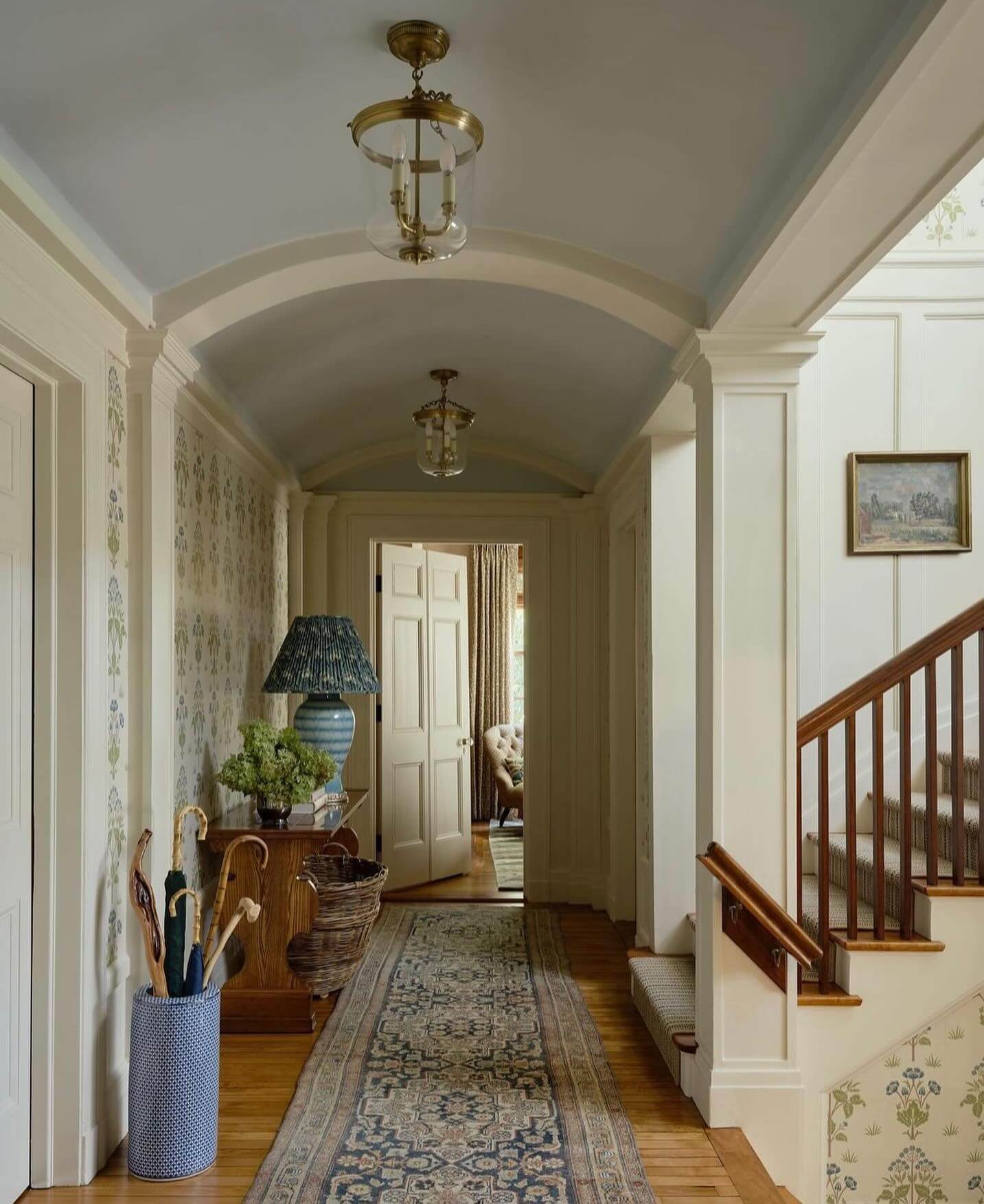
Symmetry is the visual shortcut to “put together.” Flanking your entry with matching elements—planters, lanterns, topiaries, or baskets—instantly reads as orderly and welcoming. Think in pairs, but vary height and texture so it doesn’t feel stiff: a pair of tall containers with upright evergreens plus low groundcover spillers keeps things dynamic. On tight stoops, multiples of smaller pots can deliver the same effect without crowding the swing path of the door. Align symmetry with the architecture—centered on the door, or balanced across sidelights and transoms—so the composition feels baked-in, not forced. Repeat the symmetry at different scales: double sconces, twin doormats layered over a wider base rug, or mirrored house numbers on columns. The secret is restraint; choose one hero moment (plants or lighting) and let the others support it. Color can be symmetrical too—echo the door hue in foliage, pillow piping on a porch bench, or ribbon on a wreath. This simple framework works across styles—from cottage to modern—because our eyes love balance. When everything around the threshold “pairs up,” the door itself can sing.
Layer Your Lighting for a Warm Welcome
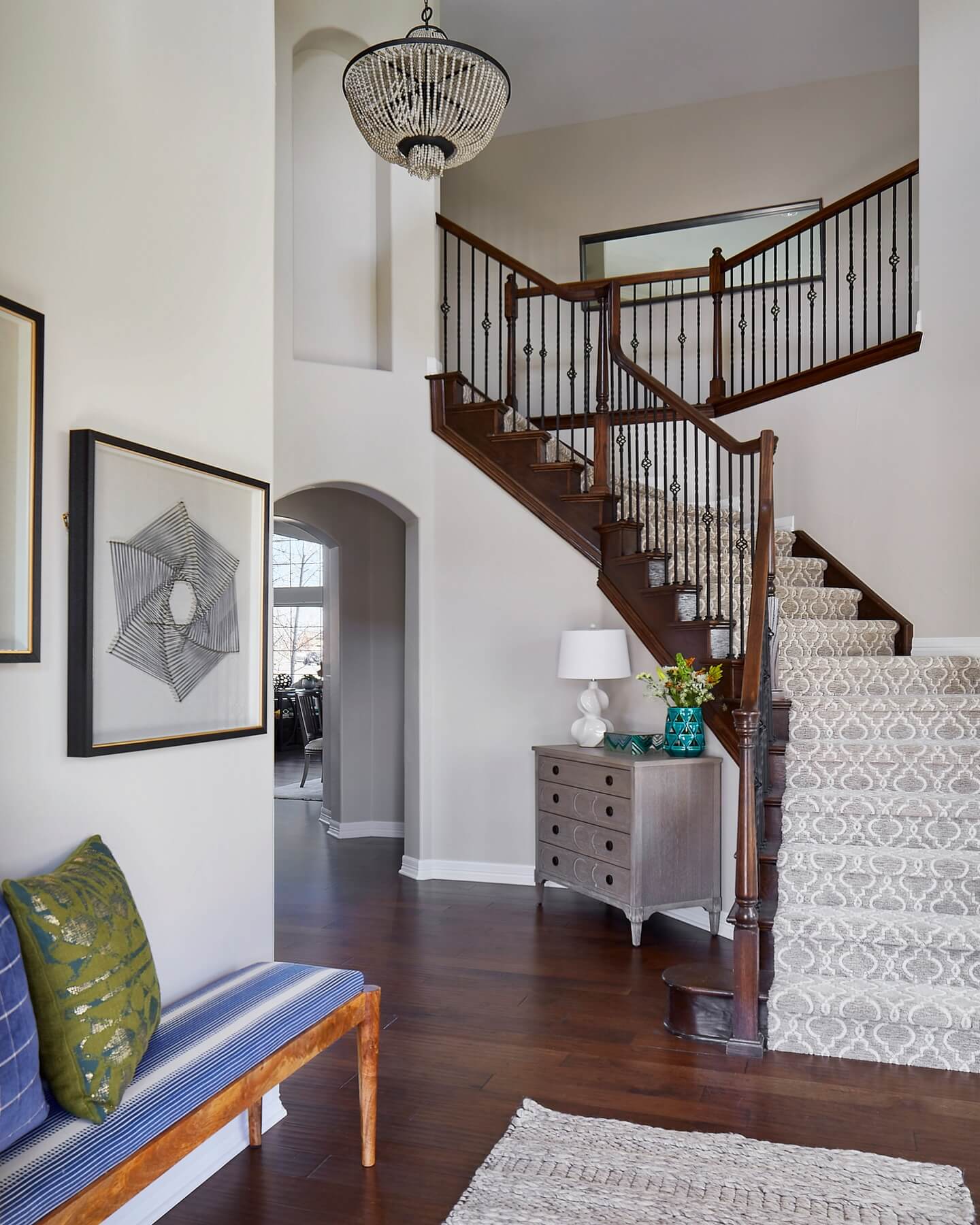
Curb appeal shouldn’t disappear at dusk. Layered lighting turns your entryway into a softly glowing focal point and improves safety. Start with sconces placed at two-thirds door height or an overhead pendant sized to the door (generally 1/4 the door’s height). Choose warm bulbs in the 2700–3000K range to flatter paint colors and skin tones. Add a low glow along the path—solar stakes, integrated step lights, or concealed LED strips under treads—to guide guests without glare. Backlit house numbers double as a wayfinding feature and a modern design moment. Match metal finishes to your hardware for continuity, but don’t fear mixing matte black fixtures with aged brass accents if the palette is controlled. Smart controls—dusk-to-dawn sensors, motion activation, or app timers—keep energy use efficient and the porch ready for arrivals. If you have a covered porch, think ambiance: dimmable lanterns, candles in hurricane glass, or a plug-in table lamp on a console can add living-room warmth outside. The goal is layers, not lumens. When each light source plays a role—highlighting the door, defining edges, and adding sparkle—you get a safe, stylish, and camera-ready entry at any hour.
Planters with Year-Round Structure
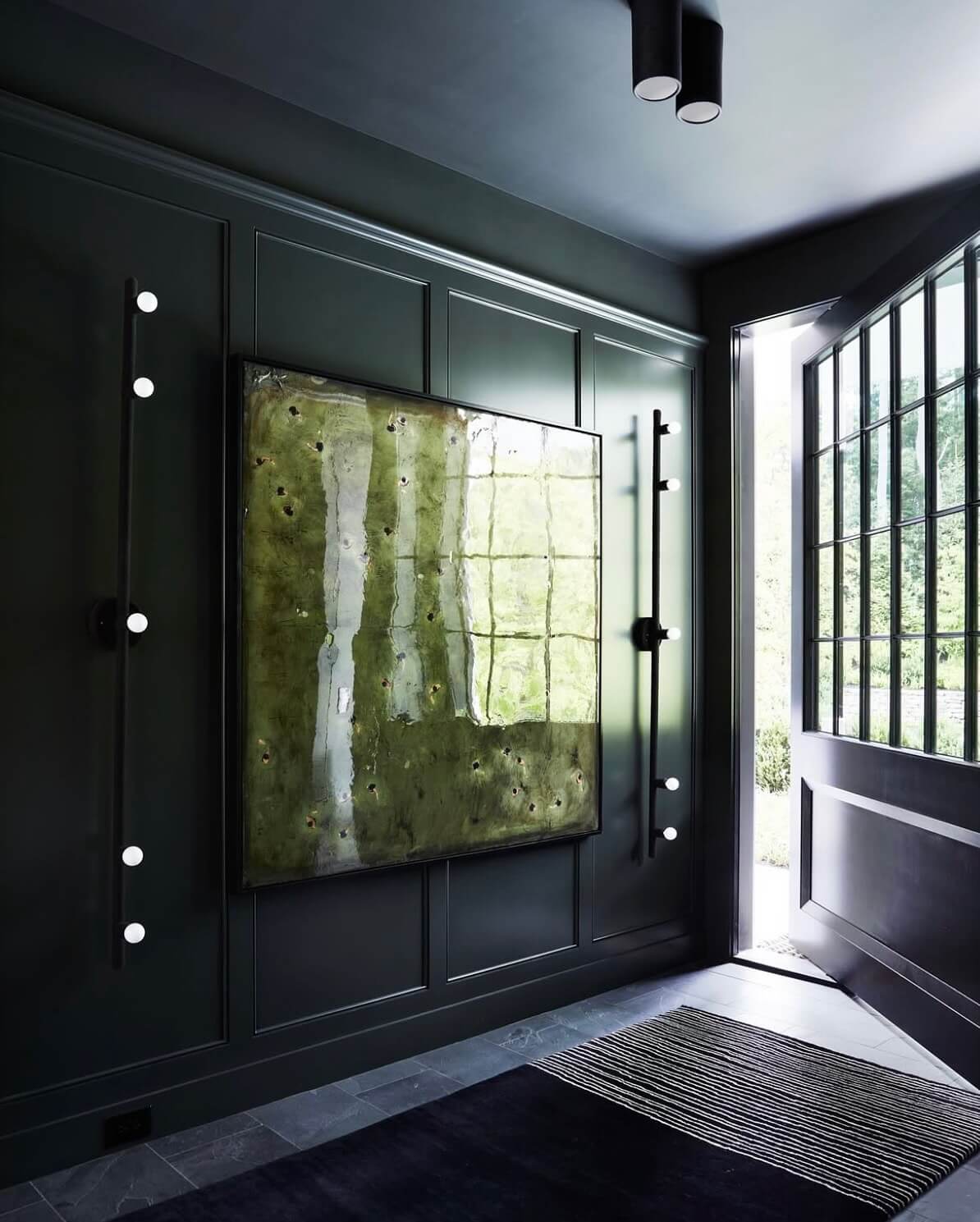
Seasonal flowers are charming, but four-season structure makes your entryway look intentional in every month. Anchor planters with evergreen “bones” like boxwood, dwarf arborvitae, or compact hollies; then rotate in seasonal color—spring bulbs, summer annuals, autumn grasses, winter berry stems—around that core. Choose containers that fit the architecture: fiberclay for a modern facade, aged terracotta for cottage, urns for classic. Scale matters—a planter should be at least one-third the height of your door, and wide enough to frame but not crowd the opening. Stick to a tight color story that connects to your door paint and exterior finishes; foliage in silvery greens, deep plums, or glossy emeralds can be more sophisticated than a riot of blooms. Don’t forget practicalities: drill drainage, use a lightweight soil blend, and add self-watering inserts or hidden drip lines for low-maintenance lushness. If sun exposure is tricky, choose tough players like olive, rosemary, or dwarf laurels for hot spots and ferns or heuchera for shade. Elevate one planter on a stand for subtle height play, and mirror the palette in a wreath or doormat to pull the whole entry together.
Get the Fail-Safe Paint Color Playbook (Free PDF)
36 proven colors • 8 ready palettes • trim & sheen guide • printable testing cards.
Make House Numbers and Mailbox a Design Moment
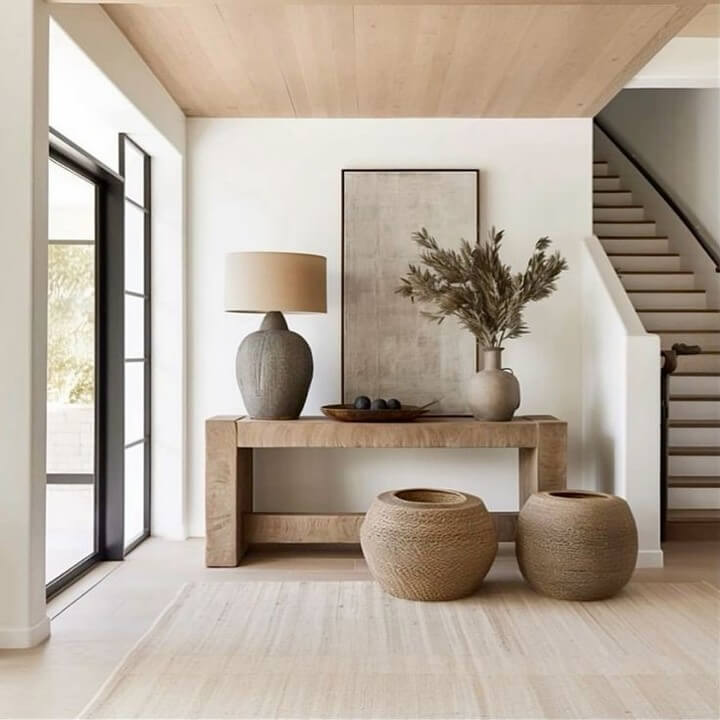
House numbers and the mailbox are tiny but mighty design levers. Swap builder-basic numerals for a modern font, chunky serif, or hand-painted tile that matches your home’s personality. Scale up: larger digits are both elegant and legible from the street. Consider placement as part of the composition—mounted on a plaque, vertically stacked on a post, or backlit on the facade for nighttime visibility. Repeat your metal finish—matte black, unlacquered brass, brushed nickel—to echo door hardware and lighting for a cohesive look. A wall-mounted mailbox, painted to match the door or contrast the siding, can become a mini focal point; choose one with a streamlined silhouette if your architecture is modern, or a curved lid for traditional charm. If packages are frequent, incorporate a parcel box disguised as a bench or side table. Add a subtle line of landscape lighting beneath numbers or along the post to ensure 24/7 clarity. These upgrades are renter-friendly, relatively inexpensive, and dramatically elevate perceived quality. When signage and mail hardware feel curated, the entire entry reads intentional, organized, and easy to navigate—exactly the welcome you want to send.
Layered Doormats That Actually Fit the Door
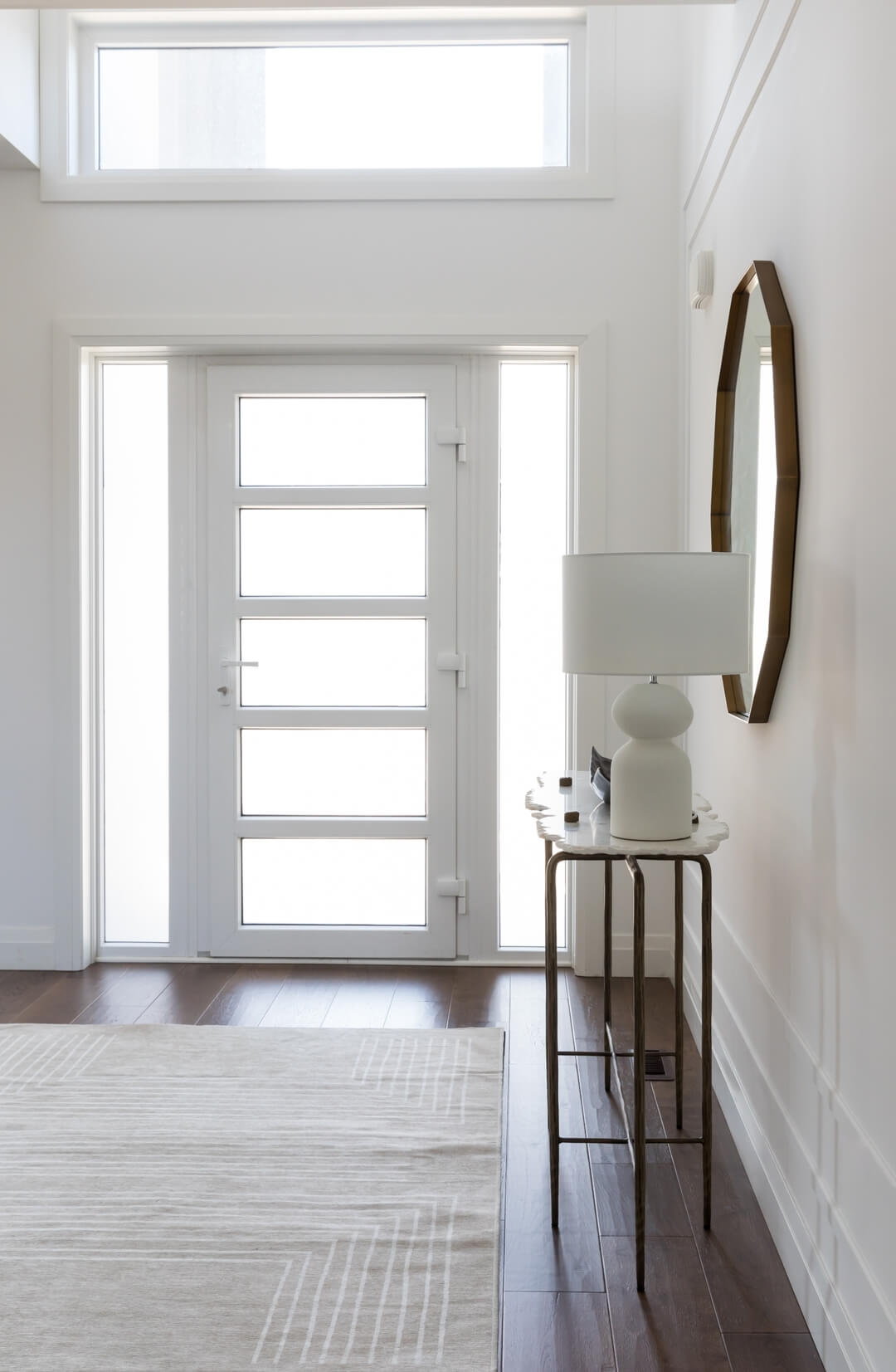
A too-small mat can shrink your entry. Aim for a base rug that spans at least the width of the door (often 36–48 inches) and layer a classic coir mat on top for texture and mud control. Choose outdoor-safe flatweaves in stripes, checks, or subtle geometrics to introduce pattern while letting the door color stay the hero. If you have double doors, size up to a 4×6 or runner-length base so the composition feels proportional. Keep the palette tight—two to three colors pulled from your exterior finishes—to avoid visual noise. Swap the top mat seasonally and keep the base consistent; it’s an easy refresh that preserves the styling framework. On deep porches, define a mini “foyer” by adding a second rug near seating that echoes the entry pattern. Consider performance fibers (polypropylene, PET) for UV resistance and quick dry times, and use a nonslip pad to prevent shifting. Clean lines matter—center the stack on the door, align edges parallel to the threshold, and square to the path. This simple layer trick adds dimension, protects floors, and instantly makes your entryway feel styled, not staged.
Hardware Upgrades for Instant Polished Style
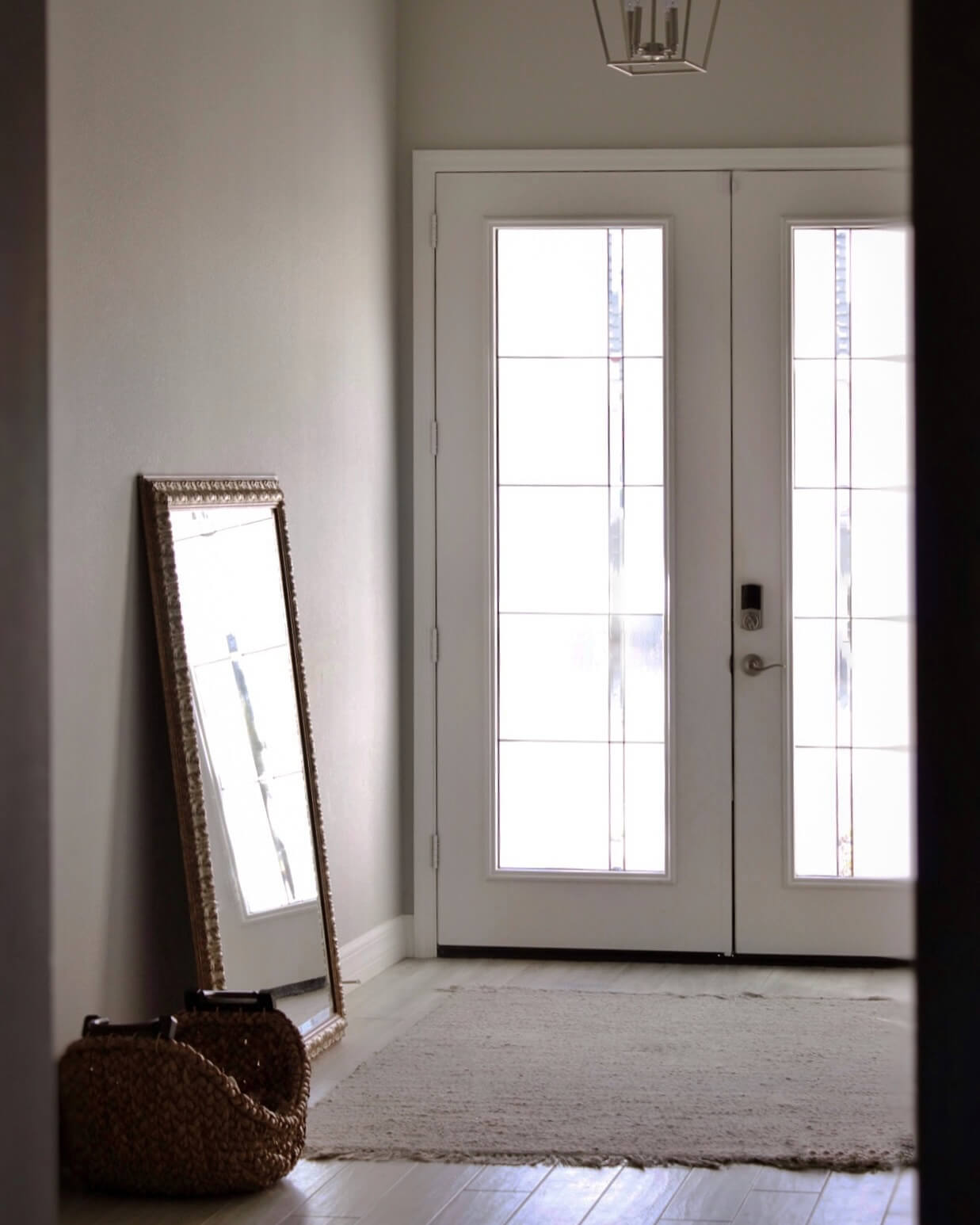
Swapping hardware is a weekend project with outsized impact. A substantial handle set telegraphs quality—choose a silhouette that matches your architecture: tubular for modern, beveled or arched for traditional. Coordinate with a smart lock that blends technology and aesthetics; many models now offer sleek keypads in matching finishes. Add a classic door knocker or an oversized escutcheon for character, and consider a kick plate to protect paint while introducing another shiny accent line. Keep finishes consistent across hinges, latch, mailbox, and lighting, or mix thoughtfully—matte black plus aged brass creates depth when one finish leads. If your door has sidelights, echo the hardware tone in the window latches or mullion paint for cohesion. Function matters: choose solid metal construction, weather-resistant coatings, and comfortable grip geometry. Don’t overlook the threshold—replacing a worn sill or adding a new sweep can improve both looks and energy efficiency. Finally, center hardware precisely and keep sightlines clean by tucking cords and doorbell transformers out of view. With a few well-chosen pieces, your entry reads upgraded, secure, and intentionally styled.
Elevate Trim, Moulding, and Door Surrounds
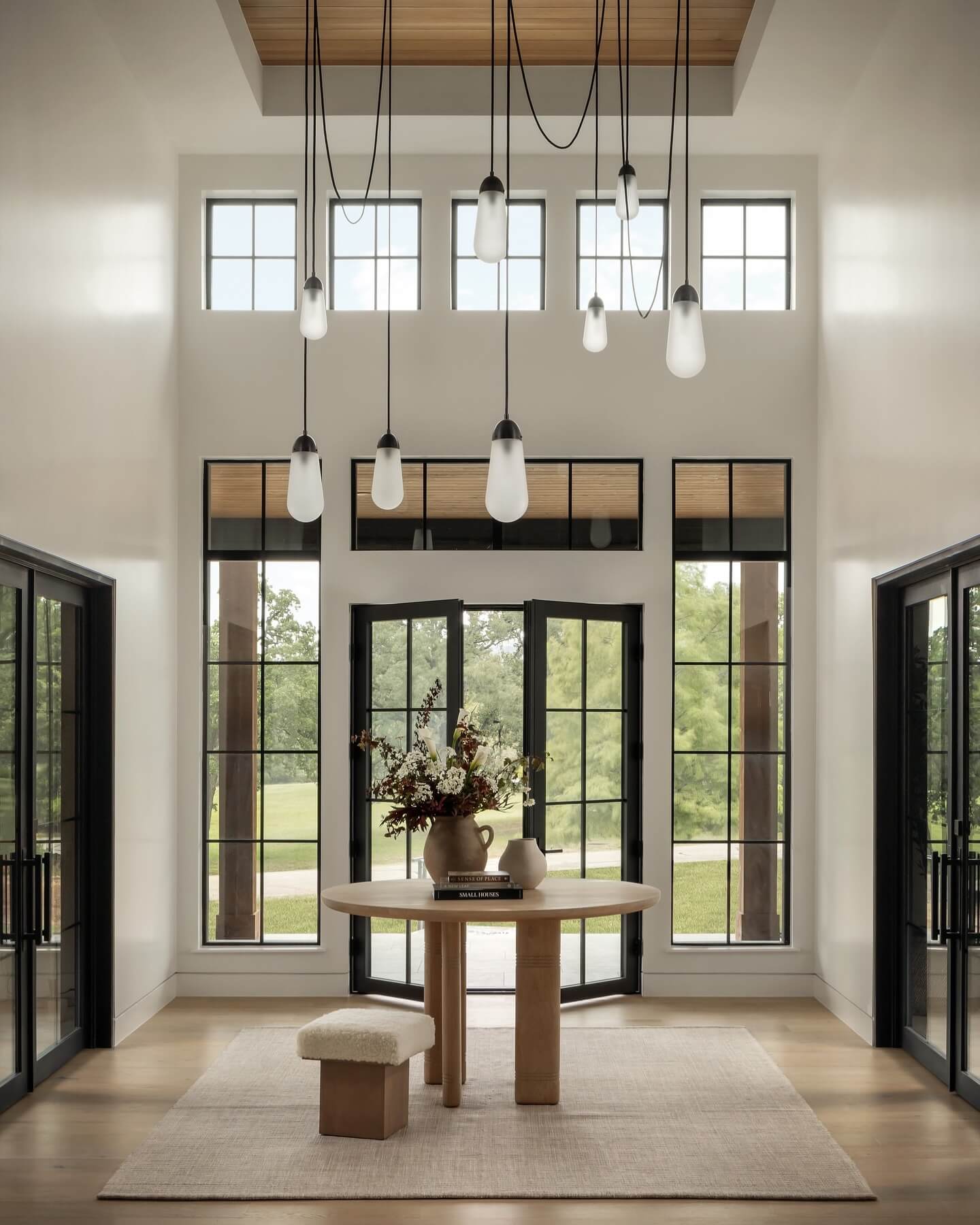
Architectural details are the frame for your statement door. Beef up flat casing with wider trim, add a simple header, or introduce a pediment for traditional presence. For modern homes, consider a minimalist, extra-wide reveal painted to match the facade for a seamless portal effect. If your entry has a transom or sidelights, paint the muntins to echo the door color, or go tonal for a sleek, elongated look. Board-and-batten, vertical cladding, or thoughtfully placed stone can visually widen or heighten the entry zone. Inside the alcove, tongue-and-groove paneling or a painted ceiling (“the fifth wall”) adds boutique-hotel polish. Color-blocking the surround—door, trim, and even the porch ceiling—creates a bold, contemporary statement without structural change. Ensure proportions are balanced: trim should visually support the door, not overpower it; a general rule is 1:5 trim-to-door width. Seal all joints and use exterior-grade paints and caulks to keep lines crisp against weather. These carpenter-level tweaks, even when executed with off-the-shelf materials, raise the perceived value of your home and give your threshold that magazine-ready finish.
Small-Porch Seating that Works Hard
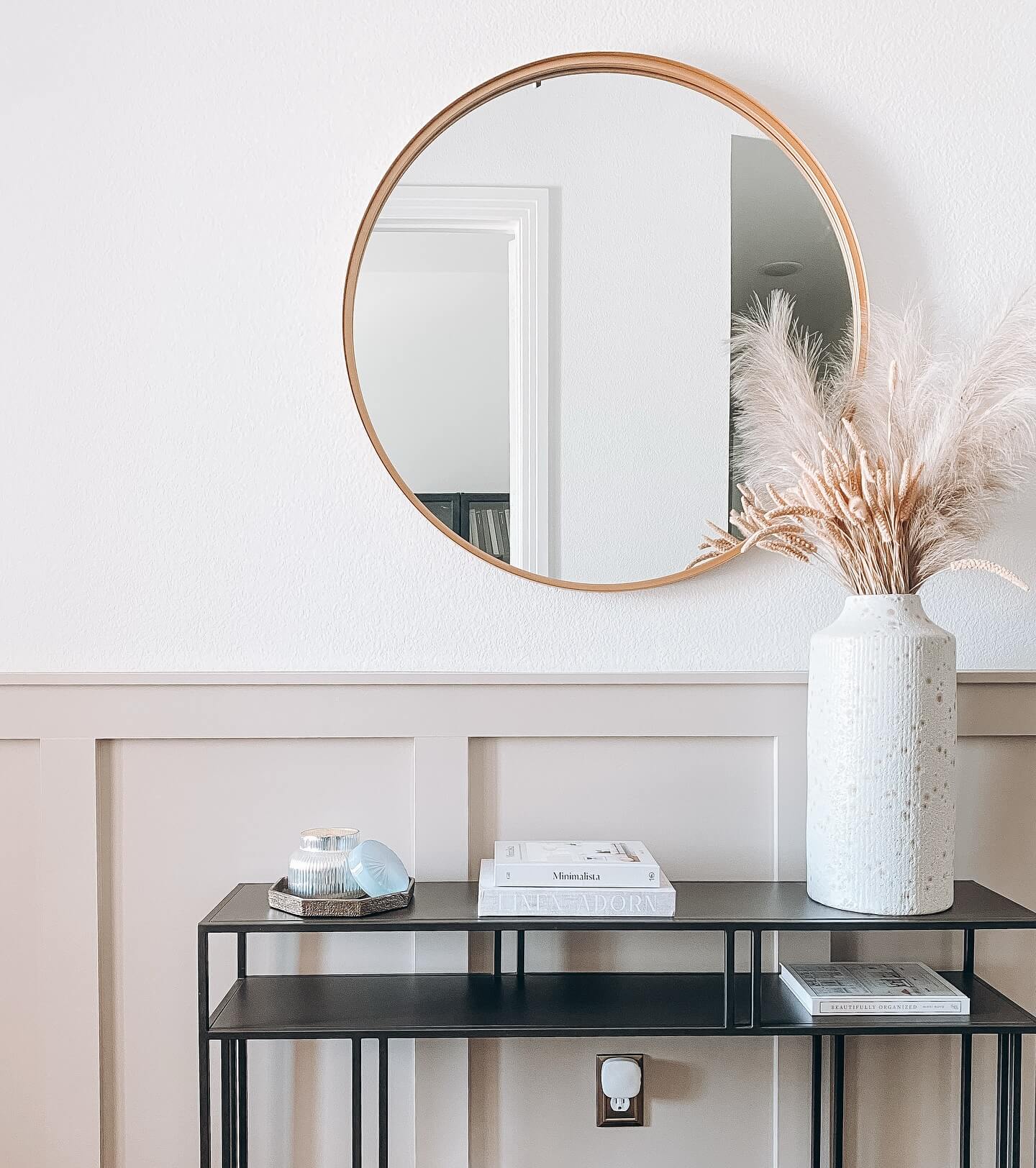
Even a slender stoop can host a “hello” moment with the right furniture strategy. Opt for a slim bench, a narrow bistro chair, or a garden stool that doubles as a perch and plant stand. Keep sightlines clear by choosing open frames and leggy silhouettes; this preserves the feeling of space while adding function. Use vertical storage—hooks for umbrellas, a wall-mounted shelf for keys or parcels—to keep surfaces clutter-free. A compact console or planter bench can hide shoe trays and deliver a spot for lanterns or seasonal decor. Tie seating cushions to your door color or house numbers for a cohesive palette, and pick performance fabrics that shrug off weather. If your porch catches wind, choose weighted pieces or add discreet ties. Echo materials from the facade—wood tones, metal finishes, woven textures—so the setup feels integrated, not added-on. Finally, scale your rug to the seating footprint to define a mini living zone without blocking the threshold. The right pieces make waiting for rides, greeting deliveries, or sipping morning coffee part of the entry experience—welcoming for guests and practical for everyday life.
Seasonal Swaps That Keep Your Entry Fresh
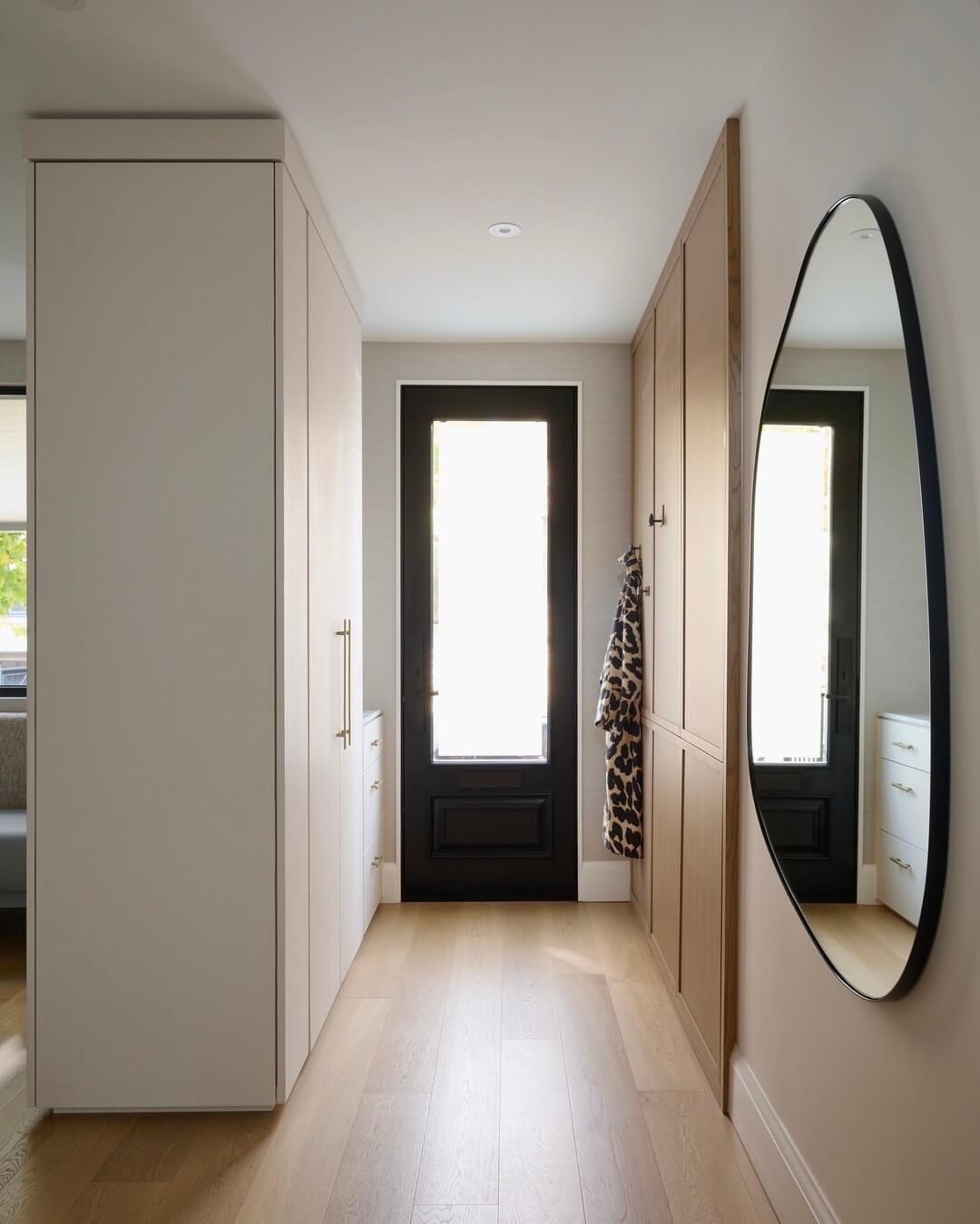
A flexible styling kit lets your front door look curated year-round without constant reinvention. Build a base layer that doesn’t change—door color, hardware, trim, anchor planters—and rotate accents by season. Spring: airy wreaths, bulbs in pots, pastel striped base rug. Summer: citrusy greens, woven textures, and crisp black-and-white patterns. Fall: copper lanterns, grasses, and warm plaids. Winter: evergreen boughs, battery-lit twinkle lights, and a chunky coir mat. Keep a tight palette and repeat materials to avoid clutter. Store decor in labeled bins by season and size to streamline swaps. For low effort, change just three things: wreath, top doormat, and planter inserts. Tie in scent—lavender in spring, rosemary in summer, cinnamon sticks in winter—to engage the senses. Don’t forget maintenance rituals: quick touch-up paint on the door edge, glass cleaning on sidelights, and a sweep of the stoop make any styling read premium. With a simple rhythm of refreshes, your entryway feels alive and intentional—delivering that “wow” moment whether guests arrive in July sun or December snow.
Get the Fail-Safe Paint Color Playbook (Free PDF)
36 proven colors • 8 ready palettes • trim & sheen guide • printable testing cards.
Pave a Purposeful Path to the Front Door
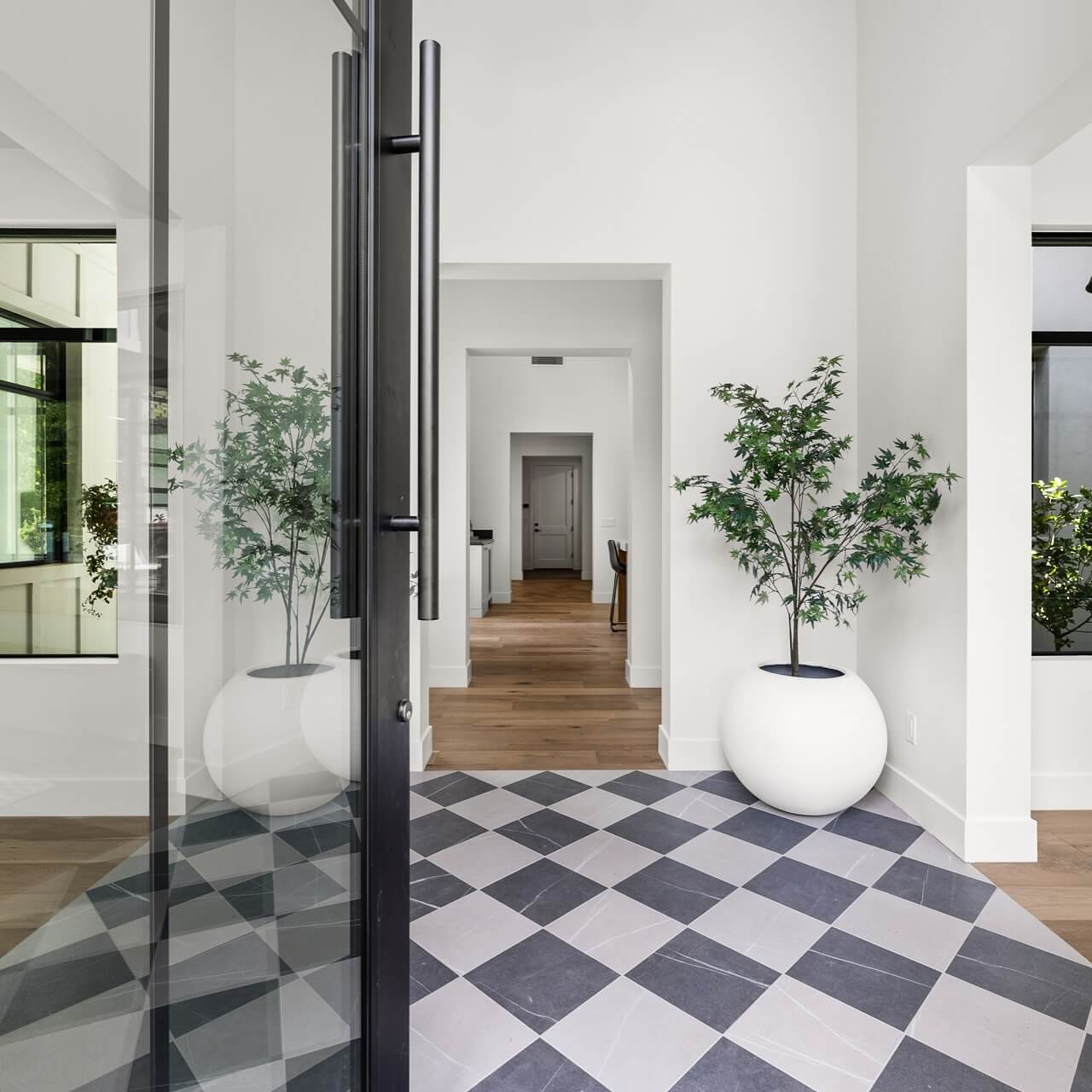
A beautiful front door works hardest when the approach leading to it feels intentional. Upgrade your walkway so it guides the eye—and your guests—right to the threshold. Aim for a comfortable width (42–48 inches) so two people can walk side by side, and choose materials that complement your facade: herringbone brick for classic charm, large-format pavers for a clean modern line, or decomposed granite with steel edging for a soft, natural look. Keep curves graceful and purposeful; a subtle bend slows the approach and adds a sense of discovery. Add a broader landing pad in front of the door to create a moment to pause and knock. Pay attention to edges: low, evergreen borders or clipped grasses provide structure without crowding the path. Build in safety with a slight slope for drainage and a textured finish for traction in wet weather. A well-defined route instantly elevates curb appeal and makes your front entry feel designed, not accidental—before guests even reach the mat.
Treat the Porch Ceiling as the Fifth Wall
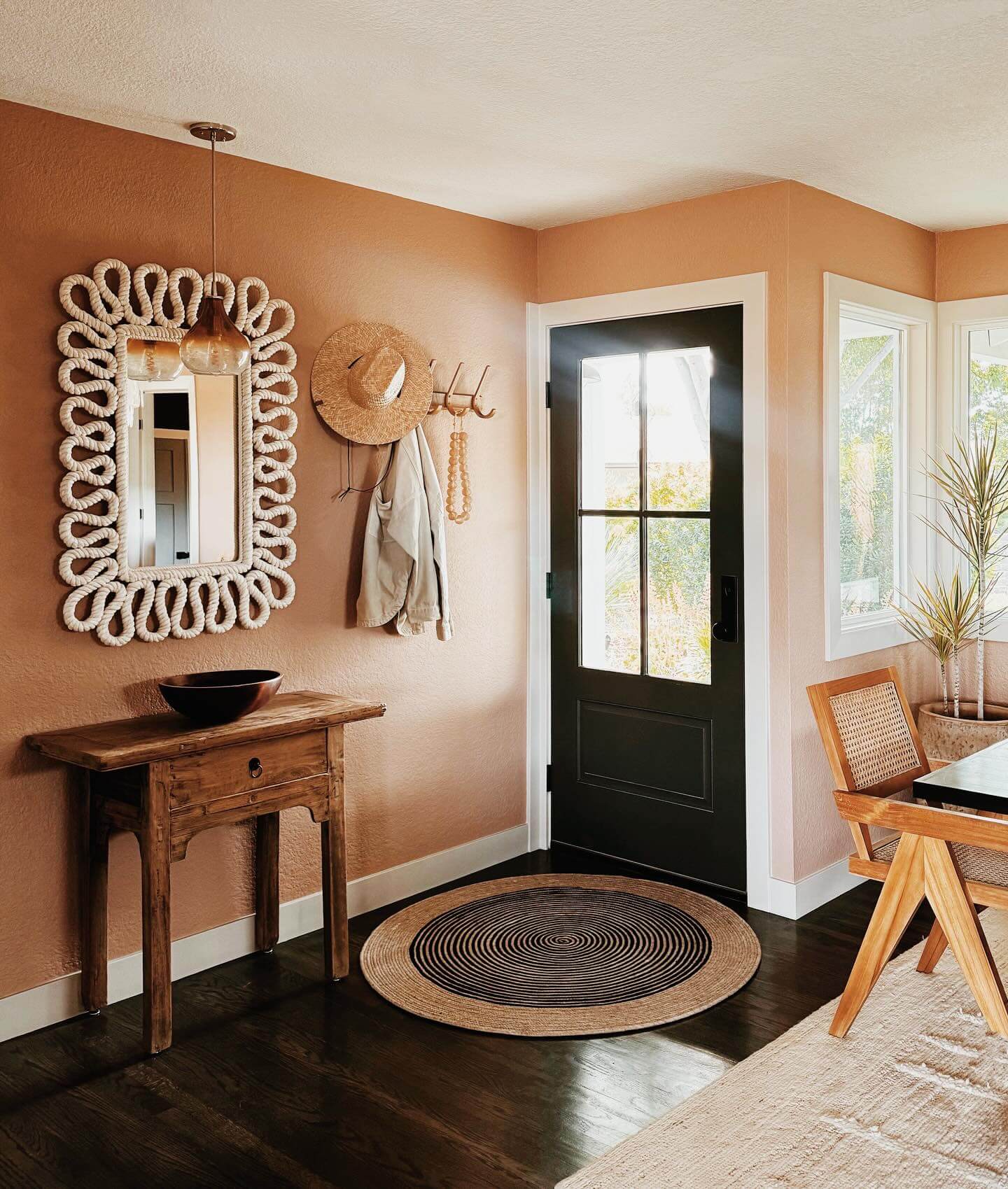
Don’t overlook the ceiling above your front door—it’s a powerful yet budget-friendly surface that can transform the entire entryway. Painting a porch ceiling a light tone (classic haint blue, a soft ivory, or a whisper gray) bounces illumination downward, making the entry brighter and more welcoming day or night. If you crave warmth, clad the ceiling with tongue-and-groove cedar or beadboard and finish with a matte marine-grade sealant for depth and durability. Visually frame light fixtures with a simple ceiling medallion or painted “halo” to elevate even basic pendants. For taller porches, a deeper hue can cozy up the volume; for low ceilings, keep it light to lift the space. Finish the edges with crisp crown or bead moulding that ties into your door surround. This one move unifies lighting, trim, and color—turning the ceiling into a quiet design statement that heightens curb appeal every time you look up.
Steps and Railings that Marry Safety and Style
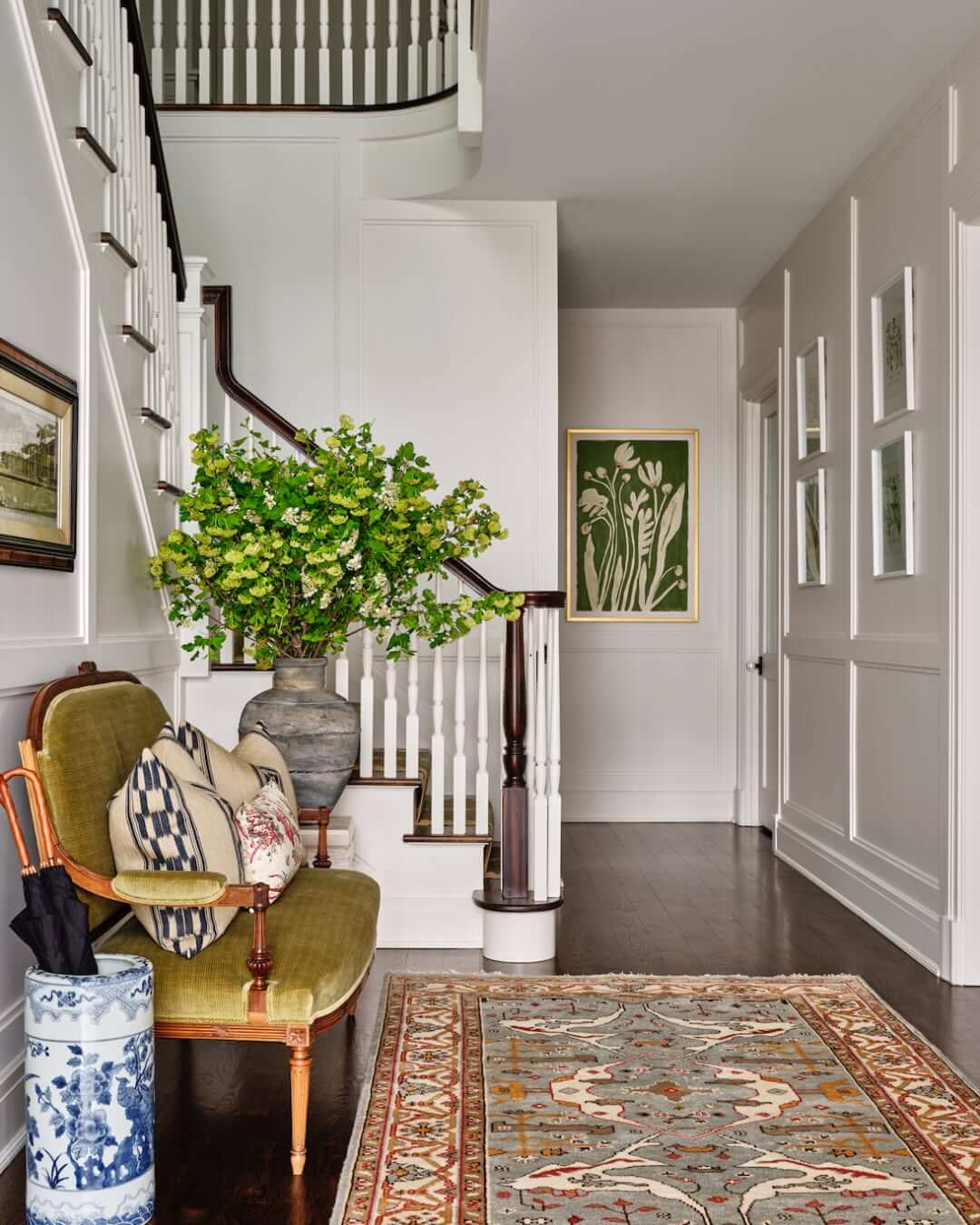
Your front steps do more than bridge the gap from path to porch—they set the tone for the entry. If concrete is cracked or stained, resurface with a broom finish for traction or face risers with brick or stone veneer for instant polish. Keep tread depth generous and add a slight nosing for comfort; integrate non-slip strips or textured inserts where ice or rain are common. Railings should feel like jewelry that also does a job. Matte black metal reads modern and low-maintenance, while chunky square newels and simple balusters skew traditional. Echo your door hardware finish for cohesion, and cap posts with metal or wood tops to shed water. Follow local code for height (often 34–38 inches) and anchor into solid blocking so everything feels sturdy under hand. With proportioned steps and purposeful rails, your front door entryway looks tailored—and functions flawlessly—for everyday comings and goings.
Add a Portico or Awning for Shelter and Presence
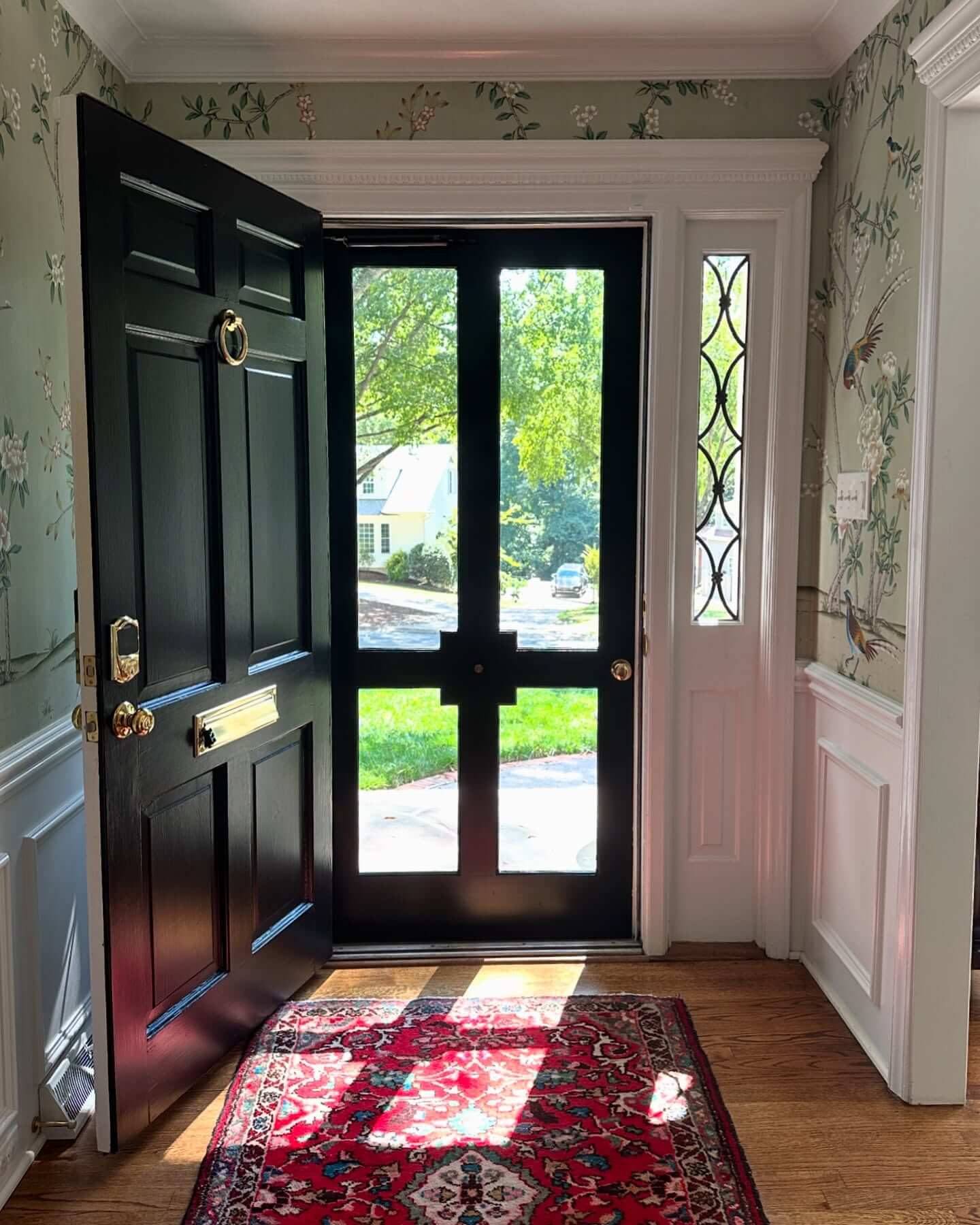
A modest overhang can make a major impact on both curb appeal and comfort. A portico, bracketed awning, or slim shed roof defines the front door, protects the threshold from weather, and creates a natural spot for layered lighting. Match the width to the door plus trim (often door width + 8–12 inches per side) and project at least 16–24 inches to keep rain off the mat. Standing-seam metal reads crisp and modern; shingled shed roofs or beadboard undersides feel classic. Brackets, corbels, or slim posts add architecture without overwhelming small facades. If a full build isn’t in the cards, consider a ready-made metal canopy or a pergola-style topper for vine-friendly shade. Tie the new element into existing trim color and downspout layout for a seamless look. The result: a front entryway with instant presence that also keeps guests dry while they fumble for keys—form meeting function at the very first glance.
Smart Entry Tech That Blends in Beautifully
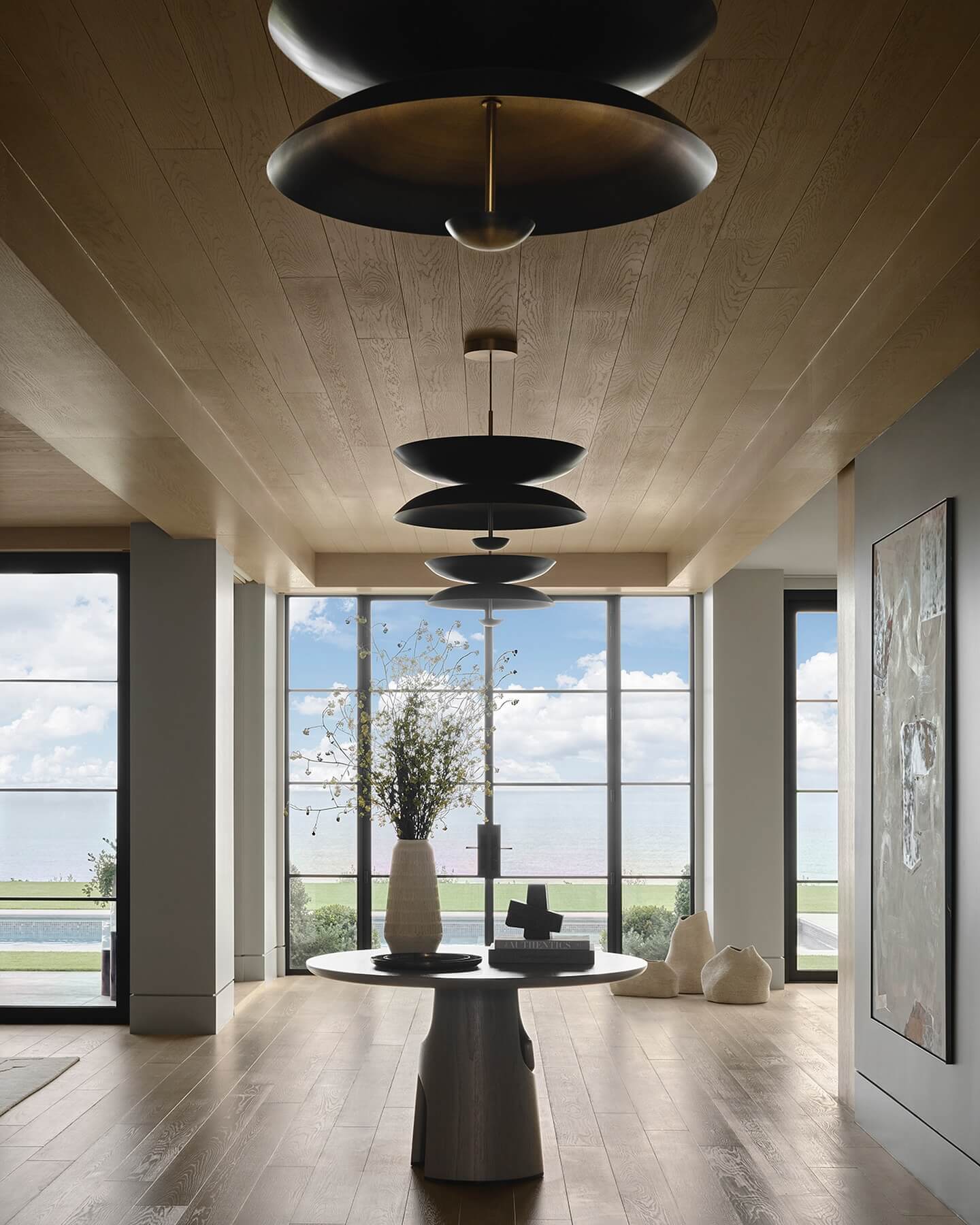
Tech at the front door should enhance the experience—not shout over your style. Choose a smart lock and video doorbell in finishes that echo your hinges and handle set (black, brass, or nickel) so everything reads as one suite. Use clean backplates to hide old screw holes and angle wedges to frame the right view. Tuck power and transformers discreetly, routing wires along trim lines or inside paintable raceways. Upgrade your strike plate with 3-inch screws for security, and consider a keypad deadbolt for keyless convenience. Provide a designated spot for packages—a slim parcel bench or box—so deliveries don’t clutter the mat. If you post signage (“Please Ring,” “Leave Packages”), opt for engraved plaques or vinyl decals that match your house numbers for a cohesive look. When smart devices look intentional, your front door entry feels both current and curated—modern convenience wrapped in timeless curb appeal.
Window Boxes and Low Borders Soften the Approach
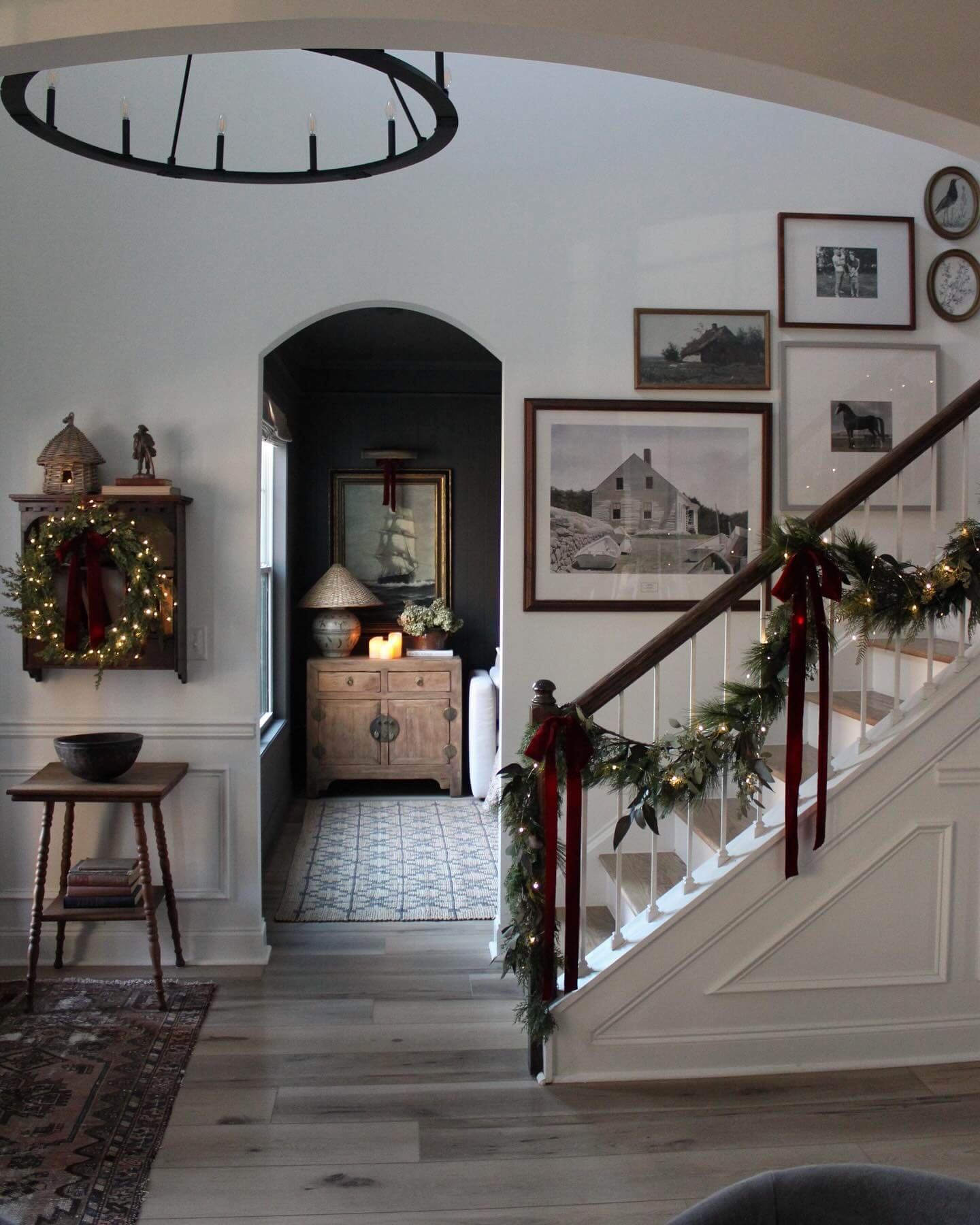
Beyond flanking planters, add life to your facade with window boxes and grounded planting borders that guide the eye to your front door. Choose boxes that match your trim or contrast the siding for definition, and line them with removable inserts for easy seasonal swaps. A simple planting recipe—evergreen base, flowering filler, and trailing spiller—keeps things lush year-round. Below, low hedging (boxwood, dwarf yaupon, lavender, or grasses) frames the walkway without feeling fussy. Keep heights staggered, tallest near the house and lowest along the path, to maintain clear sight lines. Drip irrigation or self-watering liners reduce maintenance and keep plantings photo-ready. Echo front door color in foliage or blooms for subtle repetition that ties the whole entry together. These living edges soften hard materials, add texture in every season, and create a gentle, welcoming runway straight to the threshold.
Outdoor Textiles and Curtains that Warm the Porch
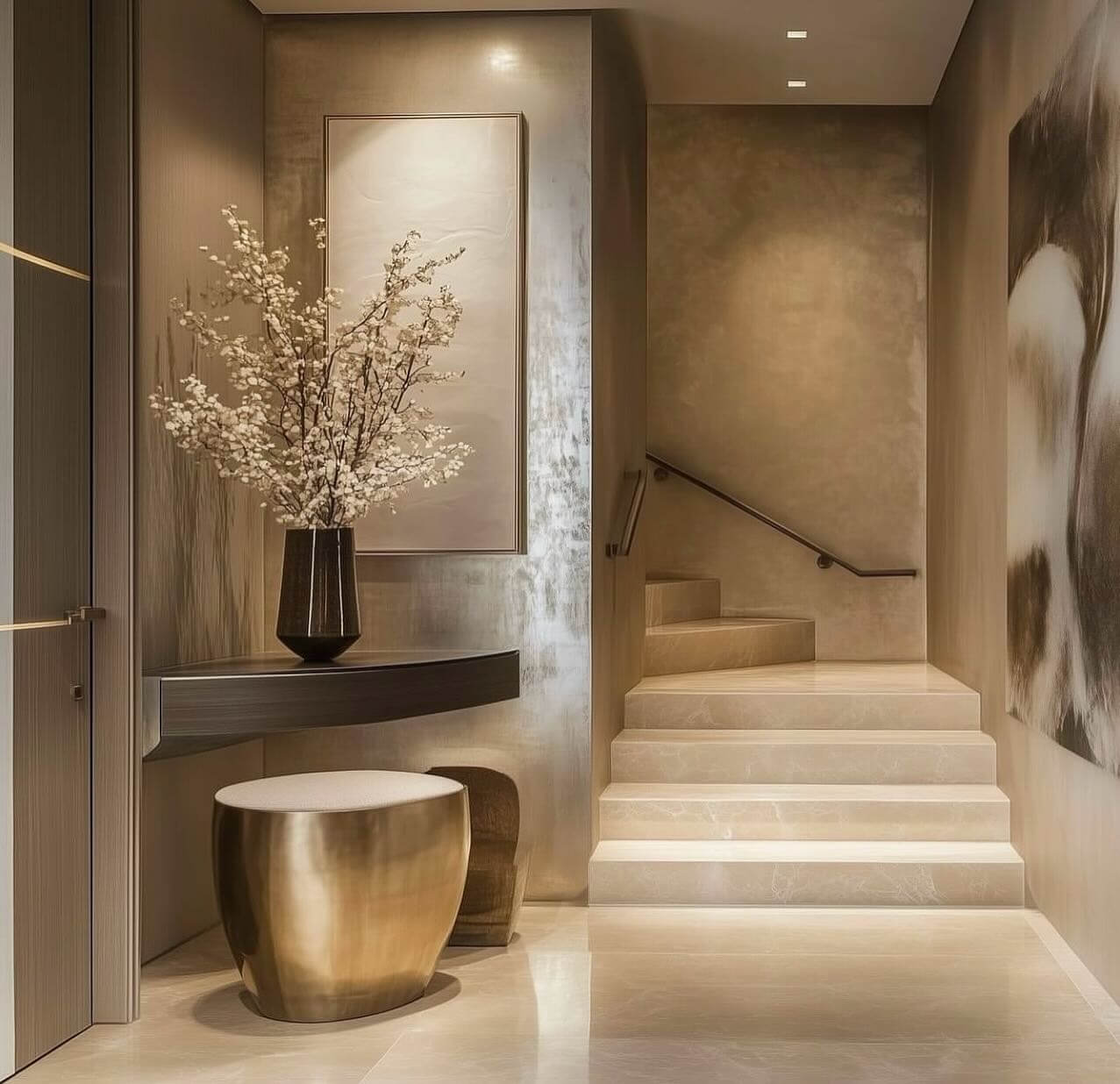
Textiles aren’t just for living rooms. On a porch or stoop, weatherproof fabrics instantly add comfort, color, and cohesion to your front door entryway. Layer a slim, outdoor-safe runner to visually elongate a narrow porch and coordinate it with cushions on a bench or chairs. Choose solution-dyed acrylics or polypropylene for UV resistance and fast drying, and ground patterns with one solid color pulled from your door or trim. If your porch gets strong sun or you crave privacy, install outdoor curtains on a rust-proof rod with grommets; add hidden weights or tiebacks to control movement on breezy days. Keep the palette tight—two to three hues max—so the entry reads intentional, not busy. The result is a soft, styled threshold that invites people to linger while still standing up to weather and weekly sweep-ups.
Create an Outdoor Drop Zone Right at the Threshold
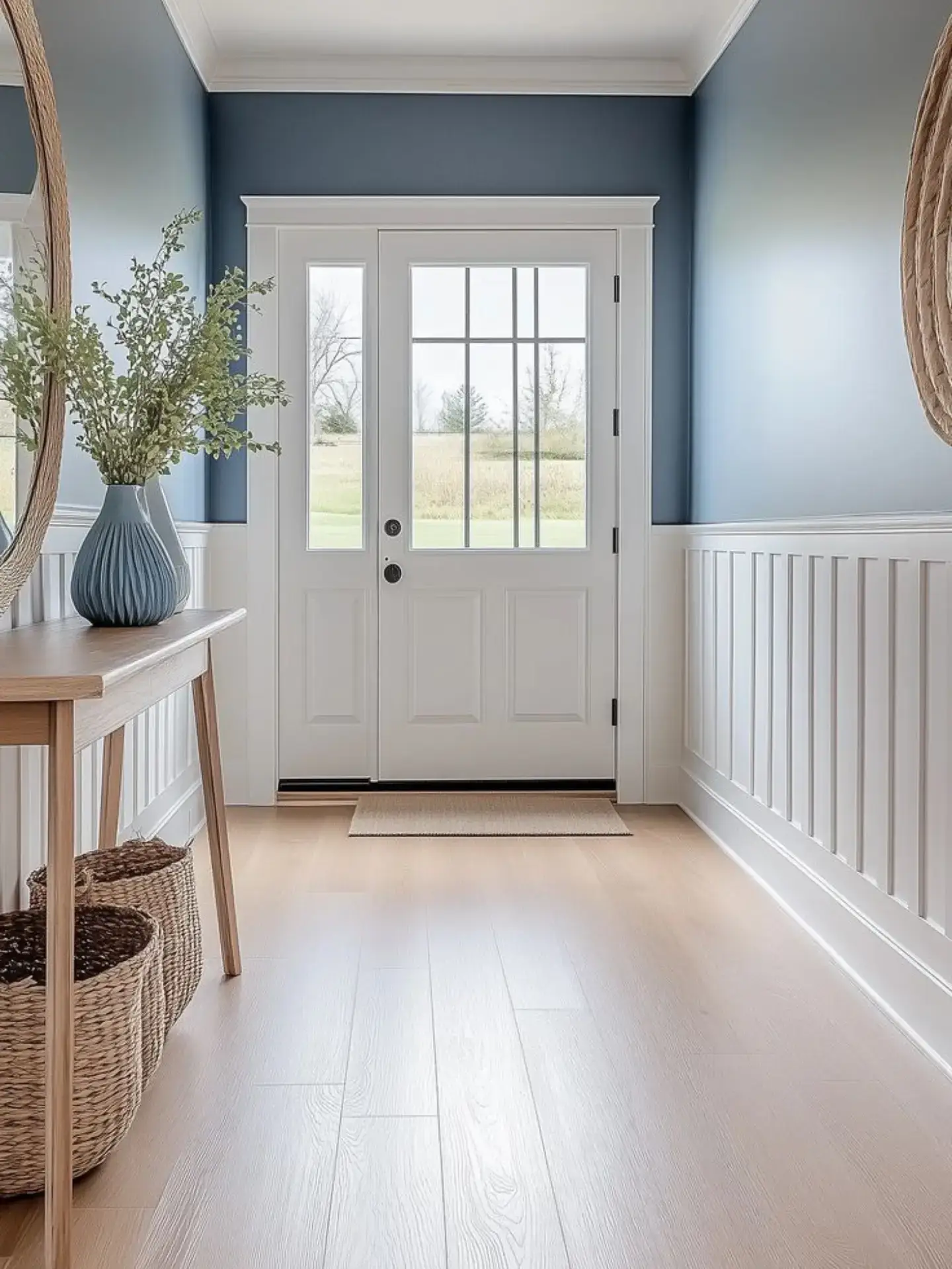
A well-run entryway anticipates needs. Give your front door a mini “mudroom moment” with a slim bench, hooks, and concealed storage that catch clutter before it crosses the threshold. Opt for a narrow bench (12–14 inches deep) with a shelf for shoes or parcels, add a boot tray to corral dirt, and tuck a sturdy umbrella stand by the hinge side so it doesn’t block the swing. Wall-mounted hooks or a peg rail handle dog leashes, hats, and market totes; a small lidded basket hides sunscreen, bug spray, and spare keys. Choose materials that shrug off weather—powder-coated metal, teak, or composite—and echo your hardware finish to keep the vignette cohesive. This simple setup streamlines arrivals and departures, keeps the doormat clear, and preserves that tidy, high-impact welcome you’ve worked hard to create. Function-first design is the secret to curb appeal that lasts past the first glance.
Layer the Entry with an Arbor, Trellis, or Garden Gate
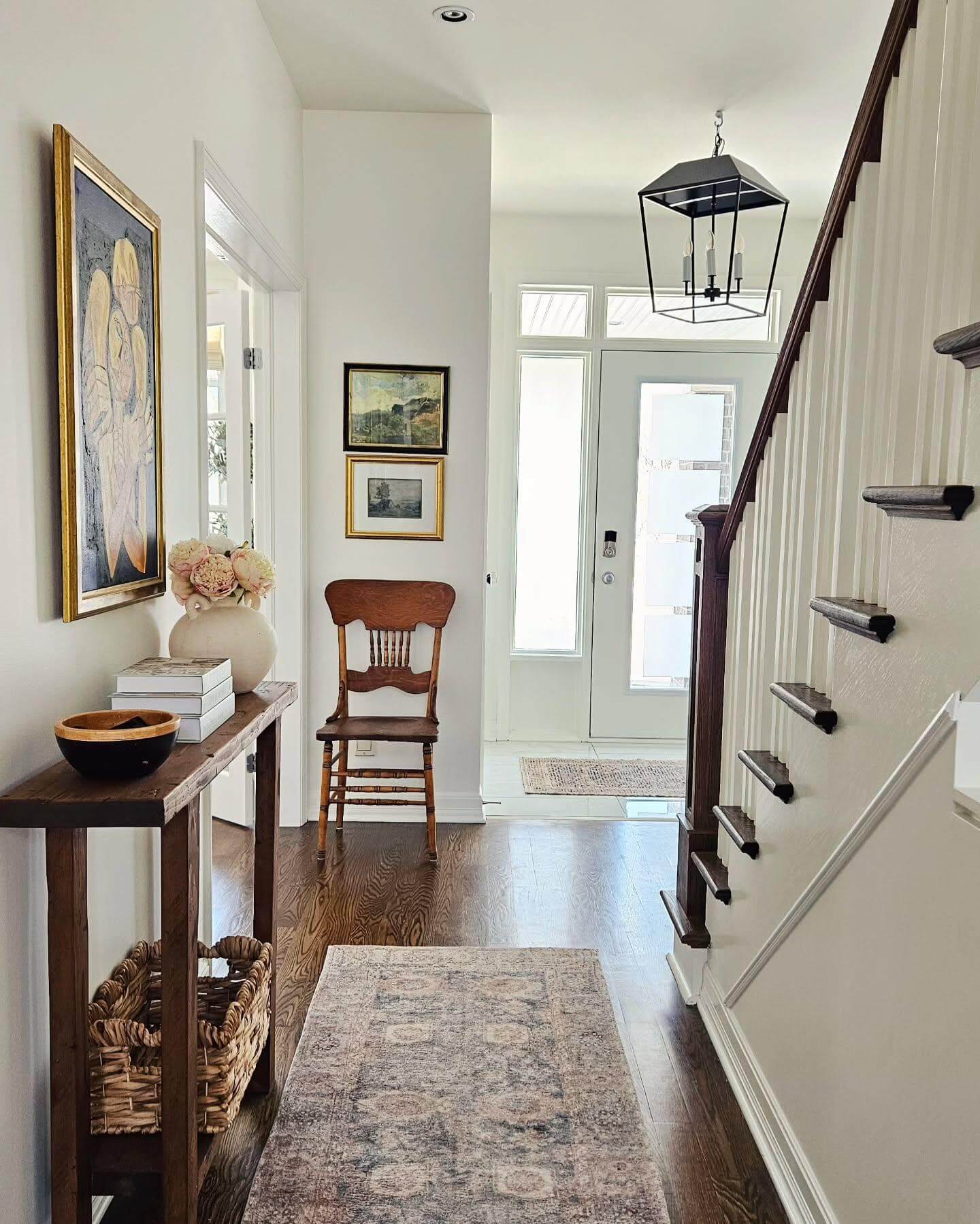
Add depth and a sense of ceremony by creating a “threshold before the threshold.” An arbor or slim garden gate at the start of the walkway frames a view of your front door and subtly slows the approach. Match materials to your home’s architecture—painted wood or cedar for cottage and traditional styles; powder-coated steel or aluminum for modern. Size matters: aim for at least 7 feet of clearance and a width that comfortably spans your path with a bit of breathing room. Train climbers like jasmine, clematis, or roses to soften the structure and scent the air, and repeat a metal finish from your door hardware to unify the scene. This simple architectural layer delivers vertical interest, supports lighting or house numbers, and turns even a small front yard into a gracious, garden-forward entry experience.
Invite the Senses: Fragrance, Texture, and Gentle Sound
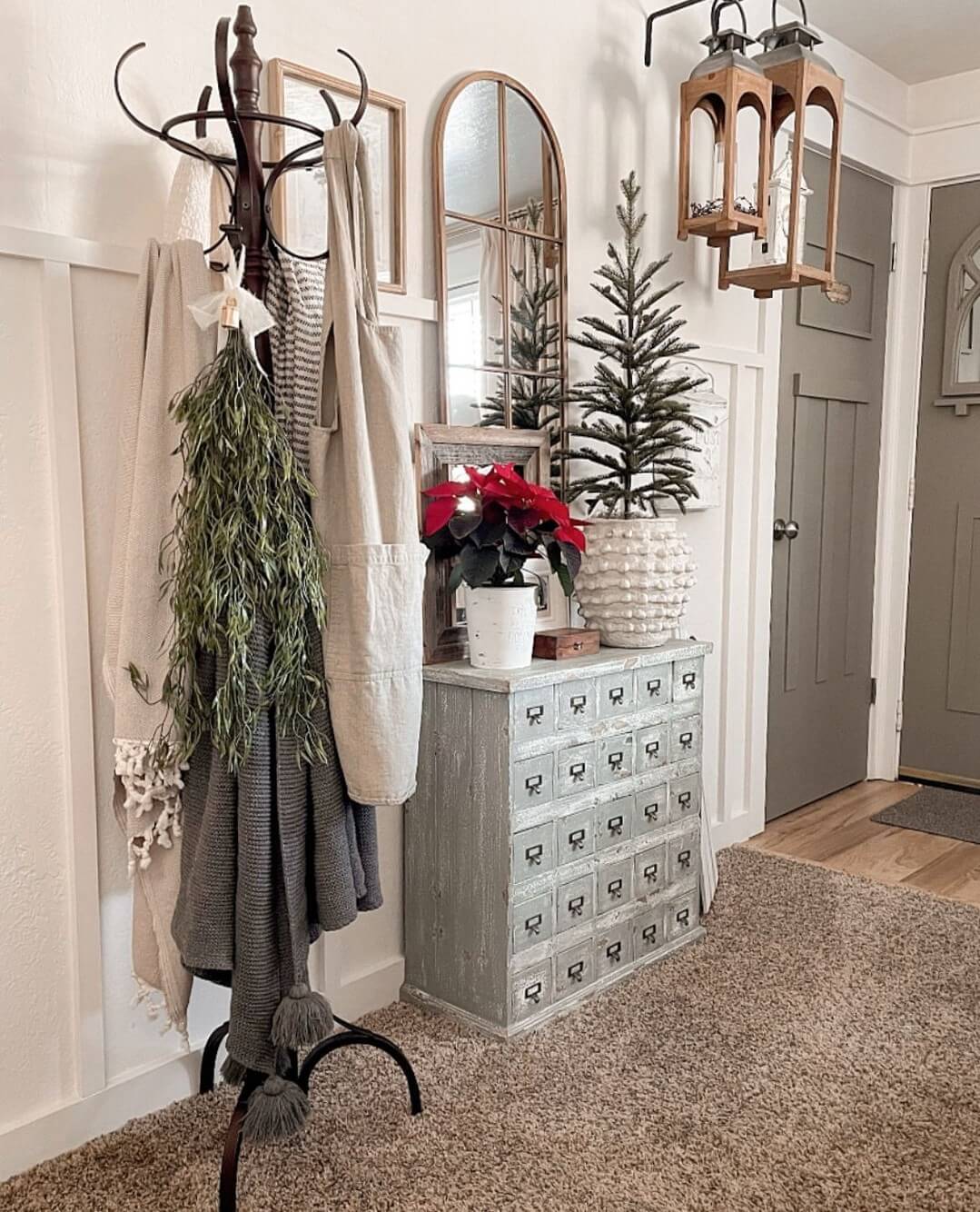
The most memorable front entries engage more than sight. Plant fragrant staples—lavender, rosemary, sweet alyssum, or star jasmine—near the path so guests catch a subtle scent as they approach the door. Mix in tactile textures: soft lamb’s ear, airy grasses, glossy evergreens, and seasonal blossoms to keep the composition lively year-round. Add sound with a small bubbling fountain or tuned wind chimes placed away from direct drafts for a soft, steady note. For evening arrivals, tuck in night-scented nicotiana or honeysuckle near the porch where fragrance blooms after dusk. Keep the palette controlled and repeat key colors—greens, silvers, and one accent—to avoid sensory overload. With thoughtful layers of aroma, movement, and tone, your front door entryway becomes a calm, inviting moment that lingers long after the door swings open.
Small Porch Front Door Entryway Ideas: Space-Savvy Layouts, Plants, and Seasonal Styling
Small porches benefit from vertical organization and compact pieces that earn their footprint. Choose a slim bench with storage below or a single stool that doubles as a plant stand. Opt for glass panes or slim sidelights to borrow light without sacrificing privacy, using films where needed. Mirrors or glossy paint on the door can bounce daylight deeper into tight vestibules. Keep the palette tight—two to three colors—to reduce visual noise while still delivering personality.
Get the Fail-Safe Paint Color Playbook (Free PDF)
36 proven colors • 8 ready palettes • trim & sheen guide • printable testing cards.
- Mount a narrow floating shelf with sturdy wall hooks beneath, creating a compact mail drop and bag zone that keeps the floor clear and circulation paths unobstructed.
- Flank the door with tall, tapered planters and use the thriller–filler–spiller formula; try dwarf boxwood, seasonal pansies, and trailing ivy for texture without crowding narrow stoops.
- Swap wreaths seasonally using a magnetic hook; choose low-profile designs like dried eucalyptus or felt florals to avoid door scraping and allow storm doors to close properly.
- Replace bulky rail-mounted mailboxes with a slim, locking wall-mount positioned near the knob side, saving elbow room and preventing door swing collisions on tight porches.
- Define the entry zone with patterned porcelain tiles or a stenciled concrete rug; choose slip-resistant finishes and grout colors that camouflage dirt but complement siding and trim.
- Maintain privacy and daylight with frosted window film, bottom-up shades, or narrow café curtains on sidelights, avoiding heavy drapery that molds or obstructs hardware movement.
Map the traffic flow from sidewalk to latch so nothing blocks reach or swing, especially in windy conditions. Use dusk-to-dawn bulbs or smart switches to keep the threshold safely illuminated without manual adjustments. If insects are common, favor warm-white LEDs at 2700–3000K and shielded fixtures that minimize attraction. Add subtle fragrance with potted herbs like rosemary or lavender, avoiding pollen-heavy blooms that shed. Schedule seasonal refreshes—swap mats, prune planters, and rinse surfaces—to keep a petite entry feeling orderly and welcoming.
Front Threshold Fixes: Quick Answers for a Standout Welcome
What front door colors boost resale without scaring buyers?
Choose classic, high-contrast hues like navy, charcoal, black, or deep green; they photograph well and complement many siding colors. Test in different light and pick a satin or semi-gloss sheen.
Get the Fail-Safe Paint Color Playbook (Free PDF)
36 proven colors • 8 ready palettes • trim & sheen guide • printable testing cards.
How bright should entry lighting be for safety and comfort?
Aim for glare-free, layered light: two sconces flanking the door plus an overhead fixture, all shielded. Warm-white LEDs around 2700–3000K feel inviting and reduce insect attraction.
Which materials hold up best in coastal or rainy climates?
Fiberglass or properly sealed hardwood with marine-grade varnish resists swelling and warping. Choose powder-coated hardware and corrosion-resistant fasteners, and add an awning to protect finishes.
I rent—what entryway upgrades are landlord-friendly?
Use removable hooks, magnetic wreath hangers, and peel-and-stick frosted film for privacy. Add a coir mat, portable planters, and battery-powered lanterns to enhance style without drilling.
Final Verdict: A Front Door That Always Delivers a Warm Welcome
Think of your entry as a layered composition: start with a confident door color and cohesive palette, then build in upgraded hardware, warm lighting, clear house numbers, and right-sized doormats. Frame the view with evergreen structure—planters, window boxes, and tidy borders—while trim, moulding, and a purposeful path refine the architecture and guide the eye. Symmetry, proportion, and texture do the heavy lifting so the space looks intentional in every season.
From there, tailor the experience to daily life. Add comfort with small-porch seating, outdoor textiles, and a simple drop zone by the threshold; blend in smart entry tech for security without visual clutter; and, when the time is right, consider high-impact moves like a portico, refreshed railings, or a painted porch ceiling. A few sensory touches—fragrant plantings, soft lighting, and the gentle sound of a bell or fountain—complete the welcome. Start with one upgrade, keep it weatherwise and durable, and let each improvement build toward a front door that feels inviting every time you come home.