How Much Does a Full Paint Correction Cost? A Detailed Guide
Maintaining a vehicle’s paint finish is a blend of art and science. Over time, even the most meticulously cared-for car accumulates subtle imperfections—micro-scratches, oxidation, and swirl marks—that dull the deep luster of the original paint. A full paint correction service is a highly technical, multi-stage process designed to meticulously restore the paint’s molecular structure, eliminating these flaws and bringing back a depth of shine that can make the car look years younger.
However, because the service is so highly customized, the question, “How much does a full paint correction cost?” is far from having a simple answer. The final price is determined by a complex interplay of factors, including the vehicle’s size, the specific damage level, the quality of the protective coating chosen, and the expertise of the detailer. Understanding these variables is the key to getting an accurate, informed quote.
Get the Fail-Safe Paint Color Playbook (Free PDF)
36 proven colors • 8 ready palettes • trim & sheen guide • printable testing cards.
Quick answer: How Much Does A Full Paint Correction Cost can vary widely in price depending on brand, paint type, quality level, finish, and whether it is interior, exterior, primer, or specialty coating. Check the current product listing and calculate total project cost by adding primer, supplies, extra coats, and waste allowance.
Assessing the Need: What Exactly is a Paint Correction?
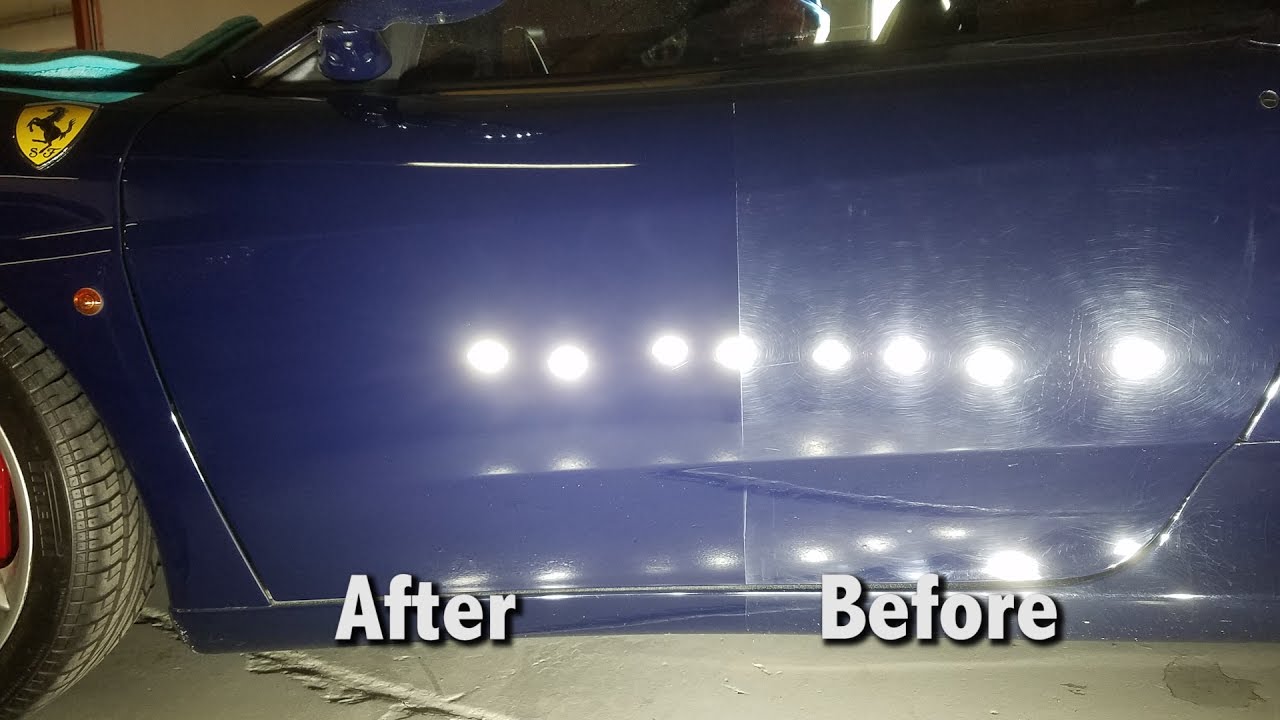
Before considering the cost, it is crucial to understand that paint correction is not simply “polishing.” While polishing is part of the process, paint correction is a comprehensive restoration process that goes deeper. It involves using specialized machines (like Dual Action or Rotary polishers) and chemical compounds to physically remove the microscopic layer of oxidized or damaged clear coat. This process restores the paint’s ‘paint depth’ and eliminates the hazy appearance caused by common contaminants and environmental wear.
The goal is to return the clear coat to its factory-intended state—a flawless, highly reflective surface. A professional correction addresses not just the surface shine, but the underlying material integrity, which is essential for maximizing the car’s aesthetic value, whether for daily driving or pre-sale preparation.
The Core Cost Drivers: Factors Determining the Price
The pricing structure for paint correction is essentially a calculation based on three main variables: 1) Time/Labor (the correction itself), 2) Materials (compounds and polishes), and 3) Protection (the final coating).
| Vehicle Category | Description | Cost Range (Approx.) |
|---|---|---|
| Compact Cars | Small-sized vehicles such as hatchbacks or city cars. | $X – $Y |
| Sedans and SUVs | Mid-sized vehicles commonly seen on the road. | $X – $Y |
| Luxury and Exotic Cars | Premium or high-end vehicles with unique materials and finishes. | $X – $Y |
1. Vehicle Size and Geometry
The physical size of the vehicle dictates the sheer amount of labor and time involved. A small sedan requires significantly less time than a large SUV or a full-size truck. Furthermore, complex geometries—such as highly curved panels, deep wheel wells, or intricate body kits—increase the labor time because the detailer must angle and approach the surface differently to ensure even results.
When getting a quote, detailers will assess the total square footage and the number of distinct body panels that require attention. This is a straightforward labor multiplier.
2. Paint Condition and Severity of Imperfections (The Labor Cost)
This is perhaps the most variable cost factor. The depth and density of the damage determine the required level of compounding. The process must be adjusted for the severity of the flaws:
- Light Imperfections (Swirls/Holograms): These are fine, surface-level marks often caused by automated car washes or improper washing techniques. They can typically be removed with a single pass of a fine polish and minimal compounding effort, keeping the labor cost moderate.
- Moderate Imperfections (Oxidation/Marring): Oxidation is the chemical breakdown of the paint due to UV exposure and environmental fallout. It requires more aggressive compounds and multiple passes to restore the paint depth. This increases labor time and material costs.
- Severe Imperfections (Etching/Deep Scratches): These deep flaws may penetrate multiple layers of the clear coat and require intensive, multi-stage correction. The labor time is extensive, as the detailer must work slowly and methodically to avoid creating new damage while removing the old. This significantly increases the overall cost.
The detailer will always recommend a paint depth measurement or a visual inspection to classify the damage level before providing a binding quote.
3. Protective Coatings: The Long-Term Investment
After the correction, the paint surface is left exposed and vulnerable. Applying a protective coating is not optional; it is necessary to maintain the hard-earned clarity. The choice of coating drastically changes the final price and the long-term value proposition.
The cost comparison for coating options is as follows:
- Traditional Wax/Sealants: These are the most budget-friendly options. They offer excellent immediate gloss and protection for a few months (typically 1–6 months). They are easy to apply and maintain but offer minimal resistance to chemicals or harsh elements.
- Synthetic Coatings (e.g., Premium Sealants): These offer better durability than waxes, providing a deeper, more resilient layer that lasts several months to a year. They are a great middle-ground option for budget-conscious buyers who still want enhanced protection.
- Ceramic Coatings: These are the premium, high-cost option. They involve chemical bonding with the clear coat, providing superior resistance to UV rays, chemicals, and light abrasions. They offer the longest lifespan (often years) and are the best investment for maintaining a truly showroom finish. The cost reflects the advanced chemistry, application process, and long-term warranty provided.
Selecting Your Detailer: Expertise, Reputation, and Location
The skill of the professional is a non-negotiable cost factor. A highly skilled detailer with years of experience using advanced equipment (such as rotary and orbital polishers) can achieve results that a less experienced technician cannot, regardless of the price difference. While a cheaper quote might be tempting, it is always recommended to prioritize proven expertise and a strong portfolio of work.
Geographic location also plays a role. Services in major metropolitan areas often reflect a higher cost of overhead and demand. However, remember that quality should always outweigh location. Always ask potential detailers about their specific training, the brand of compounds they use, and their warranty policies.
Planning Before You Start
Measure the space and estimate how much paint or material you will need. Check the surface condition for cracks, peeling, or moisture issues that could affect adhesion.
Decide whether you need primer, specialty coatings, or extra prep steps. Review the weather forecast if working outside, and schedule the project when conditions support proper drying and curing.
Preventative Care and Maintenance Planning
The most effective way to manage the cost of paint correction is through consistent preventative maintenance. Damage is cumulative, and every time a car is washed improperly, it incurs micro-abrasions. Implementing better care habits can significantly extend the time between major corrections.
Consider incorporating these practices into your routine:
- Washing Technique: Always use a high-quality wash mitt and wash in a gentle, two-bucket system (one for wash soap, one for rinsing the mitt). Never use abrasive washcloths or wash the car in direct sunlight.
- Chemical Decontamination: Periodically using an iron fallout remover or chemical paint cleaner will remove embedded contaminants (brake dust, industrial fallout) before they can etch into the clear coat, preventing premature damage.
- Quick Wash Protection: After washing, applying a quick detailer spray or a high-quality ceramic spray sealant can immediately protect the paint from environmental fallout until the next wash.
Common Mistakes and Misconceptions to Avoid
Understanding what *not* to do is as important as knowing the process itself. Several common misconceptions lead to either wasted money or, worse, unnecessary damage.
The “DIY Deep Correction” Myth
While some basic cleaning and sealant applications can be done at home, attempting deep paint correction yourself is extremely risky. Achieving the depth of correction requires specialized, expensive equipment (like industrial polishers) and a deep understanding of paint chemistry. Using the wrong compound or applying too much pressure can easily cause severe scratching, stripping the clear coat in the process.
Confusing Polish with Protection
A polish is a temporary restorative product; it makes the paint look good *right now*. A protective coating (like ceramic or sealant) is a durable, long-term barrier that shields the paint from the elements. You need both, but they serve completely different purposes. Do not assume a polish provides lasting protection.
Ignoring Pre-Existing Damage
If your car has significant chips, deep gouges, or rust spots, these structural issues must be addressed by a body shop *before* paint correction. A paint correction service restores the clear coat and surface shine; it cannot repair metal damage or large paint chips. Failure to address these will result in a patchy, uneven, and incomplete final product.
Safety and Practical Protocols
Because paint correction involves aggressive chemicals, highly abrasive compounds, and powerful machinery, safety protocols are paramount. Professionals take these measures seriously, and consumers should be aware of them.
- Ventilation and PPE: Any professional performing this service must work in a well-ventilated area and wear appropriate Personal Protective Equipment (PPE), including respirators and gloves, to guard against chemical inhalation and skin irritation.
- Chemical Handling: Never mix detailing chemicals unless explicitly instructed by the manufacturer. Always read the Safety Data Sheet (SDS) for any product used.
- Manufacturer Guidelines: Always follow the manufacturer’s directions for paint compounds and coatings. Deviating from these instructions can void warranties or cause irreversible damage to the paint.
Frequently Asked Questions
Is paint correction the same as detailing?
No. While detailing is the overall process of cleaning and restoring a car, paint correction is a highly specialized, deep-level mechanical process. Detailing covers washing, cleaning, and applying protective products. Paint correction, however, involves using specialized machines and chemical compounds to physically remove microscopic layers of oxidation and scratches, restoring the molecular integrity and depth of the clear coat itself. It is a core component of a professional detail, but not the entire service.
How long does the protection from a paint correction last?
The longevity depends entirely on the protective coating applied, not the correction process itself. Wax and sealants offer protection for a few months (1–6 months). Synthetic coatings offer durability for several months to a year. Ceramic coatings, being the most advanced option, are designed to last for years. Remember, the coating is the barrier, and the correction is the restoration. Even with the best coating, consistent preventative washing is required.
Get the Fail-Safe Paint Color Playbook (Free PDF)
36 proven colors • 8 ready palettes • trim & sheen guide • printable testing cards.
What should I do to prevent paint damage between services?
The most critical preventative measure is adopting proper washing techniques. Always use a dedicated, two-bucket wash system with a high-quality wash mitt, and never wash the car in direct sunlight, as this can cause chemical etching. Additionally, consider using an iron fallout remover or a quick detailer spray after washing to remove embedded contaminants (like brake dust) before they have a chance to etch into the paint.
Does paint correction fix deep chips or gouges?
No. Paint correction services are designed to restore the clear coat and surface shine, addressing microscopic damage. They cannot repair structural damage such as deep chips, gouges, or rust. If your vehicle has metal damage or large paint chips, these must be addressed by a professional body shop *before* paint correction can be performed. Failure to do so will result in an uneven and incomplete final product.
How do I know if a paint correction service is reliable?
Prioritize expertise over price. Always ask potential detailers about their specific training, the brands of compounds and coatings they use, and their warranty policies. A highly skilled professional will be able to assess the damage level accurately and provide a detailed explanation of why certain materials or labor time are required. Always request to see their portfolio of work.
Conclusion
A full paint correction is a significant investment in the appearance and longevity of your vehicle. Rather than focusing solely on a single price point, view the process as a comprehensive restoration service. The true value lies in the combination of the detailer’s proven expertise, the depth of the correction achieved, and the quality and longevity of the protective coating applied.
By understanding the variables—from the size of the vehicle to the difference between a sealant and a ceramic coating—you can transform the daunting task of getting a quote into a clear, informed decision. A professional paint correction, when properly executed, is an investment that doesn’t just enhance shine; it preserves the overall value and integrity of your prized vehicle.