How to Paint Balloons: A Step-by-Step Guide to Realistic Art
Painting balloons is a truly captivating art form, allowing you to merge technical skill with boundless creativity. These subjects—whimsical, shiny, and buoyant—offer an irresistible canvas for artists of all levels. Whether you are tackling a single, perfect sphere or a massive, celebratory bouquet, learning how to paint balloons is an exciting and incredibly rewarding artistic endeavor.
This art form is far more complex than simply applying color; it requires a deep understanding of the object’s unique anatomy, the physics of light reflection, and the mastery of various blending techniques. By meticulously observing how light interacts with curved, often glossy surfaces, you can transcend simple color blocks and create mesmerizing, three-dimensional paintings that evoke pure joy and wonder.
Get the Fail-Safe Paint Color Playbook (Free PDF)
36 proven colors • 8 ready palettes • trim & sheen guide • printable testing cards.
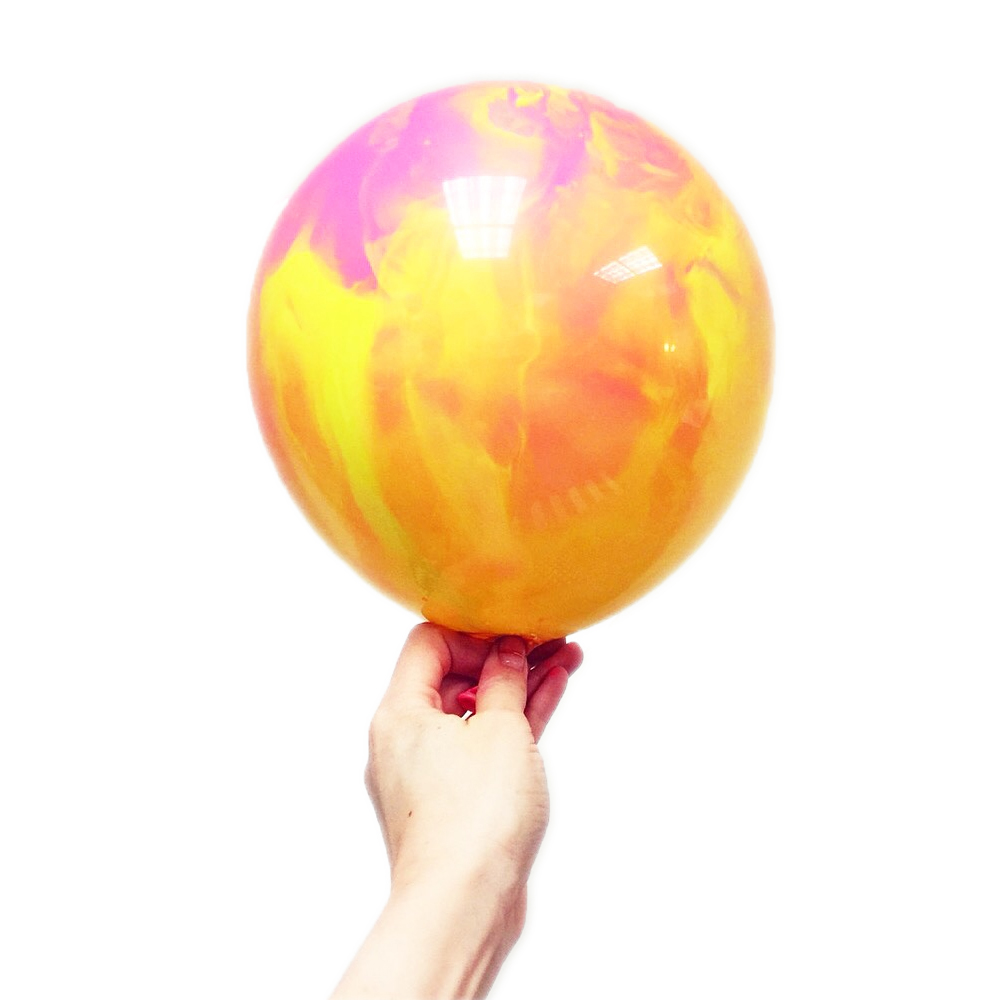
Quick answer: To Paint Balloons, start with the safest first step for the material involved, test a small area when needed, and follow the process in thin, controlled stages. Use proper ventilation and protective gear when chemicals, sanding, spraying, or solvents are involved.
Planning and Conceptualizing Your Balloon Scene
Before the first brushstroke touches the canvas, thoughtful planning is the most crucial step. Planning dictates the mood, the scale, and the emotional impact of your final piece. Consider what story your balloons are telling—are they floating gently in a twilight sky, clustered tightly in a bouquet, or isolated against a simple backdrop?
Start by gathering reference images. These references should not only provide color palettes but also show the balloons in various lighting conditions. Pay close attention to how the light source hits the objects from all angles. This initial conceptualization will guide your entire process, ensuring that your finished piece has internal consistency and narrative strength.
Planning Before You Start
Measure the space and estimate how much paint or material you will need. Check the surface condition for cracks, peeling, or moisture issues that could affect adhesion.
| Supplies | Description |
|---|---|
| Paintbrushes | Different types and sizes of brushes cater to various painting techniques. |
| Acrylic Paints | A versatile medium that offers a wide range of colors. We’ll delve into creating a color palette later on. |
| Canvas or Paper | Choose a suitable surface for your artwork, depending on your preference and the desired outcome. |
| Palette and Knife | These tools help you mix and blend paints effectively. |
| Water and Container | Keep a container of water nearby to rinse your brushes and maintain their cleanliness. |
| Optional | You may also consider additional materials for adding texture and dimension to your balloon paintings. |
Decide whether you need primer, specialty coatings, or extra prep steps. Review the weather forecast if working outside, and schedule the project when conditions support proper drying and curing.
Materials and Tools: Selecting Your Medium
The right tools can make a massive difference in the outcome of your artwork. Since balloon painting involves simulating various textures—from soft matte latex to highly reflective metallic foil—you need a versatile selection of materials.
When selecting paints, the choice depends heavily on your desired finish and the surface you are painting on. Acrylic paints are generally the most recommended for beginners and advanced artists alike because they are versatile, quick-drying, and adhere well to most surfaces, including canvas and specialized paper. Watercolor is excellent for soft, ethereal gradients, while gouache can offer opaque coverage for bright, solid colors. For metallic effects, specialized acrylic mediums or even mixed media paints designed for crafts work best.
Essential tools include:
- Brushes: A variety of sizes is key. Use large, soft brushes for base coats and blending; medium-sized rounds for general color application; and very fine, pointed detail brushes for highlights, strings, and small imperfections.
- Palettes and Water Cups: Non-porous surfaces are best for mixing paints.
- Reference Materials: Sketchbooks, pencils, and digital tools to map out composition.
Step-by-Step Guide to Painting Balloon Form and Depth
The painting process is best broken down into distinct, manageable stages. Do not rush through these steps, as patience is the single most important tool an artist can possess.
1. Sketching and Establishing Form
Begin by lightly sketching the balloon forms using a pencil. Do not worry about color yet; focus entirely on geometry and proportion. Use basic geometric shapes—spheres, ovals, and cylinders—to map out the balloon’s structure. This ensures accurate proportions and helps you establish the points of maximum width and minimum width. When painting multiple balloons, pay extreme attention to overlap and perspective, ensuring that balloons further away appear smaller and slightly less defined.
2. Defining the Light Source and Values
This is the most critical step for achieving realism. Before laying down any color, decide exactly where your single, consistent light source is coming from (e.g., upper left, lower right). This source must remain consistent throughout the entire painting. Next, map out the *value* (the relative darkness or lightness) on your sketch. The areas closest to the light source will be the lightest (the highlights), and the areas furthest from the light source (the shadow side) will be the darkest. This value contrast is what tricks the eye into seeing three-dimensional depth.
3. Applying the Base Color and Shadows
Using thin, diluted paint, apply the general base color across all the balloons. Do not try to achieve perfection in this step; think of it as a foundational wash. Once the base layer is dry, introduce the shadow color. The shadow color should be a deeper, slightly cooler tone of the base color, applied consistently on the side opposite your imaginary light source. Blending these shadow tones gently into the base color helps transition the form smoothly.
4. Blending and Achieving Gradients
To make the balloon look organic and curved, you must master the gradient. Use the wet-on-wet technique—applying thin, wet paint over slightly damp areas—to blend the base color into the shadow color, creating a smooth transition. For a more painterly, subtle look, use a blending brush and feather the edges, ensuring there are no harsh lines. This gradual transition from light to dark, known as *sfumato* in art, is key to the illusion of roundness.
5. The Reflective Finish: Highlights and Specular Highlights
This step brings the balloon to life. After the primary colors are dry, you must add the highlights. These are not just “white paint”; they are the brightest, most saturated parts of the color, representing the direct reflection of the light source. Use a slightly lighter, sometimes pure white, paint mixed with a tiny amount of the base color. These highlights should be placed strategically on the curves where the light hits most directly. For metallic or glossy balloons, you must add a small, sharp, pure white ‘hotspot’ reflection to simulate the sheen of the material.
Design and Color Tips: Mastering Luminosity
Color theory is your secret weapon in balloon painting. To make your colors pop and look more vibrant, utilize the principles of contrast and complementation.
Complementary Colors: Pairing colors that are opposite each other on the color wheel (e.g., blue and orange, red and green) will make both colors appear more saturated and intense when placed next to each other. Use this pairing to make certain balloons or elements stand out.
Undertones and Temperature: Never choose a color in isolation. Always consider its undertone. Is the blue leaning toward cool cyan, or warm indigo? Is the yellow leaning toward lemon (cool) or gold (warm)? Mixing colors that share a similar undertone (analogous colors) will create harmony, while contrasting undertones will create energy.
Simulating Different Materials:
- Matte Latex: Use soft, subtle blending and muted tones. The reflections should be soft and diffuse.
- Metallic/Glossy: Requires sharp value contrast. The shadows must be deep, and the highlights must be sharp, small, and highly reflective, often incorporating pure white or silver paint.
- Translucent: These balloons require careful layering and glazing. The color should appear to shift and change intensity as if light is passing through them, often showing the color of the background slightly.
Mistakes to Avoid When Painting Balloons
Even experienced artists can fall into common traps. Being aware of these pitfalls will save you time and frustration.
The Flat Color Trap: The most common mistake is painting the balloon as if it were a simple, flat circle of color. This removes all dimension. Always remember to map out the light source and the corresponding value changes (light side, mid-tone, shadow side).
Inconsistent Light Source: If the light source shifts across the canvas, the shadows and highlights will look fake and disconnected. Keep your imaginary light source fixed from start to finish.
Over-Blending: While blending is necessary, excessive blending can muddy your colors, turning vibrant hues into dull grays or browns. Blend gently and stop before the colors lose their individual character.
Safety and Practical Notes
Art materials are wonderful, but they require respect and proper handling. Always prioritize a safe working environment.
Ventilation: When working with solvents, thinners, or certain strong acrylic mediums, ensure you are painting in a well-ventilated area. Adequate airflow prevents the buildup of fumes and ensures a comfortable working space.
Drying Time: Acrylics and acrylic mediums require patience. Allow paint to dry fully between major layers (especially between the base coat and the highlight coat). Rushing this process can lead to smearing, poor adhesion, or muddying of colors. Always check the manufacturer’s recommended drying time.
Protective Gear: While general painting rarely requires heavy protective gear, it is wise to wear gloves and eye protection when mixing or pouring large quantities of paint or when handling certain chemical mediums.
Painting balloons is a deeply rewarding journey into the intersection of technical skill and imaginative freedom. By understanding the geometry of the form, the physics of light, and the power of color theory, you are equipped to move beyond simple color application and create truly luminous, dimensional artwork. Remember that every masterpiece begins with a sketch, and every expert artist is simply someone who has mastered the art of careful observation and confident application. Now, gather your tools, select your perfect palette, and let your creativity soar!
Frequently Asked Questions
How do I achieve a realistic, three-dimensional curve on the balloon?
The key to dimension is mastering value contrast, not just color. Do not paint the balloon as a flat circle. Always establish a consistent light source and map out the value changes: the brightest area (highlight) must be the lightest value, the area opposite the light must be the darkest value (shadow), and the transitions in between must be mid-tones. Use gradual blending (sfumato) to transition smoothly from the light side to the shadow side.
Get the Fail-Safe Paint Color Playbook (Free PDF)
36 proven colors • 8 ready palettes • trim & sheen guide • printable testing cards.
What is the best paint medium for simulating different types of balloons (e.g., matte vs. metallic)?
The medium depends entirely on the desired finish. For soft, matte latex, use highly diluted acrylics and focus on soft, diffuse blending with muted tones. For metallic or glossy foil, you must use specialized acrylic mediums and incorporate sharp, pure white “hotspot” reflections. These sharp highlights are crucial because they mimic the intense, focused reflection of light off a highly polished surface.
What is the single most critical step to avoid making the painting look fake?
Maintaining a consistent and unwavering light source is the most critical step. Once you decide where the light is coming from (e.g., upper left), that source must remain fixed across the entire canvas. If you allow the light source to shift, the shadows and highlights will appear disconnected and unnatural, instantly breaking the illusion of depth.
My colors look muddy after blending. What should I do?
This is often caused by over-blending or mixing too many colors into one area. Remember that blending should enhance the natural transition of light and shadow, not mix the colors into a uniform gray or brown. When blending, use thin, diluted paint and work gently. If the color becomes dull, stop blending and allow the area to dry before applying the next layer.
Conclusion
How to Paint Balloons works best when the plan, materials, safety steps, and finish goals all line up before work begins. Review the surface or tool condition, choose compatible products, and leave enough time for drying, cleanup, and final checks.
Use the guidance above as a practical checklist, then adjust it to the specific surface, workspace, product directions, and risk level. When the project involves fumes, damaged materials, business liability, or uncertain conditions, slow down and get qualified help before moving forward.