
How To Unclog A Paint Sprayer
A paint sprayer is an indispensable tool for tackling large-scale painting projects, offering a professional finish that is difficult to achieve by hand. However, the very nature of the tool—its ability to atomize and project paint—makes it susceptible to clogs, which can halt a project in its tracks and cause immense frustration. A clogged sprayer is more than just an inconvenience; it requires a methodical diagnosis to ensure the blockage is addressed completely and safely.
Fortunately, troubleshooting a paint sprayer is a process of systematic diagnosis and cleaning. By understanding the chemistry of your paint, the mechanics of your specific sprayer model (be it HVLP or airless), and following careful disassembly and cleaning protocols, you can effectively restore its performance. This guide will walk you through everything from initial setup checks to advanced preventative maintenance, ensuring you are equipped to handle any blockage.
Get the Fail-Safe Paint Color Playbook (Free PDF)
36 proven colors • 8 ready palettes • trim & sheen guide • printable testing cards.
Quick answer: unclog a paint sprayer usually happens because of a clogged tip, blocked filter, thick paint, air leaks, or a pump that has not been primed. Start by checking the tip, filter, hose, cup, paint thickness, pressure setting, and priming sequence, then remove loose or contaminated material, correct the cause, and use a compatible primer, paint, or cleaner before repainting or recoating so the issue does not return.
Understanding Your Equipment: Types and Components
Before attempting any repair, it is vital to know exactly what you are working with. Paint sprayers are not one-size-fits-all, and knowing the type dictates the cleaning procedure. The three most common types are:
- HVLP (High-Volume Low-Pressure): These systems are popular for fine finishes and are ideal for delicate surfaces like trim and furniture. They operate at lower pressures, which is gentler on the surface but requires careful handling of viscosity.
- Airless: These are the most powerful and durable units, designed for thick coatings, masonry, and high-volume areas. They use extreme pressure to atomize paint, making them excellent for speed but requiring robust cleaning solvents.
- Handheld/Gravity Feed: These are often used for smaller areas or touch-ups. They are the simplest to clean but may not be suitable for large, uniform surfaces.
Regardless of the type, the core components that can clog are consistent: the nozzle (the point of spray), the cup/reservoir (where paint is drawn), the hose (the conduit), and the filter/strainer (which catches debris). A clog could be localized at any of these points.
The Root Causes: Why Your Sprayer Clogged
A clog is rarely random; it is usually a symptom of an underlying issue. Identifying the root cause is the difference between a quick fix and a permanent solution. The three primary culprits are:
- Paint Viscosity Issues: This is the most common cause. If the paint is too thick (too high viscosity), it cannot pass through the fine openings of the nozzle. If it is too thin (too low viscosity), it may cause poor atomization or excessive dripping. The paint must be thinned to the optimal consistency required by the sprayer manufacturer.
- Drying and Solidification: If the sprayer is left out, especially overnight, the paint residue dries and hardens, forming a plug that requires chemical dissolution, not just physical scrubbing.
- Foreign Debris or Incompatible Paint: Using paint mixed with non-paint additives (like sanding dust, fillers, or excessive sanding residue) can create physical blockages. Furthermore, mixing incompatible paint types (e.g., an oil-based paint into a latex system) can cause immediate coagulation and clogging.
Materials and Tools Checklist
Do not attempt to clear a clog without the proper gear. Having these items prepped will save time and prevent damage to your equipment.
- Safety Gear: Safety glasses, chemical-resistant gloves, and a respirator (especially when dealing with solvents like mineral spirits).
- Cleaning Solvents: This is critical. You must match the solvent to the paint type:
- Latex/Water-Based Paint: Warm water mixed with mild soap or dedicated paint cleaner.
- Oil-Based Enamel Paint: Mineral spirits or paint thinner (check local regulations for appropriate solvent).
- Epoxy or Industrial Coatings: Specific industrial solvents recommended by the paint manufacturer.
Cleaning Tools: Small, stiff wire brush (dedicated only to the sprayer), small scrub brush (like a toothbrush), and clean rags. Support Materials: Paper towels, buckets, and the manufacturer’s cleaning guide.
Step-by-Step Guide to Clearing the Clog
Follow these steps methodically. Remember, patience is the most important tool you own.
1. Initial Disassembly and Assessment
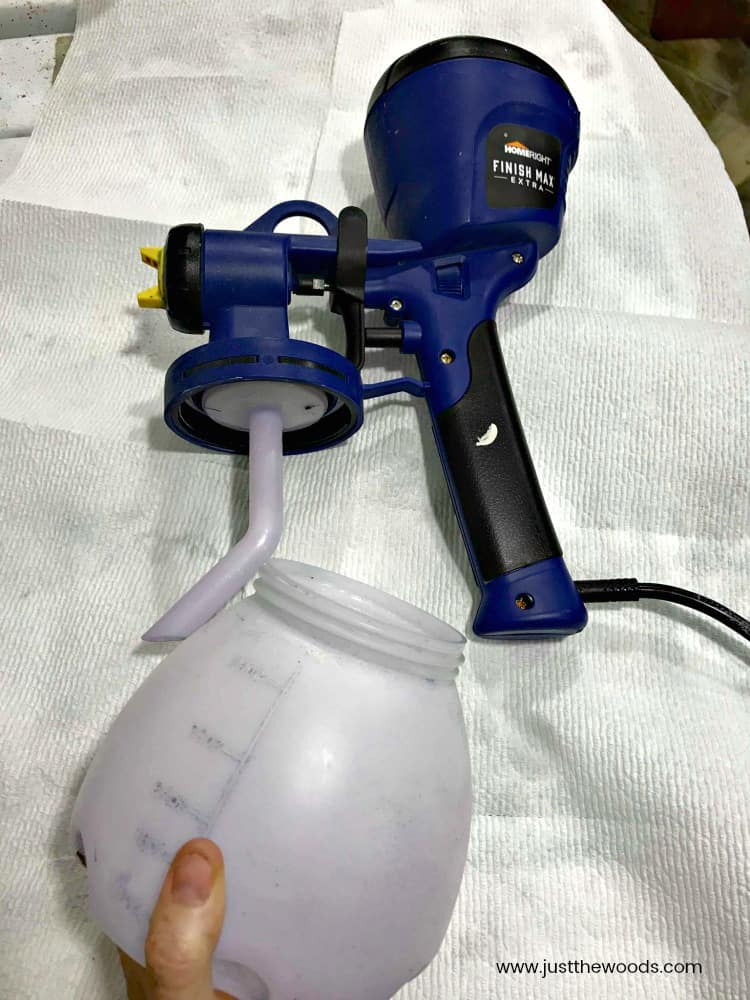
Carefully follow your sprayer’s manual to disassemble the unit. Remove the nozzle, the cup, and the hose sections. Do not skip this step, as the clog may be located in a section you cannot see.
2. The Soaking Bath (Chemical Dissolution)
Place all components—especially the nozzle tip and the filter screen—into a container filled with the appropriate cleaning solvent. Do not use hot water unless the manufacturer specifies it, as extreme heat can damage seals. Allow the components to soak for the minimum time specified by the solvent or paint manufacturer (this may take several hours for heavily dried paint).
3. Mechanical Clearing (Physical Removal)
After soaking, the dried material should be softened. Now, use the dedicated wire brush or scrub brush. Start at the nozzle and gently work backwards, scrubbing the inside of the nozzle and the immediate hose connection. Be careful not to strip or bend the internal metal components, as this can worsen the problem.
4. Flushing and Testing
Flush the entire system with clean, clean water (or the solvent, depending on the paint type). Reassemble the sprayer, ensuring all seals and gaskets are correctly seated. Test the sprayer by running a steady stream of clean water through it. If the water flows smoothly and evenly, the clog is likely cleared. If the water still sputters or restricts, repeat the soaking and scrubbing process.
Preventing Future Clogs: Professional Best Practices
The best way to unclog a sprayer is to never let it clog in the first place. Prevention focuses on proper paint handling, maintenance, and storage.
Paint Preparation and Viscosity Management
Always read the paint manufacturer’s recommendations for the sprayer. Many paints require thinning with a specific, compatible medium (like latex thinner or mineral spirits). Using too much thinner can reduce the paint’s adhesion, while using too little can cause immediate blockages. The paint must be mixed slowly and mixed thoroughly according to the paint’s mixing instructions.
The Daily Clean-Up Routine
Never leave a sprayer full of paint residue. At the end of every session, immediately disassemble and rinse the system. For water-based paints, wash the unit with warm water and soap; for oil-based paints, use mineral spirits. This simple habit prevents the buildup that leads to major clogs.
Proper Storage
When the job is done, ensure the sprayer is completely clean and dried. Store it in a cool, dry area. If the paint is prone to rapid drying, consider sealing the nozzles or components according to the manufacturer’s guidelines.
Common Mistakes and Advanced Troubleshooting
Even when following the steps, issues can arise. Knowing the difference between a blockage and another problem is key.
Clog vs. Low Pressure vs. Poor Pattern
A clog is a physical blockage that restricts flow, often resulting in no paint coming out, or only a small stream. Low pressure is a mechanical issue, meaning the pump or air source is failing to generate sufficient force. Poor pattern (e.g., a weak, uneven mist) usually points to a worn nozzle tip, a bad air filter, or paint that is incorrectly mixed, rather than a complete blockage.
- Using the Wrong Solvent: Never use harsh chemicals or solvents that are not compatible with the sprayer’s internal materials, as this can corrode metal parts or damage rubber seals.
- Forcing the Paint: Never apply excessive manual pressure or use high-powered tools to force paint through a hardened clog. This can break the internal mechanisms.
- Ignoring Paint Compatibility: Mixing paints from different chemical bases (e.g., latex and oil) is a recipe for instant failure and severe clogging.
Safety and Professional Tips
Safety must always be the top priority when dealing with cleaning solvents and pressurized equipment. Treat this process with the respect it deserves.
Ventilation: When using solvents like mineral spirits, always work in a well-ventilated area. Do not spray or clean in a garage or enclosed space. Open windows and use fans to dissipate fumes.
Personal Protective Equipment (PPE): Always wear safety glasses and chemical-resistant gloves. If you are using strong solvents or sanding/cleaning highly contaminated surfaces, a respirator mask is mandatory to protect your lungs from fumes and airborne particles.
Disposal: Never pour paint residue or solvents down a household drain. Check your local municipal guidelines for hazardous waste disposal. Paint shops or local waste facilities often have designated drop-off points for proper disposal.
If the clog persists after thorough cleaning, or if the sprayer mechanism itself seems damaged (e.g., leaking seals, visible cracks), it is best practice to consult a professional painting contractor or the equipment manufacturer before proceeding.
Safety and Practical Notes: Beyond the Clog
While clearing a clog is a technical process, the overall job site safety and proper handling of materials are paramount. Never let the urgency of the project override safety protocols. Always treat the paint sprayer, its solvents, and the paint itself with professional caution.
Environmental and Health Safety
- Ventilation is Non-Negotiable: When working with solvents like mineral spirits, lacquer thinner, or strong chemical cleaners, always ensure the area is exceptionally well-ventilated. Open multiple windows and use fans to draw fumes away from your breathing zone. Never operate these tools in a confined space or garage without adequate airflow.
- Personal Protective Equipment (PPE): Always wear safety glasses or goggles to protect against paint splatter and chemical splashes. Chemical-resistant gloves (nitrile is often effective) are mandatory. If using strong solvents or working with potentially hazardous paints, a certified respirator mask is required to protect your lungs from fumes and airborne particles.
- Waste Disposal and Local Codes: Never pour paint residue, solvents, or cleaning chemicals down a household drain. Before disposal, check your local municipal or county waste management guidelines. Many areas require specific drop-off points for liquid hazardous waste. Follow these codes strictly.
Site Safety and Professional Guidance
Before any spraying begins, a thorough site inspection is necessary. The paint sprayer itself is not the only potential hazard on a job site. Always consider the structural integrity and underlying materials:
- Structural Assessment: If painting large areas, especially exterior walls, be aware of underlying structural issues. If you suspect water damage, shifting foundations, or major structural cracks, stop and consult a structural engineer before proceeding.
- Hazardous Materials Check: If you are painting older homes or commercial buildings, always assume the presence of hazardous materials until proven otherwise. Test for:
- Lead Paint: If the paint was applied before 1978, assume it contains lead. Wear specialized PPE and use wet sanding techniques to minimize dust.
- Asbestos: Do not disturb any materials (insulation, floor tiles, etc.) until a professional has tested them for asbestos content.
- Mold: If the surface shows signs of excessive mold or mildew, treat the mold first with appropriate anti-fungal cleaners before applying any paint.
Electrical Safety: When working near electrical fixtures, ensure that all wiring is safely covered or disconnected. Keep the sprayer and solvents away from any potential sources of sparks or ignition.
Testing and Manufacturer Adherence
After clearing a clog, do not immediately use the sprayer on the final surface. Always:
- Test Area: Test the sprayer’s function and pattern in an inconspicuous area (like behind a piece of furniture or on a corner trim piece). This allows you to identify any lingering issues—like inconsistent pressure or pattern—before wasting paint on the visible surface.
- Follow Manuals: The manufacturer’s instructions are the ultimate guide. Never deviate from the recommended mixing ratios, thinning agents, or cleaning protocols, as this can compromise the sprayer’s performance or the paint’s adhesion.
Credit: www.justthewoods.com Frequently Asked Questions
What is the first thing I should do if my sprayer clogs mid-project?
Stop spraying immediately and do not attempt to force the paint through the clog. First, identify the type of paint and the type of sprayer you are using. If the clog is minor and the paint is water-based, try flushing the system with a strong jet of clean water. If the clog is severe or the paint is oil-based, proceed directly to the soaking bath using the correct solvent (mineral spirits or dedicated thinner) to start dissolving the hardened paint.
Get the Fail-Safe Paint Color Playbook (Free PDF)
36 proven colors • 8 ready palettes • trim & sheen guide • printable testing cards.
Can I use hot water to dissolve a paint clog?
Generally, no. While heat can help, using excessively hot water can damage the internal seals, gaskets, and plastic components of the sprayer, leading to leaks or premature failure. Always check the manufacturer’s manual. If the paint is very old or heavily dried, room-temperature warm water mixed with a mild soap or a specialized solvent is safer and more effective than extreme heat.
Do I need to disassemble the entire sprayer to clear a clog?
Yes, for a thorough and permanent fix, disassembly is highly recommended. Clogs are often located in small, inaccessible areas like the filter screen, the nozzle tip, or the internal passages of the hose. By following the manufacturer’s instructions and taking the unit apart, you ensure that all potential blockage points—not just the visible nozzle—are addressed and soaked in solvent.
What is the difference between a clog and low pressure?
A clog is a physical blockage (paint, debris) that restricts the flow of material, resulting in no paint or only a weak, sputtering stream. Low pressure, however, is a mechanical issue, meaning the pump or air source itself is failing to generate sufficient force. If the water flows smoothly when you flush the system, the problem was likely a clog. If the water flow is weak even when clean, the issue is mechanical and may require a professional service.
What solvent should I use for different types of paint?
It is critical to match the solvent to the paint base. Never mix or clean with incompatible chemicals. For latex/water-based paints, use warm water and mild soap or a dedicated latex cleaner. For oil-based enamels, use mineral spirits or paint thinner. Always check the paint can label or the manufacturer’s website for the specific, recommended cleaning agent. For safety, always work in a well-ventilated area when using solvents.
Conclusion
Maintaining your paint sprayer is a blend of art and science—it requires attention to detail, patience, and a deep understanding of chemistry. By following these comprehensive steps, you can transform the daunting task of clearing a clog into a manageable, systematic process. Remember that the key to professional-quality results lies not just in the application, but in the meticulous care and maintenance you give your tools.