
How To Use Snazaroo Face Paint
Snazaroo face paint is celebrated for its vibrant palette and accessibility, making it a favorite choice for everything from festive festivals to themed costume parties. It allows artists and enthusiasts alike to transform the canvas of the human face with imaginative colors and intricate designs. However, the process of applying face paint successfully requires more than just dipping a brush into a pot of color; it demands proper preparation, an understanding of skin science, and mastery of various application techniques.
Mastering the art of face painting is a rewarding skill that combines elements of makeup artistry, chemistry, and creative design. This comprehensive guide is designed to elevate your skills, moving you from novice to confident artist. We will delve into the necessary foundational knowledge—from preparing your skin for perfect adhesion to executing complex color blends—ensuring every design you create is safe, durable, and stunningly beautiful.
Get the Fail-Safe Paint Color Playbook (Free PDF)
36 proven colors • 8 ready palettes • trim & sheen guide • printable testing cards.
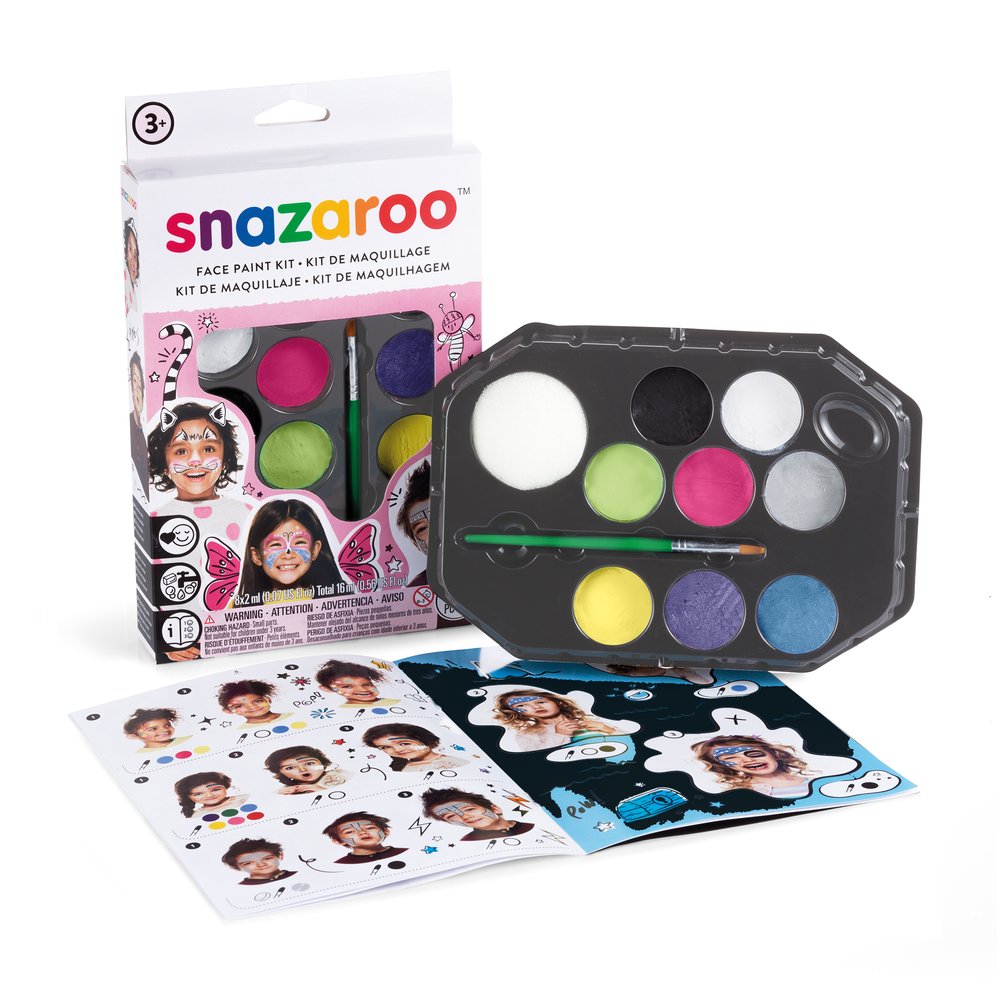
Quick answer: To use snazaroo face paint, activate the cake with a damp sponge or brush, load only a small amount of water, and apply thin layers so the color dries evenly. Use sponges for large areas and brushes for lines. Avoid eyes and lips unless the product label allows it, and remove the paint with soap and water.
Preparing for Your Masterpiece: Planning and Assessment
The success of any face paint design begins long before the first brushstroke. Treating the process like a multi-stage art project—from planning to execution—is key to professional results. Proper assessment of your skin, environment, and desired look prevents costly mistakes and ensures comfort.
Assessing the Canvas: Skin and Environment
Before gathering supplies, take time to assess the skin you are working on. Skin texture, oil levels, and hydration play a critical role in how the paint adheres and how long it lasts. If the skin is oily, cleansing is paramount. If the skin is dry, moisturizing is critical. In humid or hot environments, the paint may dissipate faster, requiring extra focus on sealing and blending techniques. Always consider the intended wear time; a day-long festival look requires a much more robust prep process than a quick photo shoot.
Project Planning Checklist:
- Skin Type Check: Is the skin dry, oily, or combination? This dictates the specific cleansing and moisturizing products needed.
- Design Complexity: Is this a simple geometric pattern or a highly detailed, organic blending piece? This determines the range of brushes and blending tools required.
- Timing: How much time do you have? Allocate sufficient time for drying and blending; rushing is the most common cause of flaking and poor adhesion.
Step-by-Step Application Techniques
Snazaroo face paints are versatile, but achieving a professional finish requires understanding the unique strengths of three primary application methods. Each technique is best suited for different parts of the design. Mastering these methods is the core of becoming a confident face artist.
1. The Precision Brush Technique (Detail Work)
This technique utilizes small, pointed synthetic brushes for sharp lines, fine details, and geometric elements. When executing this, always load the brush lightly and use a controlled, sweeping motion rather than dabbing. To achieve depth, apply multiple thin layers rather than one thick coat, which can look heavy or crack.
2. The Sponge Technique (Base Coverage and Blending)
Sponge application is ideal for establishing large areas of color, creating washes, and achieving a diffused, natural look. Always dampen your blending sponge slightly—this helps the paint spread evenly and prevents patchy application. When blending, use circular, overlapping motions, gradually moving from the darkest color to the lightest to create a seamless transition.
3. The Stencil Technique (Symmetry and Structure)
Stencils are indispensable for creating perfectly symmetrical, uniform patterns (like mandalas or tribal markings). First, ensure the stencil material is clean and adhered flatly to the skin. Using a stiff, flat brush or a sponge, apply the paint *over* the stencil, ensuring full coverage without bleeding. Once dry, carefully lift the stencil to reveal a crisp, professional design.
Materials and Essential Tools
Having the right tools makes all the difference. Do not settle for the bare minimum. Investing in quality accessories will vastly improve your ability to blend and achieve professional results.
- Assorted Cosmetic Brushes: Include a small detail brush (for lines), a flat brush (for stenciling), and a larger blending brush (for large color washes).
- Blending Sponges: Look for high-quality, multi-textured blending sponges. These are crucial for creating soft transitions and natural gradients.
- Skin Prep Products: Include a gentle, non-oily cleanser and a hypoallergenic, emollient moisturizer.
- Reference Materials: Keep printouts or digital images of your desired design visible for constant reference.
- Palette/Mixing Surface: A clean, non-porous surface (like glass or ceramic) to mix and test custom shades.
A skilled face artist understands that color is not just about vibrancy; it is about how colors interact with the skin’s undertones and how they transition across the face. Understanding basic color theory elevates your work from simple application to true artistry.
Understanding Undertones: Every skin tone has an underlying color (undertone)—it might be cool (blue/pink), warm (yellow/gold), or neutral. When selecting colors, choose shades that complement the skin’s natural undertone to avoid the paint looking dull or jarring. For instance, if the skin has a warm undertone, using too much cool blue paint may make the entire design look muddy.
Mastering Color Pairings:
- Analogous Colors: These are colors adjacent to each other on the color wheel (e.g., blue, blue-green, green). They create a harmonious, natural, and subtle look, perfect for blending.
- Complementary Colors: These are colors directly opposite each other (e.g., blue and orange). Using complementary colors creates high contrast and a dramatic, energetic pop. Use them sparingly, often as outlines or accents, to prevent the design from looking too harsh.
Custom Mixing and Layering: To create true custom shades (like a perfect teal or lavender), never rely on a single tube. Mix your base colors on a palette in small batches. Always apply the lightest, most translucent shades first, and gradually layer and blend with increasing opacity until the desired depth is achieved. This method ensures the paint adheres correctly and prevents the design from looking opaque or plastic.
Preventing Common Application Mistakes
Even experienced artists encounter hiccups. Knowing the most common pitfalls—and how to preempt them—is crucial for a stress-free and successful session.
- The Over-Saturation Trap: Applying too much paint in one spot can weigh down the skin and cause the paint to crack or flake off prematurely. Always remember the thin layer approach.
- Ignoring the Prep: The biggest mistake is skipping proper cleansing. If the skin’s natural oils are not removed, the paint will have nothing to grip, leading to poor adhesion and smearing.
- Mixing Too Many Colors: While a vibrant palette is fun, using more than 3-5 colors in a small area can lead to visual chaos. Select a limited palette and focus on the relationship between those colors (e.g., keeping everything within an analogous range).
- Improper Drying Time: Never proceed to the next step (like adding glitter or a setting spray) until the current layer is completely dry to the touch. Patience is non-negotiable.
Safety and Practical Application Notes
Safety must always be the highest priority. Face paint involves direct contact with sensitive areas, making strict adherence to safety protocols mandatory.
- Mandatory Patch Testing: Before applying any product widely, especially to a new area of skin, perform a patch test. Apply a small amount of paint to an inconspicuous area (like the inner wrist) and wait 24 hours to check for any signs of redness, itching, or allergic reaction.
- Eye and Mucous Membrane Boundaries: Never allow paint to come into contact with the eye area, eyelids, or any mucous membranes. Keep your workspace organized and your application area contained.
- Ventilation and Storage: When using setting sprays or solvents, ensure the area is well-ventilated. Store all face paints in their original, sealed containers, away from extreme temperatures, and never let them dry out completely.
- Ethical Considerations: Always check the age recommendations. As noted, Snazaroo products have specific guidelines, and safety for very young children must be managed by adults following the manufacturer’s instructions.
Finish, Compatibility, and Prevention Tips
Choose a finish that matches the repair goal and the surface conditions. Gloss and semi-gloss resist moisture and are easier to clean, while flat or matte finishes hide imperfections better but are less washable.
Check compatibility between primer, filler, paint, and the existing surface. Some repairs require specific primers or prep steps to prevent the problem from returning. Consider drying time, odor, and cleanup method before starting, and confirm that the product suits interior or exterior use as needed.
Mistakes to Avoid
Do not skip assessment just because the project looks simple. Most paint, cleaning, repair, and tool-care problems come from poor prep, incompatible products, rushed drying time, or using a method that does not match the material.
Avoid working without ventilation, gloves, eye protection, or a cleanup plan when coatings, solvents, sanding dust, or business/studio supplies are involved. Test first, read manufacturer directions, and pause if the surface, tool, or client setting creates safety questions you cannot answer confidently.
Safety and Practical Notes
Work in a well-ventilated space and wear gloves, eye protection, and a respirator when needed. Keep children and pets away from wet surfaces and open containers.
Follow manufacturer drying times between coats. Dispose of rags and leftover materials according to local regulations. If the project involves heights, lead paint, or structural work, consider hiring a licensed professional.
Final Touches and Next Steps
Mastering face paint is an ongoing journey of practice, experimentation, and creative confidence. Remember that every great piece of art starts with a single, well-planned stroke. By treating your face paint application with the respect it deserves—by preparing the skin, understanding color theory, and respecting the tools—you will achieve breathtaking, long-lasting, and beautiful results.
Experiment with combining different techniques: use the sponge for the gradient base, the brush for defining the edges, and the stencil for the central pattern. The key takeaway is to build confidence by mastering the process, knowing that every small, blended layer brings you closer to your masterpiece.
Get the Fail-Safe Paint Color Playbook (Free PDF)
36 proven colors • 8 ready palettes • trim & sheen guide • printable testing cards.
Frequently Asked Questions
How long does Snazaroo face paint typically last, and how should I remove it?
The longevity of face paint depends heavily on the preparation of the skin, the environmental conditions (humidity, sweat), and the type of setting spray used. For maximum wear time, ensure the skin is properly moisturized and primed. To remove the paint safely, do not use harsh solvents or abrasive materials. Use a mild soap and warm water, or follow the specific removal instructions provided by the paint manufacturer. For stubborn residue, a cotton pad soaked in baby oil or makeup remover is usually effective.
What is the single most important step for ensuring the face paint adheres properly?
The most critical step is the thorough preparation of the canvas. Before applying any paint, the skin must be cleansed of all natural oils (using a non-oily cleanser) and then lightly moisturized with a hypoallergenic product. This dual action ensures that the paint has a stable, receptive surface to grip onto, preventing smearing and peeling. Always allow the skin to dry completely between cleaning and moisturizing.
I want my colors to blend seamlessly, but they look patchy. What am I doing wrong?
Patchiness usually occurs because the colors are not blending gradually enough, or the sponge/brush is not properly damp. To achieve a professional blend, always work in a gradient, moving from the darkest color to the lightest color. Dampen your blending sponge slightly—never soak it—and use gentle, overlapping, circular motions. Furthermore, remember that layering thin, translucent coats of color is always better than applying one thick, opaque coat, which is more likely to crack or look unnatural.
What should I do if I suspect an allergic reaction after applying the paint?
If you experience any immediate signs of irritation, such as intense redness, itching, swelling, or burning, immediately rinse the area with cool water. Do not rub the paint off, as this can irritate the skin further. If symptoms persist or worsen, discontinue use and consult a medical professional. Always perform a patch test on a small, inconspicuous area of skin 24 hours before a full application to preemptively check for sensitivities.