
Creative Kids Bedroom Design Ideas for Every Age
Designing a kids’ bedroom is a juggling act: it has to be playful yet practical, safe yet stylish, and ready to evolve from toddler years to tween dreams. The right ideas can transform even small spaces into hardworking, personality-packed rooms that kids love and parents appreciate.
From clever storage solutions and space-saving furniture to calming color palettes and creative themes, the best children’s rooms balance fun with function. Think zones for sleep, play, and study, layered lighting for comfort, and durable materials that can handle daily life.
Get the Fail-Safe Paint Color Playbook (Free PDF)
36 proven colors • 8 ready palettes • trim & sheen guide • printable testing cards.
In this guide, we’ll explore adaptable bedroom ideas that grow with your child—Montessori-inspired layouts, bunk and loft beds, gallery walls, toy rotation, and more. Expect smart tips, budget-friendly upgrades, and real-life inspiration that proves beautiful kids’ rooms can also be organized, cozy, and easy to maintain.
Space-Savvy Kids Bedroom Design Ideas for Small Rooms and Shared Spaces
Smart space planning starts with a tape measure and purpose-driven zones, turning cramped square footage into a flexible children’s bedroom that works all day. Prioritize sleeping, studying, and play areas, then select compact furniture that respects door swings, window clearance, and closet access. Lightweight pieces on casters allow quick reconfiguration between puzzle time, reading corners, and weekend sleepovers. Loft and captain’s beds free floor area while adding storage, keeping the footprint lean without sacrificing comfort. Maintain clear walkways of 24–36 inches to reduce tripping hazards and keep shared rooms peaceful and clutter-free.
Smart storage and furniture solutions
- Loft beds with desks: Raise the mattress to add a study nook below, pairing a shallow desk and clamp lamp; this concentrates homework supplies and leaves the center open for play.
- Captain’s beds with drawers: Swap box springs for deep roll-out drawers, storing out-of-season clothes, spare linens, and board games, so closets host only daily wear and frequently used items.
- Wall-mounted nightstands: Float slim shelves instead of bulky tables to free legroom, route cords cleanly, and keep bedtime books reachable without crowding narrow aisles beside twin or bunk beds.
- Collapsible play tables: Choose fold-flat craft tables that hang on wall hooks after use, instantly restoring floor space for tumbling mats, train tracks, or dance practice in compact kids rooms.
Layout strategies and zoning
- Corner bunks for twins: Stack bunks perpendicular in a corner to carve a reading nook opposite, separating sleep and play while preserving an open path to the closet and study desk.
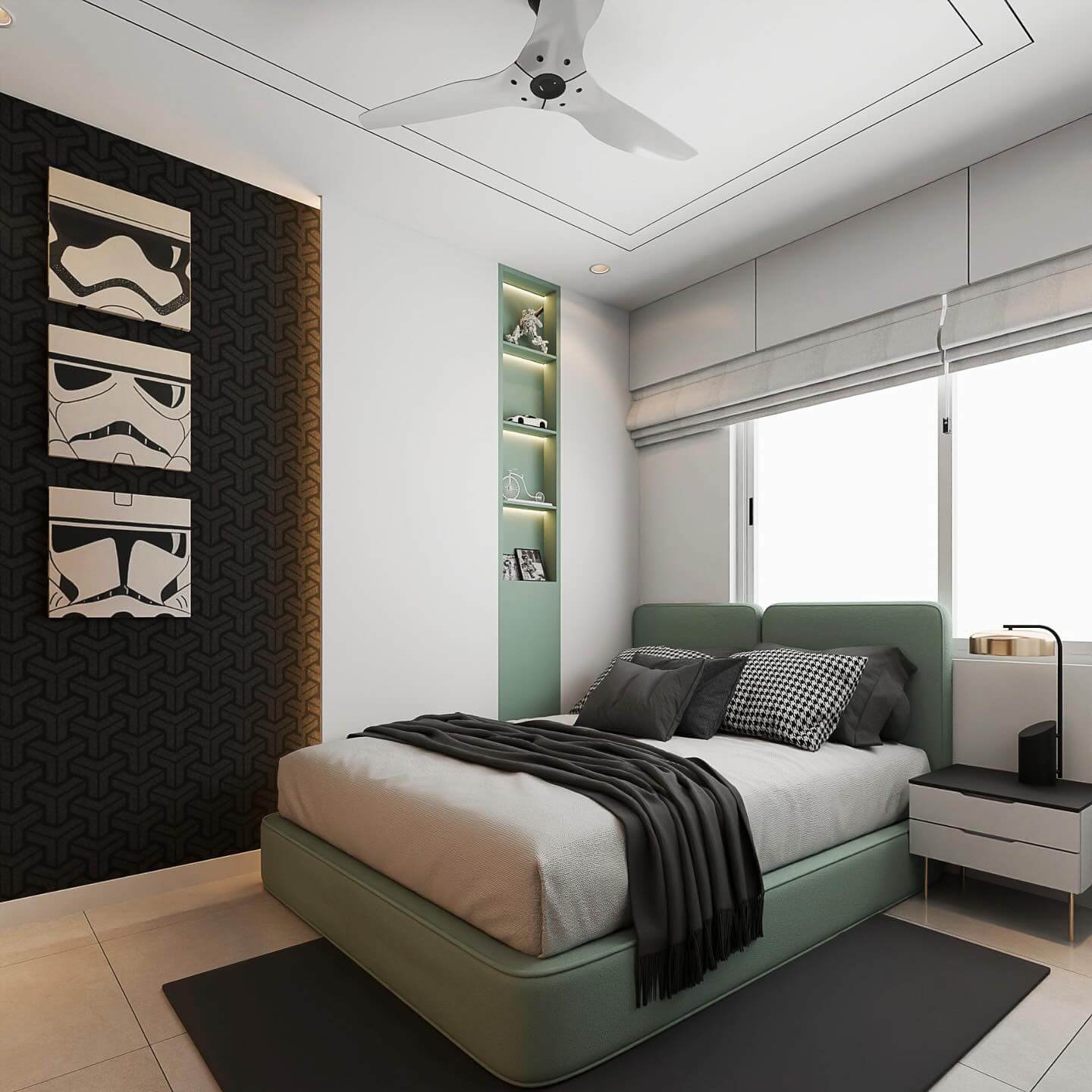
- Sliding-door wardrobes: Replace swing doors with sliders to recapture clearance, allowing desks or toy storage to sit closer; mirrored panels bounce light, making small kids rooms feel wider.
- Under-window seating: Install a low bench with cubbies beneath the sill, doubling as a reading perch and shoe station while keeping radiators and drapery access unobstructed for safety.
- Pegboard vertical storage: Mount pegboards behind doors for hats, headphones, and art supplies; adjustable hooks and bins evolve with ages, so everything has a labeled spot off the floor.
Safety-first details matter in kids rooms; anchor dressers to studs and choose bunks with guardrails at least five inches above the mattress. Add anti-slip pads under rugs and soft-close hardware to minimize nighttime noise. Label bins with pictures for pre-readers and words for older kids to encourage independent cleanup. Rotate toys into lidded underbed bins, displaying only a curated set to reduce visual clutter and boost focus. Revisit the layout each season as hobbies change, adjusting zones so the bedroom stays flexible, calm, and genuinely kid-friendly.
Start with Smart Zones: Sleep, Play, Study

Before you buy a single pillow, map the room into clear zones—sleep, play, and study—so every inch works hard. Place the bed on the calmest wall to cue rest, then carve out a play area with a soft rug that absorbs sound and defines boundaries. Anchor the study spot away from distractions with a small desk or wall-mounted drop-leaf table; a pegboard or shelves above keeps supplies within reach but off the surface. Use furniture to guide flow: a low bookcase can double as a subtle room divider, while under-bed drawers or a storage bench near the door catch daily clutter. Keep frequently used toys at kid height and stash rotating items higher up to reduce visual noise. Layer baskets inside cubbies for quick cleanups and label them with pictures for younger kids. This simple blueprint creates order without stifling creativity—and it’s the foundation that lets every other design choice shine.
Montessori Independence: Floor Beds and Low Shelves
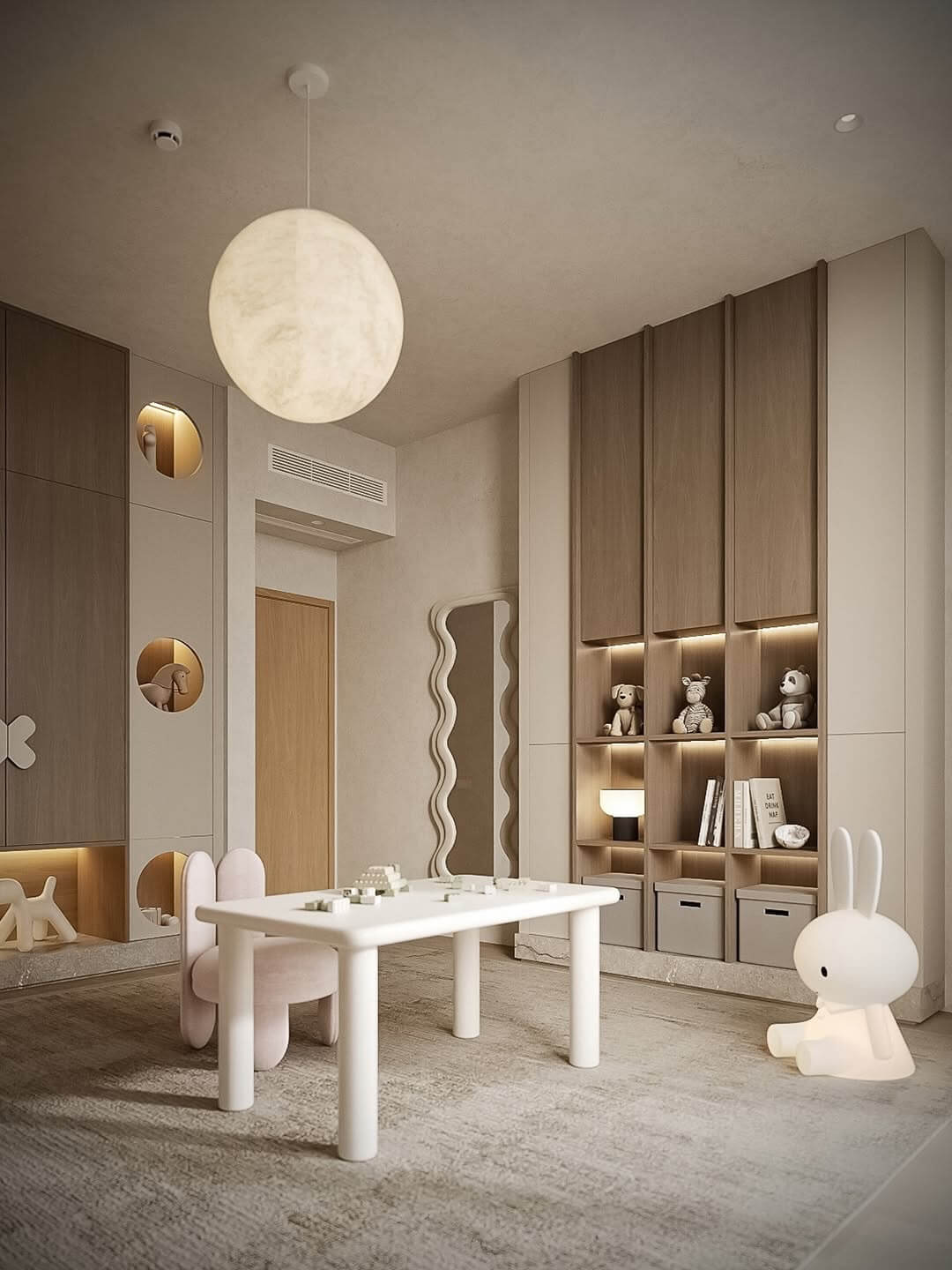
A Montessori-inspired layout encourages kids to explore safely and tidy up independently. Start with a low, well-ventilated floor bed or a platform frame so young children can get in and out on their own, then add open, low shelving with a few curated toys and books. Rotate items every couple of weeks to keep interest high and clutter low—think puzzles, a basket of blocks, and a simple art tray rather than overflowing bins. Install child-height hooks for dress-up and backpacks, plus a mirror at floor level to support motor awareness. Keep the palette calm and materials tactile—natural wood, woven baskets, a washable cotton rug—so the room feels grounded. Safety is key: secure furniture to studs, cap outlets, and opt for cordless window treatments. This approach transforms the bedroom into a self-led learning space where everything has a purpose, building confidence alongside good habits.
Loft and Bunk Bed Magic for Small Rooms
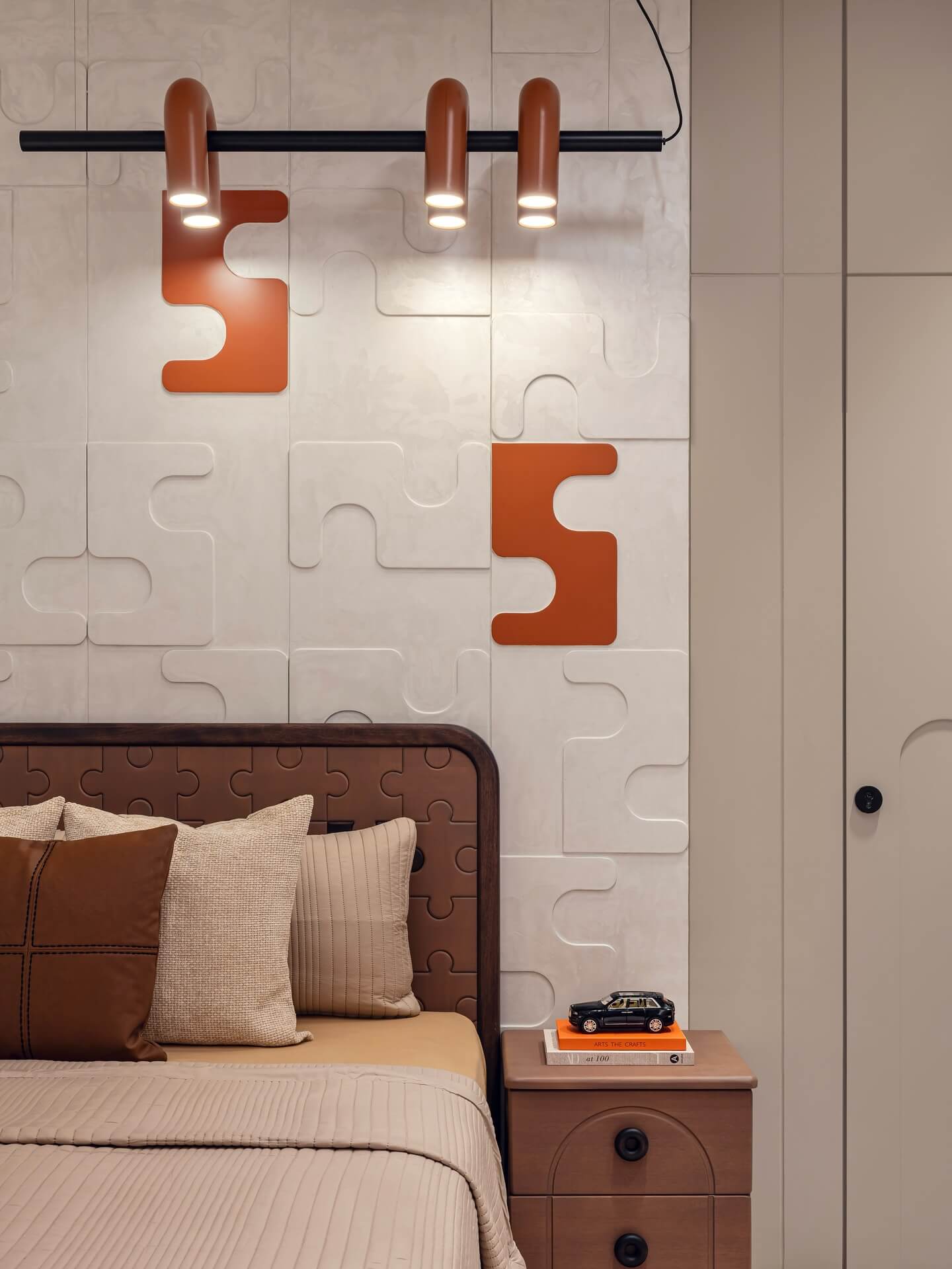
When square footage is tight, take design vertical. A bunk or loft bed can instantly unlock floor space for a reading fort, craft table, or storage zone underneath. Choose a model with guardrails on all sides, a sturdy ladder, and at least 30 inches of clearance from mattress to ceiling for comfort. If siblings share, consider bunks that separate later into two twins—future-proofing your investment as needs change. Under a loft, add a compact desk with task lighting for homework, or build a cozy lounge with floor cushions and library ledges. Storage stairs are a smart upgrade, hiding shoes and toys in plain sight. Keep colors light up high and anchor the lower level with deeper tones to balance the visual weight. With good safety and smart styling, vertical sleeping elevates both organization and play in a kids’ bedroom.
Calm Colors, Playful Accents
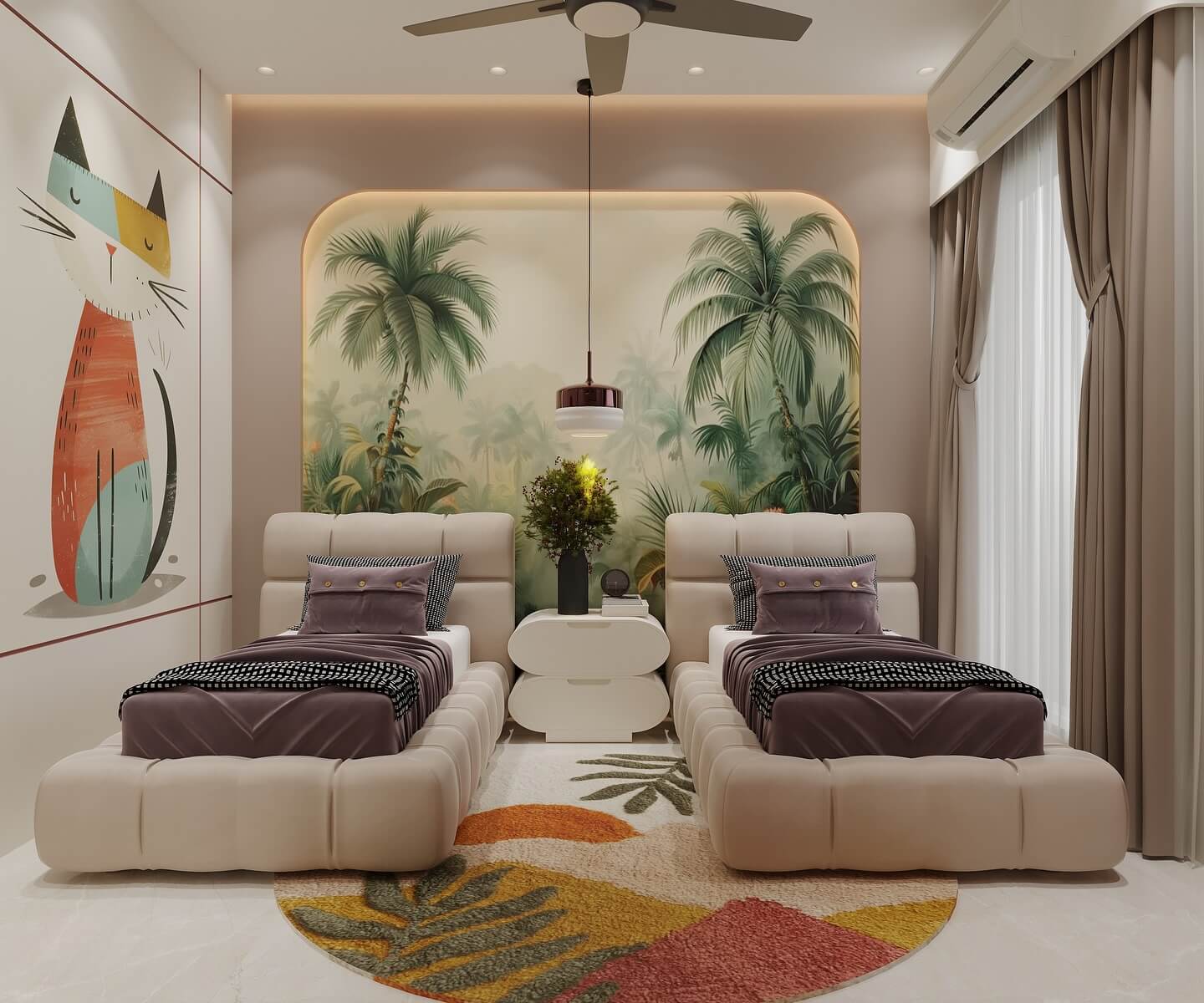
Color can shape mood as much as layout. Start with a calming base—soft sage, warm greige, powder blue, or creamy off-white—then layer in playful accents through art, bedding, and décor. Limit the palette to three or four hues to keep the room cohesive; vary texture instead of adding more colors: boucle poufs, quilted covers, felt pennants, and rattan baskets. An accent wall behind the bed, painted in a muted tone or a subtle stripe, creates a focal point without overwhelming the space. Removable decals or stencils offer pattern that peels away as tastes evolve. Choose washable, low-VOC paint for durability and healthier air quality. The result is a relaxing kids’ room that still feels fun—easy to refresh with a new duvet, poster, or rug when your child’s interests change.
Get the Fail-Safe Paint Color Playbook (Free PDF)
36 proven colors • 8 ready palettes • trim & sheen guide • printable testing cards.
Gallery Walls and Removable Murals That Grow with Them
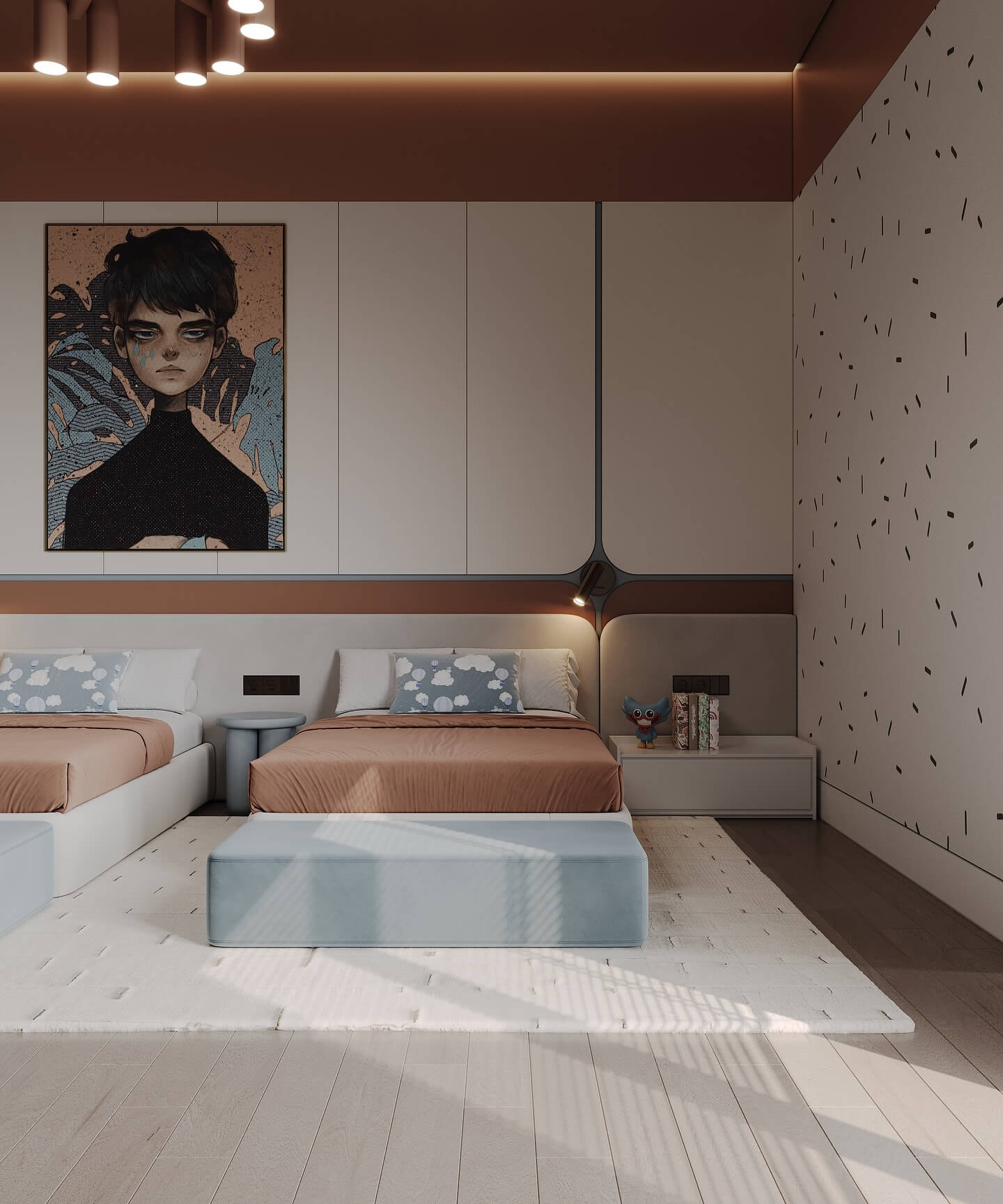
Give personality a place to shine with a flexible feature wall. A removable mural anchors the theme—jungle, space, beach—but pair it with a gallery of mix-and-match frames, clipboards, or wire rails so artwork can rotate as your child creates and grows. Use a consistent frame color to unify eclectic pieces and hang in a tidy grid for a clean look, or go salon-style for a playful vibe. Include a cork strip or magnetic board at kid height to invite participation. This approach delivers big visual impact while keeping commitment low: when interests shift from dinosaurs to dance, swap prints, not paint. Bonus: wall art doubles as a learning tool—alphabet prints by the reading nook, a world map above the desk—boosting both style and curiosity.
Clutter-Proof Storage: Cubbies, Drawers, and Toy Rotation
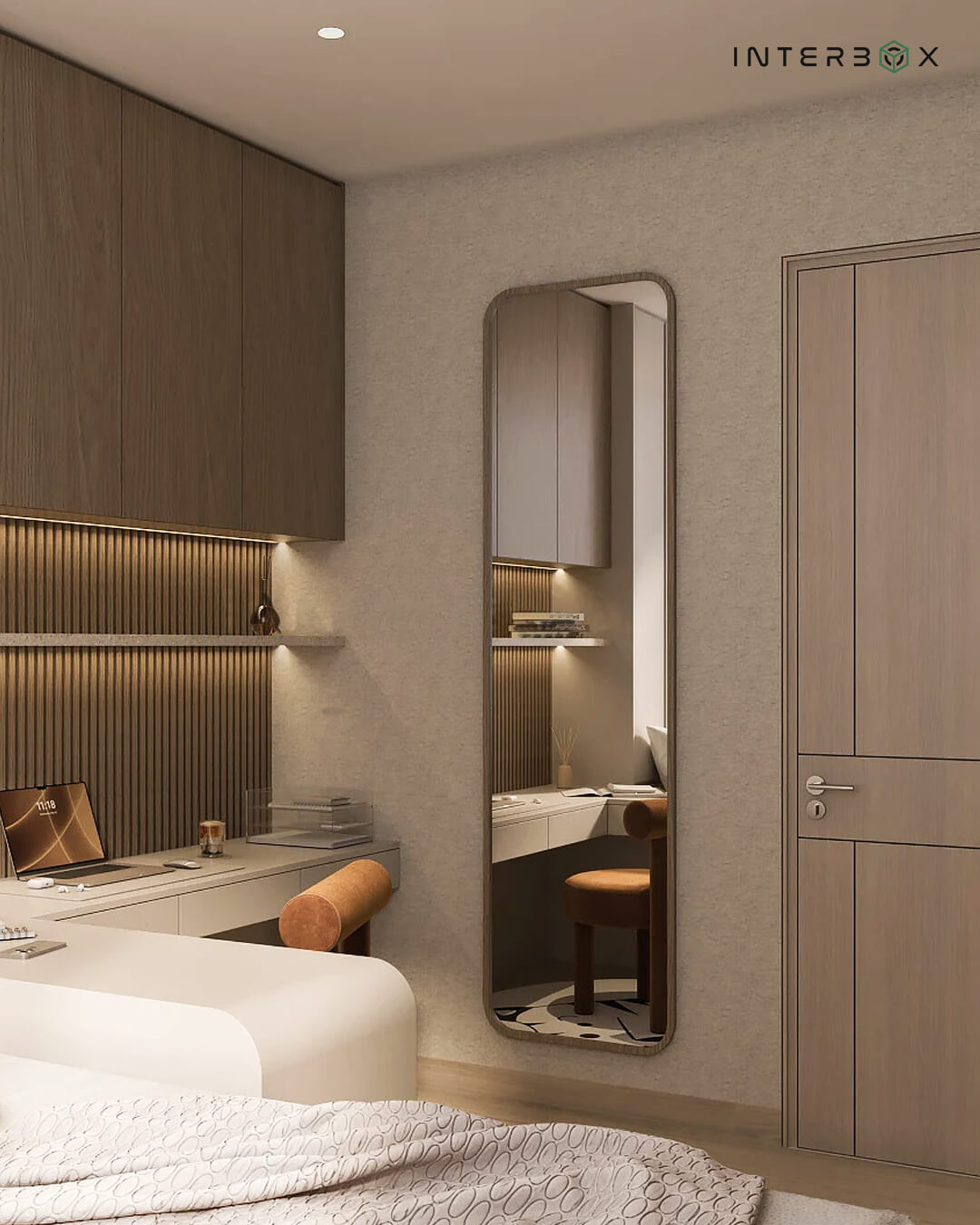
Great kids’ rooms hide hard work behind simple systems. Combine open cubbies for daily toys with closed drawers for backups and seasonal overflow. Use matching bins sized to your shelving—measure first so every container fits—and label with icons or photos for early readers. Under-bed drawers corral bulky items like building sets, while a rolling cart near the desk keeps art supplies mobile but organized. Practice a toy rotation: keep only 8–12 activities accessible, store the rest, and swap monthly to renew excitement. Add a landing zone by the door with a narrow bench, shoe tray, and hook rail to catch backpacks and jackets. Maintain the calm with a one-in, one-out rule for stuffed animals and décor. With a few intentional habits, your child’s bedroom stays tidy without daily battles.
A Cozy Reading Nook Kids Will Actually Use
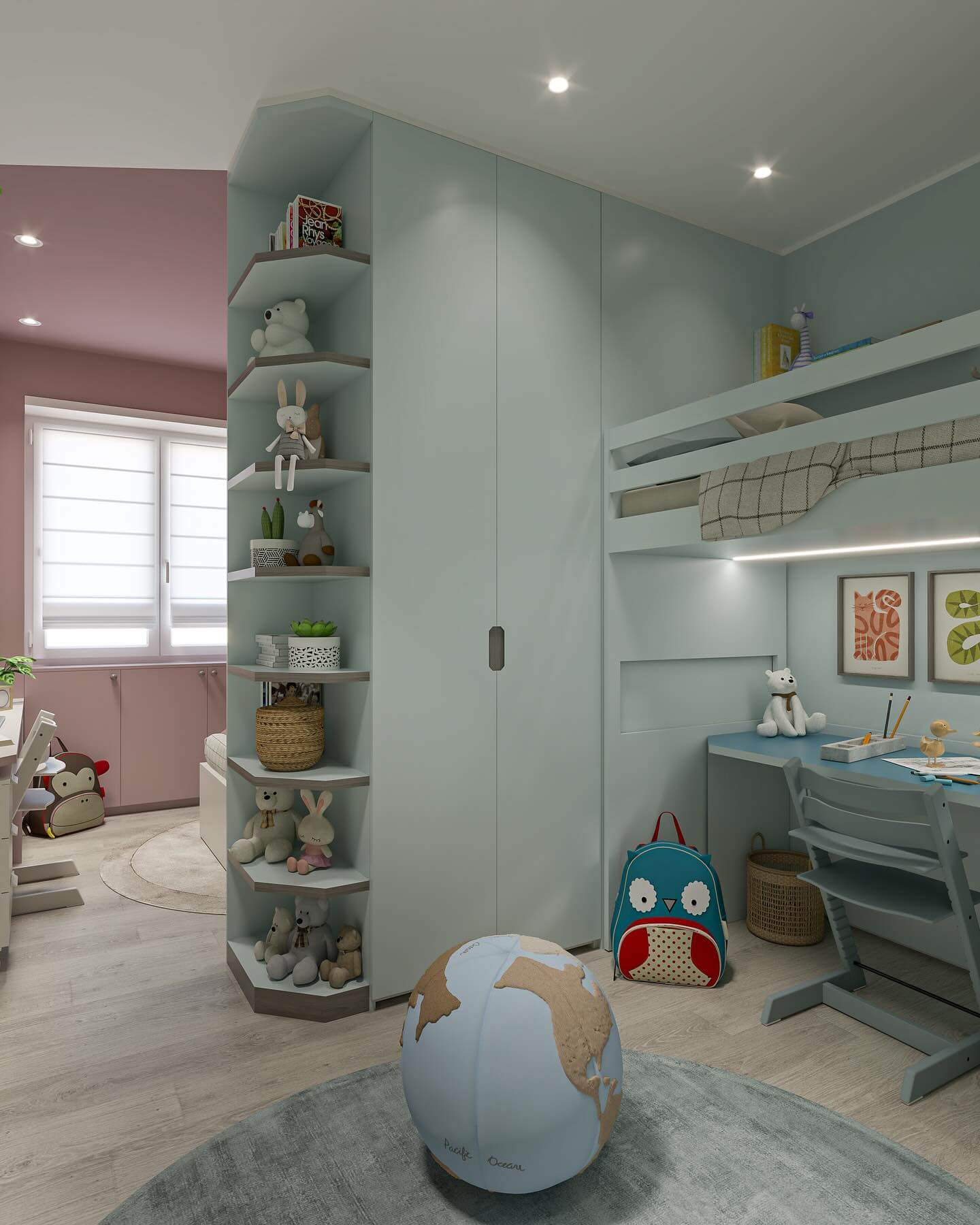
Turn reading into a ritual by making it the comfiest corner in the room. Build a nook with a canopy or a tented rod to create enclosure, add floor cushions or a low loveseat, and install book ledges that face covers forward—kids pick what they see. Layer a plush, washable rug and a warm task lamp with a dimmer for evening wind-downs. Keep a small side table or crate for a water bottle and bookmarks, and stash a blanket in a basket for bedtime stories. Curate seasonal book rotations just like toys to keep the selection fresh. If space is tight, convert a windowsill with a cushion and drawers below for storage. This little sanctuary supports literacy, calm, and connection—an easy win for both design and development.
Homework-Ready Study Station That Doubles for Crafts
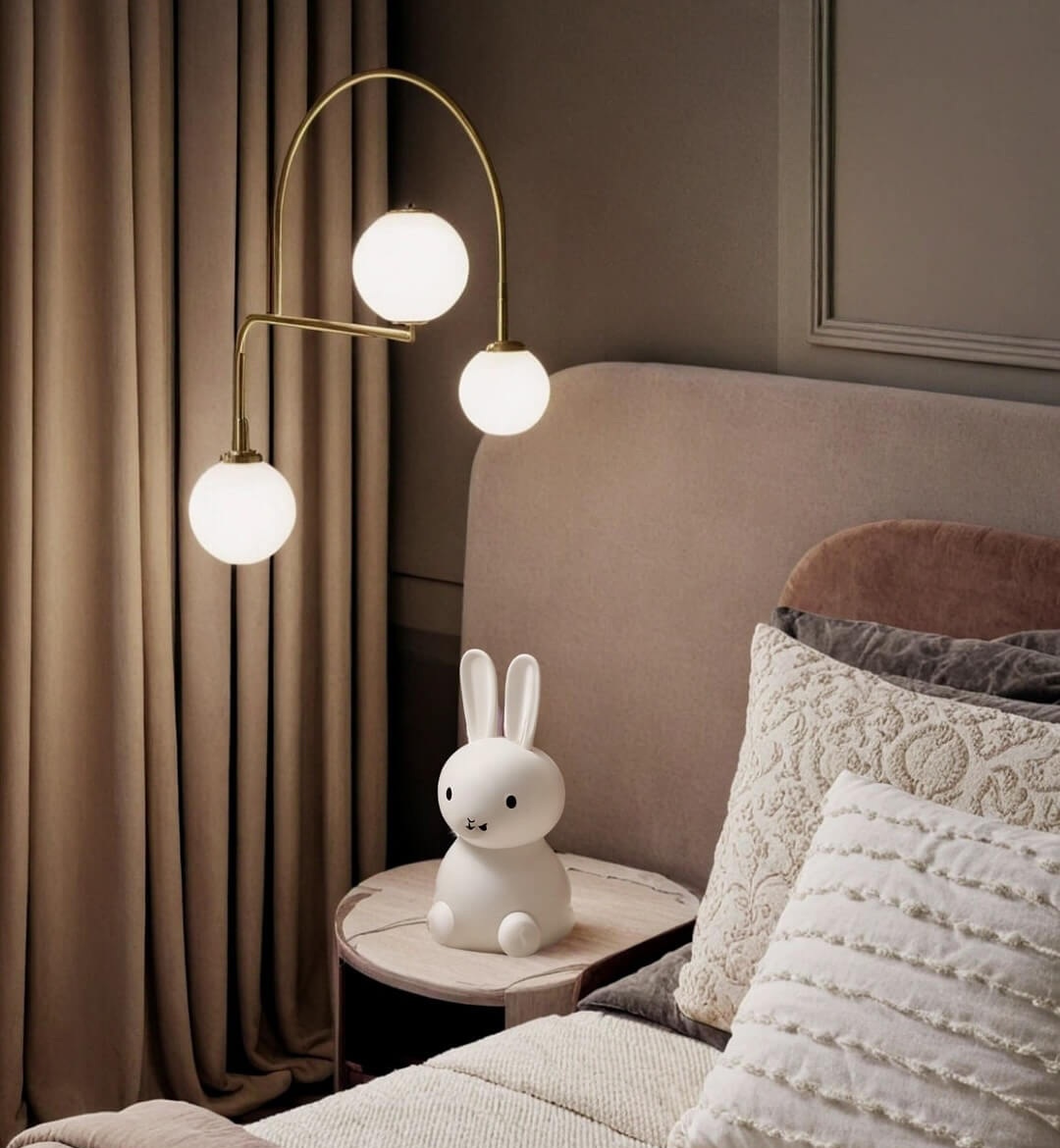
Design a compact, distraction-free study zone that flexes for art and STEM. A wall-mounted desk or narrow table saves space; pair it with an adjustable chair and footrest so feet are supported for better focus. Mount a pegboard or rail system to organize supplies in cups and bins, and keep only daily essentials on the surface. Good lighting matters: combine an overhead fixture with a desk lamp positioned opposite your child’s writing hand to reduce shadows. Add a pinboard or calendar to track projects and display wins. Tuck a lidded bin underneath for in-progress builds and a paper sorter for worksheets. When study time is over, the same setup becomes a creative lab—just swap the caddy. A clear, well-lit station builds healthy habits and keeps schoolwork from spilling across the bedroom.
Layered Lighting for Better Sleep and Play
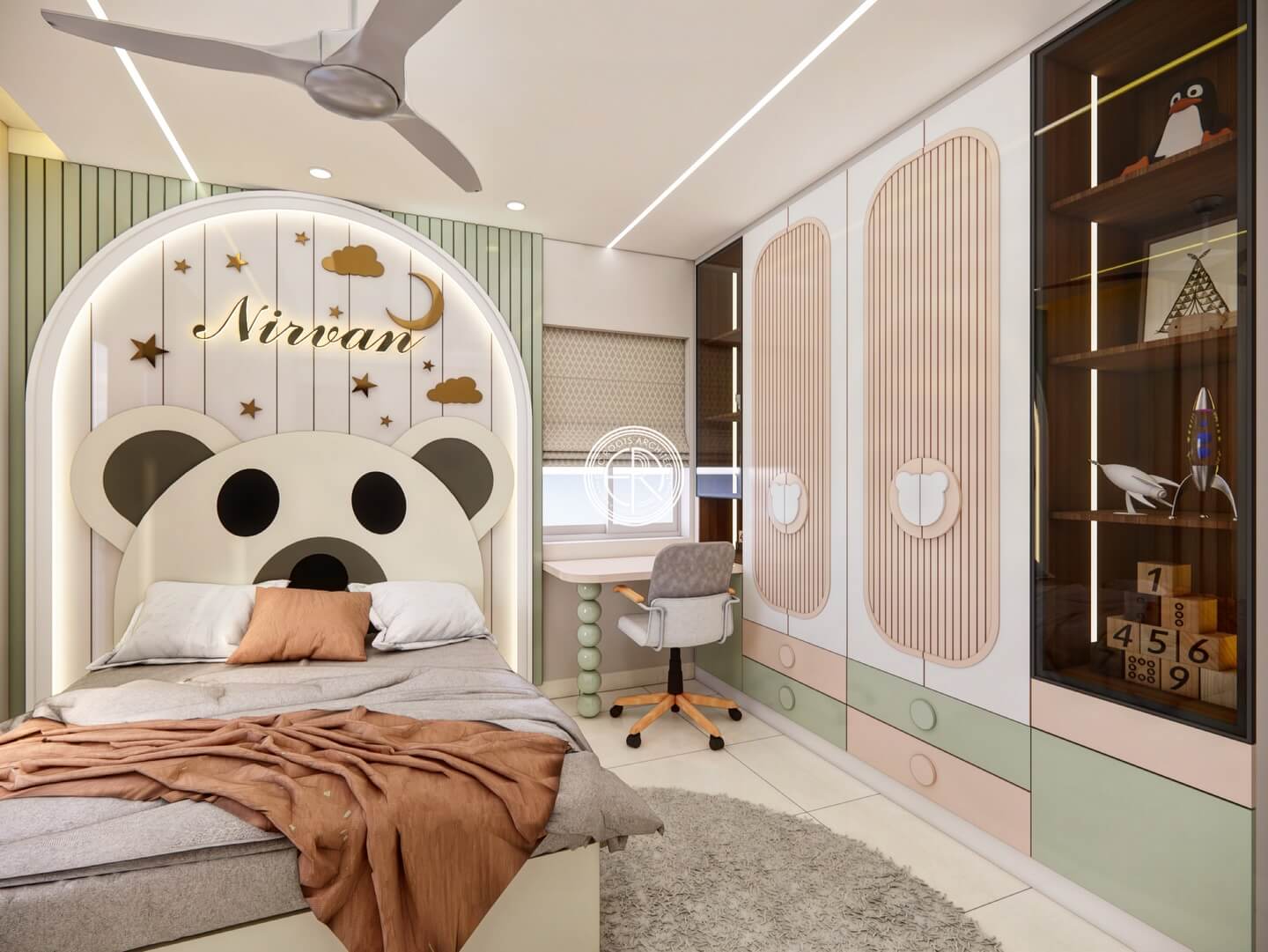
Light sets the tone for everything kids do in their room. Layer ambient, task, and accent lighting so each zone performs. A dimmable ceiling fixture provides overall glow, wall sconces free up nightstand space, and a focused desk lamp powers homework. Add a small amber or red night light for bedtime—it’s less disruptive to melatonin than cool white. String lights and projector lamps are fun, but keep them UL-listed and off pillows for safety. Pair curtains with blackout liners to improve sleep and naps, especially for younger kids; use cordless shades to eliminate dangling cords. Consider smart bulbs to shift from bright, cool light for play to warm, low light for winding down. With a few thoughtful choices, lighting becomes both a mood-maker and a practical tool in a child’s bedroom.
Textiles That Work Hard: Washable Rugs, Cozy Bedding, Durable Curtains
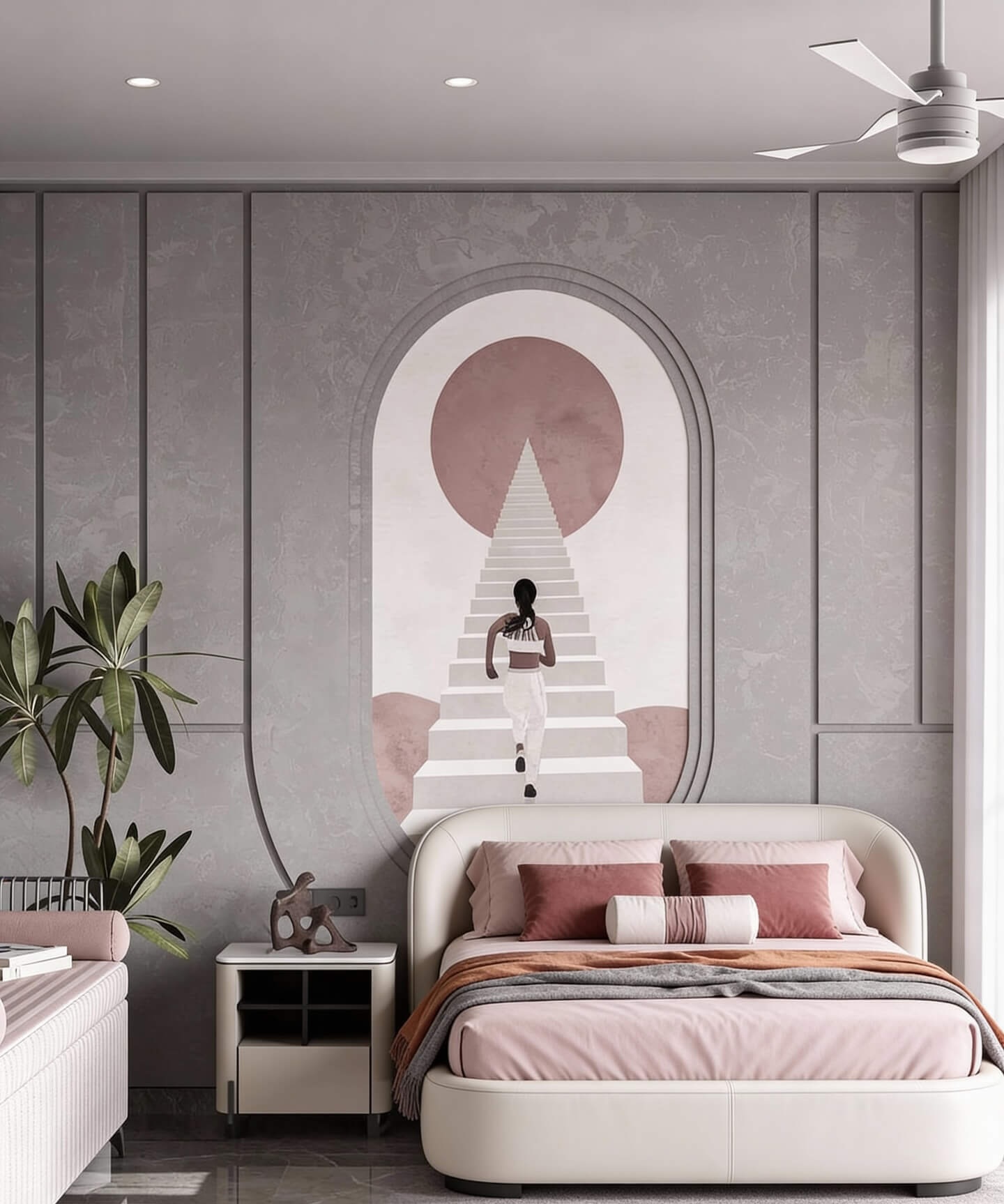
Soft layers make a kids’ room feel finished—and they should be as durable as they are cute. Choose a low-pile, machine-washable rug that hides crumbs with a subtle pattern and sits on a non-slip pad. Select bedding with zipper or corner ties so duvets don’t migrate; cotton percale is crisp and cool, while sateen is smoother and cozy. Mix throw pillows sparingly to avoid clutter and opt for removable, washable covers. Blackout curtains paired with a decorative panel control light and add height—hang them high and wide to make windows look larger. Prioritize OEKO-TEX-certified textiles to minimize harmful chemicals. Finish with a laundry hamper that matches your storage scheme and a spare blanket for seasonal layering. The right textiles boost comfort, color, and function—making everyday life easier to clean and endlessly comfortable.
Get the Fail-Safe Paint Color Playbook (Free PDF)
36 proven colors • 8 ready palettes • trim & sheen guide • printable testing cards.
Designing Shared Sibling Rooms: Personal Space Without the Spats
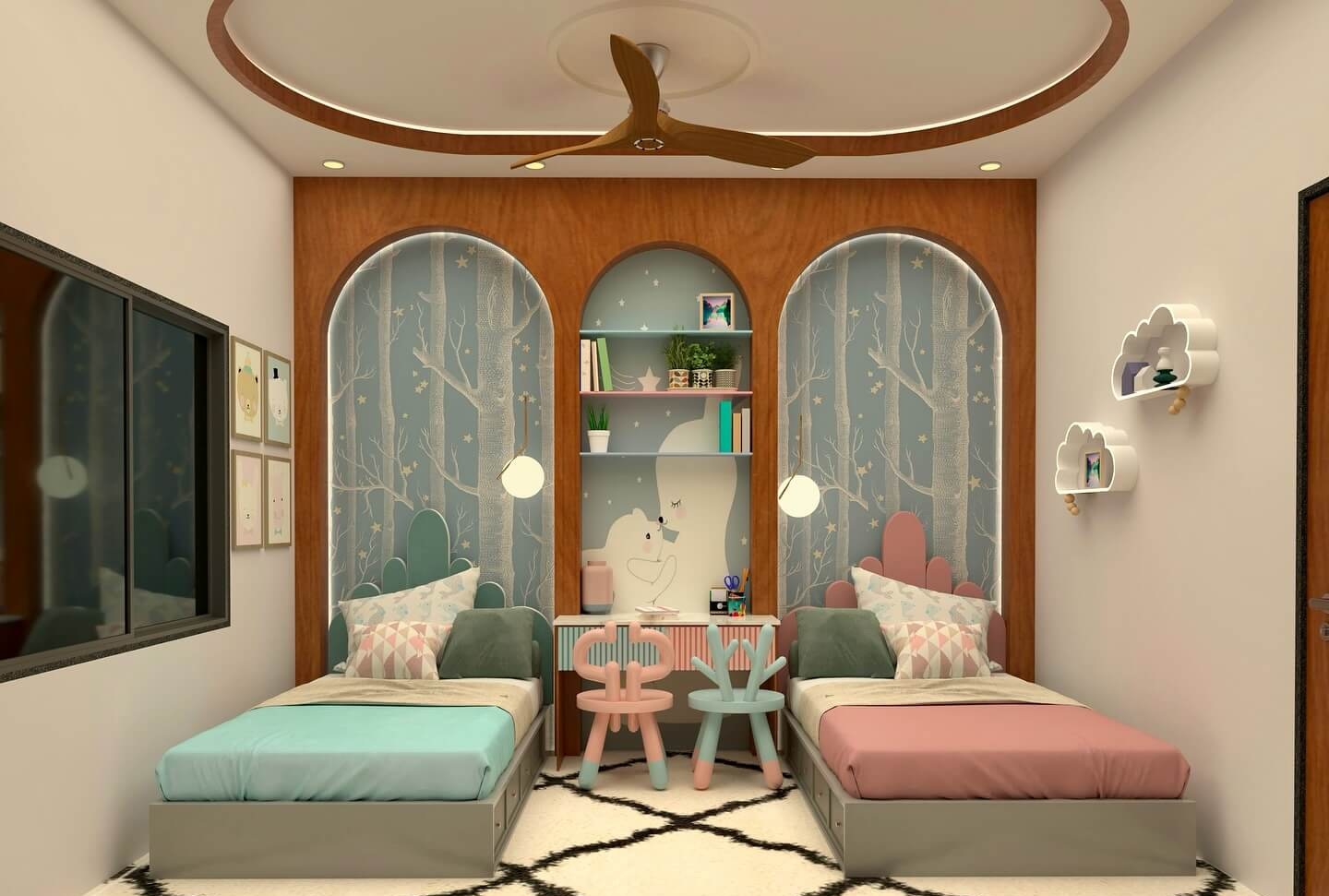
Shared kids’ bedrooms work best when each child has a clearly defined “mini territory” within a cohesive whole. Start with symmetry—twin beds mirrored across a center rug or head-to-head beds with a slim bookcase between them create balance and a natural visual boundary. Give each sleeper their own dimmable sconce, shelf, and laundry hook to reduce nightly skirmishes. Color-code everything from hangers to storage bins so kids can spot their items at a glance. For privacy on a budget, add clip-on bed curtains, a freestanding screen, or a low bookcase that doubles as a divider without blocking light. Staggered bedtime routines? Layer lighting so one side can go dark while a quiet reading lamp stays on for the night owl. Label closet sections by name, and split under-bed drawers evenly to keep things fair. Finally, display individuality with personalized art rails, cork strips, or initialed pillows while keeping the larger palette and big furniture consistent. The result: a harmonious shared kids’ room that feels equitable, organized, and surprisingly spacious—without sacrificing style or sibling peace.
Interactive Walls: Chalk, Magnet, and LEGO Zones That Contain the Chaos
Turn vertical space into the ultimate play-and-learn hub and free up precious floor area. Divide one wall into functional bands: a lower half for chalk or dry-erase drawing at kid height, a mid band with magnetic panels for letter practice and art displays, and a framed LEGO baseplate section for build-and-park creations. Use dust-minimizing chalk markers or a matte dry-erase surface to keep smudges down, and add a slim ledge or rail beneath for cups of markers, magnets, and bricks. Magnetic paint alone is often too weak—mount steel sheets behind a finish coat or use pre-made magnetic boards. Cork strips or wire-and-clip systems corral masterpieces without new nail holes every week. Establish maintenance rituals: a weekly wipe-down and a quick sweep with a handheld vacuum. Most importantly, set clear “parking spots” using tape outlines or color-coded bins so builds can stay intact without sprawling onto the rug. Interactive walls engage imaginations, encourage fine-motor play, and keep a kids’ bedroom feeling curated rather than cluttered.
Window Wisdom: Blackout Layers, Safe Blinds, and Nap-Friendly Light Control
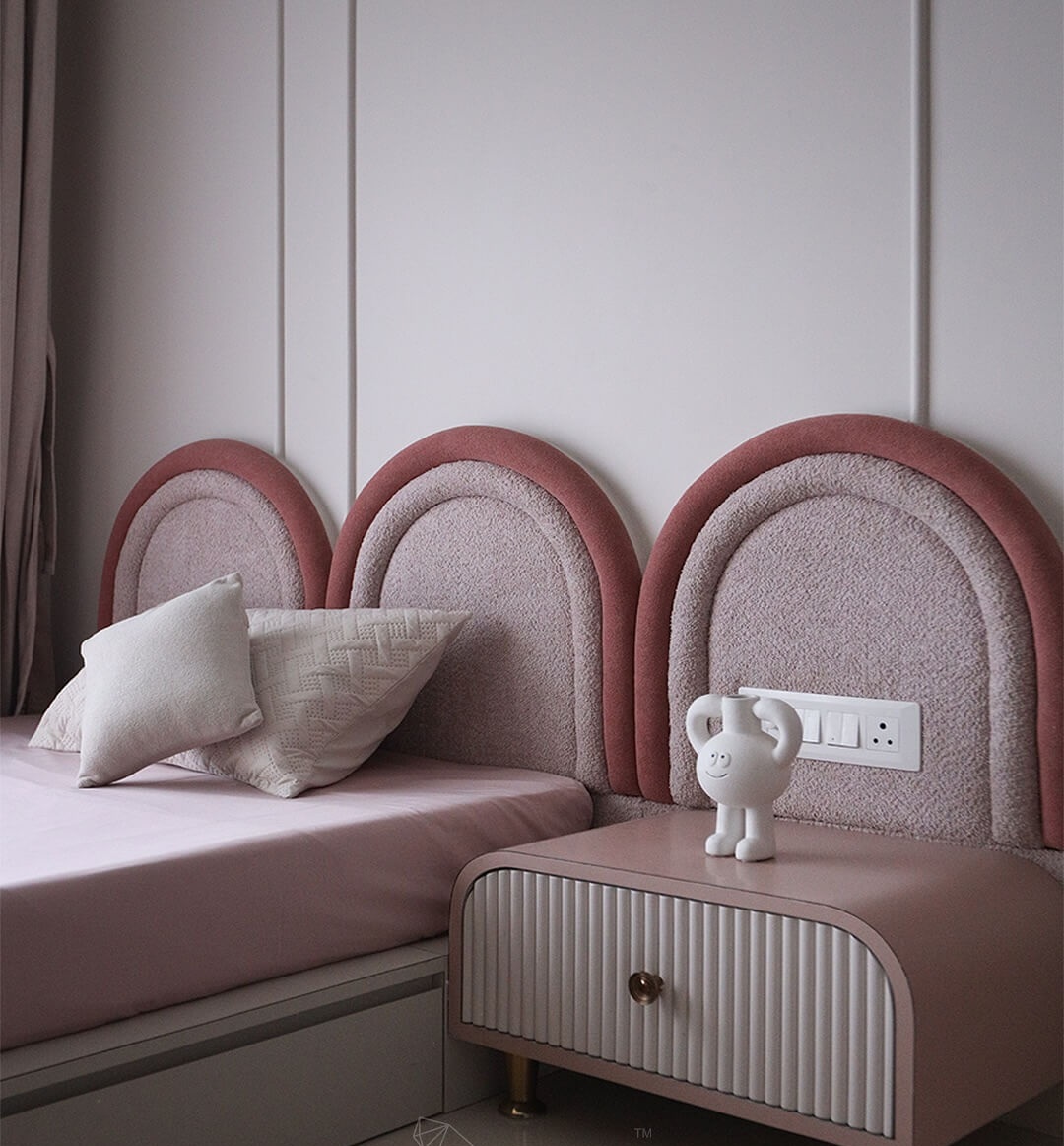
Light control is everything for better naps, bedtime, and focus time. Aim for layered window treatments: a cordless blackout roller or Roman shade for darkness, paired with an airy curtain to soften daylight. For ultra-dark sleep, add side channels or magnetic edges to block halo light, and consider top-down/bottom-up cellular shades that let in sky light while protecting privacy at play level. Place the study desk perpendicular to windows to reduce screen glare, and use a subtle reflective film if afternoon sun is harsh. Safety is non-negotiable: choose cordless options, secure any necessary cords with cleats well above kid height, and install window stops or guards in upstairs rooms. Keep fabrics washable and durable; blackouts with a separate liner tend to clean and hang better over time. The goal is flexible ambiance—bright and energizing for play, evenly lit for homework, and truly cave-dark for sleep—so your child’s room adapts gracefully to every part of the day.
Bring the Playground In: Mini Climbing Corners, Swings, and Soft Landing Zones
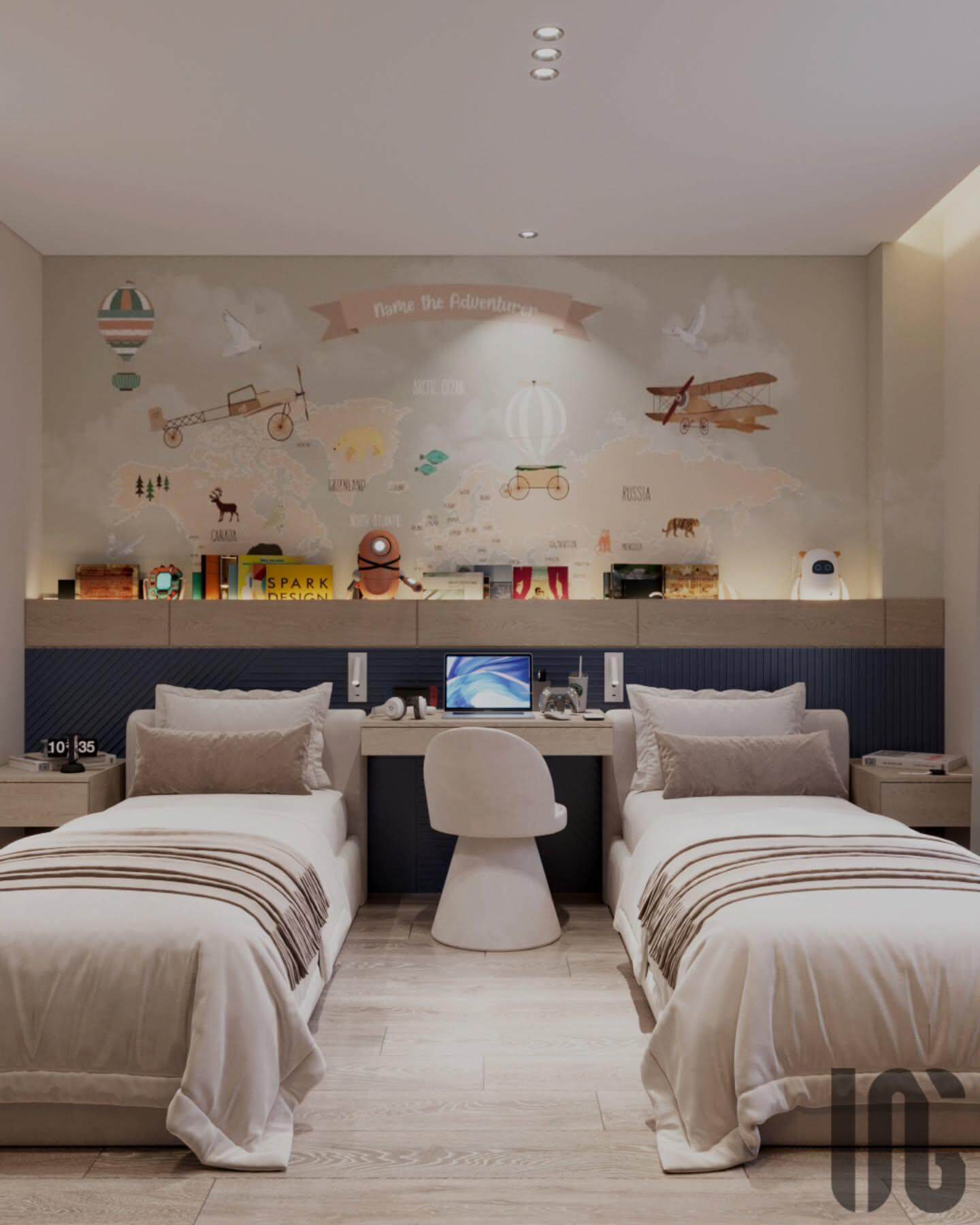
A movement-friendly bedroom channels big energy into safe, purposeful play. Dedicate one corner to gross-motor fun: a compact Swedish ladder (wall bars), a ceiling-mounted pod swing, or a removable doorway bar with rings can provide vestibular input and strengthen little bodies. Safety first—mount hardware into joists, use rated carabiners, and place thick crash mats that extend beyond the swing arc. For renters, consider tension-mounted frames or freestanding climbers that fold flat under a bed. Keep holds and bars within a color palette that echoes the room so the play zone looks intentional, not gym-like. Establish simple rules (“one kid at a time,” “bare feet,” “swing away from walls”) and set a clear “off” time before bed to promote wind-down. Add low storage for balance boards, beanbags, and jump ropes so clean-up is fast. With smart planning, a mini indoor gym stays tidy, encourages active play on rainy days, and makes the kids’ bedroom the happiest place in the house.
Closet Confidence: Kid-Height Wardrobes That Teach Independence
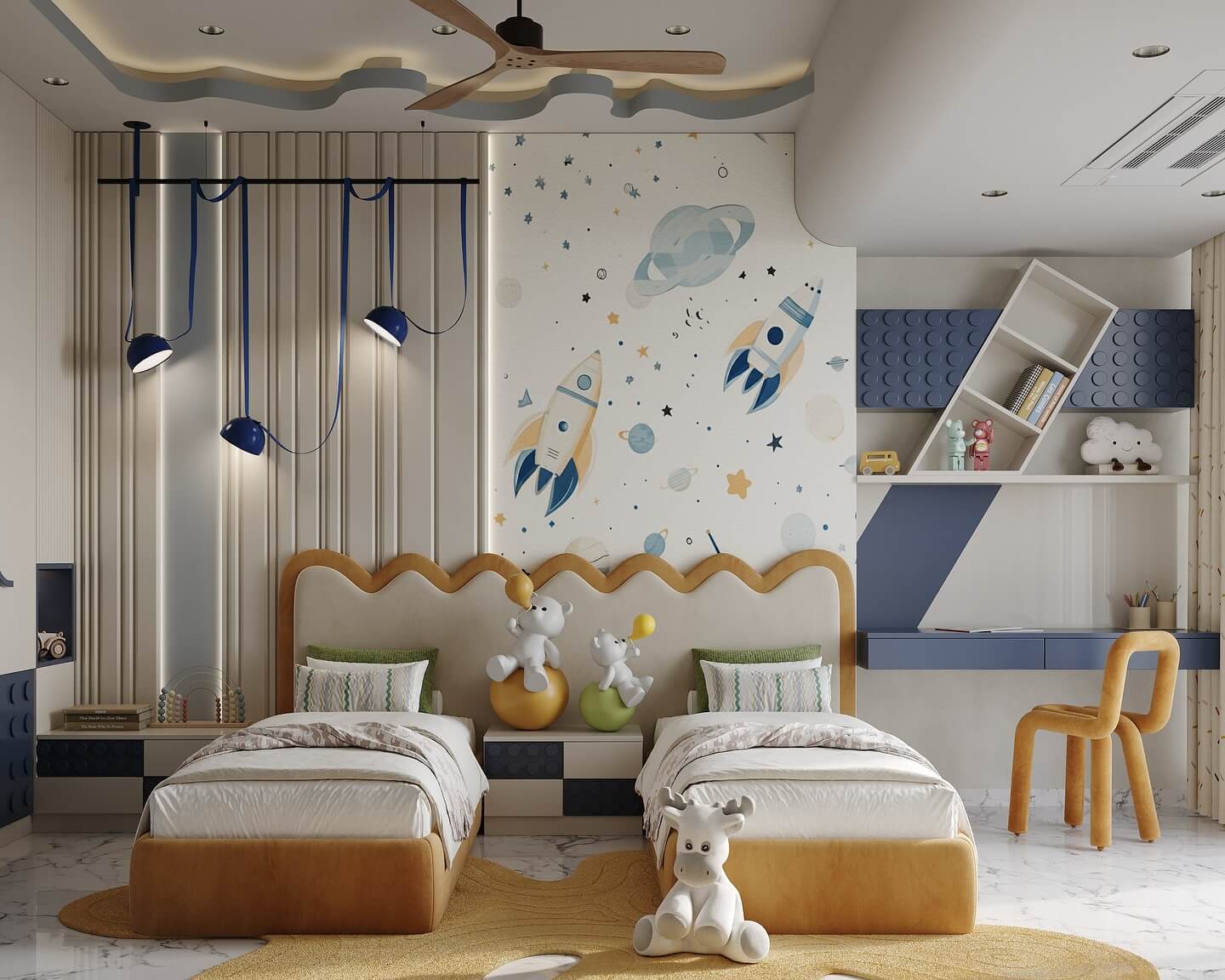
When closets are designed for kids—not just adults—mornings run smoother. Install adjustable double rods so everyday clothing hangs within arm’s reach, and reserve the upper zone for off-season or special-occasion items. Swap deep, dark shelves for pull-out wire baskets where socks and tees are visible at a glance. Use picture labels on bins for pre-readers and color-coded hangers to simplify categories (tops, bottoms, uniforms). A five-slot hanging organizer becomes a weekly outfit station—load it on Sundays and skip weekday debates. Don’t forget a stable step stool, a motion-sensor puck light, and a two-bin hamper to separate lights/darks. Over-the-door hooks hold robes or tomorrow’s outfit; slim drawers contain accessories and hair kits. If there’s no built-in closet, a wardrobe cabinet with interior drawers plus a shoe drawer at the base works beautifully. By designing a kids’ closet for ease and visibility, you reduce visual clutter, build self-sufficiency, and keep the rest of the room delightfully decluttered.
The Fifth Wall: Statement Ceilings and Bed Canopies That Define the Room
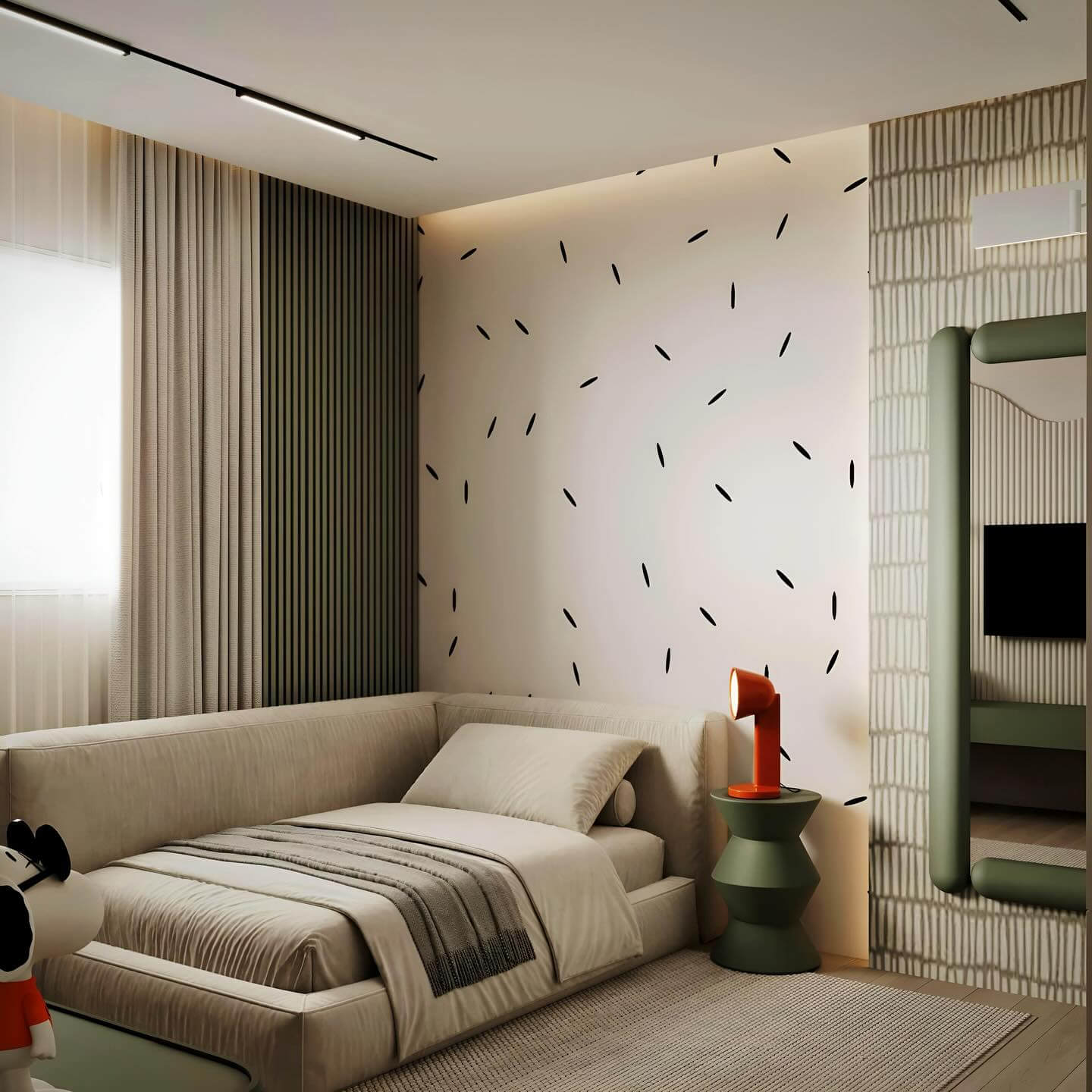
Ceilings are design gold in kids’ bedrooms. Painting the “fifth wall” 10–20% lighter than the walls softens edges and makes small rooms feel airy; alternatively, carry the wall color onto the ceiling for a cozy, cocoon effect. Stripes, scalloped borders, or a soft ombré draw the eye up without overwhelming the space. At night, star decals or a subtle mural transform bedtime into a gentle ritual. Over the bed, a canopy or coronet instantly creates a nest-like zone that signals “sleep” or “story time.” Choose breathable, washable fabrics and mount securely with rated anchors; keep material well away from fixtures and ensure airflow around the headboard. For renters, a tension rod between bookshelves or a hoop canopy offers drama without heavy drilling. Repeat the canopy fabric’s color in a pillow or lampshade to tie the look together. A thoughtful ceiling or canopy treatment adds magic, defines zones, and elevates the room with minimal footprint.
Cleaner, Greener Kids’ Rooms: Low-VOC Paints and Durable, Non-Toxic Materials
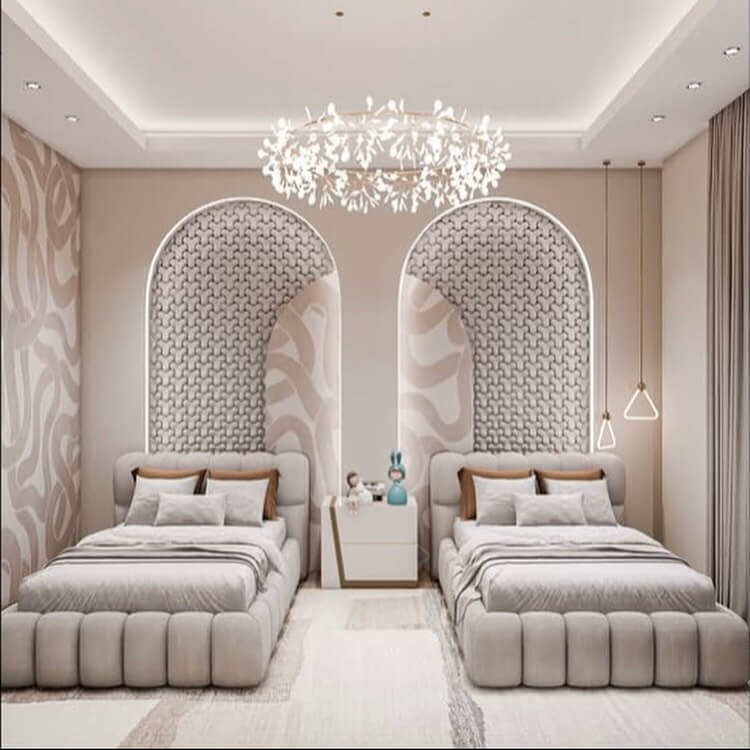
Healthy materials matter where kids sleep and play. Prioritize low- or zero-VOC paints and primers, and allow ample cure time before move-in. Look for Greenguard Gold or equivalent certifications on mattresses, cribs, and major furniture pieces; solid wood with water-based finishes typically outlasts particleboard and avoids strong adhesives. Choose natural-fiber textiles—cotton, linen, wool—that are breathable and easy to wash; a wool or cotton flatweave rug is cozy yet practical for allergy-sensitive spaces. For storage, avoid off-gassing plastics by opting for fabric bins or finished wood cubbies; if plastic is preferred, choose BPA- and phthalate-free options. Seal secondhand wood furniture with a clear, water-based topcoat to refresh and protect. Enhance air quality with regular ventilation and a HEPA filter if needed, and select a few kid-safe plants only if appropriate for your household. Sustainable kids’ bedroom design isn’t just eco-friendly—it’s durable, cost-effective over time, and creates a calmer, cleaner backdrop for everyday life.
Small-Space Superpowers Beyond Bunks: Sliding Doors, Benches, and Built-Ins
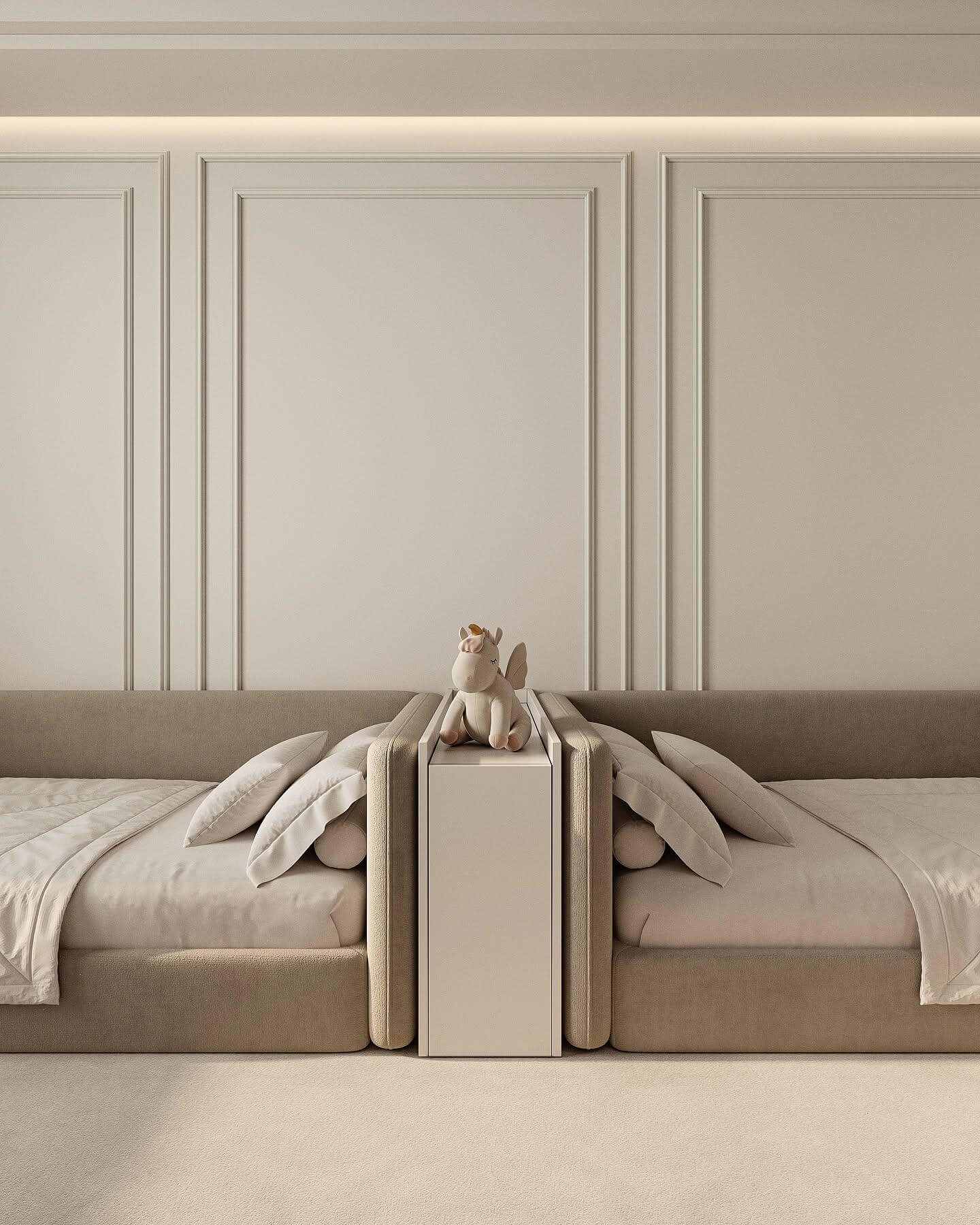
Even without a bunk or loft, small kids’ rooms can feel expansive with smart millwork and circulation planning. Replace a swing door with a pocket or barn door to free up floor area for play. Build a shallow storage wall around a door frame—narrow shelves for books, a peg rail for hats, and a shoe drawer at the base. Under a window, a storage bench doubles as a reading perch and tucks away bulky toys or bedding. Wall sconces or clamp lamps cut the need for floor lamps, and a slim headboard niche replaces a nightstand in tight quarters. Use a fold-down desk or wall-mounted drop-leaf table for homework and crafts that stows flush when play takes over. Keep a clear 30-inch path from door to bed to make the room feel bigger and safer at night. With thoughtful built-ins and space-saving swaps, a compact children’s bedroom gains polish, function, and room to breathe.
Theme Without the Commitment: Swap-Friendly Decor That Grows With Your Child
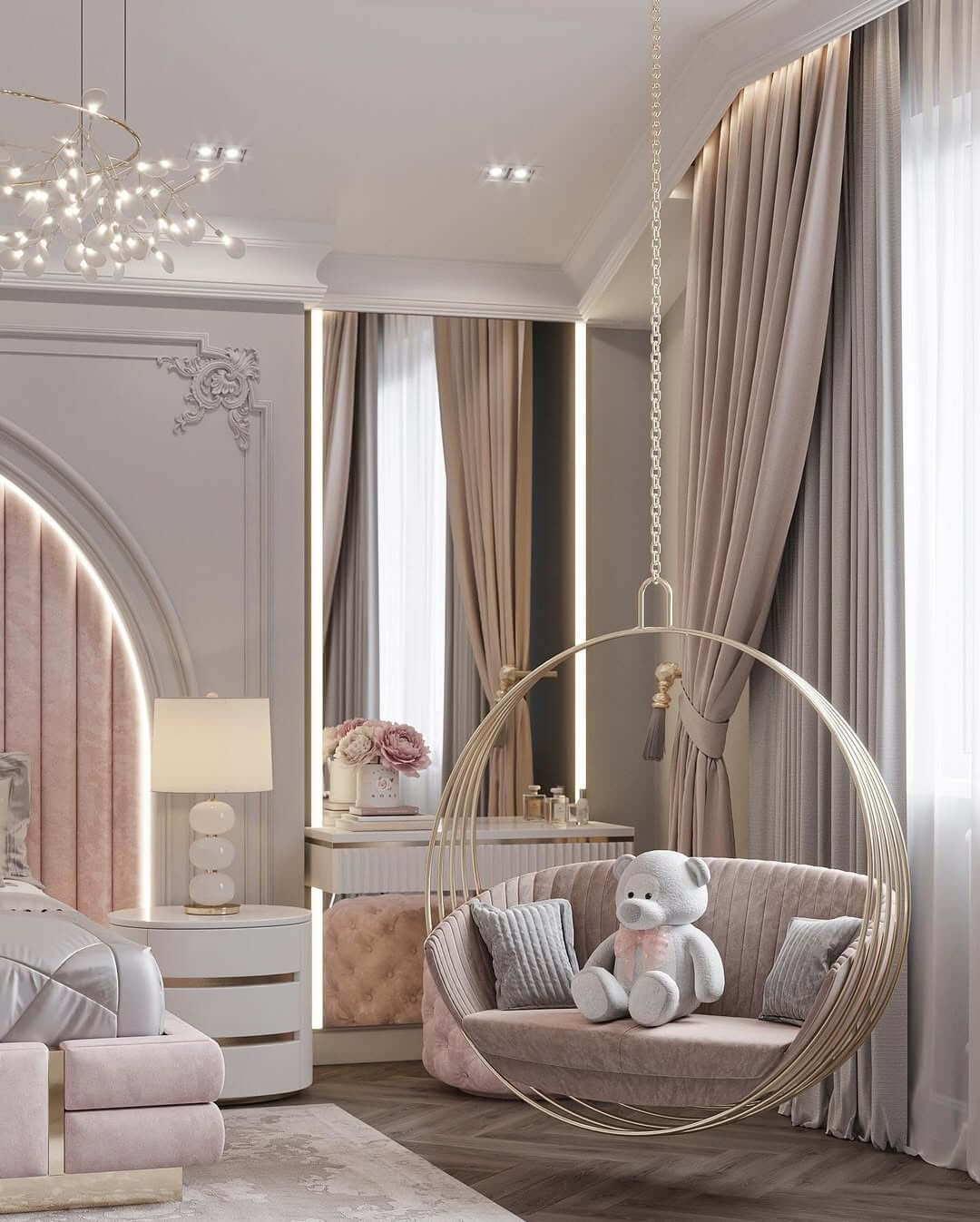
Give kids the themes they love—dinosaurs, space, ballet—without locking into a full-room overhaul. Start with a timeless base: neutral walls, classic bed frame, and simple curtains. Then layer theme-forward, easy-to-swap elements: duvet covers and pillowcases, removable wall decals, art prints in standard frames, lamp shades, pennant banners, and rug overlays. Aim for a consistent accent color across these pieces so the room reads cohesive, not busy. As interests change, you’ll update textiles and art rather than furniture and paint. Choose hardware with matching hole spacing so you can swap knobs or pulls to refresh dressers in minutes. Build a “decor capsule” bin to store off-season or outgrown themes for younger siblings or future rotations. This flexible approach keeps the kids’ bedroom fresh, budget-friendly, and aligned with your child’s evolving personality—while preserving a clean, organized foundation.
Kid-Safe Tech and Cord Control: Charging, Audio, and Screen Boundaries
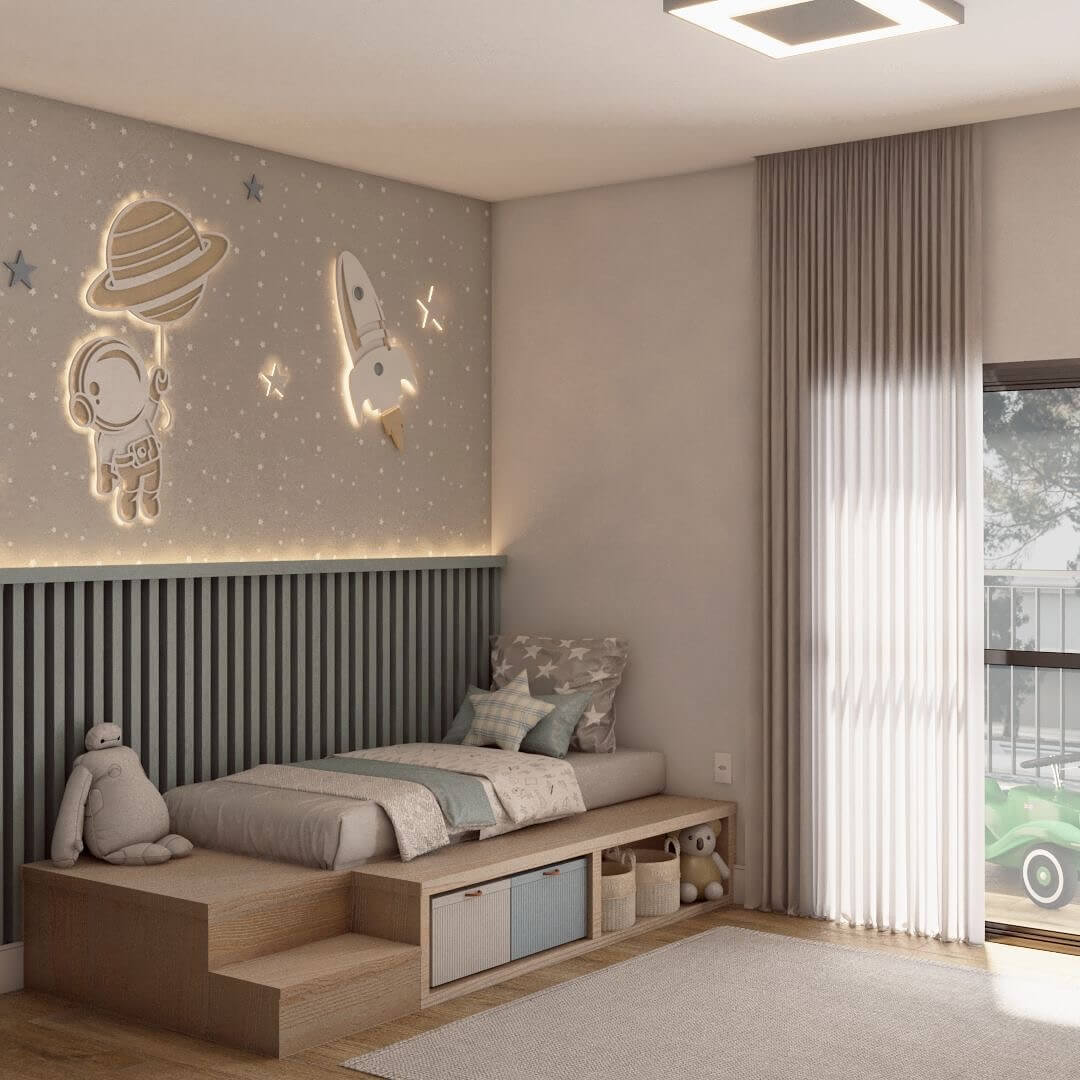
A modern kids’ bedroom can support learning and calm without a tangle of cables. Create a designated charging zone away from the pillow—inside a nightstand drawer with a cable grommet, on a wall shelf, or at the desk—with a surge-protected power strip and labeled cords. Add an under-desk cable tray and fabric sleeves to hide wires safely; use outlet covers and cord clips to keep everything secure and tidy. Pair a white-noise machine with a simple bedtime routine, and put smart plugs on lamps to automate dim, wind-down lighting. Keep screens off the main sightline from bed to emphasize rest; store tablets upright in a slotted caddy that signals “off” time after lights out. For older kids, a pinboard or desktop stand corrals headphones, chargers, and styluses. The result is a clean, safe tech setup that supports study and sleep—without visual clutter or late-night distractions.
Color, Lighting, and Decor Kids Bedroom Design Ideas to Inspire Play and Better Sleep
Color and lighting shape mood and behavior in a children’s bedroom, so design with circadian rhythm and creativity in mind. Use the 60-30-10 rule: a calming main hue, a supportive secondary tone, and a pop accent that’s easy to swap. Softer mid-tone blues, sages, and mauves soothe sleep, while saturated accents energize play without overwhelming small rooms. Layer ambient, task, and accent lighting on dimmers to transition from homework brightness to bedtime glow. Choose washable finishes, tactile textures, and a restrained theme that can mature from storybooks to science projects.
Get the Fail-Safe Paint Color Playbook (Free PDF)
36 proven colors • 8 ready palettes • trim & sheen guide • printable testing cards.
Actionable styling tips:
- Use two-tone walls with washable matte paint and a horizon color-block at chair-rail height to elongate the room, hide scuffs, and visually anchor art, shelving, and bedding.
- Layer lighting with a diffused ceiling fixture, 2700K task lamps for reading, and dimmable string or sconce accents to shift smoothly from homework clarity to pre-sleep calm.
- Anchor zones using a natural-fiber rug large enough to slide under front legs of beds and desks, paired with a felt pad to prevent slips and soften sound.
- Create rotating gallery rails with ledges or hinged frames, so kids proudly display art without new holes, while keeping taller walls clean for shelving and storage.
- Layer blackout roller shades behind sheer curtains to manage naps, east-facing glare, and early bedtimes without bulky pelmets, preserving streamlined lines in compact children’s bedrooms.
- Mix durable textiles like performance cotton-linen, zippered duvet covers, and removable pillow shams; prioritize machine-washable pieces to simplify maintenance after craft spills, pillow forts, and snack-time crumbs.
- Introduce biophilic touches with nature motifs, wood accents, and a resilient snake plant placed out of reach, softening acoustics and boosting perceived warmth, focus, and overall well-being.
- Use removable decals or a magnetic paint panel for evolving interests; keep character themes to bedding and posters so the core scheme ages gracefully toward tween tastes.
For healthy sleep, choose warm-white bulbs no brighter than 3000K at night, and add an amber nightlight under 1 lux to preserve melatonin production. Place task lamps slightly behind the shoulder opposite the writing hand to minimize glare on pages and screens. Echo accent colors in storage bins and book spines to organize visually while keeping the palette cohesive. Add a playful pattern on a single wall or headboard to capture personality without overwhelming small proportions. Schedule a seasonal “edit day” to swap art, rotate bedding, and adjust lighting scenes as your child’s routines evolve.
Parents’ Cheat Sheet: Smarter Kids’ Room Choices
What’s the first step to planning Kids Bedroom Design Ideas in a tiny room?
Measure everything, including door swings, window heights, and radiator clearances. Map essential zones—sleep, study, play—then choose multifunctional pieces that respect those constraints and keep 24–36 inch pathways clear.
Get the Fail-Safe Paint Color Playbook (Free PDF)
36 proven colors • 8 ready palettes • trim & sheen guide • printable testing cards.
Which paint colors calm kids at bedtime but still feel cheerful?
Mid-tone blues, dusty greens, and muted mauves promote relaxation while accommodating colorful accents. Balance them with warm wood, white trim, and a small dose of saturated accessories for playful contrast.
How do I make bunk beds safe in a shared kids room?
Choose models with guardrails extending at least five inches above the mattress, sturdy ladders, and anchored frames. Establish top-bunk age guidelines and install nightlights to illuminate midnight climbs.
How can the design grow from toddler to tween without constant redecorating?
Keep the shell timeless—neutral walls, quality window treatments, and adaptable lighting—then rotate themed textiles and art. Select modular storage and adjustable desks that scale with height and homework.
Final Verdict: Design for Today, Ready for Tomorrow
A kid-friendly bedroom thrives on a simple framework: clear zones for sleep, play, and study; flexible furniture like lofts or bunks; storage that invites independence; and layered lighting that supports everything from quiet reading to wind-down routines. Anchor the space with calm colors and hardworking textiles, then add personality through changeable accents—gallery walls, removable murals, and themed decor that can evolve as interests shift. Prioritize safety and wellness with low-VOC paints, cordless window treatments, rounded edges, and durable, easy-clean materials that stand up to daily life.
Start with a measured floor plan and choose a few investment pieces—bed, wardrobe, desk—that will grow with your child. Use toy rotation, labeled cubbies, and kid-height closets to keep clutter in check and foster responsibility, while interactive zones (chalk, magnet, or LEGO walls) channel creativity without spreading chaos. With small-space solutions like built-ins, benches with storage, and sliding doors, you can maximize every inch—proving that the best kids’ bedroom design balances imagination with organization, and feels just as good at bedtime as it does during play.