
25 Clever Kids Study Room Ideas to Spark Focus, Creativity, and Fun
Designing a kids study room is about more than a desk and a chair—it’s about crafting a nurturing environment where focus, curiosity, and confidence thrive. The right setup can turn homework into a habit, cut down on clutter and distractions, and help kids feel proud of their personal learning zone.
Whether you’re carving out a cozy nook in a small bedroom, sharing space with a playroom, or revamping a spare corner, smart choices in storage, lighting, seating, and layout make all the difference. We’ll balance practicality with personality so the space grows with your child.
Get the Fail-Safe Paint Color Playbook (Free PDF)
36 proven colors • 8 ready palettes • trim & sheen guide • printable testing cards.
From color psychology and task lighting to DIY shelving and ergonomic essentials, these ideas will help you create a calm, creative, and kid-approved study room. Get ready for attainable, budget-friendly upgrades that make learning feel exciting every day.
Space Planning and Layout Tips for Kids Study Rooms in Small Spaces
Start by mapping room dimensions, door swings, and windows to shape a distraction-free study zone. Separate the area into clear zones: focused desk work, quiet reading, and creative projects that can be contained quickly. Place the primary desk where sightlines avoid TVs and high-traffic paths, reducing interruptions and visual noise. Use compact bookcases as low dividers, doubling storage while defining boundaries without closing the room. Keep pathways at least 30–36 inches wide so siblings and parents can pass without jostling chairs or materials.
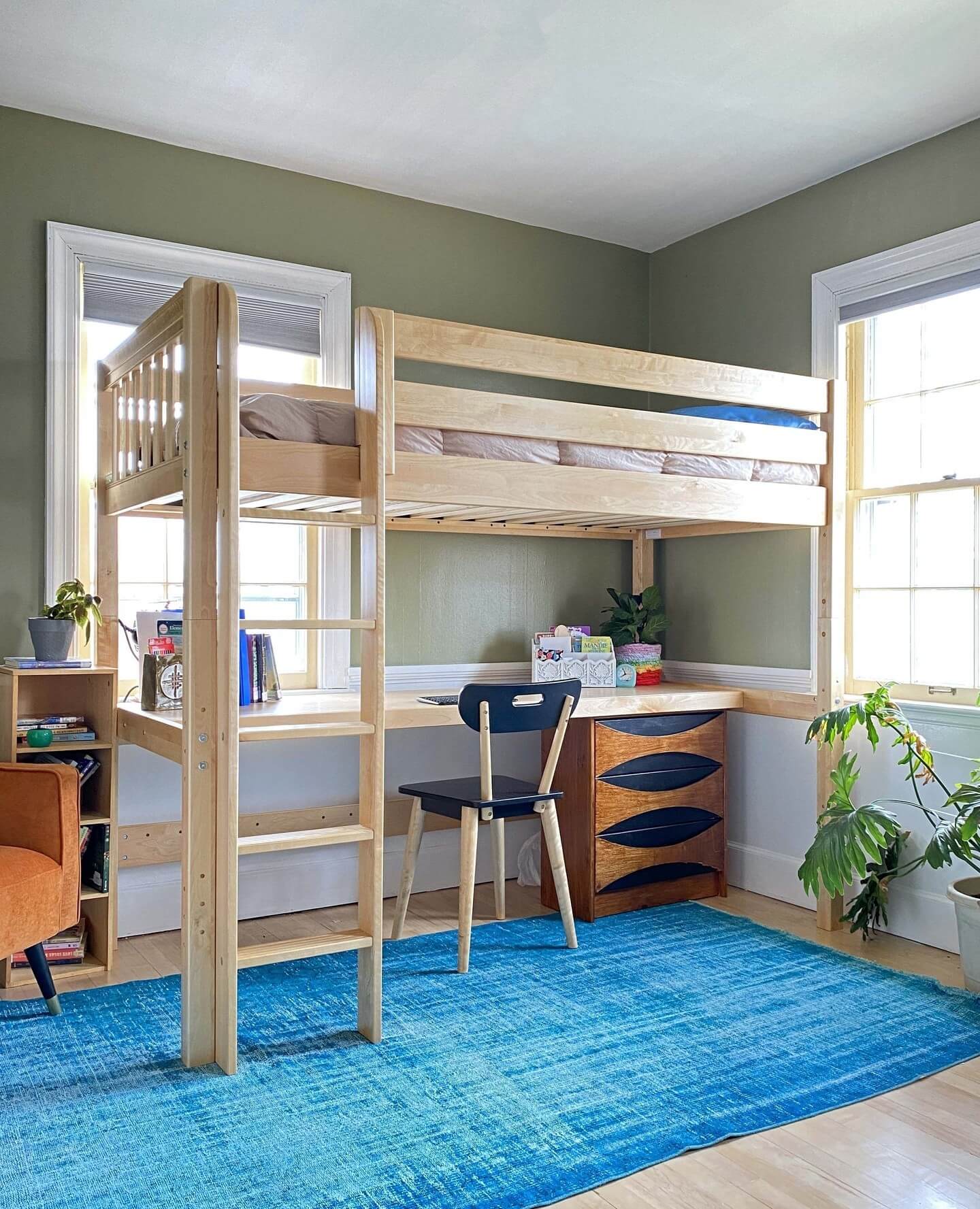
In small rooms, let furniture hug walls and corners to free central floor space. Consider wall-mounted or fold-down desks that disappear after homework, instantly converting the zone for play. Loft or bunk configurations can float a desk underneath, adding shelves nearby for textbooks and project tubs. Vertical storage—pegboards, wall rails, and tall cabinets—pulls clutter upward and preserves square footage for movement. Position study surfaces near natural light, adding blinds to control glare during midday sessions.
- Map the room’s sightlines to minimize distractions, placing the desk away from doors and TVs, and use a neutral backdrop behind monitors to protect focus and reduce screen glare.
- Create clear activity zones with rugs or tape: a quiet desk zone, a reading nook with cushions, and a maker space that’s easily tidied with lidded bins.
- Choose corner layouts or T-shaped desk configurations to seat siblings without crowding, preserving elbow room and providing individual task lighting to reduce arguments and shadowing during homework.
- Keep daily supplies within arm’s reach, storing seldom-used materials higher, and label shelves clearly, so kids navigate the room independently and avoid interrupting study momentum searching for essentials.
Plan for growth with flexible pieces that adapt as reading levels, hobbies, and devices change. Rolling carts, stackable bins, and modular shelves let you reconfigure quickly for test prep, science kits, or art shows. Choose adjustable-height desks to accommodate growth spurts and shared use between siblings of different ages. Add a wall-mounted whiteboard calendar and inbox trays to centralize assignments, permission slips, and library reminders. Use curtains, cork boards, and area rugs to soften echoes, reduce noise spillover, and make the room feel calm.
Zone the Space: Define Work, Read, and Create Areas
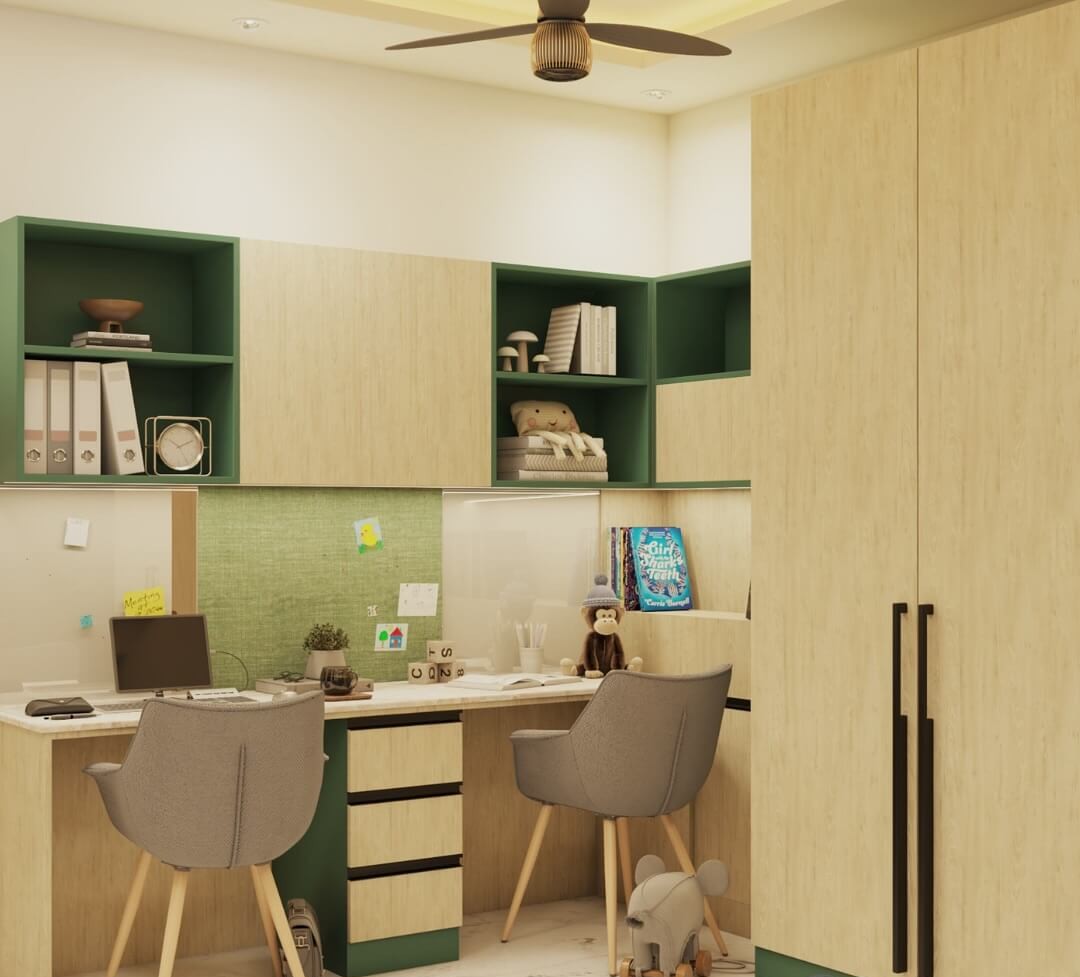
Before you buy a single bin or lamp, map the room into clear, kid-friendly zones. A focused “work zone” needs an uncluttered desk, a supportive task chair, and reach-right-here supplies for homework and projects. A “reading zone” should feel soft and screen-free—think a small rug, floor cushion, and front-facing book ledges that invite daily reading. Finally, a “create zone” handles art, STEM, and hands-on learning with wipeable surfaces and easy-clean storage. Use low shelving, rugs, wall color blocking, or a pegboard to visually define each area without closing the room in.
Keep traffic flow intuitive: backpacks and a wall hook go near the door; reference books and printers live against a side wall; the quietest corner becomes your reading nook. Anchor tall furniture to studs and choose non-toxic, washable finishes. For shared kids’ study rooms, color-code each learner’s zone, and add soft elements (rugs, cork boards, curtains) to absorb noise. Getting your zoning right reduces clutter creep, shortens transition time between tasks, and makes your kids’ study space feel purposeful from day one.
Layer the Light: Mix Natural Light, Task Lamps, and Soft Glow
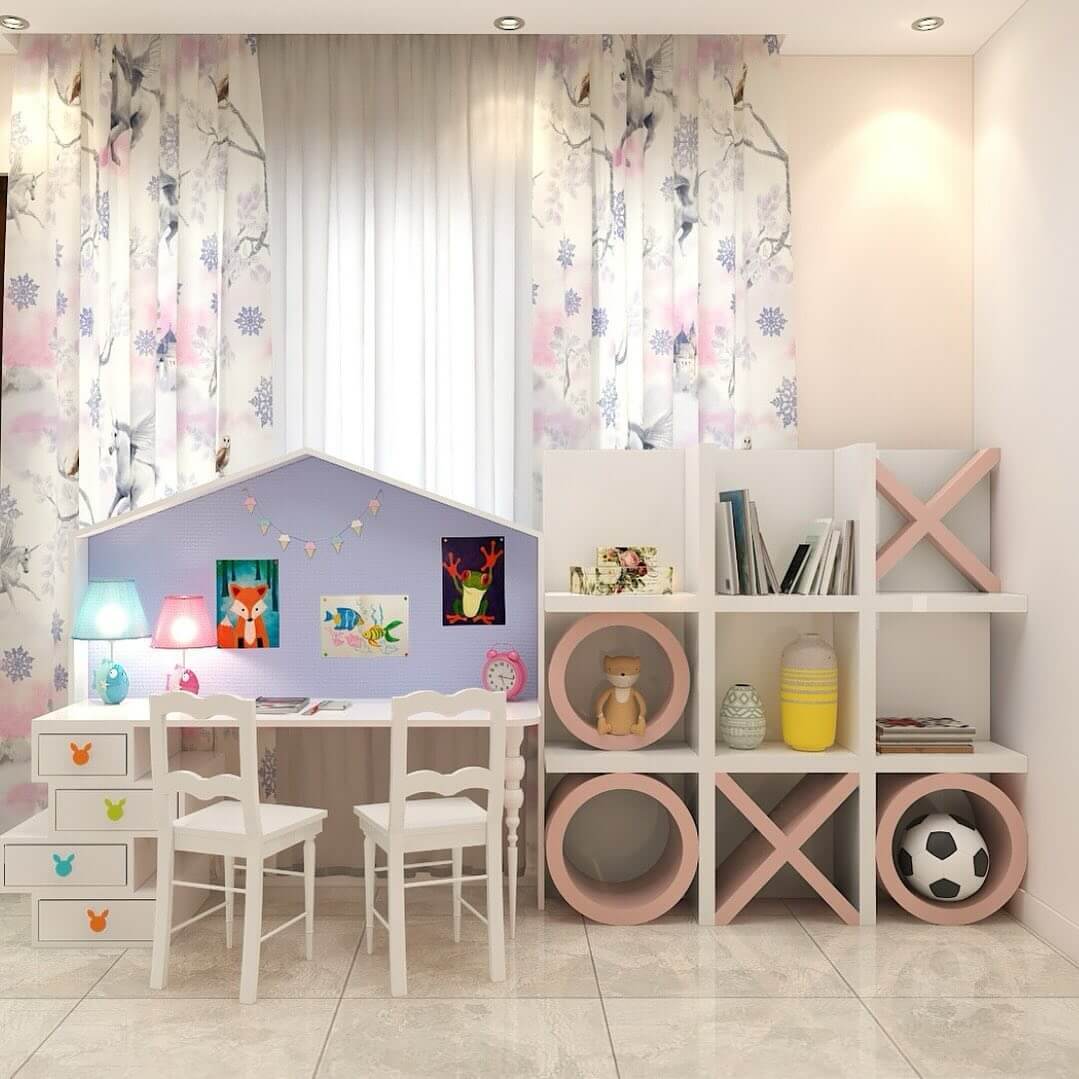
Once zones are set, dial in lighting—the secret sauce for focus and eye comfort. Aim for three layers: ambient light (ceiling or wall sconces at 2700–3000K for warmth), task lighting (desk lamps at 4000K for crisp concentration), and accent lighting (soft string lights or a night-safe plug-in for reading comfort). Place desks perpendicular to windows to avoid screen glare, and add a roller shade to diffuse afternoon sun. For left-handed writers, position the lamp on the right; for right-handed, place on the left to prevent shadows on the page.
Choose lamps with high CRI (90+) so colors and text look true, and install dimmers to match energy levels throughout the day. Clip-on or wall-mounted swing arms free up desk space in compact study rooms. If your child studies at night, consider a warm-down routine—shift bulbs to warmer tones to support sleep. A small under-shelf light can brighten cubbies and paper sorters without flooding the room. Balanced, layered lighting sharpens focus, protects growing eyes, and lets your kids’ study area flex from homework to cozy reading with a tap.
Go Vertical: Pegboards, Ledges, and Labeling Kids Can Read
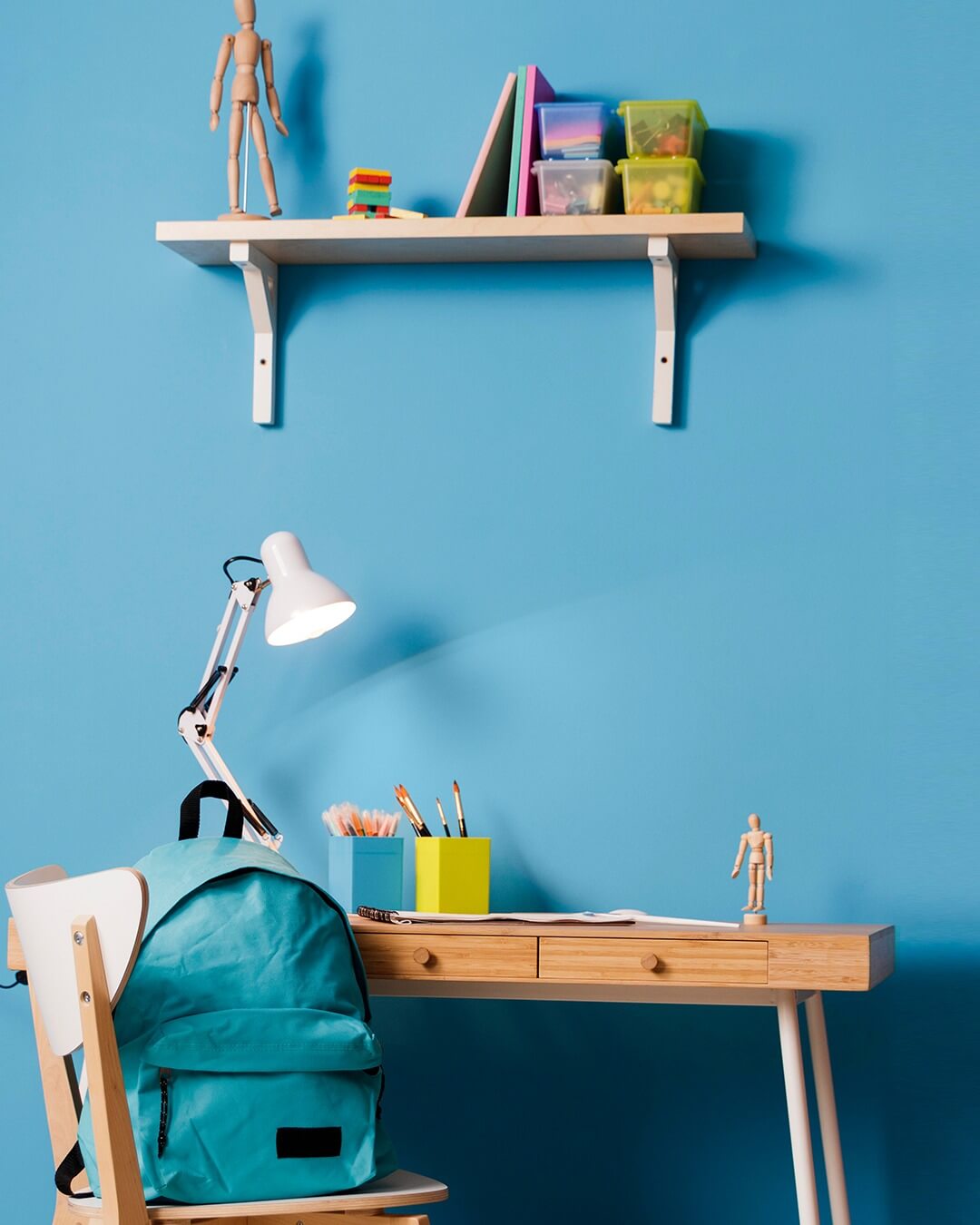
Smart storage keeps a kids study room calm and clutter-lite. Maximize walls first: a perforated pegboard or rail system holds scissors, rulers, headphones, and craft cups within kid reach. Add narrow book ledges for front-facing displays—seeing covers nudges daily reading. Pair open bins for everyday supplies with closed cabinets for messy extras. Use picture labels and color coding so even pre-readers can tidy independently.
On the desk, limit items to a paper sorter (inbox/outbox), a pencil caddy, and a small whiteboard for to-dos. Stash extras on a rolling cart that glides between the homework station and maker zone. Under-desk drawers corral notebooks; magazine files tame workbooks by subject. Mount a corkboard/whiteboard combo for schedules, unit vocab, and rotating achievements—your “learning command center.” A vertical mindset frees floor space, speeds cleanups, and teaches kids where things live. Bonus: rotate seasonal bins (science kits, clay, art refills) to keep the space fresh without buying more.
Small Room, Big Study: Fold-Down Desks and Wall-Mount Wins
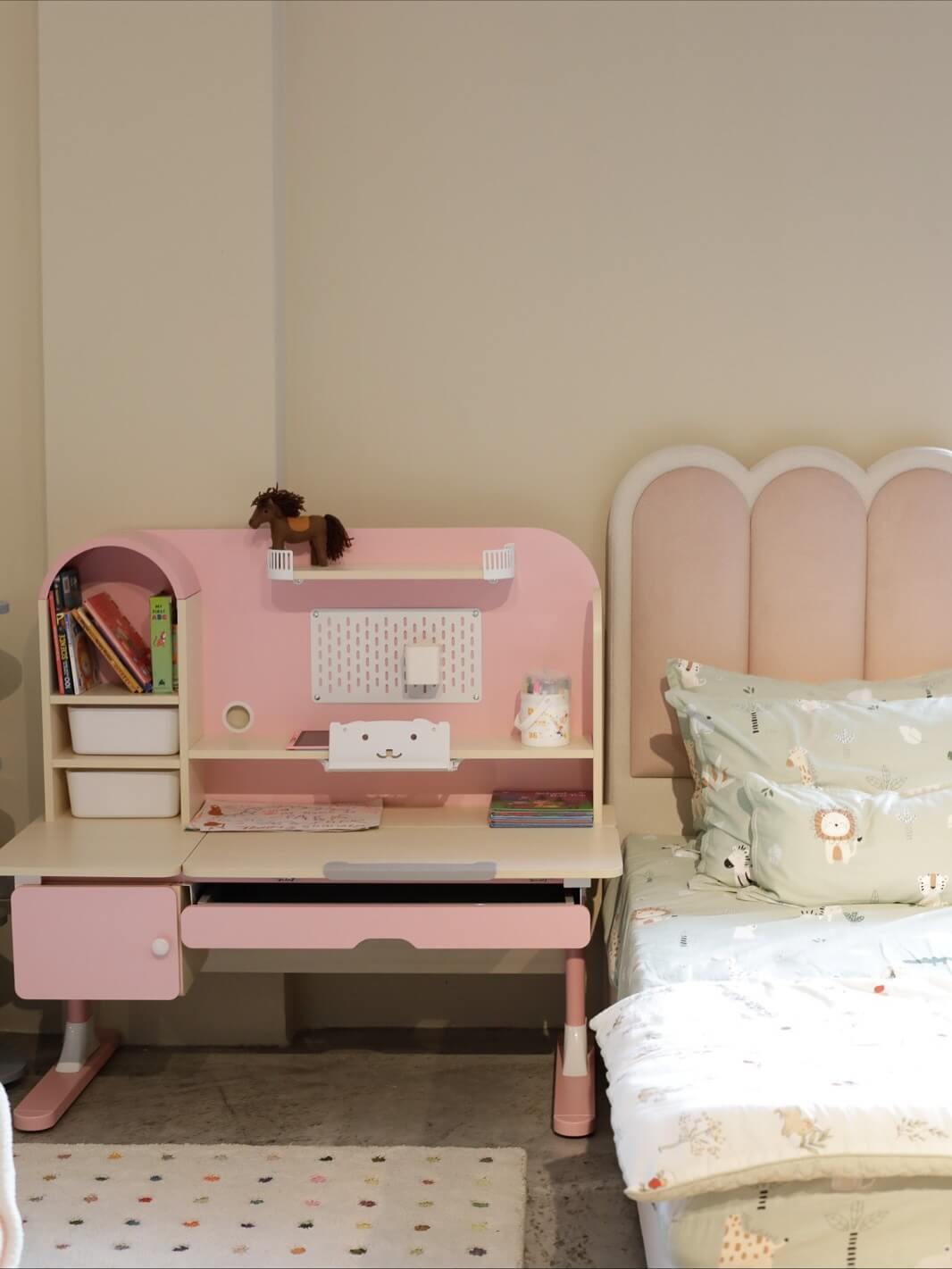
Working with a tiny bedroom or a shared corner? Choose slim, wall-mounted solutions that vanish when not in use. A fold-down (Murphy) desk creates a sturdy homework station after school and flips up for playtime. Pair it with a narrow, height-appropriate task chair that tucks fully under. Add floating shelves for books and a single vertical file for active subjects—think micro-footprint, macro function.
Use over-the-door organizers for calculators, flashcards, and art pads. A trifold privacy screen or desktop dividers can carve focus in an open-plan room, then store flat. Corral tech with a wall-mounted charging strip and a cable channel; keep only today’s devices on the surface. Light colors, leggy furniture, and one statement accent (a stripe of removable wallpaper or paint block) keep the study nook airy. In small kids’ study rooms, every inch works double—so pick furnishings that fold, stack, or roll, and measure twice before you buy.
One Room, Two Learners: Side-by-Side Sibling Study
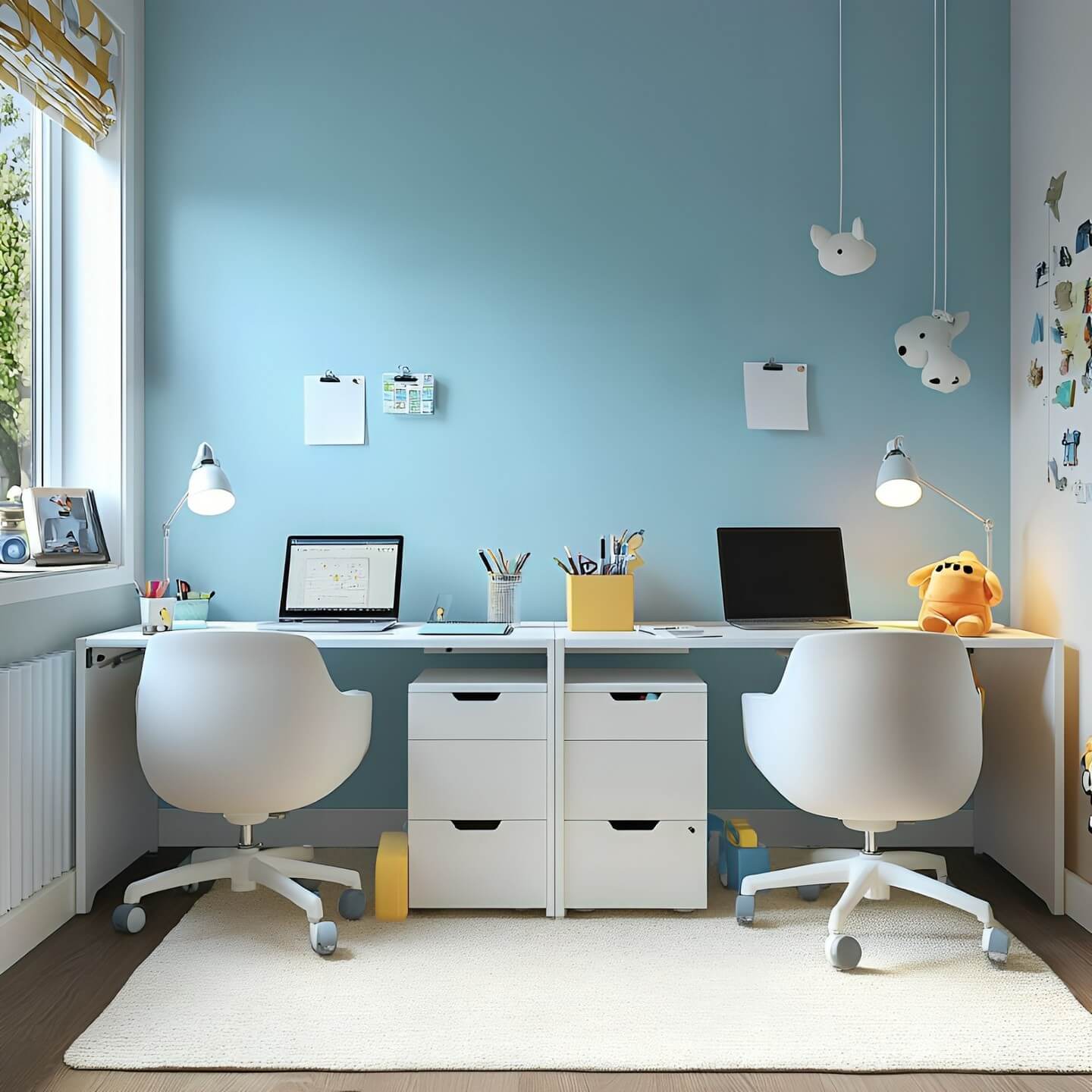
For siblings, swap separate desks for one long countertop (8–10 feet) with drawer towers or bookcases acting as subtle dividers. Give each child a personal pegboard and shelf—labeled, color-coded, and within reach. Add felt desk screens or low partitions to reduce visual noise during homework. Noise-dampening rugs and headphones help when schedules overlap, while a shared wall calendar aligns tests, clubs, and library days.
Get the Fail-Safe Paint Color Playbook (Free PDF)
36 proven colors • 8 ready palettes • trim & sheen guide • printable testing cards.
Stagger lighting: individual task lamps plus a shared ambient fixture keep glare down. Power management matters—install a surge-protected strip with labeled, switchable outlets and dedicated charging cubbies. Since kids grow at different rates, pick adjustable chairs and footrests so each maintains ergonomic posture. Add a “neutral zone” shelf for shared tools (dictionary, stapler, timer) and create tidy-up roles: one clears surfaces, one restocks supplies. A well-planned sibling workstation prevents turf wars, supports different learning styles, and turns a single room into two productive study spaces.
Add a Mini Maker Zone (Without the Mess)
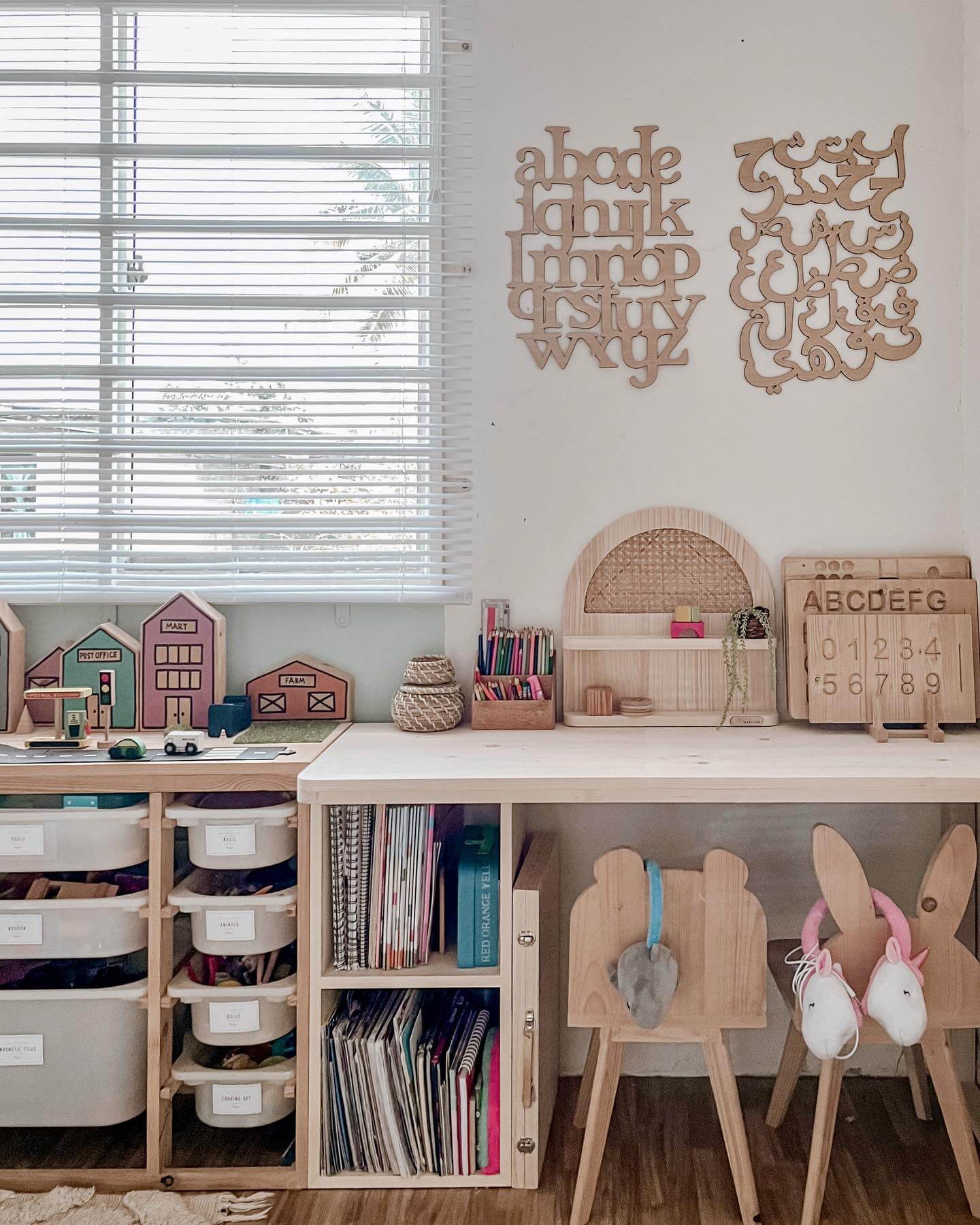
Creativity boosts learning—just keep it controlled. Carve a 3–4 foot slice of your kids’ study room for a maker zone with a wipeable table mat, a butcher-paper roll, and a drying rack. Store paints, clay, and glue guns in closed bins on a high shelf (parent-supervised), while crayons, markers, and LEGO live in clear, labeled containers kids can access solo. A rolling craft cart shuttles between desk and maker table, then parks under a counter.
Mount a pegboard for rulers, scissors, and washi tape; hang aprons on hooks. Silicone mats catch spills; a small “cleanup kit” (microfiber cloth, mini broom) teaches responsibility. Project trays prevent in-progress builds from overtaking the homework station. Add prompt cards—“Build a bridge,” “Design a bookmark,” “Invent a math game”—to tie creativity to school subjects. With washable finishes and smart storage, you’ll encourage daily making while protecting the focus zone from chaos.
Build a Cozy Reading Nook That Kids Choose First
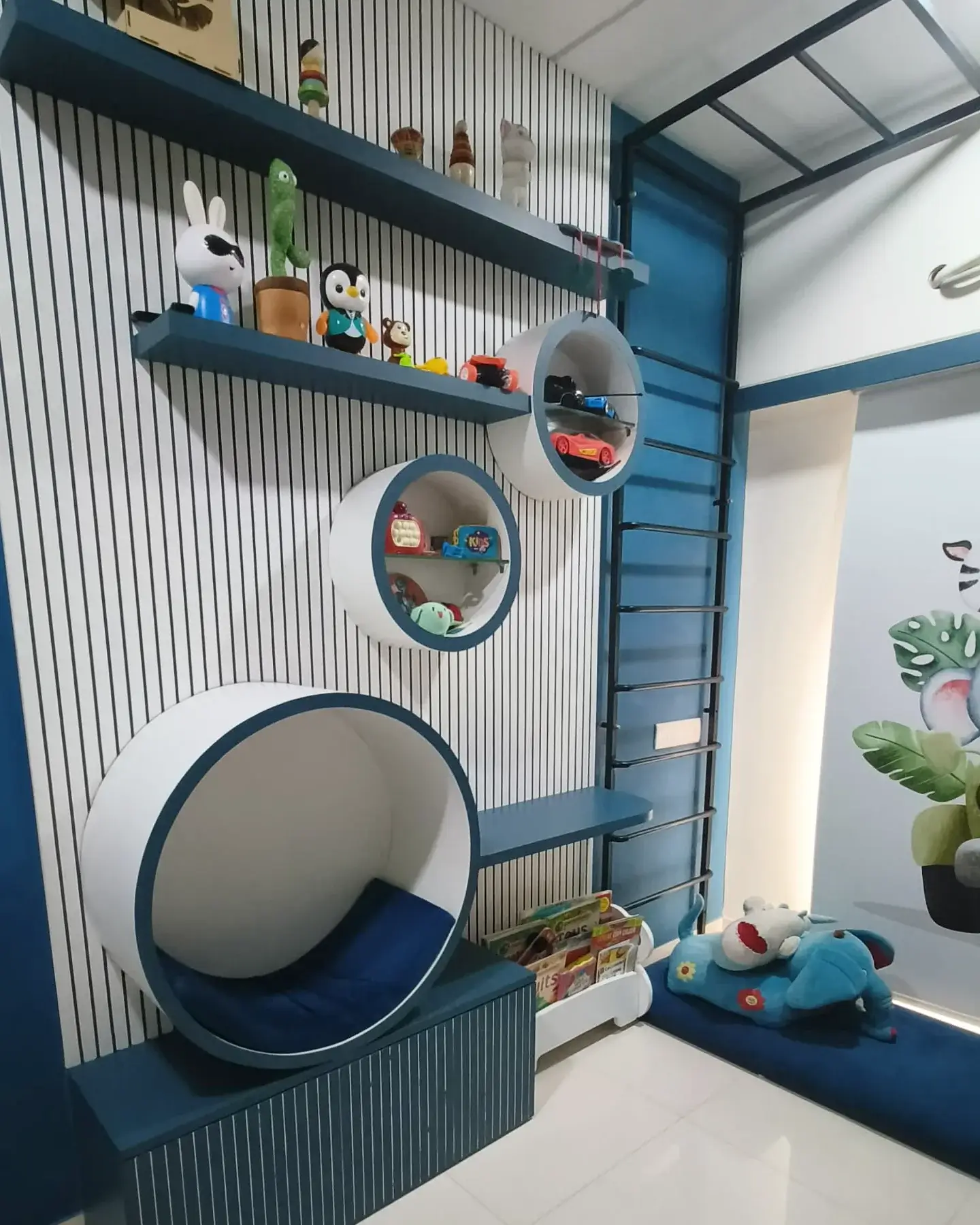
A kid-approved reading corner turns “I have to” into “I get to.” Choose the quietest spot in the study room and soften it with a plush rug, a floor cushion or beanbag, and a small side table for a lamp and water. Front-facing book ledges at kid height make titles irresistible; rotate books weekly by interest, season, or reading level. Add a simple canopy or tent to cue calm and reduce visual distractions.
Keep this zone analog: no chargers, no screens. Offer a basket for bookmarks, a whisper timer for sustained reading, and a log to celebrate minutes, not speed. Mix picture books, early readers, and a few “just-right stretch” titles to grow confidence. A plant, soft throw, and warm 2700K lamp complete the vibe. When your study room includes a dedicated, cozy reading nook, independent reading becomes a daily habit—and comprehension soars alongside comfort.
Tame Tech: Safe, Organized Devices and Charging
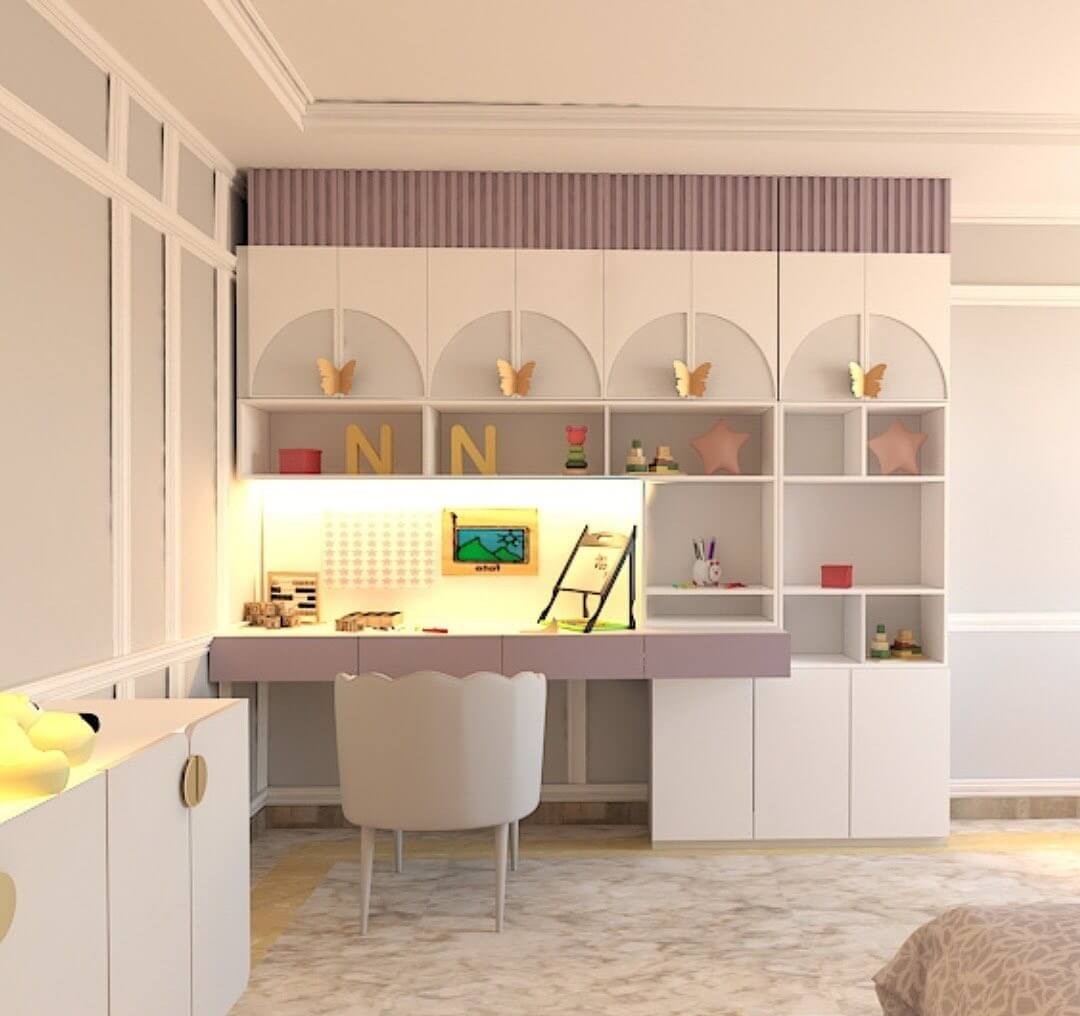
In a modern kids study space, tech should support learning—not scatter it. Create a dedicated charging station: a shallow drawer or wall-mounted shelf with a surge protector, cable clips, and labeled ports for laptops, tablets, and calculators. Park devices off the desktop during analog work, then bring them back with a purpose. Elevate screens on a stand to eye level and pair with an external keyboard and mouse for ergonomic posture.
Install cable sleeves to keep cords from dangling and distracting. Set parental controls and schedule Wi‑Fi downtime to reinforce healthy rhythms. For video calls or research, add a small ring light on a warm setting and a simple backdrop like a neutral corkboard. Keep a whiteboard beside the desk to jot notes before they vanish in tabs. A “tech caddy” with headphones, stylus, and charger lives next to the homework station so kids don’t roam the house. Organized devices, clear rules, and ergonomic setups make digital learning efficient and calm.
Personalize with Purpose: Color, Decor, and Growth Mindset
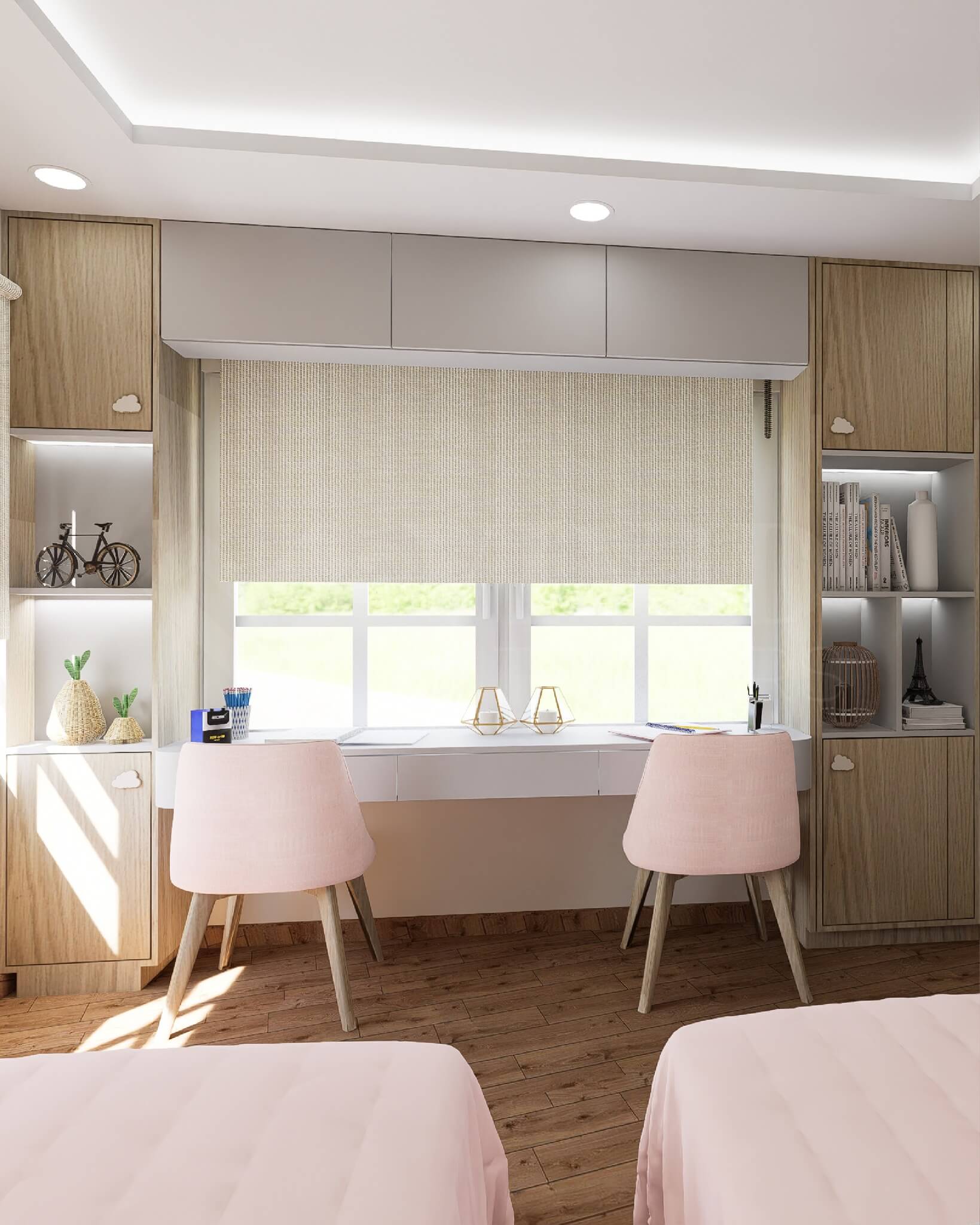
Let your child co-design the study room to build ownership—within a focused palette. Calming blues and greens anchor attention; add small pops of yellow or coral for energy. Use removable wallpaper, decals, or a painted color block behind the desk for personality without permanent commitment. Frame kids’ art in simple grids for a gallery that elevates their work; swap pieces seasonally.
Design a motivation wall with a whiteboard calendar, goal cards, and growth mindset affirmations (“Mistakes help my brain grow”). Include a magnetic strip for spelling words and a cork area for certificates. Personal name labels on bins and a monogram on the chair make the space feel theirs. Bring in texture—a woven basket, felt pinboard, soft throw—to keep the room sensory-friendly. When personalization supports routines and goals, your kids study room stays inspiring and uncluttered instead of busy.
Keep It Working: Routines, Labels, and Weekly Resets
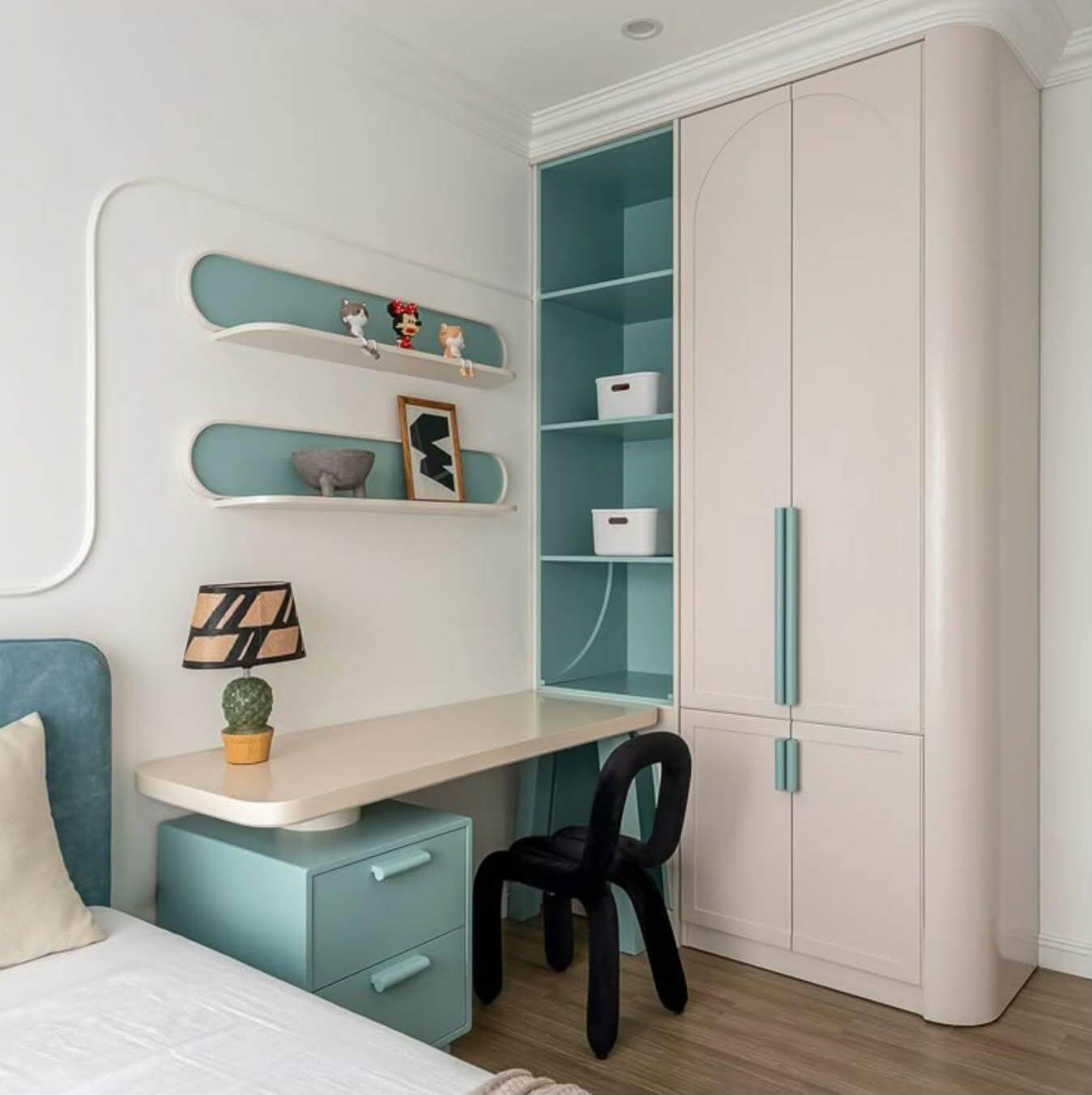
Even the best-designed study area needs upkeep habits. Create a 5-minute end-of-day reset: pencils sharpened, papers sorted (inbox/outbox), devices parked to charge. On Sundays, do a 15-minute refresh—refill glue sticks, rotate books, wipe surfaces, and clear the “misc” bin. Use color-coded binders by subject, and a simple file for finished work so portfolios don’t swamp the desk.
Post a visual checklist near the workstation: start timer, open planner, gather materials, quick stretch, tidy. Try kid-friendly Pomodoro (20/5) with a soft timer and break basket (fidgets, coloring). Keep a backpack landing zone by the door with a hook, tray, and library tote. Review the layout each term—adjust chair height, upgrade task lighting, and edit supplies as needs change. Anchor furniture, choose washable, low-VOC finishes, and label everything with words plus icons so tidying is intuitive. Consistent systems turn your kids study room into a lasting, low-stress homework hub.
Get the Fail-Safe Paint Color Playbook (Free PDF)
36 proven colors • 8 ready palettes • trim & sheen guide • printable testing cards.
Right-Size Ergonomics: Kid-Friendly Desks, Chairs, and Posture Cues
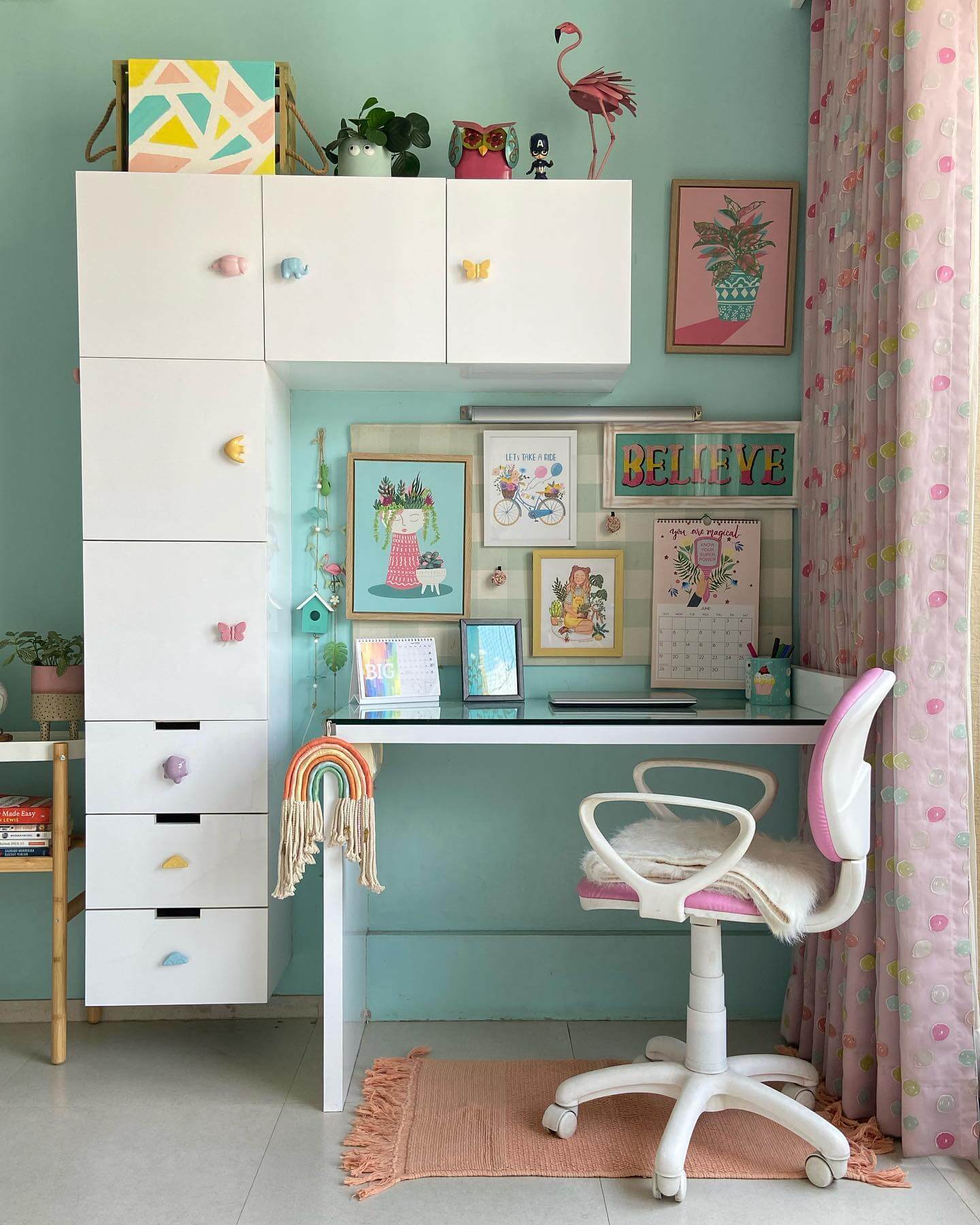
A study space works hardest when it fits the child—not the other way around. Start by matching desk height to your child’s elbow height when seated, aiming for the “90-90-90” rule: hips, knees, and ankles at right angles with feet fully supported. If feet dangle, add a footrest or a sturdy box to stabilize the lower body and reduce fidgeting. Choose a chair with a supportive back and adjustable seat height so the setup can grow through school years. For handwriting, a slight desk slope or a slant board encourages neutral wrists and cleaner pen control, while a laptop or monitor should sit at eye level on a riser to avoid neck strain. Keep keyboards and mice close to the body to prevent reaching. Place the task lamp on the opposite side of your child’s writing hand to minimize shadows. Build in micro-breaks—try the 20-8-2 rhythm (20 minutes focused, 8 minutes light movement, 2 minutes stretch) or the classic 20-20-20 eye reset. These simple ergonomic tweaks create comfort, concentration, and a kids study room that invites longer, happier learning sessions.
Study-Ready Color Palettes: Calm Neutrals with Cheerful Pops
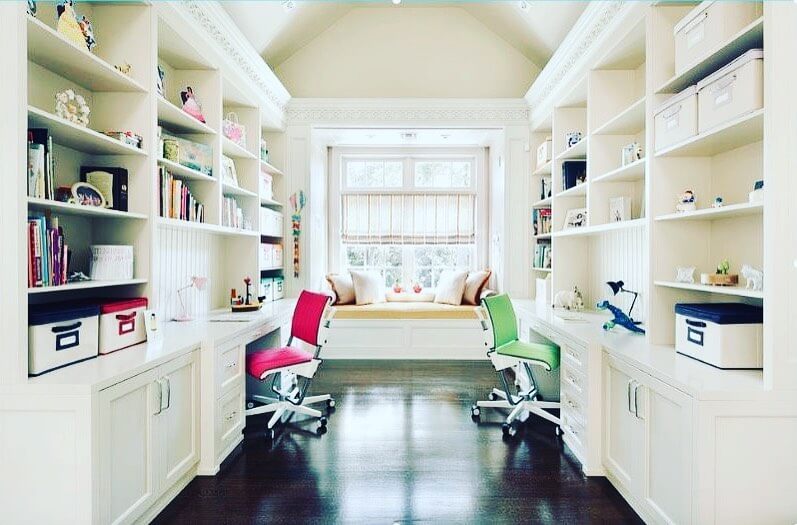
Color shapes mood and mental load. In a kids study room, start with a calm base—warm white, soft greige, muted sage, or dusty blue—then layer in strategic pops to cue energy and creativity without visual clutter. Keep the wall directly in front of the desk quiet and low-contrast to reduce distractions, reserving brighter accents for the chair, a rug, bins, or a pinboard frame. Stick to a simple 60-30-10 palette: 60% soothing base, 30% supportive mid-tone, 10% vibrant accents your child loves. If you’re painting, choose a scrubbable, low-VOC eggshell finish that survives markers and sticky hands. For renters or budget-friendly change-ups, use removable wall decals, washi-taped “frames,” and interchangeable art prints that can evolve with interests. Soft textures—felt panels, a woven basket, cork strips—temper color and echo a calm vibe. Keep open shelving color-coded with matching containers so the eye reads “organized.” This palette-first approach blends personality with focus, creating a visually tidy kids learning space that still feels playful, inviting, and totally them.
Flexible Storage on Wheels: Carts and Caddies That Move with the Work
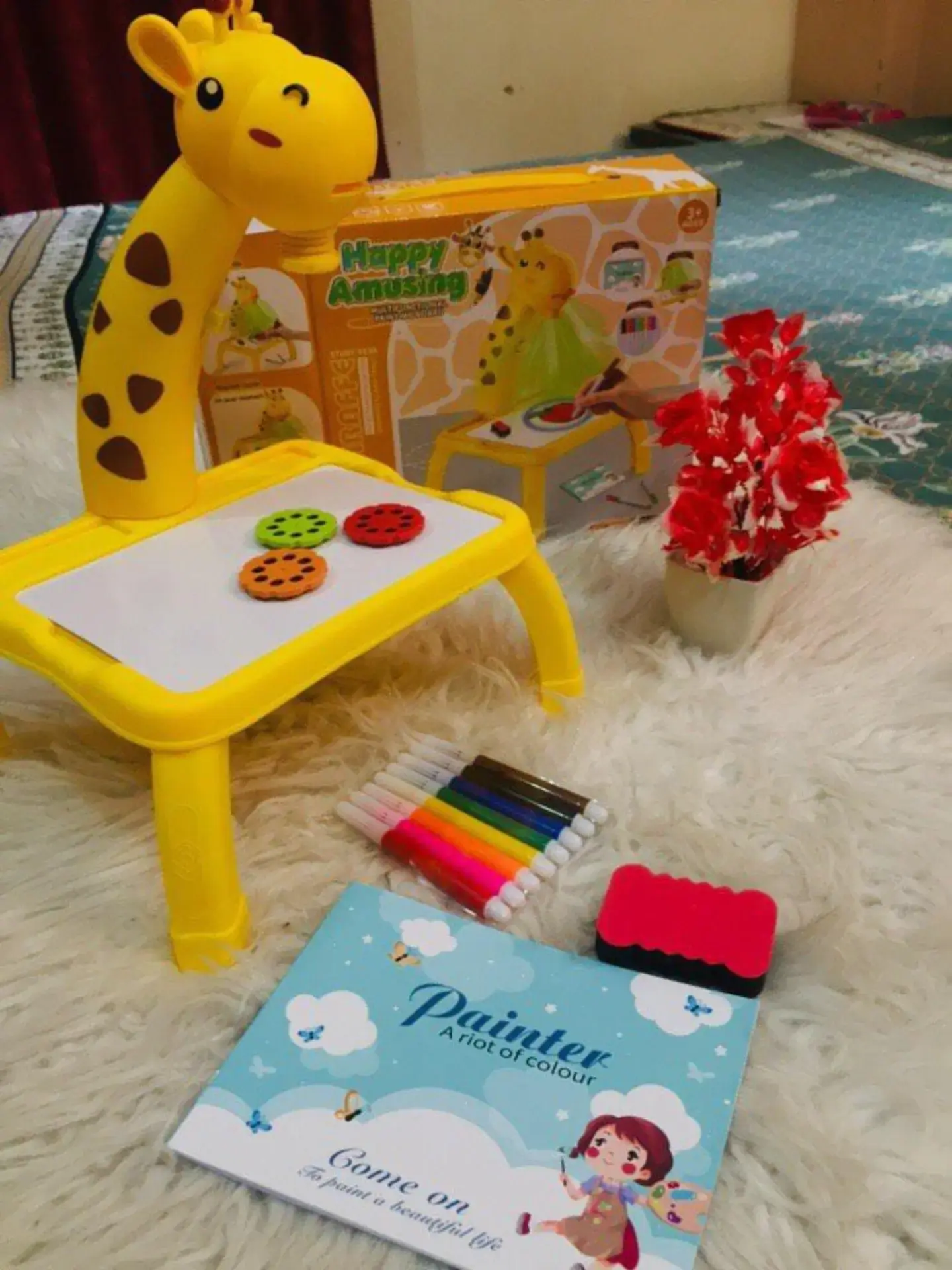
When study happens at the desk, the dining table, or a sunny nook, mobile storage keeps momentum going. A slim three-tier rolling cart becomes a homework lifeline: top tier for daily supplies, middle for paper and notebooks, bottom for tech or manipulatives. Add handled caddies for quick subject swaps—math tools in one, art in another—so kids can “grab and go” without derailing focus. Use color-coded bins and picture labels that pre-readers can understand, then park the cart under a wall-mount shelf or beside the desk to save floor space. Clip a small task list to the cart’s side, and hang scissors or headphones on S-hooks for instant access. For shared study rooms, assign each child a shelf or color so clean-up is fast and friction-free. Rolling solutions are budget-friendly, endlessly reconfigurable, and perfect for small spaces—proof that portable order is often the difference between clutter creep and a study routine that sticks.
Display-Driven Motivation: Clip Rails, Cork Strips, and Mini Galleries
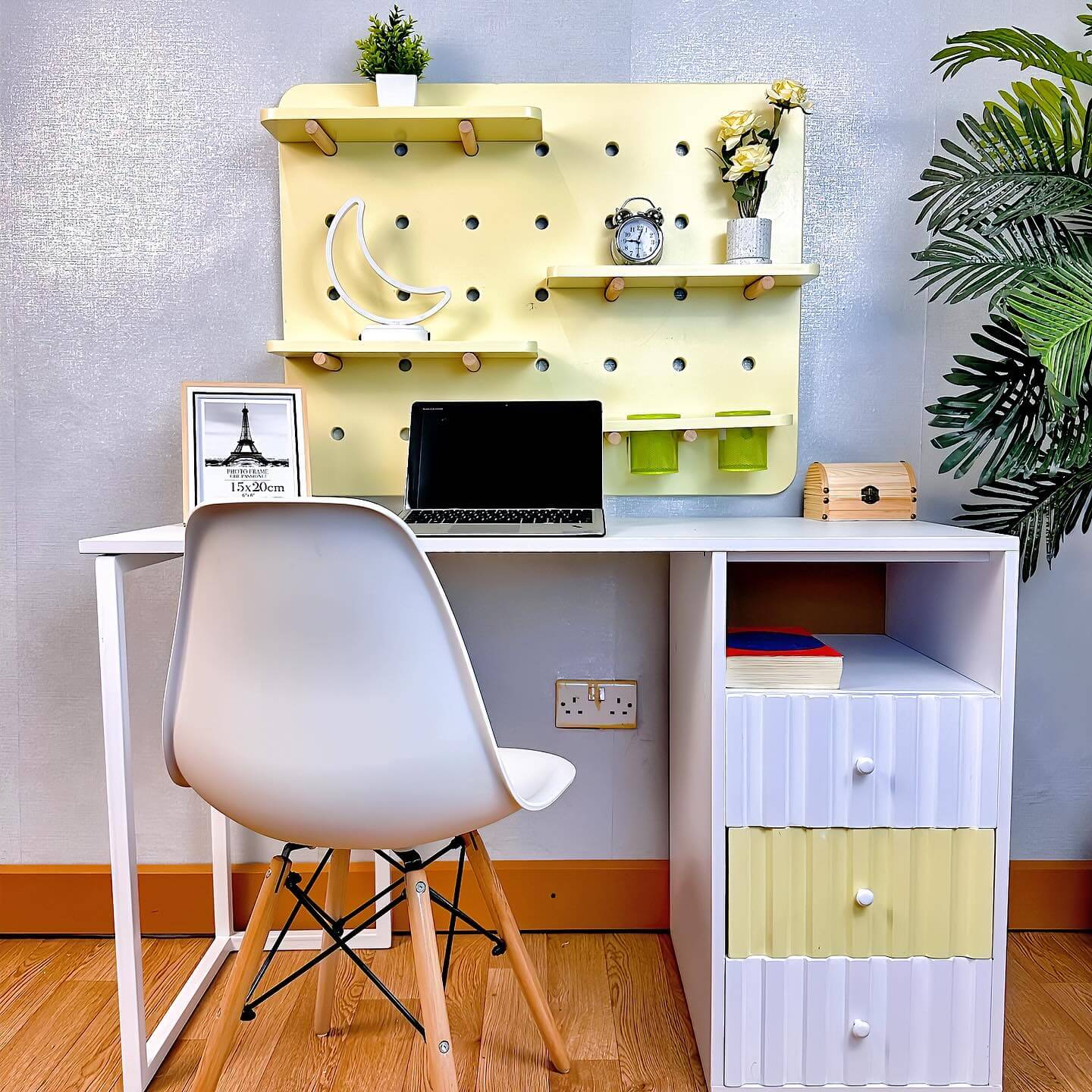
Kids work harder when progress is visible. Create a rotating “wins wall” that celebrates drafts, doodles, and A+ moments without turning the room into visual noise. Mount a slim gallery rail, a strip of cork, or a row of clipboards at your child’s eye level for easy self-curation. Limit display capacity intentionally—what’s up stays up for two weeks, then gets archived to a memory bin or scanned into a digital folder. Pair the gallery with a small goals card: one skill to practice, one habit to build, one project to complete. Add a magnetic strip for schedule badges (study, break, tidy) so kids can self-manage cycles. This setup feeds a growth mindset while keeping surfaces clear. It also invites conversation—“Show me what you’re proud of today”—turning the study room into a place where effort is visible and valued. Clean, simple, and empowering, a mini gallery transforms wall space into an engine for motivation.
Time Management Wall: Big Calendar, Visual Timers, and a Kid-Simple Task Board
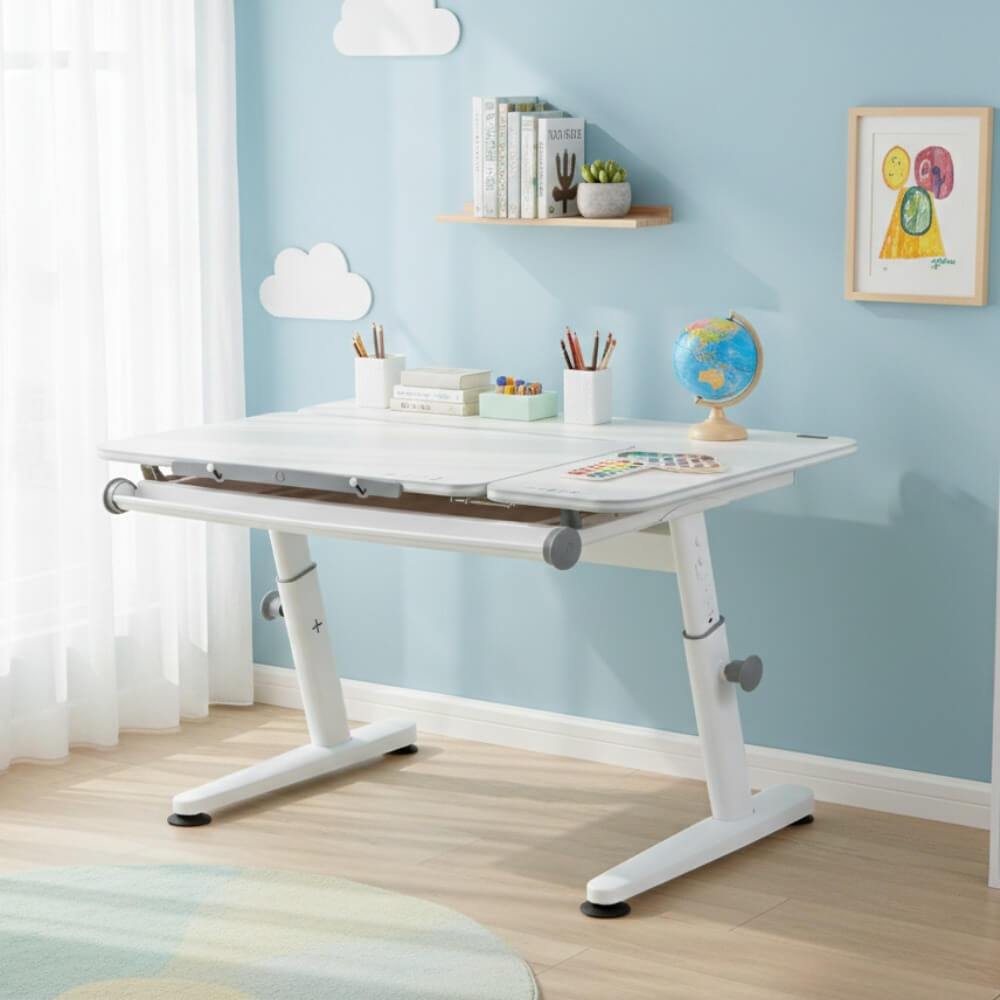
Executive function needs anchors kids can see. Dedicate a small wall to a monthly calendar, a weekly planner strip, and a visual timer. Use bold, high-contrast markers and color-code by subject or activity. Next to the calendar, mount a three-column task board—To Do, Doing, Done—so assignments flow visibly across the day. Keep cards short and action-based: “Read 15 pages,” “Copy vocab,” “Practice piano 10 min.” Add a “parking lot” space for ideas or teacher notes that shouldn’t interrupt focus. Place the analog-style visual timer on a nearby shelf, set for 20–30 minute sprints with 5-minute wiggle breaks. End each session with a single-minute reset: move cards, cap markers, and plug in devices. This simple command center builds independence, reduces nagging, and teaches kids to pace work—skills that grow with them from early readers to middle schoolers and beyond.
Sound Matters: Soften Noise for Deep Focus
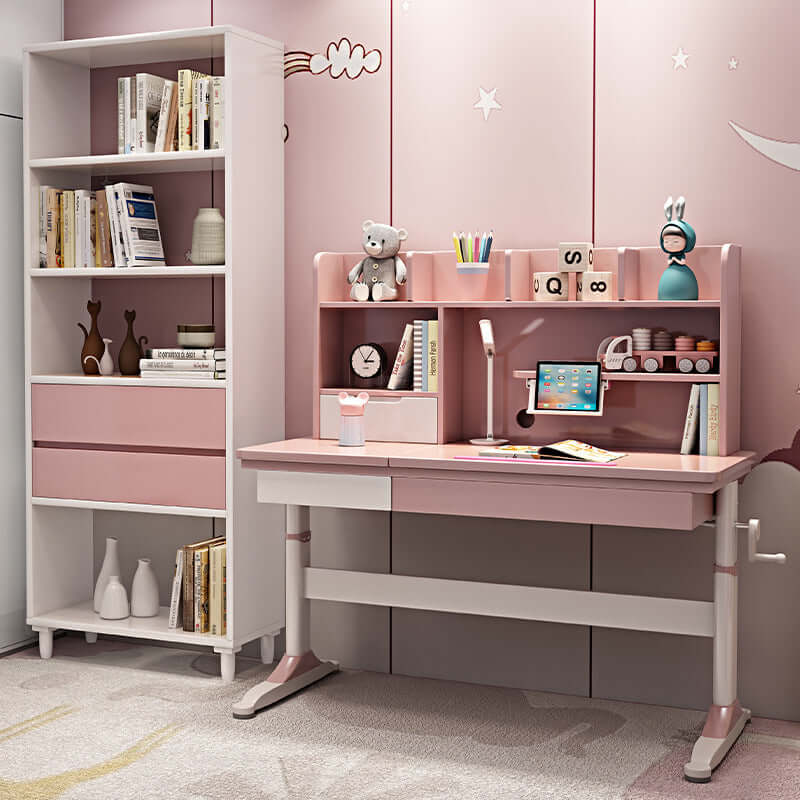
Acoustics are the hidden lever of concentration. Soften sound with a layered approach: a dense rug under the desk, fabric curtains, and felt pinboards that double as display and sound absorption. Add silicone or felt pads to chair and desk legs to stop scrapes, and consider a door sweep to block hallway noise. A small fan or pink-noise machine can mask household chatter without becoming a distraction. For high-energy learners or shared rooms, keep a pair of kid-safe earmuffs or over-ear headphones within reach and define “quiet hours” with a simple color signal card. Store noisy supplies—Legos, coin jars, marble runs—in lidded bins away from the work zone. The goal isn’t silence; it’s a soft, steady soundscape that helps brains switch into learning mode. Dialing in acoustics can be the difference between constant reminders and a child who can settle and stay.
Bring the Outdoors In: Plants, Natural Textures, and Sun-Savvy Shades
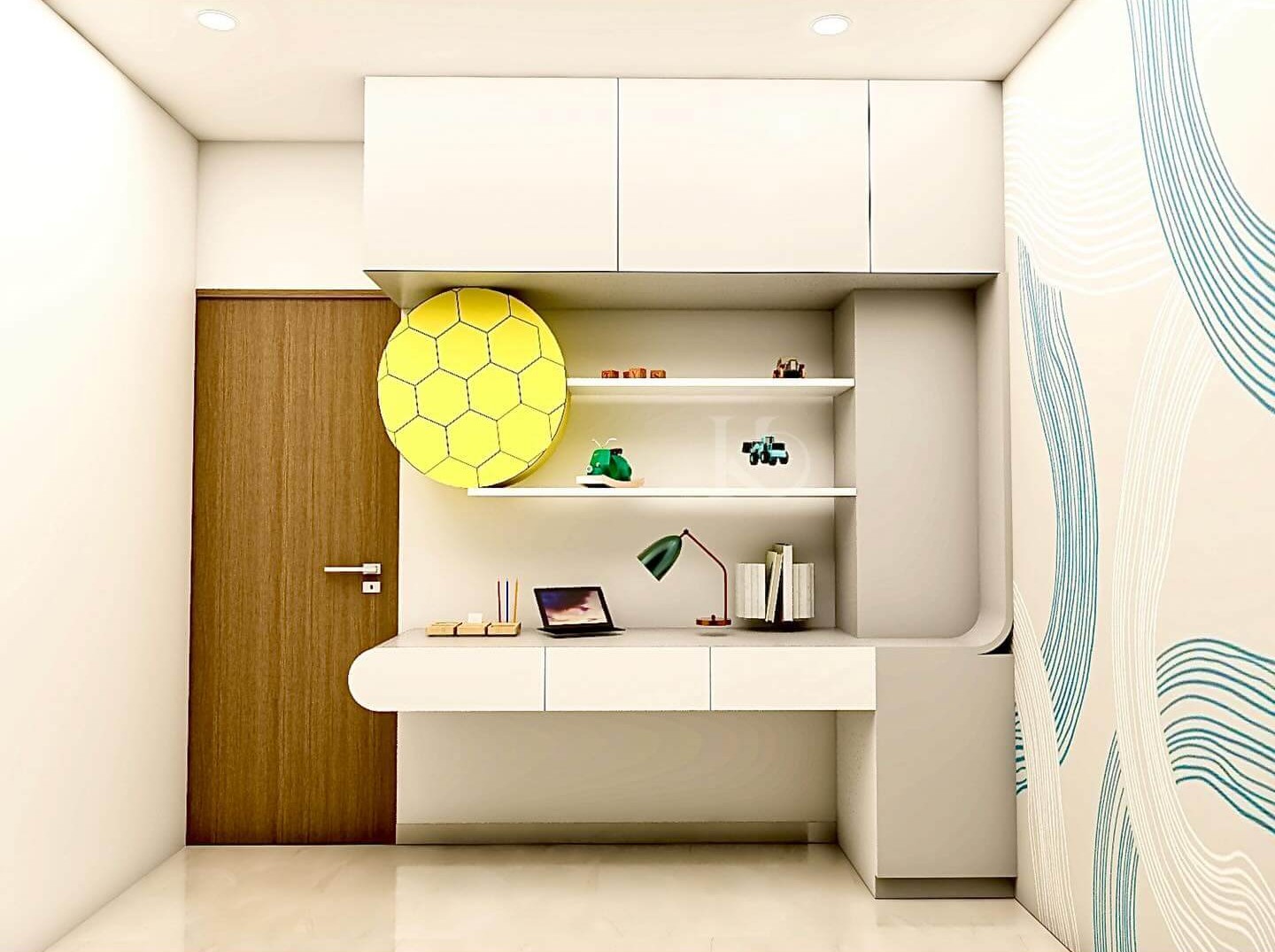
Nature cues calm, curiosity, and better attention—perfect for a kids study room. Add easy-care plants like pothos, snake plant, or a tiny fern on a shelf for a fresh, living accent. Pair greenery with natural textures: a wood-toned desk, woven baskets, cork, and linen to create warmth without clutter. Position the desk perpendicular to a window to enjoy daylight while avoiding screen glare, then layer simple roller or cellular shades to filter bright afternoon sun. A single nature print—constellations, insects, leaves—can spark questions and research projects that begin right at the wall. If plants aren’t possible, try a clear jar terrarium, pressed leaves in frames, or a small bowl of smooth “thinking stones” for tactile fidgets. These quiet biophilic touches make the space feel grounded and grown-up enough to last through the years, while still inviting children to look closer, ask why, and keep learning.
Movement-Friendly Seating: Wobble Stools, Floor Cushions, and Mini Standing Zones
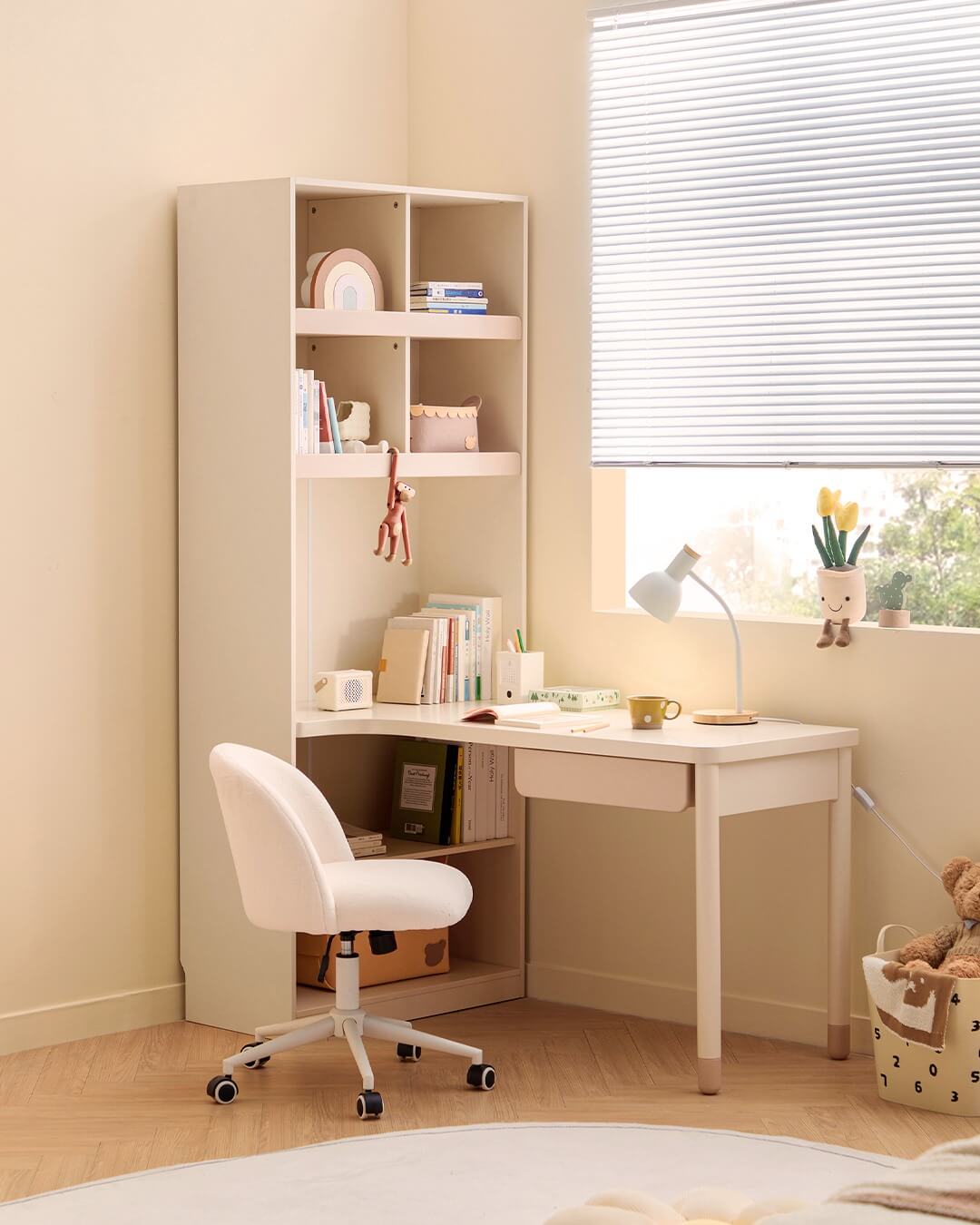
Many kids learn best when movement is part of the plan. Mix seating options so bodies can self-regulate without leaving the study room. A wobble stool or balance cushion offers subtle motion at the desk, while a floor cushion with a lap desk supports low, cross-legged work and reading. Add a small anti-fatigue mat and a riser for a quick standing station that shares the same surface, and loop a fidget band around chair legs for quiet feet. Post a three-step brain break card—stretch, sip, reset—near the timer to normalize micro-movement between tasks. Store all flexible seating in a single basket so the room resets fast. By designing for motion, you’ll reduce squirms, increase time-on-task, and create a children’s study space that adapts to different moods, subjects, and energy levels.
Hidden-but-Handy Paper Flow: Inbox/Outbox, File Boxes, and Memory Bins
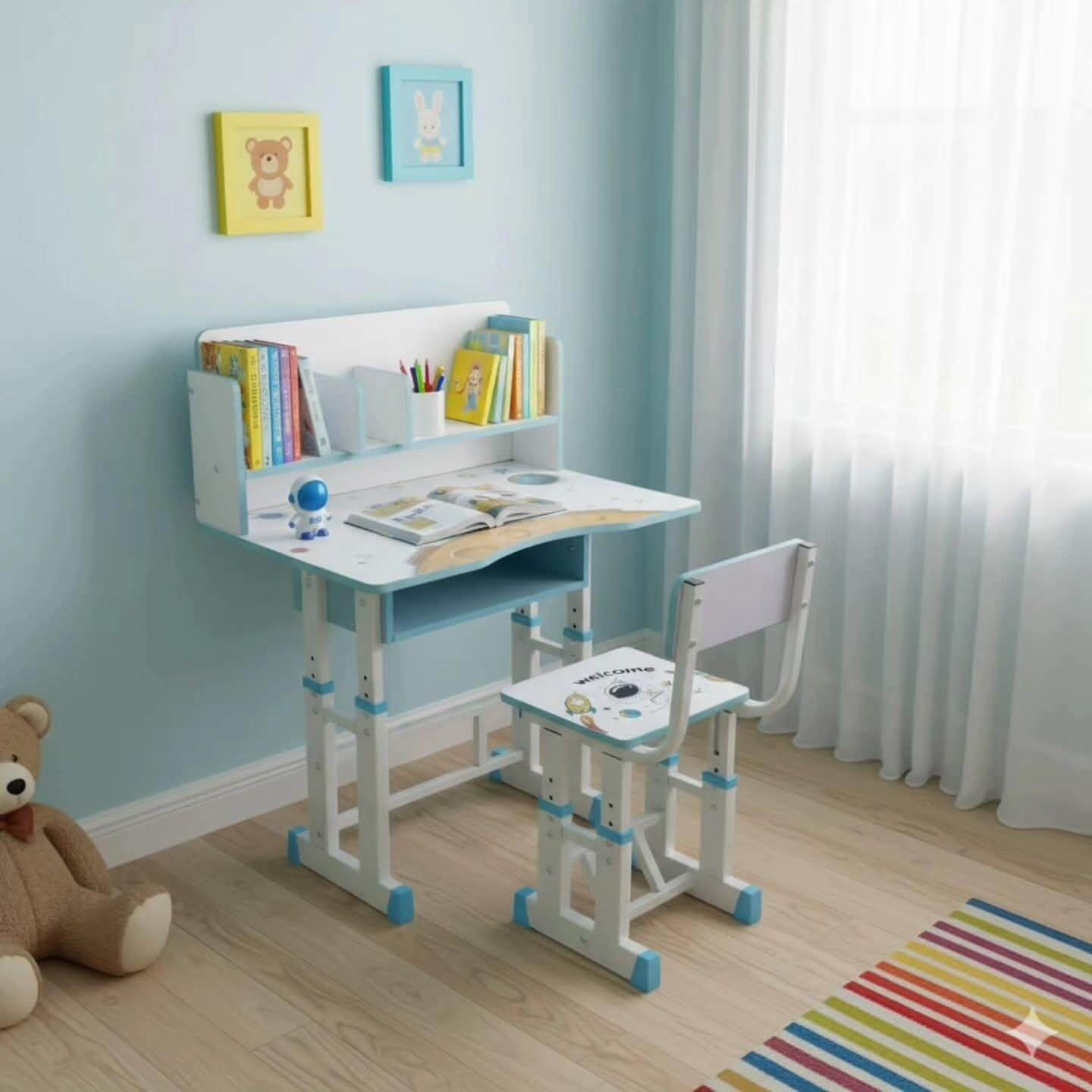
Stop paper piles before they start with a clear path: inbox, action, archive. Place an inbox tray at the desk for homework, forms, and library receipts. Add an outbox for “ready to pack” items so mornings are easy. Nearby, keep a portable file box with color tabs by subject (reading, math, science) and a “reference” section for study guides and logins. For art and keepsakes, designate a labeled memory bin per child—display favorites for two weeks on the gallery rail, then snap a photo and file the best. Post a simple weekly ritual: empty backpacks, sort inbox, file or recycle, restock paper. For younger learners, use icon labels; for older kids, include a checklist inside the inbox lid. This paper flow pairs beautifully with routines and labels while giving every sheet a home, preserving what matters and clearing the rest so the study area stays open for thinking.
Get the Fail-Safe Paint Color Playbook (Free PDF)
36 proven colors • 8 ready palettes • trim & sheen guide • printable testing cards.
Grow-With-Me Layouts: Modular Pieces That Adapt from Kinder to Teen
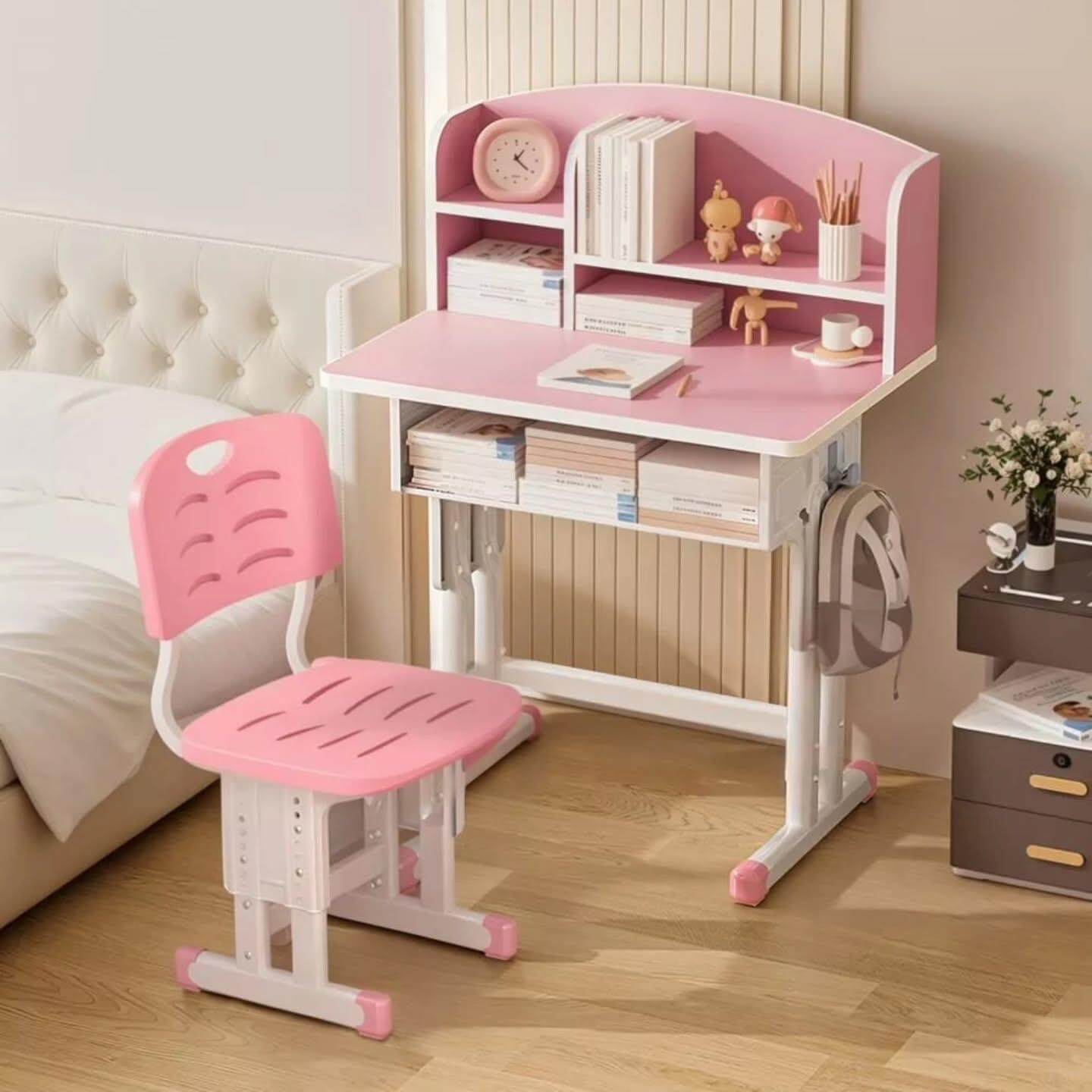
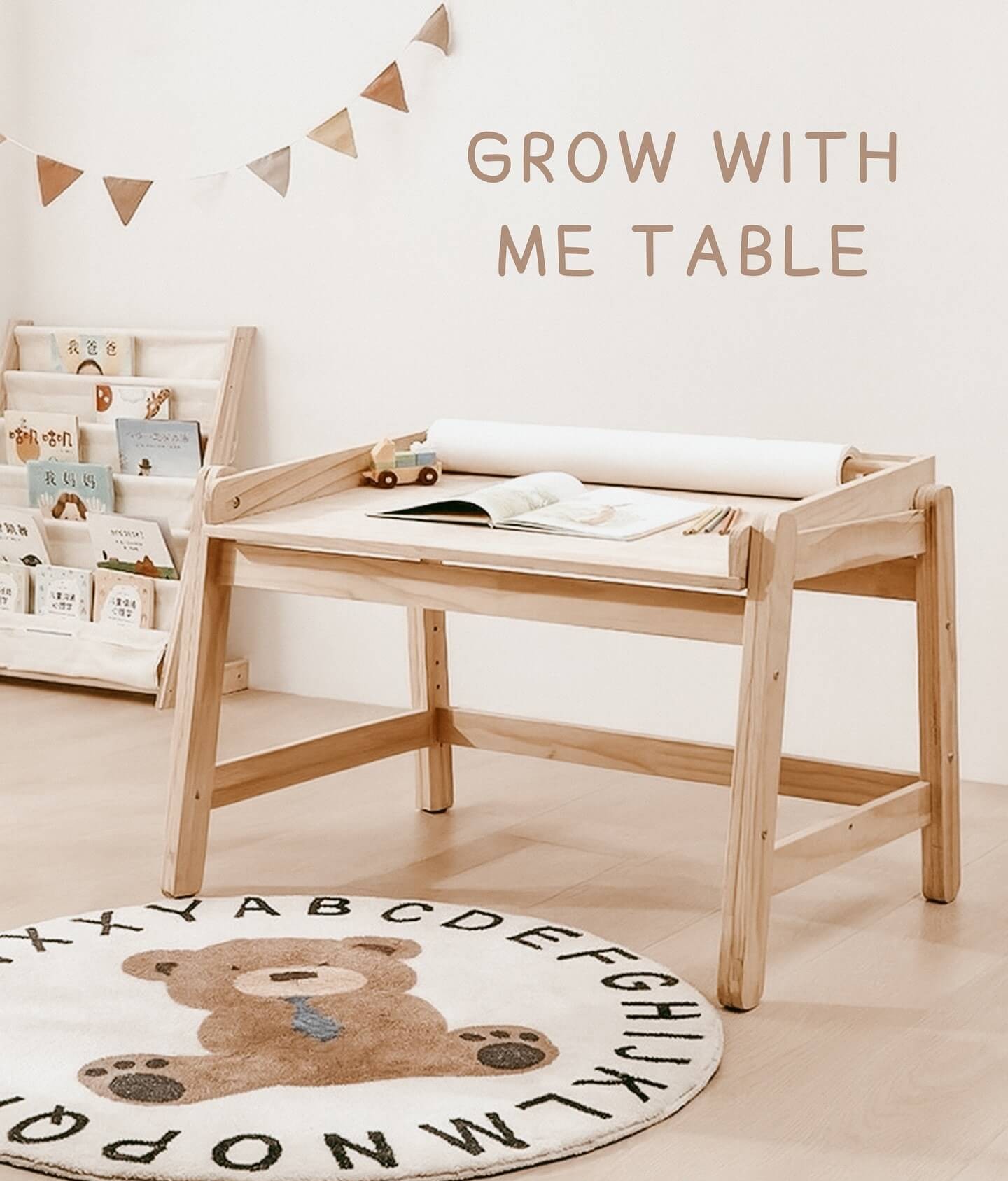
Design once, evolve often. Choose a desk with adjustable legs or a sit/stand converter so height keeps pace with growth spurts. Look for modular add-ons—a clip-on drawer, a pegboard hutch, shelf risers—so storage can shift from crayons and sight words to laptops and lab reports. Invest in neutral, durable big pieces and swap the accents: chair color, pinboard fabric, task lamp shade. Keep core zones consistent (work, read, create) but allow the footprint to flex with rolling carts and stackable bins. When siblings share, plan mirrored stations with personal touches to reduce friction. Build in cable pass-throughs and a discreet charging shelf so tech stays tidy now and later. A grow-with-me mindset saves money, shrinks waste, and ensures your kids study room ideas stay relevant—supporting independence in elementary school and focus for high school grind sessions down the road.
Layered Lighting That Learners Love: Task, Ambient, and Accent
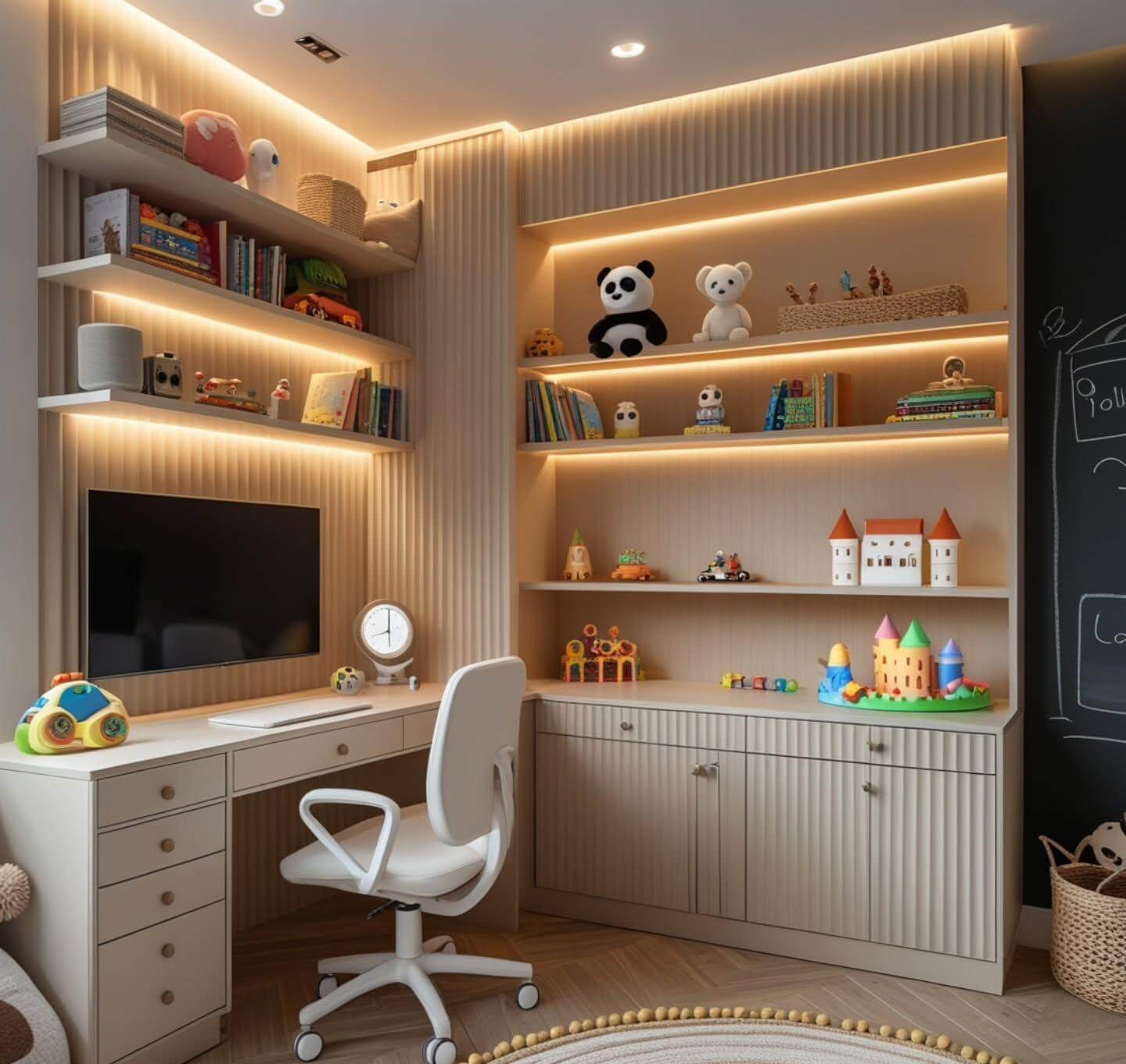
Great study habits start with great light. Build a layered lighting plan so kids can see clearly without squinting or shadows. Start with ambient light (a ceiling fixture or flush mount) to even out the room. Add a focused task lamp with a swiveling head at the desk; place it on the opposite side of your child’s writing hand to reduce cast shadows. Choose LED bulbs with 3500–4000K color temperature for homework hours (alert but not harsh) and aim for CRI 90+ so colors in art and science projects look true. Under-shelf or under-cabinet LED strips create glare-free illumination across the work surface. Finally, a small accent glow—like a wall sconce or bookcase light—adds warmth and cues wind-down at night. Use dimmers or a smart plug to shift from “study bright” to “evening calm.” If a computer is in the setup, angle screens away from windows and use solar shades to tame midday glare. Tidy cords with adhesive clips along the lamp arm or desk underside. Together with your color palette and ergonomics, lighting is the quiet MVP that reduces eye strain, improves focus, and makes the kids study room inviting every single day.
Closet-to-Study Nook: A Quiet Cave for Big Thinking
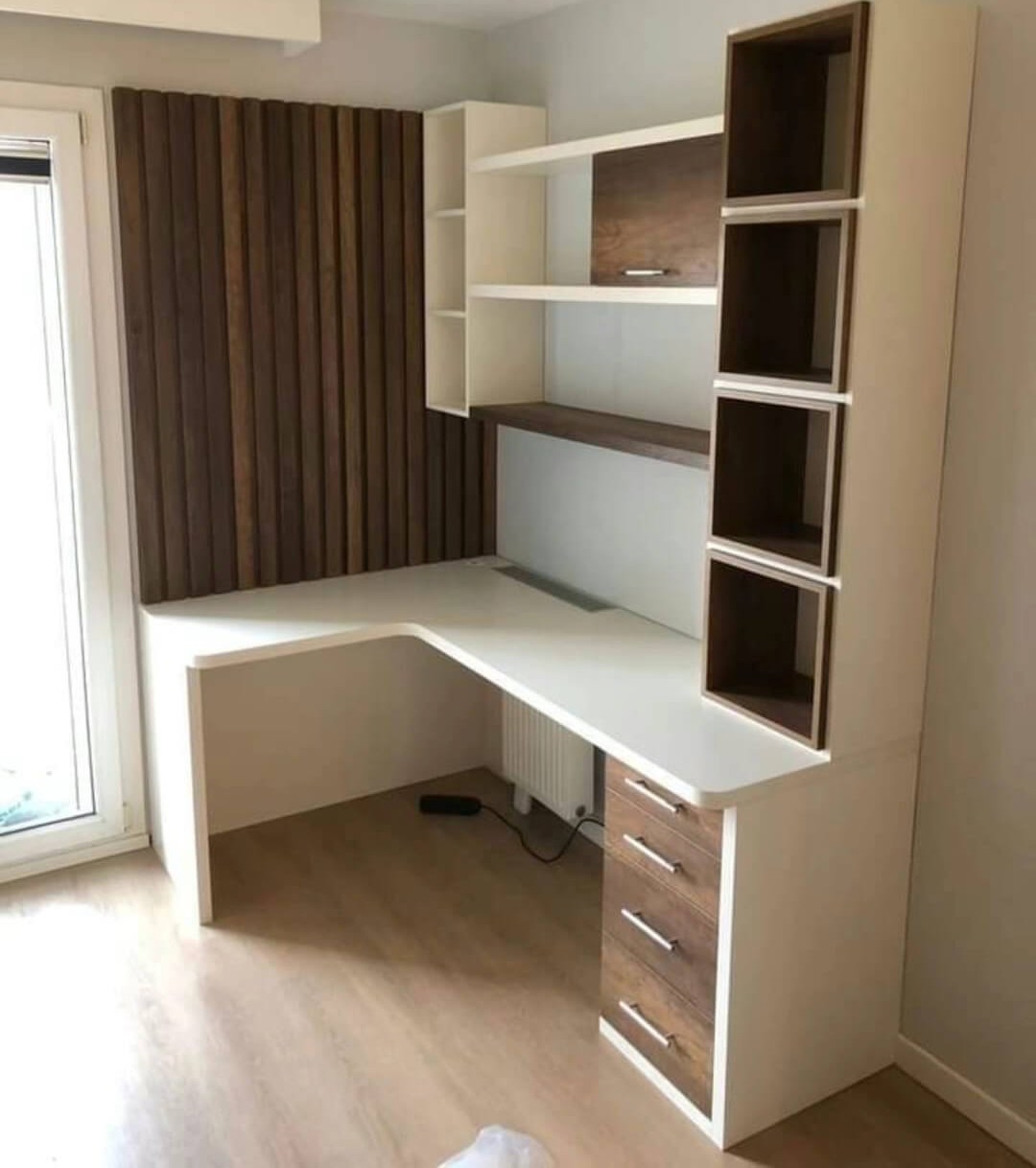
No spare room? Turn a closet or alcove into a calm, built-in study nook. A desktop cut to fit (butcher block or plywood with edge banding) supported by wall cleats or sturdy brackets instantly makes a custom desk. Target 20–24 inches deep for writing space and about 25–28 inches high for younger kids (adjustable legs let it grow). Float shallow shelves above for books and labeled bins, but keep the first 18 inches clear above the desktop for head room. Paint the interior a soft neutral to reduce visual noise, then add a task sconce or puck lights on a switch for crisp illumination. A curtain or bifold doors can close for “focus mode” and open for ventilation. Add a power grommet and surge protector for safe charging, and a cork strip at eye level for checklists and motivation—tying into your time management wall outside. If depth is tight, use a flip-down keyboard tray or a narrow writing ledge plus a rolling cart that tucks underneath. This small, dedicated homework station signals “study time,” contains clutter, and keeps the rest of the bedroom peaceful.
Get the Fail-Safe Paint Color Playbook (Free PDF)
36 proven colors • 8 ready palettes • trim & sheen guide • printable testing cards.
Side-by-Side Sibling Station: Shared Desk, Personal Space
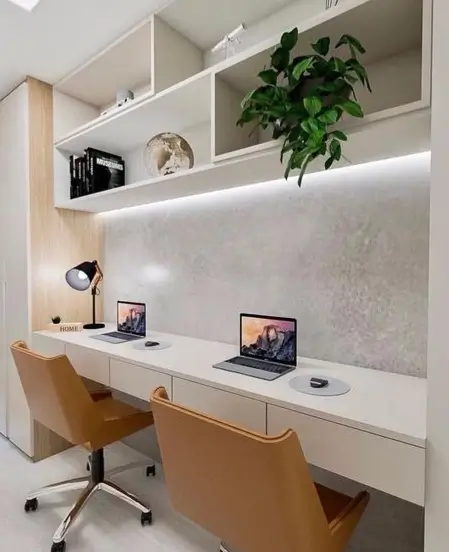
When two learners share, plan a double desk that supports togetherness without distractions. Aim for 60–72 inches of width so each child has at least 30 inches of personal workspace. Add subtle separators—low privacy panels, a center shelving tower, or even a line of plants—to reduce visual cross-talk while keeping conversation possible. Give each child a task lamp, a headphone hook, and a personal pinboard to mirror the display-driven motivation system elsewhere in the room. Color-code supplies and drawers so there’s no mystery about what belongs to whom. A shared middle shelf can host a printer, communal caddies, and the family timer. If noise escalates, introduce soft furnishings and a short “quiet sprint” routine (15–20 minutes on, 5 minutes off) backed by the big wall calendar for accountability. For tight spaces, consider two narrow wall-mounted desks with a slim rolling cart that parks between them. This layout encourages teamwork, respects individual styles, and makes after-school homework feel fair, organized, and predictable.
Pegboard Productivity Wall: Vertical Storage Kids Can Reconfigure
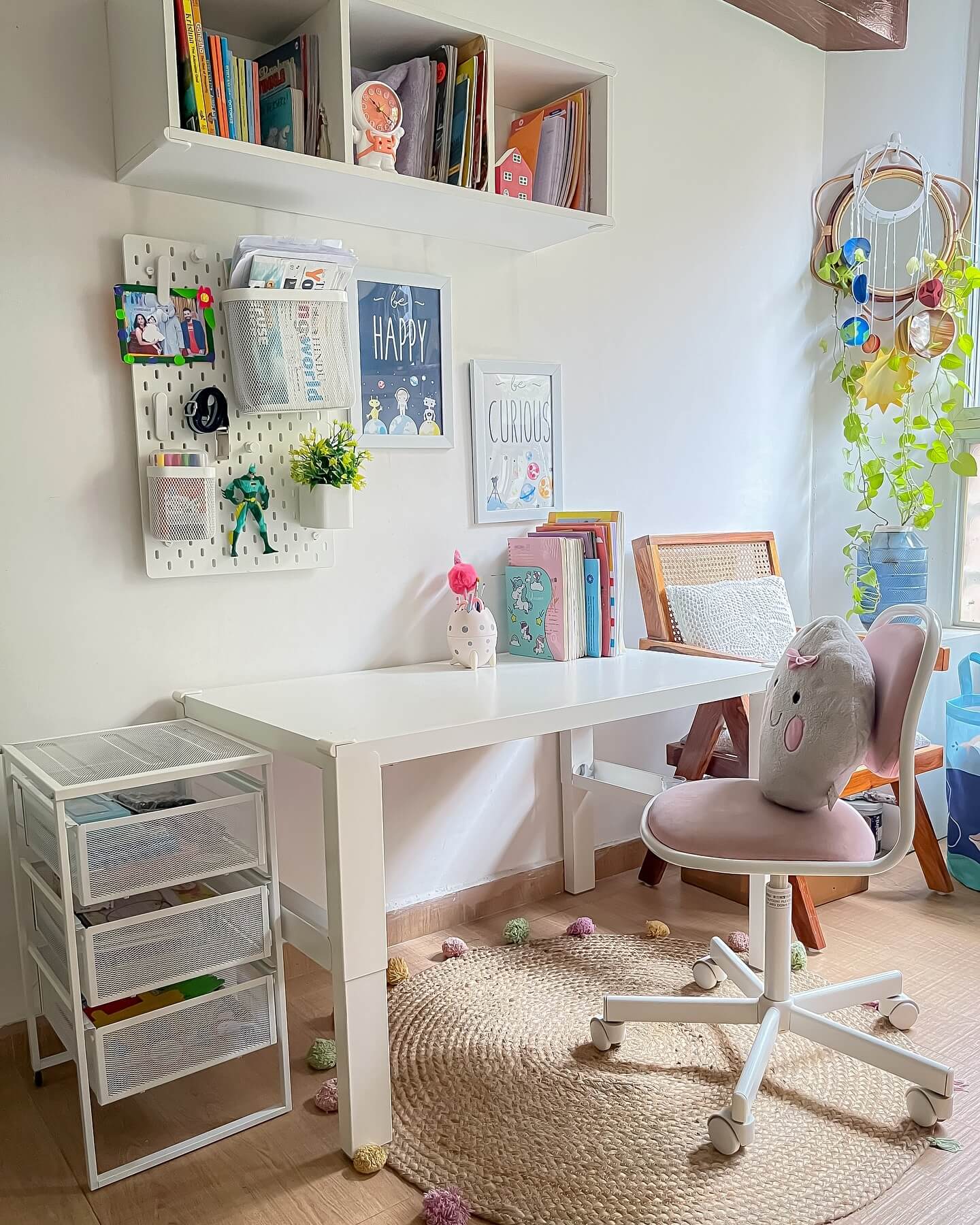
Turn vertical space into a flexible organizing system with a pegboard or slatwall. Mount panels on furring strips so hooks seat firmly, and anchor into studs for safety. Mix shelves, cups, and baskets for pencils, scissors, calculators, and flashcards; add a small rail for headphones and a bin for index cards or timers. Zone the board into study essentials, art tools, and “grab-and-go” supplies, echoing the routines and labels you’ve already set up. As kids grow, the layout shifts in minutes—swap crayons for compass sets, sight-word cards for science supplies. Keep the desktop clear by hanging charging cords and rulers, and post mini checklists at eye level. Use photo labels for early readers and written labels for older kids. If you love a clean look, paint the board to match your study-ready color palette and choose matching hardware. This high-impact, budget-friendly wall reduces clutter, speeds up clean-up, and keeps everything visible—so kids can actually find what they need, when they need it.
Screen-Smart Charging Bar: Safe Power and Healthy Tech Habits
Create a central, safe charging zone to corral devices and support good screen routines. A narrow shelf or console with a cable grommet and a surge protector (overload and child-safety features are a plus) becomes a family tech dock. Use a cable management box and braided, color-coded cords (USB-C, Lightning, micro USB) with numbered tags that match each device slot. Ventilate the area—no stacking tablets under pillows or in closed bins—so batteries stay cool. Establish “parking hours” on your time management wall: devices check in during homework breaks and overnight. Include a small bin for calculators, e-readers, and headphones, and a standing charger for a desk lamp or task light. For small rooms, mount a shallow wall shelf near the study station to keep cords off the floor and sightlines clean. This simple addition keeps the kids study room tidy, reduces cord clutter, and reinforces healthy tech boundaries that protect focus and sleep.
Maker Zone That Manages Mess: Art, STEM, and Craft Storage
Balance creativity with control by carving out a maker zone distinct from the homework desktop. Choose a wipe-clean table or vinyl mat, then mount a paper roll or kraft dispenser for instant sketching. Store materials in clear, lidded bins with photo labels: one each for markers, paint, glue, clay, robotics parts, and recyclables. A lazy Susan caddy keeps high-use items centered and shareable. Add a wall-mounted drying rack and apron hooks to protect clothes. Define “wet” and “dry” areas with trays, and keep a stack of microfiber cloths at the ready for fast resets. To prevent overload, set a capacity rule: one project out per child, one bin per shelf space—when it’s full, it’s time to edit. Post simple clean-up steps on the wall, just like your task board, so independence grows alongside skills. With the right storage and routines, the creative corner fuels curiosity without swallowing the rest of the kids study room.
Window-Wise Desk Placement: Sun, Shade, and Zero Glare
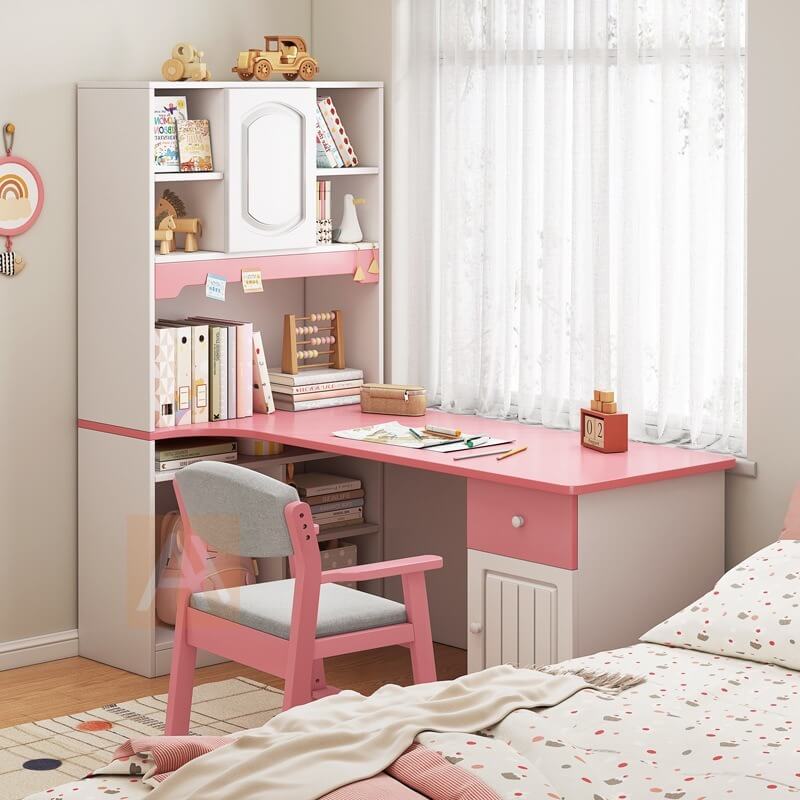
Natural light boosts mood and focus, but glare derails reading and screens. Place the desk perpendicular to the window so daylight falls sideways across the work surface. If your child is right-handed, window on the left is ideal; flip for left-handed writers to minimize shadows. Install top-down/bottom-up shades or solar roller blinds to cut midday brightness while preserving views. Pair daylight with a 3500–4000K task lamp aimed at a 30-degree angle to the desktop; this combo reduces eye strain as clouds pass and evenings creep in. For screens, keep monitors at right angles to windows and consider anti-glare filters. Add a small plant on the sill—linking back to your “bring the outdoors in” approach—to soften the scene and subtly mark the study zone. Finally, minimize reflective surfaces on the desk (glossy tops can bounce sunlight) and tether cords neatly along the underside so nothing dangles in the light path. The result: clear pages, comfortable eyes, and fewer “I can’t see!” interruptions.
Under-the-Loft Homework Hub: Maximize Vertical Space
Going vertical frees floor space for play while carving out a concentrated study zone. If you have a loft bed, plan a desk beneath with at least 52–60 inches of head clearance so kids can sit and stand comfortably. A shallow, wall-mounted desktop (18–22 inches deep) keeps the footprint light, while floating shelves handle books and labeled bins. Add sconce lighting or under-loft LED strips to counter shadows—layered with a focused task lamp for reading and writing. Use a cable raceway and a mounted power strip with surge protection to keep cords contained and off the floor. Soft panels on the back wall help absorb sound, tying into your sound-smart strategy for deeper focus. A narrow rolling cart can slide out for art sessions or test prep, then tuck back in. Anchor all tall pieces to studs for safety. This nook feels like a secret studio—compact, calm, and perfectly scaled to kids—so the rest of the room stays open and clutter-free.
Book Nook Magic: A Cozy Reading Corner That Builds Daily Habits
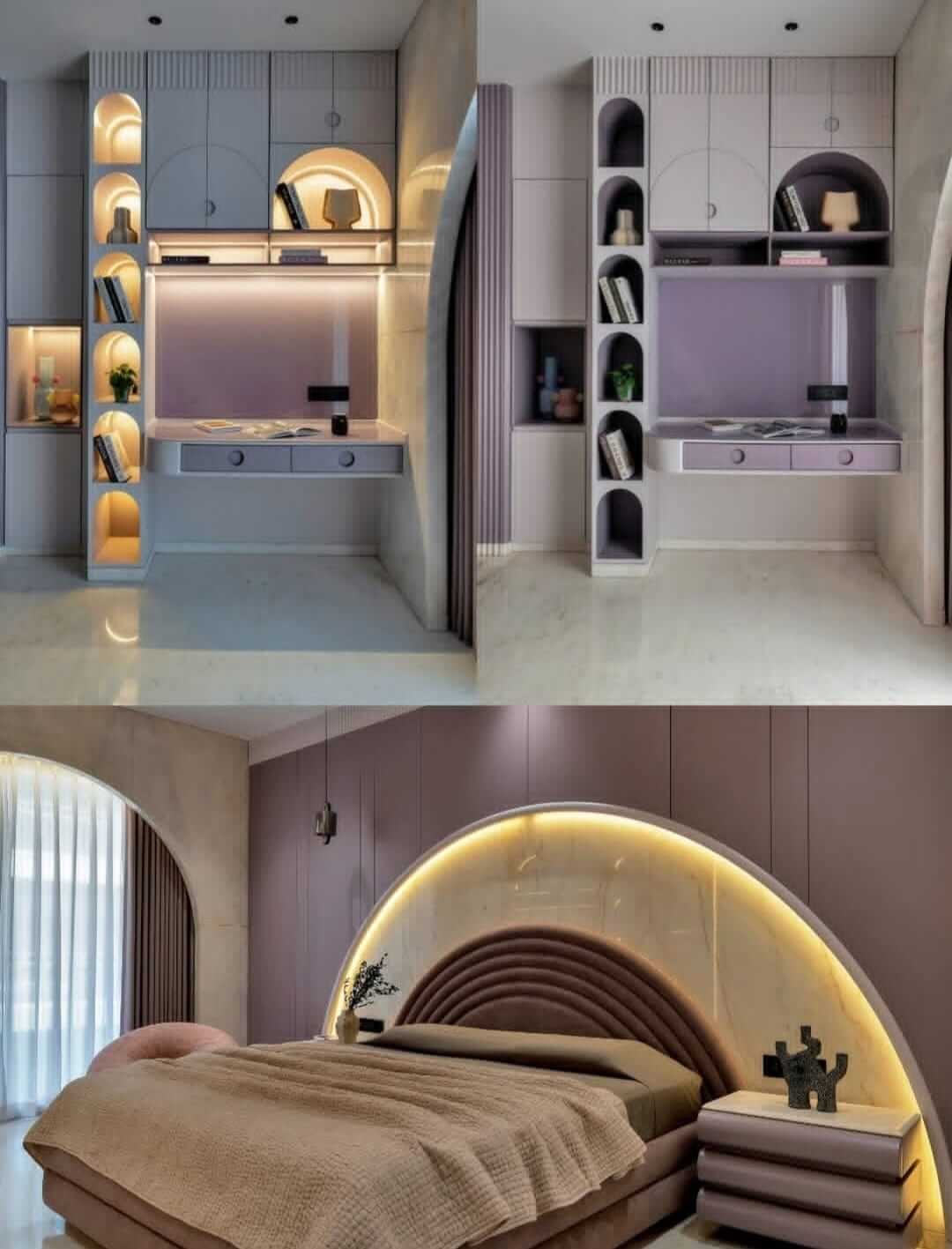
Every kids study room benefits from a dedicated reading retreat—a small, cozy space that invites daily pages. Layer soft seating (a floor cushion, small rocker, or beanbag) with a low side table for a bookmark jar and a warm, focused lamp. Front-facing book ledges put covers on display and make independent selection easy for early readers. Sort titles into a few themed baskets—current school topic, just-for-fun fiction, and “challenge reads”—so choice feels guided, not overwhelming. Add a simple reading tracker on the wall and keep a visual timer nearby to support 15–20 minute reading sprints. A plush, low-pile rug helps zone the corner and dampen noise; a lightweight canopy can add magic without blocking light. Rotate a handful of books weekly from a hidden shelf or memory bin so the nook always feels fresh. When reading is comfortable, convenient, and celebrated, kids naturally linger—and comprehension, vocabulary, and confidence follow.
Zone Your Room: Rugs, Color Blocking, and Clear Pathways
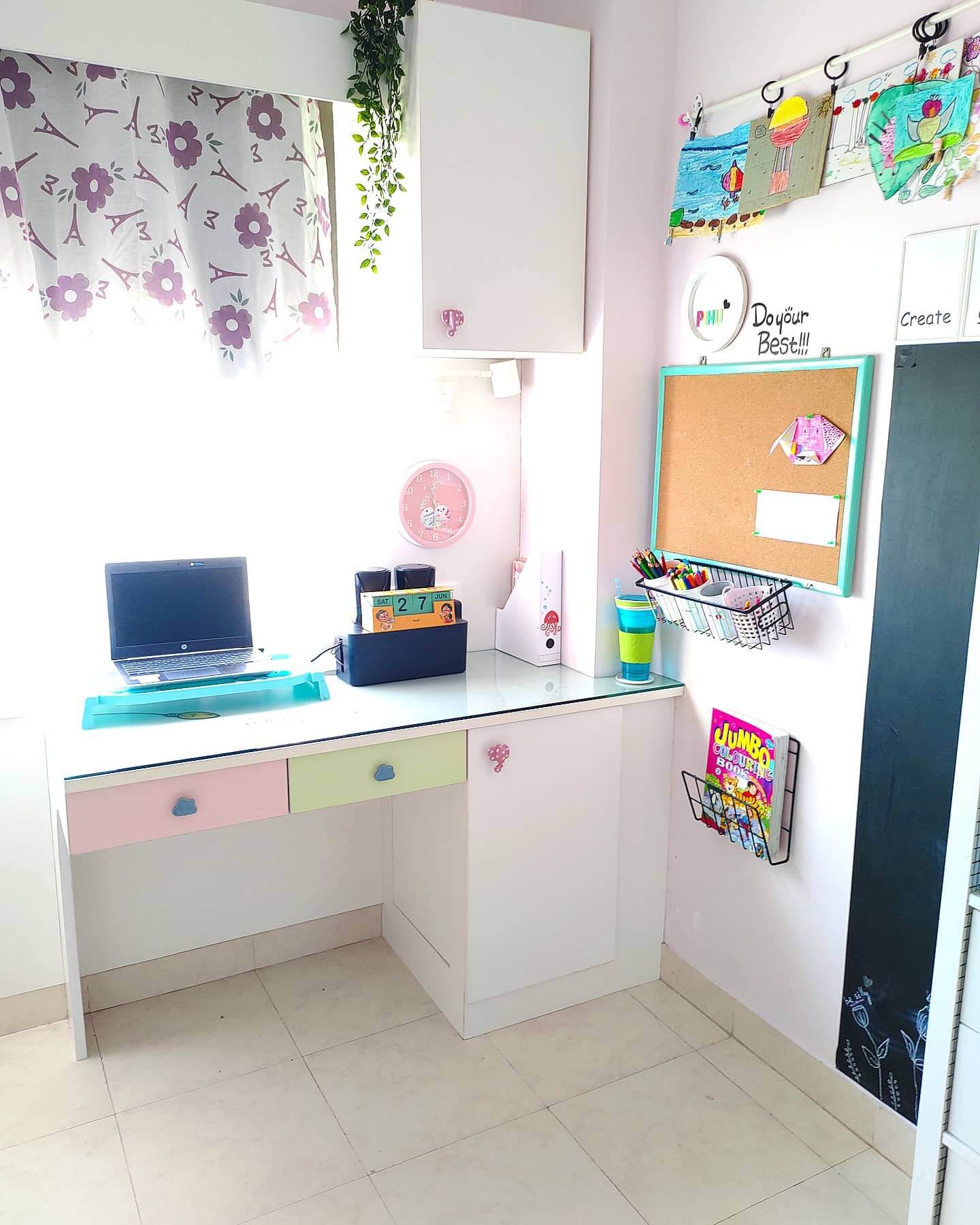
If one room handles study, making, and relaxing, zoning preserves calm. Use low-pile rugs to mark distinct areas—desk, maker table, and reading nook—so kids know where each activity happens. Echo those zones with gentle color blocking: a painted stripe behind the desk, a cork or chalk wall in the creative corner, and soft neutrals in the reading retreat. Keep a clear pathway from door to desk to reduce friction at homework time, and position the “work triangle” (desk, supplies, reference books) within a few steps. Mount slim shelves vertically instead of spreading storage wide; closed bins hide visual noise while a small “inbox” stays visible for daily papers. Add floor cable covers across any crossings to prevent trips and tangles. Finish with consistent labels and icons, tying back to your routines-and-resets system. Thoughtful zoning turns a multifunctional kids study room into an easy-to-use environment where everything has a home—and tidying takes minutes.
Sit-Smart Setup: Kid-Friendly Ergonomics for Confident, Comfy Study
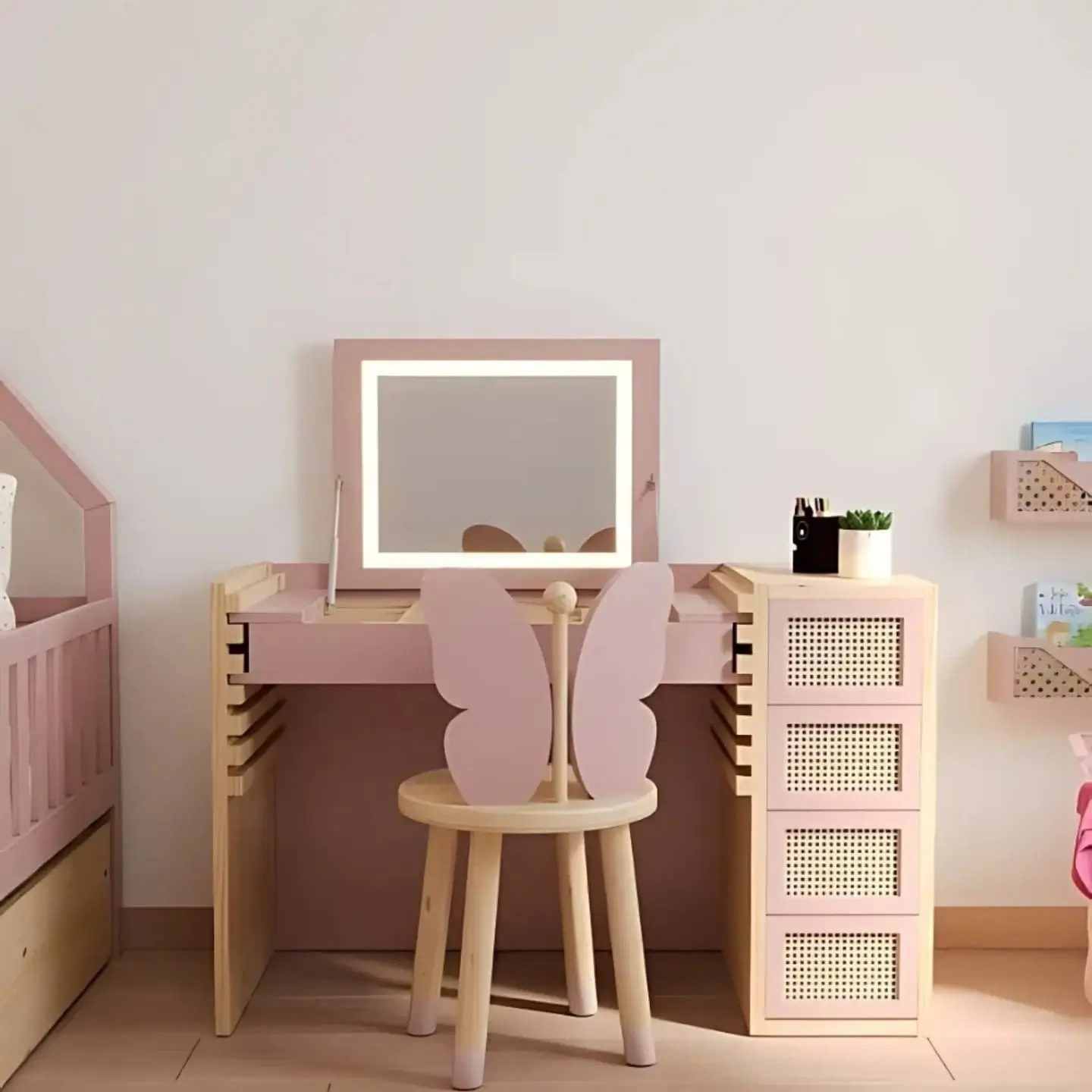
A focused mind starts with a comfortable body. Size the study desk and chair to your child—not the other way around. Aim for 90–90–90 posture: hips, knees, and ankles at right angles, shoulders relaxed, and forearms parallel to the desk. If feet dangle, add a simple footrest (a sturdy box works) to create a stable base. For laptop learners, elevate the screen so the top sits at or slightly below eye level and pair it with an external keyboard and mouse to protect wrists and necks. A sloped writing board reduces hunching for handwriting and art.
Choose an adjustable task chair with supportive padding and a seat depth that allows a fist’s space behind the knees. Mix in healthy movement with a wobble cushion or a sit/stand riser for periodic posture changes. Keep lighting glare-free and position screens perpendicular to windows to reduce eye strain. Finally, teach mini-break habits: every 25–30 minutes, stand, stretch, sip water, and reset. These ergonomic tweaks turn a kids study room into a homework station that supports stamina, better handwriting, and calmer focus—so learning feels easier and more enjoyable day after day.
Calming the Clamor: Sound and Sensory Strategies That Boost Focus
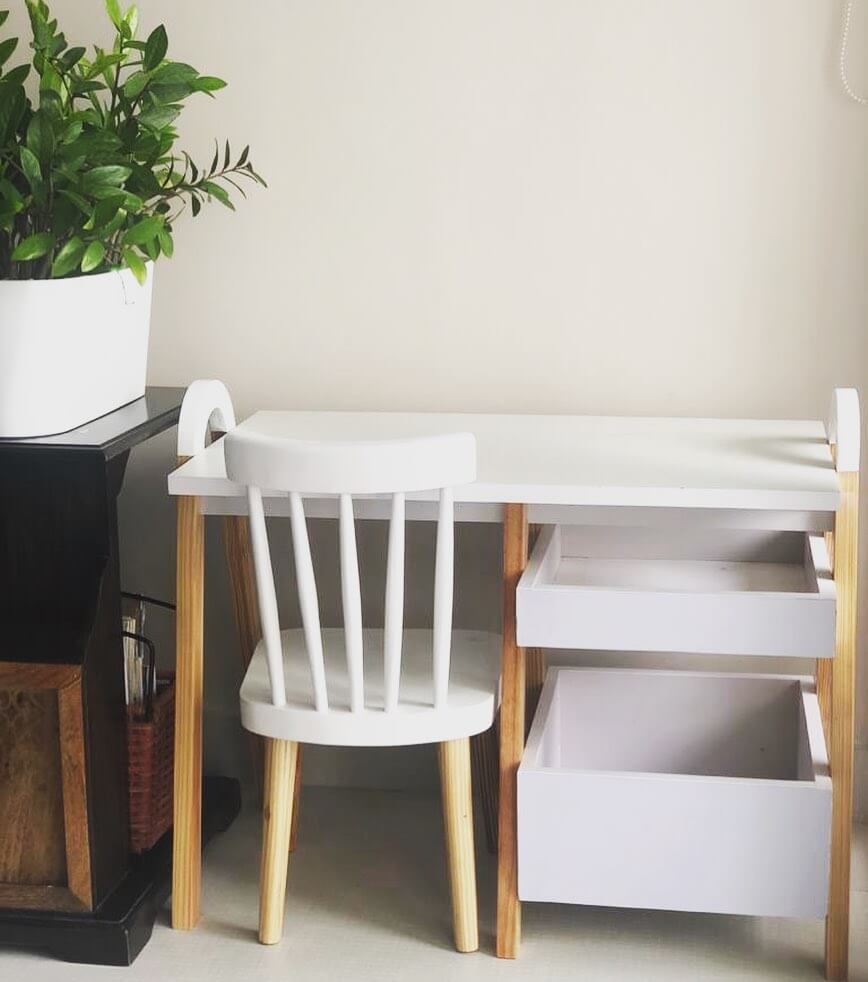
Even a beautiful kids study room can feel distracting if it’s echoey or visually busy. Soften sound with layered textiles: a dense rug and pad, lined curtains, and upholstered seating absorb chatter and chair scrapes. Add a cork or felt pinboard, fabric wall hangings, or slim acoustic tiles; even a filled bookcase acts like a sound baffle. Seal the door sweep and use felt pads under furniture to quiet movement. For shared spaces, keep child-safe, volume-limited headphones on hand and set a low white-noise backdrop to smooth out household hum.
Tame “visual noise” just as intentionally. Use closed bins for supplies and stick to a simple, repeatable color palette so the eye can rest. Create a small “focus kit” basket—timer, stress ball, chew-safe pencil topper, and calm-down cards—so kids can self-regulate without leaving the desk. A subtle diffuser with citrus for energy or lavender for calm can cue routines, while a small desk plant (pothos, snake plant) adds nature and muffles sound. Together, these sensory supports make a homework corner, reading nook, or sibling station feel grounded—helping kids transition from play to study and stay in the zone longer.
Plan-It Wall: Whiteboard Calendar, Visual Schedules, and Kid Kanban
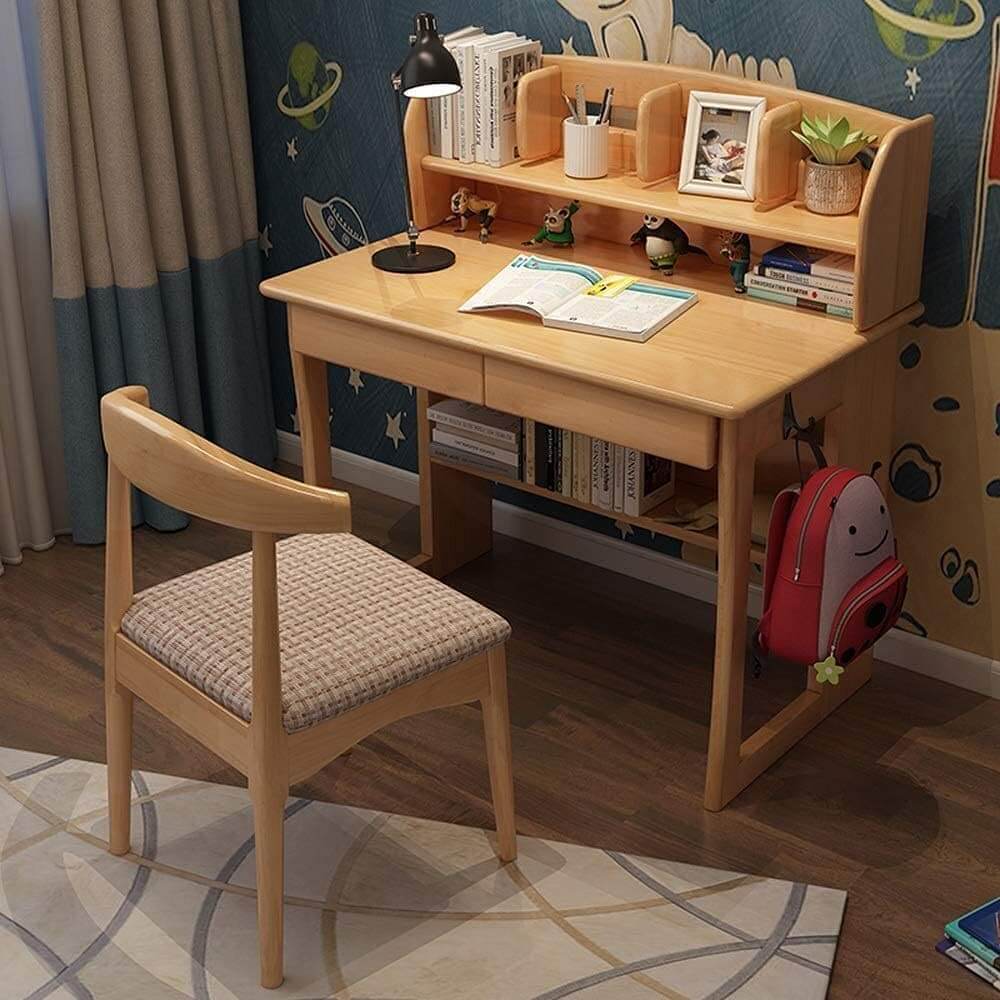
Turn one vertical surface into the brain of your kids study room. Mount a large whiteboard or magnetic glass board and split it into three zones: a color-coded monthly calendar, a weekly planner, and a simple Kanban (“To Do / Doing / Done”) lane. Younger learners can use icons and stickers; older kids can batch tasks by subject. Keep daily goals tiny—three wins per day—so momentum builds. Add a small analog clock nearby to teach time blocking and pair it with a silent visual timer for work/break cycles.
Use magnets for assignment lists, reading logs, and test dates, and park markers in a caddy so updates are easy. Snap a phone photo of the board at the end of the day to share with caregivers or reference on the go. Tie this wall into your paper flow system with a Friday “File-and-Reset” ritual: clear the Done column, archive graded work, and prep next week’s priorities. The result is a homework command center that makes expectations visible, decisions faster, and progress motivating—turning routines into habits and habits into confidence.
Ergonomic Furniture, Lighting, and Organization Ideas for Kids Study Rooms
Right-sized furniture prevents fidgeting and fatigue that derail focus. Select a height-adjustable desk with a tilting surface for handwriting and sketching, paired with a supportive, child-size chair. Look for chairs with lumbar support, adjustable seat height, and a footrest to stabilize shorter legs. Prefer rounded edges, matte surfaces that cut glare, and durable laminates that resist marker stains. Add built-in cable grommets or under-desk trays so laptops and lamps plug in neatly without snags.
Layered lighting keeps eyes comfortable across tasks and times of day. Combine ambient overhead light with focused task lamps at the desk and softer accent lighting for winding down. Choose neutral-white 4000–5000K bulbs with high CRI for true colors in art, maps, and models. Place task lights opposite your child’s writing hand to reduce shadows while reading, tracing, or coding. Manage daylight with adjustable shades to balance natural brightness without glare on screens or glossy pages.
Smart Furniture, Lighting, and Organization:
- Pick a height-adjustable desk (22–30 inches) with tilting top for writing and drawing, pairing a child-size ergonomic chair, breathable fabric, and a footrest to stabilize dangling legs.
- Use matte LED task lamps with 4000–5000K neutral white light and high CRI to reveal true colors, preventing eye strain during reading, coloring, or detailed STEM projects.
- Organize supplies by workflow: a top drawer for daily tools, pegboard for vertical access, rolling cart for projects, and file boxes color-coded by subject or activity.
- Manage cables with adhesive clips, under-desk trays, and short braided cords, labeling each plug; add a surge protector with childproof covers to keep devices safe, tidy, and accessible.
Color can tune mood and attention: soft greens and blues calm, while cheerful accents signal energy without overstimulating. Hang pinboards or magnetic strips at kid height to display wins and keep reference sheets visible. Add felt tiles or curtains to tame echoes, improving comprehension during read-alouds and video lessons. Establish a tidy routine: five-minute daily reset, weekly supply check, and monthly purge of finished papers. Decant crayons, flashcards, and Lego robotics parts into labeled containers, making cleanup intuitive and replenishment effortless.
Quick Answers for Designing Study-Ready Kids Spaces
What size should a kids study desk be?
Aim for 36–48 inches wide for a single learner, or 54–60 inches for two. Prioritize depth of 22–28 inches to fit a laptop, workbook, and task lamp comfortably.
How can I keep siblings from distracting each other?
Use separate zones or a shared T-shaped desk with divider panels and individual lamps. Add soft furnishings and white noise to blur chatter while keeping supervision easy.
Get the Fail-Safe Paint Color Playbook (Free PDF)
36 proven colors • 8 ready palettes • trim & sheen guide • printable testing cards.
What lighting is best for homework and screens?
Pair ambient lighting with a matte-shaded task lamp using 4000–5000K bulbs and high CRI. Position lights opposite the writing hand and manage daylight with adjustable shades.
How do I maintain organization long-term?
Build simple routines: five-minute daily reset, weekly supply top-ups, and monthly paper purges. Label bins with words and icons so kids can tidy independently and consistently.
Final Verdict: Create a Study Space That Grows with Your Child
A great kids study room pairs function with joy. When you zone the space for work, reading, and creativity, layer lighting for focus and comfort, and right-size ergonomics for growing bodies, you build a homework station that feels good to use every day. Add flexible storage, a calm color base with cheerful accents, and a few display moments to keep motivation visible—and you’ve set the stage for consistent, low-stress learning.
You don’t need a big budget or a spare room to make it happen. Wall-mounted desks, pegboards, carts on wheels, and closet nooks turn tight corners into high-performing study hubs. Thoughtful tech management, a visible time-management wall, and simple weekly reset routines keep clutter down and momentum up. Start with two or three ideas that fit your space—maybe a cozy book nook, a maker zone that controls mess, or a shared sibling station—and iterate as your child’s interests and workload evolve.
With small, strategic upgrades, your child’s study room can be calm, creative, and truly theirs. Build it to adapt, celebrate progress on the walls, and watch independent focus—and confidence—grow.