
25 Living Room Fireplace Ideas to Turn a Plain Hearth into a Stunning Focal Point
A fireplace sets the tone for your living room—cozy in winter, sculptural in summer, and always a compelling focal point. Whether you’re dreaming of a modern linear insert, a classic marble surround, or a rustic stacked-stone statement, the right design can anchor your seating, elevate your style, and warm up the entire space.
In this guide, you’ll find inspiration for every look and budget: painted brick refreshes, sleek plaster mantels, tile-clad surrounds, and shiplap chimney breasts that draw the eye skyward. We’ll cover layout tips for small spaces, renter-friendly upgrades, and clever styling ideas—from layered art and mirrors to built-ins and sconces.
Get the Fail-Safe Paint Color Playbook (Free PDF)
36 proven colors • 8 ready palettes • trim & sheen guide • printable testing cards.
You’ll also learn how to balance form and function: choosing between gas, electric, and wood-burning options; coordinating finishes with your flooring and furniture; and integrating storage, firewood niches, or media without sacrificing ambiance. Ready to make the hearth the true heart of your home? Let’s spark some ideas.
Modern and Minimalist Living Room Fireplace Ideas for Sleek Spaces
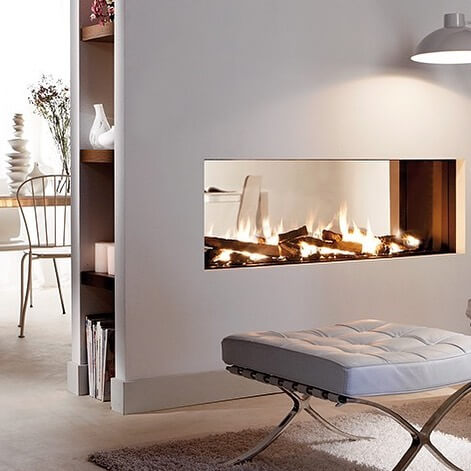
Modern living room fireplace ideas thrive on clean lines, refined proportions, and materials that emphasize continuity. Linear gas or frameless electric units recess flush, erasing visual bulk and letting the flame read like art. Surrounds in large-format porcelain, plaster, or concrete echo gallery walls while resisting heat and soot. Low, floating hearth benches add function without heaviness and subtly extend seating for gatherings. The overall effect is calm, architectural, and highly photogenic, even when the fire is off.
- Linear gas fireplace: Choose a linear gas fireplace with a ribbon flame, shallow depth, and low-profile trim to create a sleek focal point that stretches visually and anchors contemporary seating zones.
- Frameless electric insert: Install a frameless electric insert recessed into drywall, pairing matte paint with micro-bezel glass for a clean edge, adjustable heat output, and remote-controlled flame colors year-round.
- Porcelain slab surround: Wrap the surround in large-format porcelain slabs with minimal seams, continuous veining, and mitered corners to deliver monolithic scale, easy maintenance, and consistent color across expansive walls.
- Concrete floating bench: Cast a polished concrete floating bench as the hearth, extending wall-to-wall to double as seating, conceal subwoofer or vents, and underline the fireplace with a modern, gallery-like line.
- Asymmetrical composition: Place the fireplace off-center within a built-in media wall, balancing negative space with concealed storage panels, so the composition feels intentional, sculptural, and perfectly scaled to traffic flow.
- Mantel-free detailing: Skip a traditional mantel and introduce a shadow-gap reveal, flush plaster return, or ultra-thin ledge that frames art without clutter, preserving crisp lines and restful, distraction-free sightlines.
Plan the wall as an integrated composition, coordinating TV placement, ventilation clearances, and cable management from the start. Use mitered corners, shadow gaps, and concealed access panels to keep serviceable parts invisible. Layer discreet lighting—cove washes, step lights, and picture lights—so the flame becomes one element within a balanced nighttime scene. Smart inserts with thermostats, timers, and variable flame colors let you fine-tune ambiance without overheating the space. For sustainability, consider electric units powered by renewables and add ceiling fans to circulate warmth efficiently.
Painted Brick, Elevated: A Quick Refresh With Big Impact
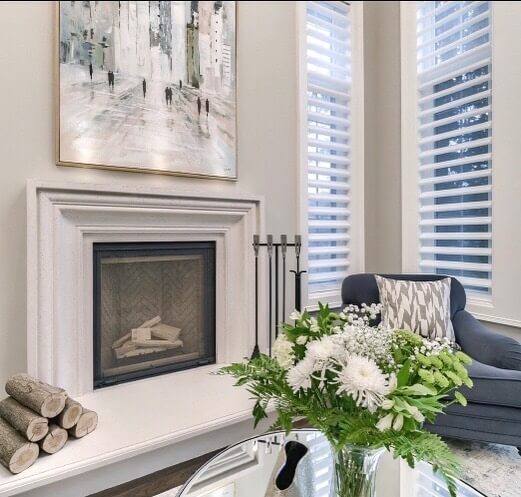
If your living room already has a brick hearth, paint is the fastest way to modernize it without losing character. A soft white or pale greige brightens the room and visually streamlines irregular brick, while a matte black firebox adds crisp contrast. For homes with warm wood floors, consider a limewash or mineral paint that lets a hint of brick variation peek through—this keeps things textured rather than flat. Balance the new surround with a wood mantel in an intentionally different tone than your floors so it reads as a design choice, not a near-miss match.
Style the mantel with layered art instead of a single oversized piece: one large frame set slightly off-center and a smaller frame overlapping it introduces movement. Add sculptural candlesticks, a low bowl, or a trailing plant to bring height and softness. Finish the vignette with sconces or a single picture light to pull focus to the hearth in the evening. Pro tip: keep grout lines dust-free and use a satin finish on the painted brick for durability and a subtle, light-catching sheen that still feels cozy.
Sleek Media Wall: Linear Fireplace With Low Built-Ins
A linear gas or electric fireplace stretches the flame line, instantly making the room feel wider and more contemporary. Pair it with low, closed cabinetry on either side for hidden media storage and a clutter-free look. A simple slab or floating hearth in stone or wood grounds the composition without adding visual bulk. If you plan to mount a TV above, keep at least 6–8 inches of non-combustible separation and choose a heat-deflecting mantel or recess to safeguard electronics.
To keep the wall from reading as a big black rectangle, play with texture. Consider large-format porcelain, sintered stone, or fluted panels around the firebox for subtle shadows that change throughout the day. Match the cabinet hardware to the firebox trim for a coherent, custom feel. Layer in low, deep seating—think a bench-like sofa or armless lounge chairs—to echo the horizontal lines. Finish with a plush rug and a tall floor lamp at one end to visually “bookend” the feature. This approach balances function with minimalism, giving you a streamlined hearth that also handles cables, consoles, and the nightly movie queue.
Parisian-Inspired Marble Mantel: Timeless With a Twist
A carved marble mantel instantly elevates a living room, lending that collected, European feel without going formal. Choose classic stones like Calacatta, Carrara, or Arabescato for veining that reads like art, and pair with a herringbone or chevron firebox liner for a heritage nod. To avoid stuffiness, keep the palette fresh: creamy walls, linen upholstery, and a jute or wool rug. Above the mantel, a gilded or gently antiqued mirror bounces light and adds height, while asymmetrical art or a modern sconce keeps the look current.
Mix eras deliberately. A marble surround loves the counterpoint of a modern coffee table, a sleek metal floor lamp, or abstract artwork. If your ceilings are high, flank the fireplace with tall bookshelves or slim pilasters to frame the vignette; if they’re standard height, opt for low-profile cabinets and an over-scaled mirror to create lift. Maintain cohesion by repeating marble elsewhere—coasters, a small side table, or even a lamp base—so the stone feels integrated, not isolated. With this balance, the fireplace becomes a chic focal point that ages beautifully and bridges traditional architecture with contemporary living.
Plaster and Microcement: Soft Minimalism With Sculptural Lines
For a serene, gallery-like living room, a plaster or microcement surround offers quiet drama. The seamless surface eliminates fussy joints and lets the form do the talking—consider gentle radiused corners, a tapered chimney breast, or a slender ledge integrated into the build. Keep the tone a few shades warmer or cooler than your walls to create depth without breaking the monochrome scheme. A slim, black or bronze firebox trim provides just enough punctuation.
Styling is equally restrained. One large ceramic vessel, a tactile branch, or a single piece of stoneware on the mantel underscores the sculptural feel. Lighting matters here: install dimmable wall washers or adjustable picture lights to graze the plaster and emphasize shadows. Furnishings should echo the softness—bouclé or mohair upholstery, rounded silhouettes, and a nubby rug. Because plaster reads organic, pair it with natural elements like oak, travertine, or sisal to keep the room grounded. This approach is ideal for gas or electric fires where clean lines shine, and it pairs beautifully with hidden media solutions so the hearth remains the star without visual clutter.
Patterned Tile Surround: Make the Mantel Your Canvas
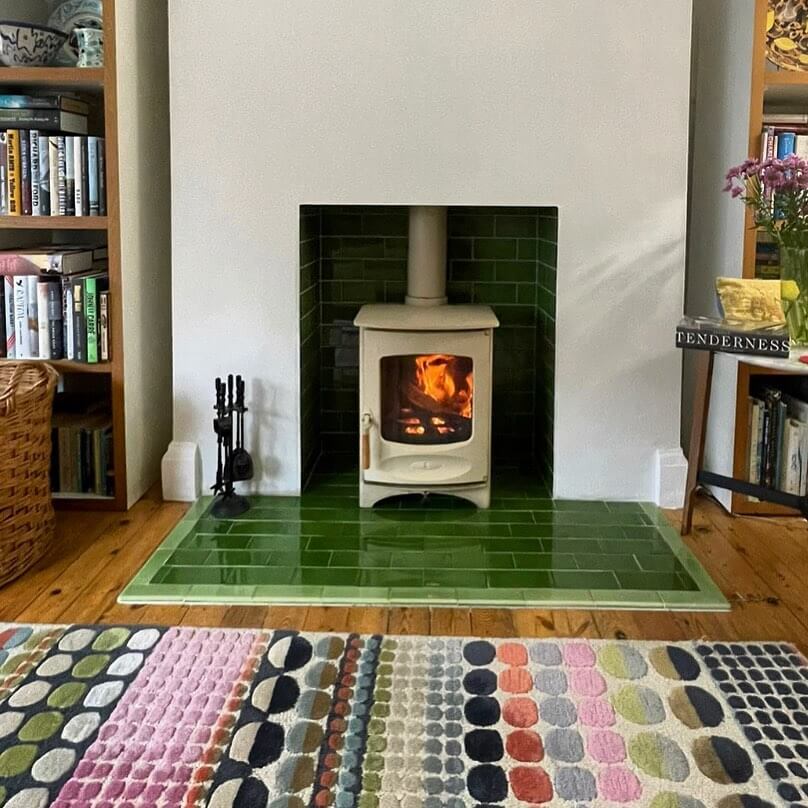
Tile transforms a modest fireplace into a personality piece. Choose zellige for artisanal sheen, encaustic cement for bold motifs, or a subdued porcelain chevron for subtle movement. If your living room skews minimal, limit the palette to two tones and let texture lead; for maximalist charm, pull a color from your rug or drapery and repeat it in the hearth tile. A mitered tile edge or slim metal schluter keeps corners crisp and finished.
Balance pattern with solids. A simple wood or plaster mantel calms busy tile, while a clean-lined fire screen avoids visual noise. Tie the story together by repeating the tile in small doses—a tiled inset on the built-ins, coasters on the coffee table, or a coordinating vase. Consider grout as a design element: high-contrast grout outlines patterns; color-matched grout melts seams for a smoother read. Finish with layered accessories that don’t fight the tile—stacked books, a low bowl of beads, and one textural artwork are plenty. With thoughtful scale and repetition, a tiled fireplace becomes that happy intersection of art and architecture.
Get the Fail-Safe Paint Color Playbook (Free PDF)
36 proven colors • 8 ready palettes • trim & sheen guide • printable testing cards.
Smart Corner Fireplaces: Solve Tricky Layouts With Ease
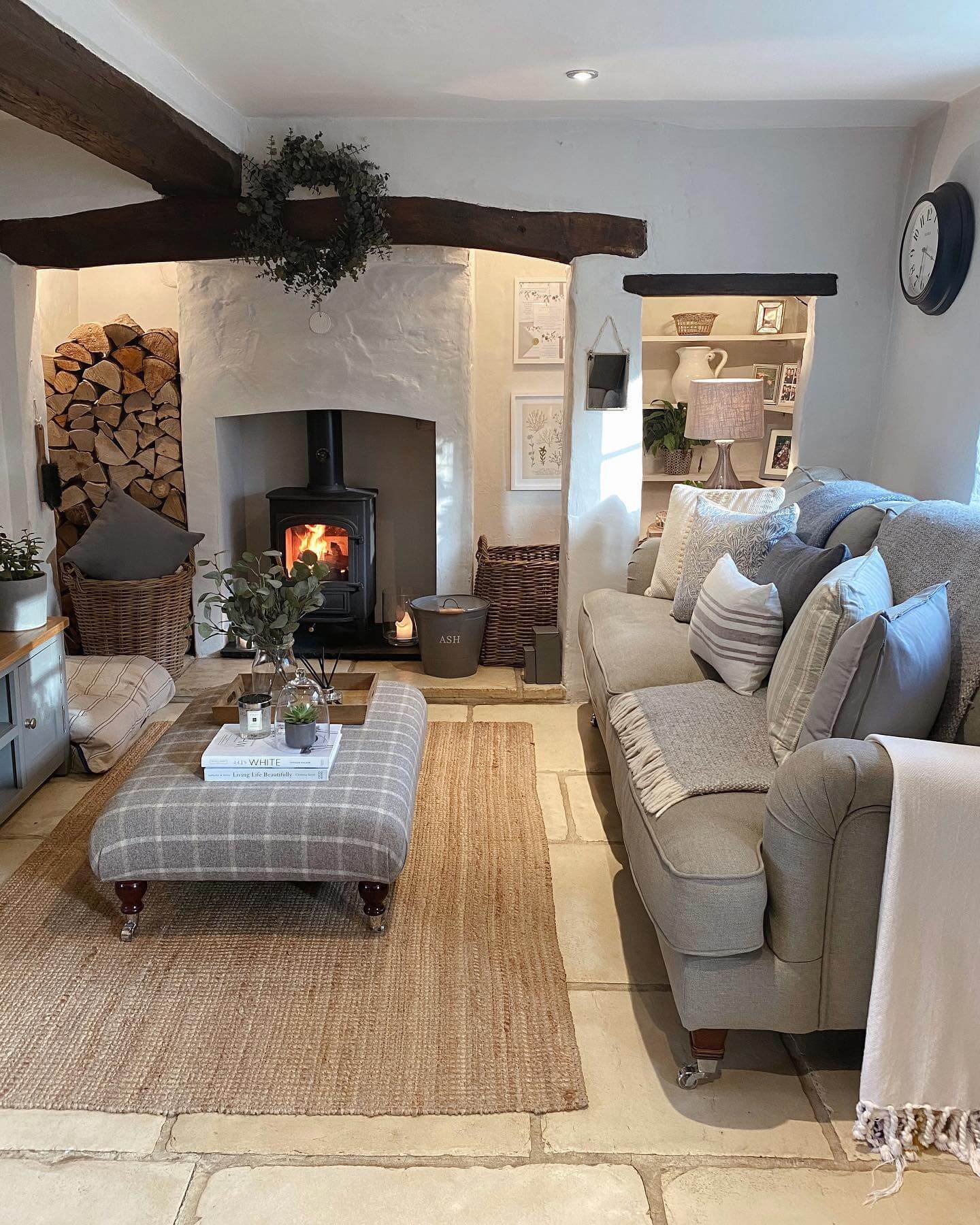
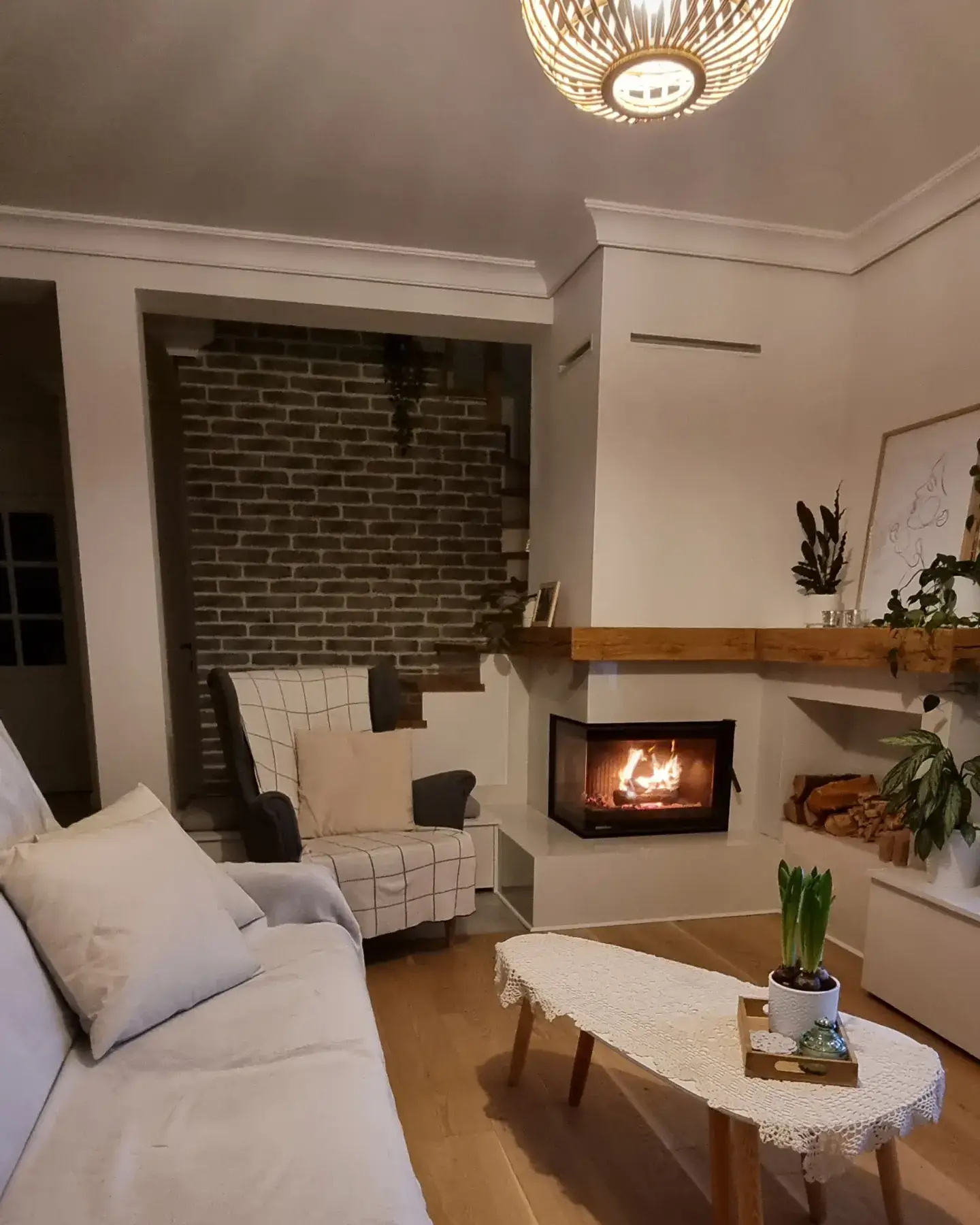
Corner fireplaces can feel awkward, but with the right plan they become cozy conversation hubs. Start by anchoring the angle: float the sofa so it faces the hearth on the diagonal, then add a swivel chair opposite to keep sightlines flexible for both fire and TV (if you have one). A round or oval coffee table softens the geometry and keeps traffic moving. Use a tall plant or floor lamp in the dead corner behind seating to visually “fill” the void.
For the surround, keep profiles simple so the angle doesn’t feel busier than it is. A clean drywall or plaster wrap with a shallow hearth keeps scale in check; wall-to-ceiling shiplap or vertical paneling can draw the eye up and away from the angle. Built a small nook or ledge for firewood if wood-burning; for gas or electric, a niche for art or a sculptural object does the trick. Add layered lighting—sconces on adjacent walls and a dimmable overhead—to create intimacy. With curved furniture and controlled textures, a corner fireplace reads intentional and welcoming rather than like a floor-plan compromise.
Built-Ins and Sconces: Create a Cozy Library Around the Hearth
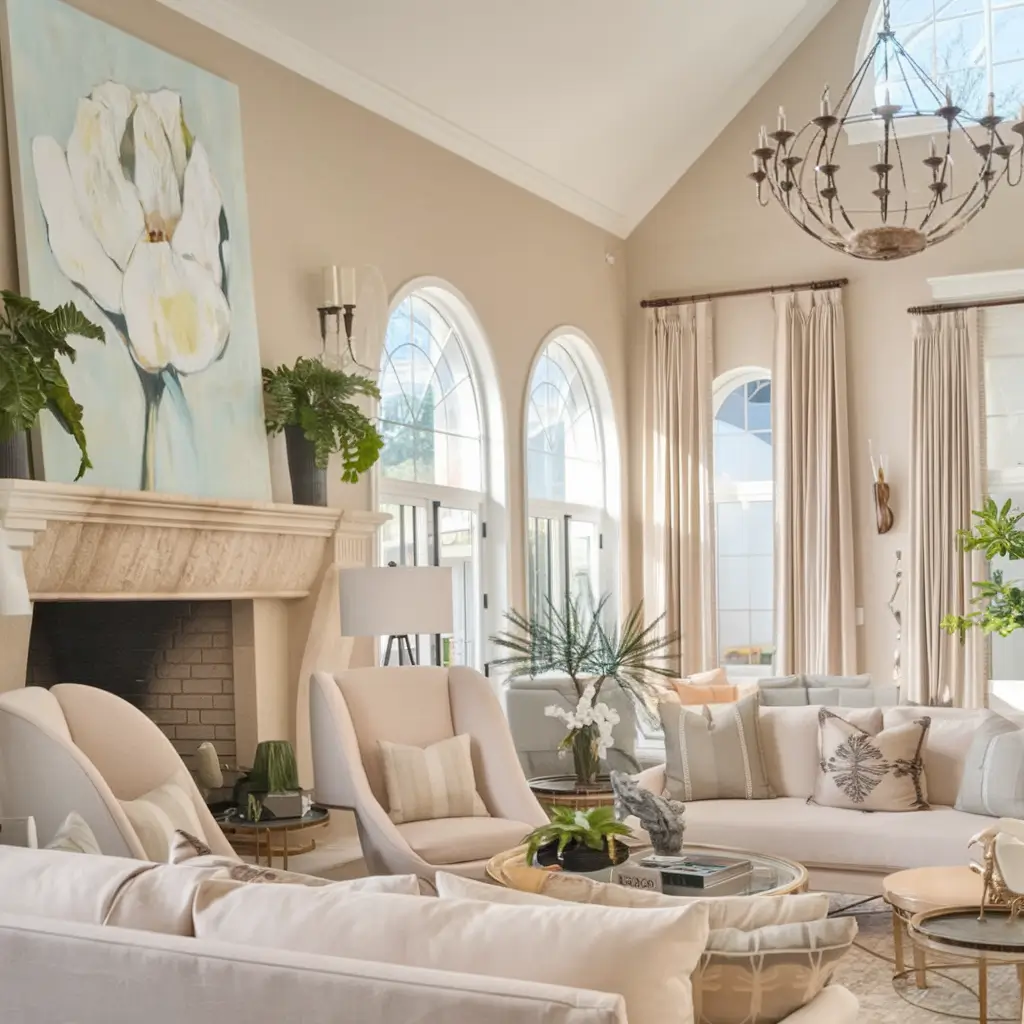
Flanking your fireplace with built-in bookcases frames the feature and adds valuable storage. Keep the shelves adjustable and vary styling heights for books, art, and objects; reserve the bottom doors for toys, throws, and media. Integrate hardwired sconces above the mantel or on the bookcase stiles to wash the surround with warm light—vintage brass or matte black both complement most firebox finishes. Paint the built-ins the same color as the walls for a seamless envelope, or go a shade darker for a cocooning library vibe.
To avoid visual overload, style with rhythm: vertical stacks, horizontals, and negative space in a repeating pattern. Repeat materials—wood, linen, glass—so the eye reads harmony. Consider a picture light over a central artwork to anchor the mantel. If space allows, a library ladder is charming, but even a slim rolling stool is practical and chic. Upholster seating in textured neutrals and layer a patterned rug to cozy things up. This bespoke millwork moment makes the fireplace the intellectual and emotional heart of the room, perfect for reading by the flames or hosting a game night.
Coastal Calm: Shiplap and Sand-Toned Styling
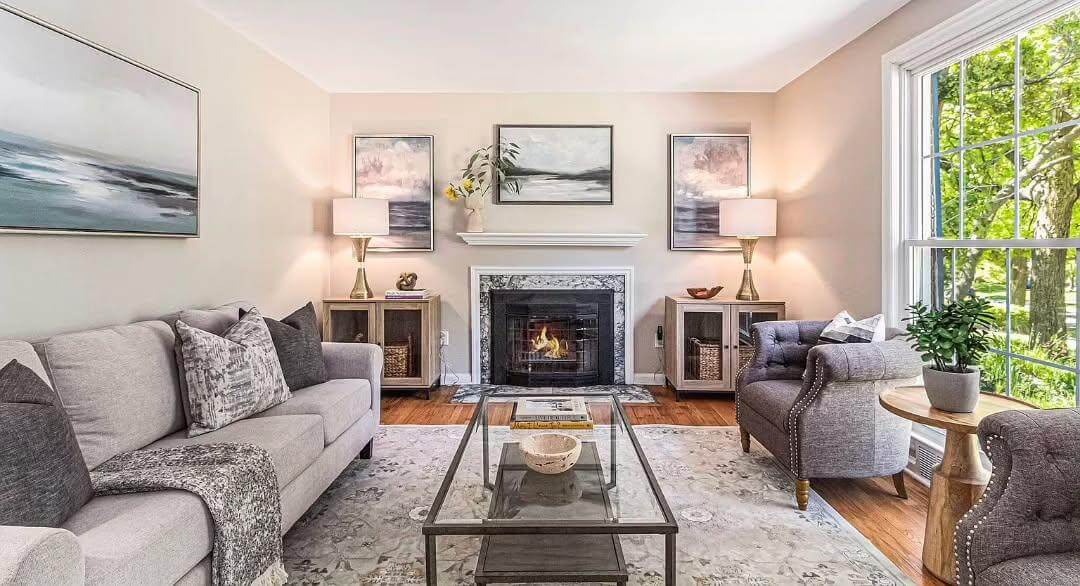
For a breezy, coastal living room, dress the chimney breast in vertical shiplap to elongate the wall and add gentle texture. Keep the palette sun-bleached—soft whites, driftwood taupes, sea-glass blues—and choose a simple mantel in lightly wire-brushed oak. A basketweave or honed limestone hearth continues the beachy tactility underfoot. If the fireplace is non-operational or electric, stack sculptural driftwood or display a cluster of pillar candles for off-season ambiance.
Lean into light. Sheer linen curtains, woven shades, and reflective accents like a round mirror or capiz fixture brighten the space. Mix woven elements—rattan, cane, seagrass—for depth without weight. Art should feel collected: vintage seascapes, botanical prints, or black-and-white photography in pale frames. Keep metals soft—brushed nickel or antiqued brass—to avoid glare. Finish with relaxed seating and oversized pillows in performance fabrics that can handle sandy feet and sea-spray vibes. This shiplap-and-sand approach proves a fireplace can feel fresh and airy, not heavy, making it equally welcoming for summer evenings and crisp winter mornings.
Industrial Edge: Concrete, Steel, and Charcoal Hues
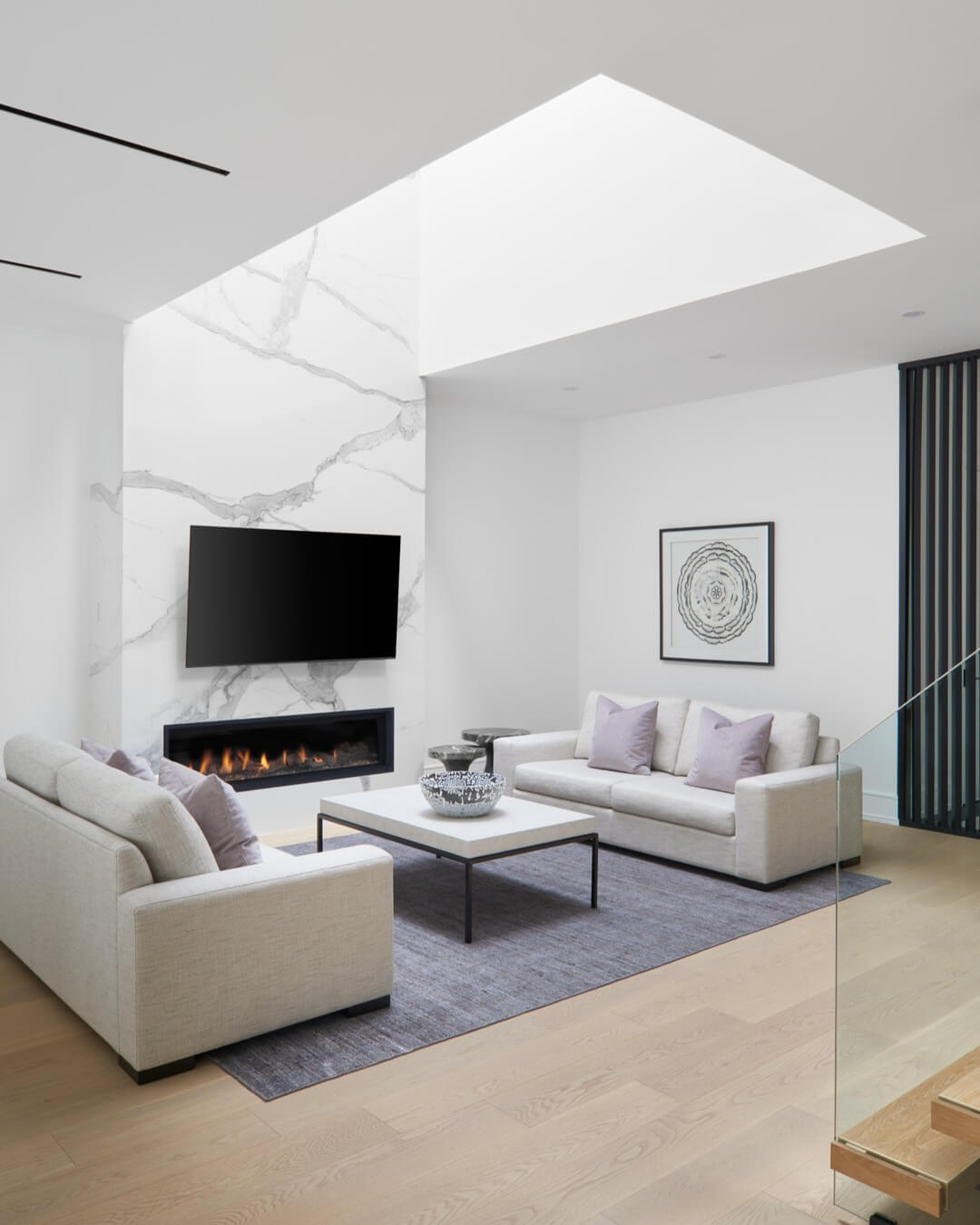
Channel loft style with a concrete-clad surround and dark metal accents. Board-formed concrete brings linear grain and raw character; troweled microcement offers a smoother, more refined take. Frame the firebox in blackened steel or patinated brass for a tailored edge, and keep the hearth a simple slab for utility and impact. Complement the envelope with a palette of charcoals, inky blues, and warm tobacco leather for balance.
Because industrial can skew hard, add softness in strategic layers: a shaggy wool rug, linen drapery, and soft-glow table lamps. Greenery—big-leaf plants or trailing vines—brings life to the cool materials. Keep lines clean with low, rectilinear furniture and minimal hardware. If you include a TV, recess it flush or choose a frame-style unit to harmonize with the architectural feel. Consider track lighting or pin spots to highlight the concrete’s texture in the evening. The result is a fireplace that feels architectural and urbane, grounding open-plan spaces and pairing as easily with mid-century pieces as with contemporary silhouettes.
Small-Space Win: Slim Electric Fireplace With Stylish Storage
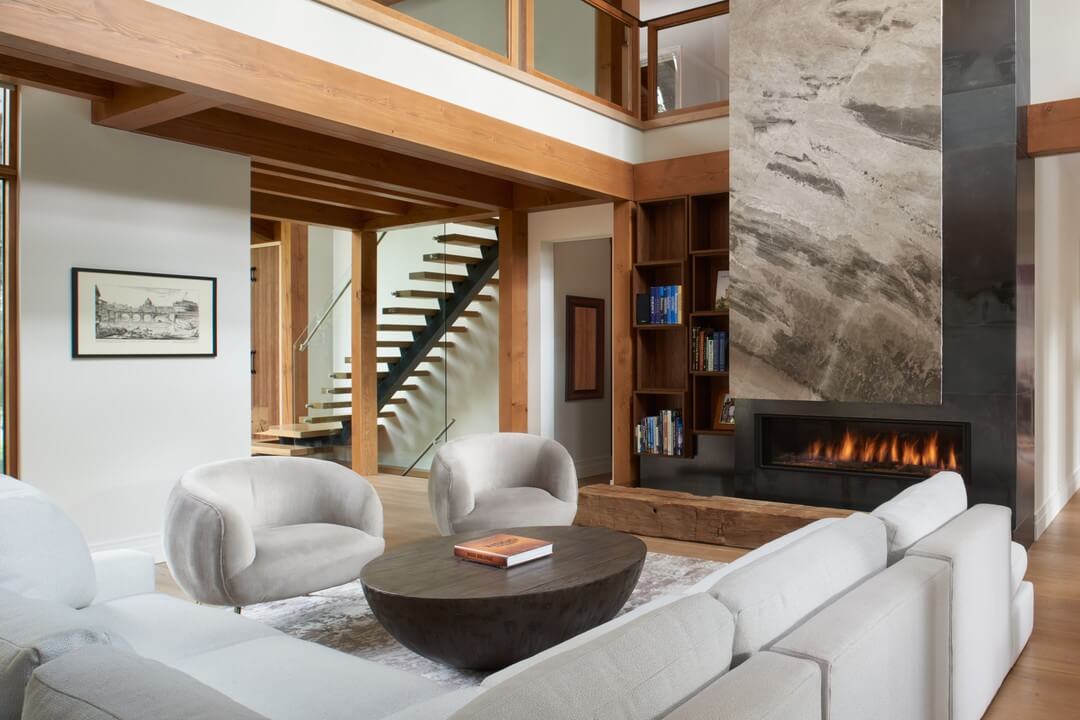
In apartments or compact living rooms, a slim electric fireplace delivers cozy ambiance without venting or major construction. Build a shallow feature wall—often 6–8 inches is enough—to recess the unit and add floating shelves or a narrow cabinet below for remotes, books, and blankets. Choose a model with adjustable flame color and heat output so it works year-round. Clad the surround in painted MDF, veneer, or even lightweight stone panels to dial the vibe from Scandinavian calm to modern luxe.
Scale matters in tight quarters. Opt for a unit roughly two-thirds the width of your sofa to keep proportions pleasing, and float furniture off the walls to create breathing room. A large rug and a single oversized artwork visually expand the footprint, while a mirror opposite the hearth multiplies the glow. Hide cords with an integrated channel, and consider a wireless picture light to avoid hardwiring. This renter-friendly approach brings a focal point to blank walls, layers in practical storage, and proves you don’t need a chimney to make the hearth the heart of your home.
Fluted Millwork Chimney: Texture That Draws the Eye Up
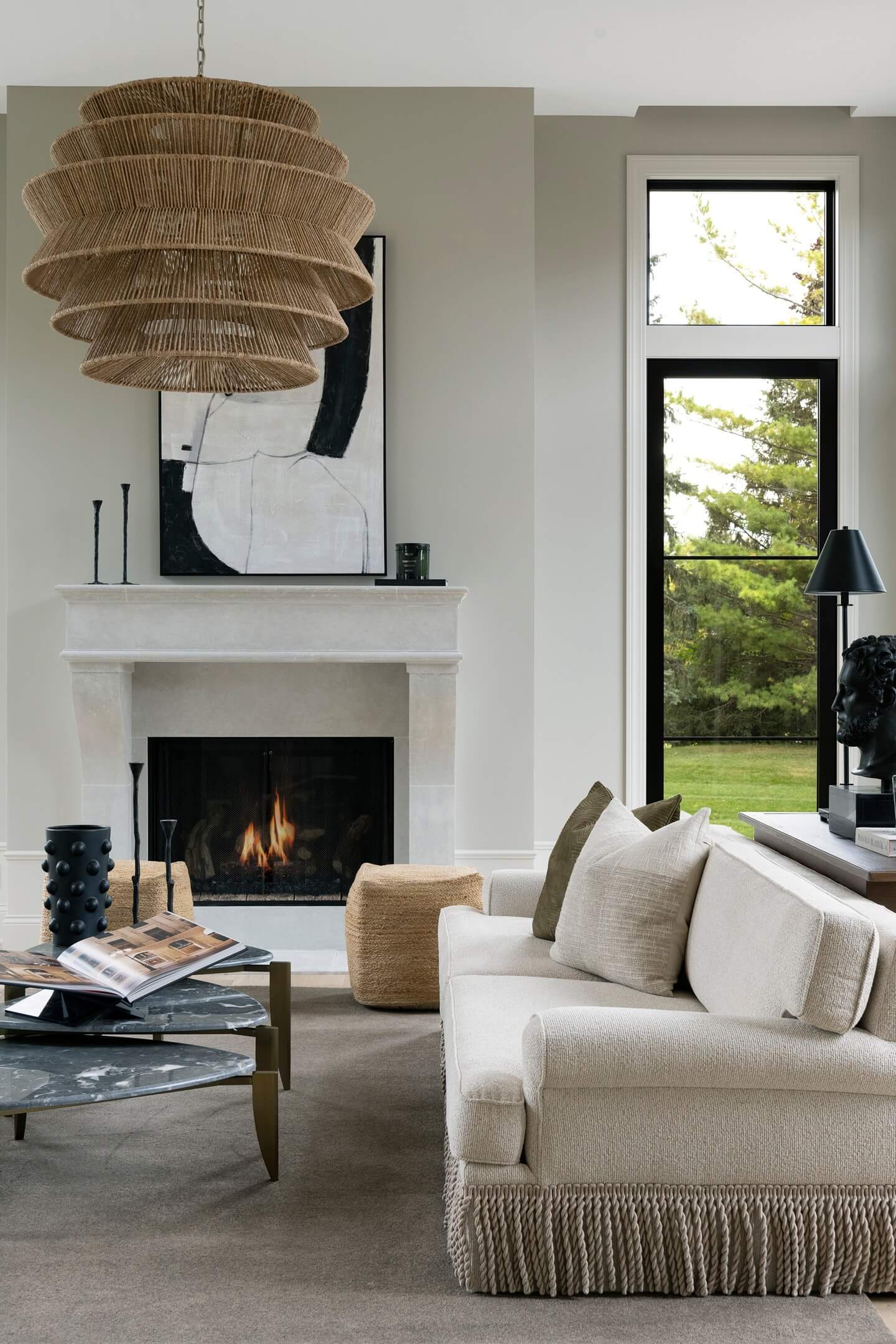
If your fireplace wall feels flat, add vertical rhythm with fluted millwork or reeded plaster on the chimney breast. The subtle grooves create shadow play that reads sculptural by day and atmospheric by night, instantly elevating a standard box into a design centerpiece. Keep the palette calm—paint-grade MDF or limewashed plaster in warm white, stone, or greige—then pair with a simple stone slab hearth and a streamlined mantel (or skip the mantel entirely for modern minimalism). Fluting works beautifully with linear gas and electric inserts because the vertical lines balance the horizontal flame, but it’s equally chic framing a classic wood-burning firebox. To finish the look, layer texture rather than color: boucle upholstery, nubby wool throws, and a sisal or jute rug underfoot. Flank the surround with concealed storage or low-profile cabinets to hide media, while slender picture lights or pinpoint sconces graze the flutes for depth. Pro tip: run the fluting to the ceiling to visually raise the room, and keep outlets centered behind the mantel for clean styling. It’s a high-impact, mid-budget upgrade that reads bespoke and boosts your living room’s architectural credibility.
Get the Fail-Safe Paint Color Playbook (Free PDF)
36 proven colors • 8 ready palettes • trim & sheen guide • printable testing cards.
Arched Firebox Charm: Soft Curves for a Welcoming Hearth
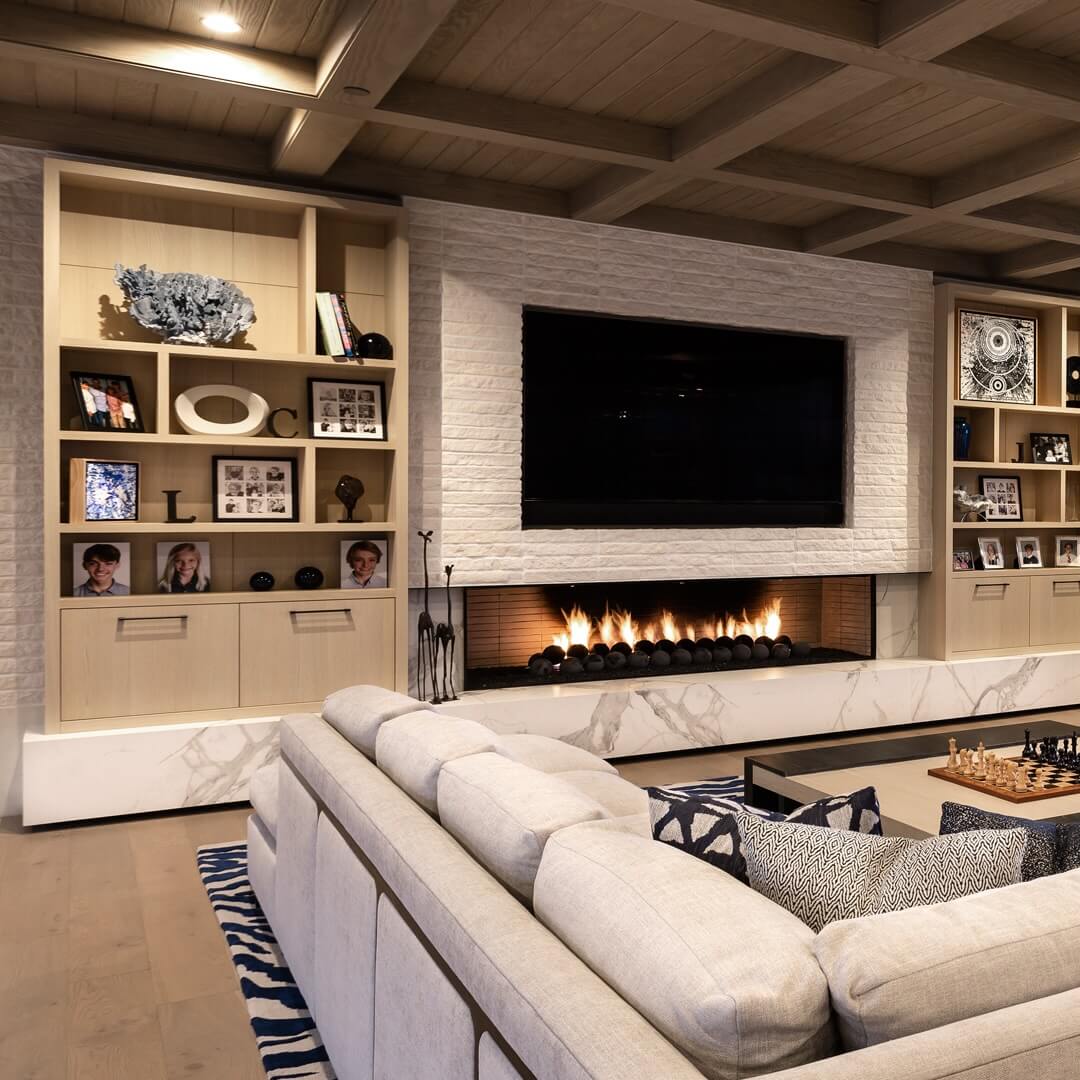
Curves are having a moment, and an arched firebox brings instant warmth and Old-World romance to a living room fireplace. Whether you’re renovating a historic surround or building new, a gentle arch softens sharp lines, complements rounded furniture silhouettes, and draws the eye inward like a picture frame for the flame. Clad the surround in limewash, Roman clay, or tadelakt plaster for that velvety, light-catching finish; or choose hand-formed brick in a herringbone firebox for artisanal texture. Keep your mantel slim—think honed limestone or a bleached oak ledge—so the curve stays the star. Styling is straightforward: an oversized round mirror echoes the silhouette, while linen drapery and drum-shade lamps repeat the arc in the room. For compact spaces, an arched electric insert offers the vibe without venting; in larger rooms, a wood-burning or sealed gas unit adds real heat. Complement the curve with a low, arched niche for firewood or a petite reading alcove to one side. The result is a hearth that feels inviting year-round, from candlelit summer evenings to peak cozy season.
Double-Sided Divider: A See-Through Fireplace That Connects Spaces
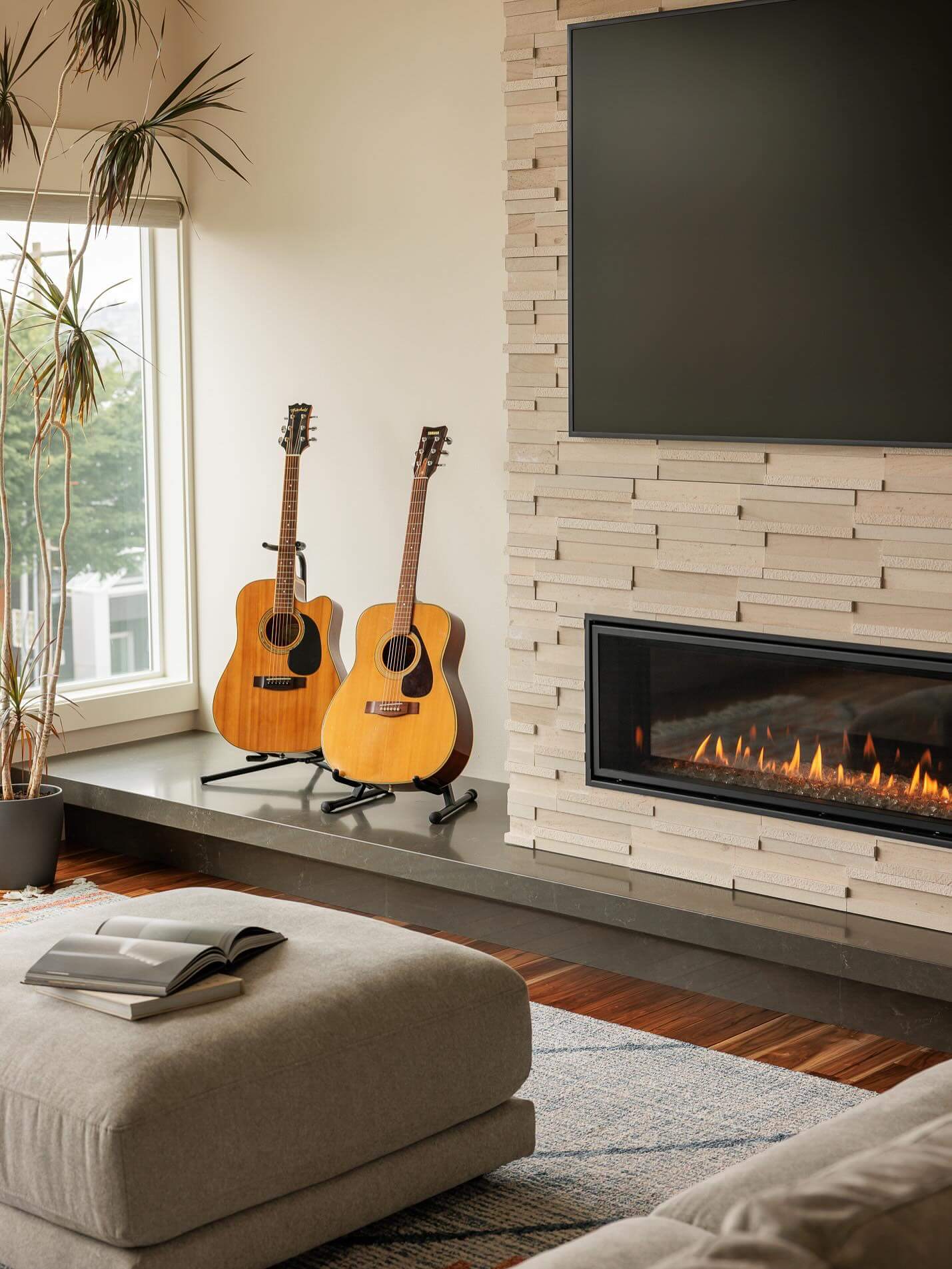
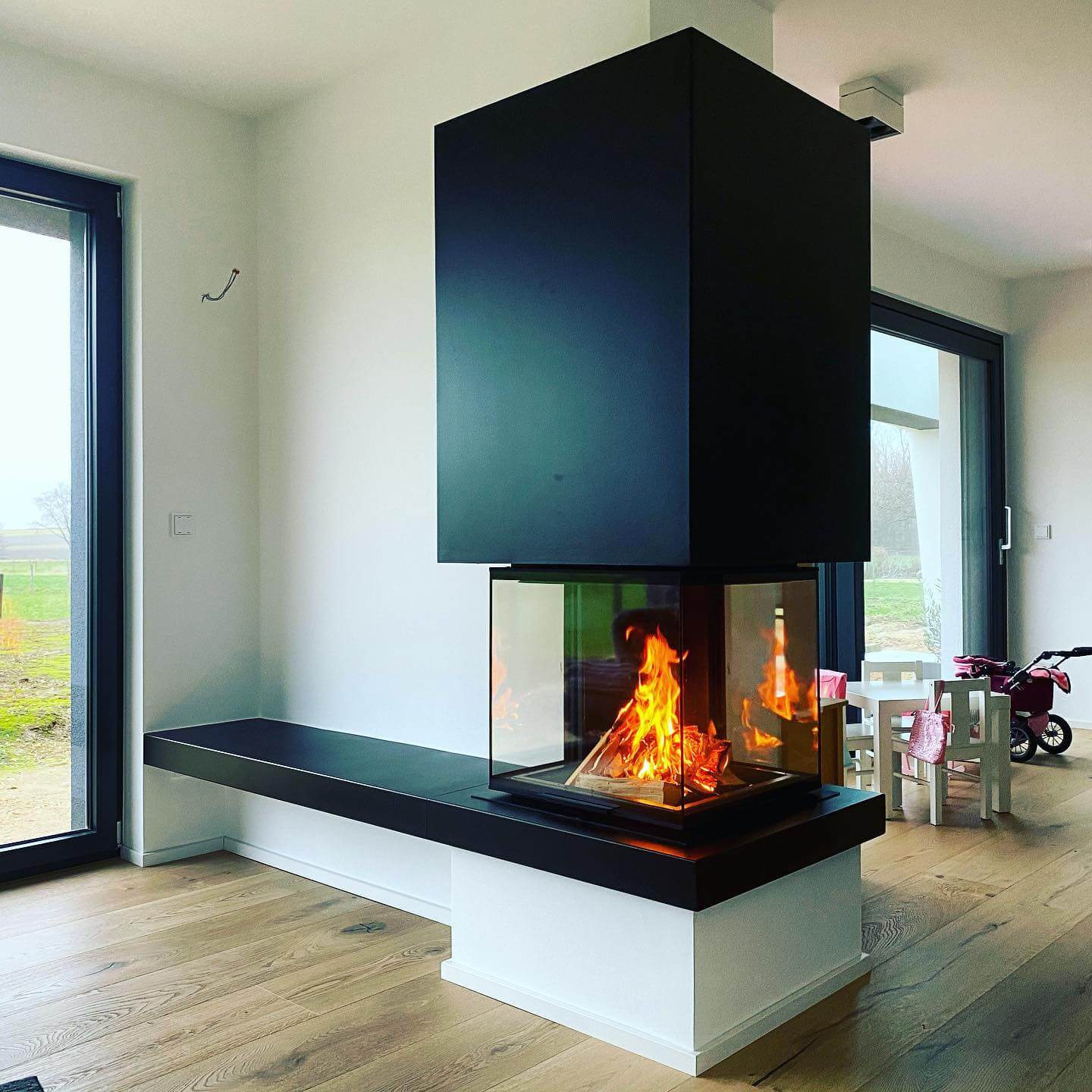
If your living room shares square footage with dining or a family zone, a double-sided or peninsula fireplace creates separation without sacrificing flow. The glass see-through firebox becomes an architectural spine: it defines pathways, delivers balanced warmth to both sides, and turns flickering flame into 360-degree art. Opt for a linear gas or ventless ethanol unit for a clean profile, then clad the column in stone slab, plaster, or vertical slatting to suit your style. Keep thickness modest so it feels airy, and integrate power and data within the base for lamps or a hidden soundbar. On the living side, anchor seating around the hearth with a deep sofa and swivel chairs; on the opposite side, consider a breakfast banquette or game table to maximize versatility. Lighting matters: layer floor washers at the plinth, dimmable recessed fixtures overhead, and a single statement pendant to bridge both zones. Finish with a low, continuous hearth that doubles as extra perch seating for gatherings. This layout not only modernizes your home but also solves the age-old challenge of open-plan coziness—one flame, two moods.
Rustic Revival: Stacked Stone With a Floating Timber Mantel
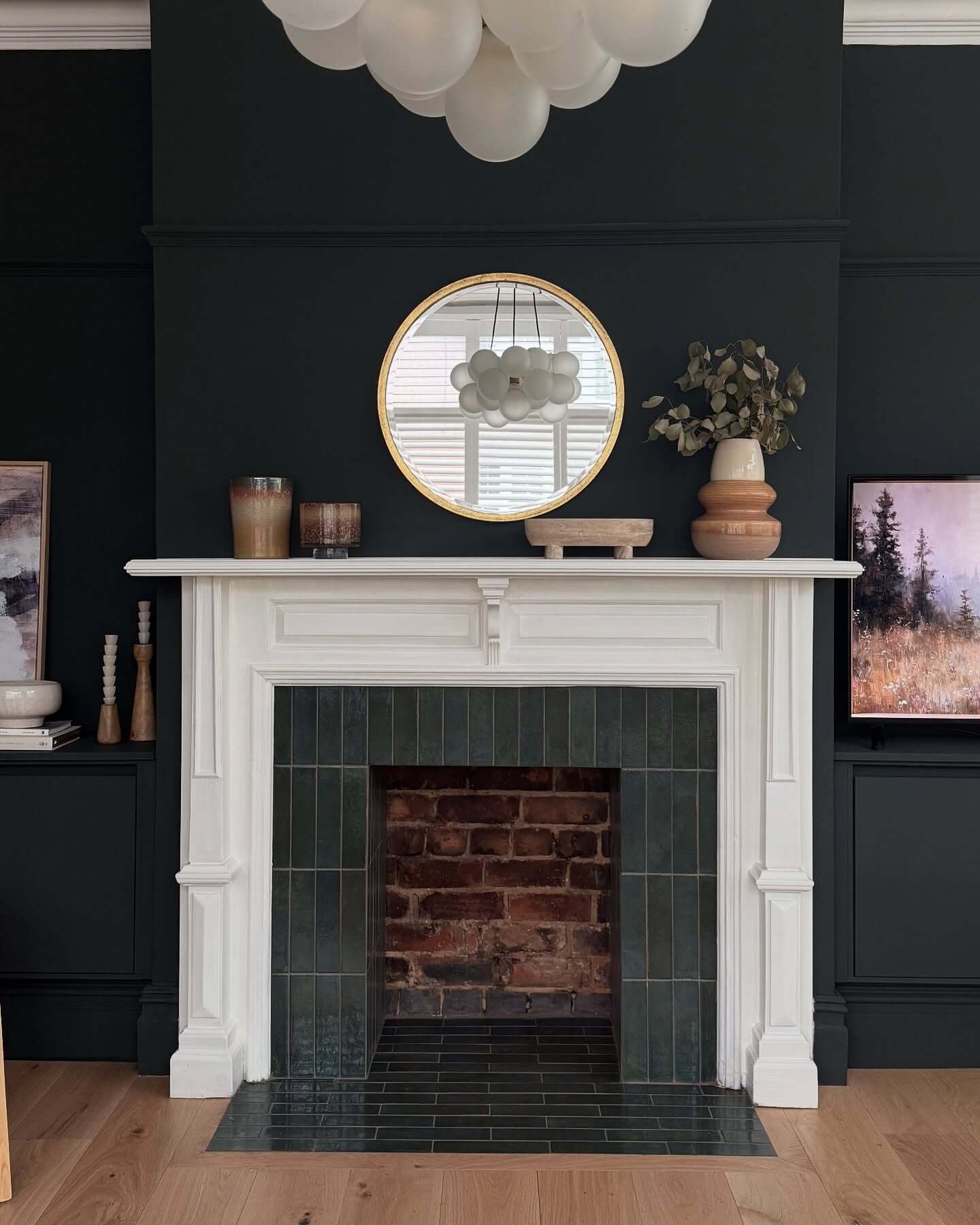
When you crave texture and timelessness, stacked stone around the fireplace delivers instant gravitas. Choose ledgestone in warm grays, oat, or sunbaked taupe, and run it from hearth to ceiling for vertical drama. A substantial, floating timber mantel—white oak, reclaimed barn beam, or lightly wire-brushed cedar—grounds the composition and introduces organic warmth. Keep the rest of the palette simple: linen slipcovered sofas, kilim or vintage wool rugs, and iron or blackened-bronze accents to counterbalance the stone. For a modern twist, pair rustic cladding with a sleek black firebox and minimal hearth slab in honed bluestone or concrete. Built-in wood niches add function and symmetry while reinforcing the cabin-chic vibe. If your room skews small, limit stone to the chimney breast and paint adjacent walls a soft putty to avoid visual heaviness. Lighting makes the look: aim adjustable spots to graze the texture, and add dimmers so the rock glows after dusk. This approach marries mountain-lodge soul with contemporary lines—hearth-as-sculpture, but still family friendly.
Color-Drenched Mantel: Go Moody With Paint for Drama
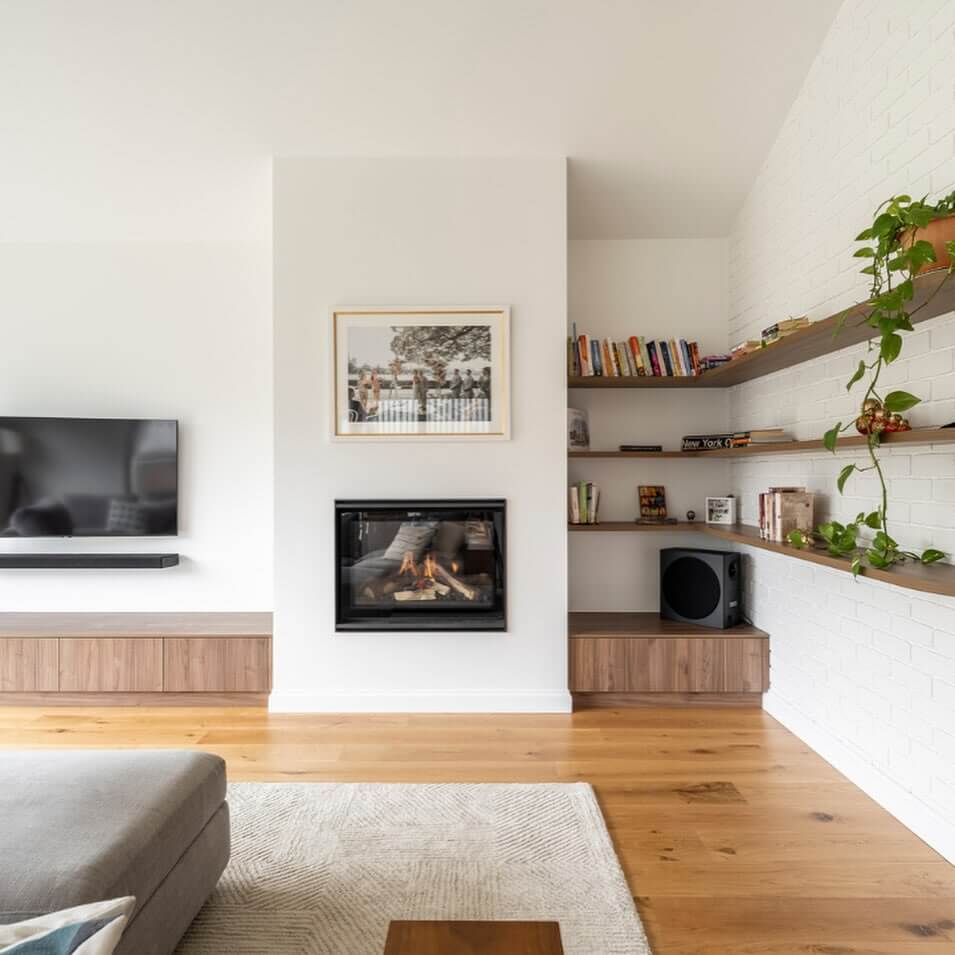
Paint is the fastest way to transform a fireplace into a statement. Drench the surround and the entire chimney wall in a single saturated hue—ink, oxblood, forest, or espresso—for instant sophistication and a gallery-like backdrop to the flame. A monochrome treatment unifies off-center openings and awkward jogs while making trim details read intentional. Pair with a contrasting hearth in creamy limestone or pale terrazzo so the firebox doesn’t disappear; then bring in brass or aged gold accents (a slim mirror, library lights, or frame details) for warmth. Seating can skew plush—velvet, chenille, or bouclé in tobacco and camel—so the palette feels layered, not flat. If you’re mounting a TV, recess it slightly and paint it the same color to visually “vanish” the black box. For renters or commitment-shy decorators, start by painting just the mantel and overmantel paneling, leaving side walls light to test the mood. Round things out with tone-on-tone art and smoky glass accessories. The result is dramatic but calm—perfect for evenings in, and a bold counterpoint to daylight minimalism.
Get the Fail-Safe Paint Color Playbook (Free PDF)
36 proven colors • 8 ready palettes • trim & sheen guide • printable testing cards.
Travertine Slab Surround: Quiet Luxury in Neutral Tones
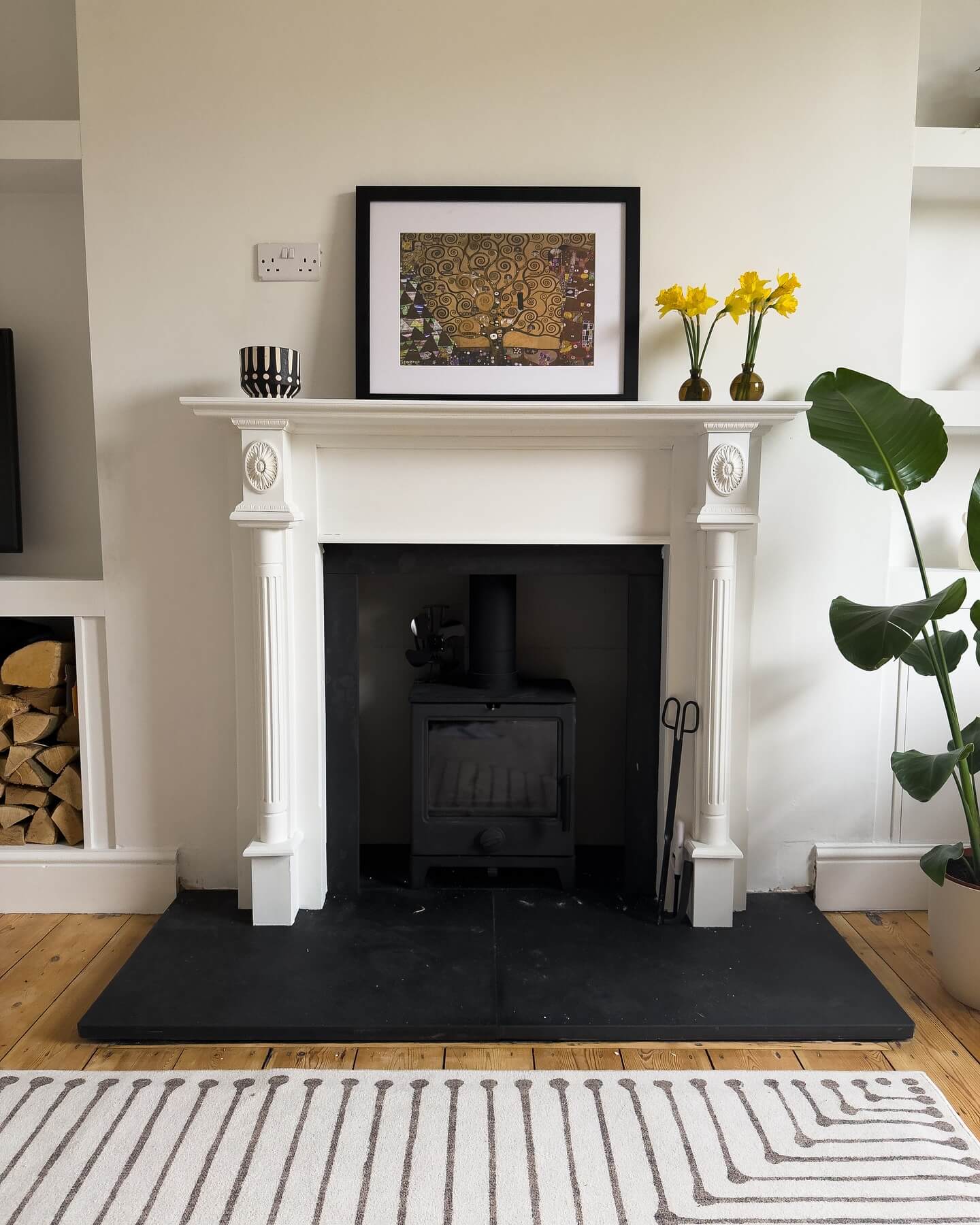
For understated elegance, wrap your fireplace in large-format travertine or limestone slabs with minimal seams. Honed, filled travertine in warm oatmeal or pale sand instantly telegraphs quiet luxury and pairs beautifully with rift-sawn oak floors and soft ivory upholstery. Keep profiles pencil-thin: a 2-inch mitered edge on the mantel and hearth reads tailored without bulk. To prevent the look from skewing flat, introduce subtle variation—veining that runs bookmatched up the surround, woven wool rug texture, and a few tactile ceramics on the mantel. A ribbon-style gas insert keeps lines modern, while a frameless electric unit offers renter-friendly installation with similar visual payoff. Integrate low, floating cabinetry in tone-matched veneer to flank the hearth; it hides tech and doubles as display. Lighting should be equally refined: linear LED grazers at the reveal, petite picture lights on art, and a soft table lamp on the built-ins. Finish with greenery—olive branches or a sculptural palm—to keep the neutrals lively. This is the fireplace for minimalists who still crave depth and warmth.
Asymmetrical Balance: Off-Center Fireplace With Artful Shelving
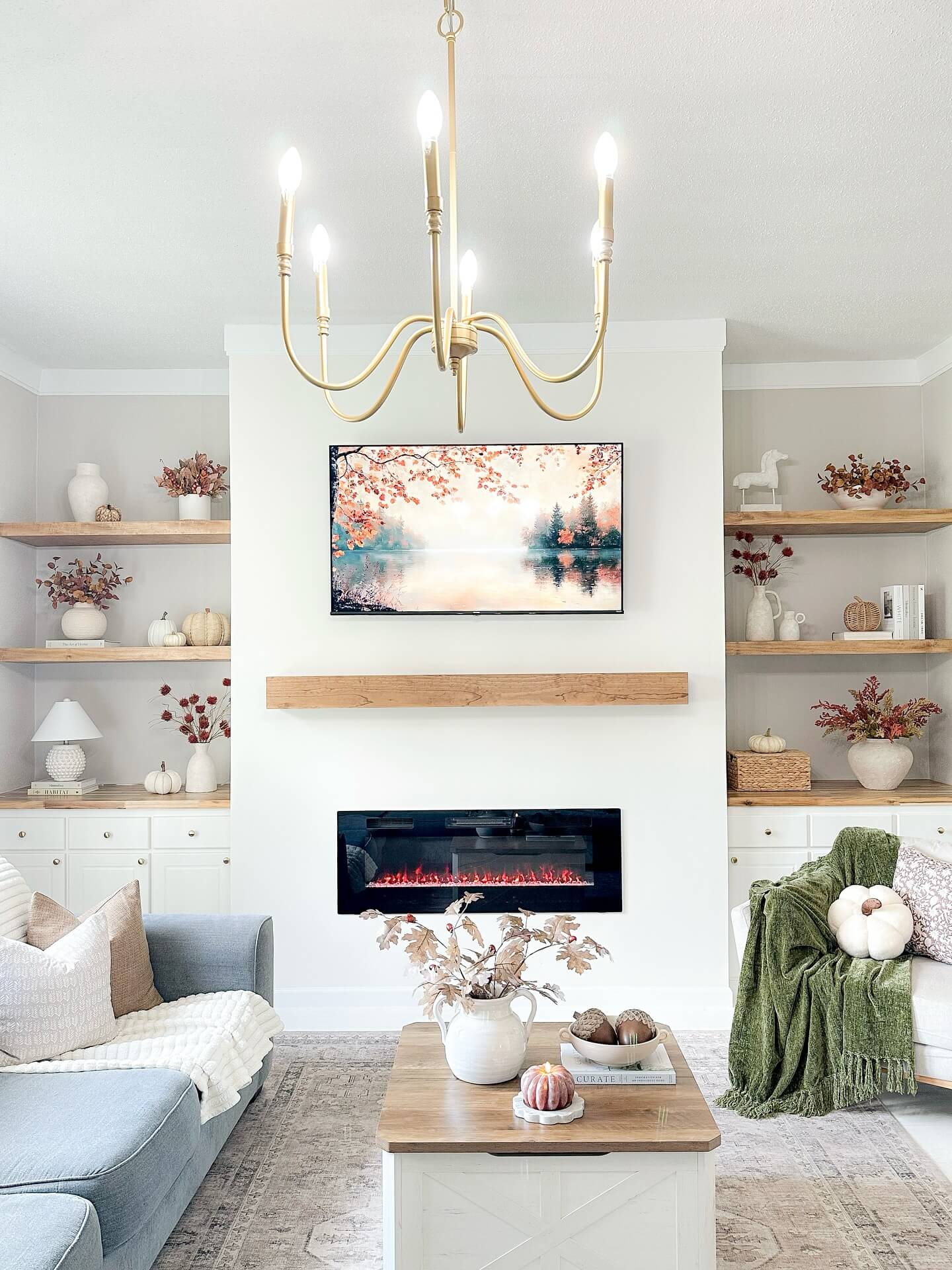
Not every living room grants a perfectly centered chimney, and that’s okay—lean into asymmetry for a designer look. Place the firebox to one side and counterweight it with open shelving or a tall art wall on the other. Vary shelf heights to showcase large vessels, stacked books, and sculptural lighting, and keep negative space intentional so the composition breathes. A subtle plaster or microcement surround keeps the fireplace crisp while allowing styling to carry the drama. Mount the TV in a secondary zone or inside a concealed cabinet to prevent competing focal points. To tie the halves together, run a continuous low hearth or bench across the entire wall; it bridges the offset and adds flexible seating. Choose a unifying material story—natural oak, matte black metal, and chalky ceramics—so your eye moves gracefully from flame to display. Rugs and furniture should echo the off-center energy: a chaise facing the fire, a side table with a bold lamp on the shelving side, and a swivel chair that pivots between conversation and flames. Imperfect symmetry becomes your superpower.
Fireplace Inglenook: Add a Bench Hearth for Built-In Coziness
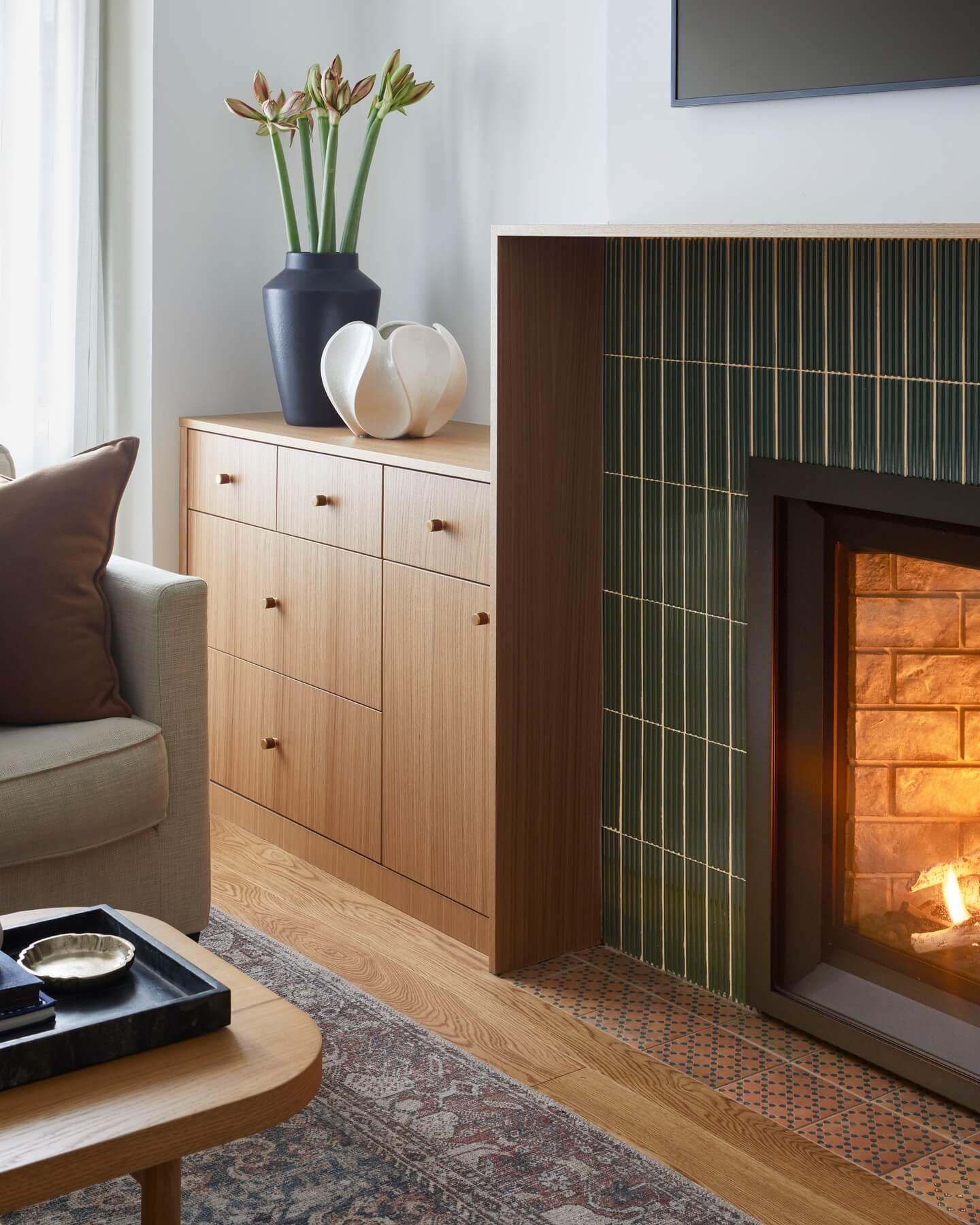
Turn your fireplace wall into a destination with an extended hearth bench. By projecting the hearth 16–20 inches and running it beyond the firebox, you gain extra perching during parties, a reading spot by day, and a stage for layered styling. Upholster a custom cushion in wool or performance tweed and add bolster pillows to create an inglenook vibe; in kid-friendly rooms, keep it cushion-free and style with baskets and oversized pottery. Material-wise, consider a sturdy stone or terrazzo slab with eased edges, or pour a seamless microcement bench for a monolithic look. Tuck drawers or lift-up storage beneath for throws and games. Above, keep the surround slim so the bench remains the feature, and flank the area with low built-ins or tall bookcases to form a cozy alcove. For safety and code, maintain required clearances from combustibles and specify a non-slip finish. Soft pools of light—a floor lamp at one end, a small sconce over the nook—make the bench glow at night. It’s a functional upgrade that multiplies seating and charm without a full remodel.
Tile to the Ceiling: Zellige or Terracotta for Old-World Warmth
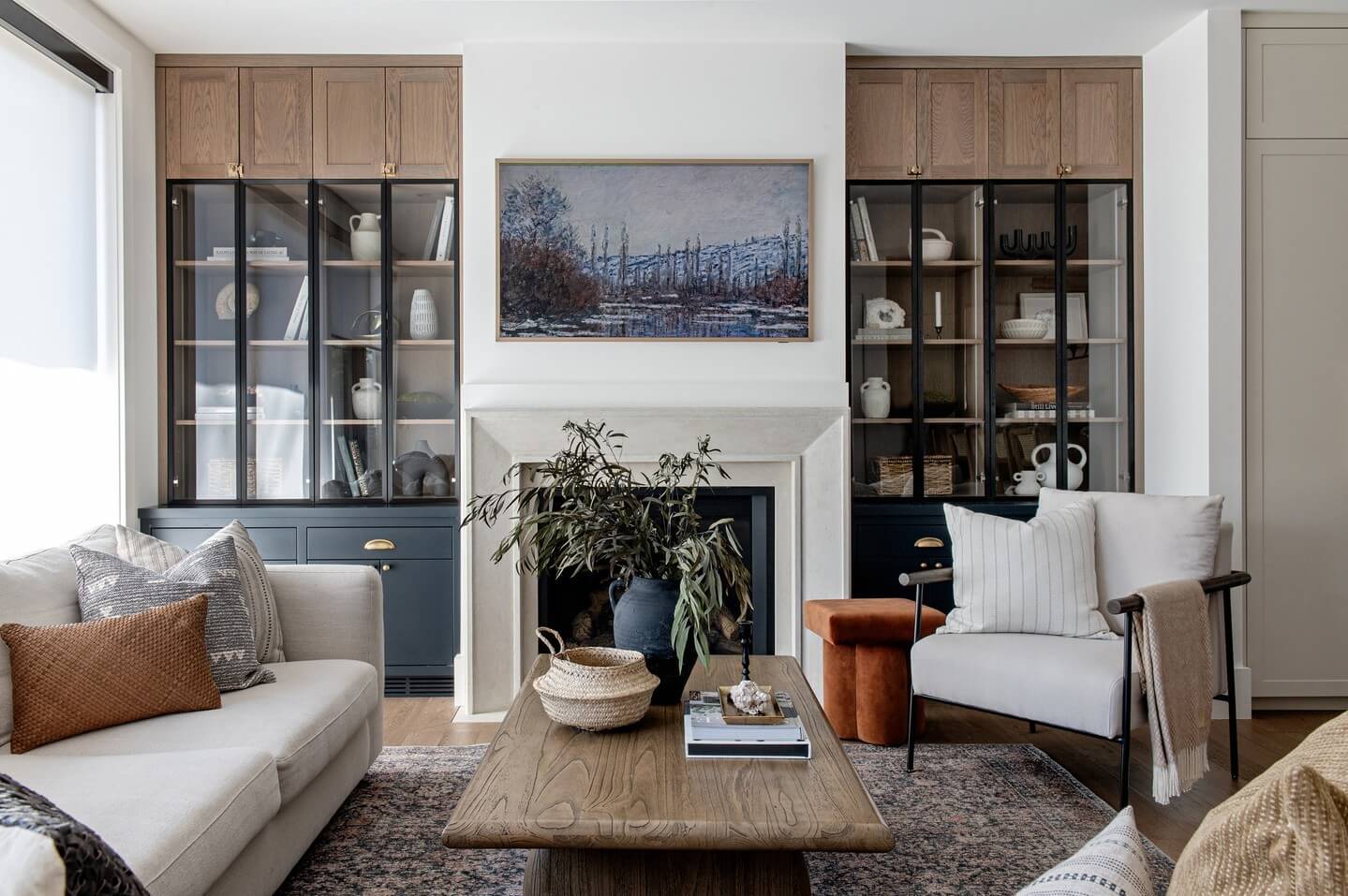
Take tile beyond the surround and run it all the way to the ceiling for a richly layered statement. Hand-cut zellige brings glossy, undulating depth; terracotta offers sunbaked warmth and matte character. Choose a tonal grout to let the irregular edges sing, and vary tile shades within a tight palette for movement. A simple plaster or stone hearth grounds the shimmer, while a slender, forged-iron mantel rail provides a perch for art without hiding the tilework. Keep furniture soft and earthy—oatmeal linen, tobacco leather, and nubby throws—so the wall remains the hero. If you love pattern, switch to a border of encaustic or chevron tile just at the firebox, then transition to field tile above for balance. LEDs hidden in a shallow reveal between tile and ceiling create a halo effect at night. For electric inserts, tile is especially forgiving; for gas or wood-burning, verify heat ratings and use backer board designed for high temperatures. The result blends artisan craft with modern crispness—warm, tactile, and unforgettable.
Layered Mantel Styling: Mirrors, Art, and Seasonal Texture
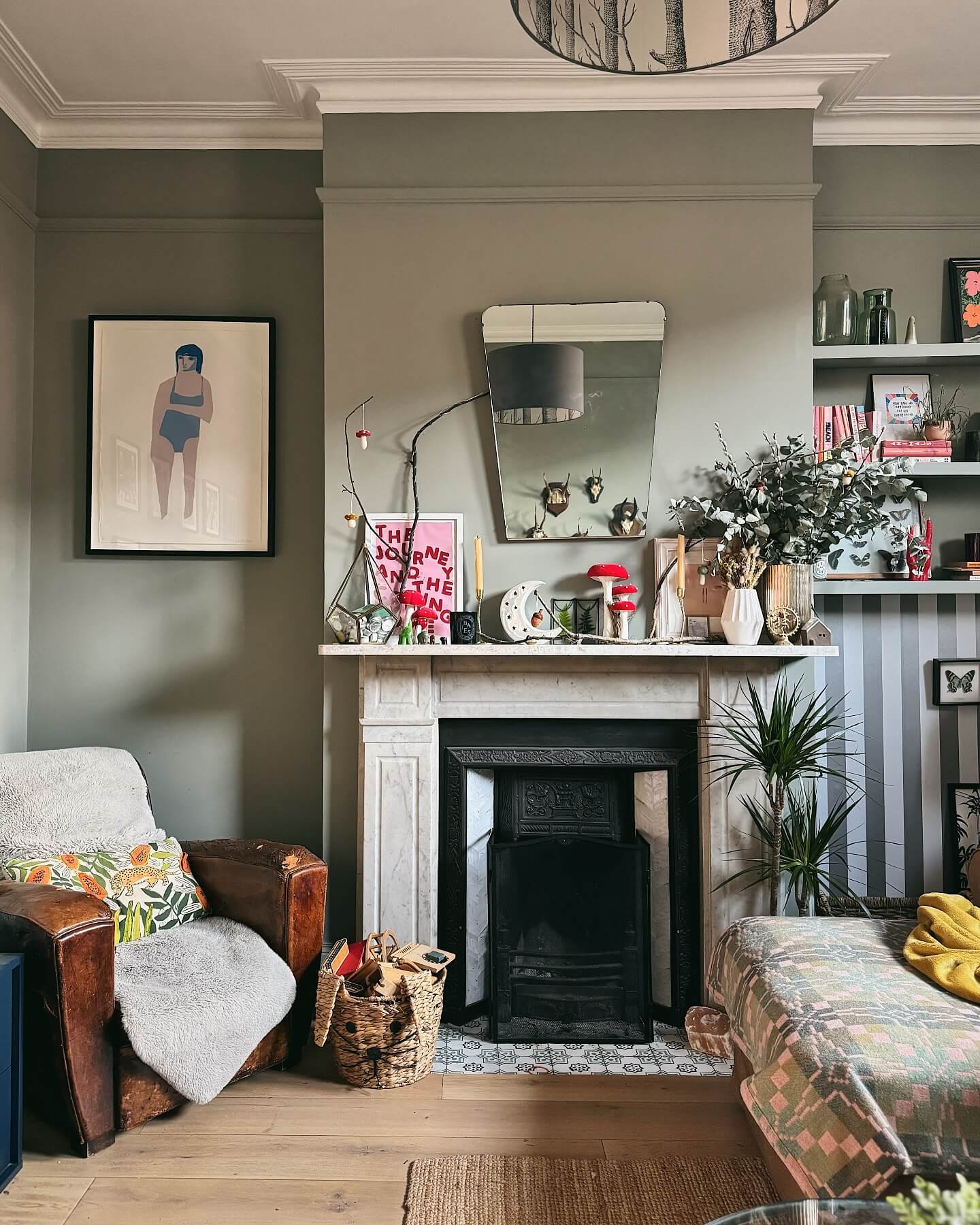
A beautiful fireplace deserves equally considered styling. Start with a single anchor—an oversized mirror to bounce light or a large-scale artwork that sets the palette. Layer smaller frames to one side for asymmetry, and vary heights with stacked books or a sculptural pedestal. Mix finishes thoughtfully: aged brass with matte black, pale oak with travertine, ceramic with smoky glass. Keep the arrangement to odd numbers and let negative space breathe. Add life with greenery—olive branches, eucalyptus, or a low ikebana moment—and shift accents seasonally: woven baskets and seashells in summer, taper candles and wool garlands in winter. If your TV lives above the mantel, build a shallow ledge just below to host slim objects without blocking the screen, and rely on sconces or picture lights for vertical interest. Edit regularly; the mantel reads best when it feels collected, not cluttered. Finally, echo materials elsewhere: a brass-framed mirror over the hearth, brass pulls on built-ins; a travertine bowl on the mantel, travertine side table by the sofa. Cohesion is the secret to that effortless, designer-finished focal point.
Get the Fail-Safe Paint Color Playbook (Free PDF)
36 proven colors • 8 ready palettes • trim & sheen guide • printable testing cards.
Soft Minimalism: Limewashed Plaster and Pale Oak
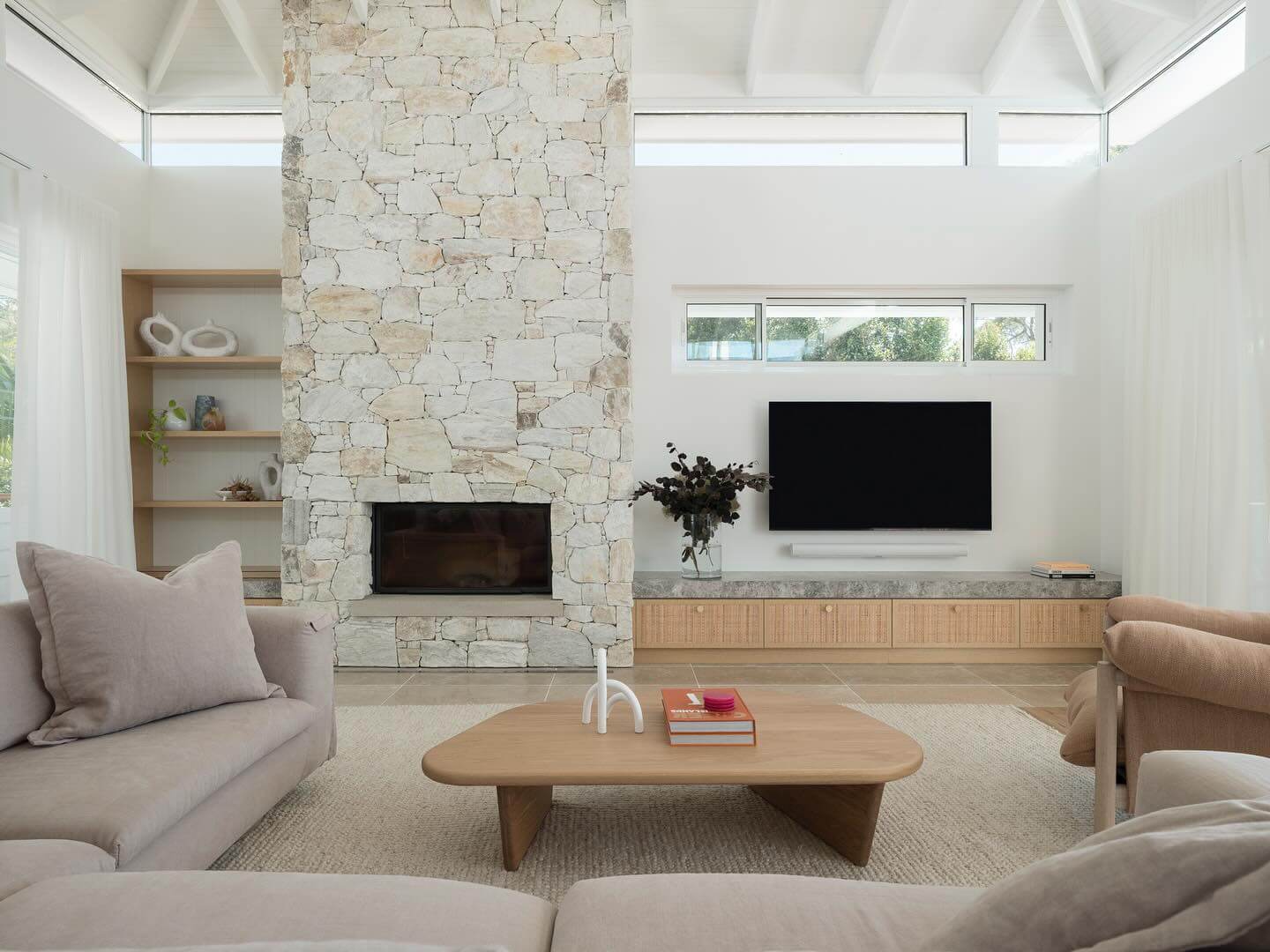
For a living room fireplace that feels effortless yet elevated, pair a limewashed plaster chimney breast with pale oak accents. The gently mottled finish adds artisanal texture without visual noise, allowing the flame to take center stage. Skip a heavy mantel or opt for a slim oak ledge that echoes your flooring for a seamless, Scandinavian-inspired look. Keep the hearth low and linear to elongate the wall and make a modest room read wider.
This minimalist fireplace idea thrives on tone-on-tone styling: linen upholstery, nubby wool throws, and matte pottery create depth through texture instead of pattern. A framed TV or a single oversized artwork keeps the composition calm—just mind clearances and use mineral-based, heat-resistant paints around the opening. If you’re renovating, a vented linear gas insert delivers clean edges; in condos or older homes, a slim electric unit can mimic the effect with easier installation. Tuck conduit inside the chase for hidden media, and finish edges with metal reveals for crisp transitions. The result is a serene focal point that brightens the room by day and glows softly at night—proof that quiet materials can make the hearth the most compelling statement.
Classic Symmetry: Fireplace Flanked by Built‑Ins
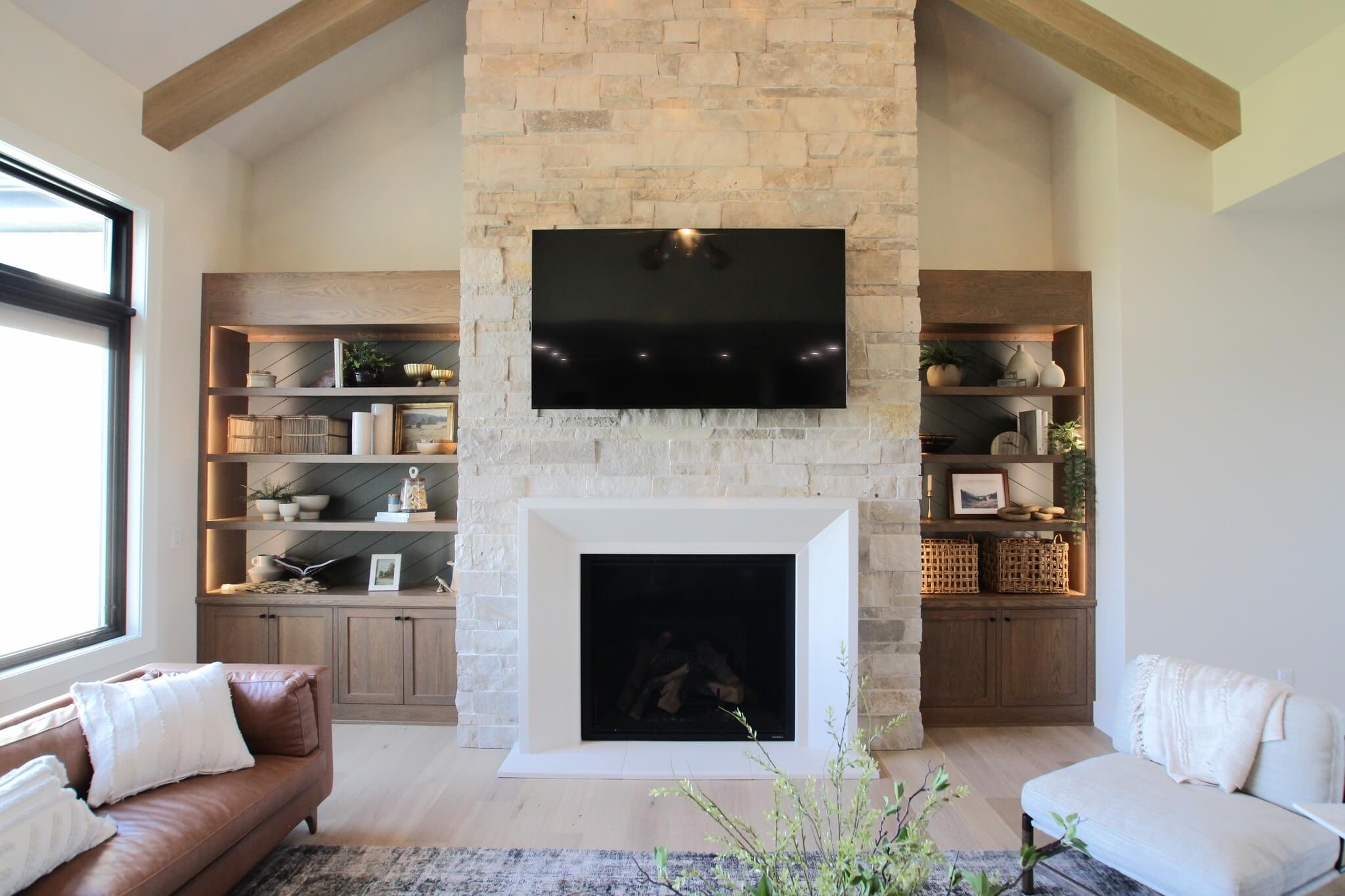
Nothing frames a living room fireplace like custom built-ins. Anchor the surround with closed base cabinets for media and games, then rise to open shelving for books, ceramics, and woven baskets. Paint the cabinetry and mantel in the same hue for a tailored, architectural envelope; even better, carry the color onto the walls to make the firebox pop. Aim for balanced proportions—shelves that align with the mantel height and a cabinet width that doesn’t dwarf the hearth—so the eye rests at the flame.
Add library sconces or picture lights above each unit for warm, layered illumination that flatters both the shelving and the fire. Plan smart: integrate cord management, soft-close doors, and venting pathways if a receiver or soundbar lives inside the cabinets. A simple stone or tile surround keeps things timeless; introduce subtle pattern on the hearth or the bookcase backs (beadboard, grasscloth, or oak planking) for texture. Style shelves in thirds—stacks of books, sculptural vessels, and small framed art—to avoid clutter and maintain visual rhythm. This symmetrical setup delivers storage, display, and a magazine-worthy focal point in one polished move.
Long and Low: Linear Gas Fireplace for Modern Living
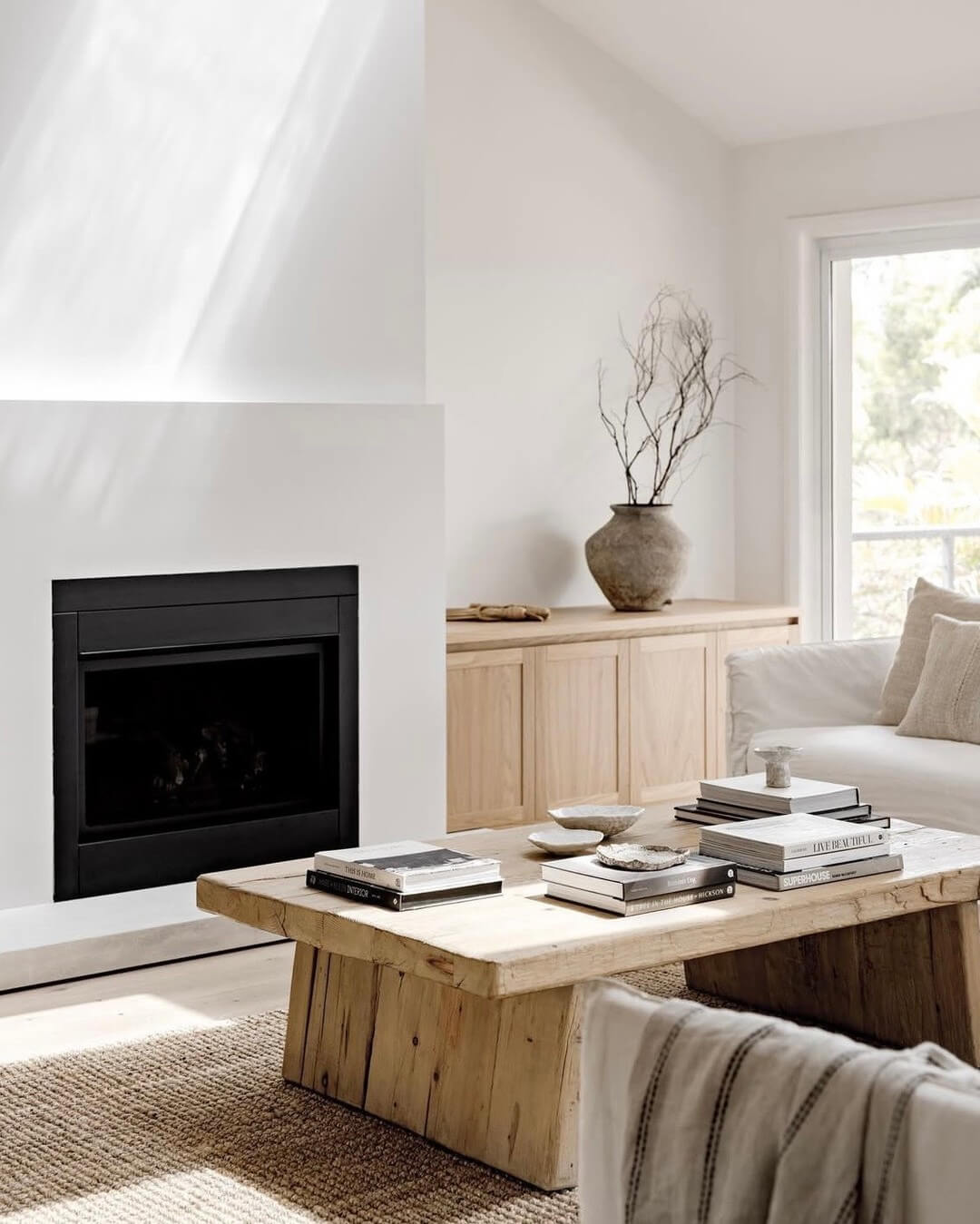
If your goal is sleek and architectural, a long, low linear fireplace is the modern living room move. Think a 60–100+ inch opening set into a flush, non-combustible surround—large-format porcelain, quartzite, or plaster—so the fire reads like a horizontal ribbon. A floating bench hearth doubles as extra seating and subtly zones open-concept spaces without blocking sightlines. Keep the wall clean: no bulky mantel, just precise reveals and a minimal media setup mounted at code-compliant clearances.
Proportion is everything. Match the length of the fire to your sofa or area rug to create a cohesive visual line, and let negative space do the decorating. Style sparingly—an oversized abstract, a single branch in a stone vase, and low-profile accents maintain the contemporary mood. For comfort and safety, incorporate a heat management kit if placing a TV above; for retrofits, a premium electric linear insert offers convincing flame effects with simpler installation. Layer light with recessed downlights and a dimmable floor lamp to enhance the evening glow. The result is an effortlessly chic focal point that feels custom, expansive, and perfectly tailored to modern life.
Parisian Mantel Moment: Antique Marble With Panel Moulding
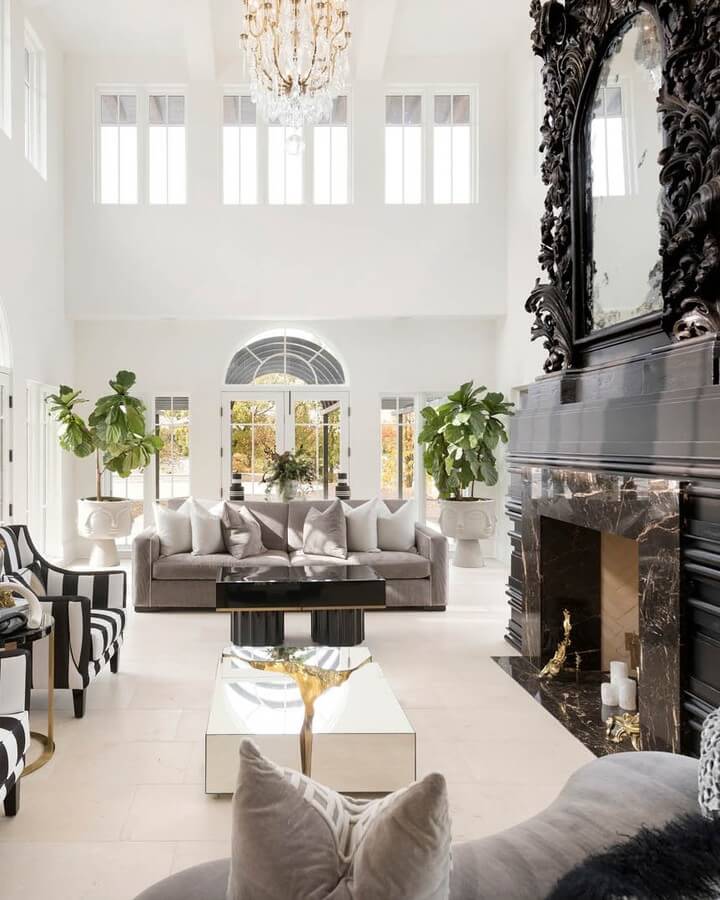
Channel old-world elegance with a carved marble mantel paired with crisp panel moulding. This living room fireplace idea leans timeless and romantic: veined stone frames the opening, while applied wall mouldings and a gilded mirror draw the eye upward. Inside the firebox, consider herringbone brick or a matte black fireback to amplify depth and contrast. Keep the palette soft—warm whites, camel, and inky accents—so the mantel’s stonework and proportions shine.
Balance the verticality with classic lighting—fabric-shaded sconces or petite picture lights—and a pair of vintage chairs flanking the hearth. If the fireplace is decorative only, cluster pillar candles, add a log set, or install a shallow electric insert for ambient glow without major construction. Sourcing tip: reclaimed mantels vary in size, so confirm firebox dimensions and combustible clearances early; a slender limestone or marble surround often suits both historic and newer builds. Finish with layered textiles—silk-trimmed drapery, a wool rug, and velvet cushions—for a collected Parisian effect. The composition feels storied yet livable, turning the hearth into a gallery-worthy statement that never goes out of style.
Built-In Log Niche: Sculptural Storage That Warms the Room
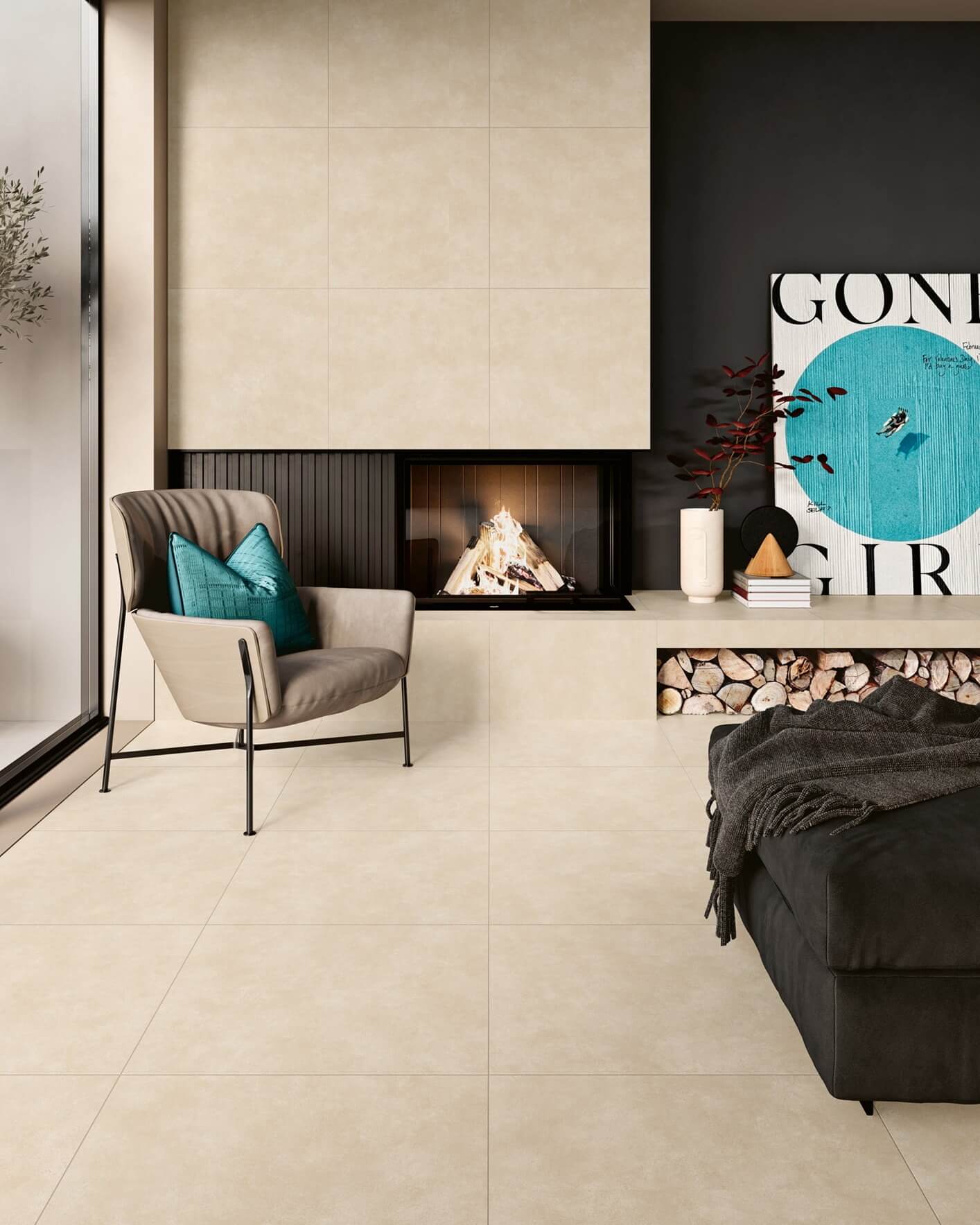
A dedicated firewood niche transforms storage into sculpture and makes your living room fireplace feel bespoke. Carve a vertical slot into the chimney breast or add a recessed bay alongside built-ins; line it with blackened steel, terrazzo, or tile for durability and contrast. Even if you’re burning gas or electric, stacked logs (or ceramic faux rounds) lend natural texture that softens sleek surrounds and bridges rustic and modern styles.
Plan it like cabinetry: ensure non-combustible materials, maintain code-required clearances from the firebox, and include a stout base to catch debris. For symmetry, mirror the niche with a display alcove or art ledge on the other side; for a more editorial look, keep it asymmetrical and let the wood act as a vertical counterpoint to a low, linear insert. Add a discreet LED strip at the top to spotlight the grain and create evening ambiance. Style the rest of the mantel minimally so the niche reads intentional, not cluttered. It’s a practical, high-impact detail that adds rhythm, warmth, and year-round interest—proof that storage can be one of your smartest design moments.
Cozy, Classic Living Room Fireplace Ideas and Mantel Styling Tips
Cozy, classic living room fireplace ideas celebrate texture, patina, and familiar silhouettes. Wood-burning or high-efficiency inserts paired with brick, marble, or stone create a hearth that feels storied and substantial. Detailed mantels, dentil molding, and paneling frame the opening and give the room architectural gravitas. Mirrors, portraits, or landscape paintings above the mantel amplify height and reflect flicker for a welcoming glow. Thoughtful firewood storage, ember protection, and proper clearances keep tradition beautiful and safe.
- Style the mantel with a three-layer formula: grounded anchors, mid-height art or mirror, and delicate fillers in odd numbers to achieve balance, movement, and warmly curated character.
- Consider classic surrounds—marble, soapstone, or hand-molded brick—paired with detailed millwork legs and a substantial mantel shelf to add depth, heritage, and tactile richness that ages gracefully.
- Flank the fireplace with built-in bookcases or arched niches, integrating dimmable picture lights so collectibles glow softly while the fire remains the star during evenings and gatherings.
- Create hearth seating using a raised stone ledge, a tufted bench cushion, and layered kilim pillows to extend conversation space, add color, and invite lingering through chilly seasons.
- Select a forged-iron screen, ash bucket, and tool set with matching finishes; practical accessories can read like jewelry, protecting floors while reinforcing the room’s traditional narrative.
- Refresh seasonally with garlands, candles in glass hurricanes, and layered framed art, rotating textures and heights so the mantel feels alive without overwhelming the architecture or firebox.
When space is tight, choose a slim hearth and mount art instead of a TV, or place the television beside the fireplace in a balanced, gallery-style arrangement. Maintain viewing comfort by keeping screens at seated eye height and shielding them from direct heat with deflectors. Rugs with dense weaves and wool content resist sparks better while anchoring the furniture plan. Choose warm metal finishes—antique brass, burnished bronze, or pewter—for hardware that harmonizes with aged woods. If combustion isn’t feasible, a pellet stove or infrared electric unit can deliver charm, flames, and zone heat with traditional styling.
Your Smart-Style Fireplace Playbook: Quick Answers
What size fireplace works best for a small living room?
Aim for a compact insert or linear unit between 30–48 inches wide, scaled to your seating distance. Keep clearances, mantel projection, and traffic flow in mind to avoid crowding the layout.
Can I safely mount a TV above the fireplace?
Yes, with proper heat management. Use a projecting mantel, deflector, or recess to divert heat, verify manufacturer temperature limits, and test wall temperatures during operation before permanent installation.
Get the Fail-Safe Paint Color Playbook (Free PDF)
36 proven colors • 8 ready palettes • trim & sheen guide • printable testing cards.
What are budget-friendly ways to update an existing fireplace?
Paint or limewash brick, add a new mantel shelf, and swap in a better screen or tools. Consider peel-and-stick tile only if heat-rated; otherwise, use real ceramic, stone, or cement tile.
How can I improve heating efficiency without losing style?
Choose a sealed gas insert or high-efficiency electric unit, add tight-fitting doors, and use a quiet blower or ceiling fan for circulation. Insulate the chase and add a smart thermostat for control.
Final Verdict: Make the Hearth Your Home’s Signature
From painted brick and limewashed plaster to marble, travertine, and sleek linear inserts, these living room fireplace ideas prove there’s a path to a standout focal point at any price point or design style. The magic lies in proportion and materials—pairing the right surround and mantel with texture, tone, and thoughtful vertical emphasis. Whether you’re embracing symmetry with built‑ins, softening lines with an arched firebox, or adding edge with concrete and steel, a well-planned hearth quietly organizes the room and elevates everything around it.
Approach the project in layers: choose your heat source (wood, gas, or electric) based on lifestyle; define a cohesive palette that complements flooring and furnishings; then solve for layout with clear sight lines, seating comfort, and TV decisions. Add practical beauty—log niches, low media cabinets, or library-style shelving—and finish with lighting and styling that change with the seasons. For quick wins, consider a paint refresh, new tile, a slim electric unit, or sconces that frame the surround without visual clutter.
Most importantly, tailor the details to how you live. Consult local codes and pros for safety and clearances, then pick one bold move—a color-drenched mantel, fluted millwork chimney, or shiplap stack—to set the tone. Layer art, mirrors, and natural textures, and your fireplace will read as intentional architecture year-round—warming the space even when the flames are off.