
Gorgeous Minnesota Landscaping Ideas for Four-Season Curb Appeal (That Thrive in Zone 3–4)
Designing a beautiful yard in Minnesota means planning for everything from lake-effect winds to deep freezes and humid summers. The good news: with the right mix of native plants, smart hardscapes, and winter interest, your landscape can look great and function even better all year long.
In the ideas ahead, we’ll focus on Zone 3–4–hardy choices that bring life to spring, thrive in summer heat, glow in fall color, and stand tall through snow. Think pollinator-friendly prairie grasses, deer-resistant perennials, red-twig dogwood, and evergreens that frame your home when everything else sleeps.
Get the Fail-Safe Paint Color Playbook (Free PDF)
36 proven colors • 8 ready palettes • trim & sheen guide • printable testing cards.
You’ll also find practical upgrades tailored to Minnesota living: rain gardens that handle snowmelt, lakeshore-friendly buffers, permeable pavers that fight ice, fire features for crisp evenings, and low-maintenance groundcovers that cut mowing time. Whether you’re in the Twin Cities or up by the North Shore, these Minnesota landscaping ideas will help your yard work with the climate—not against it.
Cold-Hardy Minnesota Landscaping Plants and Four-Season Garden Design
Minnesota spans USDA Zones 3–4, bringing deep freezes, freeze–thaw cycles, heavy snow, and spring saturation, so resilient plant selections are essential. Start with layered structure: canopy trees like ironwood and serviceberry, evergreens such as Black Hills spruce and juniper, then shrubs including ninebark and red osier dogwood. Underplant with long-blooming perennials—coneflower, bee balm, and asters—plus ornamental grasses for movement and winter texture. Match plants to soil realities by loosening compacted clay, adding compost, and shaping gentle berms to improve drainage without creating erosion. Consider microclimates; south-facing foundations warm early, while open exposures desiccate in winter winds, affecting species choices and placement. Near salted walkways and driveways, use tougher picks like ‘Karl Foerster’ feather reed grass and creeping juniper, and protect sensitive roots with breathable burlap windbreaks their first winter.
- Zone-4 Superstars: Choose Black Hills spruce, serviceberry, viburnum, prairie dropseed, and coneflower; they shrug off -30°F winters, handle clay-loam soils, and deliver fragrance, berries, and texture from spring through snow.
- Four-Season Color Plan: Layer red osier dogwood, dwarf ninebark, ornamental grasses, and allium; combine winter bark, summer blooms, autumn foliage, and persistent seedheads for eye-catching curb appeal in every month.
- Pollinator Corridor: Stagger milkweed, bee balm, penstemon, and asters so nectar flows May to October, sustaining monarchs, native bees, and hummingbirds while reducing pests through natural predation and improved ecological balance.
- Shade Solutions: Under mature maples, mass hosta, heuchera, ostrich fern, and sedge; add spring ephemerals like trillium to capture early light before canopies close, then rely on foliage contrast for drama.
- Deer-Resistant Choices: Favor yarrow, boxwood, catmint, and lavender where deer pressure is heavy; interplant with strongly scented herbs to discourage browsing without resorting to unsightly fencing or constant repellents.
Plan for four-season appeal by combining evergreen backbones with shrubs that glow in winter, like red osier dogwood, and perennials that leave sculptural seedheads. Choose flowering sequences—spring bulbs to summer echinacea to fall asters—so color never pauses, then echo hues in containers for continuity. Mulch two to three inches with shredded hardwood to buffer roots, suppress weeds, and moderate soil temperatures without suffocating crowns. Water deeply and infrequently using drip lines or soaker hoses, encouraging deeper roots that better resist drought and late frosts. Prune dogwoods and ninebarks right after bloom to preserve flowers, and delay perennial cutbacks until late winter for habitat and winter interest. Evaluate annually, moving underperformers and repeating proven stars to build cohesion and lower maintenance over time.
Frame a Four-Season Front Entry with Evergreens and Red-Twig Glow
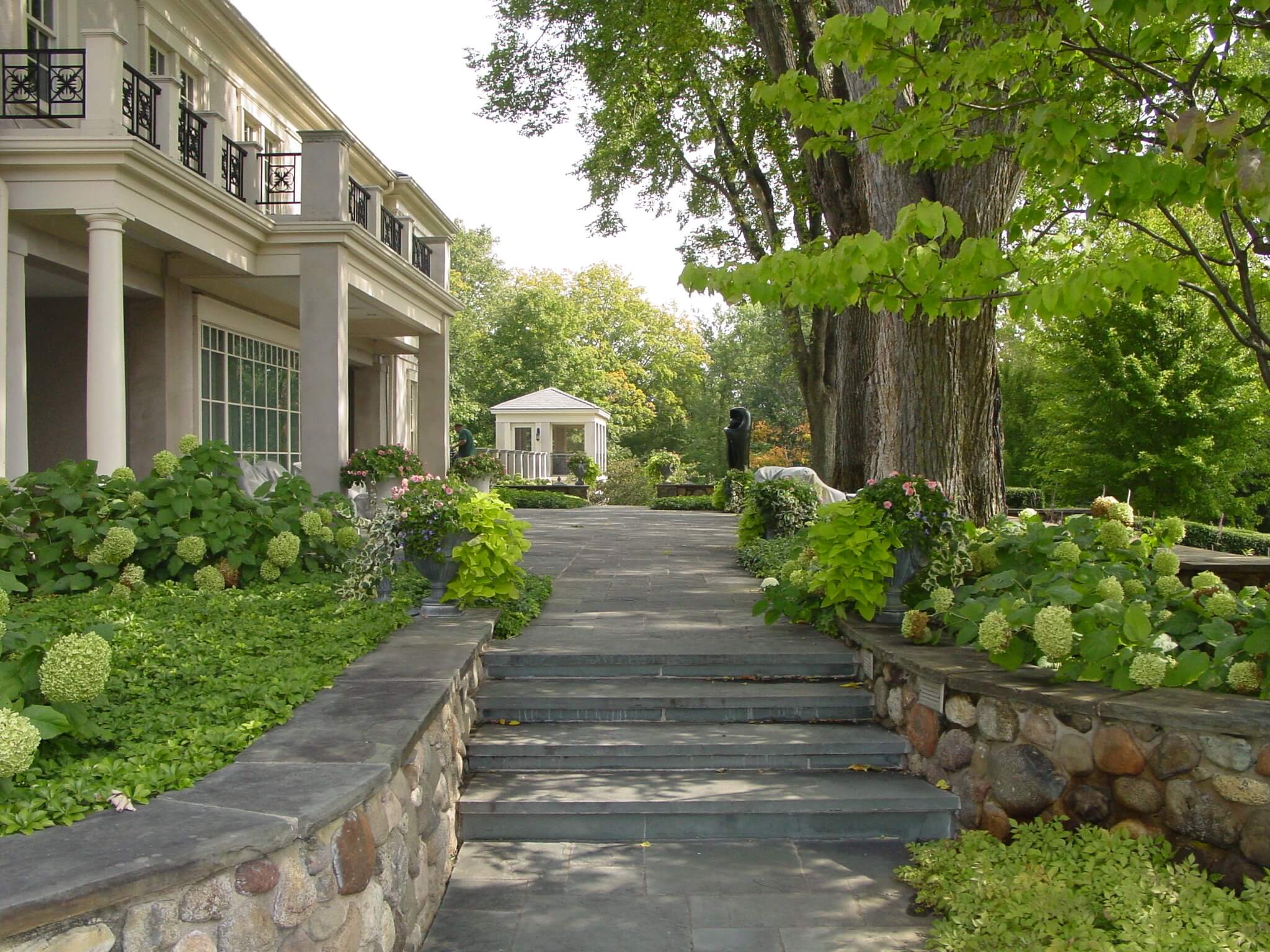
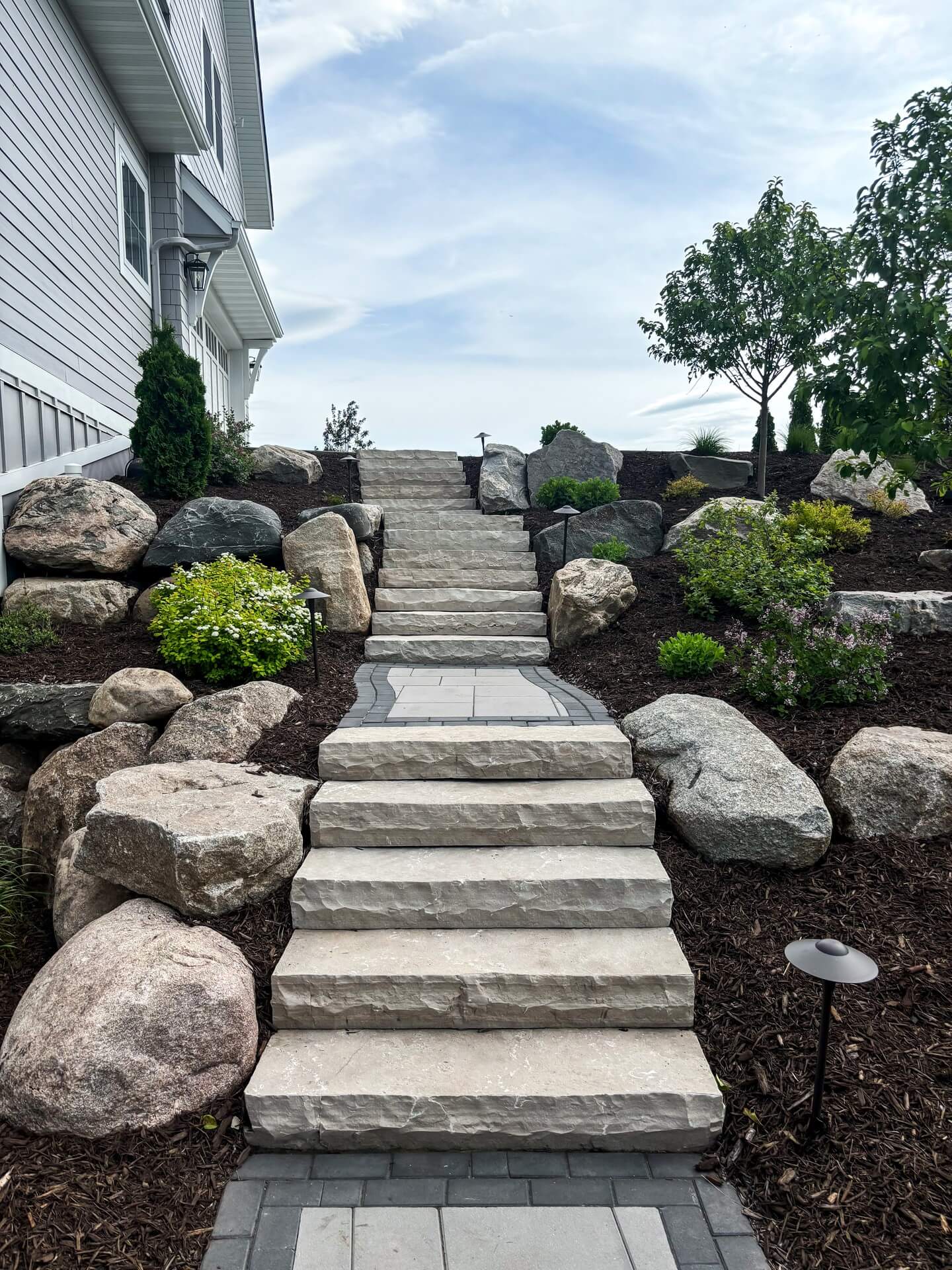
Great Minnesota curb appeal starts with structure that shines when the garden sleeps. Build the “bones” of your front entry with Zone 3–4 evergreens—columnar arborvitae (like ‘North Pole’), dwarf mugo pine, and compact spruce—set back from salt spray and snow toss zones. Layer in red osier dogwood for that postcard winter pop; its scarlet stems glow against snow and pair beautifully with warm-toned Kasota stone steps or granite boulders that won’t heave in freeze–thaw. For spring-to-fall color, weave in deer-resistant perennials such as catmint, allium, salvia, yarrow, and echinacea. Panicle hydrangeas bridge late summer into autumn and dry nicely for winter texture. Keep edges crisp with steel edging and crushed-granite mulch so the entry reads tidy even during mud season. Snow-smart design is key: widen the walk for shoveling, designate a hidden snow-dump pocket, and choose darker pavers to speed melt. Low-voltage, downcast path lights with a timer or photoeye make short winter days feel welcoming and boost safety on icy evenings. Finish with a simple seasonal container near the door—spruce tips, dogwood stems, and cones—so your front step stays inviting from January to June without high maintenance.
Swap to a Bee-Lawn Boulevard for Color, Pollinators, and Fewer Mows
If your boulevard or front strip struggles with salt, heat, and compaction, a bee lawn is a Minnesota win. Mix fine fescues (hard, chewings, sheep) with low-blooming companions like Dutch white clover, self-heal (native Prunella), and creeping thyme for a resilient, pollinator-friendly carpet that needs less water and fewer fertilizer inputs. Prep matters on urban soil: core-aerate, topdress with compost, and overseed in late summer for strong establishment before freeze. Mow high (3.5–4 inches) to shade weeds, and keep a clean edge with pavers or steel edging so it reads intentional and HOA-friendly. Choose salt-tolerant accents along curbs—little bluestem, prairie dropseed, and penstemon—set back from the heaviest splash zone. A narrow ribbon of granite chip or permeable pavers at the street edge catches plow debris and protects roots. Post a friendly “Bee Lawn in Progress” sign to build neighbor buy-in and help pollinators find your blooms during May–June no-mow windows. The payoff: spring nectar for early bees, soft color all summer, fall seed for songbirds, and a strip that bounces back fast after snowbanks recede.
Permeable Patio + Fire Feature for Cozy Minnesota Evenings
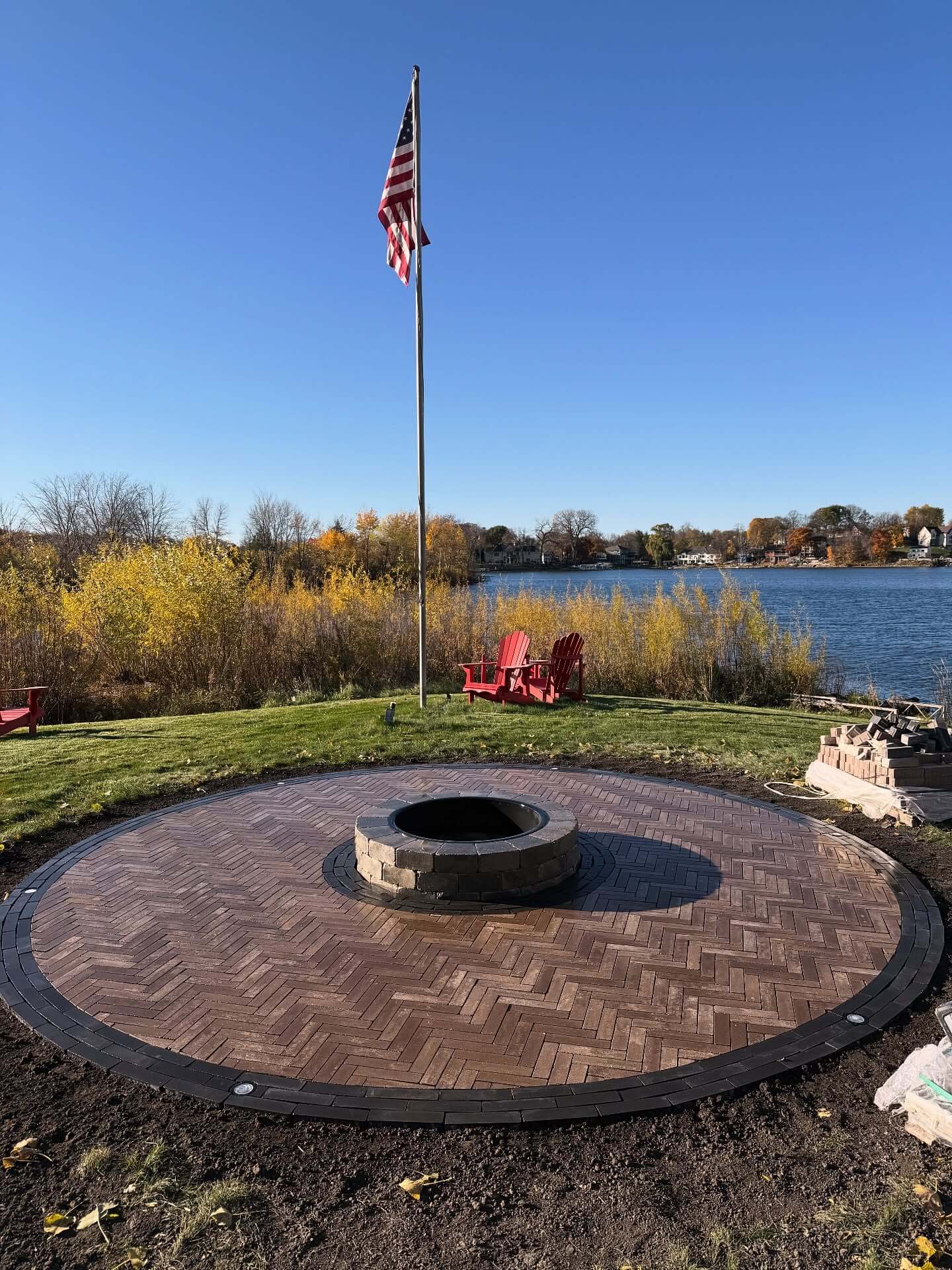
Stretch patio season from lilac bloom to first snowfall with a permeable paver living space anchored by a fire feature. Permeable pavers over an open-graded base let rain and snowmelt soak in, cutting ice slicks and puddles while protecting your foundation. Specify ASTM-rated concrete pavers in mid-to-dark blends for faster melt, and border the field with a soldier course for polish and plow-friendly edges. A gas fire bowl with wind guard is low-maintenance on breezy fall nights; a wood-burning pit adds classic crackle—just include a spark screen and observe setbacks. Seat walls double as snow-proof furniture and thermal mass, while cedar benches move to storage easily. Wrap the patio with fragrant, tough perennials—monarda, prairie dropseed, and switchgrass—and tuck in dwarf conifers for winter backbone. Run a dedicated conduit now for future lighting and heaters; warm white, shielded LEDs make early sunsets feel intentional. In high-traffic zones, choose polymeric chips or washed aggregate for joints that won’t heave. When storms hit, your patio drains, your boots stay dry, and the flames keep the North Star vibes going.
Build a Snowmelt-Ready Rain Garden to Guard Your Basement and the River
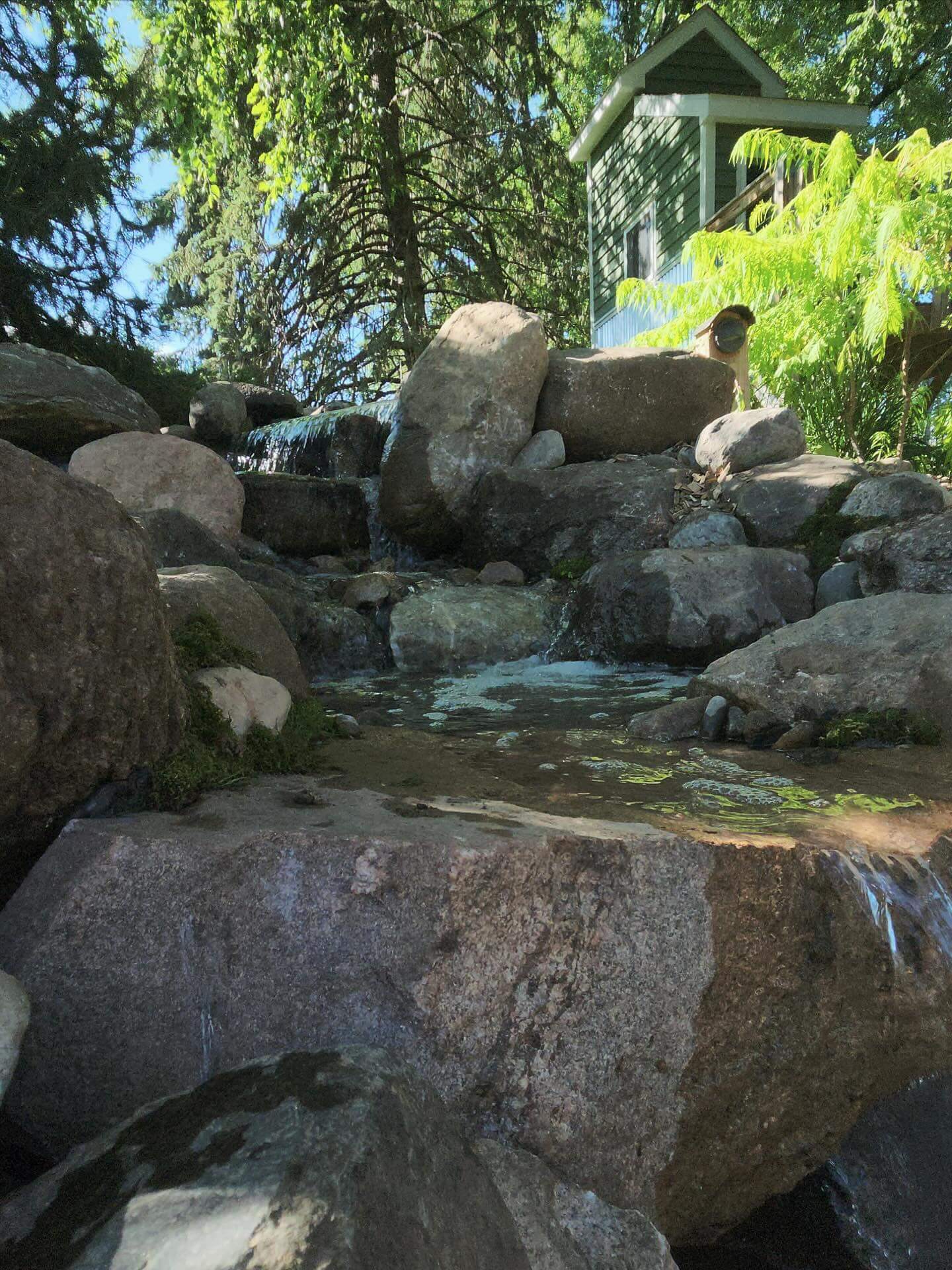
Minnesota yards see torrents when layered snowpack finally lets go. A well-placed rain garden catches roof runoff and snowmelt, filters it, and sends clean water back to the soil—before it reaches your foundation or street drains. Site it 10–15 feet downslope from the house, away from septic, and size the basin to 6–8 inches deep with a rock-lined inlet from downspouts. Use an open, sandy loam mix and include an armored overflow spillway for big thaws. Plant wet–dry workhorses: blue flag iris, swamp milkweed, Joe-Pye weed, golden alexanders, and tussock sedge in the bowl; prairie dropseed, little bluestem, and black-eyed Susan on the berms. These Zone 3–4 natives handle spring saturation, summer heat, and fall color, then stand up as winter habitat. Mulch with shredded hardwood the first year; after establishment, let plant litter act as natural insulation and weed control. Worried about mosquitoes? Properly built rain gardens drain within 24–48 hours—too fast for breeding. The result is a seasonal showpiece that tames downspouts, protects basements, and keeps salt, grit, and nutrients out of Minnesota waters.
Natural Lakeshore Buffer That Looks Good and Guards the Water
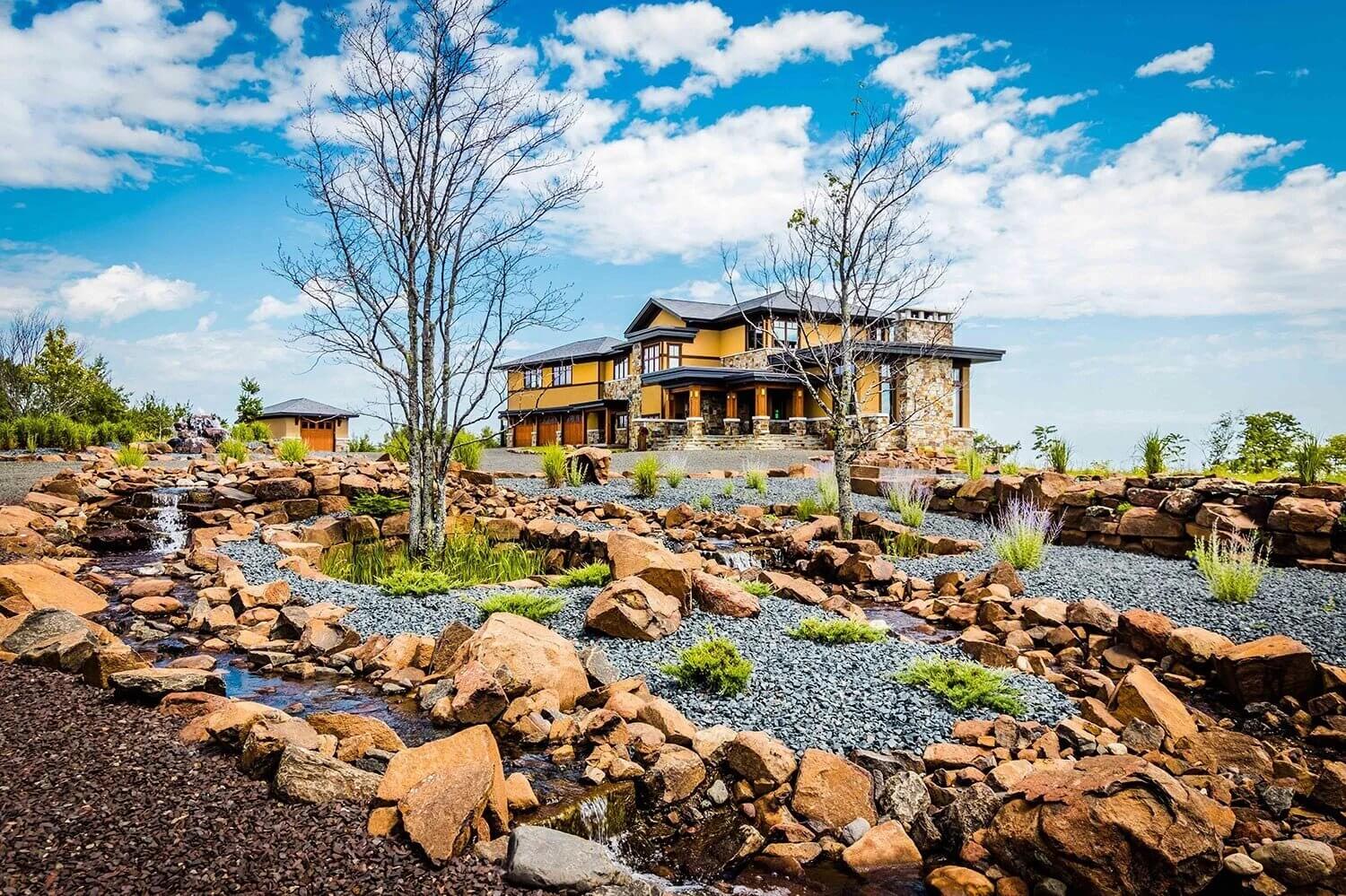
If you’re on a Minnesota lake, a living shoreline is both beautiful and smart. Replace lawn-to-water edges with a tiered native buffer: ankle-high grasses and flowers near pathways, waist-high meadow in the mid-zone, and flexible, deep-rooted species at the toe to ride out ice shove. Bluejoint grass, switchgrass, red osier dogwood, willow live stakes, rushes, bulrush, and moisture-loving sedges knit soil, deter geese, and filter runoff. Stabilize the waterline with coir logs and stone pockets where needed—often permit-free compared to full riprap, but always check DNR and county rules first. Meander a 4–6-foot permeable path to the dock using stepping stones set on open-graded base; keep “view windows” by selective pruning rather than mowing to the shore. In upland zones, add serviceberry, fragrant sumac, and lupine for spring bloom and fall blaze. Swap phosphorus-heavy fertilizers for compost topdressing and manage leaves away from the lake. The payoffs arrive fast: clearer water, fewer algae blooms, more pollinators and songbirds—and a shoreline that weathers freeze–thaw and high-water swings with grace.
Low-Maintenance Minnesota Landscaping: Hardscapes, Drainage, and Sustainable Outdoor Living
Successful Minnesota hardscapes begin beneath the surface, with a compacted Class-5 base eight inches deep for patios and ten to twelve inches for driveways. Include geotextile fabric to separate soils, resist pumping, and stabilize edges against frost heave. Pitch all surfaces one to two percent away from the house, capturing runoff in swales or drains to prevent icy pooling and foundation stress. Set pavers with polymeric sand joints and steel or granite edging to lock patterns while accommodating expansion and contraction. Where budgets allow, choose permeable systems to reduce ice sheen and relieve stormwater surges during rapid thaws. Favor lighter paver colors that reflect sunlight and warm faster in spring, extending shoulder-season usability.
- Build patios with compacted class-5 base, geotextile separation, and polymeric sand joints to resist frost heave while shedding meltwater quickly during spring thaws and sudden midwinter warmups.
- Specify permeable pavers or open-joint grids in driveways to reduce ice sheen, recharge groundwater, and minimize plow damage, especially near downspouts and low spots prone to refreezing.
- Direct roof runoff into a bioswale or rain garden planted with blue flag iris, joe-pye weed, and sedges, slowing stormwater while adding habitat, color, and mosquito-resistant circulation.
- Choose sealed natural stone, brick, or high-strength concrete pavers rated for de-icing salts, and edge with steel or granite curbing to prevent snowblower scouring and shifting.
- Integrate low-voltage LED path lights, step lighting, and downlighting on timers to improve winter safety, highlight architectural lines, and extend outdoor use into early sunsets and chilly evenings.
Design for function and comfort: set seat walls at eighteen inches, size patios for furniture clearances, and maintain forty-two-inch walkways for snowblower access. Use gas fire pits with wind-guard glass for consistent flame in winter gusts, or add spark screens for wood-burning safety. Anchor pergolas and privacy screens below frost line depths, typically forty-two to sixty inches, to prevent racking and heave. Select furniture and cabinets built from powder-coated aluminum, dense hardwoods, or masonry to withstand moisture and freeze cycles. Seal concrete and natural stone every two to three years, and map snow-pile zones away from plantings to avoid salt burn and crushing. Finish with native buffer plantings around hard edges to absorb runoff, soften lines, and tie the space into the broader ecosystem.
Your North Star Landscape Questions, Answered
When is the best time to plant in Minnesota?
Aim for late spring after soil warms or early fall when roots establish without heat stress. Avoid waterlogged weeks and hard frosts, and prioritize evergreens earlier to settle before deep cold.
Get the Fail-Safe Paint Color Playbook (Free PDF)
36 proven colors • 8 ready palettes • trim & sheen guide • printable testing cards.
How do I protect plants from road salt and winter burn?
Create buffer zones with gravel strips or salt-tolerant groundcovers, then water deeply before freezes to hydrate tissues. Erect breathable burlap windbreaks for evergreens and rinse foliage after splash events.
What’s a smart budget range for a Minnesota landscape overhaul?
Expect $15–$30 per square foot for planting-focused projects and $35–$60 per square foot when hardscapes dominate. Complex drainage, lighting, and premium stone can push totals higher.
Get the Fail-Safe Paint Color Playbook (Free PDF)
36 proven colors • 8 ready palettes • trim & sheen guide • printable testing cards.
Which lawn alternatives handle Minnesota winters?
Consider fine fescue blends, no-mow mixes, or native sedge meadows that require less water and fertilizer. For high-traffic areas, combine permeable paths with durable microclover overseeding to improve resilience.
Final Verdict: Bringing It All Together for Four-Season Minnesota Curb Appeal
The best Minnesota landscapes don’t fight the climate—they lean into it. By combining cold-hardy evergreens for structure, red-twig dogwood for winter color, bee-lawns and prairie perennials for pollinators, and permeable hardscapes that shrug off ice, you get a yard that looks great and works hard in Zones 3–4. Add in a snowmelt-ready rain garden and a natural lakeshore buffer where applicable, and you’ll protect basements, driveways, and nearby waters while reducing maintenance and mowing.
Start with one anchor upgrade—an entry framed with conifers, a boulevard bee-lawn, a cozy permeable patio with a fire feature, or a well-placed rain garden—and build out in phases. Match plants to sun, soil, and drainage; prioritize salt- and deer-resistant varieties; and source natives from reputable Minnesota growers. With a thoughtful plan, your Twin Cities bungalow or North Shore cabin can deliver four-season beauty, habitat, and durability—landscaping that earns compliments in July and still turns heads in January.