
Unleash the Beauty of Your Yard with These Unique Sloping Garden Ideas
Transforming a sloping garden can feel like a daunting task, but it can also be one of the most rewarding landscape projects you’ll ever undertake. A sloped yard offers unparalleled opportunities to create something truly unique and breathtaking. From terraced flowerbeds to cascading water features, the possibilities are nearly endless. If you’ve ever gazed at the uneven terrain of your backyard and wondered how to best work with it, this guide is packed with inspiring ideas and practical tips to make the most of your sloped garden.
Achieving balance between aesthetics and functionality is key when designing your sloping garden. The natural incline provides a perfect canvas for visual interest, depth, and dimension. Whether you aim to establish a series of flat, usable spaces or want to highlight the natural contours of the land, this article provides insights on everything from choosing the right plants to constructing retaining walls. With careful planning, your sloped garden can serve as an elegant extension of your home’s living space.
Get the Fail-Safe Paint Color Playbook (Free PDF)
36 proven colors • 8 ready palettes • trim & sheen guide • printable testing cards.
Explore the potential of your sloping yard by harnessing the power of creativity and strategic design. Say goodbye to erosion worries and hello to a landscape that not only enhances the beauty of your property but also offers a sanctuary for relaxation and reflection. Dive into these sloping garden ideas that transform an ordinary yard into an extraordinary outdoor oasis.
Transforming Steep Slopes into Usable Garden Spaces
Sloping gardens often present a unique challenge for homeowners, but they also offer a beautiful opportunity for creativity in landscaping. With the right strategies, steep slopes can be transformed into stunning, functional garden areas that add value and enjoyment to your home. Terracing is an excellent method to create flat surfaces on a slope, allowing you to add different layers of vegetation. Raised beds are also a practical solution, providing excellent drainage and adding visual interest to otherwise plain slopes. Consider mixing hardscape elements such as stone or brick walls with lush greenery to create contrast and a sense of escape.
Design Ideas for Sloping Gardens
- Terraced Planters: Construct terraced planters to utilize vertical space effectively, while creating stunning layered gardens on a slope.
- Retaining Walls with Seating: Integrate seating within retaining walls on slopes, offering relaxation spots with scenic views of the garden below.
- Water Features: Install cascading water features that follow the slope’s natural grade, adding tranquil sounds and a soothing ambiance to the garden.
When considering plant selection for sloping gardens, it is essential to focus on species that will thrive in your specific soil and sunlight conditions. Deep-rooted plants are advantageous as they help in stabilizing the soil and reducing erosion. Ground covers, such as creeping thyme or vinca, are excellent choices for sloping areas due to their low maintenance and spread. Additionally, think about implementing pathways using gravel or stepping stones to allow for easy navigation across different levels. Proper planning and the integration of diverse materials and plants will result in a sloping garden that is both functional and beautiful.
Terraced Blooms: A Floral Pathway to Your Door

Creating a terraced garden adorned with vibrant flowerbeds offers both functionality and visual allure. By strategically planting colorful blooms along the slope, you can guide the eye naturally towards your home, creating an inviting entrance. Terraces serve as natural breaks in the incline, reducing erosion while providing flat spaces for planting. Consider a combination of perennials and seasonal flowers to ensure year-round color and interest. Incorporating native plants will not only enhance the ecosystem by attracting bees and butterflies but also reduce maintenance efforts.
Using stone steps, as seen in the image, adds a rustic charm that complements the lush greenery and florals. This not only improves access across different levels but also integrates gracefully with the landscape. Pairing brick with blooming flowers enriches the visual experience, adding depth and texture to the garden. The use of diverse plantings with varying heights accentuates the slope’s natural beauty, transforming it into the focal point of your landscape.
These thoughtful design choices can turn a challenging slope into a breathtaking garden that welcomes visitors with a burst of floral beauty.
Layered Lawns: Creating Levels of Green
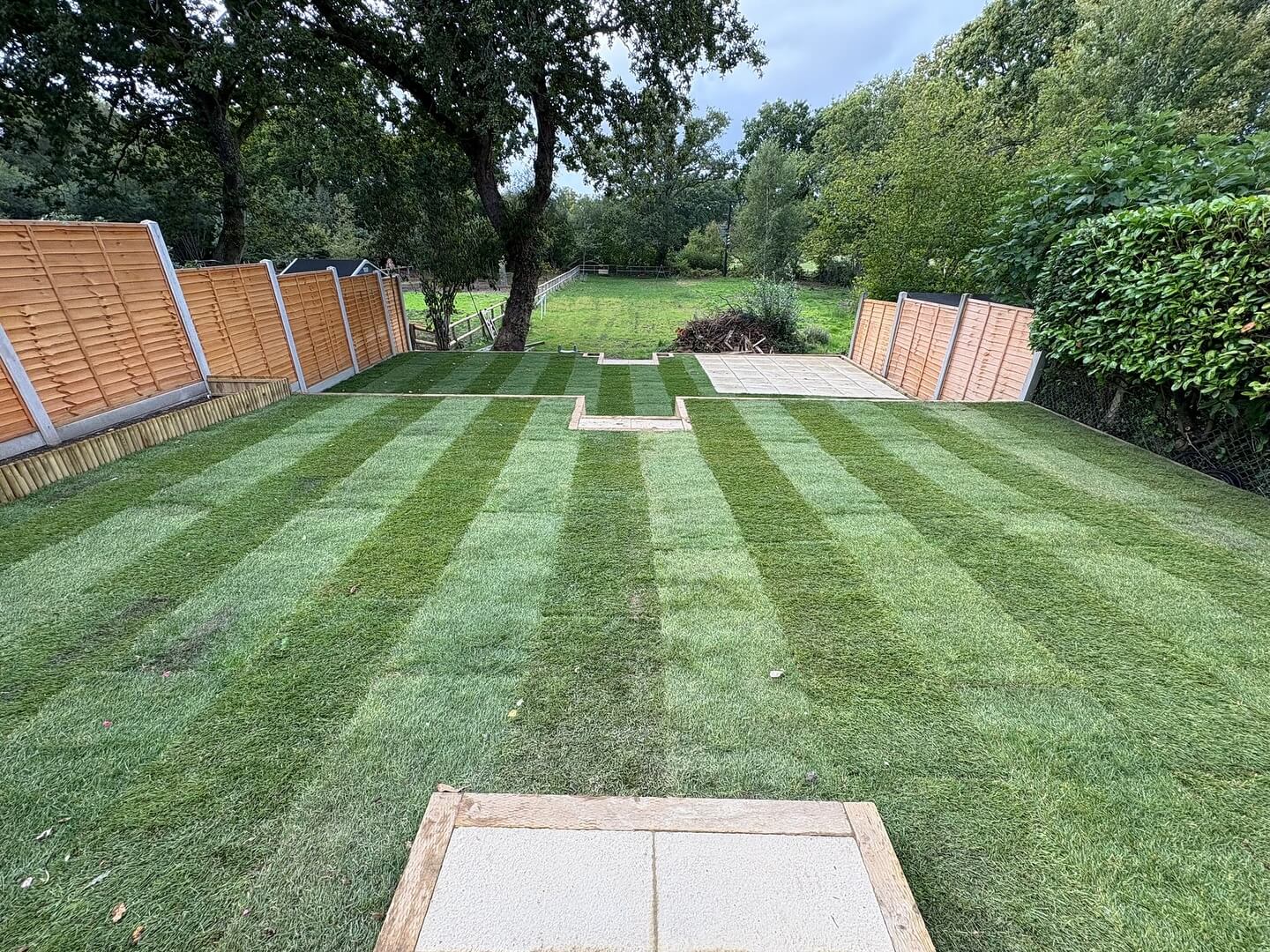
Introducing a tiered lawn to your sloped garden can offer an organized and modern aesthetic. Leveling sections of the slope with grass-covered tiers provides flat, usable space ideal for family activities, entertaining, or relaxing. This approach not only achieves a clean and structured look but also enhances functionality, making the most of the gradient. Such a design reduces the risk of soil erosion, allowing rainwater to drain gently rather than rushing down the slope.
Incorporate robust turf suitable for the local climate to ensure vibrant, lush greenery across all seasons. Regular maintenance like mowing and edging will keep the layered appearance crisp and appealing. To add further charm, contrasting edging materials such as wooden borders or stone walls can be used to define each lawn level, providing a polished finish.
The layered lawn concept not only maximizes space utility but also offers a visually appealing solution to taming unruly slopes, turning them into an accessible and stylish outdoor space.
Stone Steps and Natural Plantings: A Harmonious Blend
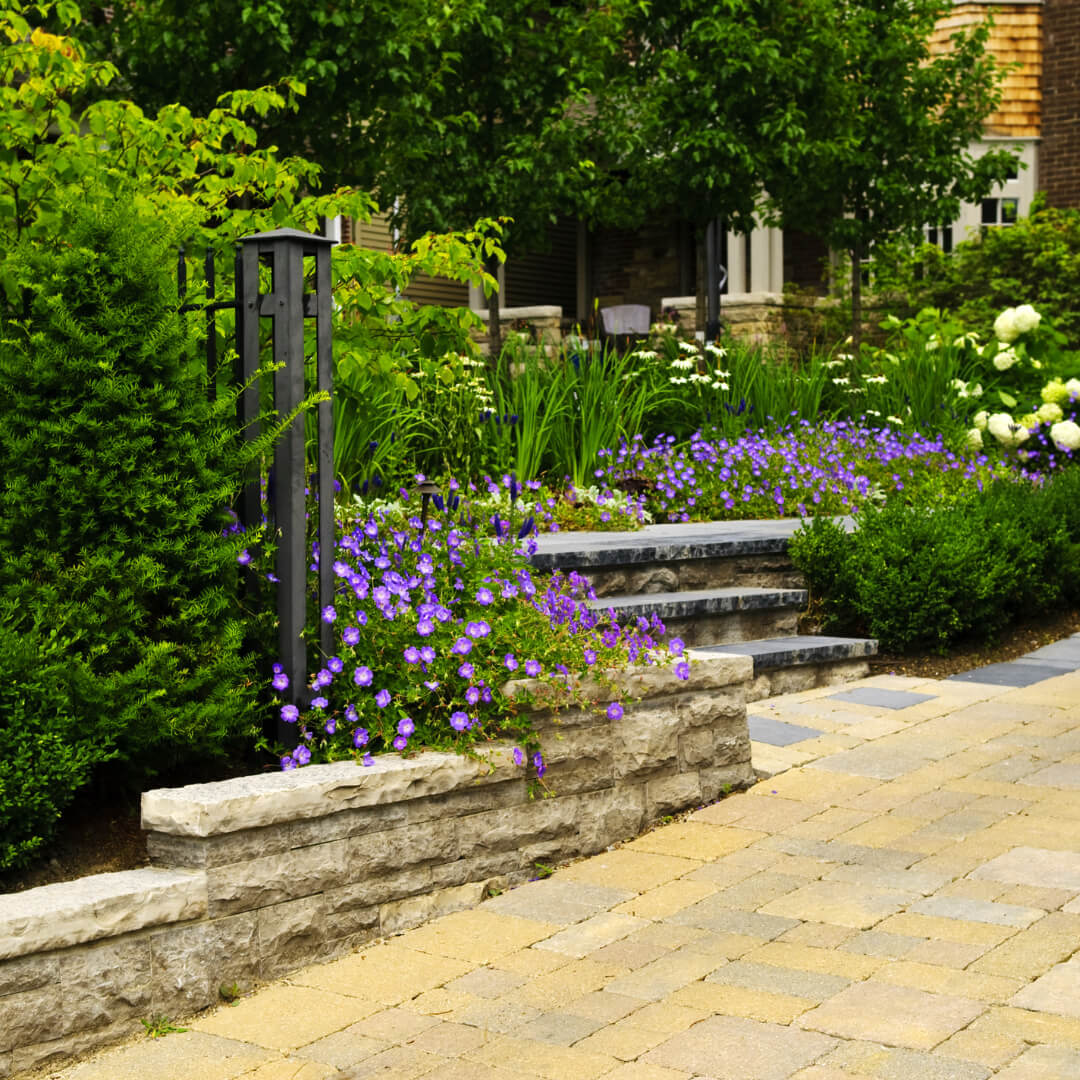
Incorporating stone steps into a sloped garden cultivates a harmonious balance between natural beauty and architectural design. The image showcases stone pathways interwoven with vibrant flora, creating a seamless transition across different garden levels. Such features not only facilitate easy navigation throughout the space but also enhance its aesthetic appeal, serving as striking focal points that draw you further into the garden.
Plants like lavender and geraniums flourish beside the steps, their colors and scents enriching the sensory experience. The interplay between stone and plant life creates an inviting atmosphere that encourages tranquil exploration and contemplation. The key is to select foliage that thrives in your specific environmental conditions and complements the stones’ hue and texture.
This blend of hard and soft landscaping elements highlights the natural contours of your slope while inviting nature into your landscape. Opt for durable, weather-resistant materials for the stone, ensuring longevity and minimal maintenance, creating a garden that feels both timeless and alive.
Seaside Splendor: Embrace Coastal Inspiration

Transform your sloping garden into a seaside-inspired paradise with strategic planting and diverse textures. As depicted, a medley of vibrant, sun-loving plants can mimic the colorful tapestry of coastal flora, bringing a touch of maritime magic to your home. Opting for hardy plants such as succulents, grasses, and flowering perennials adds both structure and dynamism, thriving in sunny, sloped conditions common in coastal regions.
Get the Fail-Safe Paint Color Playbook (Free PDF)
36 proven colors • 8 ready palettes • trim & sheen guide • printable testing cards.
Layering with taller shrubs or small trees on the upper parts of the slope not only enhances privacy but also reduces wind exposure, creating a microclimate where more delicate species can flourish. Incorporating elements like driftwood or pebbles can reinforce the coastal theme, adding texture and visual interest.
This sprawling, nature-infused design not only elevates the aesthetic value of your garden but also offers a habitat for local wildlife, fostering biodiversity. Embrace the sloping challenge with creativity, cultivating a serene and vibrant garden that’s rich in coastal character.
Gabion Walls: A Modern Twist in Garden Design
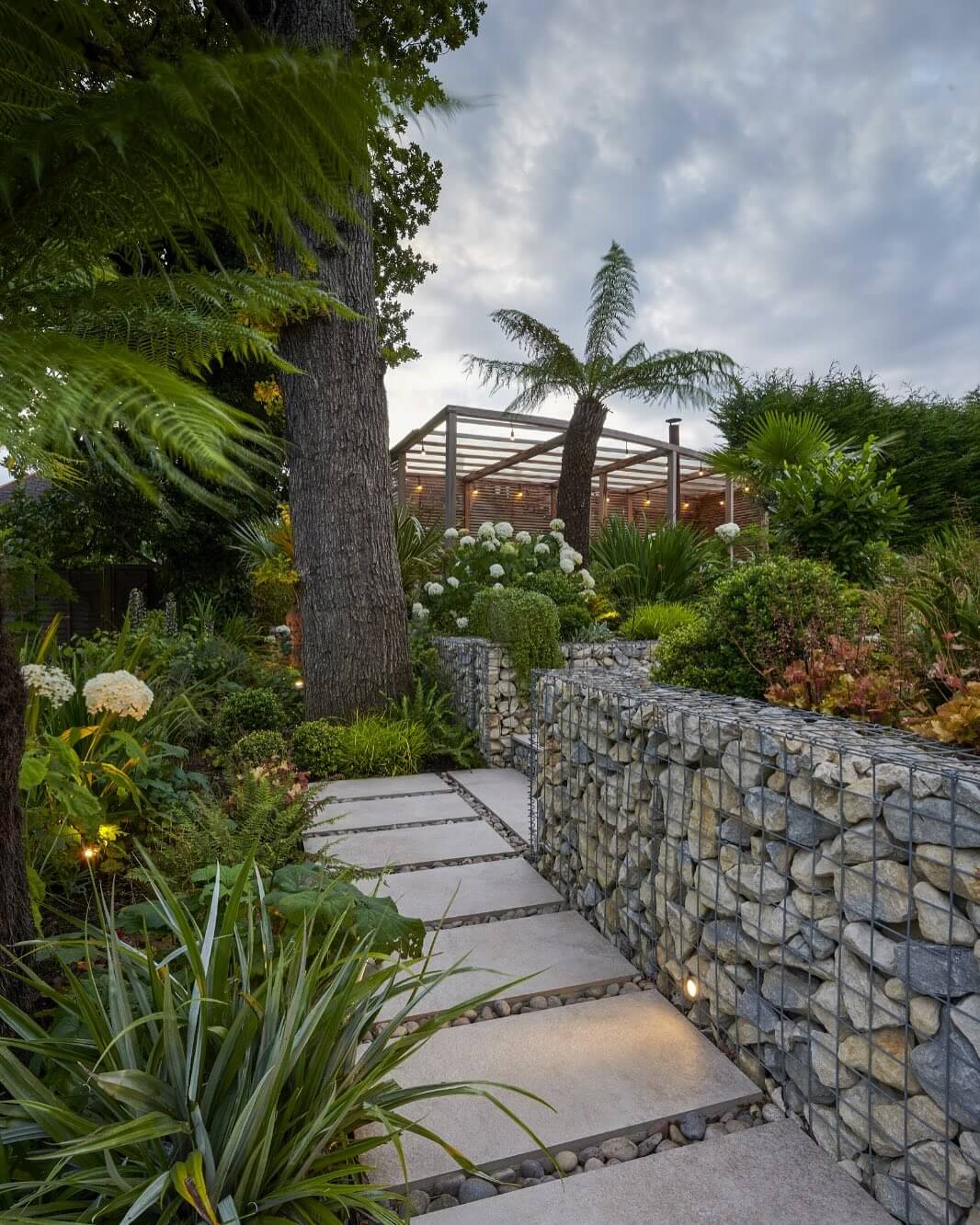
Embrace the contemporary elegance of gabion walls to give structure and definition to your sloping garden. These wire-caged stone structures are a chic and durable alternative to traditional retaining walls, providing effective erosion control while adding a modern edge. The natural stones within the gabions blend seamlessly with the leafy surroundings, enhancing the organic feel of the landscape.
Gabion walls allow for a dynamic interplay between textures, with their industrial framework juxtaposing the soft, lush greenery around them. Consider growing creeping plants or vines that elegantly drape over the top, softening the look and integrating gabions with other garden features. The neutral tones of the stones make them a versatile backdrop for a variety of plant colors and textures.
Such innovative use of materials not only stabilizes steep slopes but also serves as a striking visual element, turning potential garden challenges into dramatic design opportunities.
Gravel Pathways and Lavender: A Stroll Among Scents

Integrate meandering gravel pathways in your sloping garden to create an inviting and aromatic journey through nature. Lining these paths with hardy, fragrant plants like lavender provides a sensory feast for the senses as you gently navigate the slope. Gravel is an excellent choice for accentuating curves and contours, offering both drainage and aesthetic appeal.
Lavender’s calming scent and vibrant hues contribute to an atmosphere of relaxation, making these paths a favorite retreat. Consider combining with other drought-tolerant plants like sage or rosemary to enhance the olfactory experience while reducing maintenance demands. A strategically placed bench or viewing spot encourages moments of pause, allowing you to fully appreciate your garden paradise.
This combination of tactile and fragrant elements not only makes for a beautiful design but also maximizes the usability of sloped spaces. By enhancing accessibility while promoting sensory engagement, your garden becomes a haven for both you and the local wildlife.
Elevated Decking: Create a Cozy Corner

Elevate the utility of your sloping garden by introducing a raised deck, creating a cozy outdoor space that feels both private and open. Decking provides a sturdy flat area, perfect for relaxing, entertaining, or simply enjoying the view. This elevated platform capitalizes on the slope, offering a unique perspective of your garden and beyond, transforming an underutilized area into a vibrant living space.
Incorporate comfortable seating and potted plants to enhance the area’s appeal, creating a seamless blend between the deck and the surrounding landscape. Opt for weather-resistant materials to ensure durability and longevity, reducing upkeep costs over the years. Adding subtle lighting can extend the usability of this space well into the night, making it a charming spot for evening gatherings.
Utilizing decking in a sloped area not only increases your property’s functional space but also serves as a statement piece, celebrating the natural topography while providing a stylish retreat.
Get the Fail-Safe Paint Color Playbook (Free PDF)
36 proven colors • 8 ready palettes • trim & sheen guide • printable testing cards.
Curved Elegance: Embrace Flow in Garden Design

Craft beautifully curved pathways through your sloping garden to enhance its natural beauty and flow. Curved paths not only make ascending the slope easier by providing more gradual inclines, but they also offer visual intrigue, drawing visitors to explore further. This meandering design can be complemented by layered plantings, incorporating a diverse range of textures and colors to stimulate the senses.
Select materials like natural stone or pavers that harmonize with the landscape, ensuring durability and aesthetic coherence. By introducing soft curves, the garden feels more integrated, fostering a sense of harmony with nature. The gentle arcs of the pathways invite exploration and linger, encouraging people to enjoy the journey as much as the destination.
This strategic use of curved paths adds an element of sophistication and grace to the garden, demonstrating a thoughtful approach to design that maximizes both form and function, making your slope not just manageable but magnificent.
Tiered Planting Zones: A Symphonic Garden Layout

Transform your sloped garden with tiered planting zones that create a symphony of colors and textures. This method not only maximizes the visual impact of the space but also facilitates better plant care and accessibility. By arranging plants in ascending levels, you can curate a cohesive design that enhances the slope’s natural gradient while ensuring each plant receives adequate sunlight and drainage.
Different levels allow for diverse plant selections, fostering biodiversity and providing varied habitats for local wildlife. Using wooden sleepers or bricks, as seen in the image, creates distinct separations and supports soil stability. The defined boundaries aid in retaining moisture and nutrients, promoting lush, vibrant growth across all tiers.
These dynamic tiers draw the eye upwards and make maintenance more manageable. It’s a practical and beautiful response to the challenges presented by a sloping garden, ensuring it remains not just a part of the landscape but the centerpiece of your outdoor sanctuary.
Al Fresco Dining: Expand Your Entertainment Space

Create a delightful al fresco dining area in your sloped garden to expand entertainment options and enjoy meals amidst nature. By terracing part of your slope, you can establish a flat, secure base perfect for outdoor furniture, transforming the area into a functional dining spot.
This setup allows you to indulge in fresh air dining experiences, surrounded by the lush beauty of a well-tended garden. Hardscape elements like stone or brick paving provide stability and ease of movement, while carefully selected foliage adds intimacy and ambiance to the space.
Incorporate ambient lighting and flowering borders to enhance the mood, ensuring the area remains welcoming from dawn until dusk. This integration not only elevates the slope’s practicality but also adds to the garden’s overall allure, making outdoor dining a cherished extension of your living space.
Get the Fail-Safe Paint Color Playbook (Free PDF)
36 proven colors • 8 ready palettes • trim & sheen guide • printable testing cards.
Rustic Retreat: Embrace Natural Stone and Wood

Nestled within the embrace of nature, a sloping garden adorned with rustic stone and wood elements exudes timeless charm. The integration of natural stone seating built into the slope offers a cozy alcove, perfect for moments of relaxation amid the garden’s natural beauty. This design not only takes advantage of the terrain’s natural descent but also incorporates sustainable materials that seamlessly blend into the landscape.
Strategically positioned ornamental grasses and wildflowers add an element of natural artistry, playing into the garden’s rustic theme while offering a soft contrast to the sturdy stonework. This approach minimizes maintenance while maximizing visual appeal, as the lush plantings soften the overall look. By capturing the essence of a countryside retreat, this design transforms a challenging slope into a welcoming extension of your living space. An accessible pathway further ensures that the aesthetic and functional elements of your sloped garden are harmoniously integrated.
Creating a garden space that invites one to linger is essential for slopeland owners desiring a tranquil retreat. This rustic garden sanctuary with its carefully curated design elements underscores the transformative potential of natural materials. Transform your slope into a storybook escape where sustainability meets sophistication.
Pergola Paradise: Luxuriously Layered Living
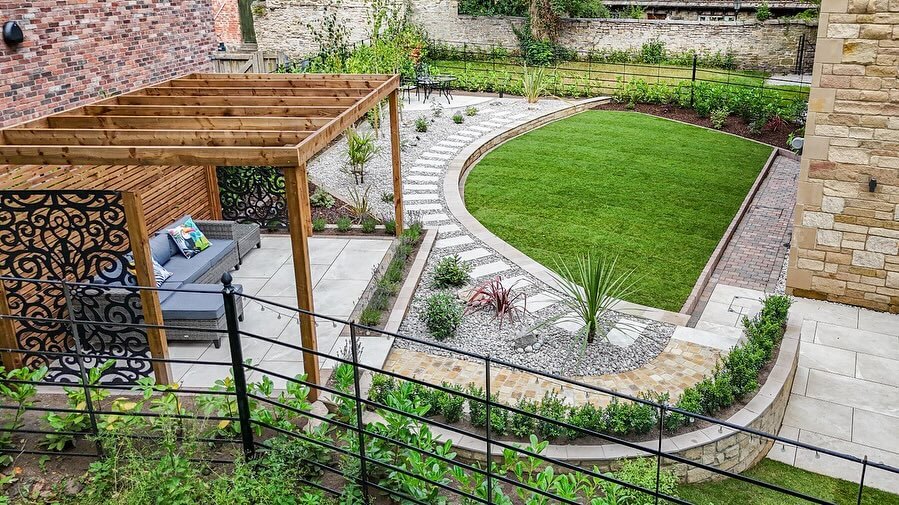
Imagine stepping into a luscious layered garden where multifunctional design makes the most of every square inch. The introduction of a pergola at the lower level serves as a cozy nook for relaxation or outdoor dining, while seamlessly framing the garden’s expanse. Such a structure doesn’t merely provide shade but becomes an architectural highlight that enhances the garden’s aesthetic inevitability.
A serpentine path meanders through manicured lawns and elegantly bordered planting beds, each step inviting exploration and engagement with the garden’s natural beauty. The harmonious combination of stone, grass, and ornamental plants complements the visual rhythm, creating a landscape that intrigues at every level. The garden’s design harnesses the sloping terrain’s natural beauty, achieving not only functionality but a scenic delight as well.
This setup allows for the maximization of usable space, and by breaking the garden into distinct zones, it creates a sense of depth and perspective. Such organization transforms the landscape into an interactive experience, inviting visitors to wander and discover the elegance of layered garden design.
Elevated Elegance: Creative Raised Beds

Embrace the art of elevated elegance with creative raised beds that introduce not only functionality but visual delight into your sloping garden. These raised structures, crafted to nestle into the grassy incline, redefine the way we perceive traditional gardening. By elevating certain sections, a unique depth is conferred upon the garden, distinguishing various planting zones while accommodating diverse flora.
Strategic placement of colorful blooms and contrasting foliage within these raised beds not only adds texture but enhances the visual layers throughout your garden. This approach not only protects plants from possible runoff problems prevalent on sloping terrains but also aids in maintaining a neat, organized planting layout.
The separation of each bed offers individual focus, allowing you to curate distinct plant themes within each zone, thus exploring color palettes and plant types that accentuate the garden’s overall theme. Elevating your garden using raised beds is not merely about addressing slope challenges; it is an invitation to transform the mundane into a beautifully tiered oasis of flora, catering to both aesthetic appeal and practicality.
Garden Glimpse: An Outdoor Culinary Escape

Transform your sloping garden into a multifunctional haven with an outdoor kitchen that seamlessly integrates into nature’s bounty. Utilizing the natural gradient, an elevated area becomes an outdoor culinary escape, complete with built-in barbecue facilities that invite al fresco dining. Here, culinary desires meet the beauty of vibrant garden blooms, creating an enchanting space for gatherings.
Within view of this area, cascades of lush greenery and blossoming flowers envelop the garden in vibrant hues. The effective use of elevation accentuates the separation between cooking and dining areas, enriching the spatial dynamics and inviting guests to traverse the space.
By curating specific plant varieties and aligning them with the contours of the garden, this design immerses visitors in a sensory experience—from aromatic herbs to vibrant flora. Design elements such as stairs and terraces integrate utility with aesthetic, ensuring a flow that resonates with the overall layout while enabling access to every part of the garden. Embrace the potential of your sloped garden by transforming it into an outdoor culinary and botanical haven.
Serene Seating: Garden Nooks for Relaxation
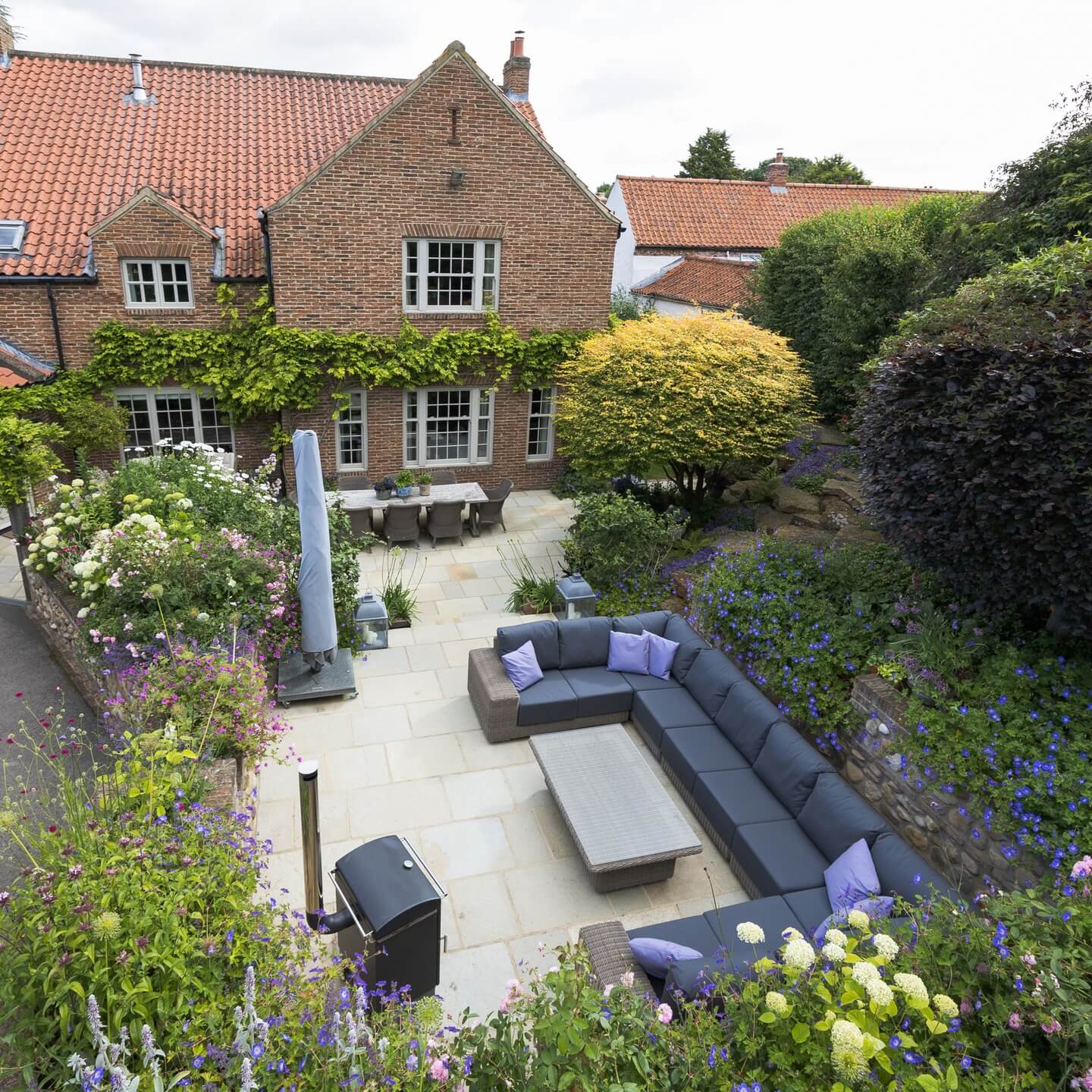
Exploit your garden’s inclines by designing idyllic seating nooks that invite reflection amid botanical splendor. Nestled among cascading plants and paved patios, these cozy corners become focal points where the stress of daily life melts away. By embedding seating harmoniously into the terraced slope, you create intimate spaces that foster a sense of seclusion amidst vibrant foliage.
The clever positioning of sofas and dining areas ensures comfort while embracing the garden’s natural contours. By choosing materials such as wicker and natural stone, this garden maintains a refined, yet relaxed ambiance.
Surrounding these seating arrangements, an orchestra of colors blooms, accentuating the garden’s natural beauty. This design not only enhances the intimate atmosphere but also encourages restful interaction with nature. As a part of your sloping garden, these secluded nooks invite friends and family to partake in shared moments, transforming the landscape into a personal sanctuary of leisure and beauty.
Rustic Pathways: Functional Beauty in Descent

Introduce the charm of rustic pathways to your sloping garden, guiding exploration while enhancing both functionality and beauty. This design uses the natural descent to incorporate stepped pathways, allowing for easy access and navigation throughout your garden’s landscape.
Stone steps blend seamlessly with the terrain, serving as natural extensions of the garden’s contours. Embedding the pathways with vegetation softens the stone’s presence, achieving a harmonious blend between the constructed and natural elements. Each step not only provides access to different tiers but also frames sections of the garden, creating a visual journey of discovery.
Adding depth and dimension, rustic pathways encourage storytelling with each curve and ascent, inviting exploration and interaction with the natural environment. This approach, combining the rustic appeal of stone with the lush vibrancy of plant life, transforms your slope from a utilitarian space into a garden to be explored and cherished.
Get the Fail-Safe Paint Color Playbook (Free PDF)
36 proven colors • 8 ready palettes • trim & sheen guide • printable testing cards.
Sleek Simplicity: Modern Minimalist Design

Incorporate the elegance of modern minimalist design into your sloping garden, where simplicity meets functionality. The introduction of sleek, paved sections and minimalistic planters transforms the lower garden levels into an organized, modern space that complements the contemporary home aesthetic.
The careful layout of simple, uniform tiles creates a neat and uncluttered surface, while the structured plant beds add visual contrast. This design approach maximizes usability of sloped areas while maintaining a clean aesthetic. Thoughtfully selected plant varieties introduce bursts of greenery, ultimately enhancing the garden’s minimalist appeal without overwhelming the space.
Furthermore, the integration of subtle elevation changes provides structure without disrupting the garden’s cohesive look. This modern minimalist strategy exemplifies how sloping gardens can promote tranquility and function without sacrificing style. The overall effect is a sophisticated outdoor area that becomes an extension of your living space, perfect for hosting or solitary reflection.
Woodland Wonderland: A Natural Playground
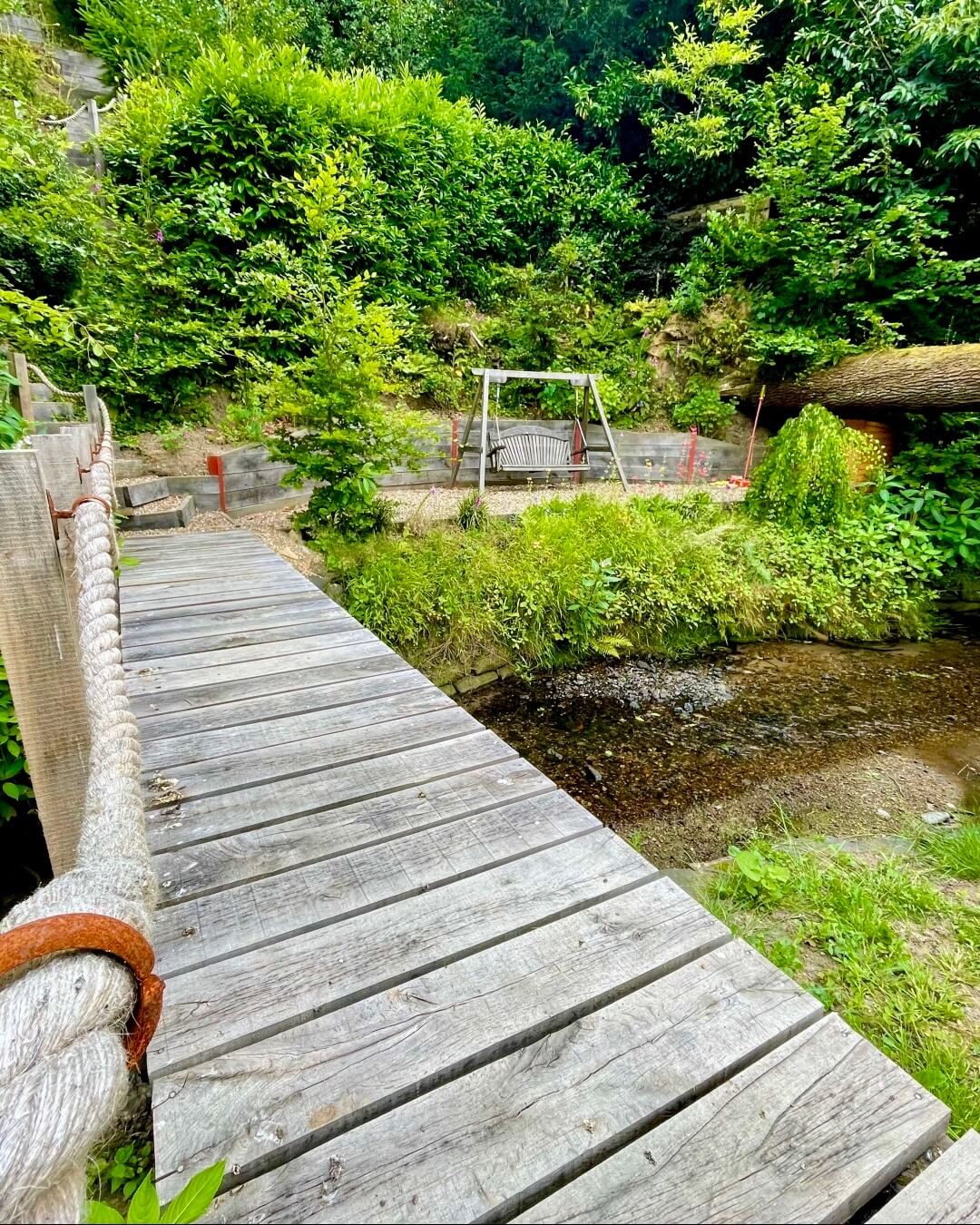
Immerse yourself in a woodland wonderland by transforming your sloping garden into a lush playground reminiscent of nature’s splendor. Integrating rustic elements such as wooden walkways and swing sets within the natural landscape creates a haven where adventure and tranquility coexist.
The meandering wooden path draws one into the garden; its rustic construction harmonizes with the surrounding greenery, providing a narrative of exploration and journey through nature. Utilize the gentle descent to your advantage by creating child-friendly zones that blend seamlessly with the botanical surroundings.
Such design not only encourages outdoor activities but fosters a deeper connection with nature, offering a perfect retreat from urban living. Emphasizing natural play areas amidst thriving flora creates an inviting playground that invites exploration and interaction. By embracing the woodland theme, sloping gardens transcend their limits, offering restorative and recreational spaces for both young and old.
Contemporary Comfort: An Urban Sprawl
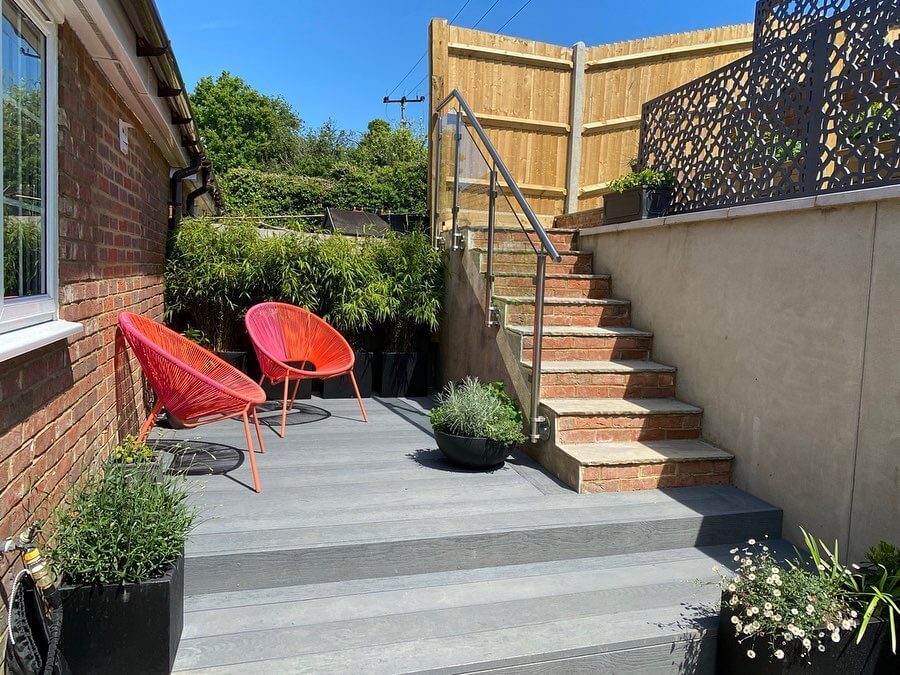
Blend contemporary comfort with urban style by designing a sloping garden that serves as an airy extension of indoor living spaces. The use of sleek, durable materials ensures that the garden not only withstands the elements but exudes a polished, modern charm. Boldly colored furniture offsets the garden’s earthy tones, creating vibrant accents that invite relaxation and leisure.
Strategically positioned steps lead upward to additional garden levels, inviting exploration while maintaining accessible navigation. This design maximizes the slope’s potential by creating visually connected yet distinct garden segments that redefine outdoor living.
The combination of ergonomic seating with privacy-conscious planting makes this setup ideal for both lively gatherings and quiet contemplation. Embrace the potential of modern design to convert your sloping garden into a chic and comfortable urban oasis, where style meets relaxation amid botanical beauty.
Crafting Future Ambience: Preparing the Terrain

Begin by crafting a blank canvas, setting the stage for a future oasis in your sloping garden. Initial preparations are crucial in shaping how each element will interact and play within the space. Establishing foundational aspects such as drainage solutions and terracing lays the groundwork for the rest of your garden’s potential splendor.
Despite appearing unfinished, this stage offers the freedom to imagine and refine what your sloped garden will become. Planning each zone with precision ensures that every corner of the garden has its purpose—whether it’s a sunlit nook for reading or a verdant retreat for meditation.
By orchestrating groundwork and element placement, you’re able to accommodate future design choices that reflect personal style and environmental harmony. Approach your sloping land as a sculptor does a marble block, envisioning layers, depth, and flow that will come alive as a refined landscape masterpiece. Every venture starts with a vision, and your sloping garden journey is ready to unfold.
Grassy Stairway to Heaven

Adding stone steps adorned with ornamental grass can transform a sloped garden into a picturesque ascent. The structured nature of steps offers an inviting pathway that harmonizes with its natural surroundings. Tall grasses, like those shown, provide a vertical element that contrasts beautifully with the horizontal lines of the steps, creating visual intrigue. These plants are not only aesthetic but practical—their roots help combat soil erosion, securing the structure of your stairway. This combination forms a seamless transition between different garden levels, offering both beauty and stability. Incorporating indigenous grasses supports local biodiversity and enhances your garden’s resilience, making this design both environmentally and visually appealing.
Balcony Blooms: Elevated Vistas
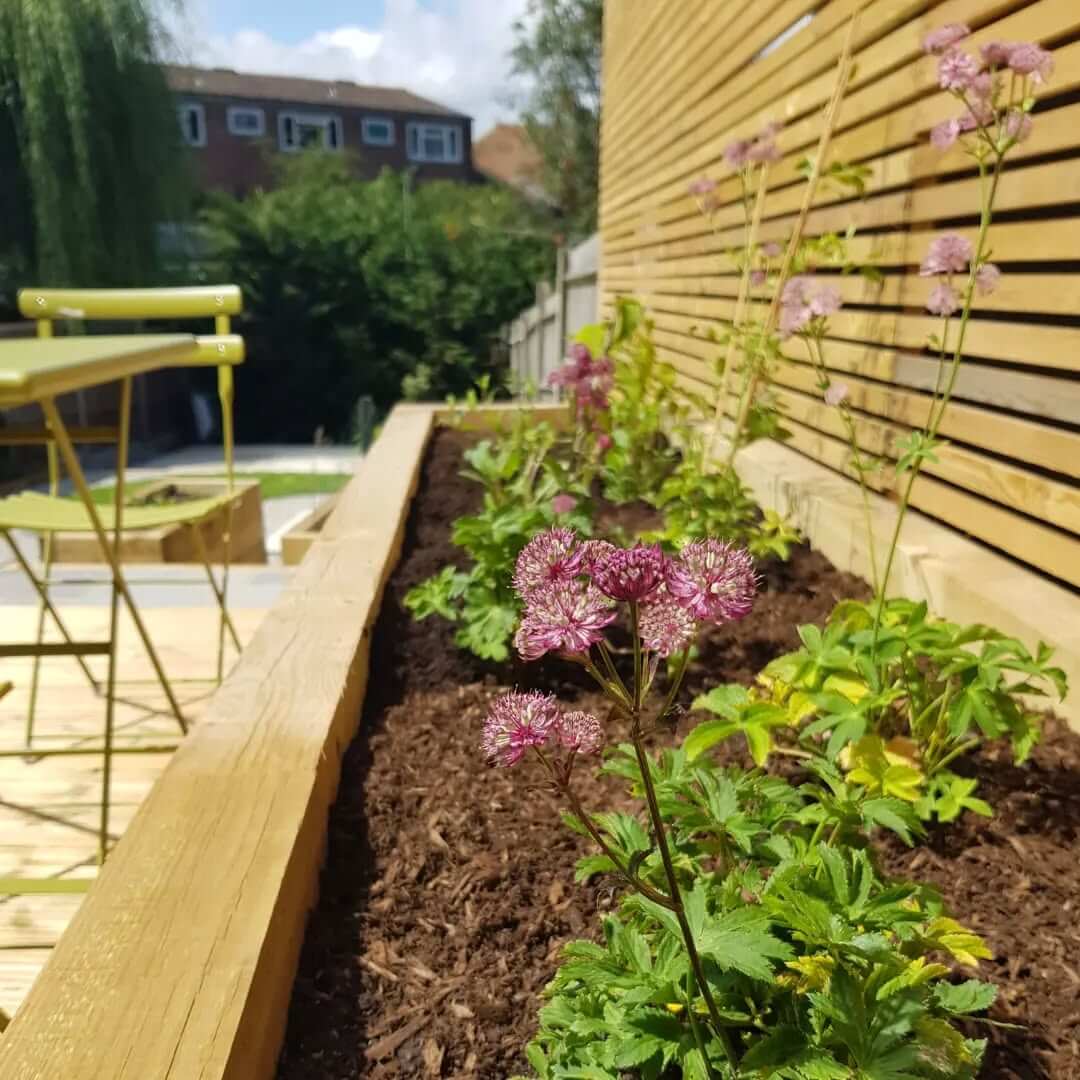
Utilizing raised planter boxes in a sloping garden creates both a functional and decorative focal point, as shown here. These elevated beds, strategically placed along terraces, maximize planting space and allow for easy maintenance. They bring the garden to eye level, making every detail more appreciable and accessible. Incorporating vibrant blooms in these planters can enhance the ambience, offering a colorful vista from seating areas or windows. These raised structures can also cleverly disguise retaining walls, making them a practical addition that enhances both structural integrity and aesthetic appeal, seamlessly integrating with the garden’s incline.
Classic Charm: Colonial Slopes
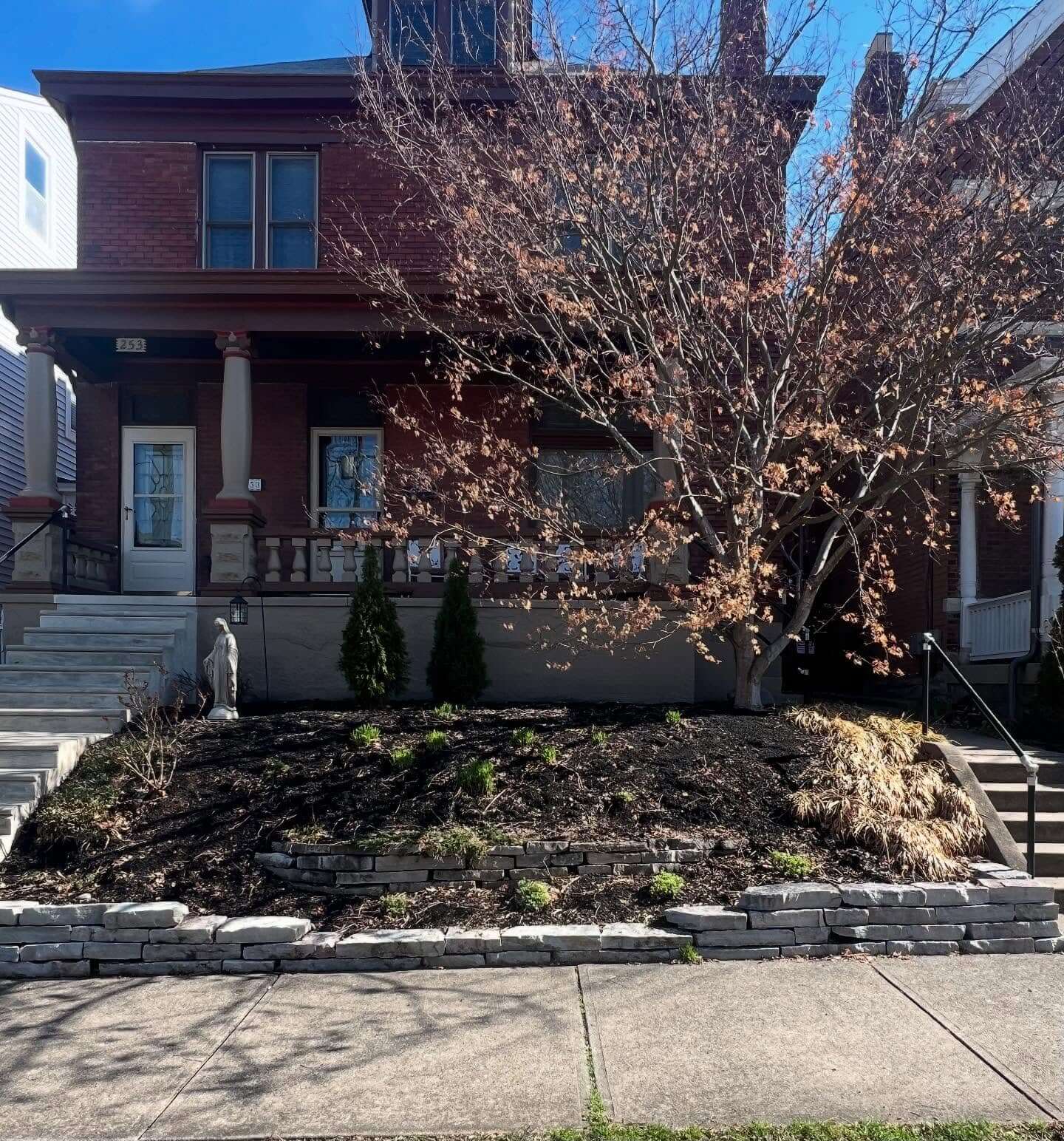
A historical brick facade paired with a creatively designed sloping garden sets a charming, welcoming tone for a home. This setup uses terracing to create distinct garden beds, each serving as a canvas for vibrant blooms or shrubs. The rustic stone retaining walls add texture and a sense of permanence, effectively combating erosion. This garden design harnesses a mix of native plantings to offer seasonal interest, allowing your garden to evolve beautifully over time. Integrating such thoughtful design elements not only preserves the historical character of the property but enhances its curb appeal, merging old-world charm with modern gardening practices.
Nature’s Path: A Serene Journey

A winding path embedded within lush greenery offers an idyllic escape in your sloping garden. This design, featuring a small trail of stepping stones through natural flora, invites exploration and instills a sense of tranquility. By aligning the pathway through different plant zones, garden visitors experience diverse textures and scents, adding depth to the sensory experience. This garden employs native plants to ensure low maintenance and high resilience, fostering a rich ecological habitat. Such thoughtful path design not only highlights the beauty of the terrain but also encourages the appreciation of nature’s nuances, creating a serene retreat in your own backyard.
Hidden Oasis: Cozy Garden Corners

Crafting secluded seating areas amidst a lush sloping garden harnesses the topographical advantages of your landscape. Using natural inclines to create privacy screens from foliage or retaining structures turns a crowded urban garden into a personal sanctuary. As demonstrated, positioning a table under a parasol amidst flourishing plant life offers both shade and a calming backdrop, enhancing your outdoor relaxation. This quiet nook becomes more than just a garden; it’s a multipurpose space for dining, reading, or entertaining. Such designs celebrate both functionality and aesthetics, transforming a slope into a cherished personal oasis that serves as a retreat from the everyday hustle.
Creative Landscaping Solutions for Gentle Slopes
Gentle slopes may not require extensive structural interventions like steep slopes, but they still benefit from creative landscaping solutions. A well-designed path or a winding trail can lead you through the garden, creating a journey that showcases diverse plantings at every turn. Utilize native plants and grasses for a low-maintenance approach, which not only enhances the natural beauty but also supports local wildlife. Mulching is another environmentally friendly practice that can help retain moisture and provide nutrients as it breaks down. Consider also adding sculpture or art installations as focal points along the way.
Incorporating Edible Gardens on Slopes
- Plant herbs like rosemary or sage on gentle slopes to create a fragrant and practical garden that is aesthetically pleasing and easy to maintain.
- Build a series of narrow terraces to cultivate a variety of vegetables, ensuring proper water drainage and sun exposure for healthy crops.
Edible gardens can be a practical and rewarding use of space on a gently sloping garden. By strategically planting perennial vegetables and fruits, such as strawberries or asparagus, homeowners can enjoy seasonal produce while creating a sustainable garden ecosystem. Use a mix of companion planting techniques to naturally ward off pests and improve soil health. Additionally, fruit trees planted on slopes benefit from enhanced air circulation and sunlight, which can reduce the occurrence of diseases and improve yields. Combining aesthetics with functionality, edible gardens on slopes not only bring life to the landscape but also offer fresh produce for the table.
Get the Fail-Safe Paint Color Playbook (Free PDF)
36 proven colors • 8 ready palettes • trim & sheen guide • printable testing cards.
Maximize Your Sloping Garden’s Potential with These Tips
How can I prevent erosion on a sloping garden?
Incorporating plants with deep root systems helps stabilize soil and prevent erosion. Additionally, using ground covers and constructing terraces can effectively manage water runoff.
What are some low-maintenance plants suitable for slopes?
Low-maintenance options include creeping juniper, sedum, and ornamental grasses which thrive on slopes with varying sun and soil conditions while reducing upkeep needs.
Can I build structures like decks or patios on a sloping garden?
Yes, with proper engineering and planning, you can construct decks or patios on slopes. Elevated or multi-level designs work well, offering unique vantage points.
Final Verdict: Mastering Your Sloping Garden Design
Embarking on the journey of transforming your sloping garden is about embracing the unique contours and character of your landscape while crafting a space that is both beautiful and functional. Each slope presents an opportunity to innovate, whether through introducing terraced blooms, constructing stone pathways, or infusing modern elements like gabion walls. By selecting ideas that resonate with your personal style and environmental needs, you breathe life into a terrain that many overlook.
Remember, the key to an enchanting sloped garden lies in thoughtful planning and a creative approach. Integrating a mix of aesthetic features with practical solutions can turn potential challenges into distinct delights, allowing you to maximize every inch of your outdoor space. The process may require patience and a keen eye for detail, but the rewards—a stunning, personalized outdoor sanctuary—are well worth the effort. With careful consideration of design elements and environmental harmonics, your sloping garden will stand as a testament to your creativity and foresight, providing a beautiful retreat for years to come.