
27 Small Cabin Exterior Ideas for Big Charm on a Small Footprint
A small cabin doesn’t need a sprawling footprint to make a big impression. With the right exterior choices—think thoughtful materials, smart color contrasts, and scaled architectural details—you can boost curb appeal, add function, and make your retreat feel larger and more welcoming.
This guide focuses on high-impact, small-footprint upgrades: modern black or forest-green siding, warm cedar accents, metal roofs that gleam, simple porches that double as outdoor rooms, and window details that frame the view. We’ll touch on lighting, paths, planters, and trim so every element works together.
Get the Fail-Safe Paint Color Playbook (Free PDF)
36 proven colors • 8 ready palettes • trim & sheen guide • printable testing cards.
Whether your style is rustic, modern, or Scandi-cabin minimal, you’ll find budget-friendly and DIY-ready ideas that withstand the elements, suit off-grid living, and blend with the landscape. Use these small cabin exterior ideas as a checklist to layer texture, color, and light for year-round charm.
Small Cabin Exterior Ideas: Materials, Cladding Choices, and Durable Finishes
In a small footprint, cladding, trim, and roofing work harder, shaping style while defending against snow, sun, and splash-back. Prioritize species and assemblies proven in your climate—cedar and larch in wet forests, thermally modified pine in humidity, fiber-cement near wildfire zones. A ventilated rainscreen, metal flashing at every transition, and generous overhangs dramatically extend service life without inflating budgets. Mix textures thoughtfully—vertical board-and-batten with smooth panels or corrugated accents—to add depth without visual clutter on compact elevations. Choose finishes that patina gracefully, and coordinate fastener color with trim to avoid speckled facades. These Small Cabin Exterior Ideas keep maintenance predictable, improve resale appeal, and ensure the exterior feels intentional from driveway to deck.
- Shou Sugi Ban Siding: Charred cedar resists insects, shrugs off moisture, and deepens in tone; combine with concealed fasteners and standing-seam roofing for a sleek, fire-wise, low-maintenance shell.
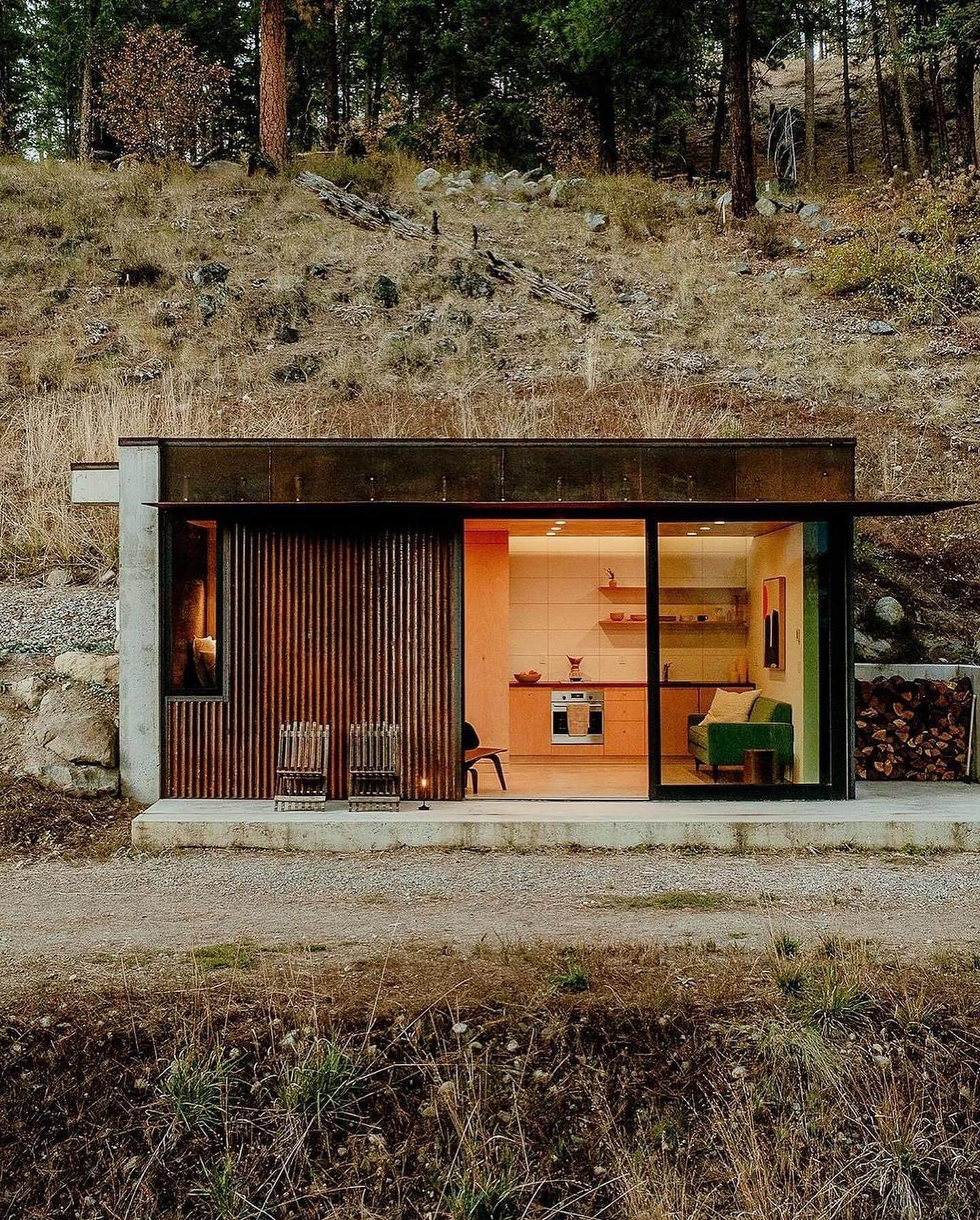
- Corrugated Corten Accents: Weathering steel awnings and skirting add rugged texture and protect splash zones; their evolving patina pairs beautifully with warm woods, river rock, and evergreen plantings.
- Reclaimed Barnwood: Salvaged boards lend authenticity and reduce waste; back-prime, add rainscreen battens, and seal cut ends to manage moisture while preserving weathered grays and saw-mark character.
- Board-and-Batten Cedar: Vertical lines visually heighten small elevations; specify rot-resistant heartwood, stainless nails, generous drip edges, and breathable stains for crisp shadows that complement compact footprints.
- Fiber-Cement Panels: Factory-finished sheets deliver budget-friendly durability; stagger reveals, express fasteners, and accent seams with cedar trim to blend modern geometry with cozy woodland context.
- Stone Skirting: Locally quarried veneer grounds the cabin, protects base walls, and hides vents; vary sizes and coursing to feel natural alongside mossy boulders, ferns, and shaded understory plantings.
Build a cohesive palette by sampling local tones—lichen greens, bark browns, granite grays—and echoing them in siding hues, metal roofing, and door paint. Dark body colors minimize visual mass, while lighter trims sharpen edges and reflect winter light into porches. In hot regions, specify high-SRI metal roofs and lighter stains to cut cooling loads without sacrificing rustic warmth. Pre-finish materials in controlled shops where possible; site-applied coats then become maintenance layers, not first lines of defense. Establish a realistic care schedule—quick annual rinses, five-year stain checks, and targeted caulk refreshes—to protect investments. With those habits, your cladding choices read as curated, not complicated, and the cabin ages with confidence, not anxiety.
Charred Wood Siding for Modern-Rustic Depth
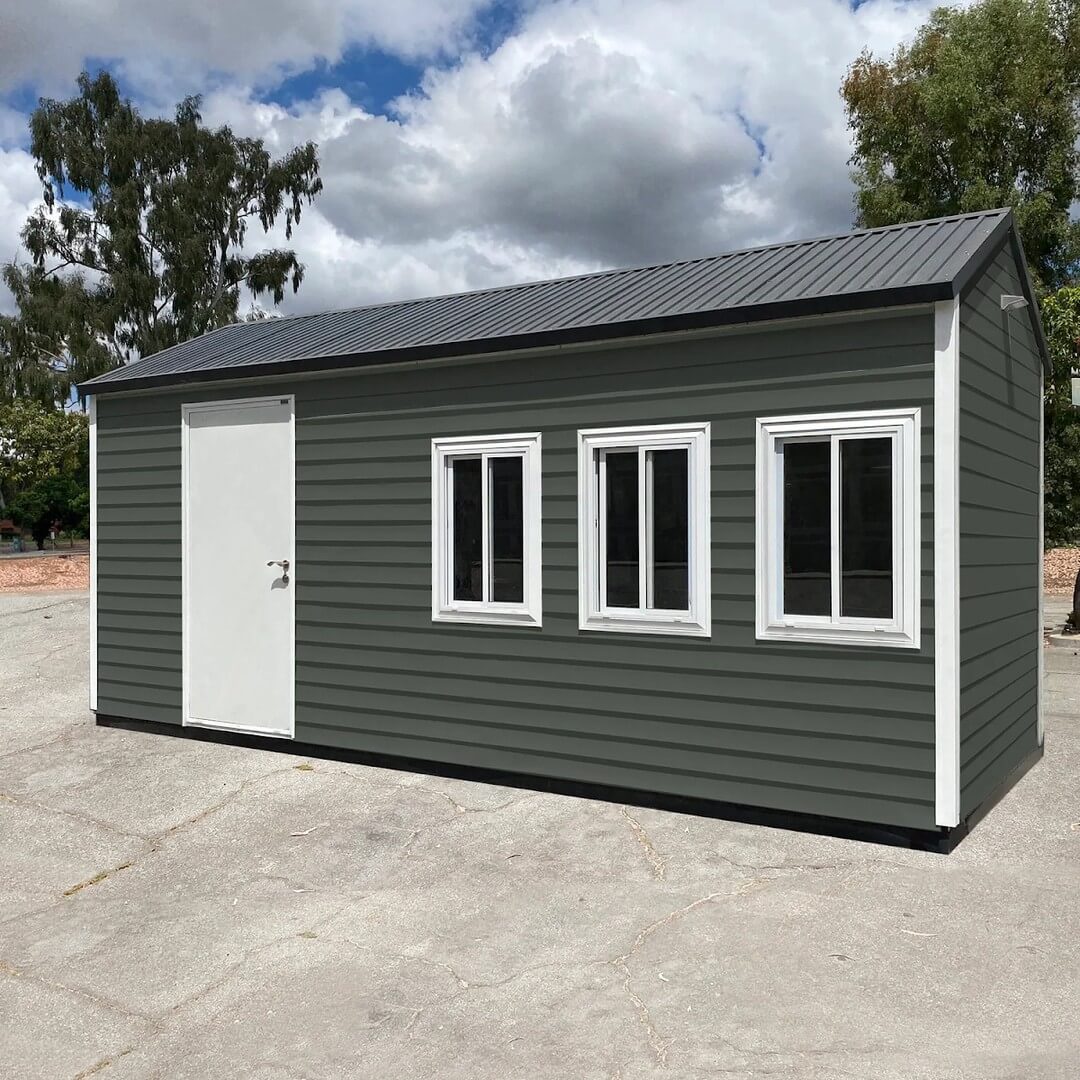
A small facade comes alive when you dial up texture instead of bulk. Charred wood (Shou Sugi Ban) delivers instant character, deep shadow lines, and a durable finish that reads modern and rustic at once. On compact footprints, the near-black tone visually recedes, making trim, windows, and doors pop without adding visual clutter. Pair vertical board-and-batten or tight shiplap profiles with warm cedar accents at the entry to create contrast and a clear focal point. Keep the palette to two or three materials—charred siding, natural wood, and matte metal—so the exterior feels cohesive from every angle. Details matter on small cabins: black anodized fasteners, simple box gutters, and clean corner trims keep the look crisp. For longevity, specify kiln-charred boards with sealed end grains and rainscreen battens to promote airflow. The result is a low-maintenance skin that weathers beautifully and anchors your cabin in the landscape without shouting. Layer in a compact stoop, a wood rack, and one standout sconce to finish the composition.
Forest-Green Facades That Blend into the Trees
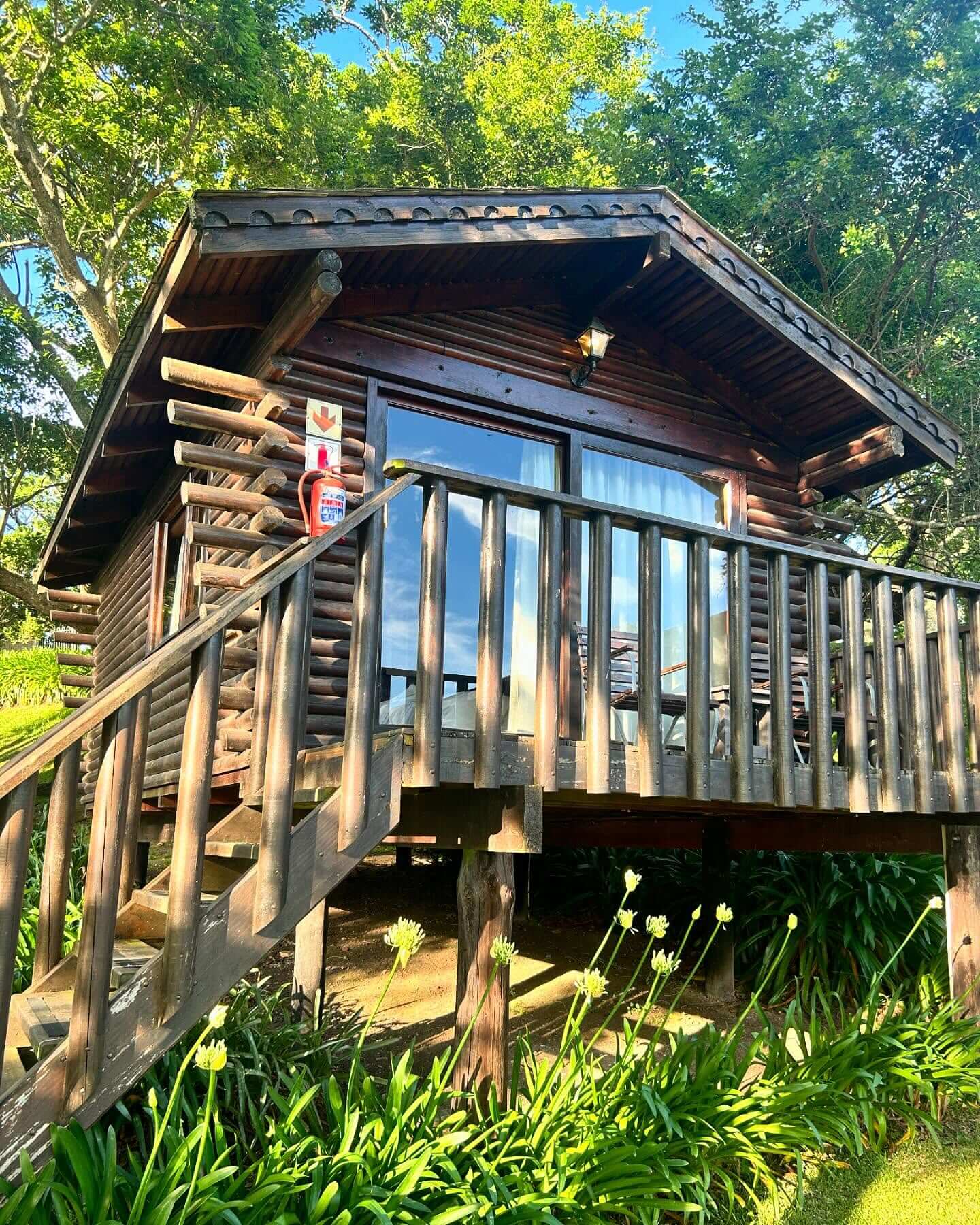
If you want your small cabin to feel native to its setting, forest-green siding is a timeless, site-smart choice. Deep green absorbs mass visually, helping a compact structure tuck into conifers, hemlocks, or hardwoods. Choose a satin or matte finish to cut glare and let the texture of wood grain show through. For balance, add honey-toned cedar or natural oiled door slabs to warm the composition, and use black or bronze windows for a refined, modern edge. Two-tone schemes also work beautifully: darker body color with lighter eaves and fascia will lift the roofline and make the cabin feel taller. Keep the foundation quiet—charcoal or dark-stained skirting—to avoid a “stacked” look on short walls. If you’re off-grid, darker hues pair well with discreet solar arrays and rain chains. Finish with native ferns, low blueberries, or mossy stone to dissolve the transition from wall to woodland. The goal is harmony: color that echoes the canopy, texture that celebrates wood, and small gestures—house numbers, mailbox, latch set—that feel intentional, not busy.
Standing-Seam Metal Roofs for Clean Lines and Long Life
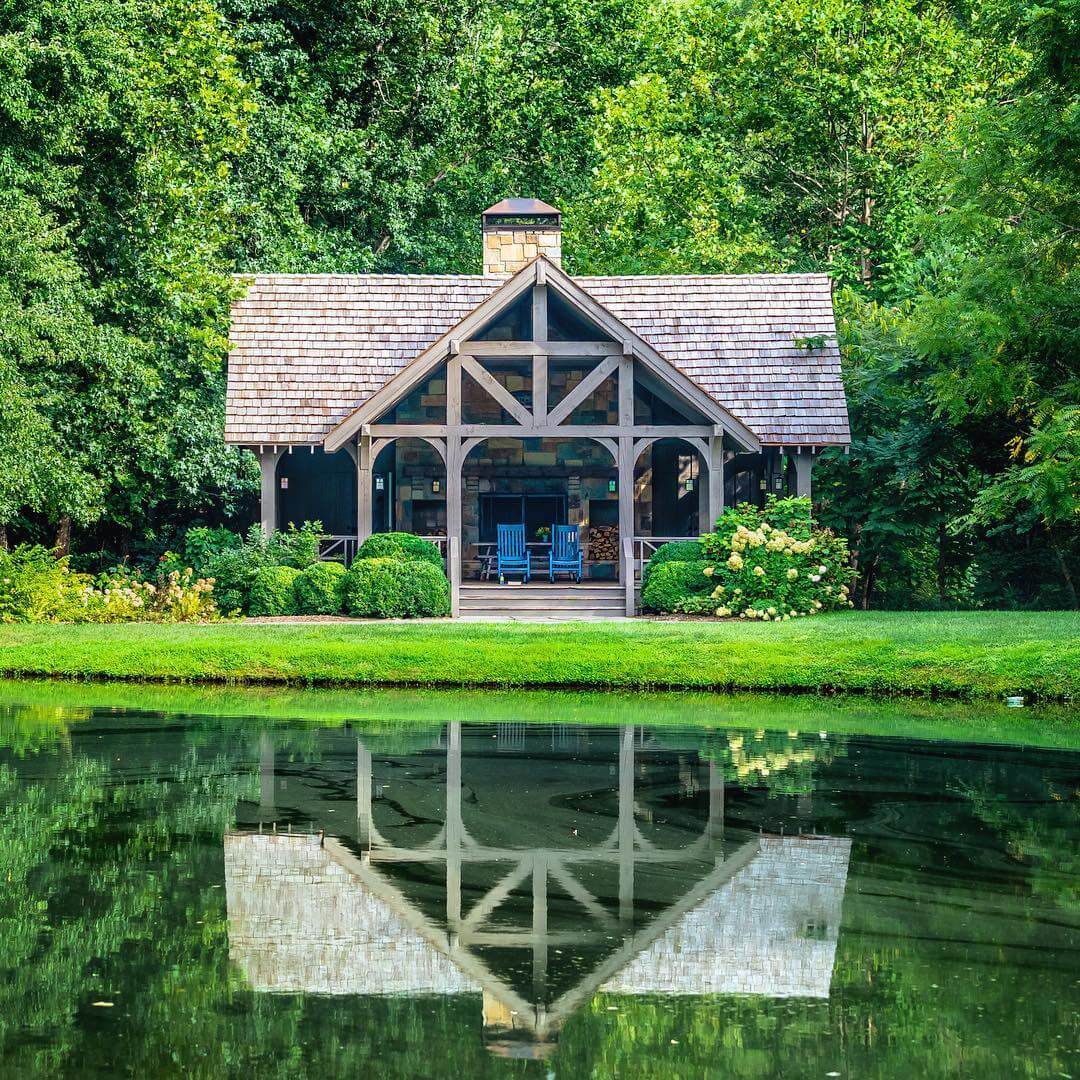
On a petite cabin, the roof is the most visible plane—make it work hard. Standing-seam metal delivers crisp lines, decades of service, and excellent snow- and rain-shedding. Choose a low-sheen finish in matte black, charcoal, or forest green to sync with your siding strategy and reduce glare. Slightly extended eaves (10–16 inches) protect walls from splashback and visually stretch the silhouette. If water management matters, integrate half-round gutters, rain chains, or a concealed box gutter that feeds a rain barrel—functional and attractive on a small facade. Pay attention to the ridge and edges: slim profiles, color-matched fasteners, and tidy snow guards keep the look minimal. Inside, good underlayment and insulation quiet rain and regulate temperature; outside, a small vented ridge helps the roof “breathe.” A simple shed or gable form reads especially elegant in metal and gives you budget room for better windows or a statement door. The result is a compact, confident roofline that frames the sky and finishes the exterior like a well-cut hat.
Compact Porches That Double as Outdoor Rooms
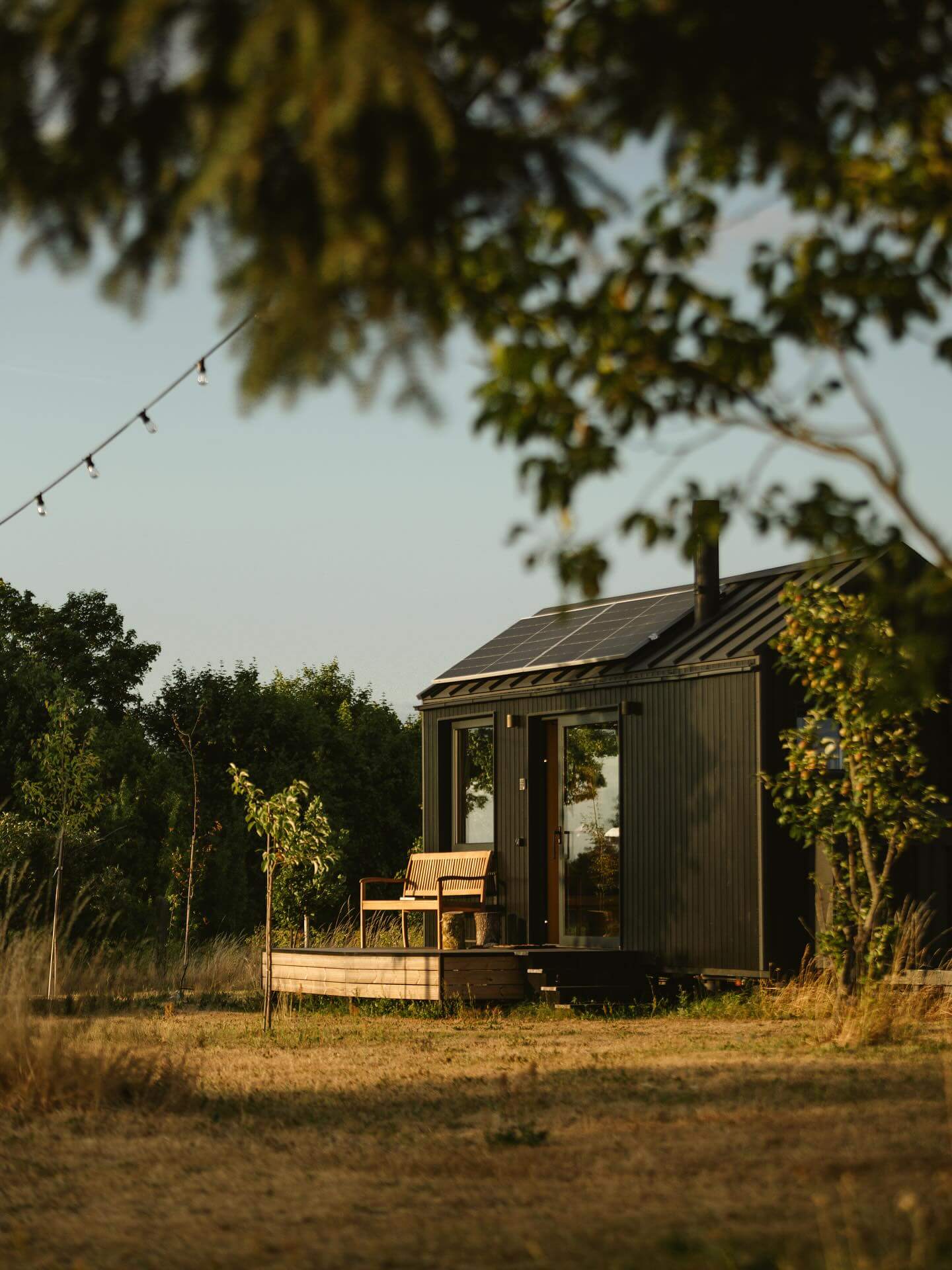
You don’t need a sprawling deck to gain livable space. A 5- to 7-foot-deep porch or stoop can function as a mudroom, coffee perch, and gear drop while elevating curb appeal. Keep the footprint efficient: a single bay with a simple shed roof, cable rail or low slat screen for openness, and a built-in bench with storage below. Use the same species as your trim—cedar or thermally modified ash—for continuity, and choose a darker stain on the deck boards to hide wear. One post and one beam, thoughtfully proportioned, can look architectural rather than bulky. Layer function with a boot scraper, coat hooks, and a narrow planter to soften edges. Lighting matters here: a single downlight or warm, shielded sconce keeps bugs at bay and highlights texture at night. If snow load or rain is a factor, tighten flashing at the ledger and add a slight pitch to shed water. This small platform becomes your threshold moment—where exterior finishes meet daily rituals—and makes the entire cabin feel bigger.
Statement Doors and Trim for a Big Welcome
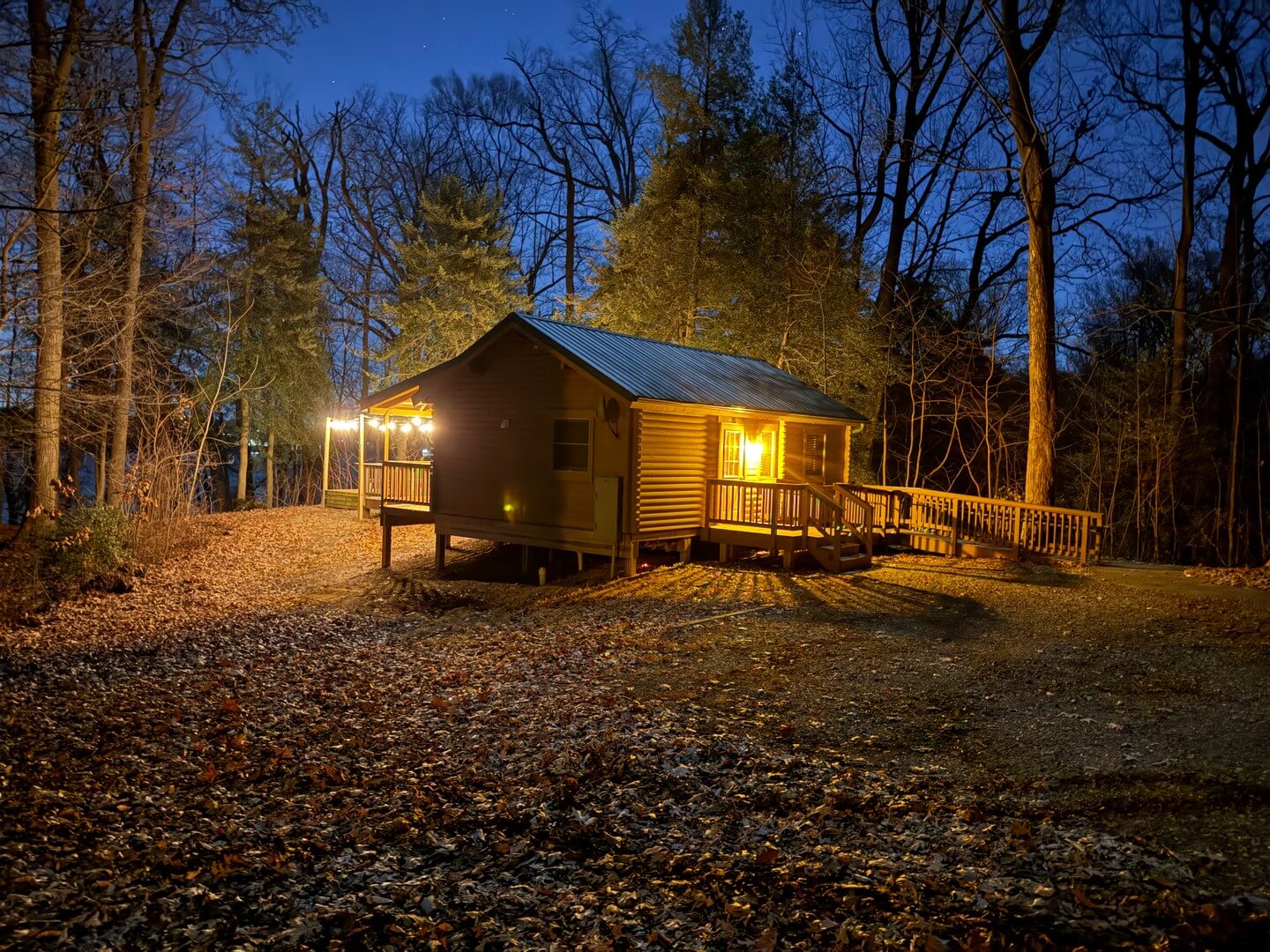
On a small facade, the entry is the handshake—make it memorable. A solid-wood slab in warm cedar, Douglas fir, or oak instantly balances dark cladding and signals quality. Prefer paint? Go bold with muted mustard, brick red, or deep teal; these heritage-inspired hues pair beautifully with black windows and dark siding. Keep trim profiles lean and modern—1x4s with tight reveals—so the door remains the star. Consider a full-lite or three-quarter-lite configuration to borrow daylight into a compact interior without oversizing the unit, and add a slim transom if headroom allows. Hardware is your jewelry: a vertical pull or square backplate in matte black or aged bronze reads intentional and durable. Protect the threshold with a modest overhang and a doormat that fits the door width for visual calm. Finish the scene with house numbers, a mailbox, and one plant or lantern—fewer, better objects that scale to the cabin. The right door composition upgrades curb appeal immediately and sets the tone for everything beyond it.
Right-Sized Windows That Frame Views, Not Walls
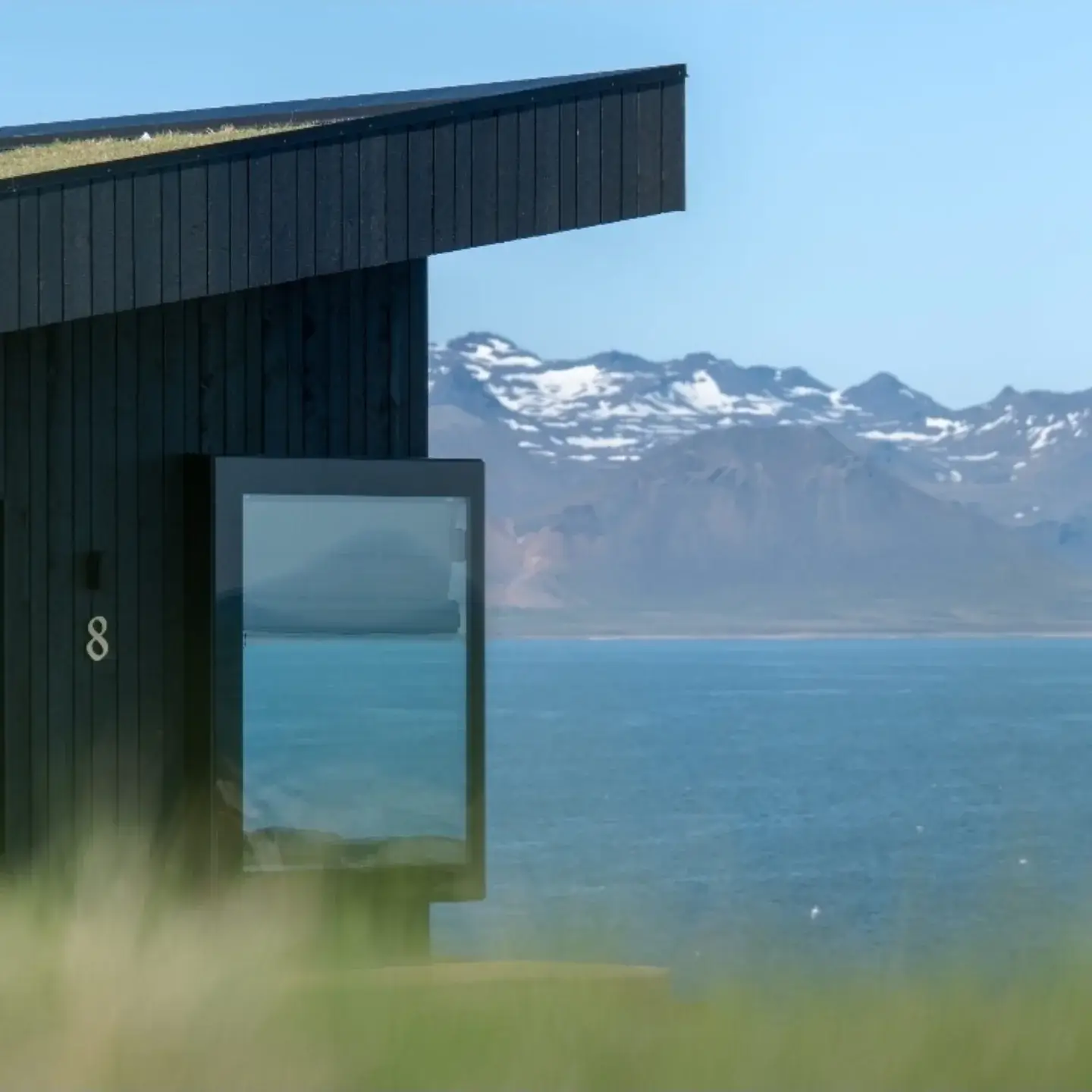
Windows can overwhelm a small cabin—or make it sing. The sweet spot is a mix: one picture window that captures your signature view, plus smaller awning or casement units for ventilation and rhythm. Dark frames create crisp negative space against light or dark siding, while clear, minimal trim keeps the elevation calm. If privacy is a concern, consider high clerestory bands that wash interiors with light without exposing daily life, and tuck bath or bunk windows toward the eaves. Align heads and sills where possible so the facade feels intentional even with varied sizes. Performance counts: low-E glass, tight U-factors, and proper flashing will keep the envelope efficient in four seasons. Outside, subtle head flashing and a slim sill horn can add shadow and shed water without fussy historical details. Inside, a built-in window seat under that one big pane multiplies function. Done right, windows map to your landscapes and routines, giving a compact exterior a confident, well-edited face.
Layered Exterior Lighting for Warmth and Safety
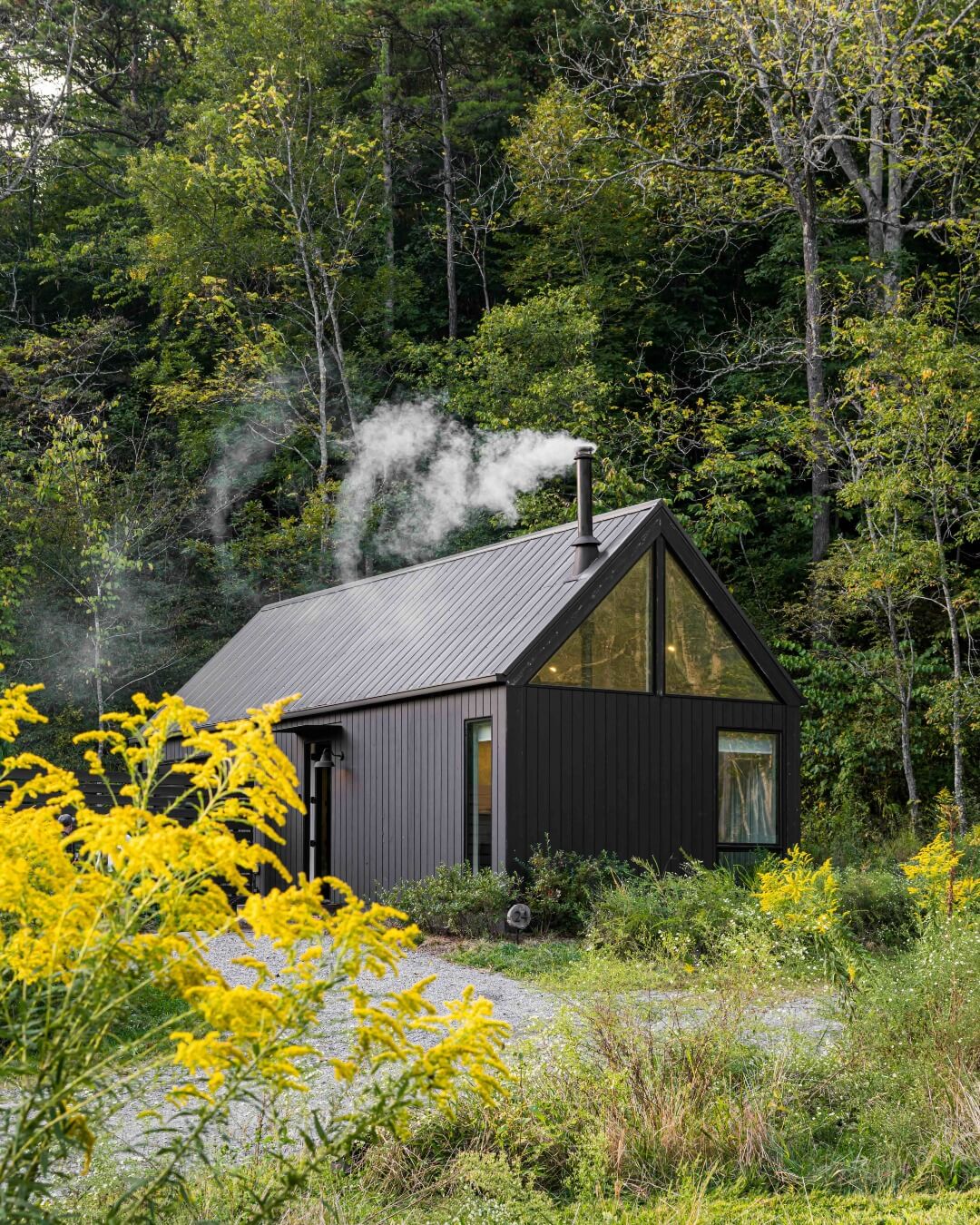
Great small-cabin exteriors glow, they don’t glare. Start with a warm, shielded sconce at the door (2700K–3000K) to flatter wood tones and skin. Add a subtle downlight under the eave or porch beam to graze texture and expand the perceived porch size after dark. Path lighting should be sparse and low—stake lights or recessed step LEDs that mark edges without turning the woods into a runway. If wildlife and dark-sky compliance matter, choose full-cutoff fixtures and motion sensors with short timeouts. Off-grid? Low-voltage systems with a small controller, rechargeable fixtures, or solar bollards keep wiring minimal. Tie it all together with consistent finishes—black, bronze, or galvanized—so the hardware disappears into the palette. Place switches thoughtfully: one master at the entry and a secondary by the bed for late returns. The goal is layered, legible light that guides feet, highlights materials, and preserves the night sky. When the cabin glows from a few intentional points, it reads welcoming and composed.
Natural Paths and Thresholds that Guide the Eye
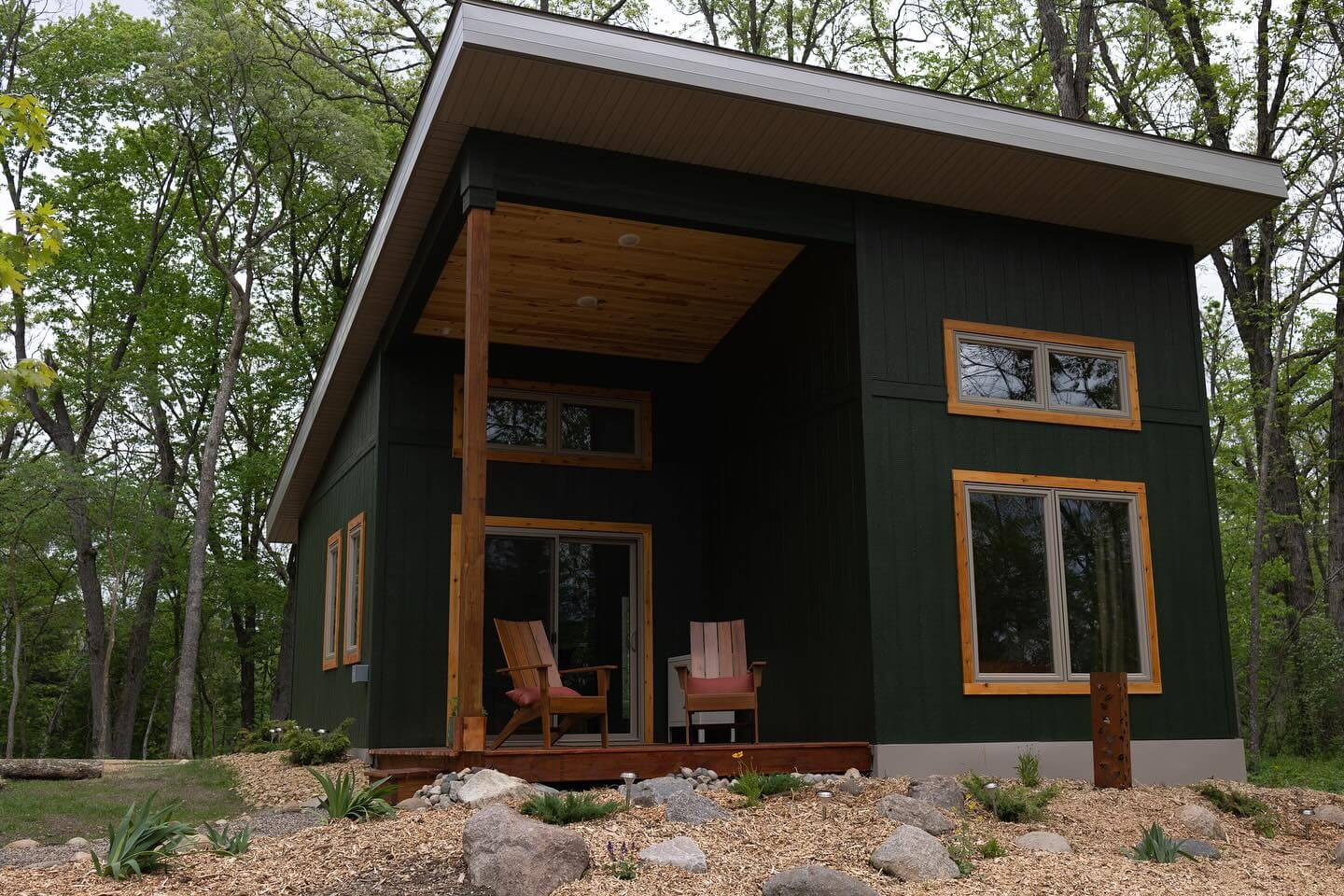
Thoughtful ground planes make a small cabin feel settled. A simple gravel path with timber or steel edging is budget-friendly, drains well, and visually narrows as it approaches the door to create a sense of depth. Mix stone pavers at key moments—by steps, at the hose bib, or near wood storage—to signal micro-destinations without building a sprawling patio. Keep rise and run comfortable on steps (aim for 6–7-inch risers) and widen the bottom tread to act like a mini-landing. Where water flows, add a shallow swale with river rock and tuck native grasses along the edge to soften the line. Material consistency matters: repeat a metal from your roof at the edging, or echo your siding tone in the gravel color for cohesion. At the threshold, a flush sill or one low step reduces visual clutter and trip hazards. These small, durable moves direct arrivals, protect the site, and set a calm rhythm from wild ground to warm door.
Native Planting and Simple Hardscape for Low Care
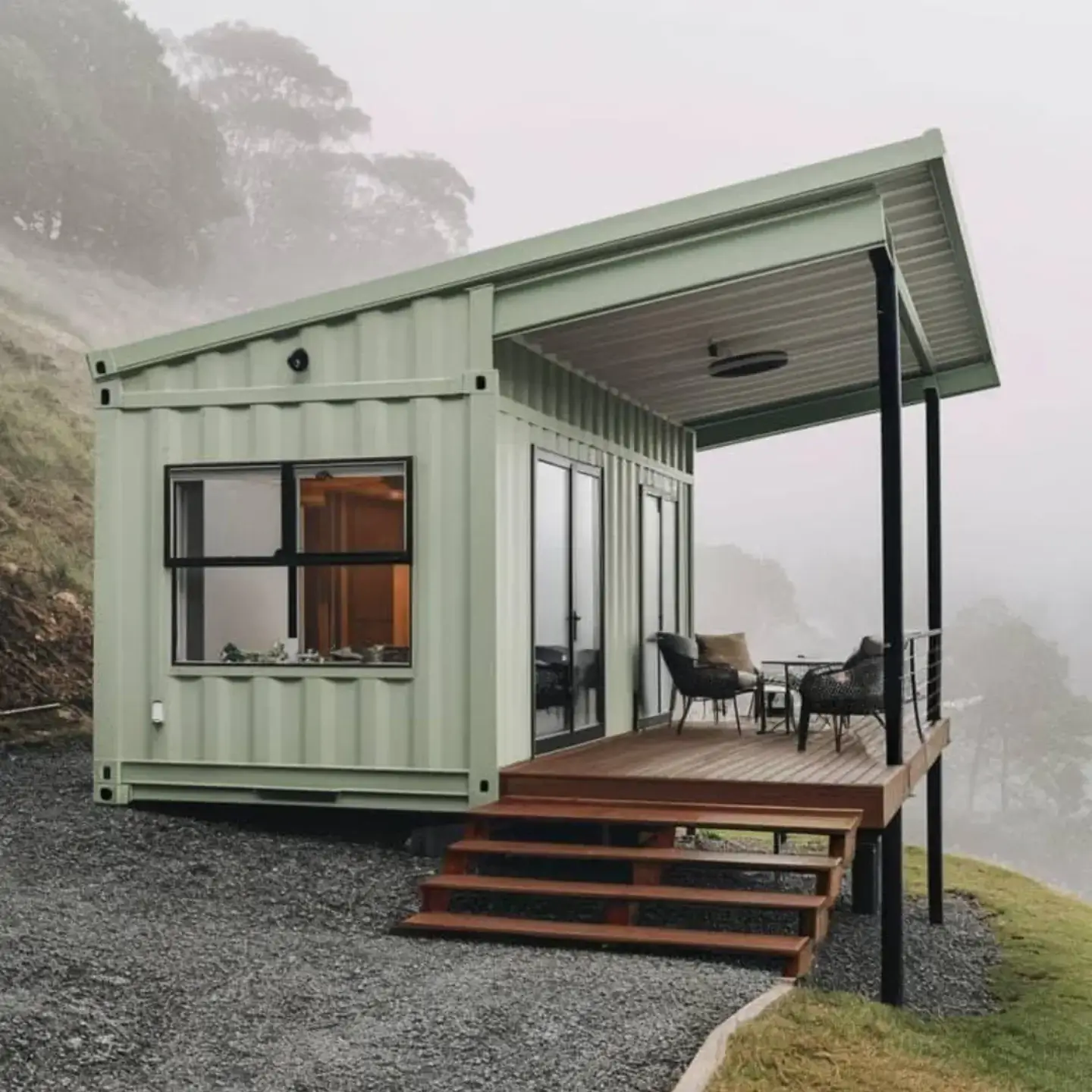
Landscaping for a small cabin works best when it borrows from the biome. Choose a tight palette—evergreen structure (juniper, pine, or inkberry), seasonal color (coneflower, lupine, or serviceberry), and groundcovers (creeping thyme, bunchgrass, or moss) to knit everything together. Keep planting beds close to the foundation narrow and mulched to maintain defensible space and reduce maintenance. Where you need definition, use boulders, salvaged logs, or corten edging—materials that age gracefully and echo your exterior metals and woods. Window boxes or a single oversized planter at the entry can provide herb fragrance and a soft welcome without visual clutter. If rainfall is heavy, a small rain garden near the downspout adds function and habitat while protecting the cabin’s footings. Edit ruthlessly: fewer species, repeated, look intentional and make the footprint feel larger. The result is a calm frame that highlights your siding, roof, and trim choices instead of competing with them—and one weekend of upkeep, not three.
Wood Storage and Utility Corners that Look Designed
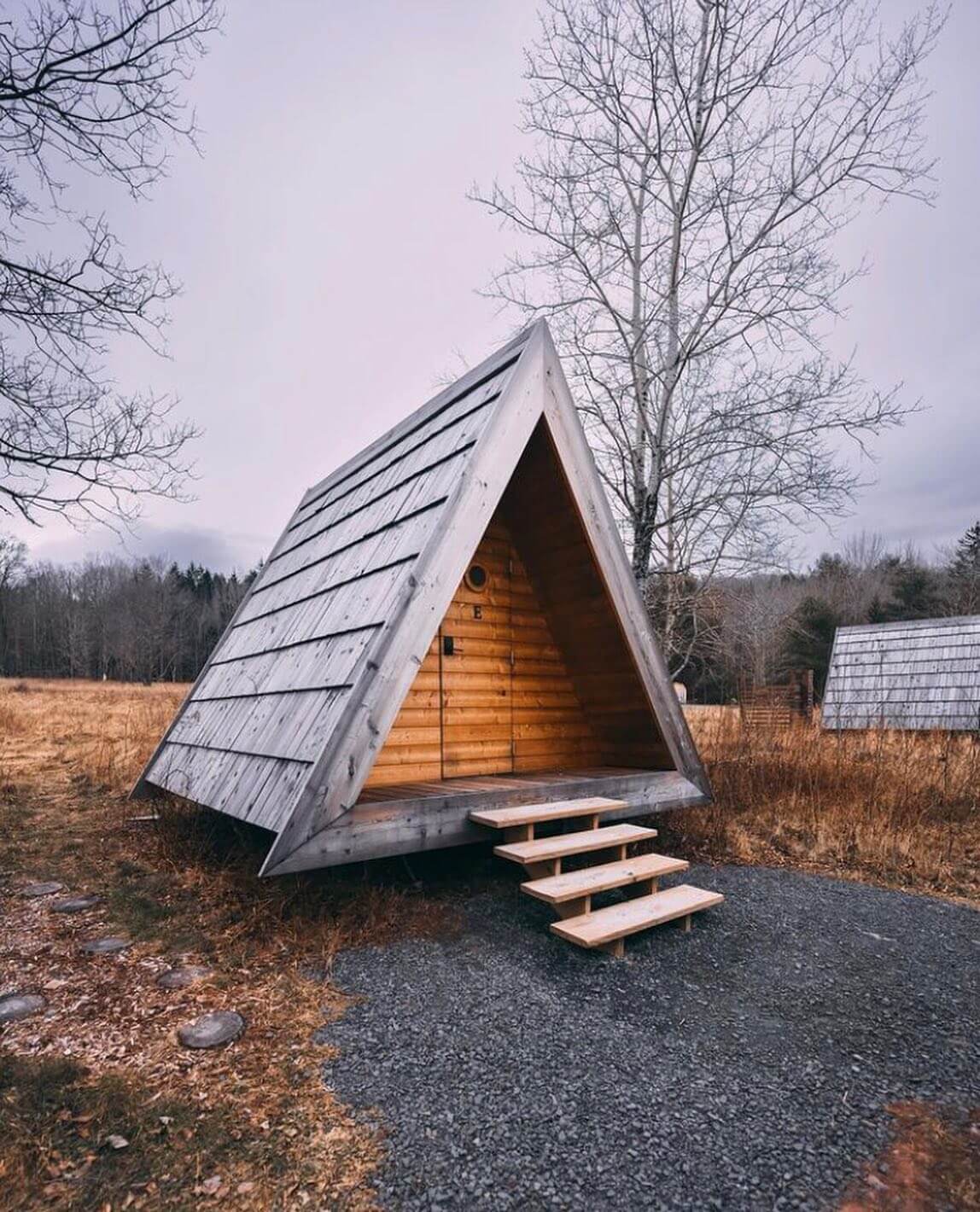
Every small cabin has needs—firewood, bins, meters, tanks. Turn those necessities into features. A slim, covered wood rack that echoes your roof pitch and matches your metal or stain keeps the pile tidy and sculptural. Screen utilities with a slatted cedar panel or perforated metal in your trim color; it hides clutter while allowing airflow. Consolidate hoses, snow shovels, and trail tools on a single back wall with matte-black hooks and a narrow bench that doubles as a potting or waxing station. If you harvest rainwater, paint the barrel to match your siding and add a simple overflow to a stone splash zone or rain garden. Keep pathways to these zones wide enough for easy access and lit with one low, warm fixture. By assigning each function a clear, attractive home, you free the main elevation to shine—clean door, calm windows, balanced materials. That restraint is the secret to big charm on a small footprint.
Get the Fail-Safe Paint Color Playbook (Free PDF)
36 proven colors • 8 ready palettes • trim & sheen guide • printable testing cards.
Mixed-Material Facades That Add Scale and Story
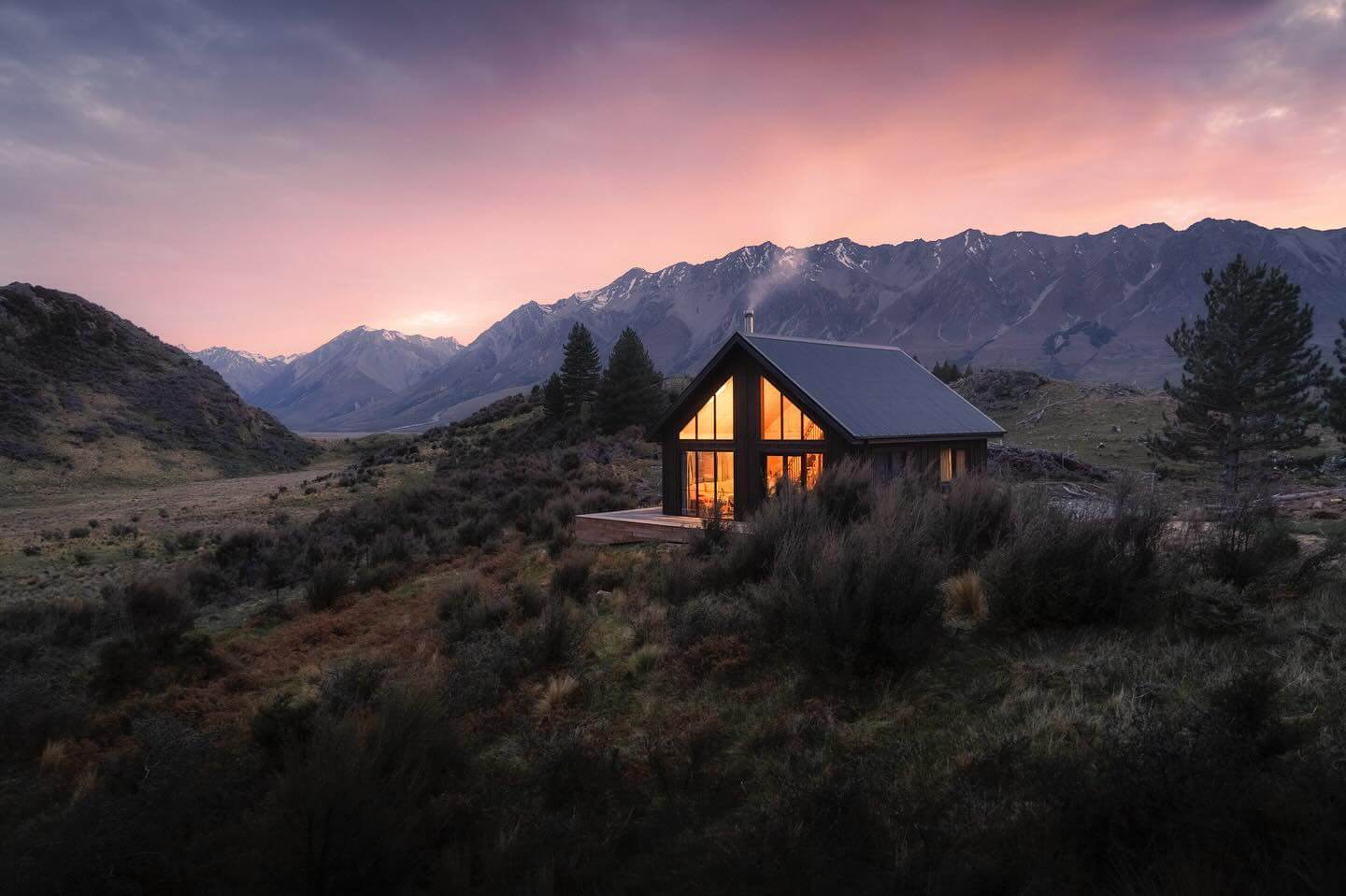
On a small cabin exterior, mixing materials is a design shortcut to depth and durability. Pair warm wood siding with a band of corrugated metal or fiber-cement panels at the base to resist splashback, or ground the facade with a low stone plinth so the structure looks rooted to the site. Think in stripes and thirds: darker, tougher materials low; mid-tone wood through the middle; and a crisp trim or soffit band at the top to cap it cleanly. Keep the palette tight—two textures and one accent color is plenty—so the facade feels intentional, not busy. This approach is budget-friendly too: concentrate premium cladding on the most visible walls and use simpler boards on the back. Align reveals, window heads, and trim joints across materials to create visual order, and echo the accent in small hits—mailbox, light backplates, or house numbers. Mixed cladding also boosts weather performance, fire resilience, and maintenance cycles, key for off-grid and seasonal cabins. The result is modern-rustic character, scaled details, and a cabin that reads bigger than its footprint.
Deep Eaves, Shed Roof Lines, and Drip Details for All-Weather Comfort

Small cabins feel larger when the roof does more work. A simple shed roof with generous eaves (12–24 inches, or more in rainy/snowy zones) shields siding, shades glass, and creates a dry threshold. Underside choices matter: cedar or pine soffits add warmth; perforated metal vents keep airflow healthy; a crisp fascia in black or bronze frames the profile. Add a continuous drip edge and gutter or scupper to control runoff; where gutters aren’t practical, oversize eaves and a gravel drip zone protect the foundation. Integrate lighting beneath the eaves to wash walls softly and brighten entries without glare. The shed form also simplifies snow shedding and solar placement, and its strong diagonal can make a compact facade feel dynamic. Keep roof hardware minimal and aligned—stove pipes, vents, and downspouts should share color with the roof for a clean silhouette. With a few weather-smart details, your small cabin looks sharper, lasts longer, and invites you outside even in a storm.
Foundation Skirts and Stone Plinths for a Finished Base
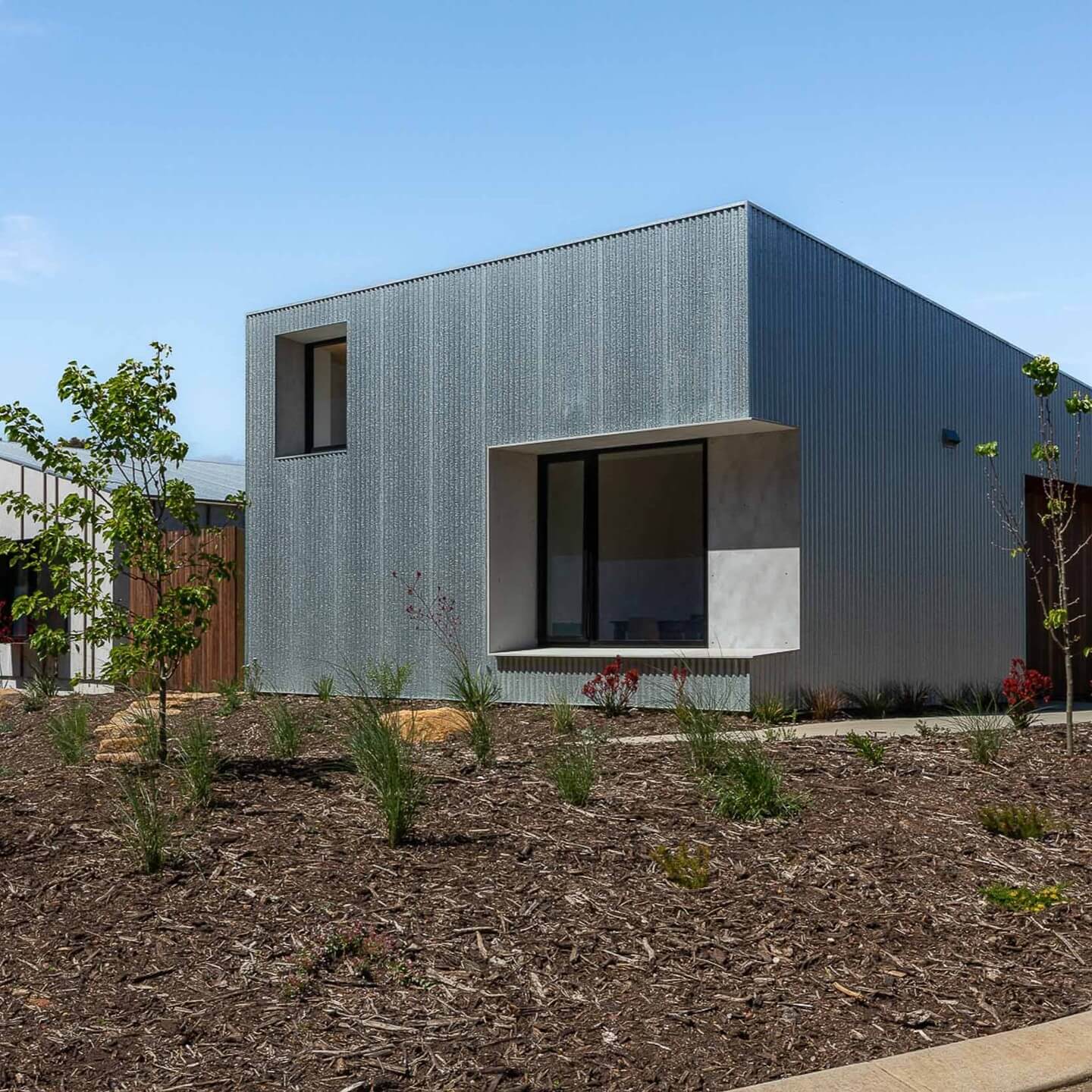
What happens at ground level can make or break curb appeal. Finish a pier or slab foundation with a ventilated skirt—vertical boards with battens, metal panels, or lattice framed neatly—to hide under-cabin utilities and block critters while allowing airflow. In wet or cold climates, combine a gravel drip edge with a durable skirt to reduce splash and frost heave risks. For a timeless, grounded look, wrap the first 12–24 inches of wall in stone or stone-look veneer, especially at corners and entries. This “plinth” visually anchors a small cabin, resists mower scuffs and snow shovels, and pairs beautifully with wood siding. Include discreet access doors for storage and maintenance, and align skirt seams with siding joints for a tidy rhythm. Color matters: a darker base recedes and lifts the cabin; a mid-tone stone bridges path materials and planting. With careful detailing, your foundation goes from afterthought to a durable, designed element that makes the whole facade feel finished.
Slim Cable Railings and Open Steps That Keep Sightlines
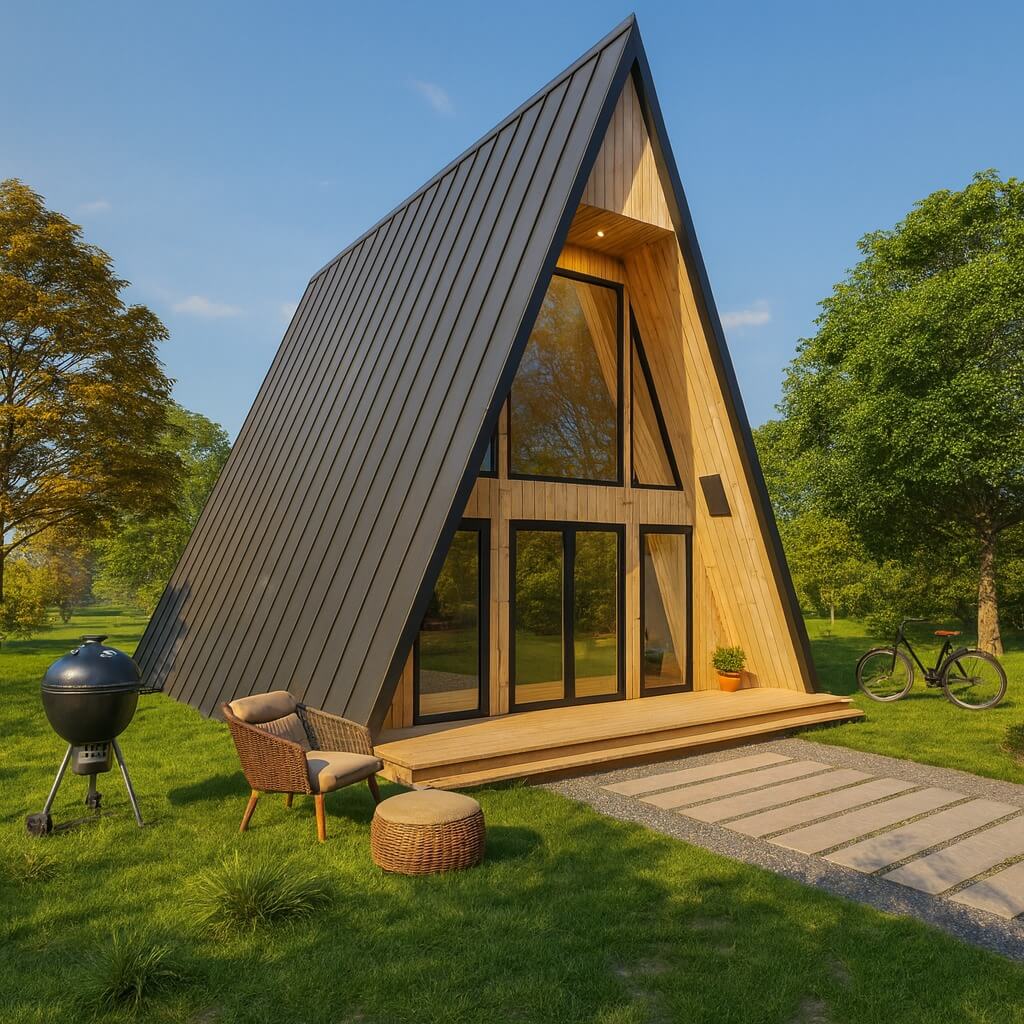
On a tiny porch or deck, bulky railings can make the exterior feel boxed in. Choose slim post profiles with cable or welded-wire infill to keep views open and the architecture light. A simple wood top rail warms the hand and ties back to siding or soffits; powder-coated black or bronze posts disappear against shadow lines. Keep stair treads wide and open, using thick timber, concrete, or stone slabs to create confident footing without visual clutter. Where codes allow, opt for a low platform with no rail at all—just a generous step-down and a gravel landing—to extend usable “outdoor room” without adding mass. Integrate low-voltage step lights or glow at the landing to make nighttime movement safe and inviting. Repeat railing materials in other small touches—boot bench legs, planter brackets, or door hardware—to stitch the entry together. These minimal moves protect safety and flow while helping a small cabin read crisp, modern, and spacious.
Get the Fail-Safe Paint Color Playbook (Free PDF)
36 proven colors • 8 ready palettes • trim & sheen guide • printable testing cards.
Bold Color Blocking to Stretch Small Cabin Proportions
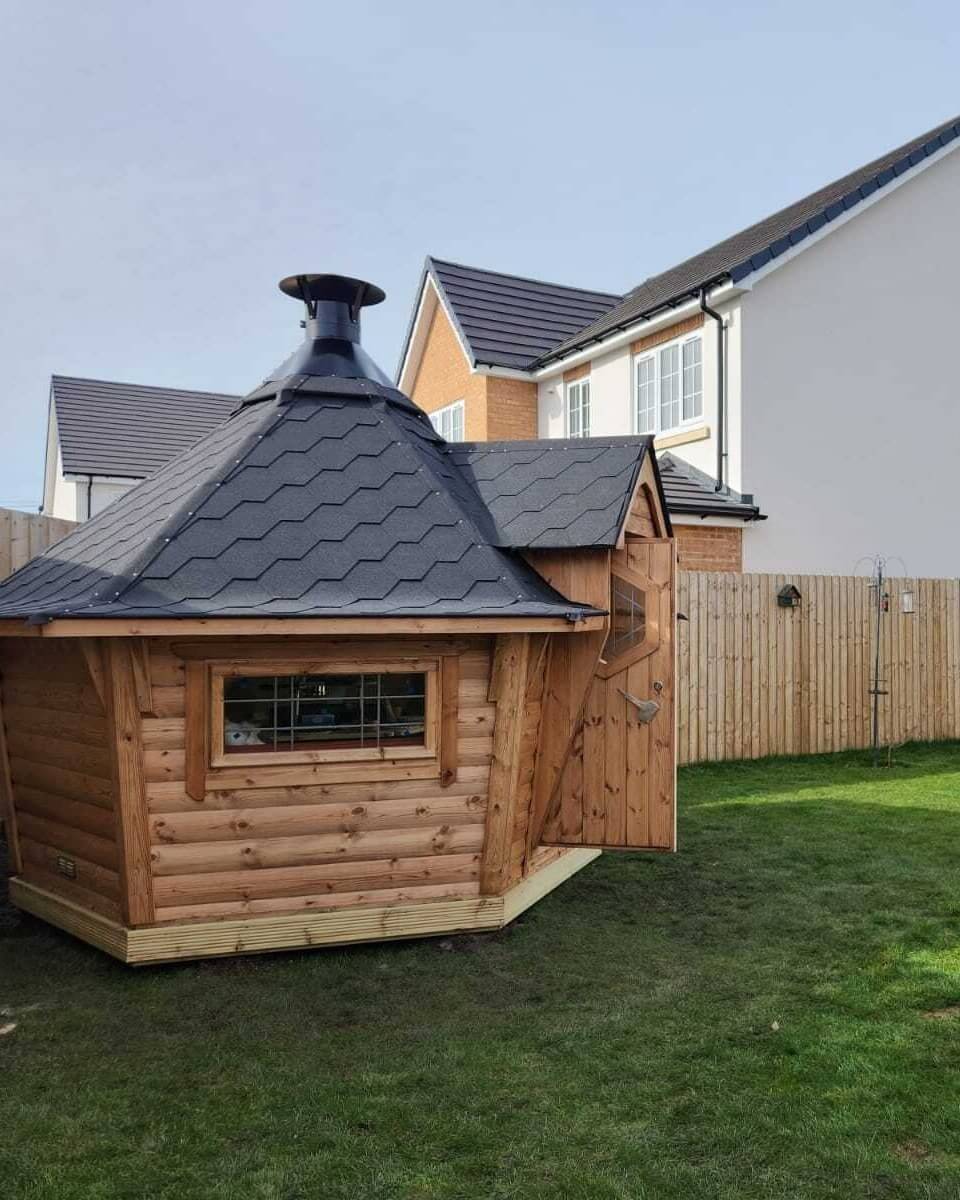
Strategic color blocking can visually lengthen or lift a compact facade. Use a darker field color on the bulk of the siding to slim the volume, then paint trim, fascia, and a narrow band beneath the eaves in a lighter tone to “raise” the roofline. Want to make the cabin feel wider? Run a light horizontal stripe at windowsill height or carry a porch beam color around the facade. To boost height, choose vertical board-and-batten or a dark base with a lighter upper wall. Keep the palette nature-forward—charcoal, deep green, or warm brown—then add one confident accent on the door or shutters. Matte or satin finishes reduce glare and hide dust; stains keep grain visible while still achieving contrast. Test swatches in morning and evening light, and coordinate with the roof and path materials for cohesion. With a painterly, budget-friendly approach, you can reshape perceived proportions and give a tiny cabin a sophisticated, modern-rustic presence.
Operable Shutters and Compact Awnings for Shade and Privacy
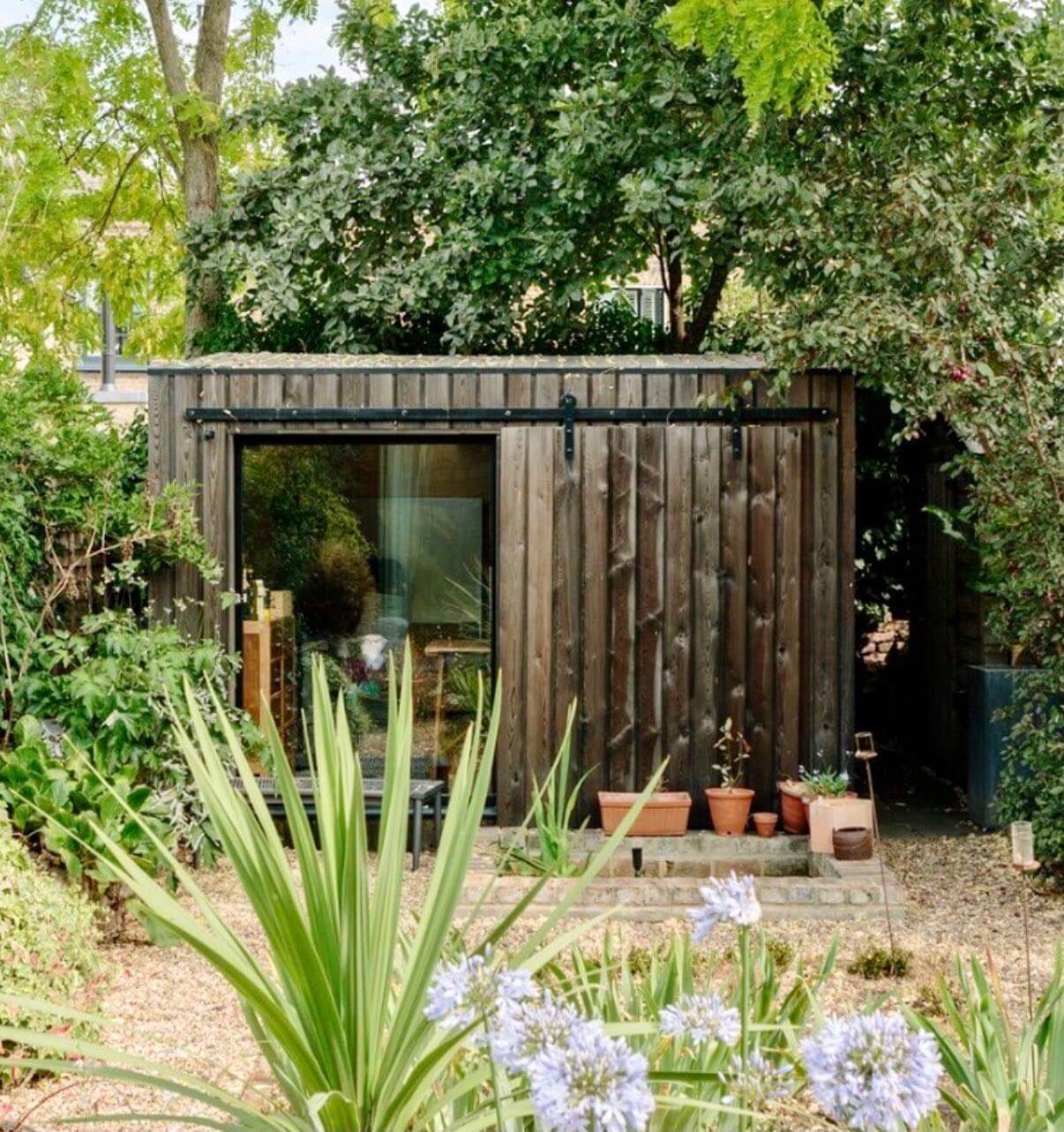
Functional exterior shading does triple duty on a small cabin: comfort, storm protection, and style. True operable shutters—board-and-batten or louvered—can darken a sleeping loft, shield glass in high winds, and add classic texture when open. Pair them with handsome strap hinges and hold-backs in black for a modern-rustic vibe. For south or west exposures, slim metal or wood awnings project just enough to cut summer glare while letting winter sun in. Over entries and kitchen windows, they keep rain off thresholds and sills, reducing maintenance. In tight clearances, consider fabric or roll-down shades that vanish when not needed. Keep lines simple and geometry aligned with head trims and siding seams so additions look built-in, not tacked on. Choose finishes that echo the roof or door color to tie the facade together. Thoughtful shade devices make outdoor rooms more usable, protect materials, and lend architectural depth without enlarging the footprint.
Rain Chains, Gutters, and Barrels That Celebrate Water
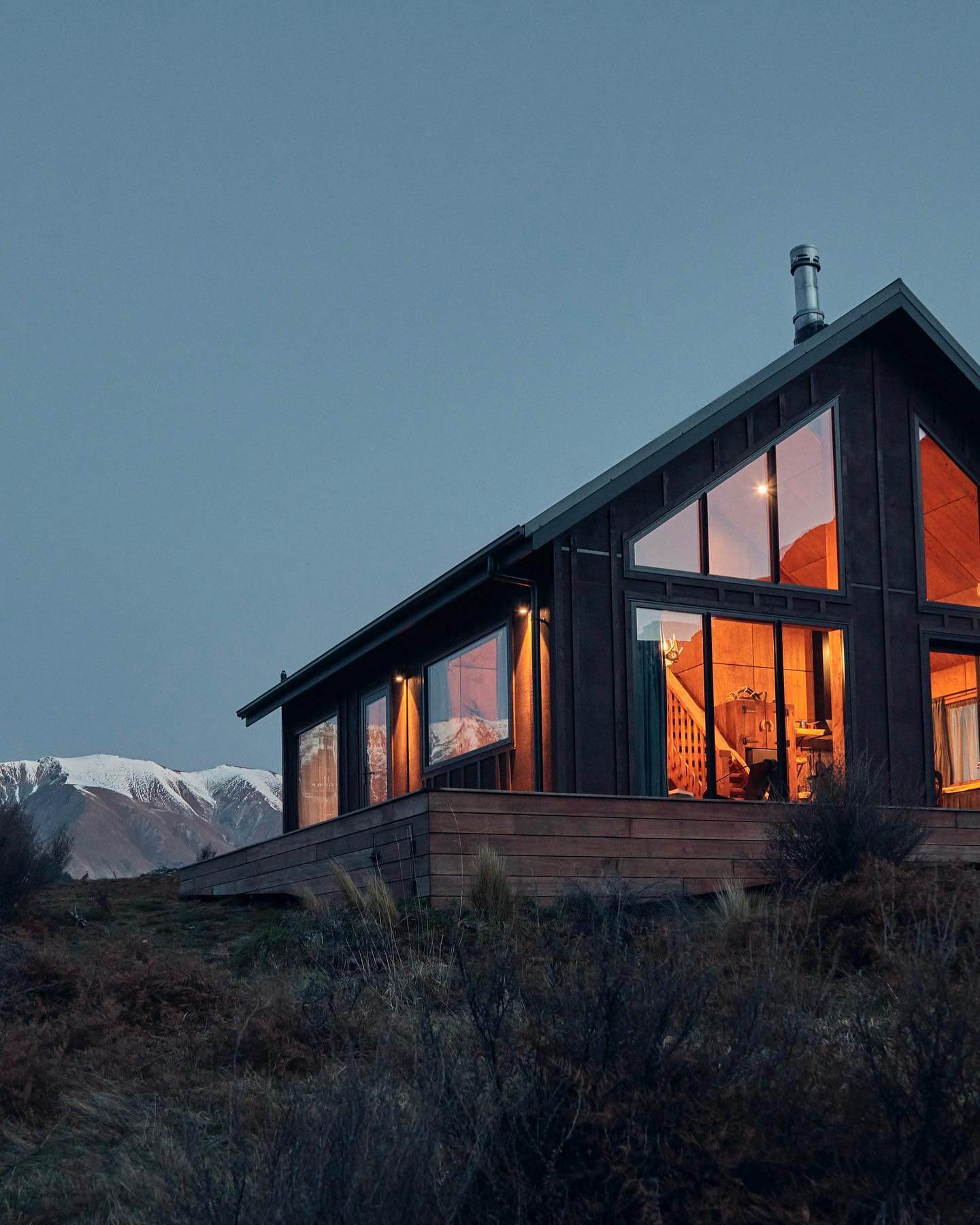
Water management is essential—and it can be beautiful. Swap a downspout for a rain chain at a visible corner to turn storms into a quiet showpiece, guiding runoff to a river rock basin or rain barrel. In heavy-rain regions, pair oversized gutters with leaf guards and discrete conductor heads; match their color to the roof so the profile stays clean. Where codes permit, capture water in a stock-tank cistern or slim barrel tucked beside the porch, then overflow to a dry creek bed that doubles as path edging. Grade soil away from the foundation and use a gravel drip zone where gutters aren’t practical. Add a diverter to shut the system off before hard freezes, and elevate barrels on a sturdy plinth for better pressure. These simple, DIY-friendly details protect siding and soil, nourish native plantings, and add sensory charm—especially on small cabins where every element needs to pull aesthetic and functional weight.
Custom House Numbers and Sign Posts as Mini Architecture
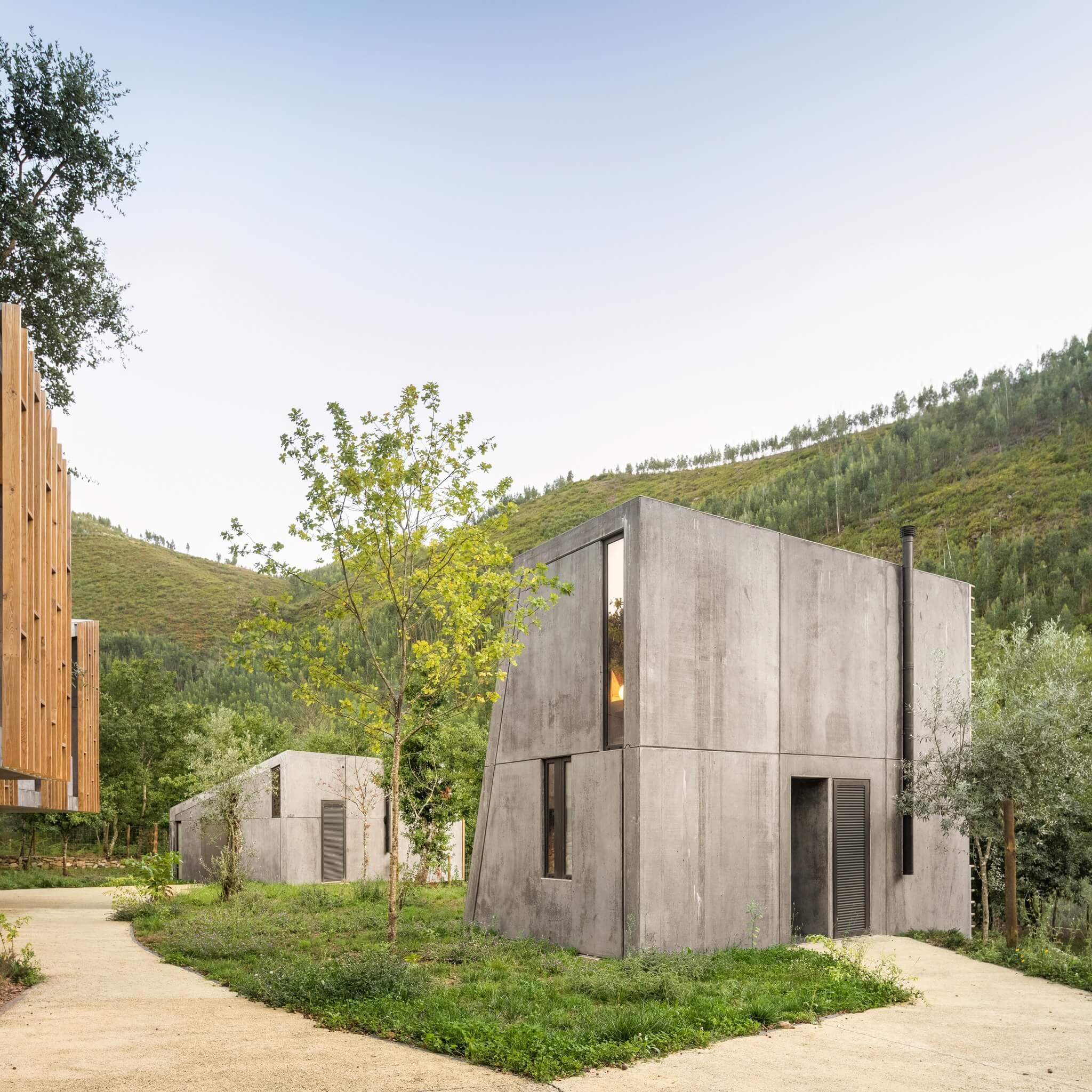
Tiny exteriors shine when the small graphics are strong. Oversized house numbers or a slim sign post near the drive make arrival effortless and stylish. Choose a high-contrast finish—black on light wood, brushed metal on dark siding, or backlit numerals for nighttime visibility—and mount them where they’re easy to read from the approach. Consider a vertical number stack on a cedar backer, a corten steel plate that echoes the roof, or a simple post-and-plaque at the lane if the cabin sits back. Align numbers with door or window heads for a tidy datum, and repeat the material in mailbox brackets, doorbell plates, or light backplates for cohesion. If your retreat has a name, keep the typography clean and restrained so it feels timeless, not novelty. These micro-architectural touches boost wayfinding, satisfy 911 visibility requirements, and deliver a custom look for minimal cost—exactly the kind of high-impact upgrade small cabin exteriors thrive on.
Window Boxes, Built-In Planters, and Green Screens to Soften Lines
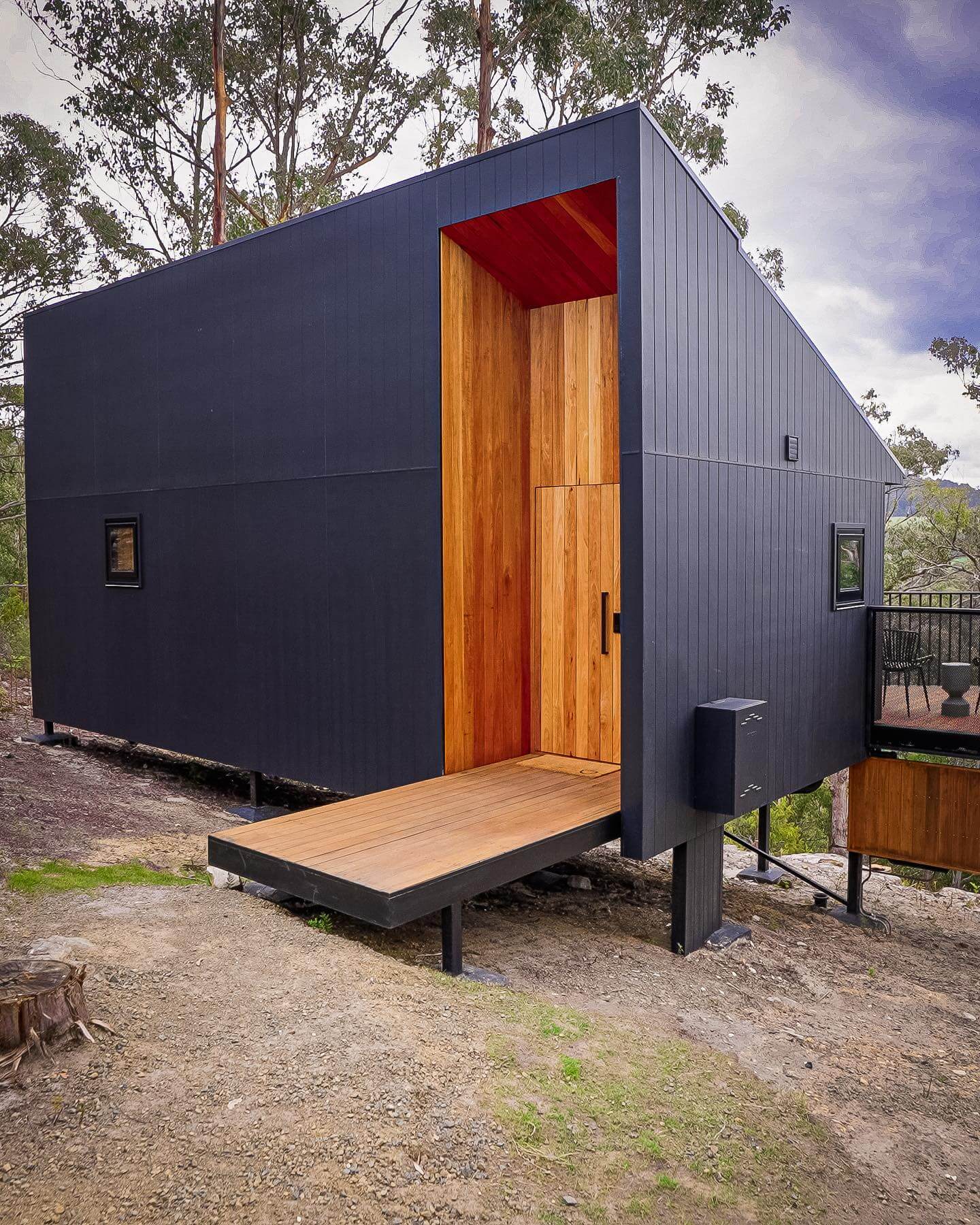
Greening the facade lifts a compact cabin instantly. Add slim window boxes under key panes to bring flowers, herbs, or evergreen textures up onto the wall plane. Keep boxes the width of the sash or align them with siding seams for a tailored fit, and use rot-resistant cedar or powder-coated metal with proper liners and drainage. At porch edges, integrate built-in planters or low green screens that define space without heavy rails—think native grasses, blueberries, or dwarf conifers that thrive with minimal care. In dry cabins, drip irrigation on a timer or a hidden reservoir system keeps maintenance low. Choose plant palettes that echo the forest floor rather than fight it, and leave shoulder-season interest with seed heads and winter greens. These soft layers blur hard lines, frame entries, and connect the architecture to the site, all while adding pollinator habitat—a small, sustainable move with big curb-appeal returns.
Board-and-Batten Rhythm for Vertical Lift
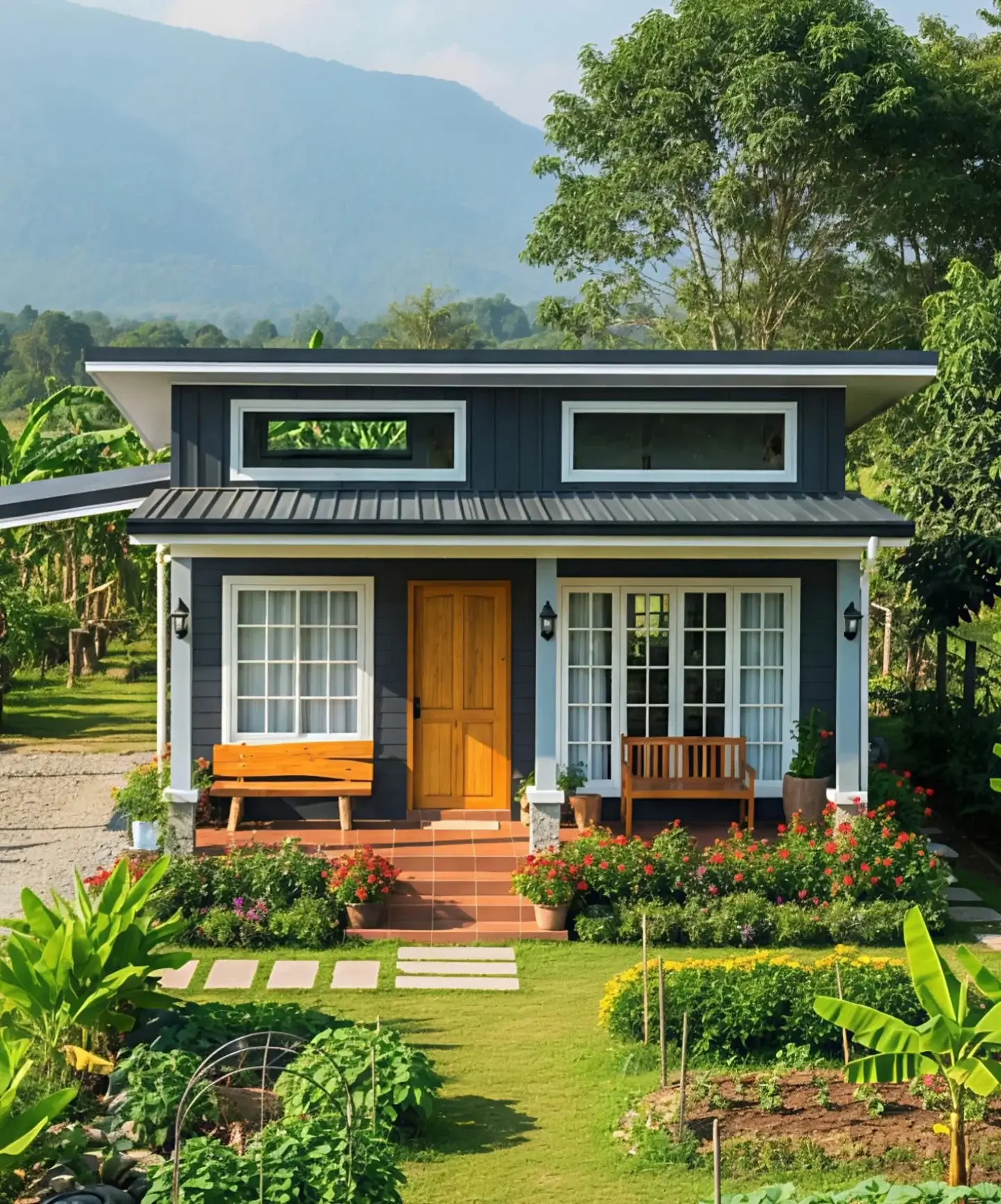
Vertical siding adds height and heritage to a small cabin exterior. Board-and-batten creates a pleasing rhythm that makes walls feel taller while shedding water efficiently. Keep battens consistent—often 12–16 inches on center—and align them with window mullions and trim for a custom look. For a modern twist, run board-and-batten on primary walls and switch to horizontal lap under porch roofs or at bump-outs to break up mass. Choose durable species or fiber-cement with a rainscreen gap and insect screening at the base for long life. Dark, matte finishes push the facade into the trees; lighter stains highlight grain and soften shadows. At corners, use crisp trim or mitered boards to maintain clean lines, and cap the look with a simple fascia that echoes the batten spacing below. The result is a timeless, low-maintenance skin that scales beautifully on small footprints and plays well with stone, metal, and glass.
Micro Entry Porch with Shed Roof Shelter
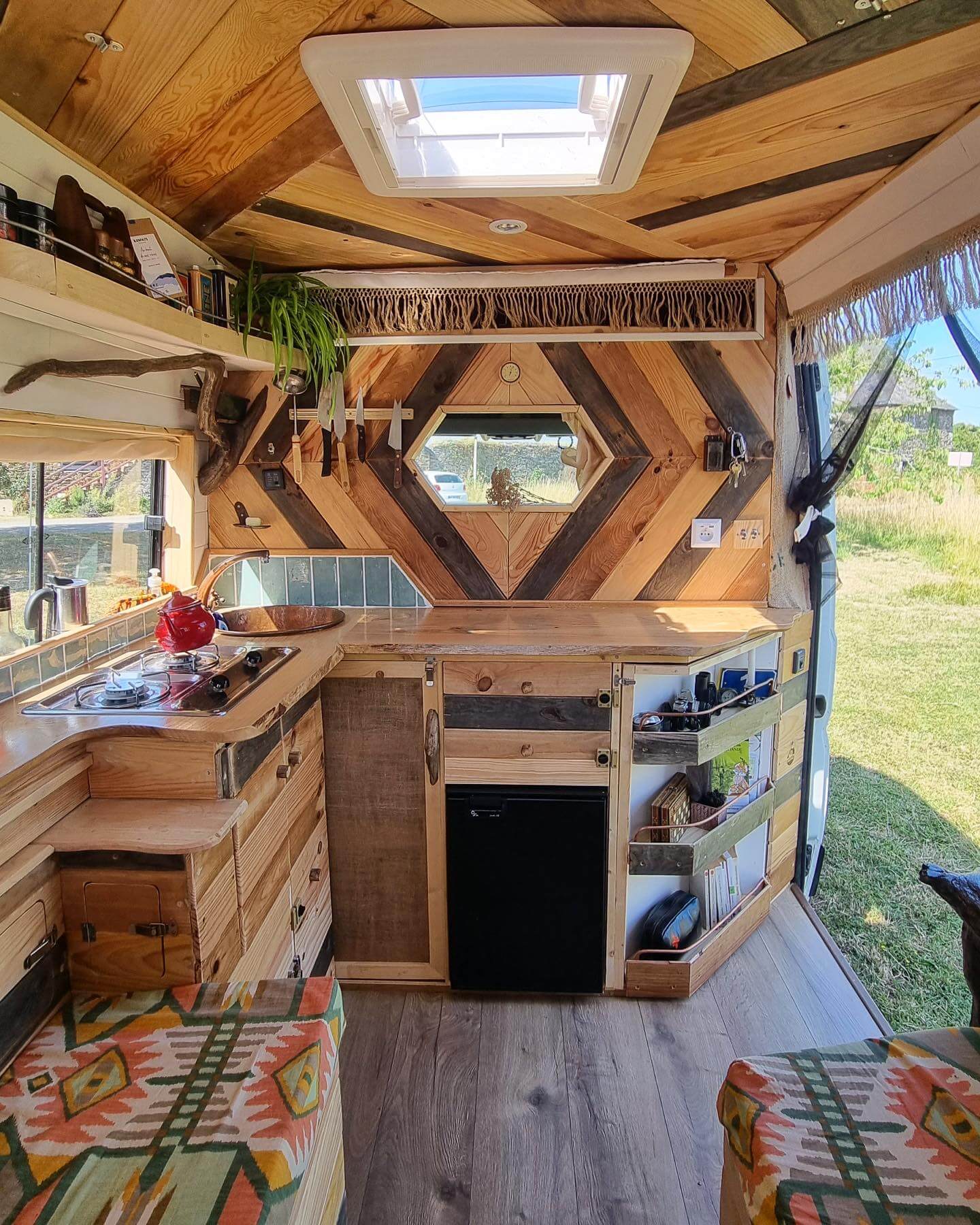
A tiny covered entry adds outsized function and charm to a small cabin exterior. A 3–4 foot deep shed roof over the door creates a weather break, a place to kick off boots, and a visual “porch” that scales the facade. Keep the structure simple: two slender posts, a beefy header, and a generous overhang with a drip edge so rain sheds cleanly. Use durable decking or stone at the threshold and consider helical piers for minimal site disturbance. Layer in a sconce on a dimmer, a boot scraper, and a bench that doubles as storage for kindling. Paint the ceiling a soft tone to bounce light, or line it with cedar for warmth. For snow and wet climates, add ice-and-water shield under the roofing and a textured mat at the landing. Tie the mini-porch into the rest of the cabin with matching trim, matte-black hardware, and a door color that signals “welcome.” This micro intervention protects your entry, reduces maintenance on the door and threshold, and gives the elevation a focal point—proof that a smart overhang delivers everyday comfort without expanding the footprint.
Get the Fail-Safe Paint Color Playbook (Free PDF)
36 proven colors • 8 ready palettes • trim & sheen guide • printable testing cards.
Charcoal Siding with Cedar Trim for Cozy-Modern Contrast
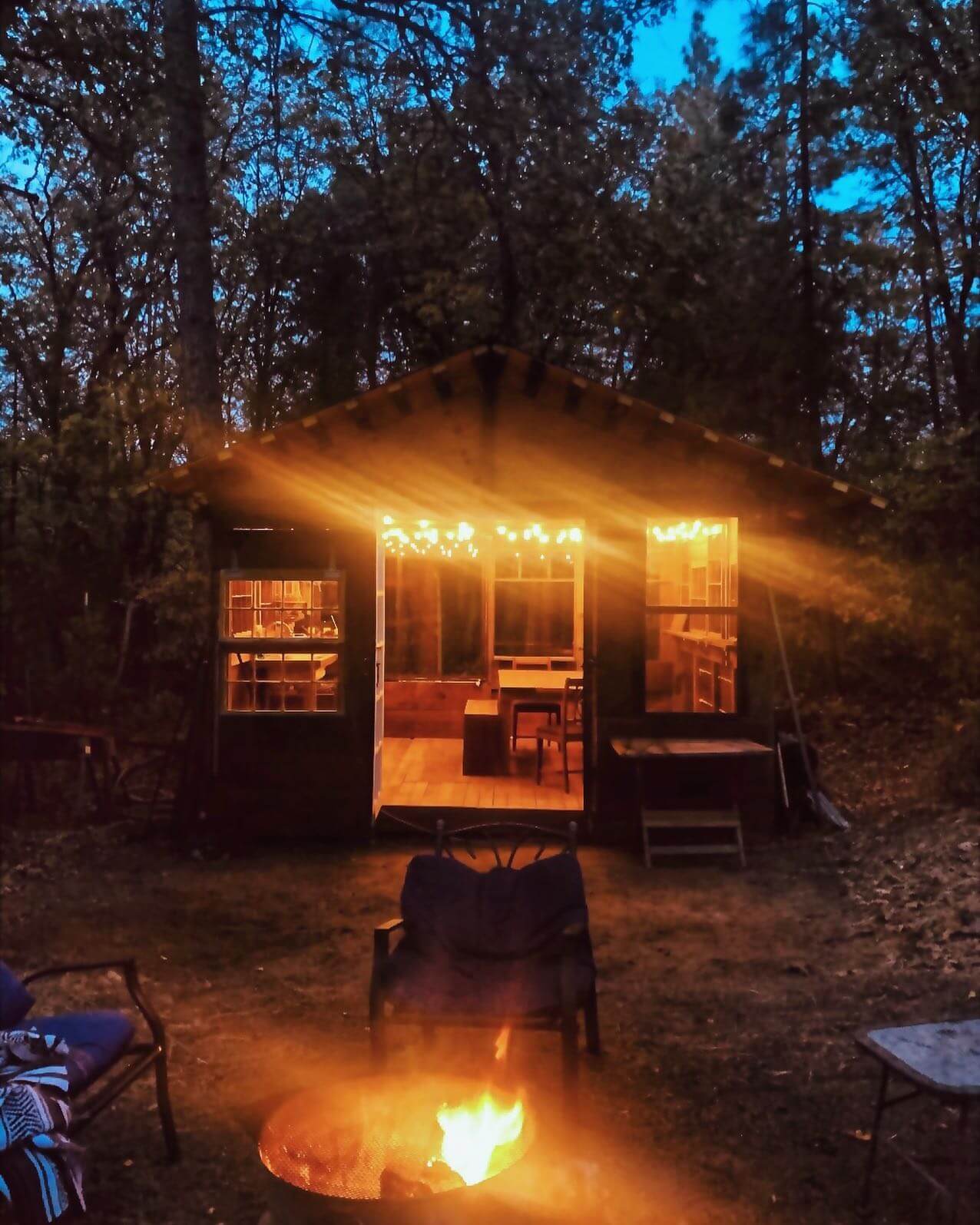
Dark cladding paired with warm wood accents is a small-cabin powerhouse. Charcoal or soft-black siding visually recedes into the trees, letting the silhouette stay crisp while cedar trim, soffits, and a wood door bring human-scale coziness. Choose low-sheen finishes so sun glare doesn’t flatten the facade; think stained fiber-cement, thermally modified wood, or prefinished metal in a matte charcoal. Then concentrate cedar where hands and eyes linger—door, beam wraps, window jamb extensions, and a porch ceiling. This palette compresses visual noise and makes tiny elevations feel composed, while the wood notes telegraph craft. To keep maintenance light, use an oil or hybrid finish on cedar that’s easy to refresh and specify end-grain sealers. Contrast the warmth with slim black fixtures—downlights, house numbers, mailbox—to keep lines clean. If the site is heavily wooded, soften the transition with native grasses against the dark base. The result is a modern-rustic exterior that feels intentional from 10 feet and 100 feet away, stretches small-cabin proportions, and weathers beautifully through the seasons.
Shou Sugi Ban Siding for Durable Drama
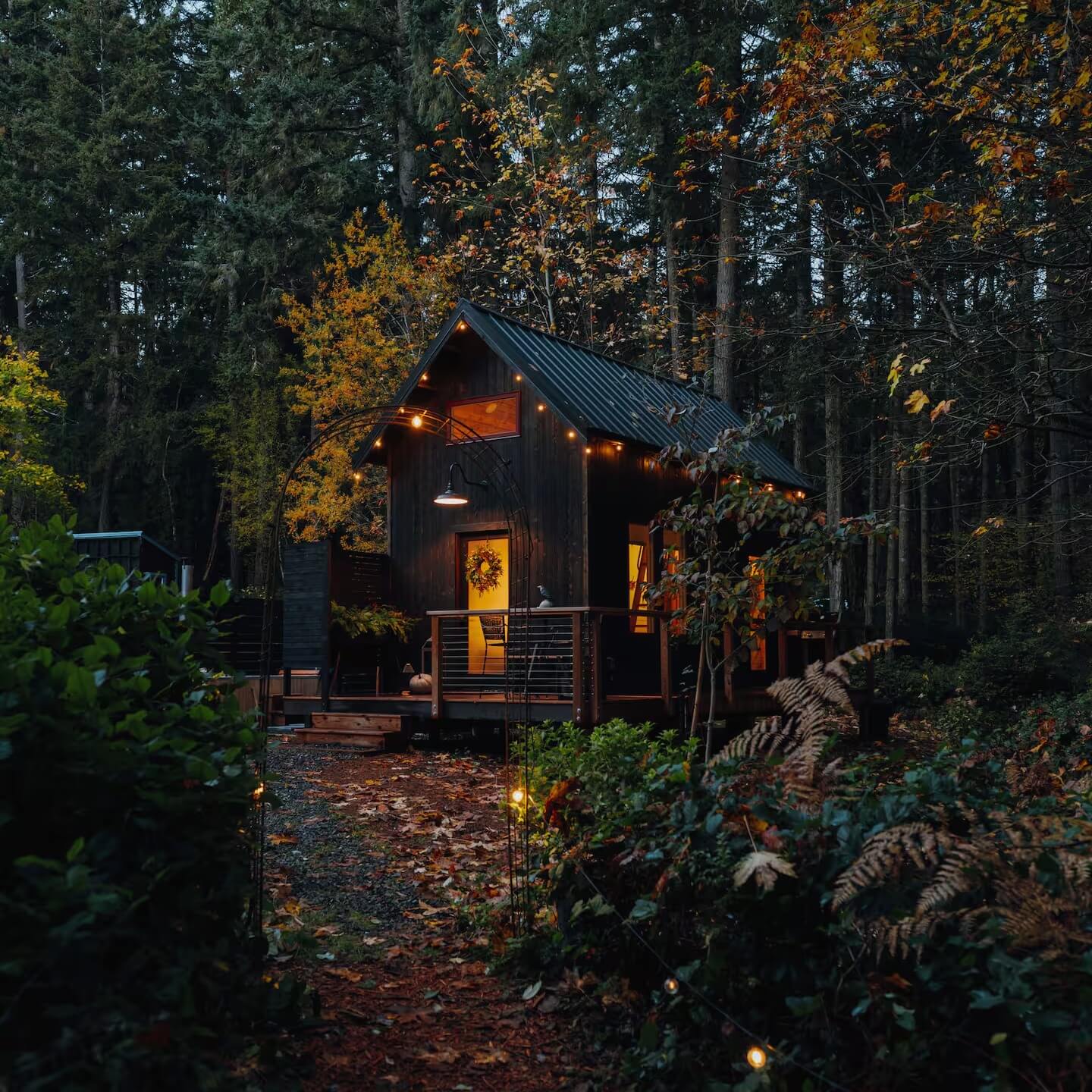
Charred wood (shou sugi ban) is a small-cabin cheat code: huge character, honest material, and low upkeep. The controlled burn toughens the surface, improving resistance to insects and UV while giving the facade a moody texture that reads modern and timeless. Use rot-resistant species like cedar or cypress and decide on finish: leave a deep char for a matte, coal-like sheen, or brush and oil for a softer grain reveal. Because cabins often sit close to trees, pair charred siding with a metal roof and tall base trim to manage splashback. Treat corners and window returns with crisp metal profiles so the char layer isn’t exposed to dings. Behind the boards, maintain a ventilated rainscreen and robust flashing at penetrations to shed water—good building science makes dramatic cladding last. Balance the darkness with pale stone steppers, a natural wood door, or light gravel at grade. The tactile contrast invites touch at a compact scale, giving even a one-room retreat museum-level presence without feeling precious.
Clerestory and Transom Bands to Pull in Sky Light
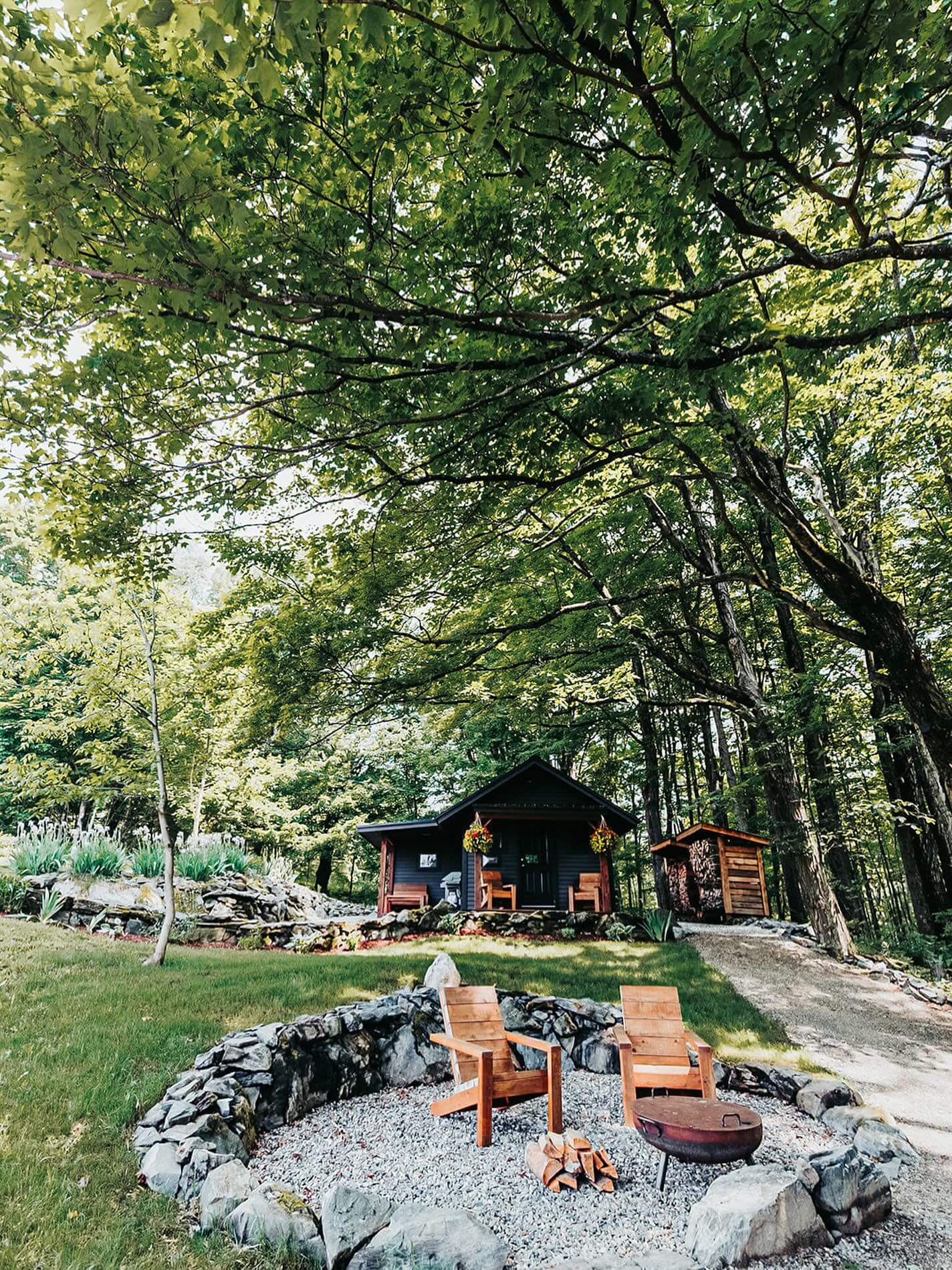
When wall space is precious, lift glass higher. A continuous clerestory or a run of transom windows brings in sky light and cross-ventilation while preserving privacy, storage, and bed/headboard walls. On small cabin exteriors, that elevated glass band creates a clean horizon line that visually lengthens the facade. Keep mullions thin and align tops or bottoms with eaves and door heads so geometry feels intentional. In hot or snowy zones, tuck clerestories under deep eaves and specify low-e coatings to temper heat gain and glare. At least two operable units on opposite sides can drive stack effect breezes—vital in off-grid cabins. Inside, the lifted daylight makes tiny volumes feel taller; outside, nighttime glow turns the cabin into a lantern without blasting neighbors. Consider a darker body color below and a lighter soffit above to emphasize the floating roof effect. This simple glazing move adds architecture without adding square footage, and it harmonizes with almost any siding choice from board-and-batten to charred planks.
Corner Windows that Expand Views Without Expanding Footprint
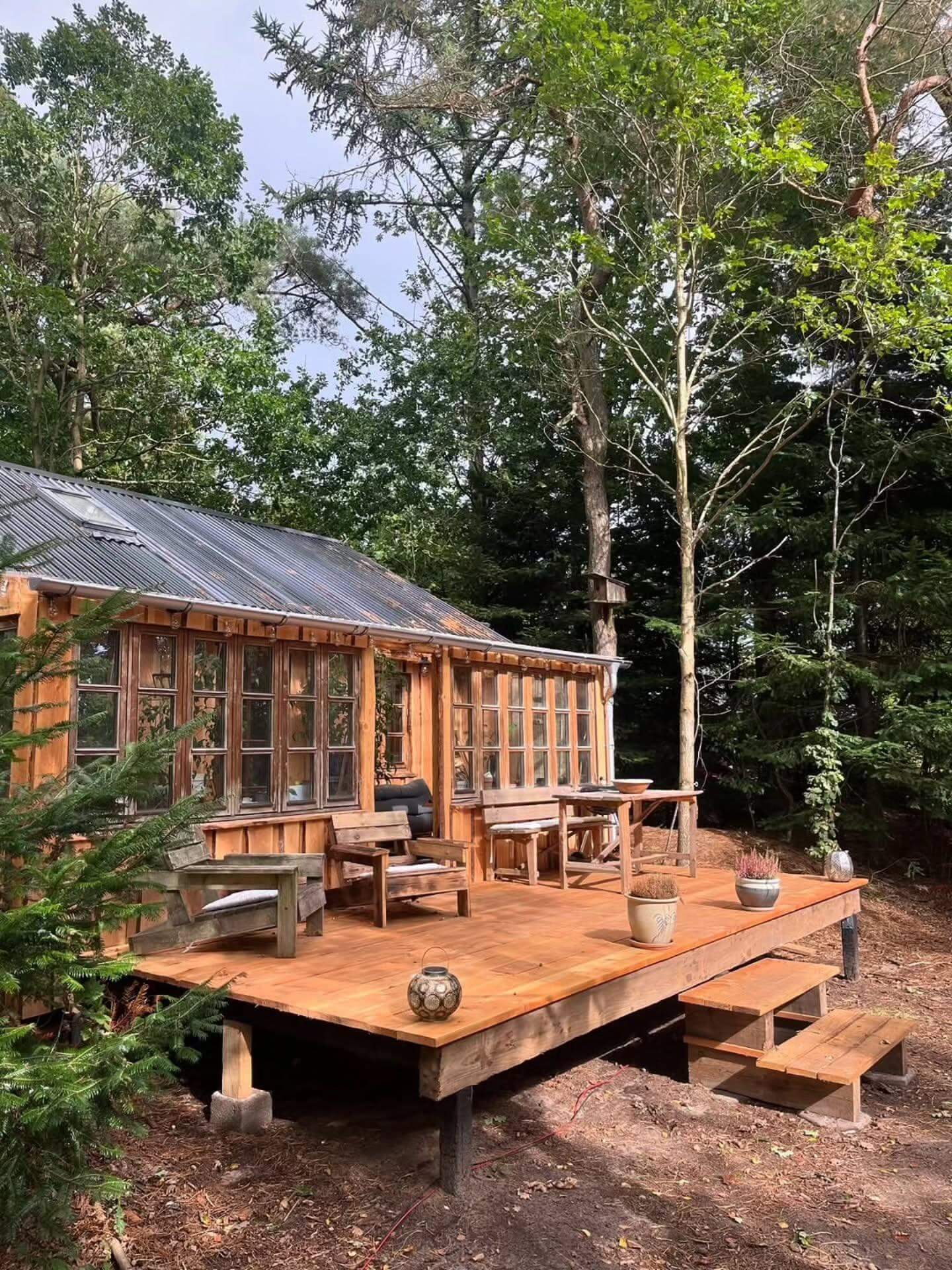
Corner windows are small-cabin magic: they erase edges, connect two views, and make the interior feel bigger for the cost of a couple panes. On the exterior, a clean, glass-to-glass corner or a slim-post detail lightens mass and modernizes even a traditional shell. Coordinate head heights with adjacent doors and clerestories so fenestration reads like a system, not a scatter. To execute well, plan structure early: use a concealed steel angle or engineered post to carry loads, and mind U-values—bigger glass demands better roof, wall, and floor insulation. Protect the corner with generous eaves and consider exterior shades or a nearby green screen if privacy is a concern. Inside, tuck a built-in bench or compact dining nook into that glazed corner; outside, echo the angle with a small deck or stone pad so the view axis continues. The effect is a breezy, panoramic feel on a truly small footprint—more horizon, less wall.
Standing-Seam Metal Roofs that Work as a Design Move
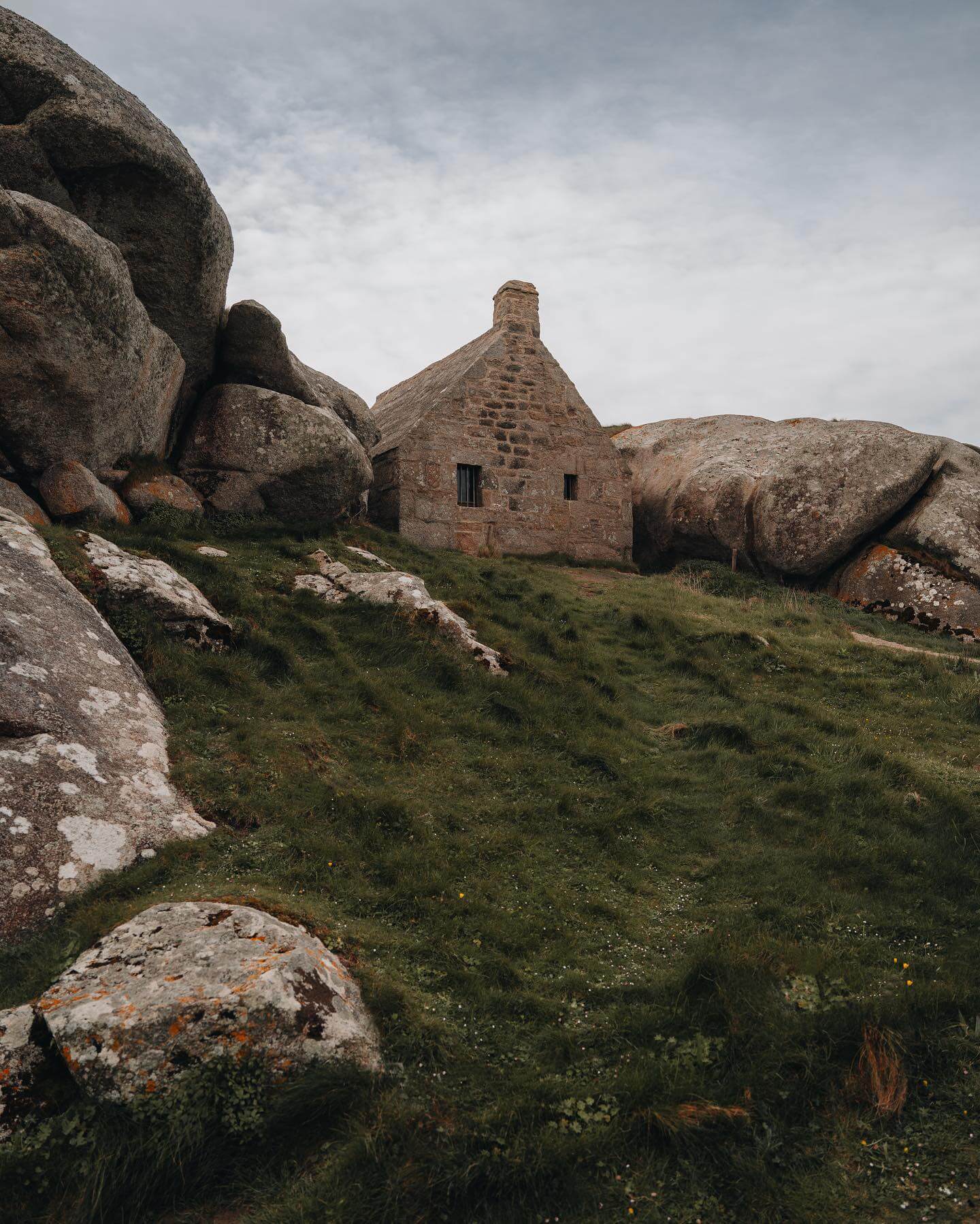
A standing-seam metal roof is both armor and jewelry for a tiny cabin. It shrugs off snow and rain, reflects summer heat when specified in a light color, and supplies crisp lines that refine a compact silhouette. Choose 24–26 gauge panels with concealed fasteners for long-term durability; run seams in the direction of water flow and add snow guards above entries if you’re in freeze-thaw country. A single shed roof keeps framing simple and frees wall height for taller windows; paired gables can cradle a covered porch without fussy valleys. Under the panels, use a high-temp underlayment and vented assembly to quiet rain and prevent condensation—noise is as much about structure as material. Metal’s smooth surface also makes rainwater harvesting efficient; align gutters to a rain chain or barrel so storm days become part of the show. Visually, let the roof color coordinate with trim and hardware—matte charcoal, forest green, or silvery zinc tones each telegraph a different vibe while staying timeless.
Dutch Door Entries for Light, Air, and Welcome
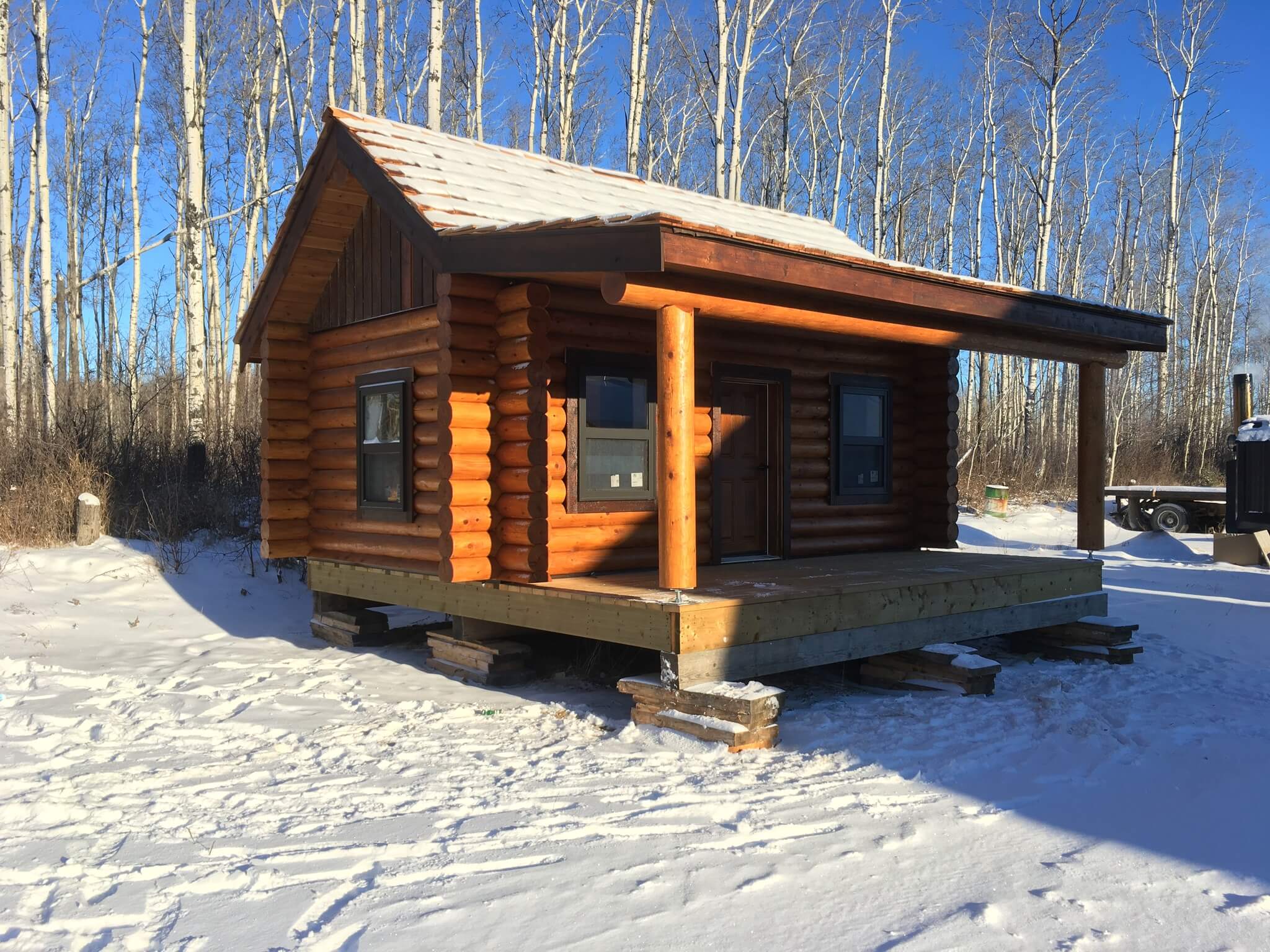
A Dutch door is a small-cabin multitasker: open the top for breezes and conversation, keep the bottom closed for pets, gear, and privacy. On the exterior, it reads as a friendly design flourish that sets the tone of the facade. Choose a simple two-panel profile with a half-lite upper sash to borrow daylight into a tight interior. Weather sealing matters—look for modern gaskets, quality hinges, and a shelf ledge with a drip detail to keep water out when the top is open. Paint the door a saturated accent (deep green, rusty red, or mustard) that pops against dark siding, or stain it to match cedar trim for a quieter look. Flank the opening with a slim sconce and a boot bench so the threshold becomes a functional micro-mudroom, even if your porch is only a few feet deep. Pairing a Dutch door with operable clerestories creates stack ventilation that cools quickly without power—ideal for off-grid stays.
Weathering-Steel and Corrugated Accents that Age Gracefully
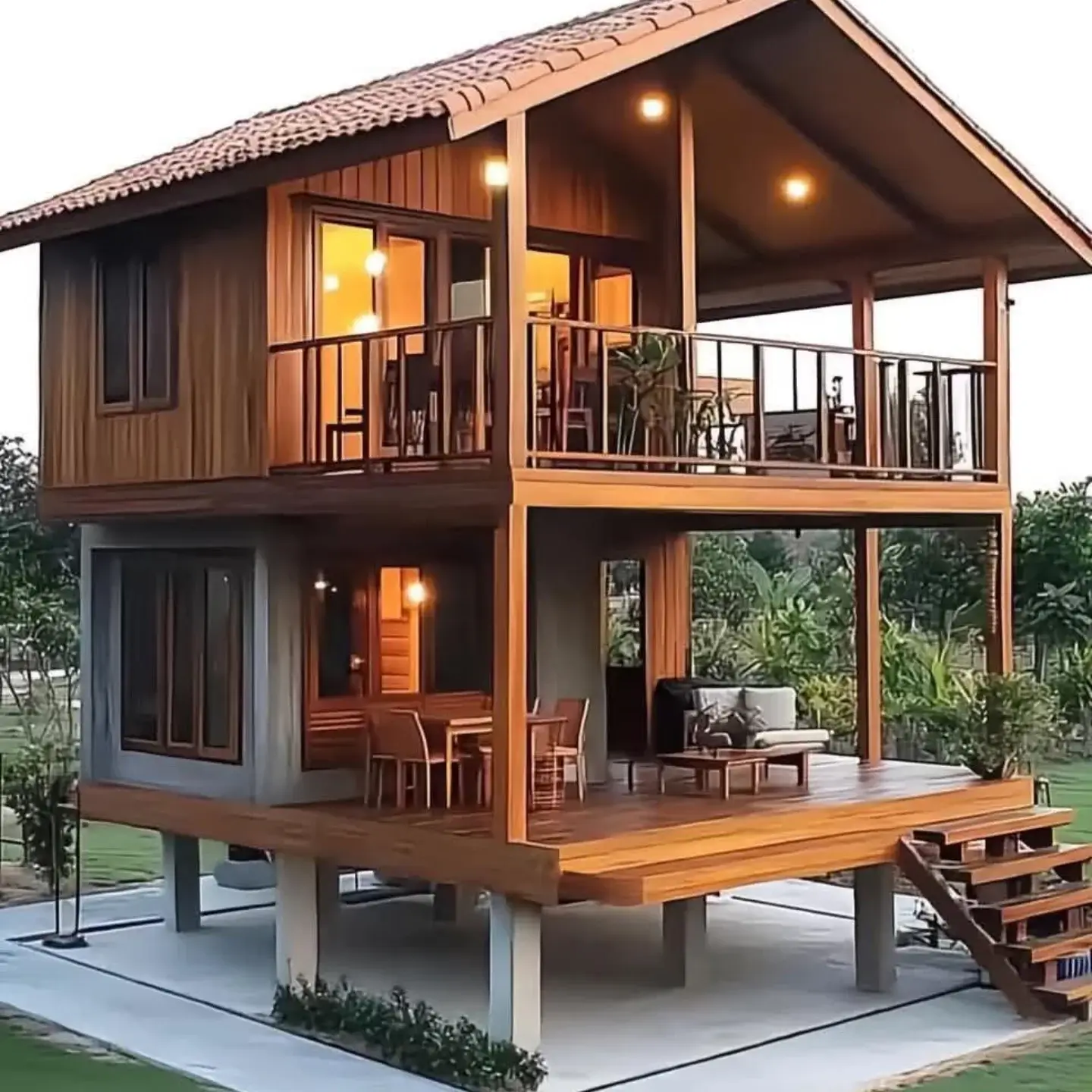
Introduce metal at the base or as a focused accent to give your small cabin exterior depth and durability. A weathering-steel (Corten) wainscot or corrugated panel infill takes the brunt of snow, mud, and mower nicks while adding a rich, evolving patina. Keep it to one or two planes—under windows, on a bump-out, or as a porch knee wall—so metal reads as an intentional layer, not a costume. Use a ventilated rainscreen behind any panel system and detail a gravel drip zone below to prevent rust staining on concrete or stone. Where you meet wood, insert a slim shadow reveal so materials don’t visually fight. In fire-prone regions, metal at the lower third can also improve resilience. Balance the industrial note with natural textures—cedar soffits, stone steppers, and grasses—to land the look in the landscape. Over time, the metal’s color shift charts the seasons, giving your compact facade a living finish that only gets better.
Gravel Courtyard with Steppers and Low, Warm Lighting
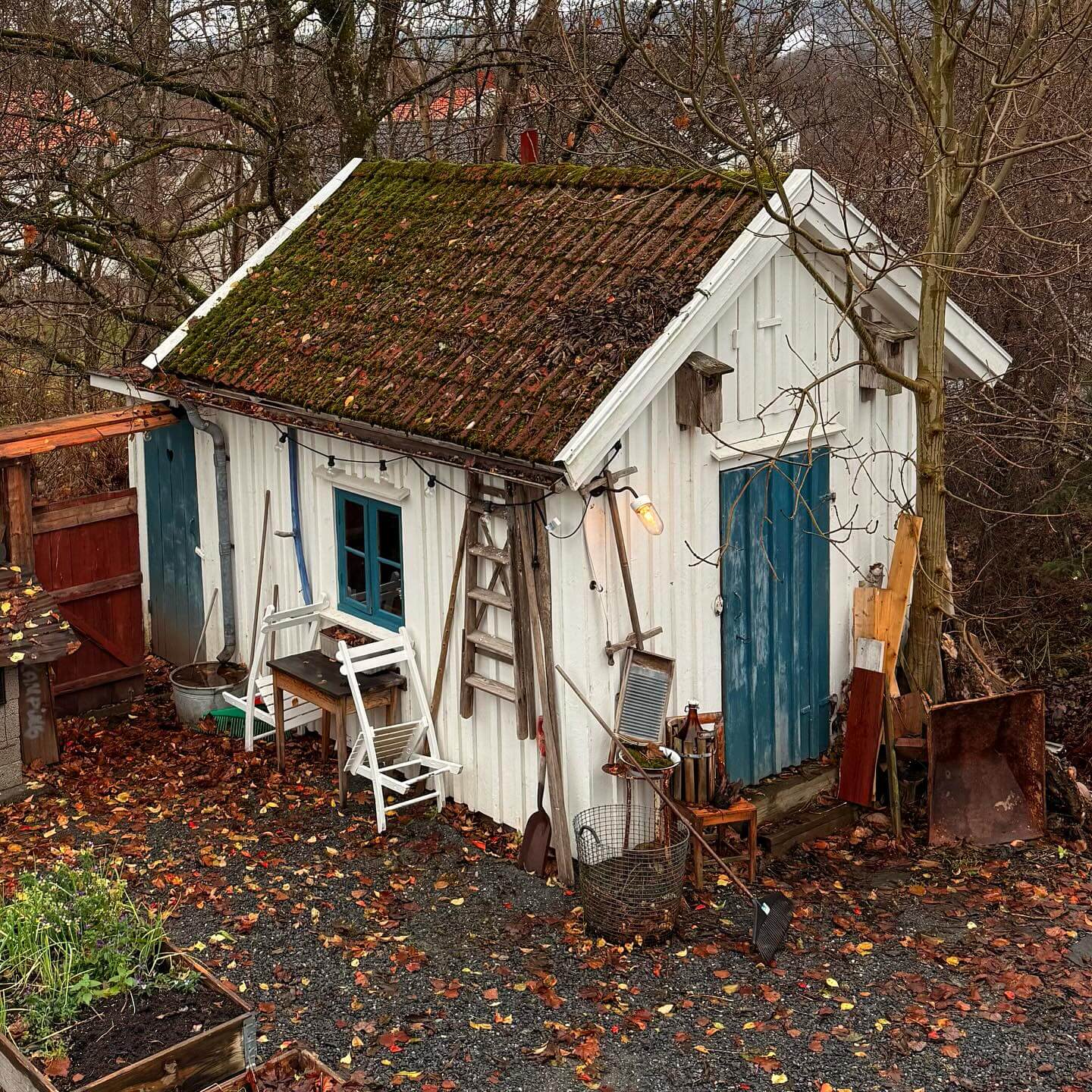
A simple gravel forecourt transforms arrival at a small cabin without heavy construction. Grade for gentle drainage, lay a compacted base, and top with 3/8-inch angular gravel that locks underfoot. Float large stone or concrete steppers in a clear pattern from parking to porch—36 inches wide feels generous on a small site. Edge with weathering steel or dense plantings to keep lines tidy. At night, warm 2700K path lights or low bollards set at knee height guide steps without glare; downlights from eaves can wash the facade to make the structure feel grounded. This breathable surface handles snow melt and summer storms, reduces mud at the threshold, and offers a spot for a portable fire pit or Adirondack pair. Choose native groundcovers and grasses to soften edges and let the cabin sit lightly in its context. The effect is clean and calm, giving your exterior a “room” that expands living space the moment you arrive.
Compact Screened Porch or Breezeway for Three-Season Living
A petite screened porch—6×10 or 8×8—adds a bug-free “bonus room” that makes a tiny cabin live large. Keep the structure light: dark screens (they visually disappear), slender posts, and a shed roof tied into the main eave so water management stays simple. Run deck boards with generous gaps or use a slatted floor for quick drying after storms. Inside, furnish with a narrow bench, a folding table, and hooks so the space flips from coffee nook to gear station. If a porch isn’t possible, a screened breezeway between cabin and shed can do the same job while creating a wind-protected entry. Align the porch door with a window or Dutch door to pull breezes through the plan. At night, a quiet ceiling fan and dimmable sconces extend use without blasting insects. Thoughtfully scaled, this addition feels proportional to a small facade, turns edges into assets, and delivers daily delight spring through fall.
Get the Fail-Safe Paint Color Playbook (Free PDF)
36 proven colors • 8 ready palettes • trim & sheen guide • printable testing cards.
Small Cabin Exterior Ideas: Porches, Lighting Plans, and Landscape Design
Right-sized porches expand living space and calm transitions, especially on small cabins where every square foot counts. Aim for 6–8 feet of covered depth at the entry, with 8–9 feet of ceiling height to keep proportions airy and smoke from a chiminea aloft. Screens or removable panels stretch shoulder seasons, while south-facing bays collect sun and shield doors from prevailing storms. Integrate built-in benches and concealed storage for boots, paddles, and gloves to reduce interior clutter. Layer lighting—ambient soffit glow, task sconces at latches, and low-glare path markers—to guide safely without broadcasting the site. Planting beds and boulder placements should shape paths, manage runoff, and make the cabin feel nested rather than perched.
- Choose dark-sky compliant fixtures with warm color temperatures; shielded downlights preserve stargazing, reduce wildlife disruption, and eliminate harsh glare on reflective snow, ice, or wet decking.
- Size steps consistently, use 11-inch treads and closed risers, and add nosing grip; pair with 36-inch handrails to meet code while keeping proportions delicate on compact elevations.
- Lay crushed-gravel or flagstone paths that drain quickly, then frame edges with steel or cedar to retain shapes through freeze–thaw cycles and heavy wheelbarrow traffic.
- Use native shrubs, ferns, and groundcovers to disguise foundations; interplant with spring bulbs and aromatic herbs so shoulder seasons smell alive even before leaves fully return.
- Capture roof runoff with gutters feeding rain chains and barrels; daylight overflow to swales lined with river rock, protecting footings and supplying irrigation for edible beds.
- Design rail-free, low platform decks under 30 inches where possible; edge with planters or boulders to guide movement while maintaining sightlines to water, meadow, or forest.
Winterizing details matter on small cabins, where snow shearing or drips can dominate facades. Install heat-traced gutters only where necessary, and split large eaves with chains to break icicle formation. Orient seating to capture low winter sun and block prevailing winds using glass corner panels, lattice, or hedge rows. Mount motion sensors thoughtfully to avoid wildlife triggers, and give switches separate zones for porch, path, and accent trees. Tuck woodpiles under deep overhangs beside ventilated sheds, and screen utilities with slatted panels that echo deck rhythms. Thoughtful porch and landscape moves make these Small Cabin Exterior Ideas feel generous, not crowded, while safeguarding the site and enhancing everyday rituals.
Your Cabin, Clarified: Smart Answers for Exterior Wins
What exterior colors make a small cabin look larger?
Dark, recessive body colors visually shrink the mass, while crisp, lighter trims define edges and add contrast. Matching roof and siding hues also simplifies the silhouette, reducing visual clutter.
Get the Fail-Safe Paint Color Playbook (Free PDF)
36 proven colors • 8 ready palettes • trim & sheen guide • printable testing cards.
How can I reduce maintenance on a wooded site?
Use ventilated rainscreens, generous overhangs, and durable finishes like factory-coated metal or fiber-cement. Add leaf guards, kick-out flashings, and gravel drip lines to manage debris and splash-back.
Which porch size works best for tiny cabins?
Target 6–8 feet of covered depth so furniture fits without blocking circulation. Keep ceilings around 8–9 feet for airy proportions and sufficient stack effect for smoke and heat.
Are metal roofs too loud for small cabins?
With solid sheathing, quality underlayment, and insulation, rain noise drops dramatically. Opt for standing-seam with clip systems and consider acoustic panels if you’re in frequent heavy downpours.
Final Verdict: Big Style on a Small Footprint
The smartest small cabin exterior ideas all point to one truth: cohesion beats size. When you align a restrained color palette with durable materials—think charred wood or cedar against a standing-seam metal roof—and echo those tones in trim, railings, and planters, the whole facade reads intentional and expansive. Scale details to the structure, frame views with right-sized windows, and use layered lighting to add warmth and safety after dark. From rain chains and crisp foundation skirts to native planting and simple paths, each element should earn its place by improving proportion, weather performance, and day-to-day function.
Start with the big-impact moves—roof, siding, porch cover—then phase in accents like shutters, cable railings, and house numbers that act as mini architecture. Mock up schemes with on-site samples, test paint in changing light, and keep lines visually open with slim profiles and mixed textures. Whether your cabin is off-grid or weekend-ready, prioritizing water management, low-maintenance finishes, and clear sightlines will stretch your budget and your square footage, delivering curb appeal that lasts through every season.