
Small Front Porch Ideas to Boost Curb Appeal
Tiny entryway, big potential. Whether you’re working with a shallow stoop or a narrow landing, smart styling can transform your small front porch into a welcoming, high-impact moment that sets the tone for your home. With the right mix of color, texture, and proportion, even a few square feet can feel intentional and inviting.
In this guide, we’ll share small front porch ideas that maximize space without sacrificing style—think vertical planters, slimline seating, layered lighting, and renter-friendly updates. You’ll learn how to use scale, symmetry, and sightlines to make your entry feel larger, brighter, and more cohesive.
Get the Fail-Safe Paint Color Playbook (Free PDF)
36 proven colors • 8 ready palettes • trim & sheen guide • printable testing cards.
From budget DIYs to designer-inspired tricks, these ideas focus on quick wins that boost curb appeal fast. Get ready to refresh your threshold, create a memorable first impression, and make every inch work harder.
Space-Saving Small Front Porch Ideas for Big Curb Appeal
Micro porches demand smart zoning and furniture that disappears when not in use. Start by measuring clearances for door swing, railing width, and steps so circulation remains effortless. Choose compact, multi-purpose pieces like foldable chairs, storage benches, and rail-mounted ledges to maximize utility. Keep a restrained color palette that connects door, planters, and textiles for a visually larger impression. Add layered lighting to warm up evenings and improve safety without bulky fixtures. Finally, prioritize verticality—from trellises to wall hooks—to pull the eye upward and off the limited floor.
Get the Fail-Safe Paint Color Playbook (Free PDF)
36 proven colors • 8 ready palettes • trim & sheen guide • printable testing cards.
- Vertical Planters: Mount slim trellises or pocket planters to draw eyes upward, freeing floor space while adding texture and seasonal color without blocking pathways or door swing.
- Foldable Bistro Set: Choose a narrow, foldable table with two chairs that tuck flush against railings, delivering morning coffee convenience and quick stowability when you need standing room or trick-or-treat traffic.
- Rail-Mounted Ledge Table: Clip a shallow ledge to the railing for drinks, potted herbs, or mail sorting, preserving floor area while creating a defined perch that feels custom without carpentry.
- Storage Bench Slimline: Opt for a slender bench with lift-up seat to hide shoes, garden gloves, or cushions, keeping sightlines clean and surfaces clutter-free for an inviting, low-maintenance welcome.
- Layered Lighting: Combine a compact sconce with solar step lights or lanterns to frame the door, improve nighttime safety, and create flattering warmth that makes tight footprints feel intentional.
- Doormat + Runner Pairing: Layer a wide, low-profile outdoor rug under a coir mat to visually expand the threshold, add traction, and protect decking from grime in high-traffic seasons.
Durability matters; pick powder-coated metals, marine-grade fabrics, and rot-resistant woods that shrug off rain and sun. Treat accessories as modular so you can swap seasonal accents without rethinking the layout. Maintain open corners and sightlines to reduce visual weight and make the step feel welcoming to guests and deliveries. Use outdoor rugs and runners to define zones while protecting decking from grit carried in. Balance greenery with negative space so planters enhance, not overwhelm, narrow thresholds. With a few targeted upgrades, even a tiny stoop can function like a full-sized lounge.
Go Bold on the Door, Keep Everything Else Quiet

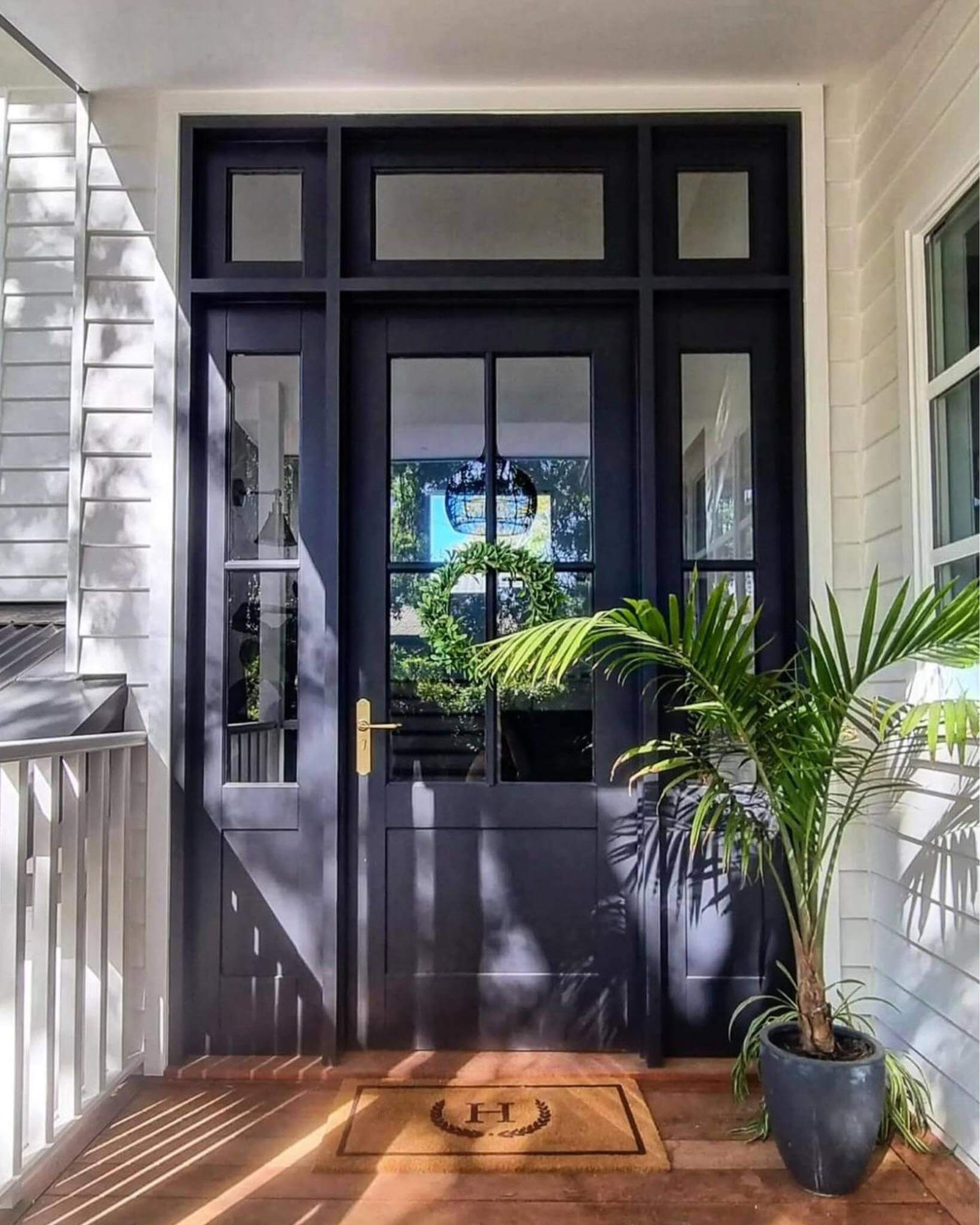
In a small footprint, one confident move does the heavy lifting. Paint the front door a saturated color—inky navy, olive, paprika, or persimmon—and let the rest of the entry stay calm and cohesive. This high-contrast focal point draws the eye upward, visually enlarging a narrow stoop while instantly boosting curb appeal. Test your hue in morning and evening light, choose a durable exterior enamel in satin or semi-gloss, and refresh the trim in crisp white or soft taupe to sharpen the silhouette. Echo the door color subtly in one or two accents: a planter, a striped doormat, or a ribbon on a wreath to create a pulled-together palette without visual clutter. Swap dated hardware for a clean-lined handle set in matte black or unlacquered brass; if you rent, consider an easy-up wreath hook and adhesive-mounted knocker to avoid new holes. Keep styling intentional and low-profile—think a pair of slim planters and a layered mat—so the door can star. The result is a budget-smart upgrade that reads polished from the sidewalk and makes a compact entry feel designed, not cramped.
Layer Your Doormat to “Resize” the Porch
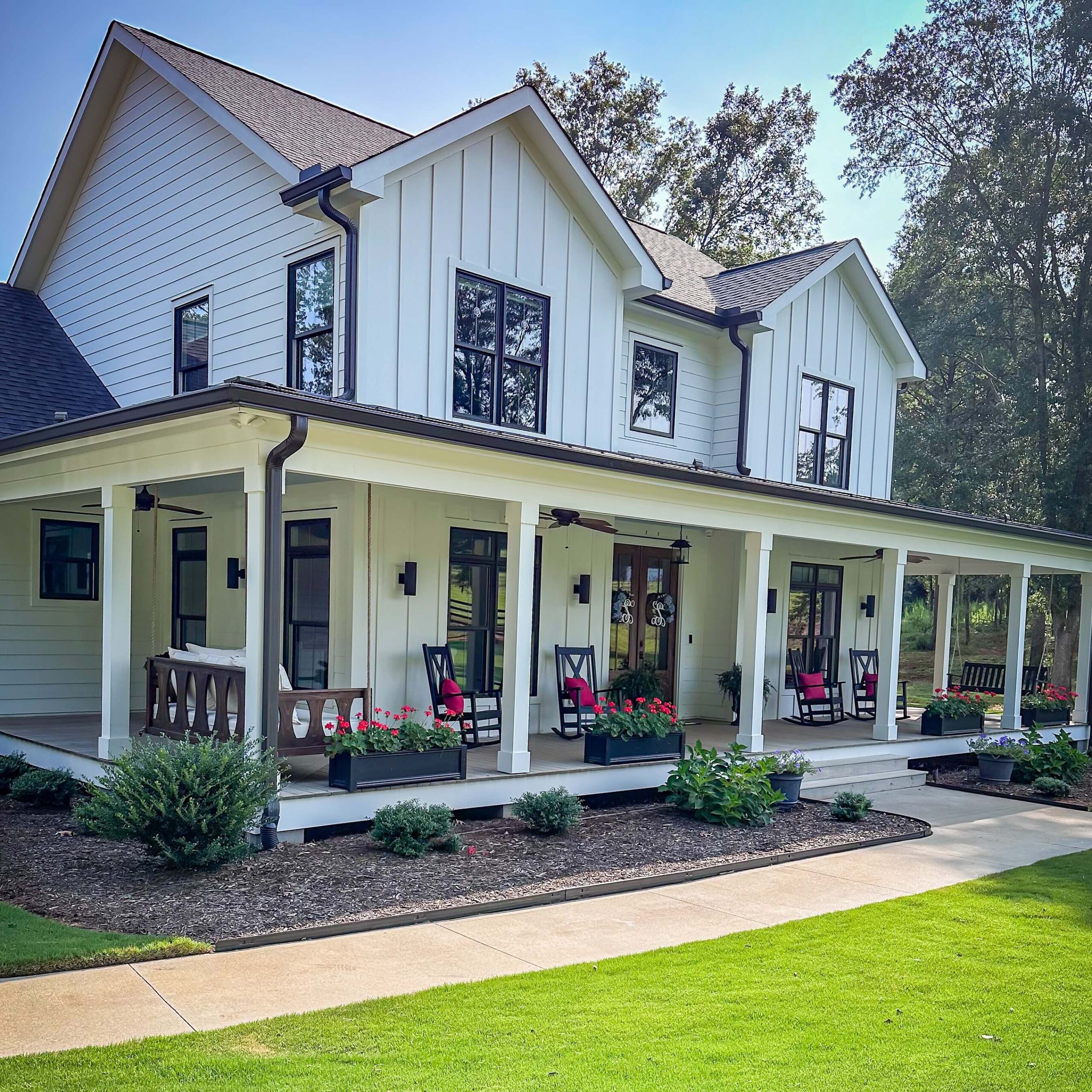
A simple styling trick can visually widen even the tightest threshold: layer a coir doormat over a flat-weave outdoor rug. The larger rug “draws” the footprint you wish you had, anchors planters, and adds pattern without bulk. For a standard 36-inch door, try a 2×3 or 3×5 rug beneath an 18×30 coir mat; for double doors, size up to 3×5 or 4×6. Choose stripes, checks, or a subtle geometric to add texture and hide scuffs, keeping the palette in sync with your door and trim. Add a non-slip pad or outdoor rug tape to prevent shifting, especially if your porch is shallow. This combination layers durability (coir scrapes shoes) with softness underfoot and creates instant symmetry when flanked by matching containers. Rotate the bottom rug seasonally—jute-look in summer, charcoal in winter—for a fresh look in seconds. It’s renter-friendly, affordable, and one of the fastest small front porch ideas to enhance curb appeal while making the entry feel intentionally “framed.”
Choose Slim Seating You Can Move in Seconds
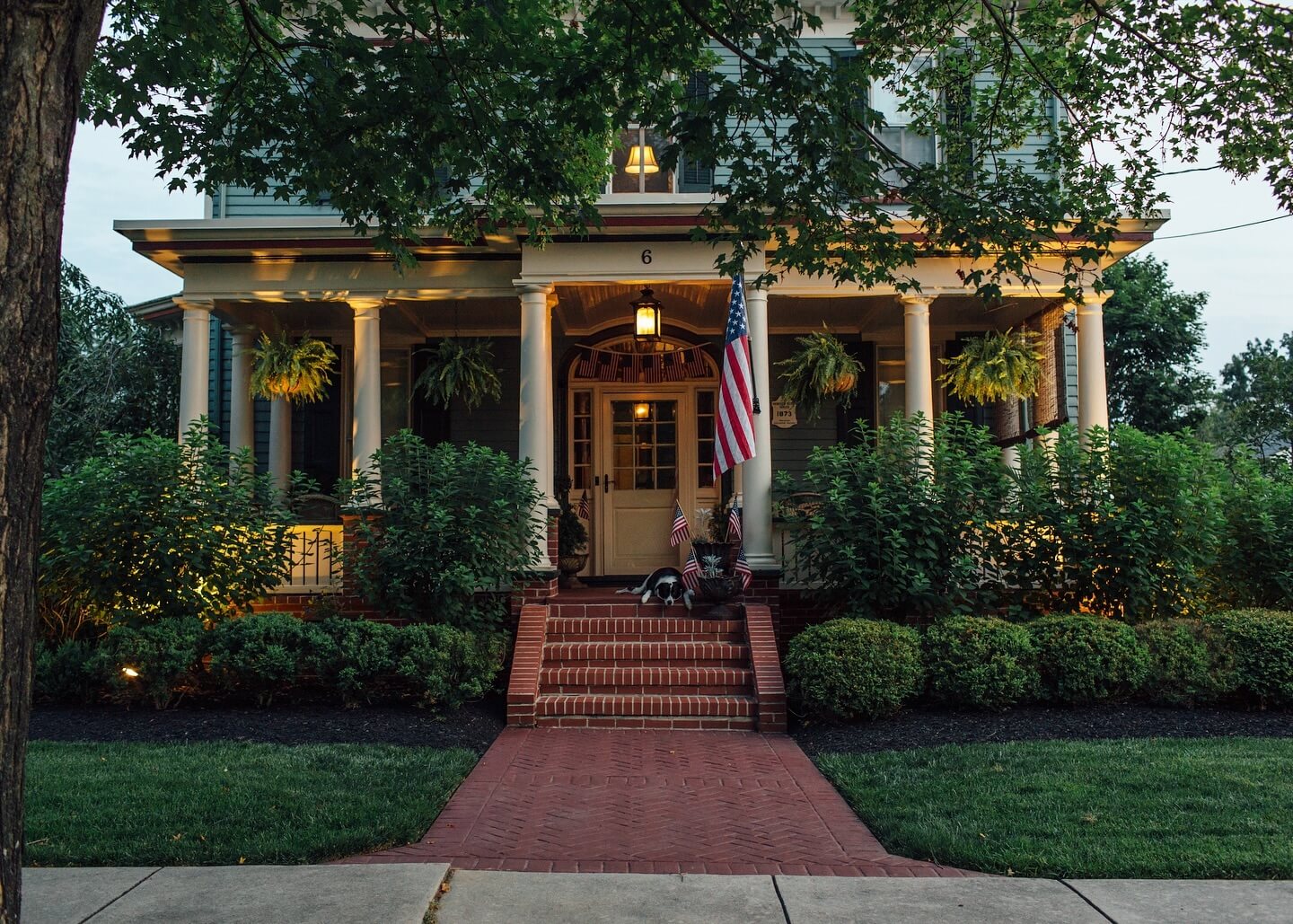
Yes, you can have a perch on a petite porch—just be ruthless about scale and flexibility. Opt for a narrow bench (12–14 inches deep), a compact bistro chair, or a sturdy garden stool that doubles as a side table. Place seating so the door can open fully and traffic flows cleanly; aim for at least 36 inches of clear swing and a direct path to steps. Light, foldable pieces let you reconfigure for guests or tuck them aside when packages arrive. Keep cushions minimal—outdoor-safe, quick-dry, and in a palette that echoes your door and planters—so the vignette feels cohesive rather than cluttered. Consider multipurpose picks: a storage bench to hide umbrellas and shoe brushes, or a stool that becomes a plant stand when not in use. Mount a couple of simple hooks by the jamb for a dog leash or tote to free up floor space. The result is practical comfort that doesn’t overwhelm, proving you can sit, sip, and still keep your small entry feeling open.
Grow Up: Vertical Greenery for Height and Privacy
When square footage is scarce, think vertical. A slim trellis, wall-mounted planter, or railing box lifts the garden into your sightline, making a compact porch feel lusher without eating up the floor. Train a vine—star jasmine, clematis, black-eyed Susan vine, or sweet pea—up a narrow trellis to add movement and soft privacy from the street. On rentals, use freestanding ladder-style plant stands or pressure-mounted options that won’t require drilling. Self-watering railing planters keep maintenance low and greenery tidy on a shallow stoop; mix trailing ivy with upright herbs like rosemary for year-round structure and fragrance. Keep the palette tight—two foliage tones, one bloom color—to avoid visual noise. If sun is limited, lean into shade lovers like ferns and heuchera. Leave elbow room near the latch side of the door so foliage never snags guests or blocks sightlines. This vertical approach adds height, texture, and seasonality, a proven way to amplify curb appeal and make a small front porch read as a thoughtful garden moment.
Symmetry on a Shoestring: Match Your Anchors
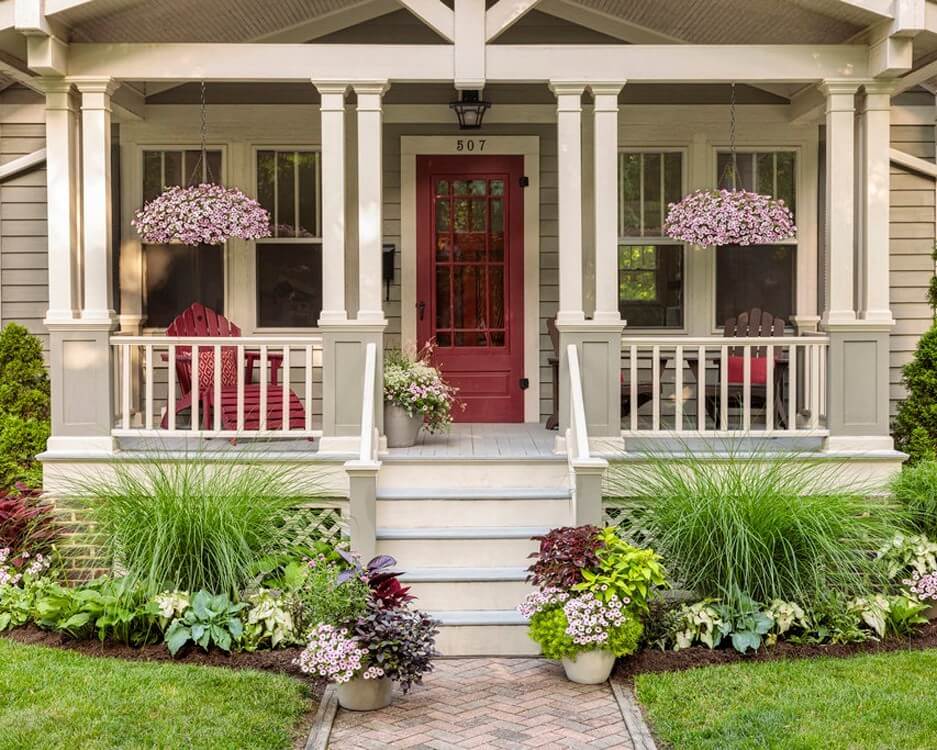
Few design moves calm a small space like symmetry. Flank the door with a matching pair—planters, lanterns, or topiaries—to create order and visually widen the entry. You don’t need expensive urns: thrift basic pots and give them a unified look with masonry-safe spray paint in matte black, stone, or soft olive. Plant simply for impact—evergreen “thrillers” like dwarf boxwood or rosemary, underplanted with one trailing variety—and rely on texture rather than lots of colors. If you’re low on space on one side, fake symmetry by mirroring height: a planter on one side and a lantern stacked on a riser on the other. Keep accessories minimal so the matched elements read clearly. Layer with a centered doormat and a door wreath to complete the composition. This balanced approach organizes the view from the sidewalk, making your narrow stoop appear deliberate, not squeezed, while staying budget-friendly and easy to maintain.
Light the Threshold in Layers (Warm, Not Harsh)
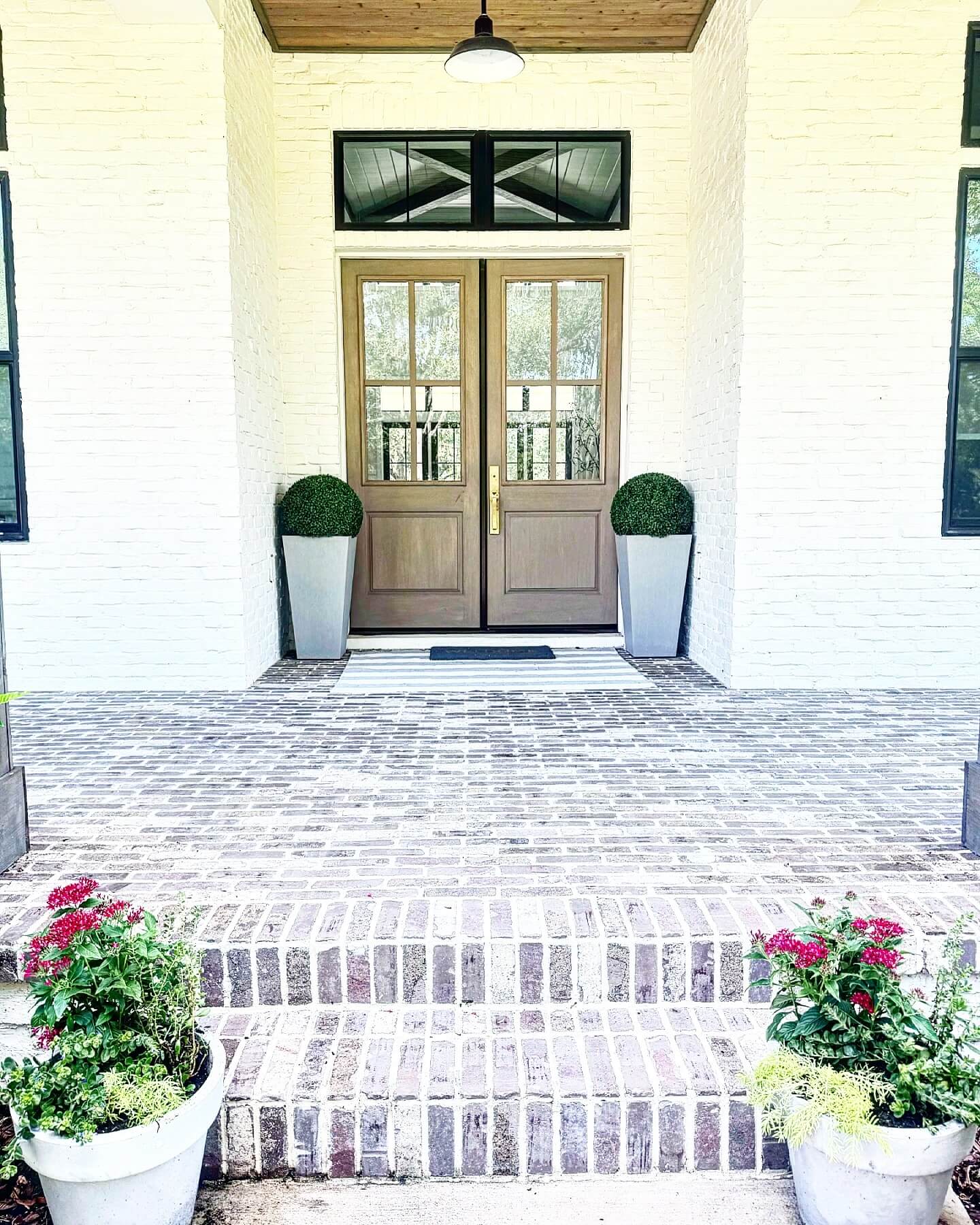
Great lighting can make a tiny porch glow like a boutique entry. Start with a warm base layer: 2700K LED bulbs in your sconce(s) for flattering light that doesn’t glare. If hardwiring isn’t feasible, consider a plug-in lantern with a smart plug or battery-powered sconces designed for outdoor use. Add small, low-level accents—solar step lights, puck lights under rails, or an uplight in a planter—to define edges and increase safety without visual bulk. Target 450–800 lumens at the door and ensure your house numbers are illuminated and legible from the street. Dusk-to-dawn sensors and motion add convenience; shield fixtures to keep light focused and neighbor-friendly. Keep finishes consistent (matte black, aged brass) so fixtures, hardware, and numbers read as a set. With layered, warm illumination, your small front porch feels welcoming after dark, extends perceived depth, and elevates curb appeal with a simple, high-impact update.
Refresh the Details: House Numbers, Hardware, Mailbox
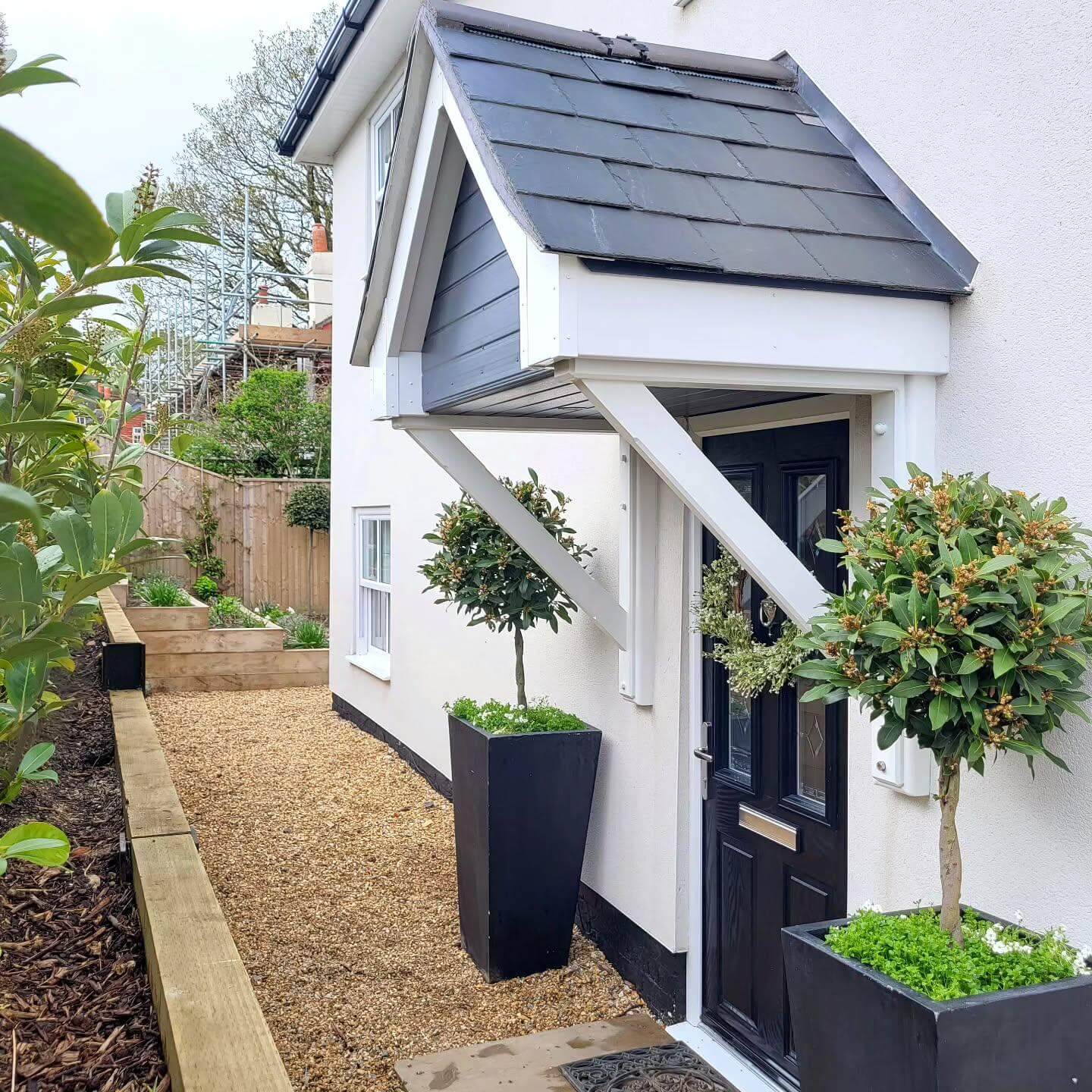
Micro-upgrades pack macro impact at the front door. Replace skinny or dated house numbers with bold, modern digits sized for visibility (at least 4–6 inches tall) and mounted against high-contrast siding. Align them cleanly—either all in a row or stacked on a plaque—and light them if your porch sits back from the street. Update the handle set and hinge pins to match in finish; matte black and unlacquered brass both play nicely with most palettes and patinate well. A streamlined mailbox or parcel shelf keeps the landing tidy, while a smart lock and video doorbell add function without visual clutter. If drilling is off-limits, mount numbers to a stained or painted board and hang the board with existing holes. These modest swaps are weekend-friendly, elevate the perception of quality, and coordinate the entry’s “jewelry,” a small front porch idea that pays back every time you walk up the steps.
Paint Illusions: Stencils, Stripes, and Haint Blue
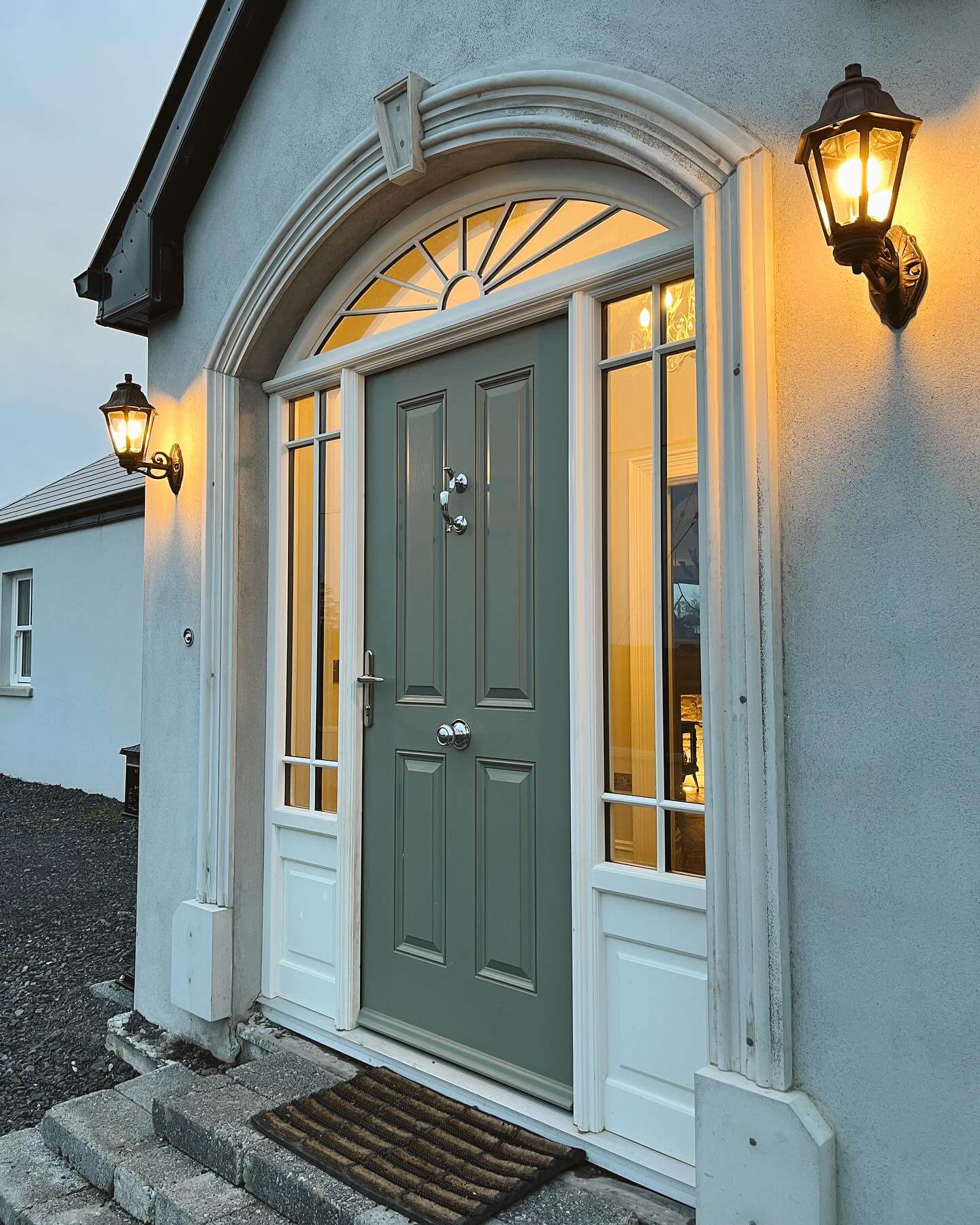
Use paint to fake architecture and stretch a compact space. On concrete or wood, a porch-and-floor enamel with a subtle stencil can read like encaustic tile—choose a two-color pattern that echoes your door for cohesion. Horizontal stripes across treads visually widen narrow steps; a darker tread color with lighter risers sharpens definition and boosts safety. Overhead, a soft haint blue ceiling brightens shadows and adds classic charm. For a modern look, color-block the door surround or paint the jamb and header a shade deeper than the trim to “frame” the entry. Prep is everything: clean, etch or sand as needed, prime appropriately, and add a fine-grit anti-skid to floor paint. These budget-friendly techniques add texture and interest without adding objects, ideal when every inch counts. The result is durable, renter-friendly style that reads custom from the curb.
Define a Micro-Entry with a Rug Zone
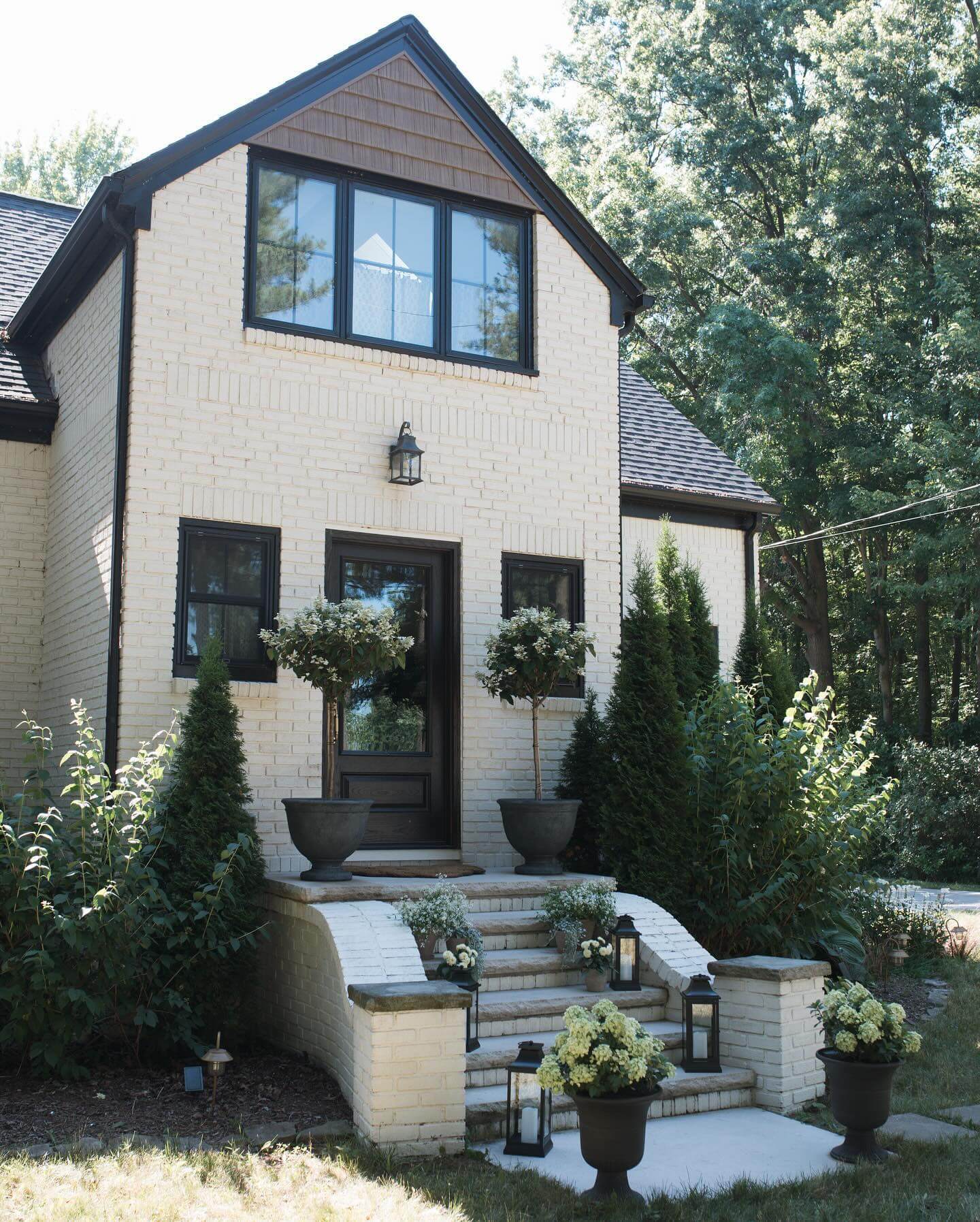
If your porch blends into a walkway, carve out a “room” with an outdoor rug that’s slightly larger than your doormat. This visual boundary tells guests where to pause, making a small landing feel intentional. As a rule of thumb, choose a rug at least 6–12 inches wider than the door on each side (or the full width of your landing) so the mat sits comfortably centered. Keep the pattern quiet—textured neutrals, small checks—so planters and the door remain the focus. Add one tall and one mid-height container to “bookend” the rug zone without crowding the swing side of the door. If your entry is long and narrow, consider a runner to guide the eye forward and elongate the approach. This zoning trick organizes sightlines from the street, increases perceived scale, and complements layered mats, symmetry, and vertical greenery for a cohesive, space-smart porch.
Seasonal Swaps without the Storage Headache
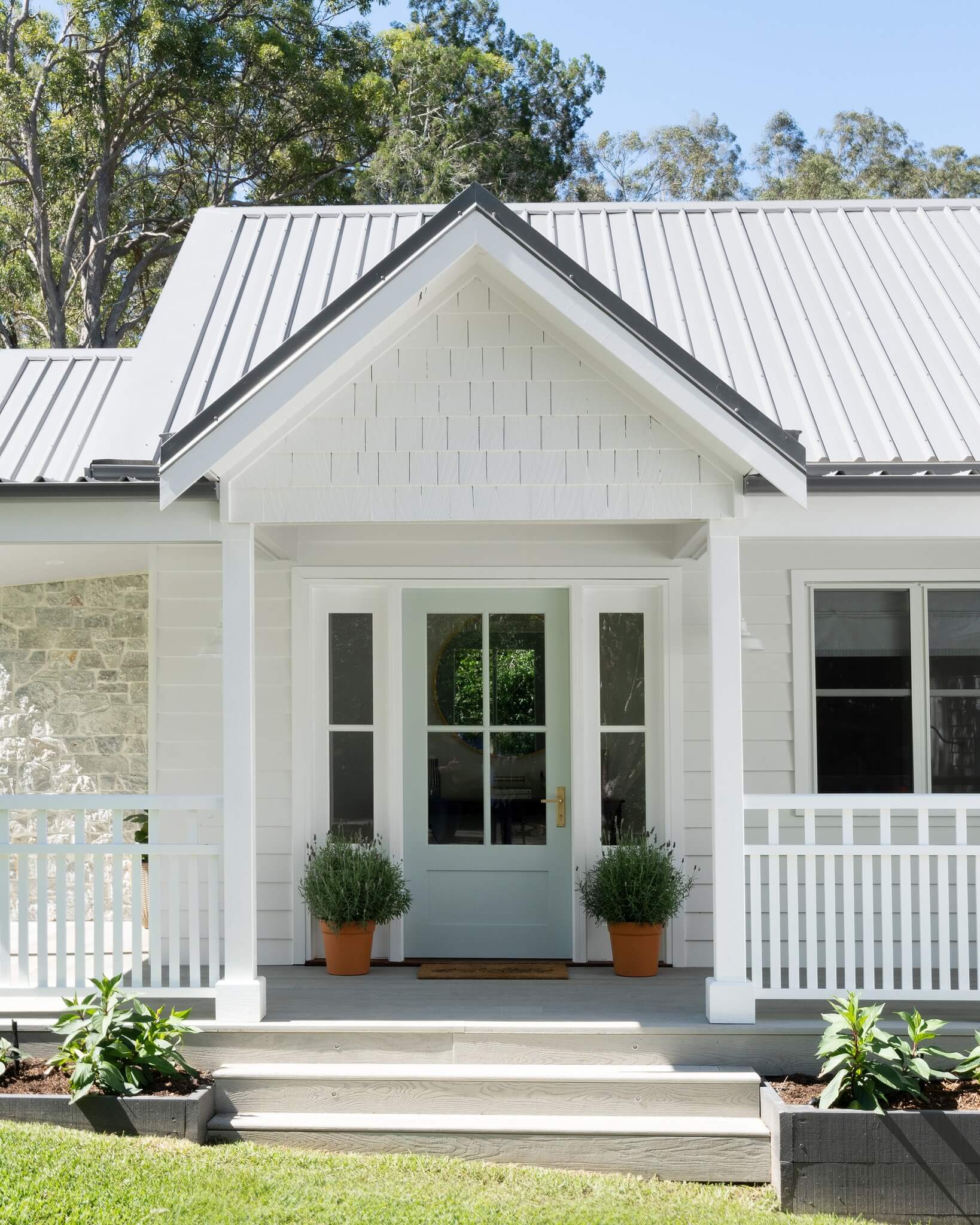
Build a timeless base, then change the mood with small, storable accents. Keep the foundation consistent—door color, planters, numbers, rug palette—and rotate light-touch elements: wreaths, ribbons, lantern fillers, and one pillow cover. In spring, tuck herbs into planters and add a striped runner; in autumn, switch to grasses and a warm-toned ribbon; in winter, evergreens with battery candles feel festive without piles of décor. Choose a wreath with a neutral base (grapevine, olive, eucalyptus) and swap stems by season to avoid buying multiples. Store off-season pieces in a single lidded bin; compost organics like pumpkins and clippings. By editing instead of accumulating, your small front porch stays calm, clutter-free, and always in season—an easy curb appeal strategy that respects both budget and space.
Get the Fail-Safe Paint Color Playbook (Free PDF)
36 proven colors • 8 ready palettes • trim & sheen guide • printable testing cards.
Install a Slim Wall Ledge as a Smart Drop Zone
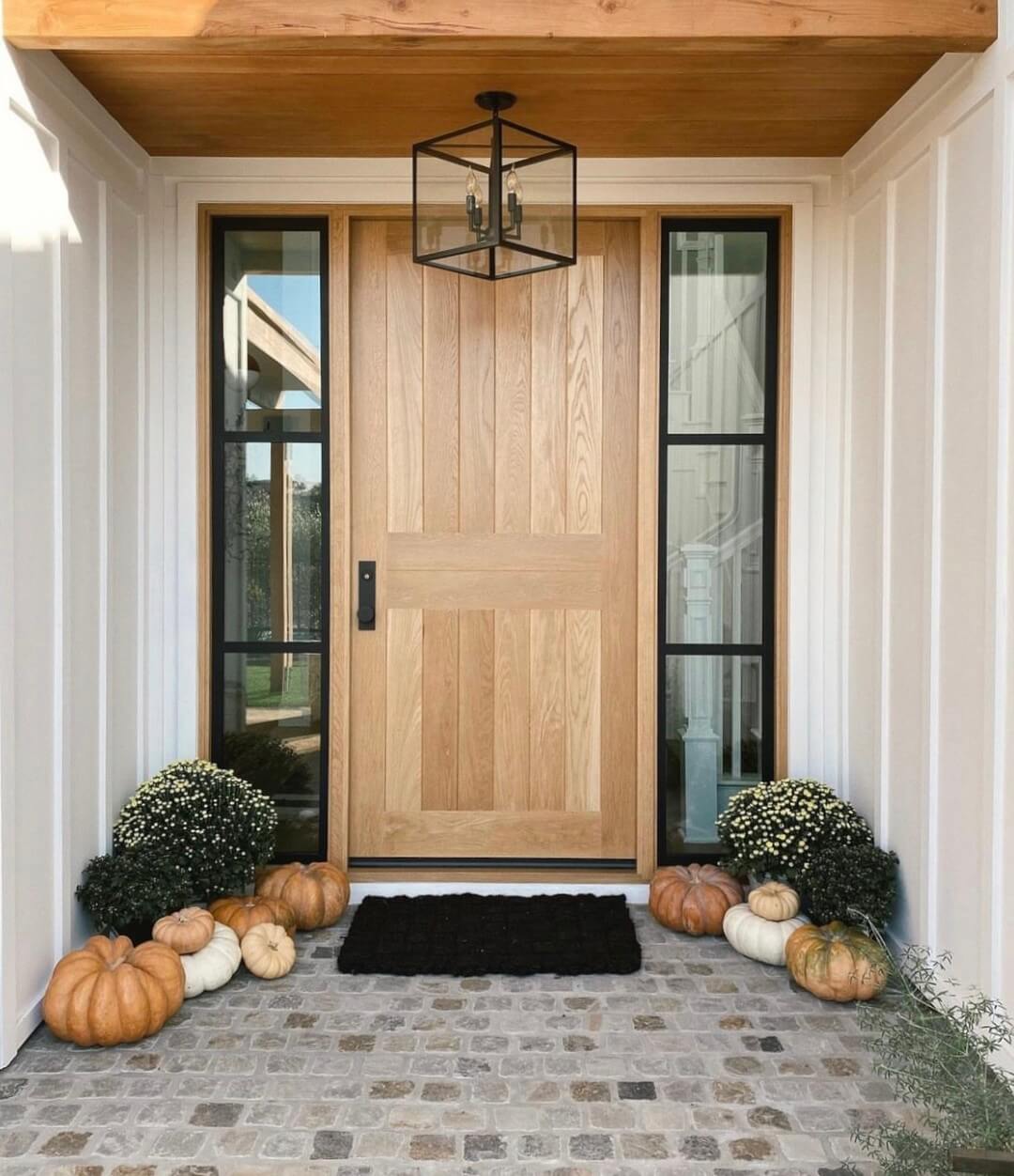
If your small front porch has even a sliver of wall next to the door, a 4–6 inch-deep ledge can change everything. Mount a narrow, weatherproof shelf (cedar, composite, or powder-coated metal) at doorknob height to corral keys, mail, and a petite planter—giving you function without clogging the floor. Paint or stain it to match your trim so it visually recedes, or go tonal with the siding for a seamless look. Pair the ledge with two minimal hooks beneath for a dog leash or umbrella; the vertical stacking keeps sightlines clear and the entry feeling larger. For renters, try adhesive-rated outdoor brackets or a freestanding rail-leaning console so there’s no drilling. Keep styling tight: a low tray for small items, one compact plant for softness, and a battery puck light mounted under the shelf for a subtle evening glow. This tiny “landing strip” makes arrivals effortless and supports the rest of your curb appeal upgrades—proof that in a tight footprint, micro-storage equals macro calm.
Window Boxes That Frame the Entry (Without Eating Floor Space)
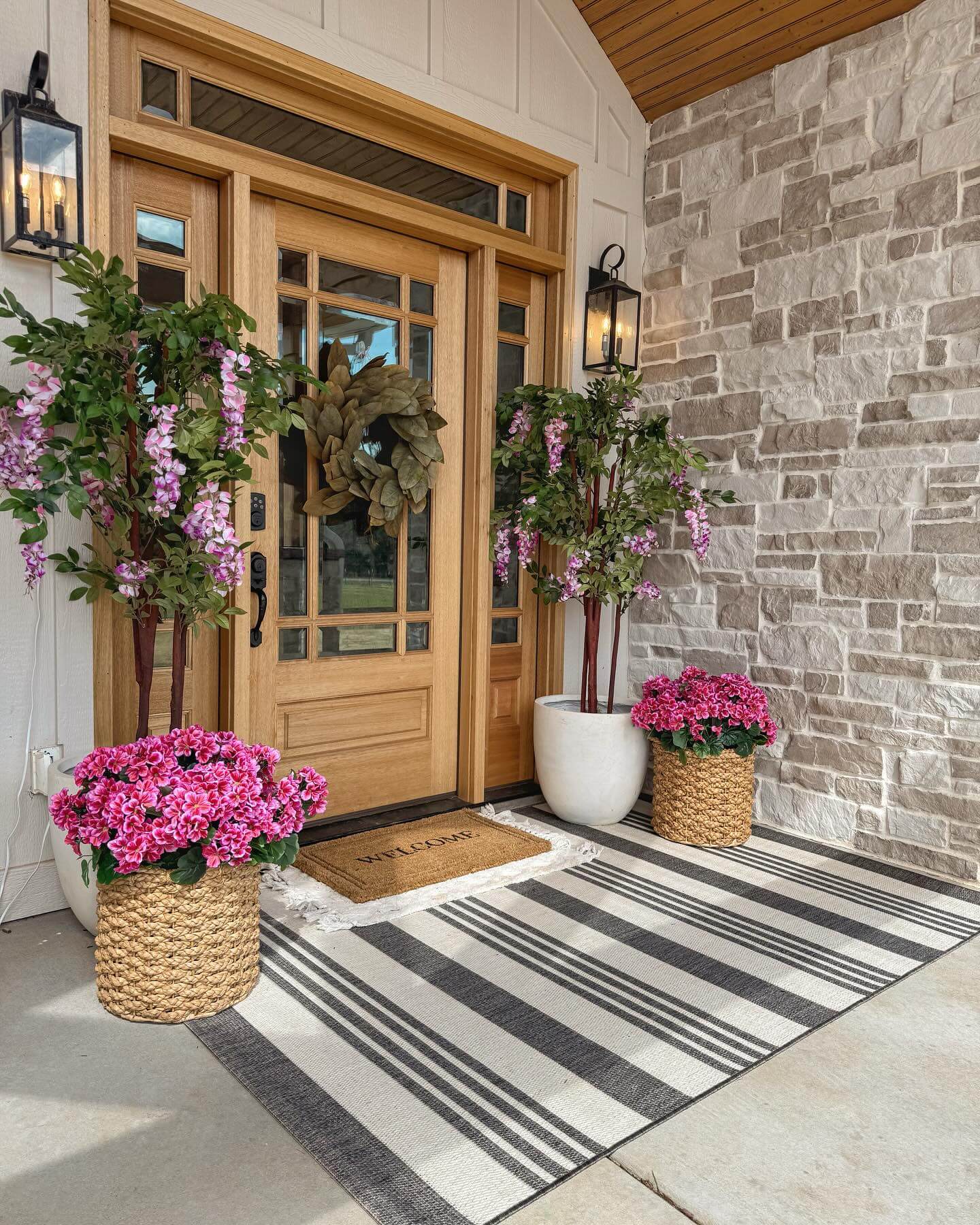
When porch square footage is precious, go vertical at the facade. Window boxes or clamp-on railing planters frame your doorway with greenery while preserving every inch of walking space. Choose self-watering boxes to reduce maintenance, and repeat a tight plant palette for visual cohesion: compact evergreens for year-round structure, a soft filler (like trailing ivy or licorice plant), and a small seasonal “thriller” for color. Echo your front door hue in the blooms or foliage to create a pulled-together entryway that reads intentional from the street. Mount boxes level with the bottom of sidelights or just under the window to elongate the elevation; black or bronze brackets disappear against most exteriors, while white blends with classic trim. Renters can use no-drill railing clamps or over-the-sill designs. Bonus: herbs (rosemary, thyme, lavender) add scent as you step inside and are drought-tolerant. With the floor clear, your tiny stoop feels wider—an instant curb appeal upgrade that plays nicely with layered doormats and slim seating.
Soften a Tight Entry with Outdoor Curtains or Shades
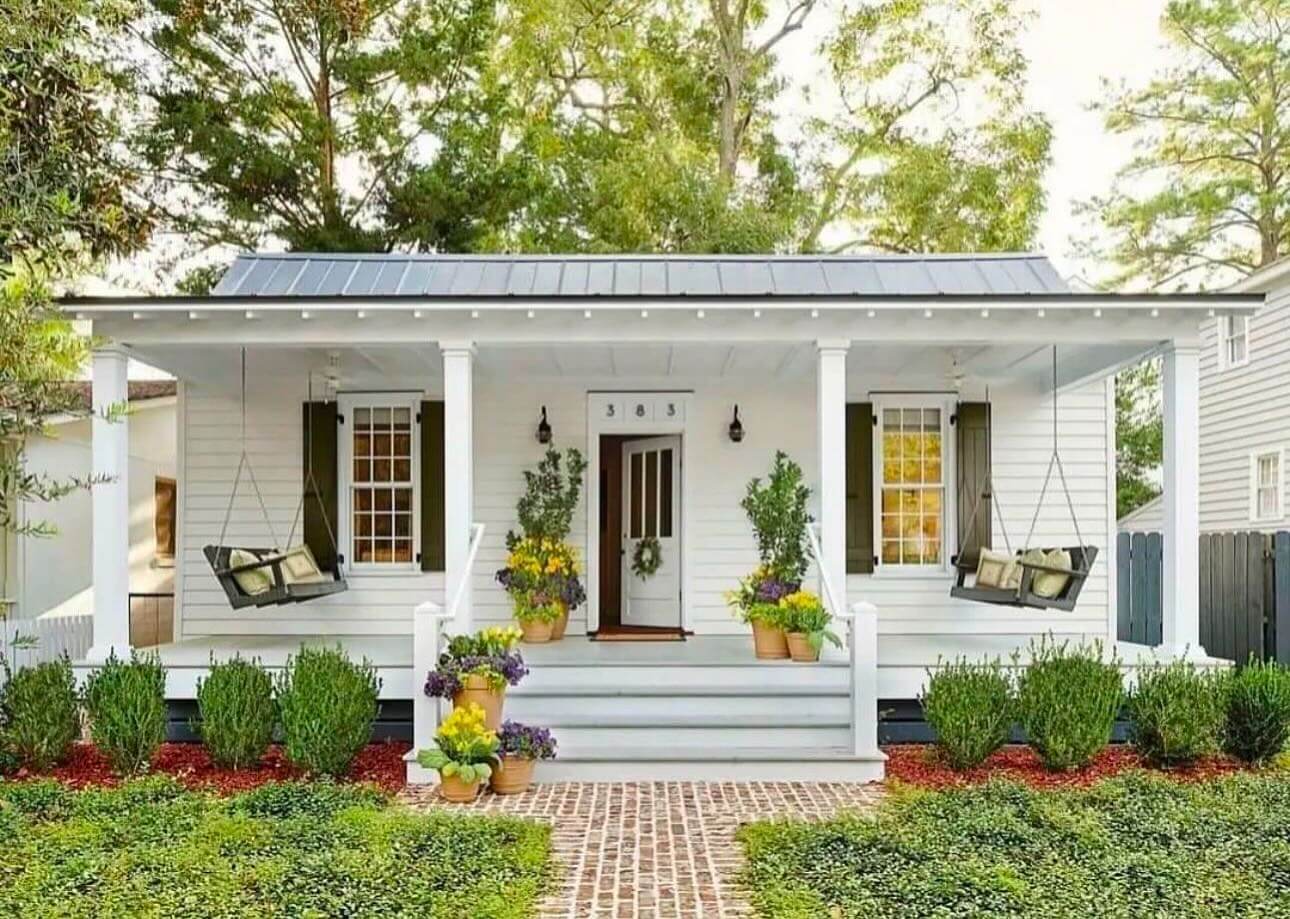
A single pair of outdoor curtains can transform a small porch from “exposed landing” to “welcoming threshold.” Hang weatherproof panels on a tension rod between posts (no drill) or use ceiling-mount tracks for a tailored look. Light, linen-look fabrics lend softness without blocking daylight, while subtle stripes visually heighten a low porch. Tie them back during the day to maintain flow; release at dusk for privacy, wind diffusion, and bug deterrence when paired with citronella or a discreet fan. If your space faces harsh sun, consider a narrow outdoor roller shade—clean, compact, and renter-friendly with adhesive anchors. Keep the palette calm (stone, sand, oat) so the drapery recedes and your front door remains the star. Use grommets and weighted hems so panels don’t flap, and choose mildew-resistant materials for low upkeep. Curtains add movement, texture, and a soft acoustic buffer—completing your layered lighting and greenery with a gentle, architectural “frame” that makes even a tiny stoop feel like a room.
Hang Weatherproof Art or a Mirror to Double Light and Depth
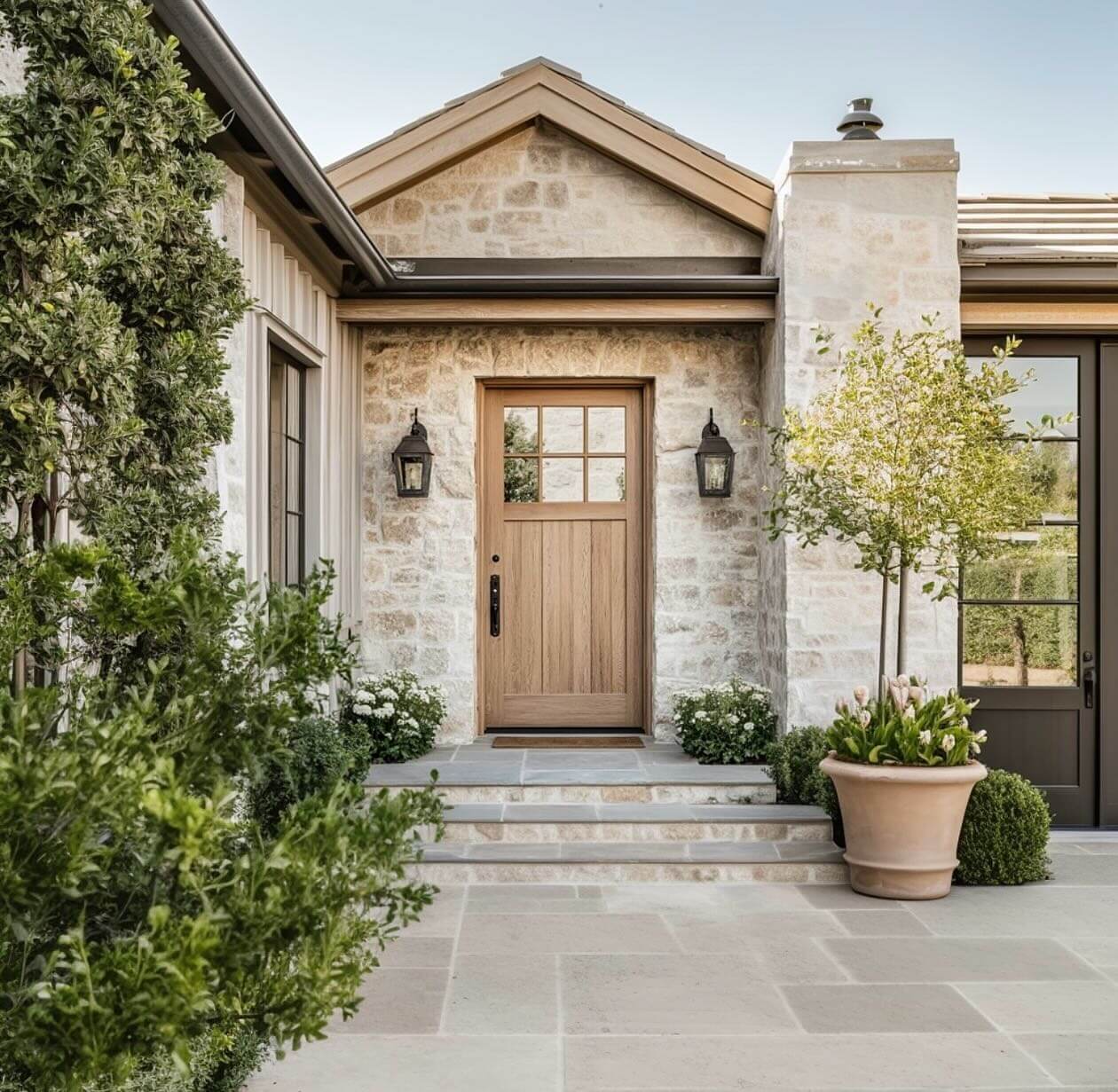
Outdoor-rated art—or an acrylic mirror—can create the illusion of space on a narrow porch. A shatter-resistant mirror placed perpendicular to the door bounces natural light down a dark entry without reflecting directly out to the street. Prefer art? Choose metal or resin pieces that echo your home’s style (modern geometrics, coastal botanicals, classic house plaques) and repeat your hardware finish for cohesion. Keep scale modest: about one-third the width of the door feels balanced on a small facade. Use stainless screws or brick clips, or opt for heavy-duty exterior adhesive for renter-safe installs. For mirrors, acrylic or polished stainless avoids breakage; clean with plastic-safe products to prevent haze. Group a slim sconce, house numbers, and art into a tight “gallery” for a custom look that leads the eye to the threshold. This simple layer adds personality and perceived depth, supporting your curb appeal story without stealing floor space or crowding sightlines.
Lay Interlocking Deck Tiles to Fake a Finished Floor
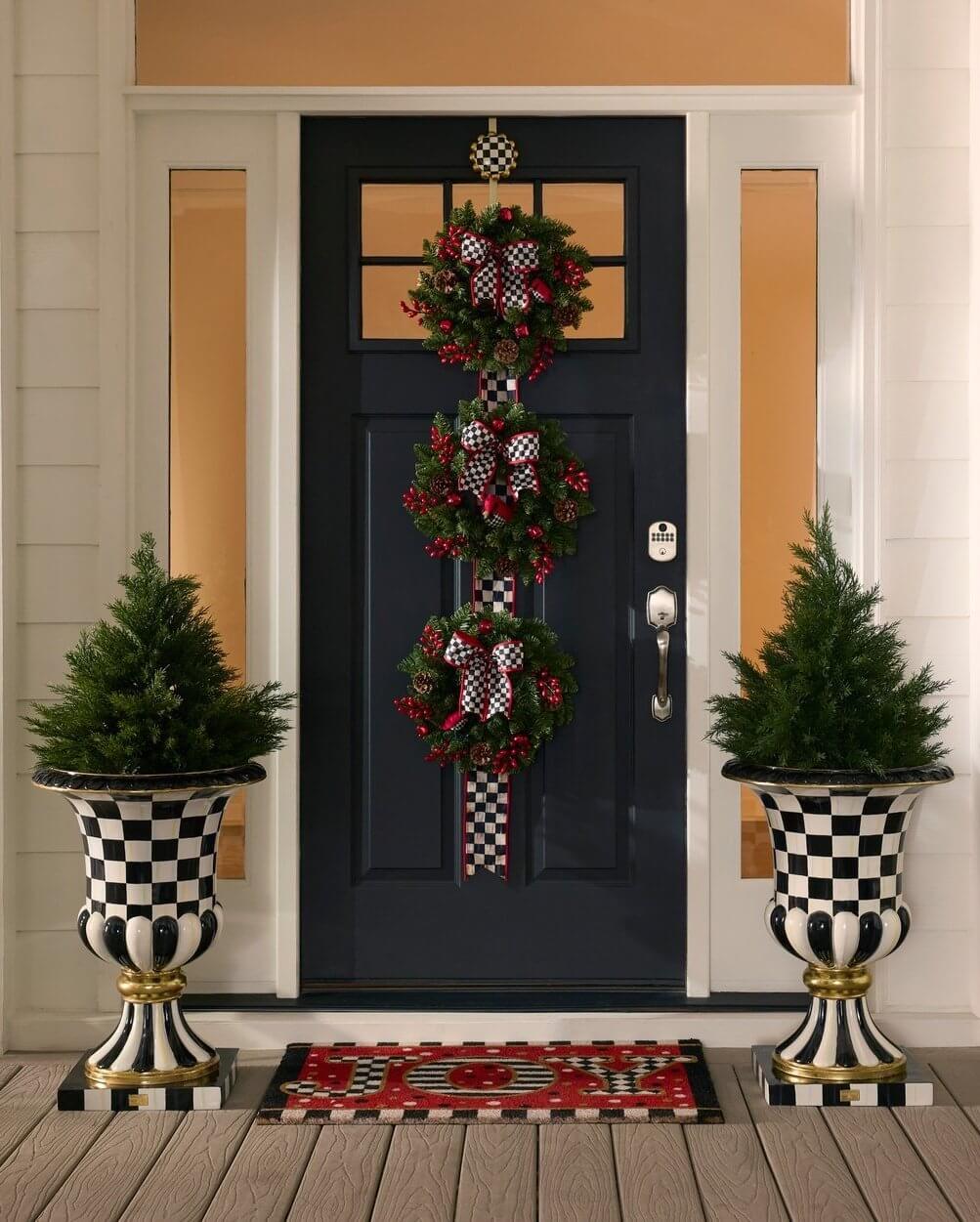
If paint isn’t an option, float interlocking deck tiles over concrete or tired pavers to give your small front porch a finished, designer floor—no demo required. Wood-look composite tiles start around $3–$6 per square foot, click together in minutes, and can be cut to fit with a handsaw. Lay them in a herringbone or checker pattern to visually widen a narrow stoop; run planks parallel to the door to elongate a shallow porch. Add a slim metal edge strip at the step for a clean transition and better safety. Choose a tone that harmonizes with your door and trim so the plane reads as one cohesive surface (dark floors ground light facades; warm medium tones feel welcoming). Because tiles float, renters can lift and take them along at move-out. Maintain drainage gaps, and sweep debris to prevent pooling. Paired with a layered doormat and pared-back planters, a crisp floor instantly elevates curb appeal and makes your micro-entry feel custom.
Budget-Friendly Front Porch Decor for Tiny Entries and Rental-Friendly Makeovers
Creating ambience on a small porch doesn’t require major construction or a big spend. Begin by identifying a focal point—usually the front door—and reinforce it with color, lighting, and a tidy landing spot for packages. Stick to two or three finishes across metals, woods, and textiles to avoid visual clutter that shrinks the footprint. Target quick wins like paint, removable surfaces, and swap-friendly textiles that stretch seasonal budgets. Shop secondhand for heavy, high-quality planters and upgrade with fresh soil and bright annuals rather than buying everything new. Finally, add subtle symmetry—through matching sconces or paired pots—to calm the composition and make compact entries feel composed.
Quick budget upgrades:
- Paint the front door in a saturated, wipeable satin finish, then echo the hue on a planter stripe or house numbers for cohesion that reads intentional, not improvised.
- Swap dated porch light shades for clear seeded glass and LED bulbs with warm temperature to brighten the entry inexpensively while highlighting textures, plants, and architectural trim.
- Use peel-and-stick stair treads or outdoor vinyl tiles to introduce pattern underfoot, boosting grip and style without permanent changes landlords fear or budgets can’t support.
- Hang a narrow, weatherproof wall pocket for mail and umbrellas near the knob; it reduces clutter inside, keeps essentials dry, and feels bespoke on even the skinniest stoop.
- Group three planters in graduated heights rather than scattering singles; the vignette looks fuller, simplifies watering, and leaves navigable floor space clear for packages or strollers.
- Attach removable hooks beneath the mailbox for dog leashes and reusable bags, carving out micro-organization that speeds departures and keeps the door handle visually clean.
Mix textures intentionally: coir against metal, wood beside ceramic, and woven pillows for contrast that photographs beautifully. Keep walkways at least thirty-six inches clear so the porch remains ADA-friendly and move-in easy. Choose weatherproof cushions with zip-off covers for simple laundering after pollen season or rainy weeks. Rotate accents quarterly—spring florals, summer stripes, autumn plaids, winter greenery—to keep the tiny stage feeling fresh without new furniture. Finish with crisp house numbers and a quiet-operating door closer to enhance first impressions and everyday convenience. By combining thrifty upgrades and thoughtful styling, small front porch decor feels deliberate, welcoming, and durable.
Porch Pit-Stop: Quick Answers to Small-Space Styling
What color makes a small porch look larger?
Light, neutral hues like soft gray, greige, or pale blue reflect more light and visually expand tight footprints. Pair them with high-contrast hardware and numbers to sharpen edges and improve readability from the street.
Get the Fail-Safe Paint Color Playbook (Free PDF)
36 proven colors • 8 ready palettes • trim & sheen guide • printable testing cards.
How can I add seating without crowding the entry?
Choose foldable chairs or a narrow storage bench that sits beneath a window or alongside the railing. Keep at least one clear zone for door swing and a dedicated spot for packages.
What plants thrive on shady small porches?
Look for shade lovers such as ferns, hostas, caladium, and impatiens in lightweight resin planters. Add a trailing variety like ivy to create movement without occupying precious floor space.
Are there renter-friendly ways to boost curb appeal fast?
Absolutely—focus on paintable, removable, or portable upgrades like door paint, LED bulbs, layered doormats, and potted plants. These deliver impact quickly and go with you when you move.
Get the Fail-Safe Paint Color Playbook (Free PDF)
36 proven colors • 8 ready palettes • trim & sheen guide • printable testing cards.
Final Verdict: Small Front Porch Ideas That Make Every Inch Count
A small front porch can carry big design impact when you focus on proportion, cohesion, and purposeful layers. Keep the palette tight, let your door do the talking, and use symmetry to calm visual clutter. Vertical greenery and window boxes draw the eye up, layered doormats and a defined rug zone “right-size” the footprint, and warm, multi-point lighting turns a narrow threshold into a welcoming arrival. Strategic upgrades—fresh house numbers, updated hardware, a slim mailbox, paint tricks, and interlocking deck tiles—deliver an instant, finished feel without a full reno.
Start with one high-impact move (a bold door color or new light fixtures), then build function with slim seating you can shift, a wall ledge for drop-zone duties, and seasonal accents that swap easily. Treat the entry like a tiny room: define boundaries, soften edges with curtains or shades, add height for balance, and edit relentlessly. With a few budget-friendly, renter-safe tweaks, these small front porch ideas compound into outsized curb appeal—proof that a compact footprint can still make a powerful first impression.