
Genius Vertical Pocket Planter Ideas to Turn Bare Walls into Lush, Space-Saving Gardens
Short on square footage but rich in plant dreams? Vertical pocket planters transform empty walls, fences, and balconies into living mosaics—perfect for herbs, succulents, edibles, and trailing blooms. With the right pockets and plant pairings, you can green-up any nook while keeping care simple and stylish.
From felt hangers to upcycled shoe organizers, these pocket systems are lightweight, modular, and renter-friendly. They boost airflow, simplify watering, and let you customize color, texture, and scent—think basil by the kitchen door, or a cascade of pothos framing your patio. Bonus: vertical gardens can help insulate walls and attract pollinators.
Get the Fail-Safe Paint Color Playbook (Free PDF)
36 proven colors • 8 ready palettes • trim & sheen guide • printable testing cards.
In this guide, you’ll find vertical pocket planter ideas that balance beauty and practicality—how to choose the best materials, match plants to light, and design layouts that thrive. Whether you’re curating a serene succulent wall or a chef’s herb bar, these ideas will turn blank space into a living feature with minimal fuss.
DIY Vertical Pocket Planter Ideas for Small Balconies
Small balconies benefit from space-saving Vertical Pocket Planter Ideas that convert bare walls into productive, eye-catching greenery. Start by mapping dimensions, hose access, and nearby outlets for timers or pumps before choosing hardware. Weigh saturated soil, containers, and plants together to verify the wall or railing can safely handle the load. Breathable felt or recycled canvas pockets excel for airflow and moisture balance, while modular plastic panels trade breathability for durability. Add drip protection and a removable catch tray to prevent rusty streaks and protect neighbors below.
- Choose breathable felt or recycled canvas pockets to prevent root rot, retain moderate moisture, and mount with stainless hardware that resists wind, humidity, and seasonal temperature swings.
- Map sun patterns across the wall, placing heat-tolerant herbs higher, shade-friendly greens lower, and reserving central pockets for moderate light to avoid scorch or etiolation.
- Use lightweight, peat-free potting mix amended with perlite and compost, minimizing wall load while delivering aeration, drainage, and steady nutrients for shallow-rooted compact varieties.
- Install a top drip line with inline emitters and a catch tray below, preventing stains, simplifying watering, and distributing moisture evenly across upper, middle, and lower pockets.
- Anchor into studs or masonry using appropriate anchors, verify total saturated weight, and leave a rear ventilation gap to deter mold, mildew, and wall deterioration.
Install top rails first, then hang pockets level, leaving a slim rear ventilation gap to discourage moisture buildup. Space pockets slightly wider than plant tags suggest, anticipating lateral growth and airflow requirements. Choose compact cultivars like dwarf strawberries, thyme, trailing nasturtiums, and mini peppers to avoid crowding and shading. Water from the top row and watch wicking patterns, adjusting emitters and flow until all tiers hydrate evenly. Finish with contrasting foliage textures and repeating colors to create a cohesive, high-impact vertical landscape.
Sun-Kissed Herb Pocket Wall for Daily Harvests
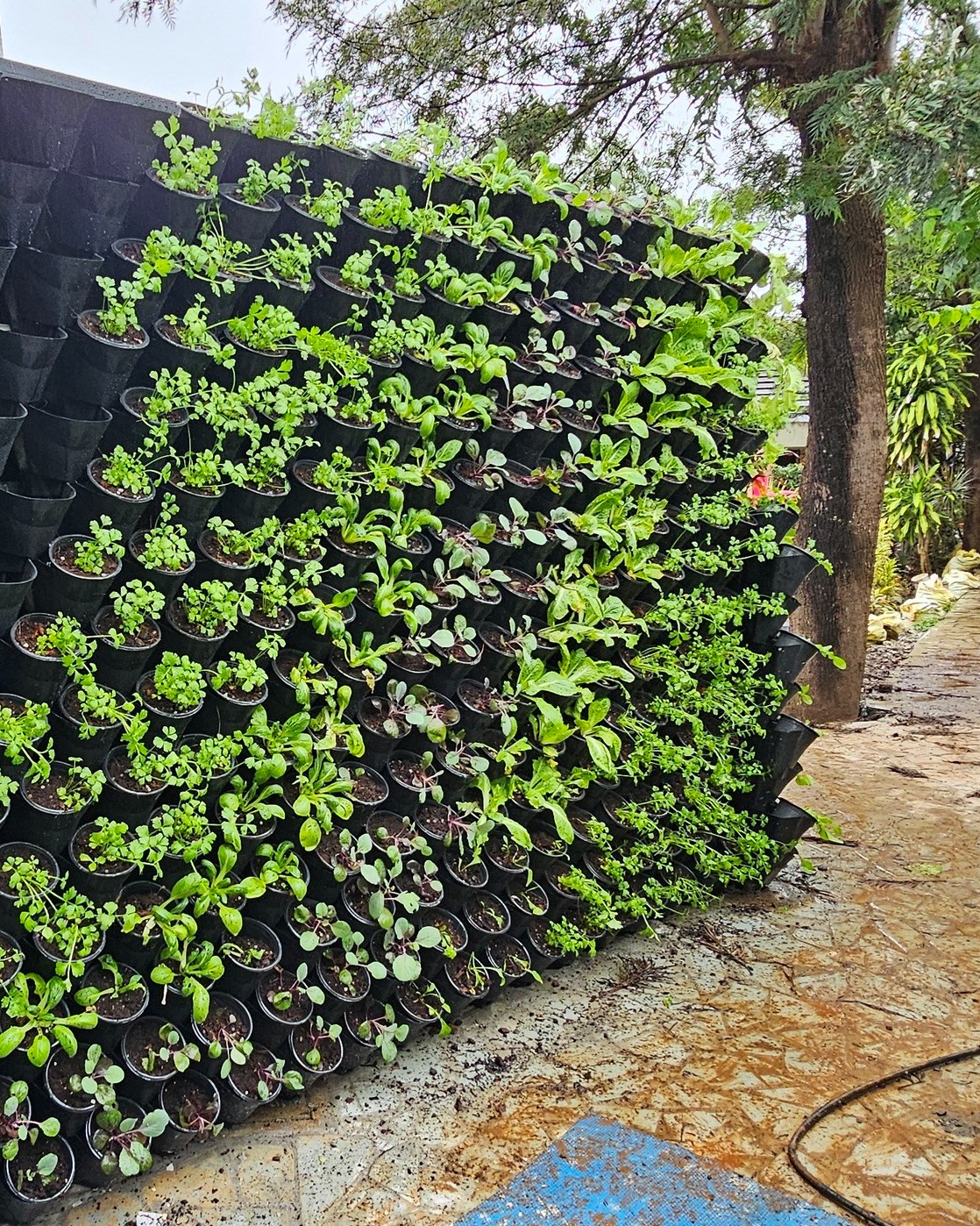
Turn a bright wall into your go-to herb bar with breathable felt pockets arranged in a simple grid. Prioritize sun-lovers up top—basil, thyme, oregano—where heat and light are strongest, and let trailing rosemary or lemon thyme spill from the lower rows for a soft, fragrant edge. Use a lightweight, well-draining mix (coir + perlite + compost) and avoid overfilling so roots can breathe. Water from the top pockets and let gravity wick moisture through the panel; add a catch tray or planter box below to prevent drips on patios. Snip regularly to keep herbs compact and productive, and refresh fast-growers like basil mid-season. For renters, choose modular panels with sturdy grommets and mount to furring strips to protect siding. This simple, space-saving setup delivers flavor on demand, elevates curb appeal, and reduces trips to the store. It’s one of the most reliable vertical pocket planter ideas for cooks, because harvesting happens at eye level—so you’ll actually use what you grow. Bonus: tuck in marigolds or chives as natural pest deterrents, and rotate pockets seasonally with parsley and cilantro in cooler months.
Drought-Smart Succulent Pockets That Thrive in Tight Spaces
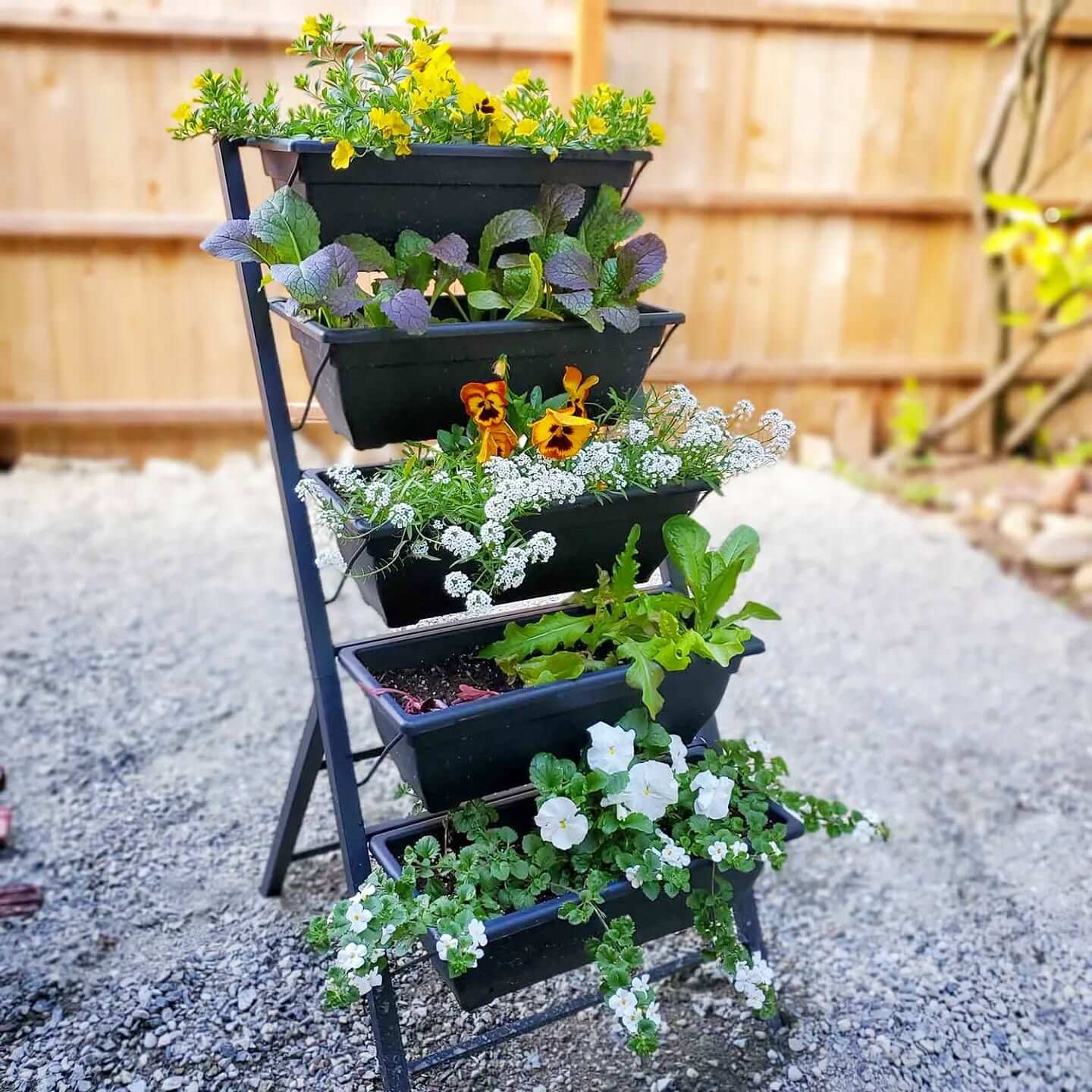
If you want a low-maintenance living wall, dedicate a panel to drought-tolerant succulents. Choose shallow pockets and a mineral-rich mix (50–70% pumice or perlite) to keep roots dry and airy. Anchor statement rosettes—echeveria, sempervivum, or graptosedum—in the middle rows, surround with textural fillers like sedum ‘Angelina,’ and cascade donkey’s tail or string of pearls along the bottom for movement. Let plants settle horizontally for a week before hanging so roots grab the medium. Water sparingly (every 10–14 days in warm seasons), and increase airflow to prevent rot. A morning-sun, afternoon-shade exposure keeps colors vivid without scorching. Add fine gravel top-dressing to reduce evaporation and hold stems in place as the wall matures. This approach brings sculptural form and subtle color shifts to small spaces and works beautifully on balconies where weight and watering access are limited. It’s a smart vertical pocket planter idea for busy schedules: slow growth, minimal pruning, and seasonal pops of bloom from kalanchoe or ice plant make maintenance a breeze.
Pollinator-Friendly Pocket Planter for Small Balconies
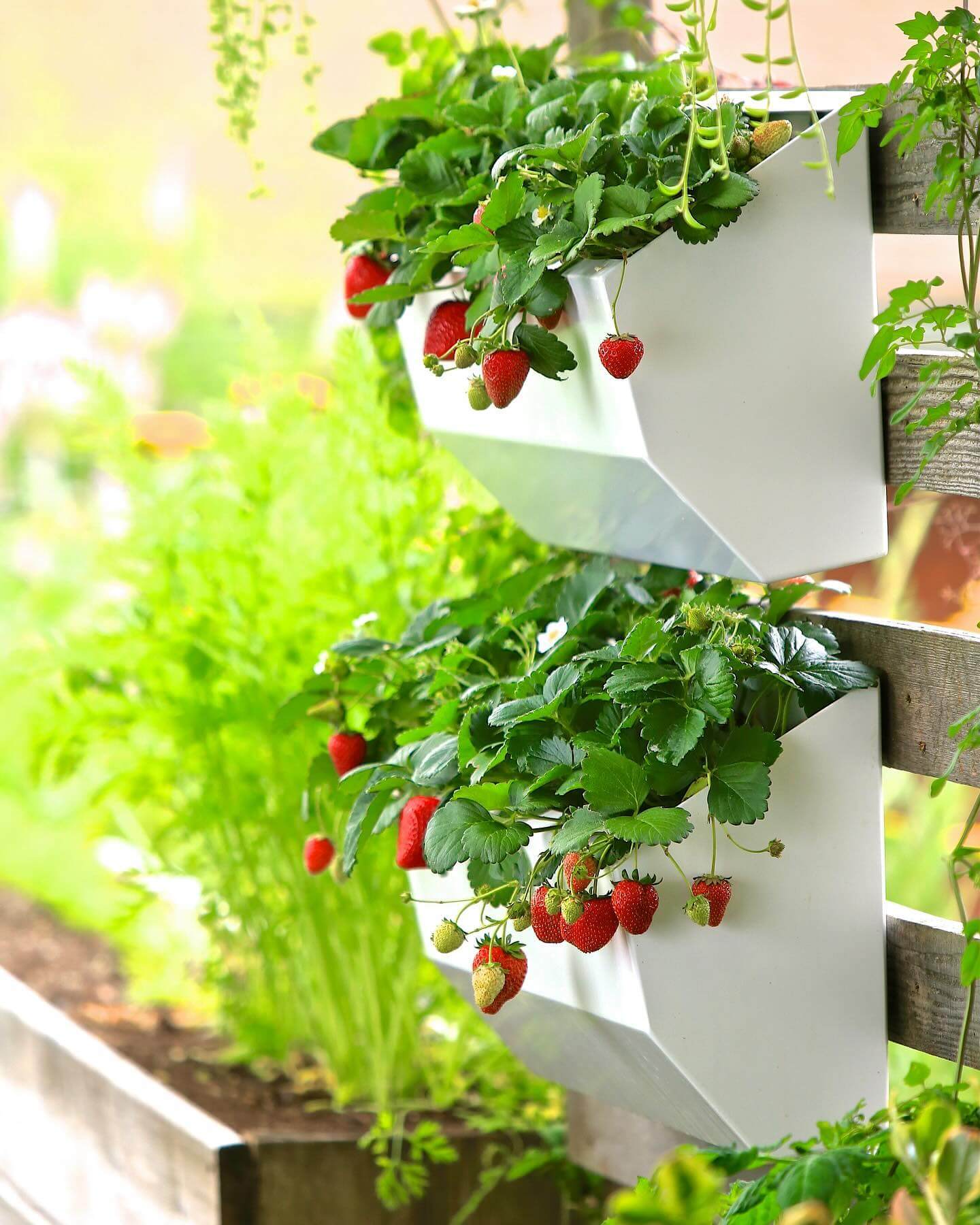
Invite bees, butterflies, and beneficials with nectar-rich pockets that bloom in waves from spring through fall. Start with compact, sun-loving varieties: sweet alyssum for a honeyed skirt, dwarf zinnias or cosmos for the mid-tier, and trailing calibrachoa or lantana along the bottom. Tuck in culinary herbs that flower beautifully—chives, oregano, and mint (contained to a single pocket)—to add fragrance and forage. Use at least a six-pocket-wide layout to create a color ribbon pollinators can spot from afar, and avoid synthetic pesticides; target pests with neem or a strong water spray instead. Water deeply in the morning so blooms are open and nectar-rich by midday. If wind is an issue on balconies, cluster panels near a corner for a calmer microclimate and stake a slim trellis at one side for vertical support. This living wall doesn’t just look good—it supports urban biodiversity and turns your railing or fence into a tiny habitat. Among vertical pocket planter ideas, it’s a feel-good choice that makes every square foot count.
The Chef’s Vertical Salad Bar: Cut-and-Come-Again Greens
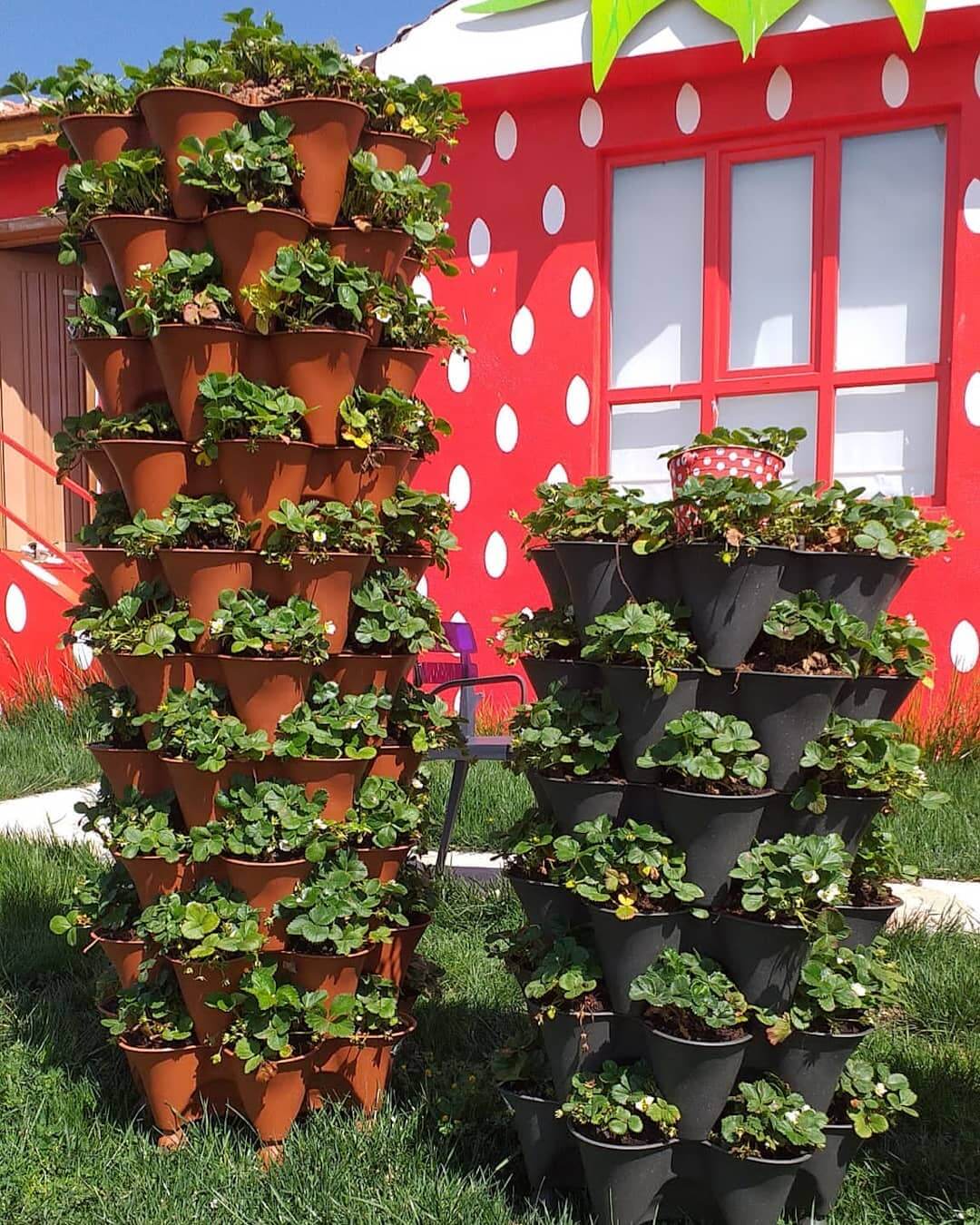
Build a year-round salad station with pockets dedicated to fast, flavorful greens. Choose loose-leaf lettuce, arugula, mizuna, spinach, and baby chard for continuous harvest. Plant densely, then thin by eating your thinnings—instant microgreens. East-facing walls are ideal: bright but cool. In hot climates, add a removable shade cloth over the top row to prevent bolting. Keep the mix moisture-retentive (coir + compost + vermiculite) and feed lightly every two weeks with a diluted fish or seaweed emulsion. Harvest outer leaves and leave the crown for regrowth; re-sow a couple of pockets every 2–3 weeks to maintain a steady pipeline. Slip in edible flowers like nasturtiums or violas for peppery bites and plate-ready garnish. Because pockets are at eye level, pest checks are quick—brush off aphids and rotate crops to outsmart them. This is one of the most practical vertical pocket planter ideas for foodies: compact, customizable, and delicious, with zero countertop clutter and maximal freshness.
DIY Shoe-Organizer Pocket Garden That Actually Lasts
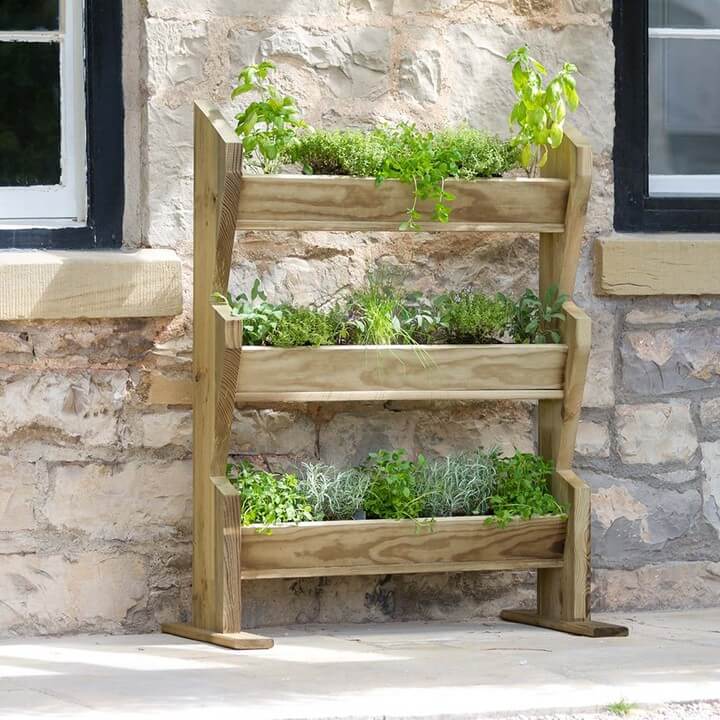
Love the upcycle look? A sturdy canvas shoe organizer can become a budget-friendly vertical garden—if you tweak it right. Reinforce grommets with washers, line each pocket with a double layer of landscape fabric to prevent sag and soil loss, and add three small drainage slits per pocket. Mount to a sealed pallet or pressure-treated furring strips to keep air circulating behind the panel. Choose resilient plants with modest root systems: strawberries, thyme, parsley, trailing nasturtium, petunias, and compact peppers. Lightly top-dress with coconut fiber to reduce splash and evaporation. Water from the top row in slow passes so moisture wicks down without pooling; on sunny walls, consider a simple 1/4-inch drip line snaked through the pockets for even coverage. Finish with a UV-protectant fabric spray to extend the organizer’s life outdoors. The result is a playful, renter-friendly wall that punches above its weight—one of those vertical pocket planter ideas that’s both thrifty and truly functional.
Lush Shade-Loving Pocket Wall with Texture Layers
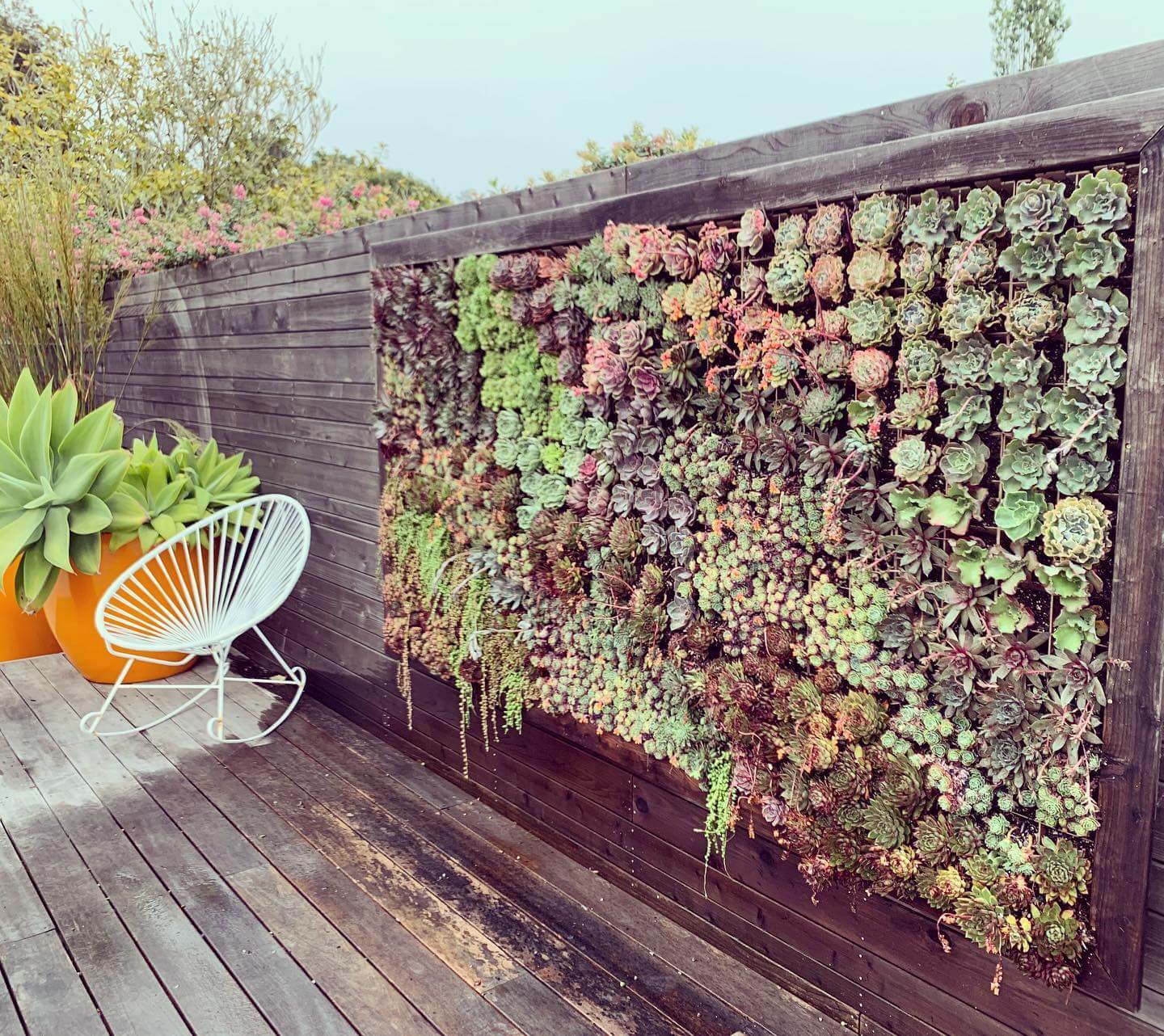
No full sun? No problem. Build depth and drama in lower-light spots with glossy, patterned, and frilly foliage. Combine heartleaf philodendron, pothos, and zz plant in the upper pockets for reliability, mix in small ferns and heuchera for ruffles and color, and let lamium or creeping jenny softening the lower edge. Choose a moisture-holding mix (coir + fine bark + a bit of compost), and water consistently but lightly—shade planters stay wet longer. Increase airflow with a 1-inch spacer behind panels to discourage mildew. In humid climates, a monthly spritz of diluted kelp helps leaves stay resilient; in dry homes or covered porches, a pebble tray beneath can nudge humidity up. Keep fertilizer gentle and infrequent to avoid leggy growth. This approach turns dim corners into restful, textural living walls and broadens your palette beyond flowers. It’s a soothing, low-stress take on vertical pocket planter ideas that thrives where many gardens can’t.
Color-Blocked Pockets for a Designer Living Wall
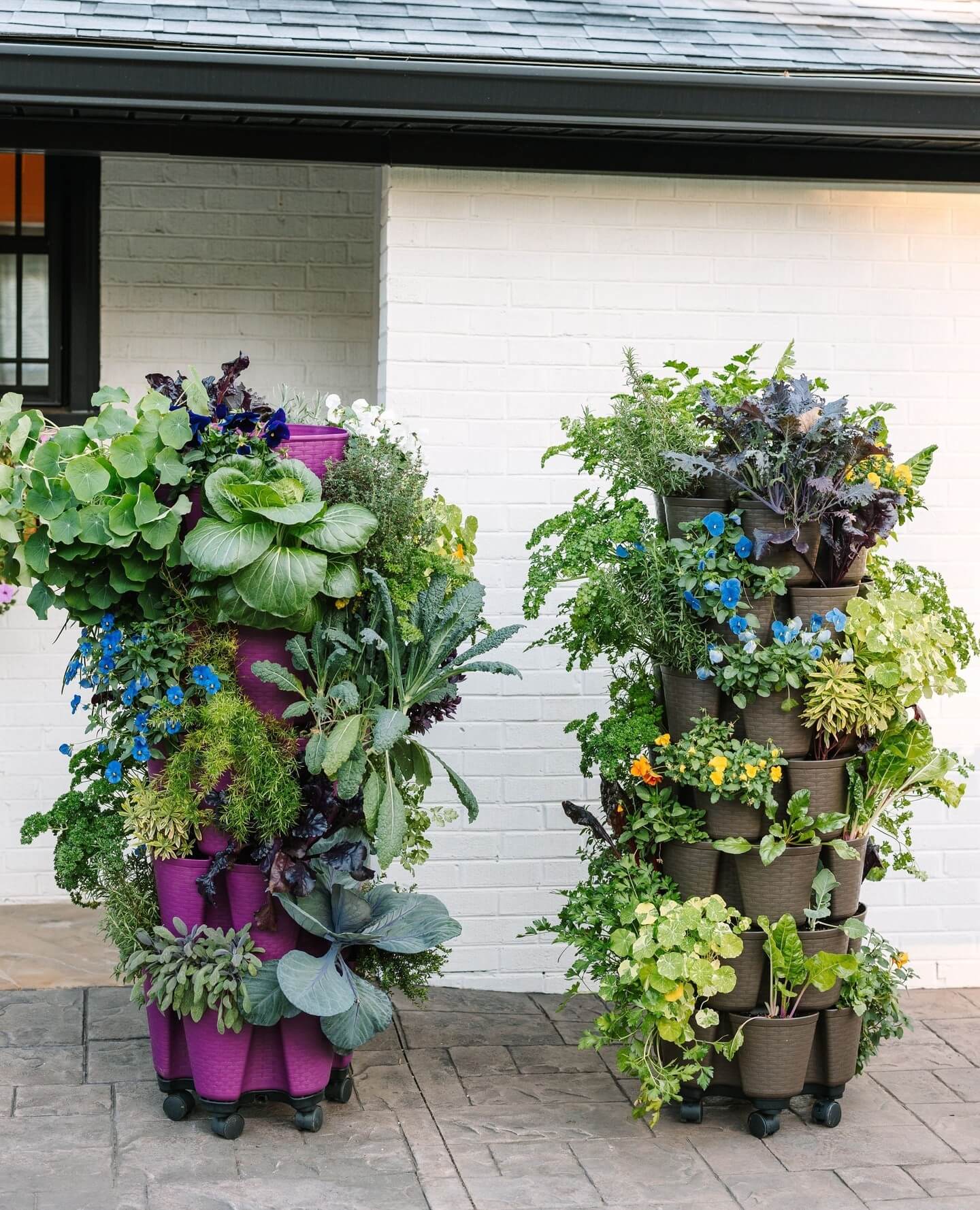
Make your vertical garden pop with intentional color blocking. Sketch a simple grid and assign each band a hue or texture: lime and chartreuse foliage up top (sweet potato vine, coleus), jewel-toned blooms in the center (salvia, verbena), and moody purples and burgundies at the base (alternanthera, purple basil). For edible flair, weave in rainbow chard and red-veined sorrel to keep the palette vibrant even when flowers fade. Keep pocket spacing symmetrical, and mark the layout with chalk on the wall or backing board before planting. Repeat plants in odd-number groupings for rhythm and easier maintenance. Choose cultivars with overlapping bloom windows and similar water needs to simplify care. As seasons shift, swap out a single color band to refresh the whole design with minimal effort. Beyond curb appeal, this method supports semantic SEO of your garden planning: clear structure, cohesive visuals, and easy edits make it one of the most strategic vertical pocket planter ideas for style-forward spaces.
Pocket Planter + Drip Irrigation: Set-and-Forget Watering
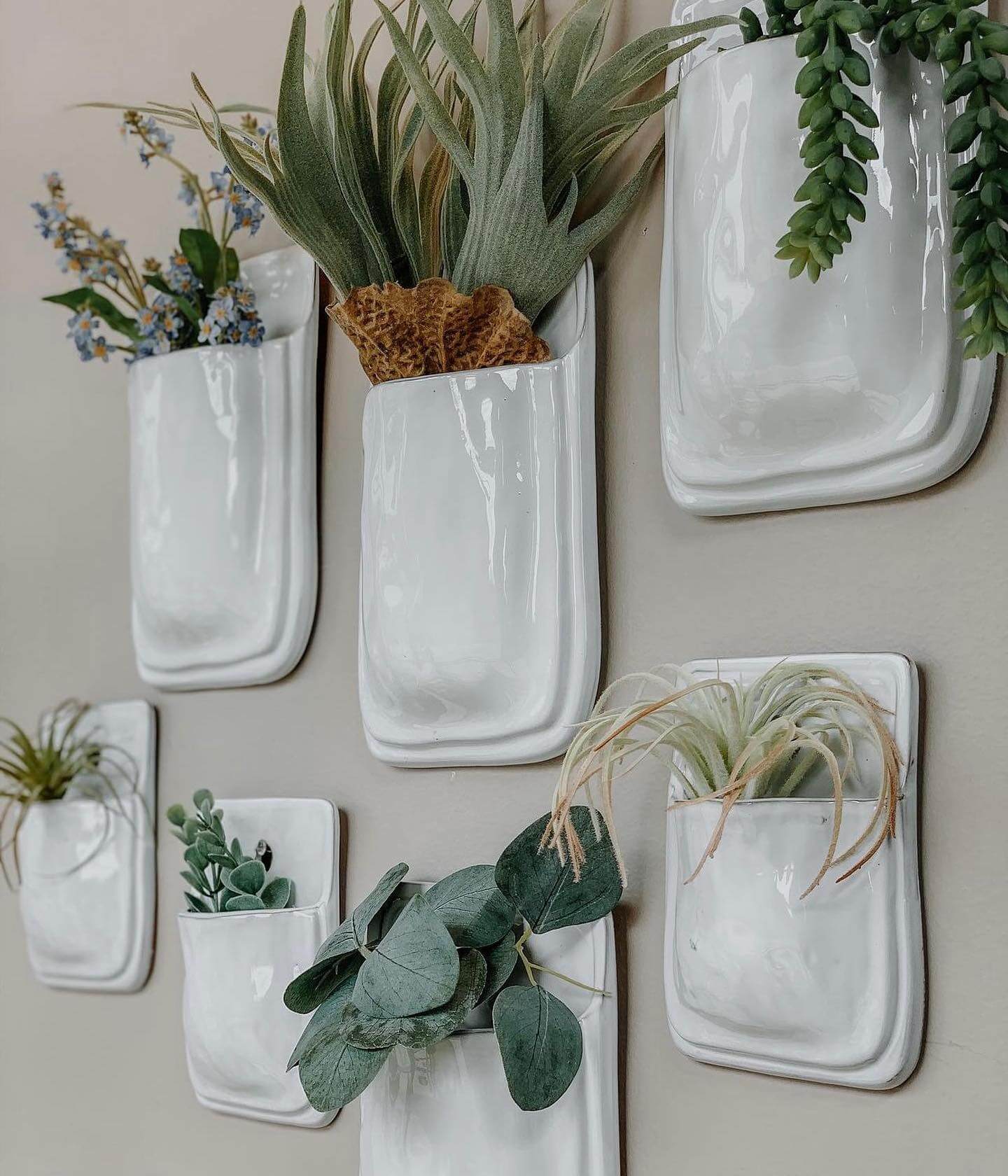
Consistent moisture is the secret to thriving vertical gardens. Pair your pocket panel with a slim drip system: a 1/4-inch supply line across the top, 1 GPH button emitters per pocket (or every other pocket for succulents), a Y-filter, pressure reducer, and a weatherproof timer. Secure tubing along the panel’s spine to keep lines tidy and invisible. Water early mornings for deeper uptake and fewer fungal issues; adjust run times seasonally and group plants by thirst to prevent over- or under-watering. Add a thin layer of sphagnum or coco fiber at the soil surface to curb splash and evaporation. For feeding, inject a dilute organic fertilizer monthly through the line or hand-water with compost tea. This engineered approach prevents runoff, protects siding, and frees you from daily checks—especially crucial on balconies and rentals. Of all the vertical pocket planter ideas, integrating drip transforms care from guesswork to system, so you can focus on design, harvests, and enjoying the view.
Family-Friendly Pocket Planter with Strawberries and Trailers
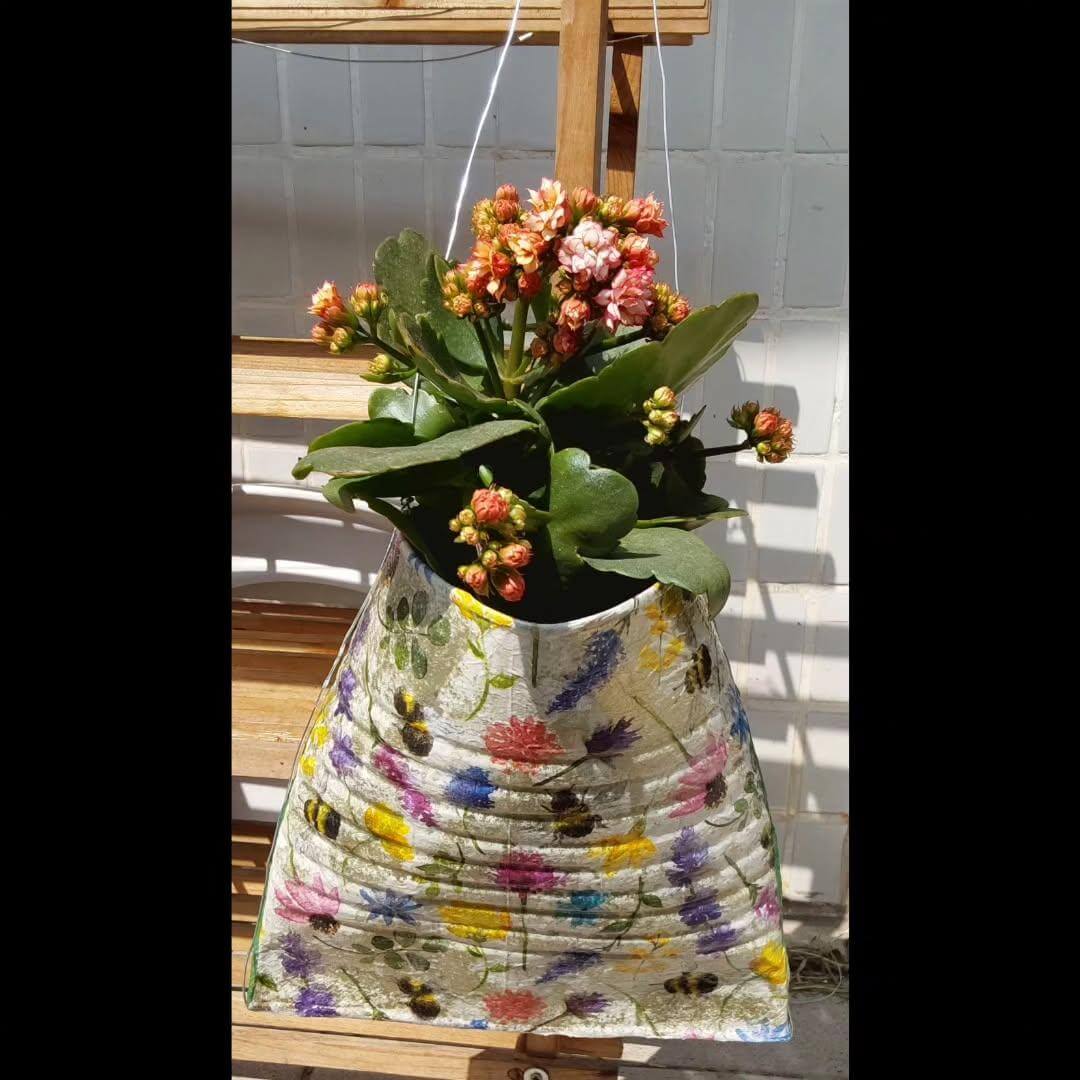
Design a snacking wall kids can’t resist. Dedicate the sunnier rows to everbearing strawberries, spacing crowns at the pocket’s lip so fruit hangs clean and dry. Underplant with low-growing thyme for fragrance and pollinator pull, and let nasturtiums or trailing alyssum spill from lower pockets for edible color. Use a slightly acidic, compost-rich mix and water steadily during flowering and fruit set; a slow-release organic fertilizer keeps berries coming without leaf burn. Add bird netting on simple hooks if wildlife is a concern, and rotate older strawberry crowns out every two years for vigor. Keep the bottom row clear of trip hazards and at child height for easy picking—bonus points for labeling varieties. This cheerful, productive layout delivers instant gratification and teaches stewardship, making it one of the most rewarding vertical pocket planter ideas for families and community spaces alike.
Get the Fail-Safe Paint Color Playbook (Free PDF)
36 proven colors • 8 ready palettes • trim & sheen guide • printable testing cards.
Seasonal Swap-Out Strategy to Keep Your Vertical Garden Fresh
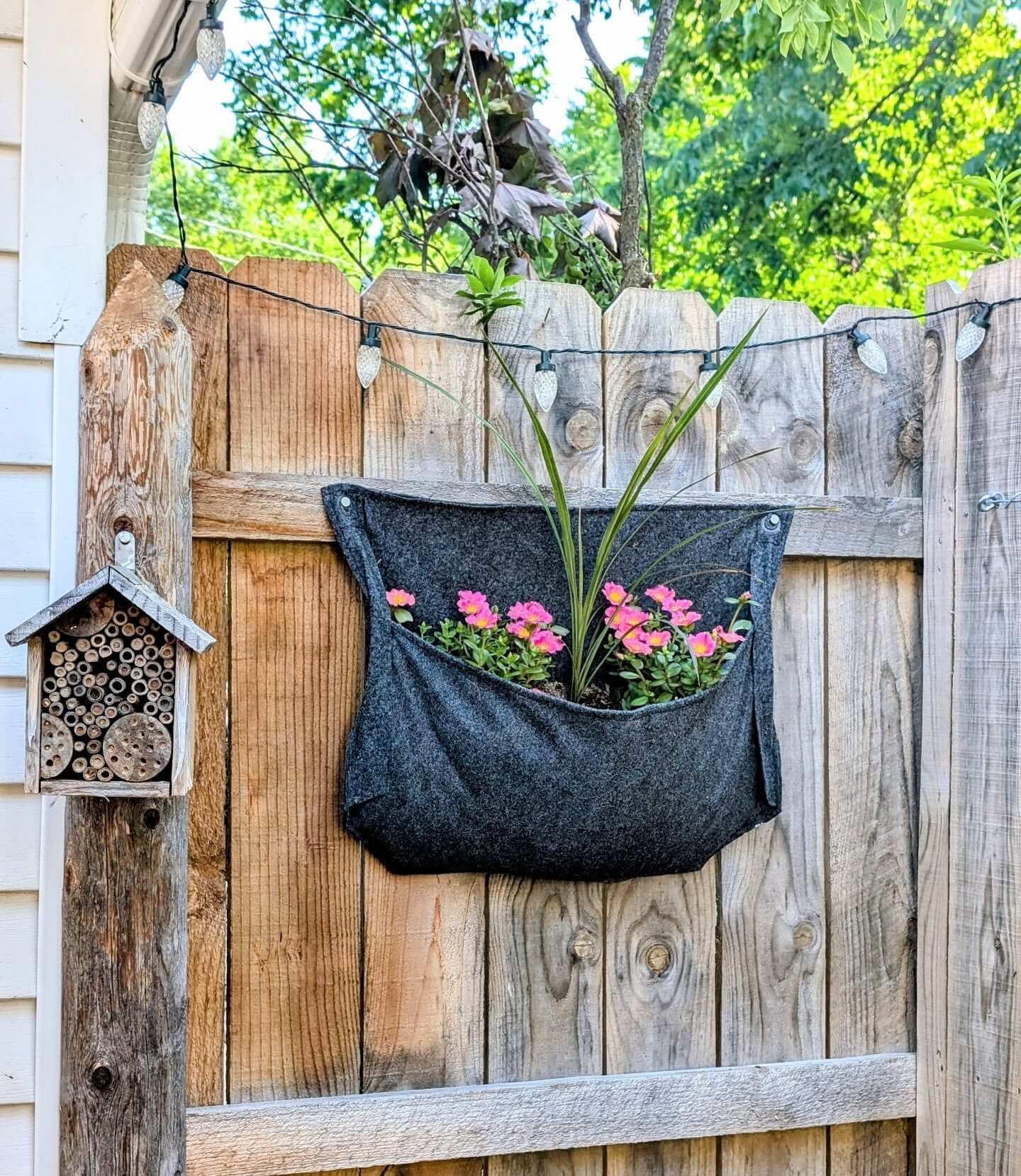
The easiest way to keep a pocket wall stunning year-round is to plan for quarterly refreshes. In early spring, anchor with violas, parsley, and chives; slide into summer with heat-tolerant stars like basil, zinnias, and sweet potato vine; pivot to fall texture using kale, chard, and heuchera; and finish winter with dwarf evergreens or trailing ivy on sheltered walls. Use quick-release hooks or French cleats so panels lift for replanting on a potting bench. Between seasons, top up soil, trim roots lightly, and add a handful of fresh compost. A five-minute monthly routine—deadhead, snip leggy growth, check emitters, and scout pests—prevents major overhauls. Keep a small “nursery” tray of backups to fill gaps fast after heat waves or cold snaps. This rhythm preserves the layout you love while swapping palettes and harvests, turning maintenance into mini makeovers. Among vertical pocket planter ideas, a seasonal strategy delivers maximum visual impact with minimal fuss.
Get the Fail-Safe Paint Color Playbook (Free PDF)
36 proven colors • 8 ready palettes • trim & sheen guide • printable testing cards.
French-Cleat Pocket Panels: Damage-Lite Mounting You Can Rehang in Minutes
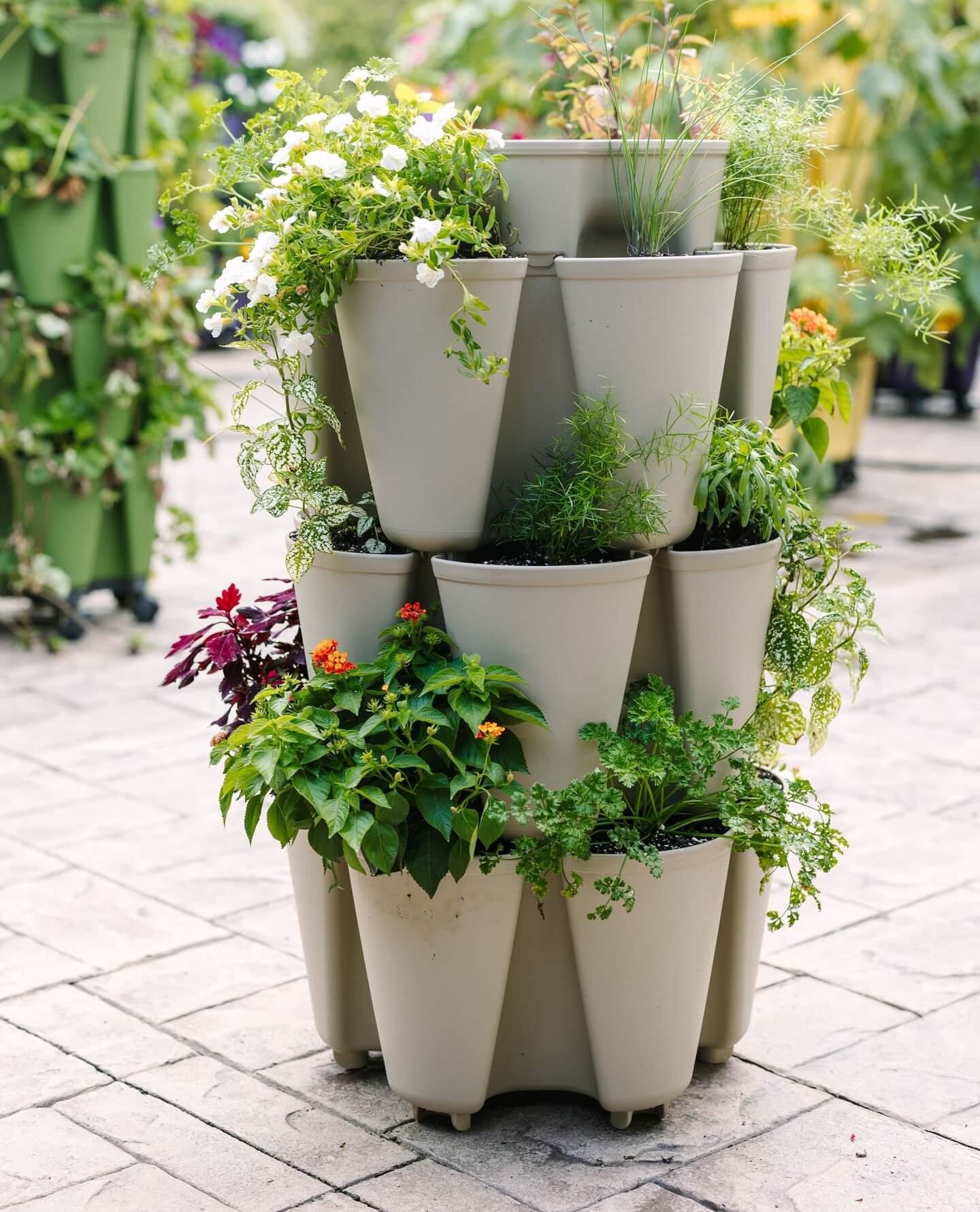
Want a professional-looking vertical garden without drilling a dozen new holes each season? Build your pocket wall around a simple French-cleat system. Mount a horizontal cleat (a beveled board) to studs or masonry anchors, then hang modular felt or canvas pocket panels on matching cleats attached to a thin backing board. The load distributes evenly, airflow is improved with a 1/2–1 inch spacer off the wall, and panels lift off in seconds for replanting, deep cleaning, or winter storage. Line the backer with a waterproof membrane to protect siding, and add a narrow gutter or drip rail at the bottom to catch runoff. This setup is renter-friendly (fewer anchor points), future-proof (swap pocket sizes as your plant palette evolves), and safer for heavier edible pockets. Bonus design tip: stagger panel widths for a softer, garden-like silhouette and thread trailing plants between panel seams to blur edges. With a cleated backbone, your vertical pocket planter becomes a reconfigurable canvas you can refresh as light, taste, and seasons change—without starting from scratch each time.
Grow-Light Pocket Wall: Year-Round Harvests Indoors Without a Sunny Window
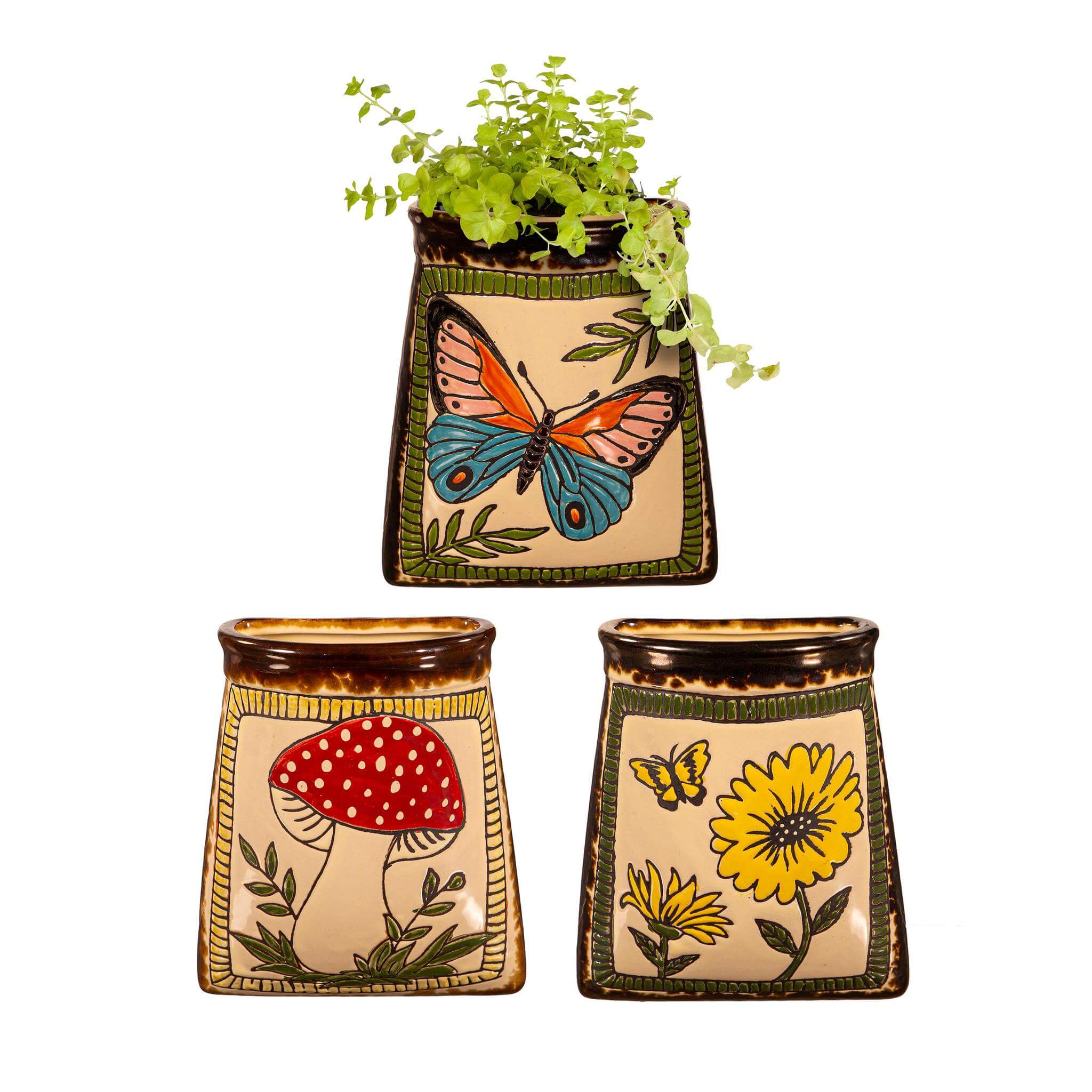
No south-facing window? No problem. Pair your vertical pocket planter with slim, full-spectrum LED bars to grow herbs, salad greens, and compact houseplants all year. Target 4000–5000K LEDs with a PPFD of 150–250 µmol/m²/s for herbs and 250–350 for leafy greens; hang lights 8–12 inches from foliage and run them 12–14 hours on a timer. Mount lights to a simple frame that sits 1–2 inches in front of the pockets so leaves don’t touch diodes, and tuck a quiet clip fan nearby for gentle airflow. Protect your wall with a waterproof backer board and a bottom catch tray; wick mats can even out moisture across pockets. Choose heat-sipping LEDs to keep leaves compact and flavorful, then group thirstier, shallow-rooted plants (basil, cilantro, parsley, chives, baby lettuce) higher where they’re easiest to water and snip. Mix in forgiving houseplants—philodendron micans, peperomia, pilea—to anchor the look between harvest zones. Feed lightly every other week and rinse pockets monthly to prevent salt buildup. The result: a tidy, scent-rich living wall that doubles as a fresh pantry—no sunny window, no mess, just consistent, dialed-in growth.
Pocket Planter Privacy Screen: Green Curtains for Balconies and Patios
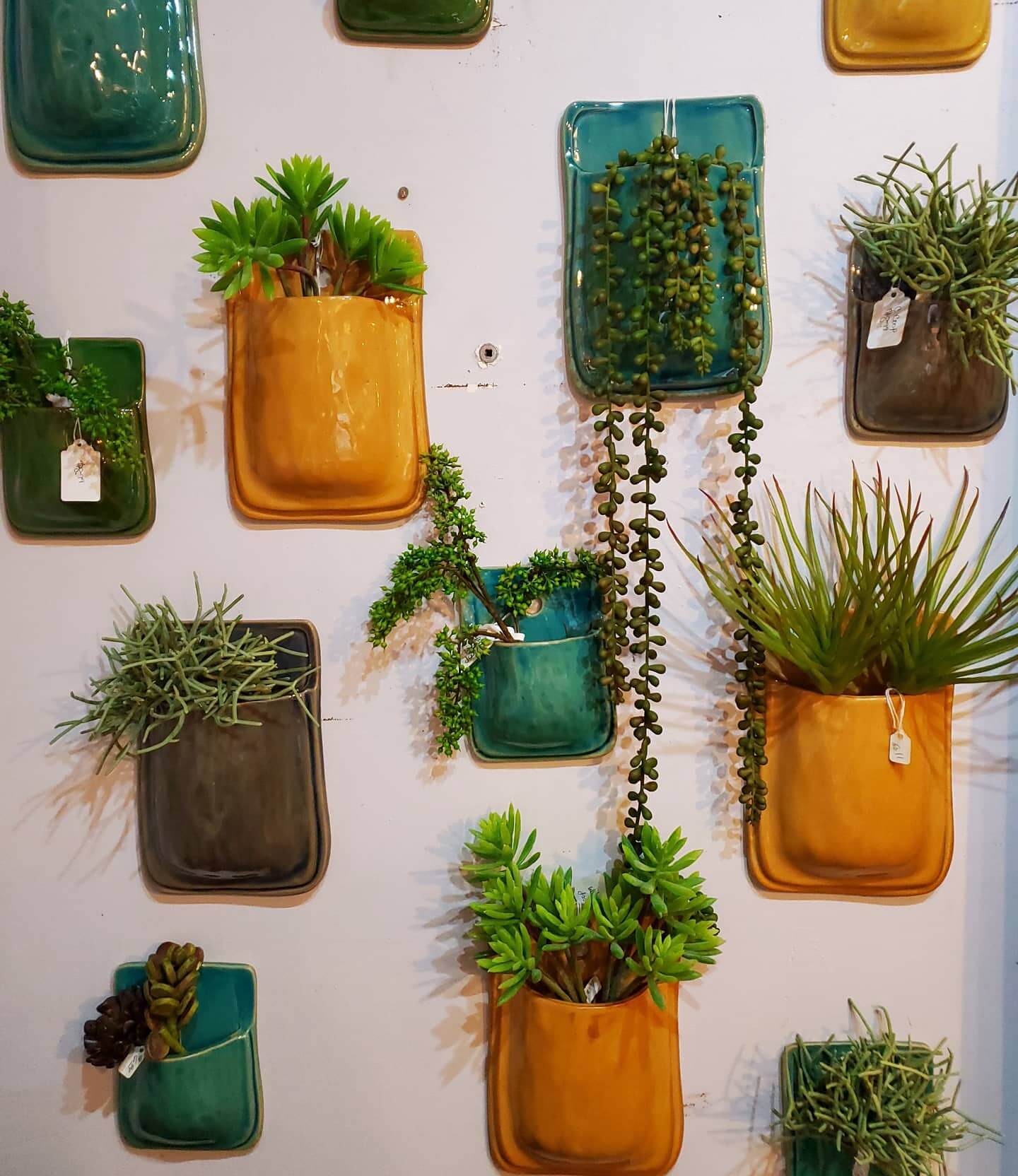
Turn a bare railing or fence into a living privacy screen with dense, fast-filling pocket arrangements. Anchor a lightweight lattice or wire grid 2–3 inches behind your pocket rows; this creates structure for trailers to weave through and helps diffuse sightlines. Plant the top pockets with vigorous spillers—sweet potato vine, creeping Jenny, ivy geranium, nasturtium, or trailing rosemary—then layer mid-row with medium-height fillers like lemon verbena, oregano, and compact grasses. Use lower pockets for strawberries or thyme to soften the base. On wind-prone balconies, choose flexible, small-leaved plants that bend rather than break, and add a reed or clear acrylic wind baffle behind the grid. Water runs top to bottom, so put thirstier picks lower and drought-tolerant plants (succulents, rosemary) up high. A narrow drip line along the top rail plus a hidden catch tray makes care nearly invisible. In a month or two, you’ll have a lush green veil that buffers noise, screens neighbors, and adds movement—without the bulk of planters on the floor.
Mixology Pocket Palette: Edible Flowers and Aromatics for Instant Garnishes
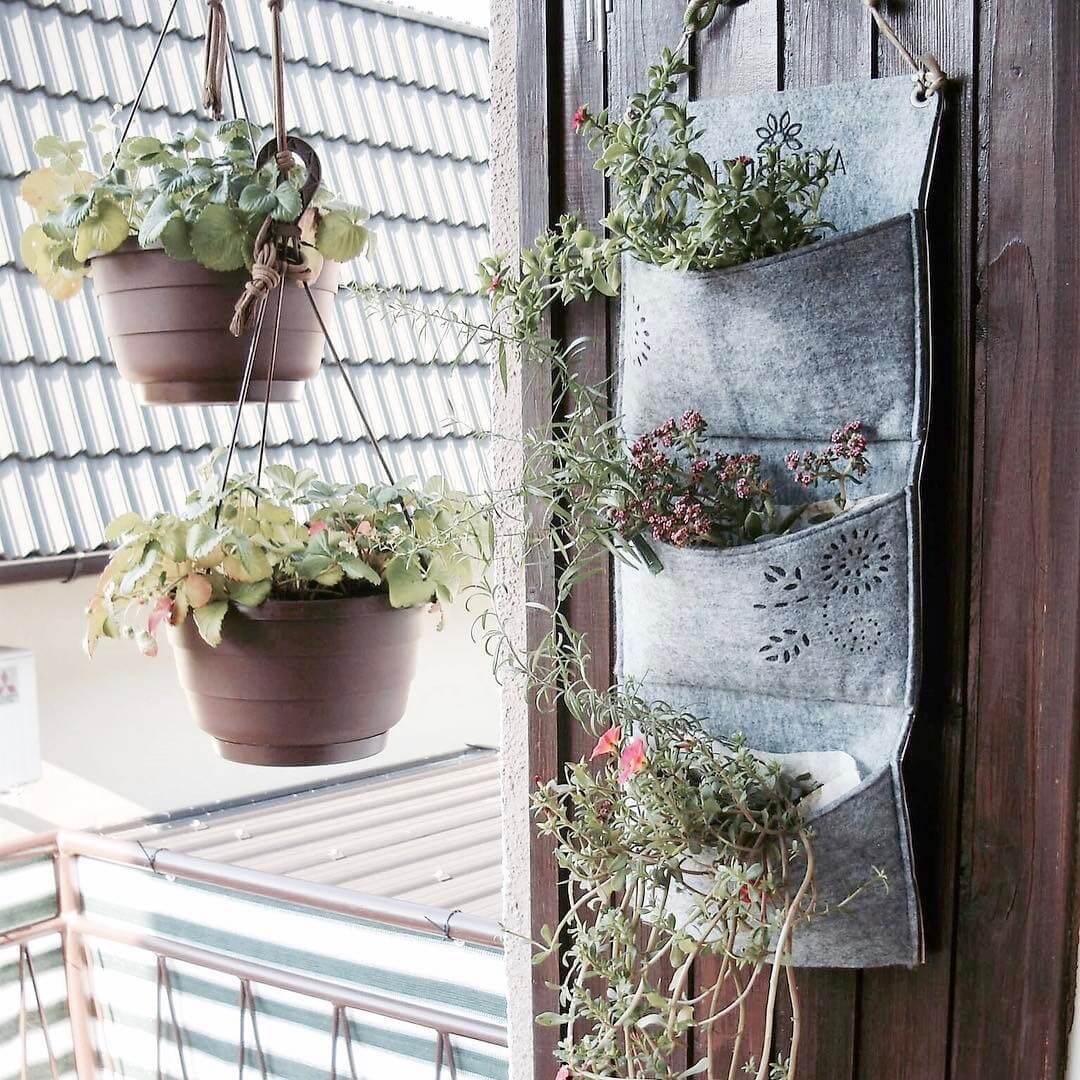
Design a vertical pocket planter specifically for cocktails, mocktails, and dessert garnishes—beautiful, fragrant, and absolutely edible. Start with compact, floriferous bloomers: violas and pansies for color pops, calendula for petals, borage for cucumber-notes and star-shaped blue blossoms, and nasturtiums for peppery rounds. Thread in aromatics that thrive in shallow pockets—lemon verbena, chocolate mint, pineapple sage, and thyme—to perfume the air and your glass. Keep varieties labeled and grown from untreated seed or certified edible starts; many ornamental flowers are sprayed, so “edible-only” sourcing is key. For best flavor, give 4–6 hours of sun, a light, fast-draining mix, and consistent moisture (especially for mint and verbena). Deadhead often to keep blooms coming, and replace high-turnover annuals seasonally. Harvest with clean scissors in the cool of the morning—float petals on ice, muddle mint away from fibrous stems, and use tiny herb tips as fragrant stirrers. The vertical format keeps everything eye-level and photogenic while maximizing blooms per square foot—your wall becomes a living garnish tray ready for happy hour.
Native-Forward Pocket Wall: Support Local Pollinators in Small Spaces
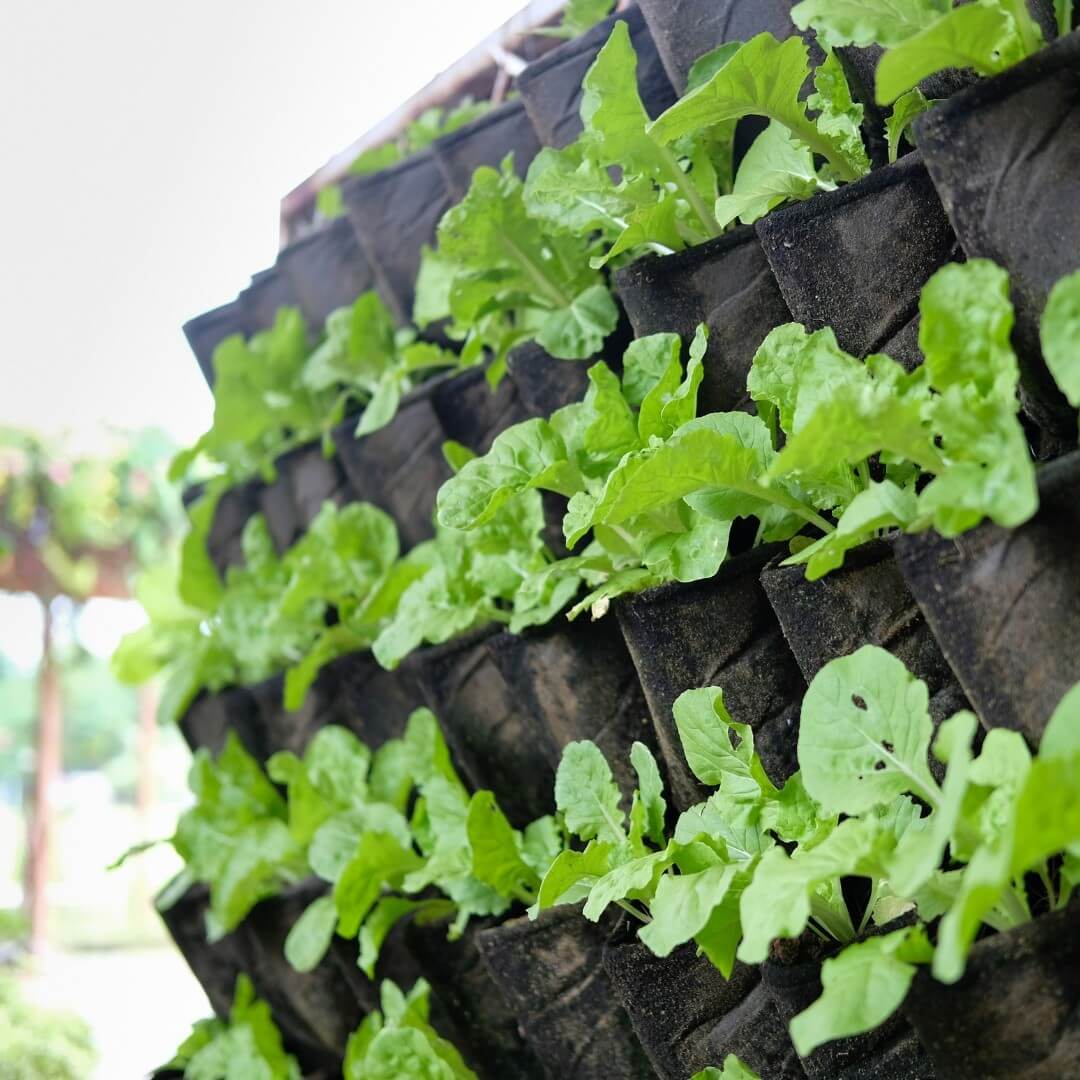
Even a slim pocket planter can boost biodiversity when you prioritize compact native species. Aim for a staggered bloom calendar—early, mid, and late season—so bees, butterflies, and hoverflies always find something to sip. Seek regionally native, small-footprint picks that tolerate containers: dwarf columbine, heuchera, monarda selections bred for mildew resistance, blue-eyed grass, lanceleaf coreopsis, woodland phlox, and low goldenrod cultivars suited to pots. Check your local native plant society for micro-varieties that stay tidy in 6–8 inch pockets. Use a lean, well-drained mix and avoid high-nitrogen feeding, which can reduce nectar quality; top-dress with compost and leaf mold to mimic forest duff. Skip pesticides—manage pests with handpicking, strong water sprays, and insecticidal soap if absolutely necessary. Add a shallow water dish with pebbles at the base of the wall for safe pollinator drinking. Label species and note bloom windows to refine next season’s palette. The payoff is a living wall that looks natural yet curated, supports local ecosystems, and proves even tiny gardens can make a meaningful habitat difference.
Pocket Soil Recipe + Feeding Plan: Light, Fast-Draining, Nutrient-Steady
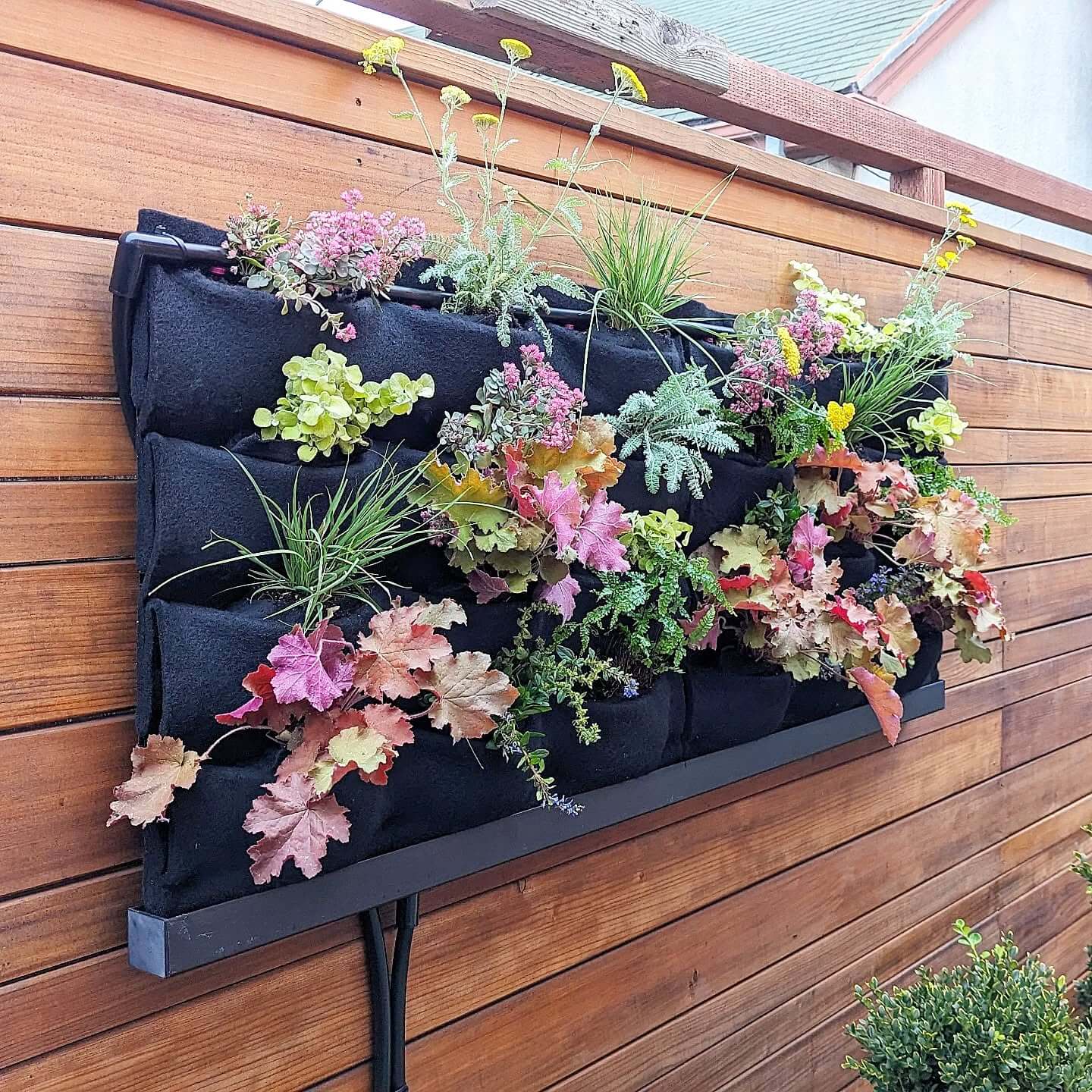
Healthy vertical gardens start in the pocket. Build a mix that stays airy, drains fast, and feeds steadily: 40% high-quality peat-free potting mix, 30% fine bark or coco chips for structure, 20% perlite or pumice for porosity, and 10% mature compost or worm castings. Blend in a gentle, organic slow-release fertilizer (3–4 month) at label rates; top up with a diluted liquid feed every 2–3 weeks during peak growth. For water retention without sog, line each pocket with a thin coir mat and finish with a 1/4-inch compost or fine bark mulch. Keep pH near 6.0–6.8 for most herbs and edibles; add a pinch of gypsum in hard-water areas to counter salt buildup. Never use garden soil—it compacts and chokes roots in vertical systems. Once a month, water deeply from the top with plain water to flush salts, and refresh the top inch of mix between seasons. This simple recipe keeps roots oxygenated, prevents slump in lower rows, and supports steady, flavorful growth across your living wall.
Beat Wind and Heat: Microclimate Hacks for Pocket Walls
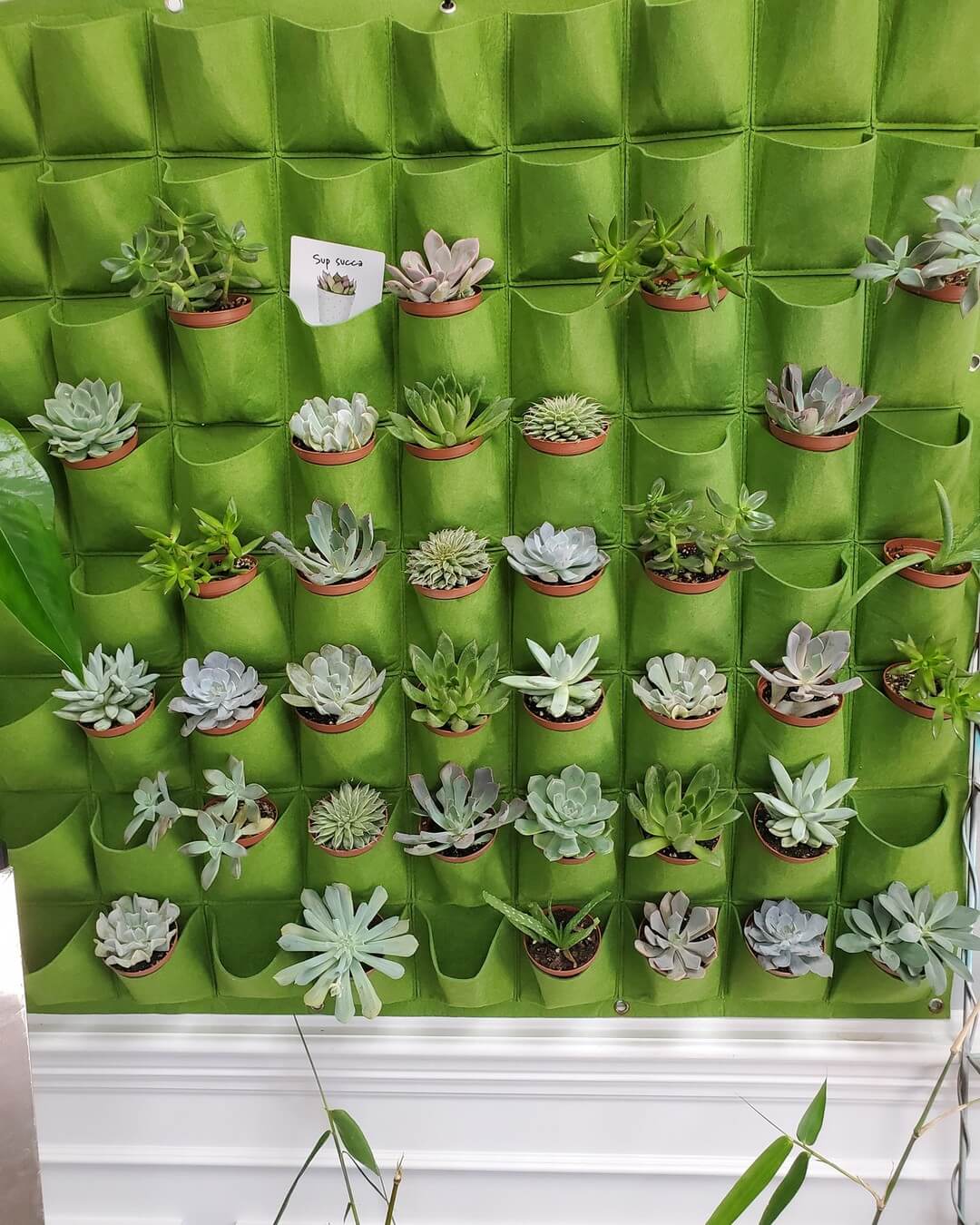
Urban balconies can roast and gust—two stressors pocket planters feel first. Start by mapping microclimates: top rows bake and dry, bottom rows stay cooler and catch runoff. Plant accordingly—rosemary, thyme, and sedums up high; basil, mint, and greens lower down. Add a 30% shade cloth during heat waves, mounted on removable clips above the wall, and place a clear wind screen or reed panel 2–3 inches behind the planter to calm turbulence without blocking light. Choose lighter-colored pocket fabrics to reduce heat absorption, and keep a 1-inch air gap behind panels for convective cooling. Water early morning so leaves dry by midday, and mulch pocket surfaces with coir discs to cut evaporation. On scorchers, brief, second pulse watering is safer than soaking. For wind, pick flexible, small-leaved, or trailing species that bend—ivy geranium, creeping Jenny, nasturtium—over brittle, top-heavy plants. These small tweaks protect foliage, stabilize moisture, and keep your vertical garden vibrant through the toughest weather.
Pocket + Trellis Combo: Train Climbers for Height Without Bulk
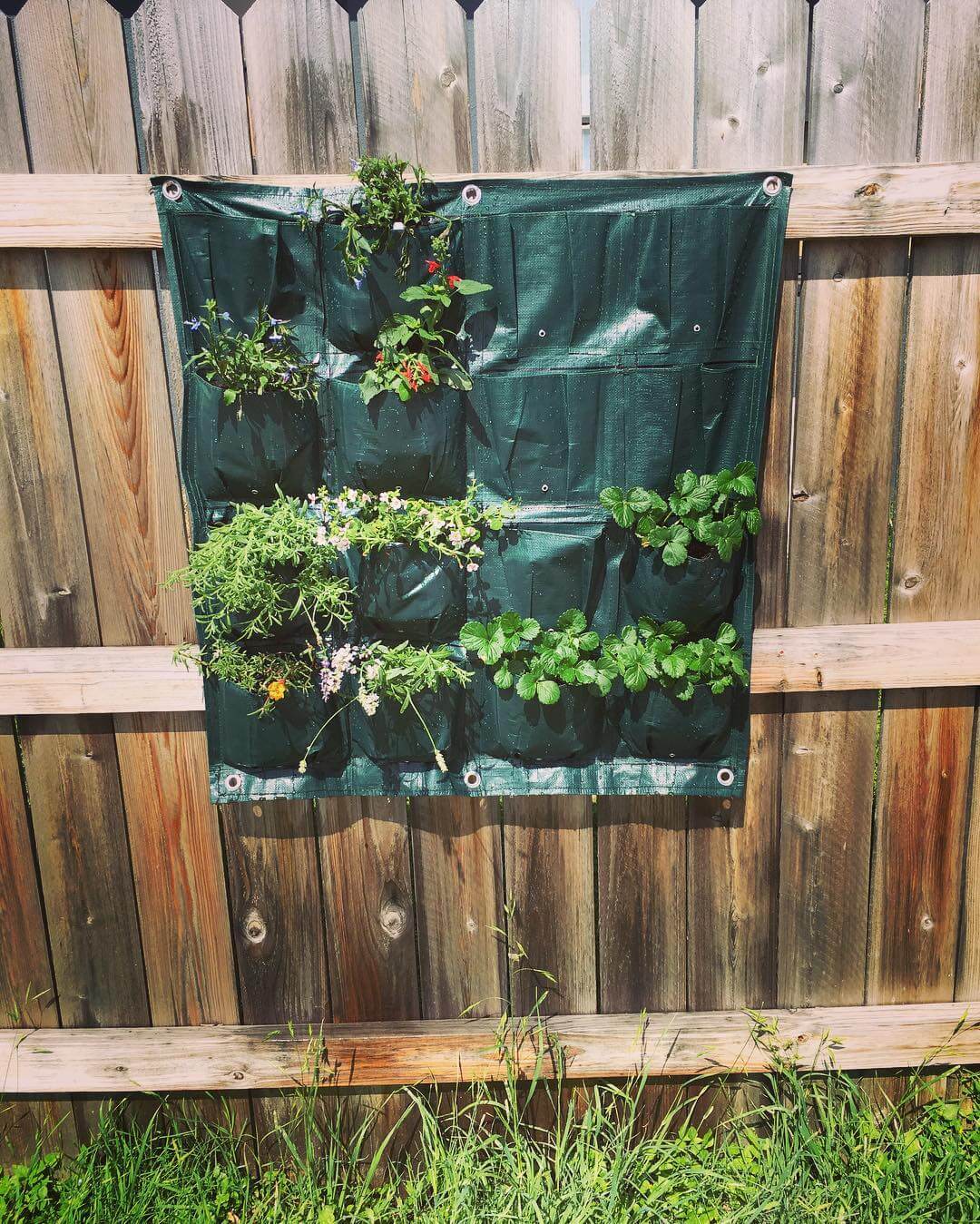
Take your vertical pocket wall higher by adding a lightweight trellis or string grid above the top row. This hybrid system lets shallow-rooted climbers and trailers add height, flowers, and shade without floor planters. Tuck pea starts, pole beans, black-eyed Susan vine, scarlet runner beans, or nasturtiums into the upper pockets and guide new growth to the trellis with soft ties. For edibles, pick compact or tumbling types—‘Tumbling Tom’ tomatoes, cucamelon, or dwarf cucumbers—and give them the sunniest upper pockets with a sturdy backer. Feed bloomers with a slightly higher potassium fertilizer once flowering starts, and prune lightly to keep airflow around leaves. Keep irrigation simple: a top-line drip or careful hand-watering ensures root zones don’t flood lower pockets. The bonus is functional beauty—flowers at eye level, edible pods within reach, and a dappled screen that cools the wall beneath. You’ll gain an extra layer of greenery and harvest without expanding your footprint.
Pet-Safe Pocket Garden: Nontoxic Picks and Smart Placement
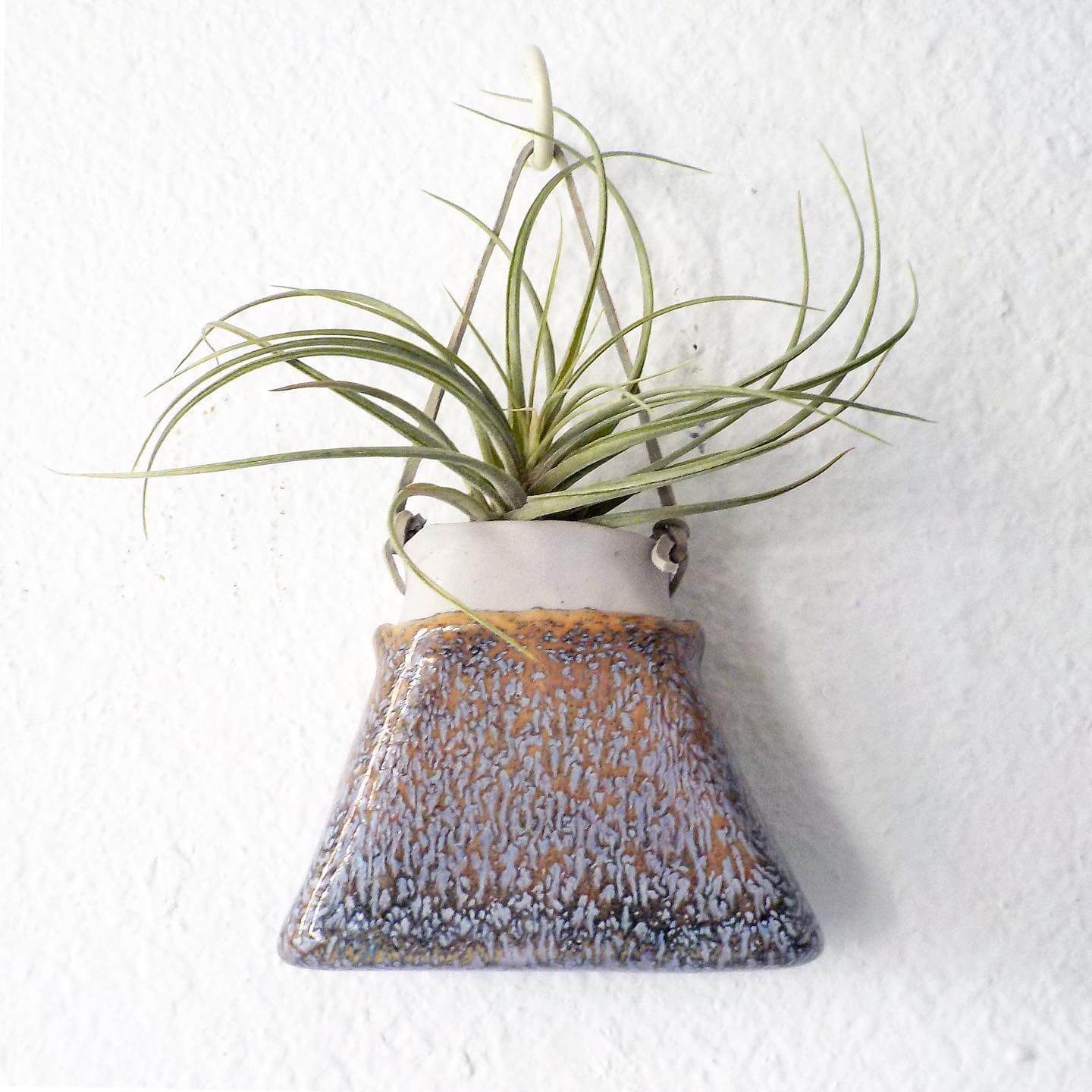
If curious cats and dogs share your space, design your pocket planter with nontoxic plants and smart layout. Safe, aromatic choices include cat grass, catnip (or catmint), basil, parsley, dill, thyme, lemon balm, sage, and rosemary; ornamentals like Boston fern and spider plant are generally pet-safe, too. Place anything even mildly irritating higher up, and avoid common hazards such as pothos, philodendron, peace lily, sago palm, and English ivy. Use secure hardware and keep trailing stems trimmed to prevent tempting dangling vines. Fertilize with pet-safe organic products and let liquid feeds soak in before animals have access. Skip systemic pesticides; spot-treat with insecticidal soap, neem (used carefully on edibles), or simple water blasts. For enrichment, dedicate one lower pocket to cat grass you can reseed monthly. Label pockets so sitters know what’s safe to nibble, and add a washable splash guard at the base. With thoughtful plant choices and placement, you’ll enjoy a lush living wall that’s as safe as it is stylish.
Cold-Smart Pocket Wall: Frost Covers, Quick Moves, and Overwintering
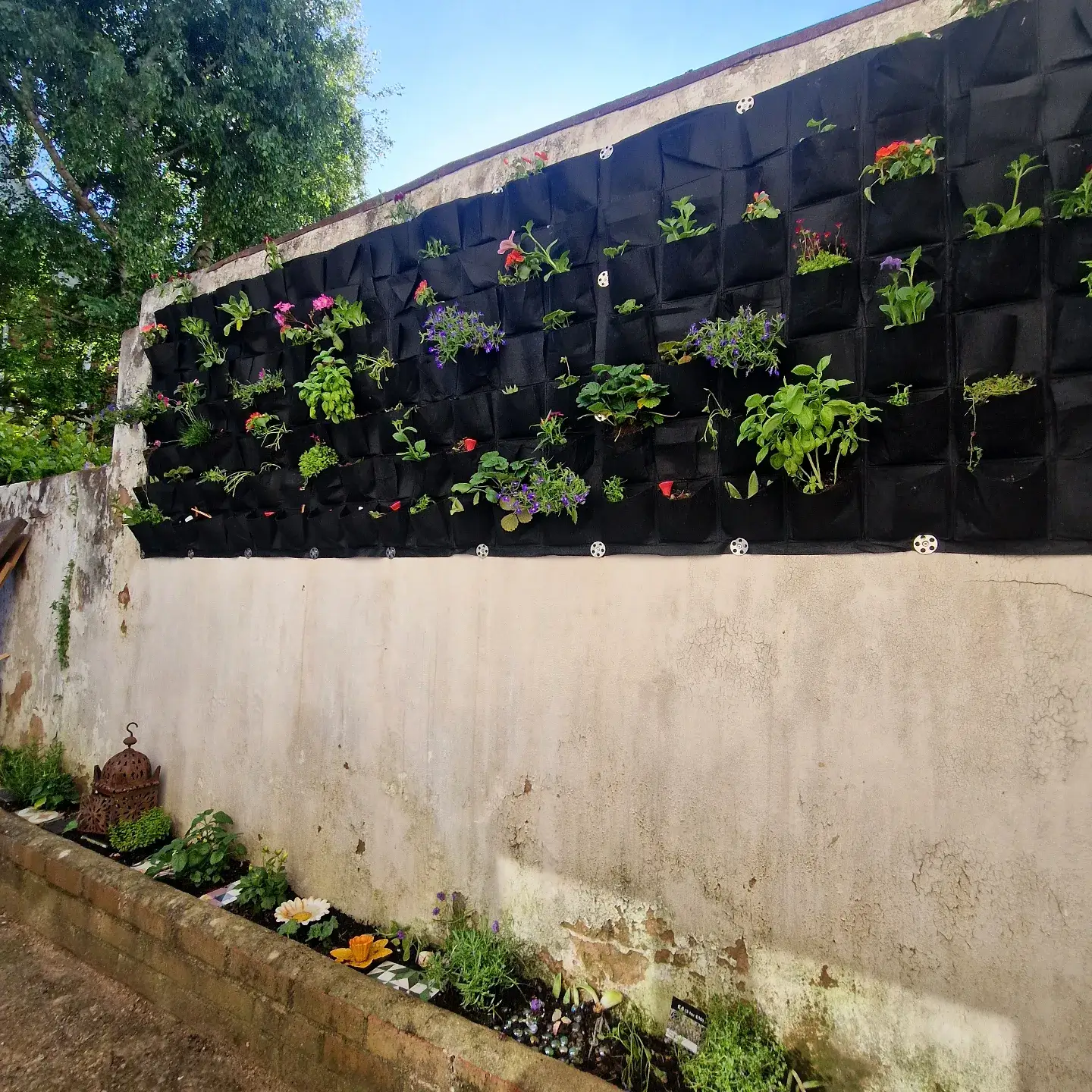
Extend your season—and protect perennials—with a simple cold plan for vertical pockets. Before first frost, group tender annuals and heat-lovers in panels you can lift off cleats and carry indoors or into a garage for cold nights. For what stays outside, water thoroughly before a freeze, then clip on a breathable 0.5–1.0 oz frost cloth over the pocket face, securing it with binder clips to the panel edges. Add a clear corrugated lid or umbrella if sleet is forecast, ensuring airflow at the sides. Mulch the pocket surface with coir or shredded leaves to buffer roots, and reduce fertilizer as growth slows. Hardy perennials overwinter best on the upper rows (better drainage), while evergreen herbs like thyme and sage appreciate a sunny, wind-sheltered wall. In late winter, remove covers on mild days to harden plants gradually, trim winterburn, refresh the top inch of mix, and resume light feeding. This quick, modular approach keeps your living wall alive, tidy, and ready to surge when spring light returns.
Moisture-Safe Mounting: Waterproof Backers and Breathing Gaps for Pocket Walls
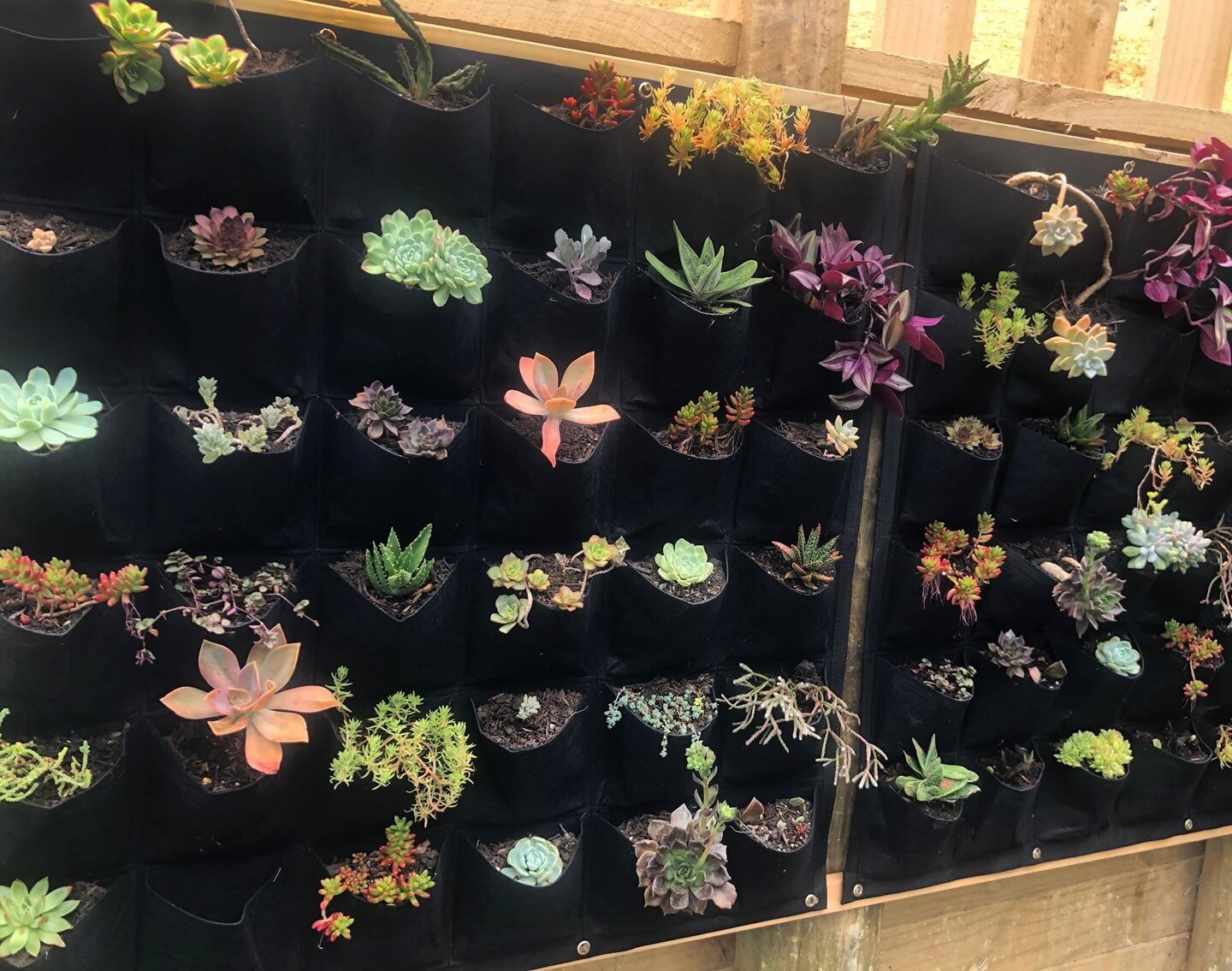
Before you plant a single pocket, protect the surface behind your vertical garden. Fabric and canvas pocket planters can wick moisture; a smart build adds a waterproof backer plus an air gap so walls stay dry and roots stay healthy. Over siding or drywall, first locate studs, then create 1/2–3/4 inch standoffs with composite or aluminum furring strips. Fasten a waterproof backer (HDPE panel, sealed cement board, or marine plywood wrapped in roofing membrane) to the furring—not directly to the wall—to maintain airflow. Cap the top with flashing, leave a weep gap at the bottom, and add a shallow drip rail or gutter to catch runoff. Use stainless or coated fasteners with neoprene washers to prevent rust stains. Outdoors, this rain screen approach sheds water and speeds drying; indoors, pair it with a removable catch tray and a moisture alarm. Hang your pocket panels on the backer using the French cleat method from earlier, so you can lift off sections for seasonal swaps. This layered system extends the life of felt pockets, prevents mold and paint bubbles, and improves root oxygenation—key for dense plantings in vertical pocket planters and living walls.
Get the Fail-Safe Paint Color Playbook (Free PDF)
36 proven colors • 8 ready palettes • trim & sheen guide • printable testing cards.
Drip Grid + Fertigation Loop: Set-and-Forget Watering for Pocket Planters
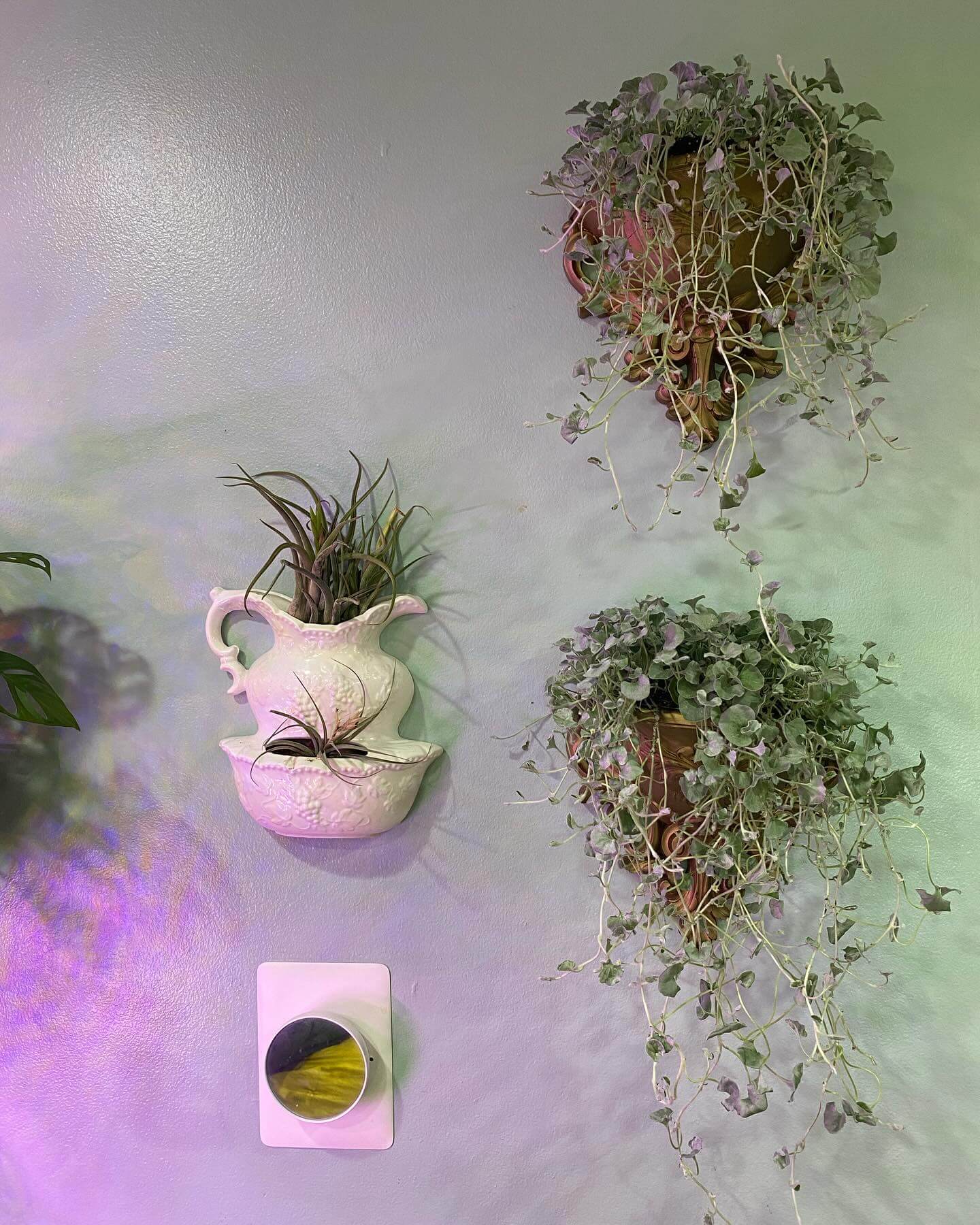
Consistent moisture is the difference between lush pockets and crispy edges. Build a compact drip grid: run a 1/2-inch mainline along the top of your pocket wall, tee 1/4-inch lines to each pocket, and use 0.5–1 gph emitters (one for herbs and succulents, two for thirsty greens or strawberries). Add a 150–200 mesh filter, pressure regulator (15–25 psi), and an automatic timer. End each run with a flush cap so you can clear minerals and algae monthly. For low-effort feeding that aligns with the soil recipe shared earlier, include a simple venturi or cartridge fertigation unit; dose lightly (quarter-strength organic liquid feed) during active growth, and run a plain-water cycle after to prevent salt buildup. Outdoors, pair the timer with a rain sensor; indoors, add an anti-siphon vacuum breaker and route to a catch tray. Group pockets by water needs on the same zone—xeric succulents up top, salad greens mid-row, basil and mint lower where runoff collects—to reduce hand tweaks. This hidden irrigation backbone keeps vertical pocket planters hydrated evenly, curbs fungal stress, and frees you to prune, harvest, and enjoy.
Design by Zones: Map Light, Wind, and Runoff for Resilient Pocket Walls
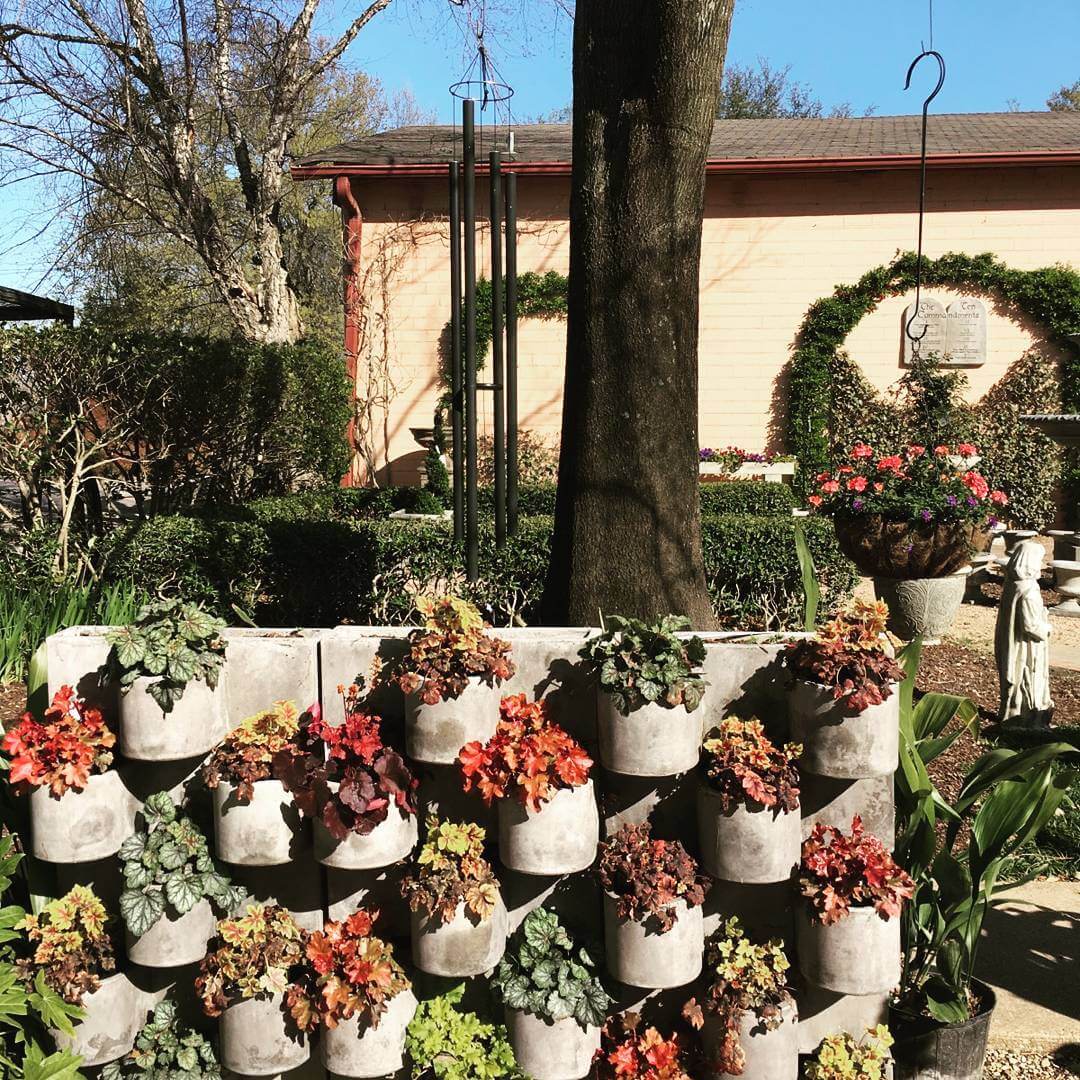
Before planting, “read” your wall like a microclimate map. Track sun with a phone light meter across morning, midday, and late afternoon; note wind corridors and where rain actually hits. Then design vertical pockets by functional zones: top rows are your driest, hottest tier—perfect for Mediterranean herbs (rosemary, thyme, oregano) and tough ornamentals like helichrysum. Mid rows offer steadier moisture and gentler light—great for lettuce, nasturtiums, calendula, cilantro, and everbearing strawberries. Lower rows catch runoff—reserve those for basil, mint (in root-limiting liners), chives, Asian greens, or marigolds for pest pressure relief. On the edges, plant trailers (pothos, ivy geranium, creeping jenny) to soften the frame and shade pocket seams, reducing evaporation. If a balcony wall gets reflected heat, add 30–40% shade cloth on the top third and move shade lovers to the lee side. In windy spots, position broad-leaved crops behind vertical slats or a mesh baffle from the “Beat Wind and Heat” playbook. By zoning to light and moisture patterns, your living wall stays balanced, cuts water waste, and keeps color, texture, and yield consistent through the season.
Succulent Pocket Mosaic: Drought-Smart Texture with Year-Round Form
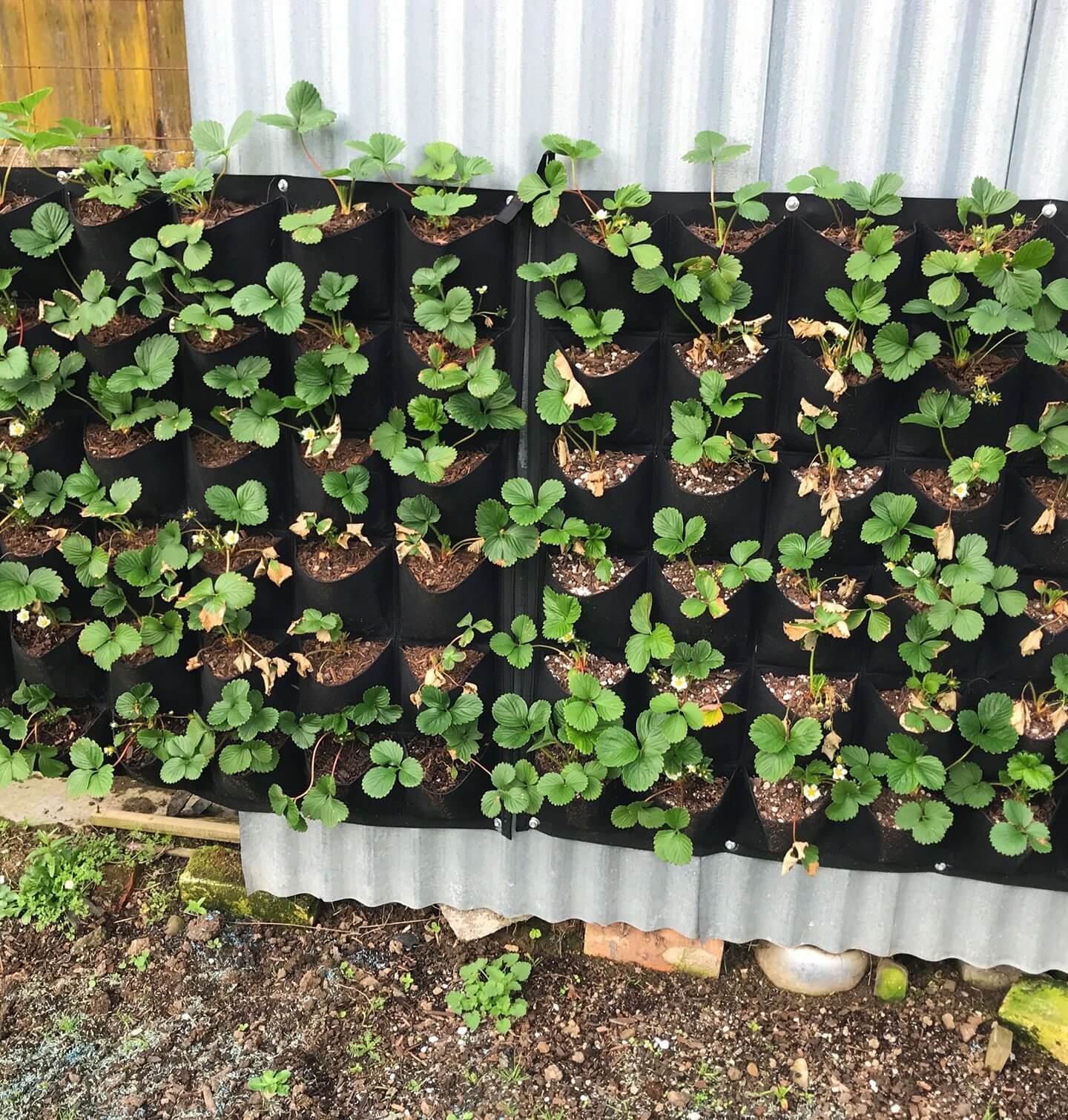
If watering’s a worry, build a pocket planter that thrives on restraint. Succulent walls deliver graphic texture, striking color, and ultra-low maintenance when you tweak the mix. Start with a gritty substrate (50–70% pumice or perlite plus coarse sand in a lean potting base) and shallow pockets; top-dress with 3–5 mm gravel to keep crowns dry. Choose small-form, cluster-friendly species—sedum, echeveria, graptoveria, crassula, kalanchoe tomentosa, and sempervivum (cold-hardy outdoors). Root cuttings horizontally by laying panels flat for 2–3 weeks, then hang once established to avoid gravity tug on new roots. Water deeply but infrequently—soak, then let the entire pocket dry; in humid climates, increase airflow with that backer air gap and a discreet clip fan indoors. For composition, alternate rosettes with fine-textured sedums and variegates to create living mosaics that read from across a patio. In frost zones, follow the cold-smart section: move modular panels under cover or add a clear rain screen to prevent winter rot. The result is a vertical garden that sips water, shrugs off heat, and holds sculptural interest every month of the year.
Doorway Salad Bar: Vertical Pockets for Fast-Cut Greens and Herbs
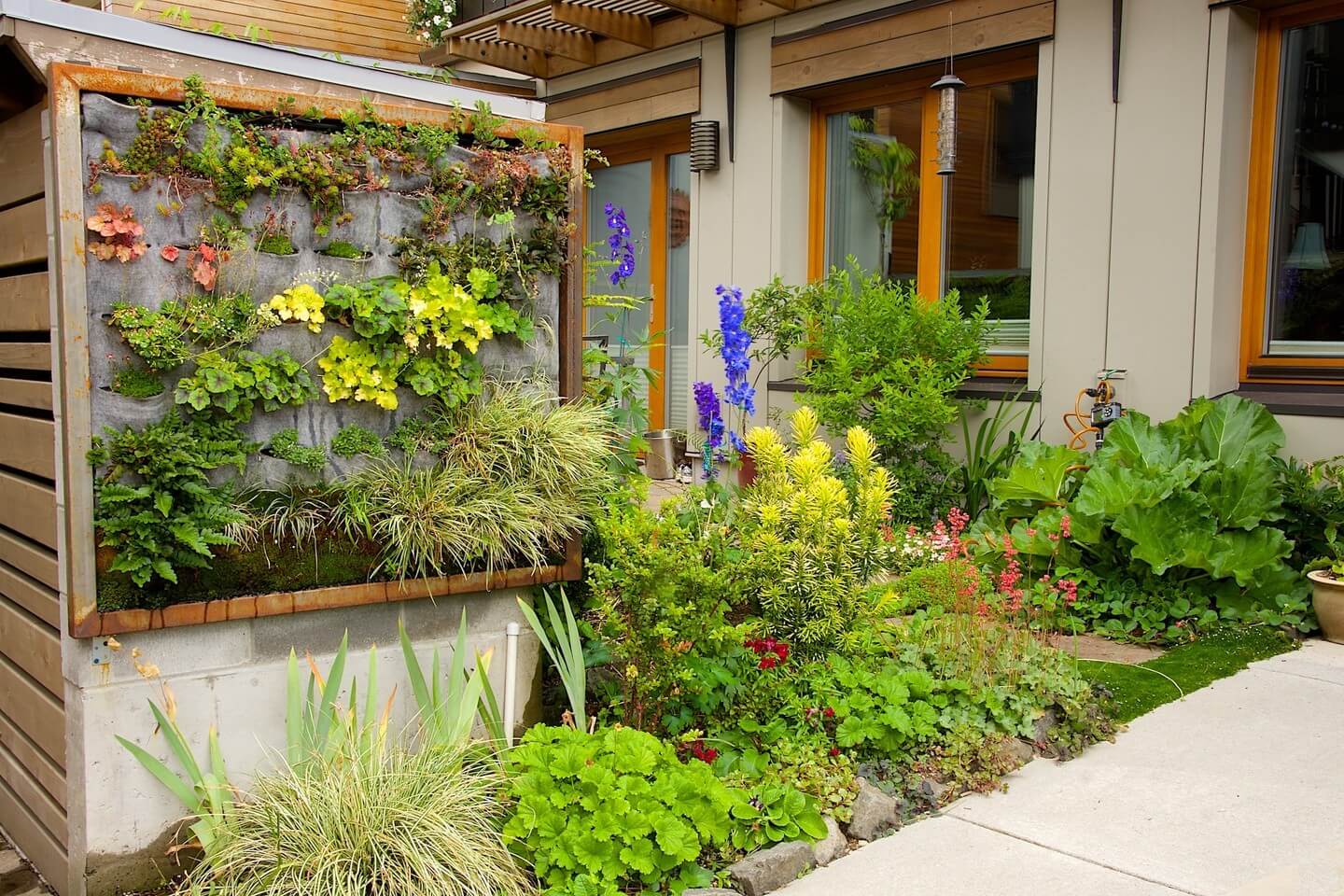
Turn the space beside your kitchen door into a weekly harvest lane. Vertical pocket planters excel at cut-and-come-again greens when you stagger sowings. Fill with a light, fast-draining mix and direct-sow looseleaf lettuce, arugula, mizuna, and baby kale in mid rows; plug in basil, parsley, dill, and chives where you’ll brush past for aroma. Succession sow a few pockets every 10–14 days for a steady stream of tender leaves. Harvest when greens reach 3–5 inches, shearing just above the crown so plants rebound. Keep the top tier for heat-tolerant picks (malabar spinach, red-veined sorrel) and the lower tier for moisture lovers like cilantro and mint (use root sleeves to contain spread). In summer, add a 30% shade cloth during the hottest window to slow bolting; in shoulder seasons, a clear frost cover extends harvests. Tie this wall into the drip grid for morning watering, then mist lightly before dinner on extreme heat days. With scissors, a bowl, and 60 seconds, you’ve got salad—and a vertical garden that earns its keep every night.
Planting Combinations and Care Tips for Vertical Pocket Planters
Thoughtful plant pairing turns vertical pocket planters into dynamic, color-rich displays with steady harvests. Group species by light, water, and root depth, then layer heights so trailers edge pockets while upright anchors provide structure. Repeat two to three color notes across rows for rhythm, using variegated leaves to brighten shaded sections. Mix edible and ornamental selections to maximize utility without sacrificing design cohesion. Leave occasional empty pockets as expansion joints for seasonal swaps and airflow.
- Herb Matrix: Combine thyme, oregano, and rosemary at the top for sun, with parsley, chives, and mint mid to lower tiers, balancing fragrance, harvest frequency, and watering needs.
- Succulent Mosaic: Mix echeveria, sedum, and haworthia for sculptural rosettes, punctuated by trailing string-of-pearls along edges, using gritty mix and bright exposure to maintain compact forms and prevent rot.
- Salad Wall: Plant cut-and-come-again lettuces, arugula, and baby kale in cooler zones, tucking radishes or edible flowers in corners, rotating pockets biweekly for continuous, tender, patio-side harvests.
- Shade-Lovers Grid: Fill dim walls with ferns, heuchera, and trailing pothos, emphasizing foliage texture, deep greens, and bronzes, and maintain even moisture to prevent crisping or collapse under intermittent drafts.
- Pollinator Ribbon: Weave compact lavender, dwarf salvia, and trailing nasturtiums in sunny bands, staggering bloom times and nectar sources to invite bees while keeping growth tidy and easily deadheaded.
Establish a consistent care rhythm to keep vertical plantings thriving and tidy. Water deeply but infrequently, ensuring excess drains into a tray, and supplement with a balanced, diluted liquid feed every two weeks. Pinch herbs, deadhead annuals, and trim trailers to maintain light penetration and encourage branching. Monitor for aphids and spider mites on undersides of leaves, treating early with insecticidal soap or neem as needed. Refresh tired pockets seasonally, rotating crops and replenishing mix to sustain vigor and nutrition.
Wall-Garden Wisdom: Quick Answers for Living Pockets
How do I prevent overwatering in vertical pocket planters?
Use a top-down drip line with low-flow emitters and a timed schedule so water moves evenly through tiers. Add a catch tray, then check pocket moisture by feel before running another cycle.
Get the Fail-Safe Paint Color Playbook (Free PDF)
36 proven colors • 8 ready palettes • trim & sheen guide • printable testing cards.
What plants are easiest for beginners in pocket planters?
Start with hardy herbs like thyme, chives, and oregano, or succulents such as sedum and echeveria. These tolerate occasional lapses in watering and adapt well to shallow root zones.
How can I stop my planter from staining the wall?
Install a waterproof backing or leave a ventilation gap, and place a removable drip tray at the base. Choose rustproof hardware and periodically flush salts to minimize discoloration.
Get the Fail-Safe Paint Color Playbook (Free PDF)
36 proven colors • 8 ready palettes • trim & sheen guide • printable testing cards.
Do vertical pocket planters survive winter outdoors?
In cold climates, switch to frost-hardy evergreens or empty and store the pockets dry. Alternatively, move the system indoors near bright light and reduce watering to match winter growth.
Final Verdict: Turn Vertical Space into a Resilient, Beautiful, and Productive Garden
Vertical pocket planters make it easy to convert overlooked surfaces into thriving, space-savvy gardens that suit your light, climate, and style. With the right materials, smart watering (hello, drip and fertigation loops), and a soil mix built for drainage and steady feeding, you’ll keep herbs, succulents, greens, and blooms happy with minimal upkeep. Designing by zones—accounting for sun, wind, and runoff—means every pocket has a plant that will truly perform, from shade-loving textures to sun-kissed edibles and pollinator-friendly picks.
Start small and scale with confidence: mount renter-safe panels, map your microclimate, then plant a focused palette that matches your goals—fast-cut salad greens by the door, a privacy screen for the balcony, or a drought-smart succulent mosaic for year-round form. Layer in seasonal swap-outs, pet-safe choices where needed, and cold-smart protection to keep the show going. With modular pockets and set-and-forget watering, your living wall becomes more than décor—it’s a productive, low-fuss ecosystem that brings color, flavor, and calm to even the tightest spaces.