
Wabi Sabi Interior Design Ideas for Peaceful Living
Rooted in Japanese philosophy, wabi-sabi celebrates imperfection, impermanence, and simplicity—inviting you to create interiors that feel grounded, serene, and deeply human. Instead of chasing perfection, this approach honors natural aging, subtle asymmetry, and the quiet charm of handcrafted pieces.
Visually, wabi-sabi leans into natural materials and honest textures: raw wood, linen, clay, stone, matte finishes, and a muted, earthy palette. Think warm minimalism with negative space, soft light, and layers of patina that tell a story. The result is a home that looks effortless and lived-in, not staged.
Get the Fail-Safe Paint Color Playbook (Free PDF)
36 proven colors • 8 ready palettes • trim & sheen guide • printable testing cards.
In the ideas ahead, you’ll find practical ways to bring wabi-sabi into every room—through materials, layout, styling, and mindful rituals. From decluttering with intention to choosing organic forms and embracing wear, these concepts work for any budget and style. The goal is simple: create spaces that breathe, soothe, and feel unmistakably yours.
Natural Materials and Textures in Wabi-Sabi Decor
Wabi-sabi interiors feel grounded when they begin with humble, enduring materials that embrace time. Instead of glossy veneers, choose surfaces that develop character with touch, air, and sunlight. Natural wood, stone, clay, and fiber reveal irregular grain, pores, and threads that soften modern lines. These textures catch light differently throughout the day, keeping rooms alive yet calm. By foregrounding origin and craft, you build spaces that prioritize sensory comfort, longevity, and quiet beauty.
Foundational natural materials
- Raw timber: Warm, knotty woods like oak, cedar, or elm introduce grain depth, gentle scent, and honest scratches that age gracefully, grounding rooms with quiet, organic strength.
- Tumbled stone: River-worn pebbles, slate, or limestone add cool heft and subtle color variance, creating tactile thresholds underfoot and anchoring hearths, bathrooms, and entries with calm permanence.
- Clay and lime plaster: Breathable finishes regulate humidity, soften light, and accept hairline cracks that read like maps, emphasizing time’s passage and supporting healthier air quality.
- Natural fibers: Linen, hemp, and jute bring slubbed texture, breathable comfort, and muted sheen, turning drapery, rugs, and bedding into understated backdrops that invite touch and unhurried living.
Textural layering and finishes
- Patina-friendly finishes: Beeswax, soap, and oil finishes protect without plastic shine, allowing wood and metal to mellow, deepen, and record gestures of daily life rather than erase them.
- Handmade ceramics: Thrown mugs, wabi tea bowls, and uneven vases provide subtle asymmetry, mineral speckling, and matte glazes that diffuse glare while celebrating intentional, soulful imperfection.
- Paper and rice screens: Shoji or washi panels filter sunlight into milky planes, blur edges, and slide silently, creating flexible zones without closing off air flow or human connection.
- Aged metals: Blackened steel, brass, and bronze tarnish softly, picking up fingerprints and atmospheric shifts, adding quiet glints that punctuate wood and stone with restrained, timeworn contrast.
Think about provenance as much as palette when sourcing materials. Local timbers, reclaimed beams, and regionally quarried stone reduce transport impacts while deepening a home’s sense of place. Maintain finishes gently with soaps, oils, and soft brushes, letting wear accumulate as a record of care. Contrast smooth plaster with nubby textiles to guide the eye without cluttering surfaces. Above all, allow emptiness around these elements so their textures can breathe and quietly tell their story.
Earth-Toned Foundations: Raw Wood, Clay, and Stone
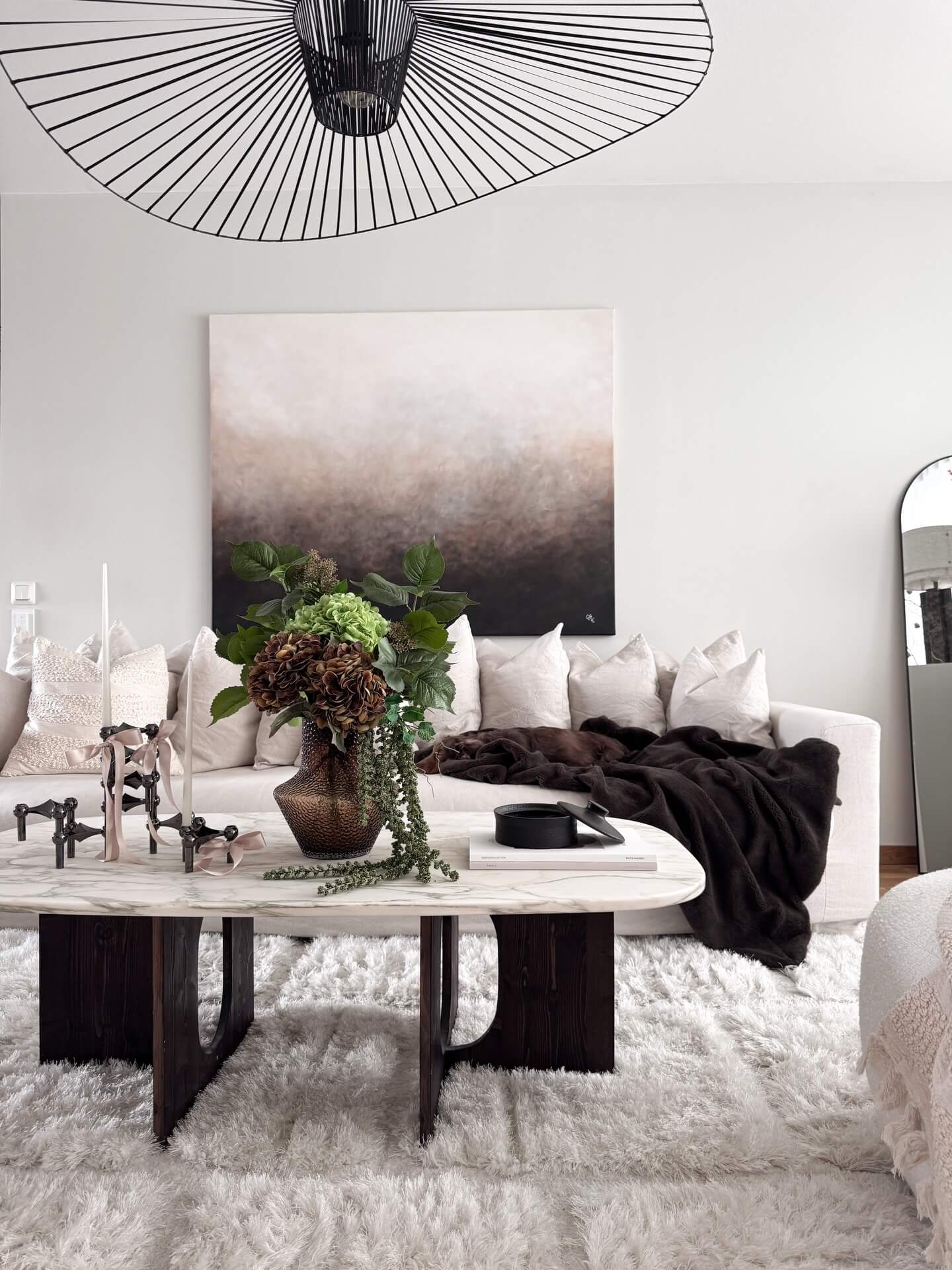
Begin with the bones of the room. Wabi-sabi interiors come alive through humble, tactile materials that age gracefully: raw oak, reclaimed pine, honed stone, unglazed clay, and limewash or plaster walls with a soft, cloudy depth. An earthy, neutral palette—putty, mushroom, sand, charcoal—creates visual quiet and lets texture lead. Choose matte finishes over glossy ones to avoid glare and invite touch. If you’re refreshing floors, consider wide-plank wood with visible grain or natural fiber rugs like jute and sisal for grounding warmth. For walls, a limewash or mineral paint adds a natural, nuanced character that feels timeless rather than trendy. Keep metals warm and lived-in—blackened steel, aged brass, or patinated bronze—so new elements don’t compete with older pieces. The effect is a calm, cohesive canvas that supports every other choice you’ll make, from furniture to lighting. Most importantly, let small irregularities show: a knot in the wood, a trowel mark in the plaster. These “imperfections” are where wabi-sabi’s quiet beauty resides, transforming simple rooms into soulfully serene spaces you’ll want to linger in every day.
Let Empty Space Do the Talking
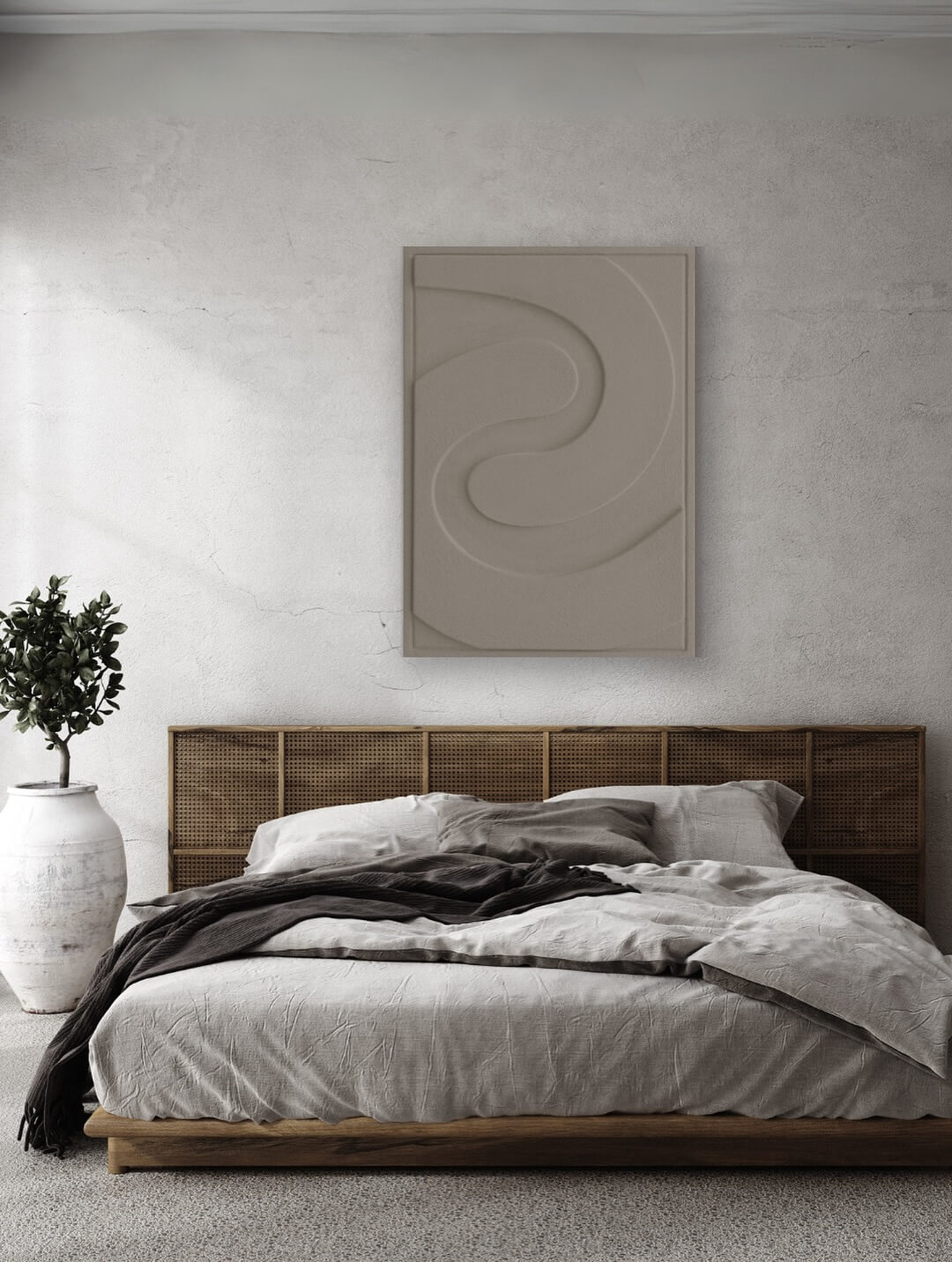
In wabi-sabi design, what you remove is as meaningful as what you keep. Start by editing surfaces and reducing visual noise: fewer objects, larger impact. Leave margins around furniture so the room can breathe, and resist wall-to-wall décor. Negative space creates rhythm, guiding the eye to texture, light, and form. Opt for fewer, better pieces with generous proportions—one solid timber table over multiple small accent items, one linen-draped sofa instead of a cluster of occasional chairs. Consider low-slung profiles to keep sightlines open and calm. Store the “extras” out of view, rotating meaningful objects seasonally rather than displaying everything at once. This restraint makes everyday rituals—sipping tea, reading at dusk—feel ceremonial. It also supports semantic harmony: a cohesive color story, consistent materials, and repeating shapes. The result is warm minimalism, not austerity; a home that invites quiet and clarity. Negative space isn’t emptiness—it’s an intentional pause that allows you to notice the beauty already present.
Grounded Living Room: Low Profiles, Wide Calm
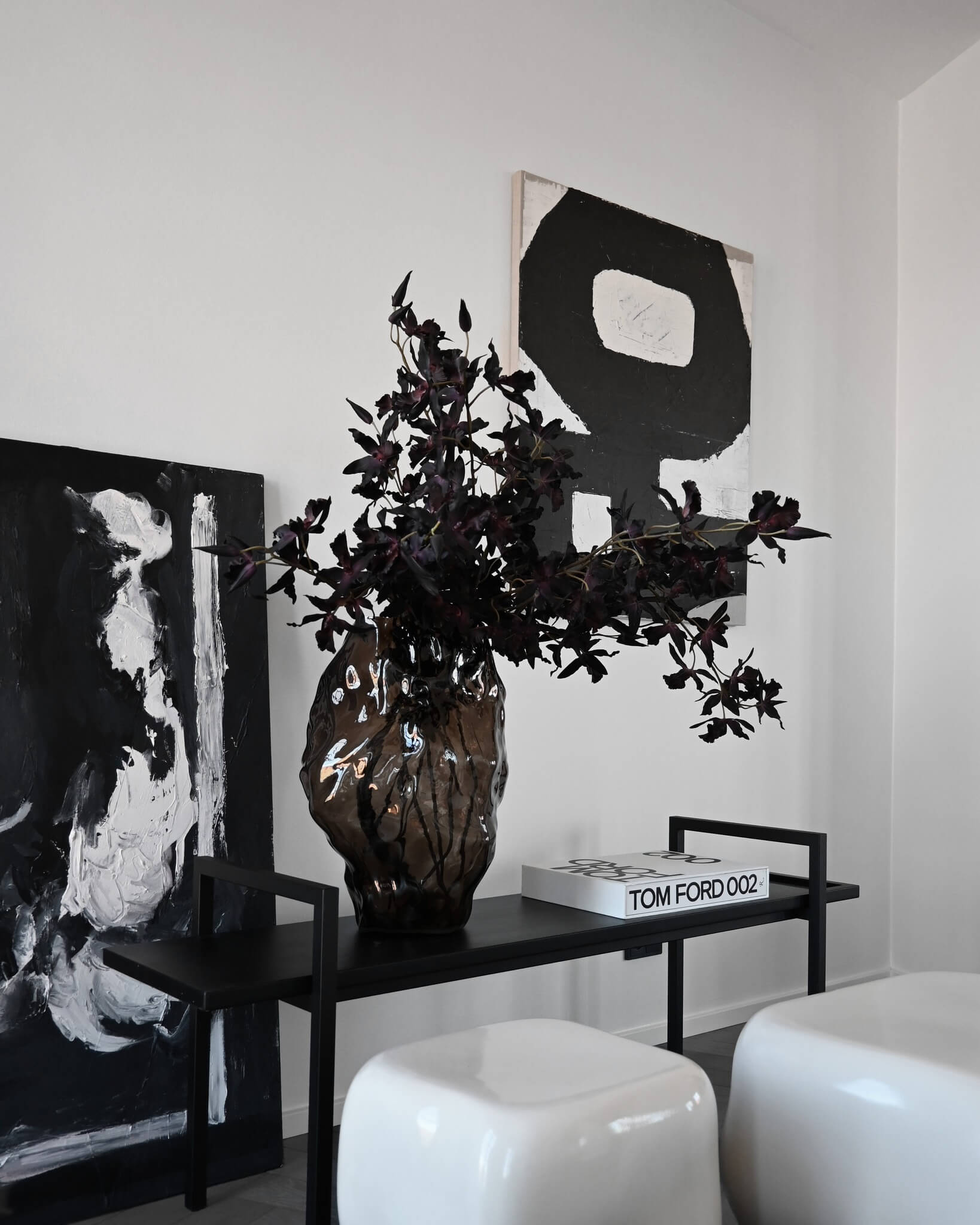
Bring the living area closer to the earth for instant serenity. Low sofas, floor cushions, and platform coffee tables shift the room’s center of gravity, encouraging slower movement and softer conversation. Choose pieces with rounded edges and honest textures—linen slipcovers, wool bouclé, untreated wood—to temper minimal lines with human warmth. Layer a flatweave or tatami-inspired rug for quiet acoustics and a tactile underfoot experience. Keep the palette cohesive: oatmeal, stone, and ink accents deliver depth without loud contrast. Style sparingly—perhaps a single handmade bowl or a branch in a clay vessel—so the architecture and materials can lead. If you need storage, a long, low bench or closed credenza keeps the eye line calm while hiding clutter. Lighting matters, too: floor lamps with fabric shades or paper lanterns create a soft halo that hugs the seating zone. This grounded approach embodies Japanese minimalism and slow living, turning the living room into a sanctuary for unwinding, reading, and conversation that feels effortless yet deeply intentional.
Serene Bedroom: Natural Linen and a Platform Bed
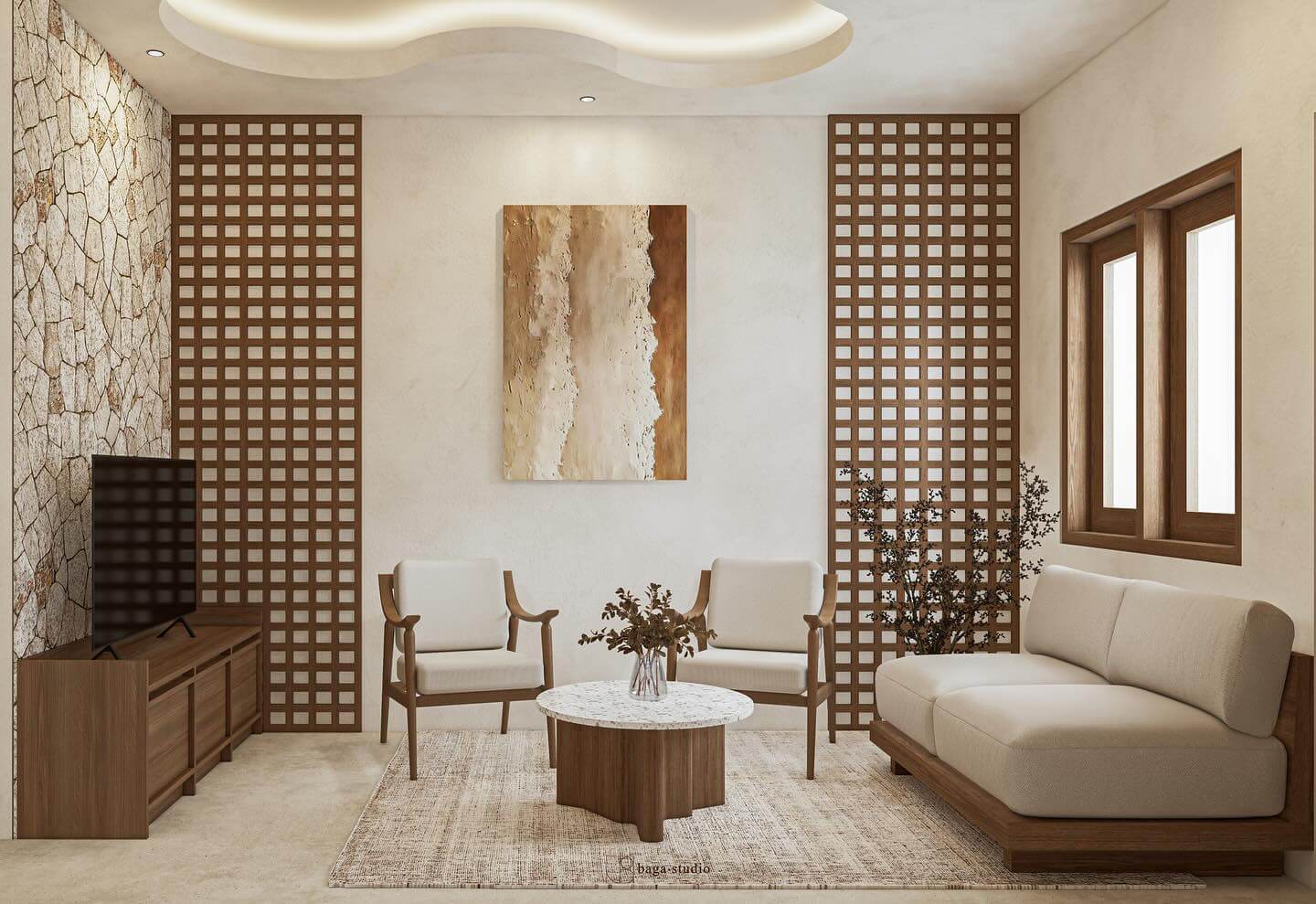
A wabi-sabi bedroom favors breathability, stillness, and ritual. Anchor the space with a low platform bed—wood or upholstered in natural fabric—to foster a cocooning feel. Dress it in stonewashed linen or cotton in muted tones (ecru, clay, slate) that soften with every wash and look beautiful rumpled. Trade busy patterns for texture: a nubby throw, a quilted coverlet, or a wool blanket provides tactile depth without visual noise. Keep nightstands simple and functional: a small tray, a carafe, one beloved book. Window treatments should filter light rather than block it—gauzy curtains or linen panels that catch the breeze. Avoid bright overheads; instead, layer bedside sconces or table lamps with warm bulbs to signal wind-down. A branch, a ceramic cup, a single framed print—edit to essentials that mean something to you. The aim is restorative quiet, where imperfect folds, sun-faded textiles, and the patina of everyday use become part of the room’s gentle rhythm.
Wabi-Sabi Kitchen: Open Shelves and Useful Beauty
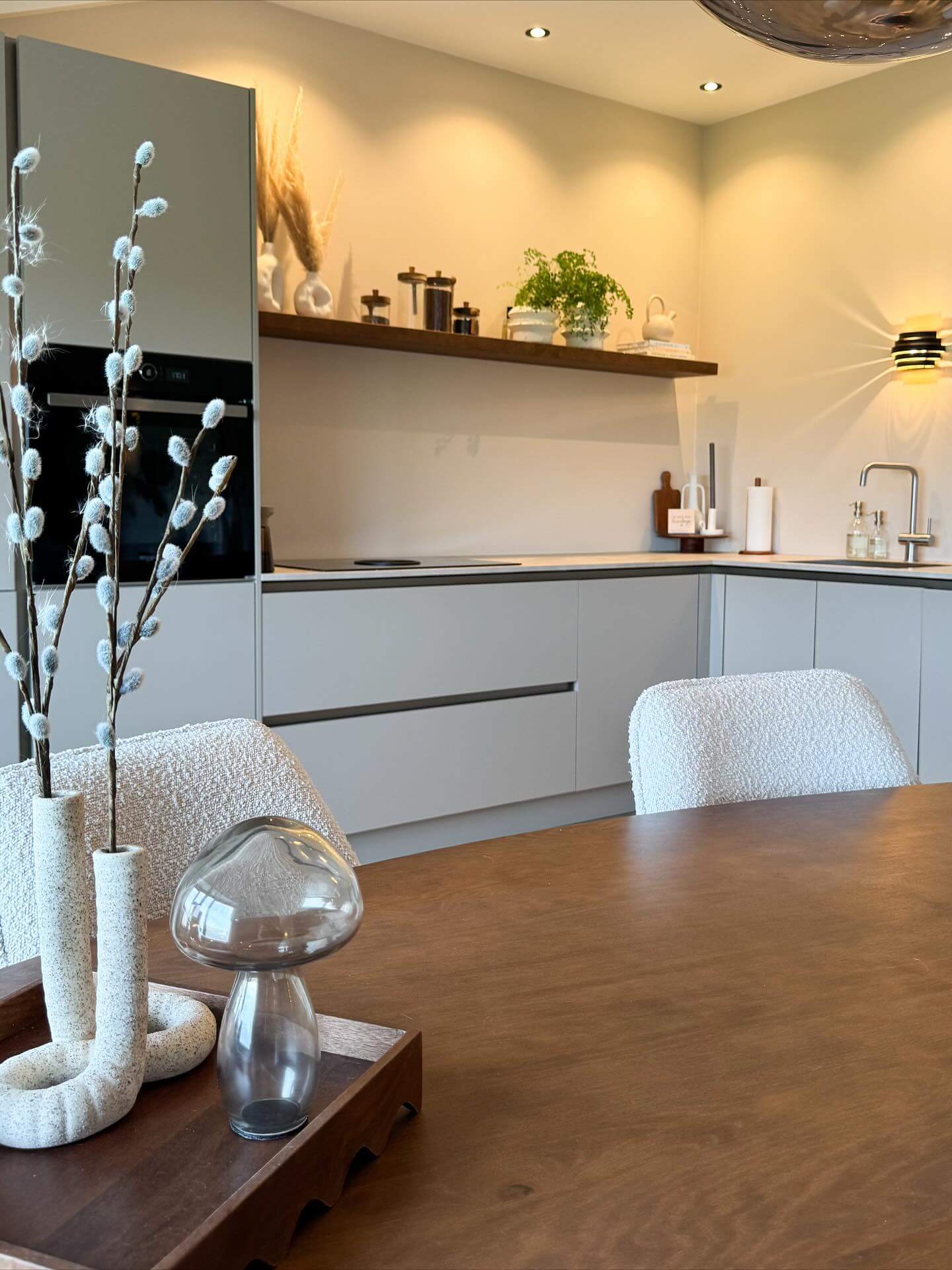
In the kitchen, display what you use and use what you display. Open shelving—wood with visible grain—turns everyday objects into purposeful décor. Stack stoneware plates, nestle handmade bowls, and corral wooden spoons in a clay crock; let irregular rims and glaze drips bring character. Choose a restrained palette for continuity: natural wood, off-white ceramics, blackened steel, and linen. Keep counters clear except for a few workhorse items—a cutting board with knife marks, a mortar and pestle, a well-seasoned pan—objects that tell a story of meals shared. Hardware in aged brass or iron adds warmth without shouting. For the backsplash, consider tumbled tile, limewash, or plaster that will soften over time. Even with limited budget, swapping in open shelves, decanting pantry staples into glass or clay, and embracing patina on boards and metals can transform the room. The result is a kitchen that celebrates craft, function, and the imperfect beauty of daily cooking.
Quiet Bath Sanctuary: Stone, Stucco, and Steam
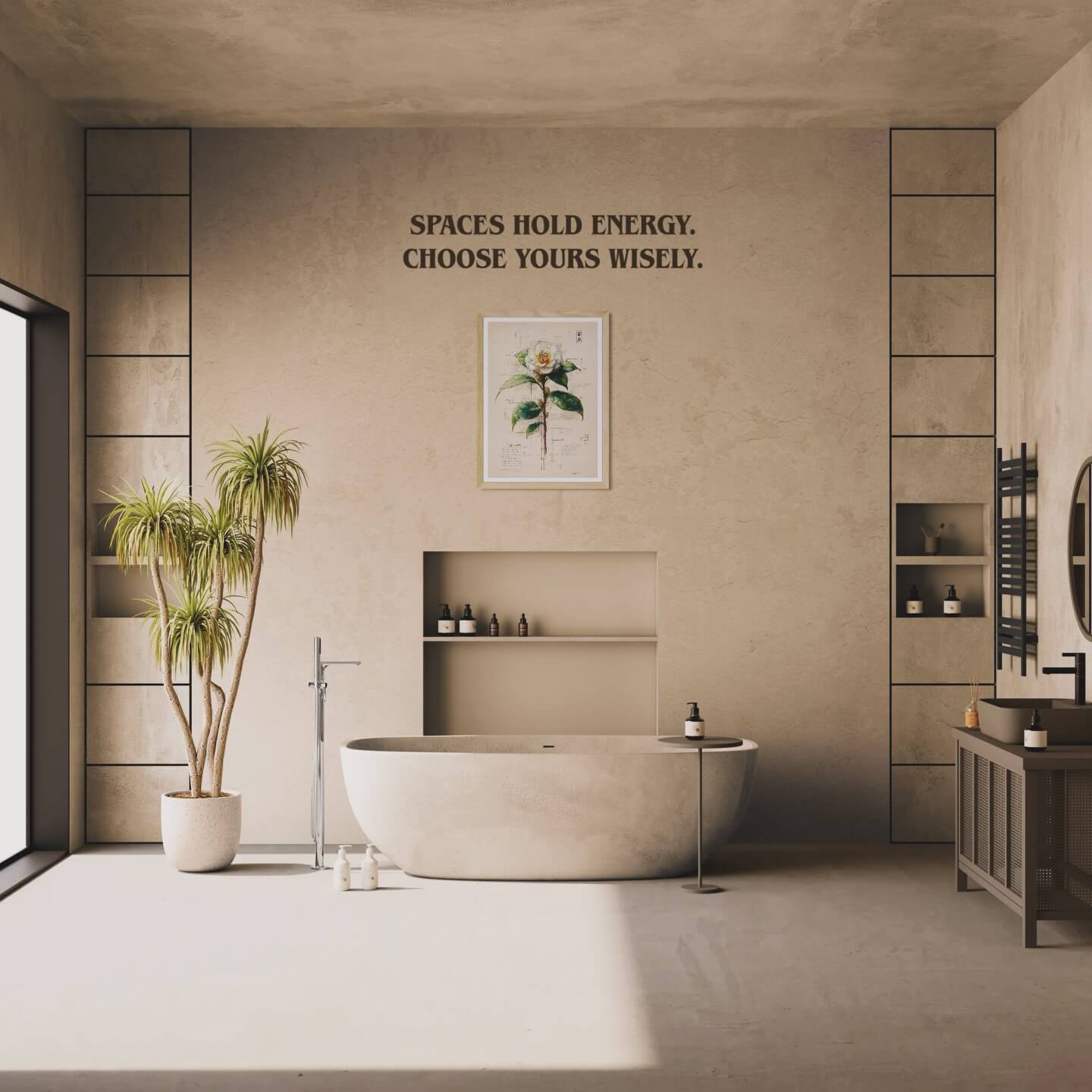
A tranquil bath doesn’t need polish to feel luxurious. Lean into tactile finishes—tadelakt or lime plaster walls, honed stone, river pebbles, teak or cedar accents—that respond beautifully to steam and age with grace. Keep the color story muted and cohesive, letting shadows and light create the drama. Replace shiny chrome with darkened brass or oiled bronze to soften the sheen. Store toiletries in woven baskets or ceramic jars, leaving only the essentials within reach. A low stool, a wooden bath caddy, and a linen towel stack introduce warmth and practical comfort. Consider a single sprig in a bud vase or a strand of eucalyptus for scent without clutter. Lighting should be gentle and indirect—wall washers, a shaded sconce, even candlelight during evening soaks—to encourage a slower pace. In wabi-sabi, a bath is a ritual of renewal, and small irregularities—the hand of the plaster, water marks in stone—become part of the room’s living patina.
Handmade Ceramics and Daily Rituals
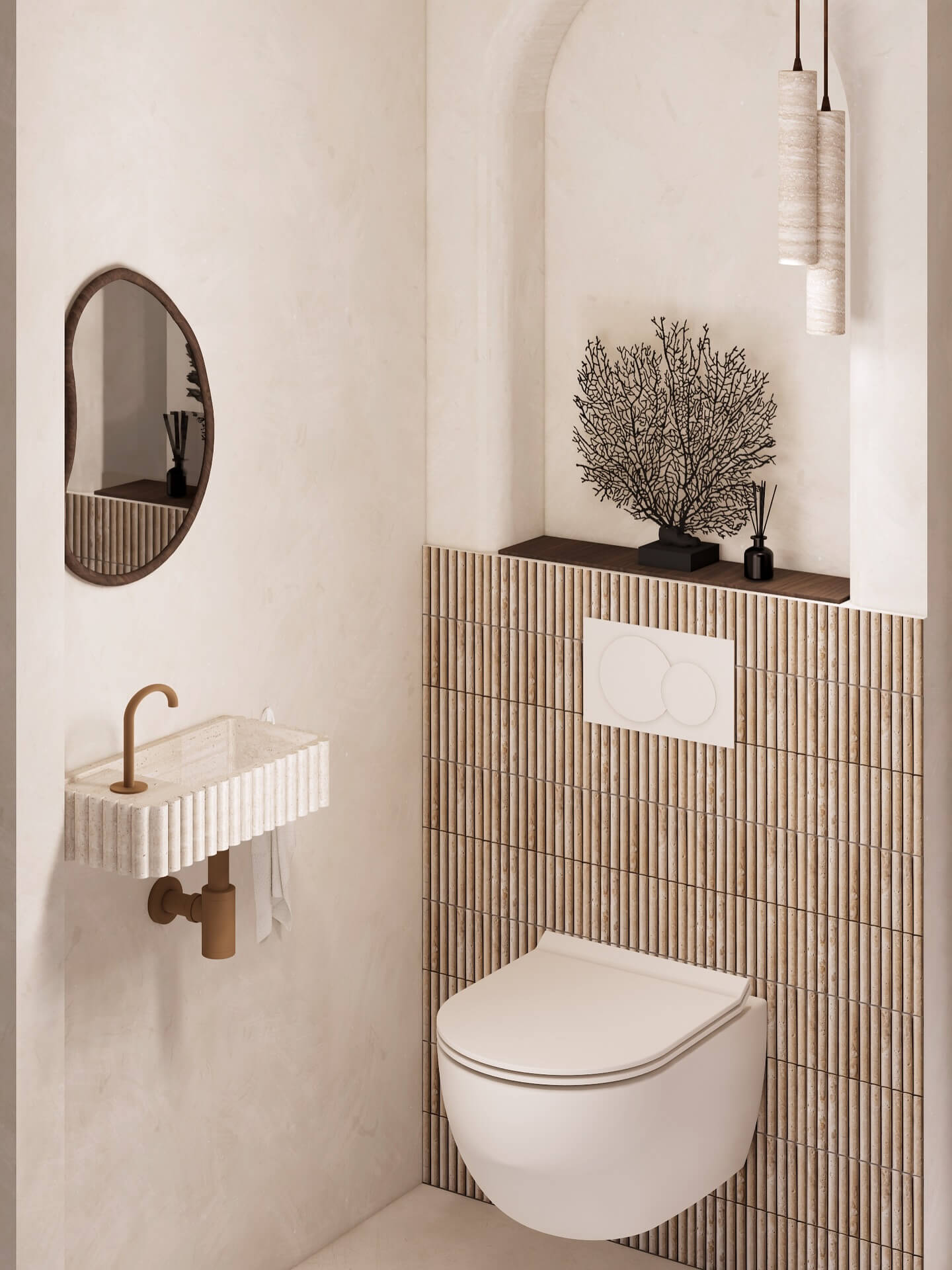
Anchor your home with small ceremonies that stitch the day together: morning tea, afternoon coffee, evening incense. Elevate these with handmade ceramics—mugs, tea bowls, pour-over cones, trays—whose irregular forms invite touch and presence. Display just enough on open shelves or a console to keep them in use; the rest can rotate in closed storage. Seek local potters, off-white stoneware, iron-speckled clay, and ash glazes that vary cup to cup. Pair with natural accessories: a linen runner, a wooden tray, a simple scoop for loose leaf tea. These pieces don’t need to match; their quiet kinship comes from material honesty and muted tones. As they accrue hairline crazing or soft chips, resist replacing them—this visible use is the heart of wabi-sabi. Designing for ritual shifts your home from showplace to sanctuary, where utility, craft, and imperfect beauty seamlessly overlap.
Soft, Indirect Lighting: Paper Lanterns and Warm Shadows
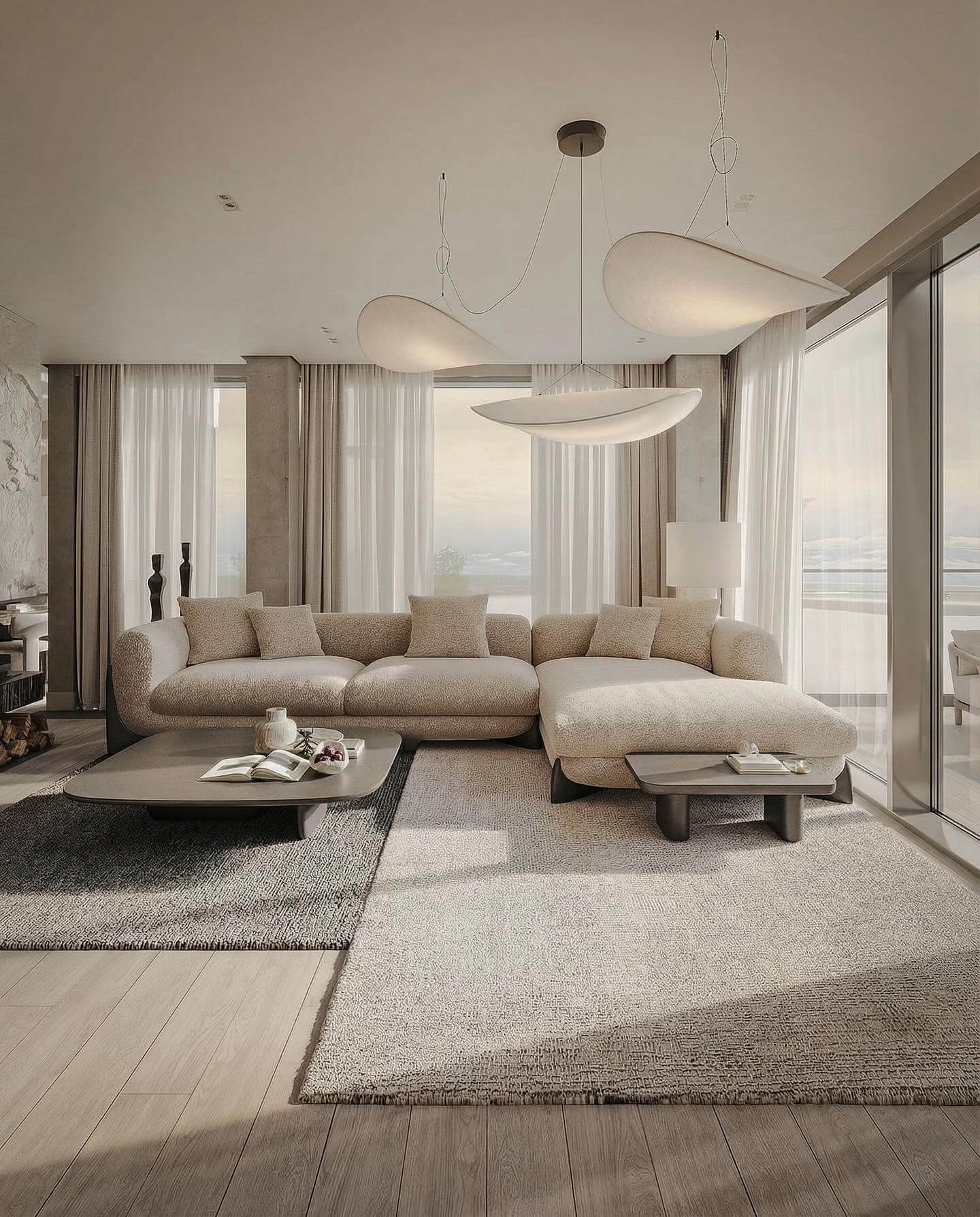
Light shapes mood. Replace harsh overheads with layered, indirect lighting that mimics nature’s softness. Paper lanterns, fabric-shaded floor lamps, and dimmable wall sconces cast a diffused glow that flatters textures—plaster, linen, wood—and calms the nervous system. Aim for warm color temperatures (2700K–3000K) and position fixtures to graze walls or wash corners, creating gentle gradients rather than hotspots. In the evening, add candles or oil lamps for a flickering, contemplative ambiance; by day, pare back window treatments to invite filtered daylight. Keep fixtures simple and sculptural—rice paper globes, blackened steel arms, or turned-wood bases—to complement a minimalist interior without stealing attention. This lighting strategy supports slow living: you’ll notice the grain of the table, the weave of a chair, the way dust motes move at dusk. In wabi-sabi interiors, light isn’t a spotlight; it’s an atmosphere.
Bring Nature In: Branches, Dried Botanicals, and Found Objects
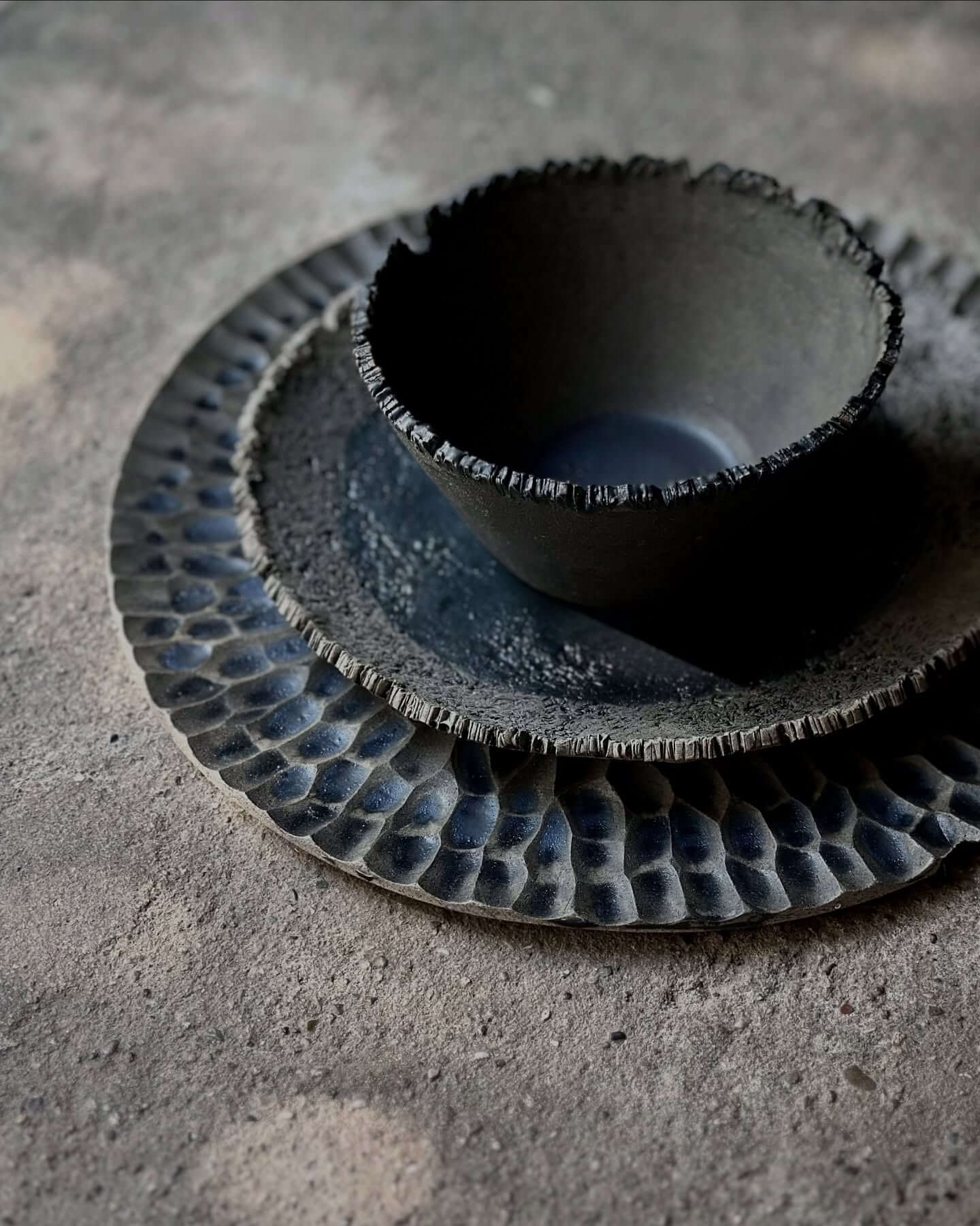
Nature is the most timeless decorator. Forage a sculptural branch, a handful of river stones, or dried grasses and let them stand alone in a clay vase or shallow bowl. Choose one gesture per room—an ikebana-inspired arrangement, a twisted limb on a mantle—so the organic form reads as art, not clutter. Rotate seasonally: tender greens in spring, sun-bleached stems in summer, seed pods and tawny leaves in autumn, bare branches in winter. Avoid overly manicured bouquets; asymmetry and negative space are key. Pair these elements with neutral backdrops and natural textures so they converse rather than compete. Found objects—shells, driftwood, a weathered brick—carry memory and place into the home, deepening its narrative authenticity. This practice costs little, reduces waste, and aligns perfectly with wabi-sabi’s celebration of impermanence and the changing rhythms of the year.
Get the Fail-Safe Paint Color Playbook (Free PDF)
36 proven colors • 8 ready palettes • trim & sheen guide • printable testing cards.
Asymmetry, Kintsugi Thinking, and Quiet Vignettes
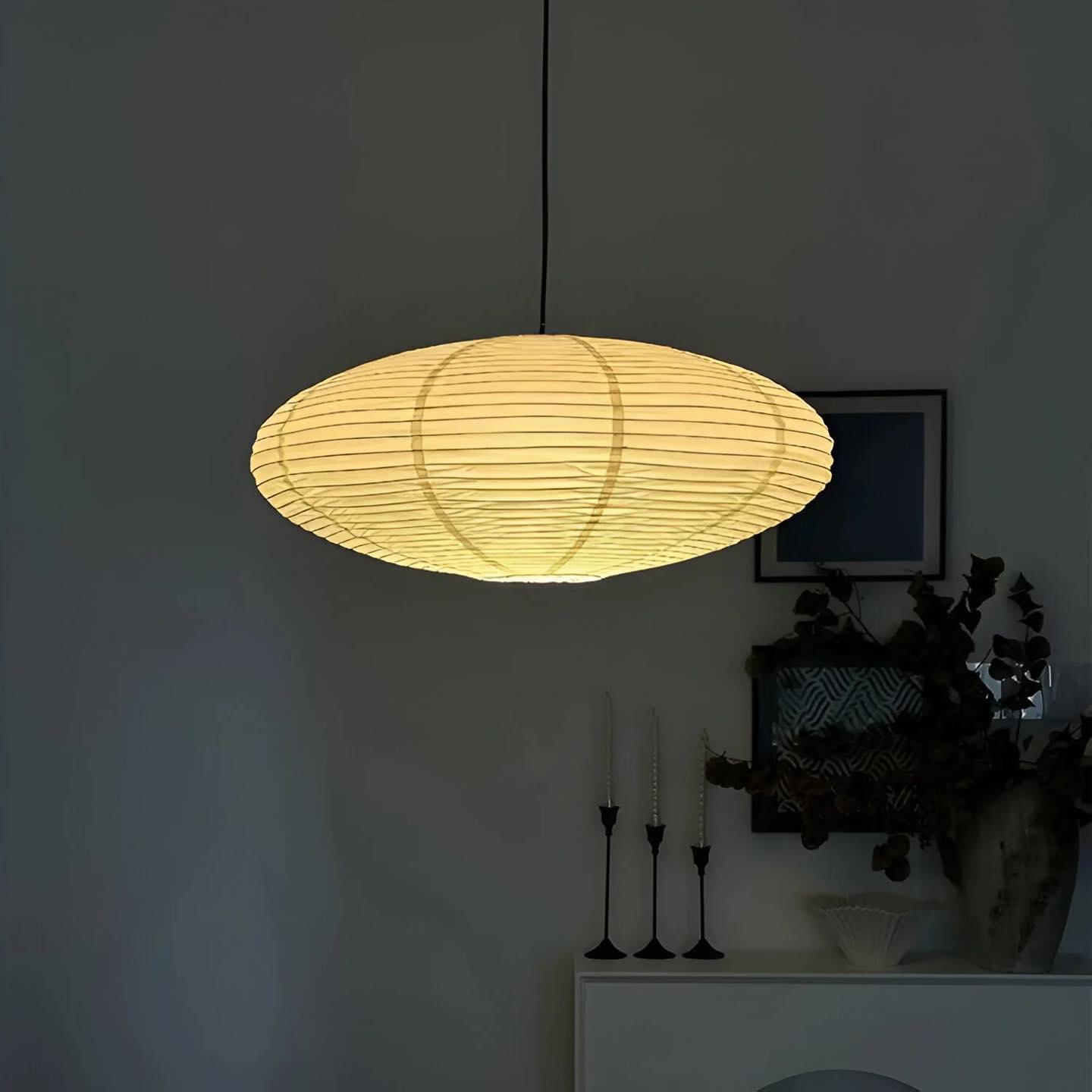
Styling in a wabi-sabi home favors organic asymmetry and small, intentional groupings. Work in odd numbers and varied heights: a tall branch, a medium vessel, a small stone. Leave generous breathing room around each vignette so the eye can rest. Embrace the spirit of kintsugi—the Japanese art of golden repair—by honoring repaired or timeworn pieces rather than hiding them. A hairline crack in a bowl, a patched textile, a scuffed stool: these marks of use add depth and humanity. When arranging shelves or consoles, repeat materials and tones to create cohesion—ceramics, raw wood, matte black—while letting forms differ subtly. Edit often; move pieces as the light changes and seasons shift. This approach keeps your home alive and authentic, not staged. In the end, wabi-sabi styling isn’t about perfection—it’s about authorship, patina, and quiet beauty that unfolds in everyday moments.
Get the Fail-Safe Paint Color Playbook (Free PDF)
36 proven colors • 8 ready palettes • trim & sheen guide • printable testing cards.
Limewash Walls and Weathered Plaster for Living Texture
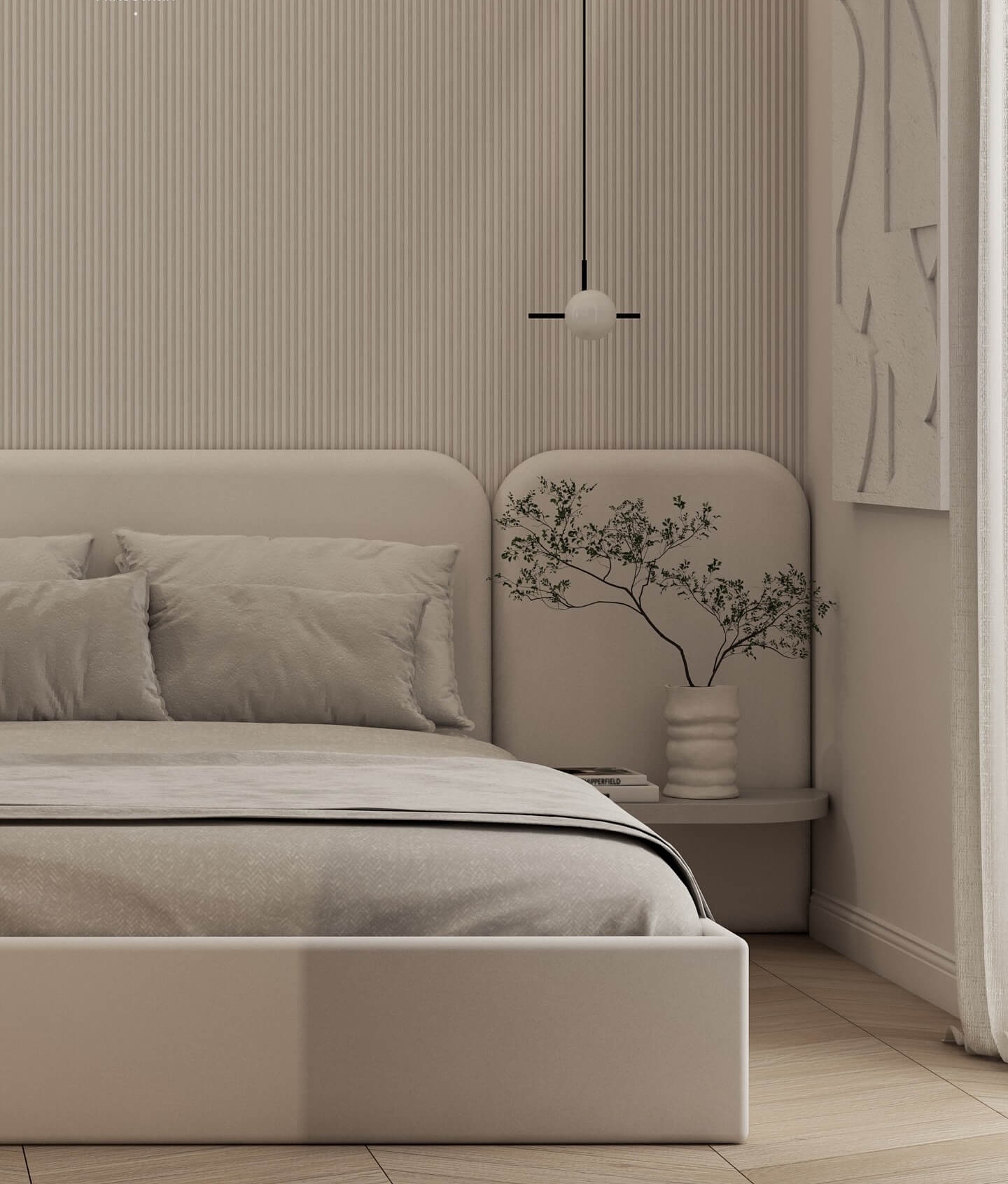
In wabi-sabi interiors, walls aren’t a backdrop—they’re a living surface that holds light, shadow, and time. Limewash and mineral-based plasters create clouded depth and soft gradients that mechanical paints can’t imitate. Their matte, breathable finish welcomes slight brushstrokes and tonal variation, embracing imperfection as a feature, not a flaw. Choose earthy hues—bone, mushroom, riverstone gray, clay pink—to echo your raw wood and stone foundations. Application is simple yet mindful: a big, soft brush, cross-hatched strokes, two to three thin coats. The result is a calm, foggy glow that pairs beautifully with linen, paper lanterns, and the warm shadows you’re already cultivating. Maintenance stays true to wabi-sabi: patch lightly where life scuffs the surface, allowing subtle layering to accumulate a gentle patina. If your home is newer, these mineral finishes add instant soul; if it’s older, they let the walls breathe. Anchor limewashed planes with low-profile furniture and handmade ceramics to deepen the tactile story. By letting your walls speak quietly, you create a serene envelope that softens edges, diffuses daylight, and makes every room feel grounded, aged, and authentically human.
The Quiet Threshold: Genkan-Inspired Entryway Rituals
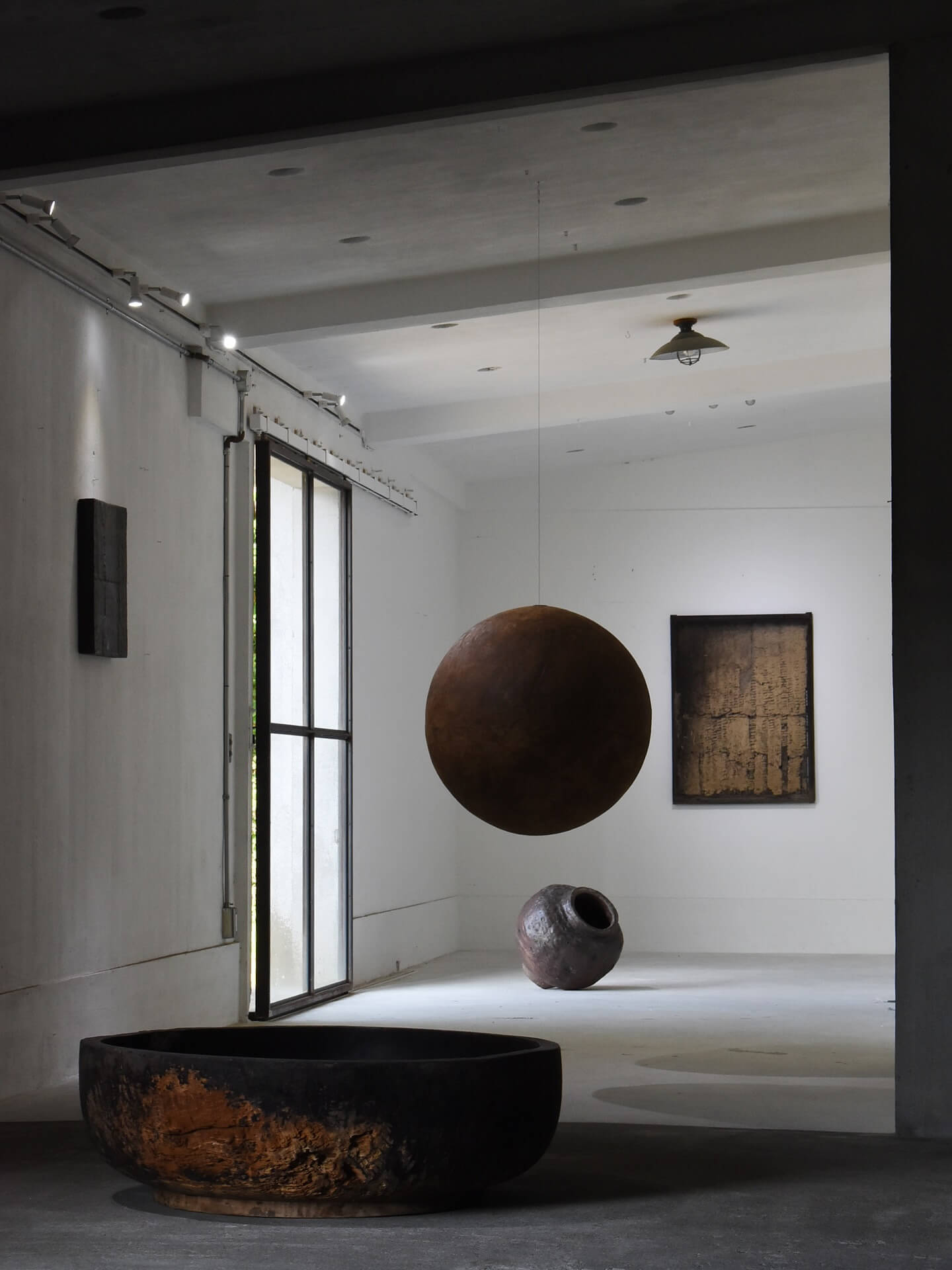
A wabi-sabi home begins at the threshold. Borrow the spirit of the Japanese genkan to design an entry that invites you to pause, shed the outside, and arrive. Keep it small and purposeful: a sturdy shoe bench, a natural-fiber mat, a shallow stone or clay tray for keys, and a single branch in a humble vase. Hooks and baskets in wood or rattan handle coats and scarves without visual clutter, while a soft, indirect sconce pools warm light to calm the senses. Establish ritual: shoes off, bag down, deep breath. Consider a low stool for tying laces and a bowl of cedar blocks to add a faint, resinous scent. Embrace durable, honest materials underfoot—sealed concrete, slate, or weathered wood that can welcome rain and dirt with dignity. Edit surface décor relentlessly so negative space does the talking. This micro-zone becomes your daily reset, setting the tone for slower movement, mindful tidiness, and the useful beauty that continues through the kitchen and living room. In the simplest way, the entry teaches wabi-sabi’s essential lesson: less noise, more presence.
Textural Layering: Linen, Wool, and Jute for Tactile Warmth
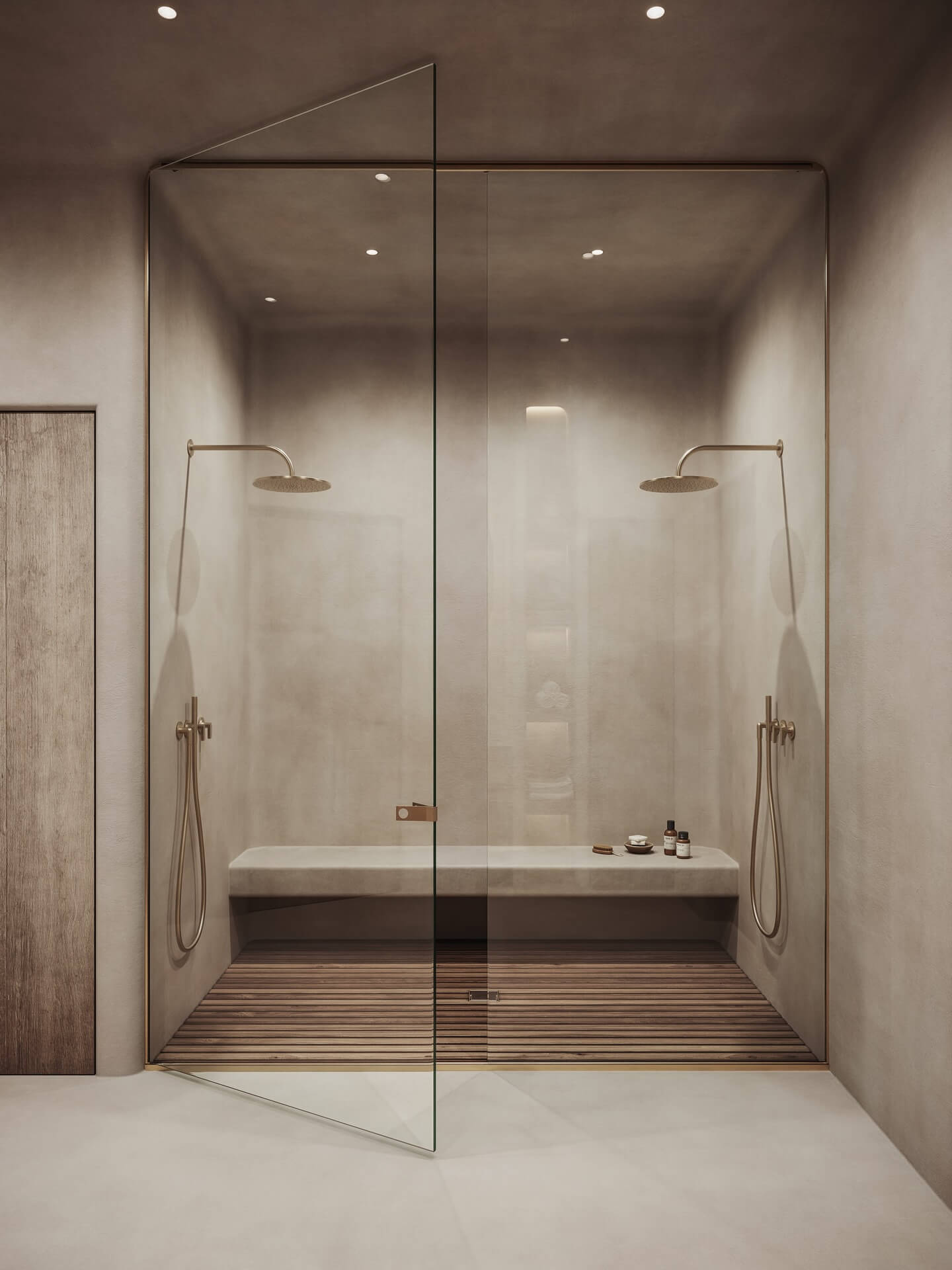
While minimal in silhouette, wabi-sabi interiors feel generous through texture. Layer natural fibers—linen, wool, hemp, jute—to create a tactile landscape that reads calm yet richly human. Think slubby linen curtains that puddle softly, a jute or sisal rug to ground the room, and a wool throw with a raw edge for quiet warmth. Embrace wrinkles and natural variation; they’re the patina of textiles. Keep the palette tonal—ecru, stone, oat, charcoal—so materials lead and color recedes. In bedrooms, relaxed linen sheets and a quilted coverlet add breathability and comfort. In living rooms, cushion covers in heavy flax, handwoven stripes, or subtle herringbone add depth without visual noise. Choose undyed or plant-dyed fabrics for muted, earthy hues that harmonize with clay, wood, and limewashed walls. Maintenance is part of the philosophy: wash cool, line-dry, let creases fall where they may. The goal isn’t pristine; it’s lived-in softness that invites touch and slows the eye. By layering textures thoughtfully, you transform minimal rooms into nurturing spaces—quiet, grounded, and profoundly inviting.
Reclaimed Wood and Honest Joinery: Furniture with Soul

Wabi-sabi furniture is humble, hardworking, and made to last. Seek pieces in reclaimed wood or sustainably harvested timbers, where knots, checks, and color shifts tell an honest story. Look for visible joinery—dovetails, pegged mortise-and-tenon—rather than hidden hardware. These small signs of hand and structure add integrity and calm. A low table with softened edges, a bench with a slight wobble of grain, a cabinet with mismatched boards: each invites acceptance of character over perfection. Finish with natural oils or beeswax so the surface can be renewed by hand and age gracefully with daily use. Shop slowly—estate sales, local makers, secondhand marketplaces—and favor proportion, feel, and function over brand-new gloss. Pair wood with stoneware, linen, and paper shades for a coherent material story, and leave air around each piece so it can breathe. Scratches and sun-kissed outlines become memory marks, not defects. In a world of disposable décor, furniture with honest bones brings a steady presence—warm, resilient, and quietly beautiful.
Tea Corner Stillness: A Small Space for Daily Ceremony
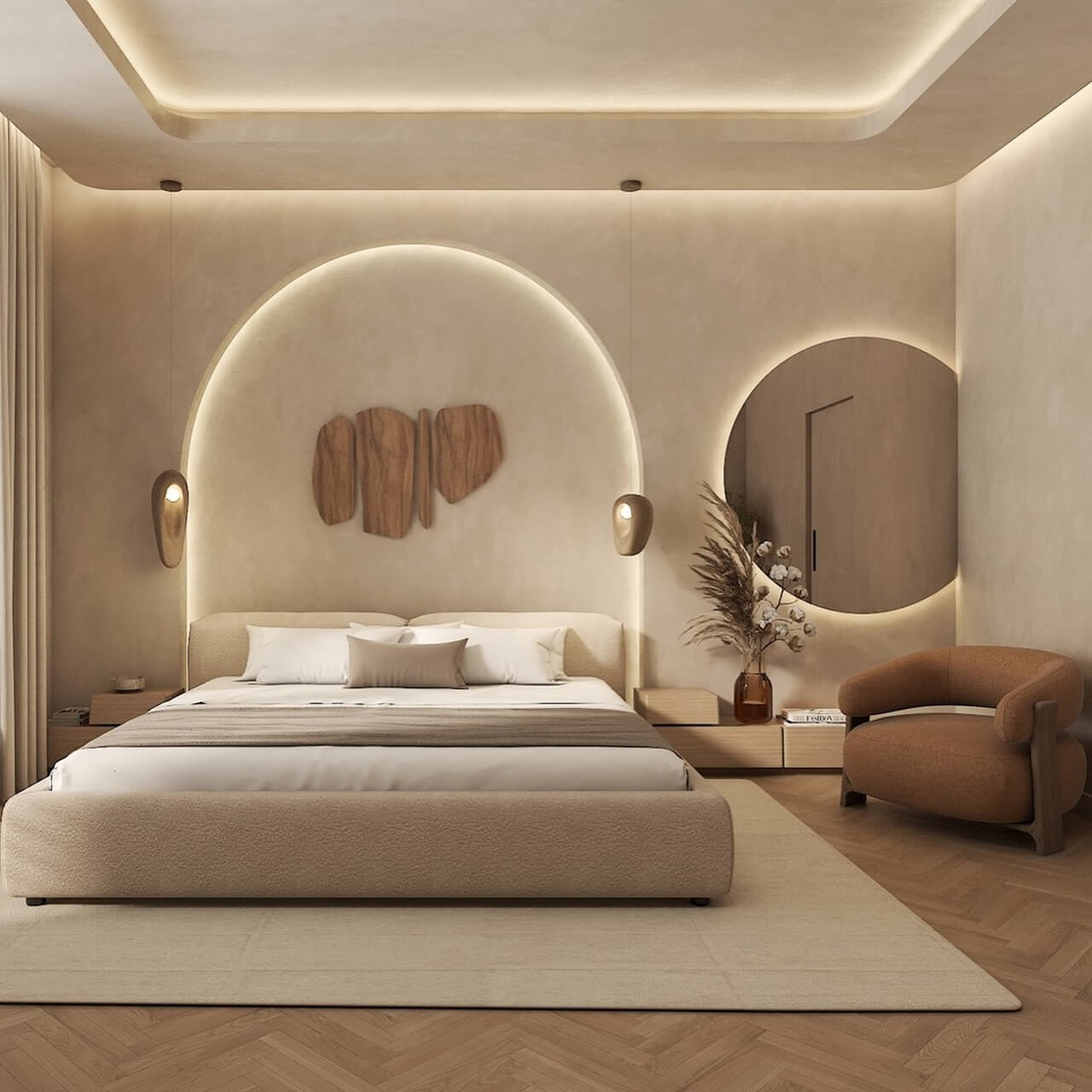
Create a small tea corner to weave ritual into your day and anchor wabi-sabi living. All you need is a low surface—a stool, a floor tray, or a compact table—paired with a cushion or a tatami-inspired mat. Keep tools simple: a kettle, a clay or cast-iron pot, a cup that fits the hand, a linen cloth. Add a chabana-style flower arrangement—one stem, maybe a sprig of grass—in a modest vase. This micro-sanctuary doesn’t ask for much space; it asks for intention. Morning light, five quiet minutes, steam rising against a limewashed wall. Store everything in a shallow basket when not in use so the corner remains visually calm. Let the ceremony evolve with seasons: roasted tea in winter, fresh green in spring, a single branch in autumn. Over time, the tray darkens, the handle smooths, and routine turns into refuge. The tea corner models the essence of wabi-sabi interior design: useful beauty, sensory modesty, and the comfort of repeating what matters.
A Dining Table that Ages Gracefully: Nicks, Knots, and Conversation

Make the dining table the heart of your wabi-sabi home—sturdy, imperfect, and ready to record a life well-lived. Choose solid wood with a matte oil finish so scratches and water rings can be buffed or simply absorbed into the patina. Celebrate the knots and grain as natural ornament. Keep styling spare: a washed-linen runner, a cluster of handmade bowls, beeswax candles that drip at their own pace. Mix seating without fuss—an old bench on one side, two chairs on the other—so the ensemble feels collected rather than purchased. Encourage the everyday: a bowl of seasonal fruit, a vase with a crooked branch, bread torn by hand. Candlelight and warm, low lighting flatter worn surfaces and faces alike, turning meals into slow, generous gatherings. Maintenance is simple: wipe with a damp cloth, re-oil as needed, and let the tabletop tell its story. When furniture invites use instead of fear, eating becomes a ritual of presence—cracks, spills, laughter, and all.
Quiet Workspace: Focused Minimalism and Natural Light
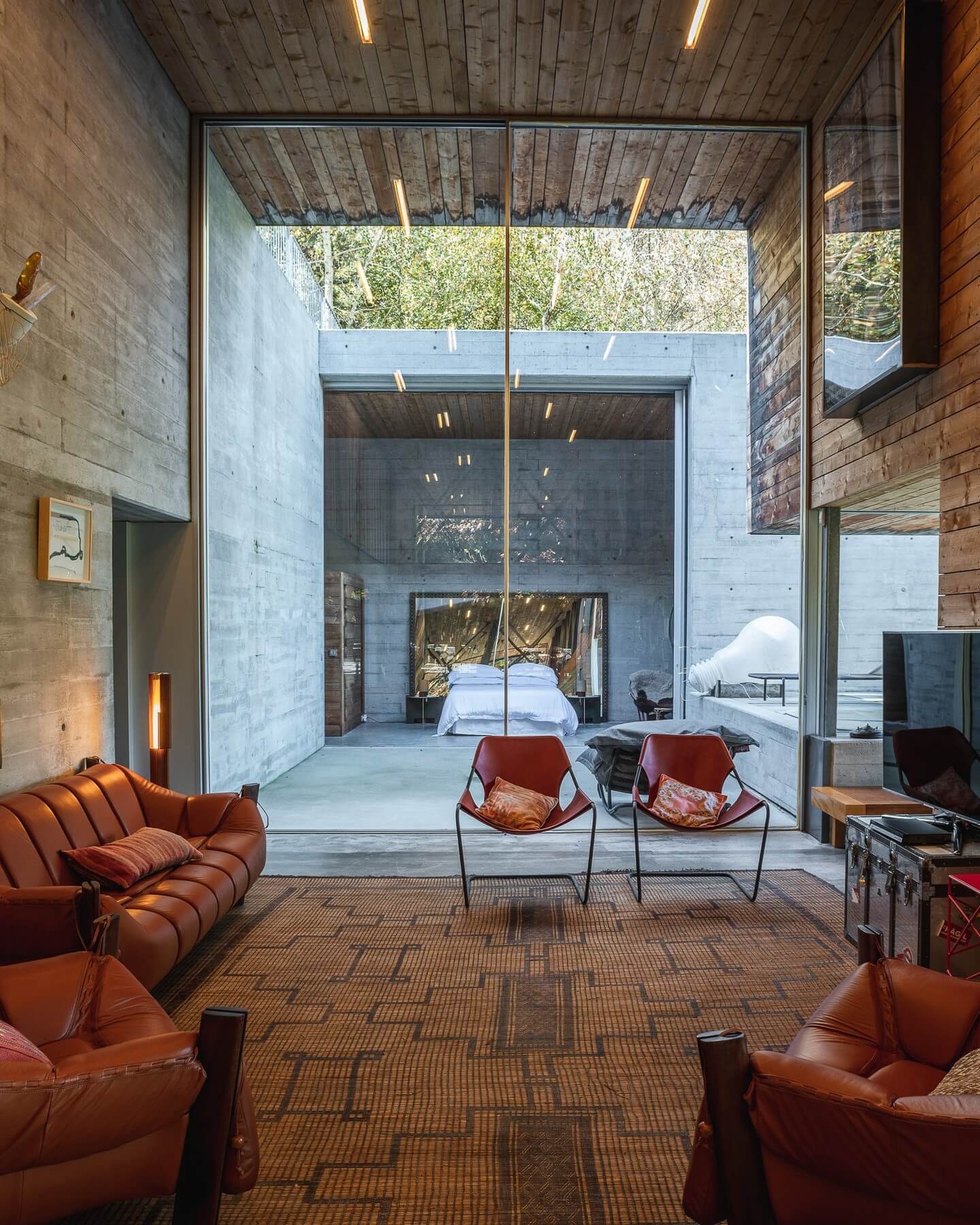
A wabi-sabi workspace trades productivity theater for steady, humane focus. Start with a simple wood desk, a comfortable chair with natural upholstery, and a window that offers soft, indirect light. Keep tools analog where possible: a notebook, a tray for pens, a ceramic cup for clips. Corral cables in linen sleeves and store seldom-used tech in a lidded basket to preserve visual calm. Add a small plant or a branch in water to mark time through subtle change. Task lighting should be warm and diffused—paper shade, dimmable lamp—so shadows soften hard edges. Edit the wall to a single piece of art or a pin board with just a few references; let negative space sharpen attention. Close the day with a reset ritual: clear the surface, fold a cloth over the keyboard, jot tomorrow’s first task. This gentle order isn’t about aesthetics alone—it reduces friction, invites deep work, and aligns your environment with the slow, intentional pace at the heart of wabi-sabi design.
Subtle Color: Clay Pinks, Sage Greens, and Indigo Washes

Although wabi-sabi leans neutral, quiet color can deepen mood and connection to nature. Introduce earthy, mineral tones that feel sun-faded rather than saturated: clay pinks, mushroom taupes, sage greens, smoke blues, and indigo washes. Use color where touch already lives—textiles, plaster, paper—so it reads as material, not paint chip. A clay-pink limewash envelops a small nook, a sage linen curtain softens a doorway, an indigo-dyed throw grounds a neutral sofa. Natural dyes and pigments bring complex undertones that age beautifully: indigo fades elegantly; kakishibu (persimmon tannin) warms wood; casein paint adds velvety depth. Keep contrast low and repetition high so rooms feel cohesive: repeat a muted green across a vase, a cushion, and a print. Let seasons guide accent shifts rather than chasing trends. Color in wabi-sabi isn’t a shout; it’s a whisper that harmonizes with raw materials, warm shadows, and the slow patina you’re cultivating across the home.
Art with Air Around It: Negative Space and Humble Frames
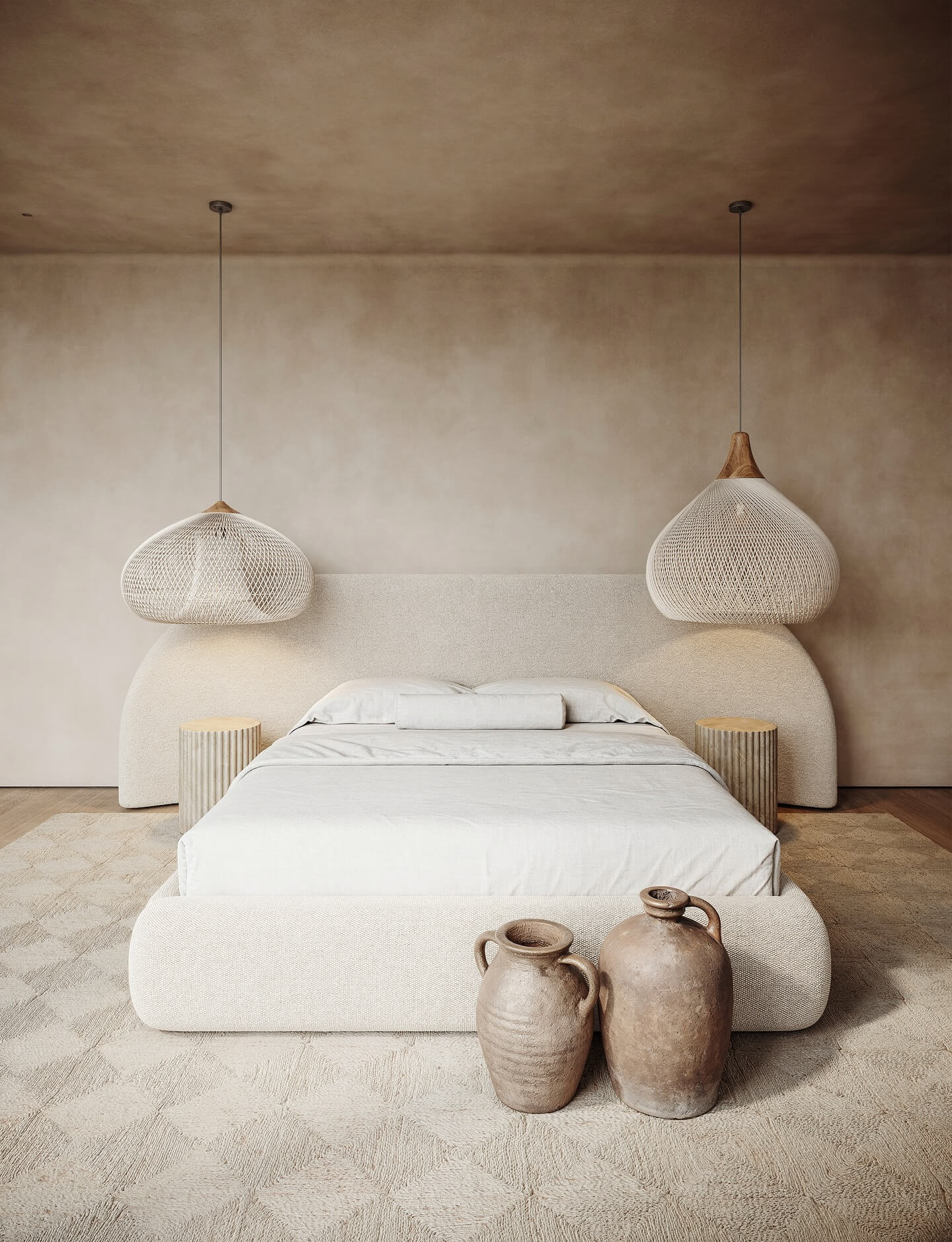
In wabi-sabi interiors, art breathes. Instead of gallery walls, choose fewer pieces and give each generous negative space so the eye can rest. Handmade paper, charcoal studies, calligraphy, botanical sketches—works with visible process and imperfections—feel especially at home. Frame simply in raw wood, linen mats, or even binder clips and a peg for a deliberately humble presentation. Consider asymmetry: hang a piece slightly off-center over a bench, or lean it low on a mantle to invite closer looking. A picture ledge with two or three rotating works keeps the composition alive while limiting visual noise. Keep finishes matte to avoid glare and let soft, indirect lighting cast gentle shadows. The goal is not to impress but to connect—to notice texture, breath marks, the tooth of paper. By curating fewer, quieter works and honoring the space around them, you extend the wabi-sabi ethos of restraint and presence to your walls, turning viewing into a mindful pause.
Outdoor Echoes: Courtyard, Balcony, and the Patina of Weather
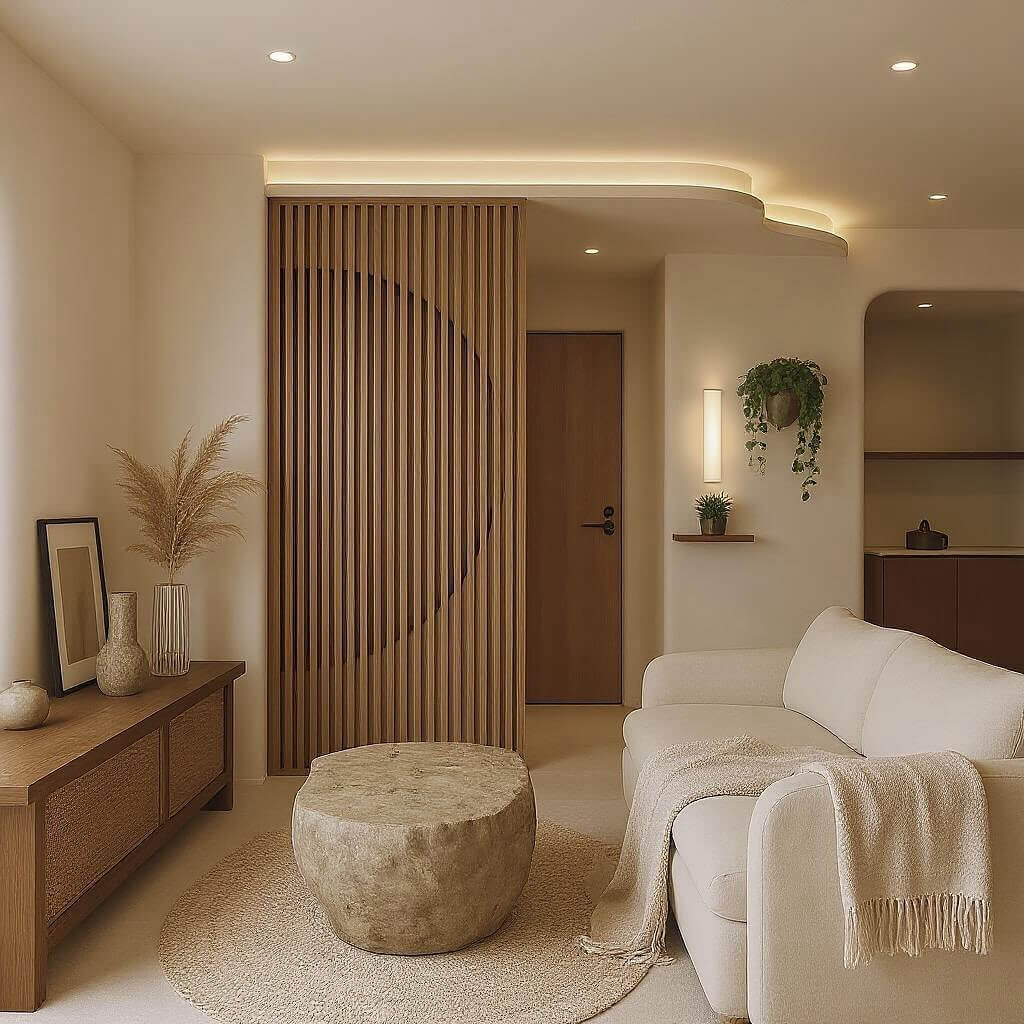
Let your wabi-sabi home spill outdoors, even if it’s only a balcony. Choose materials that love weather: cedar, teak, galvanised steel, clay, and stone. A simple bench, a low table, gravel underfoot, and terracotta pots invite a courtyard calm. Plant for form and seasonality—olive, rosemary, grasses, a twisted pine—favoring silhouettes over flowers. Allow moss to creep, metal to soften, clay to chalk; patina is the poetry of exposure. Add a rain chain, a standing lantern, or wind chimes for subtle sound and evening glow. Keep styling minimal: one pot elevated on a brick, a line of river stones, a bucket for collected rainwater. As inside, leave space; let air move and shadows draw patterns across walls. This outdoor room becomes your morning stretch spot and dusk reflection corner, a reminder that weather, time, and care are the true designers. When your exterior materials age alongside the interior, the boundary between home and nature dissolves into a single, serene rhythm.
Soft, Diffused Lighting: Washi Lanterns and Candle Glow
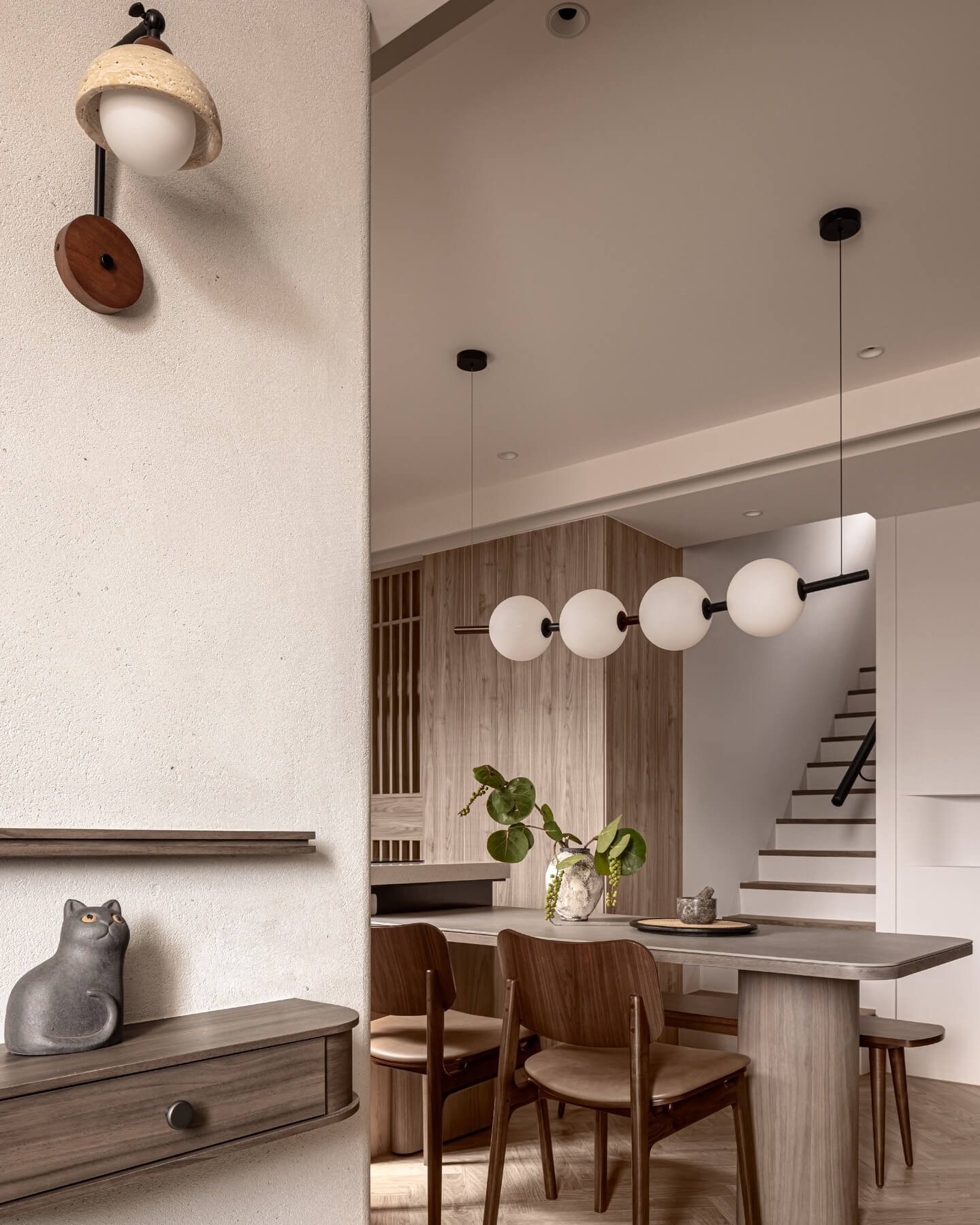
Harsh overheads flatten wabi-sabi’s gentle textures. Swap them for layered, low-intensity light that feels like dusk: paper lanterns, linen shades, beeswax candles, and dimmable floor lamps with warm bulbs. This diffused lighting softens limewash walls, deepens wood grain, and coaxes out the quiet patina of ceramics. Think pools of illumination that guide movement rather than a single, dominating source. Place light low and to the side to create shadows that make a room read like a landscape—alive, uneven, and natural. In wabi-sabi interior design, illumination is as much about restraint as glow; leave negative space in the dark so the eye can rest. Consider a single pendant with a washi shade over a dining or tea corner, then accent with candles for ritual. If you have metal fixtures, embrace oxidation; the warm tarnish harmonizes with the amber cast of candlelight. The aim isn’t moodiness for drama, but gentle visibility that encourages slower evenings, mindful conversation, and the sense that time is moving at a kinder pace.
Get the Fail-Safe Paint Color Playbook (Free PDF)
36 proven colors • 8 ready palettes • trim & sheen guide • printable testing cards.
Earth-Forged Essentials: Stone, Clay, and Handbuilt Ceramics
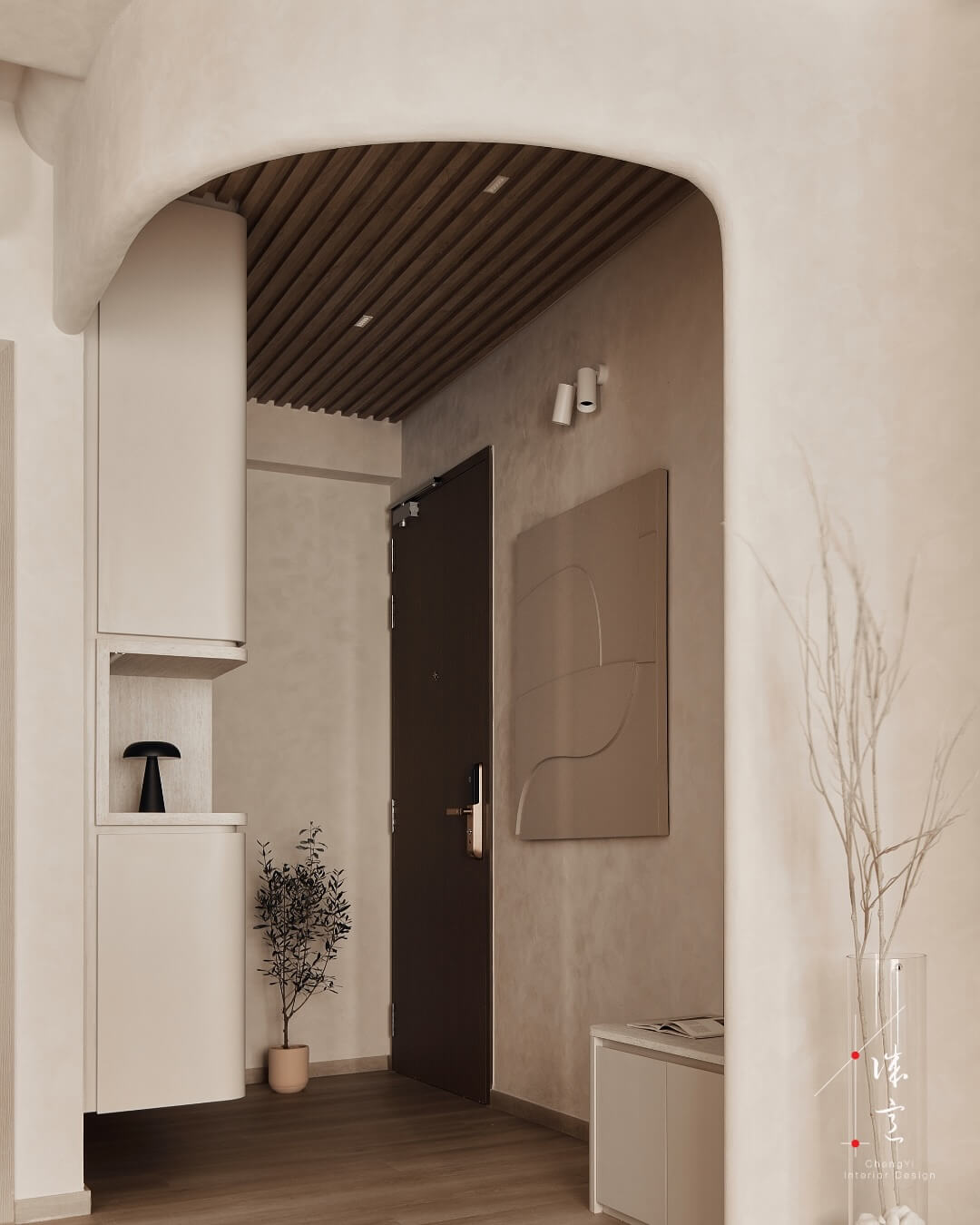
Anchor your rooms with pieces born of the earth. Hand-thrown mugs, raw-edged plates, stone basins, and clay vessels carry irregularities that embody wabi-sabi’s imperfect beauty. Their mineral textures break up sleek planes, adding depth to shelves, counters, and dining tables. Choose matte finishes and organic shapes—pinched rims, thumb-pressed handles, visible tool marks—so the hand of the maker remains visible. Group vessels by tone and texture rather than by matching sets; a family of sandy clays and charcoal stoneware reads cohesive yet unforced. Practicality matters: let everyday ceramics live out in the open on a simple plank shelf so they patinate with use. A small stack of fired tiles becomes a heat-proof trivet; a carved stone slab serves as an altar for tea or incense. In wabi-sabi interior design, these elements are not decor as much as quiet companions to daily rituals. Rinse with care, accept hairline crazing, and celebrate the story that develops with each pour, chop, and wash.
Shoji-Inspired Screens and Fabric Partitions: Flexible Quiet Zones
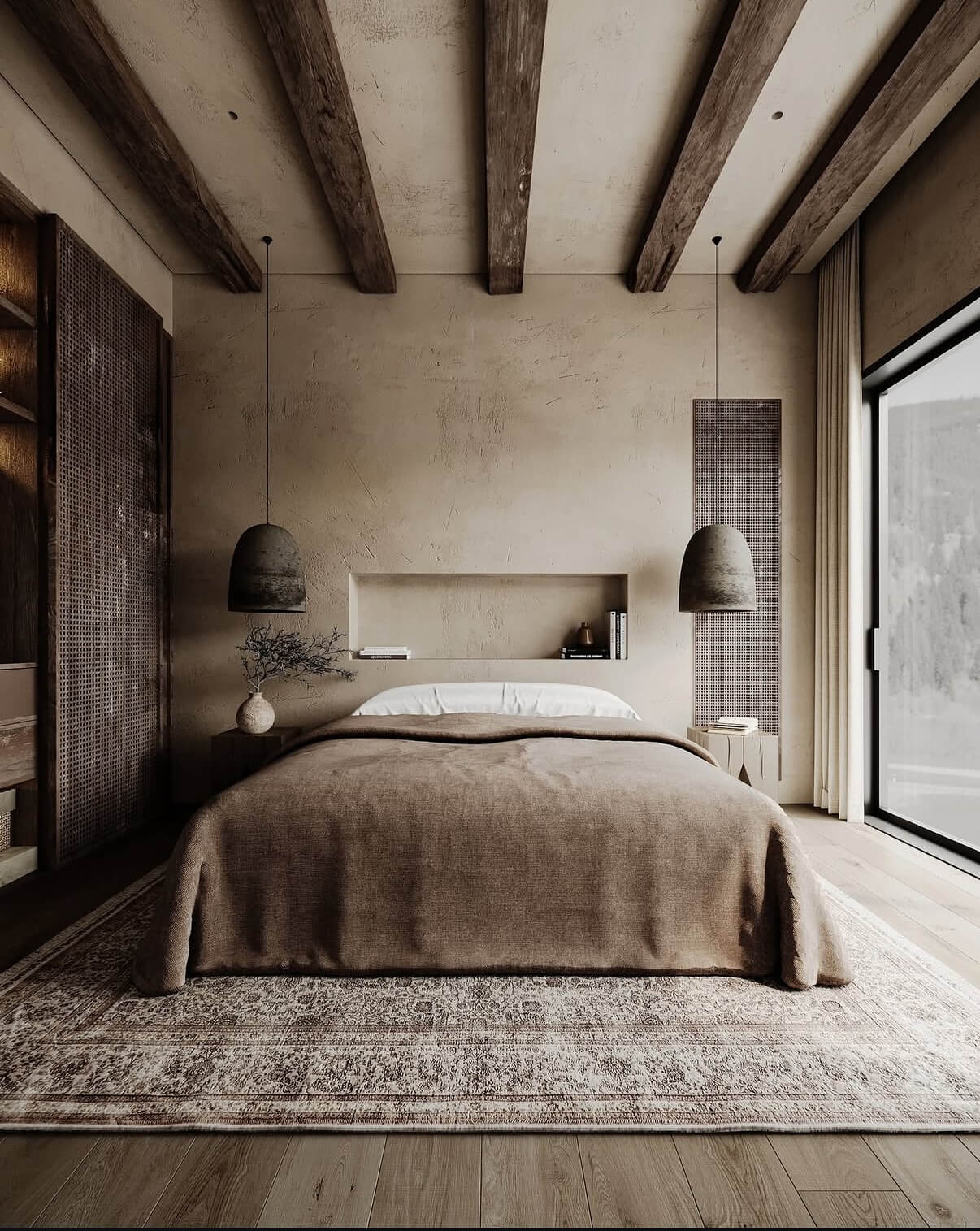
Instead of building walls, carve out privacy with softness. Shoji-inspired screens, linen curtains, and slatted room dividers create breathable boundaries that keep light moving and air circulating—core to a calm, unforced home. Use a sheer panel to veil a sleeping nook, a lightweight screen to shelter a tea corner, or a ceiling-mounted linen to frame a focused workspace. The translucence edits visual noise without severing connection, ideal for small apartments and open plans embracing wabi-sabi interior design. Choose natural fibers—unbleached cotton, hemp, or ramie—and let hems be simple, even raw. Wood frames in ash or cedar pair well with limewash and reclaimed timber, and the soft shadows they cast change across the day, quietly signaling time. Flexibility is the gift here: slide, fold, or tie back as needed to adapt to seasons and gatherings. The result is a home that feels modular, humane, and responsive—privacy achieved through gentleness rather than mass.
Low, Grounded Seating: Tatami Cues and Floor-Friendly Comfort
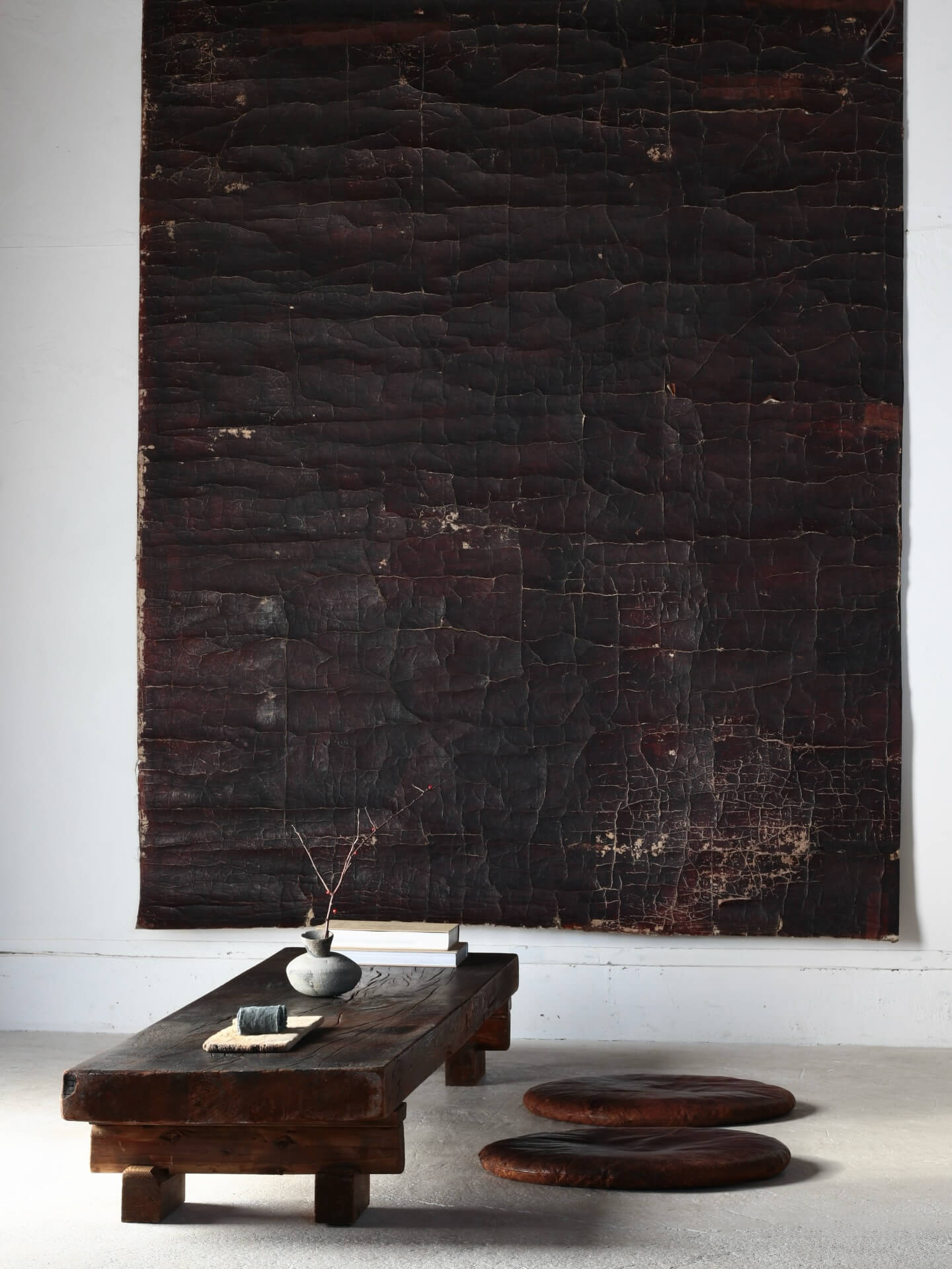
Ground yourself—literally. Lower seating brings the horizon line down, expanding negative space and inviting slower postures. Borrow cues from tatami culture without pastiche: a wool rug or jute mat layered with floor cushions, a low timber table with visible joinery, and a supportive lounge chair with a deep seat. This scaled-down profile complements wabi-sabi interiors by emphasizing horizontality and the tactile intimacy of close-to-floor living. Look for cushions in linen or canvas with removable covers that soften over time. Mix a bench with a single-legged chabudai-style table or a stump side table to keep forms organic and humble. The trick is ergonomics—add lumbar pillows, pile textiles, and keep pathways clear so the arrangement feels intentional rather than makeshift. Patina is welcome: compressed cushion corners, nicks on the tabletop, sun-faded fibers. These traces record gatherings and quiet mornings alike, making comfort a visible part of the room’s storytelling.
Sensory Minimalism: Incense, Natural Fragrance, and Quiet Soundscapes
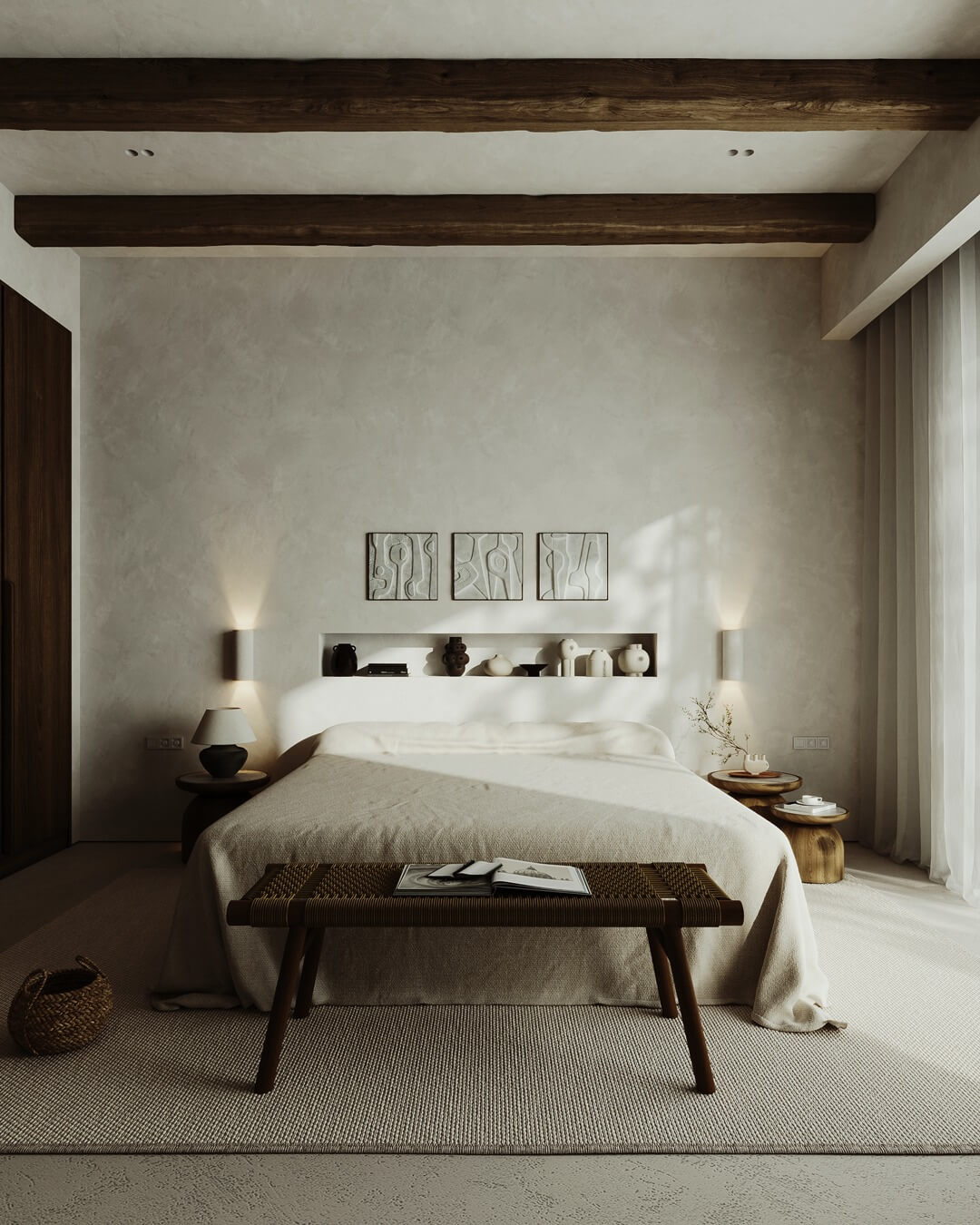
Wabi-sabi is as much sensed as seen. Build a minimal sensory palette that encourages presence: one incense you love, a few beeswax candles, a sprig of cedar in a stone cup, and subtle sounds—wind through a window screen, a light chime, or a record spinning slowly. Choose natural aromas (hinoki, sandalwood, tea, rice powder, smoke) that harmonize with wood, clay, and linen rather than overpower them. Keep tools beautiful and accessible: a ceramic incense rest, a small brass snuffer, a match striker on a reclaimed tile. Sound matters, too; soft textiles and limewash absorb echo, while a fabric partition hushes a stairwell. Establish time-bound rituals—morning smoke to mark beginnings, evening candle to close the day—so the home cues your nervous system without screens. In wabi-sabi interior design, restraint is generous: fewer, better sensory notes that reveal themselves slowly, allowing the mind to settle and the room to breathe.
Minimalist Layouts and Intentional Imperfection in Japanese Wabi-Sabi Interiors
Minimalist wabi-sabi layouts celebrate negative space as an active ingredient. You experience calm not from adding objects but from editing carefully and arranging for movement. Proportions stay low and horizontal, sightlines remain open, and doors align to simple focal points. Storage is integrated invisibly so everyday rituals stay effortless and rooms recover gracefully after use. Asymmetry keeps compositions human, guiding attention lightly rather than commanding it.
Room planning principles:
- Prioritize ‘ma’ by leaving generous breathing space around low furniture, letting light and movement wash through pathways, and preventing visual noise from blocking calm contemplation.
- Use asymmetrical balance: offset a sofa with a floor lamp and single artwork, then counterweight with a textured rug, avoiding rigid symmetry while maintaining quiet, visual equilibrium.
- Constrain the palette to three tones—earth, smoke, and bone—so silhouettes read clearly, textures lead, and seasonal branches or textiles become meaningful, subtle punctuation.
- Hide excess with built-ins and baskets, keeping only purposeful objects visible, so patina and materials speak louder than clutter, and cleaning becomes meditative rather than burdensome.
- Lower sightlines with platform beds and floor cushions, encouraging grounded posture, casual conversation, and intimate proximity to tatami, rugs, and hearths that warm gatherings.
- Curate one hero per room—an antique cabinet, a tea table, or a large vessel—allowing surrounding elements to whisper, not shout, and keeping attention unhurried and appreciative.
- Frame views intentionally: align doorways to a garden stone, a branch in a vase, or morning light on plaster, transforming circulation into a sequence of quiet revelations.
- Embrace repair as design by showcasing kintsugi ceramics or visibly stitched cushions, reinforcing the home’s narrative and modeling resilience, gratitude, and care in daily rituals.
Light is your quietest organizer in wabi-sabi planning. Use layered sources—paper-shaded floor lamps, candles, and high windows—to wash surfaces and reveal textures without glare. Sound matters too, so soften echo with rugs and textiles, letting wood creak and wind chimes speak softly. Design tiny rituals into corners: a cushion for tea, a tray for keys, a hook for a favorite shawl. The more intentional the emptiness, the more meaningful each daily gesture becomes.
Quiet Questions About Living Wabi-Sabi at Home
How do I start transitioning a modern home to wabi-sabi style?
Begin by editing: remove extras, then spotlight a few honest materials like wood, clay, and linen. Replace glossy finishes with matte, and introduce one handcrafted object per room to set tone.
Get the Fail-Safe Paint Color Playbook (Free PDF)
36 proven colors • 8 ready palettes • trim & sheen guide • printable testing cards.
Can wabi-sabi work in small apartments?
Absolutely—negative space matters more than square footage. Use low, multifunctional pieces, concealed storage, and a limited palette so textures and light feel expansive without visual clutter.
What colors define a wabi-sabi palette?
Think earth-derived neutrals: warm woods, stone greys, soft bone, and occasional charcoal. Accents arrive through seasonal branches, aged metals, or ceramics rather than saturated paint.
Get the Fail-Safe Paint Color Playbook (Free PDF)
36 proven colors • 8 ready palettes • trim & sheen guide • printable testing cards.
How do I balance minimalism with warmth?
Keep forms spare but layer tactility—slubbed textiles, matte plaster, and oiled timber. Let patina accumulate, add candlelight or paper shades, and display meaningful repairs that express care and continuity.
Final Verdict: Embrace Imperfect Beauty, Live More Lightly
Wabi-sabi isn’t a trend; it’s a gentle discipline that invites you to slow down and refine what truly matters at home. By choosing honest materials, allowing negative space to breathe, and welcoming the subtle irregularities of handmade pieces, your rooms shift from decorated to meaningful. Low, grounded silhouettes, softened light, natural textures, and a palette drawn from earth and stone work together to create a calm, restorative atmosphere that evolves with time and use.
Begin with small gestures—a pared-back entry ritual, a tea corner for quiet moments, one reclaimed wood piece, a linen throw, a branch in a clay vessel—and let those choices guide the rest. As patina deepens and objects earn their place, your space becomes more sustainable, personal, and serene. The beauty lies in what’s essential, useful, and loved—and in the freedom to let your home age gracefully, just like you.