How Long Does It Take For Rustoleum Paint To Dry? A Complete Guide
Embarking on a painting project is one of the most satisfying ways to refresh a home, but rushing the process is the quickest way to compromise the final look and durability. The success of your project hinges not just on the quality of the paint, but critically, on understanding how long it takes for that paint to dry and cure. Proper drying time is the single most overlooked step that determines the longevity and integrity of your beautiful new finish.
Whether you are using a durable, industrial-grade paint like Rustoleum or a delicate interior latex, the timeline is complex. It involves distinguishing between surface drying (when it feels dry), recoating (when you can apply the next coat), and full curing (when it reaches maximum hardness). This guide will provide a comprehensive look at the science behind paint drying, ensuring you can plan your project with confidence and achieve a flawless, long-lasting finish every time.
Get the Fail-Safe Paint Color Playbook (Free PDF)
36 proven colors • 8 ready palettes • trim & sheen guide • printable testing cards.
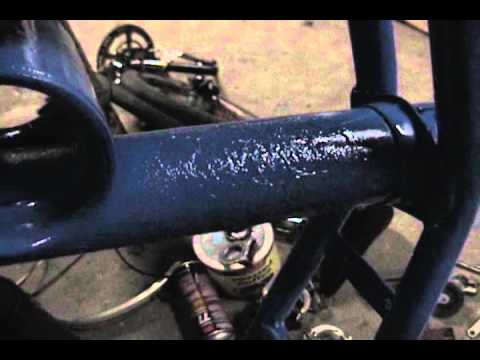
Quick answer: Paint may feel dry within hours, but full cure can take much longer depending on paint type, humidity, temperature, ventilation, coat thickness, and surface. Always follow the product label before recoating, cleaning, or applying a topcoat.
Planning Your Project Before You Dip the Brush
Before you even open the paint can, proper planning is essential. The biggest mistake DIYers make is assuming that “dry” means “ready.” You must understand the specific product you are using and the environment you are painting in. Always start by checking the paint manufacturer’s Technical Data Sheet (TDS) or Safety Data Sheet (SDS), as these documents contain the most accurate drying and curing estimates for that specific product formulation.
Beyond the can label, assessing your surface readiness is paramount. The underlying material must be clean, dry, and stable. If you are painting over a surface that has trapped moisture, residual dust, or grease, the paint will not adhere properly, regardless of how long you wait. Use appropriate cleaning agents (like TSP substitutes for mineral deposits) and ensure the surface is fully dry before priming or painting.
Understanding the Science: How Paint Actually Dries
The term “drying time” is misleading because paint doesn’t dry in a single, simple process. In reality, different paint types use different chemical mechanisms to harden. Understanding these mechanisms—evaporation versus chemical polymerization—is key to successful painting.
Evaporative Drying (Typical of Latex/Water-Based Paints)
Water-based paints (latex) primarily dry through evaporation. When you apply the paint, the solvent (water) rapidly evaporates into the air. This process is relatively quick, which is why these paints often feel dry to the touch within a few hours. However, this only removes the liquid component; it does not guarantee structural integrity. The remaining polymer film still needs time to cross-link and harden fully.
Oxidative/Chemical Curing (Typical of Oil-Based Paints)
Oil-based paints cure through a process called oxidation or polymerization. This is a chemical reaction that occurs slowly over time. Instead of just evaporating, the solvents and binders react with oxygen in the air, hardening the film from the molecular level. This process is inherently slower and more durable, leading to a longer overall curing time. This is why oil-based paints often smell stronger and take longer to fully harden than their latex counterparts.
The Impact of Environment on Drying Time
The environment is perhaps the most powerful variable affecting drying time. You are not just painting into a room; you are painting into a controlled atmospheric system. The following three elements—temperature, humidity, and airflow—must be managed carefully.
Temperature: The Accelerator
Temperature has a direct, measurable impact. Generally, moderate warmth speeds up the process. Optimal painting temperatures are typically between 65°F and 85°F (18°C to 29°C). If the temperature is too low, the solvents evaporate sluggishly, extending the drying time significantly. Conversely, extreme heat can cause the solvents to evaporate too quickly, leading to poor adhesion, blistering, or cracking.
Humidity: The Great Inhibitor
High humidity is the enemy of quick drying. When the air is saturated with moisture, the rate of evaporation slows dramatically. If the air is too moist, the paint can remain wet for much longer than expected, prolonging the drying period and potentially trapping solvents and moisture within the paint film, which compromises the finish.
Adequate ventilation is non-negotiable. Proper airflow is needed to carry away the evaporated solvents and moisture, allowing the drying process to continue efficiently. This means opening windows, using fans (aimed at the room, not directly at the wet paint), or employing exhaust systems. Stagnant air will trap moisture and slow the process down.
Drying and Curing: A Timeline Guide
To navigate your project, you must understand the difference between these three time metrics:
- Touch-Dry Time: This is the point when the paint film is dry enough to the touch—it no longer feels wet. For latex, this might be hours; for oil, it can be a full day.
- Recoat Time: This is the minimum time required before you can safely apply a second coat of paint. Applying paint too soon can cause the coats to lift, streak, or fail to adhere properly.
- Cure Time: This is the total time required for the paint to achieve its maximum hardness, chemical resistance, and durability. This is the most important time for structural components, as it dictates when you can subject the surface to heavy use or harsh cleaning.
Materials and Tools for Optimal Painting
Having the right equipment ensures the best results and helps manage the drying process. Beyond standard tools, consider specialized items:
- High-Quality Brushes and Rollers: Using tools appropriate for the paint type (e.g., nylon for latex, natural bristle for oil) ensures proper application and minimizes drips or streaks that can interfere with even drying.
- Humidity and Temperature Monitors (Hygrometers/Thermometers): These inexpensive tools are critical for monitoring environmental conditions and ensuring optimal drying parameters are maintained.
- Clean Drop Cloths and Plastic Sheeting: Protects surfaces and helps maintain a clean, dust-free area, which is vital for a flawless cure.
- Primer/Sealer: Using a proper primer that is designed for the substrate (e.g., a specialized rust-inhibitive primer for metal) is crucial because it seals the surface and provides a consistent base, which aids in even drying.
Design and Finish Considerations
While drying time is a chemical issue, the paint’s finish (sheen) and color selection can indirectly influence drying and maintenance. The sheen refers to the reflectivity of the dried paint and affects durability and how the surface handles moisture. The color selection impacts how the surface temperature changes.
Sheen and Durability: High-sheen finishes (like semi-gloss or gloss) are often easier to clean and more durable, but they can also highlight imperfections in the underlying surface, which must be addressed before painting. Matte or flat finishes absorb light and are excellent for hiding minor wall imperfections but can be more susceptible to staining.
Color and Heat: When painting dark colors (like deep reds, blacks, or forest greens), the surface will absorb more ambient heat and sunlight. This increased localized heat can accelerate the drying process, but if the temperature gets too high, it risks causing premature cracking or blistering. Light colors, conversely, reflect heat, helping to maintain a more stable and controlled drying environment.
Common Mistakes to Avoid
To ensure the paint adheres and cures properly, avoid these common pitfalls:
- Rushing the Cure Time: The single biggest mistake. If you put furniture or fixtures back too soon, the paint can be scratched, chipped, or contaminated by dust, compromising the final look.
- Painting in Adverse Weather: Never paint when temperatures are near freezing or above extreme heat, or when humidity is excessively high. Wait for optimal conditions.
- Improper Surface Preparation: Failing to sand, clean, or prime the surface means the paint has nothing stable to adhere to, leading to poor adhesion and premature failure.
- Ignoring Ventilation: Painting in a sealed room without ventilation will trap solvents, leading to poor curing and potential health risks.
Safety and Practical Handling Notes
Handling paint and solvents requires caution. Always prioritize safety by following manufacturer directions and using proper protective equipment.
Ventilation is Critical: When working with any solvent-based paint (especially oil-based or those containing strong solvents), open multiple windows and use fans to create cross-ventilation. This ensures that volatile organic compounds (VOCs) and solvents are effectively dissipated.
Protective Gear: Always wear appropriate Personal Protective Equipment (PPE). This includes gloves to protect against skin irritation from solvents, and a respirator mask if the paint contains high levels of VOCs. Never allow children or pets to play in the area until the paint has fully cured.
Professional Advice: For major structural paint jobs, or when dealing with suspected lead paint or asbestos, always consult a licensed professional. Do not attempt to remediate these materials yourself.
Frequently Asked Questions
How long does it take for Rustoleum paint to dry completely?
Because Rustoleum often contains oil-based or solvent-based formulas, the drying process is chemical curing (oxidation), which is inherently slower than latex paint. While it may feel dry to the touch within hours, the full cure time can take anywhere from several days to a full week, depending on the specific product formulation, thickness of the coat, and environmental conditions. Always consult the product’s Technical Data Sheet (TDS) for the manufacturer’s precise curing estimates.
Get the Fail-Safe Paint Color Playbook (Free PDF)
36 proven colors • 8 ready palettes • trim & sheen guide • printable testing cards.
What is the difference between “dry to the touch” and “fully cured”?
This is the most critical distinction. “Dry to the touch” simply means the liquid solvent has evaporated, making the surface no longer wet. “Fully cured” means the paint has undergone chemical polymerization, achieving maximum hardness, durability, and chemical resistance. You can recoat the paint hours after it feels dry, but the surface will not be structurally ready for heavy use, abrasion, or harsh cleaning until the full cure time has passed.
Yes, high humidity significantly slows the drying process. When the air is saturated with moisture, the rate of solvent evaporation drops dramatically. This can prolong the drying period and may trap moisture or solvents within the paint film, compromising the adhesion and the final finish. If you are painting in high humidity, ensure maximum cross-ventilation and consider using a dehumidifier to maintain optimal environmental conditions.
Do I need to prime before painting over rust or bare metal?
Yes, priming is essential, especially when dealing with metal surfaces or bare substrate. Using a specialized primer (such as a rust-inhibitive primer) ensures that the paint has a stable, consistent base to adhere to. This prevents rust bleeding through the paint and ensures the new finish adheres evenly, which is crucial for a proper and durable cure.
Can I paint in cold weather?
It is strongly recommended that you do not paint when temperatures are near freezing or significantly below the manufacturer’s recommended minimum temperature. Cold temperatures slow the evaporation and curing process drastically, leading to poor adhesion, poor chemical cure, and potential cracking. Always wait for moderate, optimal temperatures (generally 65°F to 85°F) and adequate airflow before starting your project.
Conclusion
Understanding the science of paint drying—and recognizing the difference between merely “touch dry” and fully “cured”—is the key to transforming a good painting job into a masterpiece. Patience is your most valuable tool. By meticulously preparing your surfaces, monitoring your environmental conditions, and strictly adhering to the manufacturer’s recommended timelines, you can ensure that your paint job not only looks beautiful but remains durable and structurally sound for years to come.