How Much Does It Cost to Paint Brick
Transforming the appearance of brick surfaces is a highly rewarding home improvement project, capable of breathing new life and character into an exterior facade. Painting brick is not merely a cosmetic task; it requires careful planning, the selection of specialized materials, and thorough surface preparation to ensure the paint adheres correctly and lasts for years. Because brick is a porous, structural material, the process involves many variables, making the initial question—”How much does it cost to paint brick?”—one of the most complex budget questions in home renovation.
To accurately budget for this project, you must look beyond the cost of the paint itself. The total expense is a function of surface size, the condition of the brick (which dictates the necessary preparatory work), the quality of the chosen materials (primer, paint, and sealants), and whether you choose to manage the project yourself or hire professional labor. This guide provides a comprehensive, step-by-step blueprint to help you budget for every element, from initial cleaning to the final coat of color.
Get the Fail-Safe Paint Color Playbook (Free PDF)
36 proven colors • 8 ready palettes • trim & sheen guide • printable testing cards.
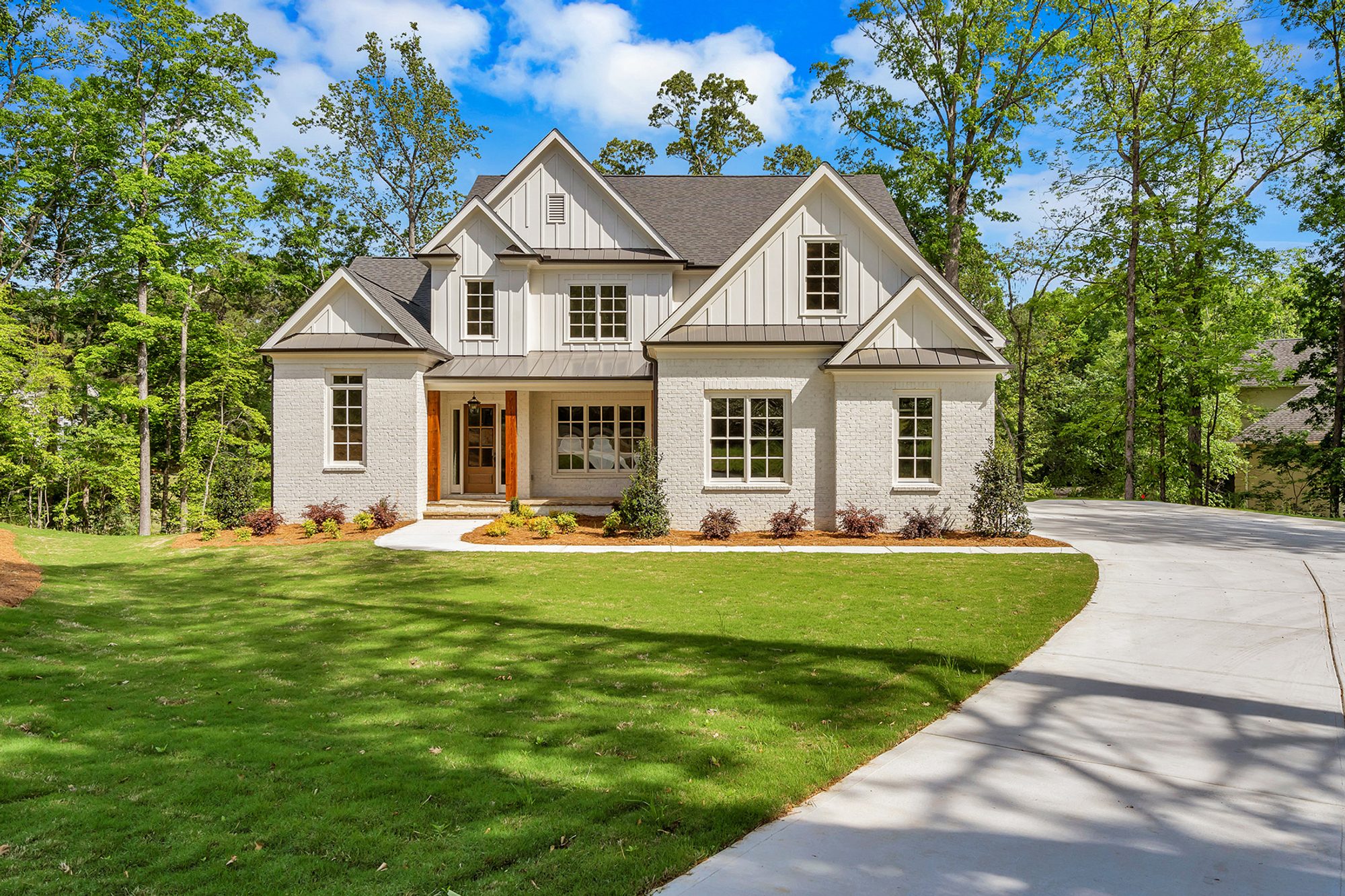
Quick answer: How Much Does It Cost to Paint Brick can vary widely in price depending on brand, paint type, quality level, finish, and whether it is interior, exterior, primer, or specialty coating. Check the current product listing and calculate total project cost by adding primer, supplies, extra coats, and waste allowance.
Assessing Your Project: Planning Before You Start
Before opening a paint can or calling a contractor, you must conduct a detailed assessment of the brick surface. This initial scoping process is the most critical step in budget control, as underestimating the prep work is the number one cause of budget overruns.
1. Measure Everything: Accurately measure the total square footage of the area you intend to paint. Remember to account for any complex geometries, arches, or columns. This measurement dictates the minimum amount of paint and primer required. 2. Identify the Brick Type: Is the brick porous (absorbent, common in older homes) or non-porous (sealed, often newer)? This distinction is vital because the paint and primer you use must be compatible with the brick’s natural absorption rate. 3. Inspect for Damage: Walk the entire surface slowly, looking for signs of efflorescence (white, powdery salt deposits), crumbling mortar joints, deep cracks, or areas of water penetration. These areas require masonry patching and repair, which are separate costs from the paint itself.
The Core Cost Breakdown: Materials, Labor, and Preparation
The total budget can be broken down into three distinct, non-negotiable cost categories. Treating these as separate line items will provide the clearest financial picture.
Cost Component 1: Surface Preparation (The Hidden Budget Sink)
This is arguably the most expensive and time-consuming part of the job, but it guarantees the longevity of the paint. If the surface is not properly prepared, the paint will fail, peel, or crack prematurely.
- Cleaning: Power washing is typically necessary to remove decades of grime, biological growth (mold, mildew), and loose dirt. Professional power washing services can cost anywhere from $500 to several thousand dollars, depending on the home’s size and access. Chemical cleaners may also be required to remove efflorescence or oil stains.
- Structural Repairs: Any deteriorated mortar joints must be raked out and repointed using specialized masonry mortar. Patching deep cracks or crumbling areas requires specialized repair compounds. The cost here is highly variable, depending on the volume of material and the skill required for the patch work.
- Cleaning Time: Do not budget for paint until you budget for the time needed to clean the surface. This often involves multiple days of preparation.
Cost Component 2: Specialized Paints and Primers
You cannot use standard exterior latex paint. Brick requires specialized masonry coatings. The paint must be “breathable,” meaning it allows moisture vapor to escape the brick structure. If the paint seals the brick too tightly, trapped moisture will cause the paint to blister and peel.
Paint Type Comparison:
- Acrylic Latex: Good for minor repairs and less porous bricks, offering good flexibility.
- Elastomeric Coatings: Highly recommended for brick. These paints are designed to flex with the building’s movement, making them excellent at bridging small cracks and preventing peeling due to structural shifts. They tend to be more expensive but offer superior durability.
- Mineral/Silicate Paints: Excellent for extremely porous, historic, or natural stone brickwork, as they react chemically with the surface, creating a bond that allows the brick to breathe completely.
Primer Cost: A dedicated masonry primer is non-negotiable. It seals the surface and ensures maximum adhesion. Expect to budget for at least one gallon of a quality masonry bonding primer, which must be applied before the finish coat.
Cost Component 3: Labor and Equipment
Hiring Professionals: Professional costs depend heavily on regional labor rates and the complexity of access. A general rule of thumb is to obtain multiple quotes. Be sure the quote itemizes: 1) Prep Work Time, 2) Painting Time, 3) Equipment Rental/Use (Scaffolding, boom lifts). DIY Approach: While labor is saved, time and specialized tools (e.g., professional-grade pressure washer rental, safety gear) must be budgeted. If the job is large or involves heights, the cost of safety equipment and necessary time will quickly negate the labor savings.
Calculating Your Supply List: Materials and Tools
Beyond the paint, your supply list must be robust. Here is a breakdown of necessary supplies and their cost implications:
- Cleaning Agents: Commercial-grade masonry cleaners, mildew/mold treatment, and potentially acid washes (handle with extreme caution and professional guidance).
- Repairs: Various types of mortar and patching compounds suitable for the brick type.
- Paint System: Masonry bonding primer and the final coat of breathable, elastomeric paint.
- Application Tools: High-quality, durable brushes (for cut-in work), rollers (appropriate for masonry texture), and extension poles.
- Safety and Access: Safety glasses, gloves, respirators (especially for chemical cleaning), and access equipment (ladders, scaffolding, or professional lift rental).
Tip on Coverage: Always check the paint manufacturer’s coverage rate (e.g., 350-400 sq ft per gallon). Always purchase at least 10–15% extra paint to account for absorption, waste, and touch-ups.
Design and Color Tips: Matching Paint to Brick Undertones
The color choice is crucial, but it must complement the brick’s natural undertones and the surrounding environment. Brick is rarely a neutral canvas; it usually carries underlying reds, oranges, or browns from its firing process.
Understanding Undertones: When selecting paint, test swatches directly on the brick surface. Observe how the paint color interacts with the brick’s natural undertones. A cool gray paint, for example, may appear bluish in deep shade but might look muddy brown in direct afternoon sun. Professional painters often recommend two to three sample colors to be painted on a small, inconspicuous area and observed at different times of day.
Finish and Sheen: For exterior masonry, a matte or satin finish is generally preferred. Glossy finishes tend to highlight every imperfection, including cracks and uneven textures, making the surface look worse. The chosen finish must also be durable enough to withstand rain, temperature shifts, and UV exposure.
Mistakes and Budget Pitfalls to Avoid
The most common budget mistakes revolve around preparation and material incompatibility. Avoiding these pitfalls saves money and time.
- Underestimating Prep Time: Assuming a clean surface is sufficient. If the brick has mildew, efflorescence, or loose mortar, the paint will fail regardless of its quality. Budgeting for 2-3 days of preparation is safer than budgeting for one.
- Using the Wrong Paint: Using standard exterior paint that doesn’t breathe. This leads to trapped moisture and paint failure. Always consult with a specialist about breathable masonry coatings.
- Ignoring Structural Repairs: Patching only the visible cracks is insufficient. Any area of crumbling mortar should be professionally assessed and repaired before the paint even touches it.
Mistakes to Avoid
Do not skip assessment just because the project looks simple. Most paint, cleaning, repair, and tool-care problems come from poor prep, incompatible products, rushed drying time, or using a method that does not match the material.
Avoid working without ventilation, gloves, eye protection, or a cleanup plan when coatings, solvents, sanding dust, or business/studio supplies are involved. Test first, read manufacturer directions, and pause if the surface, tool, or client setting creates safety questions you cannot answer confidently.
Safety and Practical Notes: When to Call a Professional
The safety protocols for painting brick are rigorous and cannot be overstated. Professional involvement is often required for safety and structural integrity.
- PPE is Mandatory: Always wear appropriate Personal Protective Equipment (PPE), including respirators (especially when dealing with mold, mildew, or chemical cleaners), eye protection, and gloves.
- Working at Heights: If scaffolding or specialized lifts are needed, ensure they are rented or used by a professional crew trained in their safe assembly and use. Never attempt work at significant heights without proper safety gear.
- Chemical Handling: When using power washers or chemical cleaners, follow all manufacturer instructions for dilution and application. Ensure proper ventilation and disposal of chemical residues according to local environmental codes.
Frequently Asked Questions
How much should I budget for the total project cost?
Because the cost varies dramatically based on surface size, brick condition, and labor rates, it is impossible to give a single number. Instead, budget using this tiered approach: 1. The Minimum Budget (DIY/Minor Job): This covers materials for a small, well-maintained area and assumes you perform all labor. You must still account for professional-grade tools and safety gear. 2. The Realistic Budget (Moderate Job): This includes professional power washing, necessary mortar repairs, specialized breathable paint (elastomeric or silicate), and a reasonable labor fee for a small-to-medium house. 3. The Contingency Budget (Large/Historic Job): For large facades or historic homes with significant deterioration, budget for the highest end of costs, as structural repairs and specialized labor will be the dominant expense. Always add a 15-20% contingency fund for unforeseen issues like hidden efflorescence or deep mortar decay.
Get the Fail-Safe Paint Color Playbook (Free PDF)
36 proven colors • 8 ready palettes • trim & sheen guide • printable testing cards.
Do I need to hire a professional for the entire job?
While the actual painting process can be managed by a skilled DIYer, professional help is highly recommended for three key stages: 1. Assessment: A professional can accurately assess structural damage and the appropriate type of breathable coating. 2. Preparation: Power washing and structural mortar repointing are difficult tasks that require specialized equipment and techniques to ensure the surface is truly clean and sound. 3. Working at Heights: If scaffolding or lifts are required, safety protocols demand professional setup and operation. Calling a pro for prep work significantly reduces the risk of paint failure and budget overruns.
What is the difference between “breathable” and standard paint?
Standard latex paint is often too impermeable for brick. Brick is a porous, breathable material, meaning it needs to release trapped moisture (like humidity or rain penetration) through its surface. If you use a paint that seals the brick too tightly, the moisture gets trapped, causing the paint to blister, peel, and fail prematurely. You must use specialized masonry coatings (like elastomeric or silicate paints) that are formulated to allow vapor to pass through, keeping the underlying structure dry and stable.
How long should I expect the preparation phase to take?
Do not underestimate the time required for prep work. Cleaning, power washing, and structural repairs (like repointing mortar joints) are multi-day processes. For a typical home, budgeting 2 to 3 days *minimum* for thorough prep work is safer than budgeting for one. Rushing preparation is the number one cause of paint failure, regardless of the quality of the paint used.
Can I paint the brick myself, or must I hire a professional?
If the brick surface is relatively clean and only requires a simple topcoat application, a skilled DIYer can manage the painting. However, if the job involves structural repairs, extensive cleaning (e.g., mold removal or acid washing), or working at significant heights, professional involvement is strongly advised for safety and structural integrity. Always prioritize safety equipment (PPE) and professional setup for ladders or scaffolding, even if you handle the actual painting.
Conclusion
Painting brick is a complex, multi-stage process that requires more than just paint and brushes. By treating the project as a comprehensive restoration effort—prioritizing thorough cleaning, structural repairs, and the selection of specialized, breathable coatings—you can ensure the final result is beautiful and durable. Remembering that surface preparation is the biggest cost factor, and that meticulous planning is the key to staying on budget, will help you transform your brick surfaces successfully.