
How Much Paint Is In A Spray Can
Revamping a space using paint is one of the most rewarding and transformative DIY projects. While the sheer accessibility and professional results of spray paint have made it a popular choice for everything from delicate furniture pieces to large metal railings, success hinges entirely on meticulous planning. It’s not enough to simply buy a can of paint; you must understand the chemistry, the surface, and the science of coverage to achieve a flawless, durable, and beautiful finish.
For many homeowners, the core question is: how much paint is actually in a can, and how much will I need? The answer is surprisingly complex, as the required amount of paint is less about the liquid volume in the can and more about the surface area, porosity, and the number of coats you plan to apply. By mastering the principles of preparation and calculation, you can ensure you buy exactly what you need, avoiding frustrating mid-project shortages or costly waste.
Get the Fail-Safe Paint Color Playbook (Free PDF)
36 proven colors • 8 ready palettes • trim & sheen guide • printable testing cards.
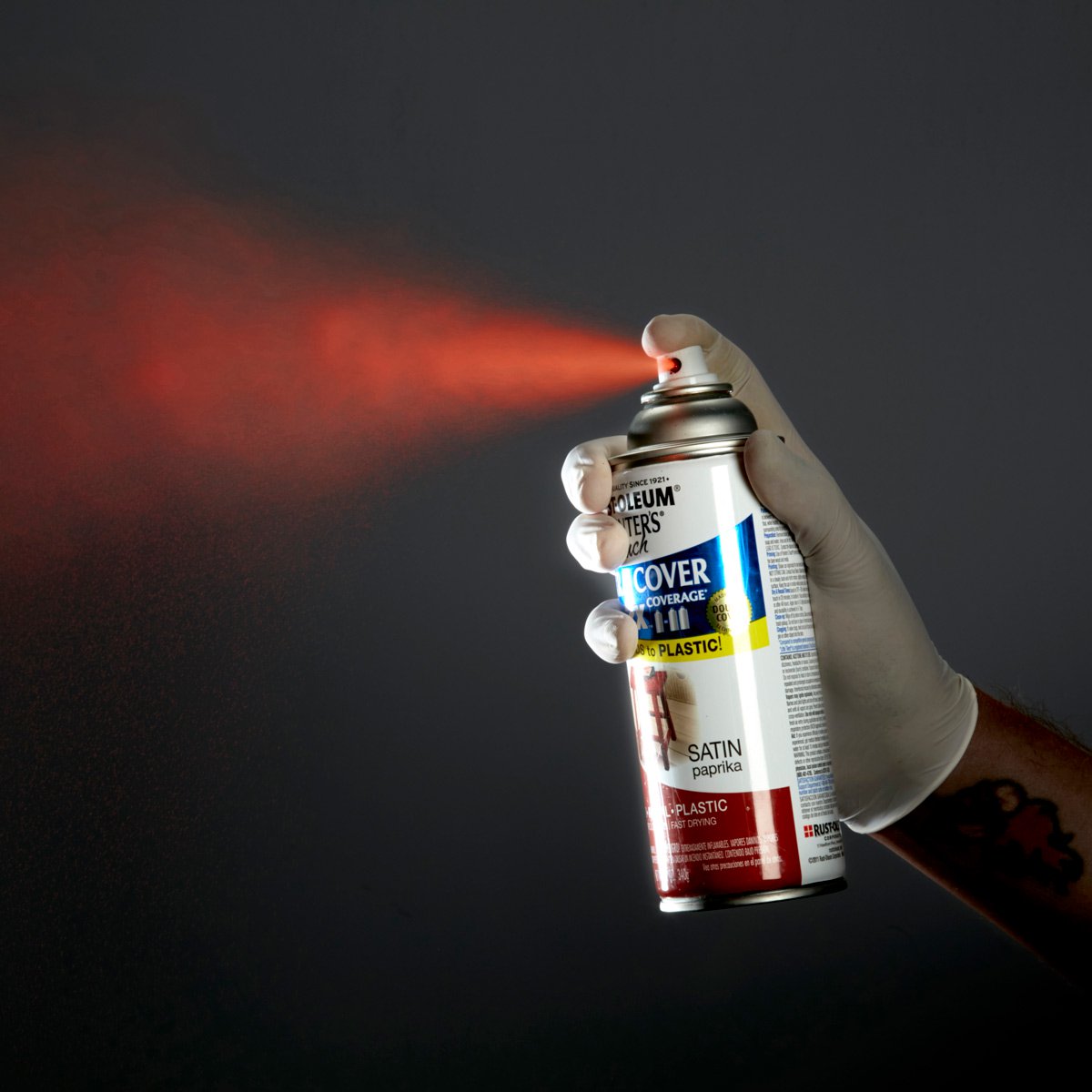
Quick answer: A standard spray paint can holds 12 to 16 ounces and typically covers 20 to 30 square feet per can, depending on the paint formula, porosity, and number of coats applied. To calculate how many cans you need, use the formula: Required Cans = (Total Surface Area x Number of Coats x Porosity Factor) divided by the manufacturer’s stated coverage rate per can. Always check the label for the specific product’s coverage rating.
Planning Before You Start: Assessing the Job Site
Before you even think about shaking the can, a thorough assessment of your project is mandatory. This initial planning phase dictates everything—from the type of primer you buy to the sheer amount of paint you need. Never underestimate the time spent planning; it saves hours of frustration later.
First, you must assess the scale and geometry of the area. Measure every surface meticulously—walls, railings, furniture, etc.—and calculate the total square footage. However, remember that total square footage is only the starting point. You must also consider the complexity of the geometry, such as corners, edges, and intricate carvings, which often require more paint than simple flat measurements suggest.
Second, analyze the substrate (the material you are painting). Is it bare, porous wood? Is it weathered, rusty metal? Is it slick, glossy plastic? Each material demands a different approach. A rusty metal surface requires rust conversion and enamel; bare, porous drywall needs a specific drywall primer; and slick plastic needs a specialized adhesion promoter. Selecting the wrong primer or paint type is the single most common mistake and will lead to peeling or poor adhesion, regardless of how much paint you use.
The Science of Coverage: Calculating Paint Needs
The simple calculation of dividing surface area by coverage rate is often misleading because it ignores three critical variables: porosity, texture, and coats. To calculate accurately, you must expand the basic formula.
The Advanced Calculation Formula:
Required Cans = [(Total Surface Area) × (Number of Coats) × (Porosity Factor)] ÷ (Manufacturer’s Coverage Rate per Can)
Understanding Porosity: Porosity refers to how quickly and deeply a material absorbs liquid. Highly porous materials, such as raw, untreated wood or bare drywall, will soak up paint much faster than already sealed or painted surfaces. When paint hits a porous surface, a significant portion of the material is consumed by absorption rather than forming a protective film. For extremely porous surfaces, you must increase your calculation by a Porosity Factor (e.g., 1.2 to 1.5) to account for this extra absorption. This is why primers are so essential—they seal the pores and create a consistent absorption rate.
Accounting for Coats: A single coat is rarely sufficient for a durable, factory-quality finish. At least two coats are recommended. The first coat acts as a sealer and adheres the paint to the surface, while the second coat provides the final color, depth, and protection. Remember to factor in the primer coat, which is a third, necessary layer.
Materials and Tools: Selecting the Right System
Choosing the right equipment is as vital as choosing the right paint. Different projects require different delivery systems.
Aerosol Spray Cans (Standard): These are the most common and convenient. They are ideal for small to medium-sized items, such as furniture, railings, small fixtures, or decorative trim. They offer excellent coverage and are relatively inexpensive. However, they are limited in scale and require careful control to prevent overspray and waste.
Airbrush Systems: These systems use compressed air to atomize paint, allowing for extremely fine, even, and highly controlled finishes. They are best suited for detailed work, such as intricate moldings, miniature replicas, or specialized artistic effects. They offer the most professional look but require a steeper learning curve and more specialized equipment.
High-Pressure/HVLP Systems: For truly large-scale projects (like painting entire decks or large cabinets), professional painters often use HVLP (High Volume Low Pressure) spray guns attached to air compressors. These systems provide superior coverage and consistency over vast areas but require significant setup, specialized tools, and professional training.
Surface Preparation: The Most Critical Step
This section cannot be overstated: 80% of a successful paint job is surface preparation. The paint itself is only 20% of the equation. Proper prep ensures adhesion and longevity. Follow this checklist based on your material:
For Metal Surfaces (Railing, Fixtures):
- Cleaning: Wash the metal thoroughly with a degreaser, such as TSP (Trisodium Phosphate), to remove grease, dirt, and oils. Rinse completely.
- Rust/Damage: Use a wire brush or sanding disc to remove all loose, flaky rust and paint.
- Conversion: Apply a rust-converting primer. This chemical reacts with the remaining rust, stabilizing it and creating a surface that the subsequent paint can adhere to.
For Wood Surfaces (Furniture, Trim):
- Cleaning: Wipe down the wood to remove dust and cobwebs.
- Sanding: Sand the entire area, starting with coarse grit (80-120 grit) to remove old paint or damage, and finishing with fine grit (220 grit) to create a smooth, uniform surface.
- Drying: Allow the wood to dry completely. Moisture trapped beneath the paint film will cause bubbling and peeling.
- Sealing: Apply a dedicated wood primer or sealer to seal the wood’s natural pores and provide a consistent base for the finish.
For Plastic/Painted Surfaces:
- Cleaning: Use a mild detergent and degreaser to remove any residues, as oils and dirt are the primary cause of paint failure on plastic.
- Sanding: Lightly scuff the surface with 120-grit sandpaper. This mechanical abrasion gives the new paint “teeth” to grip onto.
- Adhesion Promoter: If the plastic is slick (like PVC or glossy vinyl), apply an adhesion promoter primer. These specialized primers chemically bond the new paint to the non-porous substrate.
Application Mastery: Techniques for a Flawless Finish
Achieving a professional, uniform coat requires technique, not just product. Consistency is key. Follow these steps for optimal application:
1. The Test Area: Always spray a test patch on an inconspicuous area first. This allows you to gauge the spray pattern, distance, and the paint’s reaction to the surface without wasting material or ruining the visible area. Adjust your distance and angle until the coverage is even.
2. Distance and Angle: Maintain a consistent distance—typically 6 to 8 inches—from the surface. Spray in smooth, overlapping passes, moving the can in a continuous, steady motion (like painting with a large brush, but with the can). Do not spray in a single, straight line, as this will create noticeable streaks.
3. Layering and Timing: Use light, multiple coats rather than one heavy coat. Heavy coats tend to run, drip, and pool, leading to uneven finishes. After each coat, allow the paint to dry until it is dry to the touch. Crucially, check the manufacturer’s recommended cure time, as the paint must be fully cured before the next layer can be applied or the item handled.
Design and Finish Guidance: Matching Sheen to Surface
The final look of your project is determined by the paint’s sheen (or finish). Sheen describes how light reflects off the dried paint film, and choosing the correct sheen is critical to the overall aesthetic.
- Matte (Flat): This finish absorbs light and is non-reflective. It is excellent for walls, ceilings, and furniture where you want a subtle, uniform, and non-distracting look. It is best for covering imperfections because it doesn’t highlight texture.
- Satin (Eggshell): Satin offers a slight luster and is incredibly versatile. It is commonly used on trim, cabinets, and interior doors. It is durable enough to be wiped down but still offers a softer appearance than semi-gloss.
- Semi-Gloss: This finish is highly durable, washable, and reflective. It is ideal for high-traffic areas like bathroom fixtures, kitchen cabinets, and trim that needs frequent cleaning. Because it reflects light strongly, it will emphasize any underlying surface imperfections, so prep must be perfect.
- Gloss: The highest sheen, offering maximum reflectivity. While extremely durable and easy to clean, gloss finishes should be used sparingly, as they will highlight every single imperfection, scratch, or texture variation on the substrate.
Undertones and Lighting: Remember that paint colors change dramatically based on lighting. Test your chosen color in the room at different times of day—morning light, midday sun, and evening artificial light. Undertones (the slight blue, yellow, or green cast within a color) will be amplified or muted depending on the light source, so always buy sample pots and test them on the actual surface.
Even with the best preparation, DIY projects can encounter pitfalls. Recognizing these common mistakes allows you to troubleshoot before they ruin your finish.
The Priming Skip: Never skip priming on bare, porous, or highly absorbent surfaces. Skipping primer leads to uneven paint absorption, resulting in a blotchy or patchy appearance.
Insufficient Degreasing: If you fail to thoroughly degrease a surface (especially metal or plastic), any residual oil or grease will prevent the paint from adhering properly, leading to peeling and failure within days of completion.
Over-Application: Spraying too thickly, or applying multiple coats too quickly, causes the paint to pool, drip, and form runs. This is a physical limitation of paint viscosity and gravity, and it requires patience and proper curing time.
Ignoring Ventilation: Working in poorly ventilated spaces is dangerous and detrimental to the paint finish. Fumes can dry the paint unevenly or cause it to cure improperly, leading to a poor bond.
Design and Color Tips
Color choice affects how a room feels and how the finish performs over time. Consider the light source, existing furnishings, and the mood you want before selecting a shade.
Sheen matters as much as color. Flat finishes hide imperfections but are harder to clean. Satin and semi-gloss resist moisture and wear better in high-traffic areas. Test samples on the actual wall and observe them at different times of day before committing.
Mistakes to Avoid
Do not skip assessment just because the project looks simple. Most paint, cleaning, repair, and tool-care problems come from poor prep, incompatible products, rushed drying time, or using a method that does not match the material.
Avoid working without ventilation, gloves, eye protection, or a cleanup plan when coatings, solvents, sanding dust, or business/studio supplies are involved. Test first, read manufacturer directions, and pause if the surface, tool, or client setting creates safety questions you cannot answer confidently.
Safety and Practical Notes
Safety protocols are non-negotiable when working with chemical coatings and solvents. Always prioritize personal safety and environmental protection.
Personal Protective Equipment (PPE): Always wear appropriate PPE. This includes chemical-resistant gloves, safety goggles, and, most importantly, a NIOSH-approved respirator mask designed for organic vapors. Dust masks are insufficient for paint fumes.
Ventilation: Ensure you have adequate cross-ventilation. Open multiple windows or use an industrial exhaust fan to draw fumes out of the workspace. Never paint in a confined, poorly ventilated space. Keep children and pets far away during the entire process.
Handling and Disposal: Always read the Safety Data Sheet (SDS) provided by the manufacturer. This document details handling procedures, necessary PPE, and proper disposal methods for paint, solvents, and waste materials. Never pour paint or solvents down drains; use local hazardous waste disposal facilities.
When to Call a Professional: If the project involves structural elements, lead paint removal, major mold remediation, or complex electrical wiring, do not attempt it. Call a licensed, professional contractor. For large, commercial-scale projects, professional HVLP equipment and expertise are warranted.
Mastering the application of spray paint is less about the can itself and more about the disciplined process that surrounds it. By treating the process like a scientific endeavor—meticulously planning, preparing the surface, calculating the materials, and respecting the curing times—you can ensure that your DIY project achieves a professional-grade, lasting finish.
Approach your next painting project with this comprehensive understanding, and you will find that the initial fear of the unknown can be replaced by the confidence of an expert. Remember that the best paint job is always the one that was perfectly prepared.
| Spray Can Size | Amount of Paint |
|---|---|
| 4 oz | 3 oz (85 g) |
| 8 oz | 5 oz (142 g) |
| 12 oz | 9 oz (255 g) |
Frequently Asked Questions
How do I accurately calculate how much paint I need for a project?
Do not rely only on the surface area. Use the advanced formula: Required Cans = [(Total Surface Area) × (Number of Coats) × (Porosity Factor)] ÷ (Manufacturer’s Coverage Rate per Can). Always account for porosity—highly absorbent surfaces (like raw wood or drywall) require a Porosity Factor (1.2 to 1.5) and multiple coats (at least three: primer, coat 1, coat 2) for a durable finish.
What is the most critical step before applying any paint?
Surface preparation. The paint itself is only 20% of the job; preparation is 80%. Always thoroughly clean the substrate (degreasing metal or plastic, removing dirt from wood). For metal, use a wire brush to remove loose rust and apply a rust-converting primer. For wood, sand and apply a dedicated sealer to prevent uneven absorption.
Get the Fail-Safe Paint Color Playbook (Free PDF)
36 proven colors • 8 ready palettes • trim & sheen guide • printable testing cards.
Should I use spray paint on large areas, or should I hire a professional?
Aerosol cans are best for small to medium items (furniture, railings, trim). For large-scale projects, such as entire decks or cabinets, professional HVLP (High Volume Low Pressure) spray systems are superior. If your project involves structural elements, lead paint, or major mold remediation, it is safest and most advisable to call a licensed professional contractor.
Why does my paint job look blotchy or patchy?
This is usually due to improper preparation or calculation. The most common causes are: 1) Skipping primer on porous surfaces (leading to uneven absorption), 2) Failing to thoroughly degrease the substrate (preventing adhesion), or 3) Applying paint too thickly or too quickly, which causes the paint to pool and dry unevenly. Always ensure adequate ventilation during the process.
What safety equipment do I absolutely need when painting?
Safety is paramount. Always wear appropriate Personal Protective Equipment (PPE), including chemical-resistant gloves and safety goggles. Crucially, you must use a NIOSH-approved respirator mask designed for organic vapors; a simple dust mask is insufficient for paint fumes. Ensure the workspace is well-ventilated by opening multiple windows.
Conclusion
How Much Paint Is In A Spray Can works best when the plan, materials, safety steps, and finish goals all line up before work begins. Review the surface or tool condition, choose compatible products, and leave enough time for drying, cleanup, and final checks.
Use the guidance above as a practical checklist, then adjust it to the specific surface, workspace, product directions, and risk level. When the project involves fumes, damaged materials, business liability, or uncertain conditions, slow down and get qualified help before moving forward.