
How to Paint Dormers on a Steep Roof: A Step-by-Step Guide
Dormers are integral architectural elements, providing not only natural light and ventilation to the upper floors of a home but also adding distinct curb appeal. They are often the first feature people notice when viewing a roofline, making their condition and appearance crucial to the overall aesthetic of the house. However, because they are exposed to the elements and often located on steep, challenging roof pitches, painting dormers is considered a complex and potentially hazardous home improvement project.
While the thought of working at height on a steep roof can be daunting, a successful outcome is achievable with meticulous planning, the correct materials, and an unwavering commitment to safety. This comprehensive guide breaks down the entire process—from initial structural assessment and color selection to the final, perfect coat of paint—ensuring you are prepared to tackle this project like a professional.
Get the Fail-Safe Paint Color Playbook (Free PDF)
36 proven colors • 8 ready palettes • trim & sheen guide • printable testing cards.
Quick answer: To Paint Dormers On A Steep Roof, start with the safest first step for the material involved, test a small area when needed, and follow the process in thin, controlled stages. Use proper ventilation and protective gear when chemicals, sanding, spraying, or solvents are involved.
Planning and Assessing the Project Scope
Before a single brushstroke touches the siding, the most critical phase is planning. This phase dictates your safety, budget, and the ultimate success of the paint job. You must treat this assessment as seriously as the painting itself.
Structural and Code Assessment
Do not assume the roof is safe or that the structure is sound. The steepness of the pitch, combined with the weight of wet paint, tools, and people, creates significant risk. Before proceeding, you must:
- Check Local Codes: Contact your local building department. They may have specific requirements for exterior structural work, ladder placement, or even painting on certain types of historical roofing materials.
- Evaluate the Substrate: Determine what the dormer siding is made of (cedar shake, clapboard, metal, etc.) and what the underlying roof material is (slate, asphalt shingle, metal). This determines paint type and necessary prep work.
- Assess Structural Integrity: If the dormer or the surrounding siding shows signs of bowing, cracking, or excessive rot, painting is secondary. The structural elements must be repaired first.
Budgeting and Timing
A realistic timeline is essential. Weather dictates everything. Plan for at least one dry, moderate day for preparation, another for priming, and a third for the topcoat. Remember that paint needs time to cure, not just dry. Factor in the cost of specialized safety equipment (harnesses, scaffolding rental) and professional consultation, as these costs are non-negotiable.
Step-by-Step Guide to Painting Dormers on a Steep Roof
Once planning is complete and the site is cleared for work, follow these detailed steps sequentially. Skipping any step, especially cleaning or priming, will severely compromise the paint’s adhesion and lifespan.
Phase 1: Surface Preparation (The Most Critical Step)
Preparation accounts for 80% of the total project time, but it is responsible for 100% of the final paint adhesion and durability. This stage is non-negotiable.
- Safety First: Establish the secure working platform (see Safety section below). Wear all required Personal Protective Equipment (PPE) throughout this phase.
- Cleaning and Debris Removal: Use a low-pressure washer (or a stiff brush for delicate materials) to remove all loose dirt, cobwebs, mildew, moss, and accumulated grime. If mildew is present, treat it with a specialized biocide and allow it to dry completely.
- Stripping and Sanding: Scrape off all loose, flaking, or peeling paint. If the paint is peeling significantly, consider sanding the entire surface to a rough texture. Sanding creates a “tooth” that allows the primer to grip. Use appropriate grit sandpaper for the siding material.
- Wood Repair: Inspect all wood framing, trim, and siding for cracks, knots, or rot. Patch any damaged areas using exterior-grade wood filler or epoxy. Allow all patches to dry according to the manufacturer’s instructions.
Phase 2: Priming for Adhesion
Do not skip the primer. Primer acts as a barrier and a unifying surface, ensuring the paint doesn’t just sit on top of the existing material but bonds chemically with it. The primer must be compatible with both the substrate and the final topcoat.
Apply the primer in thin, even coats. Pay special attention to bare wood, patched areas, and heavily sanded spots. Allow the primer to dry completely. The drying time is often longer than anticipated, so patience is key.
Phase 3: Applying the Topcoat
Once the primer is fully cured, it is time for the topcoat. The application method depends on the siding material and the type of paint used (brushing for trim, rolling for flat surfaces). Apply the paint in multiple, thin coats rather than one thick coat. This prevents drips, pooling, and uneven drying.
After the first coat has dried (check paint instructions for minimum recoat time), apply the second coat. This second coat provides the rich, durable color and the final protective barrier against UV rays and moisture. If necessary, a third coat may be required, especially if the dormer is heavily exposed to sun or rain.
Materials and Specialized Tools
Selecting the right materials is as important as the process itself. Using mismatched supplies is the most common cause of failure.
When choosing paint, consider the following selection criteria:
- Sheen/Finish: The finish affects both appearance and durability. For dormer siding, a satin or semi-gloss sheen is often recommended as it is durable and easy to clean. However, for trim elements, a semi-gloss finish is best as it resists dirt and moisture better than flat finishes.
- Paint Type: For most modern exterior wood siding, high-quality 100% acrylic latex paint is ideal. It is flexible, breathable (allowing moisture vapor to escape), and durable. If the dormer is made of natural cedar shakes, a specialized wood stain and protective sealer may be preferred over standard paint.
- Primer Compatibility: Ensure your primer is designed for the specific substrate (e.g., a stain-blocking primer if you have highly tannin-rich wood).
Essential Tool Kit
A comprehensive tool kit minimizes downtime and maximizes efficiency:
- Safety Gear: Full-body safety harness, non-slip gloves, hard hat, safety glasses, and proper footwear.
- Access Equipment: Professionally rated scaffolding (preferred for stability) or certified roof jacks/planks. Never rely solely on ladders for extended painting periods.
- Cleaning Tools: Low-pressure washer, stiff-bristle brushes, and mildew/moss treatment.
- Application Tools: High-quality exterior paint brushes (angled sash brushes for trim), extension poles, and roller frames appropriate for the siding material.
- Preparation Tools: Wire brushes, scrapers, sandpaper (various grits), and wood fillers/epoxy.
Aesthetic Decisions: Color, Sheen, and Pairing
The color palette of your dormer must coordinate seamlessly with the house’s overall architecture, siding, and roofing materials. This is where design depth is crucial.
Materials and Tools
Gather brushes, rollers, painter’s tape, drop cloths, and the correct primer and paint for your surface. A sturdy ladder, sanding block, and cleaning rags will also help.
Do not forget safety gear: gloves, eye protection, and a respirator if ventilation is limited. Having everything ready before you start prevents mid-project delays and reduces mess.
Understanding Undertones and Light
Paint colors are highly sensitive to environmental factors. A color swatch viewed indoors in neutral lighting will look drastically different when viewed in direct sunlight, shaded by eaves, or under overcast skies. Always purchase sample pots and test the color on the actual dormer siding in various lighting conditions (morning, noon, and evening) before committing to a full gallon.
Pay close attention to undertones. A “cool” gray paint might look blue in the shade, while a “warm” beige might look yellow in the afternoon sun. Matching these undertones is critical for a cohesive look.
A successful exterior palette follows a hierarchy:
- Primary Color (Siding): This is the main body color of the dormer.
- Secondary Color (Trim/Sash): This color defines the edges, window frames, and railings. It should provide a crisp contrast against the siding but should not clash with the main house trim.
- Accent Color (Door/Hardware): This color provides a pop of personality and is often limited to the front door or decorative hardware.
A common mistake is choosing trim colors that are too dark or too light relative to the siding, making the dormer appear disjointed. If the siding is dark, use a trim color that is either a crisp white or a contrasting, slightly lighter neutral tone.
Safety and Structural Considerations
Safety is the single most important consideration. Working at height, especially on steep pitches, requires specialized knowledge and equipment. Never underestimate the risk.
Working Platform Alternatives
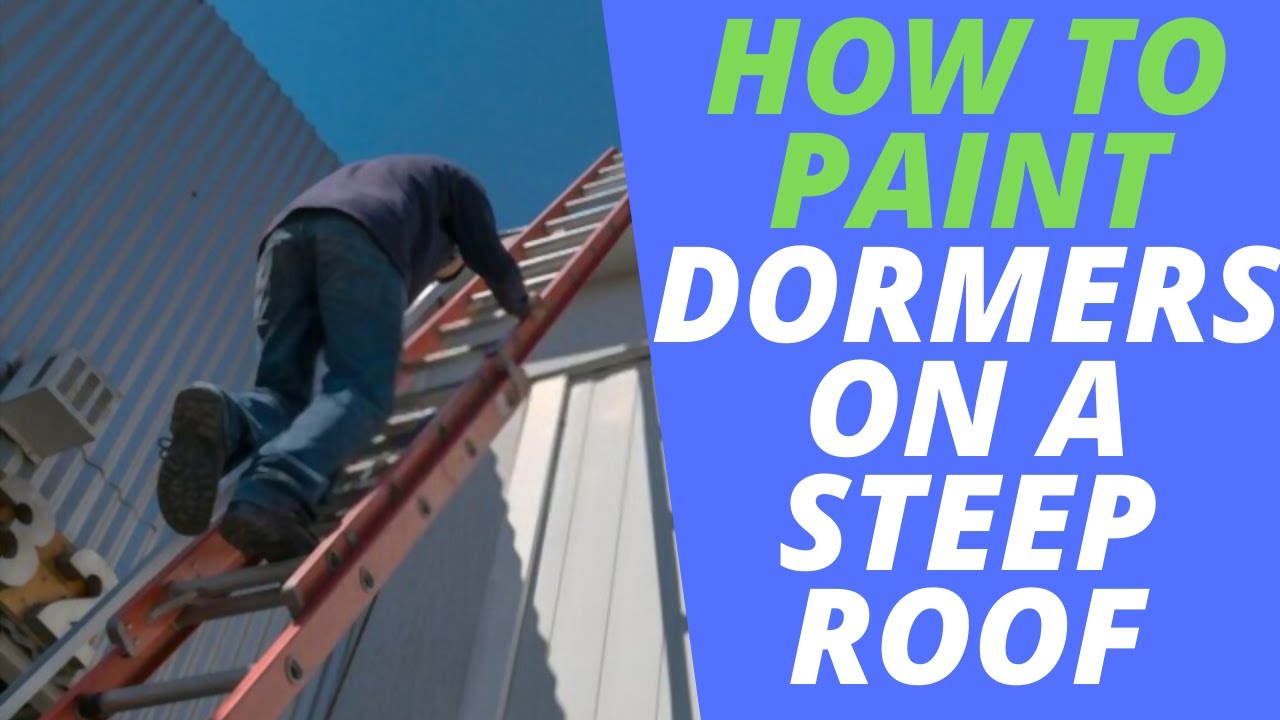
While ladders are necessary for small access points, they are insufficient for extended work on steep roofs. The safest methods include:
- Scaffolding: This is the gold standard for safety. It provides a stable, level, and predictable working platform.
- Professional Roof Jacks/Planks: These temporary structural supports, installed by experienced professionals, distribute weight across the roof surface, creating a safe, stable area for workers and equipment.
If the roof pitch is steeper than 45 degrees, or if the dormer is large, hiring a contractor who specializes in elevated work is strongly advised. Always assume structural weakness until proven otherwise.
Protective Gear Checklist
Your PPE must include, at minimum:
- Full-body harness and lanyards.
- Hard hat (especially when working near other trades).
- Non-slip, sturdy work boots.
- Eye and respiratory protection (mandatory when sanding or stripping old paint, especially if lead paint is suspected).
If you suspect the presence of lead paint (pre-1978 homes), do not attempt sanding or scraping without proper, professional containment procedures. Lead paint requires specialized remediation.
Common Mistakes and Troubleshooting
Even experienced DIYers make mistakes. Recognizing these common pitfalls will save time, paint, and frustration.
- Skipping the Clean: Applying paint over mold, dirt, or grease will cause the paint to fail prematurely, often blistering or peeling within months.
- Ignoring the Primer: Primer does not just improve adhesion; it seals the wood and ensures consistent absorption, preventing the topcoat from being sucked into dry spots or patchy areas.
- Over-brushing/Rolling: Applying paint too thickly or trying to force it into corners leads to drips, paint pooling, and inconsistent sheen. Thin, even coats are always better.
- Working in Bad Weather: High humidity, rain, or extreme temperatures will extend drying and curing times unpredictably, potentially ruining the paint finish.
Issue: Paint is peeling rapidly. Diagnosis: Poor surface prep or incompatible paint/primer. Solution: Remove the failed paint, treat the surface, and re-prime before applying a new coat. Never paint over failing paint.
Issue: Paint has a dull, patchy look. Diagnosis: Uneven absorption rate (some spots soaked up more paint than others). Solution: Apply a specialized stain-blocking or bonding primer coat to equalize the surface absorption.
Painting dormers on a steep roof is a significant undertaking that demands patience, precision, and a deep respect for safety protocols. By treating the project as a multi-stage process—where planning and preparation are given the highest priority—you can transform a daunting architectural challenge into a rewarding accomplishment. Remember that the ultimate goal is not just color, but creating a durable, beautiful, and safe extension of your home’s character. If, at any point, the structural risk or complexity exceeds your personal comfort level, do not hesitate to call in a certified roofing and painting professional. A little professional help ensures years of enjoyment and safety.
Safety and Practical Notes
Work in a well-ventilated space and wear gloves, eye protection, and a respirator when needed. Keep children and pets away from wet surfaces and open containers.
Follow manufacturer drying times between coats. Dispose of rags and leftover materials according to local regulations. If the project involves heights, lead paint, or structural work, consider hiring a licensed professional.
Frequently Asked Questions
Is painting a dormer on a steep roof too dangerous for a DIY homeowner?
Safety is the paramount concern. If the roof pitch is steep (over 45 degrees) or if the dormer is large, it is strongly advised to hire a professional contractor who specializes in elevated work. Never rely solely on standard ladders for extended painting periods. Professionals use specialized scaffolding or structural roof jacks to ensure a stable, safe working platform, minimizing the risk of falls or structural damage.
Get the Fail-Safe Paint Color Playbook (Free PDF)
36 proven colors • 8 ready palettes • trim & sheen guide • printable testing cards.
Surface preparation. This phase accounts for the majority of the time but is responsible for the paint’s longevity and adhesion. You must thoroughly clean the area using a low-pressure washer to remove all mildew, dirt, and grime. After cleaning, all loose, flaking, or peeling paint must be scraped and sanded. Any structural rot or major cracks must be patched and dried before priming can begin.
What type of paint and primer should I choose for exterior dormers?
For modern exterior wood siding, high-quality, 100% acrylic latex paint is generally recommended because it is flexible and breathable. Use a primer specifically designed for your substrate (e.g., a stain-blocking primer for cedar). When selecting a sheen, semi-gloss or satin is often preferred for durability and washability, especially on trim elements, compared to a flat finish.
What should I do if I suspect the presence of lead paint or rot?
Do not attempt to scrape or sand suspected lead paint without professional containment procedures. Lead paint remediation requires specialized expertise and equipment. If you find significant rot or structural weakness, painting is secondary; the structural elements must be repaired by a qualified carpenter or roofer first. In these high-risk situations, hiring a professional is mandatory.
Conclusion
How To Paint Dormers On A Steep Roof works best when the plan, materials, safety steps, and finish goals all line up before work begins. Review the surface or tool condition, choose compatible products, and leave enough time for drying, cleanup, and final checks.
Use the guidance above as a practical checklist, then adjust it to the specific surface, workspace, product directions, and risk level. When the project involves fumes, damaged materials, business liability, or uncertain conditions, slow down and get qualified help before moving forward.