
How to Paint River Water: A Comprehensive Guide for Artists
Painting river water is one of the most rewarding, yet challenging, subjects in the art of landscape painting. It demands not only a keen eye for natural beauty but also a deep understanding of physics—specifically, how light interacts with liquid surfaces. The interplay between deep, mysterious shadows, shimmering reflections, and the constant, subtle movement of the current creates a visual complexity that can feel overwhelming to tackle.
This comprehensive guide is designed to take you through the entire process, transforming the daunting task of painting flowing water into a systematic, enjoyable artistic practice. We will break down the scientific principles of color and light, from the critical difference between reflection and refraction, to mastering specific painting techniques like glazing and washes, ensuring you gain the confidence to capture the true, dynamic essence of a river on your canvas.
Get the Fail-Safe Paint Color Playbook (Free PDF)
36 proven colors • 8 ready palettes • trim & sheen guide • printable testing cards.
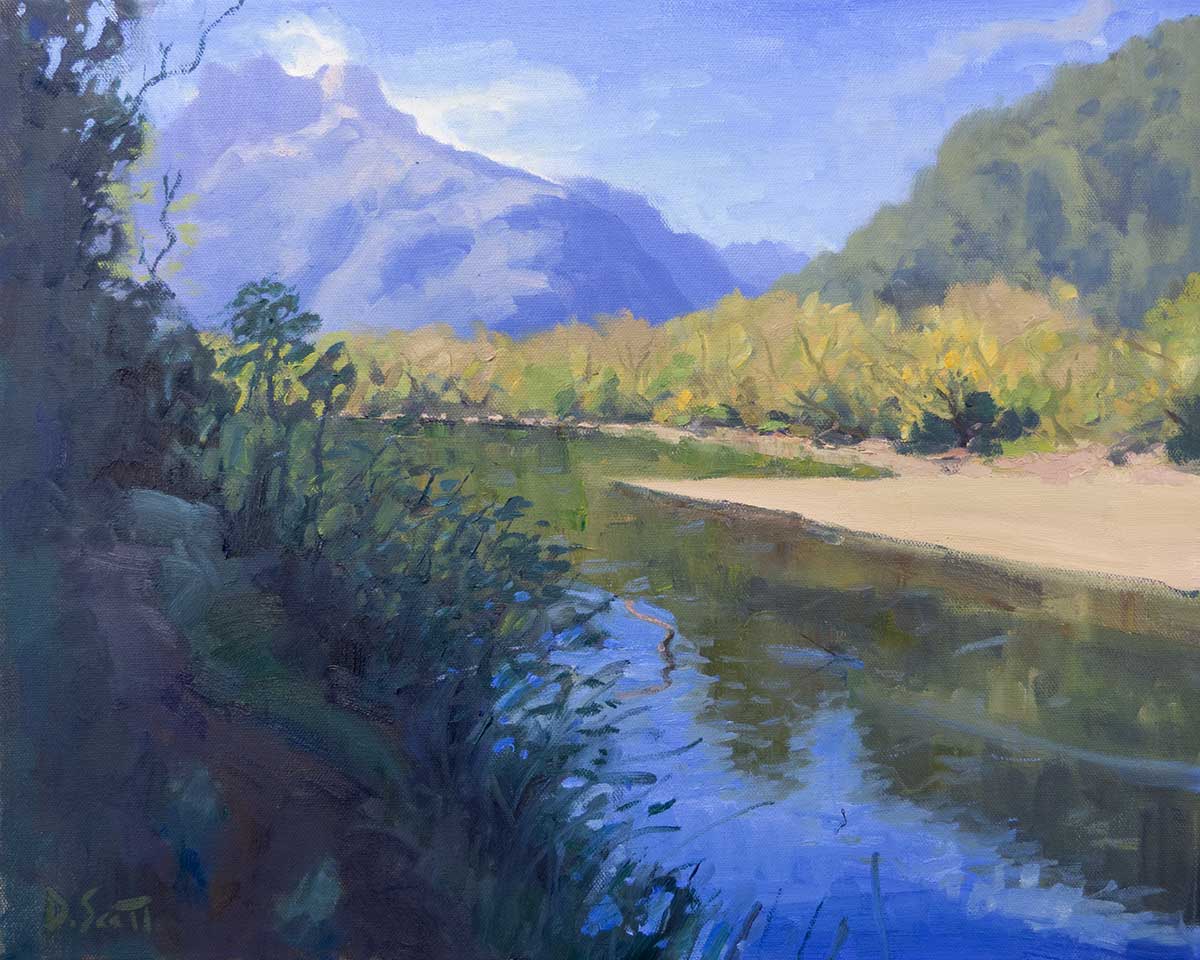
Quick answer: To Paint River Water, start with the safest first step for the material involved, test a small area when needed, and follow the process in thin, controlled stages. Use proper ventilation and protective gear when chemicals, sanding, spraying, or solvents are involved.
Analyzing the Scene: Planning Before You Start
Before you even touch a brush to your canvas, the most crucial step is preparation. Painting water is less about the paint itself and more about the observation skills you bring to the table. You must become an atmospheric scientist and a light collector before you become an artist.
Understanding the Light and Time of Day
The single biggest variable when painting water is the light source. The time of day dictates the mood, the color temperature, and the contrast. Never assume the water will look “blue.” The color of the water is always filtered through the atmosphere, the surrounding foliage, and the time of day.
- Golden Hour (Sunrise/Sunset): The light is warm (yellows, oranges, reds). Reflections will be intense and saturated, and the contrast between light and shadow will be dramatic. Focus on warm values.
- Midday Sun: The light is bright and high, creating high contrast and sharp reflections. The water can appear brilliant but also potentially washed out, requiring careful attention to the overall value balance.
- Overcast/Misty Day: The light is soft, diffused, and low in contrast. Colors appear desaturated, and shadows are muted. This is the most challenging light to paint, as you must rely heavily on subtle value shifts rather than sharp color changes.
When analyzing your reference photo, always ask yourself: Where is the light coming from, and how is that light interacting with the water’s surface? This analysis guides every subsequent brushstroke.
Establishing Composition and Perspective
A river painting needs leading lines. The river itself is the primary leading line, drawing the viewer’s eye from the foreground, through the middle ground, and into the background. To enhance this, use the principles of atmospheric perspective.
Atmospheric Perspective: This principle dictates that objects further away appear lighter, bluer, and less detailed due to the scattering of light in the atmosphere. When painting a river, the distant banks and background should use cooler, lower-contrast tones and softer edges compared to the sharp, highly detailed elements in the foreground.
Use the river’s curves and the placement of foreground rocks to frame the central subject and guide the viewer’s gaze deep into the scene, creating a powerful sense of depth and scale.
Selecting Your Medium and Tools for Water
The choice of paint medium fundamentally dictates the achievable transparency and movement. Each medium handles water and light differently, so pairing the right material to the desired effect is essential.
Watercolor: Ideal for maximum transparency, achieving delicate washes, and simulating the ephemeral quality of misty or shallow water. Because it relies on thin washes and allowing the white of the paper (or canvas) to act as a highlight, it is unmatched for capturing luminosity and soft transitions.
Acrylics: Offer excellent versatility and drying time control. They are great for building up opaque details, creating vibrant, saturated reflections, and adding texture (impasto) to rocks or rapids. Using various mediums (like flow aids or gels) can help mimic the fluidity of water.
Oils: Provide the richest color depth and the longest working time, making them superb for blending and achieving deep, saturated shadows. Oils are excellent for capturing the solemn, deep mystery of a slow-moving river, allowing for gradual, seamless transitions between colors.
Recommendation: For beginners, a mix of acrylics and watercolors is often the most forgiving, allowing you to practice both washes and opaque layering. For maximum depth, oils are superior.
Beyond the paint, the tools you select are crucial for achieving the proper water effect:
- Brushes:
- Wash/Large Flat Brushes: Used for laying down broad, thin washes to establish the base tone and overall atmosphere of the water.
- Round Brushes (various sizes): Used for blending, creating the transitions between colors, and adding general detail.
- Fan Brushes: Absolutely essential for creating the delicate, airy texture of foam, ripples, and spray, adding that crucial sense of movement.
- Small Detail/Liner Brushes: Necessary for painting small, sharp elements like reeds, tiny pebbles, or the edges of reflections.
Palettes and Mediums:
- Glazing Medium/Transparent Washes: Essential for building depth. Instead of painting a single color, you apply multiple thin, semi-transparent layers (glazes) over each other to create complex, rich tones that simulate depth.
- Acrylic Gel/Flow Aid: Used to keep the paint highly fluid, allowing it to spread smoothly and blend effortlessly, which is vital for mimicking the surface tension of water.
- Palette Knife: Useful not only for mixing paint but also for adding thick, textural impasto to foreground elements like rocks or muddy banks.
Mastering the Techniques: The Step-by-Step Guide to Painting River Water
The painting process is structured in distinct phases. Rushing through these steps is the fastest way to achieve a muddy, lifeless result. Patience and careful layering are key.
Phase 1: The Initial Wash and Underpainting
Start by applying an underpainting wash that captures the overall ambient light and color temperature of the scene. This wash is not the final color; it is the mood. If the scene is set at dawn, the underpainting should be a thin mix of cool grays and faint pinks. If it’s midday, use a balanced mix of blues and greens.
Use a large, soft brush and dilute your paint heavily (this is a wash, not a solid color). This base layer allows subsequent colors to interact with it, giving the illusion of depth even before you add details. Keep this layer extremely thin and translucent.
Phase 2: Defining Depth and Volume through Glazing
To create the illusion of depth, you must think of the water not as a flat surface, but as a volume that absorbs and refracts light. This is achieved through glazing.
Glazing Technique: Glazing involves applying multiple, thin, transparent layers of color over a dried underpainting. Each glaze should be a different hue or value. For instance, if the water appears dark, don’t use black paint. Instead, layer thin glazes of deep Prussian blue, followed by a touch of deep forest green, and perhaps a hint of purple in the deepest sections. The combination of these translucent layers creates a complex, natural depth that pure black paint can never achieve.
Focus on the darkest areas first (shadows under rocks, deep currents). These areas anchor the entire composition and give the sense of weight and mystery.
Phase 3: Capturing Movement and Surface Details
Once the depth is established, you focus on the surface interaction. This is where movement, reflections, and highlights come into play.
Movement: To simulate flow, use varied brushstrokes. Where the water is calm, use sweeping, blended strokes. Where there are rapids or currents, use short, choppy, energetic strokes that suggest turbulence. The direction of these strokes must follow the natural path of the river’s flow, giving the illusion of energy.
Reflections: Reflections are not perfect copies; they are distorted. If a tree is reflected, the reflection will be slightly elongated, broken up, and darker than the actual object. Use the wet-on-wet technique (applying wet paint onto still-damp paint) to blend the reflected colors seamlessly into the water’s surface.
Highlights: The final step is adding the highlights—the shimmering light. These are applied using the freshest, brightest, and highest-value paint (often titanium white mixed with a tiny bit of yellow or pale blue). Use the tip of a small, stiff brush to create small, erratic dashes of light to simulate the sparkle of sunlight hitting the surface. These highlights are what make the water look alive.
A successful river painting requires more than just technique; it requires a deep understanding of color theory as it applies to natural light.
Value vs. Hue: The Secret to Depth
When painting water, remember that value (the lightness or darkness of a color) is often exponentially more important than hue (the actual color, like blue or green). The contrast in value—the difference between the darkest shadow and the brightest highlight—is what makes the water appear three-dimensional. Always prioritize establishing the correct values first, and then refine the hues.
Color Pairing for Mood
To make the water pop, utilize complementary color pairings. If the sky or surrounding foliage are dominated by cool blues and greens, introduce complementary warm tones—subtle yellows, oranges, and burnt siennas—in the reflections and the light hits. This contrast will make the cool tones of the water feel richer and deeper.
For instance, painting a river against a warm, orange sunset requires the water to contain subtle cool tones (mauves, slate grays) to prevent the entire piece from looking monotonous and overly warm.
Handling the Edges: Transparency and Wet-on-Wet
The edges where the water meets the bank or rocks are never hard lines. They are always transitional. To achieve this, use the wet-on-wet technique: apply a thin wash of paint to the bank, and before it dries, use a damp brush to gently feather the edge where the water meets the land. This soft blending simulates the capillary action and gentle flow of the water.
Common Mistakes and Troubleshooting
Even experienced painters can fall into traps when painting water. Identifying these common pitfalls allows you to adjust your approach before the mistake becomes permanent.
The Pitfall of Muddy Colors
Mistake: Mixing too many colors together in a single area (e.g., mixing the blue sky, green trees, and brown mud in the same puddle of paint). This results in a dull, brownish, muddy color that lacks definition.
Fix: When mixing, always identify the dominant color and the source of the contrasting colors. If the water is reflecting a forest, the dominant color is blue/green, and the forest reflection is the accent. Keep the color mixing localized and translucent.
Over-Painting the Surface
Mistake: Applying too much opaque paint, especially in the mid-ground, which flattens the water and removes the illusion of depth and transparency.
Fix: Always assume the water is translucent. If you can see the underlying color or the canvas through the paint, you are likely in the right range. Reserve opaque colors for the solid elements (rocks, banks, visible riverbed), and use washes for the water itself.
Ignoring Value Changes
Mistake: Painting the water the same value across the entire canvas, regardless of whether the area is in shadow or in direct sunlight. This makes the water look flat and lifeless.
Fix: Constantly reference the light source. The area closest to the light source (the highlights) must be the highest value, and the areas in shadow (under bridges, deep bends) must be the lowest value. This dramatic value contrast is the engine of realism in water painting.
Safety and Practical Notes for Artists
While painting is a generally safe hobby, working with various solvents, mediums, and pigments requires proper care and attention to detail.
- Ventilation: Always work in a well-ventilated area. When using solvents, thinning mediums, or certain strong acrylic mediums, proper air circulation is crucial for safety.
- Protective Gear: Wear gloves and eye protection when handling concentrated pigments, strong cleaning agents, or chemical mediums.
- Cleaning: Clean your brushes thoroughly after every color change and at the end of your session. Residual paint can react with subsequent colors, leading to unpredictable and undesirable results.
- Reference Management: If working from multiple reference photos, print them out and physically label the source of the light, the time of day, and the dominant color palette for each one. This keeps your artistic decisions grounded in concrete reality.
Frequently Asked Questions
How do I create the illusion of depth in the water?
The key to depth is through layering and transparency, not solid color. Use the glazing technique: apply multiple, thin, semi-transparent washes (glazes) of different hues (e.g., deep blue, forest green, and purple) over a dried underpainting. The combination of these translucent layers, rather than a single dark color, creates a complex, natural depth that simulates how light refracts through a volume of water.
Get the Fail-Safe Paint Color Playbook (Free PDF)
36 proven colors • 8 ready palettes • trim & sheen guide • printable testing cards.
What is the most critical factor to consider when starting a river painting?
The most critical factor is observation of the light source and the time of day. Never assume the water will look blue. The color and contrast are dictated by whether it is golden hour (warm, saturated light), midday (high contrast, potential washout), or overcast (soft, low-contrast, requiring reliance on subtle value shifts). Before painting, determine precisely where the light is coming from.
What is the difference between painting reflection and refraction in water?
Reflections are the mirror images of objects (like trees or banks) visible on the surface. Refraction is how light bends as it passes through the water and interacts with the visible riverbed. When painting, reflections are often distorted, broken up, and darker than the original object. To achieve realism, focus on painting both—the reflections on the surface, and the visible color/value of the water column itself.
What is the biggest mistake beginners make when painting water?
The most common mistake is “muddy colors” or “over-painting.” This happens when the artist mixes too many disparate colors (sky blue, green trees, brown mud) into a single area, resulting in a dull, flat, brownish tone. Always remember that water is translucent; assume it is transparent and use thin, localized washes. Reserve opaque colors only for solid elements like rocks or visible banks.
Conclusion: Embracing the Flow
Painting river water is a practice in observation, patience, and technical mastery. It teaches you that art is not about simply replicating a scene, but about understanding the physics and atmosphere that created that scene. By dedicating time to studying light, color theory, and the specific techniques of glazing and layering, you will move beyond merely depicting water to truly capturing its living, breathing energy.
Do not aim for perfection on your first attempt. Embrace the process of experimentation. Every muddy wash, every misplaced highlight, is a lesson that guides you closer to the luminous, dynamic flow you seek. Keep practicing, keep observing the light, and let your own creative flow guide your hand.