
17 Beautiful Memorial Garden Ideas to Honor Loved Ones and Heal the Heart
Creating a memorial garden is a gentle way to remember a loved one while giving yourself a peaceful place to reflect. Whether you have a sprawling yard or a small balcony, the right combination of plants, paths, and personal touches can turn any space into a meaningful tribute garden.
In this guide, you’ll discover thoughtful Memorial Garden Ideas that blend symbolism, beauty, and practicality—from forget-me-nots and rosemary to engraved stones, benches, and soft solar lights. Each idea is designed to foster comfort, connection, and ongoing remembrance.
Get the Fail-Safe Paint Color Playbook (Free PDF)
36 proven colors • 8 ready palettes • trim & sheen guide • printable testing cards.
We’ll explore serene layouts, soothing water features, mindful planting palettes, and keepsake corners that invite quiet moments. With simple, heartfelt details, you can build a space that grows alongside your memories and offers a lasting place of peace.
Thoughtful Memorial Garden Ideas for Small Spaces and Urban Retreats
Small spaces can hold profound meaning when designed with vertical layers, clear focal points, and seasonal texture. Prioritize a simple layout—one path, one seat, one signature feature—to reduce visual clutter. Containers, trellises, and wall-mounted accents concentrate beauty without consuming scarce square footage. Choose tactile, aromatic plants like lavender, rosemary, and dwarf conifers to evoke memory through scent and touch. A modest water element or engraved stone anchors the composition, guiding reflection and gentle rituals.
- Vertical Memory Wall: Mount cedar trellises or pallet boards against a fence to display engraved plaques, air plants, and dried flower keepsakes while training climbing jasmine to soften boundaries.
- Container Tribute Trio: Group three large containers of varied heights featuring a memorial rose, evergreen boxwood, and seasonal annuals, creating layered interest and year-round color on patios or stoops.
- Mini Water Basin: Set a shallow stone bowl with recirculating pump for quiet sound, reflecting sky and candlelight, and offering birds a respectful place to drink and bathe.
- Aromatic Path Stones: Lay stepping stones in crushed gravel and tuck thyme, chamomile, or creeping mint between joints, releasing calming fragrance with every footstep and anchoring mindful walking rituals.
- Dusk-Safe Solar Lanterns: Clip warm-white solar lanterns to shepherd hooks or trellises to illuminate names, photos, and plant labels safely at night without wiring, enhancing evening visits and seasonal vigils.
- Year-Round Evergreens: Incorporate dwarf conifers, heaths, or hollies for winter structure, reliable privacy, and symbolic endurance, ensuring the memorial feels present and cared-for even during dormant months.
Keep maintenance manageable by selecting disease-resistant cultivars and using drip irrigation concealed beneath mulch. Compact benches with integrated storage protect candles, matches, and seasonal mementos from weather. Choose durable, non-slip materials—textured pavers, stone fines, or composite decking—to support safe, year-round access. Encourage gentle wildlife with nectar plants and a shallow bath, reinforcing themes of renewal. Refresh containers seasonally so the garden’s message remains living, relevant, and lovingly tended.
Begin with a Threshold: Memory Arch and Pathway
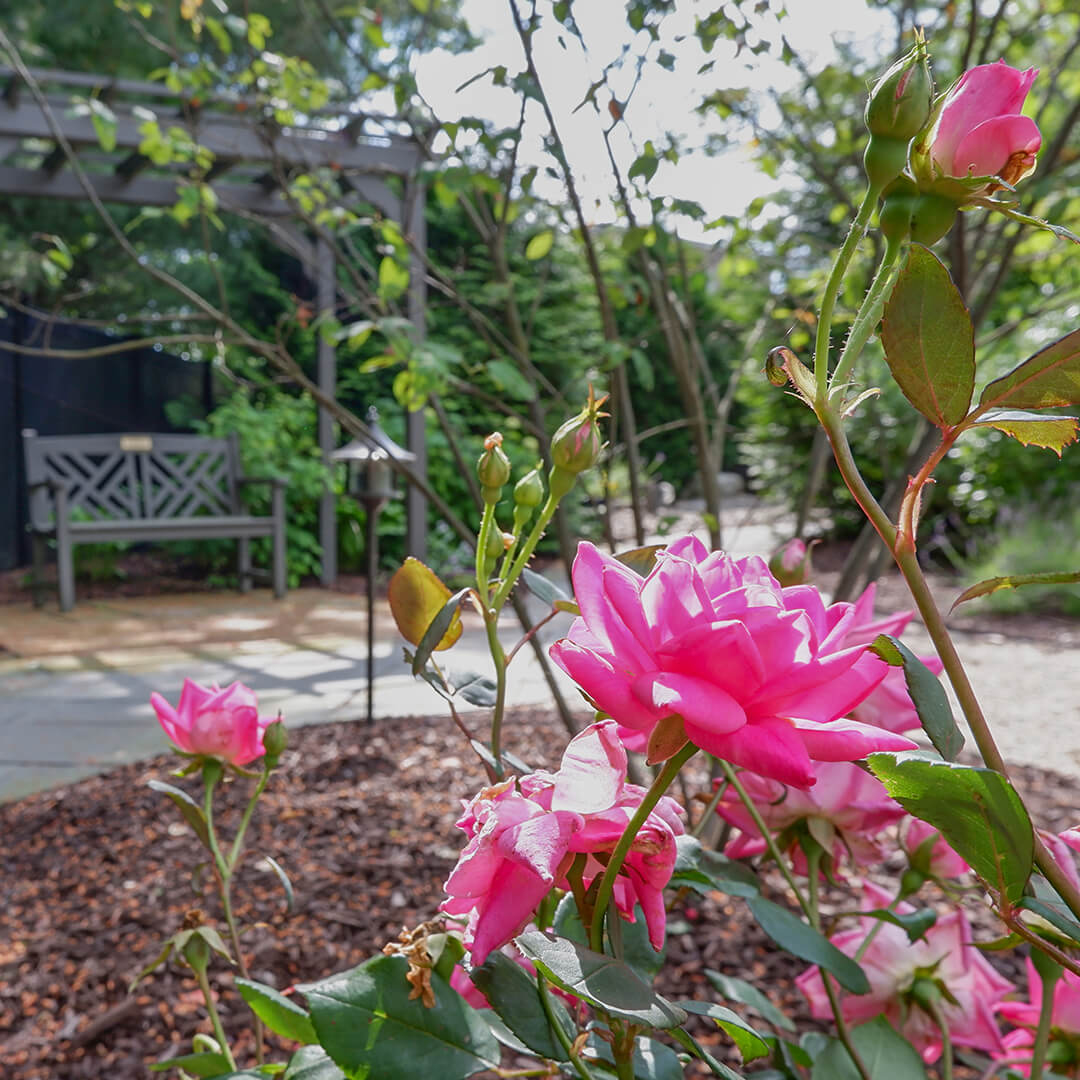
Every healing garden benefits from a clear beginning. Framing your memorial space with a simple arch or arbor and a gently curving path signals that you’re crossing into a place of intention. Train fragrant climbers—such as jasmine, sweet pea, or clematis—over the arch so scent greets you like a warm memory. Underfoot, choose a path material that feels grounded: decomposed granite, brick, or stepping stones set in thyme. Personalize a few stones with names, dates, song lyrics, or meaningful symbols; they become quiet mile markers in your journey of remembrance. Keep the path wide enough for comfort and mobility aids, and let it meander to slow the pace. If you’re short on space, even three or five stones leading to a focal point creates a ceremonial “threshold.” Add a small bell or wind chime at the entrance to begin and end visits with a mindful note. This defined welcome not only elevates curb appeal, it also creates a psychological shift that helps you release daily noise and enter a sanctuary of reflection—an essential foundation for any memorial garden idea that follows.
The Remembrance Bench: A Seat for Stories
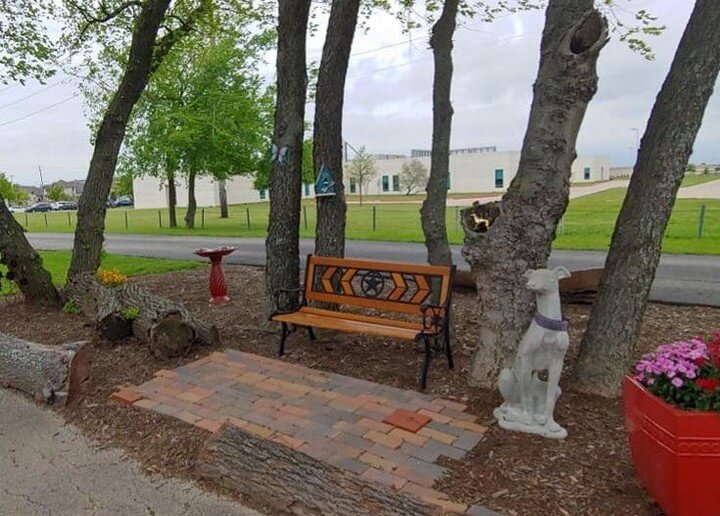
A thoughtfully placed bench turns a lovely garden into a true place of rest. Choose a spot with a gentle view—toward a favorite tree, a fountain, or a patch of sky—so the bench anchors your moments of remembrance. Materials carry meaning: teak and cedar weather beautifully, stone feels timeless, and metal frames pair well with slim spaces. Add a small plaque beneath the seat or on the backrest with a short dedication or quote. Flank the bench with soothing companions like lavender, rosemary, and soft grasses; they hold fragrance and movement, offering subtle comfort. Keep a weatherproof box nearby with a pen and journal for letters you’ll write over time, or a stack of smooth pebbles for placing on the seat to mark visits. For evening, nestle low solar lights behind the legs to halo the bench without glare. This simple seating becomes a ritual station—where you sip tea, read favorite passages, and let stories surface. In a memorial garden, a bench is never just furniture; it’s where memory sits beside you, unhurried, and the heart can exhale.
Planting with Meaning: A Symbolic Palette that Blooms All Year
Let your planting plan speak the language of remembrance. Choose a calming palette—soft whites, sky blues, and dusky purples—to create cohesion and serenity. Blend symbolic plants thoughtfully: forget-me-nots for enduring memory, rosemary for remembrance, lavender for peace, white roses for love, and lily of the valley for the sweetness of presence. Add evergreen structure with boxwood or dwarf conifers so the garden holds shape through winter. Then layer in seasonal bloom: hellebores and snowdrops to honor quiet resilience; irises and peonies for spring vows; salvias, echinacea, and catmint to sustain summer pollinators; and asters or anemones for autumn grace. Consider birth-month flowers or favorite colors tied to your loved one. Group plants in threes and fives for natural rhythm and repeat key species along the path to guide the eye. Herbs invite touch, and fragrance reconnects you to memory through the senses, a powerful support in grief. With a symbolic, four-season palette, your memorial garden grows into a living tribute that remains expressive—subtle in winter, generous in spring, jubilant in summer, and reflective in fall.
A Whispering Water Feature for Reflection
Water brings movement, music, and metaphor to a remembrance space. A small recirculating fountain, urn, or birdbath suggests continuity—grief flows, then gently settles. Place it where the soft trickle can be heard from the bench but won’t overpower conversation. If street noise is a reality, a bubbler or spillway can mask it with a steady hush. Position the basin to reflect sky or foliage; watching clouds drift or leaves ripple calms the nervous system and invites longer, more restorative visits. Choose a pump with adjustable flow and pair with a discreet solar panel if power is limited. Keep maintenance simple: a weekly skim for leaves and a monthly rinse is often enough. In warm months, your water feature becomes a refuge for birds and butterflies; in winter, it becomes sculpture. For nightfall, tuck a small submersible light into the basin for a quiet glow—no glare, just a gentle beacon. More than decor, water becomes a steady companion, a reminder that love remains present, moving and renewing, within your memorial garden.
Candlelight Rituals and Solar Lantern Glow
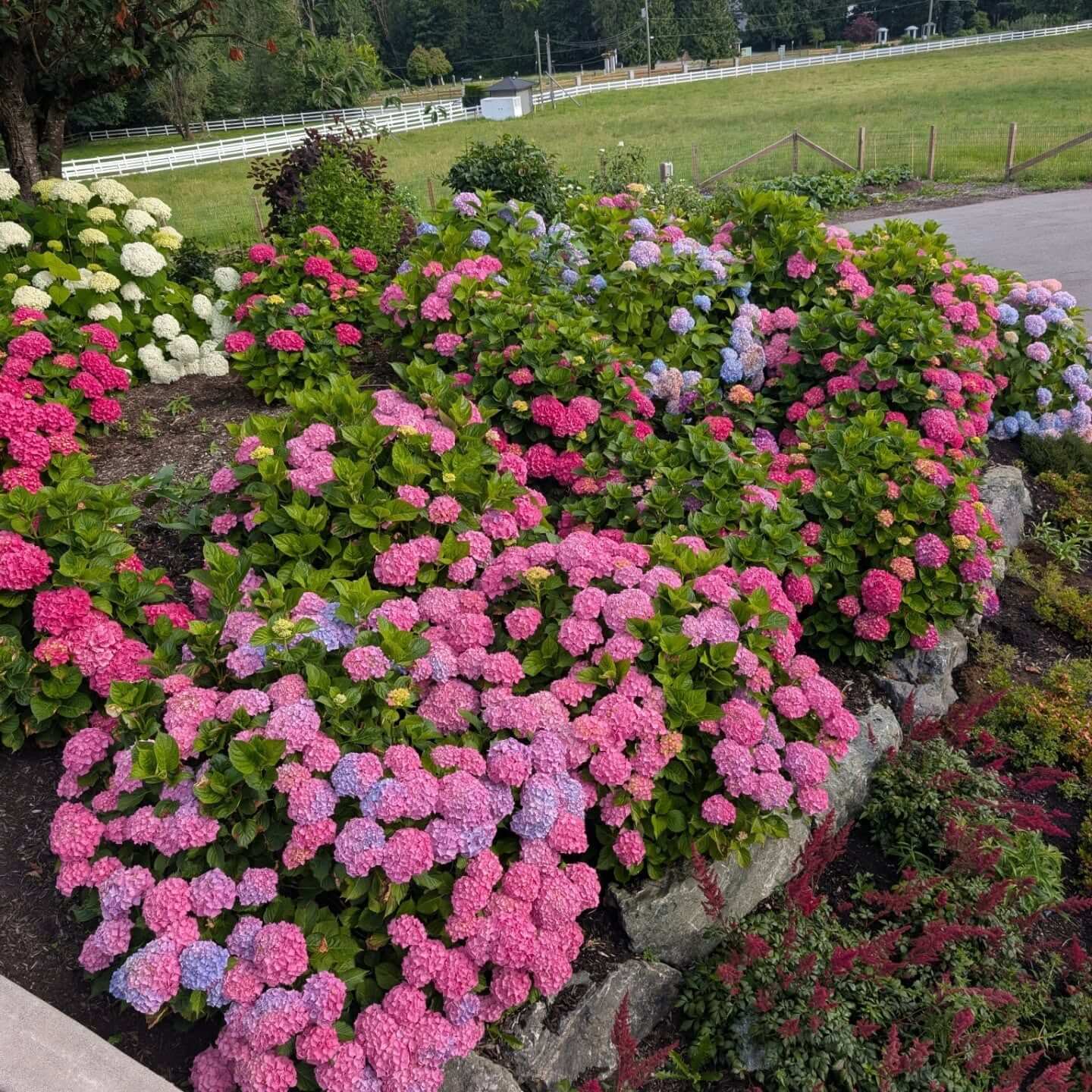
Light helps mark time and create rituals in a healing garden. Line your pathway with warm-white solar stakes to guide evening footsteps without harshness. Hang a pair of lanterns near the bench—battery or solar candles deliver the comfort of flame without the worry. Reserve special luminarias, frosted jars, or votive clusters for anniversaries and birthdays, transforming the space into a soft constellation. Consider a “remembrance shelf” for a single pillar that you light with intention; a brief pause at dusk, a breath, and the day is gently set down. Timers maintain a steady glow through seasons, while motion-sensor fixtures stay discreet, preserving the garden’s calm. Choose amber-toned bulbs to protect nocturnal pollinators and wildlife. If you enjoy stargazing, keep one corner dark for a skyward view and add a small plaque with a favorite constellation or nighttime quote. In a memorial garden, light isn’t just functional—it’s ceremonial. It invites you back after sunset, holds space for quiet conversations, and reminds you that love, like a candle, can be sheltered and shared.
Words in Stone: Engraved Steppers, Pebbles, and Cairns
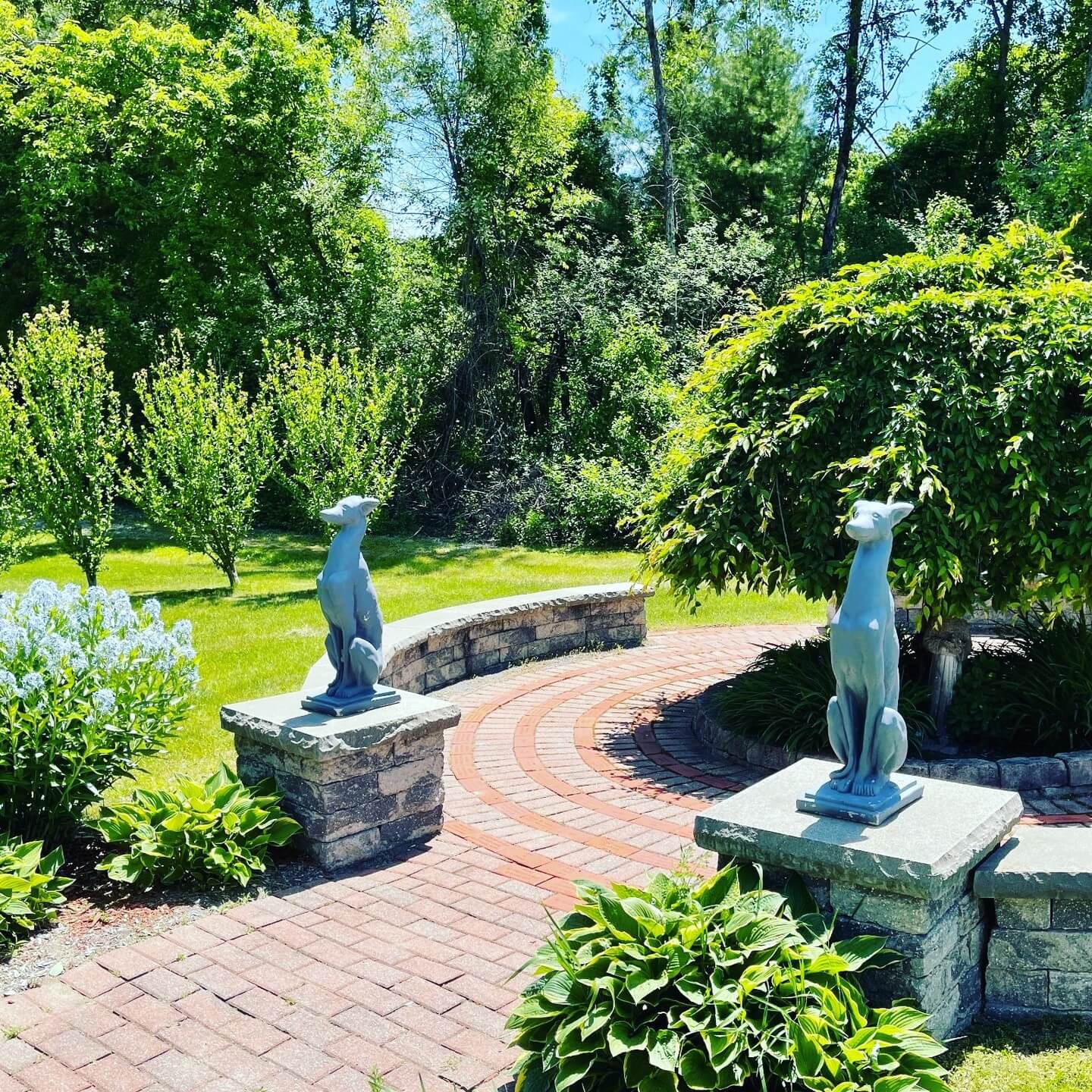
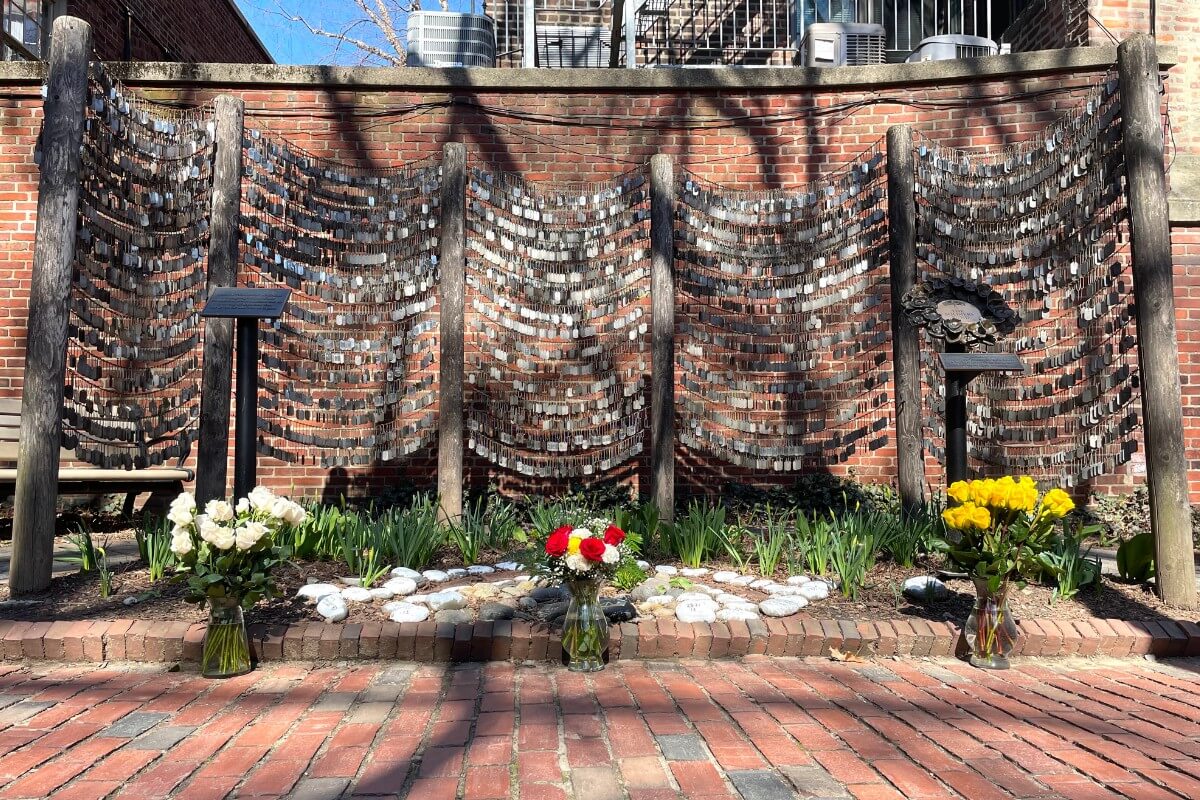
Personalized stonework grounds your tribute with messages that endure. Scatter a handful of engraved pebbles in a shallow bowl at the bench—each etched with a word you return to: courage, laughter, home. Introduce a set of stepping stones inscribed with a line from a letter or a favorite lyric; place them where your pace naturally slows so reading becomes part of the walk. A small cairn—a mindful stack of smooth rocks—can serve as a participatory ritual: add a stone when you visit, or invite family to place one during gatherings. For a creative touch, craft mosaic pavers using broken china, sea glass, or tiles in your loved one’s colors; seal them well for weather. Keep inscriptions brief and fonts legible; subtlety suits a contemplative space. If privacy matters, tuck the most personal stones in a planted nook. Over time, lichens and moss soften edges, blending memory into the landscape. These durable markers turn your memorial garden into a place where words settle, grief finds form, and meaning is literally set in stone.
Get the Fail-Safe Paint Color Playbook (Free PDF)
36 proven colors • 8 ready palettes • trim & sheen guide • printable testing cards.
A Living Legacy Tree: Shade, Shelter, and Seasons
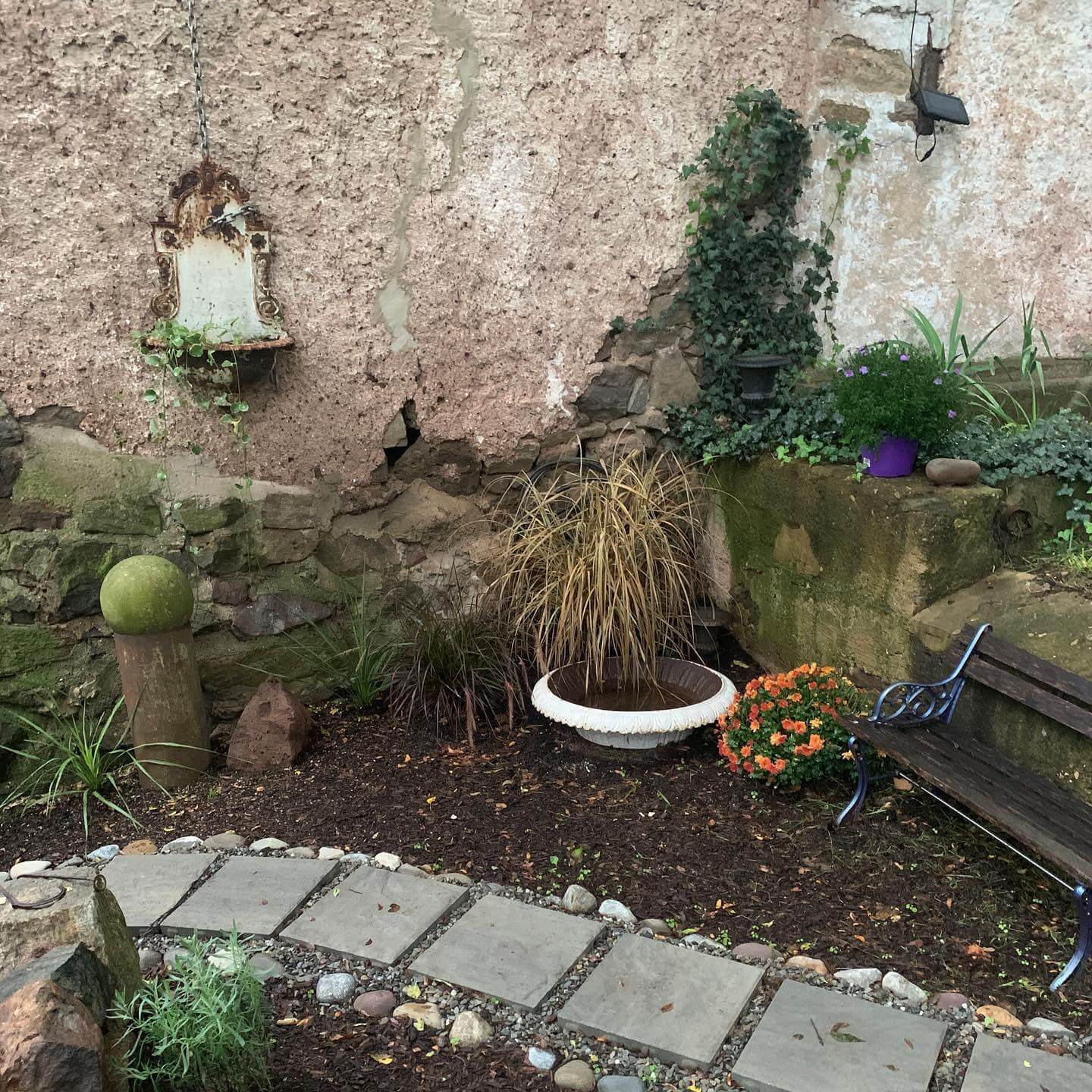
Planting a tree anchors your remembrance with a legacy that grows. Choose a species suited to your climate and space: serviceberry for four-season beauty, Japanese maple for sculptural grace, flowering cherry for spring radiance, or an oak for long-lived strength. Make planting a small ceremony—write a wish on biodegradable paper, set it in the soil, and invite each person to place a handful of earth. Create a wide mulch “donut,” keeping bark clear, and add a low ring of companion plants like hellebores, epimedium, and ferns to keep roots cool. A discreet tag with the tree’s name and dedication date adds meaning without formality. Water deeply the first two seasons and stake only if wind demands it; remove ties once the trunk stands firm. As years pass, this tree will mark time—buds to blossoms, shade to color, leaf to leaf-fall—mirroring a healing arc. In your memorial garden, a living legacy tree becomes the keeper of anniversaries, a shelter for birds, and a steadfast symbol of love that continues to canopy your days.
Keepsake Nook: Weatherproof Memory Box and Photo Ledge
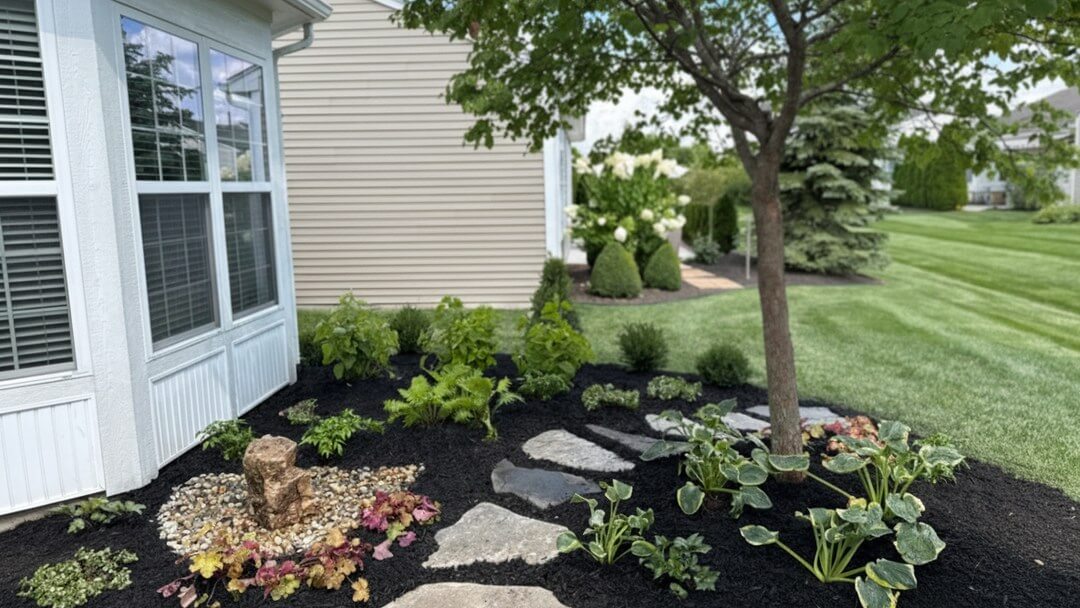
Create a quiet corner for tangible treasures that shouldn’t live indoors alone. A weatherproof memory box—cedar with a gasketed lid or a metal mailbox painted to match the garden—can hold letters, a small journal, dried petals from meaningful bouquets, or printed photos in protective sleeves. Mount a simple photo ledge or shadowbox (with UV-protective glazing) beneath an overhang to swap seasonal images or favorite postcards. If privacy matters, hide the nook behind a trellis draped in climbers, or within a hedge opening that feels like a secret room. Add a small ceramic dish for found objects—acorns, feathers, shells—collected during walks. Keep a soft cloth inside for mindful rituals: wipe the ledge, place a new keepsake, breathe. This corner isn’t a shrine frozen in time, but a living archive that grows alongside your garden. It encourages brief, meaningful interactions, especially on days when words are hard. In a memorial garden, a keepsake nook gives shape to love’s artifacts—and offers a gentle invitation to touch, remember, and continue.
Small-Space Memorial Planters for Balconies and Rentals

No yard? A portable remembrance garden can be just as profound. Use a trio of large containers on rolling caddies: one for structure (a dwarf conifer or bay), one for scent (lavender, rosemary, or scented geranium), and one for seasonal color (bulbs, violas, salvias). Tuck in symbolic accents—forget-me-nots beneath a small rose, or thyme between stones set on topsoil. A slim trellis supports a compact climber like star jasmine or clematis, creating a vertical “green altar.” Add a folding bistro chair and cushion to form your reflection seat. For light, clip-on solar lanterns or a string of warm micro-lights soften evenings without altering the space. Choose beautiful, lightweight planters in a unified color to keep the design serene. When moving homes, your entire memorial garden travels with you—continuity that can feel especially comforting. With mindful curation, even a single rail planter becomes a tender tribute, proving that memorial garden ideas flourish wherever care and intention take root.
Invite Life In: Pollinators, Birds, and Gentle Wildness
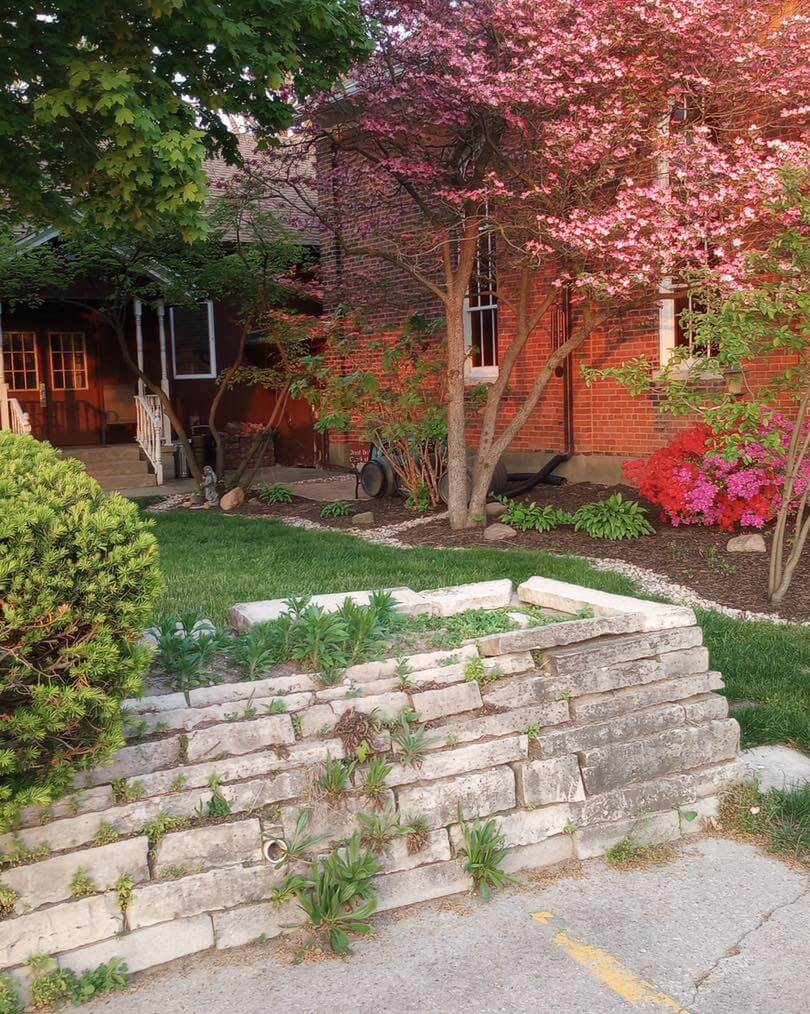
A remembrance garden comes alive when it supports living things. Plant native flowers in a long bloom sequence—columbine, penstemon, bee balm, coneflower, and asters—to feed bees and butterflies from spring through frost. Include host plants (milkweed for monarchs, parsley for swallowtails) to nurture full lifecycles. Layer a shallow birdbath with a few “perch stones,” refresh water often, and keep one saucer at ground level for small mammals and insects. Leave seed heads on in fall—goldfinches will thank you—and reserve a tidy brush pile or log for beneficial creatures. Skip pesticides; spot-treat with soapy water or hand-pick pests to keep the ecosystem safe. A small patch of meadow grass or a micro-prairie mixes beauty with habitat and requires less mowing. This gentle wildness isn’t untidy—it’s intentional, restorative, and deeply symbolic. As birdsong returns and butterflies drift through, you’ll feel the garden’s message: life continues, love circulates, and memory blooms in motion. In this way, your memorial garden becomes not just a tribute, but a sanctuary.
Get the Fail-Safe Paint Color Playbook (Free PDF)
36 proven colors • 8 ready palettes • trim & sheen guide • printable testing cards.
The Aromatic Memory Walk: A Scented Border that Calms and Comforts
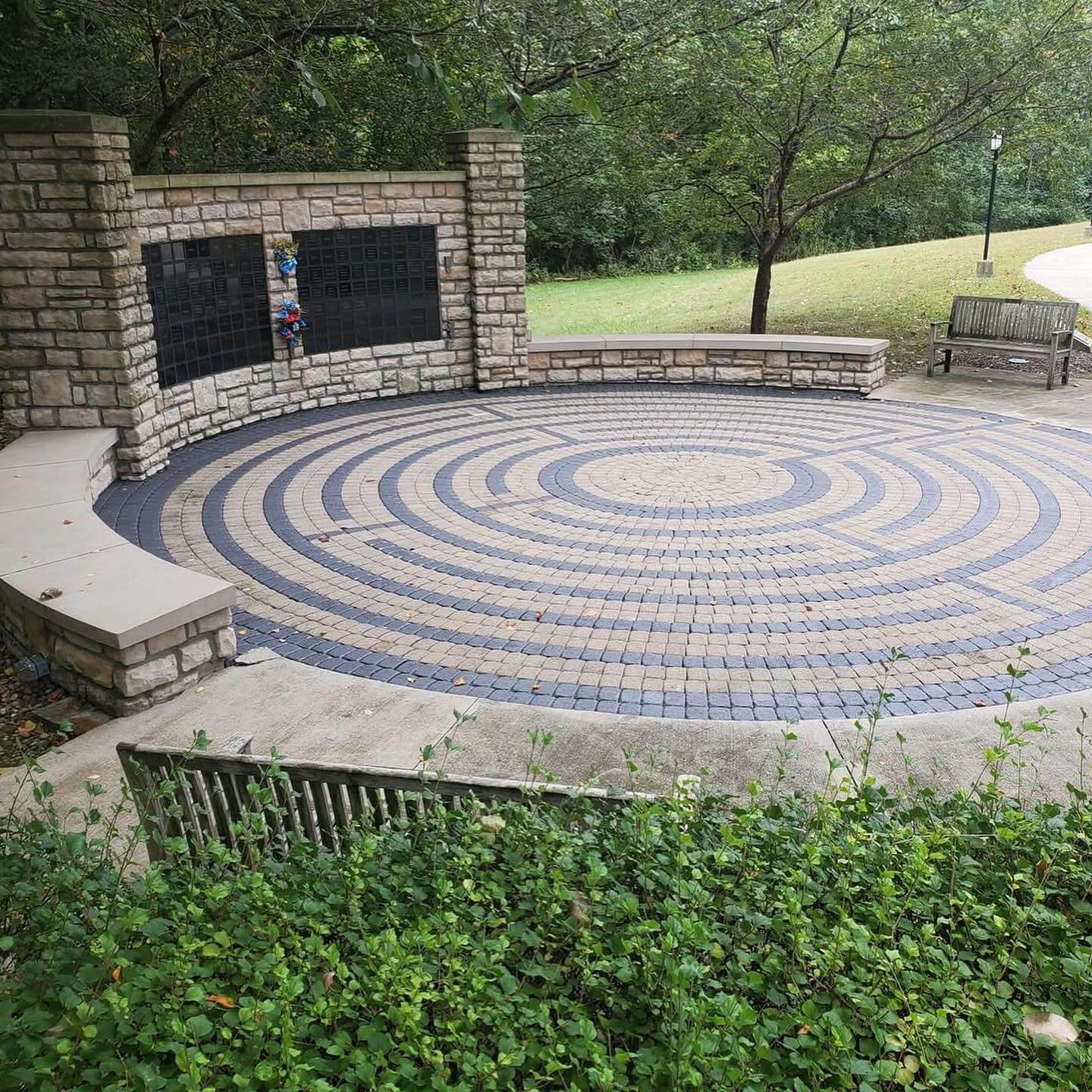
Scent anchors memory like nothing else, making a fragrant pathway one of the most healing memorial garden ideas. Edge your main path or bench approach with low, aromatic plants that release perfume as you brush past—lavender, thyme, sweet alyssum, and creeping rosemary offer year-round softness and a gentle, familiar fragrance. In spring, add daphne or hyacinth near the entry for an uplifting welcome; in summer, tuck in lemon balm and mint (contained in pots) for refreshing teas after reflective walks. For evening comfort, night-scented nicotiana and jasmine guide you by fragrance when the garden is quietest. Keep the palette soothing and repeated so the journey feels intentional, not busy. Use pale gravel or light flagstone to bounce light and highlight silvery foliage like lamb’s ear and artemisia. Place a small engraved marker with a favorite quote where the scents converge, inviting a pause for breathwork or gratitude. With a few well-chosen varieties, your scented border becomes a reliable ritual—each inhale a thread back to treasured moments and a steadying path forward.
Gentle Soundscapes: Wind Chimes, Reeds, and Rustling Grasses
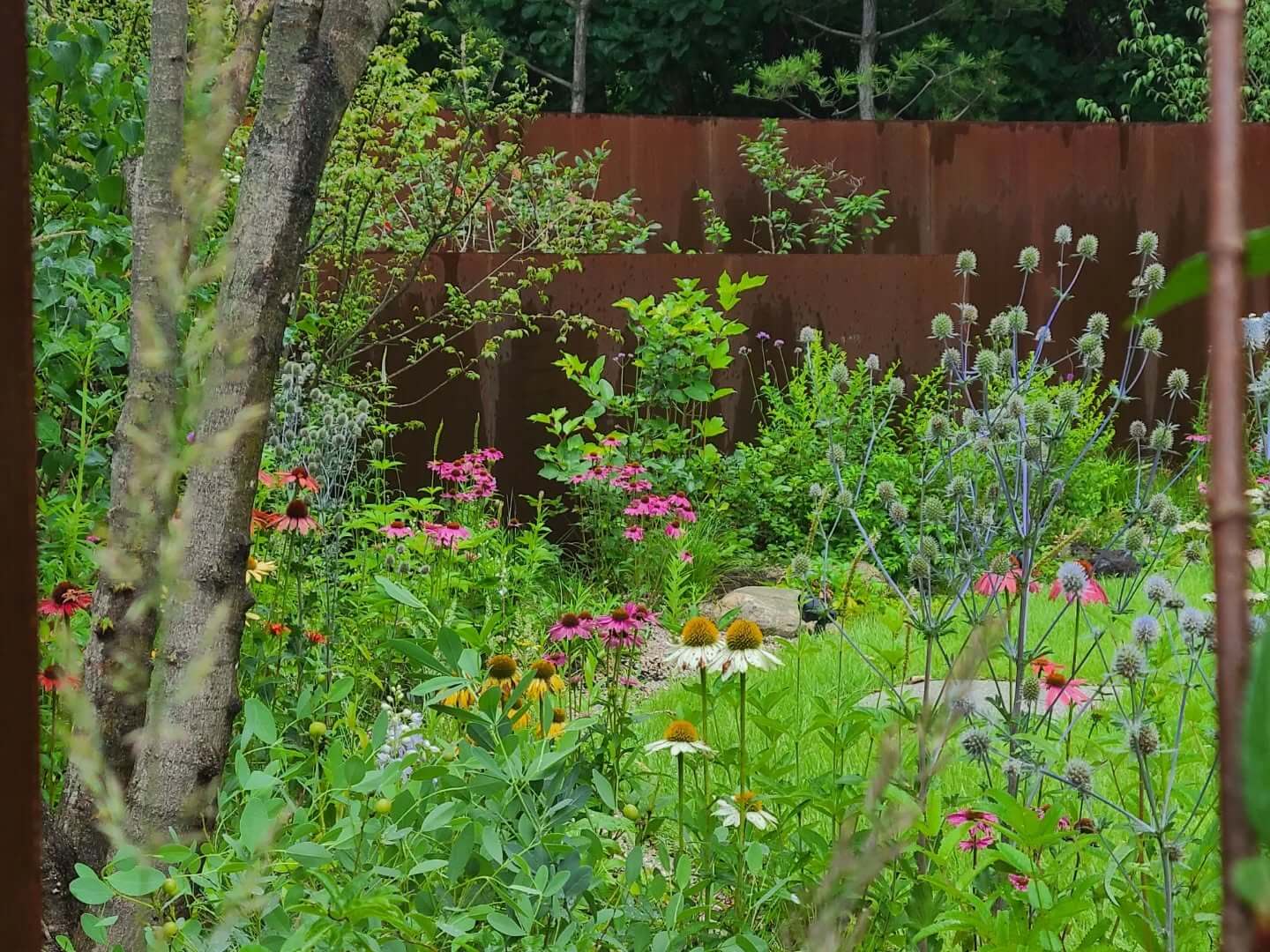
Sound can steady the heart when words fall short. Introduce a soft soundscape with tuned wind chimes, bamboo chimes, or a subtle bell that sings only in a light breeze. Hang them where wind flows but won’t overwhelm—near a gateway, at the corner of a pergola, or above a seating nook. Pair sound with movement by planting ornamental grasses that whisper and sway: feather reed grass, fountain grass, and taller switchgrass create a living metronome for mindful breathing. Add a stand of bamboo (clumping varieties) or reed screens where privacy is needed; their hollow canes amplify gentle taps and rustles. To personalize the feature, tie a small ribbon or wooden tag to the chime sail engraved with a name, mantra, or date. Keep materials cohesive—brushed brass, aged copper, or weathered wood—to harmonize with stone and plant textures already in your memorial garden. The result is a layered symphony of hush and hush again: a reminder that healing often happens in the pauses between notes.
A Moon Garden for Nighttime Reflection
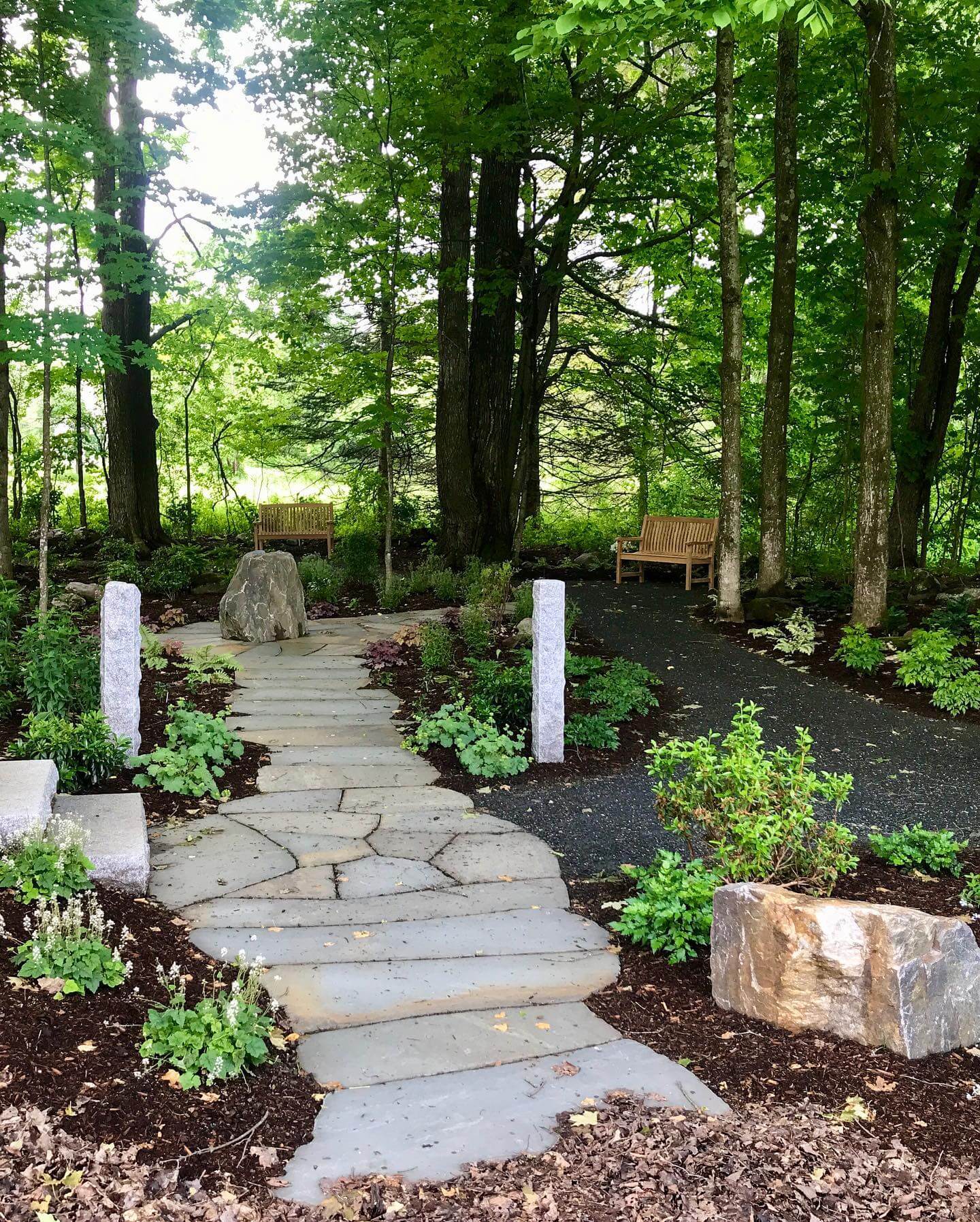
When daylight fades, a moon garden extends your time with memory. Choose white and silver plants that glow after dusk: moonflower, white echinacea, shasta daisies, evening primrose, and angel’s trumpet draw the eye, while lamb’s ear, dusty miller, and artemisia lend a soft, silvery frame. Night-fragrant nicotiana, tuberose, and heliotrope perfume the air when evenings are quietest. Keep the hardscape pale—bleached gravel, light pavers, or shells—to reflect ambient light and define pathways. Use low, warm solar uplights to graze foliage, and a single focal lantern to mark the sitting area; this preserves intimacy without glare. If your loved one cherished stargazing, orient a bench toward an open sky and add a small star map plaque marking meaningful constellations or dates. The moon garden becomes a sanctuary for late-hour rituals—journaling, soft conversations, or simple stillness—where gentle luminance and fragrance help turn grief into grace.
Seasonal Ceremony Circle: A Gathering Place for Anniversaries
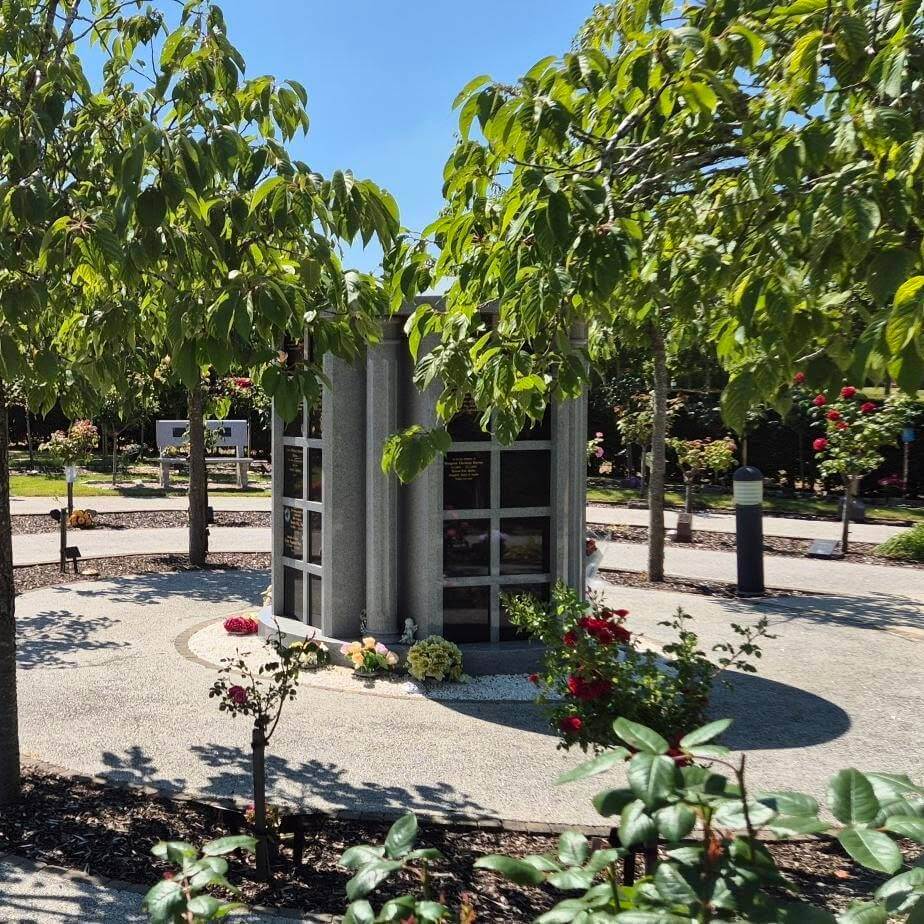
Create a modest circle—6 to 10 feet wide—with stone pavers, gravel, or compacted fines to host small remembrance rituals throughout the year. Edge it with evergreen structure (boxwood, inkberry holly) and four seasonal accents that mark time: spring bulbs, summer perennials, autumn grasses, and winter berries. In the center, place a heat-safe lantern, planter, or low urn where flowers, notes, or candles can be offered. Arrange two to four movable chairs or a curved bench so the space flexes for solo reflection and small gatherings. Add a discrete storage box for matches, ribbons, biodegradable confetti, or blank cards. Keep accessibility in mind: level the surface, set clear edges, and maintain a 36-inch-wide approach. This ceremony circle becomes a predictable heartbeat in the garden—a place for birthdays, anniversaries, and quiet milestones—giving family and friends a shared rhythm for honoring, remembering, and slowly relearning joy together.
Healing Tea and Herb Corner: Harvestable Remembrance
Plant a small herb sanctuary where remembrance becomes a nourishing practice. In a raised bed or clustered terracotta pots, combine chamomile, lemon balm, peppermint, rosemary, thyme, and calendula—plants tied to calm, clarity, and comfort. Add edible flowers like violas and borage for gentle beauty that can top memorial bakes or teas. Tuck a compact bay laurel or culinary sage for year-round presence, and label each herb with a metal or slate marker etched with a date, lyric, or story fragment. Keep mint contained to prevent takeover, and site sun-lovers where they’ll thrive (6+ hours of light). Create a simple ritual: harvest a sprig, prepare a warm cup, and sit in gratitude. On special days, blend a signature “remembrance tea” that recalls your loved one’s favorite flavors. This living pantry turns the garden into an act of care—what you grow feeds you back, reminding you that healing is both symbolic and tangible, sip by soothing sip.
Resilient Native Sanctuary: Low-Care, High-Meaning
Choosing regionally native plants is both a tribute and a promise—your memorial garden will support local birds, pollinators, and soil life while asking less of you. Start with a short list from your native plant society or extension office, emphasizing bloom succession: spring ephemerals, summer nectar sources, autumn seedheads, and winter structure. Mix textures—fine grasses, sturdy perennials, and small shrubs—to create depth without clutter. Leave seedheads standing through winter; goldfinches and sparrows will thank you, and snow will etch beautiful silhouettes. Use leaf litter as mulch where appropriate, closing loops and nourishing the soil that holds your memories. A small interpretive plaque can share why these plants matter and to whom the space is dedicated, inviting visitors into stewardship. This approach turns remembrance into regeneration: every root that takes holds another thread of meaning, and the garden becomes a living legacy of care for the place you both loved.
Meditation Spiral or Mini Labyrinth: Walk Your Remembrance
A simple spiral or compact labyrinth invites slow steps and slower breathing—an embodied practice for moving through grief. Lay out a 7-circuit pattern with pavers, river stones, or contrasting gravel; for softness, edge paths with creeping thyme or Irish moss. Aim for 12–15 inches of path width for comfortable footing, and keep the center just large enough for a small stool, candle, or token bowl. If mobility is a concern, smooth decomposed granite or tight pavers create an even, cane-friendly surface. Consider orienting the entry toward sunrise to symbolize beginnings, or sunset for release. Maintain the lines with seasonal edging and a light rake to refresh texture. Establish an intention: one thought on the way in, a breath at the center, one gratitude on the way out. Over time, the spiral becomes a muscle memory of solace—each turn a gentle reminder that healing is not linear, yet always moving toward light.
Sculpture or Sundial Focal Point: Time, Form, and Story
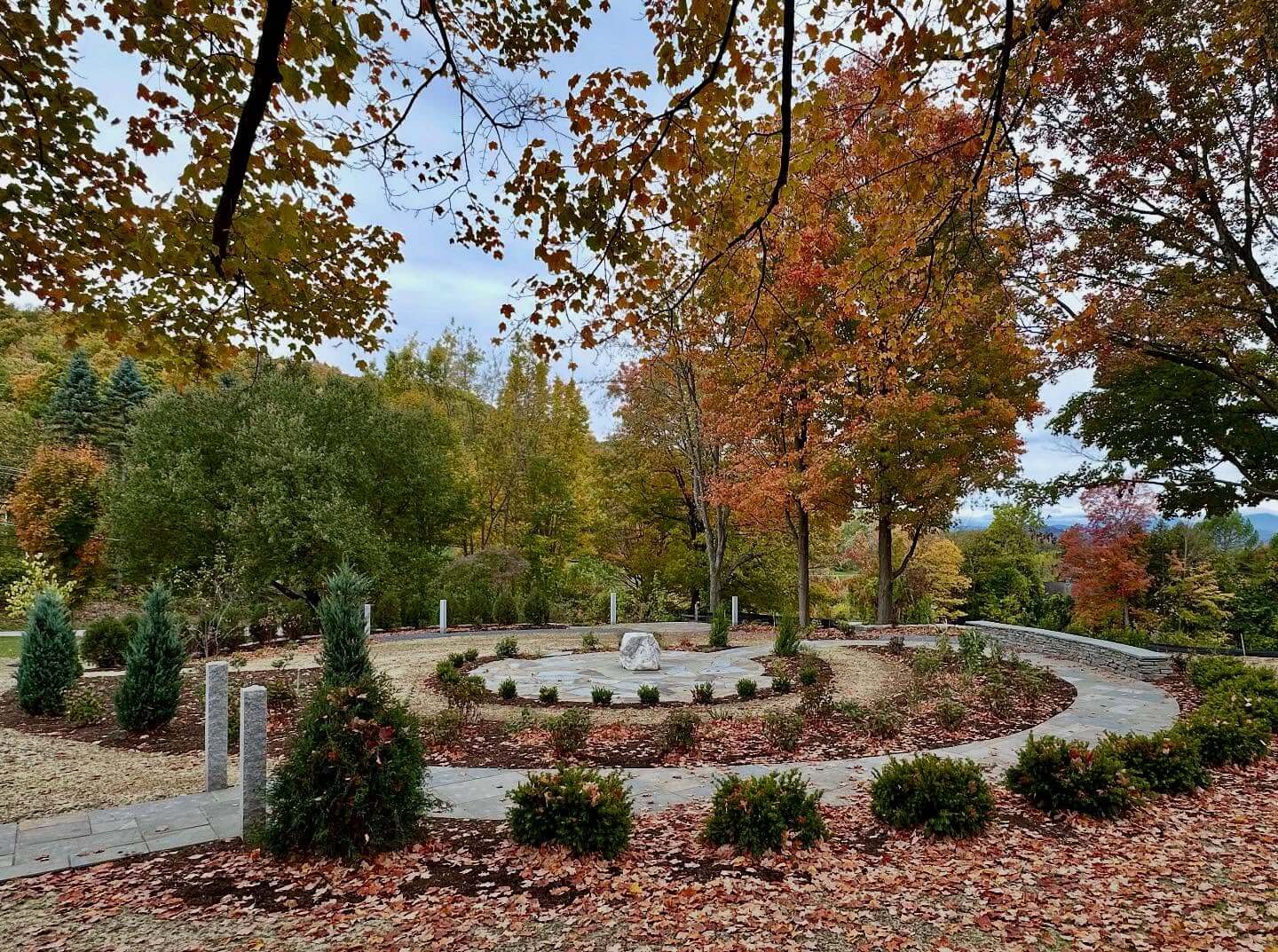
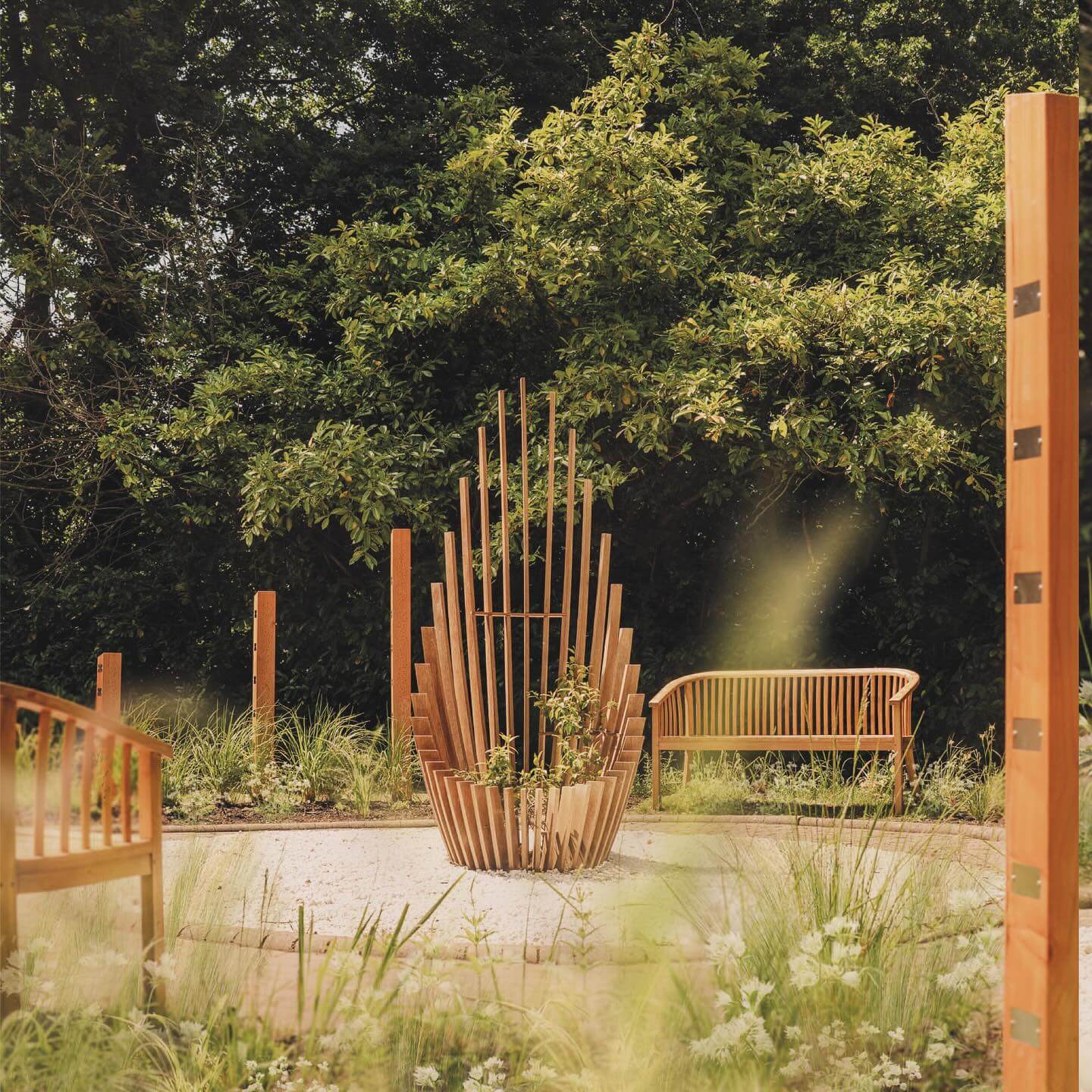
An artful focal point can hold meaning when language feels thin. Choose a weather-hardy sculpture—abstract forms for open interpretation, or a nature motif that echoes your loved one’s spirit. A sundial adds the poetry of time; align it carefully and inscribe a line from a favorite poem along the gnomon base. Set the piece where paths converge or sightlines naturally land, on a plinth proportioned to the garden so it reads as intentional but not imposing. Surround with a quiet planting palette—low evergreens, soft grasses, and a single seasonal accent—so the eye rests on the story, not the crowd. Discreet ground lighting ensures evening presence without glare. If security is a concern, anchor the base and plant a subtle hedge. This anchor element becomes a steadying landmark: a place to meet, to leave flowers, and to remember that love—like light—keeps returning.
Serene Rock Garden: Drought-Tolerant Tribute that Glows
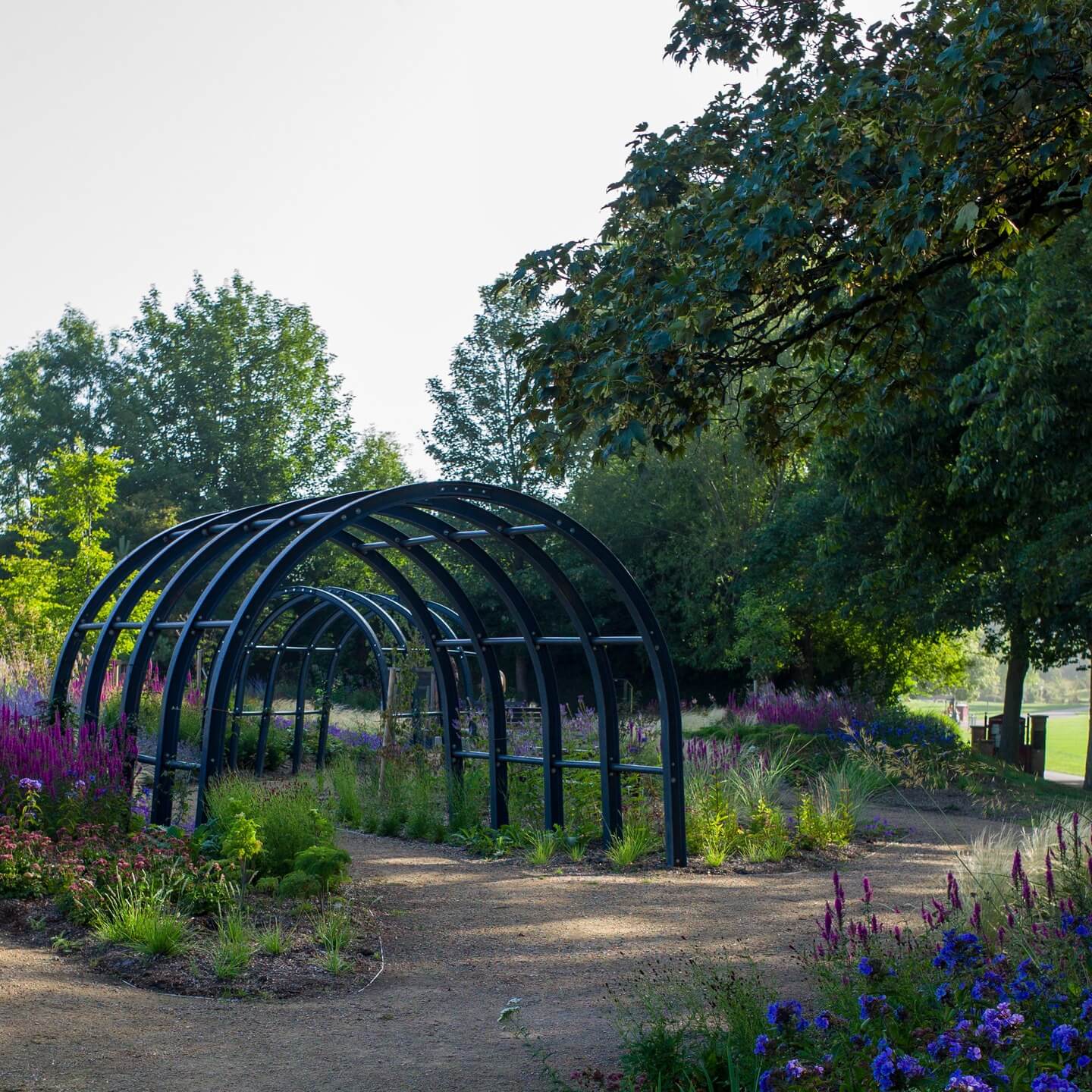
For sun-drenched, low-water sites, a memorial rock garden offers clarity and calm. Mound soil for sharp drainage, nestle varied stones, and plant resilient companions: sedum, sempervivum, ice plant, santolina, lavender, and blue fescue for texture and year-round interest. Use gravel mulch to unify tones and suppress weeds, choosing a color that complements your stone. Accent with a single, meaningful boulder or flat-topped memory rock where small offerings can rest. In tighter spaces, a trough planter mimics alpine drama on a patio. Keep the palette restrained—silvers, blues, and soft pinks—so the space reads serene rather than busy. Add a drip line or hand-water deeply but infrequently to encourage deep roots. This minimalist approach honors loved ones with clean lines and quiet durability—beauty that asks little and gives much, holding steady through heat, wind, and long, contemplative afternoons.
A Gentle Pet Memorial Corner: Pawprints in the Garden
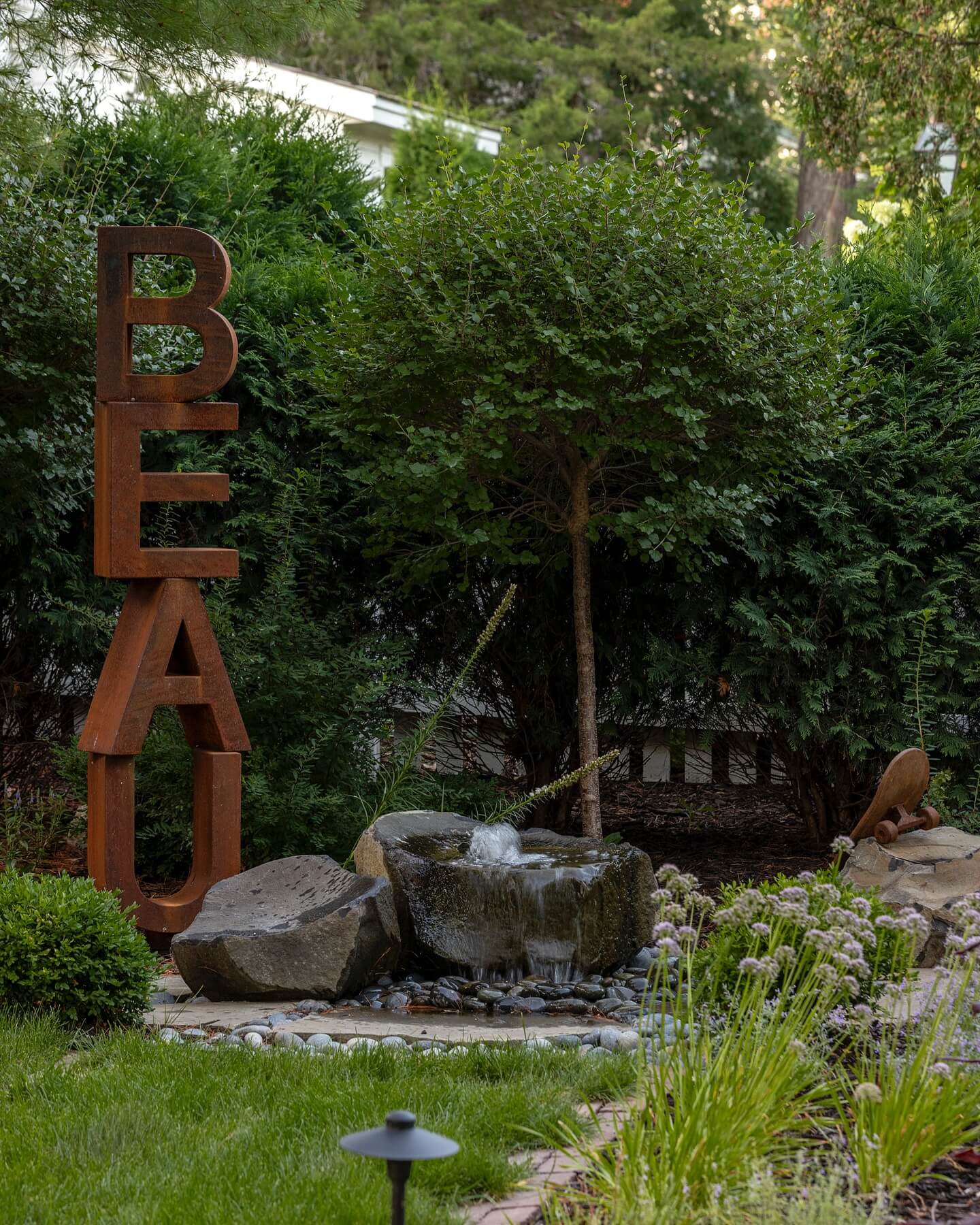
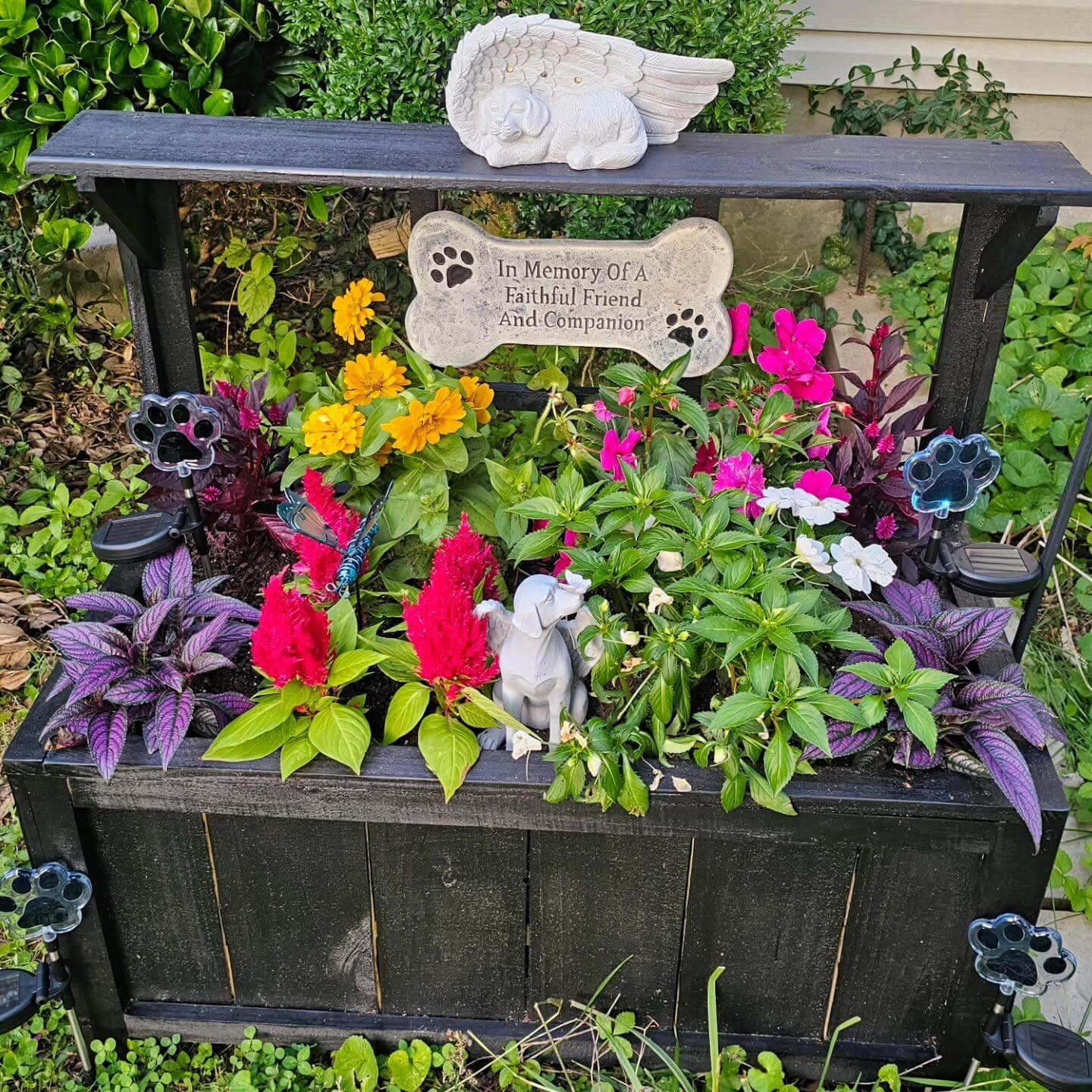
If you’re honoring a beloved animal companion, set aside a tender, pet-safe nook. Choose non-toxic, sensory plants—catmint, hardy marigolds, rosemary, thyme, snapdragons, and blueberry bushes—and avoid lilies, foxglove, and sago palm. Create a low, curved border with smooth stones that invite touch, and add a small, engraved tag or pawprint stepping stone as a keepsake. A shallow birdbath or bubbler doubles as a water source for wildlife and an emblem of care. If you saved a collar or toy, place it in a weatherproof shadow box within sight of a bench. For rituals, grow wheatgrass or oat grass you can trim and leave on special dates. Keep pathways wide and surfaces gentle underfoot for kids and elders who come to remember. This simple corner acknowledges everyday love—the walks, the quiet company, the joyful returns—and folds those memories into a living refuge where tenderness keeps blooming.
Plant a Memory Tree: A Living Centerpiece with Story Tags
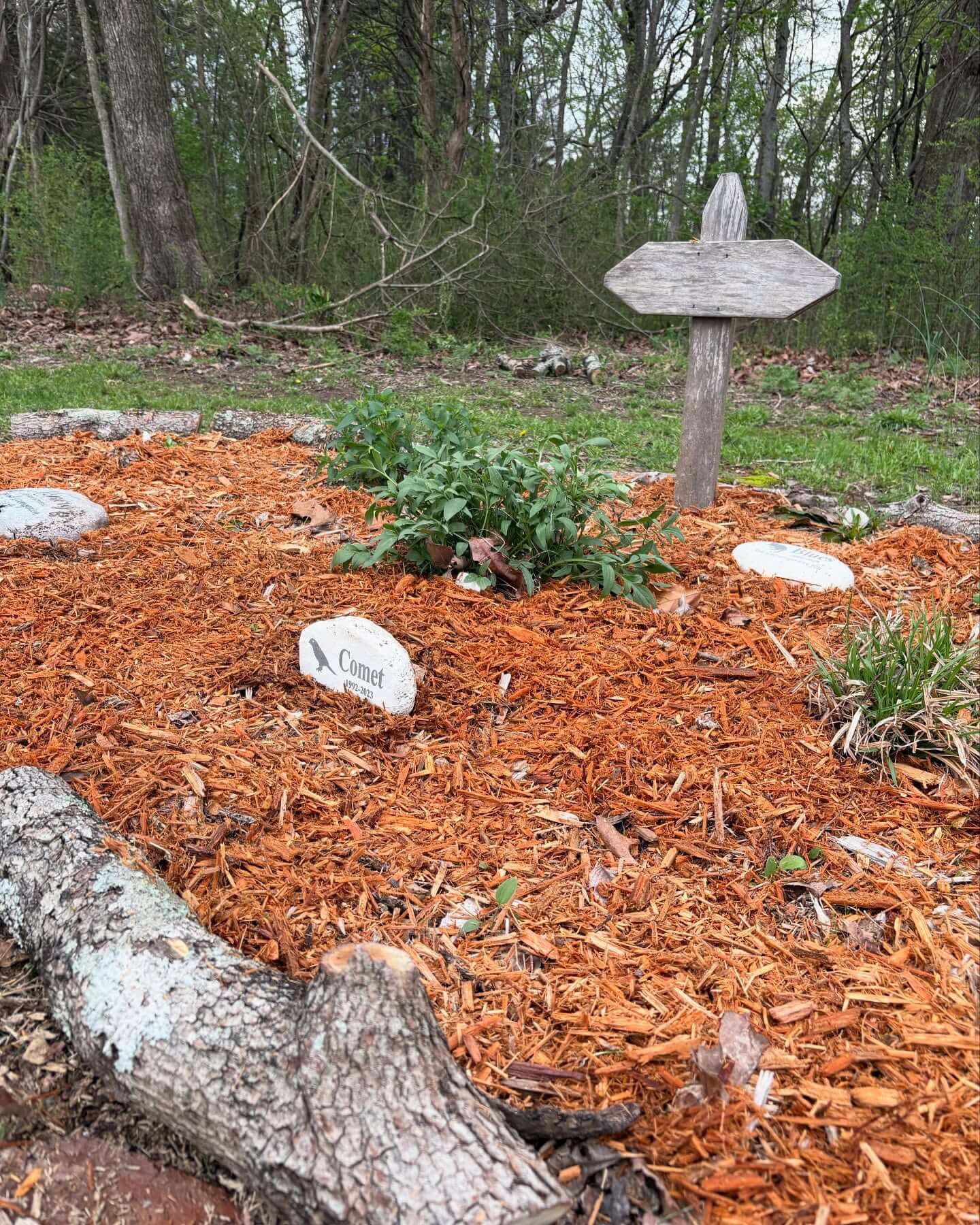
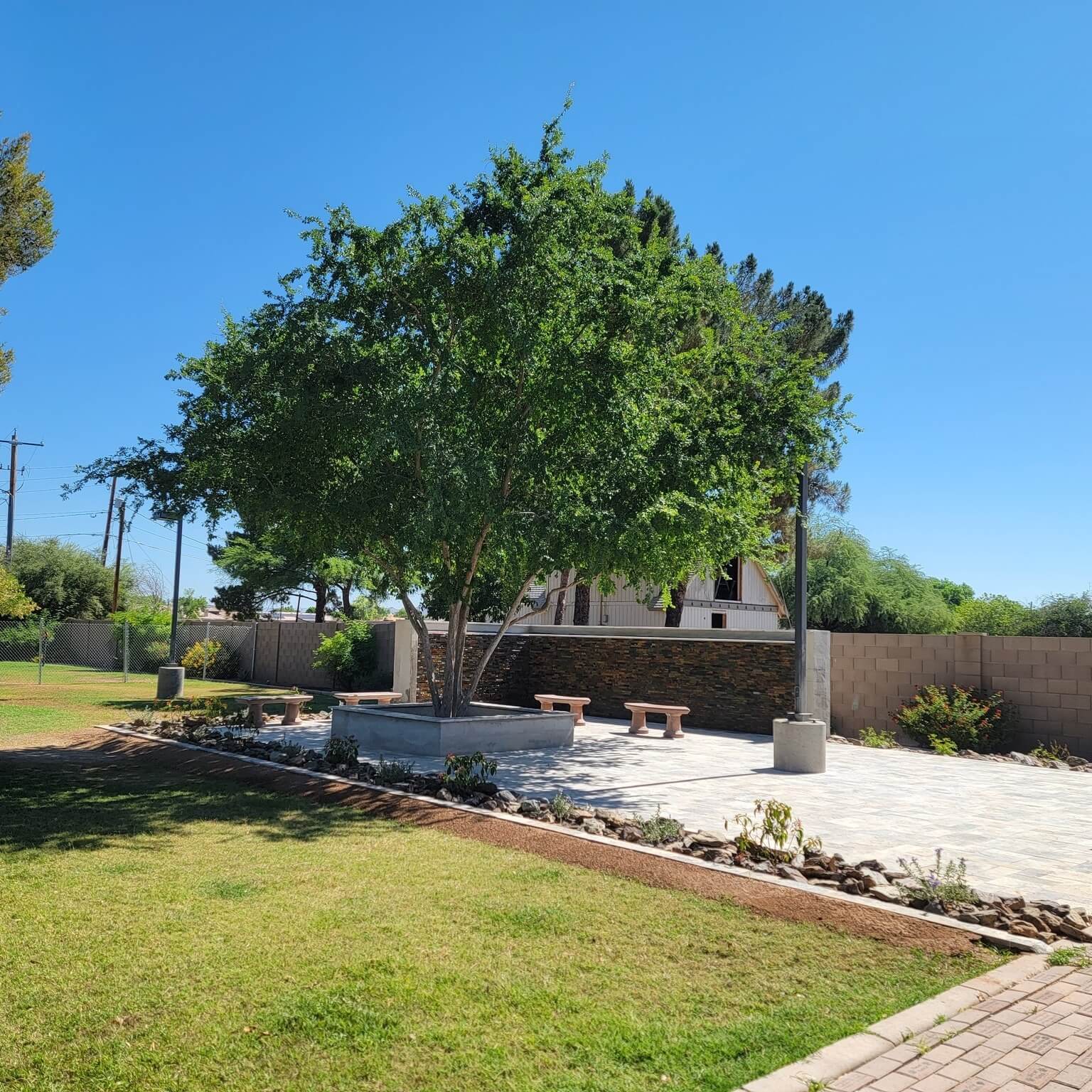
Let one meaningful tree become the heart of your memorial garden—a living tribute that grows as your memories do. Choose a species that suits your climate and space: dogwood, serviceberry, and Japanese maple offer four-season beauty; olive, citrus, or a dwarf fruit tree thrive in large containers for patios and balconies. Make planting day a quiet ceremony: blend compost into the hole, water deeply, and set a simple dedication plaque or hand-engraved stone at the base. Invite family and friends to write messages on biodegradable wooden tags or ribbons, tying them to a discrete branch to sway gently in the breeze. Underplant the tree with forget-me-nots, crocus, or violets for spring color, then edge with thyme or chamomile to release calming fragrance when brushed. A single solar uplight can create a soft halo for evening reflection, while a nearby bench or flat boulder welcomes unhurried sitting. For renters, a container-grown “memory tree” offers portability without losing meaning. Over time, allow the tags to weather and be replaced on anniversaries—an evolving ritual that keeps connection alive. This simple, symbolic element anchors your memorial garden with life, shade, and a tranquil place to return to again and again.
Get the Fail-Safe Paint Color Playbook (Free PDF)
36 proven colors • 8 ready palettes • trim & sheen guide • printable testing cards.
Stepping-Stone Memory Path: Engraved Tributes that Guide the Way
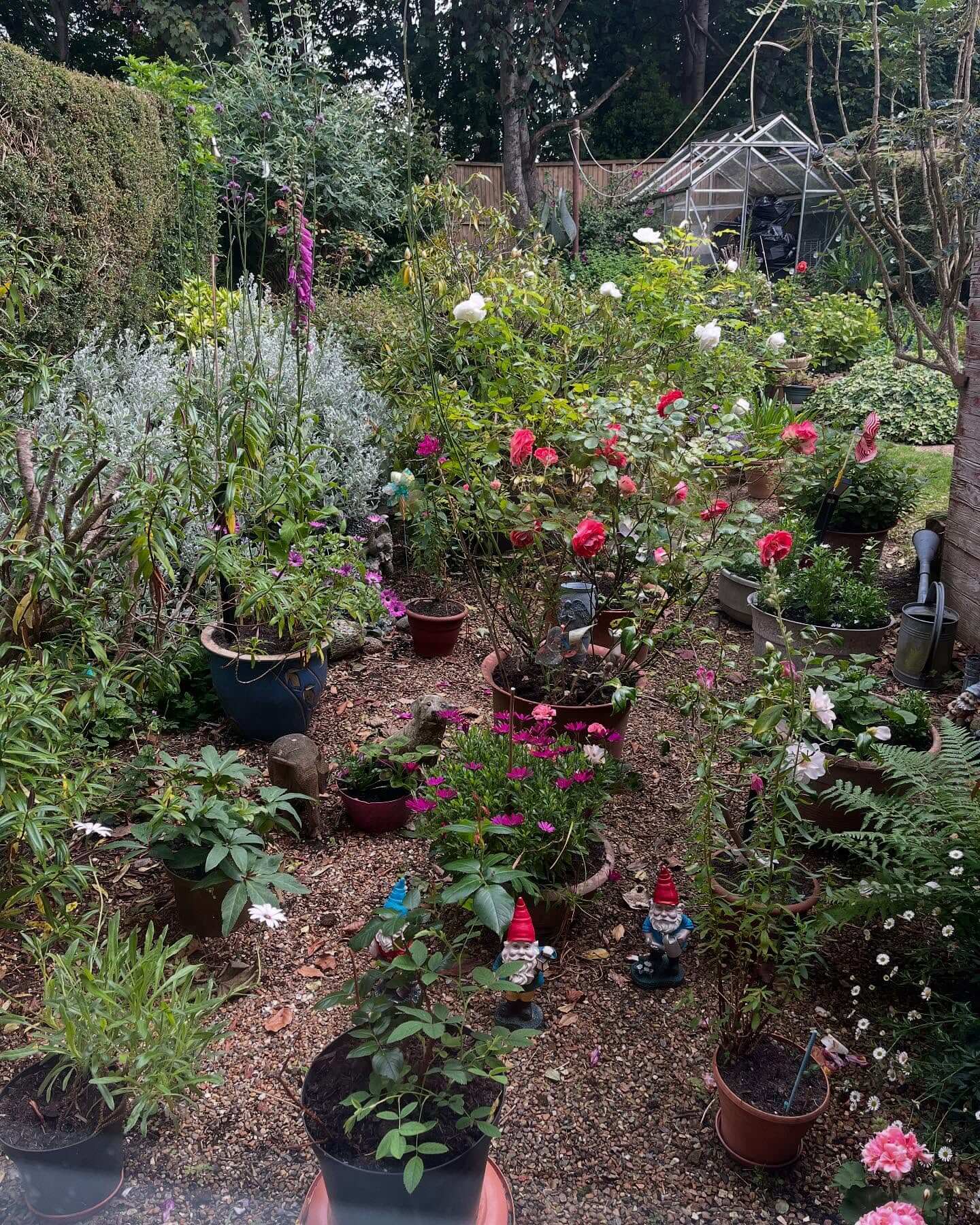
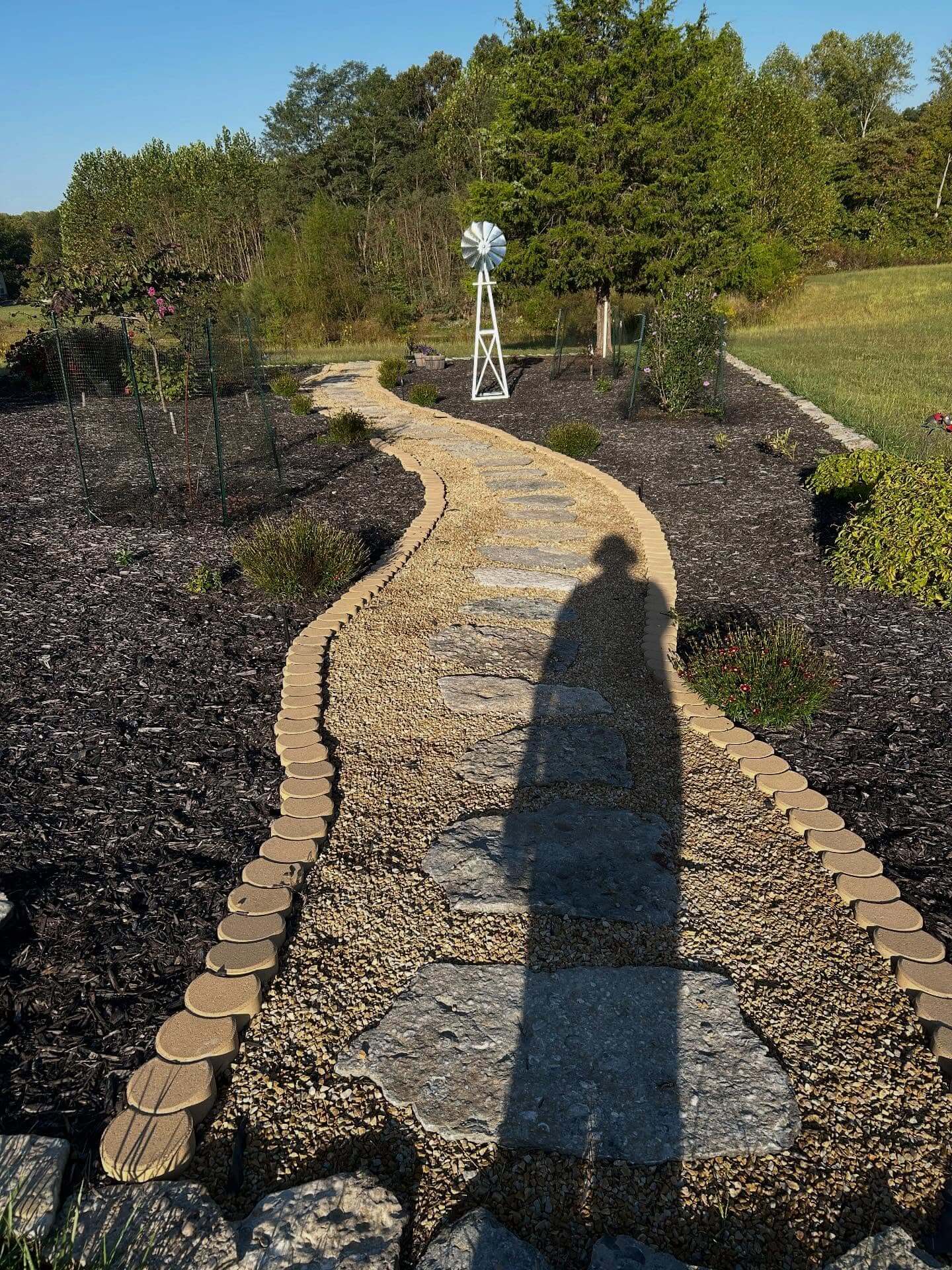
Transform your garden’s approach into a gentle narrative with a stepping-stone memory path. Each stone can hold a name, date, lyric, or short message—small anchors of meaning that turn walking into remembrance. Choose natural flagstone, river-rock rounds, or concrete pavers with engraved or hand-stamped insets. Lay a permeable base (compacted gravel and sand) so rain can soak in, then set stones flush for safe, accessible footing. Tuck low, soft groundcovers—Irish moss, creeping thyme, or baby’s tears—between gaps to green the seams and release fragrance underfoot. For subtle symbolism, begin the path narrow and let it widen near a seating spot, pond, or ceremony circle, inviting breath and reflection. Edge with rosemary and lavender for scent and resilience, or with native grasses that glow in late light. Solar markers or tea-light niches can softly trace the route at dusk without overpowering the night. Keep a few blank stones on hand so you can add to the path at meaningful times—birthdays, anniversaries, or new memories discovered. The result is both practical and poetic: a low-maintenance, drought-friendly walkway that quietly carries the story of a life through your memorial garden.
Personalized Remembrance Landscaping and Memorial Garden Ideas with Native Plants
Personalization begins with symbolism: colors, botanicals, and artifacts that express a loved one’s story. Native plants ground the tribute in place, offering resilience, pollinator support, and ecological harmony. Pair meaningful blooms—forget-me-nots, lilies, or heritage roses—with regionally adapted companions to balance sentiment with practicality. Layer foliage textures and bloom times to reflect life’s seasons, ensuring interest from spring through winter silhouettes. Cultural motifs, favorite hobbies, and modest artworks can be woven subtly into structures, paths, and planting palettes.
- Select native perennials sequenced by bloom time to symbolize ongoing life, supporting pollinators while ensuring a resilient, low-maintenance tribute that thrives through local weather extremes.
- Create a memory circle with pavers and engraved stepping stones, centering a specimen tree or sculpture where visitors can place notes, smooth pebbles, or flowers during anniversaries.
- Design habitat features like nesting boxes, bee hotels, and small brush piles to attract gentle wildlife, transforming remembrance into active stewardship and cycles of renewal.
- Choose materials with personal significance—reclaimed bricks, salvaged gates, or heirloom tools—so textures and patina communicate memory, reducing waste while shaping an unmistakably individual sanctuary.
- Program soft, layered lighting using low-glare path markers, canopy uplights, and candle niches, guiding evening reflection and enhancing safety without overpowering the stars or neighboring homes.
- Install a discreet drip system or ollas beneath mulch to conserve water, deliver consistent moisture to roots, and minimize disease pressure on sentimental roses, clematis, and hydrangeas.
Build in phases: begin with soil testing and a simple plan sketch, then place major features before detailed planting. Source plants from local nurseries or native plant sales to ensure region suitability and support community growers. Establish a calendar for pruning, deadheading, and seasonal rituals—birthdays, holidays, or remembrance dates—to keep meaning active. If adding plaques or public-facing elements, check neighborhood covenants and local ordinances for approvals. Document plant choices and stories in a weatherproof journal box so visitors can understand and contribute to the garden’s living legacy.
Thoughtful Answers for Peaceful Places
How do I choose plants that truly honor my loved one?
Start with personal connections—favorite colors, scents, or flowers with shared memories—then match them to your hardiness zone and sunlight. Balance sentimental selections with resilient natives to ensure longevity and ecological benefit.
Get the Fail-Safe Paint Color Playbook (Free PDF)
36 proven colors • 8 ready palettes • trim & sheen guide • printable testing cards.
What budget should I expect for a small memorial garden?
Many intimate designs succeed between a few hundred and a few thousand dollars, depending on materials and features. Prioritize structural elements first, then expand plantings over time to spread costs.
How can I make the space accessible for elders or mobility devices?
Choose firm, level paths at least three feet wide with gentle transitions, non-slip textures, and stable seating with arms. Keep lighting low-glare and controls reachable, and place focal points within easy proximity.
Will a water feature be difficult to maintain?
Small recirculating basins are manageable with routine cleaning, a pump check, and occasional algae treatment. Position away from heavy leaf fall and use a mesh cover during peak shedding seasons.
Final Verdict: Crafting a Living Tribute That Grows With You
A memorial garden is more than a collection of plants and keepsakes—it’s a living tribute that holds memory, meaning, and quiet restoration. By weaving together symbolic planting, a simple path or bench, soft lighting, and one thoughtful focal point, you create a remembrance garden that feels intentional and deeply personal. Start with what feels most true to your loved one—a favorite flower, an engraved stone, a gentle water feature—and let the space evolve with the seasons. Over time, the garden becomes a sanctuary for reflection, a place to honor milestones, and a canvas where love continues to bloom.
Most important, keep it sustainable and soothing. Choose native plants that welcome pollinators, add low-care accents like solar lanterns, and design small rituals—lighting a candle at dusk, steeping a memory tea, or walking a short labyrinth on anniversaries. Your tribute garden doesn’t have to be grand to be meaningful; it simply needs to hold your story with tenderness. Begin with one step today, and let each quiet addition shape a healing, enduring space of remembrance.
Get the Fail-Safe Paint Color Playbook (Free PDF)
36 proven colors • 8 ready palettes • trim & sheen guide • printable testing cards.