
What is the Best Bottom Paint for Boats
Selecting the right bottom paint is arguably one of the most critical maintenance tasks for any boat owner. The bottom paint does more than just protect the visible hull; it forms a crucial barrier against the relentless forces of the marine environment—namely, barnacles, algae, shipworms, and chemical degradation from salt and fresh water. Because the needs of a boat cruising tropical reefs differ vastly from those of a boat kept in a freshwater lake, the decision process can feel overwhelming.
The best choice depends not only on the paint’s chemistry but also on your intended use, the type of water you will encounter, the boat’s material (fiberglass, wood, etc.), and your maintenance schedule. Treating this selection as a scientific process, rather than simply choosing a color, is the key to ensuring your vessel remains structurally sound, gliding efficiently, and looking beautiful for years to come.
Get the Fail-Safe Paint Color Playbook (Free PDF)
36 proven colors • 8 ready palettes • trim & sheen guide • printable testing cards.
Quick answer: For what is the best bottom paint for boats, start by identifying the surface condition, gathering the right supplies, and working in a well-ventilated area. Prep carefully, test a small area when possible, follow manufacturer directions, and use thin, controlled steps so the result is safer, cleaner, and easier to correct if something looks wrong.
Planning Before You Start: Assessing Your Needs
Before you even look at a color swatch or a product catalog, you must thoroughly assess your usage profile. This assessment dictates the chemical requirements of the paint. Ask yourself a series of pointed questions about your boating habits, as these answers will narrow the field of appropriate products.
1. Water Type and Chemistry: This is the single most important factor. Are you primarily in high-salinity ocean water, low-salinity brackish water, or pure fresh water? Saltwater accelerates chemical reactions and requires paints with robust anti-fouling properties. Fresh water, conversely, often requires paints that can withstand impacts from debris, logs, and rocks, and may not require the same level of marine biocide protection.
2. Usage Frequency and Duration: Will the boat be used for short weekend trips, or will it be kept moored in a single location for months? High-use boats require durable, long-lasting coatings. If the boat is stationary, certain types of protective anti-fouling paint might be recommended, while moving vessels need performance coatings to minimize drag.
3. Boat Material and Hull Condition: Is the hull fiberglass, wood, or metal? The paint manufacturer must have a specific primer and topcoat system designed for that material. Furthermore, how is the current paint layer? If the existing paint is flaking or compromised, no new bottom paint will adhere correctly, making extensive scraping and sanding mandatory.
The Main Buying Guide: Understanding Paint Chemistry
Bottom paints generally fall into three major chemical categories, each designed to tackle different forms of marine growth or degradation. Understanding these types allows you to select a system that matches your operational environment.
Self-Polishing Copolymer (SPC) Paints
SPC paints are perhaps the most common choice for recreational cruisers. They work by slowly dissolving their own outer layer over time, creating a fresh, smooth surface that makes it difficult for marine organisms to attach. This process is continuous, ensuring the hull remains protected as you move. They are excellent for boats that spend significant time actively cruising in mixed salt/brackish waters because they offer a balance of anti-fouling action and durability. They are designed to minimize drag while providing consistent protection.
Ablative Paints
Ablative paints are designed to gradually wear away (ablate) as the boat moves through the water. This controlled wearing process exposes a fresh, anti-fouling layer beneath. They are particularly effective in certain environments or for specific hull materials. Their performance can be highly dependent on the rate of water flow and the paint’s formula, making them a specialized choice that requires careful application and monitoring.
Biocidal/Copper-Based Paints
These are paints that contain active biocides, often copper compounds, which release slow-acting toxins into the water, preventing the attachment and growth of fouling organisms like barnacles and slime. They are highly effective in tropical or nutrient-rich waters where fouling is a constant threat. While incredibly protective, they are potent chemicals, requiring strict adherence to safety protocols and manufacturer guidelines.
When comparing specific products, look beyond the marketing claims and focus on these technical criteria:
- Adhesion and Primer Compatibility: The paint must adhere perfectly to the underlying surface. If the hull is fiberglass, a dedicated epoxy primer is usually required before any bottom paint. If the hull is wood, a specific marine sealant or primer must be used.
- Environmental Resistance: Does the paint resist UV fading, osmotic pressure (common in brackish water), and temperature swings? High-quality marine coatings are formulated to handle extreme temperature fluctuations.
- Maintenance Cycle: Some paints are designed for a 3-5 year cycle, while others might require annual touch-ups. Choosing a paint with a predictable, manageable maintenance cycle helps with long-term budgeting and planning.
- Drag Reduction: The paint’s texture and chemical composition affect the hull’s hydrodynamic profile. The goal is always to minimize drag, which means selecting a coating that provides both protection and a smooth, laminar flow surface.
The success of any bottom paint job is 90% preparation and 10% paint. Do not skimp on the prep work. The paint cannot bond to dirt, oil, or loose paint.
- Cleaning: Thoroughly clean the hull using marine-grade detergents and high-pressure rinsing. Remove all visible marine growth (barnacles, slime) using scrapers.
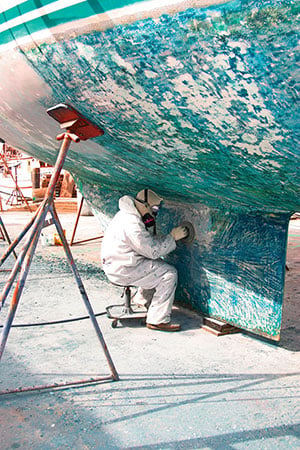
- Sanding/Abrading: Sanding is non-negotiable. You must abrade the entire surface to create a “tooth” for the new paint to grip. The grit level depends on the existing surface, but generally, a medium grit sandpaper (around 80-120 grit) is used to remove loose paint and rough up the surface.
- Repairing: Fill all deep gouges, scratches, and cracks with appropriate marine epoxy fillers. Allow these fillers to cure completely according to the manufacturer’s instructions.
- Priming: Apply the specified primer coat. This acts as the chemical bridge between the bare, porous hull material and the topcoat. This step is crucial for optimal adhesion and preventing premature paint breakdown.
Once the primer has cured (check drying times carefully!), the bottom paint can be applied. Multiple coats are typically required, following the manufacturer’s recommended interval between coats to allow for proper curing and chemical bonding.
Materials and Tools Checklist
To execute a professional-grade bottom paint application, gather these materials and tools:
- Personal Protective Equipment (PPE): Chemical-resistant gloves, safety glasses, and an approved respirator (especially when sanding or handling solvents/copper compounds).
- Surface Preparation Tools: Heavy-duty sanding discs, sanding sponges, stiff-bristle brushes, and scrapers.
- Cleaning Agents: Marine hull cleaner, fresh water rinse system, and non-abrasive wash mitts.
- Painting Equipment: High-quality synthetic brushes (appropriate for the paint type), rollers (if applicable), and mixing buckets.
- Chemicals: Appropriate marine primer coat and necessary fillers/epoxy.
Mistakes to Avoid
Even experienced boat owners can fall into common traps when painting the hull. Avoiding these mistakes will save you time, money, and potential damage.
1. Skipping Surface Preparation: Applying new paint over old, flaky, or oily paint is the number one mistake. The new paint will bond to the existing loose material and fail prematurely, peeling off the moment the boat hits the water. Always sand until you reach a stable, clean surface.
2. Mixing Paint Types: Never mix bottom paints or primers from different manufacturers or with different chemical bases. These paints are formulated to react with specific materials, and mixing them can cause chemical reactions that compromise adhesion or cure time.
3. Underestimating Cure Time: Bottom paints, especially those with heavy biocides, require time to cure. Rushing the application or putting the boat in the water before the full cure time is reached will result in patchy, ineffective protection. Always follow the manufacturer’s recommended waiting period between coats.
Safety and Practical Notes
Marine coatings involve strong chemicals, solvents, and abrasive processes. Safety must be the primary consideration before any painting begins. Always treat this process with the seriousness of a chemical application.
Ventilation and Gear: Always work in a well-ventilated area, ideally outdoors, and never indoors without proper ventilation. Wear the specified Personal Protective Equipment (PPE), including respirators, gloves, and eye protection, to prevent skin contact and inhalation of fumes. Many marine paints and solvents are volatile and require caution.
Professional Consultation: For complex issues, such as suspected structural damage, lead paint contamination (on older boats), or deeply embedded contaminants, do not attempt remediation yourself. Call a licensed marine professional or remediation specialist. They have the expertise and equipment to ensure the job is done safely and correctly.
Manufacturer Instructions: Always defer to the manufacturer’s Technical Data Sheet (TDS) and Safety Data Sheet (SDS). These documents contain the precise mixing ratios, application methods, and safety precautions required for the specific product you purchased.
Choosing the right bottom paint is an investment in the longevity and performance of your vessel. By methodically assessing your usage, understanding the chemistry of the different coatings, and dedicating time to thorough surface preparation, you can ensure a robust and protective finish that will keep your boat gliding smoothly year after year. When in doubt, consulting with a professional marine coatings expert at your local supply store remains the safest and most reliable path to success.
Frequently Asked Questions
Do I need to sand the hull down to bare fiberglass or wood?
No, you do not always need to strip the entire hull down to the bare material. However, the existing paint must be stable, adhering firmly, and free of flaking or peeling sections. The critical step is to abrade the surface (sanding) to create a “tooth”—a rough texture that allows the new primer and topcoat to physically grip. If the paint is compromised, the new layer will fail, regardless of how good the paint is. Always follow the manufacturer’s guidelines regarding how much of the old coating must remain intact.
How do I choose between different bottom paint types (e.g., SPC vs. Biocidal)?
The choice depends entirely on your operating environment. If you boat in nutrient-rich, tropical, or heavily fouling waters, a biocidal (copper-based) paint may be necessary. For recreational cruising in mixed or brackish waters, Self-Polishing Copolymer (SPC) paints are often recommended as they provide a balance of anti-fouling protection and drag reduction. Never choose a paint type based solely on cost; match the paint’s chemistry to the specific marine threats (algae, barnacles, etc.) present in your primary cruising area.
Get the Fail-Safe Paint Color Playbook (Free PDF)
36 proven colors • 8 ready palettes • trim & sheen guide • printable testing cards.
What safety precautions are mandatory when applying marine coatings?
Safety is paramount. Always assume the materials are hazardous. You must wear appropriate Personal Protective Equipment (PPE), including chemical-resistant gloves, safety goggles, and, most importantly, an approved respirator. Always work in a well-ventilated area to prevent inhaling solvent fumes. Never mix paints or solvents without consulting the manufacturer’s Technical Data Sheet (TDS), and always follow all instructions regarding disposal of waste materials.
How long does a bottom paint job take to cure before the boat is safe to use?
This is the most important factor to monitor. Bottom paints require significant time to cure, especially those containing heavy biocides. Never assume the paint is ready just because it looks dry to the touch. The paint must cure fully to allow the chemical reactions to stabilize the anti-fouling layer. Always defer to the manufacturer’s recommended curing time for the specific product you used. Testing the paint before the full cure time is reached will result in ineffective and patchy protection.
Conclusion: The Commitment to Longevity
Choosing and applying the correct bottom paint is not merely a painting project; it is a critical commitment to the structural longevity and operational efficiency of your vessel. The process is complex, requiring knowledge of marine chemistry, meticulous adherence to preparation standards, and an understanding of your unique operating environment.
To summarize the path to success: First, always prioritize the 90% preparation—thorough cleaning, adequate abrasion, and proper repair. Second, treat the selection of paint chemistry (SPC, Biocidal, Ablative) as a scientific matching exercise, pairing the product’s biocide and anti-fouling properties directly to the water type and fouling threats you encounter. Finally, never compromise on safety or manufacturer guidelines.
By following these systematic steps, understanding the chemistry, and respecting the cure times, you ensure that your investment in antifouling paint provides maximum protection and minimal drag. Remember that while DIY efforts are rewarding, when dealing with structural integrity or highly specialized marine environments, consulting a professional marine coatings expert remains the safest and most reliable measure to keep your boat gliding smoothly for years to come.