How to Clean a Paint Gun: A Step-by-Step Guide for Perfect Results
Whether you are a seasoned professional painter or a dedicated DIY enthusiast, the performance of your paint gun is directly linked to its maintenance. Keeping your equipment clean is not just a matter of tidiness; it is absolutely crucial for ensuring a flawless paint job, maximizing the efficiency of your materials, and, most importantly, prolonging the life of your valuable equipment.
Paint guns are complex mechanical devices that operate under pressure, and they are susceptible to buildup from dried paint residue. If left uncleaned, this residue can cause clogs, uneven spray patterns, and eventually, mechanical failure. This comprehensive guide will walk you through the chemistry, materials, and techniques required to safely and effectively restore your paint gun to peak operating condition.
Get the Fail-Safe Paint Color Playbook (Free PDF)
36 proven colors • 8 ready palettes • trim & sheen guide • printable testing cards.
Quick answer: To clean paint gun, depressurize the sprayer or gun, flush the cup and hose with the cleaner that matches the coating, then remove the tip, guard, filter, and nozzle parts for separate soaking. Brush out softened residue, rinse the flow path until clear, and reassemble only after the parts are dry. Wear eye protection and ventilate solvent cleanup.
Preparing for a Deep Clean: Planning and Assessment
Before you even pull out a solvent, proper planning is paramount. Thinking through your project constraints—the type of paint, the paint gun model, and the extent of the buildup—will save you time, effort, and potential damage. Never attempt a deep clean when you are under time pressure.
Consider the following points to assess your situation:
- Paint Type: Did you use water-based latex paint, oil-based enamel, or specialty coatings like polyurethane? This determines your primary cleaning solvent.
- Severity of Clog: Is the paint residue just tacky, or is it rock-hard and dried over weeks? Severe clogs may require specialized flushing or soaking agents.
- Gun Model: Knowing if you have an HVLP (High Volume Low Pressure) or an Airless spray gun can help you select the right cleaning tools, as some models require unique disassembly steps.
If the paint job was done outdoors, the gun might have been exposed to temperature extremes, which can harden resins and make cleaning more difficult. Planning allows you to gather all necessary materials, ensuring you don’t interrupt the process to run to the hardware store for the correct solvent.
The Step-by-Step Guide to Cleaning Your Paint Gun
Cleaning is a methodical process that must be followed sequentially. Skipping a step, especially the thorough drying process, can lead to mildew, corrosion, or internal clogs.
Step 1: Disassemble Completely
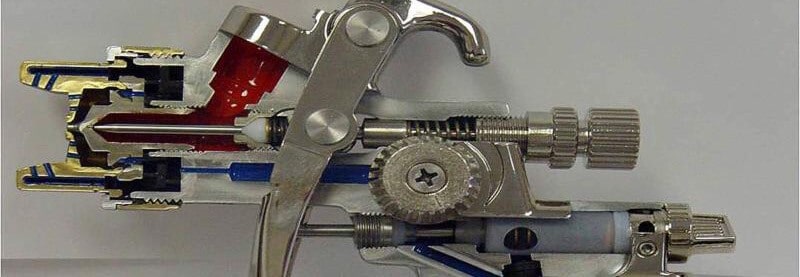
The first step is to treat the paint gun like a machine that needs to be taken apart for inspection. Carefully remove all major components: the cup, the nozzle assembly, the needle, the air cap, and any adjustable parts. Lay these pieces on a protected surface. This allows you to clean each small part individually and ensures no internal buildup is trapped.
Step 2: Select and Soak in the Proper Solvent
This is the chemical breakdown phase. Do not simply rinse the gun; you must soak it. The solvent’s job is to chemically soften and break down the dried paint polymers. The solvent choice is critical and depends entirely on the paint type:
- Latex/Water-Based Paint: Use warm water and a mild, non-abrasive detergent (like dish soap). Never use harsh solvents, as they can degrade the plastic components.
- Oil-Based Enamels: Use a solvent like mineral spirits (paint thinner). Mineral spirits are effective at dissolving oil and alkyd resins.
- Urethane/Epoxy/Polyurethane: These are tough coatings. You may need a specialized thinner or solvent recommended by the manufacturer, as they require stronger chemical action than standard enamel.
Submerge all disassembled parts in the solvent bath for the recommended time (usually 30 minutes to several hours for very tough clogs). Gently agitate the parts within the solvent to help loosen the residue.
Step 3: Scrub and Manually Clean
After soaking, the residue should be softened. Now, use specialized cleaning brushes (non-metallic bristles are often best for delicate parts) to scrub the interior passages. Pay special attention to the needle and the air cap where paint can accumulate in microscopic deposits. Scrubbing helps remove the bulk of the softened material.
Step 4: Rinse and Flush
Rinse all components thoroughly under running water (if using water-based paint) or flush them multiple times with clean, fresh solvent (if using oil-based paint). The goal is to remove all traces of the original paint and the cleaning solvent itself. A final flush with clean water followed by a solvent rinse can be beneficial.
Step 5: Dry and Reassemble
This step cannot be rushed. Residual moisture or solvent vapors can lead to rust or mold. Use a clean, dry compressed air source to blow out every nook and cranny. Ensure that the entire mechanism, including the needle pathways, is completely dry. Once fully dry, carefully reassemble the gun, ensuring all seals and gaskets are correctly seated and nothing is cross-threaded.
Essential Materials and Tools Checklist
Having the right equipment makes the process safer and more effective. Do not rely on household cleaners, as they often contain ingredients that damage the gun’s materials.
Must-Have Supplies:
- Solvents: A selection of compatible solvents (mineral spirits, acetone, or specialized thinners) based on the paint used.
- Cleaning Brushes: Several brushes of varying sizes, designed for mechanical parts, not household scrubbing.
- Cleaning Cloths/Rags: Dedicated, lint-free rags for wiping down external parts.
- Containment: A durable, plastic bucket or container for soaking.
Mandatory Safety Gear (PPE):
- Respirator Mask: Essential for filtering solvent fumes, especially stronger solvents like acetone.
- Chemical Gloves: Nitrile or neoprene gloves to protect skin from solvent absorption.
- Safety Goggles: To protect eyes from splashes.
Supporting Equipment:
- Air Compressor: Used only for the final drying stage.
- Work Bench/Tarp: A designated, clean area to perform the disassembly and cleaning.
Finish, Compatibility, and Prevention Tips
Choose a finish that matches the repair goal and the surface conditions. Gloss and semi-gloss resist moisture and are easier to clean, while flat or matte finishes hide imperfections better but are less washable.
Check compatibility between primer, filler, paint, and the existing surface. Some repairs require specific primers or prep steps to prevent the problem from returning. Consider drying time, odor, and cleanup method before starting, and confirm that the product suits interior or exterior use as needed.
Common Mistakes to Avoid When Cleaning
Even experienced painters can make mistakes that compromise the cleaning process. Being aware of these pitfalls will save you time and potential damage.
- Mixing Incompatible Solvents: Never mix different solvents (e.g., mixing lacquer thinner with mineral spirits). This can cause dangerous chemical reactions, excessive fumes, or create a solvent that is too aggressive for the gun’s materials.
- Insufficient Drying: This is perhaps the most common and damaging mistake. Leaving residual moisture or solvent in the gun’s internal passages will cause rust, corrosion, and bacterial growth, leading to poor performance on the next job.
- Forcing Components: If a part is stuck, do not use excessive force. Disassemble parts gently and follow the manufacturer’s guide. Forcing connections can break delicate seals or damage the internal threading.
- Using Household Cleaners: Dish soap, bleach, or abrasive cleaners are generally too harsh or contain ingredients that will degrade the rubber seals and plastic components over time.
Safety Protocols and Professional Care Notes
Handling solvents requires respect for safety. These guidelines are non-negotiable and must be followed every time you clean the gun.
Ventilation is Key: Always perform cleaning in a well-ventilated area—preferably outdoors or under a dedicated exhaust fan. Solvent fumes (Volatile Organic Compounds or VOCs) are harmful if inhaled in concentrated amounts.
Disposal: Never pour used solvents or paint sludge down the drain. Check local waste disposal guidelines. Often, these solvents must be collected and disposed of as chemical waste.
When to Call a Professional: If your paint gun has been sitting unused for years, or if the buildup is extremely thick (such as dried, multi-layered coatings), it may be best to consult a professional painter or equipment repair specialist. They may have specialized chemical flushing equipment or solvents that are too aggressive for a DIY attempt.
Safety and Practical Notes
Work in a well-ventilated space and wear gloves, eye protection, and a respirator when needed. Keep children and pets away from wet surfaces and open containers.
Follow manufacturer drying times between coats. Dispose of rags and leftover materials according to local regulations. If the project involves heights, lead paint, or structural work, consider hiring a licensed professional.
Frequently Asked Questions
What solvent should I use to clean my paint gun?
Get the Fail-Safe Paint Color Playbook (Free PDF)
36 proven colors • 8 ready palettes • trim & sheen guide • printable testing cards.
The solvent choice is entirely dependent on the type of paint you used. Never mix solvents or use a solvent meant for a different paint type. For water-based latex paints, use warm water and a mild, non-abrasive detergent. For oil-based enamel paints, mineral spirits (paint thinner) is typically required. If you used specialized coatings like urethane or epoxy, you must consult the paint manufacturer’s recommendations, as they require a specialized thinner.
What should I do if the paint clog is rock-hard or extremely severe?
If the residue has been sitting for extended periods or is multi-layered, do not attempt to force it. Start by soaking the components for the maximum recommended time (potentially multiple hours). If the buildup remains stubborn after soaking and scrubbing, it is highly recommended that you contact a professional painter or the paint gun manufacturer. They may have specialized chemical flushing equipment or industrial solvents that are too aggressive for a typical DIY cleaning attempt.
How can I tell if my paint gun is truly clean and ready for use?
The most critical step is the drying process. After flushing, the gun must be completely free of residual solvent, water, and paint polymers. Use a clean, dry source of compressed air to thoroughly blow out every internal passage, including the needle and air cap. If any moisture or solvent remains, it will lead to rust or corrosion. Run a test spray pattern to ensure the flow is consistent and the spray is even, confirming that all blockages have been removed.
Are household cleaners safe for cleaning paint guns?
Generally, no. While tempting, household cleaners like bleach, abrasive scrubbers, or strong degreasers can damage the delicate rubber seals, plastic components, and internal metal parts of the gun over time. Stick to the solvents compatible with your paint type (mineral spirits for oil, mild soap/water for latex) and specialized, non-metallic brushes for scrubbing.
Conclusion
Cleaning your paint gun is not merely a chore; it is an essential investment in your professional performance and the longevity of your equipment. By understanding solvent chemistry, following a methodical step-by-step process, and prioritizing safety, you can ensure that your gear is ready for optimal performance every time you pull the trigger. A clean gun means a flawless finish, job after job.