
How Much Does a 5 Gallon Bucket of Paint Weigh? A Comprehensive Guide
Embarking on a painting project, whether it’s a single accent wall or an entire exterior façade, is an exciting step toward improving your home. However, before the first brushstroke, successful painting requires meticulous planning. One often overlooked, yet crucial, part of this preparation is understanding the materials themselves—specifically, the logistics of handling and transporting the paint. Knowing how much a 5-gallon bucket of paint weighs is fundamental to planning everything from lifting techniques to calculating necessary equipment.
This guide goes beyond simple weight measurements. We will delve into the chemistry, density, and practical implications of paint composition, helping you become a truly informed DIYer or professional painter. By understanding *why* paint weighs what it does, you can make smarter choices regarding material selection, surface preparation, and project scope, ensuring a safer and more successful transformation.
Get the Fail-Safe Paint Color Playbook (Free PDF)
36 proven colors • 8 ready palettes • trim & sheen guide • printable testing cards.
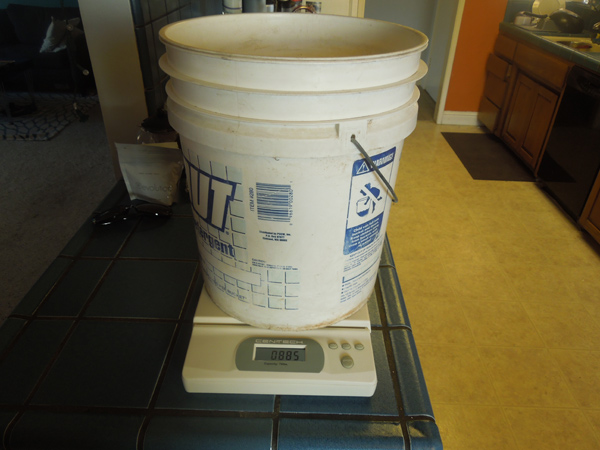
Quick answer: Five gallons of paint usually weighs about 50 to 80 pounds, depending on the paint type, formula, pigments, and container. Standard latex paint is often lighter, while oil-based paints, primers, and specialty coatings can be heavier. For the exact weight, check the product label or technical data sheet before transporting it.
Preparing for the Project: Scope, Surface, and Logistics
Before you even open the paint store, treat this phase as the most important part of the project. Understanding the scope of work—the surface, the room’s environment, and the available time—dictates everything from the paint type to the required amount. A superficial assessment can lead to costly mistakes, like choosing a paint finish that doesn’t suit the room’s lighting or failing to account for the surface’s porosity.
When planning, ask yourself these key questions: What is the substrate (drywall, wood, metal, brick)? Is the surface heavily soiled, damaged, or painted over old material? What is the climate like (interior vs. exterior)? And most importantly, what is my budget and timeline? Defining these constraints upfront allows you to select the correct paint *system* (primer + paint + topcoat) rather than just selecting a color.
Remember that paint coverage is not just about square footage; it’s also about the number of coats required. If you are painting over deeply porous material or old, failing paint, you may need two coats and a specialized primer, drastically changing your material list and overall project weight.
Understanding Paint Composition and Weight
The weight of paint is a measure of its density—how much mass is packed into a given volume. This density is not constant; it is determined by the complex blend of ingredients. To estimate weight accurately, you must understand the three main components that contribute to the final mass.
The Role of Pigments and Solids
Pigments are the solid particles that provide color and opacity. The higher the concentration of pigment (the solids content), the denser and heavier the paint will be. For example, paints intended for dark colors or those covering highly stained surfaces require more pigment load to achieve adequate coverage, thus increasing the weight.
The Influence of Solvents and Binders
Solvents and binders are the liquids that keep the pigments suspended and allow the paint to flow and cure. Latex paint uses water as its primary solvent, making it relatively light. Conversely, oil-based paints use organic solvents (like mineral spirits), which are heavier and contribute significantly to the overall mass. Specialty coatings might use specialized solvents or resins, which can also increase the density and weight.
Viscosity and Additives
Viscosity refers to the paint’s thickness or resistance to flow. Thicker paints, which often require additives like fillers, extenders, or specialized resins to achieve the correct application consistency, will be heavier. These additives are crucial for ensuring the paint adheres properly and cures with the desired sheen and durability.
Comparing Paint Types and Estimated Weights
While specific weights vary wildly by brand and formulation, general categories provide a useful logistical guide. This comparison helps you anticipate the physical challenge of transporting and handling the materials.
Paint Type Comparison: Weight, Composition, and Best Use
- Latex Paint (Water-Based):
Estimated Weight: 45–55 lbs.
Composition: Water, acrylic polymers. Lighter due to water content.
Best For: General interior use, drywall, quick drying, low odor. - Oil-Based Paint (Alkyd):
Estimated Weight: 60–75 lbs.
Composition: Oil solvents, resin. Heavier due to oil/solvent content.
Best For: High-wear surfaces, trim, cabinets, durability, smooth finish. - Specialty/High-Build Coatings:
Estimated Weight: 55–80+ lbs.
Composition: High pigment load, specialized resins, dense fillers.
Best For: Exterior siding, metal, stain-blocking, heavy-duty protection.
Selecting the Right Finish and Color for Longevity
The aesthetic choices you make—the color, the sheen, and the finish—are critical, but they also impact the material selection and, indirectly, the weight and complexity of the paint job. Understanding these factors ensures your paint not only looks good but also lasts.
Understanding Sheen (Finish)
Sheen refers to how much light the paint reflects. This is perhaps the most critical decision after color, as it affects durability and appearance. Different sheens are best suited for different areas:
- Matte/Flat: Absorbs light, hides imperfections well, and is ideal for large, uninterrupted wall surfaces. However, it is the least washable and most prone to scuffing.
- Eggshell/Satin: Offers a soft sheen, providing a balance between washability and hiding minor imperfections. This is the most popular choice for living areas and bedrooms.
- Semi-Gloss/Gloss: Highly reflective and extremely durable, making it ideal for high-moisture, high-touch areas like bathrooms, kitchens, and trim. While durable, it will highlight every wall imperfection.
The Impact of Undertones and Lighting
Color is never seen in isolation. A color chip viewed in the store’s fluorescent lighting may look drastically different under natural daylight, warm artificial light, or cool overhead lighting. Always test swatches on the actual wall surface in the room you intend to paint. Pay close attention to undertones—the subtle warm or cool cast of a color—as these are what truly define the mood of a room and are often most affected by natural light.
Safety, Ergonomics, and Material Handling
Given the physical weight of paint containers, safety cannot be overlooked. Proper handling techniques are essential to prevent injury and ensure the project remains safe for everyone involved.
Safe Lifting and Transportation
Never lift heavy buckets alone. Use proper ergonomic techniques: bend at the knees, keep the back straight, and distribute the weight across both hands. If moving multiple buckets, utilize dollies, wheelbarrows, or a small utility cart. When transporting paint, always ensure the containers are securely strapped or placed in a stable load to prevent tipping or spillage, which can be both a hazard and a massive waste of material.
Ventilation and Chemical Safety
Painting projects can release Volatile Organic Compounds (VOCs) from solvents and binders. Always work in a well-ventilated area. Open windows and use fans to cycle fresh air through the space. Always wear appropriate Personal Protective Equipment (PPE), including safety glasses, gloves, and a respirator mask, especially when mixing paints or when using oil-based paints or solvents. Always consult the Material Safety Data Sheet (MSDS) provided by the manufacturer for specific handling and disposal instructions.
Common Painting Mistakes to Avoid
The most expensive mistake in painting is skipping the preparation phase. While the weight of the paint itself is a factor, the effort and time spent on prep can save you from having to repaint later.
- Ignoring Surface Prep: Simply painting over dusty, greasy, or peeling surfaces guarantees failure. Thorough cleaning (using TSP or a degreaser) and sanding are mandatory steps.
- Skipping the Primer: Primer acts as a sealant and adhesion booster. If you are changing colors drastically (e.g., dark to light) or painting over highly porous materials (like new drywall), a dedicated primer is essential.
- Choosing the Wrong Sheen: Selecting a high-gloss finish in a bathroom, for example, will highlight every grout line and imperfection, making the room look less refined than intended. Conversely, using a flat finish on a high-traffic door will cause paint to chip and look perpetually dirty.
Practical Considerations for Project Success
Beyond the physical weight, consider the logistical weight of your project. This involves planning for waste, disposal, and cleanup.
Waste and Disposal: Leftover paint cannot be simply poured down the drain. Check with your local municipal waste service. Many communities have designated facilities or accepted recycling programs for usable paint. If the paint is unusable, it must be mixed with an absorbent material (like cat litter or sawdust) to solidify it before disposal, following local environmental guidelines.
Testing and Sample Application: Never assume a color will look right. Purchase sample pots and apply them to multiple surfaces (wall, trim, and even furniture) at varying times of day to gauge how the color shifts under different lighting conditions. This small investment prevents the need to repaint entire rooms.
| Type of Paint | Average Weight Range |
|---|---|
| Latex Paint | 45 – 55 pounds |
| Oil-Based Paint | 60 – 75 pounds |
| Specialty Paints | Varies based on formula |
Frequently Asked Questions
How much does a 5 gallon bucket of paint weigh?
The weight is not fixed and depends entirely on the paint’s composition, specifically the ratio of solids (pigments and fillers) to liquids (solvents and water). Generally, water-based latex paints are lighter (estimated 45–55 lbs), while oil-based or specialty high-build coatings, which contain heavier solvents or dense fillers, can weigh significantly more (estimated 60–80+ lbs). Always check the manufacturer’s specific weight guidelines for the product you are buying.
Get the Fail-Safe Paint Color Playbook (Free PDF)
36 proven colors • 8 ready palettes • trim & sheen guide • printable testing cards.
What is the most critical step to prevent paint failure?
The most critical step is thorough surface preparation. Simply applying new paint over dusty, greasy, peeling, or porous surfaces will guarantee poor adhesion and premature failure. Before painting, the surface must be cleaned using appropriate degreasers or TSP, sanded to remove loose material, and primed if the substrate is highly porous or if you are changing the color drastically (e.g., dark to light).
How do I safely handle and transport heavy paint buckets?
Safety requires proper ergonomics. Never lift heavy buckets alone; always bend at the knees and keep your back straight. For multiple containers, use specialized equipment like dollies, wheelbarrows, or utility carts. When transporting, ensure buckets are stacked securely and are stable to prevent tipping, which can cause injury and massive material waste.
What should I do with leftover paint?
Do not pour leftover paint down the drain. Check with your local municipal waste service or waste management facility, as many communities have designated accepted recycling programs. If the paint is unusable, it must be solidified before disposal. This is typically done by mixing the remaining paint with an absorbent material, such as cat litter or sawdust, until it forms a solid, non-liquid waste.
Conclusion: Planning for a Flawless Finish
Understanding the weight and composition of paint is a critical, foundational piece of knowledge for any successful home improvement project. By recognizing that weight is determined by the balance of pigments, solvents, and specialized additives, you can anticipate the material needs and logistical challenges of your undertaking.
Approach your next painting project with this level of comprehensive planning. Prioritize surface preparation, select finishes based on function and wear, and always respect the safety protocols associated with handling heavy and chemical materials. By doing so, you ensure that your beautiful new paint job is not only aesthetically perfect but also safely and sustainably executed.