
How Much Does It Cost To Paint Stucco
Stucco remains one of the most popular and enduring exterior finishes for homes, valued for its durability, unique texture, and ability to withstand diverse climates. However, like any exterior surface, stucco is susceptible to environmental wear, including fading, hairline cracks, and efflorescence (salt deposits). When the finish begins to look dull or compromised, painting it is the most effective way to refresh its aesthetic appeal and, critically, restore its protective barrier against moisture and weather damage.
Despite its seeming simplicity, the process of painting stucco is far more complex than simply applying a coat of paint. The true cost and difficulty of the project are determined by the underlying condition of the material. To achieve a lasting, high-quality finish, homeowners must approach the task with thorough planning, recognizing that the preparation steps—which are often the most labor-intensive—are what ultimately dictate the final budget and the longevity of the paint job. This comprehensive guide will walk you through every cost factor, from initial surface repair to the final coat of paint, ensuring you have the knowledge needed to make an informed investment.
Get the Fail-Safe Paint Color Playbook (Free PDF)
36 proven colors • 8 ready palettes • trim & sheen guide • printable testing cards.
Quick answer: How Much Does It Cost To Paint Stucco can vary widely in price depending on brand, paint type, quality level, finish, and whether it is interior, exterior, primer, or specialty coating. Check the current product listing and calculate total project cost by adding primer, supplies, extra coats, and waste allowance.
Planning and Assessing Your Stucco Project
Before any paint can be purchased or a contractor hired, a detailed assessment of the current stucco condition is paramount. You must distinguish between surface cosmetic wear (like fading or dirt buildup) and structural issues (like deep cracks or compromised adhesion). A simple paint job assumes a stable, sound substrate, but stucco is a breathable, porous material that can suffer from underlying moisture issues, which must be addressed first.
When assessing the area, walk around the entire structure and look closely for signs of distress. These include vertical hairline cracks (often due to differential settling), horizontal cracks (which can indicate deeper structural movement), and areas with visible efflorescence—the white, powdery salt deposits left by moisture evaporating through the pores. Noting these specific issues will allow you to create a realistic scope of work and, therefore, a much more accurate budget.
Understanding the Cost of Stucco Painting: A Breakdown
The total cost to paint stucco is not a single fixed number; it is a function of four major variables: the surface area, the required preparation, the quality of the paint system, and the labor complexity. Understanding these variables allows you to create a tiered budget, whether you are aiming for a basic refresh or a full restoration.
The Role of Surface Area and Condition
The size of the area is the most obvious cost factor, but the condition of the stucco is arguably the biggest variable. A smooth, stable stucco surface that only needs cleaning and painting will incur the lowest costs. Conversely, a surface riddled with cracks, peeling paint, or signs of mold will require costly structural repairs and specialized prep work before painting can even begin. Repair costs—including patching, crack filling, and stabilizing the substrate—can sometimes exceed the cost of the paint itself.
When calculating square footage, remember to measure all vertical surfaces, including columns, window casings, and any textured trim, as these areas must all be painted cohesively.
Cost Factor Breakdown: DIY vs. Professional
The decision between DIY and professional service involves balancing upfront labor costs against skill and time efficiency. Below is a comparison of the cost drivers for both approaches:
- DIY Effort: The primary costs are materials (paint, primers, repair compounds, tools) and the homeowner’s time. The risk lies in improper preparation, which can lead to paint failure, necessitating costly re-dos.
- Professional Effort: The cost includes labor, expertise, specialized equipment (like pressure washing units), and the guaranteed application of materials. Professionals are better equipped to diagnose deep structural issues that a homeowner might miss.
The paint itself is not merely a color; it is a protective coating that must be formulated for extreme outdoor conditions. Choosing the wrong product—such as a standard interior latex paint—can lead to rapid failure, cracking, and peeling. Stucco requires specialized coatings that can handle moisture permeability, UV exposure, and thermal expansion.
Types of Stucco Paint and Their Impact on Cost and Durability
Choosing the right paint type is perhaps the most critical decision, as it dictates the lifespan and breathability of the coating. Consider these three common types:
- Acrylic Latex Paints: These are the most common residential choice. They offer good color retention and ease of application. They are highly breathable and are excellent for routine refreshing of stable stucco. They offer a good balance of cost and performance.
- Elastomeric Coatings: These are specialized, high-performance paints that contain polymers designed to stretch and flex. They are ideal for stucco with numerous hairline cracks or minor movement, as they fill micro-cracks and provide a degree of waterproofing, significantly boosting the stucco’s resilience. These coatings are more expensive but offer superior longevity and crack mitigation.
- Mineral/Silicate Paints: These paints chemically bond with the underlying mineral surface. They are highly breathable, extremely durable, and excellent for historic or natural settings. They require specific application techniques and are often the most costly option, but they provide unparalleled long-term protection.
Essential Supplies and Tools for Stucco Painting
Regardless of whether you hire a professional or perform the job yourself, certain tools are non-negotiable. The cost of these tools must be factored into the budget:
- Cleaning: High-pressure washer (or rented unit), muriatic acid or specialized masonry cleaner, scrub brushes, and sponges.
- Repair: Crack filler compounds (flexible, appropriate for the crack size), stucco patching material, trowels, and rasps.
- Application: Stiff-bristle brushes, rollers, paint trays, ladders, and protective sheeting.
Deep Dive into Stucco Preparation: The Most Costly Phase
The consensus among professionals is that 80% of the total project cost is related to preparation, not the paint itself. Skipping or under-investing in prep work guarantees premature paint failure. Proper preparation involves a methodical, multi-step process:
Step 1: Cleaning and Remediation
The initial cleaning step must remove all contaminants. Use a high-pressure wash (following local guidelines) to remove loose dirt, mildew, and biological growth. If efflorescence is present, it must be treated with a specific mild acid wash or chemical remover, followed by thorough rinsing. This step is crucial because paint cannot adhere properly to mineral salts.
Step 2: Crack Repair and Patching
This is the most detailed and labor-intensive phase. All cracks, regardless of size, must be addressed. For hairline cracks, flexible sealant or appropriate stucco patching compounds are used. For larger cracks, the area must be cut out and replaced with new stucco, ensuring the new material matches the original texture and structural integrity. This structural repair work is where costs spike and often requires licensed masons, not just painters.
Step 3: Priming and Sealing
Once the repairs are complete and the surface is bone dry, a specialized masonry or alkali-resistant primer must be applied. This primer seals the porous surface, prevents rapid absorption of the expensive paint, and ensures uniform adhesion. Do not skip this step; it is the foundation of a durable finish.
Making the Decision: DIY or Professional Help
The decision matrix for homeowners should weigh risk tolerance, time availability, and the severity of the stucco condition. If the stucco has visible structural cracks, efflorescence, or significant signs of water damage, hiring a professional is strongly recommended. These issues require structural expertise beyond typical painting skills.
However, if your project is limited to simple touch-ups on a stable, clean surface (e.g., painting over minor fading in a small section), DIY can be manageable. To mitigate risk, always source high-quality, exterior-grade materials and follow manufacturer curing times meticulously.
Common Mistakes and Misconceptions to Avoid
Even experienced DIYers can make costly mistakes when painting stucco. Being aware of these pitfalls can save you time, money, and frustration.
- Ignoring Efflorescence: Simply painting over white salt deposits will trap the moisture, allowing the salt to continue crystallizing and eventually causing the paint to blister and peel.
- Using the Wrong Paint: Applying standard interior paint or a non-breathable coating will trap moisture within the stucco structure, leading to mold, mildew, and paint failure over time.
- Rushing the Drying Time: Stucco, especially after extensive repairs, retains moisture. Painting before the substrate is completely dry will compromise the paint’s adhesion and accelerate deterioration.
- Underestimating Prep Work: Treating preparation as optional is the single biggest mistake. The time and effort spent on cleaning and repairing far outweigh the cost of the paint itself.
Safety and Environmental Considerations
Stucco painting involves working at heights, using chemical cleaners, and applying coatings that require proper ventilation. Safety must be the top priority throughout the entire process.
Get the Fail-Safe Paint Color Playbook (Free PDF)
36 proven colors • 8 ready palettes • trim & sheen guide • printable testing cards.
- Personal Protective Equipment (PPE): Always wear appropriate gear, including safety glasses, gloves, and a respirator, especially when handling acid cleaners, dust, or sanding compounds.
- Ventilation and Curing: Ensure the work area is well-ventilated when mixing or applying coatings. Always follow the manufacturer’s instructions for curing time; do not expose newly painted stucco to extreme weather (heavy rain or intense sun) before the recommended cure period.
- Local Codes: Always check with your local building department. Some jurisdictions have specific requirements for exterior coatings, particularly concerning materials used on historic or protected structures.
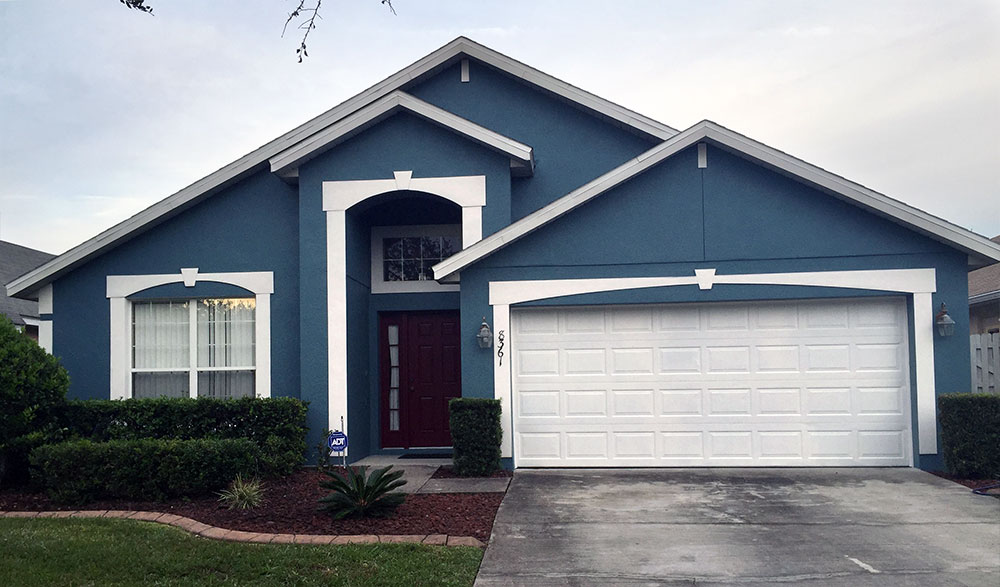
Frequently Asked Questions
How much does painting stucco cost?
The cost is highly variable and cannot be given a single figure. It is determined primarily by three factors: the total surface area, the severity of the underlying condition (e.g., deep cracks, efflorescence, or mold), and whether structural repairs are required. Generally, preparation and structural repair (which can require licensed masons) account for the largest portion of the budget, often exceeding the cost of the paint itself.
Is painting stucco the same as restoring it?
No. Painting is a cosmetic and protective refresh, but it does not fix structural issues. If your stucco has deep cracks, visible efflorescence, or signs of water damage, the structural and moisture issues must be addressed first through professional patching and sealing. Painting over structural compromise will lead to premature paint failure and further damage.
Should I use a professional painter or DIY the job?
If the stucco surface has structural cracks, efflorescence, or significant water damage, hiring a professional is strongly recommended, as these issues require specialized diagnostic and repair skills. DIY is manageable only for simple touch-ups on a stable, clean surface. If you choose DIY, remember that the most critical steps—proper cleaning, acid neutralization, and specialized priming—must be executed perfectly to prevent paint failure.
What type of paint is best for stucco?
You must use a specialized, breathable, exterior-grade coating formulated for masonry. Standard latex or interior paints will trap moisture, leading to mold and peeling. Consider three specialized options: Acrylic Latex (good balance of cost/performance for stable surfaces), Elastomeric Coatings (ideal for minor hairline cracks, offering superior flexibility), or Mineral/Silicate Paints (best for maximum durability and breathability, often used in historic settings).
Conclusion
Painting stucco is a rewarding project that can dramatically revitalize the curb appeal and protect the structural integrity of your home. By adopting a comprehensive, phased approach—starting with a detailed assessment, investing heavily in preparation, and selecting a specialized, breathable coating—you can ensure a durable and beautiful finish. Remember that the initial investment in time and proper materials is not merely a cost, but an investment in the long-term stability and beauty of your home.