Paint Protection Film Cost Guide: How Much Does PPF Really Cost?
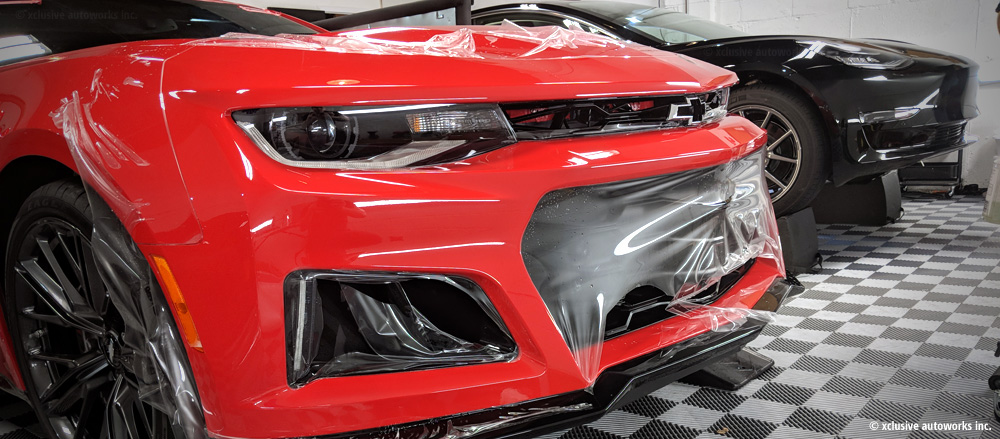
If you’ve invested in a new vehicle or are looking to preserve the flawless finish of an existing paint job, understanding the protective coatings available is key. Paint protection film (PPF) is an advanced, durable film that acts as an invisible shield, applied directly to the vehicle’s exterior to safeguard the paint against everyday hazards like stone chips, minor scratches, and environmental contaminants. It is often viewed as a premium finishing layer, designed to preserve the deep luster and integrity of the underlying paint color.
While PPF is an exceptional investment for maintaining a showroom-quality finish, the cost is not a single fixed price. The final expense is determined by a complex interplay of factors, including the film’s specific properties (such as self-healing capabilities), the size of the area needing coverage, and the quality of the professional installation. This comprehensive guide will walk you through every variable to ensure you can budget accurately and select the perfect protective finish for your ride.
Get the Fail-Safe Paint Color Playbook (Free PDF)
36 proven colors • 8 ready palettes • trim & sheen guide • printable testing cards.
Quick answer: How Much Does Paint Protection Film Cost can vary widely in price depending on brand, paint type, quality level, finish, and whether it is interior, exterior, primer, or specialty coating. Check the current product listing and calculate total project cost by adding primer, supplies, extra coats, and waste allowance.
Planning Before You Start: Assessing Your Protection Needs
Before discussing costs, it is essential to conduct a thorough assessment of what you are trying to protect. A proper plan ensures that the film purchased and installed will meet your actual needs, preventing both unnecessary spending and insufficient coverage.
Consider the environment your vehicle operates in. Does it live in an area prone to high salt usage (which accelerates paint deterioration)? Is it often parked under trees, increasing the risk of sap damage? Or is it a daily commuter vehicle that regularly encounters road grit and gravel? The more aggressive the environment, the more robust the protective finish you should plan for.
Another key planning step is defining the scope. Are you looking for minimal coverage—perhaps just the front bumper and hood—to protect the most vulnerable areas? Or are you considering a full wrap to protect the entire body? Determining the specific panels, like the headlight lenses, the entire door, or just the wheel arches, allows you to receive a much more accurate, detailed quote from professional installers.
Selecting the correct type of film is the most critical decision that influences both the cost and the aesthetic outcome. These films are categorized by their appearance and their functional properties.
Self-Healing Film: The Ultimate Shield
Self-healing PPF is the premium option. It utilizes a specialized top coat that can automatically repair minor abrasions, swirl marks, and light scratches when exposed to heat (like sunlight or warm water). This feature makes it ideal for vehicles that are frequently washed or parked in varying temperature conditions. Because of the advanced chemistry required for this property, it is generally the most expensive film type.
Clear Film: Invisible Protection
Clear film is the most common choice and is designed to be virtually invisible once applied. It offers excellent defense against chips and scratches while maintaining the original depth and sheen of the underlying paint. It is often chosen by enthusiasts who want maximum protection without altering the vehicle’s factory appearance. This film is typically more budget-friendly than self-healing variants but still represents a significant investment.
Colored/Custom Film: Aesthetic Enhancement
Colored film offers a highly customized look, allowing you to change the vehicle’s appearance dramatically. While this provides unique artistic protection, it is the least subtle option and requires careful consideration regarding its long-term aesthetic appeal. These films can sometimes affect the way the underlying paint color is perceived, making thorough consultation necessary.
Paint and Finish Selection Guide: Understanding Film Aesthetics
When considering PPF, you are essentially adding a new, durable ‘finish’ layer. Understanding how this film interacts with light and the existing paint color is crucial for achieving the desired look.
Sheen and Transparency: Most high-quality PPFs are designed to have a high degree of transparency, meaning they mimic the original paint’s sheen. However, some films, especially colored ones, will inherently add a subtle gloss or depth. When comparing options, ask the installer how the film’s thickness and material composition will affect the reflectivity of your paint. A film that is too thick, for example, can sometimes make the paint look ‘plastic’ rather than deep and liquid.
Undertones and Pairing: If your car has a complex paint color with specific undertones (e.g., a blue with a slight green undertone, or a black with a deep purple undertone), the PPF must be chosen carefully. A poor match can shift the perception of the original color. A reputable installer will always perform a test application or use specialized color matching techniques to ensure the film complements, rather than clashes with, the existing paint.
Lighting Context: The final look of the film will change drastically depending on the light source. In harsh midday sun, the film’s protective qualities are most visible. In indoor garage lighting, the subtle depth and gloss are more apparent. Always view samples or consultation photos under various lighting conditions (direct sun, overcast, artificial) to gauge the true effect.
Materials and Tools: What to Expect During Installation
While the consumer doesn’t buy the tools, understanding the process helps you appreciate the value of professional labor. The installation process is highly detailed and requires specialized equipment and materials:
- Cleaning Agents: Professional installers use specific, pH-neutral cleaning solutions and micro-fiber cloths to ensure the surface is completely free of oils, waxes, and contaminants, which can compromise the film’s bond.
- Preparation Supplies: This includes specialized cleaning rinses, surface preparation chemicals, and sometimes light abrasion techniques (if necessary) to ensure the paint surface is optimally receptive to the adhesive.
- Application Tools: The installers use precision cutting tools, squeegees, heat guns, and specialized solvents to apply the film smoothly, ensuring it conforms perfectly to curves and edges without trapping air bubbles or creating visible seams.
The quality of these materials and the care taken during preparation are directly linked to the durability and longevity of the film, making professional expertise non-negotiable.
Design and Color Tips
Color choice affects how a room feels and how the finish performs over time. Consider the light source, existing furnishings, and the mood you want before selecting a shade.
Sheen matters as much as color. Flat finishes hide imperfections but are harder to clean. Satin and semi-gloss resist moisture and wear better in high-traffic areas. Test samples on the actual wall and observe them at different times of day before committing.
Key Variables Affecting the Final Cost
To budget effectively, break down the cost into these four primary variables:
- Vehicle Size and Complexity: Larger vehicles (SUVs, trucks) require significantly more film material and more time for intricate, complex cuts around panel gaps.
- Film Type: Self-healing film commands a higher price due to its advanced polymer chemistry.
- Coverage Area: A full, multi-panel wrap (e.g., hood, fenders, bumpers) is exponentially more expensive than a small, targeted repair patch (e.g., a chip on the bumper).
- Warranty and Labor: Reputable installers charge a premium for their labor and, more importantly, for the comprehensive, backed warranty. This warranty protects the film and the underlying paint job against installation defects or premature failure.
Mistakes to Avoid When Selecting Protection
The cost of PPF is an investment, and avoiding common mistakes can save you money and frustration.
- Choosing the Cheapest Option: The most common mistake is prioritizing initial low cost over long-term quality. A cheap film or an inexperienced installer often results in poor adhesion, visible air bubbles, or premature peeling, forcing costly remedial work later.
- Skipping the Prep Work: Assuming the paint is clean enough is a mistake. If the surface isn’t perfectly prepped (free of waxes, oils, and contaminants), the film will not bond correctly, leading to failure.
- Ignoring the Underlying Paint: Do not forget to factor in the condition of the paint itself. If the underlying paint has deep scratches or damage, the film will simply cover the issue, not solve it. Addressing the paint condition first can be necessary.
Safety and Practical Notes for Longevity
The longevity of your PPF finish depends heavily on proper aftercare and handling. Always follow the manufacturer’s directions for cleaning the film.
Get the Fail-Safe Paint Color Playbook (Free PDF)
36 proven colors • 8 ready palettes • trim & sheen guide • printable testing cards.
- Washing Techniques: Use only pH-neutral car wash soaps. Never use abrasive cleaners, harsh chemicals, or automatic car washes that use high-pressure jets that could potentially lift the film edges.
- Environmental Risks: While PPF protects against chips, it does not protect against prolonged contact with extreme chemicals (like harsh solvents) or abrasive industrial cleaners.
- Professional Guidance: Because the application involves complex chemistry and precision cutting, it is strongly recommended that you only use certified professionals. Attempting DIY installation without proper training and equipment is highly likely to result in substandard, compromised protection.
Paint protection film is a highly effective, durable finish that significantly enhances the longevity and aesthetic appeal of your vehicle’s paint. By understanding the variables—from the type of self-healing polymer to the specific labor required for a complex wrap—you can transition from being overwhelmed by cost estimates to making a confident, informed decision. When you partner with a reputable installer who provides detailed quotes and warranties, you ensure that your investment provides maximum, lasting protection for years to come.
Frequently Asked Questions
The cost is highly variable and depends on four main factors: the film type (self-healing films are generally the most expensive), the total coverage area (a full wrap costs significantly more than a single panel), the size and complexity of the vehicle, and the quality of the professional labor and warranty provided. Always request a detailed, multi-panel quote from a professional installer rather than relying on general price estimates.
Will the film alter the aesthetic appearance of my vehicle?
Most high-quality PPFs are designed for maximum transparency, meaning they are engineered to mimic the depth and sheen of the original paint. However, the material thickness and the specific film type can affect the final look. If you are concerned about color shifting, ensure the installer performs a color consultation and test application to guarantee the film complements your car’s existing undertones.
Can I install Paint Protection Film myself (DIY)?
It is strongly advised against DIY installation. PPF requires specialized tools, precise cutting techniques, and specific surface preparation chemicals to achieve a perfect, lasting bond. Improper installation can lead to trapped air bubbles, poor adhesion, or visible seams, which compromises the film’s protective function and longevity. Professional installation is critical for maximizing the investment.
What kind of aftercare is required to keep the film intact?
Maintenance is relatively simple but crucial. Always use pH-neutral car wash soaps and mild cleaning methods. Avoid harsh chemicals, abrasive cleaning tools, or automatic car washes that use extremely high-pressure jets, as these can potentially lift the film edges over time. Following the manufacturer’s specific guidelines for cleaning is key to maintaining its integrity.