
15 Trinket Shelf Ideas for a Display That Feels Curated, Not Cluttered
A trinket shelf gives small keepsakes a place to be seen instead of disappearing into a drawer. A few favorite ceramics, souvenirs, miniatures, or found objects can make a room feel personal, but the display works best when each piece has room to stand out.
The goal is not to fill every inch. Start with the objects you want to show, group them by color, material, or memory, and let the shelf shape guide the arrangement. These 15 trinket shelf ideas explore compact, vintage, eclectic, and carefully edited displays for making a collection feel intentional.
Get the Fail-Safe Paint Color Playbook (Free PDF)
36 proven colors • 8 ready palettes • trim & sheen guide • printable testing cards.
1. Group Small Ceramics by Color
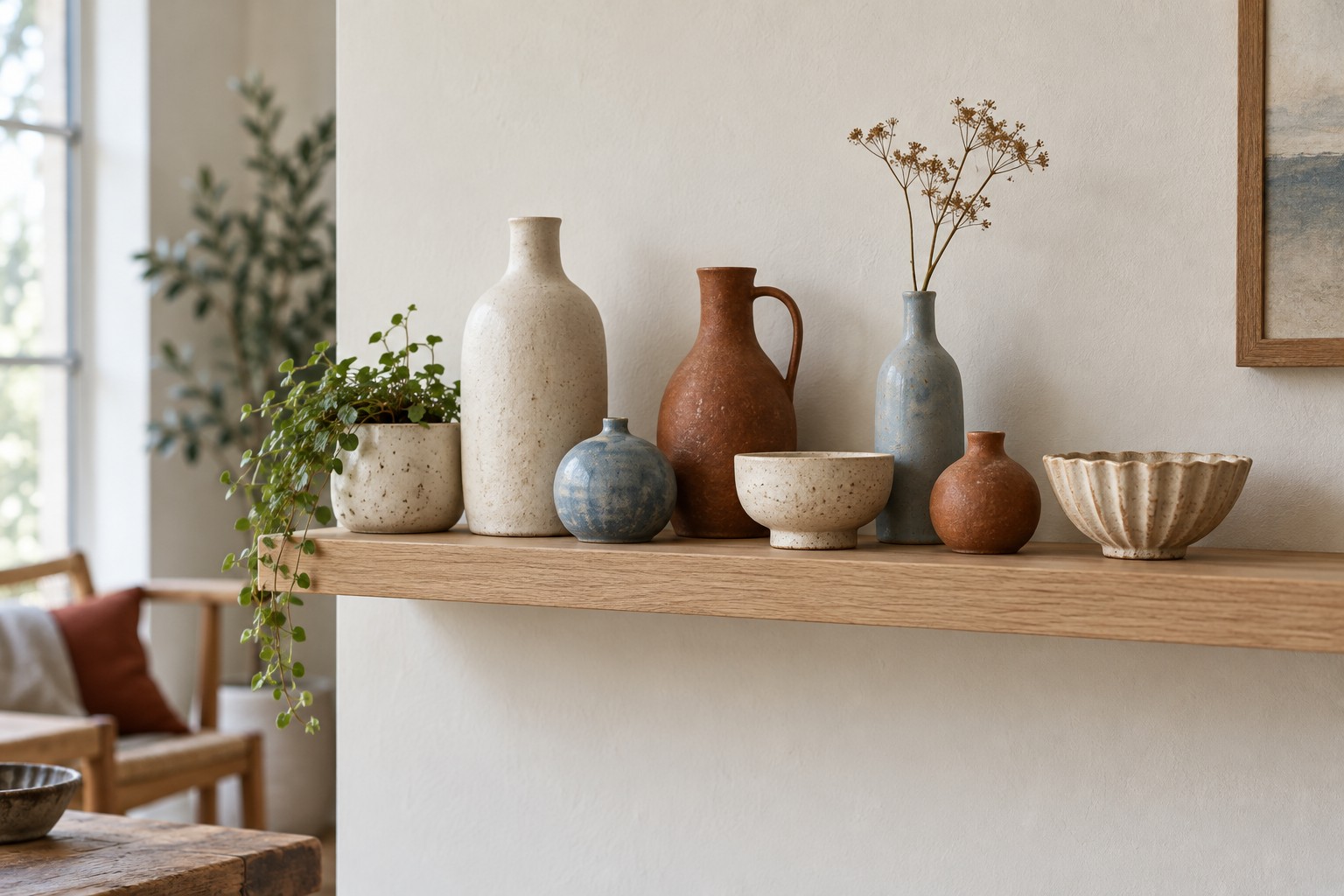
Small objects can look more connected when they share a color family. Gather a few pieces in cream, dusty blue, or warm rust, then vary their shapes so the arrangement does not feel like a store display. A rounded dish beside a little vase and a tiny sculptural piece gives the eye different forms to notice while the palette keeps the group calm.
Leave open shelf space around the grouping. If every item is the same color and height, add one contrasting object as a focal point instead of adding more pieces.
2. Build the Arrangement Around One Tall Piece
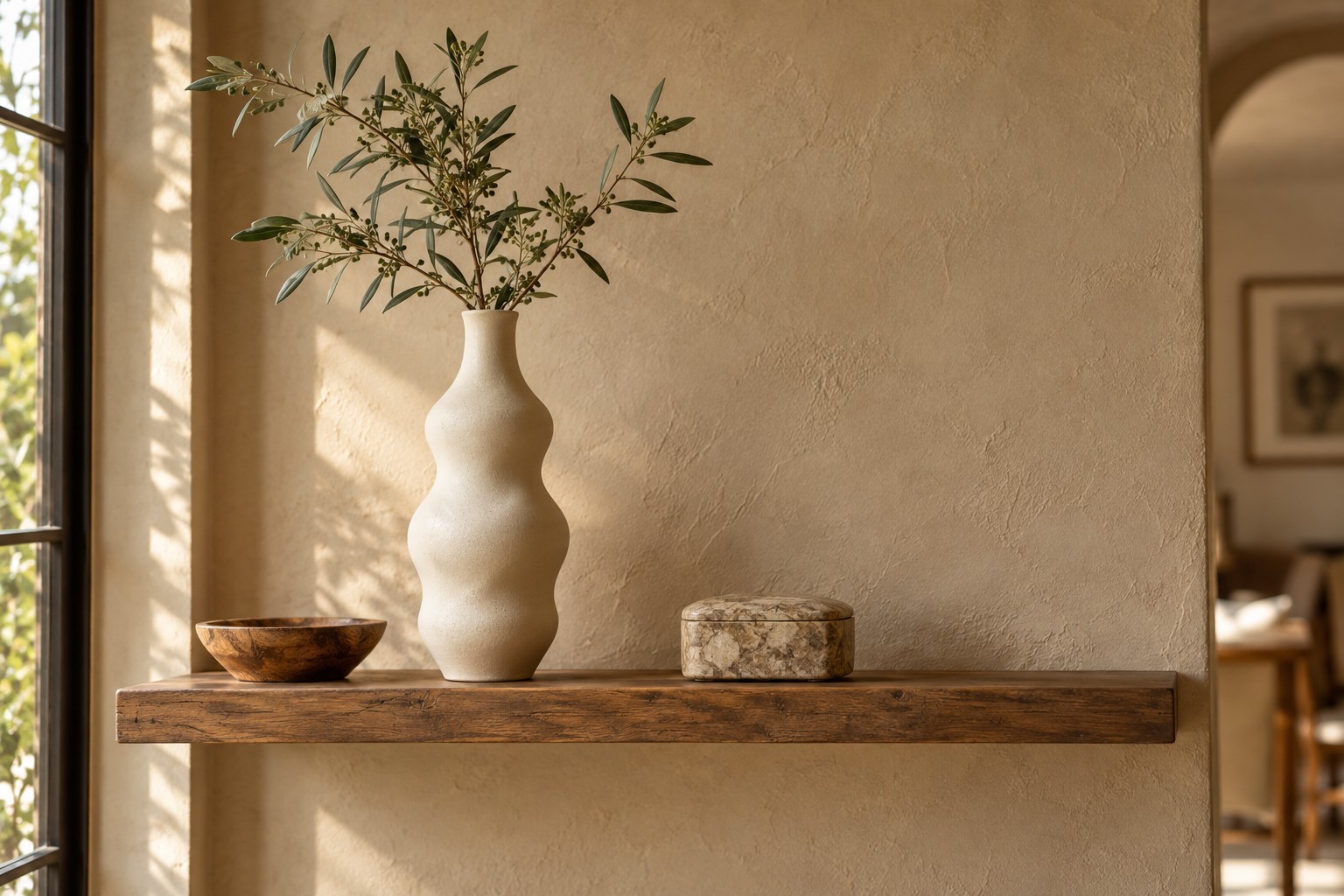
Choose one taller object as an anchor, such as a slender vase, small framed print, or sculptural keepsake. Place it slightly off center, then balance it with shorter objects on the other side. This creates a gentle rise and fall across the shelf instead of a straight row of items.
The anchor does not need to be the most colorful piece. A simple shape can give the eye a place to land while smaller trinkets add detail around it.
3. Add Height with Small Risers
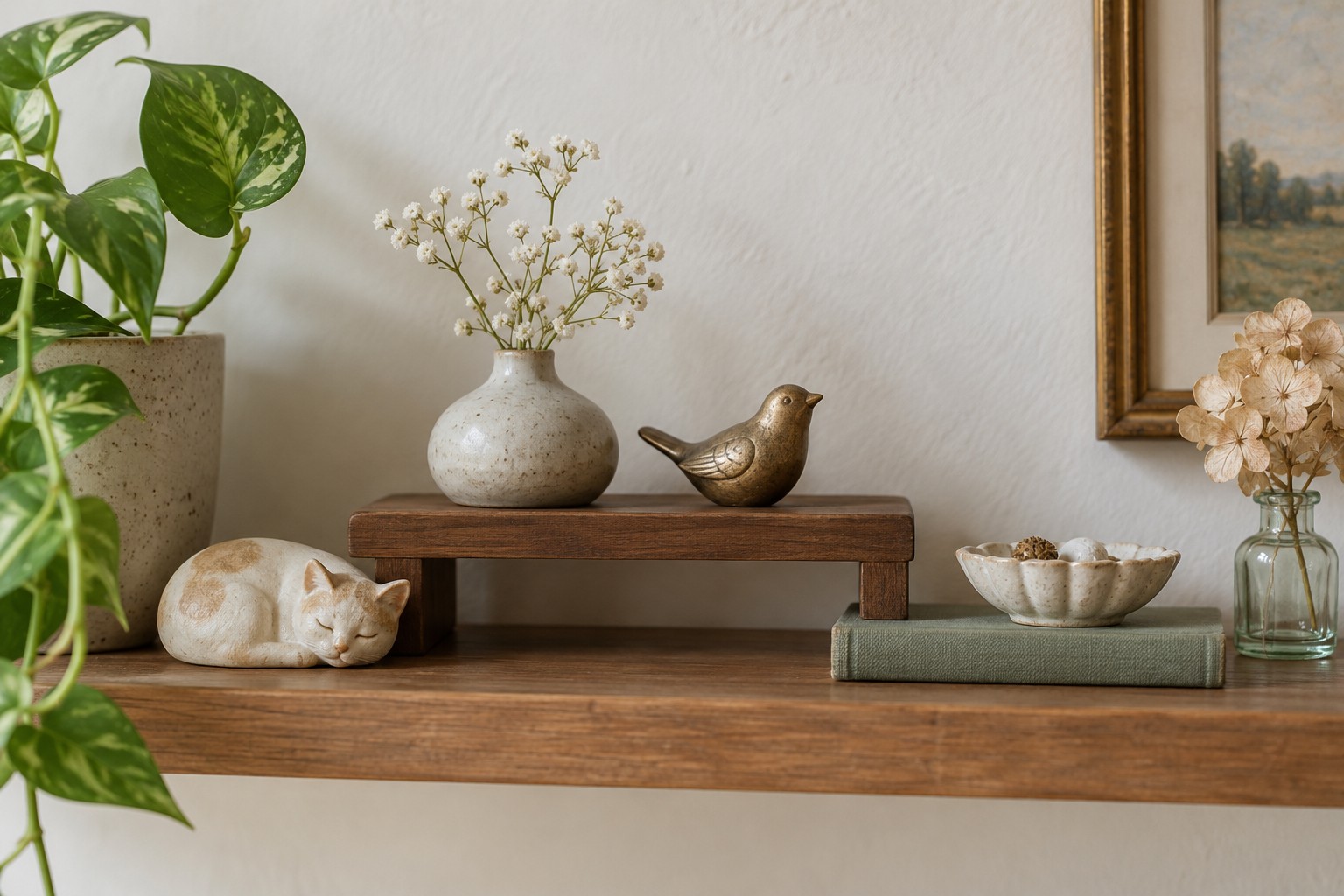
When a collection contains many low objects, a small riser can help a few pieces stand out. Use a compact stand or a sturdy book that suits the display, and keep the raised objects to one area. The change in height creates a layered view without needing a larger shelf.
Check the arrangement from the side and from the room entrance. If the risers make the display feel crowded, remove one and let the remaining pieces breathe.
4. Layer a Small Frame Behind the Collection
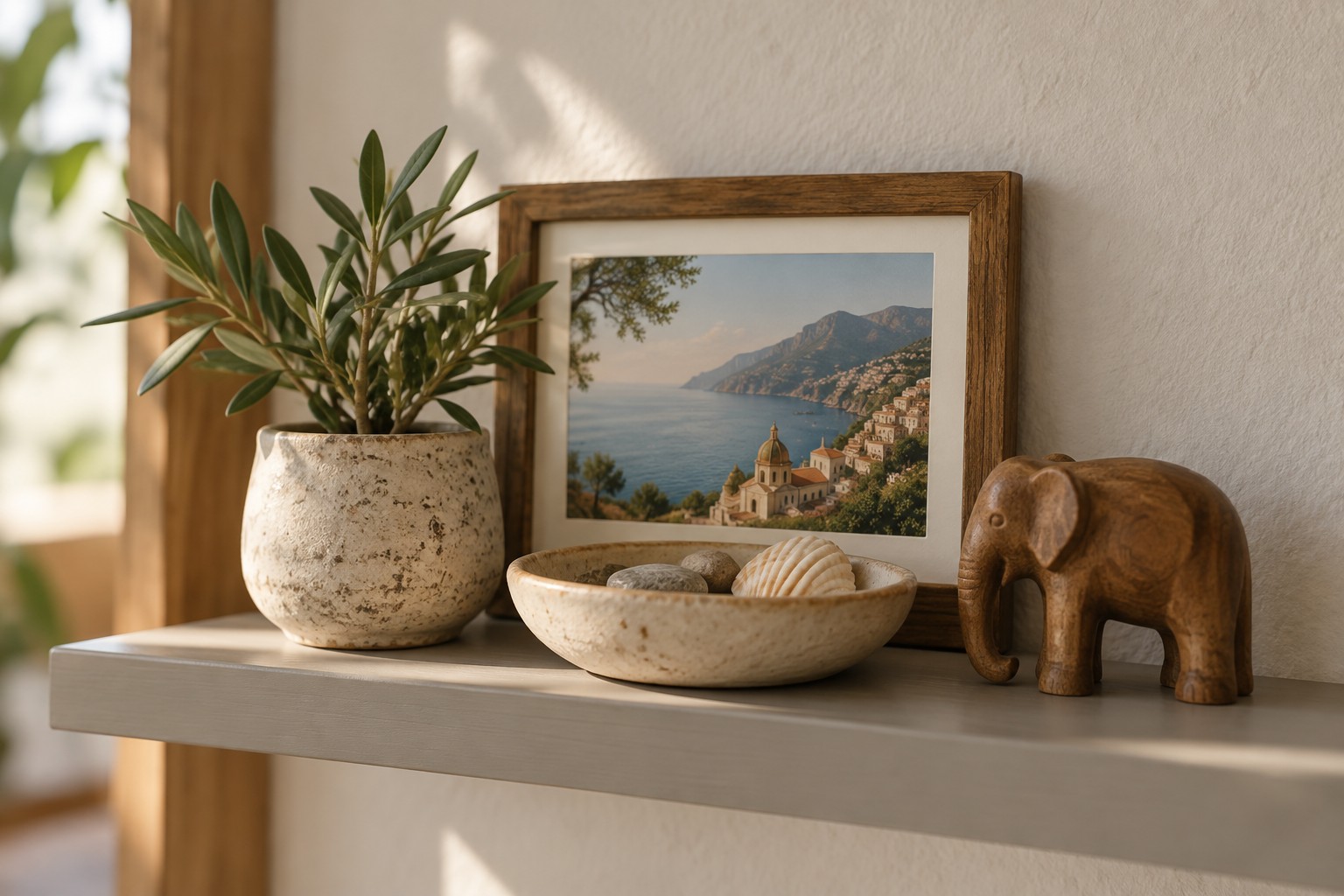
A postcard-sized print or photograph can give a trinket group a quiet background. Lean it behind two or three related objects, keeping the frame low enough that it does not hide the rest of the display. A simple image, handwritten note, or small art print can make a collection feel connected to a place or memory.
Choose a frame that complements the shelf rather than competing with it. If the objects already have strong patterns or bright colors, a plain frame can keep the arrangement from feeling busy.
5. Use a Short Book Stack as a Display Base
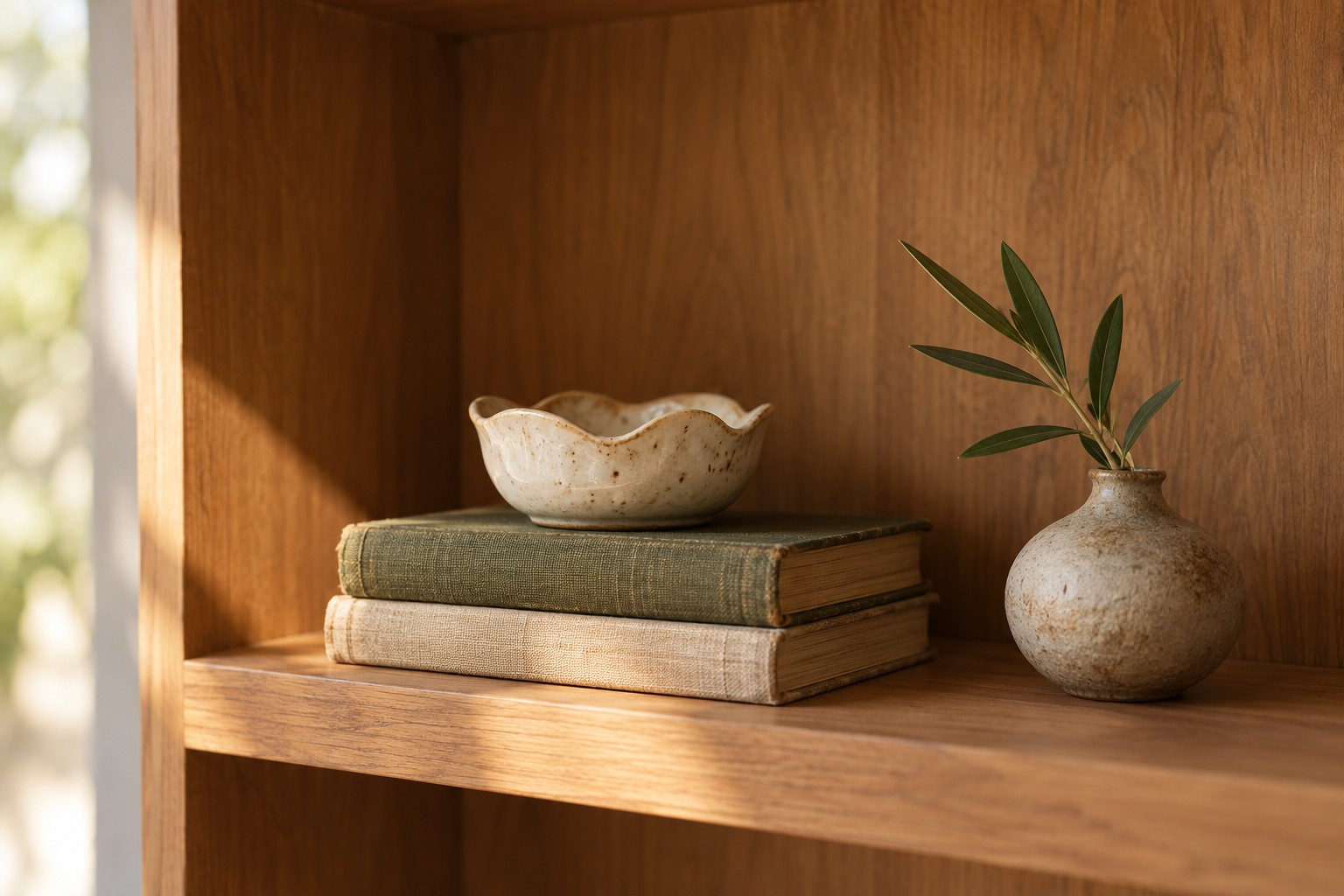
A pair of small-format books can lift a favorite trinket and add a little structure to the shelf. Choose books with covers or spines that suit the objects nearby, then place one small piece on top and another beside the stack. The books should support the arrangement, not become a second collection that takes over.
Keep the stack low and stable, and avoid covering titles you want to read. One short stack is usually enough to create a layered look.
6. Sort by Material for a Tactile Mix
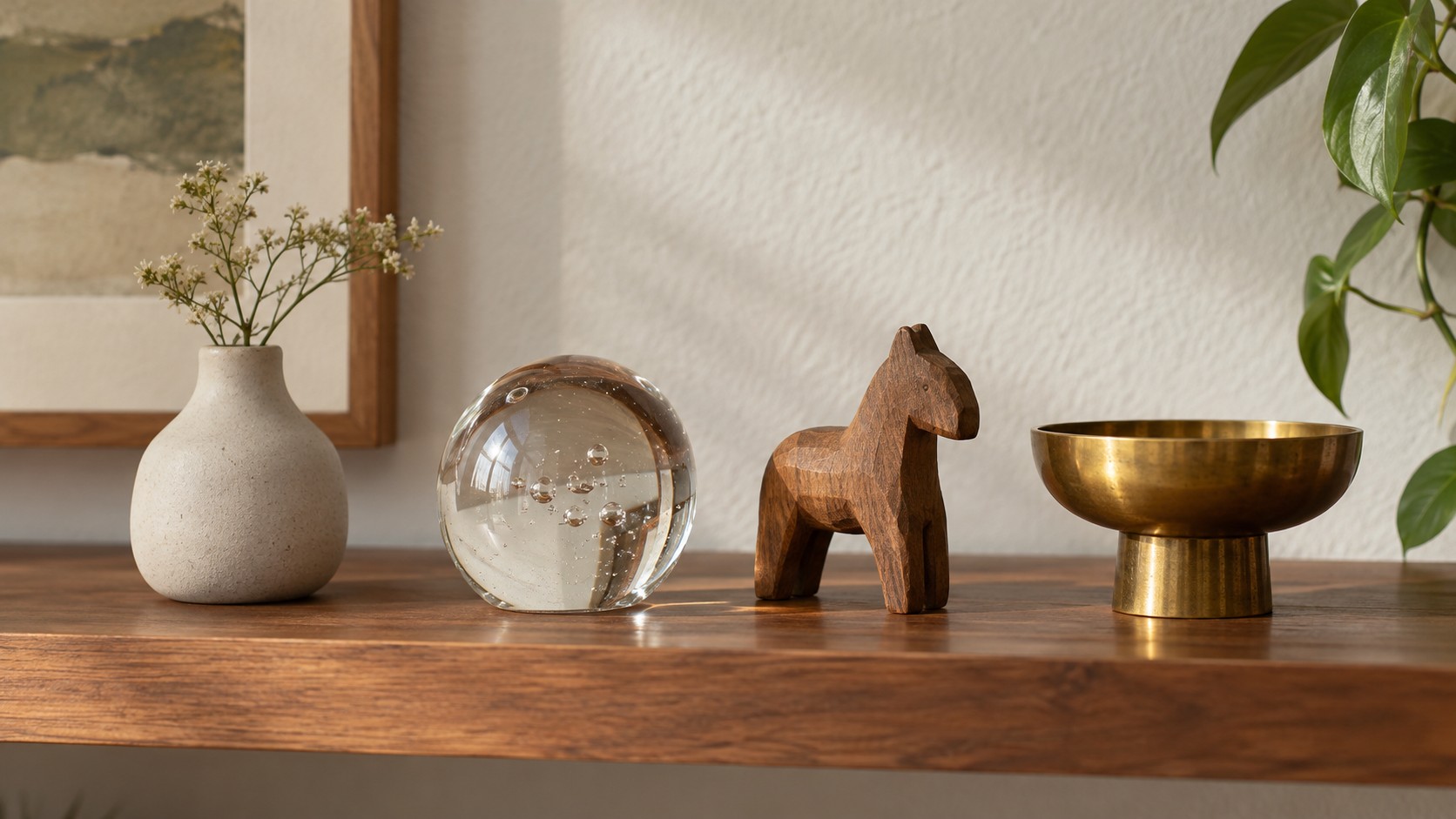
Try grouping pieces by what they are made from: glazed ceramic, smooth glass, carved wood, or warm metal. Repeating a material in two or three places makes the shelf feel considered, while the different shapes keep it from looking repetitive.
You can also let one material lead and use another as a small accent. For example, a mostly ceramic shelf can feel more varied with one wooden object or a metal dish. Keep the materials visible by spacing the objects instead of placing them edge to edge.
7. Tell a Travel Story with Souvenirs
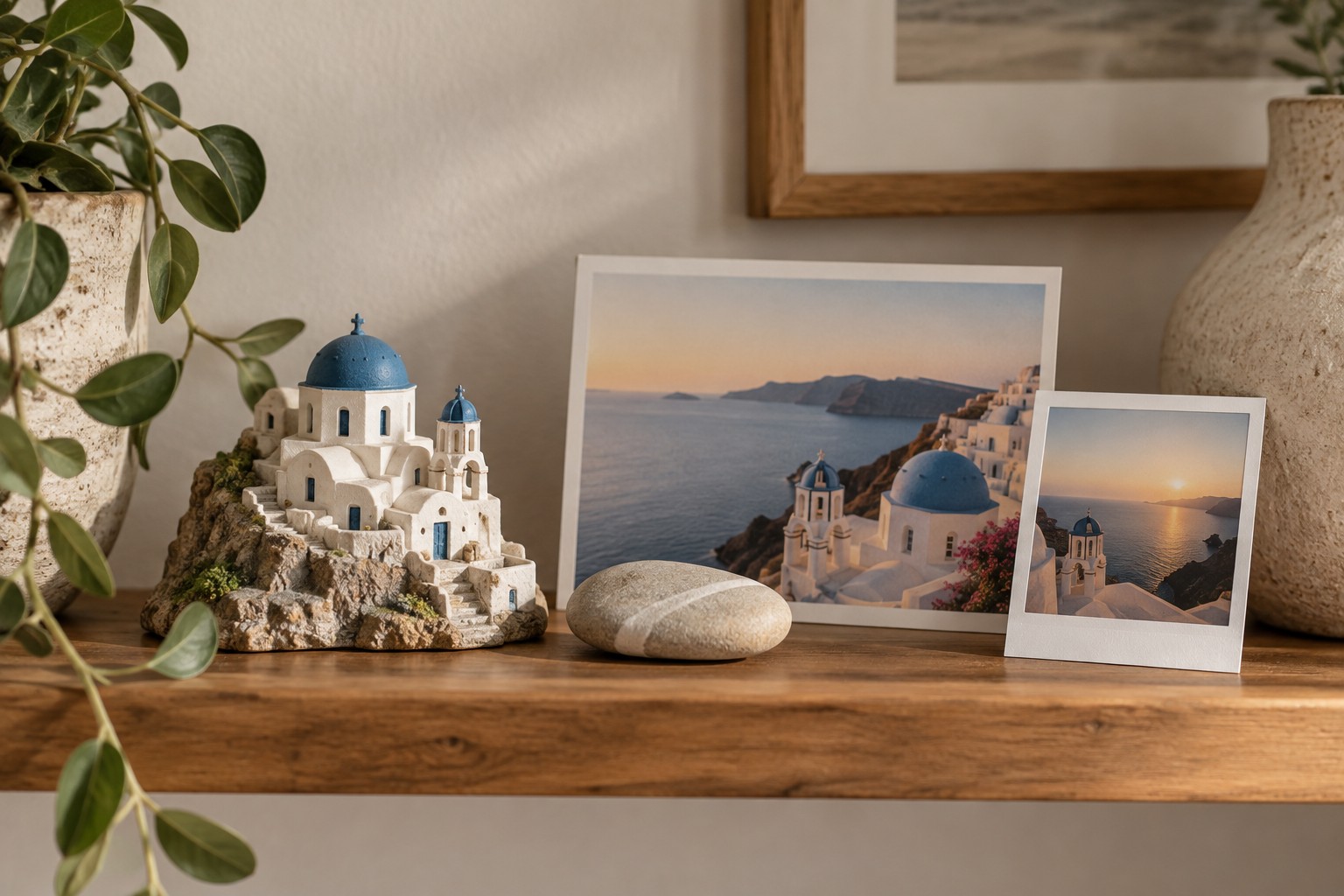
Choose a few small objects connected to one trip or place, such as a miniature building, a pebble, a postcard, or a small handmade piece. Arrange them together with one photograph or a simple printed note that reminds you where they came from.
The display does not need to include every souvenir. Select the pieces that have different shapes or textures, and leave out anything that makes the group feel like a packed shelf rather than a memory.
8. Keep Tiny Loose Pieces in a Shallow Tray
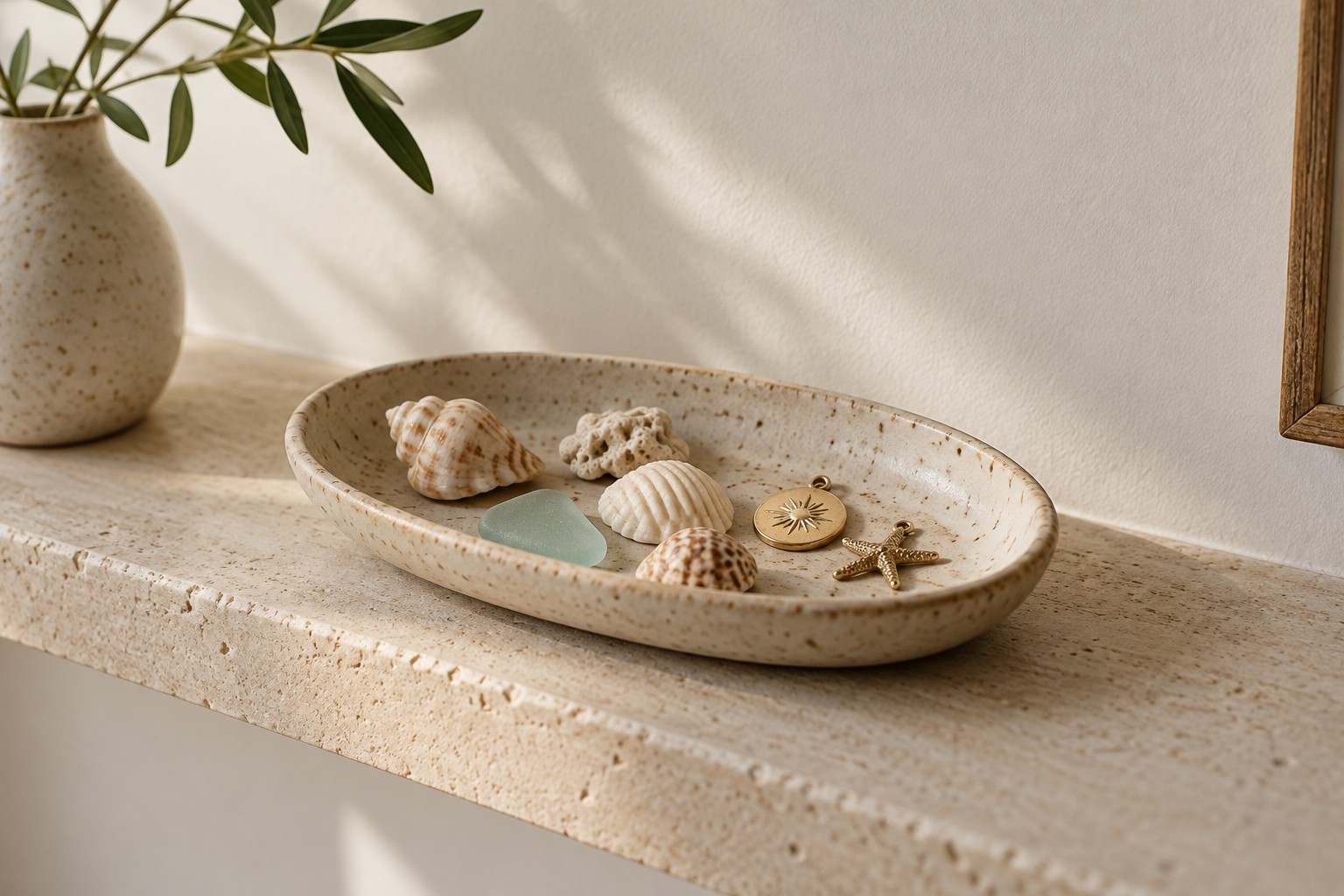
Small charms, shells, beads, or tiny keepsakes can be easier to enjoy when they sit together in a shallow dish or tray. The boundary gives loose items a clear place and stops them from spreading across the whole shelf. Pick a tray that contrasts gently with the objects so the details remain easy to see.
Use this idea for a small group, not as a catch-all for everything. A tray with a few chosen pieces looks intentional; one filled to the rim can hide the objects that make the collection special.
9. Make a Corner Shelf Feel Collected
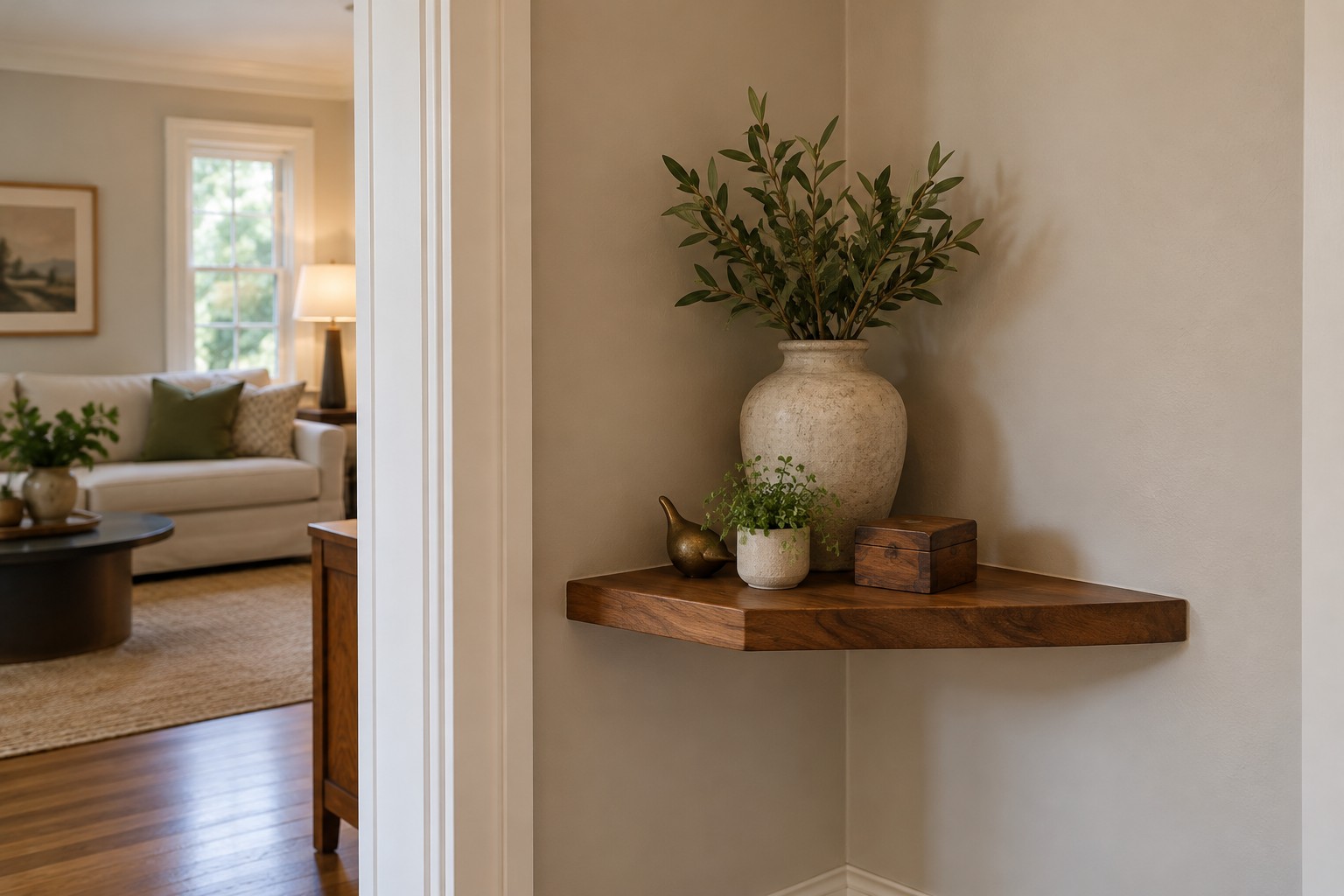
A corner shelf can turn an overlooked spot into a small display. Place the largest object near the back where the two walls meet, then bring smaller items forward and leave one side partly open. This arrangement uses the shelf's depth without making the corner feel stuffed.
Choose objects that can be seen from the main approach to the room. If a piece disappears behind another from the doorway, move it to a more visible position or remove it from the group.
10. Put One Special Trinket Under a Glass Dome
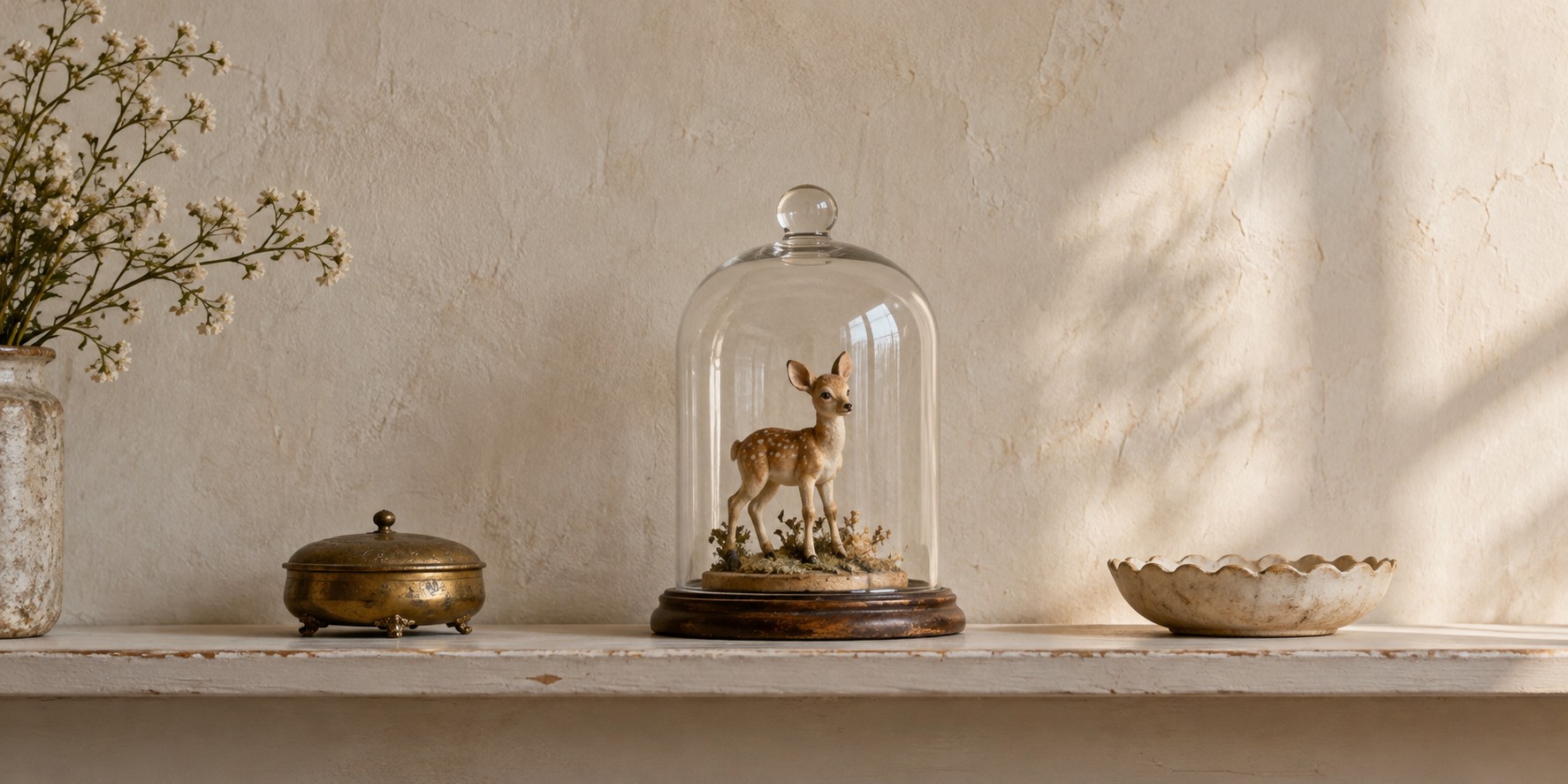
A small glass dome or clear display cover can make one fragile-looking keepsake feel like the center of the arrangement. Keep the covered piece simple and let the other objects around it stay low and minimal. The contrast between the protected focal item and the open shelf gives the display a little ceremony.
Use the dome only when it fits the object's size and the shelf has enough space around it. A single covered piece is more effective than several competing display covers.
11. Pair Vintage Pieces with a Shelf That Has Character
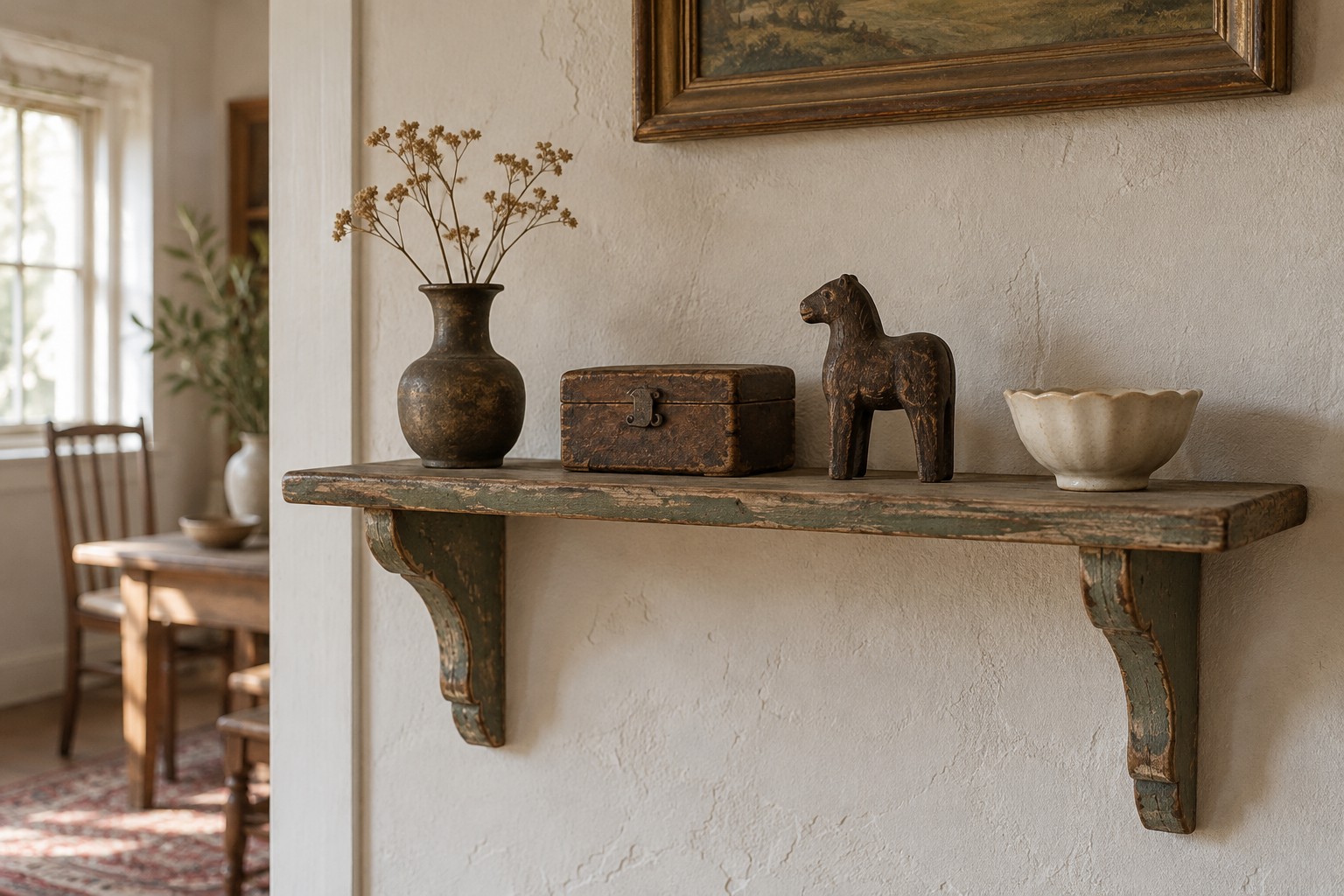
An older wood shelf, painted ledge, or gently worn cabinet can complement vintage trinkets without needing extra decoration. Let the shelf finish show, then add a few objects with different silhouettes, such as a small ceramic, a framed keepsake, and a shallow dish.
If the shelf and objects are all dark, place one lighter piece near the front to break up the tones. If the shelf is pale, a darker object can provide a focal point without changing the whole arrangement.
12. Mix Playful Trinket Dishes with One Everyday Object
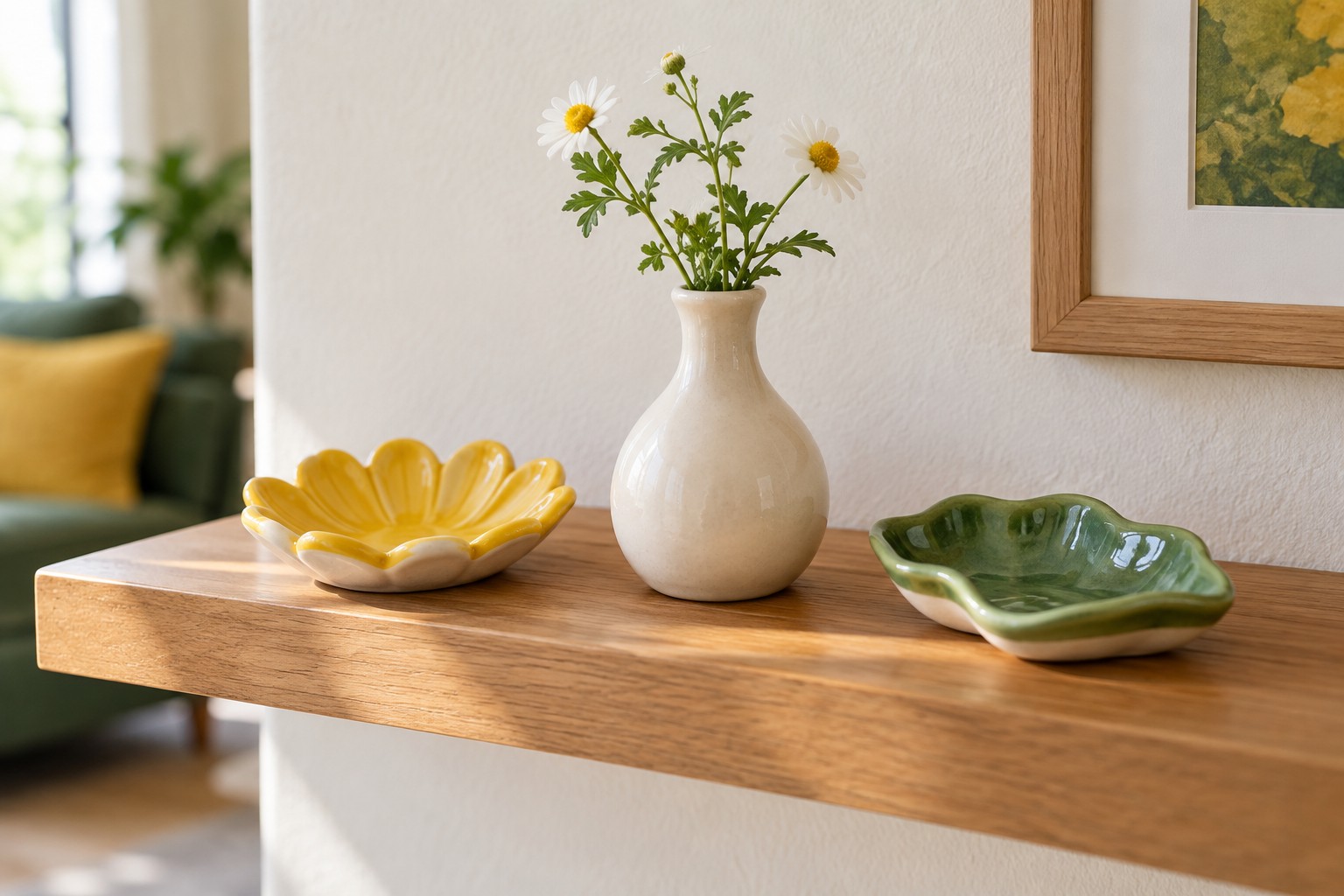
Colorful trinket dishes can add personality to a shelf, especially when paired with one practical piece such as a small catchall or a little vase. Keep the playful shapes to a few accents, then use a simpler object to steady the display.
This works well when the shelf is part of a room that already has color. Pick one or two shades from the space and repeat them in the dishes instead of introducing a new color for every piece.
13. Create an Eclectic Mix with a Shared Detail
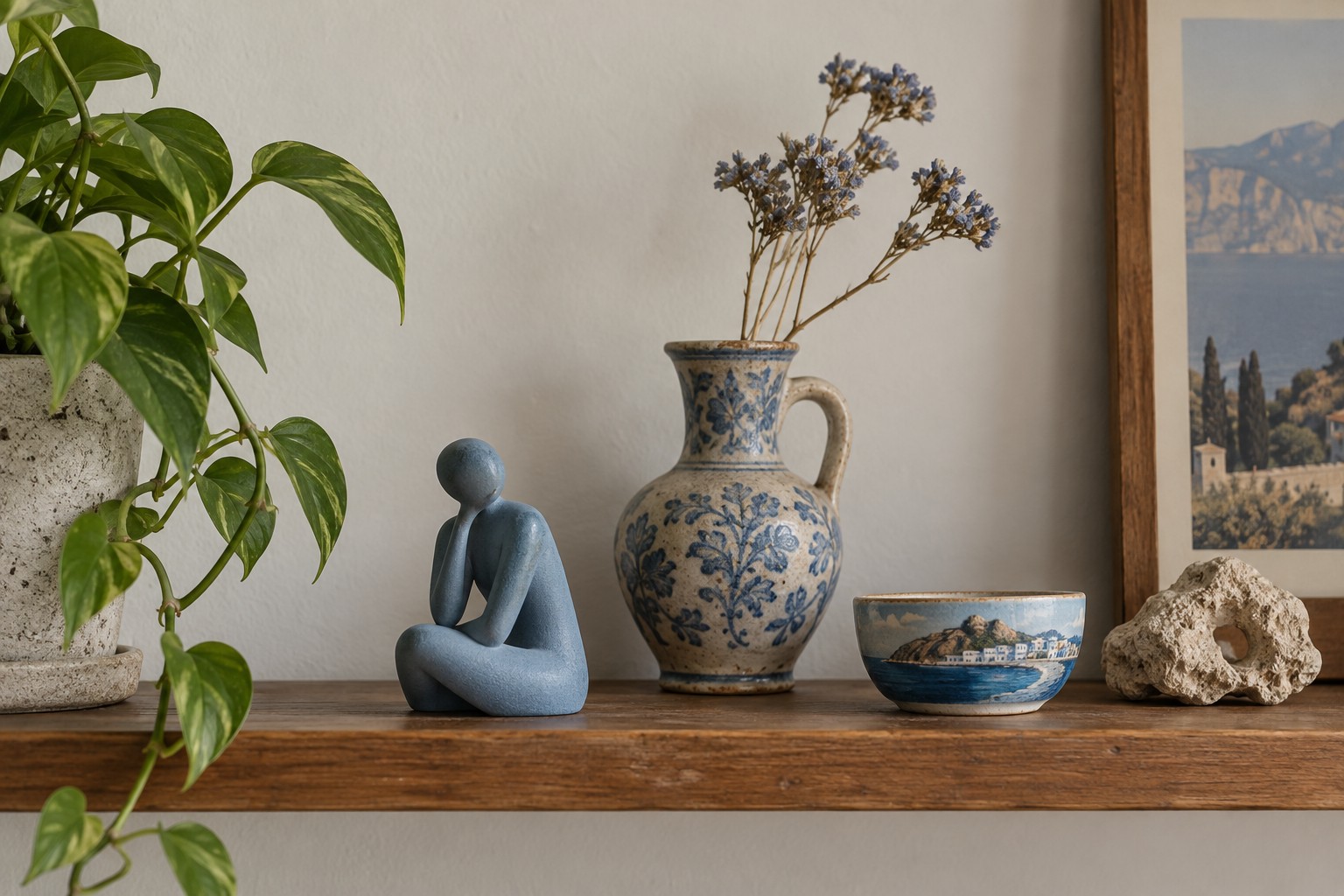
An eclectic shelf can combine objects from different places and styles if one detail connects them. That link might be a repeated color, a natural material, a similar scale, or a shared subject. Place the pieces in a loose cluster and keep the rest of the shelf open so the mix feels personal rather than random.
Try rearranging the objects before adding anything new. Moving one piece to the opposite side may create the balance the shelf needs.
Get the Fail-Safe Paint Color Playbook (Free PDF)
36 proven colors • 8 ready palettes • trim & sheen guide • printable testing cards.
14. Rotate a Small Seasonal Collection
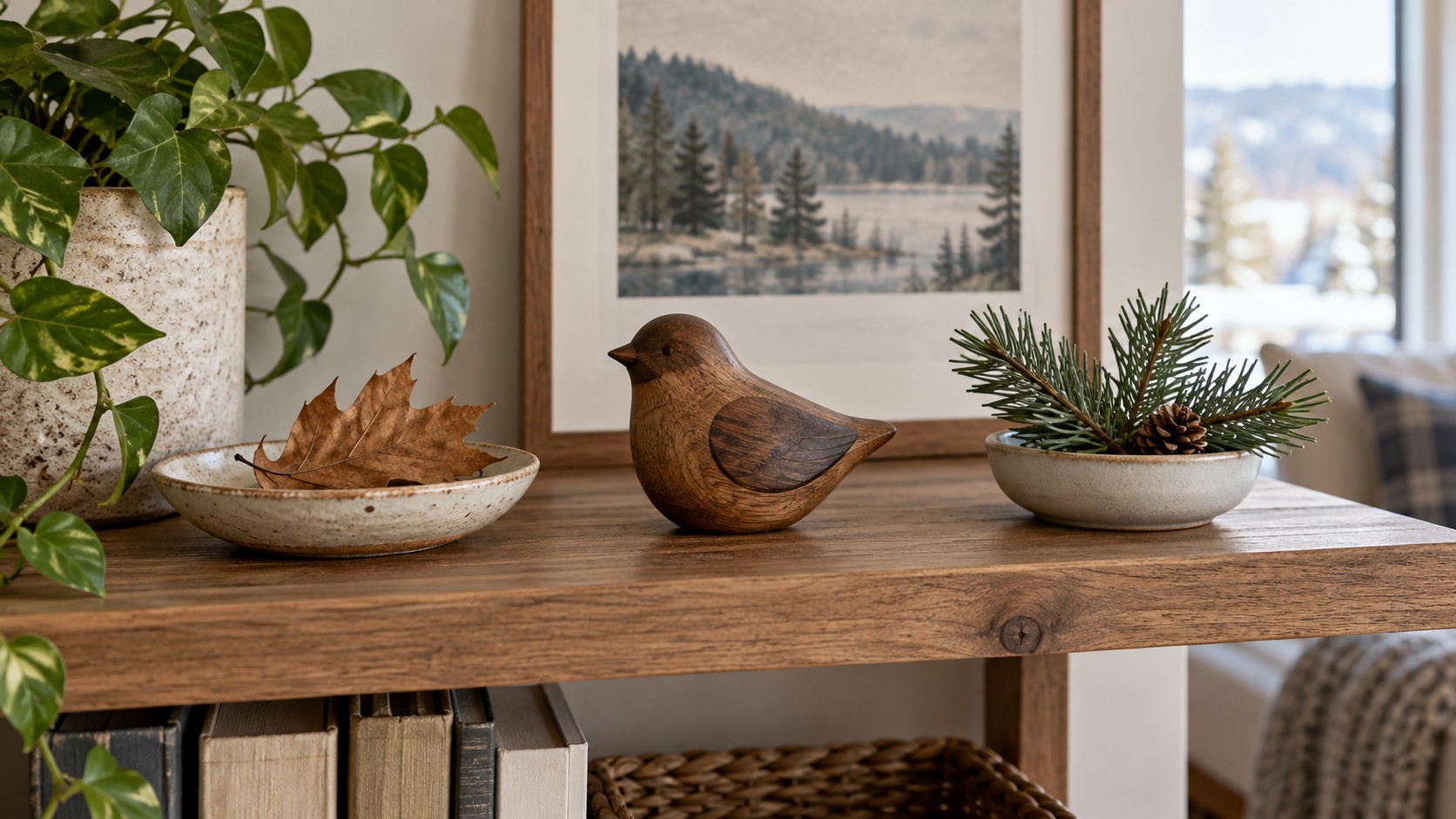
Keep the shelf familiar while changing a few trinkets with the season. A small branch, a colored dish, or a miniature decoration can refresh the arrangement without requiring a full redesign. Store the pieces you rotate out together so they are easy to find the next time you want them.
Leave the main anchor in place and switch only one or two accents. That makes the shelf feel updated while preserving the collection's everyday character.
15. Give the Display a Little Negative Space
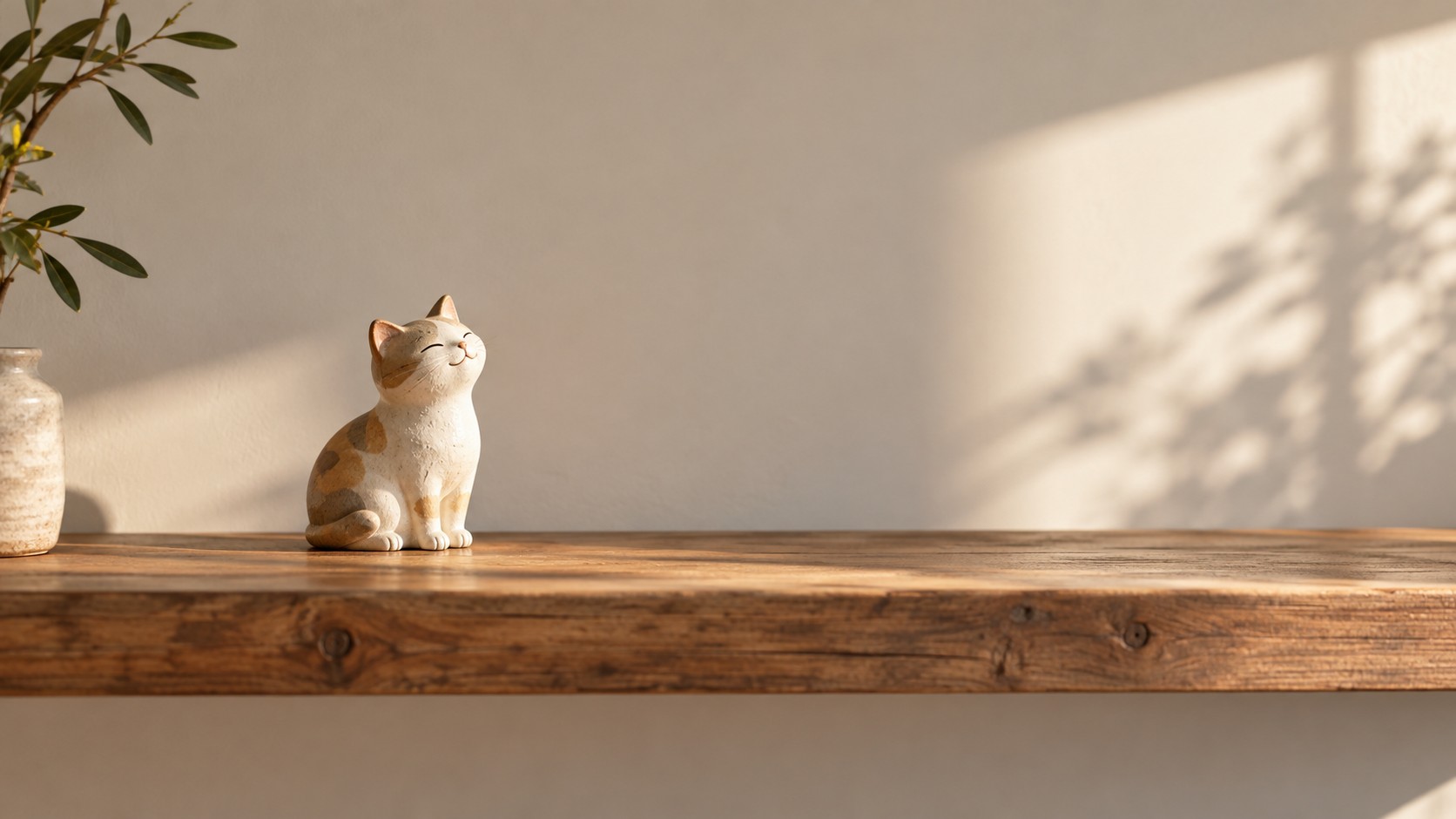
The simplest way to make a trinket shelf feel more curated may be to remove one or two objects. Leave a visible patch of shelf between groups, and let a favorite piece sit on its own. The open area gives each shape room to register and makes the full display easier to take in.
Step back and look at the shelf from the place where you usually see it. If the objects blend together, edit the group before adding more. A smaller collection can tell a clearer story.
Keep the Shelf Personal
The best trinket shelf is one that reflects the objects you actually enjoy seeing. Start with a small group, test different heights and spacing, and change the arrangement when the collection grows. You do not need matching pieces or a perfect formula. A little editing helps the objects, and the memories attached to them, remain the focus.