How To Clean Paint Sprayer After Oil Based Paint
Paint sprayers are invaluable tools in the hands of both dedicated DIY enthusiasts and professional painters. They allow for an unparalleled level of speed and uniformity, transforming large surfaces, cabinets, and decorative trim that would be tedious to paint by hand. However, the very efficiency that makes these tools so useful also presents a significant challenge: cleaning. Using specialized paint, especially oil-based formulations, requires a methodical and careful approach to maintenance.
Oil-based paints are prized for their exceptional durability, deep finish, and superior adhesion, making them ideal for high-wear surfaces like trim and cabinets. Unfortunately, this rich, durable composition means they are chemically much stickier and harder to dissolve than standard latex paints. If the sprayer is not cleaned immediately and correctly, the solvents can dry the paint into hard, immovable clogs, potentially damaging seals, nozzles, and internal components. Proper cleanup is not just a recommendation; it is a critical maintenance step for the longevity of your equipment.
Get the Fail-Safe Paint Color Playbook (Free PDF)
36 proven colors • 8 ready palettes • trim & sheen guide • printable testing cards.
Quick answer: To clean paint sprayer after oil based paint, depressurize the sprayer or gun, flush the cup and hose with the cleaner that matches the coating, then remove the tip, guard, filter, and nozzle parts for separate soaking. Brush out softened residue, rinse the flow path until clear, and reassemble only after the parts are dry. Wear eye protection and ventilate solvent cleanup.
Planning Your Sprayer Cleanup
Before you even open the lid or unscrew a single part, a little planning goes a long way toward a stress-free cleanup. Assess your resources, the type of paint used, and the level of mess you are dealing with. This preparation phase is crucial for safety and efficiency.
First, identify the specific paint type and brand. Was it an enamel, a sanding primer, or a pigmented oil? Knowing this helps you select the correct, chemical-compatible solvent. Do not use household cleaners, acetone, or turpentine unless specifically recommended by the manufacturer or paint data sheet. Secondly, ensure you have adequate space—you need a well-ventilated area, preferably outdoors or in a professional garage with industrial ventilation. Thirdly, gather all your protective equipment. Never underestimate the fumes from industrial solvents; proper PPE is non-negotiable.
Essential Materials and Tools Checklist
Gathering the right materials prevents mid-cleanup frustration. For oil-based paints, the following items are essential:
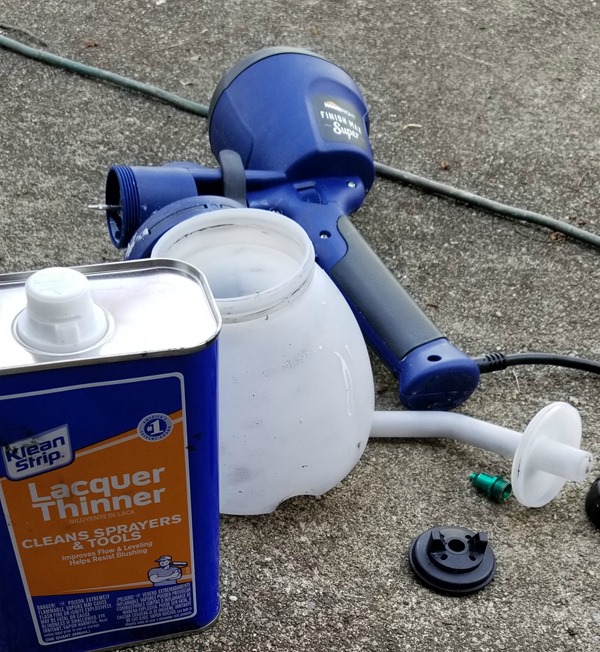
- Appropriate Solvent: Mineral spirits or specific paint thinner recommended for the paint type (e.g., lacquer thinner for specific enamels). Never guess—check the paint can or manufacturer’s data sheet.
- Water: For final rinsing.
- Cleaning Brushes: Stiff, nylon-bristle brushes designed for cleaning equipment (avoid wire brushes, as they can damage metal components).
- Cleaning Rags/Wipes: Disposable, non-shedding cloths.
- Safety Gear: Chemical-resistant gloves (nitrile or neoprene), safety goggles, and a respirator mask rated for organic vapors.
- Containers: Several buckets for soaking parts and a waste receptacle for the contaminated solvent.
- Owner’s Manual: Keep this handy. It dictates the proper disassembly sequence for your specific model.
The Step-by-Step Deep Cleaning Process
Cleaning a sprayer is a systematic, three-stage process: flushing, soaking, and rinsing. Follow this detailed sequence to ensure no paint residue remains.
Phase 1: Initial Flush and Disassembly
The goal here is to remove the bulk of the paint while the paint is still somewhat pliable.
- Remove Excess Paint: Immediately use the sprayer to spray its contents into a designated, sealed waste container. This minimizes spillage and prevents the paint from drying in the system.
- Preliminary Solvent Flush: Connect the paint container and fill it with your chosen solvent (mineral spirits). Run the sprayer through the solvent several times to flush out the majority of the remaining oil paint.
- Disassemble Completely: Following your owner’s manual, take apart every component possible: the spray cup, the nozzle, the fluid hoses, the air lines, and the filters. This ensures that paint cannot remain trapped in inaccessible nooks.
Phase 2: Component Cleaning and Soaking
This phase tackles the hardened, dried paint residue.
- Cleaning the Nozzle and Tip: These are the most critical components. Soak the nozzle and tip directly in the solvent bucket. Use a small, stiff brush to gently scrub the inside of the tip and the throat of the nozzle. Never force a brush through; let the solvent and scrubbing action do the work.
- Cleaning Hoses and Lines: Fill a separate bucket with fresh solvent. Submerge the hoses and lines. Use a cleaning brush to scrub the inner diameter of the hoses, paying special attention to bends and joints where paint can accumulate.
- Cleaning Filters: Remove the filters. Soak them in the solvent for an extended period (as recommended by the manufacturer, often 30 minutes or more). Use a brush to gently agitate the filter media, ensuring all trapped oil paint is lifted out.
- Cleaning the Body Components: Wipe down the main body and reservoir components with a rag soaked in solvent, paying attention to threads, seals, and gaskets.
Phase 3: Rinsing and Reassembly
The final steps remove all solvent residue, which is necessary for the sprayer to operate correctly.
- Water Rinse (High Pressure): Rinse all components—nozzles, tips, hoses, and filters—multiple times using clean, running water. If available, a low-pressure hose or sprayer attachment can help flush the internal lines completely.
- Drying: Allow all parts to air dry completely. For best results, gently wipe all parts with clean, dry rags before reassembly.
- Reassembly and Test: Reinstall the filters, hoses, and nozzles strictly according to the manufacturer’s guidelines. Before using the sprayer for paint, perform a “water test” by running clean water through the entire system to ensure smooth flow and confirm there are no remaining clogs.
Common Mistakes and Troubleshooting
Even experienced painters can make mistakes during cleanup. Recognizing these pitfalls can save you time, money, and frustration.
- Mistake: Using the Wrong Solvent. If you use a solvent that is too weak or chemically incompatible with the paint type, the paint residue may simply change form and become even harder to remove. Always verify solvent compatibility.
- Mistake: Forcing Parts. Never use excessive force or aggressive scraping tools on the internal mechanisms. Many sprayer parts, especially seals and threads, are designed for chemical cleaning, not brute force.
- Mistake: Skipping the Soak Time. Oil-based paints are thick and adhere strongly. Simply rinsing the parts is insufficient. Soaking them in the appropriate solvent allows the solvent molecules time to penetrate and break down the paint’s binders.
- Troubleshooting Clogs: If a clog persists after soaking, do not panic. Try gentle back-flushing using clean solvent and air pressure (if your sprayer model allows this). If the clog is severe, consult a professional, as excessive attempts can damage the internal workings.
Safety Protocols and Professional Notes
Due to the nature of solvents used for oil-based paint, safety must be the absolute top priority. Treating this cleanup process with the respect it deserves is key to protecting your health and equipment.
Ventilation is paramount. Mineral spirits and thinners emit strong, potentially toxic fumes. Always work outdoors or in a workspace with a dedicated, high-powered ventilation system that exhausts fumes outside. Never operate these chemicals in a confined space, garage, or basement.
Personal Protective Equipment (PPE): Always wear chemical-resistant gloves, safety goggles, and a proper respirator mask. These items protect your skin, eyes, and respiratory system from the solvent vapors and paint residue.
Storage: When not in use, store the sprayer and all cleaning solvents in a cool, dry, and well-ventilated area, away from any source of heat, spark, or flame. Always consult the Material Safety Data Sheets (MSDS) for every chemical used.
Safety and Practical Notes
Safety is the paramount concern when dealing with industrial solvents and paint residue. Cleaning a sprayer is a detailed maintenance procedure, and proper adherence to safety protocols protects your health and ensures the longevity of your equipment. Never treat this process casually.
Solvents like mineral spirits and paint thinners emit strong, volatile organic compounds (VOCs). Ventilation is absolutely critical. Always work outdoors or in a dedicated, professional workspace equipped with a high-powered ventilation system that exhausts fumes far away from living areas. Never attempt solvent flushing in a confined space, basement, or poorly ventilated garage. If you suspect the underlying structure or surface you are working in has potential hazards (such as lead paint residue, asbestos, or mold), consult local authorities or licensed professionals before proceeding with cleanup.
Required Personal Protective Equipment (PPE)
The proper gear must be worn at all times during solvent handling. This includes:
- Respirator Mask: A respirator rated for organic vapors (not just dust).
- Gloves: Chemical-resistant gloves (nitrile or neoprene) that cover the wrist.
- Eye Protection: Safety goggles or a face shield to prevent splash hazards.
Manufacturer Guidelines and Testing
Always prioritize the Owner’s Manual. The manufacturer provides the specific disassembly sequence and recommended solvents for your model. Do not deviate from these instructions. Furthermore, when reassembling the sprayer, always perform a small-area “test spray” into a waste receptacle before attempting to paint a surface. This confirms the system is functioning correctly and that no clogs remain.
Solvent Storage and Handling
When cleaning solvents are not in use, store them in their original, sealed containers in a cool, dry, and well-ventilated area, away from any potential ignition sources (sparks, open flames, or heat). Always consult the Material Safety Data Sheet (MSDS) provided with the solvent for proper handling, disposal, and emergency procedures.
Frequently Asked Questions
What solvent should I use to clean oil-based paint?
Always use a solvent compatible with the specific paint type (e.g., mineral spirits or specific enamel thinner). Never use household cleaners, acetone, or turpentine unless explicitly recommended by the manufacturer or the paint’s technical data sheet. The solvent must be strong enough to dissolve the oil binders but safe for the sprayer’s internal components.
Do I need to disassemble the entire sprayer?
Yes, for proper deep cleaning, complete disassembly is mandatory. You must remove the nozzle, tip, hoses, and filters. Simply flushing the system is insufficient because hardened paint residue loves to get trapped in seals, threads, and internal bends. Always follow your owner’s manual to ensure you don’t damage any components.
Get the Fail-Safe Paint Color Playbook (Free PDF)
36 proven colors • 8 ready palettes • trim & sheen guide • printable testing cards.
How quickly should I clean the sprayer after use?
Immediately. Oil-based paints begin to cure and dry quickly, especially in cooler temperatures. The longer the paint sits in the system, the harder it will dry, turning into a solid clog that requires aggressive (and potentially damaging) scraping. The goal is to flush the bulk of the paint out while it is still pliable.
What is the most common mistake people make when cleaning?
Two major mistakes are using the wrong solvent and skipping the soak time. Oil-based paints require the solvent to penetrate and break down the paint’s binders, which takes time. Simply rinsing the parts with fresh solvent is not enough; components must be soaked in the appropriate solvent for an extended period (often 30 minutes or more).
Can I use a high-pressure washer to clean the sprayer?
No. While high-pressure washers are excellent for general cleaning, they are too aggressive for the delicate internal seals, nozzles, and threads of a paint sprayer. Use clean, running water (low pressure) for the final rinse only. The cleaning process itself should rely on solvents and gentle brushing action.
Conclusion
Cleaning a paint sprayer after working with oil-based paint is a necessary ritual that requires patience, the right tools, and, most importantly, adherence to safety protocols. By viewing the cleanup process not as a chore, but as a detailed maintenance procedure, you ensure that your investment—the sprayer—remains reliable and ready for its next project.
Remember that the key to successful long-term use is prevention: clean immediately after every single job, and always prioritize safety when handling solvents. With this level of diligence, your paint sprayer will continue to provide flawless, professional finishes for years to come.