
How to Get Paint Off Your Phone Case: A Step-by-Step Guide
Accidents happen, and sometimes a beautiful phone case can become a casualty of a creative mess. Whether you were painting a wall, crafting a project, or simply spilled paint while working on a desk, those unsightly splatters can ruin the look of your favorite phone case. Seeing a perfect, pristine surface marred by dried paint—be it water-based, oil-based, or acrylic—is frustrating, but it does not mean the case is beyond rescue. This comprehensive guide is designed to equip you with the expert knowledge and careful techniques needed to safely restore your case to its original glory.
Removing paint from a non-porous surface like plastic requires precision, patience, and, most importantly, careful chemical assessment. The key to success lies in understanding the chemistry of the paint you are dealing with and the specific material of your phone case. By following a structured, multi-step process—from initial identification to final rinse—you can maximize your chances of removal while minimizing the risk of damaging the underlying plastic, metal, or composite material.
Get the Fail-Safe Paint Color Playbook (Free PDF)
36 proven colors • 8 ready palettes • trim & sheen guide • printable testing cards.
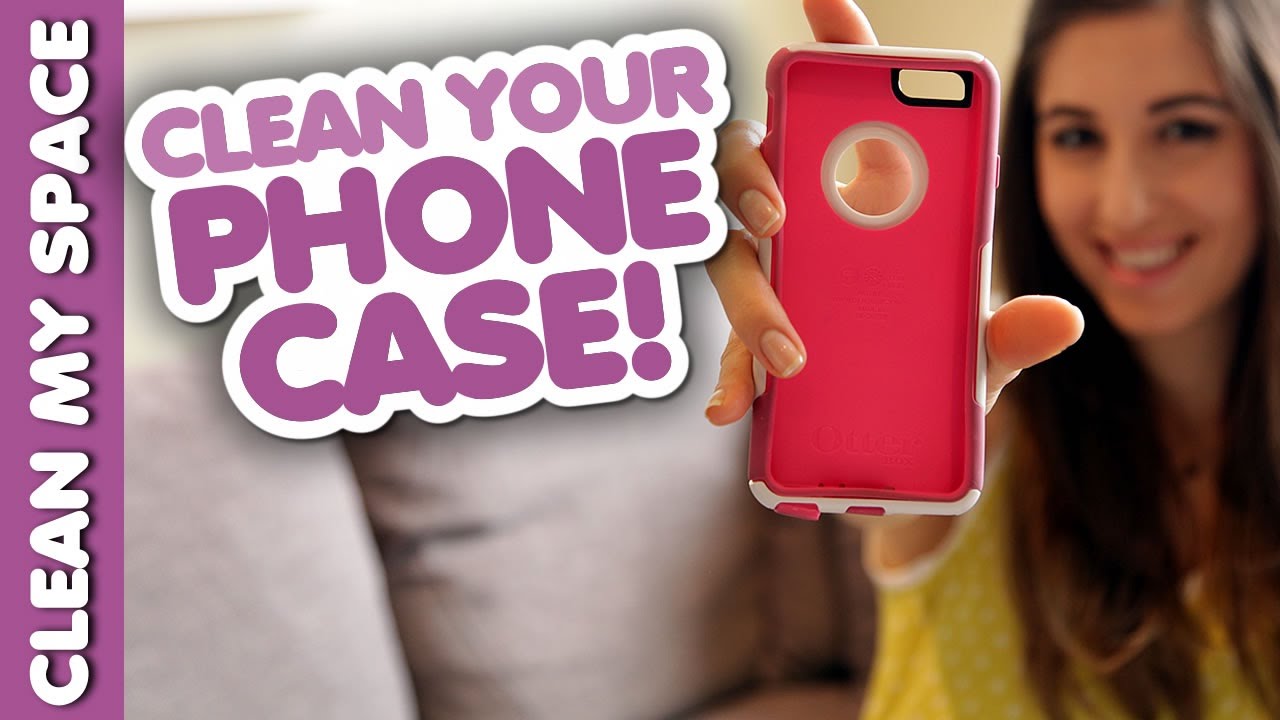
Quick answer: To Get Paint Off Your Phone Case, start with the safest first step for the material involved, test a small area when needed, and follow the process in thin, controlled stages. Use proper ventilation and protective gear when chemicals, sanding, spraying, or solvents are involved.
Assessment and Preparation Before You Begin
Before you even think about applying a drop of solvent, proper assessment and preparation are critical. Rushing this stage is the number one mistake that leads to irreversible damage. You must analyze three things: the case material, the paint type, and the paint’s current state (wet, tacky, or fully cured).
Assessing the Phone Case Material
The material of your phone case dictates what solvents are safe to use. Using the wrong solvent on the wrong plastic can cause discoloration, cracking, or even melting. Understanding the polymer type is paramount:
- Polycarbonate/Hard Plastic: These are durable but can be susceptible to certain aggressive solvents like strong acetone, which can cause clouding or stress fractures. They generally handle mild alcohols and soapy water well.
- Silicone: Silicone is highly flexible and generally resistant to mild chemicals, but prolonged exposure to strong oils or solvents can degrade the material over time, causing it to become tacky or discolored.
- Glossy/Painted Metal: Metal surfaces are often durable but are prone to staining. If the paint is deeply bonded, it might require mild abrasive action (like a soft toothbrush) combined with a specialized solvent, but always test first.
- Matte/Textured Plastic: These finishes are more delicate. They absorb chemicals and stains more readily than glossy surfaces, meaning deep stains can penetrate the texture and be extremely difficult to lift without damaging the matte finish itself.
Determining the Paint Type and Condition
The paint type determines the solvent required. Use these characteristics as a guide:
- Water-Based Paints (Acrylics, Latex): These typically require mild cleaning agents, as water is their primary component. They are easiest to remove if they are still wet.
- Oil-Based Paints: These contain natural oils and resins, making them highly adherent and resistant to water. They usually require hydrocarbon solvents (like mineral spirits or paint thinner) or specialized degreasers.
- Acrylic Paints: These are complex; they are water-based but contain acrylic polymers that cure into a durable, tough finish. They can be stubborn and may require solvents stronger than soap and water, sometimes moving into the solvent category used for oil paints.
The condition is equally important: Wet paint is often superficial and can be lifted physically. Cured/Dried paint has chemically bonded with the surface, requiring chemical intervention (solvents) to break the bond.
Targeted Stain Removal Techniques
Once you have assessed both the case and the paint, you can proceed with the removal. Remember that the process must always be iterative: Clean -> Test -> Apply -> Rinse.
Removing Water-Based Paint Stains
Because water-based paints rely on water for their structure, the removal process is usually gentle and mechanical. These stains are best addressed while the paint is still soft or tacky.
- Initial Cleanse: Wash the entire case thoroughly with warm water and a pH-neutral dish soap. This removes surface dirt that might be mixed with the paint.
- Soft Scrubbing: Dampen a soft, non-abrasive cloth (like a microfiber towel) with soapy water. Using very light, circular motions, gently rub the stained area. The soap helps lift the pigment without dissolving the plastic.
- Targeted Removal: If soap and water fail, try a mild, diluted detergent solution. Use cotton swabs dipped in this solution to work around edges and crevices where the paint has pooled.
- Rinse and Dry: Rinse the case completely with clean water. Dry immediately and thoroughly.
Removing Oil-Based Paint Stains
Oil-based paint is the most chemically challenging. Since oils are non-polar, they require solvents that can break down the oily binders. The solvents must be carefully chosen based on your case material.
- Spot Test Protocol: Before anything else, perform a spot test with a solvent like mineral spirits or denatured alcohol on an inconspicuous area. Wait 5 minutes and check for discoloration, clouding, or softening of the plastic.
- Application: If the solvent passes the test, apply a minimal amount to a cotton swab or soft brush. Do not pour solvents directly onto the case.
- Gentle Action: Gently dab and rub the paint stain. The goal is to dissolve the paint binder, not to scrub the plastic. Work in small sections, continually changing swabs to prevent solvent saturation.
- Neutralization: After the paint is removed, wipe the area with a cloth dampened with soapy water to neutralize any residual solvent. This prevents chemical reactions with the phone case material.
Addressing Stubborn Acrylic Paints
Acrylic paint requires a combination of methods. If the paint is wet, treat it like water-based paint. If it is cured, it behaves more like an oil-based stain and requires solvents.
For Cured Acrylic:
- Solvent Selection: Isopropyl alcohol (IPA) is often effective on most plastics, but check the case manufacturer’s compatibility chart. For extremely tough, cured acrylics, a specialized acrylic paint remover (designed for plastics) may be necessary, but this is a last resort.
- Soaking (Controlled): Dampen a cotton cloth with the chosen solvent and gently lay it over the stain. Allowing the solvent to sit for 5–10 minutes allows the chemical reaction to occur, softening the paint bond.
- Micro-Scrubbing: After the soaking period, gently lift the paint using a very soft-bristled brush or a clean, dry cotton swab. Do not scrape.
Materials and Tools Checklist
Having the right equipment is half the battle. Never use abrasive tools, as they will simply scratch the finish and make the stain appear worse. Here is a comprehensive list of materials:
- Cleaning Agents: Mild, pH-neutral dish soap; distilled water.
- Solvents (Test First!): Isopropyl alcohol (IPA); Acetone (use with extreme caution on plastics); Mineral spirits or denatured alcohol (for oil/acrylic).
- Application Tools: Microfiber cloths (several); Soft-bristled brush (like a clean, soft makeup brush or toothbrush); Cotton swabs (Q-tips).
- Safety Gear: Nitrile gloves; Eye protection (goggles); Adequate ventilation.
Restoring the Finish: Compatibility and Aftercare Tips
Once the paint is removed, the focus shifts to ensuring the case material is safe and undamaged. The greatest risk at this stage is residual solvent damage or chemical etching.
The Importance of Neutralization: After removing any paint stain using a solvent, it is absolutely vital to rinse the area thoroughly with soapy water, followed by a rinse with plain water. This neutralization step removes the chemical residue, preventing potential discoloration or structural weakness in the plastic polymer.
Drying Protocol: Never reattach the case to the phone while it is damp or wet. Use a soft cloth to gently blot the entire case until it is completely dry. If the case is metal, ensure it is free of any lingering oil residue, as this can affect the grip and feel of the phone.
Addressing Deep Stains: If the stain was very dark or penetrated the surface, the plastic may exhibit a slight discoloration (a permanent stain). This is often due to the stain’s pigment reacting with the plastic’s polymers. Unfortunately, these stains can be irreversible, and the goal shifts from 100% removal to achieving the best possible cosmetic improvement.
Mistakes to Avoid During Stain Removal
Even with the best intentions, amateur attempts can lead to damage. Be aware of these common pitfalls:
- Skipping the Spot Test: This is the cardinal sin of DIY restoration. Never assume a solvent is safe. Always test it on the smallest, least visible area first.
- Using Abrasives: Never use steel wool, abrasive pads, or excessive scrubbing force. These tools will scratch the finish, making the case look worse than when the paint was on it.
- Mixing Solvents Recklessly: Never mix different chemicals (e.g., acetone and alcohol) without specific knowledge of their reaction. This can create dangerous fumes or cause uncontrolled damage to the plastic.
- Ignoring Ventilation: Solvents release strong fumes. Always work in a well-ventilated area, opening windows or using fans to dissipate chemical vapors.
Safety and Practical Notes
When working with chemical compounds, safety must be the top priority. Treat this process with the same caution you would treat chemical painting.
- Protective Gear: Always wear nitrile gloves and eye protection when handling solvents.
- Ventilation: Use solvents only in an area with maximum airflow. Keep pets and children away from the work area.
- Professional Consultation: If the phone case is antique, highly valuable, or made of a specialized material (like certain woods or composites), do not attempt removal yourself. Seek a professional restoration service.
Frequently Asked Questions
What is the absolute first step before applying any solvent?
The first and most critical step is always the Spot Test Protocol. Never apply a solvent directly to the stain. Select an inconspicuous area of the phone case—like the underside or a corner—and apply a small amount of the solvent. Wait at least five minutes and closely examine the area for any signs of discoloration, clouding, softening, or pitting. If the material reacts negatively, do not use that solvent.
Get the Fail-Safe Paint Color Playbook (Free PDF)
36 proven colors • 8 ready palettes • trim & sheen guide • printable testing cards.
How do I handle a phone case made of an unknown or mixed material?
If you are unsure of the material, approach the cleaning process from the least aggressive method to the most aggressive. Start only with warm, pH-neutral soap and water. If that fails, move to a mild solvent like distilled white vinegar or Isopropyl Alcohol (IPA), as these are generally less damaging than strong solvents like acetone. Always proceed slowly, making minor improvements at each stage rather than attempting a rapid chemical removal.
Which type of paint is the most difficult to remove?
Generally, oil-based paints and highly cured acrylic paints are the most difficult because their binders chemically adhere strongly to the plastic surface. These types of paint require specialized solvents (like mineral spirits or paint thinner) to break the bond. Because these solvents are harsh, they require extreme caution and must only be applied in small, controlled areas.
If the stain has penetrated the surface, can it be fully restored?
It is important to manage expectations: if the stain has penetrated the surface and changed the color or texture of the plastic polymer, the discoloration may be permanent. The goal in these cases shifts from “complete removal” to “minimizing the visual impact.” If the damage appears deep, highly pigmented, or affects the structural integrity of the case, it is best to consult a professional restorer or accept that the stain may be irreversible.
Conclusion
Restoring a paint-stained phone case is a rewarding process that requires a combination of scientific knowledge and gentle technique. By approaching the task methodically—by identifying the paint, testing the solvents, and cleaning the material—you can successfully lift even the most stubborn stains. Approach the project with caution, prioritize safety, and remember that sometimes, the best outcome is simply a clean, neutralized surface, even if the original paint stain remains a faint memory.
With patience and careful execution, you can significantly improve the appearance of your phone case. By taking these preventive steps and following this structured guide, you can enjoy a clean, paint-free accessory for years to come. Always proceed slowly, and remember that caution is the most effective solvent of all.